Star Citizen Monthly Report: October 2021
Transmission Undefined Monthly ReportsContent
October was a hugely exciting month for players and devs alike thanks to our first digital-only CitizenCon. Naturally, this month’s report features work done for the event, but it’s predominantly packed with details of tasks completed and underway for content coming in the future.
Read on for everything from new ship updates to the latest from Pyro, and more.
AI Content
Last month, AI Content allotted resources to the upcoming Alpha 3.15 public release.
With healing and actor status in the coming patch, the team completed the ‘hospital respawning experience’ AI behavior and usables, which includes the doctors and nurses that greet players when they wake up in a medical bed.
A prominent example of the actor status system can be seen when buying a drink at a bar and getting drunk. So, AI Content took the time to fix many of the long-standing issues players have been experiencing.
“Earlier in the month during CitizenCon, we were pleased the public could see the worker behavior, artifact vendor, and a portion of our upcoming security behavior.” – AI Content Team
AI Features
AI Features spent part of the month working on the experience and responsiveness of some of the behaviors in the PU. For example, combat perception reactions were improved, including a few scenarios where the initial reactions were not playing correctly. They also managed to make the queuing of reaction animations when characters are using a usable more robust.
The team tweaked friendly fire to avoid unwanted damage and fixed the calculation used by NPCs to prevent them from shooting when friendly characters are in the way. Extensive analysis is underway on the various combat tactics to add better target re-evaluations into multiple scenarios.
On the vendor side, responsiveness was improved, and the team fixed bugs related to the scooching animation and bartenders serving patrons that already have drinks in front of them.
AI Tech
Throughout October, AI Tech continued their work on planetary navigation generation.
“The key elements for this month were about implementing an automatic way for requesting generation on the area surrounding the players, but we also worked on allowing the usage of the funneling algorithm to be used on the planetary navigation mesh triangles.” – AI Tech Team
The team extended the code for navigation links to allow for the creation of customization controllers. In this context, a controller is a generic piece of code that can extend how NPCs evaluate whether they can use a particular navigation link. For example, doors can have specific controllers to tell AI characters whether they are locked so they can be used correctly when pathfinding.
For ship AI, they concentrated on improvements to targeting and accuracy, improved the way AI use missiles in combat, and introduced ways to allow mission logic to force or request prioritization of a specific target. A PID controller was also implemented for accuracy that provides better results and makes it is easier to adjust based on AI skills.
Regarding the Subsumption editor, the team finished implementing functionality to dock different elements in the UI and save or load specific layouts.
Animation
Last month, the Animation team worked on various AI behaviors, including the nurse, vendor, bartender, bar patron, security guard, and cowering and hiding non-combatant NPC. Editing was also done on several female assets for Alpha 3.15 to give the world more life. Plans were made to improve the drunk locomotion set, which will help solve technical questions for the ‘heavily injured’ sets.
Development continued on the Shubin Interstellar mining gadget, with the team being sure to fix any visual issues with the select and deselect system.
Work continued on facial animations for all existing body animations, while progress was made on emotes and lines for various characters throughout the PU.
Art (Characters)
The Character Art and Tech teams spent October fixing bugs for Alpha 3.15 and progressing with content for various upcoming releases. Significant focus was given to updating the DNA archetype heads that will improve the quality of all character heads in the PU and Squadron 42. They also began developing a suite of new frontier-style outfits for the population of Pyro.
Art (Ships)
In the US, the Ship team cleaned up bugs and continued to polish various areas of the Crusader Ares, including several new paints.
The Drake Vulture reached the final art phase, with last month’s focus on habitation and the cargo hold.
One of the regularly mentioned unannounced vehicles continued to progress through the pipeline, this time getting a finalized UI layout and lighting pass. Part of the team then began the damage pass, while others transitioned to release prep.
Another new ship received its final tints and had bugs fixed throughout.
In the UK, three ships moved through the final stages of the pipeline, while the Banu Merchantman progressed through whitebox. The upcoming MISC Hulls continued development, with the A preparing for whitebox review and the C approaching greybox review.
Art (Weapons)
The Weapon Feature team began the month working on the Firestorm Kinetics Size 3 bombs for the Crusader Hercules and artwork for the upcoming ship tractor beam asset. They concluded the month on the mining gadget, proximity mine, and the laser trip mine.
Audio
The Audio Code team prepared for the final stage of Claudius audio software development, which was discussed by Audio Code Lead Graham and Sound Designer Adi during their Sounds of Space CitizenCon panel.
Finally, the team worked closely with composer Pedro Camacho on the score for Pyro to establish the tone and sonic palette.
Community
The Community team spent part of the month preparing for in-lore holiday Day of the Vara. This involved the Cave Runners and annual Star Citizen pumpkin carving competitions, while citizens could unlock the Hill Horror helmet for free by traveling to Jump Town throughout the holiday.
The team posted the Alpha 3.14 Postmortem featuring senior developers detailing what was delivered and assessing how it went.
Community also played an important role in Digital CitizenCon 2951, curating the many great community videos submitted as part of the event’s video contest, with the winners watchable on the CitizenCon website.
They also held the Tales of Star Citizen Past Contest and help citizens share their plans for CitizenCon watch parties.
During the event, the team took votes for the Fan Favorite Cosplay Contest and Ship Panel voting, released the Origin 400i Pre-Q&A after its unveiling, and compiled the Anvil Ship Carrier Q&A based on the most-upvoted community questions.
Following the event, they made all panels available to watch in 4k and posted a Follow-Up Q&A – Question Gathering thread to the Server Meshing panel.
Finally, the Community Team supported the upcoming Alpha 3.15 with Patch Watch posts on the personal inventory and server crash recovery, new missions and the first pass of shield variants, and medical gameplay.
Engine
Last month, the Physics team supported the upcoming Alpha 3.15 release and fixed numerous issues, and time was spent on various optimizations. The process of voxelizing triangular meshes was sped up by utilizing a scanline-based acceleration structure instead of a voxel-based one when flood-filling cells. The team also helped AI Code to optimize their update routine for the audio map by batching the stimuli processing. Furthermore, the sorting of collision events was optimized, and default brush physics are now created lazily. A debug visualization for collision history was implemented too. Lastly for Physics, a tree-based quantum grid was implemented that will be used during quantum-travel boosting and regular quantum travel to detect collisions and obstacles along the path.
For the renderer, significant effort was spent on improving the results of the pipeline profiler for Gen12 and legacy render paths. This was done to gain an accurate assessment of how long render and compute passes take to process on CPUs and GPUs without impacting actual frame rate too much (real-time profiling).
Significant progress was also made on the Gen12 transition: Pipeline state objects are now compiled on demand to improve loading times, massive instancing is now supported, and instance buffer management was optimized. The Scaleform render stage used for menu and in-game-world UI was optimized to reduce the average stage count from 2000 states to a maximum of 60, with the pipeline state also being created on demand. Additionally, refactoring was done to the particle code, light atlas stage, and shader parser. Content integrity was tightened by adding data asserts for invalid shaders being used in materials. Support for material texture updates (texture animation) was added too.
For atmosphere and cloud rendering, all recent improvements were merged into the Alpha 3.15 stream. Improvements continued to be made to cloud and atmosphere indirect lighting based on the presence of clouds in the atmosphere. The initial part of this work was completed (LUT generation), with work picking up again once planned performance optimizations are in place. To get the latter in place, work on the reprojection and filter chain commenced to allow for temporal and spatial reuse of raymarch results. Specifically for this purpose, R&D work started on performing reprojection without motion vectors (as these can’t represent participating media properly).
The Core Engine team also worked on entity streaming code, which now supports the sphere-based culling needed for SQ42. A large refactor was submitted to the entity component update scheduler. This includes a new API that uses update IDs instead of passes to allow multiple updates per pass. The engine’s frame profiler was updated to include various statistics from heartbeat events as well as a summary of CPU time and memory usage by the dev teams, build info, and a screenshot into the capture. The memory manager was extended to support separate allocation arenas and thread caches per dev team. In cases of invalid memory access, the exception handler can now indicate which arena an inaccessible memory address maps to. This in turn allows debugging memory crashes with more fine-grained memory check enabled, which typically means the build runs much faster and uses less memory as it otherwise would do with memory debugging enabled globally. Additionally, work continued on improving vis area (frustum) culling and functionality to capture and pass around C++ lambdas without heap allocations was added.
Lastly, the team is taking a closer look at options to integrate EASTL.
Features (Characters & Weapons)
Throughout October, the Features team improved the new player inventory and actor status features based on feedback from the PTU, with the most notable addition being the ability to filter items in the inventory. This feature has already gone through several UI iterations since being introduced early in the month.
Features (Gameplay)
The US Gameplay team began the month finalizing their Stream of Thought panel for CitizenCon. Once complete, they focused on the new item kiosk that will add the ability to sell items back to shops (it was converted to Building Blocks in the process).
They finalized technical design documents, began work on the major cargo refactor, and worked on the upcoming IAE event too.
A fix was added to stop players from losing items stowed in their ships if they hit a 30k. Now, when players hit a 30k, they will be able to respawn that ship with all stowed inventory items at any ASOP terminal in the game.
“Gone are the days of loading your ship up with a ton of items to move to another city only to lose them due to the server crashing. We’ve already seen an extremely positive reaction from the public on both Spectrum as well as Reddit about how well this is working, so hopefully you all appreciate this as much as we do!” – Features Team
Features (Vehicles)
Last month, the Vehicle team focused on a significant rework of grav-lev handling. A breakthrough in implementation meant that they could make significant improvements to the handling, making it more dynamic and flexible. They also fixed some bugs and issues with the existing implementation.
The development of jump points continued, with the team currently cleaning up loose ends regarding gameplay logic. For example, when multiple people use a jump point at once. Some of the low-level tech behind jump points has dependencies on server meshing, so the team continued to work with the relevant teams too.
Improvements were looked into for the transit system. The system is quite complex and was built before server meshing and streaming, so there are upgrades to make to ensure it copes with the new tech landscape of the game. The team also looked to improve some of the tools used by the designers to more easily create dynamic and complex transit networks.
Graphics & VFX Programming
Improvements to water volumes continued, with October’s focus on how to correctly simulate volumetric lighting under the surface. Two approaches were taken: The first makes use of the general voxel fog system, though this has several limitations that make it not applicable to very large or very small water volumes. The second approach is to re-use the particle lighting model, which is less accurate but can work at more extreme scales.
Work also started on changes to the material system to allow shaders to become more modular. This is a stepping stone towards building a new suite of shaders that provide more power and flexibility for the artists without always needing complex re-engineering by the graphics programmers.
Gen12 work picked up after CitizenCon, with more systems being converted. The team are also looking to complete a large refactor of the texture samplers to make them compatible with Gen12/Vulkan.
Other completed tasks include new light animation features, technical design work for using damage maps for salvage, gamma correction fixes, and general support for the fire feature.
Lighting
The Lighting team started the month fixing bugs for the locations of Alpha 3.15.
They then moved onto finalizing lighting for IAE, which involved taking the existing lighting and repurposing it for the new mood of the convention hall. Some areas only required small tweaks, while others received much more dramatic changes that the team hopes will provide a new and interesting experience for the community.
The start of a new quarter also saw the team tackle the backlog of legacy tasks and polish covering locations across the whole PU.
A look-dev pass began on Pyro’s abandoned space stations
“These locations provide us with tons of opportunity for mood and drama, like dark, cold corridors contrasted with hot markets filled with condensation.” – Lighting Team
Locations
The Montreal-based Locations team put the final touches to Area18’s hospital, which is due for release in Alpha 3.16. This involved completing polish tasks, building LODs for the entire location, and fixing any remaining bugs.
Alongside this, other hospitals progressed well, including the Maria Pure of Heart hospital in Lorville and the rest stop clinics, with the latter approaching the final stages of development. The rest stop clinics required a few additional modules to allow the team to create unique layouts across each of the 12 locations. They also iterated on the whitebox for Levski’s hospital.
Another key feature currently under development is Derelict Ships V1. Last month, the Design team scattered parts of the Drake Caterpillar around planetside locations and added puzzles inside them. Currently, there are two types of modules: Vanilla and Puzzle. Vanilla modules are simple spaceship parts where players might find basic resources or items. Puzzle modules contain a puzzle with a lootable container as a reward. The team has now completed these modules and are assembling them at various crash sites around Stanton.
Narrative
Narrative’s October kicked off with final support for Alpha 3.15’s push to the PTU. They also supported other teams, fixed bugs, added text strings, and wrote item names and descriptions. They then looked ahead to future releases and began compiling documents for some of the upcoming hospital locations. This included writing ideas and text for environmental props, such as posters, signage, and announcement scripts.
With the year coming to a close, there was a focus on planning. Narrative worked alongside AI, Animation, and Design to figure out narrative content goals for the upcoming year, including behavior prototyping and motion-capture sessions.
Narrative also continued to work on content for Pyro, including working alongside Design on missions and developing the factions and locations that will be found throughout the system.
A handful of new and reposted lore articles were published. The Advocacy Archive reveals an undercover operation into a potentially violent faction of a Terran separatist group, while Dispatches from the Dark tells the tale of a true-crime enthusiast’s conflicted hike to the site of an infamous serial killer. October’s Jump Point featured a CitizenCon retrospective as well as a look into the development of the 400i and a Portfolio on Cousin Crow’s Custom Craft on Orison. Finally, Galactapedia was updated with a host of new articles.
QA
QA’s primary publishing focus was on CitizenCon, Alpha 3.15 for Evocati, and wave 1 PTU testing. As the live date was moved into November, the team continued to test and publish to further waves while updating the publishing seclude.
For development, the team continued testing QATRs as needed. With the new Tuesday-and-Thursday publishing plan and functionality checklist in place, the team was able to perform tests more reliably.
QA management continued with the return-to-office plan, progressed with recruitment, and created a dedicated QA Live team.
Systemic Services & Tools
In October, Systemic Services & Tools wrapped up their ongoing work on the economy, tools, and AI simulation. They’re now focusing on optimization for the remainder of the year. The new gameplay feature mentioned last month continued development too.
Work progressed on intelligent NPC spawning and tracking, with the latter half of the spawning system progressing well. The tracking system continues towards its first major internal milestone.
Finally, in preparation for Alpha 3.15, they addressed new edge cases with the inventory system and backend services.
Tech Animation
October saw Tech Animation complete their long-running task of upgrading the head-creation and animation pipeline.
“We have rewritten major parts of the DNA system used to create our in-game actors. Coupled with this, we have added support for creating and editing these head assets in Maya through a plugin that shares the same codebase and a huge amount of tooling to use it efficiently. This has allowed us to move beyond our current gene-pool limits and set our eyes on the future.” – Tech Animation
Now, all types of face rigs are viable (including animals and aliens) along with the prospect of upgrading or customizing the facial animation rigs for whatever is required in the future. This technology is also being prospectively recruited with more complex forms of deformation.
Tech Animation are nearly ready to present the head-authoring pipeline they created in tandem with the DNA system. This will give them the opportunity to create new face rigs for the DNA gene pools and tightly control the quality of assets.
Additional tooling was created throughout the quarter to include alembic cache export in the animation pipeline. It was always supported but including it this way has opened up new opportunities for the Animation and Tech teams to directly include it in their animation pipelines as an export preference.
Animation also continued the development of the tools pipeline and refined some older code and tools to keep them working as intended.
Turbulent (Services)
The Live Tools team progressed with the Hex tool detailed last month, this time bringing it to parity with the previous version. They continued to adjust the crash-handling pipeline in preparation for deployment next month alongside a new update to the Panic API to support the upcoming changes.
Game Services progressed with the discipline service, ironing out the details in pre-testing before proceeding with the full QATR. The team also worked on feature requests for the entity graph for the Persistent Tech team.
UI
The UI team primarily supported Alpha 3.15, though they also progressed with UI for the upcoming refueling feature and mining gadgets. They spent time converting the ASOP terminals to use Building Blocks for a future release and worked with the Vehicle team to add updated door controls to the latest ships.
Vehicle Tech
Vehicle Tech worked on various features for the upcoming patch, including new vehicle release support, landing gear, radar and scanning, repair, and door control panel interactions.
“The control panels are of particular note, as we are aiming to soon expand such interactions to allow the player to control their environment in new and exciting ways, whether they be within a vehicle or station.” – Vehicle Tech
The team then moved on to incorporating feedback on the radar and scanning improvements submitted last quarter. Squadron-42-related needs were also uncovered that, when implemented, will benefit the PU too.
VFX
The VFX Team completed full passes on several new ships, including the Crusader Ares variants and their weapons. Work continued on the S10 bombs that are now looking significantly better than the ‘functional pass’ shown on Inside Star Citizen.
Planetary ground storm effects were rebalanced, which was necessary due to the recently introduced VFX lighting model. The team also held several VFX-focused playtests where they found and fixed lots of minor visual bugs.
WE’LL SEE YOU NEXT MONTH…
Der Oktober war dank unserer ersten rein digitalen CitizenCon ein sehr aufregender Monat für Spieler und Entwickler gleichermaßen. Im Bericht dieses Monats geht es natürlich um die Arbeit, die für das Event geleistet wurde, aber er ist vor allem vollgepackt mit Details zu abgeschlossenen Aufgaben und laufenden Arbeiten für zukünftige Inhalte.
Lies weiter, um alles zu erfahren, von neuen Schiffsupdates bis hin zu den Neuigkeiten von Pyro und vielem mehr.
KI-Inhalt
Letzten Monat hat das Team von AI Content Ressourcen für die bevorstehende Veröffentlichung der Alpha 3.15 bereitgestellt.
Mit der Heilung und dem Schauspieler-Status im kommenden Patch hat das Team das KI-Verhalten und die Usables für die "Krankenhaus-Respawning-Erfahrung" fertiggestellt, zu denen auch die Ärzte und Krankenschwestern gehören, die die Spieler/innen begrüßen, wenn sie in einem Krankenbett aufwachen.
Ein prominentes Beispiel für das Schauspieler-Status-System ist, wenn du in einer Bar einen Drink kaufst und betrunken wirst. AI Content hat sich also die Zeit genommen, viele der langjährigen Probleme zu beheben, die die Spieler/innen hatten.
"Anfang des Monats, während der CitizenCon, haben wir uns gefreut, dass die Öffentlichkeit das Verhalten von Arbeitern, Artefaktverkäufern und einen Teil unseres kommenden Sicherheitsverhaltens sehen konnte." - KI-Inhaltsteam
KI-Funktionen
Das Team für KI-Features hat einen Teil des Monats damit verbracht, an der Erfahrung und Reaktionsfähigkeit einiger Verhaltensweisen in der PU zu arbeiten. So wurden zum Beispiel die Reaktionen auf die Kampfwahrnehmung verbessert, einschließlich einiger Szenarien, in denen die ersten Reaktionen nicht korrekt abgespielt wurden. Außerdem wurde die Warteschlange für die Reaktionsanimationen verbessert, wenn die Charaktere ein Hilfsmittel benutzen.
Das Team hat das Friendly Fire optimiert, um unerwünschten Schaden zu vermeiden, und die Berechnung der NSCs korrigiert, damit sie nicht schießen, wenn befreundete Charaktere im Weg stehen. Die verschiedenen Kampftaktiken werden derzeit eingehend analysiert, um eine bessere Neubewertung der Ziele in verschiedenen Szenarien einzuführen.
Auf der Verkäuferseite wurde die Reaktionsfähigkeit verbessert und das Team hat Fehler im Zusammenhang mit der Scooching-Animation und den Barkeepern, die Gäste bedienen, die bereits Getränke vor sich stehen haben, behoben.
AI Tech
Im Oktober arbeitete das Team von AI Tech weiter an der Erzeugung von Planetennavigation.
"In diesem Monat ging es vor allem darum, eine automatische Methode zur Generierung von Anfragen für die Umgebung der Spieler zu implementieren, aber wir haben auch daran gearbeitet, die Verwendung des Trichteralgorithmus für die Maschendreiecke der Planetennavigation zu ermöglichen." - AI Tech Team
Das Team hat den Code für Navigationslinks erweitert, um die Erstellung von Anpassungscontrollern zu ermöglichen. In diesem Zusammenhang ist ein Controller ein generisches Stück Code, das die Art und Weise, wie NSCs bewerten, ob sie eine bestimmte Navigationsverbindung nutzen können, erweitern kann. So können z. B. Türen mit speziellen Controllern versehen werden, die den KI-Charakteren mitteilen, ob sie verschlossen sind, damit sie bei der Wegfindung korrekt verwendet werden können.
Bei der Schiffs-KI konzentrierten sie sich auf Verbesserungen beim Zielen und der Genauigkeit, verbesserten die Art und Weise, wie die KI Raketen im Kampf einsetzt, und führten Möglichkeiten ein, mit denen die Missionslogik die Priorisierung eines bestimmten Ziels erzwingen oder anfordern kann. Außerdem wurde ein PID-Regler für die Genauigkeit implementiert, der bessere Ergebnisse liefert und die Anpassung an die Fähigkeiten der KI erleichtert.
Für den Subsumption-Editor hat das Team eine Funktion implementiert, mit der verschiedene Elemente in der Benutzeroberfläche angedockt und bestimmte Layouts gespeichert oder geladen werden können.
Animation
Im letzten Monat hat das Animationsteam an verschiedenen KI-Verhaltensweisen gearbeitet, darunter die Krankenschwester, der Verkäufer, der Barkeeper, der Barbesucher, der Wachmann und der sich duckende und versteckende Nicht-Kämpfer-NSC. Außerdem wurden einige weibliche Objekte für Alpha 3.15 bearbeitet, um der Welt mehr Leben einzuhauchen. Es wurde geplant, das Set für die Fortbewegung von Betrunkenen zu verbessern, was helfen wird, technische Fragen für die "Schwerverletzten"-Sets zu lösen.
Die Entwicklung des Shubin Interstellar Mining Gadgets wurde fortgesetzt, wobei das Team darauf achtete, alle visuellen Probleme mit dem Select- und Deselect-System zu beheben.
Die Arbeit an den Gesichtsanimationen für alle bestehenden Körperanimationen wurde fortgesetzt, während Fortschritte bei den Emotes und Lines für verschiedene Charaktere in der PU gemacht wurden.
Kunst (Charaktere)
Die Teams für Charakterkunst und Technik haben den Oktober damit verbracht, Fehler für Alpha 3.15 zu beheben und an Inhalten für verschiedene kommende Veröffentlichungen zu arbeiten. Ein besonderer Schwerpunkt lag auf der Aktualisierung der DNA-Archetyp-Köpfe, die die Qualität aller Charakterköpfe in der PU und in Squadron 42 verbessern wird. Außerdem wurde mit der Entwicklung einer Reihe neuer Outfits im Frontier-Stil für die Bevölkerung von Pyro begonnen.
Kunst (Schiffe)
In den USA bereinigte das Schiffsteam Fehler und polierte verschiedene Bereiche der Crusader Ares weiter auf, darunter auch mehrere neue Anstriche.
Die Drake Vulture hat die letzte Phase der Gestaltung erreicht, wobei der Schwerpunkt im letzten Monat auf den Bewohnern und dem Frachtraum lag.
Eines der regelmäßig erwähnten unangekündigten Fahrzeuge durchlief weiterhin die Pipeline und erhielt diesmal ein endgültiges UI-Layout und einen Beleuchtungspass. Ein Teil des Teams begann dann mit dem Schadenspass, während andere zur Vorbereitung der Veröffentlichung übergingen.
Ein weiteres neues Schiff erhielt seine endgültigen Farbtöne und wurde von Fehlern befreit.
In Großbritannien durchliefen drei Schiffe die letzten Phasen der Pipeline, während der Banu Merchantman die Whitebox durchlief. Die Entwicklung der kommenden MISC-Rümpfe wurde fortgesetzt, wobei sich das A-Schiff auf die Whitebox-Überprüfung und das C-Schiff auf die Greybox-Überprüfung vorbereitete.
Kunst (Waffen)
Das Waffenteam begann den Monat mit der Arbeit an den Feuersturm-Kinetikbomben der Größe 3 für die Crusader Hercules und an der Grafik für den kommenden Schiffstraktorstrahl. Den Monat beendeten sie mit dem Minengerät, der Annäherungsmine und der Laserauslösemine.
Audio
Das Audiocode-Team bereitete sich auf die letzte Phase der Entwicklung der Claudius-Audiosoftware vor, die von Audio Code Lead Graham und Sound Designer Adi während ihres Sounds of Space CitizenCon Panels besprochen wurde.
Schließlich arbeitete das Team eng mit dem Komponisten Pedro Camacho an der Musik für Pyro zusammen, um den Ton und die Klangpalette festzulegen.
Community
Das Community-Team verbrachte einen Teil des Monats mit den Vorbereitungen für den In-Lore-Feiertag Day of the Vara. Dazu gehörten die Cave Runners und die jährlichen Star Citizen Kürbisschnitzwettbewerbe, während die Bürgerinnen und Bürger den Hill Horror Helm kostenlos freischalten konnten, indem sie während des Feiertages nach Jump Town reisten.
Das Team hat den Alpha 3.14 Postmortem veröffentlicht, in dem die leitenden Entwickler detailliert beschreiben, was geliefert wurde und wie es gelaufen ist.
Die Community spielte auch eine wichtige Rolle bei der Digital CitizenCon 2951, indem sie die vielen großartigen Community-Videos kuratierte, die im Rahmen des Videowettbewerbs der Veranstaltung eingereicht wurden.
Außerdem veranstalteten sie den Tales of Star Citizen Past Contest und halfen den Bürgern, ihre Pläne für CitizenCon-Watchpartys mitzuteilen.
Während der Veranstaltung nahm das Team Stimmen für den Fan Favorite Cosplay Contest und die Schiffspanel-Abstimmung entgegen, veröffentlichte die Origin 400i Pre-Q&A nach ihrer Enthüllung und stellte die Anvil Ship Carrier Q&A auf der Grundlage der am meisten beantworteten Community-Fragen zusammen.
Im Anschluss an die Veranstaltung wurden alle Panels in 4k zur Verfügung gestellt und ein Follow-Up Q&A - Question Gathering Thread zum Server Meshing Panel veröffentlicht.
Schließlich unterstützte das Community-Team die bevorstehende Alpha 3.15 mit Patch-Watch-Posts zum persönlichen Inventar und zur Wiederherstellung von Serverabstürzen, neuen Missionen und dem ersten Durchlauf der Schildvarianten sowie dem medizinischen Gameplay.
Engine
Im letzten Monat hat das Physik-Team die bevorstehende Alpha 3.15 unterstützt und zahlreiche Probleme behoben sowie Zeit in verschiedene Optimierungen investiert. Der Prozess der Voxelisierung von dreieckigen Meshes wurde beschleunigt, indem beim Flood-Filling von Zellen eine Scanline-basierte Beschleunigungsstruktur anstelle einer Voxel-basierten verwendet wurde. Das Team half AI Code auch dabei, die Aktualisierungsroutine für die Audiokarte zu optimieren, indem die Verarbeitung der Stimuli gestapelt wurde. Außerdem wurde die Sortierung von Kollisionsereignissen optimiert, und die Standard-Pinselphysik wird jetzt "lazily" erstellt. Eine Debug-Visualisierung für den Kollisionsverlauf wurde ebenfalls implementiert. Schließlich wurde für die Physik ein baumbasiertes Quantengitter implementiert, das beim Quantenreise-Boosting und bei der regulären Quantenreise verwendet wird, um Kollisionen und Hindernisse auf dem Weg zu erkennen.
Für den Renderer wurden erhebliche Anstrengungen unternommen, um die Ergebnisse des Pipeline-Profilers für Gen12- und Legacy-Renderpfade zu verbessern. Dies geschah, um eine genaue Einschätzung darüber zu erhalten, wie lange Render- und Rechenprozesse auf CPUs und GPUs dauern, ohne die tatsächliche Bildrate zu sehr zu beeinträchtigen (Echtzeit-Profiling).
Auch bei der Umstellung auf Gen12 wurden erhebliche Fortschritte erzielt: Pipeline-Zustandsobjekte werden jetzt bei Bedarf kompiliert, um die Ladezeiten zu verbessern, massive Instanzierung wird jetzt unterstützt und die Verwaltung der Instanzpuffer wurde optimiert. Die Scaleform-Rendering-Stage, die für das Menü und die Spielwelt-UI verwendet wird, wurde optimiert, um die durchschnittliche Anzahl der Stages von 2000 auf maximal 60 zu reduzieren, wobei der Pipeline-State ebenfalls bei Bedarf erstellt wird. Außerdem wurden der Partikelcode, die Lichtatlas-Stufe und der Shader-Parser überarbeitet. Die Integrität der Inhalte wurde durch das Hinzufügen von Data Asserts für ungültige Shader in Materialien verbessert. Außerdem wurde Unterstützung für Materialtextur-Updates (Texturanimation) hinzugefügt.
Für das Atmosphären- und Wolkenrendering wurden alle aktuellen Verbesserungen in den Alpha 3.15 Stream übernommen. Die indirekte Beleuchtung der Wolken und der Atmosphäre, die auf dem Vorhandensein von Wolken in der Atmosphäre basiert, wurde weiter verbessert. Der erste Teil dieser Arbeit wurde abgeschlossen (LUT-Generierung) und die Arbeit wird wieder aufgenommen, sobald die geplanten Leistungsoptimierungen umgesetzt sind. Um Letzteres zu erreichen, wurde mit der Arbeit an der Reprojektion und der Filterkette begonnen, um die zeitliche und räumliche Wiederverwendung von Raymarch-Ergebnissen zu ermöglichen. Zu diesem Zweck wurde damit begonnen, die Reprojektion ohne Bewegungsvektoren durchzuführen (da diese die teilnehmenden Medien nicht richtig darstellen können).
Das Core-Engine-Team hat auch am Code für das Streaming von Entitäten gearbeitet, der jetzt das für SQ42 benötigte sphärenbasierte Culling unterstützt. Der Update-Scheduler für die Entity-Komponenten wurde einer umfassenden Überarbeitung unterzogen. Dazu gehört eine neue API, die Aktualisierungs-IDs anstelle von Durchgängen verwendet, um mehrere Aktualisierungen pro Durchgang zu ermöglichen. Der Frame-Profiler der Engine wurde aktualisiert, um verschiedene Statistiken von Heartbeat-Ereignissen sowie eine Zusammenfassung der CPU-Zeit und der Speichernutzung durch die Entwicklerteams, Build-Informationen und einen Screenshot in das Capture aufzunehmen. Der Speichermanager wurde erweitert, um separate Zuweisungsbereiche und Thread-Caches pro Entwicklerteam zu unterstützen. Bei ungültigen Speicherzugriffen kann der Exception-Handler jetzt angeben, auf welche Arena eine unzugängliche Speicheradresse verweist. Das wiederum ermöglicht das Debuggen von Speicherabstürzen mit einer feinkörnigeren Speicherprüfung, was in der Regel bedeutet, dass der Build viel schneller läuft und weniger Speicher verbraucht, als es bei global aktiviertem Speicher-Debugging der Fall wäre. Außerdem wurde die Arbeit an der Verbesserung des Vis-Area-Culling (Frustum) fortgesetzt und eine Funktion zum Erfassen und Weiterleiten von C++-Lambdas ohne Heap-Allokationen wurde hinzugefügt.
Und schließlich prüft das Team die Möglichkeiten zur Integration von EASTL genauer.
Features (Charaktere und Waffen)
Im Laufe des Oktobers hat das Feature-Team die neuen Funktionen für das Spielerinventar und den Akteursstatus auf der Grundlage des Feedbacks der PTU verbessert, wobei die bemerkenswerteste Neuerung die Möglichkeit ist, Gegenstände im Inventar zu filtern. Diese Funktion hat seit ihrer Einführung Anfang des Monats bereits mehrere Iterationen der Benutzeroberfläche durchlaufen.
Features (Gameplay)
Das US-Gameplay-Team begann den Monat mit der Fertigstellung des Stream of Thought Panels für die CitizenCon. Danach konzentrierten sie sich auf den neuen Item-Kiosk, der den Verkauf von Gegenständen in Läden ermöglicht (er wurde dabei in Building Blocks umgewandelt).
Sie schlossen die technischen Designdokumente ab, begannen mit der Arbeit an der Überarbeitung der Fracht und arbeiteten auch an dem kommenden IAE-Event.
Es wurde ein Fix eingebaut, der verhindert, dass Spieler Gegenstände in ihren Schiffen verlieren, wenn sie ein 30k erreichen. Wenn Spieler ein 30k erreichen, können sie das Schiff mit allen verstauten Gegenständen an jedem ASOP-Terminal im Spiel neu starten.
"Vorbei sind die Zeiten, in denen du dein Schiff mit Unmengen von Gegenständen beladen musstest, um in eine andere Stadt zu ziehen, nur um sie dann durch einen Serverabsturz zu verlieren. Sowohl auf Spectrum als auch auf Reddit haben wir bereits sehr positive Reaktionen von der Öffentlichkeit darüber erhalten, wie gut das funktioniert. Wir hoffen, dass ihr das genauso schätzt wie wir!" - Features Team
Features (Fahrzeuge)
Im letzten Monat hat sich das Fahrzeug-Team auf eine umfassende Überarbeitung des Grav-Lift-Handlings konzentriert. Dank eines Durchbruchs bei der Implementierung konnten sie das Fahrverhalten deutlich verbessern und es dynamischer und flexibler gestalten. Außerdem wurden einige Bugs und Probleme mit der bestehenden Implementierung behoben.
Die Entwicklung der Sprungpunkte wurde fortgesetzt und das Team räumt derzeit mit losen Enden in Bezug auf die Spiellogik auf. Zum Beispiel, wenn mehrere Personen gleichzeitig einen Sprungpunkt benutzen. Einige der Low-Level-Technologien, die hinter den Sprungpunkten stehen, sind vom Server-Meshing abhängig, daher arbeitete das Team auch weiterhin mit den entsprechenden Teams zusammen.
Es wurde nach Verbesserungen für das Transitsystem gesucht. Das System ist recht komplex und wurde vor der Einführung von Server-Meshing und Streaming entwickelt. Es muss also verbessert werden, um sicherzustellen, dass es mit der neuen Technologielandschaft des Spiels zurechtkommt. Das Team wollte auch einige der von den Designern verwendeten Tools verbessern, um dynamische und komplexe Verkehrsnetze einfacher zu erstellen.
Grafik & VFX-Programmierung
Die Verbesserungen an den Wasservolumina wurden fortgesetzt, wobei der Schwerpunkt im Oktober auf der korrekten Simulation der volumetrischen Beleuchtung unter der Oberfläche lag. Es wurden zwei Ansätze verfolgt: Der erste nutzt das allgemeine Voxel-Nebel-System, das jedoch einige Einschränkungen aufweist, die es für sehr große oder sehr kleine Wasservolumina unbrauchbar machen. Der zweite Ansatz ist die Wiederverwendung des Partikel-Beleuchtungsmodells, das zwar weniger genau ist, aber bei extremeren Maßstäben funktionieren kann.
Außerdem wurde damit begonnen, das Materialsystem zu ändern, um die Shader modularer zu gestalten. Dies ist ein Schritt auf dem Weg zu einer neuen Reihe von Shadern, die mehr Leistung und Flexibilität für die Künstler/innen bieten, ohne dass die Grafikprogrammierer/innen immer wieder komplexe Änderungen vornehmen müssen.
Die Arbeit an Gen12 wurde nach der CitizenCon fortgesetzt, und es wurden weitere Systeme umgestellt. Das Team arbeitet außerdem an einer umfassenden Überarbeitung der Textur-Sampler, um sie mit Gen12/Vulkan kompatibel zu machen.
Zu den weiteren abgeschlossenen Aufgaben gehören neue Lichtanimationen, technisches Design für die Verwendung von Schadenskarten für die Bergung, Korrekturen an der Gammakorrektur und allgemeine Unterstützung für das Feuer-Feature.
Beleuchtung
Das Beleuchtungsteam begann den Monat mit der Behebung von Fehlern für die Standorte der Alpha 3.15.
Dann ging es an die Fertigstellung der Beleuchtung für die IAE, bei der die bestehende Beleuchtung für die neue Stimmung in der Kongresshalle umfunktioniert wurde. In einigen Bereichen waren nur kleine Anpassungen nötig, während andere viel dramatischere Änderungen erhielten, von denen sich das Team eine neue und interessante Erfahrung für die Community erhofft.
Zu Beginn des neuen Quartals nahm das Team auch die Altlasten in Angriff und polierte die Bereiche der gesamten PU auf.
Ein Look-Dev-Pass begann auf den verlassenen Raumstationen von Pyro
"Diese Schauplätze bieten uns jede Menge Möglichkeiten für Stimmung und Dramatik, z. B. dunkle, kalte Korridore im Kontrast zu heißen Märkten voller Kondenswasser." - Beleuchtungsteam
Locations
Das Locations-Team in Montreal gab dem Krankenhaus von Area18 den letzten Schliff, das in Alpha 3.16 veröffentlicht werden soll. Dazu gehörte es, das Krankenhaus zu polieren, LODs für den gesamten Ort zu erstellen und noch vorhandene Fehler zu beheben.
Auch andere Krankenhäuser kamen gut voran, darunter das Krankenhaus Maria Pure of Heart in Lorville und die Raststättenkliniken, wobei sich letztere der Endphase der Entwicklung nähern. Für die Raststätten wurden einige zusätzliche Module benötigt, damit das Team für jeden der 12 Standorte ein eigenes Layout erstellen konnte. Außerdem wurde die Whitebox für Levskis Krankenhaus überarbeitet.
Eine weitere wichtige Funktion, die derzeit entwickelt wird, ist Derelict Ships V1. Letzten Monat hat das Design-Team Teile der Drake-Raupe auf dem Planeten verteilt und darin Rätsel eingebaut. Derzeit gibt es zwei Arten von Modulen: Vanilla und Puzzle. Vanilla-Module sind einfache Raumschiffteile, in denen die Spieler/innen grundlegende Ressourcen oder Gegenstände finden können. Puzzle-Module enthalten ein Rätsel mit einem plünderbaren Container als Belohnung. Das Team hat diese Module jetzt fertiggestellt und baut sie an verschiedenen Absturzstellen rund um Stanton zusammen.
Narrative
Der Oktober begann für Narrative mit der finalen Unterstützung für die Veröffentlichung von Alpha 3.15 in der PTU. Außerdem haben sie andere Teams unterstützt, Fehler behoben, Textstrings hinzugefügt und Gegenstandsnamen und -beschreibungen verfasst. Dann blickten sie auf zukünftige Veröffentlichungen und begannen, Dokumente für einige der kommenden Krankenhausstandorte zusammenzustellen. Dazu gehörten auch Ideen und Texte für Umgebungsrequisiten wie Plakate, Schilder und Ankündigungsskripte.
Als sich das Jahr dem Ende zuneigte, lag der Schwerpunkt auf der Planung. Narrative arbeiteten mit AI, Animation und Design zusammen, um die Ziele für die narrativen Inhalte des kommenden Jahres festzulegen, einschließlich Verhaltensprototyping und Motion-Capture-Sitzungen.
Die Narrative arbeiteten auch weiter an den Inhalten für Pyro, unter anderem gemeinsam mit dem Design an den Missionen und der Entwicklung der Fraktionen und Orte, die im System zu finden sein werden.
Eine Handvoll neuer und neu aufgelegter Artikel wurde veröffentlicht. Das Advocacy Archive enthüllt eine Undercover-Operation gegen eine potenziell gewalttätige Fraktion einer terranischen Separatistengruppe, während Dispatches from the Dark die Geschichte der zwiespältigen Wanderung eines True-Crime-Fans zum Fundort eines berüchtigten Serienmörders erzählt. Im Jump Point vom Oktober gab es einen Rückblick auf die CitizenCon, einen Einblick in die Entwicklung der 400i und ein Portfolio über Cousin Crows Custom Craft auf Orison. Schließlich wurde die Galactapedia mit einer Reihe neuer Artikel aktualisiert.
QA
Das Hauptaugenmerk der QA lag auf der CitizenCon, der Alpha 3.15 für Evocati und den PTU-Tests der Welle 1. Als das Live-Datum in den November verschoben wurde, testete und veröffentlichte das Team weitere Wellen und aktualisierte gleichzeitig die Veröffentlichungsseclude.
Für die Entwicklung testete das Team weiterhin QATRs nach Bedarf. Mit dem neuen Veröffentlichungsplan für Dienstag und Donnerstag und der Checkliste für die Funktionalität war das Team in der Lage, die Tests zuverlässiger durchzuführen.
Das QA-Management setzte den Plan zur Rückkehr ins Büro fort, machte Fortschritte bei der Personalbeschaffung und richtete ein eigenes QA-Live-Team ein.
Systemische Dienste & Tools
Im Oktober schloss Systemic Services & Tools die laufenden Arbeiten an der Wirtschaft, den Tools und der KI-Simulation ab. Sie konzentrieren sich jetzt auf die Optimierung für den Rest des Jahres. Auch das im letzten Monat erwähnte neue Gameplay-Feature wurde weiter entwickelt.
Die Arbeit am intelligenten Spawnen und Verfolgen von NSCs wurde fortgesetzt, wobei die zweite Hälfte des Spawnensystems gut vorankam. Das Tracking-System steuert weiter auf seinen ersten großen internen Meilenstein zu.
Schließlich wurden in Vorbereitung auf die Alpha 3.15 neue Probleme mit dem Inventarsystem und den Backend-Diensten behoben.
Tech Animation
Im Oktober schloss Tech Animation die langwierige Aufgabe ab, die Pipeline zur Erstellung von Köpfen und Animationen zu aktualisieren.
"Wir haben große Teile des DNA-Systems umgeschrieben, mit dem wir unsere Schauspieler im Spiel erstellen. Gleichzeitig haben wir ein Plugin für die Erstellung und Bearbeitung dieser Köpfe in Maya entwickelt, das dieselbe Codebasis und eine Vielzahl von Werkzeugen zur effizienten Nutzung nutzt. Dadurch konnten wir die Grenzen unseres derzeitigen Genpools überwinden und unseren Blick in die Zukunft richten." - Technische Animation
Jetzt sind alle Arten von Gesichtsanimationen möglich (einschließlich Tiere und Außerirdische), und es besteht die Aussicht, die Gesichtsanimationen für zukünftige Anforderungen zu erweitern oder anzupassen. Diese Technologie wird in Zukunft auch für komplexere Formen der Verformung eingesetzt werden.
Tech Animation steht kurz davor, die Kopf-Authoring-Pipeline zu präsentieren, die sie in Verbindung mit dem DNA-System entwickelt haben. Dies wird ihnen die Möglichkeit geben, neue Gesichts-Rigs für die DNA-Genpools zu erstellen und die Qualität der Assets genau zu kontrollieren.
Im Laufe des Quartals wurden zusätzliche Tools entwickelt, um den Cache-Export von Alembic in die Animationspipeline zu integrieren. Er wurde zwar schon immer unterstützt, aber die Aufnahme in diese Form eröffnete den Animations- und Technikteams neue Möglichkeiten, ihn als Exportpräferenz direkt in ihre Animationspipelines aufzunehmen.
Das Animationsteam hat auch die Entwicklung der Tool-Pipeline fortgesetzt und einige ältere Codes und Tools überarbeitet, damit sie weiterhin wie vorgesehen funktionieren.
Turbulent (Dienstleistungen)
Das Live-Tools-Team hat das im letzten Monat beschriebene Hex-Tool weiterentwickelt und es auf den Stand der Vorgängerversion gebracht. Die Pipeline zur Behandlung von Abstürzen wurde weiter angepasst, damit sie im nächsten Monat zusammen mit einem neuen Update für die Panic-API eingeführt werden kann.
Die Spieldienste machten Fortschritte beim Disziplinierungsdienst und bügelten in Vorabtests die Details aus, bevor sie mit dem vollständigen QATR fortfuhren. Das Team hat außerdem an Feature Requests für den Entity Graph für das Persistent Tech Team gearbeitet.
UI
Das UI-Team unterstützte in erster Linie die Alpha 3.15, arbeitete aber auch an der UI für die kommende Betankungsfunktion und die Mining Gadgets weiter. Das UI-Team verbrachte einige Zeit damit, die ASOP-Terminals für eine zukünftige Version auf Building Blocks umzustellen, und arbeitete mit dem Fahrzeugteam zusammen, um den neuesten Schiffen aktualisierte Türsteuerungen hinzuzufügen.
Fahrzeugtechnik
Die Fahrzeugtechnik hat an verschiedenen Funktionen für den kommenden Patch gearbeitet, darunter die Unterstützung für neue Fahrzeugfreigaben, das Fahrwerk, Radar und Scanning, Reparaturen und die Interaktion der Türbedienfelder.
"Die Bedienfelder sind besonders erwähnenswert, da wir diese Interaktionen bald erweitern wollen, damit die Spieler/innen ihre Umgebung auf neue und aufregende Weise kontrollieren können, sei es in einem Fahrzeug oder in einer Station." - Fahrzeugtechnik
Das Team ging dann dazu über, das Feedback zu den im letzten Quartal eingereichten Verbesserungen des Radars und des Scanners zu berücksichtigen. Es wurden auch Bedürfnisse in Bezug auf Squadron-42 aufgedeckt, die, wenn sie umgesetzt werden, auch der PU zugute kommen werden.
VFX
Das VFX-Team hat mehrere neue Schiffe fertiggestellt, darunter die Crusader Ares-Varianten und ihre Waffen. Die Arbeit an den S10-Bomben wurde fortgesetzt, die jetzt deutlich besser aussehen als der "Funktionspass", der in Inside Star Citizen gezeigt wurde.
Die Effekte des planetaren Bodensturms wurden neu ausbalanciert, was aufgrund des kürzlich eingeführten VFX-Beleuchtungsmodells notwendig war. Das Team hat außerdem mehrere VFX-Playtests durchgeführt, bei denen sie viele kleine visuelle Fehler gefunden und behoben haben.
WIR SEHEN UNS NÄCHSTEN MONAT...
October was a hugely exciting month for players and devs alike thanks to our first digital-only CitizenCon. Naturally, this month’s report features work done for the event, but it’s predominantly packed with details of tasks completed and underway for content coming in the future.
Read on for everything from new ship updates to the latest from Pyro, and more.
AI Content
Last month, AI Content allotted resources to the upcoming Alpha 3.15 public release.
With healing and actor status in the coming patch, the team completed the ‘hospital respawning experience’ AI behavior and usables, which includes the doctors and nurses that greet players when they wake up in a medical bed.
A prominent example of the actor status system can be seen when buying a drink at a bar and getting drunk. So, AI Content took the time to fix many of the long-standing issues players have been experiencing.
“Earlier in the month during CitizenCon, we were pleased the public could see the worker behavior, artifact vendor, and a portion of our upcoming security behavior.” – AI Content Team
AI Features
AI Features spent part of the month working on the experience and responsiveness of some of the behaviors in the PU. For example, combat perception reactions were improved, including a few scenarios where the initial reactions were not playing correctly. They also managed to make the queuing of reaction animations when characters are using a usable more robust.
The team tweaked friendly fire to avoid unwanted damage and fixed the calculation used by NPCs to prevent them from shooting when friendly characters are in the way. Extensive analysis is underway on the various combat tactics to add better target re-evaluations into multiple scenarios.
On the vendor side, responsiveness was improved, and the team fixed bugs related to the scooching animation and bartenders serving patrons that already have drinks in front of them.
AI Tech
Throughout October, AI Tech continued their work on planetary navigation generation.
“The key elements for this month were about implementing an automatic way for requesting generation on the area surrounding the players, but we also worked on allowing the usage of the funneling algorithm to be used on the planetary navigation mesh triangles.” – AI Tech Team
The team extended the code for navigation links to allow for the creation of customization controllers. In this context, a controller is a generic piece of code that can extend how NPCs evaluate whether they can use a particular navigation link. For example, doors can have specific controllers to tell AI characters whether they are locked so they can be used correctly when pathfinding.
For ship AI, they concentrated on improvements to targeting and accuracy, improved the way AI use missiles in combat, and introduced ways to allow mission logic to force or request prioritization of a specific target. A PID controller was also implemented for accuracy that provides better results and makes it is easier to adjust based on AI skills.
Regarding the Subsumption editor, the team finished implementing functionality to dock different elements in the UI and save or load specific layouts.
Animation
Last month, the Animation team worked on various AI behaviors, including the nurse, vendor, bartender, bar patron, security guard, and cowering and hiding non-combatant NPC. Editing was also done on several female assets for Alpha 3.15 to give the world more life. Plans were made to improve the drunk locomotion set, which will help solve technical questions for the ‘heavily injured’ sets.
Development continued on the Shubin Interstellar mining gadget, with the team being sure to fix any visual issues with the select and deselect system.
Work continued on facial animations for all existing body animations, while progress was made on emotes and lines for various characters throughout the PU.
Art (Characters)
The Character Art and Tech teams spent October fixing bugs for Alpha 3.15 and progressing with content for various upcoming releases. Significant focus was given to updating the DNA archetype heads that will improve the quality of all character heads in the PU and Squadron 42. They also began developing a suite of new frontier-style outfits for the population of Pyro.
Art (Ships)
In the US, the Ship team cleaned up bugs and continued to polish various areas of the Crusader Ares, including several new paints.
The Drake Vulture reached the final art phase, with last month’s focus on habitation and the cargo hold.
One of the regularly mentioned unannounced vehicles continued to progress through the pipeline, this time getting a finalized UI layout and lighting pass. Part of the team then began the damage pass, while others transitioned to release prep.
Another new ship received its final tints and had bugs fixed throughout.
In the UK, three ships moved through the final stages of the pipeline, while the Banu Merchantman progressed through whitebox. The upcoming MISC Hulls continued development, with the A preparing for whitebox review and the C approaching greybox review.
Art (Weapons)
The Weapon Feature team began the month working on the Firestorm Kinetics Size 3 bombs for the Crusader Hercules and artwork for the upcoming ship tractor beam asset. They concluded the month on the mining gadget, proximity mine, and the laser trip mine.
Audio
The Audio Code team prepared for the final stage of Claudius audio software development, which was discussed by Audio Code Lead Graham and Sound Designer Adi during their Sounds of Space CitizenCon panel.
Finally, the team worked closely with composer Pedro Camacho on the score for Pyro to establish the tone and sonic palette.
Community
The Community team spent part of the month preparing for in-lore holiday Day of the Vara. This involved the Cave Runners and annual Star Citizen pumpkin carving competitions, while citizens could unlock the Hill Horror helmet for free by traveling to Jump Town throughout the holiday.
The team posted the Alpha 3.14 Postmortem featuring senior developers detailing what was delivered and assessing how it went.
Community also played an important role in Digital CitizenCon 2951, curating the many great community videos submitted as part of the event’s video contest, with the winners watchable on the CitizenCon website.
They also held the Tales of Star Citizen Past Contest and help citizens share their plans for CitizenCon watch parties.
During the event, the team took votes for the Fan Favorite Cosplay Contest and Ship Panel voting, released the Origin 400i Pre-Q&A after its unveiling, and compiled the Anvil Ship Carrier Q&A based on the most-upvoted community questions.
Following the event, they made all panels available to watch in 4k and posted a Follow-Up Q&A – Question Gathering thread to the Server Meshing panel.
Finally, the Community Team supported the upcoming Alpha 3.15 with Patch Watch posts on the personal inventory and server crash recovery, new missions and the first pass of shield variants, and medical gameplay.
Engine
Last month, the Physics team supported the upcoming Alpha 3.15 release and fixed numerous issues, and time was spent on various optimizations. The process of voxelizing triangular meshes was sped up by utilizing a scanline-based acceleration structure instead of a voxel-based one when flood-filling cells. The team also helped AI Code to optimize their update routine for the audio map by batching the stimuli processing. Furthermore, the sorting of collision events was optimized, and default brush physics are now created lazily. A debug visualization for collision history was implemented too. Lastly for Physics, a tree-based quantum grid was implemented that will be used during quantum-travel boosting and regular quantum travel to detect collisions and obstacles along the path.
For the renderer, significant effort was spent on improving the results of the pipeline profiler for Gen12 and legacy render paths. This was done to gain an accurate assessment of how long render and compute passes take to process on CPUs and GPUs without impacting actual frame rate too much (real-time profiling).
Significant progress was also made on the Gen12 transition: Pipeline state objects are now compiled on demand to improve loading times, massive instancing is now supported, and instance buffer management was optimized. The Scaleform render stage used for menu and in-game-world UI was optimized to reduce the average stage count from 2000 states to a maximum of 60, with the pipeline state also being created on demand. Additionally, refactoring was done to the particle code, light atlas stage, and shader parser. Content integrity was tightened by adding data asserts for invalid shaders being used in materials. Support for material texture updates (texture animation) was added too.
For atmosphere and cloud rendering, all recent improvements were merged into the Alpha 3.15 stream. Improvements continued to be made to cloud and atmosphere indirect lighting based on the presence of clouds in the atmosphere. The initial part of this work was completed (LUT generation), with work picking up again once planned performance optimizations are in place. To get the latter in place, work on the reprojection and filter chain commenced to allow for temporal and spatial reuse of raymarch results. Specifically for this purpose, R&D work started on performing reprojection without motion vectors (as these can’t represent participating media properly).
The Core Engine team also worked on entity streaming code, which now supports the sphere-based culling needed for SQ42. A large refactor was submitted to the entity component update scheduler. This includes a new API that uses update IDs instead of passes to allow multiple updates per pass. The engine’s frame profiler was updated to include various statistics from heartbeat events as well as a summary of CPU time and memory usage by the dev teams, build info, and a screenshot into the capture. The memory manager was extended to support separate allocation arenas and thread caches per dev team. In cases of invalid memory access, the exception handler can now indicate which arena an inaccessible memory address maps to. This in turn allows debugging memory crashes with more fine-grained memory check enabled, which typically means the build runs much faster and uses less memory as it otherwise would do with memory debugging enabled globally. Additionally, work continued on improving vis area (frustum) culling and functionality to capture and pass around C++ lambdas without heap allocations was added.
Lastly, the team is taking a closer look at options to integrate EASTL.
Features (Characters & Weapons)
Throughout October, the Features team improved the new player inventory and actor status features based on feedback from the PTU, with the most notable addition being the ability to filter items in the inventory. This feature has already gone through several UI iterations since being introduced early in the month.
Features (Gameplay)
The US Gameplay team began the month finalizing their Stream of Thought panel for CitizenCon. Once complete, they focused on the new item kiosk that will add the ability to sell items back to shops (it was converted to Building Blocks in the process).
They finalized technical design documents, began work on the major cargo refactor, and worked on the upcoming IAE event too.
A fix was added to stop players from losing items stowed in their ships if they hit a 30k. Now, when players hit a 30k, they will be able to respawn that ship with all stowed inventory items at any ASOP terminal in the game.
“Gone are the days of loading your ship up with a ton of items to move to another city only to lose them due to the server crashing. We’ve already seen an extremely positive reaction from the public on both Spectrum as well as Reddit about how well this is working, so hopefully you all appreciate this as much as we do!” – Features Team
Features (Vehicles)
Last month, the Vehicle team focused on a significant rework of grav-lev handling. A breakthrough in implementation meant that they could make significant improvements to the handling, making it more dynamic and flexible. They also fixed some bugs and issues with the existing implementation.
The development of jump points continued, with the team currently cleaning up loose ends regarding gameplay logic. For example, when multiple people use a jump point at once. Some of the low-level tech behind jump points has dependencies on server meshing, so the team continued to work with the relevant teams too.
Improvements were looked into for the transit system. The system is quite complex and was built before server meshing and streaming, so there are upgrades to make to ensure it copes with the new tech landscape of the game. The team also looked to improve some of the tools used by the designers to more easily create dynamic and complex transit networks.
Graphics & VFX Programming
Improvements to water volumes continued, with October’s focus on how to correctly simulate volumetric lighting under the surface. Two approaches were taken: The first makes use of the general voxel fog system, though this has several limitations that make it not applicable to very large or very small water volumes. The second approach is to re-use the particle lighting model, which is less accurate but can work at more extreme scales.
Work also started on changes to the material system to allow shaders to become more modular. This is a stepping stone towards building a new suite of shaders that provide more power and flexibility for the artists without always needing complex re-engineering by the graphics programmers.
Gen12 work picked up after CitizenCon, with more systems being converted. The team are also looking to complete a large refactor of the texture samplers to make them compatible with Gen12/Vulkan.
Other completed tasks include new light animation features, technical design work for using damage maps for salvage, gamma correction fixes, and general support for the fire feature.
Lighting
The Lighting team started the month fixing bugs for the locations of Alpha 3.15.
They then moved onto finalizing lighting for IAE, which involved taking the existing lighting and repurposing it for the new mood of the convention hall. Some areas only required small tweaks, while others received much more dramatic changes that the team hopes will provide a new and interesting experience for the community.
The start of a new quarter also saw the team tackle the backlog of legacy tasks and polish covering locations across the whole PU.
A look-dev pass began on Pyro’s abandoned space stations
“These locations provide us with tons of opportunity for mood and drama, like dark, cold corridors contrasted with hot markets filled with condensation.” – Lighting Team
Locations
The Montreal-based Locations team put the final touches to Area18’s hospital, which is due for release in Alpha 3.16. This involved completing polish tasks, building LODs for the entire location, and fixing any remaining bugs.
Alongside this, other hospitals progressed well, including the Maria Pure of Heart hospital in Lorville and the rest stop clinics, with the latter approaching the final stages of development. The rest stop clinics required a few additional modules to allow the team to create unique layouts across each of the 12 locations. They also iterated on the whitebox for Levski’s hospital.
Another key feature currently under development is Derelict Ships V1. Last month, the Design team scattered parts of the Drake Caterpillar around planetside locations and added puzzles inside them. Currently, there are two types of modules: Vanilla and Puzzle. Vanilla modules are simple spaceship parts where players might find basic resources or items. Puzzle modules contain a puzzle with a lootable container as a reward. The team has now completed these modules and are assembling them at various crash sites around Stanton.
Narrative
Narrative’s October kicked off with final support for Alpha 3.15’s push to the PTU. They also supported other teams, fixed bugs, added text strings, and wrote item names and descriptions. They then looked ahead to future releases and began compiling documents for some of the upcoming hospital locations. This included writing ideas and text for environmental props, such as posters, signage, and announcement scripts.
With the year coming to a close, there was a focus on planning. Narrative worked alongside AI, Animation, and Design to figure out narrative content goals for the upcoming year, including behavior prototyping and motion-capture sessions.
Narrative also continued to work on content for Pyro, including working alongside Design on missions and developing the factions and locations that will be found throughout the system.
A handful of new and reposted lore articles were published. The Advocacy Archive reveals an undercover operation into a potentially violent faction of a Terran separatist group, while Dispatches from the Dark tells the tale of a true-crime enthusiast’s conflicted hike to the site of an infamous serial killer. October’s Jump Point featured a CitizenCon retrospective as well as a look into the development of the 400i and a Portfolio on Cousin Crow’s Custom Craft on Orison. Finally, Galactapedia was updated with a host of new articles.
QA
QA’s primary publishing focus was on CitizenCon, Alpha 3.15 for Evocati, and wave 1 PTU testing. As the live date was moved into November, the team continued to test and publish to further waves while updating the publishing seclude.
For development, the team continued testing QATRs as needed. With the new Tuesday-and-Thursday publishing plan and functionality checklist in place, the team was able to perform tests more reliably.
QA management continued with the return-to-office plan, progressed with recruitment, and created a dedicated QA Live team.
Systemic Services & Tools
In October, Systemic Services & Tools wrapped up their ongoing work on the economy, tools, and AI simulation. They’re now focusing on optimization for the remainder of the year. The new gameplay feature mentioned last month continued development too.
Work progressed on intelligent NPC spawning and tracking, with the latter half of the spawning system progressing well. The tracking system continues towards its first major internal milestone.
Finally, in preparation for Alpha 3.15, they addressed new edge cases with the inventory system and backend services.
Tech Animation
October saw Tech Animation complete their long-running task of upgrading the head-creation and animation pipeline.
“We have rewritten major parts of the DNA system used to create our in-game actors. Coupled with this, we have added support for creating and editing these head assets in Maya through a plugin that shares the same codebase and a huge amount of tooling to use it efficiently. This has allowed us to move beyond our current gene-pool limits and set our eyes on the future.” – Tech Animation
Now, all types of face rigs are viable (including animals and aliens) along with the prospect of upgrading or customizing the facial animation rigs for whatever is required in the future. This technology is also being prospectively recruited with more complex forms of deformation.
Tech Animation are nearly ready to present the head-authoring pipeline they created in tandem with the DNA system. This will give them the opportunity to create new face rigs for the DNA gene pools and tightly control the quality of assets.
Additional tooling was created throughout the quarter to include alembic cache export in the animation pipeline. It was always supported but including it this way has opened up new opportunities for the Animation and Tech teams to directly include it in their animation pipelines as an export preference.
Animation also continued the development of the tools pipeline and refined some older code and tools to keep them working as intended.
Turbulent (Services)
The Live Tools team progressed with the Hex tool detailed last month, this time bringing it to parity with the previous version. They continued to adjust the crash-handling pipeline in preparation for deployment next month alongside a new update to the Panic API to support the upcoming changes.
Game Services progressed with the discipline service, ironing out the details in pre-testing before proceeding with the full QATR. The team also worked on feature requests for the entity graph for the Persistent Tech team.
UI
The UI team primarily supported Alpha 3.15, though they also progressed with UI for the upcoming refueling feature and mining gadgets. They spent time converting the ASOP terminals to use Building Blocks for a future release and worked with the Vehicle team to add updated door controls to the latest ships.
Vehicle Tech
Vehicle Tech worked on various features for the upcoming patch, including new vehicle release support, landing gear, radar and scanning, repair, and door control panel interactions.
“The control panels are of particular note, as we are aiming to soon expand such interactions to allow the player to control their environment in new and exciting ways, whether they be within a vehicle or station.” – Vehicle Tech
The team then moved on to incorporating feedback on the radar and scanning improvements submitted last quarter. Squadron-42-related needs were also uncovered that, when implemented, will benefit the PU too.
VFX
The VFX Team completed full passes on several new ships, including the Crusader Ares variants and their weapons. Work continued on the S10 bombs that are now looking significantly better than the ‘functional pass’ shown on Inside Star Citizen.
Planetary ground storm effects were rebalanced, which was necessary due to the recently introduced VFX lighting model. The team also held several VFX-focused playtests where they found and fixed lots of minor visual bugs.
WE’LL SEE YOU NEXT MONTH…
October was a hugely exciting month for players and devs alike thanks to our first digital-only CitizenCon. Naturally, this month’s report features work done for the event, but it’s predominantly packed with details of tasks completed and underway for content coming in the future.
Read on for everything from new ship updates to the latest from Pyro, and more.
AI Content
Last month, AI Content allotted resources to the upcoming Alpha 3.15 public release.
With healing and actor status in the coming patch, the team completed the ‘hospital respawning experience’ AI behavior and usables, which includes the doctors and nurses that greet players when they wake up in a medical bed.
A prominent example of the actor status system can be seen when buying a drink at a bar and getting drunk. So, AI Content took the time to fix many of the long-standing issues players have been experiencing.
“Earlier in the month during CitizenCon, we were pleased the public could see the worker behavior, artifact vendor, and a portion of our upcoming security behavior.” – AI Content Team
AI Features
AI Features spent part of the month working on the experience and responsiveness of some of the behaviors in the PU. For example, combat perception reactions were improved, including a few scenarios where the initial reactions were not playing correctly. They also managed to make the queuing of reaction animations when characters are using a usable more robust.
The team tweaked friendly fire to avoid unwanted damage and fixed the calculation used by NPCs to prevent them from shooting when friendly characters are in the way. Extensive analysis is underway on the various combat tactics to add better target re-evaluations into multiple scenarios.
On the vendor side, responsiveness was improved, and the team fixed bugs related to the scooching animation and bartenders serving patrons that already have drinks in front of them.
AI Tech
Throughout October, AI Tech continued their work on planetary navigation generation.
“The key elements for this month were about implementing an automatic way for requesting generation on the area surrounding the players, but we also worked on allowing the usage of the funneling algorithm to be used on the planetary navigation mesh triangles.” – AI Tech Team
The team extended the code for navigation links to allow for the creation of customization controllers. In this context, a controller is a generic piece of code that can extend how NPCs evaluate whether they can use a particular navigation link. For example, doors can have specific controllers to tell AI characters whether they are locked so they can be used correctly when pathfinding.
For ship AI, they concentrated on improvements to targeting and accuracy, improved the way AI use missiles in combat, and introduced ways to allow mission logic to force or request prioritization of a specific target. A PID controller was also implemented for accuracy that provides better results and makes it is easier to adjust based on AI skills.
Regarding the Subsumption editor, the team finished implementing functionality to dock different elements in the UI and save or load specific layouts.
Animation
Last month, the Animation team worked on various AI behaviors, including the nurse, vendor, bartender, bar patron, security guard, and cowering and hiding non-combatant NPC. Editing was also done on several female assets for Alpha 3.15 to give the world more life. Plans were made to improve the drunk locomotion set, which will help solve technical questions for the ‘heavily injured’ sets.
Development continued on the Shubin Interstellar mining gadget, with the team being sure to fix any visual issues with the select and deselect system.
Work continued on facial animations for all existing body animations, while progress was made on emotes and lines for various characters throughout the PU.
Art (Characters)
The Character Art and Tech teams spent October fixing bugs for Alpha 3.15 and progressing with content for various upcoming releases. Significant focus was given to updating the DNA archetype heads that will improve the quality of all character heads in the PU and Squadron 42. They also began developing a suite of new frontier-style outfits for the population of Pyro.
Art (Ships)
In the US, the Ship team cleaned up bugs and continued to polish various areas of the Crusader Ares, including several new paints.
The Drake Vulture reached the final art phase, with last month’s focus on habitation and the cargo hold.
One of the regularly mentioned unannounced vehicles continued to progress through the pipeline, this time getting a finalized UI layout and lighting pass. Part of the team then began the damage pass, while others transitioned to release prep.
Another new ship received its final tints and had bugs fixed throughout.
In the UK, three ships moved through the final stages of the pipeline, while the Banu Merchantman progressed through whitebox. The upcoming MISC Hulls continued development, with the A preparing for whitebox review and the C approaching greybox review.
Art (Weapons)
The Weapon Feature team began the month working on the Firestorm Kinetics Size 3 bombs for the Crusader Hercules and artwork for the upcoming ship tractor beam asset. They concluded the month on the mining gadget, proximity mine, and the laser trip mine.
Audio
The Audio Code team prepared for the final stage of Claudius audio software development, which was discussed by Audio Code Lead Graham and Sound Designer Adi during their Sounds of Space CitizenCon panel.
Finally, the team worked closely with composer Pedro Camacho on the score for Pyro to establish the tone and sonic palette.
Community
The Community team spent part of the month preparing for in-lore holiday Day of the Vara. This involved the Cave Runners and annual Star Citizen pumpkin carving competitions, while citizens could unlock the Hill Horror helmet for free by traveling to Jump Town throughout the holiday.
The team posted the Alpha 3.14 Postmortem featuring senior developers detailing what was delivered and assessing how it went.
Community also played an important role in Digital CitizenCon 2951, curating the many great community videos submitted as part of the event’s video contest, with the winners watchable on the CitizenCon website.
They also held the Tales of Star Citizen Past Contest and help citizens share their plans for CitizenCon watch parties.
During the event, the team took votes for the Fan Favorite Cosplay Contest and Ship Panel voting, released the Origin 400i Pre-Q&A after its unveiling, and compiled the Anvil Ship Carrier Q&A based on the most-upvoted community questions.
Following the event, they made all panels available to watch in 4k and posted a Follow-Up Q&A – Question Gathering thread to the Server Meshing panel.
Finally, the Community Team supported the upcoming Alpha 3.15 with Patch Watch posts on the personal inventory and server crash recovery, new missions and the first pass of shield variants, and medical gameplay.
Engine
Last month, the Physics team supported the upcoming Alpha 3.15 release and fixed numerous issues, and time was spent on various optimizations. The process of voxelizing triangular meshes was sped up by utilizing a scanline-based acceleration structure instead of a voxel-based one when flood-filling cells. The team also helped AI Code to optimize their update routine for the audio map by batching the stimuli processing. Furthermore, the sorting of collision events was optimized, and default brush physics are now created lazily. A debug visualization for collision history was implemented too. Lastly for Physics, a tree-based quantum grid was implemented that will be used during quantum-travel boosting and regular quantum travel to detect collisions and obstacles along the path.
For the renderer, significant effort was spent on improving the results of the pipeline profiler for Gen12 and legacy render paths. This was done to gain an accurate assessment of how long render and compute passes take to process on CPUs and GPUs without impacting actual frame rate too much (real-time profiling).
Significant progress was also made on the Gen12 transition: Pipeline state objects are now compiled on demand to improve loading times, massive instancing is now supported, and instance buffer management was optimized. The Scaleform render stage used for menu and in-game-world UI was optimized to reduce the average stage count from 2000 states to a maximum of 60, with the pipeline state also being created on demand. Additionally, refactoring was done to the particle code, light atlas stage, and shader parser. Content integrity was tightened by adding data asserts for invalid shaders being used in materials. Support for material texture updates (texture animation) was added too.
For atmosphere and cloud rendering, all recent improvements were merged into the Alpha 3.15 stream. Improvements continued to be made to cloud and atmosphere indirect lighting based on the presence of clouds in the atmosphere. The initial part of this work was completed (LUT generation), with work picking up again once planned performance optimizations are in place. To get the latter in place, work on the reprojection and filter chain commenced to allow for temporal and spatial reuse of raymarch results. Specifically for this purpose, R&D work started on performing reprojection without motion vectors (as these can’t represent participating media properly).
The Core Engine team also worked on entity streaming code, which now supports the sphere-based culling needed for SQ42. A large refactor was submitted to the entity component update scheduler. This includes a new API that uses update IDs instead of passes to allow multiple updates per pass. The engine’s frame profiler was updated to include various statistics from heartbeat events as well as a summary of CPU time and memory usage by the dev teams, build info, and a screenshot into the capture. The memory manager was extended to support separate allocation arenas and thread caches per dev team. In cases of invalid memory access, the exception handler can now indicate which arena an inaccessible memory address maps to. This in turn allows debugging memory crashes with more fine-grained memory check enabled, which typically means the build runs much faster and uses less memory as it otherwise would do with memory debugging enabled globally. Additionally, work continued on improving vis area (frustum) culling and functionality to capture and pass around C++ lambdas without heap allocations was added.
Lastly, the team is taking a closer look at options to integrate EASTL.
Features (Characters & Weapons)
Throughout October, the Features team improved the new player inventory and actor status features based on feedback from the PTU, with the most notable addition being the ability to filter items in the inventory. This feature has already gone through several UI iterations since being introduced early in the month.
Features (Gameplay)
The US Gameplay team began the month finalizing their Stream of Thought panel for CitizenCon. Once complete, they focused on the new item kiosk that will add the ability to sell items back to shops (it was converted to Building Blocks in the process).
They finalized technical design documents, began work on the major cargo refactor, and worked on the upcoming IAE event too.
A fix was added to stop players from losing items stowed in their ships if they hit a 30k. Now, when players hit a 30k, they will be able to respawn that ship with all stowed inventory items at any ASOP terminal in the game.
“Gone are the days of loading your ship up with a ton of items to move to another city only to lose them due to the server crashing. We’ve already seen an extremely positive reaction from the public on both Spectrum as well as Reddit about how well this is working, so hopefully you all appreciate this as much as we do!” – Features Team
Features (Vehicles)
Last month, the Vehicle team focused on a significant rework of grav-lev handling. A breakthrough in implementation meant that they could make significant improvements to the handling, making it more dynamic and flexible. They also fixed some bugs and issues with the existing implementation.
The development of jump points continued, with the team currently cleaning up loose ends regarding gameplay logic. For example, when multiple people use a jump point at once. Some of the low-level tech behind jump points has dependencies on server meshing, so the team continued to work with the relevant teams too.
Improvements were looked into for the transit system. The system is quite complex and was built before server meshing and streaming, so there are upgrades to make to ensure it copes with the new tech landscape of the game. The team also looked to improve some of the tools used by the designers to more easily create dynamic and complex transit networks.
Graphics & VFX Programming
Improvements to water volumes continued, with October’s focus on how to correctly simulate volumetric lighting under the surface. Two approaches were taken: The first makes use of the general voxel fog system, though this has several limitations that make it not applicable to very large or very small water volumes. The second approach is to re-use the particle lighting model, which is less accurate but can work at more extreme scales.
Work also started on changes to the material system to allow shaders to become more modular. This is a stepping stone towards building a new suite of shaders that provide more power and flexibility for the artists without always needing complex re-engineering by the graphics programmers.
Gen12 work picked up after CitizenCon, with more systems being converted. The team are also looking to complete a large refactor of the texture samplers to make them compatible with Gen12/Vulkan.
Other completed tasks include new light animation features, technical design work for using damage maps for salvage, gamma correction fixes, and general support for the fire feature.
Lighting
The Lighting team started the month fixing bugs for the locations of Alpha 3.15.
They then moved onto finalizing lighting for IAE, which involved taking the existing lighting and repurposing it for the new mood of the convention hall. Some areas only required small tweaks, while others received much more dramatic changes that the team hopes will provide a new and interesting experience for the community.
The start of a new quarter also saw the team tackle the backlog of legacy tasks and polish covering locations across the whole PU.
A look-dev pass began on Pyro’s abandoned space stations
“These locations provide us with tons of opportunity for mood and drama, like dark, cold corridors contrasted with hot markets filled with condensation.” – Lighting Team
Locations
The Montreal-based Locations team put the final touches to Area18’s hospital, which is due for release in Alpha 3.16. This involved completing polish tasks, building LODs for the entire location, and fixing any remaining bugs.
Alongside this, other hospitals progressed well, including the Maria Pure of Heart hospital in Lorville and the rest stop clinics, with the latter approaching the final stages of development. The rest stop clinics required a few additional modules to allow the team to create unique layouts across each of the 12 locations. They also iterated on the whitebox for Levski’s hospital.
Another key feature currently under development is Derelict Ships V1. Last month, the Design team scattered parts of the Drake Caterpillar around planetside locations and added puzzles inside them. Currently, there are two types of modules: Vanilla and Puzzle. Vanilla modules are simple spaceship parts where players might find basic resources or items. Puzzle modules contain a puzzle with a lootable container as a reward. The team has now completed these modules and are assembling them at various crash sites around Stanton.
Narrative
Narrative’s October kicked off with final support for Alpha 3.15’s push to the PTU. They also supported other teams, fixed bugs, added text strings, and wrote item names and descriptions. They then looked ahead to future releases and began compiling documents for some of the upcoming hospital locations. This included writing ideas and text for environmental props, such as posters, signage, and announcement scripts.
With the year coming to a close, there was a focus on planning. Narrative worked alongside AI, Animation, and Design to figure out narrative content goals for the upcoming year, including behavior prototyping and motion-capture sessions.
Narrative also continued to work on content for Pyro, including working alongside Design on missions and developing the factions and locations that will be found throughout the system.
A handful of new and reposted lore articles were published. The Advocacy Archive reveals an undercover operation into a potentially violent faction of a Terran separatist group, while Dispatches from the Dark tells the tale of a true-crime enthusiast’s conflicted hike to the site of an infamous serial killer. October’s Jump Point featured a CitizenCon retrospective as well as a look into the development of the 400i and a Portfolio on Cousin Crow’s Custom Craft on Orison. Finally, Galactapedia was updated with a host of new articles.
QA
QA’s primary publishing focus was on CitizenCon, Alpha 3.15 for Evocati, and wave 1 PTU testing. As the live date was moved into November, the team continued to test and publish to further waves while updating the publishing seclude.
For development, the team continued testing QATRs as needed. With the new Tuesday-and-Thursday publishing plan and functionality checklist in place, the team was able to perform tests more reliably.
QA management continued with the return-to-office plan, progressed with recruitment, and created a dedicated QA Live team.
Systemic Services & Tools
In October, Systemic Services & Tools wrapped up their ongoing work on the economy, tools, and AI simulation. They’re now focusing on optimization for the remainder of the year. The new gameplay feature mentioned last month continued development too.
Work progressed on intelligent NPC spawning and tracking, with the latter half of the spawning system progressing well. The tracking system continues towards its first major internal milestone.
Finally, in preparation for Alpha 3.15, they addressed new edge cases with the inventory system and backend services.
Tech Animation
October saw Tech Animation complete their long-running task of upgrading the head-creation and animation pipeline.
“We have rewritten major parts of the DNA system used to create our in-game actors. Coupled with this, we have added support for creating and editing these head assets in Maya through a plugin that shares the same codebase and a huge amount of tooling to use it efficiently. This has allowed us to move beyond our current gene-pool limits and set our eyes on the future.” – Tech Animation
Now, all types of face rigs are viable (including animals and aliens) along with the prospect of upgrading or customizing the facial animation rigs for whatever is required in the future. This technology is also being prospectively recruited with more complex forms of deformation.
Tech Animation are nearly ready to present the head-authoring pipeline they created in tandem with the DNA system. This will give them the opportunity to create new face rigs for the DNA gene pools and tightly control the quality of assets.
Additional tooling was created throughout the quarter to include alembic cache export in the animation pipeline. It was always supported but including it this way has opened up new opportunities for the Animation and Tech teams to directly include it in their animation pipelines as an export preference.
Animation also continued the development of the tools pipeline and refined some older code and tools to keep them working as intended.
Turbulent (Services)
The Live Tools team progressed with the Hex tool detailed last month, this time bringing it to parity with the previous version. They continued to adjust the crash-handling pipeline in preparation for deployment next month alongside a new update to the Panic API to support the upcoming changes.
Game Services progressed with the discipline service, ironing out the details in pre-testing before proceeding with the full QATR. The team also worked on feature requests for the entity graph for the Persistent Tech team.
UI
The UI team primarily supported Alpha 3.15, though they also progressed with UI for the upcoming refueling feature and mining gadgets. They spent time converting the ASOP terminals to use Building Blocks for a future release and worked with the Vehicle team to add updated door controls to the latest ships.
Vehicle Tech
Vehicle Tech worked on various features for the upcoming patch, including new vehicle release support, landing gear, radar and scanning, repair, and door control panel interactions.
“The control panels are of particular note, as we are aiming to soon expand such interactions to allow the player to control their environment in new and exciting ways, whether they be within a vehicle or station.” – Vehicle Tech
The team then moved on to incorporating feedback on the radar and scanning improvements submitted last quarter. Squadron-42-related needs were also uncovered that, when implemented, will benefit the PU too.
VFX
The VFX Team completed full passes on several new ships, including the Crusader Ares variants and their weapons. Work continued on the S10 bombs that are now looking significantly better than the ‘functional pass’ shown on Inside Star Citizen.
Planetary ground storm effects were rebalanced, which was necessary due to the recently introduced VFX lighting model. The team also held several VFX-focused playtests where they found and fixed lots of minor visual bugs.
WE’LL SEE YOU NEXT MONTH…
Links
Images
19


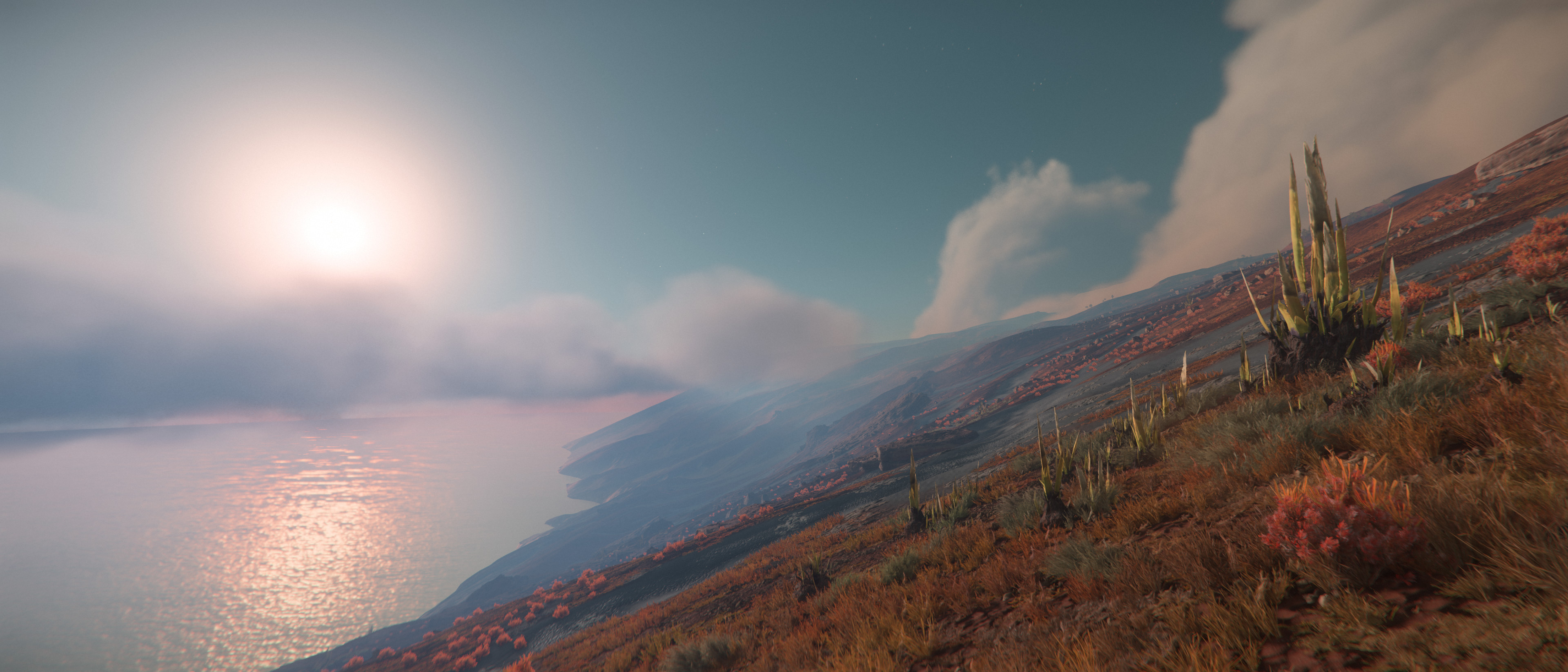
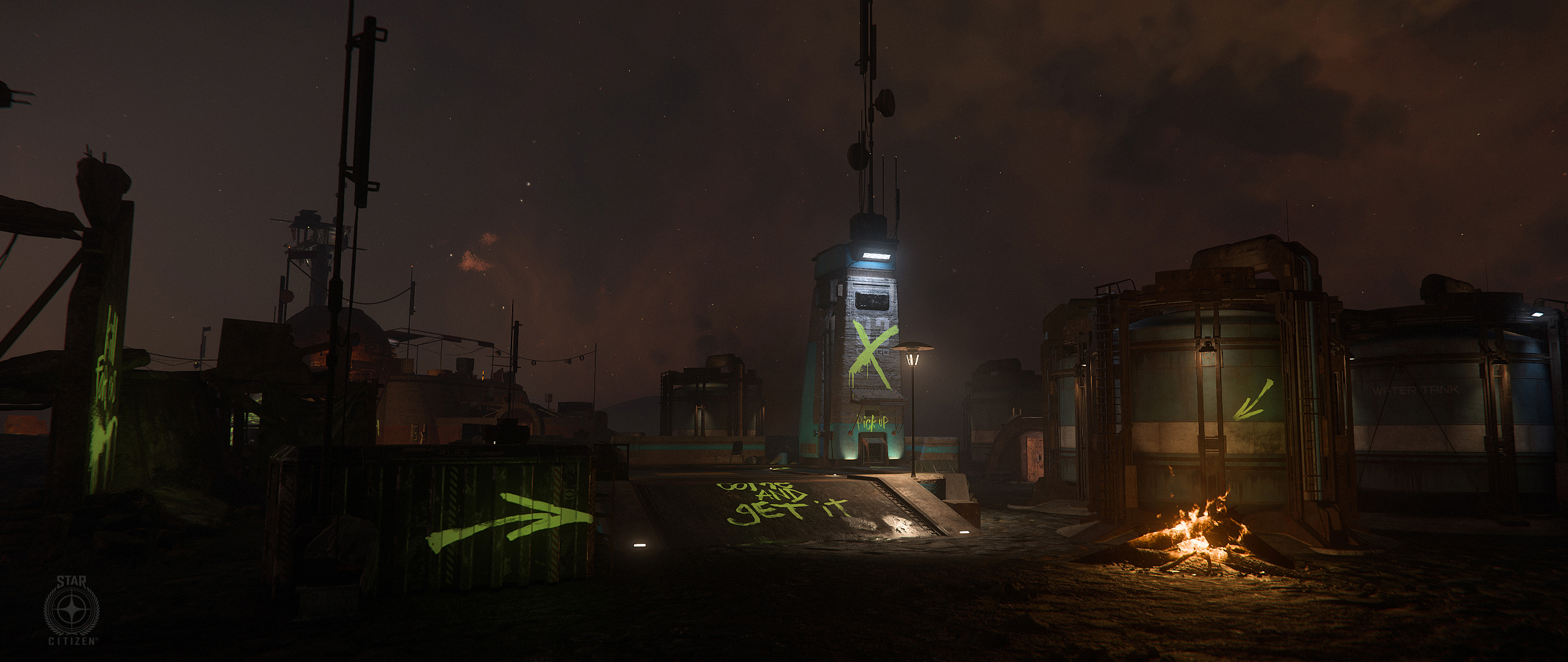
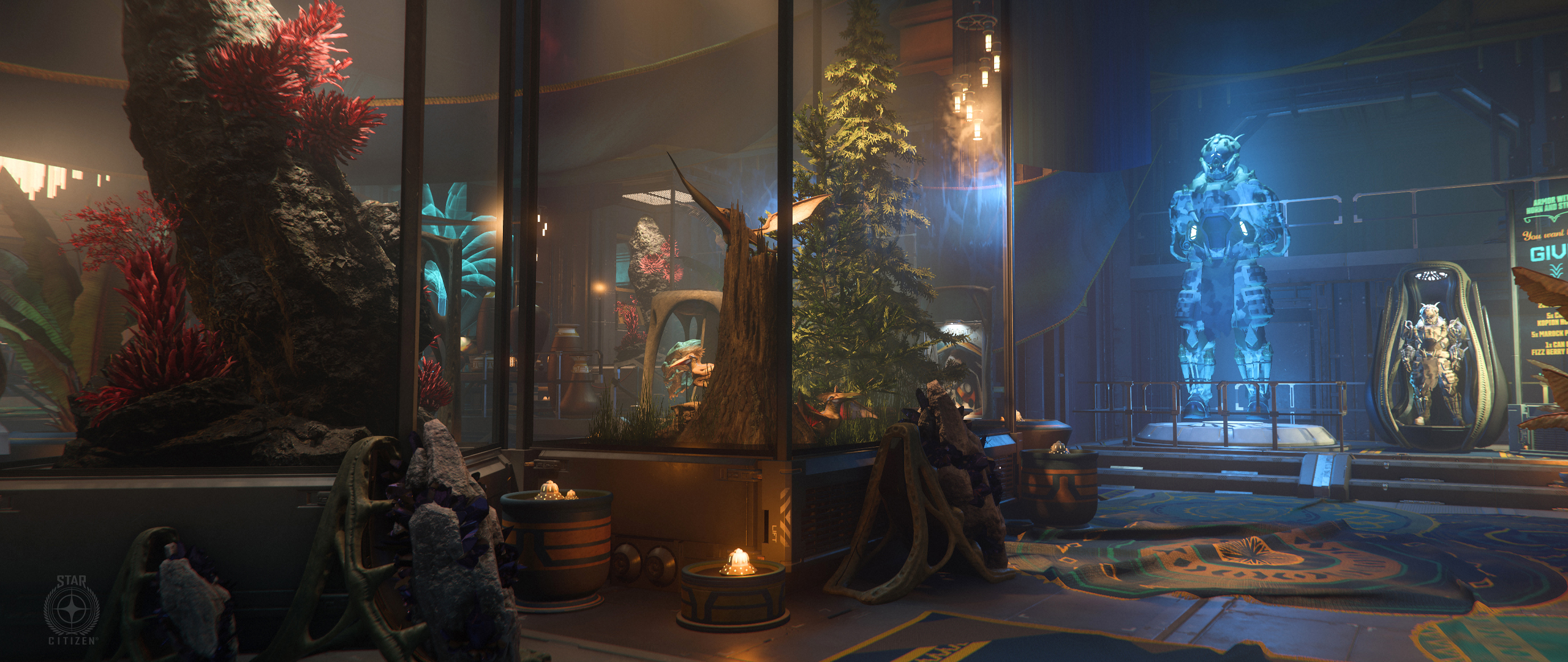
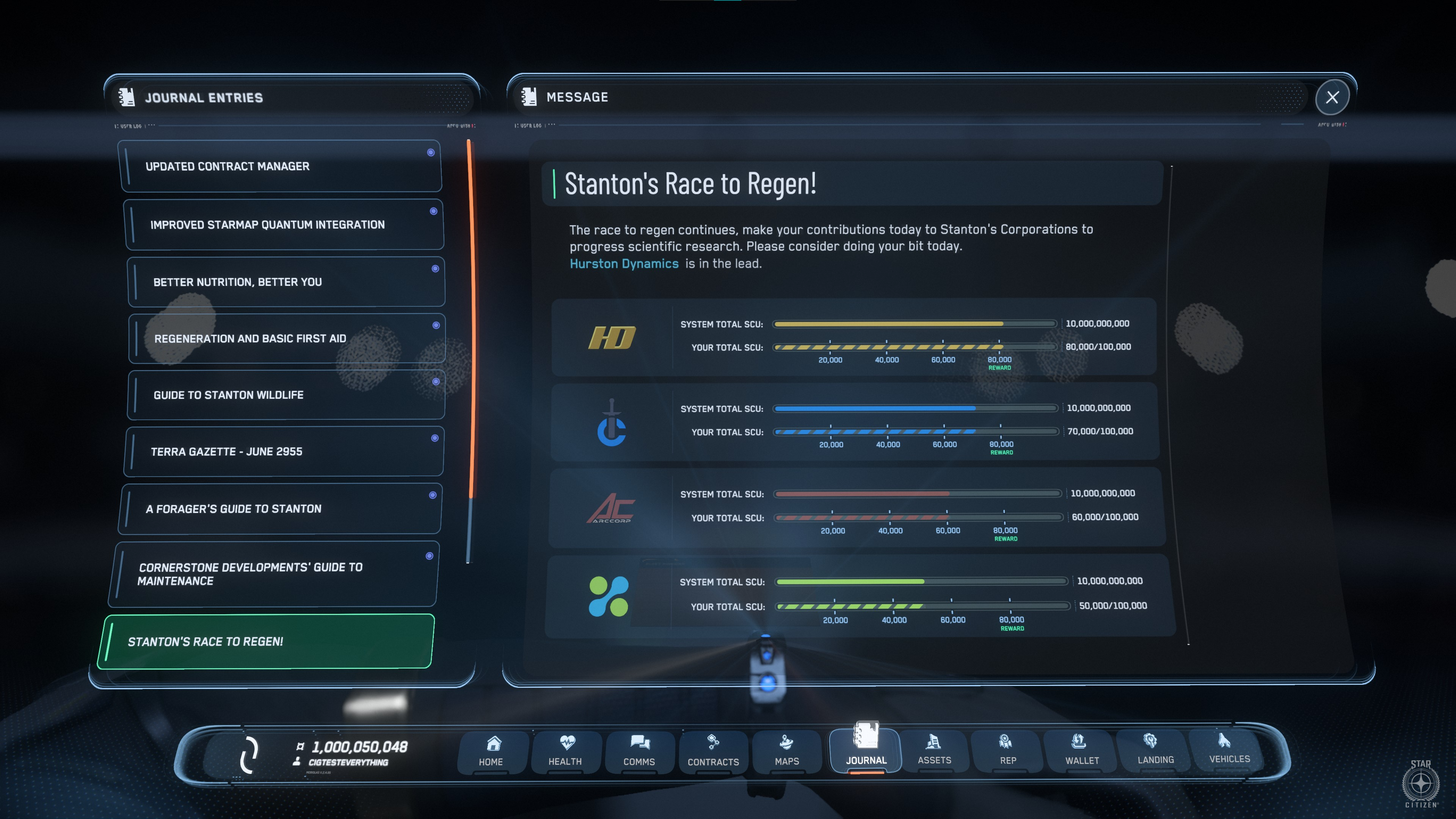
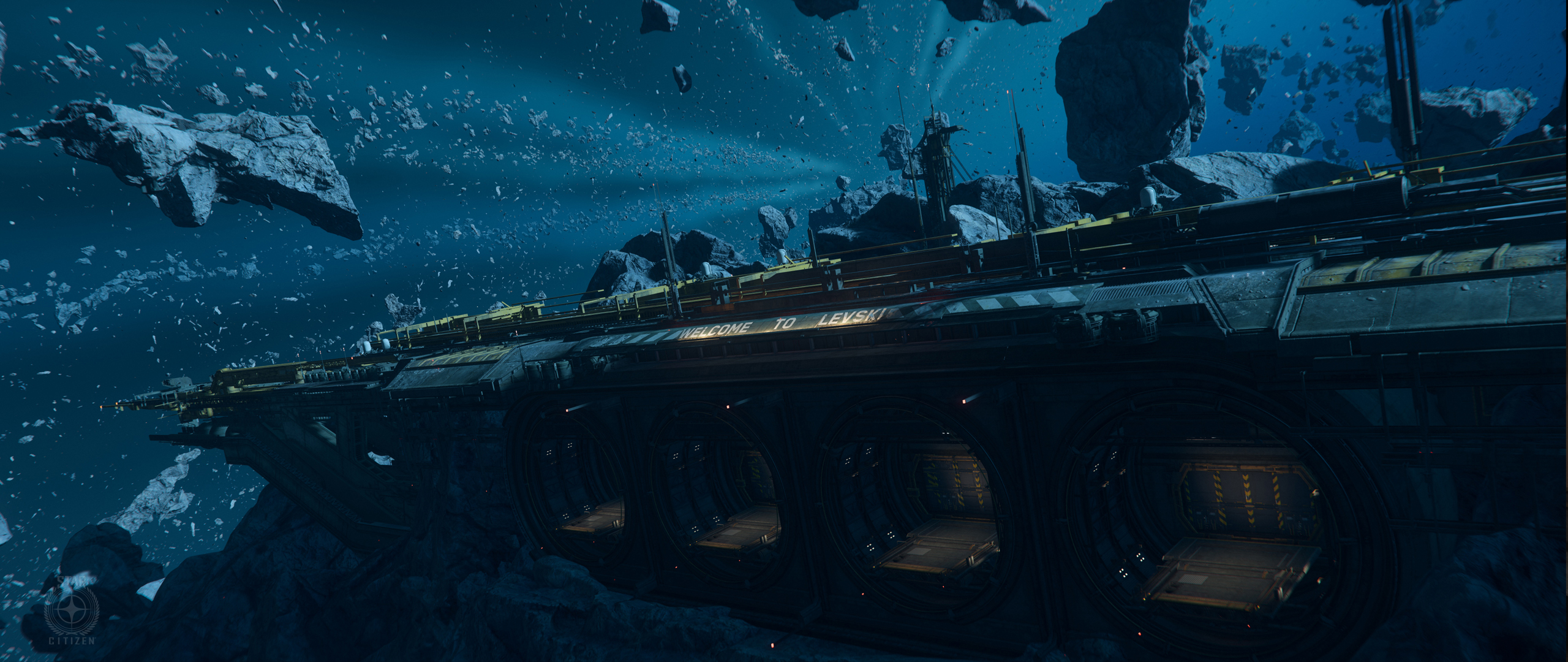
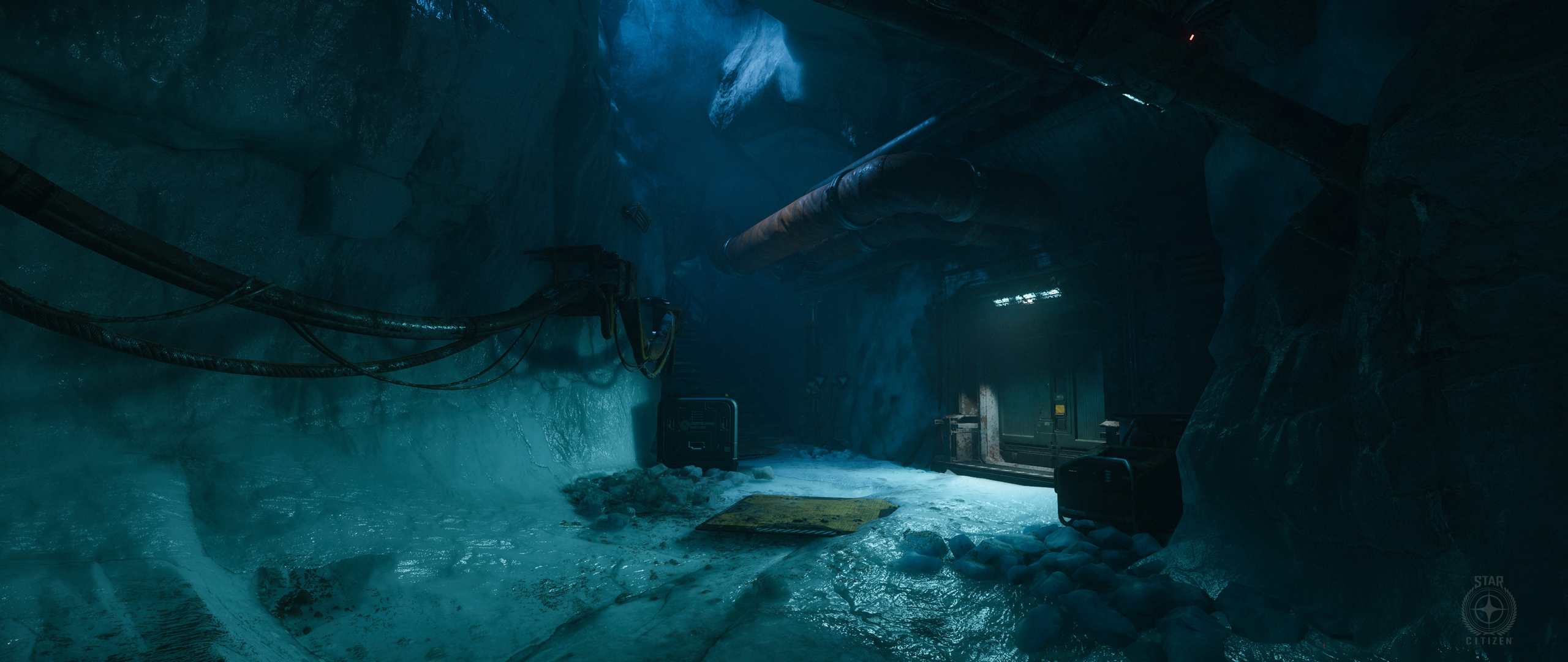
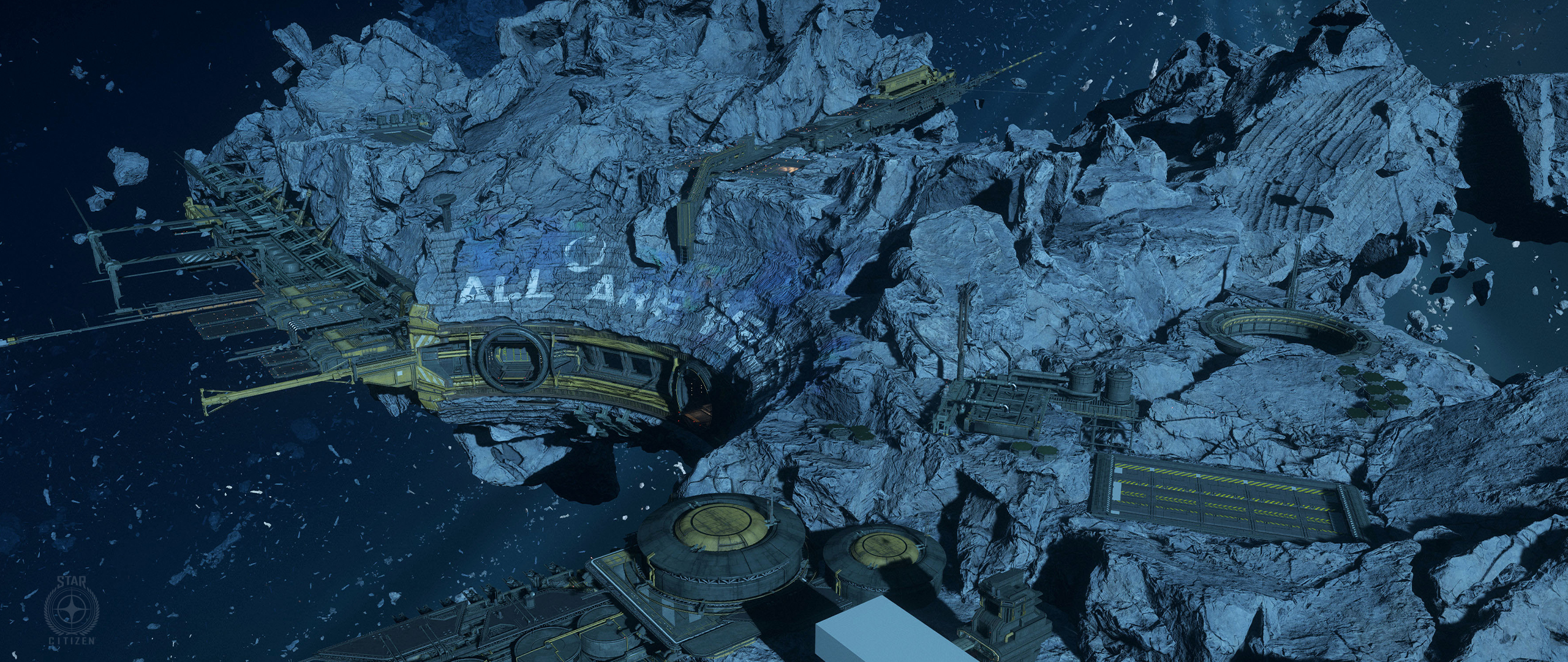
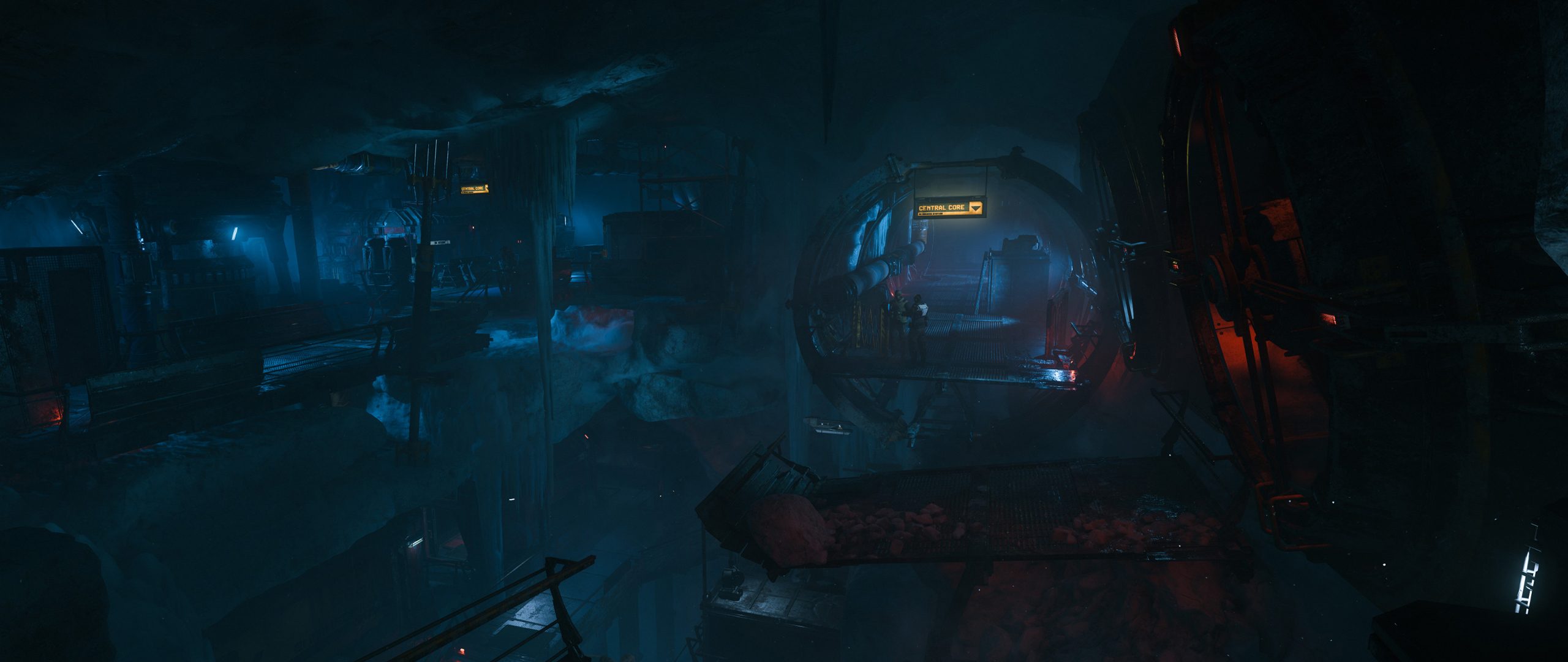
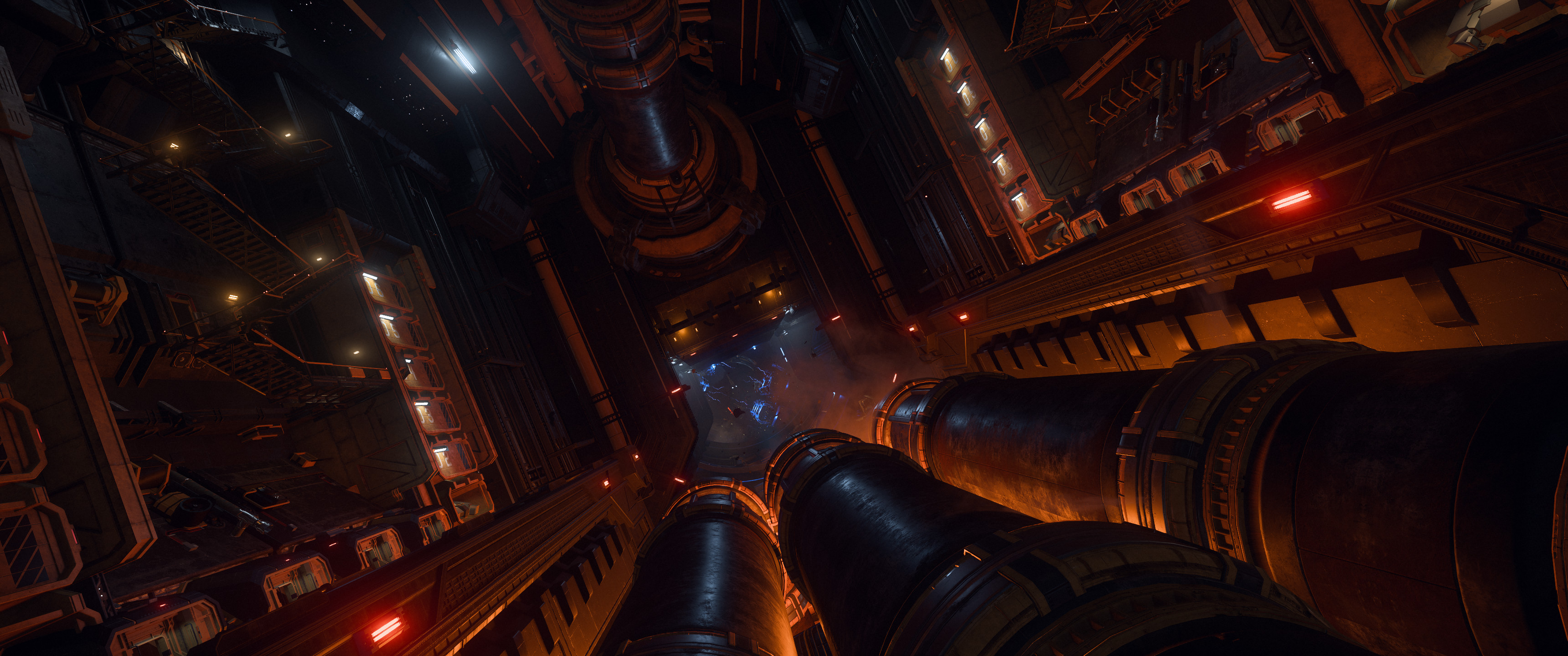
Metadata
- CIG ID
- 18385
- Channel
- Transmission
- Category
- Undefined
- Series
- Monthly Reports
- Comments
- 27
- Published
- 4 years ago (2021-11-03T00:00:00+00:00)