Monthly Report: October 2014
Transmission Undefined Monthly ReportsContent
Greetings Citizens,
Between two very big public demos showing off vastly different (but intimately connected) aspects of Star Citizen and a major Arena Commander patch launch, it has been a big month for Cloud Imperium Games! You’d be forgiven for assuming we didn’t have anything else to share… but the truth is that work has continued on all aspects of Star Citizen at studios around the world in October. Below you’ll find the full breakdown, studio by studio.
Greetings Citizens!
As October comes to an end so too does another productive month of development on Star Citizen. Two big pieces of news from this month were the release of Arena Commander V0.9.2 and the unveiling of the FPS at PAX Australia. Chris’ sentiments about V0.9.2 that this is the best dogfighting experience in the game are shared amongst many on the development team and we’re all quite pleased with how the control improvements, balance changes, and HUD/targeting updates came together and have been received by the community! Likewise we’re very happy with the reception of the FPS reveal and look forward to keeping the community updated on its progress towards releasing early next year. No time to rest on our laurels however as there is a lot more work to be done on the path to Arena Commander V1.0! Now to the department updates!
Debug Signals Engineering
This month the Engineering team has wrapped up work on the new paint system for vehicles that we are hoping to introduce with Arena Commander V1.0. This will at first allow us to use it to provide the proper paint jobs for variants in a much more efficient manner. Later it will become the system that is used to allow players to customize their own paint jobs and the decals applied to their ships.
We’ve also been working hard on the improvements to missiles and signatures for Arena Commander V1.0 that Chris has outlined to the community. These improvements will enable a whole slew of new gameplay strategies for masking one’s signature, stealth gameplay, and signature management. Along with this we are improving the way that radar works to give more gameplay options to our players for how they use and interact with their radar for different purposes. Improvements in these areas should add a lot more interesting depth to engaging in ship to ship combat especially with the larger maps sizes.
The flight model and targeting/HUD have also undergone a lot of development effort within the past month which many of you are now experiencing with the changes in Arena Commander V0.9.2 (AKA Star Citizen patch 13.2). The inclusion of lag pips, ESP, new target prediction, and changes to the way convergence works are all things that we’ve worked on in the past month and have been thrilled by the positive reception in the community.
One other system that we’ve been working on in collaboration with the UK is a new state machine for handling our ever increasing complexity in our vehicles. The new system entitled GOST (Game Object State) will help us in the long term better manage vehicles and their various systems in a unified and cohesive way that is easily accessible to Designers and Artists rather than requiring Engineering support. This system will give our vehicles awareness of what actions they are currently performing and what additional actions that state permits or precludes. Put into a gameplay context this means that the ship will now know when it is landed vs. flying, when airlock doors are open vs. closed, landing gear are deployed vs. retracted all within a single system that is exposed and accessible to non-engineers on the team.
Smashing bugs - now with FPS Design
First for 13.2 the Design team here in Santa Monica worked extensively on balancing the ships, weapons, items, and getting the 325A added into the dogfighting. To this end they worked with Engineering on creating a tool to allow us to rapidly update all items statistics and dependencies in a single source file which we can us to properly export new item definition files all at once. This represents a huge step forward over the old method of hand updating various individual files every time we wanted to perform a balance pass.
As part of the above we’ve also updated the mass of all items in the game and re-enabled the calculation of mass additions and subtractions when items/parts are added or removed (blown off) a ship. This adds some interesting new gameplay considerations and flight characteristics based off of how you kit out your ship.
The Design team also started this month with a concerted push towards the design of future ship systems and gameplay. Things like electronic warfare, mid-flight repair, and better defining the various components of your ships computer and how they will impact your user interface and capabilities. Once these systems are fully designed the goal is to break down the Engineering and Art requirements to begin introducing these new mechanics into the game as quickly as possible. With regard to the ships computers it will also introduce a new level of customization to your ships capabilities and user interface so that you can better tailor your ship to your desired play style.
In between all of this the Design folks have also been spending some dedicated time working in concert with the Concept guys currently engaged on the Carrack to better layout the ship and provide feedback on design considerations for the Carrack as it progresses through the ship pipeline.
Art
Our in-house Concept Artists have been diligently moving forward with the interior and exterior design of the Carrack. We are getting close to having the ship nailed down and ready to share with the community. We are looking forward to being able to share this cool ship with everyone in the community!
On the VFX front our team spent some dedicated time working with the Illfonic guys to put the finishing touches on the FPS and its opening cinematic. We’ve also been pushing forward on expanding our VFX library and going back through to improve some of the older effects with new techniques we’ve learned as we’ve progressed.
For modeling the team continues to work on finishing damage states for legacy variants so that we can introduce them into dogfighting between now and V1.0. In addition to this we’ve been working on the Cutlass’ and Mustangs to get them combat ready as well. Others on the team have been focused on creating some amazing looking new weapons and items for inclusion with the release of Arena Commander V1.0 as part of our push to add a bevy of new customization options to the game. We wrapped up the Cutlass’ at the beginning of the month and did a beautiful job polishing and making the Redeemer Hangar ready which was the ship the community chose from The Next Great Starship.
For our lone rigger here in Santa Monica (John Riggs) the last month has been focused almost exclusively on the FPS portion of the game. Finalizing the rig and getting it properly weighted and adapted to the different character models that appeared in the FPS demo recently at PAX Australia. This has been and ongoing and iterative effort in concert with the character modelers as they made changes to the look and feel of each of the characters.
Cinematics
John and Chris are no slouches and immediately after finishing the Cutlass commercial this month they jumped right onto the next one which you’ll be seeing before the end of this year. This commercial will be much more character driven and allow us to test out some of our new facial animation and character model/animation pipelines that are being driven out of the Foundry 42 offices. In addition to being a cool way to showcase our beautiful assets, commercials are also very useful for testing and proving out different aspects of our game art, animation, audio, and mocap pipelines. These will be extremely important to the production of Squadron 42 and the Persistent Universe so having the ability to put them through their paces ahead of time will be a huge time (and money) saver and help us to produce the best quality when it comes time to use these pipelines on the other aspects of the game.
Well that wraps up the update from here in Santa Monica. It has been an exciting month for us with CitizenCon, multiple ship additions to the Hangar and Dogfighting, the reveal of the FPS, planning and execution on PAX Australia, and the continued work towards Arena Commander 1.0. As we’ve built out our team here and globally the pace at which features and content are being delivered continues to accelerate which is very exciting to see. We are all looking forward to the month of November being another month of rapid progress that we can share with everyone. Thank you again for all of your support and for allowing us the honor of working together to create Star Citizen, it’s really an amazing privilege to have such an engaged community with us on the journey to creating our shared vision.
Howdy folks,
The Austin PU team spent the first part on this month wrapping up the demo that you saw at CitizenCon. While that demo should have given you a pretty good sense of where we’re heading with the landing zone environments and how the transition from space to planetside will look and function, we’re already well into the planning and implementation stages for the next demo that will reveal a lot more features and detail. Hats off to everyone who made the demo a rousing success! The Live Operations team has been busy all month supporting releases for CitizenCon and for PAX Australia, and thanks to them we managed to get a number of updates and presentations out the door and into your hands. The publication schedule throughout the end of the year will maintain a torrid pace, so they’d better rest up now while we’re in the eye of the storm.
Here are some detailed department updates:
Persistent Universe Team
Art
Aside from helping to make the PU demo look gorgeous, the art department continued fleshing out the Persistent Universe beyond ArcCorp, including work on Terra Prime, the second planetside landing zone. They’re also moving into NPCs and props, both of which are slated to have their production ramp up considerably in the near future. R&D on a modular space station art set that can be customized to fulfill a variety of different roles is ongoing and will allow for all sorts of interesting scenarios to be designed for players to explore. It will eventually allow us to create a variety of landing zones in deep space including medical facilities, vacation resorts, military outposts, fuel depots, mining colonies, and much more. These stations will play an integral role in the Persistent Universe, and thus a tremendous amount of effort is being expended – led by Cort Soest and Patrick Thomas – in order to allow us to be able to quickly and effectively take the base art set and customize it so that each instance looks and feels unique.
The CitizenCon demo gave the most revealing shot yet of what we’re aiming to deliver in regards to the shops you’ll find at many landing zones with Dumper’s Depot, and the team at Behaviour continues work on several more that you’ll soon see. We’re starting work on the shop interfaces this month, as well as the associated persistent database functionality, which means that buying and selling items within the world of Star Citizen will soon be a reality. Lee Amarakoon has been supporting Behaviour by creating visual effects for our shops and landing zones to help make them feel alive and exciting.
Our character team has been helping to support the FPS module by assisting in the creation of the characters that you saw at the PAX Australia demo. It takes a lot of effort to make truly next-generation quality characters, and David Jennison and Billy Lord are doing their best to ensure that they live up to the high standards of the rest of the game. Our animation team has also been spending a lot of time supporting the FPS module, and have helped iron out a number of kinks in the motion sets, retargeted animations to the new rig, and solved numerous motion captures issues for our next commercial.
Our ship team, consisting of Chris Smith, Josh Coons, and Jay Brushwood, have been working to get the 300i variants and Redeemer ready for the hangar.
Design
A fair amount of design time last month was spent drawing up detailed plans for our next several milestones, and of course helping out with the CitizenCon demo in various capacities. We’ve got a lot of ground to cover in order to achieve our near-term goals so it is crucial that everything is planned out in advance prior to ramping up on the production side. While there are still a number of important details to work out, our basic schedule through March 2015 is now pretty solid, and development is really starting to accelerate in a number of critical areas.
An empty solar system is a boring solar system, and thus when you’re out there amongst the stars we’re aiming to provide you with a diverse array of interesting visual phenomena, many of which will have the potential to be exploited in various ways. Phenomena interesting to a scientific observer might provide cargo transports with a valuable commodity, or clever combatants with a tactical advantage versus their less knowledgeable counterparts. Thus, technical, design, and aesthetic considerations were recently debated in order to determine the initial list of phenomena that we were going to support, and how they would look and function within the game. You will of course see nebulae, asteroid fields, comets, electromagnetic storms, and the like, but we’re also going to be aiming to include quite a few surprises. Suffice to say, for now, that exploration and discovery will play a huge role in Star Citizen.
A lot of preparatory work for the Subsumption AI system that will guide NPCs along their daily routines was completed, and we should be able to provide you with a lot more information on this front next month. Production on the AI is now fully underway at CIG Austin and in the UK at Moon Collider, and will soon expand to include Behaviour.
Programming
A lot of progress was made on our conversion to a 64-bit address space – which will allow us to create dramatically larger solar systems – last month. Thanks to James Wright and Allen Chen, we’re on track to have everything we need on this front by January 2015. Andrew Nguyen, who got drafted to do a lot of work on interior ship physics a while back, will be moving to the 64-bit addressing team in the next couple of weeks to help with the workload.
Things have really started moving on the networking front. After completing numerous technical design documents laying out exactly how each piece of the technology would function, we’ve now moved into full production. Tom Sawyer has begun work on the friends system, Brian Mazza is finishing up the low-level persistence functionality, and we’ve been working with a couple of new contractors on the chat system and process manager.
Tom Davies and Jeff Uriarte continue to develop the basic editors for Subsumption required for designers to properly set up NPC AI activities. Davies will soon move on to adding support for Quantum Travel – which you’ll need to cover the vast distances within a solar system, and Uriarte will be teaming up with several other people in the PU group to help get hangars running on the server, which is one of the most important pieces of the puzzle for our upcoming Social Module that will allow players to invite other players into their hangar.
QA
The Star Citizen QA team has been busy this past month testing a total of four releases. Also, a lot of time was spent with the new FPS demo revealed in PAX Australia. Our partner studio Illfonic has been doing a fantastic job developing the first person shooter aspect of Star Citizen. We are very much looking forward to the experience the FPS module will bring to the Star Citizen universe. We are also especially excited for the Arena Commander 0.9.2 update. QA has been working very closely with Chris play testing and providing feedback on the improvements to ship flight and combat controls and we all agree the ships have never felt better! Next month we will be setting our sites on testing more updates and the new features that will be included in Arena Commander v1.0. See you in the verse!
Live Operations
Publishing
The Star Citizen DevOps team has been busy this month deploying and maintaining 4 patches (0.9.1.1, 0.9.1.2, 0.9.1.3, 0.9.2.0) to the live service, while continuing to work on the improving the speed at which our patches are built, improving our current build server to make it faster and more reliable for developers, and creating a new Launcher version with Regional Servers and Language selection. We also have been investigating new video streaming technology with the help of the Platform team, interviewing for new positions to grow our DevOps team, and continue cross-training for everyone! Finally, we have been learning more about the Persistent Universe server architecture and how we will be deploying and maintaining it in our live hardware environment. Our goal is to learn everything we can early enough to help suggest and shape the development so that our players have the smoothest possible play experience in the Live environment.
Operations
This month the IT team has been hard at work improving internal services and preparing equipment for a number of public events. Our team size has expanded to keep up with the furious pace of our rock star developers and it’s quite exciting to see the new infrastructure come on line. In Manchester Kyle Cunningham has recently joined the IT team and has already proven his expertise on desktop and end user support projects. In Austin, we’ve added Mike Pickett and Paul Vaden. Mike is a network infrastructure and security expert who we call “Sniper.” Paul is one of those IT gurus with tons of experience setting up and supporting the internal and external services for countless multiplayer and MMO games.
With these additions we’ve been able to deploy increased bandwidth and network capacity in our UK studio as well as adding new firewalls in all offices in order to keep up with the massive increase in secure network traffic between locations. We’ve also moved out of the planning phase and started work on several improvements to our build and distribution pipeline which should dramatically reduce the build and publish times.
In other news, IT teams from each studio have contributed to the design and development of new demo machines for our public events. Demo machines are always a big deal but tend to be large and bulky. We’ve now managed to pack everything we need in to small form factor machines reducing cost and improving portability. This allows us to support more demo machines at our fan events than ever before and we’re pretty excited about that. Check them out in our next live event!
Hi all,
Another busy month at Foundry 42! It was a pleasure to meet a number of you at CitizenCon and PAX Australia, and I’m looking forward to delivering the space combat experience you deserve. Here’s what Foundry has been up to for the last month, from each department head:
Art
Word for the day: Growth! We have made great inroads to filling our open positions here at F42, animators, level artist, ship artist, go go go!
I’ll keep this brief this month (If I can), obviously there was PAX Australia and while we aren’t fully involved we are always there nibbling in the background, helping with advice, VF, animations. The character department has been working hard with ATX, outsource partners and Illfonic to help deliver characters ready for the show while also juggling the long process of defining the character customization pipeline. Part of the lower floor of the studio has been taken over to setup the face/body scanning camera rig and are busy ironing out the kinks so we can do our first Manchester test shoot – it’s a complex process but the team are blasting along well.
Let us not forget that it was also the Hangar ready sale of the Gladius! An incredible effort by the team on all fronts to get this ship ready and is a real milestone for F42 as this has been developed from start to finish in house, to top it all off it will be featured along with the ship pipeline team on a well know British (and worldwide) gaming magazine – coming soon!
While the Gladius took major focus, all the other ships are progressing well and we are ramping up art staff to finish off the Retaliator (Military version) along with the Gladiator which I know a lot of people are waiting for, it’ll be worth it, it’s a complex ship, so hang tight and it’ll be in your hangar before you know it!
We are also taking a look at the damage system for the ships that we are hoping will make it less art/memory/setup intensive which will be great for the global future of the game. Areas like progressive damage shaders and decals are also having work done by the tech and art team. Vanduul fleet is developing too, we have some first pass models to help with cinematic setup for Sq42.
Components! Yes, so many and so varied – it’s become our mission to help iron this stuff out, weapon mounts, weapons sizes, modularity and standardisation rules! Along with some redesigning of interior spaces for the Cutlass and Avenger. What about the Starfarer?! Its continuing, the cockpit and escape pods concepts are almost done, we are methodically working our way along the ship – as you know, it ain’t small.
For 13.2 the environment team put some major focus onto making the maps larger, reshuffling asset positions, improving lighting, VFX polish, tweaking of shaders, think of it as another layer of polish. On the flipside, the Shubin mining station has additional work and the interior are now being tiered and prefabbed, personally I can’t wait to be walking around this facility, it’ll be amazing.
Animation department has be pulled from pillar to post (as they say) and have coped admirably, taking on the wide range of tasks for Gladius, Gladiator, PAX demo intro and character work. Further discussions have taken place with 3Lateral about integrating their tech further into our pipeline, it’s been a steep learning curve for us this past year and this is one hill we really have to conquer! (please send oxygen!)
Audio
Hey everyone! PAX Australia and the FPS demo has been the main focus for the audio team for October. Designing the weapon sounds was a real focus for this, and a lot of time was spent finalising them as much as possible. Following on from that, ensuring the demo was mixed and sounding good was everything.
For those into the audio tech: it might not have been obvious from the livestream, but in-engine reverb wasn’t quite sufficient to sell the sense of different room-types and spaces when high energy impulses (guns etc.) were fired off. So especially authored content was added that modified the weapon sounds when they were triggered in different rooms, thus these spaces are more clearly defined in-play. This is a basic approach at a system we want to build upon much, much further, looking to ground the player in the world as much as we can and give them that sense of differing materials, space, and variation. All affecting the audio to reinforce immersion – this is very much what we’re all about. Sound should have meaning and be integral to the gameplay, and those systems that do this are so important to us.
Other sounds we were proud of included the personal shield, the area of denial gadget and the electric shotgun. We have electric arcing elements in the tail-off phase of the electric shotgun sound, which may seem like a little thing but is something we found satisfying! Plus it was fully ‘wet’ (100% mix) on the reverb side to really sell the energy and space-occupying quality of the weapon.
We found it cool to explore some of the UI sound scheme for the suit and helmet. It’s fair to say we’ve only scratched the surface of this, but it’s exciting to us to think how the suit/helmet HUD might differ from the in-ship HUD/UI elements.
As well as the sound design side of the FPS demo, we had some truly great and polished material through from Pedro Macedo Camacho, whose music contributed hugely to the mood throughout. He worked tirelessly, as did everyone, and we all hope it gave a good first impression. We’re aiming high (pardon the pun!) and it’ll only get better as we progress.
We’ve talked previously in these monthly updates about the ‘simulated sound’ concept of Star Citizen, which is the mechanism whereby sound in space is justified. Something we’re thinking about is whether a standalone suit would do as good a job of audio simulation as a ship would, when exposed to space directly. Perhaps considering it might have less processing power than the ship, it might be lacking somewhat? Or perhaps sound isn’t simulated when in the suit, at all, or it picks up a data stream from the player’s ship which attenuates/falls off over distance? The aesthetic and practical implications are many, so we’re curious as to what you might all think about this.
Ship damage is something we want to look at soon. We have so many ideas in this area; the different ways the ship might perform sonically to reflect its state, right from its smallest parts to its largest constituents. There are some great opportunities to go to town with detail, almost to the extent that the player can close their eyes and know just what’s wrong with their ship at a given moment – that’s what we’re aiming for. Again, any ideas that you have here will always be welcome!
In terms of the back-end side of things re. audio. I’m sure it’s something you’ve heard before, but we are moving to Wwise from FMOD – there are some technical hurdles to overcome with this, and taking our assets from FMOD and incorporating them into Wwise and eventually going live with it, is honestly no trivial task. But doing this properly will set up our foundation for the future of Star Citizen audio and it’s truly not something to be taken lightly. We’re taking a ‘measure twice, cut once’ approach, we want to minimise any ‘audio downtime’ and ensure a smooth transition so that no-one’s enjoyment of the game is affected. Once it’s done we can really push onward!
Incidentally, I’m the new Audio Director on Star Citizen, Lee Banyard. Feel free to address any questions regarding audio my way. My background – I’ve been lucky enough to have worked on the sound design of the Batman Arkham series of titles (including Asylum, City, and most recently Knight) for Rocksteady over the last six and a half years. I’ve been involved in game audio for almost my entire professional life and I consider it an absolute honour and privilege to be where I am right now on Star Citizen. There’s a lot I’m pushing to do behind the scenes to maximise sonically the Star Citizen experience. I’ve more of an emphasis on sound design than music, I think that’s fair to say, but I have a deep appreciation for all aspects of the audio experience and as we build the team here, I hope our push for quality becomes more and more evident.
That’s all from us sound people for now, thanks for reading (and listening!).
Programming
Foundry 42’s engineers have been busily hammering away on several fronts over the last month. For the 0.9.2 Arena Commander patch we’ve added new targeting features to the game including Gimbal Lock, Look-ahead and Target Focus, as well as polishing up relative mode, the HOMAS (or HOJAM depending on which way you like to hold your stick!) control scheme and control customisation. It’s been great to see a large amount of you fans are enjoying theses updates after the hard work that went into them and it’s really a double win for us as the new targeting controls further enhance the feel of the Squadron 42 gameplay.
In Arena Commander we’ve also implemented the new target reticule, scanning and missile lock animations on the HUD as well as helping out on stats tracking, fixes to race mode and the terraformer beam. There was also a fix for that nasty 300i level loading hang that was blocking some users from multiplayer dogfighting; a bug that was tracked down to a Linux server only issue which made it a hard one to spot in our Windows development environments. In our next big future patch there’s also some multiplayer scoring additions to look forward to including bonuses for first blood, kill streaks and revenge kills amongst other things.
On the Squadron 42 front work on various mechanics is in progress including zero-g player traversal and we have been assisting the US team in looking at multi-crew ship and vehicle system fix ups. Our tools team has been hard at work on our “DataForge” application, a game reflection database that will be used for a wide range of things from editing ships in game to setting up conversations for S42 and the PU.
Last but not least work is underway on our new Localisation system to make the game playable in other languages, network engine upgrades are in progress to assist our PU friends state-side and work is being done to switch our sound engine to Wwise – this will help to speed up our sound effects pipeline due to its feature rich toolset and keep the audio guys in the basement happy!
Graphics Programming
This month the graphics team has primarily been adding features and bug fixes for the PAX FPS demo and the 0.9.2 release. This includes effects such as the breathing on the helmet glass (which we’re still working on improving), improving the quality of the out-of-focus blur when using the ironsights on guns, and fixing various issue with the lens-flare effects you see around bright light sources. In parallel to this work we’ve completed the ship paint job tech and have begun the long process of rolling this tech out to the many existing ships.
We’ve also started on one of the largest visual tech features we’ll be developing in the next six months which is a fully volumetric gas shader. The intention is to use this shader for both massive gas clouds to bring our space environments to life, and also smaller vfx like smoke and explosions. Rendering large semi-transparent volumes with real-time lighting is a significant challenge and is rarely tackled in computer games other than perhaps more limited solutions for cloud shaders in flight sims. As a result there are many aspects to this tech we’ll need to research separately such as the building/placement of the volumes, the complex shape and movement, the light scattering and shadowing, and efficient rendering. So far we’re concentrating on the first two of these, but we’ll keep the backers updated.
Design
This month has been a bit hectic, with a lot of work going into Arena Commander 0.9.2.
You will have seen the hangar ready Gladius, which we pushed to get ready for PAX. We have had it flying around in the engine, and it was great. But there is still some work to be done to tie up all the damage systems etc. to make it releasable.
There has also been a lot of work going into New Horizons Speedway, with greatly improved signing and new race track themed assets being placed in the map. We doubled the size of Broken Moon and Dying Star maps, spacing out spawn points and populating them with more art assets.
Squadron 42 is moving along well, with mechanics and levels all getting pinned down in greater detail. It’s always very exciting to get the video play through as the various levels get more art and design love. The fantastic FPS support from Illfonic has really helped our ground based levels come on leaps and bounds.
Turret gameplay was improved this month and is progressing well.
That’s about all I can report this month, thanks again for the fantastic support.
Citizens!
First, you all saw the CitizenCon planetside demo…if you didn’t then finish reading this report and go watch it right now! Obviously the beginning of the month had the team focused on that piece of amazing!
But the rest of the time here’s what we’ve been up to:
We’ve been blocking out and integrating all sorts of content in other locations of ArcCorp Area18 so that when you finally set foot on it, you’ll have more places to visit, and more things to check and interact with. Like a Bar maybe? Would you like that? I would! ;)
We’ve also been working closely with ATX to iterate on Terra Prime’s layout, the second planetside location you’ll be able to visit. Note that the more locations and planets we build the faster we’ll be able to develop others thanks to all the tools and systems we are currently developing and putting to test.
We are also active at preparing the first working shop. More than just visuals, the shops are to be dynamic (items sold are changed based on inventory and economy) so they require more work than your normal game shop but will be approximately 1313% more awesome than that other shop you went the other day, and that is a fact.
Then there’s the mobiGlas, we’ve seen it in game in all its glory and have been working on its visuals. We want to be sure the device is believable. The mobiGlas is a device running an oS that facilitates a 2944 space “insert job here” tasks. Each app found within has a specific branding. When designing them we put ourselves in the mind of the users to deliver something that is not only looking good but that is also very practical.
We’re also preparing an overhaul for flair items and hangar decorations, preparing them for the day you’ll be able to fully customize your hangar. We want to make sure every single object we create for planetside environments and hangars are sitting in the lore of the universe.
BHVR has also been planning, with our friends at ATX, the upcoming goals for the PU in order to get YOU in it as fast as possible.
Hope you had a good! Who dressed up as a Bengal carrier?
Art
For the Art department, the beginning of this month was all about CitizenCon, making sure that our assets where ready for the presentation.
After an amazing CitizenCon, we went back to Terra and ArcCorp. There was extensive work done on integrating our assets using the tier system pipeline and folder structure. This will allows us to speed up the level creation process for the future locations.
There was also concept-art created to support Level Artists for Terra’s city view and locations.
Finally, we have finished the November flair and began planning for the December flair.
Engineering
A lot of our focus has been switching towards Arena Commander V1.0 as the release gets closer and closer. As such, a good portion of our programming team is dedicated to UI features specifically for this release such as Lobbies, Friends as well as a new iteration of the Controls Customization.
Obviously, we’re not putting aside our usual development items and mobiGlas is still getting some traction in terms of programming. As mentioned previously, most of the features that we’re working on are really geared towards an eventual persistent universe integration and release. We’re seeing some pretty good progress from a couple of applications such as mG.Home, mG.Scheduler & mG.EasyShop. We’re working hard on standardizing and refactoring various features used by the other UI systems, like the Ship Visor or Combat Visor, so that they are easily reusable inside the mobiGlas.
We’re almost done with the implementation of our Room Management System which will eventually allow you to customize your hangar layout inside the game client (tease). The in-game UI integration for this is only planned for next year however.
Finally, we have dedicated some time towards implementing the subscriber flair that is due for release next month. We did hit up a couple of bumps during development such as the ‘SetDrunkLevel’ function not being defined in our player :(, but that has since been resolved!
UI
October has been a busy month. We had loads of fun creating decals and in-fiction UI screens to help bring even more life to Arc Corp Area 18.
We have also been working on improving the control customization screen, as well as working on designs for the Arena Commander lobby system, friends list, and lobby chat.
We have been pushing forward with the visual benchmark for mobiGlas, setting the bar high with mobiGlas Home: transition animations between apps, the use of depth for different interface components, colour language, etc. This helps us to build a solid foundation and reference for the visual treatment of future mobiApps.
G’Day Citizens!
This month has been crazy busy for the team here at [REDACTED]! Wait… we’ve officially been announced… we aren’t [REDACTED] anymore, we are… IllFonic! That’s right, none of you saw that coming did ya?! Just kidding, but in all honesty, it’s good to finally be out there and officially part of the Star Citizen family!
This last month we have been making the final push leading up to PAX, and we think things have come together smashingly! We hope all you citizens agree now that you’ve finally seen the FPS module.
Art
The art team has been putting the final touches on the PAX demo level. This has mostly been focused on lighting and performance improvements. They have also been making last minute changes to the weapons and helmets based on feedback from Chris.
Design
In addition to putting in the logic for the PAX level and zero G fighting, the design team has also been working on the maps for the actual module release which will be coming early next year. There is a lot of special attention that is going in to the map design because of the unique mechanics that are present in FPS.
Engineering
Squashing bugs and improving performance, that has been the MO for the engineering team. Things are really stable for the PAX demo (at least we hope so…), and running smooth.
Animation
The animation team has put in a bunch of work making the game feel really immersive. Working heavily with feedback from Chris, they have been putting the final touches on helmet animations, gun animations, sprinting animations and everything else that has gone in to the demo. All of this together really gives the character a sense of weight and being.
Audio
The guys at Foundry 42 in the UK have been a huge help this past month in getting all the audio recorded and implemented for the demo. Thanks guys, we owe you a pint! Weapons are sounding great and all the ambient sound effects throughout the level add a really strong sense of atmosphere.
I’m keeping the report short this month, as I hope the demo will speak for itself! We look forward to getting feedback from all you Citizens and can’t wait to hear your first oppinions on the FPS.
Lastly, I would like to give a shout out to the fantastic volunteer Citizens at PAX who helped get everything setup in Melbourne. You guys are amazing!
Hi!
Another month down and many releases to go! October was a HUGE month for the platform team with releases for both CitizenCon and the PAX Australia event. The 890 JUMP, the Cutlass Variants and commercial, the Redeemer, Gladius and Herald all received custom comm-links for their release. Also spent time supporting the AMD promotion for the Mustang Omega. All in all, a major month in terms of releases on the web.
Programming
Platform team has spent the month of October in heavy technical design for the expansion of the Star Citizen web platform. with upcoming releases of AC, the web platform will be used to power some of the real-world social aspects of the game. In order to achieve this ; a series of major technical sessions were planned throughout the whole month to hammer a plan of action in how specifically this expansion will take place from a technical standpoint.
The main challenges tackled were all around notifications. Not only notifications to you the end-user but also subsystem to subsystem notification ; how the web platform and the game will be communicating together in real-time for data pieces like presence information, inventory changes, game status and such. Moving forward, these communications will be crucial because they will directly affect the player experience when you join a game through the AC Lobby or check out the status of your friends on the website. We are also now in the process of converting many of the subsystem-to-subsystem API’s that the platform provides to the game universe so that all communications across SC are in the same format. This will greatly help programmers in making the baseline protocol the same across all systems in the SC network.
This work is also in line with our objective of being able to support a piece of the new Lobby system that is being built. This new lobby will require account-to-account relationships (what you like to call Friends List) and this is a piece the platform team has been tasked to implement. We’re working to get a very first and simple implementation of this up and running to power this first iteration of the lobby. We have big plans for this feature and even though the first release will be extremely simplistic, the roadmap for it are huge.
Leaderboards were also worked on to add additional data to the listing views. We collect more metrics from games and not all of them are used to compute your Arena Rating. We thought showing more of those fringe stats would be interested to see! Also took some time to revamp the heading so they are not so massive.
The HoloViewer is getting worked on these days to optimize it’s loading process. Some of this work is now already deployed but more mobile optimizations are coming! Chat is going to be getting a few minor updates including a name/message highlight feature. Oh , we also built an app to scan your even tickets to help Sandi’s team in big Star Citizen events!
One of the very interesting projects we will tackle next month is the creation of the PTU. The PTU stands for Public Test Universe and is a complete replicated environment of the production servers including website and game servers. With the PTU, we will be able to invite players to participate in testing phases by allowing them to copy over their account to the PTU servers and then connect to this new environment with an up to date client. This will be especially useful when we want to get some initial user feedback without deploying the entire patch to everyone.
UX & Design
UX this month made progress on finishing up Two-Step Authentication flows. This feature is very important to us on multiple levels. We want to add security to your accounts but also we want the game to launcher to be able to secure your game logins. This new feature comes with the implementation of a “Security” tab in your account settings to control and view security related options for your account. The team also started advance work on a very big feature we want to add to the Star Citizen web platform: Community Bug Reports. More details to come!
Many design sessions were spent on building a first pass prototype of the Star Map so we could present it to the PU team. This prototype serves as our iteration base to make sure the web Starmap has specific goals that match what the in-game Starmap will represent. It’s huge! It was very interesting to see what this web starmap will allow us to do and also how it can complement the work that is being done in the PU. More iterations of this prototype in November for sure!
The Art team spent many cycles building the Herald comm-link release but their main focused is working on the new Home for RSI. This new home will try to be more friendly to newcomers and more impactful for big releases. Out of this came out the decision to have a “Community Hub” that will serve as your “one stop shop” for all up-to-date info on Star Citizen. Will and Ben and James are super excited about this one! A lot more work ahead on these two pieces!
See you, out there, friends!
Greetings Citizens,
Moon Collider was all hands on deck this month as we did significant work improving AI across all major areas: dogfighting AI, FPS combat AI, and persistent universe NPC activities. As the other studios have been ramping up their use of AI features, particularly with PU world development and Squadron 42 levels starting to get fleshed out, the need for lots of core AI features has been increasing. So we’ve been working closely with the other studios to prioritize new AI features and get them implemented in time so that the giant Star Citizen production machine keeps running smoothly!
Design
At Cloud Imperium, a great deal of communication happens over email and video conferencing, and that’s especially true for us in Edinburgh. This is usually good enough, but nothing compares to discussing ideas face to face, and so this month we did some on-site visits so we could have some deep design discussions and make sure we were all on the same page with various features.
First up was a team trip down to Manchester to visit Foundry 42. Here we had some great discussions about features that we’re adding for the 1.0 release of Arena Commander, as well as working out some design details for how we want AI to behave in Squadron 42, particularly when in combat. There was plenty to talk about, and being able to do it in person made a big difference. Also, while we were there, we recorded the video you saw of us during the CitizenCon presentation.
Next, Matthew Jack, the lead architect of our Kythera AI, went across the pond to visit the team at Cloud Imperium Austin. There he spent several days doing detailed design work on the persistent universe. There is a huge amount of work being done by that studio, BHVR, and ours to bring the AI to life in the PU, and it’s really important that we coordinate what we’re doing so that all our features integrate together smoothly.
Back at home, we did design work on what we call attack and stunt splines. These are features that allow designers to place interesting and complicated maneuvers in dogfighting maps, allowing AI to do moves that would be very hard to program in. We tend to make the AI play it safe when it comes to avoiding crashing into things, so if you want an elite enemy to be able to perform a crazy hard evasion through some tight asteroids that only the best human players can hope to chase, this is the way we do it. It also allows us to give AI some more scripted flying behaviors at certain times in Squadron 42, which will help set up some really cool cinematic moments.
Engineering
We’ve been working on a major refactoring of how we author AI behaviors for several weeks now, and this month we were able to refine it and really start using it in more complicated behaviors. We’ve been developing behavior trees that now control everything that ships do in dogfighting, and what characters do in FPS and PU, and then refining the tools to make the authoring process faster and easier.
One of our favorite debugging tools, the AI Recorder, which we’ve talked about previously, saw a major overhaul this month. We use this tool to record what AI do during a gameplay session, which we can then playback and analyze to debug AI issues. We improved the interface to make it easier to use, and added the ability to save multiple recordings. We’re still working on being able to easily export recordings and share them around, which will make this tool perfect for allowing us to help designers debug issues that they see on their levels, particularly when we’re located on the other side of the globe, in a different time zone and country!
We did a lot of work on improving the behaviors of AI in FPS combat, making them smarter and more of a challenge to fight. Our discussions on site with the Foundry 42 team really helped with this, and we have a big list of things we’re still in the process of implementing to make combat behavior even better. We’ve also been adding a lot of flowgraph nodes which will be used in Squadron 42 levels to control AI when they’re not in combat.
Finally, we added a lot of infrastructure for allowing NPCs to do interesting things in the world in the persistent universe, again really helped by the design discussions on site in Austin. We’re making good progress in allowing designers to set up activities that NPCs can perform, and then making the AI able to find these things based on who they are and what they should be doing in the world. We’re really excited to start seeing the results of this when NPCs are able to act completely autonomously and do interesting things in the world, which we expect to really start to come together in the next few weeks.
unsere Asse. Parallel zu diesen Arbeiten haben wir die Schiffslackierung abgeschlossen und den langen Prozess der Einführung dieser Technologie auf die vielen bestehenden Schiffe begonnen.
Wir haben auch mit einem der größten visuellen Tech-Features begonnen, das wir in den nächsten sechs Monaten entwickeln werden, nämlich einem vollvolumetrischen Gas-Shader. Die Absicht ist, diesen Shader sowohl für massive Gaswolken zu verwenden, um unsere Weltraumumgebung zum Leben zu erwecken, als auch für kleinere VFX wie Rauch und Explosionen. Die Darstellung großer semitransparenter Volumina mit Echtzeitbeleuchtung ist eine große Herausforderung und wird in Computerspielen selten angegangen, außer vielleicht begrenzteren Lösungen für Cloud Shader in Flugsimulatoren. Infolgedessen gibt es viele Aspekte dieser Technologie, die wir separat erforschen müssen, wie z.B. den Bau/Platzierung der Volumen, die komplexe Form und Bewegung, die Lichtstreuung und Beschattung und das effiziente Rendering. Bisher konzentrieren wir uns auf die ersten beiden, aber wir werden die Geldgeber auf dem Laufenden halten.
Design
Dieser Monat war etwas hektisch, mit viel Arbeit für Arena Commander 0.9.2.
Du wirst den Hangar fertig Gladius gesehen haben, den wir geschoben haben, um ihn für PAX fertig zu machen. Wir haben es im Motor herumfliegen sehen, und es war großartig. Aber es bleibt noch einiges zu tun, um alle Schadenssysteme usw. zu verbinden, damit sie lösbar werden.
Es gab auch viel Arbeit auf dem New Horizons Speedway, mit stark verbesserter Beschilderung und neuen Themenbereichen auf der Rennstrecke, die auf der Karte platziert wurden. Wir haben die Größe der Broken Moon und Dying Star Karten verdoppelt, indem wir Spawn-Punkte voneinander getrennt und mit mehr Kunstwerten bestückt haben.
Die Staffel 42 bewegt sich gut, wobei Mechanik und Level alle detaillierter festgelegt werden. Es ist immer sehr aufregend, das Video durchzuspielen, da die verschiedenen Ebenen mehr Kunst und Design lieben. Die fantastische FPS-Unterstützung von Illfonic hat unseren bodengestützten Levels wirklich geholfen, auf Sprünge und Grenzen zu kommen.
Das Turm-Gameplay wurde diesen Monat verbessert und schreitet gut voran.
Das ist so ziemlich alles, was ich diesen Monat berichten kann, danke nochmals für die fantastische Unterstützung.
Bürger!
Zuerst haben Sie alle die CitizenCon-Planeten-Demo gesehen.... wenn Sie diesen Bericht nicht fertig gelesen haben und ihn jetzt gleich anschauen würden! Offensichtlich hatte sich das Team Anfang des Monats auf dieses erstaunliche Stück konzentriert!
Aber den Rest der Zeit hier ist, was wir vorhatten:
Wir haben alle möglichen Inhalte an anderen Orten von ArcCorp Area18 blockiert und integriert, so dass Sie, wenn Sie endlich einen Fuß darauf setzen, mehr Orte zum Besuchen und mehr Dinge zum Überprüfen und Interagieren haben werden. Wie eine Bar vielleicht? Würde dir das gefallen? Ich würde es tun! ;)
Wir haben auch eng mit ATX zusammengearbeitet, um das Layout von Terra Prime zu iterieren, dem zweiten Standort am Planeten, den Sie besuchen können. Beachten Sie, dass wir mit zunehmender Anzahl von Standorten und Planeten schneller andere entwickeln können, dank aller Werkzeuge und Systeme, die wir derzeit entwickeln und testen.
Wir sind auch bei der Vorbereitung der ersten Werkstatt aktiv. Mehr als nur Bildmaterial, die Geschäfte sollen dynamisch sein (die verkauften Artikel werden je nach Inventar und Wirtschaft geändert), so dass sie mehr Arbeit erfordern als Ihr normaler Spieleladen, aber ungefähr 1313% großartiger sein werden als der andere Laden, den Sie letztens besucht haben, und das ist eine Tatsache.
Dann ist da noch das mobiGlas, wir haben es im Spiel in seiner ganzen Pracht gesehen und an seinen Visuals gearbeitet. Wir wollen sicher sein, dass das Gerät glaubwürdig ist. Das mobiGlas ist ein Gerät mit einer oS, das eine 2944 Space "insert job here" Aufgabe ermöglicht. Jede App, die sich darin befindet, hat ein spezifisches Branding. Bei der Gestaltung setzen wir uns in den Fokus der Anwender, um etwas zu liefern, das nicht nur gut aussieht, sondern auch sehr praktisch ist.
Wir bereiten auch eine Überholung von Flairartikeln und Hangardekorationen vor und bereiten sie für den Tag vor, an dem Sie Ihren Hangar vollständig anpassen können. Wir wollen sicherstellen, dass jedes einzelne Objekt, das wir für planetarische Umgebungen und Hangars kreieren, in der Überlieferung des Universums steht.
BHVR hat auch mit unseren Freunden bei ATX die anstehenden Ziele für die PU geplant, um SIE so schnell wie möglich darin zu integrieren.
Ich hoffe, du hattest eine gute Zeit! Wer hat sich als bengalischer Träger verkleidet?
Kunst
Für die Kunstabteilung stand Anfang dieses Monats im Zeichen von CitizenCon, um sicherzustellen, dass unsere Assets für die Präsentation bereit sind.
Nach einer erstaunlichen CitizenCon gingen wir zurück zu Terra und ArcCorp. Es wurden umfangreiche Arbeiten zur Integration unserer Assets unter Verwendung der Tier-System-Pipeline und Ordnerstruktur durchgeführt. Dies wird es uns ermöglichen, den Prozess der Level-Erstellung für die zukünftigen Standorte zu beschleunigen.
Es wurde auch Konzeptkunst erstellt, um Level Artists für Terras Stadtansicht und Standorte zu unterstützen.
Endlich haben wir das November-Flair beendet und mit der Planung für das Dezember-Flair begonnen.
Ingenieurwesen
Ein großer Teil unseres Fokus liegt auf der Umstellung auf Arena Commander V1.0, wenn das Release immer näher rückt. Daher widmet sich ein großer Teil unseres Programmierteams speziell für dieses Release entwickelten UI-Funktionen wie Lobbies, Freunde sowie einer neuen Generation der Controls Customization.
Natürlich legen wir unsere üblichen Entwicklungsarbeiten nicht beiseite und mobiGlas bekommt bei der Programmierung immer noch etwas Zugkraft. Wie bereits erwähnt, sind die meisten der Features, an denen wir arbeiten, wirklich auf eine mögliche persistente Integration und Veröffentlichung des Universums ausgerichtet. Wir sehen einige ziemlich gute Fortschritte von einigen Anwendungen wie mG.Home, mG.Scheduler & mG.EasyShop. Wir arbeiten intensiv daran, verschiedene Features, die von den anderen UI-Systemen wie dem Schiffsvisier oder dem Kampfvisier verwendet werden, zu standardisieren und zu refaktorisieren, so dass sie im mobiGlas leicht wiederverwendbar sind.
Wir sind fast fertig mit der Implementierung unseres Room Management Systems, das es Ihnen schließlich ermöglicht, Ihr Hangar-Layout innerhalb des Spielclients anzupassen (Tease). Die In-Game-Oberflächenintegration ist dafür jedoch erst für das nächste Jahr geplant.
Schließlich haben wir einige Zeit der Umsetzung des Abonnenten-Flairs gewidmet, das nächsten Monat erscheinen soll. Wir sind während der Entwicklung auf einige Unebenheiten gestoßen, wie z.B. die Funktion'SetDrunkLevel', die in unserem Player nicht definiert ist :(, aber das ist inzwischen behoben!
UI
Der Oktober war ein arbeitsreicher Monat. Wir hatten viel Spaß bei der Erstellung von Decals und fiktiven Benutzeroberflächen, um der Arc Corp Area 18 noch mehr Leben einzuhauchen.
Wir haben auch an der Verbesserung des Bildschirms zur Anpassung der Steuerung gearbeitet, sowie an Designs für das Arena Commander Lobby-System, die Freundesliste und den Lobby-Chat.
Wir haben den visuellen Maßstab für mobiGlas weiter vorangetrieben und mit mobiGlas Home die Messlatte hoch gelegt: Übergangsanimationen zwischen Apps, die Nutzung der Tiefe für verschiedene Interface-Komponenten, Farbsprache, etc. Dies hilft uns, eine solide Grundlage und Referenz für die visuelle Behandlung zukünftiger mobiApps zu schaffen.
G'Day Bürger!
Dieser Monat war für das Team hier bei[REDACTED] sehr arbeitsreich! Warte.... wir wurden offiziell angekündigt... wir sind nicht mehr[REDAKTIERT], wir sind... IllFonic! Das stimmt, keiner von euch hat das kommen sehen, oder?! Nur ein Scherz, aber um ehrlich zu sein, ist es gut, endlich da draußen zu sein und offiziell Teil der Star Citizen Familie zu sein!
Diesen letzten Monat haben wir den letzten Vorstoß zur PAX gemacht, und wir denken, dass die Dinge sich zerschlagen haben! Wir hoffen, dass alle Bürgerinnen und Bürger jetzt zustimmen, dass Sie endlich das FPS-Modul gesehen haben.
Kunst
Das Art-Team hat den letzten Schliff für das PAX-Demo-Level gegeben. Dabei lag der Schwerpunkt vor allem auf der Beleuchtung und der Leistungssteigerung. Sie haben auch in letzter Minute Änderungen an den Waffen und Helmen vorgenommen, basierend auf dem Feedback von Chris.
Design
Neben der Logik für das PAX-Niveau und den Zero-G-Kampf hat das Designteam auch an den Karten für die eigentliche Modulversion gearbeitet, die Anfang nächsten Jahres erscheinen wird. Es gibt eine Menge besondere Aufmerksamkeit, die in das Kartendesign geht, wegen der einzigartigen Mechanik, die in FPS vorhanden ist.
Ingenieurwesen
Fehler zu beseitigen und die Leistung zu verbessern, das war die Devise für das Engineering-Team. Die Dinge sind wirklich stabil für die PAX-Demo (zumindest hoffen wir das....) und laufen reibungslos.
Animation
Das Animationsteam hat einen Haufen Arbeit investiert, damit sich das Spiel wirklich immersiv anfühlt. Sie arbeiten schwer mit dem Feedback von Chris zusammen und geben den letzten Schliff für Helmanimationen, Waffenanimationen, Sprintanimationen und alles andere, was in die Demo eingeflossen ist. All dies zusammen gibt dem Charakter wirklich ein Gefühl von Gewicht und Sein.
Audio
Die Jungs von Foundry 42 in Großbritannien waren im vergangenen Monat eine große Hilfe, um das gesamte Audio aufzunehmen und für die Demo zu implementieren. Danke Leute, wir schulden euch ein Bier! Die Waffen klingen großartig und alle Ambient-Soundeffekte während des gesamten Levels sorgen für ein wirklich starkes Gefühl von Atmosphäre.
Ich halte den Bericht diesen Monat kurz, da ich hoffe, dass die Demo für sich sprechen wird! Wir freuen uns auf das Feedback aller Bürger und können es kaum erwarten, Ihre ersten Meinungen zum FPS zu hören.
Abschließend möchte ich den fantastischen freiwilligen Bürgern der PAX, die in Melbourne beim Aufbau geholfen haben, einen Applaus aussprechen. Ihr seid unglaublich!
Hi!
Ein weiterer Monat weniger und viele Veröffentlichungen noch vor uns! Oktober war ein großer Monat für das Plattformteam mit Veröffentlichungen sowohl für CitizenCon als auch für die PAX Australia Veranstaltung. Der 890 JUMP, die Entermesser-Varianten und der Werbespot, der Erlöser, Gladius und Herald erhielten alle benutzerdefinierte Comm-Links für ihre Veröffentlichung. Er verbrachte auch Zeit damit, die AMD-Promotion für den Mustang Omega zu unterstützen. Alles in allem ein großer Monat für die Veröffentlichung im Web.
Programmierung
Das Plattformteam hat den Monat Oktober in schwerem technischen Design für die Erweiterung der Star Citizen Webplattform verbracht. Mit den kommenden Versionen von AC wird die Webplattform genutzt, um einige der realen sozialen Aspekte des Spiels zu unterstützen. Um dies zu erreichen, wurde eine Reihe von großen technischen Sitzungen über den ganzen Monat geplant, um einen Aktionsplan zu erarbeiten, wie genau diese Erweiterung aus technischer Sicht erfolgen soll.
Die größten Herausforderungen waren dabei alle rund um die Benachrichtigung. Nicht nur Benachrichtigungen an Sie als Endbenutzer, sondern auch an das Subsystem zur Benachrichtigung des Subsystems; wie die Webplattform und das Spiel in Echtzeit für Datenelemente wie Präsenzinformationen, Bestandsänderungen, Spielstatus und dergleichen miteinander kommunizieren werden. In Zukunft werden diese Mitteilungen entscheidend sein, da sie sich direkt auf das Spielerlebnis auswirken, wenn Sie an einem Spiel über die AC-Lobby teilnehmen oder den Status Ihrer Freunde auf der Website überprüfen. Wir sind auch dabei, viele der Subsystem-Subsystem-APIs, die die Plattform dem Spieluniversum zur Verfügung stellt, so umzuwandeln, dass alle Kommunikationen über SC im gleichen Format sind. Dies wird Programmierern sehr helfen, das Basisprotokoll über alle Systeme im SC-Netzwerk hinweg gleich zu gestalten.
Diese Arbeit steht auch im Einklang mit unserem Ziel, ein Stück des im Aufbau befindlichen neuen Lobby-Systems unterstützen zu können. Diese neue Lobby erfordert Konto-zu-Konto-Beziehungen (was Sie gerne als Freundesliste bezeichnen), und dies ist ein Stück, mit dessen Umsetzung das Plattformteam beauftragt wurde. Wir arbeiten daran, eine sehr erste und einfache Implementierung dieses Systems zu erreichen, um diese erste Iteration der Lobby in Gang zu setzen. Wir haben große Pläne für dieses Feature, und obwohl das erste Release extrem einfach sein wird, ist die Roadmap dafür enorm.
An den Ranglisten wurde ebenfalls gearbeitet, um den Listenansichten zusätzliche Daten hinzuzufügen. Wir sammeln mehr Kennzahlen aus Spielen und nicht alle davon werden zur Berechnung deiner Arena-Bewertung verwendet. Wir dachten, dass es interessant wäre, mehr von diesen Randbereichen zu sehen! Es dauerte auch einige Zeit, um die Rubrik zu überarbeiten, damit sie nicht so massiv ist.
Der HoloViewer wird derzeit daran gearbeitet, seinen Ladeprozess zu optimieren. Ein Teil dieser Arbeit ist jetzt bereits im Einsatz, aber es kommen weitere mobile Optimierungen hinzu! Der Chat wird ein paar kleinere Updates erhalten, darunter eine Funktion zum Hervorheben von Namen und Nachrichten. Oh, wir haben auch eine App entwickelt, um Ihre Tickets zu scannen, um Sandi's Team bei großen Star Citizen Events zu unterstützen!
Eines der sehr interessanten Projekte, die wir nächsten Monat in Angriff nehmen werden, ist die Schaffung der PTU. Die PTU steht für Public Test Universe und ist eine vollständig replizierte Umgebung der Produktionsserver einschließlich Website- und Spielserver. Mit der PTU können wir Spieler zur Teilnahme an Testphasen einladen, indem wir ihnen erlauben, ihr Konto auf die PTU-Server zu kopieren und sich dann mit einem aktuellen Client mit dieser neuen Umgebung zu verbinden. Dies wird besonders nützlich sein, wenn wir ein erstes Benutzerfeedback erhalten wollen, ohne den gesamten Patch für alle bereitzustellen.
UX & Design
UX hat in diesem Monat Fortschritte bei der Fertigstellung der zweistufigen Authentifizierungsabläufe gemacht. Diese Funktion ist uns auf mehreren Ebenen sehr wichtig. Wir wollen die Sicherheit Ihrer Konten erhöhen, aber auch, dass der Launcher des Spiels in der Lage ist, Ihre Spiel-Logins zu sichern. Diese neue Funktion beinhaltet die Implementierung einer Registerkarte "Sicherheit" in Ihren Kontoeinstellungen, um sicherheitsbezogene Optionen für Ihr Konto zu steuern und anzuzeigen. Das Team begann auch mit der Vorarbeit für ein sehr großes Feature, das wir der Webplattform Star Citizen hinzufügen wollen: Community-Fehlerberichte. Weitere Details folgen in Kürze!
Viele Designsitzungen wurden mit dem Bau eines First-Pass-Prototyps der Star Map verbracht, damit wir ihn dem PU-Team präsentieren konnten. Dieser Prototyp dient als unsere Iterationsbasis, um sicherzustellen, dass die Web-Starmap spezifische Ziele hat, die mit dem übereinstimmen, was die Starmap im Spiel darstellen wird. Es ist riesig! Es war sehr interessant zu sehen, was dieser Web-Starmap uns ermöglichen wird und wie er die Arbeit, die in der PU geleistet wird, ergänzen kann. Weitere Iterationen dieses Prototyps im November sind sicher!
Das Art-Team verbrachte viele Zyklen damit, den Herald Comm-Link Release zu entwickeln, aber sein Hauptaugenmerk liegt auf der Arbeit am neuen Home for RSI. Dieses neue Zuhause wird versuchen, freundlicher zu Neuankömmlingen und wirkungsvoller für große Veröffentlichungen zu sein. Daraus entstand die Entscheidung für einen "Community Hub", der Ihnen als "One-Stop-Shop" für alle aktuellen Informationen über Star Citizen dient. Will und Ben und James sind super aufgeregt wegen dieser Sache! Viel mehr Arbeit an diesen beiden Teilen!
Bis dann, da draußen, Freunde!
Grüße Bürger,
Moon Collider war diesen Monat alle Hände an Deck, da wir bedeutende Arbeiten zur Verbesserung der KI in allen wichtigen Bereichen geleistet haben: Luftkampf-KI, FPS-Kampf-KI und anhaltende universelle NSC-Aktivitäten. Da die anderen Studios ihre Nutzung von KI-Features intensiviert haben, insbesondere mit der Entwicklung der PU-Welt und der Squadron 42-Level, die sich zu entwickeln beginnen, ist der Bedarf an vielen wichtigen KI-Funktionen gestiegen. Deshalb haben wir eng mit den anderen Studios zusammengearbeitet, um neue KI-Funktionen zu priorisieren und rechtzeitig zu implementieren, damit die riesige Star Citizen Produktionsmaschine weiterhin reibungslos läuft!
Design
Bei Cloud Imperium findet viel Kommunikation über E-Mail und Videokonferenzen statt, und das gilt insbesondere für uns in Edinburgh. Das ist normalerweise gut genug, aber nichts ist vergleichbar mit der Diskussion von Ideen von Angesicht zu Angesicht, und so haben wir diesen Monat einige Besuche vor Ort gemacht, damit wir einige tiefe Designdiskussionen führen und sicherstellen konnten, dass wir alle auf der gleichen Seite mit verschiedenen Funktionen waren.
Zuerst war eine Teamreise nach Manchester, um die Gießerei 42 zu besuchen. Hier hatten wir einige großartige Diskussionen über Funktionen, die wir für die Version 1.0 von Arena Commander hinzufügen, sowie über einige Konstruktionsdetails, wie sich die KI in Staffel 42 verhalten soll, insbesondere im Kampf. Es gab viel zu besprechen, und die Möglichkeit, es persönlich zu tun, machte einen großen Unterschied. Außerdem haben wir, während wir dort waren, das Video aufgenommen, das Sie von uns während der CitizenCon-Präsentation gesehen haben.
Als nächstes ging Matthew Jack, der leitende Architekt unserer Kythera-KI, über den Teich, um das Team von Cloud Imperium Austin zu besuchen. Dort verbrachte er mehrere Tage damit, detaillierte Designarbeiten über das persistente Universum durchzuführen. Es wird eine Menge Arbeit von diesem Studio, BHVR, und uns geleistet, um die KI in der PU zum Leben zu erwecken, und es ist wirklich wichtig, dass wir das, was wir tun, koordinieren, damit alle unsere Funktionen reibungslos zusammenpassen.
Zurück zu Hause haben wir Designarbeiten an so genannten Angriffs- und Stuntsplines durchgeführt. Dies sind Funktionen, die es Designern ermöglichen, interessante und komplizierte Manöver in Dogfighting Maps zu platzieren, so dass die KI Bewegungen ausführen kann, die nur sehr schwer programmierbar sind. Wir neigen dazu, die KI dazu zu bringen, auf Nummer sicher zu gehen, wenn es darum geht, Abstürze zu vermeiden, also wenn man will, dass ein Elite-Gegner in der Lage ist, eine verrückte, harte Ausflucht durch einige enge Asteroiden durchzuführen, die nur die besten menschlichen Spieler zu verfolgen hoffen können, dann ist das die Art und Weise, wie wir es tun. Es erlaubt uns auch, der KI zu bestimmten Zeiten in Staffel 42 ein etwas mehr skriptförmiges Flugverhalten zu geben, was uns helfen wird, einige wirklich coole filmische Momente einzurichten.
Ingenieurwesen
Wir haben seit einigen Wochen an einem großen Refactoring gearbeitet, wie wir KI-Verhalten schreiben, und diesen Monat konnten wir es verfeinern und wirklich anfangen, es in komplexeren Verhaltensweisen zu verwenden. Wir haben Verhaltensbäume entwickelt, die jetzt alles steuern, was Schiffe im Luftkampf tun, und welche Charaktere in FPS und PU tun, und dann die Werkzeuge verfeinert, um den Authoring-Prozess schneller und einfacher zu gestalten.
Eines unserer beliebtesten Debugging-Tools, der KI-Recorder, über den wir bereits gesprochen haben, wurde diesen Monat grundlegend überarbeitet. Wir verwenden dieses Tool, um aufzuzeichnen, was die KI während einer Gameplay-Sitzung macht, die wir dann wiedergeben und analysieren können, um KI-Probleme zu beheben. Wir haben die Benutzeroberfläche verbessert, um die Bedienung zu erleichtern, und die Möglichkeit hinzugefügt, mehrere Aufnahmen zu speichern. Wir arbeiten immer noch daran, Aufnahmen einfach zu exportieren und mit anderen zu teilen, was dieses Tool perfekt macht, damit wir Designern helfen können, Probleme zu debuggen, die sie auf ihren Ebenen sehen, besonders wenn wir uns auf der anderen Seite der Welt befinden, in einer anderen Zeitzone und einem anderen Land!
Wir haben viel Arbeit geleistet, um das Verhalten der KI im FPS-Kampf zu verbessern, sie intelligenter zu machen und sie zu einer größeren Herausforderung zu machen. Unsere Gespräche vor Ort mit dem Foundry 42-Team haben dabei wirklich geholfen, und wir haben eine große Liste von Dingen, die wir noch implementieren müssen, um das Kampfverhalten noch besser zu machen. Wir haben auch viele Flowgraph-Knoten hinzugefügt, die in Staffel 42 Levels verwendet werden, um die KI zu kontrollieren, wenn sie nicht im Kampf sind.
Schließlich haben wir eine Menge Infrastruktur hinzugefügt, die es NSCs ermöglicht, interessante Dinge in der Welt im persistenten Universum zu tun, was wiederum durch die Designdiskussionen vor Ort in Austin sehr unterstützt wurde. Wir machen gute Fortschritte, wenn es darum geht, dass Designer Aktivitäten einrichten können, die NSCs durchführen können, und dann die KI in die Lage versetzen, diese Dinge basierend darauf zu finden, wer sie sind und was sie in der Welt tun sollten. Wir freuen uns sehr, die Ergebnisse zu sehen, wenn die NSCs in der Lage sind, völlig autonom zu handeln und interessante Dinge in der Welt zu tun, von denen wir erwarten, dass sie in den nächsten Wochen wirklich zusammenkommen. Grüße Bürger,
Zwischen zwei sehr großen öffentlichen Demos, die ganz unterschiedliche (aber eng miteinander verbundene) Aspekte von Star Citizen zeigen, und einem großen Arena Commander Patch Launch, war es ein großer Monat für Cloud Imperium Games! Es wäre dir vergeben, anzunehmen, dass wir nichts anderes zu erzählen hätten.... aber die Wahrheit ist, dass die Arbeit an allen Aspekten von Star Citizen im Oktober in Studios auf der ganzen Welt fortgesetzt wurde. Nachfolgend finden Sie die vollständige Aufschlüsselung, Studio für Studio.
Grüße Bürger!
Mit dem Ende des Monats Oktober endet auch ein weiterer produktiver Monat der Entwicklung auf Star Citizen. Zwei große Neuigkeiten aus diesem Monat waren die Veröffentlichung von Arena Commander V0.9.2 und die Enthüllung des FPS bei PAX Australia. Chris' Meinung über V0.9.2, dass dies die beste Luftkampferfahrung im Spiel ist, wird von vielen im Entwicklungsteam geteilt, und wir sind alle sehr zufrieden damit, wie die Steuerungsverbesserungen, Balanceänderungen und HUD/Ziel-Updates zusammenkamen und von der Community aufgenommen wurden! Ebenso sind wir sehr zufrieden mit dem Empfang der FPS-Offenbarung und freuen uns darauf, die Community über ihre Fortschritte bei der Veröffentlichung Anfang nächsten Jahres auf dem Laufenden zu halten. Keine Zeit, sich auf unseren Lorbeeren auszuruhen, denn auf dem Weg zum Arena Commander V1.0 gibt es noch viel mehr zu tun! Nun zu den Updates der Abteilung!
Ingenieurwesen
In diesem Monat hat das Engineering-Team die Arbeiten an der neuen Lackieranlage für Fahrzeuge abgeschlossen, die wir mit Arena Commander V1.0 vorstellen wollen. Auf diese Weise können wir damit zunächst wesentlich effizienter die richtigen Lackierungen für Varianten vornehmen. Später wird es das System werden, mit dem die Spieler ihre eigenen Lackierungen und die auf ihren Schiffen angebrachten Decals anpassen können.
Wir haben auch hart an den Verbesserungen an Raketen und Signaturen für Arena Commander V1.0 gearbeitet, die Chris der Community vorgestellt hat. Diese Verbesserungen werden eine ganze Reihe neuer Gameplay-Strategien ermöglichen, um die eigene Signatur zu maskieren, das Stealth-Gameplay und das Signaturmanagement zu verbessern. Zusammen mit diesem verbessern wir die Art und Weise, wie das Radar funktioniert, um unseren Spielern mehr Spieloptionen zu geben, wie sie ihr Radar für verschiedene Zwecke nutzen und mit ihm interagieren. Verbesserungen in diesen Bereichen sollten dem Engagement im Kampf von Schiff zu Schiff, insbesondere bei den größeren Kartengrößen, eine viel interessantere Tiefe verleihen.
Das Flugmodell und Targeting/HUD haben in den letzten Monaten auch viel Entwicklungsarbeit geleistet, die viele von euch nun mit den Änderungen in Arena Commander V0.9.2 (AKA Star Citizen Patch 13.2) erleben. Die Einbeziehung von Lag Pips, ESP, neuer Zielvorhersage und Änderungen in der Funktionsweise der Konvergenz sind alles Dinge, an denen wir im vergangenen Monat gearbeitet haben und die von der positiven Resonanz in der Community begeistert waren.
Ein weiteres System, an dem wir in Zusammenarbeit mit Großbritannien gearbeitet haben, ist eine neue Zustandsmaschine zur Bewältigung unserer ständig zunehmenden Komplexität in unseren Fahrzeugen. Das neue System mit dem Namen GOST (Game Object State) wird uns langfristig helfen, Fahrzeuge und ihre verschiedenen Systeme auf eine einheitliche und kohärente Weise zu verwalten, die für Designer und Künstler leicht zugänglich ist und keine technische Unterstützung erfordert. Dieses System wird unseren Fahrzeugen ein Bewusstsein dafür vermitteln, welche Aktionen sie gerade ausführen und welche zusätzlichen Aktionen sie ausführen, wenn sie angeben, dass sie erlaubt oder ausgeschlossen sind. In einem Spielkontext bedeutet dies, dass das Schiff nun weiß, wann es gelandet oder geflogen ist, wann die Schleusentüren geöffnet oder geschlossen sind, wann das Fahrwerk ausgefahren oder eingefahren ist, und zwar innerhalb eines einzigen Systems, das für Nichtingenieure im Team zugänglich ist.
Design
Zuerst für 13.2 arbeitete das Designteam hier in Santa Monica intensiv daran, die Schiffe, Waffen und Gegenstände auszubalancieren und den 325A in den Luftkampf aufzunehmen. Zu diesem Zweck arbeiteten sie mit dem Ingenieurwesen an der Entwicklung eines Tools, das es uns ermöglicht, alle Artikelstatistiken und Abhängigkeiten in einer einzigen Quelldatei schnell zu aktualisieren, so dass wir neue Artikeldefinitionsdateien auf einmal ordnungsgemäß exportieren können. Dies stellt einen großen Fortschritt gegenüber der alten Methode der manuellen Aktualisierung verschiedener einzelner Dateien dar, wenn wir einen Balance-Pass durchführen wollten.
Als Teil des oben genannten haben wir auch die Masse aller Gegenstände im Spiel aktualisiert und die Berechnung von Massenzugaben und Subtraktionen wieder aktiviert, wenn Gegenstände/Teile hinzugefügt oder entfernt (abgesprengt) werden. Dies fügt einige interessante neue Gameplayüberlegungen und Flugeigenschaften hinzu, die darauf basieren, wie du dein Schiff ausrüstest.
Das Design-Team begann auch diesen Monat mit einem gemeinsamen Vorstoß in Richtung Design zukünftiger Schiffssysteme und Gameplay. Dinge wie elektronische Kriegsführung, Reparatur während des Fluges und eine bessere Definition der verschiedenen Komponenten Ihres Schiffscomputers und wie sie sich auf Ihre Benutzeroberfläche und Fähigkeiten auswirken. Sobald diese Systeme vollständig entworfen sind, ist es das Ziel, die Anforderungen an Technik und Kunst abzubauen, um so schnell wie möglich mit der Einführung dieser neuen Mechanik ins Spiel zu beginnen. In Bezug auf die Schiffscomputer wird es auch eine neue Stufe der Anpassung an die Fähigkeiten und die Benutzeroberfläche Ihres Schiffes einführen, so dass Sie Ihr Schiff besser an Ihren gewünschten Spielstil anpassen können.
Zwischen all dem haben die Design-Leute auch einige Zeit damit verbracht, mit den derzeit auf dem Carrack beschäftigten Concept-Jungs zusammenzuarbeiten, um das Schiff besser zu gestalten und Feedback zu Designüberlegungen für den Carrack im Verlauf der Schiffspipeline zu geben.
Kunst
Unsere hauseigenen Konzeptkünstler haben die Innen- und Außengestaltung des Carrack konsequent vorangetrieben. Wir sind kurz davor, das Schiff festgenagelt zu bekommen und bereit, es mit der Gemeinschaft zu teilen. Wir freuen uns darauf, dieses coole Schiff mit allen in der Community teilen zu können!
An der VFX-Front verbrachte unser Team einige Zeit mit den Illfonic-Jungs, um den letzten Schliff für die FPS und ihre Eröffnungsfilme zu geben. Wir haben auch die Erweiterung unserer VFX-Bibliothek vorangetrieben und einige der älteren Effekte mit neuen Techniken verbessert, die wir im Laufe der Zeit gelernt haben.
Für die Modellierung arbeitet das Team weiter an der Fertigstellung von Schadenszuständen für Legacy-Varianten, so dass wir sie bis V1.0 in den Nahkampf einführen können. Darüber hinaus haben wir an den Modellen Entermesser' und Mustangs gearbeitet, um sie ebenfalls kampfbereit zu machen. Andere Mitglieder des Teams haben sich darauf konzentriert, einige erstaunlich aussehende neue Waffen und Gegenstände zu entwickeln, die mit der Veröffentlichung von Arena Commander V1.0 als Teil unseres Vorhabens, dem Spiel eine Vielzahl neuer Anpassungsoptionen hinzuzufügen, in Einklang gebracht werden sollen. Wir haben das Entermesser Anfang des Monats eingewickelt und eine schöne Arbeit geleistet, indem wir den Erlöserhangar fertig gemacht haben, das das Schiff war, das die Gemeinde von The Next Great Starship gewählt hat.
Für unseren einsamen Rigger hier in Santa Monica (John Riggs) war der letzte Monat fast ausschließlich auf den FPS-Teil des Spiels ausgerichtet. Finalisierung des Rigs und die richtige Gewichtung und Anpassung an die verschiedenen Charaktermodelle, die kürzlich in der FPS-Demo auf der PAX Australia erschienen sind. Dies war und ist eine kontinuierliche und iterative Anstrengung in Zusammenarbeit mit den Charakter-Modelern, die das Aussehen und die Handhabung der einzelnen Charaktere geändert haben.
Kinematiken
John und Chris sind keine Slouches und unmittelbar nach Abschluss des Entermesser-Werbespots in diesem Monat sprangen sie direkt auf den nächsten, den Sie noch vor Ende dieses Jahres sehen werden. Dieser Werbespot wird viel charakterorientierter sein und es uns ermöglichen, einige unserer neuen Gesichtsanimationen und Charakter-Modell/Animationspipelines zu testen, die aus den Büros der Gießerei 42 vertrieben werden. Neben der Möglichkeit, unsere schönen Assets zu präsentieren, sind Werbespots auch sehr nützlich, um verschiedene Aspekte unserer Game Art-, Animations-, Audio- und Mocap-Pipelines zu testen und zu testen. Diese werden für die Produktion von Squadron 42 und dem Persistent Universe äußerst wichtig sein, so dass die Fähigkeit, sie vorzeitig auf Herz und Nieren zu prüfen, ein großer Zeit- (und Kosten-)Vorteil ist und uns hilft, die beste Qualität zu produzieren, wenn es darum geht, diese Pipelines für die anderen Aspekte des Spiels zu nutzen.
Nun, das ist der Abschluss des Updates von hier in Santa Monica. Es war ein aufregender Monat für uns mit CitizenCon, mehreren Schiffserweiterungen im Hangar und im Luftkampf, der Enthüllung des FPS, der Planung und Ausführung auf der PAX Australia und der weiteren Arbeit an Arena Commander 1.0. Während wir unser Team hier und weltweit aufgebaut haben, wird das Tempo, in dem Funktionen und Inhalte bereitgestellt werden, immer schneller, was sehr spannend ist. Wir alle freuen uns darauf, dass der Monat November ein weiterer Monat mit rasanten Fortschritten wird, den wir mit allen teilen können. Nochmals vielen Dank für Ihre Unterstützung und die Ehre, mit uns zusammenzuarbeiten, um Star Citizen zu schaffen, es ist wirklich ein erstaunliches Privileg, eine so engagierte Gemeinschaft mit uns auf dem Weg zur Schaffung unserer gemeinsamen Vision zu haben.
Hallo Leute,
Das Austin PU-Team verbrachte den ersten Teil dieses Monats damit, die Demo, die Sie auf der CitizenCon gesehen haben, abzuschließen. Während diese Demo Ihnen ein ziemlich gutes Gefühl dafür gegeben haben sollte, wohin wir mit den Landezonenumgebungen gehen und wie der Übergang vom Weltraum zum Planeten aussehen und funktionieren wird, sind wir bereits gut in der Planungs- und Implementierungsphase für die nächste Demo, die viele weitere Features und Details enthüllen wird. Hut ab vor allen, die die Demo zu einem mitreißenden Erfolg gemacht haben! Das Live Operations-Team war den ganzen Monat über damit beschäftigt, Releases für CitizenCon und PAX Australia zu unterstützen, und dank ihnen konnten wir eine Reihe von Updates und Präsentationen vor Ort und in Ihre Hände bekommen. Der Veröffentlichungsplan für das Ende des Jahres wird ein heftiges Tempo beibehalten, so dass sie sich jetzt besser ausruhen sollten, während wir im Auge des Sturms sind.
Hier sind einige detaillierte Updates der Abteilung:
Hartnäckiges Universumsteam
Kunst
Neben der Unterstützung, die PU-Demo wunderschön aussehen zu lassen, hat die Kunstabteilung das Persistent Universe jenseits von ArcCorp weiter ausgearbeitet, darunter die Arbeiten an Terra Prime, der zweiten Landezone am Planeten. Sie ziehen auch in NSCs und Requisiten ein, die beide in naher Zukunft einen erheblichen Produktionsanlauf haben sollen. Die Forschung und Entwicklung an einem modularen Raumstationskunstset, das an eine Vielzahl verschiedener Rollen angepasst werden kann, ist im Gange und wird es ermöglichen, alle möglichen interessanten Szenarien für die Spieler zu entwerfen. Es wird uns schließlich ermöglichen, eine Vielzahl von Landezonen im Weltraum zu schaffen, einschließlich medizinischer Einrichtungen, Ferienanlagen, militärischer Außenposten, Tanklager, Bergbaukolonien und vieles mehr. Diese Stationen werden eine integrale Rolle im Persistent Universe spielen, und so wird ein enormer Aufwand betrieben - angeführt von Cort Soest und Patrick Thomas - um es uns zu ermöglichen, das Basis-Kunstwerk schnell und effektiv zu übernehmen und so anzupassen, dass sich jede Instanz einzigartig anfühlt.
Die CitizenCon-Demo gab den aufschlussreichsten Schuss von dem, was wir in Bezug auf die Geschäfte liefern wollen, die Sie an vielen Landeplätzen mit Dumper's Depot finden werden, und das Team von Behaviour arbeitet weiter an mehreren weiteren, die Sie bald sehen werden. In diesem Monat beginnen wir mit der Arbeit an den Shop-Schnittstellen und der damit verbundenen durchgängigen Datenbankfunktionalität, so dass der Kauf und Verkauf von Artikeln in der Welt von Star Citizen bald Realität sein wird. Lee Amarakoon hat Behaviour unterstützt, indem er visuelle Effekte für unsere Geschäfte und Landeplätze kreiert hat, die ihnen helfen, sich lebendig und aufregend zu fühlen.
Unser Charakter-Team hat geholfen, das FPS-Modul zu unterstützen, indem es bei der Erstellung der Charaktere geholfen hat, die du auf der PAX Australia Demo gesehen hast. Es erfordert viel Mühe, um wirklich erstklassige Charaktere der nächsten Generation zu erschaffen, und David Jennison und Billy Lord tun ihr Bestes, um sicherzustellen, dass sie den hohen Standards des restlichen Spiels gerecht werden. Unser Animationsteam hat auch viel Zeit damit verbracht, das FPS-Modul zu unterstützen, und hat geholfen, eine Reihe von Knicken in den Motion-Sets auszubügeln, Animationen auf das neue Rigg zu übertragen und zahlreiche Motion-Captures-Probleme für unseren nächsten Spot zu lösen.
Unser Schiffsteam, bestehend aus Chris Smith, Josh Coons und Jay Brushwood, hat daran gearbeitet, die 300i-Varianten und den Erlöser für den Hangar fertig zu stellen.
Design
Im vergangenen Monat wurde viel Zeit mit der Erstellung von Detailplänen für unsere nächsten Meilensteine und natürlich mit der Unterstützung der CitizenCon-Demo in verschiedenen Funktionen aufgewendet. Wir haben viel zu tun, um unsere kurzfristigen Ziele zu erreichen, deshalb ist es wichtig, dass alles im Voraus geplant wird, bevor es auf der Produktionsseite hochgefahren wird. Obwohl noch eine Reihe wichtiger Details zu klären sind, ist unser Basisplan bis März 2015 inzwischen recht solide, und die Entwicklung beginnt sich in einigen kritischen Bereichen wirklich zu beschleunigen.
Ein leeres Sonnensystem ist ein langweiliges Sonnensystem, und wenn Sie da draußen unter den Sternen sind, wollen wir Ihnen eine Vielzahl interessanter visueller Phänomene bieten, von denen viele das Potenzial haben, auf verschiedene Weise genutzt zu werden. Phänomene, die für einen wissenschaftlichen Beobachter interessant sind, können Frachtverkehr mit einem wertvollen Gut versehen, oder clevere Kämpfer mit einem taktischen Vorteil gegenüber ihren weniger sachkundigen Kollegen. So wurden kürzlich technische, gestalterische und ästhetische Überlegungen angestellt, um die anfängliche Liste der Phänomene zu bestimmen, die wir unterstützen würden, und wie sie innerhalb des Spiels aussehen und funktionieren würden. Sie werden natürlich Nebel, Asteroidenfelder, Kometen, elektromagnetische Stürme und dergleichen sehen, aber wir werden auch versuchen, einige Überraschungen zu bieten. Es genügt zu sagen, dass die Erforschung und Entdeckung im Moment eine große Rolle in Star Citizen spielen wird.
Viele Vorbereitungsarbeiten für das Subsumption KI-System, das die NSCs durch ihre täglichen Abläufe führen wird, wurden abgeschlossen, und wir sollten in der Lage sein, Ihnen im nächsten Monat viele weitere Informationen dazu zu geben. Die Produktion auf der KI läuft nun bei CIG Austin und in Großbritannien bei Moon Collider vollständig und wird in Kürze um Behaviour erweitert.
Programmierung
Bei der Umstellung auf einen 64-Bit-Adressraum, mit dem wir dramatisch größere Solarsysteme realisieren können, wurden im vergangenen Monat große Fortschritte erzielt. Dank James Wright und Allen Chen sind wir auf dem besten Weg, bis Januar 2015 alles zu haben, was wir an dieser Stelle brauchen. Andrew Nguyen, der vor einiger Zeit für eine Menge Arbeit an der Innenschiffsphysik eingezogen wurde, wird in den nächsten Wochen zum 64-Bit-Adressierungsteam wechseln, um bei der Arbeitsbelastung zu helfen.
Die Dinge haben wirklich begonnen, sich auf der Networking-Front zu bewegen. Nachdem wir zahlreiche technische Design-Dokumente erstellt haben, die genau beschreiben, wie jedes Stück der Technologie funktionieren würde, sind wir nun in die Serienproduktion übergegangen. Tom Sawyer hat mit der Arbeit am Freundessystem begonnen, Brian Mazza beendet die Low-Level-Persistenz-Funktionalität und wir haben mit einigen neuen Auftragnehmern am Chat-System und am Prozessmanager gearbeitet.
Tom Davies und Jeff Uriarte entwickeln weiterhin die grundlegenden Editoren für Subsumption, die für Designer erforderlich sind, um die Aktivitäten der NPC-KI richtig zu gestalten. Davies wird bald die Unterstützung für Quantum Travel hinzufügen - die Sie benötigen, um die enormen Entfernungen innerhalb eines Sonnensystems zu überwinden, und Uriarte wird sich mit mehreren anderen Personen in der PU-Gruppe zusammenschließen, um zu helfen, Hangars auf dem Server laufen zu lassen, was eines der wichtigsten Elemente des Puzzles für unser kommendes Sozialmodul ist, das es Spielern ermöglichen wird, andere Spieler in ihren Hangar einzuladen.
QA
Das Star Citizen QA-Team war im vergangenen Monat damit beschäftigt, insgesamt vier Versionen zu testen. Außerdem wurde viel Zeit mit der neuen FPS-Demo verbracht, die in PAX Australia vorgestellt wurde. Unser Partnerstudio Illfonic hat einen fantastischen Job gemacht und den First-Person-Shooter-Aspekt von Star Citizen entwickelt. Wir freuen uns sehr auf die Erfahrungen, die das FPS-Modul in das Star Citizen-Universum einbringen wird. Wir freuen uns auch besonders über das Arena Commander 0.9.2 Update. QA hat sehr eng mit Chris Spieltest zusammengearbeitet und Feedback über die Verbesserungen bei Schiffsflug- und Kampfkontrollen gegeben, und wir sind uns alle einig, dass sich die Schiffe nie besser gefühlt haben! Nächsten Monat werden wir unsere Standorte darauf einstellen, weitere Updates und die neuen Funktionen, die in Arena Commander v1.0 enthalten sein werden, zu testen. Wir sehen uns im Vers!
Live-Betrieb
Veröffentlichung
Das Star Citizen DevOps-Team war diesen Monat damit beschäftigt, 4 Patches (0.9.1.1.1, 0.9.1.2, 0.9.1.2, 0.9.1.3, 0.9.2.0) für den Live-Service bereitzustellen und zu warten, während es weiterhin an der Verbesserung der Geschwindigkeit arbeitet, mit der unsere Patches erstellt werden, unseren aktuellen Build-Server verbessert, um ihn für Entwickler schneller und zuverlässiger zu machen, und eine neue Launcher-Version mit regionalen Servern und Sprachauswahl erstellt. Wir haben auch neue Video-Streaming-Technologie mit Hilfe des Platform-Teams untersucht, nach neuen Positionen gesucht, um unser DevOps-Team zu erweitern und das Cross-Training für alle fortzusetzen! Schließlich haben wir mehr über die Serverarchitektur von Persistent Universe erfahren und darüber, wie wir sie in unserer Live-Hardware-Umgebung einsetzen und warten werden. Unser Ziel ist es, alles zu lernen, was wir früh genug lernen können, um die Entwicklung so vorzuschlagen und zu gestalten, dass unsere Spieler ein möglichst reibungsloses Spielerlebnis in der Live-Umgebung haben.
Betrieb
In diesem Monat hat das IT-Team intensiv an der Verbesserung der internen Dienste und der Vorbereitung der Ausrüstung für eine Reihe von öffentlichen Veranstaltungen gearbeitet. Unsere Teamgröße hat sich vergrößert, um mit dem rasanten Tempo unserer Rockstar-Entwickler Schritt zu halten, und es ist sehr aufregend zu sehen, wie die neue Infrastruktur in Betrieb genommen wird. In Manchester ist Kyle Cunningham seit kurzem im IT-Team und hat bereits seine Expertise in Desktop- und Endbenutzer-Support-Projekten unter Beweis gestellt. In Austin haben wir Mike Pickett und Paul Vaden hinzugefügt. Mike ist ein Netzwerkinfrastruktur- und Sicherheitsexperte, den wir "Sniper" nennen. Paul ist einer dieser IT-Gurus mit viel Erfahrung beim Aufbau und Support der internen und externen Dienste für unzählige Multiplayer- und MMO-Spiele.
Mit diesen Ergänzungen konnten wir in unserem britischen Studio eine erhöhte Bandbreite und Netzwerkkapazität bereitstellen sowie neue Firewalls in allen Büros hinzufügen, um mit dem massiven Anstieg des sicheren Netzwerkverkehrs zwischen den Standorten Schritt zu halten. Wir haben auch die Planungsphase verlassen und mit der Arbeit an mehreren Verbesserungen unserer Build- und Distributionspipeline begonnen, die die Erstellungs- und Veröffentlichungszeiten drastisch reduzieren sollen.
Weitere Neuigkeiten: Die IT-Teams der einzelnen Studios haben bei der Konzeption und Entwicklung neuer Demo-Maschinen für unsere öffentlichen Veranstaltungen mitgewirkt. Demo-Maschinen sind immer eine große Sache, aber sie sind in der Regel groß und sperrig. Wir haben es nun geschafft, alles, was wir brauchen, in Maschinen mit kleinem Formfaktor zu packen, um Kosten zu sparen und die Portabilität zu verbessern. Dies ermöglicht es uns, bei unseren Fan-Veranstaltungen mehr Demo-Maschinen als je zuvor zu unterstützen, und wir sind sehr gespannt darauf. Schaut sie euch bei unserem nächsten Live-Event an!
Hallo zusammen,
Ein weiterer arbeitsreicher Monat in der Gießerei 42! Es war ein Vergnügen, eine Reihe von Ihnen auf der CitizenCon und der PAX Australia zu treffen, und ich freue mich darauf, Ihnen die Weltraumerfahrung zu bieten, die Sie verdienen. Hier ist, was die Gießerei im letzten Monat von jedem Abteilungsleiter gemacht hat:
Kunst
Ein Wort für den Tag: Wachstum! Wir haben große Fortschritte bei der Besetzung unserer offenen Stellen hier bei F42 gemacht, Animatoren, Level-Künstler, Schiffskünstler, go go go go go!
Ich werde das diesen Monat kurz halten (wenn ich kann), natürlich gab es PAX Australia und während wir nicht voll involviert sind, sind wir immer da und knabbern im Hintergrund, helfen bei Ratschlägen, VF, Animationen. Die Charakterabteilung hat hart mit ATX, Outsourcing-Partnern und Illfonic zusammengearbeitet, um die Charaktere für die Show bereit zu stellen und gleichzeitig den langen Prozess der Definition der Charakteranpassungspipeline zu jonglieren. Ein Teil der unteren Etage des Studios wurde übernommen, um das Gesichts-/Körperscanningkamera-Rigg einzurichten, und wir sind damit beschäftigt, die Knicke herauszubügeln, damit wir unseren ersten Manchester-Testaufnahmen machen können - es ist ein komplexer Prozess, aber das Team schießt gut mit.
Vergessen wir nicht, dass es auch der Hangarverkauf der Gladius war! Eine unglaubliche Anstrengung des Teams an allen Fronten, um dieses Schiff vorzubereiten und ist ein echter Meilenstein für F42, da dies von Anfang bis Ende im Haus entwickelt wurde, und darüber hinaus wird es zusammen mit dem Schiffspipelineteam in einem bekannten britischen (und weltweiten) Spielemagazin vorgestellt - bald!
Während die Gladius den Schwerpunkt auf die Gladius legte, kommen alle anderen Schiffe gut voran und wir verstärken das Kunstpersonal, um den Vergelter (Militärversion) zusammen mit dem Gladiator, auf den viele Leute warten, fertigzustellen, wird es sich lohnen, es ist ein komplexes Schiff, also halte durch und es wird in deinem Hangar sein, bevor du es merkst!
Wir werfen auch einen Blick auf das Schadenssystem für die Schiffe, von dem wir hoffen, dass es weniger kunst-, speicher- und installationsintensiv wird, was für die globale Zukunft des Spiels großartig sein wird. Bereiche wie progressive Schadenshader und Decals werden ebenfalls von dem Technik- und Kunstteam bearbeitet. Die Vanduul-Flotte entwickelt sich ebenfalls, wir haben einige First-Pass-Modelle, die uns bei der filmischen Einrichtung des Sq42 helfen.
Komponenten! Ja, so viele und so unterschiedliche - es ist unsere Mission geworden, bei der Ausbügelung dieses Materials, der Waffenhalterung, der Waffengröße, der Modularität und den Standardisierungsregeln zu helfen! Zusammen mit einigen Neugestaltungen der Innenräume für Entermesser und Rächer. Was ist mit dem Starfarer?!! Es geht weiter, das Cockpit- und Fluchtkapseln-Konzept ist fast fertig, wir arbeiten uns methodisch auf dem Schiff voran - wie Sie wissen, ist es nicht klein.
Für 13.2 legte das Umweltteam einen Schwerpunkt auf die Vergrößerung der Karten, die Umgestaltung der Anlagenpositionen, die Verbesserung der Beleuchtung, VFX-Politur, das Optimieren der Shader, betrachten Sie es als eine weitere Schicht Politur. Auf der anderen Seite hat die Shubin-Minenstation zusätzliche Arbeiten und das Innere wird nun gestaffelt und vorgefertigt, persönlich kann ich es kaum erwarten, durch diese Anlage zu laufen, es wird fantastisch.
Die Animationsabteilung ist von Säule zu Säule gezogen worden (wie man so schön sagt) und hat die vielfältigen Aufgaben für Gladius, Gladiator, PAX-Demointro und Charakterarbeit hervorragend gemeistert. Weitere Gespräche mit 3Lateral über die weitere Integration ihrer Technologie in unsere Pipeline haben stattgefunden, es war eine steile Lernkurve für uns im vergangenen Jahr und dies ist ein Hügel, den wir wirklich erobern müssen! (bitte Sauerstoff schicken!)
Audio
Hey zusammen! PAX Australia und die FPS-Demo standen für das Audio-Team im Oktober im Mittelpunkt. Das Design der Waffengeräusche war ein echter Fokus dafür, und es wurde viel Zeit damit verbracht, sie so weit wie möglich zu finalisieren. Im Anschluss daran war es wichtig, sicherzustellen, dass das Demo gemischt war und gut klang.
Für diejenigen, die in die Audiotechnik einsteigen: Es mag aus dem Livestream nicht offensichtlich gewesen sein, aber der Hall im Motor reichte nicht aus, um den Sinn für verschiedene Raumtypen und Räume zu verkaufen, wenn hochenergetische Impulse (Waffen usw.) abgefeuert wurden. So wurden speziell verfasste Inhalte hinzugefügt, die die Waffengeräusche modifizierten, wenn sie in verschiedenen Räumen ausgelöst wurden, so dass diese Räume im Spiel klarer definiert sind. Dies ist ein grundlegender Ansatz für ein System, auf dem wir viel, viel weiter aufbauen wollen, um den Spieler in der Welt so weit wie möglich zu erden und ihm das Gefühl von unterschiedlichen Materialien, Räumen und Variationen zu geben. Alles wirkt sich auf das Audio aus, um das Eintauchen zu verstärken - das ist genau das, worum es uns geht. Sound sollte eine Bedeutung haben und integraler Bestandteil des Gameplays sein, und die Systeme, die dies tun, sind für uns so wichtig.
Andere Klänge, auf die wir stolz waren, waren der persönliche Schild, der Bereich des Verleugnungsgerätes und die elektrische Schrotflinte. Wir haben Lichtbogenelemente in der Abklingphase des elektrischen Schrotflintengeräusches, was vielleicht wie eine Kleinigkeit aussieht, aber etwas ist, das wir als befriedigend empfanden! Außerdem war es auf der Hallseite vollständig "nass" (100% Mix), um die energie- und raumgreifende Qualität der Waffe wirklich zu verkaufen.
Wir fanden es cool, einige der UI-Sounds für Anzug und Helm zu erkunden. Es ist fair zu sagen, dass wir nur die Oberfläche davon zerkratzt haben, aber es ist spannend für uns zu überlegen, wie sich der Anzug/Helm-HUD von den schiffseigenen HUD/UI-Elementen unterscheiden könnte.
Neben der Sound-Design-Seite der FPS-Demo hatten wir auch wirklich tolles und ausgefeiltes Material von Pedro Macedo Camacho, dessen Musik enorm zur Stimmung beitrug. Er arbeitete unermüdlich, wie alle anderen auch, und wir alle hoffen, dass es einen guten ersten Eindruck hinterlassen hat. Wir haben uns ein hohes Ziel gesetzt (Entschuldigung für das Wortspiel!) und es wird erst im Laufe der Zeit besser werden.
Wir haben bereits zuvor in diesen monatlichen Updates über das Konzept des "simulierten Klangs" von Star Citizen gesprochen, das den Mechanismus darstellt, mit dem Klang im Raum gerechtfertigt ist. Wir denken darüber nach, ob ein eigenständiger Anzug eine Audiosimulation genauso gut machen würde wie ein Schiff, wenn es direkt dem Weltraum ausgesetzt wäre. Vielleicht fehlt es, wenn man bedenkt, dass es weniger Rechenleistung als das Schiff hat, etwas? Oder wird der Ton im Anzug überhaupt nicht simuliert, oder er nimmt einen Datenstrom vom Schiff des Spielers auf, der über die Entfernung schwächelt und abfällt? Die ästhetischen und praktischen Auswirkungen sind vielfältig, deshalb sind wir neugierig, was Sie alle darüber denken könnten.
Schiffsschäden sind etwas, das wir uns bald ansehen wollen. Wir haben so viele Ideen in diesem Bereich; die verschiedenen Arten, wie das Schiff akustisch funktionieren könnte, um seinen Zustand widerzuspiegeln, von den kleinsten Teilen bis hin zu den größten Bestandteilen. Es gibt einige großartige Möglichkeiten, mit Details in die Stadt zu gehen, fast so weit, dass der Spieler die Augen schließen und wissen kann, was mit seinem Schiff in einem bestimmten Moment nicht stimmt - das ist es, was wir anstreben. Auch hier sind alle Ideen, die du hier hast, immer willkommen!
In Bezug auf die Back-End-Seite der Dinge bezüglich Audio. Ich bin sicher, dass es etwas ist, was du schon einmal gehört hast, aber wir gehen von FMOD zu Wise über - es gibt einige technische Hürden, die es zu überwinden gilt, und unsere Assets von FMOD zu nehmen und sie in Wise zu integrieren und schließlich damit live zu gehen, ist wirklich keine leichte Aufgabe. Aber wenn wir das richtig machen, schaffen wir die Grundlage für die Zukunft von Star Citizen Audio, und das ist wirklich nichts Ungewöhnliches. Wir verfolgen den Ansatz "zweimal messen, einmal kürzen", wir wollen jegliche "Audio-Ausfallzeiten" minimieren und einen reibungslosen Übergang sicherstellen, damit niemandem der Spaß am Spiel beeinträchtigt wird. Sobald es erledigt ist, können wir wirklich vorankommen!
Übrigens bin ich der neue Audio Director von Star Citizen, Lee Banyard. Zögern Sie nicht, Fragen zu Audio auf meine Weise zu stellen. Mein Hintergrund - ich hatte das Glück, in den letzten sechseinhalb Jahren am Sound Design der Batman Arkham Titelreihe (darunter Asylum, City und zuletzt Knight) für Rocksteady gearbeitet zu haben. Ich war fast mein ganzes Berufsleben lang mit Game-Audio beschäftigt und betrachte es als absolute Ehre und Privileg, dort zu sein, wo ich gerade bei Star Citizen bin. Es gibt viel, was ich hinter den Kulissen tun muss, um das Star Citizen Erlebnis akustisch zu maximieren. Ich habe mehr Wert auf Sounddesign als auf Musik, ich denke, das ist fair zu sagen, aber ich habe eine tiefe Wertschätzung für alle Aspekte des Audioerlebnisses und wenn wir das Team hier zusammenstellen, hoffe ich, dass unser Qualitätsstreben immer deutlicher wird.
Das ist alles von uns gesunden Menschen für den Moment, danke fürs Lesen (und Hören!).
Programmierung
Die Ingenieure der Gießerei 42 haben im letzten Monat an mehreren Fronten fleißig weitergehandelt. Für den Patch 0.9.2 Arena Commander haben wir dem Spiel neue Zielfunktionen hinzugefügt, darunter Gimbal Lock, Look-ahead und Target Focus, sowie den Relativmodus, den HOMAS (oder HOJAM, je nachdem, wie Sie Ihren Stick halten möchten!) Steuerschema und Steuerungsanpassung. Es war großartig zu sehen, dass eine große Anzahl von euch Fans diese Updates nach der harten Arbeit, die in sie geflossen ist, genießen und es ist wirklich ein Doppelgewinn für uns, da die neuen Zielkontrollen das Spielgefühl der Staffel 42 weiter verbessern.
In Arena Commander haben wir auch die neuen Zielvorgaben, Scan- und Raketensperranimationen auf dem HUD implementiert, sowie Hilfe bei der Verfolgung von Statistiken, Fixes im Rennmodus und dem Terraformer-Balken. Es gab auch eine Lösung für den bösen 300i Level Ladevorgang, der einige Benutzer am Multiplayer Dogfighting hinderte; ein Fehler, der bis hinunter zu einem reinen Linux-Server-Problem verfolgt wurde, was es schwierig machte, ihn in unseren Windows-Entwicklungsumgebungen zu erkennen. In unserem nächsten großen Zukunftspatch gibt es auch einige Multiplayer-Scoring-Erweiterungen, die sich darauf freuen, unter anderem Boni für Erstlingsblut, Tötungsstreifen und Rachemorde zu erhalten.
An der Front der Staffel 42 wird an verschiedenen Mechaniken gearbeitet, einschließlich der Überquerung von Zero-G-Spielern, und wir haben das US-Team bei der Untersuchung von mehrköpfigen Schiffs- und Fahrzeugsystemfixierungen unterstützt. Unser Tool-Team hat hart an unserer Anwendung "DataForge" gearbeitet, einer Spielreflexionsdatenbank, die für eine Vielzahl von Dingen verwendet wird, von der Bearbeitung von Schiffen im Spiel bis hin zum Einrichten von Gesprächen für S42 und die PU.
Last but not least wird an unserem neuen Lokalisierungssystem gearbeitet, um das Spiel in anderen Sprachen spielbar zu machen, es werden Upgrades der Netzwerkmaschine durchgeführt, um unseren PU-Freunden auf der Staatsseite zu helfen, und es wird daran gearbeitet, unsere Sound-Engine auf Wwise umzustellen - dies wird dazu beitragen, unsere Sound-Effekt-Pipeline aufgrund ihres funktionsreichen Toolsets zu beschleunigen und die Audioleute im Keller glücklich zu halten!
Grafikprogrammierung
Diesen Monat hat das Grafikteam vor allem Funktionen und Bugfixes für die PAX FPS-Demo und die Version 0.9.2 hinzugefügt. Dazu gehören Effekte wie die Atmung auf dem Helmglas (an deren Verbesserung wir noch arbeiten), die Verbesserung der Qualität der Unschärfe bei der Verwendung der Eisenzieher an Waffen und die Behebung verschiedener Probleme mit den Linsenblendeffekten, die Sie bei hellem Licht sehen.
Greetings Citizens,
Between two very big public demos showing off vastly different (but intimately connected) aspects of Star Citizen and a major Arena Commander patch launch, it has been a big month for Cloud Imperium Games! You’d be forgiven for assuming we didn’t have anything else to share… but the truth is that work has continued on all aspects of Star Citizen at studios around the world in October. Below you’ll find the full breakdown, studio by studio.
Greetings Citizens!
As October comes to an end so too does another productive month of development on Star Citizen. Two big pieces of news from this month were the release of Arena Commander V0.9.2 and the unveiling of the FPS at PAX Australia. Chris’ sentiments about V0.9.2 that this is the best dogfighting experience in the game are shared amongst many on the development team and we’re all quite pleased with how the control improvements, balance changes, and HUD/targeting updates came together and have been received by the community! Likewise we’re very happy with the reception of the FPS reveal and look forward to keeping the community updated on its progress towards releasing early next year. No time to rest on our laurels however as there is a lot more work to be done on the path to Arena Commander V1.0! Now to the department updates!
Debug Signals Engineering
This month the Engineering team has wrapped up work on the new paint system for vehicles that we are hoping to introduce with Arena Commander V1.0. This will at first allow us to use it to provide the proper paint jobs for variants in a much more efficient manner. Later it will become the system that is used to allow players to customize their own paint jobs and the decals applied to their ships.
We’ve also been working hard on the improvements to missiles and signatures for Arena Commander V1.0 that Chris has outlined to the community. These improvements will enable a whole slew of new gameplay strategies for masking one’s signature, stealth gameplay, and signature management. Along with this we are improving the way that radar works to give more gameplay options to our players for how they use and interact with their radar for different purposes. Improvements in these areas should add a lot more interesting depth to engaging in ship to ship combat especially with the larger maps sizes.
The flight model and targeting/HUD have also undergone a lot of development effort within the past month which many of you are now experiencing with the changes in Arena Commander V0.9.2 (AKA Star Citizen patch 13.2). The inclusion of lag pips, ESP, new target prediction, and changes to the way convergence works are all things that we’ve worked on in the past month and have been thrilled by the positive reception in the community.
One other system that we’ve been working on in collaboration with the UK is a new state machine for handling our ever increasing complexity in our vehicles. The new system entitled GOST (Game Object State) will help us in the long term better manage vehicles and their various systems in a unified and cohesive way that is easily accessible to Designers and Artists rather than requiring Engineering support. This system will give our vehicles awareness of what actions they are currently performing and what additional actions that state permits or precludes. Put into a gameplay context this means that the ship will now know when it is landed vs. flying, when airlock doors are open vs. closed, landing gear are deployed vs. retracted all within a single system that is exposed and accessible to non-engineers on the team.
Smashing bugs - now with FPS Design
First for 13.2 the Design team here in Santa Monica worked extensively on balancing the ships, weapons, items, and getting the 325A added into the dogfighting. To this end they worked with Engineering on creating a tool to allow us to rapidly update all items statistics and dependencies in a single source file which we can us to properly export new item definition files all at once. This represents a huge step forward over the old method of hand updating various individual files every time we wanted to perform a balance pass.
As part of the above we’ve also updated the mass of all items in the game and re-enabled the calculation of mass additions and subtractions when items/parts are added or removed (blown off) a ship. This adds some interesting new gameplay considerations and flight characteristics based off of how you kit out your ship.
The Design team also started this month with a concerted push towards the design of future ship systems and gameplay. Things like electronic warfare, mid-flight repair, and better defining the various components of your ships computer and how they will impact your user interface and capabilities. Once these systems are fully designed the goal is to break down the Engineering and Art requirements to begin introducing these new mechanics into the game as quickly as possible. With regard to the ships computers it will also introduce a new level of customization to your ships capabilities and user interface so that you can better tailor your ship to your desired play style.
In between all of this the Design folks have also been spending some dedicated time working in concert with the Concept guys currently engaged on the Carrack to better layout the ship and provide feedback on design considerations for the Carrack as it progresses through the ship pipeline.
Art
Our in-house Concept Artists have been diligently moving forward with the interior and exterior design of the Carrack. We are getting close to having the ship nailed down and ready to share with the community. We are looking forward to being able to share this cool ship with everyone in the community!
On the VFX front our team spent some dedicated time working with the Illfonic guys to put the finishing touches on the FPS and its opening cinematic. We’ve also been pushing forward on expanding our VFX library and going back through to improve some of the older effects with new techniques we’ve learned as we’ve progressed.
For modeling the team continues to work on finishing damage states for legacy variants so that we can introduce them into dogfighting between now and V1.0. In addition to this we’ve been working on the Cutlass’ and Mustangs to get them combat ready as well. Others on the team have been focused on creating some amazing looking new weapons and items for inclusion with the release of Arena Commander V1.0 as part of our push to add a bevy of new customization options to the game. We wrapped up the Cutlass’ at the beginning of the month and did a beautiful job polishing and making the Redeemer Hangar ready which was the ship the community chose from The Next Great Starship.
For our lone rigger here in Santa Monica (John Riggs) the last month has been focused almost exclusively on the FPS portion of the game. Finalizing the rig and getting it properly weighted and adapted to the different character models that appeared in the FPS demo recently at PAX Australia. This has been and ongoing and iterative effort in concert with the character modelers as they made changes to the look and feel of each of the characters.
Cinematics
John and Chris are no slouches and immediately after finishing the Cutlass commercial this month they jumped right onto the next one which you’ll be seeing before the end of this year. This commercial will be much more character driven and allow us to test out some of our new facial animation and character model/animation pipelines that are being driven out of the Foundry 42 offices. In addition to being a cool way to showcase our beautiful assets, commercials are also very useful for testing and proving out different aspects of our game art, animation, audio, and mocap pipelines. These will be extremely important to the production of Squadron 42 and the Persistent Universe so having the ability to put them through their paces ahead of time will be a huge time (and money) saver and help us to produce the best quality when it comes time to use these pipelines on the other aspects of the game.
Well that wraps up the update from here in Santa Monica. It has been an exciting month for us with CitizenCon, multiple ship additions to the Hangar and Dogfighting, the reveal of the FPS, planning and execution on PAX Australia, and the continued work towards Arena Commander 1.0. As we’ve built out our team here and globally the pace at which features and content are being delivered continues to accelerate which is very exciting to see. We are all looking forward to the month of November being another month of rapid progress that we can share with everyone. Thank you again for all of your support and for allowing us the honor of working together to create Star Citizen, it’s really an amazing privilege to have such an engaged community with us on the journey to creating our shared vision.
Howdy folks,
The Austin PU team spent the first part on this month wrapping up the demo that you saw at CitizenCon. While that demo should have given you a pretty good sense of where we’re heading with the landing zone environments and how the transition from space to planetside will look and function, we’re already well into the planning and implementation stages for the next demo that will reveal a lot more features and detail. Hats off to everyone who made the demo a rousing success! The Live Operations team has been busy all month supporting releases for CitizenCon and for PAX Australia, and thanks to them we managed to get a number of updates and presentations out the door and into your hands. The publication schedule throughout the end of the year will maintain a torrid pace, so they’d better rest up now while we’re in the eye of the storm.
Here are some detailed department updates:
Persistent Universe Team
Art
Aside from helping to make the PU demo look gorgeous, the art department continued fleshing out the Persistent Universe beyond ArcCorp, including work on Terra Prime, the second planetside landing zone. They’re also moving into NPCs and props, both of which are slated to have their production ramp up considerably in the near future. R&D on a modular space station art set that can be customized to fulfill a variety of different roles is ongoing and will allow for all sorts of interesting scenarios to be designed for players to explore. It will eventually allow us to create a variety of landing zones in deep space including medical facilities, vacation resorts, military outposts, fuel depots, mining colonies, and much more. These stations will play an integral role in the Persistent Universe, and thus a tremendous amount of effort is being expended – led by Cort Soest and Patrick Thomas – in order to allow us to be able to quickly and effectively take the base art set and customize it so that each instance looks and feels unique.
The CitizenCon demo gave the most revealing shot yet of what we’re aiming to deliver in regards to the shops you’ll find at many landing zones with Dumper’s Depot, and the team at Behaviour continues work on several more that you’ll soon see. We’re starting work on the shop interfaces this month, as well as the associated persistent database functionality, which means that buying and selling items within the world of Star Citizen will soon be a reality. Lee Amarakoon has been supporting Behaviour by creating visual effects for our shops and landing zones to help make them feel alive and exciting.
Our character team has been helping to support the FPS module by assisting in the creation of the characters that you saw at the PAX Australia demo. It takes a lot of effort to make truly next-generation quality characters, and David Jennison and Billy Lord are doing their best to ensure that they live up to the high standards of the rest of the game. Our animation team has also been spending a lot of time supporting the FPS module, and have helped iron out a number of kinks in the motion sets, retargeted animations to the new rig, and solved numerous motion captures issues for our next commercial.
Our ship team, consisting of Chris Smith, Josh Coons, and Jay Brushwood, have been working to get the 300i variants and Redeemer ready for the hangar.
Design
A fair amount of design time last month was spent drawing up detailed plans for our next several milestones, and of course helping out with the CitizenCon demo in various capacities. We’ve got a lot of ground to cover in order to achieve our near-term goals so it is crucial that everything is planned out in advance prior to ramping up on the production side. While there are still a number of important details to work out, our basic schedule through March 2015 is now pretty solid, and development is really starting to accelerate in a number of critical areas.
An empty solar system is a boring solar system, and thus when you’re out there amongst the stars we’re aiming to provide you with a diverse array of interesting visual phenomena, many of which will have the potential to be exploited in various ways. Phenomena interesting to a scientific observer might provide cargo transports with a valuable commodity, or clever combatants with a tactical advantage versus their less knowledgeable counterparts. Thus, technical, design, and aesthetic considerations were recently debated in order to determine the initial list of phenomena that we were going to support, and how they would look and function within the game. You will of course see nebulae, asteroid fields, comets, electromagnetic storms, and the like, but we’re also going to be aiming to include quite a few surprises. Suffice to say, for now, that exploration and discovery will play a huge role in Star Citizen.
A lot of preparatory work for the Subsumption AI system that will guide NPCs along their daily routines was completed, and we should be able to provide you with a lot more information on this front next month. Production on the AI is now fully underway at CIG Austin and in the UK at Moon Collider, and will soon expand to include Behaviour.
Programming
A lot of progress was made on our conversion to a 64-bit address space – which will allow us to create dramatically larger solar systems – last month. Thanks to James Wright and Allen Chen, we’re on track to have everything we need on this front by January 2015. Andrew Nguyen, who got drafted to do a lot of work on interior ship physics a while back, will be moving to the 64-bit addressing team in the next couple of weeks to help with the workload.
Things have really started moving on the networking front. After completing numerous technical design documents laying out exactly how each piece of the technology would function, we’ve now moved into full production. Tom Sawyer has begun work on the friends system, Brian Mazza is finishing up the low-level persistence functionality, and we’ve been working with a couple of new contractors on the chat system and process manager.
Tom Davies and Jeff Uriarte continue to develop the basic editors for Subsumption required for designers to properly set up NPC AI activities. Davies will soon move on to adding support for Quantum Travel – which you’ll need to cover the vast distances within a solar system, and Uriarte will be teaming up with several other people in the PU group to help get hangars running on the server, which is one of the most important pieces of the puzzle for our upcoming Social Module that will allow players to invite other players into their hangar.
QA
The Star Citizen QA team has been busy this past month testing a total of four releases. Also, a lot of time was spent with the new FPS demo revealed in PAX Australia. Our partner studio Illfonic has been doing a fantastic job developing the first person shooter aspect of Star Citizen. We are very much looking forward to the experience the FPS module will bring to the Star Citizen universe. We are also especially excited for the Arena Commander 0.9.2 update. QA has been working very closely with Chris play testing and providing feedback on the improvements to ship flight and combat controls and we all agree the ships have never felt better! Next month we will be setting our sites on testing more updates and the new features that will be included in Arena Commander v1.0. See you in the verse!
Live Operations
Publishing
The Star Citizen DevOps team has been busy this month deploying and maintaining 4 patches (0.9.1.1, 0.9.1.2, 0.9.1.3, 0.9.2.0) to the live service, while continuing to work on the improving the speed at which our patches are built, improving our current build server to make it faster and more reliable for developers, and creating a new Launcher version with Regional Servers and Language selection. We also have been investigating new video streaming technology with the help of the Platform team, interviewing for new positions to grow our DevOps team, and continue cross-training for everyone! Finally, we have been learning more about the Persistent Universe server architecture and how we will be deploying and maintaining it in our live hardware environment. Our goal is to learn everything we can early enough to help suggest and shape the development so that our players have the smoothest possible play experience in the Live environment.
Operations
This month the IT team has been hard at work improving internal services and preparing equipment for a number of public events. Our team size has expanded to keep up with the furious pace of our rock star developers and it’s quite exciting to see the new infrastructure come on line. In Manchester Kyle Cunningham has recently joined the IT team and has already proven his expertise on desktop and end user support projects. In Austin, we’ve added Mike Pickett and Paul Vaden. Mike is a network infrastructure and security expert who we call “Sniper.” Paul is one of those IT gurus with tons of experience setting up and supporting the internal and external services for countless multiplayer and MMO games.
With these additions we’ve been able to deploy increased bandwidth and network capacity in our UK studio as well as adding new firewalls in all offices in order to keep up with the massive increase in secure network traffic between locations. We’ve also moved out of the planning phase and started work on several improvements to our build and distribution pipeline which should dramatically reduce the build and publish times.
In other news, IT teams from each studio have contributed to the design and development of new demo machines for our public events. Demo machines are always a big deal but tend to be large and bulky. We’ve now managed to pack everything we need in to small form factor machines reducing cost and improving portability. This allows us to support more demo machines at our fan events than ever before and we’re pretty excited about that. Check them out in our next live event!
Hi all,
Another busy month at Foundry 42! It was a pleasure to meet a number of you at CitizenCon and PAX Australia, and I’m looking forward to delivering the space combat experience you deserve. Here’s what Foundry has been up to for the last month, from each department head:
Art
Word for the day: Growth! We have made great inroads to filling our open positions here at F42, animators, level artist, ship artist, go go go!
I’ll keep this brief this month (If I can), obviously there was PAX Australia and while we aren’t fully involved we are always there nibbling in the background, helping with advice, VF, animations. The character department has been working hard with ATX, outsource partners and Illfonic to help deliver characters ready for the show while also juggling the long process of defining the character customization pipeline. Part of the lower floor of the studio has been taken over to setup the face/body scanning camera rig and are busy ironing out the kinks so we can do our first Manchester test shoot – it’s a complex process but the team are blasting along well.
Let us not forget that it was also the Hangar ready sale of the Gladius! An incredible effort by the team on all fronts to get this ship ready and is a real milestone for F42 as this has been developed from start to finish in house, to top it all off it will be featured along with the ship pipeline team on a well know British (and worldwide) gaming magazine – coming soon!
While the Gladius took major focus, all the other ships are progressing well and we are ramping up art staff to finish off the Retaliator (Military version) along with the Gladiator which I know a lot of people are waiting for, it’ll be worth it, it’s a complex ship, so hang tight and it’ll be in your hangar before you know it!
We are also taking a look at the damage system for the ships that we are hoping will make it less art/memory/setup intensive which will be great for the global future of the game. Areas like progressive damage shaders and decals are also having work done by the tech and art team. Vanduul fleet is developing too, we have some first pass models to help with cinematic setup for Sq42.
Components! Yes, so many and so varied – it’s become our mission to help iron this stuff out, weapon mounts, weapons sizes, modularity and standardisation rules! Along with some redesigning of interior spaces for the Cutlass and Avenger. What about the Starfarer?! Its continuing, the cockpit and escape pods concepts are almost done, we are methodically working our way along the ship – as you know, it ain’t small.
For 13.2 the environment team put some major focus onto making the maps larger, reshuffling asset positions, improving lighting, VFX polish, tweaking of shaders, think of it as another layer of polish. On the flipside, the Shubin mining station has additional work and the interior are now being tiered and prefabbed, personally I can’t wait to be walking around this facility, it’ll be amazing.
Animation department has be pulled from pillar to post (as they say) and have coped admirably, taking on the wide range of tasks for Gladius, Gladiator, PAX demo intro and character work. Further discussions have taken place with 3Lateral about integrating their tech further into our pipeline, it’s been a steep learning curve for us this past year and this is one hill we really have to conquer! (please send oxygen!)
Audio
Hey everyone! PAX Australia and the FPS demo has been the main focus for the audio team for October. Designing the weapon sounds was a real focus for this, and a lot of time was spent finalising them as much as possible. Following on from that, ensuring the demo was mixed and sounding good was everything.
For those into the audio tech: it might not have been obvious from the livestream, but in-engine reverb wasn’t quite sufficient to sell the sense of different room-types and spaces when high energy impulses (guns etc.) were fired off. So especially authored content was added that modified the weapon sounds when they were triggered in different rooms, thus these spaces are more clearly defined in-play. This is a basic approach at a system we want to build upon much, much further, looking to ground the player in the world as much as we can and give them that sense of differing materials, space, and variation. All affecting the audio to reinforce immersion – this is very much what we’re all about. Sound should have meaning and be integral to the gameplay, and those systems that do this are so important to us.
Other sounds we were proud of included the personal shield, the area of denial gadget and the electric shotgun. We have electric arcing elements in the tail-off phase of the electric shotgun sound, which may seem like a little thing but is something we found satisfying! Plus it was fully ‘wet’ (100% mix) on the reverb side to really sell the energy and space-occupying quality of the weapon.
We found it cool to explore some of the UI sound scheme for the suit and helmet. It’s fair to say we’ve only scratched the surface of this, but it’s exciting to us to think how the suit/helmet HUD might differ from the in-ship HUD/UI elements.
As well as the sound design side of the FPS demo, we had some truly great and polished material through from Pedro Macedo Camacho, whose music contributed hugely to the mood throughout. He worked tirelessly, as did everyone, and we all hope it gave a good first impression. We’re aiming high (pardon the pun!) and it’ll only get better as we progress.
We’ve talked previously in these monthly updates about the ‘simulated sound’ concept of Star Citizen, which is the mechanism whereby sound in space is justified. Something we’re thinking about is whether a standalone suit would do as good a job of audio simulation as a ship would, when exposed to space directly. Perhaps considering it might have less processing power than the ship, it might be lacking somewhat? Or perhaps sound isn’t simulated when in the suit, at all, or it picks up a data stream from the player’s ship which attenuates/falls off over distance? The aesthetic and practical implications are many, so we’re curious as to what you might all think about this.
Ship damage is something we want to look at soon. We have so many ideas in this area; the different ways the ship might perform sonically to reflect its state, right from its smallest parts to its largest constituents. There are some great opportunities to go to town with detail, almost to the extent that the player can close their eyes and know just what’s wrong with their ship at a given moment – that’s what we’re aiming for. Again, any ideas that you have here will always be welcome!
In terms of the back-end side of things re. audio. I’m sure it’s something you’ve heard before, but we are moving to Wwise from FMOD – there are some technical hurdles to overcome with this, and taking our assets from FMOD and incorporating them into Wwise and eventually going live with it, is honestly no trivial task. But doing this properly will set up our foundation for the future of Star Citizen audio and it’s truly not something to be taken lightly. We’re taking a ‘measure twice, cut once’ approach, we want to minimise any ‘audio downtime’ and ensure a smooth transition so that no-one’s enjoyment of the game is affected. Once it’s done we can really push onward!
Incidentally, I’m the new Audio Director on Star Citizen, Lee Banyard. Feel free to address any questions regarding audio my way. My background – I’ve been lucky enough to have worked on the sound design of the Batman Arkham series of titles (including Asylum, City, and most recently Knight) for Rocksteady over the last six and a half years. I’ve been involved in game audio for almost my entire professional life and I consider it an absolute honour and privilege to be where I am right now on Star Citizen. There’s a lot I’m pushing to do behind the scenes to maximise sonically the Star Citizen experience. I’ve more of an emphasis on sound design than music, I think that’s fair to say, but I have a deep appreciation for all aspects of the audio experience and as we build the team here, I hope our push for quality becomes more and more evident.
That’s all from us sound people for now, thanks for reading (and listening!).
Programming
Foundry 42’s engineers have been busily hammering away on several fronts over the last month. For the 0.9.2 Arena Commander patch we’ve added new targeting features to the game including Gimbal Lock, Look-ahead and Target Focus, as well as polishing up relative mode, the HOMAS (or HOJAM depending on which way you like to hold your stick!) control scheme and control customisation. It’s been great to see a large amount of you fans are enjoying theses updates after the hard work that went into them and it’s really a double win for us as the new targeting controls further enhance the feel of the Squadron 42 gameplay.
In Arena Commander we’ve also implemented the new target reticule, scanning and missile lock animations on the HUD as well as helping out on stats tracking, fixes to race mode and the terraformer beam. There was also a fix for that nasty 300i level loading hang that was blocking some users from multiplayer dogfighting; a bug that was tracked down to a Linux server only issue which made it a hard one to spot in our Windows development environments. In our next big future patch there’s also some multiplayer scoring additions to look forward to including bonuses for first blood, kill streaks and revenge kills amongst other things.
On the Squadron 42 front work on various mechanics is in progress including zero-g player traversal and we have been assisting the US team in looking at multi-crew ship and vehicle system fix ups. Our tools team has been hard at work on our “DataForge” application, a game reflection database that will be used for a wide range of things from editing ships in game to setting up conversations for S42 and the PU.
Last but not least work is underway on our new Localisation system to make the game playable in other languages, network engine upgrades are in progress to assist our PU friends state-side and work is being done to switch our sound engine to Wwise – this will help to speed up our sound effects pipeline due to its feature rich toolset and keep the audio guys in the basement happy!
Graphics Programming
This month the graphics team has primarily been adding features and bug fixes for the PAX FPS demo and the 0.9.2 release. This includes effects such as the breathing on the helmet glass (which we’re still working on improving), improving the quality of the out-of-focus blur when using the ironsights on guns, and fixing various issue with the lens-flare effects you see around bright light sources. In parallel to this work we’ve completed the ship paint job tech and have begun the long process of rolling this tech out to the many existing ships.
We’ve also started on one of the largest visual tech features we’ll be developing in the next six months which is a fully volumetric gas shader. The intention is to use this shader for both massive gas clouds to bring our space environments to life, and also smaller vfx like smoke and explosions. Rendering large semi-transparent volumes with real-time lighting is a significant challenge and is rarely tackled in computer games other than perhaps more limited solutions for cloud shaders in flight sims. As a result there are many aspects to this tech we’ll need to research separately such as the building/placement of the volumes, the complex shape and movement, the light scattering and shadowing, and efficient rendering. So far we’re concentrating on the first two of these, but we’ll keep the backers updated.
Design
This month has been a bit hectic, with a lot of work going into Arena Commander 0.9.2.
You will have seen the hangar ready Gladius, which we pushed to get ready for PAX. We have had it flying around in the engine, and it was great. But there is still some work to be done to tie up all the damage systems etc. to make it releasable.
There has also been a lot of work going into New Horizons Speedway, with greatly improved signing and new race track themed assets being placed in the map. We doubled the size of Broken Moon and Dying Star maps, spacing out spawn points and populating them with more art assets.
Squadron 42 is moving along well, with mechanics and levels all getting pinned down in greater detail. It’s always very exciting to get the video play through as the various levels get more art and design love. The fantastic FPS support from Illfonic has really helped our ground based levels come on leaps and bounds.
Turret gameplay was improved this month and is progressing well.
That’s about all I can report this month, thanks again for the fantastic support.
Citizens!
First, you all saw the CitizenCon planetside demo…if you didn’t then finish reading this report and go watch it right now! Obviously the beginning of the month had the team focused on that piece of amazing!
But the rest of the time here’s what we’ve been up to:
We’ve been blocking out and integrating all sorts of content in other locations of ArcCorp Area18 so that when you finally set foot on it, you’ll have more places to visit, and more things to check and interact with. Like a Bar maybe? Would you like that? I would! ;)
We’ve also been working closely with ATX to iterate on Terra Prime’s layout, the second planetside location you’ll be able to visit. Note that the more locations and planets we build the faster we’ll be able to develop others thanks to all the tools and systems we are currently developing and putting to test.
We are also active at preparing the first working shop. More than just visuals, the shops are to be dynamic (items sold are changed based on inventory and economy) so they require more work than your normal game shop but will be approximately 1313% more awesome than that other shop you went the other day, and that is a fact.
Then there’s the mobiGlas, we’ve seen it in game in all its glory and have been working on its visuals. We want to be sure the device is believable. The mobiGlas is a device running an oS that facilitates a 2944 space “insert job here” tasks. Each app found within has a specific branding. When designing them we put ourselves in the mind of the users to deliver something that is not only looking good but that is also very practical.
We’re also preparing an overhaul for flair items and hangar decorations, preparing them for the day you’ll be able to fully customize your hangar. We want to make sure every single object we create for planetside environments and hangars are sitting in the lore of the universe.
BHVR has also been planning, with our friends at ATX, the upcoming goals for the PU in order to get YOU in it as fast as possible.
Hope you had a good! Who dressed up as a Bengal carrier?
Art
For the Art department, the beginning of this month was all about CitizenCon, making sure that our assets where ready for the presentation.
After an amazing CitizenCon, we went back to Terra and ArcCorp. There was extensive work done on integrating our assets using the tier system pipeline and folder structure. This will allows us to speed up the level creation process for the future locations.
There was also concept-art created to support Level Artists for Terra’s city view and locations.
Finally, we have finished the November flair and began planning for the December flair.
Engineering
A lot of our focus has been switching towards Arena Commander V1.0 as the release gets closer and closer. As such, a good portion of our programming team is dedicated to UI features specifically for this release such as Lobbies, Friends as well as a new iteration of the Controls Customization.
Obviously, we’re not putting aside our usual development items and mobiGlas is still getting some traction in terms of programming. As mentioned previously, most of the features that we’re working on are really geared towards an eventual persistent universe integration and release. We’re seeing some pretty good progress from a couple of applications such as mG.Home, mG.Scheduler & mG.EasyShop. We’re working hard on standardizing and refactoring various features used by the other UI systems, like the Ship Visor or Combat Visor, so that they are easily reusable inside the mobiGlas.
We’re almost done with the implementation of our Room Management System which will eventually allow you to customize your hangar layout inside the game client (tease). The in-game UI integration for this is only planned for next year however.
Finally, we have dedicated some time towards implementing the subscriber flair that is due for release next month. We did hit up a couple of bumps during development such as the ‘SetDrunkLevel’ function not being defined in our player :(, but that has since been resolved!
UI
October has been a busy month. We had loads of fun creating decals and in-fiction UI screens to help bring even more life to Arc Corp Area 18.
We have also been working on improving the control customization screen, as well as working on designs for the Arena Commander lobby system, friends list, and lobby chat.
We have been pushing forward with the visual benchmark for mobiGlas, setting the bar high with mobiGlas Home: transition animations between apps, the use of depth for different interface components, colour language, etc. This helps us to build a solid foundation and reference for the visual treatment of future mobiApps.
G’Day Citizens!
This month has been crazy busy for the team here at [REDACTED]! Wait… we’ve officially been announced… we aren’t [REDACTED] anymore, we are… IllFonic! That’s right, none of you saw that coming did ya?! Just kidding, but in all honesty, it’s good to finally be out there and officially part of the Star Citizen family!
This last month we have been making the final push leading up to PAX, and we think things have come together smashingly! We hope all you citizens agree now that you’ve finally seen the FPS module.
Art
The art team has been putting the final touches on the PAX demo level. This has mostly been focused on lighting and performance improvements. They have also been making last minute changes to the weapons and helmets based on feedback from Chris.
Design
In addition to putting in the logic for the PAX level and zero G fighting, the design team has also been working on the maps for the actual module release which will be coming early next year. There is a lot of special attention that is going in to the map design because of the unique mechanics that are present in FPS.
Engineering
Squashing bugs and improving performance, that has been the MO for the engineering team. Things are really stable for the PAX demo (at least we hope so…), and running smooth.
Animation
The animation team has put in a bunch of work making the game feel really immersive. Working heavily with feedback from Chris, they have been putting the final touches on helmet animations, gun animations, sprinting animations and everything else that has gone in to the demo. All of this together really gives the character a sense of weight and being.
Audio
The guys at Foundry 42 in the UK have been a huge help this past month in getting all the audio recorded and implemented for the demo. Thanks guys, we owe you a pint! Weapons are sounding great and all the ambient sound effects throughout the level add a really strong sense of atmosphere.
I’m keeping the report short this month, as I hope the demo will speak for itself! We look forward to getting feedback from all you Citizens and can’t wait to hear your first oppinions on the FPS.
Lastly, I would like to give a shout out to the fantastic volunteer Citizens at PAX who helped get everything setup in Melbourne. You guys are amazing!
Hi!
Another month down and many releases to go! October was a HUGE month for the platform team with releases for both CitizenCon and the PAX Australia event. The 890 JUMP, the Cutlass Variants and commercial, the Redeemer, Gladius and Herald all received custom comm-links for their release. Also spent time supporting the AMD promotion for the Mustang Omega. All in all, a major month in terms of releases on the web.
Programming
Platform team has spent the month of October in heavy technical design for the expansion of the Star Citizen web platform. with upcoming releases of AC, the web platform will be used to power some of the real-world social aspects of the game. In order to achieve this ; a series of major technical sessions were planned throughout the whole month to hammer a plan of action in how specifically this expansion will take place from a technical standpoint.
The main challenges tackled were all around notifications. Not only notifications to you the end-user but also subsystem to subsystem notification ; how the web platform and the game will be communicating together in real-time for data pieces like presence information, inventory changes, game status and such. Moving forward, these communications will be crucial because they will directly affect the player experience when you join a game through the AC Lobby or check out the status of your friends on the website. We are also now in the process of converting many of the subsystem-to-subsystem API’s that the platform provides to the game universe so that all communications across SC are in the same format. This will greatly help programmers in making the baseline protocol the same across all systems in the SC network.
This work is also in line with our objective of being able to support a piece of the new Lobby system that is being built. This new lobby will require account-to-account relationships (what you like to call Friends List) and this is a piece the platform team has been tasked to implement. We’re working to get a very first and simple implementation of this up and running to power this first iteration of the lobby. We have big plans for this feature and even though the first release will be extremely simplistic, the roadmap for it are huge.
Leaderboards were also worked on to add additional data to the listing views. We collect more metrics from games and not all of them are used to compute your Arena Rating. We thought showing more of those fringe stats would be interested to see! Also took some time to revamp the heading so they are not so massive.
The HoloViewer is getting worked on these days to optimize it’s loading process. Some of this work is now already deployed but more mobile optimizations are coming! Chat is going to be getting a few minor updates including a name/message highlight feature. Oh , we also built an app to scan your even tickets to help Sandi’s team in big Star Citizen events!
One of the very interesting projects we will tackle next month is the creation of the PTU. The PTU stands for Public Test Universe and is a complete replicated environment of the production servers including website and game servers. With the PTU, we will be able to invite players to participate in testing phases by allowing them to copy over their account to the PTU servers and then connect to this new environment with an up to date client. This will be especially useful when we want to get some initial user feedback without deploying the entire patch to everyone.
UX & Design
UX this month made progress on finishing up Two-Step Authentication flows. This feature is very important to us on multiple levels. We want to add security to your accounts but also we want the game to launcher to be able to secure your game logins. This new feature comes with the implementation of a “Security” tab in your account settings to control and view security related options for your account. The team also started advance work on a very big feature we want to add to the Star Citizen web platform: Community Bug Reports. More details to come!
Many design sessions were spent on building a first pass prototype of the Star Map so we could present it to the PU team. This prototype serves as our iteration base to make sure the web Starmap has specific goals that match what the in-game Starmap will represent. It’s huge! It was very interesting to see what this web starmap will allow us to do and also how it can complement the work that is being done in the PU. More iterations of this prototype in November for sure!
The Art team spent many cycles building the Herald comm-link release but their main focused is working on the new Home for RSI. This new home will try to be more friendly to newcomers and more impactful for big releases. Out of this came out the decision to have a “Community Hub” that will serve as your “one stop shop” for all up-to-date info on Star Citizen. Will and Ben and James are super excited about this one! A lot more work ahead on these two pieces!
See you, out there, friends!
Greetings Citizens,
Moon Collider was all hands on deck this month as we did significant work improving AI across all major areas: dogfighting AI, FPS combat AI, and persistent universe NPC activities. As the other studios have been ramping up their use of AI features, particularly with PU world development and Squadron 42 levels starting to get fleshed out, the need for lots of core AI features has been increasing. So we’ve been working closely with the other studios to prioritize new AI features and get them implemented in time so that the giant Star Citizen production machine keeps running smoothly!
Design
At Cloud Imperium, a great deal of communication happens over email and video conferencing, and that’s especially true for us in Edinburgh. This is usually good enough, but nothing compares to discussing ideas face to face, and so this month we did some on-site visits so we could have some deep design discussions and make sure we were all on the same page with various features.
First up was a team trip down to Manchester to visit Foundry 42. Here we had some great discussions about features that we’re adding for the 1.0 release of Arena Commander, as well as working out some design details for how we want AI to behave in Squadron 42, particularly when in combat. There was plenty to talk about, and being able to do it in person made a big difference. Also, while we were there, we recorded the video you saw of us during the CitizenCon presentation.
Next, Matthew Jack, the lead architect of our Kythera AI, went across the pond to visit the team at Cloud Imperium Austin. There he spent several days doing detailed design work on the persistent universe. There is a huge amount of work being done by that studio, BHVR, and ours to bring the AI to life in the PU, and it’s really important that we coordinate what we’re doing so that all our features integrate together smoothly.
Back at home, we did design work on what we call attack and stunt splines. These are features that allow designers to place interesting and complicated maneuvers in dogfighting maps, allowing AI to do moves that would be very hard to program in. We tend to make the AI play it safe when it comes to avoiding crashing into things, so if you want an elite enemy to be able to perform a crazy hard evasion through some tight asteroids that only the best human players can hope to chase, this is the way we do it. It also allows us to give AI some more scripted flying behaviors at certain times in Squadron 42, which will help set up some really cool cinematic moments.
Engineering
We’ve been working on a major refactoring of how we author AI behaviors for several weeks now, and this month we were able to refine it and really start using it in more complicated behaviors. We’ve been developing behavior trees that now control everything that ships do in dogfighting, and what characters do in FPS and PU, and then refining the tools to make the authoring process faster and easier.
One of our favorite debugging tools, the AI Recorder, which we’ve talked about previously, saw a major overhaul this month. We use this tool to record what AI do during a gameplay session, which we can then playback and analyze to debug AI issues. We improved the interface to make it easier to use, and added the ability to save multiple recordings. We’re still working on being able to easily export recordings and share them around, which will make this tool perfect for allowing us to help designers debug issues that they see on their levels, particularly when we’re located on the other side of the globe, in a different time zone and country!
We did a lot of work on improving the behaviors of AI in FPS combat, making them smarter and more of a challenge to fight. Our discussions on site with the Foundry 42 team really helped with this, and we have a big list of things we’re still in the process of implementing to make combat behavior even better. We’ve also been adding a lot of flowgraph nodes which will be used in Squadron 42 levels to control AI when they’re not in combat.
Finally, we added a lot of infrastructure for allowing NPCs to do interesting things in the world in the persistent universe, again really helped by the design discussions on site in Austin. We’re making good progress in allowing designers to set up activities that NPCs can perform, and then making the AI able to find these things based on who they are and what they should be doing in the world. We’re really excited to start seeing the results of this when NPCs are able to act completely autonomously and do interesting things in the world, which we expect to really start to come together in the next few weeks.
Greetings Citizens,
Between two very big public demos showing off vastly different (but intimately connected) aspects of Star Citizen and a major Arena Commander patch launch, it has been a big month for Cloud Imperium Games! You’d be forgiven for assuming we didn’t have anything else to share… but the truth is that work has continued on all aspects of Star Citizen at studios around the world in October. Below you’ll find the full breakdown, studio by studio.
Greetings Citizens!
As October comes to an end so too does another productive month of development on Star Citizen. Two big pieces of news from this month were the release of Arena Commander V0.9.2 and the unveiling of the FPS at PAX Australia. Chris’ sentiments about V0.9.2 that this is the best dogfighting experience in the game are shared amongst many on the development team and we’re all quite pleased with how the control improvements, balance changes, and HUD/targeting updates came together and have been received by the community! Likewise we’re very happy with the reception of the FPS reveal and look forward to keeping the community updated on its progress towards releasing early next year. No time to rest on our laurels however as there is a lot more work to be done on the path to Arena Commander V1.0! Now to the department updates!
Debug Signals Engineering
This month the Engineering team has wrapped up work on the new paint system for vehicles that we are hoping to introduce with Arena Commander V1.0. This will at first allow us to use it to provide the proper paint jobs for variants in a much more efficient manner. Later it will become the system that is used to allow players to customize their own paint jobs and the decals applied to their ships.
We’ve also been working hard on the improvements to missiles and signatures for Arena Commander V1.0 that Chris has outlined to the community. These improvements will enable a whole slew of new gameplay strategies for masking one’s signature, stealth gameplay, and signature management. Along with this we are improving the way that radar works to give more gameplay options to our players for how they use and interact with their radar for different purposes. Improvements in these areas should add a lot more interesting depth to engaging in ship to ship combat especially with the larger maps sizes.
The flight model and targeting/HUD have also undergone a lot of development effort within the past month which many of you are now experiencing with the changes in Arena Commander V0.9.2 (AKA Star Citizen patch 13.2). The inclusion of lag pips, ESP, new target prediction, and changes to the way convergence works are all things that we’ve worked on in the past month and have been thrilled by the positive reception in the community.
One other system that we’ve been working on in collaboration with the UK is a new state machine for handling our ever increasing complexity in our vehicles. The new system entitled GOST (Game Object State) will help us in the long term better manage vehicles and their various systems in a unified and cohesive way that is easily accessible to Designers and Artists rather than requiring Engineering support. This system will give our vehicles awareness of what actions they are currently performing and what additional actions that state permits or precludes. Put into a gameplay context this means that the ship will now know when it is landed vs. flying, when airlock doors are open vs. closed, landing gear are deployed vs. retracted all within a single system that is exposed and accessible to non-engineers on the team.
Smashing bugs - now with FPS Design
First for 13.2 the Design team here in Santa Monica worked extensively on balancing the ships, weapons, items, and getting the 325A added into the dogfighting. To this end they worked with Engineering on creating a tool to allow us to rapidly update all items statistics and dependencies in a single source file which we can us to properly export new item definition files all at once. This represents a huge step forward over the old method of hand updating various individual files every time we wanted to perform a balance pass.
As part of the above we’ve also updated the mass of all items in the game and re-enabled the calculation of mass additions and subtractions when items/parts are added or removed (blown off) a ship. This adds some interesting new gameplay considerations and flight characteristics based off of how you kit out your ship.
The Design team also started this month with a concerted push towards the design of future ship systems and gameplay. Things like electronic warfare, mid-flight repair, and better defining the various components of your ships computer and how they will impact your user interface and capabilities. Once these systems are fully designed the goal is to break down the Engineering and Art requirements to begin introducing these new mechanics into the game as quickly as possible. With regard to the ships computers it will also introduce a new level of customization to your ships capabilities and user interface so that you can better tailor your ship to your desired play style.
In between all of this the Design folks have also been spending some dedicated time working in concert with the Concept guys currently engaged on the Carrack to better layout the ship and provide feedback on design considerations for the Carrack as it progresses through the ship pipeline.
Art
Our in-house Concept Artists have been diligently moving forward with the interior and exterior design of the Carrack. We are getting close to having the ship nailed down and ready to share with the community. We are looking forward to being able to share this cool ship with everyone in the community!
On the VFX front our team spent some dedicated time working with the Illfonic guys to put the finishing touches on the FPS and its opening cinematic. We’ve also been pushing forward on expanding our VFX library and going back through to improve some of the older effects with new techniques we’ve learned as we’ve progressed.
For modeling the team continues to work on finishing damage states for legacy variants so that we can introduce them into dogfighting between now and V1.0. In addition to this we’ve been working on the Cutlass’ and Mustangs to get them combat ready as well. Others on the team have been focused on creating some amazing looking new weapons and items for inclusion with the release of Arena Commander V1.0 as part of our push to add a bevy of new customization options to the game. We wrapped up the Cutlass’ at the beginning of the month and did a beautiful job polishing and making the Redeemer Hangar ready which was the ship the community chose from The Next Great Starship.
For our lone rigger here in Santa Monica (John Riggs) the last month has been focused almost exclusively on the FPS portion of the game. Finalizing the rig and getting it properly weighted and adapted to the different character models that appeared in the FPS demo recently at PAX Australia. This has been and ongoing and iterative effort in concert with the character modelers as they made changes to the look and feel of each of the characters.
Cinematics
John and Chris are no slouches and immediately after finishing the Cutlass commercial this month they jumped right onto the next one which you’ll be seeing before the end of this year. This commercial will be much more character driven and allow us to test out some of our new facial animation and character model/animation pipelines that are being driven out of the Foundry 42 offices. In addition to being a cool way to showcase our beautiful assets, commercials are also very useful for testing and proving out different aspects of our game art, animation, audio, and mocap pipelines. These will be extremely important to the production of Squadron 42 and the Persistent Universe so having the ability to put them through their paces ahead of time will be a huge time (and money) saver and help us to produce the best quality when it comes time to use these pipelines on the other aspects of the game.
Well that wraps up the update from here in Santa Monica. It has been an exciting month for us with CitizenCon, multiple ship additions to the Hangar and Dogfighting, the reveal of the FPS, planning and execution on PAX Australia, and the continued work towards Arena Commander 1.0. As we’ve built out our team here and globally the pace at which features and content are being delivered continues to accelerate which is very exciting to see. We are all looking forward to the month of November being another month of rapid progress that we can share with everyone. Thank you again for all of your support and for allowing us the honor of working together to create Star Citizen, it’s really an amazing privilege to have such an engaged community with us on the journey to creating our shared vision.
Howdy folks,
The Austin PU team spent the first part on this month wrapping up the demo that you saw at CitizenCon. While that demo should have given you a pretty good sense of where we’re heading with the landing zone environments and how the transition from space to planetside will look and function, we’re already well into the planning and implementation stages for the next demo that will reveal a lot more features and detail. Hats off to everyone who made the demo a rousing success! The Live Operations team has been busy all month supporting releases for CitizenCon and for PAX Australia, and thanks to them we managed to get a number of updates and presentations out the door and into your hands. The publication schedule throughout the end of the year will maintain a torrid pace, so they’d better rest up now while we’re in the eye of the storm.
Here are some detailed department updates:
Persistent Universe Team
Art
Aside from helping to make the PU demo look gorgeous, the art department continued fleshing out the Persistent Universe beyond ArcCorp, including work on Terra Prime, the second planetside landing zone. They’re also moving into NPCs and props, both of which are slated to have their production ramp up considerably in the near future. R&D on a modular space station art set that can be customized to fulfill a variety of different roles is ongoing and will allow for all sorts of interesting scenarios to be designed for players to explore. It will eventually allow us to create a variety of landing zones in deep space including medical facilities, vacation resorts, military outposts, fuel depots, mining colonies, and much more. These stations will play an integral role in the Persistent Universe, and thus a tremendous amount of effort is being expended – led by Cort Soest and Patrick Thomas – in order to allow us to be able to quickly and effectively take the base art set and customize it so that each instance looks and feels unique.
The CitizenCon demo gave the most revealing shot yet of what we’re aiming to deliver in regards to the shops you’ll find at many landing zones with Dumper’s Depot, and the team at Behaviour continues work on several more that you’ll soon see. We’re starting work on the shop interfaces this month, as well as the associated persistent database functionality, which means that buying and selling items within the world of Star Citizen will soon be a reality. Lee Amarakoon has been supporting Behaviour by creating visual effects for our shops and landing zones to help make them feel alive and exciting.
Our character team has been helping to support the FPS module by assisting in the creation of the characters that you saw at the PAX Australia demo. It takes a lot of effort to make truly next-generation quality characters, and David Jennison and Billy Lord are doing their best to ensure that they live up to the high standards of the rest of the game. Our animation team has also been spending a lot of time supporting the FPS module, and have helped iron out a number of kinks in the motion sets, retargeted animations to the new rig, and solved numerous motion captures issues for our next commercial.
Our ship team, consisting of Chris Smith, Josh Coons, and Jay Brushwood, have been working to get the 300i variants and Redeemer ready for the hangar.
Design
A fair amount of design time last month was spent drawing up detailed plans for our next several milestones, and of course helping out with the CitizenCon demo in various capacities. We’ve got a lot of ground to cover in order to achieve our near-term goals so it is crucial that everything is planned out in advance prior to ramping up on the production side. While there are still a number of important details to work out, our basic schedule through March 2015 is now pretty solid, and development is really starting to accelerate in a number of critical areas.
An empty solar system is a boring solar system, and thus when you’re out there amongst the stars we’re aiming to provide you with a diverse array of interesting visual phenomena, many of which will have the potential to be exploited in various ways. Phenomena interesting to a scientific observer might provide cargo transports with a valuable commodity, or clever combatants with a tactical advantage versus their less knowledgeable counterparts. Thus, technical, design, and aesthetic considerations were recently debated in order to determine the initial list of phenomena that we were going to support, and how they would look and function within the game. You will of course see nebulae, asteroid fields, comets, electromagnetic storms, and the like, but we’re also going to be aiming to include quite a few surprises. Suffice to say, for now, that exploration and discovery will play a huge role in Star Citizen.
A lot of preparatory work for the Subsumption AI system that will guide NPCs along their daily routines was completed, and we should be able to provide you with a lot more information on this front next month. Production on the AI is now fully underway at CIG Austin and in the UK at Moon Collider, and will soon expand to include Behaviour.
Programming
A lot of progress was made on our conversion to a 64-bit address space – which will allow us to create dramatically larger solar systems – last month. Thanks to James Wright and Allen Chen, we’re on track to have everything we need on this front by January 2015. Andrew Nguyen, who got drafted to do a lot of work on interior ship physics a while back, will be moving to the 64-bit addressing team in the next couple of weeks to help with the workload.
Things have really started moving on the networking front. After completing numerous technical design documents laying out exactly how each piece of the technology would function, we’ve now moved into full production. Tom Sawyer has begun work on the friends system, Brian Mazza is finishing up the low-level persistence functionality, and we’ve been working with a couple of new contractors on the chat system and process manager.
Tom Davies and Jeff Uriarte continue to develop the basic editors for Subsumption required for designers to properly set up NPC AI activities. Davies will soon move on to adding support for Quantum Travel – which you’ll need to cover the vast distances within a solar system, and Uriarte will be teaming up with several other people in the PU group to help get hangars running on the server, which is one of the most important pieces of the puzzle for our upcoming Social Module that will allow players to invite other players into their hangar.
QA
The Star Citizen QA team has been busy this past month testing a total of four releases. Also, a lot of time was spent with the new FPS demo revealed in PAX Australia. Our partner studio Illfonic has been doing a fantastic job developing the first person shooter aspect of Star Citizen. We are very much looking forward to the experience the FPS module will bring to the Star Citizen universe. We are also especially excited for the Arena Commander 0.9.2 update. QA has been working very closely with Chris play testing and providing feedback on the improvements to ship flight and combat controls and we all agree the ships have never felt better! Next month we will be setting our sites on testing more updates and the new features that will be included in Arena Commander v1.0. See you in the verse!
Live Operations
Publishing
The Star Citizen DevOps team has been busy this month deploying and maintaining 4 patches (0.9.1.1, 0.9.1.2, 0.9.1.3, 0.9.2.0) to the live service, while continuing to work on the improving the speed at which our patches are built, improving our current build server to make it faster and more reliable for developers, and creating a new Launcher version with Regional Servers and Language selection. We also have been investigating new video streaming technology with the help of the Platform team, interviewing for new positions to grow our DevOps team, and continue cross-training for everyone! Finally, we have been learning more about the Persistent Universe server architecture and how we will be deploying and maintaining it in our live hardware environment. Our goal is to learn everything we can early enough to help suggest and shape the development so that our players have the smoothest possible play experience in the Live environment.
Operations
This month the IT team has been hard at work improving internal services and preparing equipment for a number of public events. Our team size has expanded to keep up with the furious pace of our rock star developers and it’s quite exciting to see the new infrastructure come on line. In Manchester Kyle Cunningham has recently joined the IT team and has already proven his expertise on desktop and end user support projects. In Austin, we’ve added Mike Pickett and Paul Vaden. Mike is a network infrastructure and security expert who we call “Sniper.” Paul is one of those IT gurus with tons of experience setting up and supporting the internal and external services for countless multiplayer and MMO games.
With these additions we’ve been able to deploy increased bandwidth and network capacity in our UK studio as well as adding new firewalls in all offices in order to keep up with the massive increase in secure network traffic between locations. We’ve also moved out of the planning phase and started work on several improvements to our build and distribution pipeline which should dramatically reduce the build and publish times.
In other news, IT teams from each studio have contributed to the design and development of new demo machines for our public events. Demo machines are always a big deal but tend to be large and bulky. We’ve now managed to pack everything we need in to small form factor machines reducing cost and improving portability. This allows us to support more demo machines at our fan events than ever before and we’re pretty excited about that. Check them out in our next live event!
Hi all,
Another busy month at Foundry 42! It was a pleasure to meet a number of you at CitizenCon and PAX Australia, and I’m looking forward to delivering the space combat experience you deserve. Here’s what Foundry has been up to for the last month, from each department head:
Art
Word for the day: Growth! We have made great inroads to filling our open positions here at F42, animators, level artist, ship artist, go go go!
I’ll keep this brief this month (If I can), obviously there was PAX Australia and while we aren’t fully involved we are always there nibbling in the background, helping with advice, VF, animations. The character department has been working hard with ATX, outsource partners and Illfonic to help deliver characters ready for the show while also juggling the long process of defining the character customization pipeline. Part of the lower floor of the studio has been taken over to setup the face/body scanning camera rig and are busy ironing out the kinks so we can do our first Manchester test shoot – it’s a complex process but the team are blasting along well.
Let us not forget that it was also the Hangar ready sale of the Gladius! An incredible effort by the team on all fronts to get this ship ready and is a real milestone for F42 as this has been developed from start to finish in house, to top it all off it will be featured along with the ship pipeline team on a well know British (and worldwide) gaming magazine – coming soon!
While the Gladius took major focus, all the other ships are progressing well and we are ramping up art staff to finish off the Retaliator (Military version) along with the Gladiator which I know a lot of people are waiting for, it’ll be worth it, it’s a complex ship, so hang tight and it’ll be in your hangar before you know it!
We are also taking a look at the damage system for the ships that we are hoping will make it less art/memory/setup intensive which will be great for the global future of the game. Areas like progressive damage shaders and decals are also having work done by the tech and art team. Vanduul fleet is developing too, we have some first pass models to help with cinematic setup for Sq42.
Components! Yes, so many and so varied – it’s become our mission to help iron this stuff out, weapon mounts, weapons sizes, modularity and standardisation rules! Along with some redesigning of interior spaces for the Cutlass and Avenger. What about the Starfarer?! Its continuing, the cockpit and escape pods concepts are almost done, we are methodically working our way along the ship – as you know, it ain’t small.
For 13.2 the environment team put some major focus onto making the maps larger, reshuffling asset positions, improving lighting, VFX polish, tweaking of shaders, think of it as another layer of polish. On the flipside, the Shubin mining station has additional work and the interior are now being tiered and prefabbed, personally I can’t wait to be walking around this facility, it’ll be amazing.
Animation department has be pulled from pillar to post (as they say) and have coped admirably, taking on the wide range of tasks for Gladius, Gladiator, PAX demo intro and character work. Further discussions have taken place with 3Lateral about integrating their tech further into our pipeline, it’s been a steep learning curve for us this past year and this is one hill we really have to conquer! (please send oxygen!)
Audio
Hey everyone! PAX Australia and the FPS demo has been the main focus for the audio team for October. Designing the weapon sounds was a real focus for this, and a lot of time was spent finalising them as much as possible. Following on from that, ensuring the demo was mixed and sounding good was everything.
For those into the audio tech: it might not have been obvious from the livestream, but in-engine reverb wasn’t quite sufficient to sell the sense of different room-types and spaces when high energy impulses (guns etc.) were fired off. So especially authored content was added that modified the weapon sounds when they were triggered in different rooms, thus these spaces are more clearly defined in-play. This is a basic approach at a system we want to build upon much, much further, looking to ground the player in the world as much as we can and give them that sense of differing materials, space, and variation. All affecting the audio to reinforce immersion – this is very much what we’re all about. Sound should have meaning and be integral to the gameplay, and those systems that do this are so important to us.
Other sounds we were proud of included the personal shield, the area of denial gadget and the electric shotgun. We have electric arcing elements in the tail-off phase of the electric shotgun sound, which may seem like a little thing but is something we found satisfying! Plus it was fully ‘wet’ (100% mix) on the reverb side to really sell the energy and space-occupying quality of the weapon.
We found it cool to explore some of the UI sound scheme for the suit and helmet. It’s fair to say we’ve only scratched the surface of this, but it’s exciting to us to think how the suit/helmet HUD might differ from the in-ship HUD/UI elements.
As well as the sound design side of the FPS demo, we had some truly great and polished material through from Pedro Macedo Camacho, whose music contributed hugely to the mood throughout. He worked tirelessly, as did everyone, and we all hope it gave a good first impression. We’re aiming high (pardon the pun!) and it’ll only get better as we progress.
We’ve talked previously in these monthly updates about the ‘simulated sound’ concept of Star Citizen, which is the mechanism whereby sound in space is justified. Something we’re thinking about is whether a standalone suit would do as good a job of audio simulation as a ship would, when exposed to space directly. Perhaps considering it might have less processing power than the ship, it might be lacking somewhat? Or perhaps sound isn’t simulated when in the suit, at all, or it picks up a data stream from the player’s ship which attenuates/falls off over distance? The aesthetic and practical implications are many, so we’re curious as to what you might all think about this.
Ship damage is something we want to look at soon. We have so many ideas in this area; the different ways the ship might perform sonically to reflect its state, right from its smallest parts to its largest constituents. There are some great opportunities to go to town with detail, almost to the extent that the player can close their eyes and know just what’s wrong with their ship at a given moment – that’s what we’re aiming for. Again, any ideas that you have here will always be welcome!
In terms of the back-end side of things re. audio. I’m sure it’s something you’ve heard before, but we are moving to Wwise from FMOD – there are some technical hurdles to overcome with this, and taking our assets from FMOD and incorporating them into Wwise and eventually going live with it, is honestly no trivial task. But doing this properly will set up our foundation for the future of Star Citizen audio and it’s truly not something to be taken lightly. We’re taking a ‘measure twice, cut once’ approach, we want to minimise any ‘audio downtime’ and ensure a smooth transition so that no-one’s enjoyment of the game is affected. Once it’s done we can really push onward!
Incidentally, I’m the new Audio Director on Star Citizen, Lee Banyard. Feel free to address any questions regarding audio my way. My background – I’ve been lucky enough to have worked on the sound design of the Batman Arkham series of titles (including Asylum, City, and most recently Knight) for Rocksteady over the last six and a half years. I’ve been involved in game audio for almost my entire professional life and I consider it an absolute honour and privilege to be where I am right now on Star Citizen. There’s a lot I’m pushing to do behind the scenes to maximise sonically the Star Citizen experience. I’ve more of an emphasis on sound design than music, I think that’s fair to say, but I have a deep appreciation for all aspects of the audio experience and as we build the team here, I hope our push for quality becomes more and more evident.
That’s all from us sound people for now, thanks for reading (and listening!).
Programming
Foundry 42’s engineers have been busily hammering away on several fronts over the last month. For the 0.9.2 Arena Commander patch we’ve added new targeting features to the game including Gimbal Lock, Look-ahead and Target Focus, as well as polishing up relative mode, the HOMAS (or HOJAM depending on which way you like to hold your stick!) control scheme and control customisation. It’s been great to see a large amount of you fans are enjoying theses updates after the hard work that went into them and it’s really a double win for us as the new targeting controls further enhance the feel of the Squadron 42 gameplay.
In Arena Commander we’ve also implemented the new target reticule, scanning and missile lock animations on the HUD as well as helping out on stats tracking, fixes to race mode and the terraformer beam. There was also a fix for that nasty 300i level loading hang that was blocking some users from multiplayer dogfighting; a bug that was tracked down to a Linux server only issue which made it a hard one to spot in our Windows development environments. In our next big future patch there’s also some multiplayer scoring additions to look forward to including bonuses for first blood, kill streaks and revenge kills amongst other things.
On the Squadron 42 front work on various mechanics is in progress including zero-g player traversal and we have been assisting the US team in looking at multi-crew ship and vehicle system fix ups. Our tools team has been hard at work on our “DataForge” application, a game reflection database that will be used for a wide range of things from editing ships in game to setting up conversations for S42 and the PU.
Last but not least work is underway on our new Localisation system to make the game playable in other languages, network engine upgrades are in progress to assist our PU friends state-side and work is being done to switch our sound engine to Wwise – this will help to speed up our sound effects pipeline due to its feature rich toolset and keep the audio guys in the basement happy!
Graphics Programming
This month the graphics team has primarily been adding features and bug fixes for the PAX FPS demo and the 0.9.2 release. This includes effects such as the breathing on the helmet glass (which we’re still working on improving), improving the quality of the out-of-focus blur when using the ironsights on guns, and fixing various issue with the lens-flare effects you see around bright light sources. In parallel to this work we’ve completed the ship paint job tech and have begun the long process of rolling this tech out to the many existing ships.
We’ve also started on one of the largest visual tech features we’ll be developing in the next six months which is a fully volumetric gas shader. The intention is to use this shader for both massive gas clouds to bring our space environments to life, and also smaller vfx like smoke and explosions. Rendering large semi-transparent volumes with real-time lighting is a significant challenge and is rarely tackled in computer games other than perhaps more limited solutions for cloud shaders in flight sims. As a result there are many aspects to this tech we’ll need to research separately such as the building/placement of the volumes, the complex shape and movement, the light scattering and shadowing, and efficient rendering. So far we’re concentrating on the first two of these, but we’ll keep the backers updated.
Design
This month has been a bit hectic, with a lot of work going into Arena Commander 0.9.2.
You will have seen the hangar ready Gladius, which we pushed to get ready for PAX. We have had it flying around in the engine, and it was great. But there is still some work to be done to tie up all the damage systems etc. to make it releasable.
There has also been a lot of work going into New Horizons Speedway, with greatly improved signing and new race track themed assets being placed in the map. We doubled the size of Broken Moon and Dying Star maps, spacing out spawn points and populating them with more art assets.
Squadron 42 is moving along well, with mechanics and levels all getting pinned down in greater detail. It’s always very exciting to get the video play through as the various levels get more art and design love. The fantastic FPS support from Illfonic has really helped our ground based levels come on leaps and bounds.
Turret gameplay was improved this month and is progressing well.
That’s about all I can report this month, thanks again for the fantastic support.
Citizens!
First, you all saw the CitizenCon planetside demo…if you didn’t then finish reading this report and go watch it right now! Obviously the beginning of the month had the team focused on that piece of amazing!
But the rest of the time here’s what we’ve been up to:
We’ve been blocking out and integrating all sorts of content in other locations of ArcCorp Area18 so that when you finally set foot on it, you’ll have more places to visit, and more things to check and interact with. Like a Bar maybe? Would you like that? I would! ;)
We’ve also been working closely with ATX to iterate on Terra Prime’s layout, the second planetside location you’ll be able to visit. Note that the more locations and planets we build the faster we’ll be able to develop others thanks to all the tools and systems we are currently developing and putting to test.
We are also active at preparing the first working shop. More than just visuals, the shops are to be dynamic (items sold are changed based on inventory and economy) so they require more work than your normal game shop but will be approximately 1313% more awesome than that other shop you went the other day, and that is a fact.
Then there’s the mobiGlas, we’ve seen it in game in all its glory and have been working on its visuals. We want to be sure the device is believable. The mobiGlas is a device running an oS that facilitates a 2944 space “insert job here” tasks. Each app found within has a specific branding. When designing them we put ourselves in the mind of the users to deliver something that is not only looking good but that is also very practical.
We’re also preparing an overhaul for flair items and hangar decorations, preparing them for the day you’ll be able to fully customize your hangar. We want to make sure every single object we create for planetside environments and hangars are sitting in the lore of the universe.
BHVR has also been planning, with our friends at ATX, the upcoming goals for the PU in order to get YOU in it as fast as possible.
Hope you had a good! Who dressed up as a Bengal carrier?
Art
For the Art department, the beginning of this month was all about CitizenCon, making sure that our assets where ready for the presentation.
After an amazing CitizenCon, we went back to Terra and ArcCorp. There was extensive work done on integrating our assets using the tier system pipeline and folder structure. This will allows us to speed up the level creation process for the future locations.
There was also concept-art created to support Level Artists for Terra’s city view and locations.
Finally, we have finished the November flair and began planning for the December flair.
Engineering
A lot of our focus has been switching towards Arena Commander V1.0 as the release gets closer and closer. As such, a good portion of our programming team is dedicated to UI features specifically for this release such as Lobbies, Friends as well as a new iteration of the Controls Customization.
Obviously, we’re not putting aside our usual development items and mobiGlas is still getting some traction in terms of programming. As mentioned previously, most of the features that we’re working on are really geared towards an eventual persistent universe integration and release. We’re seeing some pretty good progress from a couple of applications such as mG.Home, mG.Scheduler & mG.EasyShop. We’re working hard on standardizing and refactoring various features used by the other UI systems, like the Ship Visor or Combat Visor, so that they are easily reusable inside the mobiGlas.
We’re almost done with the implementation of our Room Management System which will eventually allow you to customize your hangar layout inside the game client (tease). The in-game UI integration for this is only planned for next year however.
Finally, we have dedicated some time towards implementing the subscriber flair that is due for release next month. We did hit up a couple of bumps during development such as the ‘SetDrunkLevel’ function not being defined in our player :(, but that has since been resolved!
UI
October has been a busy month. We had loads of fun creating decals and in-fiction UI screens to help bring even more life to Arc Corp Area 18.
We have also been working on improving the control customization screen, as well as working on designs for the Arena Commander lobby system, friends list, and lobby chat.
We have been pushing forward with the visual benchmark for mobiGlas, setting the bar high with mobiGlas Home: transition animations between apps, the use of depth for different interface components, colour language, etc. This helps us to build a solid foundation and reference for the visual treatment of future mobiApps.
G’Day Citizens!
This month has been crazy busy for the team here at [REDACTED]! Wait… we’ve officially been announced… we aren’t [REDACTED] anymore, we are… IllFonic! That’s right, none of you saw that coming did ya?! Just kidding, but in all honesty, it’s good to finally be out there and officially part of the Star Citizen family!
This last month we have been making the final push leading up to PAX, and we think things have come together smashingly! We hope all you citizens agree now that you’ve finally seen the FPS module.
Art
The art team has been putting the final touches on the PAX demo level. This has mostly been focused on lighting and performance improvements. They have also been making last minute changes to the weapons and helmets based on feedback from Chris.
Design
In addition to putting in the logic for the PAX level and zero G fighting, the design team has also been working on the maps for the actual module release which will be coming early next year. There is a lot of special attention that is going in to the map design because of the unique mechanics that are present in FPS.
Engineering
Squashing bugs and improving performance, that has been the MO for the engineering team. Things are really stable for the PAX demo (at least we hope so…), and running smooth.
Animation
The animation team has put in a bunch of work making the game feel really immersive. Working heavily with feedback from Chris, they have been putting the final touches on helmet animations, gun animations, sprinting animations and everything else that has gone in to the demo. All of this together really gives the character a sense of weight and being.
Audio
The guys at Foundry 42 in the UK have been a huge help this past month in getting all the audio recorded and implemented for the demo. Thanks guys, we owe you a pint! Weapons are sounding great and all the ambient sound effects throughout the level add a really strong sense of atmosphere.
I’m keeping the report short this month, as I hope the demo will speak for itself! We look forward to getting feedback from all you Citizens and can’t wait to hear your first oppinions on the FPS.
Lastly, I would like to give a shout out to the fantastic volunteer Citizens at PAX who helped get everything setup in Melbourne. You guys are amazing!
Hi!
Another month down and many releases to go! October was a HUGE month for the platform team with releases for both CitizenCon and the PAX Australia event. The 890 JUMP, the Cutlass Variants and commercial, the Redeemer, Gladius and Herald all received custom comm-links for their release. Also spent time supporting the AMD promotion for the Mustang Omega. All in all, a major month in terms of releases on the web.
Programming
Platform team has spent the month of October in heavy technical design for the expansion of the Star Citizen web platform. with upcoming releases of AC, the web platform will be used to power some of the real-world social aspects of the game. In order to achieve this ; a series of major technical sessions were planned throughout the whole month to hammer a plan of action in how specifically this expansion will take place from a technical standpoint.
The main challenges tackled were all around notifications. Not only notifications to you the end-user but also subsystem to subsystem notification ; how the web platform and the game will be communicating together in real-time for data pieces like presence information, inventory changes, game status and such. Moving forward, these communications will be crucial because they will directly affect the player experience when you join a game through the AC Lobby or check out the status of your friends on the website. We are also now in the process of converting many of the subsystem-to-subsystem API’s that the platform provides to the game universe so that all communications across SC are in the same format. This will greatly help programmers in making the baseline protocol the same across all systems in the SC network.
This work is also in line with our objective of being able to support a piece of the new Lobby system that is being built. This new lobby will require account-to-account relationships (what you like to call Friends List) and this is a piece the platform team has been tasked to implement. We’re working to get a very first and simple implementation of this up and running to power this first iteration of the lobby. We have big plans for this feature and even though the first release will be extremely simplistic, the roadmap for it are huge.
Leaderboards were also worked on to add additional data to the listing views. We collect more metrics from games and not all of them are used to compute your Arena Rating. We thought showing more of those fringe stats would be interested to see! Also took some time to revamp the heading so they are not so massive.
The HoloViewer is getting worked on these days to optimize it’s loading process. Some of this work is now already deployed but more mobile optimizations are coming! Chat is going to be getting a few minor updates including a name/message highlight feature. Oh , we also built an app to scan your even tickets to help Sandi’s team in big Star Citizen events!
One of the very interesting projects we will tackle next month is the creation of the PTU. The PTU stands for Public Test Universe and is a complete replicated environment of the production servers including website and game servers. With the PTU, we will be able to invite players to participate in testing phases by allowing them to copy over their account to the PTU servers and then connect to this new environment with an up to date client. This will be especially useful when we want to get some initial user feedback without deploying the entire patch to everyone.
UX & Design
UX this month made progress on finishing up Two-Step Authentication flows. This feature is very important to us on multiple levels. We want to add security to your accounts but also we want the game to launcher to be able to secure your game logins. This new feature comes with the implementation of a “Security” tab in your account settings to control and view security related options for your account. The team also started advance work on a very big feature we want to add to the Star Citizen web platform: Community Bug Reports. More details to come!
Many design sessions were spent on building a first pass prototype of the Star Map so we could present it to the PU team. This prototype serves as our iteration base to make sure the web Starmap has specific goals that match what the in-game Starmap will represent. It’s huge! It was very interesting to see what this web starmap will allow us to do and also how it can complement the work that is being done in the PU. More iterations of this prototype in November for sure!
The Art team spent many cycles building the Herald comm-link release but their main focused is working on the new Home for RSI. This new home will try to be more friendly to newcomers and more impactful for big releases. Out of this came out the decision to have a “Community Hub” that will serve as your “one stop shop” for all up-to-date info on Star Citizen. Will and Ben and James are super excited about this one! A lot more work ahead on these two pieces!
See you, out there, friends!
Greetings Citizens,
Moon Collider was all hands on deck this month as we did significant work improving AI across all major areas: dogfighting AI, FPS combat AI, and persistent universe NPC activities. As the other studios have been ramping up their use of AI features, particularly with PU world development and Squadron 42 levels starting to get fleshed out, the need for lots of core AI features has been increasing. So we’ve been working closely with the other studios to prioritize new AI features and get them implemented in time so that the giant Star Citizen production machine keeps running smoothly!
Design
At Cloud Imperium, a great deal of communication happens over email and video conferencing, and that’s especially true for us in Edinburgh. This is usually good enough, but nothing compares to discussing ideas face to face, and so this month we did some on-site visits so we could have some deep design discussions and make sure we were all on the same page with various features.
First up was a team trip down to Manchester to visit Foundry 42. Here we had some great discussions about features that we’re adding for the 1.0 release of Arena Commander, as well as working out some design details for how we want AI to behave in Squadron 42, particularly when in combat. There was plenty to talk about, and being able to do it in person made a big difference. Also, while we were there, we recorded the video you saw of us during the CitizenCon presentation.
Next, Matthew Jack, the lead architect of our Kythera AI, went across the pond to visit the team at Cloud Imperium Austin. There he spent several days doing detailed design work on the persistent universe. There is a huge amount of work being done by that studio, BHVR, and ours to bring the AI to life in the PU, and it’s really important that we coordinate what we’re doing so that all our features integrate together smoothly.
Back at home, we did design work on what we call attack and stunt splines. These are features that allow designers to place interesting and complicated maneuvers in dogfighting maps, allowing AI to do moves that would be very hard to program in. We tend to make the AI play it safe when it comes to avoiding crashing into things, so if you want an elite enemy to be able to perform a crazy hard evasion through some tight asteroids that only the best human players can hope to chase, this is the way we do it. It also allows us to give AI some more scripted flying behaviors at certain times in Squadron 42, which will help set up some really cool cinematic moments.
Engineering
We’ve been working on a major refactoring of how we author AI behaviors for several weeks now, and this month we were able to refine it and really start using it in more complicated behaviors. We’ve been developing behavior trees that now control everything that ships do in dogfighting, and what characters do in FPS and PU, and then refining the tools to make the authoring process faster and easier.
One of our favorite debugging tools, the AI Recorder, which we’ve talked about previously, saw a major overhaul this month. We use this tool to record what AI do during a gameplay session, which we can then playback and analyze to debug AI issues. We improved the interface to make it easier to use, and added the ability to save multiple recordings. We’re still working on being able to easily export recordings and share them around, which will make this tool perfect for allowing us to help designers debug issues that they see on their levels, particularly when we’re located on the other side of the globe, in a different time zone and country!
We did a lot of work on improving the behaviors of AI in FPS combat, making them smarter and more of a challenge to fight. Our discussions on site with the Foundry 42 team really helped with this, and we have a big list of things we’re still in the process of implementing to make combat behavior even better. We’ve also been adding a lot of flowgraph nodes which will be used in Squadron 42 levels to control AI when they’re not in combat.
Finally, we added a lot of infrastructure for allowing NPCs to do interesting things in the world in the persistent universe, again really helped by the design discussions on site in Austin. We’re making good progress in allowing designers to set up activities that NPCs can perform, and then making the AI able to find these things based on who they are and what they should be doing in the world. We’re really excited to start seeing the results of this when NPCs are able to act completely autonomously and do interesting things in the world, which we expect to really start to come together in the next few weeks.
Links
Images
26


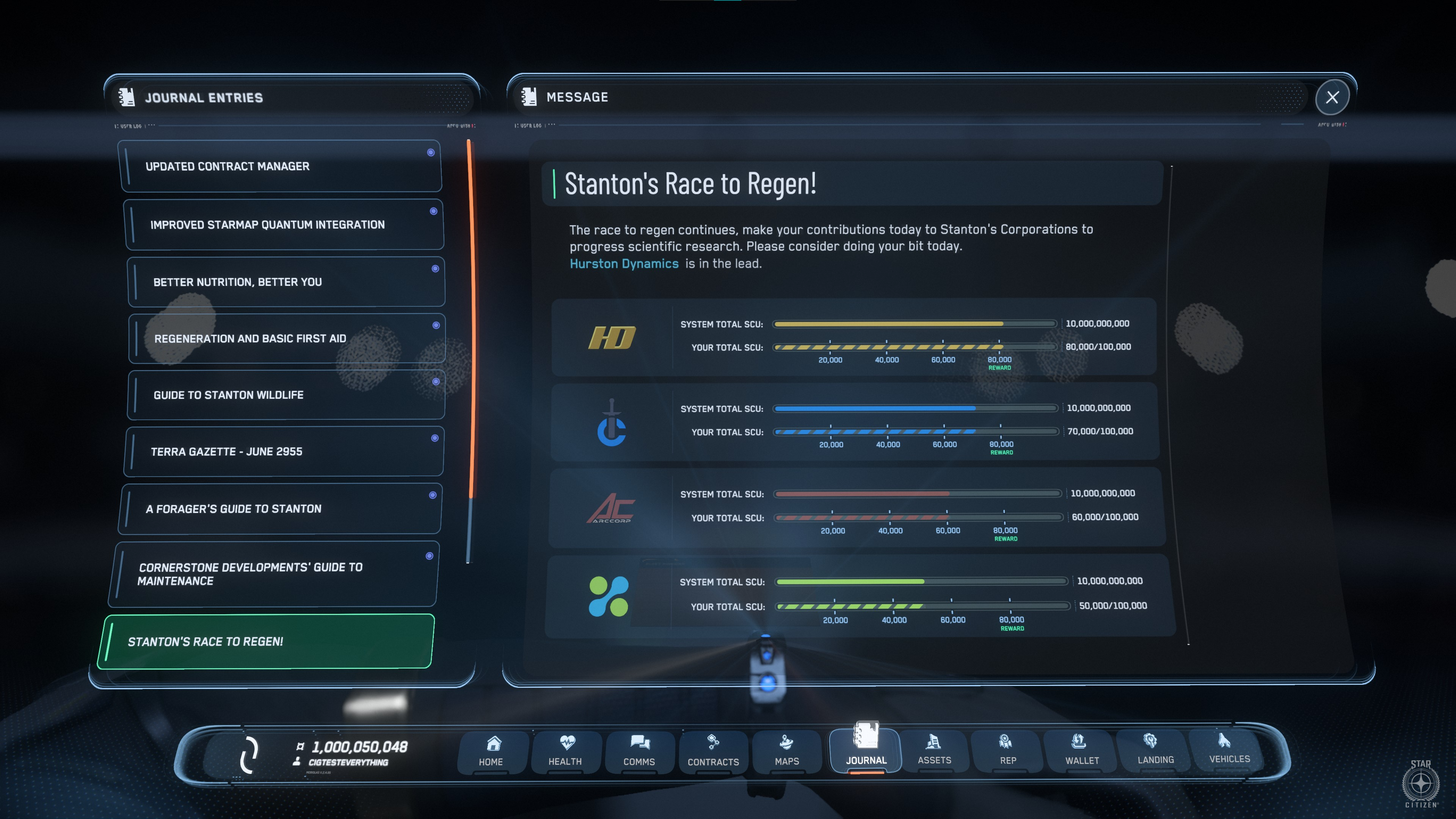
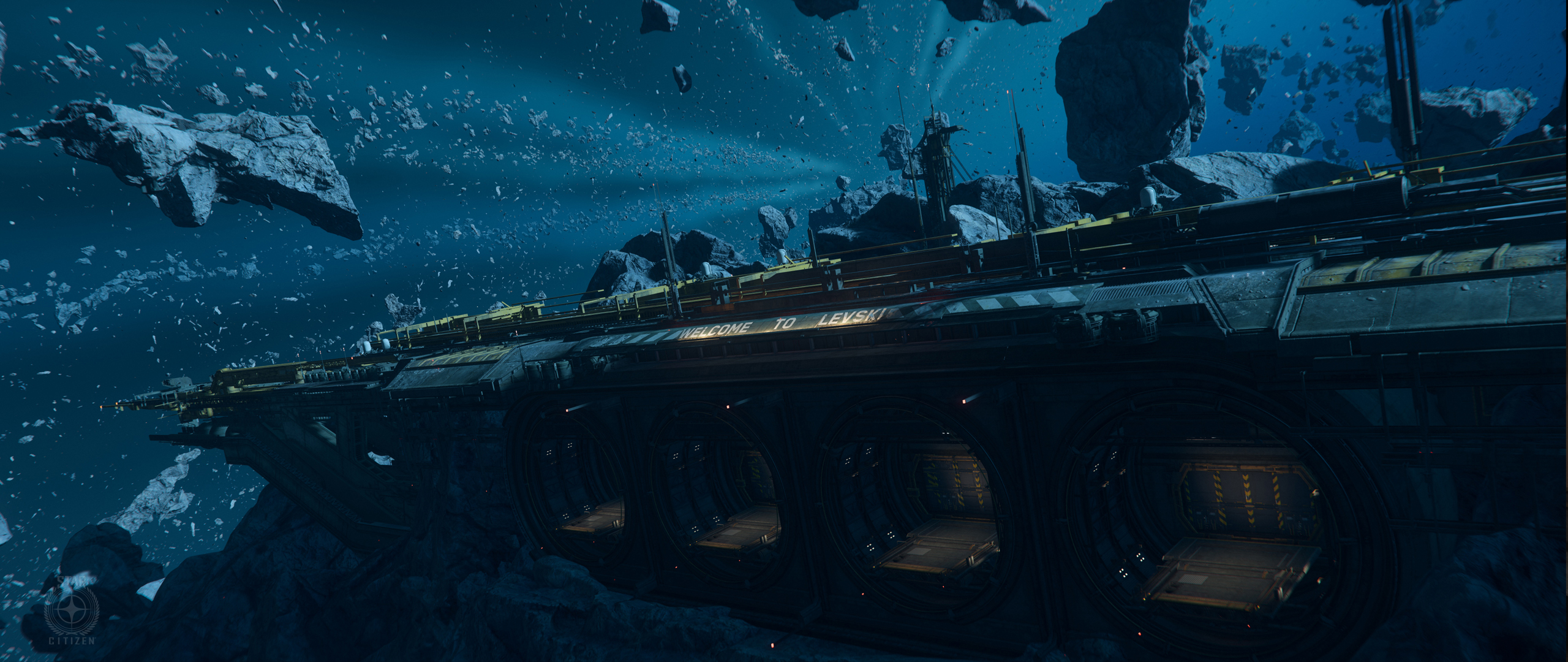
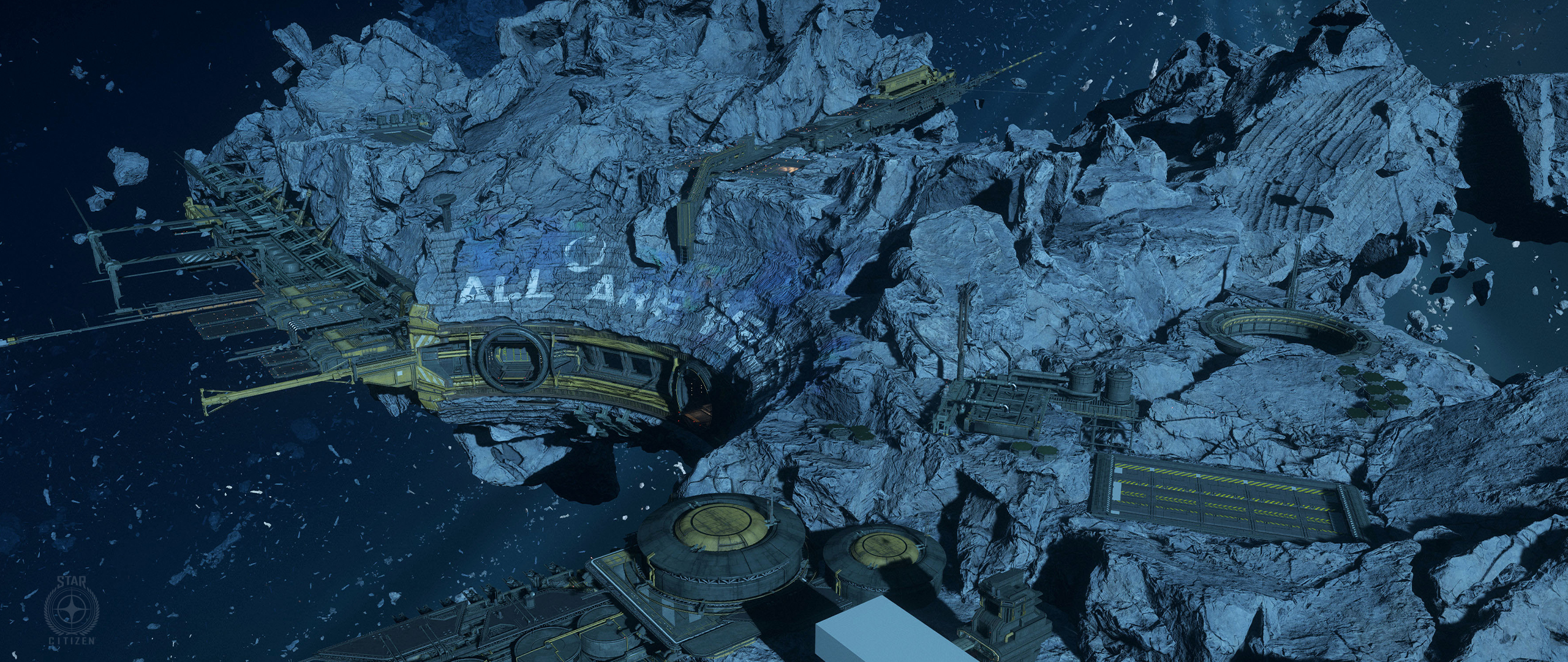
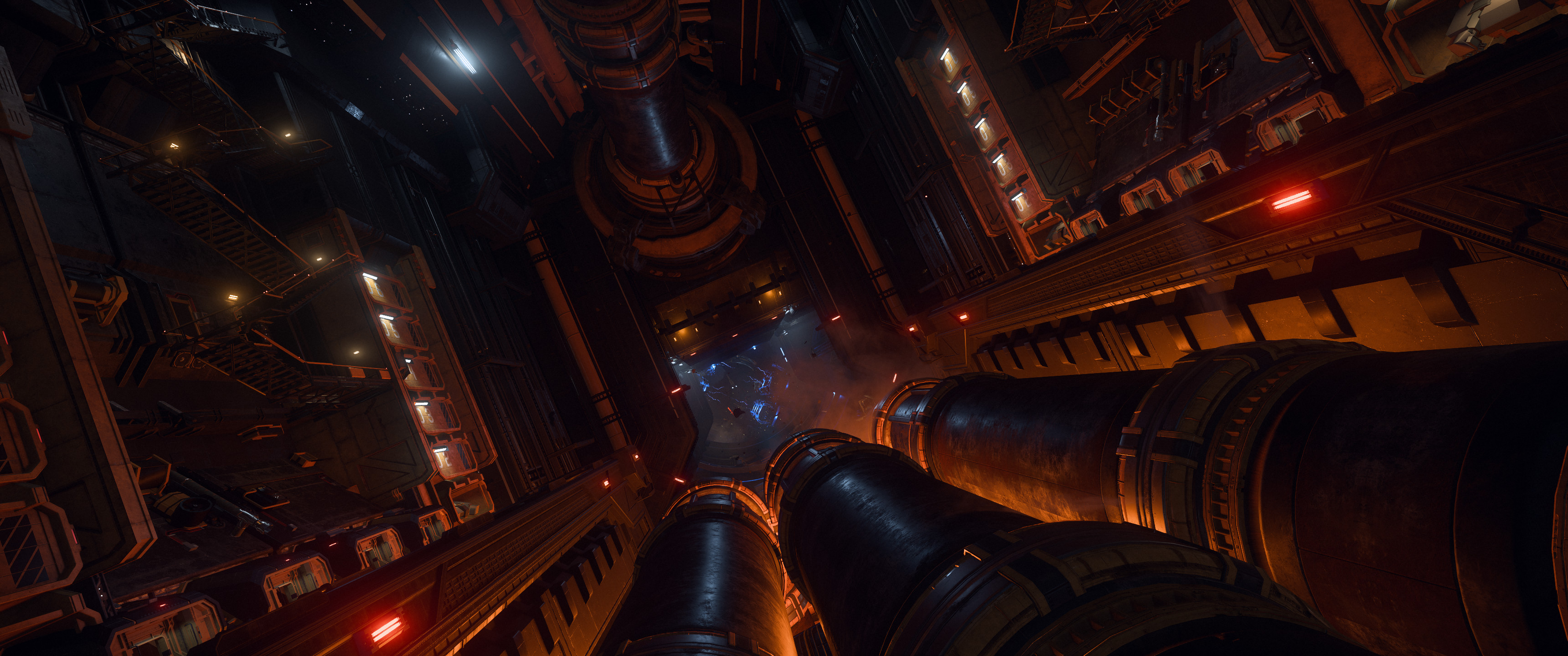
Metadata
- CIG ID
- 14278
- Channel
- Transmission
- Category
- Undefined
- Series
- Monthly Reports
- Comments
- 203
- Published
- 11 years ago (2014-11-05T00:00:00+00:00)