Monthly Studio Report: February 2015
Transmission Undefined Monthly ReportsContent
Greetings Citizens,
February is a short month, but it was a full one for Star Citizen’s development! As you read this, Arena Commander 1.1 is hitting the PTU, and we expect to make it available on the live server in the very near future. Once we pass that milestone, it’ll be time for the first public release of FPS… so stay tuned, exciting things are coming! But for everything you can play today, there’s a hundred other aspects of the game in other stages of development. Read on to find out how everything from the imminent FPS module to the Persistent Universe is shaping up!
Greetings Citizens,
As always, we are glad to have you with us as we welcome in the month of March by first reporting on the successes of February. In fact, it may interest some of you to know that not only do we write these reports each month for the community, but we also have internal monthly reports for our teams as well. At the end of each month we review our success against the previous month’s goals for the team and recommit to the next month’s goals. Anyhow, the reason we mention it is because February had a very high completion rate indicative of the focused nature of the team with upcoming large releases.
This month saw our team working heavily on stabilizing the build for the 1.1.0 release. Generally in software development there is what’s referred to as “Main.” This is the primary repository for all the game’s code and data/assets within the content management system, which in our case is Perforce. Inside Main is generally where all developers are working. This also means that it is getting the most changes (commits) every day. While it is great for everyone to be working quickly and committing regularly, it also greatly increases the chances of introducing a new bug into the system. So, as we approach release we create what is called a “branch.” Using the metaphor of a tree, Main would be the trunk and a branch would be, a branch. It is a copy of Main where developers reside – working on changes specifically intended for that release. This greatly reduces the risk of unintended bugs being introduced that could threaten the release; it is also the time at which we generally switch focus from feature development to stabilization and bug fixing. This allows development for things like Squadron 42, new ships, FPS, and persistent universe to continue unabated in Main while Arena Commander gets stabilized in preparation for release in a branch.
So, without further ado let’s review the areas of focus for each department.
Engineering
Throughout February our engineers have been primarily focused on bug fixing and refining their systems for the upcoming releases. Last month we talked a bit about the new item port system. That system was completed this month, including bug fixing, and is going to be included with the soon to be released 1.1.0. As it is a fairly large extension of the system and interacts with several other systems in significant ways, it takes some time not only to finish the implementation of the system but then to also find and fix any bugs and edge cases that are exposed over time. Some of these bugs are memorable. For example, our light marine has a tactical shoulder lamp. After the implementation of the new item port system QA began reporting that the pilot would sometimes randomly die for no reason. After some investigation it was discovered that under certain conditions the tactical light (which is now attached with the new item port system) was colliding suddenly getting a velocity of 0 while the pilot was flying, and would then collide with the pilot at 200+ M/S and kill them. This is just one example of the strange but critical, and sometimes funny, issues that arise while implementing a new system.
On the Graphics Engineering side, our sole graphics engineer in the Santa Monica studio was working with his counterparts in the UK office to finish the first phase implementation of the new ship damage system which debuts on the Gladius. Among the many bug fixes and development work that went into the system this month, one of the interesting improvements to the system was the dynamic modification of normals. When the ship is shot and damaged, the system is now able to modify the normal around the impact area to curve the edges of a hole caused by a physical projectile, creating a realistic looking impact and penetration effect.
Design
The design team has had several areas of focus this month. They’ve been working closely with QA, forum feedback, and internal playtests on the balance of ship health, weapons, and items. This is an important ongoing process and occupies an ongoing focus. Similar to our engineering team, our Tech Designers have been working on resolving issues with the technical setup of ships, weapons, and items by fixing bugs and improving on functionality. Our design team has also been very involved with setting up new ships that are being released soon. Getting a ship set up to appear and work properly in the hangar, especially getting it flight ready, is very involved and requires a lot of time and attention.
The team has also been very busy with the ship pipeline operating at full capacity. Not just with setting up the ships that have been created, but also defining the specifications for new ships that they want to see created and introduced into the game. The design team has created briefs for numerous new spacecraft this month that are being slotted into the pipeline and some have already entered concept.
Our designers also put a big emphasis this month on the metrics for items, weapons, and their manufacturers. One of the most challenging things about creating our ships is the level of realistic engineering principals that go into them. So, our design team spent time this month working out a system of metrics for all the items and all the per item type size ranges that fit onto our spacecraft. Be on the look out for a revised hardpoint classification, weapon size classification, and thruster size classification schema. We will be sharing with the community as soon as it is completed.
Art
Our Art team in Santa Monica is currently focused on new ship development. From our concept artists, to modelers, to our tech artists, everyone is working on their aspect of a new ship. Similar to the other teams, there has been some bug fixing and preparation occurring for the upcoming release of 1.1.0, but a majority of the work has been going toward creating ships that we’ve previously announced.
We’ve also begun concept work on new variations of body armor for UEE forces as well as civilian and outlaw/pirate individuals. The character pipeline led out of the UK office has been moving forward and gathering steam, so much so we’ve expanded our capacity for high quality concept out of the Santa Monica office! Under Star Citizen’s supervising art director Lance Powell, we aim to deliver the best characters possible with current technology.
The art team has been working closely with design this month to collaborate on the metrics and item guidelines that we’ve mentioned above. It was important with the refactor to the system to meet designs needs while also maintaining the ability for artistic creativity and uniqueness. In the end we’ve landed on a system that satisfies the needs of both groups and should provide the best pairing of visual quality and gameplay.
That rounds out the department updates for this month. The team has been working diligently to stabilize and prepare for the 1.1.X series of releases that will be starting soon. We cannot wait to share with the community all that we have in store. It is very exciting for the team to release more content quickly and to start showing off some of the entirely new gameplay that has been in development. As these modules that comprise Star Citizen are starting to come together, we hope that you too enjoy the process of watching our shared dream get built. Thank you as always for your support. None of this would be possible without this awesome community backing us up in the quest to make the BDSSE!
Hi everyone!
February has absolutely flown by as the Austin team has been hard at work preparing multiple launches to Live and burning the midnight oil in preparation for March and April. We are looking forward to a variety of SXSW events here in Austin this month and spending time with the community who will be attending. Stay tuned for lots of exciting content coming your way in upcoming weeks and months. There are too many things to report in a summary, so here’s some real detail from the team!
Persistent Universe Team:
ART:
The month of February saw the art team in Austin get a lot of love. Our character team was featured on Around the Verse AND Meet the Devs, so everyone got to see just how awesome those guys are. Not only are they awesome people, but they are awesome artists as well! David and Billy have been polishing our characters for the upcoming FPS and Social Module releases while Megan has been working on defining the look and feel of what our NPC’s will look like on Terra Prime. We’ve also got a few new faces you’ll get to meet in the game come March. Look forward to seeing some pretty swanky styles when you land on this truly awesome landing zone.
Speaking of Terra, the legend himself Mark Skelton has been working with Behaviour to provide art direction for the ArcCorp, Terra, and Nyx landing zones. All three of these locations are extremely different from one another and it’s exciting to see the variety of locations taking shape. Mark has also been defining new architectural styles that will add even more diversity and flavor to the Persistent Universe in the future.
We’re all about props this month. With hundreds of props being created by RedHotCG, Virtuos, and our own internal artists, it is amazing to see the difference filling an environment with props makes. With the help of our artists, pretty soon our NPCs will be able to sit in chairs, drink from mugs, move crates, admire sculptures, play shuffleboard, and even mop a floor.
For every prop an NPC requires an animation to go along with it, and our animators have been working hard on implementing animations received from Imaginarium. We’ve got NPCs dancing, chilling against the wall, and chatting it up at the bar, among other things. Our animation team has also been fixing up the ship cockpits, as our recent skeleton improvements have required adjustments to the cockpits to allow for our character to fit properly. We’ve made progress in standardizing our cockpit layouts, bringing the total cockpit types down from 17 to 7! This will help us build ship cockpits more efficiently in the future.
DESIGN:
This month our artists and designers have been working on a major part of the Persistent Universe which many of you are chomping at the bit to try out: MINING! We’ve made major strides in solidifying the design for how mining will work in the PU and Tony Zurovec wrote up an awesome doc on the minutia of the occupation. If you missed the post on the website a while ago, you can find it HERE. Thanks to artwork from Ken Fairclough and Chris Olivia, as well as the concepts for the Orion created by George Hull; we are now able to visualize our first occupation to be developed by the PU team here in Austin.
Our design team has also been setting up NPC activities for the Social Module, fleshing out the shopping experience for Cubby Blast and Astro Armada, and making major updates to the Thruster Calculator, which will make it much easier to – you guessed it – calculate the thrust of our ships going forward. David Ladyman has received some major progress back from our linguists developing the alien languages for Star Citizen and is planning on running the first draft of the Vanduul language by Chris Roberts fairly soon.
ENGINEERING:
It was another great month for the PU programming team. The team braved a few days of freezing weather to ensure they did not miss a beat in working to bring you all one step closer to visiting your friends in our upcoming Social Module. And although they spent Valentine’s Days with their sweeties, many of them have reported that their hearts were elsewhere… infatuated with the awesome Star Citizen Community!
Working with our friends at Wyrmbyte we got an early iteration of our Universe Simulator up and running. Chris Roberts was “wowed” when we shared an early demo with him. The programming team also worked very closely with our DevOps team on our process manager. Never before have team members come together in such a well-oiled manner, and as a result an exciting revamp of our process manager spec is now in hand.
Progress towards the first iteration of multiplayer hangars is also looking swell. Our programmers have been working closely with our pals at Behaviour to get the first iteration of this feature up and running. While this will continue being improved upon and polished, we have reached the point where players can now visit their friends’ hangars! And if that’s not enough, we also have chat and emotes incoming. The boys here in ATX have co-mingled their efforts with Behaviour to get the base chat service in place, which they will continue to work on until we have a solid first iteration to provide to you.
Let’s make sure not forget our amazing programmers working on our AI tool sets. They have been working feverishly to create some of the most stunning AI tools out there, all in order to bring the Persistent Universe to life!
Finally, as an added bonus, the team has been able to get the ball really rolling in putting our plan together for real Player Persistence! The final week of this month we had an engineering “Meeting of the Minds” between our Austin and Santa Monica studios. March will be the month where the explosion of ideas that came out of this historic sync will begin to come to fruition.
Stay tuned for more updates next month, and until then be sure to enjoy the Star Citizen presentations at PAX East and SXSW—brought to you by the one and only Chris Roberts!
Live Operations:
QA :
Star Citizen QA has been keeping very busy this month testing releases 1.0.2 and 1.0.3. We are excited that we we’re able to include so many fixes and updates in these releases. We have also been busy testing the upcoming FPS Module. Glenn Kneale in our Manchester studio and Tyler Witkin in our Austin studio have done a great job ensuring the FPS Module is continually tested by the QA team. At the end of each day, they provide a full report on the state of the FPS Module, report any new issues found and provide relevant feedback.
With help from DevOps, a new process was created to ensure that builds available to development are stable and able to be worked on. This process will help maintain developments’ ability to continue working without being hindered by an unstable build. QA has also been testing new features such as Matthew Delanty who has been working very closely with designer Luke Pressley on a new tutorial mode. Jeffrey Pease, Andrew Hesse and Melissa Estrada continued their tests with the lobby, ships, and the Sandbox Editor respectively while Steven Brennon has continued to gather very valuable feedback from all of you guys. This feedback is incredibly helpful to the team.
We have made an important change in the Austin team: Gerard Manzanares has officially been promoted to QA Lead in the Austin studio. Gerard will be responsible for leading QA operations in Austin as well as maintaining Austin QA coordination with our counterpart QA teams around the globe.
For the month of March, QA is looking forward to PAX East, SXSW, and releasing Arena Commander 1.1.0. Some of us from our Austin studio will be present at the SXSW Gaming Expo. If you happen to see us feel free to stop by and say hi.
IT/Operations:
February marks another awesome month for the IT/Operations team. IT was able to complete a major internet upgrade for our office in Germany. This project was headed up by our UK IT Manager, Hassan with support from members of the Austin, TX IT staff. Upgrades included bringing in a much needed fiber upgrade providing them with increased bandwidth and a major improvement to their firewall and VPN capabilities. Additional work was done to improve the studio’s internal network and server infrastructure.
In Santa Monica, IT Manager, Dennis has been hard at work deploying new hardware and software upgrades to his team while at the same time evaluating and documenting numerous hardware solutions ensuring that all aspects of Star Citizen function correctly on the new technology. Throughout his testing Dennis enjoys going in game and shooting it out with anyone who’s playing in Arena Commander at the time. Keep an eye out for him.
The Austin team continued its relentless pursuit for better performance in the build/development cycle. Storage was expanded again to keep up with the furious pace of the rock star development team and this allowed IT to implement new methods of optimizing storage utilization by the build servers for performance. By poring through stacks of analytics we’re already able to see marked improvements, but, we’re still not finished. Testing of new data layouts and storage formats are showing some very interesting results.
Working in concert with the DevOps team, IT also deployed a completely revamped game delivery system which allows us to get test builds out to all the connected studios in North America and Europe in a fraction of the time it took before. What used to take hours to transfer now takes minutes.
February has been exciting but we can’t wait to get out and meet some of the citizens at PAX East and SXSW in March.
Dev Ops:
This month the Dev Ops team has been setting up the foundations of our operational infrastructure. We are working with the server engineering team to build a provisioning layer that will supply the servers centralized “brain”, a steady stream of information about the health of the services running, and a place for that “brain” (named Process Manager) to request new processes, services, or vms to be created in case some crash or population load grows. In future phases we will start making more logic based decisions on this data and also spin down services, move them around, and gather more information on them. We are also now building out our configuration management tools after spending January evaluating several options.
Dev Ops is also building out all the logging for internal, PTU and production servers so that we can react quickly to issues, and also supply other engineers with details about problems.
Work on the new launcher is progressing, and evaluation of new SSN code for an improved version of patching is also underway. Some of the team is over in our German office working with engineers there to finish rebuilding the build server. They are making excellent progress on that, and it should be ready for development use in March.
On top of all that, we have deployed 1.0.2 and 1.0.3 to PTU and Live.
Finally, we have been working with Google to learn all we can about different technologies we can use to make sure that the Star Citizen architecture is as scalable and dynamic as we possibly can make it. Our goal is to minimize player impact and maximize uptime. The team is looking forward to the extremely busy month of March with PAX and SXSW!
DESIGN
Another very busy month on Star Citizen and Squadron 42. We are starting to see the S42 campaign coming together well, with lots of focus on the motion capture shoot that is about to happen at Imaginarium Studios. A lot of the work has been focused on the correct prop sizes so the actors can interact with our digital assets in a believable way. You would be amazed at the amount of planning that has to go into make sure everything is set up correctly for the shoot. Chris will be over in the UK to direct the performance capture for our cut-scenes, so we are making every effort to give them all the relevant information needed to make the scenes work well.
As you will all probably know, you begin the S42 campaign flying off the Idris Frigate; we got our grey-box version populated with AI this month to see how it was working as an interstitial HUB and once we added a few extra crew we came up with something that felt really satisfying and believable. Once the conversation system can be implemented we feel it will really be something special. Obviously we made good progress on the rest of the chapters and with involvement from the Frankfurt team, who are now coming online, we are starting craft some of the scenarios into immersive and fun gameplay sections. It’s been really helpful to get a fresh perspective from Todd and his design team.
As for Arena Commander, we are making good progress on the tutorial element, which we hope to release very soon. The leaderboards now have the addition of ‘Rating’, and multiplayer ‘Free-Flight’ is working well. We have focused on improving the ‘holo-table’ usability and functionality, with lots of good suggestions from the community being worked on. Lastly, we created a simple spawning map as a ‘stress-test’ for the Devs to work with.
All in all, another good month in design with good progress being made in all areas. Thanks again for making all this possible!
ENGINEERING
February in the North West of the UK and, not to pander to stereotypes, it’s wet, cold, grey and miserable. So no excuse for not cracking on with Arena Commander and Squadron 42 development then!
With the 1.1.0 release of Arena Commander just around the corner that has been a big focus for us. There are a couple of new modes which we’ve been developing here in the UK. The first is the new tutorial system to help ease the new recruits into playing what can be quite a complicated flight system. This required getting the AI “teacher” pilot to be able to perform the different maneuvers they’re teaching the player very precisely, being able to make sure the player is following correctly, and being able to time events very accurately. It’s can be surprisingly fiddly. The second is the multiplayer free flight, which will allow multiple people to hang out without having to engage in a game. Although in some ways it was quite straightforward to set up – after all we’ve got the other multiplayer modes already – there are some things you can do in freeplay that you can’t in the other modes which gives it some different challenges. It’s also going to be the first time we show off the new take-off and landing system.
Now the levels for Squadron 42 are starting to come together we’re in a position where we’ve started getting the game flow into our single player campaign and make it feel more like a game rather than just a collection of levels. At the basic level you go from one part of the game to the next, like what happens when you select “New Game”, or if you die in a mission, saving your progress, or loading back in again and so forth. The main challenge is the saving and loading systems, especially with a game as complicated as the one we’re creating, and will no doubt create lots and lots of bugs as QA try and break the system! Obviously the CryEngine has a lot of the game saving and loading already implemented on the FPS side, but with all the new functionality (and small things like space combat!) there are a lot of new systems that will need fixing up.
Other than that it’s continued work on all the other mechanics. The conversation system is coming along nicely, along with our StoryForge script writing tool. It’s very much in the iteration stage where we’re coming up with lots of different things to try and make it feel as natural as possible, which is important for the immersion. For example, getting the player to realize somebody wants to talk to you, not with a speech bubble over their head, but by their body language. Getting that right is a challenge. Too subtle and you won’t notice, too much and it’ll just look weird. And starting a conversation maybe by how you then interact with that character, rather than having to press a key, without it feeling clumsy. The hard work is not so much getting the initial system working, but the time and effort it takes to refine it with the combined efforts of the animators, script writers, designers, and engineers to get it to feel just right.
ART
Concept
Its been on all fronts again. Characters, ship interiors, ship exteriors, props, you name it – we seem to have touched it all this month! Hiring? Yes – always, we are staffing up our FPS weapons team :D
Environment Team – Ian
This month has seen the Shubin Interstellar interior building set hit Greybox complete, which means all the building components have a good amount of mesh detail and are looking lovely. We’ve also been building the PBR master shader library for this set – plastics, metals, glass etc, and applying them to an established beautification corner. This is where we take a corner of a level up to final art so that the Art Director can see a good representation of how the finished set will look. A modular pass has also been done on the exterior of Shubin to enable the design team to create other space station facilities.
Ship Team – Bjorn
This month, the Foundry 42 ship is hard at work finalizing 3 Ships, making them ready for either Hangar or Arena Commander!!
On top of that, we are very excited to release our first pass of our new damage prototype
which will hopefully impress you guys. It’s a completely new approach on how we handle damage for ships, mainly to future proof ourselves, improve memory usage, and give you guys more eye candy to look at when you shoot our ships to smithereens.
This is the first iteration, and is still a work in progress, but the results are already very satisfying!
The Gladius is being prepared for flight ready state. Neil is finalizing the art work, as well as implementing all the needed changes to have it working with the new damage prototype.
Matt has been working hard on the Gladiator, which will also feature the new damage model!
Then we also have the long awaited hangar release of the Retaliator!
I know you guys have been waiting for this one for a while, and you won’t be disappointed!
Nathan, Jay and Phil have been working hard to get this ship ready for you guys, pulling long nights to make sure everything is top notch!
Once we finalized these ships, there is no rest for the ship team at F42. We are jumping straight into cap ship production and the final production of the Starfarer, Idris, and Javelin. This will be a very complex production , so please bear with us on these massive ships!
After that we are going to focus on a full Vanduul Fleet in addition to a revamp of the Bengal Carrier to give you guys what you want.. the best D*mn space sim ever!
Characters:
Character pipeline – it’s a long and complicated road! Sculpting, crafting, chiseling, ripping, photographing, scanning, reworking – and that’s just one for one benchmark character.
VFX:
The VFX team had a great summit. All the team members met here in Manchester to further define the way forward for SC effects, Besides that there have been massive improvements in the damage system, coupled with some tricky techniques developed by the ship guys. The damaged ships are really starting to look cool and be efficient. Arena Commander has also received additional VFX as well as polishing the ones already in place.
Design
Since we’ve already posted more than enough words on this site this month, such as our mobiGlas Deep Dive, here’s a condensed report for BHVR design team to balance it out.
The design team was implicated in the UI summit. Some answers were found and the attack plan was refined.
Lots of effort was put towards the social module. Shops were populated, maps were refined, elevators were fixed, bar glasses were cleaned.
Even more effort was put towards planetside. Designers were busy with working on paper design, whiteboxing, and general support for more and more locations.
The mobiGlas deep dive article was written and posted. Hope you liked it! If you haven’t seen it I assure you it’s worth your while.
And last but not least, some of us got the chance to participate in our first Star Citizen panel for IGDA Montreal! It was a great experience and we got to meet some of the fans, which is always an honor for us! You can find out more info here!
Art
This is what art was up to this month:
We did a quick optimization pass on Terra to make sure that our work stays clean during the whole creation process. We began working on the paper layout for the additional Terra sectors and polished some of the old shops while optimizing the performance for each.
ArcCorp was revisited to merge new shops, polish some of the visuals, and to make sure that the frame rate is stable.
Nyx’s paper layout and WhiteBox was finished.
Finally, we spent some time dressing a tutorial map.
Concept-wise, we’ve been refining certain key areas of Levsky, the former mining colony based in the Nyx system, such as the Grand Barter, which is the equivalent of the TDD for this location and visually represented as a flea market.
We also worked on a prefab system that QV Planet Services used to use when they were trying to mine the asteroid. It’s composed of platforms that hook up into the rocky tunnels with hydraulic columns to support the heavy ceilings, beams, clamps, etc…
UI
This month Behaviour hosted a UI summit with invitees travelling from Austin, LA, Denver, and UK . What an experience! It was great to finally get everyone in the same room to talk about UI across the entire game. Exciting stuff!
We also continued to work on chat UI, contact list, multiplayer hangar UI, various logo design tasks, decals, and the pause screen also got some love.
Additionally we worked on mock-ups for a new and improved holotable experience, and started work on branding the mobiGlas depending on which shop you are visiting.
Programming
This month we’ve put a lot of effort into solidifying the multiplayer experience. Specifically, we’ve added UI Elements to provide more guidance and feedback to the players regarding the whole “Invite a friend to my Hangar” process. We’ve also greatly improved the stability of the actual multiplayer hangar as well as looking into the multiplayer planetside experience. A good deal of time was also spent on the chat implementation which is starting to look pretty good, and soon will be ready for an eventual release. We’ve also gotten back to working, ever so slightly, on the mobiGlas in order to fine tune the shopping experience that we hope to demo fairly soon.
You should soon be able to get your hands on a few changes to the holotable including control customization. Your favorite interactive gadget should be a bit easier to use with the addition of automatic filtering and sorting. As far as control customization is concerned, you should have more control than ever on controlling continuous inputs with the addition of a new curve editing tool. This tool will allow you to easily remap how the input should affect specific control options.
How’s it going Citizens? Here at IllFonic we’ve been working feverishly to get the FPS module in a good state for showing at PAX East. This has been quite the challenge as a few new things came online recently which introduced quite a few new bugs that required a slew of items and animations to be reworked. Luckily, we had Mr. Bender from CIG Santa Monica on site to help out on the animation side of things. He has been instrumental in getting all of the new animations squared away with our local team. Beyond that, he came during the worst snow we’ve had in over a year, so… Who knows? He might even become a local!
Engineering
Squashing bugs, bugs, and more bugs. The engineers have also been polishing the zero-g push & pull system, which has been a challenge, but is coming along nicely. A large amount of work has been done on the HUD and UI, including elements to support the FPS game modes. Lastly, programmers have also been supporting the animation team, which has been quite a bit since most of the mechanics are driven by the animation system.
Art
Squashing bugs, bugs, and more bugs. The art team has also been putting the final touches in terms of lighting and performance tweaking on the levels that will be shown at PAX East and release with the module. Final models were done on our new weapons and gadgets, and material work for these models is now under way.
Animation
Boy oh boy have these guys been busy. Over the last month they have been hooking up all of the new animations with the new rig. This literally means that every animation needs to be re-targeted and exported so it’s quite a bit of work. Steve Bender has been here to help out and make sure that everything looks great in both 1st person and 3rd person perspectives. They have also been busy squashing bugs, bugs, and more bugs.
Design
Squashing bugs, bugs, and more bugs. The designers have also been focused on tweaking weapon balance, the aiming model, and play-testing the levels. In addition to the work being done for PAX, progress continues on the new game modes and maps that will be coming after the initial release of the FPS module.
VFX
On the VFX side, new visual effects were created for the grappling device while all other weapon FX were revisited and polished up. Everybody is happy with how they are looking now and we hope all of you Citizens will enjoy them too.
[REDACTED] out, see you at PAX East!
Greetings Citizens,
It’s been a busy and exciting month for us here in Montreal. It turns out that coding does indeed keep you warm… So here’s a quick look at what we’ve been doing this February.
The Homepage
The end of last year was marked with a rework of the website’s homepage. Like we announced then, this was only the first step of the global rework we’ve undertaken : this month saw the arrival of step “1.5” with the new Fly Now flow, a quick and easy way to start with the project and get going fast. Its success and the recent increase in new backers show just how much newcomers were in need of some guidance, and we’d like to welcome the (over) 10,000 new backers who joined the community this February.
We’ve taken quite some time to rework the homepage itself. RSI is quite unique in the amount of content produced by Cloud Imperium as a whole, and this new version will aim at giving comm-links a better and clearer layout. At the same time we’re working on a better hub for comm-links themselves, with a focus on series and the search engine for comm-links as a whole.
The Community Hub
These steps will be completed by the new Community Hub that went through its design phase in February. As we announced previously, this new Hub’s mission is to give, at a glance, a broad sense of how the Star Citizen Community lives and breathes. It comes with a set of new tools and functionality that will put your involvement to the test: all fans will get a chance to show their own vision of the project through what will essentially be your hub.
New Storefront
Soon, you’ll be able to use credits earned in Arena Commander to try out any ships or ship components you don’t yet have. This is the third storefront we’re giving you (after the Pledge Store and Voyager Direct), and of course many aspects of the website are impacted : you’ll be able to manage your gear and the credits you earn directly in the website from the My Account section, and this is now the second interface we’ve set up that is being fed directly from the game servers (the first being the Leaderboards a few months back).
The Orion Minigame
Most of you have seen the amazing design that is the RSI Orion mining platform. We took this chance to bring you another minigame (the Carrack had seen the first one) which explored space mining in the Star Citizen universe. We plan to have a minigames section in the site very soon if you’d like to replay it.
What’s next
February was heavy on the design side of Turbulent, and now’s the time to implement all that and let you experience it. All while we’re still working on the highly anticipated Starmap. Our current task is to set up a thorough user interface that will do justice to the density and complexity of data we’re plugging into. More on that soon… plus a few surprises along the way.
February has been quite a heavy planning month for Moon Collider. With the Cloud Imperium Frankfurt studio taking on some new members focused on FPS and AI, we spent quite a bit of time helping them get up to speed with the current state of things, figuring out new processes, and reworking our roadmap for features that we will be delivering for the various modules this year.
A lot of our time gets spent in planning and communication, and as you can imagine, with quite a small team here in Edinburgh that can have quite an impact on the amount of time we have to work on cool features. So the addition of Todd Papy and Francesco Roccucci means more dedicated resources at Cloud Imperium to help with the very difficult job of planning and prioritizing all of the AI features needed by the different Star Citizen modules.
We’re also expecting Francesco and Chris Nolan, both veteran AI behavior designers, to help get our FPS character behaviors up to an awesome level of polish over the coming months. Getting character combat behaviors right can be really time consuming, so we’re thrilled to have such talented people added to the Cloud Imperium team.
So, while we got a bit less engineering work done this month than we normally do, we think these additional AI resources for Star Citizen are going to make a huge difference in the coming months, allowing us to deliver higher quality AI faster, and that’s good news for all of us!
Design
We had a brief AI summit in Manchester this month to get Todd, Francesco and Chris up to speed on the current state of the AI. During that time we also took the opportunity to have discussions with designers for Squadron 42 and Arena Commander to figure out which AI features they’re needing most. It’s always really rewarding to sit down in the same room with designers and play through a level to see what is and isn’t working from their point of view.
Following the summit we had Francesco visit our Edinburgh office for several days for a lot of discussions about our feature roadmap and how best to prioritize across the different modules. This was also an important opportunity to help him get an in-depth understanding of our Kythera AI framework so that he will be able to help providing support to the rest of the Cloud Imperium team.
A lot of specific design discussions happened to look at ways to improve some areas of our AI framework, such as our behavior tree and higher level tasks systems; improvements to our cover system and how to streamline the workflow for level designers when setting up new areas; how to link different parts of a level together to allow AI to navigate with things like ladders or climbing up and jumping down; and a lot more. Expect to hear more about these features as we move from design to implementation over the next few months.
Engineering
Replacing our prototype smart object system with the more fully featured Usables system has been a big focus since the start of the year, and this month we got the first version of the new system into the hands of designers. The feedback so far has been good and you will be seeing the first results of this in the upcoming Social Module. Whenever you see NPCs interacting with objects in the world, that’s the Usables system in action, so keep an eye out for it!
Speaking of the Social Module, we’ve also been doing some work on improving the performance of our AI code to allow huge numbers of characters to be active at once while still retaining a good framerate. We did a bunch of profiling to see where the slowest parts of the code were, and luckily we’ve had a few easy wins so far that gave some pretty nice performance gains. It’s still early days for the persistent universe so we expect to be doing a lot more of this in the future as features progress, but for programmers, it’s always a joy to make a change to the code and see those milliseconds go down rather than up!
We’ve been making various improvements and doing fixes for Arena Commander 1.1, with a particular focus on the upcoming tutorial. Because of the semi-scripted nature of a tutorial, we’ve found designers needing to do things with ships that they haven’t had to do previously, and so we did some work to allow the designers to get the results they were after. For example, you’d think that if you’ve got well tuned AI flight behavior for ship to ship combat, then just making a ship fly slowly inside a hangar would be a piece of cake, right? Well, it turns out that AI tuned for high speed evasive maneuvers doesn’t do so well trying to fly really slow in a confined space, at least not without a bit of persuading.
For the tutorial, we also found that we needed to implement some special attack modes for ships that need to do something very specific in order to teach the player how to perform certain actions. So for example, we created a behavior that makes a ship just sit on the spot and aim at the player’s ship, and another that makes the AI fire a single missile. It’s not something you’d want to see in a frantic session of Vanduul Swarm, but in a tutorial context it’s just what you need.
We’re quite happy with what the ships are now able to do in the AC 1.1 tutorial, and we think the community are really going to enjoy this release.
Hello everybody! Assistant Community Manager Will here to bring you this month’s Community Report! February has been quite busy for the Communiteam. Based on your feedback we have continued to tweak all of our weekly shows, and have even created an entirely new one! We’ve also introduced new initiatives such as our #HelpTheHerald campaign. We are always listening to your feedback and appreciate it as we continue to try new things.
Shows
Each episode of Around the Verse we aim to try new things to improve the show. This month we changed our News from Around the Verse segment to include each studio discussing their weekly contributions. In addition, we’ve added two new segments titled Sandi Goes to Flight School and Empire Report. We are happy that these have been received well and we plan on making both Empire Report and Sandi Goes to Flight School re-occurring segments.
In our weekly stream, Reverse the Verse, we realized that our discussions focused on the Santa Monica team which wasn’t fair to our other offices. So we’ve now integrated the Austin and UK offices to take turns appearing on the show. This has led to a more diverse set of questions and we are happy to bring a new element to the stream.
Don’t worry, we didn’t forget 10 for the Chairman! We realized that you enjoyed seeing the images during our news segment in Around the Verse, so we’ve integrated that format into Chris’ answers. Additionally, the Sneak Peek segment in Around the Verse is a fan favorite so we’ve doubled our effort and we are proud to say that 10FTC now features a sneak peek as well.
This month we also debuted Wonderful World of Star Citizen. Hosted by the community’s own Disco Lando, this monthly show highlights videos, podcasts, and other amazing creations from the community. Feedback for the first episode has exceeded our expectations and we are certain that you will all enjoy the next episode.
Fan Videos
February has been an amazing month for fan videos. FiendishFeather has begun a new series titled Bulkheads. Inspired from the popular Red vs. Blue series, Bulkheads will feature two hapless citizens as the traverse the verse. While a bit sillier than his popular pirate video Pieces of Eight, we can’t wait to watch this series unfold.
Yearsonehundred, the creator of the original Imagine trailer, has returned and once again blown us away with his new video, The Fighter Pilot. The first entry in his new Star Citizen Career video series, The Fighter Pilot is a collaboration between multiple community members, including our favorite voice actor Trendane and musical guru Pedro Camacho. At less than one and a half minutes, this video is a must see for any Star Citizen out there.
February was quite a busy month for us, but we have much more planned for you all in March. We value your feedback and we continue use it to get better each and every week. Thanks and we’ll see you next month!
-Assistant Community Manager Will!
Grüße Bürger,
Februar ist ein kurzer Monat, aber es war ein voller Monat für die Entwicklung von Star Citizen! Wenn Sie dies lesen, trifft Arena Commander 1.1 die PTU, und wir erwarten, dass sie in naher Zukunft auf dem Live-Server verfügbar sein wird. Sobald wir diesen Meilenstein erreicht haben, wird es Zeit für die erste öffentliche Veröffentlichung von FPS sein.... also bleiben Sie dran, es kommen spannende Dinge! Aber für alles, was Sie heute spielen können, gibt es noch hundert weitere Aspekte des Spiels in anderen Entwicklungsstadien. Lesen Sie weiter, um herauszufinden, wie sich alles vom bevorstehenden FPS-Modul bis zum Persistent Universe entwickelt!
Grüße Bürger,
Wie immer freuen wir uns, Sie bei uns zu haben, wie wir es im Monat März begrüßen, indem wir erstmals über die Erfolge im Februar berichten. Tatsächlich mag es einige von euch interessieren zu wissen, dass wir nicht nur diese Berichte jeden Monat für die Community schreiben, sondern auch interne Monatsberichte für unsere Teams haben. Am Ende eines jeden Monats überprüfen wir unseren Erfolg mit den Zielen des Vormonats für das Team und setzen uns erneut für die Ziele des nächsten Monats ein. Wie auch immer, der Grund, warum wir es erwähnen, ist, dass der Februar eine sehr hohe Fertigstellungsrate hatte, die auf den fokussierten Charakter des Teams mit den bevorstehenden großen Veröffentlichungen hinweist.
In diesem Monat hat unser Team intensiv an der Stabilisierung des Builds für das Release 1.1.0 gearbeitet. Im Allgemeinen gibt es in der Softwareentwicklung das, was als "Main" bezeichnet wird. Dies ist das primäre Repository für alle Codes und Daten/Assets des Spiels innerhalb des Content Management Systems, in unserem Fall Perforce. Inside Main ist im Allgemeinen der Ort, an dem alle Entwickler arbeiten. Das bedeutet auch, dass es täglich die meisten Änderungen (Commits) erhält. Es ist zwar toll, dass jeder schnell arbeitet und sich regelmäßig engagiert, aber es erhöht auch die Chancen, einen neuen Bug in das System einzubringen. Wenn wir uns der Veröffentlichung nähern, erstellen wir also einen so genannten "Zweig". Mit der Metapher eines Baumes wäre der Main der Stamm und ein Ast ein Zweig. Es ist eine Kopie von Main, wo sich die Entwickler befinden - und arbeitet an Änderungen, die speziell für diese Version vorgesehen sind. Dies reduziert das Risiko, dass unbeabsichtigte Bugs eingeführt werden, die die Veröffentlichung gefährden könnten; es ist auch der Zeitpunkt, an dem wir den Fokus generell von der Feature-Entwicklung auf Stabilisierung und Fehlerbehebung verlagern. Dies ermöglicht es, dass Dinge wie Staffel 42, neue Schiffe, FPS und anhaltendes Universum im Main unvermindert weiter entwickelt werden, während der Arena Commander stabilisiert wird, um sich auf die Veröffentlichung in einem Zweig vorzubereiten.
Lassen Sie uns also ohne weiteres die Schwerpunkte für jede Abteilung überprüfen.
Ingenieurwesen
Während des ganzen Monats Februar haben sich unsere Ingenieure hauptsächlich auf die Fehlerbehebung und -verfeinerung ihrer Systeme für die kommenden Releases konzentriert. Letzten Monat haben wir ein wenig über das neue Item-Port-System gesprochen. Dieses System wurde diesen Monat fertiggestellt, einschließlich der Fehlerbehebung, und wird mit der bald erscheinenden Version 1.1.0 ausgeliefert. Da es sich um eine ziemlich große Erweiterung des Systems handelt und mit mehreren anderen Systemen in erheblichem Umfang interagiert, dauert es einige Zeit, bis nicht nur die Implementierung des Systems abgeschlossen ist, sondern auch alle Fehler und Kantenfälle gefunden und behoben sind, die im Laufe der Zeit aufgedeckt werden. Einige dieser Bugs sind unvergesslich. Zum Beispiel hat unser leichter Marine eine taktische Schulterleuchte. Nach der Implementierung des neuen Item-Port-Systems begann QA zu berichten, dass der Pilot manchmal ohne Grund zufällig sterben würde. Nach einigen Untersuchungen wurde festgestellt, dass das taktische Licht (das nun mit dem neuen Item-Portsystem verbunden ist) unter bestimmten Bedingungen kollidierte und plötzlich eine Geschwindigkeit von 0 erreichte, während der Pilot flog, und dann mit dem Piloten bei 200+ M/S zusammenstoßen und ihn töten würde. Dies ist nur ein Beispiel für die seltsamen, aber kritischen und manchmal lustigen Probleme, die bei der Implementierung eines neuen Systems auftreten.
Auf der grafischen Seite arbeitete unser einziger Grafikingenieur im Studio Santa Monica mit seinen Kollegen im britischen Büro zusammen, um die erste Phase der Implementierung des neuen Schiffsschadensystems abzuschließen, das auf der Gladius Premiere feiert. Unter den vielen Bugfixes und Entwicklungsarbeiten, die diesen Monat in das System eingeflossen sind, war eine der interessanten Verbesserungen des Systems die dynamische Änderung von Normalen. Wenn das Schiff abgeschossen und beschädigt wird, ist das System nun in der Lage, die Normalität um den Aufprallbereich herum zu ändern, um die Kanten eines Lochs, das durch ein physisches Projektil verursacht wird, zu biegen und einen realistisch aussehenden Aufprall- und Durchschlagseffekt zu erzeugen.
Design
Das Designteam hatte in diesem Monat mehrere Schwerpunkte. Sie arbeiten eng mit QA, Forum-Feedback und internen Spieltests zusammen, um das Gleichgewicht von Schiffsgesundheit, Waffen und Gegenständen zu verbessern. Dies ist ein wichtiger fortlaufender Prozess und nimmt einen ständigen Fokus ein. Ähnlich wie unser Entwicklungsteam haben unsere Tech Designer daran gearbeitet, Probleme mit der technischen Einrichtung von Schiffen, Waffen und Gegenständen zu lösen, indem sie Fehler behoben und die Funktionalität verbessert haben. Unser Designteam war auch sehr engagiert beim Aufbau neuer Schiffe, die in Kürze freigegeben werden. Ein Schiff so aufzustellen, dass es im Hangar richtig erscheint und funktioniert, insbesondere es flugbereit zu machen, ist sehr aufwändig und erfordert viel Zeit und Aufmerksamkeit.
Das Team war auch sehr beschäftigt mit der Auslastung der Schiffspipeline. Nicht nur bei der Einrichtung der erstellten Schiffe, sondern auch bei der Definition der Spezifikationen für neue Schiffe, die sie erstellt und in das Spiel eingeführt sehen möchten. Das Designteam hat in diesem Monat Slips für zahlreiche neue Raumfahrzeuge erstellt, die in die Pipeline gesteckt werden und einige haben bereits das Konzept eingegeben.
Unsere Designer haben in diesem Monat auch großen Wert auf die Metriken für Gegenstände, Waffen und deren Hersteller gelegt. Eine der größten Herausforderungen bei der Entwicklung unserer Schiffe ist das Niveau der realistischen technischen Prinzipien, die in sie einfließen. So verbrachte unser Designteam diesen Monat damit, ein System von Metriken für alle Artikel und alle Größenbereiche der einzelnen Artikeltypen zu entwickeln, die auf unsere Raumfahrzeuge passen. Seien Sie auf der Hut vor einer überarbeiteten Hardpoint-Klassifizierung, Waffengrößenklassifizierung und Schubdüsengrößenklassifizierung. Wir werden mit der Community teilen, sobald sie fertig ist.
Kunst
Unser Art-Team in Santa Monica konzentriert sich derzeit auf die Entwicklung neuer Schiffe. Von unseren Konzeptkünstlern über Modellbauer bis hin zu unseren Technikern arbeitet jeder an seinem Aspekt eines neuen Schiffes. Ähnlich wie bei den anderen Teams gab es einige Fehlerbehebungen und Vorbereitungen für die bevorstehende Version 1.1.0, aber ein Großteil der Arbeit wurde für die Entwicklung von Schiffen verwendet, die wir bereits angekündigt haben.
Wir haben auch mit der Konzeptarbeit für neue Varianten der Schutzweste für UEE-Streitkräfte sowie Zivilisten und Gesetzlose/Piraten begonnen. Die aus dem britischen Büro geführte Charakter-Pipeline hat sich weiterentwickelt und Dampf gesammelt, so sehr haben wir unsere Kapazität für ein hochwertiges Konzept aus dem Büro in Santa Monica erweitert! Unter der Leitung von Star Citizen, dem künstlerischen Leiter von Star Citizen, Lance Powell, wollen wir die bestmöglichen Charaktere mit der neuesten Technologie liefern.
Das Kunstteam hat diesen Monat eng mit dem Design zusammengearbeitet, um an den oben genannten Metriken und Artikelrichtlinien zu arbeiten. Es war wichtig, dass der Refaktor des Systems die Anforderungen des Designs erfüllt und gleichzeitig die Fähigkeit zur künstlerischen Kreativität und Einzigartigkeit bewahrt. Am Ende sind wir auf einem System gelandet, das die Bedürfnisse beider Gruppen erfüllt und die beste Kombination aus visueller Qualität und Gameplay bieten sollte.
Das rundet die Aktualisierung der Abteilung für diesen Monat ab. Das Team hat fleißig daran gearbeitet, die 1.1.X-Reihe von Releases zu stabilisieren und vorzubereiten, die in Kürze beginnen wird. Wir können es kaum erwarten, mit der Gemeinschaft alles zu teilen, was wir auf Lager haben. Es ist sehr spannend für das Team, mehr Inhalte schnell zu veröffentlichen und einige der völlig neuen Gameplays, die sich in der Entwicklung befinden, zu präsentieren. Da diese Module, aus denen sich Star Citizen zusammensetzt, immer mehr zusammenkommen, hoffen wir, dass auch Sie den Prozess genießen, wenn Sie zusehen, wie unser gemeinsamer Traum verwirklicht wird. Wie immer vielen Dank für deine Unterstützung. Nichts davon wäre möglich ohne diese großartige Community, die uns bei der Suche nach dem BDSSE unterstützt!
Hallo zusammen!
Der Februar ist absolut vorbei geflogen, da das Austin-Team hart an der Arbeit war, mehrere Starts zu Live vorzubereiten und das Mitternachtsöl in Vorbereitung auf März und April zu verbrennen. Wir freuen uns auf eine Vielzahl von SXSW-Veranstaltungen hier in Austin in diesem Monat und verbringen Zeit mit der Community, die teilnehmen wird. Bleiben Sie dran für viele spannende Inhalte, die Ihnen in den nächsten Wochen und Monaten auf den Weg kommen. Es gibt zu viele Dinge in einer Zusammenfassung zu berichten, also hier sind einige echte Details aus dem Team!
Hartnäckiges Universumsteam:
KUNST:
Im Februar bekam das Kunstteam in Austin viel Liebe. Unser Charakter-Team wurde auf Around the Vers AND Meet the Devs vorgestellt, so dass jeder sehen konnte, wie fantastisch diese Jungs sind. Sie sind nicht nur fantastische Menschen, sondern auch fantastische Künstler! David und Billy haben unsere Charaktere für die kommenden FPS- und Social Module-Releases geschliffen, während Megan daran gearbeitet hat, das Aussehen und das Gefühl zu definieren, wie unsere NSCs auf Terra Prime aussehen werden. Wir haben auch ein paar neue Gesichter, die du im März im Spiel treffen wirst. Freuen Sie sich auf einige ziemlich schicke Stile, wenn Sie auf dieser wirklich fantastischen Landezone landen.
Apropos Terra, die Legende selbst Mark Skelton hat mit Behaviour zusammengearbeitet, um die künstlerische Leitung der Landezonen ArcCorp, Terra und Nyx zu übernehmen. Alle drei Standorte sind sehr unterschiedlich und es ist spannend zu sehen, wie die Vielfalt der Standorte Gestalt annimmt. Mark hat auch neue Architekturstile definiert, die dem Persistent Universe in Zukunft noch mehr Vielfalt und Geschmack verleihen werden.
Uns geht es diesen Monat nur um Requisiten. Mit Hunderten von Requisiten, die von RedHotCG, Virtuos und unseren eigenen internen Künstlern erstellt wurden, ist es erstaunlich zu sehen, welchen Unterschied es macht, eine Umgebung mit Requisiten zu füllen. Mit Hilfe unserer Künstler werden unsere NSCs bald in der Lage sein, auf Stühlen zu sitzen, von Tassen zu trinken, Kisten zu bewegen, Skulpturen zu bewundern, Shuffleboard zu spielen und sogar einen Boden zu wischen.
Für jede Requisite benötigt ein NSC eine Animation, um sie zu begleiten, und unsere Animatoren haben hart daran gearbeitet, die von Imaginarium erhaltenen Animationen umzusetzen. Wir haben NSCs, die tanzen, gegen die Wand kühlend, und unter anderem an der Bar plaudern. Unser Animationsteam hat auch die Schiffscockpits repariert, da unsere jüngsten Skelettverbesserungen Anpassungen an den Cockpits erforderlich gemacht haben, damit unser Charakter richtig passen kann. Wir haben Fortschritte bei der Standardisierung unserer Cockpit-Layouts gemacht und die Gesamtzahl der Cockpit-Typen von 17 auf 7 reduziert! Dies wird uns helfen, Schiffscockpits in Zukunft effizienter zu bauen.
DESIGN:
Diesen Monat haben unsere Künstler und Designer an einem Großteil des Persistent Universe gearbeitet, das viele von euch beim Ausprobieren mitmachen: BERGBAU! Wir haben große Fortschritte bei der Verfestigung des Entwurfs für die Funktionsweise des Bergbaus in der PU gemacht, und Tony Zurovec hat einen fantastischen Dokument über die Details der Besetzung verfasst. Wenn du den Beitrag auf der Website vor einiger Zeit verpasst hast, findest du ihn HIER. Dank der Kunstwerke von Ken Fairclough und Chris Olivia sowie der Konzepte für den Orion von George Hull können wir nun unseren ersten Beruf visualisieren, der vom PU-Team hier in Austin entwickelt wurde.
Unser Designteam hat auch NSC-Aktivitäten für das Sozialmodul eingerichtet, das Einkaufserlebnis für Cubby Blast und Astro Armada ausgearbeitet und den Thruster Calculator grundlegend aktualisiert, was es viel einfacher machen wird - Sie haben es erraten -, den Schub unserer zukünftigen Schiffe zu berechnen. David Ladyman hat von unseren Linguisten, die die fremden Sprachen für Star Citizen entwickeln, einige wichtige Fortschritte erhalten und plant, den ersten Entwurf der Vanduul-Sprache von Chris Roberts ziemlich bald zu veröffentlichen.
INGENIEUR:
Es war ein weiterer großartiger Monat für das PU-Programmierteam. Das Team trottelte ein paar Tage eiskaltes Wetter, um sicherzustellen, dass sie bei der Arbeit keinen Moment verpassen, um Ihnen alle einen Schritt näher zu bringen, Ihre Freunde in unserem kommenden Sozialmodul zu besuchen. Und obwohl sie die Valentinstage mit ihren Süßen verbrachten, haben viele von ihnen berichtet, dass ihre Herzen anderswo waren.... verliebt in die großartige Star Citizen Community!
In Zusammenarbeit mit unseren Freunden bei Wyrmbyte haben wir eine frühe Iteration unseres Universums-Simulators in Betrieb genommen. Chris Roberts war "wow", als wir eine frühe Demo mit ihm teilten. Das Programmierteam arbeitete auch sehr eng mit unserem DevOps-Team an unserem Prozessmanager zusammen. Noch nie zuvor sind die Teammitglieder so gut aufeinander eingespielt, und so liegt nun eine spannende Überarbeitung unserer Spezifikation für Prozessmanager vor.
Die Fortschritte bei der ersten Iteration von Mehrspieler-Hangars sehen ebenfalls gut aus. Unsere Programmierer haben eng mit unseren Kumpels von Behaviour zusammengearbeitet, um die erste Iteration dieser Funktion zum Laufen zu bringen. Während dies weiterhin verbessert und poliert wird, haben wir den Punkt erreicht, an dem die Spieler nun die Hangars ihrer Freunde besuchen können! Und wenn das nicht genug ist, haben wir auch Chat und Emulationen. Die Jungs hier in ATX haben ihre Bemühungen mit Behaviour gepaart, um den Basis-Chat-Service einzurichten, an dem sie weiterarbeiten werden, bis wir eine solide erste Iteration für Sie haben.
Lassen Sie uns nicht vergessen, dass unsere erstaunlichen Programmierer an unseren KI-Toolsets arbeiten. Sie haben fieberhaft daran gearbeitet, einige der atemberaubendsten KI-Tools zu entwickeln, um das Persistent Universe zum Leben zu erwecken!
Schließlich, als zusätzlichen Bonus, konnte das Team den Ball richtig ins Rollen bringen, indem es unseren Plan für eine echte Spielerpersistenz zusammenstellte! In der letzten Woche dieses Monats hatten wir ein technisches "Meeting of the Minds" zwischen unseren Austin und Santa Monica Studios. März wird der Monat sein, in dem die Explosion von Ideen, die aus dieser historischen Sync hervorgegangen sind, beginnen wird, Früchte zu tragen.
Bleiben Sie dran für weitere Updates im nächsten Monat, und bis dahin sollten Sie die Star Citizen Präsentationen auf der PAX East und SXSW genießen - die Ihnen der einzigartige Chris Roberts mitgebracht hat!
Live-Betrieb:
QA :
Star Citizen QA hat diesen Monat sehr viel zu tun gehabt und die Testversionen 1.0.2 und 1.0.3 getestet. Wir freuen uns sehr, dass wir in der Lage sind, so viele Korrekturen und Updates in diese Releases einzubauen. Wir haben auch das kommende FPS-Modul getestet. Glenn Kneale in unserem Studio in Manchester und Tyler Witkin in unserem Studio in Austin haben hervorragende Arbeit geleistet, um sicherzustellen, dass das FPS-Modul kontinuierlich vom QS-Team getestet wird. Am Ende eines jeden Tages erstellen sie einen vollständigen Bericht über den Zustand des FÖS-Moduls, berichten über alle neu gefundenen Probleme und geben ein entsprechendes Feedback.
Mit Hilfe von DevOps wurde ein neuer Prozess geschaffen, um sicherzustellen, dass die für die Entwicklung verfügbaren Builds stabil sind und bearbeitet werden können. Dieser Prozess wird dazu beitragen, die Fähigkeit der Entwickler zu erhalten, weiterzuarbeiten, ohne durch einen instabilen Build behindert zu werden. QA hat auch neue Funktionen getestet, wie Matthew Delanty, der sehr eng mit dem Designer Luke Pressley an einem neuen Tutorial-Modus gearbeitet hat. Jeffrey Pease, Andrew Hesse und Melissa Estrada setzten ihre Tests mit der Lobby, den Schiffen bzw. dem Sandbox Editor fort, während Steven Brennon weiterhin sehr wertvolles Feedback von euch allen gesammelt hat. Dieses Feedback ist für das Team unglaublich hilfreich.
Wir haben eine wichtige Veränderung im Austin-Team vorgenommen: Gerard Manzanares wurde offiziell zum QA Lead im Austin Studio befördert. Gerard wird für die Leitung des QS-Geschäfts in Austin sowie für die Koordination der QS mit unseren QS-Teams auf der ganzen Welt verantwortlich sein.
Für den Monat März freut sich QA auf PAX East, SXSW und die Veröffentlichung von Arena Commander 1.1.0. Einige von uns aus unserem Austin-Studio werden auf der SXSW Gaming Expo vertreten sein. Wenn du uns siehst, kannst du gerne vorbeikommen und Hallo sagen.
IT/Betrieb:
Februar ist ein weiterer großartiger Monat für das IT/Operations-Team. Die IT-Abteilung konnte ein großes Internet-Upgrade für unser Büro in Deutschland durchführen. Dieses Projekt wurde von unserem britischen IT-Manager Hassan mit Unterstützung von Mitgliedern der Austin und TX IT-Mitarbeitern geleitet. Zu den Upgrades gehörte die Einführung eines dringend benötigten Glasfaser-Upgrades, der ihnen eine höhere Bandbreite und eine deutliche Verbesserung ihrer Firewall- und VPN-Funktionen bietet. Weitere Arbeiten wurden durchgeführt, um die interne Netzwerk- und Serverinfrastruktur des Studios zu verbessern.
In Santa Monica, IT-Manager, hat Dennis hart daran gearbeitet, neue Hard- und Software-Upgrades für sein Team bereitzustellen und gleichzeitig zahlreiche Hardware-Lösungen zu bewerten und zu dokumentieren, um sicherzustellen, dass alle Aspekte von Star Citizen mit der neuen Technologie korrekt funktionieren. Während seiner gesamten Testphase genießt Dennis es, im Spiel zu spielen und mit jedem, der gerade in Arena Commander spielt, zu schießen. Haltet Ausschau nach ihm.
Das Austin-Team setzte sein unermüdliches Streben nach besserer Leistung im Bau-/Entwicklungszyklus fort. Der Speicher wurde erneut erweitert, um mit dem rasanten Tempo des Rockstar-Entwicklungsteams Schritt zu halten, was es der IT ermöglichte, neue Methoden zur Optimierung der Speichernutzung durch die Build-Server für die Leistung zu implementieren. Wenn wir durch Stapel von Analysen blicken, können wir bereits deutliche Verbesserungen erkennen, aber wir sind immer noch nicht fertig. Das Testen neuer Datenlayouts und Speicherformate zeigt einige sehr interessante Ergebnisse.
In Zusammenarbeit mit dem DevOps-Team implementierte die IT-Abteilung auch ein komplett überarbeitetes Spiele-Delivery-System, das es uns ermöglicht, Testaufbauten für alle angeschlossenen Studios in Nordamerika und Europa in einem Bruchteil der Zeit zu erhalten, die es zuvor gebraucht hat. Was früher Stunden gedauert hat, um übertragen zu werden, dauert jetzt Minuten.
Der Februar war aufregend, aber wir können es kaum erwarten, rauszukommen und einige der Bürger von PAX East und SXSW im März zu treffen.
Dev Ops:
In diesem Monat hat das Dev Ops-Team die Grundlagen für unsere operative Infrastruktur geschaffen. Wir arbeiten mit dem Server-Engineering-Team zusammen, um eine Bereitstellungsebene aufzubauen, die die Server zentralisiert "brain", einen stetigen Strom von Informationen über den Zustand der laufenden Dienste und einen Ort für dieses "brain" (genannt Process Manager) liefert, um neue Prozesse, Dienste oder VMS anzufordern, die erstellt werden sollen, falls ein Absturz oder eine Bevölkerungsbelastung zunimmt. In zukünftigen Phasen werden wir damit beginnen, mehr logische Entscheidungen auf der Grundlage dieser Daten zu treffen und auch Dienste herunterzufahren, sie zu verschieben und mehr Informationen über sie zu sammeln. Wir bauen nun auch unsere Konfigurationsmanagement-Tools aus, nachdem wir im Januar mehrere Optionen evaluiert haben.
Dev Ops baut auch die gesamte Protokollierung für interne, PTU- und Produktionsserver auf, damit wir schnell auf Probleme reagieren und auch andere Ingenieure mit Details zu Problemen versorgen können.
Die Arbeiten an dem neuen Launcher schreiten voran, und die Evaluierung des neuen SSN-Codes für eine verbesserte Version des Patches ist ebenfalls im Gange. Ein Teil des Teams ist in unserem deutschen Büro und arbeitet dort mit Ingenieuren zusammen, um den Umbau des Build-Servers abzuschließen. Sie machen in dieser Hinsicht ausgezeichnete Fortschritte, und es sollte im März für die Entwicklungsanwendung bereit sein.
Darüber hinaus haben wir 1.0.2 und 1.0.3 in PTU und Live implementiert.
Schließlich haben wir mit Google zusammengearbeitet, um alles über verschiedene Technologien zu erfahren, die wir verwenden können, um sicherzustellen, dass die Star Citizen-Architektur so skalierbar und dynamisch wie möglich ist. Unser Ziel ist es, die Auswirkungen auf die Spieler zu minimieren und die Betriebszeit zu maximieren. Das Team freut sich auf den extrem arbeitsreichen Monat März mit PAX und SXSW!
DESIGN
Ein weiterer sehr arbeitsreicher Monat auf Star Citizen und Squadron 42. Wir beginnen zu sehen, dass die S42-Kampagne gut zusammenpasst, mit viel Fokus auf dem Motion-Capture-Shooting, das in den Imaginarium Studios stattfinden wird. Ein Großteil der Arbeit wurde auf die richtigen Requisitengrößen konzentriert, so dass die Akteure glaubhaft mit unseren digitalen Assets interagieren können. Sie würden erstaunt sein, wie umfangreich die Planung sein muss, um sicherzustellen, dass alles richtig für den Dreh eingerichtet ist. Chris wird in Großbritannien sein, um die Leistungserfassung für unsere Cut-Szenen zu leiten, also unternehmen wir alle Anstrengungen, um ihnen alle relevanten Informationen zu geben, die sie benötigen, damit die Szenen gut funktionieren.
Wie ihr wahrscheinlich alle wisst, beginnt ihr mit der S42-Kampagne, die von der Idris-Fregatte fliegt; wir haben diesen Monat unsere graue Box-Version mit KI bestückt bekommen, um zu sehen, wie sie als interstitieller HUB funktioniert, und als wir ein paar zusätzliche Crewmitglieder hinzugefügt haben, haben wir uns etwas ausgedacht, das sich wirklich befriedigend und glaubwürdig anfühlt. Sobald das Konversationssystem implementiert werden kann, wird es unserer Meinung nach wirklich etwas Besonderes sein. Offensichtlich haben wir bei den restlichen Kapiteln gute Fortschritte gemacht und mit Beteiligung des Frankfurter Teams, das jetzt online geht, beginnen wir damit, einige der Szenarien in immersive und unterhaltsame Gameplay-Sektionen umzusetzen. Es war wirklich hilfreich, eine neue Perspektive von Todd und seinem Designteam zu bekommen.
Was Arena Commander betrifft, so machen wir gute Fortschritte beim Tutorial-Element, das wir hoffentlich bald veröffentlichen werden. Die Ranglisten haben jetzt das Zusatzfeature'Bewertung', und der Mehrspieler-Modus'Free-Flight' funktioniert gut. Wir haben uns darauf konzentriert, die Benutzerfreundlichkeit und Funktionalität des "holo-table" zu verbessern, wobei viele gute Vorschläge aus der Community erarbeitet wurden. Schließlich haben wir eine einfache Spawning Map als "Stresstest" für die Devs erstellt, mit denen sie arbeiten können.
Alles in allem ein weiterer guter Monat im Design mit guten Fortschritten in allen Bereichen. Nochmals vielen Dank, dass du all das ermöglicht hast!
MASCHINENBAU
Februar im Nordwesten Großbritanniens und, um Stereotypen nicht zu befriedigen, ist es nass, kalt, grau und elend. Also keine Entschuldigung, um nicht mit der Entwicklung von Arena Commander und Squadron 42 weiterzumachen!
Mit dem 1.1.0 Release von Arena Commander gleich um die Ecke war das für uns ein großer Schwerpunkt. Es gibt eine Reihe neuer Modi, die wir hier in Großbritannien entwickelt haben. Das erste ist das neue Tutorialsystem, das den neuen Rekruten helfen soll, etwas zu spielen, was ein ziemlich kompliziertes Flugsystem sein kann. Dies erforderte, dass der KI "Lehrer"-Pilot in der Lage ist, die verschiedenen Manöver, die er dem Spieler beibringt, sehr präzise auszuführen, dass er sicherstellen kann, dass der Spieler korrekt folgt und dass er Ereignisse sehr genau zeitgesteuert. Es kann überraschend fummelig sein. Der zweite ist der Multiplayer-Freiflug, der es mehreren Personen ermöglicht, sich zu treffen, ohne sich an einem Spiel beteiligen zu müssen. Obwohl es in gewisser Weise recht einfach war, die Einrichtung vorzunehmen - schließlich haben wir ja schon die anderen Multiplayer-Modi - gibt es einige Dinge, die man im Freeplay tun kann, die man in den anderen Modi nicht kann, was ihm einige andere Herausforderungen gibt. Es wird auch das erste Mal sein, dass wir das neue Start- und Lande-System präsentieren.
Jetzt, da die Levels für Staffel 42 zusammenkommen, sind wir in der Lage, das Spiel in unsere Einzelspielerkampagne einzubinden und es sich eher wie ein Spiel und nicht nur wie eine Sammlung von Levels anfühlen zu lassen. Auf der Basisebene gehst du von einem Teil des Spiels zum nächsten, wie zum Beispiel, wenn du "Neues Spiel" auswählst, oder wenn du in einer Mission stirbst, deinen Fortschritt speicherst oder wieder einlädst und so weiter. Die größte Herausforderung ist das Speichern und Laden von Systemen, besonders bei einem so komplizierten Spiel wie dem, das wir erstellen, und wird zweifellos viele und viele Fehler verursachen, wenn die Qualitätssicherung versucht, das System zu zerstören! Natürlich hat die CryEngine einen Großteil der Spieleeinsparung und -ladung bereits auf der FPS-Seite implementiert, aber mit all den neuen Funktionen (und kleinen Dingen wie dem Weltraumkampf!) gibt es viele neue Systeme, die repariert werden müssen.
Ansonsten ist es die kontinuierliche Arbeit an all den anderen Mechaniken. Das Konversationssystem kommt gut voran, zusammen mit unserem StoryForge Drehbuchautomaten. Es ist sehr viel in der Iterationsphase, in der wir viele verschiedene Dinge erfinden, um zu versuchen, es so natürlich wie möglich erscheinen zu lassen, was für das Eintauchen wichtig ist. Zum Beispiel, den Spieler dazu zu bringen, zu erkennen, dass jemand mit dir reden will, nicht mit einer Sprechblase über dem Kopf, sondern mit seiner Körpersprache. Das richtig zu machen, ist eine Herausforderung. Zu subtil und du wirst es nicht bemerken, zu viel und es wird einfach seltsam aussehen. Und ein Gespräch zu beginnen, vielleicht dadurch, wie du dann mit diesem Charakter umgehst, anstatt eine Taste drücken zu müssen, ohne dass es sich ungeschickt anfühlt. Die harte Arbeit besteht nicht so sehr darin, das ursprüngliche System zum Laufen zu bringen, sondern die Zeit und den Aufwand, den es braucht, um es mit den gemeinsamen Bemühungen der Animatoren, Drehbuchautoren, Designer und Ingenieure zu verfeinern, damit es sich genau richtig anfühlt.
KUNST
Konzept
Es war wieder an allen Fronten. Charaktere, Schiffsinnenräume, Schiffsaußenräume, Requisiten, was auch immer - wir scheinen diesen Monat alles berührt zu haben! Einstellung? Ja - immer, wir stellen unser FPS-Waffenteam auf :D D
Umweltteam - Ian
In diesem Monat ist der Shubin Interstellar Innenbausatz Greybox komplett, was bedeutet, dass alle Gebäudekomponenten eine gute Menge an Maschendetails haben und schön aussehen. Wir haben auch die PBR Master Shader Bibliothek für dieses Set - Kunststoffe, Metalle, Glas usw. - erstellt und sie auf eine bestehende Verschönerungsecke angewendet. Hier nehmen wir eine Ecke von einem Level bis zur fertigen Kunst, so dass der Art Director eine gute Darstellung sehen kann, wie das fertige Set aussehen wird. Ein modularer Pass wurde auch an der Außenseite von Shubin erstellt, damit das Designteam weitere Raumstationseinrichtungen erstellen kann.
Schiffsteam - Björn
Diesen Monat ist das Foundry 42-Schiff hart bei der Arbeit, um 3 Schiffe fertig zu stellen und sie entweder für den Hangar oder den Arena-Kommandanten vorzubereiten.
Darüber hinaus freuen wir uns sehr, unseren ersten Durchgang unseres neuen Schadensprototyps zu veröffentlichen.
was euch hoffentlich beeindrucken wird. Es ist ein völlig neuer Ansatz, wie wir mit Schäden für Schiffe umgehen, vor allem, um uns selbst zukunftssicher zu machen, die Speichernutzung zu verbessern und euch mehr Augenschmaus zu geben, wenn ihr unsere Schiffe in Stücke schießt.
Dies ist die erste Iteration und ist noch in Arbeit, aber die Ergebnisse sind bereits sehr zufriedenstellend!
Die Gladius wird auf die Flugbereitschaft vorbereitet. Neil ist dabei, das Kunstwerk fertigzustellen und alle notwendigen Änderungen vorzunehmen, damit es mit dem neuen Schadensprototypen arbeiten kann.
Matt hat hart am Gladiator gearbeitet, der auch das neue Schadensmodell enthalten wird!
Dann haben wir auch die lang erwartete Hangarfreigabe des Vergelters!
Ich weiß, dass ihr schon eine Weile auf diesen wartet, und ihr werdet nicht enttäuscht sein!
Nathan, Jay und Phil haben hart daran gearbeitet, dieses Schiff für euch vorzubereiten und lange Nächte zu verbringen, um sicherzustellen, dass alles erstklassig ist!
Nachdem wir diese Schiffe fertig gestellt haben, gibt es keine Ruhe für das Schiffsteam bei F42. Wir springen direkt in die Produktion von Cap-Schiffen und die Endproduktion von Starfarer, Idris und Javelin. Dies wird eine sehr komplexe Produktion sein, also bitte haben Sie Geduld mit uns auf diesen riesigen Schiffen!
Danach werden wir uns auf eine komplette Vanduul Flotte konzentrieren, zusätzlich zu einem Umbau des Bengal Carriers, um euch das zu geben, was ihr wollt.... die beste D*mn Weltraumsimulation aller Zeiten!
Zeichen:
Charakterpipeline - es ist ein langer und komplizierter Weg! Bildhauerei, Basteln, Meißeln, Rippen, Fotografieren, Scannen, Nacharbeiten - und das ist nur einer für einen Benchmark-Charakter.
VFX:
Das VFX-Team hatte einen tollen Gipfel. Alle Teammitglieder trafen sich hier in Manchester, um den weiteren Weg für SC-Effekte zu definieren. Außerdem gab es massive Verbesserungen im Schadenssystem, verbunden mit einigen kniffligen Techniken, die von den Schiffsleuten entwickelt wurden. Die beschädigten Schiffe beginnen wirklich, cool auszusehen und effizient zu sein. Arena Commander hat auch zusätzliche VFX erhalten und die bereits vorhandenen poliert.
Design
Da wir diesen Monat bereits mehr als genug Wörter auf dieser Seite veröffentlicht haben, wie z.B. unseren mobiGlas Deep Dive, gibt es hier einen komprimierten Bericht für das BHVR Designteam, um ihn auszugleichen.
Das Designteam war in den UI-Gipfel involviert. Einige Antworten wurden gefunden und der Angriffsplan wurde verfeinert.
Auf das Sozialmodul wurde viel Wert gelegt. Die Geschäfte wurden bevölkert, die Karten wurden verfeinert, die Aufzüge repariert, die Bargläser gereinigt.
Noch mehr Mühe wurde auf den Planeten gerichtet. Die Designer waren mit der Arbeit an Papierdesign, Whiteboxing und der allgemeinen Unterstützung für immer mehr Standorte beschäftigt.
Der mobiGlas Tieftauchartikel wurde geschrieben und veröffentlicht. Ich hoffe, es hat dir gefallen! Wenn du es nicht gesehen hast, versichere ich dir, dass es sich für dich lohnt.
Und last but not least hatten einige von uns die Möglichkeit, an unserem ersten Star Citizen Panel für die IGDA Montreal teilzunehmen! Es war eine tolle Erfahrung und wir lernten einige der Fans kennen, was für uns immer eine Ehre ist! Mehr Infos findest du hier!
Kunst
Das ist es, was die Kunst diesen Monat vor sich hatte:
Wir haben eine schnelle Optimierungsübergabe an Terra durchgeführt, um sicherzustellen, dass unsere Arbeit während des gesamten Erstellungsprozesses sauber bleibt. Wir begannen mit der Arbeit an der Papiergestaltung für die zusätzlichen Terra-Sektoren und polierten einige der alten Geschäfte, während wir die Leistung für jeden einzelnen optimierten.
ArcCorp wurde erneut besucht, um neue Geschäfte zusammenzuführen, einige der Visuals zu polieren und sicherzustellen, dass die Bildrate stabil ist.
Nyx's Papierlayout und die WhiteBox waren fertig.
Schließlich haben wir einige Zeit damit verbracht, eine Tutorial-Karte anzulegen.
Konzeptmäßig haben wir bestimmte Schlüsselbereiche von Levsky, der ehemaligen Bergbaukolonie im Nyx-System, weiterentwickelt, wie z.B. den Grand Barter, der für diesen Standort das Äquivalent des TDD darstellt und visuell als Flohmarkt dargestellt wird.
Wir arbeiteten auch an einem vorgefertigten System, das QV Planet Services einsetzte, als sie versuchten, den Asteroiden zu bergen. Es besteht aus Plattformen, die sich in die felsigen Tunnel mit hydraulischen Stützen einhängen, um die schweren Decken, Balken, Klammern usw. zu tragen....
UI
Diesen Monat veranstaltete Behaviour einen UI-Gipfel mit Einladungen aus Austin, LA, Denver und Großbritannien. Was für ein Erlebnis! Es war großartig, endlich alle im selben Raum dazu zu bringen, über die Benutzeroberfläche während des gesamten Spiels zu sprechen. Aufregendes Zeug!
Wir haben auch weiter an der Chat-Benutzeroberfläche, der Kontaktliste, der Mehrspieler-Hangar-Benutzeroberfläche, verschiedenen Logodesign-Aufgaben, Abziehbildern und dem Pausenbildschirm gearbeitet.
Zusätzlich haben wir an Mock-ups für ein neues und verbessertes Holotable-Erlebnis gearbeitet und mit der Arbeit an BHs begonnen. Das mobiGlas wird je nachdem, welchen Shop Sie besuchen, gefunden.
Programmierung
Diesen Monat haben wir viel Mühe darauf verwendet, das Multiplayer-Erlebnis zu festigen. Insbesondere haben wir Oberflächenelemente hinzugefügt, um den Spielern mehr Orientierung und Feedback zum gesamten Prozess "Einen Freund in meinen Hangar einladen" zu geben. Wir haben auch die Stabilität des eigentlichen Mehrspieler-Hangars erheblich verbessert und uns mit dem Erlebnis des Mehrspielerplaneten beschäftigt. Viel Zeit wurde auch mit der Chat-Implementierung verbracht, die anfängt, ziemlich gut auszusehen, und bald bereit für eine eventuelle Veröffentlichung sein wird. Wir haben auch wieder, ganz leicht, an dem mobiGlas gearbeitet, um das Einkaufserlebnis, das wir hoffentlich bald vorführen werden, zu verfeinern.
Sie sollten bald in der Lage sein, ein paar Änderungen am Holotable in die Hände zu bekommen, einschließlich der Anpassung der Steuerung. Ihr bevorzugtes interaktives Gadget sollte etwas einfacher zu bedienen sein, mit dem Zusatz von automatischer Filterung und Sortierung. Was die Anpassung der Steuerung betrifft, so sollten Sie mehr denn je die Kontrolle über die Steuerung kontinuierlicher Eingaben mit dem Zusatz eines neuen Kurvenbearbeitungsprogramms haben. Mit diesem Tool können Sie ganz einfach neu zuordnen, wie sich die Eingabe auf bestimmte Steuerungsoptionen auswirken soll.
Wie geht es den Bürgern? Hier bei IllFonic haben wir fieberhaft daran gearbeitet, das FPS-Modul in einen guten Zustand zu bringen, um es auf der PAX East zu zeigen. Dies war eine ziemliche Herausforderung, da vor kurzem ein paar neue Dinge online kamen, die eine ganze Reihe neuer Bugs einführten, die eine Reihe von Elementen und Animationen erforderten, die überarbeitet werden mussten. Glücklicherweise hatten wir Herrn Bender von der CIG Santa Monica vor Ort, um bei der Animation der Dinge zu helfen. Er hat maßgeblich dazu beigetragen, dass all die neuen Animationen mit unserem lokalen Team umgesetzt werden konnten. Außerdem kam er bei dem schlimmsten Schnee, den wir seit über einem Jahr hatten, also.... Wer weiß? Er könnte sogar ein Einheimischer werden!
Ingenieurwesen
Squashing Bugs, Bugs und mehr Bugs. Die Ingenieure haben auch das Zero-g Push & Pull-System poliert, was eine Herausforderung war, aber gut voran kommt. Es wurde viel an HUD und UI gearbeitet, einschließlich Elementen zur Unterstützung der FPS-Spielmodi. Schließlich haben Programmierer auch das Animationsteam unterstützt, was schon lange her ist, dass die meisten Mechaniken vom Animationssystem angetrieben werden.
Kunst
Squashing Bugs, Bugs und mehr Bugs. Das Kunstteam hat auch die letzten Feinheiten in Bezug auf Beleuchtung und Performance auf den Ebenen, die auf der PAX East gezeigt und mit dem Modul freigegeben werden, vorgenommen. Die endgültigen Modelle wurden an unseren neuen Waffen und Gadgets erstellt, und die Materialarbeit für diese Modelle ist im Gange.
Animation
Mann oh Mann, diese Typen waren beschäftigt. Im Laufe des letzten Monats haben sie alle neuen Animationen mit dem neuen Rigg verbunden. Das bedeutet wörtlich, dass jede Animation neu ausgerichtet und exportiert werden muss, so dass es eine Menge Arbeit ist. Steve Bender war hier, um zu helfen und sicherzustellen, dass alles sowohl in der 1st Person als auch in der 3rd Person Perspektive großartig aussieht. Sie waren auch damit beschäftigt, Bugs, Bugs und weitere Bugs zu zerquetschen.
Design
Squashing Bugs, Bugs und mehr Bugs. Die Designer haben sich auch auf die Optimierung der Waffenbalance, das Zielmodell und den Spieltest der Level konzentriert. Zusätzlich zu den Arbeiten für PAX werden die Fortschritte bei den neuen Spielmodi und Karten fortgesetzt, die nach der ersten Veröffentlichung des FPS-Moduls kommen werden.
VFX
Auf der VFX-Seite wurden neue visuelle Effekte für das Greifgerät geschaffen, während alle anderen Waffen-Effekte überarbeitet und poliert wurden. Alle sind glücklich darüber, wie sie jetzt aussehen, und wir hoffen, dass sie allen Bürgern gefallen werden.
Wir sehen uns in der PAX East!
Grüße Bürger,
Es war ein arbeitsreicher und aufregender Monat für uns hier in Montreal. Es stellt sich heraus, dass Coding dich in der Tat warm hält.... Also hier ist ein kurzer Blick auf das, was wir im Februar dieses Jahres gemacht haben.
Die Homepage
Das Ende des vergangenen Jahres war geprägt von einer Überarbeitung der Homepage der Website. Wie wir damals angekündigt haben, war dies nur der erste Schritt der globalen Überarbeitung, die wir durchgeführt haben: In diesem Monat kam der Schritt "1.5" mit dem neuen Fly Now Flow, einer schnellen und einfachen Möglichkeit, mit dem Projekt zu beginnen und schnell zu beginnen. Der Erfolg und die jüngste Zunahme der neuen Geldgeber zeigen, wie sehr Neueinsteiger auf eine gewisse Orientierung angewiesen waren, und wir möchten die (über) 10.000 neuen Geldgeber begrüßen, die im Februar dieses Jahres der Community beigetreten sind.
Wir haben uns viel Zeit genommen, um die Homepage selbst zu überarbeiten. RSI ist in der Menge der von Cloud Imperium insgesamt produzierten Inhalte einzigartig, und diese neue Version wird darauf abzielen, Comm-Links ein besseres und übersichtlicheres Layout zu geben. Gleichzeitig arbeiten wir an einem besseren Hub für die Comm-Links selbst, mit einem Fokus auf Serien und der Suchmaschine für Comm-Links als Ganzes.
Der Community Hub
Diese Schritte werden durch den neuen Community Hub ergänzt, der im Februar seine Designphase durchlaufen hat. Wie wir bereits angekündigt haben, ist es die Mission dieses neuen Hubs, auf einen Blick einen umfassenden Eindruck davon zu vermitteln, wie die Star Citizen Community lebt und atmet. Es kommt mit einer Reihe neuer Tools und Funktionen, die Ihr Engagement auf die Probe stellen: Alle Fans erhalten die Möglichkeit, ihre eigene Vision des Projekts durch das zu zeigen, was im Wesentlichen Ihre Drehscheibe sein wird.
Neue Schaufensterfront
Bald kannst du die in Arena Commander erworbenen Credits nutzen, um alle Schiffe oder Schiffskomponenten auszuprobieren, die du noch nicht hast. Dies ist die dritte Schaufensterfront, die wir Ihnen geben (nach dem Pledge Store und Voyager Direct), und natürlich sind viele Aspekte der Website betroffen: Sie können Ihre Ausrüstung und die Credits, die Sie direkt auf der Website verdienen, im Bereich Mein Konto verwalten, und dies ist nun die zweite Schnittstelle, die wir eingerichtet haben und die direkt von den Spielservern gespeist wird (der erste ist die Rangliste vor einigen Monaten).
Das Orion-Minispiel
Die meisten von Ihnen haben das erstaunliche Design der RSI Orion Mining-Plattform gesehen. Wir nutzten diese Gelegenheit, um Ihnen ein weiteres Minispiel (das Carrack hatte das erste gesehen) zu zeigen, das den Weltraumbergbau im Star Citizen-Universum erforschte. Wir planen, sehr bald eine Minispielabteilung auf der Seite zu haben, wenn du sie noch einmal spielen möchtest.
Was kommt als nächstes?
Der Februar war schwer für die Design-Seite von Turbulent, und jetzt ist es an der Zeit, all das umzusetzen und dich das erleben zu lassen. Während wir noch an der mit Spannung erwarteten Starmap arbeiten. Unsere aktuelle Aufgabe ist es, eine gründliche Benutzeroberfläche zu erstellen, die der Dichte und Komplexität der Daten, an die wir uns anschließen, gerecht wird. Dazu bald mehr.... und ein paar Überraschungen auf dem Weg.
Der Februar war ein ziemlich schwerer Planungsmonat für Moon Collider. Da das Cloud Imperium Frankfurt Studio einige neue Mitglieder mit den Schwerpunkten FPS und KI aufgenommen hat, haben wir viel Zeit damit verbracht, ihnen zu helfen, sich mit dem aktuellen Stand der Dinge vertraut zu machen, neue Prozesse zu entwickeln und unsere Roadmap für Features zu überarbeiten, die wir in diesem Jahr für die verschiedenen Module liefern werden.
Ein Großteil unserer Zeit wird mit Planung und Kommunikation verbracht, und wie Sie sich vorstellen können, mit einem ziemlich kleinen Team hier in Edinburgh, das einen großen Einfluss auf die Zeit haben kann, die wir für die Arbeit an coolen Features haben. Die Hinzufügung von Todd Papy und Francesco Roccucci bedeutet also mehr engagierte Ressourcen bei Cloud Imperium, um bei der sehr schwierigen Aufgabe der Planung und Priorisierung aller KI-Funktionen zu helfen, die von den verschiedenen Star Citizen-Modulen benötigt werden.
Wir erwarten auch, dass Francesco und Chris Nolan, beide erfahrene KI-Verhaltensdesigner, uns helfen werden, unser FPS-Charakterverhalten in den kommenden Monaten auf ein unglaubliches Niveau zu bringen. Das richtige Verhalten im Charakter-Kampf kann wirklich zeitaufwendig sein, deshalb freuen wir uns, dass wir solche talentierten Leute in das Cloud Imperium-Team aufgenommen haben.
Obwohl wir diesen Monat etwas weniger Ingenieursarbeit geleistet haben, als wir es normalerweise tun, denken wir, dass diese zusätzlichen KI-Ressourcen für Star Citizen in den kommenden Monaten einen großen Unterschied machen werden, was es uns ermöglicht, qualitativ hochwertigere KI schneller zu liefern, und das sind gute Nachrichten für uns alle!
Design
Wir hatten diesen Monat einen kurzen KI-Gipfel in Manchester, um Todd, Francesco und Chris über den aktuellen Stand der KI auf dem Laufenden zu halten. Während dieser Zeit nutzten wir auch die Gelegenheit, mit den Designern von Squadron 42 und Arena Commander zu diskutieren, um herauszufinden, welche KI-Funktionen sie am meisten benötigen. Es ist immer sehr lohnend, sich mit Designern im selben Raum niederzulassen und eine Ebene zu durchspielen, um zu sehen, was aus ihrer Sicht funktioniert und was nicht.
Im Anschluss an den Gipfel hatten wir Francesco für mehrere Tage in unserem Büro in Edinburgh, um viele Diskussionen über unsere Feature-Roadmap und wie man am besten zwischen den verschiedenen Modulen Prioritäten setzen kann. Dies war auch eine wichtige Gelegenheit, ihm zu helfen, ein tiefes Verständnis unseres Kythera-KI-Frameworks zu erlangen, so dass er in der Lage sein wird, den Rest des Cloud Imperium-Teams zu unterstützen.
Viele spezifische Designdiskussionen haben sich zufällig mit der Frage beschäftigt, wie wir einige Bereiche unseres KI-Frameworks verbessern können, wie z.B. unseren Verhaltensbaum und übergeordnete Aufgabensysteme; Verbesserungen unseres Deckungssystems und wie wir den Workflow für Leveldesigner bei der Einrichtung neuer Bereiche rationalisieren können; wie wir verschiedene Teile eines Levels miteinander verbinden können, damit die KI mit Dingen wie Leitern oder Auf- und Absteigen navigieren kann; und vieles mehr. Erwarten Sie mehr über diese Funktionen, wenn wir in den nächsten Monaten vom Design zur Implementierung übergehen.
Ingenieurwesen
Der Austausch unseres Prototyps eines intelligenten Objektsystems durch das umfassendere Usables-System steht seit Anfang des Jahres im Mittelpunkt, und in diesem Monat haben wir die erste Version des neuen Systems in die Hände von Designern gelegt. Das bisherige Feedback war gut und Sie werden die ersten Ergebnisse im kommenden Sozialmodul sehen. Wann immer du NSCs siehst, die mit Objekten auf der Welt interagieren, ist das das Usables-System in Aktion, also halte Ausschau nach ihm!
Apropos Sozialmodul, wir haben auch etwas daran gearbeitet, die Leistung unseres KI-Codes zu verbessern, damit eine große Anzahl von Zeichen gleichzeitig aktiv sein können, während wir dennoch eine gute Framerate beibehalten. Wir haben ein paar Profile erstellt, um zu sehen, wo die langsamsten Teile des Codes waren, und zum Glück hatten wir bisher ein paar einfache Gewinne, die einige ziemlich schöne Leistungssteigerungen brachten. Es ist noch ein früher Tag für das hartnäckige Universum, also erwarten wir, dass wir in Zukunft viel mehr davon tun werden, wenn die Funktionen voranschreiten, aber für Programmierer ist es immer eine Freude, eine Änderung am Code vorzunehmen und zu sehen, wie diese Millisekunden eher runter als hoch gehen!
Wir haben verschiedene Verbesserungen und Korrekturen für Arena Commander 1.1 vorgenommen, wobei wir uns besonders auf das kommende Tutorial konzentrieren. Aufgrund der semi-skriptuellen Natur eines Tutorials haben wir festgestellt, dass Designer Dinge mit Schiffen machen müssen, die sie vorher nicht tun mussten, und so haben wir einige Arbeit geleistet, damit die Designer die Ergebnisse erhalten, die sie wollten. Zum Beispiel würde man denken, dass, wenn man ein gut abgestimmtes KI-Flugverhalten für den Kampf von Schiff zu Schiff hat, dann wäre es doch ein Kinderspiel, ein Schiff langsam in einem Hangar fliegen zu lassen, richtig? Nun, es stellt sich heraus, dass die KI, die auf Ausweichmanöver mit hoher Geschwindigkeit eingestellt ist, nicht so gut ist, wenn man versucht, auf engstem Raum wirklich langsam zu fliegen, zumindest nicht ohne ein wenig zu überzeugen.
Für das Tutorial haben wir auch festgestellt, dass wir einige spezielle Angriffsmodi für Schiffe implementieren mussten, die etwas sehr Spezifisches tun mussten, um dem Spieler beizubringen, wie man bestimmte Aktionen durchführt. So haben wir zum Beispiel ein Verhalten entwickelt, bei dem ein Schiff einfach nur auf der Stelle sitzt und auf das Schiff des Spielers zielt, und ein anderes, bei dem die KI eine einzige Rakete abfeuert. Es ist nicht etwas, das man in einer hektischen Vanduul Swarm-Session sehen möchte, aber in einem Tutorial-Kontext ist es genau das, was man braucht.
Wir sind sehr zufrieden mit dem, was die Schiffe jetzt im AC 1.1-Tutorial tun können, und wir denken, dass die Community diese Version wirklich genießen wird.
Hallo zusammen! Assistant Community Manager Wird hier sein, um dir den Community-Bericht dieses Monats zu bringen! Der Februar war für das Communiteam sehr arbeitsreich. Basierend auf Ihrem Feedback haben wir alle unsere wöchentlichen Shows weiter optimiert und sogar eine ganz neue erstellt! Wir haben auch neue Initiativen wie unsere #HelpTheHerald-Kampagne eingeführt. Wir sind immer offen für Ihr Feedback und freuen uns darüber, wenn wir weiterhin neue Dinge ausprobieren.
Shows
In jeder Episode von Around the Vers wollen wir neue Dinge ausprobieren, um die Show zu verbessern. Diesen Monat haben wir unsere News aus dem Around the Vers-Segment so geändert, dass jedes Studio seine wöchentlichen Beiträge diskutiert. Darüber hinaus haben wir zwei neue Segmente mit dem Titel Sandi Goes to Flight School and Empire Report hinzugefügt. Wir freuen uns, dass diese gut angenommen wurden und planen, sowohl Empire Report als auch Sandi Goes to Flight School wiederkehrende Segmente zu erstellen.
In unserem wöchentlichen Stream, Reverse the Vers, stellten wir fest, dass sich unsere Diskussionen auf das Santa Monica-Team konzentrierten, das unseren anderen Büros gegenüber nicht fair war. Deshalb haben wir nun die Büros in Austin und Großbritannien integriert, um abwechselnd auf der Messe zu erscheinen. Dies hat zu einem vielfältigeren Fragenkomplex geführt, und wir freuen uns, ein neues Element in den Stream einzubringen.
Keine Sorge, wir haben nicht zehn für den Vorsitzenden vergessen! Wir haben festgestellt, dass es Ihnen gefallen hat, die Bilder in unserem Nachrichtensegment in Around the Vers zu sehen, also haben wir dieses Format in Chris' Antworten integriert. Darüber hinaus ist das Sneak Peek Segment in Around the Vers ein Fan-Favorit, so dass wir unsere Bemühungen verdoppelt haben und wir sind stolz darauf, dass 10FTC jetzt auch einen Sneak Peek bietet.
In diesem Monat haben wir auch Wonderful World of Star Citizen vorgestellt. Diese monatliche Show, die vom Disco Lando der Community veranstaltet wird, zeigt Videos, Podcasts und andere erstaunliche Kreationen aus der Community. Das Feedback für die erste Episode hat unsere Erwartungen übertroffen und wir sind sicher, dass Sie alle die nächste Episode genießen werden.
Fan-Videos
Der Februar war ein erstaunlicher Monat für Fan-Videos. FiendishFeather hat eine neue Serie mit dem Titel Schotten gestartet. Inspiriert von der beliebten Red vs. Blue Serie, werden Schottwände zwei unglückliche Bürger zeigen, die den Vers durchqueren. Obwohl etwas alberner als sein beliebtes Piratenvideo Pieces of Eight, können wir es kaum erwarten, diese Serie zu sehen.
Yearson Hundert, der Schöpfer des originalen Imagine Trailers, ist zurückgekehrt und hat uns mit seinem neuen Video The Fighter Pilot wieder einmal in den Wahnsinn getrieben. Der erste Eintrag in seiner neuen Star Citizen Career Video-Serie, The Fighter Pilot, ist eine Zusammenarbeit zwischen mehreren Community-Mitgliedern, darunter unser Lieblingssprecher Trendane und Musik-Guru Pedro Camacho. In weniger als eineinhalb Minuten ist dieses Video ein Muss für jeden Star Citizen da draußen.
Der Februar war ein ziemlich arbeitsreicher Monat für uns, aber wir haben im März viel mehr für euch alle geplant. Wir schätzen Ihr Feedback und nutzen es weiterhin, um jede Woche besser zu werden. Danke und wir sehen uns nächsten Monat!
Assistentin des Community-Managers Will!
Greetings Citizens,
February is a short month, but it was a full one for Star Citizen’s development! As you read this, Arena Commander 1.1 is hitting the PTU, and we expect to make it available on the live server in the very near future. Once we pass that milestone, it’ll be time for the first public release of FPS… so stay tuned, exciting things are coming! But for everything you can play today, there’s a hundred other aspects of the game in other stages of development. Read on to find out how everything from the imminent FPS module to the Persistent Universe is shaping up!
Greetings Citizens,
As always, we are glad to have you with us as we welcome in the month of March by first reporting on the successes of February. In fact, it may interest some of you to know that not only do we write these reports each month for the community, but we also have internal monthly reports for our teams as well. At the end of each month we review our success against the previous month’s goals for the team and recommit to the next month’s goals. Anyhow, the reason we mention it is because February had a very high completion rate indicative of the focused nature of the team with upcoming large releases.
This month saw our team working heavily on stabilizing the build for the 1.1.0 release. Generally in software development there is what’s referred to as “Main.” This is the primary repository for all the game’s code and data/assets within the content management system, which in our case is Perforce. Inside Main is generally where all developers are working. This also means that it is getting the most changes (commits) every day. While it is great for everyone to be working quickly and committing regularly, it also greatly increases the chances of introducing a new bug into the system. So, as we approach release we create what is called a “branch.” Using the metaphor of a tree, Main would be the trunk and a branch would be, a branch. It is a copy of Main where developers reside – working on changes specifically intended for that release. This greatly reduces the risk of unintended bugs being introduced that could threaten the release; it is also the time at which we generally switch focus from feature development to stabilization and bug fixing. This allows development for things like Squadron 42, new ships, FPS, and persistent universe to continue unabated in Main while Arena Commander gets stabilized in preparation for release in a branch.
So, without further ado let’s review the areas of focus for each department.
Engineering
Throughout February our engineers have been primarily focused on bug fixing and refining their systems for the upcoming releases. Last month we talked a bit about the new item port system. That system was completed this month, including bug fixing, and is going to be included with the soon to be released 1.1.0. As it is a fairly large extension of the system and interacts with several other systems in significant ways, it takes some time not only to finish the implementation of the system but then to also find and fix any bugs and edge cases that are exposed over time. Some of these bugs are memorable. For example, our light marine has a tactical shoulder lamp. After the implementation of the new item port system QA began reporting that the pilot would sometimes randomly die for no reason. After some investigation it was discovered that under certain conditions the tactical light (which is now attached with the new item port system) was colliding suddenly getting a velocity of 0 while the pilot was flying, and would then collide with the pilot at 200+ M/S and kill them. This is just one example of the strange but critical, and sometimes funny, issues that arise while implementing a new system.
On the Graphics Engineering side, our sole graphics engineer in the Santa Monica studio was working with his counterparts in the UK office to finish the first phase implementation of the new ship damage system which debuts on the Gladius. Among the many bug fixes and development work that went into the system this month, one of the interesting improvements to the system was the dynamic modification of normals. When the ship is shot and damaged, the system is now able to modify the normal around the impact area to curve the edges of a hole caused by a physical projectile, creating a realistic looking impact and penetration effect.
Design
The design team has had several areas of focus this month. They’ve been working closely with QA, forum feedback, and internal playtests on the balance of ship health, weapons, and items. This is an important ongoing process and occupies an ongoing focus. Similar to our engineering team, our Tech Designers have been working on resolving issues with the technical setup of ships, weapons, and items by fixing bugs and improving on functionality. Our design team has also been very involved with setting up new ships that are being released soon. Getting a ship set up to appear and work properly in the hangar, especially getting it flight ready, is very involved and requires a lot of time and attention.
The team has also been very busy with the ship pipeline operating at full capacity. Not just with setting up the ships that have been created, but also defining the specifications for new ships that they want to see created and introduced into the game. The design team has created briefs for numerous new spacecraft this month that are being slotted into the pipeline and some have already entered concept.
Our designers also put a big emphasis this month on the metrics for items, weapons, and their manufacturers. One of the most challenging things about creating our ships is the level of realistic engineering principals that go into them. So, our design team spent time this month working out a system of metrics for all the items and all the per item type size ranges that fit onto our spacecraft. Be on the look out for a revised hardpoint classification, weapon size classification, and thruster size classification schema. We will be sharing with the community as soon as it is completed.
Art
Our Art team in Santa Monica is currently focused on new ship development. From our concept artists, to modelers, to our tech artists, everyone is working on their aspect of a new ship. Similar to the other teams, there has been some bug fixing and preparation occurring for the upcoming release of 1.1.0, but a majority of the work has been going toward creating ships that we’ve previously announced.
We’ve also begun concept work on new variations of body armor for UEE forces as well as civilian and outlaw/pirate individuals. The character pipeline led out of the UK office has been moving forward and gathering steam, so much so we’ve expanded our capacity for high quality concept out of the Santa Monica office! Under Star Citizen’s supervising art director Lance Powell, we aim to deliver the best characters possible with current technology.
The art team has been working closely with design this month to collaborate on the metrics and item guidelines that we’ve mentioned above. It was important with the refactor to the system to meet designs needs while also maintaining the ability for artistic creativity and uniqueness. In the end we’ve landed on a system that satisfies the needs of both groups and should provide the best pairing of visual quality and gameplay.
That rounds out the department updates for this month. The team has been working diligently to stabilize and prepare for the 1.1.X series of releases that will be starting soon. We cannot wait to share with the community all that we have in store. It is very exciting for the team to release more content quickly and to start showing off some of the entirely new gameplay that has been in development. As these modules that comprise Star Citizen are starting to come together, we hope that you too enjoy the process of watching our shared dream get built. Thank you as always for your support. None of this would be possible without this awesome community backing us up in the quest to make the BDSSE!
Hi everyone!
February has absolutely flown by as the Austin team has been hard at work preparing multiple launches to Live and burning the midnight oil in preparation for March and April. We are looking forward to a variety of SXSW events here in Austin this month and spending time with the community who will be attending. Stay tuned for lots of exciting content coming your way in upcoming weeks and months. There are too many things to report in a summary, so here’s some real detail from the team!
Persistent Universe Team:
ART:
The month of February saw the art team in Austin get a lot of love. Our character team was featured on Around the Verse AND Meet the Devs, so everyone got to see just how awesome those guys are. Not only are they awesome people, but they are awesome artists as well! David and Billy have been polishing our characters for the upcoming FPS and Social Module releases while Megan has been working on defining the look and feel of what our NPC’s will look like on Terra Prime. We’ve also got a few new faces you’ll get to meet in the game come March. Look forward to seeing some pretty swanky styles when you land on this truly awesome landing zone.
Speaking of Terra, the legend himself Mark Skelton has been working with Behaviour to provide art direction for the ArcCorp, Terra, and Nyx landing zones. All three of these locations are extremely different from one another and it’s exciting to see the variety of locations taking shape. Mark has also been defining new architectural styles that will add even more diversity and flavor to the Persistent Universe in the future.
We’re all about props this month. With hundreds of props being created by RedHotCG, Virtuos, and our own internal artists, it is amazing to see the difference filling an environment with props makes. With the help of our artists, pretty soon our NPCs will be able to sit in chairs, drink from mugs, move crates, admire sculptures, play shuffleboard, and even mop a floor.
For every prop an NPC requires an animation to go along with it, and our animators have been working hard on implementing animations received from Imaginarium. We’ve got NPCs dancing, chilling against the wall, and chatting it up at the bar, among other things. Our animation team has also been fixing up the ship cockpits, as our recent skeleton improvements have required adjustments to the cockpits to allow for our character to fit properly. We’ve made progress in standardizing our cockpit layouts, bringing the total cockpit types down from 17 to 7! This will help us build ship cockpits more efficiently in the future.
DESIGN:
This month our artists and designers have been working on a major part of the Persistent Universe which many of you are chomping at the bit to try out: MINING! We’ve made major strides in solidifying the design for how mining will work in the PU and Tony Zurovec wrote up an awesome doc on the minutia of the occupation. If you missed the post on the website a while ago, you can find it HERE. Thanks to artwork from Ken Fairclough and Chris Olivia, as well as the concepts for the Orion created by George Hull; we are now able to visualize our first occupation to be developed by the PU team here in Austin.
Our design team has also been setting up NPC activities for the Social Module, fleshing out the shopping experience for Cubby Blast and Astro Armada, and making major updates to the Thruster Calculator, which will make it much easier to – you guessed it – calculate the thrust of our ships going forward. David Ladyman has received some major progress back from our linguists developing the alien languages for Star Citizen and is planning on running the first draft of the Vanduul language by Chris Roberts fairly soon.
ENGINEERING:
It was another great month for the PU programming team. The team braved a few days of freezing weather to ensure they did not miss a beat in working to bring you all one step closer to visiting your friends in our upcoming Social Module. And although they spent Valentine’s Days with their sweeties, many of them have reported that their hearts were elsewhere… infatuated with the awesome Star Citizen Community!
Working with our friends at Wyrmbyte we got an early iteration of our Universe Simulator up and running. Chris Roberts was “wowed” when we shared an early demo with him. The programming team also worked very closely with our DevOps team on our process manager. Never before have team members come together in such a well-oiled manner, and as a result an exciting revamp of our process manager spec is now in hand.
Progress towards the first iteration of multiplayer hangars is also looking swell. Our programmers have been working closely with our pals at Behaviour to get the first iteration of this feature up and running. While this will continue being improved upon and polished, we have reached the point where players can now visit their friends’ hangars! And if that’s not enough, we also have chat and emotes incoming. The boys here in ATX have co-mingled their efforts with Behaviour to get the base chat service in place, which they will continue to work on until we have a solid first iteration to provide to you.
Let’s make sure not forget our amazing programmers working on our AI tool sets. They have been working feverishly to create some of the most stunning AI tools out there, all in order to bring the Persistent Universe to life!
Finally, as an added bonus, the team has been able to get the ball really rolling in putting our plan together for real Player Persistence! The final week of this month we had an engineering “Meeting of the Minds” between our Austin and Santa Monica studios. March will be the month where the explosion of ideas that came out of this historic sync will begin to come to fruition.
Stay tuned for more updates next month, and until then be sure to enjoy the Star Citizen presentations at PAX East and SXSW—brought to you by the one and only Chris Roberts!
Live Operations:
QA :
Star Citizen QA has been keeping very busy this month testing releases 1.0.2 and 1.0.3. We are excited that we we’re able to include so many fixes and updates in these releases. We have also been busy testing the upcoming FPS Module. Glenn Kneale in our Manchester studio and Tyler Witkin in our Austin studio have done a great job ensuring the FPS Module is continually tested by the QA team. At the end of each day, they provide a full report on the state of the FPS Module, report any new issues found and provide relevant feedback.
With help from DevOps, a new process was created to ensure that builds available to development are stable and able to be worked on. This process will help maintain developments’ ability to continue working without being hindered by an unstable build. QA has also been testing new features such as Matthew Delanty who has been working very closely with designer Luke Pressley on a new tutorial mode. Jeffrey Pease, Andrew Hesse and Melissa Estrada continued their tests with the lobby, ships, and the Sandbox Editor respectively while Steven Brennon has continued to gather very valuable feedback from all of you guys. This feedback is incredibly helpful to the team.
We have made an important change in the Austin team: Gerard Manzanares has officially been promoted to QA Lead in the Austin studio. Gerard will be responsible for leading QA operations in Austin as well as maintaining Austin QA coordination with our counterpart QA teams around the globe.
For the month of March, QA is looking forward to PAX East, SXSW, and releasing Arena Commander 1.1.0. Some of us from our Austin studio will be present at the SXSW Gaming Expo. If you happen to see us feel free to stop by and say hi.
IT/Operations:
February marks another awesome month for the IT/Operations team. IT was able to complete a major internet upgrade for our office in Germany. This project was headed up by our UK IT Manager, Hassan with support from members of the Austin, TX IT staff. Upgrades included bringing in a much needed fiber upgrade providing them with increased bandwidth and a major improvement to their firewall and VPN capabilities. Additional work was done to improve the studio’s internal network and server infrastructure.
In Santa Monica, IT Manager, Dennis has been hard at work deploying new hardware and software upgrades to his team while at the same time evaluating and documenting numerous hardware solutions ensuring that all aspects of Star Citizen function correctly on the new technology. Throughout his testing Dennis enjoys going in game and shooting it out with anyone who’s playing in Arena Commander at the time. Keep an eye out for him.
The Austin team continued its relentless pursuit for better performance in the build/development cycle. Storage was expanded again to keep up with the furious pace of the rock star development team and this allowed IT to implement new methods of optimizing storage utilization by the build servers for performance. By poring through stacks of analytics we’re already able to see marked improvements, but, we’re still not finished. Testing of new data layouts and storage formats are showing some very interesting results.
Working in concert with the DevOps team, IT also deployed a completely revamped game delivery system which allows us to get test builds out to all the connected studios in North America and Europe in a fraction of the time it took before. What used to take hours to transfer now takes minutes.
February has been exciting but we can’t wait to get out and meet some of the citizens at PAX East and SXSW in March.
Dev Ops:
This month the Dev Ops team has been setting up the foundations of our operational infrastructure. We are working with the server engineering team to build a provisioning layer that will supply the servers centralized “brain”, a steady stream of information about the health of the services running, and a place for that “brain” (named Process Manager) to request new processes, services, or vms to be created in case some crash or population load grows. In future phases we will start making more logic based decisions on this data and also spin down services, move them around, and gather more information on them. We are also now building out our configuration management tools after spending January evaluating several options.
Dev Ops is also building out all the logging for internal, PTU and production servers so that we can react quickly to issues, and also supply other engineers with details about problems.
Work on the new launcher is progressing, and evaluation of new SSN code for an improved version of patching is also underway. Some of the team is over in our German office working with engineers there to finish rebuilding the build server. They are making excellent progress on that, and it should be ready for development use in March.
On top of all that, we have deployed 1.0.2 and 1.0.3 to PTU and Live.
Finally, we have been working with Google to learn all we can about different technologies we can use to make sure that the Star Citizen architecture is as scalable and dynamic as we possibly can make it. Our goal is to minimize player impact and maximize uptime. The team is looking forward to the extremely busy month of March with PAX and SXSW!
DESIGN
Another very busy month on Star Citizen and Squadron 42. We are starting to see the S42 campaign coming together well, with lots of focus on the motion capture shoot that is about to happen at Imaginarium Studios. A lot of the work has been focused on the correct prop sizes so the actors can interact with our digital assets in a believable way. You would be amazed at the amount of planning that has to go into make sure everything is set up correctly for the shoot. Chris will be over in the UK to direct the performance capture for our cut-scenes, so we are making every effort to give them all the relevant information needed to make the scenes work well.
As you will all probably know, you begin the S42 campaign flying off the Idris Frigate; we got our grey-box version populated with AI this month to see how it was working as an interstitial HUB and once we added a few extra crew we came up with something that felt really satisfying and believable. Once the conversation system can be implemented we feel it will really be something special. Obviously we made good progress on the rest of the chapters and with involvement from the Frankfurt team, who are now coming online, we are starting craft some of the scenarios into immersive and fun gameplay sections. It’s been really helpful to get a fresh perspective from Todd and his design team.
As for Arena Commander, we are making good progress on the tutorial element, which we hope to release very soon. The leaderboards now have the addition of ‘Rating’, and multiplayer ‘Free-Flight’ is working well. We have focused on improving the ‘holo-table’ usability and functionality, with lots of good suggestions from the community being worked on. Lastly, we created a simple spawning map as a ‘stress-test’ for the Devs to work with.
All in all, another good month in design with good progress being made in all areas. Thanks again for making all this possible!
ENGINEERING
February in the North West of the UK and, not to pander to stereotypes, it’s wet, cold, grey and miserable. So no excuse for not cracking on with Arena Commander and Squadron 42 development then!
With the 1.1.0 release of Arena Commander just around the corner that has been a big focus for us. There are a couple of new modes which we’ve been developing here in the UK. The first is the new tutorial system to help ease the new recruits into playing what can be quite a complicated flight system. This required getting the AI “teacher” pilot to be able to perform the different maneuvers they’re teaching the player very precisely, being able to make sure the player is following correctly, and being able to time events very accurately. It’s can be surprisingly fiddly. The second is the multiplayer free flight, which will allow multiple people to hang out without having to engage in a game. Although in some ways it was quite straightforward to set up – after all we’ve got the other multiplayer modes already – there are some things you can do in freeplay that you can’t in the other modes which gives it some different challenges. It’s also going to be the first time we show off the new take-off and landing system.
Now the levels for Squadron 42 are starting to come together we’re in a position where we’ve started getting the game flow into our single player campaign and make it feel more like a game rather than just a collection of levels. At the basic level you go from one part of the game to the next, like what happens when you select “New Game”, or if you die in a mission, saving your progress, or loading back in again and so forth. The main challenge is the saving and loading systems, especially with a game as complicated as the one we’re creating, and will no doubt create lots and lots of bugs as QA try and break the system! Obviously the CryEngine has a lot of the game saving and loading already implemented on the FPS side, but with all the new functionality (and small things like space combat!) there are a lot of new systems that will need fixing up.
Other than that it’s continued work on all the other mechanics. The conversation system is coming along nicely, along with our StoryForge script writing tool. It’s very much in the iteration stage where we’re coming up with lots of different things to try and make it feel as natural as possible, which is important for the immersion. For example, getting the player to realize somebody wants to talk to you, not with a speech bubble over their head, but by their body language. Getting that right is a challenge. Too subtle and you won’t notice, too much and it’ll just look weird. And starting a conversation maybe by how you then interact with that character, rather than having to press a key, without it feeling clumsy. The hard work is not so much getting the initial system working, but the time and effort it takes to refine it with the combined efforts of the animators, script writers, designers, and engineers to get it to feel just right.
ART
Concept
Its been on all fronts again. Characters, ship interiors, ship exteriors, props, you name it – we seem to have touched it all this month! Hiring? Yes – always, we are staffing up our FPS weapons team :D
Environment Team – Ian
This month has seen the Shubin Interstellar interior building set hit Greybox complete, which means all the building components have a good amount of mesh detail and are looking lovely. We’ve also been building the PBR master shader library for this set – plastics, metals, glass etc, and applying them to an established beautification corner. This is where we take a corner of a level up to final art so that the Art Director can see a good representation of how the finished set will look. A modular pass has also been done on the exterior of Shubin to enable the design team to create other space station facilities.
Ship Team – Bjorn
This month, the Foundry 42 ship is hard at work finalizing 3 Ships, making them ready for either Hangar or Arena Commander!!
On top of that, we are very excited to release our first pass of our new damage prototype
which will hopefully impress you guys. It’s a completely new approach on how we handle damage for ships, mainly to future proof ourselves, improve memory usage, and give you guys more eye candy to look at when you shoot our ships to smithereens.
This is the first iteration, and is still a work in progress, but the results are already very satisfying!
The Gladius is being prepared for flight ready state. Neil is finalizing the art work, as well as implementing all the needed changes to have it working with the new damage prototype.
Matt has been working hard on the Gladiator, which will also feature the new damage model!
Then we also have the long awaited hangar release of the Retaliator!
I know you guys have been waiting for this one for a while, and you won’t be disappointed!
Nathan, Jay and Phil have been working hard to get this ship ready for you guys, pulling long nights to make sure everything is top notch!
Once we finalized these ships, there is no rest for the ship team at F42. We are jumping straight into cap ship production and the final production of the Starfarer, Idris, and Javelin. This will be a very complex production , so please bear with us on these massive ships!
After that we are going to focus on a full Vanduul Fleet in addition to a revamp of the Bengal Carrier to give you guys what you want.. the best D*mn space sim ever!
Characters:
Character pipeline – it’s a long and complicated road! Sculpting, crafting, chiseling, ripping, photographing, scanning, reworking – and that’s just one for one benchmark character.
VFX:
The VFX team had a great summit. All the team members met here in Manchester to further define the way forward for SC effects, Besides that there have been massive improvements in the damage system, coupled with some tricky techniques developed by the ship guys. The damaged ships are really starting to look cool and be efficient. Arena Commander has also received additional VFX as well as polishing the ones already in place.
Design
Since we’ve already posted more than enough words on this site this month, such as our mobiGlas Deep Dive, here’s a condensed report for BHVR design team to balance it out.
The design team was implicated in the UI summit. Some answers were found and the attack plan was refined.
Lots of effort was put towards the social module. Shops were populated, maps were refined, elevators were fixed, bar glasses were cleaned.
Even more effort was put towards planetside. Designers were busy with working on paper design, whiteboxing, and general support for more and more locations.
The mobiGlas deep dive article was written and posted. Hope you liked it! If you haven’t seen it I assure you it’s worth your while.
And last but not least, some of us got the chance to participate in our first Star Citizen panel for IGDA Montreal! It was a great experience and we got to meet some of the fans, which is always an honor for us! You can find out more info here!
Art
This is what art was up to this month:
We did a quick optimization pass on Terra to make sure that our work stays clean during the whole creation process. We began working on the paper layout for the additional Terra sectors and polished some of the old shops while optimizing the performance for each.
ArcCorp was revisited to merge new shops, polish some of the visuals, and to make sure that the frame rate is stable.
Nyx’s paper layout and WhiteBox was finished.
Finally, we spent some time dressing a tutorial map.
Concept-wise, we’ve been refining certain key areas of Levsky, the former mining colony based in the Nyx system, such as the Grand Barter, which is the equivalent of the TDD for this location and visually represented as a flea market.
We also worked on a prefab system that QV Planet Services used to use when they were trying to mine the asteroid. It’s composed of platforms that hook up into the rocky tunnels with hydraulic columns to support the heavy ceilings, beams, clamps, etc…
UI
This month Behaviour hosted a UI summit with invitees travelling from Austin, LA, Denver, and UK . What an experience! It was great to finally get everyone in the same room to talk about UI across the entire game. Exciting stuff!
We also continued to work on chat UI, contact list, multiplayer hangar UI, various logo design tasks, decals, and the pause screen also got some love.
Additionally we worked on mock-ups for a new and improved holotable experience, and started work on branding the mobiGlas depending on which shop you are visiting.
Programming
This month we’ve put a lot of effort into solidifying the multiplayer experience. Specifically, we’ve added UI Elements to provide more guidance and feedback to the players regarding the whole “Invite a friend to my Hangar” process. We’ve also greatly improved the stability of the actual multiplayer hangar as well as looking into the multiplayer planetside experience. A good deal of time was also spent on the chat implementation which is starting to look pretty good, and soon will be ready for an eventual release. We’ve also gotten back to working, ever so slightly, on the mobiGlas in order to fine tune the shopping experience that we hope to demo fairly soon.
You should soon be able to get your hands on a few changes to the holotable including control customization. Your favorite interactive gadget should be a bit easier to use with the addition of automatic filtering and sorting. As far as control customization is concerned, you should have more control than ever on controlling continuous inputs with the addition of a new curve editing tool. This tool will allow you to easily remap how the input should affect specific control options.
How’s it going Citizens? Here at IllFonic we’ve been working feverishly to get the FPS module in a good state for showing at PAX East. This has been quite the challenge as a few new things came online recently which introduced quite a few new bugs that required a slew of items and animations to be reworked. Luckily, we had Mr. Bender from CIG Santa Monica on site to help out on the animation side of things. He has been instrumental in getting all of the new animations squared away with our local team. Beyond that, he came during the worst snow we’ve had in over a year, so… Who knows? He might even become a local!
Engineering
Squashing bugs, bugs, and more bugs. The engineers have also been polishing the zero-g push & pull system, which has been a challenge, but is coming along nicely. A large amount of work has been done on the HUD and UI, including elements to support the FPS game modes. Lastly, programmers have also been supporting the animation team, which has been quite a bit since most of the mechanics are driven by the animation system.
Art
Squashing bugs, bugs, and more bugs. The art team has also been putting the final touches in terms of lighting and performance tweaking on the levels that will be shown at PAX East and release with the module. Final models were done on our new weapons and gadgets, and material work for these models is now under way.
Animation
Boy oh boy have these guys been busy. Over the last month they have been hooking up all of the new animations with the new rig. This literally means that every animation needs to be re-targeted and exported so it’s quite a bit of work. Steve Bender has been here to help out and make sure that everything looks great in both 1st person and 3rd person perspectives. They have also been busy squashing bugs, bugs, and more bugs.
Design
Squashing bugs, bugs, and more bugs. The designers have also been focused on tweaking weapon balance, the aiming model, and play-testing the levels. In addition to the work being done for PAX, progress continues on the new game modes and maps that will be coming after the initial release of the FPS module.
VFX
On the VFX side, new visual effects were created for the grappling device while all other weapon FX were revisited and polished up. Everybody is happy with how they are looking now and we hope all of you Citizens will enjoy them too.
[REDACTED] out, see you at PAX East!
Greetings Citizens,
It’s been a busy and exciting month for us here in Montreal. It turns out that coding does indeed keep you warm… So here’s a quick look at what we’ve been doing this February.
The Homepage
The end of last year was marked with a rework of the website’s homepage. Like we announced then, this was only the first step of the global rework we’ve undertaken : this month saw the arrival of step “1.5” with the new Fly Now flow, a quick and easy way to start with the project and get going fast. Its success and the recent increase in new backers show just how much newcomers were in need of some guidance, and we’d like to welcome the (over) 10,000 new backers who joined the community this February.
We’ve taken quite some time to rework the homepage itself. RSI is quite unique in the amount of content produced by Cloud Imperium as a whole, and this new version will aim at giving comm-links a better and clearer layout. At the same time we’re working on a better hub for comm-links themselves, with a focus on series and the search engine for comm-links as a whole.
The Community Hub
These steps will be completed by the new Community Hub that went through its design phase in February. As we announced previously, this new Hub’s mission is to give, at a glance, a broad sense of how the Star Citizen Community lives and breathes. It comes with a set of new tools and functionality that will put your involvement to the test: all fans will get a chance to show their own vision of the project through what will essentially be your hub.
New Storefront
Soon, you’ll be able to use credits earned in Arena Commander to try out any ships or ship components you don’t yet have. This is the third storefront we’re giving you (after the Pledge Store and Voyager Direct), and of course many aspects of the website are impacted : you’ll be able to manage your gear and the credits you earn directly in the website from the My Account section, and this is now the second interface we’ve set up that is being fed directly from the game servers (the first being the Leaderboards a few months back).
The Orion Minigame
Most of you have seen the amazing design that is the RSI Orion mining platform. We took this chance to bring you another minigame (the Carrack had seen the first one) which explored space mining in the Star Citizen universe. We plan to have a minigames section in the site very soon if you’d like to replay it.
What’s next
February was heavy on the design side of Turbulent, and now’s the time to implement all that and let you experience it. All while we’re still working on the highly anticipated Starmap. Our current task is to set up a thorough user interface that will do justice to the density and complexity of data we’re plugging into. More on that soon… plus a few surprises along the way.
February has been quite a heavy planning month for Moon Collider. With the Cloud Imperium Frankfurt studio taking on some new members focused on FPS and AI, we spent quite a bit of time helping them get up to speed with the current state of things, figuring out new processes, and reworking our roadmap for features that we will be delivering for the various modules this year.
A lot of our time gets spent in planning and communication, and as you can imagine, with quite a small team here in Edinburgh that can have quite an impact on the amount of time we have to work on cool features. So the addition of Todd Papy and Francesco Roccucci means more dedicated resources at Cloud Imperium to help with the very difficult job of planning and prioritizing all of the AI features needed by the different Star Citizen modules.
We’re also expecting Francesco and Chris Nolan, both veteran AI behavior designers, to help get our FPS character behaviors up to an awesome level of polish over the coming months. Getting character combat behaviors right can be really time consuming, so we’re thrilled to have such talented people added to the Cloud Imperium team.
So, while we got a bit less engineering work done this month than we normally do, we think these additional AI resources for Star Citizen are going to make a huge difference in the coming months, allowing us to deliver higher quality AI faster, and that’s good news for all of us!
Design
We had a brief AI summit in Manchester this month to get Todd, Francesco and Chris up to speed on the current state of the AI. During that time we also took the opportunity to have discussions with designers for Squadron 42 and Arena Commander to figure out which AI features they’re needing most. It’s always really rewarding to sit down in the same room with designers and play through a level to see what is and isn’t working from their point of view.
Following the summit we had Francesco visit our Edinburgh office for several days for a lot of discussions about our feature roadmap and how best to prioritize across the different modules. This was also an important opportunity to help him get an in-depth understanding of our Kythera AI framework so that he will be able to help providing support to the rest of the Cloud Imperium team.
A lot of specific design discussions happened to look at ways to improve some areas of our AI framework, such as our behavior tree and higher level tasks systems; improvements to our cover system and how to streamline the workflow for level designers when setting up new areas; how to link different parts of a level together to allow AI to navigate with things like ladders or climbing up and jumping down; and a lot more. Expect to hear more about these features as we move from design to implementation over the next few months.
Engineering
Replacing our prototype smart object system with the more fully featured Usables system has been a big focus since the start of the year, and this month we got the first version of the new system into the hands of designers. The feedback so far has been good and you will be seeing the first results of this in the upcoming Social Module. Whenever you see NPCs interacting with objects in the world, that’s the Usables system in action, so keep an eye out for it!
Speaking of the Social Module, we’ve also been doing some work on improving the performance of our AI code to allow huge numbers of characters to be active at once while still retaining a good framerate. We did a bunch of profiling to see where the slowest parts of the code were, and luckily we’ve had a few easy wins so far that gave some pretty nice performance gains. It’s still early days for the persistent universe so we expect to be doing a lot more of this in the future as features progress, but for programmers, it’s always a joy to make a change to the code and see those milliseconds go down rather than up!
We’ve been making various improvements and doing fixes for Arena Commander 1.1, with a particular focus on the upcoming tutorial. Because of the semi-scripted nature of a tutorial, we’ve found designers needing to do things with ships that they haven’t had to do previously, and so we did some work to allow the designers to get the results they were after. For example, you’d think that if you’ve got well tuned AI flight behavior for ship to ship combat, then just making a ship fly slowly inside a hangar would be a piece of cake, right? Well, it turns out that AI tuned for high speed evasive maneuvers doesn’t do so well trying to fly really slow in a confined space, at least not without a bit of persuading.
For the tutorial, we also found that we needed to implement some special attack modes for ships that need to do something very specific in order to teach the player how to perform certain actions. So for example, we created a behavior that makes a ship just sit on the spot and aim at the player’s ship, and another that makes the AI fire a single missile. It’s not something you’d want to see in a frantic session of Vanduul Swarm, but in a tutorial context it’s just what you need.
We’re quite happy with what the ships are now able to do in the AC 1.1 tutorial, and we think the community are really going to enjoy this release.
Hello everybody! Assistant Community Manager Will here to bring you this month’s Community Report! February has been quite busy for the Communiteam. Based on your feedback we have continued to tweak all of our weekly shows, and have even created an entirely new one! We’ve also introduced new initiatives such as our #HelpTheHerald campaign. We are always listening to your feedback and appreciate it as we continue to try new things.
Shows
Each episode of Around the Verse we aim to try new things to improve the show. This month we changed our News from Around the Verse segment to include each studio discussing their weekly contributions. In addition, we’ve added two new segments titled Sandi Goes to Flight School and Empire Report. We are happy that these have been received well and we plan on making both Empire Report and Sandi Goes to Flight School re-occurring segments.
In our weekly stream, Reverse the Verse, we realized that our discussions focused on the Santa Monica team which wasn’t fair to our other offices. So we’ve now integrated the Austin and UK offices to take turns appearing on the show. This has led to a more diverse set of questions and we are happy to bring a new element to the stream.
Don’t worry, we didn’t forget 10 for the Chairman! We realized that you enjoyed seeing the images during our news segment in Around the Verse, so we’ve integrated that format into Chris’ answers. Additionally, the Sneak Peek segment in Around the Verse is a fan favorite so we’ve doubled our effort and we are proud to say that 10FTC now features a sneak peek as well.
This month we also debuted Wonderful World of Star Citizen. Hosted by the community’s own Disco Lando, this monthly show highlights videos, podcasts, and other amazing creations from the community. Feedback for the first episode has exceeded our expectations and we are certain that you will all enjoy the next episode.
Fan Videos
February has been an amazing month for fan videos. FiendishFeather has begun a new series titled Bulkheads. Inspired from the popular Red vs. Blue series, Bulkheads will feature two hapless citizens as the traverse the verse. While a bit sillier than his popular pirate video Pieces of Eight, we can’t wait to watch this series unfold.
Yearsonehundred, the creator of the original Imagine trailer, has returned and once again blown us away with his new video, The Fighter Pilot. The first entry in his new Star Citizen Career video series, The Fighter Pilot is a collaboration between multiple community members, including our favorite voice actor Trendane and musical guru Pedro Camacho. At less than one and a half minutes, this video is a must see for any Star Citizen out there.
February was quite a busy month for us, but we have much more planned for you all in March. We value your feedback and we continue use it to get better each and every week. Thanks and we’ll see you next month!
-Assistant Community Manager Will!
Greetings Citizens,
February is a short month, but it was a full one for Star Citizen’s development! As you read this, Arena Commander 1.1 is hitting the PTU, and we expect to make it available on the live server in the very near future. Once we pass that milestone, it’ll be time for the first public release of FPS… so stay tuned, exciting things are coming! But for everything you can play today, there’s a hundred other aspects of the game in other stages of development. Read on to find out how everything from the imminent FPS module to the Persistent Universe is shaping up!
Greetings Citizens,
As always, we are glad to have you with us as we welcome in the month of March by first reporting on the successes of February. In fact, it may interest some of you to know that not only do we write these reports each month for the community, but we also have internal monthly reports for our teams as well. At the end of each month we review our success against the previous month’s goals for the team and recommit to the next month’s goals. Anyhow, the reason we mention it is because February had a very high completion rate indicative of the focused nature of the team with upcoming large releases.
This month saw our team working heavily on stabilizing the build for the 1.1.0 release. Generally in software development there is what’s referred to as “Main.” This is the primary repository for all the game’s code and data/assets within the content management system, which in our case is Perforce. Inside Main is generally where all developers are working. This also means that it is getting the most changes (commits) every day. While it is great for everyone to be working quickly and committing regularly, it also greatly increases the chances of introducing a new bug into the system. So, as we approach release we create what is called a “branch.” Using the metaphor of a tree, Main would be the trunk and a branch would be, a branch. It is a copy of Main where developers reside – working on changes specifically intended for that release. This greatly reduces the risk of unintended bugs being introduced that could threaten the release; it is also the time at which we generally switch focus from feature development to stabilization and bug fixing. This allows development for things like Squadron 42, new ships, FPS, and persistent universe to continue unabated in Main while Arena Commander gets stabilized in preparation for release in a branch.
So, without further ado let’s review the areas of focus for each department.
Engineering
Throughout February our engineers have been primarily focused on bug fixing and refining their systems for the upcoming releases. Last month we talked a bit about the new item port system. That system was completed this month, including bug fixing, and is going to be included with the soon to be released 1.1.0. As it is a fairly large extension of the system and interacts with several other systems in significant ways, it takes some time not only to finish the implementation of the system but then to also find and fix any bugs and edge cases that are exposed over time. Some of these bugs are memorable. For example, our light marine has a tactical shoulder lamp. After the implementation of the new item port system QA began reporting that the pilot would sometimes randomly die for no reason. After some investigation it was discovered that under certain conditions the tactical light (which is now attached with the new item port system) was colliding suddenly getting a velocity of 0 while the pilot was flying, and would then collide with the pilot at 200+ M/S and kill them. This is just one example of the strange but critical, and sometimes funny, issues that arise while implementing a new system.
On the Graphics Engineering side, our sole graphics engineer in the Santa Monica studio was working with his counterparts in the UK office to finish the first phase implementation of the new ship damage system which debuts on the Gladius. Among the many bug fixes and development work that went into the system this month, one of the interesting improvements to the system was the dynamic modification of normals. When the ship is shot and damaged, the system is now able to modify the normal around the impact area to curve the edges of a hole caused by a physical projectile, creating a realistic looking impact and penetration effect.
Design
The design team has had several areas of focus this month. They’ve been working closely with QA, forum feedback, and internal playtests on the balance of ship health, weapons, and items. This is an important ongoing process and occupies an ongoing focus. Similar to our engineering team, our Tech Designers have been working on resolving issues with the technical setup of ships, weapons, and items by fixing bugs and improving on functionality. Our design team has also been very involved with setting up new ships that are being released soon. Getting a ship set up to appear and work properly in the hangar, especially getting it flight ready, is very involved and requires a lot of time and attention.
The team has also been very busy with the ship pipeline operating at full capacity. Not just with setting up the ships that have been created, but also defining the specifications for new ships that they want to see created and introduced into the game. The design team has created briefs for numerous new spacecraft this month that are being slotted into the pipeline and some have already entered concept.
Our designers also put a big emphasis this month on the metrics for items, weapons, and their manufacturers. One of the most challenging things about creating our ships is the level of realistic engineering principals that go into them. So, our design team spent time this month working out a system of metrics for all the items and all the per item type size ranges that fit onto our spacecraft. Be on the look out for a revised hardpoint classification, weapon size classification, and thruster size classification schema. We will be sharing with the community as soon as it is completed.
Art
Our Art team in Santa Monica is currently focused on new ship development. From our concept artists, to modelers, to our tech artists, everyone is working on their aspect of a new ship. Similar to the other teams, there has been some bug fixing and preparation occurring for the upcoming release of 1.1.0, but a majority of the work has been going toward creating ships that we’ve previously announced.
We’ve also begun concept work on new variations of body armor for UEE forces as well as civilian and outlaw/pirate individuals. The character pipeline led out of the UK office has been moving forward and gathering steam, so much so we’ve expanded our capacity for high quality concept out of the Santa Monica office! Under Star Citizen’s supervising art director Lance Powell, we aim to deliver the best characters possible with current technology.
The art team has been working closely with design this month to collaborate on the metrics and item guidelines that we’ve mentioned above. It was important with the refactor to the system to meet designs needs while also maintaining the ability for artistic creativity and uniqueness. In the end we’ve landed on a system that satisfies the needs of both groups and should provide the best pairing of visual quality and gameplay.
That rounds out the department updates for this month. The team has been working diligently to stabilize and prepare for the 1.1.X series of releases that will be starting soon. We cannot wait to share with the community all that we have in store. It is very exciting for the team to release more content quickly and to start showing off some of the entirely new gameplay that has been in development. As these modules that comprise Star Citizen are starting to come together, we hope that you too enjoy the process of watching our shared dream get built. Thank you as always for your support. None of this would be possible without this awesome community backing us up in the quest to make the BDSSE!
Hi everyone!
February has absolutely flown by as the Austin team has been hard at work preparing multiple launches to Live and burning the midnight oil in preparation for March and April. We are looking forward to a variety of SXSW events here in Austin this month and spending time with the community who will be attending. Stay tuned for lots of exciting content coming your way in upcoming weeks and months. There are too many things to report in a summary, so here’s some real detail from the team!
Persistent Universe Team:
ART:
The month of February saw the art team in Austin get a lot of love. Our character team was featured on Around the Verse AND Meet the Devs, so everyone got to see just how awesome those guys are. Not only are they awesome people, but they are awesome artists as well! David and Billy have been polishing our characters for the upcoming FPS and Social Module releases while Megan has been working on defining the look and feel of what our NPC’s will look like on Terra Prime. We’ve also got a few new faces you’ll get to meet in the game come March. Look forward to seeing some pretty swanky styles when you land on this truly awesome landing zone.
Speaking of Terra, the legend himself Mark Skelton has been working with Behaviour to provide art direction for the ArcCorp, Terra, and Nyx landing zones. All three of these locations are extremely different from one another and it’s exciting to see the variety of locations taking shape. Mark has also been defining new architectural styles that will add even more diversity and flavor to the Persistent Universe in the future.
We’re all about props this month. With hundreds of props being created by RedHotCG, Virtuos, and our own internal artists, it is amazing to see the difference filling an environment with props makes. With the help of our artists, pretty soon our NPCs will be able to sit in chairs, drink from mugs, move crates, admire sculptures, play shuffleboard, and even mop a floor.
For every prop an NPC requires an animation to go along with it, and our animators have been working hard on implementing animations received from Imaginarium. We’ve got NPCs dancing, chilling against the wall, and chatting it up at the bar, among other things. Our animation team has also been fixing up the ship cockpits, as our recent skeleton improvements have required adjustments to the cockpits to allow for our character to fit properly. We’ve made progress in standardizing our cockpit layouts, bringing the total cockpit types down from 17 to 7! This will help us build ship cockpits more efficiently in the future.
DESIGN:
This month our artists and designers have been working on a major part of the Persistent Universe which many of you are chomping at the bit to try out: MINING! We’ve made major strides in solidifying the design for how mining will work in the PU and Tony Zurovec wrote up an awesome doc on the minutia of the occupation. If you missed the post on the website a while ago, you can find it HERE. Thanks to artwork from Ken Fairclough and Chris Olivia, as well as the concepts for the Orion created by George Hull; we are now able to visualize our first occupation to be developed by the PU team here in Austin.
Our design team has also been setting up NPC activities for the Social Module, fleshing out the shopping experience for Cubby Blast and Astro Armada, and making major updates to the Thruster Calculator, which will make it much easier to – you guessed it – calculate the thrust of our ships going forward. David Ladyman has received some major progress back from our linguists developing the alien languages for Star Citizen and is planning on running the first draft of the Vanduul language by Chris Roberts fairly soon.
ENGINEERING:
It was another great month for the PU programming team. The team braved a few days of freezing weather to ensure they did not miss a beat in working to bring you all one step closer to visiting your friends in our upcoming Social Module. And although they spent Valentine’s Days with their sweeties, many of them have reported that their hearts were elsewhere… infatuated with the awesome Star Citizen Community!
Working with our friends at Wyrmbyte we got an early iteration of our Universe Simulator up and running. Chris Roberts was “wowed” when we shared an early demo with him. The programming team also worked very closely with our DevOps team on our process manager. Never before have team members come together in such a well-oiled manner, and as a result an exciting revamp of our process manager spec is now in hand.
Progress towards the first iteration of multiplayer hangars is also looking swell. Our programmers have been working closely with our pals at Behaviour to get the first iteration of this feature up and running. While this will continue being improved upon and polished, we have reached the point where players can now visit their friends’ hangars! And if that’s not enough, we also have chat and emotes incoming. The boys here in ATX have co-mingled their efforts with Behaviour to get the base chat service in place, which they will continue to work on until we have a solid first iteration to provide to you.
Let’s make sure not forget our amazing programmers working on our AI tool sets. They have been working feverishly to create some of the most stunning AI tools out there, all in order to bring the Persistent Universe to life!
Finally, as an added bonus, the team has been able to get the ball really rolling in putting our plan together for real Player Persistence! The final week of this month we had an engineering “Meeting of the Minds” between our Austin and Santa Monica studios. March will be the month where the explosion of ideas that came out of this historic sync will begin to come to fruition.
Stay tuned for more updates next month, and until then be sure to enjoy the Star Citizen presentations at PAX East and SXSW—brought to you by the one and only Chris Roberts!
Live Operations:
QA :
Star Citizen QA has been keeping very busy this month testing releases 1.0.2 and 1.0.3. We are excited that we we’re able to include so many fixes and updates in these releases. We have also been busy testing the upcoming FPS Module. Glenn Kneale in our Manchester studio and Tyler Witkin in our Austin studio have done a great job ensuring the FPS Module is continually tested by the QA team. At the end of each day, they provide a full report on the state of the FPS Module, report any new issues found and provide relevant feedback.
With help from DevOps, a new process was created to ensure that builds available to development are stable and able to be worked on. This process will help maintain developments’ ability to continue working without being hindered by an unstable build. QA has also been testing new features such as Matthew Delanty who has been working very closely with designer Luke Pressley on a new tutorial mode. Jeffrey Pease, Andrew Hesse and Melissa Estrada continued their tests with the lobby, ships, and the Sandbox Editor respectively while Steven Brennon has continued to gather very valuable feedback from all of you guys. This feedback is incredibly helpful to the team.
We have made an important change in the Austin team: Gerard Manzanares has officially been promoted to QA Lead in the Austin studio. Gerard will be responsible for leading QA operations in Austin as well as maintaining Austin QA coordination with our counterpart QA teams around the globe.
For the month of March, QA is looking forward to PAX East, SXSW, and releasing Arena Commander 1.1.0. Some of us from our Austin studio will be present at the SXSW Gaming Expo. If you happen to see us feel free to stop by and say hi.
IT/Operations:
February marks another awesome month for the IT/Operations team. IT was able to complete a major internet upgrade for our office in Germany. This project was headed up by our UK IT Manager, Hassan with support from members of the Austin, TX IT staff. Upgrades included bringing in a much needed fiber upgrade providing them with increased bandwidth and a major improvement to their firewall and VPN capabilities. Additional work was done to improve the studio’s internal network and server infrastructure.
In Santa Monica, IT Manager, Dennis has been hard at work deploying new hardware and software upgrades to his team while at the same time evaluating and documenting numerous hardware solutions ensuring that all aspects of Star Citizen function correctly on the new technology. Throughout his testing Dennis enjoys going in game and shooting it out with anyone who’s playing in Arena Commander at the time. Keep an eye out for him.
The Austin team continued its relentless pursuit for better performance in the build/development cycle. Storage was expanded again to keep up with the furious pace of the rock star development team and this allowed IT to implement new methods of optimizing storage utilization by the build servers for performance. By poring through stacks of analytics we’re already able to see marked improvements, but, we’re still not finished. Testing of new data layouts and storage formats are showing some very interesting results.
Working in concert with the DevOps team, IT also deployed a completely revamped game delivery system which allows us to get test builds out to all the connected studios in North America and Europe in a fraction of the time it took before. What used to take hours to transfer now takes minutes.
February has been exciting but we can’t wait to get out and meet some of the citizens at PAX East and SXSW in March.
Dev Ops:
This month the Dev Ops team has been setting up the foundations of our operational infrastructure. We are working with the server engineering team to build a provisioning layer that will supply the servers centralized “brain”, a steady stream of information about the health of the services running, and a place for that “brain” (named Process Manager) to request new processes, services, or vms to be created in case some crash or population load grows. In future phases we will start making more logic based decisions on this data and also spin down services, move them around, and gather more information on them. We are also now building out our configuration management tools after spending January evaluating several options.
Dev Ops is also building out all the logging for internal, PTU and production servers so that we can react quickly to issues, and also supply other engineers with details about problems.
Work on the new launcher is progressing, and evaluation of new SSN code for an improved version of patching is also underway. Some of the team is over in our German office working with engineers there to finish rebuilding the build server. They are making excellent progress on that, and it should be ready for development use in March.
On top of all that, we have deployed 1.0.2 and 1.0.3 to PTU and Live.
Finally, we have been working with Google to learn all we can about different technologies we can use to make sure that the Star Citizen architecture is as scalable and dynamic as we possibly can make it. Our goal is to minimize player impact and maximize uptime. The team is looking forward to the extremely busy month of March with PAX and SXSW!
DESIGN
Another very busy month on Star Citizen and Squadron 42. We are starting to see the S42 campaign coming together well, with lots of focus on the motion capture shoot that is about to happen at Imaginarium Studios. A lot of the work has been focused on the correct prop sizes so the actors can interact with our digital assets in a believable way. You would be amazed at the amount of planning that has to go into make sure everything is set up correctly for the shoot. Chris will be over in the UK to direct the performance capture for our cut-scenes, so we are making every effort to give them all the relevant information needed to make the scenes work well.
As you will all probably know, you begin the S42 campaign flying off the Idris Frigate; we got our grey-box version populated with AI this month to see how it was working as an interstitial HUB and once we added a few extra crew we came up with something that felt really satisfying and believable. Once the conversation system can be implemented we feel it will really be something special. Obviously we made good progress on the rest of the chapters and with involvement from the Frankfurt team, who are now coming online, we are starting craft some of the scenarios into immersive and fun gameplay sections. It’s been really helpful to get a fresh perspective from Todd and his design team.
As for Arena Commander, we are making good progress on the tutorial element, which we hope to release very soon. The leaderboards now have the addition of ‘Rating’, and multiplayer ‘Free-Flight’ is working well. We have focused on improving the ‘holo-table’ usability and functionality, with lots of good suggestions from the community being worked on. Lastly, we created a simple spawning map as a ‘stress-test’ for the Devs to work with.
All in all, another good month in design with good progress being made in all areas. Thanks again for making all this possible!
ENGINEERING
February in the North West of the UK and, not to pander to stereotypes, it’s wet, cold, grey and miserable. So no excuse for not cracking on with Arena Commander and Squadron 42 development then!
With the 1.1.0 release of Arena Commander just around the corner that has been a big focus for us. There are a couple of new modes which we’ve been developing here in the UK. The first is the new tutorial system to help ease the new recruits into playing what can be quite a complicated flight system. This required getting the AI “teacher” pilot to be able to perform the different maneuvers they’re teaching the player very precisely, being able to make sure the player is following correctly, and being able to time events very accurately. It’s can be surprisingly fiddly. The second is the multiplayer free flight, which will allow multiple people to hang out without having to engage in a game. Although in some ways it was quite straightforward to set up – after all we’ve got the other multiplayer modes already – there are some things you can do in freeplay that you can’t in the other modes which gives it some different challenges. It’s also going to be the first time we show off the new take-off and landing system.
Now the levels for Squadron 42 are starting to come together we’re in a position where we’ve started getting the game flow into our single player campaign and make it feel more like a game rather than just a collection of levels. At the basic level you go from one part of the game to the next, like what happens when you select “New Game”, or if you die in a mission, saving your progress, or loading back in again and so forth. The main challenge is the saving and loading systems, especially with a game as complicated as the one we’re creating, and will no doubt create lots and lots of bugs as QA try and break the system! Obviously the CryEngine has a lot of the game saving and loading already implemented on the FPS side, but with all the new functionality (and small things like space combat!) there are a lot of new systems that will need fixing up.
Other than that it’s continued work on all the other mechanics. The conversation system is coming along nicely, along with our StoryForge script writing tool. It’s very much in the iteration stage where we’re coming up with lots of different things to try and make it feel as natural as possible, which is important for the immersion. For example, getting the player to realize somebody wants to talk to you, not with a speech bubble over their head, but by their body language. Getting that right is a challenge. Too subtle and you won’t notice, too much and it’ll just look weird. And starting a conversation maybe by how you then interact with that character, rather than having to press a key, without it feeling clumsy. The hard work is not so much getting the initial system working, but the time and effort it takes to refine it with the combined efforts of the animators, script writers, designers, and engineers to get it to feel just right.
ART
Concept
Its been on all fronts again. Characters, ship interiors, ship exteriors, props, you name it – we seem to have touched it all this month! Hiring? Yes – always, we are staffing up our FPS weapons team :D
Environment Team – Ian
This month has seen the Shubin Interstellar interior building set hit Greybox complete, which means all the building components have a good amount of mesh detail and are looking lovely. We’ve also been building the PBR master shader library for this set – plastics, metals, glass etc, and applying them to an established beautification corner. This is where we take a corner of a level up to final art so that the Art Director can see a good representation of how the finished set will look. A modular pass has also been done on the exterior of Shubin to enable the design team to create other space station facilities.
Ship Team – Bjorn
This month, the Foundry 42 ship is hard at work finalizing 3 Ships, making them ready for either Hangar or Arena Commander!!
On top of that, we are very excited to release our first pass of our new damage prototype
which will hopefully impress you guys. It’s a completely new approach on how we handle damage for ships, mainly to future proof ourselves, improve memory usage, and give you guys more eye candy to look at when you shoot our ships to smithereens.
This is the first iteration, and is still a work in progress, but the results are already very satisfying!
The Gladius is being prepared for flight ready state. Neil is finalizing the art work, as well as implementing all the needed changes to have it working with the new damage prototype.
Matt has been working hard on the Gladiator, which will also feature the new damage model!
Then we also have the long awaited hangar release of the Retaliator!
I know you guys have been waiting for this one for a while, and you won’t be disappointed!
Nathan, Jay and Phil have been working hard to get this ship ready for you guys, pulling long nights to make sure everything is top notch!
Once we finalized these ships, there is no rest for the ship team at F42. We are jumping straight into cap ship production and the final production of the Starfarer, Idris, and Javelin. This will be a very complex production , so please bear with us on these massive ships!
After that we are going to focus on a full Vanduul Fleet in addition to a revamp of the Bengal Carrier to give you guys what you want.. the best D*mn space sim ever!
Characters:
Character pipeline – it’s a long and complicated road! Sculpting, crafting, chiseling, ripping, photographing, scanning, reworking – and that’s just one for one benchmark character.
VFX:
The VFX team had a great summit. All the team members met here in Manchester to further define the way forward for SC effects, Besides that there have been massive improvements in the damage system, coupled with some tricky techniques developed by the ship guys. The damaged ships are really starting to look cool and be efficient. Arena Commander has also received additional VFX as well as polishing the ones already in place.
Design
Since we’ve already posted more than enough words on this site this month, such as our mobiGlas Deep Dive, here’s a condensed report for BHVR design team to balance it out.
The design team was implicated in the UI summit. Some answers were found and the attack plan was refined.
Lots of effort was put towards the social module. Shops were populated, maps were refined, elevators were fixed, bar glasses were cleaned.
Even more effort was put towards planetside. Designers were busy with working on paper design, whiteboxing, and general support for more and more locations.
The mobiGlas deep dive article was written and posted. Hope you liked it! If you haven’t seen it I assure you it’s worth your while.
And last but not least, some of us got the chance to participate in our first Star Citizen panel for IGDA Montreal! It was a great experience and we got to meet some of the fans, which is always an honor for us! You can find out more info here!
Art
This is what art was up to this month:
We did a quick optimization pass on Terra to make sure that our work stays clean during the whole creation process. We began working on the paper layout for the additional Terra sectors and polished some of the old shops while optimizing the performance for each.
ArcCorp was revisited to merge new shops, polish some of the visuals, and to make sure that the frame rate is stable.
Nyx’s paper layout and WhiteBox was finished.
Finally, we spent some time dressing a tutorial map.
Concept-wise, we’ve been refining certain key areas of Levsky, the former mining colony based in the Nyx system, such as the Grand Barter, which is the equivalent of the TDD for this location and visually represented as a flea market.
We also worked on a prefab system that QV Planet Services used to use when they were trying to mine the asteroid. It’s composed of platforms that hook up into the rocky tunnels with hydraulic columns to support the heavy ceilings, beams, clamps, etc…
UI
This month Behaviour hosted a UI summit with invitees travelling from Austin, LA, Denver, and UK . What an experience! It was great to finally get everyone in the same room to talk about UI across the entire game. Exciting stuff!
We also continued to work on chat UI, contact list, multiplayer hangar UI, various logo design tasks, decals, and the pause screen also got some love.
Additionally we worked on mock-ups for a new and improved holotable experience, and started work on branding the mobiGlas depending on which shop you are visiting.
Programming
This month we’ve put a lot of effort into solidifying the multiplayer experience. Specifically, we’ve added UI Elements to provide more guidance and feedback to the players regarding the whole “Invite a friend to my Hangar” process. We’ve also greatly improved the stability of the actual multiplayer hangar as well as looking into the multiplayer planetside experience. A good deal of time was also spent on the chat implementation which is starting to look pretty good, and soon will be ready for an eventual release. We’ve also gotten back to working, ever so slightly, on the mobiGlas in order to fine tune the shopping experience that we hope to demo fairly soon.
You should soon be able to get your hands on a few changes to the holotable including control customization. Your favorite interactive gadget should be a bit easier to use with the addition of automatic filtering and sorting. As far as control customization is concerned, you should have more control than ever on controlling continuous inputs with the addition of a new curve editing tool. This tool will allow you to easily remap how the input should affect specific control options.
How’s it going Citizens? Here at IllFonic we’ve been working feverishly to get the FPS module in a good state for showing at PAX East. This has been quite the challenge as a few new things came online recently which introduced quite a few new bugs that required a slew of items and animations to be reworked. Luckily, we had Mr. Bender from CIG Santa Monica on site to help out on the animation side of things. He has been instrumental in getting all of the new animations squared away with our local team. Beyond that, he came during the worst snow we’ve had in over a year, so… Who knows? He might even become a local!
Engineering
Squashing bugs, bugs, and more bugs. The engineers have also been polishing the zero-g push & pull system, which has been a challenge, but is coming along nicely. A large amount of work has been done on the HUD and UI, including elements to support the FPS game modes. Lastly, programmers have also been supporting the animation team, which has been quite a bit since most of the mechanics are driven by the animation system.
Art
Squashing bugs, bugs, and more bugs. The art team has also been putting the final touches in terms of lighting and performance tweaking on the levels that will be shown at PAX East and release with the module. Final models were done on our new weapons and gadgets, and material work for these models is now under way.
Animation
Boy oh boy have these guys been busy. Over the last month they have been hooking up all of the new animations with the new rig. This literally means that every animation needs to be re-targeted and exported so it’s quite a bit of work. Steve Bender has been here to help out and make sure that everything looks great in both 1st person and 3rd person perspectives. They have also been busy squashing bugs, bugs, and more bugs.
Design
Squashing bugs, bugs, and more bugs. The designers have also been focused on tweaking weapon balance, the aiming model, and play-testing the levels. In addition to the work being done for PAX, progress continues on the new game modes and maps that will be coming after the initial release of the FPS module.
VFX
On the VFX side, new visual effects were created for the grappling device while all other weapon FX were revisited and polished up. Everybody is happy with how they are looking now and we hope all of you Citizens will enjoy them too.
[REDACTED] out, see you at PAX East!
Greetings Citizens,
It’s been a busy and exciting month for us here in Montreal. It turns out that coding does indeed keep you warm… So here’s a quick look at what we’ve been doing this February.
The Homepage
The end of last year was marked with a rework of the website’s homepage. Like we announced then, this was only the first step of the global rework we’ve undertaken : this month saw the arrival of step “1.5” with the new Fly Now flow, a quick and easy way to start with the project and get going fast. Its success and the recent increase in new backers show just how much newcomers were in need of some guidance, and we’d like to welcome the (over) 10,000 new backers who joined the community this February.
We’ve taken quite some time to rework the homepage itself. RSI is quite unique in the amount of content produced by Cloud Imperium as a whole, and this new version will aim at giving comm-links a better and clearer layout. At the same time we’re working on a better hub for comm-links themselves, with a focus on series and the search engine for comm-links as a whole.
The Community Hub
These steps will be completed by the new Community Hub that went through its design phase in February. As we announced previously, this new Hub’s mission is to give, at a glance, a broad sense of how the Star Citizen Community lives and breathes. It comes with a set of new tools and functionality that will put your involvement to the test: all fans will get a chance to show their own vision of the project through what will essentially be your hub.
New Storefront
Soon, you’ll be able to use credits earned in Arena Commander to try out any ships or ship components you don’t yet have. This is the third storefront we’re giving you (after the Pledge Store and Voyager Direct), and of course many aspects of the website are impacted : you’ll be able to manage your gear and the credits you earn directly in the website from the My Account section, and this is now the second interface we’ve set up that is being fed directly from the game servers (the first being the Leaderboards a few months back).
The Orion Minigame
Most of you have seen the amazing design that is the RSI Orion mining platform. We took this chance to bring you another minigame (the Carrack had seen the first one) which explored space mining in the Star Citizen universe. We plan to have a minigames section in the site very soon if you’d like to replay it.
What’s next
February was heavy on the design side of Turbulent, and now’s the time to implement all that and let you experience it. All while we’re still working on the highly anticipated Starmap. Our current task is to set up a thorough user interface that will do justice to the density and complexity of data we’re plugging into. More on that soon… plus a few surprises along the way.
February has been quite a heavy planning month for Moon Collider. With the Cloud Imperium Frankfurt studio taking on some new members focused on FPS and AI, we spent quite a bit of time helping them get up to speed with the current state of things, figuring out new processes, and reworking our roadmap for features that we will be delivering for the various modules this year.
A lot of our time gets spent in planning and communication, and as you can imagine, with quite a small team here in Edinburgh that can have quite an impact on the amount of time we have to work on cool features. So the addition of Todd Papy and Francesco Roccucci means more dedicated resources at Cloud Imperium to help with the very difficult job of planning and prioritizing all of the AI features needed by the different Star Citizen modules.
We’re also expecting Francesco and Chris Nolan, both veteran AI behavior designers, to help get our FPS character behaviors up to an awesome level of polish over the coming months. Getting character combat behaviors right can be really time consuming, so we’re thrilled to have such talented people added to the Cloud Imperium team.
So, while we got a bit less engineering work done this month than we normally do, we think these additional AI resources for Star Citizen are going to make a huge difference in the coming months, allowing us to deliver higher quality AI faster, and that’s good news for all of us!
Design
We had a brief AI summit in Manchester this month to get Todd, Francesco and Chris up to speed on the current state of the AI. During that time we also took the opportunity to have discussions with designers for Squadron 42 and Arena Commander to figure out which AI features they’re needing most. It’s always really rewarding to sit down in the same room with designers and play through a level to see what is and isn’t working from their point of view.
Following the summit we had Francesco visit our Edinburgh office for several days for a lot of discussions about our feature roadmap and how best to prioritize across the different modules. This was also an important opportunity to help him get an in-depth understanding of our Kythera AI framework so that he will be able to help providing support to the rest of the Cloud Imperium team.
A lot of specific design discussions happened to look at ways to improve some areas of our AI framework, such as our behavior tree and higher level tasks systems; improvements to our cover system and how to streamline the workflow for level designers when setting up new areas; how to link different parts of a level together to allow AI to navigate with things like ladders or climbing up and jumping down; and a lot more. Expect to hear more about these features as we move from design to implementation over the next few months.
Engineering
Replacing our prototype smart object system with the more fully featured Usables system has been a big focus since the start of the year, and this month we got the first version of the new system into the hands of designers. The feedback so far has been good and you will be seeing the first results of this in the upcoming Social Module. Whenever you see NPCs interacting with objects in the world, that’s the Usables system in action, so keep an eye out for it!
Speaking of the Social Module, we’ve also been doing some work on improving the performance of our AI code to allow huge numbers of characters to be active at once while still retaining a good framerate. We did a bunch of profiling to see where the slowest parts of the code were, and luckily we’ve had a few easy wins so far that gave some pretty nice performance gains. It’s still early days for the persistent universe so we expect to be doing a lot more of this in the future as features progress, but for programmers, it’s always a joy to make a change to the code and see those milliseconds go down rather than up!
We’ve been making various improvements and doing fixes for Arena Commander 1.1, with a particular focus on the upcoming tutorial. Because of the semi-scripted nature of a tutorial, we’ve found designers needing to do things with ships that they haven’t had to do previously, and so we did some work to allow the designers to get the results they were after. For example, you’d think that if you’ve got well tuned AI flight behavior for ship to ship combat, then just making a ship fly slowly inside a hangar would be a piece of cake, right? Well, it turns out that AI tuned for high speed evasive maneuvers doesn’t do so well trying to fly really slow in a confined space, at least not without a bit of persuading.
For the tutorial, we also found that we needed to implement some special attack modes for ships that need to do something very specific in order to teach the player how to perform certain actions. So for example, we created a behavior that makes a ship just sit on the spot and aim at the player’s ship, and another that makes the AI fire a single missile. It’s not something you’d want to see in a frantic session of Vanduul Swarm, but in a tutorial context it’s just what you need.
We’re quite happy with what the ships are now able to do in the AC 1.1 tutorial, and we think the community are really going to enjoy this release.
Hello everybody! Assistant Community Manager Will here to bring you this month’s Community Report! February has been quite busy for the Communiteam. Based on your feedback we have continued to tweak all of our weekly shows, and have even created an entirely new one! We’ve also introduced new initiatives such as our #HelpTheHerald campaign. We are always listening to your feedback and appreciate it as we continue to try new things.
Shows
Each episode of Around the Verse we aim to try new things to improve the show. This month we changed our News from Around the Verse segment to include each studio discussing their weekly contributions. In addition, we’ve added two new segments titled Sandi Goes to Flight School and Empire Report. We are happy that these have been received well and we plan on making both Empire Report and Sandi Goes to Flight School re-occurring segments.
In our weekly stream, Reverse the Verse, we realized that our discussions focused on the Santa Monica team which wasn’t fair to our other offices. So we’ve now integrated the Austin and UK offices to take turns appearing on the show. This has led to a more diverse set of questions and we are happy to bring a new element to the stream.
Don’t worry, we didn’t forget 10 for the Chairman! We realized that you enjoyed seeing the images during our news segment in Around the Verse, so we’ve integrated that format into Chris’ answers. Additionally, the Sneak Peek segment in Around the Verse is a fan favorite so we’ve doubled our effort and we are proud to say that 10FTC now features a sneak peek as well.
This month we also debuted Wonderful World of Star Citizen. Hosted by the community’s own Disco Lando, this monthly show highlights videos, podcasts, and other amazing creations from the community. Feedback for the first episode has exceeded our expectations and we are certain that you will all enjoy the next episode.
Fan Videos
February has been an amazing month for fan videos. FiendishFeather has begun a new series titled Bulkheads. Inspired from the popular Red vs. Blue series, Bulkheads will feature two hapless citizens as the traverse the verse. While a bit sillier than his popular pirate video Pieces of Eight, we can’t wait to watch this series unfold.
Yearsonehundred, the creator of the original Imagine trailer, has returned and once again blown us away with his new video, The Fighter Pilot. The first entry in his new Star Citizen Career video series, The Fighter Pilot is a collaboration between multiple community members, including our favorite voice actor Trendane and musical guru Pedro Camacho. At less than one and a half minutes, this video is a must see for any Star Citizen out there.
February was quite a busy month for us, but we have much more planned for you all in March. We value your feedback and we continue use it to get better each and every week. Thanks and we’ll see you next month!
-Assistant Community Manager Will!
Links
| Text | URL |
|---|---|
| HERE | https://robertsspaceindustries.com/comm-link/transmission/14522-Star-Citizen-Careers-Mining |
| mobiGlas Deep Dive | https://robertsspaceindustries.com/comm-link/transmission/14466-Design-MobiGlas |
| here! | http://imperialnews.network/2015/02/inn-interview-behaviour-interactive/ |
| Around the Verse | https://www.youtube.com/playlist?list=PLVct2QDhDrB290jDIeV9fTTq-X8Kt49nX |
| Reverse the Verse | http://www.twitch.tv/cigcommunity |
| 10 for the Chairman | https://www.youtube.com/playlist?list=PLVct2QDhDrB2LmbRq06t8sChjbU3SsDeM |
| Wonderful World of Star Citizen | https://robertsspaceindustries.com/comm-link/transmission/14527-The-Wonderful-World-Of-Star-Citizen-Episode-1 |
| Bulkheads | https://www.youtube.com/watch?v=GZ0CUnpFN-g |
| Pieces of Eight | https://www.youtube.com/watch?v=fEAyDNWaCto |
| The Fighter Pilot | https://www.youtube.com/watch?v=OUYiGJ-r1Bg |
Images
23


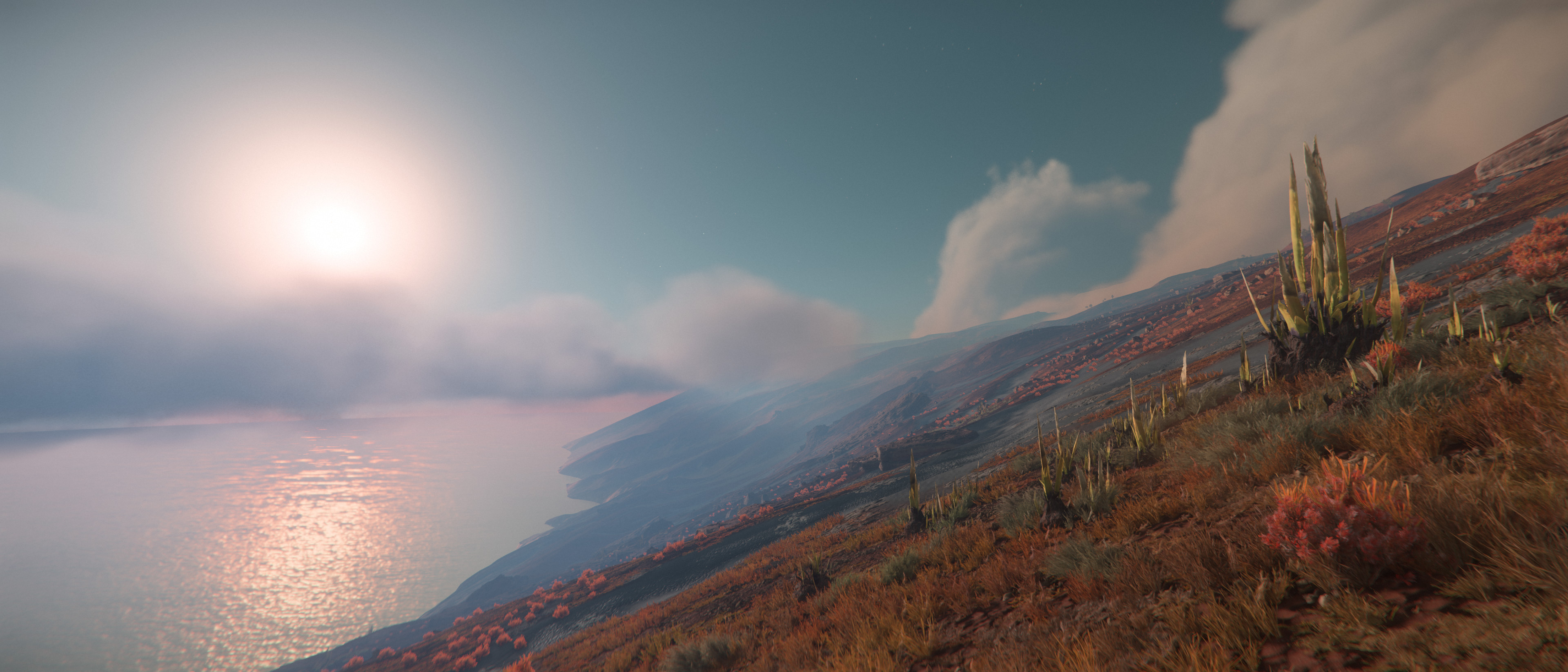
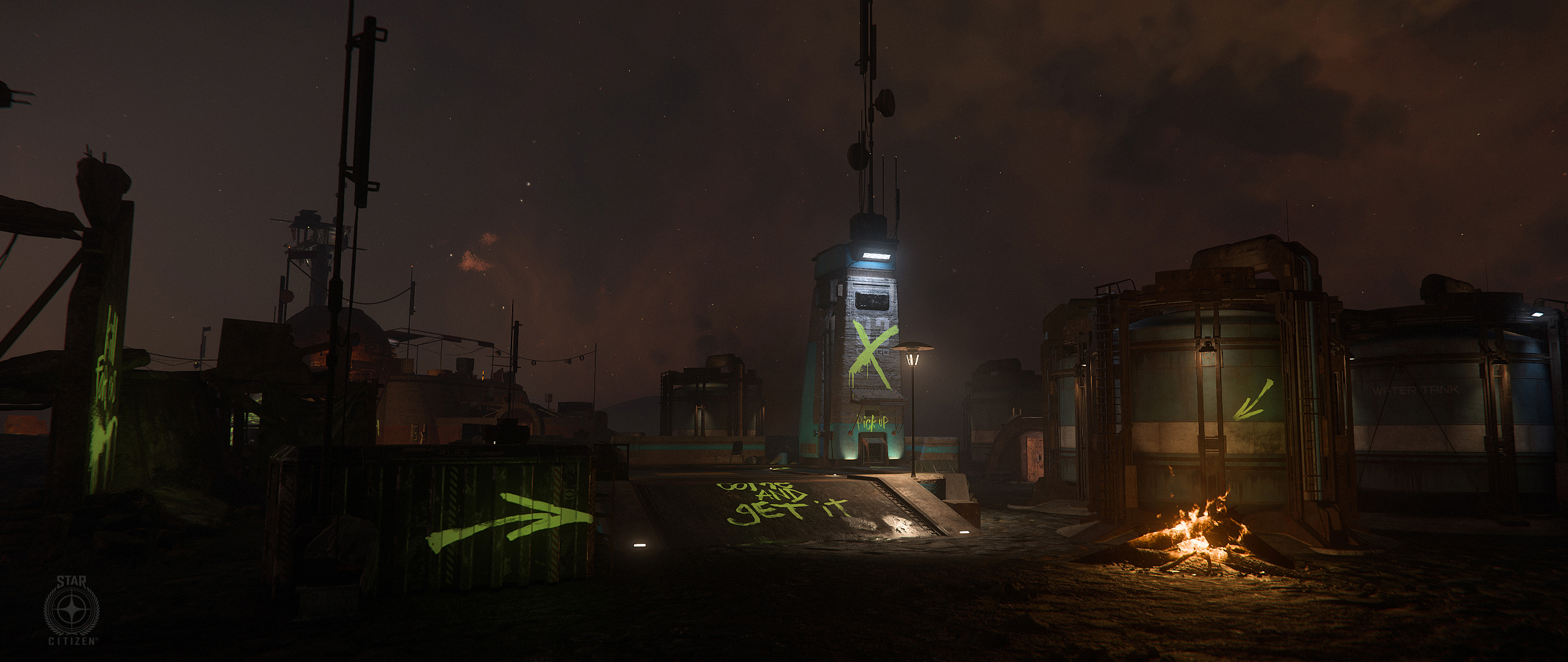
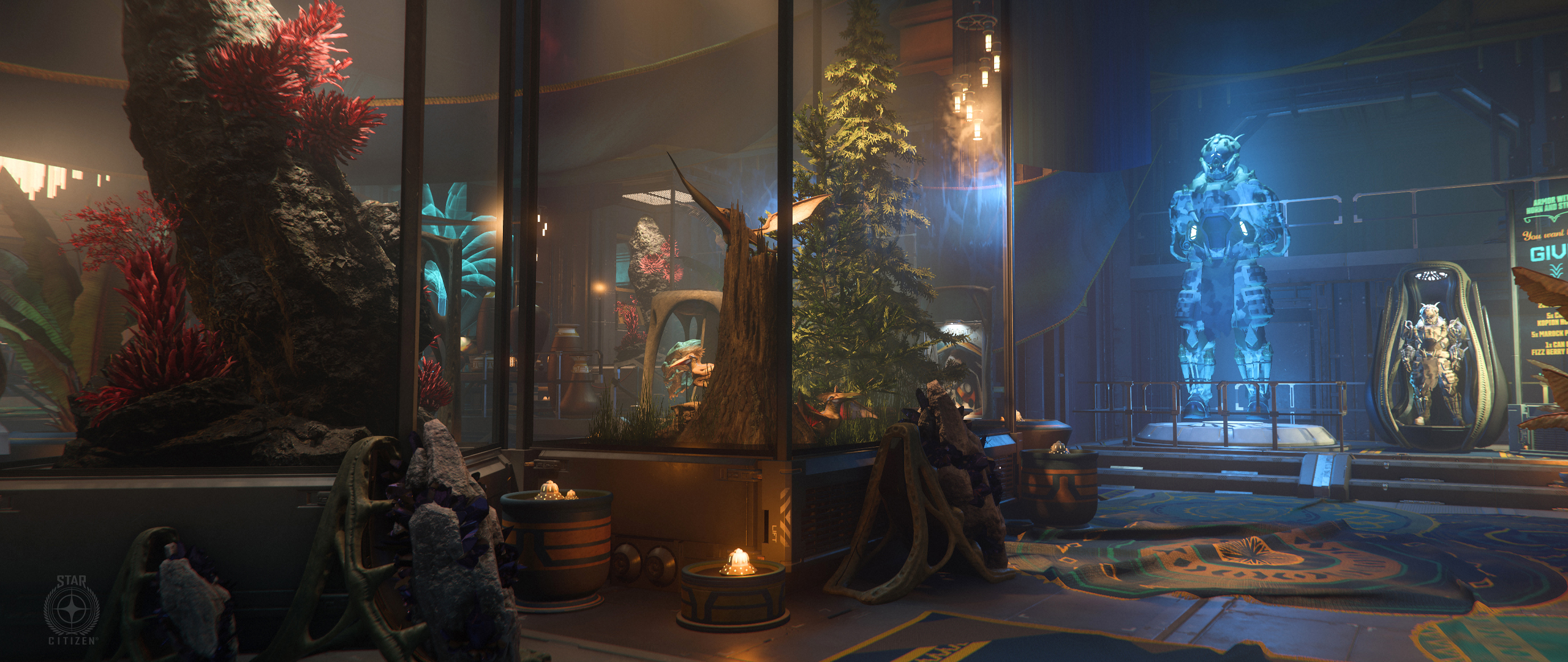
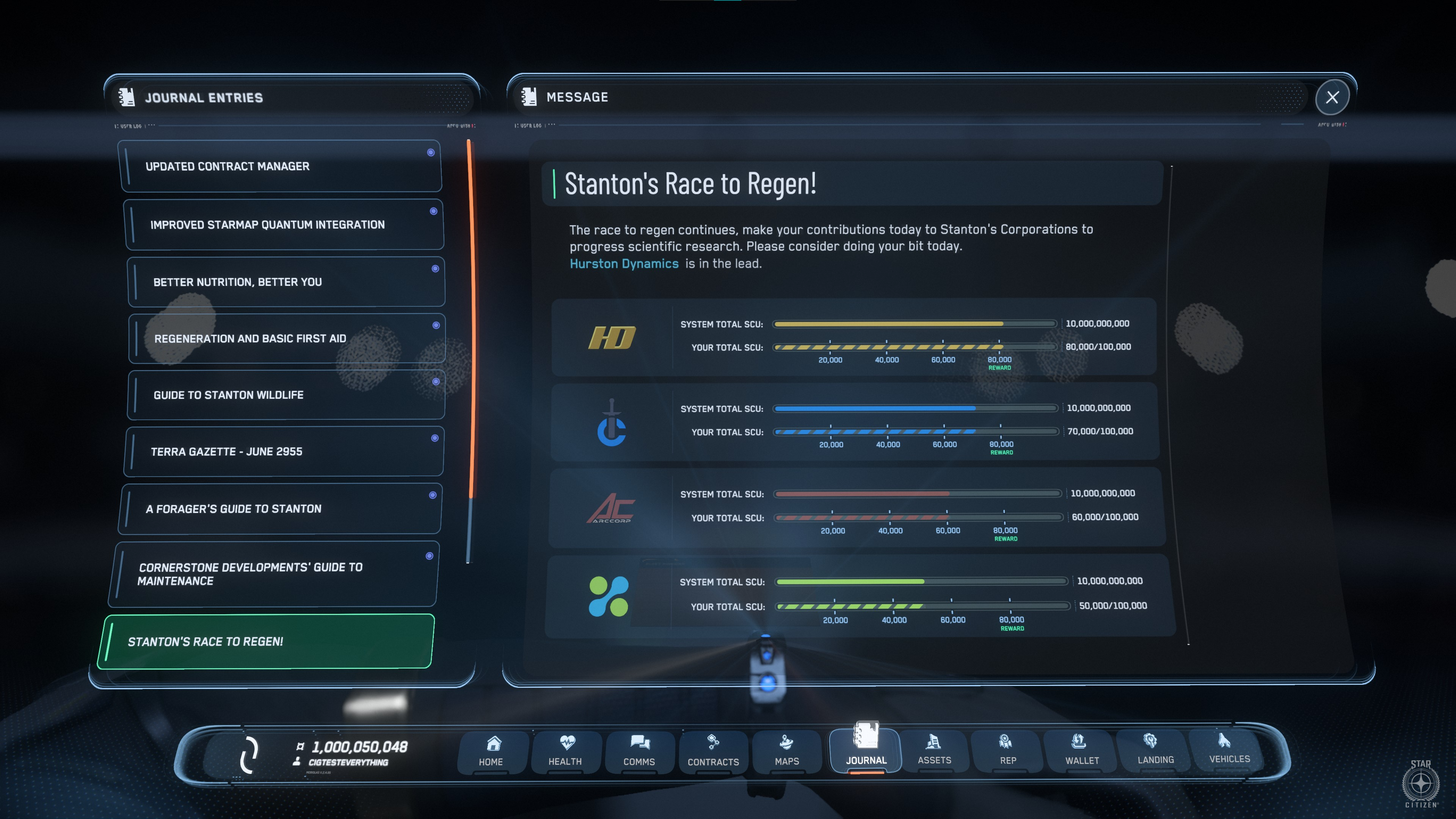
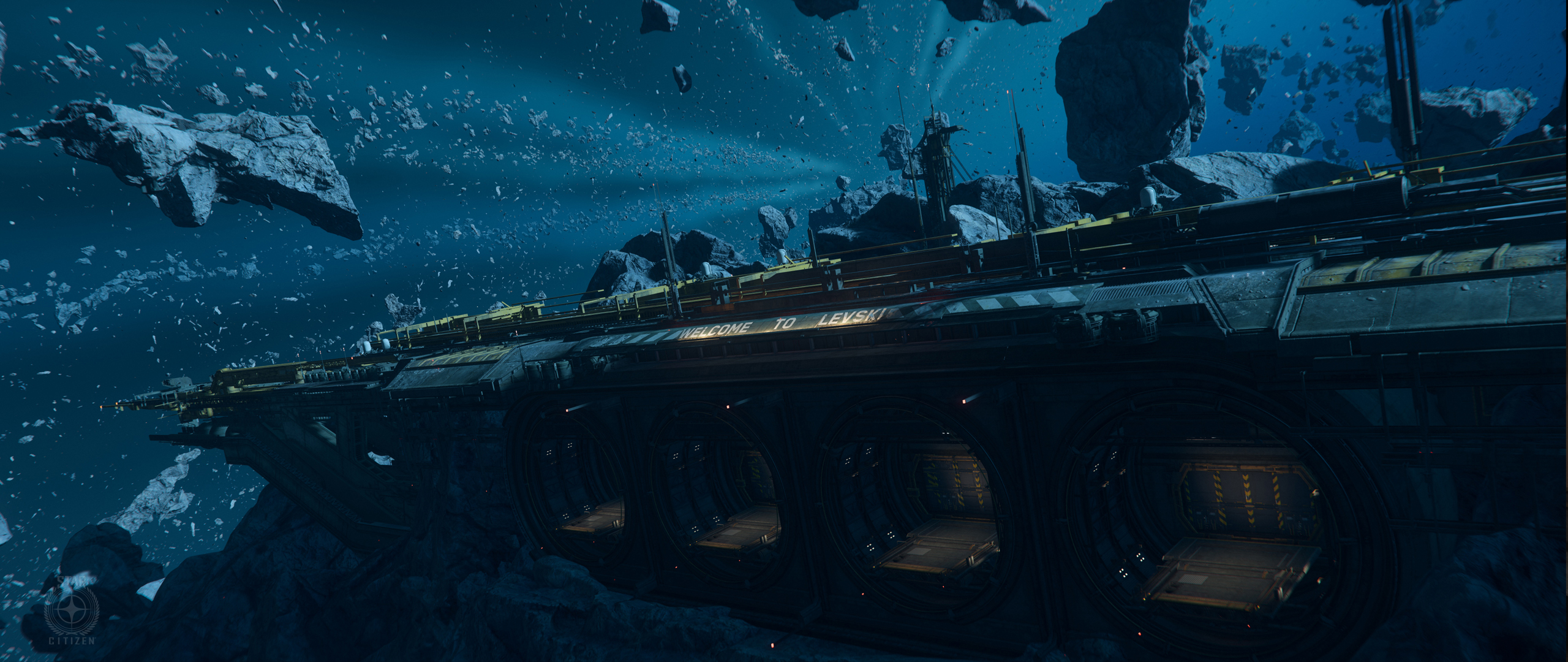
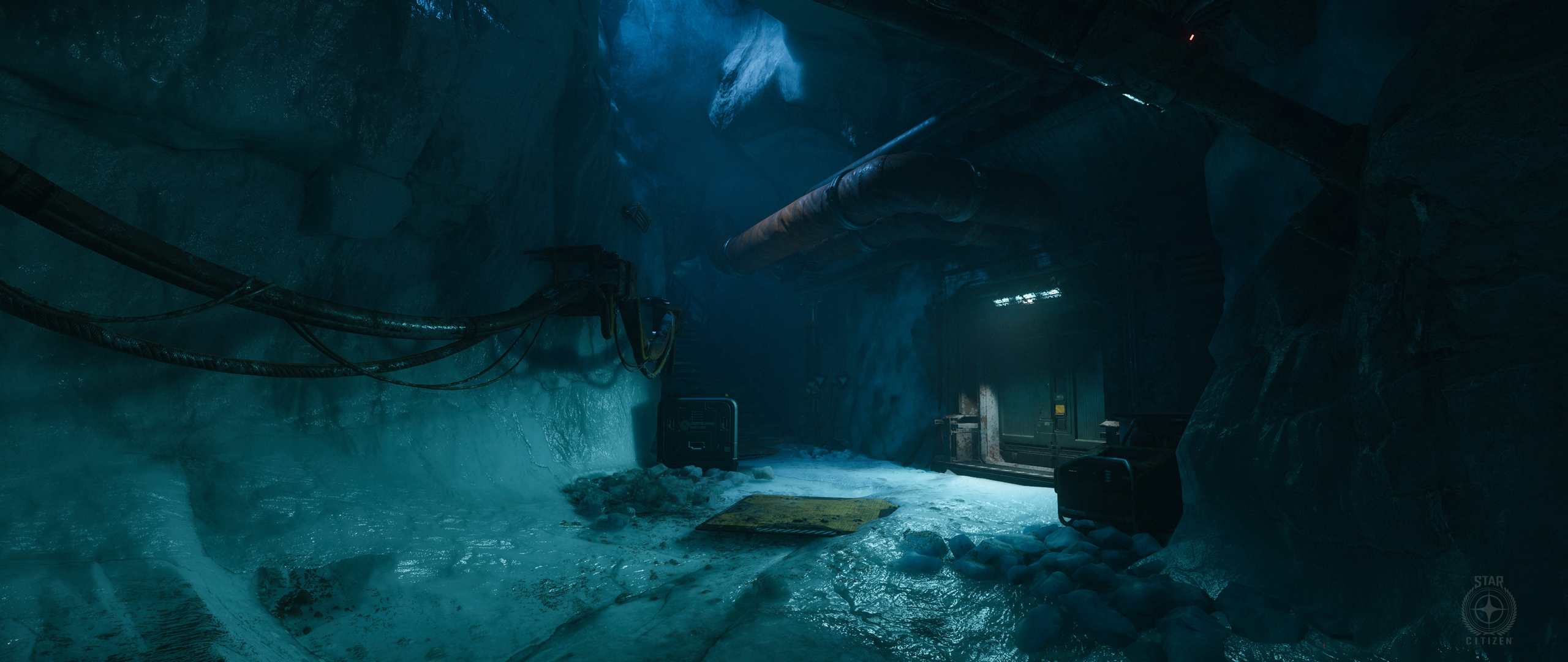
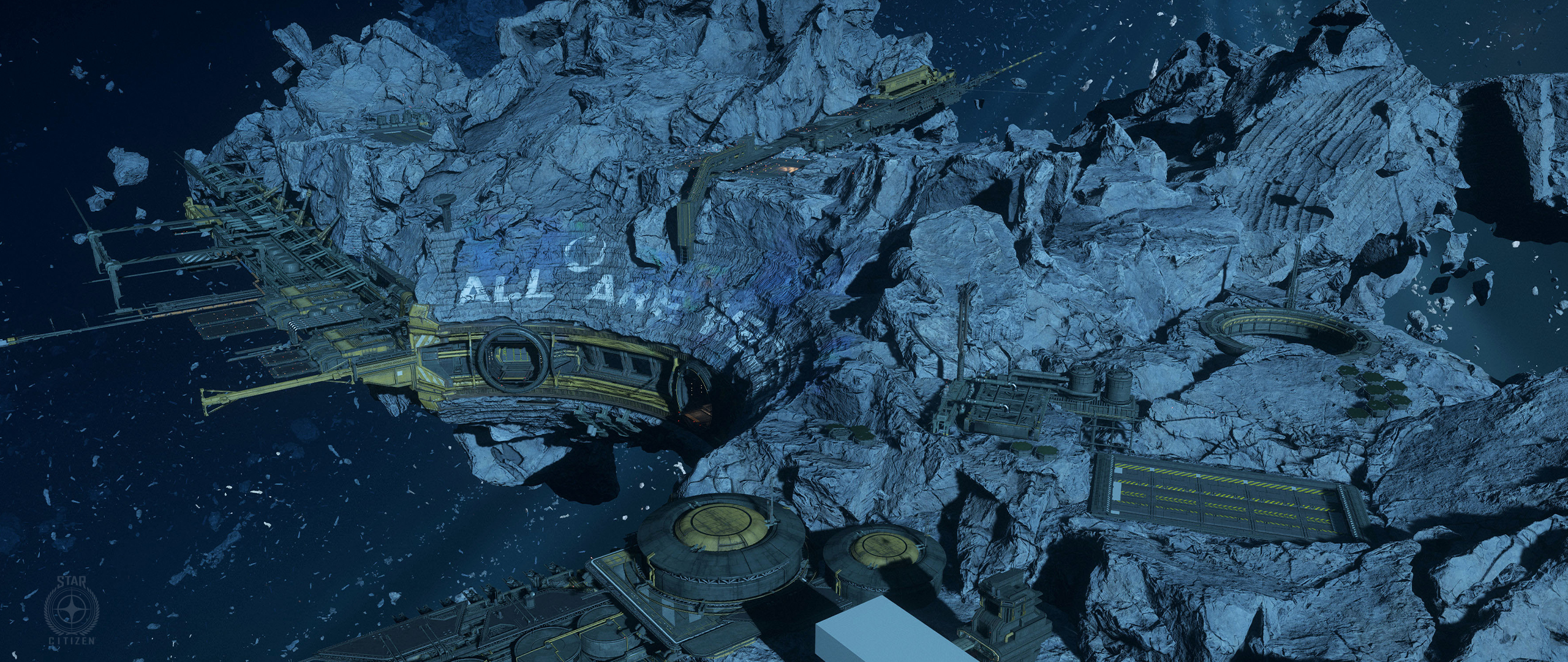
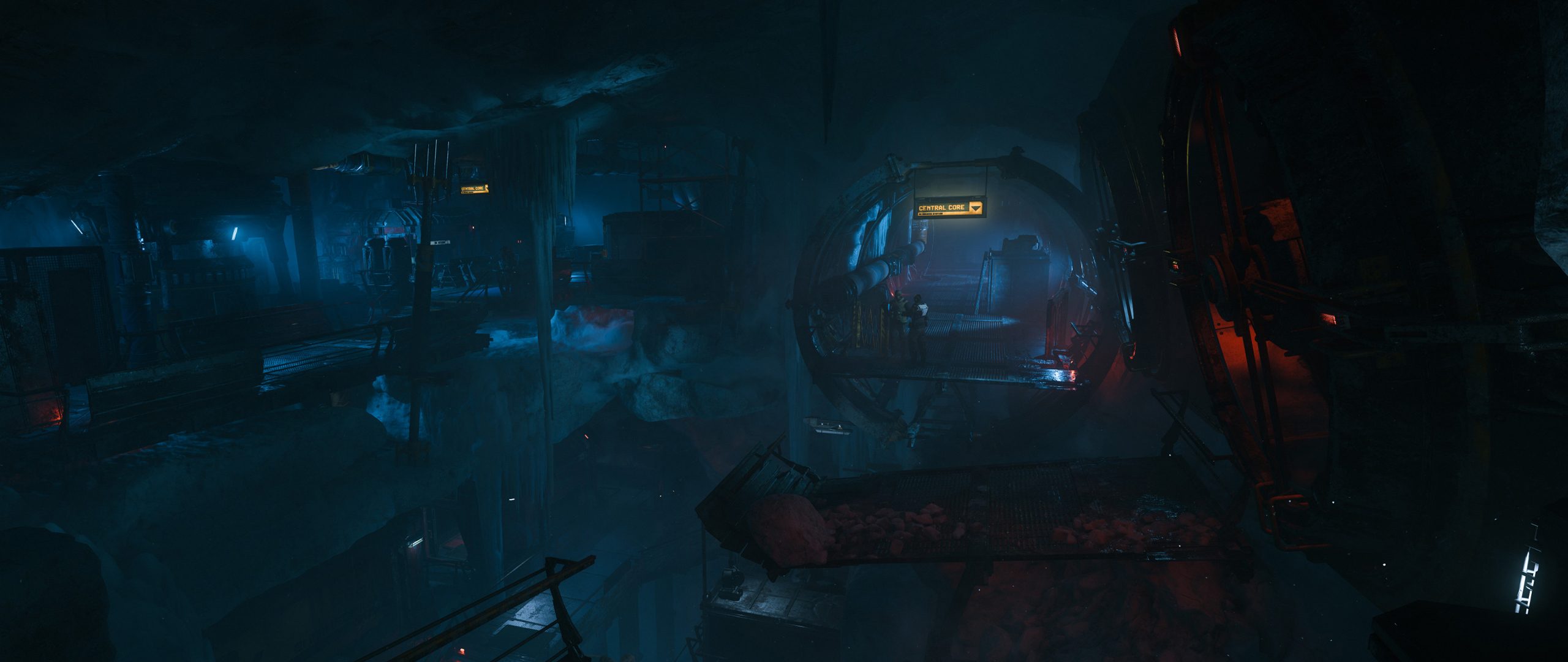
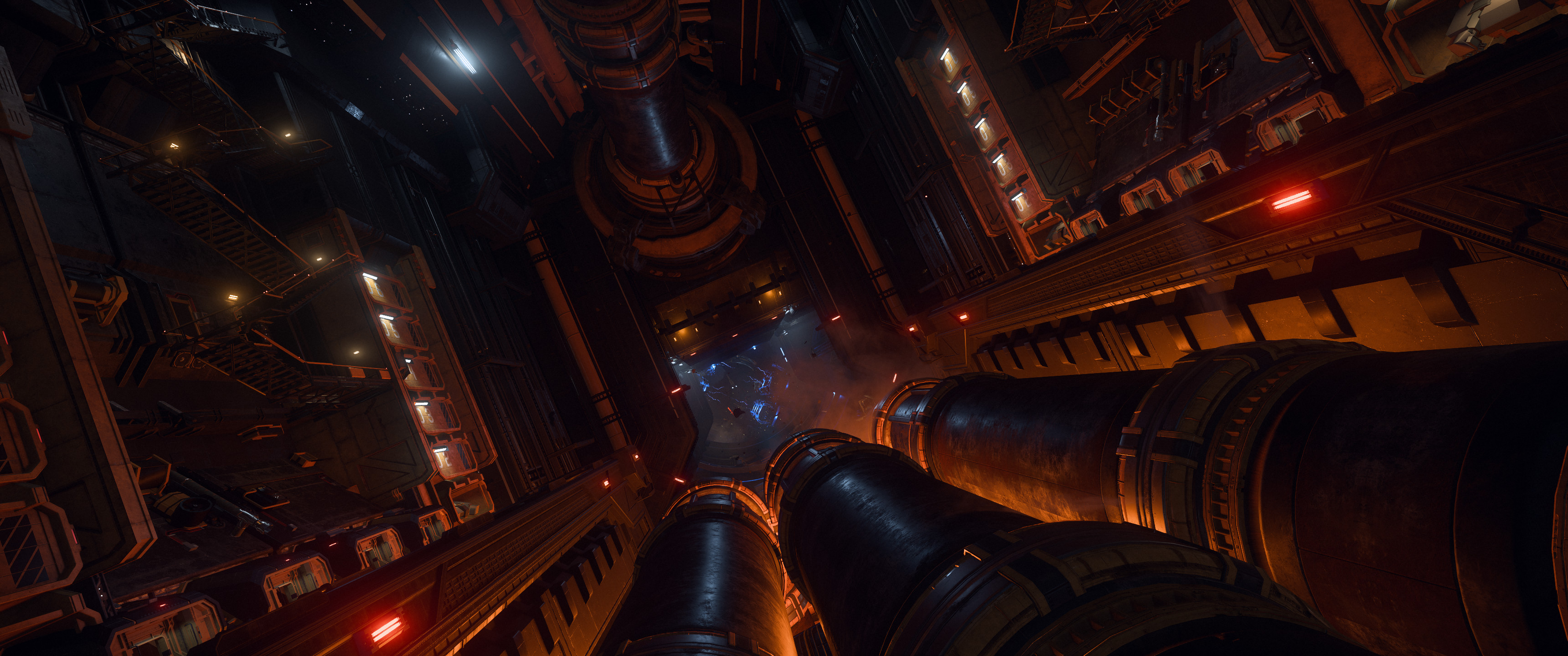
Metadata
- CIG ID
- 14563
- Channel
- Transmission
- Category
- Undefined
- Series
- Monthly Reports
- Comments
- 111
- Published
- 11 years ago (2015-03-07T00:00:00+00:00)