Monthly Studio Report: March 2015
Transmission Undefined Monthly ReportsContent
Greetings Citizens,
Between PAX East and South By Southwest, it seems like we were all over the country in March! But there was a lot more than presentations this month: we released Star Citizen 1.1 to the community, we made significant updates to the server side of Star Citizen thanks to thousands of new players joining us… and behind the scenes, we made amazing progress on the FPS module, Squadron 42, the persistent universe and more. Read on for a detailed accounting of what each team handled this past month.
Greetings Citizens,
Welcome back for another monthly report! As the month of March comes to a close and we usher in April, it’s a good time to look back and reflect upon what was accomplished! March saw the release of the 1.1.0 update for Arena Commander, as well as the public showcasing of our work on the FPS and Social modules at PAX East and SXSW respectively. Not only is it always a pleasure to demonstrate and showcase our work at these kinds of events, but it is also a great joy to be able to meet with all the backers who attend and share our enthusiasm for making the BDSSE! It’s always very inspiring and motivating for team members to be able to meet with Citizens and discuss the project. Our ability to make this dream a reality is all predicated on your support and shared vision and we deeply appreciate that support! Alright, well without further ado let’s go on to the Santa Monica studio discipline updates!
Engineering
With the release of 1.1.0 we introduced the new landing mechanic which saw support from our Physics Wizard, John Pritchett. While it may seem trivial to fly over and land on a landing pad there are actually quite a few systems working under the hood that need to be properly networked with other players such as in multiplayer free flight. Many issues were encountered and dispatched during the bug fixing phase of this feature. It also highlights what is great about modular development. With the introduction of the landing feature to Arena Commander you are able to test the landing mechanics for all ships in a single-player and networked environment. This means that by the time we get to the release of SQ42 and the Persistent Universe we will have this battle hardened feature up so we can focus more on content creation and polish rather than feature development.
1.1.0 also saw the premiere of the new ship damage system on the Gladius. We are now in the process of improving that system and bringing it across to the other ships in the game. We are not stopping there however! Our engineering team is currently in the process of updating the actual system by which we apply damage and moving to a physically based system for the application of damage. What this means is that rather than each projectile (energy or ballistic) having a prescribed damage value against shields, hull plating, or components we are actually going to base the damage off the mass, velocity, and density of the projectile. Likewise on the ships we will be expanding the materials and the properties of their hull plating and shields to react in a proper way to the physical characteristics of the rounds impacting them. It is a very exciting change and one that we hope to be releasing in the near future, soon™.
Design
In the Design department our team has been kept quite busy throughout March with the introduction of REC, the Retaliator, Gladius, Vanguard, and preparation for the release of another ship. The team has also been working on the introduction of “rear seat” functionality for our two-seater dogfighting ships which we plan to release as a stepping stone to full multi-crew ships. With the complexity of each of our ships, weapons, and items it cannot be stressed enough just how much detailed work our Design team applies to the release of each.
As some of you may already be aware, our Design team is also working on a new game mode, Pirate Swarm. This mode will allow players to engage against waves of enemy ships similar to Vanduul Swarm except that the opposing ships will be comprised of every flyable ship that we currently have in dogfighting. This will be a great way for folks to experiment and practice against human flyable ships that are piloted by AI. Like most everything we do, this mode is also a great development building block towards the Persistent Universe and Squadron 42. Not only does it let us improve our ship AI by having the AI control a variety of ships but it also allows us to begin implementing some of the dynamic mission parameters that will be featured in the Persistent Universe. The goal for Pirate Swarm is not to just have a preset number and type of ships per wave but instead to have the types of ships, AI skill, and number of ships scale dynamically based off the number of players, their equipment, and their skill/success. It should prove to be a very exciting and dynamic game mode that will serve as a great test bed in the future.
Art
With the upcoming release of the FPS module we really wanted to update the character models that you’ve seen previously at the PAX presentations. To this end Forrest Stephan, our CG Supervisor, has been overseeing and participating in a rework of all 8 character models for the FPS module. Both he and one of our Concept Artists, Omar Aweidah, have spent much of March in Austin with the character artists there refining and updating the models, materials, textures, and helmets for each of the characters. With our burgeoning Character Pipeline we are starting to apply many of the process and techniques that have been mastered in our Ship Pipeline. We are moving away from using the classic character modeling techniques that have been used in the past and taking better advantage of some of the features of CryEngine and Star Citizen, especially PBR (Physically Based Rendering) and the use of polys over normals, and hard surface modeling techniques used on non-cloth parts of the characters. All in all there has been great progress, and we hope that you guys are happy with the look of our updated characters when they make their debut in the FPS module.
Meanwhile, development of new ships, weapons, and items continues unabated. We’re building a huge universe and we’re working to populate it as best we can! March saw the unveiling of the concept for the Aegis Vanguard which ended up turning out really well and we’re quite proud of it! We’ve also had ongoing concepts for some larger ships which we’ll be premiering in the near future as soon as they’re completed. At the same time our internal modeling team has been working diligently on building out ships like the Herald, P-52 Merlin, Xi’an Scout, and even starting in on the Vanguard. We’ve also been making great progress on the reworks to the Constellation and Freelancer as they get updated to using our latest modeling techniques and the modularity system. These ships will be ready to show off their new looks with the release of multi-crew ship functionality in Arena Commander.
That brings our departmental updates to a close for this month. We have all reconciled our March goals against the progress made and are looking forward to continuing strong into April with our updated monthly objectives. As we wind down the Santa Monica studio report for March, we would all like to thank each of you reading for your support in making this game a reality. All of the people working on this project and all of the development that you’ve read about in our update as well as the updates from the other studios that you’re about to read would not be possible without you! So from all of us here in Santa Monica, thank you for your support and we hope you’ve enjoyed reading about the progress we’ve made during the month of March.
Cheers,
CIG Santa Monica
Hi everyone!
March has been a great month for the Austin team. We had a blast supporting PAX East and participating in SXSW with several different events, and we revealed some work from the Austin Persistent Universe team! Our Live Operations team has been hard at work with the release of Version 1.1.0 and then a ton of research and work on improving multiplayer support and capacity on the live servers. We’ve also fired up our nascent ‘Game Support’ team to bolster our Live Operations activities and you’ll see a new report from Will in the Live Ops section of the team reports below!
Persistent Universe Team:
Art:
True to form, March has been a busy month for the PU Art team. We’ve had several different “hero” props in the works, with concepts being done by Ted Beargeon and Ken Fairclough on things like hulking radar dishes and solar panels for space stations, holo-object viewing kiosks for our shop locations, and the Medical Display Carousel prop which features prominently in the Medical Unit. We also have multiple outsourcers cranking away on minor props that will flesh out our planetside environments, at the moment specifically ArcCorp and Terra.
The first half of this month our character team was working long hours to support the video you guys saw at SXSW. We had several new faces appear in that video, including the bartender, nurse, and a few bar patrons and workers. Recently our character artists have switched from supporting the Social Module release to helping out full time on the FPS characters. They’re making tweaks to the armor, materials, and helmets to ensure that they are the best they can be for when the first drop of FPS hits (SOON!).
In other news we’ve been developing the look and feel of NPC’s in the PU with the help of Megan Cheever and another external vendor. We are setting it up so that, depending on a specific planetside location’s sphere of influence (Terra, Earth, Frontier, etc.), the NPC’s will have a slightly different aesthetic. We’ve been defining what those aesthetics are and how they all relate to one another, specifically this month working on the Terra-influenced White Collar aesthetic and the Frontier-influenced Counter Culture aesthetic.
Speaking of different spheres of influence, Mark Skelton has been defining the aesthetic of various architectural styles within the Persistent Universe. The styles we are developing are all deeply entrenched in the lore of Star Citizen and reflect the era in which they were built. We just recently wrapped up defining the “Colonialism” style, which represents a style you might find on a world very recently colonized. We are also actively working on the “Monumentalism” style, the “Hennowism” style, and the “Streamline” style. We look forward to showing these off to you as they come online.
Our Animation team has their hands dipped into several different areas of the project. We’ve got Daniel Craig and Jay Brushwood helping to get the Gladiator interactions running smoothly. Vanessa Landeros is working on drunk animations for booth, walking, and idle positions. David Peng has been standardizing cockpit templates so that our ship modelers going forward can be as consistent as possible. Lastly, Lead Animator Bryan Brewer has been working on an animation set we like to call “Grabby Hands”. More on that later!
Last but not least, Patrick Thomas has been hard at work bringing the mobiGlas object itself to life. Pretty soon we will have a beautiful, intricate prop to go with the amazing UI work being done up at BHVR.
Design:
Much of the designers’ time this month was spent setting up and capturing the footage for the video shown at SXSW here in Austin. Lots of great stuff went into that video and we have Nate Blaisdell, Rob Reininger, and Sean Tracy to thank for much of what was shown.
Pete “Weekly Weather Wizard” Mackay has been developing a tool called the “Thruster Calculator” that, you guessed it, calculates thrust for our ships. It’s a very robust tool that should help us greatly in the long run when trying to balance our ships.
New Design Director, Todd Papy, came over from Frankfurt and spent a week with Tony Zurovec discussing high level design for Star Citizen and delving into the nitty gritty of things like NPC AI. Some great discussions came out of Todd’s time here that you’ll get to see the fruits of hopefully in the not-too-distant future.
As the release for the Social Module inches closer, ironing out details and specifics becomes a top priority. Things like what will the shopping experience be like, what happens when a player tries to enter an area meant only for NPC’s, and how will players interact with objects all become important questions to figure out answers to as soon as possible. We’ll continue to nail things down as we progress into April.
Engineering:
March was a month of marvel and wonder for our ATX programming team. Their BIG ticket item was our contribution helping our SXSW demo come to life as well as their support for our recent 1.1.0 patch. Thank you to all of the great folks who came out to support Start Citizen at SXSW; our team had a great time mingling with the lot of you while consuming delicious Star Citizen themed alcoholic beverages!
Our networking team has been rocking it hard! They’ve made some strong progress on a variety of systems, including: Multiplayer Hangars, Ship and Missile Movement Prediction, Player Persistence, Universe Simulator, Chat, Emotes and more! They’ve also been building out the base foundation of the game’s network architecture.
We also have some engineers dedicated to building out our services to accommodate our growing numbers of players, and investigating ways to optimize our networking performance and to increase server scalability.
We held a successful Network Summit here in Austin. We flew in many core members from across the globe to begin our next phase of planning for new features on our horizon and for the many boundaries that we plan to push. We were also able to share a bit of Austin culture during SXSW with our engineers from abroad—and they loved every second of the experience!
Our ninja-commando strike team of programmers also continue to develop and iterate on a variety of tools for use across all CIG studios. These…oft unsung heroes…have tirelessly and enthusiastically been developing AI Editors, Asset Tools, and other tools to support our team and enable us to make our game.
To top it all off, our engineers got to enjoy some green beer on St. Patrick’s Day with the entire studio…which allowed them time to reflect on their past accomplishments with their co-workers and dream of the great things we have planned. Everyone is looking forward to April and excited to continue progress on the Persistent Universe!
Live Operations:
QA :
The month of March was business as usual for QA. For most of the month, the team focused on testing 1.1.0 and was very excited for its successful release. In addition to testing 1.1.0, QA was also continually testing the FPS module release. Tyler Witkin and his UK counterpart Glenn Kneale have done an exceptional job ensuring the FPS module has had the proper attention it needs.
QA has also been working very closely with production this month to help sync our testing standards and streamline the bug creation process across our studios. In an effort headed up by Gerard Manzanares, QA has implemented regular comprehensive performance testing to help developers investigate optimization improvements for the game.
The entire QA team had a really great time showing off the game at the SXSW gaming expo this month. We were so happy to meet so many backers and supporters! Many Citizens even stayed to help explain to people who have never seen Star Citizen what the game is all about. We have the best community!
In addition to our QA responsibilities, select members of the team were able to assist in multiple special projects this month. The team helped to gather video which was used in the new trailer shown at the SXSW closing party. Also some members of the team were able to assist our animation team. Andrew Hesse, Tyler Witkin, Melissa Estrada, and Glenn Kneale all helped to gather ship metrics in 3D Studio Max which will be essential for our Imaginarium mocap shoot.
This month we are happy to announce the newest addition to the QA team. Please welcome Miles Lee! Miles comes to us from Daybreak Game Company (Formerly SOE) where he was responsible for internal server deploys, live server deploys and build system maintenance. Miles will be our QA liaison to DevOps and will be helping in our efforts to expand our automated testing.
For the month of April, QA is looking towards more bug fix releases and testing the Arena Commander FPS module release.
Game Support
The month of March saw the creation of Star Citizen’s Game Support team, headed up by Will Leverett, and ultimately will grow to span multiple locations to best serve the worldwide SC community as we continue to grow.
So… what is Game Support?
Our primary mission is to serve players of the live service. Whether it’s through public communication on the forums and Reddit, individually assisting players with troubleshooting the launcher and client, coordinating with Dev Ops to monitor the live service, or working with Customer Support to identify and triage issues with new updates, everything we do is to make sure you have the absolute best gaming experience possible. Our first Game Support task was to establish a quick turnaround for players with technical support issues with 1.0.3. Once accomplished, we found that there was a need with our 1.1.0 patch to publicly communicate with players about the state of the service.
Closely coordinating with DevOps and Community, we created the Live Service Notifications forum category to better relay the health of the live service to you. We’ve worked this week to better understand the nature of our multiplayer issues, working closely with many individual players to understand more about what’s occurring so that we can create a stable live environment. The discourse that Game Support has established with our players has been incredibly crucial. What we’ve learned from players providing their reports on the Live Service Notification forum has helped us better understand where we have bottlenecks on our service.
This is a bit of what you can expect from us in the future, too. We’re excited to be a part of the great adventure of bringing you the BDSSE!
IT/Operations:
March has been one of the busiest and most exciting months in history for the CIG IT/Operations team. The entire IT department helped prepare dozens of demo computers for multiple events including PAX East and SXSW. Systems were deployed at each event location then repacked and shipped to their next location in time for their next performance. Chris and Paul from the Austin office coordinated these efforts ensuring that everything arrived safely and performed as expected. As usual challenges surface any time we go on the road but our expert team travels with a full contingency kit allowing them to defeat any problem which could arise. We had a great time at these events and enjoyed meeting and speaking with many backers and their families.
Hassan from our UK studio has kept extremely busy this month as well by single-handedly setting up for our latest mocap shoot in London. All networking and connectivity back to the home office plus security, storage, and cameras were delivered safely and configured on time to meet our aggressive schedule. In L.A. Dennis continued his evaluation of new hardware solutions while working directly with the Dev Team to ensure compatibility and correct functionality.
In addition to supporting the Dev Team’s efforts toward our major demos this month, IT in Austin has been continuing our work to improve the internal build/development cycle. This is being accomplished by reducing the time it takes to move data from our build system to all development locations. Sometimes it’s hard to fathom the amount of data we’re moving on a daily basis as our build system constantly cranks out builds around the clock. Each of these builds must be delivered rapidly to each studio for testing and continued development. We’re all extremely proud of Mike “Sniper” Pickett’s work in this area but every improvement made is followed quickly by a new challenge. We have now surpassed 5 PB /mo in internal data for build delivery. This doesn’t include public data delivery of published patches from our live services. Encountering these behind the scenes challenges and designing solutions is one of the many reasons we love working on Star Citizen.
Dev Ops:
The Dev Ops team has been working on several projects over the month of March, many of these will continue into the next couple months as well.
Jeffrey Parker and Francesco Di Mizio have been continuing to build and roll out a new Build Server using the BuildBot frame work. Joe Holley worked with the Tech Art team and built a tool we call Copy Build that all the studios now use to get dev builds internally. Keegan Standifer has been hard at work building a new prototype launcher and patching system. Alex Peruyera has been continuing to using Chef to build out our PTU and Live environments. And Joe and Alex have been working on creating a dynamic provisioner which will supply new VMs and services to the infrastructure to scale up and down based on player and service load.
As a team we have also been working improving our visualization of metrics from the live service, from Splunk, to Google Monitoring, to crash handlers, and logging cleanup and verbosity. We are slowly building a unified solution for the company to view the detailed health and status of PTU and the Live Service. We have also begun setting up several different type of databases for implementation and performance testing.
In March we also participated in the CIG Networking Summit, where engineers from across the company flew in and discussed how to build a dynamic and scalable MMO.
On top of all this Dev Ops supported the release of 1.1.0 to PTU and Live. Unfortunately, since 1.1.0 went live we have been experiencing extreme instability in our Matchmaking code. The Dev Ops team, along with the Server Engineering team, have been working every day to track down problems, hotfix them, or check larger fixes into an upcoming release.
The Dev Ops team keeps working towards the future while also working to improve our current service. March was another crazy month at CIG, it is looking like April will be much the same!
Engineering
March and the team has been beavering away on all things Squadron 42 and Arena Commander. You’ll now be able to see some of the fruits of our labor in the latest AC, with the new multiplayer free flight mode, and the initial preview of the pad version of take-off and landing. As always this isn’t the finished polished version but it gives you a look at the work in progress. A lot of continued work has also been going into the tutorial which is going to be coming one of the AC releases in April. Again this system touches on many areas and helps their development. For example, although our conversation system has been designed mainly around ground based NPC interaction, we’re using it in a simpler form for all the dialogue between the teacher and pupil. This helped highlight a number of issues which required fixing. All these mechanics, although being developed in AC, are destined for Squadron 42 and a good example of using AC as part of the production process.
In other news we’ve started helping out on the AI development, which means we’ve now got a dedicated engineering resource here in the UK. Having the extra body not only helps speed along the AI work, but also gives the designers somebody they can work closely with for all their AI problems or requests. Having this sort of very quick feedback loop is so important for rapid turnaround and makes the process much more efficient.
Other than that it’s just the usual concentrating on the continued implementation of all the new mechanics required for the game, of which there are many, and getting them into the hands of the designers. It’s all coming along very nicely!
Design
We have had another busy month in preparation for the motion capture shoot at Imaginarium Studios coming in April. The script writing team have been working round the clock to make sure that the performance capture scenes are ready for Chris to direct. On top of that casting for the game has almost completed with some very exciting actors now becoming part of Star Citizen. Squadron 42 has seen a number of good level reviews this month as things have got more tied down, and we have been hiring like crazy here in the UK. The Art Ship team has really started to grow to accommodate the massive amount of work needed to get all the ships we need for Squadron 42 in the game looking cool and in their most optimal state. As well as the Ships team, the Environments team have continued to provide more of the massive amount of modular building sets we need to make the environments look awesome and believable. The designers are loving being able iterate so quickly on the level layouts as these modular pieces continue to stream into the build. As you will already know, almost all the designers here at Foundry 42 are working flat out on their respective Squadron 42 levels day-in day-out so it becomes very hard to fill you in on those details without spoiling anything, but it’s safe to say we feel that we made very good progress on the game this month.
As for Arena Commander, the tutorial is almost there now, bar a few annoying bugs. The cored-out asteroid we are using got a much needed lighting pass and now looks great, and the AI is actually starting to path correctly out of the super confided space.
Also, now that you will be able to have additional crew members in a single ship, we have taken a pass at the “Multi-crew” lobby design and “Scoring system” to make that account for each player in the ship.
That’s all for now, it’s been a tiring but very exiting month on Star Citizen here in the UK. Thanks for all the marvelous support as usual.
Audio
On the CIG Audio front, we’ve been extremely busy, both with supporting upcoming releases and with the WWISE integration. The latter is reaching its final stage and we will soon be able to make the permanent switch. This is of course very exciting for us, but we hope it will also be very exciting for the players! Switching to WWISE will not only improve our workflow, allowing us to deliver and implement awesome sounds much faster in game, but it will also allow us to create “Sonic Events” which were so far impossible. And to be able to concentrate our efforts within one audio framework, you should hear some appreciable quality jumps.
We are also very excited to announce that our ranks will grow yet again in April, with not one but two (!) new Sound Designers and a Dialogue Specialist. With Squadron 42 well under way, as well as the First Person module, Social Module, etc, we are beyond excited to get cracking and let them loose on those.
Talking of the FPS Module – we have a Foley session at Pinewood coming up that should provide a great sound asset base for this; it’s such an important part of what makes the best FPS games sound that bit more polished. We’ll try to grab photos where possible from this, we’re currently prepping a lot of resources to make sure we have everything we need for it.
We’re putting together plans to publish ‘Dev Diaries’ from CIG Audio. If you could let us know what sort of things you would like to see as part of this, that’d be great. We’re thinking videos are the easiest way to go with these but we can sprinkle some blog-style posts in there, some interview style stuff – but yes, let us know what YOU would like to see and hear and we’ll try to cater for that as best we can.
Also in line with our last update, our Audio Programmers have been hard at work ensuring we make a move towards a far more systemic approach to the way we implement sounds, starting with weapons. Coupled with our new design approach for firearms, Star Citizen’s weapons are on their way to become some of the best heard in any game, ever, throughout the galaxy (and probably beyond). At least, this is where we’re aiming, and we’ll look to post some examples of these (without giving the game away, obviously!). If you have any references in this area, not just from games but other forms of media, always open to ideas.
Finally, make sure you check out our Beyond The Verse interview of Phil, Sound Designer in Manchester, as well as his use of the fabled “Buttkicker” for source recording!
Art
Overview
When at Sq42 do we not have a whole ton of stuff going on! So this month, for concepts we have been solving a few areas on the ARGO ruv, Behring rifles, attachments, grenades, Starfarer modular wall interiors, shubin lighting passes, Vanduul fleet surface treatment and paint overs for two of the ships, Bengal interior improvements, modular sections – the list goes on! Our outsource partners have also made good headway with the Vanduul fleet and are starting to get them in game, testing out polygon counts, materials etc. We have also started to tackle some of the style inconsistencies in the Idris and bring this ship up to the quality bar we now expect.
The team is constantly growing and we have added a few more to the environment team and ship team, Bjorn and Ian have taken on more responsibility within the CIG group and will help solidify the pipelines used within the group.
Ship Team
This month the Foundry 42 ship team is laying a lot of fundamentals down for the creation of capships. We are in the process of producing a couple of the biggest ships in game, which as you can imagine are pretty complicated to set up.
We started on creating modular sets for manufacturer specific archetypes, so we can easily form complete capship interiors that are within the same manufacturer in the future. Nathan Dearsley, Phil Howlett and Jay Malhotra, the strike team that tackled the Retaliator, are attacking this mega project and are making amazing progress on this. We are also taking the Gladiator to flight ready, teaming up with our Tech-Design colleagues in the L.A office. This is on schedule,and coming along really nice.
Furthermore, we started production on the Starfarer. Matthew Johns and Colin Baynard are going to tackle this ship. Currently setting up all modular systems and blocking out the complete interior for this beauty.
FPS
This month, the UK has started to reorganize all FPS weapon and FPS item/gadget productions for Cloud Imperium Games. Together with our colleagues in Frankfurt, Bjorn Seinstra and Alex Marshall are taking point on the production of all FPS weapons in the game! Starting off with a fully revised weapon pipeline, and production schedule for 2015, we are currently producing a lot of new stuff for FPS weapons, grenades and gadgets, aswell as revisiting a lot of weapons that are in game already to adhere to the high standard we are aiming for. Rifles/Launchers, lots of different gadgets and grenades, you name it ,we are going to produce it!
VFX Team
We started the month working on the Gladiator flight-ready effects – thrusters, weapons, power plants etc! There was also a big push to work on the style guides. In particular, we updated the VFX style guide and fleshed out in greater detail and tying in to manufacturer-specific style guides. We have pretty much nailed down the human manufacturers now, with the Vanduul next in the firing line so to speak! We’ve continued effects support for Arena Commander tutorial mode and made the first pass at Squadron 42 environmental effects. Finally, we worked on various R&D for some of the more complicated effects – such as huge-scale electrical storms. Epic!
General bug fixing for 1.1.0 and 1.1.0a releases.
Characters
This month it’s all about the heads and we have been gearing towards preparing the facial scanning rig for the Imaginarium Shoot in London. We have transported the setup to a premises in London, just over the road from Ealing Studios, and the camera rig is now taking centre stage in the basement. During the move we took the opportunity to add 2 more cameras, improved the spacing between the cameras and experiment a little with the setup generally. Overall we are seeing some great improvements on what was already one of the best rigs in the country. The only hardship has been the manual labelling and renaming of the 50 cameras and over 250 cables and hopefully we will never have to do that again!
We also welcomed Jon Jones to the team as a very experience facial animator. Jon came down to London to help setup the camera rig so he can familiarize himself with the setup and FACs scanning process. We have also approved the in-game facial rig setup we received from 3Lateral and we are on track to produce fantastic quality heads with great and realistic facial animation.
Environment Art
This month the environment team have been heads down building quality layouts using our build sets. The set we are using is being stress tested to the max by our world building artists, they are solving all the problems which come up turning this from a pretty modular building set into a production quality game environment. We are also going through the process of applying textures to the building set pieces which is a time consuming process but instantly rewarding when you see the results. Additional time and resource have been spent to Arena Commander, polishing up a new extra section.
Greetings Citizens,
BHVR has been hard at work with multiple CIG’s team. A lot has been done during the month of March for the PU team, the FPS team and for the AC team. At the same time, we were able to progress on our longer term goals. Montréal is currently unfreezing and we are ready to achieve even more in April. Here’s the BHVR team update
Design
Our designers are busy putting together various components needed for you to experience the PU as it was presented in the SXSW video and more. Here’s a quick breakdown of what we worked on during the month of March:
More locations (shops & others) have been integrated in ArcCorp and Terra.
More Planetside Whiteboxes have been completed in collaboration with ATX.
We’re putting extra effort on Terra. As you may know, Terra consists of multiple zones that are quite different, like you would expect in any major city.
More iterations on the Shopping Experience using Augmented Reality.
MOAR iterations on the EPIC (DOUBLE CAPS) Holotable revamp.
Support on the mobiGlas, which is coming along nicely!
All sorts of support for features in development such as multiplayer hangars.
We’ve started looking into the Planetside locations we should tackle next.
We had a friendship breaking debate about double-monocles.
Otherwise, as you may already be aware, we spend a good deal of time each month fixing and polishing what is already in game. The reality is that a feature is never completely done until the game is done…and even then. As we added new components to the game this month, we needed to refine and adapt what was considered done last month.
We also have a special note about flairs this month. As always, we’ve designed more subscriber goodies to plan ahead for the next few months, and since the multiplayer hangars are soon coming, you’ll be able to brag and show them off to your non-subscribing friends. We’ve also started concepts (design and art) on the various items awarded for past stretch goals. If you backed SC early enough, you should start hearing/seeing more about the Hadesian Artefact, Xi’An plant and the other cool stuff that have been promised!
Engineering
With the arrival of spring in what used to be ice cold Montreal, the month of march has also brought with it a lot of variety as far as the Behaviour programming team is concerned. A good deal of time was spent polishing the experience and adding new features to the first Persistent Universe module that will eventually be released. We’ve made a lot of changes and iterations to the mobiGlas Shopping & Augmented Reality applications, both of which hadn’t really been worked on for quite a bit of time. In relation to that, we’ve also reworked the mobiGlas Notifications framework to allow better scaling with the ever increasing number of notifications.
A couple of programmers have also kept working on the multiplayer experience for the Persistent Universe for both Planetside and Hangars, that is, conjointly with the Austin studio. Finally, we’re still working on the chat implementation and making sure we’re covering all potential issues arising from localization and foreign language eventualities.
As usual, we’re also taking some time away from long term development to focus on closer to the end-user features such as minor tweaks to the Holotable, more thorough handling of Rental Equipment in the game and some UI support for the Arena Commander Tutorial. We have also continued to provide support to Illfonic as far as the FPS in concerned, mostly in relation to the Arena Commander UI flow which is getting a revamp with the addition of FPS, as well as some FPS Loadout manipulation. In order to eventually get our game servers to support more players, we’re currently re-working the framework that allows displaying 3D Objects inside UI Elements, which we call Holo Objects, to be more efficient and to reduce the number of entities it requires.
Art
Good progress was done on NYX with the WhiteBox phase finished and moving on to the GreyBox phase. We brought new visual improvements to ArcCorp and some of its shops, and work started on a new section of Terra. The 2D layout was validated and the WhiteBox was finished. The April flair was finished and we are now moving on to the next flair, which is going to look really cool in your hangars!
UI
Meetings and Mockups! We’ve been busy refining the redesign of the holotable as well as the menu flow, working to establish an efficient and user friendly layout. We’ve also continued to improve the mobiGlas shopping app, which now has a different look for each shop you go in for a customized shopping experience.
We’ve also been spending a lot of time working on multicrew lobby design, refining the entire Arena Commander menu flow, working on the FPS loadout screen, as well as some logo design and animations, some work for the SXSW presentation, and an interview in the latest issue of Jumpoint! … It’s been a pretty busy month! Still loving it! :D
Hello esteemed citizens! For those of you who came out to se us at PAX East… Thanks! It was great meeting all of you. We hope you enjoyed another little glimpse of FPS gameplay, and hopefully you got some hands on time with it. We know it was still pretty rough, but we’ve spent the last few weeks fixing lots of the issues and addressing the feedback we heard at the event.
Engineering
Engineering work is continuing on the push & pull system. In the last few weeks we started implementing a new partial ragdoll system that blends in and out of animations and physics when you collide with an object. This is something Chris believes will really drive home the look feel of being in zero gravity, and should make for some awesome moments while playing SATA Ball. SATA Ball? What’s that you say? I’ll tell you! SATA Ball is a new game mode we are implementing that is a futuristic sport of sorts. Gliding around in zero gravity, the goal is to get a ball into a goal by passing it to your team mates, all while shooting and getting shot at. It’s still all very early, but we are making good progress and look forward to playtesting it as it comes together. Two new weapons were also hooked up in game.
Art
The art team is basically finished with one of the FPS levels, and is only doing small tweaks and bug-fixing on it from here on out. The other level is going through some minor reworks to give it some more depth and additional elements to increase readability for the players. Two of our artists have also started working on additional grenades and weapons that probably won’t make it into the first release of FPS, but will be available shortly thereafter. Lastly, some of the team is going to start helping out with the Squadron 42 levels.
Design
The design team has been prototyping the SATA Ball mode and continues to play-test and make tweaks on weapon feel. Whitebox work is also progressing on future FPS levels.
VFX
We recently had a VFX review with Chris and the art directors revisiting all of the FPS weapons, gadgets and grenade visual effects. The feedback from that review is now being implemented. Most of it is focused around making sure that the visual effects are consistent across ships and FPS weapons. For example, we want to make sure that the technology for using a laser repeater with ship weapons is being represented with hand-help weapons as well, just on a smaller scale.
Animation
The animation team is still hard at work getting the new mocap animations hooked up, while tweaking and polishing the ones that have already gone in. Another big task they have is getting all of the zero g animations in. We recently did a pre-viz of what zero g movement should look like, and now that everyone has agreed upon the general look and feel we can start working towards that goal.
Hi!
Turbulent’s RSI team has been slowly growing over the past few months, and now there’s 10 of us working full-time on all aspects of the platform.
Electronic Access and the REC system
This past month saw the introduction of Electronic Access and the REC system. Anyone who plays the game now has the ability to earn credits through ranked matches that will let them try out new ships and/or equipment. There has been data exchanges between the game client and our website data for a while now: the game knows what is in a user’s account, what they can and cannot actually use, the game then feeds back data which gets integrated into our global Leaderboards. The game now impacts users’ accounts by updating their REC ledger, which in turn affects gameplay through the use of ROMs. This loop is also allowing us to test out future persistent aspects of the game, and will be extended to cover the FPS module as well. Of course this feature required a lot of coordination with the other CIG teams for connection, data integration and balancing. This common effort allowed us to launch this new store with its own style, purpose and sizeable catalog jointly with release 1.1.
The granularity of how a ROM is activated will soon also take into account the actual items used in the game’s ship loadout and not active all ROMs.
Home
We’ve been teasing it for a bit, but the new Homepage design is coming up, as it has now entered its QA phase. This new layout will feature denser but shows a lot more content and is cleaner with a tiling and layout approach. In order to achieve this we are also going through every post (>1800 posts!) that was ever added to the site to recatalog their channel, series and tags so we can better categorizing and prioritize the content flow in hub pages like the home.
UX
The UX team has been also taking a huge inventory of all UI components we use on the platform so we can start a process of reducing the amount of different styles. The site is 2 years old already and a level of unification is needed. All views and UI components are being cataloged so we can reduce the amount we use as well as design new ones that will take over. Huge job!
Starmap
Much work was done on the Starmap. Our Unity-based functionality prototype keeps expanding to include prototype ideas on how to show jump routes and celestial entities.
The team is currently focused on producing the actual UI and artwork for the map. This includes the UI for the map’s HUD and the various buttons that will make the universe come alive. Much research was done to get the UI concepts nailed for how we want to display information as you browse the space. A concept of “Helpers” that show around a body and displays different levels of information based on how closely you are looking at it was developed and will influence how all elements in our “Astrometrics room” will function.
Major design considerations were given to how the map will be revealed as well since not 100% of the universe will be ready when we drop the starmap. Building a UI and processes to reveal entire star cluster or specific subroutes is being worked on , another piece that we incorporate in how we will display the map’s helpers.
CCU’s!
Don’t worry! We know how convoluted upgrading pledges is now that AC has that many flyable ships! We spent many hours in March to devise how the new CCU system will function. We are hoping to be tackling the development of this feature soon to replace the current very complicated flow.
Our current thinking is to allow you to upgrade by either starting with a ship you own or by choosing the ship you want to ugprade to. Both ways should be possible. In the case of the former you could see all potential upgrades and their pricing very easily from your hangar. For the latter, the store pages would allow you to see from which of your ships you can reach the designated destination ship.
Obviously, we want to get rid of the multi-step upgrade and allow you to go straight from an Aurora to a Freelancer if you so choose.
Content
March has also come with its own batch of website content : 1.1 introduced many new game design aspects, the Retaliator has a lot more to show for itself, the Aegis Vanguard is now one of the most successful ships ever, and you may have noticed that we started the month of April underwater. We’ve also redone the subscription pages to better show what subscribers actually get out of supporting the project.
Except a major update of the ship stats to fit the new mount system as well as possibly a refresh of all ship flyable ship stats based on their actual game state.
Platform Changelog
We have designed a simple way to bring our platform changelog on the site in a permanent area. Some of you will recall we used to have an area on the forums to post our build updates (and we do ship a site build every week!) but that was lost in the forums transition. Well we want to bring it back!
We started March off with three of our team members attending the Game Developers Conference in San Francisco. While this was a bit of a hit to the available manpower for the month, it was definitely time well spent. GDC is always a great opportunity to get new ideas and gain inspiration from what other developers are working on, and I think we all came away with heads full of great ideas that we can’t wait to put in motion!
Other than this, we continued on from last month working with the Frankfurt team on developing the AI features roadmap and working out the best ways to divide up all the AI work between us and them. With the Frankfurt team now taking on a lot of the day-to-day support requests from the rest of the CIG team, we’ve been able to focus more on core AI tech, and we’re quite excited about the features that are currently being designed and implemented.
Design
One of the big features that we’ve been wanting to get in place for a while now is what we call navigation objects (or sometimes navlinks, but let’s not get confusing!), and this month was heavily focused on the design and implementation of these. Navigation objects are what allow AI characters to move around an environment between points that can’t be reached by just walking along the floor. Think ladders, closed doors, vaulting over tables, jumping down off ledges or climbing up onto them, and so on. These are typically things that require the character to play a special animation or do something more than just walk or run, and so we need a way to mark up a level with these things. When done right, we can tell an AI character to move to a distant spot and it will figure out what navigation objects it can use along the way to create the shortest path there, and then automatically use those objects as it moves to the destination.
We completed enough of the design to begin implementing navigation objects with basic functionality this month. You will no doubt be hearing more about this topic in the coming months as we continue to flesh out the details of surprisingly complicated topics like proper handling of doors, stopping multiple characters from using a navigation object at the same time, supporting different species/aliens in the Star Citizen universe that have different movement capabilities, and how to say that a character in light armor can climb up onto a platform but a character in heavy armor needs to use the stairs (and cut back on the cheeseburgers!)
Another design area this month was fleshing out the Kythera job system and how it integrates with the CryEngine job system. A job system is basically a way of breaking down computation work into small independent chunks called jobs, and then scheduling them for execution. This is very important for taking advantage of parallel processors and thus maximizing performance on modern PCs.
Engineering
As mentioned above, we did a lot of design work on navigation objects and the Kythera job system this month, and we’ve also done a lot of work on implementing those designs. Navigation objects have been quite intensive so far, since they require work to be done on multiple levels, from the creation of UI in the CryEngine editor for designers to work with, all the way down to low level changes to AI pathfinding to make use of them.
We also did some work on local navigation grids. This is a major feature being worked on by multiple teams and basically allows us to put characters and objects into environments like ships and space stations that may be rotating in world space, but control them as though the ground they’re standing on is not moving. So you can have a character walking around inside a ship like the Constellation while it’s doing a barrel roll, but the AI pathfinding and behavior code can be written as though everything is stopped and up and down aren’t constantly changing. Most of the complexity of being within a moving local coordinate system is now hidden by the system we’ve implemented and dealt with transparently, which greatly simplifies code and reduces bugs.
Another interesting bit of work we did this month was adding more control for AI ships during scripted sequences. Normally when we give an AI ship a spline path to follow, we make the AI manipulate the ship thrusters to control it in a physically accurate way, so that the AI can’t cheat with its maneuvers. This is generally the right thing to do, but it does mean that in certain situations such as the Arena Commander tutorial, if for some reason the AI is unable to keep to the path, such as low framerate when running on a lower spec PC, it might leave it far enough to crash into something and potentially break the tutorial.
So we added in the ability for designers to set up nav splines during these sequences that specify the maximum amount that they want to allow the ship to deviate from the path, and we will then force the ship to stick to the path if necessary. This doesn’t affect AI during gameplay, but has been great for improving the robustness of the tutorial and will prove useful in story sequences in Squadron 42.
Greetings, Citizens! Subscription Manager Alexis here, reporting from perpetually sunny Santa Monica where we’re wrapping up another busy month at the studio. The Community team has been hard at work making sure you stay connected with the game you’re making possible (with a break every now and then to indulge in our new favorite hobby, the Star Wars card trading app!)
March was quite the EVENTful month, which we kicked off at the PAX East CIG Party in Boston and SXSW Bonus Round Party in Austin. You can check out some photos from SXSW, including the award that we took home for Most Anticipated Crowdfunded Game! Our devs had a great time hanging out with everyone who attended both events and visited our booths. We’re currently putting the finishing touches on our next two events, Gamescom in August and Citizen Con in October. Look for more event details and information about tickets in the near future.
Production continues to roll along on Around the Verse, with our 38th episode airing this week. We had a lot of fun with putting together a very special April Fool’s Day edition of ATV. We also debuted the second installment of the Wonderful World of Star Citizen, which puts the focus on you, the fans. If you see (or create) something that you think should be featured on the show, you can post your submissions here.
Of course, none of these shows would be possible without the support of our subscribers. Part of the subscription program includes perks in addition to access to our monthly digital magazine, Jump Point! This week we launched our Year 3 subscriber perks, which includes a number of cool additions and some old favorites. The team at Turbulent also gave our subscription page a fresh new look! You can check out our updated perks and info on how to become a subscriber here.
Our community has been growing in leaps and bounds; thanks largely in part to our PAX East and SXSW ‘fly free’ promotions we can now boast over 800,000 Citizens! To help keep everyone engaged, we’re doubling up on our social outreach. We’ve started a new Instagram channel to try and get across the great spirit of working here on Star Citizen… and it even features a web comic from our resident marketing artist Ryan Archer!
That wraps it up for this month’s Communiteam update, see you all next time!
ar-Sets für herstellerspezifische Archetypen, so dass wir in Zukunft problemlos komplette Capship-Innenräume bilden können, die beim gleichen Hersteller liegen. Nathan Dearsley, Phil Howlett und Jay Malhotra, das Sturmteam, das den Vergelter angegriffen hat, greifen dieses Mega-Projekt an und machen dabei erstaunliche Fortschritte. Wir bringen den Gladiator auch flugbereit und arbeiten mit unseren Tech-Design-Kollegen im Büro in L.A. zusammen. Das liegt im Zeitplan und kommt wirklich gut an.
Außerdem haben wir mit der Produktion des Starfarer begonnen. Matthew Johns und Colin Baynard werden dieses Schiff in Angriff nehmen. Derzeit werden alle modularen Systeme aufgebaut und das komplette Interieur für diese Schönheit ausgeblendet.
FPS
In diesem Monat hat Großbritannien begonnen, alle FPS Waffen- und FPS Item/Gadget-Produktionen für Cloud Imperium Games zu reorganisieren. Zusammen mit unseren Frankfurter Kollegen übernehmen Bjorn Seinstra und Alex Marshall die Produktion aller FPS-Waffen im Spiel! Ausgehend von einer vollständig überarbeiteten Waffenpipeline und einem Produktionsplan für 2015 produzieren wir derzeit viele neue Produkte für FPS-Waffen, Granaten und Gadgets sowie viele Waffen, die bereits im Spiel sind, um den von uns angestrebten hohen Standard zu erfüllen. Gewehre/Launcher, viele verschiedene Geräte und Granaten, was auch immer, wir werden es produzieren!
VFX Team
Wir haben den Monat mit der Arbeit an den flugbereiten Effekten des Gladiators begonnen - Triebwerke, Waffen, Kraftwerke usw.! Es gab auch einen großen Anstoß, an den Style Guides zu arbeiten. Insbesondere haben wir den VFX Style Guide aktualisiert und detaillierter ausgearbeitet und an herstellerspezifische Style Guides angeknüpft. Wir haben jetzt so ziemlich die menschlichen Hersteller festgenagelt, sozusagen mit der Vanduul als nächster in der Schusslinie! Wir haben die Unterstützung für Effekte im Arena Commander-Tutorial-Modus fortgesetzt und den ersten Durchlauf bei Squadron 42 Umwelteffekten gemacht. Schließlich haben wir an verschiedenen F&E-Projekten für einige der komplexeren Effekte gearbeitet - wie z.B. großflächige Gewitter. Episch!
Allgemeine Fehlerbehebung für die Versionen 1.1.0 und 1.1.0a.
Charaktere
Diesen Monat dreht sich alles um die Köpfe und wir haben uns auf die Vorbereitung des Gesichtsscanners für das Imaginarium Shoot in London vorbereitet. Wir haben das Setup in ein Gebäude in London transportiert, direkt gegenüber den Ealing Studios, und das Kamerarigg steht nun im Untergeschoss im Mittelpunkt. Während des Umzugs nutzten wir die Gelegenheit, 2 weitere Kameras hinzuzufügen, den Abstand zwischen den Kameras zu verbessern und ein wenig mit dem Aufbau im Allgemeinen zu experimentieren. Insgesamt sehen wir einige große Verbesserungen an dem, was bereits eines der besten Rigs des Landes war. Die einzige Schwierigkeit war die manuelle Kennzeichnung und Umbenennung der 50 Kameras und über 250 Kabel, und hoffentlich werden wir das nie wieder tun müssen!
Wir begrüßten auch Jon Jones im Team als einen sehr erfahrenen Gesichtsanimator. Jon kam nach London, um beim Aufbau des Kamerarigs zu helfen, damit er sich mit dem Setup und dem Scanprozess der FACs vertraut machen konnte. Wir haben auch das von 3Lateral erhaltene Setup für das Gesichtsgerät im Spiel genehmigt und sind auf dem besten Weg, fantastische Qualitätsköpfe mit großartiger und realistischer Gesichtsanimation zu produzieren.
Umwelt Kunst
Diesen Monat hat das Umweltteam mit Hilfe unserer Build-Sets die Layouts für die Gebäudequalität überprüft. Das Set, das wir verwenden, wird von unseren World Building Artists bis zum Äußersten getestet, sie lösen alle Probleme, die auftauchen, und verwandeln es von einem hübschen modularen Baukasten in eine produktionsnahe Spielumgebung. Wir durchlaufen auch den Prozess der Anwendung von Texturen auf die Baukastenstücke, was ein zeitaufwendiger Prozess ist, sich aber sofort lohnt, wenn man die Ergebnisse sieht. Zusätzliche Zeit und Ressourcen wurden für Arena Commander aufgewendet, um einen neuen zusätzlichen Abschnitt zu polieren.
Grüße Bürger,
BHVR hat hart mit dem Team mehrerer CIGs zusammengearbeitet. Im Laufe des Monats März wurde viel für das PU-Team, das FPS-Team und das AC-Team getan. Gleichzeitig konnten wir unsere längerfristigen Ziele erreichen. Montréal befindet sich derzeit im Auftauen, und wir sind bereit, im April noch mehr zu erreichen. Hier ist das Update des BHVR-Teams.
Design
Unsere Designer sind damit beschäftigt, verschiedene Komponenten zusammenzustellen, die Sie benötigen, um die PU so zu erleben, wie sie im SXSW-Video gezeigt wurde und mehr. Hier ist eine kurze Zusammenfassung dessen, woran wir im Monat März gearbeitet haben:
Weitere Standorte (Geschäfte & andere) wurden in ArcCorp und Terra integriert. Weitere Planetside Whiteboxen wurden in Zusammenarbeit mit ATX realisiert. Wir setzen zusätzliche Anstrengungen auf Terra. Wie Sie vielleicht wissen, besteht Terra aus mehreren Zonen, die sehr unterschiedlich sind, wie Sie es in jeder größeren Stadt erwarten würden. Weitere Iterationen zum Einkaufserlebnis mit Augmented Reality. MOAR Iterationen auf dem EPIC (DOUBLE CAPS) Holotable Revamp. Unterstützung auf dem mobiGlas, das sich gut entwickelt! Alle Arten von Unterstützung für Funktionen in der Entwicklung, wie z.B. Mehrspieler-Hangars. Wir haben begonnen, die Positionen auf den Planeten zu untersuchen, die wir als nächstes in Angriff nehmen sollten. Wir hatten eine freundschaftliche Debatte über Doppelmonokel. Andernfalls, wie du vielleicht schon weißt, verbringen wir jeden Monat viel Zeit damit, das zu reparieren und zu polieren, was bereits im Spiel ist. Die Realität ist, dass ein Feature nie vollständig fertig ist, bis das Spiel fertig ist.... und selbst dann noch. Als wir diesen Monat neue Komponenten in das Spiel aufgenommen haben, mussten wir das, was letzten Monat als erledigt galt, verfeinern und anpassen.
Wir haben auch eine besondere Anmerkung zu Flairs in diesem Monat. Wie immer haben wir weitere Abonnenten-Goodies entworfen, um die nächsten Monate im Voraus zu planen, und da die Multiplayer-Hangars bald kommen, können Sie angeben und sie Ihren nicht abonnierten Freunden zeigen. Wir haben auch Konzepte (Design und Kunst) zu den verschiedenen Produkten entwickelt, die für vergangene Stretchziele vergeben wurden. Wenn du SC früh genug unterstützt hast, solltest du anfangen, mehr über das Hadesianische Artefakt, die Xi'An-Pflanze und die anderen coolen Dinge zu hören/zu sehen, die versprochen wurden!
Ingenieurwesen
Mit der Ankunft des Frühlings im ehemals eiskalten Montreal hat der Monat März auch für das Behaviour-Programmierteam viel Abwechslung gebracht. Viel Zeit wurde damit verbracht, die Erfahrung zu verfeinern und dem ersten Persistent Universe Modul, das schließlich veröffentlicht wird, neue Funktionen hinzuzufügen. Wir haben viele Änderungen und Iterationen an den Anwendungen mobiGlas Shopping & Augmented Reality vorgenommen, die beide seit geraumer Zeit nicht mehr wirklich bearbeitet wurden. In diesem Zusammenhang haben wir auch das Framework mobiGlas Notifications überarbeitet, um eine bessere Skalierung mit der ständig steigenden Anzahl von Benachrichtigungen zu ermöglichen.
Einige Programmierer haben auch an der Multiplayer-Erfahrung für das Persistent Universe für Planetside und Hangars gearbeitet, also gemeinsam mit dem Austin Studio. Schließlich arbeiten wir noch an der Chat-Implementierung und stellen sicher, dass wir alle potenziellen Probleme abdecken, die sich aus der Lokalisierung und den Möglichkeiten der Fremdsprache ergeben.
Wie üblich nehmen wir uns auch etwas Zeit für die langfristige Entwicklung, um uns auf Funktionen zu konzentrieren, die näher an den Endbenutzern liegen, wie z.B. kleinere Optimierungen am Holotable, gründlichere Handhabung von Mietmaterial im Spiel und einige UI-Unterstützung für das Arena Commander Tutorial. Wir haben Illfonic auch weiterhin unterstützt, was die FPS betrifft, vor allem in Bezug auf den Arena Commander UI Flow, der eine Überarbeitung mit dem Zusatz von FPS sowie einige FPS Loadout Manipulationen erhält. Um unsere Spielserver dazu zu bringen, mehr Spieler zu unterstützen, überarbeiten wir derzeit das Framework, das es ermöglicht, 3D-Objekte innerhalb von Oberflächenelementen, die wir Holo Objects nennen, effizienter darzustellen und die Anzahl der benötigten Objekte zu reduzieren.
Kunst
Gute Fortschritte wurden auf NYX erzielt, als die WhiteBox-Phase beendet war und die GreyBox-Phase begann. Wir haben ArcCorp und einigen seiner Geschäfte neue optische Verbesserungen gebracht, und die Arbeiten an einem neuen Abschnitt von Terra haben begonnen. Das 2D-Layout wurde validiert und die WhiteBox wurde fertig gestellt. Das April-Flair war beendet und wir kommen nun zum nächsten Flair, das in Ihren Hangars wirklich cool aussehen wird!
UI
Meetings und Mockups! Wir haben das Redesign des Holotables und des Menüablaufs weiterentwickelt, um ein effizientes und benutzerfreundliches Layout zu schaffen. Auch die Shopping-App mobiGlas, die nun für jeden Shop, in dem Sie einkaufen, ein anderes Aussehen hat, haben wir weiter verbessert.
Wir haben auch viel Zeit damit verbracht, an der Gestaltung einer mehrköpfigen Lobby zu arbeiten, den gesamten Menüablauf des Arena Commander zu verfeinern, am FPS-Loadout-Bildschirm zu arbeiten, sowie einige Logodesigns und Animationen, etwas Arbeit für die SXSW-Präsentation und ein Interview in der neuesten Ausgabe von Jumpoint! .... Es war ein ziemlich arbeitsreicher Monat! Ich liebe es immer noch! :D
Hallo geschätzte Bürger! Für diejenigen von euch, die uns auf der PAX East besucht haben.... Danke! Es war toll, euch alle kennenzulernen. Wir hoffen, dass du einen weiteren kleinen Einblick in das FPS-Gameplay genossen hast, und hoffen, dass du damit ein wenig Zeit hast. Wir wissen, dass es immer noch ziemlich hart war, aber wir haben die letzten Wochen damit verbracht, viele der Probleme zu beheben und das Feedback, das wir bei der Veranstaltung gehört haben, anzusprechen.
Ingenieurwesen
Die technischen Arbeiten am Push & Pull-System werden fortgesetzt. In den letzten Wochen haben wir mit der Implementierung eines neuen partiellen Ragdoll-Systems begonnen, das sich in Animationen und Physik einfügt, wenn man mit einem Objekt kollidiert. Das ist etwas, von dem Chris glaubt, dass es das Gefühl der Schwerelosigkeit wirklich nach Hause bringt und für einige großartige Momente sorgen sollte, während er SATA-Ball spielt. SATA Ball? Was sagst du da? Ich sage es dir! SATA Ball ist ein neuer Spielmodus, den wir implementieren, der eine Art futuristischer Sport ist. Wenn du in der Schwerelosigkeit herumgleitest, ist das Ziel, einen Ball in ein Tor zu bringen, indem du ihn an deine Teamkollegen weitergibst, während du schießt und beschossen wirst. Es ist noch alles sehr früh, aber wir machen gute Fortschritte und freuen uns darauf, es zu testen, wenn es zusammenkommt. Zwei neue Waffen wurden auch im Spiel angeschlossen.
Kunst
Das Art-Team ist im Grunde genommen mit einem der FPS-Level fertig und macht von nun an nur noch kleine Optimierungen und Bugfixes. Die andere Stufe durchläuft einige kleinere Überarbeitungen, um ihr etwas mehr Tiefe und zusätzliche Elemente zu geben, um die Lesbarkeit für die Spieler zu erhöhen. Zwei unserer Künstler haben auch mit der Arbeit an zusätzlichen Granaten und Waffen begonnen, die es wahrscheinlich nicht in die erste Version von FPS schaffen werden, aber kurz darauf verfügbar sein werden. Schließlich wird ein Teil des Teams mit der Unterstützung der Squadron 42 Levels beginnen.
Design
Das Designteam hat den SATA-Ball-Modus als Prototyp entwickelt und führt weiterhin Spieletests durch, um das Waffengefühl zu verbessern. Die Arbeit an der Whitebox schreitet auch bei den zukünftigen FPS-Ebenen voran.
VFX
Wir hatten kürzlich einen VFX-Review mit Chris und den Art Directors, bei dem alle FPS-Waffen, Gadgets und Granaten visuelle Effekte überprüft wurden. Das Feedback aus dieser Überprüfung wird nun umgesetzt. Der größte Teil davon konzentriert sich darauf, sicherzustellen, dass die visuellen Effekte über Schiffe und FPS-Waffen hinweg einheitlich sind. So wollen wir beispielsweise sicherstellen, dass die Technologie für den Einsatz eines Laserrepeaters bei Schiffswaffen auch mit Handhelferwaffen dargestellt wird, nur in kleinerem Maßstab.
Animation
Das Animationsteam arbeitet immer noch hart daran, die neuen Mocap-Animationen anzuschließen, während es die bereits eingegangenen optimiert und poliert. Eine weitere große Aufgabe, die sie haben, ist es, alle Zero-G-Animationen zu bekommen. Wir haben kürzlich eine Voruntersuchung durchgeführt, wie eine Null-Gramm-Bewegung aussehen sollte, und jetzt, da sich alle auf das allgemeine Erscheinungsbild geeinigt haben, können wir mit der Arbeit an diesem Ziel beginnen.
Hi!
Das RSI-Team von Turbulent ist in den letzten Monaten langsam gewachsen, und jetzt arbeiten zehn von uns Vollzeit an allen Aspekten der Plattform.
Elektronischer Zugang und das REC-System
Im vergangenen Monat wurden der elektronische Zugang und das REC-System eingeführt. Jeder, der das Spiel jetzt spielt, hat die Möglichkeit, Credits durch Ranglistenspiele zu sammeln, die es ihm ermöglichen, neue Schiffe und/oder Geräte auszuprobieren. Seit einiger Zeit findet ein Datenaustausch zwischen dem Spielclient und unseren Website-Daten statt: Das Spiel weiß, was sich im Konto eines Benutzers befindet, was er tatsächlich nutzen kann und was nicht, das Spiel gibt dann Daten zurück, die in unsere globalen Ranglisten integriert werden. Das Spiel wirkt sich nun auf die Konten der Benutzer aus, indem es ihr REC-Ledger aktualisiert, was wiederum das Gameplay durch die Verwendung von ROMs beeinflusst. Diese Schleife ermöglicht es uns auch, zukünftige persistente Aspekte des Spiels zu testen und wird um das FPS-Modul erweitert. Natürlich erforderte dieses Feature viel Koordination mit den anderen CIG-Teams für die Verbindung, Datenintegration und Bilanzierung. Diese gemeinsame Anstrengung ermöglichte es uns, diesen neuen Shop mit eigenem Stil, Zweck und großem Katalog gemeinsam mit dem Release 1.1 zu starten.
Die Granularität der Aktivierung eines ROMs wird bald auch die tatsächlichen Gegenstände berücksichtigen, die bei der Schiffsausladung des Spiels verwendet werden und nicht alle ROMs aktivieren.
Startseite
Wir haben es eine Weile gehänselt, aber das neue Homepage-Design steht kurz bevor, da es nun in die QS-Phase eingetreten ist. Dieses neue Layout wird dichter sein, zeigt aber viel mehr Inhalt und ist sauberer mit einem Fliesen- und Layoutansatz. Um dies zu erreichen, gehen wir auch jeden Beitrag (>1800 Beiträge!) durch, der jemals zur Website hinzugefügt wurde, um ihren Kanal, ihre Serie und ihre Tags neu zu katalogisieren, damit wir den Inhaltsfluss in Hub-Seiten wie dem Home besser kategorisieren und priorisieren können.
UX
Das UX-Team hat auch eine riesige Inventur aller UI-Komponenten, die wir auf der Plattform verwenden, durchgeführt, damit wir einen Prozess zur Reduzierung der Anzahl der verschiedenen Styles starten können. Der Standort ist bereits 2 Jahre alt und erfordert einen Grad der Vereinheitlichung. Alle Views und UI-Komponenten werden katalogisiert, so dass wir die Menge, die wir verwenden, reduzieren und neue entwerfen können, die die Arbeit übernehmen. Riesiger Job!
Starmap
Viel Arbeit wurde an der Sternkarte geleistet. Unser Unity-basierter Funktionsprototyp erweitert sich ständig um Prototyp-Ideen, wie man Sprungwege und Himmelskörper zeigen kann.
Das Team konzentriert sich derzeit auf die Erstellung der eigentlichen Benutzeroberfläche und des Artworks für die Karte. Dazu gehören die Benutzeroberfläche für das HUD der Karte und die verschiedenen Tasten, die das Universum zum Leben erwecken. Es wurde viel recherchiert, um die UI-Konzepte so zu gestalten, dass wir Informationen anzeigen können, während Sie durch den Raum stöbern. Ein Konzept von "Helfern", die sich um einen Körper herum zeigen und verschiedene Informationsebenen anzeigen, je nachdem, wie genau man ihn betrachtet, wurde entwickelt und wird beeinflussen, wie alle Elemente in unserem "Astrometrics Room" funktionieren.
Wichtige Designüberlegungen wurden angestellt, wie die Karte auch enthüllt werden soll, da nicht 100% des Universums bereit sein werden, wenn wir die Sternkarte fallen lassen. Der Aufbau einer Benutzeroberfläche und von Prozessen, um ganze Sternhaufen oder bestimmte Unterrouten aufzudecken, ist in Arbeit, ein weiteres Stück, das wir in die Darstellung der Helfer der Karte integrieren.
CCU's!
Keine Sorge! Wir wissen, wie verworren die Upgrade-Versprechen sind, jetzt, da AC über so viele flugfähige Schiffe verfügt! Wir haben im März viele Stunden damit verbracht, zu überlegen, wie das neue CCU-System funktionieren wird. Wir hoffen, dass wir die Entwicklung dieses Features bald in Angriff nehmen können, um den derzeit sehr komplizierten Ablauf zu ersetzen.
Unser gegenwärtiges Denken ist es, Ihnen zu erlauben, ein Upgrade durchzuführen, indem Sie entweder mit einem Schiff beginnen, das Sie besitzen, oder indem Sie das Schiff auswählen, auf das Sie upgraden möchten. Beide Wege sollten möglich sein. Im Falle des ersteren können Sie alle möglichen Upgrades und deren Preise sehr einfach von Ihrem Hangar aus einsehen. Für letzteres würden die Lagerseiten es Ihnen ermöglichen, zu sehen, von welchem Ihrer Schiffe Sie das gewünschte Zielschiff erreichen können.
Natürlich wollen wir das mehrstufige Upgrade loswerden und Ihnen ermöglichen, direkt von einem Aurora zu einem Freelancer zu wechseln, wenn Sie dies wünschen.
Inhalt
Der März ist auch mit einem eigenen Stapel von Website-Inhalten gekommen: 1.1 hat viele neue Aspekte des Spieldesigns eingeführt, der Vergelter hat viel mehr zu zeigen, die Aegis Vanguard ist jetzt eines der erfolgreichsten Schiffe aller Zeiten, und Sie haben vielleicht bemerkt, dass wir den Monat April unter Wasser begonnen haben. Wir haben auch die Abonnementseiten überarbeitet, um besser zu zeigen, was die Abonnenten tatsächlich von der Unterstützung des Projekts bekommen.
Bis auf ein größeres Update der Schiffsstatistiken, um sie an das neue Montagesystem anzupassen, sowie möglicherweise eine Aktualisierung aller fliegenden Schiffsstatistiken, die auf dem aktuellen Spielstand basieren.
Plattform Changelog
Wir haben eine einfache Möglichkeit entwickelt, unser Plattform Changelog auf der Website in einen permanenten Bereich zu bringen. Einige von euch werden sich erinnern, dass wir früher einen Bereich in den Foren hatten, in dem wir unsere Build-Updates veröffentlichen konnten (und wir liefern jede Woche eine Site Build!), aber das ging beim Übergang in die Foren verloren. Nun, wir wollen es zurückbringen!
Wir haben den März mit drei unserer Teammitglieder auf der Game Developers Conference in San Francisco begonnen. Während dies ein kleiner Hit für die verfügbaren Arbeitskräfte für den Monat war, war es definitiv eine gute Zeit. GDC ist immer eine großartige Gelegenheit, neue Ideen zu bekommen und sich von dem inspirieren zu lassen, woran andere Entwickler arbeiten, und ich denke, wir alle haben Köpfe voller toller Ideen, die wir es kaum erwarten können, in Gang zu setzen!
Ansonsten haben wir die Zusammenarbeit mit dem Frankfurter Team vom vergangenen Monat bei der Entwicklung der Roadmap für KI-Features fortgesetzt und die besten Wege ausgearbeitet, um die gesamte KI-Arbeit zwischen uns und ihnen aufzuteilen. Da das Frankfurter Team nun viele der täglichen Supportanfragen des restlichen CIG-Teams entgegennimmt, konnten wir uns mehr auf die Kern-KI-Technologie konzentrieren, und wir sind sehr gespannt auf die Features, die derzeit entworfen und implementiert werden.
Design
Eines der großen Features, die wir seit einiger Zeit an Ort und Stelle haben wollten, ist das, was wir Navigationsobjekte nennen (oder manchmal Navlinks, aber lasst uns nicht verwirren!), und dieser Monat war stark auf das Design und die Implementierung dieser Objekte ausgerichtet. Navigationsobjekte ermöglichen es den KI-Charakteren, sich in einer Umgebung zwischen Punkten zu bewegen, die nicht erreicht werden können, wenn man nur den Boden entlang geht. Denke an Leitern, geschlossene Türen, über Tische springen, von Felsvorsprüngen herunterspringen oder auf sie klettern, und so weiter. Dies sind typischerweise Dinge, die den Charakter erfordern, um eine spezielle Animation zu spielen oder etwas mehr als nur zu gehen oder zu laufen, und deshalb brauchen wir einen Weg, um eine Stufe mit diesen Dingen zu markieren. Wenn es richtig gemacht wird, können wir einem KI-Charakter sagen, dass er sich zu einem entfernten Ort bewegen soll, und er wird herausfinden, welche Navigationsobjekte er auf dem Weg dorthin verwenden kann, um den kürzesten Weg zu erstellen, und dann diese Objekte automatisch verwenden, wenn er sich zum Ziel bewegt.
Wir haben genug vom Design fertig gestellt, um diesen Monat mit der Implementierung von Navigationsobjekten mit Basisfunktionalität zu beginnen. Sie werden in den kommenden Monaten zweifellos mehr über dieses Thema erfahren, da wir weiterhin die Details überraschend komplizierter Themen wie den richtigen Umgang mit Türen, das Verbot der gleichzeitigen Verwendung mehrerer Charaktere mit einem Navigationsobjekt, die Unterstützung verschiedener Arten/Alien im Star Citizen-Universum, die unterschiedliche Bewegungsmöglichkeiten haben, und wie man sagt, dass ein Charakter in leichter Rüstung auf eine Plattform steigen kann, aber ein Charakter in schwerer Rüstung die Treppe benutzen muss (und die Cheeseburger reduzieren muss!).
Ein weiterer Designbereich in diesem Monat war die Ausgestaltung des Kythera-Jobsystems und die Integration mit dem CryEngineJobsystem. Ein Jobsystem ist im Grunde genommen eine Möglichkeit, Berechnungsarbeiten in kleine unabhängige Teile, die als Jobs bezeichnet werden, aufzuteilen und sie dann zur Ausführung zu planen. Dies ist sehr wichtig, um die Vorteile paralleler Prozessoren zu nutzen und damit die Leistung moderner PCs zu maximieren.
Ingenieurwesen
Wie bereits erwähnt, haben wir diesen Monat viel Designarbeit an Navigationsobjekten und dem Kythera-Jobsystem geleistet, und wir haben auch viel Arbeit an der Implementierung dieser Designs geleistet. Navigationsobjekte waren bisher sehr intensiv, da sie auf mehreren Ebenen bearbeitet werden müssen, von der Erstellung der Benutzeroberfläche im CryEngine Editor für Designer bis hin zu Änderungen auf niedriger Ebene und der KI-Pfadfindung, um sie zu nutzen.
Wir haben auch an lokalen Navigationsgittern gearbeitet. Dies ist ein wichtiges Feature, an dem mehrere Teams arbeiten und das es uns im Grunde erlaubt, Charaktere und Objekte in Umgebungen wie Schiffen und Raumstationen, die sich im Weltraum drehen, zu platzieren, aber sie so zu steuern, als ob sich der Boden, auf dem sie stehen, nicht bewegt. So kann man einen Charakter wie die Constellation in einem Schiff herumlaufen lassen, während er eine Trommelwirbelung macht, aber der KI Pfadfindungs- und Verhaltenscode kann so geschrieben werden, als ob alles gestoppt wäre und sich nicht ständig auf und ab ändern würde. Der größte Teil der Komplexität eines sich bewegenden lokalen Koordinatensystems wird nun durch das System verborgen, das wir implementiert und transparent behandelt haben, was den Code stark vereinfacht und Fehler reduziert.
Ein weiterer interessanter Teil der Arbeit, die wir diesen Monat geleistet haben, war das Hinzufügen von mehr Kontrolle für KI-Schiffe während geskripfter Sequenzen. Normalerweise, wenn wir einem KI-Schiff einen Spline-Pfad geben, dem es folgen soll, lassen wir die KI die Schiffsantriebe manipulieren, um es auf physikalisch genaue Weise zu steuern, so dass die KI mit ihren Manövern nicht betrügen kann. Dies ist im Allgemeinen das Richtige, aber es bedeutet, dass in bestimmten Situationen, wie z.B. dem Arena Commander Tutorial, die KI, wenn sie aus irgendeinem Grund nicht in der Lage ist, den Pfad einzuhalten, wie z.B. eine niedrige Framerate, wenn sie auf einem PC mit niedrigerer Spezifikation läuft, sie weit genug zurücklassen könnte, um in etwas einzudringen und das Tutorial möglicherweise zu brechen.
So haben wir die Möglichkeit für Konstrukteure hinzugefügt, während dieser Sequenzen Navigationssplines einzurichten, die die maximale Menge angeben, die sie dem Schiff erlauben wollen, vom Pfad abzuweichen, und wir werden dann das Schiff zwingen, bei Bedarf an dem Pfad festzuhalten. Dies hat keinen Einfluss auf die KI während des Gameplays, war aber großartig, um die Robustheit des Tutorials zu verbessern und wird sich in Story-Sequenzen in Staffel 42 als nützlich erweisen.
Seid gegrüßt, Bürger! Subskriptionsmanager Alexis hier, der aus dem immer sonnigen Santa Monica berichtet, wo wir einen weiteren arbeitsreichen Monat im Studio verbringen. Das Community-Team hat hart daran gearbeitet, dass du mit dem Spiel, das du ermöglichst, in Verbindung bleibst (mit einer Pause ab und zu, um unserem neuen Lieblingshobby, der Star Wars Kartenhandelsapp, nachzugehen!).
März war der EVENTful Monat, den wir mit der PAX East CIG Party in Boston und der SXSW Bonus Round Party in Austin begannen. Sie können sich einige Fotos von SXSW ansehen, darunter die Auszeichnung, die wir für das am meisten erwartete, von der Menge finanzierte Spiel mit nach Hause genommen haben! Unsere Entwickler hatten eine tolle Zeit mit allen, die an beiden Veranstaltungen teilnahmen und unsere Stände besuchten. Derzeit vervollständigen wir unsere beiden nächsten Veranstaltungen Gamescom im August und Citizen Con im Oktober. Suchen Sie nach weiteren Veranstaltungsdetails und Informationen über Tickets in naher Zukunft.
Die Produktion läuft weiterhin auf Around the Vers, und unsere 38. Episode wird diese Woche ausgestrahlt. Wir hatten viel Spaß dabei, eine ganz besondere Aprilscherztagsausgabe von ATV zusammenzustellen. Wir haben auch die zweite Folge der Wonderful World of Star Citizen vorgestellt, bei der Sie, die Fans, im Mittelpunkt stehen. Wenn Sie etwas sehen (oder erstellen), von dem Sie denken, dass es in der Show gezeigt werden sollte, können Sie Ihre Beiträge hier veröffentlichen.
Natürlich wäre keine dieser Shows ohne die Unterstützung unserer Abonnenten möglich. Teil des Abonnementprogramms sind Vergünstigungen sowie der Zugang zu unserem monatlichen digitalen Magazin Jump Point! Diese Woche haben wir unsere Abonnentenvergünstigungen für das dritte Jahr vorgestellt, die eine Reihe von coolen Ergänzungen und einige alte Favoriten enthalten. Das Team von Turbulent hat auch unserer Abonnementseite einen neuen Look gegeben! Hier findest du unsere aktualisierten Vergünstigungen und Informationen darüber, wie du Abonnent werden kannst.
Unsere Community ist sprunghaft gewachsen; vor allem dank unserer PAX East und SXSW'fly free'-Aktionen können wir heute über 800.000 Bürgerinnen und Bürger begrüßen! Damit alle mitwirken können, verdoppeln wir unsere soziale Reichweite. Wir haben einen neuen Instagram-Kanal gestartet, um den großartigen Geist der Arbeit hier an Star Citizen zu vermitteln.... und er enthält sogar einen Webcomic von unserem ansässigen Marketing-Künstler Ryan Archer!
Das war's dann für das Communiteam-Update dieses Monats, bis zum nächsten Mal! Grüße Bürger,
Zwischen PAX East und South By Southwest scheint es, als wären wir im März im ganzen Land gewesen! Aber es gab in diesem Monat viel mehr als nur Präsentationen: Wir haben Star Citizen 1.1 für die Community veröffentlicht, wir haben die Serverseite von Star Citizen dank Tausender neuer Spieler, die zu uns gekommen sind, erheblich aktualisiert.... und hinter den Kulissen haben wir erstaunliche Fortschritte beim FPS-Modul, bei Staffel 42, dem hartnäckigen Universum und vielem mehr gemacht. Lesen Sie weiter, um eine detaillierte Beschreibung dessen zu erhalten, was jedes Team im vergangenen Monat geleistet hat.
Grüße Bürger,
Willkommen zurück zu einem weiteren Monatsbericht! Wenn der Monat März zu Ende geht und wir den April einläuten, ist es ein guter Zeitpunkt, zurückzublicken und darüber nachzudenken, was erreicht wurde! Im März wurde das Update 1.1.0 für Arena Commander veröffentlicht, ebenso wie die öffentliche Präsentation unserer Arbeit an den FPS- und Sozialmodulen bei PAX East bzw. SXSW. Es ist nicht nur immer ein Vergnügen, unsere Arbeit bei solchen Veranstaltungen zu demonstrieren und zu präsentieren, sondern es ist auch eine große Freude, alle Geldgeber treffen zu können, die teilnehmen und unsere Begeisterung für die Entstehung des BDSSE! zu teilen. Es ist immer sehr inspirierend und motivierend für die Teammitglieder, sich mit den Bürgern zu treffen und das Projekt zu diskutieren. Unsere Fähigkeit, diesen Traum zu verwirklichen, basiert auf Ihrer Unterstützung und Ihrer gemeinsamen Vision, und wir schätzen diese Unterstützung sehr! Alles klar, nun, ohne weitere Umstände, lasst uns zu den Santa Monica Studio Disziplin-Updates gehen!
Ingenieurwesen
Mit dem Release 1.1.0 haben wir den neuen Landemechaniker vorgestellt, der von unserem Physik-Assistenten John Pritchett unterstützt wurde. Während es trivial erscheinen mag, auf einem Landeplatz zu fliegen und zu landen, gibt es eigentlich einige Systeme, die unter der Motorhaube funktionieren und die ordnungsgemäß mit anderen Spielern vernetzt sein müssen, wie z.B. im Mehrspieler-Freiflug. Viele Probleme wurden während der Fehlerbehebungsphase dieses Features festgestellt und behoben. Es zeigt auch, was an der modularen Entwicklung besonders gut ist. Mit der Einführung der Landefunktion in Arena Commander können Sie die Landemechanik für alle Schiffe in einer Einzelspieler- und Netzwerkumgebung testen. Das bedeutet, dass wir bis zur Veröffentlichung von SQ42 und dem Persistent Universe dieses kampferprobte Feature haben werden, so dass wir uns mehr auf die Erstellung und Verfeinerung von Inhalten konzentrieren können als auf die Entwicklung von Features.
1.1.0 erlebte auch die Premiere des neuen Schiffsschadensystems auf der Gladius. Wir sind jetzt dabei, dieses System zu verbessern und es den anderen Schiffen im Spiel näher zu bringen. Doch damit nicht genug! Unser Ingenieurteam ist derzeit dabei, das aktuelle System, mit dem wir den Schaden anbringen, zu aktualisieren und zu einem physikalisch basierten System für den Schadensfall überzugehen. Das bedeutet, dass nicht jedes Projektil (Energie oder ballistisch) mit einem vorgeschriebenen Schadenswert gegen Schilde, Hüllenüberzüge oder Komponenten, sondern wir den Schaden aus der Masse, Geschwindigkeit und Dichte des Projektils ableiten werden. Ebenso werden wir auf den Schiffen die Materialien und die Eigenschaften ihrer Rumpfverkleidung und Schilde erweitern, um auf die physikalischen Eigenschaften der sie beeinflussenden Kugeln angemessen zu reagieren. Es ist eine sehr aufregende Veränderung, die wir hoffentlich in naher Zukunft veröffentlichen werden, soon™.
Design
In der Designabteilung war unser Team den ganzen März über sehr beschäftigt mit der Einführung von REC, dem Vergelter, Gladius, Vanguard und der Vorbereitung auf die Freigabe eines anderen Schiffes. Das Team hat auch an der Einführung der "Rücksitzfunktionalität" für unsere zweisitzigen Luftkampfschiffe gearbeitet, die wir als Sprungbrett zu kompletten Mehrbesatz-Schiffen veröffentlichen wollen. Angesichts der Komplexität jedes unserer Schiffe, Waffen und Gegenstände kann nicht genug betont werden, wie viel Detailarbeit unser Designteam für die Freigabe jedes einzelnen leistet.
Wie einige von euch vielleicht schon wissen, arbeitet unser Designteam auch an einem neuen Spielmodus, dem Piratenschwarm. Dieser Modus ermöglicht es den Spielern, sich gegen Wellen von feindlichen Schiffen zu stellen, ähnlich wie Vanduul Swarm, außer dass die gegnerischen Schiffe aus jedem fliegenden Schiff bestehen, das wir derzeit im Luftkampf haben. Dies wird eine großartige Möglichkeit für die Leute sein, gegen menschliche fliegende Schiffe zu experimentieren und zu üben, die von der KI gesteuert werden. Wie das meiste, was wir tun, ist auch dieser Modus ein großer Entwicklungsbaustein in Richtung Persistent Universe und Squadron 42. Es ermöglicht uns nicht nur, unsere SchiffskI zu verbessern, indem wir die KI eine Vielzahl von Schiffen steuern lassen, sondern es erlaubt uns auch, einige der dynamischen Missionsparameter zu implementieren, die im Persistent Universe zu finden sein werden. Das Ziel von Pirate Swarm ist es nicht nur, eine voreingestellte Anzahl und Art von Schiffen pro Welle zu haben, sondern stattdessen die Art der Schiffe, die KI-Fähigkeiten und die Anzahl der Schiffe dynamisch zu skalieren, basierend auf der Anzahl der Spieler, ihrer Ausrüstung und ihrer Fähigkeiten/Erfolge. Es sollte sich als ein sehr spannender und dynamischer Spielmodus erweisen, der in Zukunft als großartiger Prüfstand dienen wird.
Kunst
Mit der bevorstehenden Veröffentlichung des FPS-Moduls wollten wir unbedingt die Charakter-Modelle aktualisieren, die Sie zuvor bei den PAX-Präsentationen gesehen haben. Zu diesem Zweck hat Forrest Stephan, unser CG Supervisor, eine Überarbeitung aller 8 Charaktermodelle für das FPS-Modul betreut und mitgewirkt. Sowohl er als auch einer unserer Konzeptkünstler, Omar Aweidah, haben viel Zeit im März in Austin verbracht, zusammen mit den Charakter-Künstlern, die dort die Modelle, Materialien, Texturen und Helme für jeden der Charaktere verfeinert und aktualisiert haben. Mit unserer aufkeimenden Charakterpipeline beginnen wir, viele der Prozesse und Techniken anzuwenden, die in unserer Schiffspipeline beherrscht werden. Wir gehen weg von der Verwendung der klassischen Charakter-Modellierungstechniken, die in der Vergangenheit verwendet wurden, und nutzen einige der Funktionen von CryEngine und Star Citizen besser aus, insbesondere PBR (Physically Based Rendering) und die Verwendung von Polys über Normalen, und harte Oberflächen-Modellierungstechniken, die auf Nicht-Tuchteilen der Charaktere verwendet werden. Alles in allem hat es große Fortschritte gegeben, und wir hoffen, dass ihr mit dem Aussehen unserer aktualisierten Charaktere zufrieden seid, wenn sie ihr Debüt im FPS-Modul geben.
Unterdessen geht die Entwicklung neuer Schiffe, Waffen und Gegenstände unvermindert weiter. Wir bauen ein riesiges Universum auf und arbeiten daran, es so gut wir können zu bevölkern! Im März wurde das Konzept für die Aegis Vanguard vorgestellt, das am Ende wirklich gut ausgegangen ist, und wir sind sehr stolz darauf! Wir hatten auch laufende Konzepte für einige größere Schiffe, die wir in naher Zukunft zur Premiere bringen werden, sobald sie fertig sind. Gleichzeitig hat unser internes Modellierungsteam fleißig daran gearbeitet, Schiffe wie die Herald, P-52 Merlin, Xi'an Scout und sogar die Vanguard zu bauen. Wir haben auch große Fortschritte bei den Überarbeitungen für die Constellation und Freelancer gemacht, da sie auf dem neuesten Stand sind und unsere neuesten Modellierungstechniken und das Modularitätssystem verwenden. Diese Schiffe werden bereit sein, ihr neues Aussehen mit der Veröffentlichung der Multi-Crew-Schiffsfunktionalität in Arena Commander zu zeigen.
Damit sind unsere Aktualisierungen der Abteilungen für diesen Monat abgeschlossen. Wir alle haben unsere März-Ziele mit den erzielten Fortschritten abgeglichen und freuen uns darauf, auch im April mit unseren aktualisierten Monatszielen stark zu bleiben. Während wir den Santa Monica-Studio-Bericht für März abschließen, möchten wir uns alle bei jedem von euch für eure Unterstützung bei der Verwirklichung dieses Spiels bedanken. Alle Leute, die an diesem Projekt arbeiten und die ganze Entwicklung, über die du in unserem Update gelesen hast, sowie die Updates aus den anderen Studios, die du gleich lesen wirst, wären ohne dich nicht möglich! Also von uns allen hier in Santa Monica, vielen Dank für Ihre Unterstützung und wir hoffen, dass es Ihnen gefallen hat, über die Fortschritte zu lesen, die wir im März gemacht haben.
Prost,
CIG Santa Monica
Hallo zusammen!
Der März war ein großartiger Monat für das Austin-Team. Wir hatten einen Riesenspaß bei der Unterstützung von PAX East und der Teilnahme an SXSW mit mehreren verschiedenen Veranstaltungen, und wir haben einige Arbeiten des Austin Persistent Universe Teams vorgestellt! Unser Live Operations-Team hat hart an der Veröffentlichung der Version 1.1.0 gearbeitet und dann eine Menge Forschung und Arbeit geleistet, um die Unterstützung von Multiplayern und die Kapazität der Live-Server zu verbessern. Wir haben auch unser aufstrebendes "Game Support"-Team verstärkt, um unsere Live Operations-Aktivitäten zu verstärken, und Sie werden einen neuen Bericht von Will im Live Ops-Bereich der folgenden Teamberichte sehen!
Hartnäckiges Universumsteam:
Art:
Der März war ein arbeitsreicher Monat für das PU Art Team. Wir hatten mehrere verschiedene "Helden"-Requisiten in Arbeit, mit Konzepten von Ted Beargeon und Ken Fairclough zu Dingen wie unhandlichen Radarschüsseln und Solarmodulen für Raumstationen, Holoobjekt-Betrachtungskiosken für unsere Ladenstandorte und dem Medical Display Carousel Prop, der in der Medical Unit prominent eingesetzt wird. Wir haben auch mehrere Outsourcer, die sich auf kleinere Requisiten konzentrieren, die unsere planetarischen Umgebungen, im Moment insbesondere ArcCorp und Terra, ausfüllen werden.
In der ersten Hälfte dieses Monats arbeitete unser Charakter-Team lange Stunden, um das Video zu unterstützen, das ihr bei SXSW gesehen habt. Wir hatten mehrere neue Gesichter in diesem Video, darunter den Barkeeper, die Krankenschwester und ein paar Barpatronen und Arbeiter. In letzter Zeit haben unsere Charakterkünstler von der Unterstützung des Social Module Releases auf die Vollzeitarbeit mit den FPS Charakteren umgestellt. Sie optimieren die Rüstung, die Materialien und die Helme, um sicherzustellen, dass sie das Beste sind, was sie sein können, wenn der erste Tropfen FPS trifft (SOON!).
In weiteren Nachrichten haben wir mit Hilfe von Megan Cheever und einem anderen externen Anbieter das Aussehen und die Handhabung von NSCs in der PU entwickelt. Wir richten es so ein, dass die NSCs je nach Einflussbereich eines bestimmten Planetenstandortes (Terra, Erde, Grenze, etc.) eine etwas andere Ästhetik haben. Wir haben definiert, was diese Ästhetik ist und wie sie sich alle miteinander verbindet, speziell in diesem Monat bei der Arbeit an der Terra-influenced White Collar-Ästhetik und der Frontier-influenced Counter Culture-Ästhetik.
Mark Skelton, der von verschiedenen Einflussbereichen spricht, hat die Ästhetik verschiedener Architekturstile innerhalb des Persistent Universe definiert. Die Stile, die wir entwickeln, sind alle tief in der Geschichte von Star Citizen verwurzelt und spiegeln die Zeit wider, in der sie gebaut wurden. Wir haben erst kürzlich den Stil des "Kolonialismus" definiert, der einen Stil repräsentiert, den man in einer erst kürzlich kolonisierten Welt finden könnte. Wir arbeiten auch aktiv am Stil "Monumentalismus", am Stil "Hennowismus" und am Stil "Streamline". Wir freuen uns darauf, Ihnen diese zu zeigen, wenn sie online gehen.
Unser Animationsteam hat seine Hände in mehrere verschiedene Bereiche des Projekts getaucht. Wir haben Daniel Craig und Jay Brushwood, die helfen, die Gladiator-Interaktionen reibungslos zu gestalten. Vanessa Landeros arbeitet an Trunkenheitsanimationen für Stand-, Geh- und Ruhepositionen. David Peng hat Cockpitvorlagen standardisiert, damit unsere Schiffsmodellbauer in Zukunft so konsistent wie möglich sein können. Schließlich hat Lead Animator Bryan Brewer an einem Animationsset gearbeitet, das wir gerne "Grabby Hands" nennen. Dazu später mehr!
Nicht zuletzt hat Patrick Thomas hart daran gearbeitet, das mobiGlas-Objekt selbst zum Leben zu erwecken. Schon bald werden wir eine wunderschöne, komplizierte Requisite haben, die zu der erstaunlichen UI-Arbeit passt, die bei BHVR geleistet wird.
Design:
Ein Großteil der Zeit der Designer in diesem Monat wurde damit verbracht, das Material für das bei SXSW gezeigte Video hier in Austin einzurichten und aufzunehmen. Viele tolle Sachen sind in dieses Video eingeflossen und wir haben Nate Blaisdell, Rob Reininger und Sean Tracy für vieles von dem, was gezeigt wurde, zu danken.
Pete "Weekly Weather Wizard" Mackay hat ein Tool namens "Thruster Calculator" entwickelt, das, wie Sie erraten haben, den Schub für unsere Schiffe berechnet. Es ist ein sehr robustes Werkzeug, das uns auf lange Sicht sehr helfen sollte, wenn wir versuchen, unsere Schiffe zu balancieren.
Der neue Design-Direktor Todd Papy kam aus Frankfurt und verbrachte eine Woche mit Tony Zurovec, um über High-Level-Design für Star Citizen zu diskutieren und sich mit dem Feingefühl von Dingen wie der NPC-KI zu beschäftigen. Einige großartige Diskussionen sind aus Todds Zeit hier entstanden, dass du die Früchte der hoffentlich in nicht allzu ferner Zukunft sehen wirst.
Wenn die Freigabe für das Sozialmodul näher rückt, wird das Ausbügeln von Details und Besonderheiten zur obersten Priorität. Dinge wie das Einkaufserlebnis, was passiert, wenn ein Spieler versucht, einen nur für NSCs bestimmten Bereich zu betreten, und wie Spieler mit Objekten interagieren, werden alle zu wichtigen Fragen, um so schnell wie möglich Antworten zu finden. Wir werden die Dinge bis in den April hinein weiter festhalten.
Ingenieurwesen:
Der März war ein Monat des Staunens und des Staunens für unser ATX-Programmierteam. Ihr BIG-Ticket war unser Beitrag, um unsere SXSW-Demo zum Leben zu erwecken, sowie ihr Support für unseren aktuellen Patch 1.1.0. Vielen Dank an alle großartigen Leute, die gekommen sind, um Start Citizen bei SXSW zu unterstützen; unser Team hatte eine großartige Zeit, sich mit euch zu vermischen und gleichzeitig köstliche Star Citizen thematische alkoholische Getränke zu konsumieren!
Unser Netzwerkteam hat es schwer gemacht! Sie haben einige große Fortschritte bei einer Vielzahl von Systemen gemacht, darunter: Mehrspieler-Hangars, Schiffs- und Raketenbewegungsprognose, Spielerpersistenz, Universums-Simulator, Chat, Emotes und mehr! Sie haben auch die Basis für die Netzwerkarchitektur des Spiels gelegt.
Wir haben auch einige Ingenieure, die sich mit dem Aufbau unserer Dienste befassen, um unserer wachsenden Anzahl von Spielern gerecht zu werden, und die Möglichkeiten zur Optimierung unserer Netzwerkleistung und zur Erhöhung der Serverskalierbarkeit untersuchen.
Wir haben hier in Austin einen erfolgreichen Network Summit durchgeführt. Wir flogen viele Kernmitglieder aus der ganzen Welt ein, um unsere nächste Phase der Planung für neue Features in unserem Horizont und für die vielen Grenzen, die wir vorgeben zu beginnen. Wir konnten auch ein wenig von der Austin-Kultur während der SXSW mit unseren Ingenieuren aus dem Ausland teilen - und sie liebten jede Sekunde der Erfahrung!
Unser Ninja-Kommando-Sturmteam aus Programmierern entwickelt und iteriert auch weiterhin eine Vielzahl von Tools für den Einsatz in allen CIG-Studios. Diese...oft unbekannten Helden...haben unermüdlich und enthusiastisch KI-Editoren, Asset Tools und andere Tools entwickelt, um unser Team zu unterstützen und es uns zu ermöglichen, unser Spiel zu entwickeln.
Um das Ganze noch zu krönen, konnten unsere Ingenieure am St. Patrick's Day mit dem gesamten Studio ein grünes Bier genießen....was ihnen Zeit gab, über ihre bisherigen Erfolge mit ihren Mitarbeitern nachzudenken und von den großen Dingen zu träumen, die wir geplant haben. Alle freuen sich auf April und freuen sich darauf, die Fortschritte im Persistent Universe fortzusetzen!
Live-Betrieb:
QA :
Der Monat März war für die QA wie gewohnt. Den größten Teil des Monats konzentrierte sich das Team auf das Testen von 1.1.0 und war sehr erfreut über die erfolgreiche Veröffentlichung. Neben dem Test von 1.1.0 testete die Qualitätssicherung auch kontinuierlich die Freigabe des FPS-Moduls. Tyler Witkin und sein britischer Amtskollege Glenn Kneale haben eine außergewöhnliche Arbeit geleistet, um sicherzustellen, dass das FPS-Modul die nötige Aufmerksamkeit erfährt.
QA hat auch in diesem Monat sehr eng mit der Produktion zusammengearbeitet, um die Synchronisierung unserer Teststandards zu unterstützen und den Prozess der Fehlersuche in unseren Studios zu optimieren. Unter der Leitung von Gerard Manzanares hat QA regelmäßige umfassende Leistungstests durchgeführt, um Entwicklern zu helfen, Optimierungsverbesserungen für das Spiel zu ermitteln.
Das gesamte QA-Team hatte eine wirklich tolle Zeit, das Spiel auf der SXSW Gaming Expo in diesem Monat zu präsentieren. Wir haben uns sehr gefreut, so viele Unterstützer und Unterstützer zu treffen! Viele Bürger blieben sogar hier, um Menschen, die Star Citizen noch nie gesehen haben, zu erklären, worum es in diesem Spiel geht. Wir haben die beste Community!
Zusätzlich zu unseren QS-Verantwortlichkeiten konnten ausgewählte Mitglieder des Teams in diesem Monat an mehreren Sonderprojekten mitwirken. Das Team half, Videos zu sammeln, die in dem neuen Trailer verwendet wurden, der auf der SXSW-Abschlussfeier gezeigt wurde. Auch einige Mitglieder des Teams konnten unser Animationsteam unterstützen. Andrew Hesse, Tyler Witkin, Melissa Estrada und Glenn Kneale halfen alle, Schiffsmetriken in 3D Studio Max zu sammeln, die für unser Imaginarium Mocap-Shooting unerlässlich sind.
Diesen Monat freuen wir uns, die neueste Ergänzung des QS-Teams bekannt zu geben. Bitte begrüßen Sie Miles Lee! Miles kommt von der Daybreak Game Company (ehemals SOE), wo er für die interne Serververteilung, die Live-Serververteilung und die Systemwartung verantwortlich war. Miles wird unsere QA-Verbindungsperson zu DevOps sein und uns bei unseren Bemühungen unterstützen, unsere automatisierten Tests zu erweitern.
Für den Monat April erwartet die QA weitere Bugfix-Releases und das Testen der Arena Commander FPS-Modulversion.
Spielunterstützung
Im März wurde das Star Citizen's Game Support Team unter der Leitung von Will Leverett gegründet, das letztendlich an mehreren Standorten wachsen wird, um der weltweiten SC-Community im Zuge unseres weiteren Wachstums bestmöglich zu dienen.
Also.... was ist Game Support?
Unsere Hauptaufgabe ist es, den Spielern des Live-Dienstes zu dienen. Ob durch öffentliche Kommunikation in den Foren und Reddit, individuelle Unterstützung der Spieler bei der Fehlerbehebung für den Launcher und den Client, Koordination mit Dev Ops zur Überwachung des Live-Dienstes oder Zusammenarbeit mit dem Customer Support bei der Identifizierung und Klärung von Problemen mit neuen Updates, alles, was wir tun, ist, sicherzustellen, dass Sie das bestmögliche Spielerlebnis haben. Unsere erste Aufgabe im Game Support war es, einen schnellen Turnaround für Spieler mit technischen Problemen mit 1.0.3 zu schaffen. Nach der Fertigstellung stellten wir fest, dass es mit unserem 1.1.0-Patch notwendig war, mit den Spielern öffentlich über den Zustand des Dienstes zu kommunizieren.
In enger Abstimmung mit DevOps und der Community haben wir die Forumskategorie Live Service Notifications eingerichtet, um die Gesundheit des Live-Dienstes besser an Sie weiterzugeben. Wir haben diese Woche daran gearbeitet, die Art unserer Multiplayer-Probleme besser zu verstehen, und eng mit vielen einzelnen Spielern zusammengearbeitet, um mehr darüber zu erfahren, was passiert, damit wir eine stabile Live-Umgebung schaffen können. Der Diskurs, den der Game Support mit unseren Spielern geführt hat, war unglaublich wichtig. Was wir von Spielern gelernt haben, die ihre Berichte im Live Service Notification Forum veröffentlichen, hat uns geholfen, besser zu verstehen, wo wir Engpässe in unserem Service haben.
Das ist ein wenig von dem, was Sie auch in Zukunft von uns erwarten können. Wir freuen uns darauf, Teil des großen Abenteuers zu sein, Ihnen die BDSSE zu bringen!
IT/Betrieb:
März war einer der geschäftigsten und aufregendsten Monate in der Geschichte des CIG IT/Operations Teams. Die gesamte IT-Abteilung half bei der Vorbereitung von Dutzenden von Demo-Computern für mehrere Veranstaltungen, darunter PAX East und SXSW. Die Systeme wurden an jedem Veranstaltungsort eingesetzt, dann neu verpackt und pünktlich zur nächsten Veranstaltung an den nächsten Standort verschickt. Chris und Paul vom Büro in Austin koordinierten diese Bemühungen, um sicherzustellen, dass alles sicher ankam und wie erwartet funktionierte. Da die üblichen Herausforderungen immer dann auftreten, wenn wir unterwegs sind, reist unser Expertenteam mit einem kompletten Notfallkoffer, der es ihnen ermöglicht, jedes auftretende Problem zu lösen. Wir hatten eine tolle Zeit bei diesen Veranstaltungen und genossen es, viele Unterstützer und ihre Familien zu treffen und zu sprechen.
Hassan aus unserem britischen Studio hat auch diesen Monat sehr viel zu tun gehabt, indem er sich im Alleingang auf unser neuestes Mocap-Shooting in London vorbereitet hat. Alle Netzwerk- und Konnektivitätsfunktionen bis zum Home-Office sowie Sicherheits-, Speicher- und Kamerabereich wurden sicher geliefert und rechtzeitig konfiguriert, um unseren aggressiven Zeitplan einzuhalten. In L.A. setzte Dennis seine Evaluierung neuer Hardwarelösungen fort und arbeitete direkt mit dem Dev-Team zusammen, um Kompatibilität und korrekte Funktionalität sicherzustellen.
Zusätzlich zur Unterstützung der Bemühungen des Dev-Teams um unsere großen Demos in diesem Monat hat die IT-Abteilung in Austin unsere Arbeit zur Verbesserung des internen Build/Entwicklungszyklus fortgesetzt. Dies wird erreicht, indem die Zeit, die benötigt wird, um Daten von unserem Build-System an alle Entwicklungsstandorte zu übertragen, reduziert wird. Manchmal ist es schwer zu ergründen, wie viele Daten wir täglich bewegen, da unser Build-System ständig rund um die Uhr ausläuft. Jeder dieser Builds muss schnell an jedes Studio geliefert werden, um getestet und weiterentwickelt zu werden. Wir sind alle sehr stolz auf Mike "Sniper" Pickett's Arbeit in diesem Bereich, aber jede Verbesserung wird schnell von einer neuen Herausforderung begleitet. Wir haben nun 5 PB /mo an internen Daten für die Bereitstellung von Builds überschritten. Dies beinhaltet nicht die Bereitstellung öffentlicher Daten von veröffentlichten Patches aus unseren Live-Diensten. Diesen Herausforderungen hinter den Kulissen zu begegnen und Lösungen zu entwickeln, ist einer der vielen Gründe, warum wir die Arbeit an Star Citizen lieben.
Dev Ops:
Das Dev Ops-Team hat im Laufe des Monats März an mehreren Projekten gearbeitet, von denen viele auch in den nächsten Monaten fortgesetzt werden.
Jeffrey Parker und Francesco Di Mizio haben den Bau und die Einführung eines neuen Build-Servers mit Hilfe der BuildBot-Rahmenarbeiten fortgesetzt. Joe Holley arbeitete mit dem Tech Art Team zusammen und entwickelte ein Tool, das wir Copy Build nennen, das alle Studios heute verwenden, um Entwicklungsprojekte intern zu realisieren. Keegan Standifer hat hart daran gearbeitet, ein neues Prototyp-Raketenwerfer- und Patchesystem zu bauen. Alex Peruyera hat weiterhin Chef für den Aufbau unserer PTU- und Live-Umgebungen eingesetzt. Und Joe und Alex haben an der Entwicklung eines dynamischen Bereitstellers gearbeitet, der neue VMs und Dienste für die Infrastruktur bereitstellen wird, um diese je nach Spieler- und Servicelast auf- und abzubauen.
Als Team haben wir auch an der Verbesserung unserer Visualisierung von Metriken aus dem Live-Service gearbeitet, von Splunk über Google Monitoring bis hin zu Crash-Handlern, Bereinigung und Ausführlichkeit der Protokollierung. Wir bauen langsam eine einheitliche Lösung für das Unternehmen auf, um den detaillierten Zustand und Status der PTU und des Live Service zu überprüfen. Wir haben auch damit begonnen, mehrere verschiedene Arten von Datenbanken für Implementierungs- und Leistungstests einzurichten.
Im März nahmen wir auch am CIG Networking Summit teil, bei dem Ingenieure aus dem gesamten Unternehmen einflogen und diskutierten, wie man ein dynamisches und skalierbares MMO entwickelt.
Darüber hinaus unterstützte Dev Ops die Veröffentlichung von 1.1.0 auf PTU und Live. Leider erleben wir seit dem Produktivstart von 1.1.0 extreme Instabilität in unserem Matchmaking-Code. Das Dev Ops-Team hat zusammen mit dem Server Engineering-Team jeden Tag daran gearbeitet, Probleme aufzuspüren, sie zu hotfixen oder größere Fehlerbehebungen in einer bevorstehenden Version zu überprüfen.
Das Dev Ops-Team arbeitet kontinuierlich an der Zukunft und arbeitet gleichzeitig daran, unseren aktuellen Service zu verbessern. März war ein weiterer verrückter Monat bei CIG, es sieht so aus, als ob April ähnlich sein wird!
Ingenieurwesen
März und das Team hat sich in Sachen Geschwader 42 und Arena-Kommandant verausgabt. Sie werden nun einige der Früchte unserer Arbeit im neuesten AC sehen können, mit dem neuen Multiplayer-Freiflugmodus und der ersten Vorschau auf die Pad-Version von Start und Landung. Wie immer ist dies nicht die fertig polierte Version, aber es gibt Ihnen einen Einblick in die laufenden Arbeiten. Eine Menge weiterer Arbeit wurde auch in das Tutorial gesteckt, das im April in einer der AC-Versionen erscheinen wird. Auch dieses System berührt viele Bereiche und hilft bei deren Entwicklung. Obwohl unser Konversationssystem hauptsächlich auf bodengebundene NSC-Interaktion ausgelegt ist, verwenden wir es in einer einfacheren Form für den gesamten Dialog zwischen Lehrer und Schüler. Dies trug dazu bei, eine Reihe von Problemen hervorzuheben, die behoben werden mussten. Alle diese Mechaniken, obwohl sie in AC entwickelt werden, sind für die Staffel 42 bestimmt und ein gutes Beispiel für den Einsatz von AC als Teil des Produktionsprozesses.
In weiteren Nachrichten haben wir begonnen, bei der KI-Entwicklung zu helfen, was bedeutet, dass wir jetzt eine spezielle Engineering-Ressource hier in Großbritannien haben. Der zusätzliche Körper hilft nicht nur, die KI-Arbeit zu beschleunigen, sondern gibt den Designern auch jemanden, mit dem sie bei all ihren KI-Problemen oder -Anfragen eng zusammenarbeiten können. Diese Art von sehr schneller Rückkopplungsschleife ist so wichtig für einen schnellen Turnaround und macht den Prozess viel effizienter.
Ansonsten ist es nur das Übliche, sich auf die weitere Umsetzung aller neuen Mechaniken zu konzentrieren, die für das Spiel, von dem es viele gibt, erforderlich sind, und sie in die Hände der Designer zu bringen. Es läuft alles sehr gut!
Design
Wir hatten einen weiteren arbeitsreichen Monat in Vorbereitung auf die Motion-Capture-Aufnahmen in den Imaginarium Studios im April. Das Drehbuch-Team hat rund um die Uhr daran gearbeitet, sicherzustellen, dass die Performance-Capture-Szenen für Chris bereit sind. Darüber hinaus ist das Casting für das Spiel fast abgeschlossen, wobei einige sehr aufregende Schauspieler nun Teil von Star Citizen werden. Squadron 42 hat diesen Monat eine Reihe von guten Level-Reviews gesehen, da die Dinge immer enger geworden sind, und wir haben hier in Großbritannien wie verrückt eingestellt. Das Art Ship Team hat wirklich begonnen zu wachsen, um den enormen Arbeitsaufwand zu bewältigen, den wir benötigen, um alle Schiffe, die wir für Staffel 42 im Spiel benötigen, cool und in ihrem optimalen Zustand zu bekommen. Wie auch das Ships-Team hat das Environments-Team weiterhin mehr von der enormen Menge an modularen Baukästen bereitgestellt, die wir benötigen, um die Umgebungen großartig und glaubwürdig aussehen zu lassen. Die Designer lieben es, so schnell auf den ebenen Layouts iterieren zu können, wie diese modularen Stücke weiter in den Bau fließen. Wie Sie bereits wissen, arbeiten fast alle Designer hier bei Foundry 42 Tag für Tag mit Hochdruck an ihren jeweiligen Squadron 42 Levels, so dass es sehr schwierig wird, Sie über diese Details zu informieren, ohne etwas zu verderben, aber man kann mit Sicherheit sagen, dass wir das Gefühl haben, dass wir diesen Monat sehr gute Fortschritte im Spiel gemacht haben.
Was Arena Commander betrifft, so ist das Tutorial jetzt fast fertig, mit Ausnahme einiger lästiger Fehler. Der ausgekernte Asteroid, den wir verwenden, hat einen dringend benötigten Lichtpass und sieht jetzt großartig aus, und die KI beginnt tatsächlich, sich richtig aus dem super vertrauten Raum zu bewegen.
Auch, da Sie nun in der Lage sein werden, zusätzliche Besatzungsmitglieder in einem einzigen Schiff zu haben, haben wir einen Pass beim "Multi-Crew"-Lobbydesign und "Scoring-System" gemacht, um dies für jeden Spieler auf dem Schiff zu berücksichtigen.
Das ist alles für den Moment, es war ein anstrengender, aber sehr aufregender Monat auf Star Citizen hier in Großbritannien. Danke für die tolle Unterstützung wie immer.
Audio
Im Bereich CIG Audio waren wir sehr beschäftigt, sowohl mit der Unterstützung kommender Releases als auch mit der WWISE-Integration. Letzteres befindet sich in der Endphase, und wir werden bald in der Lage sein, den permanenten Wechsel vorzunehmen. Das ist natürlich sehr aufregend für uns, aber wir hoffen, dass es auch für die Spieler sehr aufregend wird! Der Wechsel zu WWISE wird nicht nur unseren Workflow verbessern, so dass wir fantastische Sounds viel schneller im Spiel liefern und implementieren können, sondern es wird uns auch ermöglichen, "Sonic Events" zu kreieren, die bisher unmöglich waren. Und um unsere Bemühungen auf einen einzigen Audio-Rahmen konzentrieren zu können, sollten Sie einige deutliche Qualitätssprünge hören.
Wir freuen uns auch sehr, Ihnen mitteilen zu können, dass unsere Reihen im April noch einmal wachsen werden, mit nicht nur einem, sondern zwei (!) neuen Sound Designern und einem Dialogspezialisten. Da die Staffel 42 bereits im Gange ist, sowie das First Person Modul, Social Module, etc., sind wir nicht nur begeistert, dass wir knacken und sie auf diesen loslassen.
Apropos FPS-Modul - wir haben eine Foley-Session in Pinewood, die eine großartige solide Basis dafür bieten sollte; sie ist ein so wichtiger Teil dessen, was die besten FPS-Spiele etwas ausgefeilter klingen lässt. Wir werden versuchen, nach Möglichkeit Fotos davon zu machen, wir bereiten derzeit viele Ressourcen vor, um sicherzustellen, dass wir alles haben, was wir dafür brauchen.
Wir stellen Pläne für die Veröffentlichung von'Dev Diaries' von CIG Audio zusammen. Wenn du uns mitteilen könntest, welche Art von Dingen du als Teil davon sehen möchtest, wäre das toll. Wir denken, dass Videos der einfachste Weg sind, um damit umzugehen, aber wir können einige Blog-Style-Posts darin versprühen, einige Interview-Style-Sachen - aber ja, lassen Sie uns wissen, was SIE sehen und hören möchten, und wir werden versuchen, dafür so gut wir können zu sorgen.
Im Einklang mit unserem letzten Update haben unsere Audioprogrammierer hart gearbeitet, um sicherzustellen, dass wir einen Schritt in Richtung eines weitaus systemischeren Ansatzes bei der Implementierung von Sounds, angefangen bei Waffen, machen. In Verbindung mit unserem neuen Designansatz für Schusswaffen sind die Waffen von Star Citizen auf dem Weg, einige der am besten gehörten in jedem Spiel zu werden, jemals, in der gesamten Galaxie (und wahrscheinlich auch darüber hinaus). Zumindest ist dies das Ziel, und wir werden einige Beispiele dafür veröffentlichen (ohne das Spiel zu verraten, offensichtlich!). Wenn Sie Referenzen in diesem Bereich haben, nicht nur aus dem Bereich der Spiele, sondern auch aus anderen Medien, sind Sie immer offen für Ideen.
Schließlich solltest du unbedingt unser Beyond The Vers Interview mit Phil, Sound Designer in Manchester, sowie seine Verwendung des legendären "Buttkicker" für die Quellaufzeichnung lesen!
Kunst
Übersicht
Wenn wir bei Sq42 nicht eine ganze Tonne Zeug am Laufen haben! So haben wir in diesem Monat für Konzepte einige Bereiche des ARGO-Ruv, Behring-Gewehre, Aufsätze, Granaten, Starfarer Modul-Wandinnenräume, Shubin-Lichtpässe, Vanduul-Flottenoberflächenbehandlung und Farbüberläufe für zwei der Schiffe, bengalische Innenausbauarbeiten, modulare Abschnitte gelöst - die Liste geht weiter! Unsere Outsourcing-Partner haben auch mit der Vanduul-Flotte gute Fortschritte gemacht und beginnen, sie ins Spiel zu bringen, indem sie Polygonzahlen, Materialien usw. testen. Wir haben auch damit begonnen, einige der Stilbrüche in der Idris anzugehen und dieses Schiff auf die Qualitätsgrenze zu bringen, die wir jetzt erwarten.
Das Team wächst ständig und wir haben das Umweltteam und das Schiffsteam um einige weitere ergänzt, Bjorn und Ian haben mehr Verantwortung innerhalb der CIG-Gruppe übernommen und werden dazu beitragen, die innerhalb der Gruppe verwendeten Pipelines zu festigen.
Schiffsteam
In diesem Monat legt das Schiffsteam der Foundry 42 viele Grundlagen für die Herstellung von Capships. Wir sind dabei, ein paar der größten Schiffe im Spiel zu produzieren, die, wie Sie sich vorstellen können, ziemlich kompliziert einzurichten sind.
Wir haben mit der Erstellung von Modu begonnen.
Greetings Citizens,
Between PAX East and South By Southwest, it seems like we were all over the country in March! But there was a lot more than presentations this month: we released Star Citizen 1.1 to the community, we made significant updates to the server side of Star Citizen thanks to thousands of new players joining us… and behind the scenes, we made amazing progress on the FPS module, Squadron 42, the persistent universe and more. Read on for a detailed accounting of what each team handled this past month.
Greetings Citizens,
Welcome back for another monthly report! As the month of March comes to a close and we usher in April, it’s a good time to look back and reflect upon what was accomplished! March saw the release of the 1.1.0 update for Arena Commander, as well as the public showcasing of our work on the FPS and Social modules at PAX East and SXSW respectively. Not only is it always a pleasure to demonstrate and showcase our work at these kinds of events, but it is also a great joy to be able to meet with all the backers who attend and share our enthusiasm for making the BDSSE! It’s always very inspiring and motivating for team members to be able to meet with Citizens and discuss the project. Our ability to make this dream a reality is all predicated on your support and shared vision and we deeply appreciate that support! Alright, well without further ado let’s go on to the Santa Monica studio discipline updates!
Engineering
With the release of 1.1.0 we introduced the new landing mechanic which saw support from our Physics Wizard, John Pritchett. While it may seem trivial to fly over and land on a landing pad there are actually quite a few systems working under the hood that need to be properly networked with other players such as in multiplayer free flight. Many issues were encountered and dispatched during the bug fixing phase of this feature. It also highlights what is great about modular development. With the introduction of the landing feature to Arena Commander you are able to test the landing mechanics for all ships in a single-player and networked environment. This means that by the time we get to the release of SQ42 and the Persistent Universe we will have this battle hardened feature up so we can focus more on content creation and polish rather than feature development.
1.1.0 also saw the premiere of the new ship damage system on the Gladius. We are now in the process of improving that system and bringing it across to the other ships in the game. We are not stopping there however! Our engineering team is currently in the process of updating the actual system by which we apply damage and moving to a physically based system for the application of damage. What this means is that rather than each projectile (energy or ballistic) having a prescribed damage value against shields, hull plating, or components we are actually going to base the damage off the mass, velocity, and density of the projectile. Likewise on the ships we will be expanding the materials and the properties of their hull plating and shields to react in a proper way to the physical characteristics of the rounds impacting them. It is a very exciting change and one that we hope to be releasing in the near future, soon™.
Design
In the Design department our team has been kept quite busy throughout March with the introduction of REC, the Retaliator, Gladius, Vanguard, and preparation for the release of another ship. The team has also been working on the introduction of “rear seat” functionality for our two-seater dogfighting ships which we plan to release as a stepping stone to full multi-crew ships. With the complexity of each of our ships, weapons, and items it cannot be stressed enough just how much detailed work our Design team applies to the release of each.
As some of you may already be aware, our Design team is also working on a new game mode, Pirate Swarm. This mode will allow players to engage against waves of enemy ships similar to Vanduul Swarm except that the opposing ships will be comprised of every flyable ship that we currently have in dogfighting. This will be a great way for folks to experiment and practice against human flyable ships that are piloted by AI. Like most everything we do, this mode is also a great development building block towards the Persistent Universe and Squadron 42. Not only does it let us improve our ship AI by having the AI control a variety of ships but it also allows us to begin implementing some of the dynamic mission parameters that will be featured in the Persistent Universe. The goal for Pirate Swarm is not to just have a preset number and type of ships per wave but instead to have the types of ships, AI skill, and number of ships scale dynamically based off the number of players, their equipment, and their skill/success. It should prove to be a very exciting and dynamic game mode that will serve as a great test bed in the future.
Art
With the upcoming release of the FPS module we really wanted to update the character models that you’ve seen previously at the PAX presentations. To this end Forrest Stephan, our CG Supervisor, has been overseeing and participating in a rework of all 8 character models for the FPS module. Both he and one of our Concept Artists, Omar Aweidah, have spent much of March in Austin with the character artists there refining and updating the models, materials, textures, and helmets for each of the characters. With our burgeoning Character Pipeline we are starting to apply many of the process and techniques that have been mastered in our Ship Pipeline. We are moving away from using the classic character modeling techniques that have been used in the past and taking better advantage of some of the features of CryEngine and Star Citizen, especially PBR (Physically Based Rendering) and the use of polys over normals, and hard surface modeling techniques used on non-cloth parts of the characters. All in all there has been great progress, and we hope that you guys are happy with the look of our updated characters when they make their debut in the FPS module.
Meanwhile, development of new ships, weapons, and items continues unabated. We’re building a huge universe and we’re working to populate it as best we can! March saw the unveiling of the concept for the Aegis Vanguard which ended up turning out really well and we’re quite proud of it! We’ve also had ongoing concepts for some larger ships which we’ll be premiering in the near future as soon as they’re completed. At the same time our internal modeling team has been working diligently on building out ships like the Herald, P-52 Merlin, Xi’an Scout, and even starting in on the Vanguard. We’ve also been making great progress on the reworks to the Constellation and Freelancer as they get updated to using our latest modeling techniques and the modularity system. These ships will be ready to show off their new looks with the release of multi-crew ship functionality in Arena Commander.
That brings our departmental updates to a close for this month. We have all reconciled our March goals against the progress made and are looking forward to continuing strong into April with our updated monthly objectives. As we wind down the Santa Monica studio report for March, we would all like to thank each of you reading for your support in making this game a reality. All of the people working on this project and all of the development that you’ve read about in our update as well as the updates from the other studios that you’re about to read would not be possible without you! So from all of us here in Santa Monica, thank you for your support and we hope you’ve enjoyed reading about the progress we’ve made during the month of March.
Cheers,
CIG Santa Monica
Hi everyone!
March has been a great month for the Austin team. We had a blast supporting PAX East and participating in SXSW with several different events, and we revealed some work from the Austin Persistent Universe team! Our Live Operations team has been hard at work with the release of Version 1.1.0 and then a ton of research and work on improving multiplayer support and capacity on the live servers. We’ve also fired up our nascent ‘Game Support’ team to bolster our Live Operations activities and you’ll see a new report from Will in the Live Ops section of the team reports below!
Persistent Universe Team:
Art:
True to form, March has been a busy month for the PU Art team. We’ve had several different “hero” props in the works, with concepts being done by Ted Beargeon and Ken Fairclough on things like hulking radar dishes and solar panels for space stations, holo-object viewing kiosks for our shop locations, and the Medical Display Carousel prop which features prominently in the Medical Unit. We also have multiple outsourcers cranking away on minor props that will flesh out our planetside environments, at the moment specifically ArcCorp and Terra.
The first half of this month our character team was working long hours to support the video you guys saw at SXSW. We had several new faces appear in that video, including the bartender, nurse, and a few bar patrons and workers. Recently our character artists have switched from supporting the Social Module release to helping out full time on the FPS characters. They’re making tweaks to the armor, materials, and helmets to ensure that they are the best they can be for when the first drop of FPS hits (SOON!).
In other news we’ve been developing the look and feel of NPC’s in the PU with the help of Megan Cheever and another external vendor. We are setting it up so that, depending on a specific planetside location’s sphere of influence (Terra, Earth, Frontier, etc.), the NPC’s will have a slightly different aesthetic. We’ve been defining what those aesthetics are and how they all relate to one another, specifically this month working on the Terra-influenced White Collar aesthetic and the Frontier-influenced Counter Culture aesthetic.
Speaking of different spheres of influence, Mark Skelton has been defining the aesthetic of various architectural styles within the Persistent Universe. The styles we are developing are all deeply entrenched in the lore of Star Citizen and reflect the era in which they were built. We just recently wrapped up defining the “Colonialism” style, which represents a style you might find on a world very recently colonized. We are also actively working on the “Monumentalism” style, the “Hennowism” style, and the “Streamline” style. We look forward to showing these off to you as they come online.
Our Animation team has their hands dipped into several different areas of the project. We’ve got Daniel Craig and Jay Brushwood helping to get the Gladiator interactions running smoothly. Vanessa Landeros is working on drunk animations for booth, walking, and idle positions. David Peng has been standardizing cockpit templates so that our ship modelers going forward can be as consistent as possible. Lastly, Lead Animator Bryan Brewer has been working on an animation set we like to call “Grabby Hands”. More on that later!
Last but not least, Patrick Thomas has been hard at work bringing the mobiGlas object itself to life. Pretty soon we will have a beautiful, intricate prop to go with the amazing UI work being done up at BHVR.
Design:
Much of the designers’ time this month was spent setting up and capturing the footage for the video shown at SXSW here in Austin. Lots of great stuff went into that video and we have Nate Blaisdell, Rob Reininger, and Sean Tracy to thank for much of what was shown.
Pete “Weekly Weather Wizard” Mackay has been developing a tool called the “Thruster Calculator” that, you guessed it, calculates thrust for our ships. It’s a very robust tool that should help us greatly in the long run when trying to balance our ships.
New Design Director, Todd Papy, came over from Frankfurt and spent a week with Tony Zurovec discussing high level design for Star Citizen and delving into the nitty gritty of things like NPC AI. Some great discussions came out of Todd’s time here that you’ll get to see the fruits of hopefully in the not-too-distant future.
As the release for the Social Module inches closer, ironing out details and specifics becomes a top priority. Things like what will the shopping experience be like, what happens when a player tries to enter an area meant only for NPC’s, and how will players interact with objects all become important questions to figure out answers to as soon as possible. We’ll continue to nail things down as we progress into April.
Engineering:
March was a month of marvel and wonder for our ATX programming team. Their BIG ticket item was our contribution helping our SXSW demo come to life as well as their support for our recent 1.1.0 patch. Thank you to all of the great folks who came out to support Start Citizen at SXSW; our team had a great time mingling with the lot of you while consuming delicious Star Citizen themed alcoholic beverages!
Our networking team has been rocking it hard! They’ve made some strong progress on a variety of systems, including: Multiplayer Hangars, Ship and Missile Movement Prediction, Player Persistence, Universe Simulator, Chat, Emotes and more! They’ve also been building out the base foundation of the game’s network architecture.
We also have some engineers dedicated to building out our services to accommodate our growing numbers of players, and investigating ways to optimize our networking performance and to increase server scalability.
We held a successful Network Summit here in Austin. We flew in many core members from across the globe to begin our next phase of planning for new features on our horizon and for the many boundaries that we plan to push. We were also able to share a bit of Austin culture during SXSW with our engineers from abroad—and they loved every second of the experience!
Our ninja-commando strike team of programmers also continue to develop and iterate on a variety of tools for use across all CIG studios. These…oft unsung heroes…have tirelessly and enthusiastically been developing AI Editors, Asset Tools, and other tools to support our team and enable us to make our game.
To top it all off, our engineers got to enjoy some green beer on St. Patrick’s Day with the entire studio…which allowed them time to reflect on their past accomplishments with their co-workers and dream of the great things we have planned. Everyone is looking forward to April and excited to continue progress on the Persistent Universe!
Live Operations:
QA :
The month of March was business as usual for QA. For most of the month, the team focused on testing 1.1.0 and was very excited for its successful release. In addition to testing 1.1.0, QA was also continually testing the FPS module release. Tyler Witkin and his UK counterpart Glenn Kneale have done an exceptional job ensuring the FPS module has had the proper attention it needs.
QA has also been working very closely with production this month to help sync our testing standards and streamline the bug creation process across our studios. In an effort headed up by Gerard Manzanares, QA has implemented regular comprehensive performance testing to help developers investigate optimization improvements for the game.
The entire QA team had a really great time showing off the game at the SXSW gaming expo this month. We were so happy to meet so many backers and supporters! Many Citizens even stayed to help explain to people who have never seen Star Citizen what the game is all about. We have the best community!
In addition to our QA responsibilities, select members of the team were able to assist in multiple special projects this month. The team helped to gather video which was used in the new trailer shown at the SXSW closing party. Also some members of the team were able to assist our animation team. Andrew Hesse, Tyler Witkin, Melissa Estrada, and Glenn Kneale all helped to gather ship metrics in 3D Studio Max which will be essential for our Imaginarium mocap shoot.
This month we are happy to announce the newest addition to the QA team. Please welcome Miles Lee! Miles comes to us from Daybreak Game Company (Formerly SOE) where he was responsible for internal server deploys, live server deploys and build system maintenance. Miles will be our QA liaison to DevOps and will be helping in our efforts to expand our automated testing.
For the month of April, QA is looking towards more bug fix releases and testing the Arena Commander FPS module release.
Game Support
The month of March saw the creation of Star Citizen’s Game Support team, headed up by Will Leverett, and ultimately will grow to span multiple locations to best serve the worldwide SC community as we continue to grow.
So… what is Game Support?
Our primary mission is to serve players of the live service. Whether it’s through public communication on the forums and Reddit, individually assisting players with troubleshooting the launcher and client, coordinating with Dev Ops to monitor the live service, or working with Customer Support to identify and triage issues with new updates, everything we do is to make sure you have the absolute best gaming experience possible. Our first Game Support task was to establish a quick turnaround for players with technical support issues with 1.0.3. Once accomplished, we found that there was a need with our 1.1.0 patch to publicly communicate with players about the state of the service.
Closely coordinating with DevOps and Community, we created the Live Service Notifications forum category to better relay the health of the live service to you. We’ve worked this week to better understand the nature of our multiplayer issues, working closely with many individual players to understand more about what’s occurring so that we can create a stable live environment. The discourse that Game Support has established with our players has been incredibly crucial. What we’ve learned from players providing their reports on the Live Service Notification forum has helped us better understand where we have bottlenecks on our service.
This is a bit of what you can expect from us in the future, too. We’re excited to be a part of the great adventure of bringing you the BDSSE!
IT/Operations:
March has been one of the busiest and most exciting months in history for the CIG IT/Operations team. The entire IT department helped prepare dozens of demo computers for multiple events including PAX East and SXSW. Systems were deployed at each event location then repacked and shipped to their next location in time for their next performance. Chris and Paul from the Austin office coordinated these efforts ensuring that everything arrived safely and performed as expected. As usual challenges surface any time we go on the road but our expert team travels with a full contingency kit allowing them to defeat any problem which could arise. We had a great time at these events and enjoyed meeting and speaking with many backers and their families.
Hassan from our UK studio has kept extremely busy this month as well by single-handedly setting up for our latest mocap shoot in London. All networking and connectivity back to the home office plus security, storage, and cameras were delivered safely and configured on time to meet our aggressive schedule. In L.A. Dennis continued his evaluation of new hardware solutions while working directly with the Dev Team to ensure compatibility and correct functionality.
In addition to supporting the Dev Team’s efforts toward our major demos this month, IT in Austin has been continuing our work to improve the internal build/development cycle. This is being accomplished by reducing the time it takes to move data from our build system to all development locations. Sometimes it’s hard to fathom the amount of data we’re moving on a daily basis as our build system constantly cranks out builds around the clock. Each of these builds must be delivered rapidly to each studio for testing and continued development. We’re all extremely proud of Mike “Sniper” Pickett’s work in this area but every improvement made is followed quickly by a new challenge. We have now surpassed 5 PB /mo in internal data for build delivery. This doesn’t include public data delivery of published patches from our live services. Encountering these behind the scenes challenges and designing solutions is one of the many reasons we love working on Star Citizen.
Dev Ops:
The Dev Ops team has been working on several projects over the month of March, many of these will continue into the next couple months as well.
Jeffrey Parker and Francesco Di Mizio have been continuing to build and roll out a new Build Server using the BuildBot frame work. Joe Holley worked with the Tech Art team and built a tool we call Copy Build that all the studios now use to get dev builds internally. Keegan Standifer has been hard at work building a new prototype launcher and patching system. Alex Peruyera has been continuing to using Chef to build out our PTU and Live environments. And Joe and Alex have been working on creating a dynamic provisioner which will supply new VMs and services to the infrastructure to scale up and down based on player and service load.
As a team we have also been working improving our visualization of metrics from the live service, from Splunk, to Google Monitoring, to crash handlers, and logging cleanup and verbosity. We are slowly building a unified solution for the company to view the detailed health and status of PTU and the Live Service. We have also begun setting up several different type of databases for implementation and performance testing.
In March we also participated in the CIG Networking Summit, where engineers from across the company flew in and discussed how to build a dynamic and scalable MMO.
On top of all this Dev Ops supported the release of 1.1.0 to PTU and Live. Unfortunately, since 1.1.0 went live we have been experiencing extreme instability in our Matchmaking code. The Dev Ops team, along with the Server Engineering team, have been working every day to track down problems, hotfix them, or check larger fixes into an upcoming release.
The Dev Ops team keeps working towards the future while also working to improve our current service. March was another crazy month at CIG, it is looking like April will be much the same!
Engineering
March and the team has been beavering away on all things Squadron 42 and Arena Commander. You’ll now be able to see some of the fruits of our labor in the latest AC, with the new multiplayer free flight mode, and the initial preview of the pad version of take-off and landing. As always this isn’t the finished polished version but it gives you a look at the work in progress. A lot of continued work has also been going into the tutorial which is going to be coming one of the AC releases in April. Again this system touches on many areas and helps their development. For example, although our conversation system has been designed mainly around ground based NPC interaction, we’re using it in a simpler form for all the dialogue between the teacher and pupil. This helped highlight a number of issues which required fixing. All these mechanics, although being developed in AC, are destined for Squadron 42 and a good example of using AC as part of the production process.
In other news we’ve started helping out on the AI development, which means we’ve now got a dedicated engineering resource here in the UK. Having the extra body not only helps speed along the AI work, but also gives the designers somebody they can work closely with for all their AI problems or requests. Having this sort of very quick feedback loop is so important for rapid turnaround and makes the process much more efficient.
Other than that it’s just the usual concentrating on the continued implementation of all the new mechanics required for the game, of which there are many, and getting them into the hands of the designers. It’s all coming along very nicely!
Design
We have had another busy month in preparation for the motion capture shoot at Imaginarium Studios coming in April. The script writing team have been working round the clock to make sure that the performance capture scenes are ready for Chris to direct. On top of that casting for the game has almost completed with some very exciting actors now becoming part of Star Citizen. Squadron 42 has seen a number of good level reviews this month as things have got more tied down, and we have been hiring like crazy here in the UK. The Art Ship team has really started to grow to accommodate the massive amount of work needed to get all the ships we need for Squadron 42 in the game looking cool and in their most optimal state. As well as the Ships team, the Environments team have continued to provide more of the massive amount of modular building sets we need to make the environments look awesome and believable. The designers are loving being able iterate so quickly on the level layouts as these modular pieces continue to stream into the build. As you will already know, almost all the designers here at Foundry 42 are working flat out on their respective Squadron 42 levels day-in day-out so it becomes very hard to fill you in on those details without spoiling anything, but it’s safe to say we feel that we made very good progress on the game this month.
As for Arena Commander, the tutorial is almost there now, bar a few annoying bugs. The cored-out asteroid we are using got a much needed lighting pass and now looks great, and the AI is actually starting to path correctly out of the super confided space.
Also, now that you will be able to have additional crew members in a single ship, we have taken a pass at the “Multi-crew” lobby design and “Scoring system” to make that account for each player in the ship.
That’s all for now, it’s been a tiring but very exiting month on Star Citizen here in the UK. Thanks for all the marvelous support as usual.
Audio
On the CIG Audio front, we’ve been extremely busy, both with supporting upcoming releases and with the WWISE integration. The latter is reaching its final stage and we will soon be able to make the permanent switch. This is of course very exciting for us, but we hope it will also be very exciting for the players! Switching to WWISE will not only improve our workflow, allowing us to deliver and implement awesome sounds much faster in game, but it will also allow us to create “Sonic Events” which were so far impossible. And to be able to concentrate our efforts within one audio framework, you should hear some appreciable quality jumps.
We are also very excited to announce that our ranks will grow yet again in April, with not one but two (!) new Sound Designers and a Dialogue Specialist. With Squadron 42 well under way, as well as the First Person module, Social Module, etc, we are beyond excited to get cracking and let them loose on those.
Talking of the FPS Module – we have a Foley session at Pinewood coming up that should provide a great sound asset base for this; it’s such an important part of what makes the best FPS games sound that bit more polished. We’ll try to grab photos where possible from this, we’re currently prepping a lot of resources to make sure we have everything we need for it.
We’re putting together plans to publish ‘Dev Diaries’ from CIG Audio. If you could let us know what sort of things you would like to see as part of this, that’d be great. We’re thinking videos are the easiest way to go with these but we can sprinkle some blog-style posts in there, some interview style stuff – but yes, let us know what YOU would like to see and hear and we’ll try to cater for that as best we can.
Also in line with our last update, our Audio Programmers have been hard at work ensuring we make a move towards a far more systemic approach to the way we implement sounds, starting with weapons. Coupled with our new design approach for firearms, Star Citizen’s weapons are on their way to become some of the best heard in any game, ever, throughout the galaxy (and probably beyond). At least, this is where we’re aiming, and we’ll look to post some examples of these (without giving the game away, obviously!). If you have any references in this area, not just from games but other forms of media, always open to ideas.
Finally, make sure you check out our Beyond The Verse interview of Phil, Sound Designer in Manchester, as well as his use of the fabled “Buttkicker” for source recording!
Art
Overview
When at Sq42 do we not have a whole ton of stuff going on! So this month, for concepts we have been solving a few areas on the ARGO ruv, Behring rifles, attachments, grenades, Starfarer modular wall interiors, shubin lighting passes, Vanduul fleet surface treatment and paint overs for two of the ships, Bengal interior improvements, modular sections – the list goes on! Our outsource partners have also made good headway with the Vanduul fleet and are starting to get them in game, testing out polygon counts, materials etc. We have also started to tackle some of the style inconsistencies in the Idris and bring this ship up to the quality bar we now expect.
The team is constantly growing and we have added a few more to the environment team and ship team, Bjorn and Ian have taken on more responsibility within the CIG group and will help solidify the pipelines used within the group.
Ship Team
This month the Foundry 42 ship team is laying a lot of fundamentals down for the creation of capships. We are in the process of producing a couple of the biggest ships in game, which as you can imagine are pretty complicated to set up.
We started on creating modular sets for manufacturer specific archetypes, so we can easily form complete capship interiors that are within the same manufacturer in the future. Nathan Dearsley, Phil Howlett and Jay Malhotra, the strike team that tackled the Retaliator, are attacking this mega project and are making amazing progress on this. We are also taking the Gladiator to flight ready, teaming up with our Tech-Design colleagues in the L.A office. This is on schedule,and coming along really nice.
Furthermore, we started production on the Starfarer. Matthew Johns and Colin Baynard are going to tackle this ship. Currently setting up all modular systems and blocking out the complete interior for this beauty.
FPS
This month, the UK has started to reorganize all FPS weapon and FPS item/gadget productions for Cloud Imperium Games. Together with our colleagues in Frankfurt, Bjorn Seinstra and Alex Marshall are taking point on the production of all FPS weapons in the game! Starting off with a fully revised weapon pipeline, and production schedule for 2015, we are currently producing a lot of new stuff for FPS weapons, grenades and gadgets, aswell as revisiting a lot of weapons that are in game already to adhere to the high standard we are aiming for. Rifles/Launchers, lots of different gadgets and grenades, you name it ,we are going to produce it!
VFX Team
We started the month working on the Gladiator flight-ready effects – thrusters, weapons, power plants etc! There was also a big push to work on the style guides. In particular, we updated the VFX style guide and fleshed out in greater detail and tying in to manufacturer-specific style guides. We have pretty much nailed down the human manufacturers now, with the Vanduul next in the firing line so to speak! We’ve continued effects support for Arena Commander tutorial mode and made the first pass at Squadron 42 environmental effects. Finally, we worked on various R&D for some of the more complicated effects – such as huge-scale electrical storms. Epic!
General bug fixing for 1.1.0 and 1.1.0a releases.
Characters
This month it’s all about the heads and we have been gearing towards preparing the facial scanning rig for the Imaginarium Shoot in London. We have transported the setup to a premises in London, just over the road from Ealing Studios, and the camera rig is now taking centre stage in the basement. During the move we took the opportunity to add 2 more cameras, improved the spacing between the cameras and experiment a little with the setup generally. Overall we are seeing some great improvements on what was already one of the best rigs in the country. The only hardship has been the manual labelling and renaming of the 50 cameras and over 250 cables and hopefully we will never have to do that again!
We also welcomed Jon Jones to the team as a very experience facial animator. Jon came down to London to help setup the camera rig so he can familiarize himself with the setup and FACs scanning process. We have also approved the in-game facial rig setup we received from 3Lateral and we are on track to produce fantastic quality heads with great and realistic facial animation.
Environment Art
This month the environment team have been heads down building quality layouts using our build sets. The set we are using is being stress tested to the max by our world building artists, they are solving all the problems which come up turning this from a pretty modular building set into a production quality game environment. We are also going through the process of applying textures to the building set pieces which is a time consuming process but instantly rewarding when you see the results. Additional time and resource have been spent to Arena Commander, polishing up a new extra section.
Greetings Citizens,
BHVR has been hard at work with multiple CIG’s team. A lot has been done during the month of March for the PU team, the FPS team and for the AC team. At the same time, we were able to progress on our longer term goals. Montréal is currently unfreezing and we are ready to achieve even more in April. Here’s the BHVR team update
Design
Our designers are busy putting together various components needed for you to experience the PU as it was presented in the SXSW video and more. Here’s a quick breakdown of what we worked on during the month of March:
More locations (shops & others) have been integrated in ArcCorp and Terra.
More Planetside Whiteboxes have been completed in collaboration with ATX.
We’re putting extra effort on Terra. As you may know, Terra consists of multiple zones that are quite different, like you would expect in any major city.
More iterations on the Shopping Experience using Augmented Reality.
MOAR iterations on the EPIC (DOUBLE CAPS) Holotable revamp.
Support on the mobiGlas, which is coming along nicely!
All sorts of support for features in development such as multiplayer hangars.
We’ve started looking into the Planetside locations we should tackle next.
We had a friendship breaking debate about double-monocles.
Otherwise, as you may already be aware, we spend a good deal of time each month fixing and polishing what is already in game. The reality is that a feature is never completely done until the game is done…and even then. As we added new components to the game this month, we needed to refine and adapt what was considered done last month.
We also have a special note about flairs this month. As always, we’ve designed more subscriber goodies to plan ahead for the next few months, and since the multiplayer hangars are soon coming, you’ll be able to brag and show them off to your non-subscribing friends. We’ve also started concepts (design and art) on the various items awarded for past stretch goals. If you backed SC early enough, you should start hearing/seeing more about the Hadesian Artefact, Xi’An plant and the other cool stuff that have been promised!
Engineering
With the arrival of spring in what used to be ice cold Montreal, the month of march has also brought with it a lot of variety as far as the Behaviour programming team is concerned. A good deal of time was spent polishing the experience and adding new features to the first Persistent Universe module that will eventually be released. We’ve made a lot of changes and iterations to the mobiGlas Shopping & Augmented Reality applications, both of which hadn’t really been worked on for quite a bit of time. In relation to that, we’ve also reworked the mobiGlas Notifications framework to allow better scaling with the ever increasing number of notifications.
A couple of programmers have also kept working on the multiplayer experience for the Persistent Universe for both Planetside and Hangars, that is, conjointly with the Austin studio. Finally, we’re still working on the chat implementation and making sure we’re covering all potential issues arising from localization and foreign language eventualities.
As usual, we’re also taking some time away from long term development to focus on closer to the end-user features such as minor tweaks to the Holotable, more thorough handling of Rental Equipment in the game and some UI support for the Arena Commander Tutorial. We have also continued to provide support to Illfonic as far as the FPS in concerned, mostly in relation to the Arena Commander UI flow which is getting a revamp with the addition of FPS, as well as some FPS Loadout manipulation. In order to eventually get our game servers to support more players, we’re currently re-working the framework that allows displaying 3D Objects inside UI Elements, which we call Holo Objects, to be more efficient and to reduce the number of entities it requires.
Art
Good progress was done on NYX with the WhiteBox phase finished and moving on to the GreyBox phase. We brought new visual improvements to ArcCorp and some of its shops, and work started on a new section of Terra. The 2D layout was validated and the WhiteBox was finished. The April flair was finished and we are now moving on to the next flair, which is going to look really cool in your hangars!
UI
Meetings and Mockups! We’ve been busy refining the redesign of the holotable as well as the menu flow, working to establish an efficient and user friendly layout. We’ve also continued to improve the mobiGlas shopping app, which now has a different look for each shop you go in for a customized shopping experience.
We’ve also been spending a lot of time working on multicrew lobby design, refining the entire Arena Commander menu flow, working on the FPS loadout screen, as well as some logo design and animations, some work for the SXSW presentation, and an interview in the latest issue of Jumpoint! … It’s been a pretty busy month! Still loving it! :D
Hello esteemed citizens! For those of you who came out to se us at PAX East… Thanks! It was great meeting all of you. We hope you enjoyed another little glimpse of FPS gameplay, and hopefully you got some hands on time with it. We know it was still pretty rough, but we’ve spent the last few weeks fixing lots of the issues and addressing the feedback we heard at the event.
Engineering
Engineering work is continuing on the push & pull system. In the last few weeks we started implementing a new partial ragdoll system that blends in and out of animations and physics when you collide with an object. This is something Chris believes will really drive home the look feel of being in zero gravity, and should make for some awesome moments while playing SATA Ball. SATA Ball? What’s that you say? I’ll tell you! SATA Ball is a new game mode we are implementing that is a futuristic sport of sorts. Gliding around in zero gravity, the goal is to get a ball into a goal by passing it to your team mates, all while shooting and getting shot at. It’s still all very early, but we are making good progress and look forward to playtesting it as it comes together. Two new weapons were also hooked up in game.
Art
The art team is basically finished with one of the FPS levels, and is only doing small tweaks and bug-fixing on it from here on out. The other level is going through some minor reworks to give it some more depth and additional elements to increase readability for the players. Two of our artists have also started working on additional grenades and weapons that probably won’t make it into the first release of FPS, but will be available shortly thereafter. Lastly, some of the team is going to start helping out with the Squadron 42 levels.
Design
The design team has been prototyping the SATA Ball mode and continues to play-test and make tweaks on weapon feel. Whitebox work is also progressing on future FPS levels.
VFX
We recently had a VFX review with Chris and the art directors revisiting all of the FPS weapons, gadgets and grenade visual effects. The feedback from that review is now being implemented. Most of it is focused around making sure that the visual effects are consistent across ships and FPS weapons. For example, we want to make sure that the technology for using a laser repeater with ship weapons is being represented with hand-help weapons as well, just on a smaller scale.
Animation
The animation team is still hard at work getting the new mocap animations hooked up, while tweaking and polishing the ones that have already gone in. Another big task they have is getting all of the zero g animations in. We recently did a pre-viz of what zero g movement should look like, and now that everyone has agreed upon the general look and feel we can start working towards that goal.
Hi!
Turbulent’s RSI team has been slowly growing over the past few months, and now there’s 10 of us working full-time on all aspects of the platform.
Electronic Access and the REC system
This past month saw the introduction of Electronic Access and the REC system. Anyone who plays the game now has the ability to earn credits through ranked matches that will let them try out new ships and/or equipment. There has been data exchanges between the game client and our website data for a while now: the game knows what is in a user’s account, what they can and cannot actually use, the game then feeds back data which gets integrated into our global Leaderboards. The game now impacts users’ accounts by updating their REC ledger, which in turn affects gameplay through the use of ROMs. This loop is also allowing us to test out future persistent aspects of the game, and will be extended to cover the FPS module as well. Of course this feature required a lot of coordination with the other CIG teams for connection, data integration and balancing. This common effort allowed us to launch this new store with its own style, purpose and sizeable catalog jointly with release 1.1.
The granularity of how a ROM is activated will soon also take into account the actual items used in the game’s ship loadout and not active all ROMs.
Home
We’ve been teasing it for a bit, but the new Homepage design is coming up, as it has now entered its QA phase. This new layout will feature denser but shows a lot more content and is cleaner with a tiling and layout approach. In order to achieve this we are also going through every post (>1800 posts!) that was ever added to the site to recatalog their channel, series and tags so we can better categorizing and prioritize the content flow in hub pages like the home.
UX
The UX team has been also taking a huge inventory of all UI components we use on the platform so we can start a process of reducing the amount of different styles. The site is 2 years old already and a level of unification is needed. All views and UI components are being cataloged so we can reduce the amount we use as well as design new ones that will take over. Huge job!
Starmap
Much work was done on the Starmap. Our Unity-based functionality prototype keeps expanding to include prototype ideas on how to show jump routes and celestial entities.
The team is currently focused on producing the actual UI and artwork for the map. This includes the UI for the map’s HUD and the various buttons that will make the universe come alive. Much research was done to get the UI concepts nailed for how we want to display information as you browse the space. A concept of “Helpers” that show around a body and displays different levels of information based on how closely you are looking at it was developed and will influence how all elements in our “Astrometrics room” will function.
Major design considerations were given to how the map will be revealed as well since not 100% of the universe will be ready when we drop the starmap. Building a UI and processes to reveal entire star cluster or specific subroutes is being worked on , another piece that we incorporate in how we will display the map’s helpers.
CCU’s!
Don’t worry! We know how convoluted upgrading pledges is now that AC has that many flyable ships! We spent many hours in March to devise how the new CCU system will function. We are hoping to be tackling the development of this feature soon to replace the current very complicated flow.
Our current thinking is to allow you to upgrade by either starting with a ship you own or by choosing the ship you want to ugprade to. Both ways should be possible. In the case of the former you could see all potential upgrades and their pricing very easily from your hangar. For the latter, the store pages would allow you to see from which of your ships you can reach the designated destination ship.
Obviously, we want to get rid of the multi-step upgrade and allow you to go straight from an Aurora to a Freelancer if you so choose.
Content
March has also come with its own batch of website content : 1.1 introduced many new game design aspects, the Retaliator has a lot more to show for itself, the Aegis Vanguard is now one of the most successful ships ever, and you may have noticed that we started the month of April underwater. We’ve also redone the subscription pages to better show what subscribers actually get out of supporting the project.
Except a major update of the ship stats to fit the new mount system as well as possibly a refresh of all ship flyable ship stats based on their actual game state.
Platform Changelog
We have designed a simple way to bring our platform changelog on the site in a permanent area. Some of you will recall we used to have an area on the forums to post our build updates (and we do ship a site build every week!) but that was lost in the forums transition. Well we want to bring it back!
We started March off with three of our team members attending the Game Developers Conference in San Francisco. While this was a bit of a hit to the available manpower for the month, it was definitely time well spent. GDC is always a great opportunity to get new ideas and gain inspiration from what other developers are working on, and I think we all came away with heads full of great ideas that we can’t wait to put in motion!
Other than this, we continued on from last month working with the Frankfurt team on developing the AI features roadmap and working out the best ways to divide up all the AI work between us and them. With the Frankfurt team now taking on a lot of the day-to-day support requests from the rest of the CIG team, we’ve been able to focus more on core AI tech, and we’re quite excited about the features that are currently being designed and implemented.
Design
One of the big features that we’ve been wanting to get in place for a while now is what we call navigation objects (or sometimes navlinks, but let’s not get confusing!), and this month was heavily focused on the design and implementation of these. Navigation objects are what allow AI characters to move around an environment between points that can’t be reached by just walking along the floor. Think ladders, closed doors, vaulting over tables, jumping down off ledges or climbing up onto them, and so on. These are typically things that require the character to play a special animation or do something more than just walk or run, and so we need a way to mark up a level with these things. When done right, we can tell an AI character to move to a distant spot and it will figure out what navigation objects it can use along the way to create the shortest path there, and then automatically use those objects as it moves to the destination.
We completed enough of the design to begin implementing navigation objects with basic functionality this month. You will no doubt be hearing more about this topic in the coming months as we continue to flesh out the details of surprisingly complicated topics like proper handling of doors, stopping multiple characters from using a navigation object at the same time, supporting different species/aliens in the Star Citizen universe that have different movement capabilities, and how to say that a character in light armor can climb up onto a platform but a character in heavy armor needs to use the stairs (and cut back on the cheeseburgers!)
Another design area this month was fleshing out the Kythera job system and how it integrates with the CryEngine job system. A job system is basically a way of breaking down computation work into small independent chunks called jobs, and then scheduling them for execution. This is very important for taking advantage of parallel processors and thus maximizing performance on modern PCs.
Engineering
As mentioned above, we did a lot of design work on navigation objects and the Kythera job system this month, and we’ve also done a lot of work on implementing those designs. Navigation objects have been quite intensive so far, since they require work to be done on multiple levels, from the creation of UI in the CryEngine editor for designers to work with, all the way down to low level changes to AI pathfinding to make use of them.
We also did some work on local navigation grids. This is a major feature being worked on by multiple teams and basically allows us to put characters and objects into environments like ships and space stations that may be rotating in world space, but control them as though the ground they’re standing on is not moving. So you can have a character walking around inside a ship like the Constellation while it’s doing a barrel roll, but the AI pathfinding and behavior code can be written as though everything is stopped and up and down aren’t constantly changing. Most of the complexity of being within a moving local coordinate system is now hidden by the system we’ve implemented and dealt with transparently, which greatly simplifies code and reduces bugs.
Another interesting bit of work we did this month was adding more control for AI ships during scripted sequences. Normally when we give an AI ship a spline path to follow, we make the AI manipulate the ship thrusters to control it in a physically accurate way, so that the AI can’t cheat with its maneuvers. This is generally the right thing to do, but it does mean that in certain situations such as the Arena Commander tutorial, if for some reason the AI is unable to keep to the path, such as low framerate when running on a lower spec PC, it might leave it far enough to crash into something and potentially break the tutorial.
So we added in the ability for designers to set up nav splines during these sequences that specify the maximum amount that they want to allow the ship to deviate from the path, and we will then force the ship to stick to the path if necessary. This doesn’t affect AI during gameplay, but has been great for improving the robustness of the tutorial and will prove useful in story sequences in Squadron 42.
Greetings, Citizens! Subscription Manager Alexis here, reporting from perpetually sunny Santa Monica where we’re wrapping up another busy month at the studio. The Community team has been hard at work making sure you stay connected with the game you’re making possible (with a break every now and then to indulge in our new favorite hobby, the Star Wars card trading app!)
March was quite the EVENTful month, which we kicked off at the PAX East CIG Party in Boston and SXSW Bonus Round Party in Austin. You can check out some photos from SXSW, including the award that we took home for Most Anticipated Crowdfunded Game! Our devs had a great time hanging out with everyone who attended both events and visited our booths. We’re currently putting the finishing touches on our next two events, Gamescom in August and Citizen Con in October. Look for more event details and information about tickets in the near future.
Production continues to roll along on Around the Verse, with our 38th episode airing this week. We had a lot of fun with putting together a very special April Fool’s Day edition of ATV. We also debuted the second installment of the Wonderful World of Star Citizen, which puts the focus on you, the fans. If you see (or create) something that you think should be featured on the show, you can post your submissions here.
Of course, none of these shows would be possible without the support of our subscribers. Part of the subscription program includes perks in addition to access to our monthly digital magazine, Jump Point! This week we launched our Year 3 subscriber perks, which includes a number of cool additions and some old favorites. The team at Turbulent also gave our subscription page a fresh new look! You can check out our updated perks and info on how to become a subscriber here.
Our community has been growing in leaps and bounds; thanks largely in part to our PAX East and SXSW ‘fly free’ promotions we can now boast over 800,000 Citizens! To help keep everyone engaged, we’re doubling up on our social outreach. We’ve started a new Instagram channel to try and get across the great spirit of working here on Star Citizen… and it even features a web comic from our resident marketing artist Ryan Archer!
That wraps it up for this month’s Communiteam update, see you all next time!
Greetings Citizens,
Between PAX East and South By Southwest, it seems like we were all over the country in March! But there was a lot more than presentations this month: we released Star Citizen 1.1 to the community, we made significant updates to the server side of Star Citizen thanks to thousands of new players joining us… and behind the scenes, we made amazing progress on the FPS module, Squadron 42, the persistent universe and more. Read on for a detailed accounting of what each team handled this past month.
Greetings Citizens,
Welcome back for another monthly report! As the month of March comes to a close and we usher in April, it’s a good time to look back and reflect upon what was accomplished! March saw the release of the 1.1.0 update for Arena Commander, as well as the public showcasing of our work on the FPS and Social modules at PAX East and SXSW respectively. Not only is it always a pleasure to demonstrate and showcase our work at these kinds of events, but it is also a great joy to be able to meet with all the backers who attend and share our enthusiasm for making the BDSSE! It’s always very inspiring and motivating for team members to be able to meet with Citizens and discuss the project. Our ability to make this dream a reality is all predicated on your support and shared vision and we deeply appreciate that support! Alright, well without further ado let’s go on to the Santa Monica studio discipline updates!
Engineering
With the release of 1.1.0 we introduced the new landing mechanic which saw support from our Physics Wizard, John Pritchett. While it may seem trivial to fly over and land on a landing pad there are actually quite a few systems working under the hood that need to be properly networked with other players such as in multiplayer free flight. Many issues were encountered and dispatched during the bug fixing phase of this feature. It also highlights what is great about modular development. With the introduction of the landing feature to Arena Commander you are able to test the landing mechanics for all ships in a single-player and networked environment. This means that by the time we get to the release of SQ42 and the Persistent Universe we will have this battle hardened feature up so we can focus more on content creation and polish rather than feature development.
1.1.0 also saw the premiere of the new ship damage system on the Gladius. We are now in the process of improving that system and bringing it across to the other ships in the game. We are not stopping there however! Our engineering team is currently in the process of updating the actual system by which we apply damage and moving to a physically based system for the application of damage. What this means is that rather than each projectile (energy or ballistic) having a prescribed damage value against shields, hull plating, or components we are actually going to base the damage off the mass, velocity, and density of the projectile. Likewise on the ships we will be expanding the materials and the properties of their hull plating and shields to react in a proper way to the physical characteristics of the rounds impacting them. It is a very exciting change and one that we hope to be releasing in the near future, soon™.
Design
In the Design department our team has been kept quite busy throughout March with the introduction of REC, the Retaliator, Gladius, Vanguard, and preparation for the release of another ship. The team has also been working on the introduction of “rear seat” functionality for our two-seater dogfighting ships which we plan to release as a stepping stone to full multi-crew ships. With the complexity of each of our ships, weapons, and items it cannot be stressed enough just how much detailed work our Design team applies to the release of each.
As some of you may already be aware, our Design team is also working on a new game mode, Pirate Swarm. This mode will allow players to engage against waves of enemy ships similar to Vanduul Swarm except that the opposing ships will be comprised of every flyable ship that we currently have in dogfighting. This will be a great way for folks to experiment and practice against human flyable ships that are piloted by AI. Like most everything we do, this mode is also a great development building block towards the Persistent Universe and Squadron 42. Not only does it let us improve our ship AI by having the AI control a variety of ships but it also allows us to begin implementing some of the dynamic mission parameters that will be featured in the Persistent Universe. The goal for Pirate Swarm is not to just have a preset number and type of ships per wave but instead to have the types of ships, AI skill, and number of ships scale dynamically based off the number of players, their equipment, and their skill/success. It should prove to be a very exciting and dynamic game mode that will serve as a great test bed in the future.
Art
With the upcoming release of the FPS module we really wanted to update the character models that you’ve seen previously at the PAX presentations. To this end Forrest Stephan, our CG Supervisor, has been overseeing and participating in a rework of all 8 character models for the FPS module. Both he and one of our Concept Artists, Omar Aweidah, have spent much of March in Austin with the character artists there refining and updating the models, materials, textures, and helmets for each of the characters. With our burgeoning Character Pipeline we are starting to apply many of the process and techniques that have been mastered in our Ship Pipeline. We are moving away from using the classic character modeling techniques that have been used in the past and taking better advantage of some of the features of CryEngine and Star Citizen, especially PBR (Physically Based Rendering) and the use of polys over normals, and hard surface modeling techniques used on non-cloth parts of the characters. All in all there has been great progress, and we hope that you guys are happy with the look of our updated characters when they make their debut in the FPS module.
Meanwhile, development of new ships, weapons, and items continues unabated. We’re building a huge universe and we’re working to populate it as best we can! March saw the unveiling of the concept for the Aegis Vanguard which ended up turning out really well and we’re quite proud of it! We’ve also had ongoing concepts for some larger ships which we’ll be premiering in the near future as soon as they’re completed. At the same time our internal modeling team has been working diligently on building out ships like the Herald, P-52 Merlin, Xi’an Scout, and even starting in on the Vanguard. We’ve also been making great progress on the reworks to the Constellation and Freelancer as they get updated to using our latest modeling techniques and the modularity system. These ships will be ready to show off their new looks with the release of multi-crew ship functionality in Arena Commander.
That brings our departmental updates to a close for this month. We have all reconciled our March goals against the progress made and are looking forward to continuing strong into April with our updated monthly objectives. As we wind down the Santa Monica studio report for March, we would all like to thank each of you reading for your support in making this game a reality. All of the people working on this project and all of the development that you’ve read about in our update as well as the updates from the other studios that you’re about to read would not be possible without you! So from all of us here in Santa Monica, thank you for your support and we hope you’ve enjoyed reading about the progress we’ve made during the month of March.
Cheers,
CIG Santa Monica
Hi everyone!
March has been a great month for the Austin team. We had a blast supporting PAX East and participating in SXSW with several different events, and we revealed some work from the Austin Persistent Universe team! Our Live Operations team has been hard at work with the release of Version 1.1.0 and then a ton of research and work on improving multiplayer support and capacity on the live servers. We’ve also fired up our nascent ‘Game Support’ team to bolster our Live Operations activities and you’ll see a new report from Will in the Live Ops section of the team reports below!
Persistent Universe Team:
Art:
True to form, March has been a busy month for the PU Art team. We’ve had several different “hero” props in the works, with concepts being done by Ted Beargeon and Ken Fairclough on things like hulking radar dishes and solar panels for space stations, holo-object viewing kiosks for our shop locations, and the Medical Display Carousel prop which features prominently in the Medical Unit. We also have multiple outsourcers cranking away on minor props that will flesh out our planetside environments, at the moment specifically ArcCorp and Terra.
The first half of this month our character team was working long hours to support the video you guys saw at SXSW. We had several new faces appear in that video, including the bartender, nurse, and a few bar patrons and workers. Recently our character artists have switched from supporting the Social Module release to helping out full time on the FPS characters. They’re making tweaks to the armor, materials, and helmets to ensure that they are the best they can be for when the first drop of FPS hits (SOON!).
In other news we’ve been developing the look and feel of NPC’s in the PU with the help of Megan Cheever and another external vendor. We are setting it up so that, depending on a specific planetside location’s sphere of influence (Terra, Earth, Frontier, etc.), the NPC’s will have a slightly different aesthetic. We’ve been defining what those aesthetics are and how they all relate to one another, specifically this month working on the Terra-influenced White Collar aesthetic and the Frontier-influenced Counter Culture aesthetic.
Speaking of different spheres of influence, Mark Skelton has been defining the aesthetic of various architectural styles within the Persistent Universe. The styles we are developing are all deeply entrenched in the lore of Star Citizen and reflect the era in which they were built. We just recently wrapped up defining the “Colonialism” style, which represents a style you might find on a world very recently colonized. We are also actively working on the “Monumentalism” style, the “Hennowism” style, and the “Streamline” style. We look forward to showing these off to you as they come online.
Our Animation team has their hands dipped into several different areas of the project. We’ve got Daniel Craig and Jay Brushwood helping to get the Gladiator interactions running smoothly. Vanessa Landeros is working on drunk animations for booth, walking, and idle positions. David Peng has been standardizing cockpit templates so that our ship modelers going forward can be as consistent as possible. Lastly, Lead Animator Bryan Brewer has been working on an animation set we like to call “Grabby Hands”. More on that later!
Last but not least, Patrick Thomas has been hard at work bringing the mobiGlas object itself to life. Pretty soon we will have a beautiful, intricate prop to go with the amazing UI work being done up at BHVR.
Design:
Much of the designers’ time this month was spent setting up and capturing the footage for the video shown at SXSW here in Austin. Lots of great stuff went into that video and we have Nate Blaisdell, Rob Reininger, and Sean Tracy to thank for much of what was shown.
Pete “Weekly Weather Wizard” Mackay has been developing a tool called the “Thruster Calculator” that, you guessed it, calculates thrust for our ships. It’s a very robust tool that should help us greatly in the long run when trying to balance our ships.
New Design Director, Todd Papy, came over from Frankfurt and spent a week with Tony Zurovec discussing high level design for Star Citizen and delving into the nitty gritty of things like NPC AI. Some great discussions came out of Todd’s time here that you’ll get to see the fruits of hopefully in the not-too-distant future.
As the release for the Social Module inches closer, ironing out details and specifics becomes a top priority. Things like what will the shopping experience be like, what happens when a player tries to enter an area meant only for NPC’s, and how will players interact with objects all become important questions to figure out answers to as soon as possible. We’ll continue to nail things down as we progress into April.
Engineering:
March was a month of marvel and wonder for our ATX programming team. Their BIG ticket item was our contribution helping our SXSW demo come to life as well as their support for our recent 1.1.0 patch. Thank you to all of the great folks who came out to support Start Citizen at SXSW; our team had a great time mingling with the lot of you while consuming delicious Star Citizen themed alcoholic beverages!
Our networking team has been rocking it hard! They’ve made some strong progress on a variety of systems, including: Multiplayer Hangars, Ship and Missile Movement Prediction, Player Persistence, Universe Simulator, Chat, Emotes and more! They’ve also been building out the base foundation of the game’s network architecture.
We also have some engineers dedicated to building out our services to accommodate our growing numbers of players, and investigating ways to optimize our networking performance and to increase server scalability.
We held a successful Network Summit here in Austin. We flew in many core members from across the globe to begin our next phase of planning for new features on our horizon and for the many boundaries that we plan to push. We were also able to share a bit of Austin culture during SXSW with our engineers from abroad—and they loved every second of the experience!
Our ninja-commando strike team of programmers also continue to develop and iterate on a variety of tools for use across all CIG studios. These…oft unsung heroes…have tirelessly and enthusiastically been developing AI Editors, Asset Tools, and other tools to support our team and enable us to make our game.
To top it all off, our engineers got to enjoy some green beer on St. Patrick’s Day with the entire studio…which allowed them time to reflect on their past accomplishments with their co-workers and dream of the great things we have planned. Everyone is looking forward to April and excited to continue progress on the Persistent Universe!
Live Operations:
QA :
The month of March was business as usual for QA. For most of the month, the team focused on testing 1.1.0 and was very excited for its successful release. In addition to testing 1.1.0, QA was also continually testing the FPS module release. Tyler Witkin and his UK counterpart Glenn Kneale have done an exceptional job ensuring the FPS module has had the proper attention it needs.
QA has also been working very closely with production this month to help sync our testing standards and streamline the bug creation process across our studios. In an effort headed up by Gerard Manzanares, QA has implemented regular comprehensive performance testing to help developers investigate optimization improvements for the game.
The entire QA team had a really great time showing off the game at the SXSW gaming expo this month. We were so happy to meet so many backers and supporters! Many Citizens even stayed to help explain to people who have never seen Star Citizen what the game is all about. We have the best community!
In addition to our QA responsibilities, select members of the team were able to assist in multiple special projects this month. The team helped to gather video which was used in the new trailer shown at the SXSW closing party. Also some members of the team were able to assist our animation team. Andrew Hesse, Tyler Witkin, Melissa Estrada, and Glenn Kneale all helped to gather ship metrics in 3D Studio Max which will be essential for our Imaginarium mocap shoot.
This month we are happy to announce the newest addition to the QA team. Please welcome Miles Lee! Miles comes to us from Daybreak Game Company (Formerly SOE) where he was responsible for internal server deploys, live server deploys and build system maintenance. Miles will be our QA liaison to DevOps and will be helping in our efforts to expand our automated testing.
For the month of April, QA is looking towards more bug fix releases and testing the Arena Commander FPS module release.
Game Support
The month of March saw the creation of Star Citizen’s Game Support team, headed up by Will Leverett, and ultimately will grow to span multiple locations to best serve the worldwide SC community as we continue to grow.
So… what is Game Support?
Our primary mission is to serve players of the live service. Whether it’s through public communication on the forums and Reddit, individually assisting players with troubleshooting the launcher and client, coordinating with Dev Ops to monitor the live service, or working with Customer Support to identify and triage issues with new updates, everything we do is to make sure you have the absolute best gaming experience possible. Our first Game Support task was to establish a quick turnaround for players with technical support issues with 1.0.3. Once accomplished, we found that there was a need with our 1.1.0 patch to publicly communicate with players about the state of the service.
Closely coordinating with DevOps and Community, we created the Live Service Notifications forum category to better relay the health of the live service to you. We’ve worked this week to better understand the nature of our multiplayer issues, working closely with many individual players to understand more about what’s occurring so that we can create a stable live environment. The discourse that Game Support has established with our players has been incredibly crucial. What we’ve learned from players providing their reports on the Live Service Notification forum has helped us better understand where we have bottlenecks on our service.
This is a bit of what you can expect from us in the future, too. We’re excited to be a part of the great adventure of bringing you the BDSSE!
IT/Operations:
March has been one of the busiest and most exciting months in history for the CIG IT/Operations team. The entire IT department helped prepare dozens of demo computers for multiple events including PAX East and SXSW. Systems were deployed at each event location then repacked and shipped to their next location in time for their next performance. Chris and Paul from the Austin office coordinated these efforts ensuring that everything arrived safely and performed as expected. As usual challenges surface any time we go on the road but our expert team travels with a full contingency kit allowing them to defeat any problem which could arise. We had a great time at these events and enjoyed meeting and speaking with many backers and their families.
Hassan from our UK studio has kept extremely busy this month as well by single-handedly setting up for our latest mocap shoot in London. All networking and connectivity back to the home office plus security, storage, and cameras were delivered safely and configured on time to meet our aggressive schedule. In L.A. Dennis continued his evaluation of new hardware solutions while working directly with the Dev Team to ensure compatibility and correct functionality.
In addition to supporting the Dev Team’s efforts toward our major demos this month, IT in Austin has been continuing our work to improve the internal build/development cycle. This is being accomplished by reducing the time it takes to move data from our build system to all development locations. Sometimes it’s hard to fathom the amount of data we’re moving on a daily basis as our build system constantly cranks out builds around the clock. Each of these builds must be delivered rapidly to each studio for testing and continued development. We’re all extremely proud of Mike “Sniper” Pickett’s work in this area but every improvement made is followed quickly by a new challenge. We have now surpassed 5 PB /mo in internal data for build delivery. This doesn’t include public data delivery of published patches from our live services. Encountering these behind the scenes challenges and designing solutions is one of the many reasons we love working on Star Citizen.
Dev Ops:
The Dev Ops team has been working on several projects over the month of March, many of these will continue into the next couple months as well.
Jeffrey Parker and Francesco Di Mizio have been continuing to build and roll out a new Build Server using the BuildBot frame work. Joe Holley worked with the Tech Art team and built a tool we call Copy Build that all the studios now use to get dev builds internally. Keegan Standifer has been hard at work building a new prototype launcher and patching system. Alex Peruyera has been continuing to using Chef to build out our PTU and Live environments. And Joe and Alex have been working on creating a dynamic provisioner which will supply new VMs and services to the infrastructure to scale up and down based on player and service load.
As a team we have also been working improving our visualization of metrics from the live service, from Splunk, to Google Monitoring, to crash handlers, and logging cleanup and verbosity. We are slowly building a unified solution for the company to view the detailed health and status of PTU and the Live Service. We have also begun setting up several different type of databases for implementation and performance testing.
In March we also participated in the CIG Networking Summit, where engineers from across the company flew in and discussed how to build a dynamic and scalable MMO.
On top of all this Dev Ops supported the release of 1.1.0 to PTU and Live. Unfortunately, since 1.1.0 went live we have been experiencing extreme instability in our Matchmaking code. The Dev Ops team, along with the Server Engineering team, have been working every day to track down problems, hotfix them, or check larger fixes into an upcoming release.
The Dev Ops team keeps working towards the future while also working to improve our current service. March was another crazy month at CIG, it is looking like April will be much the same!
Engineering
March and the team has been beavering away on all things Squadron 42 and Arena Commander. You’ll now be able to see some of the fruits of our labor in the latest AC, with the new multiplayer free flight mode, and the initial preview of the pad version of take-off and landing. As always this isn’t the finished polished version but it gives you a look at the work in progress. A lot of continued work has also been going into the tutorial which is going to be coming one of the AC releases in April. Again this system touches on many areas and helps their development. For example, although our conversation system has been designed mainly around ground based NPC interaction, we’re using it in a simpler form for all the dialogue between the teacher and pupil. This helped highlight a number of issues which required fixing. All these mechanics, although being developed in AC, are destined for Squadron 42 and a good example of using AC as part of the production process.
In other news we’ve started helping out on the AI development, which means we’ve now got a dedicated engineering resource here in the UK. Having the extra body not only helps speed along the AI work, but also gives the designers somebody they can work closely with for all their AI problems or requests. Having this sort of very quick feedback loop is so important for rapid turnaround and makes the process much more efficient.
Other than that it’s just the usual concentrating on the continued implementation of all the new mechanics required for the game, of which there are many, and getting them into the hands of the designers. It’s all coming along very nicely!
Design
We have had another busy month in preparation for the motion capture shoot at Imaginarium Studios coming in April. The script writing team have been working round the clock to make sure that the performance capture scenes are ready for Chris to direct. On top of that casting for the game has almost completed with some very exciting actors now becoming part of Star Citizen. Squadron 42 has seen a number of good level reviews this month as things have got more tied down, and we have been hiring like crazy here in the UK. The Art Ship team has really started to grow to accommodate the massive amount of work needed to get all the ships we need for Squadron 42 in the game looking cool and in their most optimal state. As well as the Ships team, the Environments team have continued to provide more of the massive amount of modular building sets we need to make the environments look awesome and believable. The designers are loving being able iterate so quickly on the level layouts as these modular pieces continue to stream into the build. As you will already know, almost all the designers here at Foundry 42 are working flat out on their respective Squadron 42 levels day-in day-out so it becomes very hard to fill you in on those details without spoiling anything, but it’s safe to say we feel that we made very good progress on the game this month.
As for Arena Commander, the tutorial is almost there now, bar a few annoying bugs. The cored-out asteroid we are using got a much needed lighting pass and now looks great, and the AI is actually starting to path correctly out of the super confided space.
Also, now that you will be able to have additional crew members in a single ship, we have taken a pass at the “Multi-crew” lobby design and “Scoring system” to make that account for each player in the ship.
That’s all for now, it’s been a tiring but very exiting month on Star Citizen here in the UK. Thanks for all the marvelous support as usual.
Audio
On the CIG Audio front, we’ve been extremely busy, both with supporting upcoming releases and with the WWISE integration. The latter is reaching its final stage and we will soon be able to make the permanent switch. This is of course very exciting for us, but we hope it will also be very exciting for the players! Switching to WWISE will not only improve our workflow, allowing us to deliver and implement awesome sounds much faster in game, but it will also allow us to create “Sonic Events” which were so far impossible. And to be able to concentrate our efforts within one audio framework, you should hear some appreciable quality jumps.
We are also very excited to announce that our ranks will grow yet again in April, with not one but two (!) new Sound Designers and a Dialogue Specialist. With Squadron 42 well under way, as well as the First Person module, Social Module, etc, we are beyond excited to get cracking and let them loose on those.
Talking of the FPS Module – we have a Foley session at Pinewood coming up that should provide a great sound asset base for this; it’s such an important part of what makes the best FPS games sound that bit more polished. We’ll try to grab photos where possible from this, we’re currently prepping a lot of resources to make sure we have everything we need for it.
We’re putting together plans to publish ‘Dev Diaries’ from CIG Audio. If you could let us know what sort of things you would like to see as part of this, that’d be great. We’re thinking videos are the easiest way to go with these but we can sprinkle some blog-style posts in there, some interview style stuff – but yes, let us know what YOU would like to see and hear and we’ll try to cater for that as best we can.
Also in line with our last update, our Audio Programmers have been hard at work ensuring we make a move towards a far more systemic approach to the way we implement sounds, starting with weapons. Coupled with our new design approach for firearms, Star Citizen’s weapons are on their way to become some of the best heard in any game, ever, throughout the galaxy (and probably beyond). At least, this is where we’re aiming, and we’ll look to post some examples of these (without giving the game away, obviously!). If you have any references in this area, not just from games but other forms of media, always open to ideas.
Finally, make sure you check out our Beyond The Verse interview of Phil, Sound Designer in Manchester, as well as his use of the fabled “Buttkicker” for source recording!
Art
Overview
When at Sq42 do we not have a whole ton of stuff going on! So this month, for concepts we have been solving a few areas on the ARGO ruv, Behring rifles, attachments, grenades, Starfarer modular wall interiors, shubin lighting passes, Vanduul fleet surface treatment and paint overs for two of the ships, Bengal interior improvements, modular sections – the list goes on! Our outsource partners have also made good headway with the Vanduul fleet and are starting to get them in game, testing out polygon counts, materials etc. We have also started to tackle some of the style inconsistencies in the Idris and bring this ship up to the quality bar we now expect.
The team is constantly growing and we have added a few more to the environment team and ship team, Bjorn and Ian have taken on more responsibility within the CIG group and will help solidify the pipelines used within the group.
Ship Team
This month the Foundry 42 ship team is laying a lot of fundamentals down for the creation of capships. We are in the process of producing a couple of the biggest ships in game, which as you can imagine are pretty complicated to set up.
We started on creating modular sets for manufacturer specific archetypes, so we can easily form complete capship interiors that are within the same manufacturer in the future. Nathan Dearsley, Phil Howlett and Jay Malhotra, the strike team that tackled the Retaliator, are attacking this mega project and are making amazing progress on this. We are also taking the Gladiator to flight ready, teaming up with our Tech-Design colleagues in the L.A office. This is on schedule,and coming along really nice.
Furthermore, we started production on the Starfarer. Matthew Johns and Colin Baynard are going to tackle this ship. Currently setting up all modular systems and blocking out the complete interior for this beauty.
FPS
This month, the UK has started to reorganize all FPS weapon and FPS item/gadget productions for Cloud Imperium Games. Together with our colleagues in Frankfurt, Bjorn Seinstra and Alex Marshall are taking point on the production of all FPS weapons in the game! Starting off with a fully revised weapon pipeline, and production schedule for 2015, we are currently producing a lot of new stuff for FPS weapons, grenades and gadgets, aswell as revisiting a lot of weapons that are in game already to adhere to the high standard we are aiming for. Rifles/Launchers, lots of different gadgets and grenades, you name it ,we are going to produce it!
VFX Team
We started the month working on the Gladiator flight-ready effects – thrusters, weapons, power plants etc! There was also a big push to work on the style guides. In particular, we updated the VFX style guide and fleshed out in greater detail and tying in to manufacturer-specific style guides. We have pretty much nailed down the human manufacturers now, with the Vanduul next in the firing line so to speak! We’ve continued effects support for Arena Commander tutorial mode and made the first pass at Squadron 42 environmental effects. Finally, we worked on various R&D for some of the more complicated effects – such as huge-scale electrical storms. Epic!
General bug fixing for 1.1.0 and 1.1.0a releases.
Characters
This month it’s all about the heads and we have been gearing towards preparing the facial scanning rig for the Imaginarium Shoot in London. We have transported the setup to a premises in London, just over the road from Ealing Studios, and the camera rig is now taking centre stage in the basement. During the move we took the opportunity to add 2 more cameras, improved the spacing between the cameras and experiment a little with the setup generally. Overall we are seeing some great improvements on what was already one of the best rigs in the country. The only hardship has been the manual labelling and renaming of the 50 cameras and over 250 cables and hopefully we will never have to do that again!
We also welcomed Jon Jones to the team as a very experience facial animator. Jon came down to London to help setup the camera rig so he can familiarize himself with the setup and FACs scanning process. We have also approved the in-game facial rig setup we received from 3Lateral and we are on track to produce fantastic quality heads with great and realistic facial animation.
Environment Art
This month the environment team have been heads down building quality layouts using our build sets. The set we are using is being stress tested to the max by our world building artists, they are solving all the problems which come up turning this from a pretty modular building set into a production quality game environment. We are also going through the process of applying textures to the building set pieces which is a time consuming process but instantly rewarding when you see the results. Additional time and resource have been spent to Arena Commander, polishing up a new extra section.
Greetings Citizens,
BHVR has been hard at work with multiple CIG’s team. A lot has been done during the month of March for the PU team, the FPS team and for the AC team. At the same time, we were able to progress on our longer term goals. Montréal is currently unfreezing and we are ready to achieve even more in April. Here’s the BHVR team update
Design
Our designers are busy putting together various components needed for you to experience the PU as it was presented in the SXSW video and more. Here’s a quick breakdown of what we worked on during the month of March:
More locations (shops & others) have been integrated in ArcCorp and Terra.
More Planetside Whiteboxes have been completed in collaboration with ATX.
We’re putting extra effort on Terra. As you may know, Terra consists of multiple zones that are quite different, like you would expect in any major city.
More iterations on the Shopping Experience using Augmented Reality.
MOAR iterations on the EPIC (DOUBLE CAPS) Holotable revamp.
Support on the mobiGlas, which is coming along nicely!
All sorts of support for features in development such as multiplayer hangars.
We’ve started looking into the Planetside locations we should tackle next.
We had a friendship breaking debate about double-monocles.
Otherwise, as you may already be aware, we spend a good deal of time each month fixing and polishing what is already in game. The reality is that a feature is never completely done until the game is done…and even then. As we added new components to the game this month, we needed to refine and adapt what was considered done last month.
We also have a special note about flairs this month. As always, we’ve designed more subscriber goodies to plan ahead for the next few months, and since the multiplayer hangars are soon coming, you’ll be able to brag and show them off to your non-subscribing friends. We’ve also started concepts (design and art) on the various items awarded for past stretch goals. If you backed SC early enough, you should start hearing/seeing more about the Hadesian Artefact, Xi’An plant and the other cool stuff that have been promised!
Engineering
With the arrival of spring in what used to be ice cold Montreal, the month of march has also brought with it a lot of variety as far as the Behaviour programming team is concerned. A good deal of time was spent polishing the experience and adding new features to the first Persistent Universe module that will eventually be released. We’ve made a lot of changes and iterations to the mobiGlas Shopping & Augmented Reality applications, both of which hadn’t really been worked on for quite a bit of time. In relation to that, we’ve also reworked the mobiGlas Notifications framework to allow better scaling with the ever increasing number of notifications.
A couple of programmers have also kept working on the multiplayer experience for the Persistent Universe for both Planetside and Hangars, that is, conjointly with the Austin studio. Finally, we’re still working on the chat implementation and making sure we’re covering all potential issues arising from localization and foreign language eventualities.
As usual, we’re also taking some time away from long term development to focus on closer to the end-user features such as minor tweaks to the Holotable, more thorough handling of Rental Equipment in the game and some UI support for the Arena Commander Tutorial. We have also continued to provide support to Illfonic as far as the FPS in concerned, mostly in relation to the Arena Commander UI flow which is getting a revamp with the addition of FPS, as well as some FPS Loadout manipulation. In order to eventually get our game servers to support more players, we’re currently re-working the framework that allows displaying 3D Objects inside UI Elements, which we call Holo Objects, to be more efficient and to reduce the number of entities it requires.
Art
Good progress was done on NYX with the WhiteBox phase finished and moving on to the GreyBox phase. We brought new visual improvements to ArcCorp and some of its shops, and work started on a new section of Terra. The 2D layout was validated and the WhiteBox was finished. The April flair was finished and we are now moving on to the next flair, which is going to look really cool in your hangars!
UI
Meetings and Mockups! We’ve been busy refining the redesign of the holotable as well as the menu flow, working to establish an efficient and user friendly layout. We’ve also continued to improve the mobiGlas shopping app, which now has a different look for each shop you go in for a customized shopping experience.
We’ve also been spending a lot of time working on multicrew lobby design, refining the entire Arena Commander menu flow, working on the FPS loadout screen, as well as some logo design and animations, some work for the SXSW presentation, and an interview in the latest issue of Jumpoint! … It’s been a pretty busy month! Still loving it! :D
Hello esteemed citizens! For those of you who came out to se us at PAX East… Thanks! It was great meeting all of you. We hope you enjoyed another little glimpse of FPS gameplay, and hopefully you got some hands on time with it. We know it was still pretty rough, but we’ve spent the last few weeks fixing lots of the issues and addressing the feedback we heard at the event.
Engineering
Engineering work is continuing on the push & pull system. In the last few weeks we started implementing a new partial ragdoll system that blends in and out of animations and physics when you collide with an object. This is something Chris believes will really drive home the look feel of being in zero gravity, and should make for some awesome moments while playing SATA Ball. SATA Ball? What’s that you say? I’ll tell you! SATA Ball is a new game mode we are implementing that is a futuristic sport of sorts. Gliding around in zero gravity, the goal is to get a ball into a goal by passing it to your team mates, all while shooting and getting shot at. It’s still all very early, but we are making good progress and look forward to playtesting it as it comes together. Two new weapons were also hooked up in game.
Art
The art team is basically finished with one of the FPS levels, and is only doing small tweaks and bug-fixing on it from here on out. The other level is going through some minor reworks to give it some more depth and additional elements to increase readability for the players. Two of our artists have also started working on additional grenades and weapons that probably won’t make it into the first release of FPS, but will be available shortly thereafter. Lastly, some of the team is going to start helping out with the Squadron 42 levels.
Design
The design team has been prototyping the SATA Ball mode and continues to play-test and make tweaks on weapon feel. Whitebox work is also progressing on future FPS levels.
VFX
We recently had a VFX review with Chris and the art directors revisiting all of the FPS weapons, gadgets and grenade visual effects. The feedback from that review is now being implemented. Most of it is focused around making sure that the visual effects are consistent across ships and FPS weapons. For example, we want to make sure that the technology for using a laser repeater with ship weapons is being represented with hand-help weapons as well, just on a smaller scale.
Animation
The animation team is still hard at work getting the new mocap animations hooked up, while tweaking and polishing the ones that have already gone in. Another big task they have is getting all of the zero g animations in. We recently did a pre-viz of what zero g movement should look like, and now that everyone has agreed upon the general look and feel we can start working towards that goal.
Hi!
Turbulent’s RSI team has been slowly growing over the past few months, and now there’s 10 of us working full-time on all aspects of the platform.
Electronic Access and the REC system
This past month saw the introduction of Electronic Access and the REC system. Anyone who plays the game now has the ability to earn credits through ranked matches that will let them try out new ships and/or equipment. There has been data exchanges between the game client and our website data for a while now: the game knows what is in a user’s account, what they can and cannot actually use, the game then feeds back data which gets integrated into our global Leaderboards. The game now impacts users’ accounts by updating their REC ledger, which in turn affects gameplay through the use of ROMs. This loop is also allowing us to test out future persistent aspects of the game, and will be extended to cover the FPS module as well. Of course this feature required a lot of coordination with the other CIG teams for connection, data integration and balancing. This common effort allowed us to launch this new store with its own style, purpose and sizeable catalog jointly with release 1.1.
The granularity of how a ROM is activated will soon also take into account the actual items used in the game’s ship loadout and not active all ROMs.
Home
We’ve been teasing it for a bit, but the new Homepage design is coming up, as it has now entered its QA phase. This new layout will feature denser but shows a lot more content and is cleaner with a tiling and layout approach. In order to achieve this we are also going through every post (>1800 posts!) that was ever added to the site to recatalog their channel, series and tags so we can better categorizing and prioritize the content flow in hub pages like the home.
UX
The UX team has been also taking a huge inventory of all UI components we use on the platform so we can start a process of reducing the amount of different styles. The site is 2 years old already and a level of unification is needed. All views and UI components are being cataloged so we can reduce the amount we use as well as design new ones that will take over. Huge job!
Starmap
Much work was done on the Starmap. Our Unity-based functionality prototype keeps expanding to include prototype ideas on how to show jump routes and celestial entities.
The team is currently focused on producing the actual UI and artwork for the map. This includes the UI for the map’s HUD and the various buttons that will make the universe come alive. Much research was done to get the UI concepts nailed for how we want to display information as you browse the space. A concept of “Helpers” that show around a body and displays different levels of information based on how closely you are looking at it was developed and will influence how all elements in our “Astrometrics room” will function.
Major design considerations were given to how the map will be revealed as well since not 100% of the universe will be ready when we drop the starmap. Building a UI and processes to reveal entire star cluster or specific subroutes is being worked on , another piece that we incorporate in how we will display the map’s helpers.
CCU’s!
Don’t worry! We know how convoluted upgrading pledges is now that AC has that many flyable ships! We spent many hours in March to devise how the new CCU system will function. We are hoping to be tackling the development of this feature soon to replace the current very complicated flow.
Our current thinking is to allow you to upgrade by either starting with a ship you own or by choosing the ship you want to ugprade to. Both ways should be possible. In the case of the former you could see all potential upgrades and their pricing very easily from your hangar. For the latter, the store pages would allow you to see from which of your ships you can reach the designated destination ship.
Obviously, we want to get rid of the multi-step upgrade and allow you to go straight from an Aurora to a Freelancer if you so choose.
Content
March has also come with its own batch of website content : 1.1 introduced many new game design aspects, the Retaliator has a lot more to show for itself, the Aegis Vanguard is now one of the most successful ships ever, and you may have noticed that we started the month of April underwater. We’ve also redone the subscription pages to better show what subscribers actually get out of supporting the project.
Except a major update of the ship stats to fit the new mount system as well as possibly a refresh of all ship flyable ship stats based on their actual game state.
Platform Changelog
We have designed a simple way to bring our platform changelog on the site in a permanent area. Some of you will recall we used to have an area on the forums to post our build updates (and we do ship a site build every week!) but that was lost in the forums transition. Well we want to bring it back!
We started March off with three of our team members attending the Game Developers Conference in San Francisco. While this was a bit of a hit to the available manpower for the month, it was definitely time well spent. GDC is always a great opportunity to get new ideas and gain inspiration from what other developers are working on, and I think we all came away with heads full of great ideas that we can’t wait to put in motion!
Other than this, we continued on from last month working with the Frankfurt team on developing the AI features roadmap and working out the best ways to divide up all the AI work between us and them. With the Frankfurt team now taking on a lot of the day-to-day support requests from the rest of the CIG team, we’ve been able to focus more on core AI tech, and we’re quite excited about the features that are currently being designed and implemented.
Design
One of the big features that we’ve been wanting to get in place for a while now is what we call navigation objects (or sometimes navlinks, but let’s not get confusing!), and this month was heavily focused on the design and implementation of these. Navigation objects are what allow AI characters to move around an environment between points that can’t be reached by just walking along the floor. Think ladders, closed doors, vaulting over tables, jumping down off ledges or climbing up onto them, and so on. These are typically things that require the character to play a special animation or do something more than just walk or run, and so we need a way to mark up a level with these things. When done right, we can tell an AI character to move to a distant spot and it will figure out what navigation objects it can use along the way to create the shortest path there, and then automatically use those objects as it moves to the destination.
We completed enough of the design to begin implementing navigation objects with basic functionality this month. You will no doubt be hearing more about this topic in the coming months as we continue to flesh out the details of surprisingly complicated topics like proper handling of doors, stopping multiple characters from using a navigation object at the same time, supporting different species/aliens in the Star Citizen universe that have different movement capabilities, and how to say that a character in light armor can climb up onto a platform but a character in heavy armor needs to use the stairs (and cut back on the cheeseburgers!)
Another design area this month was fleshing out the Kythera job system and how it integrates with the CryEngine job system. A job system is basically a way of breaking down computation work into small independent chunks called jobs, and then scheduling them for execution. This is very important for taking advantage of parallel processors and thus maximizing performance on modern PCs.
Engineering
As mentioned above, we did a lot of design work on navigation objects and the Kythera job system this month, and we’ve also done a lot of work on implementing those designs. Navigation objects have been quite intensive so far, since they require work to be done on multiple levels, from the creation of UI in the CryEngine editor for designers to work with, all the way down to low level changes to AI pathfinding to make use of them.
We also did some work on local navigation grids. This is a major feature being worked on by multiple teams and basically allows us to put characters and objects into environments like ships and space stations that may be rotating in world space, but control them as though the ground they’re standing on is not moving. So you can have a character walking around inside a ship like the Constellation while it’s doing a barrel roll, but the AI pathfinding and behavior code can be written as though everything is stopped and up and down aren’t constantly changing. Most of the complexity of being within a moving local coordinate system is now hidden by the system we’ve implemented and dealt with transparently, which greatly simplifies code and reduces bugs.
Another interesting bit of work we did this month was adding more control for AI ships during scripted sequences. Normally when we give an AI ship a spline path to follow, we make the AI manipulate the ship thrusters to control it in a physically accurate way, so that the AI can’t cheat with its maneuvers. This is generally the right thing to do, but it does mean that in certain situations such as the Arena Commander tutorial, if for some reason the AI is unable to keep to the path, such as low framerate when running on a lower spec PC, it might leave it far enough to crash into something and potentially break the tutorial.
So we added in the ability for designers to set up nav splines during these sequences that specify the maximum amount that they want to allow the ship to deviate from the path, and we will then force the ship to stick to the path if necessary. This doesn’t affect AI during gameplay, but has been great for improving the robustness of the tutorial and will prove useful in story sequences in Squadron 42.
Greetings, Citizens! Subscription Manager Alexis here, reporting from perpetually sunny Santa Monica where we’re wrapping up another busy month at the studio. The Community team has been hard at work making sure you stay connected with the game you’re making possible (with a break every now and then to indulge in our new favorite hobby, the Star Wars card trading app!)
March was quite the EVENTful month, which we kicked off at the PAX East CIG Party in Boston and SXSW Bonus Round Party in Austin. You can check out some photos from SXSW, including the award that we took home for Most Anticipated Crowdfunded Game! Our devs had a great time hanging out with everyone who attended both events and visited our booths. We’re currently putting the finishing touches on our next two events, Gamescom in August and Citizen Con in October. Look for more event details and information about tickets in the near future.
Production continues to roll along on Around the Verse, with our 38th episode airing this week. We had a lot of fun with putting together a very special April Fool’s Day edition of ATV. We also debuted the second installment of the Wonderful World of Star Citizen, which puts the focus on you, the fans. If you see (or create) something that you think should be featured on the show, you can post your submissions here.
Of course, none of these shows would be possible without the support of our subscribers. Part of the subscription program includes perks in addition to access to our monthly digital magazine, Jump Point! This week we launched our Year 3 subscriber perks, which includes a number of cool additions and some old favorites. The team at Turbulent also gave our subscription page a fresh new look! You can check out our updated perks and info on how to become a subscriber here.
Our community has been growing in leaps and bounds; thanks largely in part to our PAX East and SXSW ‘fly free’ promotions we can now boast over 800,000 Citizens! To help keep everyone engaged, we’re doubling up on our social outreach. We’ve started a new Instagram channel to try and get across the great spirit of working here on Star Citizen… and it even features a web comic from our resident marketing artist Ryan Archer!
That wraps it up for this month’s Communiteam update, see you all next time!
Links
Images
31


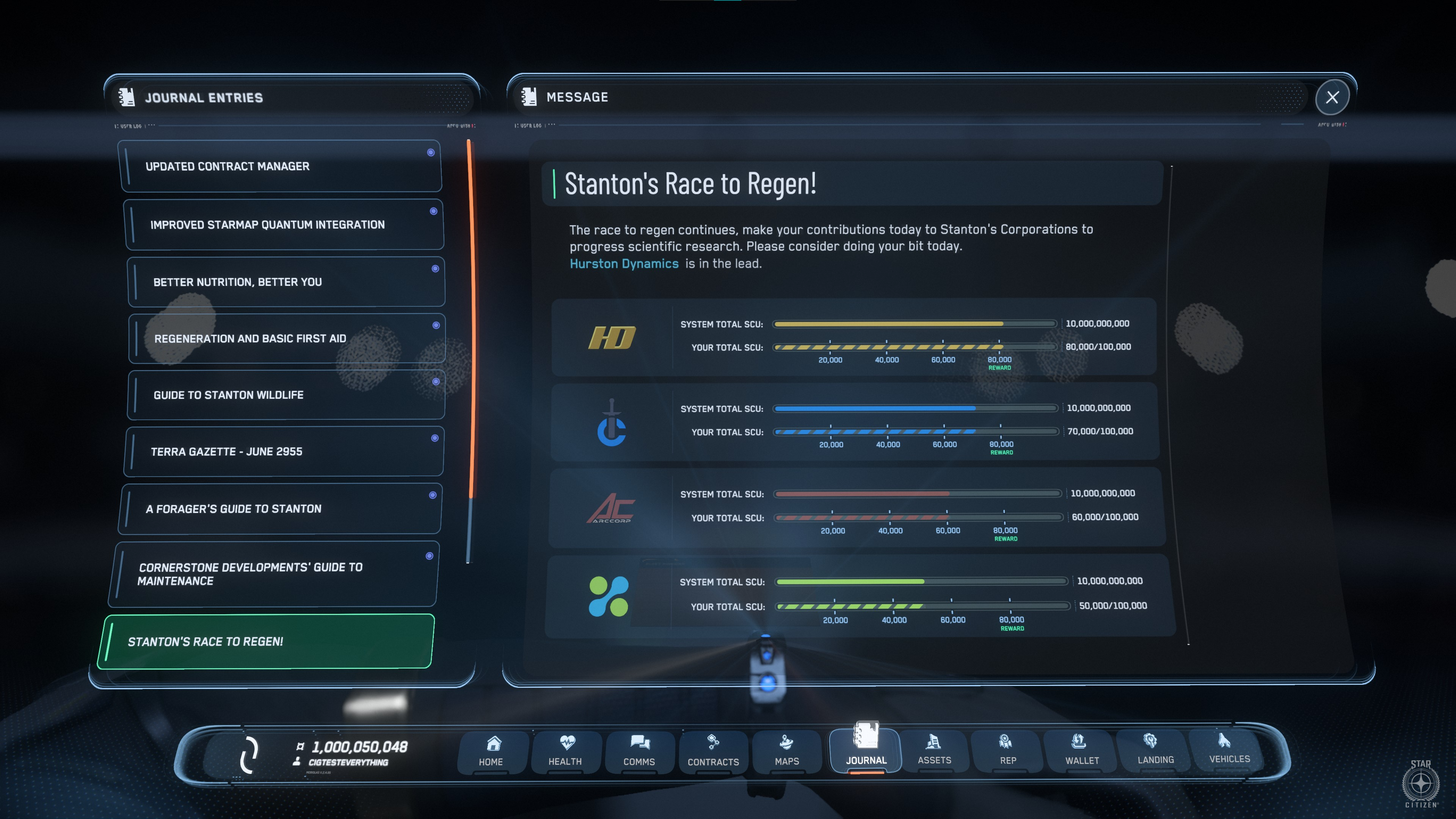
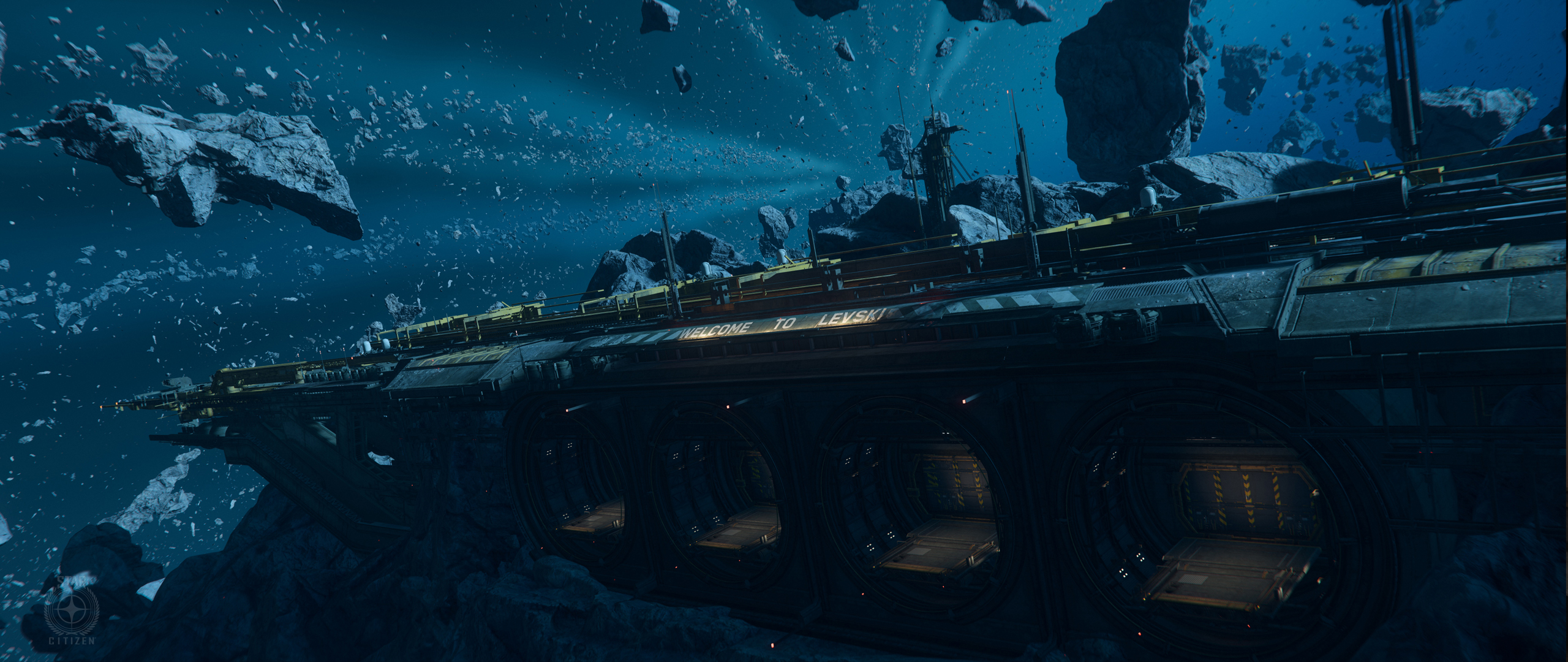
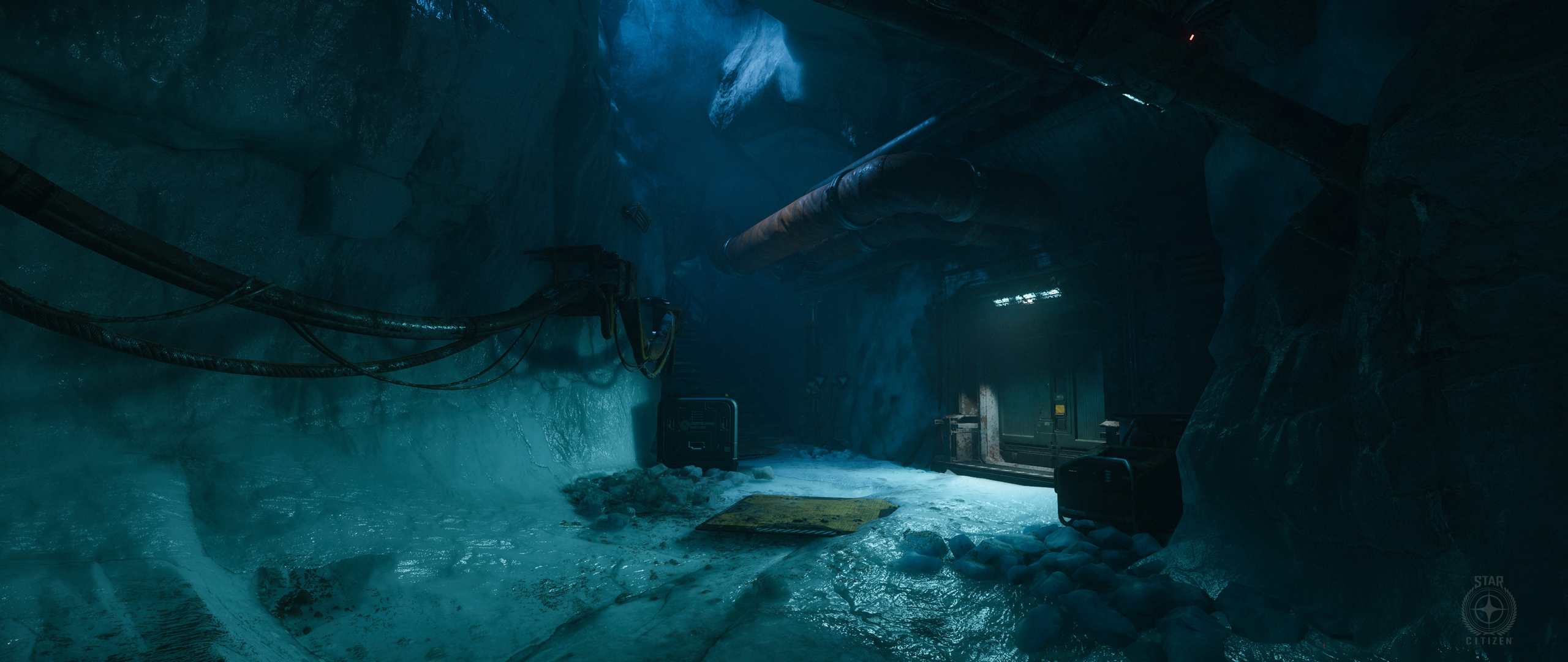
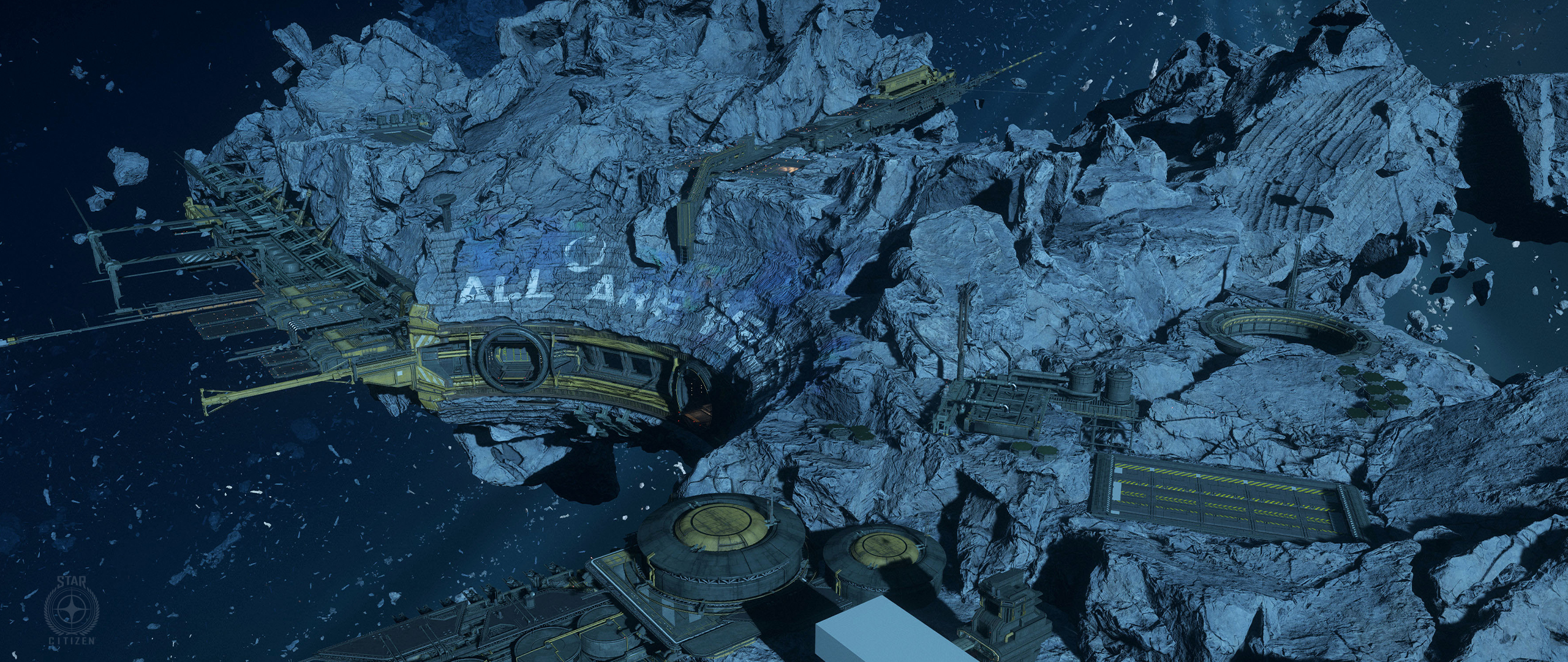
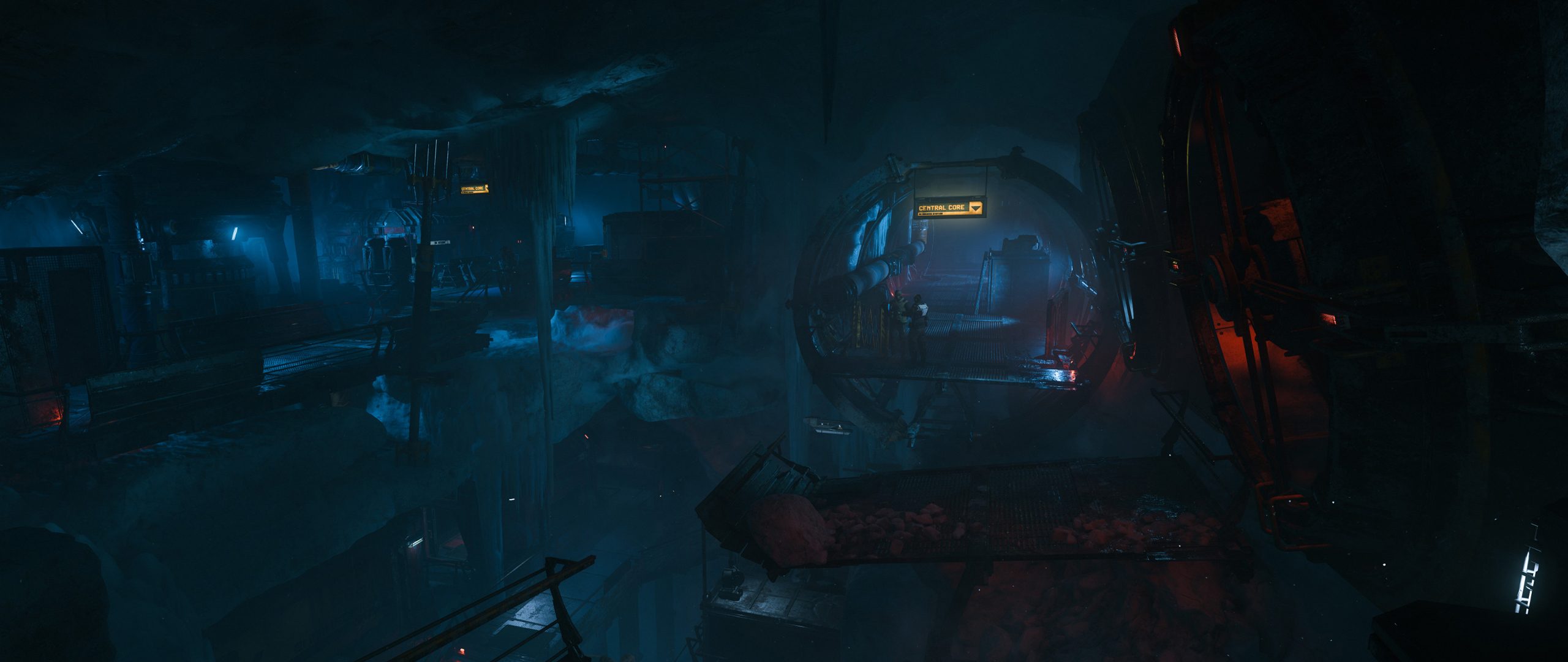
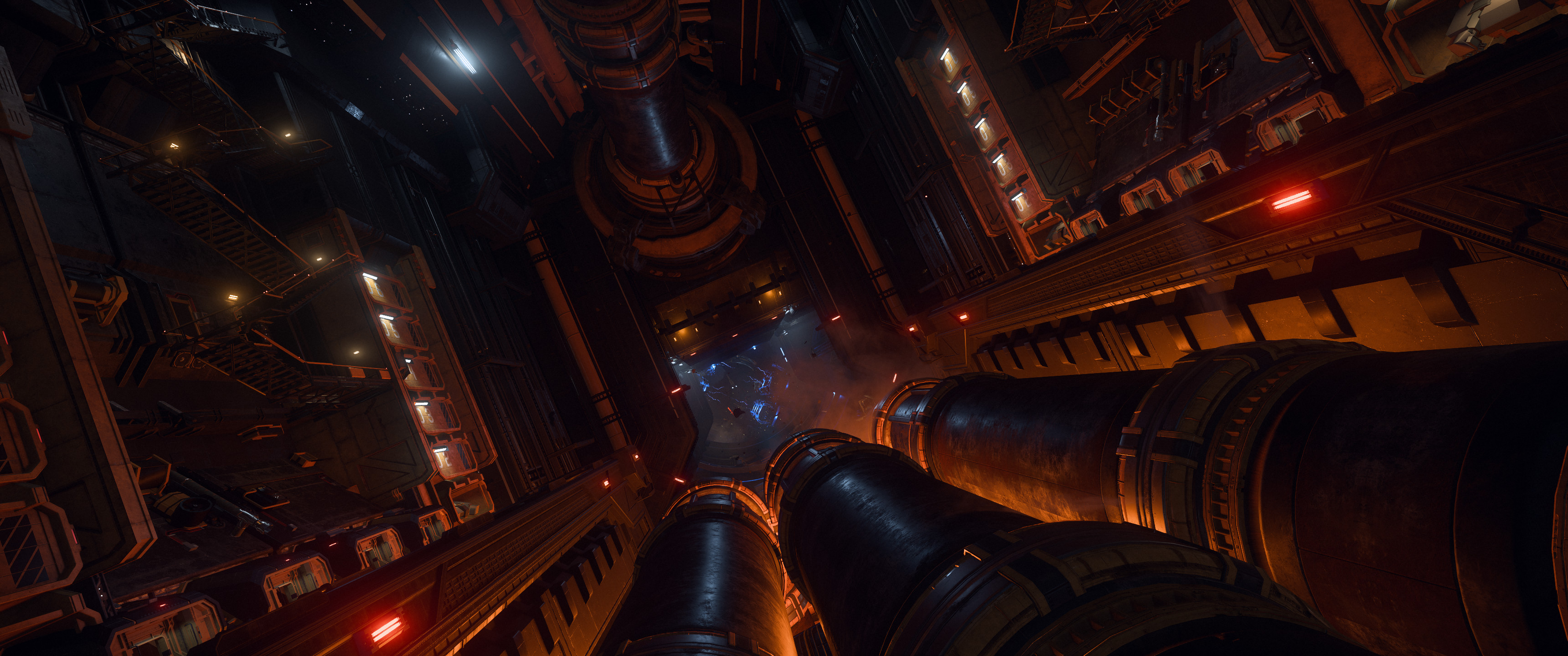
Metadata
- CIG ID
- 14640
- Channel
- Transmission
- Category
- Undefined
- Series
- Monthly Reports
- Comments
- 120
- Published
- 11 years ago (2015-04-03T00:00:00+00:00)