Monthly Studio Report: July 2016
Transmission Undefined Monthly ReportsContent
Greetings Citizens.
We’re officially in the second half of 2016 now, and the already impressive progress on Star Citizen and Squadron 42 continues to speed up and cover more ground every month as more and more game systems, design systems, build systems and staff come online. For Star Citizen, a lot of this month focused on development for Alpha 2.5, 2.6 and even 2.7. For Gamescom and CitizenCon, work continues on demos that showcase systems coming online in those patches and beyond. For a better look at what that all entails, let’s dive right in.
Cloud Imperium Los Angeles
Engineering
The engineering team have been helping stabilize SC Alpha 2.5.0 to ensure improved game play across several systems while continuing to chew away at the new ItemSystem. Almost all elements of our ships fall under this system, from seats to ladders to doors, etc. which makes it a major undertaking. We had David Bone Gill in from the UK because one of the many aspects of this new system is the interface and how that ties the whole experience together. His visit was incredibly bountiful and yielded many efficient solutions to how we’re going to make it all work nicely and we hope Bone comes back really soon.
Our own Senior Physics Engineer John Pritchett is hard at work on our Atmospheric Flight. This is quite an undertaking because everything that makes a ship fly from outer space to the surface of any planet has to be calculated precisely to give you the realistic feel of descending onto a new world while taking into consideration your ships specific flight mechanics.
Tech Design
Tech Design has been working closely alongside John Pritchett, Chris Roberts, Todd Papy and others to make sure Atmospheric Flight is everything we expect it to be when the system is fully fleshed out in code. Thinking through this entire process is time consuming and incredibly exciting because of what it will unlock in our overall universe and game experience.
Calix Reneau worked alongside our global team ironing out the Salvage design further to be ready for code and implementation as well as several other design briefs. Meanwhile, Tech Designer Matt Sherman has been knocking out the tech setup and design of several ships currently in progress. The most obvious being the MISC Reliant Kore – Mini Hauler. He’s had several other ships he’s setting up alongside our art team that are very exciting with more information to come shortly.
Art
Character Artist Omar Aweidah has been working diligently on marine suits, getting them into a playable state alongside our tech content team and CG Supervisor Forrest Stephan. Associate Character Artist Cheyne Hessler has been actively working on all types of clothes for 2.5.0 including variants of all kinds. Senior Character Artist James Ku polished all types of different assets including the Male and Female base models.
The Drake Caterpillar is close to being finished on the art side. Lead 3D Artist Elwin Bachiller and his team are making major strides on that ship and are pushing to finish it to get ready for their next round of challenging ships.
Narrative
The Squadron 42 shoot is over and the Narrative team has finally been reunited in LA. As Chris mentioned on ATV a week or so ago, we ended up hitting around 1255 pages of scripts including wild lines, battle chatter etc., so yeah… that was a lot, but it was wonderful to be back on set with the awesome production team over there and the always amazing Imaginarium. It’ll be even better when we can actually talk about what we did over there.
In the final days of the shoot, however, we started to dip our toes in the vast ocean that will be the PU and recorded some sample lines for some generic and specific characters. Now that the PU is becoming more and more alive and more features are coming online, we’re going to start delving a little deeper into the narrative side, which is equally daunting and exciting.
Otherwise, the team’s been hard at work tackling the usual suspects (News Updates, Jump Point stories, Starmap) and we’ve had more time to spend on our Ask A Dev thread, so swing by if you’ve got questions that you think one of us could answer.
Quality Assurance
Los Angeles QA spent much of the month focusing on the new skeleton and recent animation changes, as well as preliminary testing for Item 2.0. We also got to check out early builds for the Dragonfly and for the atmospheric flight model which was very exciting in its own right as we take another step closer to the living universe everybody has been dreaming of. LAQA also helped in capturing in-game footage for a number of Community segments. Despite all of this, the team was still on hand to support development for the upcoming 2.5 release as well, with particular focus on the functionality and implementation of the new Grim HEX pirate station.
Cloud Imperium Austin
Development
Our Design team, headed up by Lead Technical Designer Rob Reininger, have been focused on establishing various aspects of upcoming landing zones and points of interest. Most recently he and Jr. Technical Designer Robert Gaither have been supporting the LA Engineering team in setting up the new Item 2.0 elevators to work within Grim HEX Station. Before that, we established the inventories and whitebox setup for the new shops you’ll be able to find in the upcoming 2.5.0 release. Rob has also been further establishing the design for the Purchase Kiosk, an alternative way to shop for larger items that can’t easily fit into the physical shelves.
Designer Pete Mackay has been drafting up the GDD for Resource Spawning which will determine several methods of distributing resources throughout our play spaces. Separate approaches will be established for the procedural planet entities, one for asteroid fields, one for dust and gas nebula, and a final method for dealing with persistent/static entities or areas. Pete has been exploring aspects such as resource matter states, rarity, base value, and mass as well as locking down the general workflow for designers to setup the resource distribution.
Art/Animation
On the art side, Lighting Artist Emre Switzer has been iterating on feedback for final lighting passed on both Levski and Grim HEX. If you’ve seen any episodes of Around the Verse recently you’ve likely seen some of his work. Both environments are looking absolutely fantastic. Lead Ship Artist Chris Smith wrapped up his Final Art Pass on the Hornet F7A and has since moved on to revamping the Constellation variants to match the quality of the Andromeda. He’s currently focused on the Aquila and aims to have that wrapped up in the next few weeks. Ship Artist Josh Coons is still trucking along on the Drake Herald, working on the cockpit and ensuring it matches the metrics set forth by the Ship Animation Team.
Speaking of Animation, our animators are hard at work on content for future releases. Ship Animator Daniel Craig worked to ensure that the Argo MPUV animation requirements complied with the ship geometry since the ship’s interior requires the character to crouch in certain situations. Lead Ship Animator Jay Brushwood has been knocking out animation requirements for the Drake Dragonfly, it’s a brand new type of vehicle, so it has been interesting to tackle the challenge it provides. Lastly, we wrapped up the reauthorized combat speed enter/exit animations for the Anvil Hornet and Super Hornet based off the data we got back from our mo-cap shoot at Imaginarium Studios. We’re turning our attention to reauthoring the M50 and Gladius next.
Our Persistent Universe Animation Team has been working diligently on polishing NPC animations for use in our peaceful NPC AI Subsumption system. Lead Animator Bryan Brewer has also been working with Design to solidify enter/exit metrics, creating helper files, and reviewing the female skeleton.
On the engineering front, our Backend Services Team headed up by Lead Server Engineer Jason Ely has been focusing on new services for future releases. While Server Engineers Tom Sawyer and Ian Guthrie at Wyrmbyte spent the better part of half the month fixing up bugs related to the Persistence Cache and players being able to log in on multiple machines with the same account, Jason turned his attention to drafting up documentation for the Service Beacon, a new feature designed by Tony Zurovec. This new feature allows players to request immediate assistance in a number of different areas or, alternatively, to offer their goods and services to other players and NPCs.
QA
Austin QA has shifted the focus of the team back to our main development stream and are currently testing 2.5.0.
Multi-Factor authentication launched this month, with all the required testing and attention from the ATX QA team. This included testing all the app versions, new security features on the website and the updated launcher. Special kudos to Bryce, Scott, Brandon and Jeff for their devoted attention to supporting the deployment of Multi-Factor Authentication into the wild.
ATX and UK worked closely on weekly cross-studio play tests for performance and stability testing, but we also had a number of general destructive tests as nothing brings a group together like smashing space ships into each other. We also welcomed two new QA hires to our team this month – Elijah Montenegro and Tyler Tumlinson.
Game Support
Eric “Proxus” Green joined Chris Danks and Will Leverett to round out the current team. We went immediately to work on wrapping up 2.4.1, then began prep for 2.5.0 and beyond. Much of this involved training, documentation, processes… things that aren’t always sexy, but fundamental to running an online game.
Once done, we went straight to work with the Evocati on testing 2.5.0. We spent a lot of time shaping up how we process bug reports and feedback, revamping much of what existed. We’re very pleased at the quality of information that has come back to us in 2.5.0 testing, and we’ll be excited in getting the build out to a larger audience in the very near future.
We’re actually looking at adding more Game Support Staff here in Austin, specifically an E-Commerce Specialist to help us investigate consumer behavior and traffic on the website, as well as to research and investigate outliers on the service. Feel free to give the position a look here and apply if you are qualified and interested.
IT/Operations
July marked another period of great progress on the Patch Size Reduction project. We’re now to the point of connecting programs together from the various teams and testing data delivery from point to point. This milestone is essential in getting us to the point of actually working with real data rather than just test data. Our own Mike “Sniper” Picket was seen in Austin segment of Around The Verse #100 modestly explaining his part of the project and what we’ve been working on.
The rest of the IT team has been working with Moritz out of our Frankfurt office supporting his preparations for the Gamescom event in Cologne, Germany. All demo equipment has to be assembled and tested with the latest game code on network gear exactly like what we expect to see on the ground at the show.
Many other side projects going on in the IT group this summer as well including a prototype build out of our new “Go Box”. Paul “Dr.” Vaden in the Austin studio is re-engineering the “office in a box” kit for size and efficiency. The goal of this project is to be able to plug in a ready-to-go infrastructure wherever we need it providing secure connectivity back home when on the road, say in Cologne. And our fearless leader Mike “Lagman” Jones has been counting bits again. He and Hassan in our UK studio have been working hard on designing a solution to increase performance and capacity of central storage systems in the UK and Frankfurt at a fraction of the cost.
LiveOps/DevOps
The team has been hard at work keeping track of a multitude of builds from multiple source streams with increased build replication and faster response times to build requests while simultaneously keeping up with internal tools development work. The Build system ran over 100 unique full testable builds moving well over a petabyte of data across the network resulting in around 75 internal server deployments.
Our Release Engineer, Miles continues to work with IT to find new ways of improving performance on incremental builds and asset compilations. Each 15-20 minute reduction may not seem like much, but when added together makes a huge difference in our major deployments. By breaking jobs down to smaller parts and cutting the time to rebuild, we can get more last minute fixes in to QA resulting in better builds out to the PTU publishes.
Foundry 42 UK
Engineering
One of the main tasks of the company has been Subsumption and all of the systems which are tied into it, as it’s a core aspect of how we will create content and game play, specifically missions. This new mission system is designed to do away with the heavily-scripted Flow Graph and make it much more straightforward to implement the game play. For example, you can say that a particular area is going to be patrolled by a given group of ships and pilots and the Subsumption will do the rest: spawning them in when players arrive in the area and despawning them once everybody has left. Ultimately it will also allow the dynamic creation of missions in the PU, something we wouldn’t be able to do otherwise. This mission system is something that sits very closely to Subsumption and they both work very closely with each other.
Another area Subsumption will be driving is the AI and we’re helping move all the old behavior tree code over to use it. It’s never easy moving a system over and it does tend to mean you take a step backwards in functionality before you can start to move forwards but we’re now starting to get back to the position where we were and we can really see the progress it’s making.
Art
Lots of things to report, but you guys know that already. The biggest thing for me, even though it is starting off small, is that we are re-evaluating how we go about imagining the ship weapons. Historically we have been reactive in creating weapons (responding to requests from Design), so I’ve put a small hold on production until we, the concept team, can devise a more modular formulaic route so that we can quickly and easily create families of weapons. It’s basic stuff really, but you need time and headspace to be able to think things through for a longer term vision and we are now at that point thankfully. We wanted to put a system in place so the ship weapon artists can improve production and get more weapons out to the fans.
What else? Klaus and Werner ATT4 and Sniper are being given some extra love, working up the family and making them consistent and usable for Squadron 42, early work has taken place on Kastak Arms on the shotgun and again laying the groundwork for consistent styling.
Ships, well I’ve been working with Justin and we’ve taken care of some Caterpillar things, like color schemes and branding, also updating the F8 concept (it’s been 2 years since the first iteration) and managed to get a magazine cover knocked out too.
VFX
This month the VFX team have done a flight-ready VFX pass on the ARGO – thrusters, damage etc. Work also continued on the Grim HEX environment effects, taking full advantage of the new tiled lighting model. Work also continued on weapon impact effects improvements.
Aside from this, Mike visited Caleb in sunny Frankfurt – along with some of the UK environment and props team, to discuss VFX support for procedural planets. As you can imagine, there was LOTS to talk about – clouds, weather, water, atmospheric entry/exit to name but a few things we will need to support. Working out a long term plan for something as complex as a procedural planet is crucial; there is no sense in just throwing a load of effects in before we have worked out the systems with which to generate them.
Finally, our new VFX artist Michal jumped straight into ship effects, tidying up some of the existing thrusters (necessary with the move to optics flares and bloom in 2.5.0) and created some lovely new boost effects.
Environment Art
As ever, the team is focused on taking sections of their Squadron 42 levels and using them as visual targets for modelling, shading, lighting, dressing etc. We are also polishing what we are going to be showing at Gamescom this year, we’re excited for everyone to see what we’ve been working on. A small hit team of artists have just returned from spending two weeks in the Frankfurt studio where they focused on using the procedural tech and working with the engineers to push the feature along. Internally we’re all super excited for this, and it’s going to be big for creating environments for SC.
Animation
The animation team has been hard at work tackling a variety of issues, ranging from weapon reloading animations for all positions, fixing broken animations caused in the batch process, and iterating on the new character skinning and base pose. All their hard work has created a 1:1 match between Maya and the Engine.
Vehicle Art
This month, we knocked out the captain’s quarters and started mirroring areas to the other side of the ship (such as stairways, corridors, hallways) on the Idris. This next month we are aiming to have all the interior rooms on the Idris complete to final art with collision to allow for a full play through. We have been doing a lot of clean up on the Javelin: finishing off junction rooms and started moving over standardized areas we first created on the Idris (such as the captain’s quarters) and making it work for the Javelin, one of the benefits from building up our AEGIS building set.
The Bengal team have made great process too, we are wrapping up the final art of the exterior hull, completed the Gatling gun, AA turrets, exterior bridge. On the interior we are wrapping up some final touches on the main Hangar to ensure our shaders work well with our latest lighting pass and light linking tech. Interior bridge is also close to coming to completion, something we are very excited to show more of. The team has also started on both the ready room and bunk rooms.
Design
The Squadron 42 design pit have been hammering away at the levels and things are really coming together. Sometimes you think you know a level, you get used to seeing the same Grey-box and then we’ll get an art update and it’s a game changer. You can really soak up the scale and details, and gives you that extra push in morale. It’s one of the real joys of this job when a designer with a beaming smile calls you over with a “hey, check this out…”
Implementation of all the recorded performance capture dialogue is well under way now which is replacing any temporary designer dialogue and text-to-speech which must be a huge relief for the script writers Dave and Will. It makes you appreciate the actor’s craft in hearing Mark Hamill and co. deliver their lines in the game, it makes such a difference.
The Character team have really been delivering the goods recently, making some good inroads into the required costumes list so we’re getting to a point now in which we can start populating the levels with final characters in their correct costumes.
Props
The team has been fairly divided this month, all focusing on different areas of the game. Two of our guys have been working closely with the environment team to push the procedural planet tech, start devising workflows and nailing down the pipeline.
We have also refined the hanging clothing workflow which is a combined effort from the character team (who create the base items) and the props team (who transform them into hanging versions and eventually folded clothing). It may seem like a small fish, but it helps add realism and immersion to the shopping experience.
We continue to work on the ship items. We now have just over 100 ship items complete, so plenty of customization options will be available when the feature launches. Next, we’ll be looking into the ship interiors and how the sub items integrate into them.
The newer members of the props team have all settled in great and with the new plethora of concepts coming everything is moving forward well.
Graphics
The graphics team has been split between new features for our expanded universe and low-level improvements to our shading model.
For the expanded universe, we’ve finally made the sun into an actual object that you can fly around. Previously in CryEngine, the Sun was always 10km away in an artist specified direction no matter where you were in the universe, but now it’s a hot glowing sphere that casts light and shadows in all directions as you would expect, and has a physically accurate reflection which grows as you get closer. We’ve also began work on our asteroid tech to place asteroid fields and planetary rings consisting of millions of asteroids with minimal artist setup.
On the shading side we’ve improved our specular reflection model based on recent research in the field, and this should give us brighter and more accurate reflections from lights as well as being cheaper (which was actually one of our main motivations for the change). We’ve also improved the physical accuracy of how rough or glossy materials look when you zoom in/out from them.
Our final improvement this month is that we’ve completed our changes to the exposure control system. We can now let the art team finely tune how bright or dark they want the scene to appear, allowing them to use a much higher dynamic range of lighting. We’ve also implemented a realistic adaption algorithm that individually adjust according to your pupil dilation and photo pigment adaption.
Audio
Sam Hall fixed up some audio functionality in the editor, provided a host of new hooks for the dynamic music system and has been working on bug fix support for the 2.5 release.
Graham Phillipson has also been bug-fixing specifically: working on what we’re calling ‘interiority’ (so that we can change sounds depending on the player’s perspective/relationship to inside/outside sound sources more efficiently), RTPC normalization for consistent reverb levels across environments, further VOIP code tidy-up, adding pitch control to AudioAreaAmbiences and adjusting to his role in leading up the audio programming team.
Darren Lambourne has been hammering away at the Dragonfly and generally polishing up and improving ship audio, with the Idris taking up a fair chunk of time too. While Stefan Rutherford has been continuing work on the GrimHex map, providing support for new systems (elevators, doors etc.) and continuing revising and improving upon the FPS module audio.
Ross Tregenza has been coordinating with composers Pedro Camacho and Geoff Zanelli to get music into the game for both the Persistent Universe and Squadron 42. There’s a been a huge amount of work on the music logic system with some great new code aspects added by Sam Hall. He’s been iterating and tweaking the system and assembling the content in Wwise and finessing it all into one big seamless system.
Simon Price has been continuing his work on the dialogue pipeline, as well as providing support for bug-fixing too. Meanwhile, Bob Rissolo and Phil Smallwood were both out on patrol duties at the Squadron 42 shoot in Ealing and are dealing with the subsequent editorial work currently.
Matteo Cerquone has been working on some Squadron 42 maps, adding states and similar game-syncs; worked on UI “purchase Items” sounds; tested new ship engineRTPCs and assisted with some new parameters for improved ship audio feedback. Matteo’s also been working with Luke Hatton to prototype the new UI ship sound design language to have consistency over the different manufacturers, and divide the UI information into different pools of sounds.
Ewan Brown has made improvements to the spaceship flight audio feedback system. This translates more of the ship’s physics into usable audio parameters. Now speed and acceleration, in both linear and angular axes, are being fed into the audio engine. He’s also been working on new audio controls for atmospheric wind and turbulence and systems to improve dialogue lip sync for upcoming cinematic scenes.
Meanwhile, Jason Cobb has been setting up mix states for GrimHex, building pipeline support and refined the ATL generation script. That’s in addition to general bug testing and smashing.
QA
The Foundry 42 QA team worked very hard with the Dev team again and of course, the community, to get 2.4.0 out to you guys and it was really rewarding. The response we got was amazing, but we didn’t stop there. After pushing it out, we gathered up all your feedback and bug reports and went straight in to get 2.4.1 out for you. After 2.4.1, some of the team cycled right into 2.5.0, while the rest started working on some lovely things to show at Gamescom.
This month was also good for seeing our team grow, with three new starters each starting a week apart, Ian Goodey, Stephen Austin & Idreece Hadi, they have fit well into the team and already have started focusing on specific aspects of testing, with Ian looking at Squadron 42 and FPS, Stephen working heavily on the Gamescom stuff and Idreece taking a technical testing approach.
Foundry 42 DE
Engine
The Frankfurt core team working on planets is fairly small, Marco Corbetta & Carsten Wenzel working on the main tech and Pascal Mueller on environment art, but recently a couple of new people have been added. Anis Hireche is working on the ocean and effects, as well as Sascha Hoba working on PlanED, the planetary/ecosystem editor embedded into Sandbox. In addition to the above team, Mikhail Korotyev has been helping a lot with all round physics and math support.
Our next steps on the planets are going to be focused towards improving visuals even more, making the planets more and more interactive with landing areas and ecosystems. This includes numerous things such as massive rendering of objects, which is efficiently supported by the Zone system, worked on mainly by Chris Bolte, and prototyping the different planet types that make up the core Star Citizen universe. With the shift towards ecosystems we are putting more and more planets in the control of the artists which so we can create an interesting and engaging universe with deep history.
On the Zone system side, there has been a large refactoring and optimization pass on the tag system, plus several engine optimizations and fixes for 2.5 release, with more progress and features planned for the coming months. Additionally, Chris Raine has been working on a new local physics grid and planetary grid system.
We also continued working on vision stabilization for the first person view (1P). This is necessary to counter the head-bob that results from sharing the same rig between 1P and third person (3P) modes (meaning, essentially, that instead of being a floating camera, your character’s body and its movements are treated the same way as all the other characters you see.)
To achieve this we’ve developed several techniques that effectively simulate how human eyes stabilize an image. The first deals with the eyes directly and eliminates all orientation changes from the body on the camera, which is most effective when the body is idle. The processes mirrors how human eyes stabilize an image on the retina. The second, head stabilization, which we patterned after how birds deal with this same problem, keeps your head at a fixed position by counter-translating body motions to maintain the perception of stability. The adjustments are only a couple of centimeters at a time, which are barely visible on 3P models. The end result of a great tool for designers and animators that allow them to tweak the amount of head-bob to a level most people perceive as realistic. This is an ongoing development process and there will be more tweaks and improvements in the coming month.
The core engine team also focused on the Tag System. The Tag System allows us to mark up certain objects with Tags to give them a Semantic, for example Tagging an entity as a “stool” allows the code to determine if it is a stool (and potentially can be used to sit on it). We changed the architecture to store the data in Dataforge instead of a custom xml based database. In addition, we generalized the whole system so that we can store the Tags in the Zone System. This allows us to perform efficient spatial queries on all entities in the universe searching for specific tags.
Design
On the system design side, we’ve started work on the AI Crew Skills & Stats system which governs how good an AI is at doing a specific job and how players can improve their AI Crew at fulfilling specific tasks. In general, no two AI should be the same. Some will be better at shooting, tactics, or special weapon use while others might be better as an engineer or a tactical officer on your ship. The idea is to get players to carefully choose their crew, train them in order to improve specific qualities and take care of them, making sure they don’t die or get injured during operations.
All our social systems are seeing major reworks as we are pushing hard towards getting friends/contact lists, groups and organizations implemented properly in game. This should allow easier management of all social functions without having to quit the game while at the same time being fully integrated with the Spectrum ecosystem for players that want the social interaction but cannot afford to open the game on a phone or on a work computer.
A lot of work is going into most of our access systems, from Doors, Airlocks, Elevators and making sure these systems are integrated with all other systems in a station or ship like security, docking, customs etc. New tech has also come online allowing us to break down bigger systems into their component parts and link them together with signal links which get synced over the network. For example, a door can be just that but if we add a security terminal to it that will control access to the door and only allow people with the exact security clearance to pass through it.
The Level Design team is continuing its work on locations for the PU, we’ve just finished up Grim HEX which will give the less law-abiding players a location to use as well as providing a setting where shadier deals can take place. We will continue to expand upon Grim HEX, adding in more content and new sections to fully flesh out the location. Levski is progressing nicely as well, roads and access points have been added to the exterior, so visitors can reach the location both from the surface as well as from space.
We are also doing R&D regarding modularity and location components, this involves developing a system, as well as tools, that we can use to build everything from satellites to planetary outposts whilst maintaining the quality, realism and visual standards that we have set for Star Citizen. The system will provide us with the speed and flexibility we need to build the many locations required to bring our universe to life.
Weapons
Last month we focused on finishing up the Behring P8-SC SMG as shown recently on ATV and giving the older weapons some texture polish as well. We have also brought them in line with our updated manufacturer style guides so some of the color schemes have slightly changes. Here’s a screenshot of the updated Devastator 12.
On top of that we have started to look into blocking out new and modular Missile Rack systems. These are supposed to bring our Missiles to sensible sizes, aid with balance and provide players with a lot more options in terms of what can be equipped on their ships.
Quality Assurance
DEQA has been very busy with testing updates involving both Physics and Rendering. These changes will enable our Engineers to implement future features much more seamlessly, as well as decrease performance issues in the client. Multiple test requests also came down the pipeline from our Cinematics team, post mo-cap shoot in London.
Together with Hannes Appell and Michael Nagasaka we were able to identify, repro, and JIRA TrackView issues that were encountered in the Editor during the shoot. The fixes for these issues will further improve our cinematic tools, which will be a huge benefit for the Cinematics team in future shoots.
AI
During July the AI team has primarily been focusing on Subsumption and the mission system.
First of all, we are now at version 0.962i for the Subsumption Editor, it is now much more stable and the usability has improved a lot.
We also introduced the possibility of defining the type of outputs a Task has, for example a SuppressFailure node only has a “Success” output while, for example. FindObject or SendEventTo have both a Success and Fail outputs. This allows us to properly inform the designers to what they should expect and handle from each task they can use in their behaviors.
The new mission system has also received a lot of attention in July, we created all the basic elements that will allow us to create and maintain a huge amount of missions for Squadron 42 and Star Citizen in general. Since the new mission system is embedded into the Subsumption tool, it allows designer to create their mission’s logic inside callbacks sent by the game when specific events occur. Imagine you need to escort a specific character to a safe location. If the character dies it calls a specific callback in the mission system and the designers can specify some specific logic that should be executed at that moment. We’ll show you more about this in the coming months.
We also worked on the Usables, improving the way NPCs can interact with multi IPs usable objects: you can think about a couch with three slots, when a character is tired and want to sit, he doesn’t care which slot to use but any free place is good to sit down. We also started the work on the perception of large objects, so that our NPC will be able to look at spaceships from distance and also look at big objects that might be occluded by other large elements (skyscrapers, mountains, and so on)
For the spaceships we worked on some fixes to allow the AI to land on specific landing pads correctly and we moved the crew definitions for specific spaceships into Dataforge so that tech designers can easily use our internal tool to customize the different ships.
And of course, in addition to the development of new features we also continued on improving the stability of the overall AI system and fixed as many bugs as we could.
BHVR
Engineering
This month we focused mostly on bug fixing. Some of the fixed issues included: purchasing errors (weapons with attachments weren’t given to the player, server/client crashing after transactions, etc.), drop down options not being displayed correctly in the Option Screen, and various AR bugs.
We also worked on cleaning up our low level UI data binding framework and added multiple features to give more control to the design team.
The Tag System is also coming back on our priority list now that more core features (such as AI) want to make use of tagging. Tags are an efficient way to add metadata to entities in the world enabling all sorts of features for design and engineering alike.
Design
We spent most of this month finishing, polishing and debugging of the abandoned imperial asteroid base we mentioned last month. There were assets missing, visibility area and export issues, gravity problems, some weird collisions, etc. Those are all common issues coming with a new release, and we’re on top of it.
We also continued integrating flair items into the game for future releases and worked on upcoming shop whiteboxes.
Art
More polish, bug fixing and optimizing was done with the help of our design team on Grim HEX and abandoned imperial asteroid base. Continuing the theme of storytelling, we wanted to make sure the visuals from the high level of a planet down to the details of a room reflects the passage of time from its dwellers. Given the size of the Star Citizen Universe, expect a significant contrast in visual style between the two locations.
Turbulent
Multi-Factor Authentication (MFA)
Last month, we launched Two-Step Authentication. Although it is optional, we strongly recommend that you enable it on your RSI account.
Two-Step Authentication adds an extra layer of security to the login process. In addition to your username and password, you would need to enter a special code in order to access your account. You can choose to receive this code by email, or via the mobile app (available for iOS and Android).
This was one of the most requested features from the community, so we’re really excited about this launch. For more detailed instructions and download links, please check out our page :
https://robertsspaceindustries.com/comm-link/transmission/15414-Two-Step-Authentication-Has-Landed
Communication Platform
For those of you who follow this column regularly, you’ll know that we have been working on a new communication platform that includes a new Forum and Chat module. We continue to work on the design and development of this platform, but at the same time, we are looking toward the “Phase 2” feature set which will offer additional communication channels. It’s still too early to present a defined list of features, but we are targeting CitizenCon to demo the “Phase 1” version. It’s only two months away, so you won’t have to wait much longer.
Game Launcher
We continue to develop the new game launcher, and we are working closely with CIG’s dev team on this project. We are targeting CitizenCon to have something that we can demo. Although the user interface will look the same, the “guts” of the launcher will be completely revamped and will allow the launcher to support multiple games and environments in the future.
Community
Day-to-Day
As many of you may already know, our fearless leader Ben Lesnick spent much of the month in hospital fighting a severe infection, but we’re happy to report he’s back to Bendancing in the office now. He and Alexis are incredibly grateful for the love and support you guys shared during their difficult time on the forums and through social media.
Much of the day-to-day this month outside of that was spent coordinating and realizing the changes to our broadcast output, which we’ll go into greater detail in the next section, suffice to say that we couldn’t be prouder of the people here who pulled all the extra hours to make rotating the shows through the studios possible. Shout-outs to Thomas Hennessy, Justin Chambers, Tyler Witkin, Eric Davis, Sandi Gardiner, Jake Ross, Brian Chambers, Tom Solaru and a host of others for their continuing efforts to make that possible.
In addition to that, the road to Gamescom is always one of the most intense periods of the year. Our five days of gameplay streaming LIVE from that showfloor next month and the prep for our Fourth-Annual Gamescom Party and Presentation have dominated much of our day-to-day. I cannot understate how excited I am to meet so many of you in person, to play with so many of you over five-days of livestream, and celebrate Star Citizen together over the Gamescom week.
Broadcasts
Our most visible change this month was the newly updated format for Around the Verse. The team took a look at how to improve the show and then developed a plan to both update the format and to share more content from our studios around the world. We’ve been thrilled with the reaction, and can’t wait for you to see what’s coming up in future shows. Finally, a special thank you is owed to our Subscribers, who provided extensive feedback to assist with the update through the Subscriber’s Den forum.
The Loremakers Guide to the Galaxy has joined Bugsmashers in the Wednesday broadcast window. We’re incredibly happy to give the community a chance to hear about the lore, science, and design of the star systems that make up the universe of Star Citizen and Squadron 42 directly from the folks creating it.
You Guys
BritizenCon 2016! As another month of development passes, so does another month of stories, content videos, and community accomplishments.
On the streaming side of things, we were very excited to see the new podcast “Diverse the Verse” starring Sofiegrl, MzHartz, Lady Nighthawk, PixelMeSane, and Witchkittie. Keep these coming, we love hearing what our backers have to say.
We also announced that Star Citizen streamers Deejay Knight, Captain_Richard, BadNewsBaron, and Twerk17 will be traveling with us to stream live from the showfloor at Gamescom 2016.
On the Community Hub front, the amount of activity continues to amaze us. July saw new content coming from SCLoreCast, created by Lord Bayne, which breathes life into Star Citizen lore by adding music, sound effects, and epic voice-acting. Hasgaha lived up to all expectations with his continuous flow of beautiful Star Citizen screenshots, this time creating PSA Big Bennys addiction posters.
Speaking of Big Bennys, the long awaited Ballad of Big Bennys was released thanks to the help from all of you who submitted game-play clips, and of course the always-amazing years1hundred for editing it all together.
Lastly, how could we not give a shout-out for the first and potentially annual 2016 BritizenCon. This event is a fan-organised convention in the UK for Star Citizen fans to come together, hang out with developers, and talk shop.
I could keep listing the awesome content coming from all of you for days, but instead check it out for yourself on our “Community Hub”
Thank you all for making July one to remember. We can’t wait to see what you all come up with in the month of August…
Looking Ahead
What. A. Month. It’s full steam ahead towards Gamescom 2016 and then CitizenCon 2016 in the weeks after that, and everyone here is brimming with excitement to share even MORE of what we’ve been working on at those two events. It’s an amazing time to be a Star Citizen, and witness the unparalleled look behind-the-scenes at the making of the Best Damn Space Sim Ever, every week, every month, and beyond.
We’ll see you at Gamescom 2016; we’ll be the ones on the Idris bridge.
Systeme in einer Station oder einem Schiff wie Sicherheit, Docking, Zoll usw. Neue Technologien sind auch online gegangen, so dass wir größere Systeme in ihre Einzelteile zerlegen und mit Signalverbindungen verbinden können, die über das Netzwerk synchronisiert werden. Zum Beispiel kann eine Tür genau das sein, aber wenn wir ihr ein Sicherheitsterminal hinzufügen, das den Zugang zur Tür kontrolliert und nur Personen mit der genauen Sicherheitsfreigabe den Zutritt gestattet.
Das Level Design Team setzt seine Arbeit an den Standorten für die PU fort, wir haben gerade Grim HEX fertiggestellt, was den weniger gesetzestreuen Spielern einen Ort zur Verfügung stellt, an dem sie arbeiten können, und gleichzeitig ein Umfeld bietet, in dem schattigere Geschäfte stattfinden können. Wir werden weiterhin auf Grim HEX expandieren und weitere Inhalte und neue Abschnitte hinzufügen, um die Location vollständig zu vervollständigen. Auch Levski entwickelt sich gut, Straßen und Zugangspunkte wurden nach außen hin ergänzt, so dass die Besucher den Ort sowohl von der Oberfläche als auch vom Weltraum aus erreichen können.
Wir betreiben auch Forschung und Entwicklung in Bezug auf Modularität und Standortkomponenten, dazu gehört die Entwicklung eines Systems sowie von Tools, mit denen wir alles von Satelliten bis hin zu planetarischen Außenposten bauen können, wobei wir die Qualitäts-, Realitäts- und visuellen Standards beibehalten, die wir für Star Citizen festgelegt haben. Das System wird uns die Geschwindigkeit und Flexibilität bieten, die wir benötigen, um die vielen Standorte zu bauen, die erforderlich sind, um unser Universum zum Leben zu erwecken.
Waffen
Letzten Monat haben wir uns darauf konzentriert, den Behring P8-SC SMG, wie kürzlich am ATV gezeigt, fertigzustellen und den älteren Waffen ebenfalls etwas Texturpolitur zu verleihen. Wir haben sie auch mit unseren aktualisierten Style Guides der Hersteller in Einklang gebracht, so dass einige der Farbschemata geringfügige Änderungen aufweisen. Hier ist ein Screenshot des aktualisierten Devastator 12.
Darüber hinaus haben wir begonnen, uns mit der Ausblendung neuer und modularer Raketenregalsysteme zu befassen. Diese sollen unsere Raketen in vernünftige Größen bringen, die Balance halten und den Spielern viel mehr Möglichkeiten geben, was auf ihren Schiffen ausgerüstet werden kann.
Qualitätssicherung
DEQA war sehr beschäftigt mit dem Testen von Updates, die sowohl Physik als auch Rendering betreffen. Diese Änderungen werden es unseren Ingenieuren ermöglichen, zukünftige Funktionen viel reibungsloser zu implementieren und Performance-Probleme beim Kunden zu reduzieren. Mehrere Testanfragen kamen auch von unserem Cinematics-Team, nach dem Mo-Cap-Shooting in London.
Zusammen mit Hannes Appell und Michael Nagasaka konnten wir Probleme identifizieren, reproduzieren und JIRA TrackView, die während der Dreharbeiten im Editor aufgetreten sind. Die Behebung dieser Probleme wird unsere filmischen Werkzeuge weiter verbessern, was für das Cinematics-Team bei zukünftigen Dreharbeiten von großem Nutzen sein wird.
KI
Im Juli konzentrierte sich das KI-Team vor allem auf Subsumption und das Missionssystem.
Zuerst einmal sind wir jetzt bei der Version 0.962i für den Subsumption Editor, sie ist jetzt viel stabiler und die Benutzerfreundlichkeit hat sich stark verbessert.
Wir haben auch die Möglichkeit eingeführt, die Art der Ausgaben zu definieren, die eine Task hat, z.B. ein SuppressFailure-Knoten hat nur eine "Success"-Ausgabe, während er beispielsweise. FindObject oder SendEventTo haben sowohl eine Erfolgs- als auch eine Fehlerausgabe. Dies ermöglicht es uns, die Designer richtig zu informieren, was sie von jeder Aufgabe erwarten und bewältigen sollten, die sie in ihrem Verhalten einsetzen können.
Das neue Missionssystem hat auch im Juli viel Aufmerksamkeit erregt, wir haben alle grundlegenden Elemente geschaffen, die es uns ermöglichen werden, eine große Anzahl von Missionen für die Staffel 42 und Star Citizen im Allgemeinen zu erstellen und zu warten. Da das neue Missionssystem in das Subsumption-Tool eingebettet ist, kann der Designer die Logik seiner Mission in Rückrufaktionen des Spiels erstellen, wenn bestimmte Ereignisse eintreten. Stellen Sie sich vor, Sie müssen einen bestimmten Charakter an einen sicheren Ort begleiten. Wenn der Charakter stirbt, ruft er einen bestimmten Rückruf im Missionssystem auf und die Designer können eine bestimmte Logik angeben, die in diesem Moment ausgeführt werden soll. Wir werden Ihnen in den nächsten Monaten mehr darüber zeigen.
Wir haben auch an den Usables gearbeitet, um die Art und Weise zu verbessern, wie NSCs mit Multi-IPs nutzbaren Objekten interagieren können: Man kann an eine Couch mit drei Slots denken, wenn ein Charakter müde ist und sitzen will, ist es ihm egal, welchen Slot er benutzen soll, aber jeder freie Platz ist gut, sich hinzusetzen. Wir haben auch mit der Arbeit an der Wahrnehmung großer Objekte begonnen, so dass unser NSC in der Lage sein wird, Raumschiffe aus der Ferne zu betrachten und auch große Objekte zu betrachten, die von anderen großen Elementen (Wolkenkratzer, Berge usw.) verdeckt werden könnten.
Für die Raumschiffe haben wir an einigen Fixes gearbeitet, damit die KI auf bestimmten Landeplätzen korrekt landen kann, und wir haben die Crew-Definitionen für bestimmte Raumschiffe in Dataforge verschoben, so dass Tech-Designer unser internes Tool leicht nutzen können, um die verschiedenen Schiffe anzupassen.
Und natürlich haben wir neben der Entwicklung neuer Features auch die Stabilität des gesamten KI-Systems weiter verbessert und so viele Fehler wie möglich behoben.
BHVR
Ingenieurwesen
Diesen Monat haben wir uns hauptsächlich auf die Fehlerbehebung konzentriert. Einige der behobenen Probleme waren: Kauffehler (Waffen mit Anhängen wurden nicht an den Spieler weitergegeben, Server/Client stürzen nach Transaktionen ab, etc.), Dropdown-Optionen, die im Optionsbildschirm nicht korrekt angezeigt wurden, und verschiedene AR-Fehler.
Wir haben auch an der Bereinigung unseres Low-Level-UI-Datenbindungsrahmens gearbeitet und mehrere Funktionen hinzugefügt, um dem Designteam mehr Kontrolle zu geben.
Das Tag-System kommt auch wieder auf unsere Prioritätenliste zurück, da mehr Kernfunktionen (wie z.B. die KI) das Tagging nutzen wollen. Tags sind eine effiziente Möglichkeit, Metadaten zu Entitäten in der Welt hinzuzufügen, die alle möglichen Funktionen für Design und Engineering ermöglichen.
Design
Wir haben die meiste Zeit dieses Monats damit verbracht, die verlassene imperiale Asteroidenbasis, die wir letzten Monat erwähnt haben, fertigzustellen, zu polieren und zu debuggen. Es fehlten Vermögenswerte, Sichtbarkeitsbereich und Exportprobleme, Gravitationsprobleme, einige seltsame Kollisionen, etc. Das sind alles häufige Probleme, die mit einer neuen Version auftreten, und wir sind auf dem Laufenden.
Wir haben auch die Integration von Flairartikeln in das Spiel für zukünftige Releases fortgesetzt und an den kommenden Shop-Whiteboxen gearbeitet.
Kunst
Mehr Politur, Fehlerbehebung und Optimierung wurde mit Hilfe unseres Designteams auf Grim HEX und verlassener imperialer Asteroidenbasis durchgeführt. In Fortführung des Themas Storytelling wollten wir sicherstellen, dass die Bilder von der hohen Ebene eines Planeten bis zu den Details eines Raumes den Lauf der Zeit von seinen Bewohnern widerspiegeln. Angesichts der Größe des Star Citizen Universe erwarten Sie einen signifikanten visuellen Kontrast zwischen den beiden Standorten.
Turbulent
Multi-Faktor-Authentifizierung (MFA)
Letzten Monat haben wir die zweistufige Authentifizierung eingeführt. Obwohl es optional ist, empfehlen wir Ihnen dringend, es auf Ihrem RSI-Konto zu aktivieren.
Die zweistufige Authentifizierung bietet eine zusätzliche Sicherheitsebene für den Anmeldeprozess. Zusätzlich zu Ihrem Benutzernamen und Passwort müssen Sie einen speziellen Code eingeben, um auf Ihr Konto zugreifen zu können. Sie können diesen Code wahlweise per E-Mail oder über die mobile App (verfügbar für iOS und Android) erhalten.
Dies war eines der am meisten nachgefragten Features in der Community, so dass wir uns sehr über diesen Start freuen. Für detailliertere Anweisungen und Download-Links besuchen Sie bitte unsere Seite:
https://robertsspaceindustries.com/comm-link/transmission/15414-Two-Step-Authentication-Has-Landed
Kommunikationsplattform
Für diejenigen unter Ihnen, die diese Rubrik regelmäßig verfolgen, wissen Sie, dass wir an einer neuen Kommunikationsplattform gearbeitet haben, die ein neues Forum und Chat-Modul beinhaltet. Wir arbeiten weiter an der Konzeption und Entwicklung dieser Plattform, schauen aber gleichzeitig auf den Feature-Set "Phase 2", der zusätzliche Kommunikationskanäle bieten wird. Es ist noch zu früh, um eine definierte Liste von Funktionen zu präsentieren, aber wir planen, dass CitizenCon die Version "Phase 1" demonstriert. Es ist nur noch zwei Monate bis dahin, so dass Sie nicht mehr lange warten müssen.
Spiel-Launcher
Wir entwickeln den neuen Spiele-Launcher weiter und arbeiten bei diesem Projekt eng mit dem Entwicklungsteam der CIG zusammen. Wir streben an, dass CitizenCon etwas hat, das wir vorführen können. Obwohl die Benutzeroberfläche gleich aussehen wird, werden die "Eingeweide" des Launchers komplett überarbeitet und ermöglichen es dem Launcher, in Zukunft mehrere Spiele und Umgebungen zu unterstützen.
Community
Tag für Tag
Wie viele von euch vielleicht schon wissen, verbrachte unser furchtloser Führer Ben Lesnick einen Großteil des Monats im Krankenhaus, um gegen eine schwere Infektion zu kämpfen, aber wir freuen uns, berichten zu können, dass er jetzt wieder bei Bendancing im Büro ist. Er und Alexis sind unglaublich dankbar für die Liebe und Unterstützung, die ihr während ihrer schwierigen Zeit in den Foren und über Social Media geteilt habt.
Ein Großteil des Alltags in diesem Monat außerhalb davon wurde damit verbracht, die Änderungen an unserer Sendeleistung zu koordinieren und zu realisieren, auf die wir im nächsten Abschnitt näher eingehen werden, um zu sagen, dass wir nicht stolzer auf die Leute hier sein könnten, die alle Überstunden geleistet haben, um das Drehen der Shows durch die Studios zu ermöglichen. Rufe an Thomas Hennessy, Justin Chambers, Tyler Witkin, Eric Davis, Sandi Gardiner, Jake Ross, Brian Chambers, Tom Solaru und viele andere für ihre kontinuierlichen Bemühungen, dies zu ermöglichen.
Darüber hinaus ist der Weg zur Gamescom immer eine der intensivsten Perioden des Jahres. Unser fünftägiges Gameplay-Streaming LIVE von der Showbühne im nächsten Monat und die Vorbereitung auf unsere vierte jährliche Gamescom-Party und Präsentation haben einen Großteil unseres Alltags dominiert. Ich kann nicht unterschätzen, wie aufgeregt ich bin, so viele von euch persönlich zu treffen, mit so vielen von euch über fünf Tage Livestream zu spielen und Star Citizen während der Gamescom-Woche gemeinsam zu feiern.
Sendungen
Unsere sichtbarste Änderung in diesem Monat war das neu aktualisierte Format für Around the Vers. Das Team untersuchte, wie man die Show verbessern kann und entwickelte dann einen Plan, um sowohl das Format zu aktualisieren als auch mehr Inhalte aus unseren Studios auf der ganzen Welt zu teilen. Wir waren begeistert von der Reaktion und können es kaum erwarten, dass du siehst, was in zukünftigen Shows auf dich zukommt. Ein besonderer Dank gilt schließlich unseren Abonnenten, die über das Den-Forum des Abonnenten umfangreiches Feedback zur Unterstützung des Updates gegeben haben.
Der Loremakers Guide to the Galaxy hat sich den Bugsmashers im Sendefenster am Mittwoch angeschlossen. Wir sind unglaublich glücklich, der Community die Möglichkeit zu geben, von der Überlieferung, der Wissenschaft und dem Design der Sternensysteme zu erfahren, aus denen das Universum von Star Citizen und Squadron 42 besteht, direkt von den Leuten, die es erschaffen haben.
Ihr Jungs
Während ein weiterer Monat der Entwicklung vergeht, vergeht auch ein weiterer Monat mit Geschichten, Inhaltsvideos und Gemeinschaftsleistungen.
Auf der Streaming-Seite waren wir sehr gespannt auf den neuen Podcast "Diverse the Vers" mit Sofiegrl, MzHartz, Lady Nighthawk, PixelMeSane und Witchkittie. Wenn du so weitermachst, hören wir gerne, was unsere Geldgeber zu sagen haben.
Wir haben auch angekündigt, dass die Star Citizen Streamer Deejay Knight, Captain_Richard, BadNewsBaron und Twerk17 mit uns reisen werden, um live vom Showfloor der Gamescom 2016 zu streamen.
Was den Community Hub betrifft, so erstaunt uns nach wie vor das Ausmaß der Aktivitäten. Im Juli kamen neue Inhalte aus dem von Lord Bayne kreierten SCLoreCast, der die Geschichte von Star Citizen durch Musik, Soundeffekte und epische Sprachausgabe mit Leben erfüllt. Hasgaha erfüllte alle Erwartungen mit seinem kontinuierlichen Fluss an schönen Star Citizen Screenshots, diesmal mit PSA Big Bennys Suchtplakaten.
Apropos Big Bennys, die lang erwartete Ballade von Big Bennys wurde dank der Hilfe von euch allen, die Gameplay-Clips eingereicht haben, veröffentlicht, und natürlich den immer wieder begeisternden Jahren1hundert, die das Ganze zusammen bearbeitet haben.
Schließlich, wie könnten wir nicht einen Schrei für die erste und potenziell jährliche BritizenCon 2016 aussprechen. Diese Veranstaltung ist eine von Fans organisierte Convention in Großbritannien, bei der sich Star Citizen-Fans treffen, mit Entwicklern zusammenkommen und diskutieren können.
Ich könnte die tollen Inhalte, die von euch allen kommen, tagelang auflisten, aber stattdessen könnt ihr sie euch selbst auf unserem "Community Hub" ansehen.
Ich danke euch allen, dass ihr den Juli zu einem unvergesslichen Erlebnis gemacht habt. Wir können es kaum erwarten zu sehen, was ihr euch alle im Monat August ausgedacht habt.....
Vorausschauend
Was. A. Monat. Es ist volle Kraft voraus zur Gamescom 2016 und dann zur CitizenCon 2016 in den Wochen danach, und alle hier sind voller Aufregung, um noch MEHR von dem zu erzählen, woran wir bei diesen beiden Veranstaltungen gearbeitet haben. Es ist eine erstaunliche Zeit, ein Star-Bürger zu sein und den unvergleichlichen Blick hinter die Kulissen auf die Entstehung der besten Damn Space Sim aller Zeiten zu erleben, jede Woche, jeden Monat und darüber hinaus.
Wir sehen uns auf der Gamescom 2016; wir sind diejenigen auf der Idris-Brücke. Grüße Bürger.
Wir befinden uns jetzt offiziell in der zweiten Jahreshälfte 2016, und die bereits beeindruckenden Fortschritte bei Star Citizen und Squadron 42 werden weiterhin beschleunigt und decken jeden Monat mehr Gebiete ab, da immer mehr Spielsysteme, Designsysteme, Build-Systeme und Mitarbeiter online gehen. Für Star Citizen konzentrierte sich ein Großteil dieses Monats auf die Entwicklung von Alpha 2.5, 2.6 und sogar 2.7. Für Gamescom und CitizenCon wird an Demos gearbeitet, die Systeme präsentieren, die in diesen Patches und darüber hinaus online gehen. Für einen besseren Blick darauf, was das alles bedeutet, lassen Sie uns gleich eintauchen.
Cloud Imperium Los Angeles
Ingenieurwesen
Das Entwicklungsteam hat bei der Stabilisierung von SC Alpha 2.5.0 geholfen, um ein verbessertes Gameplay über mehrere Systeme hinweg zu gewährleisten und gleichzeitig das neue ItemSystem weiter zu nutzen. Fast alle Elemente unserer Schiffe fallen unter dieses System, von Sitzen über Leitern bis hin zu Türen usw., was es zu einem großen Unternehmen macht. Wir hatten David Bone Gill aus Großbritannien, weil einer der vielen Aspekte dieses neuen Systems die Schnittstelle ist und wie das die ganze Erfahrung miteinander verbindet. Sein Besuch war unglaublich großzügig und brachte viele effiziente Lösungen hervor, wie wir alles gut funktionieren lassen können, und wir hoffen, dass Bone wirklich bald wiederkommt.
Unser eigener leitender Physikingenieur John Pritchett arbeitet hart an unserem Atmosphärenflug. Das ist ein ziemliches Unterfangen, denn alles, was ein Schiff aus dem Weltraum an die Oberfläche eines beliebigen Planeten fliegen lässt, muss genau berechnet werden, um Ihnen das realistische Gefühl zu geben, in eine neue Welt unter Berücksichtigung der schiffsspezifischen Flugmechanik zu gelangen.
Technisches Design
Tech Design arbeitet eng mit John Pritchett, Chris Roberts, Todd Papy und anderen zusammen, um sicherzustellen, dass Atmospheric Flight alles ist, was wir erwarten, wenn das System vollständig im Code ausgearbeitet ist. Das Durchdenken dieses gesamten Prozesses ist zeitaufwendig und unglaublich aufregend, da es in unserem gesamten Universum und unserem Spielerlebnis freigesetzt wird.
Calix Reneau arbeitete mit unserem globalen Team zusammen und bügelte das Salvage-Design weiter, um für Code und Implementierung bereit zu sein, sowie mehrere andere Design-Briefe. Unterdessen hat Tech Designer Matt Sherman den technischen Aufbau und das Design mehrerer Schiffe, die sich derzeit im Bau befinden, ausgeklammert. Das offensichtlichste ist der MISC Reliant Kore - Mini Hauler. Er hatte mehrere andere Schiffe, die er zusammen mit unserem Kunstteam aufbaut, die sehr aufregend sind und in Kürze weitere Informationen erhalten werden.
Kunst
Der Character Artist Omar Aweidah hat fleißig an Marineanzügen gearbeitet und sie neben unserem Tech Content Team und CG Supervisor Forrest Stephan in einen spielbaren Zustand gebracht. Die Associate Character Artist Cheyne Hessler hat aktiv an allen Arten von Kleidung für 2.5.0 gearbeitet, einschließlich Varianten aller Art. Senior Character Artist James Ku hat alle Arten von verschiedenen Assets poliert, einschließlich der männlichen und weiblichen Basismodelle.
Die Drake Caterpillar ist auf der Kunstseite kurz vor der Fertigstellung. Der leitende 3D-Künstler Elwin Bachiller und sein Team machen große Fortschritte auf diesem Schiff und drängen darauf, es fertigzustellen, um sich auf die nächste Runde anspruchsvoller Schiffe vorzubereiten.
Narrativ
Der Schuss der Staffel 42 ist vorbei und das Erzählteam wurde schließlich in LA wiedervereinigt. Wie Chris vor einer Woche oder so auf ATV erwähnte, schlugen wir am Ende etwa 1255 Seiten Skripte mit wilden Linien, Kampfgeschwätz usw., also ja.... das war viel, aber es war wunderbar, mit dem fantastischen Produktionsteam dort drüben und dem immer erstaunlichen Imaginarium wieder am Set zu sein. Es wird noch besser sein, wenn wir tatsächlich darüber reden können, was wir da drüben getan haben.
In den letzten Tagen des Shootings begannen wir jedoch, unsere Zehen in den weiten Ozean zu tauchen, der die PU sein wird, und nahmen einige Beispiellinien für einige allgemeine und spezifische Charaktere auf. Jetzt, da die PU immer lebendiger wird und immer mehr Features online kommen, werden wir anfangen, ein wenig tiefer in die narrative Seite einzutauchen, was ebenso beängstigend wie spannend ist.
Ansonsten hat das Team hart daran gearbeitet, die üblichen Verdächtigen zu bekämpfen (News Updates, Jump Point Stories, Starmap) und wir hatten mehr Zeit, um uns mit unserem Ask A Dev-Thread zu beschäftigen, also schauen Sie vorbei, wenn Sie Fragen haben, die Ihrer Meinung nach einer von uns beantworten könnte.
Qualitätssicherung
Die QA von Los Angeles verbrachte einen Großteil des Monats damit, sich auf das neue Skelett und die jüngsten Änderungen an der Animation sowie auf die Vorprüfung für Artikel 2.0 zu konzentrieren. Wir konnten auch frühe Builds für die Dragonfly und für das atmosphärische Flugmodell ausprobieren, das an sich schon sehr aufregend war, da wir dem lebenden Universum, von dem jeder geträumt hat, einen weiteren Schritt näher kommen. LAQA half auch bei der Aufnahme von In-Game-Material für eine Reihe von Gemeinschaftssegmenten. Trotzdem war das Team immer noch vor Ort, um die Entwicklung auch für das kommende Release 2.5 zu unterstützen, wobei der Schwerpunkt auf der Funktionalität und Implementierung der neuen Grim HEX Piratenstation lag.
Wolkenimperium Austin
Entwicklung
Unser Designteam unter der Leitung des leitenden technischen Designers Rob Reininger hat sich darauf konzentriert, verschiedene Aspekte der bevorstehenden Landeplätze und Sehenswürdigkeiten festzulegen. Zuletzt unterstützten er und der jüngste technische Designer Robert Gaither das LA Engineering Team beim Aufbau der neuen Item 2.0 Aufzüge für die Arbeit innerhalb der Grim HEX Station. Zuvor haben wir die Bestände und die Whitebox-Konfiguration für die neuen Shops festgelegt, die Sie in der kommenden Version 2.5.0 finden werden. Rob hat auch das Design für den Einkaufskiosk weiter entwickelt, eine alternative Möglichkeit, nach größeren Artikeln zu suchen, die nicht einfach in die Regale passen.
Der Designer Pete Mackay hat die GDD für Resource Spawning entworfen, die verschiedene Methoden der Ressourcenverteilung in unseren Spielräumen festlegen wird. Es werden separate Ansätze für die prozeduralen Planeteneinheiten festgelegt, eine für Asteroidenfelder, eine für Staub- und Gasnebel und eine endgültige Methode für den Umgang mit persistenten/statischen Einheiten oder Gebieten. Pete hat Aspekte wie Ressourcenzustände, Seltenheit, Basiswert und Masse untersucht und den allgemeinen Workflow für Designer zur Einrichtung der Ressourcenverteilung gesperrt.
Kunst/Animation
Auf der Kunstseite hat der Lichtkünstler Emre Switzer über das Feedback für die Endbeleuchtung nachgedacht, das sowohl an Levski als auch an Grim HEX weitergegeben wurde. Wenn Sie in letzter Zeit Episoden von Around the Vers gesehen haben, haben Sie wahrscheinlich einige seiner Werke gesehen. Beide Umgebungen sehen absolut fantastisch aus. Der Lead Ship Artist Chris Smith hat seinen letzten Kunstpass auf der Hornet F7A eingepackt und hat seitdem die Constellation-Varianten auf die Qualität der Andromeda umgestellt. Er konzentriert sich derzeit auf den Aquila und strebt an, das in den nächsten Wochen abzuschließen. Der Schiffskünstler Josh Coons fährt immer noch auf dem Drake Herald mit, arbeitet am Cockpit und stellt sicher, dass es den vom Ship Animation Team festgelegten Kennzahlen entspricht.
Apropos Animation, unsere Animatoren arbeiten hart an Inhalten für zukünftige Releases. Schiffsanimator Daniel Craig arbeitete daran, sicherzustellen, dass die Argo MPUV-Animationsanforderungen mit der Schiffsgeometrie übereinstimmen, da das Innere des Schiffes es erfordert, dass der Charakter in bestimmten Situationen kauert. Lead Ship Animator Jay Brushwood hat die Animationsanforderungen für den Drake Dragonfly, es ist ein brandneuer Fahrzeugtyp, übertroffen, so dass es interessant war, die Herausforderung anzunehmen. Schließlich haben wir die neu autorisierten Kampfgeschwindigkeits-Ein-/Ausgangsanimationen für die Anvil Hornet und Super Hornet basierend auf den Daten, die wir von unserem Mo-Cap-Shooting in den Imaginarium Studios erhalten haben, abgeschlossen. Wir richten unser Augenmerk darauf, den M50 und Gladius als nächstes neu zu schreiben.
Unser Persistent Universe Animationsteam hat fleißig daran gearbeitet, NSC-Animationen für den Einsatz in unserem friedlichen NPC AI Subsumptionssystem zu polieren. Lead-Animator Bryan Brewer hat auch mit Design zusammengearbeitet, um die Enter/Exit-Metriken zu verfestigen, Hilfsdateien zu erstellen und das weibliche Skelett zu überprüfen.
Im Bereich Engineering hat sich unser Backend Services Team unter der Leitung von Lead Server Engineer Jason Ely auf neue Services für zukünftige Releases konzentriert. Während die Serveringenieure Tom Sawyer und Ian Guthrie bei Wyrmbyte den größten Teil des halben Monats damit verbrachten, Fehler im Zusammenhang mit dem Persistenz-Cache zu beheben und sich Spieler auf mehreren Rechnern mit demselben Account anmelden konnten, wandte sich Jason der Erstellung der Dokumentation für den Service Beacon zu, einer neuen, von Tony Zurovec entwickelten Funktion. Diese neue Funktion ermöglicht es den Spielern, in einer Reihe von Bereichen sofortige Hilfe anzufordern oder alternativ ihre Waren und Dienstleistungen anderen Spielern und NSCs anzubieten.
QA
Austin QA hat den Fokus des Teams wieder auf unseren Hauptentwicklungsstrom gelegt und testet derzeit 2.5.0.
Die Multi-Faktor-Authentifizierung wurde diesen Monat eingeführt, mit allen erforderlichen Tests und der Aufmerksamkeit des ATX QA-Teams. Dazu gehörten das Testen aller App-Versionen, neue Sicherheitsfunktionen auf der Website und der aktualisierte Launcher. Besonderes Lob gebührt Bryce, Scott, Brandon und Jeff für ihre Aufmerksamkeit, die sie der Unterstützung des Einsatzes von Multi-Factor Authentication in der Wildnis widmen.
ATX und UK arbeiteten eng zusammen, um wöchentliche Cross-Studio-Spieltests für Performance- und Stabilitätstests durchzuführen, aber wir hatten auch eine Reihe allgemeiner zerstörerischer Tests, da nichts eine Gruppe zusammenbringt, wie das Zerschlagen von Raumschiffen. Wir haben in diesem Monat auch zwei neue QA-Einstellungen in unserem Team begrüßt - Elijah Montenegro und Tyler Tumlinson.
Spielunterstützung
Eric "Proxus" Green kam zu Chris Danks und Will Leverett, um das aktuelle Team abzurunden. Wir haben sofort an der Fertigstellung von 2.4.1 gearbeitet und dann mit der Vorbereitung von 2.5.0 und darüber hinaus begonnen. Vieles davon beinhaltete Training, Dokumentation, Prozesse... Dinge, die nicht immer sexy sind, aber grundlegend für den Betrieb eines Online-Spiels.
Nach der Fertigstellung gingen wir direkt mit der Evocati an die Arbeit, um 2.5.0 zu testen. Wir haben viel Zeit damit verbracht, die Art und Weise zu entwickeln, wie wir Fehlerberichte und Feedback verarbeiten, und vieles von dem, was existierte, überarbeitet. Wir sind sehr zufrieden mit der Qualität der Informationen, die uns im Rahmen des 2.5.0-Tests zurückgegeben wurden, und wir werden begeistert sein, den Build in naher Zukunft einem größeren Publikum zugänglich zu machen.
Wir sind eigentlich dabei, mehr Game Support Staff hier in Austin hinzuzufügen, insbesondere einen E-Commerce-Spezialisten, der uns hilft, das Verbraucherverhalten und den Traffic auf der Website zu untersuchen, sowie Ausreißer auf dem Service zu untersuchen und zu untersuchen. Sie können die Stelle hier einsehen und sich bei Interesse und Qualifikation bewerben.
IT/Betrieb
Der Juli markierte eine weitere Phase großer Fortschritte beim Projekt zur Reduzierung der Patch-Größe. Wir sind nun dabei, Programme aus den verschiedenen Teams miteinander zu verbinden und die Datenbereitstellung von Punkt zu Punkt zu testen. Dieser Meilenstein ist entscheidend, um uns so weit zu bringen, dass wir tatsächlich mit echten Daten arbeiten und nicht nur mit Testdaten. Unsere eigene Mike "Sniper" Picket wurde im Austin-Segment von Around The Vers #100 gesehen und erklärte bescheiden seinen Teil des Projekts und was wir gemacht haben.
Der Rest des IT-Teams hat von unserem Frankfurter Büro aus mit Moritz zusammengearbeitet und seine Vorbereitungen für die Gamescom in Köln unterstützt. Alle Demo-Geräte müssen mit dem neuesten Spiel-Code auf Netzwerkgeräten montiert und getestet werden, genau wie wir es auf der Messe am Boden erwarten.
Auch in diesem Sommer laufen viele weitere Nebenprojekte in der IT-Gruppe, darunter ein Prototyp aus unserer neuen "Go Box". Paul "Dr." Vaden im Austin-Studio überarbeitet das "Office in a Box"-Kit auf Größe und Effizienz. Ziel dieses Projekts ist es, eine schlüsselfertige Infrastruktur überall dort einzubinden, wo wir sie brauchen, und eine sichere Konnektivität zu Hause zu gewährleisten, wenn wir unterwegs sind, z.B. in Köln. Und unser furchtloser Führer Mike "Lagman" Jones hat wieder Stückchen gezählt. Er und Hassan in unserem britischen Studio haben hart daran gearbeitet, eine Lösung zur Steigerung der Leistung und Kapazität von zentralen Speichersystemen in Großbritannien und Frankfurt zu einem Bruchteil der Kosten zu entwickeln.
LiveOps/DevOps/DevOps
Das Team hat hart daran gearbeitet, eine Vielzahl von Builds aus mehreren Quellstreams mit erhöhter Build-Replikation und schnelleren Reaktionszeiten auf Build-Anfragen zu verfolgen und gleichzeitig mit der Entwicklungsarbeit interner Tools Schritt zu halten. Das Build-System lief über 100 einzigartige, vollständig testfähige Builds, die sich weit über ein Petabyte an Daten im Netzwerk bewegen, was zu etwa 75 internen Serverimplementierungen führte.
Unser Release Engineer, Miles, arbeitet weiterhin mit der IT-Abteilung zusammen, um neue Wege zur Leistungssteigerung bei inkrementellen Builds und Asset-Kompilationen zu finden. Jede Reduzierung um 15-20 Minuten mag nicht viel erscheinen, aber wenn man sie addiert, macht sie einen großen Unterschied in unseren wichtigsten Implementierungen. Indem wir Aufträge in kleinere Teile zerlegen und die Zeit bis zum Umbau verkürzen, können wir mehr Last-Minute-Fixes in die Qualitätssicherung einbringen, was zu besseren Builds bei den PTU-Veröffentlichungen führt.
Gießerei 42 UK
Ingenieurwesen
Eine der Hauptaufgaben des Unternehmens war die Subsumption und alle Systeme, die in sie eingebunden sind, da sie ein Kernaspekt der Art und Weise ist, wie wir Inhalte und Gameplay, insbesondere Missionen, erstellen werden. Dieses neue Missionssystem wurde entwickelt, um den stark skizzierten Flussdiagramm zu beseitigen und die Implementierung des Gameplay wesentlich einfacher zu gestalten. Zum Beispiel kann man sagen, dass ein bestimmtes Gebiet von einer bestimmten Gruppe von Schiffen und Lotsen patrouilliert werden soll, und die Unterordnung wird den Rest erledigen: sie zu laichen, wenn Spieler in dem Gebiet ankommen, und sie zu enteignen, sobald alle gegangen sind. Letztendlich wird es auch die dynamische Erstellung von Missionen in der PU ermöglichen, was wir sonst nicht tun könnten. Dieses Missionssystem ist etwas, das der Himmelfahrt sehr nahe steht, und sie arbeiten beide sehr eng zusammen.
Ein weiterer Bereich, den Subsumption fahren wird, ist die KI und wir helfen, den gesamten alten Verhaltensbaumcode zu verschieben, um ihn zu verwenden. Es ist nie einfach, ein System zu verschieben, und es bedeutet in der Regel, dass man einen Schritt zurück in der Funktionalität macht, bevor man anfangen kann, sich vorwärts zu bewegen, aber wir beginnen jetzt, wieder an die Position zurückzukehren, an der wir waren, und wir können wirklich sehen, welche Fortschritte es macht.
Kunst
Es gibt viele Dinge zu berichten, aber das wisst ihr schon. Das Größte für mich, auch wenn es klein anfängt, ist, dass wir neu bewerten, wie wir uns die Schiffswaffen vorstellen. Historisch gesehen waren wir bei der Entwicklung von Waffen reaktiv (als Reaktion auf Anfragen von Design), also habe ich die Produktion etwas angehalten, bis wir, das Konzeptteam, einen modulareren Formelweg entwickeln können, so dass wir schnell und einfach Waffenfamilien erstellen können. Es sind wirklich grundlegende Dinge, aber man braucht Zeit und Freiraum, um Dinge für eine längerfristige Vision durchdenken zu können, und wir sind jetzt dankbar an diesem Punkt. Wir wollten ein System einrichten, damit die Schiffswaffenkünstler die Produktion verbessern und mehr Waffen an die Fans verteilen können.
Was noch? Klaus und Werner ATT4 und Sniper erhalten etwas mehr Liebe, die Familie wird aufgearbeitet und für die Staffel 42 konsistent und nutzbar gemacht, die frühen Arbeiten an Kastak Arms an der Schrotflinte haben begonnen und wieder den Grundstein für ein einheitliches Styling gelegt.
Schiffe, nun, ich habe mit Justin zusammengearbeitet und wir haben uns um einige Caterpillar-Dinge wie Farbschemata und Branding gekümmert, auch das F8-Konzept aktualisiert (es ist 2 Jahre her seit der ersten Iteration) und es geschafft, auch ein Zeitschriftencover zu zerstören.
VFX
Diesen Monat hat das VFX-Team einen flugfertigen VFX-Pass auf dem ARGO gemacht - Triebwerke, Schäden etc. Die Arbeiten an den Grim HEX-Umgebungseffekten wurden ebenfalls fortgesetzt, wobei die Vorteile des neuen gefliesten Beleuchtungsmodells voll ausgeschöpft wurden. Die Arbeiten zur Verbesserung der Wirkung von Waffeneinwirkungen wurden ebenfalls fortgesetzt.
Abgesehen davon besuchte Mike Caleb im sonnigen Frankfurt - zusammen mit einigen aus dem britischen Umwelt- und Requisiteteam, um die VFX-Unterstützung für prozedurale Planeten zu diskutieren. Wie Sie sich vorstellen können, gab es viele Dinge zu besprechen - Wolken, Wetter, Wasser, atmosphärische Ein- und Ausgänge, um nur einige Dinge zu nennen, die wir unterstützen müssen. Die Ausarbeitung eines langfristigen Plans für etwas so Komplexes wie einen prozeduralen Planeten ist entscheidend; es hat keinen Sinn, einfach eine Menge Effekte einzubringen, bevor wir die Systeme ausgearbeitet haben, mit denen wir sie erzeugen können.
Schließlich sprang unser neuer VFX-Künstler Michal direkt in Schiffseffekte ein, räumte einige der vorhandenen Triebwerke auf (notwendig mit dem Wechsel zu Optikflares und Bloom in 2.5.0) und kreierte einige schöne neue Boost-Effekte.
Umwelt Kunst
Wie immer konzentriert sich das Team darauf, Teile der Staffel 42 zu nehmen und sie als visuelle Ziele für Modellierung, Beschattung, Beleuchtung, Kleidung usw. zu verwenden. Wir polieren auch, was wir dieses Jahr auf der Gamescom zeigen werden, wir freuen uns, dass alle sehen, woran wir gearbeitet haben. Ein kleines Hit-Team von Künstlern ist gerade von einem zweiwöchigen Aufenthalt im Frankfurter Studio zurückgekehrt, wo sie sich auf die Anwendung der Verfahrenstechnik und die Zusammenarbeit mit den Ingenieuren konzentrierten, um das Feature voranzutreiben. Intern sind wir alle super begeistert davon, und es wird großartig sein, um Umgebungen für SC zu erstellen.
Animation
Das Animationsteam hat hart daran gearbeitet, eine Vielzahl von Problemen anzugehen, von Animationen zum Nachladen von Waffen für alle Positionen über die Behebung von defekten Animationen, die im Batch-Prozess verursacht wurden, bis hin zur Iteration in der neuen Charakterhäutung und Grundposition. Ihre ganze harte Arbeit hat ein 1:1 Match zwischen Maya und dem Motor geschaffen.
Fahrzeugkunst
Diesen Monat haben wir das Kapitänsquartier zerstört und begonnen, Bereiche auf der anderen Seite des Schiffes (wie Treppenhäuser, Korridore, Flure) auf der Idris zu spiegeln. Diesen Monat wollen wir alle Innenräume der Idris bis zur endgültigen Kunst mit Kollision fertig haben, um ein vollständiges Durchspielen zu ermöglichen. Wir haben viel an der Javelin aufgeräumt: Wir haben die Kreuzungsräume fertiggestellt und begonnen, uns über standardisierte Bereiche zu bewegen, die wir zuerst auf der Idris geschaffen haben (wie z.B. das Kapitänsquartier), und sie für die Javelin in Betrieb zu nehmen, einer der Vorteile des Aufbaus unseres AEGIS-Baukastens.
Das bengalische Team hat auch einen großartigen Prozess gemacht, wir verpacken die endgültige Kunst der Außenhülle, vervollständigen die Gatling-Gun, AA-Türme, Außenbrücke. Im Inneren vervollständigen wir den Haupthangar, um sicherzustellen, dass unsere Shader gut mit unserer neuesten Lichtpass- und Lichtverbindungstechnologie zusammenarbeiten. Auch die Innenbrücke steht kurz vor der Fertigstellung, wovon wir sehr begeistert sind. Das Team hat auch sowohl im Bereitschaftsraum als auch im Stockwerk angefangen.
Design
Die Designgrube Squadron 42 hämmert auf den Ebenen und die Dinge kommen wirklich zusammen. Manchmal denkt man, man kennt ein Level, gewöhnt sich daran, die gleiche Graue Box zu sehen, und dann bekommen wir ein Kunst-Update und es ist ein Wendepunkt. Sie können die Skala und die Details wirklich aufsaugen und geben Ihnen den zusätzlichen Schub in der Moral. Es ist eine der wahren Freuden dieses Jobs, wenn ein Designer mit einem strahlenden Lächeln Sie mit einem "Hey, schau dir das an...." anruft.
Die Implementierung des gesamten Dialogs zur Leistungserfassung ist bereits in vollem Gange und ersetzt jeden temporären Designerdialog und Text-to-Speech, der für die Drehbuchautoren Dave und Will eine große Erleichterung darstellen muss. Es macht Sie schätzen die Kunst des Schauspielers, Mark Hamill und Co. zu hören, die ihre Linien im Spiel liefern, es macht einen solchen Unterschied.
Das Charakter-Team hat die Ware in letzter Zeit wirklich geliefert und ist gut in die erforderliche Kostümliste eingedrungen, so dass wir jetzt an einen Punkt kommen, an dem wir anfangen können, die Levels mit endgültigen Charakteren in ihren richtigen Kostümen zu füllen.
Requisiten
Das Team wurde diesen Monat ziemlich aufgeteilt, wobei sich alle auf verschiedene Bereiche des Spiels konzentrieren. Zwei unserer Jungs haben eng mit dem Umweltteam zusammengearbeitet, um die verfahrenstechnische Planetentechnologie voranzutreiben, Arbeitsabläufe zu entwickeln und die Pipeline zu festigen.
Wir haben auch den Workflow der Hängebekleidung verfeinert, der eine Kombination aus dem Charakter-Team (das die Basisartikel erstellt) und dem Requisiten-Team (das sie in Hängeversionen und schließlich gefaltete Kleidung umwandelt) ist. Es mag wie ein kleiner Fisch aussehen, aber es hilft, dem Einkaufserlebnis Realismus und Eintauchen hinzuzufügen.
Wir arbeiten weiter an den Schiffsteilen. Wir haben jetzt etwas mehr als 100 komplette Schiffsartikel, so dass beim Start der Funktion viele Anpassungsoptionen verfügbar sein werden. Als nächstes werden wir uns mit den Schiffsinnenräumen und der Integration der Unterpunkte in diese befassen.
Die neueren Mitglieder des Requisitenteams haben sich alle gut eingelebt und mit der neuen Fülle von Konzepten kommt alles gut voran.
Grafiken
Das Grafikteam wurde aufgeteilt in neue Funktionen für unser erweitertes Universum und Verbesserungen an unserem Shading-Modell.
Für das erweiterte Universum haben wir die Sonne endlich zu einem echten Objekt gemacht, das man umfliegen kann. Früher war die Sonne in CryEngine immer 10 km in eine vom Künstler vorgegebene Richtung entfernt, egal wo man sich im Universum befand, aber jetzt ist es eine heiß glühende Kugel, die Licht und Schatten in alle Richtungen wirft, wie man es erwarten würde, und eine physikalisch genaue Reflexion hat, die mit zunehmender Nähe wächst. Wir haben auch mit der Arbeit an unserer Asteroidentechnologie begonnen, um Asteroidenfelder und Planetenringe, die aus Millionen von Asteroiden bestehen, mit minimaler Künstlerausstattung zu platzieren.
Auf der Schattenseite haben wir unser Spiegelreflexionsmodell auf der Grundlage neuester Forschungsergebnisse verbessert, was uns hellere und genauere Reflexionen von Licht sowie ein günstigeres Preis-Leistungs-Verhältnis bringen sollte (was eigentlich eine unserer Hauptanreize für den Wechsel war). Wir haben auch die physikalische Genauigkeit der Darstellung von rauen oder glänzenden Materialien beim Ein- und Auszoomen verbessert.
Unsere letzte Verbesserung in diesem Monat ist, dass wir unsere Änderungen am Belichtungssteuerungssystem abgeschlossen haben. Wir können nun das Kunstteam fein abstimmen lassen, wie hell oder dunkel die Szene erscheinen soll, so dass es einen viel höheren Dynamikumfang der Beleuchtung nutzen kann. Wir haben auch einen realistischen Anpassungsalgorithmus implementiert, der sich individuell an Ihre Pupillenerweiterung und Fotopigmentanpassung anpasst.
Audio
Sam Hall hat einige Audiofunktionen im Editor korrigiert, eine Vielzahl neuer Hooks für das dynamische Musiksystem bereitgestellt und an der Bugfix-Unterstützung für die Version 2.5 gearbeitet.
Graham Phillipson hat auch speziell Fehler behoben: Arbeiten an dem, was wir "Innerlichkeit" nennen (damit wir die Sounds je nach Perspektive/Beziehung des Spielers zu inneren und äußeren Klangquellen effizienter ändern können), RTPC-Normierung für konsistente Reverb-Level in allen Umgebungen, weitere VOIP-Code-Aufräumarbeiten, Hinzufügen von Pitch-Control zu AudioAreaAmbiences und Anpassung an seine Rolle bei der Leitung des Audio-Programmierteams.
Darren Lambourne hat gegen die Libelle gehämmert und im Allgemeinen das Schiffs-Audio poliert und verbessert, wobei die Idris auch einen guten Teil der Zeit in Anspruch nimmt. Stefan Rutherford hat die Arbeit an der GrimHex-Karte fortgesetzt, Unterstützung für neue Systeme (Aufzüge, Türen usw.) geleistet und das FPS-Modul Audio weiter überarbeitet und verbessert.
Ross Tregenza hat sich mit den Komponisten Pedro Camacho und Geoff Zanelli abgestimmt, um Musik für das Persistent Universe und die Staffel 42 ins Spiel zu bringen. Es gab eine Menge Arbeit am Musiklogiksystem mit einigen großartigen neuen Code-Aspekten, die von Sam Hall hinzugefügt wurden. Er hat das System wiederholt und optimiert und die Inhalte in Wwise zusammengestellt und zu einem großen, nahtlosen System zusammengefasst.
Simon Price hat seine Arbeit an der Dialogpipeline fortgesetzt und auch die Fehlerbehebung unterstützt. Bob Rissolo und Phil Smallwood waren unterdessen beide auf Streife beim Squadron 42 shoot in Ealing und kümmern sich um die anschließende redaktionelle Arbeit.
Matteo Cerquone hat an einigen Squadron 42 Karten gearbeitet, Zustände und ähnliche Spielsyncs hinzugefügt, an UI "purchase Items" Sounds gearbeitet, neue Schiffsmotor-RTPCs getestet und mit einigen neuen Parametern für eine verbesserte Schiffs-Audio-Rückmeldung unterstützt. Matteo hat auch mit Luke Hatton zusammengearbeitet, um den Prototyp der neuen UI ship sound design language zu erstellen, um Konsistenz über die verschiedenen Hersteller zu haben und die UI-Informationen in verschiedene Soundpools aufzuteilen.
Ewan Brown hat das Raumschiff-Flug-Audio-Feedback-System verbessert. Dies übersetzt mehr von der Schiffsphysik in brauchbare Audioparameter. Jetzt werden Geschwindigkeit und Beschleunigung, sowohl in Linear- als auch in Winkelachsen, in die Audio-Engine eingespeist. Er arbeitet auch an neuen Audiosteuerungen für atmosphärische Wind- und Turbulenzen und Systemen zur Verbesserung der Dialoglippensynchronisation für kommende Filmszenen.
In der Zwischenzeit hat Jason Cobb Mix-Status für GrimHex eingerichtet, Pipeline-Unterstützung aufgebaut und das ATL-Generationsskript verfeinert. Das ist zusätzlich zu allgemeinen Bug-Tests und Smashing.
QA
Das Foundry 42 QA-Team hat wieder sehr hart mit dem Dev-Team und natürlich mit der Community zusammengearbeitet, um 2.4.0 an euch herauszubringen, und es war wirklich lohnend. Die Resonanz, die wir erhielten, war erstaunlich, aber wir hörten nicht damit auf. Nachdem wir es herausgebracht hatten, sammelten wir alle Ihre Rückmeldungen und Fehlerberichte und gingen direkt hinein, um 2.4.1 für Sie herauszubringen. Nach 2.4.1 fuhr ein Teil des Teams direkt in 2.5.0, während der Rest mit der Arbeit an einigen schönen Dingen begann, die auf der Gamescom gezeigt werden sollten.
Dieser Monat war auch gut für die Entwicklung unseres Teams, mit drei neuen Startern, die jeweils eine Woche auseinander starteten, Ian Goodey, Stephen Austin & Idreece Hadi, sie haben sich gut in das Team eingepasst und haben sich bereits auf spezifische Aspekte des Testens konzentriert, wobei Ian sich auf Staffel 42 und FPS konzentrierte, Stephen schwer an den Gamescom-Sachen arbeitete und Idreece einen technischen Testansatz durchführte.
Gießerei 42 DE
Motor
Das Frankfurter Kernteam, das an Planeten arbeitet, ist ziemlich klein, Marco Corbetta & Carsten Wenzel arbeiten am Main Tech und Pascal Mueller an der Umweltkunst, aber vor kurzem sind einige neue Leute dazu gekommen. Anis Hireche arbeitet am Ozean und den Effekten, ebenso wie Sascha Hoba an PlanED, dem in die Sandbox integrierten Planeten- und Ökosystem-Editor. Zusätzlich zu dem oben genannten Team hat Mikhail Korotyev viel mit Physik und mathematischer Unterstützung geholfen.
Unsere nächsten Schritte auf den Planeten werden sich darauf konzentrieren, die visuellen Eigenschaften noch weiter zu verbessern und die Planeten immer interaktiver mit Landeplätzen und Ökosystemen zu machen. Dazu gehören zahlreiche Dinge wie das massive Rendern von Objekten, das vom Zonensystem effizient unterstützt wird, an dem hauptsächlich Chris Bolte gearbeitet hat, und das Prototyping der verschiedenen Planetentypen, die das Kernuniversum des Star Citizen bilden. Mit dem Übergang zu Ökosystemen setzen wir immer mehr Planeten in die Kontrolle der Künstler ein, damit wir ein interessantes und spannendes Universum mit tiefer Geschichte schaffen können.
Auf der Seite des Zonensystems gab es einen großen Refactoring und Optimierungspass auf dem Tag-System, sowie mehrere Motoroptimierungen und Korrekturen für das Release 2.5, wobei weitere Fortschritte und Funktionen für die kommenden Monate geplant sind. Zusätzlich hat Chris Raine an einem neuen lokalen Physikgitter und einem planetaren Gittersystem gearbeitet.
Wir haben auch an der Stabilisierung der Sehkraft für die First-Person-Sicht (1P) gearbeitet. Dies ist notwendig, um dem Headbob entgegenzuwirken, der sich aus der gemeinsamen Nutzung desselben Rigs zwischen dem 1P- und dem 3P-Modus (Third Person) ergibt (was im Wesentlichen bedeutet, dass der Körper und die Bewegungen deines Charakters nicht als schwebende Kamera, sondern wie bei allen anderen Charakteren, die du siehst, behandelt werden).
Um dies zu erreichen, haben wir mehrere Techniken entwickelt, die effektiv simulieren, wie menschliche Augen ein Bild stabilisieren. Die erste befasst sich direkt mit den Augen und beseitigt alle Orientierungsänderungen des Körpers auf der Kamera, was am effektivsten ist, wenn der Körper im Leerlauf ist. Die Prozesse spiegeln wider, wie menschliche Augen ein Bild auf der Netzhaut stabilisieren. Die zweite, die Kopfstabilisierung, die wir nach der Art und Weise strukturiert haben, wie Vögel mit diesem Problem umgehen, hält den Kopf an einer festen Position, indem sie die Körperbewegungen gegenübersetzt, um die Wahrnehmung der Stabilität aufrechtzuerhalten. Die Einstellungen sind nur wenige Zentimeter auf einmal, was bei 3P-Modellen kaum sichtbar ist. Das Endergebnis ist ein großartiges Werkzeug für Designer und Animatoren, das es ihnen ermöglicht, die Menge des Headbobs auf ein Niveau zu bringen, das die meisten Menschen als realistisch empfinden. Dies ist ein kontinuierlicher Entwicklungsprozess, und es wird im kommenden Monat weitere Optimierungen und Verbesserungen geben.
Das Kerntriebwerksteam konzentrierte sich auch auf das Tag-System. Das Tag-System erlaubt es uns, bestimmte Objekte mit Tags zu kennzeichnen, um ihnen eine Semantik zu geben, z.B. ermöglicht das Tagging einer Entität als "Hocker" dem Code zu bestimmen, ob es sich um einen Hocker handelt (und möglicherweise verwendet werden kann, um darauf zu sitzen). Wir haben die Architektur geändert, um die Daten in Dataforge statt in einer benutzerdefinierten xml-basierten Datenbank zu speichern. Darüber hinaus haben wir das gesamte System verallgemeinert, so dass wir die Tags im Zonensystem speichern können. Dies ermöglicht es uns, effiziente räumliche Abfragen an allen Einheiten im Universum durchzuführen, die nach bestimmten Tags suchen.
Design
Auf der Seite des Systemdesigns haben wir mit der Arbeit am KI Crew Skills & Stats System begonnen, das regelt, wie gut eine KI bei der Erfüllung einer bestimmten Aufgabe ist und wie Spieler ihre KI-Crew bei der Erfüllung bestimmter Aufgaben verbessern können. Im Allgemeinen sollte keine zwei KI gleich sein. Einige werden besser im Schießen, in der Taktik oder im speziellen Waffengebrauch sein, während andere besser als Ingenieur oder taktischer Offizier auf deinem Schiff sein könnten. Die Idee ist, die Spieler dazu zu bringen, ihre Crew sorgfältig auszuwählen, sie zu trainieren, um bestimmte Qualitäten zu verbessern und sich um sie zu kümmern, indem sie sicherstellen, dass sie während des Einsatzes nicht sterben oder verletzt werden.
Alle unsere Sozialsysteme sehen große Veränderungen, während wir hart darauf drängen, dass Freunde/Kontaktlisten, Gruppen und Organisationen im Spiel richtig umgesetzt werden. Dies sollte eine einfachere Verwaltung aller sozialen Funktionen ermöglichen, ohne das Spiel beenden zu müssen, und gleichzeitig vollständig in das Spectrum-Ökosystem für Spieler integriert sein, die die soziale Interaktion wünschen, es sich aber nicht leisten können, das Spiel auf einem Telefon oder auf einem Arbeitsplatzcomputer zu öffnen.
In den meisten unserer Zugangssysteme, von Türen, Schleusen und Aufzügen, steckt viel Arbeit und die Sicherstellung, dass diese Systeme in alle Systeme integriert werden.
Greetings Citizens.
We’re officially in the second half of 2016 now, and the already impressive progress on Star Citizen and Squadron 42 continues to speed up and cover more ground every month as more and more game systems, design systems, build systems and staff come online. For Star Citizen, a lot of this month focused on development for Alpha 2.5, 2.6 and even 2.7. For Gamescom and CitizenCon, work continues on demos that showcase systems coming online in those patches and beyond. For a better look at what that all entails, let’s dive right in.
Cloud Imperium Los Angeles
Engineering
The engineering team have been helping stabilize SC Alpha 2.5.0 to ensure improved game play across several systems while continuing to chew away at the new ItemSystem. Almost all elements of our ships fall under this system, from seats to ladders to doors, etc. which makes it a major undertaking. We had David Bone Gill in from the UK because one of the many aspects of this new system is the interface and how that ties the whole experience together. His visit was incredibly bountiful and yielded many efficient solutions to how we’re going to make it all work nicely and we hope Bone comes back really soon.
Our own Senior Physics Engineer John Pritchett is hard at work on our Atmospheric Flight. This is quite an undertaking because everything that makes a ship fly from outer space to the surface of any planet has to be calculated precisely to give you the realistic feel of descending onto a new world while taking into consideration your ships specific flight mechanics.
Tech Design
Tech Design has been working closely alongside John Pritchett, Chris Roberts, Todd Papy and others to make sure Atmospheric Flight is everything we expect it to be when the system is fully fleshed out in code. Thinking through this entire process is time consuming and incredibly exciting because of what it will unlock in our overall universe and game experience.
Calix Reneau worked alongside our global team ironing out the Salvage design further to be ready for code and implementation as well as several other design briefs. Meanwhile, Tech Designer Matt Sherman has been knocking out the tech setup and design of several ships currently in progress. The most obvious being the MISC Reliant Kore – Mini Hauler. He’s had several other ships he’s setting up alongside our art team that are very exciting with more information to come shortly.
Art
Character Artist Omar Aweidah has been working diligently on marine suits, getting them into a playable state alongside our tech content team and CG Supervisor Forrest Stephan. Associate Character Artist Cheyne Hessler has been actively working on all types of clothes for 2.5.0 including variants of all kinds. Senior Character Artist James Ku polished all types of different assets including the Male and Female base models.
The Drake Caterpillar is close to being finished on the art side. Lead 3D Artist Elwin Bachiller and his team are making major strides on that ship and are pushing to finish it to get ready for their next round of challenging ships.
Narrative
The Squadron 42 shoot is over and the Narrative team has finally been reunited in LA. As Chris mentioned on ATV a week or so ago, we ended up hitting around 1255 pages of scripts including wild lines, battle chatter etc., so yeah… that was a lot, but it was wonderful to be back on set with the awesome production team over there and the always amazing Imaginarium. It’ll be even better when we can actually talk about what we did over there.
In the final days of the shoot, however, we started to dip our toes in the vast ocean that will be the PU and recorded some sample lines for some generic and specific characters. Now that the PU is becoming more and more alive and more features are coming online, we’re going to start delving a little deeper into the narrative side, which is equally daunting and exciting.
Otherwise, the team’s been hard at work tackling the usual suspects (News Updates, Jump Point stories, Starmap) and we’ve had more time to spend on our Ask A Dev thread, so swing by if you’ve got questions that you think one of us could answer.
Quality Assurance
Los Angeles QA spent much of the month focusing on the new skeleton and recent animation changes, as well as preliminary testing for Item 2.0. We also got to check out early builds for the Dragonfly and for the atmospheric flight model which was very exciting in its own right as we take another step closer to the living universe everybody has been dreaming of. LAQA also helped in capturing in-game footage for a number of Community segments. Despite all of this, the team was still on hand to support development for the upcoming 2.5 release as well, with particular focus on the functionality and implementation of the new Grim HEX pirate station.
Cloud Imperium Austin
Development
Our Design team, headed up by Lead Technical Designer Rob Reininger, have been focused on establishing various aspects of upcoming landing zones and points of interest. Most recently he and Jr. Technical Designer Robert Gaither have been supporting the LA Engineering team in setting up the new Item 2.0 elevators to work within Grim HEX Station. Before that, we established the inventories and whitebox setup for the new shops you’ll be able to find in the upcoming 2.5.0 release. Rob has also been further establishing the design for the Purchase Kiosk, an alternative way to shop for larger items that can’t easily fit into the physical shelves.
Designer Pete Mackay has been drafting up the GDD for Resource Spawning which will determine several methods of distributing resources throughout our play spaces. Separate approaches will be established for the procedural planet entities, one for asteroid fields, one for dust and gas nebula, and a final method for dealing with persistent/static entities or areas. Pete has been exploring aspects such as resource matter states, rarity, base value, and mass as well as locking down the general workflow for designers to setup the resource distribution.
Art/Animation
On the art side, Lighting Artist Emre Switzer has been iterating on feedback for final lighting passed on both Levski and Grim HEX. If you’ve seen any episodes of Around the Verse recently you’ve likely seen some of his work. Both environments are looking absolutely fantastic. Lead Ship Artist Chris Smith wrapped up his Final Art Pass on the Hornet F7A and has since moved on to revamping the Constellation variants to match the quality of the Andromeda. He’s currently focused on the Aquila and aims to have that wrapped up in the next few weeks. Ship Artist Josh Coons is still trucking along on the Drake Herald, working on the cockpit and ensuring it matches the metrics set forth by the Ship Animation Team.
Speaking of Animation, our animators are hard at work on content for future releases. Ship Animator Daniel Craig worked to ensure that the Argo MPUV animation requirements complied with the ship geometry since the ship’s interior requires the character to crouch in certain situations. Lead Ship Animator Jay Brushwood has been knocking out animation requirements for the Drake Dragonfly, it’s a brand new type of vehicle, so it has been interesting to tackle the challenge it provides. Lastly, we wrapped up the reauthorized combat speed enter/exit animations for the Anvil Hornet and Super Hornet based off the data we got back from our mo-cap shoot at Imaginarium Studios. We’re turning our attention to reauthoring the M50 and Gladius next.
Our Persistent Universe Animation Team has been working diligently on polishing NPC animations for use in our peaceful NPC AI Subsumption system. Lead Animator Bryan Brewer has also been working with Design to solidify enter/exit metrics, creating helper files, and reviewing the female skeleton.
On the engineering front, our Backend Services Team headed up by Lead Server Engineer Jason Ely has been focusing on new services for future releases. While Server Engineers Tom Sawyer and Ian Guthrie at Wyrmbyte spent the better part of half the month fixing up bugs related to the Persistence Cache and players being able to log in on multiple machines with the same account, Jason turned his attention to drafting up documentation for the Service Beacon, a new feature designed by Tony Zurovec. This new feature allows players to request immediate assistance in a number of different areas or, alternatively, to offer their goods and services to other players and NPCs.
QA
Austin QA has shifted the focus of the team back to our main development stream and are currently testing 2.5.0.
Multi-Factor authentication launched this month, with all the required testing and attention from the ATX QA team. This included testing all the app versions, new security features on the website and the updated launcher. Special kudos to Bryce, Scott, Brandon and Jeff for their devoted attention to supporting the deployment of Multi-Factor Authentication into the wild.
ATX and UK worked closely on weekly cross-studio play tests for performance and stability testing, but we also had a number of general destructive tests as nothing brings a group together like smashing space ships into each other. We also welcomed two new QA hires to our team this month – Elijah Montenegro and Tyler Tumlinson.
Game Support
Eric “Proxus” Green joined Chris Danks and Will Leverett to round out the current team. We went immediately to work on wrapping up 2.4.1, then began prep for 2.5.0 and beyond. Much of this involved training, documentation, processes… things that aren’t always sexy, but fundamental to running an online game.
Once done, we went straight to work with the Evocati on testing 2.5.0. We spent a lot of time shaping up how we process bug reports and feedback, revamping much of what existed. We’re very pleased at the quality of information that has come back to us in 2.5.0 testing, and we’ll be excited in getting the build out to a larger audience in the very near future.
We’re actually looking at adding more Game Support Staff here in Austin, specifically an E-Commerce Specialist to help us investigate consumer behavior and traffic on the website, as well as to research and investigate outliers on the service. Feel free to give the position a look here and apply if you are qualified and interested.
IT/Operations
July marked another period of great progress on the Patch Size Reduction project. We’re now to the point of connecting programs together from the various teams and testing data delivery from point to point. This milestone is essential in getting us to the point of actually working with real data rather than just test data. Our own Mike “Sniper” Picket was seen in Austin segment of Around The Verse #100 modestly explaining his part of the project and what we’ve been working on.
The rest of the IT team has been working with Moritz out of our Frankfurt office supporting his preparations for the Gamescom event in Cologne, Germany. All demo equipment has to be assembled and tested with the latest game code on network gear exactly like what we expect to see on the ground at the show.
Many other side projects going on in the IT group this summer as well including a prototype build out of our new “Go Box”. Paul “Dr.” Vaden in the Austin studio is re-engineering the “office in a box” kit for size and efficiency. The goal of this project is to be able to plug in a ready-to-go infrastructure wherever we need it providing secure connectivity back home when on the road, say in Cologne. And our fearless leader Mike “Lagman” Jones has been counting bits again. He and Hassan in our UK studio have been working hard on designing a solution to increase performance and capacity of central storage systems in the UK and Frankfurt at a fraction of the cost.
LiveOps/DevOps
The team has been hard at work keeping track of a multitude of builds from multiple source streams with increased build replication and faster response times to build requests while simultaneously keeping up with internal tools development work. The Build system ran over 100 unique full testable builds moving well over a petabyte of data across the network resulting in around 75 internal server deployments.
Our Release Engineer, Miles continues to work with IT to find new ways of improving performance on incremental builds and asset compilations. Each 15-20 minute reduction may not seem like much, but when added together makes a huge difference in our major deployments. By breaking jobs down to smaller parts and cutting the time to rebuild, we can get more last minute fixes in to QA resulting in better builds out to the PTU publishes.
Foundry 42 UK
Engineering
One of the main tasks of the company has been Subsumption and all of the systems which are tied into it, as it’s a core aspect of how we will create content and game play, specifically missions. This new mission system is designed to do away with the heavily-scripted Flow Graph and make it much more straightforward to implement the game play. For example, you can say that a particular area is going to be patrolled by a given group of ships and pilots and the Subsumption will do the rest: spawning them in when players arrive in the area and despawning them once everybody has left. Ultimately it will also allow the dynamic creation of missions in the PU, something we wouldn’t be able to do otherwise. This mission system is something that sits very closely to Subsumption and they both work very closely with each other.
Another area Subsumption will be driving is the AI and we’re helping move all the old behavior tree code over to use it. It’s never easy moving a system over and it does tend to mean you take a step backwards in functionality before you can start to move forwards but we’re now starting to get back to the position where we were and we can really see the progress it’s making.
Art
Lots of things to report, but you guys know that already. The biggest thing for me, even though it is starting off small, is that we are re-evaluating how we go about imagining the ship weapons. Historically we have been reactive in creating weapons (responding to requests from Design), so I’ve put a small hold on production until we, the concept team, can devise a more modular formulaic route so that we can quickly and easily create families of weapons. It’s basic stuff really, but you need time and headspace to be able to think things through for a longer term vision and we are now at that point thankfully. We wanted to put a system in place so the ship weapon artists can improve production and get more weapons out to the fans.
What else? Klaus and Werner ATT4 and Sniper are being given some extra love, working up the family and making them consistent and usable for Squadron 42, early work has taken place on Kastak Arms on the shotgun and again laying the groundwork for consistent styling.
Ships, well I’ve been working with Justin and we’ve taken care of some Caterpillar things, like color schemes and branding, also updating the F8 concept (it’s been 2 years since the first iteration) and managed to get a magazine cover knocked out too.
VFX
This month the VFX team have done a flight-ready VFX pass on the ARGO – thrusters, damage etc. Work also continued on the Grim HEX environment effects, taking full advantage of the new tiled lighting model. Work also continued on weapon impact effects improvements.
Aside from this, Mike visited Caleb in sunny Frankfurt – along with some of the UK environment and props team, to discuss VFX support for procedural planets. As you can imagine, there was LOTS to talk about – clouds, weather, water, atmospheric entry/exit to name but a few things we will need to support. Working out a long term plan for something as complex as a procedural planet is crucial; there is no sense in just throwing a load of effects in before we have worked out the systems with which to generate them.
Finally, our new VFX artist Michal jumped straight into ship effects, tidying up some of the existing thrusters (necessary with the move to optics flares and bloom in 2.5.0) and created some lovely new boost effects.
Environment Art
As ever, the team is focused on taking sections of their Squadron 42 levels and using them as visual targets for modelling, shading, lighting, dressing etc. We are also polishing what we are going to be showing at Gamescom this year, we’re excited for everyone to see what we’ve been working on. A small hit team of artists have just returned from spending two weeks in the Frankfurt studio where they focused on using the procedural tech and working with the engineers to push the feature along. Internally we’re all super excited for this, and it’s going to be big for creating environments for SC.
Animation
The animation team has been hard at work tackling a variety of issues, ranging from weapon reloading animations for all positions, fixing broken animations caused in the batch process, and iterating on the new character skinning and base pose. All their hard work has created a 1:1 match between Maya and the Engine.
Vehicle Art
This month, we knocked out the captain’s quarters and started mirroring areas to the other side of the ship (such as stairways, corridors, hallways) on the Idris. This next month we are aiming to have all the interior rooms on the Idris complete to final art with collision to allow for a full play through. We have been doing a lot of clean up on the Javelin: finishing off junction rooms and started moving over standardized areas we first created on the Idris (such as the captain’s quarters) and making it work for the Javelin, one of the benefits from building up our AEGIS building set.
The Bengal team have made great process too, we are wrapping up the final art of the exterior hull, completed the Gatling gun, AA turrets, exterior bridge. On the interior we are wrapping up some final touches on the main Hangar to ensure our shaders work well with our latest lighting pass and light linking tech. Interior bridge is also close to coming to completion, something we are very excited to show more of. The team has also started on both the ready room and bunk rooms.
Design
The Squadron 42 design pit have been hammering away at the levels and things are really coming together. Sometimes you think you know a level, you get used to seeing the same Grey-box and then we’ll get an art update and it’s a game changer. You can really soak up the scale and details, and gives you that extra push in morale. It’s one of the real joys of this job when a designer with a beaming smile calls you over with a “hey, check this out…”
Implementation of all the recorded performance capture dialogue is well under way now which is replacing any temporary designer dialogue and text-to-speech which must be a huge relief for the script writers Dave and Will. It makes you appreciate the actor’s craft in hearing Mark Hamill and co. deliver their lines in the game, it makes such a difference.
The Character team have really been delivering the goods recently, making some good inroads into the required costumes list so we’re getting to a point now in which we can start populating the levels with final characters in their correct costumes.
Props
The team has been fairly divided this month, all focusing on different areas of the game. Two of our guys have been working closely with the environment team to push the procedural planet tech, start devising workflows and nailing down the pipeline.
We have also refined the hanging clothing workflow which is a combined effort from the character team (who create the base items) and the props team (who transform them into hanging versions and eventually folded clothing). It may seem like a small fish, but it helps add realism and immersion to the shopping experience.
We continue to work on the ship items. We now have just over 100 ship items complete, so plenty of customization options will be available when the feature launches. Next, we’ll be looking into the ship interiors and how the sub items integrate into them.
The newer members of the props team have all settled in great and with the new plethora of concepts coming everything is moving forward well.
Graphics
The graphics team has been split between new features for our expanded universe and low-level improvements to our shading model.
For the expanded universe, we’ve finally made the sun into an actual object that you can fly around. Previously in CryEngine, the Sun was always 10km away in an artist specified direction no matter where you were in the universe, but now it’s a hot glowing sphere that casts light and shadows in all directions as you would expect, and has a physically accurate reflection which grows as you get closer. We’ve also began work on our asteroid tech to place asteroid fields and planetary rings consisting of millions of asteroids with minimal artist setup.
On the shading side we’ve improved our specular reflection model based on recent research in the field, and this should give us brighter and more accurate reflections from lights as well as being cheaper (which was actually one of our main motivations for the change). We’ve also improved the physical accuracy of how rough or glossy materials look when you zoom in/out from them.
Our final improvement this month is that we’ve completed our changes to the exposure control system. We can now let the art team finely tune how bright or dark they want the scene to appear, allowing them to use a much higher dynamic range of lighting. We’ve also implemented a realistic adaption algorithm that individually adjust according to your pupil dilation and photo pigment adaption.
Audio
Sam Hall fixed up some audio functionality in the editor, provided a host of new hooks for the dynamic music system and has been working on bug fix support for the 2.5 release.
Graham Phillipson has also been bug-fixing specifically: working on what we’re calling ‘interiority’ (so that we can change sounds depending on the player’s perspective/relationship to inside/outside sound sources more efficiently), RTPC normalization for consistent reverb levels across environments, further VOIP code tidy-up, adding pitch control to AudioAreaAmbiences and adjusting to his role in leading up the audio programming team.
Darren Lambourne has been hammering away at the Dragonfly and generally polishing up and improving ship audio, with the Idris taking up a fair chunk of time too. While Stefan Rutherford has been continuing work on the GrimHex map, providing support for new systems (elevators, doors etc.) and continuing revising and improving upon the FPS module audio.
Ross Tregenza has been coordinating with composers Pedro Camacho and Geoff Zanelli to get music into the game for both the Persistent Universe and Squadron 42. There’s a been a huge amount of work on the music logic system with some great new code aspects added by Sam Hall. He’s been iterating and tweaking the system and assembling the content in Wwise and finessing it all into one big seamless system.
Simon Price has been continuing his work on the dialogue pipeline, as well as providing support for bug-fixing too. Meanwhile, Bob Rissolo and Phil Smallwood were both out on patrol duties at the Squadron 42 shoot in Ealing and are dealing with the subsequent editorial work currently.
Matteo Cerquone has been working on some Squadron 42 maps, adding states and similar game-syncs; worked on UI “purchase Items” sounds; tested new ship engineRTPCs and assisted with some new parameters for improved ship audio feedback. Matteo’s also been working with Luke Hatton to prototype the new UI ship sound design language to have consistency over the different manufacturers, and divide the UI information into different pools of sounds.
Ewan Brown has made improvements to the spaceship flight audio feedback system. This translates more of the ship’s physics into usable audio parameters. Now speed and acceleration, in both linear and angular axes, are being fed into the audio engine. He’s also been working on new audio controls for atmospheric wind and turbulence and systems to improve dialogue lip sync for upcoming cinematic scenes.
Meanwhile, Jason Cobb has been setting up mix states for GrimHex, building pipeline support and refined the ATL generation script. That’s in addition to general bug testing and smashing.
QA
The Foundry 42 QA team worked very hard with the Dev team again and of course, the community, to get 2.4.0 out to you guys and it was really rewarding. The response we got was amazing, but we didn’t stop there. After pushing it out, we gathered up all your feedback and bug reports and went straight in to get 2.4.1 out for you. After 2.4.1, some of the team cycled right into 2.5.0, while the rest started working on some lovely things to show at Gamescom.
This month was also good for seeing our team grow, with three new starters each starting a week apart, Ian Goodey, Stephen Austin & Idreece Hadi, they have fit well into the team and already have started focusing on specific aspects of testing, with Ian looking at Squadron 42 and FPS, Stephen working heavily on the Gamescom stuff and Idreece taking a technical testing approach.
Foundry 42 DE
Engine
The Frankfurt core team working on planets is fairly small, Marco Corbetta & Carsten Wenzel working on the main tech and Pascal Mueller on environment art, but recently a couple of new people have been added. Anis Hireche is working on the ocean and effects, as well as Sascha Hoba working on PlanED, the planetary/ecosystem editor embedded into Sandbox. In addition to the above team, Mikhail Korotyev has been helping a lot with all round physics and math support.
Our next steps on the planets are going to be focused towards improving visuals even more, making the planets more and more interactive with landing areas and ecosystems. This includes numerous things such as massive rendering of objects, which is efficiently supported by the Zone system, worked on mainly by Chris Bolte, and prototyping the different planet types that make up the core Star Citizen universe. With the shift towards ecosystems we are putting more and more planets in the control of the artists which so we can create an interesting and engaging universe with deep history.
On the Zone system side, there has been a large refactoring and optimization pass on the tag system, plus several engine optimizations and fixes for 2.5 release, with more progress and features planned for the coming months. Additionally, Chris Raine has been working on a new local physics grid and planetary grid system.
We also continued working on vision stabilization for the first person view (1P). This is necessary to counter the head-bob that results from sharing the same rig between 1P and third person (3P) modes (meaning, essentially, that instead of being a floating camera, your character’s body and its movements are treated the same way as all the other characters you see.)
To achieve this we’ve developed several techniques that effectively simulate how human eyes stabilize an image. The first deals with the eyes directly and eliminates all orientation changes from the body on the camera, which is most effective when the body is idle. The processes mirrors how human eyes stabilize an image on the retina. The second, head stabilization, which we patterned after how birds deal with this same problem, keeps your head at a fixed position by counter-translating body motions to maintain the perception of stability. The adjustments are only a couple of centimeters at a time, which are barely visible on 3P models. The end result of a great tool for designers and animators that allow them to tweak the amount of head-bob to a level most people perceive as realistic. This is an ongoing development process and there will be more tweaks and improvements in the coming month.
The core engine team also focused on the Tag System. The Tag System allows us to mark up certain objects with Tags to give them a Semantic, for example Tagging an entity as a “stool” allows the code to determine if it is a stool (and potentially can be used to sit on it). We changed the architecture to store the data in Dataforge instead of a custom xml based database. In addition, we generalized the whole system so that we can store the Tags in the Zone System. This allows us to perform efficient spatial queries on all entities in the universe searching for specific tags.
Design
On the system design side, we’ve started work on the AI Crew Skills & Stats system which governs how good an AI is at doing a specific job and how players can improve their AI Crew at fulfilling specific tasks. In general, no two AI should be the same. Some will be better at shooting, tactics, or special weapon use while others might be better as an engineer or a tactical officer on your ship. The idea is to get players to carefully choose their crew, train them in order to improve specific qualities and take care of them, making sure they don’t die or get injured during operations.
All our social systems are seeing major reworks as we are pushing hard towards getting friends/contact lists, groups and organizations implemented properly in game. This should allow easier management of all social functions without having to quit the game while at the same time being fully integrated with the Spectrum ecosystem for players that want the social interaction but cannot afford to open the game on a phone or on a work computer.
A lot of work is going into most of our access systems, from Doors, Airlocks, Elevators and making sure these systems are integrated with all other systems in a station or ship like security, docking, customs etc. New tech has also come online allowing us to break down bigger systems into their component parts and link them together with signal links which get synced over the network. For example, a door can be just that but if we add a security terminal to it that will control access to the door and only allow people with the exact security clearance to pass through it.
The Level Design team is continuing its work on locations for the PU, we’ve just finished up Grim HEX which will give the less law-abiding players a location to use as well as providing a setting where shadier deals can take place. We will continue to expand upon Grim HEX, adding in more content and new sections to fully flesh out the location. Levski is progressing nicely as well, roads and access points have been added to the exterior, so visitors can reach the location both from the surface as well as from space.
We are also doing R&D regarding modularity and location components, this involves developing a system, as well as tools, that we can use to build everything from satellites to planetary outposts whilst maintaining the quality, realism and visual standards that we have set for Star Citizen. The system will provide us with the speed and flexibility we need to build the many locations required to bring our universe to life.
Weapons
Last month we focused on finishing up the Behring P8-SC SMG as shown recently on ATV and giving the older weapons some texture polish as well. We have also brought them in line with our updated manufacturer style guides so some of the color schemes have slightly changes. Here’s a screenshot of the updated Devastator 12.
On top of that we have started to look into blocking out new and modular Missile Rack systems. These are supposed to bring our Missiles to sensible sizes, aid with balance and provide players with a lot more options in terms of what can be equipped on their ships.
Quality Assurance
DEQA has been very busy with testing updates involving both Physics and Rendering. These changes will enable our Engineers to implement future features much more seamlessly, as well as decrease performance issues in the client. Multiple test requests also came down the pipeline from our Cinematics team, post mo-cap shoot in London.
Together with Hannes Appell and Michael Nagasaka we were able to identify, repro, and JIRA TrackView issues that were encountered in the Editor during the shoot. The fixes for these issues will further improve our cinematic tools, which will be a huge benefit for the Cinematics team in future shoots.
AI
During July the AI team has primarily been focusing on Subsumption and the mission system.
First of all, we are now at version 0.962i for the Subsumption Editor, it is now much more stable and the usability has improved a lot.
We also introduced the possibility of defining the type of outputs a Task has, for example a SuppressFailure node only has a “Success” output while, for example. FindObject or SendEventTo have both a Success and Fail outputs. This allows us to properly inform the designers to what they should expect and handle from each task they can use in their behaviors.
The new mission system has also received a lot of attention in July, we created all the basic elements that will allow us to create and maintain a huge amount of missions for Squadron 42 and Star Citizen in general. Since the new mission system is embedded into the Subsumption tool, it allows designer to create their mission’s logic inside callbacks sent by the game when specific events occur. Imagine you need to escort a specific character to a safe location. If the character dies it calls a specific callback in the mission system and the designers can specify some specific logic that should be executed at that moment. We’ll show you more about this in the coming months.
We also worked on the Usables, improving the way NPCs can interact with multi IPs usable objects: you can think about a couch with three slots, when a character is tired and want to sit, he doesn’t care which slot to use but any free place is good to sit down. We also started the work on the perception of large objects, so that our NPC will be able to look at spaceships from distance and also look at big objects that might be occluded by other large elements (skyscrapers, mountains, and so on)
For the spaceships we worked on some fixes to allow the AI to land on specific landing pads correctly and we moved the crew definitions for specific spaceships into Dataforge so that tech designers can easily use our internal tool to customize the different ships.
And of course, in addition to the development of new features we also continued on improving the stability of the overall AI system and fixed as many bugs as we could.
BHVR
Engineering
This month we focused mostly on bug fixing. Some of the fixed issues included: purchasing errors (weapons with attachments weren’t given to the player, server/client crashing after transactions, etc.), drop down options not being displayed correctly in the Option Screen, and various AR bugs.
We also worked on cleaning up our low level UI data binding framework and added multiple features to give more control to the design team.
The Tag System is also coming back on our priority list now that more core features (such as AI) want to make use of tagging. Tags are an efficient way to add metadata to entities in the world enabling all sorts of features for design and engineering alike.
Design
We spent most of this month finishing, polishing and debugging of the abandoned imperial asteroid base we mentioned last month. There were assets missing, visibility area and export issues, gravity problems, some weird collisions, etc. Those are all common issues coming with a new release, and we’re on top of it.
We also continued integrating flair items into the game for future releases and worked on upcoming shop whiteboxes.
Art
More polish, bug fixing and optimizing was done with the help of our design team on Grim HEX and abandoned imperial asteroid base. Continuing the theme of storytelling, we wanted to make sure the visuals from the high level of a planet down to the details of a room reflects the passage of time from its dwellers. Given the size of the Star Citizen Universe, expect a significant contrast in visual style between the two locations.
Turbulent
Multi-Factor Authentication (MFA)
Last month, we launched Two-Step Authentication. Although it is optional, we strongly recommend that you enable it on your RSI account.
Two-Step Authentication adds an extra layer of security to the login process. In addition to your username and password, you would need to enter a special code in order to access your account. You can choose to receive this code by email, or via the mobile app (available for iOS and Android).
This was one of the most requested features from the community, so we’re really excited about this launch. For more detailed instructions and download links, please check out our page :
https://robertsspaceindustries.com/comm-link/transmission/15414-Two-Step-Authentication-Has-Landed
Communication Platform
For those of you who follow this column regularly, you’ll know that we have been working on a new communication platform that includes a new Forum and Chat module. We continue to work on the design and development of this platform, but at the same time, we are looking toward the “Phase 2” feature set which will offer additional communication channels. It’s still too early to present a defined list of features, but we are targeting CitizenCon to demo the “Phase 1” version. It’s only two months away, so you won’t have to wait much longer.
Game Launcher
We continue to develop the new game launcher, and we are working closely with CIG’s dev team on this project. We are targeting CitizenCon to have something that we can demo. Although the user interface will look the same, the “guts” of the launcher will be completely revamped and will allow the launcher to support multiple games and environments in the future.
Community
Day-to-Day
As many of you may already know, our fearless leader Ben Lesnick spent much of the month in hospital fighting a severe infection, but we’re happy to report he’s back to Bendancing in the office now. He and Alexis are incredibly grateful for the love and support you guys shared during their difficult time on the forums and through social media.
Much of the day-to-day this month outside of that was spent coordinating and realizing the changes to our broadcast output, which we’ll go into greater detail in the next section, suffice to say that we couldn’t be prouder of the people here who pulled all the extra hours to make rotating the shows through the studios possible. Shout-outs to Thomas Hennessy, Justin Chambers, Tyler Witkin, Eric Davis, Sandi Gardiner, Jake Ross, Brian Chambers, Tom Solaru and a host of others for their continuing efforts to make that possible.
In addition to that, the road to Gamescom is always one of the most intense periods of the year. Our five days of gameplay streaming LIVE from that showfloor next month and the prep for our Fourth-Annual Gamescom Party and Presentation have dominated much of our day-to-day. I cannot understate how excited I am to meet so many of you in person, to play with so many of you over five-days of livestream, and celebrate Star Citizen together over the Gamescom week.
Broadcasts
Our most visible change this month was the newly updated format for Around the Verse. The team took a look at how to improve the show and then developed a plan to both update the format and to share more content from our studios around the world. We’ve been thrilled with the reaction, and can’t wait for you to see what’s coming up in future shows. Finally, a special thank you is owed to our Subscribers, who provided extensive feedback to assist with the update through the Subscriber’s Den forum.
The Loremakers Guide to the Galaxy has joined Bugsmashers in the Wednesday broadcast window. We’re incredibly happy to give the community a chance to hear about the lore, science, and design of the star systems that make up the universe of Star Citizen and Squadron 42 directly from the folks creating it.
You Guys
BritizenCon 2016! As another month of development passes, so does another month of stories, content videos, and community accomplishments.
On the streaming side of things, we were very excited to see the new podcast “Diverse the Verse” starring Sofiegrl, MzHartz, Lady Nighthawk, PixelMeSane, and Witchkittie. Keep these coming, we love hearing what our backers have to say.
We also announced that Star Citizen streamers Deejay Knight, Captain_Richard, BadNewsBaron, and Twerk17 will be traveling with us to stream live from the showfloor at Gamescom 2016.
On the Community Hub front, the amount of activity continues to amaze us. July saw new content coming from SCLoreCast, created by Lord Bayne, which breathes life into Star Citizen lore by adding music, sound effects, and epic voice-acting. Hasgaha lived up to all expectations with his continuous flow of beautiful Star Citizen screenshots, this time creating PSA Big Bennys addiction posters.
Speaking of Big Bennys, the long awaited Ballad of Big Bennys was released thanks to the help from all of you who submitted game-play clips, and of course the always-amazing years1hundred for editing it all together.
Lastly, how could we not give a shout-out for the first and potentially annual 2016 BritizenCon. This event is a fan-organised convention in the UK for Star Citizen fans to come together, hang out with developers, and talk shop.
I could keep listing the awesome content coming from all of you for days, but instead check it out for yourself on our “Community Hub”
Thank you all for making July one to remember. We can’t wait to see what you all come up with in the month of August…
Looking Ahead
What. A. Month. It’s full steam ahead towards Gamescom 2016 and then CitizenCon 2016 in the weeks after that, and everyone here is brimming with excitement to share even MORE of what we’ve been working on at those two events. It’s an amazing time to be a Star Citizen, and witness the unparalleled look behind-the-scenes at the making of the Best Damn Space Sim Ever, every week, every month, and beyond.
We’ll see you at Gamescom 2016; we’ll be the ones on the Idris bridge.
Greetings Citizens.
We’re officially in the second half of 2016 now, and the already impressive progress on Star Citizen and Squadron 42 continues to speed up and cover more ground every month as more and more game systems, design systems, build systems and staff come online. For Star Citizen, a lot of this month focused on development for Alpha 2.5, 2.6 and even 2.7. For Gamescom and CitizenCon, work continues on demos that showcase systems coming online in those patches and beyond. For a better look at what that all entails, let’s dive right in.
Cloud Imperium Los Angeles
Engineering
The engineering team have been helping stabilize SC Alpha 2.5.0 to ensure improved game play across several systems while continuing to chew away at the new ItemSystem. Almost all elements of our ships fall under this system, from seats to ladders to doors, etc. which makes it a major undertaking. We had David Bone Gill in from the UK because one of the many aspects of this new system is the interface and how that ties the whole experience together. His visit was incredibly bountiful and yielded many efficient solutions to how we’re going to make it all work nicely and we hope Bone comes back really soon.
Our own Senior Physics Engineer John Pritchett is hard at work on our Atmospheric Flight. This is quite an undertaking because everything that makes a ship fly from outer space to the surface of any planet has to be calculated precisely to give you the realistic feel of descending onto a new world while taking into consideration your ships specific flight mechanics.
Tech Design
Tech Design has been working closely alongside John Pritchett, Chris Roberts, Todd Papy and others to make sure Atmospheric Flight is everything we expect it to be when the system is fully fleshed out in code. Thinking through this entire process is time consuming and incredibly exciting because of what it will unlock in our overall universe and game experience.
Calix Reneau worked alongside our global team ironing out the Salvage design further to be ready for code and implementation as well as several other design briefs. Meanwhile, Tech Designer Matt Sherman has been knocking out the tech setup and design of several ships currently in progress. The most obvious being the MISC Reliant Kore – Mini Hauler. He’s had several other ships he’s setting up alongside our art team that are very exciting with more information to come shortly.
Art
Character Artist Omar Aweidah has been working diligently on marine suits, getting them into a playable state alongside our tech content team and CG Supervisor Forrest Stephan. Associate Character Artist Cheyne Hessler has been actively working on all types of clothes for 2.5.0 including variants of all kinds. Senior Character Artist James Ku polished all types of different assets including the Male and Female base models.
The Drake Caterpillar is close to being finished on the art side. Lead 3D Artist Elwin Bachiller and his team are making major strides on that ship and are pushing to finish it to get ready for their next round of challenging ships.
Narrative
The Squadron 42 shoot is over and the Narrative team has finally been reunited in LA. As Chris mentioned on ATV a week or so ago, we ended up hitting around 1255 pages of scripts including wild lines, battle chatter etc., so yeah… that was a lot, but it was wonderful to be back on set with the awesome production team over there and the always amazing Imaginarium. It’ll be even better when we can actually talk about what we did over there.
In the final days of the shoot, however, we started to dip our toes in the vast ocean that will be the PU and recorded some sample lines for some generic and specific characters. Now that the PU is becoming more and more alive and more features are coming online, we’re going to start delving a little deeper into the narrative side, which is equally daunting and exciting.
Otherwise, the team’s been hard at work tackling the usual suspects (News Updates, Jump Point stories, Starmap) and we’ve had more time to spend on our Ask A Dev thread, so swing by if you’ve got questions that you think one of us could answer.
Quality Assurance
Los Angeles QA spent much of the month focusing on the new skeleton and recent animation changes, as well as preliminary testing for Item 2.0. We also got to check out early builds for the Dragonfly and for the atmospheric flight model which was very exciting in its own right as we take another step closer to the living universe everybody has been dreaming of. LAQA also helped in capturing in-game footage for a number of Community segments. Despite all of this, the team was still on hand to support development for the upcoming 2.5 release as well, with particular focus on the functionality and implementation of the new Grim HEX pirate station.
Cloud Imperium Austin
Development
Our Design team, headed up by Lead Technical Designer Rob Reininger, have been focused on establishing various aspects of upcoming landing zones and points of interest. Most recently he and Jr. Technical Designer Robert Gaither have been supporting the LA Engineering team in setting up the new Item 2.0 elevators to work within Grim HEX Station. Before that, we established the inventories and whitebox setup for the new shops you’ll be able to find in the upcoming 2.5.0 release. Rob has also been further establishing the design for the Purchase Kiosk, an alternative way to shop for larger items that can’t easily fit into the physical shelves.
Designer Pete Mackay has been drafting up the GDD for Resource Spawning which will determine several methods of distributing resources throughout our play spaces. Separate approaches will be established for the procedural planet entities, one for asteroid fields, one for dust and gas nebula, and a final method for dealing with persistent/static entities or areas. Pete has been exploring aspects such as resource matter states, rarity, base value, and mass as well as locking down the general workflow for designers to setup the resource distribution.
Art/Animation
On the art side, Lighting Artist Emre Switzer has been iterating on feedback for final lighting passed on both Levski and Grim HEX. If you’ve seen any episodes of Around the Verse recently you’ve likely seen some of his work. Both environments are looking absolutely fantastic. Lead Ship Artist Chris Smith wrapped up his Final Art Pass on the Hornet F7A and has since moved on to revamping the Constellation variants to match the quality of the Andromeda. He’s currently focused on the Aquila and aims to have that wrapped up in the next few weeks. Ship Artist Josh Coons is still trucking along on the Drake Herald, working on the cockpit and ensuring it matches the metrics set forth by the Ship Animation Team.
Speaking of Animation, our animators are hard at work on content for future releases. Ship Animator Daniel Craig worked to ensure that the Argo MPUV animation requirements complied with the ship geometry since the ship’s interior requires the character to crouch in certain situations. Lead Ship Animator Jay Brushwood has been knocking out animation requirements for the Drake Dragonfly, it’s a brand new type of vehicle, so it has been interesting to tackle the challenge it provides. Lastly, we wrapped up the reauthorized combat speed enter/exit animations for the Anvil Hornet and Super Hornet based off the data we got back from our mo-cap shoot at Imaginarium Studios. We’re turning our attention to reauthoring the M50 and Gladius next.
Our Persistent Universe Animation Team has been working diligently on polishing NPC animations for use in our peaceful NPC AI Subsumption system. Lead Animator Bryan Brewer has also been working with Design to solidify enter/exit metrics, creating helper files, and reviewing the female skeleton.
On the engineering front, our Backend Services Team headed up by Lead Server Engineer Jason Ely has been focusing on new services for future releases. While Server Engineers Tom Sawyer and Ian Guthrie at Wyrmbyte spent the better part of half the month fixing up bugs related to the Persistence Cache and players being able to log in on multiple machines with the same account, Jason turned his attention to drafting up documentation for the Service Beacon, a new feature designed by Tony Zurovec. This new feature allows players to request immediate assistance in a number of different areas or, alternatively, to offer their goods and services to other players and NPCs.
QA
Austin QA has shifted the focus of the team back to our main development stream and are currently testing 2.5.0.
Multi-Factor authentication launched this month, with all the required testing and attention from the ATX QA team. This included testing all the app versions, new security features on the website and the updated launcher. Special kudos to Bryce, Scott, Brandon and Jeff for their devoted attention to supporting the deployment of Multi-Factor Authentication into the wild.
ATX and UK worked closely on weekly cross-studio play tests for performance and stability testing, but we also had a number of general destructive tests as nothing brings a group together like smashing space ships into each other. We also welcomed two new QA hires to our team this month – Elijah Montenegro and Tyler Tumlinson.
Game Support
Eric “Proxus” Green joined Chris Danks and Will Leverett to round out the current team. We went immediately to work on wrapping up 2.4.1, then began prep for 2.5.0 and beyond. Much of this involved training, documentation, processes… things that aren’t always sexy, but fundamental to running an online game.
Once done, we went straight to work with the Evocati on testing 2.5.0. We spent a lot of time shaping up how we process bug reports and feedback, revamping much of what existed. We’re very pleased at the quality of information that has come back to us in 2.5.0 testing, and we’ll be excited in getting the build out to a larger audience in the very near future.
We’re actually looking at adding more Game Support Staff here in Austin, specifically an E-Commerce Specialist to help us investigate consumer behavior and traffic on the website, as well as to research and investigate outliers on the service. Feel free to give the position a look here and apply if you are qualified and interested.
IT/Operations
July marked another period of great progress on the Patch Size Reduction project. We’re now to the point of connecting programs together from the various teams and testing data delivery from point to point. This milestone is essential in getting us to the point of actually working with real data rather than just test data. Our own Mike “Sniper” Picket was seen in Austin segment of Around The Verse #100 modestly explaining his part of the project and what we’ve been working on.
The rest of the IT team has been working with Moritz out of our Frankfurt office supporting his preparations for the Gamescom event in Cologne, Germany. All demo equipment has to be assembled and tested with the latest game code on network gear exactly like what we expect to see on the ground at the show.
Many other side projects going on in the IT group this summer as well including a prototype build out of our new “Go Box”. Paul “Dr.” Vaden in the Austin studio is re-engineering the “office in a box” kit for size and efficiency. The goal of this project is to be able to plug in a ready-to-go infrastructure wherever we need it providing secure connectivity back home when on the road, say in Cologne. And our fearless leader Mike “Lagman” Jones has been counting bits again. He and Hassan in our UK studio have been working hard on designing a solution to increase performance and capacity of central storage systems in the UK and Frankfurt at a fraction of the cost.
LiveOps/DevOps
The team has been hard at work keeping track of a multitude of builds from multiple source streams with increased build replication and faster response times to build requests while simultaneously keeping up with internal tools development work. The Build system ran over 100 unique full testable builds moving well over a petabyte of data across the network resulting in around 75 internal server deployments.
Our Release Engineer, Miles continues to work with IT to find new ways of improving performance on incremental builds and asset compilations. Each 15-20 minute reduction may not seem like much, but when added together makes a huge difference in our major deployments. By breaking jobs down to smaller parts and cutting the time to rebuild, we can get more last minute fixes in to QA resulting in better builds out to the PTU publishes.
Foundry 42 UK
Engineering
One of the main tasks of the company has been Subsumption and all of the systems which are tied into it, as it’s a core aspect of how we will create content and game play, specifically missions. This new mission system is designed to do away with the heavily-scripted Flow Graph and make it much more straightforward to implement the game play. For example, you can say that a particular area is going to be patrolled by a given group of ships and pilots and the Subsumption will do the rest: spawning them in when players arrive in the area and despawning them once everybody has left. Ultimately it will also allow the dynamic creation of missions in the PU, something we wouldn’t be able to do otherwise. This mission system is something that sits very closely to Subsumption and they both work very closely with each other.
Another area Subsumption will be driving is the AI and we’re helping move all the old behavior tree code over to use it. It’s never easy moving a system over and it does tend to mean you take a step backwards in functionality before you can start to move forwards but we’re now starting to get back to the position where we were and we can really see the progress it’s making.
Art
Lots of things to report, but you guys know that already. The biggest thing for me, even though it is starting off small, is that we are re-evaluating how we go about imagining the ship weapons. Historically we have been reactive in creating weapons (responding to requests from Design), so I’ve put a small hold on production until we, the concept team, can devise a more modular formulaic route so that we can quickly and easily create families of weapons. It’s basic stuff really, but you need time and headspace to be able to think things through for a longer term vision and we are now at that point thankfully. We wanted to put a system in place so the ship weapon artists can improve production and get more weapons out to the fans.
What else? Klaus and Werner ATT4 and Sniper are being given some extra love, working up the family and making them consistent and usable for Squadron 42, early work has taken place on Kastak Arms on the shotgun and again laying the groundwork for consistent styling.
Ships, well I’ve been working with Justin and we’ve taken care of some Caterpillar things, like color schemes and branding, also updating the F8 concept (it’s been 2 years since the first iteration) and managed to get a magazine cover knocked out too.
VFX
This month the VFX team have done a flight-ready VFX pass on the ARGO – thrusters, damage etc. Work also continued on the Grim HEX environment effects, taking full advantage of the new tiled lighting model. Work also continued on weapon impact effects improvements.
Aside from this, Mike visited Caleb in sunny Frankfurt – along with some of the UK environment and props team, to discuss VFX support for procedural planets. As you can imagine, there was LOTS to talk about – clouds, weather, water, atmospheric entry/exit to name but a few things we will need to support. Working out a long term plan for something as complex as a procedural planet is crucial; there is no sense in just throwing a load of effects in before we have worked out the systems with which to generate them.
Finally, our new VFX artist Michal jumped straight into ship effects, tidying up some of the existing thrusters (necessary with the move to optics flares and bloom in 2.5.0) and created some lovely new boost effects.
Environment Art
As ever, the team is focused on taking sections of their Squadron 42 levels and using them as visual targets for modelling, shading, lighting, dressing etc. We are also polishing what we are going to be showing at Gamescom this year, we’re excited for everyone to see what we’ve been working on. A small hit team of artists have just returned from spending two weeks in the Frankfurt studio where they focused on using the procedural tech and working with the engineers to push the feature along. Internally we’re all super excited for this, and it’s going to be big for creating environments for SC.
Animation
The animation team has been hard at work tackling a variety of issues, ranging from weapon reloading animations for all positions, fixing broken animations caused in the batch process, and iterating on the new character skinning and base pose. All their hard work has created a 1:1 match between Maya and the Engine.
Vehicle Art
This month, we knocked out the captain’s quarters and started mirroring areas to the other side of the ship (such as stairways, corridors, hallways) on the Idris. This next month we are aiming to have all the interior rooms on the Idris complete to final art with collision to allow for a full play through. We have been doing a lot of clean up on the Javelin: finishing off junction rooms and started moving over standardized areas we first created on the Idris (such as the captain’s quarters) and making it work for the Javelin, one of the benefits from building up our AEGIS building set.
The Bengal team have made great process too, we are wrapping up the final art of the exterior hull, completed the Gatling gun, AA turrets, exterior bridge. On the interior we are wrapping up some final touches on the main Hangar to ensure our shaders work well with our latest lighting pass and light linking tech. Interior bridge is also close to coming to completion, something we are very excited to show more of. The team has also started on both the ready room and bunk rooms.
Design
The Squadron 42 design pit have been hammering away at the levels and things are really coming together. Sometimes you think you know a level, you get used to seeing the same Grey-box and then we’ll get an art update and it’s a game changer. You can really soak up the scale and details, and gives you that extra push in morale. It’s one of the real joys of this job when a designer with a beaming smile calls you over with a “hey, check this out…”
Implementation of all the recorded performance capture dialogue is well under way now which is replacing any temporary designer dialogue and text-to-speech which must be a huge relief for the script writers Dave and Will. It makes you appreciate the actor’s craft in hearing Mark Hamill and co. deliver their lines in the game, it makes such a difference.
The Character team have really been delivering the goods recently, making some good inroads into the required costumes list so we’re getting to a point now in which we can start populating the levels with final characters in their correct costumes.
Props
The team has been fairly divided this month, all focusing on different areas of the game. Two of our guys have been working closely with the environment team to push the procedural planet tech, start devising workflows and nailing down the pipeline.
We have also refined the hanging clothing workflow which is a combined effort from the character team (who create the base items) and the props team (who transform them into hanging versions and eventually folded clothing). It may seem like a small fish, but it helps add realism and immersion to the shopping experience.
We continue to work on the ship items. We now have just over 100 ship items complete, so plenty of customization options will be available when the feature launches. Next, we’ll be looking into the ship interiors and how the sub items integrate into them.
The newer members of the props team have all settled in great and with the new plethora of concepts coming everything is moving forward well.
Graphics
The graphics team has been split between new features for our expanded universe and low-level improvements to our shading model.
For the expanded universe, we’ve finally made the sun into an actual object that you can fly around. Previously in CryEngine, the Sun was always 10km away in an artist specified direction no matter where you were in the universe, but now it’s a hot glowing sphere that casts light and shadows in all directions as you would expect, and has a physically accurate reflection which grows as you get closer. We’ve also began work on our asteroid tech to place asteroid fields and planetary rings consisting of millions of asteroids with minimal artist setup.
On the shading side we’ve improved our specular reflection model based on recent research in the field, and this should give us brighter and more accurate reflections from lights as well as being cheaper (which was actually one of our main motivations for the change). We’ve also improved the physical accuracy of how rough or glossy materials look when you zoom in/out from them.
Our final improvement this month is that we’ve completed our changes to the exposure control system. We can now let the art team finely tune how bright or dark they want the scene to appear, allowing them to use a much higher dynamic range of lighting. We’ve also implemented a realistic adaption algorithm that individually adjust according to your pupil dilation and photo pigment adaption.
Audio
Sam Hall fixed up some audio functionality in the editor, provided a host of new hooks for the dynamic music system and has been working on bug fix support for the 2.5 release.
Graham Phillipson has also been bug-fixing specifically: working on what we’re calling ‘interiority’ (so that we can change sounds depending on the player’s perspective/relationship to inside/outside sound sources more efficiently), RTPC normalization for consistent reverb levels across environments, further VOIP code tidy-up, adding pitch control to AudioAreaAmbiences and adjusting to his role in leading up the audio programming team.
Darren Lambourne has been hammering away at the Dragonfly and generally polishing up and improving ship audio, with the Idris taking up a fair chunk of time too. While Stefan Rutherford has been continuing work on the GrimHex map, providing support for new systems (elevators, doors etc.) and continuing revising and improving upon the FPS module audio.
Ross Tregenza has been coordinating with composers Pedro Camacho and Geoff Zanelli to get music into the game for both the Persistent Universe and Squadron 42. There’s a been a huge amount of work on the music logic system with some great new code aspects added by Sam Hall. He’s been iterating and tweaking the system and assembling the content in Wwise and finessing it all into one big seamless system.
Simon Price has been continuing his work on the dialogue pipeline, as well as providing support for bug-fixing too. Meanwhile, Bob Rissolo and Phil Smallwood were both out on patrol duties at the Squadron 42 shoot in Ealing and are dealing with the subsequent editorial work currently.
Matteo Cerquone has been working on some Squadron 42 maps, adding states and similar game-syncs; worked on UI “purchase Items” sounds; tested new ship engineRTPCs and assisted with some new parameters for improved ship audio feedback. Matteo’s also been working with Luke Hatton to prototype the new UI ship sound design language to have consistency over the different manufacturers, and divide the UI information into different pools of sounds.
Ewan Brown has made improvements to the spaceship flight audio feedback system. This translates more of the ship’s physics into usable audio parameters. Now speed and acceleration, in both linear and angular axes, are being fed into the audio engine. He’s also been working on new audio controls for atmospheric wind and turbulence and systems to improve dialogue lip sync for upcoming cinematic scenes.
Meanwhile, Jason Cobb has been setting up mix states for GrimHex, building pipeline support and refined the ATL generation script. That’s in addition to general bug testing and smashing.
QA
The Foundry 42 QA team worked very hard with the Dev team again and of course, the community, to get 2.4.0 out to you guys and it was really rewarding. The response we got was amazing, but we didn’t stop there. After pushing it out, we gathered up all your feedback and bug reports and went straight in to get 2.4.1 out for you. After 2.4.1, some of the team cycled right into 2.5.0, while the rest started working on some lovely things to show at Gamescom.
This month was also good for seeing our team grow, with three new starters each starting a week apart, Ian Goodey, Stephen Austin & Idreece Hadi, they have fit well into the team and already have started focusing on specific aspects of testing, with Ian looking at Squadron 42 and FPS, Stephen working heavily on the Gamescom stuff and Idreece taking a technical testing approach.
Foundry 42 DE
Engine
The Frankfurt core team working on planets is fairly small, Marco Corbetta & Carsten Wenzel working on the main tech and Pascal Mueller on environment art, but recently a couple of new people have been added. Anis Hireche is working on the ocean and effects, as well as Sascha Hoba working on PlanED, the planetary/ecosystem editor embedded into Sandbox. In addition to the above team, Mikhail Korotyev has been helping a lot with all round physics and math support.
Our next steps on the planets are going to be focused towards improving visuals even more, making the planets more and more interactive with landing areas and ecosystems. This includes numerous things such as massive rendering of objects, which is efficiently supported by the Zone system, worked on mainly by Chris Bolte, and prototyping the different planet types that make up the core Star Citizen universe. With the shift towards ecosystems we are putting more and more planets in the control of the artists which so we can create an interesting and engaging universe with deep history.
On the Zone system side, there has been a large refactoring and optimization pass on the tag system, plus several engine optimizations and fixes for 2.5 release, with more progress and features planned for the coming months. Additionally, Chris Raine has been working on a new local physics grid and planetary grid system.
We also continued working on vision stabilization for the first person view (1P). This is necessary to counter the head-bob that results from sharing the same rig between 1P and third person (3P) modes (meaning, essentially, that instead of being a floating camera, your character’s body and its movements are treated the same way as all the other characters you see.)
To achieve this we’ve developed several techniques that effectively simulate how human eyes stabilize an image. The first deals with the eyes directly and eliminates all orientation changes from the body on the camera, which is most effective when the body is idle. The processes mirrors how human eyes stabilize an image on the retina. The second, head stabilization, which we patterned after how birds deal with this same problem, keeps your head at a fixed position by counter-translating body motions to maintain the perception of stability. The adjustments are only a couple of centimeters at a time, which are barely visible on 3P models. The end result of a great tool for designers and animators that allow them to tweak the amount of head-bob to a level most people perceive as realistic. This is an ongoing development process and there will be more tweaks and improvements in the coming month.
The core engine team also focused on the Tag System. The Tag System allows us to mark up certain objects with Tags to give them a Semantic, for example Tagging an entity as a “stool” allows the code to determine if it is a stool (and potentially can be used to sit on it). We changed the architecture to store the data in Dataforge instead of a custom xml based database. In addition, we generalized the whole system so that we can store the Tags in the Zone System. This allows us to perform efficient spatial queries on all entities in the universe searching for specific tags.
Design
On the system design side, we’ve started work on the AI Crew Skills & Stats system which governs how good an AI is at doing a specific job and how players can improve their AI Crew at fulfilling specific tasks. In general, no two AI should be the same. Some will be better at shooting, tactics, or special weapon use while others might be better as an engineer or a tactical officer on your ship. The idea is to get players to carefully choose their crew, train them in order to improve specific qualities and take care of them, making sure they don’t die or get injured during operations.
All our social systems are seeing major reworks as we are pushing hard towards getting friends/contact lists, groups and organizations implemented properly in game. This should allow easier management of all social functions without having to quit the game while at the same time being fully integrated with the Spectrum ecosystem for players that want the social interaction but cannot afford to open the game on a phone or on a work computer.
A lot of work is going into most of our access systems, from Doors, Airlocks, Elevators and making sure these systems are integrated with all other systems in a station or ship like security, docking, customs etc. New tech has also come online allowing us to break down bigger systems into their component parts and link them together with signal links which get synced over the network. For example, a door can be just that but if we add a security terminal to it that will control access to the door and only allow people with the exact security clearance to pass through it.
The Level Design team is continuing its work on locations for the PU, we’ve just finished up Grim HEX which will give the less law-abiding players a location to use as well as providing a setting where shadier deals can take place. We will continue to expand upon Grim HEX, adding in more content and new sections to fully flesh out the location. Levski is progressing nicely as well, roads and access points have been added to the exterior, so visitors can reach the location both from the surface as well as from space.
We are also doing R&D regarding modularity and location components, this involves developing a system, as well as tools, that we can use to build everything from satellites to planetary outposts whilst maintaining the quality, realism and visual standards that we have set for Star Citizen. The system will provide us with the speed and flexibility we need to build the many locations required to bring our universe to life.
Weapons
Last month we focused on finishing up the Behring P8-SC SMG as shown recently on ATV and giving the older weapons some texture polish as well. We have also brought them in line with our updated manufacturer style guides so some of the color schemes have slightly changes. Here’s a screenshot of the updated Devastator 12.
On top of that we have started to look into blocking out new and modular Missile Rack systems. These are supposed to bring our Missiles to sensible sizes, aid with balance and provide players with a lot more options in terms of what can be equipped on their ships.
Quality Assurance
DEQA has been very busy with testing updates involving both Physics and Rendering. These changes will enable our Engineers to implement future features much more seamlessly, as well as decrease performance issues in the client. Multiple test requests also came down the pipeline from our Cinematics team, post mo-cap shoot in London.
Together with Hannes Appell and Michael Nagasaka we were able to identify, repro, and JIRA TrackView issues that were encountered in the Editor during the shoot. The fixes for these issues will further improve our cinematic tools, which will be a huge benefit for the Cinematics team in future shoots.
AI
During July the AI team has primarily been focusing on Subsumption and the mission system.
First of all, we are now at version 0.962i for the Subsumption Editor, it is now much more stable and the usability has improved a lot.
We also introduced the possibility of defining the type of outputs a Task has, for example a SuppressFailure node only has a “Success” output while, for example. FindObject or SendEventTo have both a Success and Fail outputs. This allows us to properly inform the designers to what they should expect and handle from each task they can use in their behaviors.
The new mission system has also received a lot of attention in July, we created all the basic elements that will allow us to create and maintain a huge amount of missions for Squadron 42 and Star Citizen in general. Since the new mission system is embedded into the Subsumption tool, it allows designer to create their mission’s logic inside callbacks sent by the game when specific events occur. Imagine you need to escort a specific character to a safe location. If the character dies it calls a specific callback in the mission system and the designers can specify some specific logic that should be executed at that moment. We’ll show you more about this in the coming months.
We also worked on the Usables, improving the way NPCs can interact with multi IPs usable objects: you can think about a couch with three slots, when a character is tired and want to sit, he doesn’t care which slot to use but any free place is good to sit down. We also started the work on the perception of large objects, so that our NPC will be able to look at spaceships from distance and also look at big objects that might be occluded by other large elements (skyscrapers, mountains, and so on)
For the spaceships we worked on some fixes to allow the AI to land on specific landing pads correctly and we moved the crew definitions for specific spaceships into Dataforge so that tech designers can easily use our internal tool to customize the different ships.
And of course, in addition to the development of new features we also continued on improving the stability of the overall AI system and fixed as many bugs as we could.
BHVR
Engineering
This month we focused mostly on bug fixing. Some of the fixed issues included: purchasing errors (weapons with attachments weren’t given to the player, server/client crashing after transactions, etc.), drop down options not being displayed correctly in the Option Screen, and various AR bugs.
We also worked on cleaning up our low level UI data binding framework and added multiple features to give more control to the design team.
The Tag System is also coming back on our priority list now that more core features (such as AI) want to make use of tagging. Tags are an efficient way to add metadata to entities in the world enabling all sorts of features for design and engineering alike.
Design
We spent most of this month finishing, polishing and debugging of the abandoned imperial asteroid base we mentioned last month. There were assets missing, visibility area and export issues, gravity problems, some weird collisions, etc. Those are all common issues coming with a new release, and we’re on top of it.
We also continued integrating flair items into the game for future releases and worked on upcoming shop whiteboxes.
Art
More polish, bug fixing and optimizing was done with the help of our design team on Grim HEX and abandoned imperial asteroid base. Continuing the theme of storytelling, we wanted to make sure the visuals from the high level of a planet down to the details of a room reflects the passage of time from its dwellers. Given the size of the Star Citizen Universe, expect a significant contrast in visual style between the two locations.
Turbulent
Multi-Factor Authentication (MFA)
Last month, we launched Two-Step Authentication. Although it is optional, we strongly recommend that you enable it on your RSI account.
Two-Step Authentication adds an extra layer of security to the login process. In addition to your username and password, you would need to enter a special code in order to access your account. You can choose to receive this code by email, or via the mobile app (available for iOS and Android).
This was one of the most requested features from the community, so we’re really excited about this launch. For more detailed instructions and download links, please check out our page :
https://robertsspaceindustries.com/comm-link/transmission/15414-Two-Step-Authentication-Has-Landed
Communication Platform
For those of you who follow this column regularly, you’ll know that we have been working on a new communication platform that includes a new Forum and Chat module. We continue to work on the design and development of this platform, but at the same time, we are looking toward the “Phase 2” feature set which will offer additional communication channels. It’s still too early to present a defined list of features, but we are targeting CitizenCon to demo the “Phase 1” version. It’s only two months away, so you won’t have to wait much longer.
Game Launcher
We continue to develop the new game launcher, and we are working closely with CIG’s dev team on this project. We are targeting CitizenCon to have something that we can demo. Although the user interface will look the same, the “guts” of the launcher will be completely revamped and will allow the launcher to support multiple games and environments in the future.
Community
Day-to-Day
As many of you may already know, our fearless leader Ben Lesnick spent much of the month in hospital fighting a severe infection, but we’re happy to report he’s back to Bendancing in the office now. He and Alexis are incredibly grateful for the love and support you guys shared during their difficult time on the forums and through social media.
Much of the day-to-day this month outside of that was spent coordinating and realizing the changes to our broadcast output, which we’ll go into greater detail in the next section, suffice to say that we couldn’t be prouder of the people here who pulled all the extra hours to make rotating the shows through the studios possible. Shout-outs to Thomas Hennessy, Justin Chambers, Tyler Witkin, Eric Davis, Sandi Gardiner, Jake Ross, Brian Chambers, Tom Solaru and a host of others for their continuing efforts to make that possible.
In addition to that, the road to Gamescom is always one of the most intense periods of the year. Our five days of gameplay streaming LIVE from that showfloor next month and the prep for our Fourth-Annual Gamescom Party and Presentation have dominated much of our day-to-day. I cannot understate how excited I am to meet so many of you in person, to play with so many of you over five-days of livestream, and celebrate Star Citizen together over the Gamescom week.
Broadcasts
Our most visible change this month was the newly updated format for Around the Verse. The team took a look at how to improve the show and then developed a plan to both update the format and to share more content from our studios around the world. We’ve been thrilled with the reaction, and can’t wait for you to see what’s coming up in future shows. Finally, a special thank you is owed to our Subscribers, who provided extensive feedback to assist with the update through the Subscriber’s Den forum.
The Loremakers Guide to the Galaxy has joined Bugsmashers in the Wednesday broadcast window. We’re incredibly happy to give the community a chance to hear about the lore, science, and design of the star systems that make up the universe of Star Citizen and Squadron 42 directly from the folks creating it.
You Guys
BritizenCon 2016! As another month of development passes, so does another month of stories, content videos, and community accomplishments.
On the streaming side of things, we were very excited to see the new podcast “Diverse the Verse” starring Sofiegrl, MzHartz, Lady Nighthawk, PixelMeSane, and Witchkittie. Keep these coming, we love hearing what our backers have to say.
We also announced that Star Citizen streamers Deejay Knight, Captain_Richard, BadNewsBaron, and Twerk17 will be traveling with us to stream live from the showfloor at Gamescom 2016.
On the Community Hub front, the amount of activity continues to amaze us. July saw new content coming from SCLoreCast, created by Lord Bayne, which breathes life into Star Citizen lore by adding music, sound effects, and epic voice-acting. Hasgaha lived up to all expectations with his continuous flow of beautiful Star Citizen screenshots, this time creating PSA Big Bennys addiction posters.
Speaking of Big Bennys, the long awaited Ballad of Big Bennys was released thanks to the help from all of you who submitted game-play clips, and of course the always-amazing years1hundred for editing it all together.
Lastly, how could we not give a shout-out for the first and potentially annual 2016 BritizenCon. This event is a fan-organised convention in the UK for Star Citizen fans to come together, hang out with developers, and talk shop.
I could keep listing the awesome content coming from all of you for days, but instead check it out for yourself on our “Community Hub”
Thank you all for making July one to remember. We can’t wait to see what you all come up with in the month of August…
Looking Ahead
What. A. Month. It’s full steam ahead towards Gamescom 2016 and then CitizenCon 2016 in the weeks after that, and everyone here is brimming with excitement to share even MORE of what we’ve been working on at those two events. It’s an amazing time to be a Star Citizen, and witness the unparalleled look behind-the-scenes at the making of the Best Damn Space Sim Ever, every week, every month, and beyond.
We’ll see you at Gamescom 2016; we’ll be the ones on the Idris bridge.
Links
| Text | URL |
|---|---|
| here | https://cloudimperiumgames.com/jobs |
| https://robertsspaceindustries.com/comm-link/transmission/15414-Two-Step-Authentication-Has-Landed | https://robertsspaceindustries.com/comm-link/transmission/15414-Two-Step-Authentication-Has-Landed |
Images
32


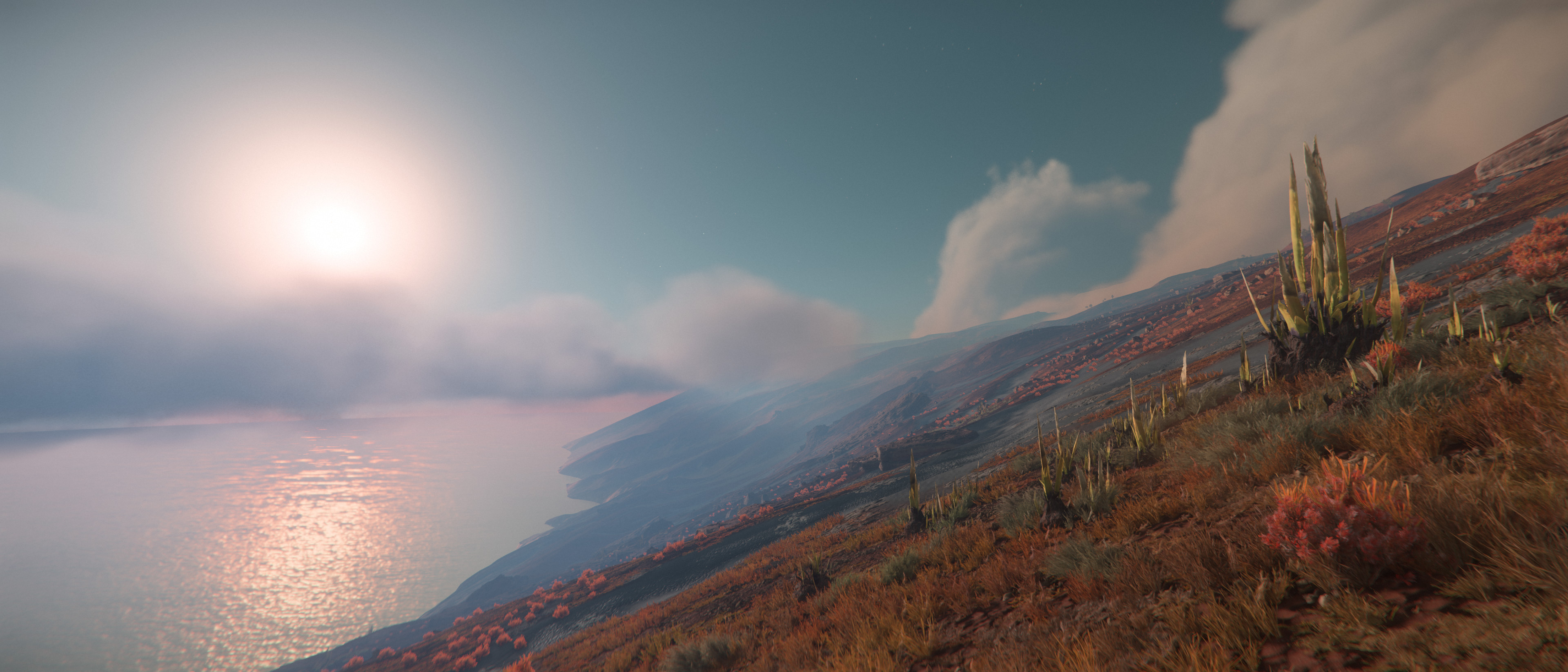
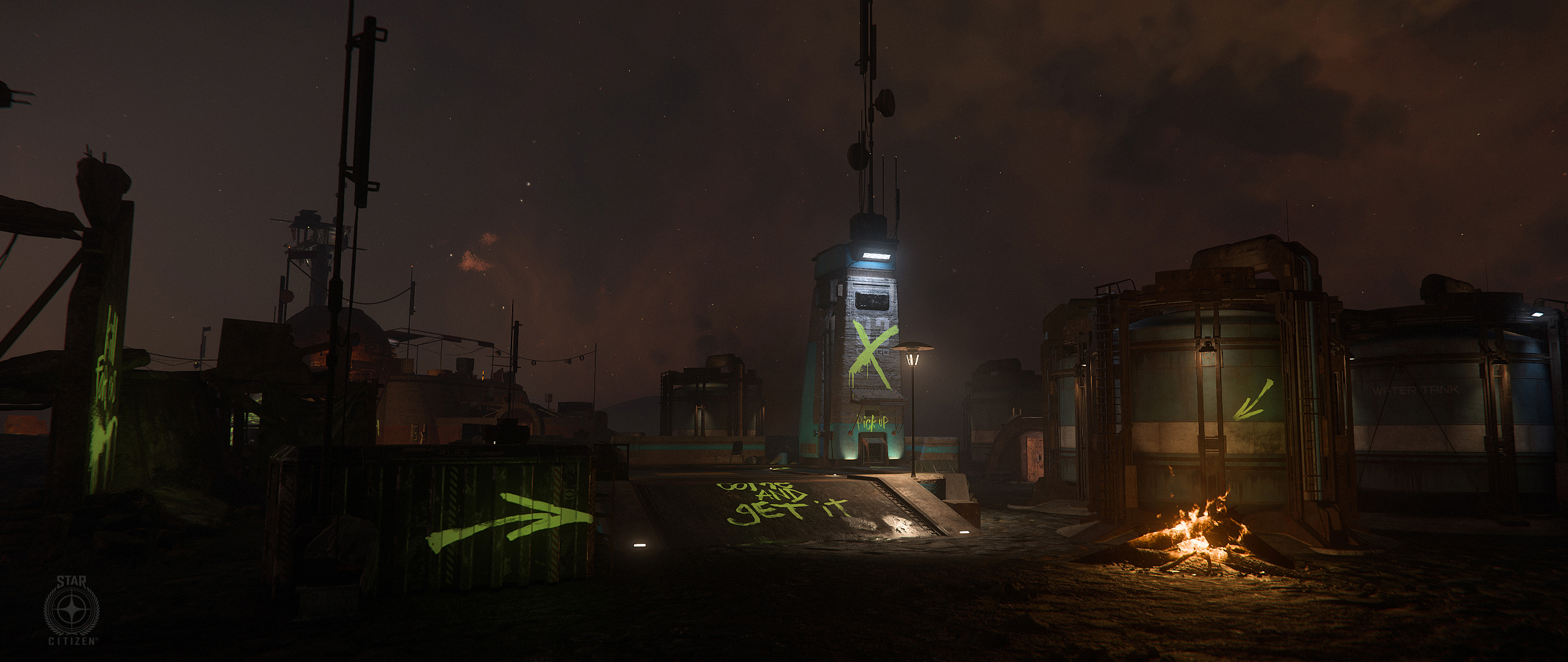
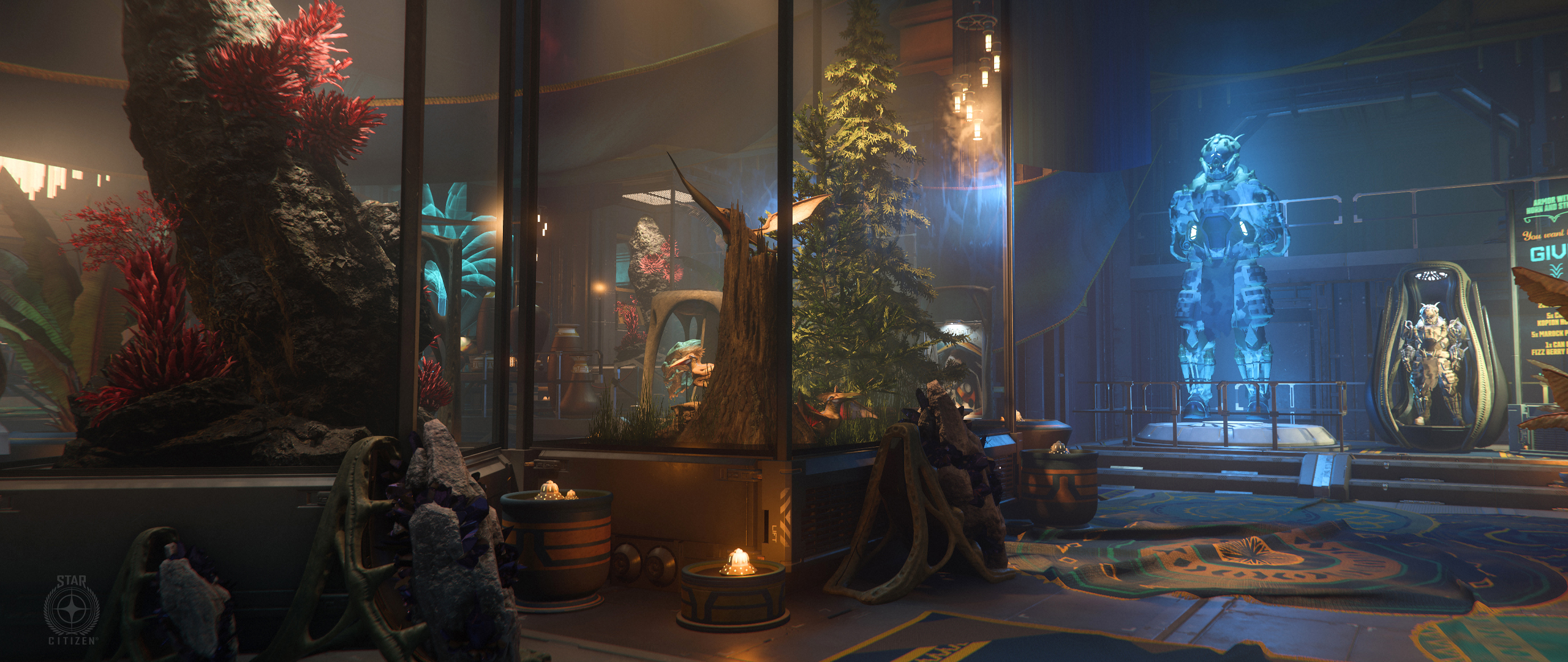
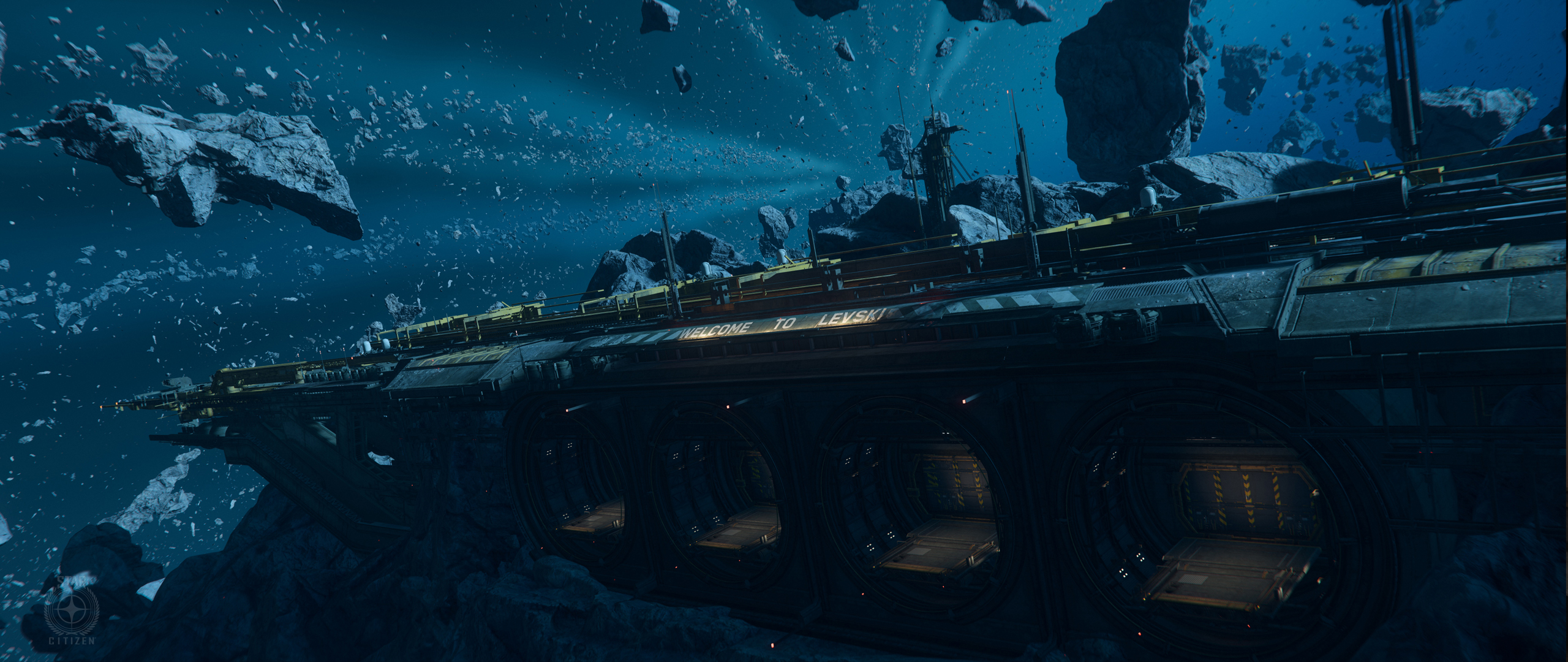
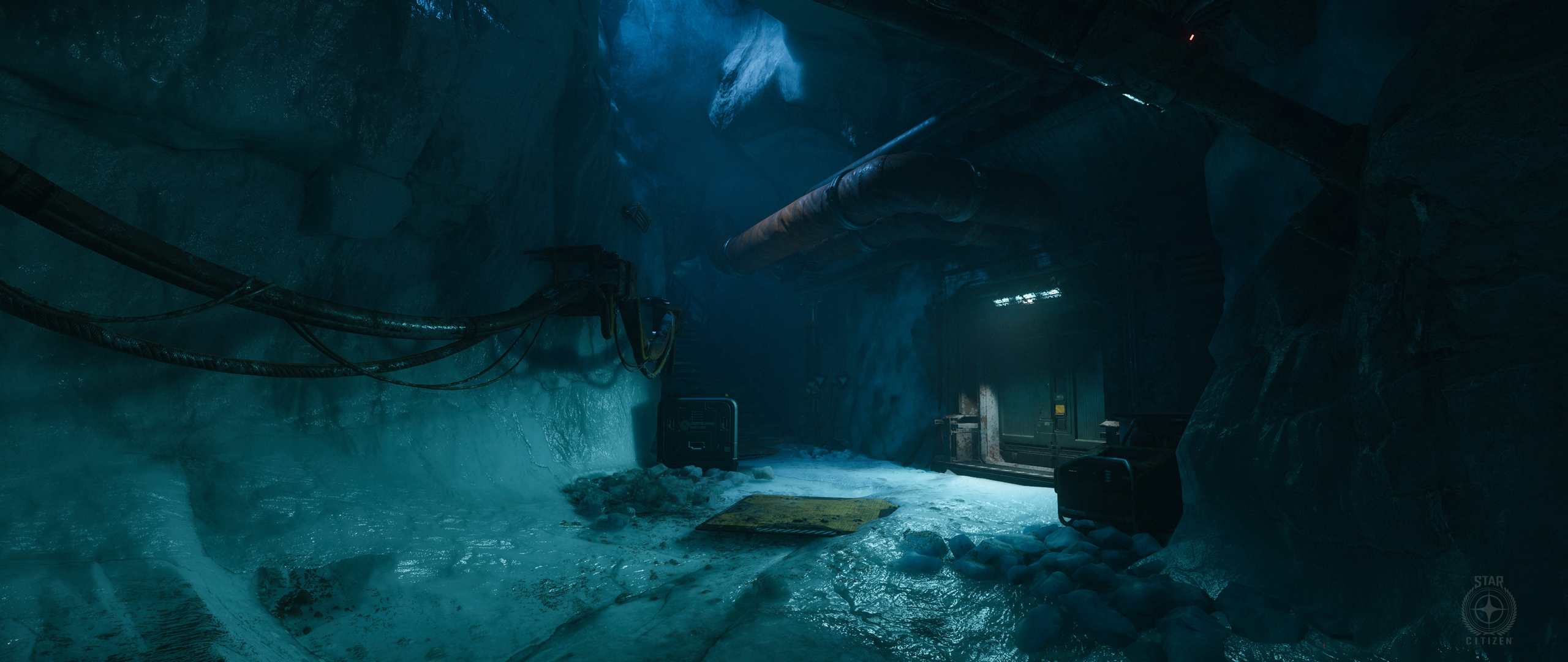
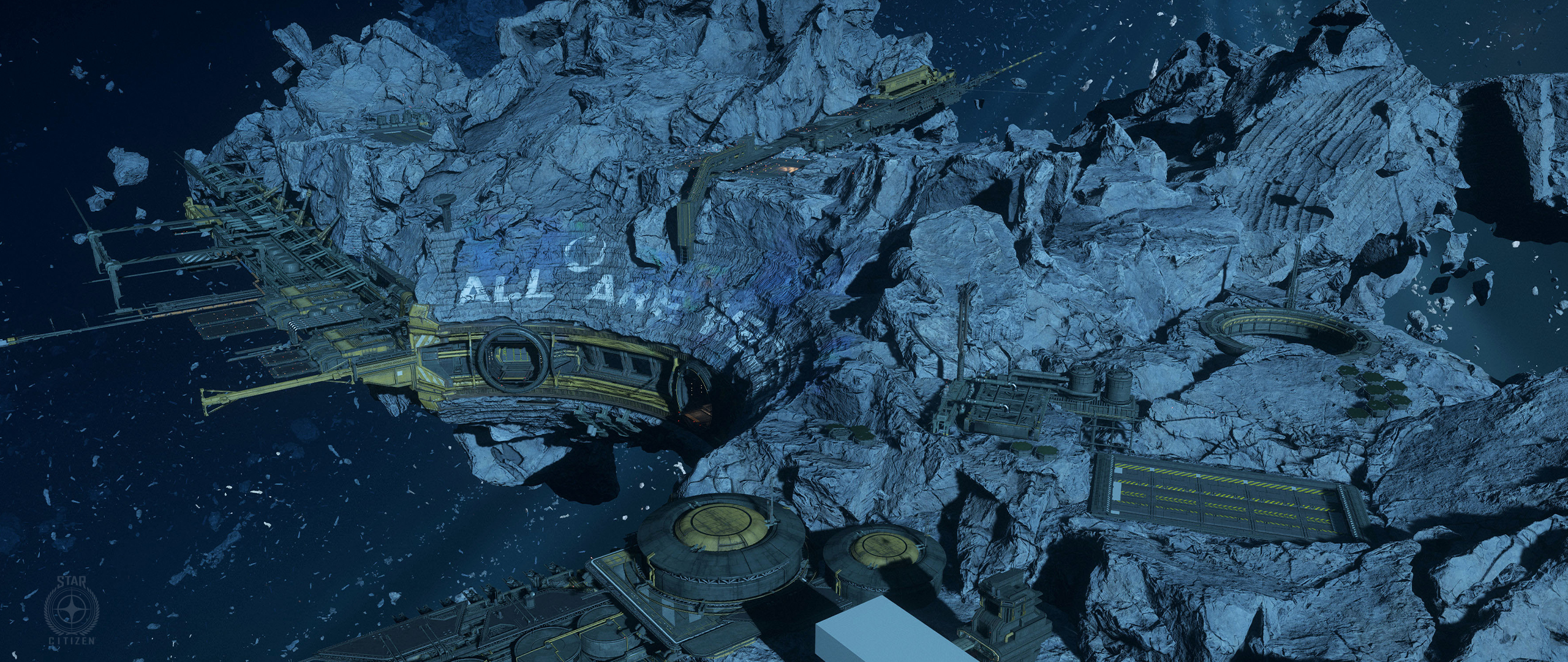
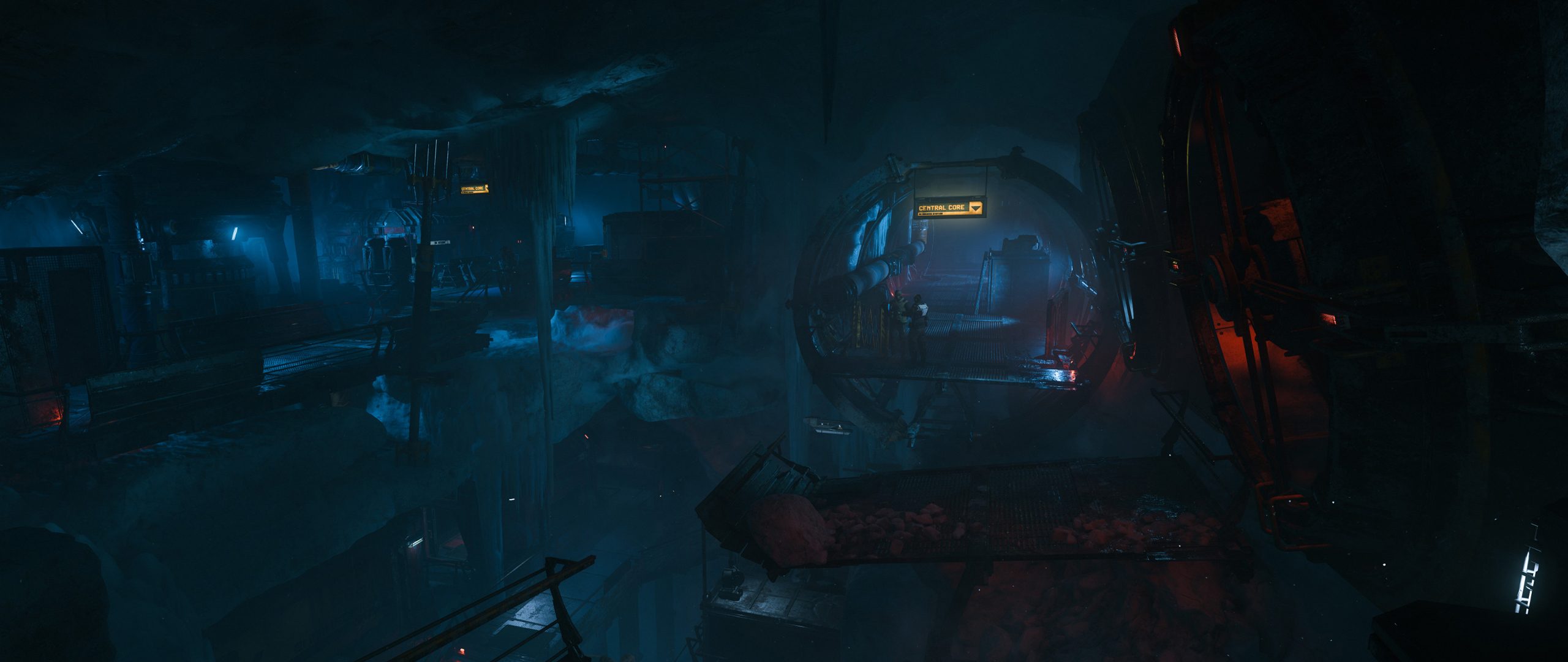
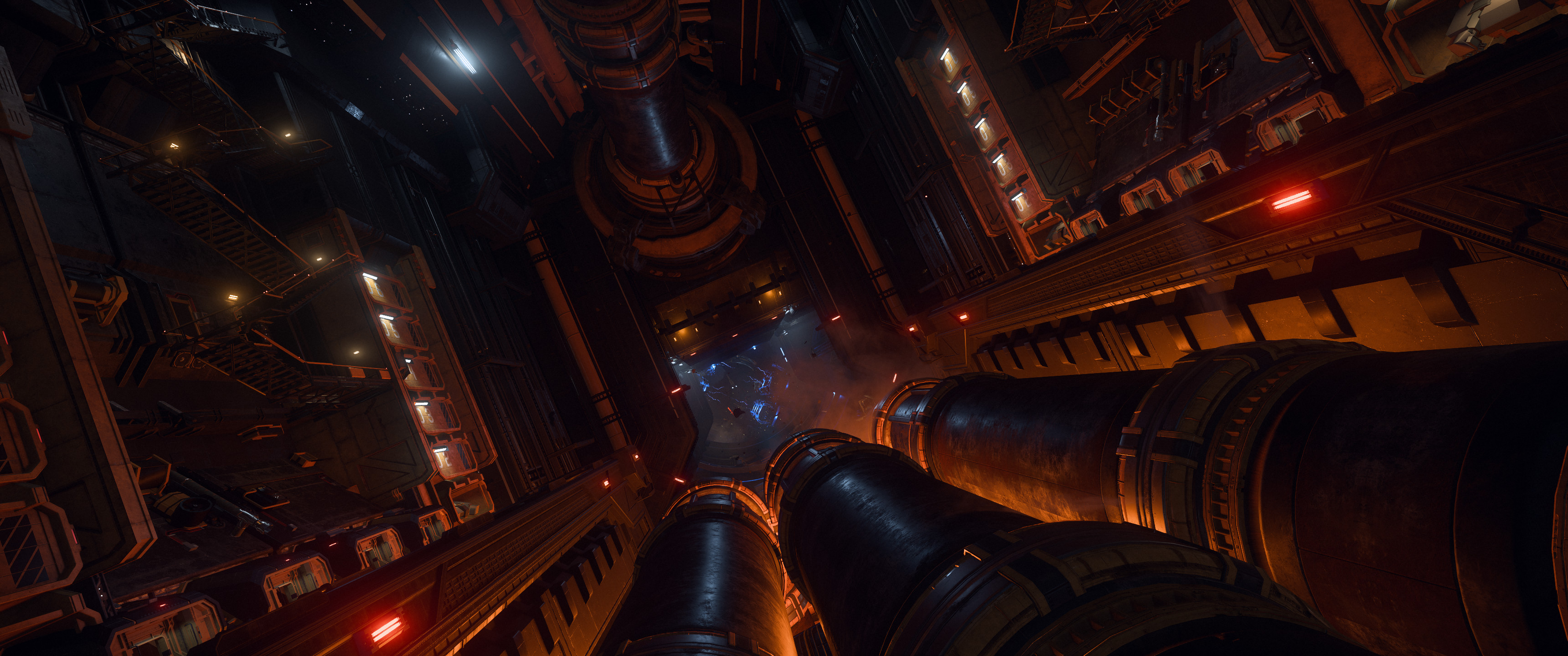
Metadata
- CIG ID
- 15444
- Channel
- Transmission
- Category
- Undefined
- Series
- Monthly Reports
- Comments
- 87
- Published
- 10 years ago (2016-08-06T00:00:00+00:00)