Monthly Studio Report: November 2016
Transmission Undefined Monthly ReportsContent
Greetings Citizens!
November 2016 was one for the record books! We celebrated our fourth anniversary with a special ‘air show’-themed livestream featuring the return of everyone’s favorite Galactic Gear (now Galactic Tour!) host. We launched the long-awaited Prowler boarding ship and made great progress all around… which you can track in more detail than ever thanks to the weekly production reports we now share with the community.
Work continued on Star Citizen Alpha 2.6, 3.0 and Squadron 42 this month, with a focus on getting Star Marine ready for launch. We’ve been having an incredible time watching it come together, and we’re excited to let the Star Citizen community exerience the pitched FPS battles our Quality Assurance teams have been putting through their paces. Now let’s take a look back at the month that was November, 2016.
Cloud Imperium Los Angeles
Engineering
With the push for 2.6, the team made huge progress on the vehicle system and flight control, while laying the groundwork for further development of the item system. Improved first-person radar mechanics should allow for new gameplay, and the first version of our atmospheric volume system was rolled out. Work continued on systems that support and control interactions, and tools for designers to flesh out the gigantic universe of Star Citizen.
Tech Design
Our tech design team continues to plug away supporting the engineers in their endeavor to get Item2.0 up and out the door. We also started putting some new ships through the pipeline. We can’t say which yet, but in the meantime, we’re very excited to finally release Drake’s Caterpillar and Herald. Last but not least we’ve been all hands on deck getting SC alpha 2.6.0 ready for public consumption as well as working with the various teams to put on a fun live stream.
Art
The Art Teams have been dividing their efforts between Star Marine, Squadron 42 and the Persistent Universe. The Ship Team put the finishing touches on the Caterpillar and also moved onto the Drake Buccaneer making progress on the whitebox and now greybox of that ship. The Character Art Team worked on planetary fauna to add to the vast landscapes of our many planets as well as updating and working on humanoids by improving textures on the Outlaw and Marine BDUs, and have also created several new clothing items that you’ll soon see in the shops in the Persistent Universe. Both teams still have much more to do, so keep your eyes peeled for new additions!
Tech Content
The team was intensely focused on cleaning up the animation streaming system and unified the character head assets. Character Items were revisited and improved, setting the stage for the inventory system yet to come, and new scripts and pipeline tools will allow for artists and designers to bring even more to the ‘verse in coming builds. For the first time, asset and profiling fixes lead to zero asset build errors in the game.
Narrative
In the wake of last month’s motion capture shoot, the team worked with the editor to review the footage to put together selected footage for Chris to review. In anticipation of the November Live Stream, everyone pulled together to help script some of the events and segments while continuing to tackle any lingering 2.6 needs, the vast catalogue of items that are being created and chipping away at 3.0.
Will and Adam faced each other in the Electronic Access Invitational, causing much division and tension in the writer pit. Although the competition was resolved, hopefully they will start speaking soon.
Quality Assurance
LAQA’s primary focus was on supporting local developers, and providing QA support and participating in the November Live Stream event. This involved a number of Star Marine and Arena Commander playtests. The team also took looks at the latest Afterburner and flight balance changes, as well as new missile systems that John Pritchett was working on. The team also enjoyed taking early looks at the new slate of ships for SC alpha 2.6.0: the Caterpillar, the Herald and even an extra-early look at the 85X.
LAQA also welcomed to the team a new tester: Andrew Hernando. Andrew joins us from Turtle Rock Studios, and he jumped in the deep end very quickly to get up to speed on the full scope of Star Citizen.
Cloud Imperium Austin
November has been a big month for Star Citizen. We have ramped up major testing on Alpha 2.6 and started adding Evocati playtesters as well. We provided a lot of technical support for the Anniversary Livestream and a ton of Player Relations and Platform support for the Anniversary sale which was a huge success! We’re looking towards the release of 2.6 now and the end of the calendar year, so here are some detailed updates from each team.
Design
The Austin Design Team has been looking ahead to 3.0.0. for the majority of November. Lead Tech Designer Rob Reininger took a trip out to LA to touch base with several of the Execs and Directors on various topics. He discussed the Shop Entity setup with Chris Roberts and Paul Reindell, presented the latest iteration on the Shopping Kiosk designs to Chris, and reviewed upcoming design requests for the Character Team with Josh Herman. He got some great feedback and has been doing another iteration on the Shopping Kiosk, working with the UI Team to get some good mockups.
We’re experimenting with “Shop Archetypes” for the better part of a month now. These archetypes are basically establishing fundamental parameters that every shop within a certain “type” will follow. Parameters include specific metrics that need to be followed, types of NPCs, prop requests, animation requests, and any gameplay considerations that need to be taken into account. The first batch of Shop Archetypes we’ve been addressing are “Bar,” “Clothing Shop,” “Security” and “Personal Weapons Shop.” There are several questions surrounding these various archetypes, so we’ve been having regular syncs with Tony Z and Todd Papy to answer these questions.
Designer Pete Mackay has been focused on the economy as it relates to 3.0. He’s been tweaking his Price Fixer tool, which takes varying gameplay aspects into account to generate value for items and components. These values will help to inform final in-game pricing for items and ships. Pete has also been defining various aspects of the “Commodities” list, distribution of said commodities, and how this informs the establishment of trade routes within the Stanton System.
Art
Ship artists Chris Smith and Josh Coons are chugging away on their respective ships. Chris Smith is putting the final touches on the Hornet refactor and Josh is in the middle of Greybox pass for the Drake Cutlass refactor. Chris and Josh also took some time this month to create variants on the Hornet and Herald, the Wildfire and racing variants respectively. Emre Switzer has been hard at work at lighting the Star Marine maps, OP Station Demien Station and Echo Eleven.
Animation
The PU Animation Team has been supporting Squadron 42 by implementing animations for the various Usables that have been set up in the Idris by Design. Bryan Brewer and David Peng worked on the Idris Deck Crew sequence, splitting up the various roles within the Deck Crew to be operated completely as AI. This is a very complex sequence that required a lot of back-and-forth with Design and it is looking really awesome. David and Vanessa have since been incorporating what we’re calling “lego piece transition” animations into the existing animation sets. These lego pieces were captured at Imaginarium Studios and, once stitched in to various animations, will allow AI characters to interact with Usables at more angles than they could previously. Right now we’re specifically working on stitching these into the Mess Hall and Sitting Console animation sets.
The Ship Animation Team wrapped up work on the Drake Caterpillar and Origin 85X this month in preparation for the 2.6 release. Jay Brushwood has since moved on to improving the GForces animations in the various cockpit types, taking into account improvements in other tech like Eye Stabilization to get them feeling really nice. Daniel Craig finished implementing all of the updated enter/exit combat speed animations this month as well.
Backend Services
The Backend Team spent the month delving into various areas of the project. Tom Sawyer has been fixing up bugs to help smooth out our lobby/matchmaking services. He is also supporting the UI Team in implementing the new Frontend Refactor of the Lobby, Matchmaking, and Leaderboard screens. Tom also created a new Leaderboard Service that grabs info from the website leaderboards and posts them in the new in-game Leaderboards.
Lastly, Ian Guthrie at Wyrmbyte helped implement some new admin commands that will help our LiveOps and Customer Support teams better navigate servers and identify problems. Ian is always a huge help and we’re grateful for all he has done on this project.
Quality Assurance
The first half of the month testing focused on Star Marine and Arena Commander to ensure they were ready for the November Live Stream. The second half of the month, the focus has been testing 2.6.0 and supporting multiple deployments to Evocati. We worked closely with Turbulent in a series of destructive tests of the new Spectrum website. Michael Blackard, Elijah Montenegro and Dash Wilkinson were tasked to assist the Animation department with special projects. This month we also welcomed Justin ‘Jub’ Bauer to the team.
Player Relations
If Player Relations is unfamiliar to you, it’s because it’s just been created! CIG Player Relations encompasses three areas: Game Support, E-Commerce Support (formerly Customer Service) and Community Support, with Will Leverett as Director of Player Relations overseeing the global department out of Austin, Texas, and Ray Roocroft managing the UK team.
We’ve worked hard to combine our US and UK support teams into a single organization that can mobilize to expedite support for the backers, and there was no better example than the work that the team did each and every day of the November Anniversary Live Stream and Sale. Special kudos go to Kraiklyn and CDanks for doubling up on live stream support.
We spent the later part of the month preparing 2.6.0 to go to the Evocati, and a very special thanks goes to Proxus, Mac, and George for their efforts in managing the test environments. They’ve spent countless nights and weekends working on Star Marine with our volunteer testers, and we’re excited that we’re getting close to pushing the build out to a wider audience.
IT/Operations
Network Services Manager Paul Vaden and IT Director Mike Jones spent time in LA with IT Manager Dennis Daniel in order to prepare for the November Live Stream event. For this live stream event, the IT team coordinated to build and deploy 12 gaming class systems that were used in the head to head matchups between Team Anvil and Team Aegis. Additionally, the IT team built a new live streaming solution capable of switching and mixing all players into the live stream plus cameras. Overall, it was an incredibly rewarding project, but the real credit goes to the video production team for pulling off a great show.
LiveOps/DevOps
2.6 was a huge focus this month as we prepare all our servers and publishing systems for Star Marine. While we completed several publishes to the Evocati, we deployed countless publishes internally for the QA teams across all studios to test on. With any major release there is a good amount of configuration and tuning that goes on behind the scenes. We really enjoy the early testing phases for this work. Special call out to Ahmed and his team, Andy, Nathan, and Jeffrey who have been putting in so much work on the publishing pipeline in order to streamline our internal publishes for flawless rapid deployment. This will be critical in the coming weeks as we roll out 2.6 to wider and wider groups.
Foundry 42 UK
Art
The big focus this month had to be the Prowler. It was a complex ship and we had a lot to deliver but the team did a great job. We didn’t get to rest on our laurels, though, as we had work to do on the 85X, MISC racing ship and Caterpillar promo. Work has begun on the Vanduul Stinger and the ship team has kicked off a major lighting pass on the Idris to make sure that our characters look amazing in the ship’s interior environment. Finally, several more rooms have been checked off the Javelin, leaving only a few left until the interior is complete.
We have three FPS weapons in concept. Plus, we have done a ton of previous work for more Klaus and Werner energy weapons. We have also done additional work with the Knightbridge Arms ship weapon family and fleshing out modular barrels.
In addition, we’ve been pushing heavily to close out 2.6, particularly the Star Marine maps OP Station Demien and Echo Eleven. As you can see, we’ve also continued to push along the visual development of our ‘surface outpost’ set as well as our planetary surface assets for the vertical slice level.
The team Behaviour focused on adding life to the three epic planets they’re working on. Each planet has now evolved from whiteboxed to textured and modelled environments. Although it may seem a lot of work is done, but more intensive work will be needed on the texture and composition to hit the look and feel we’re hoping to bring to the fans.
For Hurston, we focused on two areas, the interior streets and vista shots of the planet. For the interior streets, we wanted to create an oppressive feel for the general populace, so we added obstructed skylines, narrow alleys covered with machinery, ever present security checkpoints, and expressionless statues looking down towards the streets.
For MicroTech, we reduced the size and scale of our plan and focused on one dome only in an effort to make the planet a more feasible endeavor, while maximizing the visuals.
For Crusader, we worked especially hard in utilizing the building silhouettes and gaps between buildings to present breathtaking vista shots on the skylines. We also spent time on the background buildings of the map to complement the planetary vista, which offers a nice balance between the natural environment and human technology.
VFX
This month, the VFX team finished a full pass on two of the new ships going into 2.6 including the 85X and the Caterpillar. For Star Marine, we completed a final optimization pass for the Demien and Echo Eleven maps including destructible props and surface type impacts, implemented a new VFX pass on the energy shotgun (changing the rounds from electricity to plasma) and did an initial pass on dead player fadeout VFX.
We did a huge clean-up of ship and fps weapons, implementing a new projectile shader created by the Graphics team and improved missile effects to tie in better with the new missile assets. In a bit of administrative work, we also cleaned up our library of generic particles. It’s always nice to do a little spring-cleaning to makes sure the team can find elements quickly.
Design
Most of the S42 designers have been working out of our Frankfurt office throughout November in an effort to work as efficiently as possible with the system designers that are helping with the Subsumption implementation. Obviously, the tech is still being developed, but the process is really paying off and we are starting to get behavior types into the game. The Vertical Slice level is still enabling us to prove out gameplay mechanics that will allow designers to polish up the graybox missions and the intense focus on small details is making a big difference across the board.
The guys working on 2.6 are fixing bugs and last second polish actions that will hopefully make it into your hands very soon.
Audio
This month the Audio department, like the rest of the team, was pretty heavily focused on Star Marine and other 2.6 needs. For 2.6 we finished up audio for the Caterpillar and 85X which included everything from thrusters and moving parts to extensive work on the internal ambience around the ship. For Star Marine, we created and implemented ambient and environment sounds for the levels, weapon sounds, player sounds and ambient music. Extensive work was also done to include announcers for the teams.
We also continued working on Squadron 42 which included (without getting into specifics): developing our outsourced editorial pipeline to handle the massive amount of dialogue that’s been recorded, optimizing the AI battle chatter code, working on the ambient and cinematic music.
For the PU and Arena Commander, we did an overhaul on the Announcer and Ship Computer Systems, including the implementation of a Ship Computer Verbosity setting into the options menu, and fixed some issues where sound was dropping out during Quantum travel and during some weapon fire.
UI
Since last month, the UI team has been continuing work on the implementation of the new front-end menus and Electronic Access lobbies. The entire front-end flow is now mostly in a functional state, and the artists have been working on furthering the visual polish and animations for each screen. We’ve also been working on both the Star Marine and Arena Commander loadout interfaces – for ship customization, we’ve got 3D holo-objects rendering in the UI with smooth rotation and zooming. The work we are doing here will also eventually serve as the base system for the revamped in-world holotable interface.
Since the live stream, we’ve also made additional headway with regard to the Star Marine game HUD – which includes better AR callouts for friendly players, offscreen icon boundaries, as well as improved rendering of the 2D UI. We have also designed 3D icons for in-game pickup items in Arena Commander. We have also started working on insignia designs for Star Marine and Arena Commander leaderboard rankings.
Programming
Again working hard on all the features and polish for 2.6 and on the FPS for the Star Marine games. In Arena Commander we’ve now implemented the missile and ammo pickups. We also continued work on the new camera system including the new spectator cam mode.
The team is also working hard on the Arena Commander mega map. Most of the work required for the dynamic gamerules has been completed, and now it’s at the testing stage to find what still isn’t working and fix it up. The lobby refactor means we can now connect and disconnect to a server without having to completely load and unload a whole map, which we hope will make a big and positive difference for you while creating and joining Arena Commander matches.
On the networking side we’re making great progress with the message queue rewrite, serialised components, the lobby refactor and entity bind culling.
Graphics
The depth of field effect is getting a complete overhaul to vastly improve its speed (up to 10x faster in some cases). We’re fine tuning the shadow system to achieve greater shadow resolution and many more shadows through the introduction of static shadow maps for the environments, with the focus being on achieving cinematic quality lighting on SQ42 in-game rather than just in hand crafted cut-scenes. We’ve also started on a major upgrade of the bounced light system (global illumination) with the first step being the GPU acceleration of reflection/cube-map captures to remove the previous offline/CPU system.
Animation
We have been mostly supporting the upcoming Star Marine release. There has also been continued work on AI combat animation assets so that the design and programming teams can get core functionality implemented and ready for the next round of animation iteration.
All existing base weapons have been through a second animation pass. Reloads are improved, as well as hand positioning and various other tweaks. There has been some further work done on previz for the next round of weapons that are due to come down the pipeline. Legacy weapons have been spruced up for the initial Star Marine release with improved hand positioning and firing animations.
The prone animation set is being looked at with a view to implementing some big improvements. Core poses will be updated and transitions to and from different stances are prepped and ready to be worked on.
We have a new animator based in the Frankfurt studio that is mainly going to be working with the design and code team on getting AI functionality looking and feeling good. There has been progress made on player combat signals as well as AI reactions to danger / sounds.
Quality Assurance
To help with 2.6.0 feature testing and preparation for the live stream, we split our team into three groups, with Liam leading the Squadron 42 testing, Mike leading Arena Commander and Crusader testing and Nathan leading Star Marine testing, with the help of our FPS specialist Mark Tobin. The testing required a lot of cross studio communication and team building as we worked on filling servers to ensure we had a steady platform to push to the Evocati shortly after the live stream. For the live stream itself our efforts came together, testing the new flight balances put in by the tech team and the new ships, we had several dry runs of what we showed to ensure it all went off without a hitch.
Foundry 42 DE
Cinematics
For the SQ42 campaign we’re continuing work on video comms and several conversational scenes, cleaning and editing the required animations as well as setting up and lighting them. We also experimented with a camera/character based lighting rig, as we’ll have the challenge that some conversations can happen in very dark alcoves/corridors or other non-controlled situations where we might want more filmic light shining on the scene.
We also completed the 10 separate “Galactic Tour” segments for the Anniversary Live Stream. Those featured already established lore character Jax McCleary visiting the 2946 Intergalactic Aerospace Expo. Jax used a modified Tier 2 character head and, as time was critical, only had some basic animation cleanup done for body and face. For the Expo, we built the ex-Navy airbase and hangars that got converted into show floor halls. Different ship manufacturers got a 3D version of their logo, including Drake, Aegis, Anvil and RSI.
VFX
During the past month, the Frankfurt VFX work has been focused on polishing effects for the 2.6 release. These included full environmental VFX passes on several of the levels as well as some effects created specifically for the FPS aspect of the game, like several new variations of blood impacts for when the player is shot, screen effects for player damage that are triggered via flowgraph and a new MK4 frag grenade explosion.
Quality Assurance
DEQA’s main focus for November was Star Marine, Squadron 42, as well as testing new engine-side features. Chris Speak and Glenn Kneale spent a majority of the month working on Star Marine ad-hoc testing and regression, with Glenn also tackling Squadron 42 testing and AI sync meetings. We also participated in multiple playtests not only once but sometimes three or four times per day, ranging from dev playtests to cross studio playtests with our offices in UK, ATX, and LA. Chris also worked on creating various test levels for the dev team to use for their own feature testing. Melissa Estrada has been working closely with Chris Bolte to test his newly developed integrated page heap for our Game Dev builds that will allow us to capture more robust crash core dumps for our engineers. These core dumps will provide much more information for an engineer to use when resolving low reproduction crashes, which is a win-win for bug smashing and for improving overall gameplay. Chris Bolte made this process much simpler, so that anyone in QA will be able to provide these core dumps when requested for a specific crash. Melissa also spent time learning and testing Sascha Hoba’s planet editor together with Pascal Muller, in order to formulate a new checklist that will specifically check the planet editor’s core functionality to ensure that it continues to be in working order for our environment artists.
Environmental Art
This month the DE Environment team grew by a few people, so the senior staff spent time getting them acquainted to our internal processes. The existing team is primarily focused on procedural planets tasks: defining and creating bespoke ecosystems like canyons and mining pits, improving the blending of the terrain materials to get more detail, and iterating on the tools to make the workflow more efficient. They also worked on various megastructures for a SQ42 level, including modelling, UV mapping and making prefabs out of the components for the designers to place.
Tech Art
Like many other departments, Tech Art spent the month supporting 2.6 as well as S42. The team worked with Designers and updated a large amount of animation for FPS, especially improving select, deselect, and reloads. They updated and re-exported numerous weapons and gadgets to accommodate the new left hand grip pose, which is now functioning using runtime IK. We also completed our new weapon pre-visualization pipeline which enables our modelling department to test their WIP weapons directly in a game, this allows them to quickly review and identify any potential issue a weapon may have.
Engineering
The engine team has almost too much to post, which is a good thing, so let’s start with the high-level stuff. We made some general improvements on Physics, Shader system, Texture Array Streaming, Animation Ragdoll and Terrain/Ecosystems. One of the tools allowed artists to punch holes into planet terrain for smoother embedding of large mass structures which will come in handy for landing areas. We also switched to a multi-threaded memory allocator which will not only increase efficiency, but unify the use across the engine, game, tools and editor.
We improved the reprojection based occlusion systems by cleaning up the previously existing code and converting it to pure SSE2 SIMD (allows us later to select the best SIMD variant supported on the user’s CPU). While doing so, we also fixed some aliasing problems inside the occlusion code which results in a more stable frame during movement. Then we spent some time doing a massive clean-up of our Zone transition code. Over the time this part had become very complex, but we managed to get the complexity down again which made our zone transitions more stable. Before the update, the client code had to find out if an object had changed zones, which was very fragile. Now the code is explicit, so that all objects change zones as an automatic operation. In addition, this is also synced with physics which should fix (or at least improve a lot) the cases of players being teleported to space when entering/leaving ships.
We also improved our low level memory redirection functionality; we managed to get rid of some layers making the code more understandable. Building on this clean-up, we changed our core system allocators, so far we had used a custom allocator for small allocations and the OS allocator for larger ones. Problem was that this design is several years old. In practice, this means that the OS allocator can now perform small allocations as well as our allocator, but instead of going OS allocator only, we went with JeMalloc. This is the system allocator used by FreeBSD and backed by Facebook. JeMalloc follows a more modern design so that it scales very well with multiple threads, something which is important for us and will be more important as we parallelize more and more code.
We also continued working on our Area system. Areas are a special mark-up used by the game designers to give rooms or areas some specific context. The engine can report when entities enter or leave such an area. We have now extended this system to track the overlapping status of all entities within all areas. To implement this in a way that it works with our massive scale (in number of entities and areas), we moved the old system directly into the zone system, which allows us to reuse spatial information for a much more efficient algorithm.
Weapons
Over the last month, the FPS weapon artists polished weapons and gadgets for upcoming releases, built prototypes for a whole range of new Kastak Arms guns, and spent some time making modular irons sights for the P8 weapon family. We completed the first pass art for the new re-worked ATT-4 laser rifle, and started the same process for the Arrowhead sniper rifle. The ship weapon team has been blocking out a new range of ship weapons based on the updated Knightbridge Arms manufacturer style which will include a more modular design.
Level Design
The Level Design team in Frankfurt is hard at work on the locations required for 3.0, this involves building out space station archetypes and satellite variants as well as a few surface outposts. We are also looking into supporting the art team on the larger planetary landing zones, as well as progressing on a modular approach for our locations. Satellites and surface outposts are shaping up nicely and have been passed onto the art team.
System Design
This month system design was busy setting up usable records for Squadron 42, which will lay the groundwork for cinematic scenes and player interactions, adding background conversations between AI and in general making AI feel a lot more alive and natural in their environment. At the same time, we worked on finalizing the Mercenary and Bounty Hunter careers for 3.0 and breaking these careers into their component systems. We also made progress on the AI skills and stats system which should allow each AI to have an individual personality, individual needs and wants. Generally based on these skills and stats, an AI will change the priority of their Subsumption behaviors. For example, if an AI is ordered to fix your ship, he might not do that if he needs to go to the toilet or if he is too tired. It will also encourage the players to crew their ships with AI who have a variety of skills for every situation, and set up teams based on how all of these guys complement each other for the task at hand.
AI
We made great progress on AI this past month. At the beginning of the month we completed the first pass on Mission Functions and Mission Callbacks. A mission in Subsumption will first start with an Init function and will end with Uninit to allow designers to both prepare and clean-up their logic. Let’s assume we create a new test mission where we want to spawn Captain White in the Bridge, the Init function will look like this.
Functions for a Mission can either be called by the AI code (like the Init above), or can be dynamically created by designers, and they can be imagined as mission local functions. As you can see in the picture the Captain White character is now stored into the “CaptainWhite” variable, that is the NPC type, which carries information about what the game code can communicate to the Mission System in regards to the element that it stores. An NPC variable can, for example, call back the mission system when the NPC health changes, when the NPC dies, when he gets healed and so on. If we want to react to situations in which the health of Captain White is changed, then we can add a mission callback, as in the following picture.
The more callbacks that are exposed from the game code, the more events a designer can react to and create his own logic. Also the Subsumption Mission system (as Subsumption in general) allows game programmers to define any type in the game code, allowing the system to be easily extended without any need to modify the core code. Callbacks can also be specified as global, for example, we can have specific logic when any NPC dies during a mission. Those are what we call “Global Callbacks”.
For Subsumption, we also made new improvements to the Combat behaviors. Combat is a very different element for the NPC behaviors, since it requires a lot of coordination between the characters and specific analysis. We created a new Combat activity (based on the work we have done in the previous months), so that the designers can utilize it for any case in which a hostile is detected by an NPC character. The first combat reaction is something that happens when an NPC thinks he saw something dangerous: his behavior will change based on how sure he is that the thing he saw is an actual danger for himself. For example, an NPC that see the player at a far distance, won’t react immediately to the threat, he will try to look in the direction of the player and understand if what he sees can be a threat, and if so he can communicate to the other member of his group and then start to attack the enemy. This is the state that allows the player to decide his approach, he is almost detected, but he can still try to hide, approach from a different angle or, for example, try to take down the enemy before he informs his friends.
For combat and non-combat environments we have introduced an “Emotion component” to allow the ability to control facial animations based on the emotion of the NPC. We also worked on improving the animation flows to allow proper blending between states and make sure the characters feel more fluid during the gameplay. We also did some work on ground turrets to make sure that they can easily be controlled by the AI and execute proper behaviors. In addition to all the above, we made progress on improving stability and fixing existing bugs.
Turbulent
For those of you who are new to Star Citizen, Spectrum is an integrated communication platform that includes forum, chat, private messaging, and notifications. Future versions will include additional features like voice chat and in-game overlay.
We were excited to release Spectrum (alpha v.0.1) to members of the Evocati test group. Having the “Avocados” test the communication platform and give feedback to us has been invaluable. We are planning to expand the testing group to include more and more backers, finally culminating in a full release on the site for all backers in the new year.
This past November has been an incredibly busy month when it comes to ships and ship sales. At the end of the month the Anniversary sale was kicked off with the Galactic Tour series, which featured a new manufacturer each day, offering up their ships for sale. During the sale we saw not only older ships making a comeback, but new ships as well, including four new variants, the 85X and the sleek Tevarin dropship, the Prowler! The Anniversary sale was capped off by the return of all manufacturers and ships to the sales floor for a two-day Grand Finale.
Looking Ahead
That’s it for November, 2016! Watch this space for additional updates, and please continue to check our production reports for the status of Alpha 2.6 and Star Marine. We’re also ending our broadcast year with a holiday livestream later today; tune in to help us bid adieu to 2016!
Grüße Bürger!
November 2016 war einer für die Rekordbücher! Wir feierten unser vierjähriges Jubiläum mit einem speziellen Livestream unter dem Motto "Air Show", bei dem der beliebte Galactic Gear (jetzt Galactic Tour!) Gastgeber zurückkehrt. Wir haben das lang erwartete Prowler-Boardschiff gestartet und rundum große Fortschritte gemacht.... die Sie dank der wöchentlichen Produktionsberichte, die wir jetzt mit der Community teilen, detaillierter denn je verfolgen können.
Die Arbeiten an Star Citizen Alpha 2.6, 3.0 und Squadron 42 wurden diesen Monat fortgesetzt, wobei der Schwerpunkt darauf lag, Star Marine startbereit zu machen. Wir hatten eine unglaubliche Zeit, als wir sahen, wie es zusammenkam, und wir freuen uns, die Star Citizen-Community die ausgetragenen FPS-Kämpfe erleben zu lassen, die unsere Qualitätssicherungsteams auf Herz und Nieren geprüft haben. Werfen wir nun einen Blick zurück auf den Monat November 2016.
Cloud Imperium Los Angeles
Ingenieurwesen
Mit dem Vorstoß für 2.6 machte das Team große Fortschritte in den Bereichen Fahrzeugsystem und Flugsicherung und legte die Grundlage für die Weiterentwicklung des Positionssystems. Verbesserte First-Person-Radarmechanik sollte ein neues Gameplay ermöglichen, und die erste Version unseres atmosphärischen Volumensystems wurde eingeführt. Die Arbeit an Systemen, die Interaktionen unterstützen und kontrollieren, sowie an Werkzeugen für Designer, um das gigantische Universum von Star Citizen zu vervollständigen, wurde fortgesetzt.
Technisches Design
Unser technisches Designteam unterstützt die Ingenieure in ihrem Bestreben, Item2.0 auf Vordermann zu bringen. Wir begannen auch, einige neue Schiffe durch die Pipeline zu bringen. Wir können noch nicht sagen, was, aber in der Zwischenzeit sind wir sehr gespannt, Drake's Caterpillar und Herald endlich zu veröffentlichen. Last but not least waren wir alle Hände voll zu tun, um SC alpha 2.6.0 für den öffentlichen Konsum vorzubereiten und mit den verschiedenen Teams zusammenzuarbeiten, um einen lustigen Live-Stream zu erstellen.
Kunst
Die Kunstteams haben ihre Bemühungen zwischen Star Marine, Staffel 42 und dem Persistent Universe aufgeteilt. Das Schiffsteam legte den letzten Schliff an der Raupe an und bewegte sich auch auf dem Drake Buccaneer, der Fortschritte bei der Whitebox und nun der Graukiste dieses Schiffes machte. Das Character Art Team arbeitete an der planetarischen Fauna, um die weiten Landschaften unserer vielen Planeten zu erweitern, sowie an der Aktualisierung und Arbeit an Humanoiden, indem es die Texturen der Outlaw und Marine BDUs verbesserte, und hat auch einige neue Kleidungsstücke entworfen, die Sie bald in den Geschäften des Persistent Universe sehen werden. Beide Teams haben noch viel mehr zu tun, also haltet die Augen offen für Neuzugänge!
Technischer Inhalt
Das Team konzentrierte sich intensiv auf die Bereinigung des Animations-Streaming-Systems und die Vereinheitlichung der Charakterhauptanlagen. Charaktergegenstände wurden überarbeitet und verbessert, um die Voraussetzungen für das noch kommende Inventarsystem zu schaffen, und neue Skripte und Pipeline-Tools werden es Künstlern und Designern ermöglichen, den Vers in kommenden Builds noch besser zu verstehen. Erstmals führen Asset- und Profiling-Fixes zu Null Asset-Build-Fehlern im Spiel.
Narrativ
Nach dem Motion-Capture-Shooting im letzten Monat hat das Team zusammen mit dem Redakteur das Filmmaterial überprüft, um ausgewähltes Filmmaterial für Chris zusammenzustellen. In Erwartung des Live-Streams im November haben alle an einem Strang gezogen, um einige der Ereignisse und Segmente zu skripten, während sie weiterhin alle verweilenden 2.6-Bedürfnisse, den riesigen Katalog der Elemente, die erstellt werden und bei 3.0 wegkommen, angehen.
Will und Adam standen sich im Electronic Access Invitational gegenüber und verursachten viel Spaltung und Spannung in der Schreibgrube. Obwohl der Wettbewerb geklärt war, werden sie hoffentlich bald anfangen zu sprechen.
Qualitätssicherung
LAQAs Hauptaugenmerk lag auf der Unterstützung lokaler Entwickler, dem QS-Support und der Teilnahme an der Live Stream-Veranstaltung im November. Dies beinhaltete eine Reihe von Star Marine und Arena Commander Spieletests. Das Team beschäftigte sich auch mit den neuesten Änderungen der Nachbrenner- und Flugbilanz sowie mit neuen Raketensystemen, an denen John Pritchett arbeitete. Das Team genoss es auch, sich frühzeitig mit den neuen Schiffen für den SC alpha 2.6.0 vertraut zu machen: die Caterpillar, die Herald und sogar einen extra frühen Blick auf die 85X.
LAQA begrüßte das Team auch mit einem neuen Tester: Andrew Hernando. Andrew kommt von den Turtle Rock Studios zu uns, und er sprang sehr schnell ins kalte Wasser, um sich über die gesamte Bandbreite von Star Citizen zu informieren.
Wolkenimperium Austin
November war ein großer Monat für Star Citizen. Wir haben große Tests auf Alpha 2.6 hochgefahren und begonnen, auch Evocati Playtester hinzuzufügen. Wir haben viel technischen Support für den Jubiläums-Livestream und eine Menge Spielerbeziehungen und Plattformunterstützung für den Jubiläums-Verkauf geleistet, der ein großer Erfolg war! Wir schauen auf die Veröffentlichung von 2.6 jetzt und am Ende des Kalenderjahres, also hier sind einige detaillierte Updates von jedem Team.
Design
Das Austin Design Team hat sich auf den 3.0.0.0. für die Mehrheit im November eingestellt. Lead Tech Designer Rob Reininger unternahm eine Reise nach LA, um mit mehreren der Führungskräfte und Direktoren zu verschiedenen Themen Kontakt aufzunehmen. Er besprach das Setup der Shop Entity mit Chris Roberts und Paul Reindell, präsentierte Chris die neueste Version der Shopping Kiosk Designs und besprach mit Josh Herman die anstehenden Designanfragen für das Character Team. Er bekam ein großartiges Feedback und hat eine weitere Iteration am Shopping Kiosk durchgeführt und mit dem UI-Team zusammengearbeitet, um einige gute Mockups zu erhalten.
Wir experimentieren nun schon fast einen Monat lang mit "Shop Archetypen". Diese Archetypen legen im Wesentlichen grundlegende Parameter fest, denen jeder Shop innerhalb eines bestimmten "Typs" folgen wird. Zu den Parametern gehören spezifische Metriken, die eingehalten werden müssen, Arten von NSCs, Requisitenanforderungen, Animationsanforderungen und alle Aspekte des Gameplays, die berücksichtigt werden müssen. Die erste Gruppe von Shop-Archetypen, mit denen wir uns befassen, sind "Bar", "Bekleidungsgeschäft", "Sicherheit" und "Persönlicher Waffenladen". Es gibt mehrere Fragen zu diesen verschiedenen Archetypen, also haben wir regelmäßig mit Tony Z und Todd Papy synchronisiert, um diese Fragen zu beantworten.
Der Designer Pete Mackay hat sich auf die Wirtschaft in Bezug auf 3.0 konzentriert. Er hat sein Price Fixer-Tool optimiert, das verschiedene Spielaspekte berücksichtigt, um einen Mehrwert für Gegenstände und Komponenten zu generieren. Diese Werte werden dazu beitragen, die endgültigen Preise für Gegenstände und Schiffe im Spiel zu ermitteln. Pete hat auch verschiedene Aspekte der "Commodities"-Liste definiert, den Vertrieb dieser Waren und wie diese die Einrichtung von Handelsrouten innerhalb des Stantonssystems beeinflussen.
Kunst
Die Schiffskünstler Chris Smith und Josh Coons tuckern mit ihren jeweiligen Schiffen davon. Chris Smith setzt die letzten Schliffe auf den Hornet-Refaktor und Josh ist in der Mitte des Greybox-Passes für den Drake Cutlass-Refaktor. Chris und Josh nahmen sich diesen Monat auch etwas Zeit, um Varianten für die Hornet und den Herald, die Wildfire- und Rennvarianten zu entwickeln. Emre Switzer hat hart an der Beleuchtung der Star Marine Karten, der OP Station Demien Station und des Echo Eleven gearbeitet.
Animation
Das PU-Animationsteam unterstützt Squadron 42 bei der Implementierung von Animationen für die verschiedenen Usables, die im Idris by Design eingerichtet wurden. Bryan Brewer und David Peng arbeiteten an der Idris Deck Crew Sequenz und teilten die verschiedenen Rollen innerhalb der Deck Crew auf, die komplett als KI betrieben werden sollte. Dies ist eine sehr komplexe Sequenz, die mit Design viel Hin und Her erfordert und die wirklich fantastisch aussieht. David und Vanessa haben seitdem Animationen, die wir "Legostück-Übergang" nennen, in die bestehenden Animationssets integriert. Diese Legosteine wurden in den Imaginarium Studios aufgenommen und werden es den KI-Charakteren ermöglichen, mit Usables unter mehr Winkeln als bisher zu interagieren. Im Moment arbeiten wir speziell daran, diese in die Animations-Sets von Mess Hall und Sitting Console einzufügen.
Das Ship Animation Team hat in diesem Monat die Arbeiten an der Drake Caterpillar und Origin 85X abgeschlossen, um sich auf das Release 2.6 vorzubereiten. Jay Brushwood hat seitdem die GForces-Animationen in den verschiedenen Cockpittypen verbessert, wobei Verbesserungen in anderen Technologien wie der Augenstabilisierung berücksichtigt wurden, um ihnen ein wirklich schönes Gefühl zu geben. Daniel Craig hat auch in diesem Monat alle aktualisierten Animationen für die Ein- und Ausstiegsgeschwindigkeit implementiert.
Backend Services
Das Backend-Team verbrachte den Monat damit, sich in verschiedenen Bereichen des Projekts zu vertiefen. Tom Sawyer hat Fehler behoben, um unsere Lobby/Matchmaking-Services zu glätten. Er unterstützt auch das UI-Team bei der Implementierung des neuen Frontend-Refactors der Bildschirme Lobby, Matchmaking und Leaderboard. Tom hat auch einen neuen Leaderboard Service erstellt, der Informationen von den Ranglisten der Website sammelt und in den neuen Ranglisten im Spiel veröffentlicht.
Schließlich half Ian Guthrie von Wyrmbyte bei der Implementierung einiger neuer Admin-Befehle, die unseren LiveOps- und Kundendienst-Teams helfen werden, Server besser zu navigieren und Probleme zu identifizieren. Ian ist immer eine große Hilfe und wir sind dankbar für alles, was er für dieses Projekt getan hat.
Qualitätssicherung
Die erste Hälfte des Monats konzentrierte sich auf Star Marine und Arena Commander, um sicherzustellen, dass sie für den Live Stream im November bereit waren. In der zweiten Monatshälfte lag der Schwerpunkt auf dem Testen von 2.6.0 und der Unterstützung mehrerer Implementierungen für Evocati. Wir haben eng mit Turbulent bei einer Reihe von zerstörerischen Tests der neuen Spectrum-Website zusammengearbeitet. Michael Blackard, Elijah Montenegro und Dash Wilkinson wurden beauftragt, die Abteilung Animation bei speziellen Projekten zu unterstützen. Diesen Monat begrüßten wir auch Justin 'Jub' Bauer im Team.
Spielerbeziehungen
Wenn Ihnen die Spielerbeziehungen unbekannt sind, liegt das daran, dass sie gerade erst erstellt wurden! CIG Player Relations umfasst drei Bereiche: Game Support, E-Commerce Support (ehemals Customer Service) und Community Support, wobei Will Leverett als Director of Player Relations die globale Abteilung aus Austin, Texas, betreut und Ray Roocroft das britische Team leitet.
Wir haben hart daran gearbeitet, unsere Support-Teams in den USA und Großbritannien in einer einzigen Organisation zusammenzuführen, die mobilisiert werden kann, um den Support für die Geldgeber zu beschleunigen, und es gab kein besseres Beispiel als die Arbeit, die das Team jeden Tag des Live-Streams und Verkaufs zum November-Jubiläum geleistet hat. Spezielles Lob geht an Kraiklyn und CDanks für die Verdoppelung des Live-Stream-Supports.
Wir haben den späteren Teil des Monats damit verbracht, 2.6.0 vorzubereiten, um zur Evocati zu gehen, und ein ganz besonderer Dank geht an Proxus, Mac und George für ihre Bemühungen bei der Verwaltung der Testumgebungen. Sie haben unzählige Nächte und Wochenenden damit verbracht, mit unseren freiwilligen Testern an Star Marine zu arbeiten, und wir freuen uns, dass wir uns dem Ziel nähern, den Bau auf ein breiteres Publikum auszudehnen.
IT/Betrieb
Network Services Manager Paul Vaden und IT Director Mike Jones verbrachten Zeit in LA mit IT Manager Dennis Daniel, um sich auf das November Live Stream Event vorzubereiten. Für dieses Live-Stream-Event koordinierte das IT-Team den Aufbau und die Bereitstellung von 12 Gaming-Klassensystemen, die im Head-to-Head-Match-Up zwischen Team Anvil und Team Aegis eingesetzt wurden. Darüber hinaus entwickelte das IT-Team eine neue Livestreaming-Lösung, die in der Lage ist, alle Player in den Livestream plus Kameras zu schalten und zu mischen. Insgesamt war es ein unglaublich lohnendes Projekt, aber das eigentliche Verdienst ist das Videoproduktionsteam, das eine großartige Show abgeliefert hat.
LiveOps/DevOps/DevOps
2.6 war in diesem Monat ein großer Schwerpunkt, da wir alle unsere Server und Publishing-Systeme für Star Marine vorbereiten. Während wir mehrere Veröffentlichungen für die Evocati abgeschlossen haben, haben wir zahlreiche interne Veröffentlichungen für die QS-Teams in allen Studios zum Testen bereitgestellt. Mit jeder größeren Version gibt es eine gute Menge an Konfiguration und Tuning, die hinter den Kulissen stattfindet. Wir genießen die frühen Testphasen für diese Arbeit sehr. Besonderer Appell an Ahmed und sein Team, Andy, Nathan und Jeffrey, die so viel Arbeit in die Publishing-Pipeline gesteckt haben, um unsere internen Publikationen für eine reibungslose und schnelle Bereitstellung zu optimieren. Dies wird in den kommenden Wochen entscheidend sein, da wir 2.6 in immer breiteren Gruppen einführen.
Gießerei 42 UK
Kunst
Der große Fokus in diesem Monat musste auf dem Prowler liegen. Es war ein komplexes Schiff und wir hatten viel zu liefern, aber das Team hat gute Arbeit geleistet. Auf unseren Lorbeeren konnten wir uns jedoch nicht ausruhen, da wir an dem 85X, MISC-Rennschiff und der Caterpillar-Promotion arbeiten mussten. Die Arbeiten am Vanduul Stinger haben begonnen, und das Schiffsteam hat einen großen Beleuchtungspass auf der Idris gestartet, um sicherzustellen, dass unsere Charaktere im Inneren des Schiffes fantastisch aussehen. Schließlich wurden noch einige weitere Räume vom Speer überprüft, so dass nur noch wenige übrig bleiben, bis der Innenraum vollständig ist.
Wir haben drei FPS-Waffen im Konzept. Außerdem haben wir eine Menge früherer Arbeiten für weitere Energiewaffen von Klaus und Werner geleistet. Wir haben auch zusätzliche Arbeit mit der Knightbridge Arms Schiffswaffenfamilie geleistet und modulare Läufe ausgearbeitet.
Darüber hinaus haben wir uns intensiv bemüht, 2.6 abzuschließen, insbesondere die Star Marine Karten OP Station Demien und Echo Eleven. Wie Sie sehen können, haben wir auch die visuelle Entwicklung unseres "Oberflächenaußenpostens" sowie unserer planetarischen Oberflächenanlagen für die vertikale Scheibenebene weiter vorangetrieben.
Das Team Behaviour konzentrierte sich darauf, den drei epischen Planeten, an denen sie arbeiten, Leben einzuhauchen. Jeder Planet hat sich nun von einer Whitebox- zu einer strukturierten und modellierten Umgebung entwickelt. Obwohl es so aussieht, als wäre viel Arbeit getan, aber es wird intensiver an der Textur und der Komposition gearbeitet werden müssen, um den Look and Feel zu erreichen, den wir den Fans zu bieten hoffen.
Für Hurston konzentrierten wir uns auf zwei Bereiche, die inneren Straßen und die Aussichtsaufnahmen des Planeten. Für die Innenstraßen wollten wir ein bedrückendes Gefühl für die allgemeine Bevölkerung schaffen, also fügten wir versperrte Skylines, enge, mit Maschinen bedeckte Gassen, ständig vorhandene Sicherheitskontrollen und ausdruckslose Statuen hinzu, die auf die Straßen blicken.
Für MicroTech haben wir die Größe und den Umfang unseres Plans reduziert und uns auf eine Kuppel konzentriert, um den Planeten zu einem machbaren Ziel zu machen und gleichzeitig die visuelle Qualität zu maximieren.
Für Crusader haben wir besonders hart daran gearbeitet, die Silhouetten und Lücken zwischen den Gebäuden zu nutzen, um atemberaubende Ausblicke auf die Skylines zu präsentieren. Wir verbrachten auch Zeit mit den Hintergrundgebäuden der Karte, um das planetarische Panorama zu ergänzen, das ein schönes Gleichgewicht zwischen der natürlichen Umwelt und der menschlichen Technologie bietet.
VFX
In diesem Monat beendete das VFX-Team einen Full Pass auf zwei der neuen Schiffe, die in 2.6 starten, einschließlich der 85X und der Caterpillar. Für Star Marine haben wir einen finalen Optimierungspass für die Demien- und Echo Eleven-Karten einschließlich zerstörbarer Requisiten und Oberflächeneinwirkungen erstellt, einen neuen VFX-Pass für die Energie-Flinte implementiert (Umstellung der Runden von Strom auf Plasma) und einen ersten Pass für den Dead Player Fadeout VFX durchgeführt.
Wir haben eine riesige Säuberung der Schiffs- und FPS-Waffen durchgeführt, indem wir einen neuen Projektilschattierer implementiert haben, der vom Grafikteam entwickelt wurde, und verbesserte Raketeneffekte, um besser mit den neuen Raketenanlagen in Verbindung zu treten. In etwas Verwaltungsarbeit haben wir auch unsere Bibliothek mit generischen Partikeln bereinigt. Es ist immer schön, einen kleinen Frühjahrsputz zu machen, damit das Team schnell Elemente finden kann.
Design
Die meisten der S42-Designer haben den ganzen November über in unserem Frankfurter Büro gearbeitet, um so effizient wie möglich mit den Systemdesignern zusammenzuarbeiten, die bei der Implementierung der Subsumption helfen. Offensichtlich befindet sich die Technologie noch in der Entwicklung, aber der Prozess zahlt sich wirklich aus und wir beginnen, Verhaltenstypen ins Spiel zu bringen. Die Vertikale Slice-Ebene ermöglicht es uns immer noch, unsere Gameplay-Mechanik zu beweisen, die es Designern ermöglicht, die Graybox-Missionen aufzupolieren, und die intensive Konzentration auf kleine Details macht auf breiter Front einen großen Unterschied.
Die Jungs, die an 2.6 arbeiten, beheben Fehler und polieren in letzter Sekunde Aktionen, die es hoffentlich sehr bald in deine Hände schaffen werden.
Audio
Diesen Monat war die Audioabteilung, wie der Rest des Teams, ziemlich stark auf Star Marine und andere 2.6 Bedürfnisse ausgerichtet. Für 2.6 haben wir das Audiomaterial für die Caterpillar und 85X fertiggestellt, das von Triebwerken und beweglichen Teilen bis hin zu umfangreichen Arbeiten an der inneren Atmosphäre rund um das Schiff reichte. Für Star Marine haben wir Ambient- und Umgebungsgeräusche für die Level, Waffengeräusche, Spielergeräusche und Ambientmusik erstellt und implementiert. Umfangreiche Arbeiten wurden auch mit Ansagen für die Teams durchgeführt.
Wir haben auch an Staffel 42 weiter gearbeitet, was (ohne ins Detail zu gehen) Folgendes beinhaltete: die Entwicklung unserer ausgelagerten Redaktionspipeline, um die enorme Menge an aufgezeichneten Dialogen zu bewältigen, die Optimierung des KI-Battle-Chatter-Codes, die Arbeit an Ambient- und Kinomusik.
Für den PU- und Arenakommandanten haben wir eine Überholung der Ansage- und Schiffscomputersysteme durchgeführt, einschließlich der Implementierung einer Verbosity-Einstellung des Schiffscomputers im Optionsmenü, und einige Probleme behoben, bei denen der Ton während der Quantenreise und bei einigen Waffenfeuer ausfiel.
UI
Seit letztem Monat arbeitet das UI-Team weiter an der Implementierung der neuen Frontend-Menüs und Electronic Access-Lobbys. Der gesamte Frontend-Flow befindet sich nun weitgehend in einem funktionalen Zustand, und die Künstler haben daran gearbeitet, den visuellen Glanz und die Animationen für jeden Bildschirm weiterzuentwickeln. Wir haben auch an den Ladeschnittstellen Star Marine und Arena Commander gearbeitet - für die Schiffsanpassung haben wir 3D-Holo-Objekt-Rendering in der Benutzeroberfläche mit sanfter Rotation und Zoom. Die Arbeit, die wir hier leisten, wird letztendlich auch als Basissystem für das überarbeitete in-world holotable Interface dienen.
Seit dem Livestream haben wir auch beim Star Marine Spiel HUD zusätzliche Fortschritte gemacht - dazu gehören bessere AR-Ausschreibungen für freundliche Spieler, Offscreen-Symbolgrenzen sowie eine verbesserte Darstellung der 2D-Oberfläche. Wir haben auch 3D-Icons für Gegenstände im Spiel in Arena Commander entworfen. Wir haben auch begonnen, an Insignien für Star Marine und Arena Commander Ranglisten zu arbeiten.
Programmierung
Ich arbeite wieder hart an allen Features und Polierarbeiten für 2.6 und an den FPS für die Star Marine Spiele. In Arena Commander haben wir nun die Raketen- und Munitionsaufnahmen implementiert. Wir haben auch die Arbeit am neuen Kamerasystem einschließlich des neuen Zuschauerkamera-Modus fortgesetzt.
Das Team arbeitet auch intensiv an der Arena Commander Megakarte. Die meisten Arbeiten an den dynamischen Spielregeln sind abgeschlossen, und jetzt befindet es sich in der Testphase, um herauszufinden, was noch nicht funktioniert, und es zu reparieren. Der Lobby-Refaktor bedeutet, dass wir uns nun mit einem Server verbinden und trennen können, ohne eine ganze Map vollständig laden und entladen zu müssen, was hoffentlich einen großen und positiven Unterschied für Sie machen wird, während Sie Arena Commander Spiele erstellen und beitreten.
Auf der Netzwerkseite machen wir große Fortschritte bei der Neuschreibung der Nachrichtenwarteschlange, den serialisierten Komponenten, dem Lobby-Refaktor und dem Entity-Bind-Culling.
Grafiken
Die Tiefenwirkung wird komplett überarbeitet, um die Geschwindigkeit deutlich zu verbessern (in einigen Fällen bis zu 10x schneller). Wir optimieren das Schattensystem, um eine höhere Schattenauflösung und viel mehr Schatten durch die Einführung statischer Schattenkarten für die Umgebung zu erreichen, wobei der Schwerpunkt auf der kinoreifen Beleuchtung auf dem SQ42 im Spiel liegt und nicht nur auf handgefertigten Schnittbildern. Wir haben auch mit einem umfangreichen Upgrade des Bounced Light Systems (Global Illumination) begonnen, wobei der erste Schritt die GPU-Beschleunigung von Reflection/Cube-Map Captures ist, um das vorherige Offline/CPU-System zu entfernen.
Animation
Wir haben vor allem die bevorstehende Star Marine Version unterstützt. Es wurde auch weiter an KI-Kampfanimationsbeständen gearbeitet, so dass die Design- und Programmierteams die Kernfunktionalität implementieren und für die nächste Runde der Animationsiteration vorbereiten können.
Alle vorhandenen Basiswaffen wurden durch einen zweiten Animationspass geführt. Reloads werden verbessert, ebenso wie die Positionierung der Hände und verschiedene andere Optimierungen. Es wurden einige weitere Arbeiten an der Vorbereitung für die nächste Runde von Waffen durchgeführt, die in die Pipeline kommen sollen. Vermächtniswaffen wurden für die erste Star Marine Version mit verbesserter Handpositionierung und Schussanimationen aufgepeppt.
Das anfällige Animationsset wird derzeit im Hinblick auf die Umsetzung einiger großer Verbesserungen untersucht. Kernposen werden aktualisiert und Übergänge zu und von verschiedenen Positionen werden vorbereitet und können bearbeitet werden.
Wir haben einen neuen Animator im Frankfurter Studio, der hauptsächlich mit dem Design- und Code-Team daran arbeiten wird, die KI-Funktionalität ansprechend und ansprechend zu gestalten. Es wurden Fortschritte bei den Kampfsignalen der Spieler sowie bei den Reaktionen der KI auf Gefahren / Geräusche erzielt.
Qualitätssicherung
Um bei den Feature-Tests und der Vorbereitung auf den Live-Stream zu helfen, haben wir unser Team in drei Gruppen aufgeteilt, wobei Liam die Squadron 42 Tests leitet, Mike die Arena Commander und Crusader Tests und Nathan die Star Marine Tests mit Hilfe unseres FPS-Spezialisten Mark Tobin. Die Tests erforderten viel Studio-übergreifende Kommunikation und Teambuilding, da wir an der Befüllung von Servern arbeiteten, um sicherzustellen, dass wir eine stabile Plattform hatten, um kurz nach dem Live-Stream zur Evocati zu gelangen. Für den Live-Stream selbst kamen unsere Bemühungen zusammen, testeten die neuen Flugbilanzen des Technik-Teams und der neuen Schiffe, wir hatten mehrere Trockenübungen von dem, was wir gezeigt haben, um sicherzustellen, dass alles reibungslos abläuft.
Gießerei 42 DE
Kinematiken
Für die SQ42-Kampagne arbeiten wir weiter an Videokommentaren und mehreren Dialogszenen, reinigen und bearbeiten die benötigten Animationen, richten sie ein und beleuchten sie. Wir haben auch mit einem kamerabasierten Lichtrigg experimentiert, da wir die Herausforderung haben werden, dass einige Gespräche in sehr dunklen Nischen/Korridoren oder anderen unkontrollierten Situationen stattfinden können, in denen wir vielleicht mehr filmisches Licht wünschen, das auf die Szene scheint.
Wir haben auch die 10 separaten Segmente der "Galaktischen Tour" für den Jubiläums-Live-Stream abgeschlossen. Diese zeigten bereits etablierten Machthaber Jax McCleary auf der 2946 Intergalactic Aerospace Expo. Jax benutzte einen modifizierten Tier-2-Charakterkopf und ließ, da die Zeit kritisch war, nur einige grundlegende Aufräumarbeiten an Körper und Gesicht durchführen. Für die Expo bauten wir den ehemaligen Militärflugplatz und die Hangars, die zu Ausstellungshallen umgebaut wurden. Verschiedene Schiffshersteller erhielten eine 3D-Version ihres Logos, darunter Drake, Aegis, Anvil und RSI.
VFX
Im vergangenen Monat konzentrierte sich die Frankfurter VFX-Arbeit auf Poliereffekte für das Release 2.6. Dazu gehörten die vollständige VFX-Übertragung in der Umgebung auf mehreren der Levels sowie einige Effekte, die speziell für den FPS-Aspekt des Spiels entwickelt wurden, wie mehrere neue Variationen von Bluteinflüssen, wenn der Spieler erschossen wird, Bildschirmeffekte für Spielerschäden, die über den Flowgraph ausgelöst werden, und eine neue MK4 Fragranatenexplosion.
Qualitätssicherung
DEQAs Hauptaugenmerk für November lag auf Star Marine, Squadron 42, sowie auf der Erprobung neuer motorseitiger Features. Chris Speak und Glenn Kneale verbrachten einen Großteil des Monats damit, an Star Marine Ad-hoc-Tests und Regressionen zu arbeiten, wobei Glenn auch die Squadron 42-Tests und KI-Synchronisationstreffen in Angriff nahm. Wir haben auch an mehreren Playtests teilgenommen, nicht nur einmal, sondern manchmal drei- oder viermal täglich, von Dev-Playtests bis hin zu Cross-Studio-Playtests mit unseren Büros in Großbritannien, ATX und LA. Chris arbeitete auch an der Erstellung verschiedener Testebenen, die das Entwicklungsteam für den eigenen Funktionstest nutzen konnte. Melissa Estrada hat eng mit Chris Bolte zusammengearbeitet, um seinen neu entwickelten integrierten Seiten-Heap für unsere Game Dev-Builds zu testen, mit dem wir robustere Crash-Core-Dumps für unsere Ingenieure erfassen können. Diese Core Dumps bieten einem Ingenieur viel mehr Informationen, wenn es darum geht, Abstürze mit geringer Reproduktion zu beheben, was eine Win-Win-Situation für das Aufbrechen von Bugs und die Verbesserung des gesamten Gameplays darstellt. Chris Bolte hat diesen Prozess wesentlich vereinfacht, so dass jeder in der QA in der Lage sein wird, diese Core Dumps bereitzustellen, wenn er für einen bestimmten Crash angefordert wird. Melissa verbrachte auch Zeit damit, den Planeteneditor von Sascha Hoba zusammen mit Pascal Muller zu lernen und zu testen, um eine neue Checkliste zu erstellen, die speziell die Kernfunktionalität des Planeteneditors überprüft, um sicherzustellen, dass er für unsere Umweltkünstler weiterhin funktionsfähig ist.
Umweltkunst
In diesem Monat wuchs das DE-Umweltteam um einige wenige Personen, so dass die Führungskräfte Zeit damit verbrachten, sie mit unseren internen Prozessen vertraut zu machen. Das bestehende Team konzentriert sich in erster Linie auf die Aufgaben der Prozessplaneten: Definition und Schaffung maßgeschneiderter Ökosysteme wie Canyons und Mining Pits, Verbesserung der Mischung der Geländematerialien, um mehr Details zu erhalten, und Iteration der Tools, um den Arbeitsablauf effizienter zu gestalten. Sie arbeiteten auch an verschiedenen Megastrukturen für eine SQ42-Ebene, einschließlich Modellierung, UV-Mapping und Herstellung von Prefabs aus den Komponenten, die die Designer platzieren konnten.
Technische Kunst
Wie viele andere Abteilungen verbrachte Tech Art den Monat damit, sowohl 2.6 als auch S42 zu unterstützen. Das Team arbeitete mit Designern zusammen und aktualisierte eine große Anzahl von Animationen für FPS, insbesondere die Verbesserung von Select, Deselect und Reload. Sie aktualisierten und reexportierten zahlreiche Waffen und Gadgets, um die neue linke Griffhaltung aufzunehmen, die nun mit Runtime IK funktioniert. Wir haben auch unsere neue Pipeline zur Waffenvorbetrachtung fertiggestellt, die es unserer Modellierungsabteilung ermöglicht, ihre WIP-Waffen direkt in einem Spiel zu testen, was es ihnen ermöglicht, schnell zu überprüfen und jedes potenzielle Problem zu identifizieren, das eine Waffe haben könnte.
Ingenieurwesen
Das Motorenteam hat fast zu viel zu posten, was eine gute Sache ist, also fangen wir mit dem High-Level-Material an. Wir haben einige allgemeine Verbesserungen an Physik, Shader-System, Texture Array Streaming, Animation Ragdoll und Terrain/Ecosystems vorgenommen. Eines der Werkzeuge ermöglichte es Künstlern, Löcher in das Planetengelände zu bohren, um große Massenstrukturen, die sich für Landeplätze als nützlich erweisen, sanfter einzubetten. Wir haben auch auf einen Multithread-Speicherzuweiser umgestellt, der nicht nur die Effizienz erhöht, sondern auch die Verwendung in der gesamten Engine, im Spiel, in den Tools und im Editor vereinheitlicht.
Wir haben die reprojektionsbasierten Okklusionssysteme verbessert, indem wir den zuvor vorhandenen Code bereinigt und in reine SSE2-SIMD konvertiert haben (erlaubt es uns später, die beste SIMD-Variante auszuwählen, die auf der CPU des Benutzers unterstützt wird). Dabei haben wir auch einige Aliasing-Probleme innerhalb des Okklusionscodes behoben, was zu einem stabileren Frame während der Bewegung führt. Dann verbrachten wir einige Zeit damit, unseren Zonenübergangscode massiv zu bereinigen. Im Laufe der Zeit war dieser Teil sehr komplex geworden, aber wir konnten die Komplexität wieder reduzieren, was unsere Zonenübergänge stabiler machte. Vor dem Update musste der Client-Code herausfinden, ob ein Objekt Zonen geändert hatte, was sehr fragil war. Nun ist der Code explizit, so dass alle Objekte als Automatikbetrieb Zonen wechseln. Darüber hinaus wird dies auch mit der Physik synchronisiert, die die Fälle von Spielern, die beim Ein- und Aussteigen in den Weltraum teleportiert werden, beheben (oder zumindest stark verbessern) sollte.
Wir haben auch unsere Low-Level-Speicherumlenkungsfunktionalität verbessert; wir haben es geschafft, einige Schichten zu beseitigen, die den Code verständlicher machen. Aufbauend auf dieser Bereinigung haben wir unsere Kernsystemzuordnungen geändert, bisher hatten wir einen benutzerdefinierten Zuweiser für kleine und den OS-Zuweiser für größere Zuordnungen verwendet. Das Problem war, dass dieses Design mehrere Jahre alt ist. In der Praxis bedeutet dies, dass der OS-Zuteiler jetzt neben unserem Zuteiler auch kleine Zuordnungen durchführen kann, aber anstatt nur den OS-Zuteiler zu verwenden, haben wir uns für JeMalloc entschieden. Dies ist der von FreeBSD verwendete und von Facebook unterstützte Systemzuordner. JeMalloc folgt einem moderneren Design, so dass es sich sehr gut mit mehreren Threads skalieren lässt, was für uns wichtig ist und mit zunehmender Parallelisierung von Code immer wichtiger wird.
Wir haben auch weiter an unserem Area-System gearbeitet. Flächen sind ein spezieller Aufschlag, der von den Spieleautoren verwendet wird, um Räumen oder Bereichen einen bestimmten Kontext zu geben. Die Engine kann melden, wenn Einheiten einen solchen Bereich betreten oder verlassen. Wir haben dieses System nun erweitert, um den überlappenden Status aller Einheiten in allen Bereichen zu verfolgen. Um dies so zu implementieren, dass es mit unserer massiven Größe (in Anzahl der Einheiten und Bereiche) funktioniert, haben wir das alte System direkt in das Zonensystem verschoben, was es uns ermöglicht, räumliche Informationen für einen viel effizienteren Algorithmus wiederzuverwenden.
Waffen
Im Laufe des letzten Monats haben die FPS-Waffenkünstler Waffen und Gadgets für kommende Versionen poliert, Prototypen für eine ganze Reihe neuer Kastak Arms-Geschütze gebaut und einige Zeit damit verbracht, modulare Eisenvisiere für die P8-Waffenfamilie herzustellen. Wir haben die erste Pass Art für das neu überarbeitete ATT-4 Lasergewehr fertiggestellt und den gleichen Prozess für das Arrowhead Scharfschützengewehr gestartet. Das Schiffswaffenteam hat eine neue Reihe von Schiffswaffen blockiert, die auf dem aktualisierten Hersteller-Stil von Knightbridge Arms basieren, der ein modulareres Design beinhalten wird.
Leveldesign
Das Frankfurter Level Design-Team arbeitet intensiv an den für 3.0 erforderlichen Standorten, dazu gehören der Bau von Raumstations- und Satellitenvarianten sowie einiger Oberflächenaußenposten. Wir prüfen auch die Unterstützung des Kunstteams in den größeren planetarischen Landezonen sowie die Weiterentwicklung eines modularen Ansatzes für unsere Standorte. Satelliten und Oberflächenaußenposten entwickeln sich gut und wurden an das Kunstteam weitergegeben.
Systemdesign
In diesem Monat war das Systemdesign damit beschäftigt, brauchbare Aufzeichnungen für die Staffel 42 aufzustellen, die die Grundlage für Filmszenen und Spielerinteraktionen schaffen wird, Hintergrundgespräche zwischen der KI hinzufügen und im Allgemeinen dazu beitragen, dass sich die KI in ihrer Umgebung viel lebendiger und natürlicher fühlt. Gleichzeitig arbeiteten wir daran, die Karrieren des Söldner- und Kopfgeldjägers für 3.0 abzuschließen und diese Karrieren in ihre Komponentensysteme zu überführen. Wir haben auch Fortschritte beim KI-Fähigkeits- und Statistiksystem erzielt, das es jeder KI ermöglichen sollte, eine individuelle Persönlichkeit, individuelle Bedürfnisse und Wünsche zu haben. Im Allgemeinen basierend auf diesen Fähigkeiten und Statistiken, wird eine KI die Priorität ihres Subsumptionsverhaltens ändern. Zum Beispiel, wenn einer KI befohlen wird, dein Schiff zu reparieren, könnte er das nicht tun, wenn er auf die Toilette muss oder wenn er zu müde ist. Es wird auch dazu beitragen, dass t Die Spieler, die ihre Schiffe mit KI besetzen, die über eine Vielzahl von Fähigkeiten für jede Situation verfügen, und bilden Teams, die darauf basieren, wie alle diese Jungs sich für die jeweilige Aufgabe ergänzen.
KI
Wir haben im vergangenen Monat große Fortschritte bei der KI gemacht. Anfang des Monats haben wir die erste Weitergabe von Mission Functions und Mission Callbacks abgeschlossen. Eine Mission in Subsumption beginnt zunächst mit einer Init-Funktion und endet mit Uninit, damit Designer ihre Logik vorbereiten und bereinigen können. Nehmen wir an, wir erstellen eine neue Testmission, in der wir Captain White in der Brücke spawnen wollen, die Init-Funktion wird so aussehen.
Funktionen für eine Mission können entweder durch den KI-Code aufgerufen werden (wie das obige Init), oder sie können dynamisch von Designern erstellt werden, und sie können als lokale Funktionen der Mission vorgestellt werden. Wie Sie auf dem Bild sehen können, ist der Captain-White-Charakter nun in der Variablen "CaptainWhite" gespeichert, d.h. im NSC-Typ, der Informationen darüber enthält, was der Spiel-Code dem Missionssystem in Bezug auf das Element, das er speichert, mitteilen kann. Eine NSC-Variable kann beispielsweise das Missionssystem zurückrufen, wenn sich der NSC-Zustand ändert, wenn der NSC stirbt, wenn er geheilt wird und so weiter. Wenn wir auf Situationen reagieren wollen, in denen sich die Gesundheit von Captain White verändert, dann können wir einen Mission Callback hinzufügen, wie im folgenden Bild.
Je mehr Rückrufe aus dem Spiel-Code herauskommen, desto mehr Ereignisse kann ein Designer reagieren und seine eigene Logik entwickeln. Auch das Subsumption Mission System (wie Subsumption im Allgemeinen) erlaubt es Spieleprogrammierern, jeden Typ im Spielcode zu definieren, so dass das System leicht erweitert werden kann, ohne dass der Kerncode geändert werden muss. Rückrufe können auch als global angegeben werden, z.B. können wir eine bestimmte Logik haben, wenn ein NSC während einer Mission stirbt. Das sind die sogenannten "Global Callbacks".
Für Subsumption haben wir auch neue Verbesserungen am Kampfverhalten vorgenommen. Der Kampf ist ein ganz anderes Element für das Verhalten der NSCs, da er viel Koordination zwischen den Charakteren und eine spezifische Analyse erfordert. Wir haben eine neue Kampfaktivität geschaffen (basierend auf der Arbeit, die wir in den letzten Monaten geleistet haben), so dass die Designer sie für jeden Fall nutzen können, in dem ein Feind von einem NSC-Charakter erkannt wird. Die erste Kampfreaktion ist etwas, das passiert, wenn ein NSC denkt, dass er etwas Gefährliches gesehen hat: Sein Verhalten wird sich ändern, je nachdem, wie sicher er ist, dass das, was er gesehen hat, eine tatsächliche Gefahr für sich selbst ist. Zum Beispiel reagiert ein NSC, der den Spieler in weiter Ferne sieht, nicht sofort auf die Bedrohung, er wird versuchen, in die Richtung des Spielers zu schauen und zu verstehen, ob das, was er sieht, eine Bedrohung sein kann, und wenn ja, kann er mit dem anderen Mitglied seiner Gruppe kommunizieren und dann anfangen, den Feind anzugreifen. Dies ist der Zustand, in dem der Spieler seine Annäherung entscheiden kann, er wird fast erkannt, aber er kann immer noch versuchen, sich zu verstecken, sich aus einem anderen Blickwinkel zu nähern oder zum Beispiel versuchen, den Feind zu erledigen, bevor er seine Freunde informiert.
Für Kampf- und Nicht-Kampfumgebungen haben wir eine "Emotionskomponente" eingeführt, die es ermöglicht, Gesichtsanimationen basierend auf der Emotion des NSC zu steuern. Wir haben auch an der Verbesserung der Animationsabläufe gearbeitet, um eine korrekte Mischung zwischen den Zuständen zu ermöglichen und sicherzustellen, dass sich die Charaktere während des Gameplays flüssiger anfühlen. Wir haben auch einige Arbeiten an Bodenrevolvern durchgeführt, um sicherzustellen, dass sie leicht von der KI kontrolliert werden können und korrekte Verhaltensweisen ausführen. Darüber hinaus haben wir Fortschritte bei der Verbesserung der Stabilität und der Behebung bestehender Fehler gemacht.
Turbulent
Für diejenigen unter Ihnen, die neu bei Star Citizen sind, ist Spectrum eine integrierte Kommunikationsplattform, die Forum, Chat, Private Messaging und Benachrichtigungen umfasst. Zukünftige Versionen werden zusätzliche Funktionen wie Sprachchat und In-Game-Overlay enthalten.
Wir waren begeistert, Spectrum (alpha v.0.1) für Mitglieder der Evocati-Testgruppe zu veröffentlichen. Es war von unschätzbarem Wert, dass die "Avocados" die Kommunikationsplattform testen und uns Feedback geben. Wir planen, die Testgruppe um immer mehr Geldgeber zu erweitern, was schließlich im neuen Jahr in einer vollständigen Veröffentlichung auf der Website für alle Geldgeber gipfelt.
Der vergangene November war ein unglaublich arbeitsreicher Monat, wenn es um Schiffe und Schiffsverkäufe ging. Ende des Monats wurde der Jubiläumsauktion mit der Galactic Tour Serie begonnen, bei der jeden Tag ein neuer Hersteller seine Schiffe zum Verkauf anbot. Während des Verkaufs sahen wir nicht nur ältere Schiffe, die ein Comeback feierten, sondern auch neue Schiffe, darunter vier neue Varianten, die 85X und das elegante Tevarin Dropship, die Prowler! Der Jubiläumsabsatz wurde durch die Rückkehr aller Hersteller und Schiffe in die Verkaufsfläche für ein zweitägiges Grand Finale abgerundet.
Vorausschauend
Das war's für November 2016! Schauen Sie sich diesen Bereich für weitere Updates an und überprüfen Sie bitte weiterhin unsere Produktionsberichte auf den Status von Alpha 2.6 und Star Marine. Wir beenden unser Sendejahr auch noch heute mit einem Urlaubs-Livestream; schalten Sie ein, damit wir uns auf 2016 verabschieden können!
Greetings Citizens!
November 2016 was one for the record books! We celebrated our fourth anniversary with a special ‘air show’-themed livestream featuring the return of everyone’s favorite Galactic Gear (now Galactic Tour!) host. We launched the long-awaited Prowler boarding ship and made great progress all around… which you can track in more detail than ever thanks to the weekly production reports we now share with the community.
Work continued on Star Citizen Alpha 2.6, 3.0 and Squadron 42 this month, with a focus on getting Star Marine ready for launch. We’ve been having an incredible time watching it come together, and we’re excited to let the Star Citizen community exerience the pitched FPS battles our Quality Assurance teams have been putting through their paces. Now let’s take a look back at the month that was November, 2016.
Cloud Imperium Los Angeles
Engineering
With the push for 2.6, the team made huge progress on the vehicle system and flight control, while laying the groundwork for further development of the item system. Improved first-person radar mechanics should allow for new gameplay, and the first version of our atmospheric volume system was rolled out. Work continued on systems that support and control interactions, and tools for designers to flesh out the gigantic universe of Star Citizen.
Tech Design
Our tech design team continues to plug away supporting the engineers in their endeavor to get Item2.0 up and out the door. We also started putting some new ships through the pipeline. We can’t say which yet, but in the meantime, we’re very excited to finally release Drake’s Caterpillar and Herald. Last but not least we’ve been all hands on deck getting SC alpha 2.6.0 ready for public consumption as well as working with the various teams to put on a fun live stream.
Art
The Art Teams have been dividing their efforts between Star Marine, Squadron 42 and the Persistent Universe. The Ship Team put the finishing touches on the Caterpillar and also moved onto the Drake Buccaneer making progress on the whitebox and now greybox of that ship. The Character Art Team worked on planetary fauna to add to the vast landscapes of our many planets as well as updating and working on humanoids by improving textures on the Outlaw and Marine BDUs, and have also created several new clothing items that you’ll soon see in the shops in the Persistent Universe. Both teams still have much more to do, so keep your eyes peeled for new additions!
Tech Content
The team was intensely focused on cleaning up the animation streaming system and unified the character head assets. Character Items were revisited and improved, setting the stage for the inventory system yet to come, and new scripts and pipeline tools will allow for artists and designers to bring even more to the ‘verse in coming builds. For the first time, asset and profiling fixes lead to zero asset build errors in the game.
Narrative
In the wake of last month’s motion capture shoot, the team worked with the editor to review the footage to put together selected footage for Chris to review. In anticipation of the November Live Stream, everyone pulled together to help script some of the events and segments while continuing to tackle any lingering 2.6 needs, the vast catalogue of items that are being created and chipping away at 3.0.
Will and Adam faced each other in the Electronic Access Invitational, causing much division and tension in the writer pit. Although the competition was resolved, hopefully they will start speaking soon.
Quality Assurance
LAQA’s primary focus was on supporting local developers, and providing QA support and participating in the November Live Stream event. This involved a number of Star Marine and Arena Commander playtests. The team also took looks at the latest Afterburner and flight balance changes, as well as new missile systems that John Pritchett was working on. The team also enjoyed taking early looks at the new slate of ships for SC alpha 2.6.0: the Caterpillar, the Herald and even an extra-early look at the 85X.
LAQA also welcomed to the team a new tester: Andrew Hernando. Andrew joins us from Turtle Rock Studios, and he jumped in the deep end very quickly to get up to speed on the full scope of Star Citizen.
Cloud Imperium Austin
November has been a big month for Star Citizen. We have ramped up major testing on Alpha 2.6 and started adding Evocati playtesters as well. We provided a lot of technical support for the Anniversary Livestream and a ton of Player Relations and Platform support for the Anniversary sale which was a huge success! We’re looking towards the release of 2.6 now and the end of the calendar year, so here are some detailed updates from each team.
Design
The Austin Design Team has been looking ahead to 3.0.0. for the majority of November. Lead Tech Designer Rob Reininger took a trip out to LA to touch base with several of the Execs and Directors on various topics. He discussed the Shop Entity setup with Chris Roberts and Paul Reindell, presented the latest iteration on the Shopping Kiosk designs to Chris, and reviewed upcoming design requests for the Character Team with Josh Herman. He got some great feedback and has been doing another iteration on the Shopping Kiosk, working with the UI Team to get some good mockups.
We’re experimenting with “Shop Archetypes” for the better part of a month now. These archetypes are basically establishing fundamental parameters that every shop within a certain “type” will follow. Parameters include specific metrics that need to be followed, types of NPCs, prop requests, animation requests, and any gameplay considerations that need to be taken into account. The first batch of Shop Archetypes we’ve been addressing are “Bar,” “Clothing Shop,” “Security” and “Personal Weapons Shop.” There are several questions surrounding these various archetypes, so we’ve been having regular syncs with Tony Z and Todd Papy to answer these questions.
Designer Pete Mackay has been focused on the economy as it relates to 3.0. He’s been tweaking his Price Fixer tool, which takes varying gameplay aspects into account to generate value for items and components. These values will help to inform final in-game pricing for items and ships. Pete has also been defining various aspects of the “Commodities” list, distribution of said commodities, and how this informs the establishment of trade routes within the Stanton System.
Art
Ship artists Chris Smith and Josh Coons are chugging away on their respective ships. Chris Smith is putting the final touches on the Hornet refactor and Josh is in the middle of Greybox pass for the Drake Cutlass refactor. Chris and Josh also took some time this month to create variants on the Hornet and Herald, the Wildfire and racing variants respectively. Emre Switzer has been hard at work at lighting the Star Marine maps, OP Station Demien Station and Echo Eleven.
Animation
The PU Animation Team has been supporting Squadron 42 by implementing animations for the various Usables that have been set up in the Idris by Design. Bryan Brewer and David Peng worked on the Idris Deck Crew sequence, splitting up the various roles within the Deck Crew to be operated completely as AI. This is a very complex sequence that required a lot of back-and-forth with Design and it is looking really awesome. David and Vanessa have since been incorporating what we’re calling “lego piece transition” animations into the existing animation sets. These lego pieces were captured at Imaginarium Studios and, once stitched in to various animations, will allow AI characters to interact with Usables at more angles than they could previously. Right now we’re specifically working on stitching these into the Mess Hall and Sitting Console animation sets.
The Ship Animation Team wrapped up work on the Drake Caterpillar and Origin 85X this month in preparation for the 2.6 release. Jay Brushwood has since moved on to improving the GForces animations in the various cockpit types, taking into account improvements in other tech like Eye Stabilization to get them feeling really nice. Daniel Craig finished implementing all of the updated enter/exit combat speed animations this month as well.
Backend Services
The Backend Team spent the month delving into various areas of the project. Tom Sawyer has been fixing up bugs to help smooth out our lobby/matchmaking services. He is also supporting the UI Team in implementing the new Frontend Refactor of the Lobby, Matchmaking, and Leaderboard screens. Tom also created a new Leaderboard Service that grabs info from the website leaderboards and posts them in the new in-game Leaderboards.
Lastly, Ian Guthrie at Wyrmbyte helped implement some new admin commands that will help our LiveOps and Customer Support teams better navigate servers and identify problems. Ian is always a huge help and we’re grateful for all he has done on this project.
Quality Assurance
The first half of the month testing focused on Star Marine and Arena Commander to ensure they were ready for the November Live Stream. The second half of the month, the focus has been testing 2.6.0 and supporting multiple deployments to Evocati. We worked closely with Turbulent in a series of destructive tests of the new Spectrum website. Michael Blackard, Elijah Montenegro and Dash Wilkinson were tasked to assist the Animation department with special projects. This month we also welcomed Justin ‘Jub’ Bauer to the team.
Player Relations
If Player Relations is unfamiliar to you, it’s because it’s just been created! CIG Player Relations encompasses three areas: Game Support, E-Commerce Support (formerly Customer Service) and Community Support, with Will Leverett as Director of Player Relations overseeing the global department out of Austin, Texas, and Ray Roocroft managing the UK team.
We’ve worked hard to combine our US and UK support teams into a single organization that can mobilize to expedite support for the backers, and there was no better example than the work that the team did each and every day of the November Anniversary Live Stream and Sale. Special kudos go to Kraiklyn and CDanks for doubling up on live stream support.
We spent the later part of the month preparing 2.6.0 to go to the Evocati, and a very special thanks goes to Proxus, Mac, and George for their efforts in managing the test environments. They’ve spent countless nights and weekends working on Star Marine with our volunteer testers, and we’re excited that we’re getting close to pushing the build out to a wider audience.
IT/Operations
Network Services Manager Paul Vaden and IT Director Mike Jones spent time in LA with IT Manager Dennis Daniel in order to prepare for the November Live Stream event. For this live stream event, the IT team coordinated to build and deploy 12 gaming class systems that were used in the head to head matchups between Team Anvil and Team Aegis. Additionally, the IT team built a new live streaming solution capable of switching and mixing all players into the live stream plus cameras. Overall, it was an incredibly rewarding project, but the real credit goes to the video production team for pulling off a great show.
LiveOps/DevOps
2.6 was a huge focus this month as we prepare all our servers and publishing systems for Star Marine. While we completed several publishes to the Evocati, we deployed countless publishes internally for the QA teams across all studios to test on. With any major release there is a good amount of configuration and tuning that goes on behind the scenes. We really enjoy the early testing phases for this work. Special call out to Ahmed and his team, Andy, Nathan, and Jeffrey who have been putting in so much work on the publishing pipeline in order to streamline our internal publishes for flawless rapid deployment. This will be critical in the coming weeks as we roll out 2.6 to wider and wider groups.
Foundry 42 UK
Art
The big focus this month had to be the Prowler. It was a complex ship and we had a lot to deliver but the team did a great job. We didn’t get to rest on our laurels, though, as we had work to do on the 85X, MISC racing ship and Caterpillar promo. Work has begun on the Vanduul Stinger and the ship team has kicked off a major lighting pass on the Idris to make sure that our characters look amazing in the ship’s interior environment. Finally, several more rooms have been checked off the Javelin, leaving only a few left until the interior is complete.
We have three FPS weapons in concept. Plus, we have done a ton of previous work for more Klaus and Werner energy weapons. We have also done additional work with the Knightbridge Arms ship weapon family and fleshing out modular barrels.
In addition, we’ve been pushing heavily to close out 2.6, particularly the Star Marine maps OP Station Demien and Echo Eleven. As you can see, we’ve also continued to push along the visual development of our ‘surface outpost’ set as well as our planetary surface assets for the vertical slice level.
The team Behaviour focused on adding life to the three epic planets they’re working on. Each planet has now evolved from whiteboxed to textured and modelled environments. Although it may seem a lot of work is done, but more intensive work will be needed on the texture and composition to hit the look and feel we’re hoping to bring to the fans.
For Hurston, we focused on two areas, the interior streets and vista shots of the planet. For the interior streets, we wanted to create an oppressive feel for the general populace, so we added obstructed skylines, narrow alleys covered with machinery, ever present security checkpoints, and expressionless statues looking down towards the streets.
For MicroTech, we reduced the size and scale of our plan and focused on one dome only in an effort to make the planet a more feasible endeavor, while maximizing the visuals.
For Crusader, we worked especially hard in utilizing the building silhouettes and gaps between buildings to present breathtaking vista shots on the skylines. We also spent time on the background buildings of the map to complement the planetary vista, which offers a nice balance between the natural environment and human technology.
VFX
This month, the VFX team finished a full pass on two of the new ships going into 2.6 including the 85X and the Caterpillar. For Star Marine, we completed a final optimization pass for the Demien and Echo Eleven maps including destructible props and surface type impacts, implemented a new VFX pass on the energy shotgun (changing the rounds from electricity to plasma) and did an initial pass on dead player fadeout VFX.
We did a huge clean-up of ship and fps weapons, implementing a new projectile shader created by the Graphics team and improved missile effects to tie in better with the new missile assets. In a bit of administrative work, we also cleaned up our library of generic particles. It’s always nice to do a little spring-cleaning to makes sure the team can find elements quickly.
Design
Most of the S42 designers have been working out of our Frankfurt office throughout November in an effort to work as efficiently as possible with the system designers that are helping with the Subsumption implementation. Obviously, the tech is still being developed, but the process is really paying off and we are starting to get behavior types into the game. The Vertical Slice level is still enabling us to prove out gameplay mechanics that will allow designers to polish up the graybox missions and the intense focus on small details is making a big difference across the board.
The guys working on 2.6 are fixing bugs and last second polish actions that will hopefully make it into your hands very soon.
Audio
This month the Audio department, like the rest of the team, was pretty heavily focused on Star Marine and other 2.6 needs. For 2.6 we finished up audio for the Caterpillar and 85X which included everything from thrusters and moving parts to extensive work on the internal ambience around the ship. For Star Marine, we created and implemented ambient and environment sounds for the levels, weapon sounds, player sounds and ambient music. Extensive work was also done to include announcers for the teams.
We also continued working on Squadron 42 which included (without getting into specifics): developing our outsourced editorial pipeline to handle the massive amount of dialogue that’s been recorded, optimizing the AI battle chatter code, working on the ambient and cinematic music.
For the PU and Arena Commander, we did an overhaul on the Announcer and Ship Computer Systems, including the implementation of a Ship Computer Verbosity setting into the options menu, and fixed some issues where sound was dropping out during Quantum travel and during some weapon fire.
UI
Since last month, the UI team has been continuing work on the implementation of the new front-end menus and Electronic Access lobbies. The entire front-end flow is now mostly in a functional state, and the artists have been working on furthering the visual polish and animations for each screen. We’ve also been working on both the Star Marine and Arena Commander loadout interfaces – for ship customization, we’ve got 3D holo-objects rendering in the UI with smooth rotation and zooming. The work we are doing here will also eventually serve as the base system for the revamped in-world holotable interface.
Since the live stream, we’ve also made additional headway with regard to the Star Marine game HUD – which includes better AR callouts for friendly players, offscreen icon boundaries, as well as improved rendering of the 2D UI. We have also designed 3D icons for in-game pickup items in Arena Commander. We have also started working on insignia designs for Star Marine and Arena Commander leaderboard rankings.
Programming
Again working hard on all the features and polish for 2.6 and on the FPS for the Star Marine games. In Arena Commander we’ve now implemented the missile and ammo pickups. We also continued work on the new camera system including the new spectator cam mode.
The team is also working hard on the Arena Commander mega map. Most of the work required for the dynamic gamerules has been completed, and now it’s at the testing stage to find what still isn’t working and fix it up. The lobby refactor means we can now connect and disconnect to a server without having to completely load and unload a whole map, which we hope will make a big and positive difference for you while creating and joining Arena Commander matches.
On the networking side we’re making great progress with the message queue rewrite, serialised components, the lobby refactor and entity bind culling.
Graphics
The depth of field effect is getting a complete overhaul to vastly improve its speed (up to 10x faster in some cases). We’re fine tuning the shadow system to achieve greater shadow resolution and many more shadows through the introduction of static shadow maps for the environments, with the focus being on achieving cinematic quality lighting on SQ42 in-game rather than just in hand crafted cut-scenes. We’ve also started on a major upgrade of the bounced light system (global illumination) with the first step being the GPU acceleration of reflection/cube-map captures to remove the previous offline/CPU system.
Animation
We have been mostly supporting the upcoming Star Marine release. There has also been continued work on AI combat animation assets so that the design and programming teams can get core functionality implemented and ready for the next round of animation iteration.
All existing base weapons have been through a second animation pass. Reloads are improved, as well as hand positioning and various other tweaks. There has been some further work done on previz for the next round of weapons that are due to come down the pipeline. Legacy weapons have been spruced up for the initial Star Marine release with improved hand positioning and firing animations.
The prone animation set is being looked at with a view to implementing some big improvements. Core poses will be updated and transitions to and from different stances are prepped and ready to be worked on.
We have a new animator based in the Frankfurt studio that is mainly going to be working with the design and code team on getting AI functionality looking and feeling good. There has been progress made on player combat signals as well as AI reactions to danger / sounds.
Quality Assurance
To help with 2.6.0 feature testing and preparation for the live stream, we split our team into three groups, with Liam leading the Squadron 42 testing, Mike leading Arena Commander and Crusader testing and Nathan leading Star Marine testing, with the help of our FPS specialist Mark Tobin. The testing required a lot of cross studio communication and team building as we worked on filling servers to ensure we had a steady platform to push to the Evocati shortly after the live stream. For the live stream itself our efforts came together, testing the new flight balances put in by the tech team and the new ships, we had several dry runs of what we showed to ensure it all went off without a hitch.
Foundry 42 DE
Cinematics
For the SQ42 campaign we’re continuing work on video comms and several conversational scenes, cleaning and editing the required animations as well as setting up and lighting them. We also experimented with a camera/character based lighting rig, as we’ll have the challenge that some conversations can happen in very dark alcoves/corridors or other non-controlled situations where we might want more filmic light shining on the scene.
We also completed the 10 separate “Galactic Tour” segments for the Anniversary Live Stream. Those featured already established lore character Jax McCleary visiting the 2946 Intergalactic Aerospace Expo. Jax used a modified Tier 2 character head and, as time was critical, only had some basic animation cleanup done for body and face. For the Expo, we built the ex-Navy airbase and hangars that got converted into show floor halls. Different ship manufacturers got a 3D version of their logo, including Drake, Aegis, Anvil and RSI.
VFX
During the past month, the Frankfurt VFX work has been focused on polishing effects for the 2.6 release. These included full environmental VFX passes on several of the levels as well as some effects created specifically for the FPS aspect of the game, like several new variations of blood impacts for when the player is shot, screen effects for player damage that are triggered via flowgraph and a new MK4 frag grenade explosion.
Quality Assurance
DEQA’s main focus for November was Star Marine, Squadron 42, as well as testing new engine-side features. Chris Speak and Glenn Kneale spent a majority of the month working on Star Marine ad-hoc testing and regression, with Glenn also tackling Squadron 42 testing and AI sync meetings. We also participated in multiple playtests not only once but sometimes three or four times per day, ranging from dev playtests to cross studio playtests with our offices in UK, ATX, and LA. Chris also worked on creating various test levels for the dev team to use for their own feature testing. Melissa Estrada has been working closely with Chris Bolte to test his newly developed integrated page heap for our Game Dev builds that will allow us to capture more robust crash core dumps for our engineers. These core dumps will provide much more information for an engineer to use when resolving low reproduction crashes, which is a win-win for bug smashing and for improving overall gameplay. Chris Bolte made this process much simpler, so that anyone in QA will be able to provide these core dumps when requested for a specific crash. Melissa also spent time learning and testing Sascha Hoba’s planet editor together with Pascal Muller, in order to formulate a new checklist that will specifically check the planet editor’s core functionality to ensure that it continues to be in working order for our environment artists.
Environmental Art
This month the DE Environment team grew by a few people, so the senior staff spent time getting them acquainted to our internal processes. The existing team is primarily focused on procedural planets tasks: defining and creating bespoke ecosystems like canyons and mining pits, improving the blending of the terrain materials to get more detail, and iterating on the tools to make the workflow more efficient. They also worked on various megastructures for a SQ42 level, including modelling, UV mapping and making prefabs out of the components for the designers to place.
Tech Art
Like many other departments, Tech Art spent the month supporting 2.6 as well as S42. The team worked with Designers and updated a large amount of animation for FPS, especially improving select, deselect, and reloads. They updated and re-exported numerous weapons and gadgets to accommodate the new left hand grip pose, which is now functioning using runtime IK. We also completed our new weapon pre-visualization pipeline which enables our modelling department to test their WIP weapons directly in a game, this allows them to quickly review and identify any potential issue a weapon may have.
Engineering
The engine team has almost too much to post, which is a good thing, so let’s start with the high-level stuff. We made some general improvements on Physics, Shader system, Texture Array Streaming, Animation Ragdoll and Terrain/Ecosystems. One of the tools allowed artists to punch holes into planet terrain for smoother embedding of large mass structures which will come in handy for landing areas. We also switched to a multi-threaded memory allocator which will not only increase efficiency, but unify the use across the engine, game, tools and editor.
We improved the reprojection based occlusion systems by cleaning up the previously existing code and converting it to pure SSE2 SIMD (allows us later to select the best SIMD variant supported on the user’s CPU). While doing so, we also fixed some aliasing problems inside the occlusion code which results in a more stable frame during movement. Then we spent some time doing a massive clean-up of our Zone transition code. Over the time this part had become very complex, but we managed to get the complexity down again which made our zone transitions more stable. Before the update, the client code had to find out if an object had changed zones, which was very fragile. Now the code is explicit, so that all objects change zones as an automatic operation. In addition, this is also synced with physics which should fix (or at least improve a lot) the cases of players being teleported to space when entering/leaving ships.
We also improved our low level memory redirection functionality; we managed to get rid of some layers making the code more understandable. Building on this clean-up, we changed our core system allocators, so far we had used a custom allocator for small allocations and the OS allocator for larger ones. Problem was that this design is several years old. In practice, this means that the OS allocator can now perform small allocations as well as our allocator, but instead of going OS allocator only, we went with JeMalloc. This is the system allocator used by FreeBSD and backed by Facebook. JeMalloc follows a more modern design so that it scales very well with multiple threads, something which is important for us and will be more important as we parallelize more and more code.
We also continued working on our Area system. Areas are a special mark-up used by the game designers to give rooms or areas some specific context. The engine can report when entities enter or leave such an area. We have now extended this system to track the overlapping status of all entities within all areas. To implement this in a way that it works with our massive scale (in number of entities and areas), we moved the old system directly into the zone system, which allows us to reuse spatial information for a much more efficient algorithm.
Weapons
Over the last month, the FPS weapon artists polished weapons and gadgets for upcoming releases, built prototypes for a whole range of new Kastak Arms guns, and spent some time making modular irons sights for the P8 weapon family. We completed the first pass art for the new re-worked ATT-4 laser rifle, and started the same process for the Arrowhead sniper rifle. The ship weapon team has been blocking out a new range of ship weapons based on the updated Knightbridge Arms manufacturer style which will include a more modular design.
Level Design
The Level Design team in Frankfurt is hard at work on the locations required for 3.0, this involves building out space station archetypes and satellite variants as well as a few surface outposts. We are also looking into supporting the art team on the larger planetary landing zones, as well as progressing on a modular approach for our locations. Satellites and surface outposts are shaping up nicely and have been passed onto the art team.
System Design
This month system design was busy setting up usable records for Squadron 42, which will lay the groundwork for cinematic scenes and player interactions, adding background conversations between AI and in general making AI feel a lot more alive and natural in their environment. At the same time, we worked on finalizing the Mercenary and Bounty Hunter careers for 3.0 and breaking these careers into their component systems. We also made progress on the AI skills and stats system which should allow each AI to have an individual personality, individual needs and wants. Generally based on these skills and stats, an AI will change the priority of their Subsumption behaviors. For example, if an AI is ordered to fix your ship, he might not do that if he needs to go to the toilet or if he is too tired. It will also encourage the players to crew their ships with AI who have a variety of skills for every situation, and set up teams based on how all of these guys complement each other for the task at hand.
AI
We made great progress on AI this past month. At the beginning of the month we completed the first pass on Mission Functions and Mission Callbacks. A mission in Subsumption will first start with an Init function and will end with Uninit to allow designers to both prepare and clean-up their logic. Let’s assume we create a new test mission where we want to spawn Captain White in the Bridge, the Init function will look like this.
Functions for a Mission can either be called by the AI code (like the Init above), or can be dynamically created by designers, and they can be imagined as mission local functions. As you can see in the picture the Captain White character is now stored into the “CaptainWhite” variable, that is the NPC type, which carries information about what the game code can communicate to the Mission System in regards to the element that it stores. An NPC variable can, for example, call back the mission system when the NPC health changes, when the NPC dies, when he gets healed and so on. If we want to react to situations in which the health of Captain White is changed, then we can add a mission callback, as in the following picture.
The more callbacks that are exposed from the game code, the more events a designer can react to and create his own logic. Also the Subsumption Mission system (as Subsumption in general) allows game programmers to define any type in the game code, allowing the system to be easily extended without any need to modify the core code. Callbacks can also be specified as global, for example, we can have specific logic when any NPC dies during a mission. Those are what we call “Global Callbacks”.
For Subsumption, we also made new improvements to the Combat behaviors. Combat is a very different element for the NPC behaviors, since it requires a lot of coordination between the characters and specific analysis. We created a new Combat activity (based on the work we have done in the previous months), so that the designers can utilize it for any case in which a hostile is detected by an NPC character. The first combat reaction is something that happens when an NPC thinks he saw something dangerous: his behavior will change based on how sure he is that the thing he saw is an actual danger for himself. For example, an NPC that see the player at a far distance, won’t react immediately to the threat, he will try to look in the direction of the player and understand if what he sees can be a threat, and if so he can communicate to the other member of his group and then start to attack the enemy. This is the state that allows the player to decide his approach, he is almost detected, but he can still try to hide, approach from a different angle or, for example, try to take down the enemy before he informs his friends.
For combat and non-combat environments we have introduced an “Emotion component” to allow the ability to control facial animations based on the emotion of the NPC. We also worked on improving the animation flows to allow proper blending between states and make sure the characters feel more fluid during the gameplay. We also did some work on ground turrets to make sure that they can easily be controlled by the AI and execute proper behaviors. In addition to all the above, we made progress on improving stability and fixing existing bugs.
Turbulent
For those of you who are new to Star Citizen, Spectrum is an integrated communication platform that includes forum, chat, private messaging, and notifications. Future versions will include additional features like voice chat and in-game overlay.
We were excited to release Spectrum (alpha v.0.1) to members of the Evocati test group. Having the “Avocados” test the communication platform and give feedback to us has been invaluable. We are planning to expand the testing group to include more and more backers, finally culminating in a full release on the site for all backers in the new year.
This past November has been an incredibly busy month when it comes to ships and ship sales. At the end of the month the Anniversary sale was kicked off with the Galactic Tour series, which featured a new manufacturer each day, offering up their ships for sale. During the sale we saw not only older ships making a comeback, but new ships as well, including four new variants, the 85X and the sleek Tevarin dropship, the Prowler! The Anniversary sale was capped off by the return of all manufacturers and ships to the sales floor for a two-day Grand Finale.
Looking Ahead
That’s it for November, 2016! Watch this space for additional updates, and please continue to check our production reports for the status of Alpha 2.6 and Star Marine. We’re also ending our broadcast year with a holiday livestream later today; tune in to help us bid adieu to 2016!
Greetings Citizens!
November 2016 was one for the record books! We celebrated our fourth anniversary with a special ‘air show’-themed livestream featuring the return of everyone’s favorite Galactic Gear (now Galactic Tour!) host. We launched the long-awaited Prowler boarding ship and made great progress all around… which you can track in more detail than ever thanks to the weekly production reports we now share with the community.
Work continued on Star Citizen Alpha 2.6, 3.0 and Squadron 42 this month, with a focus on getting Star Marine ready for launch. We’ve been having an incredible time watching it come together, and we’re excited to let the Star Citizen community exerience the pitched FPS battles our Quality Assurance teams have been putting through their paces. Now let’s take a look back at the month that was November, 2016.
Cloud Imperium Los Angeles
Engineering
With the push for 2.6, the team made huge progress on the vehicle system and flight control, while laying the groundwork for further development of the item system. Improved first-person radar mechanics should allow for new gameplay, and the first version of our atmospheric volume system was rolled out. Work continued on systems that support and control interactions, and tools for designers to flesh out the gigantic universe of Star Citizen.
Tech Design
Our tech design team continues to plug away supporting the engineers in their endeavor to get Item2.0 up and out the door. We also started putting some new ships through the pipeline. We can’t say which yet, but in the meantime, we’re very excited to finally release Drake’s Caterpillar and Herald. Last but not least we’ve been all hands on deck getting SC alpha 2.6.0 ready for public consumption as well as working with the various teams to put on a fun live stream.
Art
The Art Teams have been dividing their efforts between Star Marine, Squadron 42 and the Persistent Universe. The Ship Team put the finishing touches on the Caterpillar and also moved onto the Drake Buccaneer making progress on the whitebox and now greybox of that ship. The Character Art Team worked on planetary fauna to add to the vast landscapes of our many planets as well as updating and working on humanoids by improving textures on the Outlaw and Marine BDUs, and have also created several new clothing items that you’ll soon see in the shops in the Persistent Universe. Both teams still have much more to do, so keep your eyes peeled for new additions!
Tech Content
The team was intensely focused on cleaning up the animation streaming system and unified the character head assets. Character Items were revisited and improved, setting the stage for the inventory system yet to come, and new scripts and pipeline tools will allow for artists and designers to bring even more to the ‘verse in coming builds. For the first time, asset and profiling fixes lead to zero asset build errors in the game.
Narrative
In the wake of last month’s motion capture shoot, the team worked with the editor to review the footage to put together selected footage for Chris to review. In anticipation of the November Live Stream, everyone pulled together to help script some of the events and segments while continuing to tackle any lingering 2.6 needs, the vast catalogue of items that are being created and chipping away at 3.0.
Will and Adam faced each other in the Electronic Access Invitational, causing much division and tension in the writer pit. Although the competition was resolved, hopefully they will start speaking soon.
Quality Assurance
LAQA’s primary focus was on supporting local developers, and providing QA support and participating in the November Live Stream event. This involved a number of Star Marine and Arena Commander playtests. The team also took looks at the latest Afterburner and flight balance changes, as well as new missile systems that John Pritchett was working on. The team also enjoyed taking early looks at the new slate of ships for SC alpha 2.6.0: the Caterpillar, the Herald and even an extra-early look at the 85X.
LAQA also welcomed to the team a new tester: Andrew Hernando. Andrew joins us from Turtle Rock Studios, and he jumped in the deep end very quickly to get up to speed on the full scope of Star Citizen.
Cloud Imperium Austin
November has been a big month for Star Citizen. We have ramped up major testing on Alpha 2.6 and started adding Evocati playtesters as well. We provided a lot of technical support for the Anniversary Livestream and a ton of Player Relations and Platform support for the Anniversary sale which was a huge success! We’re looking towards the release of 2.6 now and the end of the calendar year, so here are some detailed updates from each team.
Design
The Austin Design Team has been looking ahead to 3.0.0. for the majority of November. Lead Tech Designer Rob Reininger took a trip out to LA to touch base with several of the Execs and Directors on various topics. He discussed the Shop Entity setup with Chris Roberts and Paul Reindell, presented the latest iteration on the Shopping Kiosk designs to Chris, and reviewed upcoming design requests for the Character Team with Josh Herman. He got some great feedback and has been doing another iteration on the Shopping Kiosk, working with the UI Team to get some good mockups.
We’re experimenting with “Shop Archetypes” for the better part of a month now. These archetypes are basically establishing fundamental parameters that every shop within a certain “type” will follow. Parameters include specific metrics that need to be followed, types of NPCs, prop requests, animation requests, and any gameplay considerations that need to be taken into account. The first batch of Shop Archetypes we’ve been addressing are “Bar,” “Clothing Shop,” “Security” and “Personal Weapons Shop.” There are several questions surrounding these various archetypes, so we’ve been having regular syncs with Tony Z and Todd Papy to answer these questions.
Designer Pete Mackay has been focused on the economy as it relates to 3.0. He’s been tweaking his Price Fixer tool, which takes varying gameplay aspects into account to generate value for items and components. These values will help to inform final in-game pricing for items and ships. Pete has also been defining various aspects of the “Commodities” list, distribution of said commodities, and how this informs the establishment of trade routes within the Stanton System.
Art
Ship artists Chris Smith and Josh Coons are chugging away on their respective ships. Chris Smith is putting the final touches on the Hornet refactor and Josh is in the middle of Greybox pass for the Drake Cutlass refactor. Chris and Josh also took some time this month to create variants on the Hornet and Herald, the Wildfire and racing variants respectively. Emre Switzer has been hard at work at lighting the Star Marine maps, OP Station Demien Station and Echo Eleven.
Animation
The PU Animation Team has been supporting Squadron 42 by implementing animations for the various Usables that have been set up in the Idris by Design. Bryan Brewer and David Peng worked on the Idris Deck Crew sequence, splitting up the various roles within the Deck Crew to be operated completely as AI. This is a very complex sequence that required a lot of back-and-forth with Design and it is looking really awesome. David and Vanessa have since been incorporating what we’re calling “lego piece transition” animations into the existing animation sets. These lego pieces were captured at Imaginarium Studios and, once stitched in to various animations, will allow AI characters to interact with Usables at more angles than they could previously. Right now we’re specifically working on stitching these into the Mess Hall and Sitting Console animation sets.
The Ship Animation Team wrapped up work on the Drake Caterpillar and Origin 85X this month in preparation for the 2.6 release. Jay Brushwood has since moved on to improving the GForces animations in the various cockpit types, taking into account improvements in other tech like Eye Stabilization to get them feeling really nice. Daniel Craig finished implementing all of the updated enter/exit combat speed animations this month as well.
Backend Services
The Backend Team spent the month delving into various areas of the project. Tom Sawyer has been fixing up bugs to help smooth out our lobby/matchmaking services. He is also supporting the UI Team in implementing the new Frontend Refactor of the Lobby, Matchmaking, and Leaderboard screens. Tom also created a new Leaderboard Service that grabs info from the website leaderboards and posts them in the new in-game Leaderboards.
Lastly, Ian Guthrie at Wyrmbyte helped implement some new admin commands that will help our LiveOps and Customer Support teams better navigate servers and identify problems. Ian is always a huge help and we’re grateful for all he has done on this project.
Quality Assurance
The first half of the month testing focused on Star Marine and Arena Commander to ensure they were ready for the November Live Stream. The second half of the month, the focus has been testing 2.6.0 and supporting multiple deployments to Evocati. We worked closely with Turbulent in a series of destructive tests of the new Spectrum website. Michael Blackard, Elijah Montenegro and Dash Wilkinson were tasked to assist the Animation department with special projects. This month we also welcomed Justin ‘Jub’ Bauer to the team.
Player Relations
If Player Relations is unfamiliar to you, it’s because it’s just been created! CIG Player Relations encompasses three areas: Game Support, E-Commerce Support (formerly Customer Service) and Community Support, with Will Leverett as Director of Player Relations overseeing the global department out of Austin, Texas, and Ray Roocroft managing the UK team.
We’ve worked hard to combine our US and UK support teams into a single organization that can mobilize to expedite support for the backers, and there was no better example than the work that the team did each and every day of the November Anniversary Live Stream and Sale. Special kudos go to Kraiklyn and CDanks for doubling up on live stream support.
We spent the later part of the month preparing 2.6.0 to go to the Evocati, and a very special thanks goes to Proxus, Mac, and George for their efforts in managing the test environments. They’ve spent countless nights and weekends working on Star Marine with our volunteer testers, and we’re excited that we’re getting close to pushing the build out to a wider audience.
IT/Operations
Network Services Manager Paul Vaden and IT Director Mike Jones spent time in LA with IT Manager Dennis Daniel in order to prepare for the November Live Stream event. For this live stream event, the IT team coordinated to build and deploy 12 gaming class systems that were used in the head to head matchups between Team Anvil and Team Aegis. Additionally, the IT team built a new live streaming solution capable of switching and mixing all players into the live stream plus cameras. Overall, it was an incredibly rewarding project, but the real credit goes to the video production team for pulling off a great show.
LiveOps/DevOps
2.6 was a huge focus this month as we prepare all our servers and publishing systems for Star Marine. While we completed several publishes to the Evocati, we deployed countless publishes internally for the QA teams across all studios to test on. With any major release there is a good amount of configuration and tuning that goes on behind the scenes. We really enjoy the early testing phases for this work. Special call out to Ahmed and his team, Andy, Nathan, and Jeffrey who have been putting in so much work on the publishing pipeline in order to streamline our internal publishes for flawless rapid deployment. This will be critical in the coming weeks as we roll out 2.6 to wider and wider groups.
Foundry 42 UK
Art
The big focus this month had to be the Prowler. It was a complex ship and we had a lot to deliver but the team did a great job. We didn’t get to rest on our laurels, though, as we had work to do on the 85X, MISC racing ship and Caterpillar promo. Work has begun on the Vanduul Stinger and the ship team has kicked off a major lighting pass on the Idris to make sure that our characters look amazing in the ship’s interior environment. Finally, several more rooms have been checked off the Javelin, leaving only a few left until the interior is complete.
We have three FPS weapons in concept. Plus, we have done a ton of previous work for more Klaus and Werner energy weapons. We have also done additional work with the Knightbridge Arms ship weapon family and fleshing out modular barrels.
In addition, we’ve been pushing heavily to close out 2.6, particularly the Star Marine maps OP Station Demien and Echo Eleven. As you can see, we’ve also continued to push along the visual development of our ‘surface outpost’ set as well as our planetary surface assets for the vertical slice level.
The team Behaviour focused on adding life to the three epic planets they’re working on. Each planet has now evolved from whiteboxed to textured and modelled environments. Although it may seem a lot of work is done, but more intensive work will be needed on the texture and composition to hit the look and feel we’re hoping to bring to the fans.
For Hurston, we focused on two areas, the interior streets and vista shots of the planet. For the interior streets, we wanted to create an oppressive feel for the general populace, so we added obstructed skylines, narrow alleys covered with machinery, ever present security checkpoints, and expressionless statues looking down towards the streets.
For MicroTech, we reduced the size and scale of our plan and focused on one dome only in an effort to make the planet a more feasible endeavor, while maximizing the visuals.
For Crusader, we worked especially hard in utilizing the building silhouettes and gaps between buildings to present breathtaking vista shots on the skylines. We also spent time on the background buildings of the map to complement the planetary vista, which offers a nice balance between the natural environment and human technology.
VFX
This month, the VFX team finished a full pass on two of the new ships going into 2.6 including the 85X and the Caterpillar. For Star Marine, we completed a final optimization pass for the Demien and Echo Eleven maps including destructible props and surface type impacts, implemented a new VFX pass on the energy shotgun (changing the rounds from electricity to plasma) and did an initial pass on dead player fadeout VFX.
We did a huge clean-up of ship and fps weapons, implementing a new projectile shader created by the Graphics team and improved missile effects to tie in better with the new missile assets. In a bit of administrative work, we also cleaned up our library of generic particles. It’s always nice to do a little spring-cleaning to makes sure the team can find elements quickly.
Design
Most of the S42 designers have been working out of our Frankfurt office throughout November in an effort to work as efficiently as possible with the system designers that are helping with the Subsumption implementation. Obviously, the tech is still being developed, but the process is really paying off and we are starting to get behavior types into the game. The Vertical Slice level is still enabling us to prove out gameplay mechanics that will allow designers to polish up the graybox missions and the intense focus on small details is making a big difference across the board.
The guys working on 2.6 are fixing bugs and last second polish actions that will hopefully make it into your hands very soon.
Audio
This month the Audio department, like the rest of the team, was pretty heavily focused on Star Marine and other 2.6 needs. For 2.6 we finished up audio for the Caterpillar and 85X which included everything from thrusters and moving parts to extensive work on the internal ambience around the ship. For Star Marine, we created and implemented ambient and environment sounds for the levels, weapon sounds, player sounds and ambient music. Extensive work was also done to include announcers for the teams.
We also continued working on Squadron 42 which included (without getting into specifics): developing our outsourced editorial pipeline to handle the massive amount of dialogue that’s been recorded, optimizing the AI battle chatter code, working on the ambient and cinematic music.
For the PU and Arena Commander, we did an overhaul on the Announcer and Ship Computer Systems, including the implementation of a Ship Computer Verbosity setting into the options menu, and fixed some issues where sound was dropping out during Quantum travel and during some weapon fire.
UI
Since last month, the UI team has been continuing work on the implementation of the new front-end menus and Electronic Access lobbies. The entire front-end flow is now mostly in a functional state, and the artists have been working on furthering the visual polish and animations for each screen. We’ve also been working on both the Star Marine and Arena Commander loadout interfaces – for ship customization, we’ve got 3D holo-objects rendering in the UI with smooth rotation and zooming. The work we are doing here will also eventually serve as the base system for the revamped in-world holotable interface.
Since the live stream, we’ve also made additional headway with regard to the Star Marine game HUD – which includes better AR callouts for friendly players, offscreen icon boundaries, as well as improved rendering of the 2D UI. We have also designed 3D icons for in-game pickup items in Arena Commander. We have also started working on insignia designs for Star Marine and Arena Commander leaderboard rankings.
Programming
Again working hard on all the features and polish for 2.6 and on the FPS for the Star Marine games. In Arena Commander we’ve now implemented the missile and ammo pickups. We also continued work on the new camera system including the new spectator cam mode.
The team is also working hard on the Arena Commander mega map. Most of the work required for the dynamic gamerules has been completed, and now it’s at the testing stage to find what still isn’t working and fix it up. The lobby refactor means we can now connect and disconnect to a server without having to completely load and unload a whole map, which we hope will make a big and positive difference for you while creating and joining Arena Commander matches.
On the networking side we’re making great progress with the message queue rewrite, serialised components, the lobby refactor and entity bind culling.
Graphics
The depth of field effect is getting a complete overhaul to vastly improve its speed (up to 10x faster in some cases). We’re fine tuning the shadow system to achieve greater shadow resolution and many more shadows through the introduction of static shadow maps for the environments, with the focus being on achieving cinematic quality lighting on SQ42 in-game rather than just in hand crafted cut-scenes. We’ve also started on a major upgrade of the bounced light system (global illumination) with the first step being the GPU acceleration of reflection/cube-map captures to remove the previous offline/CPU system.
Animation
We have been mostly supporting the upcoming Star Marine release. There has also been continued work on AI combat animation assets so that the design and programming teams can get core functionality implemented and ready for the next round of animation iteration.
All existing base weapons have been through a second animation pass. Reloads are improved, as well as hand positioning and various other tweaks. There has been some further work done on previz for the next round of weapons that are due to come down the pipeline. Legacy weapons have been spruced up for the initial Star Marine release with improved hand positioning and firing animations.
The prone animation set is being looked at with a view to implementing some big improvements. Core poses will be updated and transitions to and from different stances are prepped and ready to be worked on.
We have a new animator based in the Frankfurt studio that is mainly going to be working with the design and code team on getting AI functionality looking and feeling good. There has been progress made on player combat signals as well as AI reactions to danger / sounds.
Quality Assurance
To help with 2.6.0 feature testing and preparation for the live stream, we split our team into three groups, with Liam leading the Squadron 42 testing, Mike leading Arena Commander and Crusader testing and Nathan leading Star Marine testing, with the help of our FPS specialist Mark Tobin. The testing required a lot of cross studio communication and team building as we worked on filling servers to ensure we had a steady platform to push to the Evocati shortly after the live stream. For the live stream itself our efforts came together, testing the new flight balances put in by the tech team and the new ships, we had several dry runs of what we showed to ensure it all went off without a hitch.
Foundry 42 DE
Cinematics
For the SQ42 campaign we’re continuing work on video comms and several conversational scenes, cleaning and editing the required animations as well as setting up and lighting them. We also experimented with a camera/character based lighting rig, as we’ll have the challenge that some conversations can happen in very dark alcoves/corridors or other non-controlled situations where we might want more filmic light shining on the scene.
We also completed the 10 separate “Galactic Tour” segments for the Anniversary Live Stream. Those featured already established lore character Jax McCleary visiting the 2946 Intergalactic Aerospace Expo. Jax used a modified Tier 2 character head and, as time was critical, only had some basic animation cleanup done for body and face. For the Expo, we built the ex-Navy airbase and hangars that got converted into show floor halls. Different ship manufacturers got a 3D version of their logo, including Drake, Aegis, Anvil and RSI.
VFX
During the past month, the Frankfurt VFX work has been focused on polishing effects for the 2.6 release. These included full environmental VFX passes on several of the levels as well as some effects created specifically for the FPS aspect of the game, like several new variations of blood impacts for when the player is shot, screen effects for player damage that are triggered via flowgraph and a new MK4 frag grenade explosion.
Quality Assurance
DEQA’s main focus for November was Star Marine, Squadron 42, as well as testing new engine-side features. Chris Speak and Glenn Kneale spent a majority of the month working on Star Marine ad-hoc testing and regression, with Glenn also tackling Squadron 42 testing and AI sync meetings. We also participated in multiple playtests not only once but sometimes three or four times per day, ranging from dev playtests to cross studio playtests with our offices in UK, ATX, and LA. Chris also worked on creating various test levels for the dev team to use for their own feature testing. Melissa Estrada has been working closely with Chris Bolte to test his newly developed integrated page heap for our Game Dev builds that will allow us to capture more robust crash core dumps for our engineers. These core dumps will provide much more information for an engineer to use when resolving low reproduction crashes, which is a win-win for bug smashing and for improving overall gameplay. Chris Bolte made this process much simpler, so that anyone in QA will be able to provide these core dumps when requested for a specific crash. Melissa also spent time learning and testing Sascha Hoba’s planet editor together with Pascal Muller, in order to formulate a new checklist that will specifically check the planet editor’s core functionality to ensure that it continues to be in working order for our environment artists.
Environmental Art
This month the DE Environment team grew by a few people, so the senior staff spent time getting them acquainted to our internal processes. The existing team is primarily focused on procedural planets tasks: defining and creating bespoke ecosystems like canyons and mining pits, improving the blending of the terrain materials to get more detail, and iterating on the tools to make the workflow more efficient. They also worked on various megastructures for a SQ42 level, including modelling, UV mapping and making prefabs out of the components for the designers to place.
Tech Art
Like many other departments, Tech Art spent the month supporting 2.6 as well as S42. The team worked with Designers and updated a large amount of animation for FPS, especially improving select, deselect, and reloads. They updated and re-exported numerous weapons and gadgets to accommodate the new left hand grip pose, which is now functioning using runtime IK. We also completed our new weapon pre-visualization pipeline which enables our modelling department to test their WIP weapons directly in a game, this allows them to quickly review and identify any potential issue a weapon may have.
Engineering
The engine team has almost too much to post, which is a good thing, so let’s start with the high-level stuff. We made some general improvements on Physics, Shader system, Texture Array Streaming, Animation Ragdoll and Terrain/Ecosystems. One of the tools allowed artists to punch holes into planet terrain for smoother embedding of large mass structures which will come in handy for landing areas. We also switched to a multi-threaded memory allocator which will not only increase efficiency, but unify the use across the engine, game, tools and editor.
We improved the reprojection based occlusion systems by cleaning up the previously existing code and converting it to pure SSE2 SIMD (allows us later to select the best SIMD variant supported on the user’s CPU). While doing so, we also fixed some aliasing problems inside the occlusion code which results in a more stable frame during movement. Then we spent some time doing a massive clean-up of our Zone transition code. Over the time this part had become very complex, but we managed to get the complexity down again which made our zone transitions more stable. Before the update, the client code had to find out if an object had changed zones, which was very fragile. Now the code is explicit, so that all objects change zones as an automatic operation. In addition, this is also synced with physics which should fix (or at least improve a lot) the cases of players being teleported to space when entering/leaving ships.
We also improved our low level memory redirection functionality; we managed to get rid of some layers making the code more understandable. Building on this clean-up, we changed our core system allocators, so far we had used a custom allocator for small allocations and the OS allocator for larger ones. Problem was that this design is several years old. In practice, this means that the OS allocator can now perform small allocations as well as our allocator, but instead of going OS allocator only, we went with JeMalloc. This is the system allocator used by FreeBSD and backed by Facebook. JeMalloc follows a more modern design so that it scales very well with multiple threads, something which is important for us and will be more important as we parallelize more and more code.
We also continued working on our Area system. Areas are a special mark-up used by the game designers to give rooms or areas some specific context. The engine can report when entities enter or leave such an area. We have now extended this system to track the overlapping status of all entities within all areas. To implement this in a way that it works with our massive scale (in number of entities and areas), we moved the old system directly into the zone system, which allows us to reuse spatial information for a much more efficient algorithm.
Weapons
Over the last month, the FPS weapon artists polished weapons and gadgets for upcoming releases, built prototypes for a whole range of new Kastak Arms guns, and spent some time making modular irons sights for the P8 weapon family. We completed the first pass art for the new re-worked ATT-4 laser rifle, and started the same process for the Arrowhead sniper rifle. The ship weapon team has been blocking out a new range of ship weapons based on the updated Knightbridge Arms manufacturer style which will include a more modular design.
Level Design
The Level Design team in Frankfurt is hard at work on the locations required for 3.0, this involves building out space station archetypes and satellite variants as well as a few surface outposts. We are also looking into supporting the art team on the larger planetary landing zones, as well as progressing on a modular approach for our locations. Satellites and surface outposts are shaping up nicely and have been passed onto the art team.
System Design
This month system design was busy setting up usable records for Squadron 42, which will lay the groundwork for cinematic scenes and player interactions, adding background conversations between AI and in general making AI feel a lot more alive and natural in their environment. At the same time, we worked on finalizing the Mercenary and Bounty Hunter careers for 3.0 and breaking these careers into their component systems. We also made progress on the AI skills and stats system which should allow each AI to have an individual personality, individual needs and wants. Generally based on these skills and stats, an AI will change the priority of their Subsumption behaviors. For example, if an AI is ordered to fix your ship, he might not do that if he needs to go to the toilet or if he is too tired. It will also encourage the players to crew their ships with AI who have a variety of skills for every situation, and set up teams based on how all of these guys complement each other for the task at hand.
AI
We made great progress on AI this past month. At the beginning of the month we completed the first pass on Mission Functions and Mission Callbacks. A mission in Subsumption will first start with an Init function and will end with Uninit to allow designers to both prepare and clean-up their logic. Let’s assume we create a new test mission where we want to spawn Captain White in the Bridge, the Init function will look like this.
Functions for a Mission can either be called by the AI code (like the Init above), or can be dynamically created by designers, and they can be imagined as mission local functions. As you can see in the picture the Captain White character is now stored into the “CaptainWhite” variable, that is the NPC type, which carries information about what the game code can communicate to the Mission System in regards to the element that it stores. An NPC variable can, for example, call back the mission system when the NPC health changes, when the NPC dies, when he gets healed and so on. If we want to react to situations in which the health of Captain White is changed, then we can add a mission callback, as in the following picture.
The more callbacks that are exposed from the game code, the more events a designer can react to and create his own logic. Also the Subsumption Mission system (as Subsumption in general) allows game programmers to define any type in the game code, allowing the system to be easily extended without any need to modify the core code. Callbacks can also be specified as global, for example, we can have specific logic when any NPC dies during a mission. Those are what we call “Global Callbacks”.
For Subsumption, we also made new improvements to the Combat behaviors. Combat is a very different element for the NPC behaviors, since it requires a lot of coordination between the characters and specific analysis. We created a new Combat activity (based on the work we have done in the previous months), so that the designers can utilize it for any case in which a hostile is detected by an NPC character. The first combat reaction is something that happens when an NPC thinks he saw something dangerous: his behavior will change based on how sure he is that the thing he saw is an actual danger for himself. For example, an NPC that see the player at a far distance, won’t react immediately to the threat, he will try to look in the direction of the player and understand if what he sees can be a threat, and if so he can communicate to the other member of his group and then start to attack the enemy. This is the state that allows the player to decide his approach, he is almost detected, but he can still try to hide, approach from a different angle or, for example, try to take down the enemy before he informs his friends.
For combat and non-combat environments we have introduced an “Emotion component” to allow the ability to control facial animations based on the emotion of the NPC. We also worked on improving the animation flows to allow proper blending between states and make sure the characters feel more fluid during the gameplay. We also did some work on ground turrets to make sure that they can easily be controlled by the AI and execute proper behaviors. In addition to all the above, we made progress on improving stability and fixing existing bugs.
Turbulent
For those of you who are new to Star Citizen, Spectrum is an integrated communication platform that includes forum, chat, private messaging, and notifications. Future versions will include additional features like voice chat and in-game overlay.
We were excited to release Spectrum (alpha v.0.1) to members of the Evocati test group. Having the “Avocados” test the communication platform and give feedback to us has been invaluable. We are planning to expand the testing group to include more and more backers, finally culminating in a full release on the site for all backers in the new year.
This past November has been an incredibly busy month when it comes to ships and ship sales. At the end of the month the Anniversary sale was kicked off with the Galactic Tour series, which featured a new manufacturer each day, offering up their ships for sale. During the sale we saw not only older ships making a comeback, but new ships as well, including four new variants, the 85X and the sleek Tevarin dropship, the Prowler! The Anniversary sale was capped off by the return of all manufacturers and ships to the sales floor for a two-day Grand Finale.
Looking Ahead
That’s it for November, 2016! Watch this space for additional updates, and please continue to check our production reports for the status of Alpha 2.6 and Star Marine. We’re also ending our broadcast year with a holiday livestream later today; tune in to help us bid adieu to 2016!
Links
No links available.
Images
38


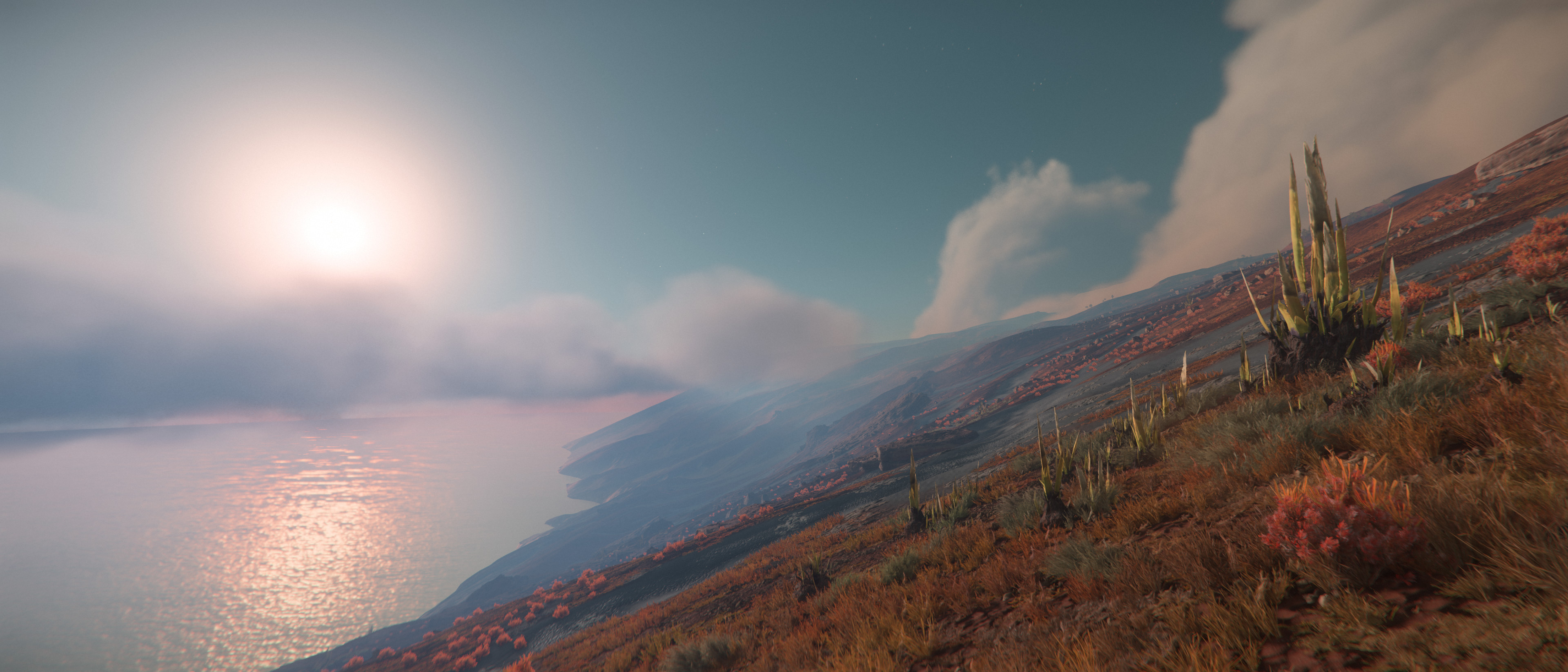
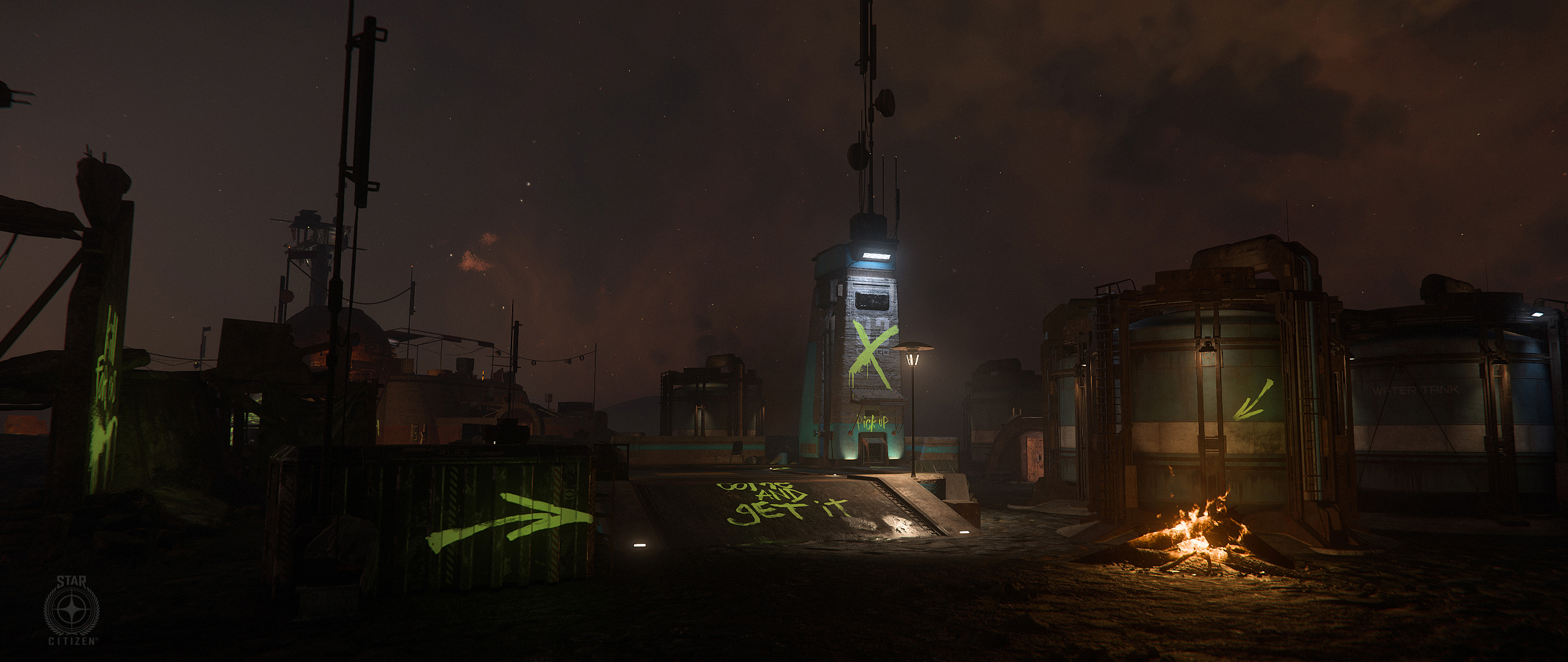
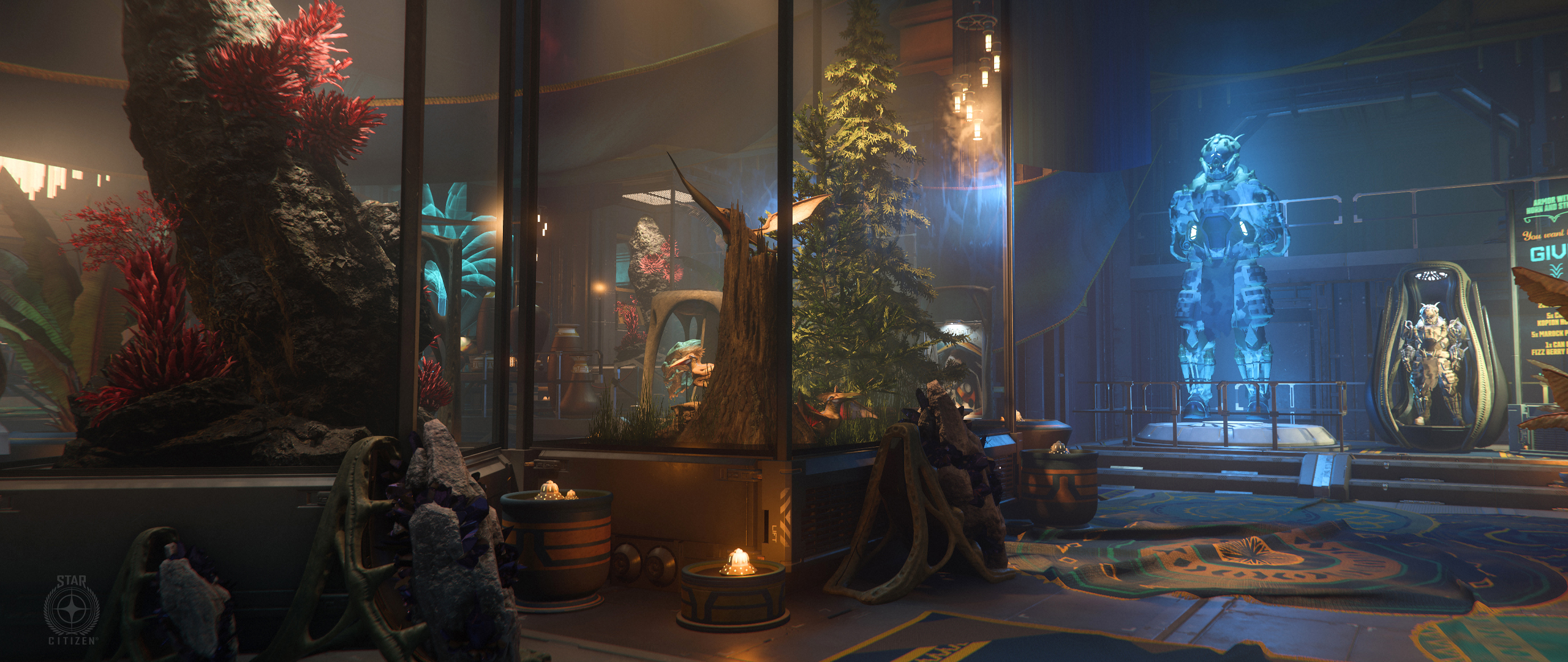
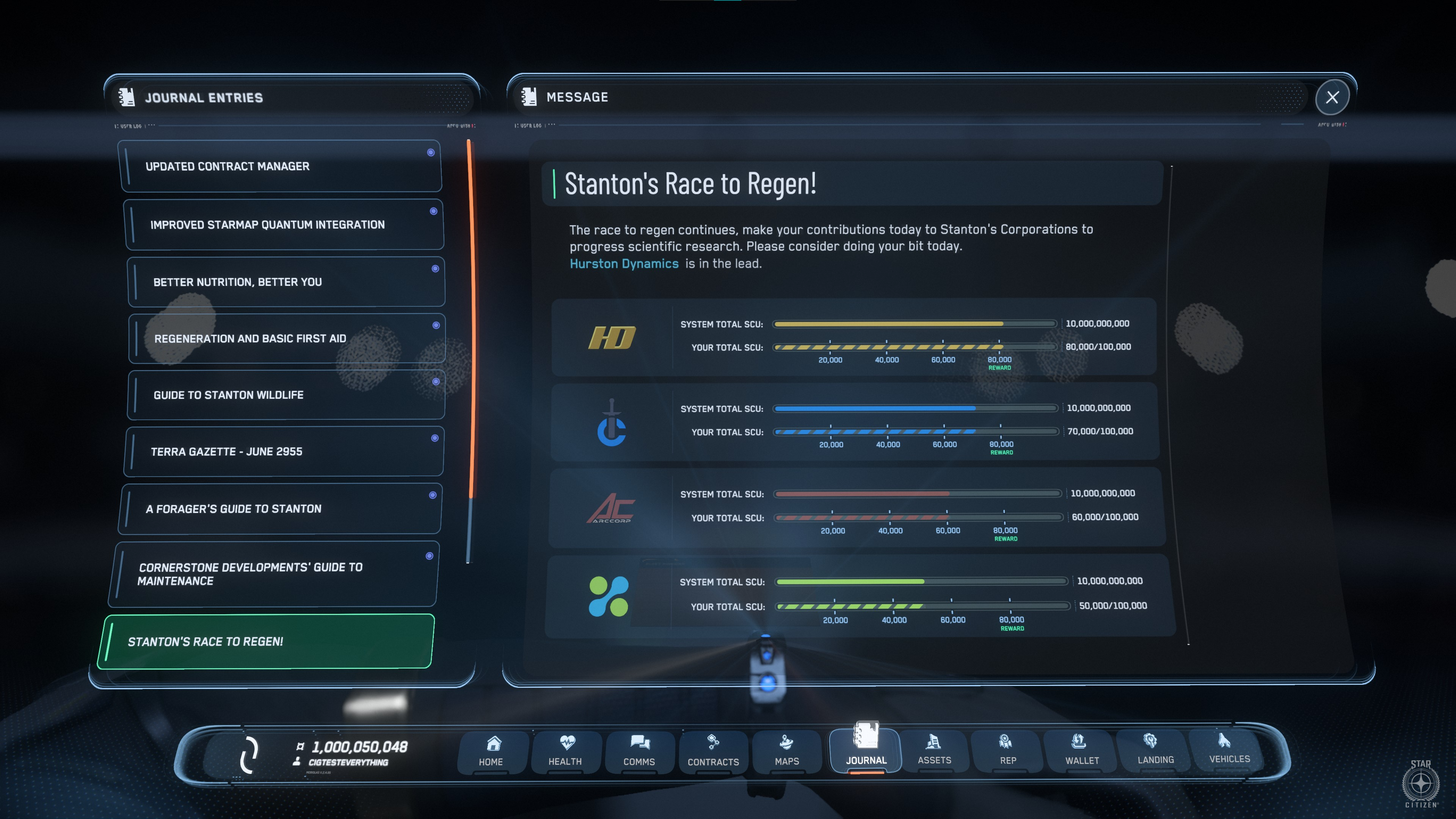
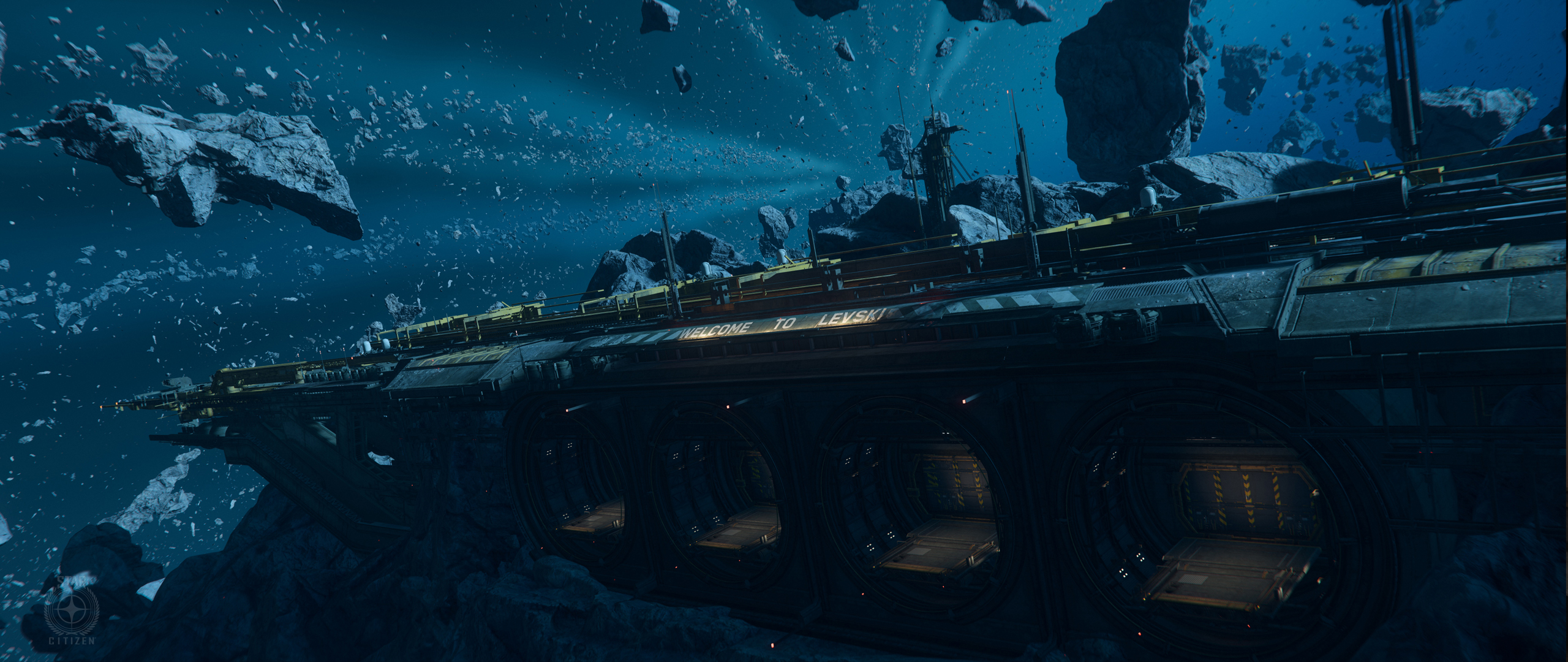
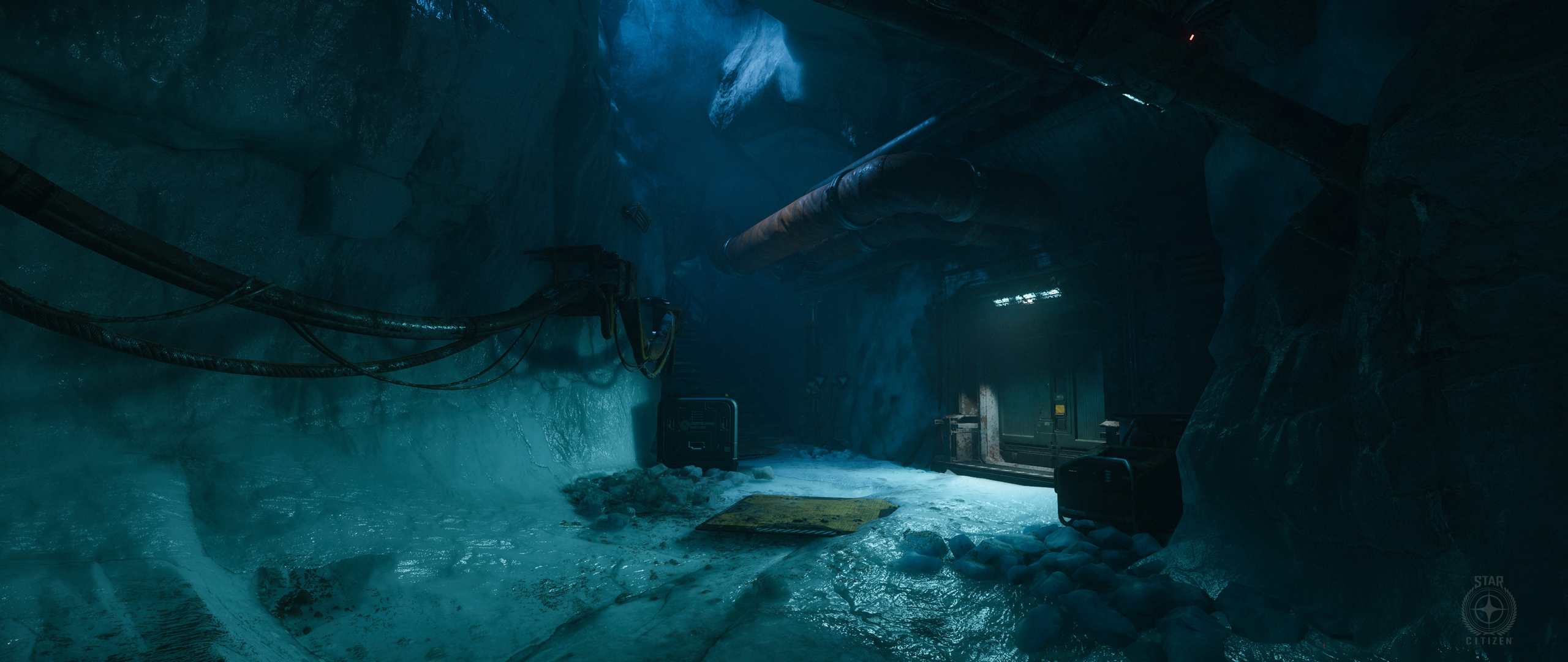
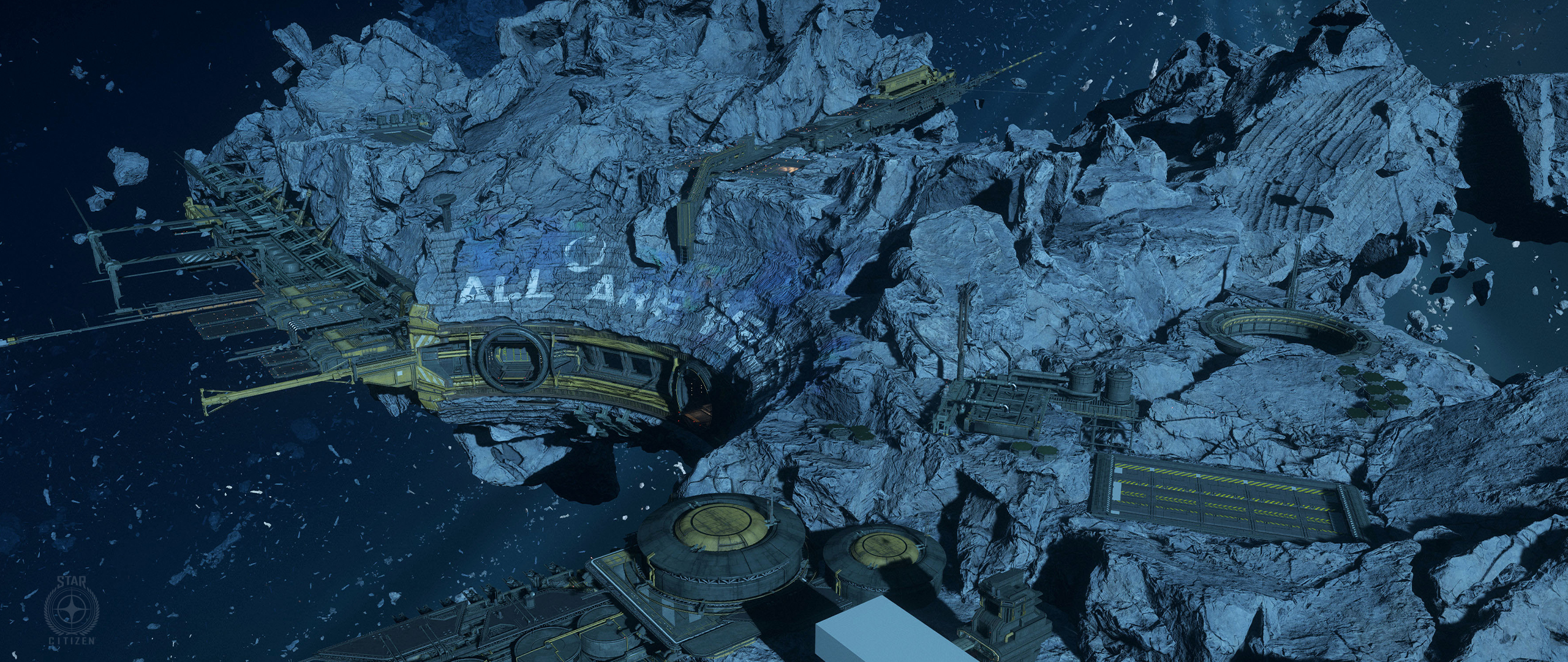
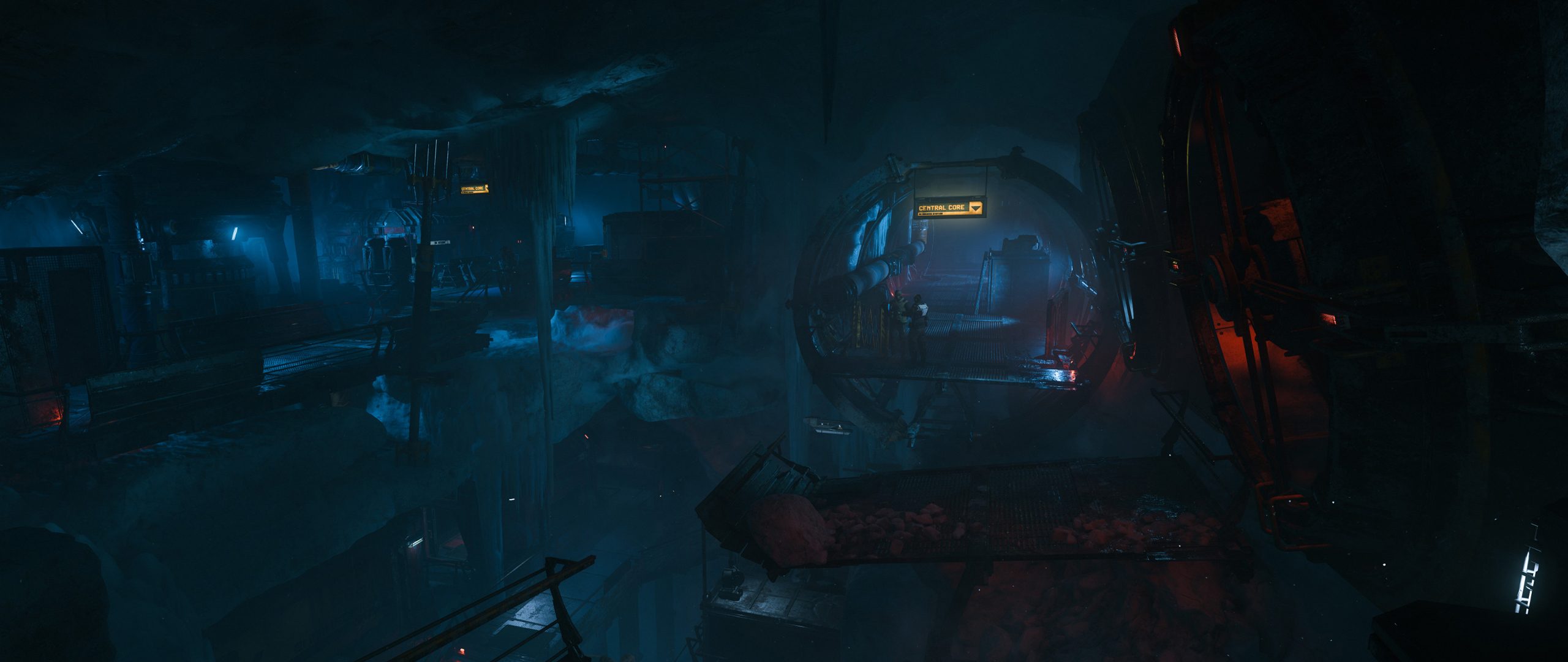
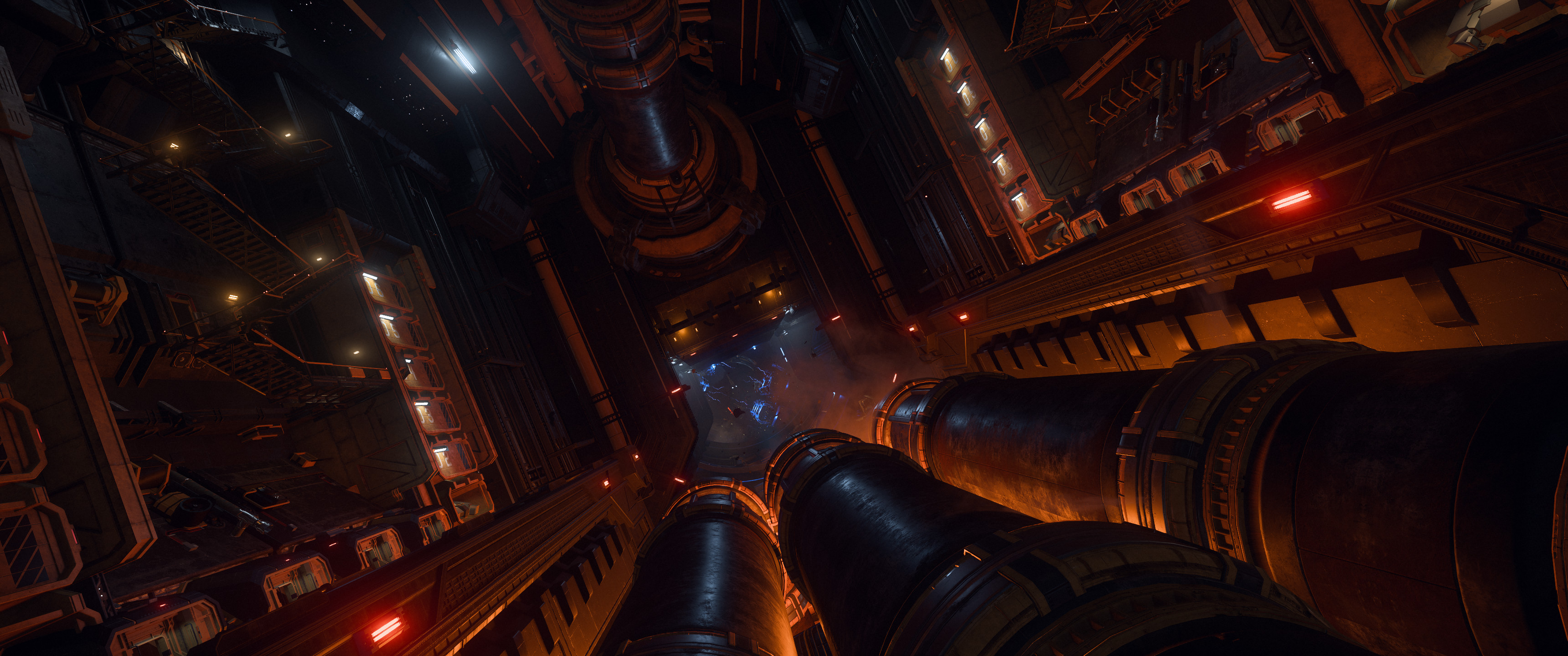
Metadata
- CIG ID
- 15637
- Channel
- Transmission
- Category
- Undefined
- Series
- Monthly Reports
- Comments
- 120
- Published
- 9 years ago (2016-12-16T00:00:00+00:00)