Monthly Studio Report: January 2017
Transmission Undefined Monthly ReportsContent
Greetings Citizens!
Welcome to 2017 (or should we say 2947?) Since our last report, we’ve published a major patch (Star Citizen Alpha 2.6 with Star Marine) and have continued to make great progress towards our next updates. The launch of Star Marine was a major milestone for Star Citizen, and thanks to our dedicated community we have plenty of feedback on the FPS updates to work from. Before we move on to 2.6.1 (which is now available for testing on the PTU!) and beyond, however, let’s take a look back at the month that was January 2017 in Star Citizen’s development.
Cloud Imperium Los Angeles
Engineering
A new year marked by new challenges, new ideas and a whole lot of progress. We have been hard at work on our modular character customization screen, a system built on the item framework which will let players equip their characters however they choose. In addition, the LA Engineering team spent January making real progress towards the core systems that will allow us to have solar system sized maps and all the complicated components that come with it. To enable this, we had to reimagine entities including fundamental components such as lights, continue work on an intelligent radar system, and revisit how we build level hierarchies. It’s still some ways off, but we can see the principles in practice. January also saw the first technical application of node-based controller managers – this system opens the door to improved networking of item components and is the first real step towards multi-crew ship gameplay. Not flashy enough? How about explosions! We added a new damage controller that will bring things like explosive props and destroyable objects to the Item System framework soon.
Tech Design
This month our Tech Designers have been hard at work on new ships, Item 2.0 support, and prototyping. As for ships, the Buccaneer and Cutlass Black have hit the greybox phase. The Aurora update is going smoothly and really looking good. Calix prototyped how players could interact with the world and items, while Kirk did some work with our studios across the pond on general ship balance, in-game pricing, and underlining systems.
Art
The LA Ship Art team of Elwin Bachiller, Daniel Kamentsky and Byungjin Hyun dove right into the Drake Buccaneer (which has wrapped up in Greybox Art and moved onto Final Art) as well as a big update to the RSI Aurora. On the Concept Art side, in addition to supporting the Drake Buccaneer, Justin Wentz has been very busy creating concept art for a new Anvil ship.
This month, the Character Art team created new armor for the Persistent Universe. Most notably, the Explorer Suit, which will be used for (you guessed it!) exploring our vast universe! Another new addition is the Heavy Marine armor, which will be available soon in Star Marine. We’ve also continued working on creating more clothes for our shops and building outfits for new NPCs that will soon be seen on our various planets.
Tech Content
The Technical Content Team consists of two teams: Technical Art and Technical Animation. Technical Content is a global team with staff in all studios performing various roles.
Sean Tracy has spent the last month roadmapping for the rest of the year, working with 3lateral and other outsourcers on some R+D projects that will be revealed soon, as well as training and supporting the Technical Art and Technical Animation teams.
On the Technical Art front, Atri Dave has been working with our FPS weapon team to optimize weapons, ensure grips are universal (to males and females) as well as doing some R+D with our animation programmers for a more advanced version of foot anchoring that adapts leg IK and ground alignment based on whether characters are on their heels or on the balls of their feet. Robert Dickerson has been building up a Substance Painter pipeline for the various content teams. Alex Remotti recently joined the team and within his first couple weeks has already made an enormous impact by taking ownership over the procedurally generated environments for planets, space stations and other objects in the universe. He’s already integrated the initial system into the planet editor which allows us to spawn outposts/buildings using the splatter maps from the ecosystems. Matthew Intrieri and Patrick Salerno have been making important updates to systems and art for the Super Hornet, Mustang and many other ships, as well as planning out the rest of the year in terms of “paying off” some tech debt that’s accrued on some of the older ships. Forrest Stephan has been working on S42 features as well as reviewing props and weapons for performance optimizations.
On the Technical Animation side, it’s been no less busy! Matthias Jaeger has been working on improving and implementing tools improvements for animators. These include space switching (IK/FK switching tools), prop rigging, health tests, bone influence reduction tools, and more. Rob Howes, the lead technical animator in the department, has been busy supporting cinematics and animation whilst leading the technical animation team. He’s prepared a roadmap for the rest of the year as well as doing R+D on distributed batching solutions for animation builds. Further he’s continued to iterate with animation on some issues surrounding using a separate female skeleton. Vineet Chander has done massive batches of updates to our facial and head assets, of which there are over 120! Sometimes relatively minor issues are discovered, for example the eyelids for most faces were a bit “sleepy” looking and he’s made changes so that this is longer the case. Adam Sirrelle has developed some important tools including automated LOD creation of the facial assets. Additionally, Adam has created an extra tool for the developers that allow them to much more easily manage the creation of DBA’s (Database of Animations) which are massively optimized containers for animation data. John Riggs is working on updates to the female rig, updates to the hands for better gripping of weapons, and rolling out some skinning tools for the rest of the team. Gaige Hallman has done the lion’s share of work when it comes to zoning and ensuring the modularity of the characters and the skinning that goes with that, while also working on zone culling and difficult aspect of modularity that occur around the neck and head of characters. Mark McCall is Tech Content’s resident bugsmashing ninja. While sometimes spending weeks fixing bug after bug, Mark still manages to enact major changes, such as unifying the data structure for eyes and teeth on characters as well as creating tools surrounding hair/scalp rigging. Last but not least, Erik Link has implemented facial idles on the pilots for 2.6.1 and chases up animators and content creators when there is asset build errors. He’s been instrumental in getting our asset build errors down to 0 for 2.6.0
Narrative
The Narrative team has been continuing to meet with designers at the various studios to chip away at narrative needs for 3.0, like fleshing out the mission stories we’ll be able to generate for players and looking at the various storytelling possibilities for the various environments. We’ve also embarked on a significant task of starting to build a database of text needs for Squadron 42 which will outline any terminals, Galactapedia entries, etc. that need to be in-game. There have been a handful of documents written up for additional set dressing for the levels of Star Marine; fun little ways to make Echo 11 more period-accurate or OP Station Demien reflective of the massacre that the level is attempting to recreate. Those conversations with art and design have led to the creation of a multi-page document on Snacks!
We’ve also been having weekly discussions with Britton, our esteemed xenolinguist, who’s continuing to build out the Xi’an language. These conversations have led to some deeper dives into the Xi’an society, so hopefully we’ll be able to reveal some of that to you soon.
Quality Assurance
LA QA spent most of the month aiding the LA Engineering and Tech Content teams conducting sweeps on the new frontend, ship self-destruction, damage states, missile functionality and recent changes to the character loadouts, as well as early iterations of Item 2.0. In addition, the team aided the Community team in capturing in-game footage for a number of segments, and also set up a Let’s Talk About thread to gather feedback on the Mustang series of ships.
Cloud Imperium Austin
Design
The majority of the ATX Design Team’s time the past couple months has been spent defining details for PU “Shop Archetypes” (some examples include Clothing Shop, Bar, Security Kiosk, Hospital, etc.) and creating design documents outlining details that are specific to each archetype. Each type of shop will have universal requirements that will apply across every shop of a specific type and this will help us save time in the long run when we then drill down into specific shop locations for upcoming landing zones and space stations. For example, every clothing shop is going to have clothing racks, mannequins, and stands to showcase the shop inventory and each display needs to follow a specific metric.
We’ve also been busy building the pillars of what will become our first iteration of the PU Economy by establishing various details concerning in-game commodity types, trade routes within the Stanton System, and white/black markets.
Lastly, we got final approval on the GDD for the “Shopping Kiosk” feature and have broken down high level design requirements for UI Team and Game Code Team. This has been a long-gestating feature so we’re happy to take it into the next stage of development.
Art
Lighting Artist Emre Switzer wrapped up his work on lighting the Star Marine maps for 2.6.0 release and has now turned his attention to supporting Squadron 42 in lighting some of their environments.
Chris Smith and Josh Coons continue to make progress on their respective ships. Josh is in full swing on the Greybox Phase for the new Cutlass Black. Chris finished up his updates on the Super Hornet and has now turned his attention to a fantastic new vehicle that we’re super excited to be working on.
Animation
Bryan Brewer and the PU Animation Team continue to make progress on Usable Interaction Animations to support Squadron 42. Most recently we’ve gotten Pushups, Stretches, Leaning on a Table (various angles), and female versions of all the work zone animations complete. We’ve also done a polish pass over some of the Usables to make them acceptable for use by the player in first-person.
Jay Brushwood and the Ship Animation Team have completed their work on the ship enter/exit combat speed animations. They are currently in review with Animation Director Steve Bender and we’re awaiting final sign off. While we wait, we have turned our attention to implementing animations on upcoming ships such as the Prospector and the Buccaneer.
Backend Services
The Backend Team has been hard at work on a massive project to refactor our entire backend infrastructure to a new architecture we’re calling Diffusion. Diffusion will be a truly cloud-oriented service architecture that will help improve high scalability and availability for our services. It will be powered by a top level “coordination” layer written in a proprietary language developed by our Lead Server Engineer, Jason Ely.
In addition to developing Diffusion, the Backend Team has been supporting UI Team in implementing the new in-game Leaderboards.
Quality Assurance
In January, QA began immediately fielding test requests from development which included network message queue, serialized variables, particle preloading, megamap testing and AI balance tests. QA also very much focused on reporting issues with the Game-Dev stream to ensure it is stable so that Squadron 42 and 3.0 development may continue unabated. Some other things on QA’s plate for January were training new specialists, updating internal documentation, QA tools development and new hire interviews.
Player Relations
January wrapped up a very busy period for the Player Relations team. We worked over the holiday period to make sure that we kept up with our backers’ support urgent requests, and used much of the month to catch up on the rest. To put in perspective, we were not caught up until April of last year from the busy holiday period… this year we’ve accomplished that in January!
Part of this is due to bridging our US and UK teams together, which will ultimately result in faster response times and more visibility to players. A big part of this involves Spectrum, which we will be excited to roll out to you on the main site soon. We really think you will love the entire rework of our forums and chat systems, and we think you will really appreciate our plans for building a better presence with you in chat and on the forums.
IT/Operations
It’s the beginning of the year so IT gets busy with a great deal of internal housekeeping chores like inventories, license renewals, and general cleanup and organizational tasks. One of our larger projects has been focused on expanding the bandwidth between offices to keep up with our increasing daily file transfer and build replication load. We’re also working closely with the DevOps team to supply hardware and infrastructure to support the growth of the build system as well as the continued work on the patch reduction project.
LiveOps/DevOps
The team has been working hard on multi-region support, the bulk of our efforts going toward the network and server side of our services. We are very happy to report that this work will pay dividends very soon in game and there will be more detailed information on this soon as well. We’ve also been working on our internal tools including the build system, all of which share the same goals of performance and stability improvements while keeping costs down.
Foundry 42 UK
Graphics
The Graphics Team has been predominantly focusing on various lighting improvements such as shadow quality and performance within interiors. The GPU cube-map capturing is almost complete and we’re starting to write systems that maximize this tech so we can achieve truly dynamic lighting on planets and space stations. Considering how so much of our concept art makes heavy use of rectangular lights, we’ve started work on area lights. While this may sound simple, area lights are actually an active area of research for many game studios and are incredibly difficult to get right (both in terms of looks and performance). Lastly, we’re in the early stages of planning for a new and vastly more efficient particle system that eventually will replace the current one.
Programming
In the ongoing release work, we’ve been getting the leaderboards in and the new “Mega Map” implemented. Under the hood on the network side will be the proper networked serialised variables and the message queue rewrite. Other general work includes the FPS actor code refactor to make it more reliable and robust, the mission system, item pickup and put down improvements, and 3D minimap, amongst other things.
VFX
Over this past month, we’ve been doing some internal data clean-up using the Asset Manager, which culls and consolidates particle/material texture libraries, working on improving particle streaming to allow for better dynamic loading (basically freeing up memory resources) and pipeline documentation updates. There have also been high level key feature planning breakdowns of key features like Atmospheric Flight Model Effects (AFFX) such as engine trails, contrails, entry/exit and Screen-Based Area-of-Interest which will trigger screen-based effects based on camera speed and/or proximity to a specified area. Plus, we’ve been experimenting with new assets to blow stuff up.
Quality Assurance
The QA team has hardly let up this New Year. We’ve been continuing on Squadron 42 testing, extensively testing weapon balance changes and Star Marine bug fixes. We launched an investigation into the prevalent lag issue during Last Stand battles on Echo 11 and held a feedback session about gamepad controls. Most exciting though has been the first steps into the new “Mega Map.”
As always big thanks to all the backers, especially the Evocati and those who frequent the PTU. Your help is always invaluable and very much appreciated!
Art
We kicked off the new year by putting some new to be announced ships into concept and we are about to wrap up on a new Anvil design.
In other ship news, the Reclaimer is already deep into production with dedicated teams focusing on the exterior and interior. On the outside, the exterior mesh has gone through a cleanup pass and work has started on shaders. External parts such as thrusters are also close to complete. On the interior, a modular kit has been assembled for the habitation areas and the first room is nearing completion.
The Prospector team has been polishing the main LOD geometry for both the interior and exterior while cleaning up various sections to pass along to the other teams, so they can begin making it flight ready.
Work’s also moving forward on the MISC Razor. The artists have been adapting the concept mesh to work within the constraints set by animation which has resulted in a much sleeker more technical design whilst trying to maintain the key design elements of the original concept- the aggressive ‘Formula 1’ feel.
Onto some big news, the team’s been doing a technical and sanity pass over the S42 interior sections. Tackling collision and LODs have been the primary focus to make sure it’s in a workable state for the designers. During this review, we’re going over various elements: cleaning up and polishing pieces, refining and adding further details that we felt was lacking, and making changes to meshes that needed it. We also spent some time going over the materials, making adjustments and improvements where possible and adding blends to the primary materials of the ship.
Our props team continued working on the medium ship components and dressing sets such as tools, medical props and some assets needed for the ship interiors for S42.
Destructible props were introduced in 2.6.0 which meant we needed to create destroyed versions of a chunk of assets. This was the first iteration so was kept to the more obvious assets. Moving forward, destruction will be seen on a much larger scale and include a wider variety of prop types.
For our environments, we left some of the team polishing the 2.6.0 levels in preparation for the 2.6.1 release. This included adding more narrative assets that add a bit more history and character to the levels.
On the SQ42 front, the Shubin base is having a major push visually at the moment, since it’s a massive part of the story, we’re making sure it’s the hero it deserves to be.
We are also allocating more resource to work on the growing universe. Soon we’ll have four concept artists working out moons, nebulas and space stations, no small task! Work has begun on the first three surface outposts. These modular asset sets can be configured in multiple ways to give variation to the smaller settlements that will be scattered across the planet surfaces.
We’re looking at improving our planet’s material systems to give a better overall read all the way from space down to a meter-scale surface area. We’re doing a lot of R&D into how we dynamically and realistically scatter assets (rocks, vegetation etc.) onto the surface of a planet in a way that retains our visual fidelity and realism goals.
Conversely, we are spending some R&D time into what we want to achieve visually from space! Despite being composed of nothing, it’s very surprising how much there is to test and discuss with how we want the void between stars to feel and change as the player makes his way around a system.
Audio
Like many of the departments, the Audio used the New Year as an opportunity to go back and do some housecleaning. We reviewed all the ships to make sure that the audio for the older ships are up to the standard of the newer ships, cleaned up some bug fixes/polish for the upcoming 2.6.1 release and continued to support the community team and work on promotional materials.
On a technical front, we’ve also continued to revise and improve our dialogue pipeline and audio propagation system. A first pass at a Mix System was completed and we’re thrilled to announce that S42 will have a full music logic set in place and we’ve continued working on building ambience for some of the locations for the single player. There have been multiple improvements implemented in Star Marine from weapon sounds to dialogue which you will be able to hear soon.
UI
This month, the UI team has been primarily focused on improving and expanding the new front-end that was released in 2.6 with in-game leaderboards and a new pause menu, as well as performing various bug fixes.
We have also begun planning and scheduling for large scale UI features that we’d like to include in upcoming releases. For instance, we have been working closely with design in order to define the user-experience for purchasing & selling through the kiosk interfaces.
Animation
The animation team has expanded this month. We’re very excited to welcome two new additions to the team and are ready to drop them in the deep end. We’ve gotten some fantastic feedback on 2.6 and have set to bug fixing and improving animations for the next patch. We’ve been improving fps assets across the board and making grenade throws more responsive.
In other ongoing tasks, we’ve made improvements on weapon animations, specifically reload animations and have begun to previz and iterate on feedback for new weapons coming down the pipeline. We’ve also been making progress on improving prone locomotion assets and providing assistance to the ATX PU team to get female mocap data implemented to the usable animations for Subsumption.
Design
The S42 Design team have been preparing for the incoming new Mission System that will replace large elements of the levels that had previously been implemented with Flowgraph. It will be a far more robust system for us that will limit any possible inconsistencies with designer setup. Also, as the Object Container Streaming System progresses, we are making sure that we maximise performance by splitting up the other chapters in the game into logical object containers.
The Live team have been very busy with bug fixes and implementing a scoring rebalance for Arena Commander and Star Marine. There have also been some AI improvements for Space Flight that have been implemented and continued work on detailing the Stanton map.
The Tech team are still very busy moving ships functionality into the new Item 2.0 system in preparation for a whole host of new gameplay opportunities.
The Systems Designers have been working on adding a lot more detail to the framework of the multi-crew Seat Actions in preparation for meeting with Chris in early Feb.
Foundry 42 DE
AI
For AI, 2017 started with a one-week summit in the Los Angeles studio: we went through several topics that will be important for the improvements we want to do during the new year.
In the past few weeks, we’ve been getting the core functionalities of Subsumption into the Subsumption Mission System. The goal is to give designers the tools to create a larger variety of missions as quickly as possible. To achieve that, we have been implementing a way to reuse a piece of logic through the creation of “functions.” Functions can either have a “global” or “local” (to one activity or one mission) scope and they dynamically generate a task that can be used as a regular Subsumption task.
Going through the Crusader missions and rebuilding them in this new tool allowed us to identify and reorganize the functionalities that are currently required by designers to create their own logic. Just to give you some idea of the work done, here’s a description of some of the functionalities we recently worked on:
Added a task to enable/disable markers in the environment for the mission owner
Ability to spawn dynamic Action Areas in the environment and react to the events they generate
Support for the InteractiveObjects to correctly handle the callbacks sent to the mission system
Added support for tracking dynamic spawning of the entity and the ownership of the requests. This will allow us to allow entities to despawn only other entities they owned. Also it makes much easier for a mission to clean up the resources created.
We improved the debug draw functionalities of Subsumption and the mission system and also added network support for the mission log (This is a sort of personal storage for the logs of each mission)
We created a SimpleAudioComponent that allows the mission system to communicate directly with the mission owner’s client
We added a functionality to allow the spawning system to filter and limit the spawning of entities to specified Action Areas
We added the basic support to spawn Subsumption Platform/Layers (We will give you more details about this in the upcoming weeks)
For the character AI, we have continued the work for finalizing the changes in the Cover System and the Posture Manager to allow those systems data to be correctly exported inside Object Containers and used at runtime in non z-up environment. We’ve also been prototyping AI Characters reacting to players bumping into them by making sure that the movement code understands when progress over the movement cannot be achieved due to the player interrupting the character movement. We also continued our refactoring of the spaceships flight control, we are moving towards removing some layers of complexity and make more direct use of the IFCS from the AI perspective. This will allow us to benefit from any improvements made for the player in a much more straightforward way.
Quality Assurance
DE QA like to refer to the month of January as the “catch-up” month and used this time to tackle various test requests that required additional information as well as clearing out any Editor regression from Game-Dev that at the time was of a lower priority than regression in 2.6. We also spent a majority of January revamping our existing Editor checklists and documentation, as well as providing additional Editor training for testers in our UK office.
Additionally, we reviewed Star Marine feedback from our community and acted upon this feedback with test cases to provide additional information for our design team. The QA team also decided to review our existing sanity checks with Production and decide which were still useful to the team and which checks could be removed completely. We also used this opportunity to go over new bug tracking procedures with Production, so that we were all on the same page regarding labels that are used in our daily QA filters. Ivo Herzeg also kept us busy with changes made to the 1st person camera system, in which we were required to test all game modes. DE QA closed out the month with testing for Chris Bolte in order to track down a ZoneSystem crash that was plaguing our community in the latest 2.6 live release. We managed to finally reproduce this issue with 9 testers total (2 from DE and 7 from UK), which allowed Chris to narrow it down to being a logic error. Additional debugging was added to our Game-Dev branch and we will be attempting another playtest to reproduce this issue on Game-Dev, so that it can be finally fixed once and for all.
Cinematics
Part of the Cinematics team is currently in a sprint to push towards a “final” look and feel for the conversation system that is used for talks between the player and NPCs (which the S42 campaign features a lot of).
This includes topics like:
UI text placement and animation for dialogue choices
Solving issues of: If, how and when to slow a player down running towards an NPC.
How to make “gentle” collisions between physics capsules when the player violates personal space by getting too close.
How to adjust recorded performances and manipulate the actor’s Look or even Body pose to match for a changing player position. (we call that performance transformation)
Dynamic camera effects that kick in when the conversation is initialized both in a change of FOV and Depth of Field blur increasing.
We want our conversations to feel “filmic” while still allowing the player freedom. Invoking a “cinematic” feel first and foremost means changing the lens to values that are more akin to how a film camera would depict a character. The engines FOV traditionally is calculated with a vertical FOV value. The current in-game on-foot FOV is at 55 which is equivalent to an extreme wide angle lens of approximately ~13mm (using 35mm film equivalent ARRI master prime lenses as a comparison). That kind of lens is bordering on fisheye lens territory. If the player gets close to a character using this kind of FOV it distorts faces, so what we are doing is gradually changing the FOV over a certain time down to 30 which is equivalent to a ~25mm wide angle portrait lens. We are finding this is a nice compromise of the faces revealing all of the awesome scanned detail by appearing big on screen while still allowing for a sense of orientation in regards to the background (if player decides to move during a conversation).
Engine
Work has started on our internal Solar system editor (SolEd), with a “top/down” universe view. We found that a custom editor extension became necessary due the massive scale of our solar system. It’s now possible to drag and drop Object Containers containing planets, space station etc., and see in real-time planets and objects moving while zooming all the way from a galaxy view down to grains of dirt on a planet. Ongoing work continues on procedural objects distribution on planets, scattering of large rocks on moon’s surfaces, initial passes of objects and vegetation blending with the planet terrain surface, improvements on particles distribution and vegetation / wind on a planetary scale. Initial passes on spawning Object Containers like small outposts on the planet surface, and initial work on adapting them to the environment with adjusting their parts to the terrain and blending the colors to make them more visually integrated like they were actually placed by Humans in the environment wrapped this month. And additional improvements have been added for large scale planet rendering like glossy surfaces and more artists controlled parameters.
There also has been effort towards reintroducing static code analysis as a mandatory part of the TryBuild system, Zone system fixes / optimizations, ongoing work on the new pak system for the patcher updates, and fixes and support for 2.6.1.
Tech Art
The Technical artists in Frankfurt have been busy supporting FPS features and weapons for 2.6. They improved the weapon IK grip setup, now almost all weapons are using the runtime IK grip which helps us to change left hand poses per weapon while keeping base animation the same. They also created new cVars for previsualizing and testing new weapons in the engine with all their functionality. On the Engine side, we are participating in R&D efforts to improve foot planting in game and we’ve already started seeing good results.
Design
The Level Design team in Frankfurt is prototyping the modularity systems for Satellites, Surface Outposts and Space Station Interiors which is almost complete. Currently, the Environment Art team is providing us with greybox versions of the components that we will use to assemble the modular locations.
With our locations, the main goal is always to use them to complement upcoming systems, provide a base for future game play, as well as add to the feeling of a living, functional and realistic universe. This doesn’t always mean that the gameplay related to a location will be available when we release the station template, rather we try to ensure that once said system/gameplay becomes available we already have the location required. For this reason (and as seen on previous ATVs) we are continuing our work on the Truck Stop, Refinery and Cargo Station, the first design phase of these is complete and they have now been handed over to the Environment Art team.
The System Design guys have been refactoring our usable system to allow both AI and players to make use of the same objects at the same time (such as AI and player sitting at the same table, interacting with each other). We’re also adding support for multiple actions to be performed while inside a usable and smoothly transitioning between these actions (character sitting at a table can be eating, talking, scratching his nose, sleeping with his head on the table etc.)
The Oxygen, Breathing & Stamina systems have started being implemented and soon we will have players begin to carry their own oxygen supplies or risk turning blue in the face. The system should handle everything from how the oxygen tank delivers breathable air to the helmet, to how the player breathes said air and how his body converts that into actual usable stamina. At the same time, all actions are being converted to consume this stamina, so you will want to keep your character supplied with oxygen if you want them to be capable of performing various actions.
Landing and Take-off systems are also going into implementation mode as we are unifying Squadron 42 and PU mechanics. The system should easily handle everything from the more basic taking off in the PU to the fully cinematic experiences needed in S42. Basically we’re implementing an air traffic control system that allows players to queue for landing permissions and makes sure that people don’t block landing sites for everyone else.
Small additions were also made to the Mercenary and Bounty Hunter career designs and the systems needed for these. Customs are also receiving some design love as we are start to gate what the player can bring in legally and how smuggling things in high security areas works.
VFX
The Frankfurt VFX team has been continuing to work with the programming team on the tools required to spawn various particles across the planets. One of the more recent additions has been the implementation of planetary wind. Due to the spherical nature of the planets, the wind had to be completely rewritten to work correctly across the surface of a planet. This will help to make the environments feel more alive, from blowing around smoke and dust to rustling the leaves on the vegetation.
Environmental Art
The environment team here in Frankfurt has grown again with two new people joining the team this month. With the increased amount of environment artists, we’re able to put even more effort into our procedural planet tech. We’ve been recently building great looking assets for individual moons, as well as refining our procedural tech and tools for moons, full planets, and full systems. One key element of the planetary tech that we’ve been focusing on is the procedural scattering system, which will allow us to procedurally scatter rocks, plants, trees and other elements across planets based on artist defined rules. While the tech is still in development, the first automated results are already promising and are improving every day.
Turbulent
Spectrum Alpha
We are working hard towards Spectrum’s initial public alpha release alongside SC 2.6.1. We can’t wait for you guys to get your hands on it with your Orgs. In its first incarnation, expect the web version of public and private chat, forums, search functionality as well as member presence and a decent mobile experience.
The Evocati and volunteer testers have been invaluable in providing initial feedback and bug reports (yeah, yeah we have those too!) on the PTU since December. Our weekly build process and direct contact with users have really helped us focus on the features and bug fixes that matter the most to those who use the tools. Once it is released to live, we will be continuously working to build out and improve Spectrum with your feedback.
After the live release and stabilization phase, we plan on adding more community customization features and create dedicated mobile applications so Spectrum can follow you everywhere you go.
We will share more details about our roadmap once we get this first major release out of the way!
Sales
Coming off the holiday break, two promo competitions were introduced, a revamped Vanduul Swarm and the all new Pirate Swarm. These modes tested players’ skills to the limit and if they were able to complete all waves of the challenge, they were awarded an aggressor badge to display their accomplishment. For a limited time, these successful pilots were also given the ability to purchase the Vanduul Glaive upon completing Vanduul Swarm and the new Pirate Caterpillar upon completing the Pirate Swarm.
To close out the month, the sleek Dragonfly Posters and the comfortable Squadron 42 Hoodies were put back on the merchandise store, but get them soon before they are gone!
Community
Broadcasts
January saw a number of changes to our community content. Around the Verse continues to be refined as we explore new ways to showcase progress without monopolizing too much of our developer’s time. Our January Subscriber’s Town Hall featured Chris Roberts, Erin Roberts, Tony Zurovec and Todd Papy. It was a rare opportunity to have all these important leads sitting and chatting in the same place. We also launched two new shows. Star Citizen Happy Hour is a way to involve fan broadcasters and CIG developers in a gameplay session and casual hangout with the community. Then there’s our other new show focused on YOU. Citizens of the Stars highlights the amazing contributions you make to the Star Citizen experience. It also features ‘Quantum Questions,’ in which CIG developers answer your questions… as many as they can in two minutes! If there’s one constant in our broadcast output, it’s change. We’ll continue to iterate throughout the rest of 2017 and beyond in an effort to bring you the best and most relevant content possible.
Events
Community Managers Jared Huckaby and Tyler Witkin went to PAX South and attended the local Bar Citizen event in San Antonio. Opportunities to hang out and meet the backers are one of the best parts of our job, and the folks who turned out for this event were a stellar group, as usual. Remember that Bar Citizen events are 100% fan organized. You can see if there’s one in your area and maybe even find help planning one at the fan website barcitizen.sc.
This Week in Star Citizen
The old Community Manager’s Log and Schedule has evolved into a new, weekly front page post called This Week in Star Citizen. The post highlights what’s happening each week, and provides a look at some of the content you may have missed from the Star Citizen community.
Finally, testing continues on Spectrum, the upcoming replacement to our current forum and chat systems. You can join the testing now at ptu.cloudimperiumgames.com/spectrum with new builds going out each week. We’re excited to roll out the first official iteration of Spectrum in the near future. We’ll continue to add intended features and iterate on it based on your feedback throughout the remainder of the year.
Grüße Bürger!
Willkommen im Jahr 2017 (oder sollten wir sagen 2947?) Seit unserem letzten Bericht haben wir einen Major Patch veröffentlicht (Star Citizen Alpha 2.6 mit Star Marine) und haben weiterhin große Fortschritte bei unseren nächsten Updates gemacht. Die Einführung von Star Marine war ein wichtiger Meilenstein für Star Citizen, und dank unserer engagierten Community haben wir viel Feedback zu den FPS-Updates, von denen aus wir arbeiten können. Bevor wir zu 2.6.1 (das jetzt zum Testen auf der PTU verfügbar ist!) und darüber hinaus übergehen, werfen wir jedoch einen Blick zurück auf den Monat Januar 2017 in der Entwicklung von Star Citizen.
Cloud Imperium Los Angeles
Ingenieurwesen
Ein neues Jahr, das von neuen Herausforderungen, neuen Ideen und einer Menge Fortschritt geprägt ist. Wir haben hart an unserem modularen Charakteranpassungsbildschirm gearbeitet, einem System, das auf dem Item-Framework basiert, das es Spielern ermöglicht, ihre Charaktere nach Belieben auszustatten. Darüber hinaus hat das LA Engineering Team im Januar echte Fortschritte in Richtung der Kernsysteme gemacht, die es uns ermöglichen werden, Karten in der Größe eines Sonnensystems und all die damit verbundenen komplizierten Komponenten zu erhalten. Um dies zu ermöglichen, mussten wir uns Entitäten mit grundlegenden Komponenten wie Leuchten neu vorstellen, die Arbeit an einem intelligenten Radarsystem fortsetzen und erneut untersuchen, wie wir Ebenenhierarchien aufbauen. Es ist noch ein weiter Weg, aber wir können die Prinzipien in der Praxis sehen. Im Januar gab es auch die erste technische Anwendung von knotenbasierten Controllermanagern - dieses System öffnet die Tür zu einer verbesserten Vernetzung der Item-Komponenten und ist der erste echte Schritt in Richtung Multi-Crew-Schiff-Gameplay. Nicht auffällig genug? Wie wäre es mit Explosionen! Wir haben einen neuen Schadenscontroller hinzugefügt, der Dinge wie explosive Requisiten und zerstörbare Objekte in Kürze in das Item System Framework einbinden wird.
Technisches Design
Diesen Monat haben unsere Tech Designer hart an neuen Schiffen, der Unterstützung von Item 2.0 und dem Prototyping gearbeitet. Was Schiffe betrifft, so haben der Freibeuter und das Entermesser Schwarz die Greybox-Phase erreicht. Das Aurora-Update läuft reibungslos und sieht wirklich gut aus. Calix prototypisierte, wie Spieler mit der Welt und den Gegenständen interagieren konnten, während Kirk einige Arbeiten mit unseren Studios auf der anderen Seite des Teiches an der allgemeinen Schiffsbilanz, den Preisen im Spiel und den Unterstreichungssystemen durchführte.
Kunst
Das LA Ship Art Team von Elwin Bachiller, Daniel Kamentsky und Byungjin Hyun taucht direkt in den Drake Buccaneer (der sich in Greybox Art verpackt hat und auf Final Art umgestiegen ist) sowie ein großes Update der RSI Aurora. Auf der Seite der Konzeptkunst war Justin Wentz neben der Unterstützung des Drake Buccaneer sehr beschäftigt mit der Erstellung von Konzeptkunst für ein neues Amboss-Schiff.
Diesen Monat hat das Character Art Team eine neue Rüstung für das Persistente Universum entwickelt. Vor allem der Entdeckeranzug, mit dem wir (Sie haben es erraten!) unser riesiges Universum erkunden werden! Eine weitere Neuerung ist die Heavy Marine Rüstung, die bald in Star Marine erhältlich sein wird. Wir haben auch weiter daran gearbeitet, mehr Kleidung für unsere Geschäfte zu kreieren und Outfits für neue NSCs zu bauen, die bald auf unseren verschiedenen Planeten zu sehen sein werden.
Technischer Inhalt
Das Technical Content Team besteht aus zwei Teams: Technische Kunst und technische Animation. Technical Content ist ein globales Team mit Mitarbeitern in allen Studios, die verschiedene Rollen übernehmen.
Sean Tracy hat den letzten Monat des Jahres damit verbracht, Roadmapping für den Rest des Jahres zu erstellen, mit 3-lateralen und anderen Auftraggebern an einigen F+E-Projekten zu arbeiten, die bald bekannt gegeben werden, sowie die Teams für technische Kunst und technische Animation zu trainieren und zu unterstützen.
Im Bereich der technischen Kunst hat Atri Dave mit unserem FPS-Waffenteam zusammengearbeitet, um die Waffen zu optimieren, die Griffe universell einsetzbar zu machen (für Männer und Frauen) und mit unseren Animationsprogrammierern etwas Forschung und Entwicklung für eine fortschrittlichere Version der Fußverankerung zu betreiben, die Bein IK und Bodenausrichtung je nachdem, ob die Charaktere auf den Fersen oder auf den Ballen ihrer Füße sitzen, anpasst. Robert Dickerson hat für die verschiedenen Content Teams eine Substance Painter-Pipeline aufgebaut. Alex Remotti ist vor kurzem dem Team beigetreten und hat bereits in den ersten Wochen einen enormen Einfluss ausgeübt, indem er die Verantwortung für die prozedural erzeugten Umgebungen für Planeten, Raumstationen und andere Objekte im Universum übernommen hat. Er hat bereits das ursprüngliche System in den Planeteneditor integriert, was es uns ermöglicht, Außenposten/Gebäude mit Hilfe der Splatterkarten aus den Ökosystemen zu spawnen. Matthew Intrieri und Patrick Salerno haben wichtige Aktualisierungen der Systeme und der Kunst für die Super Hornet, Mustang und viele andere Schiffe vorgenommen und den Rest des Jahres geplant, um einige technische Schulden, die auf einigen der älteren Schiffe entstanden sind, "abzuzahlen". Forrest Stephan hat an S42-Funktionen gearbeitet und Requisiten und Waffen für Leistungsoptimierungen überprüft.
Auf der Seite der Technischen Animation war es nicht weniger stressig! Matthias Jaeger hat an der Verbesserung und Implementierung von Werkzeugverbesserungen für Animatoren gearbeitet. Dazu gehören Raumschalter (IK/FK-Schaltwerkzeuge), Stützenausrüstung, Gesundheitstests, Knocheneinflussreduzierungswerkzeuge und vieles mehr. Rob Howes, der leitende technische Animateur in der Abteilung, war damit beschäftigt, Kinofilme und Animationen zu unterstützen und leitete das Team für technische Animationen. Er hat eine Roadmap für den Rest des Jahres erstellt und F+E für verteilte Batching-Lösungen für Animationsbuilds durchgeführt. Weiterhin hat er weiterhin mit Animationen zu einigen Themen, die die Verwendung eines separaten weiblichen Skeletts betreffen, iteriert. Vineet Chander hat riesige Mengen an Aktualisierungen an unseren Gesichts- und Kopfteilen vorgenommen, von denen es über 120 gibt! Manchmal werden relativ kleine Probleme entdeckt, zum Beispiel die Augenlider für die meisten Gesichter waren etwas "verschlafen" und er hat Änderungen vorgenommen, so dass dies länger der Fall ist. Adam Sirrelle hat einige wichtige Werkzeuge entwickelt, darunter die automatisierte LOD-Erstellung der Gesichtswerte. Zusätzlich hat Adam ein zusätzliches Werkzeug für die Entwickler entwickelt, das es ihnen ermöglicht, die Erstellung von DBA's (Database of Animations), die massiv optimierte Container für Animationsdaten sind, viel einfacher zu verwalten. John Riggs arbeitet an Updates für das weibliche Rig, an Updates für die Hände zum besseren Greifen von Waffen und an der Einführung einiger Skinning-Tools für den Rest des Teams. Gaige Hallman hat den Löwenanteil der Arbeit geleistet, wenn es um die Zonierung und die Sicherstellung der Modularität der Charaktere und des damit verbundenen Skinning geht, während er auch an der Zonenauslesung und dem schwierigen Aspekt der Modularität gearbeitet hat, die um den Hals und den Kopf der Charaktere herum auftreten. Mark McCall ist Tech Contents residenter Bugsmashing Ninja. Während Mark manchmal Wochen damit verbringt, Fehler nach Fehler zu beheben, gelingt es ihm immer noch, wichtige Änderungen vorzunehmen, wie z.B. die Vereinheitlichung der Datenstruktur für Augen und Zähne von Charakteren sowie die Entwicklung von Werkzeugen rund um das Haar- und Kopfhaut-Rigging. Last but not least hat Erik Link für 2.6.1 Gesichtsidles an den Piloten implementiert und jagt Animatoren und Content-Ersteller, wenn es Fehler beim Aufbau von Assets gibt. Er hat wesentlich dazu beigetragen, dass unsere Fehler beim Erstellen von Assets auf 0 für 2.6.0 gesenkt wurden.
Narrativ
Das Narrative Team hat sich weiterhin mit Designern in den verschiedenen Studios getroffen, um den Erzählbedarf für 3.0 zu ermitteln, wie z.B. die Mission Stories, die wir für Spieler generieren können, zu konkretisieren und die verschiedenen Storytelling-Möglichkeiten für die verschiedenen Umgebungen zu untersuchen. Wir haben auch eine wichtige Aufgabe übernommen, nämlich den Aufbau einer Datenbank mit dem Textbedarf für die Staffel 42, die alle Terminals, Galactapedia-Einträge usw., die im Spiel benötigt werden, beschreibt. Es gab eine Handvoll Dokumente, die für die zusätzliche Ausstattung der Ebenen von Star Marine geschrieben wurden; lustige kleine Wege, Echo 11 periodengenauer zu machen oder OP Station Demien reflektiert das Massaker, das die Ebene nachzubilden versucht. Aus diesen Gesprächen mit Kunst und Design entstand ein mehrseitiges Dokument über Snacks!
Wir hatten auch wöchentliche Gespräche mit Britton, unserem geschätzten Xenolinguisten, der die Xi'an-Sprache weiter entwickelt. Diese Gespräche haben zu tieferen Eintauchen in die Xi'an-Gesellschaft geführt, so dass wir hoffentlich bald etwas davon enthüllen können.
Qualitätssicherung
LA QA verbrachte den größten Teil des Monats damit, die LA Engineering und Tech Content Teams bei der Durchführung von Sweeps auf dem neuen Frontend, der Selbstzerstörung von Schiffen, Schadenszuständen, der Raketenfunktionalität und den jüngsten Änderungen an den Charakterauslastungen sowie frühen Iterationen von Item 2.0 zu unterstützen. Darüber hinaus unterstützte das Team das Community-Team bei der Aufnahme von In-Game-Material für eine Reihe von Segmenten und richtete einen Let's Talk About-Thread ein, um Feedback über die Mustang-Serie von Schiffen zu erhalten.
Cloud Imperium Austin Design
Der Großteil der Zeit, die das ATX Design Team in den letzten Monaten damit verbracht hat, Details für PU "Shop Archetypes" zu definieren (einige Beispiele sind Clothing Shop, Bar, Security Kiosk, Hospital, etc.) und Design-Dokumente zu erstellen, die Details enthalten, die für jeden Archetyp spezifisch sind. Jeder Shop-Typ wird universelle Anforderungen haben, die für jeden Shop eines bestimmten Typs gelten, was uns langfristig Zeit sparen hilft, wenn wir dann in bestimmte Shop-Standorte für kommende Landezonen und Raumstationen aufschlüsseln. Zum Beispiel wird jedes Bekleidungsgeschäft über Kleiderständer, Schaufensterpuppen und Ständer verfügen, um das Ladeninventar zu präsentieren, und jedes Display muss einer bestimmten Metrik folgen.
Wir waren auch damit beschäftigt, die Säulen für unsere erste Iteration der PU-Wirtschaft aufzubauen, indem wir verschiedene Details über In-Game-Rohstoffarten, Handelsrouten innerhalb des Stanton-Systems und Weiß/Schwarz-Märkte festgelegt haben.
Schließlich haben wir die endgültige Freigabe des GDD für das Feature "Shopping Kiosk" erhalten und die hohen Designanforderungen an das UI-Team und das Game Code Team aufgeschlüsselt. Dies ist ein seit langem bekanntes Merkmal, deshalb freuen wir uns, es in die nächste Entwicklungsstufe zu bringen.
Kunst
Der Lichtkünstler Emre Switzer hat seine Arbeit an der Beleuchtung der Star Marine Maps für die Version 2.6.0 abgeschlossen und sich nun darauf konzentriert, Squadron 42 bei der Beleuchtung einiger ihrer Umgebungen zu unterstützen.
Chris Smith und Josh Coons machen weiterhin Fortschritte auf ihren jeweiligen Schiffen. Josh ist in vollem Gange auf der Greybox Phase für das neue Cutlass Black. Chris hat seine Aktualisierungen der Super Hornet abgeschlossen und hat nun seine Aufmerksamkeit auf ein fantastisches neues Fahrzeug gelenkt, an dem wir super begeistert sind.
Animation
Bryan Brewer und das PU Animation Team machen weiterhin Fortschritte bei Usable Interaction Animations zur Unterstützung von Squadron 42. In letzter Zeit haben wir Pushups, Stretches, Leaning on a Table (verschiedene Winkel) und weibliche Versionen aller Arbeitszonenanimationen erhalten. Wir haben auch einen Polish Pass über einige der Usables gemacht, um sie für den Einsatz durch den Spieler in der First-Person akzeptabel zu machen.
Jay Brushwood und das Ship Animation Team haben ihre Arbeit an den Animationen für die Ein- und Ausstiegskampfgeschwindigkeit abgeschlossen. Sie befinden sich derzeit im Review mit Animation Director Steve Bender und wir warten auf die endgültige Freigabe. Während wir warten, haben wir uns der Implementierung von Animationen auf kommenden Schiffen wie der Prospector und der Buccaneer gewidmet.
Backend Services
Das Backend-Team hat hart an einem umfangreichen Projekt gearbeitet, um unsere gesamte Backend-Infrastruktur auf eine neue Architektur umzustellen, die wir Diffusion nennen. Diffusion wird eine wirklich Cloud-orientierte Service-Architektur sein, die dazu beiträgt, die hohe Skalierbarkeit und Verfügbarkeit unserer Dienste zu verbessern. Es wird von einer hochrangigen "Koordinationsschicht" getragen, die in einer proprietären Sprache geschrieben wurde, die von unserem Lead Server Engineer Jason Ely entwickelt wurde.
Zusätzlich zur Entwicklung von Diffusion hat das Backend-Team das UI-Team bei der Implementierung der neuen Ingame-Ranglisten unterstützt.
Qualitätssicherung
Im Januar begann die QA sofort mit der Umsetzung von Testanforderungen aus der Entwicklung, die Netzwerknachrichtenwarteschlange, serialisierte Variablen, Partikelvorladung, Megamap-Tests und KI-Balancetests umfassten. Die Qualitätssicherung konzentrierte sich auch sehr stark auf die Berichterstattung über Probleme mit dem Game-Dev-Stream, um sicherzustellen, dass er stabil ist, so dass die Entwicklung der Squadron 42 und 3.0 unvermindert fortgesetzt werden kann. Einige andere Dinge, die QA für Januar auf dem Programm standen, waren die Schulung neuer Spezialisten, die Aktualisierung der internen Dokumentation, die Entwicklung von QA-Tools und Interviews mit neuen Mitarbeitern.
Spielerbeziehungen
Der Januar beendete eine sehr arbeitsreiche Zeit für das Player Relations-Team. Wir haben während der Ferienzeit gearbeitet, um sicherzustellen, dass wir mit den dringenden Anfragen unserer Geldgeber Schritt halten konnten, und einen Großteil des Monats genutzt, um den Rest nachzuholen. Aus heutiger Sicht wurden wir erst im April letzten Jahres von der arbeitsreichen Ferienzeit eingeholt.... dieses Jahr haben wir das im Januar geschafft!
Ein Teil davon ist darauf zurückzuführen, dass wir unsere Teams in den USA und Großbritannien zusammenführen, was letztendlich zu schnelleren Reaktionszeiten und mehr Transparenz für die Spieler führen wird. Ein großer Teil davon betrifft Spectrum, das wir gerne bald auf der Hauptsite einführen werden. Wir glauben wirklich, dass du die gesamte Überarbeitung unserer Foren und Chatsysteme lieben wirst, und wir denken, dass du unsere Pläne, mit dir im Chat und in den Foren eine bessere Präsenz aufzubauen, wirklich schätzen wirst.
IT/Betrieb
Es ist der Jahresanfang, so dass die IT-Abteilung mit vielen internen Hausarbeiten wie Inventuren, Lizenzerneuerungen, allgemeinen Aufräum- und Organisationsaufgaben beschäftigt ist. Eines unserer größeren Projekte konzentrierte sich auf die Erweiterung der Bandbreite zwischen den Büros, um mit unserem täglich zunehmenden Datentransfer Schritt zu halten und die Replikationslast zu erhöhen. Wir arbeiten auch eng mit dem DevOps-Team zusammen, um Hardware und Infrastruktur bereitzustellen, um das Wachstum des Build-Systems sowie die weitere Arbeit am Patch-Reduktionsprojekt zu unterstützen.
LiveOps/DevOps/DevOps
Das Team hat hart an der multiregionalen Unterstützung gearbeitet, der Großteil unserer Bemühungen geht in Richtung Netzwerk- und Serverseite unserer Dienste. Wir freuen uns sehr, Ihnen mitteilen zu können, dass sich diese Arbeit sehr bald im Spiel auszahlen wird und es wird auch bald detailliertere Informationen dazu geben. Wir haben auch an unseren internen Tools einschließlich des Build-Systems gearbeitet, die alle die gleichen Ziele verfolgen: Performance- und Stabilitätsverbesserungen bei gleichzeitiger Kostenreduzierung.
Gießerei 42 UK
Grafiken
Das Grafik-Team hat sich hauptsächlich auf verschiedene Beleuchtungsverbesserungen wie Schattenqualität und Leistung in Innenräumen konzentriert. Die GPU-Cube-Map-Erfassung ist fast abgeschlossen und wir beginnen damit, Systeme zu schreiben, die diese Technologie maximieren, damit wir eine wirklich dynamische Beleuchtung auf Planeten und Raumstationen erreichen können. In Anbetracht der Tatsache, dass so viel von unserer Konzeptkunst stark rechteckige Leuchten verwendet, haben wir mit der Arbeit an Flächenleuchten begonnen. Obwohl dies einfach klingen mag, sind Flächenleuchten eigentlich ein aktives Forschungsgebiet für viele Game Studios und unglaublich schwer zu finden (sowohl in Bezug auf Aussehen als auch Leistung). Schließlich befinden wir uns in der Anfangsphase der Planung für ein neues und wesentlich effizienteres Partikelsystem, das schließlich das bisherige ersetzen wird.
Programmierung
In der laufenden Release-Phase haben wir die Ranglisten eingeführt und die neue "Mega Map" implementiert. Unter der Haube auf der Netzwerkseite befinden sich die richtigen serialisierten Variablen im Netzwerk und das Umschreiben der Nachrichtenwarteschlange. Weitere allgemeine Arbeiten umfassen den FPS Akteurscode Refactor, um ihn zuverlässiger und robuster zu machen, das Missionssystem, Artikelaufnahme und -ablage, Verbesserungen und 3D-Minimap, unter anderem.
VFX
Im letzten Monat haben wir einige interne Datenbereinigungen mit dem Asset Manager durchgeführt, der Partikel-/Materialtexturbibliotheken auswählt und konsolidiert, wobei wir an der Verbesserung des Partikel-Streams gearbeitet haben, um eine bessere dynamische Beladung (im Wesentlichen die Freisetzung von Speicherressourcen) und Aktualisierungen der Pipeline-Dokumentation zu ermöglichen. Es gab auch hochrangige Key-Feature-Planungsaufschlüsselung von Schlüsselfunktionen wie Atmospheric Flight Model Effects (AFFX) wie Triebwerksspuren, Kondensstreifen, Ein-/Ausgänge und Screen-Based Area-of-Interest, die bildschirmbasierte Effekte basierend auf der Kamerageschwindigkeit und/oder der Nähe zu einem bestimmten Bereich auslösen. Außerdem haben wir mit neuen Vermögenswerten experimentiert, um Sachen in die Luft zu jagen.
Qualitätssicherung
Das QS-Team hat dieses neue Jahr kaum aufgegeben. Wir haben die Tests von Staffel 42 fortgesetzt, umfangreiche Tests von Waffenbalancen und Star Marine Bugfixes durchgeführt. Wir haben eine Untersuchung des vorherrschenden Lag-Problems während der Last Stand-Schlachten auf Echo 11 eingeleitet und eine Feedback-Sitzung über die Gamepad-Steuerung durchgeführt. Am spannendsten waren jedoch die ersten Schritte in die neue "Mega Map".
Wie immer vielen Dank an alle Geldgeber, insbesondere an die Evocati und an diejenigen, die die PTU besuchen. Deine Hilfe ist immer von unschätzbarem Wert und wird sehr geschätzt!
Kunst
Wir haben das neue Jahr mit dem Konzept einiger neuer, angekündigter Schiffe begonnen und sind dabei, ein neues Anvil-Design zu entwickeln.
In anderen Schiffsmeldungen ist der Reclaimer bereits tief in der Produktion mit engagierten Teams, die sich auf das Äußere und Innere konzentrieren. Auf der Außenseite hat das Außennetz einen Reinigungsdurchgang durchlaufen und die Arbeiten an den Shadern haben begonnen. Auch externe Teile wie Triebwerke sind fast vollständig. Im Inneren wurde ein modularer Bausatz für die Wohnbereiche zusammengestellt und der erste Raum steht kurz vor der Fertigstellung.
Das Prospector-Team hat die Hauptgeometrie der LOD sowohl für den Innen- als auch für den Außenbereich poliert und dabei verschiedene Abschnitte gereinigt, die an die anderen Teams weitergegeben werden, damit sie mit der Vorbereitung des Fluges beginnen können.
Auch am MISC Rasiermesser wird weiter gearbeitet. Die Künstler haben das Konzeptnetz so angepasst, dass es innerhalb der durch die Animation gesetzten Grenzen arbeitet, was zu einem viel schlankeren, technischeren Design geführt hat, während sie versuchten, die wichtigsten Designelemente des ursprünglichen Konzepts - das aggressive Formel-1-Feeling - zu erhalten.
Auf einige große Neuigkeiten hin hat das Team einen technischen und vernünftigen Durchgang über die S42-Innenteile gemacht. Die Bekämpfung von Kollisionen und LODs war das Hauptaugenmerk, um sicherzustellen, dass sie für die Designer in einem funktionsfähigen Zustand sind. Während dieser Überprüfung gehen wir auf verschiedene Elemente ein: Aufräumen und Polieren von Stücken, Verfeinern und Hinzufügen weiterer Details, die uns fehlen, und Änderungen an Geweben, die dies erfordern. Wir haben auch einige Zeit damit verbracht, die Materialien durchzugehen, Anpassungen und Verbesserungen vorzunehmen, wo immer dies möglich ist, und Mischungen zu den Ausgangsmaterialien des Schiffes hinzuzufügen.
Unser Requisitenteam arbeitete weiterhin an den mittleren Schiffskomponenten und Verbandskästen wie Werkzeugen, medizinischen Requisiten und einigen Gegenständen, die für die Schiffsinnenräume von S42 benötigt werden.
Zerstörbare Requisiten wurden in 2.6.0 eingeführt, was bedeutete, dass wir zerstörte Versionen eines Teils der Assets erstellen mussten. Dies war die erste Iteration, bei der man sich auf die offensichtlicheren Vermögenswerte konzentrierte. In Zukunft wird die Zerstörung in viel größerem Umfang zu sehen sein und eine größere Vielfalt an Requisitentypen umfassen.
Für unsere Umgebungen ließen wir einen Teil des Teams die Level 2.6.0 polieren, um uns auf das Release 2.6.1 vorzubereiten. Dies beinhaltete das Hinzufügen von mehr narrativen Elementen, die den Ebenen etwas mehr Geschichte und Charakter verleihen.
An der SQ42-Front hat die Shubin-Basis im Moment einen großen visuellen Schub, da sie ein großer Teil der Geschichte ist, stellen wir sicher, dass sie der Held ist, der sie zu sein verdient.
Wir stellen auch mehr Ressourcen zur Verfügung, um an dem wachsenden Universum zu arbeiten. Bald werden wir vier Konzeptkünstler haben, die Monde, Nebel und Raumstationen ausarbeiten, keine leichte Aufgabe! Die Arbeiten an den ersten drei oberirdischen Außenposten haben begonnen. Diese modularen Asset-Sets können auf verschiedene Weise konfiguriert werden, um die kleineren Siedlungen, die über die Planetenoberflächen verteilt sind, zu variieren.
Wir prüfen die Verbesserung der Materialsysteme unseres Planeten, um eine bessere Gesamtlesbarkeit vom Weltraum bis hinunter zu einer metergroßen Oberfläche zu erreichen. Wir betreiben viel Forschung und Entwicklung, um herauszufinden, wie wir Vermögenswerte (Felsen, Vegetation usw.) dynamisch und realistisch auf die Oberfläche eines Planeten verteilen, so dass unsere Ziele der visuellen Treue und des Realismus erhalten bleiben.
Umgekehrt verbringen wir etwas Zeit mit Forschung und Entwicklung, um das zu erreichen, was wir visuell aus dem Weltraum erreichen wollen! Obwohl es aus nichts besteht, ist es sehr überraschend, wie viel es zu testen und zu diskutieren gibt, wie wir wollen, dass sich die Leere zwischen den Sternen anfühlt und verändert, während sich der Spieler durch ein System bewegt.
Audio
Wie viele der Abteilungen nutzte auch die Audio das neue Jahr als Gelegenheit, um zurückzukehren und die Hausreinigung durchzuführen. Wir haben alle Schiffe überprüft, um sicherzustellen, dass das Audio für die älteren Schiffe dem Standard der neueren Schiffe entspricht, einige Bugfixes/Politur für die kommende Version 2.6.1 bereinigt und das Community-Team weiterhin unterstützt und an Werbematerial gearbeitet.
Auch technisch haben wir unsere Dialogpipeline und unser Audioverbreitungssystem weiter überarbeitet und verbessert. Ein erster Durchgang an einem Mix-System wurde abgeschlossen und wir freuen uns, bekannt geben zu können, dass S42 über eine vollständige Musiklogik verfügen wird, und wir haben unsere Arbeit an der Schaffung von Ambiente für einige der Standorte für den einzelnen Player fortgesetzt. Es wurden mehrere Verbesserungen in Star Marine implementiert, von Waffengeräuschen bis hin zum Dialog, die Sie in Kürze hören werden.
UI
In diesem Monat konzentrierte sich das UI-Team vor allem auf die Verbesserung und Erweiterung des neuen Front-Ends, das in 2.6 veröffentlicht wurde, mit In-Game-Ranglisten und einem neuen Pausenmenü sowie auf die Durchführung verschiedener Bugfixes.
Wir haben auch mit der Planung und Terminierung von umfangreichen UI-Features begonnen, die wir in den kommenden Releases einbinden möchten. So haben wir beispielsweise eng mit dem Design zusammengearbeitet, um die Benutzererfahrung für den Ein- und Verkauf über die Kioskoberflächen zu definieren.
Animation
Das Animationsteam hat sich in diesem Monat erweitert. Wir freuen uns sehr über zwei Neuzugänge im Team und sind bereit, sie ins kalte Wasser zu werfen. Wir haben ein fantastisches Feedback zu 2.6 erhalten und uns auf die Fehlerbehebung und Verbesserung der Animationen für den nächsten Patch eingestellt. Wir haben die fps-Assets auf breiter Front verbessert und die Granatenwürfe reaktionsschneller gemacht.
In anderen laufenden Aufgaben haben wir Verbesserungen an Waffenanimationen vorgenommen, insbesondere beim Nachladen von Animationen, und wir haben begonnen, das Feedback für neue Waffen, die in der Pipeline landen, zu verbessern und zu wiederholen. Wir haben auch Fortschritte bei der Verbesserung anfälliger Fortbewegungsmittel und der Unterstützung des ATX PU-Teams gemacht, um weibliche Mocap-Daten in die verwendbaren Animationen für Subsumption zu integrieren.
Design
Das S42 Designteam hat sich auf das neue Missionssystem vorbereitet, das große Teile der Ebenen ersetzen wird, die zuvor mit Flowgraph implementiert wurden. Es wird für uns ein weitaus robusteres System sein, das mögliche Inkonsistenzen mit der Konfiguration des Designers begrenzt. Außerdem stellen wir im Laufe des Object Container Streaming Systems sicher, dass wir die Leistung maximieren, indem wir die anderen Kapitel im Spiel in logische Objektcontainer aufteilen.
Das Live-Team war sehr beschäftigt mit Bugfixes und der Implementierung eines Scoring-Rebalancing für Arena Commander und Star Marine. Es gab auch einige Verbesserungen der KI für die Raumfahrt, die umgesetzt wurden, und die Arbeit an der Detaillierung der Stanton-Karte wurde fortgesetzt.
Das Tech-Team ist immer noch sehr damit beschäftigt, die Funktionalität der Schiffe in das neue Item 2.0-System zu verlagern, um sich auf eine ganze Reihe neuer Spielmöglichkeiten vorzubereiten.
Die Systemdesigner haben daran gearbeitet, den Rahmen der Seat Actions mit mehreren Schrauben viel detaillierter zu gestalten, um sich auf das Treffen mit Chris Anfang Februar vorzubereiten.
Gießerei 42 DE
KI
Für die KI begann das Jahr 2017 mit einem einwöchigen Gipfel im Studio von Los Angeles: Wir haben mehrere Themen durchgegangen, die für die Verbesserungen, die wir im neuen Jahr durchführen wollen, wichtig sein werden.
In den letzten Wochen haben wir die Kernfunktionalitäten von Subsumption in das Subsumption Mission System übernommen. Ziel ist es, den Designern die Werkzeuge an die Hand zu geben, um so schnell wie möglich eine größere Vielfalt an Missionen zu erstellen. Um dies zu erreichen, haben wir eine Möglichkeit implementiert, ein Stück Logik durch die Erstellung von "Funktionen" wiederzuverwenden. Funktionen können entweder einen "globalen" oder "lokalen" (zu einer Aktivität oder einer Mission) Umfang haben und erzeugen dynamisch eine Aufgabe, die als reguläre Unteraufgabe verwendet werden kann.
Die Durchsicht der Kreuzrittermissionen und deren Neuaufbau in diesem neuen Tool ermöglichte es uns, die Funktionalitäten zu identifizieren und zu reorganisieren, die derzeit von Designern benötigt werden, um ihre eigene Logik zu entwickeln. Nur um Ihnen einen Eindruck von der geleisteten Arbeit zu geben, hier eine Beschreibung einiger der Funktionalitäten, an denen wir kürzlich gearbeitet haben:
Aufgabe hinzugefügt, um Marker in der Umgebung für den Missionseigentümer zu aktivieren/deaktivieren Fähigkeit, dynamische Aktionsbereiche in der Umgebung zu spawnen und auf die Ereignisse zu reagieren, die sie erzeugen Unterstützung für die InteractiveObjects, um die an das Missionssystem gesendeten Rückrufe korrekt zu handhaben Unterstützung hinzugefügt, um das dynamische spawnen der Entität und das Eigentum der Anfragen zu verfolgen. Dies wird es uns ermöglichen, dass Unternehmen nur andere Unternehmen, die sie besitzen, designieren können. Außerdem macht es einer Mission viel leichter, die geschaffenen Ressourcen zu bereinigen. Wir haben die Debug-Drawing-Funktionalitäten von Subsumption und dem Missionssystem verbessert und auch die Netzwerkunterstützung für das Missionsprotokoll hinzugefügt (Dies ist eine Art persönlicher Speicher für die Logs jeder Mission) Wir haben eine SimpleAudioComponent erstellt, die es dem Missionssystem ermöglicht, direkt mit dem Kunden des Missionseigentümers zu kommunizieren Wir haben eine Funktionalität hinzugefügt, die es dem Spawn-System ermöglicht, das Spawn von Entitäten auf bestimmte Aktionsbereiche zu filtern und zu begrenzen Wir haben die grundlegende Unterstützung für Spawn Subsumption Platform/Layers hinzugefügt (wir werden Ihnen in den kommenden Wochen weitere Details dazu mitteilen) Für den Charakter AI, Wir haben die Arbeit an der Finalisierung der Änderungen im Cover-System und im Posture Manager fortgesetzt, damit diese Systemdaten korrekt in Objektcontainer exportiert und zur Laufzeit in einer Non-Z-Up-Umgebung verwendet werden können. Wir haben auch KI-Charaktere prototypisiert, die auf Spieler reagieren, die auf sie stoßen, indem wir sichergestellt haben, dass der Bewegungscode versteht, wann der Fortschritt über die Bewegung nicht erreicht werden kann, da der Spieler die Charakterbewegung unterbricht. Wir haben auch unser Refactoring der Raumschiff-Flugsteuerung fortgesetzt, wir bewegen uns auf dem Weg, einige Komplexitätsschichten zu beseitigen und das IFCS aus Sicht der KI direkter zu nutzen. Auf diese Weise können wir von allen Verbesserungen, die für den Spieler vorgenommen werden, wesentlich einfacher profitieren.
Qualitätssicherung
DE QA bezeichnete den Monat Januar gerne als "Aufholmonat" und nutzte diese Zeit, um verschiedene Testanfragen zu bearbeiten, die zusätzliche Informationen erforderten, sowie jede Editor-Regression aus Game-Dev zu entfernen, die damals eine geringere Priorität hatte als die Regression in 2.6. Außerdem haben wir im Januar einen Großteil des Jahres damit verbracht, unsere bestehenden Editor-Checklisten und -Dokumentationen zu überarbeiten und zusätzliche Editor-Schulungen für Tester in unserem britischen Büro anzubieten.
Zusätzlich haben wir das Feedback von Star Marine aus unserer Community überprüft und auf dieses Feedback mit Testfällen reagiert, um unserem Designteam zusätzliche Informationen zu liefern. Das QS-Team beschloss auch, unsere bestehenden Gesundheitschecks mit der Produktion zu überprüfen und zu entscheiden, welche für das Team noch nützlich waren und welche Kontrollen vollständig entfernt werden konnten. Wir nutzten diese Gelegenheit auch, um mit der Produktion über neue Bug-Tracking-Verfahren zu sprechen, so dass wir alle auf der gleichen Seite waren, was die Etiketten betrifft, die in unseren täglichen QA-Filtern verwendet werden. Ivo Herzeg beschäftigte uns auch mit Änderungen am 1st Person Kamerasystem, bei dem wir alle Spielmodi testen mussten. DE QA beendete den Monat mit Tests auf Chris Bolte, um einen ZoneSystem-Crash aufzuspüren, der unsere Community in der neuesten Live-Version 2.6 plagte. Wir konnten dieses Problem schließlich mit insgesamt 9 Testern (2 aus DE und 7 aus Großbritannien) reproduzieren, was Chris erlaubte, es auf einen logischen Fehler zu beschränken. Unserem Game-Dev-Zweig wurde zusätzliches Debugging hinzugefügt und wir werden einen weiteren Playtest versuchen, um dieses Problem auf Game-Dev zu reproduzieren, damit es ein für alle Mal endgültig behoben werden kann.
Kinematiken
Ein Teil des Cinematics-Teams befindet sich derzeit in einem Sprint, um ein "endgültiges" Look-and-Feel für das Konversationssystem zu entwickeln, das für Gespräche zwischen dem Spieler und den NSCs verwendet wird (von denen die S42-Kampagne eine Menge enthält).
Dazu gehören Themen wie:
Platzierung von UI-Texten und Animation für Dialogentscheidungen Lösung von Problemen mit: Wenn, wie und wann ein Spieler langsamer wird, der auf einen NSC zu läuft. Wie man "sanfte" Kollisionen zwischen Physikkapseln macht, wenn der Spieler den persönlichen Raum verletzt, indem er zu nahe kommt. Wie man aufgezeichnete Performances anpasst und den Look oder sogar die Körperhaltung des Schauspielers an eine sich ändernde Spielerposition anpasst. (wir nennen das Performance-Transformation) Dynamische Kameraeffekte, die einsetzen, wenn das Gespräch sowohl bei einer Änderung des FOV als auch bei zunehmender Schärfentiefe initialisiert wird. Wir wollen, dass sich unsere Gespräche "filmisch" anfühlen und dem Spieler trotzdem die Freiheit lassen. Das Aufrufen eines "filmischen" Gefühls bedeutet in erster Linie, das Objektiv auf Werte umzustellen, die eher der Darstellung einer Figur durch eine Filmkamera entsprechen. Das FOV der Motoren wird traditionell mit einem vertikalen FOV-Wert berechnet. Das aktuelle FOV im Spiel liegt bei 55, was einem extremen Weitwinkelobjektiv von ca. ~13mm entspricht (im Vergleich dazu werden 35mm Film äquivalente ARRI Master Prime Objektive verwendet). Diese Art von Linse grenzt an das Gebiet der Fischaugenlinse. Wenn der Spieler einer Figur mit dieser Art von FOV nahe kommt, verzerrt er die Gesichter, so dass wir das FOV über eine gewisse Zeit schrittweise auf 30 ändern, was einem ~25mm Weitwinkel-Portraitobjektiv entspricht. Wir finden, dass dies ein schöner Kompromiss der Gesichter ist, die all die großartigen gescannten Details enthüllen, indem sie groß auf dem Bildschirm erscheinen und gleichzeitig ein Gefühl der Orientierung in Bezug auf den Hintergrund ermöglichen (wenn sich der Spieler während eines Gesprächs bewegt).
Motor
Die Arbeit an unserem internen Sonnensystem-Editor (SolEd) mit einer "Top/Down"-Ansicht des Universums hat begonnen. Wir fanden heraus, dass eine benutzerdefinierte Editor-Erweiterung aufgrund der massiven Größe unseres Sonnensystems notwendig wurde. Es ist nun möglich, Objektcontainer mit Planeten, Raumstation usw. per Drag-and-Drop zu verschieben und in Echtzeit Planeten und Objekte zu sehen, die sich bewegen, während sie den ganzen Weg von einer Galaxieansicht nach unten bis zu Schmutzkörnern auf einem Planeten vergrößern. Die laufenden Arbeiten an der Verteilung von Prozessobjekten auf Planeten, der Streuung großer Gesteine auf Mondoberflächen, den ersten Durchgängen von Objekten und der Vermischung der Vegetation werden fortgesetzt. mit der Geländeoberfläche des Planeten, Verbesserungen der Partikelverteilung und der Vegetation / des Windes im planetarischen Maßstab. Erste Überlieferungen von laichenden Objektcontainern wie kleine Außenposten auf der Planetenoberfläche und erste Arbeiten zur Anpassung an die Umgebung mit der Anpassung ihrer Teile an das Gelände und der Mischung der Farben, um sie optisch besser zu integrieren, wie sie von Menschen in die diesen Monat eingepackte Umgebung gebracht wurden. Und es wurden zusätzliche Verbesserungen für großformatige Planeten-Renderings wie glänzende Oberflächen und mehr von Künstlern kontrollierte Parameter hinzugefügt.
Es wurden auch Bemühungen unternommen, die statische Code-Analyse als obligatorischen Bestandteil des TryBuild-Systems wieder einzuführen, Zonensystem-Fixes / -Optimierungen, laufende Arbeiten am neuen Pak-System für die Patcher-Updates sowie Fixes und Support für 2.6.1.
Technische Kunst
Die Frankfurter Technischen Künstler waren damit beschäftigt, FPS-Features und Waffen für 2.6 zu unterstützen. Sie haben das Waffen-IK-Griff-Setup verbessert, jetzt verwenden fast alle Waffen den Laufzeit-IK-Griff, der uns hilft, die linke Hand pro Waffe zu wechseln und gleichzeitig die Basisanimation beizubehalten. Sie schufen auch neue cVars, um neue Waffen im Motor mit all ihrer Funktionalität zu visualisieren und zu testen. Auf der Engine-Seite beteiligen wir uns an F&E-Arbeiten zur Verbesserung der Fußpflanzung im Wild und haben bereits gute Ergebnisse erzielt.
Design
Das Frankfurter Level Design-Team prototypisiert die fast fertig gestellten Modularitätssysteme für Satelliten, Surface Outposts und Space Station Interiors. Derzeit stellt uns das Environment Art Team Greybox-Versionen der Komponenten zur Verfügung, aus denen wir die modularen Standorte zusammensetzen werden.
Bei unseren Standorten ist es immer das Hauptziel, sie zur Ergänzung kommender Systeme zu nutzen, eine Basis für zukünftige Spiele zu schaffen und das Gefühl eines lebendigen, funktionalen und realistischen Universums zu vermitteln. Das bedeutet nicht immer, dass das Gameplay, das sich auf einen Ort bezieht, verfügbar sein wird, wenn wir die Stationsvorlage freigeben, sondern wir versuchen sicherzustellen, dass wir, sobald dieses System/Gameplay verfügbar wird, bereits den gewünschten Ort haben. Aus diesem Grund (und wie bei früheren ATVs) setzen wir unsere Arbeit an Truck Stop, Refinery und Cargo Station fort, die erste Designphase ist abgeschlossen und wurde nun an das Environment Art Team übergeben.
Die Systemdesigner haben unser verwendbares System überarbeitet, damit sowohl die KI als auch die Spieler die gleichen Objekte gleichzeitig nutzen können (z.B. KI und Spieler, die am selben Tisch sitzen und miteinander interagieren). Wir fügen auch Unterstützung für mehrere Aktionen hinzu, die während eines brauchbaren und reibungslosen Übergangs zwischen diesen Aktionen durchgeführt werden sollen (Charakter, der an einem Tisch sitzt, kann essen, reden, seine Nase kratzen, mit dem Kopf auf dem Tisch schlafen usw.).
Die Systeme Oxygen, Breathing & Stamina haben mit der Implementierung begonnen, und bald werden wir Spieler dazu bringen, ihre eigenen Sauerstoffvorräte zu tragen, oder riskieren, blau im Gesicht zu werden. Das System sollte alles handhaben, von der Art und Weise, wie der Sauerstofftank atembare Luft an den Helm liefert, bis hin dazu, wie der Spieler diese Luft atmet und wie sein Körper diese in tatsächlich nutzbare Ausdauer umwandelt. Gleichzeitig werden alle Aktionen umgewandelt, um diese Ausdauer zu verbrauchen, so dass du deinen Charakter mit Sauerstoff versorgen möchtest, wenn du willst, dass er verschiedene Aktionen ausführen kann.
Auch die Lande- und Startsysteme gehen in den Implementierungsmodus, da wir die Mechanik von Staffel 42 und PU vereinheitlichen. Das System sollte alles leicht handhaben können, vom einfacheren Start in der PU bis hin zu den vollkinematischen Erfahrungen, die in S42 benötigt werden. Im Grunde genommen implementieren wir ein Flugsicherungssystem, das es den Spielern ermöglicht, sich in die Warteschlange für die Landeerlaubnis zu stellen und dafür zu sorgen, dass die Leute die Landeplätze nicht für alle anderen blockieren.
Kleine Ergänzungen wurden auch zu den Karrieredesigns von Söldner und Kopfgeldjäger und den dafür notwendigen Systemen vorgenommen. Der Zoll erhält auch etwas Designliebe, da wir beginnen, das, was der Spieler legal einbringen kann und wie der Schmuggel in Hochsicherheitsbereichen funktioniert, zu kontrollieren.
VFX
Das Frankfurter VFX-Team arbeitet weiterhin mit dem Programmierungsteam an den Werkzeugen, die benötigt werden, um verschiedene Partikel auf den Planeten zu erzeugen. Eine der jüngsten Ergänzungen war die Einführung des planetarischen Windes. Aufgrund der sphärischen Beschaffenheit der Planeten musste der Wind komplett neu geschrieben werden, um auf der Oberfläche eines Planeten korrekt zu funktionieren. Dies wird dazu beitragen, dass sich die Umgebung lebendiger anfühlt, von Rauch und Staub bis hin zum Rascheln der Blätter auf der Vegetation.
Umweltkunst
Das Umweltteam hier in Frankfurt ist wieder gewachsen und hat in diesem Monat zwei neue Mitarbeiter eingestellt. Mit der gestiegenen Anzahl von Umweltkünstlern können wir noch mehr Aufwand in unsere prozedurale Planetentechnologie stecken. Wir haben kürzlich großartig aussehende Anlagen für einzelne Monde gebaut und unsere Verfahrenstechnik und Werkzeuge für Monde, Vollplaneten und Komplettsysteme verfeinert. Ein Schlüsselelement der Planetentechnologie, auf die wir uns konzentriert haben, ist das prozedurale Streusystem, das es uns ermöglichen wird, Gesteine, Pflanzen, Bäume und andere Elemente nach vom Künstler definierten Regeln prozedural über die Planeten zu streuen. Während sich die Technologie noch in der Entwicklung befindet, sind die ersten automatisierten Ergebnisse bereits vielversprechend und werden jeden Tag besser.
Turbulent
Spektrum Alpha
Wir arbeiten intensiv an der ersten öffentlichen Alpha-Version von Spectrum neben SC 2.6.1. Wir können es kaum erwarten, dass ihr Jungs es mit euren Orgs in die Finger bekommt. Erwarten Sie in seiner ersten Inkarnation die Web-Version von öffentlichem und privatem Chat, Foren, Suchfunktionen sowie Mitgliederpräsenz und ein anständiges mobiles Erlebnis.
Die Evocati und die freiwilligen Tester waren seit Dezember unschätzbar wertvoll, um erstes Feedback und Fehlerberichte (ja, ja, ja, die haben wir auch!) über die PTU zu liefern. Unser wöchentlicher Build-Prozess und der direkte Kontakt mit den Anwendern haben uns wirklich geholfen, uns auf die Funktionen und Bugfixes zu konzentrieren, die für diejenigen, die die Tools verwenden, am wichtigsten sind. Sobald es zum Leben erweckt wird, werden wir kontinuierlich daran arbeiten, Spectrum mit Ihrem Feedback aufzubauen und zu verbessern.
Nach der Live-Veröffentlichungs- und Stabilisierungsphase planen wir, weitere Community-Anpassungsfunktionen hinzuzufügen und spezielle mobile Anwendungen zu erstellen, damit Spectrum Ihnen überallhin folgen kann.
Wir werden weitere Details über unsere Roadmap mitteilen, sobald wir diese erste große Version aus dem Weg geräumt haben!
Umsatz
Im Anschluss an die Ferienpause wurden zwei Promo-Wettbewerbe eingeführt, ein überarbeiteter Vanduul-Schwarm und der brandneue Piratenschwarm. Diese Modi testeten die Fähigkeiten der Spieler bis zum Äußersten, und wenn sie in der Lage waren, alle Wellen der Herausforderung zu meistern, erhielten sie ein Angreiferabzeichen, um ihre Leistung anzuzeigen. Für eine begrenzte Zeit erhielten diese erfolgreichen Piloten auch die Möglichkeit, die Vanduul Glaive nach der Fertigstellung der Vanduul Swarm und die neue Pirate Caterpillar nach der Fertigstellung der Piratenschwarm zu kaufen.
Zum Abschluss des Monats wurden die schlanken Libelle Poster und die bequemen Squadron 42 Kapuzenpullover wieder auf den Merchandise Store gelegt, aber holen Sie sie sich kurz bevor sie weg sind!
Community
Sendungen
Im Januar gab es eine Reihe von Änderungen an unseren Community-Inhalten. Around the Vers wird weiterhin verfeinert, während wir neue Wege finden, um den Fortschritt zu präsentieren, ohne zu viel Zeit unseres Entwicklers zu monopolisieren. Im Rathaus unseres Januar-Abonnenten waren Chris Roberts, Erin Roberts, Tony Zurovec und Todd Papy vertreten. Es war eine seltene Gelegenheit, all diese wichtigen Leads am selben Ort sitzen und plaudern zu lassen. Außerdem haben wir zwei neue Shows gestartet. Star Citizen Happy Hour ist eine Möglichkeit, Fansender und CIG-Entwickler in eine Gameplay-Session und ein lockeres Treffen mit der Community einzubinden. Dann gibt es noch unsere andere neue Show, die sich auf DICH konzentriert. Citizens of the Stars hebt die erstaunlichen Beiträge hervor, die Sie zum Erlebnis Star Citizen leisten. Es enthält auch "Quantum Questions", in denen CIG-Entwickler Ihre Fragen beantworten.... so viele wie möglich in zwei Minuten! Wenn es eine Konstante in unserer Broadcast-Output gibt, ist es die Veränderung. Wir werden weiterhin den Rest des Jahres 2017 und darüber hinaus wiederholen, um Ihnen die bestmöglichen und relevantesten Inhalte zu liefern.
Events
Die Gemeindeverwalter Jared Huckaby und Tyler Witkin gingen zur PAX South und nahmen an der lokalen Bar Citizen Veranstaltung in San Antonio teil. Die Möglichkeit, sich zu treffen und die Geldgeber zu treffen, ist einer der besten Teile unseres Jobs, und die Leute, die sich für dieses Event entschieden haben, waren wie immer eine hervorragende Gruppe. Denken Sie daran, dass Bar Citizen Veranstaltungen zu 100% von Fans organisiert werden. Du kannst sehen, ob es einen in deiner Nähe gibt und vielleicht findest du sogar Hilfe bei der Planung auf der Fanseite barcitizen.sc.
Diese Woche im Star Citizen
Das alte Community Manager's Log and Schedule hat sich zu einem neuen, wöchentlichen Titelbeitrag namens This Week in Star Citizen entwickelt. Der Beitrag hebt hervor, was jede Woche passiert, und gibt einen Einblick in einige der Inhalte, die Sie vielleicht in der Star Citizen-Community verpasst haben.
Schließlich wird das Testen auf Spectrum fortgesetzt, dem kommenden Ersatz für unsere aktuellen Foren- und Chat-Systeme. Sie können jetzt unter ptu.cloudimperiumgames.com/spectrum an den Tests teilnehmen, wobei jede Woche neue Builds erscheinen. Wir freuen uns darauf, die erste offizielle Iteration von Spectrum in naher Zukunft einzuführen. Wir werden weiterhin beabsichtigte Funktionen hinzufügen und basierend auf Ihrem Feedback im Laufe des Jahres wiederholen.
Greetings Citizens!
Welcome to 2017 (or should we say 2947?) Since our last report, we’ve published a major patch (Star Citizen Alpha 2.6 with Star Marine) and have continued to make great progress towards our next updates. The launch of Star Marine was a major milestone for Star Citizen, and thanks to our dedicated community we have plenty of feedback on the FPS updates to work from. Before we move on to 2.6.1 (which is now available for testing on the PTU!) and beyond, however, let’s take a look back at the month that was January 2017 in Star Citizen’s development.
Cloud Imperium Los Angeles
Engineering
A new year marked by new challenges, new ideas and a whole lot of progress. We have been hard at work on our modular character customization screen, a system built on the item framework which will let players equip their characters however they choose. In addition, the LA Engineering team spent January making real progress towards the core systems that will allow us to have solar system sized maps and all the complicated components that come with it. To enable this, we had to reimagine entities including fundamental components such as lights, continue work on an intelligent radar system, and revisit how we build level hierarchies. It’s still some ways off, but we can see the principles in practice. January also saw the first technical application of node-based controller managers – this system opens the door to improved networking of item components and is the first real step towards multi-crew ship gameplay. Not flashy enough? How about explosions! We added a new damage controller that will bring things like explosive props and destroyable objects to the Item System framework soon.
Tech Design
This month our Tech Designers have been hard at work on new ships, Item 2.0 support, and prototyping. As for ships, the Buccaneer and Cutlass Black have hit the greybox phase. The Aurora update is going smoothly and really looking good. Calix prototyped how players could interact with the world and items, while Kirk did some work with our studios across the pond on general ship balance, in-game pricing, and underlining systems.
Art
The LA Ship Art team of Elwin Bachiller, Daniel Kamentsky and Byungjin Hyun dove right into the Drake Buccaneer (which has wrapped up in Greybox Art and moved onto Final Art) as well as a big update to the RSI Aurora. On the Concept Art side, in addition to supporting the Drake Buccaneer, Justin Wentz has been very busy creating concept art for a new Anvil ship.
This month, the Character Art team created new armor for the Persistent Universe. Most notably, the Explorer Suit, which will be used for (you guessed it!) exploring our vast universe! Another new addition is the Heavy Marine armor, which will be available soon in Star Marine. We’ve also continued working on creating more clothes for our shops and building outfits for new NPCs that will soon be seen on our various planets.
Tech Content
The Technical Content Team consists of two teams: Technical Art and Technical Animation. Technical Content is a global team with staff in all studios performing various roles.
Sean Tracy has spent the last month roadmapping for the rest of the year, working with 3lateral and other outsourcers on some R+D projects that will be revealed soon, as well as training and supporting the Technical Art and Technical Animation teams.
On the Technical Art front, Atri Dave has been working with our FPS weapon team to optimize weapons, ensure grips are universal (to males and females) as well as doing some R+D with our animation programmers for a more advanced version of foot anchoring that adapts leg IK and ground alignment based on whether characters are on their heels or on the balls of their feet. Robert Dickerson has been building up a Substance Painter pipeline for the various content teams. Alex Remotti recently joined the team and within his first couple weeks has already made an enormous impact by taking ownership over the procedurally generated environments for planets, space stations and other objects in the universe. He’s already integrated the initial system into the planet editor which allows us to spawn outposts/buildings using the splatter maps from the ecosystems. Matthew Intrieri and Patrick Salerno have been making important updates to systems and art for the Super Hornet, Mustang and many other ships, as well as planning out the rest of the year in terms of “paying off” some tech debt that’s accrued on some of the older ships. Forrest Stephan has been working on S42 features as well as reviewing props and weapons for performance optimizations.
On the Technical Animation side, it’s been no less busy! Matthias Jaeger has been working on improving and implementing tools improvements for animators. These include space switching (IK/FK switching tools), prop rigging, health tests, bone influence reduction tools, and more. Rob Howes, the lead technical animator in the department, has been busy supporting cinematics and animation whilst leading the technical animation team. He’s prepared a roadmap for the rest of the year as well as doing R+D on distributed batching solutions for animation builds. Further he’s continued to iterate with animation on some issues surrounding using a separate female skeleton. Vineet Chander has done massive batches of updates to our facial and head assets, of which there are over 120! Sometimes relatively minor issues are discovered, for example the eyelids for most faces were a bit “sleepy” looking and he’s made changes so that this is longer the case. Adam Sirrelle has developed some important tools including automated LOD creation of the facial assets. Additionally, Adam has created an extra tool for the developers that allow them to much more easily manage the creation of DBA’s (Database of Animations) which are massively optimized containers for animation data. John Riggs is working on updates to the female rig, updates to the hands for better gripping of weapons, and rolling out some skinning tools for the rest of the team. Gaige Hallman has done the lion’s share of work when it comes to zoning and ensuring the modularity of the characters and the skinning that goes with that, while also working on zone culling and difficult aspect of modularity that occur around the neck and head of characters. Mark McCall is Tech Content’s resident bugsmashing ninja. While sometimes spending weeks fixing bug after bug, Mark still manages to enact major changes, such as unifying the data structure for eyes and teeth on characters as well as creating tools surrounding hair/scalp rigging. Last but not least, Erik Link has implemented facial idles on the pilots for 2.6.1 and chases up animators and content creators when there is asset build errors. He’s been instrumental in getting our asset build errors down to 0 for 2.6.0
Narrative
The Narrative team has been continuing to meet with designers at the various studios to chip away at narrative needs for 3.0, like fleshing out the mission stories we’ll be able to generate for players and looking at the various storytelling possibilities for the various environments. We’ve also embarked on a significant task of starting to build a database of text needs for Squadron 42 which will outline any terminals, Galactapedia entries, etc. that need to be in-game. There have been a handful of documents written up for additional set dressing for the levels of Star Marine; fun little ways to make Echo 11 more period-accurate or OP Station Demien reflective of the massacre that the level is attempting to recreate. Those conversations with art and design have led to the creation of a multi-page document on Snacks!
We’ve also been having weekly discussions with Britton, our esteemed xenolinguist, who’s continuing to build out the Xi’an language. These conversations have led to some deeper dives into the Xi’an society, so hopefully we’ll be able to reveal some of that to you soon.
Quality Assurance
LA QA spent most of the month aiding the LA Engineering and Tech Content teams conducting sweeps on the new frontend, ship self-destruction, damage states, missile functionality and recent changes to the character loadouts, as well as early iterations of Item 2.0. In addition, the team aided the Community team in capturing in-game footage for a number of segments, and also set up a Let’s Talk About thread to gather feedback on the Mustang series of ships.
Cloud Imperium Austin
Design
The majority of the ATX Design Team’s time the past couple months has been spent defining details for PU “Shop Archetypes” (some examples include Clothing Shop, Bar, Security Kiosk, Hospital, etc.) and creating design documents outlining details that are specific to each archetype. Each type of shop will have universal requirements that will apply across every shop of a specific type and this will help us save time in the long run when we then drill down into specific shop locations for upcoming landing zones and space stations. For example, every clothing shop is going to have clothing racks, mannequins, and stands to showcase the shop inventory and each display needs to follow a specific metric.
We’ve also been busy building the pillars of what will become our first iteration of the PU Economy by establishing various details concerning in-game commodity types, trade routes within the Stanton System, and white/black markets.
Lastly, we got final approval on the GDD for the “Shopping Kiosk” feature and have broken down high level design requirements for UI Team and Game Code Team. This has been a long-gestating feature so we’re happy to take it into the next stage of development.
Art
Lighting Artist Emre Switzer wrapped up his work on lighting the Star Marine maps for 2.6.0 release and has now turned his attention to supporting Squadron 42 in lighting some of their environments.
Chris Smith and Josh Coons continue to make progress on their respective ships. Josh is in full swing on the Greybox Phase for the new Cutlass Black. Chris finished up his updates on the Super Hornet and has now turned his attention to a fantastic new vehicle that we’re super excited to be working on.
Animation
Bryan Brewer and the PU Animation Team continue to make progress on Usable Interaction Animations to support Squadron 42. Most recently we’ve gotten Pushups, Stretches, Leaning on a Table (various angles), and female versions of all the work zone animations complete. We’ve also done a polish pass over some of the Usables to make them acceptable for use by the player in first-person.
Jay Brushwood and the Ship Animation Team have completed their work on the ship enter/exit combat speed animations. They are currently in review with Animation Director Steve Bender and we’re awaiting final sign off. While we wait, we have turned our attention to implementing animations on upcoming ships such as the Prospector and the Buccaneer.
Backend Services
The Backend Team has been hard at work on a massive project to refactor our entire backend infrastructure to a new architecture we’re calling Diffusion. Diffusion will be a truly cloud-oriented service architecture that will help improve high scalability and availability for our services. It will be powered by a top level “coordination” layer written in a proprietary language developed by our Lead Server Engineer, Jason Ely.
In addition to developing Diffusion, the Backend Team has been supporting UI Team in implementing the new in-game Leaderboards.
Quality Assurance
In January, QA began immediately fielding test requests from development which included network message queue, serialized variables, particle preloading, megamap testing and AI balance tests. QA also very much focused on reporting issues with the Game-Dev stream to ensure it is stable so that Squadron 42 and 3.0 development may continue unabated. Some other things on QA’s plate for January were training new specialists, updating internal documentation, QA tools development and new hire interviews.
Player Relations
January wrapped up a very busy period for the Player Relations team. We worked over the holiday period to make sure that we kept up with our backers’ support urgent requests, and used much of the month to catch up on the rest. To put in perspective, we were not caught up until April of last year from the busy holiday period… this year we’ve accomplished that in January!
Part of this is due to bridging our US and UK teams together, which will ultimately result in faster response times and more visibility to players. A big part of this involves Spectrum, which we will be excited to roll out to you on the main site soon. We really think you will love the entire rework of our forums and chat systems, and we think you will really appreciate our plans for building a better presence with you in chat and on the forums.
IT/Operations
It’s the beginning of the year so IT gets busy with a great deal of internal housekeeping chores like inventories, license renewals, and general cleanup and organizational tasks. One of our larger projects has been focused on expanding the bandwidth between offices to keep up with our increasing daily file transfer and build replication load. We’re also working closely with the DevOps team to supply hardware and infrastructure to support the growth of the build system as well as the continued work on the patch reduction project.
LiveOps/DevOps
The team has been working hard on multi-region support, the bulk of our efforts going toward the network and server side of our services. We are very happy to report that this work will pay dividends very soon in game and there will be more detailed information on this soon as well. We’ve also been working on our internal tools including the build system, all of which share the same goals of performance and stability improvements while keeping costs down.
Foundry 42 UK
Graphics
The Graphics Team has been predominantly focusing on various lighting improvements such as shadow quality and performance within interiors. The GPU cube-map capturing is almost complete and we’re starting to write systems that maximize this tech so we can achieve truly dynamic lighting on planets and space stations. Considering how so much of our concept art makes heavy use of rectangular lights, we’ve started work on area lights. While this may sound simple, area lights are actually an active area of research for many game studios and are incredibly difficult to get right (both in terms of looks and performance). Lastly, we’re in the early stages of planning for a new and vastly more efficient particle system that eventually will replace the current one.
Programming
In the ongoing release work, we’ve been getting the leaderboards in and the new “Mega Map” implemented. Under the hood on the network side will be the proper networked serialised variables and the message queue rewrite. Other general work includes the FPS actor code refactor to make it more reliable and robust, the mission system, item pickup and put down improvements, and 3D minimap, amongst other things.
VFX
Over this past month, we’ve been doing some internal data clean-up using the Asset Manager, which culls and consolidates particle/material texture libraries, working on improving particle streaming to allow for better dynamic loading (basically freeing up memory resources) and pipeline documentation updates. There have also been high level key feature planning breakdowns of key features like Atmospheric Flight Model Effects (AFFX) such as engine trails, contrails, entry/exit and Screen-Based Area-of-Interest which will trigger screen-based effects based on camera speed and/or proximity to a specified area. Plus, we’ve been experimenting with new assets to blow stuff up.
Quality Assurance
The QA team has hardly let up this New Year. We’ve been continuing on Squadron 42 testing, extensively testing weapon balance changes and Star Marine bug fixes. We launched an investigation into the prevalent lag issue during Last Stand battles on Echo 11 and held a feedback session about gamepad controls. Most exciting though has been the first steps into the new “Mega Map.”
As always big thanks to all the backers, especially the Evocati and those who frequent the PTU. Your help is always invaluable and very much appreciated!
Art
We kicked off the new year by putting some new to be announced ships into concept and we are about to wrap up on a new Anvil design.
In other ship news, the Reclaimer is already deep into production with dedicated teams focusing on the exterior and interior. On the outside, the exterior mesh has gone through a cleanup pass and work has started on shaders. External parts such as thrusters are also close to complete. On the interior, a modular kit has been assembled for the habitation areas and the first room is nearing completion.
The Prospector team has been polishing the main LOD geometry for both the interior and exterior while cleaning up various sections to pass along to the other teams, so they can begin making it flight ready.
Work’s also moving forward on the MISC Razor. The artists have been adapting the concept mesh to work within the constraints set by animation which has resulted in a much sleeker more technical design whilst trying to maintain the key design elements of the original concept- the aggressive ‘Formula 1’ feel.
Onto some big news, the team’s been doing a technical and sanity pass over the S42 interior sections. Tackling collision and LODs have been the primary focus to make sure it’s in a workable state for the designers. During this review, we’re going over various elements: cleaning up and polishing pieces, refining and adding further details that we felt was lacking, and making changes to meshes that needed it. We also spent some time going over the materials, making adjustments and improvements where possible and adding blends to the primary materials of the ship.
Our props team continued working on the medium ship components and dressing sets such as tools, medical props and some assets needed for the ship interiors for S42.
Destructible props were introduced in 2.6.0 which meant we needed to create destroyed versions of a chunk of assets. This was the first iteration so was kept to the more obvious assets. Moving forward, destruction will be seen on a much larger scale and include a wider variety of prop types.
For our environments, we left some of the team polishing the 2.6.0 levels in preparation for the 2.6.1 release. This included adding more narrative assets that add a bit more history and character to the levels.
On the SQ42 front, the Shubin base is having a major push visually at the moment, since it’s a massive part of the story, we’re making sure it’s the hero it deserves to be.
We are also allocating more resource to work on the growing universe. Soon we’ll have four concept artists working out moons, nebulas and space stations, no small task! Work has begun on the first three surface outposts. These modular asset sets can be configured in multiple ways to give variation to the smaller settlements that will be scattered across the planet surfaces.
We’re looking at improving our planet’s material systems to give a better overall read all the way from space down to a meter-scale surface area. We’re doing a lot of R&D into how we dynamically and realistically scatter assets (rocks, vegetation etc.) onto the surface of a planet in a way that retains our visual fidelity and realism goals.
Conversely, we are spending some R&D time into what we want to achieve visually from space! Despite being composed of nothing, it’s very surprising how much there is to test and discuss with how we want the void between stars to feel and change as the player makes his way around a system.
Audio
Like many of the departments, the Audio used the New Year as an opportunity to go back and do some housecleaning. We reviewed all the ships to make sure that the audio for the older ships are up to the standard of the newer ships, cleaned up some bug fixes/polish for the upcoming 2.6.1 release and continued to support the community team and work on promotional materials.
On a technical front, we’ve also continued to revise and improve our dialogue pipeline and audio propagation system. A first pass at a Mix System was completed and we’re thrilled to announce that S42 will have a full music logic set in place and we’ve continued working on building ambience for some of the locations for the single player. There have been multiple improvements implemented in Star Marine from weapon sounds to dialogue which you will be able to hear soon.
UI
This month, the UI team has been primarily focused on improving and expanding the new front-end that was released in 2.6 with in-game leaderboards and a new pause menu, as well as performing various bug fixes.
We have also begun planning and scheduling for large scale UI features that we’d like to include in upcoming releases. For instance, we have been working closely with design in order to define the user-experience for purchasing & selling through the kiosk interfaces.
Animation
The animation team has expanded this month. We’re very excited to welcome two new additions to the team and are ready to drop them in the deep end. We’ve gotten some fantastic feedback on 2.6 and have set to bug fixing and improving animations for the next patch. We’ve been improving fps assets across the board and making grenade throws more responsive.
In other ongoing tasks, we’ve made improvements on weapon animations, specifically reload animations and have begun to previz and iterate on feedback for new weapons coming down the pipeline. We’ve also been making progress on improving prone locomotion assets and providing assistance to the ATX PU team to get female mocap data implemented to the usable animations for Subsumption.
Design
The S42 Design team have been preparing for the incoming new Mission System that will replace large elements of the levels that had previously been implemented with Flowgraph. It will be a far more robust system for us that will limit any possible inconsistencies with designer setup. Also, as the Object Container Streaming System progresses, we are making sure that we maximise performance by splitting up the other chapters in the game into logical object containers.
The Live team have been very busy with bug fixes and implementing a scoring rebalance for Arena Commander and Star Marine. There have also been some AI improvements for Space Flight that have been implemented and continued work on detailing the Stanton map.
The Tech team are still very busy moving ships functionality into the new Item 2.0 system in preparation for a whole host of new gameplay opportunities.
The Systems Designers have been working on adding a lot more detail to the framework of the multi-crew Seat Actions in preparation for meeting with Chris in early Feb.
Foundry 42 DE
AI
For AI, 2017 started with a one-week summit in the Los Angeles studio: we went through several topics that will be important for the improvements we want to do during the new year.
In the past few weeks, we’ve been getting the core functionalities of Subsumption into the Subsumption Mission System. The goal is to give designers the tools to create a larger variety of missions as quickly as possible. To achieve that, we have been implementing a way to reuse a piece of logic through the creation of “functions.” Functions can either have a “global” or “local” (to one activity or one mission) scope and they dynamically generate a task that can be used as a regular Subsumption task.
Going through the Crusader missions and rebuilding them in this new tool allowed us to identify and reorganize the functionalities that are currently required by designers to create their own logic. Just to give you some idea of the work done, here’s a description of some of the functionalities we recently worked on:
Added a task to enable/disable markers in the environment for the mission owner
Ability to spawn dynamic Action Areas in the environment and react to the events they generate
Support for the InteractiveObjects to correctly handle the callbacks sent to the mission system
Added support for tracking dynamic spawning of the entity and the ownership of the requests. This will allow us to allow entities to despawn only other entities they owned. Also it makes much easier for a mission to clean up the resources created.
We improved the debug draw functionalities of Subsumption and the mission system and also added network support for the mission log (This is a sort of personal storage for the logs of each mission)
We created a SimpleAudioComponent that allows the mission system to communicate directly with the mission owner’s client
We added a functionality to allow the spawning system to filter and limit the spawning of entities to specified Action Areas
We added the basic support to spawn Subsumption Platform/Layers (We will give you more details about this in the upcoming weeks)
For the character AI, we have continued the work for finalizing the changes in the Cover System and the Posture Manager to allow those systems data to be correctly exported inside Object Containers and used at runtime in non z-up environment. We’ve also been prototyping AI Characters reacting to players bumping into them by making sure that the movement code understands when progress over the movement cannot be achieved due to the player interrupting the character movement. We also continued our refactoring of the spaceships flight control, we are moving towards removing some layers of complexity and make more direct use of the IFCS from the AI perspective. This will allow us to benefit from any improvements made for the player in a much more straightforward way.
Quality Assurance
DE QA like to refer to the month of January as the “catch-up” month and used this time to tackle various test requests that required additional information as well as clearing out any Editor regression from Game-Dev that at the time was of a lower priority than regression in 2.6. We also spent a majority of January revamping our existing Editor checklists and documentation, as well as providing additional Editor training for testers in our UK office.
Additionally, we reviewed Star Marine feedback from our community and acted upon this feedback with test cases to provide additional information for our design team. The QA team also decided to review our existing sanity checks with Production and decide which were still useful to the team and which checks could be removed completely. We also used this opportunity to go over new bug tracking procedures with Production, so that we were all on the same page regarding labels that are used in our daily QA filters. Ivo Herzeg also kept us busy with changes made to the 1st person camera system, in which we were required to test all game modes. DE QA closed out the month with testing for Chris Bolte in order to track down a ZoneSystem crash that was plaguing our community in the latest 2.6 live release. We managed to finally reproduce this issue with 9 testers total (2 from DE and 7 from UK), which allowed Chris to narrow it down to being a logic error. Additional debugging was added to our Game-Dev branch and we will be attempting another playtest to reproduce this issue on Game-Dev, so that it can be finally fixed once and for all.
Cinematics
Part of the Cinematics team is currently in a sprint to push towards a “final” look and feel for the conversation system that is used for talks between the player and NPCs (which the S42 campaign features a lot of).
This includes topics like:
UI text placement and animation for dialogue choices
Solving issues of: If, how and when to slow a player down running towards an NPC.
How to make “gentle” collisions between physics capsules when the player violates personal space by getting too close.
How to adjust recorded performances and manipulate the actor’s Look or even Body pose to match for a changing player position. (we call that performance transformation)
Dynamic camera effects that kick in when the conversation is initialized both in a change of FOV and Depth of Field blur increasing.
We want our conversations to feel “filmic” while still allowing the player freedom. Invoking a “cinematic” feel first and foremost means changing the lens to values that are more akin to how a film camera would depict a character. The engines FOV traditionally is calculated with a vertical FOV value. The current in-game on-foot FOV is at 55 which is equivalent to an extreme wide angle lens of approximately ~13mm (using 35mm film equivalent ARRI master prime lenses as a comparison). That kind of lens is bordering on fisheye lens territory. If the player gets close to a character using this kind of FOV it distorts faces, so what we are doing is gradually changing the FOV over a certain time down to 30 which is equivalent to a ~25mm wide angle portrait lens. We are finding this is a nice compromise of the faces revealing all of the awesome scanned detail by appearing big on screen while still allowing for a sense of orientation in regards to the background (if player decides to move during a conversation).
Engine
Work has started on our internal Solar system editor (SolEd), with a “top/down” universe view. We found that a custom editor extension became necessary due the massive scale of our solar system. It’s now possible to drag and drop Object Containers containing planets, space station etc., and see in real-time planets and objects moving while zooming all the way from a galaxy view down to grains of dirt on a planet. Ongoing work continues on procedural objects distribution on planets, scattering of large rocks on moon’s surfaces, initial passes of objects and vegetation blending with the planet terrain surface, improvements on particles distribution and vegetation / wind on a planetary scale. Initial passes on spawning Object Containers like small outposts on the planet surface, and initial work on adapting them to the environment with adjusting their parts to the terrain and blending the colors to make them more visually integrated like they were actually placed by Humans in the environment wrapped this month. And additional improvements have been added for large scale planet rendering like glossy surfaces and more artists controlled parameters.
There also has been effort towards reintroducing static code analysis as a mandatory part of the TryBuild system, Zone system fixes / optimizations, ongoing work on the new pak system for the patcher updates, and fixes and support for 2.6.1.
Tech Art
The Technical artists in Frankfurt have been busy supporting FPS features and weapons for 2.6. They improved the weapon IK grip setup, now almost all weapons are using the runtime IK grip which helps us to change left hand poses per weapon while keeping base animation the same. They also created new cVars for previsualizing and testing new weapons in the engine with all their functionality. On the Engine side, we are participating in R&D efforts to improve foot planting in game and we’ve already started seeing good results.
Design
The Level Design team in Frankfurt is prototyping the modularity systems for Satellites, Surface Outposts and Space Station Interiors which is almost complete. Currently, the Environment Art team is providing us with greybox versions of the components that we will use to assemble the modular locations.
With our locations, the main goal is always to use them to complement upcoming systems, provide a base for future game play, as well as add to the feeling of a living, functional and realistic universe. This doesn’t always mean that the gameplay related to a location will be available when we release the station template, rather we try to ensure that once said system/gameplay becomes available we already have the location required. For this reason (and as seen on previous ATVs) we are continuing our work on the Truck Stop, Refinery and Cargo Station, the first design phase of these is complete and they have now been handed over to the Environment Art team.
The System Design guys have been refactoring our usable system to allow both AI and players to make use of the same objects at the same time (such as AI and player sitting at the same table, interacting with each other). We’re also adding support for multiple actions to be performed while inside a usable and smoothly transitioning between these actions (character sitting at a table can be eating, talking, scratching his nose, sleeping with his head on the table etc.)
The Oxygen, Breathing & Stamina systems have started being implemented and soon we will have players begin to carry their own oxygen supplies or risk turning blue in the face. The system should handle everything from how the oxygen tank delivers breathable air to the helmet, to how the player breathes said air and how his body converts that into actual usable stamina. At the same time, all actions are being converted to consume this stamina, so you will want to keep your character supplied with oxygen if you want them to be capable of performing various actions.
Landing and Take-off systems are also going into implementation mode as we are unifying Squadron 42 and PU mechanics. The system should easily handle everything from the more basic taking off in the PU to the fully cinematic experiences needed in S42. Basically we’re implementing an air traffic control system that allows players to queue for landing permissions and makes sure that people don’t block landing sites for everyone else.
Small additions were also made to the Mercenary and Bounty Hunter career designs and the systems needed for these. Customs are also receiving some design love as we are start to gate what the player can bring in legally and how smuggling things in high security areas works.
VFX
The Frankfurt VFX team has been continuing to work with the programming team on the tools required to spawn various particles across the planets. One of the more recent additions has been the implementation of planetary wind. Due to the spherical nature of the planets, the wind had to be completely rewritten to work correctly across the surface of a planet. This will help to make the environments feel more alive, from blowing around smoke and dust to rustling the leaves on the vegetation.
Environmental Art
The environment team here in Frankfurt has grown again with two new people joining the team this month. With the increased amount of environment artists, we’re able to put even more effort into our procedural planet tech. We’ve been recently building great looking assets for individual moons, as well as refining our procedural tech and tools for moons, full planets, and full systems. One key element of the planetary tech that we’ve been focusing on is the procedural scattering system, which will allow us to procedurally scatter rocks, plants, trees and other elements across planets based on artist defined rules. While the tech is still in development, the first automated results are already promising and are improving every day.
Turbulent
Spectrum Alpha
We are working hard towards Spectrum’s initial public alpha release alongside SC 2.6.1. We can’t wait for you guys to get your hands on it with your Orgs. In its first incarnation, expect the web version of public and private chat, forums, search functionality as well as member presence and a decent mobile experience.
The Evocati and volunteer testers have been invaluable in providing initial feedback and bug reports (yeah, yeah we have those too!) on the PTU since December. Our weekly build process and direct contact with users have really helped us focus on the features and bug fixes that matter the most to those who use the tools. Once it is released to live, we will be continuously working to build out and improve Spectrum with your feedback.
After the live release and stabilization phase, we plan on adding more community customization features and create dedicated mobile applications so Spectrum can follow you everywhere you go.
We will share more details about our roadmap once we get this first major release out of the way!
Sales
Coming off the holiday break, two promo competitions were introduced, a revamped Vanduul Swarm and the all new Pirate Swarm. These modes tested players’ skills to the limit and if they were able to complete all waves of the challenge, they were awarded an aggressor badge to display their accomplishment. For a limited time, these successful pilots were also given the ability to purchase the Vanduul Glaive upon completing Vanduul Swarm and the new Pirate Caterpillar upon completing the Pirate Swarm.
To close out the month, the sleek Dragonfly Posters and the comfortable Squadron 42 Hoodies were put back on the merchandise store, but get them soon before they are gone!
Community
Broadcasts
January saw a number of changes to our community content. Around the Verse continues to be refined as we explore new ways to showcase progress without monopolizing too much of our developer’s time. Our January Subscriber’s Town Hall featured Chris Roberts, Erin Roberts, Tony Zurovec and Todd Papy. It was a rare opportunity to have all these important leads sitting and chatting in the same place. We also launched two new shows. Star Citizen Happy Hour is a way to involve fan broadcasters and CIG developers in a gameplay session and casual hangout with the community. Then there’s our other new show focused on YOU. Citizens of the Stars highlights the amazing contributions you make to the Star Citizen experience. It also features ‘Quantum Questions,’ in which CIG developers answer your questions… as many as they can in two minutes! If there’s one constant in our broadcast output, it’s change. We’ll continue to iterate throughout the rest of 2017 and beyond in an effort to bring you the best and most relevant content possible.
Events
Community Managers Jared Huckaby and Tyler Witkin went to PAX South and attended the local Bar Citizen event in San Antonio. Opportunities to hang out and meet the backers are one of the best parts of our job, and the folks who turned out for this event were a stellar group, as usual. Remember that Bar Citizen events are 100% fan organized. You can see if there’s one in your area and maybe even find help planning one at the fan website barcitizen.sc.
This Week in Star Citizen
The old Community Manager’s Log and Schedule has evolved into a new, weekly front page post called This Week in Star Citizen. The post highlights what’s happening each week, and provides a look at some of the content you may have missed from the Star Citizen community.
Finally, testing continues on Spectrum, the upcoming replacement to our current forum and chat systems. You can join the testing now at ptu.cloudimperiumgames.com/spectrum with new builds going out each week. We’re excited to roll out the first official iteration of Spectrum in the near future. We’ll continue to add intended features and iterate on it based on your feedback throughout the remainder of the year.
Greetings Citizens!
Welcome to 2017 (or should we say 2947?) Since our last report, we’ve published a major patch (Star Citizen Alpha 2.6 with Star Marine) and have continued to make great progress towards our next updates. The launch of Star Marine was a major milestone for Star Citizen, and thanks to our dedicated community we have plenty of feedback on the FPS updates to work from. Before we move on to 2.6.1 (which is now available for testing on the PTU!) and beyond, however, let’s take a look back at the month that was January 2017 in Star Citizen’s development.
Cloud Imperium Los Angeles
Engineering
A new year marked by new challenges, new ideas and a whole lot of progress. We have been hard at work on our modular character customization screen, a system built on the item framework which will let players equip their characters however they choose. In addition, the LA Engineering team spent January making real progress towards the core systems that will allow us to have solar system sized maps and all the complicated components that come with it. To enable this, we had to reimagine entities including fundamental components such as lights, continue work on an intelligent radar system, and revisit how we build level hierarchies. It’s still some ways off, but we can see the principles in practice. January also saw the first technical application of node-based controller managers – this system opens the door to improved networking of item components and is the first real step towards multi-crew ship gameplay. Not flashy enough? How about explosions! We added a new damage controller that will bring things like explosive props and destroyable objects to the Item System framework soon.
Tech Design
This month our Tech Designers have been hard at work on new ships, Item 2.0 support, and prototyping. As for ships, the Buccaneer and Cutlass Black have hit the greybox phase. The Aurora update is going smoothly and really looking good. Calix prototyped how players could interact with the world and items, while Kirk did some work with our studios across the pond on general ship balance, in-game pricing, and underlining systems.
Art
The LA Ship Art team of Elwin Bachiller, Daniel Kamentsky and Byungjin Hyun dove right into the Drake Buccaneer (which has wrapped up in Greybox Art and moved onto Final Art) as well as a big update to the RSI Aurora. On the Concept Art side, in addition to supporting the Drake Buccaneer, Justin Wentz has been very busy creating concept art for a new Anvil ship.
This month, the Character Art team created new armor for the Persistent Universe. Most notably, the Explorer Suit, which will be used for (you guessed it!) exploring our vast universe! Another new addition is the Heavy Marine armor, which will be available soon in Star Marine. We’ve also continued working on creating more clothes for our shops and building outfits for new NPCs that will soon be seen on our various planets.
Tech Content
The Technical Content Team consists of two teams: Technical Art and Technical Animation. Technical Content is a global team with staff in all studios performing various roles.
Sean Tracy has spent the last month roadmapping for the rest of the year, working with 3lateral and other outsourcers on some R+D projects that will be revealed soon, as well as training and supporting the Technical Art and Technical Animation teams.
On the Technical Art front, Atri Dave has been working with our FPS weapon team to optimize weapons, ensure grips are universal (to males and females) as well as doing some R+D with our animation programmers for a more advanced version of foot anchoring that adapts leg IK and ground alignment based on whether characters are on their heels or on the balls of their feet. Robert Dickerson has been building up a Substance Painter pipeline for the various content teams. Alex Remotti recently joined the team and within his first couple weeks has already made an enormous impact by taking ownership over the procedurally generated environments for planets, space stations and other objects in the universe. He’s already integrated the initial system into the planet editor which allows us to spawn outposts/buildings using the splatter maps from the ecosystems. Matthew Intrieri and Patrick Salerno have been making important updates to systems and art for the Super Hornet, Mustang and many other ships, as well as planning out the rest of the year in terms of “paying off” some tech debt that’s accrued on some of the older ships. Forrest Stephan has been working on S42 features as well as reviewing props and weapons for performance optimizations.
On the Technical Animation side, it’s been no less busy! Matthias Jaeger has been working on improving and implementing tools improvements for animators. These include space switching (IK/FK switching tools), prop rigging, health tests, bone influence reduction tools, and more. Rob Howes, the lead technical animator in the department, has been busy supporting cinematics and animation whilst leading the technical animation team. He’s prepared a roadmap for the rest of the year as well as doing R+D on distributed batching solutions for animation builds. Further he’s continued to iterate with animation on some issues surrounding using a separate female skeleton. Vineet Chander has done massive batches of updates to our facial and head assets, of which there are over 120! Sometimes relatively minor issues are discovered, for example the eyelids for most faces were a bit “sleepy” looking and he’s made changes so that this is longer the case. Adam Sirrelle has developed some important tools including automated LOD creation of the facial assets. Additionally, Adam has created an extra tool for the developers that allow them to much more easily manage the creation of DBA’s (Database of Animations) which are massively optimized containers for animation data. John Riggs is working on updates to the female rig, updates to the hands for better gripping of weapons, and rolling out some skinning tools for the rest of the team. Gaige Hallman has done the lion’s share of work when it comes to zoning and ensuring the modularity of the characters and the skinning that goes with that, while also working on zone culling and difficult aspect of modularity that occur around the neck and head of characters. Mark McCall is Tech Content’s resident bugsmashing ninja. While sometimes spending weeks fixing bug after bug, Mark still manages to enact major changes, such as unifying the data structure for eyes and teeth on characters as well as creating tools surrounding hair/scalp rigging. Last but not least, Erik Link has implemented facial idles on the pilots for 2.6.1 and chases up animators and content creators when there is asset build errors. He’s been instrumental in getting our asset build errors down to 0 for 2.6.0
Narrative
The Narrative team has been continuing to meet with designers at the various studios to chip away at narrative needs for 3.0, like fleshing out the mission stories we’ll be able to generate for players and looking at the various storytelling possibilities for the various environments. We’ve also embarked on a significant task of starting to build a database of text needs for Squadron 42 which will outline any terminals, Galactapedia entries, etc. that need to be in-game. There have been a handful of documents written up for additional set dressing for the levels of Star Marine; fun little ways to make Echo 11 more period-accurate or OP Station Demien reflective of the massacre that the level is attempting to recreate. Those conversations with art and design have led to the creation of a multi-page document on Snacks!
We’ve also been having weekly discussions with Britton, our esteemed xenolinguist, who’s continuing to build out the Xi’an language. These conversations have led to some deeper dives into the Xi’an society, so hopefully we’ll be able to reveal some of that to you soon.
Quality Assurance
LA QA spent most of the month aiding the LA Engineering and Tech Content teams conducting sweeps on the new frontend, ship self-destruction, damage states, missile functionality and recent changes to the character loadouts, as well as early iterations of Item 2.0. In addition, the team aided the Community team in capturing in-game footage for a number of segments, and also set up a Let’s Talk About thread to gather feedback on the Mustang series of ships.
Cloud Imperium Austin
Design
The majority of the ATX Design Team’s time the past couple months has been spent defining details for PU “Shop Archetypes” (some examples include Clothing Shop, Bar, Security Kiosk, Hospital, etc.) and creating design documents outlining details that are specific to each archetype. Each type of shop will have universal requirements that will apply across every shop of a specific type and this will help us save time in the long run when we then drill down into specific shop locations for upcoming landing zones and space stations. For example, every clothing shop is going to have clothing racks, mannequins, and stands to showcase the shop inventory and each display needs to follow a specific metric.
We’ve also been busy building the pillars of what will become our first iteration of the PU Economy by establishing various details concerning in-game commodity types, trade routes within the Stanton System, and white/black markets.
Lastly, we got final approval on the GDD for the “Shopping Kiosk” feature and have broken down high level design requirements for UI Team and Game Code Team. This has been a long-gestating feature so we’re happy to take it into the next stage of development.
Art
Lighting Artist Emre Switzer wrapped up his work on lighting the Star Marine maps for 2.6.0 release and has now turned his attention to supporting Squadron 42 in lighting some of their environments.
Chris Smith and Josh Coons continue to make progress on their respective ships. Josh is in full swing on the Greybox Phase for the new Cutlass Black. Chris finished up his updates on the Super Hornet and has now turned his attention to a fantastic new vehicle that we’re super excited to be working on.
Animation
Bryan Brewer and the PU Animation Team continue to make progress on Usable Interaction Animations to support Squadron 42. Most recently we’ve gotten Pushups, Stretches, Leaning on a Table (various angles), and female versions of all the work zone animations complete. We’ve also done a polish pass over some of the Usables to make them acceptable for use by the player in first-person.
Jay Brushwood and the Ship Animation Team have completed their work on the ship enter/exit combat speed animations. They are currently in review with Animation Director Steve Bender and we’re awaiting final sign off. While we wait, we have turned our attention to implementing animations on upcoming ships such as the Prospector and the Buccaneer.
Backend Services
The Backend Team has been hard at work on a massive project to refactor our entire backend infrastructure to a new architecture we’re calling Diffusion. Diffusion will be a truly cloud-oriented service architecture that will help improve high scalability and availability for our services. It will be powered by a top level “coordination” layer written in a proprietary language developed by our Lead Server Engineer, Jason Ely.
In addition to developing Diffusion, the Backend Team has been supporting UI Team in implementing the new in-game Leaderboards.
Quality Assurance
In January, QA began immediately fielding test requests from development which included network message queue, serialized variables, particle preloading, megamap testing and AI balance tests. QA also very much focused on reporting issues with the Game-Dev stream to ensure it is stable so that Squadron 42 and 3.0 development may continue unabated. Some other things on QA’s plate for January were training new specialists, updating internal documentation, QA tools development and new hire interviews.
Player Relations
January wrapped up a very busy period for the Player Relations team. We worked over the holiday period to make sure that we kept up with our backers’ support urgent requests, and used much of the month to catch up on the rest. To put in perspective, we were not caught up until April of last year from the busy holiday period… this year we’ve accomplished that in January!
Part of this is due to bridging our US and UK teams together, which will ultimately result in faster response times and more visibility to players. A big part of this involves Spectrum, which we will be excited to roll out to you on the main site soon. We really think you will love the entire rework of our forums and chat systems, and we think you will really appreciate our plans for building a better presence with you in chat and on the forums.
IT/Operations
It’s the beginning of the year so IT gets busy with a great deal of internal housekeeping chores like inventories, license renewals, and general cleanup and organizational tasks. One of our larger projects has been focused on expanding the bandwidth between offices to keep up with our increasing daily file transfer and build replication load. We’re also working closely with the DevOps team to supply hardware and infrastructure to support the growth of the build system as well as the continued work on the patch reduction project.
LiveOps/DevOps
The team has been working hard on multi-region support, the bulk of our efforts going toward the network and server side of our services. We are very happy to report that this work will pay dividends very soon in game and there will be more detailed information on this soon as well. We’ve also been working on our internal tools including the build system, all of which share the same goals of performance and stability improvements while keeping costs down.
Foundry 42 UK
Graphics
The Graphics Team has been predominantly focusing on various lighting improvements such as shadow quality and performance within interiors. The GPU cube-map capturing is almost complete and we’re starting to write systems that maximize this tech so we can achieve truly dynamic lighting on planets and space stations. Considering how so much of our concept art makes heavy use of rectangular lights, we’ve started work on area lights. While this may sound simple, area lights are actually an active area of research for many game studios and are incredibly difficult to get right (both in terms of looks and performance). Lastly, we’re in the early stages of planning for a new and vastly more efficient particle system that eventually will replace the current one.
Programming
In the ongoing release work, we’ve been getting the leaderboards in and the new “Mega Map” implemented. Under the hood on the network side will be the proper networked serialised variables and the message queue rewrite. Other general work includes the FPS actor code refactor to make it more reliable and robust, the mission system, item pickup and put down improvements, and 3D minimap, amongst other things.
VFX
Over this past month, we’ve been doing some internal data clean-up using the Asset Manager, which culls and consolidates particle/material texture libraries, working on improving particle streaming to allow for better dynamic loading (basically freeing up memory resources) and pipeline documentation updates. There have also been high level key feature planning breakdowns of key features like Atmospheric Flight Model Effects (AFFX) such as engine trails, contrails, entry/exit and Screen-Based Area-of-Interest which will trigger screen-based effects based on camera speed and/or proximity to a specified area. Plus, we’ve been experimenting with new assets to blow stuff up.
Quality Assurance
The QA team has hardly let up this New Year. We’ve been continuing on Squadron 42 testing, extensively testing weapon balance changes and Star Marine bug fixes. We launched an investigation into the prevalent lag issue during Last Stand battles on Echo 11 and held a feedback session about gamepad controls. Most exciting though has been the first steps into the new “Mega Map.”
As always big thanks to all the backers, especially the Evocati and those who frequent the PTU. Your help is always invaluable and very much appreciated!
Art
We kicked off the new year by putting some new to be announced ships into concept and we are about to wrap up on a new Anvil design.
In other ship news, the Reclaimer is already deep into production with dedicated teams focusing on the exterior and interior. On the outside, the exterior mesh has gone through a cleanup pass and work has started on shaders. External parts such as thrusters are also close to complete. On the interior, a modular kit has been assembled for the habitation areas and the first room is nearing completion.
The Prospector team has been polishing the main LOD geometry for both the interior and exterior while cleaning up various sections to pass along to the other teams, so they can begin making it flight ready.
Work’s also moving forward on the MISC Razor. The artists have been adapting the concept mesh to work within the constraints set by animation which has resulted in a much sleeker more technical design whilst trying to maintain the key design elements of the original concept- the aggressive ‘Formula 1’ feel.
Onto some big news, the team’s been doing a technical and sanity pass over the S42 interior sections. Tackling collision and LODs have been the primary focus to make sure it’s in a workable state for the designers. During this review, we’re going over various elements: cleaning up and polishing pieces, refining and adding further details that we felt was lacking, and making changes to meshes that needed it. We also spent some time going over the materials, making adjustments and improvements where possible and adding blends to the primary materials of the ship.
Our props team continued working on the medium ship components and dressing sets such as tools, medical props and some assets needed for the ship interiors for S42.
Destructible props were introduced in 2.6.0 which meant we needed to create destroyed versions of a chunk of assets. This was the first iteration so was kept to the more obvious assets. Moving forward, destruction will be seen on a much larger scale and include a wider variety of prop types.
For our environments, we left some of the team polishing the 2.6.0 levels in preparation for the 2.6.1 release. This included adding more narrative assets that add a bit more history and character to the levels.
On the SQ42 front, the Shubin base is having a major push visually at the moment, since it’s a massive part of the story, we’re making sure it’s the hero it deserves to be.
We are also allocating more resource to work on the growing universe. Soon we’ll have four concept artists working out moons, nebulas and space stations, no small task! Work has begun on the first three surface outposts. These modular asset sets can be configured in multiple ways to give variation to the smaller settlements that will be scattered across the planet surfaces.
We’re looking at improving our planet’s material systems to give a better overall read all the way from space down to a meter-scale surface area. We’re doing a lot of R&D into how we dynamically and realistically scatter assets (rocks, vegetation etc.) onto the surface of a planet in a way that retains our visual fidelity and realism goals.
Conversely, we are spending some R&D time into what we want to achieve visually from space! Despite being composed of nothing, it’s very surprising how much there is to test and discuss with how we want the void between stars to feel and change as the player makes his way around a system.
Audio
Like many of the departments, the Audio used the New Year as an opportunity to go back and do some housecleaning. We reviewed all the ships to make sure that the audio for the older ships are up to the standard of the newer ships, cleaned up some bug fixes/polish for the upcoming 2.6.1 release and continued to support the community team and work on promotional materials.
On a technical front, we’ve also continued to revise and improve our dialogue pipeline and audio propagation system. A first pass at a Mix System was completed and we’re thrilled to announce that S42 will have a full music logic set in place and we’ve continued working on building ambience for some of the locations for the single player. There have been multiple improvements implemented in Star Marine from weapon sounds to dialogue which you will be able to hear soon.
UI
This month, the UI team has been primarily focused on improving and expanding the new front-end that was released in 2.6 with in-game leaderboards and a new pause menu, as well as performing various bug fixes.
We have also begun planning and scheduling for large scale UI features that we’d like to include in upcoming releases. For instance, we have been working closely with design in order to define the user-experience for purchasing & selling through the kiosk interfaces.
Animation
The animation team has expanded this month. We’re very excited to welcome two new additions to the team and are ready to drop them in the deep end. We’ve gotten some fantastic feedback on 2.6 and have set to bug fixing and improving animations for the next patch. We’ve been improving fps assets across the board and making grenade throws more responsive.
In other ongoing tasks, we’ve made improvements on weapon animations, specifically reload animations and have begun to previz and iterate on feedback for new weapons coming down the pipeline. We’ve also been making progress on improving prone locomotion assets and providing assistance to the ATX PU team to get female mocap data implemented to the usable animations for Subsumption.
Design
The S42 Design team have been preparing for the incoming new Mission System that will replace large elements of the levels that had previously been implemented with Flowgraph. It will be a far more robust system for us that will limit any possible inconsistencies with designer setup. Also, as the Object Container Streaming System progresses, we are making sure that we maximise performance by splitting up the other chapters in the game into logical object containers.
The Live team have been very busy with bug fixes and implementing a scoring rebalance for Arena Commander and Star Marine. There have also been some AI improvements for Space Flight that have been implemented and continued work on detailing the Stanton map.
The Tech team are still very busy moving ships functionality into the new Item 2.0 system in preparation for a whole host of new gameplay opportunities.
The Systems Designers have been working on adding a lot more detail to the framework of the multi-crew Seat Actions in preparation for meeting with Chris in early Feb.
Foundry 42 DE
AI
For AI, 2017 started with a one-week summit in the Los Angeles studio: we went through several topics that will be important for the improvements we want to do during the new year.
In the past few weeks, we’ve been getting the core functionalities of Subsumption into the Subsumption Mission System. The goal is to give designers the tools to create a larger variety of missions as quickly as possible. To achieve that, we have been implementing a way to reuse a piece of logic through the creation of “functions.” Functions can either have a “global” or “local” (to one activity or one mission) scope and they dynamically generate a task that can be used as a regular Subsumption task.
Going through the Crusader missions and rebuilding them in this new tool allowed us to identify and reorganize the functionalities that are currently required by designers to create their own logic. Just to give you some idea of the work done, here’s a description of some of the functionalities we recently worked on:
Added a task to enable/disable markers in the environment for the mission owner
Ability to spawn dynamic Action Areas in the environment and react to the events they generate
Support for the InteractiveObjects to correctly handle the callbacks sent to the mission system
Added support for tracking dynamic spawning of the entity and the ownership of the requests. This will allow us to allow entities to despawn only other entities they owned. Also it makes much easier for a mission to clean up the resources created.
We improved the debug draw functionalities of Subsumption and the mission system and also added network support for the mission log (This is a sort of personal storage for the logs of each mission)
We created a SimpleAudioComponent that allows the mission system to communicate directly with the mission owner’s client
We added a functionality to allow the spawning system to filter and limit the spawning of entities to specified Action Areas
We added the basic support to spawn Subsumption Platform/Layers (We will give you more details about this in the upcoming weeks)
For the character AI, we have continued the work for finalizing the changes in the Cover System and the Posture Manager to allow those systems data to be correctly exported inside Object Containers and used at runtime in non z-up environment. We’ve also been prototyping AI Characters reacting to players bumping into them by making sure that the movement code understands when progress over the movement cannot be achieved due to the player interrupting the character movement. We also continued our refactoring of the spaceships flight control, we are moving towards removing some layers of complexity and make more direct use of the IFCS from the AI perspective. This will allow us to benefit from any improvements made for the player in a much more straightforward way.
Quality Assurance
DE QA like to refer to the month of January as the “catch-up” month and used this time to tackle various test requests that required additional information as well as clearing out any Editor regression from Game-Dev that at the time was of a lower priority than regression in 2.6. We also spent a majority of January revamping our existing Editor checklists and documentation, as well as providing additional Editor training for testers in our UK office.
Additionally, we reviewed Star Marine feedback from our community and acted upon this feedback with test cases to provide additional information for our design team. The QA team also decided to review our existing sanity checks with Production and decide which were still useful to the team and which checks could be removed completely. We also used this opportunity to go over new bug tracking procedures with Production, so that we were all on the same page regarding labels that are used in our daily QA filters. Ivo Herzeg also kept us busy with changes made to the 1st person camera system, in which we were required to test all game modes. DE QA closed out the month with testing for Chris Bolte in order to track down a ZoneSystem crash that was plaguing our community in the latest 2.6 live release. We managed to finally reproduce this issue with 9 testers total (2 from DE and 7 from UK), which allowed Chris to narrow it down to being a logic error. Additional debugging was added to our Game-Dev branch and we will be attempting another playtest to reproduce this issue on Game-Dev, so that it can be finally fixed once and for all.
Cinematics
Part of the Cinematics team is currently in a sprint to push towards a “final” look and feel for the conversation system that is used for talks between the player and NPCs (which the S42 campaign features a lot of).
This includes topics like:
UI text placement and animation for dialogue choices
Solving issues of: If, how and when to slow a player down running towards an NPC.
How to make “gentle” collisions between physics capsules when the player violates personal space by getting too close.
How to adjust recorded performances and manipulate the actor’s Look or even Body pose to match for a changing player position. (we call that performance transformation)
Dynamic camera effects that kick in when the conversation is initialized both in a change of FOV and Depth of Field blur increasing.
We want our conversations to feel “filmic” while still allowing the player freedom. Invoking a “cinematic” feel first and foremost means changing the lens to values that are more akin to how a film camera would depict a character. The engines FOV traditionally is calculated with a vertical FOV value. The current in-game on-foot FOV is at 55 which is equivalent to an extreme wide angle lens of approximately ~13mm (using 35mm film equivalent ARRI master prime lenses as a comparison). That kind of lens is bordering on fisheye lens territory. If the player gets close to a character using this kind of FOV it distorts faces, so what we are doing is gradually changing the FOV over a certain time down to 30 which is equivalent to a ~25mm wide angle portrait lens. We are finding this is a nice compromise of the faces revealing all of the awesome scanned detail by appearing big on screen while still allowing for a sense of orientation in regards to the background (if player decides to move during a conversation).
Engine
Work has started on our internal Solar system editor (SolEd), with a “top/down” universe view. We found that a custom editor extension became necessary due the massive scale of our solar system. It’s now possible to drag and drop Object Containers containing planets, space station etc., and see in real-time planets and objects moving while zooming all the way from a galaxy view down to grains of dirt on a planet. Ongoing work continues on procedural objects distribution on planets, scattering of large rocks on moon’s surfaces, initial passes of objects and vegetation blending with the planet terrain surface, improvements on particles distribution and vegetation / wind on a planetary scale. Initial passes on spawning Object Containers like small outposts on the planet surface, and initial work on adapting them to the environment with adjusting their parts to the terrain and blending the colors to make them more visually integrated like they were actually placed by Humans in the environment wrapped this month. And additional improvements have been added for large scale planet rendering like glossy surfaces and more artists controlled parameters.
There also has been effort towards reintroducing static code analysis as a mandatory part of the TryBuild system, Zone system fixes / optimizations, ongoing work on the new pak system for the patcher updates, and fixes and support for 2.6.1.
Tech Art
The Technical artists in Frankfurt have been busy supporting FPS features and weapons for 2.6. They improved the weapon IK grip setup, now almost all weapons are using the runtime IK grip which helps us to change left hand poses per weapon while keeping base animation the same. They also created new cVars for previsualizing and testing new weapons in the engine with all their functionality. On the Engine side, we are participating in R&D efforts to improve foot planting in game and we’ve already started seeing good results.
Design
The Level Design team in Frankfurt is prototyping the modularity systems for Satellites, Surface Outposts and Space Station Interiors which is almost complete. Currently, the Environment Art team is providing us with greybox versions of the components that we will use to assemble the modular locations.
With our locations, the main goal is always to use them to complement upcoming systems, provide a base for future game play, as well as add to the feeling of a living, functional and realistic universe. This doesn’t always mean that the gameplay related to a location will be available when we release the station template, rather we try to ensure that once said system/gameplay becomes available we already have the location required. For this reason (and as seen on previous ATVs) we are continuing our work on the Truck Stop, Refinery and Cargo Station, the first design phase of these is complete and they have now been handed over to the Environment Art team.
The System Design guys have been refactoring our usable system to allow both AI and players to make use of the same objects at the same time (such as AI and player sitting at the same table, interacting with each other). We’re also adding support for multiple actions to be performed while inside a usable and smoothly transitioning between these actions (character sitting at a table can be eating, talking, scratching his nose, sleeping with his head on the table etc.)
The Oxygen, Breathing & Stamina systems have started being implemented and soon we will have players begin to carry their own oxygen supplies or risk turning blue in the face. The system should handle everything from how the oxygen tank delivers breathable air to the helmet, to how the player breathes said air and how his body converts that into actual usable stamina. At the same time, all actions are being converted to consume this stamina, so you will want to keep your character supplied with oxygen if you want them to be capable of performing various actions.
Landing and Take-off systems are also going into implementation mode as we are unifying Squadron 42 and PU mechanics. The system should easily handle everything from the more basic taking off in the PU to the fully cinematic experiences needed in S42. Basically we’re implementing an air traffic control system that allows players to queue for landing permissions and makes sure that people don’t block landing sites for everyone else.
Small additions were also made to the Mercenary and Bounty Hunter career designs and the systems needed for these. Customs are also receiving some design love as we are start to gate what the player can bring in legally and how smuggling things in high security areas works.
VFX
The Frankfurt VFX team has been continuing to work with the programming team on the tools required to spawn various particles across the planets. One of the more recent additions has been the implementation of planetary wind. Due to the spherical nature of the planets, the wind had to be completely rewritten to work correctly across the surface of a planet. This will help to make the environments feel more alive, from blowing around smoke and dust to rustling the leaves on the vegetation.
Environmental Art
The environment team here in Frankfurt has grown again with two new people joining the team this month. With the increased amount of environment artists, we’re able to put even more effort into our procedural planet tech. We’ve been recently building great looking assets for individual moons, as well as refining our procedural tech and tools for moons, full planets, and full systems. One key element of the planetary tech that we’ve been focusing on is the procedural scattering system, which will allow us to procedurally scatter rocks, plants, trees and other elements across planets based on artist defined rules. While the tech is still in development, the first automated results are already promising and are improving every day.
Turbulent
Spectrum Alpha
We are working hard towards Spectrum’s initial public alpha release alongside SC 2.6.1. We can’t wait for you guys to get your hands on it with your Orgs. In its first incarnation, expect the web version of public and private chat, forums, search functionality as well as member presence and a decent mobile experience.
The Evocati and volunteer testers have been invaluable in providing initial feedback and bug reports (yeah, yeah we have those too!) on the PTU since December. Our weekly build process and direct contact with users have really helped us focus on the features and bug fixes that matter the most to those who use the tools. Once it is released to live, we will be continuously working to build out and improve Spectrum with your feedback.
After the live release and stabilization phase, we plan on adding more community customization features and create dedicated mobile applications so Spectrum can follow you everywhere you go.
We will share more details about our roadmap once we get this first major release out of the way!
Sales
Coming off the holiday break, two promo competitions were introduced, a revamped Vanduul Swarm and the all new Pirate Swarm. These modes tested players’ skills to the limit and if they were able to complete all waves of the challenge, they were awarded an aggressor badge to display their accomplishment. For a limited time, these successful pilots were also given the ability to purchase the Vanduul Glaive upon completing Vanduul Swarm and the new Pirate Caterpillar upon completing the Pirate Swarm.
To close out the month, the sleek Dragonfly Posters and the comfortable Squadron 42 Hoodies were put back on the merchandise store, but get them soon before they are gone!
Community
Broadcasts
January saw a number of changes to our community content. Around the Verse continues to be refined as we explore new ways to showcase progress without monopolizing too much of our developer’s time. Our January Subscriber’s Town Hall featured Chris Roberts, Erin Roberts, Tony Zurovec and Todd Papy. It was a rare opportunity to have all these important leads sitting and chatting in the same place. We also launched two new shows. Star Citizen Happy Hour is a way to involve fan broadcasters and CIG developers in a gameplay session and casual hangout with the community. Then there’s our other new show focused on YOU. Citizens of the Stars highlights the amazing contributions you make to the Star Citizen experience. It also features ‘Quantum Questions,’ in which CIG developers answer your questions… as many as they can in two minutes! If there’s one constant in our broadcast output, it’s change. We’ll continue to iterate throughout the rest of 2017 and beyond in an effort to bring you the best and most relevant content possible.
Events
Community Managers Jared Huckaby and Tyler Witkin went to PAX South and attended the local Bar Citizen event in San Antonio. Opportunities to hang out and meet the backers are one of the best parts of our job, and the folks who turned out for this event were a stellar group, as usual. Remember that Bar Citizen events are 100% fan organized. You can see if there’s one in your area and maybe even find help planning one at the fan website barcitizen.sc.
This Week in Star Citizen
The old Community Manager’s Log and Schedule has evolved into a new, weekly front page post called This Week in Star Citizen. The post highlights what’s happening each week, and provides a look at some of the content you may have missed from the Star Citizen community.
Finally, testing continues on Spectrum, the upcoming replacement to our current forum and chat systems. You can join the testing now at ptu.cloudimperiumgames.com/spectrum with new builds going out each week. We’re excited to roll out the first official iteration of Spectrum in the near future. We’ll continue to add intended features and iterate on it based on your feedback throughout the remainder of the year.
Links
No links available.
Images
36


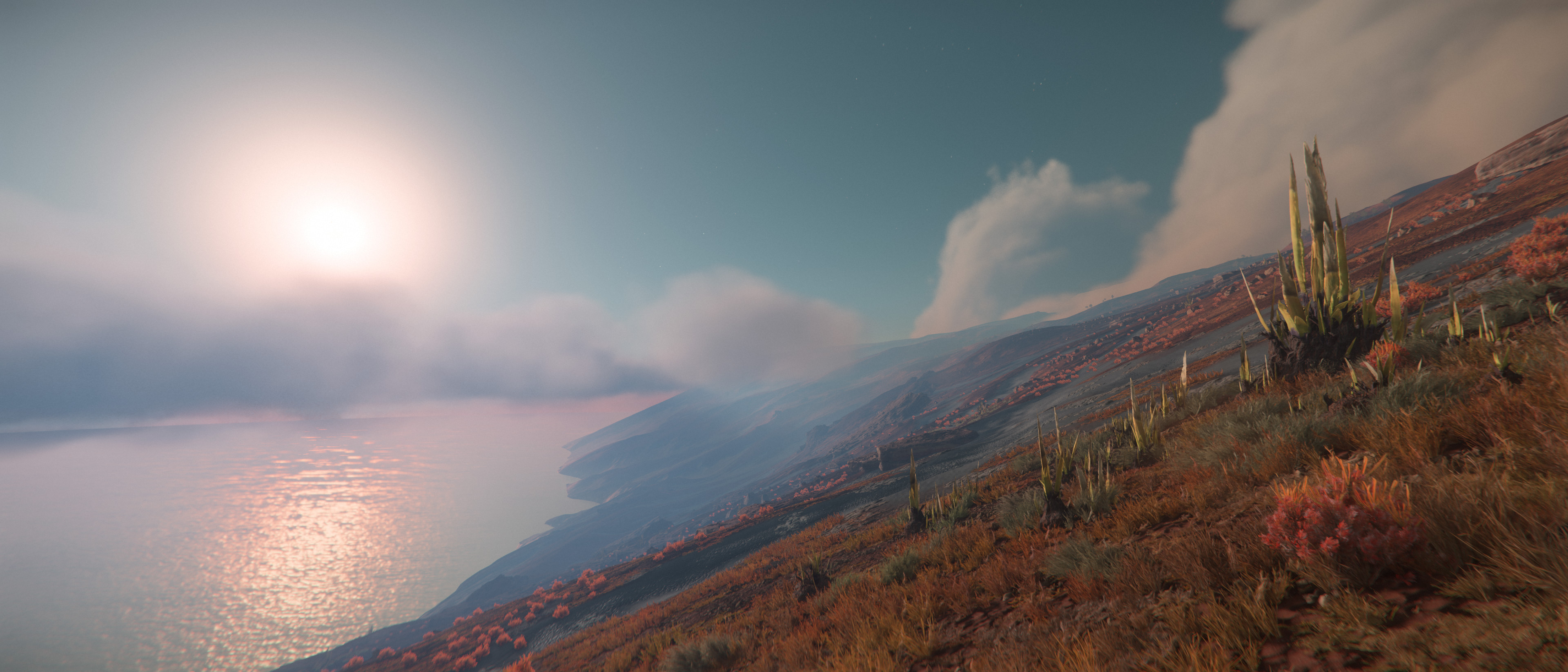
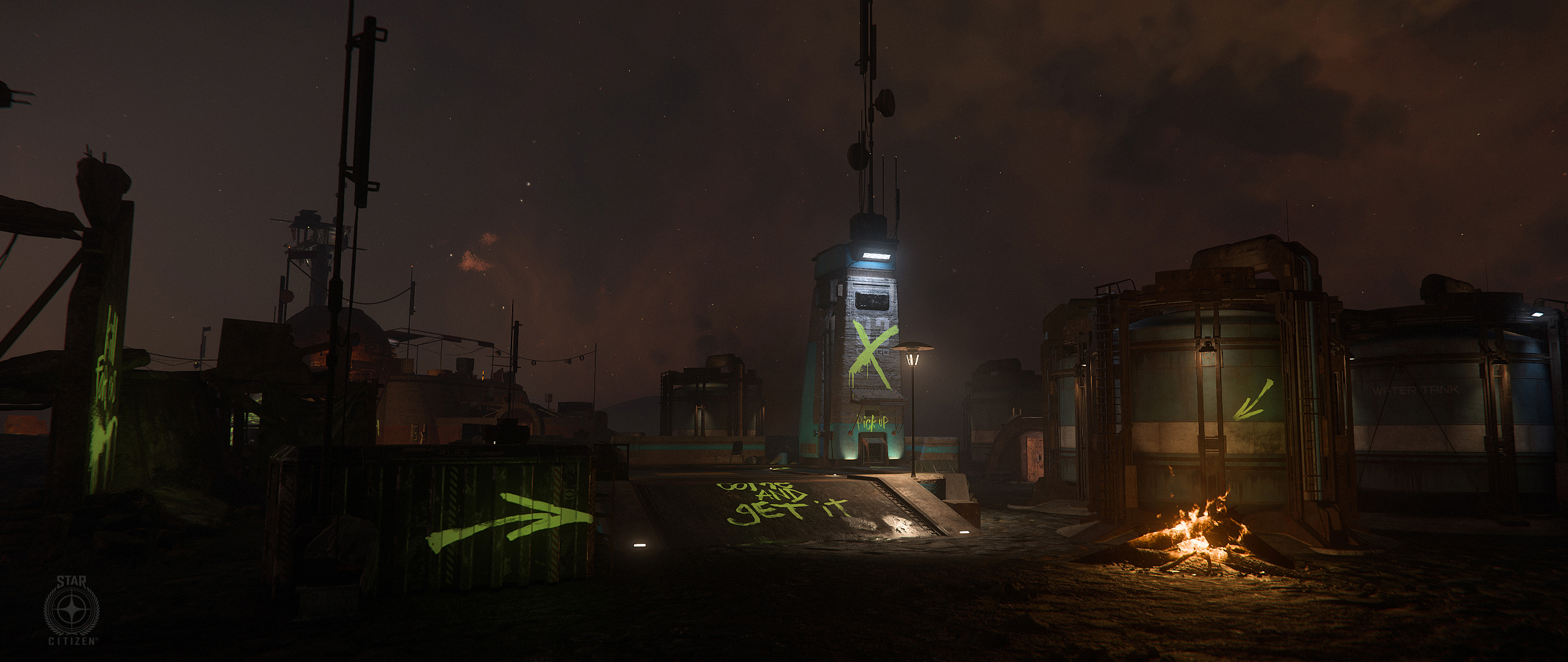
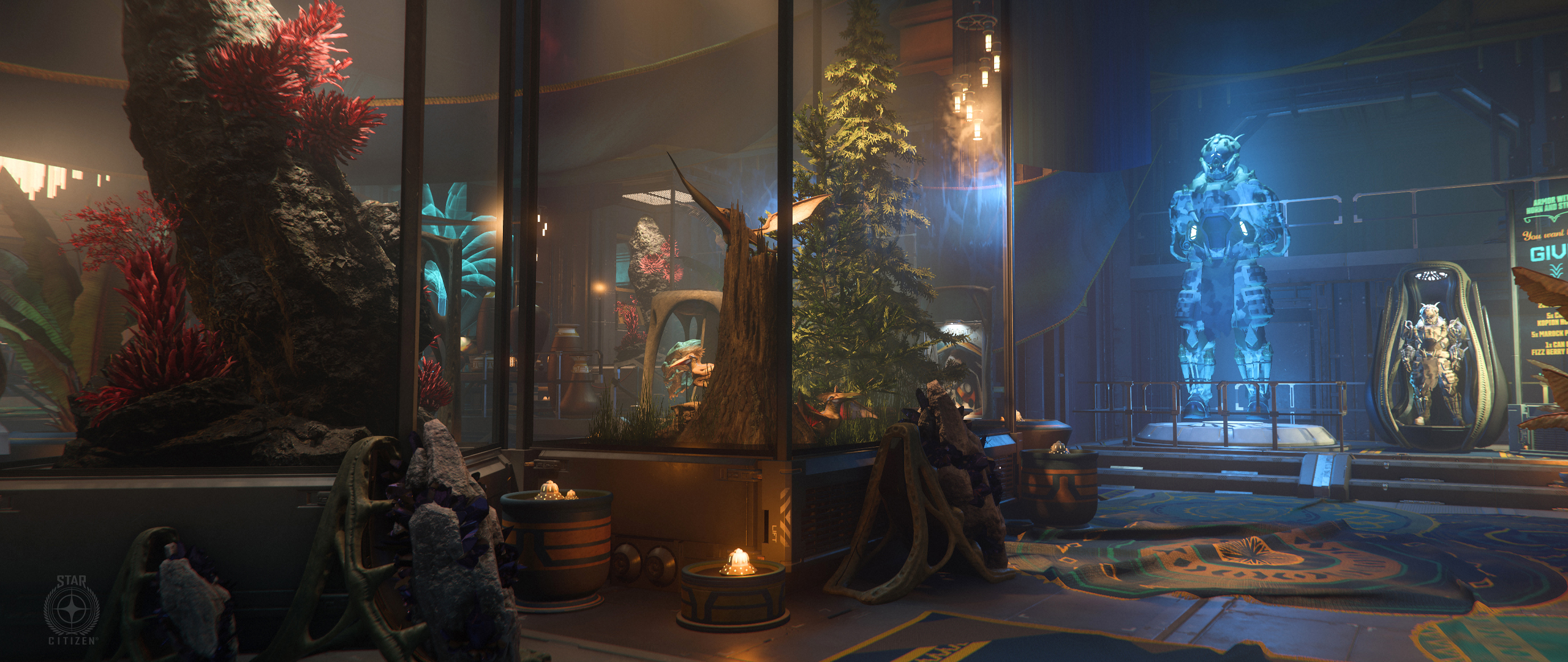
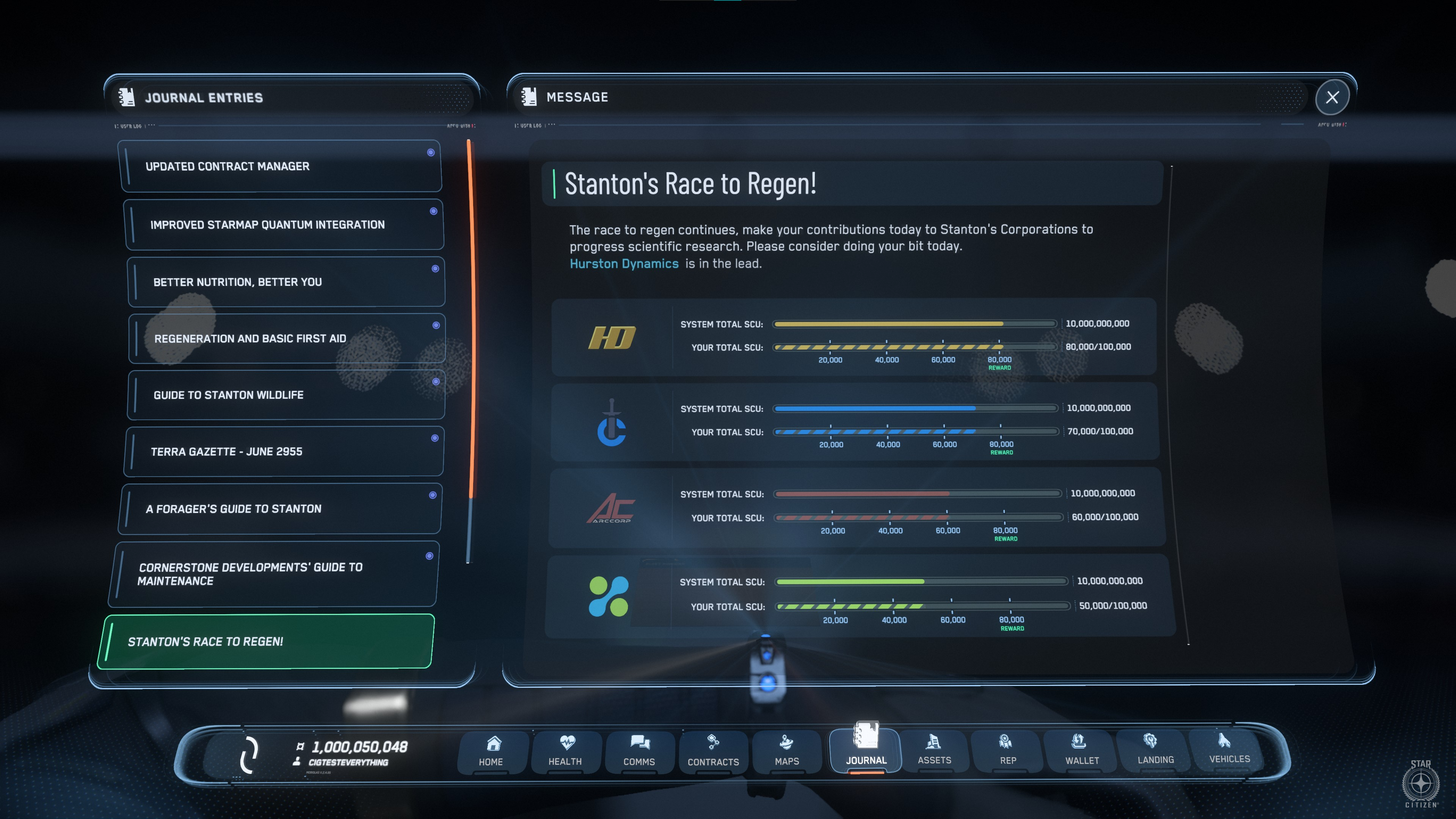
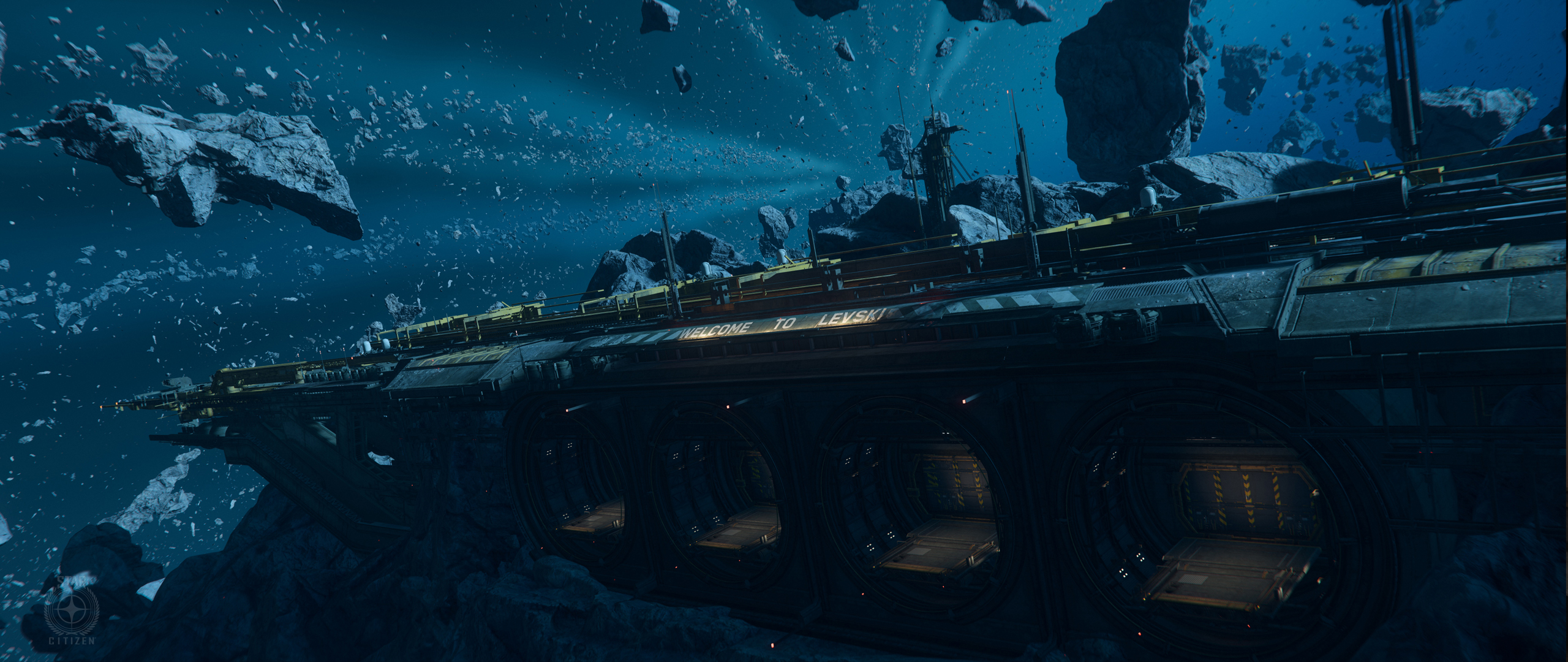
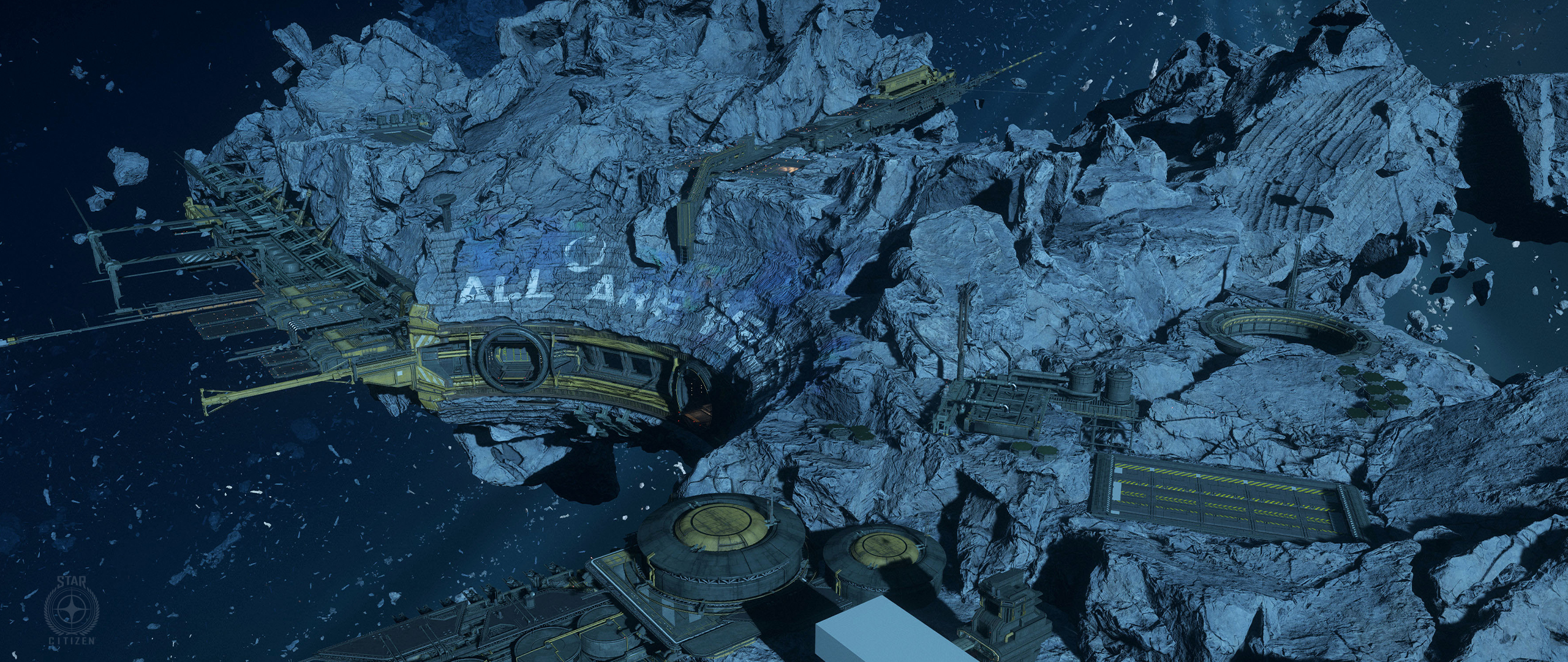
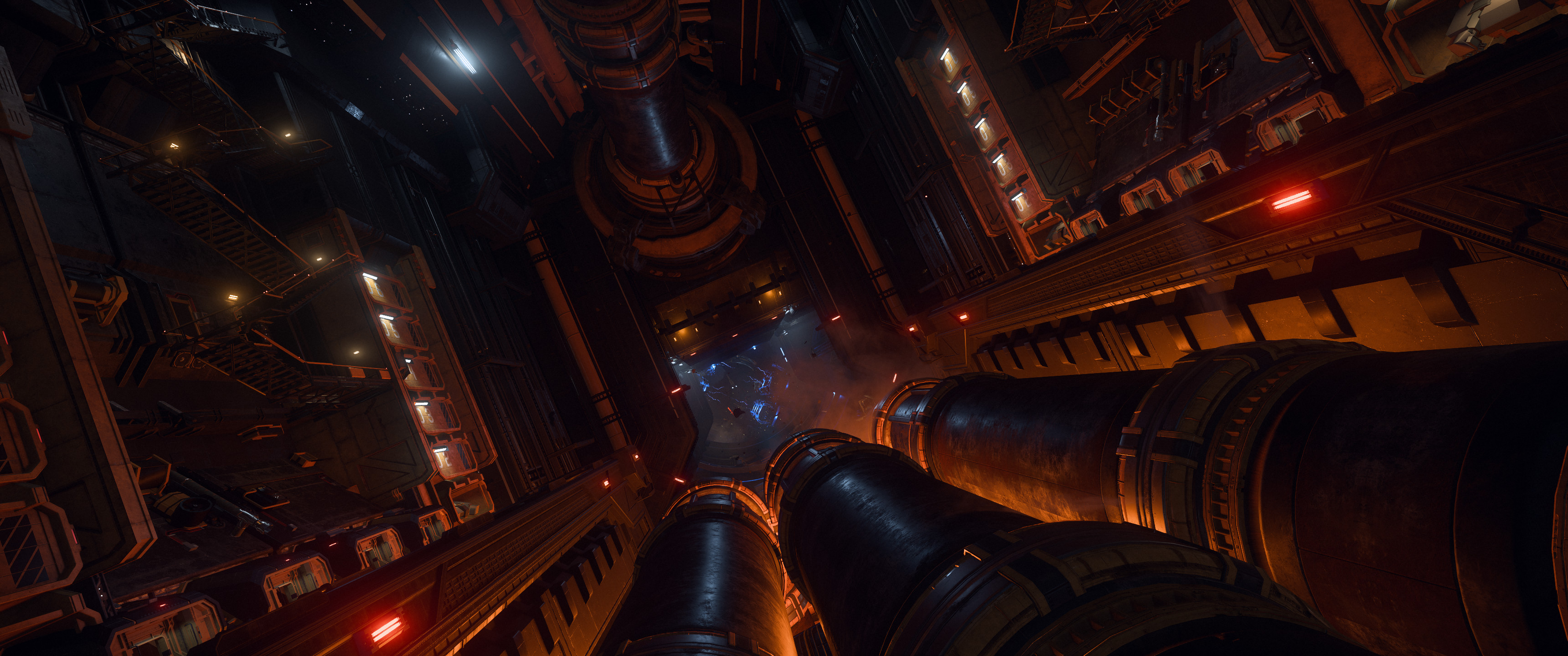
Metadata
- CIG ID
- 15704
- Channel
- Transmission
- Category
- Undefined
- Series
- Monthly Reports
- Comments
- 70
- Published
- 9 years ago (2017-02-10T00:00:00+00:00)