Monthly Studio Report: February 2017
Transmission Undefined Monthly ReportsContent
Greetings Citizens!
Welcome to the monthly report where we collect updates from our studios around the world into a single comprehensive place to summarize the various progresses (and setbacks) they’ve experienced.
This past month has been a flurry of activity. Aside from making headway on S42 and the PU 3.0 undertaking, we launched 2.6.1 to the entire community and have been working on 2.6.2.
Anyway, enough with the intro, let’s get to some updates.
Cloud Imperium Los Angeles
Tech Content
Led by Sean Tracy, the Tech team worked with engineering to tackle the new damage system, which creates random and organic damage effects via procedurally generated materials and exposes the ship’s internal skeleton when metal melts away. They also worked on adding physics-driven destructible behavior to Item System 2.0 by converting the existing functionality into the new Item 2.0 health and damage system. Networking, Persistence, and VFX functionality are also being improved to extend destructibility to broader classes of entities, including props.
The tech content team also worked with animation to implement facial idles for ship pilots. Additionally, they developed a tool that marks up zones used by the renderer to hide and show different areas on a character mesh when layered pieces of clothing and armor are equipped. For example, if your character is wearing a shirt, and then you put a jacket on, the zone culling tells the renderer to ignore any part of the shirt that is out of sight. One of Tech Content’s contributions to this powerful feature was to create a tool that automatically zones and splits any number of assets, regardless of topology. This allows us to quickly implement the zone culling feature onto our massive database of character art.
Recently, tech design also worked on two prototypes. The first was based off Chris’ initial vision for the interaction system, the interface by which players will be able to control and manipulate various objects, such as ships, control panels, weapons, and more. Once they roughed out the system, they worked with programming and UI to ensure that the prototype’s functionality was not only clear on what we’re trying to achieve, but actually possible.
The second prototype focused on how the player controls the properties of items (like shields, weapons, and thrusters) so they can manage signals generated by entities like space ships. This work allows players to manage their ship emissions and engage in a stealthy gameplay. The prototype also explored how to change the properties of these items, so the team can determine how to make upgrades more desirable. It also fixed our previously limited system, which couldn’t be easily balanced, and provided a much more direct way to implement gameplay with simple numerical values.
Tech content is also deep into the setup of the Cutlass Black, Buccaneer, the re-work of the RSI Aurora and another ship we can’t quite discuss yet.
Finally, they’re taking a pass at updating our ship stats page on the website, so all the information about our ships will contain the most current specs. As part of this change, they plan on having regular updates about each of our ships moving forward.
Engineering
The engineering team worked on Instance Properties, which allow designers to modify any part of an entity component in Editor or Game. With this feature, designers do not have to create tons of similar entity templates, simply expose some parameters to modify within the editor itself. This will save asset storage space and reduce the number of entity components, while also allowing for more variations.
With the ultimate aim of creating seamless transitions through our entire universe, the engineering team is making progress on Object Container streaming by changing core engine code to radically increase the amount of content we can put in the game without sacrificing performance. They’re currently replacing the old prefab system in both the hangars and shops with an Object Container to prepare for this expected streaming.
On the radar front, we’ve added an extra timer value to the object data bank, which will be used to specify how much time an entry can remain as an echo contact. They also implemented the Metadata Component interface, which is a component that can be attached to any entity to make them radar detectable. In addition, a feature that allowed object databank linking and unlinking was added, so that entities will inherit databank entries from their parent which lets a player inherit information from the ship they are currently in.
Engineering worked on new scanner gameplay, specifically a mechanic that allows you to reveal hidden information about radar objects. Lastly, the team worked on Lighting States, so various altered states will reflect certain situations, like low power or emergency lockdown. This can currently be done using layer-switching but it requires duplicate lights for each state and has no options for transition animations. They developed a new entity called a Light Group that will take control of all the lights that are assigned to it. With its own internal state machine, the Light Group can modify its lights depending on the current state, for example, switching from a normal light state to an emergency light state and back.
Art
Over on the character side, the art team moved further down the pipeline on many new outfits. For Squadron 42, they created costumes for the deck crew, which presented an interesting challenge as they work a variety of jobs, some of which are in the vacuum of space. The deck crew outfit is coming along nicely in the high poly modelling phase. They also continued working on the Explorer space suit which was featured in our newsletter. They completed final texturing and sent it to rigging, which allows us to get it tested in-game. Finally, they worked on the heavy armor class for both Marine and Outlaw. The Heavy Outlaw will move into the high poly modelling phase once approved, while the Heavy Marine was handed off to rigging before it’s finally implemented.
Narrative
This month the Narrative team fleshed out the game’s alien races with Britton, our xenolinguist, to help develop their various languages. Great strides have been made, as members of the Narrative team can now be heard cursing in Xi’an around the office. The team also worked with artists and designers on various needs for 3.0 and Squadron 42. These include the lore behind various weapon and damage types, the look of planet specific NPC characters and the extensive text needs for Squadron 42.
Meanwhile, they continued to crank out weekly dispatches, a number of exclusives pieces for Jump Point, a wide-range of marketing materials, and much more. On the subject of marketing materials, the Narrative team also welcomed a new member this month, copywriter Desirée Proctor, who has been a great help in tackling things like ship brochures, manufacturer lore and component descriptions
Finally, archivist Cherie Heiberg worked with several departments to find the right database solution to catalogue and sort through the massive amount of animations that will be used in game.
Cloud Imperium Austin
Player Relations
Over at the Austin Studio, Player Relations travelled to the Foundry 42 and Turbulent offices to work on ways to better collect and distribute feedback that can be used during Evocati and PTU Waves during testing. At the same time, Player Relations helped test and launch both 2.6.1 and Spectrum.
Live Ops
The Server Engineering team has been supporting both live and the upcoming 2.6.2 patch. They also continued to enhance multi-region support for matchmaking. Fixes and tweaks have been made to the Party system and Contacts and Friends, which includes improvements to invitations and online/offline state notifications. The Austin Studio has directed much of their energy towards the new Diffusion architecture for the back end services. Diffusion allows the studio to easily create stateless micro services by combining C++ and Ooz scripting languages, which allows the creation of scalable and high-performing stateless services that will allow a larger number of concurrent players with improved stability and less downtime. All of the current back end services have been updated to run on the Diffusion core, which permits refactor/rewrite services for Diffusion without impacting current service operations. Finally, the new Diffusion API Gateway has been finished, which allows Spectrum and other external services to seamlessly integrate with the Diffusion network.
February marked the smooth launch of multi-region support for the LiveOps/DevOps team. The heavy lifting was directed toward the network and server side of our services which resulted in a relatively trouble free rollout for us. A good portion of our early development and testing was on the network to ensure the most reliable connections between the US, Germany, and Australia regions. The entire team was happy to see that the additional work paid off with performance and stability as expected. This allowed the team to move directly into writing enhancements to our monitoring and reporting tools.
Lighting
The Lighting team is working on initial lighting passes and polish passes for some of the locations in Squadron 42. The team is also doing some general optimizations and polish work on Retaliator and Constellation, among others. These changes will fix the infamous strobe lighting in the Retaliator cockpit, as well as improve performance inside these specific ships.
Ship Art
This month, the Drake Cutlass Black entered the greybox phase, so the Ship Art team added primary and secondary detail with geometry and material work. The team was able to kit bash pieces from the Caterpillar, add more details and complete a first lighting pass for the interiors.
Animation
The Austin Ship Animation team wrapped up the greybox phase of the mining ship, the MISC Prospector, with the UK Team. The Drake Buccaneer is getting finalized animations while the team also works on the Cutlass Black.
The PU Animation Team continued to create animations for NPCs to interact with the environment. One of these animations includes replacing the rough retargeted animations on the female with properly shot animations of female performance. They made progress debugging issues with animation, skeletons, and the animation pipeline in general, by working with Code and Design to create a better system to implement the hundreds of animations that have been developed.
One of Animation’s goals has been to create an entire eating experience for NPC characters at the Idris mess hall tables. The sequence begins with a character grabbing a tray and navigating to a table’s seat. Then, the character will sit, eat, drink, and perform any other actions. Finally, the character will stand with the tray in hand and navigate to the tray disposal. This exercise will actually incorporate almost all the departments and will answer a lot of questions about pushing the boundaries of natural NPC behavior.
Design
This month, the Design team worked on getting the first pass implementation of trade into the game with the goal of having a functioning, fluctuating economy that mirrors the real world in as many ways as possible. A few things are required to make this happen: the initial list of commodities must be developed, as well as the locations in which to buy and sell them, and a variable economy needs to be implemented. This economy will include goods flowing from their mined or gathered states, then onto the refineries, passing through manufacturers, and ultimately turning into buyable or tradable items. The price of these items will be an important element of gameplay, because player’s actions can impact the flow of resources, which will in turn affect supply and demand. Since this is still in the early stages, Design outlined a basic structure to represent major commodity groups: Ore, Gas, Food, Medical Supplies, and Vice (like drugs or other illegal items). That way, players can get an idea of which resource types will be traded or fought over. Once the system has been tested with the small subset, Design can expand the commodities into more specific things like Gold, Hydrogen, Rations, Bandages, and more. Next, places are needed so players can purchase and offload this cargo- once you buy it, refine it, and manufacture it.
Design has also been outlining the types of stores that will start to make their way into the PU. In the discussions about the new Truck Stop, it became apparent that all stations have the need for a certain level of resources to sustain their existence and thought that it was a little weird to sell resources directly to the shops themselves, so a new shop type was created. The Admin Office will focus on buying and selling station imports and exports for the local stores on the stage. This shop would also control Local Storage Rentals and include a job board to complete and plan deliveries. This shop type will be in the majority of the locations that don’t have a full-fleshed out Trade and Development Division (TDD), which is focused more on commodity trading.
Ultimately, the prices of commodities will vary based on the supply and demand of the dynamic economy, but, for testing purposes, commodity prices will be set by hand and stay within range of their base prices.
QA
For the month of February, QA Austin primarily focused on testing and supporting the release 2.6.1, and preparing for 2.6.2. This has included compiling comprehensive patch notes for both 2.6.1 and 2.6.2, daily checklists, and working with our UK QA counterparts to increase familiarity with the release process. Multiplayer Megamap and serialized variables have both been major focuses of attention. At the same time, Austin QA hired four new testers while also wrapping up their annual reviews for the existing team members leading to several corresponding promotions (congrats!). We have also been ramping up our attention on the Game-Dev stream as new tech comes online, to ensure stability for both Squadron 42 and 3.0 development.
IT & Operations
The IT team has been involved in multiple projects expanding of our internal build system infrastructure. Content continues to flow in through the ‘source – build – replication’ pipeline at an increasing pace so our infrastructure must occasionally grow along with it. The current upgrades are focusing on network and compute resources in the build system itself so we can isolate stability testing environments from production. In addition to reducing build times to some extent by reducing contention, we will also be able to double capacity for internal code testing further ensuring our engineers don’t have to wait in line. Soon after, the IT team will be shifting back to centralized storage growth but this time with a renewed focus on performance.
Foundry 42 UK
The UK office has expanded somewhat since the last monthly report. There have been 22 new hires this year which brings the number up to 201 employees in the Wilmslow office and 9 developers at the new Derby Studio which mainly focuses on facial animation. To house everybody, we’ve been doing some remodelling in the office and even taken over another floor.
Programming
We have completed a sprint of the Player Interaction System, which improves how the player interacts with items or picks up objects. This system also incorporates the new highlighting and inner thought systems. This will allow players to have a more intuitive and accessible UI experience and clearly identify what they can interact with.
The team have continued work on the new mission system. The old flowgraph missions, which were not scalable to the needs of our dynamic universe, are going away to be replaced with a tool that can create diverse and systemic missions much more rapidly. Our Design team have already started using this tool to set up missions in the PU. The Frankfurt update will delve a little deeper into this, but the design team have started using the new System Editor tool, known as “Sol-Ed,” to put together our system maps which will really increase the productivity of our design teams.
The teams also completed two locomotion sprints. The first was to blend the walking-to-run and run-to-walk animation to better capture a more realistic sense of speed and inertia for the player. The second sprint was to vastly improve AI path following, so NPC characters are able to traverse close spaces and blend between animations in a much smoother manner.
Our Graphics team has been working to optimizing the lighting in the game. One major part of this work is to upgrade the quality and accuracy of rectangular lights. In most games, rectangular lights are not used very often due to their very high cost, but our artists have been requesting support due to the prevalence of these types of lights in our game, so we’ve spent a lot of time optimizing our shaders to make them viable. In addition, the team has improved the diffuse lighting and reflections to mirror real world behavior, which have had a tremendous effect on our character lighting.
On the Networking side, the team is finishing off the serialized variable, which will reduce network bandwidth for the PU. They also finished the new message queue to stabilize sending and receiving of packets and are continuing to hammer out bugs with the new Multiplayer Mega Map, so players can switch between game modes without long load times.
Animation
The Animation team has been pretty weapon-centric over the past month. They worked on reload, firing, hand poses and select-and-deselect animations for the current line of FPS weaponry in the game. They also worked on updating the no-weapon locomotion, the stocked sprint, prone combat animation and revised the female rig based on feedback.
As outlined in earlier discussions, managing your character’s stamina and oxygen has always been a part of SC’s ultimate FPS system, so the team started pre-visualization sprints to start locking down exactly how those animations would look and how that would affect gameplay.
The Derby studio continued to focus on S42 characters, but also found time to support the team for 3.0 characters including some of the mission givers as well as bartenders, shopkeepers and general population lines.
Art
The Concept team has taken a second pass on weapons to improve reload visuals and add detail where needed while working on some new ship weapons.
The Ship team has been putting the final touches on the exterior of this Javelin Destroyer, as well finishing work on the interior decks. This ship is an important one on several levels, not only be involved in the first instalment of Squadron 42, it will be available in the PU as our new capital ship mechanics like item port 2.0, come online.
Work is ongoing with the MISC’s hopeful entrant to Murray Cup, the Razor, while large strides have been made on the Hull series of cargo ships. They have been specifically tackling some of the major functionality questions about the ship: how the cargo arms will work, how they will load and unload cargo, or land. It’s been quite a challenge given the huge difference in carrying capacity from the smallest class “A” to the massive Class “E.”
The Environment team has continued with Squadron 42 work, but has also started early work on several locations that will turn up in the PU, like the Truck Stop. By utilizing the modular building sets, they’ve been able to mock up exteriors and interiors rather quickly to show the variety of locations we will be able to place in the PU. It’s been a great process, allowing the team to keep the art style consistent, while accommodating the functionality required by design.
The planetary surface outposts finished their initial art sprint to complete the base building set, so the team can create small outposts in multiple configurations and distributed across different landscapes. Now we have our building blocks, we can start adding flavor and details. Also, with the surface outposts, the team is developing how our shaders are going to react when we place these architectural elements in various biomes which will help give us believable systemic integration into their environments without having to invest lots of art time to create bespoke assets.
Lastly, as you know, space is very large, so while a lot of attention has been placed on detail the locations, moons and planets, the question was raised about how to make areas of space feel distinct and interesting. The Environment team has been syncing up with various departments to explore investing time in creating the visual targets for our space look and feel, whether travelling through anything from a nebula or dense asteroid field to a space storm or anomaly.
VFX
The Visual Effects Team has been focused on a lot of planning to help support our new planetary environments; including atmospheric flight effects and modular/ procedurally generated surface bases. Work has been done on thruster and damage effects for the Constellation Aquila and updates to the high tech damage effects library. The team has also iterated on last month’s explosion template and provided further polish to ballistic SMG weapons.
UI
This month, the UI team has progressed on our new Kiosk shopping interface, proven out by our prototype which allows us to make sure it works in all our locations and shop types. They’ve also continued to improve all our in-game HUD UI whether walking around, or on a ship.
Audio
Aside from supporting all the various sprints and requests from the other departments, the Audio team fixed up performance issues and tool improvements, created audio for new ships including the Dragonfly, Connie Aquila, and Prospector, worked on the music for both S42 and the PU, submitted fixes to weapon audio and finally implemented foley work so the right noises can be heard from differing material types.
Foundry 42 DE
Cinematics
Coordinating with multiple disciplines across all our world-wide studios, the Cinematics team has been pushing forward on the rich storytelling of Squadron 42 in order to achieve the final look and feel that they are after. Thanks to the efforts of the Character team our A-List cast of characters is looking better than ever, which not only helps with immersion but also to express a fuller and richer range of emotions. One of the big focuses this month has been working with the UI and Art teams on refining the inner thought system and how Players will interact with it.
Weapons
The FPS focused part of the team have been working on the final polish passes for newest additions to the Behring and Klaus and Warner lines, as well as a new double-barrel ballistic Ravager shotgun from Kastak Arms. The ship weapon team have been focusing their time on finalizing the pipeline for the new modular and upgradeable system which, when completed, will allow greater flexibility for players, as well as allowing artists to create the weapons themselves more efficiently. An example of this is the work that is being done on updating the Knightsbridge Arms line.
Tech Art
This month, Tech Art worked on a tool for both cinematic and gameplay animators to quickly render out previews of their work in Maya by offloading the rendering to a different PC. This allows them to continue working during the render process, greatly expediting the workflow. The renders are an essential part of the review process since they assist the global team being able to see everyone’s progress across all the studios. In addition, the Tech Art team also worked on other numerous small tasks such as skinning, cloth, and automate file testing in Maya, and supporting the weapons team to name a few.
Engineering
The Engineering team focused much of their efforts on pushing the planet tech we have been developing even further. One notable step forward has been with planetary clouds. The team revised LOD computations for cloud textures in order to reduce aliasing and shimmering artifacts in the distance. Cloud animations have progressed as well making them even more realistic, and for creating a wider range of worlds, the artists now have the option to tint the clouds with various colors.
They also completed a first iteration of the Solar System Editor. This was an important tool for us to develop since the size of our solar systems and the amount of objects within them made other previous workflow methods exceeding difficult to use. This new editor allows our designers and artists to set up solar systems by dragging in planets as object containers, configuring their orbits around the sun, setting up moons orbiting around planets, and more.
The team completed numerous other improvements such as replacing the video player backend to allow for much higher quality videos at a much reduced file size. They also worked on compression and enabled client side feature testing on a large variety of game and engine features to automatically track if and when new submissions cause any unexpected errors.
AI
The AI team has recently completed two separate sprints related to the implementation of the subsumption mission system’s functionalities. These sprints used research and rescue missions in Crusader to test the expanded functionality and provide the groundwork for additional missions to be added with the subsumption system. One of the low level features added is the super GUID which provides a way to connect a variable in subsumption to an object in the world. For example, in Crusader, we had one main object container that defines the Stanton System. This container has a clear structure and contains asteroid fields, Port Olisar, etc. In the mission logic, we can have multiple super GUID variables that allow us to access specific elements within a given structure which will benefit the implementation of some of the richer mission designs.
This month the AI team also introduced a new tool, the subsumption visualizer. This tool allows designers to debug mission and behavior logic in realtime and make adjustments and modifications to the flow and NPCs on the fly which significantly cuts down iteration time. This tool is fully integrated into the engine and will be the central place for the debug functionalities of subsumption as a whole.
Usables have also been a large focus, and now system designers can have both the player and the AI interacting with the same usable, and intelligently be able to use objects inside of that usable. For example, sitting down at a table, picking up a cup, drinking from it, using a knife and fork, picking a grenade from a locker, etc. They in addition worked on getting all of the SQ42 character subsumption behaviors standardized across the board and using the same fixed template for conversations and 24 hour life cycle behaviors.
VFX
Over the past month, the VFX team has continued work on the procedural systems for placing particles on the surface of planets. They’ve also been working with the system designers on a brand new oxygen breathing system and the visuals attached to it. As players perform various actions in game, the oxygen system visuals will help inform the player of their exertion level. The system is still incredibly early in its development and may change, but has been showing good progress.
Level Design
The Level Design team is continuing its push on modular locations including surface outposts for hydroponics, mining, and storage. Of course, as with the other locations, both the interior and the exteriors of these outposts are modular, allowing designers to quickly create a wide variety of locations for players to explore while still maintaining the high level of visuals Star Citizen strives for.
Environmental Art
The Environment team has continued the development of the procedural tech and have been working directly with the programmers to improve the tools. The team has made a lot of progress on the procedural moons around Crusader, making sure that Yela, Cellin and Daymar each have their own distinct look and feel. A lot of effort has gone into making each one unique, but at the same time visually tying them to the overall look of Crusader. The work for the different ecosystems on these moons is now complete and the team is currently working on redefining the geological elements that will be found on each separate moons.
Turbulent
The Turbulent team has been working away on Spectrum, checking the Issue Council for reported issues and identifying short term additions to the platform. Two of the releases that have been launched came directly from user feedback with the goal of releasing updates every two weeks. The team has added better readability on a thread list and tweaked sort algorithms based on user requests. They also incorporated timestamps to the threadlist and worked on allowing users to add inline media. They also aim to bring thumbnails to the threadlist and secondary thread types, since only classic threads exist. An upvote system for comments within the forum thread is in development.
The Turbulent team also stopped in Los Angeles and the UK to discuss in-game integration between platform and game. This integration will make Spectrum unique to other platforms as it will be the only one entrenched in Star Citizen. Another longer-term goal is different command channels. For example, a Squadron type channel that allows Admirals and Captains to broadcast to sub-channels when needed.
A Spectrum mobile app is Turbulent’s major focus. At the moment, Spectrum is mobile-ready via your phone’s web browser. There are still a few bugs, however, so the team is working to bring native support to the mobile platform, beginning with Androids and iOS. The goal is to get the mobile platform to a point where it’s easier for users to get notifications.
One of their long term goals is voice support, which is currently in research and development. They’re working through a lot of different technical options to get simple voice chat in. Once it’s implemented, users can take advantage of this feature while playing Star Citizen. As with everything in Spectrum, Turbulent would like to launch features fast and then improve upon them with the help of users.
Community
The Community team added two important new members this month, Graphic Designer Javid Kazmi and Community Manager Tyler Nolin. Tyler will be operating from the Los Angeles office and you can expect to see him everywhere you Star Citizen. Please make him (and all our new employees) feel welcome on Spectrum!
On the subject of Spectrum, Turbulent has done some amazing work on getting this new communication hub up and running, and the dev team has been having a great time interacting with the community in the new forums and chat channels. If you see the gold name of a team member, don’t hesitate to reach out as we’re eager to hear your thoughts, discuss the game, and get to know all of you better. As for the legacy systems, by the time you read this, the old live chat will have been retired and preparations will be underway to transition the forums fully to Spectrum.
Also this month, CIG’s very own Jared Huckaby and Tyler Witkin travelled to snowy Boston to share Star Citizen with the masses gathering for PAX East, the East Coast’s largest gaming convention… and by all accounts, it sounds like it was a success. Check out these snaps from the massive Bar Citizen event.
In addition, the Community team kicked off the Anvil Hurricane promotion, which introduced the UEE’s toughest new fighter to our ranks. The Hurricane is a heavily armed ‘glass hammer’ of a ship which is intended to expand existing gameplay with a unique variation. For the promotion, a ‘warbirds’ style brochure was introduced along with a new kind of Ship Shape. Both were followed by two rounds of community Q&A that you can read here and here.
There have also been some exciting changes to the community weekly video lineup. An all-new style of 10 for the Chairman premiered with Chris being joined by Tony Zurovec to talk about cargo and mining professions in 3.0. Here’s a clip!
The new community show, Citizen’s of the Stars has been off to a great start, but it needs YOU! The show wouldn’t exist without incredible Citizens doing amazing things, so be sure to share your cool projects on the Community Hub whenever you can. We also need your questions for ‘Quantum Questions,’ which you can provide in the Subscriber’s Den. For more information about becoming a Subscriber click here .
Star Citizen’s Friday livestream, Happy Hour has become more diverse than ever, with a new set of ‘theme’ episodes that will make things more unique each week. Different programs will feature interviews, retro gaming and even live art prototyping! There’s something for everyone, so why not stop by and hang out.
Getting into the ‘nuts and bolts’ of how the Community team operates, representatives from around the company gathered for a week-long Community and Marketing sync up to discuss the exciting events, promotions and releases we have coming this year including some events that are happening this week at SXSW! John Erskine, Tyler Witkin, Eric Green and Merissa Meissner will be appearing on a panel talking about Community interaction, Evocati testing and more. The panel is set for this Saturday, 12:30-1:30 on the Geek Stage at the Austin Convention Center, Room 6AB so swing by if you can.
Thank you, everyone, for your support. Star Citizen can only be as good as the community that supports it… which means that we’re in good hands! We’ll see you in the ‘verse.
See You Next Month…
That will do it for February’s Monthly Report. Be sure to tune into Around the Verse next week to get a new update from the LA studio about their work on female characters, light group entities and the Aurora rework, followed by a trip to Frankfurt the week after where we’ll get updates from Animation, Lighting and AI.
Thanks again for your support and we’ll see you in the ’verse.
S. Ziel ist es, die mobile Plattform so weit zu bringen, dass es für die Benutzer einfacher ist, Benachrichtigungen zu erhalten.
Eines ihrer langfristigen Ziele ist die Sprachunterstützung, die sich derzeit in Forschung und Entwicklung befindet. Sie arbeiten an vielen verschiedenen technischen Optionen, um einen einfachen Sprachchat zu erhalten. Sobald es implementiert ist, können Benutzer diese Funktion nutzen, während sie Star Citizen spielen. Wie bei allem in Spectrum möchte Turbulent Features schnell starten und diese dann mit Hilfe von Benutzern verbessern.
Community
Das Community-Team hat in diesem Monat zwei wichtige neue Mitglieder hinzugefügt, den Grafikdesigner Javid Kazmi und den Community Manager Tyler Nolin. Tyler wird vom Büro in Los Angeles aus operieren und Sie können erwarten, ihn überall zu sehen, wo Sie Star Citizen sind. Bitte lassen Sie ihn (und alle unsere neuen Mitarbeiter) sich bei Spectrum willkommen fühlen!
Zum Thema Spectrum hat Turbulent erstaunliche Arbeit geleistet, um diese neue Kommunikationszentrale in Betrieb zu nehmen, und das Entwicklungsteam hatte eine großartige Zeit bei der Interaktion mit der Community in den neuen Foren und Chatkanälen. Wenn Sie den goldenen Namen eines Teammitglieds sehen, zögern Sie nicht, sich an uns zu wenden, denn wir sind gespannt auf Ihre Gedanken, diskutieren das Spiel und lernen Sie alle besser kennen. Was die Altsysteme betrifft, so wird der alte Live-Chat bis zum Lesen des Artikels eingestellt sein, und es werden Vorbereitungen getroffen, um die Foren vollständig auf Spectrum umzustellen.
Auch in diesem Monat reisten CIGs eigene Jared Huckaby und Tyler Witkin ins verschneite Boston, um Star Citizen mit den Massen zu teilen, die sich zur PAX East, der größten Spielemesse an der Ostküste, versammelten.... und es klingt nach einem Erfolg. Schauen Sie sich diese Schnappschüsse vom riesigen Bar Citizen Event an.
Darüber hinaus startete das Community-Team die Anvil Hurricane Promotion, mit der der härteste neue Kämpfer der UEE in unsere Reihen kam. Der Hurrikan ist ein schwer bewaffneter "Glashammer" eines Schiffes, der das bestehende Gameplay um eine einzigartige Variante erweitern soll. Für die Promotion wurde eine Broschüre im "Warbirds"-Stil zusammen mit einer neuen Art von Schiffsform eingeführt. Auf beide folgten zwei Runden Community-F&A, die Sie hier und hier lesen können.
Es gab auch einige aufregende Änderungen am wöchentlichen Videoaufgebot der Community. Ein völlig neuer Stil von 10 für den Vorsitzenden wurde erstmals vorgestellt, wobei Chris von Tony Zurovec unterstützt wurde, um in 3.0 über Ladungs- und Bergbauberufe zu sprechen. Hier ist ein Ausschnitt!
Die neue Community-Show Citizen's of the Stars hat einen guten Start hingelegt, aber sie braucht SIE! Die Show gäbe es nicht ohne unglaubliche Bürger, die erstaunliche Dinge tun, also stellen Sie sicher, dass Sie Ihre coolen Projekte auf dem Community Hub teilen, wann immer Sie können. Wir benötigen Ihre Fragen auch für "Quantum Questions", die Sie im Subscriber's Den angeben können. Für weitere Informationen darüber, wie Sie Abonnent werden können, klicken Sie bitte hier.
Star Citizen's Freitag Livestream, Happy Hour ist vielfältiger denn je geworden, mit einem neuen Satz von "Themen"-Episoden, die die Dinge jede Woche einzigartiger machen werden. In verschiedenen Programmen werden Interviews, Retro-Gaming und sogar Live Art Prototyping angeboten! Es gibt für jeden etwas, also schau doch einfach mal vorbei und häng dich ab.
Um sich ein Bild davon zu machen, wie das Community-Team funktioniert, versammelten sich Vertreter aus dem gesamten Unternehmen zu einer einwöchigen Synchronisation von Community und Marketing, um die spannenden Events, Promotionen und Veröffentlichungen zu diskutieren, die wir in diesem Jahr erwarten, einschließlich einiger Veranstaltungen, die diese Woche bei SXSW! stattfinden. John Erskine, Tyler Witkin, Eric Green und Merissa Meissner werden auf einem Panel über Community-Interaktion, Evocati-Tests und mehr sprechen. Das Panel ist für diesen Samstag, 12:30-1:30 Uhr auf der Geek Stage im Austin Convention Center, Raum 6AB, angesetzt, also schauen Sie vorbei, wenn Sie können.
Ich danke Ihnen allen für Ihre Unterstützung. Star Citizen kann nur so gut sein wie die Gemeinschaft, die ihn unterstützt.... was bedeutet, dass wir in guten Händen sind! Wir sehen uns im Vers.
Bis zum nächsten Monat.....
Das reicht für den Monatsbericht Februar. Seien Sie sicher, dass Sie nächste Woche Around the Vers besuchen, um ein neues Update aus dem LA-Studio über ihre Arbeit an weiblichen Charakteren, Lichtgruppeneinheiten und der Aurora-Überarbeitung zu erhalten, gefolgt von einer Reise nach Frankfurt in der Woche danach, wo wir Updates von Animation, Beleuchtung und KI erhalten werden.
Nochmals vielen Dank für deine Unterstützung und wir sehen dich in der Strophe. Grüße Bürger!
Willkommen zum Monatsbericht, in dem wir Updates aus unseren Studios auf der ganzen Welt an einem einzigen umfassenden Ort sammeln, um die verschiedenen Fortschritte (und Rückschläge) zusammenzufassen, die sie erlebt haben.
Der vergangene Monat war eine rege Aktivität. Neben den Fortschritten bei S42 und dem PU 3.0-Projekt haben wir 2.6.1 in der gesamten Community eingeführt und an 2.6.2 gearbeitet.
Wie auch immer, genug mit dem Intro, lasst uns zu einigen Updates kommen.
Cloud Imperium Los Angeles
Technischer Inhalt
Unter der Leitung von Sean Tracy arbeitete das Tech-Team mit dem Ingenieurwesen an der Lösung des neuen Schadenssystems, das zufällige und organische Schadenseffekte durch prozedural erzeugte Materialien erzeugt und das innere Skelett des Schiffes freilegt, wenn Metall weggeschmolzen wird. Sie arbeiteten auch daran, dem Elementsystem 2.0 physikalisch bedingtes zerstörbares Verhalten hinzuzufügen, indem sie die vorhandene Funktionalität in das neue Item 2.0 Gesundheits- und Schadenssystem umwandelten. Die Netzwerk-, Persistenz- und VFX-Funktionalität wird ebenfalls verbessert, um die Zerstörbarkeit auf breitere Klassen von Entitäten, einschließlich Requisiten, auszudehnen.
Das Tech Content Team arbeitete auch mit Animationen, um Gesichtszüge für Schiffspiloten zu realisieren. Zusätzlich entwickelten sie ein Tool, das Zonen markiert, die vom Renderer verwendet werden, um verschiedene Bereiche auf einem Charakter-Netz zu verstecken und anzuzeigen, wenn mehrschichtige Kleidungsstücke und Rüstungen ausgestattet sind. Wenn dein Charakter zum Beispiel ein Hemd trägt und du dann eine Jacke anziehst, sagt die Zonenauslesung dem Renderer, dass er jeden Teil des Hemdes ignorieren soll, der außer Sichtweite ist. Einer der Beiträge von Tech Content zu diesem leistungsstarken Feature war die Entwicklung eines Tools, das automatisch eine beliebige Anzahl von Assets unabhängig von der Topologie zoniert und aufteilt. Dies ermöglicht es uns, das Zonenauslesefeature schnell in unsere umfangreiche Datenbank der Charakterkunst zu integrieren.
In jüngster Zeit hat tech design auch an zwei Prototypen gearbeitet. Die erste basiert auf Chris' anfänglicher Vision für das Interaktionssystem, der Schnittstelle, über die die Spieler verschiedene Objekte wie Schiffe, Bedienpulte, Waffen und mehr steuern und manipulieren können. Nachdem sie das System ausgeräumt hatten, arbeiteten sie mit der Programmierung und der Benutzeroberfläche, um sicherzustellen, dass die Funktionalität des Prototyps nicht nur klar war, was wir erreichen wollten, sondern auch tatsächlich möglich war.
Der zweite Prototyp konzentrierte sich darauf, wie der Spieler die Eigenschaften von Gegenständen (wie Schilde, Waffen und Triebwerke) steuert, damit sie Signale verwalten können, die von Einheiten wie Raumschiffen erzeugt werden. Diese Arbeit ermöglicht es den Spielern, ihre Schiffsemissionen zu kontrollieren und ein heimliches Gameplay zu betreiben. Der Prototyp untersuchte auch, wie man die Eigenschaften dieser Elemente ändert, so dass das Team bestimmen kann, wie Upgrades wünschenswerter gestaltet werden können. Es hat auch unser bisher begrenztes System repariert, das nicht leicht auszugleichen war, und es bot einen viel direkteren Weg, das Gameplay mit einfachen numerischen Werten zu implementieren.
Tech-Inhalte sind auch tief in das Setup der Cutlass Black, Buccaneer, die Überarbeitung der RSI Aurora und ein weiteres Schiff, über das wir noch nicht ganz diskutieren können.
Schließlich nehmen sie einen Pass zur Aktualisierung unserer Schiffsstatistikseite auf der Website, so dass alle Informationen über unsere Schiffe die aktuellsten Spezifikationen enthalten. Als Teil dieser Änderung planen sie, regelmäßig über die Fortschritte jedes unserer Schiffe informiert zu werden.
Ingenieurwesen
Das Entwicklungsteam arbeitete an Instanz-Eigenschaften, die es Designern ermöglichen, jeden Teil einer Entitätskomponente im Editor oder Spiel zu ändern. Mit dieser Funktion müssen Designer nicht tonnenweise ähnliche Entitätsvorlagen erstellen, sondern nur einige Parameter zur Bearbeitung im Editor selbst freigeben. Dies spart Speicherplatz und reduziert die Anzahl der Entity-Komponenten und ermöglicht gleichzeitig mehr Variationen.
Mit dem ultimativen Ziel, nahtlose Übergänge durch unser gesamtes Universum zu schaffen, macht das Engineering-Team Fortschritte beim Object Container Streaming, indem es den Kern-Engine Code ändert, um die Menge an Inhalten, die wir in das Spiel einbringen können, radikal zu erhöhen, ohne die Leistung zu beeinträchtigen. Derzeit ersetzen sie das alte Fertigteilsystem sowohl in den Hangars als auch in den Geschäften durch einen Objektcontainer, um sich auf dieses erwartete Streaming vorzubereiten.
Auf der Radarseite haben wir der Objektdatenbank einen zusätzlichen Timerwert hinzugefügt, mit dem festgelegt werden kann, wie lange ein Eintrag als Echokontakt bleiben kann. Sie implementierten auch die Metadaten-Komponenten-Schnittstelle, die eine Komponente ist, die an jede Entität angehängt werden kann, um sie radarfähig zu machen. Darüber hinaus wurde eine Funktion hinzugefügt, die das Verknüpfen und Entkoppeln von Objektdatenbanken erlaubt, so dass die Entitäten Datenbankeinträge von ihrem übergeordneten Element erben, wodurch ein Spieler Informationen von dem Schiff erben kann, in dem er sich gerade befindet.
Engineering arbeitete an einem neuen Scanner-Gameplay, insbesondere einem Mechaniker, der es Ihnen ermöglicht, versteckte Informationen über Radarobjekte aufzudecken. Schließlich arbeitete das Team an Beleuchtungszuständen, so dass verschiedene veränderte Zustände bestimmte Situationen widerspiegeln, wie z.B. Niederspannung oder Notabschaltung. Dies kann derzeit mit Hilfe von Layer-Switching erfolgen, erfordert aber doppelte Lichter für jeden Zustand und hat keine Optionen für Übergangsanimationen. Sie entwickelten eine neue Einheit namens Light Group, die die Kontrolle über alle ihr zugeordneten Lichter übernehmen wird. Mit einer eigenen internen Zustandsmaschine kann die Lichtgruppe ihre Leuchten je nach aktuellem Zustand modifizieren, z.B. vom normalen Lichtzustand in einen Notlichtzustand und zurück wechseln.
Kunst
Auf der Charakterseite bewegte sich das Kunstteam weiter die Pipeline hinunter zu vielen neuen Outfits. Für die Staffel 42 kreierten sie Kostüme für die Deckmannschaft, was eine interessante Herausforderung darstellte, da sie eine Vielzahl von Jobs ausführen, von denen einige im Vakuum des Weltraums liegen. Das Deckmannschaftsoutfit kommt in der High-Poly-Modellierungsphase gut voran. Sie arbeiteten auch weiter an dem Explorer-Raumanzug, der in unserem Newsletter vorgestellt wurde. Sie haben die endgültige Texturierung abgeschlossen und sie an das Rigging geschickt, was es uns ermöglicht, sie im Spiel testen zu lassen. Schließlich arbeiteten sie an der schweren Rüstungsklasse für Marine und Outlaw. Der Heavy Outlaw wird nach der Genehmigung in die High-Poly-Modellierungsphase eintreten, während der Heavy Marine an die Takelage übergeben wurde, bevor er schließlich implementiert wird.
Narrativ
Diesen Monat hat das Narrative Team die außerirdischen Rassen des Spiels mit Britton, unserem Xenolinguisten, ausgearbeitet, um bei der Entwicklung ihrer verschiedenen Sprachen zu helfen. Es wurden große Fortschritte gemacht, denn die Mitglieder des Narrative-Teams sind nun in Xi'an im Büro zu hören. Das Team arbeitete auch mit Künstlern und Designern an verschiedenen Anforderungen für 3.0 und Squadron 42. Dazu gehören die Überlieferung über verschiedene Waffen- und Schadenstypen, das Aussehen von planetenspezifischen NSC-Charakteren und der umfangreiche Textbedarf für Staffel 42.
Unterdessen wurden weiterhin wöchentliche Sendungen, eine Reihe exklusiver Stücke für Jump Point, eine breite Palette von Marketingmaterialien und vieles mehr herausgegeben. Zum Thema Marketingmaterialien begrüßte das Narrative Team auch ein neues Mitglied in diesem Monat, die Texterin Desirée Proctor, die eine große Hilfe bei der Bearbeitung von Dingen wie Schiffsbroschüren, Herstellerkunde und Komponentenbeschreibungen war.
Schließlich arbeitete die Archivarin Cherie Heiberg mit mehreren Abteilungen zusammen, um die richtige Datenbanklösung zu finden, um die riesige Menge an Animationen, die im Spiel verwendet werden, zu katalogisieren und zu sortieren.
Wolkenimperium Austin
Spielerbeziehungen
Im Austin Studio reiste Player Relations in die Foundry 42 und Turbulent Büros, um an Möglichkeiten zu arbeiten, wie man besser Feedback sammeln und verteilen kann, das während der Tests während Evocati und PTU Waves verwendet werden kann. Gleichzeitig half Player Relations beim Testen und Starten von 2.6.1 und Spectrum.
Live-Ops
Das Server Engineering Team unterstützt sowohl den Live- als auch den kommenden Patch 2.6.2. Sie haben auch die multiregionale Unterstützung für das Matchmaking weiter ausgebaut. Es wurden Korrekturen und Optimierungen am Parteiensystem und an den Kontakten und Freunden vorgenommen, was Verbesserungen bei Einladungen und Online-/Offline-Benachrichtigungen beinhaltet. Das Austin Studio hat einen Großteil seiner Energie in die neue Diffusionsarchitektur für die Backend-Services gesteckt. Diffusion ermöglicht es dem Studio, zustandslose Mikrodienste durch die Kombination von C++ und Ooz-Skriptsprachen zu erstellen, was die Erstellung skalierbarer und leistungsstarker zustandsloser Dienste ermöglicht, die eine größere Anzahl gleichzeitiger Player mit verbesserter Stabilität und weniger Ausfallzeiten ermöglichen. Alle aktuellen Backend-Services wurden aktualisiert, um auf dem Diffusion-Kern zu laufen, der Refactor/Rewrite-Dienste für Diffusion ermöglicht, ohne den laufenden Servicebetrieb zu beeinträchtigen. Schließlich wurde das neue Diffusion API Gateway fertig gestellt, das es Spectrum und anderen externen Diensten ermöglicht, sich nahtlos in das Diffusionsnetzwerk zu integrieren.
Im Februar erfolgte der reibungslose Start des multiregionalen Supports für das LiveOps/DevOps-Team. Der Heavy Lift richtete sich auf die Netzwerk- und Serverseite unserer Dienste, was zu einem relativ reibungslosen Rollout für uns führte. Ein großer Teil unserer frühen Entwicklung und Tests wurde im Netzwerk durchgeführt, um die zuverlässigsten Verbindungen zwischen den Regionen USA, Deutschland und Australien zu gewährleisten. Das gesamte Team war erfreut zu sehen, dass sich die Mehrarbeit wie erwartet mit Leistung und Stabilität auszahlt. Dies ermöglichte es dem Team, direkt mit dem Schreiben von Verbesserungen an unseren Überwachungs- und Berichtstools zu beginnen.
Beleuchtung
Das Lighting-Team arbeitet an ersten Lichtdurchgängen und Polierdurchgängen für einige der Standorte in Staffel 42. Das Team führt auch einige allgemeine Optimierungen durch und arbeitet an der Verbesserung von Vergeltungsmaßnahmen und Aufstellungen, unter anderem. Diese Änderungen werden die berüchtigte Stroboskopbeleuchtung im Vergeltungscockpit beheben und die Leistung innerhalb dieser spezifischen Schiffe verbessern.
Schiffskunst
In diesem Monat trat der Drake Cutlass Black in die Graukastenphase ein, so dass das Ship Art Team primäre und sekundäre Details mit Geometrie und Materialarbeit hinzufügte. Das Team konnte Bash-Stücke aus der Caterpillar montieren, weitere Details hinzufügen und einen ersten Lichtpass für die Innenräume erstellen.
Animation
Das Austin Ship Animation Team hat die Graybox-Phase des Minenschiffes, der MISC Prospector, mit dem britischen Team abgeschlossen. Der Drake Buccaneer erhält fertige Animationen, während das Team auch am Cutlass Black arbeitet.
Das PU-Animationsteam entwickelte weiterhin Animationen für NSCs, die mit der Umgebung interagieren. Eine dieser Animationen beinhaltet das Ersetzen der grob retargetierten Animationen auf der Frau durch richtig aufgenommene Animationen der weiblichen Performance. Sie machten Fortschritte beim Debuggen von Problemen mit Animationen, Skeletten und der Animationspipeline im Allgemeinen, indem sie mit Code und Design arbeiteten, um ein besseres System zu schaffen, das die Hunderte von Animationen, die entwickelt wurden, implementiert.
Eines der Ziele von Animation war es, ein komplettes Esserlebnis für NSC-Charaktere an den Idris-Messhallen-Tischen zu schaffen. Die Sequenz beginnt mit einem Zeichen, das ein Tablett greift und zum Tischsitz navigiert. Dann wird der Charakter sitzen, essen, trinken und alle anderen Aktionen ausführen. Schließlich steht die Figur mit dem Tablett in der Hand und navigiert zur Tablettentsorgung. Diese Übung wird tatsächlich fast alle Abteilungen einbeziehen und viele Fragen beantworten, um die Grenzen des natürlichen NSC-Verhaltens zu verschieben.
Design
In diesem Monat arbeitete das Designteam daran, die First-Pass-Implementierung des Handels in das Spiel zu bringen, mit dem Ziel, eine funktionierende, schwankende Wirtschaft zu haben, die die reale Welt auf so viele Arten wie möglich widerspiegelt. Dazu sind einige Dinge erforderlich: Die erste Liste der Rohstoffe muss entwickelt werden, ebenso wie die Standorte, an denen sie gekauft und verkauft werden können, und es muss eine variable Wirtschaft eingeführt werden. Diese Wirtschaft wird Waren umfassen, die aus ihren abgebauten oder gesammelten Staaten in die Raffinerien gelangen, durch die Hersteller gehen und schließlich zu kaufbaren oder handelbaren Gütern werden. Der Preis dieser Gegenstände wird ein wichtiges Element des Gameplays sein, denn die Handlungen der Spieler können den Fluss der Ressourcen beeinflussen, was wiederum Angebot und Nachfrage beeinflusst. Da sich dies noch in einem frühen Stadium befindet, skizzierte Design eine Grundstruktur zur Darstellung der wichtigsten Warengruppen: Erz, Gas, Lebensmittel, medizinische Versorgung und Schraubstock (wie Drogen oder andere illegale Gegenstände). Auf diese Weise können sich die Spieler eine Vorstellung davon machen, welche Ressourcentypen gehandelt oder umkämpft werden. Sobald das System mit der kleinen Teilmenge getestet wurde, kann Design die Waren in spezifischere Dinge wie Gold, Wasserstoff, Rationen, Verbände und mehr erweitern. Als nächstes werden Plätze benötigt, damit die Spieler diese Ladung kaufen und entladen können - sobald Sie sie gekauft, veredelt und hergestellt haben.
Das Design hat auch die Arten von Geschäften beschrieben, die ihren Weg in die PU finden werden. In den Diskussionen über den neuen Truck Stop wurde deutlich, dass alle Stationen einen gewissen Ressourcenbedarf haben, um ihre Existenz aufrechtzuerhalten, und dachte, dass es ein wenig seltsam sei, Ressourcen direkt an die Geschäfte selbst zu verkaufen, so dass ein neuer Shop-Typ geschaffen wurde. Die Verwaltung wird sich auf den Kauf und Verkauf von Stationsein- und -ausfuhren für die lokalen Geschäfte auf der Bühne konzentrieren. Dieser Shop würde auch die Kontrolle über lokale Lagermieten übernehmen und eine Jobbörse beinhalten, um Lieferungen abzuschließen und zu planen. Dieser Shop-Typ wird sich an den meisten Standorten befinden, die keine voll ausgestattete Trade and Development Division (TDD) haben, die sich mehr auf den Rohstoffhandel konzentriert.
Letztendlich werden die Rohstoffpreise je nach Angebot und Nachfrage der dynamischen Wirtschaft variieren, aber zu Testzwecken werden die Rohstoffpreise von Hand festgelegt und bleiben innerhalb der Bandbreite ihrer Basispreise.
QA
Für den Monat Februar konzentrierte sich QA Austin hauptsächlich auf das Testen und Unterstützen des Releases 2.6.1 und die Vorbereitung auf 2.6.2. Dazu gehörten die Erstellung umfassender Patch-Notizen für 2.6.1 und 2.6.2, tägliche Checklisten und die Zusammenarbeit mit unseren britischen QS-Partnern, um die Vertrautheit mit dem Release-Prozess zu erhöhen. Mehrspieler-Megamap und serialisierte Variablen standen dabei im Mittelpunkt. Gleichzeitig stellte Austin QA vier neue Tester ein und schloss ihre jährlichen Reviews für die bestehenden Teammitglieder ab, was zu mehreren entsprechenden Beförderungen (Congrats!) führte. Wir haben auch unsere Aufmerksamkeit auf den Game-Dev-Stream gelenkt, wenn neue Technologien online gehen, um die Stabilität der Squadron 42 und 3.0 Entwicklung zu gewährleisten.
IT & Betrieb
Das IT-Team war an mehreren Projekten zur Erweiterung unserer internen Build-Systeminfrastruktur beteiligt. Die Inhalte fließen weiterhin in zunehmendem Maße über die Pipeline "Source - Build - Replication", so dass unsere Infrastruktur gelegentlich mitwachsen muss. Die aktuellen Upgrades konzentrieren sich auf Netzwerk- und Rechenressourcen im Build-System selbst, so dass wir Stabilitätsprüfumgebungen von der Produktion isolieren können. Neben der teilweisen Verkürzung der Buildzeiten durch die Reduzierung von Streitigkeiten werden wir auch die Kapazität für interne Codetests verdoppeln können, um sicherzustellen, dass unsere Ingenieure nicht in der Schlange stehen müssen. Bald darauf wird das IT-Team wieder auf zentralisiertes Speicherwachstum umstellen, diesmal jedoch mit einem erneuten Fokus auf die Leistung.
Gießerei 42 UK
Das britische Büro hat sich seit dem letzten Monatsbericht etwas vergrößert. In diesem Jahr gab es 22 Neueinstellungen, womit die Zahl der Mitarbeiter im Wilmslow-Büro auf 201 steigt und 9 Entwickler im neuen Derby-Studio, das sich hauptsächlich auf Gesichtsanimationen konzentriert. Um alle unterzubringen, haben wir im Büro einige Umbauten vorgenommen und sogar eine weitere Etage übernommen.
Programmierung
Wir haben einen Sprint des Player Interaction Systems abgeschlossen, der die Interaktion des Spielers mit Gegenständen verbessert oder Objekte aufnimmt. Dieses System beinhaltet auch die neuen Highlights und inneren Denksysteme. Dies wird es den Spielern ermöglichen, eine intuitivere und zugänglichere Benutzeroberfläche zu nutzen und klar zu erkennen, mit was sie interagieren können.
Das Team hat die Arbeit am neuen Missionssystem fortgesetzt. Die alten Flowgraph-Missionen, die nicht für die Bedürfnisse unseres dynamischen Universums skalierbar waren, werden durch ein Werkzeug ersetzt, das vielfältige und systemische Missionen viel schneller erstellen kann. Unser Designteam hat bereits damit begonnen, mit diesem Tool Missionen in der PU einzurichten. Das Frankfurter Update wird sich etwas vertiefen, aber das Designteam hat damit begonnen, mit dem neuen Systemeditor, bekannt als "Sol-Ed", unsere Systemkarten zusammenzustellen, was die Produktivität unserer Designteams wirklich steigern wird.
Die Teams absolvierten auch zwei Lokomotionssprints. Die erste bestand darin, die Animation Walking-to-Run und Run-to-Walk zu kombinieren, um ein realistischeres Gefühl von Geschwindigkeit und Trägheit für den Spieler zu vermitteln. Der zweite Sprint war, die KI-Pfadverfolgung erheblich zu verbessern, so dass NSC-Charaktere in der Lage sind, enge Räume zu durchqueren und Animationen auf eine viel sanftere Weise zu mischen.
Unser Grafik-Team hat an der Optimierung der Beleuchtung im Spiel gearbeitet. Ein wesentlicher Teil dieser Arbeit ist die Verbesserung der Qualität und Genauigkeit von rechteckigen Leuchten. In den meisten Spielen werden rechteckige Lichter wegen ihrer sehr hohen Kosten nicht sehr oft verwendet, aber unsere Künstler haben um Unterstützung gebeten, da diese Art von Lichter in unserem Spiel weit verbreitet sind, also haben wir viel Zeit damit verbracht, unsere Shader zu optimieren, um sie lebensfähig zu machen. Darüber hinaus hat das Team die diffuse Beleuchtung und die Reflexionen verbessert, um das Verhalten in der realen Welt zu spiegeln, was einen enormen Einfluss auf unsere Charakterbeleuchtung hatte.
Auf der Networking-Seite beendet das Team die serialisierte Variable, die die Netzwerkbandbreite für die PU reduzieren wird. Sie haben auch die neue Nachrichtenwarteschlange zur Stabilisierung des Sendens und Empfangens von Paketen fertig gestellt und hämmern weiterhin Fehler mit der neuen Multiplayer-Mega-Map aus, so dass die Spieler ohne lange Ladezeiten zwischen den Spielmodi wechseln können.
Animation
Das Animationsteam war in den letzten Monaten ziemlich waffenorientiert. Sie arbeiteten an Reload, Schuss, Handposen und Select-and-Deselect-Animationen für die aktuelle Linie der FPS-Waffen im Spiel. Sie arbeiteten auch an der Aktualisierung der No-Weapon-Lokomotive, des gelagerten Sprints, der anfälligen Kampfanimation und überarbeiteten das weibliche Rigg basierend auf Feedback.
Wie in früheren Diskussionen beschrieben, war die Verwaltung der Ausdauer und des Sauerstoffs deines Charakters schon immer ein Teil des ultimativen FPS-Systems von SC, also begann das Team mit Pre-Visualisierungssprints, um genau zu bestimmen, wie diese Animationen aussehen würden und wie sich das auf das Gameplay auswirken würde.
Das Derby-Studio konzentrierte sich weiterhin auf S42-Charaktere, fand aber auch Zeit, das Team für 3.0 Charaktere zu unterstützen, darunter einige der Missionsgeber sowie Barkeeper, Ladenbesitzer und allgemeine Bevölkerungsgruppen.
Kunst
Das Konzeptteam hat einen zweiten Durchgang von Waffen genommen, um die Reload-Visualisierung zu verbessern und bei Bedarf Details hinzuzufügen, während es an einigen neuen Schiffswaffen arbeitet.
Das Schiffsteam hat das Äußere dieses Javelin Zerstörers verfeinert und die Arbeiten an den Innendecks abgeschlossen. Dieses Schiff ist auf mehreren Ebenen wichtig, nicht nur in die erste Tranche der Staffel 42 involviert zu sein, es wird auch in der PU verfügbar sein, da unsere neuen Hauptschiffmechaniken wie der Artikel Port 2.0 online gehen.
Die Arbeiten mit dem hoffnungsvollen Teilnehmer des MISC am Murray Cup, dem Rasiermesser, laufen derzeit, während bei den Frachtschiffen der Hull-Serie große Fortschritte erzielt wurden. Sie haben sich speziell mit einigen der wichtigsten Fragen der Funktionalität des Schiffes beschäftigt: wie die Ladearme funktionieren werden, wie sie Ladung be- und entladen oder landen werden. Es war eine ziemliche Herausforderung angesichts des enormen Unterschieds in der Tragfähigkeit von der kleinsten Klasse "A" bis zur massiven Klasse "E".
Das Umweltteam hat die Arbeit der Staffel 42 fortgesetzt, hat aber auch mit der frühen Arbeit an mehreren Standorten begonnen, die in der PU auftauchen werden, wie z.B. dem Truck Stop. Durch die Verwendung der modularen Baukästen ist es ihnen gelungen, Außen- und Innenräume recht schnell zu modellieren, um die Vielfalt der Standorte zu zeigen, die wir in der PU platzieren können. Es war ein großartiger Prozess, der es dem Team ermöglichte, den Kunststil konsistent zu halten und gleichzeitig die vom Design geforderte Funktionalität zu gewährleisten.
Die planetarischen Oberflächenaußenposten beendeten ihren ersten Kunstsprint, um den Basisbaukasten zu vervollständigen, so dass das Team kleine Außenposten in verschiedenen Konfigurationen und über verschiedene Landschaften verteilt erstellen kann. Jetzt haben wir unsere Bausteine, wir können anfangen, Geschmack und Details hinzuzufügen. Außerdem entwickelt das Team mit den oberirdischen Außenposten, wie unsere Shader reagieren werden, wenn wir diese architektonischen Elemente in verschiedenen Biomen platzieren, was uns helfen wird, eine glaubwürdige systemische Integration in ihre Umgebung zu erreichen, ohne viel Kunstzeit investieren zu müssen, um maßgeschneiderte Assets zu schaffen.
Schließlich, wie Sie wissen, ist der Raum sehr groß, so dass, während viel Aufmerksamkeit auf die Details der Orte, Monde und Planeten gelegt wurde, die Frage aufgeworfen wurde, wie man den Raumbereichen ein besonderes und interessantes Gefühl geben kann. Das Umweltteam hat sich mit verschiedenen Abteilungen zusammengeschlossen, um zu erforschen, wie viel Zeit in die Entwicklung der visuellen Ziele für unser Weltraum-Look-and-Feel investiert wird, sei es durch einen Nebel oder ein dichtes Asteroidenfeld, einen Weltraumsturm oder eine Anomalie.
VFX
Das Visual Effects Team hat sich auf eine Vielzahl von Planungen konzentriert, um unsere neuen planetarischen Umgebungen zu unterstützen, einschließlich atmosphärischer Flugeffekte und modularer/prozedural generierter Oberflächenbasen. Es wurden Arbeiten an Thruster- und Schadenseffekten für die Constellation Aquila und Updates für die High-Tech-Schadenseffektbibliothek durchgeführt. Das Team hat auch die Explosionsvorlage des letzten Monats wiederholt und den ballistischen SMG-Waffen weiteren Glanz verliehen.
UI
In diesem Monat hat das UI-Team die Entwicklung unserer neuen Kiosk-Shopping-Schnittstelle vorangetrieben, die sich in unserem Prototyp bewährt hat, der es uns ermöglicht, sicherzustellen, dass sie an allen unseren Standorten und Shop-Typen funktioniert. Sie haben auch weiterhin alle unsere HUD UI im Spiel verbessert, egal ob sie herumlaufen oder auf einem Schiff.
Audio
Neben der Unterstützung all der verschiedenen Sprints und Anfragen aus den anderen Abteilungen bearbeitete das Audio-Team Performance-Probleme und Werkzeugverbesserungen, erstellte Audio für neue Schiffe wie die Dragonfly, Connie Aquila und Prospector, arbeitete an der Musik für S42 und PU, legte Fixes für Waffen-Audio vor und implementierte schließlich Foley-Arbeiten, damit die richtigen Geräusche von verschiedenen Materialtypen gehört werden können.
Gießerei 42 DE
Kinematiken
Das Cinematics-Team koordiniert sich mit mehreren Disziplinen in allen unseren weltweiten Studios und hat das reichhaltige Storytelling von Squadron 42 vorangetrieben, um das endgültige Aussehen und das Gefühl zu erhalten, dass sie gesucht werden. Dank der Bemühungen des Charakter-Teams sieht unsere A-List Charaktere besser aus als je zuvor, was nicht nur beim Eintauchen hilft, sondern auch eine vollere und reichere Palette von Emotionen zum Ausdruck bringt. Einer der großen Schwerpunkte dieses Monats war die Zusammenarbeit mit den UI- und Art-Teams bei der Verfeinerung des inneren Denksystems und der Interaktion der Spieler mit diesem.
Waffen
Der FPS-orientierte Teil des Teams arbeitete an den letzten Polierpässen für die neuesten Ergänzungen der Linien Behring und Klaus und Warner sowie an einer neuen doppeltrommelballistischen Ravager-Flinte von Kastak Arms. Das Schiffswaffenteam hat sich darauf konzentriert, die Pipeline für das neue modulare und erweiterbare System fertigzustellen, das nach Fertigstellung den Spielern mehr Flexibilität bietet und es den Künstlern ermöglicht, die Waffen selbst effizienter zu gestalten. Ein Beispiel dafür ist die Arbeit, die an der Modernisierung der Knightsbridge Arms Linie geleistet wird.
Technische Kunst
Diesen Monat arbeitete Tech Art an einem Tool für Kino- und Gameplay-Animatoren, um schnell Vorschauen ihrer Arbeit in Maya zu rendern, indem sie das Rendering auf einen anderen PC übertragen. Dies ermöglicht es ihnen, während des Renderprozesses weiterzuarbeiten, was den Workflow erheblich beschleunigt. Die Renderings sind ein wesentlicher Bestandteil des Review-Prozesses, da sie dem globalen Team helfen, den Fortschritt aller Beteiligten in allen Studios zu verfolgen. Darüber hinaus arbeitete das Tech Art Team auch an anderen zahlreichen kleinen Aufgaben wie Häuten, Tuch- und automatisierten Dateiprüfungen in Maya und unterstützte das Waffenteam, um nur einige zu nennen.
Ingenieurwesen
Das Engineering-Team konzentrierte sich einen Großteil seiner Bemühungen auf die Weiterentwicklung der Planetentechnologie, die wir noch weiter entwickelt haben. Ein bemerkenswerter Fortschritt ist bei den planetarischen Wolken zu verzeichnen. Das Team überarbeitete die LOD-Berechnungen für Cloud-Texturen, um Aliasing und schimmernde Artefakte in der Ferne zu reduzieren. Cloud-Animationen haben sich weiterentwickelt und machen sie noch realistischer, und um eine größere Bandbreite an Welten zu schaffen, haben die Künstler nun die Möglichkeit, die Wolken mit verschiedenen Farben zu tönen.
Sie haben auch eine erste Iteration des Sonnensystem-Editors abgeschlossen. Dies war für uns ein wichtiges Werkzeug, da die Größe unserer Solarsysteme und die Anzahl der Objekte in ihnen andere bisherige Workflow-Methoden, die überaus schwierig zu bedienen waren, erschwerten. Dieser neue Editor ermöglicht es unseren Designern und Künstlern, Sonnensysteme einzurichten, indem sie Planeten als Objektcontainer hineinziehen, ihre Bahnen um die Sonne konfigurieren, Monde um Planeten herum einrichten und vieles mehr.
Das Team führte zahlreiche weitere Verbesserungen durch, wie z.B. den Austausch des Video-Player-Backends, um Videos in viel besserer Qualität bei deutlich geringerer Dateigröße zu ermöglichen. Sie arbeiteten auch an der Komprimierung und ermöglichten es dem Kunden, die Funktionen einer Vielzahl von Spiel- und Engine-Features zu testen, um automatisch zu verfolgen, ob und wann neue Beiträge unerwartete Fehler verursachen.
KI
Das KI-Team hat kürzlich zwei separate Sprints im Zusammenhang mit der Implementierung der Funktionalitäten des Subsumptionsmissionssystems durchgeführt. Diese Sprints nutzten Forschungs- und Rettungsmissionen in Crusader, um die erweiterte Funktionalität zu testen und die Grundlage für zusätzliche Missionen zu schaffen, die mit dem Subsumptionssystem hinzugefügt werden können. Eines der hinzugefügten Low-Level-Features ist die Super-GUID, die eine Möglichkeit bietet, eine Variable in Subsumtion mit einem Objekt in der Welt zu verbinden. Zum Beispiel hatten wir in Crusader einen Hauptobjektcontainer, der das Stanton-System definiert. Dieser Container hat eine klare Struktur und enthält Asteroidenfelder, Port Olisar, etc. In der Missionslogik können wir mehrere Super-GUID-Variablen haben, die es uns ermöglichen, auf bestimmte Elemente innerhalb einer bestimmten Struktur zuzugreifen, was der Implementierung einiger der umfangreicheren Missionsdesigns zugute kommt.
In diesem Monat stellte das KI-Team auch ein neues Tool vor, den Subsumption Visualizer. Dieses Tool ermöglicht es Entwicklern, die Missions- und Verhaltenslogik in Echtzeit zu debuggen und Anpassungen und Modifikationen am Flow und an den NSCs während der Laufzeit vorzunehmen, was die Iterationszeit erheblich verkürzt. Dieses Tool ist vollständig in die Engine integriert und wird der zentrale Ort für die Debug-Funktionalitäten der Subsumtion als Ganzes sein.
Usables waren auch ein großer Fokus, und jetzt können Systemdesigner sowohl den Player als auch die KI mit derselben Usability interagieren lassen und intelligent Objekte innerhalb dieser Usability verwenden. Zum Beispiel, sich an einen Tisch setzen, eine Tasse aufheben, aus ihr trinken, Messer und Gabel benutzen, eine Granate aus einem Schrank nehmen, etc. Sie arbeiteten außerdem daran, das gesamte Verhalten der SQ42-Charaktere zu standardisieren und die gleiche feste Vorlage für Gespräche und 24 Stunden Lebenszyklusverhalten zu verwenden.
VFX
Im vergangenen Monat hat das VFX-Team die Arbeit an den Verfahrenssystemen zum Platzieren von Partikeln auf der Oberfläche von Planeten fortgesetzt. Sie haben auch mit den Systemdesignern an einem brandneuen Sauerstoffbeatmungssystem und den dazugehörigen Visuals gearbeitet. Während die Spieler verschiedene Aktionen im Spiel durchführen, helfen die Visualisierungen des Sauerstoffsystems, den Spieler über seinen Anstrengungsgrad zu informieren. Das System befindet sich noch unglaublich früh in seiner Entwicklung und kann sich ändern, hat aber gute Fortschritte gemacht.
Leveldesign
Das Level Design Team setzt seine Bemühungen um modulare Standorte fort, darunter Oberflächenaußenposten für Hydrokultur, Bergbau und Lagerung. Natürlich sind sowohl das Innere als auch das Äußere dieser Außenposten modular aufgebaut, so dass Designer schnell eine Vielzahl von Orten für Spieler schaffen können, die sie erkunden können, während sie gleichzeitig das hohe visuelle Niveau beibehalten, nach dem Star Citizen strebt.
Umweltkunst
Das Umweltteam hat die Entwicklung der Verfahrenstechnik fortgesetzt und direkt mit den Programmierern zusammengearbeitet, um die Werkzeuge zu verbessern. Das Team hat viele Fortschritte bei den prozeduralen Monden um Kreuzritter gemacht und dafür gesorgt, dass Yela, Cellin und Daymar jeweils ihr eigenes Aussehen und Gefühl haben. Es wurde viel Aufwand betrieben, jeden einzelnen einzigartig zu machen, aber gleichzeitig optisch mit dem Gesamtbild von Crusader zu verbinden. Die Arbeiten für die verschiedenen Ökosysteme auf diesen Monden sind nun abgeschlossen und das Team arbeitet derzeit an der Neudefinition der geologischen Elemente, die auf jedem einzelnen Mond zu finden sind.
Turbulent
Das Turbulent Team hat an Spectrum gearbeitet, den Issue Council auf gemeldete Probleme überprüft und kurzfristige Erweiterungen der Plattform identifiziert. Zwei der eingeführten Releases stammen direkt aus dem Feedback der Benutzer mit dem Ziel, Updates alle zwei Wochen zu veröffentlichen. Das Team hat eine bessere Lesbarkeit auf einer Thread-Liste hinzugefügt und die Sortieralgorithmen auf der Grundlage von Benutzeranfragen angepasst. Sie integrierten auch Zeitstempel in die Thread-Liste und arbeiteten daran, dass Benutzer Inline-Medien hinzufügen konnten. Sie zielen auch darauf ab, Miniaturansichten in die Thread-Liste und in die Sekundär-Thread-Typen aufzunehmen, da es nur klassische Threads gibt. Ein Upvote-System für Kommentare innerhalb des Forumsthreads ist in Entwicklung.
Das Turbulent Team hielt auch in Los Angeles und Großbritannien an, um die Integration zwischen Plattform und Spiel im Spiel zu diskutieren. Diese Integration wird Spectrum einzigartig für andere Plattformen machen, da es die einzige ist, die sich in Star Citizen etabliert hat. Ein weiteres längerfristiges Ziel sind verschiedene Befehlskanäle. Zum Beispiel ein geschwaderartiger Kanal, der es Admiralen und Captains ermöglicht, bei Bedarf an Subkanäle zu senden.
Eine mobile Spectrum-App ist der Schwerpunkt von Turbulent. Im Moment ist Spectrum über den Webbrowser Ihres Telefons mobil einsetzbar. Es gibt jedoch noch ein paar Fehler, also arbeitet das Team daran, nativen Support auf die mobile Plattform zu bringen, angefangen bei Androids und i.
Greetings Citizens!
Welcome to the monthly report where we collect updates from our studios around the world into a single comprehensive place to summarize the various progresses (and setbacks) they’ve experienced.
This past month has been a flurry of activity. Aside from making headway on S42 and the PU 3.0 undertaking, we launched 2.6.1 to the entire community and have been working on 2.6.2.
Anyway, enough with the intro, let’s get to some updates.
Cloud Imperium Los Angeles
Tech Content
Led by Sean Tracy, the Tech team worked with engineering to tackle the new damage system, which creates random and organic damage effects via procedurally generated materials and exposes the ship’s internal skeleton when metal melts away. They also worked on adding physics-driven destructible behavior to Item System 2.0 by converting the existing functionality into the new Item 2.0 health and damage system. Networking, Persistence, and VFX functionality are also being improved to extend destructibility to broader classes of entities, including props.
The tech content team also worked with animation to implement facial idles for ship pilots. Additionally, they developed a tool that marks up zones used by the renderer to hide and show different areas on a character mesh when layered pieces of clothing and armor are equipped. For example, if your character is wearing a shirt, and then you put a jacket on, the zone culling tells the renderer to ignore any part of the shirt that is out of sight. One of Tech Content’s contributions to this powerful feature was to create a tool that automatically zones and splits any number of assets, regardless of topology. This allows us to quickly implement the zone culling feature onto our massive database of character art.
Recently, tech design also worked on two prototypes. The first was based off Chris’ initial vision for the interaction system, the interface by which players will be able to control and manipulate various objects, such as ships, control panels, weapons, and more. Once they roughed out the system, they worked with programming and UI to ensure that the prototype’s functionality was not only clear on what we’re trying to achieve, but actually possible.
The second prototype focused on how the player controls the properties of items (like shields, weapons, and thrusters) so they can manage signals generated by entities like space ships. This work allows players to manage their ship emissions and engage in a stealthy gameplay. The prototype also explored how to change the properties of these items, so the team can determine how to make upgrades more desirable. It also fixed our previously limited system, which couldn’t be easily balanced, and provided a much more direct way to implement gameplay with simple numerical values.
Tech content is also deep into the setup of the Cutlass Black, Buccaneer, the re-work of the RSI Aurora and another ship we can’t quite discuss yet.
Finally, they’re taking a pass at updating our ship stats page on the website, so all the information about our ships will contain the most current specs. As part of this change, they plan on having regular updates about each of our ships moving forward.
Engineering
The engineering team worked on Instance Properties, which allow designers to modify any part of an entity component in Editor or Game. With this feature, designers do not have to create tons of similar entity templates, simply expose some parameters to modify within the editor itself. This will save asset storage space and reduce the number of entity components, while also allowing for more variations.
With the ultimate aim of creating seamless transitions through our entire universe, the engineering team is making progress on Object Container streaming by changing core engine code to radically increase the amount of content we can put in the game without sacrificing performance. They’re currently replacing the old prefab system in both the hangars and shops with an Object Container to prepare for this expected streaming.
On the radar front, we’ve added an extra timer value to the object data bank, which will be used to specify how much time an entry can remain as an echo contact. They also implemented the Metadata Component interface, which is a component that can be attached to any entity to make them radar detectable. In addition, a feature that allowed object databank linking and unlinking was added, so that entities will inherit databank entries from their parent which lets a player inherit information from the ship they are currently in.
Engineering worked on new scanner gameplay, specifically a mechanic that allows you to reveal hidden information about radar objects. Lastly, the team worked on Lighting States, so various altered states will reflect certain situations, like low power or emergency lockdown. This can currently be done using layer-switching but it requires duplicate lights for each state and has no options for transition animations. They developed a new entity called a Light Group that will take control of all the lights that are assigned to it. With its own internal state machine, the Light Group can modify its lights depending on the current state, for example, switching from a normal light state to an emergency light state and back.
Art
Over on the character side, the art team moved further down the pipeline on many new outfits. For Squadron 42, they created costumes for the deck crew, which presented an interesting challenge as they work a variety of jobs, some of which are in the vacuum of space. The deck crew outfit is coming along nicely in the high poly modelling phase. They also continued working on the Explorer space suit which was featured in our newsletter. They completed final texturing and sent it to rigging, which allows us to get it tested in-game. Finally, they worked on the heavy armor class for both Marine and Outlaw. The Heavy Outlaw will move into the high poly modelling phase once approved, while the Heavy Marine was handed off to rigging before it’s finally implemented.
Narrative
This month the Narrative team fleshed out the game’s alien races with Britton, our xenolinguist, to help develop their various languages. Great strides have been made, as members of the Narrative team can now be heard cursing in Xi’an around the office. The team also worked with artists and designers on various needs for 3.0 and Squadron 42. These include the lore behind various weapon and damage types, the look of planet specific NPC characters and the extensive text needs for Squadron 42.
Meanwhile, they continued to crank out weekly dispatches, a number of exclusives pieces for Jump Point, a wide-range of marketing materials, and much more. On the subject of marketing materials, the Narrative team also welcomed a new member this month, copywriter Desirée Proctor, who has been a great help in tackling things like ship brochures, manufacturer lore and component descriptions
Finally, archivist Cherie Heiberg worked with several departments to find the right database solution to catalogue and sort through the massive amount of animations that will be used in game.
Cloud Imperium Austin
Player Relations
Over at the Austin Studio, Player Relations travelled to the Foundry 42 and Turbulent offices to work on ways to better collect and distribute feedback that can be used during Evocati and PTU Waves during testing. At the same time, Player Relations helped test and launch both 2.6.1 and Spectrum.
Live Ops
The Server Engineering team has been supporting both live and the upcoming 2.6.2 patch. They also continued to enhance multi-region support for matchmaking. Fixes and tweaks have been made to the Party system and Contacts and Friends, which includes improvements to invitations and online/offline state notifications. The Austin Studio has directed much of their energy towards the new Diffusion architecture for the back end services. Diffusion allows the studio to easily create stateless micro services by combining C++ and Ooz scripting languages, which allows the creation of scalable and high-performing stateless services that will allow a larger number of concurrent players with improved stability and less downtime. All of the current back end services have been updated to run on the Diffusion core, which permits refactor/rewrite services for Diffusion without impacting current service operations. Finally, the new Diffusion API Gateway has been finished, which allows Spectrum and other external services to seamlessly integrate with the Diffusion network.
February marked the smooth launch of multi-region support for the LiveOps/DevOps team. The heavy lifting was directed toward the network and server side of our services which resulted in a relatively trouble free rollout for us. A good portion of our early development and testing was on the network to ensure the most reliable connections between the US, Germany, and Australia regions. The entire team was happy to see that the additional work paid off with performance and stability as expected. This allowed the team to move directly into writing enhancements to our monitoring and reporting tools.
Lighting
The Lighting team is working on initial lighting passes and polish passes for some of the locations in Squadron 42. The team is also doing some general optimizations and polish work on Retaliator and Constellation, among others. These changes will fix the infamous strobe lighting in the Retaliator cockpit, as well as improve performance inside these specific ships.
Ship Art
This month, the Drake Cutlass Black entered the greybox phase, so the Ship Art team added primary and secondary detail with geometry and material work. The team was able to kit bash pieces from the Caterpillar, add more details and complete a first lighting pass for the interiors.
Animation
The Austin Ship Animation team wrapped up the greybox phase of the mining ship, the MISC Prospector, with the UK Team. The Drake Buccaneer is getting finalized animations while the team also works on the Cutlass Black.
The PU Animation Team continued to create animations for NPCs to interact with the environment. One of these animations includes replacing the rough retargeted animations on the female with properly shot animations of female performance. They made progress debugging issues with animation, skeletons, and the animation pipeline in general, by working with Code and Design to create a better system to implement the hundreds of animations that have been developed.
One of Animation’s goals has been to create an entire eating experience for NPC characters at the Idris mess hall tables. The sequence begins with a character grabbing a tray and navigating to a table’s seat. Then, the character will sit, eat, drink, and perform any other actions. Finally, the character will stand with the tray in hand and navigate to the tray disposal. This exercise will actually incorporate almost all the departments and will answer a lot of questions about pushing the boundaries of natural NPC behavior.
Design
This month, the Design team worked on getting the first pass implementation of trade into the game with the goal of having a functioning, fluctuating economy that mirrors the real world in as many ways as possible. A few things are required to make this happen: the initial list of commodities must be developed, as well as the locations in which to buy and sell them, and a variable economy needs to be implemented. This economy will include goods flowing from their mined or gathered states, then onto the refineries, passing through manufacturers, and ultimately turning into buyable or tradable items. The price of these items will be an important element of gameplay, because player’s actions can impact the flow of resources, which will in turn affect supply and demand. Since this is still in the early stages, Design outlined a basic structure to represent major commodity groups: Ore, Gas, Food, Medical Supplies, and Vice (like drugs or other illegal items). That way, players can get an idea of which resource types will be traded or fought over. Once the system has been tested with the small subset, Design can expand the commodities into more specific things like Gold, Hydrogen, Rations, Bandages, and more. Next, places are needed so players can purchase and offload this cargo- once you buy it, refine it, and manufacture it.
Design has also been outlining the types of stores that will start to make their way into the PU. In the discussions about the new Truck Stop, it became apparent that all stations have the need for a certain level of resources to sustain their existence and thought that it was a little weird to sell resources directly to the shops themselves, so a new shop type was created. The Admin Office will focus on buying and selling station imports and exports for the local stores on the stage. This shop would also control Local Storage Rentals and include a job board to complete and plan deliveries. This shop type will be in the majority of the locations that don’t have a full-fleshed out Trade and Development Division (TDD), which is focused more on commodity trading.
Ultimately, the prices of commodities will vary based on the supply and demand of the dynamic economy, but, for testing purposes, commodity prices will be set by hand and stay within range of their base prices.
QA
For the month of February, QA Austin primarily focused on testing and supporting the release 2.6.1, and preparing for 2.6.2. This has included compiling comprehensive patch notes for both 2.6.1 and 2.6.2, daily checklists, and working with our UK QA counterparts to increase familiarity with the release process. Multiplayer Megamap and serialized variables have both been major focuses of attention. At the same time, Austin QA hired four new testers while also wrapping up their annual reviews for the existing team members leading to several corresponding promotions (congrats!). We have also been ramping up our attention on the Game-Dev stream as new tech comes online, to ensure stability for both Squadron 42 and 3.0 development.
IT & Operations
The IT team has been involved in multiple projects expanding of our internal build system infrastructure. Content continues to flow in through the ‘source – build – replication’ pipeline at an increasing pace so our infrastructure must occasionally grow along with it. The current upgrades are focusing on network and compute resources in the build system itself so we can isolate stability testing environments from production. In addition to reducing build times to some extent by reducing contention, we will also be able to double capacity for internal code testing further ensuring our engineers don’t have to wait in line. Soon after, the IT team will be shifting back to centralized storage growth but this time with a renewed focus on performance.
Foundry 42 UK
The UK office has expanded somewhat since the last monthly report. There have been 22 new hires this year which brings the number up to 201 employees in the Wilmslow office and 9 developers at the new Derby Studio which mainly focuses on facial animation. To house everybody, we’ve been doing some remodelling in the office and even taken over another floor.
Programming
We have completed a sprint of the Player Interaction System, which improves how the player interacts with items or picks up objects. This system also incorporates the new highlighting and inner thought systems. This will allow players to have a more intuitive and accessible UI experience and clearly identify what they can interact with.
The team have continued work on the new mission system. The old flowgraph missions, which were not scalable to the needs of our dynamic universe, are going away to be replaced with a tool that can create diverse and systemic missions much more rapidly. Our Design team have already started using this tool to set up missions in the PU. The Frankfurt update will delve a little deeper into this, but the design team have started using the new System Editor tool, known as “Sol-Ed,” to put together our system maps which will really increase the productivity of our design teams.
The teams also completed two locomotion sprints. The first was to blend the walking-to-run and run-to-walk animation to better capture a more realistic sense of speed and inertia for the player. The second sprint was to vastly improve AI path following, so NPC characters are able to traverse close spaces and blend between animations in a much smoother manner.
Our Graphics team has been working to optimizing the lighting in the game. One major part of this work is to upgrade the quality and accuracy of rectangular lights. In most games, rectangular lights are not used very often due to their very high cost, but our artists have been requesting support due to the prevalence of these types of lights in our game, so we’ve spent a lot of time optimizing our shaders to make them viable. In addition, the team has improved the diffuse lighting and reflections to mirror real world behavior, which have had a tremendous effect on our character lighting.
On the Networking side, the team is finishing off the serialized variable, which will reduce network bandwidth for the PU. They also finished the new message queue to stabilize sending and receiving of packets and are continuing to hammer out bugs with the new Multiplayer Mega Map, so players can switch between game modes without long load times.
Animation
The Animation team has been pretty weapon-centric over the past month. They worked on reload, firing, hand poses and select-and-deselect animations for the current line of FPS weaponry in the game. They also worked on updating the no-weapon locomotion, the stocked sprint, prone combat animation and revised the female rig based on feedback.
As outlined in earlier discussions, managing your character’s stamina and oxygen has always been a part of SC’s ultimate FPS system, so the team started pre-visualization sprints to start locking down exactly how those animations would look and how that would affect gameplay.
The Derby studio continued to focus on S42 characters, but also found time to support the team for 3.0 characters including some of the mission givers as well as bartenders, shopkeepers and general population lines.
Art
The Concept team has taken a second pass on weapons to improve reload visuals and add detail where needed while working on some new ship weapons.
The Ship team has been putting the final touches on the exterior of this Javelin Destroyer, as well finishing work on the interior decks. This ship is an important one on several levels, not only be involved in the first instalment of Squadron 42, it will be available in the PU as our new capital ship mechanics like item port 2.0, come online.
Work is ongoing with the MISC’s hopeful entrant to Murray Cup, the Razor, while large strides have been made on the Hull series of cargo ships. They have been specifically tackling some of the major functionality questions about the ship: how the cargo arms will work, how they will load and unload cargo, or land. It’s been quite a challenge given the huge difference in carrying capacity from the smallest class “A” to the massive Class “E.”
The Environment team has continued with Squadron 42 work, but has also started early work on several locations that will turn up in the PU, like the Truck Stop. By utilizing the modular building sets, they’ve been able to mock up exteriors and interiors rather quickly to show the variety of locations we will be able to place in the PU. It’s been a great process, allowing the team to keep the art style consistent, while accommodating the functionality required by design.
The planetary surface outposts finished their initial art sprint to complete the base building set, so the team can create small outposts in multiple configurations and distributed across different landscapes. Now we have our building blocks, we can start adding flavor and details. Also, with the surface outposts, the team is developing how our shaders are going to react when we place these architectural elements in various biomes which will help give us believable systemic integration into their environments without having to invest lots of art time to create bespoke assets.
Lastly, as you know, space is very large, so while a lot of attention has been placed on detail the locations, moons and planets, the question was raised about how to make areas of space feel distinct and interesting. The Environment team has been syncing up with various departments to explore investing time in creating the visual targets for our space look and feel, whether travelling through anything from a nebula or dense asteroid field to a space storm or anomaly.
VFX
The Visual Effects Team has been focused on a lot of planning to help support our new planetary environments; including atmospheric flight effects and modular/ procedurally generated surface bases. Work has been done on thruster and damage effects for the Constellation Aquila and updates to the high tech damage effects library. The team has also iterated on last month’s explosion template and provided further polish to ballistic SMG weapons.
UI
This month, the UI team has progressed on our new Kiosk shopping interface, proven out by our prototype which allows us to make sure it works in all our locations and shop types. They’ve also continued to improve all our in-game HUD UI whether walking around, or on a ship.
Audio
Aside from supporting all the various sprints and requests from the other departments, the Audio team fixed up performance issues and tool improvements, created audio for new ships including the Dragonfly, Connie Aquila, and Prospector, worked on the music for both S42 and the PU, submitted fixes to weapon audio and finally implemented foley work so the right noises can be heard from differing material types.
Foundry 42 DE
Cinematics
Coordinating with multiple disciplines across all our world-wide studios, the Cinematics team has been pushing forward on the rich storytelling of Squadron 42 in order to achieve the final look and feel that they are after. Thanks to the efforts of the Character team our A-List cast of characters is looking better than ever, which not only helps with immersion but also to express a fuller and richer range of emotions. One of the big focuses this month has been working with the UI and Art teams on refining the inner thought system and how Players will interact with it.
Weapons
The FPS focused part of the team have been working on the final polish passes for newest additions to the Behring and Klaus and Warner lines, as well as a new double-barrel ballistic Ravager shotgun from Kastak Arms. The ship weapon team have been focusing their time on finalizing the pipeline for the new modular and upgradeable system which, when completed, will allow greater flexibility for players, as well as allowing artists to create the weapons themselves more efficiently. An example of this is the work that is being done on updating the Knightsbridge Arms line.
Tech Art
This month, Tech Art worked on a tool for both cinematic and gameplay animators to quickly render out previews of their work in Maya by offloading the rendering to a different PC. This allows them to continue working during the render process, greatly expediting the workflow. The renders are an essential part of the review process since they assist the global team being able to see everyone’s progress across all the studios. In addition, the Tech Art team also worked on other numerous small tasks such as skinning, cloth, and automate file testing in Maya, and supporting the weapons team to name a few.
Engineering
The Engineering team focused much of their efforts on pushing the planet tech we have been developing even further. One notable step forward has been with planetary clouds. The team revised LOD computations for cloud textures in order to reduce aliasing and shimmering artifacts in the distance. Cloud animations have progressed as well making them even more realistic, and for creating a wider range of worlds, the artists now have the option to tint the clouds with various colors.
They also completed a first iteration of the Solar System Editor. This was an important tool for us to develop since the size of our solar systems and the amount of objects within them made other previous workflow methods exceeding difficult to use. This new editor allows our designers and artists to set up solar systems by dragging in planets as object containers, configuring their orbits around the sun, setting up moons orbiting around planets, and more.
The team completed numerous other improvements such as replacing the video player backend to allow for much higher quality videos at a much reduced file size. They also worked on compression and enabled client side feature testing on a large variety of game and engine features to automatically track if and when new submissions cause any unexpected errors.
AI
The AI team has recently completed two separate sprints related to the implementation of the subsumption mission system’s functionalities. These sprints used research and rescue missions in Crusader to test the expanded functionality and provide the groundwork for additional missions to be added with the subsumption system. One of the low level features added is the super GUID which provides a way to connect a variable in subsumption to an object in the world. For example, in Crusader, we had one main object container that defines the Stanton System. This container has a clear structure and contains asteroid fields, Port Olisar, etc. In the mission logic, we can have multiple super GUID variables that allow us to access specific elements within a given structure which will benefit the implementation of some of the richer mission designs.
This month the AI team also introduced a new tool, the subsumption visualizer. This tool allows designers to debug mission and behavior logic in realtime and make adjustments and modifications to the flow and NPCs on the fly which significantly cuts down iteration time. This tool is fully integrated into the engine and will be the central place for the debug functionalities of subsumption as a whole.
Usables have also been a large focus, and now system designers can have both the player and the AI interacting with the same usable, and intelligently be able to use objects inside of that usable. For example, sitting down at a table, picking up a cup, drinking from it, using a knife and fork, picking a grenade from a locker, etc. They in addition worked on getting all of the SQ42 character subsumption behaviors standardized across the board and using the same fixed template for conversations and 24 hour life cycle behaviors.
VFX
Over the past month, the VFX team has continued work on the procedural systems for placing particles on the surface of planets. They’ve also been working with the system designers on a brand new oxygen breathing system and the visuals attached to it. As players perform various actions in game, the oxygen system visuals will help inform the player of their exertion level. The system is still incredibly early in its development and may change, but has been showing good progress.
Level Design
The Level Design team is continuing its push on modular locations including surface outposts for hydroponics, mining, and storage. Of course, as with the other locations, both the interior and the exteriors of these outposts are modular, allowing designers to quickly create a wide variety of locations for players to explore while still maintaining the high level of visuals Star Citizen strives for.
Environmental Art
The Environment team has continued the development of the procedural tech and have been working directly with the programmers to improve the tools. The team has made a lot of progress on the procedural moons around Crusader, making sure that Yela, Cellin and Daymar each have their own distinct look and feel. A lot of effort has gone into making each one unique, but at the same time visually tying them to the overall look of Crusader. The work for the different ecosystems on these moons is now complete and the team is currently working on redefining the geological elements that will be found on each separate moons.
Turbulent
The Turbulent team has been working away on Spectrum, checking the Issue Council for reported issues and identifying short term additions to the platform. Two of the releases that have been launched came directly from user feedback with the goal of releasing updates every two weeks. The team has added better readability on a thread list and tweaked sort algorithms based on user requests. They also incorporated timestamps to the threadlist and worked on allowing users to add inline media. They also aim to bring thumbnails to the threadlist and secondary thread types, since only classic threads exist. An upvote system for comments within the forum thread is in development.
The Turbulent team also stopped in Los Angeles and the UK to discuss in-game integration between platform and game. This integration will make Spectrum unique to other platforms as it will be the only one entrenched in Star Citizen. Another longer-term goal is different command channels. For example, a Squadron type channel that allows Admirals and Captains to broadcast to sub-channels when needed.
A Spectrum mobile app is Turbulent’s major focus. At the moment, Spectrum is mobile-ready via your phone’s web browser. There are still a few bugs, however, so the team is working to bring native support to the mobile platform, beginning with Androids and iOS. The goal is to get the mobile platform to a point where it’s easier for users to get notifications.
One of their long term goals is voice support, which is currently in research and development. They’re working through a lot of different technical options to get simple voice chat in. Once it’s implemented, users can take advantage of this feature while playing Star Citizen. As with everything in Spectrum, Turbulent would like to launch features fast and then improve upon them with the help of users.
Community
The Community team added two important new members this month, Graphic Designer Javid Kazmi and Community Manager Tyler Nolin. Tyler will be operating from the Los Angeles office and you can expect to see him everywhere you Star Citizen. Please make him (and all our new employees) feel welcome on Spectrum!
On the subject of Spectrum, Turbulent has done some amazing work on getting this new communication hub up and running, and the dev team has been having a great time interacting with the community in the new forums and chat channels. If you see the gold name of a team member, don’t hesitate to reach out as we’re eager to hear your thoughts, discuss the game, and get to know all of you better. As for the legacy systems, by the time you read this, the old live chat will have been retired and preparations will be underway to transition the forums fully to Spectrum.
Also this month, CIG’s very own Jared Huckaby and Tyler Witkin travelled to snowy Boston to share Star Citizen with the masses gathering for PAX East, the East Coast’s largest gaming convention… and by all accounts, it sounds like it was a success. Check out these snaps from the massive Bar Citizen event.
In addition, the Community team kicked off the Anvil Hurricane promotion, which introduced the UEE’s toughest new fighter to our ranks. The Hurricane is a heavily armed ‘glass hammer’ of a ship which is intended to expand existing gameplay with a unique variation. For the promotion, a ‘warbirds’ style brochure was introduced along with a new kind of Ship Shape. Both were followed by two rounds of community Q&A that you can read here and here.
There have also been some exciting changes to the community weekly video lineup. An all-new style of 10 for the Chairman premiered with Chris being joined by Tony Zurovec to talk about cargo and mining professions in 3.0. Here’s a clip!
The new community show, Citizen’s of the Stars has been off to a great start, but it needs YOU! The show wouldn’t exist without incredible Citizens doing amazing things, so be sure to share your cool projects on the Community Hub whenever you can. We also need your questions for ‘Quantum Questions,’ which you can provide in the Subscriber’s Den. For more information about becoming a Subscriber click here .
Star Citizen’s Friday livestream, Happy Hour has become more diverse than ever, with a new set of ‘theme’ episodes that will make things more unique each week. Different programs will feature interviews, retro gaming and even live art prototyping! There’s something for everyone, so why not stop by and hang out.
Getting into the ‘nuts and bolts’ of how the Community team operates, representatives from around the company gathered for a week-long Community and Marketing sync up to discuss the exciting events, promotions and releases we have coming this year including some events that are happening this week at SXSW! John Erskine, Tyler Witkin, Eric Green and Merissa Meissner will be appearing on a panel talking about Community interaction, Evocati testing and more. The panel is set for this Saturday, 12:30-1:30 on the Geek Stage at the Austin Convention Center, Room 6AB so swing by if you can.
Thank you, everyone, for your support. Star Citizen can only be as good as the community that supports it… which means that we’re in good hands! We’ll see you in the ‘verse.
See You Next Month…
That will do it for February’s Monthly Report. Be sure to tune into Around the Verse next week to get a new update from the LA studio about their work on female characters, light group entities and the Aurora rework, followed by a trip to Frankfurt the week after where we’ll get updates from Animation, Lighting and AI.
Thanks again for your support and we’ll see you in the ’verse.
Greetings Citizens!
Welcome to the monthly report where we collect updates from our studios around the world into a single comprehensive place to summarize the various progresses (and setbacks) they’ve experienced.
This past month has been a flurry of activity. Aside from making headway on S42 and the PU 3.0 undertaking, we launched 2.6.1 to the entire community and have been working on 2.6.2.
Anyway, enough with the intro, let’s get to some updates.
Cloud Imperium Los Angeles
Tech Content
Led by Sean Tracy, the Tech team worked with engineering to tackle the new damage system, which creates random and organic damage effects via procedurally generated materials and exposes the ship’s internal skeleton when metal melts away. They also worked on adding physics-driven destructible behavior to Item System 2.0 by converting the existing functionality into the new Item 2.0 health and damage system. Networking, Persistence, and VFX functionality are also being improved to extend destructibility to broader classes of entities, including props.
The tech content team also worked with animation to implement facial idles for ship pilots. Additionally, they developed a tool that marks up zones used by the renderer to hide and show different areas on a character mesh when layered pieces of clothing and armor are equipped. For example, if your character is wearing a shirt, and then you put a jacket on, the zone culling tells the renderer to ignore any part of the shirt that is out of sight. One of Tech Content’s contributions to this powerful feature was to create a tool that automatically zones and splits any number of assets, regardless of topology. This allows us to quickly implement the zone culling feature onto our massive database of character art.
Recently, tech design also worked on two prototypes. The first was based off Chris’ initial vision for the interaction system, the interface by which players will be able to control and manipulate various objects, such as ships, control panels, weapons, and more. Once they roughed out the system, they worked with programming and UI to ensure that the prototype’s functionality was not only clear on what we’re trying to achieve, but actually possible.
The second prototype focused on how the player controls the properties of items (like shields, weapons, and thrusters) so they can manage signals generated by entities like space ships. This work allows players to manage their ship emissions and engage in a stealthy gameplay. The prototype also explored how to change the properties of these items, so the team can determine how to make upgrades more desirable. It also fixed our previously limited system, which couldn’t be easily balanced, and provided a much more direct way to implement gameplay with simple numerical values.
Tech content is also deep into the setup of the Cutlass Black, Buccaneer, the re-work of the RSI Aurora and another ship we can’t quite discuss yet.
Finally, they’re taking a pass at updating our ship stats page on the website, so all the information about our ships will contain the most current specs. As part of this change, they plan on having regular updates about each of our ships moving forward.
Engineering
The engineering team worked on Instance Properties, which allow designers to modify any part of an entity component in Editor or Game. With this feature, designers do not have to create tons of similar entity templates, simply expose some parameters to modify within the editor itself. This will save asset storage space and reduce the number of entity components, while also allowing for more variations.
With the ultimate aim of creating seamless transitions through our entire universe, the engineering team is making progress on Object Container streaming by changing core engine code to radically increase the amount of content we can put in the game without sacrificing performance. They’re currently replacing the old prefab system in both the hangars and shops with an Object Container to prepare for this expected streaming.
On the radar front, we’ve added an extra timer value to the object data bank, which will be used to specify how much time an entry can remain as an echo contact. They also implemented the Metadata Component interface, which is a component that can be attached to any entity to make them radar detectable. In addition, a feature that allowed object databank linking and unlinking was added, so that entities will inherit databank entries from their parent which lets a player inherit information from the ship they are currently in.
Engineering worked on new scanner gameplay, specifically a mechanic that allows you to reveal hidden information about radar objects. Lastly, the team worked on Lighting States, so various altered states will reflect certain situations, like low power or emergency lockdown. This can currently be done using layer-switching but it requires duplicate lights for each state and has no options for transition animations. They developed a new entity called a Light Group that will take control of all the lights that are assigned to it. With its own internal state machine, the Light Group can modify its lights depending on the current state, for example, switching from a normal light state to an emergency light state and back.
Art
Over on the character side, the art team moved further down the pipeline on many new outfits. For Squadron 42, they created costumes for the deck crew, which presented an interesting challenge as they work a variety of jobs, some of which are in the vacuum of space. The deck crew outfit is coming along nicely in the high poly modelling phase. They also continued working on the Explorer space suit which was featured in our newsletter. They completed final texturing and sent it to rigging, which allows us to get it tested in-game. Finally, they worked on the heavy armor class for both Marine and Outlaw. The Heavy Outlaw will move into the high poly modelling phase once approved, while the Heavy Marine was handed off to rigging before it’s finally implemented.
Narrative
This month the Narrative team fleshed out the game’s alien races with Britton, our xenolinguist, to help develop their various languages. Great strides have been made, as members of the Narrative team can now be heard cursing in Xi’an around the office. The team also worked with artists and designers on various needs for 3.0 and Squadron 42. These include the lore behind various weapon and damage types, the look of planet specific NPC characters and the extensive text needs for Squadron 42.
Meanwhile, they continued to crank out weekly dispatches, a number of exclusives pieces for Jump Point, a wide-range of marketing materials, and much more. On the subject of marketing materials, the Narrative team also welcomed a new member this month, copywriter Desirée Proctor, who has been a great help in tackling things like ship brochures, manufacturer lore and component descriptions
Finally, archivist Cherie Heiberg worked with several departments to find the right database solution to catalogue and sort through the massive amount of animations that will be used in game.
Cloud Imperium Austin
Player Relations
Over at the Austin Studio, Player Relations travelled to the Foundry 42 and Turbulent offices to work on ways to better collect and distribute feedback that can be used during Evocati and PTU Waves during testing. At the same time, Player Relations helped test and launch both 2.6.1 and Spectrum.
Live Ops
The Server Engineering team has been supporting both live and the upcoming 2.6.2 patch. They also continued to enhance multi-region support for matchmaking. Fixes and tweaks have been made to the Party system and Contacts and Friends, which includes improvements to invitations and online/offline state notifications. The Austin Studio has directed much of their energy towards the new Diffusion architecture for the back end services. Diffusion allows the studio to easily create stateless micro services by combining C++ and Ooz scripting languages, which allows the creation of scalable and high-performing stateless services that will allow a larger number of concurrent players with improved stability and less downtime. All of the current back end services have been updated to run on the Diffusion core, which permits refactor/rewrite services for Diffusion without impacting current service operations. Finally, the new Diffusion API Gateway has been finished, which allows Spectrum and other external services to seamlessly integrate with the Diffusion network.
February marked the smooth launch of multi-region support for the LiveOps/DevOps team. The heavy lifting was directed toward the network and server side of our services which resulted in a relatively trouble free rollout for us. A good portion of our early development and testing was on the network to ensure the most reliable connections between the US, Germany, and Australia regions. The entire team was happy to see that the additional work paid off with performance and stability as expected. This allowed the team to move directly into writing enhancements to our monitoring and reporting tools.
Lighting
The Lighting team is working on initial lighting passes and polish passes for some of the locations in Squadron 42. The team is also doing some general optimizations and polish work on Retaliator and Constellation, among others. These changes will fix the infamous strobe lighting in the Retaliator cockpit, as well as improve performance inside these specific ships.
Ship Art
This month, the Drake Cutlass Black entered the greybox phase, so the Ship Art team added primary and secondary detail with geometry and material work. The team was able to kit bash pieces from the Caterpillar, add more details and complete a first lighting pass for the interiors.
Animation
The Austin Ship Animation team wrapped up the greybox phase of the mining ship, the MISC Prospector, with the UK Team. The Drake Buccaneer is getting finalized animations while the team also works on the Cutlass Black.
The PU Animation Team continued to create animations for NPCs to interact with the environment. One of these animations includes replacing the rough retargeted animations on the female with properly shot animations of female performance. They made progress debugging issues with animation, skeletons, and the animation pipeline in general, by working with Code and Design to create a better system to implement the hundreds of animations that have been developed.
One of Animation’s goals has been to create an entire eating experience for NPC characters at the Idris mess hall tables. The sequence begins with a character grabbing a tray and navigating to a table’s seat. Then, the character will sit, eat, drink, and perform any other actions. Finally, the character will stand with the tray in hand and navigate to the tray disposal. This exercise will actually incorporate almost all the departments and will answer a lot of questions about pushing the boundaries of natural NPC behavior.
Design
This month, the Design team worked on getting the first pass implementation of trade into the game with the goal of having a functioning, fluctuating economy that mirrors the real world in as many ways as possible. A few things are required to make this happen: the initial list of commodities must be developed, as well as the locations in which to buy and sell them, and a variable economy needs to be implemented. This economy will include goods flowing from their mined or gathered states, then onto the refineries, passing through manufacturers, and ultimately turning into buyable or tradable items. The price of these items will be an important element of gameplay, because player’s actions can impact the flow of resources, which will in turn affect supply and demand. Since this is still in the early stages, Design outlined a basic structure to represent major commodity groups: Ore, Gas, Food, Medical Supplies, and Vice (like drugs or other illegal items). That way, players can get an idea of which resource types will be traded or fought over. Once the system has been tested with the small subset, Design can expand the commodities into more specific things like Gold, Hydrogen, Rations, Bandages, and more. Next, places are needed so players can purchase and offload this cargo- once you buy it, refine it, and manufacture it.
Design has also been outlining the types of stores that will start to make their way into the PU. In the discussions about the new Truck Stop, it became apparent that all stations have the need for a certain level of resources to sustain their existence and thought that it was a little weird to sell resources directly to the shops themselves, so a new shop type was created. The Admin Office will focus on buying and selling station imports and exports for the local stores on the stage. This shop would also control Local Storage Rentals and include a job board to complete and plan deliveries. This shop type will be in the majority of the locations that don’t have a full-fleshed out Trade and Development Division (TDD), which is focused more on commodity trading.
Ultimately, the prices of commodities will vary based on the supply and demand of the dynamic economy, but, for testing purposes, commodity prices will be set by hand and stay within range of their base prices.
QA
For the month of February, QA Austin primarily focused on testing and supporting the release 2.6.1, and preparing for 2.6.2. This has included compiling comprehensive patch notes for both 2.6.1 and 2.6.2, daily checklists, and working with our UK QA counterparts to increase familiarity with the release process. Multiplayer Megamap and serialized variables have both been major focuses of attention. At the same time, Austin QA hired four new testers while also wrapping up their annual reviews for the existing team members leading to several corresponding promotions (congrats!). We have also been ramping up our attention on the Game-Dev stream as new tech comes online, to ensure stability for both Squadron 42 and 3.0 development.
IT & Operations
The IT team has been involved in multiple projects expanding of our internal build system infrastructure. Content continues to flow in through the ‘source – build – replication’ pipeline at an increasing pace so our infrastructure must occasionally grow along with it. The current upgrades are focusing on network and compute resources in the build system itself so we can isolate stability testing environments from production. In addition to reducing build times to some extent by reducing contention, we will also be able to double capacity for internal code testing further ensuring our engineers don’t have to wait in line. Soon after, the IT team will be shifting back to centralized storage growth but this time with a renewed focus on performance.
Foundry 42 UK
The UK office has expanded somewhat since the last monthly report. There have been 22 new hires this year which brings the number up to 201 employees in the Wilmslow office and 9 developers at the new Derby Studio which mainly focuses on facial animation. To house everybody, we’ve been doing some remodelling in the office and even taken over another floor.
Programming
We have completed a sprint of the Player Interaction System, which improves how the player interacts with items or picks up objects. This system also incorporates the new highlighting and inner thought systems. This will allow players to have a more intuitive and accessible UI experience and clearly identify what they can interact with.
The team have continued work on the new mission system. The old flowgraph missions, which were not scalable to the needs of our dynamic universe, are going away to be replaced with a tool that can create diverse and systemic missions much more rapidly. Our Design team have already started using this tool to set up missions in the PU. The Frankfurt update will delve a little deeper into this, but the design team have started using the new System Editor tool, known as “Sol-Ed,” to put together our system maps which will really increase the productivity of our design teams.
The teams also completed two locomotion sprints. The first was to blend the walking-to-run and run-to-walk animation to better capture a more realistic sense of speed and inertia for the player. The second sprint was to vastly improve AI path following, so NPC characters are able to traverse close spaces and blend between animations in a much smoother manner.
Our Graphics team has been working to optimizing the lighting in the game. One major part of this work is to upgrade the quality and accuracy of rectangular lights. In most games, rectangular lights are not used very often due to their very high cost, but our artists have been requesting support due to the prevalence of these types of lights in our game, so we’ve spent a lot of time optimizing our shaders to make them viable. In addition, the team has improved the diffuse lighting and reflections to mirror real world behavior, which have had a tremendous effect on our character lighting.
On the Networking side, the team is finishing off the serialized variable, which will reduce network bandwidth for the PU. They also finished the new message queue to stabilize sending and receiving of packets and are continuing to hammer out bugs with the new Multiplayer Mega Map, so players can switch between game modes without long load times.
Animation
The Animation team has been pretty weapon-centric over the past month. They worked on reload, firing, hand poses and select-and-deselect animations for the current line of FPS weaponry in the game. They also worked on updating the no-weapon locomotion, the stocked sprint, prone combat animation and revised the female rig based on feedback.
As outlined in earlier discussions, managing your character’s stamina and oxygen has always been a part of SC’s ultimate FPS system, so the team started pre-visualization sprints to start locking down exactly how those animations would look and how that would affect gameplay.
The Derby studio continued to focus on S42 characters, but also found time to support the team for 3.0 characters including some of the mission givers as well as bartenders, shopkeepers and general population lines.
Art
The Concept team has taken a second pass on weapons to improve reload visuals and add detail where needed while working on some new ship weapons.
The Ship team has been putting the final touches on the exterior of this Javelin Destroyer, as well finishing work on the interior decks. This ship is an important one on several levels, not only be involved in the first instalment of Squadron 42, it will be available in the PU as our new capital ship mechanics like item port 2.0, come online.
Work is ongoing with the MISC’s hopeful entrant to Murray Cup, the Razor, while large strides have been made on the Hull series of cargo ships. They have been specifically tackling some of the major functionality questions about the ship: how the cargo arms will work, how they will load and unload cargo, or land. It’s been quite a challenge given the huge difference in carrying capacity from the smallest class “A” to the massive Class “E.”
The Environment team has continued with Squadron 42 work, but has also started early work on several locations that will turn up in the PU, like the Truck Stop. By utilizing the modular building sets, they’ve been able to mock up exteriors and interiors rather quickly to show the variety of locations we will be able to place in the PU. It’s been a great process, allowing the team to keep the art style consistent, while accommodating the functionality required by design.
The planetary surface outposts finished their initial art sprint to complete the base building set, so the team can create small outposts in multiple configurations and distributed across different landscapes. Now we have our building blocks, we can start adding flavor and details. Also, with the surface outposts, the team is developing how our shaders are going to react when we place these architectural elements in various biomes which will help give us believable systemic integration into their environments without having to invest lots of art time to create bespoke assets.
Lastly, as you know, space is very large, so while a lot of attention has been placed on detail the locations, moons and planets, the question was raised about how to make areas of space feel distinct and interesting. The Environment team has been syncing up with various departments to explore investing time in creating the visual targets for our space look and feel, whether travelling through anything from a nebula or dense asteroid field to a space storm or anomaly.
VFX
The Visual Effects Team has been focused on a lot of planning to help support our new planetary environments; including atmospheric flight effects and modular/ procedurally generated surface bases. Work has been done on thruster and damage effects for the Constellation Aquila and updates to the high tech damage effects library. The team has also iterated on last month’s explosion template and provided further polish to ballistic SMG weapons.
UI
This month, the UI team has progressed on our new Kiosk shopping interface, proven out by our prototype which allows us to make sure it works in all our locations and shop types. They’ve also continued to improve all our in-game HUD UI whether walking around, or on a ship.
Audio
Aside from supporting all the various sprints and requests from the other departments, the Audio team fixed up performance issues and tool improvements, created audio for new ships including the Dragonfly, Connie Aquila, and Prospector, worked on the music for both S42 and the PU, submitted fixes to weapon audio and finally implemented foley work so the right noises can be heard from differing material types.
Foundry 42 DE
Cinematics
Coordinating with multiple disciplines across all our world-wide studios, the Cinematics team has been pushing forward on the rich storytelling of Squadron 42 in order to achieve the final look and feel that they are after. Thanks to the efforts of the Character team our A-List cast of characters is looking better than ever, which not only helps with immersion but also to express a fuller and richer range of emotions. One of the big focuses this month has been working with the UI and Art teams on refining the inner thought system and how Players will interact with it.
Weapons
The FPS focused part of the team have been working on the final polish passes for newest additions to the Behring and Klaus and Warner lines, as well as a new double-barrel ballistic Ravager shotgun from Kastak Arms. The ship weapon team have been focusing their time on finalizing the pipeline for the new modular and upgradeable system which, when completed, will allow greater flexibility for players, as well as allowing artists to create the weapons themselves more efficiently. An example of this is the work that is being done on updating the Knightsbridge Arms line.
Tech Art
This month, Tech Art worked on a tool for both cinematic and gameplay animators to quickly render out previews of their work in Maya by offloading the rendering to a different PC. This allows them to continue working during the render process, greatly expediting the workflow. The renders are an essential part of the review process since they assist the global team being able to see everyone’s progress across all the studios. In addition, the Tech Art team also worked on other numerous small tasks such as skinning, cloth, and automate file testing in Maya, and supporting the weapons team to name a few.
Engineering
The Engineering team focused much of their efforts on pushing the planet tech we have been developing even further. One notable step forward has been with planetary clouds. The team revised LOD computations for cloud textures in order to reduce aliasing and shimmering artifacts in the distance. Cloud animations have progressed as well making them even more realistic, and for creating a wider range of worlds, the artists now have the option to tint the clouds with various colors.
They also completed a first iteration of the Solar System Editor. This was an important tool for us to develop since the size of our solar systems and the amount of objects within them made other previous workflow methods exceeding difficult to use. This new editor allows our designers and artists to set up solar systems by dragging in planets as object containers, configuring their orbits around the sun, setting up moons orbiting around planets, and more.
The team completed numerous other improvements such as replacing the video player backend to allow for much higher quality videos at a much reduced file size. They also worked on compression and enabled client side feature testing on a large variety of game and engine features to automatically track if and when new submissions cause any unexpected errors.
AI
The AI team has recently completed two separate sprints related to the implementation of the subsumption mission system’s functionalities. These sprints used research and rescue missions in Crusader to test the expanded functionality and provide the groundwork for additional missions to be added with the subsumption system. One of the low level features added is the super GUID which provides a way to connect a variable in subsumption to an object in the world. For example, in Crusader, we had one main object container that defines the Stanton System. This container has a clear structure and contains asteroid fields, Port Olisar, etc. In the mission logic, we can have multiple super GUID variables that allow us to access specific elements within a given structure which will benefit the implementation of some of the richer mission designs.
This month the AI team also introduced a new tool, the subsumption visualizer. This tool allows designers to debug mission and behavior logic in realtime and make adjustments and modifications to the flow and NPCs on the fly which significantly cuts down iteration time. This tool is fully integrated into the engine and will be the central place for the debug functionalities of subsumption as a whole.
Usables have also been a large focus, and now system designers can have both the player and the AI interacting with the same usable, and intelligently be able to use objects inside of that usable. For example, sitting down at a table, picking up a cup, drinking from it, using a knife and fork, picking a grenade from a locker, etc. They in addition worked on getting all of the SQ42 character subsumption behaviors standardized across the board and using the same fixed template for conversations and 24 hour life cycle behaviors.
VFX
Over the past month, the VFX team has continued work on the procedural systems for placing particles on the surface of planets. They’ve also been working with the system designers on a brand new oxygen breathing system and the visuals attached to it. As players perform various actions in game, the oxygen system visuals will help inform the player of their exertion level. The system is still incredibly early in its development and may change, but has been showing good progress.
Level Design
The Level Design team is continuing its push on modular locations including surface outposts for hydroponics, mining, and storage. Of course, as with the other locations, both the interior and the exteriors of these outposts are modular, allowing designers to quickly create a wide variety of locations for players to explore while still maintaining the high level of visuals Star Citizen strives for.
Environmental Art
The Environment team has continued the development of the procedural tech and have been working directly with the programmers to improve the tools. The team has made a lot of progress on the procedural moons around Crusader, making sure that Yela, Cellin and Daymar each have their own distinct look and feel. A lot of effort has gone into making each one unique, but at the same time visually tying them to the overall look of Crusader. The work for the different ecosystems on these moons is now complete and the team is currently working on redefining the geological elements that will be found on each separate moons.
Turbulent
The Turbulent team has been working away on Spectrum, checking the Issue Council for reported issues and identifying short term additions to the platform. Two of the releases that have been launched came directly from user feedback with the goal of releasing updates every two weeks. The team has added better readability on a thread list and tweaked sort algorithms based on user requests. They also incorporated timestamps to the threadlist and worked on allowing users to add inline media. They also aim to bring thumbnails to the threadlist and secondary thread types, since only classic threads exist. An upvote system for comments within the forum thread is in development.
The Turbulent team also stopped in Los Angeles and the UK to discuss in-game integration between platform and game. This integration will make Spectrum unique to other platforms as it will be the only one entrenched in Star Citizen. Another longer-term goal is different command channels. For example, a Squadron type channel that allows Admirals and Captains to broadcast to sub-channels when needed.
A Spectrum mobile app is Turbulent’s major focus. At the moment, Spectrum is mobile-ready via your phone’s web browser. There are still a few bugs, however, so the team is working to bring native support to the mobile platform, beginning with Androids and iOS. The goal is to get the mobile platform to a point where it’s easier for users to get notifications.
One of their long term goals is voice support, which is currently in research and development. They’re working through a lot of different technical options to get simple voice chat in. Once it’s implemented, users can take advantage of this feature while playing Star Citizen. As with everything in Spectrum, Turbulent would like to launch features fast and then improve upon them with the help of users.
Community
The Community team added two important new members this month, Graphic Designer Javid Kazmi and Community Manager Tyler Nolin. Tyler will be operating from the Los Angeles office and you can expect to see him everywhere you Star Citizen. Please make him (and all our new employees) feel welcome on Spectrum!
On the subject of Spectrum, Turbulent has done some amazing work on getting this new communication hub up and running, and the dev team has been having a great time interacting with the community in the new forums and chat channels. If you see the gold name of a team member, don’t hesitate to reach out as we’re eager to hear your thoughts, discuss the game, and get to know all of you better. As for the legacy systems, by the time you read this, the old live chat will have been retired and preparations will be underway to transition the forums fully to Spectrum.
Also this month, CIG’s very own Jared Huckaby and Tyler Witkin travelled to snowy Boston to share Star Citizen with the masses gathering for PAX East, the East Coast’s largest gaming convention… and by all accounts, it sounds like it was a success. Check out these snaps from the massive Bar Citizen event.
In addition, the Community team kicked off the Anvil Hurricane promotion, which introduced the UEE’s toughest new fighter to our ranks. The Hurricane is a heavily armed ‘glass hammer’ of a ship which is intended to expand existing gameplay with a unique variation. For the promotion, a ‘warbirds’ style brochure was introduced along with a new kind of Ship Shape. Both were followed by two rounds of community Q&A that you can read here and here.
There have also been some exciting changes to the community weekly video lineup. An all-new style of 10 for the Chairman premiered with Chris being joined by Tony Zurovec to talk about cargo and mining professions in 3.0. Here’s a clip!
The new community show, Citizen’s of the Stars has been off to a great start, but it needs YOU! The show wouldn’t exist without incredible Citizens doing amazing things, so be sure to share your cool projects on the Community Hub whenever you can. We also need your questions for ‘Quantum Questions,’ which you can provide in the Subscriber’s Den. For more information about becoming a Subscriber click here .
Star Citizen’s Friday livestream, Happy Hour has become more diverse than ever, with a new set of ‘theme’ episodes that will make things more unique each week. Different programs will feature interviews, retro gaming and even live art prototyping! There’s something for everyone, so why not stop by and hang out.
Getting into the ‘nuts and bolts’ of how the Community team operates, representatives from around the company gathered for a week-long Community and Marketing sync up to discuss the exciting events, promotions and releases we have coming this year including some events that are happening this week at SXSW! John Erskine, Tyler Witkin, Eric Green and Merissa Meissner will be appearing on a panel talking about Community interaction, Evocati testing and more. The panel is set for this Saturday, 12:30-1:30 on the Geek Stage at the Austin Convention Center, Room 6AB so swing by if you can.
Thank you, everyone, for your support. Star Citizen can only be as good as the community that supports it… which means that we’re in good hands! We’ll see you in the ‘verse.
See You Next Month…
That will do it for February’s Monthly Report. Be sure to tune into Around the Verse next week to get a new update from the LA studio about their work on female characters, light group entities and the Aurora rework, followed by a trip to Frankfurt the week after where we’ll get updates from Animation, Lighting and AI.
Thanks again for your support and we’ll see you in the ’verse.
Links
Images
22


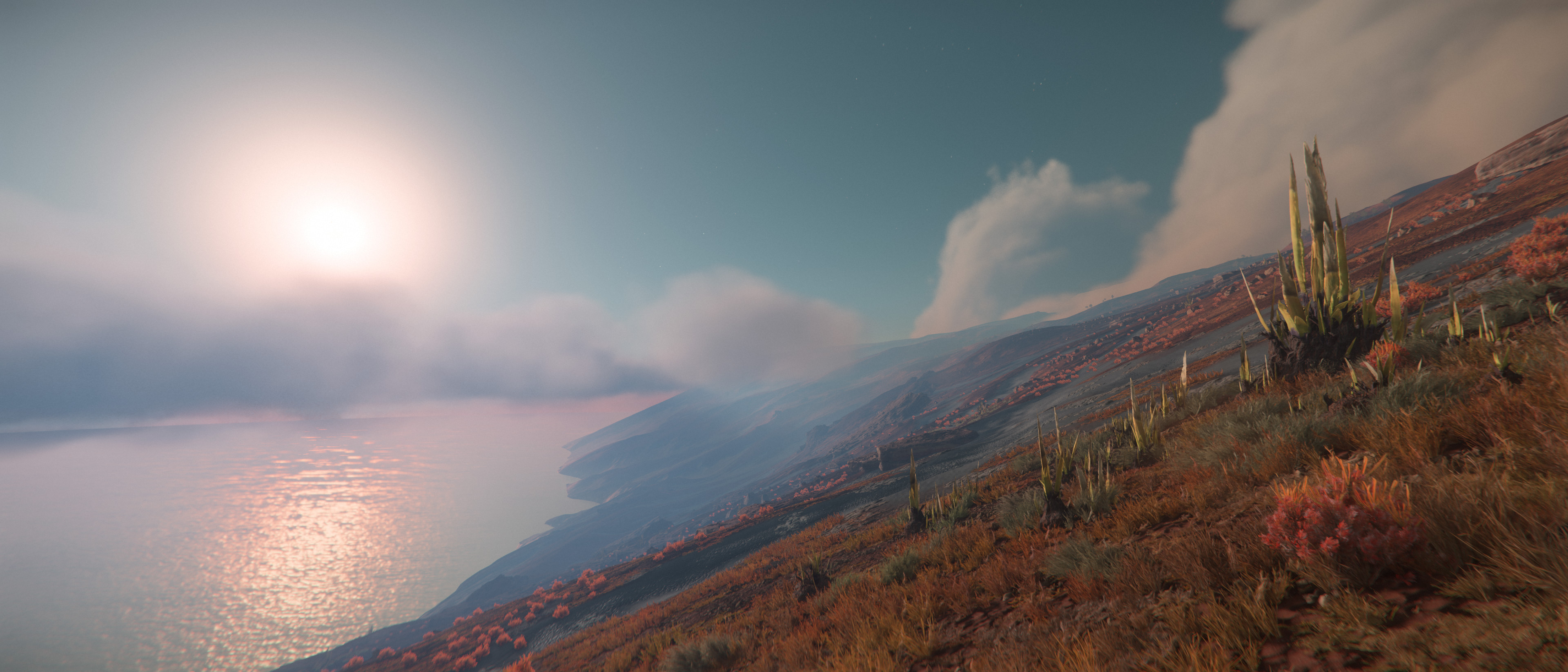
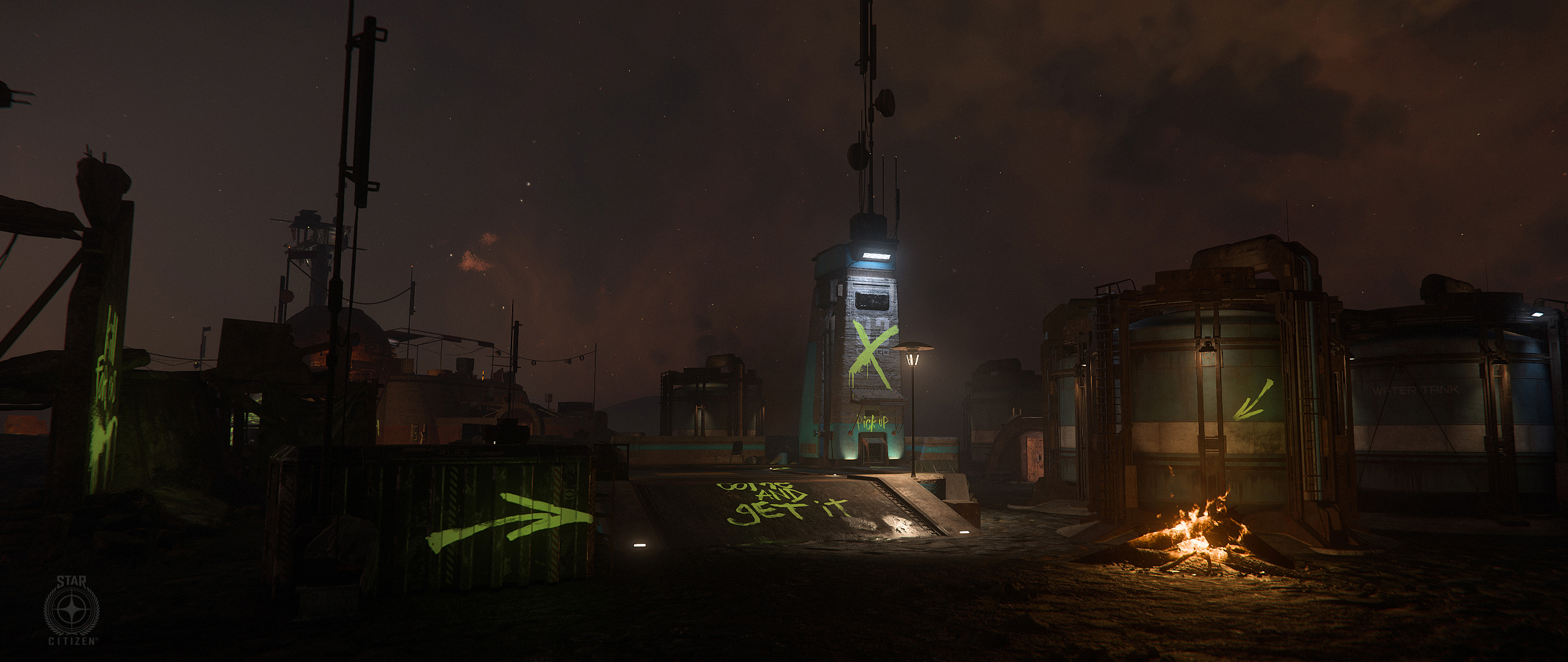
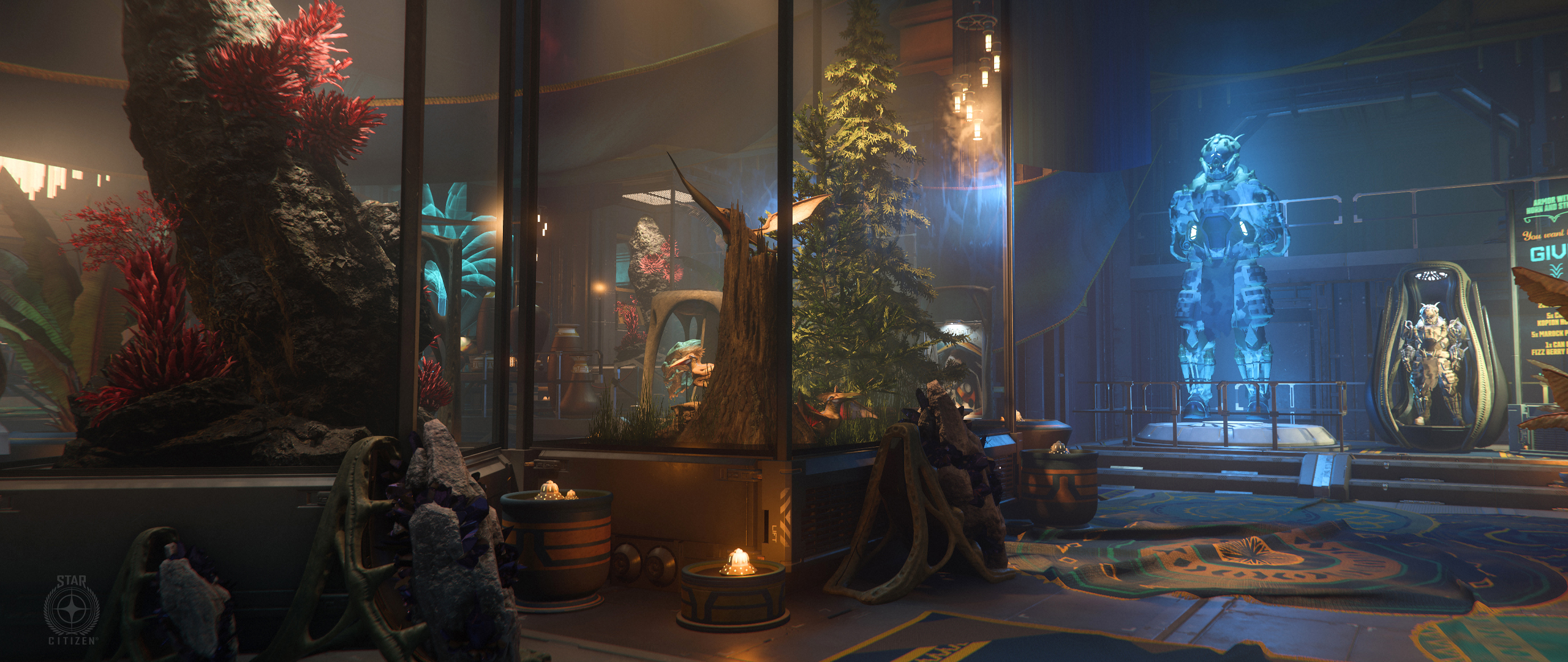
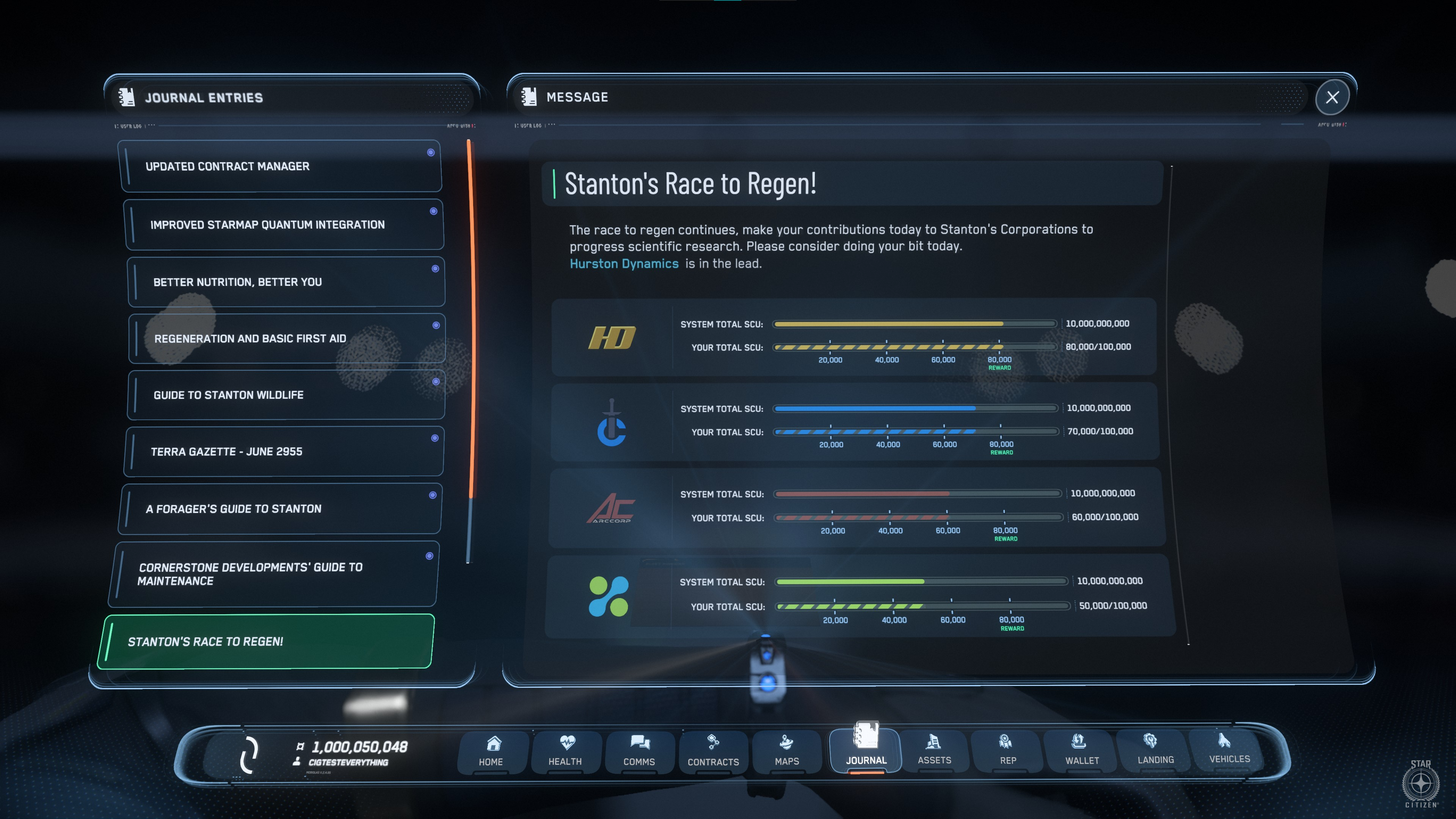
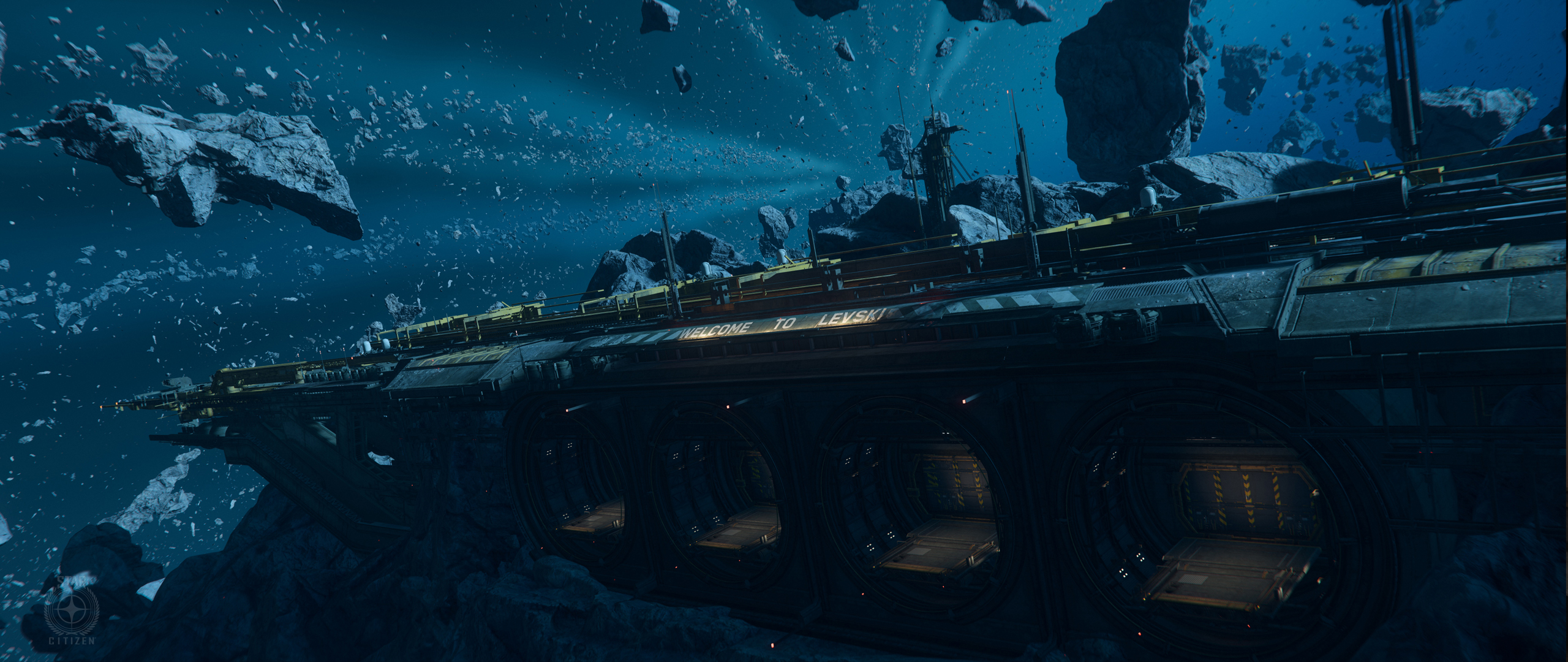
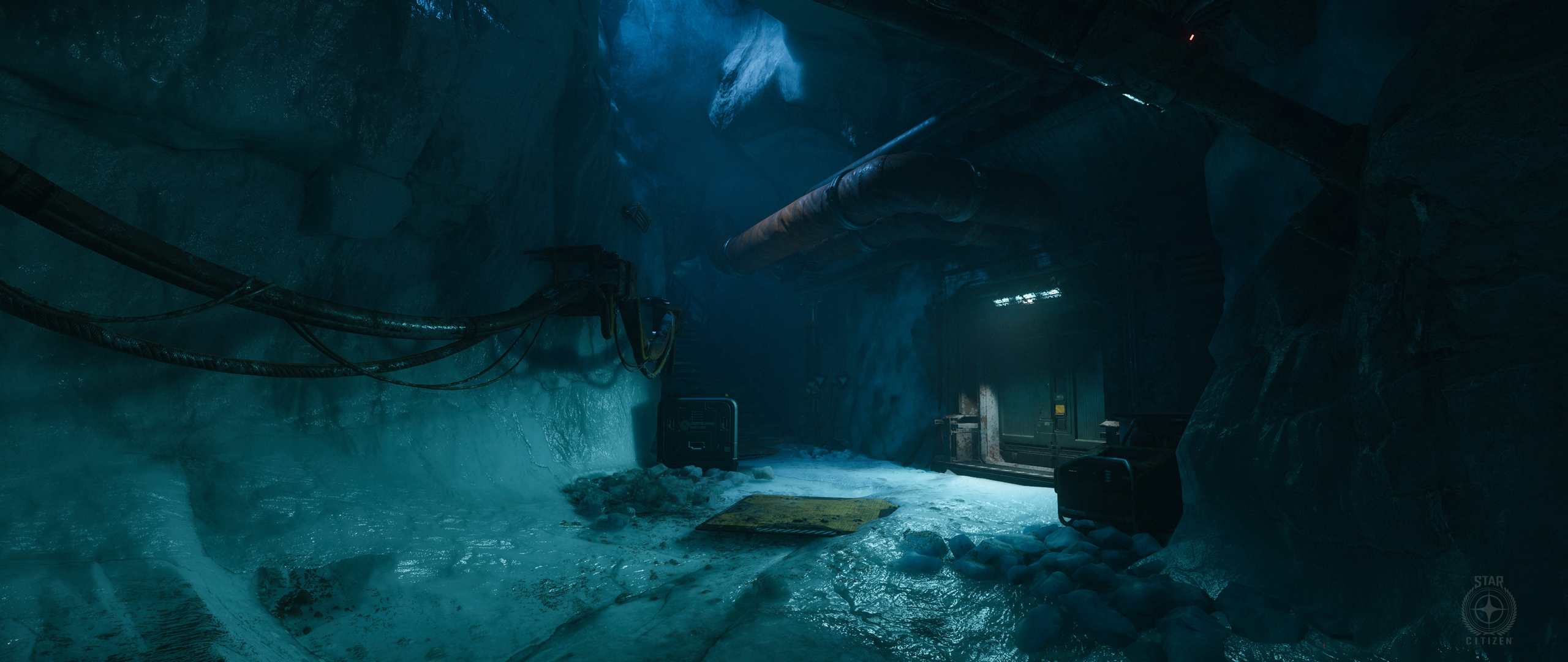
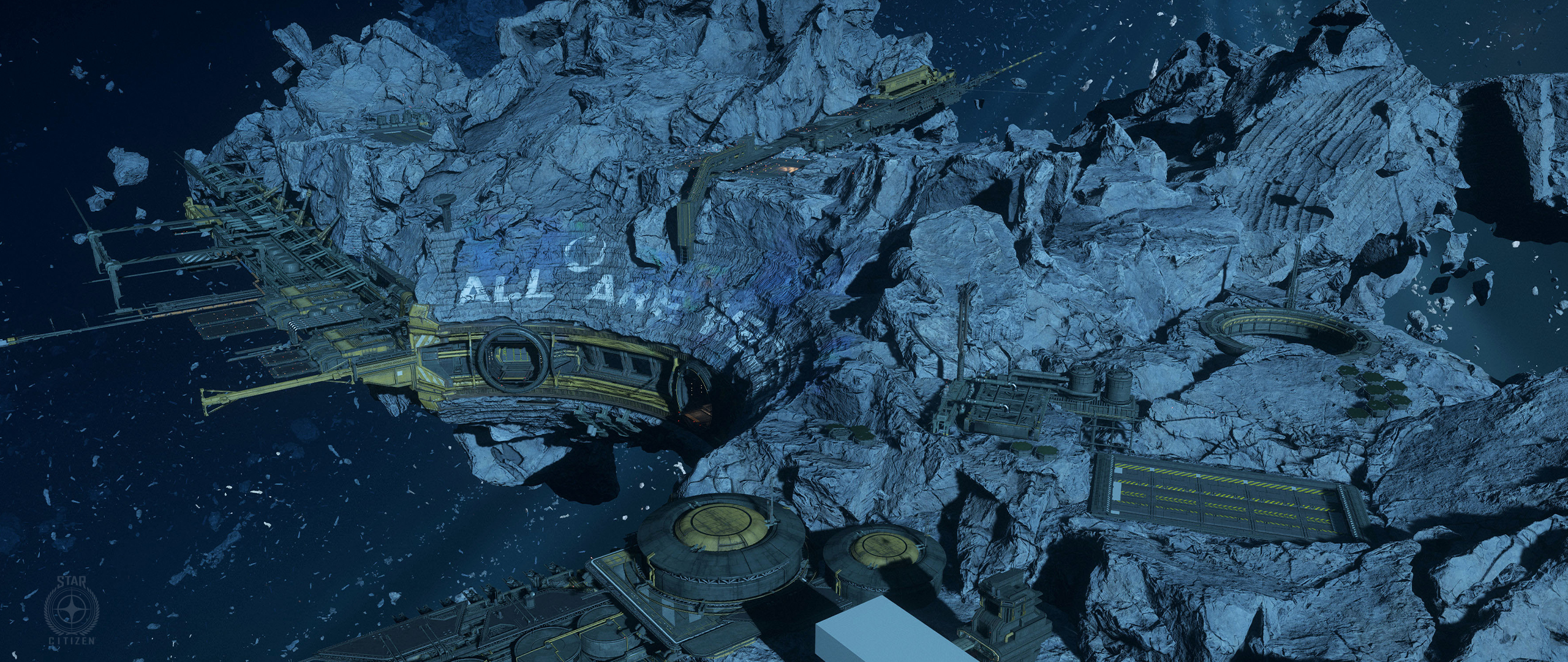
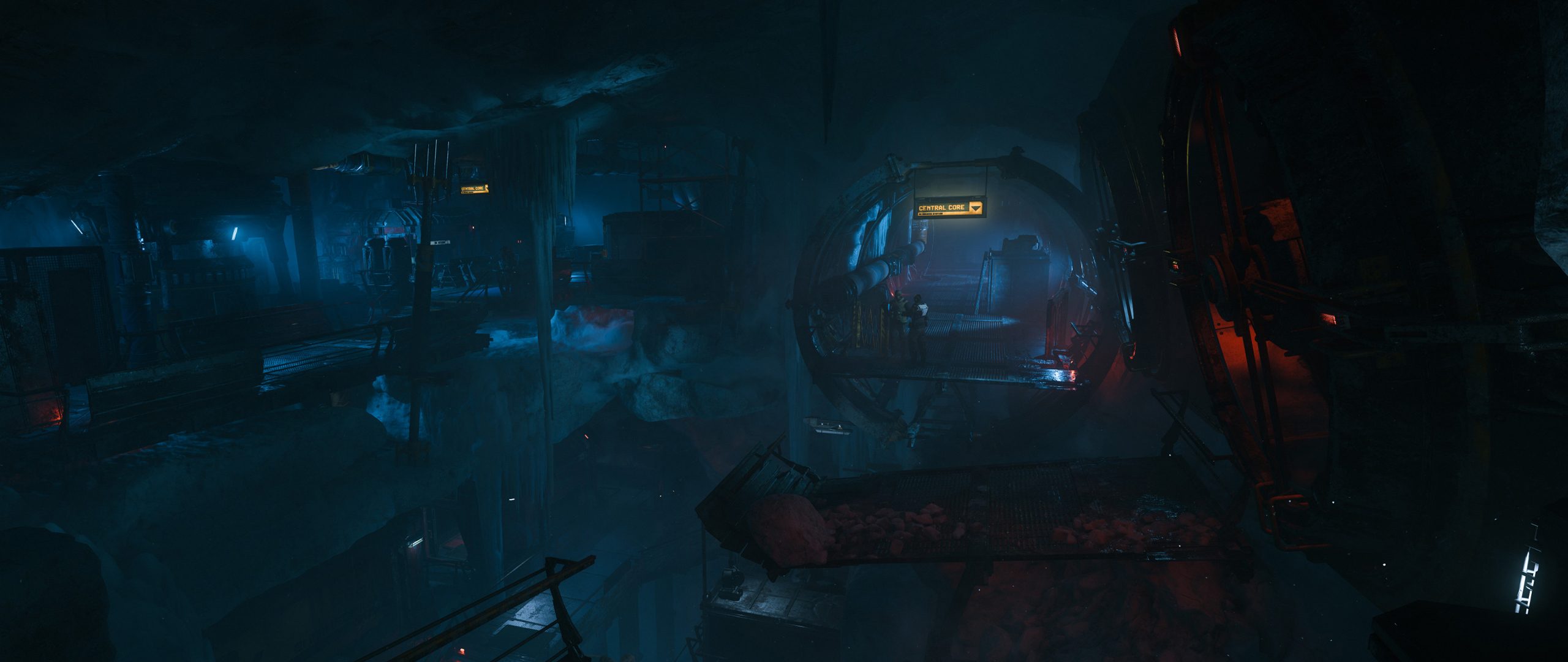
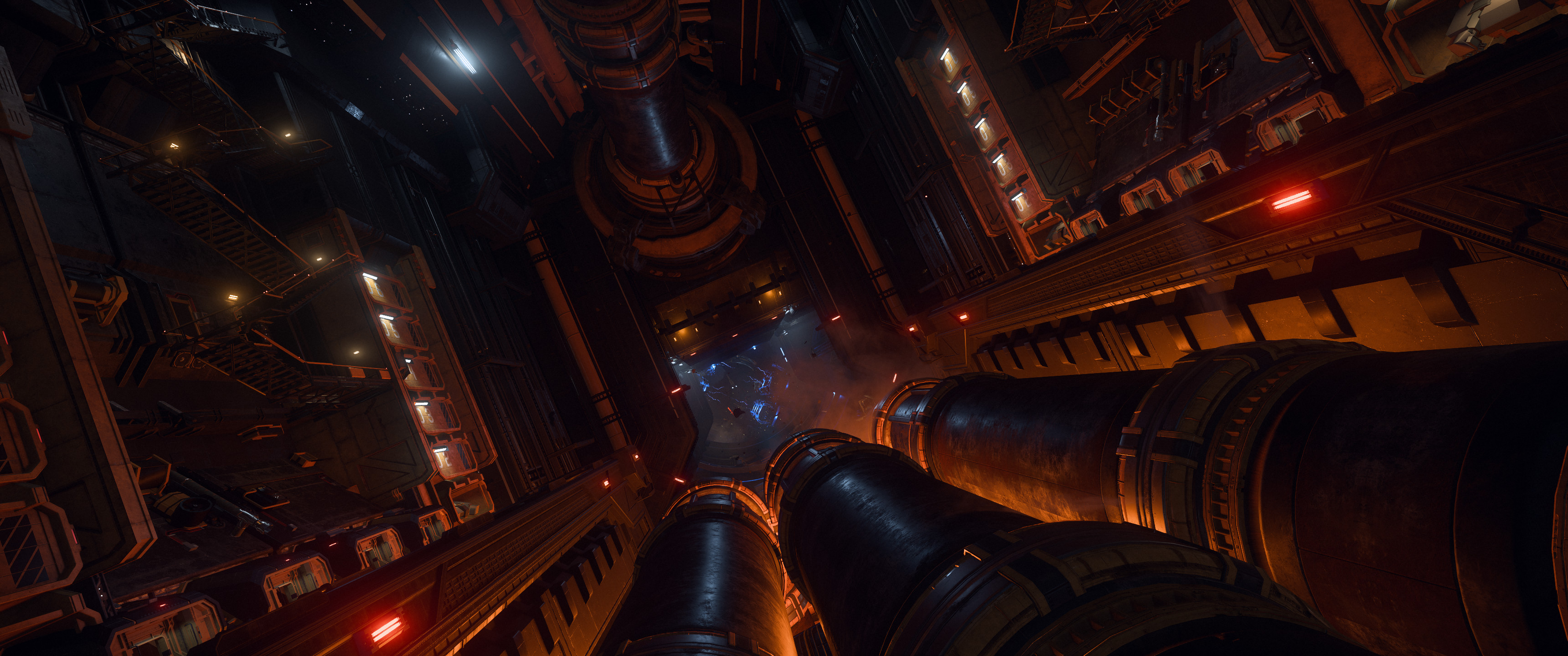
Metadata
- CIG ID
- 15790
- Channel
- Transmission
- Category
- Undefined
- Series
- Monthly Reports
- Comments
- 64
- Published
- 9 years ago (2017-03-17T00:00:00+00:00)