Monthly Studio Report: July 2017
Transmission Undefined Monthly ReportsContent
Greetings Citizens!
Welcome to the Monthly Report for July 2017, our collection of studio updates and reports that showcase the progress we’ve made. This month, the team crunched in preparation for a pair of internal 3.0 milestone reviews to assess the state of the build and player experience.
CLOUD IMPERIUM: LOS ANGELES
ENGINEERING
Our engineering team worked towards completing the core 3.0.0 persistence and entity system features. This included finishing a large refactor of the persistent data manager which changes the way data is stored, modified, and accessed while playing the game. The game can now distinguish between physical and legal ownership, a distinction that is an important requirement for systems such as Criminality, Missions, and Persistent Spawning.
This new physical ownership feature is also being used to develop persistence tracking and management which will allow for parking vehicles within other ships. For example, with this system if you park a Dragonfly inside a Cutlass then land at a station, it will remain in the Cutlass’ hold when you recall your ship.
Our engineers have also been working on cargo debris generation upon a ship exploding, migrating lifetime policy into gamerules the information stays attached to the player, and the placement of cargo crates onto your ship’s cargo grids. Once you’ve purchased cargo, your ship will generate a certain percentage of cargo onto the cargo grid. When it comes time to sell the cargo, the team have integrated the newly complete shop code with the Solar System Shopping Service, allowing shop inventories to populate dynamically. This system also allows items and commodities’ stock to be influenced by the purchases and sales of other players.
The new insurance system is almost complete and will allow players to make insurance claims on their ship, pay deductibles, and select expedited processing time to get their ships back quicker. There is also now a deductible decay, which allows you to wait for a bit of time and pay less if you happen to be short of the credits. The system has been designed so deductible prices are calculated based on the number of other insurance claims stored in your persistence for the last 24 hours.
Over on planets, we’ve put the finishing touches on our gravity level which was needed for some ground vehicles. Specifically, as changes to planets, physics zones, IFCS (or intelligent flight system) and some other necessary improvements, left the hover vehicles dragging more than hovering. This new GravLev system is an improvement over the original system in many important ways. For example, the last time we showed GravLev, it only supported hover heights from 1 to 5 meters based on velocity. In tests, we’ve now managed to get the Nox hovering at a half a meter at speeds up to 223 miles per hour on moderately rough terrain. This was quite challenging, considering that the simulation uses a realistic spring-based model for hover lift, as opposed to hidden collision or other common tricks.
We’ve also provided a set of 10 tuning parameters for designers to customize the GravLev control system, including minimum and maximum hover height (min at stop, max at full velocity), banking angle in turns, and maximum lift acceleration. Also, our designers can set a minimum gravity level which the system uses to generate downward thrust to augment gravity on low-gravity planets so the vehicle isn’t too floaty. This can be set to 1 G to guarantee that hover vehicles always feel about as heavy as they would on Earth, or even higher to really force the vehicle to hug the terrain.
Next up, we’ll add tuning parameters for designers to control how steep a surface a hover vehicle can climb, and how high an obstacle it can elevate over so your future hovering adventures are only going to get better and better.
TECH CONTENT
The Tech Content team spent some time working on our mission giver, Miles Eckhart, specifically with his drink. They set up up run-time simulations so the liquid in his glass not only follows his animated movements, but also respects planetary gravity. This will ultimately apply to all sorts of liquids across the universe.
The team also introduced the springy landing gear technology for ships. This new mechanic incorporates landing springs and compression technology to allow for a cushioned landing experience especially on uneven terrain, allowing it to react naturally to the weight of the ship relative to the planet’s gravity as you touch down.
On the tools front, the team improved several tools to expedite various processes including usable requests, maya loadouts, vertex reordering, character requests, playblasts and so on. They also made huge updates on our Exporter tool, taking the latest LumberYard updates and bug fixes, and incorporated them along with some of our own improvements to the new exporter UI. Now everyone working within our Maya pipeline can benefit from these fixes to their overall workflow.
The last phase of prepping for a release is performance profiling and optimization. As Star Citizen is an art-heavy game, there can be a lot of waste when it comes to textures, so the Graphics and Tech Art teams devise clever solutions to save on texture memory without sacrificing the visual quality. This month, the Tech Art team’s main focus was to bring our texture memory back under the allocated budget, so we’ve made measurable savings to help everyone experience better frame rates.
SHIP TEAM
Another ship has entered production since our last update. The Anvil Hurricane is now in the whitebox phase of the pipeline and we’ve already completed temp exterior and interior lighting, proxy animations, temp interactive cockpit control layout, setting up the almost final hierarchy of the ship, temp proxies and initial break damage points. The enter, exit and seated templates for the turret and the pilot seat are also set up, and the ship item breakouts have also been completed.
CHARACTER TEAM
The character team spent the month knocking out high quality work for both Squadron 42 and Star Citizen. They moved more bridge officer uniforms from concept into the high-poly phase. Our newest combat pilot flightsuit for Shubin security is also going through the high-poly phase and will be moving into in-game modeling and texturing in the near future. Another combat flightsuit is in the high-poly phase and will soon move into in-game modeling and texturing as well. Our medical corpsman has gone through high-poly and into in-game modeling and will soon be ready to start working at our various medstations.
With the introduction of the Levski landing zone, the team created a few civilian costumes to help populate the People’s Alliance of Levski.
The team also made a lot of progress on several concepts like the shipjacker gang members and our battle-damaged costumes to provide visual feedback of how you are doing. With regards to customization, the team has also started to explore a new potential opportunity in character tattoos.
Finally, the team worked on redesigning the new mobiGlas. While many games get away with obvious HUD projection or holographic displays, our mobiGlas has to come from a piece that’s physically placed on the character, which means it needs to be present on a naked wrist, a wrist with long sleeves, a wrist with a jacket, and also fit on undersuits and armor. They have taken a few passes on the new mobiGlas with these requirements in mind and are really excited by the prospects of this new piece.
NARRATIVE
This past month, the Narrative team jumped headfirst into working directly with the engine. After some intensive training from the Tech Content team, they’ve taken over the integration of text for many of the game items in the engine. The first task was to go through all the clothes, armor pieces and even hairstyles to make sure that they had accurate names and descriptions written and hooked up in Dataforge. Meanwhile, the time had come to tackle procedural mission text for the various contracts that the players can pick up in 3.0. To assist in the writing, Will created a spreadsheet that would draw the lists variables needed for a mission (item being transported, Client Name, Destination, etc.) to automatically generate samples of the text that would appear in game. This allowed us to quickly randomize all of the variables to make sure that the sentences read organically, regardless of their configuration. As the new player experience has been a focal point of our 3.0 reviews, the team has been working with the Art and UI teams to looking at various signage and environmental storytelling opportunities for the locations.
QA
Our QA team was focused upon the now completed conversion of all ships to Item 2.0, and testing other new features for 3.0 such as the updated Quantum Travel system, new planetary missions, and the new mobiGlas functionality. They also supported the global team with various test requests as new features continue to come online.
CLOUD IMPERIUM: AUSTIN
DESIGN
The ATX Design Team was able to start plugging the items back into the shops thanks to fixes to the shopping code. In addition, this allowed the Kiosks to get up and running for commodity trading. The goal has been to get all of the shops related to the PU stations/landing zones functional first, and then go back to make a pass through the Area18 shops if time permits. The armor sets were separated into individual pieces, so that will be added to the feature list.
We’ve also added the remaining ships into the PriceFixer spreadsheet which outlines each ship’s physical loadout to determine the overall cost of each ship and allows us to assign them respawn values (which covers the cost and respawn timers) This tool is also used to gauge whether the ships we’re building are over/under powered for their intended purpose. Once complete, the team will move onto balancing the shop inventories and item prices for 3.0.
Lead Designer Rob Reininger flew to the Frankfurt Office to work with the AI and Subsumption team, and get Miles Eckhart set up as a mission giver. They made huge strides with the feather blending system and got him working with a small subset of his animations. Since then, additional code support has allowed Rob to incorporate the player’s reputation into the conversation to dictate Eckhart’s conversation paths. The team also received the ability to assign specific missions with mission brief tags, so Eckhart can play different lines depending on what missions are available. Beyond this, the team has focused on trying to make the mission giver experience as good as possible for the 3.0 release.
SHIP TEAM
Josh Coons finished images and videos for the Cutlass Black and moved onto the base material/ white box meshes for the Cutlass Red and Blue. Design is still iterating on the key gameplay systems for the Cutlass variants, so although he will continue to work on the first pass of the exterior looks, he will also begin work on the Constellation Phoenix. Chris Smith worked on bugs for the Hornet and Constellation Andromeda, and started creating on a promo video for the Constellation Aquila.
ANIMATION
This month the Animation team did research and development on how to implement our Wildline system. A wildline, broadly speaking, is a dialogue fragment spoken by an NPC that could include greetings, cheers, shouts, barks and other verbal expressions that are not associated with a specific scene, but rather specific scenarios.
The team also worked on a new technology called feather blending which allows the blending of our wildline performance capture with a large number of usable animations. This will allow us to stay as close to our actor’s performance as possible while still keeping the functionality of what the NPC is doing. They also went through all our existing animations to look for gaps in the original performance with the intent to capture new transition animations to fill those gaps.
The Ship Animation Team continued their efforts to refine the cockpit and turret experiences. They are in the midst of an R&D phase of implementing button presses, utilizing the Item 2.0 features which has helped finalize dashboard and cockpit metrics for any ship that uses the same cockpit type.
Aside from ongoing bug fixing, the team was able to fully implement base g-force pose blendspaces, allow additive animations for button presses, and play different hit reactions based off of hit direction, damage amount, and overall health of the ship.
IT/DEV OPS
The Backend Services team spent the month supporting 3.0 features and preparing for the deployment of Diffusion. The game servers now have full access to the Diffusion API and will start using it with the shopping service in 3.0. In addition, they started converting our two monolithic services (Persistence Cache and General Instance Manager) into smaller, stateless, fully Diffusionized services. These two services will create nearly a dozen smaller services, each with very specific roles that can be scaled independently to provide more reliability and performance. The team also plotted the path beyond 3.0 and started to build many small services to provide functionality and support for a large number gameplay features and help unload work from all the dedicated game servers into our distributed infrastructure.
The DevOps team continued to increase capacity within our build and deployment pipelines in preparation for 3.0. They also made additional changes and bug fixes to support the new Delta patcher and the internal tests have been really promising. Our Corporate Technology Team (IT Department) also completed another major upgrade to the Austin network and added more hardware to the build system, so we can deliver more builds in parallel.
AUDIO
Our resident Audio team member, Jason Cobb, has had his hands full this month as well. He has continued work on derelict crash site sound design for the different moon environments, performed a variety of particle audio implementation experiments for revamped ship debris noises, playtested and mixed refinements for ship emergency state audio, and captured sound effects source for various props and materials as opportunities arose.
QA
ATX QA had a very busy month. A few things they’ve been testing include the new Cutlass Black, new missions in the Stanton system, as well as an ongoing focus on wrecks and NPCs.
Ship testing continued as more ship families were converted to Item 2.0. The team conducted weekly cross-studio playtests with QA departments in LA and the UK for weekly large scale playtests of Arena Commander, Star Marine and Crusader.
The team also tested more mobiGlas applications like the Star Map, the Personal Manager, the Contract Manager and the Job Board as they’ve become available.
The team also had fun testing character gravity and free fall, while also testing cargo mechanics. The team continued to provide support to the animation team by cleaning up mocap files.
Our engine and editor testers tried out new tech for the developers such as the capsule-based actor entity, the entity component update scheduler and the director actor animation control. Some features, like the new stamina and oxygen-breathing systems, went through some balance changes after QA talked with designers.
PLAYER RELATIONS
The Player Relations team expanded this month, adding four new team members to the Austin office in anticipation for 3.0. The team also started to expand the ranks of our Evocati testing group.
FOUNDRY 42: UK
SHIP TEAM
Work is progressing smoothly on the Eclipse with current focus on the moving areas of the ship, specifically the torpedo bay, entry ladder, cockpit canopy and flight mode variations. The cockpit was finished and the surrounding area is in the process of being resolved. Attention has been given to the torpedo bay due to the size and space it occupies within the ship.
On the concept side this month, we finished the first buggy, the Tumbril Cyclone, and the Origin 600i. For the 600i, the exterior has been fleshed out with the correct proportions. The interior was designed in conjunction with the exterior work. In building these areas, they looked at the best way to model and light the interior to establish aesthetics and methods that will be used throughout the Origin fleet.
This month, the team also made significant progress on some Vanduul ships. The Void bomber greybox has been finalized and is now onto material work, where most of the surface details of the ship will be defined. There are still a few smaller areas to resolve, but the ship can be now seen in its full glory. A big part of the task was to resolve how the smaller boarding ships are stored within it and keeping the main forms from the old concept recognizable while adopting the new Vanduul style. The Blade is also coming along well. Most of the basic shapes on the exterior have been blocked in and are currently being refined.
In Reclaimer news, work was wrapped up on the salvage room, bridge area and lifts. The team did a polish pass throughout the ship, concentrating on lighting and consistency, so the ship is now art complete and the team have moved into an optimization and LOD pass. While this is happening, tech design will start working on their setup pass for the ship.
The Hull C exterior nearly completed its detail pass, and will soon move on to the final stages of having its proxies, LODs and damage setup. The interior is also well on its way to completion; all that’s left is the final room in the back of the ship, which is nearly complete, while the collapsible tunnel section is up next.
We also started two new ships and a personal transport vehicle. We also worked on Squadron 42 mission areas, Hurston shop interiors and landscape development. For Orison, we did initial development on landing zone gameplay areas. Plus, we spent time on all visual targets for surface outpost wear and tear, moons and Shubin’s exterior.
GRAPHICS
This month the graphics team worked on four different features. The first is the continuing work on the secondary viewport and render-to-texture technology that was recently featured on Around the Verse, with the primary focus of improving the performance of video comms for things like air-traffic-control. The sun shadow system is being improved to better cope with the extreme shadow ranges on our planets and moons to ensure that we get the best possible lighting results, especially at sunset when shadows can stretch 10km or more. Our work on volumetric rendering continued as well, with a move towards creating a fully hierarchical system. This will open the door to model gas clouds of any scale, but also allow the team to stream and LOD the gas clouds so that this great tech can be incorporated into the PU. It also allows artists to import volumetric data from external art packages, which should help achieve some really impressive results. Finally, our GPU particle system has been making quick progress with several new features added every week, with the latest addition being a looping ‘dust’ effect for both space and interiors that can achieve 50x the density of our older CPU effect.
AUDIO
The Audio team was focused on Gamescom and 3.0 related feature work and bugfixing. The ship computers needed to be converted to the new Item 2.0 system, so the team took the chance to refactor and improve the ship computers in general. New assets were created for foley and footsteps using a better system to give our players a much more realistic experience. All of the locations for the upcoming release are now in a polished audio state, giving the players a great visual and audible experience when they are exploring.
As usual, all audio team members are involved in a lot of different sprints. In cooperation with other departments, they worked to improve the cockpit experience and quantum travel, brought 3.0 mission givers to life by delivering dialogue assets and attaching sound effects to them, and polished derelict ships and outposts for the release as well.
FACIAL ANIMATION
The Derby Studio has been busy as ever. The Facial Team finished off all the animations needed for the 3.0 Mission Givers while continuing SQ42 work. Eckhart alone has over 47,000 frames (26 minutes) of bespoke facial animation and is one of over 13+ mission givers currently in production for the PU.
After the recent 3-day Audio/Headcam shoot in London, all data has been tracked in Faceware and retargeted onto our face rigs in Maya. This is a great achievement for the team as there were over 125,000 frames or almost 70 minutes of footage shot.
The team recently welcomed 3 Teesside University Interns to the studio. They’re currently on their Summer break after their second year studying on the Computer Games Animation BaHons Degree and have been helping with Facial Tracking and Retargeting, and also attended a 3.0 mission giver mocap shoot
Construction work started on the new Derby Studio and is expected to take 6 weeks. This will be a great relief to the team as they are currently spread over two sites, and are eager to be back together under one roof. The new office will also have space for the motion capture system to be erected, enabling easy pick up shoots and any other new capture sessions needed. The face scanner is also going to be rebuilt with the plan of extending our library of head scans by capturing a greater age range and ethnic groups.
We also hired another Facial Animator, bringing the headcount to nineteen, and we’re looking forward to welcoming her to the team
ENVIRONMENT ART
This month, the final polish on the huge range of locations featured in the imminent 3.0 release has been underway. This includes final passes on branding and corporate colour theming across the outposts on the moons of Yela, Daymar and Cellin. Particular focus has been paid to making sure they integrate to the planetary surface with all the wear and accumulated dust expected of something that’s spent a lot of time on a moon’s surface. We have also improved how our large scale ‘spacescaping’ dust clouds look and feel, particularly around Delamar which now features its own compliment of asteroid clusters and a discreet atmospheric flavor.
Bug fixing and optimization has been another major part of getting things ready for 3.0. Things such as reducing texture memory usage by optimizing materials, decreasing unnecessary entity counts, optimizing LODs and physics proxies, and consolidating asset usage across various locations all help boost performance and are an essential part of the process before a release.
In Squadron 42, the Shubin layout is being wrapped up. Both design and art are happy with the space and can start final implementations. There’s been specific scrutiny on making the whole facility a believable and functional location, with its own transit systems, worker routes, refineries, security and medical facilities, and hangars connected in a logical way. This helps convince the player they are in a working, active environment with its own set of logic and rules. We also worked to get a section of the exterior to a final visual target. This will help solve questions of scale read and material definition. Besides Shubin, a lot of work has gone into the Gainey map. Recent tweaks to the layout and focus on final visual targets have considerably improved the flow and art direction of the space.
WEAPON TEAM
The Weapon Art team were hard at work building the Apocalypse Arms Scattergun, Klaus & Werner Laser Repeaters and MaxOx Neutron Repeaters. They also worked on the Gemini Pistol, Gemini H29, NVTAC and Gemini optics, and some additional work to the Kastak SMG.
In an effort to constantly push the boundaries on new ideas for ship weapons, the team continued to work out VFX styles for each energy type and make improvements to Gallenson Tactical Systems S1-S3.
ANIMATION
The animation team completed the implementation pass for Miles Eckhart and has moved on to refining the hand gestures. We started a pass on the AI combat cover assets to improve the mocap implementation, and did further refinements to the knife takedown animation set.
The team also worked on weapon bug fixes for the 3.0 release, alongside very early previs animation for the Custodian SMG and R97 shotgun. Work continues on both the code and animation for the jump system. Plus, new mocap assets are being readied to replace the player placeholder locomotion animation stop assets.
TECH ANIMATION
The Tech Animation team worked on a new source control application for Maya. This tool intelligently grabs assets that animators are missing in the currently open scene, so they’ll never be without their textures, audio, rigs and pipeline. The nicest part of this feature is that the silent syncing will not interrupt the user’s workflow.
The team worked with the Props team to deliver a great looking glass tumbler asset with a cheap and robust physics solution. There was no way to drive or afford a true liquid simulation in engine, so this turned out to be a good, cost efficient solution.
There are many, many assets that require the correct setup (the initial batch of wildline anims for Old Man alone came to over 200 assets), so the team developed batchable code solutions for the setup. With this new tool, one person can finish this off in less than a day.
There has been a consistent issue from the tech department where object animations were created in the objects folder, rather the animations folder. This means that the build needed to pull these assets from the objects folder into the animations pak at build time, which conflicted with the pipelines in place for all other animations. To rectify this, the team moved all the animations, as well as make chrparams for all affected assets and dba entries, while re-factoring the current build code to not pool anims from the objects folder.
The team began an R&D exploration of why the animation rig in Maya has had a negative effect on the playback framerate. This system drives many additional joints that we use for deformation in engine, so the team is looking for ways to negate this slowdown and bring us back up to 30fps.
The old cryTools installer is very out-of-date (there have been many other pipelines built since its last iteration and each of them has its own installation procedure) and the team is hoping to create a new installer that will do all the heavy lifting for the user, one which will install every relevant pipeline and be updated in every build. The R&D is promising, watch this space!
The Mocap team updated the Motion Builder reviewer tool to have better functionality and a generic script runner which allows you to run selected Python scripts on a batch of requested files.
Along with all of this, the team continued to track and solve 1500+ motion capture files, which included: gameplay, Old Man, Eckhart, and some others.
This month, they also welcomed Oli Cooke, a new Motion Editor, which brings the Motion Capture team up to four.
PROGRAMMING
This month, the team worked on the jumping mechanic in cooperation with the animation department. This covered the look and feel of jumping when idle, walking, running, and included jumping and landing from different heights. The landing presented an interesting challenge as it can change depending on what state the player wants to go into next. Does the player want to land and stop? Land and continue running? Then we have to consider what foot you’ve landed on, and so forth.
More work went into the usables tech for the AI to determine all the different scenarios where an AI might use something and in what way. One situation that was solved this month has been making the operator seats, which have very specific functionality, but also work as a usable. That gives operator seats a much wider range of things the AI can do with them, such as turning around to the player and having a conversation.
Speaking of usables, there was locomotion sprint to make AI entering a usable as seamless as possible. Since most usables will have one or more entry animations, in order for an NPC to look right when either walking or running up to use it, we need to ensure it hits not only the right point for the start of the animation, but also the right speed, direction, with the correct foot placement. Getting all those factors to line up on approach, without making the walk/run animation look odd, has been a challenge.
The team also started a wildlines sprint. As mentioned earlier, these could be simple greetings as the player walks down a corridor or taunts when in a FPS battle. While this may sound simple, they are more complicated than just playing a line with some facial animation. If a NPC greets the player, you’d expect them to briefly glance at them whilst saying the line, so the NPC needs to utilize the head look tech. Also, most of the lines are captured with full body animation, but we don’t always want to play back all of it. For example, if the NPC is standing idle, then you would want to play the animation back on the full body. However, if the NPC is seated, then the rig should only play back the upper body. If they’re running, just the neck upwards. This is where our feather blending tech comes into play, but it still requires each situation to know which type of blending it needs to use.
Other than that, the team proceeded on a number of ongoing sprints supporting both Squadron 42 and 3.0 which include player persistence, cockpit experience, missions support, ATC and communications, and personal inner thought refinements.
PU LIVE DESIGN
The Live team entered its final mission sprint and hopes to receive the final pieces of code to finish the remaining missions. Code recently delivered a much needed boon to mission entity placement. An example of how we would use this would be to easily place corpses in hundreds of possible locations and poses throughout a derelict ship; perfect for creating the gruesome aftermath of a crash landing. Finally, the player vs player version of Bounty Hunter missions was completed with a proper code system that expands the previously Flowgraphed version found in 2.6.
FOUNDRY 42: DE
VFX
The Frankfurt VFX team dedicated time improving existing systems for the 3.0 release. This review checked all the existing vehicles and systems to make sure everything is still working as initially intended, and doing a polish pass on any effects if needed.
With new systems coming online, such as the oxygen system for rooms, they remade some of the old effects for both the high-tech and low-tech airlocks. This month they also started shifting more focus towards the Squadron 42 cinematic scenes.
WEAPON TEAM
The FPS Weapons team completed passes on the last two legacy weapons that were using our old system, which included a first art pass on the Gemini L86 Ballistic Pistol and a final pass on the Behring P4AR Ballistic Rifle.
On Ship Weapons, the team finished all the work for sizes 1-3 Klaus & Werner Laser Repeaters and started work on sizes 4-6. They also finished the Apocalypse Arms Ballistic Scatterguns sizes 1-3. Finally, they worked on some general tasks focused towards 3.0, including polishing, optimizing, and bug fixing.
TECH ART
The Tech Art team finished multiple animation implementation tasks for both the recent usable sprint as well as cinematics. They continued to debug weapon animation issues and did some adjustments to a few of the weapons rigs to make them even more realistic and believable.
They also did some work on a VFX Exporter which was made to export simulated objects from within Maya, as having an active simulation on objects was causing problems. The best way to work around this was to bake the simulation and export the animation, but that’s time consuming and leaves the scene in a state where the VFX artist can’t do any changes to the simulation. The new Exporter takes care of the whole process. It bakes the simulation, exports all the necessary stuff for the engine and restores the scene, so the artist can continue iterating. The tool also creates all the necessary in-engine files, so the artists can hit the export button and see the result immediately in the engine. Tech Art also continued to support the animation code with Ground Alignment R&D. The progress is going well and we’ll be able to show it off in the very near future.
PROGRAMMING
Game Programming spent time fixing outstanding issues and polishing up existing code. The new airlocks and elevators had a few issues where game and engine code conflicted with one another. Those items were identified and work has begun to sort them out.
They also added a small feature to weapons to hide the weapon from the 1st person view during Aim-Down-Sight. This falls in line with the design and will make things easier while in the heat of combat.
In addition, the team used work previously done for character customization to complete the technology to apply weapon skins. There’s still some UI work to be done, but it now allows for simple and fast setups of Weapon Skins in DataForge. Finally, work continues on the Weapon System 2.0 and additional feature polish geared for 3.0.
AI
That AI team worked on more mission broker and mission system features, mostly for PU 3.0 but also supporting S42. The mission broker has been adapted to support multiple players accepting the same mission. The team also added the ability for mission instances to share information (which means players accepting the same collection mission will be sent after the same item, rather than having their own distinct item to collect). They’re building on that work by adding support for abandoning missions, as well as unlawful/lawful asymmetric missions for multiple players.
The team added support for the take-off and landing of AI ships on surfaces. This includes landing pads, ship hangars, other ships, and celestial surfaces. They also added Quantum Travel functionality for the new non-Kythera AI as part of an ongoing effort to create all functionalities needed for Subsumption-based ship AI. Also, they focused on adding more Subsumption AI support, like using NavSplines and correct AI behavior when entering / exiting all vehicles and seats.
Finally, they finished the second sprint for buddy AI. Designers can now specify if they want to keep the AI in front or on the side of the leader or player. This sprint also brings the ability for an AI buddy to take cover in front of the player and move from cover to cover point while following the player. This is the first step in having a companion AI that will intelligently follow and help you out in combat.
ENGINE TEAM
The Frankfurt Engine team, in cooperation with UK, refined the handling of GPU crashes and proper reporting via the public crash handler. As the engine render frames, it now includes tokens into the command stream to more easily pinpoint what the GPU was last doing if it starts hanging. This info is sent along with other crash information for post mortem analysis via our public crash handler service. These steps should make it easier for us to more quickly react on GPU issues that are otherwise hard to reproduce because of specific machine setup, OS and driver versions, etc. They also did a large amount of performance analysis and engine optimizations geared towards the 3.0 release.
Another item they focused on was a new road system to work in conjunction with the planetary terrain. The legacy roads were not suitable for our large-scale terrain, as there was a large performance hit along with z-fighting and flickering issues from long distances. The new system is extremely fast and efficient, cache friendly, and fully multithreaded to send draw commands to the GPU in the most efficient way.
The new system uses a screen space approach. Instead of drawing the geometry conventionally, it’s powered by a projective technique, like what we use on deferred decals, and has two distinct rendering passes. First, we draw the road geometry as a 3D volume that intersects the terrain. In this pass, a stencil mask is generated to outline borders of the road. The same mask is then used in the next render pass to clip all pixels of the volumes that are not affecting the terrain. Finally, to generate UVs and fetch material textures, each pixel’s position is reconstructed in camera space, and then in local space, by sampling the depth. All material attributes are then finally written in the GBuffer to compute lighting. Thanks to the nature of projection, this technique doesn’t suffer any z-fight or flickering related issues.
They also created a new toolset to give designers the ability and flexibility to quickly lay down the new roads and modify them as needed. It’s still a work in progress, but the progress is going well. It will be a nice addition to our growing toolset for planets.
LEVEL DESIGN
The Level Design team took a pass on the room system for Levski, ensuring that the player won’t unnecessarily suffocate in random places. They also did a general polish and some bug fixing for 3.0. Finally, they worked on Lorville, which is the next flagship Landing Zone on our list to tackle.
QA
Testing continued with new features and bug fixes going into the Subsumption tool on a weekly basis. The team worked closely with design and Tony Zurovec to ensure that the tool is tested to their satisfaction. Performance testing is also underway for the Persistent Universe. They used the Performance Profiler tool from Visual Studio to gather very specific data in areas of low performance, and did weekly cross-studio playtests to increase the stress on the servers and simulate an actual live environment as much as possible.
Melissa Estrada, our QA technical Lead, also had fun testing various gravity conditions on the new moons.
The Frankfurt QA team also wrapped up multiple test requests from the Engine team. They included a change to the Entity Component Update Scheduler, which affects how parts of entities are updated, as well as the particle code which was changed to run on threads. All code changes have the potential to introduce new issues to an already functional build, so thorough comparison testing was performed to ensure that nothing new would be introduced into the Game-Dev stream.
They also had test requests for Area Optimizations. Recent code changes to things such as doors and elevators gave us roughly 1.5 ms frametime back and are a definite improvement.
SYSTEM DESIGN
System Design worked on items for 3.0 with a lot of focus on the Levski landing zone, particularly experimenting with it having a full AI population. The AI behaviours needed some work to ensure they didn’t overcrowd any given area. System Design also spent time stress testing our servers to determine what AI populations we can currently support to make sure Levski is full of life. During the process they worked closely with the Tech team to optimize what we could to keep performance as solid as possible.
CINEMATICS & LIGHTING
The Cinematics team continued work on scenes across all chapters of Squadron 42. They also spent time working with the Graphics engineers on the two-dimensional Render-To-Texture display screens and Holographic Volume Rendering.
This month our Lead Lighting Artist was solely focused on applying the final touches on our 3.0 content. This included color grading for each moon, integrating lighting between the outposts and the moons, bug fixing, and polishing on the Levski landing zone.
ENVIRONMENT ART
The Environment team worked on polishing and bug-fixing existing content in the PU. With all the various components coming together we wanted to make sure the visual experience for the players is as good as possible.
On Levski, new areas and locations were added that will increase the number of things the players can do and explore, including a new store and an administration office. The newly added garages received a final polish and dressing pass making them ready to be used. They also put a lot of effort into research and development by looking at new features going into the game after 3.0. This included work on ArcCorp, procedural cities, and the planet Hurston. An important element of the research phase is that we find smart and scalable solutions that will allow us to create more content as efficiently as possible moving forward.
TURBULENT
SHIP MATRIX
This month, Turbulent restructured the Ship Matrix so that it reflects the design intentions for all the ships with the release of Item 2.0. It is now able to display details about ship loadouts that previously weren’t available on the site. In the propulsion category, they added details about fuel tanks, fuel intake, quantum drives and jump modules. The ship team also added some categories in Avionics and Weaponry, including countermeasures. It had been years since the ship matrix had been revisited, and they needed to adjust the stats to allow for additional details.
With the Ursa becoming drivable in 3.0, you will also find ground vehicles listed in the ship matrix. The team also standardized the sizing on all components to five size variables. Weapons will keep a size range from 1-12.
On the ship detail page, they redesigned the ship loadout icons to give you a better indication of available slots on a ship, while the item details will outline how to upgrade your ship. They also improved the backend to ensure that ship statistics from the design team can be easily updated. This means they will be able to get ship balance changes on the site much sooner than in previous iterations.
SPECTRUM
Spectrum 0.3.6 is coming soon and is currently being tested on the PTU. One big feature in 0.3.6 is the text editor update that makes forums post much easier and more malleable. Soon, it will have draft mode, so if you stop writing midway through a post and navigate away from the page, you can come back later to finish it. This is great for those times you forgot to hit enter or were distracted by something else.
The updated and redesigned mini-profile brings many new features. It even tracks your post count, including those from the old forums. When viewing an account mini-profile, the karma feature allows you to see how many up votes a user has. With the mini-profile, the team is trying to squeeze in an additional block feature. This is a mod tool that the community has asked for and they really hope to include it in the next iteration.
Lastly, they are introducing a track feature that allows you to jump between staff posts. Previously, you had to scroll to find all the staff posts. The track post feature is a faster way to find information from Star Citizen developers or community team. Orgs can also use it by enabling a role to be tracked in the settings. Custom roles are still being worked on. The biggest design challenge has been with very large orgs and finding the appropriate filter/search function to allow members to find each other.
LAUNCHER
The team worked very hard with CIG engineering on the new Delta launcher which comes with the Delta patcher. They also worked on refreshing some of the UI elements with new 3.0 imagery. They are essentially changing the entire core of the application, so they have to test on multiple platforms and installation paths. At the same time, our engineering team worked on getting the digital distribution channels ready, so they can disburse those objects as fast as possible when the game version is requested. This also required additional security reviews and deployment scripts.
Community
This month, they introduced a new ship that’s … a little buggy! The Cyclone buggy is our first ground vehicle built with our procedural planets expressly in mind. It was available in five different options (regular, recon, racing, turret and anti-air) and will come online in a future patch. A new kind of vehicle also called for a new kind of manufacturer, so Tumbril was created. No, it’s not a social network media sharing service. It’s Star Citizen’s first dedicated ground vehicle manufacturer. The team had a great time putting together the ‘launch’ brochure, complete with a stock certificate, and they’re already looking forward to the NEXT Tumbril vehicle which will come online later this year.
To help promote the Cyclone sale, they worked with Narrative and the team at Turbulent to create an interactive 2947 drivers license test. You can take the multiple choice test to earn a license to be shared on social media. They love doing promotions like this because it lets everybody have fun, though perhaps only in the Star Citizen ’verse can taking a drivers test be considered fun!
This month’s videos covered many aspects of Star Citizen’s development, with sights and sounds aplenty on AtV. Bugsmashers showed you some of the incredible work going into Star Citizen Alpha 3.0, Loremakers took us around the galaxy to some of the systems we will be building, and Happy Hour even created a star system live using SolEd!
July’s Jump Point covered the development of the game’s second space bike, the Aopoa Nox, which will be in Alpha 3.0. The team even got to sit down and share a little bit about how they plan our ship promotions.
Speaking of subscribers, July’s ship of the month was the RSI Constellation, which saw plenty of backers put it to good use. Next month, it will be the Xi’an Scout (or Khartu-al) and they’re eager to see you put it through its paces. The team also rounded out the Subscriber flare space station series with the station that’s closest to all our hearts: Port Olisar.
Thanks to Subscribers, they held a live town hall Q&A with the VFX team at Foundry 42. The VFX team is doing spectacular work on the effects and it was a true pleasure to be able to share it with you. Plus, when you have effects guys on, they bring their own clips to show off!
There were Bar Citizens aplenty this month, including one attended by over 100 people in Lyon France. And on the subject of fan-organized events, be sure to check out ‘Verse Con, which, while not a CIG event, is going to be a great way for backers in the US to get together during CitizenCon. You can find out more details at versecon.com.
Far and away the biggest job this month has been getting ready for Gamescom. Putting together an event is no small feat, and the team is lucky to have a very dedicated events manager coordinating the show floor booth, developing marketing material to give out, and planning how to spend as much time as possible with the community.
WE’LL SEE YOU NEXT MONTH…
Grüße Bürger!
Willkommen zum Monatsbericht für Juli 2017, unserer Sammlung von Studio-Updates und Berichten, die die Fortschritte zeigen, die wir gemacht haben. Diesen Monat hat sich das Team auf ein paar interne 3.0-Meilenstein-Reviews vorbereitet, um den Stand des Builds und der Spielerfahrung zu bewerten.
WOLKENIMPERIUM: LOS ANGELES
MASCHINENBAU
Unser Entwicklungsteam arbeitete daran, die Kernfunktionen 3.0.0.0 Persistenz und Entity-System zu vervollständigen. Dazu gehörte auch die Fertigstellung eines großen Refactors des persistenten Datenmanagers, der die Art und Weise, wie Daten gespeichert, geändert und abgerufen werden, während des Spiels ändert. Das Spiel kann nun zwischen physischem und legalem Eigentum unterscheiden, eine Unterscheidung, die eine wichtige Voraussetzung für Systeme wie Kriminalität, Missionen und anhaltendes Spawning ist.
Diese neue Eigenschaft des physischen Eigentums wird auch zur Entwicklung von Persistenz-Tracking und -Management genutzt, das das Abstellen von Fahrzeugen auf anderen Schiffen ermöglicht. Wenn Sie beispielsweise eine Libelle in einem Entermesser parken und dann an einer Station landen, bleibt sie im Frachtraum des Entermessers, wenn Sie sich an Ihr Schiff erinnern.
Unsere Ingenieure haben auch an der Erzeugung von Ladungsrückständen bei einer Schiffsexplosion gearbeitet, an der Migration der Lebenszeitrichtlinie in Spielpläne, die Informationen bleiben dem Spieler zugeordnet, und an der Platzierung von Ladungskisten auf den Ladungsnetzen Ihres Schiffes. Sobald Sie Fracht gekauft haben, generiert Ihr Schiff einen bestimmten Prozentsatz der Fracht auf das Ladungsnetz. Wenn es darum geht, die Ladung zu verkaufen, hat das Team den neu kompletten Shop-Code in den Solar System Shopping Service integriert, so dass die Shop-Inhalte dynamisch gefüllt werden können. Dieses System ermöglicht es auch, dass Artikel- und Warenbestände durch Käufe und Verkäufe anderer Akteure beeinflusst werden.
Das neue Versicherungssystem ist fast vollständig und wird es den Spielern ermöglichen, Versicherungsansprüche auf ihr Schiff geltend zu machen, Selbstbehalte zu zahlen und eine beschleunigte Bearbeitungszeit auszuwählen, um ihre Schiffe schneller zurückzubringen. Es gibt auch jetzt einen abzugsfähigen Zerfall, der es Ihnen erlaubt, ein wenig Zeit zu warten und weniger zu bezahlen, wenn Sie zufällig zu wenig Credits haben. Das System wurde so konzipiert, dass die Selbstbehaltspreise auf der Grundlage der Anzahl der anderen Versicherungsfälle berechnet werden, die in Ihrer Persistenz für die letzten 24 Stunden gespeichert sind.
Auf den Planeten haben wir den letzten Schliff an unserem Gravitationsniveau vorgenommen, das für einige Bodenfahrzeuge benötigt wurde. Insbesondere bei Änderungen an Planeten, Physikzonen, IFCS (oder intelligentem Flugsystem) und einigen anderen notwendigen Verbesserungen ließen die Schwebefahrzeuge mehr schleppen als schweben. Dieses neue GravLev-System ist in vielerlei Hinsicht eine Verbesserung gegenüber dem ursprünglichen System. Als wir zum Beispiel das letzte Mal GravLev zeigten, unterstützte es nur Schwebehöhen von 1 bis 5 Metern basierend auf der Geschwindigkeit. In Tests haben wir es nun geschafft, den Nox bei Geschwindigkeiten von bis zu 223 Meilen pro Stunde auf mäßig unwegsamem Gelände in einem halben Meter Höhe schweben zu lassen. Dies war eine große Herausforderung, da die Simulation ein realistisches, federbasiertes Modell für den Schwebelift verwendet, im Gegensatz zu versteckten Kollisionen oder anderen üblichen Tricks.
Wir haben auch einen Satz von 10 Tuningparametern zur Verfügung gestellt, mit denen die Konstrukteure das GravLev-Steuerungssystem anpassen können, einschließlich der minimalen und maximalen Schwebehöhe (min. beim Stopp, max. bei voller Geschwindigkeit), des Neigungswinkels in Kurven und der maximalen Hubbeschleunigung. Außerdem können unsere Konstrukteure eine minimale Schwerkraft einstellen, mit der das System einen Abwärtsschub erzeugt, um die Schwerkraft auf Planeten mit geringer Schwerkraft zu erhöhen, damit das Fahrzeug nicht zu schwebend ist. Dies kann auf 1 G eingestellt werden, um zu gewährleisten, dass sich Schwebefahrzeuge immer so schwer anfühlen wie auf der Erde, oder sogar noch höher, um das Fahrzeug wirklich zu zwingen, das Gelände zu umarmen.
Als nächstes fügen wir Tuning-Parameter hinzu, mit denen Designer steuern können, wie steil eine Oberfläche, die ein Schwebefahrzeug erklimmen kann, und wie hoch ein Hindernis, das es überwinden kann, sein kann, damit Ihre zukünftigen Schwebeabenteuer immer besser werden.
TECH INHALT
Das Tech Content Team arbeitete einige Zeit an unserem Missionsgeber Miles Eckhart, speziell mit seinem Getränk. Sie richteten Laufzeit-Simulationen ein, damit die Flüssigkeit in seinem Glas nicht nur seinen animierten Bewegungen folgt, sondern auch die planetarische Schwerkraft respektiert. Dies wird letztendlich für alle Arten von Flüssigkeiten im gesamten Universum gelten.
Das Team führte auch die federnde Fahrwerkstechnik für Schiffe ein. Diese neue Mechanik beinhaltet Landefedern und Drucktechnologie, um ein gedämpftes Landeerlebnis vor allem in unebenem Gelände zu ermöglichen, so dass sie auf das Gewicht des Schiffes im Verhältnis zur Schwerkraft des Planeten beim Aufsetzen natürlich reagieren kann.
Auf der Tools-Seite verbesserte das Team mehrere Tools, um verschiedene Prozesse zu beschleunigen, einschließlich nutzbarer Anfragen, Maya-Auslastungen, Knotenumordnung, Charakteranforderungen, Playblasts und so weiter. Sie haben auch riesige Updates für unser Exporter-Tool vorgenommen, indem sie die neuesten LumberYard-Updates und Bugfixes übernommen und diese zusammen mit einigen unserer eigenen Verbesserungen für die neue Exporter-Benutzeroberfläche integriert haben. Jetzt kann jeder, der innerhalb unserer Maya-Pipeline arbeitet, von diesen Korrekturen in seinem gesamten Workflow profitieren.
Die letzte Phase der Vorbereitung auf ein Release ist das Performance Profiling und die Optimierung. Da Star Citizen ein kunstlastiges Spiel ist, kann es viel Verschwendung geben, wenn es um Texturen geht, also entwickeln die Grafik- und Tech Art-Teams clevere Lösungen, um Texturspeicher zu sparen, ohne die Bildqualität zu beeinträchtigen. In diesem Monat lag der Schwerpunkt des Tech Art-Teams darauf, unseren Texturspeicher wieder unter das zugewiesene Budget zu bringen. Deshalb haben wir messbare Einsparungen vorgenommen, damit jeder eine bessere Bildrate erhält.
SCHIFFTEAM
Ein weiteres Schiff ist seit unserem letzten Update in Produktion gegangen. Der Anvil Hurricane befindet sich nun in der Whitebox-Phase der Pipeline und wir haben bereits die Außen- und Innenbeleuchtung, Proxy-Animationen, das interaktive Cockpit-Steuerungslayout, den Aufbau der fast endgültigen Hierarchie des Schiffes, Temp-Proxies und erste Haltepunkte abgeschlossen. Die Ein-, Ausgangs- und Sitzvorlagen für den Turm und den Pilotsitz sind ebenfalls eingerichtet, und auch die Schiffsartikelausbrüche sind abgeschlossen.
CHARAKTER-TEAM
Das Charakter-Team verbrachte den Monat damit, qualitativ hochwertige Arbeit für die Staffel 42 und Star Citizen zu leisten. Sie brachten mehr Brückenoffizier-Uniformen vom Konzept in die High-Poly-Phase. Unser neuester Kampfpilot-Flugeinheit für die Shubin-Sicherheit befindet sich ebenfalls in der High-Poly-Phase und wird in naher Zukunft in die In-Game-Modellierung und Texturierung einsteigen. Ein weiterer Kampf-Flugsanzug befindet sich in der High-Poly-Phase und wird bald auch in die In-Game-Modellierung und Texturierung einsteigen. Unser medizinischer Sanitäter hat sich durch High-Poly und In-Game-Modellierung bewegt und wird bald bereit sein, an unseren verschiedenen Mediatheken zu arbeiten.
Mit der Einführung der Levski-Landezone entwarf das Team einige zivile Kostüme, um die Bevölkerung der Volksallianz von Levski zu unterstützen.
Das Team machte auch große Fortschritte bei verschiedenen Konzepten wie den Mitgliedern der Schiffsjäger-Bande und unseren kampfgeschädigten Kostümen, um visuelles Feedback darüber zu geben, wie es dir geht. In Bezug auf die Anpassung hat das Team auch damit begonnen, eine neue potenzielle Möglichkeit in Bezug auf Charakter-Tattoos zu erkunden.
Schließlich arbeitete das Team an der Neugestaltung des neuen mobiGlas. Während viele Spiele mit offensichtlicher HUD-Projektion oder holografischen Displays davonkommen, muss unser mobiGlas von einem Stück stammen, das physisch auf dem Charakter platziert ist, d.h. es muss an einem nackten Handgelenk, einem Handgelenk mit langen Ärmeln, einem Handgelenk mit Jacke und auch an Unterwäsche und Rüstung passen. Sie haben das neue mobiGlas mit Blick auf diese Anforderungen ein paar Mal weitergegeben und sind von den Aussichten auf dieses neue Stück begeistert.
NARRATIV
Im vergangenen Monat sprang das Narrative Team kopfüber in die direkte Arbeit mit dem Motor. Nach einer intensiven Schulung durch das Tech Content Team haben sie die Integration von Text für viele der Spielelemente in der Engine übernommen. Die erste Aufgabe war es, alle Kleider, Rüstungsteile und sogar Frisuren durchzugehen, um sicherzustellen, dass sie genaue Namen und Beschreibungen hatten, die in Dataforge geschrieben und angeschlossen wurden. Inzwischen war es an der Zeit, sich mit dem verfahrenstechnischen Missionstext für die verschiedenen Verträge zu befassen, die die Spieler in 3.0 übernehmen können. Um das Schreiben zu erleichtern, erstellte Will eine Tabellenkalkulation, die die für eine Mission benötigten Listenvariablen (zu transportierende Objekte, Kundenname, Ziel usw.) zeichnet, um automatisch Muster des Textes zu erzeugen, der im Spiel erscheinen würde. Dies ermöglichte es uns, schnell alle Variablen zu randomisieren, um sicherzustellen, dass die Sätze organisch gelesen werden, unabhängig von ihrer Konfiguration. Da die neue Spielerfahrung ein Schwerpunkt unserer 3.0-Rezensionen war, hat das Team mit den Kunst- und UI-Teams zusammengearbeitet, um verschiedene Beschilderungs- und Umweltstorytelling-Möglichkeiten für die Standorte zu untersuchen.
QA
Unser QS-Team konzentrierte sich auf die nun abgeschlossene Umrüstung aller Schiffe auf Punkt 2.0 und das Testen weiterer neuer Features für 3.0 wie das aktualisierte Quantum Travel System, neue Planetenmissionen und die neue mobiGlas-Funktionalität. Sie unterstützten das globale Team auch bei verschiedenen Testanfragen, da immer wieder neue Funktionen online gehen.
WOLKENIMPERIUM: AUSTIN
DESIGN
Das ATX Design Team konnte dank der Korrekturen am Einkaufscode damit beginnen, die Artikel wieder in die Läden zu stecken. Darüber hinaus konnten die Kioske so für den Rohstoffhandel in Betrieb genommen werden. Ziel war es, alle Geschäfte rund um die PU-Stationen/Landezonen funktionsfähig zu machen und dann, wenn es die Zeit erlaubt, wieder durch die Area18-Läden zu gehen. Die Rüstungssätze wurden in einzelne Teile zerlegt, so dass sie der Featureliste hinzugefügt werden.
Wir haben auch die restlichen Schiffe in die PriceFixer-Tabelle aufgenommen, die die physische Auslastung jedes Schiffes umreißt, um die Gesamtkosten jedes Schiffes zu ermitteln und ihnen Wiederbelebungswerte zuzuweisen (die die Kosten und Wiederbelebungszeiten abdecken). Dieses Tool wird auch verwendet, um zu ermitteln, ob die Schiffe, die wir bauen, für ihren Zweck über-/unterbetrieben sind. Nach Fertigstellung wird das Team mit dem Abgleich der Shopbestände und Artikelpreise für 3.0 fortfahren.
Lead Designer Rob Reininger flog ins Frankfurter Büro, um mit dem KI- und Subsumption-Team zusammenzuarbeiten und Miles Eckhart als Missiongeber einzurichten. Sie machten große Fortschritte mit dem Feather Blending System und ließen ihn mit einer kleinen Teilmenge seiner Animationen arbeiten. Seitdem hat Rob es durch zusätzliche Code-Unterstützung geschafft, den Ruf des Spielers in das Gespräch zu integrieren und Eckharts Gesprächspfade zu bestimmen. Das Team erhielt auch die Möglichkeit, bestimmte Missionen mit Missionskurztags zu versehen, so dass Eckhart je nach verfügbaren Missionen unterschiedliche Linien spielen kann. Darüber hinaus hat sich das Team darauf konzentriert, die Erfahrung des Missionsgebers für das Release 3.0 so gut wie möglich zu machen.
SCHIFFTEAM
Josh Coons fertigte Bilder und Videos für den Entermesser Schwarz und bewegte sich auf das Basismaterial/weiße Boxennetze für den Entermesser Rot und Blau. Das Design arbeitet immer noch an den wichtigsten Spielsystemen für die Entermesser-Varianten, so dass er zwar weiterhin am ersten Durchgang der Außenansicht arbeiten wird, aber auch an der Constellation Phoenix arbeiten wird. Chris Smith arbeitete an Bugs für die Hornet und Constellation Andromeda und begann mit der Erstellung eines Promo-Videos für die Constellation Aquila.
ANIMATION
In diesem Monat hat das Animationsteam die Implementierung unseres Wildline-Systems erforscht und entwickelt. Eine Wildlinie ist im Großen und Ganzen ein von einem NSC gesprochenes Dialogfragment, das Grüße, Jubel, Schreie, Bellen und andere verbale Ausdrücke beinhalten könnte, die nicht mit einer bestimmten Szene, sondern mit bestimmten Szenarien verbunden sind.
Das Team arbeitete auch an einer neuen Technologie namens Feather Blending, die es ermöglicht, unsere Wildline Performance Capture mit einer großen Anzahl von nutzbaren Animationen zu kombinieren. Dies wird es uns ermöglichen, so nah wie möglich an der Leistung unseres Akteurs zu bleiben und gleichzeitig die Funktionalität des NSCs zu erhalten. Sie gingen auch durch alle unsere bestehenden Animationen, um nach Lücken in der ursprünglichen Performance zu suchen, mit der Absicht, neue Übergangsanimationen aufzunehmen, um diese Lücken zu schließen.
Das Ship Animation Team setzte seine Bemühungen fort, die Cockpit- und Turmerlebnisse zu verfeinern. Sie befinden sich inmitten einer F&E-Phase der Implementierung von Knopfdrücken unter Verwendung der Item 2.0-Funktionen, die dazu beigetragen haben, das Dashboard und die Cockpit-Metriken für jedes Schiff, das den gleichen Cockpittyp verwendet, zu finalisieren.
Neben der laufenden Fehlerbehebung war das Team in der Lage, die Basis g-force Posen-Blendspaces vollständig zu implementieren, additive Animationen für Knopfdrucke zu erlauben und verschiedene Trefferreaktionen basierend auf der Trefferrichtung, der Schadenshöhe und dem allgemeinen Zustand des Schiffes abzuspielen.
IT/DEV OPS
Das Backend Services-Team verbrachte den Monat damit, 3.0-Funktionen zu unterstützen und sich auf die Bereitstellung von Diffusion vorzubereiten. Die Spielserver haben nun vollen Zugriff auf die Diffusion API und werden sie mit dem Shopping-Service in 3.0 einsetzen. Darüber hinaus begannen sie, unsere beiden monolithischen Dienste (Persistence Cache und General Instance Manager) in kleinere, zustandslose, vollständig diffundierte Dienste umzuwandeln. Diese beiden Dienste werden fast ein Dutzend kleinere Dienste mit jeweils sehr spezifischen Rollen schaffen, die unabhängig skaliert werden können, um mehr Zuverlässigkeit und Leistung zu bieten. Das Team plante auch den Weg über 3.0 hinaus und begann, viele kleine Dienste aufzubauen, um Funktionalität und Unterstützung für eine große Anzahl von Gameplay-Funktionen bereitzustellen und dabei zu helfen, Arbeit von allen dedizierten Spielservern in unsere verteilte Infrastruktur zu entladen.
Das DevOps-Team hat die Kapazität innerhalb unserer Build- und Deployment-Pipelines in Vorbereitung auf 3.0 weiter erhöht. Sie haben auch zusätzliche Änderungen und Bugfixes zur Unterstützung des neuen Delta-Patchers vorgenommen und die internen Tests waren wirklich vielversprechend. Unser Corporate Technology Team (IT-Abteilung) hat auch ein weiteres großes Upgrade des Austin-Netzwerks abgeschlossen und dem Build-System mehr Hardware hinzugefügt, so dass wir mehr Builds parallel liefern können.
AUDIO
Unser ständiger Audio-Teammitglied, Jason Cobb, hatte auch diesen Monat alle Hände voll zu tun. Er hat seine Arbeit am Sound-Design von verfallenen Crash-Sites für die verschiedenen Mondumgebungen fortgesetzt, eine Vielzahl von Particle-Audio-Implementierungsexperimenten für überarbeitete Schiffsmüllgeräusche durchgeführt, getestete und gemischte Verfeinerungen für Schiffsnotfall-Audio durchgeführt und Soundeffekte für verschiedene Requisiten und Materialien aufgenommen, je nach Gelegenheit.
QA
Der ATX QA hatte einen sehr arbeitsreichen Monat. Zu den Dingen, die sie getestet haben, gehören das neue Entermesser Schwarz, neue Missionen im Stanton-System sowie die kontinuierliche Konzentration auf Wracks und NSCs.
Die Schiffstests wurden fortgesetzt, da mehr Schiffsfamilien auf Punkt 2.0 umgestellt wurden. Das Team führte wöchentliche Cross-Studio-Spieltests mit QA-Abteilungen in LA und Großbritannien durch, um wöchentliche große Spieltests von Arena Commander, Star Marine und Crusader durchzuführen.
Das Team testete auch weitere mobiGlas-Anwendungen wie die Sternenkarte, den Personal Manager, den Contract Manager und das Job Board, sobald sie verfügbar sind.
Das Team hatte auch Spaß daran, die Schwerkraft und den freien Fall zu testen und gleichzeitig die Ladungsmechanik zu testen. Das Team unterstützte das Animationsteam weiterhin durch das Bereinigen von mocap-Dateien.
Unsere Engine und Editor-Tester haben für die Entwickler neue Technologien ausprobiert, wie z.B. die kapselbasierte Akteurseinheit, den Entity-Komponenten-Update-Scheduler und die Animationssteuerung des Regisseurs. Einige Funktionen, wie die neue Ausdauer und das Sauerstoff-Atemsystem, durchliefen einige Gleichgewichtsveränderungen, nachdem die Qualitätssicherung mit den Designern gesprochen hatte.
SPIELERBEZIEHUNGEN
Das Player Relations-Team hat sich in diesem Monat erweitert und vier neue Teammitglieder im Büro in Austin hinzugefügt, in Erwartung von 3.0. Das Team begann auch, die Reihen unserer Evocati-Testgruppe zu erweitern.
GIEßEREI 42: GROßBRITANNIEN
SCHIFFTEAM
Die Arbeiten an der Eclipse schreiten reibungslos voran, wobei der Schwerpunkt derzeit auf den beweglichen Bereichen des Schiffes liegt, insbesondere der Torpedobucht, der Einstiegsleiter, der Cockpitüberdachung und den Variationen des Flugmodus. Das Cockpit wurde fertiggestellt und die Umgebung ist im Begriff, gelöst zu werden. Aufgrund der Größe und des Platzbedarfs innerhalb des Schiffes wurde der Torpedobucht besondere Aufmerksamkeit geschenkt.
Auf der Konzeptseite haben wir diesen Monat den ersten Buggy, den Tumbril Cyclone und den Origin 600i fertig gestellt. Beim 600i wurde das Äußere mit den richtigen Proportionen ausgearbeitet. Der Innenraum wurde in Verbindung mit den Außenarbeiten gestaltet. Beim Bau dieser Bereiche haben sie nach dem besten Weg gesucht, den Innenraum zu modellieren und zu beleuchten, um Ästhetik und Methoden zu etablieren, die in der gesamten Origin-Flotte zum Einsatz kommen werden.
In diesem Monat machte das Team auch auf einigen Vanduul-Schiffen bedeutende Fortschritte. Die Void bomber greybox wurde fertiggestellt und befindet sich nun in der Materialarbeit, wo die meisten Oberflächendetails des Schiffes definiert werden. Es gibt noch ein paar kleinere Bereiche zu lösen, aber das Schiff kann nun in seiner ganzen Pracht gesehen werden. Ein großer Teil der Aufgabe bestand darin, zu klären, wie die kleineren Bordschiffe darin gelagert werden, und die Hauptformen vom alten Konzept zu unterscheiden, indem man den neuen Vanduul-Stil übernahm. Auch die Klinge kommt gut voran. Die meisten Grundformen an der Außenseite sind blockiert und werden derzeit verfeinert.
In den Nachrichten des Reclaimers wurden die Arbeiten an der Bergungsabteilung, dem Brückenbereich und den Aufzügen abgeschlossen. Das Team machte einen Polierpass durch das ganze Schiff und konzentrierte sich auf Beleuchtung und Konsistenz, so dass das Schiff nun vollständig ist und das Team in einen Optimierungs- und LOD-Pass übergegangen ist. Während dies geschieht, wird Tech Design mit der Arbeit an ihrem Einrichtungspass für das Schiff beginnen.
Das Hull C Exterieur hat seinen Detailpass fast abgeschlossen und wird bald zu den letzten Schritten übergehen, um seine Proxys, LODs und Schadenseinrichtungen zu erhalten. Auch das Innere ist auf dem besten Weg zur Fertigstellung; übrig bleibt nur der letzte Raum im hinteren Teil des Schiffes, der fast fertig ist, während der zusammenklappbare Tunnelabschnitt als nächstes kommt.
Wir haben auch zwei neue Schiffe und ein persönliches Transportfahrzeug in Betrieb genommen. Wir haben auch an den Einsatzgebieten der Staffel 42, den Innenräumen der Hurston-Läden und der Landschaftsentwicklung gearbeitet. Für Orison haben wir eine erste Entwicklung für Landezonen-Gameplay-Bereiche durchgeführt. Außerdem verbrachten wir Zeit mit allen visuellen Zielen für die Abnutzung der Außenposten, Monde und das Äußere von Shubin.
GRAFIK
Diesen Monat arbeitete das Grafikteam an vier verschiedenen Features. Der erste ist die Fortsetzung der Arbeit an der sekundären Viewport- und Render-to-Textur-Technologie, die kürzlich in Around the Vers vorgestellt wurde, mit dem Schwerpunkt auf der Verbesserung der Leistung von Videokommunikationen für Dinge wie die Flugsicherung. Das Sonnenschutzsystem wird verbessert, um den extremen Schattenbereichen auf unseren Planeten und Monden besser gerecht zu werden und sicherzustellen, dass wir die bestmöglichen Beleuchtungsergebnisse erzielen, insbesondere bei Sonnenuntergang, wenn sich die Schatten über 10 km oder mehr erstrecken können. Unsere Arbeit am volumetrischen Rendering wurde ebenfalls fortgesetzt, mit dem Ziel, ein vollständig hierarchisches System zu schaffen. Dies wird die Tür öffnen, um Gaswolken jeder Größenordnung zu modellieren, aber auch dem Team ermöglichen, die Gaswolken zu strömen und zu LOD, so dass diese großartige Technologie in die PU integriert werden kann. Es ermöglicht Künstlern auch, volumetrische Daten aus externen Kunstpaketen zu importieren, was zu wirklich beeindruckenden Ergebnissen führen sollte. Schließlich hat unser GPU-Partikelsystem schnelle Fortschritte gemacht und jede Woche mehrere neue Funktionen hinzugefügt, wobei die neueste Ergänzung ein Schleifenstaub-Effekt für Raum und Innenraum ist, der das 50fache der Dichte unseres älteren CPU-Effekts erreichen kann.
AUDIO
Das Audio-Team konzentrierte sich auf die Arbeit an Gamescom und 3.0-bezogenen Features und Bugfixes. Die Schiffscomputer mussten auf das neue Item 2.0-System umgestellt werden, so dass das Team die Gelegenheit nutzte, die Schiffscomputer im Allgemeinen zu refaktorisieren und zu verbessern. Neue Assets wurden für Foley und Schritte mit einem besseren System erstellt, um unseren Spielern ein viel realistischeres Erlebnis zu bieten. Alle Standorte für die bevorstehende Veröffentlichung befinden sich nun in einem ausgefeilten Audiozustand, der den Spielern ein großartiges visuelles und akustisches Erlebnis bietet, wenn sie unterwegs sind.
Wie üblich sind alle Mitglieder des Audio-Teams an vielen verschiedenen Sprints beteiligt. In Zusammenarbeit mit anderen Abteilungen arbeiteten sie daran, das Cockpit-Erlebnis und die Quantenreisen zu verbessern, erweckten 3.0-Missionsgeber zum Leben, indem sie Dialog-Assets lieferten und ihnen Geräuscheffekte anbauten, und polierten verfallene Schiffe und Außenposten für die Veröffentlichung.
GESICHTSANIMATION
Das Derby Studio war wie immer gut besucht. Das Facial Team beendete alle Animationen, die für die 3.0 Missionsgeber benötigt wurden, während die SQ42-Arbeit fortgesetzt wurde. Eckhart allein verfügt über mehr als 47.000 Einzelbilder (26 Minuten) maßgeschneiderter Gesichtsanimationen und ist einer von über 13+ Missiongebern, die derzeit für die PU in Produktion sind.
Nach dem letzten dreitägigen Audio/Headcam-Shooting in London wurden alle Daten in Faceware verfolgt und in Maya auf unsere Gesichtsgeräte übertragen. Dies ist eine großartige Leistung für das Team, da es über 125.000 Bilder oder fast 70 Minuten Filmmaterial gab.
Das Team begrüßte kürzlich 3 Praktikanten der Teesside University im Studio. Sie sind derzeit in der Sommerpause nach dem zweiten Jahr ihres Studiums am Computer Games Animation BaHons Degree und haben bei der Gesichtsverfolgung und dem Retargeting geholfen, und auch an einem 3.0 Mission Geber Mocap Shooting teilgenommen.
Die Bauarbeiten für das neue Derby Studio haben begonnen und werden voraussichtlich 6 Wochen dauern. Dies wird eine große Erleichterung für das Team sein, da es derzeit auf zwei Standorte verteilt ist und wieder unter einem Dach vereint sein möchte. Das neue Büro wird auch Platz für den Aufbau des Motion Capture Systems bieten, so dass einfache Aufnahmen und andere neue Aufnahmesitzungen möglich sind. Der Gesichtsscanner wird auch mit dem Plan wieder aufgebaut, unsere Bibliothek von Kopfscans um eine größere Altersgruppe und ethnische Gruppen zu erweitern.
Wir haben auch eine weitere Facial Animatorin eingestellt, die die Mitarbeiterzahl auf neunzehn erhöht, und wir freuen uns darauf, sie im Team willkommen zu heißen.
UMWELTKUNST
In diesem Monat ist der letzte Feinschliff für die Vielzahl der Standorte, die in der bevorstehenden Version 3.0 enthalten sind, angelaufen. Dazu gehören Endaussagen über Branding und Corporate Colour Themes über die Außenposten auf den Monden von Yela, Daymar und Cellin. Besonderes Augenmerk wurde darauf gelegt, dass sie sich in die Planetenoberfläche integrieren, mit all dem Verschleiß und dem angesammelten Staub, den man von etwas erwartet, das viel Zeit auf der Mondoberfläche verbracht hat. Wir haben auch verbessert, wie unsere großflächigen "raumgreifenden" Staubwolken aussehen und sich anfühlen, insbesondere in Delamar, wo es jetzt ein eigenes Kompliment aus Asteroidenhaufen und einem dezenten atmosphärischen Geschmack gibt.
Die Fehlerbehebung und -optimierung war ein weiterer wichtiger Teil der Vorbereitung auf 3.0. Dinge wie die Reduzierung des Texturgedächtnisses durch Optimierung von Materialien, die Reduzierung unnötiger Entitäten, die Optimierung von LODs und Physikproxies sowie die Konsolidierung der Asset-Nutzung an verschiedenen Standorten tragen zur Leistungssteigerung bei und sind ein wesentlicher Bestandteil des Prozesses vor einer Veröffentlichung.
In Staffel 42 wird das Shubin-Layout eingepackt. Sowohl Design als auch Kunst sind mit dem Raum zufrieden und können mit der endgültigen Umsetzung beginnen. Es wurde eine besondere Prüfung durchgeführt, um die gesamte Anlage zu einem glaubwürdigen und technischen Standort mit eigenen Transportsystemen, Arbeitswegen, Raffinerien, Sicherheits- und medizinischen Einrichtungen sowie logisch verbundenen Hangars zu machen. Dies hilft, den Spieler davon zu überzeugen, dass er sich in einer arbeitsfähigen, aktiven Umgebung mit eigener Logik und eigenen Regeln befindet. Wir arbeiteten auch daran, einen Abschnitt des Äußeren zu einem endgültigen visuellen Ziel zu bringen. Dies wird dazu beitragen, Fragen der Skalenlehre und der Materialdefinition zu lösen. Neben Shubin ist viel Arbeit in die Gainey-Karte eingeflossen. Die jüngsten Optimierungen am Layout und die Fokussierung auf endgültige visuelle Ziele haben den Fluss und die künstlerische Ausrichtung des Raumes erheblich verbessert.
WEAPON TEAM
Das Weapon Art Team arbeitete hart am Bau der Apocalypse Arms Scattergun, der Klaus & Werner Laser Repeater und der MaxOx Neutron Repeater. Sie arbeiteten auch an der Gemini Pistole, Gemini H29, NVTAC und Gemini Optik, und einige zusätzliche Arbeiten an der Kastak SMG.
In dem Bestreben, die Grenzen für neue Ideen für Schiffswaffen ständig zu erweitern, arbeitete das Team weiterhin VFX-Stile für jeden Energietyp aus und verbesserte die Gallenson Tactical Systems S1-S3.
ANIMATION
Das Animationsteam hat den Implementierungspass für Miles Eckhart abgeschlossen und die Handgesten verfeinert. Wir begannen mit einer Weitergabe der KI-Kampfdeckungswerte, um die Mocap-Implementierung zu verbessern, und haben weitere Verbesserungen am Messerabnahme-Animationsset vorgenommen.
Das Team arbeitete auch an der Behebung von Waffenfehlern für das Release 3.0, neben sehr frühen Previs-Animationen für die Depotbank SMG und R97 Schrotflinte. Die Arbeiten am Code und an der Animation für das Sprungsystem werden fortgesetzt. Außerdem werden neue mocap-Assets vorbereitet, um die Player-Platzhalter für Bewegungsanimationen zu ersetzen.
TECHNISCHE ANIMATION
Das Tech Animation Team arbeitete an einer neuen Source Control Anwendung für Maya. Dieses Tool erfasst intelligent Assets, die Animatoren in der derzeit offenen Szene fehlen, so dass sie nie ohne ihre Texturen, Audio, Rigs und Pipelines auskommen werden. Der schönste Teil dieser Funktion ist, dass die stille Synchronisierung den Workflow des Benutzers nicht unterbricht.
Das Team arbeitete mit dem Requisitenteam zusammen, um eine großartig aussehende Glasbecheranlage mit einer preiswerten und robusten Physiklösung zu liefern. Es gab keine Möglichkeit, eine echte Flüssigkeitssimulation im Motor zu fahren oder sich zu leisten, so dass sich dies als eine gute und kostengünstige Lösung erwies.
Es gibt viele, viele Assets, die das richtige Setup erfordern (der erste Batch von Wild Line Animationen für Old Man allein betrug über 200 Assets), so dass das Team batchfähige Code-Lösungen für das Setup entwickelte. Mit diesem neuen Tool kann eine Person dies in weniger als einem Tag erledigen.
Es gab ein einheitliches Problem aus der technischen Abteilung, bei dem Objektanimationen im Objektordner und nicht im Animationsordner erstellt wurden. Das bedeutet, dass der Build, der benötigt wird, um diese Assets aus dem Ordner objects in das Animations-Paket zur Build-Zeit zu ziehen, was mit den Pipelines für alle anderen Animationen im Konflikt steht. Um dies zu korrigieren, hat das Team alle Animationen verschoben und für alle betroffenen Assets und dba-Einträge Chrparams erstellt, während es den aktuellen Build-Code neu berechnet hat, um Animationen nicht aus dem Objektordner zu bündeln.
Das Team begann mit einer F&E-Untersuchung, warum das Animationssystem in Maya einen negativen Einfluss auf die Wiedergabeframerate hatte. Dieses System treibt viele zusätzliche Verbindungen an, die wir für die Verformung im Motor verwenden, daher sucht das Team nach Möglichkeiten, diese Verlangsamung zu kompensieren und uns wieder auf 30 fps zu bringen.
Der alte cryTools-Installateur ist sehr veraltet (es wurden viele andere Pipelines seit seiner letzten Iteration gebaut und jede von ihnen hat ihr eigenes Installationsverfahren) und das Team hofft, einen neuen Installer zu erstellen, der für den Benutzer das ganze Schwergewicht übernimmt, der jede relevante Pipeline installiert und in jedem Build aktualisiert wird. Die F&E ist vielversprechend, schauen Sie sich diesen Platz an!
Das Mocap-Team hat das Motion Builder-Reviewer-Tool aktualisiert, um eine bessere Funktionalität und einen generischen Skript-Runner zu bieten, mit dem Sie ausgewählte Python-Skripte auf einem Stapel angeforderter Dateien ausführen können.
Zusammen mit all dem verfolgte und löste das Team weiterhin über 1500 Motion-Capture-Dateien, darunter: Gameplay, Old Man, Eckhart und einige andere.
In diesem Monat begrüßten sie auch Oli Cooke, einen neuen Motion Editor, mit dem das Motion Capture Team auf vier Personen angewachsen ist.
PROGRAMMIERUNG
In diesem Monat arbeitete das Team in Zusammenarbeit mit der Animationsabteilung an dem Sprungmechaniker. Dies umfasste das Aussehen und das Gefühl des Sprungs im Leerlauf, des Gehens und Laufens, einschließlich des Sprungs und der Landung aus verschiedenen Höhen. Die Landung war eine interessante Herausforderung, da sie sich je nachdem, welchen Zustand der Spieler als nächstes erreichen möchte, ändern kann. Will der Spieler landen und anhalten? Landen und weiterlaufen? Dann müssen wir überlegen, auf welchem Fuß du gelandet bist, und so weiter.
Mehr Arbeit ging in die Usables-Technologie für die KI, um all die verschiedenen Szenarien zu bestimmen, in denen eine KI etwas verwenden könnte und auf welche Weise. Eine Situation, die in diesem Monat gelöst wurde, war die Herstellung der Fahrersitze, die sehr spezifische Funktionen haben, aber auch als nutzbar funktionieren. Das gibt den Bedienersitzen eine viel breitere Palette von Dingen, die die KI mit ihnen machen kann, wie z.B. das Drehen zum Spieler und das Führen eines Gesprächs.
Wo wir gerade von Usables sprechen, es gab einen Lokomotionssprint, um den KI-Einstieg in eine brauchbare, so nahtlose wie möglich zu gestalten. Da die meisten verwendbaren Programme eine oder mehrere Einstiegsanimationen haben werden, damit ein NSC beim Gehen oder Laufen richtig aussieht, müssen wir sicherstellen, dass er nicht nur den richtigen Punkt für den Start der Animation erreicht, sondern auch die richtige Geschwindigkeit, Richtung und die richtige Fußposition. All diese Faktoren in Einklang zu bringen, ohne die Walk/Run-Animation seltsam aussehen zu lassen, war eine Herausforderung.
Das Team startete auch einen Wildlinien-Sprint. Wie bereits erwähnt, könnten dies einfache Grüße sein, wenn der Spieler einen Korridor hinuntergeht oder wenn er sich in einer FPS-Schlacht befindet. Das mag einfach klingen, aber sie sind komplizierter, als nur eine Zeile mit einer Gesichtsanimation zu spielen. Wenn ein NSC den Spieler begrüßt, erwartet man, dass er ihn kurz ansieht, während er die Linie sagt, also muss der NSC die Head-Look-Technologie nutzen. Außerdem werden die meisten Linien mit Ganzkörperanimation aufgenommen, aber wir wollen nicht immer alles wiedergeben. Wenn der NSC zum Beispiel im Leerlauf steht, dann möchtest du die Animation auf dem ganzen Körper wiedergeben. Wenn der NSC jedoch sitzt, dann sollte das Rigg nur den Oberkörper wiedergeben. Wenn sie laufen, nur den Hals nach oben. Hier kommt unsere Federmischtechnik ins Spiel, aber es erfordert immer noch, dass jede Situation weiß, welche Art von Mischung sie verwenden muss.
Abgesehen davon fuhr das Team mit einer Reihe von laufenden Sprints fort, die sowohl die Staffel 42 als auch die 3.0 unterstützten, darunter Spielerpersistenz, Cockpiterfahrung, Missionsunterstützung, ATC und Kommunikation sowie persönliche Feinabstimmungen im Inneren.
PU LIVE DESIGN
Das Live-Team trat in seinen letzten Missions-Sprint ein und hofft, die letzten Code-Stücke zu erhalten, um die restlichen Missionen zu beenden. Code hat kürzlich eine dringend benötigte Bereicherung für die Platzierung von Missionseinheiten geliefert. Ein Beispiel für wie wir das verwenden würden, wäre es, Leichen leicht an Hunderten von möglichen Orten und Posen in einem verfallenen Schiff zu platzieren; perfekt, um die grausame Folge einer Bruchlandung zu schaffen. Schließlich wurde die Spieler-gegen-Spieler-Version der Bounty Hunter-Missionen mit einem geeigneten Codesystem ergänzt, das die zuvor in 2.6 enthaltene Flowgraphed-Version erweitert.
GIEßEREI 42: DE
VFX
Das Frankfurter VFX-Team widmete sich der Verbesserung bestehender Systeme für das Release 3.0. Diese Überprüfung überprüfte alle vorhandenen Fahrzeuge und Systeme, um sicherzustellen, dass alles noch so funktioniert, wie es ursprünglich beabsichtigt war, und um bei Bedarf alle Effekte weiterzugeben.
Mit neuen Systemen, die online gehen, wie z.B. dem Sauerstoffsystem für Räume, haben sie einige der alten Effekte für die High-Tech- und Low-Tech-Schleusen wiederhergestellt. In diesem Monat begannen sie auch, sich mehr auf die Staffel 42 Filmszenen zu konzentrieren.
WEAPON TEAM
Das FPS-Waffenteam hat die letzten beiden alten Waffen, die unser altes System verwendeten, weitergegeben, darunter einen ersten Kunstpass mit der Gemini L86 Ballistic Pistol und einen letzten Pass mit dem Behring P4AR Ballistic Gewehr.
Bei Schiffswaffen beendete das Team alle Arbeiten für die Größen 1-3 Klaus & Werner Laser Repeater und begann mit den Größen 4-6. Sie beendeten auch die Apokalypse Arms Ballistic Scatterguns der Größen 1-3. Schließlich arbeiteten sie an einigen allgemeinen Aufgaben, die sich auf 3.0 konzentrierten, einschließlich Polieren, Optimieren und Fehlerbehebung.
TECH ART
Das Tech Art Team hat mehrere Implementierungsaufgaben für Animationen sowohl für den letzten nutzbaren Sprint als auch für die Filmkunst abgeschlossen. Sie fuhren fort, Probleme mit der Waffenanimation zu debuggen und nahmen einige Anpassungen an einigen der Waffenrigs vor, um sie noch realistischer und glaubwürdiger zu machen.
Sie haben auch einige Arbeiten an einem VFX-Exporter durchgeführt, der zum Export von simulierten Objekten aus Maya heraus entwickelt wurde, da eine aktive Simulation von Objekten Probleme verursachte. Der beste Weg, dies zu umgehen, war, die Simulation zu backen und die Animation zu exportieren, aber das ist zeitaufwendig und lässt die Szene in einem Zustand, in dem der VFX-Künstler keine Änderungen an der Simulation vornehmen kann. Der neue Exporteur kümmert sich um den gesamten Prozess. Es backt die Simulation, exportiert alle notwendigen Sachen für den Motor und stellt die Szene wieder her, damit der Künstler weiter iterieren kann. Das Tool erstellt auch alle notwendigen In-Engine-Dateien, so dass die Künstler auf die Schaltfläche Export klicken und das Ergebnis sofort in der Engine sehen können. Tech Art unterstützte auch weiterhin den Animationscode mit Ground Alignment R&D. Der Fortschritt verläuft gut und wir werden es in naher Zukunft zeigen können.
PROGRAMMIERUNG
Die Spieleprogrammierung verbrachte Zeit damit, offene Probleme zu beheben und bestehenden Code aufzupolieren. Die neuen Luftschleusen und Aufzüge hatten einige Probleme, bei denen Spiel- und Motorcode miteinander in Konflikt standen. Diese Punkte wurden identifiziert und die Arbeit hat begonnen, sie zu klären.
Sie fügten auch eine kleine Funktion zu den Waffen hinzu, um die Waffe während der Zieldown-Sight vor der 1st Person View zu verstecken. Dies entspricht dem Design und wird die Dinge in der Hitze des Kampfes erleichtern.
Darüber hinaus nutzte das Team die zuvor für die Charakteranpassung geleistete Arbeit, um die Technologie zur Anwendung von Waffenhäuten zu vervollständigen. Es gibt noch einige Aufgaben in der Benutzeroberfläche zu erledigen, aber es ermöglicht nun einfache und schnelle Einrichten von Weapon Skins in DataForge. Schließlich werden die Arbeiten am Waffensystem 2.0 und an einer zusätzlichen Feature-Politur für 3.0 fortgesetzt.
KI
Dieses KI-Team arbeitete an weiteren Mission Broker- und Missionssystemfunktionen, hauptsächlich für PU 3.0, aber auch für S42. Der Mission Broker wurde angepasst, um mehrere Spieler zu unterstützen, die dieselbe Mission annehmen. Das Team fügte auch die Möglichkeit hinzu, dass Missionsinstanzen Informationen austauschen können (was bedeutet, dass Spieler, die dieselbe Sammelmission annehmen, nach demselben Gegenstand geschickt werden, anstatt ihren eigenen Gegenstand zu sammeln). Sie bauen auf dieser Arbeit auf, indem sie Unterstützung für das Verlassen von Missionen sowie ungesetzliche/gesetzliche asymmetrische Missionen für mehrere Spieler hinzufügen.
Das Team unterstützte den Start und die Landung von KI-Schiffen auf Oberflächen. Dazu gehören Landeplätze, Schiffshallen, andere Schiffe und Himmelsflächen. Sie fügten auch Quantum Travel-Funktionalität für die neue Nicht-Kythera-KI hinzu, um alle Funktionalitäten zu schaffen, die für die Subsumption-basierte SchiffskI benötigt werden. Außerdem konzentrierten sie sich auf das Hinzufügen von mehr Subsumption KI-Unterstützung, wie z.B. die Verwendung von NavSplines und das korrekte Verhalten der KI beim Ein- und Aussteigen aus allen Fahrzeugen und Sitzen.
Schließlich beendeten sie den zweiten Sprint für Buddy KI. Designer können nun festlegen, ob sie die KI vor oder auf der Seite des Anführers oder Spielers halten wollen. Dieser Sprint bringt auch die Möglichkeit für einen KI-Buddy, vor dem Spieler in Deckung zu gehen und sich von Deckung zu Deckungspunkt zu bewegen, während er dem Spieler folgt. Dies ist der erste Schritt, um eine Begleit-KI zu haben, die dir intelligent folgt und dir im Kampf hilft.
MOTORTEAM
Das Frankfurt Engine Team hat in Zusammenarbeit mit Großbritannien das Handling von GPU-Crashes und die korrekte Berichterstattung über den öffentlichen Crash-Handler weiterentwickelt. Während das Engine rendert, werden nun Token in den Befehlsstrom aufgenommen, um leichter zu erkennen, was der GPU zuletzt gemacht hat, wenn er anfängt zu hängen. Diese Informationen werden zusammen mit anderen Absturzinformationen für die Post-Mortem-Analyse über unseren öffentlichen Crash-Handler-Service gesendet. Diese Schritte sollten es uns erleichtern, schneller auf GPU-Probleme zu reagieren, die aufgrund von spezifischen Maschineneinstellungen, Betriebssystem- und Treiberversionen usw. sonst schwer zu reproduzieren sind. Sie führten auch eine Vielzahl von Leistungsanalysen und Motoroptimierungen durch, die auf das Release 3.0 ausgerichtet waren.
Ein weiterer Schwerpunkt lag auf einem neuen Straßensystem, das in Verbindung mit dem planetarischen Gelände eingesetzt werden kann. Die alten Straßen waren für unser großflächiges Gelände nicht geeignet, da es einen großen Performance-Schub gab, zusammen mit Z-Kämpfen und flackernden Problemen aus großen Entfernungen. Das neue System ist extrem schnell und effizient, cache freundlich und vollständig multithreaded, um Zeichenbefehle auf die effizienteste Weise an den Grafikprozessor zu senden.
Das neue System verwendet einen Screen Space Ansatz. Anstatt die Geometrie konventionell zu zeichnen, wird sie von einer projektiven Technik angetrieben, wie wir sie bei aufgeschobenen Decals verwenden, und hat zwei verschiedene Rendering-Pässe. Zuerst zeichnen wir die Straßengeometrie als 3D-Volumen, das das Gelände schneidet. In diesem Durchgang wird eine Schablonenmaske erzeugt, um die Grenzen der Straße zu umreißen. Die gleiche Maske wird dann im nächsten Renderpass verwendet, um alle Pixel der Volumes, die das Terrain nicht beeinflussen, zu schneiden. Um schließlich UV-Strahlen zu erzeugen und Materialtexturen zu erhalten, wird die Position jedes Pixels im Kameraraum und dann im lokalen Raum durch Abtasten der Tiefe rekonstruiert. Alle Materialeigenschaften werden dann schließlich in den GBuffer geschrieben, um die Beleuchtung zu berechnen. Dank der Art der Projektion erleidet diese Technik keine z-Kämpfe oder flackernde Probleme.
Sie haben auch ein neues Werkzeugset entwickelt, das den Konstrukteuren die Möglichkeit und Flexibilität gibt, die neuen Wege schnell festzulegen und bei Bedarf anzupassen. Es ist noch in Arbeit, aber der Fortschritt läuft gut. Es wird eine schöne Ergänzung zu unserem wachsenden Toolset für Planeten sein.
LEVEL DESIGN
Das Level Design Team hat das Raumsystem für Levski weitergegeben und sichergestellt, dass der Spieler nicht unnötig an zufälligen Orten erstickt. Sie haben auch eine allgemeine Überarbeitung und einige Fehlerbehebungen für 3.0 vorgenommen. Schließlich arbeiteten sie an Lorville, der nächsten Flaggschiff-Landezone auf unserer Liste.
QA
Die Tests wurden mit neuen Funktionen und Bugfixes fortgesetzt, die wöchentlich in das Subsumption-Tool einfließen. Das Team arbeitete eng mit dem Design und Tony Zurovec zusammen, um sicherzustellen, dass das Werkzeug zu ihrer Zufriedenheit getestet wird. Auch für das Persistent Universe laufen derzeit Leistungstests. Sie benutzten das Performance Profiler-Tool von Visual Studio, um sehr spezifische Daten in Bereichen mit geringer Leistung zu sammeln, und führten wöchentliche studioübergreifende Playtests durch, um die Belastung der Server zu erhöhen und eine tatsächliche Live-Umgebung so weit wie möglich zu simulieren.
Melissa Estrada, unsere QA technische Leitung, hatte auch Spaß daran, verschiedene Schwerkraftbedingungen auf den Neumonden zu testen.
Das Frankfurter QS-Team hat auch mehrere Testanfragen des Motorenteams bearbeitet. Dazu gehörte eine Änderung am Entity Component Update Scheduler, die sich darauf auswirkt, wie Teile von Entitäten aktualisiert werden, sowie der Partikelcode, der so geändert wurde, dass er auf Threads ausgeführt wird. Alle Code-Änderungen haben das Potenzial, neue Probleme in einen bereits funktionierenden Build einzubringen, so dass gründliche Vergleichstests durchgeführt wurden, um sicherzustellen, dass nichts Neues in den Game-Dev-Stream eingeführt wird.
Sie hatten auch Testanforderungen für Flächenoptimierungen. Die jüngsten Code-Änderungen an Dingen wie Türen und Aufzügen haben uns eine Rahmenzeit von ca. 1,5 ms zurückgegeben und sind eine deutliche Verbesserung.
SYSTEM-DESIGN
System Design arbeitete an Elementen für 3.0 mit viel Fokus auf die Levski Landezone, insbesondere an Experimenten mit einer vollständigen KI-Population. Das Verhalten der KI erforderte einige Arbeit, um sicherzustellen, dass sie keinen bestimmten Bereich überlasteten. System Design verbrachte auch Zeit damit, unsere Server zu testen, um festzustellen, welche KI-Populationen wir derzeit unterstützen können, um sicherzustellen, dass Levski voller Leben ist. Während des Prozesses arbeiteten sie eng mit dem Tech-Team zusammen, um zu optimieren, was wir tun konnten, um die Leistung so solide wie möglich zu halten.
FILMKUNST & BELEUCHTUNG
Das Cinematics-Team arbeitete weiterhin an Szenen in allen Kapiteln der Staffel 42. Sie verbrachten auch Zeit mit den Grafikingenieuren bei der Arbeit an den zweidimensionalen Render-To-Texture-Displays und dem Holographic Volume Rendering.
Diesen Monat konzentrierte sich unser Lead Lighting Artist ausschließlich darauf, den letzten Schliff an unseren 3.0-Inhalten vorzunehmen. Dazu gehörten die Farbkorrektur für jeden Mond, die Integration der Beleuchtung zwischen den Außenposten und den Monden, die Fehlerbehebung und das Polieren der Levski Landezone.
UMWELTKUNST
Das Umweltteam arbeitete am Polieren und Beheben von Fehlern bei bestehenden Inhalten in der PU. Da alle verschiedenen Komponenten zusammenkommen, wollten wir sicherstellen, dass das visuelle Erlebnis für die Spieler so gut wie möglich ist.
Auf Levski wurden neue Bereiche und Standorte hinzugefügt, die die Anzahl der Möglichkeiten für die Spieler erhöhen, einschließlich eines neuen Geschäfts und eines Verwaltungsbüros. Die neu hinzugekommenen Garagen erhielten einen letzten Polier- und Abrichtdurchlauf, um sie einsatzbereit zu machen. Sie haben auch viel Mühe in Forschung und Entwicklung gesteckt, indem sie sich mit neuen Features beschäftigten, die nach 3.0 in das Spiel einfließen. Dazu gehörten Arbeiten an ArcCorp, verfahrenstechnischen Städten und dem Planeten Hurston. Ein wichtiges Element der Forschungsphase ist, dass wir intelligente und skalierbare Lösungen finden, die es uns ermöglichen, mehr Inhalte so effizient wie möglich zu gestalten.
TURBULENT
SCHIFF MATRIX
Diesen Monat hat Turbulent die Schiffsmatrix so umstrukturiert, dass sie die Designabsichten für alle Schiffe mit der Veröffentlichung von Punkt 2.0 widerspiegelt. Es ist nun in der Lage, Details zu Schiffsladungen anzuzeigen, die bisher nicht auf der Website verfügbar waren. In der Antriebskategorie fügten sie Details über Kraftstofftanks, Kraftstoffeinlass, Quantenantriebe und Sprungmodule hinzu. Das Schiffsteam fügte auch einige Kategorien in Avionik und Waffentechnik hinzu, einschließlich Gegenmaßnahmen. Es war Jahre her, dass die Schiffsmatrix erneut besucht wurde, und sie mussten die Statistiken anpassen, um zusätzliche Details zu ermöglichen.
Da der Ursa in 3.0 fahrbar wird, finden Sie in der Schiffsmatrix auch Bodenfahrzeuge. Das Team standardisierte auch die Dimensionierung aller Komponenten auf fünf Größenvariablen. Die Waffen haben einen Größenbereich von 1-12.
Auf der Schiffsdetailseite wurden die Schiffsladesymbole neu gestaltet, um Ihnen einen besseren Überblick über die verfügbaren Slots auf einem Schiff zu geben, während die Artikeldetails zeigen, wie Sie Ihr Schiff aufrüsten können. Sie verbesserten auch das Backend, um sicherzustellen, dass die Schiffsstatistiken des Designteams leicht aktualisiert werden können. Das bedeutet, dass sie in der Lage sein werden, Änderungen der Schiffsbilanz auf der Baustelle viel früher als in früheren Iterationen vorzunehmen.
SPEZTRUM
Spectrum 0.3.6 kommt in Kürze und wird derzeit auf der PTU getestet. Ein großes Feature in 0.3.6 ist das Update des Texteditors, das die Forenbeiträge viel einfacher und formbarer macht. Bald wird es den Entwurfsmodus haben, also wenn Sie aufhören, auf halbem Weg durch einen Beitrag zu schreiben und von der Seite weg navigieren, können Sie später wiederkommen, um es zu beenden. Dies ist großartig für die Zeiten, in denen du vergessen hast, einzutreten oder dich von etwas anderem ablenken ließest.
Das aktualisierte und neu gestaltete Mini-Profil bringt viele neue Features. Es verfolgt sogar die Anzahl Ihrer Beiträge, einschließlich derjenigen aus den alten Foren. Wenn du ein Mini-Profil eines Kontos ansiehst, kannst du mit der Karma-Funktion sehen, wie viele Stimmen ein Benutzer hat. Mit dem Mini-Profil versucht das Team, eine zusätzliche Blockfunktion einzubauen. Dies ist ein Mod-Tool, um das die Community gebeten hat, und sie hoffen wirklich, dass es in die nächste Iteration aufgenommen wird.
Schließlich führen sie eine Track-Funktion ein, mit der Sie zwischen den Stabsstellen wechseln können. Bisher mussten Sie blättern, um alle Stellen zu finden. Die Track-Post-Funktion ist ein schnellerer Weg, um Informationen von Star Citizen-Entwicklern oder dem Community-Team zu finden. Orgs können es auch verwenden, indem sie es ermöglichen, eine Rolle in den Einstellungen zu verfolgen. An benutzerdefinierten Rollen wird noch gearbeitet. Die größte Herausforderung beim Design bestand darin, sehr große Orgs zu finden und die passende Filter-/Suchfunktion zu finden, die es den Mitgliedern ermöglicht, sich gegenseitig zu finden.
LAUNCHER
Das Team arbeitete sehr hart mit CIG-Engineering an der neuen Delta-Launcher, die mit dem Delta-Patcher geliefert wird. Sie arbeiteten auch daran, einige der Oberflächenelemente mit neuen 3.0-Bildern zu aktualisieren. Sie verändern im Wesentlichen den gesamten Kern der Anwendung, so dass sie auf mehreren Plattformen und Installationspfaden testen müssen. Gleichzeitig arbeitete unser Entwicklungsteam daran, die digitalen Vertriebskanäle so vorzubereiten, dass sie diese Objekte so schnell wie möglich ausliefern können, wenn die Spielversion angefordert wird. Dies erforderte auch zusätzliche Sicherheitsüberprüfungen und Bereitstellungsskripte.
Community
Diesen Monat haben sie ein neues Schiff vorgestellt, das.... ein kleiner Buggy ist! Der Cyclone Buggy ist unser erstes Bodenfahrzeug, das speziell mit Blick auf unsere Verfahrensplaneten gebaut wurde. Es war in fünf verschiedenen Optionen erhältlich (Regular, Recon, Racing, Turret und Anti-Air) und wird in einem zukünftigen Patch online gehen. Eine neue Art von Fahrzeug erforderte auch eine neue Art von Hersteller, so dass Tumbril gegründet wurde. Nein, es ist kein Social Network Media Sharing Service. Es ist Star Citizens erster dedizierter Bodenfahrzeughersteller. Das Team hatte eine tolle Zeit bei der Erstellung der Broschüre "Launch", komplett mit einem Stock Certificate, und sie freuen sich bereits auf das nächste Tumbril-Fahrzeug, das noch in diesem Jahr online gehen wird.
Um den Verkauf des Cyclone zu fördern, arbeiteten sie mit Narrative und dem Team von Turbulent zusammen, um einen interaktiven 2947 Führerschein-Test zu erstellen. Sie können den Multiple-Choice-Test ablegen, um eine Lizenz zu erwerben, die auf Social Media geteilt wird. Sie lieben es, solche Aktionen zu machen, weil es jedem Spaß macht, aber vielleicht kann man nur im Star Citizen Vers einen Fahrertest machen, der als Spaß gilt!
Die Videos dieses Monats behandelten viele Aspekte der Entwicklung von Star Citizen, mit vielen Sehenswürdigkeiten und Geräuschen über AtV. Bugsmashers zeigte Ihnen einige der unglaublichen Arbeiten, die in Star Citizen Alpha 3.0 stecken, Loremakers führte uns durch die Galaxie zu einigen der Systeme, die wir bauen werden, und Happy Hour hat sogar ein Sternensystem live mit SolEd erstellt!
Der Jump Point im Juli behandelte die Entwicklung des zweiten Weltraumfahrzeugs des Spiels, des Aopoa Nox, das in Alpha 3.0 zum Einsatz kommen wird. Das Team konnte sich sogar hinsetzen und ein wenig darüber erzählen, wie sie unsere Schiffspromotionen planen.
Apropos Abonnenten, das Schiff des Monats Juli war die RSI Constellation, die viele Unterstützer sah, die es gut nutzten. Nächsten Monat werden es die Xi'an Scout (oder Khartu-al) sein und sie sind begierig zu sehen, wie du sie auf Herz und Nieren prüfst. Das Team rundete auch die Subscriber Flare-Raumstationsserie mit der Station ab, die uns allen am Herzen liegt: Port Olisar.
Dank der Abonnenten hielten sie mit dem VFX-Team in der Gießerei 42 eine Live-Frage und -Frage im Rathaus. Das VFX-Team arbeitet spektakulär an den Effekten und es war ein echtes Vergnügen, sie mit Ihnen teilen zu können. Außerdem, wenn du Effekte hast, bringen die Jungs ihre eigenen Clips mit, um zu zeigen!
In diesem Monat gab es viele Bar-Bürger, darunter einen mit über 100 Teilnehmern in Lyon, Frankreich. Und was die von Fans organisierten Veranstaltungen betrifft, sollten Sie unbedingt einen Blick auf Verse Con werfen, die zwar keine CIG-Veranstaltung ist, aber für Geldgeber in den USA eine gute Möglichkeit sein wird, sich während der CitizenCon zu treffen. Weitere Informationen finden Sie unter versecon.com.
Der mit Abstand größte Job dieses Monats war die Vorbereitung auf die Gamescom. Die Zusammenstellung einer Veranstaltung ist keine leichte Aufgabe, und das Team hat das Glück, einen sehr engagierten Event-Manager zu haben, der den Messestand koordiniert, Marketingmaterial für die Ausgabe entwickelt und plant, wie man so viel Zeit wie möglich mit der Community verbringen kann.
WIR SEHEN UNS NÄCHSTEN MONAT.....
Greetings Citizens!
Welcome to the Monthly Report for July 2017, our collection of studio updates and reports that showcase the progress we’ve made. This month, the team crunched in preparation for a pair of internal 3.0 milestone reviews to assess the state of the build and player experience.
CLOUD IMPERIUM: LOS ANGELES
ENGINEERING
Our engineering team worked towards completing the core 3.0.0 persistence and entity system features. This included finishing a large refactor of the persistent data manager which changes the way data is stored, modified, and accessed while playing the game. The game can now distinguish between physical and legal ownership, a distinction that is an important requirement for systems such as Criminality, Missions, and Persistent Spawning.
This new physical ownership feature is also being used to develop persistence tracking and management which will allow for parking vehicles within other ships. For example, with this system if you park a Dragonfly inside a Cutlass then land at a station, it will remain in the Cutlass’ hold when you recall your ship.
Our engineers have also been working on cargo debris generation upon a ship exploding, migrating lifetime policy into gamerules the information stays attached to the player, and the placement of cargo crates onto your ship’s cargo grids. Once you’ve purchased cargo, your ship will generate a certain percentage of cargo onto the cargo grid. When it comes time to sell the cargo, the team have integrated the newly complete shop code with the Solar System Shopping Service, allowing shop inventories to populate dynamically. This system also allows items and commodities’ stock to be influenced by the purchases and sales of other players.
The new insurance system is almost complete and will allow players to make insurance claims on their ship, pay deductibles, and select expedited processing time to get their ships back quicker. There is also now a deductible decay, which allows you to wait for a bit of time and pay less if you happen to be short of the credits. The system has been designed so deductible prices are calculated based on the number of other insurance claims stored in your persistence for the last 24 hours.
Over on planets, we’ve put the finishing touches on our gravity level which was needed for some ground vehicles. Specifically, as changes to planets, physics zones, IFCS (or intelligent flight system) and some other necessary improvements, left the hover vehicles dragging more than hovering. This new GravLev system is an improvement over the original system in many important ways. For example, the last time we showed GravLev, it only supported hover heights from 1 to 5 meters based on velocity. In tests, we’ve now managed to get the Nox hovering at a half a meter at speeds up to 223 miles per hour on moderately rough terrain. This was quite challenging, considering that the simulation uses a realistic spring-based model for hover lift, as opposed to hidden collision or other common tricks.
We’ve also provided a set of 10 tuning parameters for designers to customize the GravLev control system, including minimum and maximum hover height (min at stop, max at full velocity), banking angle in turns, and maximum lift acceleration. Also, our designers can set a minimum gravity level which the system uses to generate downward thrust to augment gravity on low-gravity planets so the vehicle isn’t too floaty. This can be set to 1 G to guarantee that hover vehicles always feel about as heavy as they would on Earth, or even higher to really force the vehicle to hug the terrain.
Next up, we’ll add tuning parameters for designers to control how steep a surface a hover vehicle can climb, and how high an obstacle it can elevate over so your future hovering adventures are only going to get better and better.
TECH CONTENT
The Tech Content team spent some time working on our mission giver, Miles Eckhart, specifically with his drink. They set up up run-time simulations so the liquid in his glass not only follows his animated movements, but also respects planetary gravity. This will ultimately apply to all sorts of liquids across the universe.
The team also introduced the springy landing gear technology for ships. This new mechanic incorporates landing springs and compression technology to allow for a cushioned landing experience especially on uneven terrain, allowing it to react naturally to the weight of the ship relative to the planet’s gravity as you touch down.
On the tools front, the team improved several tools to expedite various processes including usable requests, maya loadouts, vertex reordering, character requests, playblasts and so on. They also made huge updates on our Exporter tool, taking the latest LumberYard updates and bug fixes, and incorporated them along with some of our own improvements to the new exporter UI. Now everyone working within our Maya pipeline can benefit from these fixes to their overall workflow.
The last phase of prepping for a release is performance profiling and optimization. As Star Citizen is an art-heavy game, there can be a lot of waste when it comes to textures, so the Graphics and Tech Art teams devise clever solutions to save on texture memory without sacrificing the visual quality. This month, the Tech Art team’s main focus was to bring our texture memory back under the allocated budget, so we’ve made measurable savings to help everyone experience better frame rates.
SHIP TEAM
Another ship has entered production since our last update. The Anvil Hurricane is now in the whitebox phase of the pipeline and we’ve already completed temp exterior and interior lighting, proxy animations, temp interactive cockpit control layout, setting up the almost final hierarchy of the ship, temp proxies and initial break damage points. The enter, exit and seated templates for the turret and the pilot seat are also set up, and the ship item breakouts have also been completed.
CHARACTER TEAM
The character team spent the month knocking out high quality work for both Squadron 42 and Star Citizen. They moved more bridge officer uniforms from concept into the high-poly phase. Our newest combat pilot flightsuit for Shubin security is also going through the high-poly phase and will be moving into in-game modeling and texturing in the near future. Another combat flightsuit is in the high-poly phase and will soon move into in-game modeling and texturing as well. Our medical corpsman has gone through high-poly and into in-game modeling and will soon be ready to start working at our various medstations.
With the introduction of the Levski landing zone, the team created a few civilian costumes to help populate the People’s Alliance of Levski.
The team also made a lot of progress on several concepts like the shipjacker gang members and our battle-damaged costumes to provide visual feedback of how you are doing. With regards to customization, the team has also started to explore a new potential opportunity in character tattoos.
Finally, the team worked on redesigning the new mobiGlas. While many games get away with obvious HUD projection or holographic displays, our mobiGlas has to come from a piece that’s physically placed on the character, which means it needs to be present on a naked wrist, a wrist with long sleeves, a wrist with a jacket, and also fit on undersuits and armor. They have taken a few passes on the new mobiGlas with these requirements in mind and are really excited by the prospects of this new piece.
NARRATIVE
This past month, the Narrative team jumped headfirst into working directly with the engine. After some intensive training from the Tech Content team, they’ve taken over the integration of text for many of the game items in the engine. The first task was to go through all the clothes, armor pieces and even hairstyles to make sure that they had accurate names and descriptions written and hooked up in Dataforge. Meanwhile, the time had come to tackle procedural mission text for the various contracts that the players can pick up in 3.0. To assist in the writing, Will created a spreadsheet that would draw the lists variables needed for a mission (item being transported, Client Name, Destination, etc.) to automatically generate samples of the text that would appear in game. This allowed us to quickly randomize all of the variables to make sure that the sentences read organically, regardless of their configuration. As the new player experience has been a focal point of our 3.0 reviews, the team has been working with the Art and UI teams to looking at various signage and environmental storytelling opportunities for the locations.
QA
Our QA team was focused upon the now completed conversion of all ships to Item 2.0, and testing other new features for 3.0 such as the updated Quantum Travel system, new planetary missions, and the new mobiGlas functionality. They also supported the global team with various test requests as new features continue to come online.
CLOUD IMPERIUM: AUSTIN
DESIGN
The ATX Design Team was able to start plugging the items back into the shops thanks to fixes to the shopping code. In addition, this allowed the Kiosks to get up and running for commodity trading. The goal has been to get all of the shops related to the PU stations/landing zones functional first, and then go back to make a pass through the Area18 shops if time permits. The armor sets were separated into individual pieces, so that will be added to the feature list.
We’ve also added the remaining ships into the PriceFixer spreadsheet which outlines each ship’s physical loadout to determine the overall cost of each ship and allows us to assign them respawn values (which covers the cost and respawn timers) This tool is also used to gauge whether the ships we’re building are over/under powered for their intended purpose. Once complete, the team will move onto balancing the shop inventories and item prices for 3.0.
Lead Designer Rob Reininger flew to the Frankfurt Office to work with the AI and Subsumption team, and get Miles Eckhart set up as a mission giver. They made huge strides with the feather blending system and got him working with a small subset of his animations. Since then, additional code support has allowed Rob to incorporate the player’s reputation into the conversation to dictate Eckhart’s conversation paths. The team also received the ability to assign specific missions with mission brief tags, so Eckhart can play different lines depending on what missions are available. Beyond this, the team has focused on trying to make the mission giver experience as good as possible for the 3.0 release.
SHIP TEAM
Josh Coons finished images and videos for the Cutlass Black and moved onto the base material/ white box meshes for the Cutlass Red and Blue. Design is still iterating on the key gameplay systems for the Cutlass variants, so although he will continue to work on the first pass of the exterior looks, he will also begin work on the Constellation Phoenix. Chris Smith worked on bugs for the Hornet and Constellation Andromeda, and started creating on a promo video for the Constellation Aquila.
ANIMATION
This month the Animation team did research and development on how to implement our Wildline system. A wildline, broadly speaking, is a dialogue fragment spoken by an NPC that could include greetings, cheers, shouts, barks and other verbal expressions that are not associated with a specific scene, but rather specific scenarios.
The team also worked on a new technology called feather blending which allows the blending of our wildline performance capture with a large number of usable animations. This will allow us to stay as close to our actor’s performance as possible while still keeping the functionality of what the NPC is doing. They also went through all our existing animations to look for gaps in the original performance with the intent to capture new transition animations to fill those gaps.
The Ship Animation Team continued their efforts to refine the cockpit and turret experiences. They are in the midst of an R&D phase of implementing button presses, utilizing the Item 2.0 features which has helped finalize dashboard and cockpit metrics for any ship that uses the same cockpit type.
Aside from ongoing bug fixing, the team was able to fully implement base g-force pose blendspaces, allow additive animations for button presses, and play different hit reactions based off of hit direction, damage amount, and overall health of the ship.
IT/DEV OPS
The Backend Services team spent the month supporting 3.0 features and preparing for the deployment of Diffusion. The game servers now have full access to the Diffusion API and will start using it with the shopping service in 3.0. In addition, they started converting our two monolithic services (Persistence Cache and General Instance Manager) into smaller, stateless, fully Diffusionized services. These two services will create nearly a dozen smaller services, each with very specific roles that can be scaled independently to provide more reliability and performance. The team also plotted the path beyond 3.0 and started to build many small services to provide functionality and support for a large number gameplay features and help unload work from all the dedicated game servers into our distributed infrastructure.
The DevOps team continued to increase capacity within our build and deployment pipelines in preparation for 3.0. They also made additional changes and bug fixes to support the new Delta patcher and the internal tests have been really promising. Our Corporate Technology Team (IT Department) also completed another major upgrade to the Austin network and added more hardware to the build system, so we can deliver more builds in parallel.
AUDIO
Our resident Audio team member, Jason Cobb, has had his hands full this month as well. He has continued work on derelict crash site sound design for the different moon environments, performed a variety of particle audio implementation experiments for revamped ship debris noises, playtested and mixed refinements for ship emergency state audio, and captured sound effects source for various props and materials as opportunities arose.
QA
ATX QA had a very busy month. A few things they’ve been testing include the new Cutlass Black, new missions in the Stanton system, as well as an ongoing focus on wrecks and NPCs.
Ship testing continued as more ship families were converted to Item 2.0. The team conducted weekly cross-studio playtests with QA departments in LA and the UK for weekly large scale playtests of Arena Commander, Star Marine and Crusader.
The team also tested more mobiGlas applications like the Star Map, the Personal Manager, the Contract Manager and the Job Board as they’ve become available.
The team also had fun testing character gravity and free fall, while also testing cargo mechanics. The team continued to provide support to the animation team by cleaning up mocap files.
Our engine and editor testers tried out new tech for the developers such as the capsule-based actor entity, the entity component update scheduler and the director actor animation control. Some features, like the new stamina and oxygen-breathing systems, went through some balance changes after QA talked with designers.
PLAYER RELATIONS
The Player Relations team expanded this month, adding four new team members to the Austin office in anticipation for 3.0. The team also started to expand the ranks of our Evocati testing group.
FOUNDRY 42: UK
SHIP TEAM
Work is progressing smoothly on the Eclipse with current focus on the moving areas of the ship, specifically the torpedo bay, entry ladder, cockpit canopy and flight mode variations. The cockpit was finished and the surrounding area is in the process of being resolved. Attention has been given to the torpedo bay due to the size and space it occupies within the ship.
On the concept side this month, we finished the first buggy, the Tumbril Cyclone, and the Origin 600i. For the 600i, the exterior has been fleshed out with the correct proportions. The interior was designed in conjunction with the exterior work. In building these areas, they looked at the best way to model and light the interior to establish aesthetics and methods that will be used throughout the Origin fleet.
This month, the team also made significant progress on some Vanduul ships. The Void bomber greybox has been finalized and is now onto material work, where most of the surface details of the ship will be defined. There are still a few smaller areas to resolve, but the ship can be now seen in its full glory. A big part of the task was to resolve how the smaller boarding ships are stored within it and keeping the main forms from the old concept recognizable while adopting the new Vanduul style. The Blade is also coming along well. Most of the basic shapes on the exterior have been blocked in and are currently being refined.
In Reclaimer news, work was wrapped up on the salvage room, bridge area and lifts. The team did a polish pass throughout the ship, concentrating on lighting and consistency, so the ship is now art complete and the team have moved into an optimization and LOD pass. While this is happening, tech design will start working on their setup pass for the ship.
The Hull C exterior nearly completed its detail pass, and will soon move on to the final stages of having its proxies, LODs and damage setup. The interior is also well on its way to completion; all that’s left is the final room in the back of the ship, which is nearly complete, while the collapsible tunnel section is up next.
We also started two new ships and a personal transport vehicle. We also worked on Squadron 42 mission areas, Hurston shop interiors and landscape development. For Orison, we did initial development on landing zone gameplay areas. Plus, we spent time on all visual targets for surface outpost wear and tear, moons and Shubin’s exterior.
GRAPHICS
This month the graphics team worked on four different features. The first is the continuing work on the secondary viewport and render-to-texture technology that was recently featured on Around the Verse, with the primary focus of improving the performance of video comms for things like air-traffic-control. The sun shadow system is being improved to better cope with the extreme shadow ranges on our planets and moons to ensure that we get the best possible lighting results, especially at sunset when shadows can stretch 10km or more. Our work on volumetric rendering continued as well, with a move towards creating a fully hierarchical system. This will open the door to model gas clouds of any scale, but also allow the team to stream and LOD the gas clouds so that this great tech can be incorporated into the PU. It also allows artists to import volumetric data from external art packages, which should help achieve some really impressive results. Finally, our GPU particle system has been making quick progress with several new features added every week, with the latest addition being a looping ‘dust’ effect for both space and interiors that can achieve 50x the density of our older CPU effect.
AUDIO
The Audio team was focused on Gamescom and 3.0 related feature work and bugfixing. The ship computers needed to be converted to the new Item 2.0 system, so the team took the chance to refactor and improve the ship computers in general. New assets were created for foley and footsteps using a better system to give our players a much more realistic experience. All of the locations for the upcoming release are now in a polished audio state, giving the players a great visual and audible experience when they are exploring.
As usual, all audio team members are involved in a lot of different sprints. In cooperation with other departments, they worked to improve the cockpit experience and quantum travel, brought 3.0 mission givers to life by delivering dialogue assets and attaching sound effects to them, and polished derelict ships and outposts for the release as well.
FACIAL ANIMATION
The Derby Studio has been busy as ever. The Facial Team finished off all the animations needed for the 3.0 Mission Givers while continuing SQ42 work. Eckhart alone has over 47,000 frames (26 minutes) of bespoke facial animation and is one of over 13+ mission givers currently in production for the PU.
After the recent 3-day Audio/Headcam shoot in London, all data has been tracked in Faceware and retargeted onto our face rigs in Maya. This is a great achievement for the team as there were over 125,000 frames or almost 70 minutes of footage shot.
The team recently welcomed 3 Teesside University Interns to the studio. They’re currently on their Summer break after their second year studying on the Computer Games Animation BaHons Degree and have been helping with Facial Tracking and Retargeting, and also attended a 3.0 mission giver mocap shoot
Construction work started on the new Derby Studio and is expected to take 6 weeks. This will be a great relief to the team as they are currently spread over two sites, and are eager to be back together under one roof. The new office will also have space for the motion capture system to be erected, enabling easy pick up shoots and any other new capture sessions needed. The face scanner is also going to be rebuilt with the plan of extending our library of head scans by capturing a greater age range and ethnic groups.
We also hired another Facial Animator, bringing the headcount to nineteen, and we’re looking forward to welcoming her to the team
ENVIRONMENT ART
This month, the final polish on the huge range of locations featured in the imminent 3.0 release has been underway. This includes final passes on branding and corporate colour theming across the outposts on the moons of Yela, Daymar and Cellin. Particular focus has been paid to making sure they integrate to the planetary surface with all the wear and accumulated dust expected of something that’s spent a lot of time on a moon’s surface. We have also improved how our large scale ‘spacescaping’ dust clouds look and feel, particularly around Delamar which now features its own compliment of asteroid clusters and a discreet atmospheric flavor.
Bug fixing and optimization has been another major part of getting things ready for 3.0. Things such as reducing texture memory usage by optimizing materials, decreasing unnecessary entity counts, optimizing LODs and physics proxies, and consolidating asset usage across various locations all help boost performance and are an essential part of the process before a release.
In Squadron 42, the Shubin layout is being wrapped up. Both design and art are happy with the space and can start final implementations. There’s been specific scrutiny on making the whole facility a believable and functional location, with its own transit systems, worker routes, refineries, security and medical facilities, and hangars connected in a logical way. This helps convince the player they are in a working, active environment with its own set of logic and rules. We also worked to get a section of the exterior to a final visual target. This will help solve questions of scale read and material definition. Besides Shubin, a lot of work has gone into the Gainey map. Recent tweaks to the layout and focus on final visual targets have considerably improved the flow and art direction of the space.
WEAPON TEAM
The Weapon Art team were hard at work building the Apocalypse Arms Scattergun, Klaus & Werner Laser Repeaters and MaxOx Neutron Repeaters. They also worked on the Gemini Pistol, Gemini H29, NVTAC and Gemini optics, and some additional work to the Kastak SMG.
In an effort to constantly push the boundaries on new ideas for ship weapons, the team continued to work out VFX styles for each energy type and make improvements to Gallenson Tactical Systems S1-S3.
ANIMATION
The animation team completed the implementation pass for Miles Eckhart and has moved on to refining the hand gestures. We started a pass on the AI combat cover assets to improve the mocap implementation, and did further refinements to the knife takedown animation set.
The team also worked on weapon bug fixes for the 3.0 release, alongside very early previs animation for the Custodian SMG and R97 shotgun. Work continues on both the code and animation for the jump system. Plus, new mocap assets are being readied to replace the player placeholder locomotion animation stop assets.
TECH ANIMATION
The Tech Animation team worked on a new source control application for Maya. This tool intelligently grabs assets that animators are missing in the currently open scene, so they’ll never be without their textures, audio, rigs and pipeline. The nicest part of this feature is that the silent syncing will not interrupt the user’s workflow.
The team worked with the Props team to deliver a great looking glass tumbler asset with a cheap and robust physics solution. There was no way to drive or afford a true liquid simulation in engine, so this turned out to be a good, cost efficient solution.
There are many, many assets that require the correct setup (the initial batch of wildline anims for Old Man alone came to over 200 assets), so the team developed batchable code solutions for the setup. With this new tool, one person can finish this off in less than a day.
There has been a consistent issue from the tech department where object animations were created in the objects folder, rather the animations folder. This means that the build needed to pull these assets from the objects folder into the animations pak at build time, which conflicted with the pipelines in place for all other animations. To rectify this, the team moved all the animations, as well as make chrparams for all affected assets and dba entries, while re-factoring the current build code to not pool anims from the objects folder.
The team began an R&D exploration of why the animation rig in Maya has had a negative effect on the playback framerate. This system drives many additional joints that we use for deformation in engine, so the team is looking for ways to negate this slowdown and bring us back up to 30fps.
The old cryTools installer is very out-of-date (there have been many other pipelines built since its last iteration and each of them has its own installation procedure) and the team is hoping to create a new installer that will do all the heavy lifting for the user, one which will install every relevant pipeline and be updated in every build. The R&D is promising, watch this space!
The Mocap team updated the Motion Builder reviewer tool to have better functionality and a generic script runner which allows you to run selected Python scripts on a batch of requested files.
Along with all of this, the team continued to track and solve 1500+ motion capture files, which included: gameplay, Old Man, Eckhart, and some others.
This month, they also welcomed Oli Cooke, a new Motion Editor, which brings the Motion Capture team up to four.
PROGRAMMING
This month, the team worked on the jumping mechanic in cooperation with the animation department. This covered the look and feel of jumping when idle, walking, running, and included jumping and landing from different heights. The landing presented an interesting challenge as it can change depending on what state the player wants to go into next. Does the player want to land and stop? Land and continue running? Then we have to consider what foot you’ve landed on, and so forth.
More work went into the usables tech for the AI to determine all the different scenarios where an AI might use something and in what way. One situation that was solved this month has been making the operator seats, which have very specific functionality, but also work as a usable. That gives operator seats a much wider range of things the AI can do with them, such as turning around to the player and having a conversation.
Speaking of usables, there was locomotion sprint to make AI entering a usable as seamless as possible. Since most usables will have one or more entry animations, in order for an NPC to look right when either walking or running up to use it, we need to ensure it hits not only the right point for the start of the animation, but also the right speed, direction, with the correct foot placement. Getting all those factors to line up on approach, without making the walk/run animation look odd, has been a challenge.
The team also started a wildlines sprint. As mentioned earlier, these could be simple greetings as the player walks down a corridor or taunts when in a FPS battle. While this may sound simple, they are more complicated than just playing a line with some facial animation. If a NPC greets the player, you’d expect them to briefly glance at them whilst saying the line, so the NPC needs to utilize the head look tech. Also, most of the lines are captured with full body animation, but we don’t always want to play back all of it. For example, if the NPC is standing idle, then you would want to play the animation back on the full body. However, if the NPC is seated, then the rig should only play back the upper body. If they’re running, just the neck upwards. This is where our feather blending tech comes into play, but it still requires each situation to know which type of blending it needs to use.
Other than that, the team proceeded on a number of ongoing sprints supporting both Squadron 42 and 3.0 which include player persistence, cockpit experience, missions support, ATC and communications, and personal inner thought refinements.
PU LIVE DESIGN
The Live team entered its final mission sprint and hopes to receive the final pieces of code to finish the remaining missions. Code recently delivered a much needed boon to mission entity placement. An example of how we would use this would be to easily place corpses in hundreds of possible locations and poses throughout a derelict ship; perfect for creating the gruesome aftermath of a crash landing. Finally, the player vs player version of Bounty Hunter missions was completed with a proper code system that expands the previously Flowgraphed version found in 2.6.
FOUNDRY 42: DE
VFX
The Frankfurt VFX team dedicated time improving existing systems for the 3.0 release. This review checked all the existing vehicles and systems to make sure everything is still working as initially intended, and doing a polish pass on any effects if needed.
With new systems coming online, such as the oxygen system for rooms, they remade some of the old effects for both the high-tech and low-tech airlocks. This month they also started shifting more focus towards the Squadron 42 cinematic scenes.
WEAPON TEAM
The FPS Weapons team completed passes on the last two legacy weapons that were using our old system, which included a first art pass on the Gemini L86 Ballistic Pistol and a final pass on the Behring P4AR Ballistic Rifle.
On Ship Weapons, the team finished all the work for sizes 1-3 Klaus & Werner Laser Repeaters and started work on sizes 4-6. They also finished the Apocalypse Arms Ballistic Scatterguns sizes 1-3. Finally, they worked on some general tasks focused towards 3.0, including polishing, optimizing, and bug fixing.
TECH ART
The Tech Art team finished multiple animation implementation tasks for both the recent usable sprint as well as cinematics. They continued to debug weapon animation issues and did some adjustments to a few of the weapons rigs to make them even more realistic and believable.
They also did some work on a VFX Exporter which was made to export simulated objects from within Maya, as having an active simulation on objects was causing problems. The best way to work around this was to bake the simulation and export the animation, but that’s time consuming and leaves the scene in a state where the VFX artist can’t do any changes to the simulation. The new Exporter takes care of the whole process. It bakes the simulation, exports all the necessary stuff for the engine and restores the scene, so the artist can continue iterating. The tool also creates all the necessary in-engine files, so the artists can hit the export button and see the result immediately in the engine. Tech Art also continued to support the animation code with Ground Alignment R&D. The progress is going well and we’ll be able to show it off in the very near future.
PROGRAMMING
Game Programming spent time fixing outstanding issues and polishing up existing code. The new airlocks and elevators had a few issues where game and engine code conflicted with one another. Those items were identified and work has begun to sort them out.
They also added a small feature to weapons to hide the weapon from the 1st person view during Aim-Down-Sight. This falls in line with the design and will make things easier while in the heat of combat.
In addition, the team used work previously done for character customization to complete the technology to apply weapon skins. There’s still some UI work to be done, but it now allows for simple and fast setups of Weapon Skins in DataForge. Finally, work continues on the Weapon System 2.0 and additional feature polish geared for 3.0.
AI
That AI team worked on more mission broker and mission system features, mostly for PU 3.0 but also supporting S42. The mission broker has been adapted to support multiple players accepting the same mission. The team also added the ability for mission instances to share information (which means players accepting the same collection mission will be sent after the same item, rather than having their own distinct item to collect). They’re building on that work by adding support for abandoning missions, as well as unlawful/lawful asymmetric missions for multiple players.
The team added support for the take-off and landing of AI ships on surfaces. This includes landing pads, ship hangars, other ships, and celestial surfaces. They also added Quantum Travel functionality for the new non-Kythera AI as part of an ongoing effort to create all functionalities needed for Subsumption-based ship AI. Also, they focused on adding more Subsumption AI support, like using NavSplines and correct AI behavior when entering / exiting all vehicles and seats.
Finally, they finished the second sprint for buddy AI. Designers can now specify if they want to keep the AI in front or on the side of the leader or player. This sprint also brings the ability for an AI buddy to take cover in front of the player and move from cover to cover point while following the player. This is the first step in having a companion AI that will intelligently follow and help you out in combat.
ENGINE TEAM
The Frankfurt Engine team, in cooperation with UK, refined the handling of GPU crashes and proper reporting via the public crash handler. As the engine render frames, it now includes tokens into the command stream to more easily pinpoint what the GPU was last doing if it starts hanging. This info is sent along with other crash information for post mortem analysis via our public crash handler service. These steps should make it easier for us to more quickly react on GPU issues that are otherwise hard to reproduce because of specific machine setup, OS and driver versions, etc. They also did a large amount of performance analysis and engine optimizations geared towards the 3.0 release.
Another item they focused on was a new road system to work in conjunction with the planetary terrain. The legacy roads were not suitable for our large-scale terrain, as there was a large performance hit along with z-fighting and flickering issues from long distances. The new system is extremely fast and efficient, cache friendly, and fully multithreaded to send draw commands to the GPU in the most efficient way.
The new system uses a screen space approach. Instead of drawing the geometry conventionally, it’s powered by a projective technique, like what we use on deferred decals, and has two distinct rendering passes. First, we draw the road geometry as a 3D volume that intersects the terrain. In this pass, a stencil mask is generated to outline borders of the road. The same mask is then used in the next render pass to clip all pixels of the volumes that are not affecting the terrain. Finally, to generate UVs and fetch material textures, each pixel’s position is reconstructed in camera space, and then in local space, by sampling the depth. All material attributes are then finally written in the GBuffer to compute lighting. Thanks to the nature of projection, this technique doesn’t suffer any z-fight or flickering related issues.
They also created a new toolset to give designers the ability and flexibility to quickly lay down the new roads and modify them as needed. It’s still a work in progress, but the progress is going well. It will be a nice addition to our growing toolset for planets.
LEVEL DESIGN
The Level Design team took a pass on the room system for Levski, ensuring that the player won’t unnecessarily suffocate in random places. They also did a general polish and some bug fixing for 3.0. Finally, they worked on Lorville, which is the next flagship Landing Zone on our list to tackle.
QA
Testing continued with new features and bug fixes going into the Subsumption tool on a weekly basis. The team worked closely with design and Tony Zurovec to ensure that the tool is tested to their satisfaction. Performance testing is also underway for the Persistent Universe. They used the Performance Profiler tool from Visual Studio to gather very specific data in areas of low performance, and did weekly cross-studio playtests to increase the stress on the servers and simulate an actual live environment as much as possible.
Melissa Estrada, our QA technical Lead, also had fun testing various gravity conditions on the new moons.
The Frankfurt QA team also wrapped up multiple test requests from the Engine team. They included a change to the Entity Component Update Scheduler, which affects how parts of entities are updated, as well as the particle code which was changed to run on threads. All code changes have the potential to introduce new issues to an already functional build, so thorough comparison testing was performed to ensure that nothing new would be introduced into the Game-Dev stream.
They also had test requests for Area Optimizations. Recent code changes to things such as doors and elevators gave us roughly 1.5 ms frametime back and are a definite improvement.
SYSTEM DESIGN
System Design worked on items for 3.0 with a lot of focus on the Levski landing zone, particularly experimenting with it having a full AI population. The AI behaviours needed some work to ensure they didn’t overcrowd any given area. System Design also spent time stress testing our servers to determine what AI populations we can currently support to make sure Levski is full of life. During the process they worked closely with the Tech team to optimize what we could to keep performance as solid as possible.
CINEMATICS & LIGHTING
The Cinematics team continued work on scenes across all chapters of Squadron 42. They also spent time working with the Graphics engineers on the two-dimensional Render-To-Texture display screens and Holographic Volume Rendering.
This month our Lead Lighting Artist was solely focused on applying the final touches on our 3.0 content. This included color grading for each moon, integrating lighting between the outposts and the moons, bug fixing, and polishing on the Levski landing zone.
ENVIRONMENT ART
The Environment team worked on polishing and bug-fixing existing content in the PU. With all the various components coming together we wanted to make sure the visual experience for the players is as good as possible.
On Levski, new areas and locations were added that will increase the number of things the players can do and explore, including a new store and an administration office. The newly added garages received a final polish and dressing pass making them ready to be used. They also put a lot of effort into research and development by looking at new features going into the game after 3.0. This included work on ArcCorp, procedural cities, and the planet Hurston. An important element of the research phase is that we find smart and scalable solutions that will allow us to create more content as efficiently as possible moving forward.
TURBULENT
SHIP MATRIX
This month, Turbulent restructured the Ship Matrix so that it reflects the design intentions for all the ships with the release of Item 2.0. It is now able to display details about ship loadouts that previously weren’t available on the site. In the propulsion category, they added details about fuel tanks, fuel intake, quantum drives and jump modules. The ship team also added some categories in Avionics and Weaponry, including countermeasures. It had been years since the ship matrix had been revisited, and they needed to adjust the stats to allow for additional details.
With the Ursa becoming drivable in 3.0, you will also find ground vehicles listed in the ship matrix. The team also standardized the sizing on all components to five size variables. Weapons will keep a size range from 1-12.
On the ship detail page, they redesigned the ship loadout icons to give you a better indication of available slots on a ship, while the item details will outline how to upgrade your ship. They also improved the backend to ensure that ship statistics from the design team can be easily updated. This means they will be able to get ship balance changes on the site much sooner than in previous iterations.
SPECTRUM
Spectrum 0.3.6 is coming soon and is currently being tested on the PTU. One big feature in 0.3.6 is the text editor update that makes forums post much easier and more malleable. Soon, it will have draft mode, so if you stop writing midway through a post and navigate away from the page, you can come back later to finish it. This is great for those times you forgot to hit enter or were distracted by something else.
The updated and redesigned mini-profile brings many new features. It even tracks your post count, including those from the old forums. When viewing an account mini-profile, the karma feature allows you to see how many up votes a user has. With the mini-profile, the team is trying to squeeze in an additional block feature. This is a mod tool that the community has asked for and they really hope to include it in the next iteration.
Lastly, they are introducing a track feature that allows you to jump between staff posts. Previously, you had to scroll to find all the staff posts. The track post feature is a faster way to find information from Star Citizen developers or community team. Orgs can also use it by enabling a role to be tracked in the settings. Custom roles are still being worked on. The biggest design challenge has been with very large orgs and finding the appropriate filter/search function to allow members to find each other.
LAUNCHER
The team worked very hard with CIG engineering on the new Delta launcher which comes with the Delta patcher. They also worked on refreshing some of the UI elements with new 3.0 imagery. They are essentially changing the entire core of the application, so they have to test on multiple platforms and installation paths. At the same time, our engineering team worked on getting the digital distribution channels ready, so they can disburse those objects as fast as possible when the game version is requested. This also required additional security reviews and deployment scripts.
Community
This month, they introduced a new ship that’s … a little buggy! The Cyclone buggy is our first ground vehicle built with our procedural planets expressly in mind. It was available in five different options (regular, recon, racing, turret and anti-air) and will come online in a future patch. A new kind of vehicle also called for a new kind of manufacturer, so Tumbril was created. No, it’s not a social network media sharing service. It’s Star Citizen’s first dedicated ground vehicle manufacturer. The team had a great time putting together the ‘launch’ brochure, complete with a stock certificate, and they’re already looking forward to the NEXT Tumbril vehicle which will come online later this year.
To help promote the Cyclone sale, they worked with Narrative and the team at Turbulent to create an interactive 2947 drivers license test. You can take the multiple choice test to earn a license to be shared on social media. They love doing promotions like this because it lets everybody have fun, though perhaps only in the Star Citizen ’verse can taking a drivers test be considered fun!
This month’s videos covered many aspects of Star Citizen’s development, with sights and sounds aplenty on AtV. Bugsmashers showed you some of the incredible work going into Star Citizen Alpha 3.0, Loremakers took us around the galaxy to some of the systems we will be building, and Happy Hour even created a star system live using SolEd!
July’s Jump Point covered the development of the game’s second space bike, the Aopoa Nox, which will be in Alpha 3.0. The team even got to sit down and share a little bit about how they plan our ship promotions.
Speaking of subscribers, July’s ship of the month was the RSI Constellation, which saw plenty of backers put it to good use. Next month, it will be the Xi’an Scout (or Khartu-al) and they’re eager to see you put it through its paces. The team also rounded out the Subscriber flare space station series with the station that’s closest to all our hearts: Port Olisar.
Thanks to Subscribers, they held a live town hall Q&A with the VFX team at Foundry 42. The VFX team is doing spectacular work on the effects and it was a true pleasure to be able to share it with you. Plus, when you have effects guys on, they bring their own clips to show off!
There were Bar Citizens aplenty this month, including one attended by over 100 people in Lyon France. And on the subject of fan-organized events, be sure to check out ‘Verse Con, which, while not a CIG event, is going to be a great way for backers in the US to get together during CitizenCon. You can find out more details at versecon.com.
Far and away the biggest job this month has been getting ready for Gamescom. Putting together an event is no small feat, and the team is lucky to have a very dedicated events manager coordinating the show floor booth, developing marketing material to give out, and planning how to spend as much time as possible with the community.
WE’LL SEE YOU NEXT MONTH…
Greetings Citizens!
Welcome to the Monthly Report for July 2017, our collection of studio updates and reports that showcase the progress we’ve made. This month, the team crunched in preparation for a pair of internal 3.0 milestone reviews to assess the state of the build and player experience.
CLOUD IMPERIUM: LOS ANGELES
ENGINEERING
Our engineering team worked towards completing the core 3.0.0 persistence and entity system features. This included finishing a large refactor of the persistent data manager which changes the way data is stored, modified, and accessed while playing the game. The game can now distinguish between physical and legal ownership, a distinction that is an important requirement for systems such as Criminality, Missions, and Persistent Spawning.
This new physical ownership feature is also being used to develop persistence tracking and management which will allow for parking vehicles within other ships. For example, with this system if you park a Dragonfly inside a Cutlass then land at a station, it will remain in the Cutlass’ hold when you recall your ship.
Our engineers have also been working on cargo debris generation upon a ship exploding, migrating lifetime policy into gamerules the information stays attached to the player, and the placement of cargo crates onto your ship’s cargo grids. Once you’ve purchased cargo, your ship will generate a certain percentage of cargo onto the cargo grid. When it comes time to sell the cargo, the team have integrated the newly complete shop code with the Solar System Shopping Service, allowing shop inventories to populate dynamically. This system also allows items and commodities’ stock to be influenced by the purchases and sales of other players.
The new insurance system is almost complete and will allow players to make insurance claims on their ship, pay deductibles, and select expedited processing time to get their ships back quicker. There is also now a deductible decay, which allows you to wait for a bit of time and pay less if you happen to be short of the credits. The system has been designed so deductible prices are calculated based on the number of other insurance claims stored in your persistence for the last 24 hours.
Over on planets, we’ve put the finishing touches on our gravity level which was needed for some ground vehicles. Specifically, as changes to planets, physics zones, IFCS (or intelligent flight system) and some other necessary improvements, left the hover vehicles dragging more than hovering. This new GravLev system is an improvement over the original system in many important ways. For example, the last time we showed GravLev, it only supported hover heights from 1 to 5 meters based on velocity. In tests, we’ve now managed to get the Nox hovering at a half a meter at speeds up to 223 miles per hour on moderately rough terrain. This was quite challenging, considering that the simulation uses a realistic spring-based model for hover lift, as opposed to hidden collision or other common tricks.
We’ve also provided a set of 10 tuning parameters for designers to customize the GravLev control system, including minimum and maximum hover height (min at stop, max at full velocity), banking angle in turns, and maximum lift acceleration. Also, our designers can set a minimum gravity level which the system uses to generate downward thrust to augment gravity on low-gravity planets so the vehicle isn’t too floaty. This can be set to 1 G to guarantee that hover vehicles always feel about as heavy as they would on Earth, or even higher to really force the vehicle to hug the terrain.
Next up, we’ll add tuning parameters for designers to control how steep a surface a hover vehicle can climb, and how high an obstacle it can elevate over so your future hovering adventures are only going to get better and better.
TECH CONTENT
The Tech Content team spent some time working on our mission giver, Miles Eckhart, specifically with his drink. They set up up run-time simulations so the liquid in his glass not only follows his animated movements, but also respects planetary gravity. This will ultimately apply to all sorts of liquids across the universe.
The team also introduced the springy landing gear technology for ships. This new mechanic incorporates landing springs and compression technology to allow for a cushioned landing experience especially on uneven terrain, allowing it to react naturally to the weight of the ship relative to the planet’s gravity as you touch down.
On the tools front, the team improved several tools to expedite various processes including usable requests, maya loadouts, vertex reordering, character requests, playblasts and so on. They also made huge updates on our Exporter tool, taking the latest LumberYard updates and bug fixes, and incorporated them along with some of our own improvements to the new exporter UI. Now everyone working within our Maya pipeline can benefit from these fixes to their overall workflow.
The last phase of prepping for a release is performance profiling and optimization. As Star Citizen is an art-heavy game, there can be a lot of waste when it comes to textures, so the Graphics and Tech Art teams devise clever solutions to save on texture memory without sacrificing the visual quality. This month, the Tech Art team’s main focus was to bring our texture memory back under the allocated budget, so we’ve made measurable savings to help everyone experience better frame rates.
SHIP TEAM
Another ship has entered production since our last update. The Anvil Hurricane is now in the whitebox phase of the pipeline and we’ve already completed temp exterior and interior lighting, proxy animations, temp interactive cockpit control layout, setting up the almost final hierarchy of the ship, temp proxies and initial break damage points. The enter, exit and seated templates for the turret and the pilot seat are also set up, and the ship item breakouts have also been completed.
CHARACTER TEAM
The character team spent the month knocking out high quality work for both Squadron 42 and Star Citizen. They moved more bridge officer uniforms from concept into the high-poly phase. Our newest combat pilot flightsuit for Shubin security is also going through the high-poly phase and will be moving into in-game modeling and texturing in the near future. Another combat flightsuit is in the high-poly phase and will soon move into in-game modeling and texturing as well. Our medical corpsman has gone through high-poly and into in-game modeling and will soon be ready to start working at our various medstations.
With the introduction of the Levski landing zone, the team created a few civilian costumes to help populate the People’s Alliance of Levski.
The team also made a lot of progress on several concepts like the shipjacker gang members and our battle-damaged costumes to provide visual feedback of how you are doing. With regards to customization, the team has also started to explore a new potential opportunity in character tattoos.
Finally, the team worked on redesigning the new mobiGlas. While many games get away with obvious HUD projection or holographic displays, our mobiGlas has to come from a piece that’s physically placed on the character, which means it needs to be present on a naked wrist, a wrist with long sleeves, a wrist with a jacket, and also fit on undersuits and armor. They have taken a few passes on the new mobiGlas with these requirements in mind and are really excited by the prospects of this new piece.
NARRATIVE
This past month, the Narrative team jumped headfirst into working directly with the engine. After some intensive training from the Tech Content team, they’ve taken over the integration of text for many of the game items in the engine. The first task was to go through all the clothes, armor pieces and even hairstyles to make sure that they had accurate names and descriptions written and hooked up in Dataforge. Meanwhile, the time had come to tackle procedural mission text for the various contracts that the players can pick up in 3.0. To assist in the writing, Will created a spreadsheet that would draw the lists variables needed for a mission (item being transported, Client Name, Destination, etc.) to automatically generate samples of the text that would appear in game. This allowed us to quickly randomize all of the variables to make sure that the sentences read organically, regardless of their configuration. As the new player experience has been a focal point of our 3.0 reviews, the team has been working with the Art and UI teams to looking at various signage and environmental storytelling opportunities for the locations.
QA
Our QA team was focused upon the now completed conversion of all ships to Item 2.0, and testing other new features for 3.0 such as the updated Quantum Travel system, new planetary missions, and the new mobiGlas functionality. They also supported the global team with various test requests as new features continue to come online.
CLOUD IMPERIUM: AUSTIN
DESIGN
The ATX Design Team was able to start plugging the items back into the shops thanks to fixes to the shopping code. In addition, this allowed the Kiosks to get up and running for commodity trading. The goal has been to get all of the shops related to the PU stations/landing zones functional first, and then go back to make a pass through the Area18 shops if time permits. The armor sets were separated into individual pieces, so that will be added to the feature list.
We’ve also added the remaining ships into the PriceFixer spreadsheet which outlines each ship’s physical loadout to determine the overall cost of each ship and allows us to assign them respawn values (which covers the cost and respawn timers) This tool is also used to gauge whether the ships we’re building are over/under powered for their intended purpose. Once complete, the team will move onto balancing the shop inventories and item prices for 3.0.
Lead Designer Rob Reininger flew to the Frankfurt Office to work with the AI and Subsumption team, and get Miles Eckhart set up as a mission giver. They made huge strides with the feather blending system and got him working with a small subset of his animations. Since then, additional code support has allowed Rob to incorporate the player’s reputation into the conversation to dictate Eckhart’s conversation paths. The team also received the ability to assign specific missions with mission brief tags, so Eckhart can play different lines depending on what missions are available. Beyond this, the team has focused on trying to make the mission giver experience as good as possible for the 3.0 release.
SHIP TEAM
Josh Coons finished images and videos for the Cutlass Black and moved onto the base material/ white box meshes for the Cutlass Red and Blue. Design is still iterating on the key gameplay systems for the Cutlass variants, so although he will continue to work on the first pass of the exterior looks, he will also begin work on the Constellation Phoenix. Chris Smith worked on bugs for the Hornet and Constellation Andromeda, and started creating on a promo video for the Constellation Aquila.
ANIMATION
This month the Animation team did research and development on how to implement our Wildline system. A wildline, broadly speaking, is a dialogue fragment spoken by an NPC that could include greetings, cheers, shouts, barks and other verbal expressions that are not associated with a specific scene, but rather specific scenarios.
The team also worked on a new technology called feather blending which allows the blending of our wildline performance capture with a large number of usable animations. This will allow us to stay as close to our actor’s performance as possible while still keeping the functionality of what the NPC is doing. They also went through all our existing animations to look for gaps in the original performance with the intent to capture new transition animations to fill those gaps.
The Ship Animation Team continued their efforts to refine the cockpit and turret experiences. They are in the midst of an R&D phase of implementing button presses, utilizing the Item 2.0 features which has helped finalize dashboard and cockpit metrics for any ship that uses the same cockpit type.
Aside from ongoing bug fixing, the team was able to fully implement base g-force pose blendspaces, allow additive animations for button presses, and play different hit reactions based off of hit direction, damage amount, and overall health of the ship.
IT/DEV OPS
The Backend Services team spent the month supporting 3.0 features and preparing for the deployment of Diffusion. The game servers now have full access to the Diffusion API and will start using it with the shopping service in 3.0. In addition, they started converting our two monolithic services (Persistence Cache and General Instance Manager) into smaller, stateless, fully Diffusionized services. These two services will create nearly a dozen smaller services, each with very specific roles that can be scaled independently to provide more reliability and performance. The team also plotted the path beyond 3.0 and started to build many small services to provide functionality and support for a large number gameplay features and help unload work from all the dedicated game servers into our distributed infrastructure.
The DevOps team continued to increase capacity within our build and deployment pipelines in preparation for 3.0. They also made additional changes and bug fixes to support the new Delta patcher and the internal tests have been really promising. Our Corporate Technology Team (IT Department) also completed another major upgrade to the Austin network and added more hardware to the build system, so we can deliver more builds in parallel.
AUDIO
Our resident Audio team member, Jason Cobb, has had his hands full this month as well. He has continued work on derelict crash site sound design for the different moon environments, performed a variety of particle audio implementation experiments for revamped ship debris noises, playtested and mixed refinements for ship emergency state audio, and captured sound effects source for various props and materials as opportunities arose.
QA
ATX QA had a very busy month. A few things they’ve been testing include the new Cutlass Black, new missions in the Stanton system, as well as an ongoing focus on wrecks and NPCs.
Ship testing continued as more ship families were converted to Item 2.0. The team conducted weekly cross-studio playtests with QA departments in LA and the UK for weekly large scale playtests of Arena Commander, Star Marine and Crusader.
The team also tested more mobiGlas applications like the Star Map, the Personal Manager, the Contract Manager and the Job Board as they’ve become available.
The team also had fun testing character gravity and free fall, while also testing cargo mechanics. The team continued to provide support to the animation team by cleaning up mocap files.
Our engine and editor testers tried out new tech for the developers such as the capsule-based actor entity, the entity component update scheduler and the director actor animation control. Some features, like the new stamina and oxygen-breathing systems, went through some balance changes after QA talked with designers.
PLAYER RELATIONS
The Player Relations team expanded this month, adding four new team members to the Austin office in anticipation for 3.0. The team also started to expand the ranks of our Evocati testing group.
FOUNDRY 42: UK
SHIP TEAM
Work is progressing smoothly on the Eclipse with current focus on the moving areas of the ship, specifically the torpedo bay, entry ladder, cockpit canopy and flight mode variations. The cockpit was finished and the surrounding area is in the process of being resolved. Attention has been given to the torpedo bay due to the size and space it occupies within the ship.
On the concept side this month, we finished the first buggy, the Tumbril Cyclone, and the Origin 600i. For the 600i, the exterior has been fleshed out with the correct proportions. The interior was designed in conjunction with the exterior work. In building these areas, they looked at the best way to model and light the interior to establish aesthetics and methods that will be used throughout the Origin fleet.
This month, the team also made significant progress on some Vanduul ships. The Void bomber greybox has been finalized and is now onto material work, where most of the surface details of the ship will be defined. There are still a few smaller areas to resolve, but the ship can be now seen in its full glory. A big part of the task was to resolve how the smaller boarding ships are stored within it and keeping the main forms from the old concept recognizable while adopting the new Vanduul style. The Blade is also coming along well. Most of the basic shapes on the exterior have been blocked in and are currently being refined.
In Reclaimer news, work was wrapped up on the salvage room, bridge area and lifts. The team did a polish pass throughout the ship, concentrating on lighting and consistency, so the ship is now art complete and the team have moved into an optimization and LOD pass. While this is happening, tech design will start working on their setup pass for the ship.
The Hull C exterior nearly completed its detail pass, and will soon move on to the final stages of having its proxies, LODs and damage setup. The interior is also well on its way to completion; all that’s left is the final room in the back of the ship, which is nearly complete, while the collapsible tunnel section is up next.
We also started two new ships and a personal transport vehicle. We also worked on Squadron 42 mission areas, Hurston shop interiors and landscape development. For Orison, we did initial development on landing zone gameplay areas. Plus, we spent time on all visual targets for surface outpost wear and tear, moons and Shubin’s exterior.
GRAPHICS
This month the graphics team worked on four different features. The first is the continuing work on the secondary viewport and render-to-texture technology that was recently featured on Around the Verse, with the primary focus of improving the performance of video comms for things like air-traffic-control. The sun shadow system is being improved to better cope with the extreme shadow ranges on our planets and moons to ensure that we get the best possible lighting results, especially at sunset when shadows can stretch 10km or more. Our work on volumetric rendering continued as well, with a move towards creating a fully hierarchical system. This will open the door to model gas clouds of any scale, but also allow the team to stream and LOD the gas clouds so that this great tech can be incorporated into the PU. It also allows artists to import volumetric data from external art packages, which should help achieve some really impressive results. Finally, our GPU particle system has been making quick progress with several new features added every week, with the latest addition being a looping ‘dust’ effect for both space and interiors that can achieve 50x the density of our older CPU effect.
AUDIO
The Audio team was focused on Gamescom and 3.0 related feature work and bugfixing. The ship computers needed to be converted to the new Item 2.0 system, so the team took the chance to refactor and improve the ship computers in general. New assets were created for foley and footsteps using a better system to give our players a much more realistic experience. All of the locations for the upcoming release are now in a polished audio state, giving the players a great visual and audible experience when they are exploring.
As usual, all audio team members are involved in a lot of different sprints. In cooperation with other departments, they worked to improve the cockpit experience and quantum travel, brought 3.0 mission givers to life by delivering dialogue assets and attaching sound effects to them, and polished derelict ships and outposts for the release as well.
FACIAL ANIMATION
The Derby Studio has been busy as ever. The Facial Team finished off all the animations needed for the 3.0 Mission Givers while continuing SQ42 work. Eckhart alone has over 47,000 frames (26 minutes) of bespoke facial animation and is one of over 13+ mission givers currently in production for the PU.
After the recent 3-day Audio/Headcam shoot in London, all data has been tracked in Faceware and retargeted onto our face rigs in Maya. This is a great achievement for the team as there were over 125,000 frames or almost 70 minutes of footage shot.
The team recently welcomed 3 Teesside University Interns to the studio. They’re currently on their Summer break after their second year studying on the Computer Games Animation BaHons Degree and have been helping with Facial Tracking and Retargeting, and also attended a 3.0 mission giver mocap shoot
Construction work started on the new Derby Studio and is expected to take 6 weeks. This will be a great relief to the team as they are currently spread over two sites, and are eager to be back together under one roof. The new office will also have space for the motion capture system to be erected, enabling easy pick up shoots and any other new capture sessions needed. The face scanner is also going to be rebuilt with the plan of extending our library of head scans by capturing a greater age range and ethnic groups.
We also hired another Facial Animator, bringing the headcount to nineteen, and we’re looking forward to welcoming her to the team
ENVIRONMENT ART
This month, the final polish on the huge range of locations featured in the imminent 3.0 release has been underway. This includes final passes on branding and corporate colour theming across the outposts on the moons of Yela, Daymar and Cellin. Particular focus has been paid to making sure they integrate to the planetary surface with all the wear and accumulated dust expected of something that’s spent a lot of time on a moon’s surface. We have also improved how our large scale ‘spacescaping’ dust clouds look and feel, particularly around Delamar which now features its own compliment of asteroid clusters and a discreet atmospheric flavor.
Bug fixing and optimization has been another major part of getting things ready for 3.0. Things such as reducing texture memory usage by optimizing materials, decreasing unnecessary entity counts, optimizing LODs and physics proxies, and consolidating asset usage across various locations all help boost performance and are an essential part of the process before a release.
In Squadron 42, the Shubin layout is being wrapped up. Both design and art are happy with the space and can start final implementations. There’s been specific scrutiny on making the whole facility a believable and functional location, with its own transit systems, worker routes, refineries, security and medical facilities, and hangars connected in a logical way. This helps convince the player they are in a working, active environment with its own set of logic and rules. We also worked to get a section of the exterior to a final visual target. This will help solve questions of scale read and material definition. Besides Shubin, a lot of work has gone into the Gainey map. Recent tweaks to the layout and focus on final visual targets have considerably improved the flow and art direction of the space.
WEAPON TEAM
The Weapon Art team were hard at work building the Apocalypse Arms Scattergun, Klaus & Werner Laser Repeaters and MaxOx Neutron Repeaters. They also worked on the Gemini Pistol, Gemini H29, NVTAC and Gemini optics, and some additional work to the Kastak SMG.
In an effort to constantly push the boundaries on new ideas for ship weapons, the team continued to work out VFX styles for each energy type and make improvements to Gallenson Tactical Systems S1-S3.
ANIMATION
The animation team completed the implementation pass for Miles Eckhart and has moved on to refining the hand gestures. We started a pass on the AI combat cover assets to improve the mocap implementation, and did further refinements to the knife takedown animation set.
The team also worked on weapon bug fixes for the 3.0 release, alongside very early previs animation for the Custodian SMG and R97 shotgun. Work continues on both the code and animation for the jump system. Plus, new mocap assets are being readied to replace the player placeholder locomotion animation stop assets.
TECH ANIMATION
The Tech Animation team worked on a new source control application for Maya. This tool intelligently grabs assets that animators are missing in the currently open scene, so they’ll never be without their textures, audio, rigs and pipeline. The nicest part of this feature is that the silent syncing will not interrupt the user’s workflow.
The team worked with the Props team to deliver a great looking glass tumbler asset with a cheap and robust physics solution. There was no way to drive or afford a true liquid simulation in engine, so this turned out to be a good, cost efficient solution.
There are many, many assets that require the correct setup (the initial batch of wildline anims for Old Man alone came to over 200 assets), so the team developed batchable code solutions for the setup. With this new tool, one person can finish this off in less than a day.
There has been a consistent issue from the tech department where object animations were created in the objects folder, rather the animations folder. This means that the build needed to pull these assets from the objects folder into the animations pak at build time, which conflicted with the pipelines in place for all other animations. To rectify this, the team moved all the animations, as well as make chrparams for all affected assets and dba entries, while re-factoring the current build code to not pool anims from the objects folder.
The team began an R&D exploration of why the animation rig in Maya has had a negative effect on the playback framerate. This system drives many additional joints that we use for deformation in engine, so the team is looking for ways to negate this slowdown and bring us back up to 30fps.
The old cryTools installer is very out-of-date (there have been many other pipelines built since its last iteration and each of them has its own installation procedure) and the team is hoping to create a new installer that will do all the heavy lifting for the user, one which will install every relevant pipeline and be updated in every build. The R&D is promising, watch this space!
The Mocap team updated the Motion Builder reviewer tool to have better functionality and a generic script runner which allows you to run selected Python scripts on a batch of requested files.
Along with all of this, the team continued to track and solve 1500+ motion capture files, which included: gameplay, Old Man, Eckhart, and some others.
This month, they also welcomed Oli Cooke, a new Motion Editor, which brings the Motion Capture team up to four.
PROGRAMMING
This month, the team worked on the jumping mechanic in cooperation with the animation department. This covered the look and feel of jumping when idle, walking, running, and included jumping and landing from different heights. The landing presented an interesting challenge as it can change depending on what state the player wants to go into next. Does the player want to land and stop? Land and continue running? Then we have to consider what foot you’ve landed on, and so forth.
More work went into the usables tech for the AI to determine all the different scenarios where an AI might use something and in what way. One situation that was solved this month has been making the operator seats, which have very specific functionality, but also work as a usable. That gives operator seats a much wider range of things the AI can do with them, such as turning around to the player and having a conversation.
Speaking of usables, there was locomotion sprint to make AI entering a usable as seamless as possible. Since most usables will have one or more entry animations, in order for an NPC to look right when either walking or running up to use it, we need to ensure it hits not only the right point for the start of the animation, but also the right speed, direction, with the correct foot placement. Getting all those factors to line up on approach, without making the walk/run animation look odd, has been a challenge.
The team also started a wildlines sprint. As mentioned earlier, these could be simple greetings as the player walks down a corridor or taunts when in a FPS battle. While this may sound simple, they are more complicated than just playing a line with some facial animation. If a NPC greets the player, you’d expect them to briefly glance at them whilst saying the line, so the NPC needs to utilize the head look tech. Also, most of the lines are captured with full body animation, but we don’t always want to play back all of it. For example, if the NPC is standing idle, then you would want to play the animation back on the full body. However, if the NPC is seated, then the rig should only play back the upper body. If they’re running, just the neck upwards. This is where our feather blending tech comes into play, but it still requires each situation to know which type of blending it needs to use.
Other than that, the team proceeded on a number of ongoing sprints supporting both Squadron 42 and 3.0 which include player persistence, cockpit experience, missions support, ATC and communications, and personal inner thought refinements.
PU LIVE DESIGN
The Live team entered its final mission sprint and hopes to receive the final pieces of code to finish the remaining missions. Code recently delivered a much needed boon to mission entity placement. An example of how we would use this would be to easily place corpses in hundreds of possible locations and poses throughout a derelict ship; perfect for creating the gruesome aftermath of a crash landing. Finally, the player vs player version of Bounty Hunter missions was completed with a proper code system that expands the previously Flowgraphed version found in 2.6.
FOUNDRY 42: DE
VFX
The Frankfurt VFX team dedicated time improving existing systems for the 3.0 release. This review checked all the existing vehicles and systems to make sure everything is still working as initially intended, and doing a polish pass on any effects if needed.
With new systems coming online, such as the oxygen system for rooms, they remade some of the old effects for both the high-tech and low-tech airlocks. This month they also started shifting more focus towards the Squadron 42 cinematic scenes.
WEAPON TEAM
The FPS Weapons team completed passes on the last two legacy weapons that were using our old system, which included a first art pass on the Gemini L86 Ballistic Pistol and a final pass on the Behring P4AR Ballistic Rifle.
On Ship Weapons, the team finished all the work for sizes 1-3 Klaus & Werner Laser Repeaters and started work on sizes 4-6. They also finished the Apocalypse Arms Ballistic Scatterguns sizes 1-3. Finally, they worked on some general tasks focused towards 3.0, including polishing, optimizing, and bug fixing.
TECH ART
The Tech Art team finished multiple animation implementation tasks for both the recent usable sprint as well as cinematics. They continued to debug weapon animation issues and did some adjustments to a few of the weapons rigs to make them even more realistic and believable.
They also did some work on a VFX Exporter which was made to export simulated objects from within Maya, as having an active simulation on objects was causing problems. The best way to work around this was to bake the simulation and export the animation, but that’s time consuming and leaves the scene in a state where the VFX artist can’t do any changes to the simulation. The new Exporter takes care of the whole process. It bakes the simulation, exports all the necessary stuff for the engine and restores the scene, so the artist can continue iterating. The tool also creates all the necessary in-engine files, so the artists can hit the export button and see the result immediately in the engine. Tech Art also continued to support the animation code with Ground Alignment R&D. The progress is going well and we’ll be able to show it off in the very near future.
PROGRAMMING
Game Programming spent time fixing outstanding issues and polishing up existing code. The new airlocks and elevators had a few issues where game and engine code conflicted with one another. Those items were identified and work has begun to sort them out.
They also added a small feature to weapons to hide the weapon from the 1st person view during Aim-Down-Sight. This falls in line with the design and will make things easier while in the heat of combat.
In addition, the team used work previously done for character customization to complete the technology to apply weapon skins. There’s still some UI work to be done, but it now allows for simple and fast setups of Weapon Skins in DataForge. Finally, work continues on the Weapon System 2.0 and additional feature polish geared for 3.0.
AI
That AI team worked on more mission broker and mission system features, mostly for PU 3.0 but also supporting S42. The mission broker has been adapted to support multiple players accepting the same mission. The team also added the ability for mission instances to share information (which means players accepting the same collection mission will be sent after the same item, rather than having their own distinct item to collect). They’re building on that work by adding support for abandoning missions, as well as unlawful/lawful asymmetric missions for multiple players.
The team added support for the take-off and landing of AI ships on surfaces. This includes landing pads, ship hangars, other ships, and celestial surfaces. They also added Quantum Travel functionality for the new non-Kythera AI as part of an ongoing effort to create all functionalities needed for Subsumption-based ship AI. Also, they focused on adding more Subsumption AI support, like using NavSplines and correct AI behavior when entering / exiting all vehicles and seats.
Finally, they finished the second sprint for buddy AI. Designers can now specify if they want to keep the AI in front or on the side of the leader or player. This sprint also brings the ability for an AI buddy to take cover in front of the player and move from cover to cover point while following the player. This is the first step in having a companion AI that will intelligently follow and help you out in combat.
ENGINE TEAM
The Frankfurt Engine team, in cooperation with UK, refined the handling of GPU crashes and proper reporting via the public crash handler. As the engine render frames, it now includes tokens into the command stream to more easily pinpoint what the GPU was last doing if it starts hanging. This info is sent along with other crash information for post mortem analysis via our public crash handler service. These steps should make it easier for us to more quickly react on GPU issues that are otherwise hard to reproduce because of specific machine setup, OS and driver versions, etc. They also did a large amount of performance analysis and engine optimizations geared towards the 3.0 release.
Another item they focused on was a new road system to work in conjunction with the planetary terrain. The legacy roads were not suitable for our large-scale terrain, as there was a large performance hit along with z-fighting and flickering issues from long distances. The new system is extremely fast and efficient, cache friendly, and fully multithreaded to send draw commands to the GPU in the most efficient way.
The new system uses a screen space approach. Instead of drawing the geometry conventionally, it’s powered by a projective technique, like what we use on deferred decals, and has two distinct rendering passes. First, we draw the road geometry as a 3D volume that intersects the terrain. In this pass, a stencil mask is generated to outline borders of the road. The same mask is then used in the next render pass to clip all pixels of the volumes that are not affecting the terrain. Finally, to generate UVs and fetch material textures, each pixel’s position is reconstructed in camera space, and then in local space, by sampling the depth. All material attributes are then finally written in the GBuffer to compute lighting. Thanks to the nature of projection, this technique doesn’t suffer any z-fight or flickering related issues.
They also created a new toolset to give designers the ability and flexibility to quickly lay down the new roads and modify them as needed. It’s still a work in progress, but the progress is going well. It will be a nice addition to our growing toolset for planets.
LEVEL DESIGN
The Level Design team took a pass on the room system for Levski, ensuring that the player won’t unnecessarily suffocate in random places. They also did a general polish and some bug fixing for 3.0. Finally, they worked on Lorville, which is the next flagship Landing Zone on our list to tackle.
QA
Testing continued with new features and bug fixes going into the Subsumption tool on a weekly basis. The team worked closely with design and Tony Zurovec to ensure that the tool is tested to their satisfaction. Performance testing is also underway for the Persistent Universe. They used the Performance Profiler tool from Visual Studio to gather very specific data in areas of low performance, and did weekly cross-studio playtests to increase the stress on the servers and simulate an actual live environment as much as possible.
Melissa Estrada, our QA technical Lead, also had fun testing various gravity conditions on the new moons.
The Frankfurt QA team also wrapped up multiple test requests from the Engine team. They included a change to the Entity Component Update Scheduler, which affects how parts of entities are updated, as well as the particle code which was changed to run on threads. All code changes have the potential to introduce new issues to an already functional build, so thorough comparison testing was performed to ensure that nothing new would be introduced into the Game-Dev stream.
They also had test requests for Area Optimizations. Recent code changes to things such as doors and elevators gave us roughly 1.5 ms frametime back and are a definite improvement.
SYSTEM DESIGN
System Design worked on items for 3.0 with a lot of focus on the Levski landing zone, particularly experimenting with it having a full AI population. The AI behaviours needed some work to ensure they didn’t overcrowd any given area. System Design also spent time stress testing our servers to determine what AI populations we can currently support to make sure Levski is full of life. During the process they worked closely with the Tech team to optimize what we could to keep performance as solid as possible.
CINEMATICS & LIGHTING
The Cinematics team continued work on scenes across all chapters of Squadron 42. They also spent time working with the Graphics engineers on the two-dimensional Render-To-Texture display screens and Holographic Volume Rendering.
This month our Lead Lighting Artist was solely focused on applying the final touches on our 3.0 content. This included color grading for each moon, integrating lighting between the outposts and the moons, bug fixing, and polishing on the Levski landing zone.
ENVIRONMENT ART
The Environment team worked on polishing and bug-fixing existing content in the PU. With all the various components coming together we wanted to make sure the visual experience for the players is as good as possible.
On Levski, new areas and locations were added that will increase the number of things the players can do and explore, including a new store and an administration office. The newly added garages received a final polish and dressing pass making them ready to be used. They also put a lot of effort into research and development by looking at new features going into the game after 3.0. This included work on ArcCorp, procedural cities, and the planet Hurston. An important element of the research phase is that we find smart and scalable solutions that will allow us to create more content as efficiently as possible moving forward.
TURBULENT
SHIP MATRIX
This month, Turbulent restructured the Ship Matrix so that it reflects the design intentions for all the ships with the release of Item 2.0. It is now able to display details about ship loadouts that previously weren’t available on the site. In the propulsion category, they added details about fuel tanks, fuel intake, quantum drives and jump modules. The ship team also added some categories in Avionics and Weaponry, including countermeasures. It had been years since the ship matrix had been revisited, and they needed to adjust the stats to allow for additional details.
With the Ursa becoming drivable in 3.0, you will also find ground vehicles listed in the ship matrix. The team also standardized the sizing on all components to five size variables. Weapons will keep a size range from 1-12.
On the ship detail page, they redesigned the ship loadout icons to give you a better indication of available slots on a ship, while the item details will outline how to upgrade your ship. They also improved the backend to ensure that ship statistics from the design team can be easily updated. This means they will be able to get ship balance changes on the site much sooner than in previous iterations.
SPECTRUM
Spectrum 0.3.6 is coming soon and is currently being tested on the PTU. One big feature in 0.3.6 is the text editor update that makes forums post much easier and more malleable. Soon, it will have draft mode, so if you stop writing midway through a post and navigate away from the page, you can come back later to finish it. This is great for those times you forgot to hit enter or were distracted by something else.
The updated and redesigned mini-profile brings many new features. It even tracks your post count, including those from the old forums. When viewing an account mini-profile, the karma feature allows you to see how many up votes a user has. With the mini-profile, the team is trying to squeeze in an additional block feature. This is a mod tool that the community has asked for and they really hope to include it in the next iteration.
Lastly, they are introducing a track feature that allows you to jump between staff posts. Previously, you had to scroll to find all the staff posts. The track post feature is a faster way to find information from Star Citizen developers or community team. Orgs can also use it by enabling a role to be tracked in the settings. Custom roles are still being worked on. The biggest design challenge has been with very large orgs and finding the appropriate filter/search function to allow members to find each other.
LAUNCHER
The team worked very hard with CIG engineering on the new Delta launcher which comes with the Delta patcher. They also worked on refreshing some of the UI elements with new 3.0 imagery. They are essentially changing the entire core of the application, so they have to test on multiple platforms and installation paths. At the same time, our engineering team worked on getting the digital distribution channels ready, so they can disburse those objects as fast as possible when the game version is requested. This also required additional security reviews and deployment scripts.
Community
This month, they introduced a new ship that’s … a little buggy! The Cyclone buggy is our first ground vehicle built with our procedural planets expressly in mind. It was available in five different options (regular, recon, racing, turret and anti-air) and will come online in a future patch. A new kind of vehicle also called for a new kind of manufacturer, so Tumbril was created. No, it’s not a social network media sharing service. It’s Star Citizen’s first dedicated ground vehicle manufacturer. The team had a great time putting together the ‘launch’ brochure, complete with a stock certificate, and they’re already looking forward to the NEXT Tumbril vehicle which will come online later this year.
To help promote the Cyclone sale, they worked with Narrative and the team at Turbulent to create an interactive 2947 drivers license test. You can take the multiple choice test to earn a license to be shared on social media. They love doing promotions like this because it lets everybody have fun, though perhaps only in the Star Citizen ’verse can taking a drivers test be considered fun!
This month’s videos covered many aspects of Star Citizen’s development, with sights and sounds aplenty on AtV. Bugsmashers showed you some of the incredible work going into Star Citizen Alpha 3.0, Loremakers took us around the galaxy to some of the systems we will be building, and Happy Hour even created a star system live using SolEd!
July’s Jump Point covered the development of the game’s second space bike, the Aopoa Nox, which will be in Alpha 3.0. The team even got to sit down and share a little bit about how they plan our ship promotions.
Speaking of subscribers, July’s ship of the month was the RSI Constellation, which saw plenty of backers put it to good use. Next month, it will be the Xi’an Scout (or Khartu-al) and they’re eager to see you put it through its paces. The team also rounded out the Subscriber flare space station series with the station that’s closest to all our hearts: Port Olisar.
Thanks to Subscribers, they held a live town hall Q&A with the VFX team at Foundry 42. The VFX team is doing spectacular work on the effects and it was a true pleasure to be able to share it with you. Plus, when you have effects guys on, they bring their own clips to show off!
There were Bar Citizens aplenty this month, including one attended by over 100 people in Lyon France. And on the subject of fan-organized events, be sure to check out ‘Verse Con, which, while not a CIG event, is going to be a great way for backers in the US to get together during CitizenCon. You can find out more details at versecon.com.
Far and away the biggest job this month has been getting ready for Gamescom. Putting together an event is no small feat, and the team is lucky to have a very dedicated events manager coordinating the show floor booth, developing marketing material to give out, and planning how to spend as much time as possible with the community.
WE’LL SEE YOU NEXT MONTH…
Links
No links available.
Images
93


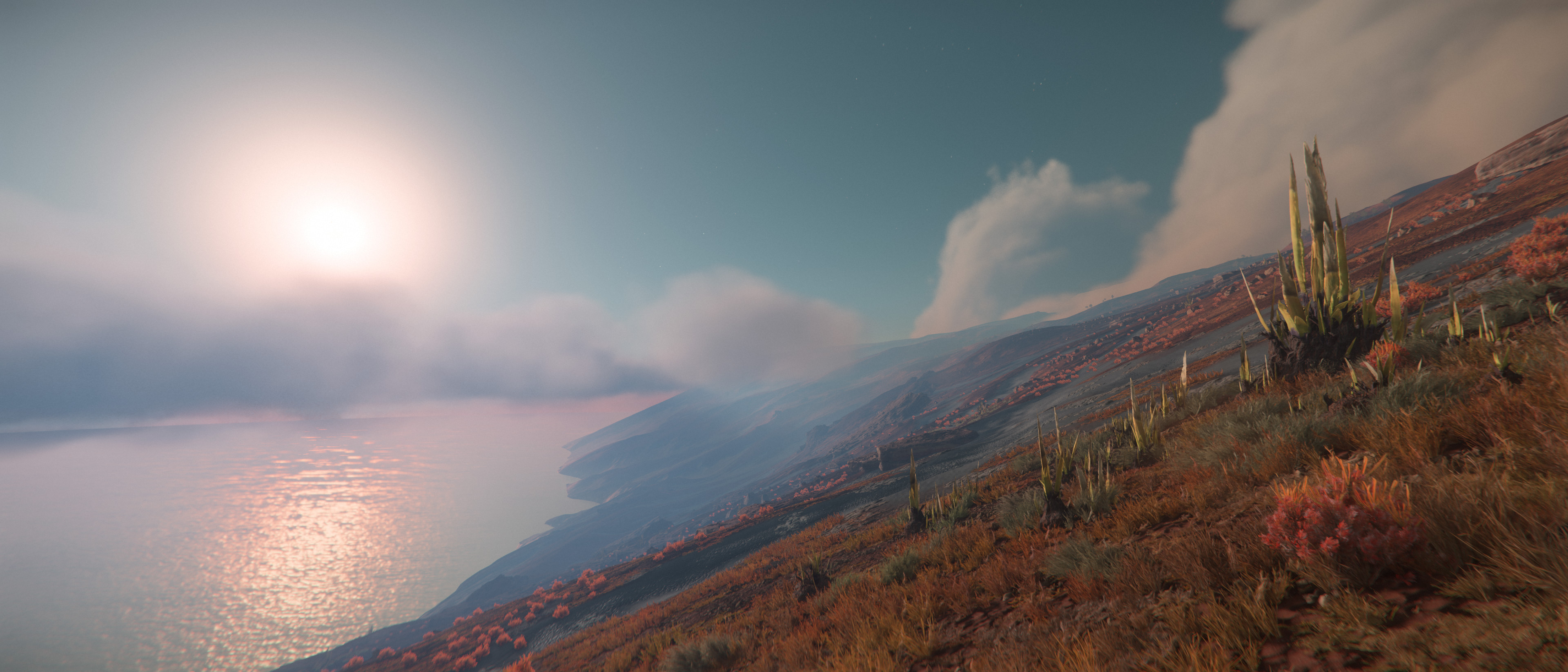
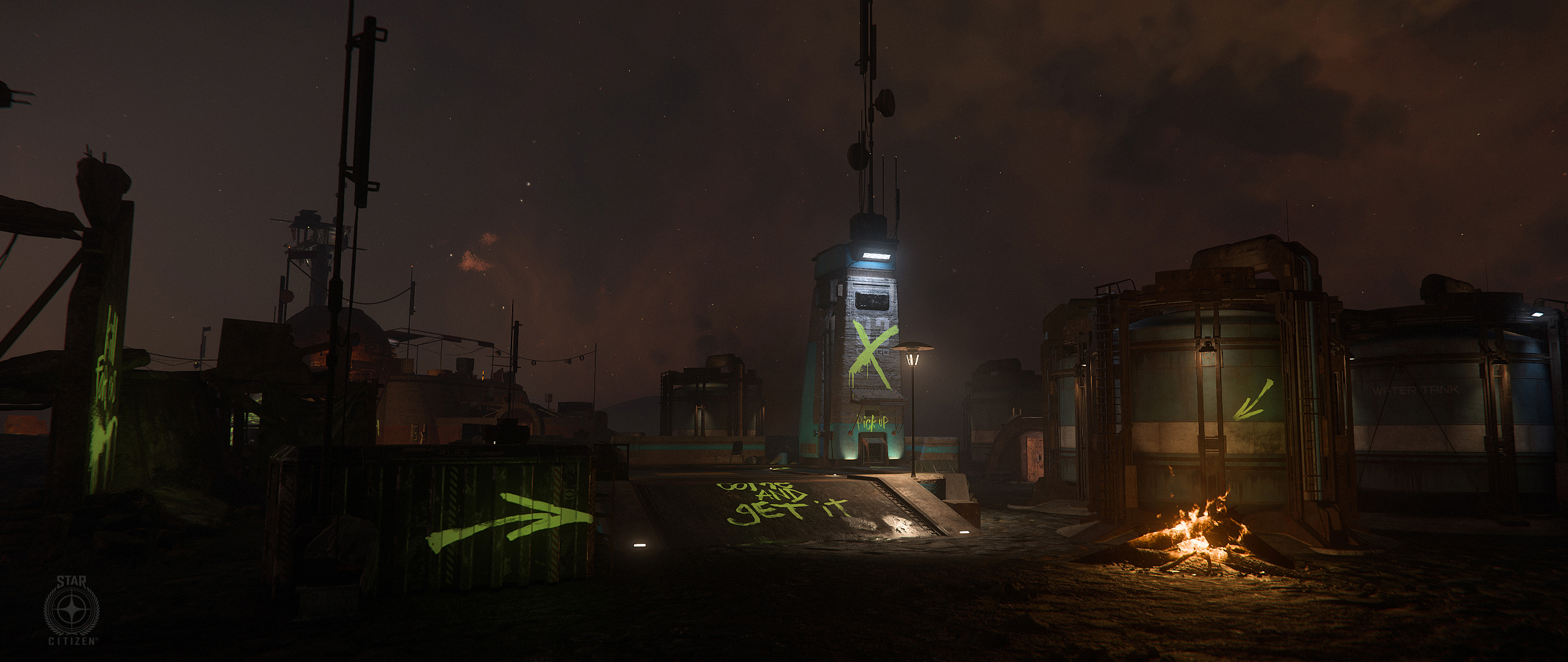
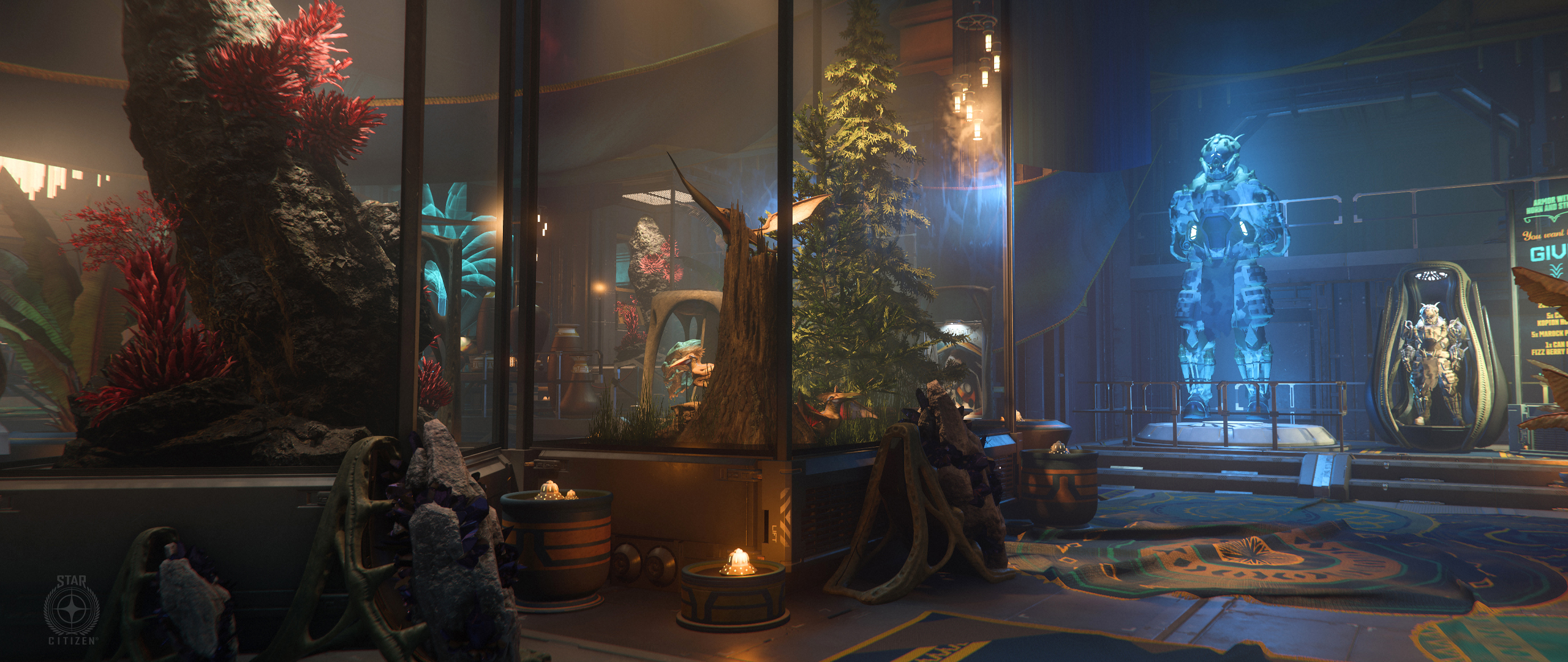
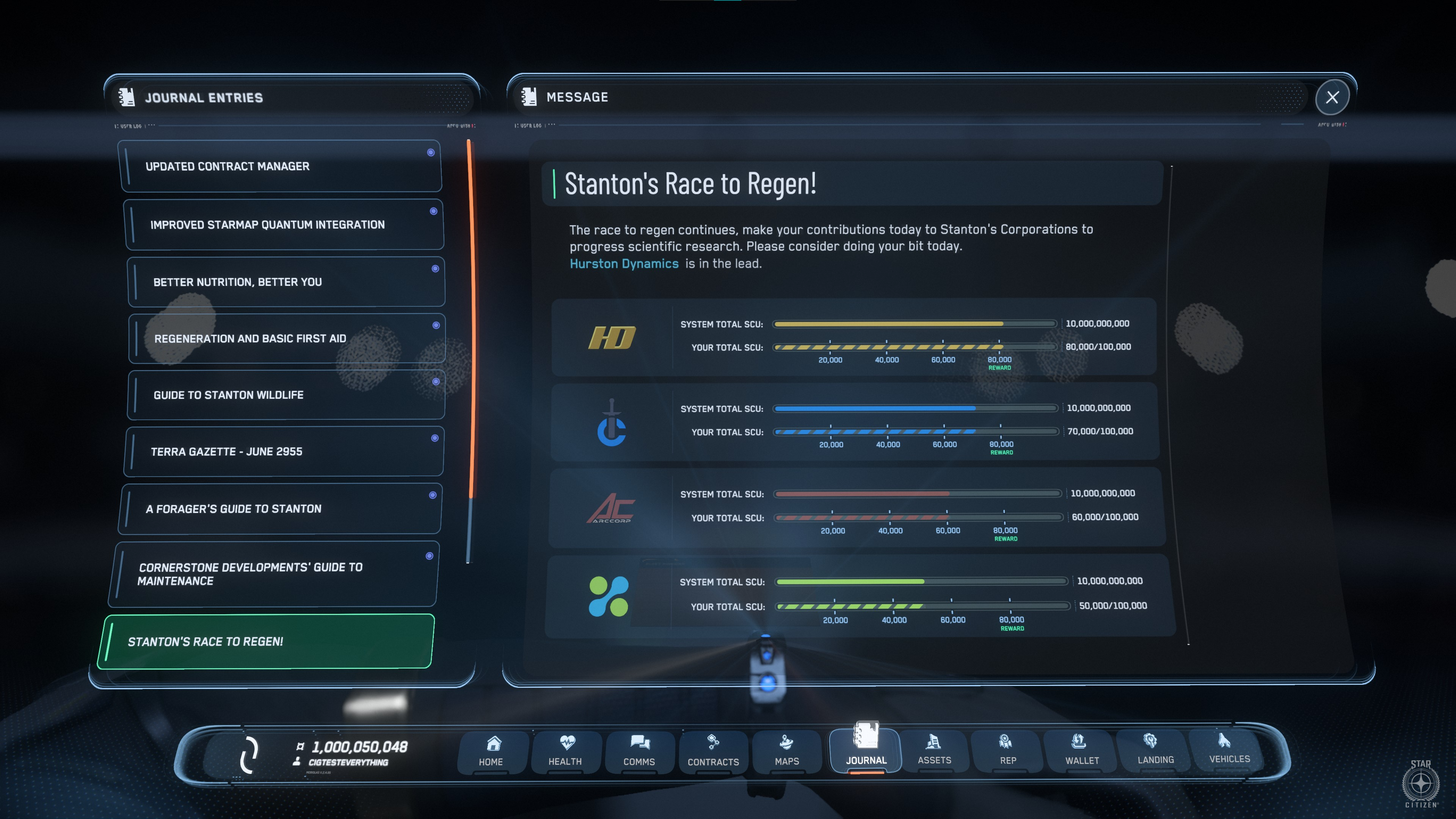
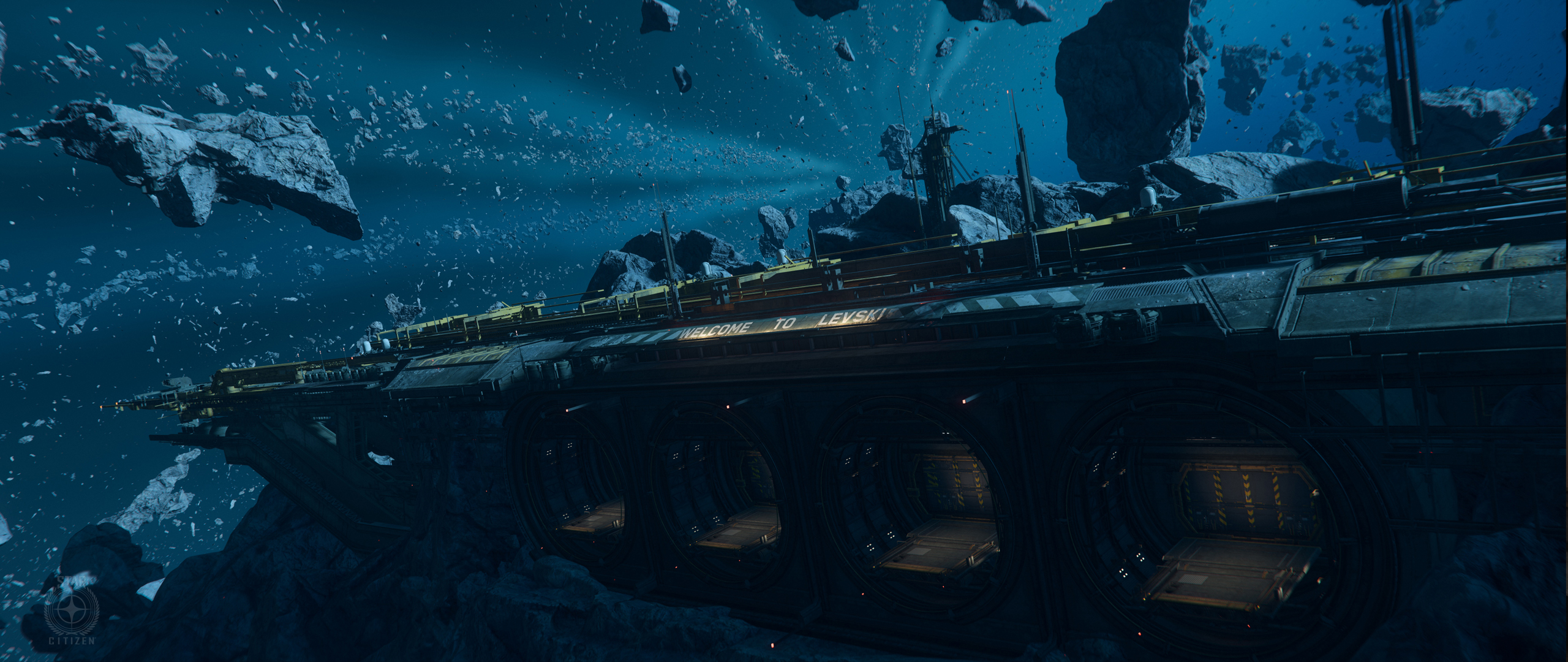
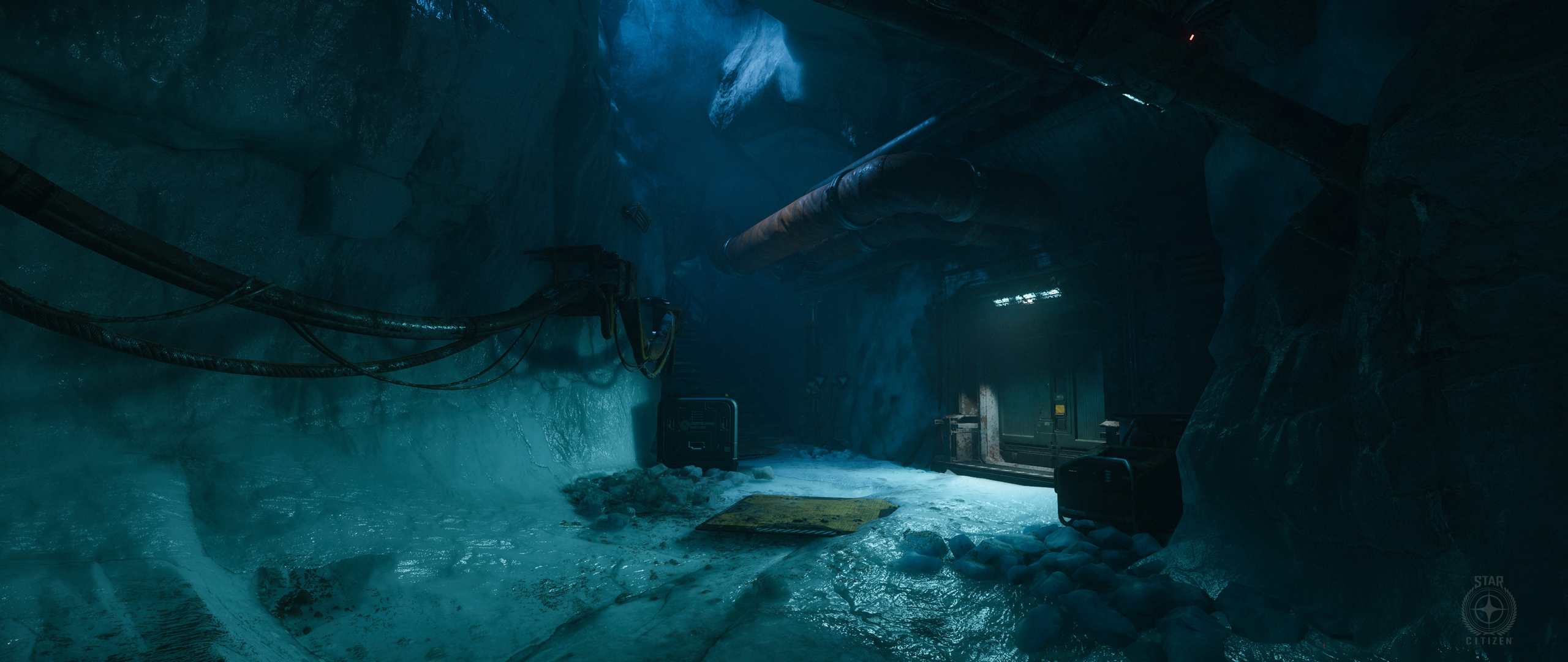
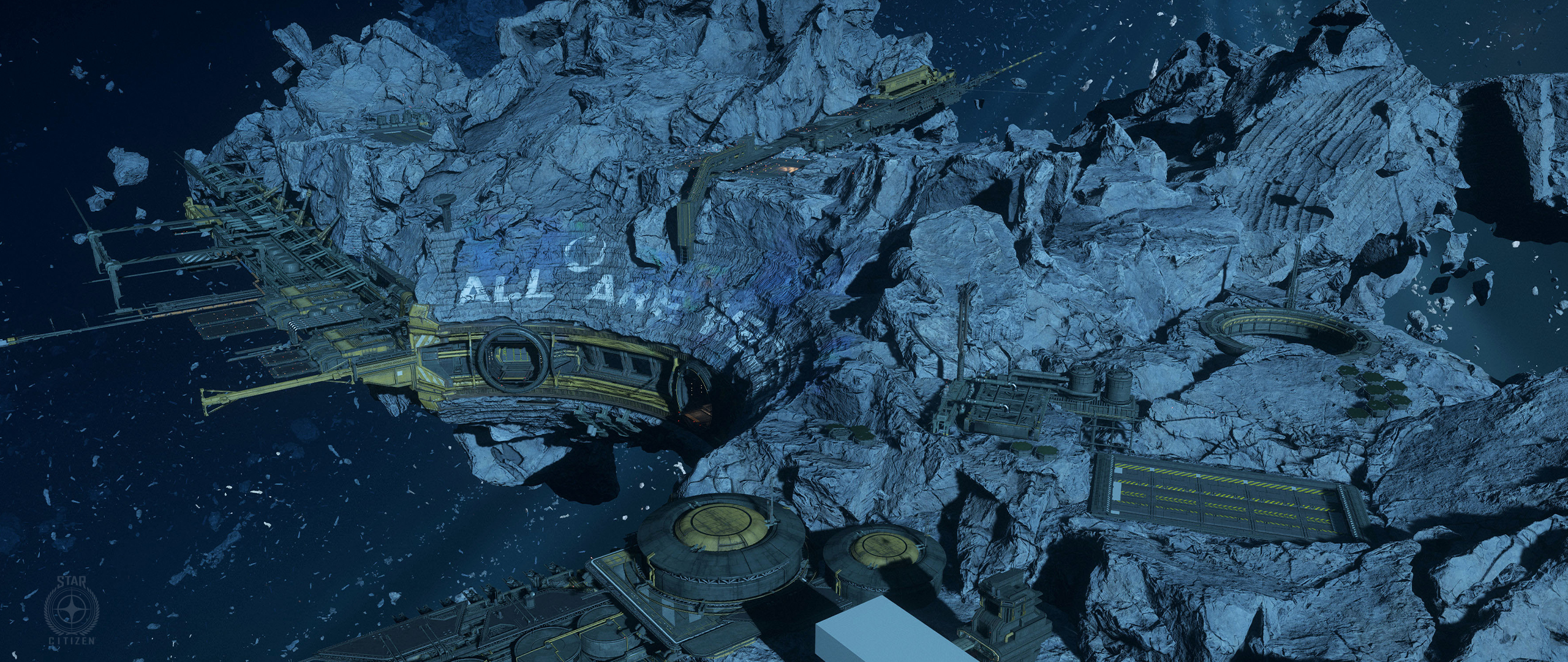
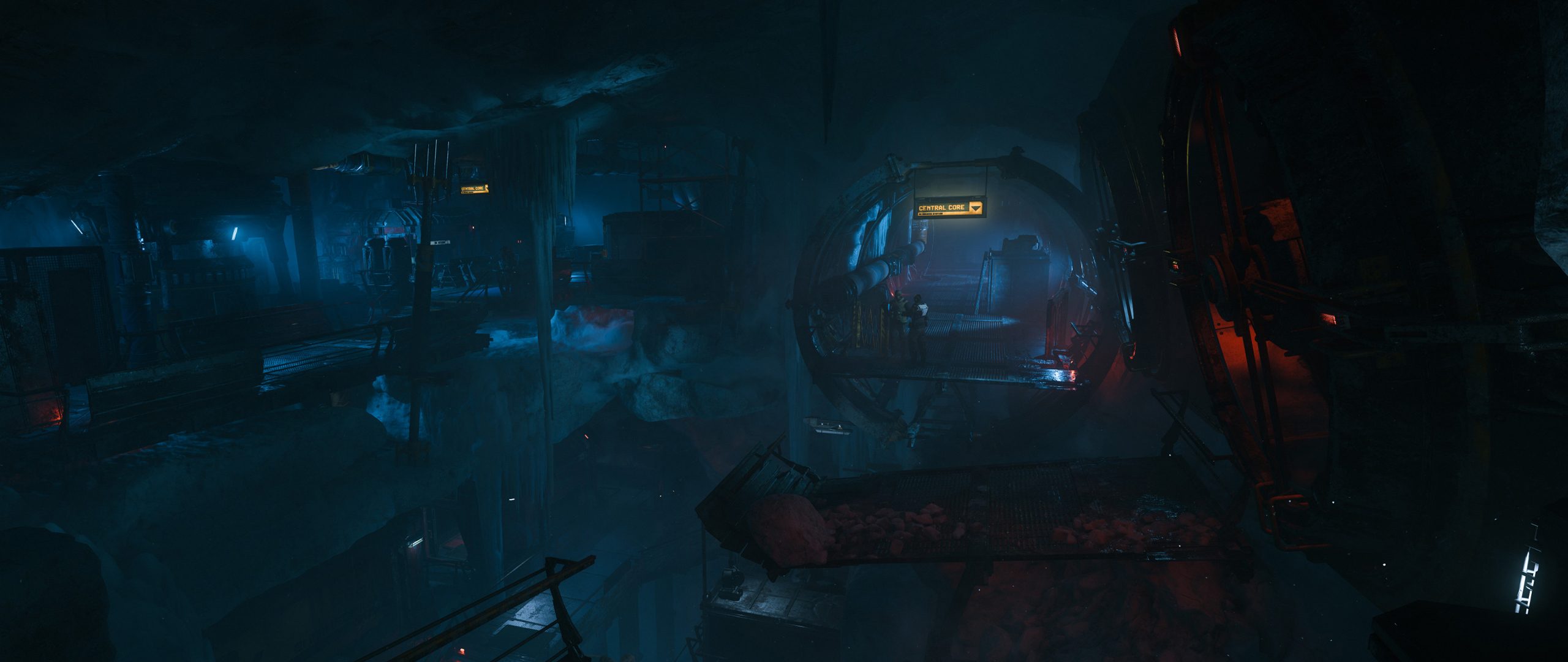
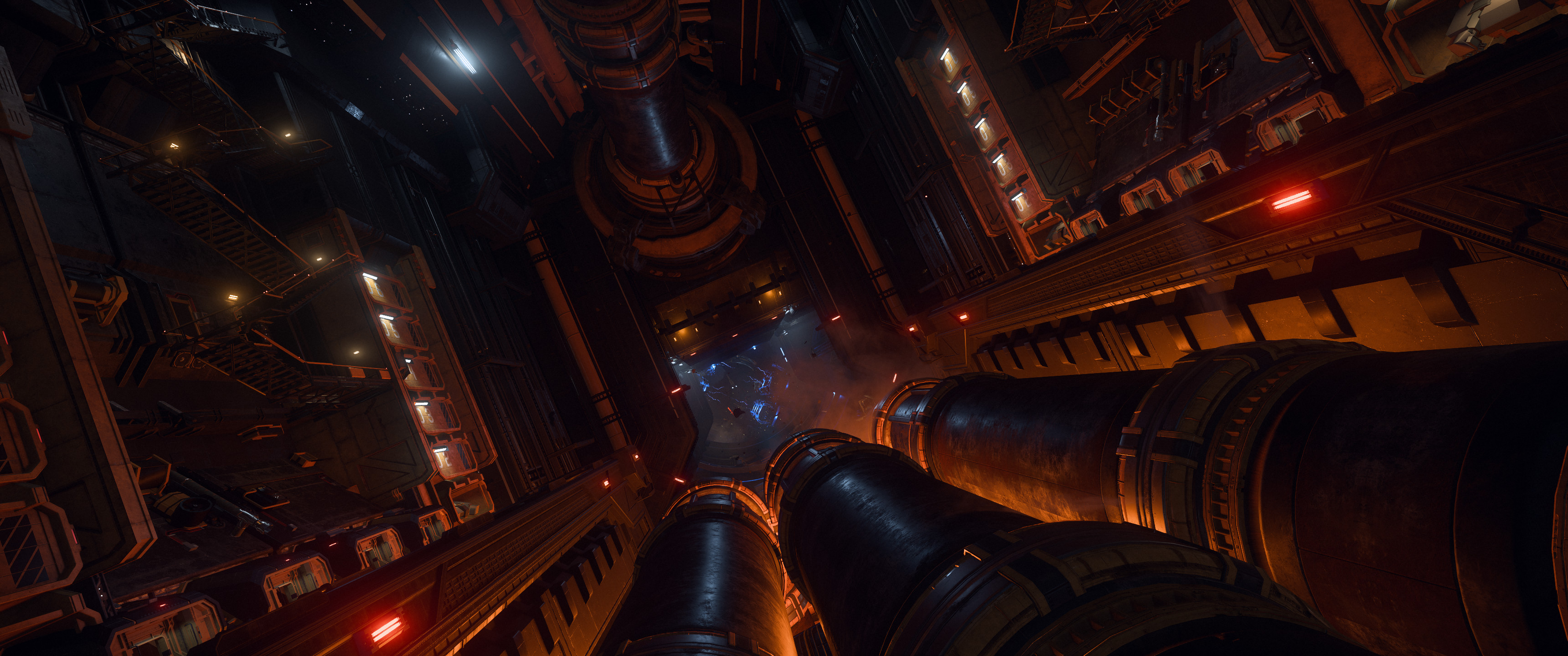
Metadata
- CIG ID
- 16043
- Channel
- Transmission
- Category
- Undefined
- Series
- Monthly Reports
- Comments
- 67
- Published
- 9 years ago (2017-08-04T00:00:00+00:00)