Monthly Studio Report: September 2017
Transmission Undefined Monthly ReportsContent
Greetings Citizens!
You didn’t think we forgot about you, did you?
Welcome to the Monthly Studio Report, our chance to catch up with development teams from our studios around the world and take a look at much of what they’ve been working on in the last month. With work on Alpha 3.0 running fervently towards release, the video versions of these Studio Reports regularly found in Around the Verse have made temporary way for our popular Burndown segments each and every week. That means for September we’re back to the classic format so we can bring you the latest in Star Citizen’s continuing development. So without further adieu, let’s get to it.
CLOUD IMPERIUM: LOS ANGELES
ENGINEERING
This month, engineering in Los Angeles made great progress on the Item 2.0 Ship conversions, and hooked up incredible new features that Item 2.0 will offer players. One thing that really stood out was the cargo system, as it will open up a whole new play style in Star Citizen. Another cool focus for the month was the Ship Item Kiosks, this system will allow players to buy and sell goods in the game, but most importantly it will be one of the main elements needed for the game’s economy to begin to take shape.
TECH DESIGN
LA Tech Design was heavily focused on fixing issues for Item 2.0 ships, making sure all the ships were correctly converted from Item 1.0 to Item 2.0, and that all the new Item 2.0 functionality worked properly. Tech Design also implemented the Render-to-Texture (RTT) screens on all the Multi-Function Displays in the cockpits, unified seat and door interactions in the ships, and set up the new 3D radars in the ships that utilize them.
The team also continued supporting various ships as they go through the Ship Pipeline. Currently, the Anvil Terrapin and Anvil Hurricane are in production and soon they’ll begin the whitebox phase on the F8 Lightning, Tumbril Cyclone, and the refactored Constellation Phoenix. Lastly, they ensured that the edge cases in setting up armor restrictions in the cockpit types are accounted for. Final signoff and implementation of this comes next.
ART
September was a great month for the Character Team as they created new concepts for the Persistent Universe and Squadron 42 characters which they are excited to start modeling this fall. In Squadron 42, they made a lot of progress on Bridge Officer uniforms that will accurately reflect the rank of the officer. Finally, the team made significant improvements to our character production pipeline to help support the large volume of characters and loadouts needed to populate the Star Citizen universe.
This past month, the LA Ship Art team updated ships to handle new tech, such as the newly implemented fog tech, which changes the lighting to react properly with dynamic fog. The team also did a pass on the new LightGroups to update the default emergency lighting and auxiliary states, and on the Render-to-Texture technology for cockpits, which renders the viewpoint of the camera on geometry used when players are receiving incoming transmissions. Additionally, they completed the whitebox for the Cyclone, started whiteboxing the Mustang update, started greyboxing the Hurricane, and finalized art on the Terrapin.
TECH CONTENT
Over the past month, the Tech Content team tackled work across various disciplines, including Animation, Characters, Environments, Ships and Weapons.
The Tech Animation team continued to rig characters as they came through the pipeline to get them in game and working. Along the way, they fixed a multitude of skinning bugs (such as fixing a hunched back animation) to improve the quality of the character costumes, worked on a full update for the mobiGlas, and added support for our developers in the Maya Cry Exporter. Another large change is the 1:1 support in Maya of loadouts. This allows our animators to see the character they are working on correctly represented in Maya with clothes, armor or weapons, which saves loads of time.
On the Character Tech Art front, they implemented lighting into helmets, generated blend shapes for beards and hair, and updated zones on male/female character bodies. Several male and female hair variants were also implemented. The team has a major workflow improvement in progress that updates the entire character production pipeline into a more streamlined system.
For Environment Tech Art, the team made progress on procedural interiors, particularly complex multi-floor layouts and an outpost procedural library. They were also busy profiling and optimizing the performance of shadows, textures and lighting in Levski.
Over on the Ship Tech Art side, they finalized the Idris and Gladius landing gear skinning/compression. They also juggled a lot of ship bugs and tasks, such as implementing a new set-up for the Caterpillar doors.
Finally, our Weapons Tech Art team continued to set up rigs while providing support with a balance pass for FPS weapons and a script for updating IK grip positions.
NARRATIVE
This month, the narrative team pretty much kicked back… kidding. They worked heavily with the PU Live Design to generate a system for procedural mission text that could accommodate the various job boards that you will consult in 3.0 but also for the mission details that the mission givers send you. Aside from the usual News Update and Jump Point needs, they continued providing names and descriptions for the various components and items in the game, tackled a myriad of marketing related copy like the X1 sale, and managed to not break the build while working with item localization into Dataforge.
QUALITY ASSURANCE
LAQA worked hard testing any and all features coming from or supported by LA Engineering for 3.0: this included Quantum Travel, new turret controls and behavior, Item 2.0 ship MFD’s and support screens. We also looked into mobiGlas functionality and how it intersects with Quantum Travel with regards to the Star Map. In an effort to improve efficiency with the local pipelines, the team also worked on a variety of resource gathering tasks, such as capturing screenshots and videos or assembling bug lists for teams to use in daily standups and in high-level reviews.
CLOUD IMPERIUM: AUSTIN
DESIGN
The Austin design team worked hard on getting the remaining 3.0 features and tasks closed out to go to our Evocati Testers. Things ATX Design have been focused on are:
To start, Ruto finally came to life as a pass of his behavior was implemented into Subsumption. The team is currently receiving feedback from the directors before we plug in the rest of his behavior. In addition, the admin worker NPC type is currently being integrated into the mission flow. There was even a recent pickup shoot to grab some additional animations for these characters to provide some bespoke animations to give and receive packages needed during missions.
The pricing matrix was also updated to bring some additional balance to the multitude of items that will be in the game. Having items that range from hats to battleships has certainly presented a lot of challenges, and this latest pass will hopefully bring more consistency to the prices between item classes.
Finally, the team completed a new pass on the “Per Item” shopping UI. While working on kiosk shopping, Design did another pass on mobiGlas shopping by adjusting the UI Layout/Design to accommodate new item information. While this may not make the 3.0 build, the updated layout will hopefully make a subsequent release.
ART
Ship Artist Josh Coons started the whitebox block out of the Constellation Phoenix’s interior and exterior. Because the Connie was created using the modular system, only the ‘body’ section needs to be changed, which will help save time with this variant. The interior layout is almost completed and is scheduled for a review soon. Josh Coons also did some bug fixes for 3.0, including a pass on the air tight collisions and lightgroup/RTT screen setup on the Herald and Cutlass.
Chris Smith updated the lightgroup and fog setup for the Constellation Andromeda and Aquila and organized the layers to reflect the correct setup for the lightgroup tech in Sandbox. He also re-lit the interiors and equipped the required lighting states (Aux, Default, Emergency) in the ships. Both of those ships also needed an updated collision pass on the interior (all collisions have been updated with cheaper primitives). After he finished with the Connie, he moved on to updating the Hornet setup level and lighting/light group setup.
BACKEND SERVICES
Like the rest of the development team, the Server Engineering group was heavily focused on supporting features and tech requirements for 3.0. One of the biggest features they tackled was Client disconnect/crash recovery. This allows players to return to their previous location after a disconnection like a lost internet connection or client crash. This includes when a player in a party gets disconnected they will be returned to that group.
The team also made some major upgrades to the persistence cache so it now properly manages items that are both physically and legally owned. Basically, this means you can drop a piece of your equipment in a friend’s ship and it will persist in that ship even after you log off.
ANIMATION
In addition to 3.0 support, the Ship Animation Team started adding in-flight comms calls between players and AI, and refined the overall comms calls experience. A motion capture session was held to pick up animations related to upcoming vehicles, as well as prototyped movements for new ships coming down the pipeline.
On the PU Animation Team, they implemented special characters into environments that a player can interact with. We now have both female and male shopkeepers and bartenders working in various parts of the levels and will continue to add more as they become available. Our usable animations can now be seen in game as work progresses to grow and refine the player experience. Right now, the AI behavior is limited to one task, like fixing something or sitting in chairs. In the future, the AI will have day/night cycles which will allow them to do their job until a certain time, head to a bar to hang out, go home to sleep, and then return to work the next day.
The team also received code support to fix some of the more persistent bugs to allow for some big advancements with the usable system. Although the AI now properly enter and exit every usable as intended, they still have work to do, like velocity matching the speed of the walk to the speed of the enter animation. During the motion capture shoot, they captured motions to help fill in the gaps of missing animations for usables and NPCs. They also corrected animations that were outdated due to updated metrics.
OPERATIONS
The DevOps team supported an increased number of internal publishes related to 3.0 and extended testing for the internal delta patcher. All automation systems were checked and rechecked to ensure confidence in stability and rapid deployments that are now expected due to the much smaller patch sizes.
QUALITY ASSURANCE
Austin QA worked closely with Production to ensure that bugs that needed to be addressed before an Evocati release (as well as the eventual PTU and Live) were identified. Simultaneously, they ensured that bugs returned to QA as fixed were quickly retested, so any further issues could be flagged. New UI and HUD elements for ships, shopping UI and Kiosks, as well as new work on the mobiGlas application were major components of 3.0 testing. They also dealt with the new Stanton missions, updates to the Air Traffic Control, Persistence, the reworked Aurora, and the KnightBridge Arms ballistic cannon.
Meanwhile, the engine and editor testers were extremely busy testing new tech, such as capsule-based actor entity, particle and VFX testing, and the deprecation of the legacy job system. They also performed serious testing of the new launcher and patcher alongside Turbulent and provided them with regular updates and information after each new build.
PLAYER RELATIONS
This past month, the Player Relations team met in Montreal with Turbulent and representatives from every studio to plan technology and organizational needs. Plus, the summit covered various policies to keep the playing environment safe and secure for all backers. Gamescom was quite the busy month for us, but the team was back at it, recently moving all efforts to focusing on 3.0 Evocati testing. The goal is to structure and organize playtests with Evocati to get feedback on different sections of 3.0. This will help get info into the right people’s hands overnight after a publish.
FOUNDRY 42: UK
GRAPHICS
The graphics team focused on improvements to tech for 3.0 and continued with a few longer-term tasks for the next release and Squadron 42.
They added shadow map support to the Render-to-Texture system, along with many other improvements to RTT. The tech behind static (cached) shadows was improved and this feature enabled for 3.0. This saves on CPU and GPU cost for distant shadows, especially on lower spec PCs. They also made many quality improvements and bug-fixes to static sun shadows for space stations and landing zones. The asteroid system had several changes to make it more widely usable for 3.0; including better randomization/noise, physicalization-on-demand and AI avoidance volumes. On the VFX side, they focused on bug fixes and a new streaming-update system to vastly reduce the CPU cost of distant particle emitters.
For the longer-term tasks, they added hierarchical voxel support to the gas cloud system and enabled support for third party volumetric simulations to be imported into the engine. The material blending shaders were also generalized and improved so that the team can more easily add new shader features. This will be the foundation of the new glass and various layer blend shaders.
UI
This month the UI team continued the big push for 3.0 by working on new features, as well as incorporating feedback for existing 3.0 features in order to provide players the best experience.
Over the past month, the team was involved in various sprints relating to Item2.0 in order to wrap up specific areas of the HUD and MFDs. The UI team was also involved in the Item2.0 sprint that focused around closing out all areas of Item2.0, bringing online the final remaining UI elements for ships.
The contract manager had some additional tweaks this month. As design progressed with the mission setups, they identified small tweaks to the contract manager UI that made the app more accessible, and more importantly, easier to use. The StarMap and PMA went through a few rounds of bugfixes as well. Finally, the ship selector was revised to use the updated UI, which incorporates additional functionality within the terminals for insurance claims.
PROGRAMMING
Animation flow was looked at by multiple sprint teams. The usable tech underwent a rewrite to integrate it better with the AI decision making, allowing for more seamless transitions between movement and interaction. They made improvements to Mannequin, our animation selection system, to handle situations where a performance should play on a specific idle set and then, optionally, return to some other idle. For example, Eckhart leaning forward to whisper something conspiratorial and then staying in that idle pose after delivering the line. The actor system state machine also enhanced how it deals with animation requests, specifically improving queuing and interruption, as well as opening up a new event-based communication path between the animation states and the AI Subsumption system.
The team also made improvements to the mission system by implementing and testing some new glue-code that allows for random events to be triggered throughout the game via probability back-end services. This includes dynamically spawning entities (like a character, ships and props) in any environment, like space or on the surface of procedurally generated planets. Programmers continued the ongoing work to add additional variables and Subsumption nodes to the mission system, which the design team uses to create mission content. This included hook-ups for templated descriptions and its effect on dynamically spawned mission content – a simple example would be ensuring that a mission called “WANTED: Pirate Roberts” actually spawns an enemy called “Pirate Roberts”.
SHIPS
A total remake of the Vanguard cockpit was completed to give players a more immersive experience, and to push the artistic style towards that of the Retaliator. Lighting was revamped and the player’s controls were developed for the interaction 2.0 cockpit experience sprint.
The Sabre cockpit was revamped to function better with the new interaction system. The geometry for the dashboard and displays was remade and the rest of the interior updated to add more detail and flair.
In addition, the entire lighting was redone to add more character and take full advantage of the new systems.
The Reclaimer team finished all the LOD’s and lighting optimization that resulted in some big performance gains. In addition, a full pass was done on emergency and auxiliary lighting states, complete with transitions using the new light group entity.
The entire block out of the 600i interior was completed along with a first pass on the exterior. The hub and exploration module areas were taken further by adding the modelling detail and fleshing out the molded shapes that come with the Origin style. A base set of materials were also set up and will continue to be iterated on as the ship develops.
The interior layout of the Carrack was blocked in based on designs requests. Next comes the more detailed whitebox phase that defines the shapes of the rooms and corridors, alongside a basic lighting pass.
The Void is almost fully textured with some areas underneath the ship and a POM pass remaining. A detail pass and the creation of damage states will follow. The Vanduul Blade remake has progressed well. All major shapes and functionality were blocked in following the new art style established for the Vanduul ships.
In other news, the Hull C is art complete and ready for other departments to work their magic. They are also reworking the landing gears of numerous ship to make them compatible with the new compression system. Finally, the Ursa Rover is currently undergoing a derelict pass.
CONCEPT ART
Work has continued at a furious rate for the Concept team, and they’re are still looking to bolster their numbers and hire an additional four concept artists to continue to grow the team.
Starting with Squadron 42, as levels came together they identified the visual targets, which are areas that describe the beats within the game. Then they create loose high-level images and slowly focus in and define them more and more. This enables the whole team to understand what they are driving for on a visual and emotional level. This month, they tackled a few more areas of Shubin mining station (really, it is huge!) and some of the space scaping.
For the PU, work continued on Hurston exteriors and interiors, ArcCorp and Orison. This occurred along with the props needed to support these areas.
In the world of ships and vehicles, they worked on the X1 from Origin alongside four others, which will remain nameless for now. These ships/vehicles range in size from large to small with some being simple while others are super complex. Despite the differences, they are really excited to eventually show off all of them to you.
The concept team also maintained a steady throughput of ship weapons, creating a sweet electron beam gun from Hurston Dynamics. They also finalized a Xi’an weapon, which is very different than anything the team has done to date.
VFX
This month, the VFX team put lots of cool new tech to good use! For example, now they can spawn volumetric fog via our particle system. This allows them to greatly improve smoke, dust and (of course) fog effects in the mid and near distances. Previously, they had to fade out these types of effects when close to the screen but now they fade in the fog at close range for results that are incredibly immersive.
They’ve also improved ship “deathmask” explosions by putting to use a variety of new features, which were used when blowing up the Idris at Gamescom. This includes the ability to control camera shake and screen blur directly in the particle system. They’re keeping this very subtle though and just want to add a little extra oomph where necessary. They also fixed a long-standing issue that forced them to limit the life of our deathmasks to a couple of seconds. Now they can layer them to have a bit more pop, crackle and fizzle in the initial frames before the boom!
Work continued on updating the Quantum Travel effects. A lot of time and effort went into creating new spool-up/enter/exit effects, and thanks to the extra power of the GPU particles, the team is really happy with how these are looking for the 3.0 release.
Speaking of, this month saw continued iteration on all existing effects, using the added power of GPU particles (read: higher particle count) to weapon projectiles/impacts, environment effects and basically everything else where possible.
Finally, they began a new sprint for space landscaping VFX. This starts a new collaboration between VFX, Graphics and Gameplay engineers to allow them to control particle effects based on environmental data. A simple example would be using a fluctuating density value inside a gas cloud to control the count and opacity of a camera-bound particle system. This should allow them to bring extra texture and flavor to a huge range of environments without having to resort to manually placing hundreds of entities. The team is really excited to see this tech taking shape!
AUDIO
Throughout September they primarily worked on issues relating to the 3.0 release. This included the usual iteration and revision work on ship audio, which has had to absorb various changes to upstream systems. They also kept plugging away at persistent universe locations, dialogue content and related systems, user interfaces, character Foley work, etc. Optimization and fixes were mostly the order of the day (or month!).
FPS weapons were also worked on. Iterations to the Behring P8-AR and other weapons got them to a better place. They supported some broad enhancements to the Star Marine game mode by adding new secondary weapon content and refining the differentiation between ADS (or ‘iron sights’) and usual aiming modes to give gunplay a more visceral experience when bringing guns up close.
Work on Squadron 42 continued to progress. The move to use Subsumption to drive music logic is ongoing but it’ll eventually give a more robust solution than previously. Where appropriate, they took the opportunity to do more bespoke sound design for environments and ambient sound in Squadron 42. This allows them to differentiate particular locations and have them stand out a bit more.
Also in September, they supported FOIP by improving its audio performance. This is a task they’ll continue to work on in the future.
Speaking of the future, some of the Audio team will be in attendance at CitizenCon, and look forward to getting to speak to some of you there.
ENVIRONMENTS
The Environment team completed a sprint for creating large (up to 20km!) asteroids for 3.0. They’re hoping this sprint helps our tech development create a system which allows for a greater level of detail from the ground to space. As a part of this sprint, artist Luan Vetoreti experimented with world-machine to generate larger mid-range forms to great effect!
The AsteroidField entity was updated for the 3.0 release. This uses procedural noise breakup to create more natural space rock formations. It also greatly improves the efficiency of building space scenes, as it is no longer necessary to hand place asteroids unless desired. The team also experimented with ground based atmospherics for 3.0, like thermal winds around Yela. These elements could provide some great visual interest from the surface of our planets.
Space landscaping sprints for Delamar and Yela were also finished. This utilized the new SpaceDust shader to create larger planetary scale atmospherics and space dust.
The environment team also started development of some exciting in-engine volumetric simulations for Squadron 42 and the Odin System. Finally, the space-scapes in Squadron 42 were improved based on 3.0 development sprints with asteroids and spacedust.
Additional surface outposts were placed on all three moons. Various branding and logos got their final pass, including new logos and iconography for Terra Mills and emergency shelters. A final pass on all outposts was done to guarantee that there are spaces to pick up and drop of items necessary to completing certain missions. Exterior elements were given thicker bases so they can be dropped on uneven terrain. In addition, landing pads received their final pass to bring them in line with the look of high tech outposts and to better integrate them onto the planet surface.
Now, let’s turn our attention to rest stops. The final pass on all interior rooms was carried out. They knocked out a pass on props, dressing and advertisements. Elevators from the landing pads to the main hub were set up and are now working. Rest stops were also adapted to use the procedural layout system and the team is currently iterating on these early tests.
All older locations had a bug clear out, and an optimization pass was done on the worst offending models and materials. In addition, Area18 was exported and placed onto ArcCorp. Preliminary work on the entire planet is under way, as the team iterates on how it looks from positions close to the planet surface to much farther away.
A Squadron 42 art sprint is almost finished being integrated. There was ongoing support for bug fixing, design requirements and systems. Showstoppers (including lighting) are in the process of being fixed, and an AI sprint was started. Also in progress are relighting, a props/dressing pass for three key areas to accommodate the new AI, and an optimization pass.
DERBY ANIMATION
The Derby Studio was busy moving into the new studio! After spending four months split between two offices, they’re finally back together under one roof where there’s a lot more space.
The Motion Capture and HeadCam systems were set up to run tests with the Audio team, who came down from Wilmslow in preparation for an upcoming shoot. The team also completed a bunch of facial animation and polished cinematic facial animations.
Over the past month, the Animation Team created assets for the Alpha 3.0 release and beyond. They have been updating the placeholder animations for the Player stopping. The goal is to provide a higher visual fidelity and realism to how Players move within the new speed gearing system. Animators also worked on jumping. They needed to balance Star Citizen’s signature high-fidelity look with a manageable amount of assets for when the animation bank is extended to the female model and various stamina types. Plus, they worked on stealth takedowns.
In addition, they worked on developing daily routine and life animations for characters and mission givers. A recent shoot in the Austin office focused on these behaviors, which the Derby team is now tracking and solving. The animators also added more life to the Star Citizen world with conversations characters have as they go about their routines. Finally, on the ship side, the team delivered updates for the Sabre ship set and captured enter/exit animations for the new ground-based vehicles.
FOUNDRY 42: DE
WEAPONS
The DE FPS Weapons team completed the initial pass on both the Gemini R97 Shotgun as well as the Kastak Arms Custodian Laser SMG. For the Ship Weapons, they finished off the maxOX Neutron Repeaters sizes 1 through 3. The Weapons team has made great overall progress on FPS and Ship weapons these past few months, even getting slightly ahead of the global schedule, so to fill up some of the additional time and to let other dependencies catch up to their work, the team helped out the UK prop team by completing some coolant silos and are currently working on a gravity console.
LIGHTING
In the month following Gamescom, the lighting team polished up the remaining sections of Levski by integrating Lit Fog, improving overall performance, and ensuring the lighting is setup according to the defined best practices. They also provided general support for other areas of the 3.0 release, including fixing bugs, improving performance, and unifying lighting quality across the PU.
QUALITY ASSURANCE
The DE QA team was heavily involved with Gamescom this year, starting with spending a few days demoing for the press and ending with the playthrough at the Gloria Theater. With Gamescom completed, they participated in a global post-mortem to help make a better experience for future events. In regard to builds, QA was involved in testing the new character capsule for improved character collision detection, as well as full PU performance testing. New changes were added and tested in Subsumption, which included a new Usable Scope for Variable Attributes which allows control over whether a variable can be injected into another as a Variable Attribute. Additionally, the creation of CTRL-D/F/G hotkeys allowed easier navigation between Tasks on both the SubActivity and Mission Function Task grids. They also worked closely with Tony Zurovec and the Design team to make sure the system was working optimally. As 3.0 closes in, the team are mostly helping with Adhoc testing and regression to ensure the game is as stable and optimized as can be. The DE team were also interviewed this past month by David Ladyman for Jump Point Magazine to talk about their involvement and work leading up to the Gamescom demo.
ENGINE
The engine team has been extremely busy with their focus spread over numerous fronts. They continued work on the Subsumption visualizer, a system meant to develop and debug AI behaviors. They made some major improvements to temporal antialiasing, this work will be ongoing and the tech will continue to be iterated on over the coming months. Also, improvements were made to our tone mapping curve (ACES based). Overall, the look is quite similar to our current curve, with a tiny bit of additional punch and contrast. The darks and shadows are preserved quite well in space, and the rolloff on the highlights is still handled gracefully as by the original ACES curve. The engine team also completed several improvements to the planetary procedural objects scattering, added some new options for Environment Art, made small terrain rendering improvements, and performed general optimizations. They did several fixes to the texture array system, PlanEd fixes and improvements, continued some cleanup duties by removing old terrain functionalities, and made some improvements on decals support.
They also pushed to complete the P4K System, which is one core part of the coming delta patcher, planned to be used for 3.0 and afterwards. The P4K System is the new data structure to allow delta patching. Now, instead of having multiple pak files, there’s a single large p4k file to hold all the data. On top of this file container, the system allows incremental patching, meaning that it will only transfer files which have actually changed. This system has been used internally for roughly two months, as well as at GamesCom, and has proven to be stable.
While doing this change, they also took the time to switch our compression algorithm from the aged deflate to the more modern zStandard, which provides a better compression rate and faster decompression to improve loading times. The P4K System also changed the low-level streaming logic. The old system was file based and was using specific threads for IO, decompression and decryption. This change means that each file has to go through this pipeline, reducing our potential for parallel execution. The new system on the other hand is block based, using kernel async IO, and is tightly integrated into the threading system (more detail for the threading system changes is below). By building it like this, they can process files on many cores in parallel, while allowing them to better adapt to changes at runtime and have multiple files transferred in parallel.
To further optimize the loading times, they developed a zero-copy allocator for the streaming request, as due to the block loading, it is not guaranteed that they have all the data needed for decompression. The new allocator allowed us to cope with this situation without additional data copies, while freeing memory as soon as it is no longer needed. While the delta patcher is production ready, they haven’t fully converted over each file format/file type used to be optimal with the new system yet, so they’ll need to change some data formats in the upcoming patches resulting in some larger delta patches.
Besides the P4K System, the team advanced the threading system into the desired direction. This involved some refactoring to allow all the high-level rendering objects to run on multiple threads. Based on this, they could remove the old JobManager and keep the new and improved system exclusively. Furthermore, for the background worker threads, they started to integrate pre-emption into the Fiber system, allowing them a more efficient usage of resources without spawning a massive number of threads. This will be used by the IO system and later for all background jobs. Lastly, to move the now highly multithreaded IO handling and JobManager nearer together, they changed the signal mechanism of the background worker threads to use IO Completion Ports on Windows and EPoll on Linux. This change allowed them to directly use the background worker thread to efficiently handle all IO processing without any additional threads or delays.
LEVEL DESIGN
The Level Design team has been preparing surface outposts to support player missions in Alpha 3.0, as well as fixing bugs and updating other locations throughout the game world. Furthermore, they’ve been testing and giving feedback on the various tools that allow the team to build the new locations at the speed and scale that they are aiming for. These tools are already being put to use in the creation of the rest stop space station, parts of Lorville and an updated version of Area18. As mentioned earlier, the team also welcomed a new Senior Level Designer who is going to focus on locations for Star Citizen’s PU after an initial training phase.
VFX
The VFX team has hard at work on new effects for 3.0 the past few weeks to take full advantage of the planet editor tech specifically developed for procedurally creating particles on the planet. They also created a fair level of hand-placed, bespoke effects that help give the bases and areas of interest a little more variety and feeling of uniqueness. Additional time was also spent improving existing particles to get them ready for release.
SYSTEM DESIGN
Work continued this month on improving the usables tech, adding capabilities for ships to have numerous usable spots where AI can interact with various elements for refueling, cleaning, repairs, etc. The team also worked on another piece of tech that would allow the team to animate usables as well as carriable objects that are in sync with the player. On the usable production pipeline, everyone is mainly focusing on the Squadron 42 usables in order to bring life to the AI in all of our levels. This also allows additional work on the behaviors of AI crews for ships, with the current focus on getting engineering and off-duty activities running intelligently.
On the AI side, the designers also pushed forward with FPS AI combat, especially the perception reactions and cover use, working closely with both animation and AI code to get the combatants feeling as realistic as possible. At the same time, work continued on the ‘Buddy AI’ and this will be working in parallel with the combat team to create realistic friendly NPC AI behaviors that will help you in the heat of battle or that you have to take care of and escort based on what the current mission is.
As a lot of the item 1.0 system for FPS is being replaced, they’re also switching all of the lootable items (medpens, oxygen supplies) to Item 2.0. The switch requires them to also update the items that produce them, so this will affect Star Marine medpen dispensers, ammo crates, as well as upcoming lootable items.
ENVIRONMENT ART
The Environment team in Frankfurt has been hard at work on closing out and fixing the remaining visual bugs for 3.0, as well as tweaking the performance on the moons. It is important that 3.0 locations are polished, so that the player’s first experience with these new additions to the game is as exciting as it can be. Further improvements and polish went into the planet tech allowing for an increase in the density of the asset scattering. This required another round of tweaking the settings for each of our moons, but offered a significant visual improvement. They have also continued work towards locations that are slated to come beyond 3.0.
TECH ART
Over the past month, the DE Tech Art team tackled a variety of content creation, animation support, tool development, and bug fixing. Some of the work completed was:
Multiple skinning tasks for PU Clothing and Squadron 42 Characters.
Wrote and refined scripts for the animation team and the VFX team, to speed up their workflow and make the tools easier to use.
Mannequin support for the cinematic team to get additional animations into the engine.
Multiple support tasks for the Usable team, including in-engine setups, animation debugging and tool training.
Completed the technical setup of the Behring P8-AR Ballistic Rifle.
Finished setups for the Kastak Arms Custodian Laser SMG, and the Greycat Industries Pyro RYT multitool.
On tools, they recently developed an animation tool called bakeCtrl, which helps animators to track backwards of any animation ctrl and bakes down the animation keys to the targeted ctrl. The end result will help save animators time as well as minimize human error. They also updated another existing tool called IKgrip. For FPS weapons, they wanted the flexibility to easily update the left-hand position as per creative needs. Currently, this is achieved with manipulating runtime IK and IKgrip from the weapon skeleton. This new IKgrip updater tool gives the freedom to animators to update the left-hand position and allows them to quickly iterate. Technically, this tool calculates the left-hand position for game and updates necessary different files in the background in real-time.
AI
The Ship AI team have an ongoing sprint focused on smooth path traversal and complex maneuvers. The traversal work progressed nicely over the month and the team now integrated a first pass version of the improvements into Gamedev for further testing. They started looking into complex actions to support and improve dogfighting maneuvers. An initial prototype for the dogfight Subsumption activities is about 60% complete and is being used as a testbed for the remainder of the sprint. They also finished up the first pass for patrolling in an ongoing attempt to phase all of our AI to this new system, this includes new patrol behavior and adaption of existing systems to work with the new AI system.
Work was also completed on Combat AI, implementing numerous reaction behaviors for when an enemy is detected. This behavior will provide more personality to an AI enemy, and serve as feedback to players on how they are perceived by various AI. The specific behavior will be triggered by numerous events, enemy seen, distance to the enemy, bullets heard, movement steps heard, damage received, etc. The team also started working on combat search behaviors which will be triggered within general combat or after first reaction to the enemy being detected if the AI will lose sight of the target. They also spent some time reviewing the current status of ground turrets as well as supporting and investigation any 3.0 issues.
TURBULENT
SPECTRUM
With the release of Spectrum 0.3.6 last month, a long list of bug fixes was needed to make September’s patch a huge improvement on performance and usability. Some of the major additions are:
Karma: When other members upvote your content within each community, you will receive “Karma” points. The Karma number is found on each individual mini profile.
Post Count: A counter on how many posts you have made within the community. Posts from the previous old forums are included in the count.
Tracked Posts: Threads which contain roles that are tracked, for example staff posts, now contain buttons to jump directly to those special replies within a thread. This same feature can be used within Orgs, simply enable the track post within the organization settings.
The team also reworked some of the previous features to make them more user friendly and create a base for future features. These improvements include:
Flagging posts in private orgs will no longer create misconduct reports.
The RSI login page will now redirect you to your previous location in Spectrum.
Improved Search UI to search for all, erased or non-erased content.
Display the member who soft-erased a reply or message.
A new global permission can be given to roles to allow members to reveal and search soft-erased content.
Member Profile Popup
Cleaner, more space-efficient design.
Integrated message box to send a quick private message to the member without having to switch to the private message view.
Post Count and Karma display!
Removed ‘content’ from flag notifications sent to officers (redundant).
Added send button to mini profile popup on mobile.
Moving into October, the team’s focus remains on Spectrum 0.3.7’s additional features such as Custom roles, and group PM as well as achieving a desktop version of spectrum. Desktop version will give them a framework for the in-game overlay.
LAUNCHER
The launcher/Patcher version 1.0.0-alpha.20 has been greenlight by QA for Evocati testing in order to get a better sampling of different hardware, connection types and windows versions.
The first release of this new launcher framework is geared towards delivering the same experience as the previous launcher, but with the core internals needed for the Delta Patcher system, as well as a library system to manage installing multiple games and their associated release channels (like PTU, etc.). This paves the way to be able to distribute entirely separate games like Squadron 42 from Star Citizen. This release will also come with a new installer and a totally rewritten application core.
A new launcher backend and distribution system was also developed to secure access to pre-release builds and also ensure the proper delivery of the incremental objects for the new delta patcher library. The end result should be drastically reduced patch sizes between updates, faster install and verification times and reduction in the steps required to launch a patch for the DevOps team.
The end result that will soon be tested by the Evocati during the 3.0 PTU phase!
SHIP STATS
The team continues to tweak the Ship Stats display, ensuring that the introduction of the new and updated ship stats will bring clarity to the new ship balance. Turbulent has been adjusting the system that displays this to the backers to help them make decisions on ship purchases and better understand their rival ships in-game. New additions to the design include.
The introduction of VTOL, Retro, Fixed and Gimbal thruster icons to quickly identify a ship’s speed and maneuverability.
Additional maneuvering details including pitch, yaw, roll max.
Specifications for missile and missile rack manufacturers, models, and size.
As each ship is reviewed in-depth, the team will continue to refine the details. Aside from the display of the ships, they created a backend service that allows technical details to be uploaded in one shot. This system will help keep the ship matrix up to date.
SHIP SALES
The design team worked hard to create the in-lore page for the X1 which depicted the renowned designer Alberto Vara. This is your last week to pick up a X1 in the concept phase. They also brought you the Subscriber Herald flash sale for one weekend only, subscribers were able to grab the Drake Herald after testing it out for the month of September.
The team continued to prepare the website for major changes with the public launch of 3.0. Stay tuned for some very exciting upgrades to the site.
Community
August traditionally kicks off the busiest time of year for the Star Citizen community… and we couldn’t be happier! Gamescom in August, CitizenCon in October and our anniversary in November means that there’s a lot to prepare without many breaks. Between those major events there are dozens of shows, posts, reports, ship presentations and other important pieces of content to get out to the community.
In August, we livestreamed gameplay from Gamescom and broadcast the big Star Citizen event that shared the latest and greatest information and a pretty excellent demo of what’s coming up in Alpha 3.0. Since then, we’ve been prepping for the next two big events: CitizenCon and Star Citizen’s anniversary in November. CitizenCon 2947 is being held in Frankfurt and we’re updating the format to include more to do and see.
Of course, our events aren’t the only Star Citizen happenings. Backer-run Bar Citizens have taken the world by storm… no matter where you are, there’s a Bar Citizen full of other space gaming fans looking to connect. We attend as many as we can, but we’re just as happy seeing them take place everywhere! Several groups have also established watching events for CitizenCon for those who can’t make the trip to Frankfurt, including VerseCon in Austin, Texas and Pariverse in Paris, France.
Star Citizen’s video output continues thanks to the work of our GVP or Global Video Production team. Around the Verse continues to share featurettes on the making of the game plus Burndown segments that include up-to-the-minute status reports on the 3.0 rollout. Bug Smashers, Citizens of the Stars and Loremakers continue their respective series’ (with some additional developers sharing their bug stories!) The monthly Happy Hour has shown us everything from the making of Chris Roberts’ Wing Commander IV to the live creation of a space whale by the character art team!
On the ship side, we launched both the Origin 600i series and its little brother, the X1 space bike. The Origin lineup has always felt small compared to behemoths like Aegis and Anvil, so we wanted to give it a little love… and to focus on ships that aren’t as combat focused as previous years. We hope you enjoyed the ship pages and the brochures… rest assured we had a great time putting them together! What’s next for ships? Well, we feel it’s going to be something of a game changer…
Development subscribers have been busy these past two months, too. In August they test-flew the Herald and this month they have access to all five ‘original’ Star Citizen ships! Hangar flare schematics are rolling out, two every month, with the most recent group being Drake-themed. The September Town Hall allowed live Q&A with some of our tech specialists… and there’s new behind the screens articles every month in Jump Point (with an issue on the 600 and X1 being in the works now.)
We must close by thanking the thousands and thousands of community members around the world who make everything we do worthwhile. Your passion, your creativity, your excitement keeps us going all the time, and we’re so grateful to be allowed to be part of this adventure. Keep sharing your ideas, your artwork, your writing, your songs and memes and your opinions… your excitement is contagious. Stay tuned for more community content, more great events, more ships and more reports like this one. Until then, we’ll see you in the ‘Verse!
WE’LL SEE YOU NEXT MONTH…
Grüße Bürger!
Du dachtest doch nicht, dass wir dich vergessen haben, oder?
Willkommen zum monatlichen Studio-Report, unserer Chance, die Entwicklungsteams unserer Studios auf der ganzen Welt kennenzulernen und einen Blick auf vieles zu werfen, woran sie im letzten Monat gearbeitet haben. Da die Arbeit an Alpha 3.0 leidenschaftlich auf dem Weg zur Veröffentlichung läuft, haben die Videoversionen dieser Studio-Berichte, die regelmäßig in Around the Vers zu finden sind, jede Woche vorübergehend Platz für unsere beliebten Burndown-Segmente geschaffen. Das bedeutet, dass wir im September wieder zum klassischen Format zurückkehren, um Ihnen das Neueste über die weitere Entwicklung von Star Citizen zu präsentieren. Also, ohne weiteres Adieu, kommen wir zur Sache.
WOLKENIMPERIUM: LOS ANGELES
MASCHINENBAU
In diesem Monat hat das Ingenieurwesen in Los Angeles große Fortschritte bei den Schiffsumbauten mit Punkt 2.0 gemacht und unglaubliche neue Funktionen angeschlossen, die Punkt 2.0 den Spielern bieten wird. Auffällig war vor allem das Cargo-System, das in Star Citizen einen ganz neuen Spielstil eröffnen wird. Ein weiterer cooler Schwerpunkt für den Monat waren die Ship Item Kiosks, dieses System wird es den Spielern ermöglichen, Waren im Spiel zu kaufen und zu verkaufen, aber vor allem wird es eines der wichtigsten Elemente sein, die benötigt werden, damit die Wirtschaft des Spiels Gestalt annimmt.
TECH DESIGN
LA Tech Design konzentrierte sich stark auf die Behebung von Problemen für Schiffe mit Punkt 2.0, die Sicherstellung, dass alle Schiffe korrekt von Punkt 1.0 auf Punkt 2.0 umgestellt wurden und dass die gesamte neue Funktionalität von Punkt 2.0 ordnungsgemäß funktionierte. Tech Design implementierte auch die Render-to-Texture (RTT)-Bildschirme auf allen Multifunktionsanzeigen in den Cockpits, vereinheitlichte Sitz- und Türinteraktionen in den Schiffen und richtete die neuen 3D-Radars in den Schiffen ein, die sie verwenden.
Das Team unterstützte auch weiterhin verschiedene Schiffe, während sie durch die Schiffspipeline gingen. Derzeit sind die Amboss-Schildkröte und der Amboss-Schildkröte in Produktion und werden bald mit der Whitebox-Phase auf dem F8-Blitz, dem Tumbril-Zyklon und dem refaktorisierten Sternbild Phönix beginnen. Schließlich sorgten sie dafür, dass die Kantenfälle bei der Einrichtung von Rüstungsbeschränkungen in den Cockpittypen berücksichtigt werden. Die endgültige Freigabe und Umsetzung folgt.
KUNST
Der September war ein großartiger Monat für das Charakter-Team, da sie neue Konzepte für die Charaktere Persistent Universe und Squadron 42 entwickelt haben, mit deren Modellierung sie im Herbst dieses Jahres beginnen wollen. In Staffel 42 machten sie große Fortschritte bei den Uniformen der Bridge Officer, die den Rang des Offiziers genau widerspiegeln. Schließlich verbesserte das Team unsere Charakterproduktionspipeline erheblich, um die große Menge an Charakteren und Auslastungen zu unterstützen, die benötigt werden, um das Star Citizen-Universum zu füllen.
Im vergangenen Monat aktualisierte das LA Ship Art Team die Schiffe für neue Technologien, wie z.B. die neu implementierte Nebeltechnologie, die die Beleuchtung so ändert, dass sie richtig auf dynamischen Nebel reagiert. Das Team hat auch die neuen LightGroups zur Aktualisierung der Standard-Notbeleuchtung und der Hilfszustände sowie die Render-to-Texture-Technologie für Cockpits weitergegeben, die den Blickwinkel der Kamera auf die Geometrie darstellt, die verwendet wird, wenn Spieler eingehende Übertragungen empfangen. Zusätzlich stellten sie die Whitebox für den Zyklon fertig, begannen mit der Whitebox des Mustang-Updates, begannen mit der Graubox des Hurrikans und fertigten die Kunst auf der Schildkröte.
TECH INHALT
Im Laufe des letzten Monats hat das Tech Content Team die Arbeit in verschiedenen Disziplinen angegangen, darunter Animation, Charaktere, Umgebungen, Schiffe und Waffen.
Das Tech Animation Team fuhr fort, die Charaktere zu manipulieren, während sie durch die Pipeline kamen, um sie in Spiel und Funktion zu bringen. Auf dem Weg dorthin beendeten sie eine Vielzahl von Skinning Bugs (wie z.B. das Beheben einer gekrümmten Rückenanimation), um die Qualität der Charakterkostüme zu verbessern, arbeiteten an einem vollständigen Update für das mobiGlas und fügten Unterstützung für unsere Entwickler im Maya Cry Exporter hinzu. Eine weitere große Änderung ist die 1:1 Unterstützung in Maya von Loadouts. Dies ermöglicht es unseren Animatoren, den Charakter, an dem sie arbeiten, in Maya korrekt mit Kleidung, Rüstung oder Waffen dargestellt zu sehen, was viel Zeit spart.
Im Bereich Character Tech Art implementierten sie die Beleuchtung von Helmen, generierten Mischformen für Bärte und Haare und aktualisierten Zonen an männlichen und weiblichen Charakterkörpern. Mehrere männliche und weibliche Haarvarianten wurden ebenfalls implementiert. Das Team hat eine wesentliche Workflow-Verbesserung im Gange, die die gesamte Charakterproduktionspipeline in ein schlankeres System überführt.
Für Environment Tech Art machte das Team Fortschritte bei den prozeduralen Innenräumen, insbesondere bei komplexen mehrgeschossigen Grundrissen und einer vorgeschobenen Verfahrensbibliothek. Sie waren auch damit beschäftigt, die Leistung von Schatten, Texturen und Beleuchtung in Levski zu profilieren und zu optimieren.
Auf der Seite von Ship Tech Art finalisierten sie die Enthäutung/Kompression der Idris und Gladius Fahrwerke. Sie jonglierten auch mit vielen Schiffsfehlern und Aufgaben, wie z.B. der Implementierung einer neuen Konfiguration für die Caterpillar-Türen.
Schließlich setzte unser Weapons Tech Art Team den Aufbau von Rigs fort und unterstützte sie mit einem Balancepass für FPS-Waffen und einem Skript zur Aktualisierung der IK-Griffpositionen.
NARRATIV
Diesen Monat hat sich das Erzählteam ziemlich stark zurückgeworfen.... scherzhaft. Sie arbeiteten intensiv mit dem PU Live Design zusammen, um ein System für den prozeduralen Missionstext zu entwickeln, das die verschiedenen Jobbörsen, die Sie in 3.0 konsultieren werden, aufnehmen könnte, aber auch für die Missionsinformationen, die die Missionsgeber Ihnen schicken. Neben den üblichen Anforderungen an News Update und Jump Point stellten sie weiterhin Namen und Beschreibungen für die verschiedenen Komponenten und Elemente im Spiel zur Verfügung, packten eine Vielzahl von marketingbezogenen Texten wie den X1-Verkauf an und schafften es, den Build nicht zu brechen, während sie mit der Artikellokalisierung in Dataforge arbeiteten.
QUALITÄTSSICHERUNG
LAQA arbeitete hart daran, alle Funktionen, die von LA Engineering für 3.0 kommen oder von LA Engineering unterstützt werden, zu testen: Dazu gehörten Quantum Travel, neue Turmsteuerungen und -verhalten, Item 2.0 SchiffsmFDs und Supportbildschirme. Wir haben uns auch mit der Funktionalität von mobiGlas beschäftigt und wie sie sich mit Quantum Travel in Bezug auf die Sternenkarte überschneidet. Um die Effizienz mit den lokalen Pipelines zu verbessern, arbeitete das Team auch an einer Vielzahl von Aufgaben zur Sammlung von Ressourcen, wie z.B. der Aufnahme von Screenshots und Videos oder der Zusammenstellung von Fehlerlisten für Teams, die sie bei täglichen Einsätzen und in hochrangigen Reviews verwenden konnten.
WOLKENIMPERIUM: AUSTIN
DESIGN
Das Austin Designteam arbeitete hart daran, die restlichen 3.0-Funktionen und Aufgaben abzuschließen, um sie an unsere Evocati-Tester weiterzugeben. Dinge, auf die sich ATX Design konzentriert hat, sind:
Um zu beginnen, wurde Ruto schließlich zum Leben erweckt, als ein Durchgang seines Verhaltens in die Himmelfahrt implementiert wurde. Das Team erhält derzeit Feedback von den Direktoren, bevor wir den Rest seines Verhaltens einbauen. Darüber hinaus wird derzeit der NSC-Typ des Administrators in den Missionsablauf integriert. Es gab sogar ein kürzliches Pickup-Shooting, um zusätzliche Animationen für diese Charaktere zu ergattern, um einige maßgeschneiderte Animationen zu erstellen, um Pakete zu verteilen und zu erhalten, die während der Missionen benötigt werden.
Die Preismatrix wurde ebenfalls aktualisiert, um der Vielzahl der Gegenstände, die im Spiel angeboten werden, einen zusätzlichen Ausgleich zu verschaffen. Gegenstände zu haben, die von Hüten bis hin zu Schlachtschiffen reichen, hat sicherlich viele Herausforderungen mit sich gebracht, und dieser neueste Pass wird hoffentlich mehr Konsistenz in die Preise zwischen den Artikelklassen bringen.
Schließlich fertigte das Team einen neuen Pass auf der Einkaufsoberfläche "Per Item" an. Während der Arbeit am Kiosk-Shopping hat Design eine weitere Weitergabe des mobiGlas-Shopping vorgenommen, indem es das UI-Layout/Design an neue Artikelinformationen angepasst hat. Obwohl dies den 3.0-Build möglicherweise nicht schafft, wird das aktualisierte Layout hoffentlich eine spätere Version erstellen.
KUNST
Der Schiffskünstler Josh Coons begann den Whitebox-Block aus dem Inneren und Äußeren des Sternbildes Phoenix. Da die Connie im Baukastensystem erstellt wurde, muss nur der Abschnitt "Körper" geändert werden, was bei dieser Variante Zeit spart. Der Innenausbau ist nahezu abgeschlossen und soll in Kürze überprüft werden. Josh Coons hat auch einige Fehlerbehebungen für 3.0 vorgenommen, darunter einen Pass für die luftdichten Kollisionen und die Einrichtung des Lightgroup/RTT-Bildschirms auf dem Herald und Cutlass.
Chris Smith aktualisierte die Lichtgruppen- und Nebel-Setup für die Constellation Andromeda und Aquila und organisierte die Layer so, dass sie die richtige Einstellung für die Lichtgruppentechnik in Sandbox widerspiegeln. Er beleuchtete auch die Innenräume und stattete die Schiffe mit den erforderlichen Beleuchtungszuständen (Aux, Default, Emergency) aus. Beide dieser Schiffe benötigten auch einen aktualisierten Kollisionspass im Inneren (alle Kollisionen wurden mit billigeren Primitiven aktualisiert). Nachdem er mit der Connie fertig war, wechselte er zur Aktualisierung der Hornet-Setup-Ebene und der Licht-/Lichtgruppeneinrichtung.
BACKEND-SERVICES
Wie der Rest des Entwicklungsteams konzentrierte sich auch die Gruppe Server Engineering stark auf die Unterstützung von Funktionen und technischen Anforderungen für 3.0. Eine der größten Funktionen, die sie in Angriff nahmen, war die Trennung von Clients und die Wiederherstellung von Abstürzen. Dies ermöglicht es den Spielern, nach einer Trennung, wie z.B. einem Verlust der Internetverbindung oder einem Absturz des Clients, an ihren vorherigen Standort zurückzukehren. Dies beinhaltet auch, dass ein Spieler, der in einer Gruppe getrennt wird, zu dieser Gruppe zurückkehrt.
Das Team hat auch einige wichtige Aktualisierungen am Persistenz-Cache vorgenommen, so dass es nun Elemente, die sich sowohl physisch als auch rechtlich im Besitz befinden, ordnungsgemäß verwaltet. Im Grunde bedeutet dies, dass du ein Stück deiner Ausrüstung auf dem Schiff eines Freundes ablegen kannst und es bleibt auch nach dem Abmelden in diesem Schiff bestehen.
ANIMATION
Zusätzlich zur 3.0-Unterstützung begann das Ship Animation Team damit, während des Fluges Kommunikationsaufrufe zwischen Spielern und KI hinzuzufügen und das allgemeine Kommunikationserlebnis zu verbessern. Eine Motion-Capture-Session wurde abgehalten, um Animationen zu kommenden Fahrzeugen sowie prototypische Bewegungen für neue Schiffe, die die Pipeline hinunterkommen, aufzunehmen.
Im PU Animation Team implementierten sie Sonderzeichen in Umgebungen, mit denen ein Spieler interagieren kann. Wir haben jetzt sowohl weibliche als auch männliche Ladenbesitzer und Barkeeper, die in verschiedenen Teilen der Ebenen arbeiten und werden weiterhin mehr hinzufügen, sobald sie verfügbar sind. Unsere benutzerfreundlichen Animationen sind nun im Spiel zu sehen, während die Arbeit fortschreitet, um zu wachsen und das Spielerlebnis zu verfeinern. Im Moment ist das KI-Verhalten auf eine Aufgabe beschränkt, wie z.B. etwas zu reparieren oder auf Stühlen zu sitzen. In Zukunft wird die KI Tag/Nacht-Zyklen haben, die es ihnen ermöglichen, ihre Arbeit bis zu einer bestimmten Zeit zu erledigen, in eine Bar zu gehen, um abzuhängen, nach Hause zu gehen, um zu schlafen, und dann am nächsten Tag zur Arbeit zurückzukehren.
Das Team erhielt auch Code-Support, um einige der hartnäckigeren Fehler zu beheben, um einige große Fortschritte mit dem nutzbaren System zu ermöglichen. Obwohl die KI jetzt richtig in und aus jeder nutzbaren wie beabsichtigt, haben sie noch viel zu tun, wie Geschwindigkeit, die die Geschwindigkeit des Gehens an die Geschwindigkeit der Enter-Animation anpasst. Während der Bewegungsaufnahme nahmen sie Bewegungen auf, um die Lücken fehlender Animationen für Usables und NSCs zu schließen. Sie korrigierten auch Animationen, die aufgrund aktualisierter Metriken veraltet waren.
BETRIEB
Das DevOps-Team unterstützte eine erhöhte Anzahl von internen Veröffentlichungen im Zusammenhang mit 3.0 und erweiterte Tests für den internen Delta-Patcher. Alle Automatisierungssysteme wurden überprüft und erneut überprüft, um das Vertrauen in die Stabilität und schnelle Bereitstellung zu gewährleisten, die aufgrund der viel kleineren Patch-Größen nun erwartet werden.
QUALITÄTSSICHERUNG
Austin QA arbeitete eng mit der Produktion zusammen, um sicherzustellen, dass Fehler, die vor einer Evocati-Version behoben werden mussten (sowie die spätere PTU und Live), identifiziert wurden. Gleichzeitig stellten sie sicher, dass Fehler, die als behoben an die QA zurückgegeben wurden, schnell erneut getestet wurden, so dass alle weiteren Probleme markiert werden konnten. Neue UI- und HUD-Elemente für Schiffe, Shopping UI und Kioske sowie neue Arbeiten an der mobiGlas-Anwendung waren wesentliche Bestandteile des 3.0-Tests. Sie befassten sich auch mit den neuen Stanton-Missionen, Aktualisierungen der Flugsicherung, Persistenz, der überarbeiteten Aurora und der KnightBridge Arms ballistischen Kanone.
In der Zwischenzeit waren die Motor- und Editor-Tester extrem damit beschäftigt, neue Technologien zu testen, wie z.B. kapselbasierte Akteurseinheiten, Partikel- und VFX-Tests und die Verwerfung des bestehenden Job-Systems. Sie führten auch ernsthafte Tests der neuen Trägerrakete und Patcher zusammen mit Turbulent durch und versorgten sie nach jedem Neubau mit regelmäßigen Updates und Informationen.
SPIELERBEZIEHUNGEN
Im vergangenen Monat traf sich das Player Relations-Team in Montreal mit Turbulent und Vertretern aller Studios, um die technischen und organisatorischen Anforderungen zu planen. Darüber hinaus deckte der Gipfel verschiedene Politiken ab, um die Spielumgebung sicher und geschützt für alle Geldgeber zu gestalten. Die Gamescom war für uns ein arbeitsreicher Monat, aber das Team war wieder dabei und hat vor kurzem alle Anstrengungen unternommen, sich auf den 3.0 Evocati-Test zu konzentrieren. Ziel ist es, mit Evocati Spieletests zu strukturieren und zu organisieren, um Feedback zu verschiedenen Abschnitten von 3.0 zu erhalten. Dies wird helfen, Informationen über Nacht nach einer Veröffentlichung in die Hände der richtigen Leute zu bekommen.
GIEßEREI 42: GROßBRITANNIEN
GRAFIK
Das Grafikteam konzentrierte sich auf die Verbesserung der Technik für 3.0 und setzte die Arbeit mit einigen längerfristigen Aufgaben für das nächste Release und die Staffel 42 fort.
Sie haben dem Render-to-Texture-System die Unterstützung von Schattenkarten hinzugefügt, zusammen mit vielen anderen Verbesserungen an RTT. Die Technologie hinter statischen (gecachten) Schatten wurde verbessert und diese Funktion wurde für 3.0 aktiviert. Dies spart CPU- und GPU-Kosten für entfernte Schatten, insbesondere auf PCs mit niedrigeren Spezifikationen. Sie haben auch viele Qualitätsverbesserungen und Bugfixes für statische Sonnenschatten für Raumstationen und Landezonen vorgenommen. Das Asteroidsystem hatte mehrere Änderungen, um es für 3.0 besser nutzbar zu machen; dazu gehören bessere Randomisierung/Rauschen, Physicalization-on-Demand und KI-Vermeidungsvolumen. Auf der VFX-Seite konzentrierten sie sich auf Bugfixes und ein neues Streaming-Update-System, um die CPU-Kosten entfernter Partikelstrahler erheblich zu senken.
Für die längerfristigen Aufgaben fügten sie dem Gas-Cloud-System hierarchische Voxel-Unterstützung hinzu und ermöglichten den Import von volumetrischen Simulationen Dritter in die Engine. Auch die Materialmisch-Shader wurden generalisiert und verbessert, so dass das Team leichter neue Shader-Funktionen hinzufügen kann. Dies wird die Grundlage für das neue Glas und verschiedene Layer-Mix-Shader sein.
UI
In diesem Monat setzte das UI-Team die große Dynamik für 3.0 fort, indem es an neuen Funktionen arbeitete und Feedback für bestehende 3.0-Funktionen einbrachte, um den Spielern das beste Spielerlebnis zu bieten.
Im vergangenen Monat war das Team an verschiedenen Sprints zu Item2.0 beteiligt, um bestimmte Bereiche der HUDs und MFDs abzuschließen. Das UI-Team war auch am Item2.0-Sprint beteiligt, der sich darauf konzentrierte, alle Bereiche von Item2.0 abzuschließen und die letzten verbleibenden UI-Elemente für Schiffe online zu bringen.
Der Vertragsmanager hatte diesen Monat einige zusätzliche Optimierungen vorgenommen. Während das Design mit den Mission-Setups voranschritt, identifizierten sie kleine Optimierungen an der Benutzeroberfläche des Vertragsmanagers, die die App zugänglicher und vor allem einfacher zu bedienen machten. Auch die StarMap und die PMA durchliefen einige Runden von Bugfixes. Schließlich wurde der Schiffsselektor überarbeitet, um die aktualisierte Benutzeroberfläche zu verwenden, die zusätzliche Funktionen innerhalb der Terminals für Versicherungsfälle beinhaltet.
PROGRAMMIERUNG
Der Animationsfluss wurde von mehreren Sprint-Teams untersucht. Die verwendbare Technologie wurde neu geschrieben, um sie besser in die Entscheidungsfindung der KI zu integrieren und so nahtlose Übergänge zwischen Bewegung und Interaktion zu ermöglichen. Sie haben Mannequin, unser Animationsauswahlsystem, verbessert, um Situationen zu bewältigen, in denen eine Performance auf einem bestimmten Leerlauf-Set spielen und dann optional zu einem anderen Leerlauf zurückkehren sollte. Zum Beispiel lehnte sich Eckhart nach vorne, um etwas Verschwörerisches zu flüstern, und blieb dann in dieser leeren Pose, nachdem er die Linie geliefert hatte. Die Zustandsmaschine des Aktorsystems verbesserte auch den Umgang mit Animationsanforderungen, insbesondere die Verbesserung von Warteschlangen und Unterbrechungen sowie die Eröffnung eines neuen ereignisbasierten Kommunikationspfades zwischen den Animationszuständen und dem KI Subsumptionssystem.
Das Team verbesserte auch das Missionssystem, indem es einen neuen Glue-Code implementierte und testete, der es ermöglicht, zufällige Ereignisse während des gesamten Spiels über Wahrscheinlichkeits-Backend-Services auszulösen. Dazu gehören dynamisch laichende Wesen (wie ein Charakter, Schiffe und Requisiten) in jeder Umgebung, wie dem Weltraum oder auf der Oberfläche von prozedural erzeugten Planeten. Die Programmierer setzten die laufenden Arbeiten fort, um dem Missionssystem, mit dem das Designteam Missionsinhalte erstellt, zusätzliche Variablen und Unterordnungsknoten hinzuzufügen. Dazu gehörten Hook-Ups für vordefinierte Beschreibungen und deren Auswirkungen auf dynamisch erzeugte Missionsinhalte - ein einfaches Beispiel wäre, dass eine Mission namens "WANTED: Pirate Roberts" tatsächlich einen Feind namens "Pirate Roberts" hervorbringt.
SCHIFFE
Eine komplette Überarbeitung des Vanguard-Cockpits wurde durchgeführt, um den Spielern ein intensiveres Erlebnis zu bieten und den künstlerischen Stil in Richtung des Vergelters zu lenken. Die Beleuchtung wurde überarbeitet und die Bedienelemente des Spielers wurden für den Interaktion 2.0 Cockpit Experience Sprint entwickelt.
Das Sabre-Cockpit wurde überarbeitet, um mit dem neuen Interaktionssystem besser zu funktionieren. Die Geometrie für das Armaturenbrett und die Anzeigen wurde überarbeitet und der Rest des Innenraums aktualisiert, um mehr Details und Flair zu erhalten.
Darüber hinaus wurde die gesamte Beleuchtung überarbeitet, um mehr Charakter zu verleihen und die Vorteile der neuen Systeme voll auszuschöpfen.
Das Reclaimer-Team beendete alle LOD's und die Lichtoptimierung, was zu einigen großen Leistungssteigerungen führte. Darüber hinaus wurde ein vollständiger Durchlauf der Not- und Zusatzbeleuchtungszustände mit Übergängen mit der neuen Lichtgruppeneinheit durchgeführt.
Der gesamte Block aus dem 600i-Innenraum wurde zusammen mit einem ersten Durchgang auf der Außenseite fertiggestellt. Die Bereiche Hub und Explorationsmodul wurden weiter ausgebaut, indem die Modelldetails hinzugefügt und die geformten Formen, die mit dem Origin-Stil einhergehen, ausgearbeitet wurden. Ein Basissatz von Materialien wurde ebenfalls erstellt und wird im Laufe der Entwicklung des Schiffes weiter iteriert.
Die Inneneinrichtung des Carrack wurde aufgrund von Designwünschen blockiert. Als nächstes folgt die detailliertere Whitebox-Phase, die die Formen der Räume und Flure sowie einen grundlegenden Lichtpass definiert.
Die Lücke ist fast vollständig strukturiert, wobei einige Bereiche unter dem Schiff und ein POM-Pass übrig bleiben. Es folgt ein Detailpass und die Erstellung von Schadenszuständen. Das Remake von Vanduul Blade ist gut vorangekommen. Alle wichtigen Formen und Funktionen wurden blockiert, um dem neuen Kunststil zu folgen, der für die Vanduul-Schiffe eingeführt wurde.
In anderen Nachrichten ist der Hull C Kunst komplett und bereit für andere Abteilungen, ihre Magie zu entfalten. Außerdem überarbeiten sie die Fahrwerke zahlreicher Schiffe, um sie mit dem neuen Kompressionssystem kompatibel zu machen. Schließlich befindet sich der Ursa Rover derzeit in einem verfallenen Pass.
KONZEPT ART
Die Arbeit für das Concept-Team wurde mit rasender Geschwindigkeit fortgesetzt, und sie sind immer noch dabei, ihre Anzahl zu erhöhen und weitere vier Konzeptkünstler einzustellen, um das Team weiter auszubauen.
Beginnend mit Staffel 42, als die Levels zusammenkamen, identifizierten sie die visuellen Ziele, die Bereiche sind, die die Schläge innerhalb des Spiels beschreiben. Dann erzeugen sie lose Bilder auf hoher Ebene und konzentrieren sich langsam darauf und definieren sie immer mehr. So kann das gesamte Team auf visueller und emotionaler Ebene verstehen, wofür es fährt. Diesen Monat haben sie ein paar weitere Bereiche der Shubin-Minenstation (wirklich, es ist riesig!) und einen Teil des Weltraums erkundet.
Für die PU wurden die Arbeiten an den Außen- und Innenräumen von Hurston, ArcCorp und Orison fortgesetzt. Dies geschah zusammen mit den Stützen, die zur Unterstützung dieser Bereiche benötigt wurden.
In der Welt der Schiffe und Fahrzeuge arbeiteten sie am X1 von Origin neben vier anderen, die vorerst namenlos bleiben werden. Diese Schiffe/Fahrzeuge reichen in ihrer Größe von groß bis klein, wobei einige einfach sind, während andere super komplex sind. Trotz der Unterschiede sind sie wirklich begeistert, dass sie schließlich alle vor dir zeigen.
Das Konzeptteam hielt auch einen stetigen Durchsatz an Schiffswaffen aufrecht und entwickelte eine süße Elektronenstrahlkanone von Hurston Dynamics. Sie haben auch eine Xi'an-Waffe fertiggestellt, die sich sehr von dem unterscheidet, was das Team bisher gemacht hat.
VFX
Diesen Monat hat das VFX-Team viele coole neue Technologien eingesetzt! Zum Beispiel können sie jetzt volumetrischen Nebel über unser Partikelsystem erzeugen. Dadurch können sie Rauch, Staub und (natürlich) Nebeleffekte in mittleren und nahen Entfernungen deutlich verbessern. Früher mussten sie diese Art von Effekten in der Nähe des Bildschirms ausblenden, aber jetzt blenden sie den Nebel aus nächster Nähe ein, um unglaublich eindringliche Ergebnisse zu erzielen.
Sie haben auch die "Deathmask"-Explosionen von Schiffen verbessert, indem sie eine Vielzahl neuer Funktionen einsetzten, die beim Sprengen der Idris auf der Gamescom verwendet wurden. Dazu gehört auch die Möglichkeit, Kameraverwacklungen und Bildschirmausweitungen direkt im Partikelsystem zu steuern. Sie behalten dies jedoch sehr subtil und wollen bei Bedarf nur ein wenig mehr Schwung hinzufügen. Sie beheben auch ein seit langem bestehendes Problem, das sie zwang, die Lebensdauer unserer Totenmasken auf ein paar Sekunden zu begrenzen. Jetzt können sie sie überlagern, um in den ersten Frames vor dem Boom etwas mehr Pop, Knistern und Sprudeln zu haben!
Die Arbeiten zur Aktualisierung der Quantenreise-Effekte wurden fortgesetzt. Viel Zeit und Mühe wurde in die Entwicklung neuer Spool-up/Enter/Exit/Exit-Effekte gesteckt, und dank der zusätzlichen Leistung der GPU-Partikel ist das Team sehr zufrieden damit, wie diese nach dem Release 3.0 suchen.
Apropos, in diesem Monat wurde die Iteration aller vorhandenen Effekte fortgesetzt, indem die zusätzliche Leistung der GPU-Partikel (gelesen: höhere Partikelanzahl) genutzt wurde, um Geschosse/Schläge, Umwelteffekte und praktisch alles andere, wo immer möglich, zu bewaffnen.
Schließlich begannen sie einen neuen Sprint für die Raumgestaltung VFX. Dies ist der Beginn einer neuen Zusammenarbeit zwischen VFX-, Grafik- und Gameplay-Ingenieuren, die es ihnen ermöglicht, Partikeleffekte basierend auf Umweltdaten zu steuern. Ein einfaches Beispiel wäre die Verwendung eines schwankenden Dichtewertes innerhalb einer Gaswolke zur Steuerung der Anzahl und Opazität eines kamerabgebundenen Partikelsystems. Dies sollte es ihnen ermöglichen, einer Vielzahl von Umgebungen zusätzliche Textur und Geschmack zu verleihen, ohne auf die manuelle Platzierung von Hunderten von Elementen zurückgreifen zu müssen. Das Team ist wirklich begeistert, dass diese Technologie Gestalt annimmt!
AUDIO
Während des gesamten Monats September arbeiteten sie hauptsächlich an Themen im Zusammenhang mit dem Release 3.0. Dazu gehörten die üblichen Iterations- und Revisionsarbeiten am Schiffsaudio, das verschiedene Änderungen an vorgelagerten Systemen verkraften musste. Sie haben sich auch immer wieder an hartnäckigen Universumsstandorten, Dialoginhalten und verwandten Systemen, Benutzeroberflächen, Charakter Foley-Arbeiten usw. abgewandt. Optimierungen und Korrekturen waren meist an der Tagesordnung (oder im Monat!).
Auch an FPS-Waffen wurde gearbeitet. Iterationen zur Behring P8-AR und anderen Waffen brachten sie an einen besseren Ort. Sie unterstützten einige umfassende Verbesserungen des Star Marine Spielmodus, indem sie neue sekundäre Waffeninhalte hinzufügten und die Unterscheidung zwischen ADS (oder "Eisenvisier") und üblichen Zielmodi verfeinerten, um dem Schießspiel eine viszeralere Erfahrung zu geben, wenn es darum geht, Waffen aus der Nähe zu bringen.
Die Arbeiten an der Staffel 42 schritten weiter voran. Der Schritt zur Verwendung von Subsumption zur Steuerung der Musiklogik ist im Gange, aber es wird letztendlich eine robustere Lösung als bisher bieten. Wo es angebracht war, nutzten sie die Gelegenheit, in Staffel 42 ein maßgeschneidertes Sounddesign für Umgebung und Raumklang zu entwickeln. Auf diese Weise können sie bestimmte Standorte differenzieren und sich etwas mehr hervorheben.
Ebenfalls im September unterstützten sie FOIP, indem sie die Audioleistung verbesserten. Das ist eine Aufgabe, an der sie auch in Zukunft weiterarbeiten werden.
Apropos Zukunft, ein Teil des Audio-Teams wird an der CitizenCon teilnehmen und freut sich darauf, dort mit einigen von Ihnen zu sprechen.
UMGEBUNGEN
Das Umweltteam absolvierte einen Sprint zur Erstellung großer (bis zu 20 km!) Asteroiden für 3.0. Sie hoffen, dass dieser Sprint unserer Technologieentwicklung hilft, ein System zu schaffen, das einen höheren Detaillierungsgrad vom Boden bis ins All ermöglicht. Als Teil dieses Sprints experimentierte der Künstler Luan Vetoreti mit der Weltmaschine, um größere Formen im mittleren Bereich mit großer Wirkung zu erzeugen!
Die Entität AsteroidField wurde für das Release 3.0 aktualisiert. Dabei wird die prozedurale Lärmbelästigung genutzt, um natürlichere Raumgesteinsformationen zu erzeugen. Es verbessert auch die Effizienz von Raumszenen erheblich, da es nicht mehr notwendig ist, Asteroiden zu platzieren, wenn es nicht gewünscht wird. Das Team experimentierte auch mit bodengebundenen Atmosphären für 3.0, wie beispielsweise Thermikwinden um Yela. Diese Elemente könnten von der Oberfläche unserer Planeten aus ein großes visuelles Interesse hervorrufen.
Auch die Sprints der Raumgestaltung für Delamar und Yela wurden fertig gestellt. Dies nutzte den neuen SpaceDust Shader, um größere planetarische Atmosphären und Weltraumstaub zu erzeugen.
Das Umweltteam begann auch mit der Entwicklung einiger aufregender volumetrischer Simulationen im Motor für die Staffel 42 und das Odin-System. Schließlich wurden die Raumlandschaften in Staffel 42 basierend auf 3.0 Entwicklungs-Sprints mit Asteroiden und spacedust verbessert.
Auf allen drei Monden wurden zusätzliche Oberflächenaußenposten aufgestellt. Verschiedene Marken und Logos erhielten ihren endgültigen Pass, darunter neue Logos und Ikonographien für Terra Mills und Notunterkünfte. Ein letzter Durchgang über alle Außenposten wurde durchgeführt, um zu gewährleisten, dass es Räume zum Aufnehmen und Ablegen von Gegenständen gibt, die für die Durchführung bestimmter Missionen erforderlich sind. Die Außenelemente wurden mit dickeren Sockeln versehen, damit sie auch auf unebenem Gelände fallen können. Darüber hinaus erhielten die Landeplätze ihren letzten Durchgang, um sie mit dem Aussehen von High-Tech-Außenposten in Einklang zu bringen und sie besser in die Planetenoberfläche zu integrieren.
Nun, lassen Sie uns unsere Aufmerksamkeit auf die Raststätten richten. Der letzte Durchgang über alle Innenräume wurde durchgeführt. Sie schlugen einen Pass auf Requisiten, Kleidung und Werbung aus. Aufzüge von den Landeplätzen bis zum Hauptdrehkreuz wurden eingerichtet und funktionieren nun. Die Raststätten wurden auch an das verfahrenstechnische Layout-System angepasst, und das Team arbeitet derzeit an diesen frühen Tests.
Alle älteren Standorte hatten einen Fehler behoben, und es wurde ein Optimierungspass für die am schlimmsten betroffenen Modelle und Materialien durchgeführt. Darüber hinaus wurde Area18 exportiert und auf ArcCorp platziert. Die Vorarbeiten auf dem gesamten Planeten sind im Gange, denn das Team wiederholt, wie es von Positionen in der Nähe der Planetenoberfläche bis weit darüber hinaus aussieht.
Ein Squadron 42 Kunstsprint ist fast fertig integriert. Es gab anhaltende Unterstützung für Fehlerbehebung, Designanforderungen und Systeme. Showstopper (einschließlich Beleuchtung) sind dabei, repariert zu werden, und ein KI-Sprint wurde gestartet. Ebenfalls im Gange sind Relighting, ein Requisiten-/Abrichtpass für drei Schlüsselbereiche zur Aufnahme der neuen KI und ein Optimierungspass.
DERBY-ANIMATION
Das Derby Studio war damit beschäftigt, in das neue Studio zu ziehen! Nachdem sie vier Monate lang auf zwei Büros verteilt waren, sind sie endlich wieder unter einem Dach vereint, wo es viel mehr Platz gibt.
Die Motion Capture- und HeadCam-Systeme wurden eingerichtet, um Tests mit dem Audio-Team durchzuführen, das aus Wilmslow kam, um sich auf einen bevorstehenden Dreh vorzubereiten. Das Team fertigte auch eine Reihe von Gesichtsanimationen und ausgefeilten filmischen Gesichtsanimationen.
Im Laufe des letzten Monats hat das Animationsteam Assets für das Alpha 3.0 Release und darüber hinaus erstellt. Sie haben die Platzhalteranimationen für das Stoppen des Players aktualisiert. Das Ziel ist es, eine höhere visuelle Klangtreue und Realismus bei der Bewegung der Spieler innerhalb des neuen Geschwindigkeitsgetriebes zu erreichen. Animatoren arbeiteten auch am Springen. Sie mussten den charakteristischen High-Fidelity-Look von Star Citizen mit einer überschaubaren Menge an Assets ausbalancieren, wenn die Animationsbank auf das weibliche Modell und verschiedene Ausdauertypen erweitert wird. Außerdem arbeiteten sie an Tarnmaßnahmen.
Darüber hinaus arbeiteten sie an der Entwicklung von Alltags- und Lebensanimationen für Charaktere und Missionsgeber. Ein kürzlicher Dreh im Büro in Austin konzentrierte sich auf dieses Verhalten, das das Derby-Team nun verfolgt und löst. Die Animatoren fügten auch mehr Leben in die Welt von Star Citizen ein, mit Gesprächen, die die Charaktere führen, während sie ihre Routinen durchlaufen. Schließlich lieferte das Team auf der Schiffsseite Updates für den Sabre-Schiffssatz und erfasste Ein- und Ausfahrtsanimationen für die neuen bodengebundenen Fahrzeuge.
GIEßEREI 42: DE
WEAPONS
Das DE FPS Waffenteam hat den ersten Durchgang sowohl der Gemini R97 Schrotflinte als auch der Kastak Arms Custodian Laser SMG abgeschlossen. Für die Schiffswaffen haben sie die maxOX Neutronenrepeater der Größen 1 bis 3 fertig gestellt. Das Waffenteam hat in den letzten Monaten große Gesamtfortschritte bei FPS- und Schiffswaffen gemacht und ist dem globalen Zeitplan sogar etwas voraus, so dass das Team dem britischen Requisiteteam durch die Fertigstellung einiger Kühlmittelsilos geholfen hat und derzeit an einer Schwerkraftkonsole arbeitet, um einen Teil der zusätzlichen Zeit aufzufüllen und andere Abhängigkeiten ihre Arbeit aufholen zu lassen.
LICHT
Im Monat nach der Gamescom hat das Beleuchtungsteam die restlichen Bereiche von Levski durch die Integration von Lit Fog aufpoliert, die Gesamtleistung verbessert und sichergestellt, dass die Beleuchtung nach den definierten Best Practices eingerichtet wird. Sie leisteten auch allgemeine Unterstützung für andere Bereiche der Version 3.0, einschließlich der Behebung von Fehlern, der Verbesserung der Leistung und der Vereinheitlichung der Lichtqualität in der gesamten PU.
QUALITÄTSSICHERUNG
Das DE QA-Team war in diesem Jahr stark an der Gamescom beteiligt, angefangen bei einigen Tagen als Demo für die Presse bis hin zum Durchspielen im Gloria Theater. Nach der Fertigstellung der Gamescom nahmen sie an einem globalen Post-Mortem teil, um eine bessere Erfahrung für zukünftige Veranstaltungen zu machen. In Bezug auf Builds war QA an den Tests der neuen Zeichenkapsel zur verbesserten Erkennung von Zeichenkollisionen sowie an vollständigen PU-Leistungstests beteiligt. Neue Änderungen wurden hinzugefügt und in Subsumption getestet, darunter ein neuer verwendbarer Bereich für Variablenattribute, der die Kontrolle darüber ermöglicht, ob eine Variable als Variablenattribut in eine andere injiziert werden kann. Darüber hinaus ermöglichte die Erstellung von CTRL-D/F/G/G Hotkeys eine einfachere Navigation zwischen Aufgaben sowohl in den Gittern der SubActivity als auch der Mission Function Task. Sie arbeiteten auch eng mit Tony Zurovec und dem Designteam zusammen, um sicherzustellen, dass das System optimal funktioniert. Da 3.0 näher rückt, hilft das Team hauptsächlich bei Adhoc-Tests und Regressionen, um sicherzustellen, dass das Spiel so stabil und optimiert wie möglich ist. Das DE-Team wurde auch im vergangenen Monat von David Ladyman für das Jump Point Magazine interviewt, um über ihr Engagement zu sprechen. und arbeiten im Vorfeld der Gamescom-Demo.
MOTOR
Das Triebwerksteam war sehr beschäftigt, da sich sein Fokus auf zahlreiche Bereiche verteilte. Sie setzten die Arbeit am Subsumption Visualizer fort, einem System, das dazu gedacht war, KI-Verhalten zu entwickeln und zu debuggen. Sie haben einige wichtige Verbesserungen an der zeitlichen Antialiasing vorgenommen, diese Arbeiten werden fortgesetzt und die Technologie wird in den kommenden Monaten weiter iteriert. Außerdem wurden Verbesserungen an unserer Tonwertkurve (ACES-basiert) vorgenommen. Insgesamt ist der Look unserer aktuellen Kurve sehr ähnlich, mit einem kleinen bisschen zusätzlicher Punch und Kontrast. Die Dunkelheit und die Schatten sind im Raum ziemlich gut erhalten, und der Rolloff auf die Highlights wird immer noch anmutig wie bei der ursprünglichen ACES-Kurve behandelt. Das Triebwerksteam führte auch mehrere Verbesserungen an der Streuung der planetarischen Prozessobjekte durch, fügte einige neue Optionen für die Umweltkunst hinzu, machte Verbesserungen bei der Darstellung von kleinem Gelände und führte allgemeine Optimierungen durch. Sie haben mehrere Korrekturen am Textur-Array-System vorgenommen, PlanEd-Korrekturen und Verbesserungen vorgenommen, einige Reinigungsarbeiten fortgesetzt, indem sie alte Geländefunktionalitäten entfernt haben, und einige Verbesserungen an der Decalsunterstützung vorgenommen.
Sie drängten auch auf die Fertigstellung des P4K-Systems, das ein Kernstück des kommenden Delta-Patches ist, das für 3.0 und später eingesetzt werden soll. Das P4K-System ist die neue Datenstruktur, die Delta-Patching ermöglicht. Anstatt mehrere Pak-Dateien zu haben, gibt es jetzt eine einzige große p4k-Datei, in der alle Daten gespeichert sind. Zusätzlich zu diesem Datei-Container erlaubt das System ein inkrementelles Patchen, d.h. es werden nur Dateien übertragen, die sich tatsächlich geändert haben. Dieses System wird seit rund zwei Monaten sowohl intern als auch bei GamesCom eingesetzt und hat sich als stabil erwiesen.
Während dieser Änderung nahmen sie sich auch die Zeit, unseren Komprimierungsalgorithmus von der alten Deflation auf den moderneren zStandard umzustellen, der eine bessere Komprimierungsrate und schnellere Dekompression bietet, um die Ladezeiten zu verbessern. Das P4K-System änderte auch die Low-Level-Streaming-Logik. Das alte System war dateibasiert und verwendete spezifische Threads für IO, Dekompression und Entschlüsselung. Diese Änderung bedeutet, dass jede Datei durch diese Pipeline gehen muss, was unser Potenzial für die parallele Ausführung reduziert. Das neue System hingegen ist blockbasiert, verwendet Kernel async IO und ist eng in das Threading-System integriert (mehr Details zu den Änderungen des Threading-Systems finden Sie weiter unten). Durch diesen Aufbau können sie Dateien auf vielen Kernen parallel verarbeiten, während sie sich zur Laufzeit besser an Änderungen anpassen und mehrere Dateien parallel übertragen lassen.
Um die Ladezeiten weiter zu optimieren, wurde ein Zero-Copy-Zuordner für die Streaming-Anfrage entwickelt, da aufgrund des Blockladens nicht garantiert ist, dass sie über alle für die Dekompression notwendigen Daten verfügen. Mit dem neuen Allokator konnten wir diese Situation ohne zusätzliche Datenkopien bewältigen und gleichzeitig Speicher freigeben, sobald er nicht mehr benötigt wird. Während der Delta-Patcher produktionsreif ist, haben sie nicht vollständig über jedes Dateiformat/Dateityp konvertiert, der bisher mit dem neuen System optimal war, so dass sie einige Datenformate in den kommenden Patches ändern müssen, was zu einigen größeren Delta-Patches führt.
Neben dem P4K-System entwickelte das Team das Überführsystem in die gewünschte Richtung. Dies beinhaltete einiges an Refactoring, damit alle High-Level-Rendering-Objekte auf mehreren Threads laufen konnten. Auf dieser Grundlage konnten sie den alten JobManager entfernen und das neue und verbesserte System exklusiv beibehalten. Darüber hinaus begannen sie, die Präemption für die Hintergrundarbeiter-Threads in das Fiber-System zu integrieren, was ihnen eine effizientere Nutzung der Ressourcen ermöglicht, ohne eine massive Anzahl von Threads zu erzeugen. Diese wird vom IO-System und später für alle Hintergrundjobs verwendet. Um das nun hochgefächerte IO-Handling und den JobManager näher zusammenzubringen, änderten sie schließlich den Signalmechanismus der Hintergrundarbeiter-Threads, um IO Completion Ports unter Windows und EPoll unter Linux zu verwenden. Diese Änderung erlaubte es ihnen, direkt den Hintergrund-Arbeiter-Thread zu verwenden, um die gesamte IO-Verarbeitung ohne zusätzliche Threads oder Verzögerungen effizient abzuwickeln.
LEVEL DESIGN
Das Level Design Team hat Oberflächenaußenposten vorbereitet, um Spielermissionen in Alpha 3.0 zu unterstützen, sowie Fehler zu beheben und andere Standorte in der gesamten Spielwelt zu aktualisieren. Darüber hinaus haben sie die verschiedenen Tools getestet und Feedback gegeben, die es dem Team ermöglichen, die neuen Standorte in der Geschwindigkeit und Größe aufzubauen, die sie anstreben. Diese Werkzeuge werden bereits bei der Erstellung der Raststätte, Teilen von Lorville und einer aktualisierten Version von Area18 eingesetzt. Wie bereits erwähnt, begrüßte das Team auch einen neuen Senior Level Designer, der sich nach einer ersten Trainingsphase auf Standorte für Star Citizen's PU konzentrieren wird.
VFX
Das VFX-Team hat in den letzten Wochen hart an neuen Effekten für 3.0 gearbeitet, um die Vorteile der Planet Editor Technologie voll auszuschöpfen, die speziell für die prozedurale Erzeugung von Partikeln auf dem Planeten entwickelt wurde. Sie schufen auch ein faires Niveau an handplatzierten, maßgeschneiderten Effekten, die dazu beitragen, den Grundlagen und Interessengebieten etwas mehr Abwechslung und ein Gefühl der Einzigartigkeit zu verleihen. Zusätzliche Zeit wurde auch damit verbracht, bestehende Partikel zu verbessern, um sie für die Freigabe vorzubereiten.
SYSTEM-DESIGN
Die Arbeit wurde in diesem Monat fortgesetzt, um die Nutzbarkeit der Technologie zu verbessern und die Fähigkeiten für Schiffe zu erweitern, um zahlreiche nutzbare Stellen zu erhalten, an denen die KI mit verschiedenen Elementen zum Tanken, Reinigen, Reparieren usw. interagieren kann. Das Team arbeitete auch an einer weiteren Technologie, die es dem Team ermöglichen würde, sowohl benutzerfreundliche als auch bewegliche Objekte zu animieren, die mit dem Spieler synchron sind. Bei der nutzbaren Produktionspipeline konzentriert sich jeder hauptsächlich auf die Staffel 42, um der KI auf allen unseren Ebenen Leben einzuhauchen. Dies ermöglicht auch zusätzliche Arbeiten zum Verhalten von KI-Besatzungen für Schiffe, wobei der Schwerpunkt derzeit darauf liegt, technische und außerbetriebliche Aktivitäten intelligent zu gestalten.
Auf der KI-Seite trieben die Designer auch den FPS KI-Kampf voran, insbesondere die Wahrnehmungsreaktionen und die Cover-Nutzung, indem sie eng mit der Animation und dem KI-Code zusammenarbeiteten, um den Kämpfern ein möglichst realistisches Gefühl zu vermitteln. Gleichzeitig wurde die Arbeit an der Buddy KI fortgesetzt, und diese wird parallel zum Kampfteam arbeiten, um realistische, freundliche Verhaltensweisen der NSC-KI zu entwickeln, die dir in der Hitze des Kampfes helfen oder um die du dich kümmern und eskortieren musst, je nachdem, was die aktuelle Mission ist.
Da ein Großteil des Item-1.0-Systems für FPS ersetzt wird, werden auch alle plünderbaren Gegenstände (Medpens, Sauerstoffversorgung) auf Item 2.0 umgestellt. Der Schalter verlangt von ihnen, dass sie auch die Gegenstände aktualisieren, die sie produzieren, so dass dies Auswirkungen auf Star Marine Medpenspender, Munitionskisten sowie kommende plünderbare Gegenstände haben wird.
UMWELTKUNST
Das Umweltteam in Frankfurt hat hart daran gearbeitet, die restlichen visuellen Fehler für 3.0 zu schließen und zu beheben sowie die Performance auf den Monden zu optimieren. Es ist wichtig, dass 3.0-Locations poliert werden, damit die ersten Erfahrungen des Spielers mit diesen Neuerungen im Spiel so spannend wie möglich sind. Weitere Verbesserungen und Verfeinerungen gingen in die Planetentechnologie ein, die eine Erhöhung der Dichte der Anlagenstreuung ermöglichten. Dies erforderte eine weitere Runde, um die Einstellungen für jeden unserer Monde zu optimieren, bot aber eine deutliche optische Verbesserung. Sie haben auch ihre Arbeit an Standorten fortgesetzt, die über 3.0 hinausgehen sollen.
TECH ART
Im Laufe des letzten Monats hat sich das DE Tech Art Team mit einer Vielzahl von Themen wie Inhaltserstellung, Animationsunterstützung, Werkzeugentwicklung und Fehlerbehebung beschäftigt. Ein Teil der abgeschlossenen Arbeiten war:
Mehrere Enthäutungsaufgaben für PU-Kleidung und Staffel 42 Charaktere. Schrieb und verfeinerte Skripte für das Animationsteam und das VFX-Team, um ihren Arbeitsablauf zu beschleunigen und die Werkzeuge einfacher zu bedienen. Mannequin-Unterstützung für das Cinematic-Team, um zusätzliche Animationen in die Engine zu integrieren. Mehrere Supportaufgaben für das Usable-Team, einschließlich In-Engine-Setups, Animation Debugging und Tool-Training. Abschluss des technischen Aufbaus des Behring P8-AR Ballistikgewehrs. Fertiggestellte Setups für den Kastak Arms Custodian Laser SMG und das Greycat Industries Pyro RYT Multitool. Bei Tools haben sie kürzlich ein Animationswerkzeug namens bakeCtrl entwickelt, das Animatoren hilft, jede beliebige Animationssteuerung rückwärts zu verfolgen und die Animationstasten auf die gewünschte Steuerung herunterzubacken. Das Endergebnis wird dazu beitragen, dem Animateur Zeit zu sparen und menschliche Fehler zu minimieren. Sie haben auch ein weiteres bestehendes Tool namens IKgrip aktualisiert. Für FPS-Waffen wollten sie die Flexibilität, die linke Position leicht nach kreativen Bedürfnissen zu aktualisieren. Derzeit wird dies durch die Manipulation der Laufzeit IK und IKgrip aus dem Waffenskelett erreicht. Dieses neue IKgrip-Updater-Tool gibt Animateuren die Freiheit, die linke Position zu aktualisieren und ermöglicht es ihnen, schnell zu iterieren. Technisch gesehen berechnet dieses Tool die linke Position für das Spiel und aktualisiert notwendige verschiedene Dateien im Hintergrund in Echtzeit.
KI
Das Ship KI-Team hat einen laufenden Sprint, der sich auf sanfte Bahnüberquerungen und komplexe Manöver konzentriert. Die Traversenarbeit verlief im Laufe des Monats gut und das Team integrierte nun eine First-Pass-Version der Verbesserungen in Gamedev für weitere Tests. Sie begannen, sich mit komplexen Maßnahmen zur Unterstützung und Verbesserung von Dogfighting-Manövern zu beschäftigen. Ein erster Prototyp für die Dogfight Subsumption-Aktivitäten ist zu etwa 60% fertig und wird als Testbed für den Rest des Sprints verwendet. Sie beendeten auch den ersten Durchgang für die Patrouillen in einem laufenden Versuch, alle unsere KI auf dieses neue System zu phasieren, dies beinhaltet neues Patrouillenverhalten und die Anpassung bestehender Systeme an die Arbeit mit dem neuen KI-System.
Die Arbeiten an der Combat KI wurden ebenfalls abgeschlossen, indem zahlreiche Reaktionsverhaltensweisen implementiert wurden, wenn ein Feind entdeckt wird. Dieses Verhalten verleiht einem KI-Feind mehr Persönlichkeit und dient den Spielern als Feedback, wie sie von verschiedenen KI wahrgenommen werden. Das spezifische Verhalten wird durch zahlreiche Ereignisse ausgelöst, wie z.B. gesehener Feind, Entfernung zum Feind, gehörte Kugeln, gehörte Bewegungsschritte, erhaltener Schaden, etc. Das Team begann auch mit der Arbeit an Kampfsuchverhalten, das im Rahmen des Generalkampfes oder nach der ersten Reaktion auf die Erkennung des Feindes ausgelöst wird, wenn die KI das Ziel aus den Augen verliert. Sie verbrachten auch einige Zeit damit, den aktuellen Status von Bodenrevolvern zu überprüfen sowie alle 3.0-Probleme zu unterstützen und zu untersuchen.
TURBULENT
SPEZTRUM
Mit der Veröffentlichung von Spectrum 0.3.6 im letzten Monat wurde eine lange Liste von Bugfixes benötigt, um den September-Patch zu einer enormen Verbesserung der Performance und Benutzerfreundlichkeit zu machen. Einige der wichtigsten Ergänzungen sind:
Karma: Wenn andere Mitglieder deine Inhalte in jeder Community hochstimmen, erhältst du "Karma"-Punkte. Die Karma-Nummer findest du auf jedem einzelnen Miniprofil.
Nachzählung: Ein Zähler, wie viele Beiträge du in der Community gemacht hast. Beiträge aus den vorherigen alten Foren werden in die Zählung einbezogen.
Verfolgte Pfosten: Threads, die Rollen enthalten, die verfolgt werden, z.B. Mitarbeiterbeiträge, enthalten nun Schaltflächen, um direkt zu den speziellen Antworten innerhalb eines Threads zu gelangen. Dieselbe Funktion kann innerhalb von Orgs verwendet werden, indem Sie einfach den Track-Post in den Organisationseinstellungen aktivieren.
Das Team hat auch einige der bisherigen Funktionen überarbeitet, um sie benutzerfreundlicher zu gestalten und eine Basis für zukünftige Funktionen zu schaffen. Zu diesen Verbesserungen gehören:
Das Markieren von Beiträgen in privaten Orgs führt nicht mehr zu Fehlverhaltensberichten. Die RSI-Login-Seite leitet Sie nun zu Ihrem vorherigen Standort in Spectrum weiter. Verbesserte Suchoberfläche zum Suchen nach allen, gelöschten oder nicht gelöschten Inhalten. Zeigt das Mitglied an, das eine Antwort oder Nachricht sanft gelöscht hat. Für Rollen kann eine neue globale Berechtigung vergeben werden, die es Mitgliedern ermöglicht, weich gelöschte Inhalte offenzulegen und zu durchsuchen. Mitgliederprofil Popup Cleaner, platzsparenderes Design. Integriertes Nachrichtenfeld, um eine schnelle private Nachricht an das Mitglied zu senden, ohne in die Ansicht für private Nachrichten wechseln zu müssen. Post Count und Karmaanzeige! Inhalt' aus Flaggenbenachrichtigungen entfernt, die an Beamte gesendet wurden (redundant). Sendeknopf zum Mini-Profil-Popup auf dem Handy hinzugefügt. Bis in den Oktober hinein konzentriert sich das Team weiterhin auf die zusätzlichen Funktionen von Spectrum 0.3.7 wie Custom Rollen und Group PM sowie auf eine Desktop-Version von Spectrum. Die Desktop-Version gibt ihnen einen Rahmen für das In-Game-Overlay.
LAUNCHER
Die Launcher/Patcher-Version 1.0.0-alpha.20 wurde von QA für Evocati-Tests freigegeben, um eine bessere Stichprobe verschiedener Hardware, Verbindungstypen und Windows-Versionen zu erhalten.
Die erste Version dieses neuen Launcher-Frameworks ist darauf ausgerichtet, die gleiche Erfahrung wie der vorherige Launcher zu liefern, jedoch mit den Kerninterna, die für das Delta-Patcher-System benötigt werden, sowie einem Bibliothekssystem zur Verwaltung der Installation mehrerer Spiele und der zugehörigen Release-Kanäle (wie PTU, etc.). Dies ebnet den Weg, um völlig getrennte Spiele wie Squadron 42 von Star Citizen vertreiben zu können. Diese Version wird auch mit einem neuen Installer und einem komplett neu geschriebenen Anwendungskern geliefert.
Ein neues Launcher-Backend und -Verteilungssystem wurde ebenfalls entwickelt, um den Zugriff auf Pre-Release Builds zu sichern und die korrekte Bereitstellung der inkrementellen Objekte für die neue Delta-Patcher-Bibliothek sicherzustellen. Das Endergebnis sollte eine drastisch reduzierte Patch-Größe zwischen den Updates, schnellere Installations- und Verifikationszeiten und eine Reduzierung der Schritte sein, die erforderlich sind, um einen Patch für das DevOps-Team zu starten.
Das Endergebnis, das in Kürze von der Evocati in der 3.0 PTU-Phase getestet wird!
SCHIFFSSTATUS
Das Team optimiert weiterhin die Anzeige der Schiffsstatistik und stellt sicher, dass die Einführung der neuen und aktualisierten Schiffsstatistiken Klarheit in die neue Schiffsbilanz bringt. Turbulent hat das System, das dies den Geldgebern anzeigt, angepasst, um ihnen zu helfen, Entscheidungen über Schiffskäufe zu treffen und ihre konkurrierenden Schiffe im Spiel besser zu verstehen. Zu den Neuerungen im Design gehören.
Die Einführung von VTOL, Retro, Fixed und Gimbal Thruster Symbolen, um die Geschwindigkeit und Manövrierfähigkeit eines Schiffes schnell zu identifizieren. Zusätzliche Manöverdetails wie Neigung, Gieren, Rollen max. Spezifikationen für Hersteller von Flugkörpern und Raketenständern, Modelle und Größe. Da jedes Schiff eingehend überprüft wird, wird das Team die Details weiter verfeinern. Neben der Anzeige der Schiffe haben sie einen Backend-Service geschaffen, der es ermöglicht, technische Details in einem Durchgang hochzuladen. Dieses System wird dazu beitragen, die Schiffsmatrix auf dem neuesten Stand zu halten.
SCHIFFVERKAUF
Das Designteam arbeitete hart daran, die In-Lore-Seite für den X1 zu erstellen, die den renommierten Designer Alberto Vara darstellt. Dies ist Ihre letzte Woche, um einen X1 in der Konzeptphase in Empfang zu nehmen. Sie brachten Ihnen auch den Abonnenten-Herald Flash-Verkauf für nur ein Wochenende, Abonnenten konnten den Drake Herald greifen, nachdem sie ihn für den Monat September getestet hatten.
Das Team hat die Website mit dem öffentlichen Start von 3.0 weiter auf wesentliche Änderungen vorbereitet. Bleiben Sie dran für einige sehr spannende Upgrades der Website.
Community
Im August beginnt traditionell die belebteste Zeit des Jahres für die Star Citizen Community.... und wir könnten nicht glücklicher sein! Gamescom im August, CitizenCon im Oktober und unser Jubiläum im November bedeutet, dass es ohne viele Pausen viel vorzubereiten gibt. Zwischen diesen großen Ereignissen gibt es Dutzende von Shows, Beiträgen, Berichten, Schiffspräsentationen und anderen wichtigen Inhalten, um in die Community zu gelangen.
Im August haben wir das Gameplay der Gamescom live übertragen und das große Star Citizen Event übertragen, das die neuesten und besten Informationen und eine ziemlich gute Demo dessen, was in Alpha 3.0 auf uns zukommt, liefert. Seitdem bereiten wir uns auf die nächsten beiden großen Events vor: CitizenCon und Star Citizen's Jubiläum im November. Die CitizenCon 2947 findet in Frankfurt statt und wir aktualisieren das Format, um mehr zu tun und zu sehen.
Natürlich sind unsere Veranstaltungen nicht das einzige Ereignis des Star Citizen. Backer-run Bar Citizens haben die Welt im Sturm erobert.... egal wo du bist, es gibt einen Bar Citizen voller anderer Weltraum-Gaming-Fans, die sich verbinden wollen. Wir besuchen so viele wie möglich, aber wir sind genauso glücklich, dass sie überall stattfinden! Mehrere Gruppen haben auch Beobachtungsveranstaltungen für CitizenCon für diejenigen eingerichtet, die die Reise nach Frankfurt nicht antreten können, darunter VerseCon in Austin, Texas und Pariverse in Paris, Frankreich.
Die Videoausgabe von Star Citizen wird dank der Arbeit unseres GVP- oder Global Video Production-Teams fortgesetzt. Around the Vers teilt weiterhin Features über die Entstehung des Spiels und Burndown-Segmente, die aktuelle Statusberichte über den 3.0-Rollout enthalten. Bug Smashers, Citizens of the Stars und Loremakers setzen ihre jeweilige Serie fort' (mit einigen zusätzlichen Entwicklern, die ihre Bug-Stories teilen!) Die monatliche Happy Hour hat uns alles gezeigt, von der Entstehung von Chris Roberts' Wing Commander IV bis hin zur Live-Erstellung eines Weltraumwals durch das Character Art Team!
Auf der Schiffsseite haben wir sowohl die Origin 600i Serie als auch ihren kleinen Bruder, das X1 Spacebike, vorgestellt. Die Origin-Besetzung hat sich im Vergleich zu Giganten wie Aegis und Anvil immer klein angefühlt, also wollten wir ihr ein wenig Liebe schenken.... und uns auf Schiffe konzentrieren, die nicht so kampforientiert sind wie in den Vorjahren. Wir hoffen, dass Ihnen die Schiffsseiten und die Broschüren gefallen haben.... seien Sie versichert, dass wir eine tolle Zeit hatten, sie zusammenzustellen! Was kommt als nächstes für Schiffe? Nun, wir glauben, dass es so etwas wie ein Wendepunkt sein wird.....
Auch die Entwicklungsteilnehmer waren in den letzten zwei Monaten sehr beschäftigt. Im August flogen sie den Herald und diesen Monat haben sie Zugang zu allen fünf "originalen" Star Citizen-Schiffen! Die Schaltpläne für Hangarflare werden eingeführt, zwei jeden Monat, wobei die jüngste Gruppe das Drake-Thema ist. Das September-Rathaus ermöglichte Live-Fragen und Antworten mit einigen unserer Tech-Spezialisten.... und es gibt jeden Monat neue Artikel hinter den Bildschirmen in Jump Point (mit einer Ausgabe über den 600er und den X1, die gerade in Arbeit sind.).
Zum Schluss möchten wir uns bei den Tausenden und Abertausenden von Community-Mitgliedern auf der ganzen Welt bedanken, die alles, was wir tun, wertvoll machen. Deine Leidenschaft, deine Kreativität, deine Begeisterung halten uns die ganze Zeit am Laufen, und wir sind so dankbar, an diesem Abenteuer teilnehmen zu dürfen. Teile weiterhin deine Ideen, dein Artwork, dein Schreiben, deine Songs und Memes und deine Meinungen.... deine Begeisterung ist ansteckend. Bleiben Sie dran für mehr Community-Inhalte, mehr tolle Events, mehr Schiffe und mehr Berichte wie diesen. Bis dahin sehen wir uns in der Strophe!
WIR SEHEN UNS NÄCHSTEN MONAT.....
Greetings Citizens!
You didn’t think we forgot about you, did you?
Welcome to the Monthly Studio Report, our chance to catch up with development teams from our studios around the world and take a look at much of what they’ve been working on in the last month. With work on Alpha 3.0 running fervently towards release, the video versions of these Studio Reports regularly found in Around the Verse have made temporary way for our popular Burndown segments each and every week. That means for September we’re back to the classic format so we can bring you the latest in Star Citizen’s continuing development. So without further adieu, let’s get to it.
CLOUD IMPERIUM: LOS ANGELES
ENGINEERING
This month, engineering in Los Angeles made great progress on the Item 2.0 Ship conversions, and hooked up incredible new features that Item 2.0 will offer players. One thing that really stood out was the cargo system, as it will open up a whole new play style in Star Citizen. Another cool focus for the month was the Ship Item Kiosks, this system will allow players to buy and sell goods in the game, but most importantly it will be one of the main elements needed for the game’s economy to begin to take shape.
TECH DESIGN
LA Tech Design was heavily focused on fixing issues for Item 2.0 ships, making sure all the ships were correctly converted from Item 1.0 to Item 2.0, and that all the new Item 2.0 functionality worked properly. Tech Design also implemented the Render-to-Texture (RTT) screens on all the Multi-Function Displays in the cockpits, unified seat and door interactions in the ships, and set up the new 3D radars in the ships that utilize them.
The team also continued supporting various ships as they go through the Ship Pipeline. Currently, the Anvil Terrapin and Anvil Hurricane are in production and soon they’ll begin the whitebox phase on the F8 Lightning, Tumbril Cyclone, and the refactored Constellation Phoenix. Lastly, they ensured that the edge cases in setting up armor restrictions in the cockpit types are accounted for. Final signoff and implementation of this comes next.
ART
September was a great month for the Character Team as they created new concepts for the Persistent Universe and Squadron 42 characters which they are excited to start modeling this fall. In Squadron 42, they made a lot of progress on Bridge Officer uniforms that will accurately reflect the rank of the officer. Finally, the team made significant improvements to our character production pipeline to help support the large volume of characters and loadouts needed to populate the Star Citizen universe.
This past month, the LA Ship Art team updated ships to handle new tech, such as the newly implemented fog tech, which changes the lighting to react properly with dynamic fog. The team also did a pass on the new LightGroups to update the default emergency lighting and auxiliary states, and on the Render-to-Texture technology for cockpits, which renders the viewpoint of the camera on geometry used when players are receiving incoming transmissions. Additionally, they completed the whitebox for the Cyclone, started whiteboxing the Mustang update, started greyboxing the Hurricane, and finalized art on the Terrapin.
TECH CONTENT
Over the past month, the Tech Content team tackled work across various disciplines, including Animation, Characters, Environments, Ships and Weapons.
The Tech Animation team continued to rig characters as they came through the pipeline to get them in game and working. Along the way, they fixed a multitude of skinning bugs (such as fixing a hunched back animation) to improve the quality of the character costumes, worked on a full update for the mobiGlas, and added support for our developers in the Maya Cry Exporter. Another large change is the 1:1 support in Maya of loadouts. This allows our animators to see the character they are working on correctly represented in Maya with clothes, armor or weapons, which saves loads of time.
On the Character Tech Art front, they implemented lighting into helmets, generated blend shapes for beards and hair, and updated zones on male/female character bodies. Several male and female hair variants were also implemented. The team has a major workflow improvement in progress that updates the entire character production pipeline into a more streamlined system.
For Environment Tech Art, the team made progress on procedural interiors, particularly complex multi-floor layouts and an outpost procedural library. They were also busy profiling and optimizing the performance of shadows, textures and lighting in Levski.
Over on the Ship Tech Art side, they finalized the Idris and Gladius landing gear skinning/compression. They also juggled a lot of ship bugs and tasks, such as implementing a new set-up for the Caterpillar doors.
Finally, our Weapons Tech Art team continued to set up rigs while providing support with a balance pass for FPS weapons and a script for updating IK grip positions.
NARRATIVE
This month, the narrative team pretty much kicked back… kidding. They worked heavily with the PU Live Design to generate a system for procedural mission text that could accommodate the various job boards that you will consult in 3.0 but also for the mission details that the mission givers send you. Aside from the usual News Update and Jump Point needs, they continued providing names and descriptions for the various components and items in the game, tackled a myriad of marketing related copy like the X1 sale, and managed to not break the build while working with item localization into Dataforge.
QUALITY ASSURANCE
LAQA worked hard testing any and all features coming from or supported by LA Engineering for 3.0: this included Quantum Travel, new turret controls and behavior, Item 2.0 ship MFD’s and support screens. We also looked into mobiGlas functionality and how it intersects with Quantum Travel with regards to the Star Map. In an effort to improve efficiency with the local pipelines, the team also worked on a variety of resource gathering tasks, such as capturing screenshots and videos or assembling bug lists for teams to use in daily standups and in high-level reviews.
CLOUD IMPERIUM: AUSTIN
DESIGN
The Austin design team worked hard on getting the remaining 3.0 features and tasks closed out to go to our Evocati Testers. Things ATX Design have been focused on are:
To start, Ruto finally came to life as a pass of his behavior was implemented into Subsumption. The team is currently receiving feedback from the directors before we plug in the rest of his behavior. In addition, the admin worker NPC type is currently being integrated into the mission flow. There was even a recent pickup shoot to grab some additional animations for these characters to provide some bespoke animations to give and receive packages needed during missions.
The pricing matrix was also updated to bring some additional balance to the multitude of items that will be in the game. Having items that range from hats to battleships has certainly presented a lot of challenges, and this latest pass will hopefully bring more consistency to the prices between item classes.
Finally, the team completed a new pass on the “Per Item” shopping UI. While working on kiosk shopping, Design did another pass on mobiGlas shopping by adjusting the UI Layout/Design to accommodate new item information. While this may not make the 3.0 build, the updated layout will hopefully make a subsequent release.
ART
Ship Artist Josh Coons started the whitebox block out of the Constellation Phoenix’s interior and exterior. Because the Connie was created using the modular system, only the ‘body’ section needs to be changed, which will help save time with this variant. The interior layout is almost completed and is scheduled for a review soon. Josh Coons also did some bug fixes for 3.0, including a pass on the air tight collisions and lightgroup/RTT screen setup on the Herald and Cutlass.
Chris Smith updated the lightgroup and fog setup for the Constellation Andromeda and Aquila and organized the layers to reflect the correct setup for the lightgroup tech in Sandbox. He also re-lit the interiors and equipped the required lighting states (Aux, Default, Emergency) in the ships. Both of those ships also needed an updated collision pass on the interior (all collisions have been updated with cheaper primitives). After he finished with the Connie, he moved on to updating the Hornet setup level and lighting/light group setup.
BACKEND SERVICES
Like the rest of the development team, the Server Engineering group was heavily focused on supporting features and tech requirements for 3.0. One of the biggest features they tackled was Client disconnect/crash recovery. This allows players to return to their previous location after a disconnection like a lost internet connection or client crash. This includes when a player in a party gets disconnected they will be returned to that group.
The team also made some major upgrades to the persistence cache so it now properly manages items that are both physically and legally owned. Basically, this means you can drop a piece of your equipment in a friend’s ship and it will persist in that ship even after you log off.
ANIMATION
In addition to 3.0 support, the Ship Animation Team started adding in-flight comms calls between players and AI, and refined the overall comms calls experience. A motion capture session was held to pick up animations related to upcoming vehicles, as well as prototyped movements for new ships coming down the pipeline.
On the PU Animation Team, they implemented special characters into environments that a player can interact with. We now have both female and male shopkeepers and bartenders working in various parts of the levels and will continue to add more as they become available. Our usable animations can now be seen in game as work progresses to grow and refine the player experience. Right now, the AI behavior is limited to one task, like fixing something or sitting in chairs. In the future, the AI will have day/night cycles which will allow them to do their job until a certain time, head to a bar to hang out, go home to sleep, and then return to work the next day.
The team also received code support to fix some of the more persistent bugs to allow for some big advancements with the usable system. Although the AI now properly enter and exit every usable as intended, they still have work to do, like velocity matching the speed of the walk to the speed of the enter animation. During the motion capture shoot, they captured motions to help fill in the gaps of missing animations for usables and NPCs. They also corrected animations that were outdated due to updated metrics.
OPERATIONS
The DevOps team supported an increased number of internal publishes related to 3.0 and extended testing for the internal delta patcher. All automation systems were checked and rechecked to ensure confidence in stability and rapid deployments that are now expected due to the much smaller patch sizes.
QUALITY ASSURANCE
Austin QA worked closely with Production to ensure that bugs that needed to be addressed before an Evocati release (as well as the eventual PTU and Live) were identified. Simultaneously, they ensured that bugs returned to QA as fixed were quickly retested, so any further issues could be flagged. New UI and HUD elements for ships, shopping UI and Kiosks, as well as new work on the mobiGlas application were major components of 3.0 testing. They also dealt with the new Stanton missions, updates to the Air Traffic Control, Persistence, the reworked Aurora, and the KnightBridge Arms ballistic cannon.
Meanwhile, the engine and editor testers were extremely busy testing new tech, such as capsule-based actor entity, particle and VFX testing, and the deprecation of the legacy job system. They also performed serious testing of the new launcher and patcher alongside Turbulent and provided them with regular updates and information after each new build.
PLAYER RELATIONS
This past month, the Player Relations team met in Montreal with Turbulent and representatives from every studio to plan technology and organizational needs. Plus, the summit covered various policies to keep the playing environment safe and secure for all backers. Gamescom was quite the busy month for us, but the team was back at it, recently moving all efforts to focusing on 3.0 Evocati testing. The goal is to structure and organize playtests with Evocati to get feedback on different sections of 3.0. This will help get info into the right people’s hands overnight after a publish.
FOUNDRY 42: UK
GRAPHICS
The graphics team focused on improvements to tech for 3.0 and continued with a few longer-term tasks for the next release and Squadron 42.
They added shadow map support to the Render-to-Texture system, along with many other improvements to RTT. The tech behind static (cached) shadows was improved and this feature enabled for 3.0. This saves on CPU and GPU cost for distant shadows, especially on lower spec PCs. They also made many quality improvements and bug-fixes to static sun shadows for space stations and landing zones. The asteroid system had several changes to make it more widely usable for 3.0; including better randomization/noise, physicalization-on-demand and AI avoidance volumes. On the VFX side, they focused on bug fixes and a new streaming-update system to vastly reduce the CPU cost of distant particle emitters.
For the longer-term tasks, they added hierarchical voxel support to the gas cloud system and enabled support for third party volumetric simulations to be imported into the engine. The material blending shaders were also generalized and improved so that the team can more easily add new shader features. This will be the foundation of the new glass and various layer blend shaders.
UI
This month the UI team continued the big push for 3.0 by working on new features, as well as incorporating feedback for existing 3.0 features in order to provide players the best experience.
Over the past month, the team was involved in various sprints relating to Item2.0 in order to wrap up specific areas of the HUD and MFDs. The UI team was also involved in the Item2.0 sprint that focused around closing out all areas of Item2.0, bringing online the final remaining UI elements for ships.
The contract manager had some additional tweaks this month. As design progressed with the mission setups, they identified small tweaks to the contract manager UI that made the app more accessible, and more importantly, easier to use. The StarMap and PMA went through a few rounds of bugfixes as well. Finally, the ship selector was revised to use the updated UI, which incorporates additional functionality within the terminals for insurance claims.
PROGRAMMING
Animation flow was looked at by multiple sprint teams. The usable tech underwent a rewrite to integrate it better with the AI decision making, allowing for more seamless transitions between movement and interaction. They made improvements to Mannequin, our animation selection system, to handle situations where a performance should play on a specific idle set and then, optionally, return to some other idle. For example, Eckhart leaning forward to whisper something conspiratorial and then staying in that idle pose after delivering the line. The actor system state machine also enhanced how it deals with animation requests, specifically improving queuing and interruption, as well as opening up a new event-based communication path between the animation states and the AI Subsumption system.
The team also made improvements to the mission system by implementing and testing some new glue-code that allows for random events to be triggered throughout the game via probability back-end services. This includes dynamically spawning entities (like a character, ships and props) in any environment, like space or on the surface of procedurally generated planets. Programmers continued the ongoing work to add additional variables and Subsumption nodes to the mission system, which the design team uses to create mission content. This included hook-ups for templated descriptions and its effect on dynamically spawned mission content – a simple example would be ensuring that a mission called “WANTED: Pirate Roberts” actually spawns an enemy called “Pirate Roberts”.
SHIPS
A total remake of the Vanguard cockpit was completed to give players a more immersive experience, and to push the artistic style towards that of the Retaliator. Lighting was revamped and the player’s controls were developed for the interaction 2.0 cockpit experience sprint.
The Sabre cockpit was revamped to function better with the new interaction system. The geometry for the dashboard and displays was remade and the rest of the interior updated to add more detail and flair.
In addition, the entire lighting was redone to add more character and take full advantage of the new systems.
The Reclaimer team finished all the LOD’s and lighting optimization that resulted in some big performance gains. In addition, a full pass was done on emergency and auxiliary lighting states, complete with transitions using the new light group entity.
The entire block out of the 600i interior was completed along with a first pass on the exterior. The hub and exploration module areas were taken further by adding the modelling detail and fleshing out the molded shapes that come with the Origin style. A base set of materials were also set up and will continue to be iterated on as the ship develops.
The interior layout of the Carrack was blocked in based on designs requests. Next comes the more detailed whitebox phase that defines the shapes of the rooms and corridors, alongside a basic lighting pass.
The Void is almost fully textured with some areas underneath the ship and a POM pass remaining. A detail pass and the creation of damage states will follow. The Vanduul Blade remake has progressed well. All major shapes and functionality were blocked in following the new art style established for the Vanduul ships.
In other news, the Hull C is art complete and ready for other departments to work their magic. They are also reworking the landing gears of numerous ship to make them compatible with the new compression system. Finally, the Ursa Rover is currently undergoing a derelict pass.
CONCEPT ART
Work has continued at a furious rate for the Concept team, and they’re are still looking to bolster their numbers and hire an additional four concept artists to continue to grow the team.
Starting with Squadron 42, as levels came together they identified the visual targets, which are areas that describe the beats within the game. Then they create loose high-level images and slowly focus in and define them more and more. This enables the whole team to understand what they are driving for on a visual and emotional level. This month, they tackled a few more areas of Shubin mining station (really, it is huge!) and some of the space scaping.
For the PU, work continued on Hurston exteriors and interiors, ArcCorp and Orison. This occurred along with the props needed to support these areas.
In the world of ships and vehicles, they worked on the X1 from Origin alongside four others, which will remain nameless for now. These ships/vehicles range in size from large to small with some being simple while others are super complex. Despite the differences, they are really excited to eventually show off all of them to you.
The concept team also maintained a steady throughput of ship weapons, creating a sweet electron beam gun from Hurston Dynamics. They also finalized a Xi’an weapon, which is very different than anything the team has done to date.
VFX
This month, the VFX team put lots of cool new tech to good use! For example, now they can spawn volumetric fog via our particle system. This allows them to greatly improve smoke, dust and (of course) fog effects in the mid and near distances. Previously, they had to fade out these types of effects when close to the screen but now they fade in the fog at close range for results that are incredibly immersive.
They’ve also improved ship “deathmask” explosions by putting to use a variety of new features, which were used when blowing up the Idris at Gamescom. This includes the ability to control camera shake and screen blur directly in the particle system. They’re keeping this very subtle though and just want to add a little extra oomph where necessary. They also fixed a long-standing issue that forced them to limit the life of our deathmasks to a couple of seconds. Now they can layer them to have a bit more pop, crackle and fizzle in the initial frames before the boom!
Work continued on updating the Quantum Travel effects. A lot of time and effort went into creating new spool-up/enter/exit effects, and thanks to the extra power of the GPU particles, the team is really happy with how these are looking for the 3.0 release.
Speaking of, this month saw continued iteration on all existing effects, using the added power of GPU particles (read: higher particle count) to weapon projectiles/impacts, environment effects and basically everything else where possible.
Finally, they began a new sprint for space landscaping VFX. This starts a new collaboration between VFX, Graphics and Gameplay engineers to allow them to control particle effects based on environmental data. A simple example would be using a fluctuating density value inside a gas cloud to control the count and opacity of a camera-bound particle system. This should allow them to bring extra texture and flavor to a huge range of environments without having to resort to manually placing hundreds of entities. The team is really excited to see this tech taking shape!
AUDIO
Throughout September they primarily worked on issues relating to the 3.0 release. This included the usual iteration and revision work on ship audio, which has had to absorb various changes to upstream systems. They also kept plugging away at persistent universe locations, dialogue content and related systems, user interfaces, character Foley work, etc. Optimization and fixes were mostly the order of the day (or month!).
FPS weapons were also worked on. Iterations to the Behring P8-AR and other weapons got them to a better place. They supported some broad enhancements to the Star Marine game mode by adding new secondary weapon content and refining the differentiation between ADS (or ‘iron sights’) and usual aiming modes to give gunplay a more visceral experience when bringing guns up close.
Work on Squadron 42 continued to progress. The move to use Subsumption to drive music logic is ongoing but it’ll eventually give a more robust solution than previously. Where appropriate, they took the opportunity to do more bespoke sound design for environments and ambient sound in Squadron 42. This allows them to differentiate particular locations and have them stand out a bit more.
Also in September, they supported FOIP by improving its audio performance. This is a task they’ll continue to work on in the future.
Speaking of the future, some of the Audio team will be in attendance at CitizenCon, and look forward to getting to speak to some of you there.
ENVIRONMENTS
The Environment team completed a sprint for creating large (up to 20km!) asteroids for 3.0. They’re hoping this sprint helps our tech development create a system which allows for a greater level of detail from the ground to space. As a part of this sprint, artist Luan Vetoreti experimented with world-machine to generate larger mid-range forms to great effect!
The AsteroidField entity was updated for the 3.0 release. This uses procedural noise breakup to create more natural space rock formations. It also greatly improves the efficiency of building space scenes, as it is no longer necessary to hand place asteroids unless desired. The team also experimented with ground based atmospherics for 3.0, like thermal winds around Yela. These elements could provide some great visual interest from the surface of our planets.
Space landscaping sprints for Delamar and Yela were also finished. This utilized the new SpaceDust shader to create larger planetary scale atmospherics and space dust.
The environment team also started development of some exciting in-engine volumetric simulations for Squadron 42 and the Odin System. Finally, the space-scapes in Squadron 42 were improved based on 3.0 development sprints with asteroids and spacedust.
Additional surface outposts were placed on all three moons. Various branding and logos got their final pass, including new logos and iconography for Terra Mills and emergency shelters. A final pass on all outposts was done to guarantee that there are spaces to pick up and drop of items necessary to completing certain missions. Exterior elements were given thicker bases so they can be dropped on uneven terrain. In addition, landing pads received their final pass to bring them in line with the look of high tech outposts and to better integrate them onto the planet surface.
Now, let’s turn our attention to rest stops. The final pass on all interior rooms was carried out. They knocked out a pass on props, dressing and advertisements. Elevators from the landing pads to the main hub were set up and are now working. Rest stops were also adapted to use the procedural layout system and the team is currently iterating on these early tests.
All older locations had a bug clear out, and an optimization pass was done on the worst offending models and materials. In addition, Area18 was exported and placed onto ArcCorp. Preliminary work on the entire planet is under way, as the team iterates on how it looks from positions close to the planet surface to much farther away.
A Squadron 42 art sprint is almost finished being integrated. There was ongoing support for bug fixing, design requirements and systems. Showstoppers (including lighting) are in the process of being fixed, and an AI sprint was started. Also in progress are relighting, a props/dressing pass for three key areas to accommodate the new AI, and an optimization pass.
DERBY ANIMATION
The Derby Studio was busy moving into the new studio! After spending four months split between two offices, they’re finally back together under one roof where there’s a lot more space.
The Motion Capture and HeadCam systems were set up to run tests with the Audio team, who came down from Wilmslow in preparation for an upcoming shoot. The team also completed a bunch of facial animation and polished cinematic facial animations.
Over the past month, the Animation Team created assets for the Alpha 3.0 release and beyond. They have been updating the placeholder animations for the Player stopping. The goal is to provide a higher visual fidelity and realism to how Players move within the new speed gearing system. Animators also worked on jumping. They needed to balance Star Citizen’s signature high-fidelity look with a manageable amount of assets for when the animation bank is extended to the female model and various stamina types. Plus, they worked on stealth takedowns.
In addition, they worked on developing daily routine and life animations for characters and mission givers. A recent shoot in the Austin office focused on these behaviors, which the Derby team is now tracking and solving. The animators also added more life to the Star Citizen world with conversations characters have as they go about their routines. Finally, on the ship side, the team delivered updates for the Sabre ship set and captured enter/exit animations for the new ground-based vehicles.
FOUNDRY 42: DE
WEAPONS
The DE FPS Weapons team completed the initial pass on both the Gemini R97 Shotgun as well as the Kastak Arms Custodian Laser SMG. For the Ship Weapons, they finished off the maxOX Neutron Repeaters sizes 1 through 3. The Weapons team has made great overall progress on FPS and Ship weapons these past few months, even getting slightly ahead of the global schedule, so to fill up some of the additional time and to let other dependencies catch up to their work, the team helped out the UK prop team by completing some coolant silos and are currently working on a gravity console.
LIGHTING
In the month following Gamescom, the lighting team polished up the remaining sections of Levski by integrating Lit Fog, improving overall performance, and ensuring the lighting is setup according to the defined best practices. They also provided general support for other areas of the 3.0 release, including fixing bugs, improving performance, and unifying lighting quality across the PU.
QUALITY ASSURANCE
The DE QA team was heavily involved with Gamescom this year, starting with spending a few days demoing for the press and ending with the playthrough at the Gloria Theater. With Gamescom completed, they participated in a global post-mortem to help make a better experience for future events. In regard to builds, QA was involved in testing the new character capsule for improved character collision detection, as well as full PU performance testing. New changes were added and tested in Subsumption, which included a new Usable Scope for Variable Attributes which allows control over whether a variable can be injected into another as a Variable Attribute. Additionally, the creation of CTRL-D/F/G hotkeys allowed easier navigation between Tasks on both the SubActivity and Mission Function Task grids. They also worked closely with Tony Zurovec and the Design team to make sure the system was working optimally. As 3.0 closes in, the team are mostly helping with Adhoc testing and regression to ensure the game is as stable and optimized as can be. The DE team were also interviewed this past month by David Ladyman for Jump Point Magazine to talk about their involvement and work leading up to the Gamescom demo.
ENGINE
The engine team has been extremely busy with their focus spread over numerous fronts. They continued work on the Subsumption visualizer, a system meant to develop and debug AI behaviors. They made some major improvements to temporal antialiasing, this work will be ongoing and the tech will continue to be iterated on over the coming months. Also, improvements were made to our tone mapping curve (ACES based). Overall, the look is quite similar to our current curve, with a tiny bit of additional punch and contrast. The darks and shadows are preserved quite well in space, and the rolloff on the highlights is still handled gracefully as by the original ACES curve. The engine team also completed several improvements to the planetary procedural objects scattering, added some new options for Environment Art, made small terrain rendering improvements, and performed general optimizations. They did several fixes to the texture array system, PlanEd fixes and improvements, continued some cleanup duties by removing old terrain functionalities, and made some improvements on decals support.
They also pushed to complete the P4K System, which is one core part of the coming delta patcher, planned to be used for 3.0 and afterwards. The P4K System is the new data structure to allow delta patching. Now, instead of having multiple pak files, there’s a single large p4k file to hold all the data. On top of this file container, the system allows incremental patching, meaning that it will only transfer files which have actually changed. This system has been used internally for roughly two months, as well as at GamesCom, and has proven to be stable.
While doing this change, they also took the time to switch our compression algorithm from the aged deflate to the more modern zStandard, which provides a better compression rate and faster decompression to improve loading times. The P4K System also changed the low-level streaming logic. The old system was file based and was using specific threads for IO, decompression and decryption. This change means that each file has to go through this pipeline, reducing our potential for parallel execution. The new system on the other hand is block based, using kernel async IO, and is tightly integrated into the threading system (more detail for the threading system changes is below). By building it like this, they can process files on many cores in parallel, while allowing them to better adapt to changes at runtime and have multiple files transferred in parallel.
To further optimize the loading times, they developed a zero-copy allocator for the streaming request, as due to the block loading, it is not guaranteed that they have all the data needed for decompression. The new allocator allowed us to cope with this situation without additional data copies, while freeing memory as soon as it is no longer needed. While the delta patcher is production ready, they haven’t fully converted over each file format/file type used to be optimal with the new system yet, so they’ll need to change some data formats in the upcoming patches resulting in some larger delta patches.
Besides the P4K System, the team advanced the threading system into the desired direction. This involved some refactoring to allow all the high-level rendering objects to run on multiple threads. Based on this, they could remove the old JobManager and keep the new and improved system exclusively. Furthermore, for the background worker threads, they started to integrate pre-emption into the Fiber system, allowing them a more efficient usage of resources without spawning a massive number of threads. This will be used by the IO system and later for all background jobs. Lastly, to move the now highly multithreaded IO handling and JobManager nearer together, they changed the signal mechanism of the background worker threads to use IO Completion Ports on Windows and EPoll on Linux. This change allowed them to directly use the background worker thread to efficiently handle all IO processing without any additional threads or delays.
LEVEL DESIGN
The Level Design team has been preparing surface outposts to support player missions in Alpha 3.0, as well as fixing bugs and updating other locations throughout the game world. Furthermore, they’ve been testing and giving feedback on the various tools that allow the team to build the new locations at the speed and scale that they are aiming for. These tools are already being put to use in the creation of the rest stop space station, parts of Lorville and an updated version of Area18. As mentioned earlier, the team also welcomed a new Senior Level Designer who is going to focus on locations for Star Citizen’s PU after an initial training phase.
VFX
The VFX team has hard at work on new effects for 3.0 the past few weeks to take full advantage of the planet editor tech specifically developed for procedurally creating particles on the planet. They also created a fair level of hand-placed, bespoke effects that help give the bases and areas of interest a little more variety and feeling of uniqueness. Additional time was also spent improving existing particles to get them ready for release.
SYSTEM DESIGN
Work continued this month on improving the usables tech, adding capabilities for ships to have numerous usable spots where AI can interact with various elements for refueling, cleaning, repairs, etc. The team also worked on another piece of tech that would allow the team to animate usables as well as carriable objects that are in sync with the player. On the usable production pipeline, everyone is mainly focusing on the Squadron 42 usables in order to bring life to the AI in all of our levels. This also allows additional work on the behaviors of AI crews for ships, with the current focus on getting engineering and off-duty activities running intelligently.
On the AI side, the designers also pushed forward with FPS AI combat, especially the perception reactions and cover use, working closely with both animation and AI code to get the combatants feeling as realistic as possible. At the same time, work continued on the ‘Buddy AI’ and this will be working in parallel with the combat team to create realistic friendly NPC AI behaviors that will help you in the heat of battle or that you have to take care of and escort based on what the current mission is.
As a lot of the item 1.0 system for FPS is being replaced, they’re also switching all of the lootable items (medpens, oxygen supplies) to Item 2.0. The switch requires them to also update the items that produce them, so this will affect Star Marine medpen dispensers, ammo crates, as well as upcoming lootable items.
ENVIRONMENT ART
The Environment team in Frankfurt has been hard at work on closing out and fixing the remaining visual bugs for 3.0, as well as tweaking the performance on the moons. It is important that 3.0 locations are polished, so that the player’s first experience with these new additions to the game is as exciting as it can be. Further improvements and polish went into the planet tech allowing for an increase in the density of the asset scattering. This required another round of tweaking the settings for each of our moons, but offered a significant visual improvement. They have also continued work towards locations that are slated to come beyond 3.0.
TECH ART
Over the past month, the DE Tech Art team tackled a variety of content creation, animation support, tool development, and bug fixing. Some of the work completed was:
Multiple skinning tasks for PU Clothing and Squadron 42 Characters.
Wrote and refined scripts for the animation team and the VFX team, to speed up their workflow and make the tools easier to use.
Mannequin support for the cinematic team to get additional animations into the engine.
Multiple support tasks for the Usable team, including in-engine setups, animation debugging and tool training.
Completed the technical setup of the Behring P8-AR Ballistic Rifle.
Finished setups for the Kastak Arms Custodian Laser SMG, and the Greycat Industries Pyro RYT multitool.
On tools, they recently developed an animation tool called bakeCtrl, which helps animators to track backwards of any animation ctrl and bakes down the animation keys to the targeted ctrl. The end result will help save animators time as well as minimize human error. They also updated another existing tool called IKgrip. For FPS weapons, they wanted the flexibility to easily update the left-hand position as per creative needs. Currently, this is achieved with manipulating runtime IK and IKgrip from the weapon skeleton. This new IKgrip updater tool gives the freedom to animators to update the left-hand position and allows them to quickly iterate. Technically, this tool calculates the left-hand position for game and updates necessary different files in the background in real-time.
AI
The Ship AI team have an ongoing sprint focused on smooth path traversal and complex maneuvers. The traversal work progressed nicely over the month and the team now integrated a first pass version of the improvements into Gamedev for further testing. They started looking into complex actions to support and improve dogfighting maneuvers. An initial prototype for the dogfight Subsumption activities is about 60% complete and is being used as a testbed for the remainder of the sprint. They also finished up the first pass for patrolling in an ongoing attempt to phase all of our AI to this new system, this includes new patrol behavior and adaption of existing systems to work with the new AI system.
Work was also completed on Combat AI, implementing numerous reaction behaviors for when an enemy is detected. This behavior will provide more personality to an AI enemy, and serve as feedback to players on how they are perceived by various AI. The specific behavior will be triggered by numerous events, enemy seen, distance to the enemy, bullets heard, movement steps heard, damage received, etc. The team also started working on combat search behaviors which will be triggered within general combat or after first reaction to the enemy being detected if the AI will lose sight of the target. They also spent some time reviewing the current status of ground turrets as well as supporting and investigation any 3.0 issues.
TURBULENT
SPECTRUM
With the release of Spectrum 0.3.6 last month, a long list of bug fixes was needed to make September’s patch a huge improvement on performance and usability. Some of the major additions are:
Karma: When other members upvote your content within each community, you will receive “Karma” points. The Karma number is found on each individual mini profile.
Post Count: A counter on how many posts you have made within the community. Posts from the previous old forums are included in the count.
Tracked Posts: Threads which contain roles that are tracked, for example staff posts, now contain buttons to jump directly to those special replies within a thread. This same feature can be used within Orgs, simply enable the track post within the organization settings.
The team also reworked some of the previous features to make them more user friendly and create a base for future features. These improvements include:
Flagging posts in private orgs will no longer create misconduct reports.
The RSI login page will now redirect you to your previous location in Spectrum.
Improved Search UI to search for all, erased or non-erased content.
Display the member who soft-erased a reply or message.
A new global permission can be given to roles to allow members to reveal and search soft-erased content.
Member Profile Popup
Cleaner, more space-efficient design.
Integrated message box to send a quick private message to the member without having to switch to the private message view.
Post Count and Karma display!
Removed ‘content’ from flag notifications sent to officers (redundant).
Added send button to mini profile popup on mobile.
Moving into October, the team’s focus remains on Spectrum 0.3.7’s additional features such as Custom roles, and group PM as well as achieving a desktop version of spectrum. Desktop version will give them a framework for the in-game overlay.
LAUNCHER
The launcher/Patcher version 1.0.0-alpha.20 has been greenlight by QA for Evocati testing in order to get a better sampling of different hardware, connection types and windows versions.
The first release of this new launcher framework is geared towards delivering the same experience as the previous launcher, but with the core internals needed for the Delta Patcher system, as well as a library system to manage installing multiple games and their associated release channels (like PTU, etc.). This paves the way to be able to distribute entirely separate games like Squadron 42 from Star Citizen. This release will also come with a new installer and a totally rewritten application core.
A new launcher backend and distribution system was also developed to secure access to pre-release builds and also ensure the proper delivery of the incremental objects for the new delta patcher library. The end result should be drastically reduced patch sizes between updates, faster install and verification times and reduction in the steps required to launch a patch for the DevOps team.
The end result that will soon be tested by the Evocati during the 3.0 PTU phase!
SHIP STATS
The team continues to tweak the Ship Stats display, ensuring that the introduction of the new and updated ship stats will bring clarity to the new ship balance. Turbulent has been adjusting the system that displays this to the backers to help them make decisions on ship purchases and better understand their rival ships in-game. New additions to the design include.
The introduction of VTOL, Retro, Fixed and Gimbal thruster icons to quickly identify a ship’s speed and maneuverability.
Additional maneuvering details including pitch, yaw, roll max.
Specifications for missile and missile rack manufacturers, models, and size.
As each ship is reviewed in-depth, the team will continue to refine the details. Aside from the display of the ships, they created a backend service that allows technical details to be uploaded in one shot. This system will help keep the ship matrix up to date.
SHIP SALES
The design team worked hard to create the in-lore page for the X1 which depicted the renowned designer Alberto Vara. This is your last week to pick up a X1 in the concept phase. They also brought you the Subscriber Herald flash sale for one weekend only, subscribers were able to grab the Drake Herald after testing it out for the month of September.
The team continued to prepare the website for major changes with the public launch of 3.0. Stay tuned for some very exciting upgrades to the site.
Community
August traditionally kicks off the busiest time of year for the Star Citizen community… and we couldn’t be happier! Gamescom in August, CitizenCon in October and our anniversary in November means that there’s a lot to prepare without many breaks. Between those major events there are dozens of shows, posts, reports, ship presentations and other important pieces of content to get out to the community.
In August, we livestreamed gameplay from Gamescom and broadcast the big Star Citizen event that shared the latest and greatest information and a pretty excellent demo of what’s coming up in Alpha 3.0. Since then, we’ve been prepping for the next two big events: CitizenCon and Star Citizen’s anniversary in November. CitizenCon 2947 is being held in Frankfurt and we’re updating the format to include more to do and see.
Of course, our events aren’t the only Star Citizen happenings. Backer-run Bar Citizens have taken the world by storm… no matter where you are, there’s a Bar Citizen full of other space gaming fans looking to connect. We attend as many as we can, but we’re just as happy seeing them take place everywhere! Several groups have also established watching events for CitizenCon for those who can’t make the trip to Frankfurt, including VerseCon in Austin, Texas and Pariverse in Paris, France.
Star Citizen’s video output continues thanks to the work of our GVP or Global Video Production team. Around the Verse continues to share featurettes on the making of the game plus Burndown segments that include up-to-the-minute status reports on the 3.0 rollout. Bug Smashers, Citizens of the Stars and Loremakers continue their respective series’ (with some additional developers sharing their bug stories!) The monthly Happy Hour has shown us everything from the making of Chris Roberts’ Wing Commander IV to the live creation of a space whale by the character art team!
On the ship side, we launched both the Origin 600i series and its little brother, the X1 space bike. The Origin lineup has always felt small compared to behemoths like Aegis and Anvil, so we wanted to give it a little love… and to focus on ships that aren’t as combat focused as previous years. We hope you enjoyed the ship pages and the brochures… rest assured we had a great time putting them together! What’s next for ships? Well, we feel it’s going to be something of a game changer…
Development subscribers have been busy these past two months, too. In August they test-flew the Herald and this month they have access to all five ‘original’ Star Citizen ships! Hangar flare schematics are rolling out, two every month, with the most recent group being Drake-themed. The September Town Hall allowed live Q&A with some of our tech specialists… and there’s new behind the screens articles every month in Jump Point (with an issue on the 600 and X1 being in the works now.)
We must close by thanking the thousands and thousands of community members around the world who make everything we do worthwhile. Your passion, your creativity, your excitement keeps us going all the time, and we’re so grateful to be allowed to be part of this adventure. Keep sharing your ideas, your artwork, your writing, your songs and memes and your opinions… your excitement is contagious. Stay tuned for more community content, more great events, more ships and more reports like this one. Until then, we’ll see you in the ‘Verse!
WE’LL SEE YOU NEXT MONTH…
Greetings Citizens!
You didn’t think we forgot about you, did you?
Welcome to the Monthly Studio Report, our chance to catch up with development teams from our studios around the world and take a look at much of what they’ve been working on in the last month. With work on Alpha 3.0 running fervently towards release, the video versions of these Studio Reports regularly found in Around the Verse have made temporary way for our popular Burndown segments each and every week. That means for September we’re back to the classic format so we can bring you the latest in Star Citizen’s continuing development. So without further adieu, let’s get to it.
CLOUD IMPERIUM: LOS ANGELES
ENGINEERING
This month, engineering in Los Angeles made great progress on the Item 2.0 Ship conversions, and hooked up incredible new features that Item 2.0 will offer players. One thing that really stood out was the cargo system, as it will open up a whole new play style in Star Citizen. Another cool focus for the month was the Ship Item Kiosks, this system will allow players to buy and sell goods in the game, but most importantly it will be one of the main elements needed for the game’s economy to begin to take shape.
TECH DESIGN
LA Tech Design was heavily focused on fixing issues for Item 2.0 ships, making sure all the ships were correctly converted from Item 1.0 to Item 2.0, and that all the new Item 2.0 functionality worked properly. Tech Design also implemented the Render-to-Texture (RTT) screens on all the Multi-Function Displays in the cockpits, unified seat and door interactions in the ships, and set up the new 3D radars in the ships that utilize them.
The team also continued supporting various ships as they go through the Ship Pipeline. Currently, the Anvil Terrapin and Anvil Hurricane are in production and soon they’ll begin the whitebox phase on the F8 Lightning, Tumbril Cyclone, and the refactored Constellation Phoenix. Lastly, they ensured that the edge cases in setting up armor restrictions in the cockpit types are accounted for. Final signoff and implementation of this comes next.
ART
September was a great month for the Character Team as they created new concepts for the Persistent Universe and Squadron 42 characters which they are excited to start modeling this fall. In Squadron 42, they made a lot of progress on Bridge Officer uniforms that will accurately reflect the rank of the officer. Finally, the team made significant improvements to our character production pipeline to help support the large volume of characters and loadouts needed to populate the Star Citizen universe.
This past month, the LA Ship Art team updated ships to handle new tech, such as the newly implemented fog tech, which changes the lighting to react properly with dynamic fog. The team also did a pass on the new LightGroups to update the default emergency lighting and auxiliary states, and on the Render-to-Texture technology for cockpits, which renders the viewpoint of the camera on geometry used when players are receiving incoming transmissions. Additionally, they completed the whitebox for the Cyclone, started whiteboxing the Mustang update, started greyboxing the Hurricane, and finalized art on the Terrapin.
TECH CONTENT
Over the past month, the Tech Content team tackled work across various disciplines, including Animation, Characters, Environments, Ships and Weapons.
The Tech Animation team continued to rig characters as they came through the pipeline to get them in game and working. Along the way, they fixed a multitude of skinning bugs (such as fixing a hunched back animation) to improve the quality of the character costumes, worked on a full update for the mobiGlas, and added support for our developers in the Maya Cry Exporter. Another large change is the 1:1 support in Maya of loadouts. This allows our animators to see the character they are working on correctly represented in Maya with clothes, armor or weapons, which saves loads of time.
On the Character Tech Art front, they implemented lighting into helmets, generated blend shapes for beards and hair, and updated zones on male/female character bodies. Several male and female hair variants were also implemented. The team has a major workflow improvement in progress that updates the entire character production pipeline into a more streamlined system.
For Environment Tech Art, the team made progress on procedural interiors, particularly complex multi-floor layouts and an outpost procedural library. They were also busy profiling and optimizing the performance of shadows, textures and lighting in Levski.
Over on the Ship Tech Art side, they finalized the Idris and Gladius landing gear skinning/compression. They also juggled a lot of ship bugs and tasks, such as implementing a new set-up for the Caterpillar doors.
Finally, our Weapons Tech Art team continued to set up rigs while providing support with a balance pass for FPS weapons and a script for updating IK grip positions.
NARRATIVE
This month, the narrative team pretty much kicked back… kidding. They worked heavily with the PU Live Design to generate a system for procedural mission text that could accommodate the various job boards that you will consult in 3.0 but also for the mission details that the mission givers send you. Aside from the usual News Update and Jump Point needs, they continued providing names and descriptions for the various components and items in the game, tackled a myriad of marketing related copy like the X1 sale, and managed to not break the build while working with item localization into Dataforge.
QUALITY ASSURANCE
LAQA worked hard testing any and all features coming from or supported by LA Engineering for 3.0: this included Quantum Travel, new turret controls and behavior, Item 2.0 ship MFD’s and support screens. We also looked into mobiGlas functionality and how it intersects with Quantum Travel with regards to the Star Map. In an effort to improve efficiency with the local pipelines, the team also worked on a variety of resource gathering tasks, such as capturing screenshots and videos or assembling bug lists for teams to use in daily standups and in high-level reviews.
CLOUD IMPERIUM: AUSTIN
DESIGN
The Austin design team worked hard on getting the remaining 3.0 features and tasks closed out to go to our Evocati Testers. Things ATX Design have been focused on are:
To start, Ruto finally came to life as a pass of his behavior was implemented into Subsumption. The team is currently receiving feedback from the directors before we plug in the rest of his behavior. In addition, the admin worker NPC type is currently being integrated into the mission flow. There was even a recent pickup shoot to grab some additional animations for these characters to provide some bespoke animations to give and receive packages needed during missions.
The pricing matrix was also updated to bring some additional balance to the multitude of items that will be in the game. Having items that range from hats to battleships has certainly presented a lot of challenges, and this latest pass will hopefully bring more consistency to the prices between item classes.
Finally, the team completed a new pass on the “Per Item” shopping UI. While working on kiosk shopping, Design did another pass on mobiGlas shopping by adjusting the UI Layout/Design to accommodate new item information. While this may not make the 3.0 build, the updated layout will hopefully make a subsequent release.
ART
Ship Artist Josh Coons started the whitebox block out of the Constellation Phoenix’s interior and exterior. Because the Connie was created using the modular system, only the ‘body’ section needs to be changed, which will help save time with this variant. The interior layout is almost completed and is scheduled for a review soon. Josh Coons also did some bug fixes for 3.0, including a pass on the air tight collisions and lightgroup/RTT screen setup on the Herald and Cutlass.
Chris Smith updated the lightgroup and fog setup for the Constellation Andromeda and Aquila and organized the layers to reflect the correct setup for the lightgroup tech in Sandbox. He also re-lit the interiors and equipped the required lighting states (Aux, Default, Emergency) in the ships. Both of those ships also needed an updated collision pass on the interior (all collisions have been updated with cheaper primitives). After he finished with the Connie, he moved on to updating the Hornet setup level and lighting/light group setup.
BACKEND SERVICES
Like the rest of the development team, the Server Engineering group was heavily focused on supporting features and tech requirements for 3.0. One of the biggest features they tackled was Client disconnect/crash recovery. This allows players to return to their previous location after a disconnection like a lost internet connection or client crash. This includes when a player in a party gets disconnected they will be returned to that group.
The team also made some major upgrades to the persistence cache so it now properly manages items that are both physically and legally owned. Basically, this means you can drop a piece of your equipment in a friend’s ship and it will persist in that ship even after you log off.
ANIMATION
In addition to 3.0 support, the Ship Animation Team started adding in-flight comms calls between players and AI, and refined the overall comms calls experience. A motion capture session was held to pick up animations related to upcoming vehicles, as well as prototyped movements for new ships coming down the pipeline.
On the PU Animation Team, they implemented special characters into environments that a player can interact with. We now have both female and male shopkeepers and bartenders working in various parts of the levels and will continue to add more as they become available. Our usable animations can now be seen in game as work progresses to grow and refine the player experience. Right now, the AI behavior is limited to one task, like fixing something or sitting in chairs. In the future, the AI will have day/night cycles which will allow them to do their job until a certain time, head to a bar to hang out, go home to sleep, and then return to work the next day.
The team also received code support to fix some of the more persistent bugs to allow for some big advancements with the usable system. Although the AI now properly enter and exit every usable as intended, they still have work to do, like velocity matching the speed of the walk to the speed of the enter animation. During the motion capture shoot, they captured motions to help fill in the gaps of missing animations for usables and NPCs. They also corrected animations that were outdated due to updated metrics.
OPERATIONS
The DevOps team supported an increased number of internal publishes related to 3.0 and extended testing for the internal delta patcher. All automation systems were checked and rechecked to ensure confidence in stability and rapid deployments that are now expected due to the much smaller patch sizes.
QUALITY ASSURANCE
Austin QA worked closely with Production to ensure that bugs that needed to be addressed before an Evocati release (as well as the eventual PTU and Live) were identified. Simultaneously, they ensured that bugs returned to QA as fixed were quickly retested, so any further issues could be flagged. New UI and HUD elements for ships, shopping UI and Kiosks, as well as new work on the mobiGlas application were major components of 3.0 testing. They also dealt with the new Stanton missions, updates to the Air Traffic Control, Persistence, the reworked Aurora, and the KnightBridge Arms ballistic cannon.
Meanwhile, the engine and editor testers were extremely busy testing new tech, such as capsule-based actor entity, particle and VFX testing, and the deprecation of the legacy job system. They also performed serious testing of the new launcher and patcher alongside Turbulent and provided them with regular updates and information after each new build.
PLAYER RELATIONS
This past month, the Player Relations team met in Montreal with Turbulent and representatives from every studio to plan technology and organizational needs. Plus, the summit covered various policies to keep the playing environment safe and secure for all backers. Gamescom was quite the busy month for us, but the team was back at it, recently moving all efforts to focusing on 3.0 Evocati testing. The goal is to structure and organize playtests with Evocati to get feedback on different sections of 3.0. This will help get info into the right people’s hands overnight after a publish.
FOUNDRY 42: UK
GRAPHICS
The graphics team focused on improvements to tech for 3.0 and continued with a few longer-term tasks for the next release and Squadron 42.
They added shadow map support to the Render-to-Texture system, along with many other improvements to RTT. The tech behind static (cached) shadows was improved and this feature enabled for 3.0. This saves on CPU and GPU cost for distant shadows, especially on lower spec PCs. They also made many quality improvements and bug-fixes to static sun shadows for space stations and landing zones. The asteroid system had several changes to make it more widely usable for 3.0; including better randomization/noise, physicalization-on-demand and AI avoidance volumes. On the VFX side, they focused on bug fixes and a new streaming-update system to vastly reduce the CPU cost of distant particle emitters.
For the longer-term tasks, they added hierarchical voxel support to the gas cloud system and enabled support for third party volumetric simulations to be imported into the engine. The material blending shaders were also generalized and improved so that the team can more easily add new shader features. This will be the foundation of the new glass and various layer blend shaders.
UI
This month the UI team continued the big push for 3.0 by working on new features, as well as incorporating feedback for existing 3.0 features in order to provide players the best experience.
Over the past month, the team was involved in various sprints relating to Item2.0 in order to wrap up specific areas of the HUD and MFDs. The UI team was also involved in the Item2.0 sprint that focused around closing out all areas of Item2.0, bringing online the final remaining UI elements for ships.
The contract manager had some additional tweaks this month. As design progressed with the mission setups, they identified small tweaks to the contract manager UI that made the app more accessible, and more importantly, easier to use. The StarMap and PMA went through a few rounds of bugfixes as well. Finally, the ship selector was revised to use the updated UI, which incorporates additional functionality within the terminals for insurance claims.
PROGRAMMING
Animation flow was looked at by multiple sprint teams. The usable tech underwent a rewrite to integrate it better with the AI decision making, allowing for more seamless transitions between movement and interaction. They made improvements to Mannequin, our animation selection system, to handle situations where a performance should play on a specific idle set and then, optionally, return to some other idle. For example, Eckhart leaning forward to whisper something conspiratorial and then staying in that idle pose after delivering the line. The actor system state machine also enhanced how it deals with animation requests, specifically improving queuing and interruption, as well as opening up a new event-based communication path between the animation states and the AI Subsumption system.
The team also made improvements to the mission system by implementing and testing some new glue-code that allows for random events to be triggered throughout the game via probability back-end services. This includes dynamically spawning entities (like a character, ships and props) in any environment, like space or on the surface of procedurally generated planets. Programmers continued the ongoing work to add additional variables and Subsumption nodes to the mission system, which the design team uses to create mission content. This included hook-ups for templated descriptions and its effect on dynamically spawned mission content – a simple example would be ensuring that a mission called “WANTED: Pirate Roberts” actually spawns an enemy called “Pirate Roberts”.
SHIPS
A total remake of the Vanguard cockpit was completed to give players a more immersive experience, and to push the artistic style towards that of the Retaliator. Lighting was revamped and the player’s controls were developed for the interaction 2.0 cockpit experience sprint.
The Sabre cockpit was revamped to function better with the new interaction system. The geometry for the dashboard and displays was remade and the rest of the interior updated to add more detail and flair.
In addition, the entire lighting was redone to add more character and take full advantage of the new systems.
The Reclaimer team finished all the LOD’s and lighting optimization that resulted in some big performance gains. In addition, a full pass was done on emergency and auxiliary lighting states, complete with transitions using the new light group entity.
The entire block out of the 600i interior was completed along with a first pass on the exterior. The hub and exploration module areas were taken further by adding the modelling detail and fleshing out the molded shapes that come with the Origin style. A base set of materials were also set up and will continue to be iterated on as the ship develops.
The interior layout of the Carrack was blocked in based on designs requests. Next comes the more detailed whitebox phase that defines the shapes of the rooms and corridors, alongside a basic lighting pass.
The Void is almost fully textured with some areas underneath the ship and a POM pass remaining. A detail pass and the creation of damage states will follow. The Vanduul Blade remake has progressed well. All major shapes and functionality were blocked in following the new art style established for the Vanduul ships.
In other news, the Hull C is art complete and ready for other departments to work their magic. They are also reworking the landing gears of numerous ship to make them compatible with the new compression system. Finally, the Ursa Rover is currently undergoing a derelict pass.
CONCEPT ART
Work has continued at a furious rate for the Concept team, and they’re are still looking to bolster their numbers and hire an additional four concept artists to continue to grow the team.
Starting with Squadron 42, as levels came together they identified the visual targets, which are areas that describe the beats within the game. Then they create loose high-level images and slowly focus in and define them more and more. This enables the whole team to understand what they are driving for on a visual and emotional level. This month, they tackled a few more areas of Shubin mining station (really, it is huge!) and some of the space scaping.
For the PU, work continued on Hurston exteriors and interiors, ArcCorp and Orison. This occurred along with the props needed to support these areas.
In the world of ships and vehicles, they worked on the X1 from Origin alongside four others, which will remain nameless for now. These ships/vehicles range in size from large to small with some being simple while others are super complex. Despite the differences, they are really excited to eventually show off all of them to you.
The concept team also maintained a steady throughput of ship weapons, creating a sweet electron beam gun from Hurston Dynamics. They also finalized a Xi’an weapon, which is very different than anything the team has done to date.
VFX
This month, the VFX team put lots of cool new tech to good use! For example, now they can spawn volumetric fog via our particle system. This allows them to greatly improve smoke, dust and (of course) fog effects in the mid and near distances. Previously, they had to fade out these types of effects when close to the screen but now they fade in the fog at close range for results that are incredibly immersive.
They’ve also improved ship “deathmask” explosions by putting to use a variety of new features, which were used when blowing up the Idris at Gamescom. This includes the ability to control camera shake and screen blur directly in the particle system. They’re keeping this very subtle though and just want to add a little extra oomph where necessary. They also fixed a long-standing issue that forced them to limit the life of our deathmasks to a couple of seconds. Now they can layer them to have a bit more pop, crackle and fizzle in the initial frames before the boom!
Work continued on updating the Quantum Travel effects. A lot of time and effort went into creating new spool-up/enter/exit effects, and thanks to the extra power of the GPU particles, the team is really happy with how these are looking for the 3.0 release.
Speaking of, this month saw continued iteration on all existing effects, using the added power of GPU particles (read: higher particle count) to weapon projectiles/impacts, environment effects and basically everything else where possible.
Finally, they began a new sprint for space landscaping VFX. This starts a new collaboration between VFX, Graphics and Gameplay engineers to allow them to control particle effects based on environmental data. A simple example would be using a fluctuating density value inside a gas cloud to control the count and opacity of a camera-bound particle system. This should allow them to bring extra texture and flavor to a huge range of environments without having to resort to manually placing hundreds of entities. The team is really excited to see this tech taking shape!
AUDIO
Throughout September they primarily worked on issues relating to the 3.0 release. This included the usual iteration and revision work on ship audio, which has had to absorb various changes to upstream systems. They also kept plugging away at persistent universe locations, dialogue content and related systems, user interfaces, character Foley work, etc. Optimization and fixes were mostly the order of the day (or month!).
FPS weapons were also worked on. Iterations to the Behring P8-AR and other weapons got them to a better place. They supported some broad enhancements to the Star Marine game mode by adding new secondary weapon content and refining the differentiation between ADS (or ‘iron sights’) and usual aiming modes to give gunplay a more visceral experience when bringing guns up close.
Work on Squadron 42 continued to progress. The move to use Subsumption to drive music logic is ongoing but it’ll eventually give a more robust solution than previously. Where appropriate, they took the opportunity to do more bespoke sound design for environments and ambient sound in Squadron 42. This allows them to differentiate particular locations and have them stand out a bit more.
Also in September, they supported FOIP by improving its audio performance. This is a task they’ll continue to work on in the future.
Speaking of the future, some of the Audio team will be in attendance at CitizenCon, and look forward to getting to speak to some of you there.
ENVIRONMENTS
The Environment team completed a sprint for creating large (up to 20km!) asteroids for 3.0. They’re hoping this sprint helps our tech development create a system which allows for a greater level of detail from the ground to space. As a part of this sprint, artist Luan Vetoreti experimented with world-machine to generate larger mid-range forms to great effect!
The AsteroidField entity was updated for the 3.0 release. This uses procedural noise breakup to create more natural space rock formations. It also greatly improves the efficiency of building space scenes, as it is no longer necessary to hand place asteroids unless desired. The team also experimented with ground based atmospherics for 3.0, like thermal winds around Yela. These elements could provide some great visual interest from the surface of our planets.
Space landscaping sprints for Delamar and Yela were also finished. This utilized the new SpaceDust shader to create larger planetary scale atmospherics and space dust.
The environment team also started development of some exciting in-engine volumetric simulations for Squadron 42 and the Odin System. Finally, the space-scapes in Squadron 42 were improved based on 3.0 development sprints with asteroids and spacedust.
Additional surface outposts were placed on all three moons. Various branding and logos got their final pass, including new logos and iconography for Terra Mills and emergency shelters. A final pass on all outposts was done to guarantee that there are spaces to pick up and drop of items necessary to completing certain missions. Exterior elements were given thicker bases so they can be dropped on uneven terrain. In addition, landing pads received their final pass to bring them in line with the look of high tech outposts and to better integrate them onto the planet surface.
Now, let’s turn our attention to rest stops. The final pass on all interior rooms was carried out. They knocked out a pass on props, dressing and advertisements. Elevators from the landing pads to the main hub were set up and are now working. Rest stops were also adapted to use the procedural layout system and the team is currently iterating on these early tests.
All older locations had a bug clear out, and an optimization pass was done on the worst offending models and materials. In addition, Area18 was exported and placed onto ArcCorp. Preliminary work on the entire planet is under way, as the team iterates on how it looks from positions close to the planet surface to much farther away.
A Squadron 42 art sprint is almost finished being integrated. There was ongoing support for bug fixing, design requirements and systems. Showstoppers (including lighting) are in the process of being fixed, and an AI sprint was started. Also in progress are relighting, a props/dressing pass for three key areas to accommodate the new AI, and an optimization pass.
DERBY ANIMATION
The Derby Studio was busy moving into the new studio! After spending four months split between two offices, they’re finally back together under one roof where there’s a lot more space.
The Motion Capture and HeadCam systems were set up to run tests with the Audio team, who came down from Wilmslow in preparation for an upcoming shoot. The team also completed a bunch of facial animation and polished cinematic facial animations.
Over the past month, the Animation Team created assets for the Alpha 3.0 release and beyond. They have been updating the placeholder animations for the Player stopping. The goal is to provide a higher visual fidelity and realism to how Players move within the new speed gearing system. Animators also worked on jumping. They needed to balance Star Citizen’s signature high-fidelity look with a manageable amount of assets for when the animation bank is extended to the female model and various stamina types. Plus, they worked on stealth takedowns.
In addition, they worked on developing daily routine and life animations for characters and mission givers. A recent shoot in the Austin office focused on these behaviors, which the Derby team is now tracking and solving. The animators also added more life to the Star Citizen world with conversations characters have as they go about their routines. Finally, on the ship side, the team delivered updates for the Sabre ship set and captured enter/exit animations for the new ground-based vehicles.
FOUNDRY 42: DE
WEAPONS
The DE FPS Weapons team completed the initial pass on both the Gemini R97 Shotgun as well as the Kastak Arms Custodian Laser SMG. For the Ship Weapons, they finished off the maxOX Neutron Repeaters sizes 1 through 3. The Weapons team has made great overall progress on FPS and Ship weapons these past few months, even getting slightly ahead of the global schedule, so to fill up some of the additional time and to let other dependencies catch up to their work, the team helped out the UK prop team by completing some coolant silos and are currently working on a gravity console.
LIGHTING
In the month following Gamescom, the lighting team polished up the remaining sections of Levski by integrating Lit Fog, improving overall performance, and ensuring the lighting is setup according to the defined best practices. They also provided general support for other areas of the 3.0 release, including fixing bugs, improving performance, and unifying lighting quality across the PU.
QUALITY ASSURANCE
The DE QA team was heavily involved with Gamescom this year, starting with spending a few days demoing for the press and ending with the playthrough at the Gloria Theater. With Gamescom completed, they participated in a global post-mortem to help make a better experience for future events. In regard to builds, QA was involved in testing the new character capsule for improved character collision detection, as well as full PU performance testing. New changes were added and tested in Subsumption, which included a new Usable Scope for Variable Attributes which allows control over whether a variable can be injected into another as a Variable Attribute. Additionally, the creation of CTRL-D/F/G hotkeys allowed easier navigation between Tasks on both the SubActivity and Mission Function Task grids. They also worked closely with Tony Zurovec and the Design team to make sure the system was working optimally. As 3.0 closes in, the team are mostly helping with Adhoc testing and regression to ensure the game is as stable and optimized as can be. The DE team were also interviewed this past month by David Ladyman for Jump Point Magazine to talk about their involvement and work leading up to the Gamescom demo.
ENGINE
The engine team has been extremely busy with their focus spread over numerous fronts. They continued work on the Subsumption visualizer, a system meant to develop and debug AI behaviors. They made some major improvements to temporal antialiasing, this work will be ongoing and the tech will continue to be iterated on over the coming months. Also, improvements were made to our tone mapping curve (ACES based). Overall, the look is quite similar to our current curve, with a tiny bit of additional punch and contrast. The darks and shadows are preserved quite well in space, and the rolloff on the highlights is still handled gracefully as by the original ACES curve. The engine team also completed several improvements to the planetary procedural objects scattering, added some new options for Environment Art, made small terrain rendering improvements, and performed general optimizations. They did several fixes to the texture array system, PlanEd fixes and improvements, continued some cleanup duties by removing old terrain functionalities, and made some improvements on decals support.
They also pushed to complete the P4K System, which is one core part of the coming delta patcher, planned to be used for 3.0 and afterwards. The P4K System is the new data structure to allow delta patching. Now, instead of having multiple pak files, there’s a single large p4k file to hold all the data. On top of this file container, the system allows incremental patching, meaning that it will only transfer files which have actually changed. This system has been used internally for roughly two months, as well as at GamesCom, and has proven to be stable.
While doing this change, they also took the time to switch our compression algorithm from the aged deflate to the more modern zStandard, which provides a better compression rate and faster decompression to improve loading times. The P4K System also changed the low-level streaming logic. The old system was file based and was using specific threads for IO, decompression and decryption. This change means that each file has to go through this pipeline, reducing our potential for parallel execution. The new system on the other hand is block based, using kernel async IO, and is tightly integrated into the threading system (more detail for the threading system changes is below). By building it like this, they can process files on many cores in parallel, while allowing them to better adapt to changes at runtime and have multiple files transferred in parallel.
To further optimize the loading times, they developed a zero-copy allocator for the streaming request, as due to the block loading, it is not guaranteed that they have all the data needed for decompression. The new allocator allowed us to cope with this situation without additional data copies, while freeing memory as soon as it is no longer needed. While the delta patcher is production ready, they haven’t fully converted over each file format/file type used to be optimal with the new system yet, so they’ll need to change some data formats in the upcoming patches resulting in some larger delta patches.
Besides the P4K System, the team advanced the threading system into the desired direction. This involved some refactoring to allow all the high-level rendering objects to run on multiple threads. Based on this, they could remove the old JobManager and keep the new and improved system exclusively. Furthermore, for the background worker threads, they started to integrate pre-emption into the Fiber system, allowing them a more efficient usage of resources without spawning a massive number of threads. This will be used by the IO system and later for all background jobs. Lastly, to move the now highly multithreaded IO handling and JobManager nearer together, they changed the signal mechanism of the background worker threads to use IO Completion Ports on Windows and EPoll on Linux. This change allowed them to directly use the background worker thread to efficiently handle all IO processing without any additional threads or delays.
LEVEL DESIGN
The Level Design team has been preparing surface outposts to support player missions in Alpha 3.0, as well as fixing bugs and updating other locations throughout the game world. Furthermore, they’ve been testing and giving feedback on the various tools that allow the team to build the new locations at the speed and scale that they are aiming for. These tools are already being put to use in the creation of the rest stop space station, parts of Lorville and an updated version of Area18. As mentioned earlier, the team also welcomed a new Senior Level Designer who is going to focus on locations for Star Citizen’s PU after an initial training phase.
VFX
The VFX team has hard at work on new effects for 3.0 the past few weeks to take full advantage of the planet editor tech specifically developed for procedurally creating particles on the planet. They also created a fair level of hand-placed, bespoke effects that help give the bases and areas of interest a little more variety and feeling of uniqueness. Additional time was also spent improving existing particles to get them ready for release.
SYSTEM DESIGN
Work continued this month on improving the usables tech, adding capabilities for ships to have numerous usable spots where AI can interact with various elements for refueling, cleaning, repairs, etc. The team also worked on another piece of tech that would allow the team to animate usables as well as carriable objects that are in sync with the player. On the usable production pipeline, everyone is mainly focusing on the Squadron 42 usables in order to bring life to the AI in all of our levels. This also allows additional work on the behaviors of AI crews for ships, with the current focus on getting engineering and off-duty activities running intelligently.
On the AI side, the designers also pushed forward with FPS AI combat, especially the perception reactions and cover use, working closely with both animation and AI code to get the combatants feeling as realistic as possible. At the same time, work continued on the ‘Buddy AI’ and this will be working in parallel with the combat team to create realistic friendly NPC AI behaviors that will help you in the heat of battle or that you have to take care of and escort based on what the current mission is.
As a lot of the item 1.0 system for FPS is being replaced, they’re also switching all of the lootable items (medpens, oxygen supplies) to Item 2.0. The switch requires them to also update the items that produce them, so this will affect Star Marine medpen dispensers, ammo crates, as well as upcoming lootable items.
ENVIRONMENT ART
The Environment team in Frankfurt has been hard at work on closing out and fixing the remaining visual bugs for 3.0, as well as tweaking the performance on the moons. It is important that 3.0 locations are polished, so that the player’s first experience with these new additions to the game is as exciting as it can be. Further improvements and polish went into the planet tech allowing for an increase in the density of the asset scattering. This required another round of tweaking the settings for each of our moons, but offered a significant visual improvement. They have also continued work towards locations that are slated to come beyond 3.0.
TECH ART
Over the past month, the DE Tech Art team tackled a variety of content creation, animation support, tool development, and bug fixing. Some of the work completed was:
Multiple skinning tasks for PU Clothing and Squadron 42 Characters.
Wrote and refined scripts for the animation team and the VFX team, to speed up their workflow and make the tools easier to use.
Mannequin support for the cinematic team to get additional animations into the engine.
Multiple support tasks for the Usable team, including in-engine setups, animation debugging and tool training.
Completed the technical setup of the Behring P8-AR Ballistic Rifle.
Finished setups for the Kastak Arms Custodian Laser SMG, and the Greycat Industries Pyro RYT multitool.
On tools, they recently developed an animation tool called bakeCtrl, which helps animators to track backwards of any animation ctrl and bakes down the animation keys to the targeted ctrl. The end result will help save animators time as well as minimize human error. They also updated another existing tool called IKgrip. For FPS weapons, they wanted the flexibility to easily update the left-hand position as per creative needs. Currently, this is achieved with manipulating runtime IK and IKgrip from the weapon skeleton. This new IKgrip updater tool gives the freedom to animators to update the left-hand position and allows them to quickly iterate. Technically, this tool calculates the left-hand position for game and updates necessary different files in the background in real-time.
AI
The Ship AI team have an ongoing sprint focused on smooth path traversal and complex maneuvers. The traversal work progressed nicely over the month and the team now integrated a first pass version of the improvements into Gamedev for further testing. They started looking into complex actions to support and improve dogfighting maneuvers. An initial prototype for the dogfight Subsumption activities is about 60% complete and is being used as a testbed for the remainder of the sprint. They also finished up the first pass for patrolling in an ongoing attempt to phase all of our AI to this new system, this includes new patrol behavior and adaption of existing systems to work with the new AI system.
Work was also completed on Combat AI, implementing numerous reaction behaviors for when an enemy is detected. This behavior will provide more personality to an AI enemy, and serve as feedback to players on how they are perceived by various AI. The specific behavior will be triggered by numerous events, enemy seen, distance to the enemy, bullets heard, movement steps heard, damage received, etc. The team also started working on combat search behaviors which will be triggered within general combat or after first reaction to the enemy being detected if the AI will lose sight of the target. They also spent some time reviewing the current status of ground turrets as well as supporting and investigation any 3.0 issues.
TURBULENT
SPECTRUM
With the release of Spectrum 0.3.6 last month, a long list of bug fixes was needed to make September’s patch a huge improvement on performance and usability. Some of the major additions are:
Karma: When other members upvote your content within each community, you will receive “Karma” points. The Karma number is found on each individual mini profile.
Post Count: A counter on how many posts you have made within the community. Posts from the previous old forums are included in the count.
Tracked Posts: Threads which contain roles that are tracked, for example staff posts, now contain buttons to jump directly to those special replies within a thread. This same feature can be used within Orgs, simply enable the track post within the organization settings.
The team also reworked some of the previous features to make them more user friendly and create a base for future features. These improvements include:
Flagging posts in private orgs will no longer create misconduct reports.
The RSI login page will now redirect you to your previous location in Spectrum.
Improved Search UI to search for all, erased or non-erased content.
Display the member who soft-erased a reply or message.
A new global permission can be given to roles to allow members to reveal and search soft-erased content.
Member Profile Popup
Cleaner, more space-efficient design.
Integrated message box to send a quick private message to the member without having to switch to the private message view.
Post Count and Karma display!
Removed ‘content’ from flag notifications sent to officers (redundant).
Added send button to mini profile popup on mobile.
Moving into October, the team’s focus remains on Spectrum 0.3.7’s additional features such as Custom roles, and group PM as well as achieving a desktop version of spectrum. Desktop version will give them a framework for the in-game overlay.
LAUNCHER
The launcher/Patcher version 1.0.0-alpha.20 has been greenlight by QA for Evocati testing in order to get a better sampling of different hardware, connection types and windows versions.
The first release of this new launcher framework is geared towards delivering the same experience as the previous launcher, but with the core internals needed for the Delta Patcher system, as well as a library system to manage installing multiple games and their associated release channels (like PTU, etc.). This paves the way to be able to distribute entirely separate games like Squadron 42 from Star Citizen. This release will also come with a new installer and a totally rewritten application core.
A new launcher backend and distribution system was also developed to secure access to pre-release builds and also ensure the proper delivery of the incremental objects for the new delta patcher library. The end result should be drastically reduced patch sizes between updates, faster install and verification times and reduction in the steps required to launch a patch for the DevOps team.
The end result that will soon be tested by the Evocati during the 3.0 PTU phase!
SHIP STATS
The team continues to tweak the Ship Stats display, ensuring that the introduction of the new and updated ship stats will bring clarity to the new ship balance. Turbulent has been adjusting the system that displays this to the backers to help them make decisions on ship purchases and better understand their rival ships in-game. New additions to the design include.
The introduction of VTOL, Retro, Fixed and Gimbal thruster icons to quickly identify a ship’s speed and maneuverability.
Additional maneuvering details including pitch, yaw, roll max.
Specifications for missile and missile rack manufacturers, models, and size.
As each ship is reviewed in-depth, the team will continue to refine the details. Aside from the display of the ships, they created a backend service that allows technical details to be uploaded in one shot. This system will help keep the ship matrix up to date.
SHIP SALES
The design team worked hard to create the in-lore page for the X1 which depicted the renowned designer Alberto Vara. This is your last week to pick up a X1 in the concept phase. They also brought you the Subscriber Herald flash sale for one weekend only, subscribers were able to grab the Drake Herald after testing it out for the month of September.
The team continued to prepare the website for major changes with the public launch of 3.0. Stay tuned for some very exciting upgrades to the site.
Community
August traditionally kicks off the busiest time of year for the Star Citizen community… and we couldn’t be happier! Gamescom in August, CitizenCon in October and our anniversary in November means that there’s a lot to prepare without many breaks. Between those major events there are dozens of shows, posts, reports, ship presentations and other important pieces of content to get out to the community.
In August, we livestreamed gameplay from Gamescom and broadcast the big Star Citizen event that shared the latest and greatest information and a pretty excellent demo of what’s coming up in Alpha 3.0. Since then, we’ve been prepping for the next two big events: CitizenCon and Star Citizen’s anniversary in November. CitizenCon 2947 is being held in Frankfurt and we’re updating the format to include more to do and see.
Of course, our events aren’t the only Star Citizen happenings. Backer-run Bar Citizens have taken the world by storm… no matter where you are, there’s a Bar Citizen full of other space gaming fans looking to connect. We attend as many as we can, but we’re just as happy seeing them take place everywhere! Several groups have also established watching events for CitizenCon for those who can’t make the trip to Frankfurt, including VerseCon in Austin, Texas and Pariverse in Paris, France.
Star Citizen’s video output continues thanks to the work of our GVP or Global Video Production team. Around the Verse continues to share featurettes on the making of the game plus Burndown segments that include up-to-the-minute status reports on the 3.0 rollout. Bug Smashers, Citizens of the Stars and Loremakers continue their respective series’ (with some additional developers sharing their bug stories!) The monthly Happy Hour has shown us everything from the making of Chris Roberts’ Wing Commander IV to the live creation of a space whale by the character art team!
On the ship side, we launched both the Origin 600i series and its little brother, the X1 space bike. The Origin lineup has always felt small compared to behemoths like Aegis and Anvil, so we wanted to give it a little love… and to focus on ships that aren’t as combat focused as previous years. We hope you enjoyed the ship pages and the brochures… rest assured we had a great time putting them together! What’s next for ships? Well, we feel it’s going to be something of a game changer…
Development subscribers have been busy these past two months, too. In August they test-flew the Herald and this month they have access to all five ‘original’ Star Citizen ships! Hangar flare schematics are rolling out, two every month, with the most recent group being Drake-themed. The September Town Hall allowed live Q&A with some of our tech specialists… and there’s new behind the screens articles every month in Jump Point (with an issue on the 600 and X1 being in the works now.)
We must close by thanking the thousands and thousands of community members around the world who make everything we do worthwhile. Your passion, your creativity, your excitement keeps us going all the time, and we’re so grateful to be allowed to be part of this adventure. Keep sharing your ideas, your artwork, your writing, your songs and memes and your opinions… your excitement is contagious. Stay tuned for more community content, more great events, more ships and more reports like this one. Until then, we’ll see you in the ‘Verse!
WE’LL SEE YOU NEXT MONTH…
Links
No links available.
Images
59


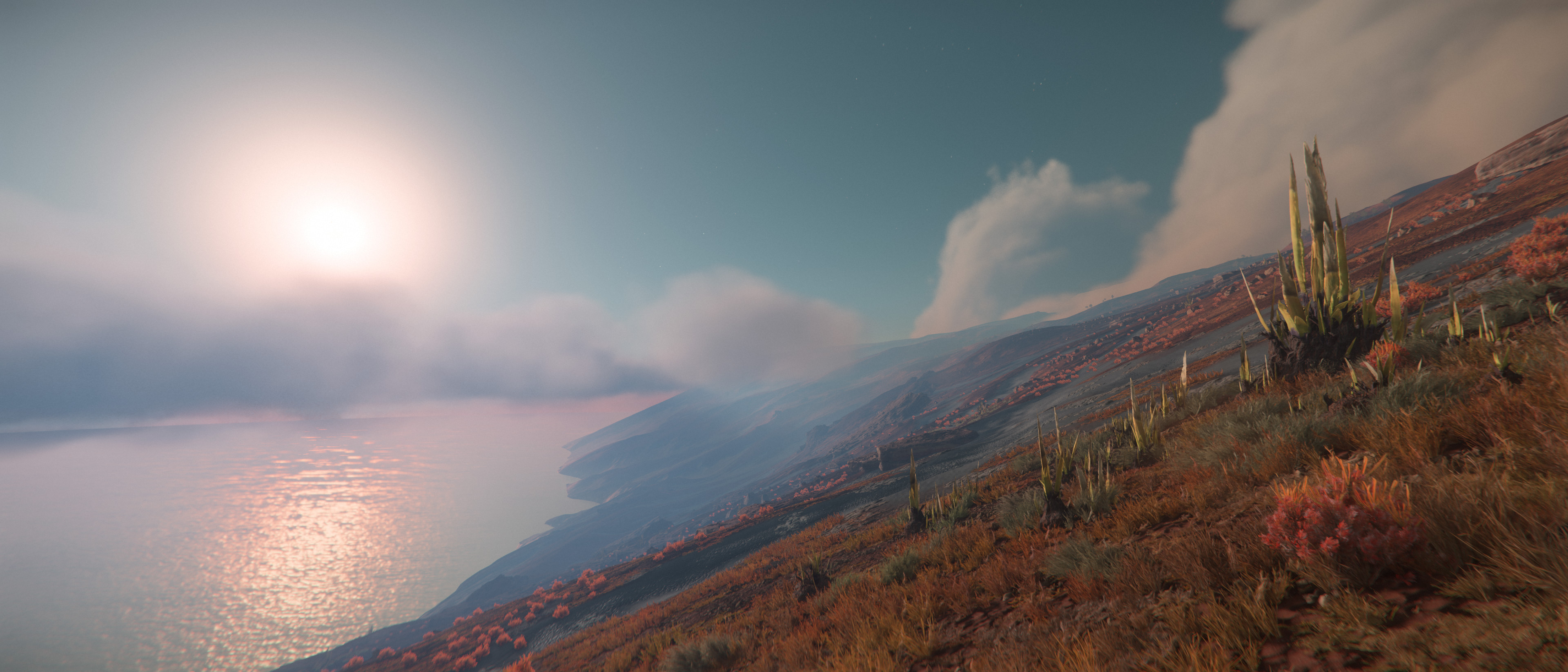
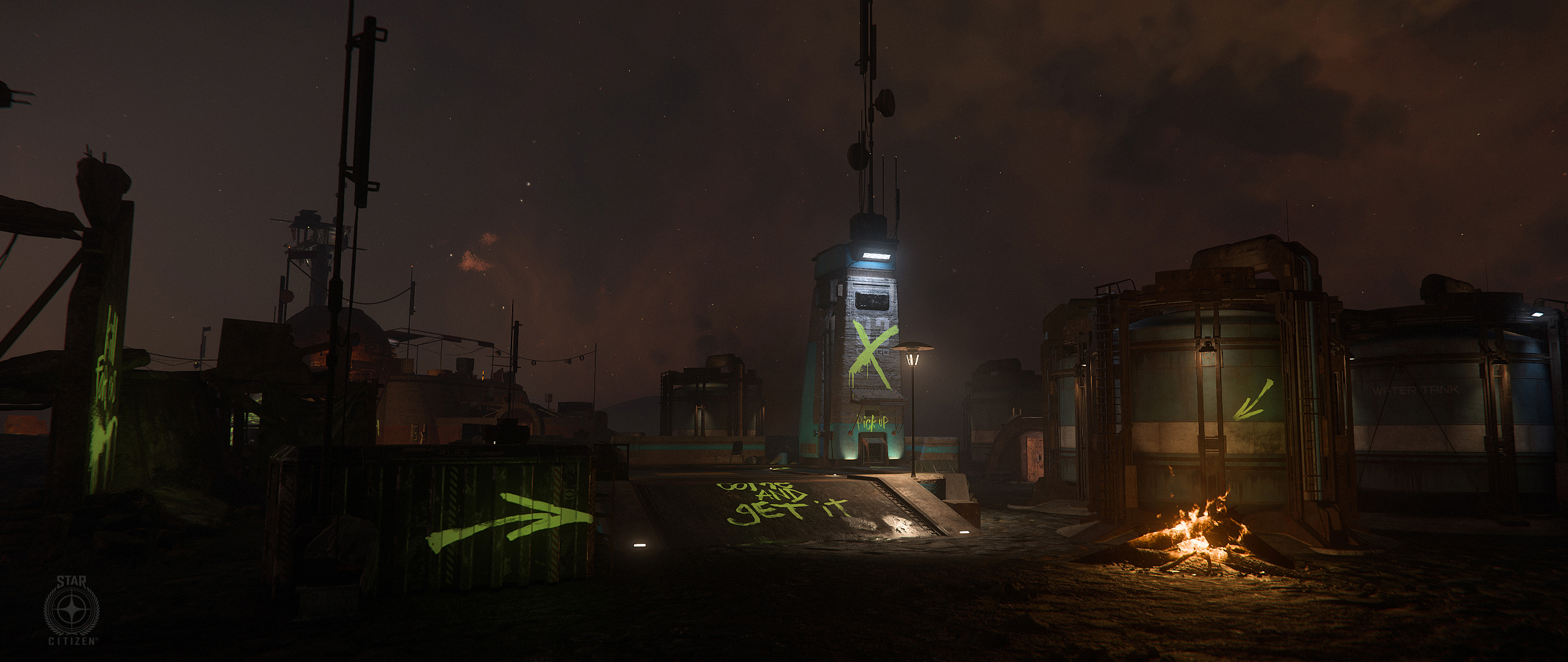
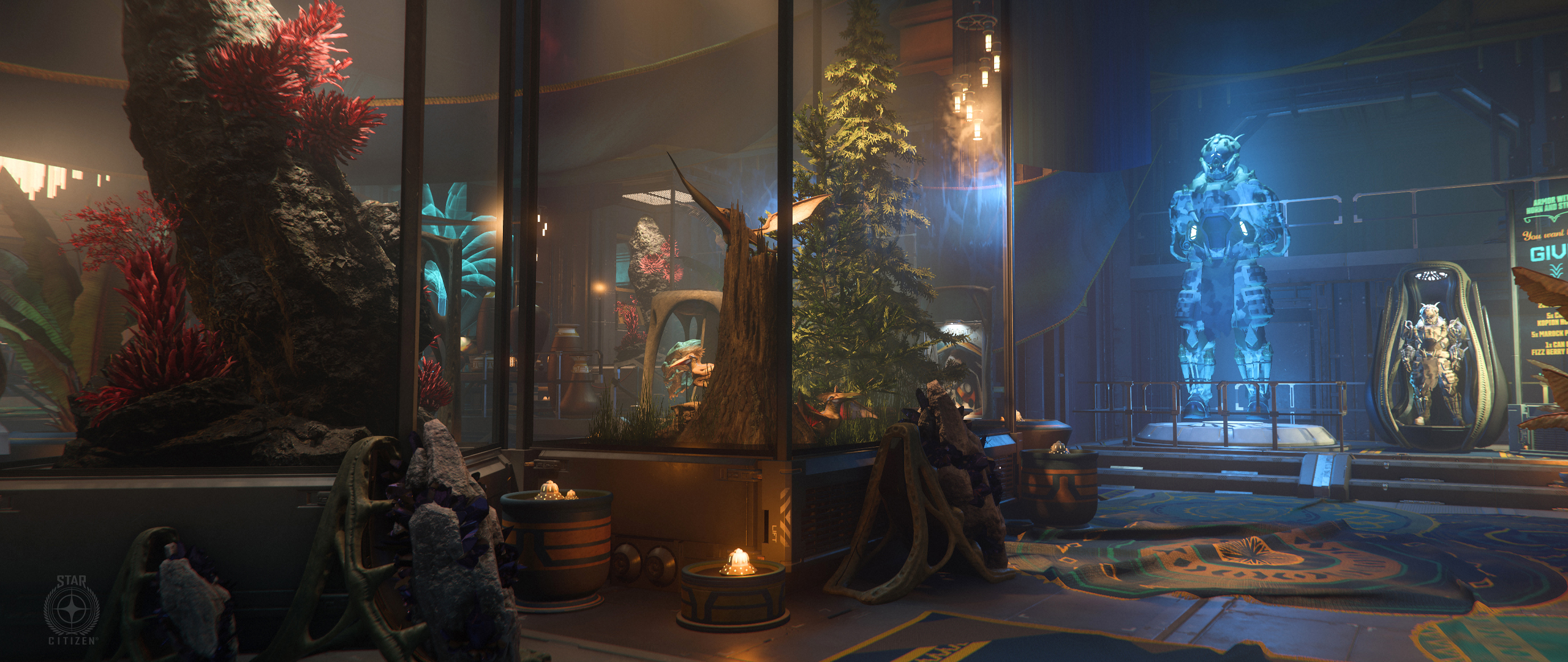
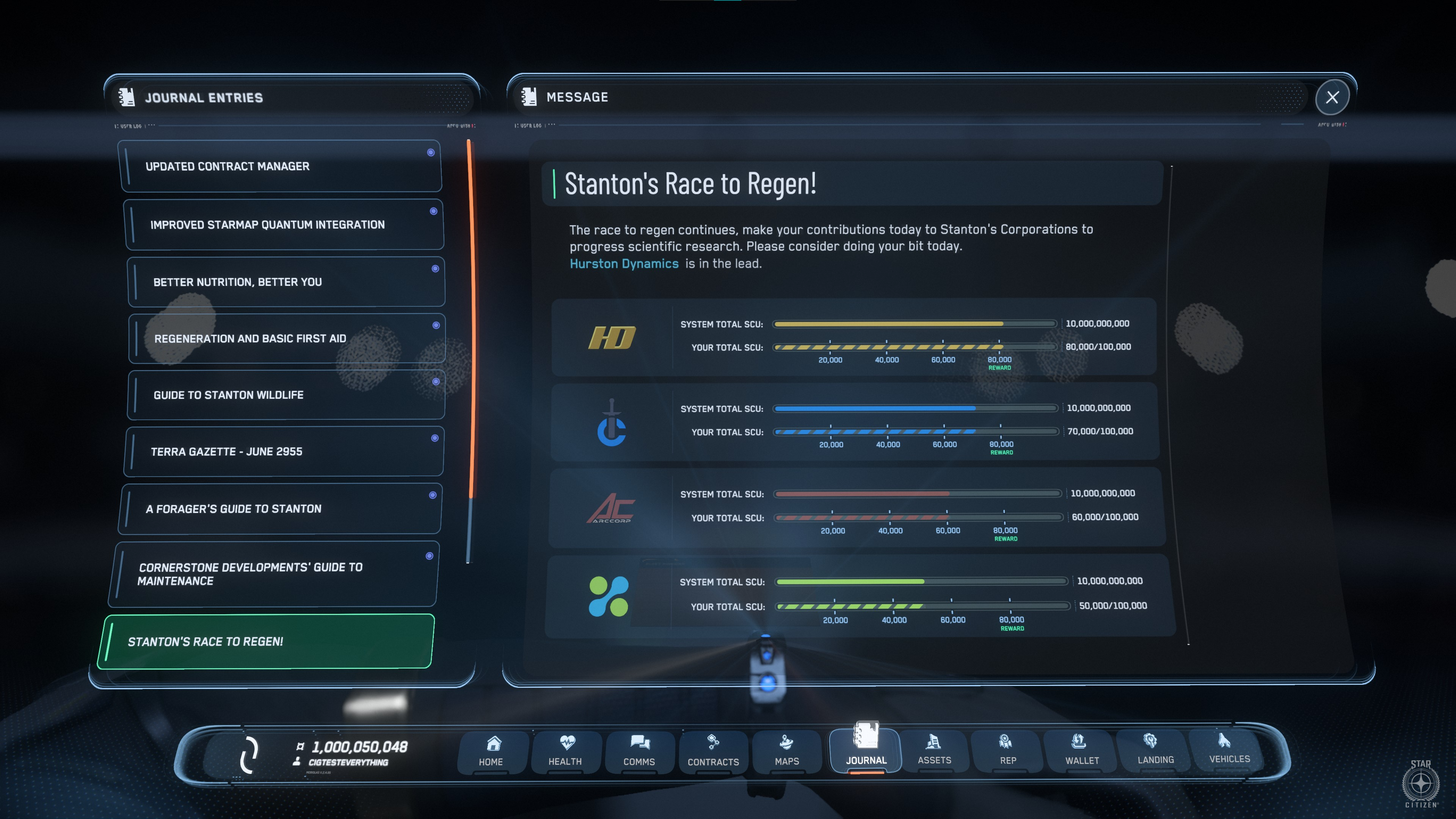
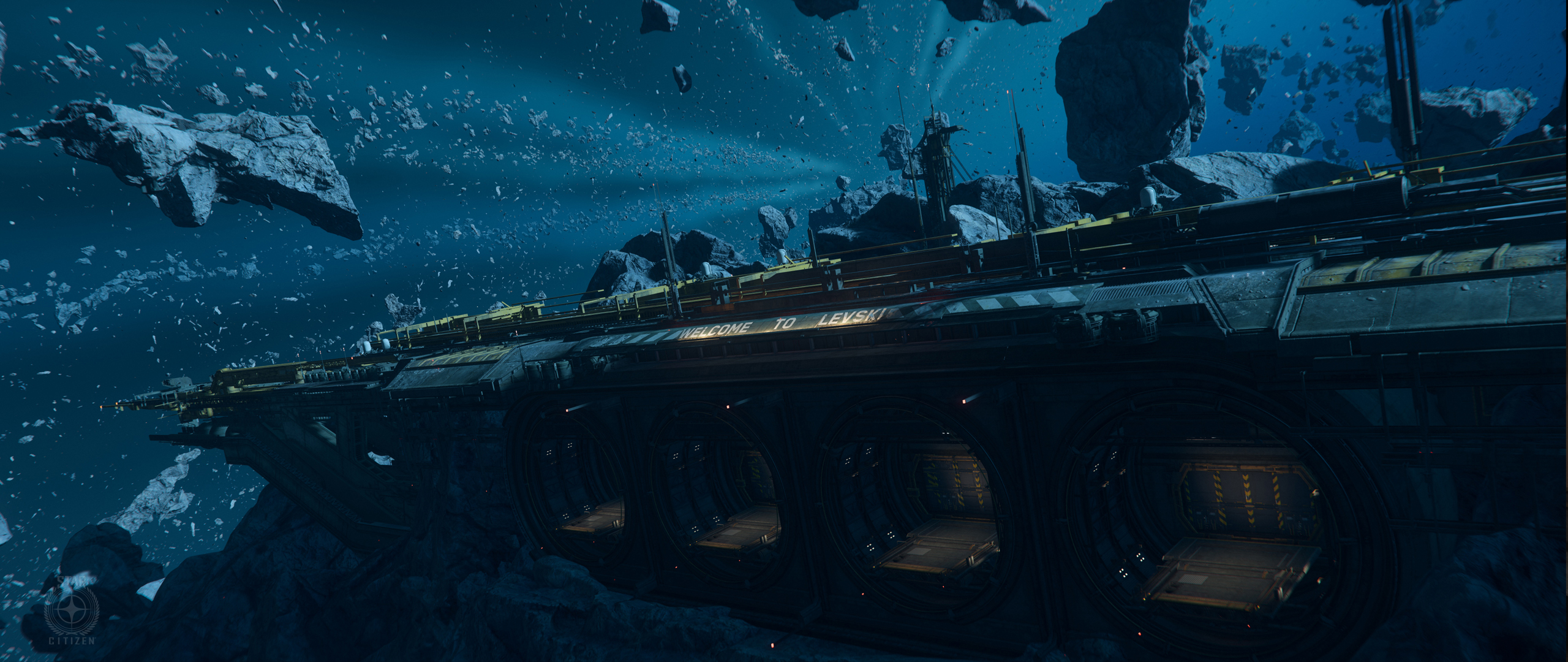
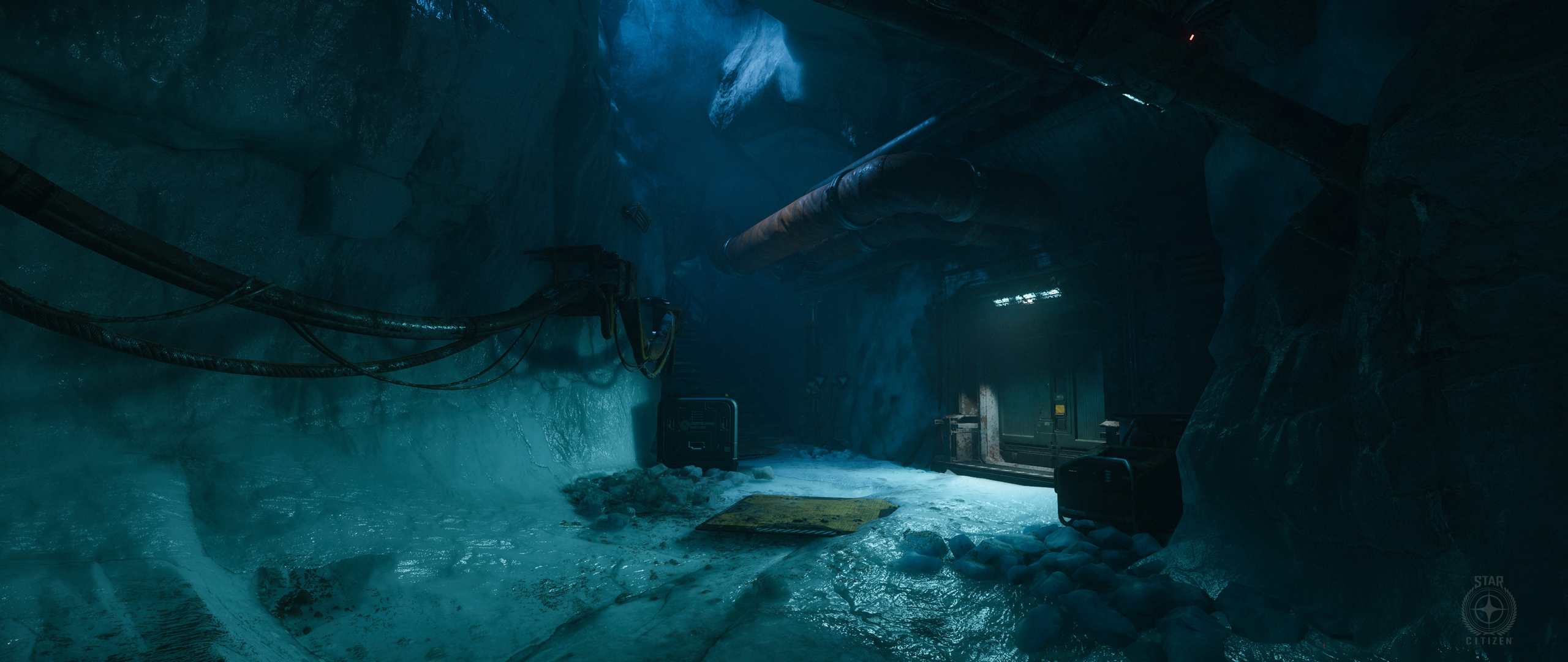
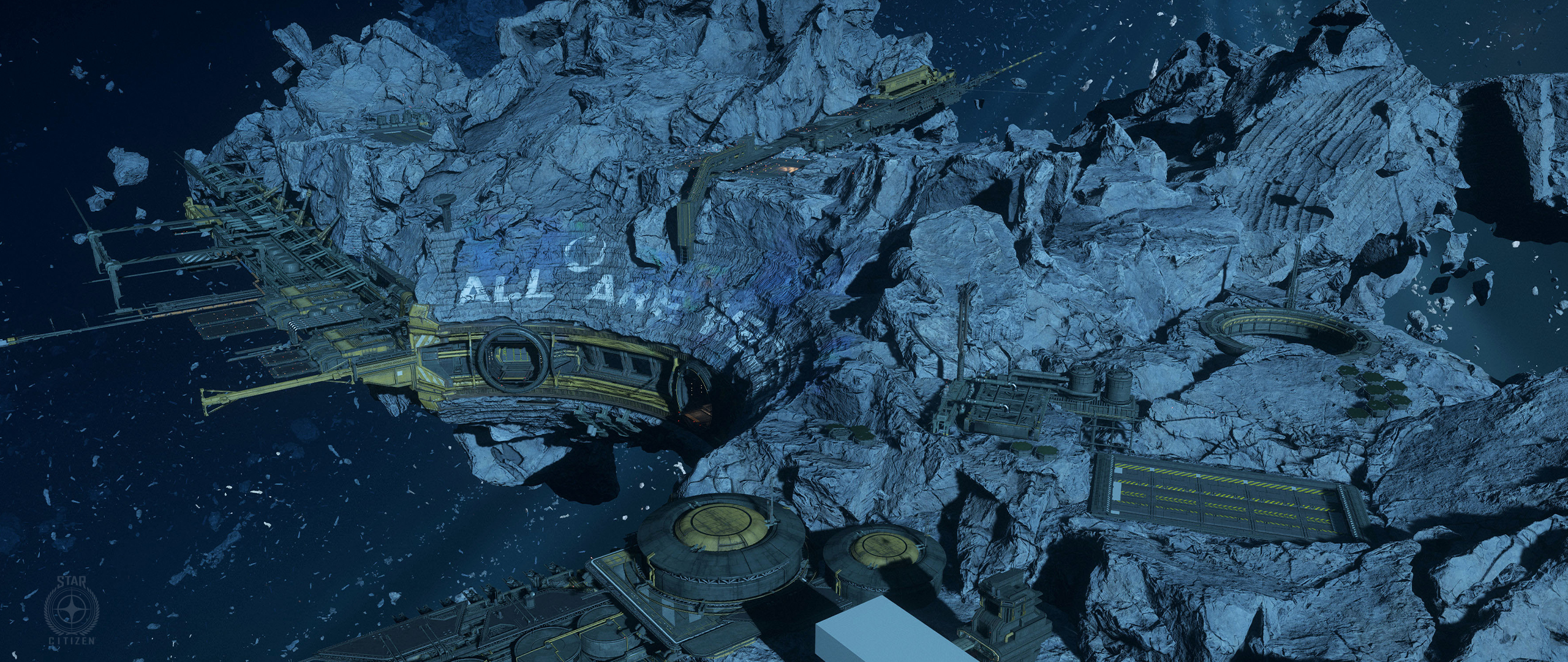
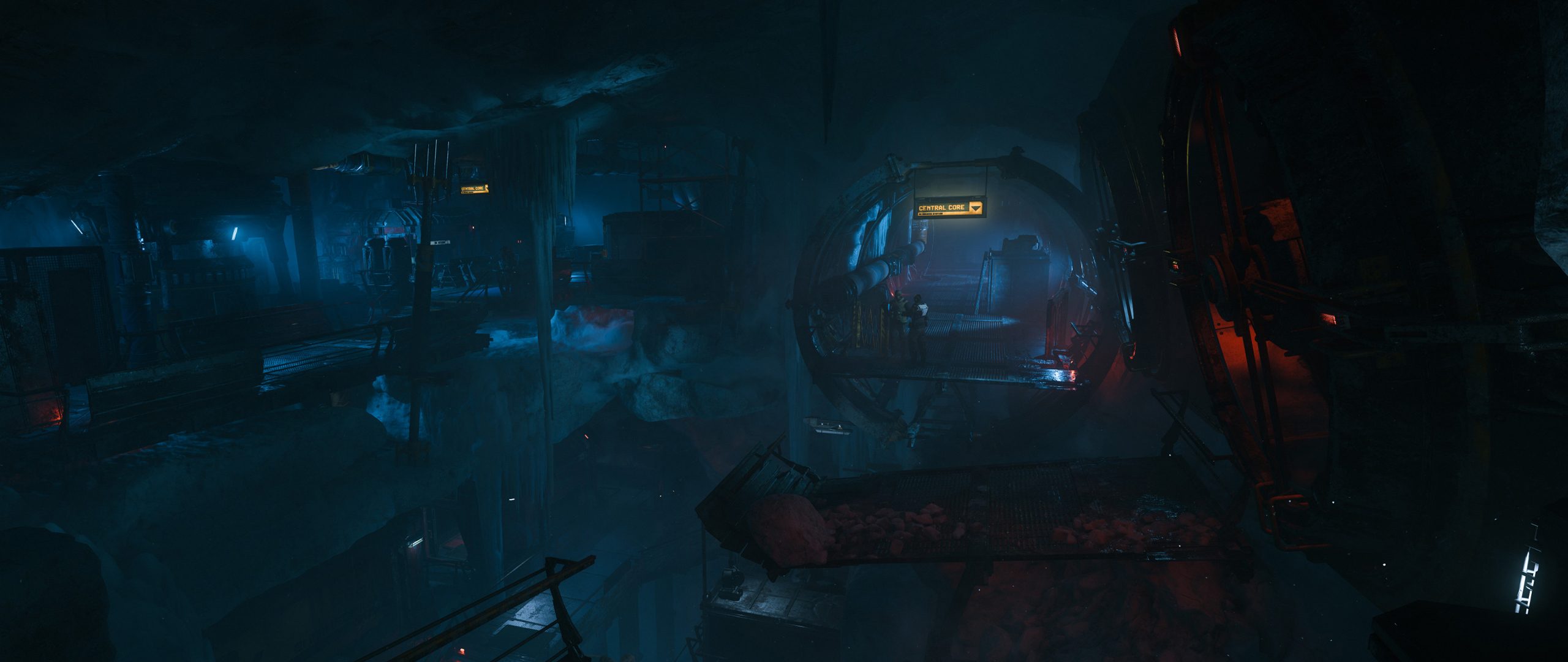
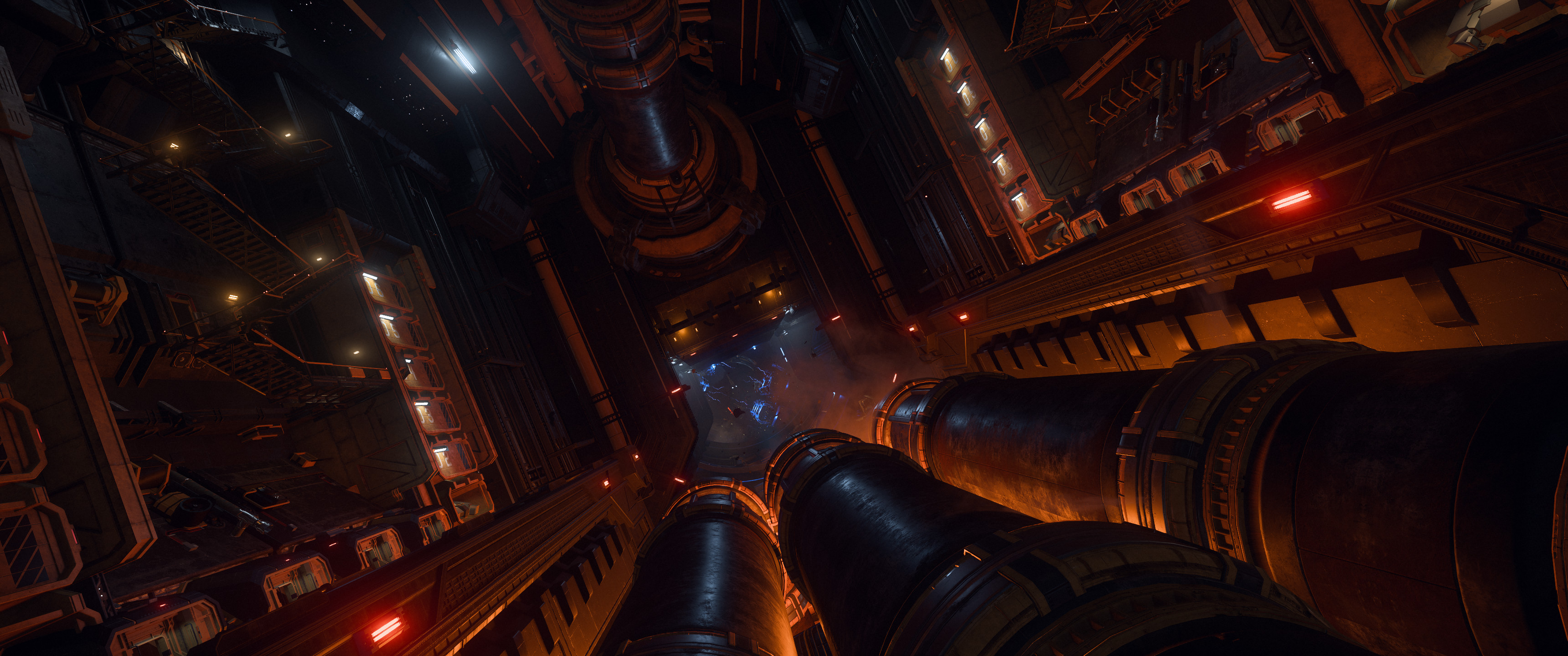
Metadata
- CIG ID
- 16158
- Channel
- Transmission
- Category
- Undefined
- Series
- Monthly Reports
- Comments
- 68
- Published
- 9 years ago (2017-10-06T00:00:00+00:00)