Monthly Studio Report: November 2017
Transmission Undefined Monthly ReportsContent
Greetings Citizens!
Welcome to the Monthly Studio Report, where we collect updates from our various studios around the world to show you what they’ve been working on this past month. As many of you know, there’s been a concerted push among our various studios to get the Alpha 3.0 to the community. Since our last report, we’ve gone to Evocati and begun a staggered release to the PTU, so the team’s busy fixing bugs discovered by the testers and working on overall stability and performance. With that, let’s get to it. CLOUD IMPERIUM: LOS ANGELES
ENGINEERING
LA Engineering has been racing towards 3.0 at a breakneck pace, with the primary focus being on resolving bugs from Evocati and PTU and adding final polish to features like cargo, item components, atmosphere systems and more. Part of this work has been integrating all the item systems in ships with UI in order to bring a real sense of control to the cockpits. Lastly, updating Quantum Travel has been an area of focus for several weeks, pushing to deliver a more immersive experience.
TECH DESIGN
This month, LA Tech Design spent the bulk of their time closing down tasks and knocking out the remaining bugs for the Item 2.0 Ship Setup. They’ve solved several issues with the 300 series, Mustang, Nox, Starfarer, and Scythe while identifying some more dependencies on the final lighting setup as well. The updated animations for the Gladiator were delivered this month so a total setup refactor has been completed.
In addition, the team also finished setup on all the ship headlights as well as the “SaveGameLogOut” functionality that allows for logging out anywhere there’s a bed.
ART
This November, the Character Team spent a lot of time polishing the cast of Squadron 42. They also polished many new Star Citizen characters and assets that they are excited to release with 3.0.0 while working on developing concepts for clothing, finalizing the legacy armor sets and more.
The LA Ship Art team has spent much of November updating a lot of ships to take advantage of new tech. In particular, the ships now use new Light Groups set-up, new fog tech, new Render-to-Texture screens and to made proxies airtight now that oxygen has been introduced to Star Citizen. They’ve been juggling these various tasks with fixing a lot of art bugs in preparation for ships included in the Alpha 3.0 release. Additionally, they’ve made progress on the art for future releases, including the Anvil Hurricane, Tumbril Cyclone and the Consolidated Outland Mustang update.
NARRATIVE
In addition to working with the PU design team on polishing Alpha 3.0 mission content, the Narrative team continued to expand the Xi’an language with the help of the community, and worked with the cinematics team to create the Galactic Tour Hammerhead piece. For Squadron 42, they spent time discussing additional set dressing with the prop and art teams to help further expand environmental storytelling in the game. Looking ahead, the team also spent time this month continuing to plan out narrative content goals for 2018’s quarterly updates.
TECH CONTENT
For Environments, the Global Technical Content team has been continuing work on the features that were revealed at the GamesCom Procedural Tech Demo. In addition to supporting asset and code performance improvements, they have been investigating bugs with lighting and visareas, and have been working side by side with the graphics team to develop scripts and shader tech to help catch performance issues as well as improve other areas like the procedural cities. They’ve also worked in conjunction with our tech animation team on animated environment assets, and with engineering and design on new tech for Derelict Systems, Outpost Locations and a Planetary Placement Systems.
For Ships, the team has been busy handling damage implementation for the new ships coming down the pipeline for the 3.0 release. All of this whilst juggling a variety of ship bugs related to UV2 damage, landing gear compression, visareas and log spam errors. Progress was made to support gas effects for the incoming Breaching feature. They’ve also been supporting Tech Design and the Ship Art teams with some new tech for ship lighting and ship proxies. On the Weapons front, the team has continued to work on new weapons in the pipeline, including working on Mannequin set-ups, weapon bugs, an adjustable stock, and some exciting R&D on animated weapon attachments which will have many additional uses beyond just weapons.
A lot of work for the Tech Animators was in support of Squadron 42, rigging and simulating new costumes coming down the Character & Heads Pipeline. As with the other areas of focus, ample time has been spent on fixing bugs, mainly related to skinning and character item implementation.
The team has also been making great progress tracking, trimming and solving a vast amount of MoCap data for Squadron 42. The list of accomplishments rounds out nicely with the implementation of new health checks, a CIG Tools Installer, Tools management/migrations, and a ton of support for facial animation, usables, wildlines and cinematics.
Finally, there was a lot of miscellaneous support that the team had their hands on, including technical direction for WAF asset builds (which reduce build times significantly!), website development, R&D and some due diligence on a prospective upgrade to our internal DCC tools Max and Maya and MoBu.
QUALITY ASSURANCE
LAQA’s primary focus was testing lighting and the new light groups, LOD’s, breaching mechanics, character art, the myriad of new updates to the code base made by the engineering team, and the way Item Ports were set up by tech design. They also aided the global QA team with publishing checks for PTU and Evocati deployments and several live internal gameplay reviews. CLOUD IMPERIUM: AUSTIN
DESIGN
The ATX design team have been tackling all things shopping to get the game ready for the PTU Release of the 3.0 build. There have been two core elements that we’ve been focused on since the handing off the Mission Givers implementation tasks to the design team in Frankfurt. The team also outlined the desired income per hour goals and has adjusted both the mission reward calculator and the item prices accordingly. This work has also included the ship respawn time and prices. While we expect to dial in these values over the next several Alpha builds based on player feedback and analytics that we collect, we feel like this is a good representation of where we want it to be.
Meanwhile, the rest of the team tidied up all the physical shops in the three major locations: Port Olisar, Grim HEX, and Levski. In total, there are roughly fifteen separate places where players will be able to buy items in the game and we’ve been able to spread the items around the different shops with very little overlap. The team also worked with the LA Programmers and the UI team to add some new features for the shopping experience. Among these new features are: AR Markers have now been replaced by the new item highlighting system to fall in line with the overall loot system.
Inner Thought is now being used on the objects where Try On, Inspect or Buy are concerned.
Armor can now be purchased as separate pieces.
All Item names are now unique
First pass of shopkeepers are now in.
The shopping UI has been cleaned up.
While there are still have many new features they wish to add, or existing ones they wish to clean up, the team hopes that the new shopping experience will make all players happy, and they look forward to continuing the refinement of the shopping experience in the new year.
ART
The ship team knocked out 3.0 bugs for the Drake Herald and Cutlass Black, including fixing up their lighting states and visareas. They also finished up the whitebox modeling and a first pass at interior lighting of the Constellation Phoenix, so it’s now in game and can be walked through. In other Constellation news, the Andromeda and Aquila had their interior and exterior lighting states updated and their LODs were refactored to be much more efficient. Several other ships went through similar updates, including the Hornet (F7C, F7CM), 300i (and variants), M50, Scout and Nox. The team continued their work polishing and optimizing the materials on all the ATX ships. Work also began on the whitebox modeling process of the Anvil F8 Lightning.
BACKEND SERVICES
Server Engineering team focused on helping with features and issues in 3.0. The team has been tuning parts of the back-end services to accommodate the volume of data that flows between game servers, persistence caches and the database, and solved several issues, including the ability to reconnect to the same instance if you lose your network connection. Over the course of the month, they also improved data integrity if a server or service would go down, improved caching services functionality to allow items to exist in the universe outside of the player’s possession, and lastly solved many login and connectivity issues.
Looking to the future, the engineering team has been building the next generation of back-end services. The team is aiming to split up all larger services into smaller stateless services and enhancing the service architecture and Ooz scripting language to comply with the ever-growing requirements the game demands.
ANIMATION
This month, the Ship Animation Team fine-tuned the player bed enters and exits as part of our persistent save system, which will allow the player to enter a bed and exit the game while saving their location in the universe. Next time when you load the game, you’ll wake up in your bed with your ship in its last location. In addition to this, the team finished updating the Gladiator enter and exits as part of the cockpit experience sprint. The speed and technical setup of the Gladiator has vastly cut down the time to enter and exit the pilot and copilot seats. The Austin studio also held a motion capture shoot to capture animations for the Tumbril Cyclone.
Meanwhile, the PU Animation Team helped support work on Squadron 42 and worked closely with Design to make all usables fully functional and bug free. Some of the challenges the team faced included syncing props to animate with characters, such as chairs sliding as a character sits down and getting a female version of every animation implemented into the game. The goal is to have a large batch of the Usable animation assets polished and finalized by the end of the year.
OPERATIONS
The DevOps Team worked around the clock to support our internal teams and the Evocati as we closed in on our 3.0 goals. In addition to publishing at least one game version every day, they have been able to complete some major internal projects designed to massively improve build times and error handling.
ATX QA
Since CitizenCon, 3.0 has been an all-consuming focus for the QA team as incremental updates were released to Evocati and to the first wave of PTU. Between Evocati and the PTU, there have been 26 builds published so far under Austin’s belt for 3.0 and 2 publishes for our sister team in UK. QA has been gathering fresh performance captures for our engineers with each new build that goes to PTU to focus on stability. The team worked with the LiveOpS cohorts to compile all the various new client and server crashes with metrics to show which has the greatest impact. With so many new missions in 3.0 and new gameplay mechanics associated with them, the team ensured they function both in ideal scenarios and when a server is at full capacity. At the same time, they’ve been testing various new configurations with UK QA and the engineering teams to increase the player cap. Squadron 42 testing has been proceeding at a brisk pace, with regular tests of levels run on new builds each day.
For leadership, the focus has been training new hires and keeping in constant communication with the other departments, talking to Production to ensure that the right bugs are on their radar for PTU and Live triage, attending stand-ups with the Development teams to find out what needs to be tested coming out of the sprints, and working with Player Relations and Issue Council every day to keep up to date on the latest feedback and reports from backers. All these different avenues combined to ensure QA is consistently on the same page across the company.
PLAYER RELATIONS
The month of November kept the Player Relations team on its toes. After assisting and moderating a phenomenal CitizenCon, the team rolled right into helping backers with their interest in our game-changing Pioneer. The team also worked with Evocati every day to publish new 3.0 builds, run playtests, assess stability, and gather crucial feedback. With the push to PTU, they wanted to thank all our relentless Avocados who are always there to answer the call! Lastly, the team expanded in Austin and Frankfurt as their list of duties continues to increase. They are excited to hire our first full time German support staff, as well as roll out moderation support in several new languages. FOUNDRY 42: UK
GRAPHICS
The graphics team spent their time bug fixing 3.0. When QA/Evocati get their hands on completed features and assets there’s always the usual influx of unexpected issues. This included numerous problems related to rotating planets/moons because much of the older rendering code made assumptions about things being stationary, and especially doesn’t cope well with changing the frame of reference when moving in/out of orbit.
The team also created a new glass shader that provided a great visual improvement over the past one, and they were really keen to see it implemented as soon as possible. A pass was done across all ship canopies.
They also closed down some minor feature work for 3.0, such as RTT functionality for ship MFDs and the ability for game code to control the camera’s exposure to make the mobiGlas more legible in bright lighting conditions (though more improvements are coming for holographic displays). In parallel, two team members continued their longer-term R&D tasks on the new shield effect, which uses particles rather than meshes, and improvements to the volumetric ray-tracing tech (gas clouds & fog), which is nearing the point where they can share some pretty cool visuals!
SHIPS
Hammerhead
The Hammerhead has made rapid progress in a short time period. Work on the exterior was prioritized for its Galactic Tour appearance. After receiving the concept mesh, the team did more than trace over the shapes but also made sure the mesh was efficient and game ready. Now that the Aegis brand is so well established they have a wealth of shaders and assets to pull from for quick iteration.
600i
The 600i’s interior corridors were fully fleshed out, making sure they capture the higher class feel that is Origin. Further work was done with the exploration module, along with passes on materials and lighting. The block out of the bridge is done and work on it has started. For the exterior, the thrusters are almost complete and the landing gear should be wrapped up shortly.
Idris
The Idris has entered a polish and bug fixing phase. The team supported design with useables set up and are starting to see interactive items such as seats, benches and beds being useable by the player and AI.
Void
Vanduul Void art is complete. Damage and LODs are being set up.
Carrack
They chipped away at a more detailed greybox by picking two areas to focus on — engineering and habitation. The plan is to take these sections to final geometry before going into engine to create materials and lighting. This approach is taken to maximize the time spent being creative with the designs at the start and lays the groundwork for future tasks.
CONCEPT ART
November saw the concept team finish and deliver two spaceships, the Anvil Hawk and the Aegis Hammerhead, with another ship and vehicle in development. They also reshuffled artists and moved some people to new disciplines to keep things fresh and reduce the risk of burnout. As you know, the team pumps out a huge amount of work and it’s important to stay on top!
On the environment side, they further explored areas of Hurston, landing sites, hangars and general building look dev, and some high-level exploration of Microtech. They continued with weapon development, making the first of the Associated Science and Development Distortion repeaters and refining the Hurston Electron Beam cannon.
VFX
Long-planned work on shield improvements finally commenced this month. This included the generation of ‘signed distance fields’ by our team in Frankfurt and a R&D-intensive collaboration with the Graphics team to generate energy effects that closely conform to the hull of a ship. This work was previously mentioned in Around the Verse and can be used to improve numerous ship-specific effects, like atmospheric entry burn-up and Quantum Travel.
Speaking of QT, recent design changes required the team to rebuild the effects so they fit the new code ‘hooks’ (triggers that call upon the effects to be activated). Once the timings and functionality were back in place, they continued to polish/optimize the effects. This was a time-consuming process and required careful collaboration with Design and Game-Code, but was worth it given the results.
This month has seen a company-wide push to clean-up log spam. For the VFX team, this is a case of removing references to missing textures or finding particle libraries that were moved/had their name changed, as reported by the editor when loading a level. It’s one of the less glamorous sides of the job but actually very satisfying to whittle away the error logs.
They also conducted our usual “sanity pass” for 3.0 by checking every effect in the game and making sure they work as expected. This is where QA is invaluable, as it simply wouldn’t be possible for the VFX artists to check through all the game’s effects in such a time-frame. They are still working through these checks due to the size of our VFX library!
Last but certainly not least, lots of Squadron 42 specific tasks were tackled. As usual, the team can’t go into too many details but work ranged from Coil-specific plasma experiments, to mysterious debris clusters, and distant storms brewing.
AUDIO
CIG Audio has been all about working towards delivering 3.0 and making improvements to the player experience sound great and work as solidly as possible. Thus, bug-fixing and optimization has been taking up time for everyone between feature work (and often because of feature work!) in addition to the continued work on Squadron 42.
On the music side of things, the team have rolled out a new music composition pipeline to help step up productivity and improve communication for persistent universe music production. In addition to that, they are also working on a new logic-based music system to cater for points of interest such as space stations and moons with outposts – part of a move to make music transition more seamlessly overall.
In sound design, the pressurization system coming online is something that’s a big step forward. When on foot and EVA, you’ll find space doesn’t necessarily sound as if it has an atmosphere now. There are still a few teething issues to readdress a lot of sounds and ensure they’re set-up correctly within our Wwise bus structure, but when complete, it will add a lot more to the dynamics of the audio in-game and goes hand-in-hand with our ‘sound sim’ lore that justifies sonic feedback when in-cockpit.
Door and elevator sounds have also undergone much maintenance and re-work in response to upstream system changes. Outposts have had their foundational work done to account for different power states. Weapons – on both ship and human-scale – have been iterated upon, with some great work done on the HDR tech for those. The Character Foley system has been extended to account for landing/jumps more elegantly. Ships have been continually addressed and Quantum Travel, having been refactored upstream, has been improved and extended. In-game displays and MFDs now also emit their sounds in 3D from their perceived point of origin.
Where dialogue is concerned, ship computer voices have undergone some extensive rework with a lot of emphasis on producing runtime effects to simulate speakers and other playback mechanisms diegetically (which will prove especially satisfying once players can use them with live input from their own FOIP set-ups/mics). The team’s also continuing to improve the dialogue mix, add more dialogue to mission givers and NPCs, and making improvements in dialogue spatialisation.
As well as the above, the team has been making lots of incremental improvements and as always, it’d be great to get your feedback on the forums in case there’s anything in particular you would like them to address.
ENVIRONMENT ART
The team worked hard on this year’s CitizenCon demo. The positive response was great for the team to hear. They have been planning the tech roadmap for further city development work, as making a living and breathing cityscape has many complexities. Memory budgets, engine rendering, city building shaders, and day/night sequences are all being developed.
They also made sure that the 3.0 release build was as stable as possible. There were only a handful of bugs so this should be a very strong environmental experience for the player. The team continued to refine tools to enable more efficient workflows. An example of this is an automatic dropping system for landscape POI’s, like outposts, being implemented to remove a lot of the brute force work which was previously required. Also, after internal playtesting, they wanted to improve the experience at outposts on the dark side of a moon. The lighting engineers worked on a solution to provide these areas with more light so players could see what they are doing. They also started converting all the old shops in Area18 to the new systems for things like usable, doors, etc. The new layout not only improves the plaza’s performance but enables it to be filled with more NPCs and allows the team to add some new beautiful areas where you can take in the vistas of ArcCorp.
DERBY ANIMATION
The Derby Studio was super busy with tasks for 3.0 and the Anniversary Sale. They ran the in-house headcam system for a motion capture shoot in Nottingham for the Galactic Gear Hammerhead segment.
Face scanning at CitizenCon 2947 was a great success. The scanner went from in pieces to fully built on a new frame in two weeks. It was tight but we did it! The rig took an epic 12-hour ferry journey to get to mainland Europe, then a 300-mile drive in the “Scan-Van” to Frankfurt. A massive thanks to all the volunteers who helped set up and tear down the scanner. The team couldn’t have done it without you! All 10 scan winners enjoyed their scan sessions and it was great to meet a bunch of super enthusiastic SC gamers.
Finally, the team is excited to see the characters in 3.0 and are currently working through the levels to polish and improve their facial animations.
ENGINEERING
November was focused on 3.0, getting it to Evocati and then to PTU. This means there were a lot of bug fixes and optimizations, as well as the finishing of features like persistent spawning, player interaction, missions, and so on. However, this doesn’t mean they didn’t get to work on any new features. The team was split into those that support the PTU and its requirements, and those working on new tech to incorporate into future builds when it’s ready.
For example, there’s a team working on the making the social AI have more life and feel less robotic. This started with the NPCs delivering wildlines, one off lines of dialogue dependent on the situation. These could be simple greetings, if they already know you or other NPCs, or a warning that they’re coming through when jogging and coming across another character. They were also given a bit more interest in the environment, glancing at items as they walk around or if nothing’s taking their fancy just looking at where they’re going. Layered on top of that are fidgets, where a character will scratch their head or look at their watch to help break up a repetitive animation. They’ve also been adding in custom locomotion sets for different characters so everybody doesn’t have the same walk/run gait.
The team also looked at cinematics in an effort to polish them so they look their best. They explored how the cinematic team can better control the lighting whilst in a scene without breaking it for the rest of the environment and how to dial in the depth of field and field of view. This is to give that cinematic feel and show off the characters without negatively impacting the control of the player. Other than that, there were lots of gameplay sprints and getting through all the functionality required.
ANIMATION
The animation team has been working in tandem with design to focus on combat AI – chopping assets up to fit new metrics, providing placeholder assets to prove systems out, cleaning up existing assets. They have also been going through the performance capture data and creating game ready locomotion, idle & fidget assets for cast characters. The Idris armory has had a full sweep, so that design have all the animation assets for the master-at-arms and his weapon interactions. In line with this work, they worked hard to create some cool first weapon selects.
Outside of feature development, the team did bug fixing and debugging issues that are currently in 3.0 and beyond. FOUNDRY 42: DE
WEAPONS
This month the weapons team completed the final touches on the Kastak Arms Custodian skins, which were made together with attendees at the CitizenCon demo stand. The FPS team also started production on two new weapons: the Gemini H29 HMG and the Torral Aggregate Kahix Missile Launcher. The ship weapons team has started production on the A&R Laser Cannons (Size 1-6) and the Gallenson Tactical Ballistic Gatlings (Size 1-3), which should allow them to replace another big batch of legacy ship weapons with shiny new ones in the near future.
LIGHTING
The DE lighting team focused on finishing our remaining 3.0 lighting tasks, which involved more polish and performance items in Levski. In addition to other general 3.0 bugs, they supported the shop team to help differentiate lighting in shops based on the location. A large amount of focus will now shift to various areas for Squadron 42.
QUALITY ASSURANCE
The DE QA team did a wide range of testing this month to focus on issues found in the Evocati builds and testing the 3.0 branch in general. This included a streaming issue that occurred after being connected to a server for an extended period and the black screen some encountered when initially loading into Stanton. These issues were speculated to be the result of potential memory corruption and required more testing with Page Heap to provide the engineers with additional information to fix them. The fixes will ultimately increase the overall stability of the full game.
Subsumption testing also continued with new features and bug fixes going into the Subsumption tool weekly. The team collaborated with Design to learn their workflows in an effort to better test the varying uses of the Subsumption tool. This will expand the scope of QA subsumption testing to include test cases outlining how the Subsumption Editor works with our other tools used by the Design Teams, such as Dataforge and the Lumberyard Editor. Additional focused testing was also spent on the Sabre Raven’s EMP and its effects on other ships. These effects were recorded for multiple types of ships and reviewed by Design to make sure there weren’t any discrepancies between the design and how it’s currently working.
DE QA also worked closely with Marco Corbetta to get to the bottom of ships falling through the planet surface when players powered off and exited their ship. This was particularly tricky to reproduce as it only occurred on Shipping builds and could not be reproduced on internal Development builds. The Engine team discovered that the Shipping builds were specifically missing certain .r16 files which contain sample displacement textures made by artists. These are also used by the server for generating collision data but not for rendering. The issue was resolved by Build Ops and confirmed fixed the next day.
ENGINE
This past month, the Frankfurt Engine team tackled numerous fronts, such as wrapping up new items for 3.0, investigating and addressing existing bugs, as well as general optimizations.
The team made a lot of progress optimizing for both the server and client, and started conducting routine network stress tests to better understand how the engine scales on the server with a large number of players and learn what areas are still expensive and need optimization. With the increased number of players on the server and more code being moved to jobs for parallel execution, changes were made to the job system to allow utilization of more than 16 worker threads on servers without introducing extra overhead in job distribution. This is needed to allow an increasing number of player counts. This change to the job system will also translate to the client, so people with high-end CPUs will see extra performance benefits in areas where they are typically CPU bound. On the low-level optimization side, they changed the signaling mechanism of the core threading synchronization object on Linux from semaphore to futexes. This change spares one syscall in 99% of the cases, which provides a small performance boost.
Area Management was optimized by disregarding an Octree for Areas they never search in. An “area” is a special markup for the designers which tracks all objects inside a specific location, such as a bar. The system now allows them to send Events when an object (like a player) enters an Area (the bar), on which the game code can then react. They also support spatial queries against those areas (using the same code as the Zonesystem, as this allows them to support areas of nearly arbitrary size). This behavior requires that for each moving object, they check if it is no longer in any area or if it entered a new one. On top of this, and for them to have efficient spatial queries, they need to maintain an octree per Area. The team realized that many of those areas were never used for spatial queries, which means they had numerous unneeded computations with the octree’s. This is now fixed and they only maintain the octree when actively searching in an area.
They also spent some time investigating memory leaks, and developed a lightweight memory tracking system which can be run on the server in the background with an acceptable performance impact. They can then review the results in an effort to analyze and fix specific memory leaks people encounter. The team also did some minor bugfixes for the Patcher Library, which implements the functionality for the delta patching. Improvements were made to the new temporal antialiasing technique to improve overall image sharpness and preserve luminance of bright objects. Additionally, motion vectors for software skinned meshes were fixed, so that postprocessing technique can properly take them into account (temporal antialiasing, motion blur, etc).
Regarding skinning and characters, the team fixed code to allow mesh compression on skin meshes with morph targets. Since faces are very detailed, this will result in substantial memory savings and lower rendering overhead. Lastly, with respect to future engine improvements and memory savings, they made good progress in implementing GPU based ray intersection tests to offload these types of computations from the CPU and reuse the already existing high-fidelity render mesh on GPU for precise intersection test. The results of those computations are provided asynchronously as to not block the CPU mid-frame and can be used on any type of effect that doesn’t need server authority (anti cheat measure).
LEVEL DESIGN
The Level Design team polished the locations for 3.0 with the focus being bug fixing for Levski and surface outposts. As that work was completed, they turned towards the future and to something called “Common Elements.” These are components that each location will use, like hangars, garages, housing, offices and so on that will be tied into our modular system and combined with the various tilesets. The team will quickly be able to use them to add essential components to locations. They also looked into train stations and monorails for our flagship landing zones, as well as early work on city Space Ports.
VFX
The DE VFX team worked on particles and VFX that are used throughout the universe. They’ve gone over almost every existing visual effect again to ensure there are no issues. One recent challenge has been staying on top of the physics system for particles. With such an active development cycle, sometimes things that previously worked need to be modified to accommodate the updated system(s). They also continued to flesh out the GPU particles system and added new features to it. The team is approaching the point where the old CPU based system can be phased out and rely solely on the GPU for most effects throughout the levels and universe. They also worked on applying signed distance fields to our particle effects. These are 3d textures that specify the distance to the surface of an object. With these textures, they can reconstruct the interior and exterior of geometry and have the motion of the particles affected by the SDF. It can be used for collision detection as well as allowing particles to flow over the surface of the SDF.
SYSTEM DESIGN
The System Design team took over the mission givers behaviors, finalizing the implementation and making sure all the edge cases matched the design. The first case was to finalize Miles Eckhart so they could utilize the same defined template for future mission givers. Another related task was to implement the admin officers behaviors and integrate it into the mission system. The admin officer’s main job is to deliver mission items to the player and to accept deliveries of incoming mission items. FPS AI combat saw major improvements, as the system design team worked with AI to make sure the characters enter, exit, peek, and shoot from cover and that their behavior looks as natural as possible. They also addressed bugs and tweaked things required for 3.0 with the focus being on AI, usables, doors, rooms & breathing.
ENVIRONMENT ART
The Environment team polished areas that are used in 3.0, making sure that players get the best possible visual experience and encounter no visual bugs. Next to polishing, the team focused on what will be coming after 3.0. A glimpse at this post-3.0 Environment work was shown during the CitizenCon demo and is just a small example of what will eventually be on Hurston. A whole new range of ecosystems are being worked on that are visually very different from what’s been seen before. They’ve also been hard at work on unique vegetation, large trash mesas, and the city of Lorville, which is another major landing zone using the procedural city tech.
TECH ART
The DE Tech Art team spent the month tackling content creation, new tool building, and supporting various teams, while also addressing issues for 3.0. They added a new Usable for both AI and Player characters, and fixed bugs for existing Usables such as minor animation popping. For characters, they did various skinning tasks that will be used for both the PU and Squadron 42, which will help with character variants. They developed a tool which can help artists export animated geometry into engine more efficiently. This tool combines multiple manual processes into one and error checks before export, making the process much quicker and less prone to human error. For weapons, they finalized the setup for the Gemini R97 shotgun and prepped the Torral Aggregate Kahix Missile Launcher for production. The tech art team also grew by one member and time was spent getting him familiar with the toolset, workflow, and best practices. His focus will be to improve and extend our internal character editor, as well as enhance our existing systems for cloth, hair simulation, and similar physics-based secondary animation effects on all characters.
AI
The AI team split their attention between different in-game functionalities and raising the bar on numerous aspects at the same time. Regarding Subsumption, they worked on improving features related to the usability of the tool and exposed new functionalities to the design team. Subsumption conversations now allow designers to specify multiple input parameters and not just the input participants. This allows the creation of a more complex abstraction of logic and more complex conversation branching. They also introduced two new subsumption functionalities — the support for Event Parameters and Trackview scenes. Event parameters simplify the logic, exposing sub parameters for each event, which then allows designers or programmers to create more complex logic using events to carry more information across different actors. The Trackview support requests the execution of Trackview scenes as needed and tied to the conversation logic which allows the alternative option to create scenes using Trackview to achieve the best visual results, but still allows the Subsumption logic to react or take over when necessary.
The team also continued to refactor the way the AI controls different vehicles. In the future, behaviors won’t run anymore on the spaceships themselves, but the different seat operators will control the different items they have on any given ship and have the appropriate behaviors. Different operator skills can now directly influence the different actions, and vehicles like multi-crew ships can benefit from the different NPCs operating the various seats. They also worked on manned and automated turrets. Both of those possible controllers will take care of executing all the required operations to turn on the turrets, activate their functionalities, search for targets using the radar, predict where to shoot and so on. Work on NPC on-foot AI mostly focused on human combat, polishing the different entries/exits to move into/out of cover, and the different actions that can be performed while in cover (peeking, shooting from different sides of the cover, changing body directions and so on).
Regarding the other systems, a huge number of fixes and improvements went into the Mission System, offering all the functionalities requested by designers for the current missions. The Spawning Manager received lots of optimizations and new improvements, especially on the environmental validation to spawn elements correctly and safely in space and on the ground. TURBULENT
A new release of Spectrum, a major milestone for the Launcher and additional 3.0 launch support kept Turbulent very busy for the month. Here’s what we’ve been working on:
SPECTRUM
The release of Spectrum 3.7.1 consisted of bug fixes, quality of life improvements and unnoticeable changes to sustain long term development and maintenance. Let’s talk about latter first.
The team is improving the code base and release process so that launching new versions remains a frictionless process as much as possible. Spectrum also adopted a new versioning scheme to better communicate the scope of a release and then proceeded to update a lot of internal dependencies to avoid potential future breaking changes. There’s also discussions about bumping React to the latest version as well as migrating the code base to TypeScript. Those changes would allow us to trap more bugs before going into production and refactor parts of the project without affecting stability.
Also, the team set to improving how to handle change requests, better manage priorities coming from different sources (Jira, Issue Council, Forums, internal communications, etc.) and get better at tracking/communicating progress.
Last, here’s summary of the latest application changes: * Addressed several pain points for Android device users where entering text would produce unpredictable results. * Spectrum now suggests a list of mentions based on the authors of the last messages in a lobby when typing ‘@’. * Embedded Twitch clips will no longer automatically play. * Significant progress has been made on Custom Emojis and Custom Roles and with the hope to deliver those for 3.8.
LAUNCHER
Launcher testing started in October with the release of the RSI Launcher 1.0.0-alpha.20 to Evocati for testing. This is the first exposure public users have had with the Delta Patcher.
Users have been very happy with the Delta Patcher, as some patches are as little as 100 megabytes! Pretty dramatic reduction in patch sizes compared to the previous technology used to deploy Star Citizen Alpha 2.6 and below.
With help from the great Evocati, the team has been able to gain exposure to a multitude of user setups, hardware configuration, Windows versions and personal user preferences that affect the function and operation of the launcher. Most of the following weeks have been spent iterating on issues found during this phase and fixing bugs that affect patching and gameplay. Most notably, issues related to Windows N and file permissions have taken a lot of time to figure out. As always, the Issue Council has been our greatest ally in getting the bugs vetted, verified and checked before being tackled.
The application will now properly trap game crashes and application errors.
The game library polling mechanism have been tuned to a real world case with many users listening for updates.
The application will now properly repair permissions on the game library if a permission error is detected.
During a “Verify Files” the launcher will also check for an update!
The sound system has been expanded to provide a better sonic experience in the launcher. Volume slider!
5 new background music tracks have been added from the SC soundtrack!
Only one major item remains for 1.0.0 of the launcher — the specific handling of the initial download, which is a problem with the new object based Delta Patcher. A game build is comprised of many files (upwards of 300k-400k) many of which are smaller files. Currently, when patching from scratch, your launcher will fetch all those files. This process is not only highly inefficient but also slow and error prone. The team is currently working on solving this by allowing the distribution of a “Kick Start” pack that will contain all small files and the base assets to start the game minimally. This base pack can then be fetched first, with a multi-threaded range downloader, if you have no pack files on disk. Once the kick start pack is downloaded, a normal delta patch can be applied to bring you to the latest version.
The team plans on tracking on base pack file per minor release (semver) of the game, which will always keep it fresh and fast.
They’re excited to get this in your hands as they believe this significantly improves the onboarding and update experience of Star Citizen.
ANNIVERSARY SALE
This month, the Turbulent team brought to life the 2017 Anniversary sale. The sale unveiled two concept ships: the Anvil Hawk a small, light fighter with an emphasis on weaponry, and the Aegis Hammerhead an impressive patrol ship with multiple turrets designed to combat fighters. These two concept ships were just the start, as each day passed they released a chance to nab some your favorite ships, including a limited allotment of the Idris and Javelin.
Along with this sale, the team created the Observer test, which was your chance to test your knowledge of all-star citizen ships. The test proved to be too easy for our most die-hard fans, however it was still great to see the community brag on spectrum with their gold badges.
SITE RE-DESIGN
The team is happy to reveal a new website with the Live release of 3.0. The design and development team have been working hard to tie up loose ends and are extremely excited to release the new designs and continue building on the new and improved platform.
In addition to the re-design they are taking the opportunity to add a new Production Roadmap. Its purpose is for you, the community to be able to better track the features that are important to you. This is will be vastly different than our text version of the production schedule. Community
The second half of the year is traditionally a busy period for all things Star Citizen and this year was no exception. A lot has happened since the last report back in September with CitizenCon 2947 surely being the highlight on the community side.
Almost 1000 Citizens gathered in Frankfurt to explore new worlds, experience the latest technologies, get together and speak to the developers of their favorite Space Sim. During the show, Intel showcased their new Optane 9 SSD and with it, the brand-new Sabre Raven. The team also revealed our capital-sized Consolidated Outland Pioneer and with it the new gameplay mechanic of staking your claim and building outposts.
Another highlight over this month was the release of Alpha 3.0 to the Evocati and eventually the PTU. After burning down the remaining issues and bugs, we released our latest update to a selected group of testers, who helped us to iron out the kinks of 3.0 to release to an even broader audience, the Public Test Universe.
The team’s continuing to make steady progress on Alpha 3.0 by releasing new builds with our delta patcher and reviewing the improvements made. With the PTU in the community’s hands, the devs are not only polishing features but also addressing the bugs that come in thanks to this expanded group.
Everyone here wants to thank all our testers who helped to make this possible with stress tests during ungodly hours and myriads of bug reports sent in. Keep testing and stay awesome!
As a special anniversary perk, our Subscribers had the pleasure to take five ships on tour during October, namely the Constellation Andromeda, Aurora MR, Freelancer, Hornet F7C, and 300i. Currently, they’re enjoying the MISC Starfarer & Origin M50 as the two ships of the month. November’s town hall featured Senior Systems Designer Will Maiden, Lead Gameplay Engineer Chad McKinney, and Associate Gameplay Engineer Spencer Johnson as they answered your questions about cargo and hauling. If you missed the show, catch it on Youtube with all our other shows; from Citizens of the Stars and Bugsmashers to newcomers like Xi’an language lessons with Britton Watkins. So, if your response to a “.ath .u m.uexy.oa?” still is a “e yo nai”, you might want to catch up.
Last week, the Anniversary Special kicked off with eight episodes of ATV each highlighting a ship manufacturer. It welcomed some new additions, too: Anvil Aerospace’s Hawk, a light fighter with a diverse arsenal of weapons and the Aegis Hammerhead, a fast and light warship.
To close this month’s report, here’s a look at what will be next.
Make your vote count! Join our upcoming live stream (12/1 at 12 pm PST) and help us decide on a Drake ship to add to Star Citizen. If you haven’t yet, also check the new episodes of Galactic Tour and the return of Ship Shape, featured in our ATV Anniversary Specials. We’ll be saying goodbye to 2947 with our Holiday livestream where we’ll focus on Squadron 42and share our roadmap for completion.
Until then, we’ll see you in the ‘Verse! WE’LL SEE YOU NEXT MONTH…
Ort, wie z.B. eine Bar. Das System erlaubt es ihnen nun, Events zu senden, wenn ein Objekt (z.B. ein Spieler) einen Bereich (die Leiste) betritt, auf den der Spiel-Code dann reagieren kann. Sie unterstützen auch räumliche Abfragen gegen diese Bereiche (mit dem gleichen Code wie das Zonensystem, da sie dadurch nahezu beliebig große Bereiche unterstützen können). Dieses Verhalten erfordert, dass sie für jedes sich bewegende Objekt prüfen, ob es sich nicht mehr in einem Bereich befindet oder ob es ein neues Objekt eingegeben hat. Darüber hinaus müssen sie, damit sie effiziente räumliche Abfragen durchführen können, einen Octree pro Fläche pflegen. Das Team stellte fest, dass viele dieser Bereiche nie für räumliche Abfragen verwendet wurden, was bedeutet, dass sie zahlreiche nicht benötigte Berechnungen mit den Oktaven hatten. Dies ist nun behoben und sie erhalten den Oktaree nur noch, wenn sie aktiv in einem Bereich suchen.
Sie verbrachten auch einige Zeit damit, Speicherlecks zu untersuchen und entwickelten ein leichtgewichtiges Speicherverfolgungssystem, das auf dem Server im Hintergrund mit einer akzeptablen Leistungsauswirkung ausgeführt werden kann. Sie können dann die Ergebnisse überprüfen, um bestimmte Speicherlecks zu analysieren und zu beheben, denen Menschen begegnen. Das Team hat auch einige kleinere Bugfixes für die Patcher Library gemacht, die die Funktionalität für das Delta-Patching implementiert. Verbesserungen wurden an der neuen zeitlichen Antialiasing-Technik vorgenommen, um die Gesamtschärfe des Bildes zu verbessern und die Leuchtdichte heller Objekte zu erhalten. Zusätzlich wurden Bewegungsvektoren für softwarehäutige Netze festgelegt, so dass die Nachbearbeitungstechnik diese angemessen berücksichtigen kann (zeitliche Antialiasing, Bewegungsunschärfe, etc.).
Was Skinning und Charaktere betrifft, so hat das Team den Code so festgelegt, dass die Mesh-Kompression auf Skin-Netzen mit Morph-Zielen ermöglicht wird. Da die Gesichter sehr detailliert sind, führt dies zu erheblichen Speichereinsparungen und einem geringeren Rendering-Overhead. Schließlich haben sie im Hinblick auf zukünftige Motorverbesserungen und Speichereinsparungen gute Fortschritte bei der Implementierung von GPU-basierten Strahlenkreuzungstests gemacht, um diese Art von Berechnungen von der CPU zu entladen und das bereits vorhandene High-Fidelity-Rendermesh auf dem GPU für präzise Kreuzungstests wiederzuverwenden. Die Ergebnisse dieser Berechnungen werden asynchron zur Verfügung gestellt, um die CPU-Mittelframe nicht zu blockieren und können für jede Art von Effekt verwendet werden, der keine Serverautorität benötigt (Anti-Cheat-Maßnahme).
LEVEL DESIGN
Das Level Design Team hat die Standorte für 3.0 poliert, wobei der Schwerpunkt auf der Fehlerbehebung für Levski und Oberflächenaußenposten lag. Als diese Arbeit abgeschlossen war, wandten sie sich der Zukunft und etwas zu, das als "Gemeinsame Elemente" bezeichnet wird. Dies sind Komponenten, die jeder Standort verwenden wird, wie Hangars, Garagen, Wohnungen, Büros usw., die in unser modulares System eingebunden und mit den verschiedenen Tilesets kombiniert werden. Das Team wird in kürzester Zeit in der Lage sein, damit wesentliche Komponenten an den Standorten hinzuzufügen. Sie untersuchten auch Bahnhöfe und Einschienenbahnen für unsere Flaggschiff-Landezonen sowie frühe Arbeiten an städtischen Raumhäfen.
VFX
Das DE VFX-Team arbeitete an Partikeln und VFX, die im gesamten Universum eingesetzt werden. Sie haben fast jeden bestehenden visuellen Effekt noch einmal überprüft, um sicherzustellen, dass es keine Probleme gibt. Eine der jüngsten Herausforderungen war es, auf dem neuesten Stand der Physik für Partikel zu bleiben. Bei einem so aktiven Entwicklungszyklus müssen manchmal Dinge, die bisher funktioniert haben, an die aktualisierten Systeme angepasst werden. Sie verfeinerten auch weiterhin das GPU-Partikelsystem und fügten ihm neue Funktionen hinzu. Das Team nähert sich dem Punkt, an dem das alte CPU-basierte System auslaufen kann und sich ausschließlich auf den Grafikprozessor für die meisten Effekte auf den Ebenen und im Universum verlässt. Sie arbeiteten auch daran, signierte Abstandsfelder auf unsere Partikeleffekte anzuwenden. Dies sind 3D-Texturen, die den Abstand zur Oberfläche eines Objekts angeben. Mit diesen Texturen können sie das Innere und Äußere der Geometrie rekonstruieren und die Bewegung der vom SDF betroffenen Partikel erzeugen. Es kann sowohl zur Kollisionserkennung als auch zur Partikelströmung über die Oberfläche des SDF eingesetzt werden.
SYSTEM-DESIGN
Das System Design Team übernahm das Verhalten der Missionsgeber, finalisierte die Implementierung und stellte sicher, dass alle Edge Cases dem Design entsprachen. Der erste Fall war, Miles Eckhart fertig zu stellen, damit sie die gleiche definierte Vorlage für zukünftige Missionsgeber verwenden konnten. Eine weitere damit verbundene Aufgabe war es, das Verhalten der Administratoren zu implementieren und in das Missionssystem zu integrieren. Die Hauptaufgabe des Administrators besteht darin, dem Spieler Missionselemente zu liefern und Lieferungen von eingehenden Missionselementen anzunehmen. Der Kampf gegen die FPS KI wurde erheblich verbessert, da das Systemdesignteam mit der KI zusammenarbeitete, um sicherzustellen, dass die Charaktere in das Deckungsgebiet eintreten, es verlassen, es ansehen und aus dem Deckungsgebiet schießen und dass ihr Verhalten so natürlich wie möglich aussieht. Sie befassten sich auch mit Bugs und optimierten Dingen, die für 3.0 erforderlich waren, wobei der Schwerpunkt auf KI, Benutzerfreundlichkeit, Türen, Räumen und Atmung lag.
UMWELTKUNST
Das Umweltteam hat Bereiche poliert, die in 3.0 verwendet werden, um sicherzustellen, dass die Spieler das bestmögliche visuelle Erlebnis erhalten und keine visuellen Fehler entdecken. Neben dem Polieren konzentrierte sich das Team auf das, was nach 3.0 kommen wird. Ein Blick auf diese Arbeiten nach 3.0 wurde während der CitizenCon-Demo gezeigt und ist nur ein kleines Beispiel dafür, was letztendlich auf Hurston passieren wird. Es wird an einer ganz neuen Reihe von Ökosystemen gearbeitet, die sich optisch stark von dem unterscheiden, was bisher gesehen wurde. Sie waren auch hart bei der Arbeit an einzigartiger Vegetation, großen Müllmesas und der Stadt Lorville, die eine weitere große Landezone mit prozeduraler Stadttechnologie ist.
TECH ART
Das DE Tech Art Team verbrachte den Monat damit, sich mit der Erstellung von Inhalten, der Entwicklung neuer Tools und der Unterstützung verschiedener Teams zu befassen und sich gleichzeitig mit Themen für 3.0 zu befassen. Sie haben ein neues Usable für KI- und Player-Charaktere hinzugefügt und Fehler für bestehende Usables behoben, wie z.B. kleines Animationspausen. Für Charaktere übernahmen sie verschiedene Skinning-Aufgaben, die sowohl für die PU als auch für die Staffel 42 verwendet werden, die bei Charaktervarianten helfen werden. Sie entwickelten ein Tool, das Künstlern helfen kann, animierte Geometrie effizienter in die Engine zu exportieren. Dieses Tool kombiniert mehrere manuelle Prozesse in einem und Fehlerprüfungen vor dem Export, wodurch der Prozess viel schneller und weniger anfällig für menschliche Fehler wird. Für Waffen finalisierten sie das Setup für die Gemini R97 Schrotflinte und bereiteten den Torral Aggregate Kahix Raketenwerfer für die Produktion vor. Das Tech Art Team wuchs ebenfalls um ein Mitglied und es wurde Zeit damit verbracht, ihn mit dem Toolset, dem Workflow und den Best Practices vertraut zu machen. Sein Fokus liegt auf der Verbesserung und Erweiterung unseres internen Charakter-Editors sowie der Verbesserung unserer bestehenden Systeme für Stoff-, Haarsimulationen und ähnliche physikalisch basierte sekundäre Animationseffekte auf alle Charaktere.
KI
Das KI-Team teilt seine Aufmerksamkeit auf verschiedene Funktionen im Spiel und legt gleichzeitig die Messlatte für zahlreiche Aspekte höher. In Bezug auf Subsumption arbeiteten sie an der Verbesserung der Funktionen im Zusammenhang mit der Benutzerfreundlichkeit des Tools und stellten dem Designteam neue Funktionalitäten zur Verfügung. Absichtsgespräche ermöglichen es Designern nun, mehrere Eingabeparameter und nicht nur die Eingabeteilnehmer anzugeben. Dies ermöglicht die Schaffung einer komplexeren Abstraktion der Logik und einer komplexeren Verzweigung der Konversation. Sie führten auch zwei neue Unterordnungsfunktionalitäten ein - die Unterstützung von Ereignisparametern und Trackview-Szenen. Ereignisparameter vereinfachen die Logik, indem sie Subparameter für jedes Ereignis freigeben, was es Designern oder Programmierern ermöglicht, komplexere Logik mit Ereignissen zu erstellen, um mehr Informationen über verschiedene Akteure hinweg zu übertragen. Der Trackview-Support fordert die Ausführung von Trackview-Szenen bei Bedarf an und ist an die Konversationslogik gebunden, die die alternative Option ermöglicht, Szenen mit Trackview zu erstellen, um die besten visuellen Ergebnisse zu erzielen, aber dennoch die Subsumptionslogik reagieren oder bei Bedarf übernehmen kann.
Das Team hat auch weiterhin die Art und Weise, wie die KI verschiedene Fahrzeuge steuert, überarbeitet. In Zukunft wird das Verhalten nicht mehr auf den Raumschiffen selbst ablaufen, sondern die verschiedenen Sitzbetreiber werden die verschiedenen Gegenstände, die sie auf einem bestimmten Schiff haben, steuern und das entsprechende Verhalten haben. Unterschiedliche Bedienerfähigkeiten können nun direkt auf die verschiedenen Aktionen Einfluss nehmen, und Fahrzeuge wie Mehrmannschiffe können von den verschiedenen NSCs profitieren, die die verschiedenen Sitze bedienen. Sie arbeiteten auch an bemannten und automatisierten Geschütztürmen. Beide dieser möglichen Controller kümmern sich um die Ausführung aller erforderlichen Operationen, um die Geschütztürme einzuschalten, ihre Funktionalitäten zu aktivieren, nach Zielen mit dem Radar zu suchen, vorherzusagen, wo geschossen werden soll und so weiter. Die Arbeit an der KI des NSC zu Fuß konzentrierte sich hauptsächlich auf den menschlichen Kampf, das Polieren der verschiedenen Ein- und Ausgänge, um in die Deckung zu gelangen, und die verschiedenen Aktionen, die während der Deckung durchgeführt werden können (Schauen, Schießen von verschiedenen Seiten der Deckung, Ändern der Körperrichtung und so weiter).
Was die anderen Systeme betrifft, so wurde eine Vielzahl von Korrekturen und Verbesserungen in das Missionssystem aufgenommen, die alle von den Designern für die aktuellen Missionen geforderten Funktionalitäten bieten. Der Spawning Manager erhielt viele Optimierungen und neue Verbesserungen, insbesondere bei der Umweltvalidierung, um Elemente korrekt und sicher im Raum und am Boden zu spawnen.
TURBULENT
Eine neue Version von Spectrum, ein wichtiger Meilenstein für den Launcher und zusätzliche Unterstützung für den 3.0-Start hielten Turbulent für den Monat sehr beschäftigt. Hier ist, woran wir gearbeitet haben:
SPEZTRUM
Die Veröffentlichung von Spectrum 3.7.1 bestand aus Bugfixes, Verbesserungen der Lebensqualität und nicht wahrnehmbaren Änderungen, um die langfristige Entwicklung und Wartung zu gewährleisten. Lassen Sie uns zuerst über letzteres sprechen.
Das Team verbessert die Codebasis und den Freigabeprozess, so dass die Einführung neuer Versionen so weit wie möglich ein reibungsloser Prozess bleibt. Spectrum hat auch ein neues Versionierungsschema eingeführt, um den Umfang eines Releases besser zu kommunizieren, und dann viele interne Abhängigkeiten aktualisiert, um mögliche zukünftige Änderungen zu vermeiden. Es gibt auch Diskussionen über Bumping React auf die neueste Version sowie die Migration der Codebasis nach TypeScript. Diese Änderungen würden es uns ermöglichen, mehr Bugs zu fangen, bevor wir in die Produktion gehen, und Teile des Projekts zu refaktorieren, ohne die Stabilität zu beeinträchtigen.
Außerdem hat sich das Team zum Ziel gesetzt, die Handhabung von Änderungsanfragen zu verbessern, Prioritäten aus verschiedenen Quellen (Jira, Issue Council, Foren, interne Kommunikation usw.) besser zu verwalten und den Fortschritt besser zu verfolgen/zu kommunizieren.
Schließlich finden Sie hier eine Zusammenfassung der letzten Änderungen an der Anwendung: * Behebt mehrere Probleme für Benutzer von Android-Geräten, bei denen die Eingabe von Text zu unvorhersehbaren Ergebnissen führen würde. Spectrum schlägt nun eine Liste von Erwähnungen vor, die auf den Autoren der letzten Nachrichten in einer Lobby basieren, wenn Sie '@' eingeben. Eingebettete Twitch-Clips werden nicht mehr automatisch abgespielt. Bei den Custom Emojis und Custom Roles wurden erhebliche Fortschritte erzielt, und es besteht die Hoffnung, dass die für 3.8. erforderlichen Fortschritte erzielt werden.
LAUNCHER
Die Tests des Launcher starteten im Oktober mit der Freigabe des RSI Launcher 1.0.0-alpha.20 an Evocati zum Testen. Dies ist die erste Exposition, die öffentliche Anwender mit dem Delta Patcher hatten.
Die Benutzer waren sehr zufrieden mit dem Delta-Patcher, da einige Patches nur 100 Megabyte groß sind! Ziemlich dramatische Reduzierung der Patch-Größen im Vergleich zur vorherigen Technologie, die für den Einsatz von Star Citizen Alpha 2.6 und darunter verwendet wurde.
Mit Hilfe der großen Evocati konnte das Team eine Vielzahl von Benutzer-Setups, Hardware-Konfigurationen, Windows-Versionen und persönlichen Benutzerpräferenzen kennenlernen, die sich auf die Funktion und Bedienung des Launcher auswirken. Die meisten der folgenden Wochen wurden damit verbracht, über die in dieser Phase gefundenen Probleme nachzudenken und Fehler zu beheben, die sich auf das Patching und das Gameplay auswirken. Vor allem Probleme im Zusammenhang mit Windows N und Dateiberechtigungen haben viel Zeit in Anspruch genommen, um dies herauszufinden. Wie immer war der Issue Council unser größter Verbündeter, um die Fehler zu überprüfen, zu verifizieren und zu überprüfen, bevor sie in Angriff genommen werden.
Die Anwendung wird nun Spielabstürze und Anwendungsfehler ordnungsgemäß einschließen. Der Polling-Mechanismus der Spielebibliothek wurde auf einen realen Fall abgestimmt, bei dem viele Benutzer nach Updates suchen. Die Anwendung repariert nun ordnungsgemäß die Berechtigungen in der Spielebibliothek, wenn ein Berechtigungsfehler festgestellt wird. Während eines "Verify Files" sucht der Launcher auch nach einem Update! Das Soundsystem wurde erweitert, um ein besseres Klangerlebnis im Launcher zu ermöglichen. Lautstärkeregler! Es wurden 5 neue Hintergrundmusik-Tracks aus dem SC-Soundtrack hinzugefügt! Für 1.0.0.0 des Launcher bleibt nur noch ein Hauptpunkt übrig - die spezifische Handhabung des initialen Downloads, was ein Problem mit dem neuen objektbasierten Delta Patcher darstellt. Ein Spielbau besteht aus vielen Dateien (ab 300k-400k), von denen viele kleinere Dateien sind. Wenn Sie derzeit von Grund auf neu patchen, holt Ihr Launcher alle diese Dateien. Dieser Prozess ist nicht nur sehr ineffizient, sondern auch langsam und fehleranfällig. Das Team arbeitet derzeit daran, dies zu lösen, indem es die Verteilung eines "Kick Start"-Pakets ermöglicht, das alle kleinen Dateien und die Basis-Assets enthält, um das Spiel minimal zu starten. Dieses Basispaket kann dann zuerst mit einem Multithreaded Range Downloader abgerufen werden, wenn Sie keine Packdateien auf der Festplatte haben. Sobald das Kick-Start-Paket heruntergeladen wurde, kann ein normaler Delta-Patch angewendet werden, um Sie auf die neueste Version zu bringen.
Das Team plant, die Basis-Pack-Datei pro kleinerer Version (Semver) des Spiels zu verfolgen, was es immer frisch und schnell hält.
Sie sind begeistert, dies in Ihre Hände zu bekommen, da sie glauben, dass dies die Onboarding- und Update-Erfahrung von Star Citizen erheblich verbessert.
JUBILÄUMSVERKAUF
In diesem Monat hat das Turbulent Team den Jubiläumsverkauf 2017 ins Leben gerufen. Der Verkauf enthüllte zwei Konzeptschiffe: die Anvil Hawk, ein kleines, leichtes Jagdflugzeug mit Schwerpunkt Waffen, und die Aegis Hammerhead, ein beeindruckendes Patrouillenschiff mit mehreren Türmen zur Bekämpfung von Kämpfern. Diese beiden Konzeptschiffe waren nur der Anfang, da sie jeden Tag die Chance hatten, sich einige Ihrer Lieblingsschiffe zu schnappen, einschließlich einer begrenzten Anzahl von Idris und Speerwurf.
Zusammen mit diesem Verkauf hat das Team den Observer-Test erstellt, der Ihre Chance war, Ihr Wissen über All-Star-Bürgerschiffe zu testen. Der Test erwies sich für unsere eingefleischten Fans als zu einfach, aber es war trotzdem toll, die Community mit ihren goldenen Abzeichen auf dem Spektrum zu sehen.
WEBSITE-REDESIGN
Das Team freut sich, eine neue Website mit dem Live-Release 3.0 zu präsentieren. Das Design- und Entwicklungsteam hat hart daran gearbeitet, offene Fragen zu klären und freut sich sehr, die neuen Designs zu veröffentlichen und weiterhin auf der neuen und verbesserten Plattform aufzubauen.
Zusätzlich zum Re-Design nutzen sie die Gelegenheit, eine neue Produktions-Roadmap hinzuzufügen. Sein Zweck ist es, dass Sie, die Community, die Funktionen, die für Sie wichtig sind, besser verfolgen können. Dies wird sich erheblich von unserer Textversion des Produktionsplans unterscheiden. Community
Die zweite Jahreshälfte ist traditionell eine arbeitsreiche Zeit für alles, was Star Citizen zu bieten hat, und dieses Jahr war keine Ausnahme. Seit dem letzten Bericht im September ist viel passiert, wobei die CitizenCon 2947 sicherlich das Highlight auf Gemeindeebene ist.
Fast 1000 Bürger versammelten sich in Frankfurt, um neue Welten zu erkunden, die neuesten Technologien zu erleben, sich zu treffen und mit den Entwicklern ihrer Lieblings-Space-Sim zu sprechen. Während der Messe präsentierte Intel seine neue Optane 9 SSD und damit den brandneuen Sabre Raven. Das Team enthüllte auch unseren kapitalgroßen Consolidated Outland Pioneer und damit den neuen Gameplay-Mechanismus, mit dem Sie Ihren Anspruch sichern und Außenposten bauen können.
Ein weiteres Highlight in diesem Monat war die Freigabe von Alpha 3.0 an die Evocati und schließlich an die PTU. Nachdem wir die verbleibenden Probleme und Fehler abgebrannt hatten, haben wir unser letztes Update für eine ausgewählte Gruppe von Testern veröffentlicht, die uns geholfen haben, die Knicke von 3.0 zu beseitigen, um es einem noch breiteren Publikum, dem Public Test Universe, zugänglich zu machen.
Das Team macht weiterhin kontinuierliche Fortschritte bei Alpha 3.0, indem es neue Builds mit unserem Delta-Patcher veröffentlicht und die erzielten Verbesserungen überprüft. Mit der PTU in den Händen der Community, sind die Entwickler nicht nur dabei, Features zu polieren, sondern auch die Fehler zu beheben, die dank dieser erweiterten Gruppe auftreten.
Jeder hier möchte sich bei allen unseren Testern bedanken, die dazu beigetragen haben, dies mit Stresstests während der gottlosen Stunden und unzähligen Fehlerberichten zu ermöglichen. Testen Sie weiter und bleiben Sie fantastisch!
Als besonderen Jubiläumsvorteil hatten unsere Abonnenten im Oktober das Vergnügen, fünf Schiffe auf Tour zu nehmen, nämlich die Constellation Andromeda, Aurora MR, Freelancer, Hornet F7C und 300i. Derzeit genießen sie die MISC Starfarer & Origin M50 als die beiden Schiffe des Monats. Im November stand im Rathaus der Senior Systems Designer Will Maiden, Lead Gameplay Engineer Chad McKinney und Associate Gameplay Engineer Spencer Johnson, als sie Ihre Fragen zu Ladung und Transport beantworteten. Wenn du die Show verpasst hast, schau sie dir auf Youtube mit all unseren anderen Shows an; von Citizens of the Stars und Bugsmashers bis hin zu Newcomern wie Xi'an Sprachunterricht mit Britton Watkins. Wenn also Ihre Antwort auf eine ".ath.u m.uexy.oa?" immer noch ein "e yo nai" ist, sollten Sie vielleicht aufholen.
Letzte Woche startete das Jubiläums-Special mit acht Episoden von ATV, in denen jeweils ein Schiffshersteller vorgestellt wurde. Er begrüßte auch einige neue Ergänzungen: Anvil Aerospace's Hawk, ein leichter Kämpfer mit einem vielfältigen Waffenarsenal und die Aegis Hammerhead, ein schnelles und leichtes Kriegsschiff.
Um den Bericht dieses Monats abzuschließen, hier ein Blick auf das, was als nächstes kommt.
Lassen Sie Ihre Stimme zählen! Nehmen Sie an unserem kommenden Live-Stream teil (12/1 um 12.00 Uhr PST) und helfen Sie uns, uns für ein Drake-Schiff zu entscheiden, das Star Citizen hinzugefügt werden soll. Wenn du es noch nicht getan hast, schau dir auch die neuen Episoden der Galactic Tour und die Rückkehr von Ship Shape an, die in unseren ATV Jubiläums-Specials vorgestellt werden. Wir verabschieden uns von 2947 mit unserem Holiday Livestream, wo wir uns auf die Staffel 42 konzentrieren und unsere Roadmap zur Fertigstellung teilen werden.
Bis dahin sehen wir uns in der Strophe! WIR SEHEN UNS NÄCHSTEN MONAT..... Grüße Bürger!
Willkommen zum monatlichen Studio-Report, wo wir Updates von unseren verschiedenen Studios auf der ganzen Welt sammeln, um Ihnen zu zeigen, woran sie im letzten Monat gearbeitet haben. Wie viele von euch wissen, gab es einen gemeinsamen Anstoß zwischen unseren verschiedenen Studios, den Alpha 3.0 in die Community zu bringen. Seit unserem letzten Bericht sind wir zu Evocati gegangen und haben eine gestaffelte Freigabe für die PTU begonnen, so dass die beschäftigten Fehler des Teams, die von den Testern entdeckt wurden, behoben wurden und an der Gesamtstabilität und Leistung gearbeitet wurde. Damit kommen wir zur Sache. WOLKENIMPERIUM: LOS ANGELES
MASCHINENBAU
LA Engineering rast in rasantem Tempo auf 3.0 zu, wobei der Schwerpunkt auf der Behebung von Fehlern von Evocati und PTU liegt und die Verfeinerung von Features wie Ladung, Artikelkomponenten, Atmosphärensystemen und mehr. Teil dieser Arbeit war die Integration aller Itemsysteme in Schiffen mit Benutzeroberfläche, um ein echtes Gefühl der Kontrolle in die Cockpits zu bringen. Schließlich steht seit einigen Wochen die Aktualisierung von Quantum Travel im Mittelpunkt und drängt darauf, ein immer intensiveres Erlebnis zu bieten.
TECH DESIGN
Diesen Monat verbrachte LA Tech Design den größten Teil seiner Zeit damit, Aufgaben zu schließen und die restlichen Fehler für das Item 2.0 Ship Setup auszuschalten. Sie haben mehrere Probleme mit der 300er Serie, Mustang, Nox, Starfarer und Scythe gelöst und gleichzeitig einige weitere Abhängigkeiten von der endgültigen Beleuchtungsanordnung identifiziert. Die aktualisierten Animationen für den Gladiator wurden diesen Monat ausgeliefert, so dass ein kompletter Setup-Refaktor abgeschlossen ist.
Darüber hinaus hat das Team auch die Einrichtung aller Schiffsscheinwerfer sowie die "SaveGameLogOut"-Funktionalität abgeschlossen, mit der man sich überall dort ausloggen kann, wo es ein Bett gibt.
KUNST
Im November dieses Jahres verbrachte das Charakter-Team viel Zeit damit, die Besetzung der Staffel 42 zu polieren. Sie haben auch viele neue Star Citizen-Charaktere und Assets poliert, die sie mit 3.0.0.0 veröffentlichen wollen, während sie an der Entwicklung von Konzepten für Kleidung, der Fertigstellung der alten Rüstungssets und vielem mehr arbeiten.
Das LA Ship Art Team hat einen Großteil des Monats November damit verbracht, viele Schiffe zu aktualisieren, um die Vorteile der neuen Technologie zu nutzen. Insbesondere verwenden die Schiffe nun eine neue Lichtgruppenanordnung, eine neue Nebeltechnologie, neue Render-to-Texture-Siebe und die Möglichkeit, Proxies luftdicht zu machen, nachdem Star Citizen mit Sauerstoff versorgt wurde. Sie haben diese verschiedenen Aufgaben mit der Behebung vieler Kunstfehler in Vorbereitung auf Schiffe, die in der Alpha 3.0-Version enthalten sind, verglichen. Darüber hinaus haben sie Fortschritte bei der Entwicklung zukünftiger Releases gemacht, einschließlich des Anvil Hurricane, Tumbril Cyclone und des Consolidated Outland Mustang Updates.
NARRATIV
Zusätzlich zur Zusammenarbeit mit dem PU-Designteam beim Polieren von Alpha 3.0-Missionsinhalten arbeitete das Narrative Team mit Hilfe der Community weiter an der Erweiterung der Xi'an-Sprache und arbeitete mit dem Cinematics-Team an der Entwicklung des Galactic Tour Hammerhead Stückes. Für die Staffel 42 verbrachten sie Zeit damit, zusätzliche Bühnendekorationen mit dem Requisiten- und Kunstteam zu besprechen, um das Erzählen von Umweltgeschichten im Spiel weiter auszubauen. Mit Blick auf die Zukunft verbrachte das Team auch diesen Monat Zeit damit, die Ziele für narrative Inhalte für die vierteljährlichen Updates 2018 weiter zu planen.
TECH INHALT
Für Umgebungen hat das Global Technical Content Team die Arbeit an den Features fortgesetzt, die bei der GamesCom Procedural Tech Demo enthüllt wurden. Zusätzlich zur Unterstützung von Verbesserungen der Anlagen- und Code-Performance haben sie Fehler bei der Beleuchtung und den Visabereichen untersucht und Seite an Seite mit dem Grafikteam an der Entwicklung von Skripten und Shader-Technologie gearbeitet, um Performance-Probleme zu erkennen und andere Bereiche wie die Prozessstädte zu verbessern. Sie haben auch in Zusammenarbeit mit unserem Tech-Animationsteam an animierten Umgebungsressourcen sowie an der Entwicklung und Konstruktion neuer Technologien für Verwahrlosungssysteme, Außenpostenstandorte und Planetenplatzierungssysteme gearbeitet.
Für Schiffe war das Team damit beschäftigt, die Schadensimplementierung für die neuen Schiffe zu übernehmen, die für das Release 3.0 die Pipeline herunterkommen. All dies beim Jonglieren mit einer Vielzahl von Schiffsfehlern im Zusammenhang mit UV2-Schäden, Fahrwerkskompressionen, Visabereichen und Protokollspamfehlern. Es wurden Fortschritte bei der Unterstützung von Gaseffekten für die eingehende Brechfunktion erzielt. Sie haben auch Tech Design und die Ship Art Teams mit neuer Technologie für Schiffsbeleuchtung und Schiffsproxies unterstützt. An der Waffenfront hat das Team weiterhin an neuen Waffen in der Pipeline gearbeitet, einschließlich der Arbeit an Mannequin-Setups, Waffenkäfern, einem verstellbaren Schaft und einigen spannenden F&E-Arbeiten an animierten Waffenanbauten, die über die reine Waffe hinaus viele zusätzliche Einsatzmöglichkeiten haben werden.
Eine Menge Arbeit für die Tech Animators war die Unterstützung der Staffel 42, die neue Kostüme, die die Character & Heads Pipeline hinunterkommen, manipuliert und simuliert. Wie bei den anderen Schwerpunktbereichen wurde viel Zeit mit der Behebung von Fehlern verbracht, hauptsächlich im Zusammenhang mit dem Skinning und der Implementierung von Charakterelementen.
Das Team hat auch große Fortschritte beim Tracking, Trimmen und Lösen einer großen Menge von MoCap-Daten für Staffel 42 gemacht. Die Liste der Errungenschaften rundet sich gut ab mit der Implementierung neuer Gesundheitschecks, einem CIG Tools Installer, Tools Management / Migration und einer Menge Unterstützung für Gesichtsanimationen, Usables, Wildlines und Cinematics.
Schließlich gab es eine Menge verschiedene Unterstützung, die das Team in die Hände bekam, darunter die technische Leitung für WAF Asset Builds (die die Buildzeiten deutlich verkürzen!), Website-Entwicklung, F&E und einige Sorgfaltspflichten bei einem zukünftigen Upgrade auf unsere internen DCC-Tools Max und Maya und MoBu.
QUALITÄTSSICHERUNG
LAQAs Hauptaugenmerk lag auf dem Testen der Beleuchtung und der neuen Lichtgruppen, LOD's, verletzender Mechanik, Charakterkunst, der Vielzahl neuer Aktualisierungen der Codebasis durch das Engineering-Team und der Art und Weise, wie Item Ports von Tech Design eingerichtet wurden. Sie unterstützten das globale QS-Team auch bei der Veröffentlichung von Überprüfungen für PTU- und Evocati-Implementierungen und bei mehreren internen Live-Gameplay-Reviews.
WOLKENIMPERIUM: AUSTIN
DESIGN
Das ATX-Designteam hat sich mit allen Dingen des Einkaufens beschäftigt, um das Spiel für das PTU-Release des 3.0 Build vorzubereiten. Es gibt zwei Kernelemente, auf die wir uns konzentriert haben, seit die Implementierungsaufgaben der Mission Giver an das Designteam in Frankfurt übergeben wurden. Das Team skizzierte auch die gewünschten Ziele für das Stundeneinkommen und hat sowohl den Missions-Belohnungsrechner als auch die Artikelpreise entsprechend angepasst. Diese Arbeit beinhaltet auch die Zeit und die Preise für die Wiederbelebungszeit des Schiffes. Obwohl wir erwarten, dass wir diese Werte in den nächsten paar Alpha-Builds auf der Grundlage von Spielerfeedback und Analysen, die wir sammeln, einlesen werden, sind wir der Meinung, dass dies eine gute Darstellung dessen ist, wo wir es haben wollen.
Unterdessen räumte der Rest des Teams alle physischen Geschäfte an den drei großen Standorten auf: Port Olisar, Grim HEX und Levski. Insgesamt gibt es etwa fünfzehn verschiedene Orte, an denen Spieler Gegenstände im Spiel kaufen können, und wir konnten die Gegenstände mit sehr geringer Überschneidung auf die verschiedenen Geschäfte verteilen. Das Team arbeitete auch mit den LA Programmers und dem UI-Team zusammen, um einige neue Funktionen für das Einkaufserlebnis hinzuzufügen. Zu diesen neuen Funktionen gehören: AR-Marker wurden nun durch das neue Item-Highlighting-System ersetzt, um dem gesamten Loot-System gerecht zu werden. Inner Thought wird nun auf die Objekte angewendet, wenn es um Anproben, Prüfen oder Kaufen geht. Rüstung kann jetzt als separate Teile gekauft werden. Alle Item-Namen sind jetzt eindeutig Erster Pass der Ladenbesitzer ist jetzt in. Die Einkaufsoberfläche wurde bereinigt. Obwohl es noch viele neue Funktionen gibt, die sie hinzufügen oder bestehende, die sie bereinigen möchten, hofft das Team, dass das neue Einkaufserlebnis alle Spieler glücklich macht, und sie freuen sich darauf, die Verbesserung des Einkaufserlebnisses im neuen Jahr fortzusetzen.
KUNST
Das Schiffsteam schlug 3.0 Bugs für den Drake Herald und Cutlass Black aus, einschließlich der Reparatur ihrer Beleuchtungszustände und Visareas. Sie haben auch die Whitebox-Modellierung und einen ersten Durchgang bei der Innenbeleuchtung des Sternbildes Phoenix abgeschlossen, so dass es jetzt im Spiel ist und man es durchgehen kann. In weiteren Nachrichten von Constellation haben die Andromeda und Aquila ihren Innen- und Außenbeleuchtungszustand aktualisiert und ihre LODs wurden überarbeitet, um viel effizienter zu sein. Mehrere andere Schiffe durchliefen ähnliche Aktualisierungen, darunter die Hornet (F7C, F7CM), 300i (und Varianten), M50, Scout und Nox. Das Team setzte seine Arbeit mit dem Polieren und Optimieren der Materialien auf allen ATX-Schiffen fort. Auch am Whitebox-Modellierungsprozess des Anvil F8 Lightning wurde gearbeitet.
BACKEND-SERVICES
Das Server-Engineering-Team konzentrierte sich auf die Unterstützung bei Funktionen und Problemen in 3.0. Das Team hat Teile der Backend-Services auf die Datenmenge abgestimmt, die zwischen Spielservern, Persistenz-Caches und der Datenbank fließt, und mehrere Probleme gelöst, darunter die Möglichkeit, sich wieder mit derselben Instanz zu verbinden, wenn Sie Ihre Netzwerkverbindung verlieren. Im Laufe des Monats verbesserten sie auch die Datenintegrität, wenn ein Server oder Dienst ausfallen würde, verbesserten die Funktionalität der Caching-Dienste, damit Elemente im Universum außerhalb des Besitzes des Spielers existieren konnten, und beendeten schließlich viele Login- und Verbindungsprobleme.
Mit Blick auf die Zukunft hat das Engineering-Team die nächste Generation von Backend-Services aufgebaut. Das Team strebt danach, alle größeren Dienste in kleinere zustandslose Dienste aufzuteilen und die Service-Architektur und die Skriptsprache Ooz zu verbessern, um den ständig wachsenden Anforderungen des Spiels gerecht zu werden.
ANIMATION
In diesem Monat hat das Ship Animation Team die Feinabstimmung des Spielerbettes als Teil unseres beständigen Sicherheitssystems vorgenommen, das es dem Spieler ermöglicht, ein Bett zu betreten und das Spiel zu verlassen, während er seinen Standort im Universum speichert. Wenn du das nächste Mal das Spiel lädst, wachst du in deinem Bett auf, mit deinem Schiff an seinem letzten Platz. Darüber hinaus hat das Team die Aktualisierung der Gladiator Ein- und Ausgänge im Rahmen des Cockpit Experience Sprints abgeschlossen. Die Geschwindigkeit und der technische Aufbau des Gladiators haben die Zeit zum Ein- und Aussteigen aus den Piloten- und Copilotsitzen erheblich verkürzt. Das Austin-Studio veranstaltete auch ein Motion-Capture-Shooting, um Animationen für den Tumbril-Zyklon aufzunehmen.
In der Zwischenzeit half das PU-Animationsteam bei der Unterstützung der Arbeit an Staffel 42 und arbeitete eng mit Design zusammen, um alle Benutzeroberflächen voll funktionsfähig und fehlerfrei zu machen. Einige der Herausforderungen, denen sich das Team stellte, waren die Synchronisation von Requisiten zur Animation mit Charakteren, wie z.B. Stühle, die beim Hinsetzen eines Charakters rutschen und eine weibliche Version jeder Animation in das Spiel integrieren. Das Ziel ist es, eine große Menge der verwendbaren Animationsressourcen bis Ende des Jahres zu polieren und fertigzustellen.
BETRIEB
Das DevOps-Team arbeitete rund um die Uhr, um unsere internen Teams und die Evocati bei der Erreichung unserer 3,0-Tore zu unterstützen. Neben der Veröffentlichung von mindestens einer Spielversion pro Tag konnten sie einige wichtige interne Projekte abschließen, die darauf abzielen, die Buildzeiten und die Fehlerbehandlung massiv zu verbessern.
ATX QA
Seit CitizenCon ist 3.0 ein allumfassender Fokus für das QS-Team, da inkrementelle Updates für Evocati und die erste Welle der PTU veröffentlicht wurden. Zwischen Evocati und der PTU wurden bisher 26 Builds unter Austins Gürtel für 3.0 und 2 für unser Schwester-Team in Großbritannien veröffentlicht. QA hat mit jedem neuen Build, der an PTU geht, um sich auf Stabilität zu konzentrieren, neue Leistungsdaten für unsere Ingenieure gesammelt. Das Team arbeitete mit den LiveOpS-Kohorten zusammen, um alle verschiedenen neuen Client- und Serverabstürze mit Metriken zusammenzustellen, um zu zeigen, welche die größte Wirkung haben. Mit so vielen neuen Missionen in 3.0 und den damit verbundenen neuen Spielmechaniken stellte das Team sicher, dass sie sowohl im Idealfall als auch bei voller Kapazität eines Servers funktionieren. Gleichzeitig haben sie verschiedene neue Konfigurationen mit der britischen QA und den Ingenieurteams getestet, um die Spielstärke zu erhöhen. Die Tests der Staffel 42 verliefen zügig, wobei täglich regelmäßige Leveltests mit neuen Builds durchgeführt wurden.
Für die Führung lag der Schwerpunkt auf der Schulung neuer Mitarbeiter und der ständigen Kommunikation mit den anderen Abteilungen, dem Gespräch mit der Produktion, um sicherzustellen, dass die richtigen Fehler für PTU- und Live-Triagings auf dem Radar sind, der Teilnahme an Stehaktionen mit den Entwicklungsteams, um herauszufinden, was aus den Sprints getestet werden muss, und der täglichen Zusammenarbeit mit dem Player Relations and Issue Council, um über das neueste Feedback und die Berichte der Geldgeber auf dem Laufenden zu bleiben. All diese verschiedenen Möglichkeiten kombiniert, um sicherzustellen, dass die Qualitätssicherung im gesamten Unternehmen einheitlich auf der gleichen Seite steht.
SPIELERBEZIEHUNGEN
Der Monat November hielt das Player Relations-Team auf Trab. Nachdem das Team eine phänomenale CitizenCon unterstützt und moderiert hatte, half es den Geldgebern bei ihrem Interesse an unserem wegweisenden Pionier. Das Team arbeitete auch jeden Tag mit Evocati zusammen, um neue 3.0-Builds zu veröffentlichen, Spieltests durchzuführen, die Stabilität zu bewerten und wichtiges Feedback zu erhalten. Mit dem Push zu PTU wollten sie sich bei all unseren unerbittlichen Avocados bedanken, die immer da sind, um den Anruf zu beantworten! Schließlich wurde das Team in Austin und Frankfurt erweitert, da die Aufgabengebiete immer umfangreicher werden. Sie freuen sich darauf, unseren ersten deutschen Vollzeit-Support einzustellen und den Moderations-Support in mehreren neuen Sprachen einzuführen.
GIEßEREI 42: GROßBRITANNIEN
GRAFIK
Das Grafikteam verbrachte seine Zeit damit, den Fehler 3.0 zu beheben. Wenn QA/Evocati die fertigen Features und Assets in die Finger bekommt, kommt es immer wieder zu unerwarteten Problemen. Dies beinhaltete zahlreiche Probleme im Zusammenhang mit rotierenden Planeten/Monden, da ein Großteil des älteren Rendering-Codes Annahmen darüber traf, dass die Dinge stationär sind, und vor allem nicht gut damit zurechtkommt, den Bezugsrahmen zu ändern, wenn man sich in den Orbit hinein und heraus bewegt.
Das Team entwickelte auch einen neuen Glas-Shader, der im Vergleich zum vorherigen eine große optische Verbesserung brachte, und sie waren sehr daran interessiert, dass er so schnell wie möglich implementiert wurde. Ein Pass wurde über alle Schiffsüberdachungen geführt.
Sie schlossen auch einige kleinere Featurearbeiten für 3.0, wie z.B. die RTT-Funktionalität für Schiffs-MFDs und die Möglichkeit, die Belichtung der Kamera durch Spielcode zu steuern, um das mobiGlas bei hellen Lichtverhältnissen besser lesbar zu machen (obwohl weitere Verbesserungen für holographische Displays kommen). Parallel dazu setzten zwei Teammitglieder ihre längerfristigen F&E-Aufgaben mit dem neuen Schild-Effekt fort, der Partikel statt Netze verwendet, und mit der Verbesserung der volumetrischen Ray-Tracing-Technologie (Gaswolken & Nebel), die sich dem Punkt nähert, an dem sie einige ziemlich coole Visuals teilen können!
SCHIFFE
Hammerkopf
Der Hammerhai hat in kurzer Zeit rasante Fortschritte gemacht. Die Arbeiten an der Außenseite wurden für den Auftritt der Galactic Tour priorisiert. Nach Erhalt des Konzeptnetzes hat das Team nicht nur die Formen verfolgt, sondern auch sichergestellt, dass das Netz effizient und spielbereit ist. Nun, da die Marke Aegis so gut etabliert ist, verfügen sie über eine Fülle von Shadern und Assets, aus denen sie sich für eine schnelle Wiederholung bedienen können.
600i
Die inneren Gänge des 600i wurden vollständig ausgearbeitet und sorgen dafür, dass sie das Gefühl der höheren Klasse, nämlich Origin, einfangen. Weitere Arbeiten wurden mit dem Erkundungsmodul sowie der Weitergabe von Materialien und Beleuchtung durchgeführt. Der Block aus der Brücke ist fertig und die Arbeit daran hat begonnen. Für das Äußere sind die Triebwerke fast fertig und das Fahrwerk sollte in Kürze eingewickelt werden.
Idris
Der Idris hat eine Polier- und Fehlerbehebungsphase begonnen. Das Team unterstützte das Design mit der Einrichtung von Verbrauchsmaterialien und beginnt zu sehen, dass interaktive Elemente wie Sitze, Bänke und Betten für den Spieler und die KI nutzbar sind.
Ungültig
Die Vanduul Void Kunst ist vollständig. Schäden und LODs werden eingerichtet.
Karosserie
Sie haben sich eine detailliertere Graybox ausgedacht, indem sie zwei Bereiche ausgewählt haben, auf die sie sich konzentrieren wollten - Technik und Wohnen. Der Plan ist, diese Abschnitte zur endgültigen Geometrie zu bringen, bevor man in den Motor geht, um Materialien und Beleuchtung zu erzeugen. Dieser Ansatz wird verfolgt, um die Zeit, die mit der Kreation der Designs am Anfang verbracht wird, zu maximieren und die Grundlage für zukünftige Aufgaben zu schaffen.
KONZEPT ART
Im November beendete das Konzeptteam die Fertigstellung und lieferte zwei Raumschiffe, die Anvil Hawk und die Aegis Hammerhead, ein weiteres Schiff und Fahrzeug in der Entwicklung. Sie haben auch Künstler neu gemischt und einige Leute in neue Disziplinen versetzt, um die Dinge frisch zu halten und das Risiko eines Burnout zu reduzieren. Wie Sie wissen, ist das Team sehr arbeitsintensiv und es ist wichtig, an der Spitze zu bleiben!
Auf der Umweltseite erkundeten sie weiter Gebiete von Hurston, Landeplätze, Hangars und allgemeine Gebäudeausstattungen sowie einige hochrangige Erkundungen der Mikrotechnik. Sie setzten die Waffenentwicklung fort, machten die ersten der dazugehörigen Science and Development Distortion Repeater und verfeinerten die Hurston Elektronenstrahlkanone.
VFX
Die lang geplanten Arbeiten zur Verbesserung des Schildes begannen schließlich in diesem Monat. Dazu gehörten die Erzeugung von "signierten Distanzfeldern" durch unser Team in Frankfurt und eine forschungsintensive Zusammenarbeit mit dem Grafikteam zur Erzeugung von Energieeffekten, die dem Rumpf eines Schiffes nahe kommen. Diese Arbeit wurde bereits in Around the Vers erwähnt und kann verwendet werden, um zahlreiche schiffsspezifische Effekte zu verbessern, wie z.B. atmosphärisches Burn-up des Eingangs und Quantum Travel.
Apropos QT, die letzten Designänderungen erforderten, dass das Team die Effekte so umbaute, dass sie in den neuen Code "hooks" passen (Auslöser, die die zu aktivierenden Effekte aufrufen). Sobald die Timings und Funktionen wieder vorhanden waren, haben sie die Effekte weiter verfeinert und optimiert. Dies war ein zeitaufwändiger Prozess und erforderte eine sorgfältige Zusammenarbeit mit Design und Game-Code, aber es hat sich angesichts der Ergebnisse gelohnt.
In diesem Monat wurde eine unternehmensweite Kampagne zur Bereinigung von Log-Spam durchgeführt. Für das VFX-Team geht es darum, Verweise auf fehlende Texturen zu entfernen oder Partikelbibliotheken zu finden, die verschoben wurden bzw. deren Namen geändert wurden, wie der Editor beim Laden eines Levels berichtet. Es ist eine der weniger glamourösen Seiten des Jobs, aber eigentlich sehr befriedigend, die Fehlerprotokolle abzuschneiden.
Sie führten auch unseren üblichen "Sanity Pass" für 3.0 durch, indem sie jeden Effekt im Spiel überprüften und sicherstellten, dass sie wie erwartet funktionierten. Hier ist QA von unschätzbarem Wert, da es für die VFX-Künstler einfach nicht möglich wäre, alle Effekte des Spiels in einem solchen Zeitrahmen zu überprüfen. Aufgrund der Größe unserer VFX-Bibliothek arbeiten sie noch an diesen Prüfungen!
Last but not least wurden viele spezifische Aufgaben der Staffel 42 gelöst. Wie üblich kann das Team nicht auf zu viele Details eingehen, sondern die Arbeit reichte von spulenspezifischen Plasmaversuchen über mysteriöse Trümmercluster bis hin zu entfernten Stürmen.
AUDIO
Bei CIG Audio ging es darum, 3.0 zu liefern und Verbesserungen am Spielerlebnis großartig klingen zu lassen und so solide wie möglich zu arbeiten. So hat die Fehlerbehebung und -optimierung für jeden zwischen den Featurearbeiten (und oft wegen der Featurearbeit!) zusätzlich zu den weiteren Arbeiten an Squadron 42 Zeit in Anspruch genommen.
Auf der musikalischen Seite hat das Team eine neue Musikkompositionspipeline gestartet, um die Produktivität zu steigern und die Kommunikation für eine nachhaltige Universumsmusikproduktion zu verbessern. Darüber hinaus arbeiten sie an einem neuen logikbasierten Musiksystem, das für Sehenswürdigkeiten wie Raumstationen und Monde mit Außenposten sorgt - im Rahmen eines nahtlosen Musikübergangs.
Im Sound-Design ist das Druckhaltesystem, das online kommt, ein großer Schritt nach vorne. Wenn man zu Fuß und mit EVA geht, wird man feststellen, dass der Raum nicht unbedingt so klingt, als hätte er jetzt eine Atmosphäre. Es gibt noch ein paar Anfangsprobleme, um viele Sounds neu zu adressieren und sicherzustellen, dass sie innerhalb unserer Wwise Busstruktur korrekt eingerichtet sind, aber wenn sie fertig sind, wird sie der Dynamik des Audio-Ingame viel mehr hinzufügen und geht Hand in Hand mit unserer 'Sound Sim'-Kunde, die akustisches Feedback im Cockpit rechtfertigt.
Tür- und Aufzugsgeräusche wurden ebenfalls stark gewartet und überarbeitet, um auf Änderungen des vorgelagerten Systems zu reagieren. Außenposten haben ihre grundlegende Arbeit leisten lassen, um verschiedene Machtzustände zu berücksichtigen. Waffen - sowohl auf Schiffs- als auch auf Menschenebene - wurden wiederholt, und zwar mit großartiger Arbeit an der HDR-Technologie. Das Character Foley-System wurde erweitert, um Landungen/Sprünge eleganter zu gestalten. Schiffe wurden kontinuierlich angesprochen und Quantum Travel, das im Vorfeld überarbeitet wurde, verbessert und erweitert. In-Game-Displays und MFDs senden ihre Klänge nun auch in 3D von ihrem wahrgenommenen Ursprungsort aus.
Was den Dialog betrifft, so wurden die Schiffscomputerstimmen einer umfangreichen Überarbeitung unterzogen, wobei der Schwerpunkt auf der Erzeugung von Laufzeiteffekten zur Simulation von Lautsprechern und anderen Wiedergabemechanismen lag (was sich als besonders zufriedenstellend erweisen wird, wenn die Spieler sie mit Live-Input aus ihren eigenen FOIP-Setups/Mikros nutzen können). Das Team verbessert auch weiterhin den Dialogmix, fügt den Missionsgebern und NSCs mehr Dialog hinzu und verbessert die Verräumlichung des Dialogs.
Zusätzlich zu den oben genannten Punkten hat das Team viele schrittweise Verbesserungen vorgenommen, und wie immer wäre es toll, Ihr Feedback in den Foren zu erhalten, falls es etwas Bestimmtes gibt, das Sie von ihnen wissen möchten.
UMWELTKUNST
Das Team arbeitete hart an der diesjährigen CitizenCon-Demo. Die positive Resonanz war großartig für das Team. Sie haben die Tech-Roadmap für die weitere Stadtentwicklung geplant, da die Gestaltung eines lebendigen und atmenden Stadtbildes viele Komplexitäten aufweist. Speicherbudgets, Engine Rendering, City Building Shader und Tag/Nacht-Folgen werden entwickelt.
Sie sorgten auch dafür, dass der Build des 3.0-Release so stabil wie möglich war. Es gab nur eine Handvoll Bugs, also sollte dies eine sehr starke Umwelterfahrung für den Spieler sein. Das Team entwickelte die Werkzeuge weiter, um effizientere Arbeitsabläufe zu ermöglichen. Ein Beispiel dafür ist ein automatisches Abwurfsystem für Landschafts-POI's, wie Außenposten, das implementiert wird, um einen Großteil der bisher erforderlichen rohen Gewaltarbeit zu beseitigen. Außerdem wollten sie nach einem internen Spieltest die Erfahrung an Außenposten auf der dunklen Seite eines Mondes verbessern. Die Lichttechniker arbeiteten an einer Lösung, um diese Bereiche mit mehr Licht zu versorgen, damit die Spieler sehen konnten, was sie tun. Sie begannen auch damit, alle alten Geschäfte in Area18 auf die neuen Systeme für Dinge wie Nutzbarkeit, Türen usw. umzustellen. Das neue Layout verbessert nicht nur die Leistung des Platzes, sondern ermöglicht es auch, ihn mit mehr NSCs zu füllen und ermöglicht es dem Team, einige neue schöne Bereiche hinzuzufügen, in denen Sie die Ausblicke von ArcCorp genießen können.
DERBY-ANIMATION
Das Derby Studio war super beschäftigt mit Aufgaben für 3.0 und den Jubiläumsverkauf. Sie betrieben das hauseigene Headcam-System für einen Motion Capture Shoot in Nottingham für das Segment Galactic Gear Hammerhead.
Das Gesichtsscannen auf der CitizenCon 2947 war ein großer Erfolg. Der Scanner wurde in zwei Wochen von Einzelteilen auf einem neuen Rahmen komplett aufgebaut. Es war eng, aber wir haben es geschafft! Die Anlage unternahm eine epische 12-stündige Fährfahrt zum europäischen Festland, dann eine 300-Meilen-Fahrt im "Scan-Van" nach Frankfurt. Ein großes Dankeschön an alle Freiwilligen, die beim Auf- und Abbau des Scanners geholfen haben. Das Team hätte es ohne dich nicht geschafft! Alle 10 Scan-Gewinner genossen ihre Scan-Sessions und es war großartig, einen Haufen super enthusiastischer SC-Spieler zu treffen.
Schließlich ist das Team begeistert, die Charaktere in 3.0 zu sehen und arbeitet sich derzeit durch die Levels, um ihre Gesichtsanimationen zu verfeinern und zu verbessern.
MASCHINENBAU
Der November konzentrierte sich auf 3.0, um es an Evocati und dann an PTU zu übergeben. Das bedeutet, dass es viele Bugfixes und Optimierungen gab, sowie die Fertigstellung von Features wie persistentes Spawning, Spielerinteraktion, Missionen und so weiter. Das bedeutet jedoch nicht, dass sie nicht an neuen Funktionen gearbeitet haben. Das Team wurde aufgeteilt in diejenigen, die die PTU und ihre Anforderungen unterstützen, und diejenigen, die an neuen Technologien arbeiten, um sie in zukünftige Builds zu integrieren, wenn sie fertig sind.
Zum Beispiel gibt es ein Team, das daran arbeitet, dass die soziale KI mehr Leben hat und sich weniger roboterhaft anfühlt. Dies begann damit, dass die NSCs Wildlinien lieferten, eine von der Situation abhängige Dialoglinie. Dies können einfache Grüße sein, wenn sie dich oder andere NSCs bereits kennen, oder eine Warnung, dass sie beim Joggen durchkommen und auf einen anderen Charakter stoßen. Sie wurden auch ein wenig mehr für die Umwelt interessiert, indem sie auf Gegenstände starrten, während sie herumlaufen oder wenn nichts ihren Geschmack verliert, nur um zu sehen, wohin sie gehen. Darüber liegen Zappelphiken, bei denen sich ein Charakter den Kopf kratzt oder auf die Uhr schaut, um eine sich wiederholende Animation aufzulösen. Sie haben auch in benutzerdefinierten Lokomotionssets für verschiedene Charaktere hinzugefügt, so dass nicht jeder den gleichen Gang hat.
Das Team hat sich auch mit Filmen beschäftigt, um sie so zu polieren, dass sie am besten aussehen. Sie erforschten, wie das Filmteam die Beleuchtung in einer Szene besser steuern kann, ohne sie für den Rest der Umgebung zu unterbrechen, und wie man die Tiefenschärfe und das Sichtfeld ein wählt. Dies soll das filmische Gefühl vermitteln und die Charaktere zur Geltung bringen, ohne die Kontrolle über den Spieler negativ zu beeinflussen. Abgesehen davon gab es viele Gameplay-Sprints und das Durchspielen aller erforderlichen Funktionen.
ANIMATION
Das Animationsteam hat zusammen mit dem Design gearbeitet, um sich auf die Bekämpfung der KI zu konzentrieren - das Zerhacken von Assets, um sie an neue Metriken anzupassen, das Bereitstellen von Platzhalter-Assets, um Systeme zu testen, das Bereinigen bestehender Assets. Sie haben auch die Leistungserfassungsdaten durchgegangen und spielbereite Fortbewegungs-, Leerlauf- und Zappelanlagen für Darsteller erstellt. Die Waffenkammer von Idris hat eine vollständige Durchsicht gehabt, so dass das Design über alle Animationsmöglichkeiten für den Waffenmeister und seine Waffeninteraktionen verfügt. Im Rahmen dieser Arbeit arbeiteten sie hart daran, einige coole erste Waffenauswahlen zu entwickeln.
Außerhalb der Feature-Entwicklung hat das Team Fehlerbehebungen und Debugging-Probleme durchgeführt, die derzeit in 3.0 und höher liegen.
GIEßEREI 42: DE
WEAPONS
In diesem Monat hat das Waffenteam die letzten Handgriffe an den Kastak Arms Custodian Skins vorgenommen, die zusammen mit den Teilnehmern am CitizenCon-Demostand vorgenommen wurden. Das FPS-Team begann auch mit der Produktion von zwei neuen Waffen: der Gemini H29 HMG und dem Torral Aggregate Kahix Raketenwerfer. Das Schiffswaffenteam hat mit der Produktion der A&R-Laserkanonen (Größe 1-6) und der Gallenson Tactical Ballistic Gatlings (Größe 1-3) begonnen, die es ihnen ermöglichen sollen, in naher Zukunft eine weitere große Serie von alten Schiffswaffen durch glänzende neue zu ersetzen.
LICHT
Das DE-Beleuchtungsteam konzentrierte sich auf die Fertigstellung der verbleibenden 3.0-Beleuchtungsaufgaben, die mehr Polier- und Leistungselemente in Levski beinhalteten. Neben anderen allgemeinen 3.0-Fehlern unterstützten sie das Shop-Team dabei, die Beleuchtung in Geschäften ortsabhängig zu differenzieren. Ein großer Teil des Fokus wird sich nun auf verschiedene Bereiche der Staffel 42 verlagern.
QUALITÄTSSICHERUNG
Das DE QA-Team hat in diesem Monat eine breite Palette von Tests durchgeführt, um sich auf Probleme zu konzentrieren, die in den Evocati-Builds gefunden wurden, und um den 3.0-Zweig im Allgemeinen zu testen. Dies beinhaltete ein Streaming-Problem, das auftrat, nachdem es über einen längeren Zeitraum mit einem Server verbunden war, und den schwarzen Bildschirm, auf den einige beim ersten Laden nach Stanton stießen. Diese Probleme wurden spekuliert, um das Ergebnis einer möglichen Speicherbeschädigung zu sein und erforderten mehr Tests mit Page Heap, um den Ingenieuren zusätzliche Informationen zur Verfügung zu stellen. Die Korrekturen werden letztendlich die Gesamtstabilität des gesamten Spiels erhöhen.
Die Subsumptionstests wurden auch mit neuen Funktionen und Bugfixes fortgesetzt, die wöchentlich in das Subsumption-Tool einfließen. Das Team arbeitete mit Design zusammen, um ihre Arbeitsabläufe zu erlernen, um die unterschiedlichen Einsatzmöglichkeiten des Subsumption-Tools besser zu testen. Dadurch wird der Umfang der QA-Unterordnungstests auf Testfälle ausgeweitet, in denen beschrieben wird, wie der Unterordnungseditor mit unseren anderen von den Designteams verwendeten Tools wie Dataforge und dem Lumberyard Editor arbeitet. Zusätzliche fokussierte Tests wurden auch für das EMP des Sabre Raven und seine Auswirkungen auf andere Schiffe durchgeführt. Diese Effekte wurden für verschiedene Schiffstypen aufgezeichnet und von Design überprüft, um sicherzustellen, dass es keine Diskrepanzen zwischen dem Design und seiner aktuellen Funktionsweise gibt.
DE QA arbeitete auch eng mit Marco Corbetta zusammen, um den Schiffen auf den Grund zu gehen, die durch die Planetenoberfläche fallen, wenn die Spieler ihr Schiff ausschalteten und verließen. Dies war besonders schwierig zu reproduzieren, da es nur bei Schifffahrtsversionen auftrat und nicht bei internen Entwicklungsversionen reproduziert werden konnte. Das Engine-Team entdeckte, dass den Shipping-Builds bestimmte.r16-Dateien fehlten, die beispielhafte Verdrängungstexturen von Künstlern enthalten. Diese werden vom Server auch zur Erzeugung von Kollisionsdaten, nicht aber zum Rendern verwendet. Das Problem wurde von Build Ops behoben und am nächsten Tag bestätigt.
MOTOR
Im vergangenen Monat hat das Team der Frankfurt Engine zahlreiche Herausforderungen gemeistert, wie z.B. das Einpacken neuer Elemente für 3.0, die Untersuchung und Behebung bestehender Fehler sowie allgemeine Optimierungen.
Das Team machte große Fortschritte bei der Optimierung sowohl für den Server als auch für den Client und begann mit der Durchführung von Routine-Netzwerk-Stresstests, um besser zu verstehen, wie die Engine auf dem Server mit einer großen Anzahl von Spielern skaliert und zu erfahren, welche Bereiche noch teuer sind und optimiert werden müssen. Mit der gestiegenen Anzahl von Spielern auf dem Server und der Verlagerung von mehr Code in Jobs zur parallelen Ausführung wurden Änderungen am Jobsystem vorgenommen, um die Nutzung von mehr als 16 Worker-Threads auf Servern ohne zusätzlichen Overhead in der Jobverteilung zu ermöglichen. Dies ist notwendig, um eine steigende Anzahl von Spielern zu ermöglichen. Diese Änderung des Job-Systems wirkt sich auch auf den Client aus, so dass Menschen mit High-End-CPUs zusätzliche Leistungsvorteile in Bereichen erhalten, in denen sie typischerweise CPU-gebunden sind. Auf der Low-Level-Optimierungsseite haben sie den Signalisierungsmechanismus des Core Threading Synchronisationsobjekts unter Linux von Semaphore auf Futexe geändert. Diese Änderung erspart in 99% der Fälle einen Syscall, was einen kleinen Leistungsschub bedeutet.
Das Flächenmanagement wurde optimiert, indem ein Octree für Bereiche, in denen sie nie suchen, ignoriert wurde. Ein "Bereich" ist ein spezielles Markup für die Designer, das alle Objekte innerhalb eines bestimmten Bereichs verfolgt.
Greetings Citizens!
Welcome to the Monthly Studio Report, where we collect updates from our various studios around the world to show you what they’ve been working on this past month. As many of you know, there’s been a concerted push among our various studios to get the Alpha 3.0 to the community. Since our last report, we’ve gone to Evocati and begun a staggered release to the PTU, so the team’s busy fixing bugs discovered by the testers and working on overall stability and performance. With that, let’s get to it. CLOUD IMPERIUM: LOS ANGELES
ENGINEERING
LA Engineering has been racing towards 3.0 at a breakneck pace, with the primary focus being on resolving bugs from Evocati and PTU and adding final polish to features like cargo, item components, atmosphere systems and more. Part of this work has been integrating all the item systems in ships with UI in order to bring a real sense of control to the cockpits. Lastly, updating Quantum Travel has been an area of focus for several weeks, pushing to deliver a more immersive experience.
TECH DESIGN
This month, LA Tech Design spent the bulk of their time closing down tasks and knocking out the remaining bugs for the Item 2.0 Ship Setup. They’ve solved several issues with the 300 series, Mustang, Nox, Starfarer, and Scythe while identifying some more dependencies on the final lighting setup as well. The updated animations for the Gladiator were delivered this month so a total setup refactor has been completed.
In addition, the team also finished setup on all the ship headlights as well as the “SaveGameLogOut” functionality that allows for logging out anywhere there’s a bed.
ART
This November, the Character Team spent a lot of time polishing the cast of Squadron 42. They also polished many new Star Citizen characters and assets that they are excited to release with 3.0.0 while working on developing concepts for clothing, finalizing the legacy armor sets and more.
The LA Ship Art team has spent much of November updating a lot of ships to take advantage of new tech. In particular, the ships now use new Light Groups set-up, new fog tech, new Render-to-Texture screens and to made proxies airtight now that oxygen has been introduced to Star Citizen. They’ve been juggling these various tasks with fixing a lot of art bugs in preparation for ships included in the Alpha 3.0 release. Additionally, they’ve made progress on the art for future releases, including the Anvil Hurricane, Tumbril Cyclone and the Consolidated Outland Mustang update.
NARRATIVE
In addition to working with the PU design team on polishing Alpha 3.0 mission content, the Narrative team continued to expand the Xi’an language with the help of the community, and worked with the cinematics team to create the Galactic Tour Hammerhead piece. For Squadron 42, they spent time discussing additional set dressing with the prop and art teams to help further expand environmental storytelling in the game. Looking ahead, the team also spent time this month continuing to plan out narrative content goals for 2018’s quarterly updates.
TECH CONTENT
For Environments, the Global Technical Content team has been continuing work on the features that were revealed at the GamesCom Procedural Tech Demo. In addition to supporting asset and code performance improvements, they have been investigating bugs with lighting and visareas, and have been working side by side with the graphics team to develop scripts and shader tech to help catch performance issues as well as improve other areas like the procedural cities. They’ve also worked in conjunction with our tech animation team on animated environment assets, and with engineering and design on new tech for Derelict Systems, Outpost Locations and a Planetary Placement Systems.
For Ships, the team has been busy handling damage implementation for the new ships coming down the pipeline for the 3.0 release. All of this whilst juggling a variety of ship bugs related to UV2 damage, landing gear compression, visareas and log spam errors. Progress was made to support gas effects for the incoming Breaching feature. They’ve also been supporting Tech Design and the Ship Art teams with some new tech for ship lighting and ship proxies. On the Weapons front, the team has continued to work on new weapons in the pipeline, including working on Mannequin set-ups, weapon bugs, an adjustable stock, and some exciting R&D on animated weapon attachments which will have many additional uses beyond just weapons.
A lot of work for the Tech Animators was in support of Squadron 42, rigging and simulating new costumes coming down the Character & Heads Pipeline. As with the other areas of focus, ample time has been spent on fixing bugs, mainly related to skinning and character item implementation.
The team has also been making great progress tracking, trimming and solving a vast amount of MoCap data for Squadron 42. The list of accomplishments rounds out nicely with the implementation of new health checks, a CIG Tools Installer, Tools management/migrations, and a ton of support for facial animation, usables, wildlines and cinematics.
Finally, there was a lot of miscellaneous support that the team had their hands on, including technical direction for WAF asset builds (which reduce build times significantly!), website development, R&D and some due diligence on a prospective upgrade to our internal DCC tools Max and Maya and MoBu.
QUALITY ASSURANCE
LAQA’s primary focus was testing lighting and the new light groups, LOD’s, breaching mechanics, character art, the myriad of new updates to the code base made by the engineering team, and the way Item Ports were set up by tech design. They also aided the global QA team with publishing checks for PTU and Evocati deployments and several live internal gameplay reviews. CLOUD IMPERIUM: AUSTIN
DESIGN
The ATX design team have been tackling all things shopping to get the game ready for the PTU Release of the 3.0 build. There have been two core elements that we’ve been focused on since the handing off the Mission Givers implementation tasks to the design team in Frankfurt. The team also outlined the desired income per hour goals and has adjusted both the mission reward calculator and the item prices accordingly. This work has also included the ship respawn time and prices. While we expect to dial in these values over the next several Alpha builds based on player feedback and analytics that we collect, we feel like this is a good representation of where we want it to be.
Meanwhile, the rest of the team tidied up all the physical shops in the three major locations: Port Olisar, Grim HEX, and Levski. In total, there are roughly fifteen separate places where players will be able to buy items in the game and we’ve been able to spread the items around the different shops with very little overlap. The team also worked with the LA Programmers and the UI team to add some new features for the shopping experience. Among these new features are: AR Markers have now been replaced by the new item highlighting system to fall in line with the overall loot system.
Inner Thought is now being used on the objects where Try On, Inspect or Buy are concerned.
Armor can now be purchased as separate pieces.
All Item names are now unique
First pass of shopkeepers are now in.
The shopping UI has been cleaned up.
While there are still have many new features they wish to add, or existing ones they wish to clean up, the team hopes that the new shopping experience will make all players happy, and they look forward to continuing the refinement of the shopping experience in the new year.
ART
The ship team knocked out 3.0 bugs for the Drake Herald and Cutlass Black, including fixing up their lighting states and visareas. They also finished up the whitebox modeling and a first pass at interior lighting of the Constellation Phoenix, so it’s now in game and can be walked through. In other Constellation news, the Andromeda and Aquila had their interior and exterior lighting states updated and their LODs were refactored to be much more efficient. Several other ships went through similar updates, including the Hornet (F7C, F7CM), 300i (and variants), M50, Scout and Nox. The team continued their work polishing and optimizing the materials on all the ATX ships. Work also began on the whitebox modeling process of the Anvil F8 Lightning.
BACKEND SERVICES
Server Engineering team focused on helping with features and issues in 3.0. The team has been tuning parts of the back-end services to accommodate the volume of data that flows between game servers, persistence caches and the database, and solved several issues, including the ability to reconnect to the same instance if you lose your network connection. Over the course of the month, they also improved data integrity if a server or service would go down, improved caching services functionality to allow items to exist in the universe outside of the player’s possession, and lastly solved many login and connectivity issues.
Looking to the future, the engineering team has been building the next generation of back-end services. The team is aiming to split up all larger services into smaller stateless services and enhancing the service architecture and Ooz scripting language to comply with the ever-growing requirements the game demands.
ANIMATION
This month, the Ship Animation Team fine-tuned the player bed enters and exits as part of our persistent save system, which will allow the player to enter a bed and exit the game while saving their location in the universe. Next time when you load the game, you’ll wake up in your bed with your ship in its last location. In addition to this, the team finished updating the Gladiator enter and exits as part of the cockpit experience sprint. The speed and technical setup of the Gladiator has vastly cut down the time to enter and exit the pilot and copilot seats. The Austin studio also held a motion capture shoot to capture animations for the Tumbril Cyclone.
Meanwhile, the PU Animation Team helped support work on Squadron 42 and worked closely with Design to make all usables fully functional and bug free. Some of the challenges the team faced included syncing props to animate with characters, such as chairs sliding as a character sits down and getting a female version of every animation implemented into the game. The goal is to have a large batch of the Usable animation assets polished and finalized by the end of the year.
OPERATIONS
The DevOps Team worked around the clock to support our internal teams and the Evocati as we closed in on our 3.0 goals. In addition to publishing at least one game version every day, they have been able to complete some major internal projects designed to massively improve build times and error handling.
ATX QA
Since CitizenCon, 3.0 has been an all-consuming focus for the QA team as incremental updates were released to Evocati and to the first wave of PTU. Between Evocati and the PTU, there have been 26 builds published so far under Austin’s belt for 3.0 and 2 publishes for our sister team in UK. QA has been gathering fresh performance captures for our engineers with each new build that goes to PTU to focus on stability. The team worked with the LiveOpS cohorts to compile all the various new client and server crashes with metrics to show which has the greatest impact. With so many new missions in 3.0 and new gameplay mechanics associated with them, the team ensured they function both in ideal scenarios and when a server is at full capacity. At the same time, they’ve been testing various new configurations with UK QA and the engineering teams to increase the player cap. Squadron 42 testing has been proceeding at a brisk pace, with regular tests of levels run on new builds each day.
For leadership, the focus has been training new hires and keeping in constant communication with the other departments, talking to Production to ensure that the right bugs are on their radar for PTU and Live triage, attending stand-ups with the Development teams to find out what needs to be tested coming out of the sprints, and working with Player Relations and Issue Council every day to keep up to date on the latest feedback and reports from backers. All these different avenues combined to ensure QA is consistently on the same page across the company.
PLAYER RELATIONS
The month of November kept the Player Relations team on its toes. After assisting and moderating a phenomenal CitizenCon, the team rolled right into helping backers with their interest in our game-changing Pioneer. The team also worked with Evocati every day to publish new 3.0 builds, run playtests, assess stability, and gather crucial feedback. With the push to PTU, they wanted to thank all our relentless Avocados who are always there to answer the call! Lastly, the team expanded in Austin and Frankfurt as their list of duties continues to increase. They are excited to hire our first full time German support staff, as well as roll out moderation support in several new languages. FOUNDRY 42: UK
GRAPHICS
The graphics team spent their time bug fixing 3.0. When QA/Evocati get their hands on completed features and assets there’s always the usual influx of unexpected issues. This included numerous problems related to rotating planets/moons because much of the older rendering code made assumptions about things being stationary, and especially doesn’t cope well with changing the frame of reference when moving in/out of orbit.
The team also created a new glass shader that provided a great visual improvement over the past one, and they were really keen to see it implemented as soon as possible. A pass was done across all ship canopies.
They also closed down some minor feature work for 3.0, such as RTT functionality for ship MFDs and the ability for game code to control the camera’s exposure to make the mobiGlas more legible in bright lighting conditions (though more improvements are coming for holographic displays). In parallel, two team members continued their longer-term R&D tasks on the new shield effect, which uses particles rather than meshes, and improvements to the volumetric ray-tracing tech (gas clouds & fog), which is nearing the point where they can share some pretty cool visuals!
SHIPS
Hammerhead
The Hammerhead has made rapid progress in a short time period. Work on the exterior was prioritized for its Galactic Tour appearance. After receiving the concept mesh, the team did more than trace over the shapes but also made sure the mesh was efficient and game ready. Now that the Aegis brand is so well established they have a wealth of shaders and assets to pull from for quick iteration.
600i
The 600i’s interior corridors were fully fleshed out, making sure they capture the higher class feel that is Origin. Further work was done with the exploration module, along with passes on materials and lighting. The block out of the bridge is done and work on it has started. For the exterior, the thrusters are almost complete and the landing gear should be wrapped up shortly.
Idris
The Idris has entered a polish and bug fixing phase. The team supported design with useables set up and are starting to see interactive items such as seats, benches and beds being useable by the player and AI.
Void
Vanduul Void art is complete. Damage and LODs are being set up.
Carrack
They chipped away at a more detailed greybox by picking two areas to focus on — engineering and habitation. The plan is to take these sections to final geometry before going into engine to create materials and lighting. This approach is taken to maximize the time spent being creative with the designs at the start and lays the groundwork for future tasks.
CONCEPT ART
November saw the concept team finish and deliver two spaceships, the Anvil Hawk and the Aegis Hammerhead, with another ship and vehicle in development. They also reshuffled artists and moved some people to new disciplines to keep things fresh and reduce the risk of burnout. As you know, the team pumps out a huge amount of work and it’s important to stay on top!
On the environment side, they further explored areas of Hurston, landing sites, hangars and general building look dev, and some high-level exploration of Microtech. They continued with weapon development, making the first of the Associated Science and Development Distortion repeaters and refining the Hurston Electron Beam cannon.
VFX
Long-planned work on shield improvements finally commenced this month. This included the generation of ‘signed distance fields’ by our team in Frankfurt and a R&D-intensive collaboration with the Graphics team to generate energy effects that closely conform to the hull of a ship. This work was previously mentioned in Around the Verse and can be used to improve numerous ship-specific effects, like atmospheric entry burn-up and Quantum Travel.
Speaking of QT, recent design changes required the team to rebuild the effects so they fit the new code ‘hooks’ (triggers that call upon the effects to be activated). Once the timings and functionality were back in place, they continued to polish/optimize the effects. This was a time-consuming process and required careful collaboration with Design and Game-Code, but was worth it given the results.
This month has seen a company-wide push to clean-up log spam. For the VFX team, this is a case of removing references to missing textures or finding particle libraries that were moved/had their name changed, as reported by the editor when loading a level. It’s one of the less glamorous sides of the job but actually very satisfying to whittle away the error logs.
They also conducted our usual “sanity pass” for 3.0 by checking every effect in the game and making sure they work as expected. This is where QA is invaluable, as it simply wouldn’t be possible for the VFX artists to check through all the game’s effects in such a time-frame. They are still working through these checks due to the size of our VFX library!
Last but certainly not least, lots of Squadron 42 specific tasks were tackled. As usual, the team can’t go into too many details but work ranged from Coil-specific plasma experiments, to mysterious debris clusters, and distant storms brewing.
AUDIO
CIG Audio has been all about working towards delivering 3.0 and making improvements to the player experience sound great and work as solidly as possible. Thus, bug-fixing and optimization has been taking up time for everyone between feature work (and often because of feature work!) in addition to the continued work on Squadron 42.
On the music side of things, the team have rolled out a new music composition pipeline to help step up productivity and improve communication for persistent universe music production. In addition to that, they are also working on a new logic-based music system to cater for points of interest such as space stations and moons with outposts – part of a move to make music transition more seamlessly overall.
In sound design, the pressurization system coming online is something that’s a big step forward. When on foot and EVA, you’ll find space doesn’t necessarily sound as if it has an atmosphere now. There are still a few teething issues to readdress a lot of sounds and ensure they’re set-up correctly within our Wwise bus structure, but when complete, it will add a lot more to the dynamics of the audio in-game and goes hand-in-hand with our ‘sound sim’ lore that justifies sonic feedback when in-cockpit.
Door and elevator sounds have also undergone much maintenance and re-work in response to upstream system changes. Outposts have had their foundational work done to account for different power states. Weapons – on both ship and human-scale – have been iterated upon, with some great work done on the HDR tech for those. The Character Foley system has been extended to account for landing/jumps more elegantly. Ships have been continually addressed and Quantum Travel, having been refactored upstream, has been improved and extended. In-game displays and MFDs now also emit their sounds in 3D from their perceived point of origin.
Where dialogue is concerned, ship computer voices have undergone some extensive rework with a lot of emphasis on producing runtime effects to simulate speakers and other playback mechanisms diegetically (which will prove especially satisfying once players can use them with live input from their own FOIP set-ups/mics). The team’s also continuing to improve the dialogue mix, add more dialogue to mission givers and NPCs, and making improvements in dialogue spatialisation.
As well as the above, the team has been making lots of incremental improvements and as always, it’d be great to get your feedback on the forums in case there’s anything in particular you would like them to address.
ENVIRONMENT ART
The team worked hard on this year’s CitizenCon demo. The positive response was great for the team to hear. They have been planning the tech roadmap for further city development work, as making a living and breathing cityscape has many complexities. Memory budgets, engine rendering, city building shaders, and day/night sequences are all being developed.
They also made sure that the 3.0 release build was as stable as possible. There were only a handful of bugs so this should be a very strong environmental experience for the player. The team continued to refine tools to enable more efficient workflows. An example of this is an automatic dropping system for landscape POI’s, like outposts, being implemented to remove a lot of the brute force work which was previously required. Also, after internal playtesting, they wanted to improve the experience at outposts on the dark side of a moon. The lighting engineers worked on a solution to provide these areas with more light so players could see what they are doing. They also started converting all the old shops in Area18 to the new systems for things like usable, doors, etc. The new layout not only improves the plaza’s performance but enables it to be filled with more NPCs and allows the team to add some new beautiful areas where you can take in the vistas of ArcCorp.
DERBY ANIMATION
The Derby Studio was super busy with tasks for 3.0 and the Anniversary Sale. They ran the in-house headcam system for a motion capture shoot in Nottingham for the Galactic Gear Hammerhead segment.
Face scanning at CitizenCon 2947 was a great success. The scanner went from in pieces to fully built on a new frame in two weeks. It was tight but we did it! The rig took an epic 12-hour ferry journey to get to mainland Europe, then a 300-mile drive in the “Scan-Van” to Frankfurt. A massive thanks to all the volunteers who helped set up and tear down the scanner. The team couldn’t have done it without you! All 10 scan winners enjoyed their scan sessions and it was great to meet a bunch of super enthusiastic SC gamers.
Finally, the team is excited to see the characters in 3.0 and are currently working through the levels to polish and improve their facial animations.
ENGINEERING
November was focused on 3.0, getting it to Evocati and then to PTU. This means there were a lot of bug fixes and optimizations, as well as the finishing of features like persistent spawning, player interaction, missions, and so on. However, this doesn’t mean they didn’t get to work on any new features. The team was split into those that support the PTU and its requirements, and those working on new tech to incorporate into future builds when it’s ready.
For example, there’s a team working on the making the social AI have more life and feel less robotic. This started with the NPCs delivering wildlines, one off lines of dialogue dependent on the situation. These could be simple greetings, if they already know you or other NPCs, or a warning that they’re coming through when jogging and coming across another character. They were also given a bit more interest in the environment, glancing at items as they walk around or if nothing’s taking their fancy just looking at where they’re going. Layered on top of that are fidgets, where a character will scratch their head or look at their watch to help break up a repetitive animation. They’ve also been adding in custom locomotion sets for different characters so everybody doesn’t have the same walk/run gait.
The team also looked at cinematics in an effort to polish them so they look their best. They explored how the cinematic team can better control the lighting whilst in a scene without breaking it for the rest of the environment and how to dial in the depth of field and field of view. This is to give that cinematic feel and show off the characters without negatively impacting the control of the player. Other than that, there were lots of gameplay sprints and getting through all the functionality required.
ANIMATION
The animation team has been working in tandem with design to focus on combat AI – chopping assets up to fit new metrics, providing placeholder assets to prove systems out, cleaning up existing assets. They have also been going through the performance capture data and creating game ready locomotion, idle & fidget assets for cast characters. The Idris armory has had a full sweep, so that design have all the animation assets for the master-at-arms and his weapon interactions. In line with this work, they worked hard to create some cool first weapon selects.
Outside of feature development, the team did bug fixing and debugging issues that are currently in 3.0 and beyond. FOUNDRY 42: DE
WEAPONS
This month the weapons team completed the final touches on the Kastak Arms Custodian skins, which were made together with attendees at the CitizenCon demo stand. The FPS team also started production on two new weapons: the Gemini H29 HMG and the Torral Aggregate Kahix Missile Launcher. The ship weapons team has started production on the A&R Laser Cannons (Size 1-6) and the Gallenson Tactical Ballistic Gatlings (Size 1-3), which should allow them to replace another big batch of legacy ship weapons with shiny new ones in the near future.
LIGHTING
The DE lighting team focused on finishing our remaining 3.0 lighting tasks, which involved more polish and performance items in Levski. In addition to other general 3.0 bugs, they supported the shop team to help differentiate lighting in shops based on the location. A large amount of focus will now shift to various areas for Squadron 42.
QUALITY ASSURANCE
The DE QA team did a wide range of testing this month to focus on issues found in the Evocati builds and testing the 3.0 branch in general. This included a streaming issue that occurred after being connected to a server for an extended period and the black screen some encountered when initially loading into Stanton. These issues were speculated to be the result of potential memory corruption and required more testing with Page Heap to provide the engineers with additional information to fix them. The fixes will ultimately increase the overall stability of the full game.
Subsumption testing also continued with new features and bug fixes going into the Subsumption tool weekly. The team collaborated with Design to learn their workflows in an effort to better test the varying uses of the Subsumption tool. This will expand the scope of QA subsumption testing to include test cases outlining how the Subsumption Editor works with our other tools used by the Design Teams, such as Dataforge and the Lumberyard Editor. Additional focused testing was also spent on the Sabre Raven’s EMP and its effects on other ships. These effects were recorded for multiple types of ships and reviewed by Design to make sure there weren’t any discrepancies between the design and how it’s currently working.
DE QA also worked closely with Marco Corbetta to get to the bottom of ships falling through the planet surface when players powered off and exited their ship. This was particularly tricky to reproduce as it only occurred on Shipping builds and could not be reproduced on internal Development builds. The Engine team discovered that the Shipping builds were specifically missing certain .r16 files which contain sample displacement textures made by artists. These are also used by the server for generating collision data but not for rendering. The issue was resolved by Build Ops and confirmed fixed the next day.
ENGINE
This past month, the Frankfurt Engine team tackled numerous fronts, such as wrapping up new items for 3.0, investigating and addressing existing bugs, as well as general optimizations.
The team made a lot of progress optimizing for both the server and client, and started conducting routine network stress tests to better understand how the engine scales on the server with a large number of players and learn what areas are still expensive and need optimization. With the increased number of players on the server and more code being moved to jobs for parallel execution, changes were made to the job system to allow utilization of more than 16 worker threads on servers without introducing extra overhead in job distribution. This is needed to allow an increasing number of player counts. This change to the job system will also translate to the client, so people with high-end CPUs will see extra performance benefits in areas where they are typically CPU bound. On the low-level optimization side, they changed the signaling mechanism of the core threading synchronization object on Linux from semaphore to futexes. This change spares one syscall in 99% of the cases, which provides a small performance boost.
Area Management was optimized by disregarding an Octree for Areas they never search in. An “area” is a special markup for the designers which tracks all objects inside a specific location, such as a bar. The system now allows them to send Events when an object (like a player) enters an Area (the bar), on which the game code can then react. They also support spatial queries against those areas (using the same code as the Zonesystem, as this allows them to support areas of nearly arbitrary size). This behavior requires that for each moving object, they check if it is no longer in any area or if it entered a new one. On top of this, and for them to have efficient spatial queries, they need to maintain an octree per Area. The team realized that many of those areas were never used for spatial queries, which means they had numerous unneeded computations with the octree’s. This is now fixed and they only maintain the octree when actively searching in an area.
They also spent some time investigating memory leaks, and developed a lightweight memory tracking system which can be run on the server in the background with an acceptable performance impact. They can then review the results in an effort to analyze and fix specific memory leaks people encounter. The team also did some minor bugfixes for the Patcher Library, which implements the functionality for the delta patching. Improvements were made to the new temporal antialiasing technique to improve overall image sharpness and preserve luminance of bright objects. Additionally, motion vectors for software skinned meshes were fixed, so that postprocessing technique can properly take them into account (temporal antialiasing, motion blur, etc).
Regarding skinning and characters, the team fixed code to allow mesh compression on skin meshes with morph targets. Since faces are very detailed, this will result in substantial memory savings and lower rendering overhead. Lastly, with respect to future engine improvements and memory savings, they made good progress in implementing GPU based ray intersection tests to offload these types of computations from the CPU and reuse the already existing high-fidelity render mesh on GPU for precise intersection test. The results of those computations are provided asynchronously as to not block the CPU mid-frame and can be used on any type of effect that doesn’t need server authority (anti cheat measure).
LEVEL DESIGN
The Level Design team polished the locations for 3.0 with the focus being bug fixing for Levski and surface outposts. As that work was completed, they turned towards the future and to something called “Common Elements.” These are components that each location will use, like hangars, garages, housing, offices and so on that will be tied into our modular system and combined with the various tilesets. The team will quickly be able to use them to add essential components to locations. They also looked into train stations and monorails for our flagship landing zones, as well as early work on city Space Ports.
VFX
The DE VFX team worked on particles and VFX that are used throughout the universe. They’ve gone over almost every existing visual effect again to ensure there are no issues. One recent challenge has been staying on top of the physics system for particles. With such an active development cycle, sometimes things that previously worked need to be modified to accommodate the updated system(s). They also continued to flesh out the GPU particles system and added new features to it. The team is approaching the point where the old CPU based system can be phased out and rely solely on the GPU for most effects throughout the levels and universe. They also worked on applying signed distance fields to our particle effects. These are 3d textures that specify the distance to the surface of an object. With these textures, they can reconstruct the interior and exterior of geometry and have the motion of the particles affected by the SDF. It can be used for collision detection as well as allowing particles to flow over the surface of the SDF.
SYSTEM DESIGN
The System Design team took over the mission givers behaviors, finalizing the implementation and making sure all the edge cases matched the design. The first case was to finalize Miles Eckhart so they could utilize the same defined template for future mission givers. Another related task was to implement the admin officers behaviors and integrate it into the mission system. The admin officer’s main job is to deliver mission items to the player and to accept deliveries of incoming mission items. FPS AI combat saw major improvements, as the system design team worked with AI to make sure the characters enter, exit, peek, and shoot from cover and that their behavior looks as natural as possible. They also addressed bugs and tweaked things required for 3.0 with the focus being on AI, usables, doors, rooms & breathing.
ENVIRONMENT ART
The Environment team polished areas that are used in 3.0, making sure that players get the best possible visual experience and encounter no visual bugs. Next to polishing, the team focused on what will be coming after 3.0. A glimpse at this post-3.0 Environment work was shown during the CitizenCon demo and is just a small example of what will eventually be on Hurston. A whole new range of ecosystems are being worked on that are visually very different from what’s been seen before. They’ve also been hard at work on unique vegetation, large trash mesas, and the city of Lorville, which is another major landing zone using the procedural city tech.
TECH ART
The DE Tech Art team spent the month tackling content creation, new tool building, and supporting various teams, while also addressing issues for 3.0. They added a new Usable for both AI and Player characters, and fixed bugs for existing Usables such as minor animation popping. For characters, they did various skinning tasks that will be used for both the PU and Squadron 42, which will help with character variants. They developed a tool which can help artists export animated geometry into engine more efficiently. This tool combines multiple manual processes into one and error checks before export, making the process much quicker and less prone to human error. For weapons, they finalized the setup for the Gemini R97 shotgun and prepped the Torral Aggregate Kahix Missile Launcher for production. The tech art team also grew by one member and time was spent getting him familiar with the toolset, workflow, and best practices. His focus will be to improve and extend our internal character editor, as well as enhance our existing systems for cloth, hair simulation, and similar physics-based secondary animation effects on all characters.
AI
The AI team split their attention between different in-game functionalities and raising the bar on numerous aspects at the same time. Regarding Subsumption, they worked on improving features related to the usability of the tool and exposed new functionalities to the design team. Subsumption conversations now allow designers to specify multiple input parameters and not just the input participants. This allows the creation of a more complex abstraction of logic and more complex conversation branching. They also introduced two new subsumption functionalities — the support for Event Parameters and Trackview scenes. Event parameters simplify the logic, exposing sub parameters for each event, which then allows designers or programmers to create more complex logic using events to carry more information across different actors. The Trackview support requests the execution of Trackview scenes as needed and tied to the conversation logic which allows the alternative option to create scenes using Trackview to achieve the best visual results, but still allows the Subsumption logic to react or take over when necessary.
The team also continued to refactor the way the AI controls different vehicles. In the future, behaviors won’t run anymore on the spaceships themselves, but the different seat operators will control the different items they have on any given ship and have the appropriate behaviors. Different operator skills can now directly influence the different actions, and vehicles like multi-crew ships can benefit from the different NPCs operating the various seats. They also worked on manned and automated turrets. Both of those possible controllers will take care of executing all the required operations to turn on the turrets, activate their functionalities, search for targets using the radar, predict where to shoot and so on. Work on NPC on-foot AI mostly focused on human combat, polishing the different entries/exits to move into/out of cover, and the different actions that can be performed while in cover (peeking, shooting from different sides of the cover, changing body directions and so on).
Regarding the other systems, a huge number of fixes and improvements went into the Mission System, offering all the functionalities requested by designers for the current missions. The Spawning Manager received lots of optimizations and new improvements, especially on the environmental validation to spawn elements correctly and safely in space and on the ground. TURBULENT
A new release of Spectrum, a major milestone for the Launcher and additional 3.0 launch support kept Turbulent very busy for the month. Here’s what we’ve been working on:
SPECTRUM
The release of Spectrum 3.7.1 consisted of bug fixes, quality of life improvements and unnoticeable changes to sustain long term development and maintenance. Let’s talk about latter first.
The team is improving the code base and release process so that launching new versions remains a frictionless process as much as possible. Spectrum also adopted a new versioning scheme to better communicate the scope of a release and then proceeded to update a lot of internal dependencies to avoid potential future breaking changes. There’s also discussions about bumping React to the latest version as well as migrating the code base to TypeScript. Those changes would allow us to trap more bugs before going into production and refactor parts of the project without affecting stability.
Also, the team set to improving how to handle change requests, better manage priorities coming from different sources (Jira, Issue Council, Forums, internal communications, etc.) and get better at tracking/communicating progress.
Last, here’s summary of the latest application changes: * Addressed several pain points for Android device users where entering text would produce unpredictable results. * Spectrum now suggests a list of mentions based on the authors of the last messages in a lobby when typing ‘@’. * Embedded Twitch clips will no longer automatically play. * Significant progress has been made on Custom Emojis and Custom Roles and with the hope to deliver those for 3.8.
LAUNCHER
Launcher testing started in October with the release of the RSI Launcher 1.0.0-alpha.20 to Evocati for testing. This is the first exposure public users have had with the Delta Patcher.
Users have been very happy with the Delta Patcher, as some patches are as little as 100 megabytes! Pretty dramatic reduction in patch sizes compared to the previous technology used to deploy Star Citizen Alpha 2.6 and below.
With help from the great Evocati, the team has been able to gain exposure to a multitude of user setups, hardware configuration, Windows versions and personal user preferences that affect the function and operation of the launcher. Most of the following weeks have been spent iterating on issues found during this phase and fixing bugs that affect patching and gameplay. Most notably, issues related to Windows N and file permissions have taken a lot of time to figure out. As always, the Issue Council has been our greatest ally in getting the bugs vetted, verified and checked before being tackled.
The application will now properly trap game crashes and application errors.
The game library polling mechanism have been tuned to a real world case with many users listening for updates.
The application will now properly repair permissions on the game library if a permission error is detected.
During a “Verify Files” the launcher will also check for an update!
The sound system has been expanded to provide a better sonic experience in the launcher. Volume slider!
5 new background music tracks have been added from the SC soundtrack!
Only one major item remains for 1.0.0 of the launcher — the specific handling of the initial download, which is a problem with the new object based Delta Patcher. A game build is comprised of many files (upwards of 300k-400k) many of which are smaller files. Currently, when patching from scratch, your launcher will fetch all those files. This process is not only highly inefficient but also slow and error prone. The team is currently working on solving this by allowing the distribution of a “Kick Start” pack that will contain all small files and the base assets to start the game minimally. This base pack can then be fetched first, with a multi-threaded range downloader, if you have no pack files on disk. Once the kick start pack is downloaded, a normal delta patch can be applied to bring you to the latest version.
The team plans on tracking on base pack file per minor release (semver) of the game, which will always keep it fresh and fast.
They’re excited to get this in your hands as they believe this significantly improves the onboarding and update experience of Star Citizen.
ANNIVERSARY SALE
This month, the Turbulent team brought to life the 2017 Anniversary sale. The sale unveiled two concept ships: the Anvil Hawk a small, light fighter with an emphasis on weaponry, and the Aegis Hammerhead an impressive patrol ship with multiple turrets designed to combat fighters. These two concept ships were just the start, as each day passed they released a chance to nab some your favorite ships, including a limited allotment of the Idris and Javelin.
Along with this sale, the team created the Observer test, which was your chance to test your knowledge of all-star citizen ships. The test proved to be too easy for our most die-hard fans, however it was still great to see the community brag on spectrum with their gold badges.
SITE RE-DESIGN
The team is happy to reveal a new website with the Live release of 3.0. The design and development team have been working hard to tie up loose ends and are extremely excited to release the new designs and continue building on the new and improved platform.
In addition to the re-design they are taking the opportunity to add a new Production Roadmap. Its purpose is for you, the community to be able to better track the features that are important to you. This is will be vastly different than our text version of the production schedule. Community
The second half of the year is traditionally a busy period for all things Star Citizen and this year was no exception. A lot has happened since the last report back in September with CitizenCon 2947 surely being the highlight on the community side.
Almost 1000 Citizens gathered in Frankfurt to explore new worlds, experience the latest technologies, get together and speak to the developers of their favorite Space Sim. During the show, Intel showcased their new Optane 9 SSD and with it, the brand-new Sabre Raven. The team also revealed our capital-sized Consolidated Outland Pioneer and with it the new gameplay mechanic of staking your claim and building outposts.
Another highlight over this month was the release of Alpha 3.0 to the Evocati and eventually the PTU. After burning down the remaining issues and bugs, we released our latest update to a selected group of testers, who helped us to iron out the kinks of 3.0 to release to an even broader audience, the Public Test Universe.
The team’s continuing to make steady progress on Alpha 3.0 by releasing new builds with our delta patcher and reviewing the improvements made. With the PTU in the community’s hands, the devs are not only polishing features but also addressing the bugs that come in thanks to this expanded group.
Everyone here wants to thank all our testers who helped to make this possible with stress tests during ungodly hours and myriads of bug reports sent in. Keep testing and stay awesome!
As a special anniversary perk, our Subscribers had the pleasure to take five ships on tour during October, namely the Constellation Andromeda, Aurora MR, Freelancer, Hornet F7C, and 300i. Currently, they’re enjoying the MISC Starfarer & Origin M50 as the two ships of the month. November’s town hall featured Senior Systems Designer Will Maiden, Lead Gameplay Engineer Chad McKinney, and Associate Gameplay Engineer Spencer Johnson as they answered your questions about cargo and hauling. If you missed the show, catch it on Youtube with all our other shows; from Citizens of the Stars and Bugsmashers to newcomers like Xi’an language lessons with Britton Watkins. So, if your response to a “.ath .u m.uexy.oa?” still is a “e yo nai”, you might want to catch up.
Last week, the Anniversary Special kicked off with eight episodes of ATV each highlighting a ship manufacturer. It welcomed some new additions, too: Anvil Aerospace’s Hawk, a light fighter with a diverse arsenal of weapons and the Aegis Hammerhead, a fast and light warship.
To close this month’s report, here’s a look at what will be next.
Make your vote count! Join our upcoming live stream (12/1 at 12 pm PST) and help us decide on a Drake ship to add to Star Citizen. If you haven’t yet, also check the new episodes of Galactic Tour and the return of Ship Shape, featured in our ATV Anniversary Specials. We’ll be saying goodbye to 2947 with our Holiday livestream where we’ll focus on Squadron 42and share our roadmap for completion.
Until then, we’ll see you in the ‘Verse! WE’LL SEE YOU NEXT MONTH…
Greetings Citizens!
Welcome to the Monthly Studio Report, where we collect updates from our various studios around the world to show you what they’ve been working on this past month. As many of you know, there’s been a concerted push among our various studios to get the Alpha 3.0 to the community. Since our last report, we’ve gone to Evocati and begun a staggered release to the PTU, so the team’s busy fixing bugs discovered by the testers and working on overall stability and performance. With that, let’s get to it. CLOUD IMPERIUM: LOS ANGELES
ENGINEERING
LA Engineering has been racing towards 3.0 at a breakneck pace, with the primary focus being on resolving bugs from Evocati and PTU and adding final polish to features like cargo, item components, atmosphere systems and more. Part of this work has been integrating all the item systems in ships with UI in order to bring a real sense of control to the cockpits. Lastly, updating Quantum Travel has been an area of focus for several weeks, pushing to deliver a more immersive experience.
TECH DESIGN
This month, LA Tech Design spent the bulk of their time closing down tasks and knocking out the remaining bugs for the Item 2.0 Ship Setup. They’ve solved several issues with the 300 series, Mustang, Nox, Starfarer, and Scythe while identifying some more dependencies on the final lighting setup as well. The updated animations for the Gladiator were delivered this month so a total setup refactor has been completed.
In addition, the team also finished setup on all the ship headlights as well as the “SaveGameLogOut” functionality that allows for logging out anywhere there’s a bed.
ART
This November, the Character Team spent a lot of time polishing the cast of Squadron 42. They also polished many new Star Citizen characters and assets that they are excited to release with 3.0.0 while working on developing concepts for clothing, finalizing the legacy armor sets and more.
The LA Ship Art team has spent much of November updating a lot of ships to take advantage of new tech. In particular, the ships now use new Light Groups set-up, new fog tech, new Render-to-Texture screens and to made proxies airtight now that oxygen has been introduced to Star Citizen. They’ve been juggling these various tasks with fixing a lot of art bugs in preparation for ships included in the Alpha 3.0 release. Additionally, they’ve made progress on the art for future releases, including the Anvil Hurricane, Tumbril Cyclone and the Consolidated Outland Mustang update.
NARRATIVE
In addition to working with the PU design team on polishing Alpha 3.0 mission content, the Narrative team continued to expand the Xi’an language with the help of the community, and worked with the cinematics team to create the Galactic Tour Hammerhead piece. For Squadron 42, they spent time discussing additional set dressing with the prop and art teams to help further expand environmental storytelling in the game. Looking ahead, the team also spent time this month continuing to plan out narrative content goals for 2018’s quarterly updates.
TECH CONTENT
For Environments, the Global Technical Content team has been continuing work on the features that were revealed at the GamesCom Procedural Tech Demo. In addition to supporting asset and code performance improvements, they have been investigating bugs with lighting and visareas, and have been working side by side with the graphics team to develop scripts and shader tech to help catch performance issues as well as improve other areas like the procedural cities. They’ve also worked in conjunction with our tech animation team on animated environment assets, and with engineering and design on new tech for Derelict Systems, Outpost Locations and a Planetary Placement Systems.
For Ships, the team has been busy handling damage implementation for the new ships coming down the pipeline for the 3.0 release. All of this whilst juggling a variety of ship bugs related to UV2 damage, landing gear compression, visareas and log spam errors. Progress was made to support gas effects for the incoming Breaching feature. They’ve also been supporting Tech Design and the Ship Art teams with some new tech for ship lighting and ship proxies. On the Weapons front, the team has continued to work on new weapons in the pipeline, including working on Mannequin set-ups, weapon bugs, an adjustable stock, and some exciting R&D on animated weapon attachments which will have many additional uses beyond just weapons.
A lot of work for the Tech Animators was in support of Squadron 42, rigging and simulating new costumes coming down the Character & Heads Pipeline. As with the other areas of focus, ample time has been spent on fixing bugs, mainly related to skinning and character item implementation.
The team has also been making great progress tracking, trimming and solving a vast amount of MoCap data for Squadron 42. The list of accomplishments rounds out nicely with the implementation of new health checks, a CIG Tools Installer, Tools management/migrations, and a ton of support for facial animation, usables, wildlines and cinematics.
Finally, there was a lot of miscellaneous support that the team had their hands on, including technical direction for WAF asset builds (which reduce build times significantly!), website development, R&D and some due diligence on a prospective upgrade to our internal DCC tools Max and Maya and MoBu.
QUALITY ASSURANCE
LAQA’s primary focus was testing lighting and the new light groups, LOD’s, breaching mechanics, character art, the myriad of new updates to the code base made by the engineering team, and the way Item Ports were set up by tech design. They also aided the global QA team with publishing checks for PTU and Evocati deployments and several live internal gameplay reviews. CLOUD IMPERIUM: AUSTIN
DESIGN
The ATX design team have been tackling all things shopping to get the game ready for the PTU Release of the 3.0 build. There have been two core elements that we’ve been focused on since the handing off the Mission Givers implementation tasks to the design team in Frankfurt. The team also outlined the desired income per hour goals and has adjusted both the mission reward calculator and the item prices accordingly. This work has also included the ship respawn time and prices. While we expect to dial in these values over the next several Alpha builds based on player feedback and analytics that we collect, we feel like this is a good representation of where we want it to be.
Meanwhile, the rest of the team tidied up all the physical shops in the three major locations: Port Olisar, Grim HEX, and Levski. In total, there are roughly fifteen separate places where players will be able to buy items in the game and we’ve been able to spread the items around the different shops with very little overlap. The team also worked with the LA Programmers and the UI team to add some new features for the shopping experience. Among these new features are: AR Markers have now been replaced by the new item highlighting system to fall in line with the overall loot system.
Inner Thought is now being used on the objects where Try On, Inspect or Buy are concerned.
Armor can now be purchased as separate pieces.
All Item names are now unique
First pass of shopkeepers are now in.
The shopping UI has been cleaned up.
While there are still have many new features they wish to add, or existing ones they wish to clean up, the team hopes that the new shopping experience will make all players happy, and they look forward to continuing the refinement of the shopping experience in the new year.
ART
The ship team knocked out 3.0 bugs for the Drake Herald and Cutlass Black, including fixing up their lighting states and visareas. They also finished up the whitebox modeling and a first pass at interior lighting of the Constellation Phoenix, so it’s now in game and can be walked through. In other Constellation news, the Andromeda and Aquila had their interior and exterior lighting states updated and their LODs were refactored to be much more efficient. Several other ships went through similar updates, including the Hornet (F7C, F7CM), 300i (and variants), M50, Scout and Nox. The team continued their work polishing and optimizing the materials on all the ATX ships. Work also began on the whitebox modeling process of the Anvil F8 Lightning.
BACKEND SERVICES
Server Engineering team focused on helping with features and issues in 3.0. The team has been tuning parts of the back-end services to accommodate the volume of data that flows between game servers, persistence caches and the database, and solved several issues, including the ability to reconnect to the same instance if you lose your network connection. Over the course of the month, they also improved data integrity if a server or service would go down, improved caching services functionality to allow items to exist in the universe outside of the player’s possession, and lastly solved many login and connectivity issues.
Looking to the future, the engineering team has been building the next generation of back-end services. The team is aiming to split up all larger services into smaller stateless services and enhancing the service architecture and Ooz scripting language to comply with the ever-growing requirements the game demands.
ANIMATION
This month, the Ship Animation Team fine-tuned the player bed enters and exits as part of our persistent save system, which will allow the player to enter a bed and exit the game while saving their location in the universe. Next time when you load the game, you’ll wake up in your bed with your ship in its last location. In addition to this, the team finished updating the Gladiator enter and exits as part of the cockpit experience sprint. The speed and technical setup of the Gladiator has vastly cut down the time to enter and exit the pilot and copilot seats. The Austin studio also held a motion capture shoot to capture animations for the Tumbril Cyclone.
Meanwhile, the PU Animation Team helped support work on Squadron 42 and worked closely with Design to make all usables fully functional and bug free. Some of the challenges the team faced included syncing props to animate with characters, such as chairs sliding as a character sits down and getting a female version of every animation implemented into the game. The goal is to have a large batch of the Usable animation assets polished and finalized by the end of the year.
OPERATIONS
The DevOps Team worked around the clock to support our internal teams and the Evocati as we closed in on our 3.0 goals. In addition to publishing at least one game version every day, they have been able to complete some major internal projects designed to massively improve build times and error handling.
ATX QA
Since CitizenCon, 3.0 has been an all-consuming focus for the QA team as incremental updates were released to Evocati and to the first wave of PTU. Between Evocati and the PTU, there have been 26 builds published so far under Austin’s belt for 3.0 and 2 publishes for our sister team in UK. QA has been gathering fresh performance captures for our engineers with each new build that goes to PTU to focus on stability. The team worked with the LiveOpS cohorts to compile all the various new client and server crashes with metrics to show which has the greatest impact. With so many new missions in 3.0 and new gameplay mechanics associated with them, the team ensured they function both in ideal scenarios and when a server is at full capacity. At the same time, they’ve been testing various new configurations with UK QA and the engineering teams to increase the player cap. Squadron 42 testing has been proceeding at a brisk pace, with regular tests of levels run on new builds each day.
For leadership, the focus has been training new hires and keeping in constant communication with the other departments, talking to Production to ensure that the right bugs are on their radar for PTU and Live triage, attending stand-ups with the Development teams to find out what needs to be tested coming out of the sprints, and working with Player Relations and Issue Council every day to keep up to date on the latest feedback and reports from backers. All these different avenues combined to ensure QA is consistently on the same page across the company.
PLAYER RELATIONS
The month of November kept the Player Relations team on its toes. After assisting and moderating a phenomenal CitizenCon, the team rolled right into helping backers with their interest in our game-changing Pioneer. The team also worked with Evocati every day to publish new 3.0 builds, run playtests, assess stability, and gather crucial feedback. With the push to PTU, they wanted to thank all our relentless Avocados who are always there to answer the call! Lastly, the team expanded in Austin and Frankfurt as their list of duties continues to increase. They are excited to hire our first full time German support staff, as well as roll out moderation support in several new languages. FOUNDRY 42: UK
GRAPHICS
The graphics team spent their time bug fixing 3.0. When QA/Evocati get their hands on completed features and assets there’s always the usual influx of unexpected issues. This included numerous problems related to rotating planets/moons because much of the older rendering code made assumptions about things being stationary, and especially doesn’t cope well with changing the frame of reference when moving in/out of orbit.
The team also created a new glass shader that provided a great visual improvement over the past one, and they were really keen to see it implemented as soon as possible. A pass was done across all ship canopies.
They also closed down some minor feature work for 3.0, such as RTT functionality for ship MFDs and the ability for game code to control the camera’s exposure to make the mobiGlas more legible in bright lighting conditions (though more improvements are coming for holographic displays). In parallel, two team members continued their longer-term R&D tasks on the new shield effect, which uses particles rather than meshes, and improvements to the volumetric ray-tracing tech (gas clouds & fog), which is nearing the point where they can share some pretty cool visuals!
SHIPS
Hammerhead
The Hammerhead has made rapid progress in a short time period. Work on the exterior was prioritized for its Galactic Tour appearance. After receiving the concept mesh, the team did more than trace over the shapes but also made sure the mesh was efficient and game ready. Now that the Aegis brand is so well established they have a wealth of shaders and assets to pull from for quick iteration.
600i
The 600i’s interior corridors were fully fleshed out, making sure they capture the higher class feel that is Origin. Further work was done with the exploration module, along with passes on materials and lighting. The block out of the bridge is done and work on it has started. For the exterior, the thrusters are almost complete and the landing gear should be wrapped up shortly.
Idris
The Idris has entered a polish and bug fixing phase. The team supported design with useables set up and are starting to see interactive items such as seats, benches and beds being useable by the player and AI.
Void
Vanduul Void art is complete. Damage and LODs are being set up.
Carrack
They chipped away at a more detailed greybox by picking two areas to focus on — engineering and habitation. The plan is to take these sections to final geometry before going into engine to create materials and lighting. This approach is taken to maximize the time spent being creative with the designs at the start and lays the groundwork for future tasks.
CONCEPT ART
November saw the concept team finish and deliver two spaceships, the Anvil Hawk and the Aegis Hammerhead, with another ship and vehicle in development. They also reshuffled artists and moved some people to new disciplines to keep things fresh and reduce the risk of burnout. As you know, the team pumps out a huge amount of work and it’s important to stay on top!
On the environment side, they further explored areas of Hurston, landing sites, hangars and general building look dev, and some high-level exploration of Microtech. They continued with weapon development, making the first of the Associated Science and Development Distortion repeaters and refining the Hurston Electron Beam cannon.
VFX
Long-planned work on shield improvements finally commenced this month. This included the generation of ‘signed distance fields’ by our team in Frankfurt and a R&D-intensive collaboration with the Graphics team to generate energy effects that closely conform to the hull of a ship. This work was previously mentioned in Around the Verse and can be used to improve numerous ship-specific effects, like atmospheric entry burn-up and Quantum Travel.
Speaking of QT, recent design changes required the team to rebuild the effects so they fit the new code ‘hooks’ (triggers that call upon the effects to be activated). Once the timings and functionality were back in place, they continued to polish/optimize the effects. This was a time-consuming process and required careful collaboration with Design and Game-Code, but was worth it given the results.
This month has seen a company-wide push to clean-up log spam. For the VFX team, this is a case of removing references to missing textures or finding particle libraries that were moved/had their name changed, as reported by the editor when loading a level. It’s one of the less glamorous sides of the job but actually very satisfying to whittle away the error logs.
They also conducted our usual “sanity pass” for 3.0 by checking every effect in the game and making sure they work as expected. This is where QA is invaluable, as it simply wouldn’t be possible for the VFX artists to check through all the game’s effects in such a time-frame. They are still working through these checks due to the size of our VFX library!
Last but certainly not least, lots of Squadron 42 specific tasks were tackled. As usual, the team can’t go into too many details but work ranged from Coil-specific plasma experiments, to mysterious debris clusters, and distant storms brewing.
AUDIO
CIG Audio has been all about working towards delivering 3.0 and making improvements to the player experience sound great and work as solidly as possible. Thus, bug-fixing and optimization has been taking up time for everyone between feature work (and often because of feature work!) in addition to the continued work on Squadron 42.
On the music side of things, the team have rolled out a new music composition pipeline to help step up productivity and improve communication for persistent universe music production. In addition to that, they are also working on a new logic-based music system to cater for points of interest such as space stations and moons with outposts – part of a move to make music transition more seamlessly overall.
In sound design, the pressurization system coming online is something that’s a big step forward. When on foot and EVA, you’ll find space doesn’t necessarily sound as if it has an atmosphere now. There are still a few teething issues to readdress a lot of sounds and ensure they’re set-up correctly within our Wwise bus structure, but when complete, it will add a lot more to the dynamics of the audio in-game and goes hand-in-hand with our ‘sound sim’ lore that justifies sonic feedback when in-cockpit.
Door and elevator sounds have also undergone much maintenance and re-work in response to upstream system changes. Outposts have had their foundational work done to account for different power states. Weapons – on both ship and human-scale – have been iterated upon, with some great work done on the HDR tech for those. The Character Foley system has been extended to account for landing/jumps more elegantly. Ships have been continually addressed and Quantum Travel, having been refactored upstream, has been improved and extended. In-game displays and MFDs now also emit their sounds in 3D from their perceived point of origin.
Where dialogue is concerned, ship computer voices have undergone some extensive rework with a lot of emphasis on producing runtime effects to simulate speakers and other playback mechanisms diegetically (which will prove especially satisfying once players can use them with live input from their own FOIP set-ups/mics). The team’s also continuing to improve the dialogue mix, add more dialogue to mission givers and NPCs, and making improvements in dialogue spatialisation.
As well as the above, the team has been making lots of incremental improvements and as always, it’d be great to get your feedback on the forums in case there’s anything in particular you would like them to address.
ENVIRONMENT ART
The team worked hard on this year’s CitizenCon demo. The positive response was great for the team to hear. They have been planning the tech roadmap for further city development work, as making a living and breathing cityscape has many complexities. Memory budgets, engine rendering, city building shaders, and day/night sequences are all being developed.
They also made sure that the 3.0 release build was as stable as possible. There were only a handful of bugs so this should be a very strong environmental experience for the player. The team continued to refine tools to enable more efficient workflows. An example of this is an automatic dropping system for landscape POI’s, like outposts, being implemented to remove a lot of the brute force work which was previously required. Also, after internal playtesting, they wanted to improve the experience at outposts on the dark side of a moon. The lighting engineers worked on a solution to provide these areas with more light so players could see what they are doing. They also started converting all the old shops in Area18 to the new systems for things like usable, doors, etc. The new layout not only improves the plaza’s performance but enables it to be filled with more NPCs and allows the team to add some new beautiful areas where you can take in the vistas of ArcCorp.
DERBY ANIMATION
The Derby Studio was super busy with tasks for 3.0 and the Anniversary Sale. They ran the in-house headcam system for a motion capture shoot in Nottingham for the Galactic Gear Hammerhead segment.
Face scanning at CitizenCon 2947 was a great success. The scanner went from in pieces to fully built on a new frame in two weeks. It was tight but we did it! The rig took an epic 12-hour ferry journey to get to mainland Europe, then a 300-mile drive in the “Scan-Van” to Frankfurt. A massive thanks to all the volunteers who helped set up and tear down the scanner. The team couldn’t have done it without you! All 10 scan winners enjoyed their scan sessions and it was great to meet a bunch of super enthusiastic SC gamers.
Finally, the team is excited to see the characters in 3.0 and are currently working through the levels to polish and improve their facial animations.
ENGINEERING
November was focused on 3.0, getting it to Evocati and then to PTU. This means there were a lot of bug fixes and optimizations, as well as the finishing of features like persistent spawning, player interaction, missions, and so on. However, this doesn’t mean they didn’t get to work on any new features. The team was split into those that support the PTU and its requirements, and those working on new tech to incorporate into future builds when it’s ready.
For example, there’s a team working on the making the social AI have more life and feel less robotic. This started with the NPCs delivering wildlines, one off lines of dialogue dependent on the situation. These could be simple greetings, if they already know you or other NPCs, or a warning that they’re coming through when jogging and coming across another character. They were also given a bit more interest in the environment, glancing at items as they walk around or if nothing’s taking their fancy just looking at where they’re going. Layered on top of that are fidgets, where a character will scratch their head or look at their watch to help break up a repetitive animation. They’ve also been adding in custom locomotion sets for different characters so everybody doesn’t have the same walk/run gait.
The team also looked at cinematics in an effort to polish them so they look their best. They explored how the cinematic team can better control the lighting whilst in a scene without breaking it for the rest of the environment and how to dial in the depth of field and field of view. This is to give that cinematic feel and show off the characters without negatively impacting the control of the player. Other than that, there were lots of gameplay sprints and getting through all the functionality required.
ANIMATION
The animation team has been working in tandem with design to focus on combat AI – chopping assets up to fit new metrics, providing placeholder assets to prove systems out, cleaning up existing assets. They have also been going through the performance capture data and creating game ready locomotion, idle & fidget assets for cast characters. The Idris armory has had a full sweep, so that design have all the animation assets for the master-at-arms and his weapon interactions. In line with this work, they worked hard to create some cool first weapon selects.
Outside of feature development, the team did bug fixing and debugging issues that are currently in 3.0 and beyond. FOUNDRY 42: DE
WEAPONS
This month the weapons team completed the final touches on the Kastak Arms Custodian skins, which were made together with attendees at the CitizenCon demo stand. The FPS team also started production on two new weapons: the Gemini H29 HMG and the Torral Aggregate Kahix Missile Launcher. The ship weapons team has started production on the A&R Laser Cannons (Size 1-6) and the Gallenson Tactical Ballistic Gatlings (Size 1-3), which should allow them to replace another big batch of legacy ship weapons with shiny new ones in the near future.
LIGHTING
The DE lighting team focused on finishing our remaining 3.0 lighting tasks, which involved more polish and performance items in Levski. In addition to other general 3.0 bugs, they supported the shop team to help differentiate lighting in shops based on the location. A large amount of focus will now shift to various areas for Squadron 42.
QUALITY ASSURANCE
The DE QA team did a wide range of testing this month to focus on issues found in the Evocati builds and testing the 3.0 branch in general. This included a streaming issue that occurred after being connected to a server for an extended period and the black screen some encountered when initially loading into Stanton. These issues were speculated to be the result of potential memory corruption and required more testing with Page Heap to provide the engineers with additional information to fix them. The fixes will ultimately increase the overall stability of the full game.
Subsumption testing also continued with new features and bug fixes going into the Subsumption tool weekly. The team collaborated with Design to learn their workflows in an effort to better test the varying uses of the Subsumption tool. This will expand the scope of QA subsumption testing to include test cases outlining how the Subsumption Editor works with our other tools used by the Design Teams, such as Dataforge and the Lumberyard Editor. Additional focused testing was also spent on the Sabre Raven’s EMP and its effects on other ships. These effects were recorded for multiple types of ships and reviewed by Design to make sure there weren’t any discrepancies between the design and how it’s currently working.
DE QA also worked closely with Marco Corbetta to get to the bottom of ships falling through the planet surface when players powered off and exited their ship. This was particularly tricky to reproduce as it only occurred on Shipping builds and could not be reproduced on internal Development builds. The Engine team discovered that the Shipping builds were specifically missing certain .r16 files which contain sample displacement textures made by artists. These are also used by the server for generating collision data but not for rendering. The issue was resolved by Build Ops and confirmed fixed the next day.
ENGINE
This past month, the Frankfurt Engine team tackled numerous fronts, such as wrapping up new items for 3.0, investigating and addressing existing bugs, as well as general optimizations.
The team made a lot of progress optimizing for both the server and client, and started conducting routine network stress tests to better understand how the engine scales on the server with a large number of players and learn what areas are still expensive and need optimization. With the increased number of players on the server and more code being moved to jobs for parallel execution, changes were made to the job system to allow utilization of more than 16 worker threads on servers without introducing extra overhead in job distribution. This is needed to allow an increasing number of player counts. This change to the job system will also translate to the client, so people with high-end CPUs will see extra performance benefits in areas where they are typically CPU bound. On the low-level optimization side, they changed the signaling mechanism of the core threading synchronization object on Linux from semaphore to futexes. This change spares one syscall in 99% of the cases, which provides a small performance boost.
Area Management was optimized by disregarding an Octree for Areas they never search in. An “area” is a special markup for the designers which tracks all objects inside a specific location, such as a bar. The system now allows them to send Events when an object (like a player) enters an Area (the bar), on which the game code can then react. They also support spatial queries against those areas (using the same code as the Zonesystem, as this allows them to support areas of nearly arbitrary size). This behavior requires that for each moving object, they check if it is no longer in any area or if it entered a new one. On top of this, and for them to have efficient spatial queries, they need to maintain an octree per Area. The team realized that many of those areas were never used for spatial queries, which means they had numerous unneeded computations with the octree’s. This is now fixed and they only maintain the octree when actively searching in an area.
They also spent some time investigating memory leaks, and developed a lightweight memory tracking system which can be run on the server in the background with an acceptable performance impact. They can then review the results in an effort to analyze and fix specific memory leaks people encounter. The team also did some minor bugfixes for the Patcher Library, which implements the functionality for the delta patching. Improvements were made to the new temporal antialiasing technique to improve overall image sharpness and preserve luminance of bright objects. Additionally, motion vectors for software skinned meshes were fixed, so that postprocessing technique can properly take them into account (temporal antialiasing, motion blur, etc).
Regarding skinning and characters, the team fixed code to allow mesh compression on skin meshes with morph targets. Since faces are very detailed, this will result in substantial memory savings and lower rendering overhead. Lastly, with respect to future engine improvements and memory savings, they made good progress in implementing GPU based ray intersection tests to offload these types of computations from the CPU and reuse the already existing high-fidelity render mesh on GPU for precise intersection test. The results of those computations are provided asynchronously as to not block the CPU mid-frame and can be used on any type of effect that doesn’t need server authority (anti cheat measure).
LEVEL DESIGN
The Level Design team polished the locations for 3.0 with the focus being bug fixing for Levski and surface outposts. As that work was completed, they turned towards the future and to something called “Common Elements.” These are components that each location will use, like hangars, garages, housing, offices and so on that will be tied into our modular system and combined with the various tilesets. The team will quickly be able to use them to add essential components to locations. They also looked into train stations and monorails for our flagship landing zones, as well as early work on city Space Ports.
VFX
The DE VFX team worked on particles and VFX that are used throughout the universe. They’ve gone over almost every existing visual effect again to ensure there are no issues. One recent challenge has been staying on top of the physics system for particles. With such an active development cycle, sometimes things that previously worked need to be modified to accommodate the updated system(s). They also continued to flesh out the GPU particles system and added new features to it. The team is approaching the point where the old CPU based system can be phased out and rely solely on the GPU for most effects throughout the levels and universe. They also worked on applying signed distance fields to our particle effects. These are 3d textures that specify the distance to the surface of an object. With these textures, they can reconstruct the interior and exterior of geometry and have the motion of the particles affected by the SDF. It can be used for collision detection as well as allowing particles to flow over the surface of the SDF.
SYSTEM DESIGN
The System Design team took over the mission givers behaviors, finalizing the implementation and making sure all the edge cases matched the design. The first case was to finalize Miles Eckhart so they could utilize the same defined template for future mission givers. Another related task was to implement the admin officers behaviors and integrate it into the mission system. The admin officer’s main job is to deliver mission items to the player and to accept deliveries of incoming mission items. FPS AI combat saw major improvements, as the system design team worked with AI to make sure the characters enter, exit, peek, and shoot from cover and that their behavior looks as natural as possible. They also addressed bugs and tweaked things required for 3.0 with the focus being on AI, usables, doors, rooms & breathing.
ENVIRONMENT ART
The Environment team polished areas that are used in 3.0, making sure that players get the best possible visual experience and encounter no visual bugs. Next to polishing, the team focused on what will be coming after 3.0. A glimpse at this post-3.0 Environment work was shown during the CitizenCon demo and is just a small example of what will eventually be on Hurston. A whole new range of ecosystems are being worked on that are visually very different from what’s been seen before. They’ve also been hard at work on unique vegetation, large trash mesas, and the city of Lorville, which is another major landing zone using the procedural city tech.
TECH ART
The DE Tech Art team spent the month tackling content creation, new tool building, and supporting various teams, while also addressing issues for 3.0. They added a new Usable for both AI and Player characters, and fixed bugs for existing Usables such as minor animation popping. For characters, they did various skinning tasks that will be used for both the PU and Squadron 42, which will help with character variants. They developed a tool which can help artists export animated geometry into engine more efficiently. This tool combines multiple manual processes into one and error checks before export, making the process much quicker and less prone to human error. For weapons, they finalized the setup for the Gemini R97 shotgun and prepped the Torral Aggregate Kahix Missile Launcher for production. The tech art team also grew by one member and time was spent getting him familiar with the toolset, workflow, and best practices. His focus will be to improve and extend our internal character editor, as well as enhance our existing systems for cloth, hair simulation, and similar physics-based secondary animation effects on all characters.
AI
The AI team split their attention between different in-game functionalities and raising the bar on numerous aspects at the same time. Regarding Subsumption, they worked on improving features related to the usability of the tool and exposed new functionalities to the design team. Subsumption conversations now allow designers to specify multiple input parameters and not just the input participants. This allows the creation of a more complex abstraction of logic and more complex conversation branching. They also introduced two new subsumption functionalities — the support for Event Parameters and Trackview scenes. Event parameters simplify the logic, exposing sub parameters for each event, which then allows designers or programmers to create more complex logic using events to carry more information across different actors. The Trackview support requests the execution of Trackview scenes as needed and tied to the conversation logic which allows the alternative option to create scenes using Trackview to achieve the best visual results, but still allows the Subsumption logic to react or take over when necessary.
The team also continued to refactor the way the AI controls different vehicles. In the future, behaviors won’t run anymore on the spaceships themselves, but the different seat operators will control the different items they have on any given ship and have the appropriate behaviors. Different operator skills can now directly influence the different actions, and vehicles like multi-crew ships can benefit from the different NPCs operating the various seats. They also worked on manned and automated turrets. Both of those possible controllers will take care of executing all the required operations to turn on the turrets, activate their functionalities, search for targets using the radar, predict where to shoot and so on. Work on NPC on-foot AI mostly focused on human combat, polishing the different entries/exits to move into/out of cover, and the different actions that can be performed while in cover (peeking, shooting from different sides of the cover, changing body directions and so on).
Regarding the other systems, a huge number of fixes and improvements went into the Mission System, offering all the functionalities requested by designers for the current missions. The Spawning Manager received lots of optimizations and new improvements, especially on the environmental validation to spawn elements correctly and safely in space and on the ground. TURBULENT
A new release of Spectrum, a major milestone for the Launcher and additional 3.0 launch support kept Turbulent very busy for the month. Here’s what we’ve been working on:
SPECTRUM
The release of Spectrum 3.7.1 consisted of bug fixes, quality of life improvements and unnoticeable changes to sustain long term development and maintenance. Let’s talk about latter first.
The team is improving the code base and release process so that launching new versions remains a frictionless process as much as possible. Spectrum also adopted a new versioning scheme to better communicate the scope of a release and then proceeded to update a lot of internal dependencies to avoid potential future breaking changes. There’s also discussions about bumping React to the latest version as well as migrating the code base to TypeScript. Those changes would allow us to trap more bugs before going into production and refactor parts of the project without affecting stability.
Also, the team set to improving how to handle change requests, better manage priorities coming from different sources (Jira, Issue Council, Forums, internal communications, etc.) and get better at tracking/communicating progress.
Last, here’s summary of the latest application changes: * Addressed several pain points for Android device users where entering text would produce unpredictable results. * Spectrum now suggests a list of mentions based on the authors of the last messages in a lobby when typing ‘@’. * Embedded Twitch clips will no longer automatically play. * Significant progress has been made on Custom Emojis and Custom Roles and with the hope to deliver those for 3.8.
LAUNCHER
Launcher testing started in October with the release of the RSI Launcher 1.0.0-alpha.20 to Evocati for testing. This is the first exposure public users have had with the Delta Patcher.
Users have been very happy with the Delta Patcher, as some patches are as little as 100 megabytes! Pretty dramatic reduction in patch sizes compared to the previous technology used to deploy Star Citizen Alpha 2.6 and below.
With help from the great Evocati, the team has been able to gain exposure to a multitude of user setups, hardware configuration, Windows versions and personal user preferences that affect the function and operation of the launcher. Most of the following weeks have been spent iterating on issues found during this phase and fixing bugs that affect patching and gameplay. Most notably, issues related to Windows N and file permissions have taken a lot of time to figure out. As always, the Issue Council has been our greatest ally in getting the bugs vetted, verified and checked before being tackled.
The application will now properly trap game crashes and application errors.
The game library polling mechanism have been tuned to a real world case with many users listening for updates.
The application will now properly repair permissions on the game library if a permission error is detected.
During a “Verify Files” the launcher will also check for an update!
The sound system has been expanded to provide a better sonic experience in the launcher. Volume slider!
5 new background music tracks have been added from the SC soundtrack!
Only one major item remains for 1.0.0 of the launcher — the specific handling of the initial download, which is a problem with the new object based Delta Patcher. A game build is comprised of many files (upwards of 300k-400k) many of which are smaller files. Currently, when patching from scratch, your launcher will fetch all those files. This process is not only highly inefficient but also slow and error prone. The team is currently working on solving this by allowing the distribution of a “Kick Start” pack that will contain all small files and the base assets to start the game minimally. This base pack can then be fetched first, with a multi-threaded range downloader, if you have no pack files on disk. Once the kick start pack is downloaded, a normal delta patch can be applied to bring you to the latest version.
The team plans on tracking on base pack file per minor release (semver) of the game, which will always keep it fresh and fast.
They’re excited to get this in your hands as they believe this significantly improves the onboarding and update experience of Star Citizen.
ANNIVERSARY SALE
This month, the Turbulent team brought to life the 2017 Anniversary sale. The sale unveiled two concept ships: the Anvil Hawk a small, light fighter with an emphasis on weaponry, and the Aegis Hammerhead an impressive patrol ship with multiple turrets designed to combat fighters. These two concept ships were just the start, as each day passed they released a chance to nab some your favorite ships, including a limited allotment of the Idris and Javelin.
Along with this sale, the team created the Observer test, which was your chance to test your knowledge of all-star citizen ships. The test proved to be too easy for our most die-hard fans, however it was still great to see the community brag on spectrum with their gold badges.
SITE RE-DESIGN
The team is happy to reveal a new website with the Live release of 3.0. The design and development team have been working hard to tie up loose ends and are extremely excited to release the new designs and continue building on the new and improved platform.
In addition to the re-design they are taking the opportunity to add a new Production Roadmap. Its purpose is for you, the community to be able to better track the features that are important to you. This is will be vastly different than our text version of the production schedule. Community
The second half of the year is traditionally a busy period for all things Star Citizen and this year was no exception. A lot has happened since the last report back in September with CitizenCon 2947 surely being the highlight on the community side.
Almost 1000 Citizens gathered in Frankfurt to explore new worlds, experience the latest technologies, get together and speak to the developers of their favorite Space Sim. During the show, Intel showcased their new Optane 9 SSD and with it, the brand-new Sabre Raven. The team also revealed our capital-sized Consolidated Outland Pioneer and with it the new gameplay mechanic of staking your claim and building outposts.
Another highlight over this month was the release of Alpha 3.0 to the Evocati and eventually the PTU. After burning down the remaining issues and bugs, we released our latest update to a selected group of testers, who helped us to iron out the kinks of 3.0 to release to an even broader audience, the Public Test Universe.
The team’s continuing to make steady progress on Alpha 3.0 by releasing new builds with our delta patcher and reviewing the improvements made. With the PTU in the community’s hands, the devs are not only polishing features but also addressing the bugs that come in thanks to this expanded group.
Everyone here wants to thank all our testers who helped to make this possible with stress tests during ungodly hours and myriads of bug reports sent in. Keep testing and stay awesome!
As a special anniversary perk, our Subscribers had the pleasure to take five ships on tour during October, namely the Constellation Andromeda, Aurora MR, Freelancer, Hornet F7C, and 300i. Currently, they’re enjoying the MISC Starfarer & Origin M50 as the two ships of the month. November’s town hall featured Senior Systems Designer Will Maiden, Lead Gameplay Engineer Chad McKinney, and Associate Gameplay Engineer Spencer Johnson as they answered your questions about cargo and hauling. If you missed the show, catch it on Youtube with all our other shows; from Citizens of the Stars and Bugsmashers to newcomers like Xi’an language lessons with Britton Watkins. So, if your response to a “.ath .u m.uexy.oa?” still is a “e yo nai”, you might want to catch up.
Last week, the Anniversary Special kicked off with eight episodes of ATV each highlighting a ship manufacturer. It welcomed some new additions, too: Anvil Aerospace’s Hawk, a light fighter with a diverse arsenal of weapons and the Aegis Hammerhead, a fast and light warship.
To close this month’s report, here’s a look at what will be next.
Make your vote count! Join our upcoming live stream (12/1 at 12 pm PST) and help us decide on a Drake ship to add to Star Citizen. If you haven’t yet, also check the new episodes of Galactic Tour and the return of Ship Shape, featured in our ATV Anniversary Specials. We’ll be saying goodbye to 2947 with our Holiday livestream where we’ll focus on Squadron 42and share our roadmap for completion.
Until then, we’ll see you in the ‘Verse! WE’LL SEE YOU NEXT MONTH…
Links
No links available.
Images
57


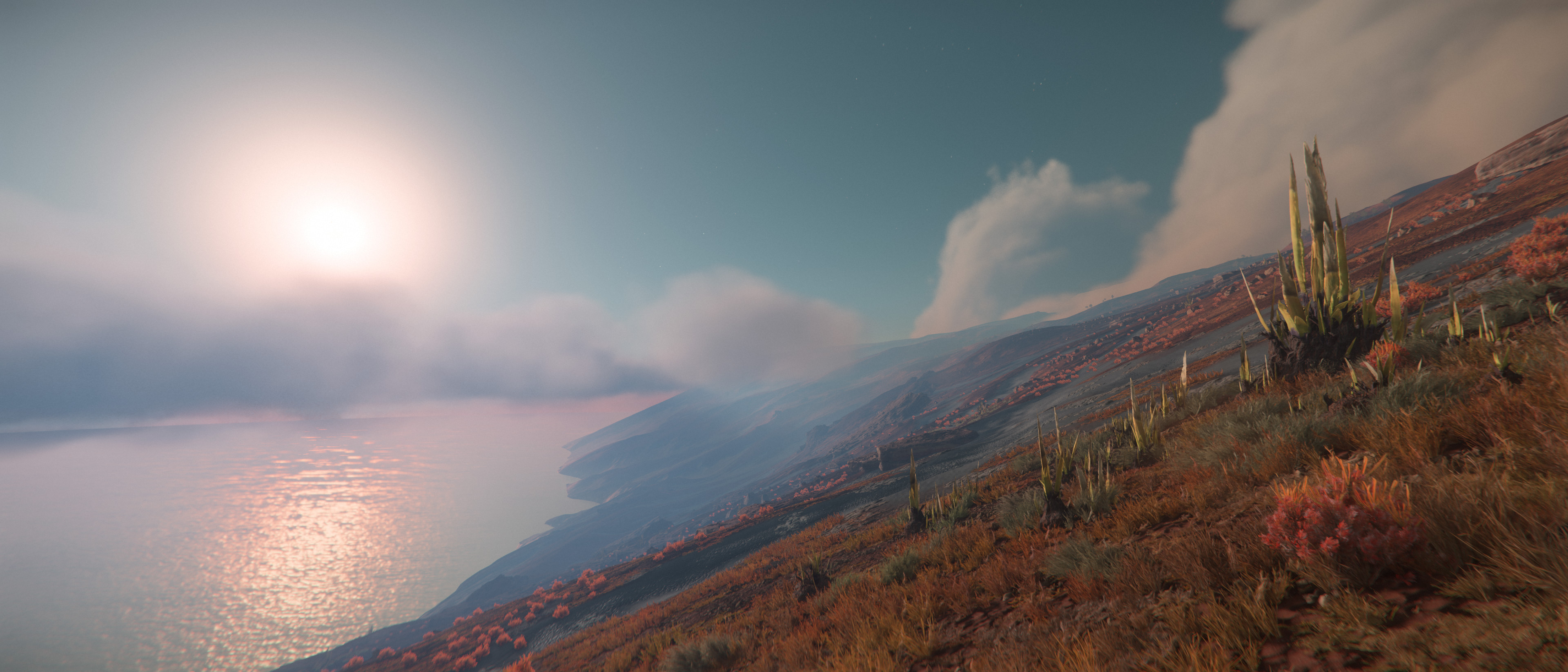
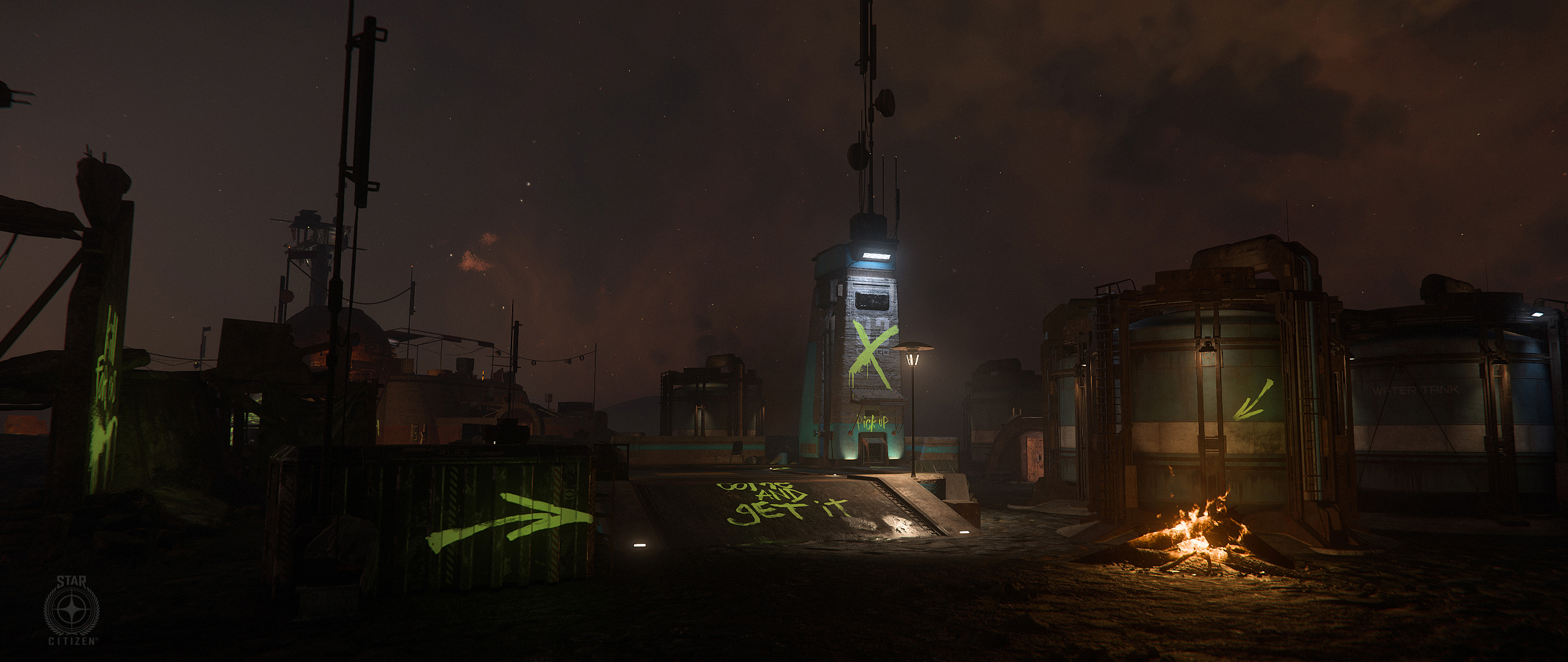
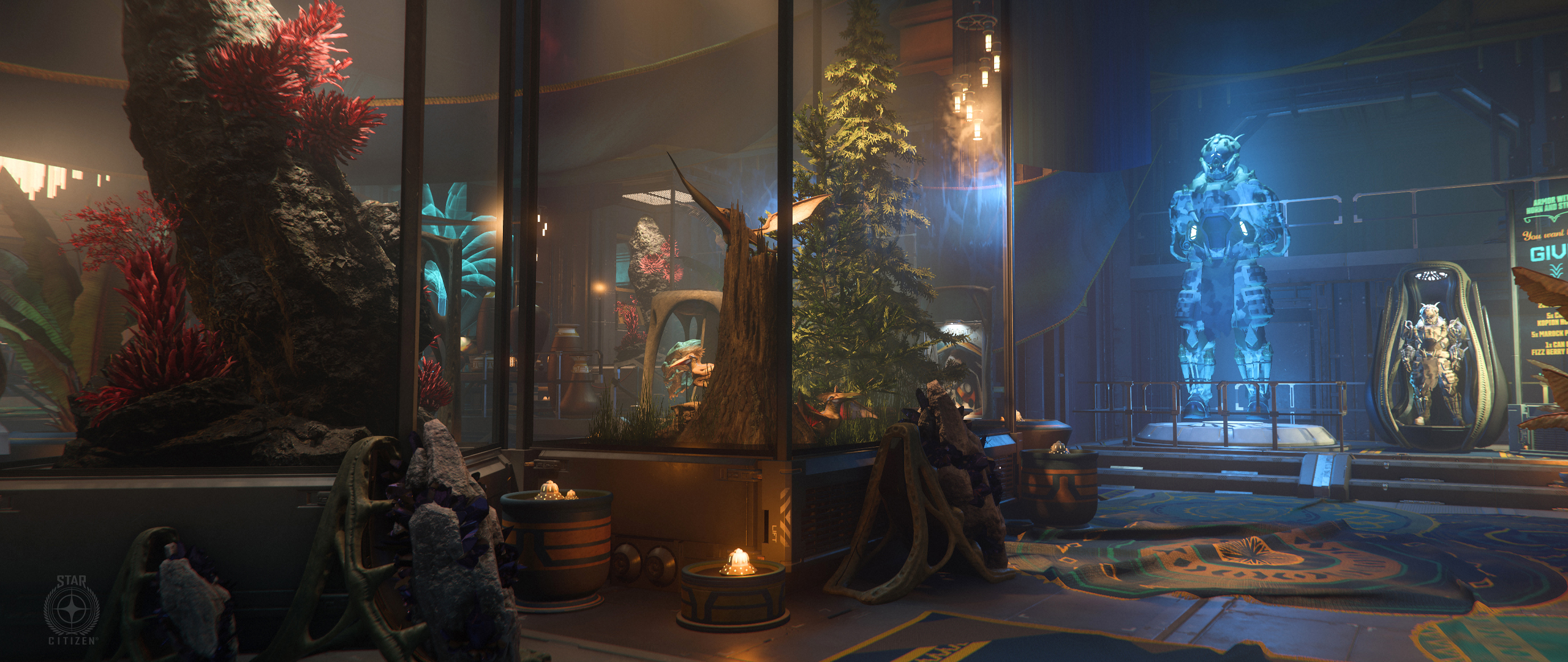
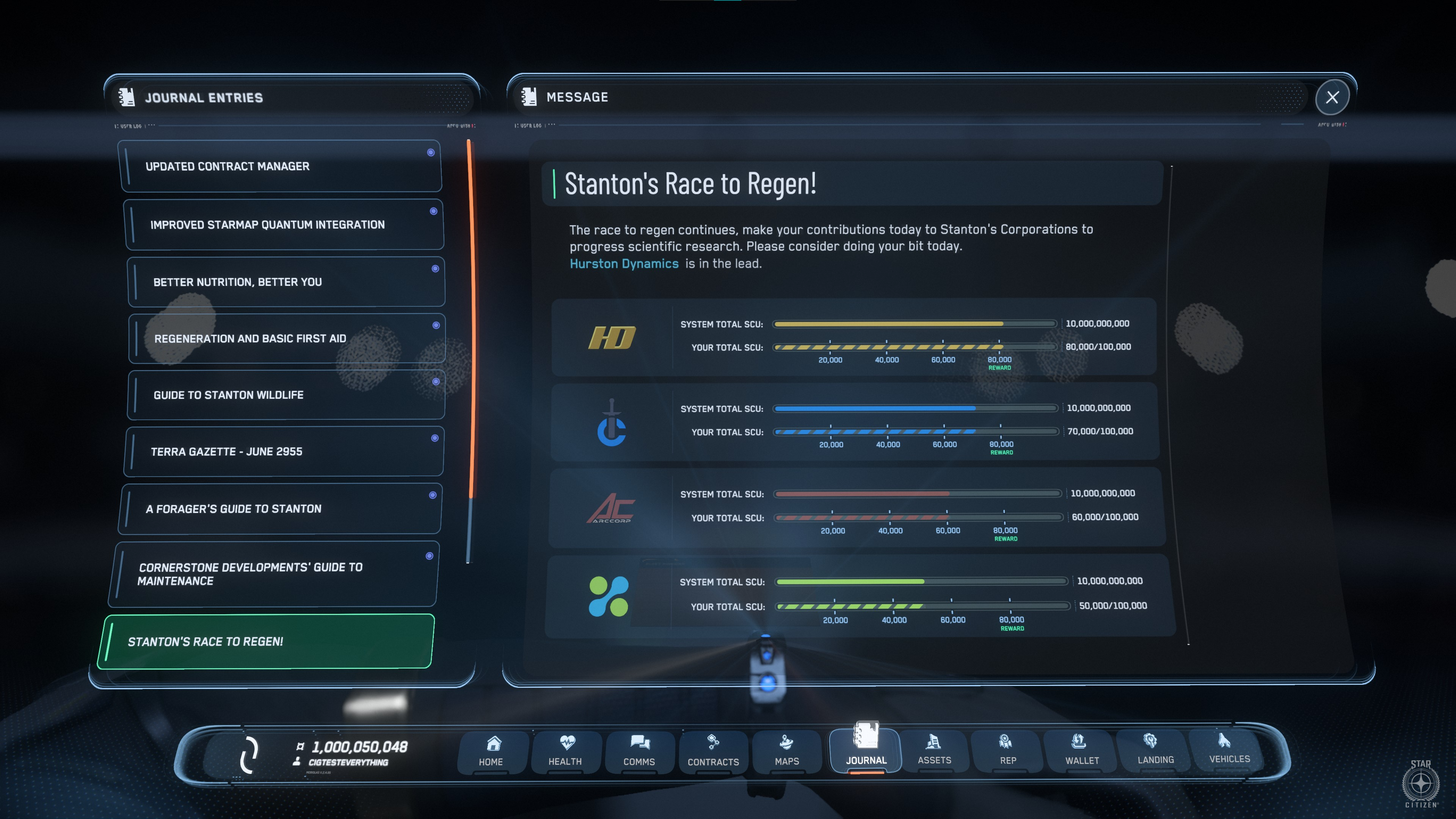
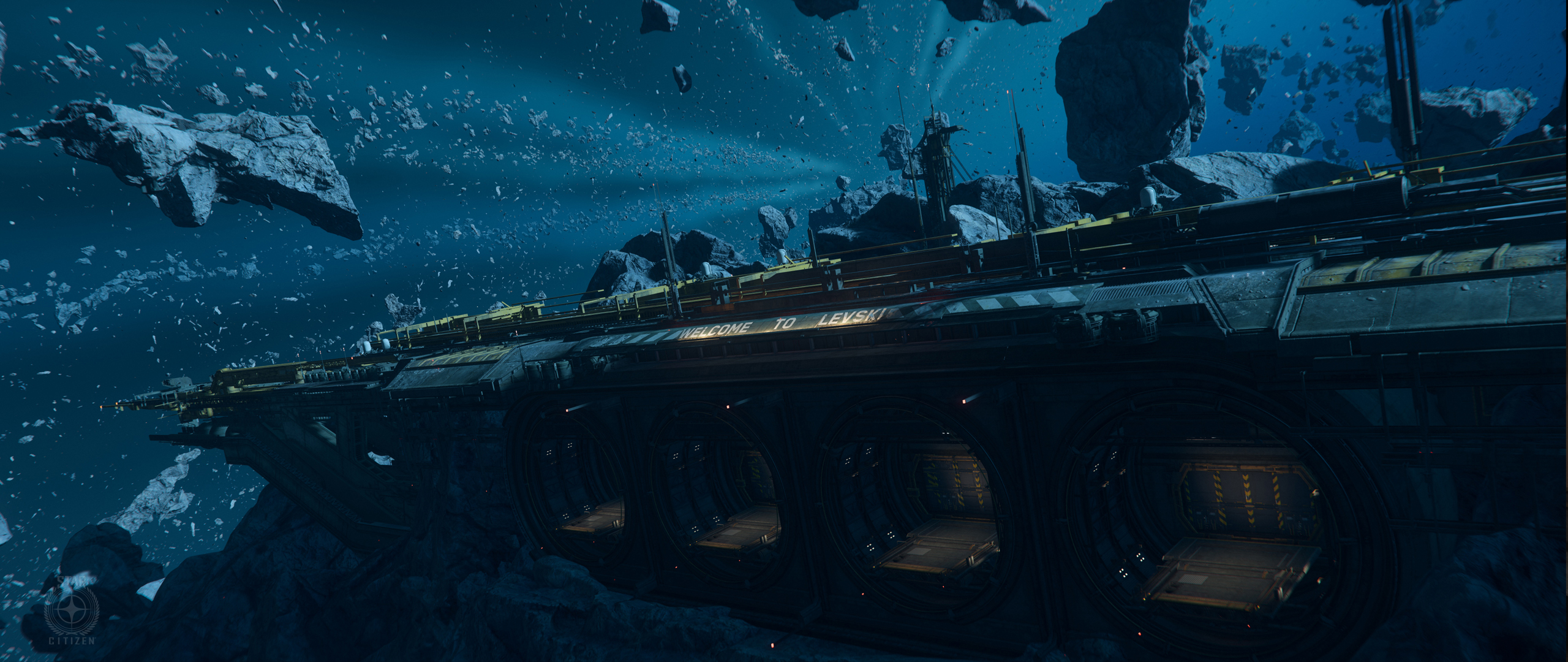
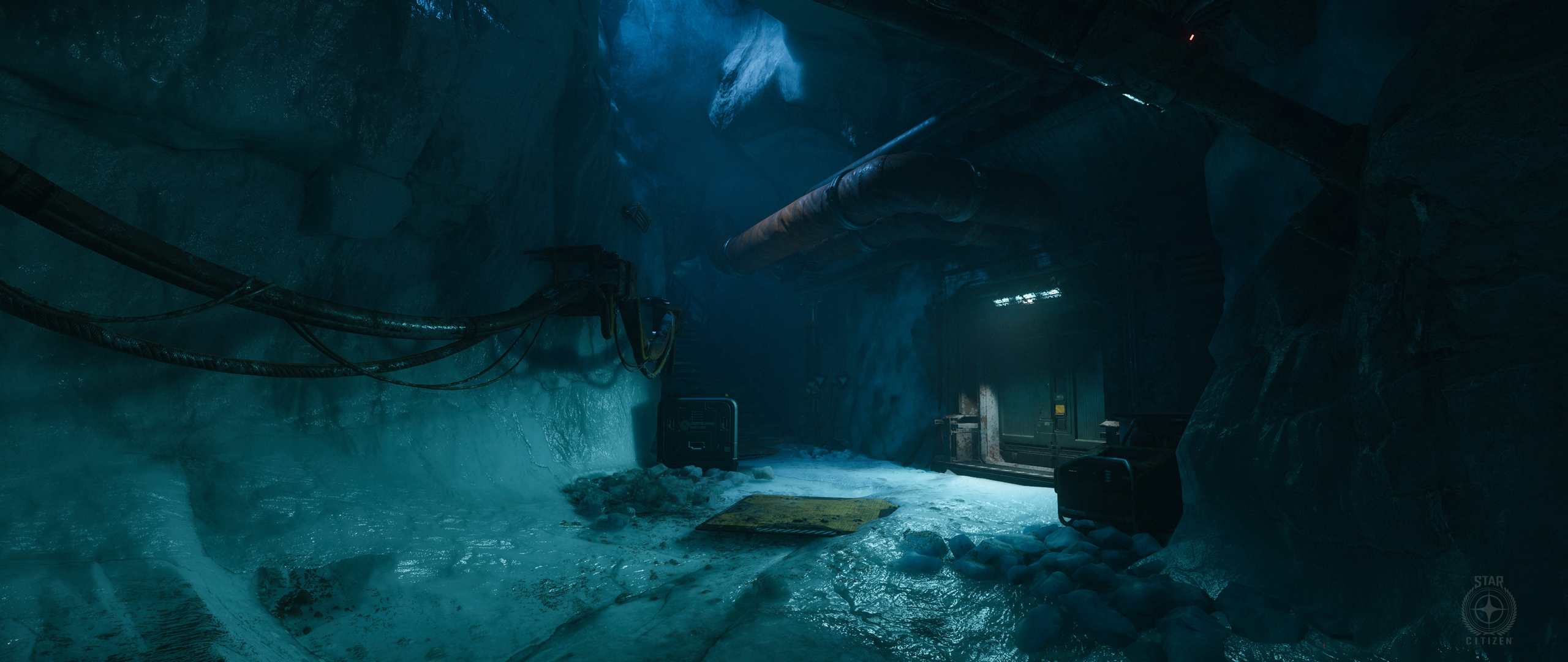
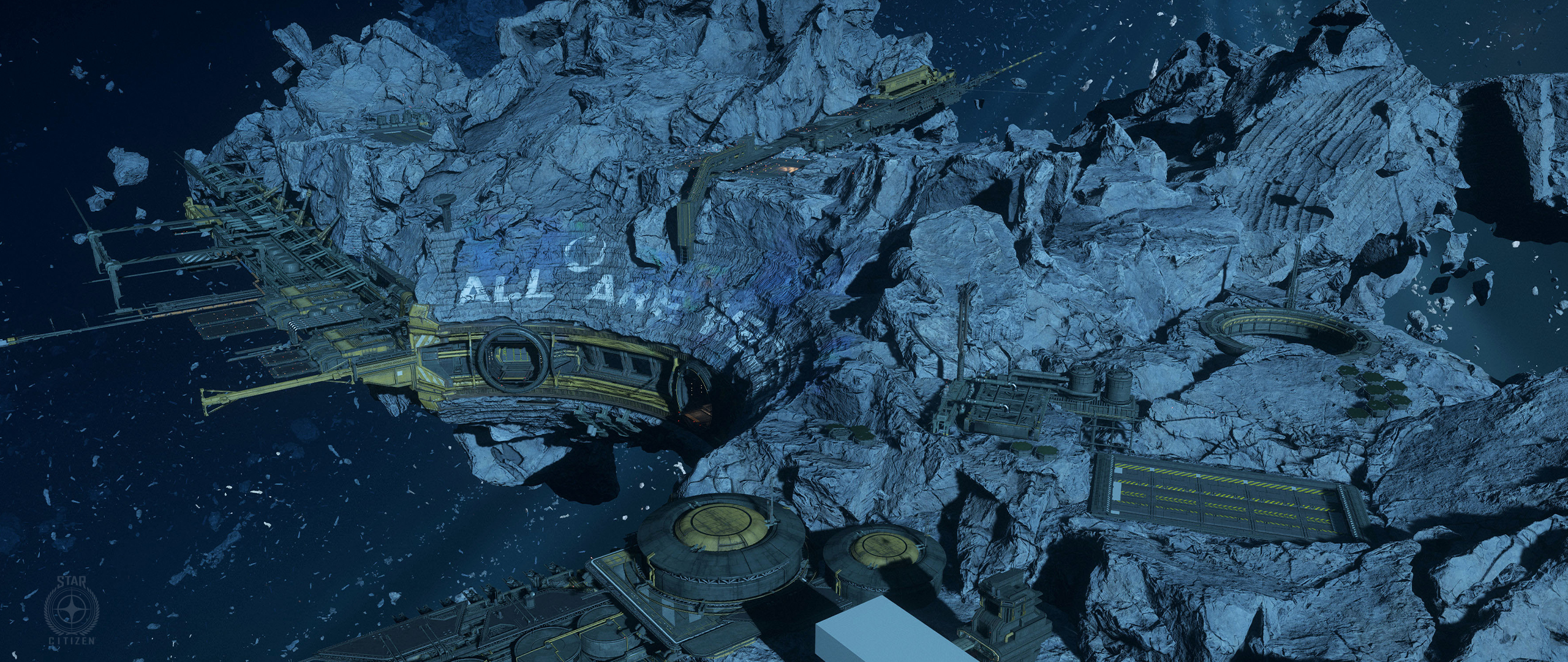
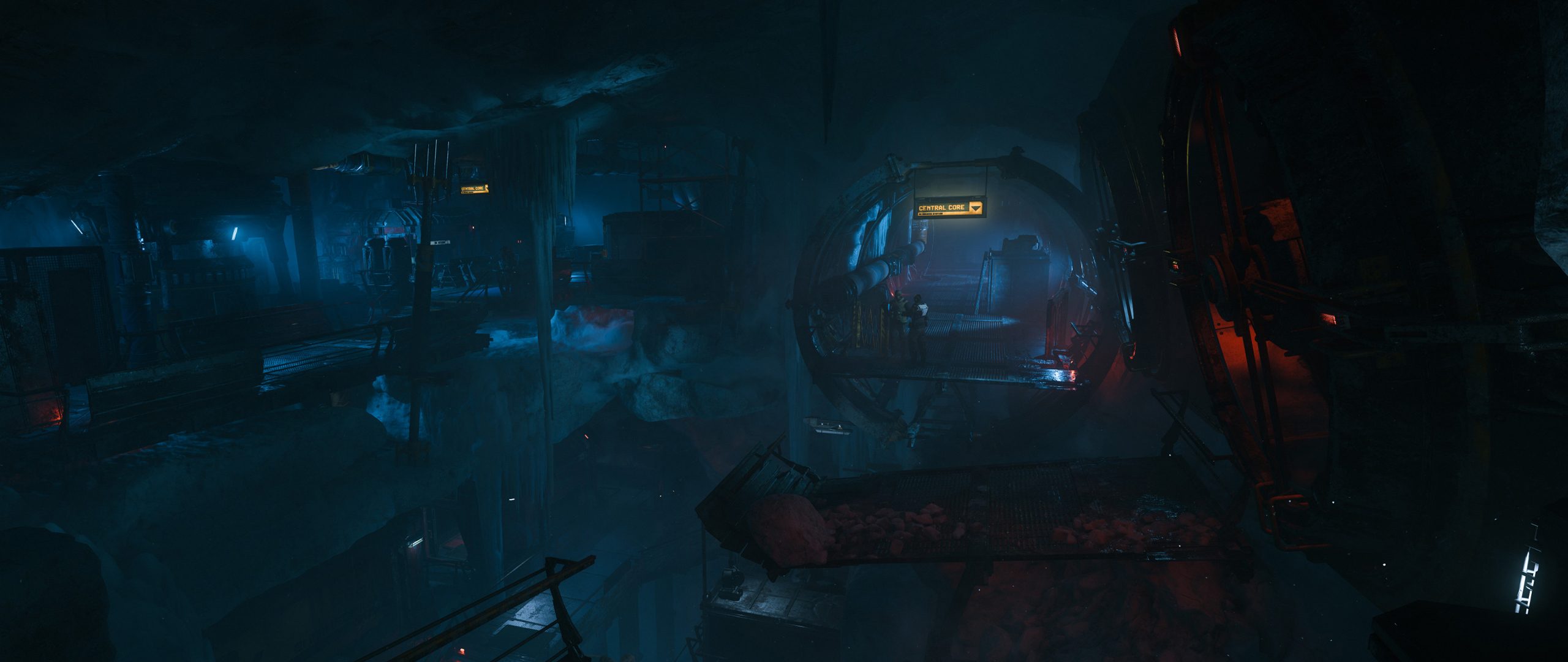
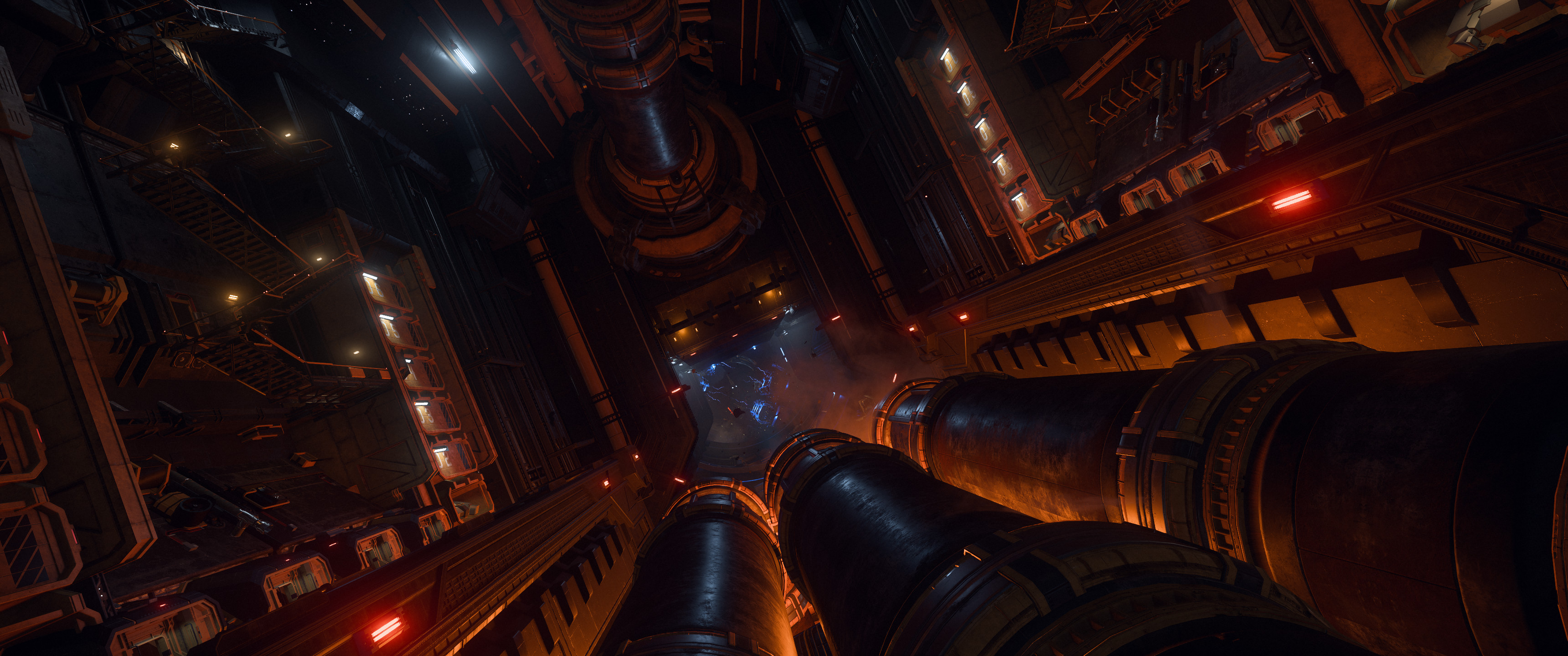
Metadata
- CIG ID
- 16294
- Channel
- Transmission
- Category
- Undefined
- Series
- Monthly Reports
- Comments
- 62
- Published
- 8 years ago (2017-11-30T00:00:00+00:00)