Monthly Studio Report: December 2017
Transmission Undefined Monthly ReportsContent
Greetings Citizens!
Welcome to the Monthly Studio Report, where we collect updates from our various studios around the world to show you what they’ve been working on this past month. In the rush up to the holidays, the entire company was focused on accomplishing two major tasks: pushing Star Citizen 3.0 to the Live Servers and polishing up work on the Vertical Slice, which featured an hour of gameplay from Squadron 42. Afterwards, everybody broke for some much needed rest before coming back to hit the New Year running. With that said, let’s get to it. CLOUD IMPERIUM: LOS ANGELES
ENGINEERING
Alpha 3.0 was a monumental engineering milestone for Star Citizen, particularly for the LA vehicle team. During December, the first tier of Item 2.0 for ships was finalized with several bug fixes and important features closed out for 3.0. The team tackled a major hurdle with the integration of UI with this very complicated system. Finally, some of the underlying systems that play a huge role in Squadron 42 and the Persistent Universe (Scanning and Quantum Travel) saw some iteration and prototyping that they were really proud to bring to fruition.
As the 3.0 release came together, the core system team focused polishing and stabilizing some key parts of Star Citizen. Cargo and shopping saw significant bug fixes, bringing these features in alignment with long term goals. Infrastructural game code such as the room system, interaction system, and even damage saw significant bug fixes right up to the release.
TECH DESIGN
LA Tech Design spent the majority of December getting the new Item 2.0 ships working as smoothly as possible for Star Citizen Alpha 3.0. They knocked out a multitude of bugs, including but not limited to enter/exit alignment issues on the Scythe, an issue where damage was not passing to all parts of a ship, seat access issues with the Caterpillar, atmosphere bugs in the Herald, and IK issues in the Mustang seats. The team also spent time balancing the shield stats to account for better power retention and heat generation, hooked up cursors to all player interactions in the ships, and finished setting up bed conversions from Object Container to ItemPort.
Beyond Alpha 3.0, they continued to work on ships like the Anvil Terrapin, the revised Consolidated Outland Mustang, and Tumbril Cyclone to get them set up and flyable (or drivable, as the case may be). They also completed design briefs for the [REDACTED] ship that they are really looking forward to.
Lastly, the team supported the UI Team in completing the Scanning Visor, MFD, and hooked up all assets to be released in the future.
ART
The Ship Art Team wrapped up 2017 with a bang. The new RSI Aurora was completed and officially released. Major progress was made on several other vehicles such as the Anvil Hurricane, the reworked Consolidated Outland Mustang, and the Tumbril Cyclone. The team had their fair share of bug fixing and support tasks for various features released with Alpha 3.0 in addition to upcoming releases.
The Character Team put the finishing touches on the Squadron 42 cast for the Vertical Slice. One key development was the work done with the graphics team to implement a new hair shader to make the characters shine. Finally, the team added wear and tear to some of our character loadouts, giving them an authentic feel in-game.
NARRATIVE
In December, the Narrative Team worked closely with Design to chase down any lingering bugs and issues that arose to ensure that mission content, item descriptions, and even posters were ready for Alpha 3.0. They also helped provide additional environmental storytelling and prop write-ups to help sell the world of Squadron 42 in the Vertical Slice. In addition, they delivered weekly lore updates, wrote three pieces for Jump Point, continued the development of the Xi’an language, and supported the marketing department on numerous tasks including the Tumbril Nova brochure.
TECH CONTENT
The Global Technical Content Team delivered some great accomplishments in December to wrap up 2017 on a high note. The Tech Animation team was busy with tools support, character rigging, and various MoCap tasks throughout the month. For tools and related work, they improved Mannequin Python Tools, the CIG Tools Installer, a Jump/Spike Detection Tool, and the Skeleton Table as well as added several new health checks to the pipelines. The team also supported the S42 Vertical slice by rigging several characters and fix a ton of skinning bugs as well. The MoCap team tracked, solved, and processed a large group of characters in support of Squadron 42. A MoCap shoot was also held to capture some additional footage needed for key characters.
On the Tech Art side, the team sub-divided between Environments, Ships and Weapons. For Environments, a lot of support and R&D was put into our glass shader and a vertex curvature script. Additionally, they planned for Procedural Layouts work coming in 2018. A lot of bugs were investigated as well… for lights/shadows, hair rendering and texture streaming. For Ships, the team supported the release of the several new vehicles in the Alpha 3.0 release. This included work on damage and VisAreas, as well as bug fixing and investigating a lot of log spam issues. The team also worked on landing gear compression for the ships in the Around the Verse holiday special.
Finally, on the Weapons front, the team was in R&D mode for Animated Attachments/Magazines. They made progress on the P8AR magazine, Gemini F55, and a skin transfer script/tool. They also fixed several weapon bugs. Lastly, the Global Technical Content team supported other areas, such as the reorganization of the tool branches. CLOUD IMPERIUM: AUSTIN
DESIGN
Getting 3.0 ready to go live was the big focus this month for the ATX Design Team. Using feedback from those testing the PTU builds, they were able to tackle a variety of bugs relating to shopping and cargo trading across the stations and moons surrounding Crusader. The economy and item pricing continued to be balanced based on collected analytics. Of course, there is still a lot more dialing in to be done once the systems function together on the live servers.
Further work on Mission Givers Ruto and Miles also was an important task for the team. Representing a complex mix of numerous systems like animation and subsumption, it has been encouraging to see the progress made on getting these first two characters into the game. We have already learned a lot so far that will help streamline and improve the process in the future.
ART
With the release of 3.0.0 to Live, the community finally got to see the updated Constellation Aquila, Drake Cutlass and Aopoa Nox. The ship team spent the month providing support to push the Persistent Universe to the Live servers. The Constellation Phoenix was whitebox complete and progressed onto greybox. Meanwhile, the Anvil F8 Lightning entered the whitebox phase at the beginning of the month and progressed nicely in between bugfixing tasks.
BACKEND SERVICES
To start the month, the DevOps team delivered multiple PTU publishes each week. They monitored performance and feedback from the Evocati and PTU players and pushed out builds that contained fixes and feature deployments as fast as possible. They also worked with IT to ensure everything was ready for the Live release. This included dealing with a number of system failures just prior to 3.0 going Live.
After the intensive 3.0 publishing process, the team carefully tracked the bandwidth being used and adjusted the servers accordingly. They also worked with design to apply a number of hot fixes to address unexpected issues that negatively impact performance and gameplay. They accomplished this without affecting players by carefully watching servers and restarting them with the better code when the server population reached zero.
In addition to everything surrounding the Live release, the team continued to support devs with diagnostics, performance captures, and more.
ANIMATION
The Animation Team this month spent time looking at the Player experience in Alpha 3.0 to make sure that all the animations associated with the various interactions that people would encounter while running missions and exploring around Crusader were looking good as possible. This included some bug fixes, some adjustments on various transition elements, as well as just general polish. The team also began work on the Tumbril Cyclone animations that were recorded in a motion capture shoot last month. On the ship side of things, there was additional technical set up that was needed to be looked at on several ships as the team investigated a few linger issues that had been noted by players testing the PTU.
Outside of Alpha 3.0, a lot of time was spent on the Squadron 42 vertical slice as the date of the Holiday Special approached. As the directors and leads reviewed the content daily, the team performed polish passes on the numerous interaction animations on the Idris to make sure the crew looked as good as possible as they moved around the ship performing various tasks through the usables system
ATX QA
As Star Citizen Alpha transitioned between the PTU and Live, needless to say ATX QA had a busy month, tirelessly testing the bugfixes and change submissions to the 3.0.0 build. One of the biggest challenges, especially with a release that incorporates as many new updates and features as this one, is making sure that fixes to the game don’t destabilize a build in other places. To help minimize this risk, the devs adopted the QA test request system more vigorously, and every single feature-related check-in towards the end had to be tested thoroughly. Although this increased the team’s workload in order to maintain the daily pushes to PTU, this process helped ensure that the army of testers would have a stable enough build to keep providing key feedback.
PLAYER RELATIONS
With the holiday season right around the corner, there was a lot to be “tonkful” for this month. Right on the heels of Star Citizen’s Anniversary, the Player Relations team assisted backers with the newly announced Aegis Hammerhead and Anvil Hawk. Plus, the Holiday Special brought with it the Tumbril Nova tank and three exclusive Holiday Game Packages perfect for sharing Star Citizen with friends and loved ones. The team also continued to coordinate with the massive ongoing testing effort as alpha 3.0 PTU continued to roll out to more and more backers, and most excitingly, the build went Live! Thanks again to all the Players for their ongoing contributions to the Issue Council. Your help is vital to the project. FOUNDRY 42: UK
GRAPHICS
Over the last month, the graphics team focused on both 3.0 and the Squadron 42 vertical slice. Most of that time involved bug fixes. Highlights included major fixes to texture streaming bugs (they’ve since found another bug in Lumberyard and the fix will vastly reduce VRAM usage on the next release), a fix for facial animation glitching, and various fixes for hair and temporal anti-aliasing. They also continued to develop the Render-To-Texture system, including adding expose control to video comms calls and using the system for the new ship targeting displays.
The Squadron 42 vertical slice also benefited from some of their new features, such as a new cloth shading model, improved light-beams, the debut of volumetric gas-cloud tech, and a new particle-based shield effect that uses signed-distance-fields to allow the particles to flow smoothly along the hull of the ship. Their r-focus for the new year will shift to improving performance and various planned shader improvements to enable more dynamic materials.
SHIPS
Hammerhead
The team was really excited to reveal the Hammerhead in November and since then they’ve been hard at work finishing the exterior sections not seen in the video. They did a detail pass across the hull and engines, and gave the underside more attention. The landing gears were also added, so the exterior is now ready to start on the damage set up. For the interior, they blocked out the floor plan using existing Aegis kits from the Idris and Javelin. They also worked out what bespoke and new pieces are needed to finish the interior and have a couple of guys at work on these now.
Revised Avenger
The Avenger has been undergoing a complete re-make to address issues with the original and make it conform to the current ship metrics and requirements. The updated Avenger revealed in the Around the Verse holiday special was a combined effort between the ship team and the newly formed Squadron 42 team. The cargo and bounty hunter variants are art complete, and work on the EMP variant is scheduled for January. Work to finalize the remaining exterior parts, such as landing gear, damage and LODs, will start soon.
600i
The 600i is entering the final art phase. On the exterior, the thrusters and landing gear are near completion, and work is due to start on the turret. The interior is going through a polish pass, while work on the bridge, corridors and exploration module are due to be wrapped up soon. Since the last update, the team listened to backer feedback and removed the struts from the bridge windows.
Gladius
The Gladius was a big part of the Squadron 42 Vertical Slice, so they spent time tweaking it for the demo. This included implementing the new glass and screen shader, cockpit lighting and headlight tweaks, screen sizes/positioning and adding the new starmap. Cockpits are the most complex parts of the ships, bringing together input from across the company, and they went through many iterations before satisfying the requirements of all departments.
Eclipse
Work continued on the Eclipse, as the cockpit and exterior were grey boxed. The mesh is currently going through a detail pass before starting on textures and shaders.
Blade
The Vanduul Blade exterior is almost complete, and has been brought into line with other Vanduul ships. The team’s current focus is on the interior and working out the enter and exit mechanism for pilots.
VFX
The UK VFX team spent December bug-fixing and optimizing for 3.0, following on from the sanity pass discussed last month. R&D work continued on signed-distance-field shield effects, including power-on, power-off and impact effects for the Gladius, Cutlass and Buccaneer. They also honed in on the finer effect details seen in the Squadron 42 Vertical Slice demo. There are too many to name individually, but highlights include the Coil itself, the lightning storm inside the giant asteroids and the Slaver base cryo-pods.
The team also made solid progress on VFX for the Scanning feature. Amongst other things, it will emit a virtual particle grid (only seen via the UI) that allows players to better visualize 3D space when they’re in, well, space.
UI
The UI team spent December splitting their time between wrapping up features for 3.0 and working on bugfixes for the Squadron 42 Vertical Slice. On the PU side, the team had daily standups for each feature with Directors to get feedback straight away. These daily syncs not only helped progress for the Starmap, PMA, VMA and MFD/Visor holodisplays, but ensured that communication was kept close between the various departments involved in pulling these features together ahead of 3.0 going Live.
In the run up to the Holiday Special, the UI focused on various bug fixes, including ensuring that the Visor UI would turn on at the correct time, removing quantum linking text from the Gladius HUD, and providing performance fixes alongside others to polish the experience. In addition, fluff screens for Chemline Solutions were designed and implemented ahead of the stream.
ENVIRONMENTS
In December, the environment team delivered final optimizations and bug fixes deemed as ‘must fix’ for the release of 3.0. As those tasks were completed, the team began to work on the next environments. A big focus of 2018 will be on getting spaces that are shared across locations functional, so the team worked on whiteboxing the kits for both hangars and habitation modules. The idea is to create kits for all these ‘common’ elements in a specific art style so they can be used across different locations. The whitebox stage allows design, art, and code to lock down the features of an element before committing to final art.
Elsewhere, the DE team has been looking at improvements to the planet texturing systems. The main goal is to improve the diversity and breakup of terrain types across a planet’s surface. The new tech increases the number of supported distribution channels by 5x, meaning there’s some improved visuals across terrains in the not too distant future.
AUDIO
SQ42
The audio team had all hands on deck in the lead up to the Squadron 42 Vertical Slice. They ensured the demo was fully supported with all the Dialog, Music and SFX content required. This work included additional sound design for cinematics, location ambience polish pass, ship SFX balancing, dialog attenuation/mix pass, and new music content/logic implementation via Subsumption.
PU
The audio team simultaneously supported the Alpha 3.0 release with content creation, implementation and polish of dialog, SFX, and music assets. These included implementing new music logic and content for PU armistice zones (Olisar, Levski and Grim HEX), improving definition and intelligibility of weapon sounds, and adjusting thruster sounds for the Dragonfly and Nox in light of ongoing flight model tweaks.
Going forward, the audio team looks to iterate on the current Foley system and actor status system (breathing component). They also plan to begin work on a fully fleshed out sound simulation system.
ENVIRONMENT ART
The Concept and Tech teams introduced a new core structure and narrative behind how Lorville on Hurston function and come together. They developed an exciting and visually interesting city archetype for integrating procedural and landing zone elements. The team did an extensive amount of concept work to solve most of the major design issues.
The base archetype for a utilitarian habitation was established for the first procedural and fully interactive room. Concept is busy investigating and solving both material and theming diversity for generating these units across the Stanton system.
SHIPS AND WEAPONS
This month, the team wrapped up the super large Tumbril Nova tank plus three other new ships of varying sizes and roles. They also provided support where needed and helped with marketing and new website revamp. For ship weapons, the team completed the Trident Laserbeam S4-S6 and the Hurston Electron Beam Alterations S1-S3.
DERBY ANIMATION
The Derby Facial team was super busy right up until the 21st Dec with Facial animation tasks ranging from polishing the Prisoner Arrival scene to adding more in-game dialogue for random NPC characters.
The team also held their first Studio Christmas Party. It was a fairly small key event, but a good chance for staff and partners to enjoy some good food and a couple of drinks.
The team’s pleased to announce that Senior Facial Animator Tony Wills is moving positions and is now Lead Gameplay Story Animator. Tony will oversee 800+ in-game mini “cut scenes.”
ENGINEERING
The UK programming team did a lot of bug fixing and polish work to get Alpha 3.0 out of the door as well as the Squadron 42 Vertical Slice in preparation.
On the cinematics side, they implemented the dynamic lighting mentioned last month. This allows the devs to fade up a specific lighting rig for a cutscene to highlight the quality of the characters. They also experimented with a new dynamic depth of field (DoF) mechanic for non-combat scenarios to give the game a more cinematic feel. Rather than having an infinite DoF, which is usually the case, the game focuses on what the player is currently looking at and applies a subtle blur for everything that is nearer/further away.
The networking team worked on serialized variable culling, which will eventually become entity bind culling. This stops the server from distributing the state of variables on an entity after a certain distance. Considering the massive size of the PU and the content required to fill it, sending updates to everybody became a bottleneck. This helps the network bandwidth and performance side, as the server/client doesn’t have to deal with nearly as much data. The downside is that when the code is not expecting this behaviour, these edge cases introduced new bugs that needed to be found and worked through.
Otherwise, they tackled other performance issues and optimizations, polished as many features as as possible before the end of the year, and a enjoyed a nice break over the holidays! FOUNDRY 42: DE
ENGINE
The DE Engine team spent a majority of the past month focused on improving performance and addressing issues for the current Live release. In the process, they worked with most other disciplines to help profile items and make recommendations and/or fix issues when needed. Some cases are straightforward and addressed promptly, but for others the fix may be deemed it to risky to address immediately. Those items are still worked on, but will take a bit longer to verify and be included in future patches/releases.
In addition to performance improvements, they worked with the Environment Art team to further enhance the visuals of the planet terrain. They made improvements to a new memory tracking tool for both server and clients. Implemented scripts to automatically analyze gathered statistics to quickly find leaks and dubious allocations. Fixed several issues related to how data is collected in our crash database Sentry. They started implementation of horizon based SSDO, and the initial results look really good. They reworked the cloth shader to use a more physically based shading model for cloth, as well as fixed shading discontinuities within it. They also reworked the motion blur implementation in game, and continued work on the Subsumption visualizer.
LEVEL DESIGN
The Level Design department finished locations found in the 3.0 release ahead of schedule, so they focused on both bug fixing and polish during the latter part of December. After 3.0 was in PTU for a while, the decision was made to increase the server size. That meant they had to add more spawning areas to enable people to spawn in smoothly without conflict with one another. Finally, the DE Level Design team is looking to expand. As more features come online, they’ll need additional designers to keep on top of the increased content and the R&D for upcoming system solutions and releases.
TECH ART
The DE Tech Art team split their time between both 3.0.0 and Squadron 42 tasks. They’re currently extending the FPS weapons pipeline with a new tool called CIGSiknXfe which will enable weapon artists to transfer skin weights to different meshes from one source skinned object. They started work on real-time cloth and flesh sim R&D and development of a live-link between Maya and the game engine, so animators can tweak animations, in particular facial animations, while enjoying the advanced shading quality of the in-engine real-time renders vs. Maya’s own low quality viewport renders. This tech will be particularly useful for integrating and tweaking the p-cap (facial) animations in Squadron 42’s cinematic cutscenes. This artistically controlled lighting will have a huge impact on the look and feel of an animation/performance, meaning that iterating real time and in-game will make things much more efficient for the team.
VFX
Last month, the VFX team focused on the Squadron 42 Vertical Slice. They contributed to the Coil volumetric cloud, adding exterior effects to the slaver base on Gainey, and specific effects for the cinematic sequences. They dressed the exterior of the Slaver Base in the low technological style with suitable effects for the dusty planet surface. The cinematic effects were bespoke for the cutaways in the vertical slice. The work on the Coil gas cloud tech went through a good amount of R&D. The team focused on developing methods to create an interior volume while keeping in-line with the base concepts and art direction. It went through numerous iterations, and they paid close attention to how the interior created interesting compositions and visuals while flying.
WEAPONS
The FPS weapons art team completed the first art pass on the Gemini F55 LMG and the Torral Aggregate Kahix Missile Launcher. Meanwhile, the ship weapons art team finished the first pass art for the A&R Laser Cannons (Size 1-6) and the Gallenson Tactical Ballistic Gatlings (Size 1-3). The team has also been working on scripts and tools to help further speed up their art pipeline. One such script is a Ship Weapon Tool made to assist in the creation of modular weapons. This new tool creates a larger number of weapons in a short amount of time by allowing artists to preview different component setups in real-time and automates the export process directly to the game engine. All animation exports and engine related meta-files are handled by the script, leaving the artist to focus on making the art.
BUILD ENGINEERING
The Build Engineers added QA-TR (QA-TestRequest ) options to trybuild, which has already proven beneficial for the team. They also developed a feature to offload QA-TR trybuilds to dedicated agents in an effort to reduce compile times. So far, trybuild has been a simple code validation tool through which coders must check if their changelist compiles correctly against the most recent code updates. This ensures the next build will function correctly if they submit their changelist. This newest feature allows coders to have their changelist compiled against a specific CL. Within the tryBuild UI, the user can select an archive option and will receive an email with a link to a zip archive containing their binaries. At this point, a programmer can send a request to QA (namely QA-TR) asking to thoroughly test their binaries, making sure that their fix and/or new feature works as expected. If QA approves the changes, then the programmer can submit their changelist. This provides an added layer of security, helping to reassure that the current active build is functioning as expected. Since the archive option also involves changing two waf compile options, compilation times inevitably got longer. To work around this issue, IT set up dedicated trybuild machines whose sole role is to accept trybuild requests only when the archive options is ticked. This brought the trybuild system back to normal compilation times.
QA
The DE QA team spent December dealing with various in-house test requests for 3.0 and focused Squadron 42 testing. For 3.0, Hangar and shield test requests were completed for our Level Design and AI team, while additional testing for character movements was done for Animation. They also obtained in-game footage of the current state of various systems to be reviewed at a director level. Mission Giver testing was done for Ruto and Eckhart, as well as specific footage recorded for each of these NPCs with criteria provided by the Design team.
DE QA eventually shifted focus to testing Squadron 42, specifically testing Combat AI, Flight AI wildlines, and AI turrets. They worked closely with the development teams designated for each of these sections as part of individual sprints to ensure that they had the needed QA support. For Combat AI, regular stand-up and review meetings were held leading up to the Squadron 42 Around the Verse holiday special. This involved reviewing the state of Combat AI daily and creating JIRA reports for any new issues called out during the review, as well as regular testing of the Combat AI. To test AI wildlines, they regularly played the vertical slice up to the dogfight that happens after quantum traveling to Gainey moon, then they had to ensure that all intended wildlines would trigger based on certain events performed by the Player.
AI
December was a very intense and productive month for the AI team. Regarding Subsumption, they introduced several new functionalities: the new Subsumption Event Dispatcher, the Mastergraph, and the Dynamic Trackview implementation. The Subsumption Event Dispatcher is a way to fully support the Subsumption events without relying on any other external system. It’s composed by a central system that allows user code to create and send an event. The events are created in a pool to allow the AI system to efficiently handle and reuse the allocated memory, and each signal lifetime is automatically managed by specific structures called Handlers that also allow fast access to the signal itself.
User code can specify a direct event to an entity, or send an event to all the entities in a range from a specific location. Send events in a range is now zone safe and all the code efficiently uses the zone system for special queries and entity filtering. The Mastergraph is a way for building a relationship between multiple Subsumption activities. The team wants a general way for handling assignments (requests from designers), combat and regular activities. The Mastergraph allow them to specify transitions between our scheduled activities and other logic that should be executed when specific events are received. They also provided support for dynamic trackview scenes. A dynamic trackview scene is a cinematic scene where the participants can be replaced at runtime with actual AI NPCs. This allows the cinematic designers to work on their scene in a controlled environment. It also allows level designers to populate their level with NPCs that might have different activities, specific clothing, customizations, etc., based on how the Player affects the game. All the changes in the character might influence the real NPC characters and be part of the cinematic scenes. Also, dynamic trackview scenes can be potentially interrupted, so the AI system needs to know how to take over when and if that happens.
Ships AI also got some attention last month. The Squadron 42 Vertical Slice showed the first version of the updated spaceship behavior. The current Movement System is in control for both on-foot and flying movement requests, and Subsumption is in charge of controlling the pilots/seat operators behaviors. The new spaceships are fully controlled by the NPC seating on the operator seats, each operator has specific behaviors to use the items they control. The first version of turrets has been implemented using Subsumption, and initial accuracy parameters introduced for the NPCs using seats items. The missions system progressed for the Star Citizen Alpha 3.0 release, introducing both environmental missions and interdiction. All the logic required for Office Admin NPCs was implemented to allow designers to create delivery and pickup missions. Additional work was done as well, which they’ll provide more details in the near future.
CINEMATICS
The Cinematic team spent the month hard at work prepping the relevant sequences and tech needed for the Squadron 42 Around the Verse holiday special . Here’s a small portion of what they’ve been recently working on. They scaled PCap performances for the character Vat Tagaca, played by Craig Fairbrass, to emphasize his real-life, intimidating body stature. They changed the base lighting of the Idris aft hangar deck, featured when the Argo arrives, to be darker and more moody than the standard light setup. There was much back and forth with AI and Cinematic Tools Engineers to get the AI functional and the tools to properly place them.
Work was done to the Trackview Navspline tech that allows them to precisely puppeteer AI ships, like going from the interior zones to outside Shubin space seamlessly. They worked with engineering on several features that enrich the game cinematically. They prototyped and then enabled an always-on autofocus FSTOP based Depth Of Field (mostly for non-combat situations) that adds a filmic realism to walking around and exploring interiors. The team successfully created a couple of gold standard scenes, which take into account all departments necessary and represent the flow and interaction that will be applied to future applicable scenes. Tech that uses lightgroups as cinematic light layers for scenes was also completed. With default or custom individual timing of lights coming online, any scene can be tagged and a corresponding lightlayer triggered to fade in. This can be a light rig per scene or per location, as both are viable. The cine lighting rig will be used to push certain cinematics further than what the environmental base lighting provides. The cinematics team generally doesn’t go into too much detail, so they don’t spoil the story, but they’ll go into more detail on the Vertical Slice in a future update.
ENVIRONMENT ART
Last month, the DE Environment Art team spent time preparing for 2018 and the challenges ahead. It is always good to look back at the progress made during the year and realign the goals for the new year. A lot of preparation and R&D went into updating the planet tech and tools. As the game moves from moons to full planets with more visually diverse ecosystems, the team wanted to have more control and variety of colors and materials. Work is being done on updating the planet tech as well as the shaders used on the scattered assets. This allows them to have the visual palette they want in the upcoming locations. It also provides a nice visual update and boost in quality for our existing moons.
SYSTEM DESIGN
The System Design team spent December finalizing work on both 3.0 and the Squadron 42 Vertical Slice. A lot of the work went into the first major mission givers, Eckhart & Ruto, and ensuring there are no edge cases where they can get stuck or players can abuse them. Both presented different challenges, as each has their own conversation flow, way of being found and triggered. They also completed the first implementation of the Admin Officer for all our major locations. Once again, many edge cases had to be considered and a lot of work went into making sure the players can’t block him for too long or give him items that he can’t properly handle. There are still some issues, but the team is sorting out the solutions.
Another big focus was FPS combat AI. It’s not finished but showing a lot of promise. The combat AI are beginning to act in a more believable manner, as they continue to add behaviors, adjust the timing of combat, and strive to get AI fights to feel challenging and fun to play. Things they also completed include: override pump upgrades to doors, hatches received locks that could be cut through, the beds in the Idris got upgraded with shutters, and more complex usables were added to make the game feel more alive. TURBULENT
December was a release month as the Turbulent team was instrumental in getting 3.0 in your hands!
LAUNCHER
Finally released, the new RSI Launcher replaces the CIG Patcher that was previously used to distribute the game assets to your desktop for Star Citizen 2.6 and lower.
This release marks a major milestone for the team as the entire system that powers the launcher will allow us a direct integration path with the game where we will be now be able to open communication between your game sessions and the Spectrum client through integration points. This also opens the door for integrated anti-cheat sandboxing systems.
Getting the launcher in your hands as part of 3.0 has been our team’s main focus for while as multiple rounds of testing on multiple platforms have taken place to ensure the new delta patcher, UI, installer and application shell perform well in all supported machine types and versions.
3.0 release also marks the deployment of the launcher backend which provides a new and secure way to distribute game update notifications and asset authorization to backers.
ROADMAP
A separate team was split from the main group to work on a new and updated Roadmap display engine for the producers at CIG to use to update the community on the schedule and plans for the game. This new engine will allow the producers to create releases, place them in time and have feature cards on each to describe a feature of the game planned for a specific period.
We hope this new format will make the schedule updates more fun to read and will also help the teams produce more updates, as the backend systems provide more tools to update the schedule per feature card.
SHIP SALES
Our design team added life to the Tumbril Nova concept in December, fleshing out the first ground vehicle tank in the Star Citizen universe, inspired by 1980’s action figures.
This week is your last chance to pick up a Tumbril Nova in the concept phase!
WELCOME TO STAR CITIZEN
Throughout December, the web team has been hard at work on the next iteration of the Star Citizen site. You can view a full report of our work on Welcome to SC in the January episode of ATV! We are hoping to launch a first pass of this new iteration in the first month of the year. Community
While December is traditionally an action-packed month for Star Citizen, the team took it to the next level in 2017. On December 22nd, the Squadron 42 Vertical Slice was revealed during the Around the Verse holiday special and shared more than one hour of raw gameplay, including a special version with Director’s commentary from Chris Roberts himself. If you’re interested in more information about Squadron 42, you can enlist now to receive regular updates and exclusives on the updated Squadron 42 page here.
The holiday special also introduced the legendary battle tank — the Tumbril Nova. This battlefield dominator is available through January 15, and you can find all of the details here.
If the Holiday Special was not enough, the team published Star Citizen Alpha 3.0 to Live servers just before the holidays. This required a herculean effort by teams around the globe and we’re not finished just yet! Releasing Alpha 3.0 has opened the gates for what promises to be an exciting new year of updates to the Star Citizen universe. If you’re curious to see what’s next, you’ll be able to check in with our updated roadmap for 2018 that will come online with the revised RSI website.
We said it last month, but we’ll say it again — thank you to each and every one of the dedicated testers who helped make the release of Alpha 3.0 possible. We truly appreciate you and your efforts!
Thanks to the release of Alpha 3.0, we have also seen a massive influx in community-created content submitted to the website. We highly encourage you to browse the Community Hub and check out all of the new videos, screenshots, guides, music, 3D prints, and more. Keep ‘em coming!
Lastly, we’ve taken the time to go through and organize your feedback on a variety of topics. We’re in the process of planning and executing some fun changes that you’ll see rolled out during the new year.
And with that, we’ll see you in the ‘Verse! WE’LL SEE YOU NEXT MONTH…
Grüße Bürger!
Willkommen zum monatlichen Studio-Report, wo wir Updates von unseren verschiedenen Studios auf der ganzen Welt sammeln, um Ihnen zu zeigen, woran sie im letzten Monat gearbeitet haben. In der Eile bis zu den Feiertagen konzentrierte sich das gesamte Unternehmen auf zwei Hauptaufgaben: die Übertragung von Star Citizen 3.0 auf die Live-Server und die Bearbeitung des Vertical Slice, der eine Stunde Spielzeit von Staffel 42 bot. Danach brachen alle für die dringend benötigte Ruhepause, bevor sie zurückkamen, um das neue Jahr in Folge zu beginnen. Wenn das so ist, kommen wir zur Sache. WOLKENIMPERIUM: LOS ANGELES
MASCHINENBAU
Alpha 3.0 war ein monumentaler technischer Meilenstein für Star Citizen, insbesondere für das LA-Fahrzeugteam. Im Dezember wurde die erste Stufe von Punkt 2.0 für Schiffe mit mehreren Bugfixes abgeschlossen und wichtige Funktionen für 3.0 abgeschlossen. Mit der Integration der Benutzeroberfläche mit diesem sehr komplexen System hat das Team eine große Hürde genommen. Schließlich sahen einige der zugrunde liegenden Systeme, die eine große Rolle in Staffel 42 und dem Persistent Universe (Scanning und Quantum Travel) spielen, einige Iterationen und Prototypen, auf die sie wirklich stolz waren.
Als die Version 3.0 zusammenkam, konzentrierte sich das Hauptsystemteam auf das Polieren und Stabilisieren einiger Schlüsselkomponenten von Star Citizen. Fracht und Einkaufen sahen erhebliche Fehlerbehebungen, die diese Funktionen mit den langfristigen Zielen in Einklang brachten. Infrastruktureller Spielcode wie das Raumsystem, das Interaktionssystem und sogar Schäden sahen signifikante Bugfixes bis zum Release.
TECH DESIGN
LA Tech Design verbrachte die meiste Zeit im Dezember damit, die neuen Item 2.0-Schiffe für Star Citizen Alpha 3.0 so reibungslos wie möglich zu entwickeln. Sie schlugen eine Vielzahl von Bugs nieder, einschließlich, aber nicht beschränkt auf Ein-/Ausgangsausrichtungsprobleme an der Sense, ein Problem, bei dem Schäden nicht auf alle Teile eines Schiffes übergingen, Probleme beim Zugang zum Sitz mit der Caterpillar, atmosphärische Bugs im Herald und IK-Probleme bei den Mustang-Sitzen. Das Team verbrachte auch Zeit damit, die Schildstatistiken abzugleichen, um eine bessere Stromspeicherung und Wärmeerzeugung zu gewährleisten, schloss Cursor an alle Spielerinteraktionen auf den Schiffen an und beendete die Einrichtung von Bettenumbauten vom Objektcontainer zum ItemPort.
Über Alpha 3.0 hinaus arbeiteten sie weiterhin auf Schiffen wie der Amboss-Schildkröte, dem überarbeiteten Consolidated Outland Mustang und dem Tumbril Cyclone, um sie einzurichten und fliegen zu können (bzw. fahrbar). Sie fertigten auch Designvorschläge für das Schiff[REDACTED], auf das sie sich wirklich freuen.
Schließlich unterstützte das Team das UI-Team bei der Fertigstellung des Scan-Visors, des MFD, und schloss alle Vermögenswerte an, die in Zukunft freigegeben werden sollen.
KUNST
Das Ship Art Team schloss 2017 mit einem Knall ab. Der neue RSI Aurora wurde fertiggestellt und offiziell freigegeben. Große Fortschritte wurden bei mehreren anderen Fahrzeugen erzielt, wie dem Anvil Hurricane, dem überarbeiteten Consolidated Outland Mustang und dem Tumbril Cyclone. Das Team hatte seinen gerechten Anteil an Fehlerbehebungs- und Supportaufgaben für verschiedene Funktionen, die mit Alpha 3.0 und den kommenden Versionen veröffentlicht wurden.
Das Charakter-Team vervollständigte die Besetzung der Staffel 42 für den Vertikalschnitt. Eine wichtige Entwicklung war die Zusammenarbeit mit dem Grafikteam bei der Implementierung eines neuen Haarschneiders, der die Charaktere zum Glänzen bringt. Schließlich hat das Team einige unserer Charakterauslastungen mit Verschleiß verbunden, was ihnen ein authentisches Gefühl im Spiel verleiht.
NARRATIV
Im Dezember arbeitete das Narrative Team eng mit Design zusammen, um alle verbliebenen Fehler und Probleme zu beheben, die auftraten, um sicherzustellen, dass Missionsinhalte, Artikelbeschreibungen und sogar Poster für Alpha 3.0 bereit waren. Sie trugen auch dazu bei, zusätzliche ökologische Geschichten zu erzählen und Requisiten zu schreiben, um die Welt von Staffel 42 im Vertikalschnitt zu verkaufen. Darüber hinaus lieferten sie wöchentliche Überlieferungen, schrieben drei Stücke für Jump Point, setzten die Entwicklung der Xi'an-Sprache fort und unterstützten die Marketingabteilung bei zahlreichen Aufgaben, darunter die Tumbril Nova Broschüre.
TECH INHALT
Das Global Technical Content Team hat im Dezember einige große Erfolge erzielt, um das Jahr 2017 mit einem positiven Ergebnis abzuschließen. Das Tech Animation Team war den ganzen Monat über mit Tools-Support, Charakter-Rigging und verschiedenen MoCap-Aufgaben beschäftigt. Für Werkzeuge und verwandte Arbeiten wurden die Mannequin Python Tools, der CIG Tools Installer, ein Jump/Spike Detection Tool und die Skeleton Table verbessert sowie mehrere neue Zustandsprüfungen an den Pipelines hinzugefügt. Das Team unterstützte auch die S42 Vertical Slice, indem es mehrere Charaktere manipulierte und auch eine Tonne Skinning Bugs bearbeitete. Das MoCap-Team verfolgte, löste und bearbeitete eine große Gruppe von Charakteren zur Unterstützung der Staffel 42. Ein MoCap-Shooting wurde auch durchgeführt, um zusätzliches Filmmaterial aufzunehmen, das für Schlüsselpersonen benötigt wird.
Auf der Seite der Tech Art unterteilte sich das Team in Environments, Ships und Weapons. Für Umgebungen wurde viel Unterstützung und Forschung und Entwicklung in unseren Glas-Shader und ein Vertex-Krümmungsskript investiert. Zusätzlich planten sie, dass die Arbeiten an den Verfahrensanordnungen 2018 beginnen sollten. Viele Fehler wurden auch untersucht.... für Lichter/Schatten, Haarwiedergabe und Texturstreaming. Für Schiffe unterstützte das Team die Freigabe der verschiedenen neuen Fahrzeuge im Alpha 3.0 Release. Dazu gehörten Arbeiten zu Schaden und VisAreas sowie die Behebung und Untersuchung vieler Probleme mit Log-Spam. Das Team arbeitete auch an der Fahrwerkskompression für die Schiffe im Around the Verse Urlaubsspezial.
Schließlich, was die Waffen betrifft, befand sich das Team im R&D-Modus für animierte Anhänge/Magazine. Sie machten Fortschritte beim P8AR-Magazin, Gemini F55 und einem Skin Transfer Skript/Tool. Sie haben auch mehrere Waffenfehler behoben. Schließlich unterstützte das Team von Global Technical Content andere Bereiche, wie z.B. die Reorganisation der Werkzeugzweige.
WOLKENIMPERIUM: AUSTIN
DESIGN
Die Bereitstellung von 3.0 ready to go live war der große Fokus des ATX Design Teams in diesem Monat. Unter Verwendung des Feedbacks derjenigen, die die PTU-Builds testen, konnten sie eine Vielzahl von Fehlern in Bezug auf Einkaufen und Frachthandel auf den Stationen und Monden um Crusader herum beheben. Die Wirtschaft und die Artikelpreise waren auf der Grundlage der gesammelten Analysen weiterhin ausgeglichen. Natürlich gibt es noch viel mehr Einwahlen, wenn die Systeme auf den Live-Servern zusammenwirken.
Die weitere Arbeit an den Missionsgebern Ruto und Miles war ebenfalls eine wichtige Aufgabe für das Team. Da es sich um einen komplexen Mix aus zahlreichen Systemen wie Animation und Subsumtion handelt, war es ermutigend zu sehen, welche Fortschritte gemacht wurden, um die ersten beiden Charaktere ins Spiel zu bringen. Wir haben bisher bereits viel gelernt, das dazu beitragen wird, den Prozess in Zukunft zu rationalisieren und zu verbessern.
KUNST
Mit dem Release von 3.0.0 zu Live erhielt die Community endlich die aktualisierte Constellation Aquila, Drake Cutlass und Aopoa Nox zu sehen. Das Schiffsteam verbrachte den Monat damit, Unterstützung zu leisten, um das Persistent Universe auf die Live-Server zu bringen. Das Sternbild Phönix war vollständig in der Whitebox und wurde in die Greybox verschoben. Inzwischen ist der Anvil F8 Lightning Anfang des Monats in die Whitebox-Phase eingetreten und hat sich zwischen den Bugfixing-Aufgaben gut entwickelt.
BACKEND-SERVICES
Zu Beginn des Monats lieferte das DevOps-Team jede Woche mehrere PTU-Publikationen. Sie überwachten die Leistung und das Feedback der Evocati- und PTU-Player und brachten Builds heraus, die so schnell wie möglich Korrekturen und Funktionsbereitstellungen enthielten. Sie arbeiteten auch mit der IT zusammen, um sicherzustellen, dass alles für das Live-Release bereit war. Dazu gehörte die Behandlung einer Reihe von Systemfehlern kurz vor dem Going Live von 3.0.
Nach dem intensiven 3.0-Veröffentlichungsprozess verfolgte das Team sorgfältig die verwendete Bandbreite und passte die Server entsprechend an. Sie arbeiteten auch mit dem Design zusammen, um eine Reihe von Hotfixes anzuwenden, um unerwartete Probleme zu beheben, die sich negativ auf Leistung und Spielablauf auswirken. Sie schafften dies, ohne die Spieler zu beeinträchtigen, indem sie die Server sorgfältig überwachten und sie mit dem besseren Code neu starteten, wenn die Serverpopulation Null erreichte.
Zusätzlich zu allem, was mit dem Live-Release zu tun hat, unterstützte das Team die Entwickler weiterhin mit Diagnose, Performance-Captures und vielem mehr.
ANIMATION
Das Animationsteam verbrachte diesen Monat damit, sich die Spielerfahrung in Alpha 3.0 anzusehen, um sicherzustellen, dass alle Animationen, die mit den verschiedenen Interaktionen verbunden sind, denen Menschen während der Durchführung von Missionen und der Erkundung von Kreuzrittern begegnen würden, so gut wie möglich aussehen. Dazu gehörten einige Bugfixes, einige Anpassungen an verschiedenen Übergangselementen sowie eine allgemeine Überarbeitung. Das Team begann auch mit der Arbeit an den Tumbril Cyclone Animationen, die letzten Monat in einem Motion Capture Shooting aufgenommen wurden. Auf der Schiffsseite gab es zusätzliche technische Einrichtungen, die auf mehreren Schiffen untersucht werden mussten, da das Team einige Probleme untersuchte, die von Spielern, die die PTU testen, festgestellt worden waren.
Außerhalb von Alpha 3.0 wurde viel Zeit mit der vertikalen Scheibe der Staffel 42 verbracht, als sich das Datum des Holiday Specials näherte. Während die Direktoren und Leads den Inhalt täglich überprüften, gab das Team die zahlreichen Interaktionsanimationen auf der Idris weiter, um sicherzustellen, dass die Crew so gut wie möglich aussah, während sie sich auf dem Schiff bewegte und verschiedene Aufgaben durch das benutzerfreundliche System ausführte.
ATX QA
Als Star Citizen Alpha zwischen PTU und Live wechselte, hatte ATX QA natürlich einen arbeitsreichen Monat und testete unermüdlich die Bugfixes und Änderungsvorschläge für den 3.0.0.0 Build. Eine der größten Herausforderungen, besonders bei einer Version, die so viele neue Updates und Funktionen wie diese enthält, ist es, sicherzustellen, dass Fixes im Spiel einen Build an anderer Stelle nicht destabilisieren. Um dieses Risiko zu minimieren, haben die Entwickler das QA-Testanforderungssystem stärker übernommen, und jeder einzelne featurebezogene Check-in am Ende musste gründlich getestet werden. Obwohl dies die Arbeitsbelastung des Teams erhöhte, um die täglichen Pushs zur PTU aufrechtzuerhalten, trug dieser Prozess dazu bei, dass die Armee der Tester einen stabilen Aufbau hatte, der es erlaubte, weiterhin wichtige Rückmeldungen zu geben.
SPIELERBEZIEHUNGEN
Da die Weihnachtszeit vor der Tür stand, gab es für diesen Monat viel, was "tonkful" sein sollte. Unmittelbar nach dem Star Citizen's Anniversary unterstützte das Player Relations-Team die Geldgeber mit den neu angekündigten Aegis Hammerhead und Anvil Hawk. Außerdem brachte das Holiday Special den Tumbril Nova Tank und drei exklusive Holiday Game Packages mit, die perfekt sind, um Star Citizen mit Freunden und Lieben zu teilen. Das Team koordinierte sich auch weiterhin mit den massiven laufenden Testaufwendungen, da die Alpha 3.0 PTU weiterhin bei immer mehr Geldgebern eingeführt wurde, und am spannendsten war, dass der Build in Betrieb ging! Nochmals vielen Dank an alle Spieler für ihre kontinuierlichen Beiträge zum Issue Council. Ihre Hilfe ist für das Projekt von entscheidender Bedeutung.
GIEßEREI 42: GROßBRITANNIEN
GRAFIK
Im Laufe des letzten Monats konzentrierte sich das Grafikteam sowohl auf 3.0 als auch auf die vertikale Scheibe der Squadron 42. Meistens ging es um Bugfixes. Zu den Highlights gehörten wichtige Korrekturen für Textur-Streaming-Bugs (sie haben inzwischen einen weiteren Bug in Lumberyard gefunden und der Fix wird die VRAM-Nutzung in der nächsten Version erheblich reduzieren), eine Korrektur für Gesichtsanimationsprobleme und verschiedene Korrekturen für Haare und zeitliches Anti-Aliasing. Sie entwickelten auch das Render-To-Texture-System weiter, einschließlich der Hinzufügung der Expose-Kontrolle zu Videokommanrufen und der Verwendung des Systems für die neuen Schiffszielanzeigen.
Die vertikale Scheibe der Squadron 42 profitierte auch von einigen ihrer neuen Funktionen, wie z.B. einem neuen Tuchschattierungsmodell, verbesserten Lichtstrahlen, der Einführung der volumetrischen Gaswolkentechnik und einem neuen partikelbasierten Schildeffekt, der mit Hilfe von signierten Abstandsfeldern einen reibungslosen Fluss der Partikel entlang des Schiffsrumpfes ermöglicht. Ihr r-Fokus für das neue Jahr wird sich auf die Leistungssteigerung und verschiedene geplante Shader-Verbesserungen verlagern, um dynamischere Materialien zu ermöglichen.
SCHIFFE
Hammerkopf
Das Team war sehr aufgeregt, die Hammerhead im November zu enthüllen, und seitdem haben sie hart daran gearbeitet, die Außenbereiche fertigzustellen, die im Video nicht zu sehen waren. Sie machten eine Detailführung über den Rumpf und die Motoren und gaben der Unterseite mehr Aufmerksamkeit. Die Fahrwerke wurden ebenfalls hinzugefügt, so dass das Äußere nun bereit ist, mit dem Aufbau des Schadens zu beginnen. Für den Innenbereich blockierten sie den Grundriss mit bestehenden Aegis-Kits aus Idris und Speer. Sie haben auch herausgefunden, welche maßgeschneiderten und neuen Stücke benötigt werden, um das Interieur fertigzustellen und ein paar Jungs bei der Arbeit an diesen jetzt.
Überarbeiteter Rächer
Der Avenger wurde einer kompletten Überarbeitung unterzogen, um Probleme mit dem Original zu beheben und es mit den aktuellen Schiffsmetriken und Anforderungen in Einklang zu bringen. Das aktualisierte Avenger, das im Around the Verse Urlaubsspezial enthüllt wurde, war eine gemeinsame Anstrengung zwischen dem Schiffsteam und dem neu gebildeten Squadron 42 Team. Die Cargo- und Bounty-Jäger-Varianten sind art complete, und die Arbeiten an der EMP-Variante sind für Januar geplant. Die Arbeiten zur Fertigstellung der restlichen äußeren Teile, wie Fahrwerk, Schäden und LODs, werden in Kürze beginnen.
600i
Der 600i geht in die letzte Kunstphase. An der Außenseite sind die Triebwerke und das Fahrwerk fast fertig, und die Arbeiten am Turm sollen beginnen. Der Innenraum durchläuft einen Poliergang, während die Arbeiten an der Brücke, den Gängen und dem Erkundungsmodul in Kürze abgeschlossen werden sollen. Seit dem letzten Update hörte sich das Team das Feedback der Unterstützer an und entfernte die Streben aus den Brückenfenstern.
Gladius
Die Gladius war ein großer Teil der Squadron 42 Vertical Slice, also verbrachten sie Zeit damit, sie für die Demo zu optimieren. Dazu gehörten die Implementierung des neuen Glas- und Bildschirmschatters, die Cockpitbeleuchtung und die Anpassung der Scheinwerfer, die Bildschirmgrößen/Positionierung und das Hinzufügen der neuen Sternkarte. Cockpits sind die komplexesten Teile der Schiffe, die Input aus dem gesamten Unternehmen zusammenbringen, und sie durchlaufen viele Iterationen, bevor sie die Anforderungen aller Abteilungen erfüllen.
Finsternis
Die Arbeiten an der Eclipse wurden fortgesetzt, da das Cockpit und das Äußere grau umrandet waren. Das Mesh durchläuft derzeit einen Detailpass, bevor es mit Texturen und Shadern beginnt.
Klinge
Das Äußere der Vanduul Blade ist fast vollständig und wurde mit anderen Vanduul-Schiffen in Einklang gebracht. Der aktuelle Fokus des Teams liegt auf dem Interieur und der Entwicklung des Ein- und Ausstiegsmechanismus für Piloten.
VFX
Das britische VFX-Team verbrachte den Dezember damit, Fehler zu beheben und für 3.0 zu optimieren, nachdem der im letzten Monat diskutierte Gesundheitspass abgeschlossen war. Die Forschungs- und Entwicklungsarbeiten an signierten Distanzfeldschildeffekten, einschließlich Einschalt-, Ausschalt- und Schlagwirkung für Gladius, Entermesser und Freibeuter, wurden fortgesetzt. Sie verfeinerten auch die feineren Effektdetails, die in der Squadron 42 Vertical Slice Demo zu sehen waren. Es gibt zu viele, um sie einzeln zu nennen, aber Highlights sind die Spule selbst, der Blitzsturm in den riesigen Asteroiden und die Kryo-Pods der Slaver-Basis.
Auch beim VFX für die Scan-Funktion hat das Team gute Fortschritte gemacht. Unter anderem wird es ein virtuelles Partikelgitter aussenden (nur über die Benutzeroberfläche zu sehen), das es den Spielern ermöglicht, den 3D-Raum besser zu visualisieren, wenn sie sich im Raum befinden.
UI
Das UI-Team verbrachte den Dezember damit, seine Zeit zwischen dem Verpacken von Features für 3.0 und der Arbeit an Bugfixes für die Squadron 42 Vertical Slice aufzuteilen. Auf der PU-Seite hatte das Team tägliche Einsätze für jedes Feature mit den Directors, um sofort Feedback zu erhalten. Diese täglichen Synchronisierungen trugen nicht nur dazu bei, die Holodisplays Starmap, PMA, VMA und MFD/Visor voranzubringen, sondern sorgten auch dafür, dass die Kommunikation zwischen den verschiedenen Abteilungen, die an der Zusammenführung dieser Funktionen beteiligt waren, vor dem Going Live von 3.0 eng gehalten wurde.
Im Vorfeld des Holiday Specials konzentrierte sich die Benutzeroberfläche auf verschiedene Bugfixes, darunter die Sicherstellung, dass die Visor-Benutzeroberfläche zum richtigen Zeitpunkt eingeschaltet wird, die Entfernung von Quantenverknüpfungstext aus dem Gladius HUD und die Bereitstellung von Performance-Korrekturen neben anderen, um das Erlebnis zu verbessern. Darüber hinaus wurden Flusensiebe für Chemline entworfen und vor dem Strom implementiert.
UMGEBUNGEN
Im Dezember lieferte das Umweltteam endgültige Optimierungen und Bugfixes, die als "must fix" für das Release von 3.0 angesehen werden. Als diese Aufgaben erledigt waren, begann das Team mit der Arbeit an den nächsten Umgebungen. Ein großer Schwerpunkt des Jahres 2018 wird darin bestehen, Räume, die über die Standorte verteilt sind, funktionsfähig zu machen, so dass das Team an der Whiteboxing der Bausätze für Hangars und Wohnmodule arbeitete. Die Idee ist es, Kits für all diese "gemeinsamen" Elemente in einem bestimmten Kunststil zu erstellen, damit sie an verschiedenen Orten verwendet werden können. Die Whitebox-Plattform ermöglicht es Design, Kunst und Code, die Funktionen eines Elements zu sperren, bevor es sich der endgültigen Kunst widmet.
An anderer Stelle hat sich das DE-Team mit der Verbesserung der Planetentextursysteme beschäftigt. Das Hauptziel ist es, die Vielfalt und Auflösung der Geländetypen auf der Oberfläche eines Planeten zu verbessern. Die neue Technologie erhöht die Anzahl der unterstützten Vertriebskanäle um das Fünffache, was bedeutet, dass es in nicht allzu ferner Zukunft einige verbesserte visuelle Effekte auf dem gesamten Gelände gibt.
AUDIO
SQ42
Das Audioteam hatte alle Hände an Deck in der Führung bis zum Squadron 42 Vertical Slice. Sie stellten sicher, dass die Demo vollständig mit allen erforderlichen Dialog-, Musik- und SFX-Inhalten unterstützt wurde. Diese Arbeiten umfassten zusätzliches Sounddesign für Kinematiken, Location Ambience Polish Pass, Ship SFX Balancing, Dialog Dämpfung / Mix Pass und New Music Content / Logic Implementation via Subsumption.
PU
Das Audioteam unterstützte gleichzeitig die Alpha 3.0-Version bei der Erstellung, Implementierung und Verfeinerung von Inhalten für Dialog-, SFX- und Musikdateien. Dazu gehörten die Implementierung neuer Musiklogik und -inhalte für PU-Waffenruhezonen (Olisar, Levski und Grim HEX), die Verbesserung der Definition und Verständlichkeit von Waffengeräuschen sowie die Anpassung der Thruster-Sounds für Dragonfly und Nox im Hinblick auf die laufenden Optimierungen des Flugmodells.
In Zukunft wird das Auditteam über das aktuelle Foley-System und das Schauspielerstatussystem (Atmungskomponente) iterieren. Außerdem ist geplant, mit den Arbeiten an einem vollständig ausgearbeiteten Klangsimulationssystem zu beginnen.
UMWELTKUNST
Die Concept- und Tech-Teams stellten eine neue Kernstruktur und Erzählung vor, wie Lorville on Hurston funktioniert und zusammenkommt. Sie entwickelten einen spannenden und optisch interessanten Stadtarchetyp zur Integration von Verfahrens- und Landezonenelementen. Das Team führte eine umfangreiche Konzeptarbeit durch, um die meisten der wichtigsten Designprobleme zu lösen.
Für den ersten prozeduralen und voll interaktiven Raum wurde der Basisarchetyp für ein nutzbringendes Wohnen festgelegt. Concept ist damit beschäftigt, sowohl die materielle als auch die thematische Vielfalt zu untersuchen und zu lösen, um diese Einheiten im gesamten Stanton-System zu generieren.
SCHIFFE UND WAFFEN
Diesen Monat wickelte das Team den supergroßen Tumbril Nova Panzer sowie drei weitere neue Schiffe unterschiedlicher Größe und Rolle ein. Sie leisteten auch Unterstützung, wenn nötig, und halfen bei der Vermarktung und der Neugestaltung der Website. Für Schiffswaffen fertigte das Team den Trident Laserbeam S4-S6 und die Hurston Electron Beam Moderations S1-S3.
DERBY-ANIMATION
Das Derby Facial Team war bis zum 21. Dezember super beschäftigt mit Gesichtsanimationsaufgaben, die vom Polieren der Gefangenenankunftsszene bis hin zum Hinzufügen weiterer Dialoge für zufällige NSC-Charaktere im Spiel reichen.
Das Team veranstaltete auch seine erste Studio-Weihnachtsfeier. Es war eine ziemlich kleine Schlüsselveranstaltung, aber eine gute Gelegenheit für Mitarbeiter und Partner, gutes Essen und ein paar Getränke zu genießen.
Das Team freut sich, bekannt geben zu können, dass der Senior Facial Animator Tony Wills Positionen wechselt und nun Lead Gameplay Story Animator ist. Tony wird mehr als 800 Mini-Cut-Szenen im Spiel betreuen.
MASCHINENBAU
Das britische Programmierteam hat viel Arbeit geleistet, um Alpha 3.0 aus der Tür zu bekommen, sowie das Squadron 42 Vertical Slice in Vorbereitung.
Im Bereich der Filmkunst haben sie die im vergangenen Monat erwähnte dynamische Beleuchtung umgesetzt. Dies ermöglicht es den Entwicklern, ein bestimmtes Lichtrigg für eine Cutscene zu verblassen, um die Qualität der Charaktere hervorzuheben. Sie experimentierten auch mit einer neuen Dynamic Depth of Field (DoF)-Mechanik für Nicht-Kampf-Szenarien, um dem Spiel ein filmischeres Gefühl zu verleihen. Anstatt eine unendliche DoF zu haben, was normalerweise der Fall ist, konzentriert sich das Spiel auf das, was der Spieler gerade ansieht, und wendet eine subtile Unschärfe auf alles an, was näher/weiter entfernt ist.
Das Netzwerkteam arbeitete an der serialisierten Variablenauslese, die schließlich zu einer Einheit für die Bindungsauslese wird. Dies verhindert, dass der Server den Zustand von Variablen auf eine Entität nach einer bestimmten Entfernung verteilt. In Anbetracht der enormen Größe der PU und des Inhalts, der benötigt wird, um sie zu füllen, wurde das Versenden von Updates an alle zu einem Engpass. Dies hilft der Netzwerkbandbreite und der Leistungsseite, da der Server/Client nicht mit fast so vielen Daten umgehen muss. Der Nachteil ist, dass, wenn der Code dieses Verhalten nicht erwartet, diese Edge-Fälle neue Fehler aufwiesen, die gefunden und bearbeitet werden mussten.
Ansonsten haben sie sich mit anderen Leistungsproblemen und Optimierungen beschäftigt, so viele Funktionen wie möglich vor Ende des Jahres ausgefeilt und eine schöne Pause über die Feiertage genossen!
GIEßEREI 42: DE
MOTOR
Das DE-Engine-Team hat sich im vergangenen Monat mehrheitlich auf die Verbesserung der Leistung und die Lösung von Problemen für die aktuelle Live-Version konzentriert. Dabei arbeiteten sie mit den meisten anderen Disziplinen zusammen, um die Profilerstellung zu unterstützen und bei Bedarf Empfehlungen abzugeben und/oder Probleme zu beheben. Einige Fälle sind unkompliziert und werden umgehend bearbeitet, aber für andere kann die Behebung als zu riskant erachtet werden. Diese Elemente werden noch bearbeitet, werden aber etwas länger dauern, um sie zu überprüfen und in zukünftige Patches/Releases aufzunehmen.
Neben der Leistungssteigerung arbeiteten sie mit dem Environment Art Team zusammen, um die Visualisierung des Planetengeländes weiter zu verbessern. Sie haben Verbesserungen an einem neuen Speicher-Tracking-Tool für Server und Clients vorgenommen. Implementierte Skripte zur automatischen Analyse der gesammelten Statistiken, um Lecks und zweifelhafte Zuordnungen schnell zu finden. Mehrere Probleme im Zusammenhang mit der Datenerfassung in unserer Crash-Datenbank Sentry wurden behoben. Sie begannen mit der Implementierung von horizontbasiertem SSDO, und die ersten Ergebnisse sehen wirklich gut aus. Sie überarbeiteten den Stoffschattierer, um ein physikalischeres Schattierungsmodell für Stoff zu verwenden, sowie feste Schattierungsdiskontinuitäten in ihm. Sie überarbeiteten auch die Implementierung der Bewegungsunschärfe im Spiel und setzten die Arbeit am Subsumption Visualizer fort.
LEVEL DESIGN
Die Abteilung Leveldesign beendete die im Release 3.0 gefundenen Standorte vorzeitig, so dass sie sich in der zweiten Dezemberhälfte sowohl auf die Fehlerbehebung als auch auf die Feinbearbeitung konzentrierte. Nachdem 3.0 eine Weile in PTU war, wurde die Entscheidung getroffen, die Servergröße zu erhöhen. Das bedeutete, dass sie mehr Laichgebiete hinzufügen mussten, damit die Menschen reibungslos und ohne Konflikte miteinander laichen konnten. Schließlich plant das DE Level Design Team eine Erweiterung. Wenn weitere Funktionen online kommen, benötigen sie zusätzliche Designer, um über den gestiegenen Content und die Forschung und Entwicklung für kommende Systemlösungen und Releases informiert zu sein.
TECH ART
Das DE Tech Art Team teilte seine Zeit zwischen 3.0.0.0 und Squadron 42 Aufgaben auf. Sie erweitern derzeit die FPS-Waffenpipeline mit einem neuen Tool namens CIGSiknXfe, das es Waffenkünstlern ermöglichen wird, Hautgewichte auf verschiedene Maschen aus einem Quellobjekt zu übertragen. Sie begannen mit der Arbeit an der Echtzeit-Tuch- und Fleischsimulation und der Entwicklung einer Live-Verbindung zwischen Maya und der Game-Engine, so dass Animatoren Animationen, insbesondere Gesichtsanimationen, optimieren und gleichzeitig die fortschrittliche Shadingqualität der Echtzeit-Renderings im Vergleich zu Mayas eigenen, minderwertigen Viewport-Renderings genießen können. Diese Technologie wird besonders nützlich sein, um die p-cap (Gesichts-)Animationen in den filmischen Schnittszenen von Squadron 42 zu integrieren und zu optimieren. Diese künstlerisch gesteuerte Beleuchtung wird einen großen Einfluss auf das Erscheinungsbild einer Animation/Performance haben, was bedeutet, dass die Iteration in Echtzeit und im Spiel die Effizienz des Teams deutlich erhöht.
VFX
Letzten Monat konzentrierte sich das VFX-Team auf die Squadron 42 Vertical Slice. Sie trugen zur volumetrischen Wolke des Coil bei, indem sie der Slave-Basis auf Gainey äußere Effekte und spezifische Effekte für die Filmsequenzen hinzufügten. Sie kleideten die Außenseite der Slaver Base im niederen technologischen Stil mit geeigneten Effekten für die staubige Planetenoberfläche. Die filmischen Effekte wurden für die Ausschnitte in der vertikalen Scheibe maßgeschneidert. Die Arbeiten an der Coil-Gaswolkentechnik wurden mit großem Aufwand durchgeführt. Das Team konzentrierte sich auf die Entwicklung von Methoden zur Schaffung eines Innenraumes unter Berücksichtigung der Grundkonzepte und der Art Direction. Es durchlief zahlreiche Iterationen, und sie achteten genau darauf, wie das Interieur während des Fluges interessante Kompositionen und Visuals kreierte.
WEAPONS
Das Waffenkunstteam des FPS fertigte den ersten Kunstpass für den Gemini F55 LMG und den Torral Aggregate Kahix Raketenwerfer. Unterdessen fertigte das Schiffswaffen-Kunstteam die erste Pass Art für die A&R Laserkanonen (Größe 1-6) und die Gallenson Tactical Ballistic Gatlings (Größe 1-3). Das Team hat auch an Skripten und Tools gearbeitet, um die Kunstpipeline weiter zu beschleunigen. Ein solches Skript ist ein Schiffswaffenwerkzeug, das zur Unterstützung bei der Entwicklung modularer Waffen entwickelt wurde. Dieses neue Tool erstellt in kurzer Zeit eine größere Anzahl von Waffen, indem es Künstlern ermöglicht, verschiedene Komponenten-Setups in Echtzeit zu sehen und den Exportvorgang direkt in die Spiele-Engine zu automatisieren. Alle Animationsexporte und motorbezogenen Metadateien werden vom Skript verarbeitet, so dass sich der Künstler auf die Erstellung der Kunst konzentrieren kann.
GEBÄUDETECHNIK
Die Build Engineers haben QA-TR (QA-TestRequest) Optionen zum Trybuild hinzugefügt, was sich bereits als vorteilhaft für das Team erwiesen hat. Sie entwickelten auch eine Funktion, um QA-TR-Trybuilds an dedizierte Agenten zu verteilen, um die Kompilierungszeit zu verkürzen. Bisher war Trybuild ein einfaches Code-Validierungstool, mit dem Programmierer überprüfen müssen, ob ihre Änderungsliste anhand der neuesten Code-Updates korrekt kompiliert wird. Dadurch wird sichergestellt, dass der nächste Build korrekt funktioniert, wenn sie ihre Änderungsliste einreichen. Diese neueste Funktion ermöglicht es Programmierern, ihre Änderungsliste gegen eine bestimmte CL kompilieren zu lassen. Innerhalb der tryBuild-Benutzeroberfläche kann der Benutzer eine Archivierungsoption auswählen und erhält eine E-Mail mit einem Link zu einem Zip-Archiv, das seine Binärdateien enthält. An dieser Stelle kann ein Programmierer eine Anfrage an QA (nämlich QA-TR) senden, in der er darum bittet, seine Binärdateien gründlich zu testen und sich vergewissert, dass ihr Fix und/oder ihr neues Feature wie erwartet funktioniert. Wenn die QA die Änderungen genehmigt, kann der Programmierer seine Änderungsliste einreichen. Dies bietet eine zusätzliche Sicherheitsebene und trägt dazu bei, sicherzustellen, dass der aktuelle aktive Build wie erwartet funktioniert. Da bei der Archiv-Option auch zwei Waf-Compile-Optionen geändert werden müssen, werden die Kompilierungszeiten zwangsläufig länger. Um dieses Problem zu umgehen, richtete die IT-Abteilung spezielle Trybuild-Maschinen ein, deren einzige Aufgabe es ist, Trybuild-Anfragen nur dann anzunehmen, wenn die Archivierungsoptionen aktiviert sind. Dies brachte das Trybuild-System wieder auf normale Kompilierungszeiten zurück.
QA
Das DE QA-Team beschäftigte sich im Dezember mit verschiedenen internen Testanfragen für 3.0 und konzentrierte sich auf das Testen von Squadron 42. Für 3.0 wurden Hangar- und Schildtestanforderungen für unser Level Design und KI-Team abgeschlossen, während zusätzliche Tests für Charakterbewegungen für Animation durchgeführt wurden. Sie erhielten auch In-Game-Material über den aktuellen Stand verschiedener Systeme, das auf Direktorenebene überprüft werden sollte. Die Mission Geber Tests wurden für Ruto und Eckhart durchgeführt, ebenso wie spezifisches Material, das für jeden dieser NSCs nach Kriterien des Design-Teams aufgenommen wurde.
DE QA konzentrierte sich schließlich auf das Testen von Geschwader 42, insbesondere auf das Testen von Kampfflugzeugen, Flugkäfig-Wildlinien und KI-Türmen. Sie arbeiteten eng mit den Entwicklungsteams zusammen, die für jeden dieser Abschnitte als Teil der einzelnen Sprints benannt wurden, um sicherzustellen, dass sie die erforderliche QS-Unterstützung erhielten. Für die Combat KI wurden regelmäßige Steh- und Review-Meetings im Vorfeld der Staffel 42 Around the Verse durchgeführt. Dies beinhaltete die tägliche Überprüfung des Stands der Combat KI und die Erstellung von JIRA-Berichten für alle neuen Themen, die während der Überprüfung angesprochen wurden, sowie regelmäßige Tests der Combat KI. Um die KI-Wildlinien zu testen, spielten sie regelmäßig die vertikale Scheibe bis zum Luftkampf, der nach der Quantenreise zum Gainey-Mond stattfindet, dann mussten sie sicherstellen, dass alle beabsichtigten Wildlinien aufgrund bestimmter vom Spieler ausgeführter Ereignisse ausgelöst werden.
KI
Der Dezember war ein sehr intensiver und produktiver Monat für das KI-Team. Was die Subsumption betrifft, so wurden mehrere neue Funktionalitäten eingeführt: der neue Subsumption Event Dispatcher, der Mastergraph und die Dynamic Trackview Implementierung. Der Subsumption Event Dispatcher ist eine Möglichkeit, die Subsumption Events vollständig zu unterstützen, ohne auf ein anderes externes System angewiesen zu sein. Es besteht aus einem zentralen System, das es dem Benutzercode ermöglicht, ein Ereignis zu erstellen und zu senden. Die Ereignisse werden in einem Pool erstellt, damit das KI-System den zugewiesenen Speicher effizient handhaben und wiederverwenden kann, und jede Signallebensdauer wird automatisch von spezifischen Strukturen verwaltet, die Handler genannt werden, die auch einen schnellen Zugriff auf das Signal selbst ermöglichen.
Der Benutzercode kann ein direktes Ereignis an eine Entität angeben oder ein Ereignis an alle Entitäten in einem Bereich von einem bestimmten Ort aus senden. Sendeereignisse in einem Bereich sind jetzt zonensicher und der gesamte Code nutzt das Zonensystem effizient für spezielle Abfragen und Entitätsfilterung. Der Mastergraph ist eine Möglichkeit, eine Beziehung zwischen mehreren Subsumption-Aktivitäten aufzubauen. Das Team wünscht sich einen allgemeinen Weg für die Bearbeitung von Aufgaben (Anfragen von Designern), Kampf und reguläre Aktivitäten. Der Mastergraph ermöglicht es ihnen, Übergänge zwischen unseren geplanten Aktivitäten und anderer Logik festzulegen, die ausgeführt werden sollen, wenn bestimmte Ereignisse empfangen werden. Sie unterstützten auch dynamische Trackview-Szenen. Eine dynamische Trackview-Szene ist eine Filmszene, in der die Teilnehmer zur Laufzeit durch aktuelle KI-NPCs ersetzt werden können. Dies ermöglicht es den Filmdesignern, in einer kontrollierten Umgebung an ihrer Szene zu arbeiten. Es erlaubt auch Leveldesignern, ihr Level mit NSCs zu besetzen, die unterschiedliche Aktivitäten, spezifische Kleidung, Anpassungen usw. haben können, je nachdem, wie der Spieler das Spiel beeinflusst. Alle Änderungen im Charakter können die echten NSC-Charaktere beeinflussen und Teil der Filmszenen sein. Außerdem können dynamische Trackview-Szenen möglicherweise unterbrochen werden, so dass das KI-System wissen muss, wie man übernehmen, wann und ob das passiert.
Ships KI hat auch letzten Monat etwas Aufmerksamkeit erregt. Die Squadron 42 Vertical Slice zeigte die erste Version des aktualisierten Raumschiffverhaltens. Das aktuelle Bewegungssystem steuert sowohl die Anforderungen an die Fuß- als auch an die Flugbewegung, und Subsumption ist für die Steuerung des Verhaltens des Piloten/Sitzführers verantwortlich. Die neuen Raumschiffe werden vollständig von den NSC-Sitzen auf den Fahrersitzen gesteuert, jeder Fahrer hat ein bestimmtes Verhalten, um die von ihm kontrollierten Gegenstände zu verwenden. Die erste Version der Türme wurde mit Hilfe von Subsumption implementiert, und die ersten Genauigkeitsparameter für die NSCs wurden mit Hilfe von Sitzelementen eingeführt. Das Missions-System wurde für das Release Star Citizen Alpha 3.0 weiterentwickelt und führte sowohl Umweltmissionen als auch Verbote ein. Alle für Office Admin NPCs erforderlichen Funktionen wurden implementiert, damit Designer Liefer- und Abholmissionen erstellen können. Es wurden auch zusätzliche Arbeiten durchgeführt, die in naher Zukunft näher erläutert werden.
KINEMATIK
Das Cinematic-Team hat den Monat hart daran gearbeitet, die relevanten Sequenzen und Technologien für die Staffel 42 Around the Verse holiday special vorzubereiten. Hier ist ein kleiner Teil von dem, woran sie kürzlich gearbeitet haben. Sie skalierten PCap-Auftritte für den Charakter Vat Tagaca, gespielt von Craig Fairbrass, um seine reale, einschüchternde Körpergröße zu unterstreichen. Sie änderten die Grundbeleuchtung des hinteren Hangardecks von Idris, das bei der Ankunft des Argo zum Einsatz kam, so, dass es dunkler und launischer war als das Standard-Lichtsetup. Es gab viel hin und her mit KI- und Cinematic Tools Engineers, um die KI-Funktionalität und die Werkzeuge, um sie richtig zu platzieren.
Es wurde an der Trackview Navspline-Technologie gearbeitet, die es ihnen ermöglicht, KI-Schiffe präzise zu marschieren, wie z.B. von den Innenzonen in den äußeren Shubin-Raum nahtlos zu gelangen. Sie arbeiteten mit dem Engineering an mehreren Features, die das Spiel filmisch bereichern. Sie prototypisierten und ermöglichten dann einen immer aktiven Autofokus, der auf der FSTOP-basierten Schärfentiefe basiert (meist für Nicht-Kampfsituationen), der dem Gehen und Erkunden von Innenräumen einen filmischen Realismus verleiht. Das Team hat erfolgreich eine Reihe von Goldstandard-Szenen erstellt, die alle notwendigen Abteilungen berücksichtigen und den Fluss und die Interaktion darstellen, die auf zukünftige anwendbare Szenen angewendet werden. Auch die Technik, die Lichtgruppen als filmische Lichtschichten für Szenen verwendet, wurde abgeschlossen. Mit standardmäßigem oder benutzerdefiniertem individuellem Timing der online kommenden Lichter kann jede Szene markiert und eine entsprechende Lightlayer zum Einblenden ausgelöst werden. Dies kann ein Lichtrigg pro Szene oder pro Standort sein, da beide realisierbar sind. Das Cine Beleuchtungsgerät wird verwendet, um bestimmte Kinofilme weiter zu entwickeln, als es die umweltfreundliche Basisbeleuchtung bietet. Das Cinematics-Team geht in der Regel nicht allzu sehr ins Detail, so dass sie die Geschichte nicht verderben, aber sie werden in einem zukünftigen Update genauer auf den Vertikalschnitt eingehen.
UMWELTKUNST
Im vergangenen Monat hat sich das DE Environment Art Team intensiv auf das Jahr 2018 und die anstehenden Herausforderungen vorbereitet. Es ist immer gut, auf die im Laufe des Jahres erzielten Fortschritte zurückzublicken und die Ziele für das neue Jahr neu auszurichten. Viele Vorbereitungen und F&E-Arbeiten wurden in die Aktualisierung der Planetentechnologie und -werkzeuge gesteckt. Während sich das Spiel von Monden zu vollen Planeten mit optisch vielfältigeren Ökosystemen entwickelt, wollte das Team mehr Kontrolle und Vielfalt an Farben und Materialien haben. Es wird an der Aktualisierung der Planetentechnologie sowie der Shader für die verstreuten Assets gearbeitet. Dies ermöglicht es ihnen, die gewünschte visuelle Palette an den kommenden Orten zu haben. Es bietet auch ein schönes visuelles Update und eine Steigerung der Qualität für unsere bestehenden Monde.
SYSTEM-DESIGN
Das System Design Team verbrachte den Dezember damit, die Arbeiten an sowohl 3.0 als auch an der Squadron 42 Vertical Slice abzuschließen. Ein Großteil der Arbeit floss in die ersten großen Missionsgeber, Eckhart & Ruto, und stellte sicher, dass es keine Randfälle gibt, in denen sie stecken bleiben oder Spieler sie missbrauchen können. Beide stellten unterschiedliche Herausforderungen dar, da jeder seinen eigenen Gesprächsfluss hat, seine eigene Art gefunden und ausgelöst zu werden. Sie haben auch die erste Implementierung des Admin Officer für alle unsere wichtigsten Standorte abgeschlossen. Wieder einmal mussten viele Edge-Cases berücksichtigt werden und es wurde viel Arbeit geleistet, um sicherzustellen, dass die Spieler ihn nicht zu lange blockieren oder ihm Gegenstände geben können, die er nicht richtig handhaben kann. Es gibt noch einige Probleme, aber das Team kümmert sich um die Lösungen.
Ein weiterer großer Schwerpunkt war die FPS-Kampf-KI. Es ist noch nicht fertig, aber es zeigt viel Versprechen. Die Kampf-KI fängt an, glaubwürdiger zu handeln, da sie weiterhin Verhaltensweisen hinzufügen, den Zeitpunkt des Kampfes anpassen und danach streben, dass sich KI-Kämpfe herausfordernd und unterhaltsam anfühlen. Zu den Dingen, die sie auch fertiggestellt haben, gehören: Übersteuerung von Pumpen-Upgrades für Türen, Luken, die mit Schlössern versehen wurden, die durchgeschnitten werden konnten, die Betten im Idris wurden mit Rollläden aufgerüstet, und komplexere Gebrauchsgegenstände wurden hinzugefügt, um das Spiel lebendiger zu machen.
TURBULENT
Dezember war ein Veröffentlichungsmonat, da das Turbulent Team maßgeblich dazu beigetragen hat, 3.0 in Ihre Hände zu bekommen!
LAUNCHER
Der schließlich veröffentlichte neue RSI-Launcher ersetzt den CIG-Patcher, der zuvor zur Verteilung der Spiele-Assets auf Ihrem Desktop für Star Citizen 2.6 und niedriger verwendet wurde.
Diese Version stellt einen wichtigen Meilenstein für das Team dar, da das gesamte System, das den Launcher antreibt, uns einen direkten Integrationspfad mit dem Spiel ermöglicht, wo wir nun in der Lage sein werden, die Kommunikation zwischen Ihren Spielsitzungen und dem Spectrum-Client über Integrationspunkte zu öffnen. Dies öffnet auch die Tür für integrierte Anti-Cheat-Sandboxsysteme.
Der Launcher als Teil von 3.0 in Ihre Hände zu bekommen, war schon seit langem das Hauptaugenmerk unseres Teams, während mehrere Testrunden auf mehreren Plattformen stattgefunden haben, um sicherzustellen, dass der neue Delta-Patcher, die Benutzeroberfläche, der Installer und die Anwendungs-Shell in allen unterstützten Maschinentypen und Versionen gut funktionieren.
3.0 Release markiert auch den Einsatz des Launcher Backends, das eine neue und sichere Möglichkeit bietet, Benachrichtigungen über Spielupdates und Asset-Autorisierung an Geldgeber zu verteilen.
ROADMAP
Ein separates Team wurde von der Hauptgruppe getrennt, um an einer neuen und aktualisierten Roadmap-Display-Engine zu arbeiten, mit der die Produzenten der CIG die Community über den Zeitplan und die Pläne für das Spiel informieren können. Diese neue Engine wird es den Produzenten ermöglichen, Releases zu erstellen, sie rechtzeitig zu platzieren und mit Featurekarten zu versehen, um ein Feature des für einen bestimmten Zeitraum geplanten Spiels zu beschreiben.
Wir hoffen, dass dieses neue Format die Aktualisierungen des Zeitplans interessanter macht und auch den Teams hilft, mehr Aktualisierungen zu produzieren, da die Backend-Systeme mehr Tools zur Verfügung stellen, um den Zeitplan pro Funktionskarte zu aktualisieren.
SCHIFFVERKAUF
Unser Designteam hat das Tumbril Nova-Konzept im Dezember mit Leben erfüllt und den ersten Bodenfahrzeugtank im Star Citizen-Universum ausgearbeitet, der von den Actionfiguren der 1980er Jahre inspiriert wurde.
Diese Woche ist Ihre letzte Chance, eine Tumbril Nova in der Konzeptphase abzuholen!
WILLKOMMEN BEI STAR CITIZEN
Den ganzen Dezember über hat das Web-Team hart an der nächsten Iteration der Star Citizen-Website gearbeitet. Sie können einen vollständigen Bericht über unsere Arbeit an Welcome to SC in der Januar-Episode von ATV sehen! Wir hoffen, dass wir im ersten Monat des Jahres einen ersten Durchgang dieser neuen Iteration starten können. Community
Während der Dezember traditionell ein actiongeladener Monat für Star Citizen ist, hat das Team ihn 2017 auf die nächste Stufe gehoben. Am 22. Dezember wurde das Squadron 42 Vertical Slice während des Around the Verse Feiertagsspecials enthüllt und teilte mehr als eine Stunde rohes Gameplay, einschließlich einer speziellen Version mit dem Kommentar des Direktors von Chris Roberts selbst. Wenn Sie an weiteren Informationen über Squadron 42 interessiert sind, können Sie sich jetzt anmelden, um regelmäßig Updates und Exklusivangebote auf der aktualisierten Squadron 42-Seite zu erhalten.
Im Rahmen des Urlaubsspezials wurde auch der legendäre Kampfpanzer - der Tumbril Nova - vorgestellt. Dieser Schlachtfeldbeherrscher ist bis zum 15. Januar verfügbar, und Sie können alle Details hier finden.
Als ob das Holiday Special nicht genug wäre, veröffentlichte das Team kurz vor den Feiertagen Star Citizen Alpha 3.0 to Live Server. Dies erforderte eine Herkulesarbeit von Teams auf der ganzen Welt und wir sind noch nicht fertig! Die Veröffentlichung von Alpha 3.0 hat die Tore für ein aufregendes neues Jahr der Aktualisierung des Star Citizen-Universums geöffnet. Wenn Sie neugierig sind, was als nächstes kommt, können Sie sich mit unserer aktualisierten Roadmap für 2018 vertraut machen, die mit der überarbeiteten RSI-Website online gehen wird.
Wir haben es letzten Monat gesagt, aber wir werden es noch einmal sagen - vielen Dank an jeden einzelnen der engagierten Tester, die dazu beigetragen haben, die Veröffentlichung von Alpha 3.0 zu ermöglichen. Wir schätzen Sie und Ihre Bemühungen sehr!
Dank der Veröffentlichung von Alpha 3.0 haben wir auch einen massiven Anstieg der von der Community erstellten Inhalte auf der Website erlebt. Wir empfehlen dir sehr, den Community Hub zu besuchen und alle neuen Videos, Screenshots, Anleitungen, Musik, 3D-Drucke und vieles mehr zu sehen. Lasst sie weiter kommen!
Schließlich haben wir uns die Zeit genommen, Ihr Feedback zu einer Vielzahl von Themen durchzugehen und zu organisieren. Wir sind dabei, einige lustige Änderungen zu planen und durchzuführen, die im Laufe des neuen Jahres eingeführt werden.
Und damit sehen wir dich in der Strophe! WIR SEHEN UNS NÄCHSTEN MONAT.....
Greetings Citizens!
Welcome to the Monthly Studio Report, where we collect updates from our various studios around the world to show you what they’ve been working on this past month. In the rush up to the holidays, the entire company was focused on accomplishing two major tasks: pushing Star Citizen 3.0 to the Live Servers and polishing up work on the Vertical Slice, which featured an hour of gameplay from Squadron 42. Afterwards, everybody broke for some much needed rest before coming back to hit the New Year running. With that said, let’s get to it. CLOUD IMPERIUM: LOS ANGELES
ENGINEERING
Alpha 3.0 was a monumental engineering milestone for Star Citizen, particularly for the LA vehicle team. During December, the first tier of Item 2.0 for ships was finalized with several bug fixes and important features closed out for 3.0. The team tackled a major hurdle with the integration of UI with this very complicated system. Finally, some of the underlying systems that play a huge role in Squadron 42 and the Persistent Universe (Scanning and Quantum Travel) saw some iteration and prototyping that they were really proud to bring to fruition.
As the 3.0 release came together, the core system team focused polishing and stabilizing some key parts of Star Citizen. Cargo and shopping saw significant bug fixes, bringing these features in alignment with long term goals. Infrastructural game code such as the room system, interaction system, and even damage saw significant bug fixes right up to the release.
TECH DESIGN
LA Tech Design spent the majority of December getting the new Item 2.0 ships working as smoothly as possible for Star Citizen Alpha 3.0. They knocked out a multitude of bugs, including but not limited to enter/exit alignment issues on the Scythe, an issue where damage was not passing to all parts of a ship, seat access issues with the Caterpillar, atmosphere bugs in the Herald, and IK issues in the Mustang seats. The team also spent time balancing the shield stats to account for better power retention and heat generation, hooked up cursors to all player interactions in the ships, and finished setting up bed conversions from Object Container to ItemPort.
Beyond Alpha 3.0, they continued to work on ships like the Anvil Terrapin, the revised Consolidated Outland Mustang, and Tumbril Cyclone to get them set up and flyable (or drivable, as the case may be). They also completed design briefs for the [REDACTED] ship that they are really looking forward to.
Lastly, the team supported the UI Team in completing the Scanning Visor, MFD, and hooked up all assets to be released in the future.
ART
The Ship Art Team wrapped up 2017 with a bang. The new RSI Aurora was completed and officially released. Major progress was made on several other vehicles such as the Anvil Hurricane, the reworked Consolidated Outland Mustang, and the Tumbril Cyclone. The team had their fair share of bug fixing and support tasks for various features released with Alpha 3.0 in addition to upcoming releases.
The Character Team put the finishing touches on the Squadron 42 cast for the Vertical Slice. One key development was the work done with the graphics team to implement a new hair shader to make the characters shine. Finally, the team added wear and tear to some of our character loadouts, giving them an authentic feel in-game.
NARRATIVE
In December, the Narrative Team worked closely with Design to chase down any lingering bugs and issues that arose to ensure that mission content, item descriptions, and even posters were ready for Alpha 3.0. They also helped provide additional environmental storytelling and prop write-ups to help sell the world of Squadron 42 in the Vertical Slice. In addition, they delivered weekly lore updates, wrote three pieces for Jump Point, continued the development of the Xi’an language, and supported the marketing department on numerous tasks including the Tumbril Nova brochure.
TECH CONTENT
The Global Technical Content Team delivered some great accomplishments in December to wrap up 2017 on a high note. The Tech Animation team was busy with tools support, character rigging, and various MoCap tasks throughout the month. For tools and related work, they improved Mannequin Python Tools, the CIG Tools Installer, a Jump/Spike Detection Tool, and the Skeleton Table as well as added several new health checks to the pipelines. The team also supported the S42 Vertical slice by rigging several characters and fix a ton of skinning bugs as well. The MoCap team tracked, solved, and processed a large group of characters in support of Squadron 42. A MoCap shoot was also held to capture some additional footage needed for key characters.
On the Tech Art side, the team sub-divided between Environments, Ships and Weapons. For Environments, a lot of support and R&D was put into our glass shader and a vertex curvature script. Additionally, they planned for Procedural Layouts work coming in 2018. A lot of bugs were investigated as well… for lights/shadows, hair rendering and texture streaming. For Ships, the team supported the release of the several new vehicles in the Alpha 3.0 release. This included work on damage and VisAreas, as well as bug fixing and investigating a lot of log spam issues. The team also worked on landing gear compression for the ships in the Around the Verse holiday special.
Finally, on the Weapons front, the team was in R&D mode for Animated Attachments/Magazines. They made progress on the P8AR magazine, Gemini F55, and a skin transfer script/tool. They also fixed several weapon bugs. Lastly, the Global Technical Content team supported other areas, such as the reorganization of the tool branches. CLOUD IMPERIUM: AUSTIN
DESIGN
Getting 3.0 ready to go live was the big focus this month for the ATX Design Team. Using feedback from those testing the PTU builds, they were able to tackle a variety of bugs relating to shopping and cargo trading across the stations and moons surrounding Crusader. The economy and item pricing continued to be balanced based on collected analytics. Of course, there is still a lot more dialing in to be done once the systems function together on the live servers.
Further work on Mission Givers Ruto and Miles also was an important task for the team. Representing a complex mix of numerous systems like animation and subsumption, it has been encouraging to see the progress made on getting these first two characters into the game. We have already learned a lot so far that will help streamline and improve the process in the future.
ART
With the release of 3.0.0 to Live, the community finally got to see the updated Constellation Aquila, Drake Cutlass and Aopoa Nox. The ship team spent the month providing support to push the Persistent Universe to the Live servers. The Constellation Phoenix was whitebox complete and progressed onto greybox. Meanwhile, the Anvil F8 Lightning entered the whitebox phase at the beginning of the month and progressed nicely in between bugfixing tasks.
BACKEND SERVICES
To start the month, the DevOps team delivered multiple PTU publishes each week. They monitored performance and feedback from the Evocati and PTU players and pushed out builds that contained fixes and feature deployments as fast as possible. They also worked with IT to ensure everything was ready for the Live release. This included dealing with a number of system failures just prior to 3.0 going Live.
After the intensive 3.0 publishing process, the team carefully tracked the bandwidth being used and adjusted the servers accordingly. They also worked with design to apply a number of hot fixes to address unexpected issues that negatively impact performance and gameplay. They accomplished this without affecting players by carefully watching servers and restarting them with the better code when the server population reached zero.
In addition to everything surrounding the Live release, the team continued to support devs with diagnostics, performance captures, and more.
ANIMATION
The Animation Team this month spent time looking at the Player experience in Alpha 3.0 to make sure that all the animations associated with the various interactions that people would encounter while running missions and exploring around Crusader were looking good as possible. This included some bug fixes, some adjustments on various transition elements, as well as just general polish. The team also began work on the Tumbril Cyclone animations that were recorded in a motion capture shoot last month. On the ship side of things, there was additional technical set up that was needed to be looked at on several ships as the team investigated a few linger issues that had been noted by players testing the PTU.
Outside of Alpha 3.0, a lot of time was spent on the Squadron 42 vertical slice as the date of the Holiday Special approached. As the directors and leads reviewed the content daily, the team performed polish passes on the numerous interaction animations on the Idris to make sure the crew looked as good as possible as they moved around the ship performing various tasks through the usables system
ATX QA
As Star Citizen Alpha transitioned between the PTU and Live, needless to say ATX QA had a busy month, tirelessly testing the bugfixes and change submissions to the 3.0.0 build. One of the biggest challenges, especially with a release that incorporates as many new updates and features as this one, is making sure that fixes to the game don’t destabilize a build in other places. To help minimize this risk, the devs adopted the QA test request system more vigorously, and every single feature-related check-in towards the end had to be tested thoroughly. Although this increased the team’s workload in order to maintain the daily pushes to PTU, this process helped ensure that the army of testers would have a stable enough build to keep providing key feedback.
PLAYER RELATIONS
With the holiday season right around the corner, there was a lot to be “tonkful” for this month. Right on the heels of Star Citizen’s Anniversary, the Player Relations team assisted backers with the newly announced Aegis Hammerhead and Anvil Hawk. Plus, the Holiday Special brought with it the Tumbril Nova tank and three exclusive Holiday Game Packages perfect for sharing Star Citizen with friends and loved ones. The team also continued to coordinate with the massive ongoing testing effort as alpha 3.0 PTU continued to roll out to more and more backers, and most excitingly, the build went Live! Thanks again to all the Players for their ongoing contributions to the Issue Council. Your help is vital to the project. FOUNDRY 42: UK
GRAPHICS
Over the last month, the graphics team focused on both 3.0 and the Squadron 42 vertical slice. Most of that time involved bug fixes. Highlights included major fixes to texture streaming bugs (they’ve since found another bug in Lumberyard and the fix will vastly reduce VRAM usage on the next release), a fix for facial animation glitching, and various fixes for hair and temporal anti-aliasing. They also continued to develop the Render-To-Texture system, including adding expose control to video comms calls and using the system for the new ship targeting displays.
The Squadron 42 vertical slice also benefited from some of their new features, such as a new cloth shading model, improved light-beams, the debut of volumetric gas-cloud tech, and a new particle-based shield effect that uses signed-distance-fields to allow the particles to flow smoothly along the hull of the ship. Their r-focus for the new year will shift to improving performance and various planned shader improvements to enable more dynamic materials.
SHIPS
Hammerhead
The team was really excited to reveal the Hammerhead in November and since then they’ve been hard at work finishing the exterior sections not seen in the video. They did a detail pass across the hull and engines, and gave the underside more attention. The landing gears were also added, so the exterior is now ready to start on the damage set up. For the interior, they blocked out the floor plan using existing Aegis kits from the Idris and Javelin. They also worked out what bespoke and new pieces are needed to finish the interior and have a couple of guys at work on these now.
Revised Avenger
The Avenger has been undergoing a complete re-make to address issues with the original and make it conform to the current ship metrics and requirements. The updated Avenger revealed in the Around the Verse holiday special was a combined effort between the ship team and the newly formed Squadron 42 team. The cargo and bounty hunter variants are art complete, and work on the EMP variant is scheduled for January. Work to finalize the remaining exterior parts, such as landing gear, damage and LODs, will start soon.
600i
The 600i is entering the final art phase. On the exterior, the thrusters and landing gear are near completion, and work is due to start on the turret. The interior is going through a polish pass, while work on the bridge, corridors and exploration module are due to be wrapped up soon. Since the last update, the team listened to backer feedback and removed the struts from the bridge windows.
Gladius
The Gladius was a big part of the Squadron 42 Vertical Slice, so they spent time tweaking it for the demo. This included implementing the new glass and screen shader, cockpit lighting and headlight tweaks, screen sizes/positioning and adding the new starmap. Cockpits are the most complex parts of the ships, bringing together input from across the company, and they went through many iterations before satisfying the requirements of all departments.
Eclipse
Work continued on the Eclipse, as the cockpit and exterior were grey boxed. The mesh is currently going through a detail pass before starting on textures and shaders.
Blade
The Vanduul Blade exterior is almost complete, and has been brought into line with other Vanduul ships. The team’s current focus is on the interior and working out the enter and exit mechanism for pilots.
VFX
The UK VFX team spent December bug-fixing and optimizing for 3.0, following on from the sanity pass discussed last month. R&D work continued on signed-distance-field shield effects, including power-on, power-off and impact effects for the Gladius, Cutlass and Buccaneer. They also honed in on the finer effect details seen in the Squadron 42 Vertical Slice demo. There are too many to name individually, but highlights include the Coil itself, the lightning storm inside the giant asteroids and the Slaver base cryo-pods.
The team also made solid progress on VFX for the Scanning feature. Amongst other things, it will emit a virtual particle grid (only seen via the UI) that allows players to better visualize 3D space when they’re in, well, space.
UI
The UI team spent December splitting their time between wrapping up features for 3.0 and working on bugfixes for the Squadron 42 Vertical Slice. On the PU side, the team had daily standups for each feature with Directors to get feedback straight away. These daily syncs not only helped progress for the Starmap, PMA, VMA and MFD/Visor holodisplays, but ensured that communication was kept close between the various departments involved in pulling these features together ahead of 3.0 going Live.
In the run up to the Holiday Special, the UI focused on various bug fixes, including ensuring that the Visor UI would turn on at the correct time, removing quantum linking text from the Gladius HUD, and providing performance fixes alongside others to polish the experience. In addition, fluff screens for Chemline Solutions were designed and implemented ahead of the stream.
ENVIRONMENTS
In December, the environment team delivered final optimizations and bug fixes deemed as ‘must fix’ for the release of 3.0. As those tasks were completed, the team began to work on the next environments. A big focus of 2018 will be on getting spaces that are shared across locations functional, so the team worked on whiteboxing the kits for both hangars and habitation modules. The idea is to create kits for all these ‘common’ elements in a specific art style so they can be used across different locations. The whitebox stage allows design, art, and code to lock down the features of an element before committing to final art.
Elsewhere, the DE team has been looking at improvements to the planet texturing systems. The main goal is to improve the diversity and breakup of terrain types across a planet’s surface. The new tech increases the number of supported distribution channels by 5x, meaning there’s some improved visuals across terrains in the not too distant future.
AUDIO
SQ42
The audio team had all hands on deck in the lead up to the Squadron 42 Vertical Slice. They ensured the demo was fully supported with all the Dialog, Music and SFX content required. This work included additional sound design for cinematics, location ambience polish pass, ship SFX balancing, dialog attenuation/mix pass, and new music content/logic implementation via Subsumption.
PU
The audio team simultaneously supported the Alpha 3.0 release with content creation, implementation and polish of dialog, SFX, and music assets. These included implementing new music logic and content for PU armistice zones (Olisar, Levski and Grim HEX), improving definition and intelligibility of weapon sounds, and adjusting thruster sounds for the Dragonfly and Nox in light of ongoing flight model tweaks.
Going forward, the audio team looks to iterate on the current Foley system and actor status system (breathing component). They also plan to begin work on a fully fleshed out sound simulation system.
ENVIRONMENT ART
The Concept and Tech teams introduced a new core structure and narrative behind how Lorville on Hurston function and come together. They developed an exciting and visually interesting city archetype for integrating procedural and landing zone elements. The team did an extensive amount of concept work to solve most of the major design issues.
The base archetype for a utilitarian habitation was established for the first procedural and fully interactive room. Concept is busy investigating and solving both material and theming diversity for generating these units across the Stanton system.
SHIPS AND WEAPONS
This month, the team wrapped up the super large Tumbril Nova tank plus three other new ships of varying sizes and roles. They also provided support where needed and helped with marketing and new website revamp. For ship weapons, the team completed the Trident Laserbeam S4-S6 and the Hurston Electron Beam Alterations S1-S3.
DERBY ANIMATION
The Derby Facial team was super busy right up until the 21st Dec with Facial animation tasks ranging from polishing the Prisoner Arrival scene to adding more in-game dialogue for random NPC characters.
The team also held their first Studio Christmas Party. It was a fairly small key event, but a good chance for staff and partners to enjoy some good food and a couple of drinks.
The team’s pleased to announce that Senior Facial Animator Tony Wills is moving positions and is now Lead Gameplay Story Animator. Tony will oversee 800+ in-game mini “cut scenes.”
ENGINEERING
The UK programming team did a lot of bug fixing and polish work to get Alpha 3.0 out of the door as well as the Squadron 42 Vertical Slice in preparation.
On the cinematics side, they implemented the dynamic lighting mentioned last month. This allows the devs to fade up a specific lighting rig for a cutscene to highlight the quality of the characters. They also experimented with a new dynamic depth of field (DoF) mechanic for non-combat scenarios to give the game a more cinematic feel. Rather than having an infinite DoF, which is usually the case, the game focuses on what the player is currently looking at and applies a subtle blur for everything that is nearer/further away.
The networking team worked on serialized variable culling, which will eventually become entity bind culling. This stops the server from distributing the state of variables on an entity after a certain distance. Considering the massive size of the PU and the content required to fill it, sending updates to everybody became a bottleneck. This helps the network bandwidth and performance side, as the server/client doesn’t have to deal with nearly as much data. The downside is that when the code is not expecting this behaviour, these edge cases introduced new bugs that needed to be found and worked through.
Otherwise, they tackled other performance issues and optimizations, polished as many features as as possible before the end of the year, and a enjoyed a nice break over the holidays! FOUNDRY 42: DE
ENGINE
The DE Engine team spent a majority of the past month focused on improving performance and addressing issues for the current Live release. In the process, they worked with most other disciplines to help profile items and make recommendations and/or fix issues when needed. Some cases are straightforward and addressed promptly, but for others the fix may be deemed it to risky to address immediately. Those items are still worked on, but will take a bit longer to verify and be included in future patches/releases.
In addition to performance improvements, they worked with the Environment Art team to further enhance the visuals of the planet terrain. They made improvements to a new memory tracking tool for both server and clients. Implemented scripts to automatically analyze gathered statistics to quickly find leaks and dubious allocations. Fixed several issues related to how data is collected in our crash database Sentry. They started implementation of horizon based SSDO, and the initial results look really good. They reworked the cloth shader to use a more physically based shading model for cloth, as well as fixed shading discontinuities within it. They also reworked the motion blur implementation in game, and continued work on the Subsumption visualizer.
LEVEL DESIGN
The Level Design department finished locations found in the 3.0 release ahead of schedule, so they focused on both bug fixing and polish during the latter part of December. After 3.0 was in PTU for a while, the decision was made to increase the server size. That meant they had to add more spawning areas to enable people to spawn in smoothly without conflict with one another. Finally, the DE Level Design team is looking to expand. As more features come online, they’ll need additional designers to keep on top of the increased content and the R&D for upcoming system solutions and releases.
TECH ART
The DE Tech Art team split their time between both 3.0.0 and Squadron 42 tasks. They’re currently extending the FPS weapons pipeline with a new tool called CIGSiknXfe which will enable weapon artists to transfer skin weights to different meshes from one source skinned object. They started work on real-time cloth and flesh sim R&D and development of a live-link between Maya and the game engine, so animators can tweak animations, in particular facial animations, while enjoying the advanced shading quality of the in-engine real-time renders vs. Maya’s own low quality viewport renders. This tech will be particularly useful for integrating and tweaking the p-cap (facial) animations in Squadron 42’s cinematic cutscenes. This artistically controlled lighting will have a huge impact on the look and feel of an animation/performance, meaning that iterating real time and in-game will make things much more efficient for the team.
VFX
Last month, the VFX team focused on the Squadron 42 Vertical Slice. They contributed to the Coil volumetric cloud, adding exterior effects to the slaver base on Gainey, and specific effects for the cinematic sequences. They dressed the exterior of the Slaver Base in the low technological style with suitable effects for the dusty planet surface. The cinematic effects were bespoke for the cutaways in the vertical slice. The work on the Coil gas cloud tech went through a good amount of R&D. The team focused on developing methods to create an interior volume while keeping in-line with the base concepts and art direction. It went through numerous iterations, and they paid close attention to how the interior created interesting compositions and visuals while flying.
WEAPONS
The FPS weapons art team completed the first art pass on the Gemini F55 LMG and the Torral Aggregate Kahix Missile Launcher. Meanwhile, the ship weapons art team finished the first pass art for the A&R Laser Cannons (Size 1-6) and the Gallenson Tactical Ballistic Gatlings (Size 1-3). The team has also been working on scripts and tools to help further speed up their art pipeline. One such script is a Ship Weapon Tool made to assist in the creation of modular weapons. This new tool creates a larger number of weapons in a short amount of time by allowing artists to preview different component setups in real-time and automates the export process directly to the game engine. All animation exports and engine related meta-files are handled by the script, leaving the artist to focus on making the art.
BUILD ENGINEERING
The Build Engineers added QA-TR (QA-TestRequest ) options to trybuild, which has already proven beneficial for the team. They also developed a feature to offload QA-TR trybuilds to dedicated agents in an effort to reduce compile times. So far, trybuild has been a simple code validation tool through which coders must check if their changelist compiles correctly against the most recent code updates. This ensures the next build will function correctly if they submit their changelist. This newest feature allows coders to have their changelist compiled against a specific CL. Within the tryBuild UI, the user can select an archive option and will receive an email with a link to a zip archive containing their binaries. At this point, a programmer can send a request to QA (namely QA-TR) asking to thoroughly test their binaries, making sure that their fix and/or new feature works as expected. If QA approves the changes, then the programmer can submit their changelist. This provides an added layer of security, helping to reassure that the current active build is functioning as expected. Since the archive option also involves changing two waf compile options, compilation times inevitably got longer. To work around this issue, IT set up dedicated trybuild machines whose sole role is to accept trybuild requests only when the archive options is ticked. This brought the trybuild system back to normal compilation times.
QA
The DE QA team spent December dealing with various in-house test requests for 3.0 and focused Squadron 42 testing. For 3.0, Hangar and shield test requests were completed for our Level Design and AI team, while additional testing for character movements was done for Animation. They also obtained in-game footage of the current state of various systems to be reviewed at a director level. Mission Giver testing was done for Ruto and Eckhart, as well as specific footage recorded for each of these NPCs with criteria provided by the Design team.
DE QA eventually shifted focus to testing Squadron 42, specifically testing Combat AI, Flight AI wildlines, and AI turrets. They worked closely with the development teams designated for each of these sections as part of individual sprints to ensure that they had the needed QA support. For Combat AI, regular stand-up and review meetings were held leading up to the Squadron 42 Around the Verse holiday special. This involved reviewing the state of Combat AI daily and creating JIRA reports for any new issues called out during the review, as well as regular testing of the Combat AI. To test AI wildlines, they regularly played the vertical slice up to the dogfight that happens after quantum traveling to Gainey moon, then they had to ensure that all intended wildlines would trigger based on certain events performed by the Player.
AI
December was a very intense and productive month for the AI team. Regarding Subsumption, they introduced several new functionalities: the new Subsumption Event Dispatcher, the Mastergraph, and the Dynamic Trackview implementation. The Subsumption Event Dispatcher is a way to fully support the Subsumption events without relying on any other external system. It’s composed by a central system that allows user code to create and send an event. The events are created in a pool to allow the AI system to efficiently handle and reuse the allocated memory, and each signal lifetime is automatically managed by specific structures called Handlers that also allow fast access to the signal itself.
User code can specify a direct event to an entity, or send an event to all the entities in a range from a specific location. Send events in a range is now zone safe and all the code efficiently uses the zone system for special queries and entity filtering. The Mastergraph is a way for building a relationship between multiple Subsumption activities. The team wants a general way for handling assignments (requests from designers), combat and regular activities. The Mastergraph allow them to specify transitions between our scheduled activities and other logic that should be executed when specific events are received. They also provided support for dynamic trackview scenes. A dynamic trackview scene is a cinematic scene where the participants can be replaced at runtime with actual AI NPCs. This allows the cinematic designers to work on their scene in a controlled environment. It also allows level designers to populate their level with NPCs that might have different activities, specific clothing, customizations, etc., based on how the Player affects the game. All the changes in the character might influence the real NPC characters and be part of the cinematic scenes. Also, dynamic trackview scenes can be potentially interrupted, so the AI system needs to know how to take over when and if that happens.
Ships AI also got some attention last month. The Squadron 42 Vertical Slice showed the first version of the updated spaceship behavior. The current Movement System is in control for both on-foot and flying movement requests, and Subsumption is in charge of controlling the pilots/seat operators behaviors. The new spaceships are fully controlled by the NPC seating on the operator seats, each operator has specific behaviors to use the items they control. The first version of turrets has been implemented using Subsumption, and initial accuracy parameters introduced for the NPCs using seats items. The missions system progressed for the Star Citizen Alpha 3.0 release, introducing both environmental missions and interdiction. All the logic required for Office Admin NPCs was implemented to allow designers to create delivery and pickup missions. Additional work was done as well, which they’ll provide more details in the near future.
CINEMATICS
The Cinematic team spent the month hard at work prepping the relevant sequences and tech needed for the Squadron 42 Around the Verse holiday special . Here’s a small portion of what they’ve been recently working on. They scaled PCap performances for the character Vat Tagaca, played by Craig Fairbrass, to emphasize his real-life, intimidating body stature. They changed the base lighting of the Idris aft hangar deck, featured when the Argo arrives, to be darker and more moody than the standard light setup. There was much back and forth with AI and Cinematic Tools Engineers to get the AI functional and the tools to properly place them.
Work was done to the Trackview Navspline tech that allows them to precisely puppeteer AI ships, like going from the interior zones to outside Shubin space seamlessly. They worked with engineering on several features that enrich the game cinematically. They prototyped and then enabled an always-on autofocus FSTOP based Depth Of Field (mostly for non-combat situations) that adds a filmic realism to walking around and exploring interiors. The team successfully created a couple of gold standard scenes, which take into account all departments necessary and represent the flow and interaction that will be applied to future applicable scenes. Tech that uses lightgroups as cinematic light layers for scenes was also completed. With default or custom individual timing of lights coming online, any scene can be tagged and a corresponding lightlayer triggered to fade in. This can be a light rig per scene or per location, as both are viable. The cine lighting rig will be used to push certain cinematics further than what the environmental base lighting provides. The cinematics team generally doesn’t go into too much detail, so they don’t spoil the story, but they’ll go into more detail on the Vertical Slice in a future update.
ENVIRONMENT ART
Last month, the DE Environment Art team spent time preparing for 2018 and the challenges ahead. It is always good to look back at the progress made during the year and realign the goals for the new year. A lot of preparation and R&D went into updating the planet tech and tools. As the game moves from moons to full planets with more visually diverse ecosystems, the team wanted to have more control and variety of colors and materials. Work is being done on updating the planet tech as well as the shaders used on the scattered assets. This allows them to have the visual palette they want in the upcoming locations. It also provides a nice visual update and boost in quality for our existing moons.
SYSTEM DESIGN
The System Design team spent December finalizing work on both 3.0 and the Squadron 42 Vertical Slice. A lot of the work went into the first major mission givers, Eckhart & Ruto, and ensuring there are no edge cases where they can get stuck or players can abuse them. Both presented different challenges, as each has their own conversation flow, way of being found and triggered. They also completed the first implementation of the Admin Officer for all our major locations. Once again, many edge cases had to be considered and a lot of work went into making sure the players can’t block him for too long or give him items that he can’t properly handle. There are still some issues, but the team is sorting out the solutions.
Another big focus was FPS combat AI. It’s not finished but showing a lot of promise. The combat AI are beginning to act in a more believable manner, as they continue to add behaviors, adjust the timing of combat, and strive to get AI fights to feel challenging and fun to play. Things they also completed include: override pump upgrades to doors, hatches received locks that could be cut through, the beds in the Idris got upgraded with shutters, and more complex usables were added to make the game feel more alive. TURBULENT
December was a release month as the Turbulent team was instrumental in getting 3.0 in your hands!
LAUNCHER
Finally released, the new RSI Launcher replaces the CIG Patcher that was previously used to distribute the game assets to your desktop for Star Citizen 2.6 and lower.
This release marks a major milestone for the team as the entire system that powers the launcher will allow us a direct integration path with the game where we will be now be able to open communication between your game sessions and the Spectrum client through integration points. This also opens the door for integrated anti-cheat sandboxing systems.
Getting the launcher in your hands as part of 3.0 has been our team’s main focus for while as multiple rounds of testing on multiple platforms have taken place to ensure the new delta patcher, UI, installer and application shell perform well in all supported machine types and versions.
3.0 release also marks the deployment of the launcher backend which provides a new and secure way to distribute game update notifications and asset authorization to backers.
ROADMAP
A separate team was split from the main group to work on a new and updated Roadmap display engine for the producers at CIG to use to update the community on the schedule and plans for the game. This new engine will allow the producers to create releases, place them in time and have feature cards on each to describe a feature of the game planned for a specific period.
We hope this new format will make the schedule updates more fun to read and will also help the teams produce more updates, as the backend systems provide more tools to update the schedule per feature card.
SHIP SALES
Our design team added life to the Tumbril Nova concept in December, fleshing out the first ground vehicle tank in the Star Citizen universe, inspired by 1980’s action figures.
This week is your last chance to pick up a Tumbril Nova in the concept phase!
WELCOME TO STAR CITIZEN
Throughout December, the web team has been hard at work on the next iteration of the Star Citizen site. You can view a full report of our work on Welcome to SC in the January episode of ATV! We are hoping to launch a first pass of this new iteration in the first month of the year. Community
While December is traditionally an action-packed month for Star Citizen, the team took it to the next level in 2017. On December 22nd, the Squadron 42 Vertical Slice was revealed during the Around the Verse holiday special and shared more than one hour of raw gameplay, including a special version with Director’s commentary from Chris Roberts himself. If you’re interested in more information about Squadron 42, you can enlist now to receive regular updates and exclusives on the updated Squadron 42 page here.
The holiday special also introduced the legendary battle tank — the Tumbril Nova. This battlefield dominator is available through January 15, and you can find all of the details here.
If the Holiday Special was not enough, the team published Star Citizen Alpha 3.0 to Live servers just before the holidays. This required a herculean effort by teams around the globe and we’re not finished just yet! Releasing Alpha 3.0 has opened the gates for what promises to be an exciting new year of updates to the Star Citizen universe. If you’re curious to see what’s next, you’ll be able to check in with our updated roadmap for 2018 that will come online with the revised RSI website.
We said it last month, but we’ll say it again — thank you to each and every one of the dedicated testers who helped make the release of Alpha 3.0 possible. We truly appreciate you and your efforts!
Thanks to the release of Alpha 3.0, we have also seen a massive influx in community-created content submitted to the website. We highly encourage you to browse the Community Hub and check out all of the new videos, screenshots, guides, music, 3D prints, and more. Keep ‘em coming!
Lastly, we’ve taken the time to go through and organize your feedback on a variety of topics. We’re in the process of planning and executing some fun changes that you’ll see rolled out during the new year.
And with that, we’ll see you in the ‘Verse! WE’LL SEE YOU NEXT MONTH…
Greetings Citizens!
Welcome to the Monthly Studio Report, where we collect updates from our various studios around the world to show you what they’ve been working on this past month. In the rush up to the holidays, the entire company was focused on accomplishing two major tasks: pushing Star Citizen 3.0 to the Live Servers and polishing up work on the Vertical Slice, which featured an hour of gameplay from Squadron 42. Afterwards, everybody broke for some much needed rest before coming back to hit the New Year running. With that said, let’s get to it. CLOUD IMPERIUM: LOS ANGELES
ENGINEERING
Alpha 3.0 was a monumental engineering milestone for Star Citizen, particularly for the LA vehicle team. During December, the first tier of Item 2.0 for ships was finalized with several bug fixes and important features closed out for 3.0. The team tackled a major hurdle with the integration of UI with this very complicated system. Finally, some of the underlying systems that play a huge role in Squadron 42 and the Persistent Universe (Scanning and Quantum Travel) saw some iteration and prototyping that they were really proud to bring to fruition.
As the 3.0 release came together, the core system team focused polishing and stabilizing some key parts of Star Citizen. Cargo and shopping saw significant bug fixes, bringing these features in alignment with long term goals. Infrastructural game code such as the room system, interaction system, and even damage saw significant bug fixes right up to the release.
TECH DESIGN
LA Tech Design spent the majority of December getting the new Item 2.0 ships working as smoothly as possible for Star Citizen Alpha 3.0. They knocked out a multitude of bugs, including but not limited to enter/exit alignment issues on the Scythe, an issue where damage was not passing to all parts of a ship, seat access issues with the Caterpillar, atmosphere bugs in the Herald, and IK issues in the Mustang seats. The team also spent time balancing the shield stats to account for better power retention and heat generation, hooked up cursors to all player interactions in the ships, and finished setting up bed conversions from Object Container to ItemPort.
Beyond Alpha 3.0, they continued to work on ships like the Anvil Terrapin, the revised Consolidated Outland Mustang, and Tumbril Cyclone to get them set up and flyable (or drivable, as the case may be). They also completed design briefs for the [REDACTED] ship that they are really looking forward to.
Lastly, the team supported the UI Team in completing the Scanning Visor, MFD, and hooked up all assets to be released in the future.
ART
The Ship Art Team wrapped up 2017 with a bang. The new RSI Aurora was completed and officially released. Major progress was made on several other vehicles such as the Anvil Hurricane, the reworked Consolidated Outland Mustang, and the Tumbril Cyclone. The team had their fair share of bug fixing and support tasks for various features released with Alpha 3.0 in addition to upcoming releases.
The Character Team put the finishing touches on the Squadron 42 cast for the Vertical Slice. One key development was the work done with the graphics team to implement a new hair shader to make the characters shine. Finally, the team added wear and tear to some of our character loadouts, giving them an authentic feel in-game.
NARRATIVE
In December, the Narrative Team worked closely with Design to chase down any lingering bugs and issues that arose to ensure that mission content, item descriptions, and even posters were ready for Alpha 3.0. They also helped provide additional environmental storytelling and prop write-ups to help sell the world of Squadron 42 in the Vertical Slice. In addition, they delivered weekly lore updates, wrote three pieces for Jump Point, continued the development of the Xi’an language, and supported the marketing department on numerous tasks including the Tumbril Nova brochure.
TECH CONTENT
The Global Technical Content Team delivered some great accomplishments in December to wrap up 2017 on a high note. The Tech Animation team was busy with tools support, character rigging, and various MoCap tasks throughout the month. For tools and related work, they improved Mannequin Python Tools, the CIG Tools Installer, a Jump/Spike Detection Tool, and the Skeleton Table as well as added several new health checks to the pipelines. The team also supported the S42 Vertical slice by rigging several characters and fix a ton of skinning bugs as well. The MoCap team tracked, solved, and processed a large group of characters in support of Squadron 42. A MoCap shoot was also held to capture some additional footage needed for key characters.
On the Tech Art side, the team sub-divided between Environments, Ships and Weapons. For Environments, a lot of support and R&D was put into our glass shader and a vertex curvature script. Additionally, they planned for Procedural Layouts work coming in 2018. A lot of bugs were investigated as well… for lights/shadows, hair rendering and texture streaming. For Ships, the team supported the release of the several new vehicles in the Alpha 3.0 release. This included work on damage and VisAreas, as well as bug fixing and investigating a lot of log spam issues. The team also worked on landing gear compression for the ships in the Around the Verse holiday special.
Finally, on the Weapons front, the team was in R&D mode for Animated Attachments/Magazines. They made progress on the P8AR magazine, Gemini F55, and a skin transfer script/tool. They also fixed several weapon bugs. Lastly, the Global Technical Content team supported other areas, such as the reorganization of the tool branches. CLOUD IMPERIUM: AUSTIN
DESIGN
Getting 3.0 ready to go live was the big focus this month for the ATX Design Team. Using feedback from those testing the PTU builds, they were able to tackle a variety of bugs relating to shopping and cargo trading across the stations and moons surrounding Crusader. The economy and item pricing continued to be balanced based on collected analytics. Of course, there is still a lot more dialing in to be done once the systems function together on the live servers.
Further work on Mission Givers Ruto and Miles also was an important task for the team. Representing a complex mix of numerous systems like animation and subsumption, it has been encouraging to see the progress made on getting these first two characters into the game. We have already learned a lot so far that will help streamline and improve the process in the future.
ART
With the release of 3.0.0 to Live, the community finally got to see the updated Constellation Aquila, Drake Cutlass and Aopoa Nox. The ship team spent the month providing support to push the Persistent Universe to the Live servers. The Constellation Phoenix was whitebox complete and progressed onto greybox. Meanwhile, the Anvil F8 Lightning entered the whitebox phase at the beginning of the month and progressed nicely in between bugfixing tasks.
BACKEND SERVICES
To start the month, the DevOps team delivered multiple PTU publishes each week. They monitored performance and feedback from the Evocati and PTU players and pushed out builds that contained fixes and feature deployments as fast as possible. They also worked with IT to ensure everything was ready for the Live release. This included dealing with a number of system failures just prior to 3.0 going Live.
After the intensive 3.0 publishing process, the team carefully tracked the bandwidth being used and adjusted the servers accordingly. They also worked with design to apply a number of hot fixes to address unexpected issues that negatively impact performance and gameplay. They accomplished this without affecting players by carefully watching servers and restarting them with the better code when the server population reached zero.
In addition to everything surrounding the Live release, the team continued to support devs with diagnostics, performance captures, and more.
ANIMATION
The Animation Team this month spent time looking at the Player experience in Alpha 3.0 to make sure that all the animations associated with the various interactions that people would encounter while running missions and exploring around Crusader were looking good as possible. This included some bug fixes, some adjustments on various transition elements, as well as just general polish. The team also began work on the Tumbril Cyclone animations that were recorded in a motion capture shoot last month. On the ship side of things, there was additional technical set up that was needed to be looked at on several ships as the team investigated a few linger issues that had been noted by players testing the PTU.
Outside of Alpha 3.0, a lot of time was spent on the Squadron 42 vertical slice as the date of the Holiday Special approached. As the directors and leads reviewed the content daily, the team performed polish passes on the numerous interaction animations on the Idris to make sure the crew looked as good as possible as they moved around the ship performing various tasks through the usables system
ATX QA
As Star Citizen Alpha transitioned between the PTU and Live, needless to say ATX QA had a busy month, tirelessly testing the bugfixes and change submissions to the 3.0.0 build. One of the biggest challenges, especially with a release that incorporates as many new updates and features as this one, is making sure that fixes to the game don’t destabilize a build in other places. To help minimize this risk, the devs adopted the QA test request system more vigorously, and every single feature-related check-in towards the end had to be tested thoroughly. Although this increased the team’s workload in order to maintain the daily pushes to PTU, this process helped ensure that the army of testers would have a stable enough build to keep providing key feedback.
PLAYER RELATIONS
With the holiday season right around the corner, there was a lot to be “tonkful” for this month. Right on the heels of Star Citizen’s Anniversary, the Player Relations team assisted backers with the newly announced Aegis Hammerhead and Anvil Hawk. Plus, the Holiday Special brought with it the Tumbril Nova tank and three exclusive Holiday Game Packages perfect for sharing Star Citizen with friends and loved ones. The team also continued to coordinate with the massive ongoing testing effort as alpha 3.0 PTU continued to roll out to more and more backers, and most excitingly, the build went Live! Thanks again to all the Players for their ongoing contributions to the Issue Council. Your help is vital to the project. FOUNDRY 42: UK
GRAPHICS
Over the last month, the graphics team focused on both 3.0 and the Squadron 42 vertical slice. Most of that time involved bug fixes. Highlights included major fixes to texture streaming bugs (they’ve since found another bug in Lumberyard and the fix will vastly reduce VRAM usage on the next release), a fix for facial animation glitching, and various fixes for hair and temporal anti-aliasing. They also continued to develop the Render-To-Texture system, including adding expose control to video comms calls and using the system for the new ship targeting displays.
The Squadron 42 vertical slice also benefited from some of their new features, such as a new cloth shading model, improved light-beams, the debut of volumetric gas-cloud tech, and a new particle-based shield effect that uses signed-distance-fields to allow the particles to flow smoothly along the hull of the ship. Their r-focus for the new year will shift to improving performance and various planned shader improvements to enable more dynamic materials.
SHIPS
Hammerhead
The team was really excited to reveal the Hammerhead in November and since then they’ve been hard at work finishing the exterior sections not seen in the video. They did a detail pass across the hull and engines, and gave the underside more attention. The landing gears were also added, so the exterior is now ready to start on the damage set up. For the interior, they blocked out the floor plan using existing Aegis kits from the Idris and Javelin. They also worked out what bespoke and new pieces are needed to finish the interior and have a couple of guys at work on these now.
Revised Avenger
The Avenger has been undergoing a complete re-make to address issues with the original and make it conform to the current ship metrics and requirements. The updated Avenger revealed in the Around the Verse holiday special was a combined effort between the ship team and the newly formed Squadron 42 team. The cargo and bounty hunter variants are art complete, and work on the EMP variant is scheduled for January. Work to finalize the remaining exterior parts, such as landing gear, damage and LODs, will start soon.
600i
The 600i is entering the final art phase. On the exterior, the thrusters and landing gear are near completion, and work is due to start on the turret. The interior is going through a polish pass, while work on the bridge, corridors and exploration module are due to be wrapped up soon. Since the last update, the team listened to backer feedback and removed the struts from the bridge windows.
Gladius
The Gladius was a big part of the Squadron 42 Vertical Slice, so they spent time tweaking it for the demo. This included implementing the new glass and screen shader, cockpit lighting and headlight tweaks, screen sizes/positioning and adding the new starmap. Cockpits are the most complex parts of the ships, bringing together input from across the company, and they went through many iterations before satisfying the requirements of all departments.
Eclipse
Work continued on the Eclipse, as the cockpit and exterior were grey boxed. The mesh is currently going through a detail pass before starting on textures and shaders.
Blade
The Vanduul Blade exterior is almost complete, and has been brought into line with other Vanduul ships. The team’s current focus is on the interior and working out the enter and exit mechanism for pilots.
VFX
The UK VFX team spent December bug-fixing and optimizing for 3.0, following on from the sanity pass discussed last month. R&D work continued on signed-distance-field shield effects, including power-on, power-off and impact effects for the Gladius, Cutlass and Buccaneer. They also honed in on the finer effect details seen in the Squadron 42 Vertical Slice demo. There are too many to name individually, but highlights include the Coil itself, the lightning storm inside the giant asteroids and the Slaver base cryo-pods.
The team also made solid progress on VFX for the Scanning feature. Amongst other things, it will emit a virtual particle grid (only seen via the UI) that allows players to better visualize 3D space when they’re in, well, space.
UI
The UI team spent December splitting their time between wrapping up features for 3.0 and working on bugfixes for the Squadron 42 Vertical Slice. On the PU side, the team had daily standups for each feature with Directors to get feedback straight away. These daily syncs not only helped progress for the Starmap, PMA, VMA and MFD/Visor holodisplays, but ensured that communication was kept close between the various departments involved in pulling these features together ahead of 3.0 going Live.
In the run up to the Holiday Special, the UI focused on various bug fixes, including ensuring that the Visor UI would turn on at the correct time, removing quantum linking text from the Gladius HUD, and providing performance fixes alongside others to polish the experience. In addition, fluff screens for Chemline Solutions were designed and implemented ahead of the stream.
ENVIRONMENTS
In December, the environment team delivered final optimizations and bug fixes deemed as ‘must fix’ for the release of 3.0. As those tasks were completed, the team began to work on the next environments. A big focus of 2018 will be on getting spaces that are shared across locations functional, so the team worked on whiteboxing the kits for both hangars and habitation modules. The idea is to create kits for all these ‘common’ elements in a specific art style so they can be used across different locations. The whitebox stage allows design, art, and code to lock down the features of an element before committing to final art.
Elsewhere, the DE team has been looking at improvements to the planet texturing systems. The main goal is to improve the diversity and breakup of terrain types across a planet’s surface. The new tech increases the number of supported distribution channels by 5x, meaning there’s some improved visuals across terrains in the not too distant future.
AUDIO
SQ42
The audio team had all hands on deck in the lead up to the Squadron 42 Vertical Slice. They ensured the demo was fully supported with all the Dialog, Music and SFX content required. This work included additional sound design for cinematics, location ambience polish pass, ship SFX balancing, dialog attenuation/mix pass, and new music content/logic implementation via Subsumption.
PU
The audio team simultaneously supported the Alpha 3.0 release with content creation, implementation and polish of dialog, SFX, and music assets. These included implementing new music logic and content for PU armistice zones (Olisar, Levski and Grim HEX), improving definition and intelligibility of weapon sounds, and adjusting thruster sounds for the Dragonfly and Nox in light of ongoing flight model tweaks.
Going forward, the audio team looks to iterate on the current Foley system and actor status system (breathing component). They also plan to begin work on a fully fleshed out sound simulation system.
ENVIRONMENT ART
The Concept and Tech teams introduced a new core structure and narrative behind how Lorville on Hurston function and come together. They developed an exciting and visually interesting city archetype for integrating procedural and landing zone elements. The team did an extensive amount of concept work to solve most of the major design issues.
The base archetype for a utilitarian habitation was established for the first procedural and fully interactive room. Concept is busy investigating and solving both material and theming diversity for generating these units across the Stanton system.
SHIPS AND WEAPONS
This month, the team wrapped up the super large Tumbril Nova tank plus three other new ships of varying sizes and roles. They also provided support where needed and helped with marketing and new website revamp. For ship weapons, the team completed the Trident Laserbeam S4-S6 and the Hurston Electron Beam Alterations S1-S3.
DERBY ANIMATION
The Derby Facial team was super busy right up until the 21st Dec with Facial animation tasks ranging from polishing the Prisoner Arrival scene to adding more in-game dialogue for random NPC characters.
The team also held their first Studio Christmas Party. It was a fairly small key event, but a good chance for staff and partners to enjoy some good food and a couple of drinks.
The team’s pleased to announce that Senior Facial Animator Tony Wills is moving positions and is now Lead Gameplay Story Animator. Tony will oversee 800+ in-game mini “cut scenes.”
ENGINEERING
The UK programming team did a lot of bug fixing and polish work to get Alpha 3.0 out of the door as well as the Squadron 42 Vertical Slice in preparation.
On the cinematics side, they implemented the dynamic lighting mentioned last month. This allows the devs to fade up a specific lighting rig for a cutscene to highlight the quality of the characters. They also experimented with a new dynamic depth of field (DoF) mechanic for non-combat scenarios to give the game a more cinematic feel. Rather than having an infinite DoF, which is usually the case, the game focuses on what the player is currently looking at and applies a subtle blur for everything that is nearer/further away.
The networking team worked on serialized variable culling, which will eventually become entity bind culling. This stops the server from distributing the state of variables on an entity after a certain distance. Considering the massive size of the PU and the content required to fill it, sending updates to everybody became a bottleneck. This helps the network bandwidth and performance side, as the server/client doesn’t have to deal with nearly as much data. The downside is that when the code is not expecting this behaviour, these edge cases introduced new bugs that needed to be found and worked through.
Otherwise, they tackled other performance issues and optimizations, polished as many features as as possible before the end of the year, and a enjoyed a nice break over the holidays! FOUNDRY 42: DE
ENGINE
The DE Engine team spent a majority of the past month focused on improving performance and addressing issues for the current Live release. In the process, they worked with most other disciplines to help profile items and make recommendations and/or fix issues when needed. Some cases are straightforward and addressed promptly, but for others the fix may be deemed it to risky to address immediately. Those items are still worked on, but will take a bit longer to verify and be included in future patches/releases.
In addition to performance improvements, they worked with the Environment Art team to further enhance the visuals of the planet terrain. They made improvements to a new memory tracking tool for both server and clients. Implemented scripts to automatically analyze gathered statistics to quickly find leaks and dubious allocations. Fixed several issues related to how data is collected in our crash database Sentry. They started implementation of horizon based SSDO, and the initial results look really good. They reworked the cloth shader to use a more physically based shading model for cloth, as well as fixed shading discontinuities within it. They also reworked the motion blur implementation in game, and continued work on the Subsumption visualizer.
LEVEL DESIGN
The Level Design department finished locations found in the 3.0 release ahead of schedule, so they focused on both bug fixing and polish during the latter part of December. After 3.0 was in PTU for a while, the decision was made to increase the server size. That meant they had to add more spawning areas to enable people to spawn in smoothly without conflict with one another. Finally, the DE Level Design team is looking to expand. As more features come online, they’ll need additional designers to keep on top of the increased content and the R&D for upcoming system solutions and releases.
TECH ART
The DE Tech Art team split their time between both 3.0.0 and Squadron 42 tasks. They’re currently extending the FPS weapons pipeline with a new tool called CIGSiknXfe which will enable weapon artists to transfer skin weights to different meshes from one source skinned object. They started work on real-time cloth and flesh sim R&D and development of a live-link between Maya and the game engine, so animators can tweak animations, in particular facial animations, while enjoying the advanced shading quality of the in-engine real-time renders vs. Maya’s own low quality viewport renders. This tech will be particularly useful for integrating and tweaking the p-cap (facial) animations in Squadron 42’s cinematic cutscenes. This artistically controlled lighting will have a huge impact on the look and feel of an animation/performance, meaning that iterating real time and in-game will make things much more efficient for the team.
VFX
Last month, the VFX team focused on the Squadron 42 Vertical Slice. They contributed to the Coil volumetric cloud, adding exterior effects to the slaver base on Gainey, and specific effects for the cinematic sequences. They dressed the exterior of the Slaver Base in the low technological style with suitable effects for the dusty planet surface. The cinematic effects were bespoke for the cutaways in the vertical slice. The work on the Coil gas cloud tech went through a good amount of R&D. The team focused on developing methods to create an interior volume while keeping in-line with the base concepts and art direction. It went through numerous iterations, and they paid close attention to how the interior created interesting compositions and visuals while flying.
WEAPONS
The FPS weapons art team completed the first art pass on the Gemini F55 LMG and the Torral Aggregate Kahix Missile Launcher. Meanwhile, the ship weapons art team finished the first pass art for the A&R Laser Cannons (Size 1-6) and the Gallenson Tactical Ballistic Gatlings (Size 1-3). The team has also been working on scripts and tools to help further speed up their art pipeline. One such script is a Ship Weapon Tool made to assist in the creation of modular weapons. This new tool creates a larger number of weapons in a short amount of time by allowing artists to preview different component setups in real-time and automates the export process directly to the game engine. All animation exports and engine related meta-files are handled by the script, leaving the artist to focus on making the art.
BUILD ENGINEERING
The Build Engineers added QA-TR (QA-TestRequest ) options to trybuild, which has already proven beneficial for the team. They also developed a feature to offload QA-TR trybuilds to dedicated agents in an effort to reduce compile times. So far, trybuild has been a simple code validation tool through which coders must check if their changelist compiles correctly against the most recent code updates. This ensures the next build will function correctly if they submit their changelist. This newest feature allows coders to have their changelist compiled against a specific CL. Within the tryBuild UI, the user can select an archive option and will receive an email with a link to a zip archive containing their binaries. At this point, a programmer can send a request to QA (namely QA-TR) asking to thoroughly test their binaries, making sure that their fix and/or new feature works as expected. If QA approves the changes, then the programmer can submit their changelist. This provides an added layer of security, helping to reassure that the current active build is functioning as expected. Since the archive option also involves changing two waf compile options, compilation times inevitably got longer. To work around this issue, IT set up dedicated trybuild machines whose sole role is to accept trybuild requests only when the archive options is ticked. This brought the trybuild system back to normal compilation times.
QA
The DE QA team spent December dealing with various in-house test requests for 3.0 and focused Squadron 42 testing. For 3.0, Hangar and shield test requests were completed for our Level Design and AI team, while additional testing for character movements was done for Animation. They also obtained in-game footage of the current state of various systems to be reviewed at a director level. Mission Giver testing was done for Ruto and Eckhart, as well as specific footage recorded for each of these NPCs with criteria provided by the Design team.
DE QA eventually shifted focus to testing Squadron 42, specifically testing Combat AI, Flight AI wildlines, and AI turrets. They worked closely with the development teams designated for each of these sections as part of individual sprints to ensure that they had the needed QA support. For Combat AI, regular stand-up and review meetings were held leading up to the Squadron 42 Around the Verse holiday special. This involved reviewing the state of Combat AI daily and creating JIRA reports for any new issues called out during the review, as well as regular testing of the Combat AI. To test AI wildlines, they regularly played the vertical slice up to the dogfight that happens after quantum traveling to Gainey moon, then they had to ensure that all intended wildlines would trigger based on certain events performed by the Player.
AI
December was a very intense and productive month for the AI team. Regarding Subsumption, they introduced several new functionalities: the new Subsumption Event Dispatcher, the Mastergraph, and the Dynamic Trackview implementation. The Subsumption Event Dispatcher is a way to fully support the Subsumption events without relying on any other external system. It’s composed by a central system that allows user code to create and send an event. The events are created in a pool to allow the AI system to efficiently handle and reuse the allocated memory, and each signal lifetime is automatically managed by specific structures called Handlers that also allow fast access to the signal itself.
User code can specify a direct event to an entity, or send an event to all the entities in a range from a specific location. Send events in a range is now zone safe and all the code efficiently uses the zone system for special queries and entity filtering. The Mastergraph is a way for building a relationship between multiple Subsumption activities. The team wants a general way for handling assignments (requests from designers), combat and regular activities. The Mastergraph allow them to specify transitions between our scheduled activities and other logic that should be executed when specific events are received. They also provided support for dynamic trackview scenes. A dynamic trackview scene is a cinematic scene where the participants can be replaced at runtime with actual AI NPCs. This allows the cinematic designers to work on their scene in a controlled environment. It also allows level designers to populate their level with NPCs that might have different activities, specific clothing, customizations, etc., based on how the Player affects the game. All the changes in the character might influence the real NPC characters and be part of the cinematic scenes. Also, dynamic trackview scenes can be potentially interrupted, so the AI system needs to know how to take over when and if that happens.
Ships AI also got some attention last month. The Squadron 42 Vertical Slice showed the first version of the updated spaceship behavior. The current Movement System is in control for both on-foot and flying movement requests, and Subsumption is in charge of controlling the pilots/seat operators behaviors. The new spaceships are fully controlled by the NPC seating on the operator seats, each operator has specific behaviors to use the items they control. The first version of turrets has been implemented using Subsumption, and initial accuracy parameters introduced for the NPCs using seats items. The missions system progressed for the Star Citizen Alpha 3.0 release, introducing both environmental missions and interdiction. All the logic required for Office Admin NPCs was implemented to allow designers to create delivery and pickup missions. Additional work was done as well, which they’ll provide more details in the near future.
CINEMATICS
The Cinematic team spent the month hard at work prepping the relevant sequences and tech needed for the Squadron 42 Around the Verse holiday special . Here’s a small portion of what they’ve been recently working on. They scaled PCap performances for the character Vat Tagaca, played by Craig Fairbrass, to emphasize his real-life, intimidating body stature. They changed the base lighting of the Idris aft hangar deck, featured when the Argo arrives, to be darker and more moody than the standard light setup. There was much back and forth with AI and Cinematic Tools Engineers to get the AI functional and the tools to properly place them.
Work was done to the Trackview Navspline tech that allows them to precisely puppeteer AI ships, like going from the interior zones to outside Shubin space seamlessly. They worked with engineering on several features that enrich the game cinematically. They prototyped and then enabled an always-on autofocus FSTOP based Depth Of Field (mostly for non-combat situations) that adds a filmic realism to walking around and exploring interiors. The team successfully created a couple of gold standard scenes, which take into account all departments necessary and represent the flow and interaction that will be applied to future applicable scenes. Tech that uses lightgroups as cinematic light layers for scenes was also completed. With default or custom individual timing of lights coming online, any scene can be tagged and a corresponding lightlayer triggered to fade in. This can be a light rig per scene or per location, as both are viable. The cine lighting rig will be used to push certain cinematics further than what the environmental base lighting provides. The cinematics team generally doesn’t go into too much detail, so they don’t spoil the story, but they’ll go into more detail on the Vertical Slice in a future update.
ENVIRONMENT ART
Last month, the DE Environment Art team spent time preparing for 2018 and the challenges ahead. It is always good to look back at the progress made during the year and realign the goals for the new year. A lot of preparation and R&D went into updating the planet tech and tools. As the game moves from moons to full planets with more visually diverse ecosystems, the team wanted to have more control and variety of colors and materials. Work is being done on updating the planet tech as well as the shaders used on the scattered assets. This allows them to have the visual palette they want in the upcoming locations. It also provides a nice visual update and boost in quality for our existing moons.
SYSTEM DESIGN
The System Design team spent December finalizing work on both 3.0 and the Squadron 42 Vertical Slice. A lot of the work went into the first major mission givers, Eckhart & Ruto, and ensuring there are no edge cases where they can get stuck or players can abuse them. Both presented different challenges, as each has their own conversation flow, way of being found and triggered. They also completed the first implementation of the Admin Officer for all our major locations. Once again, many edge cases had to be considered and a lot of work went into making sure the players can’t block him for too long or give him items that he can’t properly handle. There are still some issues, but the team is sorting out the solutions.
Another big focus was FPS combat AI. It’s not finished but showing a lot of promise. The combat AI are beginning to act in a more believable manner, as they continue to add behaviors, adjust the timing of combat, and strive to get AI fights to feel challenging and fun to play. Things they also completed include: override pump upgrades to doors, hatches received locks that could be cut through, the beds in the Idris got upgraded with shutters, and more complex usables were added to make the game feel more alive. TURBULENT
December was a release month as the Turbulent team was instrumental in getting 3.0 in your hands!
LAUNCHER
Finally released, the new RSI Launcher replaces the CIG Patcher that was previously used to distribute the game assets to your desktop for Star Citizen 2.6 and lower.
This release marks a major milestone for the team as the entire system that powers the launcher will allow us a direct integration path with the game where we will be now be able to open communication between your game sessions and the Spectrum client through integration points. This also opens the door for integrated anti-cheat sandboxing systems.
Getting the launcher in your hands as part of 3.0 has been our team’s main focus for while as multiple rounds of testing on multiple platforms have taken place to ensure the new delta patcher, UI, installer and application shell perform well in all supported machine types and versions.
3.0 release also marks the deployment of the launcher backend which provides a new and secure way to distribute game update notifications and asset authorization to backers.
ROADMAP
A separate team was split from the main group to work on a new and updated Roadmap display engine for the producers at CIG to use to update the community on the schedule and plans for the game. This new engine will allow the producers to create releases, place them in time and have feature cards on each to describe a feature of the game planned for a specific period.
We hope this new format will make the schedule updates more fun to read and will also help the teams produce more updates, as the backend systems provide more tools to update the schedule per feature card.
SHIP SALES
Our design team added life to the Tumbril Nova concept in December, fleshing out the first ground vehicle tank in the Star Citizen universe, inspired by 1980’s action figures.
This week is your last chance to pick up a Tumbril Nova in the concept phase!
WELCOME TO STAR CITIZEN
Throughout December, the web team has been hard at work on the next iteration of the Star Citizen site. You can view a full report of our work on Welcome to SC in the January episode of ATV! We are hoping to launch a first pass of this new iteration in the first month of the year. Community
While December is traditionally an action-packed month for Star Citizen, the team took it to the next level in 2017. On December 22nd, the Squadron 42 Vertical Slice was revealed during the Around the Verse holiday special and shared more than one hour of raw gameplay, including a special version with Director’s commentary from Chris Roberts himself. If you’re interested in more information about Squadron 42, you can enlist now to receive regular updates and exclusives on the updated Squadron 42 page here.
The holiday special also introduced the legendary battle tank — the Tumbril Nova. This battlefield dominator is available through January 15, and you can find all of the details here.
If the Holiday Special was not enough, the team published Star Citizen Alpha 3.0 to Live servers just before the holidays. This required a herculean effort by teams around the globe and we’re not finished just yet! Releasing Alpha 3.0 has opened the gates for what promises to be an exciting new year of updates to the Star Citizen universe. If you’re curious to see what’s next, you’ll be able to check in with our updated roadmap for 2018 that will come online with the revised RSI website.
We said it last month, but we’ll say it again — thank you to each and every one of the dedicated testers who helped make the release of Alpha 3.0 possible. We truly appreciate you and your efforts!
Thanks to the release of Alpha 3.0, we have also seen a massive influx in community-created content submitted to the website. We highly encourage you to browse the Community Hub and check out all of the new videos, screenshots, guides, music, 3D prints, and more. Keep ‘em coming!
Lastly, we’ve taken the time to go through and organize your feedback on a variety of topics. We’re in the process of planning and executing some fun changes that you’ll see rolled out during the new year.
And with that, we’ll see you in the ‘Verse! WE’LL SEE YOU NEXT MONTH…
Links
Images
47


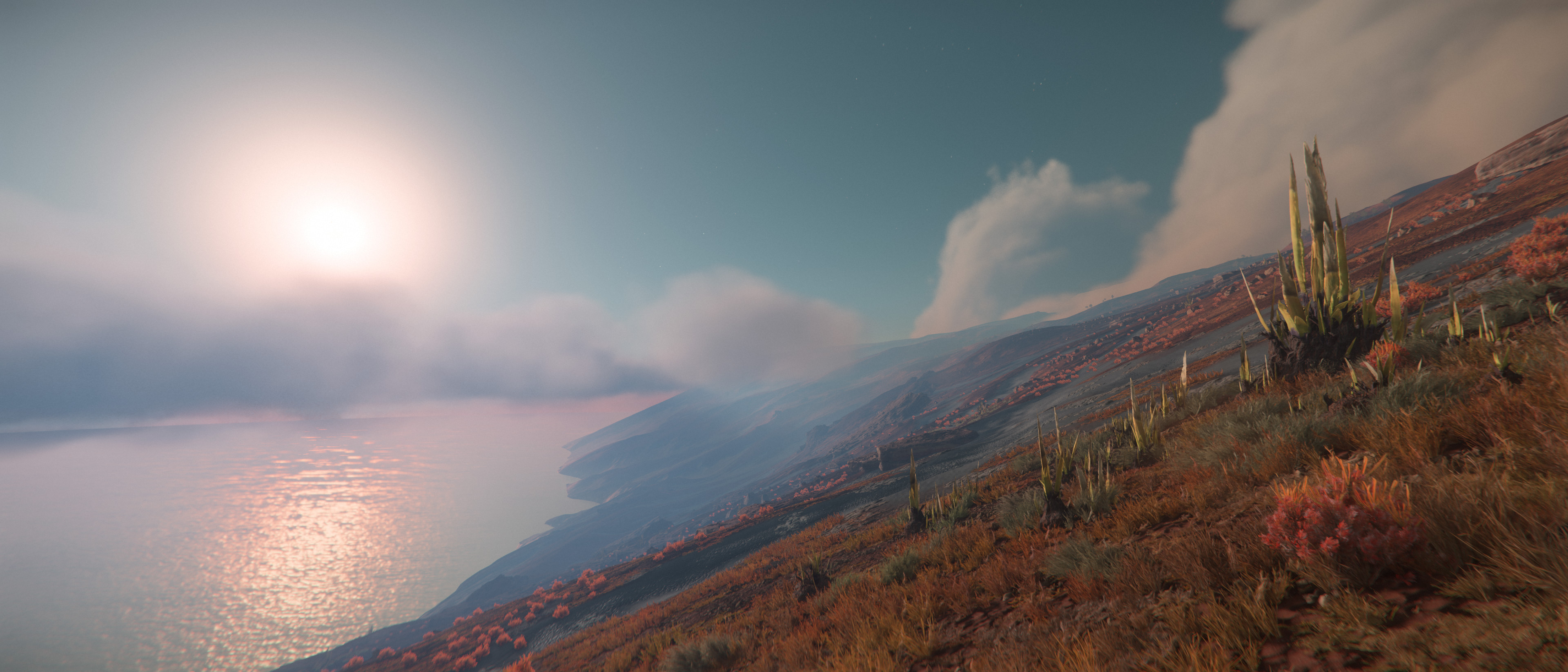
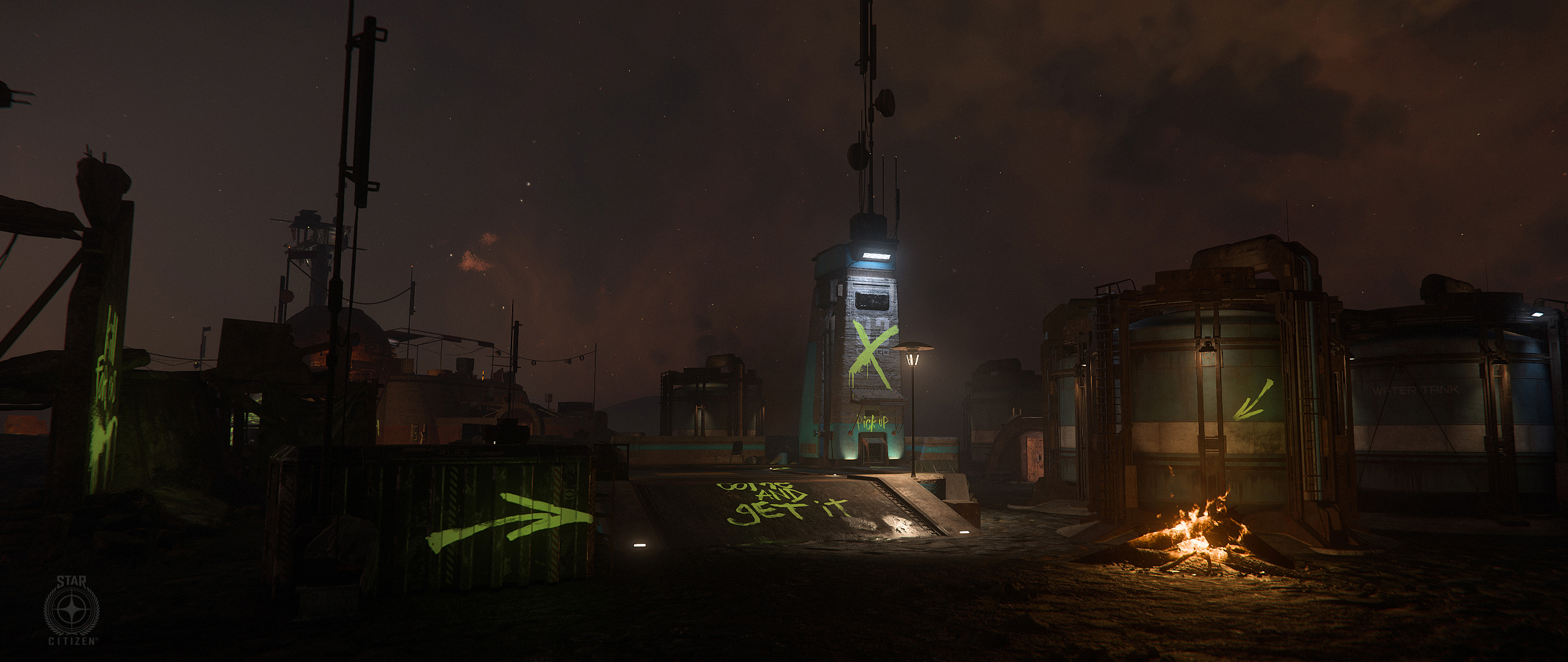
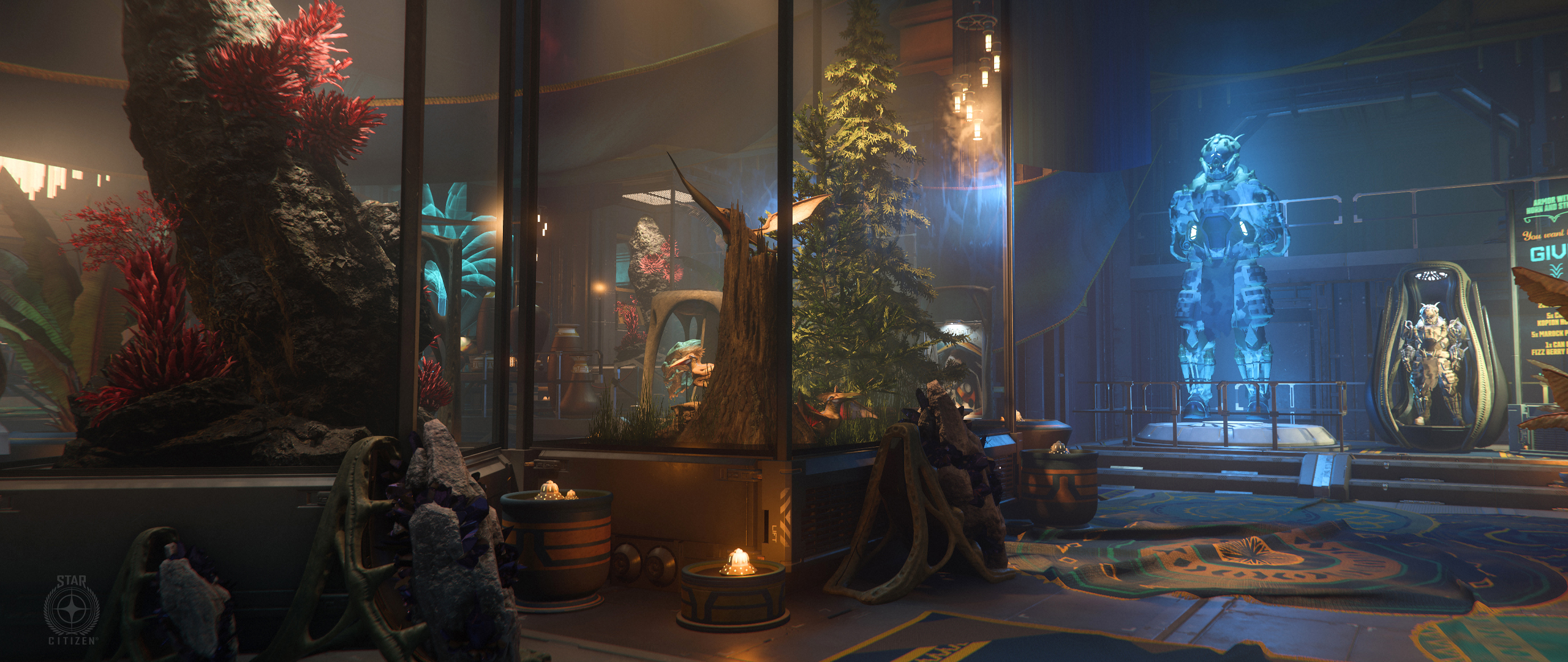
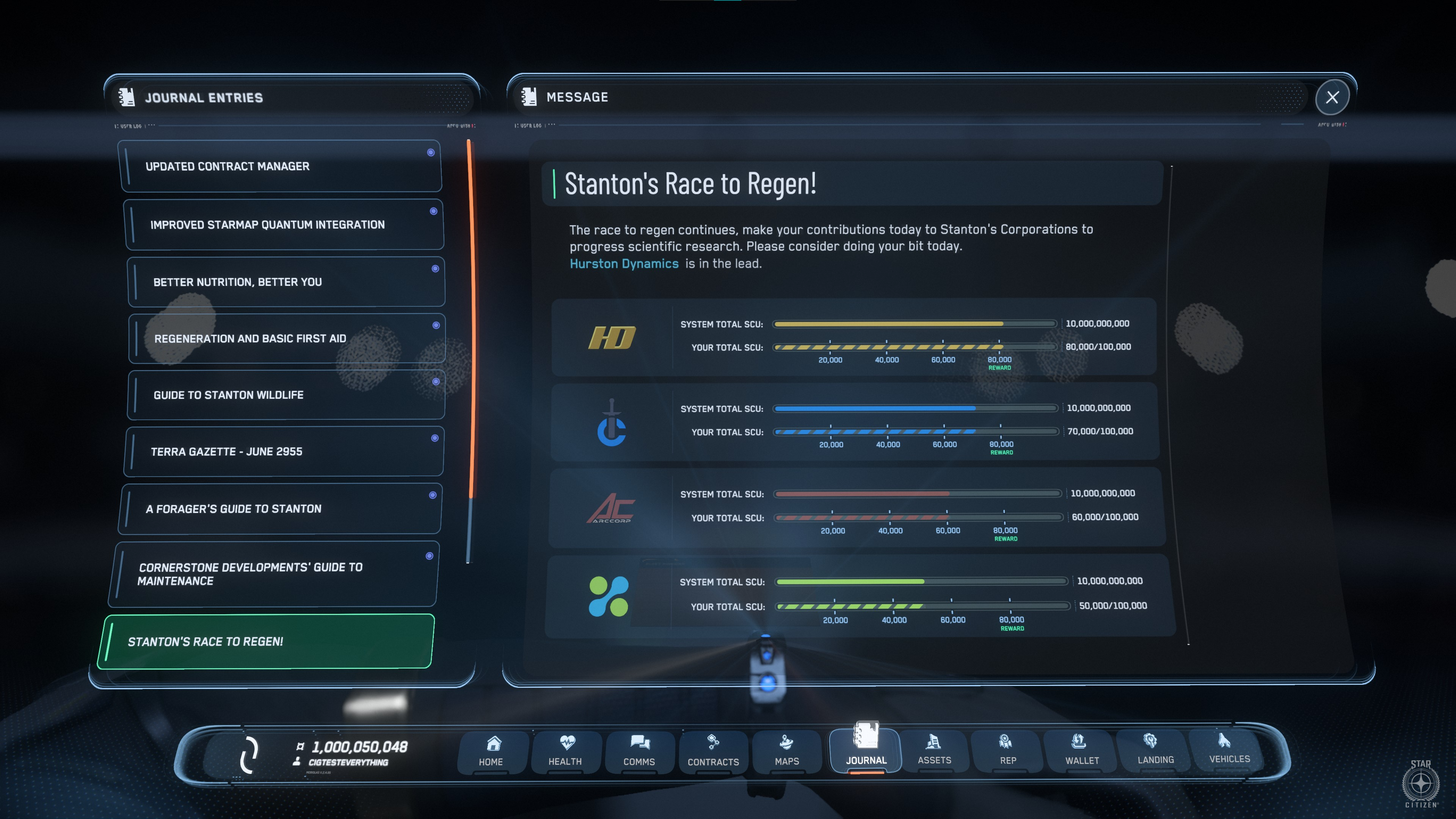
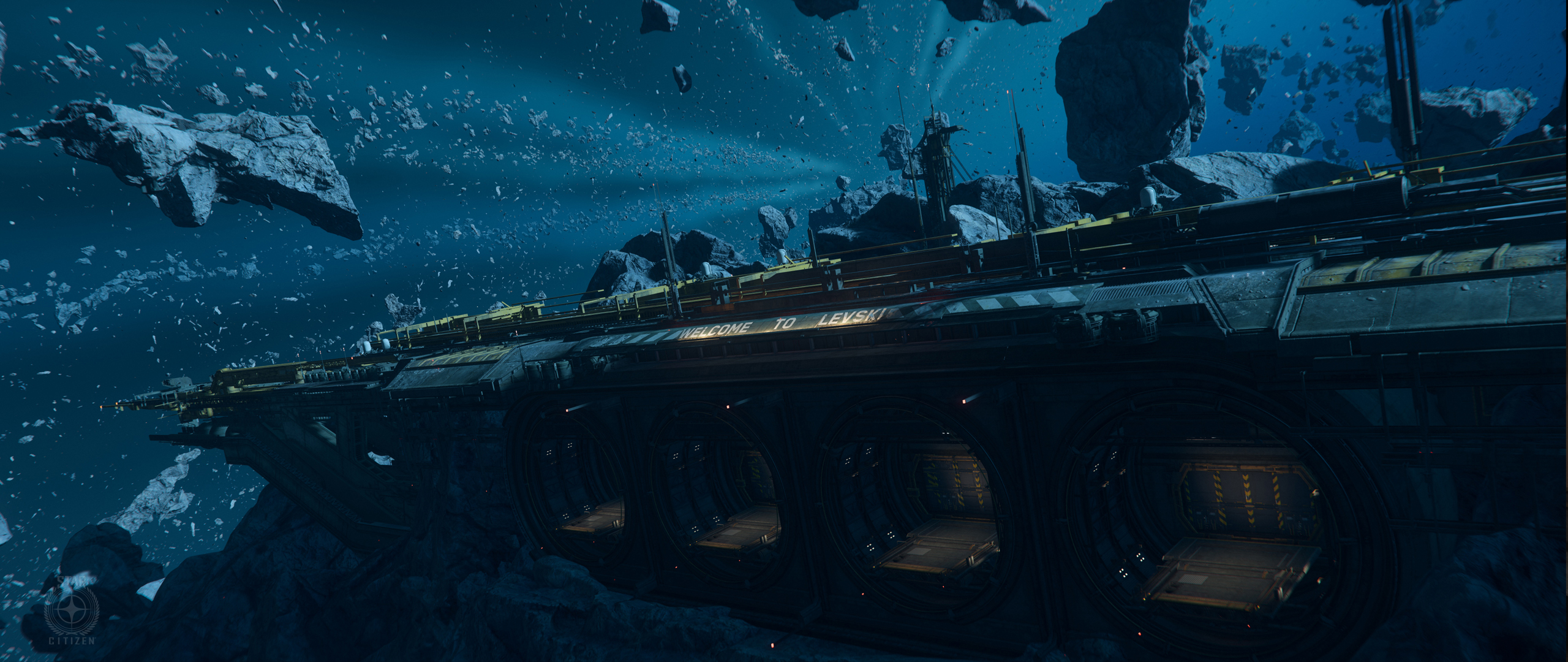
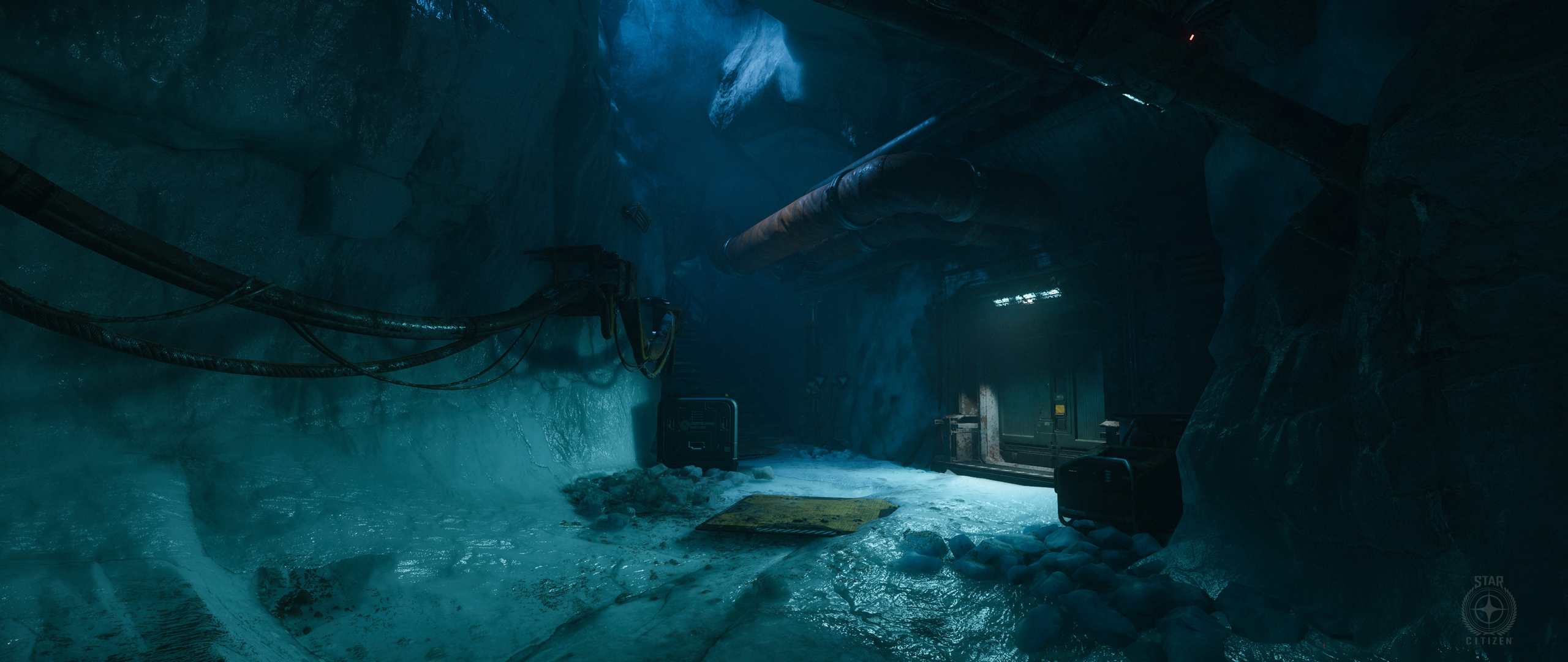
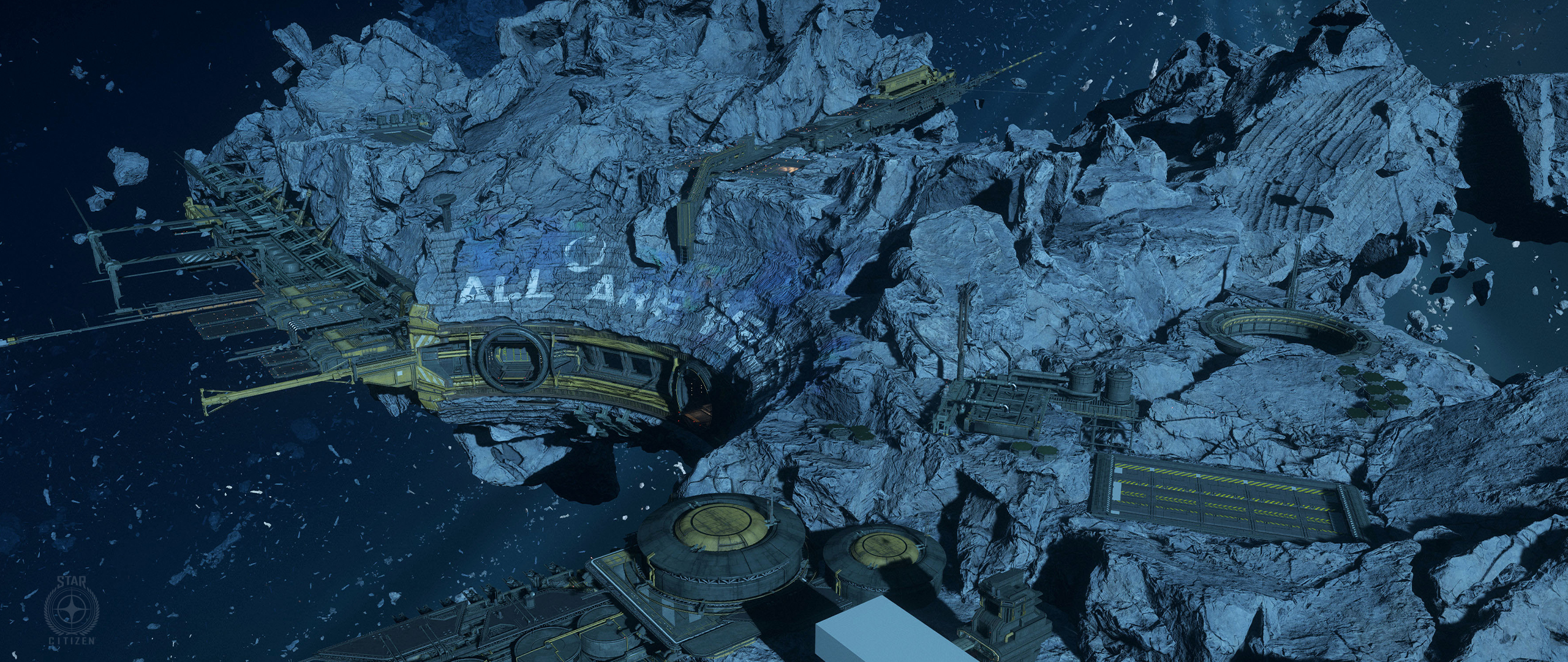
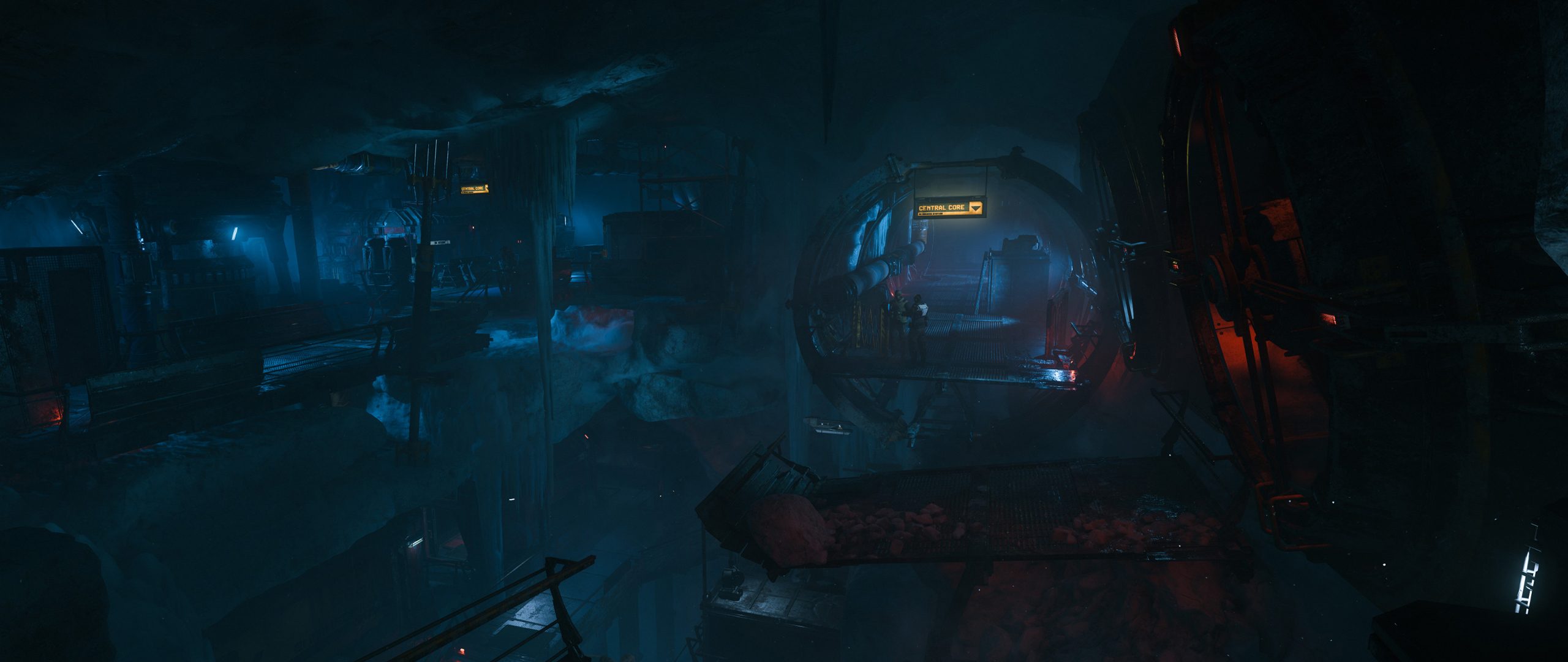
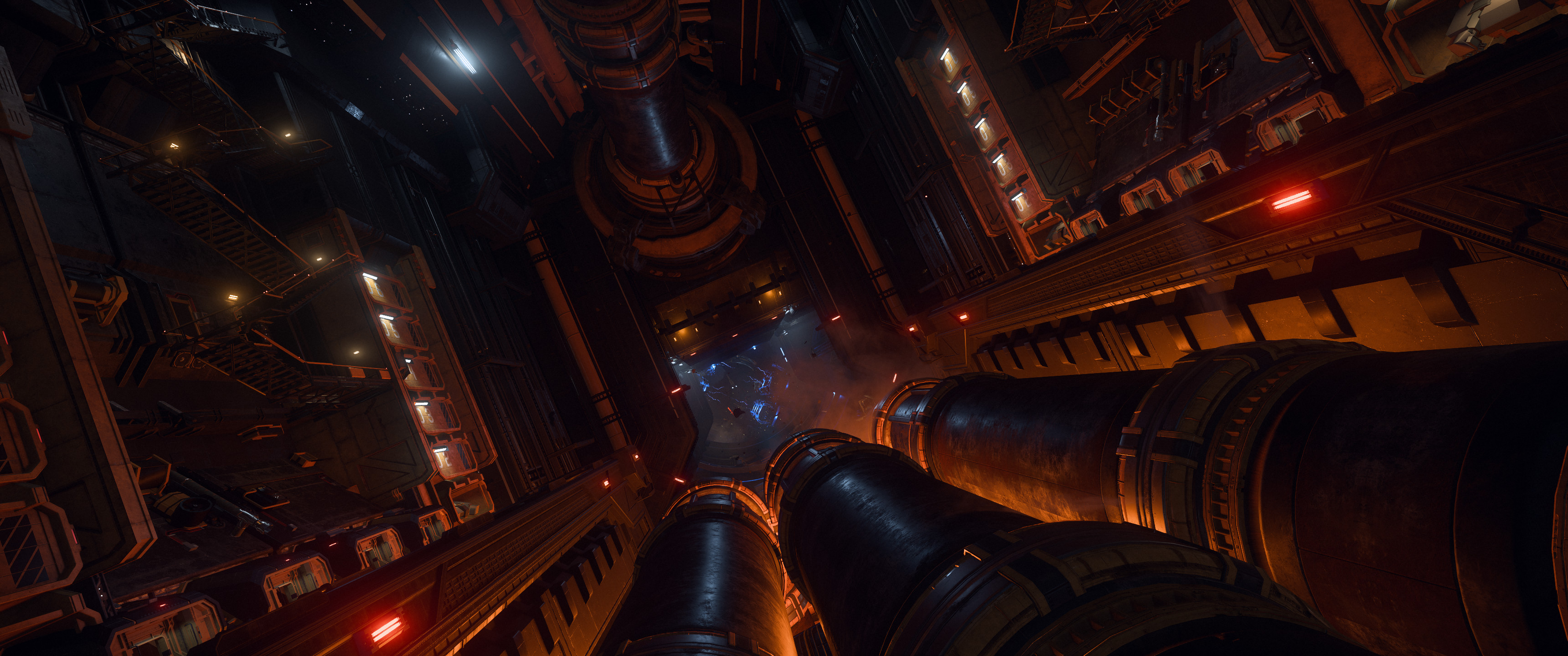
Metadata
- CIG ID
- 16363
- Channel
- Transmission
- Category
- Undefined
- Series
- Monthly Reports
- Comments
- 86
- Published
- 8 years ago (2018-01-11T00:00:00+00:00)