Monthly Studio Report: January 2018
Transmission Undefined Monthly ReportsContent
Greetings Citizens!
Welcome to the Monthly Studio Report, where we collect updates from our various studios around the world to show you what they’ve been working on this past month. In the rush up to the holidays, the entire company was focused on accomplishing two major tasks: pushing Star Citizen 3.0 to the Live Servers and polishing up work on the Vertical Slice, which featured an hour of gameplay from Squadron 42. Afterwards, everybody broke for some much needed rest before coming back to hit the New Year running. With that said, let’s get to it. CLOUD IMPERIUM: LOS ANGELES
SHIPS
The team kept forward momentum on a handful of vehicles throughout the month of January. After the Art Team completed art on the Anvil Terrapin and Tumbril Cyclone, they worked on adjustments with the Tech Design Team who are now implementing the tech set-up. The Consolidated Outland Mustang update is in Greybox with the Art Team, while the Tech Design Team is prepping it for a Whitebox review. The Anvil Hurricane is close to wrapping Greybox on the art side, which will then be passed over to the Tech Design Team for them to work their magic on the Greybox tech set-up. Lastly, the Tech Art Team focused on getting started with their Flight Prep passes on the Anvil Terrapin and MISC Razor.
As far as vehicle features are concerned, they completed another successful sprint in the month of January with a focus on making improvements to game performance by optimizing vehicles and vehicle gameplay. They also made great progress with this endeavor by converting the VehcileWeaponEMP and gimbals to the Item 2.0 versions, and are in the ongoing process with DataBank Component optimizations. They also reduced the time complexity when adding timers which where just removed, and made some components use time sliced updates instead of the entity timer, both of which make UpdateTimers more efficient and improve game performance. Lastly, the team filled out their workload by resolving a large assortment of vehicle tasks and bugs, including implementing some new and improved character animations into ship bunk-beds.
NARRATIVE
The Narrative Team spent the month looking to the new year and outlining potential needs for the quarterly PU releases. Part of this work included a breakdown of the proposed locations to understand what kind of NPC characters would be needed to not only make the areas feel populated, but also sell the particular story of that locale. In aid of this, they were able to meet with the Directors for a two-day summit in LA to review the characters in 3.0 and examine potential goals for the upcoming releases.
CHARACTERS
January got off to a great start with work completed on the various Legacy armor variants for the Marine and Outlaw characters. They also are working through visual development for different types of armor featured in Squadron 42 for enemies like the Shipjackers and the OMC, as well as Navy armor types. They also made progress on the Hurston and Olisar Clothing Collections, which will debut later this fall.
The new Gameplay Team, consisting of a mix of engineers, tech designers and QA, completed their first sprint in month of January. This sprint focused on the Character Customization. Some highlights of what they completed in January include: the implementation of basic character customization to select different heads, hair and eye color, setting up customization features to be selectable off a grid, and adding interaction highlights to the player character model.
TECH CONTENT
The Tech Content Team, which crosses over into many different global strike teams, continued to crank out improvements to tools, skin character costumes, and provide support on the weapon and ship pipelines. They also worked on tools for the Procedural Team, such as the Procedural City Editor and the Procedural Layout System. The team continued to work on the LiveLink Tool, Character Tool, Max/Maya 2018 upgrade, a skinning GUI, CGA Checker, CIG Tools Installer, Skeleton Alias health checks, and a Motionbuilder version of the Asset Browser.
Skinning continued on the Vanduul head, ship landing gear (such as the Sabre Raven and the Aegis Reclaimer), weapons and character costumes for Hurston and Levski. On the MoCap side, tracking and solving has continued through the vast amount of Player Data.
And as with all teams, the Tech Content Team handled their fair share of bug fixes this month, and they stand ready to tackle whatever ugly bugs come their way in the upcoming month. CLOUD IMPERIUM: AUSTIN
DESIGN
The Design Team identified a few fixes that were needed for the 3.0.1 patch. Beyond that, they fixed a few things that fell off the 3.0 table while the Directors worked on the schedule for Q1. The ATX Designers will soon begin work on the Service Beacon system, Economy updates, and Mission Givers.
With the Service Beacons, the aim is to have “Escort,” “Refueling,” and “Repair” live in the 3.2 patch. Once Service Beacons are implemented, players will be able to request assistance from other players in the system (and eventually NPCs). When Contracts are accepted, both players will need to hold up their end of the bargain or risk a hit to their reputation. Once the contract terms are fulfilled, payment and reputation gains (or losses) will be automatically paid out.
The team is working to fix Economy-related bugs now that 3.0 has provided a first iteration of dynamic pricing, including the identification and fixing of system exploits. There were some properties hard coded into the backend service that the team has exposed to design, enabling them to better predict and tune the economic experience.
Finally, the team found an analytics reporting bug that should be fixed in the 3.0.1 patch, and will give insight into data that will allow finer tuning and balancing throughout the entire game. Data on player transactions, wallet status, deaths, mission completion, and more will enable the team to balance items better, along with player/ship health, improving the overall gameplay experience.
ART
The Constellation Phoenix went into the Greybox phase (high-poly modeling stage) with the exterior and interior being fleshed out, the geo being refined, tweaks being made to the lighting, and incorporating features like fishtanks, a hot tub, wallscreens and a bar area. The Anvil F8 Lightning has made it through the Whitebox phase, with design ready to take over and start implementing the ship into the game.
BACKEND SERVICES
The Backend Team has been working on the refactor of the “Diffusion” services. The new architecture implements various patterns that allow the services to be easily scaled, reliable and available. All the current services will be replaced with pools of workers and backing services, that will provide short-term data caching.
The GIM (General Instance Manager) has been broken up into multiple services such as Instance Manager, Matchmaking Service, Lobby Service, and Entitlement Processor. The current Persistence service was also separated into the Item Cache, Account Cache, Player Variables Cache and now has multiple external memory caches, queues and workers. This will help distribute the load when moving player data through the system.
The new system is highly distributed, think of it in terms of a C++ program where you take almost every class and put them into their own process. If any single service fails, there are multiple instances already running to pick up the slack. Given that workers do not hold any state/data, players shouldn’t feel any disruption of game services.
ANIMATION
The Ship Animation Team worked on four new vehicles outlined for the 3.1 release: the MISC Razor, the Aegis Reclaimer, the Anvil Terrapin, and the Tumbril Cyclone. Each present their own unique challenges. The Aegis Reclaimer has a very sophisticated landing and VTOL system, requiring unique rigging and technical set up. The team is also in the planning stages of new features and ships to be released throughout 2018, including major updates planned for the cockpit experience across all ship types. In addition, they have been resolving bugs that appeared in the 3.0 release and refining the overall gameplay experience.
PU Animation finished all the initial work supporting the current usables in game. All usables assets related to Squadron 42 have been packaged up and handed off to the UK animations team to finish off. The ATX team is now focused on Mission Givers and NPC Secondary Sub-Activity (SSA) characters. An NPC SSA character is simply an NPC that you can approach and interact with, such as bartenders, shopkeepers, and their ilk.
OPERATIONS
The DevOps Team spent the month collecting stats from 3.0 live play sessions to help the performance teams with optimizations. They’re also expanding the capacity of the central build system to allow for more work-in-progress streams, which will help the various dev teams in their march toward quarterly releases.
The holidays were busy for ATX QA, as they provided live support and testing for any hotfixes that were needed on 3.0 over the break, but this is the time of year when the team gets a moment to take stock of what went well, what could have gone better, and what steps are needed to improve and adapt going forward. The Austin QA team worked with their international cohorts to line up plans for testing based on the new production schedules, and updated QA documentation. This also marked a full-time return to Game-Dev. The team completed a full system smoke of Game-Dev to evaluate the current state of the branch and began clearing out any backlogged bugs and regression from the 3.0 cycle and holiday season. They’re excited to start spending more time testing new mission debug and development tools. The Squadron 42 QA testers were happy that the community got to see a glimpse of the game just before the holiday season, but new content is pouring in every day from development, keeping them incredibly busy.
As 3.0 has been published, the Player Relations Team has been speeding right along with helping players with knock-on issues. The team was very proud to rotate out during the holidays to get everyone the help they needed, and are excited to continue work on projects such as a proper knowledge base and other mechanisms that enable players help themselves. The 3.0 testing cycle was a long yet amazing journey, and the QA team couldn’t have gotten it done without the stalwart efforts of Evocati and PTU testers. They would like to encourage everyone to continue using the Issue Council, while they turn their focus towards a quick 3.0.1 patch and the much anticipated 3.1 in late March to address fixes and performance issues. FOUNDRY 42: UK
ENGINEERING
After the hectic run in to the holidays, this month allowed the team time to do some much needed housekeeping and organization. They spent a lot of effort working on performance optimizations to help improve the player’s experience. There isn’t one magic bullet to resolve this, rather lots of small improvements that will add up to a bigger improvement. Some of that is moving more code over from the old update functions, which run on the main thread, to the batched update model allowing them to use all the threads. Another improvement they made was reducing the work the animation system does by finding all the areas where a character’s skeleton is updated unnecessarily.
The team made progress on object container streaming, which allows large areas of the game like a planet or space station to load in the background as the player approaches it. This will help performance, decrease load times, and reduce the amount of memory required to run the game. One of the major challenges is making all the existing entity components able to initialize in a background thread safely. The process involves taking a lot of legacy code and converting it over, and there’s a lot of legacy components. It also means finally removing all Lua from the game and converting it into C++.
The Engineering Team has also been doing a pass on the usables, and especially how they get set up by the designers/artists/animators. After implementing a large number of them, they’ve targeted several areas where the implementation can be improved and easier to debug when things go wrong. It will also make them more modular. They can even take some of the functionality outside of the usable tech to use in other areas of the game.
GRAPHICS
This month, the Graphics Team worked through fixes for issues that came to light during the release of 3.0 and the Squadron 42 Vertical Slice. Many of these fixes related to the render-to-texture system, which is heavily used for the UI. These fixes should improve the resolution and anti-aliasing. The other major push was to improve render profiling and video memory tools to assist the Art and Graphics team to help optimize the game. Their main focus has been ensuring they can report a variety of statistics that are specific to each development team, for example, the number of polygons used for characters or the total texture memory used by the prop team. This helps the large and dispersed Art Teams understand how they’re affecting performance and therefore aid in improving it. They also did some optimization work, and made a big improvement to the ‘depth-pass’ algorithm. Now, each frame applies a heuristic to every mesh to determine which will make the best ‘occluders’ that can be rendered first to obscure any other meshes to reduce ‘overdraw’ (the process of re-rendering the same pixel multiple times).
In parallel to the UI fixes and optimization, the team has been doing R&D work on several new shaders, which they’re about to start full production on in February. These new shaders will help unify and simplify the art-workflow across various teams, allow more dynamic shaders that can correctly react to different environmental conditions (dirt, sand, mud), and apply wear/tear consistently between asset types with convincing visuals. These shaders will also enable several new features for the art team that should result in more interesting visuals on large man-made structures and more physically based blending of many materials on natural/organic assets.
UI
January allowed the UI Team time to step back and assess what was achieved at the end of last year. MFD/Visor displays are a feature that needs additional work to bring them to the quality level the game strives for. The UI Visual Team has been set up to work closely with the Graphics Team in order to polish this feature for 3.1.
The team is also heavily focused on the PMA/VMA apps. With the release of the two apps in 3.0, they have been able to gather both internal and external feedback in order to ensure they are heading in the correct direction. A sprint team has been set up with the initial focus on bugfxing the VMA to ensure its functionality before additional features are implemented.
SHIPS
The Ship team pushed forward on a number of ships that are slated to be in the 3.1 patch including the Reclaimer and Razor as well as ones slated for future releases like the Hammerhead, vicious Vanduul Blade fighter and Origin’s luxurious 600i. Artists worked to lock down the interior and exterior layouts and begin to work out the various materials needed to bring the ships to life. It’s not only new ships on the docket, some of the classics are in the process of being updated to the current ship spec, one of which, the Aegis Avenger, was prominently featured in last year’s Vertical Slice preview.
VFX
The Anvil Terrapin is the first ship of the year to get the VFX treatment, as they prepare it for flight ready status. They’re working on effects for thrusters, damage and a deathmask that’s using some new debris assets.
On the weapons front, the Gemini R97 ballistic shotgun had its VFX first Pass, including muzzle, tracer and impact effects. There’s also been a heavy focus on planning and schedules for the year ahead, and making sure the VFX tasks are aligned with everyone else’s.
ENVIRONMENT
The team continued developing the Utilitarian Hangar Common Elements. Now that they have established a robust set of metrics that will work in many different locations, the hangars went to the Concept team for visual refinement. The shape language and scale reads have matured significantly from the initial kickoff concepts, which means that the hangars are working as enormous, functional and impressive structures much better than expected. The next stage is Greybox, where they will dial in details, materials, and lighting reads.
Elsewhere, the team made significant leaps with the Procedural Layout tool functionality being worked on by our Tech Art Team. The tool has matured to where it’s being used by the whole team to generate many varied and interesting rest stop interior layouts. It’s providing a ‘tailored randomness’ that allows the team to both direct a layout’s flow from an art and design perspective but also introduce enough unpredictability that layouts can be truly varied and different every time. As the team works to build more of the assets needed, the potential variety in layouts only gets more and more diverse.
DERBY ANIMATION
Following some initial organization and documentation work, the fledgling Gameplay Story team got stuck into a couple of scenes that were chosen to act as a test bed. They enjoyed the technical & animation challenges involved and are looking forward to working more closely with Design to get these scenes working correctly in game. They also started work on scenes that are more critical to Squadron 42’s story and are looking to expand and develop the GP Story team going forward.
AUDIO
Ships: The Audio Department have been supporting the SFX requirements for the Anvil Terrapin and Aegis Reclaimer including thrusters, mechanical elements, ambience and UI.
Outposts / Rest Stops: The Audio Department completed a polish pass on outpost ambiences and SFX to ensure that audio responds to power level. They are currently prototyping audio responding to weather e.g. a storm outside an outpost could cause the structure to bow, bend and rattle. They supported the procedural tech used to build the rest stop stations actioning SFX passes on the rest stop building blocks to ensure any and all configurations meet the minimum quality bar. Future polish passes are planned.
Weapons: The Audio Department has had a big push to improve the audio response of weapons in different planetside locations by fleshing out weapon tails and reflections for both the 1st and 3rd person perspectives.
Music: They are also in the processes of drafting a composition request for a new Star Marine music suite, which will provide unique support for all game modes and dynamically react to gameplay.
Code: The Audio Code Team has been busy on an optimization pass to achieve better overall performance by improving audio bank loading and reducing the Wwise object and zone object count in the audio system. In addition, the team has been working on improvements to our audio dev tech. FOUNDRY 42: DE
VFX
The VFX Team continued their work on the volumetric cosmic storm known as the Coil, depicted in the Squadron 42 Vertical Slice at the end of last year. More R&D went into how to create an interior series of pathways and spaces while keeping in line with the approved concepts and art direction of the overall Coil. They attempted this using a third-party program called Houdini, so a portion of their time was spent on developing, optimizing and integrating the new pipeline since the software is not natively supported in the engine.
AI
Over the past several months, the AI Team has been dividing their time between Squadron 42 and the Star Citizen PU. The Squadron 42 Vertical Slice unveiled the initial integration of FPS combat behaviors that allowed the player to combat several enemy NPCs while in the Gainey Base. To implement these behaviors, the team refactored all the cover movement transitions inside the movement system to include an improved path analysis by the AI, so that the system will be able to anticipate which type of animations should be played further in advance, allowing for a smoother transition from locomotion sets and the ability to call special transitional animations when needed.
LIGHTING
While continuing ongoing work for Squadron 42, the Lighting Team entered the new year by training a new team member who will help finalize our legacy lighting conversion process to the new volumetric fog technology and also build new content for the PU. Initially, this will involve building a lighting language for the upcoming Rest Stop station. Since the Rest Stops won’t always be hand-built, the team needs to build processes to automatically place lighting in an environment that feels believable, isn’t too taxing on performance, and bug free.
WEAPONS
The Weapons Team began the year by examining benchmarks that need to be hit and adjusting production accordingly. Work continued on the Torral Aggregate Kahix Missile Launcher, and needed adjustments made to the Gemini ballistic pistol after it was renamed the LH86. Time was also spent on two Klaus & Werner weapons; the initial rig was set up for the Demeco light energy machine gun and block out completed for the Raiden heavy machine gun. For ship weapons, block out work progressed on a Laser Beam from Trident Attack Systems and Distortion Repeater from Associated Science & Development.
CINEMATICS
In January, the Cinematics Team went back to work on on several sequences of Squadron 42, including a previs and mockup for an episode of a certain spectrum show that players will be able to catch in the game. Like many of the other departments, they kicked off 2018 by tackling production tasks to outline their goals for the year. Aside from general workflow, they prepped a list of tech requirements and detailed additions to the trackview system that would help incorporate Actor Actions.
TECH ART
The Tech Art team continued developing tools and system to increase developer efficiency and performance. They continued developing the Procedural tools to expedite processes like Procedural Layout and submitted a first release version of the Procedural Layout Editor while also figuring out a way to directly integrate the startup tool directly into the Sandbox interface. There was also a Tech Art review on the Anvil Terrapin which included a Flight Prep pass. Like a majority of the other teams, those first few weeks of the new year provided an opportunity to start outlining plans for future releases. The Tech Art team broke down the ships in the upcoming 3.1 release and continued working through the ship bug backlog.
ENGINE
With the existing memory tracking tools became too costly when recording and processing extended sessions of both the server and client, so the team started working on a new more lightweight memory tracking system that could support the most important features in order to track memory leaks and invalid allocations without generating gigabytes of logs to analyze. This new system has already been used to optimize memory usage on the server for 3.0 and to track leaks. They also implemented Python scripts to analyze the resulting log files as well as compute a difference for two separate log files to see how memory allocation behavior changed over time in various parts of the code base. This allows the team to find leaks as well as trim excessive memory usage.
The team fixed several issues related to how data is collected in the crash database Sentry, so they could see how many different clients are affected by a certain crash. They also fixed an issue that caused bugs to be categorized as GPU crashes incorrectly due to stale files being left on the client when previously submitting a real GPU crash.
One of the team’s newest engineers started working on an ambient occlusion solution which is a more accurate, horizon based SSDO. Previously, the shader only sampled the end of occlusion test rays across the surface hemisphere, but with the rework, it now also takes samples along each ray in order to better detect occlusion in-between, to prevent undersampling. The team’s in the final process of optimizing the shader since the first pass implementation is fairly expensive due to the number of samples required.
SYSTEM DESIGN
To kick off the new year, the System Design Team has been looking at priorities and goals for the upcoming quarterly releases ensuring that they have sprints scheduled to achieve their outlined goals. In addition, there has been a push to start clearing out the backlog of tasks and bugfixes remaining from 3.0. This includes things like fixing the transition between walking and entering a usable animation, missions autocompleting in the editor, and NPCs staring too long at points of interest. They were also able to fix hatches featured in Squadron 42’s Gainey base so that they properly close. While for the mission givers in the PU, the fixed bugs relating to certain lines not triggering after certain player choices.
Currently in progress are several improvements to NPC behaviours and usables, as well as additional tweaks to the Conversation System and a cleanup of the player’s HUD. Something else many players might appreciate is that the team is looking at making sure that airlocks will open automatically when approached from the direction they are currently pressurized for.
QA
Although most mission testing is primarily done out of the UK’s QA department, the DE team tackled their first taste of mission testing with both Eckhart and Ruto. They identified any issues that would hinder accessibility to these two mission givers and the system designers worked with QA to quickly shelf changes for these NPCs, so they could pull the shelved changes down from perforce and test to see how things were working before the changes were checked into a build. Any issues encountered were brought up, identified and addressed, and the process repeated. This approach allowed for a much more efficient iteration time without potentially jeopardizing the build’s integrity for other departments. QA additionally provided feedback on how these two mission givers would function when more than one player is involved.
The QA Team also focused on testing and regression for the most recent 3.0 build, continuing to provide support for Frankfurt development team as needed. The Subsumption Editor continues to be part of their everyday testing, as well as the Lumberyard Editor, and anything related to procedural planet tech.
As the team approached the holiday event last year, the DE QA Team was brought into the S42 testing loop to attend regular review meetings discussing the progress of S42. This ensured that the developers had QA members available to provide support for any specific feature at any time, which made the turnaround time for catching issues relevant to these features quicker. This approach enabled QA to quickly test changes, write up JIRA reports for issues if needed, and send them to the appropriate devs to be fixed until the team eventually got to a build that is in the best possible playable and visual state. TURBULENT
WELCOME TO STAR CITIZEN
On January 25th, the team unveiled a new section of robertsspaceindustries.com designed specifically for new players. A considerable change from the the old “About the Game” experience, these pages are rich in media and informative information about the game and utilizes a new ‘three pillars’ navigation concept in the platform that can be leveraged to separate the three brands.
Leading up to the launch, the month was filled with major bug fixes, additional design tweaks and content changes. Turbulent will continue to introduce fixes to the platform, squash any new bugs reported by uses as well as revisit the color and contrast of text across the board while testing more diligently for readability.
The next round of additions to the site will include a more unified shopping experience and a better experience for account management.
ROADMAP
The Roadmap was published along with the introduction of the new Star Citizen site. This new production schedule provides the community with projections for the Persistent Universe’s quarterly release schedule, allowing the backers to see what the status of various features and where they fall in the timeline. Mobile views were introduced this month as well as a new expand / collapse all button. In the last four weeks, developers also created scrolling unique to the release (column), making the Roadmap board easier to use.
Most notably, the Roadmap is directly linked into CIG’s internal production software called JIRA. The number of tasks on a feature card is a direct reflection of the work allocated out to developers. A fetch of new data can be deployed within a few minutes. This new feature not only makes the project’s development more transparent to the community but also vastly reduces the time it would take for CIG producers to prepare the data, all around increasing efficiency.
SPECTRUM
The feature work on custom roles is now complete and has moved on to a bug testing phase with the hope of headlining the next spectrum release. Custom roles are extremely important to the community and give you much more flexibility in managing your organizations.
The feature work on custom emojis is almost complete, with only a few small tasks left. This will allow you to upload your own emoji sheets, giving you and your org the capability to communicate in your own unique way.
Front end work on the block / ignore feature began this month, and there is a solid, well-tested design for how this should work. Going beyond a simple block button, the plan is to create a full block / ignore manager to give users full control over the feature. Community
Last week saw the launch of the newly redesigned website, which is now organized into three sections providing easier navigation for veterans and rookies alike. The Star Citizen section, with information on the game and its lore, the Squadron 42 section with updates on the development of the cinematic single-player campaign, and the RSI section which hosts not only the community hub and Spectrum, but also the new Roadmap with insight into Star Citizen’s development process. The Roadmap feeds directly from CIG’s internal task managing tool, JIRA, and displays tasks, features and optimizations planned to rollout during the year. With this new level of transparency, the Roadmap should give everyone an idea of where the team wants to go with the next development milestones.
Check it out, if you haven’t already, and let the team know what you think in the feedback thread.
On the ATV front, January welcomed the return of Ship Shape, a deep-dive into ship design and development, while also shining a light on the magnificent people involved in the ship design process. Last week’s ATV focused on Squadron 42, taking a detailed look at the mysterious Coil and the challenges the developers overcame to bring this exciting monstrosity into the game. ATV will keep highlighting bits and pieces of the Squadron 42 development without spoiling the truly unique and cinematic storyline, so be in the know and enlist for the official newsletter here.
New to the show portfolio since the beginning of January is the weekly live show “Reverse the Verse” that recaps the events of the week and answering the questions submitted by our community. The stream has so far featured Global Head of Production for Star Citizen and Squadron 42 Erin Roberts, Composer for Squadron 42 Geoff Zanelli, and Game Director Chris Roberts. If you have a question you want to see answered in an upcoming show, head to Spectrum, track down the appropriate thread in the announcement section and let the team know.
While it is still only January, the Community team is knee-deep in planning this year’s event schedule. They can’t disclose a lot yet but … prepare your space suits, Austin! CitizenCon 2948 will be happening in Texas, and it is shaping up to be the biggest CitizenCon so far. Be sure to regularly check the events page for more info and news on where you can meet the team throughout the year!
Lastly, time to shine a light on what’s to come in the near future: Community is in the process of putting together a stellar FanKit which will allow you to share your love for Star Citizen across the internet. The fandom page will become a handy guide and resource for fans of Star Citizen, answering the most frequently asked questions related to fan creations regarding branding rights and permissions.
And with that, see you in the ’verse! WE’LL SEE YOU NEXT MONTH…
um den Benutzern die volle Kontrolle über die Funktion zu geben. Community
Letzte Woche wurde die neu gestaltete Website gestartet, die nun in drei Bereiche unterteilt ist und eine einfachere Navigation für Veteranen und Anfänger bietet. Der Star Citizen-Bereich mit Informationen über das Spiel und seine Überlieferung, der Squadron 42-Bereich mit Updates über die Entwicklung der filmischen Einzelspieler-Kampagne und der RSI-Bereich, in dem nicht nur der Community-Hub und Spectrum, sondern auch die neue Roadmap mit Einblicken in den Entwicklungsprozess von Star Citizen untergebracht sind. Die Roadmap stammt direkt aus dem internen Aufgabenmanagement-Tool der CIG, JIRA, und zeigt Aufgaben, Funktionen und Optimierungen an, die im Laufe des Jahres eingeführt werden sollen. Mit dieser neuen Transparenz sollte die Roadmap jedem eine Vorstellung davon vermitteln, wohin das Team mit den nächsten Entwicklungsmeilensteinen gehen will.
Schauen Sie sich das an, wenn Sie es noch nicht getan haben, und lassen Sie das Team im Feedback-Thread wissen, was Sie denken.
An der ATV-Front begrüßte der Januar die Rückkehr von Ship Shape, einem Tieftauchgang in das Schiffsdesign und die Schiffsentwicklung, während er gleichzeitig ein Licht auf die großartigen Menschen wirft, die am Schiffsdesign beteiligt sind. Das ATV der vergangenen Woche konzentrierte sich auf die Staffel 42 und warf einen detaillierten Blick auf die mysteriöse Spule und die Herausforderungen, die die Entwickler gemeistert haben, um diese aufregende Monstrosität ins Spiel zu bringen. ATV wird weiterhin Teile der Squadron 42 Entwicklung hervorheben, ohne die wirklich einzigartige und filmische Handlung zu beeinträchtigen, also seien Sie auf dem Laufenden und melden Sie sich für den offiziellen Newsletter hier an.
Neu im Showportfolio seit Anfang Januar ist die wöchentliche Live-Show "Reverse the Vers", die die Ereignisse der Woche zusammenfasst und die von unserer Community gestellten Fragen beantwortet. In dem Stream waren bisher Global Head of Production für Star Citizen und Squadron 42 Erin Roberts, Composer für Squadron 42 Geoff Zanelli und Game Director Chris Roberts vertreten. Wenn du eine Frage hast, die du in einer kommenden Show beantwortet sehen möchtest, gehe zu Spectrum, suche den entsprechenden Thread im Ankündigungsabschnitt aus und lass es das Team wissen.
Während es noch Januar ist, ist das Community-Team bei der Planung des diesjährigen Veranstaltungsplans knietief. Sie können noch nicht viel verraten, aber.... bereiten Sie Ihre Raumanzüge vor, Austin! Die CitizenCon 2948 wird in Texas stattfinden und entwickelt sich zur bisher größten CitizenCon. Auf der Veranstaltungsseite findest du regelmäßig weitere Informationen und Neuigkeiten darüber, wo du das Team das ganze Jahr über treffen kannst!
Schließlich ist es an der Zeit, ein Licht auf das zu werfen, was in naher Zukunft kommen wird: Die Community ist dabei, ein hervorragendes FanKit zusammenzustellen, mit dem du deine Liebe zu Star Citizen im Internet teilen kannst. Die Fandomseite wird zu einem praktischen Leitfaden und einer Ressource für Fans von Star Citizen, die die am häufigsten gestellten Fragen zu Fan-Kreationen bezüglich Markenrechten und -genehmigungen beantwortet.
Und damit seht ihr euch im Vers! WIR SEHEN UNS NÄCHSTEN MONAT..... Grüße Bürger!
Willkommen zum monatlichen Studio-Report, wo wir Updates von unseren verschiedenen Studios auf der ganzen Welt sammeln, um Ihnen zu zeigen, woran sie im letzten Monat gearbeitet haben. In der Eile bis zu den Feiertagen konzentrierte sich das gesamte Unternehmen auf zwei Hauptaufgaben: die Übertragung von Star Citizen 3.0 auf die Live-Server und die Bearbeitung des Vertical Slice, der eine Stunde Spielzeit von Staffel 42 bot. Danach brachen alle für die dringend benötigte Ruhepause, bevor sie zurückkamen, um das neue Jahr in Folge zu beginnen. Wenn das so ist, kommen wir zur Sache. WOLKENIMPERIUM: LOS ANGELES
SCHIFFE
Das Team hielt die Dynamik bei einer Handvoll Fahrzeuge den ganzen Januar über aufrecht. Nachdem das Art Team die Arbeiten an der Amboss-Schildkröte und dem Tumbril-Zyklon abgeschlossen hatte, arbeiteten sie an Anpassungen mit dem Tech Design Team, das nun das Tech-Setup implementiert. Das konsolidierte Outland Mustang Update ist in Greybox mit dem Art Team, während das Tech Design Team es für eine Whitebox Rezension vorbereitet. Der Anvil Hurricane ist kurz davor, Greybox auf der Kunstseite zu verpacken, die dann an das Tech Design Team weitergeleitet wird, damit sie ihre Magie auf das Greybox Tech Setup anwenden können. Schließlich konzentrierte sich das Tech Art Team darauf, mit ihren Flight Prep Pässen auf dem Anvil Terrapin und dem MISC Rasiermesser zu beginnen.
Was die Fahrzeugeigenschaften betrifft, so absolvierten sie im Januar einen weiteren erfolgreichen Sprint mit dem Schwerpunkt auf der Verbesserung der Spieleleistung durch die Optimierung von Fahrzeugen und Fahrzeug-Gameplay. Mit der Umstellung von VehcileWeaponEMP und Gimbals auf die Item 2.0-Versionen haben sie ebenfalls große Fortschritte gemacht und sind im laufenden Prozess mit Optimierungen der DataBank-Komponenten. Sie reduzierten auch die Zeitkomplexität beim Hinzufügen von Timern, die gerade entfernt wurden, und ließen einige Komponenten zeitversetzte Updates anstelle des Entity-Timers verwenden, was UpdateTimers effizienter macht und die Spielleistung verbessert. Schließlich füllte das Team seine Arbeitsbelastung aus, indem es eine große Auswahl an Fahrzeugaufgaben und Bugs löste, einschließlich der Implementierung einiger neuer und verbesserter Charakteranimationen in Schiffsetagenbetten.
NARRATIV
Das Narrative Team verbrachte den Monat damit, auf das neue Jahr zu schauen und mögliche Bedürfnisse für die vierteljährlichen PU-Releases zu skizzieren. Teil dieser Arbeit war eine Aufschlüsselung der vorgeschlagenen Orte, um zu verstehen, welche Art von NSC-Charakteren benötigt werden, damit sich die Gebiete nicht nur bevölkert fühlen, sondern auch die besondere Geschichte dieses Ortes verkaufen. Zu diesem Zweck konnten sie sich mit den Direktoren zu einem zweitägigen Gipfel in LA treffen, um die Charaktere in 3.0 zu besprechen und mögliche Ziele für die kommenden Releases zu prüfen.
CHARAKTERS
Der Januar begann gut mit der Arbeit an den verschiedenen Legacy-Rüstungsvarianten für die Charaktere Marine und Outlaw. Sie arbeiten auch an der visuellen Entwicklung verschiedener Arten von Rüstungen, die in Staffel 42 für Feinde wie die Schiffsjäger und die OMC sowie für Marinepanzertypen eingesetzt werden. Sie machten auch Fortschritte bei den Kollektionen Hurston und Olisar Clothing, die im Herbst dieses Jahres ihr Debüt geben werden.
Das neue Gameplay-Team, bestehend aus Ingenieuren, Technikern und QA, absolvierte seinen ersten Sprint im Januar. Dieser Sprint konzentrierte sich auf die Charakteranpassung. Einige Highlights dessen, was sie im Januar abgeschlossen haben, sind: die Implementierung einer grundlegenden Charakteranpassung zur Auswahl verschiedener Köpfe, Haar- und Augenfarben, die Einrichtung von Anpassungsfunktionen, die außerhalb eines Rasters wählbar sind, und das Hinzufügen von Interaktionshighlights zum Spielercharaktermodell.
TECH INHALT
Das Tech Content Team, das in viele verschiedene globale Angriffsteams übergeht, hat weiterhin Verbesserungen an Werkzeugen, Skin-Charakter-Kostümen und Unterstützung bei der Waffen- und Schiffspipeline vorgenommen. Sie arbeiteten auch an Werkzeugen für das Verfahrensteam, wie dem Verfahrensstadteditor und dem Verfahrenslayout-System. Das Team arbeitete weiter an LiveLink Tool, Character Tool, Max/Maya 2018 Upgrade, einer Skinning GUI, CGA Checker, CIG Tools Installer, Skeleton Alias Health Checks und einer Motionbuilder-Version des Asset Browsers.
Die Häutung setzte sich am Vanduul-Kopf, an Schiffsfahrwerken (wie dem Sabre Raven und dem Aegis Reclaimer), Waffen und Charakterkostümen für Hurston und Levski fort. Auf der MoCap-Seite hat sich das Tracking und Lösen durch die riesige Menge an Spielerdaten fortgesetzt.
Und wie bei allen Teams hat das Tech Content Team auch in diesem Monat seinen gerechten Anteil an Bugfixes erledigt, und sie sind bereit, alle hässlichen Bugs zu bekämpfen, die sich im kommenden Monat ergeben.
WOLKENIMPERIUM: AUSTIN
DESIGN
Das Designteam identifizierte einige Fehlerbehebungen, die für den 3.0.1-Patch erforderlich waren. Darüber hinaus haben sie ein paar Dinge festgelegt, die vom 3.0-Tisch fielen, während die Direktoren an dem Zeitplan für Q1 arbeiteten. Die ATX-Designer werden in Kürze mit der Arbeit an dem Service Beacon System, den Economy Updates und den Missionsgebern beginnen.
Mit den Service Beacons ist es das Ziel, "Escort", "Refueling" und "Repair" im 3.2 Patch live zu haben. Sobald Service Beacons implementiert sind, können die Spieler Unterstützung von anderen Spielern im System (und eventuell NSCs) anfordern. Wenn Verträge angenommen werden, müssen beide Spieler ihren Teil der Abmachung einhalten oder einen Treffer für ihren Ruf riskieren. Sobald die Vertragsbedingungen erfüllt sind, werden Zahlungs- und Reputationsgewinne (oder -verluste) automatisch ausgezahlt.
Das Team arbeitet daran, Fehler im Zusammenhang mit der Wirtschaft zu beheben, nachdem 3.0 eine erste Iteration der dynamischen Preisgestaltung ermöglicht hat, einschließlich der Identifizierung und Behebung von Systemangriffen. Es gab einige Eigenschaften, die fest in den Backend-Service eingebunden waren, die das Team dem Design ausgesetzt hat, so dass es die wirtschaftliche Erfahrung besser vorhersagen und abstimmen konnte.
Schließlich fand das Team einen Analyseberichtsfehler, der im 3.0.1-Patch behoben werden sollte und Einblick in Daten gibt, die eine Feinabstimmung und Balancierung während des gesamten Spiels ermöglichen. Daten über Spielertransaktionen, Wallet-Status, Todesfälle, Missionsende und mehr ermöglichen es dem Team, Gegenstände besser auszugleichen, zusammen mit der Gesundheit der Spieler/Schiffe, was das allgemeine Spielerlebnis verbessert.
KUNST
Das Sternbild Phoenix ging in die Greybox-Phase (High-Poly-Modellierungsphase), wobei das Äußere und Innere ausgearbeitet, der Geo verfeinert, an der Beleuchtung optimiert und mit Funktionen wie Fischtanks, einem Whirlpool, Wallscreens und einem Barbereich ausgestattet wurde. Die Anvil F8 Lightning hat es durch die Whitebox-Phase geschafft, mit einem Design, das bereit ist, das Schiff zu übernehmen und in das Spiel zu implementieren.
BACKEND-SERVICES
Das Backend-Team hat am Refactor der "Diffusion"-Dienste gearbeitet. Die neue Architektur implementiert verschiedene Muster, die es ermöglichen, die Dienste einfach zu skalieren, zuverlässig und verfügbar zu machen. Alle derzeitigen Dienste werden durch Pools von Mitarbeitern und Unterstützungsdienste ersetzt, die kurzfristiges Daten-Caching ermöglichen.
Das GIM (General Instance Manager) wurde in mehrere Dienste wie Instance Manager, Matchmaking Service, Lobby Service und Berechtigungsprozessor aufgeteilt. Der aktuelle Persistenzdienst wurde ebenfalls in Item-Cache, Account Cache, Player Variables Cache unterteilt und verfügt nun über mehrere externe Speicher-Caches, Queues und Worker. Dies wird dazu beitragen, die Last zu verteilen, wenn Spielerdaten durch das System bewegt werden.
Das neue System ist hochverteilt, man denke nur an ein C++-Programm, bei dem man fast jede Klasse nimmt und sie in einen eigenen Prozess einfügt. Wenn ein einzelner Dienst ausfällt, laufen bereits mehrere Instanzen, um den Schlupf zu beseitigen. Da die Arbeiter keine State/Daten besitzen, sollten die Spieler keine Störungen der Spieldienste spüren.
ANIMATION
Das Ship Animation Team arbeitete an vier neuen Fahrzeugen, die für die Version 3.1 vorgestellt wurden: dem MISC Rasiermesser, dem Aegis Reclaimer, dem Anvil Terrapin und dem Tumbril Cyclone. Jeder stellt seine eigenen Herausforderungen. Der Aegis Reclaimer verfügt über ein sehr ausgeklügeltes Lande- und VTOL-System, das ein einzigartiges Rigging und eine technische Einrichtung erfordert. Das Team ist auch in der Planungsphase für neue Features und Schiffe, die im Laufe des Jahres 2018 veröffentlicht werden sollen, einschließlich umfangreicher Aktualisierungen für die Cockpit-Erfahrung über alle Schiffstypen hinweg. Darüber hinaus haben sie Fehler behoben, die in der Version 3.0 erschienen sind, und das gesamte Gameplay-Erlebnis verbessert.
PU Animation hat alle ersten Arbeiten zur Unterstützung der aktuellen Usables im Spiel abgeschlossen. Alle nutzbaren Vermögenswerte im Zusammenhang mit Staffel 42 wurden zusammengepackt und an das britische Animationsteam übergeben, um sie zum Abschluss zu übergeben. Das ATX-Team konzentriert sich nun auf Missionsgeber und NSC Secondary Sub-Activity (SSA) Charaktere. Ein NSC SSA-Charakter ist einfach ein NSC, mit dem du dich nähern und interagieren kannst, wie z.B. Barkeeper, Ladenbesitzer und deren Art.
BETRIEB
Das DevOps-Team verbrachte den Monat damit, Statistiken aus 3.0 Live-Spielsitzungen zu sammeln, um den Performance-Teams bei Optimierungen zu helfen. Sie erweitern auch die Kapazität des zentralen Build-Systems, um mehr Work-in-Progress-Streams zu ermöglichen, was den verschiedenen Entwicklungsteams auf ihrem Weg zu vierteljährlichen Releases helfen wird.
Die Feiertage waren für ATX QA sehr arbeitsreich, da sie während der Pause Live-Support und Tests für alle Hotfixes zur Verfügung stellten, die für 3.0 in der Pause benötigt wurden, aber dies ist die Zeit des Jahres, in der das Team einen Moment Zeit hat, um Bilanz darüber zu ziehen, was gut gelaufen ist, was hätte besser laufen können und welche Schritte erforderlich sind, um sich in Zukunft zu verbessern und anzupassen. Das Austin QA-Team arbeitete mit seinen internationalen Kollegen daran, Pläne für Tests auf der Grundlage der neuen Produktionspläne und der aktualisierten QA-Dokumentation aufzustellen. Dies bedeutete auch eine vollzeitliche Rückkehr zu Game-Dev. Das Team führte einen kompletten Systemrauch von Game-Dev durch, um den aktuellen Zustand der Niederlassung zu bewerten, und begann, alle rückständigen Bugs und Regressionen aus dem 3.0-Zyklus und der Ferienzeit zu beseitigen. Sie sind begeistert, mehr Zeit damit zu verbringen, neue Mission Debug- und Entwicklungswerkzeuge zu testen. Die QA-Tester der Staffel 42 freuten sich, dass die Community kurz vor der Weihnachtszeit einen Blick auf das Spiel werfen konnte, aber jeden Tag kommen neue Inhalte aus der Entwicklung und halten sie unglaublich beschäftigt.
Mit der Veröffentlichung von 3.0 hat das Player Relations Team sein Tempo erhöht und hilft Spielern bei Problemen mit Knock-On-Problemen. Das Team war sehr stolz darauf, während der Ferien herauszukommen, um allen die Hilfe zu holen, die sie brauchten, und freut sich darauf, weiterhin an Projekten wie einer geeigneten Wissensdatenbank und anderen Mechanismen zu arbeiten, die es den Spielern ermöglichen, sich selbst zu helfen. Der 3.0-Testzyklus war eine lange, aber erstaunliche Reise, und das QA-Team hätte es ohne die unermüdlichen Bemühungen der Evocati- und PTU-Tester nicht geschafft. Sie möchten alle ermutigen, den Issue Council weiterhin zu nutzen, während sie ihren Fokus auf einen schnellen 3.0.1-Patch und den mit Spannung erwarteten 3.1 Ende März richten, um Korrekturen und Performance-Probleme zu beheben.
GIEßEREI 42: GROßBRITANNIEN
MASCHINENBAU
Nach dem hektischen Ansturm auf die Feiertage gab dieser Monat dem Team Zeit, einige dringend benötigte Hauswirtschaft und Organisation zu erledigen. Sie haben viel Mühe damit verbracht, an Leistungsoptimierungen zu arbeiten, um das Spielerlebnis zu verbessern. Es gibt nicht eine einzige Wunderwaffe, um dies zu lösen, sondern viele kleine Verbesserungen, die zu einer größeren Verbesserung führen. Einige davon verschieben mehr Code von den alten Update-Funktionen, die auf dem Hauptthread laufen, zu dem Batch-Update-Modell, das es ihnen ermöglicht, alle Threads zu verwenden. Eine weitere Verbesserung war die Reduzierung der Arbeit des Animationssystems, indem alle Bereiche gefunden wurden, in denen das Skelett eines Charakters unnötig aktualisiert wird.
Das Team machte Fortschritte beim Streaming von Objektcontainern, das es großen Teilen des Spiels wie einem Planeten oder einer Raumstation ermöglicht, im Hintergrund zu laden, wenn sich der Spieler ihm nähert. Dies trägt zur Leistung bei, verkürzt die Ladezeiten und reduziert den Speicherbedarf für den Betrieb des Spiels. Eine der größten Herausforderungen besteht darin, alle vorhandenen Entitätskomponenten in die Lage zu versetzen, die Initialisierung in einem Hintergrund-Thread sicher durchzuführen. Der Prozess beinhaltet die Übernahme und Konvertierung von Legacy-Code, und es gibt eine Vielzahl von Legacy-Komponenten. Es bedeutet auch, endlich alle Lua aus dem Spiel zu entfernen und sie in C++ zu konvertieren.
Das Engineering-Team hat auch die Usables weitergegeben, und vor allem, wie sie von den Designern/Künstlern/Animatoren eingerichtet werden. Nachdem sie eine große Anzahl von ihnen implementiert haben, haben sie sich auf mehrere Bereiche konzentriert, in denen die Implementierung verbessert und leichter zu debuggen ist, wenn etwas schief geht. Außerdem werden sie dadurch modularer. Sie können sogar einige der Funktionen außerhalb der verwendbaren Technologie für den Einsatz in anderen Bereichen des Spiels nutzen.
GRAFIK
In diesem Monat arbeitete das Grafik-Team Korrekturen für Probleme durch, die bei der Veröffentlichung von 3.0 und der Squadron 42 Vertical Slice aufgetreten sind. Viele dieser Korrekturen bezogen sich auf das Render-to-Texture-System, das für die Benutzeroberfläche stark genutzt wird. Diese Korrekturen sollten die Auflösung und das Anti-Aliasing verbessern. Der andere wichtige Schritt war die Verbesserung der Rendering-Profiling- und Video-Speicher-Tools, um das Kunst- und Grafik-Team bei der Optimierung des Spiels zu unterstützen. Ihr Hauptaugenmerk liegt darauf, dass sie eine Vielzahl von Statistiken ausgeben können, die für jedes Entwicklungsteam spezifisch sind, z.B. die Anzahl der Polygone, die für Charaktere verwendet werden, oder den gesamten Texturspeicher, der vom Prop-Team verwendet wird. Dies hilft den großen und verstreuten Kunstteams zu verstehen, wie sie die Leistung beeinflussen und hilft somit, sie zu verbessern. Sie haben auch einige Optimierungsarbeiten durchgeführt und den "Tiefenpass"-Algorithmus stark verbessert. Nun wendet jeder Frame eine Heuristik auf jedes Mesh an, um zu bestimmen, welche die besten "Occluders" sind, die zuerst gerendert werden können, um alle anderen Meshes zu verdecken und so "Overdraw" zu reduzieren (der Prozess des wiederholten Renderns desselben Pixels).
Parallel zu den UI-Fixes und der Optimierung hat das Team an mehreren neuen Shadern gearbeitet, mit denen es im Februar die Serienproduktion aufnehmen wird. Diese neuen Shader werden dazu beitragen, den Kunst-Workflow in verschiedenen Teams zu vereinheitlichen und zu vereinfachen, dynamischere Shader zu ermöglichen, die korrekt auf unterschiedliche Umgebungsbedingungen (Schmutz, Sand, Schlamm) reagieren können, und Verschleiß und Risse konsequent zwischen den Asset-Typen mit überzeugenden visuellen Eigenschaften anzuwenden. Diese Shader werden auch einige neue Funktionen für das Kunstteam ermöglichen, die zu interessanteren Visualisierungen auf großen künstlichen Strukturen und einer physikalisch fundierten Mischung vieler Materialien auf natürlichen/organischen Ressourcen führen sollten.
UI
Januar gab dem UI-Team Zeit, sich zurückzuziehen und zu beurteilen, was Ende letzten Jahres erreicht wurde. MFD/Visor-Displays sind eine Funktion, die zusätzliche Arbeit erfordert, um sie auf das Qualitätsniveau zu bringen, das das Spiel anstrebt. Das UI Visual Team wurde eingerichtet, um eng mit dem Graphics Team zusammenzuarbeiten, um dieses Feature für 3.1 zu verbessern.
Das Team konzentriert sich auch stark auf die PMA/VMA-Apps. Mit der Veröffentlichung der beiden Apps in 3.0 konnten sie sowohl internes als auch externes Feedback sammeln, um sicherzustellen, dass sie in die richtige Richtung gehen. Ein Sprint-Team wurde eingerichtet, das sich zunächst darauf konzentriert, den VMA auf Fehler zu untersuchen, um seine Funktionalität sicherzustellen, bevor zusätzliche Funktionen implementiert werden.
SCHIFFE
Das Ship-Team drängte auf eine Reihe von Schiffen, die im 3.1-Patch enthalten sein sollen, darunter der Reclaimer und der Razor, sowie auf Schiffe, die für zukünftige Releases vorgesehen sind, wie der Hammerhead, der bösartige Vanduul Blade Kämpfer und Origin's luxuriöse 600i. Künstler arbeiteten daran, die Innen- und Außenanlagen zu verriegeln und begannen, die verschiedenen Materialien auszuarbeiten, die benötigt wurden, um die Schiffe zum Leben zu erwecken. Es sind nicht nur neue Schiffe auf dem Programm, einige der Klassiker werden gerade auf die aktuelle Schiffsspezifikation aktualisiert, von denen einer, die Aegis Avenger, im letzten Jahr in der Vertical Slice Vorschau prominent vorgestellt wurde.
VFX
Die Anvil Terrapin ist das erste Schiff des Jahres, das die VFX-Behandlung erhält, da es für den Flugbereitschaftsstatus vorbereitet wird. Sie arbeiten an Effekten für Triebwerke, Schäden und eine Totenmaske, die einige neue Schuttanlagen verwendet.
An der Waffenfront hatte die ballistische Flinte Gemini R97 ihren VFX First Pass, einschließlich Maulkorb, Leuchtspur und Schlagwirkung. Es wurde auch ein starker Fokus auf die Planung und den Zeitplan für das kommende Jahr gelegt und sichergestellt, dass die VFX-Aufgaben auf die aller anderen abgestimmt sind.
UMWELT
Das Team entwickelte die Utilitarian Hangar Common Elements weiter. Nachdem sie nun einen robusten Satz von Metriken etabliert haben, die an vielen verschiedenen Orten funktionieren, gingen die Hangars an das Konzeptteam zur visuellen Verfeinerung. Die Formensprache und die Skalenwerte sind aus den ersten Kickoff-Konzepten deutlich gereift, was bedeutet, dass die Hangars als riesige, funktionale und beeindruckende Strukturen viel besser funktionieren als erwartet. Die nächste Stufe ist Greybox, wo sie Details, Materialien und Lichtlesen eingeben.
An anderer Stelle machte das Team bedeutende Fortschritte mit der Funktionalität des Verfahrens-Layout-Tools, an dem unser Tech Art Team arbeitet. Das Tool ist so weit gereift, dass es vom gesamten Team eingesetzt wird, um viele verschiedene und interessante Inneneinrichtungen für Raststätten zu erstellen. Es bietet eine "maßgeschneiderte Zufälligkeit", die es dem Team ermöglicht, den Fluss eines Layouts sowohl aus künstlerischer als auch aus gestalterischer Sicht zu steuern, aber auch genügend Unvorhersehbarkeit einzubringen, dass Layouts jedes Mal wirklich variiert und unterschiedlich sein können. Da das Team daran arbeitet, mehr von den benötigten Assets aufzubauen, wird die mögliche Vielfalt in den Layouts immer vielfältiger.
DERBY-ANIMATION
Nach einigen ersten Organisations- und Dokumentationsarbeiten blieb das junge Gameplay Story-Team in ein paar Szenen stecken, die als Testumgebung ausgewählt wurden. Sie genossen die technischen und animativen Herausforderungen und freuen sich auf eine engere Zusammenarbeit mit Design, um diese Szenen im Spiel richtig funktionieren zu lassen. Sie begannen auch mit der Arbeit an Szenen, die für die Geschichte von Squadron 42 kritischer sind und wollen das GP Story-Team in Zukunft erweitern und entwickeln.
AUDIO
Schiffe: Die Audioabteilung hat die SFX-Anforderungen für den Anvil Terrapin und Aegis Reclaimer einschließlich Thruster, mechanische Elemente, Ambiente und UI unterstützt.
Außenposten / Raststätten: Die Audioabteilung hat einen polnischen Pass für Außenposten-Ambiencen und SFX erstellt, um sicherzustellen, dass das Audio auf den Leistungspegel reagiert. Sie sind derzeit dabei, Audio als Reaktion auf das Wetter zu entwickeln, z.B. könnte ein Sturm außerhalb eines Außenpostens dazu führen, dass sich die Struktur verbeugt, beugt und klappert. Sie unterstützten die Verfahrenstechnik für den Bau der Raststätten, bei denen SFX-Pässe auf den Raststättenbausteinen durchgeführt werden, um sicherzustellen, dass alle Konfigurationen die Mindestqualitätsgrenze erfüllen. Zukünftige Polierdurchgänge sind geplant.
Waffen: Die Audioabteilung hat einen großen Vorstoß unternommen, um die Audioantwort von Waffen an verschiedenen Orten auf dem Planeten zu verbessern, indem sie Waffenschweife und Reflexionen für die Perspektiven der ersten und dritten Person ausarbeitet.
Musik: Sie sind auch dabei, einen Kompositionsantrag für eine neue Star Marine Music Suite zu verfassen, die alle Spielmodi einzigartig unterstützt und dynamisch auf das Gameplay reagiert.
Code: Das Audio Code Team war mit einem Optimierungspass beschäftigt, um eine bessere Gesamtleistung zu erzielen, indem es das Laden der Audiobank verbessert und die Anzahl der Wist-Objekte und Zonenobjekte im Audiosystem reduziert. Darüber hinaus hat das Team an der Verbesserung unserer Audio-Entwicklungstechnologie gearbeitet.
GIEßEREI 42: DE
VFX
Das VFX-Team setzte seine Arbeit an dem volumetrischen kosmischen Sturm namens Coil fort, der Ende letzten Jahres in der Staffel 42 Vertikalschnitt dargestellt wurde. Mehr Forschung und Entwicklung wurde darauf verwendet, eine Reihe von Wegen und Räumen im Innenbereich zu schaffen, wobei die bewährten Konzepte und die Art Direction der gesamten Spule beibehalten wurden. Sie versuchten dies mit einem Drittanbieterprogramm namens Houdini, so dass ein Teil ihrer Zeit mit der Entwicklung, Optimierung und Integration der neuen Pipeline verbracht wurde, da die Software nicht nativ von der Engine unterstützt wird.
KI
In den letzten Monaten hat das KI-Team seine Zeit zwischen der Staffel 42 und dem Star Citizen PU aufgeteilt. Die Staffel 42 Vertikalschnitt enthüllte die erste Integration von FPS-Kampfverhalten, die es dem Spieler ermöglichte, mehrere gegnerische NSCs in der Gainey-Basis zu bekämpfen. Um dieses Verhalten zu implementieren, hat das Team alle Bewegungsübergänge innerhalb des Bewegungssystems überarbeitet, um eine verbesserte Pfadanalyse durch die KI einzubinden, so dass das System in der Lage sein wird, vorherzusehen, welche Art von Animationen weiter im Voraus abgespielt werden sollten, was einen reibungsloseren Übergang von Bewegungs-Sets und die Möglichkeit, bei Bedarf spezielle Übergangsanimationen aufzurufen, ermöglicht.
LICHT
Während die laufenden Arbeiten für die Staffel 42 fortgesetzt werden, startete das Beleuchtungsteam in das neue Jahr, indem es ein neues Teammitglied schulte, das helfen wird, unseren bisherigen Umwandlungsprozess der Beleuchtung auf die neue volumetrische Nebeltechnologie abzuschließen und auch neue Inhalte für die PU zu erstellen. Dazu wird zunächst eine Lichtsprache für die kommende Raststätte entwickelt. Da die Raststätten nicht immer von Hand gebaut werden, muss das Team Prozesse aufbauen, um die Beleuchtung automatisch in einer Umgebung zu platzieren, die sich glaubwürdig anfühlt, die die Leistung nicht zu sehr belastet und fehlerfrei ist.
WEAPONS
Das Waffenteam begann das Jahr mit der Überprüfung der zu erreichenden Benchmarks und der entsprechenden Anpassung der Produktion. Die Arbeiten am Torral Aggregate Kahix Raketenwerfer wurden fortgesetzt und es mussten Anpassungen an der Gemini Ballistikpistole vorgenommen werden, nachdem sie in LH86 umbenannt wurde. Die Zeit wurde auch mit zwei Klaus & Werner-Waffen verbracht; das erste Rigg wurde für das Demeco-Leichtenergie-Maschinengewehr aufgestellt und für das Raiden-Schwere Maschinengewehr ausgelagert. Für Schiffswaffen wurden die Arbeiten an einem Laserstrahl von Trident Attack Systems und einem Distortion Repeater von Associated Science & Development fortgesetzt.
KINEMATIK
Im Januar hat das Cinematics-Team wieder an mehreren Sequenzen der Staffel 42 gearbeitet, darunter eine Vor- und Nachbereitung für eine Episode einer bestimmten Spektrumsshow, die die Spieler im Spiel sehen können. Wie viele andere Abteilungen starteten sie 2018 mit Produktionsaufgaben, um ihre Jahresziele zu formulieren. Neben dem allgemeinen Workflow bereiteten sie eine Liste der technischen Anforderungen und detaillierte Ergänzungen zum Trackview-System vor, die helfen würden, Actor Actions einzubinden.
TECH ART
Das Tech Art Team entwickelte weiterhin Werkzeuge und Systeme, um die Effizienz und Leistung der Entwickler zu steigern. Sie entwickelten die Prozedural-Tools weiter, um Prozesse wie Prozedurales Layout zu beschleunigen, reichten eine erste Release-Version des Prozedurales Layout-Editors ein und fanden eine Möglichkeit, das Startup-Tool direkt in die Sandbox-Schnittstelle zu integrieren. Es gab auch eine Tech Art Review über die Anvil Terrapin, die einen Flight Prep Pass enthielt. Wie die meisten anderen Teams boten auch die ersten Wochen des neuen Jahres die Gelegenheit, Pläne für zukünftige Releases zu entwerfen. Das Tech Art Team brach die Schiffe in der kommenden Version 3.1 ab und arbeitete den Schiffsbug-Backlog weiter durch.
MOTOR
Mit den vorhandenen Speicherverfolgungswerkzeugen wurde es zu kostspielig, ausgedehnte Sitzungen sowohl des Servers als auch des Clients aufzuzeichnen und zu verarbeiten, so dass das Team begann, an einem neuen, leichteren Speicherverfolgungssystem zu arbeiten, das die wichtigsten Funktionen unterstützen konnte, um Speicherlecks und ungültige Zuweisungen zu verfolgen, ohne Gigabyte von zu analysierenden Protokollen zu erzeugen. Dieses neue System wurde bereits zur Optimierung des Speicherverbrauchs auf dem Server für 3.0 und zur Verfolgung von Lecks eingesetzt. Sie implementierten auch Python-Skripte, um die resultierenden Protokolldateien zu analysieren und einen Unterschied für zwei separate Protokolldateien zu berechnen, um zu sehen, wie sich das Verhalten der Speicherzuweisung im Laufe der Zeit in verschiedenen Teilen der Codebasis geändert hat. Dies ermöglicht es dem Team, Lecks zu finden und übermäßigen Speicherverbrauch zu reduzieren.
Das Team behebt mehrere Probleme im Zusammenhang mit der Datenerfassung in der Crash-Datenbank Sentry, so dass sie sehen können, wie viele verschiedene Clients von einem bestimmten Crash betroffen sind. Sie beheben auch ein Problem, das dazu führte, dass Fehler als GPU-Abstürze kategorisiert wurden, weil veraltete Dateien auf dem Client verbleiben, wenn sie zuvor einen echten GPU-Absturz gemeldet haben.
Einer der neuesten Ingenieure des Teams begann mit der Arbeit an einer Ambient Occlusion Solution, einer genaueren, horizontbasierten SSDO. Bisher hat der Shader nur das Ende der Okklusionsteststrahlen über die Oberflächenhalbkugel abgetastet, aber mit der Nachbearbeitung nimmt er nun auch Proben entlang jedes Strahls, um die Okklusion dazwischen besser zu erkennen und ein Untersampling zu verhindern. Das Team befindet sich im letzten Prozess der Optimierung des Shaders, da die Implementierung des ersten Durchlaufs aufgrund der Anzahl der benötigten Proben ziemlich teuer ist.
SYSTEM-DESIGN
Zum Auftakt des neuen Jahres hat sich das System Design Team mit den Prioritäten und Zielen für die kommenden Quartals-Releases beschäftigt, um sicherzustellen, dass sie Sprints haben, die zur Erreichung der festgelegten Ziele geplant sind. Darüber hinaus wurde ein Anstoß gegeben, mit dem Abbau des Rückstands von Aufgaben und Bugfixes, die ab 3.0 verbleiben, zu beginnen. Dazu gehören Dinge wie das Reparieren des Übergangs zwischen Gehen und Betreten einer brauchbaren Animation, das automatische Vervollständigen von Missionen im Editor und NSCs, die zu lange auf Points of Interest starren. Sie waren auch in der Lage, Luken, die in der Gainey-Basis der Staffel 42 enthalten sind, so zu reparieren, dass sie sich richtig schließen. Während für die Missionsgeber in der PU, wurden die Fehler in Bezug auf bestimmte Linien behoben, die nach bestimmten Spielerwahlen nicht ausgelöst wurden.
Derzeit laufen mehrere Verbesserungen des Verhaltens und der Benutzerfreundlichkeit von NSCs, sowie zusätzliche Optimierungen des Konversationssystems und eine Bereinigung des HUDs des Spielers. Etwas anderes, was viele Spieler zu schätzen wissen, ist, dass das Team darauf achtet, dass sich die Luftschleusen automatisch öffnen, wenn sie sich aus der Richtung nähern, für die sie derzeit unter Druck stehen.
QA
Obwohl die meisten Missionstests hauptsächlich von der britischen QA-Abteilung durchgeführt werden, hat das DE-Team den ersten Vorgeschmack auf Missionstests mit Eckhart und Ruto angegangen. Sie identifizierten alle Probleme, die den Zugang zu diesen beiden Missionsgebern behindern würden, und die Systemdesigner arbeiteten mit QA zusammen, um Änderungen für diese NSCs schnell einzulagern, so dass sie die eingelagerten Änderungen von der Performanz nach unten ziehen und testen konnten, um zu sehen, wie die Dinge funktionierten, bevor die Änderungen in einen Build eingecheckt wurden. Alle aufgetretenen Probleme wurden angesprochen, identifiziert und angegangen, und der Prozess wurde wiederholt. Dieser Ansatz ermöglichte eine wesentlich effizientere Iterationszeit, ohne die Integrität des Build für andere Abteilungen zu gefährden. Die QA gab zusätzlich Feedback darüber, wie diese beiden Missionsgeber funktionieren würden, wenn mehr als ein Spieler beteiligt ist.
Das QA-Team konzentrierte sich auch auf Tests und Regressionen für den letzten 3.0-Build und unterstützte das Frankfurter Entwicklungsteam bei Bedarf weiterhin. Der Subsumption Editor ist weiterhin Teil ihrer täglichen Tests, ebenso wie der Lumberyard Editor und alles, was mit prozeduraler Planetentechnologie zu tun hat.
Als sich das Team der Feiertagsveranstaltung im vergangenen Jahr näherte, wurde das DE QA-Team in die S42-Testschleife gebracht, um an regelmäßigen Review-Meetings teilzunehmen, bei denen der Fortschritt von S42 diskutiert wurde. Dadurch wurde sichergestellt, dass den Entwicklern QA-Mitglieder zur Verfügung standen, um jederzeit Unterstützung für jede spezifische Funktion zu bieten, was die Bearbeitungszeit für Probleme, die für diese Funktionen relevant sind, verkürzte. Dieser Ansatz ermöglichte es der Qualitätssicherung, Änderungen schnell zu testen, bei Bedarf JIRA-Berichte für Probleme zu verfassen und diese an die entsprechenden Entwickler zu senden, die behoben werden sollten, bis das Team schließlich zu einem Build kam, der sich im bestmöglichen spielerischen und visuellen Zustand befindet.
TURBULENT
WILLKOMMEN BEI STAR CITIZEN
Am 25. Januar präsentierte das Team einen neuen Bereich von robertsspaceindustries.com, der speziell für neue Spieler entwickelt wurde. Diese Seiten sind reich an Medien und informativen Informationen über das Spiel und nutzen ein neues Navigationskonzept der Plattform, das zur Trennung der drei Marken genutzt werden kann.
Bis zum Start war der Monat mit großen Bugfixes, zusätzlichen Design-Optimierungen und Inhaltsänderungen gefüllt. Turbulent wird weiterhin Korrekturen auf der Plattform einführen, alle neuen Fehler, die von den Nutzern gemeldet werden, beseitigen sowie die Farbe und den Kontrast des Textes auf der ganzen Linie überprüfen und sorgfältiger auf Lesbarkeit testen.
Die nächste Runde der Erweiterungen der Website wird ein einheitlicheres Einkaufserlebnis und ein besseres Erlebnis für die Kundenbetreuung beinhalten.
ROADMAP
Die Roadmap wurde zusammen mit der Einführung der neuen Website Star Citizen veröffentlicht. Dieser neue Produktionsplan liefert der Community Prognosen für den vierteljährlichen Release-Plan des Persistent Universe, so dass die Geldgeber sehen können, welchen Status die verschiedenen Features haben und wo sie in die Timeline fallen. In diesem Monat wurden mobile Ansichten sowie eine neue Schaltfläche zum Erweitern/Komprimieren aller Elemente eingeführt. In den letzten vier Wochen haben die Entwickler auch ein Scrollen speziell für das Release (Spalte) erstellt, was die Bedienung der Roadmap-Karte erleichtert.
Insbesondere ist die Roadmap direkt mit der internen Produktionssoftware JIRA der CIG verknüpft. Die Anzahl der Aufgaben auf einer Feature-Karte spiegelt direkt die Arbeit wider, die den Entwicklern zugeteilt wird. Ein Abruf neuer Daten kann innerhalb weniger Minuten bereitgestellt werden. Dieses neue Feature macht nicht nur die Entwicklung des Projekts für die Community transparenter, sondern verkürzt auch die Zeit, die CIG-Produzenten für die Datenaufbereitung benötigen, um die Effizienz zu steigern.
SPEZTRUM
Die Feature-Arbeiten an benutzerdefinierten Rollen sind nun abgeschlossen und befinden sich in einer Bug-Testing-Phase mit der Hoffnung, die nächste Spectrum-Release als Headliner zu erhalten. Benutzerdefinierte Rollen sind für die Community extrem wichtig und geben Ihnen viel mehr Flexibilität bei der Verwaltung Ihrer Organisationen.
Die Arbeit an benutzerdefinierten Emojis ist fast abgeschlossen, mit nur noch wenigen kleinen Aufgaben. Dies ermöglicht es Ihnen, Ihre eigenen Emoji-Blätter hochzuladen, was Ihnen und Ihrer Organisation die Möglichkeit gibt, auf Ihre ganz eigene Weise zu kommunizieren.
Die Frontend-Arbeiten an der Block-/Ignorierfunktion begannen diesen Monat, und es gibt ein solides, gut getestetes Design, wie dies funktionieren sollte. Der Plan geht über eine einfache Blockschaltfläche hinaus und sieht vor, einen vollständigen Block zu erstellen / den Menschen zu ignorieren.
Greetings Citizens!
Welcome to the Monthly Studio Report, where we collect updates from our various studios around the world to show you what they’ve been working on this past month. In the rush up to the holidays, the entire company was focused on accomplishing two major tasks: pushing Star Citizen 3.0 to the Live Servers and polishing up work on the Vertical Slice, which featured an hour of gameplay from Squadron 42. Afterwards, everybody broke for some much needed rest before coming back to hit the New Year running. With that said, let’s get to it. CLOUD IMPERIUM: LOS ANGELES
SHIPS
The team kept forward momentum on a handful of vehicles throughout the month of January. After the Art Team completed art on the Anvil Terrapin and Tumbril Cyclone, they worked on adjustments with the Tech Design Team who are now implementing the tech set-up. The Consolidated Outland Mustang update is in Greybox with the Art Team, while the Tech Design Team is prepping it for a Whitebox review. The Anvil Hurricane is close to wrapping Greybox on the art side, which will then be passed over to the Tech Design Team for them to work their magic on the Greybox tech set-up. Lastly, the Tech Art Team focused on getting started with their Flight Prep passes on the Anvil Terrapin and MISC Razor.
As far as vehicle features are concerned, they completed another successful sprint in the month of January with a focus on making improvements to game performance by optimizing vehicles and vehicle gameplay. They also made great progress with this endeavor by converting the VehcileWeaponEMP and gimbals to the Item 2.0 versions, and are in the ongoing process with DataBank Component optimizations. They also reduced the time complexity when adding timers which where just removed, and made some components use time sliced updates instead of the entity timer, both of which make UpdateTimers more efficient and improve game performance. Lastly, the team filled out their workload by resolving a large assortment of vehicle tasks and bugs, including implementing some new and improved character animations into ship bunk-beds.
NARRATIVE
The Narrative Team spent the month looking to the new year and outlining potential needs for the quarterly PU releases. Part of this work included a breakdown of the proposed locations to understand what kind of NPC characters would be needed to not only make the areas feel populated, but also sell the particular story of that locale. In aid of this, they were able to meet with the Directors for a two-day summit in LA to review the characters in 3.0 and examine potential goals for the upcoming releases.
CHARACTERS
January got off to a great start with work completed on the various Legacy armor variants for the Marine and Outlaw characters. They also are working through visual development for different types of armor featured in Squadron 42 for enemies like the Shipjackers and the OMC, as well as Navy armor types. They also made progress on the Hurston and Olisar Clothing Collections, which will debut later this fall.
The new Gameplay Team, consisting of a mix of engineers, tech designers and QA, completed their first sprint in month of January. This sprint focused on the Character Customization. Some highlights of what they completed in January include: the implementation of basic character customization to select different heads, hair and eye color, setting up customization features to be selectable off a grid, and adding interaction highlights to the player character model.
TECH CONTENT
The Tech Content Team, which crosses over into many different global strike teams, continued to crank out improvements to tools, skin character costumes, and provide support on the weapon and ship pipelines. They also worked on tools for the Procedural Team, such as the Procedural City Editor and the Procedural Layout System. The team continued to work on the LiveLink Tool, Character Tool, Max/Maya 2018 upgrade, a skinning GUI, CGA Checker, CIG Tools Installer, Skeleton Alias health checks, and a Motionbuilder version of the Asset Browser.
Skinning continued on the Vanduul head, ship landing gear (such as the Sabre Raven and the Aegis Reclaimer), weapons and character costumes for Hurston and Levski. On the MoCap side, tracking and solving has continued through the vast amount of Player Data.
And as with all teams, the Tech Content Team handled their fair share of bug fixes this month, and they stand ready to tackle whatever ugly bugs come their way in the upcoming month. CLOUD IMPERIUM: AUSTIN
DESIGN
The Design Team identified a few fixes that were needed for the 3.0.1 patch. Beyond that, they fixed a few things that fell off the 3.0 table while the Directors worked on the schedule for Q1. The ATX Designers will soon begin work on the Service Beacon system, Economy updates, and Mission Givers.
With the Service Beacons, the aim is to have “Escort,” “Refueling,” and “Repair” live in the 3.2 patch. Once Service Beacons are implemented, players will be able to request assistance from other players in the system (and eventually NPCs). When Contracts are accepted, both players will need to hold up their end of the bargain or risk a hit to their reputation. Once the contract terms are fulfilled, payment and reputation gains (or losses) will be automatically paid out.
The team is working to fix Economy-related bugs now that 3.0 has provided a first iteration of dynamic pricing, including the identification and fixing of system exploits. There were some properties hard coded into the backend service that the team has exposed to design, enabling them to better predict and tune the economic experience.
Finally, the team found an analytics reporting bug that should be fixed in the 3.0.1 patch, and will give insight into data that will allow finer tuning and balancing throughout the entire game. Data on player transactions, wallet status, deaths, mission completion, and more will enable the team to balance items better, along with player/ship health, improving the overall gameplay experience.
ART
The Constellation Phoenix went into the Greybox phase (high-poly modeling stage) with the exterior and interior being fleshed out, the geo being refined, tweaks being made to the lighting, and incorporating features like fishtanks, a hot tub, wallscreens and a bar area. The Anvil F8 Lightning has made it through the Whitebox phase, with design ready to take over and start implementing the ship into the game.
BACKEND SERVICES
The Backend Team has been working on the refactor of the “Diffusion” services. The new architecture implements various patterns that allow the services to be easily scaled, reliable and available. All the current services will be replaced with pools of workers and backing services, that will provide short-term data caching.
The GIM (General Instance Manager) has been broken up into multiple services such as Instance Manager, Matchmaking Service, Lobby Service, and Entitlement Processor. The current Persistence service was also separated into the Item Cache, Account Cache, Player Variables Cache and now has multiple external memory caches, queues and workers. This will help distribute the load when moving player data through the system.
The new system is highly distributed, think of it in terms of a C++ program where you take almost every class and put them into their own process. If any single service fails, there are multiple instances already running to pick up the slack. Given that workers do not hold any state/data, players shouldn’t feel any disruption of game services.
ANIMATION
The Ship Animation Team worked on four new vehicles outlined for the 3.1 release: the MISC Razor, the Aegis Reclaimer, the Anvil Terrapin, and the Tumbril Cyclone. Each present their own unique challenges. The Aegis Reclaimer has a very sophisticated landing and VTOL system, requiring unique rigging and technical set up. The team is also in the planning stages of new features and ships to be released throughout 2018, including major updates planned for the cockpit experience across all ship types. In addition, they have been resolving bugs that appeared in the 3.0 release and refining the overall gameplay experience.
PU Animation finished all the initial work supporting the current usables in game. All usables assets related to Squadron 42 have been packaged up and handed off to the UK animations team to finish off. The ATX team is now focused on Mission Givers and NPC Secondary Sub-Activity (SSA) characters. An NPC SSA character is simply an NPC that you can approach and interact with, such as bartenders, shopkeepers, and their ilk.
OPERATIONS
The DevOps Team spent the month collecting stats from 3.0 live play sessions to help the performance teams with optimizations. They’re also expanding the capacity of the central build system to allow for more work-in-progress streams, which will help the various dev teams in their march toward quarterly releases.
The holidays were busy for ATX QA, as they provided live support and testing for any hotfixes that were needed on 3.0 over the break, but this is the time of year when the team gets a moment to take stock of what went well, what could have gone better, and what steps are needed to improve and adapt going forward. The Austin QA team worked with their international cohorts to line up plans for testing based on the new production schedules, and updated QA documentation. This also marked a full-time return to Game-Dev. The team completed a full system smoke of Game-Dev to evaluate the current state of the branch and began clearing out any backlogged bugs and regression from the 3.0 cycle and holiday season. They’re excited to start spending more time testing new mission debug and development tools. The Squadron 42 QA testers were happy that the community got to see a glimpse of the game just before the holiday season, but new content is pouring in every day from development, keeping them incredibly busy.
As 3.0 has been published, the Player Relations Team has been speeding right along with helping players with knock-on issues. The team was very proud to rotate out during the holidays to get everyone the help they needed, and are excited to continue work on projects such as a proper knowledge base and other mechanisms that enable players help themselves. The 3.0 testing cycle was a long yet amazing journey, and the QA team couldn’t have gotten it done without the stalwart efforts of Evocati and PTU testers. They would like to encourage everyone to continue using the Issue Council, while they turn their focus towards a quick 3.0.1 patch and the much anticipated 3.1 in late March to address fixes and performance issues. FOUNDRY 42: UK
ENGINEERING
After the hectic run in to the holidays, this month allowed the team time to do some much needed housekeeping and organization. They spent a lot of effort working on performance optimizations to help improve the player’s experience. There isn’t one magic bullet to resolve this, rather lots of small improvements that will add up to a bigger improvement. Some of that is moving more code over from the old update functions, which run on the main thread, to the batched update model allowing them to use all the threads. Another improvement they made was reducing the work the animation system does by finding all the areas where a character’s skeleton is updated unnecessarily.
The team made progress on object container streaming, which allows large areas of the game like a planet or space station to load in the background as the player approaches it. This will help performance, decrease load times, and reduce the amount of memory required to run the game. One of the major challenges is making all the existing entity components able to initialize in a background thread safely. The process involves taking a lot of legacy code and converting it over, and there’s a lot of legacy components. It also means finally removing all Lua from the game and converting it into C++.
The Engineering Team has also been doing a pass on the usables, and especially how they get set up by the designers/artists/animators. After implementing a large number of them, they’ve targeted several areas where the implementation can be improved and easier to debug when things go wrong. It will also make them more modular. They can even take some of the functionality outside of the usable tech to use in other areas of the game.
GRAPHICS
This month, the Graphics Team worked through fixes for issues that came to light during the release of 3.0 and the Squadron 42 Vertical Slice. Many of these fixes related to the render-to-texture system, which is heavily used for the UI. These fixes should improve the resolution and anti-aliasing. The other major push was to improve render profiling and video memory tools to assist the Art and Graphics team to help optimize the game. Their main focus has been ensuring they can report a variety of statistics that are specific to each development team, for example, the number of polygons used for characters or the total texture memory used by the prop team. This helps the large and dispersed Art Teams understand how they’re affecting performance and therefore aid in improving it. They also did some optimization work, and made a big improvement to the ‘depth-pass’ algorithm. Now, each frame applies a heuristic to every mesh to determine which will make the best ‘occluders’ that can be rendered first to obscure any other meshes to reduce ‘overdraw’ (the process of re-rendering the same pixel multiple times).
In parallel to the UI fixes and optimization, the team has been doing R&D work on several new shaders, which they’re about to start full production on in February. These new shaders will help unify and simplify the art-workflow across various teams, allow more dynamic shaders that can correctly react to different environmental conditions (dirt, sand, mud), and apply wear/tear consistently between asset types with convincing visuals. These shaders will also enable several new features for the art team that should result in more interesting visuals on large man-made structures and more physically based blending of many materials on natural/organic assets.
UI
January allowed the UI Team time to step back and assess what was achieved at the end of last year. MFD/Visor displays are a feature that needs additional work to bring them to the quality level the game strives for. The UI Visual Team has been set up to work closely with the Graphics Team in order to polish this feature for 3.1.
The team is also heavily focused on the PMA/VMA apps. With the release of the two apps in 3.0, they have been able to gather both internal and external feedback in order to ensure they are heading in the correct direction. A sprint team has been set up with the initial focus on bugfxing the VMA to ensure its functionality before additional features are implemented.
SHIPS
The Ship team pushed forward on a number of ships that are slated to be in the 3.1 patch including the Reclaimer and Razor as well as ones slated for future releases like the Hammerhead, vicious Vanduul Blade fighter and Origin’s luxurious 600i. Artists worked to lock down the interior and exterior layouts and begin to work out the various materials needed to bring the ships to life. It’s not only new ships on the docket, some of the classics are in the process of being updated to the current ship spec, one of which, the Aegis Avenger, was prominently featured in last year’s Vertical Slice preview.
VFX
The Anvil Terrapin is the first ship of the year to get the VFX treatment, as they prepare it for flight ready status. They’re working on effects for thrusters, damage and a deathmask that’s using some new debris assets.
On the weapons front, the Gemini R97 ballistic shotgun had its VFX first Pass, including muzzle, tracer and impact effects. There’s also been a heavy focus on planning and schedules for the year ahead, and making sure the VFX tasks are aligned with everyone else’s.
ENVIRONMENT
The team continued developing the Utilitarian Hangar Common Elements. Now that they have established a robust set of metrics that will work in many different locations, the hangars went to the Concept team for visual refinement. The shape language and scale reads have matured significantly from the initial kickoff concepts, which means that the hangars are working as enormous, functional and impressive structures much better than expected. The next stage is Greybox, where they will dial in details, materials, and lighting reads.
Elsewhere, the team made significant leaps with the Procedural Layout tool functionality being worked on by our Tech Art Team. The tool has matured to where it’s being used by the whole team to generate many varied and interesting rest stop interior layouts. It’s providing a ‘tailored randomness’ that allows the team to both direct a layout’s flow from an art and design perspective but also introduce enough unpredictability that layouts can be truly varied and different every time. As the team works to build more of the assets needed, the potential variety in layouts only gets more and more diverse.
DERBY ANIMATION
Following some initial organization and documentation work, the fledgling Gameplay Story team got stuck into a couple of scenes that were chosen to act as a test bed. They enjoyed the technical & animation challenges involved and are looking forward to working more closely with Design to get these scenes working correctly in game. They also started work on scenes that are more critical to Squadron 42’s story and are looking to expand and develop the GP Story team going forward.
AUDIO
Ships: The Audio Department have been supporting the SFX requirements for the Anvil Terrapin and Aegis Reclaimer including thrusters, mechanical elements, ambience and UI.
Outposts / Rest Stops: The Audio Department completed a polish pass on outpost ambiences and SFX to ensure that audio responds to power level. They are currently prototyping audio responding to weather e.g. a storm outside an outpost could cause the structure to bow, bend and rattle. They supported the procedural tech used to build the rest stop stations actioning SFX passes on the rest stop building blocks to ensure any and all configurations meet the minimum quality bar. Future polish passes are planned.
Weapons: The Audio Department has had a big push to improve the audio response of weapons in different planetside locations by fleshing out weapon tails and reflections for both the 1st and 3rd person perspectives.
Music: They are also in the processes of drafting a composition request for a new Star Marine music suite, which will provide unique support for all game modes and dynamically react to gameplay.
Code: The Audio Code Team has been busy on an optimization pass to achieve better overall performance by improving audio bank loading and reducing the Wwise object and zone object count in the audio system. In addition, the team has been working on improvements to our audio dev tech. FOUNDRY 42: DE
VFX
The VFX Team continued their work on the volumetric cosmic storm known as the Coil, depicted in the Squadron 42 Vertical Slice at the end of last year. More R&D went into how to create an interior series of pathways and spaces while keeping in line with the approved concepts and art direction of the overall Coil. They attempted this using a third-party program called Houdini, so a portion of their time was spent on developing, optimizing and integrating the new pipeline since the software is not natively supported in the engine.
AI
Over the past several months, the AI Team has been dividing their time between Squadron 42 and the Star Citizen PU. The Squadron 42 Vertical Slice unveiled the initial integration of FPS combat behaviors that allowed the player to combat several enemy NPCs while in the Gainey Base. To implement these behaviors, the team refactored all the cover movement transitions inside the movement system to include an improved path analysis by the AI, so that the system will be able to anticipate which type of animations should be played further in advance, allowing for a smoother transition from locomotion sets and the ability to call special transitional animations when needed.
LIGHTING
While continuing ongoing work for Squadron 42, the Lighting Team entered the new year by training a new team member who will help finalize our legacy lighting conversion process to the new volumetric fog technology and also build new content for the PU. Initially, this will involve building a lighting language for the upcoming Rest Stop station. Since the Rest Stops won’t always be hand-built, the team needs to build processes to automatically place lighting in an environment that feels believable, isn’t too taxing on performance, and bug free.
WEAPONS
The Weapons Team began the year by examining benchmarks that need to be hit and adjusting production accordingly. Work continued on the Torral Aggregate Kahix Missile Launcher, and needed adjustments made to the Gemini ballistic pistol after it was renamed the LH86. Time was also spent on two Klaus & Werner weapons; the initial rig was set up for the Demeco light energy machine gun and block out completed for the Raiden heavy machine gun. For ship weapons, block out work progressed on a Laser Beam from Trident Attack Systems and Distortion Repeater from Associated Science & Development.
CINEMATICS
In January, the Cinematics Team went back to work on on several sequences of Squadron 42, including a previs and mockup for an episode of a certain spectrum show that players will be able to catch in the game. Like many of the other departments, they kicked off 2018 by tackling production tasks to outline their goals for the year. Aside from general workflow, they prepped a list of tech requirements and detailed additions to the trackview system that would help incorporate Actor Actions.
TECH ART
The Tech Art team continued developing tools and system to increase developer efficiency and performance. They continued developing the Procedural tools to expedite processes like Procedural Layout and submitted a first release version of the Procedural Layout Editor while also figuring out a way to directly integrate the startup tool directly into the Sandbox interface. There was also a Tech Art review on the Anvil Terrapin which included a Flight Prep pass. Like a majority of the other teams, those first few weeks of the new year provided an opportunity to start outlining plans for future releases. The Tech Art team broke down the ships in the upcoming 3.1 release and continued working through the ship bug backlog.
ENGINE
With the existing memory tracking tools became too costly when recording and processing extended sessions of both the server and client, so the team started working on a new more lightweight memory tracking system that could support the most important features in order to track memory leaks and invalid allocations without generating gigabytes of logs to analyze. This new system has already been used to optimize memory usage on the server for 3.0 and to track leaks. They also implemented Python scripts to analyze the resulting log files as well as compute a difference for two separate log files to see how memory allocation behavior changed over time in various parts of the code base. This allows the team to find leaks as well as trim excessive memory usage.
The team fixed several issues related to how data is collected in the crash database Sentry, so they could see how many different clients are affected by a certain crash. They also fixed an issue that caused bugs to be categorized as GPU crashes incorrectly due to stale files being left on the client when previously submitting a real GPU crash.
One of the team’s newest engineers started working on an ambient occlusion solution which is a more accurate, horizon based SSDO. Previously, the shader only sampled the end of occlusion test rays across the surface hemisphere, but with the rework, it now also takes samples along each ray in order to better detect occlusion in-between, to prevent undersampling. The team’s in the final process of optimizing the shader since the first pass implementation is fairly expensive due to the number of samples required.
SYSTEM DESIGN
To kick off the new year, the System Design Team has been looking at priorities and goals for the upcoming quarterly releases ensuring that they have sprints scheduled to achieve their outlined goals. In addition, there has been a push to start clearing out the backlog of tasks and bugfixes remaining from 3.0. This includes things like fixing the transition between walking and entering a usable animation, missions autocompleting in the editor, and NPCs staring too long at points of interest. They were also able to fix hatches featured in Squadron 42’s Gainey base so that they properly close. While for the mission givers in the PU, the fixed bugs relating to certain lines not triggering after certain player choices.
Currently in progress are several improvements to NPC behaviours and usables, as well as additional tweaks to the Conversation System and a cleanup of the player’s HUD. Something else many players might appreciate is that the team is looking at making sure that airlocks will open automatically when approached from the direction they are currently pressurized for.
QA
Although most mission testing is primarily done out of the UK’s QA department, the DE team tackled their first taste of mission testing with both Eckhart and Ruto. They identified any issues that would hinder accessibility to these two mission givers and the system designers worked with QA to quickly shelf changes for these NPCs, so they could pull the shelved changes down from perforce and test to see how things were working before the changes were checked into a build. Any issues encountered were brought up, identified and addressed, and the process repeated. This approach allowed for a much more efficient iteration time without potentially jeopardizing the build’s integrity for other departments. QA additionally provided feedback on how these two mission givers would function when more than one player is involved.
The QA Team also focused on testing and regression for the most recent 3.0 build, continuing to provide support for Frankfurt development team as needed. The Subsumption Editor continues to be part of their everyday testing, as well as the Lumberyard Editor, and anything related to procedural planet tech.
As the team approached the holiday event last year, the DE QA Team was brought into the S42 testing loop to attend regular review meetings discussing the progress of S42. This ensured that the developers had QA members available to provide support for any specific feature at any time, which made the turnaround time for catching issues relevant to these features quicker. This approach enabled QA to quickly test changes, write up JIRA reports for issues if needed, and send them to the appropriate devs to be fixed until the team eventually got to a build that is in the best possible playable and visual state. TURBULENT
WELCOME TO STAR CITIZEN
On January 25th, the team unveiled a new section of robertsspaceindustries.com designed specifically for new players. A considerable change from the the old “About the Game” experience, these pages are rich in media and informative information about the game and utilizes a new ‘three pillars’ navigation concept in the platform that can be leveraged to separate the three brands.
Leading up to the launch, the month was filled with major bug fixes, additional design tweaks and content changes. Turbulent will continue to introduce fixes to the platform, squash any new bugs reported by uses as well as revisit the color and contrast of text across the board while testing more diligently for readability.
The next round of additions to the site will include a more unified shopping experience and a better experience for account management.
ROADMAP
The Roadmap was published along with the introduction of the new Star Citizen site. This new production schedule provides the community with projections for the Persistent Universe’s quarterly release schedule, allowing the backers to see what the status of various features and where they fall in the timeline. Mobile views were introduced this month as well as a new expand / collapse all button. In the last four weeks, developers also created scrolling unique to the release (column), making the Roadmap board easier to use.
Most notably, the Roadmap is directly linked into CIG’s internal production software called JIRA. The number of tasks on a feature card is a direct reflection of the work allocated out to developers. A fetch of new data can be deployed within a few minutes. This new feature not only makes the project’s development more transparent to the community but also vastly reduces the time it would take for CIG producers to prepare the data, all around increasing efficiency.
SPECTRUM
The feature work on custom roles is now complete and has moved on to a bug testing phase with the hope of headlining the next spectrum release. Custom roles are extremely important to the community and give you much more flexibility in managing your organizations.
The feature work on custom emojis is almost complete, with only a few small tasks left. This will allow you to upload your own emoji sheets, giving you and your org the capability to communicate in your own unique way.
Front end work on the block / ignore feature began this month, and there is a solid, well-tested design for how this should work. Going beyond a simple block button, the plan is to create a full block / ignore manager to give users full control over the feature. Community
Last week saw the launch of the newly redesigned website, which is now organized into three sections providing easier navigation for veterans and rookies alike. The Star Citizen section, with information on the game and its lore, the Squadron 42 section with updates on the development of the cinematic single-player campaign, and the RSI section which hosts not only the community hub and Spectrum, but also the new Roadmap with insight into Star Citizen’s development process. The Roadmap feeds directly from CIG’s internal task managing tool, JIRA, and displays tasks, features and optimizations planned to rollout during the year. With this new level of transparency, the Roadmap should give everyone an idea of where the team wants to go with the next development milestones.
Check it out, if you haven’t already, and let the team know what you think in the feedback thread.
On the ATV front, January welcomed the return of Ship Shape, a deep-dive into ship design and development, while also shining a light on the magnificent people involved in the ship design process. Last week’s ATV focused on Squadron 42, taking a detailed look at the mysterious Coil and the challenges the developers overcame to bring this exciting monstrosity into the game. ATV will keep highlighting bits and pieces of the Squadron 42 development without spoiling the truly unique and cinematic storyline, so be in the know and enlist for the official newsletter here.
New to the show portfolio since the beginning of January is the weekly live show “Reverse the Verse” that recaps the events of the week and answering the questions submitted by our community. The stream has so far featured Global Head of Production for Star Citizen and Squadron 42 Erin Roberts, Composer for Squadron 42 Geoff Zanelli, and Game Director Chris Roberts. If you have a question you want to see answered in an upcoming show, head to Spectrum, track down the appropriate thread in the announcement section and let the team know.
While it is still only January, the Community team is knee-deep in planning this year’s event schedule. They can’t disclose a lot yet but … prepare your space suits, Austin! CitizenCon 2948 will be happening in Texas, and it is shaping up to be the biggest CitizenCon so far. Be sure to regularly check the events page for more info and news on where you can meet the team throughout the year!
Lastly, time to shine a light on what’s to come in the near future: Community is in the process of putting together a stellar FanKit which will allow you to share your love for Star Citizen across the internet. The fandom page will become a handy guide and resource for fans of Star Citizen, answering the most frequently asked questions related to fan creations regarding branding rights and permissions.
And with that, see you in the ’verse! WE’LL SEE YOU NEXT MONTH…
Greetings Citizens!
Welcome to the Monthly Studio Report, where we collect updates from our various studios around the world to show you what they’ve been working on this past month. In the rush up to the holidays, the entire company was focused on accomplishing two major tasks: pushing Star Citizen 3.0 to the Live Servers and polishing up work on the Vertical Slice, which featured an hour of gameplay from Squadron 42. Afterwards, everybody broke for some much needed rest before coming back to hit the New Year running. With that said, let’s get to it. CLOUD IMPERIUM: LOS ANGELES
SHIPS
The team kept forward momentum on a handful of vehicles throughout the month of January. After the Art Team completed art on the Anvil Terrapin and Tumbril Cyclone, they worked on adjustments with the Tech Design Team who are now implementing the tech set-up. The Consolidated Outland Mustang update is in Greybox with the Art Team, while the Tech Design Team is prepping it for a Whitebox review. The Anvil Hurricane is close to wrapping Greybox on the art side, which will then be passed over to the Tech Design Team for them to work their magic on the Greybox tech set-up. Lastly, the Tech Art Team focused on getting started with their Flight Prep passes on the Anvil Terrapin and MISC Razor.
As far as vehicle features are concerned, they completed another successful sprint in the month of January with a focus on making improvements to game performance by optimizing vehicles and vehicle gameplay. They also made great progress with this endeavor by converting the VehcileWeaponEMP and gimbals to the Item 2.0 versions, and are in the ongoing process with DataBank Component optimizations. They also reduced the time complexity when adding timers which where just removed, and made some components use time sliced updates instead of the entity timer, both of which make UpdateTimers more efficient and improve game performance. Lastly, the team filled out their workload by resolving a large assortment of vehicle tasks and bugs, including implementing some new and improved character animations into ship bunk-beds.
NARRATIVE
The Narrative Team spent the month looking to the new year and outlining potential needs for the quarterly PU releases. Part of this work included a breakdown of the proposed locations to understand what kind of NPC characters would be needed to not only make the areas feel populated, but also sell the particular story of that locale. In aid of this, they were able to meet with the Directors for a two-day summit in LA to review the characters in 3.0 and examine potential goals for the upcoming releases.
CHARACTERS
January got off to a great start with work completed on the various Legacy armor variants for the Marine and Outlaw characters. They also are working through visual development for different types of armor featured in Squadron 42 for enemies like the Shipjackers and the OMC, as well as Navy armor types. They also made progress on the Hurston and Olisar Clothing Collections, which will debut later this fall.
The new Gameplay Team, consisting of a mix of engineers, tech designers and QA, completed their first sprint in month of January. This sprint focused on the Character Customization. Some highlights of what they completed in January include: the implementation of basic character customization to select different heads, hair and eye color, setting up customization features to be selectable off a grid, and adding interaction highlights to the player character model.
TECH CONTENT
The Tech Content Team, which crosses over into many different global strike teams, continued to crank out improvements to tools, skin character costumes, and provide support on the weapon and ship pipelines. They also worked on tools for the Procedural Team, such as the Procedural City Editor and the Procedural Layout System. The team continued to work on the LiveLink Tool, Character Tool, Max/Maya 2018 upgrade, a skinning GUI, CGA Checker, CIG Tools Installer, Skeleton Alias health checks, and a Motionbuilder version of the Asset Browser.
Skinning continued on the Vanduul head, ship landing gear (such as the Sabre Raven and the Aegis Reclaimer), weapons and character costumes for Hurston and Levski. On the MoCap side, tracking and solving has continued through the vast amount of Player Data.
And as with all teams, the Tech Content Team handled their fair share of bug fixes this month, and they stand ready to tackle whatever ugly bugs come their way in the upcoming month. CLOUD IMPERIUM: AUSTIN
DESIGN
The Design Team identified a few fixes that were needed for the 3.0.1 patch. Beyond that, they fixed a few things that fell off the 3.0 table while the Directors worked on the schedule for Q1. The ATX Designers will soon begin work on the Service Beacon system, Economy updates, and Mission Givers.
With the Service Beacons, the aim is to have “Escort,” “Refueling,” and “Repair” live in the 3.2 patch. Once Service Beacons are implemented, players will be able to request assistance from other players in the system (and eventually NPCs). When Contracts are accepted, both players will need to hold up their end of the bargain or risk a hit to their reputation. Once the contract terms are fulfilled, payment and reputation gains (or losses) will be automatically paid out.
The team is working to fix Economy-related bugs now that 3.0 has provided a first iteration of dynamic pricing, including the identification and fixing of system exploits. There were some properties hard coded into the backend service that the team has exposed to design, enabling them to better predict and tune the economic experience.
Finally, the team found an analytics reporting bug that should be fixed in the 3.0.1 patch, and will give insight into data that will allow finer tuning and balancing throughout the entire game. Data on player transactions, wallet status, deaths, mission completion, and more will enable the team to balance items better, along with player/ship health, improving the overall gameplay experience.
ART
The Constellation Phoenix went into the Greybox phase (high-poly modeling stage) with the exterior and interior being fleshed out, the geo being refined, tweaks being made to the lighting, and incorporating features like fishtanks, a hot tub, wallscreens and a bar area. The Anvil F8 Lightning has made it through the Whitebox phase, with design ready to take over and start implementing the ship into the game.
BACKEND SERVICES
The Backend Team has been working on the refactor of the “Diffusion” services. The new architecture implements various patterns that allow the services to be easily scaled, reliable and available. All the current services will be replaced with pools of workers and backing services, that will provide short-term data caching.
The GIM (General Instance Manager) has been broken up into multiple services such as Instance Manager, Matchmaking Service, Lobby Service, and Entitlement Processor. The current Persistence service was also separated into the Item Cache, Account Cache, Player Variables Cache and now has multiple external memory caches, queues and workers. This will help distribute the load when moving player data through the system.
The new system is highly distributed, think of it in terms of a C++ program where you take almost every class and put them into their own process. If any single service fails, there are multiple instances already running to pick up the slack. Given that workers do not hold any state/data, players shouldn’t feel any disruption of game services.
ANIMATION
The Ship Animation Team worked on four new vehicles outlined for the 3.1 release: the MISC Razor, the Aegis Reclaimer, the Anvil Terrapin, and the Tumbril Cyclone. Each present their own unique challenges. The Aegis Reclaimer has a very sophisticated landing and VTOL system, requiring unique rigging and technical set up. The team is also in the planning stages of new features and ships to be released throughout 2018, including major updates planned for the cockpit experience across all ship types. In addition, they have been resolving bugs that appeared in the 3.0 release and refining the overall gameplay experience.
PU Animation finished all the initial work supporting the current usables in game. All usables assets related to Squadron 42 have been packaged up and handed off to the UK animations team to finish off. The ATX team is now focused on Mission Givers and NPC Secondary Sub-Activity (SSA) characters. An NPC SSA character is simply an NPC that you can approach and interact with, such as bartenders, shopkeepers, and their ilk.
OPERATIONS
The DevOps Team spent the month collecting stats from 3.0 live play sessions to help the performance teams with optimizations. They’re also expanding the capacity of the central build system to allow for more work-in-progress streams, which will help the various dev teams in their march toward quarterly releases.
The holidays were busy for ATX QA, as they provided live support and testing for any hotfixes that were needed on 3.0 over the break, but this is the time of year when the team gets a moment to take stock of what went well, what could have gone better, and what steps are needed to improve and adapt going forward. The Austin QA team worked with their international cohorts to line up plans for testing based on the new production schedules, and updated QA documentation. This also marked a full-time return to Game-Dev. The team completed a full system smoke of Game-Dev to evaluate the current state of the branch and began clearing out any backlogged bugs and regression from the 3.0 cycle and holiday season. They’re excited to start spending more time testing new mission debug and development tools. The Squadron 42 QA testers were happy that the community got to see a glimpse of the game just before the holiday season, but new content is pouring in every day from development, keeping them incredibly busy.
As 3.0 has been published, the Player Relations Team has been speeding right along with helping players with knock-on issues. The team was very proud to rotate out during the holidays to get everyone the help they needed, and are excited to continue work on projects such as a proper knowledge base and other mechanisms that enable players help themselves. The 3.0 testing cycle was a long yet amazing journey, and the QA team couldn’t have gotten it done without the stalwart efforts of Evocati and PTU testers. They would like to encourage everyone to continue using the Issue Council, while they turn their focus towards a quick 3.0.1 patch and the much anticipated 3.1 in late March to address fixes and performance issues. FOUNDRY 42: UK
ENGINEERING
After the hectic run in to the holidays, this month allowed the team time to do some much needed housekeeping and organization. They spent a lot of effort working on performance optimizations to help improve the player’s experience. There isn’t one magic bullet to resolve this, rather lots of small improvements that will add up to a bigger improvement. Some of that is moving more code over from the old update functions, which run on the main thread, to the batched update model allowing them to use all the threads. Another improvement they made was reducing the work the animation system does by finding all the areas where a character’s skeleton is updated unnecessarily.
The team made progress on object container streaming, which allows large areas of the game like a planet or space station to load in the background as the player approaches it. This will help performance, decrease load times, and reduce the amount of memory required to run the game. One of the major challenges is making all the existing entity components able to initialize in a background thread safely. The process involves taking a lot of legacy code and converting it over, and there’s a lot of legacy components. It also means finally removing all Lua from the game and converting it into C++.
The Engineering Team has also been doing a pass on the usables, and especially how they get set up by the designers/artists/animators. After implementing a large number of them, they’ve targeted several areas where the implementation can be improved and easier to debug when things go wrong. It will also make them more modular. They can even take some of the functionality outside of the usable tech to use in other areas of the game.
GRAPHICS
This month, the Graphics Team worked through fixes for issues that came to light during the release of 3.0 and the Squadron 42 Vertical Slice. Many of these fixes related to the render-to-texture system, which is heavily used for the UI. These fixes should improve the resolution and anti-aliasing. The other major push was to improve render profiling and video memory tools to assist the Art and Graphics team to help optimize the game. Their main focus has been ensuring they can report a variety of statistics that are specific to each development team, for example, the number of polygons used for characters or the total texture memory used by the prop team. This helps the large and dispersed Art Teams understand how they’re affecting performance and therefore aid in improving it. They also did some optimization work, and made a big improvement to the ‘depth-pass’ algorithm. Now, each frame applies a heuristic to every mesh to determine which will make the best ‘occluders’ that can be rendered first to obscure any other meshes to reduce ‘overdraw’ (the process of re-rendering the same pixel multiple times).
In parallel to the UI fixes and optimization, the team has been doing R&D work on several new shaders, which they’re about to start full production on in February. These new shaders will help unify and simplify the art-workflow across various teams, allow more dynamic shaders that can correctly react to different environmental conditions (dirt, sand, mud), and apply wear/tear consistently between asset types with convincing visuals. These shaders will also enable several new features for the art team that should result in more interesting visuals on large man-made structures and more physically based blending of many materials on natural/organic assets.
UI
January allowed the UI Team time to step back and assess what was achieved at the end of last year. MFD/Visor displays are a feature that needs additional work to bring them to the quality level the game strives for. The UI Visual Team has been set up to work closely with the Graphics Team in order to polish this feature for 3.1.
The team is also heavily focused on the PMA/VMA apps. With the release of the two apps in 3.0, they have been able to gather both internal and external feedback in order to ensure they are heading in the correct direction. A sprint team has been set up with the initial focus on bugfxing the VMA to ensure its functionality before additional features are implemented.
SHIPS
The Ship team pushed forward on a number of ships that are slated to be in the 3.1 patch including the Reclaimer and Razor as well as ones slated for future releases like the Hammerhead, vicious Vanduul Blade fighter and Origin’s luxurious 600i. Artists worked to lock down the interior and exterior layouts and begin to work out the various materials needed to bring the ships to life. It’s not only new ships on the docket, some of the classics are in the process of being updated to the current ship spec, one of which, the Aegis Avenger, was prominently featured in last year’s Vertical Slice preview.
VFX
The Anvil Terrapin is the first ship of the year to get the VFX treatment, as they prepare it for flight ready status. They’re working on effects for thrusters, damage and a deathmask that’s using some new debris assets.
On the weapons front, the Gemini R97 ballistic shotgun had its VFX first Pass, including muzzle, tracer and impact effects. There’s also been a heavy focus on planning and schedules for the year ahead, and making sure the VFX tasks are aligned with everyone else’s.
ENVIRONMENT
The team continued developing the Utilitarian Hangar Common Elements. Now that they have established a robust set of metrics that will work in many different locations, the hangars went to the Concept team for visual refinement. The shape language and scale reads have matured significantly from the initial kickoff concepts, which means that the hangars are working as enormous, functional and impressive structures much better than expected. The next stage is Greybox, where they will dial in details, materials, and lighting reads.
Elsewhere, the team made significant leaps with the Procedural Layout tool functionality being worked on by our Tech Art Team. The tool has matured to where it’s being used by the whole team to generate many varied and interesting rest stop interior layouts. It’s providing a ‘tailored randomness’ that allows the team to both direct a layout’s flow from an art and design perspective but also introduce enough unpredictability that layouts can be truly varied and different every time. As the team works to build more of the assets needed, the potential variety in layouts only gets more and more diverse.
DERBY ANIMATION
Following some initial organization and documentation work, the fledgling Gameplay Story team got stuck into a couple of scenes that were chosen to act as a test bed. They enjoyed the technical & animation challenges involved and are looking forward to working more closely with Design to get these scenes working correctly in game. They also started work on scenes that are more critical to Squadron 42’s story and are looking to expand and develop the GP Story team going forward.
AUDIO
Ships: The Audio Department have been supporting the SFX requirements for the Anvil Terrapin and Aegis Reclaimer including thrusters, mechanical elements, ambience and UI.
Outposts / Rest Stops: The Audio Department completed a polish pass on outpost ambiences and SFX to ensure that audio responds to power level. They are currently prototyping audio responding to weather e.g. a storm outside an outpost could cause the structure to bow, bend and rattle. They supported the procedural tech used to build the rest stop stations actioning SFX passes on the rest stop building blocks to ensure any and all configurations meet the minimum quality bar. Future polish passes are planned.
Weapons: The Audio Department has had a big push to improve the audio response of weapons in different planetside locations by fleshing out weapon tails and reflections for both the 1st and 3rd person perspectives.
Music: They are also in the processes of drafting a composition request for a new Star Marine music suite, which will provide unique support for all game modes and dynamically react to gameplay.
Code: The Audio Code Team has been busy on an optimization pass to achieve better overall performance by improving audio bank loading and reducing the Wwise object and zone object count in the audio system. In addition, the team has been working on improvements to our audio dev tech. FOUNDRY 42: DE
VFX
The VFX Team continued their work on the volumetric cosmic storm known as the Coil, depicted in the Squadron 42 Vertical Slice at the end of last year. More R&D went into how to create an interior series of pathways and spaces while keeping in line with the approved concepts and art direction of the overall Coil. They attempted this using a third-party program called Houdini, so a portion of their time was spent on developing, optimizing and integrating the new pipeline since the software is not natively supported in the engine.
AI
Over the past several months, the AI Team has been dividing their time between Squadron 42 and the Star Citizen PU. The Squadron 42 Vertical Slice unveiled the initial integration of FPS combat behaviors that allowed the player to combat several enemy NPCs while in the Gainey Base. To implement these behaviors, the team refactored all the cover movement transitions inside the movement system to include an improved path analysis by the AI, so that the system will be able to anticipate which type of animations should be played further in advance, allowing for a smoother transition from locomotion sets and the ability to call special transitional animations when needed.
LIGHTING
While continuing ongoing work for Squadron 42, the Lighting Team entered the new year by training a new team member who will help finalize our legacy lighting conversion process to the new volumetric fog technology and also build new content for the PU. Initially, this will involve building a lighting language for the upcoming Rest Stop station. Since the Rest Stops won’t always be hand-built, the team needs to build processes to automatically place lighting in an environment that feels believable, isn’t too taxing on performance, and bug free.
WEAPONS
The Weapons Team began the year by examining benchmarks that need to be hit and adjusting production accordingly. Work continued on the Torral Aggregate Kahix Missile Launcher, and needed adjustments made to the Gemini ballistic pistol after it was renamed the LH86. Time was also spent on two Klaus & Werner weapons; the initial rig was set up for the Demeco light energy machine gun and block out completed for the Raiden heavy machine gun. For ship weapons, block out work progressed on a Laser Beam from Trident Attack Systems and Distortion Repeater from Associated Science & Development.
CINEMATICS
In January, the Cinematics Team went back to work on on several sequences of Squadron 42, including a previs and mockup for an episode of a certain spectrum show that players will be able to catch in the game. Like many of the other departments, they kicked off 2018 by tackling production tasks to outline their goals for the year. Aside from general workflow, they prepped a list of tech requirements and detailed additions to the trackview system that would help incorporate Actor Actions.
TECH ART
The Tech Art team continued developing tools and system to increase developer efficiency and performance. They continued developing the Procedural tools to expedite processes like Procedural Layout and submitted a first release version of the Procedural Layout Editor while also figuring out a way to directly integrate the startup tool directly into the Sandbox interface. There was also a Tech Art review on the Anvil Terrapin which included a Flight Prep pass. Like a majority of the other teams, those first few weeks of the new year provided an opportunity to start outlining plans for future releases. The Tech Art team broke down the ships in the upcoming 3.1 release and continued working through the ship bug backlog.
ENGINE
With the existing memory tracking tools became too costly when recording and processing extended sessions of both the server and client, so the team started working on a new more lightweight memory tracking system that could support the most important features in order to track memory leaks and invalid allocations without generating gigabytes of logs to analyze. This new system has already been used to optimize memory usage on the server for 3.0 and to track leaks. They also implemented Python scripts to analyze the resulting log files as well as compute a difference for two separate log files to see how memory allocation behavior changed over time in various parts of the code base. This allows the team to find leaks as well as trim excessive memory usage.
The team fixed several issues related to how data is collected in the crash database Sentry, so they could see how many different clients are affected by a certain crash. They also fixed an issue that caused bugs to be categorized as GPU crashes incorrectly due to stale files being left on the client when previously submitting a real GPU crash.
One of the team’s newest engineers started working on an ambient occlusion solution which is a more accurate, horizon based SSDO. Previously, the shader only sampled the end of occlusion test rays across the surface hemisphere, but with the rework, it now also takes samples along each ray in order to better detect occlusion in-between, to prevent undersampling. The team’s in the final process of optimizing the shader since the first pass implementation is fairly expensive due to the number of samples required.
SYSTEM DESIGN
To kick off the new year, the System Design Team has been looking at priorities and goals for the upcoming quarterly releases ensuring that they have sprints scheduled to achieve their outlined goals. In addition, there has been a push to start clearing out the backlog of tasks and bugfixes remaining from 3.0. This includes things like fixing the transition between walking and entering a usable animation, missions autocompleting in the editor, and NPCs staring too long at points of interest. They were also able to fix hatches featured in Squadron 42’s Gainey base so that they properly close. While for the mission givers in the PU, the fixed bugs relating to certain lines not triggering after certain player choices.
Currently in progress are several improvements to NPC behaviours and usables, as well as additional tweaks to the Conversation System and a cleanup of the player’s HUD. Something else many players might appreciate is that the team is looking at making sure that airlocks will open automatically when approached from the direction they are currently pressurized for.
QA
Although most mission testing is primarily done out of the UK’s QA department, the DE team tackled their first taste of mission testing with both Eckhart and Ruto. They identified any issues that would hinder accessibility to these two mission givers and the system designers worked with QA to quickly shelf changes for these NPCs, so they could pull the shelved changes down from perforce and test to see how things were working before the changes were checked into a build. Any issues encountered were brought up, identified and addressed, and the process repeated. This approach allowed for a much more efficient iteration time without potentially jeopardizing the build’s integrity for other departments. QA additionally provided feedback on how these two mission givers would function when more than one player is involved.
The QA Team also focused on testing and regression for the most recent 3.0 build, continuing to provide support for Frankfurt development team as needed. The Subsumption Editor continues to be part of their everyday testing, as well as the Lumberyard Editor, and anything related to procedural planet tech.
As the team approached the holiday event last year, the DE QA Team was brought into the S42 testing loop to attend regular review meetings discussing the progress of S42. This ensured that the developers had QA members available to provide support for any specific feature at any time, which made the turnaround time for catching issues relevant to these features quicker. This approach enabled QA to quickly test changes, write up JIRA reports for issues if needed, and send them to the appropriate devs to be fixed until the team eventually got to a build that is in the best possible playable and visual state. TURBULENT
WELCOME TO STAR CITIZEN
On January 25th, the team unveiled a new section of robertsspaceindustries.com designed specifically for new players. A considerable change from the the old “About the Game” experience, these pages are rich in media and informative information about the game and utilizes a new ‘three pillars’ navigation concept in the platform that can be leveraged to separate the three brands.
Leading up to the launch, the month was filled with major bug fixes, additional design tweaks and content changes. Turbulent will continue to introduce fixes to the platform, squash any new bugs reported by uses as well as revisit the color and contrast of text across the board while testing more diligently for readability.
The next round of additions to the site will include a more unified shopping experience and a better experience for account management.
ROADMAP
The Roadmap was published along with the introduction of the new Star Citizen site. This new production schedule provides the community with projections for the Persistent Universe’s quarterly release schedule, allowing the backers to see what the status of various features and where they fall in the timeline. Mobile views were introduced this month as well as a new expand / collapse all button. In the last four weeks, developers also created scrolling unique to the release (column), making the Roadmap board easier to use.
Most notably, the Roadmap is directly linked into CIG’s internal production software called JIRA. The number of tasks on a feature card is a direct reflection of the work allocated out to developers. A fetch of new data can be deployed within a few minutes. This new feature not only makes the project’s development more transparent to the community but also vastly reduces the time it would take for CIG producers to prepare the data, all around increasing efficiency.
SPECTRUM
The feature work on custom roles is now complete and has moved on to a bug testing phase with the hope of headlining the next spectrum release. Custom roles are extremely important to the community and give you much more flexibility in managing your organizations.
The feature work on custom emojis is almost complete, with only a few small tasks left. This will allow you to upload your own emoji sheets, giving you and your org the capability to communicate in your own unique way.
Front end work on the block / ignore feature began this month, and there is a solid, well-tested design for how this should work. Going beyond a simple block button, the plan is to create a full block / ignore manager to give users full control over the feature. Community
Last week saw the launch of the newly redesigned website, which is now organized into three sections providing easier navigation for veterans and rookies alike. The Star Citizen section, with information on the game and its lore, the Squadron 42 section with updates on the development of the cinematic single-player campaign, and the RSI section which hosts not only the community hub and Spectrum, but also the new Roadmap with insight into Star Citizen’s development process. The Roadmap feeds directly from CIG’s internal task managing tool, JIRA, and displays tasks, features and optimizations planned to rollout during the year. With this new level of transparency, the Roadmap should give everyone an idea of where the team wants to go with the next development milestones.
Check it out, if you haven’t already, and let the team know what you think in the feedback thread.
On the ATV front, January welcomed the return of Ship Shape, a deep-dive into ship design and development, while also shining a light on the magnificent people involved in the ship design process. Last week’s ATV focused on Squadron 42, taking a detailed look at the mysterious Coil and the challenges the developers overcame to bring this exciting monstrosity into the game. ATV will keep highlighting bits and pieces of the Squadron 42 development without spoiling the truly unique and cinematic storyline, so be in the know and enlist for the official newsletter here.
New to the show portfolio since the beginning of January is the weekly live show “Reverse the Verse” that recaps the events of the week and answering the questions submitted by our community. The stream has so far featured Global Head of Production for Star Citizen and Squadron 42 Erin Roberts, Composer for Squadron 42 Geoff Zanelli, and Game Director Chris Roberts. If you have a question you want to see answered in an upcoming show, head to Spectrum, track down the appropriate thread in the announcement section and let the team know.
While it is still only January, the Community team is knee-deep in planning this year’s event schedule. They can’t disclose a lot yet but … prepare your space suits, Austin! CitizenCon 2948 will be happening in Texas, and it is shaping up to be the biggest CitizenCon so far. Be sure to regularly check the events page for more info and news on where you can meet the team throughout the year!
Lastly, time to shine a light on what’s to come in the near future: Community is in the process of putting together a stellar FanKit which will allow you to share your love for Star Citizen across the internet. The fandom page will become a handy guide and resource for fans of Star Citizen, answering the most frequently asked questions related to fan creations regarding branding rights and permissions.
And with that, see you in the ’verse! WE’LL SEE YOU NEXT MONTH…
Links
Images
36


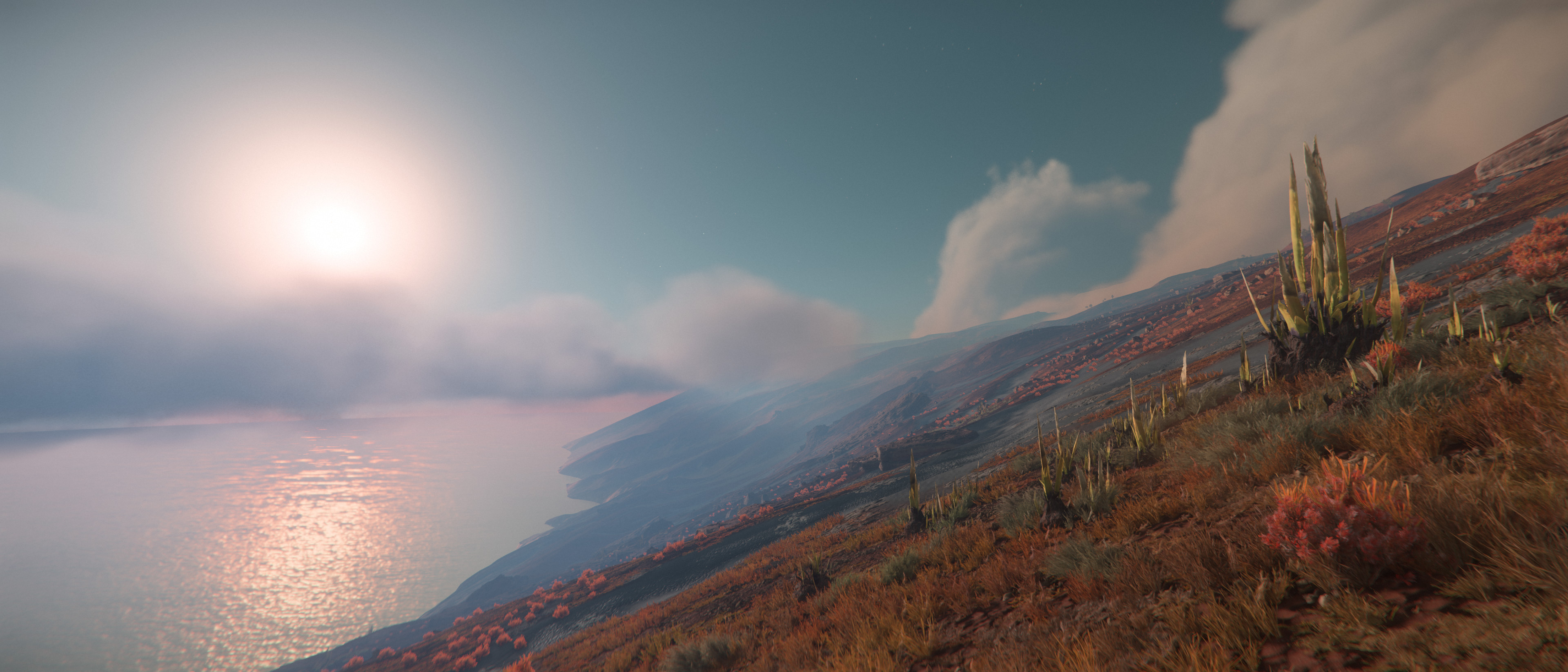
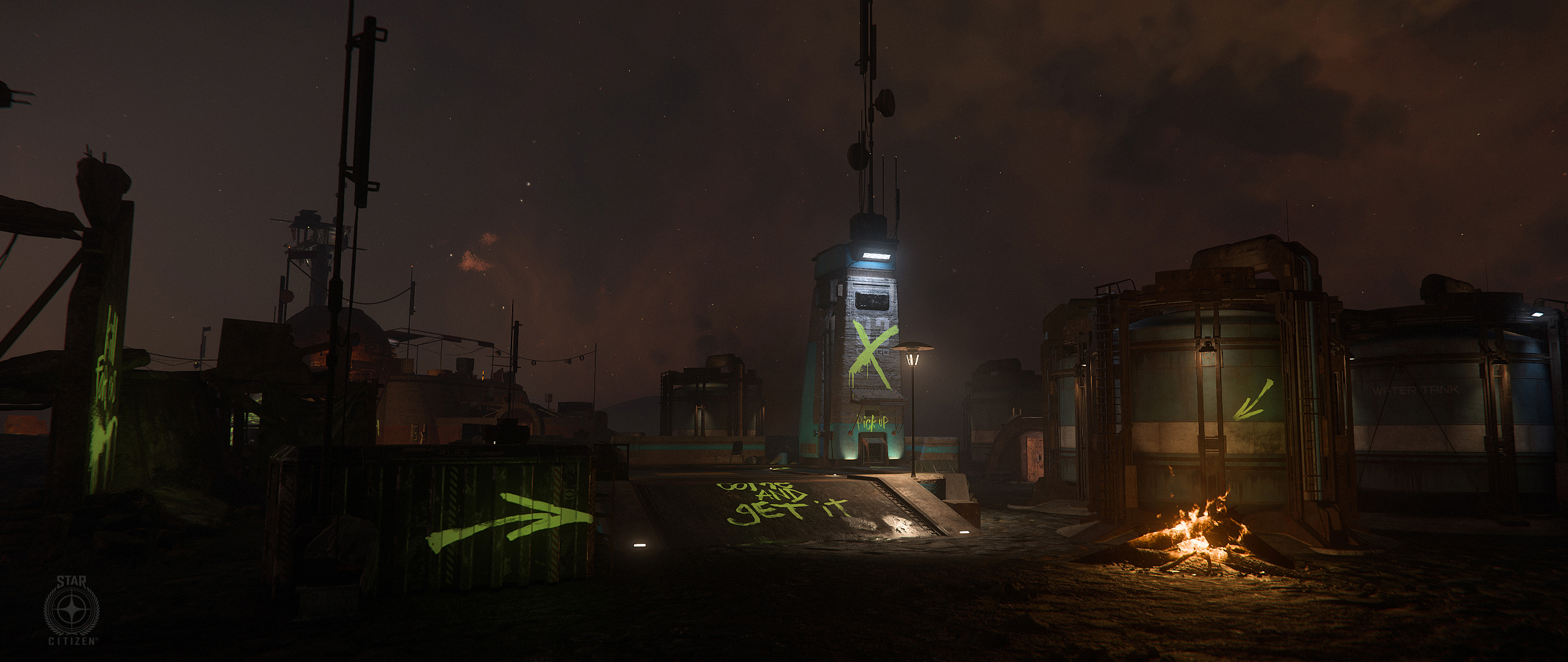
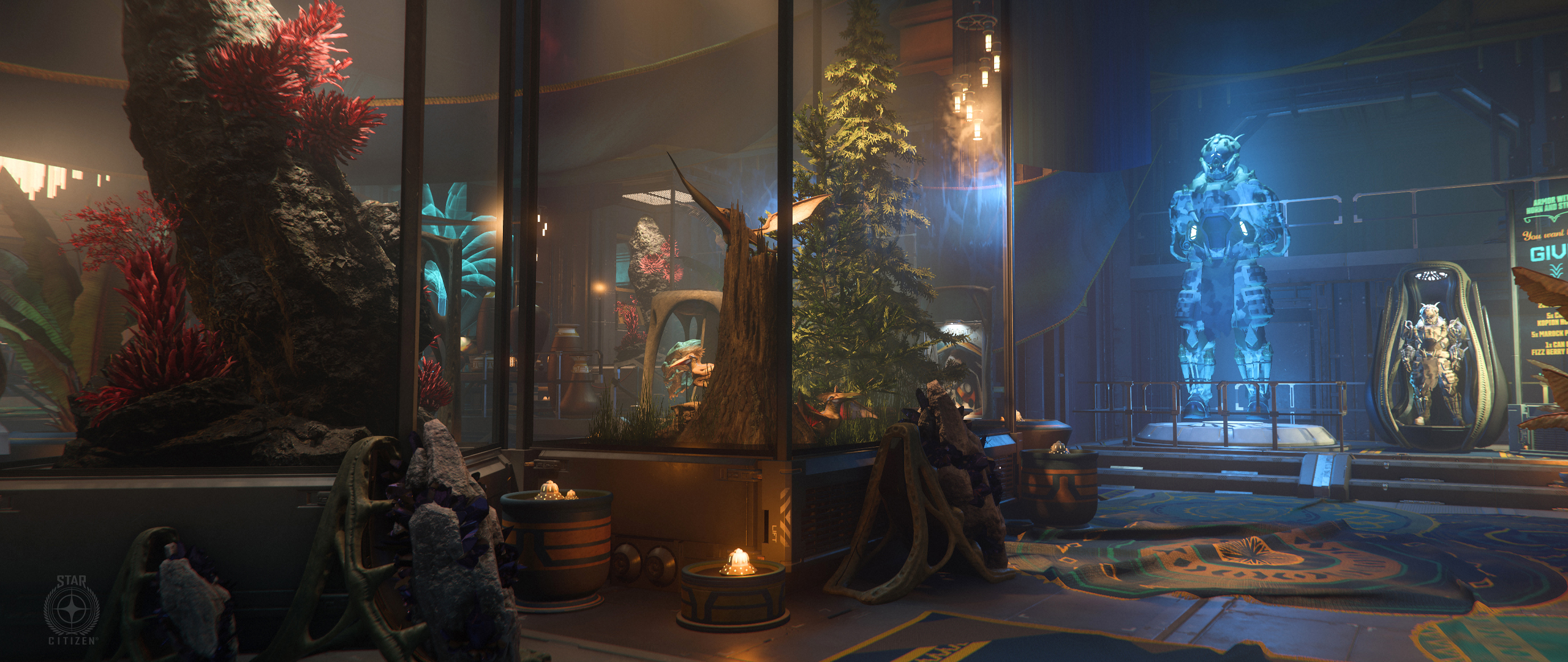
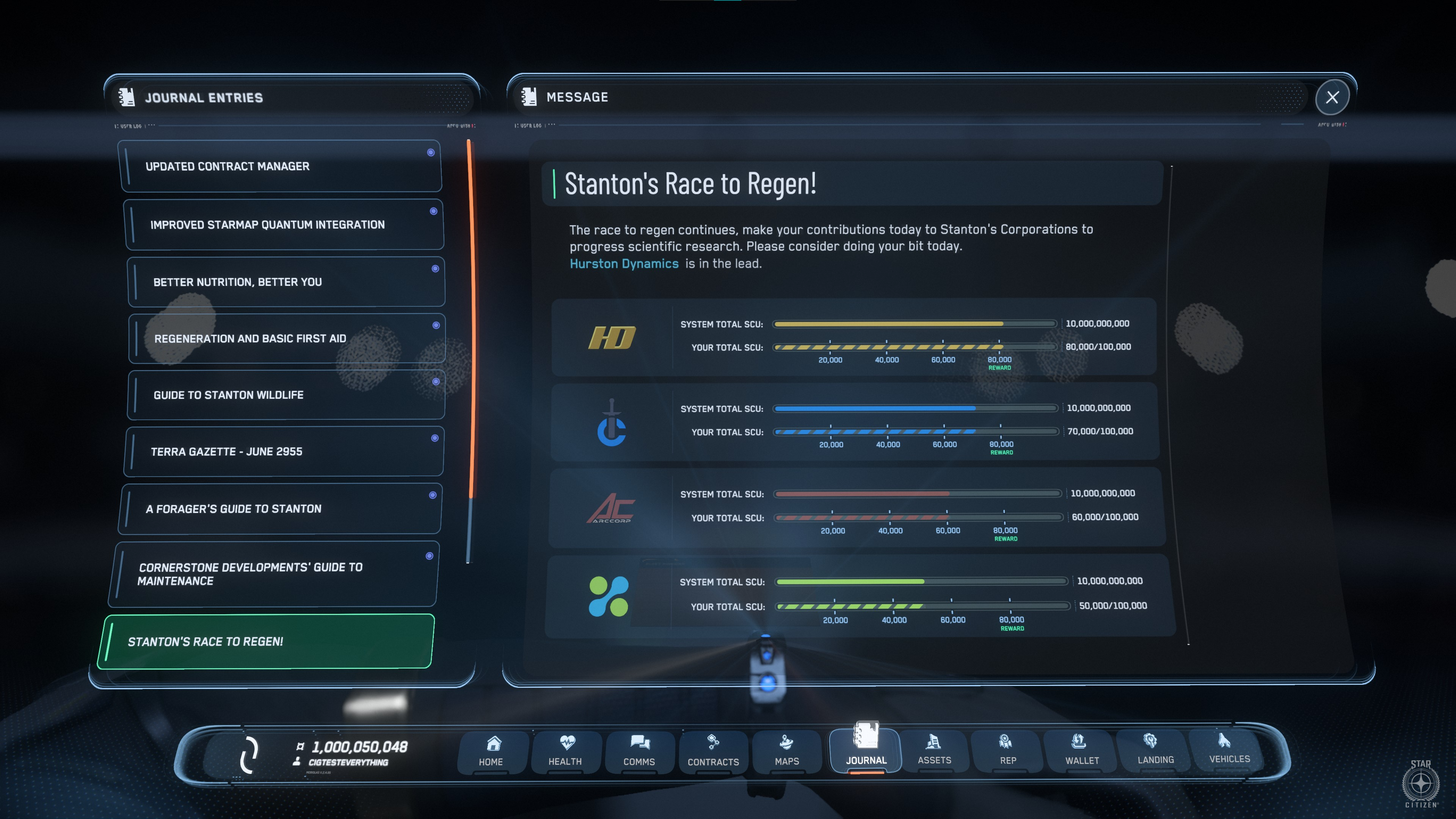
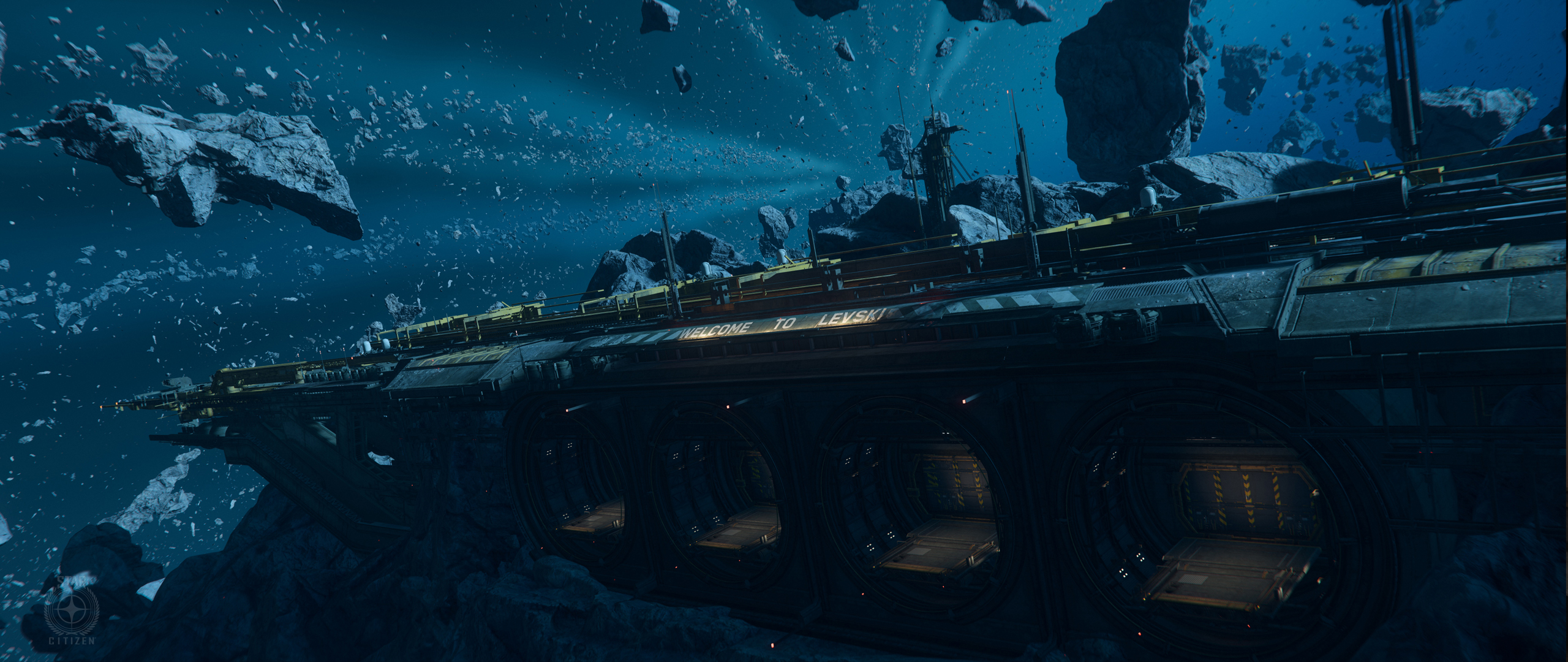
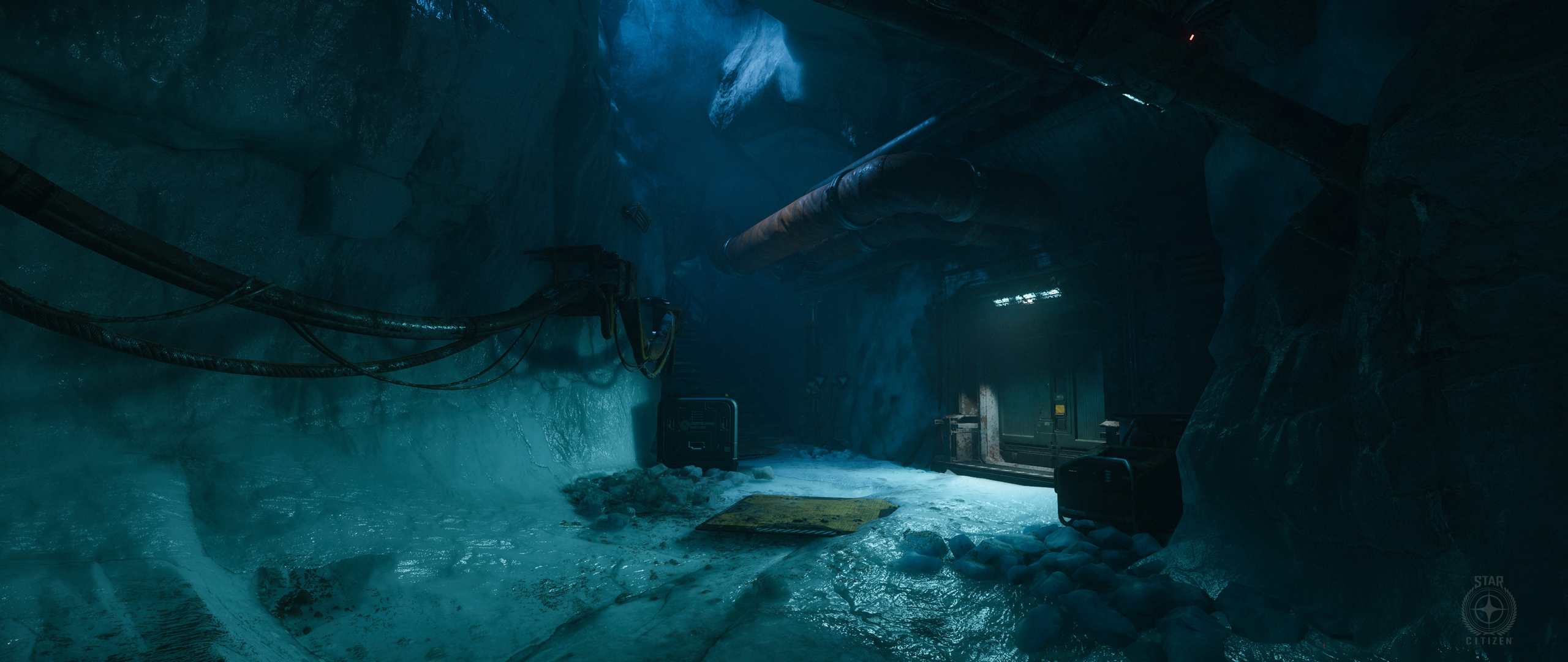
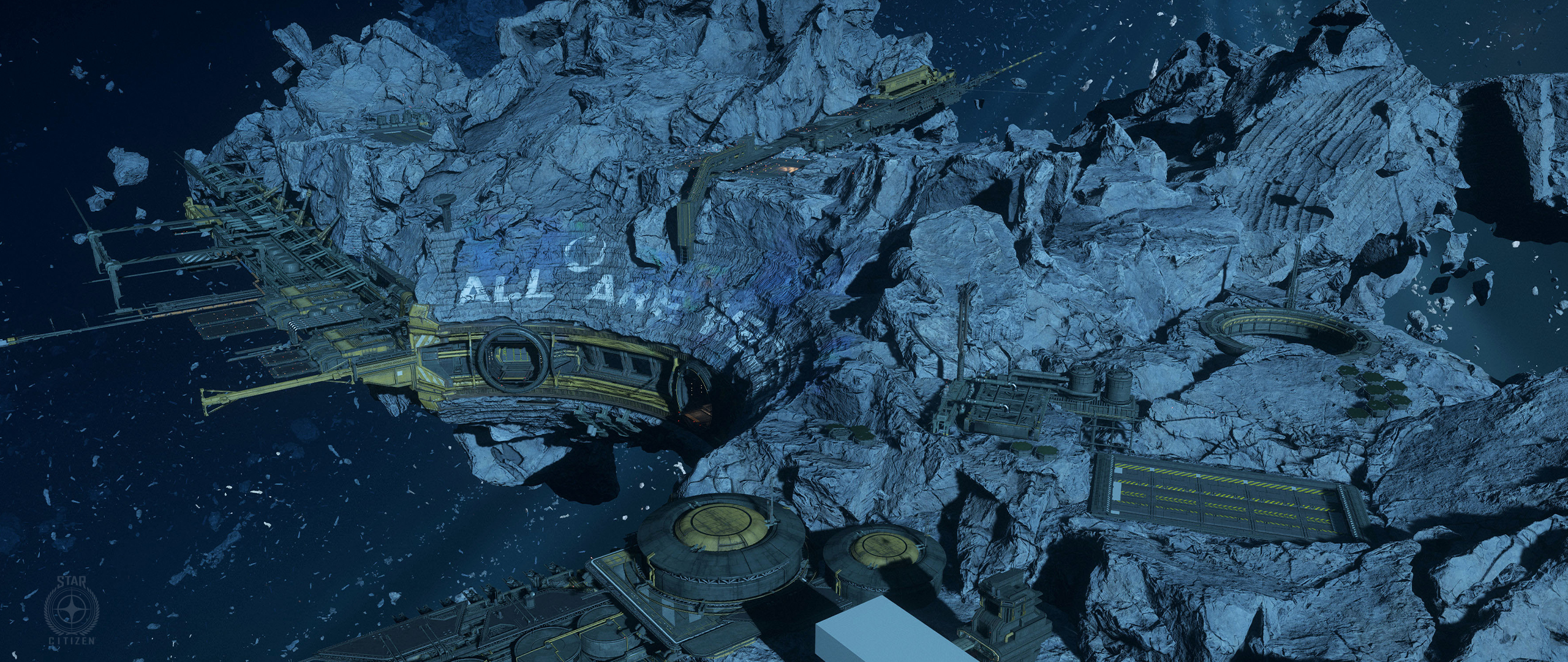
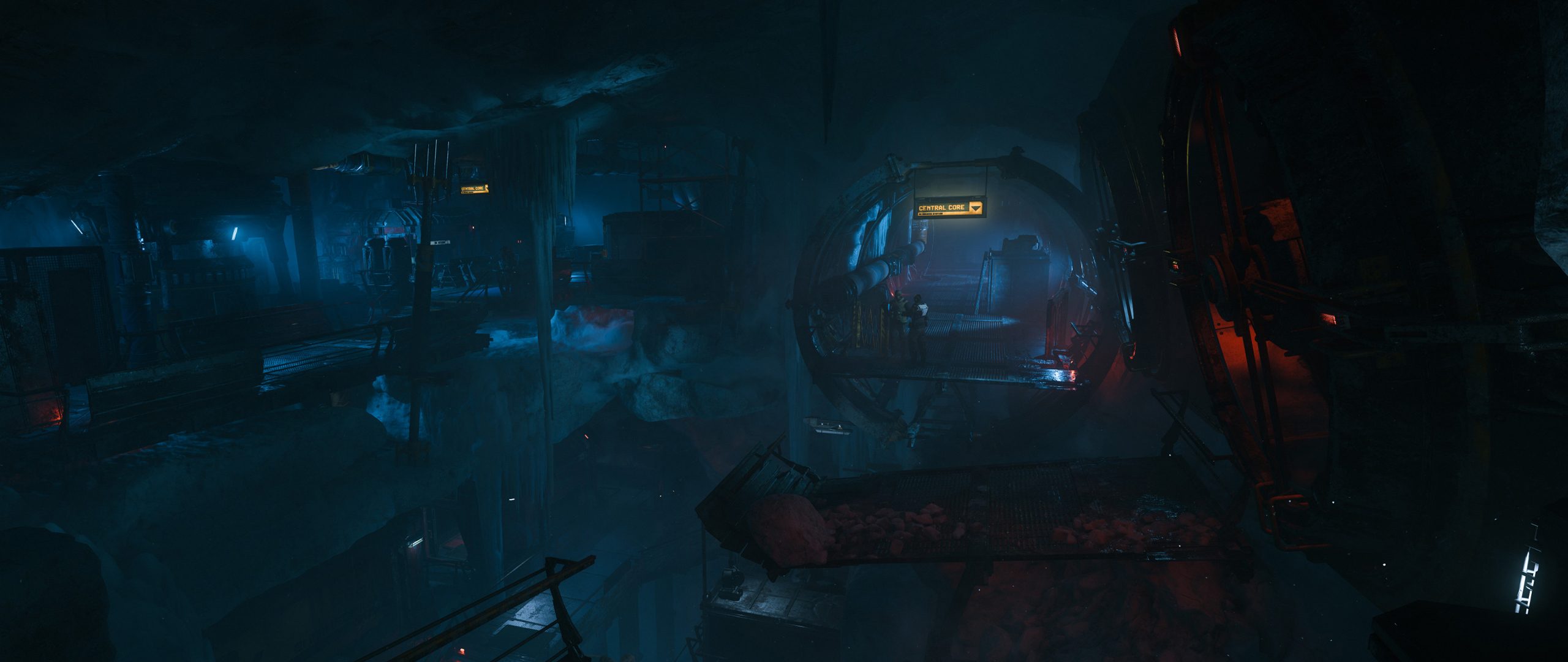
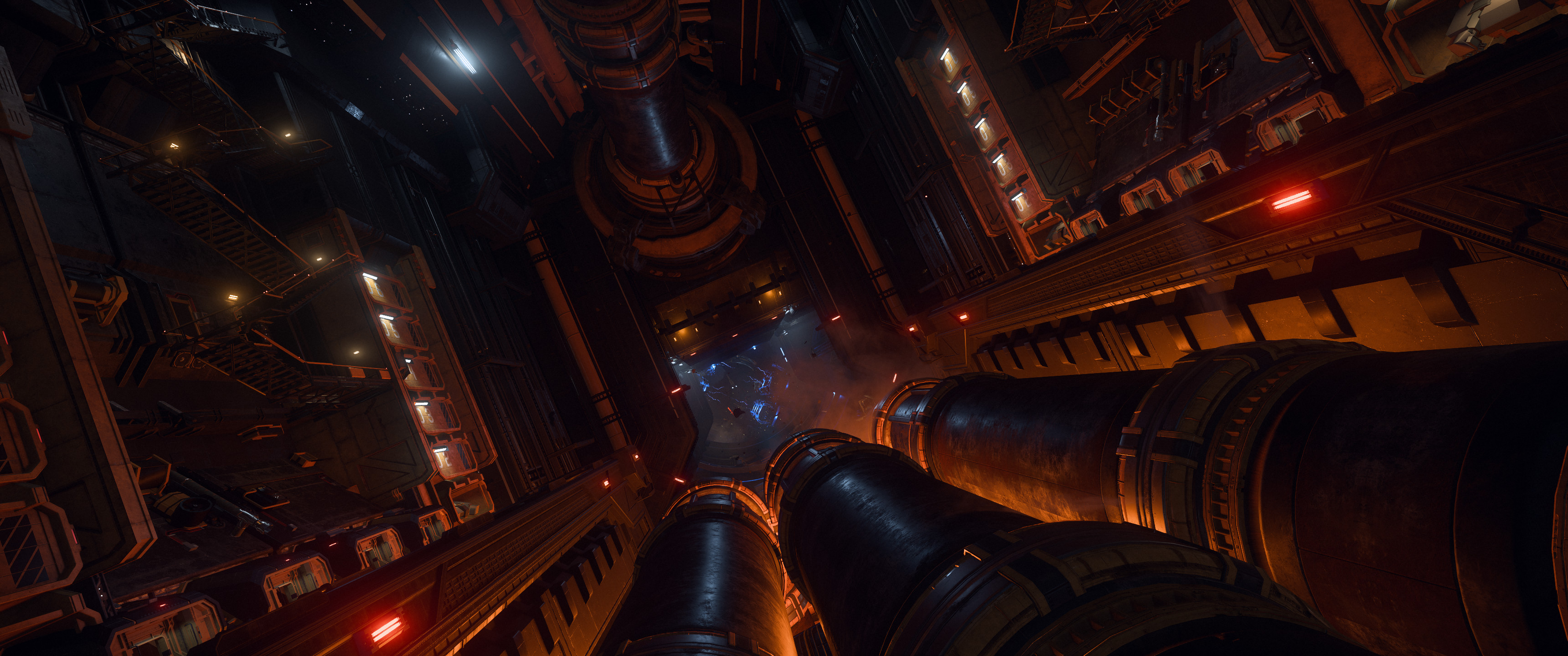
Metadata
- CIG ID
- 16399
- Channel
- Transmission
- Category
- Undefined
- Series
- Monthly Reports
- Comments
- 37
- Published
- 8 years ago (2018-02-02T00:00:00+00:00)