Monthly Studio Report: March 2018
Transmission Undefined Monthly ReportsContent
Welcome to March’s Monthly Studio Report with updates from all our studios to provide insight into what they’ve been working on. This month, the team delivered Alpha 3.1, the first quarterly release of 2018, continued development of Squadron 42, and much more. With that said, let’s get to it.
CLOUD IMPERIUM: LOS ANGELES
VEHICLE FEATURES
The US Vehicle Feature Team, which includes team members from Tech Design, Engineering and QA, accomplished a lot this past month. They made some vehicle-related performance improvements, such as with the Vehicle Item Thruster and Landing/Spawning Components. From there, they looked into the previous progress made on the Scanning feature. This included some further investigations, planning, and initial tasks to get this large feature moving towards delivery, and the team is eager to press forward on the feature. Finally, a large percentage of the team’s time was spent fixing over 50 bugs, including several game crash issues, in our SC Alpha 3.1 branch.
VEHICLE PIPELINE
The Los Angeles portion of the US Vehicle Pipeline, which includes team members from Art, Tech Design and Tech Art, had a busy March. Working together with other teams outside of LA, such as Animation, VFX, SFX and UI, they launched two new vehicles: the Anvil Terrapin and the Tumbril Cyclone. The Art Team completed their pass prior to March, but continued to provide needed adjustments as other teams wrapped up these two vehicles for the SC Alpha 3.1 release, with all teams working through bugs right up to the release.
Tech Art, being a shared resource, worked on some additional vehicles for the 3.1 release: the MISC Razor and the Aegis Reclaimer. Tech Art not only handled the ship damage, but also the rigging, animation and hook-up for landing gear compression. They can’t wait for players to experience landing the Reclaimer in the ’verse.
Meanwhile, Art and Tech Design moved forward on vehicles that will be released after 3.1. Art made advances on both the Anvil Hurricane and the updated Consolidated Outland Mustang. Tech Design worked on design briefs for some vehicles that will be slated for future release.
GAMEPLAY FEATURES
The Gameplay Feature Team continued to polish the Character Customizer, with the ordering of options, minor UI tweaks, the introduction of idle animations to give characters a more lifelike representation, and the implementation of preview sprites for customization options available in the initial roll out. This should allow players some personal expression so they don’t look too similar to others, while more advanced tech is being developed to realize the rich vision CIG has for this feature.
After polishing the Character Customizer, the team shifted their focus to cleaning up bugs around core experiences initially released for SC Alpha 3.0., beginning with UI and reliability bugs in the insurance claim flow for vehicles. There was general ship improvement in missiles and countermeasures, including 3D radar UI for missiles and proper locking functionality when switching between targets. Issues with ship repair at Cry-Astro were also addressed. The team ensured weapons and attachments were being fully restored to repaired vehicles and that the proper aUEC was withdrawn. Finally, some light and cargo-related issues recently introduced were addressed to restore previous functionality.
NARRATIVE
The Narrative Team handled a wide variety of tasks. They delivered lore content to the site every Tuesday, including part one of the new serialized short story One Good Deed about a Vulcan pilot that runs into trouble during a refueling operation. Subscribers got access to a new portfolio focused on the history of Dumper’s Depot. Time was also spent on this month’s issue of Jump Point, delivering content for marketing materials, and filming a new batch of Loremaker’s episodes.
Besides the usual workload, the team turned their attention to building out the narrative surrounding Hurston and the Lorville landing zone. They used the location to set up highly detailed templates that track specifics of a landing zone and its surrounding biomes. As part of this, a Plant and Flora page was designed to catalogue all the different space plant varieties, their placement in-game, and more. One of those plants, the Emperor’s Bloom, even received a brief Galactapedia write-up in March’s Jump Point.
Narrative also began revamping the system for generic NPCs to help breath more life into a location. They also focused on the Xi’an by creating a document that outlines their habitation spaces. Finally, they wrote numerous descriptions for various weapons and special weapons skins.
CHARACTERS
The Character Team worked on a multitude of assets across both Star Citizen and Squadron 42. The Legacy armor variants for Outlaws and Marines are close to being finalized, while the Hurston and Olisar Clothing Collections continue to be developed and should get into the ’verse soon.
A lot of work went into the principle characters, outfits, and weapons that will appear in Squadron 42, including the fleshing out of various alien species. In addition to all these assets, the team fixed several bugs across different character related features.
CLOUD IMPERIUM: AUSTIN
DESIGN
ATX Designers helped get Alpha 3.1 out the door, while also planning work for 3.2. In this last month they:
The team wrapped up the last Service Beacon features for the 3.1 release. The final touches included the ability for players to see the required reputation for each Beacon, and their own reputation values, so they can better understand the specifics. Everyone is extremely excited to see how fans receive this, since a lot of games don’t allow for player-created content.
The shopping service was unified under one umbrella, instead of tracking each server’s economic status. Now, all game servers will pull the pricing information from a single source. This was always the original intention, and it fixes a few commodity trading exploits. With this unification, the team also restructured commodities to better represent the flow of goods. Outposts are now the main “producers” of goods, and stations are now the major “consumers” of goods. This presents a complication though, instead of balancing the game for a single server of 50 people, the team must now balance it for the concurrent player base. This will require a few iterations, since designers need to see the amount of goods being traded by a larger segment of the population. The team is looking forward to the first batch of analytics so they can hone this system for you.
On the character front, the Hawkers are back up and running. While there wasn’t the bandwidth to clean up additional animations, designers did hook up the original animations from the demo where they were originally shown off.
They also converted a lot of basic flair items to the Item 2.0 system. Previously, they were using a lot of prefab spawning, but that system has been deprecated for the new object container system. There are known issues with some of the more complex objects, such as the liquor cabinet and the Jukebox, but there should be a vast improvement in the number of flair items working in the hangars.
Finally, the team fixed quite a few trivial issues, and overall, are happy with the Alpha 3.1 build. They hope you’re happy with the progress and look forward to giving you more in 3.2.
ART
The Constellation Phoenix continues through the high poly modeling phase. The current focus is on the Aquarium (interior set pieces) and other corners of the interior, which are being brought up to almost final detail stage. This work includes POMs (parallax occlusion maps) and decals. There has also been work done on ‘fancy’ custom textures to give the interior a luxurious feel.
The F8 Lightning is currently in the final, high poly (detail) phase that applies the POMs, decals, and final geo tweaks. There was also another pass on the ship lighting (exterior and interior) and materials. Finally, the team addressed ship related bugs for the release of 3.1.0.
BACKEND SERVICES
This month, the Server Engineering Team supported 3.1, assisting in work required for the Service Beacon. They also made an extension to Diffusion, which makes some communications between services during startup more reliable.
The team discovered performance issues in the one of the back-end caches responsible for holding player inventory (ships, personal items, etc.). They applied optimizations that will greatly increase the responsiveness of those services, and have also been working with the Platform Team to complete the API between Diffusion and Platform services, allowing for easy and seamless communication.
Finally, they finished “Diffusionizing” the game client. Previously, the game client could only communicate with the services via a legacy communication system, which was very rigid and not so easy to extend. Now that it is using Diffusion APIs, the game client will not only be able to more easily communicate with the back end, but all services can communicate with any game client in ways they were never able to before.
ANIMATION
ATX PU Animation focused on finishing two mission givers, Luca Brunt and Wallace Klim, and started on a third mission giver, Recco Battaglia. They are working closely with the Facial Animation Team and providing weekly progress updates to ensure the quality is up to snuff. These animations will next go to Design where they will be hooked into the AI system so players can interact with these characters for new mission content. They are also processing data for mission givers and cinematics, and are working to make sure that the quality control of the data is as close to 1-to-1 as possible. The team is having a blast playing with data from actors Mark Hamill and Gillian Anderson.
The ATX Ship Animation Team created new enter/exit animations for the Aegis Reclaimer. There was a strong push to complete the ships featured in the Alpha 3.1 release, as well as various bug fixes for the game. In addition, they made a new Dual Throttle Cockpit Type that will be showcased in an upcoming release.
OPERATIONS
March was an exciting month for the DevOps Teams. BuildOps made dramatic advances in the stability and performance of the build system with times being again cut in half in certain areas of the build pipeline. Internal build quantity and delivery numbers doubled during the month in support of the 3.1 quarterly release. Publishing Ops worked around the clock most days to identify and deliver the painstakingly detailed performance analytics needed by the dev teams, along with multiple daily internal and external publishes, including Evocati and PTU. It has been highly rewarding to see the dramatic impact of performance work by the dev teams.
March was all about 3.1. At the time of writing, the team has tested over 30 builds as an Evocati or PTU candidate. Each build requires checking of core functionality, the environment, and the launcher to make sure everything is ready to go before backers get access. Each build signed-off for PTU requires additional support after it goes to the environment. They monitor stability, provide reports of new crashes, capture performance data, and hand off everything to the Engineers and Producers to examine the next morning. The day after a publish, UK and ATX QA go over the top bug reports coming from players (via Game Support and Issue Council). They track new issues players are seeing, what is already ticketed, and what new bugs need to be investigated. As you can imagine, it’s a tremendous amount of work for each publish and the team pulled long hours to support the schedule.
Between publishes, there’s also been extensive test passes on actor synchronization, network message conversion, Ship AI, Shopkeeper animations, loadout improvements for Star Marine, outpost updates for the moons, service beacons, and new weapon skins. Ship testers were kept extremely busy as the Reclaimer, Cyclone, Terrapin, Razor variants, and the Nox Kue all come online to test. With the developer sprint teams going full-tilt, testing also started on potential 3.2 content, like the lean system and FPS Combat AI.
The Player Relations Team was all hands-on deck, coordinating with several other teams to get 3.1 through PTU to Live! The 3.1 testing cycle was the first in the new quarterly release schedule, and the team could not have done it without the heroic efforts of the Evocati and PTU testers. While work on features continued, Player Relations primarily focused on troubleshooting particularly nasty server and client crashes and working with DevOps and QA each night to sort them out.
With 3.1 now Live, the team would like to remind and encourage everyone to use the Issue Council to help triage and rate bugs and functionality. They will use that data to prioritize future updates. Plus, Issue Council participation makes players eligible to get into earlier PTU waves. FOUNDRY 42: UK
SHIPS
The Ship Art Team continued their work on the game’s ever-expanding fleet. The interior of the Aegis Hammerhead is mostly set out except for the crew dorm and kitchen. Currently, the cargo bay and bridge are receiving a detail pass.
The Eclipse, another Aegis ship, is in full production with the current focus being the exterior. The team is reinforcing its stealthy appearance by tightening the pom (panel-line details), enhancing the materials, and making sure all the moving parts are operational.
AUDIO
The weapon audio system underwent a substantial refactor. Work began on designing full NLPC weapon perspective sets, along with specific sounds for various distances. An environmental weapon report, or tail layer, was added for all weapons on planetside locations to better reflect the environmental response of weapon fire.
Recently, the Audio Team took part in a sound effects recording session at Oscillate Studios, focusing on vibrating various metallic objects using transducers that respond to low frequency sounds. The metals were stimulated via synthesized tones from a MIDI keyboard that played with the pitch to impart different resonances and sympathetic rattles to a diverse range of scrap metal objects. The session’s primary focus was to create source material for ships. This was partly inspired by the sound production on the film ‘Interstellar,’ which used large scale subwoofers to resonate aircraft fuselages, modeling the behavior of spaceships under duress, simulating atmospheric entry and strong gravitational fields, and so on.
GRAPHICS
The Graphics Team implemented some major performance savings when rendering characters. All characters are split up into many different meshes, not only for swapping out clothing and armor, but also to hide individual portions of an object to avoid interpenetrating geometry. Shaders, textures, and geometry have been organized to render multiple adjacent meshes in one go, which vastly reduces the CPU cost of submitting the work to the GPU and maintains flexibility.
The team improved the quality and legibility of various UI screens with two new shader effects for the render-to-texture system. The first is an edge-highlighting effect for ship targeting displays, and the second is a drop shadow effect to help text and icons stand out against bright backgrounds.
UI
The UI Team researched ways to improve performance by analyzing where the CPU spends its time. Optimizations made to the code of the ECG graph on the visor significantly reduced the CPU cost without effecting visual quality. The ECG graph has a buffer for the heartbeat values. With every update, the game added a new value onto the front of the buffer and removed the oldest from the back, which caused an expensive memory shifting. To prevent this, the team now uses a circular buffer that stores an index to the oldest location in the buffer. When the index reaches the end of the buffer it loops back to the start in cyclical fashion. This is more efficient because memory is only written to rather than being moved around.
Alongside the UI Visual Team, the EU-1 Gameplay Team has had UI involvement with the team focusing on polishing up the VMA and PMA mobiGlas apps. For these two apps, a strong focus has been put on improving the overall user-experience by fixing bugs present in the current iteration, as well as overhauling the mobiGlas layout in general to make more use of screen real estate and breaking the menu layout into a more intuitive structure. On the engineering side, the Star Marine Loadout Customization screen in the Front End has been converted to use the PMA code. This will make fixing issues on this screen much easier, as the PMA replaces the custom code that was previously released.
The second optimization applied to the ECG was to stop redrawing the whole graph each frame. Instead, it now adds the new value to the right-hand side and moves the whole graph along to the left. It uses a clip-window to ensure only the essential parts are drawn, and the graphic data is recycled in a similar fashion to the circular buffer.
GAMEPLAY STORY
AThe Gameplay Story Team organized all the required scenes in Shotgun. Currently, they are working with Design to get the first few scenes implemented in-game and up to standard.
ENVIRONMENT
Work is underway on the next generation of space stations. This begins with Rest Stops that are created semi-procedurally, allowing the team to easily populate the PU with many variations. To accomplish this feat, they have focused on developing the tools and workflow needed to achieve it.
The first iteration of the Rest Stop will feature three main location components. The first being an exterior that presents a unique silhouette to maximize readability from a distance. The team also can vary layout and architecture to allow for individual personality and variety between stations. Diverse building materials, color schemes, and ad placement mean that a great number of visual possibilities are achievable through the modular construction of these stations. That means the team can automate layout generation while maintaining artistic control.
Hangars are the second component. Rest Stops will be the first station type to fully utilize the ‘Common Element’ type of hangar, which can be used in every utilitarian hangar in the game. Even though the ‘Common Element’ hangar will share the same core design functionality, they are built to allow for the mixing and matching of walls, entrances, exits and service modules to achieve varied looks across locations.
The third location component is the interior. The development of a procedural layout tool to generate these Rest Stops has been a big, and admittedly challenging, project. Work has advanced to where many layouts can automatically be generated using the tool and a set library of room and connector prefabs. Maintaining visual consistency and coherence, while still making each location appear different, remains an artistic challenge for the tool and team. Like the exterior, the trick is to randomize many of the smaller choices, like prop placement and lighting, rather than alter the larger room forms. This method allows the team to maintain artistic control over the main spaces flow and form.
PROPS
The Prop Team made improvements to the entity system within data forge. The change allows for one entity to contain both gameplay features and visual keys, while being set-up and controlled using one system. This means a set-up entity dropped it into any level will retain all working functionality. This makes syncing easier between animation and material effects, such as glows or UI elements. This has significantly reduced the number of lights needed to fake glowing materials or flashing lights during different stages of animation.
Another task had the team revising metrics and template assets for usables and interactive props. This makes them easier to understand and allows for improved scalability and functionality support. Building on these tech improvements, they can now create destructible props that mesh swap and update environmental effects, such as lights, VFX, and audio accordingly. These tech developments are still in the early stages, and laying the foundation for future releases.
A new set of “low-tech” medical props are being built out, alongside new medical dressings. Both are planned for use throughout the PU as common medical elements. Finally, the team worked on the sub-items that will be used to customize the performance of ship components. They are also making sure that there is a wide variety of visuals to support the gameplay when the feature comes online.
DESIGN
The Missions Team is in the early stages of replacing the existing AI with an upgraded version. They have been focused on balancing and implementing wildlines for the AI controlled characters. Wildlines are pieces of dialogue that play systemically when the AI receives a trigger, such as damage. The lines personalize each player’s experience, as the AI will communicate with players differently depending on their relationship and history.
As the AI continues to develop, the team also took the opportunity to reassess Arena Commander’s Vanduul and Pirate Swarm game modes. They rebalanced both with the focus on delivering a satisfying experience, rather than an extremely difficulty one. Another exciting creation is a prototype scramble race event, which can occur in space or planetside. These death races have opponents battling to collect randomly generated checkpoints and, more importantly, to stay alive. The races rely heavily on dialogue, so there’s a recording session planned to capture the necessary clips. Finally, the team has been rebalancing the reputation progression system. This was done because it became apparent that accruing a negative reputation was too easy and attaining a positive one too challenging.
VFX
The VFX department collaborated with Graphics to improve the GPU particle system. VFX Artists are implementing lean production techniques to prioritize features that will provide maximum impact. Examples would be improved Spawn Inheritance and Curl Noise. Both features create better, cheaper electrical and plasma effects for things like the Coil interior and EMP weapons.
They also worked through a large “snag list” for the Alpha 3.1 release. Tasks tackled included toning down the dust mote opacity in certain environments that underwent lighting updates, and re-adding planet/moon effects to work with the planetary tech improvements.
TECH DESIGN
Tech Design finalized Alpha 3.1 work by implementing and tuning new weapons like the Gallenson Tactical Systems ballistic gatling, Preacher Armament distortion scattergun, and Amon & Reese Co. laser cannon. They also supported the conversion of existing gear to Weapon 2.0.
The team also focused on rebalancing. A lot was covered, including distortion weapons, after fixes allowed them to affect items instead of just shields. Countermeasures were made more effective post Item 2.0 implementation. Iterations of flight balance continued with a focus on atmospheric landing turbulence. Shield setback and regeneration rates were also rebalanced.
At the other end of the pipeline, they worked with Art on exciting new ship concepts. These designs will be revealed throughout the year during Ship Shape segments in Around the Verse.
DERBY ANIMATION
The Derby office continued to expand its operations and prepare for motion capture shoots to further refine the player and AI movement sets. It was a pleasure to welcome several valued backers during the recent Imperator Subscribers event, where developers demonstrated core elements of their workflow, including facial animation, motion capture, and technical animation. The tour also offered the opportunity to scan three more faces that you can look forward to seeing in the ’verse.
Progress was made on R&D for the Vanduul face rig and internal facial rig technologies, along with iterations to female rigs in Maya. The new 1:1 conversion updates to the rig will break a lot of animations that use props so the team has been developing an automated solution to fix the animation files without an Animator having to manually go through and re-work everything.
Finally, the Facial Animation Team was busy finalizing animations on various PU shopkeepers, bartenders, and mission givers. This includes blending all the animations from the same facial poses, so they all play seamlessly from one to another. FOUNDRY 42: DE
ENVIRONMENT ART
The Environment Art Team recently wrapped up polishing the existing moons in the persistent universe. Cellin, Yela, Daymar and Delamar all received a visual update that will further enrich the experience at each location for the 3.1 release. With the update of the existing locations completed, the team is shifting focus to Hurston. Hurston will benefit massively from new planet tech updates, and further additions to the planet tech are on the roadmap for the coming weeks. The numerous updates will help make Hurston a unique experience, pushing biomes further than what players have seen so far on the existing moons. The team is also close to wrapping up the whitebox stage of the Lorville landing zone. Layout and locations have been approved by all departments involved, and the team is preparing to start full production to bring the city to its next stage.
ENGINE
The Engine Team regularly works on both long-term items as well as low level bugs and performance, and this month was no exception. They refined the auto performance capture code and tools used to track heavy stalls on both client and server. The tools automatically take performance captures if the frame rate falls below a given threshold for a specified amount of time. They then analyze the captures and optimize code, content, and level set up if necessary.
They made further progress on the performance telemetry system that will submit data so the team can analyze what typically happens on servers and clients, what actions cause performance slowdowns, etc. The data should allow them to tweak the game and improve the overall player experience. They also continued to work on reducing the initial startup time of the game. They found a lot of inefficient data parsing meant that the game would launch slowly, especially during the first startup on HDDs after the computer had been booted up.
The Engine Team worked on optimizations of the physics terrain mesh generation, and optimized data layout and SSE instructions to improve computation speed. They reworked API for component updates to provide more flexibility and opportunity for further code optimizations, batching of updates, etc. The team handled rendering improvements for the vegetation shader. Good progress was made on skin rendering improvements, which included work on rendering eyes, teeth and tongues. An investigation into pushing the quality and fidelity of facial animations was kicked off. Plus, they continued code size and build time investigations. It’s an ongoing effort to uncover the reasons for increased code size and compile times to see what can be reduced. This is an ongoing task and the findings will be applied globally.
TECH ART
The Tech Art Team built a new tool called cigXfer. It helps artists transfer skin data on various meshes, as well as on LOD meshes, without any assistance from a tech artist. This significantly speeds up the art update process, enabling artists to be more self-sufficient. They also implemented a large amount of animations that will be used for Squadron 42 cinematics.
They collaborated with the Weapons Team to complete the previsualization rig and game entity for the Kastak Arms Scalpel sniper rifle. Work was done on a run time physic simulation for a portion of the handle of the combat knife. Research and development was done to refine the alignment of the camera with the sight of a weapon while leaning. They developed content with an additional bone titled “ADS_align” to help achieve the desired results. They are currently testing the new approach on the Klaus & Werner Gallant rifle, and once verified it will be replicated to additional weapons.
The team worked with Art and Tech Design to produce Centurion and Imperator weapon skins for the Gemini LH86 pistol, Kastak Arms Devastator shotgun, and Klaus & Werner Arrowhead sniper rifle. They also continued R&D and implementation of the tools required for the next iteration of the Character Customizer. They primarily focused on consolidating how hundreds of head and head attachment assets (i.e. hair, beards or helmets) are being authored in Maya and then exported into the engine. Since every attachment is supposed to work with every possible head shape, even procedurally generated ones, they had to ensure the head topology remained 100% consistent during export.
LEVEL DESIGN
The PU Level Design Team had several locations to design, and tech needed for future content building to work on. Lorville, a flagship landing zones, received quite a bit of attention, and is being used as a test bed for numerous systems and Common Elements. These systems include Security, Smuggling, Transit, Air Traffic Control, Hangars, etc. The Common Elements work in tandem with these systems and serve as their representation in the game world: for example, a Security Office and guards for Security, Customs for Smuggling, Train Stations for Transit, and a Spaceport for the Air Traffic Controller and Hangars. To connect everything there needs to be transitional spaces, arrival areas, and terminals to make it feel believable, while being diligent about not inflating the playable space too much. Here are some examples of these transitional spaces:
They also continued work on the Procedural Tool for generating interior spaces. This tool is essential for Level Design to efficiently deliver the amount of content needed for generic locations like Rest Stops, Refineries, Cargo Depots etc. The tool is still in progress and will require more iterations and additions before it’s ready, which is a natural part of the R&D process. Here are examples of two generated layouts seen top down as a comparison:
CINEMATICS
The Cinematics Team supported Squadron 42 level design efforts that previously had a lower priority. For these chapters, they blocked out and completed quick previs animation exports where level sections are still in the whitebox phase. For locations that are further along, like the Idris (Stanton) and the Bengal carrier, they did performance capture animation exports aligned to geometry and a defined scene root for all actors in the scene. This is an ongoing effort, as each chapter has a huge number of narrative scenes ranging from comms calls, conversations, walk & talk greetings, NPC chatter, and more complex scenes with multiple key characters in full-on filmic cinematics. In addition to the previs exports, they also focused on a handful of scenes featuring Gillian Anderson as Captain Rachel Maclaren. With the Vanduul Kingship bridge almost finished, they did a first camera pass on the cinematic Vanduul character sequences required for the story. This work coincides with a concentrated push for the Vanduul across different departments. Currently, Tech Animation is working on the Vanduul face rig, Character Art and Animation tackling costumes, key poses & silhouettes, and the Weapons Team focusing on Vanduul weaponry.
An important part of cinematics work is to regularly sync with ship and environment artists. The teams discuss issues with the default metrics dictated for mechanisms like doors, displays, chairs and the existing geometry, or address problems that arise when performance capture deviates slightly from metrics or meshes. Most of these metrics were in place for the main shoot, but occasional tweaks or updates must be made to either meshes or the animation. It always requires the teams to carefully weigh what requires the least amount of rework and impact. Cinematics also supported Graphics Engineering to upgrade the human skin shading. They built a test lighting setup that mimicked reference photographs and replicated a PCAP head-camera setup in the engine. Results of this R&D and shading work will be seen in the coming months.
LIGHTING
The DE Lighting Team supported the 3.1 patch. Their recent focus was finalizing a new lighting pass on the Echo 11, as changes to the lighting tools and technology have left the Star Marine maps visually out of sync. They’ve also helped the planet team with minor tweaks and polish to the atmospheres and color grading for Crusader’s three moons and Delamar. In addition, they assisted with several 3.1 goals, such as the new mobiGlas PMA/VMA character and item rendering, the Character Customizer, and general optimizations.
VFX
The DE VFX Team worked with UK programmers to further improve various tools, such as curl noise. This is a 3D noise field that perturbs the particles as they travel through the field, which creates some very unique and volumetric looking effects. They’ve also been fleshing out the Vanduul tech style, experimenting with the curl noise in combination with vector fields to create a visual style that sets the Vanduul apart.
WEAPONS
The DE Weapons Team finished the first art pass for the Kastak Arms Scalpel sniper rifle, and completed the Centurion and Imperator subscriber flair skins for a few weapons.
SYSTEM DESIGN
The DE System Design Team moved forward with the mining system. Their first goal is to get mining functional for planet/moon surfaces, so the Prospector will be fully operational. They will move on to additional mining types once that is completed. Mining is still being prototyped but the current results are promising from a gameplay and visual perspective. They are currently able to shatter mineable rocks, and are working on the harvesting functionality that will transfer resources from those smaller pieces into the Prospector’s mining containers. Once completed, they will integrate mining with other systems like radar and scanning, which will be used to find mineable deposits and analyze their contents.
Progress was made on FPS Combat AI. After solving low cover, they implemented high cover for Human AI, and focused on making the timings and transitions as snappy as possible. Now, they are slowly moving into more complex behaviors like flanking, which allows the AI to work better as a team and force the player to think tactically and constantly adapt to what the AI is doing. They also considered what elements from human combat could be used by alien races, and experimented with ways to make them feel unique, so players must deal with aliens differently than their human counterparts.
The first batch of the reworked ship AI is now in 3.1, though some additional functionality is still outstanding. The system is being built so players can choose how to train and specialize their hired NPCs. FPS AI will use the same system in the future to achieve similar goals. On the non-combatant side of AI, they experimented with creating small story vignettes for locations, focusing on Lorville. This should infuse the location with more life and grant the AI more storytelling ability than walking around and sitting on benches. The hope is for players to experience what the lives of the population in a location are like, sympathize with them, and potentially choose sides. To achieve that, the non-combatants need to become more lively and complex.
Towards the end of the month, the team worked closely with Level Designers and Artists on the procedural location tool. They focused on the functionality needed for the tool to create nice environments and connect gameplay systems, like rooms, oxygen, gravity, security and generated AI populations. The tool must do it in a way that once the location is generated, there will be only minor adjustments before it can be released. The goal with this system is to ensure the team can output quality content at lightning speeds with a minimal amount of menial work. That way the team can quickly fill an entire universe, while keeping it feeling specific, depending on the location.
BUILD ENGINEERING
The DE Build Engineers added a sanity check for the RC to TryBuilder. While engineers work, they may change the Resource Compiler (RC), which can sometimes lead to failed builds. With so many unique asset types, it becomes difficult for an engineer to ensure that nothing is going to break. Additionally, engineers may touch a cpp file without even being aware that it may affect the RC. To alleviate this, they isolated a minimal subset of assets and now have them compiled whenever any code in the main branch changes. Each code change that goes into p4 is checked and the whole process is quick, essentially compiling one sample of every type of assets in the Engine. Now, before starting the process of creating a new a build, the team can check the state of RC. If it’s red (as in, the process described above is failing) they know there’s an issue to address. They also added some powerful dedicated hardware to the TryBuild cluster for profiling speed improvements in compilation. This has brought compilation times down significantly, which shifted focus back to optimizing other steps whose build-times now contribute a proportionally significant amount towards the entire build time.
The above illustrates a Perforce-state caching mechanism and smart querying method for comparing local workspace to the relevant global branch the code is being built on. This simplified state-caching mechanism is used to determine if any further version-control communication is necessary. Initial optimizations removed 30 seconds from any build regardless of the machine’s state. In further precise situations, where the slave is confirmed up-to-date, it skips syncing entirely. That saves an additional 30 seconds minimum, yielding build results that can potentially be as low as 15 seconds total. In addition to adding dedicated hardware and eliminating time-costing checks from bootstrap steps for code validation, the team is now looking at binary caching mechanisms so the code-building machines can simply retrieve the compilation results that have already been processed.
QA
For the DE QA team, most of March centered around Subsumption testing with a new version available to test each week. As new features are implemented into the Subsumption Tool, the team maintains and revamps the existing documentation and checklists to ensure QA covers all necessary test cases for Subsumption testing. DE QA also supported the in-house development team with various requests from simple tests to verify if issues devs have encountered are due to their local files or an actual issue within the current build, to the more complex tests that require custom binaries and comparing differences between builds. One recent request involved testing changes that could potentially affect prefabs within the Engine. Extensive prefab testing was performed using custom binaries and test cases to intentionally attempt to break the prefab system. When an issue was discovered, this was brought to the Engine Team’s attention, and they proceeded to fix the issue and return new binaries to continue the testing. Similarly, the team focused on numerous physics test requests for changes that could potentially break other functionality within the client. These changes contained stability improvements to address various physics crashes that were plaguing Evocati in the PTU. While they normally work in the Game-Dev stream, most of the testing was focused on 3.1 as the live release date closed in.
AI
Focus was primarily devoted to stabilizing the dogfight behavior. Flight AI is a young system, and the team is working on the skill characterization of the pilot’s abilities to balance the overall combat experience. A pass was made on the target chase velocities and attack ranges, two important factors to render the combat dynamics less prone to collide with obstacles or escape the assigned boundaries. The AI team also worked on improving player interaction with combat AI. This comes in the form of new behaviors, internally tweakable parameters (like accuracy and missile usage) for designers, and adding wildlines for PU pilots. For AI FPS Combat, they are currently implementing flanking behavior. Further work was done to update the logic for bullet rain, and improve flinch reactions when an AI’s cover gets compromised and they need to leave quickly or target and shoot. In addition, the team addressed bugs and optimized the code for the 3.1 release. TURBULENT
March saw major developments in Spectrum with a new release to PTU and Public, a new connectivity API between the platform and the game services, and cosmetic upgrades to promotion pages.
SPECTRUM
Spectrum version 3.7.4 was released to PTU. This version included custom roles, custom emojis and a user block list. The release to PTU gave the team much needed insight, and as a result they created a list of improvements around these features to be included in the live release.
The team had help from the Evocati, who have been instrumental in hunting down bugs and providing direct feedback, in preparation for the live release of 3.7.4. The UX and Design Team has been building interactions for organizations in Spectrum, which includes direct interaction and survey support with Evocati to ensure that the teams are building with community needs at the forefront.
Over the next month, Turbulent’s Spectrum development team will refocus their efforts on the game overlay, work towards 3.2 deliveries, and make process changes to align their efforts with CIG’s internal pipeline.
LAUNCHER
Some minor changes were made to the Launcher, with the latest version, 1.0.1-alpha, including consistency check and bug fixes that affect the analytics reporting.
RSI PLATFORM
The team continues to make minor adjustments to the site’s new elements. You may notice some changes to readability as well as the resolution of some bugs on IE11.
The biggest platform changes are not visible to the user. The team rebuilt the Backend API to prepare for new services with Diffusion. Although the work is not complete, the team took on this three-week crunch project to build the base required to move forward. The rework will open the door for new features, most notably Spectrum chat.
A new weekly newsletter was launched, with a cleaner sleeker design, includes optimizations for those reading on mobile phones.
KNOWLEDGE BASE
The knowledge base designs have been approved and are in development. This project is needed resource for backers and the Player Relations Team. Here’s a sneak peek at the final designs.
The site’s contact form and mobile design are being polished to provide the best possible user experience. The objective is to help citizens find the information they need, and reduce queue times when they need help from Player Relations.
ST. PATRICK’S DAY & 3.1 FLYABLE PROMOTION
The team supported the setup and design for the St Patrick’s and 3.1 Flyable promotion. It was exciting to see all the in-game shots coming from the new 3.1 flyable ships, and integrate them into the design of the sales page.
You can visit the sale here. Community
And this is how quickly a quarter of a year can pass. After announcing the switch to a quarterly release cycle at last year’s CitizenCon, everyone at Cloud Imperium Games was eager to hit this self-imposed deadline and provide players with a content update. The team even provided the community with a public roadmap updated directly from internal project management tools. The weeks leading up to the Alpha 3.1 release have been hectic, but the team made the deadline and released the first update of 2018!
Thanks to all the dedicated testers who helped make the release of Alpha 3.1 possible. The entire CIG team sincerely appreciates your efforts during the Evocati and PTU phases, and hopes you have a blast playing the latest version on the live servers!
Even with Alpha 3.1 in the hands of all backers, the team isn’t going to rest. The Alpha 3.2 Feature Survey took the opportunity to reassess development priorities with feedback from the community. It let you vote on what features you were most excited to see implemented or improved, ensuring a fun and lasting gaming experience. Voting is closed, but you can check the results on this page.
As always, the team produced content across various social media channels. If you haven’t already, check out the new crowd favorite Calling All Devs, where Jared Huckaby calls developers from his desk to ask questions voted on by the Star Citizen community. Episodes of Around the Verse focused on performance and optimization, the AI on the living Idris, the sounds of science, and a magnificent Ship Shape featuring the impressive Aegis Reclaimer and the nimble Tumbril Cyclone.
Speaking of ships, the Aegis Vulcan was the first concept ship in 2018 and a gateway to a versatile support career in Star Citizen. The team celebrated St. Patrick’s Day with special offers and the Constellation Phoenix Emerald – an appropriate variation to celebrate the spirit of the Irish holiday. Alongside the promotion ran a St. Patrick’s Day Screenshot contest where you had the opportunity to win game packages, including the aforementioned Phoenix. Check out the event thread to see all the entries. Well done everyone and congratulations to the winners!
Also, the team celebrated a marvelous milestone when the number of citizens hit the 2,000,000 mark! Thank you for joining us on this journey. You inspire us every day through your creations, and we’re happy to be part of such an active and creative community.
And with that, see you in the ’verse! WE’LL SEE YOU NEXT MONTH…
Willkommen zum monatlichen Studio-Bericht vom März mit Updates aus allen unseren Studios, um einen Einblick in das zu geben, woran sie gearbeitet haben. In diesem Monat lieferte das Team Alpha 3.1, die erste Quartalsversion von 2018, die Weiterentwicklung von Squadron 42 und vieles mehr. Wenn das so ist, kommen wir zur Sache.
WOLKENIMPERIUM: LOS ANGELES
FAHRZEUGEIGENSCHAFTEN
Das US Vehicle Feature Team, zu dem Teammitglieder aus den Bereichen Tech Design, Engineering und QA gehören, hat im vergangenen Monat viel geleistet. Sie führten einige fahrzeugbezogene Leistungssteigerungen durch, wie beispielsweise mit dem Vehicle Item Thruster und den Landing/Spawning Components. Von dort aus untersuchten sie die bisherigen Fortschritte bei der Scan-Funktion. Dies beinhaltete einige weitere Untersuchungen, Planungen und erste Aufgaben, um dieses große Feature in Richtung Auslieferung zu bringen, und das Team ist bestrebt, das Feature weiterzuentwickeln. Schließlich wurde ein großer Teil der Zeit des Teams damit verbracht, über 50 Fehler, einschließlich mehrerer Spielabstürze, in unserem SC Alpha 3.1 Zweig zu beheben.
FAHRZEUGLEITUNG
Der Los Angeles-Teil der US-Fahrzeugpipeline, zu dem Teammitglieder von Art, Tech Design und Tech Art gehören, hatte einen arbeitsreichen März. In Zusammenarbeit mit anderen Teams außerhalb von LA, wie Animation, VFX, SFX und UI, starteten sie zwei neue Fahrzeuge: den Anvil Terrapin und den Tumbril Cyclone. Das Art Team beendete seinen Pass vor März, sorgte aber weiterhin für die notwendigen Anpassungen, da andere Teams diese beiden Fahrzeuge für das SC Alpha 3.1 Release fertig stellten, wobei alle Teams bis zum Release Fehler durcharbeiteten.
Tech Art, eine gemeinsame Ressource, arbeitete an einigen zusätzlichen Fahrzeugen für die Version 3.1: dem MISC Rasierer und dem Aegis Reclaimer. Tech Art kümmerte sich nicht nur um den Schiffsschaden, sondern auch um das Rigging, die Animation und den Anschluss für die Fahrwerkskompression. Sie können es kaum erwarten, dass Spieler die Landung des Rückgewinners im Vers erleben.
In der Zwischenzeit hat Art and Tech Design die Fahrzeuge weiterentwickelt, die nach 3.1 freigegeben werden. Art machte Fortschritte sowohl beim Anvil Hurricane als auch bei der aktualisierten Consolidated Outland Mustang. Tech Design arbeitete an Designvorgaben für einige Fahrzeuge, die für die zukünftige Freigabe vorgesehen sind.
GAMEPLAY-FUNKTIONEN
Das Gameplay Feature Team hat den Character Customizer weiter verfeinert, mit der Bestellung von Optionen, kleineren UI-Tweaks, der Einführung von Leerlaufanimationen, um den Charakteren eine naturgetreuere Darstellung zu geben, und der Implementierung von Vorschausprites für Anpassungsoptionen, die beim ersten Rollout verfügbar sind. Dies sollte den Spielern einen persönlichen Ausdruck ermöglichen, damit sie nicht zu ähnlich aussehen, während fortschrittlichere Technologien entwickelt werden, um die reiche Vision zu realisieren, die CIG für diese Funktion hat.
Nach dem Polieren des Character Customizer verlagerte das Team seinen Fokus auf die Bereinigung von Bugs rund um die ursprünglich für SC Alpha 3.0 freigegebenen Core-Erfahrungen, beginnend mit UI und Zuverlässigkeitsfehlern im Versicherungsablauf für Fahrzeuge. Es gab allgemeine Schiffsverbesserungen bei Raketen und Gegenmaßnahmen, einschließlich einer 3D-Radaroberfläche für Raketen und einer korrekten Verriegelungsfunktion beim Wechsel zwischen den Zielen. Auch Probleme mit der Schiffsreparatur bei Cry-Astro wurden angesprochen. Das Team stellte sicher, dass Waffen und Anbaugeräte vollständig an reparierten Fahrzeugen wiederhergestellt wurden und dass die eigentliche aUEC zurückgezogen wurde. Schließlich wurden einige kürzlich eingeführte leichte und ladungsbezogene Probleme behoben, um die bisherige Funktionalität wiederherzustellen.
NARRATIV
Das Narrative Team erledigte eine Vielzahl von Aufgaben. Sie lieferten jeden Dienstag Überlieferungsinhalte an die Website, darunter Teil eins der neuen serialisierten Kurzgeschichte One Good Deed über einen vulkanischen Piloten, der während eines Tankvorgangs in Schwierigkeiten gerät. Die Abonnenten erhielten Zugang zu einem neuen Portfolio, das sich auf die Geschichte von Dumper's Depot konzentriert. Die Zeit wurde auch mit der diesmonatigen Ausgabe von Jump Point verbracht, die Inhalte für Marketingmaterialien lieferte und eine neue Serie von Loremakers Episoden drehte.
Neben der üblichen Arbeitsbelastung richtete das Team sein Augenmerk auf den Aufbau der Erzählung um Hurston und die Landezone von Lorville. Sie nutzten den Standort, um hochdetaillierte Vorlagen zu erstellen, die die Besonderheiten einer Landezone und ihrer umliegenden Biome verfolgen. In diesem Zusammenhang wurde eine Seite über Pflanzen und Flora erstellt, auf der alle verschiedenen Weltraumpflanzenarten, ihre Platzierung im Spiel und vieles mehr katalogisiert werden. Eine dieser Pflanzen, die Emperor's Bloom, erhielt sogar eine kurze Galactapedia-Aufarbeitung im March's Jump Point.
Narrative begann auch, das System für generische NSCs zu überarbeiten, um mehr Leben in einen Ort zu bringen. Sie konzentrierten sich auch auf das Xi'an, indem sie ein Dokument schufen, das ihre Wohnräume umreißt. Schließlich schrieben sie zahlreiche Beschreibungen für verschiedene Waffen und spezielle Waffenhäute.
CHARAKTERS
Das Charakter-Team arbeitete an einer Vielzahl von Objekten sowohl in Star Citizen als auch in Squadron 42. Die Legacy-Rüstungsvarianten für Outlaws und Marines stehen kurz vor dem Abschluss, während die Hurston- und Olisar-Kleidungskollektionen weiter entwickelt werden und bald in den "Vers" kommen sollten.
Viel Arbeit wurde in die Hauptfiguren, Outfits und Waffen gesteckt, die in Staffel 42 erscheinen werden, einschließlich der Ausgestaltung verschiedener fremder Arten. Zusätzlich zu all diesen Vorteilen hat das Team mehrere Fehler in verschiedenen charakterbezogenen Funktionen behoben.
WOLKENIMPERIUM: AUSTIN
DESIGN
ATX-Designer halfen dabei, Alpha 3.1 vor die Tür zu bekommen, während sie auch die Arbeiten für 3.2 planten. In diesem letzten Monat haben sie:
Das Team hat die letzten Service Beacon-Funktionen für das Release 3.1 abgeschlossen. Der letzte Schliff beinhaltete die Möglichkeit für die Spieler, den erforderlichen Ruf für jeden Beacon und ihre eigenen Rufwerte zu sehen, damit sie die Besonderheiten besser verstehen können. Alle sind sehr gespannt, wie die Fans dies erhalten, da viele Spiele keine vom Spieler erstellten Inhalte zulassen.
Der Einkaufsservice wurde unter einem Dach vereint, anstatt den wirtschaftlichen Status jedes Servers zu verfolgen. Nun werden alle Spielserver die Preisinformationen aus einer Hand beziehen. Das war schon immer die ursprüngliche Absicht, und es werden einige wenige Handelsaktivitäten festgelegt. Mit dieser Vereinheitlichung hat das Team auch die Waren neu strukturiert, um den Warenfluss besser abzubilden. Außenposten sind heute die wichtigsten "Produzenten" von Waren, und Bahnhöfe sind heute die größten "Konsumenten" von Waren. Dies stellt jedoch eine Komplikation dar, denn anstatt das Spiel für einen einzelnen Server von 50 Personen auszugleichen, muss das Team es nun für die gleichzeitige Spielerbasis ausgleichen. Dies erfordert einige Iterationen, da die Designer die Menge der Waren sehen müssen, die von einem größeren Teil der Bevölkerung gehandelt wird. Das Team freut sich auf die erste Charge der Analytik, damit sie dieses System für Sie verfeinern können.
Auf der Charakterfront sind die Hawker wieder einsatzbereit. Während es nicht die Bandbreite gab, um zusätzliche Animationen zu bereinigen, schlossen die Designer die ursprünglichen Animationen aus der Demo an, wo sie ursprünglich gezeigt wurden.
Sie haben auch viele grundlegende Flairartikel in das Item 2.0-System umgewandelt. Früher verwendeten sie viel Prefab Spawning, aber dieses System wurde für das neue Objektcontainersystem veraltet. Es gibt bekannte Probleme mit einigen der komplexeren Objekte, wie dem Spirituosenschrank und der Jukebox, aber es sollte eine enorme Verbesserung der Anzahl der Flairgegenstände in den Hangars geben.
Schließlich hat das Team einige triviale Probleme behoben, und insgesamt sind sie mit dem Alpha 3.1 Build zufrieden. Sie hoffen, dass du mit dem Fortschritt zufrieden bist und freuen sich darauf, dir in 3.2 mehr zu bieten.
KUNST
Das Sternbild Phoenix durchläuft die High-Poly-Modellierungsphase. Der aktuelle Schwerpunkt liegt auf dem Aquarium (Innenausstattungsstücke) und anderen Ecken des Innenraums, die bis zur fast letzten Detailstufe gebracht werden. Zu diesen Arbeiten gehören POMs (Parallaxe Occlusion Maps) und Decals. Es wurde auch an "ausgefallenen" individuellen Texturen gearbeitet, um dem Interieur ein luxuriöses Ambiente zu verleihen.
Der F8 Lightning befindet sich derzeit in der finalen, hochpolymeren (Detail-)Phase, in der die POMs, Decals und endgültigen Geoveränderungen aufgebracht werden. Es gab auch einen weiteren Durchgang über die Schiffsbeleuchtung (außen und innen) und Materialien. Schließlich bearbeitete das Team schiffsbezogene Fehler für die Veröffentlichung von 3.1.0.
BACKEND-SERVICES
In diesem Monat unterstützte das Server Engineering Team 3.1 und unterstützte die für den Service Beacon erforderlichen Arbeiten. Sie machten auch eine Erweiterung von Diffusion, die einige Verbindungen zwischen Diensten während des Starts zuverlässiger macht.
Das Team entdeckte Performance-Probleme in einem der Backend-Caches, die für das Halten des Spielerinventars (Schiffe, persönliche Gegenstände usw.) verantwortlich sind. Sie wendeten Optimierungen an, die die Reaktionsfähigkeit dieser Dienste erheblich erhöhen werden, und arbeiteten auch mit dem Plattformteam zusammen, um die API zwischen Diffusions- und Plattformdiensten zu vervollständigen, was eine einfache und nahtlose Kommunikation ermöglicht.
Schließlich haben sie die "Diffusionierung" des Spielclients abgeschlossen. Bisher konnte der Spielclient mit den Diensten nur über ein Legacy-Kommunikationssystem kommunizieren, das sehr starr und nicht so einfach zu erweitern war. Jetzt, da es Diffusions-APIs verwendet, wird der Spielclient nicht nur einfacher mit dem Backend kommunizieren können, sondern alle Dienste können auch mit jedem Spielclient auf eine Art und Weise kommunizieren, die sie vorher nie konnten.
ANIMATION
ATX PU Animation konzentrierte sich auf die Fertigstellung der beiden Missionsgeber Luca Brunt und Wallace Klim und begann mit einem dritten Missionsgeber, Recco Battaglia. Sie arbeiten eng mit dem Facial Animation Team zusammen und bieten wöchentliche Updates, um sicherzustellen, dass die Qualität auf dem neuesten Stand ist. Diese Animationen gehen als nächstes zu Design, wo sie in das KI-System eingebunden werden, so dass die Spieler mit diesen Charakteren für neue Missionsinhalte interagieren können. Sie verarbeiten auch Daten für Missionsgeber und Kinofilme und arbeiten daran, die Qualitätskontrolle der Daten so nah wie möglich an 1:1 zu gestalten. Das Team spielt sehr gerne mit Daten von den Schauspielern Mark Hamill und Gillian Anderson.
Das ATX Ship Animation Team erstellte neue Enter/Exit-Animationen für den Aegis Reclaimer. Es gab einen starken Schub, um die in der Alpha 3.1-Version vorgestellten Schiffe zu vervollständigen, sowie verschiedene Bugfixes für das Spiel. Darüber hinaus haben sie einen neuen Dual Throttle Cockpit Typ entwickelt, der in einer kommenden Version vorgestellt wird.
BETRIEB
Der März war ein aufregender Monat für die DevOps Teams. BuildOps machte dramatische Fortschritte in Bezug auf die Stabilität und Leistung des Bausystems, wobei die Zeiten in bestimmten Bereichen der Baupipeline erneut halbiert wurden. Die interne Baumenge und die Liefernummer haben sich im Laufe des Monats verdoppelt, um die Quartalsrelease 3.1 zu unterstützen. Publishing Ops arbeiteten rund um die Uhr, um die akribisch detaillierten Leistungsanalysen zu identifizieren und zu liefern, die von den Entwicklungsteams benötigt wurden, sowie mehrere tägliche interne und externe Veröffentlichungen, darunter Evocati und PTU. Es war sehr lohnend, die dramatischen Auswirkungen der Performance-Arbeit der Entwicklungsteams zu sehen.
Im März ging es nur um den 3.1. Zum Zeitpunkt des Schreibens hat das Team über 30 Builds als Evocati- oder PTU-Kandidat getestet. Jeder Build erfordert die Überprüfung der Kernfunktionalität, der Umgebung und des Launcher, um sicherzustellen, dass alles bereit ist, bevor Backer Zugriff erhalten. Jeder für PTU freigegebene Build erfordert zusätzliche Unterstützung, nachdem er in die Umgebung gelangt ist. Sie überwachen die Stabilität, liefern Berichte über neue Abstürze, erfassen Leistungsdaten und übergeben alles an die Ingenieure und Produzenten, die am nächsten Morgen untersucht werden. Am Tag nach einer Veröffentlichung gehen UK und ATX QA die wichtigsten Fehlerberichte von Spielern durch (über Game Support and Issue Council). Sie verfolgen neue Probleme, die Spieler sehen, was bereits registriert ist und welche neuen Fehler untersucht werden müssen. Wie Sie sich vorstellen können, ist es eine enorme Menge an Arbeit für jede Veröffentlichung und das Team hat lange Stunden gebraucht, um den Zeitplan zu unterstützen.
Zwischen den Veröffentlichungen gab es auch umfangreiche Testpässe über die Synchronisation der Akteure, die Konvertierung von Netzwerkmeldungen, die SchiffskI, Animationen des Ladenbesitzers, Verladeverbesserungen für Star Marine, Außenposten-Updates für die Monde, Servicebaken und neue Waffenskins. Die Schiffstester waren extrem beschäftigt, da die Varianten Reclaimer, Cyclone, Terrapin, Razor und Nox Kue alle online zum Testen kommen. Da die Entwickler-Sprint-Teams auf Vollneigetechnik umgestellt wurden, begannen die Tests auch mit potenziellen 3.2-Inhalten, wie dem Lean-System und der FPS Combat AI.
Das Player Relations Team war ganz praktisch und koordinierte sich mit mehreren anderen Teams, um 3.1 über PTU nach Live! zu bringen. Der 3.1-Testzyklus war der erste im neuen vierteljährlichen Release-Terminplan, und das Team hätte es ohne die heroischen Bemühungen der Evocati- und PTU-Tester nicht geschafft. Während die Arbeit an den Features fortgesetzt wurde, konzentrierte sich Player Relations in erster Linie auf die Fehlerbehebung bei besonders bösen Server- und Client-Crashes und die nächtliche Zusammenarbeit mit DevOps und QA, um diese zu beheben.
Mit 3.1 jetzt Live möchte das Team alle daran erinnern und ermutigen, den Issue Council zu nutzen, um Fehler und Funktionalität zu testen und zu bewerten. Sie werden diese Daten verwenden, um zukünftige Updates zu priorisieren. Darüber hinaus ermöglicht die Teilnahme am Issue Council den Spielern, in frühere PTU-Wellen einzusteigen.
GIEßEREI 42: GROßBRITANNIEN
SCHIFFE
Das Ship Art Team setzte seine Arbeit an der ständig wachsenden Flotte des Spiels fort. Der Innenraum des Aegis Hammerhead ist bis auf das Mannschaftswohnheim und die Küche weitgehend ausgearbeitet. Derzeit erhalten der Frachtraum und die Brücke einen Detailpass.
Die Eclipse, ein weiteres Aegis-Schiff, ist in voller Produktion, wobei der aktuelle Schwerpunkt auf dem Äußeren liegt. Das Team verstärkt seinen heimlichen Auftritt, indem es die Pom (Details der Panel-Linie) strafft, die Materialien verbessert und sicherstellt, dass alle beweglichen Teile funktionsfähig sind.
AUDIO
Das Waffen-Audiosystem wurde einem erheblichen Refaktor unterzogen. Die Arbeit begann mit der Entwicklung kompletter NLPC-Waffenperspektiven-Sets, zusammen mit spezifischen Sounds für verschiedene Entfernungen. Ein Umweltwaffenbericht oder Leitwerk wurde für alle Waffen an Standorten auf Planeten hinzugefügt, um die Reaktion der Umwelt auf Waffenfeuer besser widerzuspiegeln.
Vor kurzem nahm das Audio-Team an einer Sound-Effekt-Aufnahmesession in den Oscillate Studios teil, bei der es darum ging, verschiedene metallische Objekte mit Hilfe von Schallköpfen, die auf niederfrequente Geräusche reagieren, zu vibrieren. Die Metalle wurden durch synthetisierte Töne eines MIDI-Keyboards stimuliert, das mit der Tonhöhe spielte, um einer Vielzahl von Schrottobjekten unterschiedliche Resonanzen und sympathische Rasseln zu verleihen. Der Schwerpunkt der Sitzung lag auf der Erstellung von Quellmaterial für Schiffe. Dies wurde zum Teil durch die Tonproduktion des Films "Interstellar" inspiriert, der großformatige Subwoofer zur Resonanz von Flugzeugrümpfen, zur Modellierung des Verhaltens von Raumschiffen unter Zwang, zur Simulation des atmosphärischen Eintritts und starker Gravitationsfelder usw. einsetzte.
GRAFIK
Das Grafik-Team hat beim Rendern von Charakteren erhebliche Leistungseinsparungen erzielt. Alle Charaktere sind in viele verschiedene Netze aufgeteilt, nicht nur zum Austauschen von Kleidung und Rüstung, sondern auch zum Ausblenden einzelner Teile eines Objekts, um eine sich gegenseitig durchdringende Geometrie zu vermeiden. Shader, Texturen und Geometrie wurden so organisiert, dass sie mehrere benachbarte Meshes in einem Arbeitsgang darstellen, was die CPU-Kosten für die Übertragung der Arbeit an den Grafikprozessor erheblich reduziert und die Flexibilität erhält.
Das Team verbesserte die Qualität und Lesbarkeit verschiedener UI-Screens mit zwei neuen Shader-Effekten für das Render-to-Texture-System. Der erste ist ein Kantenhighlighting-Effekt für Schiffszielanzeigen, und der zweite ist ein Schlagschatteneffekt, der Text und Symbole vor hellen Hintergründen hervorhebt.
UI
Das UI-Team untersuchte Möglichkeiten zur Leistungssteigerung, indem es analysierte, wo die CPU ihre Zeit verbringt. Optimierungen im Code des EKG-Diagramms auf dem Visier haben die CPU-Kosten deutlich reduziert, ohne die visuelle Qualität zu beeinträchtigen. Die EKG-Grafik verfügt über einen Puffer für die Herzschlagwerte. Mit jedem Update fügte das Spiel einen neuen Wert auf die Vorderseite des Puffers hinzu und entfernte den ältesten von der Rückseite, was zu einer teuren Speicherverlagerung führte. Um dies zu verhindern, verwendet das Team nun einen Ringspeicher, der einen Index an der ältesten Stelle im Puffer speichert. Wenn der Index das Ende des Puffers erreicht hat, wird er zyklisch zum Anfang zurückgeschleift. Dies ist effizienter, da der Speicher nur beschrieben und nicht verschoben wird.
Neben dem UI Visual Team war das EU-1 Gameplay Team auch an der Benutzeroberfläche beteiligt, wobei der Schwerpunkt auf dem Polieren der VMA und PMA mobiGlas Apps lag. Bei diesen beiden Apps wurde ein starker Fokus auf die Verbesserung des gesamten Benutzererlebnisses gelegt, indem Fehler in der aktuellen Iteration behoben wurden, sowie auf die Überarbeitung des mobiGlas-Layouts im Allgemeinen, um die Bildschirmfläche stärker zu nutzen und das Menü-Layout in eine intuitivere Struktur zu überführen. Auf der technischen Seite wurde der Star Marine Loadout Customization Bildschirm im Frontend in den PMA-Code umgewandelt. Dies erleichtert die Behebung von Problemen auf diesem Bildschirm erheblich, da der PMA den zuvor freigegebenen benutzerdefinierten Code ersetzt.
Die zweite Optimierung, die auf das EKG angewendet wurde, bestand darin, die Neuzeichnung des gesamten Graphen für jeden Frame zu stoppen. Stattdessen wird nun der neue Wert auf der rechten Seite hinzugefügt und das gesamte Diagramm nach links verschoben. Es verwendet ein Clip-Fenster, um sicherzustellen, dass nur die wesentlichen Teile gezeichnet werden, und die Bilddaten werden in ähnlicher Weise wie der Ringspeicher recycelt.
GAMEPLAY-GESCHICHTE
Das Gameplay Story Team organisierte alle erforderlichen Szenen in Shotgun. Derzeit arbeiten sie mit Design zusammen, um die ersten Szenen im Spiel zu implementieren und auf den neuesten Stand zu bringen.
UMWELT
Die Arbeiten an der nächsten Generation von Raumstationen sind im Gange. Dies beginnt mit Rest Stops, die halbprozedural erstellt werden, so dass das Team die PU leicht mit vielen Variationen füllen kann. Um dieses Ziel zu erreichen, haben sie sich auf die Entwicklung der Werkzeuge und des Workflows konzentriert, die dafür erforderlich sind.
Die erste Iteration des Rastplatzes wird aus drei Hauptstandortkomponenten bestehen. Das erste ist ein Äußeres, das eine einzigartige Silhouette bietet, um die Lesbarkeit aus der Ferne zu maximieren. Das Team kann auch Layout und Architektur variieren, um eine individuelle Persönlichkeit und Vielfalt zwischen den Stationen zu ermöglichen. Unterschiedliche Baumaterialien, Farbgestaltungen und Anzeigenplatzierungen ermöglichen durch den modularen Aufbau dieser Stationen eine Vielzahl von visuellen Möglichkeiten. Das bedeutet, dass das Team die Layouterstellung automatisieren und gleichzeitig die künstlerische Kontrolle behalten kann.
Hangars sind die zweite Komponente. Die Raststätten werden der erste Stationstyp sein, der den Hangartyp "Common Element" vollständig nutzt, der in jedem utilitaristischen Hangar im Spiel verwendet werden kann. Obwohl der Hangar "Common Element" die gleiche Kernfunktionalität aufweist, ist er so konzipiert, dass er das Mischen und Anpassen von Wänden, Eingängen, Ausgängen und Servicemodulen ermöglicht, um ein abwechslungsreiches Erscheinungsbild an verschiedenen Orten zu erzielen.
Die dritte Standortkomponente ist der Innenraum. Die Entwicklung eines prozeduralen Layout-Tools zur Generierung dieser Reststopps war ein großes und zugegebenermaßen anspruchsvolles Projekt. Die Arbeit ist so weit fortgeschritten, dass viele Layouts mit dem Tool und einer Set-Bibliothek von Raum- und Konnektorvorlagen automatisch generiert werden können. Die Aufrechterhaltung der visuellen Konsistenz und Kohärenz, während die einzelnen Standorte dennoch unterschiedlich erscheinen, bleibt eine künstlerische Herausforderung für das Werkzeug und das Team. Wie das Äußere ist der Trick, viele der kleineren Entscheidungen, wie Requisitenplatzierung und Beleuchtung, zu randomisieren, anstatt die größeren Raumformen zu verändern. Diese Methode ermöglicht es dem Team, die künstlerische Kontrolle über die Haupträume Fluss und Form zu behalten.
REQUISITEN
Das Prop-Team hat das Entity-System innerhalb der Data Forge verbessert. Die Änderung ermöglicht es, dass eine Einheit sowohl Spielfunktionen als auch visuelle Tasten enthält, während sie über ein System eingerichtet und gesteuert wird. Das bedeutet, dass ein Setup, das es in eine beliebige Ebene fallen gelassen hat, alle funktionierenden Funktionen beibehält. Dies erleichtert die Synchronisation zwischen Animation und Materialeffekten, wie z.B. Glows oder UI-Elementen. Dies hat die Anzahl der Lichter, die benötigt werden, um glühende Materialien oder blinkende Lichter in verschiedenen Phasen der Animation zu fälschen, erheblich reduziert.
Eine weitere Aufgabe bestand darin, dass das Team Metriken und Vorlagen für Usables und interaktive Requisiten überarbeitete. Dies macht sie leichter verständlich und ermöglicht eine verbesserte Skalierbarkeit und Unterstützung der Funktionalität. Aufbauend auf diesen technischen Verbesserungen können sie nun zerstörbare Requisiten erstellen, die den Austausch ineinander greifen und Umwelteffekte wie Licht, VFX und Audio entsprechend aktualisieren. Diese technischen Entwicklungen befinden sich noch in der Anfangsphase und legen den Grundstein für zukünftige Releases.
Neben neuen medizinischen Verbänden wird ein neuer Satz "low-tech" medizinischer Requisiten gebaut. Beide sind für den Einsatz in der gesamten PU als gemeinsame medizinische Elemente vorgesehen. Schließlich arbeitete das Team an den Unterpunkten, die zur Anpassung der Leistung von Schiffskomponenten verwendet werden. Sie stellen auch sicher, dass es eine Vielzahl von Visuals gibt, die das Gameplay unterstützen, wenn das Feature online kommt.
DESIGN
Das Missions-Team befindet sich in der Anfangsphase, die bestehende KI durch eine aktualisierte Version zu ersetzen. Sie haben sich auf das Balancieren und Implementieren von Wildlines für die KI-Controlled-Characters konzentriert. Wildlinien sind Dialogstücke, die systemisch spielen, wenn die KI einen Auslöser erhält, z.B. Schaden. Die Linien personalisieren die Erfahrung jedes Spielers, da die KI mit den Spielern je nach Beziehung und Geschichte unterschiedlich kommunizieren wird.
Während sich die KI weiter entwickelt, nutzte das Team auch die Gelegenheit, die Spielmodi Vanduul und Piratenschwarm des Arena Commander neu zu bewerten. Sie haben beide wieder ins Gleichgewicht gebracht, wobei der Schwerpunkt auf einer befriedigenden und nicht auf einer extrem schwierigen Erfahrung lag. Eine weitere spannende Kreation ist ein Prototyp eines Scramble Race Events, das im Weltraum oder auf Planeten stattfinden kann. Diese Todesrassen haben Gegner, die darum kämpfen, zufällig erzeugte Kontrollpunkte zu sammeln und, was noch wichtiger ist, am Leben zu bleiben. Die Rennen sind stark dialogorientiert, so dass eine Aufnahmesession geplant ist, um die notwendigen Clips aufzunehmen. Schließlich hat das Team das Reputationsprogressionssystem neu ausbalanciert. Dies geschah, weil sich herausstellte, dass es zu einfach war, einen negativen Ruf aufzubauen und einen positiven zu erreichen.
VFX
Die VFX-Abteilung arbeitete mit Graphics zusammen, um das GPU-Partikelsystem zu verbessern. VFX-Künstler implementieren Lean-Produktionstechniken, um Funktionen zu priorisieren, die eine maximale Wirkung erzielen. Beispiele dafür sind verbesserte Spawn-Vererbung und Curl Noise. Beide Funktionen erzeugen bessere, billigere Elektro- und Plasmaeffekte für Dinge wie das Spuleninnere und EMP-Waffen.
Sie arbeiteten auch eine große "Snaglist" für das Alpha 3.1-Release durch. Zu den Aufgaben, die bewältigt wurden, gehörten unter anderem die Reduzierung der Deckkraft von Staubpartikeln in bestimmten Umgebungen, in denen die Beleuchtung aktualisiert wurde, und das Neu Hinzufügen von Planeten/Mond-Effekten, um mit den planetarischen technischen Verbesserungen zu arbeiten.
TECH DESIGN
Tech Design beendete die Arbeit an Alpha 3.1 durch die Implementierung und Abstimmung neuer Waffen wie dem Gallenson Tactical Systems Ballistic Gatling, Prediger Armament Verzerrungs-Streugeschütz und Amon & Reese Co. Laserkanone. Sie unterstützten auch die Umstellung der vorhandenen Ausrüstung auf Waffe 2.0.
Das Team konzentrierte sich auch auf das Rebalancing. Eine Menge wurde abgedeckt, einschließlich Verzerrungswaffen, nachdem Fixes es ihnen erlaubten, Gegenstände statt nur Schilde zu beeinflussen. Die Gegenmaßnahmen wurden nach der Implementierung von Item 2.0 effektiver gestaltet. Die Iterationen der Flugbilanz wurden fortgesetzt, wobei der Schwerpunkt auf atmosphärischen Landungsturbulenzen lag. Schildrückschlag und Regenerationsraten wurden ebenfalls neu ausbalanciert.
Am anderen Ende der Pipeline arbeiteten sie mit Art an spannenden neuen Schiffskonzepten. Diese Entwürfe werden das ganze Jahr über während der Schiffsformsegmente in Around the Vers gezeigt.
DERBY-ANIMATION
Das Derby-Büro baute seine Aktivitäten weiter aus und bereitete sich auf Bewegungsaufnahmen vor, um die Bewegungssätze für Spieler und KI weiter zu verfeinern. Es war eine Freude, mehrere geschätzte Unterstützer während der letzten Imperator Subscribers Veranstaltung begrüßen zu dürfen, bei der Entwickler Kernelemente ihres Workflows demonstrierten, darunter Gesichtsanimation, Bewegungserfassung und technische Animation. Die Tour bot auch die Möglichkeit, drei weitere Gesichter zu scannen, auf die man sich im Vers freuen kann.
Bei der Forschung und Entwicklung für das Vanduul-Gesichtsrigg und die internen Gesichtsrigg-Technologien wurden Fortschritte erzielt, ebenso wie bei den Iterationen für weibliche Rigs in Maya. Die neuen 1:1-Updates für die Konvertierung des Rigs werden viele Animationen zerstören, die Requisiten verwenden, so dass das Team eine automatisierte Lösung entwickelt hat, um die Animationsdateien zu reparieren, ohne dass ein Animator manuell durchlaufen und alles neu bearbeiten muss.
Schließlich war das Facial Animation Team damit beschäftigt, Animationen über verschiedene PU-Geschäfte, Barkeeper und Missionsgeber zu erstellen. Dazu gehört auch, dass alle Animationen aus den gleichen Gesichtsausdrücken kombiniert werden, so dass sie alle nahtlos von einer zur anderen wiedergegeben werden.
GIEßEREI 42: DE
UMWELTKUNST
Das Environment Art Team hat kürzlich das Polieren der vorhandenen Monde im persistenten Universum abgeschlossen. Cellin, Yela, Daymar und Delamar erhielten alle ein visuelles Update, das die Erfahrung an jedem Standort für die Version 3.1 weiter bereichern wird. Mit dem Abschluss der Aktualisierung der bestehenden Standorte verlagert das Team den Fokus auf Hurston. Hurston wird massiv von neuen planetaren Tech-Updates profitieren, und weitere Ergänzungen der planetaren Tech sind für die kommenden Wochen geplant. Die zahlreichen Updates werden dazu beitragen, Hurston zu einer einzigartigen Erfahrung zu machen, indem sie die Biome weiter voranbringen, als es die Spieler bisher auf den bestehenden Monden gesehen haben. Das Team ist auch kurz davor, die Whitebox-Bühne der Landezone von Lorville fertigzustellen. Das Layout und die Standorte wurden von allen beteiligten Abteilungen genehmigt, und das Team bereitet sich darauf vor, die volle Produktion aufzunehmen, um die Stadt in die nächste Phase zu bringen.
MOTOR
Das Motor-Team arbeitet regelmäßig sowohl an Langzeit-Items als auch an Low-Level-Bugs und Performance, und dieser Monat war keine Ausnahme. Sie verfeinerten den automatischen Leistungserfassungscode und die Tools, mit denen schwere Stalls auf Client und Server verfolgt werden können. Die Tools nehmen automatisch Leistungsaufzeichnungen vor, wenn die Bildrate für eine bestimmte Zeit einen bestimmten Schwellenwert unterschreitet. Anschließend analysieren sie die Captures und optimieren bei Bedarf Code, Inhalt und Level.
Sie machten weitere Fortschritte beim Performance-Telemetriesystem, das Daten übermittelt, damit das Team analysieren kann, was typischerweise auf Servern und Clients passiert, welche Aktionen zu Leistungseinbußen führen, etc. Die Daten sollten es ihnen ermöglichen, das Spiel zu optimieren und das Spielerlebnis insgesamt zu verbessern. Sie arbeiteten auch weiter daran, die anfängliche Startzeit des Spiels zu verkürzen. Sie fanden heraus, dass viele ineffizientes Datenparsing bedeutet, dass das Spiel langsam starten würde, besonders beim ersten Start auf Festplatten, nachdem der Computer hochgefahren wurde.
Das Motorenteam arbeitete an Optimierungen der physikalischen Geländemaschengenerierung sowie an optimiertem Datenlayout und SSE-Anweisungen zur Verbesserung der Berechnungsgeschwindigkeit. Sie überarbeiteten die API für Komponenten-Updates, um mehr Flexibilität und die Möglichkeit für weitere Codeoptimierungen, Batching von Updates usw. zu bieten. Das Team kümmerte sich um die Rendering-Verbesserungen für den Vegetationsschattierer. Gute Fortschritte wurden bei der Verbesserung des Hautbildes erzielt, darunter auch bei der Darstellung von Augen, Zähnen und Zungen. Eine Untersuchung zur Verbesserung der Qualität und Genauigkeit von Gesichtsanimationen wurde eingeleitet. Außerdem führten sie die Untersuchungen zur Codegröße und zur Bauzeit fort. Es ist ein ständiges Bestreben, die Gründe für die erhöhte Codegröße aufzudecken und die Kompilierungszeiten zu ermitteln, um zu sehen, was reduziert werden kann. Dies ist eine ständige Aufgabe, und die Ergebnisse werden weltweit angewendet.
TECH ART
Das Tech Art Team entwickelte ein neues Tool namens cigXfer. Es hilft Künstlern, Hautdaten auf verschiedenen Netzen sowie auf LOD-Netzen ohne jegliche Unterstützung durch einen technischen Künstler zu übertragen. Dies beschleunigt den Prozess der Kunstaktualisierung erheblich und ermöglicht es den Künstlern, sich selbst zu versorgen. Sie implementierten auch eine große Anzahl von Animationen, die für die Kinofilme der Staffel 42 verwendet werden.
Sie arbeiteten mit dem Waffenteam zusammen, um das Vorvisualisierungsgerät und die Spieleinheit für das Kastak Arms Scalpel Scharfschützengewehr zu vervollständigen. Es wurde an einer physikalischen Laufzeit-Simulation für einen Teil des Griffs des Kampfmessers gearbeitet. Forschung und Entwicklung wurden durchgeführt, um die Ausrichtung der Kamera mit dem Visier einer Waffe beim Lehnen zu verfeinern. Sie entwickelten Inhalte mit einem zusätzlichen Knochen namens "ADS_align", um die gewünschten Ergebnisse zu erzielen. Sie testen derzeit den neuen Ansatz auf dem Klaus & Werner Gallant Gewehr, und nach Überprüfung wird er auf weitere Waffen übertragen.
Das Team arbeitete mit Art and Tech Design zusammen, um Centurion und Imperator Waffenhäute für die Gemini LH86 Pistole, Kastak Arms Devastator Schrotflinte und Klaus & Werner Arrowhead Scharfschützengewehr herzustellen. Sie setzten auch die Forschung und Entwicklung sowie die Implementierung der Werkzeuge fort, die für die nächste Iteration des Character Customizer erforderlich sind. Sie konzentrierten sich in erster Linie darauf, zu konsolidieren, wie Hunderte von Kopf- und Kopfbefestigungselementen (z.B. Haare, Bärte oder Helme) in Maya geschrieben und dann in den Motor exportiert werden. Da jeder Anhang mit jeder möglichen Kopfform arbeiten soll, auch mit prozedural erzeugten, mussten sie sicherstellen, dass die Kopftopologie beim Export 100% konsistent bleibt.
LEVEL DESIGN
Das PU Level Design Team hatte mehrere Standorte zu entwerfen, und die Technik, die für die zukünftige Erstellung von Inhalten benötigt wurde, arbeitete daran. Lorville, eine der Flaggschiff-Landezonen, erregte viel Aufmerksamkeit und wird als Prüfstand für zahlreiche Systeme und Common Elements genutzt. Diese Systeme umfassen Sicherheit, Schmuggel, Transit, Flugsicherung, Hangars, etc. Die Common Elements arbeiten mit diesen Systemen zusammen und dienen als deren Vertretung in der Spielwelt: zum Beispiel ein Sicherheitsbüro und Wachen für Sicherheit, Zoll für Schmuggel, Bahnhöfe für Transit und ein Raumhafen für den Fluglotsen und Hangars. Um alles zu verbinden, braucht es Übergangsräume, Ankunftsbereiche und Terminals, damit es sich glaubwürdig anfühlt, während man darauf achtet, den bespielbaren Raum nicht zu sehr aufzublasen. Hier sind einige Beispiele für diese Übergangsräume:
Sie setzten auch die Arbeit am Verfahrensinstrument zur Erzeugung von Innenräumen fort. Dieses Tool ist für das Leveldesign unerlässlich, um effizient zu liefern. die Menge an Inhalten, die für allgemeine Standorte wie Raststätten, Raffinerien, Frachtdepots usw. benötigt werden. Das Tool ist noch in Arbeit und erfordert weitere Iterationen und Ergänzungen, bevor es fertig ist, was ein natürlicher Bestandteil des F&E-Prozesses ist. Hier sind Beispiele für zwei generierte Layouts, die von oben nach unten als Vergleich betrachtet werden:
KINEMATIK
Das Cinematics-Team unterstützte die Entwicklung der Squadron 42 Level Design Bemühungen, die zuvor eine geringere Priorität hatten. Für diese Kapitel haben sie schnelle Previs-Animationsexporte blockiert und abgeschlossen, bei denen sich Level-Abschnitte noch in der Whitebox-Phase befinden. Für weiter entfernte Orte wie das Idris (Stanton) und den bengalischen Träger wurden Performance Capture-Animationsexporte durchgeführt, die auf die Geometrie und eine definierte Szenenwurzel für alle Akteure in der Szene ausgerichtet waren. Dies ist eine ständige Anstrengung, da jedes Kapitel eine große Anzahl von narrativen Szenen hat, die von Kommunkanrufen, Gesprächen, Walk & Talk-Grüßen, NSC-Chatter und komplexeren Szenen mit mehreren Schlüsselpersonen in vollwertigen filmischen Filmen reichen. Neben den vorhergehenden Exporten konzentrierten sie sich auch auf eine Handvoll Szenen mit Gillian Anderson als Captain Rachel Maclaren. Nachdem die Vanduul-Königsbrücke fast fertig gestellt war, führten sie einen ersten Kamerapass über die für die Geschichte erforderlichen filmischen Vanduul-Charaktersequenzen durch. Diese Arbeit fällt mit einem konzentrierten Vorstoß für die Vanduul in verschiedenen Abteilungen zusammen. Derzeit arbeitet Tech Animation an dem Vanduul Face Rig, Character Art und Animation, die Kostüme, Schlüsselpositionen und Silhouetten in Angriff nehmen, und das Waffenteam, das sich auf Vanduul Waffen konzentriert.
Ein wichtiger Teil der filmischen Arbeit ist die regelmäßige Synchronisation mit Schiffs- und Umweltkünstlern. Die Teams besprechen Probleme mit den Standardmetriken, die für Mechanismen wie Türen, Displays, Stühle und die vorhandene Geometrie vorgeschrieben sind, oder beheben Probleme, die auftreten, wenn die Leistungserfassung geringfügig von den Metriken oder Netzen abweicht. Die meisten dieser Metriken waren für den Hauptshoot vorhanden, aber gelegentliche Optimierungen oder Aktualisierungen müssen entweder an den Meshes oder der Animation vorgenommen werden. Es erfordert immer, dass die Teams sorgfältig abwägen, was den geringsten Aufwand an Nacharbeit und Auswirkungen erfordert. Cinematics unterstützte auch die Grafikentwicklung, um die menschliche Hautabschattung zu verbessern. Sie bauten einen Testbeleuchtungsaufbau, der Referenzfotos nachahmte und einen PCAP-Kopfkamera-Aufbau im Motor reproduzierte. Die Ergebnisse dieser F&E- und Beschattungsarbeiten werden in den kommenden Monaten sichtbar sein.
LICHT
Das DE Lighting Team unterstützte den 3.1 Patch. Ihr jüngster Schwerpunkt lag auf der Fertigstellung eines neuen Beleuchtungspasses für den Echo 11, da Änderungen an den Beleuchtungswerkzeugen und -technologien dazu geführt haben, dass die Star Marine Karten optisch nicht mehr synchronisiert sind. Sie haben auch dem Planetenteam mit kleinen Optimierungen und Verbesserungen an den Atmosphären und der Farbabstufung für die drei Monde von Crusader und Delamar geholfen. Darüber hinaus halfen sie bei mehreren 3.1-Zielen, wie dem neuen mobiGlas PMA/VMA Charakter- und Item-Rendering, dem Character Customizer und allgemeinen Optimierungen.
VFX
Das DE VFX Team arbeitete mit britischen Programmierern zusammen, um verschiedene Tools wie Curl Noise weiter zu verbessern. Dies ist ein 3D-Rauschfeld, das die Partikel auf ihrem Weg durch das Feld stört, was einige sehr einzigartige und volumetrisch wirkende Effekte erzeugt. Sie haben auch den Vanduul Tech Style ausgearbeitet und mit dem Curl Noise in Kombination mit Vektorfeldern experimentiert, um einen visuellen Stil zu kreieren, der den Vanduul auszeichnet.
WEAPONS
Das DE Weapons Team fertigte den ersten Kunstpass für das Kastak Arms Scalpel Scharfschützengewehr und vervollständigte das Centurion und Imperator Abonnenten-Flair für ein paar Waffen.
SYSTEM-DESIGN
Das DE System Design Team hat das Mining-System weiterentwickelt. Ihr erstes Ziel ist es, den Bergbau für Planeten-/Mondoberflächen funktionsfähig zu machen, damit der Prospektor voll funktionsfähig ist. Nach Abschluss der Arbeiten werden sie zu weiteren Minentypen übergehen. Mining befindet sich noch in der Prototypenphase, aber die aktuellen Ergebnisse sind aus spielerischer und visueller Sicht vielversprechend. Sie sind derzeit in der Lage, abbaubare Gesteine zu zerschlagen, und arbeiten an der Erntefunktionalität, die Ressourcen aus diesen kleineren Stücken in die Minencontainer des Prospektors überträgt. Nach ihrer Fertigstellung werden sie den Abbau mit anderen Systemen wie Radar und Scanning integrieren, mit denen abbaubare Lagerstätten gefunden und deren Inhalt analysiert werden kann.
Bei der FPS Combat AI wurden Fortschritte erzielt. Nachdem sie die niedrige Deckung gelöst hatten, implementierten sie eine hohe Deckung für die menschliche KI und konzentrierten sich darauf, die Timings und Übergänge so zügig wie möglich zu gestalten. Jetzt bewegen sie sich langsam in komplexere Verhaltensweisen wie Flankierung, was es der KI ermöglicht, besser als Team zu arbeiten und den Spieler zu zwingen, taktisch zu denken und sich ständig an das anzupassen, was die KI tut. Sie überlegten auch, welche Elemente aus dem menschlichen Kampf von außerirdischen Rassen verwendet werden könnten, und experimentierten mit Möglichkeiten, wie sie sich einzigartig fühlen können, so dass die Spieler mit Außerirdischen anders umgehen müssen als mit ihren menschlichen Gegenstücken.
Die erste Charge der überarbeiteten SchiffskI befindet sich nun in 3.1, obwohl noch einige zusätzliche Funktionen offen sind. Das System wird so aufgebaut, dass die Spieler wählen können, wie sie ihre eingestellten NSCs trainieren und spezialisieren wollen. FPS AI wird in Zukunft das gleiche System verwenden, um ähnliche Ziele zu erreichen. Auf der nicht kämpferischen Seite der KI experimentierten sie mit der Erstellung kleiner Geschichtenvignetten für Orte, wobei sie sich auf Lorville konzentrierten. Dies sollte dem Ort mehr Leben einhauchen und der KI mehr Fähigkeit zum Geschichtenerzählen verleihen, als herumzulaufen und auf Bänken zu sitzen. Die Hoffnung ist, dass die Spieler erleben, wie das Leben der Bevölkerung an einem Ort aussieht, mit ihnen sympathisieren und sich für eine Seite entscheiden. Um dies zu erreichen, müssen die Nicht-Kämpfer lebendiger und komplexer werden.
Gegen Ende des Monats arbeitete das Team eng mit Leveldesignern und Künstlern an dem verfahrenstechnischen Ortungswerkzeug. Sie konzentrierten sich auf die Funktionalität, die das Tool benötigt, um schöne Umgebungen zu schaffen und Gameplay-Systeme wie Räume, Sauerstoff, Schwerkraft, Sicherheit und generierte KI-Populationen zu verbinden. Das Werkzeug muss dies so tun, dass nach der Generierung der Position nur geringfügige Anpassungen vorgenommen werden, bevor es freigegeben werden kann. Das Ziel dieses Systems ist es, sicherzustellen, dass das Team mit minimalem Aufwand qualitativ hochwertige Inhalte blitzschnell ausgeben kann. Auf diese Weise kann das Team schnell ein ganzes Universum füllen, während es sich je nach Standort spezifisch anfühlt.
GEBÄUDETECHNIK
Die DE Build Engineers haben einen Sanity Check für den RC zu TryBuilder hinzugefügt. Während die Ingenieure arbeiten, können sie den Resource Compiler (RC) ändern, was manchmal zu fehlgeschlagenen Builds führen kann. Bei so vielen einzigartigen Anlagentypen wird es für einen Ingenieur schwierig, sicherzustellen, dass nichts kaputt geht. Darüber hinaus können Ingenieure eine cpp-Datei berühren, ohne sich überhaupt bewusst zu sein, dass sie den RC beeinflussen kann. Um dies zu beheben, isolierten sie eine minimale Teilmenge von Assets und lassen sie nun kompilieren, wenn sich ein Code im Hauptzweig ändert. Jede Code-Änderung, die in p4 einfließt, wird überprüft und der gesamte Prozess ist schnell, im Wesentlichen wird eine Stichprobe von jeder Art von Assets in der Engine zusammengestellt. Nun, bevor das Team mit dem Prozess der Erstellung eines neuen Build beginnt, kann es den Status von RC überprüfen. Wenn es rot ist (wie in, der oben beschriebene Prozess scheitert), wissen sie, dass es ein Problem zu lösen gibt. Sie haben auch einige leistungsstarke dedizierte Hardware zum TryBuild-Cluster hinzugefügt, um die Geschwindigkeit bei der Kompilierung zu erhöhen. Dies hat die Kompilierungszeiten deutlich verkürzt, was den Fokus wieder auf die Optimierung anderer Schritte verlagerte, deren Build-times nun einen proportional signifikanten Anteil an der gesamten Build-Zeit beitragen.
Das obige Beispiel veranschaulicht einen Perforce-State Caching-Mechanismus und ein intelligentes Abfrageverfahren zum Vergleichen des lokalen Arbeitsbereichs mit dem relevanten globalen Zweig, auf dem der Code basiert. Dieser vereinfachte Zustands-Cache Mechanismus wird verwendet, um festzustellen, ob eine weitere Versionskontrollkommunikation erforderlich ist. Erste Optimierungen wurden 30 Sekunden lang aus jedem Build entfernt, unabhängig vom Zustand der Maschine. In weiteren präzisen Situationen, in denen der Slave aktuell bestätigt wird, überspringt er die Synchronisation vollständig. Das spart zusätzliche 30 Sekunden Minimum und führt zu Build-Ergebnissen, die potenziell bis zu 15 Sekunden insgesamt betragen können. Zusätzlich zum Hinzufügen von dedizierter Hardware und dem Wegfall von zeitaufwändigen Prüfungen aus Bootstrap-Schritten zur Codevalidierung untersucht das Team nun binäre Caching-Mechanismen, damit die Code-Building-Maschinen die bereits verarbeiteten Kompilierungsergebnisse einfach abrufen können.
QA
Für das DE QA-Team konzentrierte sich der größte Teil des Monats März auf den Subsumption-Test mit einer neuen Version, die jede Woche getestet werden kann. Während neue Funktionen in das Subsumption Tool implementiert werden, pflegt und überarbeitet das Team die bestehenden Dokumentationen und Checklisten, um sicherzustellen, dass die Qualitätssicherung alle notwendigen Testfälle für den Subsumptionstest abdeckt. DE QA unterstützte das interne Entwicklungsteam auch mit verschiedenen Anfragen, von einfachen Tests, um zu überprüfen, ob die aufgetretenen Probleme auf ihre lokalen Dateien oder ein tatsächliches Problem innerhalb des aktuellen Builds zurückzuführen sind, bis hin zu komplexeren Tests, die benutzerdefinierte Binärdateien erfordern und Unterschiede zwischen Builds vergleichen. Eine aktuelle Anfrage betraf das Testen von Änderungen, die sich möglicherweise auf Prefabs innerhalb der Engine auswirken könnten. Umfangreiche Prefab-Tests wurden mit Hilfe von benutzerdefinierten Binärdateien und Testfällen durchgeführt, um absichtlich zu versuchen, das Prefab-System zu unterbrechen. Als ein Problem entdeckt wurde, wurde das Engine Team darauf aufmerksam gemacht, und sie fuhren fort, das Problem zu beheben und neue Binärdateien zurückzugeben, um die Tests fortzusetzen. Ebenso konzentrierte sich das Team auf zahlreiche physikalische Testanforderungen für Änderungen, die andere Funktionen innerhalb des Clients beeinträchtigen könnten. Diese Änderungen enthielten Stabilitätsverbesserungen, um verschiedene physikalische Abstürze zu beheben, die Evocati in der PTU plagten. Während sie normalerweise im Game-Dev-Stream arbeiten, konzentrierten sich die meisten Tests auf 3.1, da das Live-Release Datum abgelaufen ist.
KI
Der Fokus lag vor allem auf der Stabilisierung des Luftkampfverhaltens. Die Flug-KI ist ein junges System, und das Team arbeitet an der Charakterisierung der Fähigkeiten des Piloten, um die allgemeine Kampferfahrung auszugleichen. Ein Pass wurde auf die Zieljagd Geschwindigkeiten und Angriffsbereiche gemacht, zwei wichtige Faktoren, um die Kampfdynamik weniger anfällig für Kollisionen mit Hindernissen zu machen oder die zugewiesenen Grenzen zu verlassen. Das KI-Team arbeitete auch daran, die Interaktion der Spieler mit der Kampf-KI zu verbessern. Dies geschieht in Form von neuen Verhaltensweisen, intern veränderbaren Parametern (wie Genauigkeit und Raketeneinsatz) für Designer und dem Hinzufügen von Wildlinien für PU-Piloten. Für KI FPS Combat implementieren sie derzeit flankierendes Verhalten. Weitere Arbeiten wurden unternommen, um die Logik für den Kugelregen zu aktualisieren und die Zuckreaktionen zu verbessern, wenn die Abdeckung einer KI kompromittiert wird und sie schnell gehen oder zielen und schießen müssen. Darüber hinaus hat das Team Fehler behoben und den Code für die Version 3.1 optimiert. TURBULENT
Im März gab es wichtige Entwicklungen in Spectrum mit einer neuen Version für PTU und Public, einer neuen Konnektivitäts-API zwischen der Plattform und den Spiele-Diensten sowie kosmetischen Upgrades für Promotion-Seiten.
SPEZTRUM
Spectrum Version 3.7.4 wurde für PTU freigegeben. Diese Version enthielt benutzerdefinierte Rollen, benutzerdefinierte Emojis und eine Benutzerblockliste. Die Freigabe an PTU gab dem Team einen dringend benötigten Einblick, und als Ergebnis erstellten sie eine Liste von Verbesserungen rund um diese Funktionen, die in die Live-Version aufgenommen werden sollten.
Das Team wurde von den Evocati unterstützt, die bei der Jagd auf Bugs und der Bereitstellung von direktem Feedback zur Vorbereitung auf die Live-Veröffentlichung von 3.7.4 entscheidend waren. Das UX- und Designteam hat Interaktionen für Unternehmen in Spectrum aufgebaut, was direkte Interaktion und Unterstützung bei Umfragen mit Evocati beinhaltet, um sicherzustellen, dass die Teams mit den Bedürfnissen der Community im Vordergrund stehen.
Im Laufe des nächsten Monats wird sich das Spectrum-Entwicklungsteam von Turbulent wieder auf das Game-Overlay konzentrieren, auf 3.2-Lieferungen hinarbeiten und Prozessänderungen vornehmen, um seine Bemühungen an die interne Pipeline der CIG anzupassen.
LAUNCHER
Einige kleinere Änderungen wurden am Launcher vorgenommen, mit der neuesten Version 1.0.1-alpha, einschließlich Konsistenzprüfung und Bugfixes, die sich auf das Analysebericht auswirken.
RSI PLATTFORM
Das Team nimmt weiterhin kleinere Anpassungen an den neuen Elementen der Anlage vor. Sie werden möglicherweise einige Änderungen an der Lesbarkeit sowie die Behebung einiger Fehler im IE11 bemerken.
Die größten Plattformänderungen sind für den Benutzer nicht sichtbar. Das Team baute die Backend-API neu auf, um sich auf neue Dienste mit Diffusion vorzubereiten. Obwohl die Arbeit noch nicht abgeschlossen ist, übernahm das Team dieses dreiwöchige Crunch-Projekt, um die Grundlage für den Fortschritt zu schaffen. Die Überarbeitung wird die Tür für neue Funktionen öffnen, insbesondere für den Spectrum-Chat.
Ein neuer wöchentlicher Newsletter mit einem schlankeren Design wurde eingeführt, der Optimierungen für das Lesen auf Mobiltelefonen enthält.
WISSENSDATENBANK
Die Designs der Wissensdatenbank wurden genehmigt und befinden sich in der Entwicklung. Dieses Projekt ist eine notwendige Ressource für Geldgeber und das Player Relations Team. Hier ist ein kleiner Einblick in die endgültigen Designs.
Das Kontaktformular und das mobile Design der Website werden überarbeitet, um ein bestmögliches Benutzererlebnis zu gewährleisten. Ziel ist es, den Bürgern zu helfen, die benötigten Informationen zu finden und die Wartezeiten zu verkürzen, wenn sie Hilfe von Player Relations benötigen.
ST. PATRICK'S DAY & 3.1 FLYABLE PROMOTION
Das Team unterstützte den Aufbau und das Design der St. Patrick's und 3.1 Flyable Promotion. Es war spannend, alle Schüsse aus den neuen 3.1-Flugzeugen im Spiel zu sehen und in das Design der Verkaufsseite zu integrieren.
Sie können den Verkauf hier besuchen. Community
Und so schnell kann ein Vierteljahr vergehen. Nachdem auf der letztjährigen CitizenCon die Umstellung auf einen vierteljährlichen Release-Zyklus angekündigt wurde, war jeder bei Cloud Imperium Games bestrebt, diese selbst gesetzte Frist einzuhalten und den Spielern ein Content-Update zur Verfügung zu stellen. Das Team stellte der Community sogar eine öffentliche Roadmap zur Verfügung, die direkt aus internen Projektmanagement-Tools aktualisiert wurde. Die Wochen vor dem Alpha 3.1 Release waren hektisch, aber das Team hat die Frist eingehalten und das erste Update von 2018 veröffentlicht!
Vielen Dank an alle engagierten Tester, die dazu beigetragen haben, die Veröffentlichung von Alpha 3.1 zu ermöglichen. Das gesamte CIG-Team schätzt Ihre Bemühungen während der Evocati- und PTU-Phase sehr und wünscht Ihnen viel Spaß beim Spielen der neuesten Version auf den Live-Servern!
Selbst wenn Alpha 3.1 in den Händen aller Geldgeber liegt, wird das Team nicht ruhen. Die Alpha 3.2 Feature Survey nutzte die Gelegenheit, die Entwicklungsprioritäten mit Feedback aus der Community neu zu bewerten. Sie können darüber abstimmen, welche Funktionen Sie am meisten begeistert haben, wenn sie implementiert oder verbessert wurden, was ein unterhaltsames und nachhaltiges Spielerlebnis garantiert. Die Abstimmung ist geschlossen, aber Sie können die Ergebnisse auf dieser Seite überprüfen.
Wie immer produzierte das Team Inhalte über verschiedene Social Media Kanäle. Wenn du es noch nicht getan hast, schau dir den neuen Publikumsliebling Calling All Devs an, bei dem Jared Huckaby Entwickler von seinem Schreibtisch aus anruft, um Fragen zu stellen, über die die Star Citizen Community abgestimmt hat. Episoden von Around the Vers konzentrierten sich auf Leistung und Optimierung, die KI auf das lebende Idris, die Klänge der Wissenschaft und eine prächtige Schiffsform mit dem beeindruckenden Aegis Reclaimer und dem wendigen Tumbril Cyclone.
Apropos Schiffe: Die Aegis Vulcan war das erste Konzeptschiff im Jahr 2018 und das Tor zu einer vielseitigen Unterstützungskarriere bei Star Citizen. Das Team feierte den St. Patrick's Day mit Sonderangeboten und das Sternbild Phoenix Emerald - eine passende Variante, um den Geist des irischen Feiertages zu feiern. Parallel zur Promotion fand ein St. Patrick's Day Screenshot-Wettbewerb statt, bei dem Sie die Möglichkeit hatten, Spielepakete zu gewinnen, darunter den bereits erwähnten Phoenix. Schauen Sie sich den Event Thread an, um alle Einträge zu sehen. Gute Arbeit an alle und herzlichen Glückwunsch an die Gewinner!
Außerdem feierte das Team einen wunderbaren Meilenstein, als die Zahl der Bürger die 2.000.000.000er Marke erreichte! Vielen Dank, dass Sie uns auf dieser Reise begleiten. Du inspirierst uns jeden Tag durch deine Kreationen, und wir freuen uns, Teil einer so aktiven und kreativen Gemeinschaft zu sein.
Und damit seht ihr euch im Vers! WIR SEHEN UNS NÄCHSTEN MONAT.....
Welcome to March’s Monthly Studio Report with updates from all our studios to provide insight into what they’ve been working on. This month, the team delivered Alpha 3.1, the first quarterly release of 2018, continued development of Squadron 42, and much more. With that said, let’s get to it.
CLOUD IMPERIUM: LOS ANGELES
VEHICLE FEATURES
The US Vehicle Feature Team, which includes team members from Tech Design, Engineering and QA, accomplished a lot this past month. They made some vehicle-related performance improvements, such as with the Vehicle Item Thruster and Landing/Spawning Components. From there, they looked into the previous progress made on the Scanning feature. This included some further investigations, planning, and initial tasks to get this large feature moving towards delivery, and the team is eager to press forward on the feature. Finally, a large percentage of the team’s time was spent fixing over 50 bugs, including several game crash issues, in our SC Alpha 3.1 branch.
VEHICLE PIPELINE
The Los Angeles portion of the US Vehicle Pipeline, which includes team members from Art, Tech Design and Tech Art, had a busy March. Working together with other teams outside of LA, such as Animation, VFX, SFX and UI, they launched two new vehicles: the Anvil Terrapin and the Tumbril Cyclone. The Art Team completed their pass prior to March, but continued to provide needed adjustments as other teams wrapped up these two vehicles for the SC Alpha 3.1 release, with all teams working through bugs right up to the release.
Tech Art, being a shared resource, worked on some additional vehicles for the 3.1 release: the MISC Razor and the Aegis Reclaimer. Tech Art not only handled the ship damage, but also the rigging, animation and hook-up for landing gear compression. They can’t wait for players to experience landing the Reclaimer in the ’verse.
Meanwhile, Art and Tech Design moved forward on vehicles that will be released after 3.1. Art made advances on both the Anvil Hurricane and the updated Consolidated Outland Mustang. Tech Design worked on design briefs for some vehicles that will be slated for future release.
GAMEPLAY FEATURES
The Gameplay Feature Team continued to polish the Character Customizer, with the ordering of options, minor UI tweaks, the introduction of idle animations to give characters a more lifelike representation, and the implementation of preview sprites for customization options available in the initial roll out. This should allow players some personal expression so they don’t look too similar to others, while more advanced tech is being developed to realize the rich vision CIG has for this feature.
After polishing the Character Customizer, the team shifted their focus to cleaning up bugs around core experiences initially released for SC Alpha 3.0., beginning with UI and reliability bugs in the insurance claim flow for vehicles. There was general ship improvement in missiles and countermeasures, including 3D radar UI for missiles and proper locking functionality when switching between targets. Issues with ship repair at Cry-Astro were also addressed. The team ensured weapons and attachments were being fully restored to repaired vehicles and that the proper aUEC was withdrawn. Finally, some light and cargo-related issues recently introduced were addressed to restore previous functionality.
NARRATIVE
The Narrative Team handled a wide variety of tasks. They delivered lore content to the site every Tuesday, including part one of the new serialized short story One Good Deed about a Vulcan pilot that runs into trouble during a refueling operation. Subscribers got access to a new portfolio focused on the history of Dumper’s Depot. Time was also spent on this month’s issue of Jump Point, delivering content for marketing materials, and filming a new batch of Loremaker’s episodes.
Besides the usual workload, the team turned their attention to building out the narrative surrounding Hurston and the Lorville landing zone. They used the location to set up highly detailed templates that track specifics of a landing zone and its surrounding biomes. As part of this, a Plant and Flora page was designed to catalogue all the different space plant varieties, their placement in-game, and more. One of those plants, the Emperor’s Bloom, even received a brief Galactapedia write-up in March’s Jump Point.
Narrative also began revamping the system for generic NPCs to help breath more life into a location. They also focused on the Xi’an by creating a document that outlines their habitation spaces. Finally, they wrote numerous descriptions for various weapons and special weapons skins.
CHARACTERS
The Character Team worked on a multitude of assets across both Star Citizen and Squadron 42. The Legacy armor variants for Outlaws and Marines are close to being finalized, while the Hurston and Olisar Clothing Collections continue to be developed and should get into the ’verse soon.
A lot of work went into the principle characters, outfits, and weapons that will appear in Squadron 42, including the fleshing out of various alien species. In addition to all these assets, the team fixed several bugs across different character related features.
CLOUD IMPERIUM: AUSTIN
DESIGN
ATX Designers helped get Alpha 3.1 out the door, while also planning work for 3.2. In this last month they:
The team wrapped up the last Service Beacon features for the 3.1 release. The final touches included the ability for players to see the required reputation for each Beacon, and their own reputation values, so they can better understand the specifics. Everyone is extremely excited to see how fans receive this, since a lot of games don’t allow for player-created content.
The shopping service was unified under one umbrella, instead of tracking each server’s economic status. Now, all game servers will pull the pricing information from a single source. This was always the original intention, and it fixes a few commodity trading exploits. With this unification, the team also restructured commodities to better represent the flow of goods. Outposts are now the main “producers” of goods, and stations are now the major “consumers” of goods. This presents a complication though, instead of balancing the game for a single server of 50 people, the team must now balance it for the concurrent player base. This will require a few iterations, since designers need to see the amount of goods being traded by a larger segment of the population. The team is looking forward to the first batch of analytics so they can hone this system for you.
On the character front, the Hawkers are back up and running. While there wasn’t the bandwidth to clean up additional animations, designers did hook up the original animations from the demo where they were originally shown off.
They also converted a lot of basic flair items to the Item 2.0 system. Previously, they were using a lot of prefab spawning, but that system has been deprecated for the new object container system. There are known issues with some of the more complex objects, such as the liquor cabinet and the Jukebox, but there should be a vast improvement in the number of flair items working in the hangars.
Finally, the team fixed quite a few trivial issues, and overall, are happy with the Alpha 3.1 build. They hope you’re happy with the progress and look forward to giving you more in 3.2.
ART
The Constellation Phoenix continues through the high poly modeling phase. The current focus is on the Aquarium (interior set pieces) and other corners of the interior, which are being brought up to almost final detail stage. This work includes POMs (parallax occlusion maps) and decals. There has also been work done on ‘fancy’ custom textures to give the interior a luxurious feel.
The F8 Lightning is currently in the final, high poly (detail) phase that applies the POMs, decals, and final geo tweaks. There was also another pass on the ship lighting (exterior and interior) and materials. Finally, the team addressed ship related bugs for the release of 3.1.0.
BACKEND SERVICES
This month, the Server Engineering Team supported 3.1, assisting in work required for the Service Beacon. They also made an extension to Diffusion, which makes some communications between services during startup more reliable.
The team discovered performance issues in the one of the back-end caches responsible for holding player inventory (ships, personal items, etc.). They applied optimizations that will greatly increase the responsiveness of those services, and have also been working with the Platform Team to complete the API between Diffusion and Platform services, allowing for easy and seamless communication.
Finally, they finished “Diffusionizing” the game client. Previously, the game client could only communicate with the services via a legacy communication system, which was very rigid and not so easy to extend. Now that it is using Diffusion APIs, the game client will not only be able to more easily communicate with the back end, but all services can communicate with any game client in ways they were never able to before.
ANIMATION
ATX PU Animation focused on finishing two mission givers, Luca Brunt and Wallace Klim, and started on a third mission giver, Recco Battaglia. They are working closely with the Facial Animation Team and providing weekly progress updates to ensure the quality is up to snuff. These animations will next go to Design where they will be hooked into the AI system so players can interact with these characters for new mission content. They are also processing data for mission givers and cinematics, and are working to make sure that the quality control of the data is as close to 1-to-1 as possible. The team is having a blast playing with data from actors Mark Hamill and Gillian Anderson.
The ATX Ship Animation Team created new enter/exit animations for the Aegis Reclaimer. There was a strong push to complete the ships featured in the Alpha 3.1 release, as well as various bug fixes for the game. In addition, they made a new Dual Throttle Cockpit Type that will be showcased in an upcoming release.
OPERATIONS
March was an exciting month for the DevOps Teams. BuildOps made dramatic advances in the stability and performance of the build system with times being again cut in half in certain areas of the build pipeline. Internal build quantity and delivery numbers doubled during the month in support of the 3.1 quarterly release. Publishing Ops worked around the clock most days to identify and deliver the painstakingly detailed performance analytics needed by the dev teams, along with multiple daily internal and external publishes, including Evocati and PTU. It has been highly rewarding to see the dramatic impact of performance work by the dev teams.
March was all about 3.1. At the time of writing, the team has tested over 30 builds as an Evocati or PTU candidate. Each build requires checking of core functionality, the environment, and the launcher to make sure everything is ready to go before backers get access. Each build signed-off for PTU requires additional support after it goes to the environment. They monitor stability, provide reports of new crashes, capture performance data, and hand off everything to the Engineers and Producers to examine the next morning. The day after a publish, UK and ATX QA go over the top bug reports coming from players (via Game Support and Issue Council). They track new issues players are seeing, what is already ticketed, and what new bugs need to be investigated. As you can imagine, it’s a tremendous amount of work for each publish and the team pulled long hours to support the schedule.
Between publishes, there’s also been extensive test passes on actor synchronization, network message conversion, Ship AI, Shopkeeper animations, loadout improvements for Star Marine, outpost updates for the moons, service beacons, and new weapon skins. Ship testers were kept extremely busy as the Reclaimer, Cyclone, Terrapin, Razor variants, and the Nox Kue all come online to test. With the developer sprint teams going full-tilt, testing also started on potential 3.2 content, like the lean system and FPS Combat AI.
The Player Relations Team was all hands-on deck, coordinating with several other teams to get 3.1 through PTU to Live! The 3.1 testing cycle was the first in the new quarterly release schedule, and the team could not have done it without the heroic efforts of the Evocati and PTU testers. While work on features continued, Player Relations primarily focused on troubleshooting particularly nasty server and client crashes and working with DevOps and QA each night to sort them out.
With 3.1 now Live, the team would like to remind and encourage everyone to use the Issue Council to help triage and rate bugs and functionality. They will use that data to prioritize future updates. Plus, Issue Council participation makes players eligible to get into earlier PTU waves. FOUNDRY 42: UK
SHIPS
The Ship Art Team continued their work on the game’s ever-expanding fleet. The interior of the Aegis Hammerhead is mostly set out except for the crew dorm and kitchen. Currently, the cargo bay and bridge are receiving a detail pass.
The Eclipse, another Aegis ship, is in full production with the current focus being the exterior. The team is reinforcing its stealthy appearance by tightening the pom (panel-line details), enhancing the materials, and making sure all the moving parts are operational.
AUDIO
The weapon audio system underwent a substantial refactor. Work began on designing full NLPC weapon perspective sets, along with specific sounds for various distances. An environmental weapon report, or tail layer, was added for all weapons on planetside locations to better reflect the environmental response of weapon fire.
Recently, the Audio Team took part in a sound effects recording session at Oscillate Studios, focusing on vibrating various metallic objects using transducers that respond to low frequency sounds. The metals were stimulated via synthesized tones from a MIDI keyboard that played with the pitch to impart different resonances and sympathetic rattles to a diverse range of scrap metal objects. The session’s primary focus was to create source material for ships. This was partly inspired by the sound production on the film ‘Interstellar,’ which used large scale subwoofers to resonate aircraft fuselages, modeling the behavior of spaceships under duress, simulating atmospheric entry and strong gravitational fields, and so on.
GRAPHICS
The Graphics Team implemented some major performance savings when rendering characters. All characters are split up into many different meshes, not only for swapping out clothing and armor, but also to hide individual portions of an object to avoid interpenetrating geometry. Shaders, textures, and geometry have been organized to render multiple adjacent meshes in one go, which vastly reduces the CPU cost of submitting the work to the GPU and maintains flexibility.
The team improved the quality and legibility of various UI screens with two new shader effects for the render-to-texture system. The first is an edge-highlighting effect for ship targeting displays, and the second is a drop shadow effect to help text and icons stand out against bright backgrounds.
UI
The UI Team researched ways to improve performance by analyzing where the CPU spends its time. Optimizations made to the code of the ECG graph on the visor significantly reduced the CPU cost without effecting visual quality. The ECG graph has a buffer for the heartbeat values. With every update, the game added a new value onto the front of the buffer and removed the oldest from the back, which caused an expensive memory shifting. To prevent this, the team now uses a circular buffer that stores an index to the oldest location in the buffer. When the index reaches the end of the buffer it loops back to the start in cyclical fashion. This is more efficient because memory is only written to rather than being moved around.
Alongside the UI Visual Team, the EU-1 Gameplay Team has had UI involvement with the team focusing on polishing up the VMA and PMA mobiGlas apps. For these two apps, a strong focus has been put on improving the overall user-experience by fixing bugs present in the current iteration, as well as overhauling the mobiGlas layout in general to make more use of screen real estate and breaking the menu layout into a more intuitive structure. On the engineering side, the Star Marine Loadout Customization screen in the Front End has been converted to use the PMA code. This will make fixing issues on this screen much easier, as the PMA replaces the custom code that was previously released.
The second optimization applied to the ECG was to stop redrawing the whole graph each frame. Instead, it now adds the new value to the right-hand side and moves the whole graph along to the left. It uses a clip-window to ensure only the essential parts are drawn, and the graphic data is recycled in a similar fashion to the circular buffer.
GAMEPLAY STORY
AThe Gameplay Story Team organized all the required scenes in Shotgun. Currently, they are working with Design to get the first few scenes implemented in-game and up to standard.
ENVIRONMENT
Work is underway on the next generation of space stations. This begins with Rest Stops that are created semi-procedurally, allowing the team to easily populate the PU with many variations. To accomplish this feat, they have focused on developing the tools and workflow needed to achieve it.
The first iteration of the Rest Stop will feature three main location components. The first being an exterior that presents a unique silhouette to maximize readability from a distance. The team also can vary layout and architecture to allow for individual personality and variety between stations. Diverse building materials, color schemes, and ad placement mean that a great number of visual possibilities are achievable through the modular construction of these stations. That means the team can automate layout generation while maintaining artistic control.
Hangars are the second component. Rest Stops will be the first station type to fully utilize the ‘Common Element’ type of hangar, which can be used in every utilitarian hangar in the game. Even though the ‘Common Element’ hangar will share the same core design functionality, they are built to allow for the mixing and matching of walls, entrances, exits and service modules to achieve varied looks across locations.
The third location component is the interior. The development of a procedural layout tool to generate these Rest Stops has been a big, and admittedly challenging, project. Work has advanced to where many layouts can automatically be generated using the tool and a set library of room and connector prefabs. Maintaining visual consistency and coherence, while still making each location appear different, remains an artistic challenge for the tool and team. Like the exterior, the trick is to randomize many of the smaller choices, like prop placement and lighting, rather than alter the larger room forms. This method allows the team to maintain artistic control over the main spaces flow and form.
PROPS
The Prop Team made improvements to the entity system within data forge. The change allows for one entity to contain both gameplay features and visual keys, while being set-up and controlled using one system. This means a set-up entity dropped it into any level will retain all working functionality. This makes syncing easier between animation and material effects, such as glows or UI elements. This has significantly reduced the number of lights needed to fake glowing materials or flashing lights during different stages of animation.
Another task had the team revising metrics and template assets for usables and interactive props. This makes them easier to understand and allows for improved scalability and functionality support. Building on these tech improvements, they can now create destructible props that mesh swap and update environmental effects, such as lights, VFX, and audio accordingly. These tech developments are still in the early stages, and laying the foundation for future releases.
A new set of “low-tech” medical props are being built out, alongside new medical dressings. Both are planned for use throughout the PU as common medical elements. Finally, the team worked on the sub-items that will be used to customize the performance of ship components. They are also making sure that there is a wide variety of visuals to support the gameplay when the feature comes online.
DESIGN
The Missions Team is in the early stages of replacing the existing AI with an upgraded version. They have been focused on balancing and implementing wildlines for the AI controlled characters. Wildlines are pieces of dialogue that play systemically when the AI receives a trigger, such as damage. The lines personalize each player’s experience, as the AI will communicate with players differently depending on their relationship and history.
As the AI continues to develop, the team also took the opportunity to reassess Arena Commander’s Vanduul and Pirate Swarm game modes. They rebalanced both with the focus on delivering a satisfying experience, rather than an extremely difficulty one. Another exciting creation is a prototype scramble race event, which can occur in space or planetside. These death races have opponents battling to collect randomly generated checkpoints and, more importantly, to stay alive. The races rely heavily on dialogue, so there’s a recording session planned to capture the necessary clips. Finally, the team has been rebalancing the reputation progression system. This was done because it became apparent that accruing a negative reputation was too easy and attaining a positive one too challenging.
VFX
The VFX department collaborated with Graphics to improve the GPU particle system. VFX Artists are implementing lean production techniques to prioritize features that will provide maximum impact. Examples would be improved Spawn Inheritance and Curl Noise. Both features create better, cheaper electrical and plasma effects for things like the Coil interior and EMP weapons.
They also worked through a large “snag list” for the Alpha 3.1 release. Tasks tackled included toning down the dust mote opacity in certain environments that underwent lighting updates, and re-adding planet/moon effects to work with the planetary tech improvements.
TECH DESIGN
Tech Design finalized Alpha 3.1 work by implementing and tuning new weapons like the Gallenson Tactical Systems ballistic gatling, Preacher Armament distortion scattergun, and Amon & Reese Co. laser cannon. They also supported the conversion of existing gear to Weapon 2.0.
The team also focused on rebalancing. A lot was covered, including distortion weapons, after fixes allowed them to affect items instead of just shields. Countermeasures were made more effective post Item 2.0 implementation. Iterations of flight balance continued with a focus on atmospheric landing turbulence. Shield setback and regeneration rates were also rebalanced.
At the other end of the pipeline, they worked with Art on exciting new ship concepts. These designs will be revealed throughout the year during Ship Shape segments in Around the Verse.
DERBY ANIMATION
The Derby office continued to expand its operations and prepare for motion capture shoots to further refine the player and AI movement sets. It was a pleasure to welcome several valued backers during the recent Imperator Subscribers event, where developers demonstrated core elements of their workflow, including facial animation, motion capture, and technical animation. The tour also offered the opportunity to scan three more faces that you can look forward to seeing in the ’verse.
Progress was made on R&D for the Vanduul face rig and internal facial rig technologies, along with iterations to female rigs in Maya. The new 1:1 conversion updates to the rig will break a lot of animations that use props so the team has been developing an automated solution to fix the animation files without an Animator having to manually go through and re-work everything.
Finally, the Facial Animation Team was busy finalizing animations on various PU shopkeepers, bartenders, and mission givers. This includes blending all the animations from the same facial poses, so they all play seamlessly from one to another. FOUNDRY 42: DE
ENVIRONMENT ART
The Environment Art Team recently wrapped up polishing the existing moons in the persistent universe. Cellin, Yela, Daymar and Delamar all received a visual update that will further enrich the experience at each location for the 3.1 release. With the update of the existing locations completed, the team is shifting focus to Hurston. Hurston will benefit massively from new planet tech updates, and further additions to the planet tech are on the roadmap for the coming weeks. The numerous updates will help make Hurston a unique experience, pushing biomes further than what players have seen so far on the existing moons. The team is also close to wrapping up the whitebox stage of the Lorville landing zone. Layout and locations have been approved by all departments involved, and the team is preparing to start full production to bring the city to its next stage.
ENGINE
The Engine Team regularly works on both long-term items as well as low level bugs and performance, and this month was no exception. They refined the auto performance capture code and tools used to track heavy stalls on both client and server. The tools automatically take performance captures if the frame rate falls below a given threshold for a specified amount of time. They then analyze the captures and optimize code, content, and level set up if necessary.
They made further progress on the performance telemetry system that will submit data so the team can analyze what typically happens on servers and clients, what actions cause performance slowdowns, etc. The data should allow them to tweak the game and improve the overall player experience. They also continued to work on reducing the initial startup time of the game. They found a lot of inefficient data parsing meant that the game would launch slowly, especially during the first startup on HDDs after the computer had been booted up.
The Engine Team worked on optimizations of the physics terrain mesh generation, and optimized data layout and SSE instructions to improve computation speed. They reworked API for component updates to provide more flexibility and opportunity for further code optimizations, batching of updates, etc. The team handled rendering improvements for the vegetation shader. Good progress was made on skin rendering improvements, which included work on rendering eyes, teeth and tongues. An investigation into pushing the quality and fidelity of facial animations was kicked off. Plus, they continued code size and build time investigations. It’s an ongoing effort to uncover the reasons for increased code size and compile times to see what can be reduced. This is an ongoing task and the findings will be applied globally.
TECH ART
The Tech Art Team built a new tool called cigXfer. It helps artists transfer skin data on various meshes, as well as on LOD meshes, without any assistance from a tech artist. This significantly speeds up the art update process, enabling artists to be more self-sufficient. They also implemented a large amount of animations that will be used for Squadron 42 cinematics.
They collaborated with the Weapons Team to complete the previsualization rig and game entity for the Kastak Arms Scalpel sniper rifle. Work was done on a run time physic simulation for a portion of the handle of the combat knife. Research and development was done to refine the alignment of the camera with the sight of a weapon while leaning. They developed content with an additional bone titled “ADS_align” to help achieve the desired results. They are currently testing the new approach on the Klaus & Werner Gallant rifle, and once verified it will be replicated to additional weapons.
The team worked with Art and Tech Design to produce Centurion and Imperator weapon skins for the Gemini LH86 pistol, Kastak Arms Devastator shotgun, and Klaus & Werner Arrowhead sniper rifle. They also continued R&D and implementation of the tools required for the next iteration of the Character Customizer. They primarily focused on consolidating how hundreds of head and head attachment assets (i.e. hair, beards or helmets) are being authored in Maya and then exported into the engine. Since every attachment is supposed to work with every possible head shape, even procedurally generated ones, they had to ensure the head topology remained 100% consistent during export.
LEVEL DESIGN
The PU Level Design Team had several locations to design, and tech needed for future content building to work on. Lorville, a flagship landing zones, received quite a bit of attention, and is being used as a test bed for numerous systems and Common Elements. These systems include Security, Smuggling, Transit, Air Traffic Control, Hangars, etc. The Common Elements work in tandem with these systems and serve as their representation in the game world: for example, a Security Office and guards for Security, Customs for Smuggling, Train Stations for Transit, and a Spaceport for the Air Traffic Controller and Hangars. To connect everything there needs to be transitional spaces, arrival areas, and terminals to make it feel believable, while being diligent about not inflating the playable space too much. Here are some examples of these transitional spaces:
They also continued work on the Procedural Tool for generating interior spaces. This tool is essential for Level Design to efficiently deliver the amount of content needed for generic locations like Rest Stops, Refineries, Cargo Depots etc. The tool is still in progress and will require more iterations and additions before it’s ready, which is a natural part of the R&D process. Here are examples of two generated layouts seen top down as a comparison:
CINEMATICS
The Cinematics Team supported Squadron 42 level design efforts that previously had a lower priority. For these chapters, they blocked out and completed quick previs animation exports where level sections are still in the whitebox phase. For locations that are further along, like the Idris (Stanton) and the Bengal carrier, they did performance capture animation exports aligned to geometry and a defined scene root for all actors in the scene. This is an ongoing effort, as each chapter has a huge number of narrative scenes ranging from comms calls, conversations, walk & talk greetings, NPC chatter, and more complex scenes with multiple key characters in full-on filmic cinematics. In addition to the previs exports, they also focused on a handful of scenes featuring Gillian Anderson as Captain Rachel Maclaren. With the Vanduul Kingship bridge almost finished, they did a first camera pass on the cinematic Vanduul character sequences required for the story. This work coincides with a concentrated push for the Vanduul across different departments. Currently, Tech Animation is working on the Vanduul face rig, Character Art and Animation tackling costumes, key poses & silhouettes, and the Weapons Team focusing on Vanduul weaponry.
An important part of cinematics work is to regularly sync with ship and environment artists. The teams discuss issues with the default metrics dictated for mechanisms like doors, displays, chairs and the existing geometry, or address problems that arise when performance capture deviates slightly from metrics or meshes. Most of these metrics were in place for the main shoot, but occasional tweaks or updates must be made to either meshes or the animation. It always requires the teams to carefully weigh what requires the least amount of rework and impact. Cinematics also supported Graphics Engineering to upgrade the human skin shading. They built a test lighting setup that mimicked reference photographs and replicated a PCAP head-camera setup in the engine. Results of this R&D and shading work will be seen in the coming months.
LIGHTING
The DE Lighting Team supported the 3.1 patch. Their recent focus was finalizing a new lighting pass on the Echo 11, as changes to the lighting tools and technology have left the Star Marine maps visually out of sync. They’ve also helped the planet team with minor tweaks and polish to the atmospheres and color grading for Crusader’s three moons and Delamar. In addition, they assisted with several 3.1 goals, such as the new mobiGlas PMA/VMA character and item rendering, the Character Customizer, and general optimizations.
VFX
The DE VFX Team worked with UK programmers to further improve various tools, such as curl noise. This is a 3D noise field that perturbs the particles as they travel through the field, which creates some very unique and volumetric looking effects. They’ve also been fleshing out the Vanduul tech style, experimenting with the curl noise in combination with vector fields to create a visual style that sets the Vanduul apart.
WEAPONS
The DE Weapons Team finished the first art pass for the Kastak Arms Scalpel sniper rifle, and completed the Centurion and Imperator subscriber flair skins for a few weapons.
SYSTEM DESIGN
The DE System Design Team moved forward with the mining system. Their first goal is to get mining functional for planet/moon surfaces, so the Prospector will be fully operational. They will move on to additional mining types once that is completed. Mining is still being prototyped but the current results are promising from a gameplay and visual perspective. They are currently able to shatter mineable rocks, and are working on the harvesting functionality that will transfer resources from those smaller pieces into the Prospector’s mining containers. Once completed, they will integrate mining with other systems like radar and scanning, which will be used to find mineable deposits and analyze their contents.
Progress was made on FPS Combat AI. After solving low cover, they implemented high cover for Human AI, and focused on making the timings and transitions as snappy as possible. Now, they are slowly moving into more complex behaviors like flanking, which allows the AI to work better as a team and force the player to think tactically and constantly adapt to what the AI is doing. They also considered what elements from human combat could be used by alien races, and experimented with ways to make them feel unique, so players must deal with aliens differently than their human counterparts.
The first batch of the reworked ship AI is now in 3.1, though some additional functionality is still outstanding. The system is being built so players can choose how to train and specialize their hired NPCs. FPS AI will use the same system in the future to achieve similar goals. On the non-combatant side of AI, they experimented with creating small story vignettes for locations, focusing on Lorville. This should infuse the location with more life and grant the AI more storytelling ability than walking around and sitting on benches. The hope is for players to experience what the lives of the population in a location are like, sympathize with them, and potentially choose sides. To achieve that, the non-combatants need to become more lively and complex.
Towards the end of the month, the team worked closely with Level Designers and Artists on the procedural location tool. They focused on the functionality needed for the tool to create nice environments and connect gameplay systems, like rooms, oxygen, gravity, security and generated AI populations. The tool must do it in a way that once the location is generated, there will be only minor adjustments before it can be released. The goal with this system is to ensure the team can output quality content at lightning speeds with a minimal amount of menial work. That way the team can quickly fill an entire universe, while keeping it feeling specific, depending on the location.
BUILD ENGINEERING
The DE Build Engineers added a sanity check for the RC to TryBuilder. While engineers work, they may change the Resource Compiler (RC), which can sometimes lead to failed builds. With so many unique asset types, it becomes difficult for an engineer to ensure that nothing is going to break. Additionally, engineers may touch a cpp file without even being aware that it may affect the RC. To alleviate this, they isolated a minimal subset of assets and now have them compiled whenever any code in the main branch changes. Each code change that goes into p4 is checked and the whole process is quick, essentially compiling one sample of every type of assets in the Engine. Now, before starting the process of creating a new a build, the team can check the state of RC. If it’s red (as in, the process described above is failing) they know there’s an issue to address. They also added some powerful dedicated hardware to the TryBuild cluster for profiling speed improvements in compilation. This has brought compilation times down significantly, which shifted focus back to optimizing other steps whose build-times now contribute a proportionally significant amount towards the entire build time.
The above illustrates a Perforce-state caching mechanism and smart querying method for comparing local workspace to the relevant global branch the code is being built on. This simplified state-caching mechanism is used to determine if any further version-control communication is necessary. Initial optimizations removed 30 seconds from any build regardless of the machine’s state. In further precise situations, where the slave is confirmed up-to-date, it skips syncing entirely. That saves an additional 30 seconds minimum, yielding build results that can potentially be as low as 15 seconds total. In addition to adding dedicated hardware and eliminating time-costing checks from bootstrap steps for code validation, the team is now looking at binary caching mechanisms so the code-building machines can simply retrieve the compilation results that have already been processed.
QA
For the DE QA team, most of March centered around Subsumption testing with a new version available to test each week. As new features are implemented into the Subsumption Tool, the team maintains and revamps the existing documentation and checklists to ensure QA covers all necessary test cases for Subsumption testing. DE QA also supported the in-house development team with various requests from simple tests to verify if issues devs have encountered are due to their local files or an actual issue within the current build, to the more complex tests that require custom binaries and comparing differences between builds. One recent request involved testing changes that could potentially affect prefabs within the Engine. Extensive prefab testing was performed using custom binaries and test cases to intentionally attempt to break the prefab system. When an issue was discovered, this was brought to the Engine Team’s attention, and they proceeded to fix the issue and return new binaries to continue the testing. Similarly, the team focused on numerous physics test requests for changes that could potentially break other functionality within the client. These changes contained stability improvements to address various physics crashes that were plaguing Evocati in the PTU. While they normally work in the Game-Dev stream, most of the testing was focused on 3.1 as the live release date closed in.
AI
Focus was primarily devoted to stabilizing the dogfight behavior. Flight AI is a young system, and the team is working on the skill characterization of the pilot’s abilities to balance the overall combat experience. A pass was made on the target chase velocities and attack ranges, two important factors to render the combat dynamics less prone to collide with obstacles or escape the assigned boundaries. The AI team also worked on improving player interaction with combat AI. This comes in the form of new behaviors, internally tweakable parameters (like accuracy and missile usage) for designers, and adding wildlines for PU pilots. For AI FPS Combat, they are currently implementing flanking behavior. Further work was done to update the logic for bullet rain, and improve flinch reactions when an AI’s cover gets compromised and they need to leave quickly or target and shoot. In addition, the team addressed bugs and optimized the code for the 3.1 release. TURBULENT
March saw major developments in Spectrum with a new release to PTU and Public, a new connectivity API between the platform and the game services, and cosmetic upgrades to promotion pages.
SPECTRUM
Spectrum version 3.7.4 was released to PTU. This version included custom roles, custom emojis and a user block list. The release to PTU gave the team much needed insight, and as a result they created a list of improvements around these features to be included in the live release.
The team had help from the Evocati, who have been instrumental in hunting down bugs and providing direct feedback, in preparation for the live release of 3.7.4. The UX and Design Team has been building interactions for organizations in Spectrum, which includes direct interaction and survey support with Evocati to ensure that the teams are building with community needs at the forefront.
Over the next month, Turbulent’s Spectrum development team will refocus their efforts on the game overlay, work towards 3.2 deliveries, and make process changes to align their efforts with CIG’s internal pipeline.
LAUNCHER
Some minor changes were made to the Launcher, with the latest version, 1.0.1-alpha, including consistency check and bug fixes that affect the analytics reporting.
RSI PLATFORM
The team continues to make minor adjustments to the site’s new elements. You may notice some changes to readability as well as the resolution of some bugs on IE11.
The biggest platform changes are not visible to the user. The team rebuilt the Backend API to prepare for new services with Diffusion. Although the work is not complete, the team took on this three-week crunch project to build the base required to move forward. The rework will open the door for new features, most notably Spectrum chat.
A new weekly newsletter was launched, with a cleaner sleeker design, includes optimizations for those reading on mobile phones.
KNOWLEDGE BASE
The knowledge base designs have been approved and are in development. This project is needed resource for backers and the Player Relations Team. Here’s a sneak peek at the final designs.
The site’s contact form and mobile design are being polished to provide the best possible user experience. The objective is to help citizens find the information they need, and reduce queue times when they need help from Player Relations.
ST. PATRICK’S DAY & 3.1 FLYABLE PROMOTION
The team supported the setup and design for the St Patrick’s and 3.1 Flyable promotion. It was exciting to see all the in-game shots coming from the new 3.1 flyable ships, and integrate them into the design of the sales page.
You can visit the sale here. Community
And this is how quickly a quarter of a year can pass. After announcing the switch to a quarterly release cycle at last year’s CitizenCon, everyone at Cloud Imperium Games was eager to hit this self-imposed deadline and provide players with a content update. The team even provided the community with a public roadmap updated directly from internal project management tools. The weeks leading up to the Alpha 3.1 release have been hectic, but the team made the deadline and released the first update of 2018!
Thanks to all the dedicated testers who helped make the release of Alpha 3.1 possible. The entire CIG team sincerely appreciates your efforts during the Evocati and PTU phases, and hopes you have a blast playing the latest version on the live servers!
Even with Alpha 3.1 in the hands of all backers, the team isn’t going to rest. The Alpha 3.2 Feature Survey took the opportunity to reassess development priorities with feedback from the community. It let you vote on what features you were most excited to see implemented or improved, ensuring a fun and lasting gaming experience. Voting is closed, but you can check the results on this page.
As always, the team produced content across various social media channels. If you haven’t already, check out the new crowd favorite Calling All Devs, where Jared Huckaby calls developers from his desk to ask questions voted on by the Star Citizen community. Episodes of Around the Verse focused on performance and optimization, the AI on the living Idris, the sounds of science, and a magnificent Ship Shape featuring the impressive Aegis Reclaimer and the nimble Tumbril Cyclone.
Speaking of ships, the Aegis Vulcan was the first concept ship in 2018 and a gateway to a versatile support career in Star Citizen. The team celebrated St. Patrick’s Day with special offers and the Constellation Phoenix Emerald – an appropriate variation to celebrate the spirit of the Irish holiday. Alongside the promotion ran a St. Patrick’s Day Screenshot contest where you had the opportunity to win game packages, including the aforementioned Phoenix. Check out the event thread to see all the entries. Well done everyone and congratulations to the winners!
Also, the team celebrated a marvelous milestone when the number of citizens hit the 2,000,000 mark! Thank you for joining us on this journey. You inspire us every day through your creations, and we’re happy to be part of such an active and creative community.
And with that, see you in the ’verse! WE’LL SEE YOU NEXT MONTH…
Welcome to March’s Monthly Studio Report with updates from all our studios to provide insight into what they’ve been working on. This month, the team delivered Alpha 3.1, the first quarterly release of 2018, continued development of Squadron 42, and much more. With that said, let’s get to it.
CLOUD IMPERIUM: LOS ANGELES
VEHICLE FEATURES
The US Vehicle Feature Team, which includes team members from Tech Design, Engineering and QA, accomplished a lot this past month. They made some vehicle-related performance improvements, such as with the Vehicle Item Thruster and Landing/Spawning Components. From there, they looked into the previous progress made on the Scanning feature. This included some further investigations, planning, and initial tasks to get this large feature moving towards delivery, and the team is eager to press forward on the feature. Finally, a large percentage of the team’s time was spent fixing over 50 bugs, including several game crash issues, in our SC Alpha 3.1 branch.
VEHICLE PIPELINE
The Los Angeles portion of the US Vehicle Pipeline, which includes team members from Art, Tech Design and Tech Art, had a busy March. Working together with other teams outside of LA, such as Animation, VFX, SFX and UI, they launched two new vehicles: the Anvil Terrapin and the Tumbril Cyclone. The Art Team completed their pass prior to March, but continued to provide needed adjustments as other teams wrapped up these two vehicles for the SC Alpha 3.1 release, with all teams working through bugs right up to the release.
Tech Art, being a shared resource, worked on some additional vehicles for the 3.1 release: the MISC Razor and the Aegis Reclaimer. Tech Art not only handled the ship damage, but also the rigging, animation and hook-up for landing gear compression. They can’t wait for players to experience landing the Reclaimer in the ’verse.
Meanwhile, Art and Tech Design moved forward on vehicles that will be released after 3.1. Art made advances on both the Anvil Hurricane and the updated Consolidated Outland Mustang. Tech Design worked on design briefs for some vehicles that will be slated for future release.
GAMEPLAY FEATURES
The Gameplay Feature Team continued to polish the Character Customizer, with the ordering of options, minor UI tweaks, the introduction of idle animations to give characters a more lifelike representation, and the implementation of preview sprites for customization options available in the initial roll out. This should allow players some personal expression so they don’t look too similar to others, while more advanced tech is being developed to realize the rich vision CIG has for this feature.
After polishing the Character Customizer, the team shifted their focus to cleaning up bugs around core experiences initially released for SC Alpha 3.0., beginning with UI and reliability bugs in the insurance claim flow for vehicles. There was general ship improvement in missiles and countermeasures, including 3D radar UI for missiles and proper locking functionality when switching between targets. Issues with ship repair at Cry-Astro were also addressed. The team ensured weapons and attachments were being fully restored to repaired vehicles and that the proper aUEC was withdrawn. Finally, some light and cargo-related issues recently introduced were addressed to restore previous functionality.
NARRATIVE
The Narrative Team handled a wide variety of tasks. They delivered lore content to the site every Tuesday, including part one of the new serialized short story One Good Deed about a Vulcan pilot that runs into trouble during a refueling operation. Subscribers got access to a new portfolio focused on the history of Dumper’s Depot. Time was also spent on this month’s issue of Jump Point, delivering content for marketing materials, and filming a new batch of Loremaker’s episodes.
Besides the usual workload, the team turned their attention to building out the narrative surrounding Hurston and the Lorville landing zone. They used the location to set up highly detailed templates that track specifics of a landing zone and its surrounding biomes. As part of this, a Plant and Flora page was designed to catalogue all the different space plant varieties, their placement in-game, and more. One of those plants, the Emperor’s Bloom, even received a brief Galactapedia write-up in March’s Jump Point.
Narrative also began revamping the system for generic NPCs to help breath more life into a location. They also focused on the Xi’an by creating a document that outlines their habitation spaces. Finally, they wrote numerous descriptions for various weapons and special weapons skins.
CHARACTERS
The Character Team worked on a multitude of assets across both Star Citizen and Squadron 42. The Legacy armor variants for Outlaws and Marines are close to being finalized, while the Hurston and Olisar Clothing Collections continue to be developed and should get into the ’verse soon.
A lot of work went into the principle characters, outfits, and weapons that will appear in Squadron 42, including the fleshing out of various alien species. In addition to all these assets, the team fixed several bugs across different character related features.
CLOUD IMPERIUM: AUSTIN
DESIGN
ATX Designers helped get Alpha 3.1 out the door, while also planning work for 3.2. In this last month they:
The team wrapped up the last Service Beacon features for the 3.1 release. The final touches included the ability for players to see the required reputation for each Beacon, and their own reputation values, so they can better understand the specifics. Everyone is extremely excited to see how fans receive this, since a lot of games don’t allow for player-created content.
The shopping service was unified under one umbrella, instead of tracking each server’s economic status. Now, all game servers will pull the pricing information from a single source. This was always the original intention, and it fixes a few commodity trading exploits. With this unification, the team also restructured commodities to better represent the flow of goods. Outposts are now the main “producers” of goods, and stations are now the major “consumers” of goods. This presents a complication though, instead of balancing the game for a single server of 50 people, the team must now balance it for the concurrent player base. This will require a few iterations, since designers need to see the amount of goods being traded by a larger segment of the population. The team is looking forward to the first batch of analytics so they can hone this system for you.
On the character front, the Hawkers are back up and running. While there wasn’t the bandwidth to clean up additional animations, designers did hook up the original animations from the demo where they were originally shown off.
They also converted a lot of basic flair items to the Item 2.0 system. Previously, they were using a lot of prefab spawning, but that system has been deprecated for the new object container system. There are known issues with some of the more complex objects, such as the liquor cabinet and the Jukebox, but there should be a vast improvement in the number of flair items working in the hangars.
Finally, the team fixed quite a few trivial issues, and overall, are happy with the Alpha 3.1 build. They hope you’re happy with the progress and look forward to giving you more in 3.2.
ART
The Constellation Phoenix continues through the high poly modeling phase. The current focus is on the Aquarium (interior set pieces) and other corners of the interior, which are being brought up to almost final detail stage. This work includes POMs (parallax occlusion maps) and decals. There has also been work done on ‘fancy’ custom textures to give the interior a luxurious feel.
The F8 Lightning is currently in the final, high poly (detail) phase that applies the POMs, decals, and final geo tweaks. There was also another pass on the ship lighting (exterior and interior) and materials. Finally, the team addressed ship related bugs for the release of 3.1.0.
BACKEND SERVICES
This month, the Server Engineering Team supported 3.1, assisting in work required for the Service Beacon. They also made an extension to Diffusion, which makes some communications between services during startup more reliable.
The team discovered performance issues in the one of the back-end caches responsible for holding player inventory (ships, personal items, etc.). They applied optimizations that will greatly increase the responsiveness of those services, and have also been working with the Platform Team to complete the API between Diffusion and Platform services, allowing for easy and seamless communication.
Finally, they finished “Diffusionizing” the game client. Previously, the game client could only communicate with the services via a legacy communication system, which was very rigid and not so easy to extend. Now that it is using Diffusion APIs, the game client will not only be able to more easily communicate with the back end, but all services can communicate with any game client in ways they were never able to before.
ANIMATION
ATX PU Animation focused on finishing two mission givers, Luca Brunt and Wallace Klim, and started on a third mission giver, Recco Battaglia. They are working closely with the Facial Animation Team and providing weekly progress updates to ensure the quality is up to snuff. These animations will next go to Design where they will be hooked into the AI system so players can interact with these characters for new mission content. They are also processing data for mission givers and cinematics, and are working to make sure that the quality control of the data is as close to 1-to-1 as possible. The team is having a blast playing with data from actors Mark Hamill and Gillian Anderson.
The ATX Ship Animation Team created new enter/exit animations for the Aegis Reclaimer. There was a strong push to complete the ships featured in the Alpha 3.1 release, as well as various bug fixes for the game. In addition, they made a new Dual Throttle Cockpit Type that will be showcased in an upcoming release.
OPERATIONS
March was an exciting month for the DevOps Teams. BuildOps made dramatic advances in the stability and performance of the build system with times being again cut in half in certain areas of the build pipeline. Internal build quantity and delivery numbers doubled during the month in support of the 3.1 quarterly release. Publishing Ops worked around the clock most days to identify and deliver the painstakingly detailed performance analytics needed by the dev teams, along with multiple daily internal and external publishes, including Evocati and PTU. It has been highly rewarding to see the dramatic impact of performance work by the dev teams.
March was all about 3.1. At the time of writing, the team has tested over 30 builds as an Evocati or PTU candidate. Each build requires checking of core functionality, the environment, and the launcher to make sure everything is ready to go before backers get access. Each build signed-off for PTU requires additional support after it goes to the environment. They monitor stability, provide reports of new crashes, capture performance data, and hand off everything to the Engineers and Producers to examine the next morning. The day after a publish, UK and ATX QA go over the top bug reports coming from players (via Game Support and Issue Council). They track new issues players are seeing, what is already ticketed, and what new bugs need to be investigated. As you can imagine, it’s a tremendous amount of work for each publish and the team pulled long hours to support the schedule.
Between publishes, there’s also been extensive test passes on actor synchronization, network message conversion, Ship AI, Shopkeeper animations, loadout improvements for Star Marine, outpost updates for the moons, service beacons, and new weapon skins. Ship testers were kept extremely busy as the Reclaimer, Cyclone, Terrapin, Razor variants, and the Nox Kue all come online to test. With the developer sprint teams going full-tilt, testing also started on potential 3.2 content, like the lean system and FPS Combat AI.
The Player Relations Team was all hands-on deck, coordinating with several other teams to get 3.1 through PTU to Live! The 3.1 testing cycle was the first in the new quarterly release schedule, and the team could not have done it without the heroic efforts of the Evocati and PTU testers. While work on features continued, Player Relations primarily focused on troubleshooting particularly nasty server and client crashes and working with DevOps and QA each night to sort them out.
With 3.1 now Live, the team would like to remind and encourage everyone to use the Issue Council to help triage and rate bugs and functionality. They will use that data to prioritize future updates. Plus, Issue Council participation makes players eligible to get into earlier PTU waves. FOUNDRY 42: UK
SHIPS
The Ship Art Team continued their work on the game’s ever-expanding fleet. The interior of the Aegis Hammerhead is mostly set out except for the crew dorm and kitchen. Currently, the cargo bay and bridge are receiving a detail pass.
The Eclipse, another Aegis ship, is in full production with the current focus being the exterior. The team is reinforcing its stealthy appearance by tightening the pom (panel-line details), enhancing the materials, and making sure all the moving parts are operational.
AUDIO
The weapon audio system underwent a substantial refactor. Work began on designing full NLPC weapon perspective sets, along with specific sounds for various distances. An environmental weapon report, or tail layer, was added for all weapons on planetside locations to better reflect the environmental response of weapon fire.
Recently, the Audio Team took part in a sound effects recording session at Oscillate Studios, focusing on vibrating various metallic objects using transducers that respond to low frequency sounds. The metals were stimulated via synthesized tones from a MIDI keyboard that played with the pitch to impart different resonances and sympathetic rattles to a diverse range of scrap metal objects. The session’s primary focus was to create source material for ships. This was partly inspired by the sound production on the film ‘Interstellar,’ which used large scale subwoofers to resonate aircraft fuselages, modeling the behavior of spaceships under duress, simulating atmospheric entry and strong gravitational fields, and so on.
GRAPHICS
The Graphics Team implemented some major performance savings when rendering characters. All characters are split up into many different meshes, not only for swapping out clothing and armor, but also to hide individual portions of an object to avoid interpenetrating geometry. Shaders, textures, and geometry have been organized to render multiple adjacent meshes in one go, which vastly reduces the CPU cost of submitting the work to the GPU and maintains flexibility.
The team improved the quality and legibility of various UI screens with two new shader effects for the render-to-texture system. The first is an edge-highlighting effect for ship targeting displays, and the second is a drop shadow effect to help text and icons stand out against bright backgrounds.
UI
The UI Team researched ways to improve performance by analyzing where the CPU spends its time. Optimizations made to the code of the ECG graph on the visor significantly reduced the CPU cost without effecting visual quality. The ECG graph has a buffer for the heartbeat values. With every update, the game added a new value onto the front of the buffer and removed the oldest from the back, which caused an expensive memory shifting. To prevent this, the team now uses a circular buffer that stores an index to the oldest location in the buffer. When the index reaches the end of the buffer it loops back to the start in cyclical fashion. This is more efficient because memory is only written to rather than being moved around.
Alongside the UI Visual Team, the EU-1 Gameplay Team has had UI involvement with the team focusing on polishing up the VMA and PMA mobiGlas apps. For these two apps, a strong focus has been put on improving the overall user-experience by fixing bugs present in the current iteration, as well as overhauling the mobiGlas layout in general to make more use of screen real estate and breaking the menu layout into a more intuitive structure. On the engineering side, the Star Marine Loadout Customization screen in the Front End has been converted to use the PMA code. This will make fixing issues on this screen much easier, as the PMA replaces the custom code that was previously released.
The second optimization applied to the ECG was to stop redrawing the whole graph each frame. Instead, it now adds the new value to the right-hand side and moves the whole graph along to the left. It uses a clip-window to ensure only the essential parts are drawn, and the graphic data is recycled in a similar fashion to the circular buffer.
GAMEPLAY STORY
AThe Gameplay Story Team organized all the required scenes in Shotgun. Currently, they are working with Design to get the first few scenes implemented in-game and up to standard.
ENVIRONMENT
Work is underway on the next generation of space stations. This begins with Rest Stops that are created semi-procedurally, allowing the team to easily populate the PU with many variations. To accomplish this feat, they have focused on developing the tools and workflow needed to achieve it.
The first iteration of the Rest Stop will feature three main location components. The first being an exterior that presents a unique silhouette to maximize readability from a distance. The team also can vary layout and architecture to allow for individual personality and variety between stations. Diverse building materials, color schemes, and ad placement mean that a great number of visual possibilities are achievable through the modular construction of these stations. That means the team can automate layout generation while maintaining artistic control.
Hangars are the second component. Rest Stops will be the first station type to fully utilize the ‘Common Element’ type of hangar, which can be used in every utilitarian hangar in the game. Even though the ‘Common Element’ hangar will share the same core design functionality, they are built to allow for the mixing and matching of walls, entrances, exits and service modules to achieve varied looks across locations.
The third location component is the interior. The development of a procedural layout tool to generate these Rest Stops has been a big, and admittedly challenging, project. Work has advanced to where many layouts can automatically be generated using the tool and a set library of room and connector prefabs. Maintaining visual consistency and coherence, while still making each location appear different, remains an artistic challenge for the tool and team. Like the exterior, the trick is to randomize many of the smaller choices, like prop placement and lighting, rather than alter the larger room forms. This method allows the team to maintain artistic control over the main spaces flow and form.
PROPS
The Prop Team made improvements to the entity system within data forge. The change allows for one entity to contain both gameplay features and visual keys, while being set-up and controlled using one system. This means a set-up entity dropped it into any level will retain all working functionality. This makes syncing easier between animation and material effects, such as glows or UI elements. This has significantly reduced the number of lights needed to fake glowing materials or flashing lights during different stages of animation.
Another task had the team revising metrics and template assets for usables and interactive props. This makes them easier to understand and allows for improved scalability and functionality support. Building on these tech improvements, they can now create destructible props that mesh swap and update environmental effects, such as lights, VFX, and audio accordingly. These tech developments are still in the early stages, and laying the foundation for future releases.
A new set of “low-tech” medical props are being built out, alongside new medical dressings. Both are planned for use throughout the PU as common medical elements. Finally, the team worked on the sub-items that will be used to customize the performance of ship components. They are also making sure that there is a wide variety of visuals to support the gameplay when the feature comes online.
DESIGN
The Missions Team is in the early stages of replacing the existing AI with an upgraded version. They have been focused on balancing and implementing wildlines for the AI controlled characters. Wildlines are pieces of dialogue that play systemically when the AI receives a trigger, such as damage. The lines personalize each player’s experience, as the AI will communicate with players differently depending on their relationship and history.
As the AI continues to develop, the team also took the opportunity to reassess Arena Commander’s Vanduul and Pirate Swarm game modes. They rebalanced both with the focus on delivering a satisfying experience, rather than an extremely difficulty one. Another exciting creation is a prototype scramble race event, which can occur in space or planetside. These death races have opponents battling to collect randomly generated checkpoints and, more importantly, to stay alive. The races rely heavily on dialogue, so there’s a recording session planned to capture the necessary clips. Finally, the team has been rebalancing the reputation progression system. This was done because it became apparent that accruing a negative reputation was too easy and attaining a positive one too challenging.
VFX
The VFX department collaborated with Graphics to improve the GPU particle system. VFX Artists are implementing lean production techniques to prioritize features that will provide maximum impact. Examples would be improved Spawn Inheritance and Curl Noise. Both features create better, cheaper electrical and plasma effects for things like the Coil interior and EMP weapons.
They also worked through a large “snag list” for the Alpha 3.1 release. Tasks tackled included toning down the dust mote opacity in certain environments that underwent lighting updates, and re-adding planet/moon effects to work with the planetary tech improvements.
TECH DESIGN
Tech Design finalized Alpha 3.1 work by implementing and tuning new weapons like the Gallenson Tactical Systems ballistic gatling, Preacher Armament distortion scattergun, and Amon & Reese Co. laser cannon. They also supported the conversion of existing gear to Weapon 2.0.
The team also focused on rebalancing. A lot was covered, including distortion weapons, after fixes allowed them to affect items instead of just shields. Countermeasures were made more effective post Item 2.0 implementation. Iterations of flight balance continued with a focus on atmospheric landing turbulence. Shield setback and regeneration rates were also rebalanced.
At the other end of the pipeline, they worked with Art on exciting new ship concepts. These designs will be revealed throughout the year during Ship Shape segments in Around the Verse.
DERBY ANIMATION
The Derby office continued to expand its operations and prepare for motion capture shoots to further refine the player and AI movement sets. It was a pleasure to welcome several valued backers during the recent Imperator Subscribers event, where developers demonstrated core elements of their workflow, including facial animation, motion capture, and technical animation. The tour also offered the opportunity to scan three more faces that you can look forward to seeing in the ’verse.
Progress was made on R&D for the Vanduul face rig and internal facial rig technologies, along with iterations to female rigs in Maya. The new 1:1 conversion updates to the rig will break a lot of animations that use props so the team has been developing an automated solution to fix the animation files without an Animator having to manually go through and re-work everything.
Finally, the Facial Animation Team was busy finalizing animations on various PU shopkeepers, bartenders, and mission givers. This includes blending all the animations from the same facial poses, so they all play seamlessly from one to another. FOUNDRY 42: DE
ENVIRONMENT ART
The Environment Art Team recently wrapped up polishing the existing moons in the persistent universe. Cellin, Yela, Daymar and Delamar all received a visual update that will further enrich the experience at each location for the 3.1 release. With the update of the existing locations completed, the team is shifting focus to Hurston. Hurston will benefit massively from new planet tech updates, and further additions to the planet tech are on the roadmap for the coming weeks. The numerous updates will help make Hurston a unique experience, pushing biomes further than what players have seen so far on the existing moons. The team is also close to wrapping up the whitebox stage of the Lorville landing zone. Layout and locations have been approved by all departments involved, and the team is preparing to start full production to bring the city to its next stage.
ENGINE
The Engine Team regularly works on both long-term items as well as low level bugs and performance, and this month was no exception. They refined the auto performance capture code and tools used to track heavy stalls on both client and server. The tools automatically take performance captures if the frame rate falls below a given threshold for a specified amount of time. They then analyze the captures and optimize code, content, and level set up if necessary.
They made further progress on the performance telemetry system that will submit data so the team can analyze what typically happens on servers and clients, what actions cause performance slowdowns, etc. The data should allow them to tweak the game and improve the overall player experience. They also continued to work on reducing the initial startup time of the game. They found a lot of inefficient data parsing meant that the game would launch slowly, especially during the first startup on HDDs after the computer had been booted up.
The Engine Team worked on optimizations of the physics terrain mesh generation, and optimized data layout and SSE instructions to improve computation speed. They reworked API for component updates to provide more flexibility and opportunity for further code optimizations, batching of updates, etc. The team handled rendering improvements for the vegetation shader. Good progress was made on skin rendering improvements, which included work on rendering eyes, teeth and tongues. An investigation into pushing the quality and fidelity of facial animations was kicked off. Plus, they continued code size and build time investigations. It’s an ongoing effort to uncover the reasons for increased code size and compile times to see what can be reduced. This is an ongoing task and the findings will be applied globally.
TECH ART
The Tech Art Team built a new tool called cigXfer. It helps artists transfer skin data on various meshes, as well as on LOD meshes, without any assistance from a tech artist. This significantly speeds up the art update process, enabling artists to be more self-sufficient. They also implemented a large amount of animations that will be used for Squadron 42 cinematics.
They collaborated with the Weapons Team to complete the previsualization rig and game entity for the Kastak Arms Scalpel sniper rifle. Work was done on a run time physic simulation for a portion of the handle of the combat knife. Research and development was done to refine the alignment of the camera with the sight of a weapon while leaning. They developed content with an additional bone titled “ADS_align” to help achieve the desired results. They are currently testing the new approach on the Klaus & Werner Gallant rifle, and once verified it will be replicated to additional weapons.
The team worked with Art and Tech Design to produce Centurion and Imperator weapon skins for the Gemini LH86 pistol, Kastak Arms Devastator shotgun, and Klaus & Werner Arrowhead sniper rifle. They also continued R&D and implementation of the tools required for the next iteration of the Character Customizer. They primarily focused on consolidating how hundreds of head and head attachment assets (i.e. hair, beards or helmets) are being authored in Maya and then exported into the engine. Since every attachment is supposed to work with every possible head shape, even procedurally generated ones, they had to ensure the head topology remained 100% consistent during export.
LEVEL DESIGN
The PU Level Design Team had several locations to design, and tech needed for future content building to work on. Lorville, a flagship landing zones, received quite a bit of attention, and is being used as a test bed for numerous systems and Common Elements. These systems include Security, Smuggling, Transit, Air Traffic Control, Hangars, etc. The Common Elements work in tandem with these systems and serve as their representation in the game world: for example, a Security Office and guards for Security, Customs for Smuggling, Train Stations for Transit, and a Spaceport for the Air Traffic Controller and Hangars. To connect everything there needs to be transitional spaces, arrival areas, and terminals to make it feel believable, while being diligent about not inflating the playable space too much. Here are some examples of these transitional spaces:
They also continued work on the Procedural Tool for generating interior spaces. This tool is essential for Level Design to efficiently deliver the amount of content needed for generic locations like Rest Stops, Refineries, Cargo Depots etc. The tool is still in progress and will require more iterations and additions before it’s ready, which is a natural part of the R&D process. Here are examples of two generated layouts seen top down as a comparison:
CINEMATICS
The Cinematics Team supported Squadron 42 level design efforts that previously had a lower priority. For these chapters, they blocked out and completed quick previs animation exports where level sections are still in the whitebox phase. For locations that are further along, like the Idris (Stanton) and the Bengal carrier, they did performance capture animation exports aligned to geometry and a defined scene root for all actors in the scene. This is an ongoing effort, as each chapter has a huge number of narrative scenes ranging from comms calls, conversations, walk & talk greetings, NPC chatter, and more complex scenes with multiple key characters in full-on filmic cinematics. In addition to the previs exports, they also focused on a handful of scenes featuring Gillian Anderson as Captain Rachel Maclaren. With the Vanduul Kingship bridge almost finished, they did a first camera pass on the cinematic Vanduul character sequences required for the story. This work coincides with a concentrated push for the Vanduul across different departments. Currently, Tech Animation is working on the Vanduul face rig, Character Art and Animation tackling costumes, key poses & silhouettes, and the Weapons Team focusing on Vanduul weaponry.
An important part of cinematics work is to regularly sync with ship and environment artists. The teams discuss issues with the default metrics dictated for mechanisms like doors, displays, chairs and the existing geometry, or address problems that arise when performance capture deviates slightly from metrics or meshes. Most of these metrics were in place for the main shoot, but occasional tweaks or updates must be made to either meshes or the animation. It always requires the teams to carefully weigh what requires the least amount of rework and impact. Cinematics also supported Graphics Engineering to upgrade the human skin shading. They built a test lighting setup that mimicked reference photographs and replicated a PCAP head-camera setup in the engine. Results of this R&D and shading work will be seen in the coming months.
LIGHTING
The DE Lighting Team supported the 3.1 patch. Their recent focus was finalizing a new lighting pass on the Echo 11, as changes to the lighting tools and technology have left the Star Marine maps visually out of sync. They’ve also helped the planet team with minor tweaks and polish to the atmospheres and color grading for Crusader’s three moons and Delamar. In addition, they assisted with several 3.1 goals, such as the new mobiGlas PMA/VMA character and item rendering, the Character Customizer, and general optimizations.
VFX
The DE VFX Team worked with UK programmers to further improve various tools, such as curl noise. This is a 3D noise field that perturbs the particles as they travel through the field, which creates some very unique and volumetric looking effects. They’ve also been fleshing out the Vanduul tech style, experimenting with the curl noise in combination with vector fields to create a visual style that sets the Vanduul apart.
WEAPONS
The DE Weapons Team finished the first art pass for the Kastak Arms Scalpel sniper rifle, and completed the Centurion and Imperator subscriber flair skins for a few weapons.
SYSTEM DESIGN
The DE System Design Team moved forward with the mining system. Their first goal is to get mining functional for planet/moon surfaces, so the Prospector will be fully operational. They will move on to additional mining types once that is completed. Mining is still being prototyped but the current results are promising from a gameplay and visual perspective. They are currently able to shatter mineable rocks, and are working on the harvesting functionality that will transfer resources from those smaller pieces into the Prospector’s mining containers. Once completed, they will integrate mining with other systems like radar and scanning, which will be used to find mineable deposits and analyze their contents.
Progress was made on FPS Combat AI. After solving low cover, they implemented high cover for Human AI, and focused on making the timings and transitions as snappy as possible. Now, they are slowly moving into more complex behaviors like flanking, which allows the AI to work better as a team and force the player to think tactically and constantly adapt to what the AI is doing. They also considered what elements from human combat could be used by alien races, and experimented with ways to make them feel unique, so players must deal with aliens differently than their human counterparts.
The first batch of the reworked ship AI is now in 3.1, though some additional functionality is still outstanding. The system is being built so players can choose how to train and specialize their hired NPCs. FPS AI will use the same system in the future to achieve similar goals. On the non-combatant side of AI, they experimented with creating small story vignettes for locations, focusing on Lorville. This should infuse the location with more life and grant the AI more storytelling ability than walking around and sitting on benches. The hope is for players to experience what the lives of the population in a location are like, sympathize with them, and potentially choose sides. To achieve that, the non-combatants need to become more lively and complex.
Towards the end of the month, the team worked closely with Level Designers and Artists on the procedural location tool. They focused on the functionality needed for the tool to create nice environments and connect gameplay systems, like rooms, oxygen, gravity, security and generated AI populations. The tool must do it in a way that once the location is generated, there will be only minor adjustments before it can be released. The goal with this system is to ensure the team can output quality content at lightning speeds with a minimal amount of menial work. That way the team can quickly fill an entire universe, while keeping it feeling specific, depending on the location.
BUILD ENGINEERING
The DE Build Engineers added a sanity check for the RC to TryBuilder. While engineers work, they may change the Resource Compiler (RC), which can sometimes lead to failed builds. With so many unique asset types, it becomes difficult for an engineer to ensure that nothing is going to break. Additionally, engineers may touch a cpp file without even being aware that it may affect the RC. To alleviate this, they isolated a minimal subset of assets and now have them compiled whenever any code in the main branch changes. Each code change that goes into p4 is checked and the whole process is quick, essentially compiling one sample of every type of assets in the Engine. Now, before starting the process of creating a new a build, the team can check the state of RC. If it’s red (as in, the process described above is failing) they know there’s an issue to address. They also added some powerful dedicated hardware to the TryBuild cluster for profiling speed improvements in compilation. This has brought compilation times down significantly, which shifted focus back to optimizing other steps whose build-times now contribute a proportionally significant amount towards the entire build time.
The above illustrates a Perforce-state caching mechanism and smart querying method for comparing local workspace to the relevant global branch the code is being built on. This simplified state-caching mechanism is used to determine if any further version-control communication is necessary. Initial optimizations removed 30 seconds from any build regardless of the machine’s state. In further precise situations, where the slave is confirmed up-to-date, it skips syncing entirely. That saves an additional 30 seconds minimum, yielding build results that can potentially be as low as 15 seconds total. In addition to adding dedicated hardware and eliminating time-costing checks from bootstrap steps for code validation, the team is now looking at binary caching mechanisms so the code-building machines can simply retrieve the compilation results that have already been processed.
QA
For the DE QA team, most of March centered around Subsumption testing with a new version available to test each week. As new features are implemented into the Subsumption Tool, the team maintains and revamps the existing documentation and checklists to ensure QA covers all necessary test cases for Subsumption testing. DE QA also supported the in-house development team with various requests from simple tests to verify if issues devs have encountered are due to their local files or an actual issue within the current build, to the more complex tests that require custom binaries and comparing differences between builds. One recent request involved testing changes that could potentially affect prefabs within the Engine. Extensive prefab testing was performed using custom binaries and test cases to intentionally attempt to break the prefab system. When an issue was discovered, this was brought to the Engine Team’s attention, and they proceeded to fix the issue and return new binaries to continue the testing. Similarly, the team focused on numerous physics test requests for changes that could potentially break other functionality within the client. These changes contained stability improvements to address various physics crashes that were plaguing Evocati in the PTU. While they normally work in the Game-Dev stream, most of the testing was focused on 3.1 as the live release date closed in.
AI
Focus was primarily devoted to stabilizing the dogfight behavior. Flight AI is a young system, and the team is working on the skill characterization of the pilot’s abilities to balance the overall combat experience. A pass was made on the target chase velocities and attack ranges, two important factors to render the combat dynamics less prone to collide with obstacles or escape the assigned boundaries. The AI team also worked on improving player interaction with combat AI. This comes in the form of new behaviors, internally tweakable parameters (like accuracy and missile usage) for designers, and adding wildlines for PU pilots. For AI FPS Combat, they are currently implementing flanking behavior. Further work was done to update the logic for bullet rain, and improve flinch reactions when an AI’s cover gets compromised and they need to leave quickly or target and shoot. In addition, the team addressed bugs and optimized the code for the 3.1 release. TURBULENT
March saw major developments in Spectrum with a new release to PTU and Public, a new connectivity API between the platform and the game services, and cosmetic upgrades to promotion pages.
SPECTRUM
Spectrum version 3.7.4 was released to PTU. This version included custom roles, custom emojis and a user block list. The release to PTU gave the team much needed insight, and as a result they created a list of improvements around these features to be included in the live release.
The team had help from the Evocati, who have been instrumental in hunting down bugs and providing direct feedback, in preparation for the live release of 3.7.4. The UX and Design Team has been building interactions for organizations in Spectrum, which includes direct interaction and survey support with Evocati to ensure that the teams are building with community needs at the forefront.
Over the next month, Turbulent’s Spectrum development team will refocus their efforts on the game overlay, work towards 3.2 deliveries, and make process changes to align their efforts with CIG’s internal pipeline.
LAUNCHER
Some minor changes were made to the Launcher, with the latest version, 1.0.1-alpha, including consistency check and bug fixes that affect the analytics reporting.
RSI PLATFORM
The team continues to make minor adjustments to the site’s new elements. You may notice some changes to readability as well as the resolution of some bugs on IE11.
The biggest platform changes are not visible to the user. The team rebuilt the Backend API to prepare for new services with Diffusion. Although the work is not complete, the team took on this three-week crunch project to build the base required to move forward. The rework will open the door for new features, most notably Spectrum chat.
A new weekly newsletter was launched, with a cleaner sleeker design, includes optimizations for those reading on mobile phones.
KNOWLEDGE BASE
The knowledge base designs have been approved and are in development. This project is needed resource for backers and the Player Relations Team. Here’s a sneak peek at the final designs.
The site’s contact form and mobile design are being polished to provide the best possible user experience. The objective is to help citizens find the information they need, and reduce queue times when they need help from Player Relations.
ST. PATRICK’S DAY & 3.1 FLYABLE PROMOTION
The team supported the setup and design for the St Patrick’s and 3.1 Flyable promotion. It was exciting to see all the in-game shots coming from the new 3.1 flyable ships, and integrate them into the design of the sales page.
You can visit the sale here. Community
And this is how quickly a quarter of a year can pass. After announcing the switch to a quarterly release cycle at last year’s CitizenCon, everyone at Cloud Imperium Games was eager to hit this self-imposed deadline and provide players with a content update. The team even provided the community with a public roadmap updated directly from internal project management tools. The weeks leading up to the Alpha 3.1 release have been hectic, but the team made the deadline and released the first update of 2018!
Thanks to all the dedicated testers who helped make the release of Alpha 3.1 possible. The entire CIG team sincerely appreciates your efforts during the Evocati and PTU phases, and hopes you have a blast playing the latest version on the live servers!
Even with Alpha 3.1 in the hands of all backers, the team isn’t going to rest. The Alpha 3.2 Feature Survey took the opportunity to reassess development priorities with feedback from the community. It let you vote on what features you were most excited to see implemented or improved, ensuring a fun and lasting gaming experience. Voting is closed, but you can check the results on this page.
As always, the team produced content across various social media channels. If you haven’t already, check out the new crowd favorite Calling All Devs, where Jared Huckaby calls developers from his desk to ask questions voted on by the Star Citizen community. Episodes of Around the Verse focused on performance and optimization, the AI on the living Idris, the sounds of science, and a magnificent Ship Shape featuring the impressive Aegis Reclaimer and the nimble Tumbril Cyclone.
Speaking of ships, the Aegis Vulcan was the first concept ship in 2018 and a gateway to a versatile support career in Star Citizen. The team celebrated St. Patrick’s Day with special offers and the Constellation Phoenix Emerald – an appropriate variation to celebrate the spirit of the Irish holiday. Alongside the promotion ran a St. Patrick’s Day Screenshot contest where you had the opportunity to win game packages, including the aforementioned Phoenix. Check out the event thread to see all the entries. Well done everyone and congratulations to the winners!
Also, the team celebrated a marvelous milestone when the number of citizens hit the 2,000,000 mark! Thank you for joining us on this journey. You inspire us every day through your creations, and we’re happy to be part of such an active and creative community.
And with that, see you in the ’verse! WE’LL SEE YOU NEXT MONTH…
Images
50


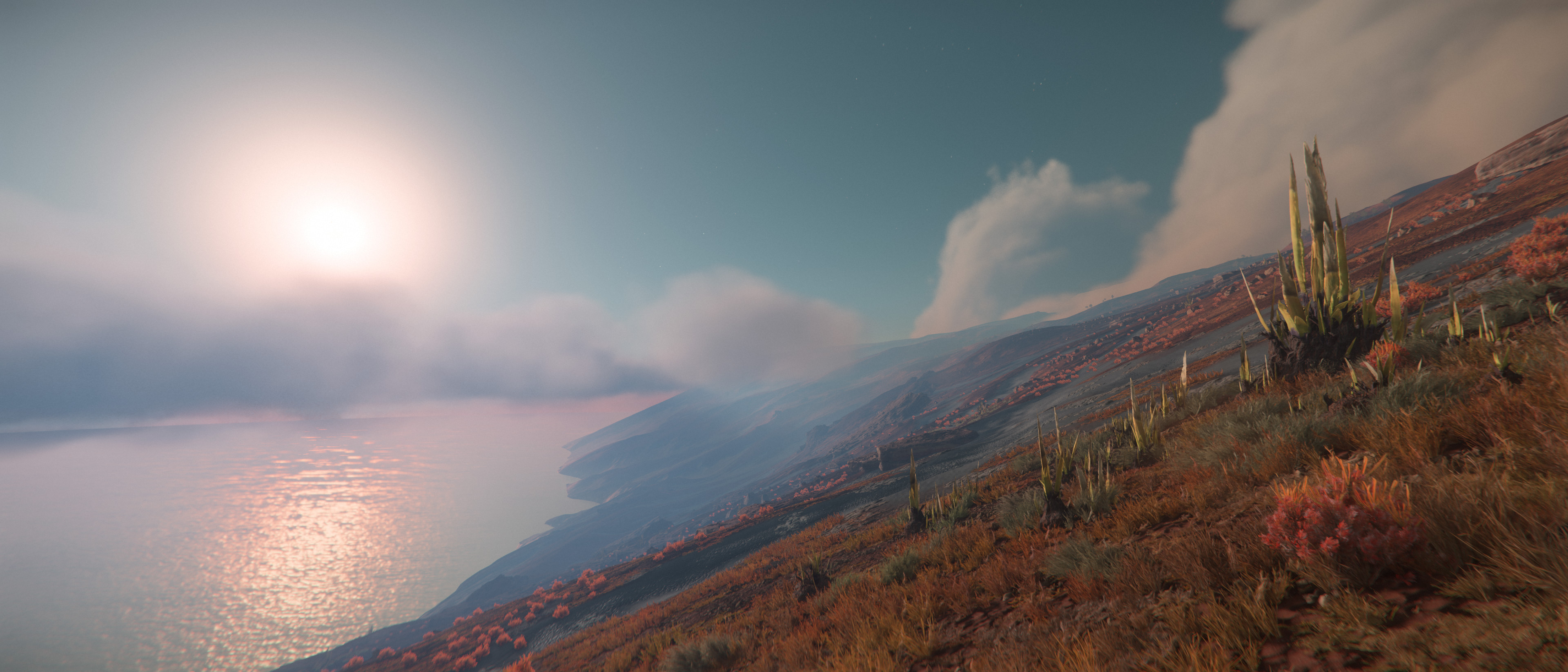
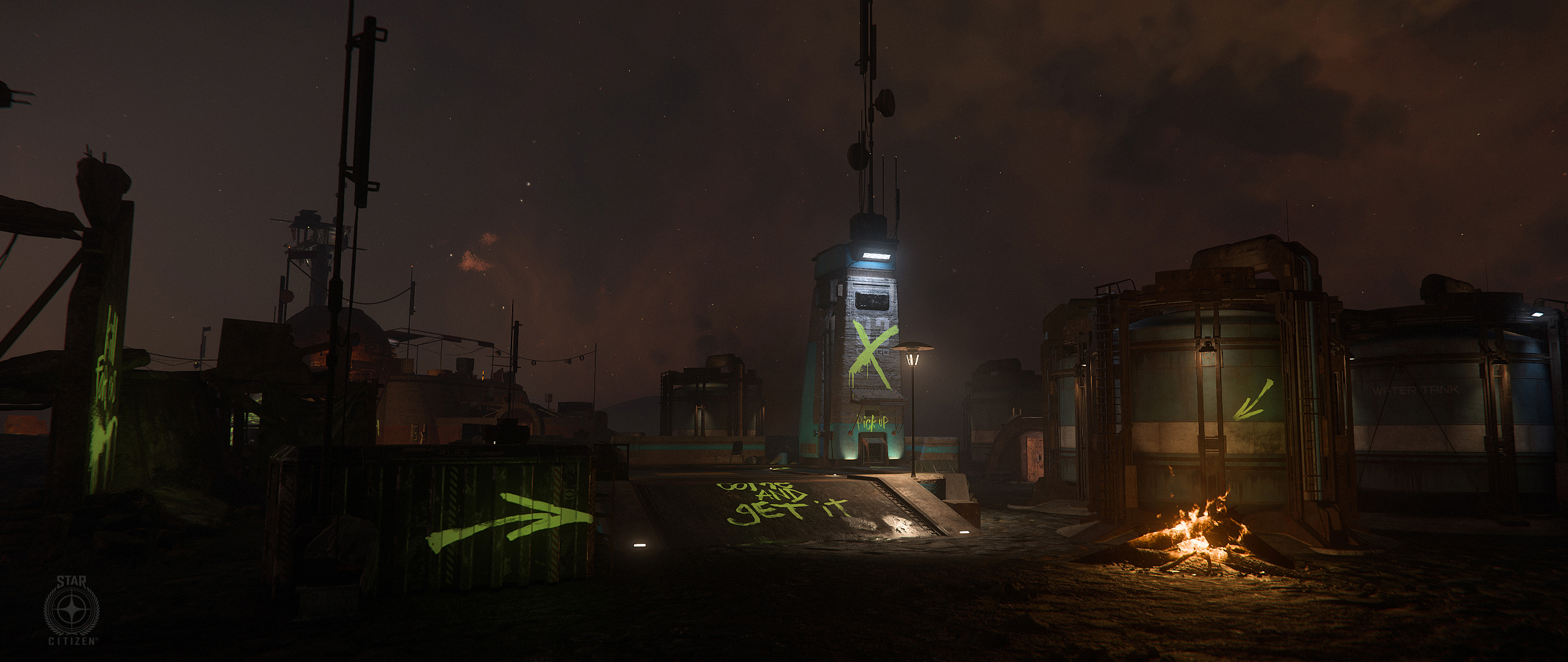
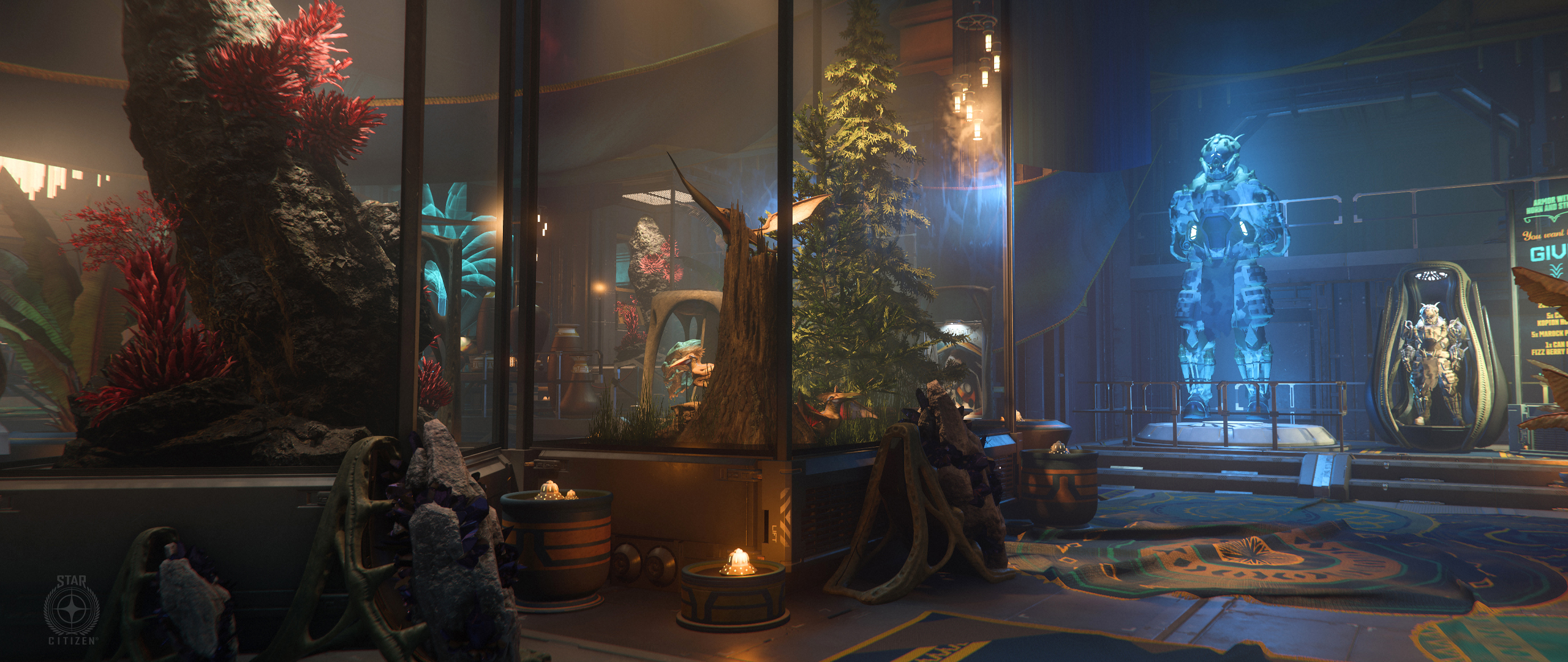
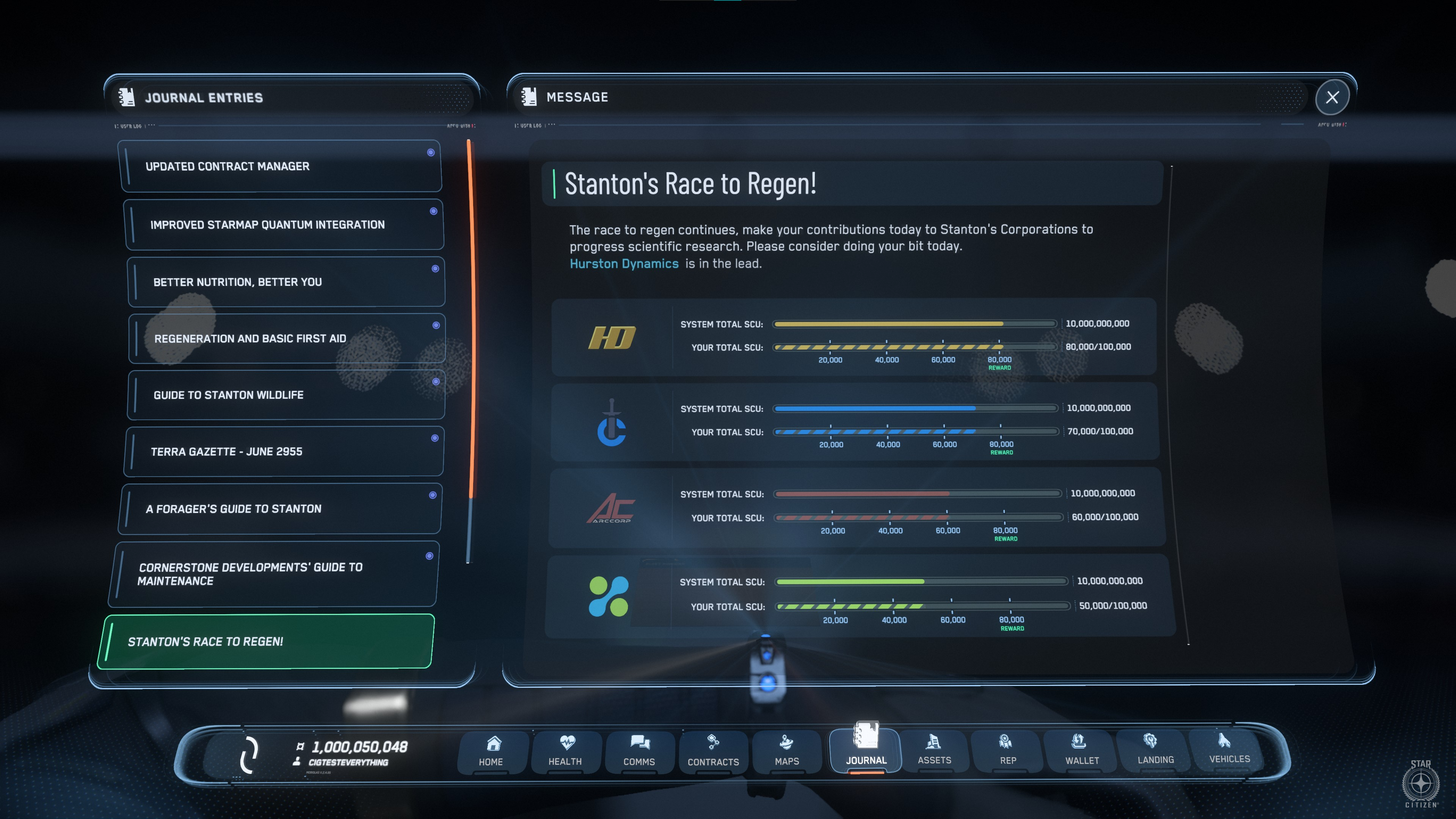
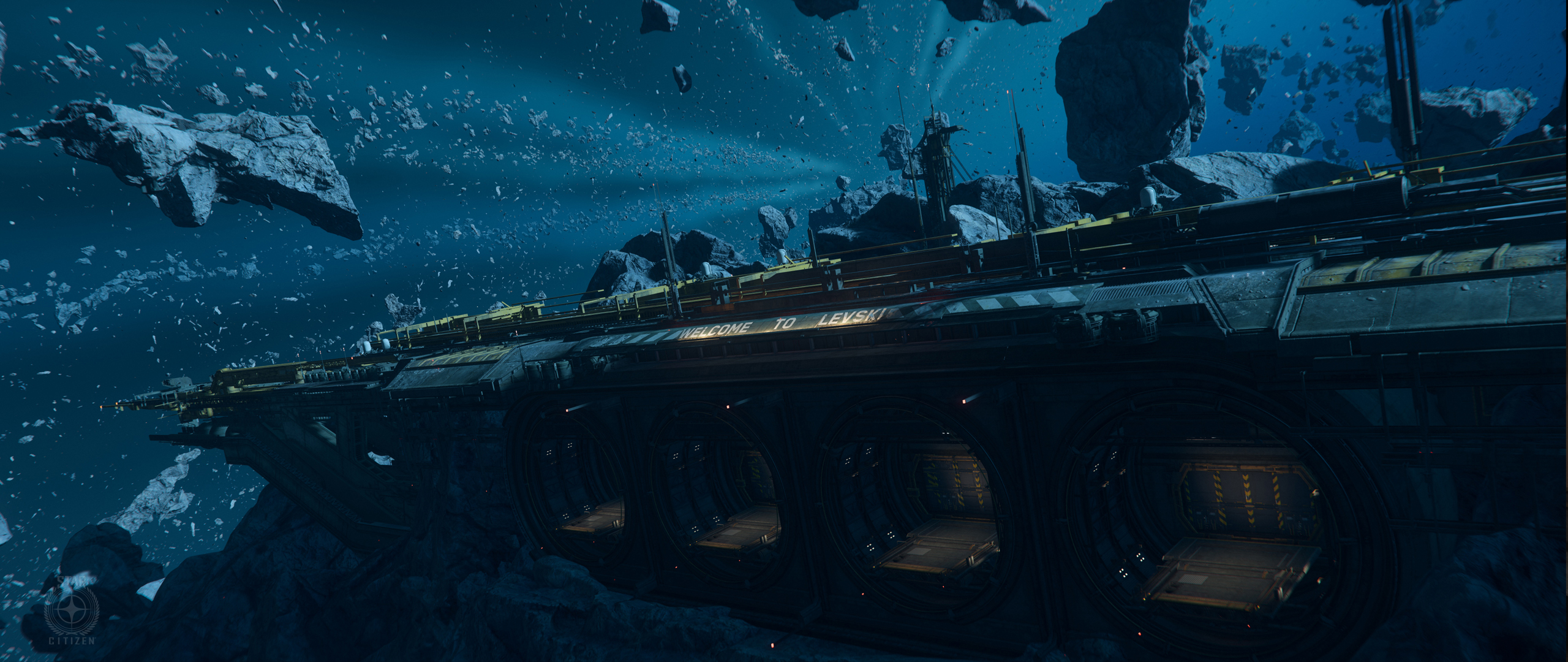
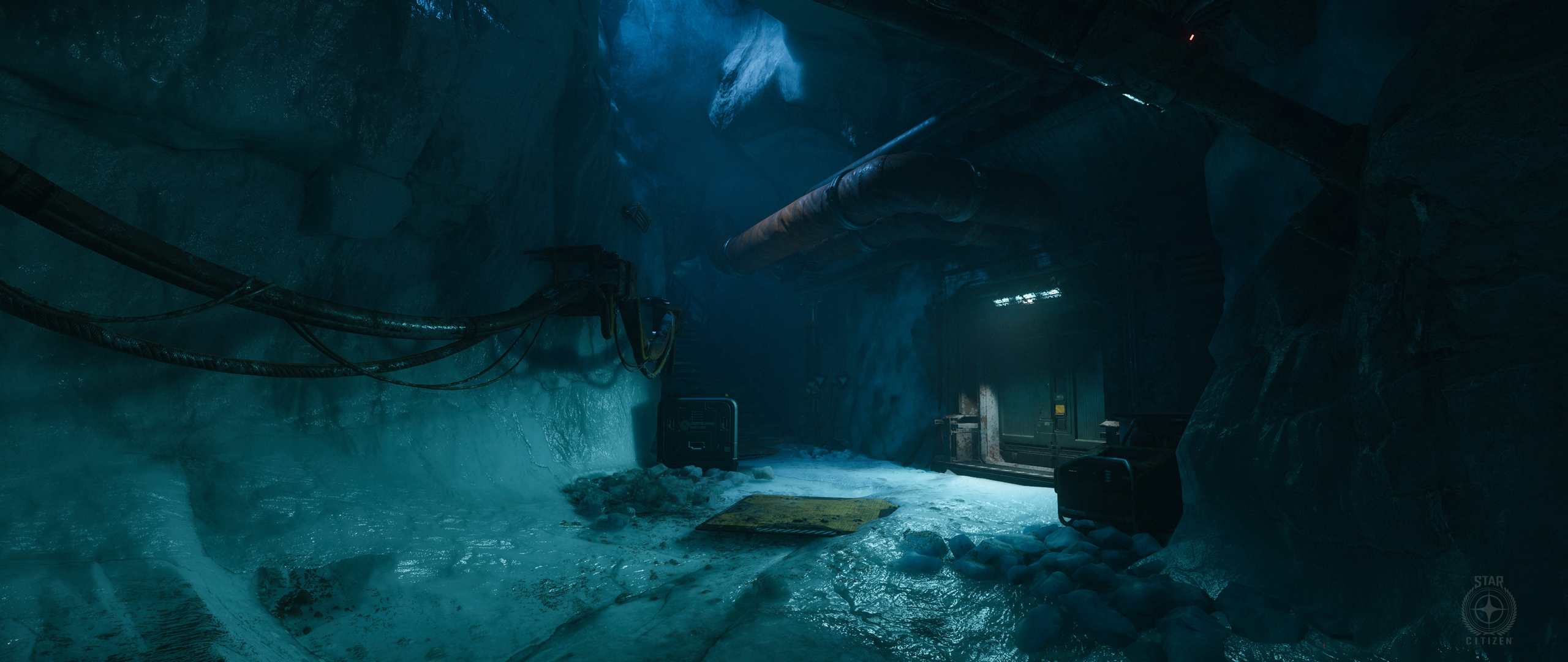
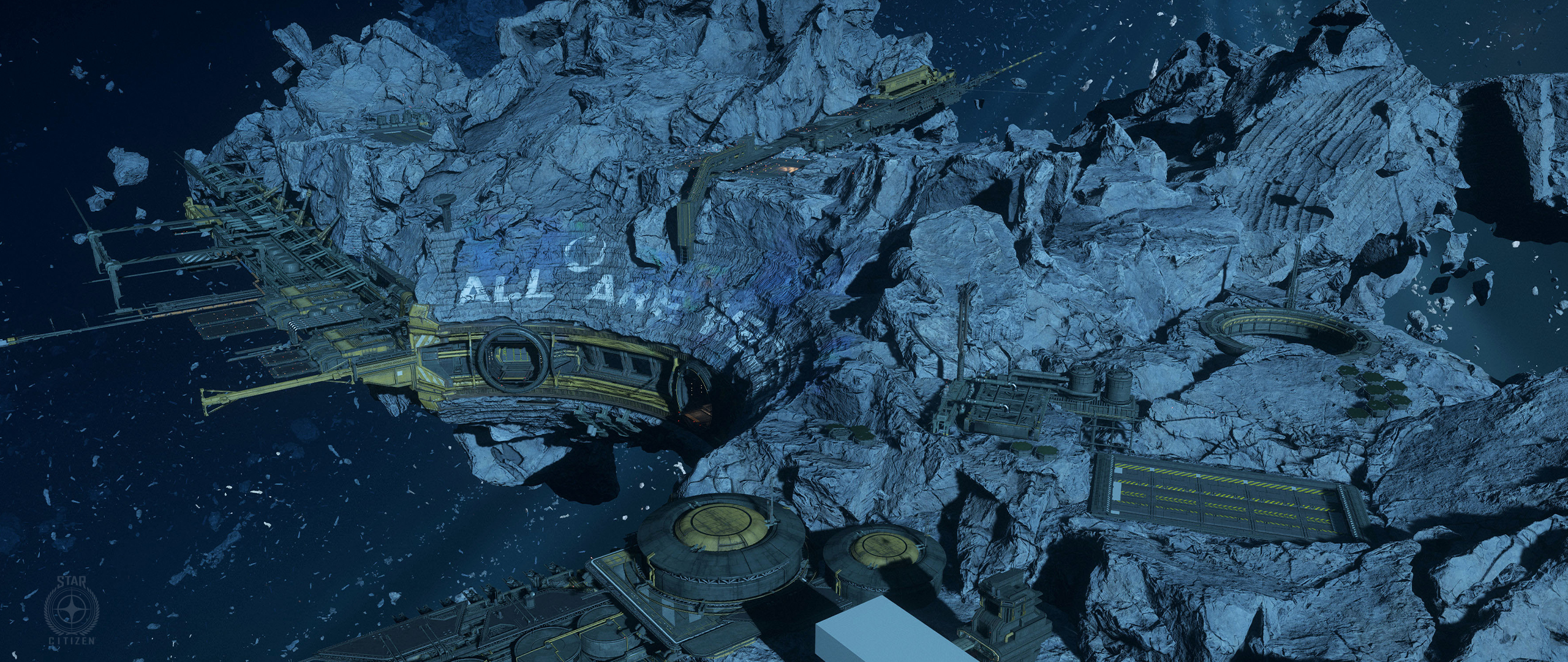
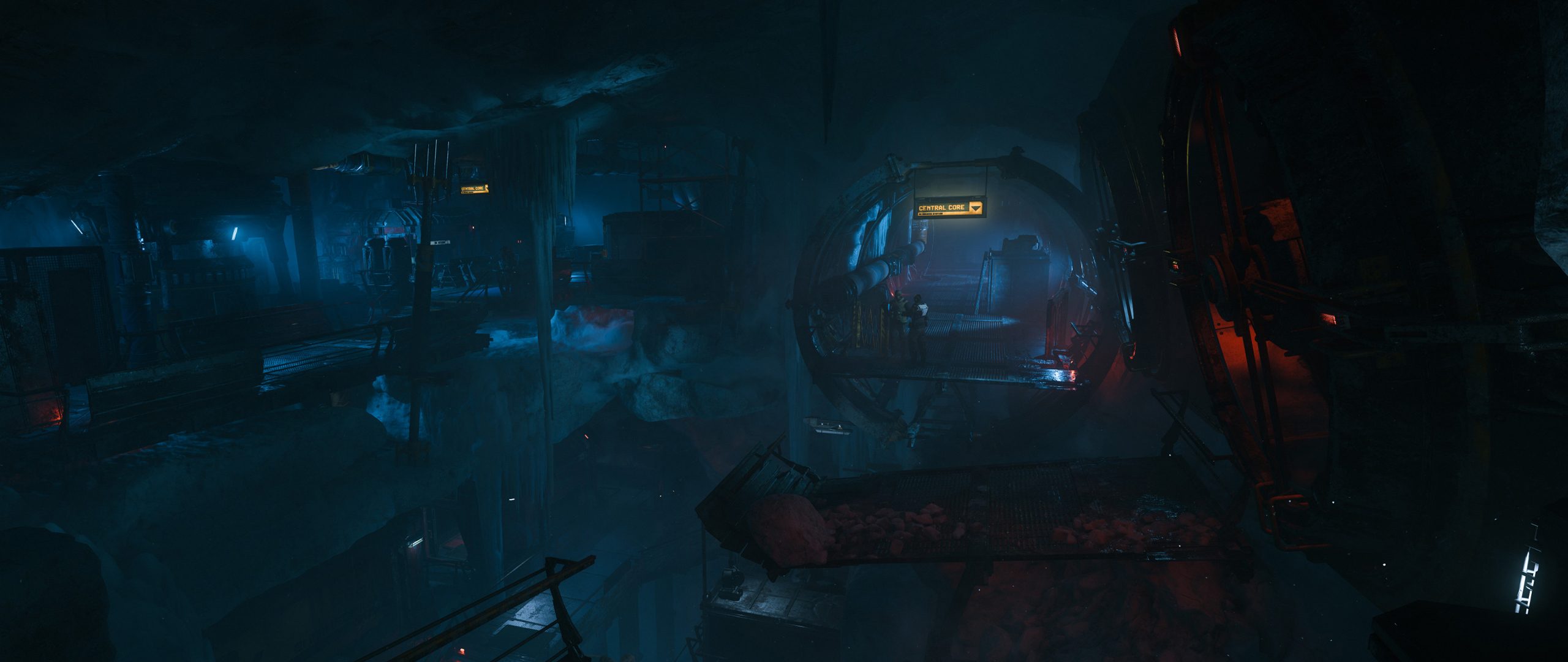
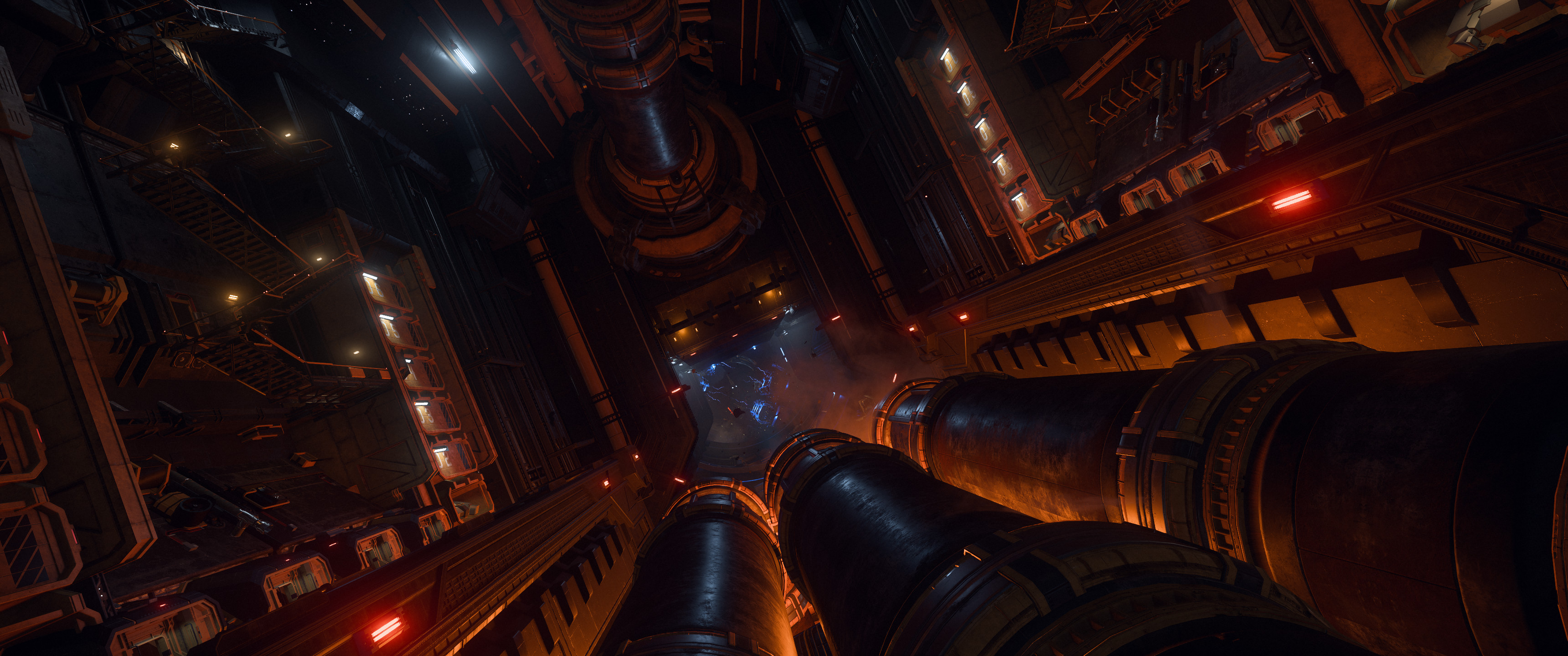
Metadata
- CIG ID
- 16492
- Channel
- Transmission
- Category
- Undefined
- Series
- Monthly Reports
- Comments
- 24
- Published
- 8 years ago (2018-04-06T00:00:00+00:00)