Monthly Studio Report: May 2018
Transmission Undefined Monthly ReportsContent
Welcome to Cloud Imperium Games’ Monthly Studio Report for May, bringing you insight into what all of our studios have been working on. This month, the team made updates to Alpha 3.1, and pushed forward on new systems, ships, and features for Alpha 3.2 and beyond. Work also progressed on various aspects of Squadron 42. With that said, let’s dig into the details.
LOS ANGELES
VEHICLE FEATURES
The Vehicle Features Team’s primary focus this month was working on scanning for the mining feature and making improvements to turrets, both of which will appear in the Alpha 3.2 release. Regarding scanning, the team worked closely with VFX, UI, and other teams to develop the pinging, scanning, and blob work needed for the launch of this feature. The team also completed the implementation of cameras on remote turrets that can be controlled by players, allowing them to focus their turret target on a ship to see its relevant status.
VEHICLE PIPELINE
The team, consisting of Vehicle Art, Systems Design, and Tech Art, developed vehicles for both Alpha 3.2 and subsequent releases. On the art side, the Anvil Hurricane completed its flight prep pass and has been handed off to the other vehicle disciplines for the 3.2 release. The Art Team has also wrapped up their pass on the Consolidated Outland Mustang Alpha and has begun working on its variants. Work was also done on the greybox set-up for the Consolidated Outland Mustang Alpha, the RSI Constellation Phoenix, and the Anvil F8 Lightning. Meanwhile, the Tech Art Team worked on their final flight prep passes, which included damage and landing gear compression on the Anvil Hurricane and the rest of the 3.2 ships: the Aegis Avenger, Aegis Eclipse, Origin 600i, and Vanduul Blade. Additionally, the team took a Tech Art pass in support of the MISC Prospector for the mining feature.
GAMEPLAY FEATURES
The Gameplay Features Team is working with the Spectrum and Backend teams to sync to the new Spectrum architecture, which will allow players to view and manage their contacts in the mobiGlas Comms app. The team is placing the chat feature directly into the mobiGlas, so players can communicate using both the visor chat and the mobiGlas Comms app. In addition to this, Group creation, destruction, rules, and interaction are now being implemented and improved as the team works alongside Turbulent. The ability to invite contacts to groups by selecting them in interaction mode is being added, as is identifying contacts by name in your visor.
NARRATIVE
A wide variety of tasks kept the Narrative Team busy in May. The month kicked off with a release of a Loremaker’s Guide to the Galaxy segment focused on the Oso System. They also recorded episodes for several upcoming systems. They wrote and released three new lore pieces, including part one of the Subscriber exclusive short story Hostile Negotiations. May’s issue of Jump Point focused on the Crusader Hercules Starlifter, game optimization, a Galactapedia entry on whiskey, and more. Two older Jump Point features also received wide release on the site, including the tragic tale of the Lost Squad and part one of the serialized story The Knowledge of Good and Evil. The Squadron 42 Team spent part of the month working with Production to organize work on the remaining narrative tasks and started tackling a handful of set dressing documents. These kickoff documents focus on specific areas of the game and list ideas for props that could be used to sell particular story moments. The team also wrote procedural text for new PU mission types. They drilled down into the specifics of some upcoming locations, which included creating posters to be plastered around Lorville and other locations. They worked with other departments to organize and streamline game documentation essential to inter-office communication, and collaborated with the Community Team on Ciera Brun’s Journal of a Volunteer, which was featured on the Hercules Starlifter sales page.
CHARACTERS
The Character Art Team showcased their work on the Legacy Armor sets for both the Outlaws and Marines in an episode of Around the Verse (both of which will appear in Alpha 3.2). A considerable amount of effort was put into multiple Squadron 42 characters along with new weapon concepts. The upcoming Mission Givers for PU outfits have made tremendous progress, as have the clothing collections for both Olisar and Hurston. The updated flight suit continues to be developed, and R&D on the pipeline for delivering character heads (including realistic hair for all characters) also received attention. And, as always, bugs were fixed for the Alpha 3.2 release. AUSTIN
DESIGN
The team put together features and fixes for Alpha 3.2 and pushed ahead on content for future releases. They refined the recipe system to prepare it for future implementation – early iterations will be simple, but will form the basis of a more complex system that allows players to get into the nuts and bolts of what makes items in the ‘verse tick. Quantum Linking progressed nicely. Soon it will be synced with the Group System to allow for various interactions between local players and those in a party. Once done, groups can easily Quantum Jump to a shared destination together. Spline jumps were added, which allow players to travel from one side of a celestial body to another. The team can adjust the parameters to ensure a smooth experience while still allowing for future iterations and tweaks by the Design Team. With the animations of Battaglia and Klim added, focus has shifted to a pair of new mission givers. The team is also building out the Bartender character, with the goal of instilling a level of life and dynamic activity fitting of a real, hard-working mixologist.
BACKEND SERVICES
Feature creation and bug smashing kept Server Engineering busy in May. With the Persistence Cache being broken up and streamlined, several new features and services were created. Data Cache, Badge Service, GEID Broker, and Character Management Service were previously part of a larger Persistence Cache. They were broken out to allow for higher efficiency and scalability of the Backend Services, ensuring they work within the improved and more efficient Diffusion Service Architecture. The Generic Cache service can now be used by any other service to store data and contain persistence. The Persistence Item Cache grants game items for online players, and will organize and manage the associations of items between each other and provide optimized queries. The team and Turbulent continue to modify the Gateway Service to support the bridge to Spectrum. This work ensures that Spectrum and Services won’t have trouble when Spectrum becomes integrated into the game. Work was also completed on creating a link from CMake generated services into WAF. Now, developers don’t need CMake to use services and can automate the process of building services using WAF for other developers to quickly integrate with their workflow.
ANIMATION
The PU Animation Team finished their previous set of Mission Givers and NPCs and handed them over to Design for implementation. A new set of Mission Givers is now being worked on, and research was done on the Bartender’s animations to bring as much life to this NPC as possible. They also collaborated with other teams to get the Vanduul fully functional and ready for motion capture. The Ship Animation Team continued adding a modular system for entering and exiting seats and turrets. By breaking up the existing animations into sequences, the character can use any of the enter/exit templates to interact with any cockpit type. For example, there can now be an animation that uses the Aegis Gladius enter animation, but then has the player grab a dual-stick control scheme. Previously, the team was limited to only using the Gladius enter animation for cockpits that used one specific configuration. They can now use thousands of different combinations, granting more flexibility when creating new ships. The Ship Animation Team focused on completing the new ships for the 3.2 release. They created new animations for the Origin 600i and the refactored Aegis Avenger, as well as the Aegis Eclipse, Anvil Hurricane, and the Vanduul Blade. Plus, they’ve been fixing various bugs for the 3.2 release. They’re very excited about the improvements made to the ship pipeline and are looking forward to the opportunities that it provides.
ART
Work continues with high polygon and flight-prep modeling of the Constellation Phoenix. In the last few weeks, the team focused on the exterior of the ship, getting it fully fleshed out and finishing the damage setup and LODs. They have also been getting the Constellation Emerald setup and modeled. Constellation variants share most of their parts with each other, but to accommodate the Emerald’s paint job, UV revisions of the original Constellation were required. Once the exterior is done, they will return to the interior to finish various parts such as the floor, guest quarters, and master bedrooms (and the all-important hot tub!). The high poly and detail modeling phase is complete on the F8 Lightning, and the team have moved on to getting it flight-prep ready. The internal damage has been completed and work on LODs are next. Then they will concentrate on the last polish and efficiency pass before creating marketing material for the ship reveal.
OPERATIONS
On the Publishing side, QA wrapped up the last of the 3.1 incremental patches by testing fixes and changes to IFCS. In addition, they tested the new Launcher updates and monitored both PTU and Live to report any new issues to the devs. After the devs wrapped up work on 3.1, QA focused on updating test documentation and processes in preparation for 3.2, continued verifying bug fixes, tested new tool updates, and trained new hires. As the month progressed, more 3.2 features came online for QA testing. These features included Quantum Travel improvements, new ship testing, Item Kiosk shopping, PMA/VMA improvements, and ship & weapon Power Allocation. Leadership worked to better incorporate processes into the new development cycle. This includes dedicating testers to specific feature teams and having them create documentation and test cases. They have also been looking at new software to make testing more efficient as the game grows exponentially. DevOps continued their work on the feature stream process and staging build system. Feature streams are a subset of the main development branches that allow the devs to maintain a tighter focus on specific features without their work interfering with others. DevOps was happy with the rollout, but it hasn’t been easy. The build system has grown so complex that minor updates and adjustments are risky, which is why they’re working closely with the Corp Tech team in Austin on a ‘staging’ build. This new environment will allow engineers to test changes in a safe location rather than apply them directly into the production environment. The DevOps Publishing Team monitored the live service for stability and performance indicators, providing a constant flow of data to the dev teams. They also prepped the Evocoti and PTU servers for the next publishing cycle (which is right around the corner). The team provisioned more server capacity for all regions in anticipation of a very popular feature publish. The Player Relations Team helped wrap up 3.1.4 this month, and have already started early preparations for 3.2 testing with the Evocati. The 3.1 publishes were the first of the quarterly testing cycle. It was a tremendous learning experience that will be used during further cycles. The team was also proud to roll out over 80 articles to the new Knowledge Base – there have already been 25,000 visits in its first month. Players should check it out, as the team continues to add new ‘How To’ articles, patch notes, and live service notifications. As always, Player Relations would like to remind and encourage everyone to use the Issue Council to help triage and rate bugs and functionality. The team uses this data to prioritize future updates. Plus, participation makes you eligible for earlier PTU waves. WILMSLOW & DERBY
ENGINEERING
The Actor Teams have been carrying on with the ‘pickup-and-carry’ work, now concentrating on reducing the animations required for the different combinations of item sizes, grip types, and player states. They did a rough calculation of all these combinations and it came out at roughly 1700 animations. However, with the sensible authoring of assets, combining animations in blend spaces, and layering up, the team should be able to get this down to under 100. They’ve also been developing new animation time-warping technology using player knockdowns as their test case. The problem with something like a knockdown is that the time the character spends in the air varies based on the force and environment. Normally, you would play a looping animation, but this can look unnatural. This new method calculates the airtime and stretches a single animation to fill it. Used sparingly, it produces much better results, and the technique can also be used on other features like jumping. The Social AI Team has got a test setup of a ‘usable’ now fully working with the new channels in Subsumption. A ‘use channel’ describes what you can do in a particular ‘usable’ – examples could be eat, drink, mend, and so on. This is a great milestone as the Subsumption setup simplifies how the designers create ‘usables’, whilst at the same time giving them much more flexibility. The Vehicle Team has implemented the ability to under and overpower ship components, and hooked it into the vehicle’s MFD UI. For example, when you underpower your weapons, they fire slower or the projectiles have less energy. Similarly, your shields will be more effective if they have more power. The Tools Team has been working on a new check-in request tool. As they get closer to a release, they lock down what does and what doesn’t go into the build to improve stability and reduce the risk of new bugs appearing. To help, they’ve been developing a new tool that can track all change requests and give a nice interface for the leads to be able to approve or reject changes. With the number of requests going into a build every day, the overhead of managing them was becoming very large. The hope is this new process will reduce the workload on the teams and production, as well as giving better visibility on what is and isn’t approved.
SHIP TEAM
The ships due for 3.2 have really come along with all the final polish and lighting work that’s gone into them this month. The Vanduul Blade has undergone a rework; mainly around the wings so that it can better accommodate weapons after it was decided the underslung position looked too ‘human’ and needed to be more aligned with the Vanduul aesthetic. It’s also had some extensive work done to the landing gear – previously the ship just rested on the wing tips, but with this change, the wing tips now deploy landing gear to accommodate compression under the weight of the ship. The team has continued to optimize the ship and make sure everything is done so they can switch focus to promo shots and trailers.
AUDIO
On the Audio Code side, the preload manager system was optimized to work asynchronously, so that the audio thread isn’t blocked when streaming audio assets. ‘Asynchronous caching’ was also addressed, which keeps audio events in memory after the game has finished with them. Thanks to this work, assets don’t need to be reloaded from the disk each time they’re needed, which will improve overall performance. As well as bug fixing, debug info was added to the aforementioned preload manager. The music system was improved with a feature to add a further randomized recombination of tracks. The Audio Propagation and Room systems were extended to enable cheaper pressure lookups and allow for room and object-based reverb. Weapons 2.0 audio tech was worked on further, as were the IFCS 2.0 audio set-up and multithreading optimization. Finally, on the code side, the ATL build process was ported over to WAAPI to enable more incremental audio building, improving iteration times for everyone in the team. In Dialogue, new content was delivered for Alpha 3.2 via an improved dialogue pipeline. Characters now have their vocal output processed in real-time through communication devices, via porting the audio and any local secondary sound and transmitting it much as one would find in the real world. In Sound Design, the Scalpel sniper rifle underwent further work and is ready for final review. The FPS weapon system is ripe for refactoring and some work was done to improve quality and simplify the system. They also delivered sound design for the Gemini F55 LMG, the Klaus & Werner Demeco LMG, and the Associated Science & Development Distortion Repeater. The shopping and mining kiosks were polished to increase responsiveness and synchronization. The mining mechanisms have been worked on extensively and are now ready for further implementation and iteration, with work on the fracture and tractor beams for the mining arm receiving a lot of attention. Hangars had some extra improvement work, and ambiance for the Lorville trash biome was prototyped. On the ships front, the Origin 600i, Aegis Eclipse, Esperia Blade, and the Anvil Hurricane all had sound added for their thrusters, moving parts, and interiors. The conversion to IFCS 2.0 created a big project to bring everything in line with the modifications to that upstream system. Development of the ship-wide audio concept also continued, separating maneuvering and ‘cockpit feedback’ sounds from the thruster burn sounds, and adding more directionality towards rotation sounds. Room tones that react to ship handling and damage states were also added to the Constellation as a proof of concept. The new physics objects system had assets created to put it through its paces, which will give more behavioral fidelity across the game. In Music, the Vanduul and Xi’an themes were pushed forward for Squadron 42. For the Persistent Universe, new music was created for derelict ship exploration (small, medium and large).
UI
The UI Team primarily focused on feature work for the Item Kiosks, Mining, and QT Linking. The Item Kiosks wireframes were signed off and later implemented into Flash and hooked up on the code side. The team is now finalizing additional branding skins for the terminals alongside bug fixes on the code now that the QA Team have started testing it. The HUD design for mining was finalized and implemented too. The team is also working on a Kiosk terminal that allows players to sell the refined ore gained from mining. Finally, the QT Linking Flash work has been completed in the UK, with the code hookup for this being tackled by engineers in the LA studio. In addition, work progressed on improving the UI Tech, with the relevant TDDs being written and a proof of concept being created for the building blocks system. Finally, the team supported the Art Team by providing a generic utilitarian branding sheet to be used within the upcoming Rest Stops among other areas.
ANIMATION
Animation tackled the implementation pass for the trained combat set of FPS AI combatants. This included enter and exits from cover as well as combat actions like peeks, reloads, blindfire, and reloads. A previs pass on the untrained combat set was also completed this month. The team took raw motion capture to compare it to the trained set, so combatants would feel distinct and stay true to their character. The team also worked on improving the looting system and added assets to improve the general look and feel of picking up objects, boxes, and items in Squadron 42 and the Persistent Universe. Work also continued on the weapon recoil improvements. As shown in the recent ATV, the team worked with design and code to develop the look and feel of all FPS weapons. The team also made some important strides on the Vanduul animation, creating a behavior set to provide a visual guide on how they will move and operate in Squadron 42. Player locomotion sets have been updated to work with an entity-driven system to ensure that client and server animations are exactly the same. The team also made tweaks to some of the poses to allow for better blending between animations and minimize foot sliding.
VFX
This month has seen a similar pattern to last, with the team supporting the ongoing Mining and Scanning sprints. The effects for both are coming along at a rapid pace, improving almost daily – as evidenced by the various WIP footage seen in recent weeks. Ship VFX received plenty of attention in May, including the luxurious Origin 600i. Work continued on weapons VFX, with visual improvements to legacy ballistic guns, as well as general fix-ups required since the conversion to weapons 2.0 was completed by the Game Code and Systems Design Teams. Collaboration with the Graphics Team also continued, with spline emitter tech coming along nicely. This continues to open up new ideas, and is likely to prove useful in unexpected areas, such as in Quantum Travel.
GRAPHICS
The Graphics Team worked on multiple features this month, the main focus being mining, which required the expansion of the ship damage-map system to work on new types of assets. It also required completely new visuals to show the cracking and heating of rocks. This work also allowed the team to diagnose and fix some long-standing bugs that should lead to improved texture details. The multi-resolution gas cloud work is complete, making it possible to combine several gas clouds together at different resolutions and scales. Memory, however, is still the limiting factor, so the team compressed the density fields to just 8 bits per voxel (down from 32 bits). However, the shadowing data is still too large and can’t be compressed as easily. Therefore, research has started on various forms of deep shadow maps that work in 2.5D to try and avoid the memory and performance issues associated with full 3D lighting data. The foundations of the new multilayer shader system are finished and focus has shifted to adding visual features to the shaders. The first being a new clear coat shading model to achieve convincing paint and anodized metals – both important for high-tech materials. The next is a texture mode called height-variance blending which allows for realistic blending of natural materials (e.g. rock/sand/grass). It supports per-pixel-control of the blend and crucially works at any distance with no aliasing, which is obviously critical with the scale of the game. Some other tasks included optimizations to the rendering in the editor, a holographic effect for use within Squadron 42, and improved temporal anti-aliasing stability.
ENVIRONMENT ART
The Environment Art Team started the final pass of the Common Element Utilitarian Hangars. The most critical aspect of this was the setup of the master material to give the artists a fully functional set of textures to pull from when taking the assets to final quality. Each piece used in the hangars will now go through its final art pass where, amongst other things, it will have its finished UVs, textures, custom normals, LODs, and physics proxies. There are lots of assets to get up to final quality, but when complete, the hangars will be considered finished from an Environment Art perspective. Alongside this, work has been done to get future locations ready for production when the bulk of the Environment Team moves onto them later in the year. FRANKFURT
QA
The QA Team continued daily maintenance of their numerous checklists as well as Subsumption, Editor, and Page Heap regression. Additionally, they took some time to be trained by the Engine Team to better understand how to interpret a callstack, which will ultimately lead to quicker and more reliable bug assignments. A new quick smoke checklist for the client was setup to provide the Design Team with an overview for specific systems in the Persistent Universe, such as AI turrets and their functionality. With the new checklist in place, when asked for the current state of a system worked on exclusively in the DE office, QA will be able to provide information much faster. QA has also been working closely with the Cinematics Team to provide specifically requested support and set up test levels for easier reproduction and a quicker turnaround. Testing on a potential Test Case Management Software candidate was also started to determine if this new software would allow QA to more efficiently manage and track our test cases and reports.
SYSTEM DESIGN
The team added mechanics for NPCs to use grenades to flush their opponents out of cover if they remain stationary for too long. Also, more work was done on improving the way the NPCs react to incoming grenades – they now use a navmesh to determine where they can safely escape to. Combat ships now know how to fight as proper gunships and not just fighters. For example, if a ship with numerous turrets engages you, it may fly around while its turrets track you down, as opposed to flying directly at you. Regarding Vanduul combat, a lot of work was done to previz the way they fight. The emphasis was to make them as different from Humans as possible, so players have a completely different experience when fighting the Vanduul. The team is happy with the current results and are approaching full production for the Vanduul enemies. General population NPCs are also being experimented with as the team tests small, almost cinematic vignettes that the player can experience as they walk around major landing zones. Mining is also progressing as it approaches the bug fixing and polishing phase.
ENVIRONMENT ART
The Environment Art Team continued their push on Hurston, and the second group of ecosystems had their first pass completed. One of the newest ecosystems is the Wasteland Biome, which was first shown during CitizenCon 2017 and will cover a large part of the surface of Hurston. The team took the time to properly update the Wasteland biome to take advantage of the newest planet tech completed this year. The second biome that received proper attention this month was the Strip Mining ecosystem, which too can be found around Hurston. Lorville is also moving forward, with the artists spending their time focusing on the various areas the player will be able to visit, refining the shapes and architecture, adding materials, lights, and assets to further bring these areas to life.
TECH ART
The Tech Art Team continued to improve the deformation algorithms and asset pipeline of the v2 character customization system. Since the underlying tech for facial/head customization is working as intended now, the focus has shifted towards polishing the corresponding assets (head morph targets, head attachments such as hair and beards, etc.). R&D work on the technical foundations for body customization of both male and female characters has begun. Besides developing suitable deformation methods, the team also needs to determine what range of body shapes they can support without introducing clipping artifacts, and which body types they want to support from an artistic perspective. Time was also spent fixing existing bugs and improving the usability of the internal character editor, Character Tool. For FPS weapons, they supported the Gemini Light Machine Gun, which is now ready for its final review and sign off. They also completed Tech Animation work, such as implementing multiple animations into Mannequin for the Cinematics Team, improving the Playblast Tool to speed up reviewing, and improving the binder process to map animations from MotionBuilder onto our Maya rig.
They also completed Tech Animation work, such as implementing multiple animations into Mannequin for the Cinematics Team, improved the Playblast Tool to speed up the process of creating playblasts for reviewing purposes, and worked on improving the binder process to map animations from MotionBuilder onto our Maya rig.
AI
The AI Team worked on adjusting the AI components with the new API to allow a safer construction in different threads – it’s a fundamental step towards fully achieving Object Container Streaming. The Actor code has always been very dependent on Lua (it’s not easy to make a thread safe with good performance), so all the AI components are now being moved to either be fully C++ or Dataforge components. They also worked on a few core functionalities for Subsumption. Subsumption Missions can now define Event Callbacks: missions can receive and send Subsumption events and logic can be written to be executed in association with specific events as described by designers. This functionality is part of the overall effort to support designers in creating more modular missions, and enforce correct communication between modules that can preserve thread safety and avoid a ‘spaghetti code-like’ logic. They also extended the functionality of supporting multiple Mission Objectives for each Mission module. They continued work on improving the way ‘usables’ are defined and executed: designers can now create behavior logic associated with the different use channels of each usable type. For example, assuming there is a usable bed that might expose the following use channels: ‘Sleep’, ‘Rest’, ‘WatchTV’, ‘SitOnBed’. When an NPC uses a ‘use channel’, it will effectively use some logic written by the designers in a similar way to Subsumption functions: this allows a more modular definition of the actions allowed when interacting with a usable maintaining the context of the behavior that is currently running. Human combat is progressing with improvements in the grenade handling during combat, so fighters can now react to incoming grenades and try to duck to reduce the damage received by explosions. Vanduul AI progress is also continuing along in the prototype phase. For Ship AI, take-offs and landings have gone through a small refactor to allow AI behaviors to utilize designer placed splines to be more robust and deliver a more cinematic effect. Work was also completed on improving the validation of the navmesh during spawning: this allows designers to easily request spawning of characters in reachable areas where there are multiple navmeshes present.
LIGHTING
The Lighting and Enviroment teams have been working closely to add new whitebox-level lighting to the Lorville landing zone. The goal is to start blocking in a basic mood and ensure the entire location is lit consistently without areas that are unnaturally bright/dark while maintaining visibility along the critical player path. Alongside this, they’ve been continuing work with the Rest Stop’s modular lighting. They also recently received some updated holo-advertising assets from the Props Team in the UK and started to explore how these can drastically influence the lighting and mood wherever they are placed. As the Hangars common element starts to move into the final art stage, they’ve been experimenting with some variations of lighting for each module, which have similar benefits and drawbacks to the Rest Stops modular system. Each module must be somewhat independently lit so that it looks consistent in every configuration. They also built a new test environment for the Character Team where they can balance skin and armor assets in a completely neutral lighting scene for greater consistency across our wide range of characters.
WEAPONS
The Weapons Team completed a full polish of the Gemini F55 Light Machine Gun, Klaus & Werner Demeco LMG, and Kastak Arms’ Scalpel sniper rifle in preparation for the 3.2 release.
LEVEL DESIGN
The PU Level Design team spent a large amount of time working on flagship landing zones, pushing the ways in which they use procedural technology for layouts. They’re currently looking into customizing the various entry points into Lorville, as well as adding content for the immediate areas around the city. Time was spent revisiting Area18 to revamp and fully integrate it into the universe, taking advantage of the new procedural tools in place.
CINEMATICS
The Cinematics Team worked with the Level Designers on newly created whitebox levels to implement scenes that had not yet been featured in the game. They were brought to an initial implementation stage called PreVis to give visibility on runtime length, coverage of space, as well as the environmental interaction each scene requires. The process is important so that scenes taking place on a traversal path from A to B feel properly paced when level designers lay down paths. It also gives everyone working on a level an early preview of the narrative in that specific level. Since Squadron 42 is a narrative-heavy game, getting that in as early as possible helps ensure everything will work as intended. The Cinematic Animators have been doing R&D on a sophisticated bit of performance capture manipulation called ‘feather blending’. This technique allows drastic changes to performance capture if needed, so animators can decide from which bone to ‘feather in’ the original performance capture on top of. In addition, they can add an additional animation of him holding his pilot helmet in his left hand at his hip and dial in a certain LookAt-range, so he can look at the player. In total, that means combining 3-4 different separate clips of animation at any given time and blending them seamlessly for a convincing result. The team also went back to a level that has a large cinematic and started overhauling the planet setup and vistas to the latest workflow standards. That level also includes Squadron 42’s way of customizing your character, so work was completed on some assets that will be at the core of that process.
ENGINE
The Engine Team generally work on several areas at the same time and this month was no exception. One long term task that was completed was the refactoring of the Entity Component Scheduler. The system is responsible for managing the ‘update frequency’ of the game logic. As more and more features were added over time, its design degenerated, resulting in a hard to use system. With the refactoring complete, each aspect of the scheduler is now orthogonal to each other, making the code easier to maintain and extend. They also decoupled the ‘IN_RANGE’ and ‘IS_VISIBLE’ events from their component updates, which allows components to receive and react to those events without having their update logic depend on them. More features are planned to be added to the scheduler over time. The team also spent time improving the threading system. For the background job manager, they added a Fiber-based system. As the system was used more and more for Object Container Streaming, they took the time to clean up all out-threading primitives. Now all those are Fiber-aware, allowing them to schedule another job when a background job is blocked and thus a more efficient resource usage. In the same code area, they adjusted the scheduler to not block on submission to improve runtime performance by preventing the main thread stalling when submitting numerous jobs simultaneously. They also gave some focus to Object Container Streaming, making the 3DEngine loading code thread safe, allowing us to load large parts of our game world in the background. They made several improvements to the shader build pipeline and infrastructure code, started work on the vertex animation processing refactor and optimization (moving it to the GPU), and continued work on the telemetry system, amongst numerous other things.
ENGINE TOOLS
The Engine Tools Team continued working on improving the general game editor stability and usability. New tools were added for designers to improve their workflows, including a new console implementation to easier parse the engine/game logging for warnings and errors, also adding better support for the massive amount of console variables and commands they currently have. Console variables and commands can now be filtered and saved out as favorites and shared between designers. On top of that, a tool called the Window Outliner was added to make it easier for designers to setup, save, and share their favorite toolsets. Another tool, called the Universe Outliner, was added to better scale with the amount of content inside the universe, which replaces the entity outliner from Lumberyard, including additional information for Subsumption. The level layer handling was also replaced by the Layer Outliner, again for scalability and workflow improvement reasons.
BUILD ENGINEERING
Flexibility was added for the engineers to produce QATR test builds, either by building their code changes against major builds already distributed to the company, or against their own time. This was an engineer request as it gives them more freedom when building changes and handing off for QA verification. A bug in incremental linking was fixed which allowed us to reduce our output PDB file size by almost 50%, taking it down from 2.5GB for debugging StarCitizen.exe to 1.25Gb. They put finishing touches on unifying the DevOps codebases that are used by TryBuild and the main build system, Transformer, so that there can be one umbrella that covers the continuous integration monitoring. This codebase unification also leverages the tech in the Transformer main build system, which has a more straightforward layout in designing both tasks and jobs.
VFX
The VFX Team worked closely with the Graphics Programmers, Gameplay Programmers, Designers, and Environment Artists on the resource mining feature to create an entire suite of new effects. There’s a primary mining beam which heats up and fractures the rock. There are also effects that play on the surface of the rock to show it being cracked apart. After the rock is destroyed, an explosion effect is parameterized based on how well you did; if you add too much power, you get a much larger explosion than a successful operation. After you break the rock, a secondary extraction mode uses a tractor beam to collect the minerals into your cargo hold. PLATFORM: TURBULENT
The team at Turbulent made some massive leaps in development for group services with several Spectrum releases to PTU, and provided platform support for the Community Team.
SPECTRUM
On May 24th a new release of Spectrum hit the PTU. This very early patch includes a ‘Friends’ implementation, allowing you to send requests and manage your contacts. Using this early rudimentary version, the team discovered functionality bugs and system limitations, and has been refactoring code to optimize the experience. Currently, the Spectrum Team is in sprint 4 of 4, which is all about the notifications system. The notifications system will provide the necessary alerts for receiving and sending friends requests. This is the last missing piece to get the friends system feature complete. Calling all Spectrocati, expect a full release on PTU within the month.
RSI PLATFORM
On May 25th, a new European Union Law came into effect, protecting the use of personal data. Turbulent made substantial changes on the backend side to create new tools, ensuring that CIG was compliant with the new rules that came into effect. The Backend Team also produced new tools for the roadmap. A new Import Console has been created on the backend so that production leads can now easily import all their Jira tasks without any requirements from the Platform Team. This has made the review and publishing of the Roadmap faster and much more efficient.
Turbulent supported the Starlifter launch, designing the page, and publishing the posts from Ciera Brun and Operation Sword of Hope. They really enjoyed working on this project as it included an exciting twist, and reading all of the community stories made it all more rewarding. Turbulent’s Front-End and Design Teams have been working on building a page to host the FanKit. The Fankit is still being built, and will include a series of wallpapers, logos, possible 3D models, and audio. It will be an excellent tool for our community to build their personal fan projects, not to mention give out some exclusive items.
KNOWLEDGE BASE
The team launched the Knowledge Base on May 10th, and the Player Relations Team has currently built over 82 articles with FAQs, known issues in patch releases, and many other self-help articles. Based on page views since release, the team already knows that the Knowledge Base has had a positive impact on the community, which will continue as the number of articles increases. Last week when RSI Platform unexpectedly experienced server downtime, the Knowledge Base jumped into action to get a post out and inform the community. They also released a new series of Contact Us forms that will help optimize and prioritize requests. Ultimately, this will help Player Relations react faster to urgent matters.
GROUP SERVICES
Turbulent has been asked to participate in the build of game code for the Groups services, and the Backend Team has been working furiously to build it. The team has been concentrating on an API service to setup group invitations system and the concept of leadership within a group. The two releases of the Groups service were completed last month, which included all the necessary calls for the invitations. The system is being implemented and tested by US gameplay teams. The next iterations of the service release will include a call for group leadership. COMMUNITY
Taking into account player feedback and constructive input during Evocati and PTU phases, the Community Team supported a successful publish of Alpha 3.1.4 to the Persistent Universe, with improvements to Gravlev, flight controls, and more. The public unveiling of the Crusader Industries Hercules was celebrated with a story contest where more than 500 contenders competed to win an M2 military variant. Make sure to check out all the Hercules stories, available to read on Spectrum, which feature the ship in everything from cargo runs to epic space battles. The team ran several screenshot contests, in concert with an Intel Streamer Promotion, giving away three Intel® Optane™900P SSDs. If you haven’t seen them already, head over to Spectrum now and check out the beautiful entries depicting the themes of space combat, scenic vistas, and lifestyle. Also in May, another contest was held, aimed at helping new pilots jump into the verse by giving an overview of the Star Marine and Arena Commander game modes. In this contest, content creators had the chance to win game packages and leave their mark on the Star Citizen website as the winning entries will be added to the How To Play section. Subscribers received limited edition finishes for their Devastator shotguns this month, continuing a series of weapon finishes exclusive to subscribers and commemorating the Imperial Cartography Center. The Community Team is excited to announce a direct and organized process for creators to invite official CIG representatives to their podcasts, videos, streams, and talk shows, as the Invite a Developer form is now live and integrated into the ticket system. Check out the FAQ to find out more. And don’t forget: on October 10th, the entire CIG team will celebrate current and future developments of Star Citizen and Squadron 42 at the Long Center in Austin, Texas. The first wave of CitizenCon tickets is gone, but stay tuned in the coming months for further details and more chances to get tickets. WE’LL SEE YOU NEXT MONTH…
Granaten und versuchen, sich zu ducken, um den durch Explosionen verursachten Schaden zu reduzieren. Die Fortschritte der Vanduul KI werden auch in der Prototypenphase fortgesetzt. Für die SchiffskI haben Starts und Landungen einen kleinen Refaktor durchlaufen, der es KI-Verhalten ermöglicht, vom Designer platzierte Splines zu verwenden, um robuster zu sein und einen filmischeren Effekt zu erzielen. Die Arbeiten zur Verbesserung der Validierung des Navigationsnetzes während des Spawnens wurden ebenfalls abgeschlossen: Dies ermöglicht es den Designern, das Spawnen von Charakteren in erreichbaren Bereichen, in denen mehrere Navigationsnetze vorhanden sind, einfach anzufordern.
LICHT
Die Teams von Lighting und Enviroment haben eng zusammengearbeitet, um die Landezone von Lorville um eine neue Beleuchtung auf Whitebox-Niveau zu erweitern. Ziel ist es, in Grundstimmung mit der Blockade zu beginnen und sicherzustellen, dass der gesamte Standort gleichmäßig beleuchtet wird, ohne unnatürlich hell/dunkel wirkende Bereiche, bei gleichzeitiger Sichtbarkeit entlang des kritischen Spielerpfades. Darüber hinaus arbeiten sie weiter an der modularen Beleuchtung der Raststätte. Sie erhielten kürzlich auch einige aktualisierte Holowerbeartikel vom Requisitenteam in Großbritannien und begannen zu untersuchen, wie diese die Beleuchtung und Stimmung an jedem Ort drastisch beeinflussen können. Als sich das gemeinsame Element der Hangars in die letzte Kunstphase begibt, haben sie mit einigen Variationen der Beleuchtung für jedes Modul experimentiert, die ähnliche Vor- und Nachteile wie das modulare System Rest Stops haben. Jedes Modul muss etwas unabhängig beleuchtet sein, damit es in jeder Konfiguration einheitlich aussieht. Sie bauten auch eine neue Testumgebung für das Charakter-Team auf, in der sie Haut- und Rüstungsgüter in einer völlig neutralen Lichtstimmung für mehr Konsistenz über unsere breite Palette von Charakteren ausbalancieren können.
WEAPONS
Das Waffenteam vervollständigte die Vollendung der Gemini F55 Light Machine Gun, Klaus & Werner Demeco LMG und Kastak Arms' Scalpel Scharfschützengewehr in Vorbereitung auf die 3.2er Version.
LEVEL DESIGN
Das PU Level Design Team hat viel Zeit damit verbracht, an den Flaggschiff-Landezonen zu arbeiten und die Art und Weise, wie sie die Verfahrenstechnik für Layouts einsetzen, zu verbessern. Sie prüfen derzeit die Anpassung der verschiedenen Einstiegspunkte in Lorville sowie das Hinzufügen von Inhalten für die unmittelbaren Bereiche rund um die Stadt. Es wurde Zeit damit verbracht, Area18 erneut zu besuchen, um es zu überarbeiten und vollständig in das Universum zu integrieren, wobei die Vorteile der neuen Verfahrensinstrumente genutzt wurden.
KINEMATIK
Das Cinematics-Team arbeitete mit den Leveldesignern an neu erstellten Whitebox-Levels, um Szenen zu implementieren, die noch nicht im Spiel gezeigt wurden. Sie wurden in eine erste Implementierungsphase namens PreVis gebracht, um die Laufzeit, die Abdeckung des Raums sowie die Umgebungswechselwirkungen, die jede Szene erfordert, sichtbar zu machen. Der Prozess ist wichtig, damit sich Szenen, die auf einem Traversalweg von A nach B stattfinden, richtig anfühlen, wenn Leveldesigner Wege vorgeben. Es gibt auch jedem, der auf einer Ebene arbeitet, eine frühe Vorschau auf die Erzählung auf dieser spezifischen Ebene. Da es sich bei Squadron 42 um ein narratives und schweres Spiel handelt, hilft es, das so früh wie möglich zu bekommen, um sicherzustellen, dass alles wie geplant funktioniert. Die Cinematic Animators haben Forschung und Entwicklung an einem ausgeklügelten Stück Performance Capture Manipulation durchgeführt, das als "Feather Blending" bezeichnet wird. Diese Technik ermöglicht bei Bedarf drastische Änderungen an der Leistungserfassung, so dass Animatoren entscheiden können, von welchem Knochen sie die ursprüngliche Leistungserfassung zusätzlich "befedern" möchten. Darüber hinaus können sie eine zusätzliche Animation von ihm hinzufügen, wie er seinen Pilotenhelm in der linken Hand an der Hüfte hält und eine bestimmte LookAt-Bereich einblendet, damit er den Spieler betrachten kann. Insgesamt bedeutet das, dass 3-4 verschiedene einzelne Animations-Clips zu einem bestimmten Zeitpunkt kombiniert und nahtlos zu einem überzeugenden Ergebnis zusammengefügt werden. Das Team kehrte auch auf ein Niveau zurück, das über eine große Kinoqualität verfügt, und begann, das Planeten-Setup und die Ausblicke auf die neuesten Workflow-Standards zu überarbeiten. Diese Stufe beinhaltet auch die Art und Weise, wie Squadron 42 deinen Charakter anpasst, so dass die Arbeit an einigen Objekten abgeschlossen wurde, die den Kern dieses Prozesses bilden werden.
MOTOR
Das Motorenteam arbeitet in der Regel an mehreren Bereichen gleichzeitig, und dieser Monat war keine Ausnahme. Eine langfristige Aufgabe, die erledigt wurde, war das Refactoring des Entity Component Scheduler. Das System ist für die Verwaltung der Aktualisierungsfrequenz der Spiellogik verantwortlich. Als im Laufe der Zeit immer mehr Funktionen hinzugefügt wurden, verlor das Design an Bedeutung, was zu einem schwer zu bedienenden System führte. Nach Abschluss des Refactoring ist jeder Aspekt des Schedulers nun orthogonal zueinander, was die Pflege und Erweiterung des Codes erleichtert. Sie haben auch die Ereignisse'IN_RANGE' und'IS_VISIBLE' von ihren Komponenten-Updates entkoppelt, so dass Komponenten diese Ereignisse empfangen und darauf reagieren können, ohne dass ihre Aktualisierungslogik von ihnen abhängt. Weitere Funktionen sind geplant, die im Laufe der Zeit dem Planer hinzugefügt werden sollen. Das Team verbrachte auch Zeit damit, das Überführsystem zu verbessern. Für den Hintergrundjobmanager wurde ein faserbasiertes System hinzugefügt. Da das System immer häufiger für Object Container Streaming verwendet wurde, nahmen sie sich die Zeit, alle Out-Threading-Primitive zu bereinigen. Jetzt sind alle Fiber-fähig, so dass sie einen weiteren Job einplanen können, wenn ein Hintergrundjob blockiert ist, und somit eine effizientere Ressourcennutzung. Im gleichen Codebereich passten sie den Scheduler so an, dass er die Übertragung nicht blockiert, um die Laufzeitleistung zu verbessern, indem er verhinderte, dass der Hauptthread beim gleichzeitigen Senden mehrerer Aufträge zum Stillstand kam. Sie gaben auch einen Schwerpunkt auf Object Container Streaming, was den 3DEngine Ladecode Thread sicher macht, so dass wir große Teile unserer Spielwelt im Hintergrund laden können. Sie nahmen mehrere Verbesserungen an der Shader-Pipeline und dem Infrastrukturcode vor, begannen mit der Arbeit am Refactor und der Optimierung der Vertex-Animationsverarbeitung (Verlagerung auf den Grafikprozessor) und setzten die Arbeit am Telemetriesystem fort, unter anderem durch zahlreiche andere Aspekte.
MOTORWERKZEUGE
Das Engine Tools Team arbeitete weiter an der Verbesserung der allgemeinen Stabilität und Benutzerfreundlichkeit des Spieleeditors. Neue Werkzeuge wurden für Designer hinzugefügt, um ihre Arbeitsabläufe zu verbessern, einschließlich einer neuen Konsolenimplementierung, um die Engine/Spielprotokollierung für Warnungen und Fehler einfacher zu analysieren und eine bessere Unterstützung für die massive Anzahl von Konsolenvariablen und Befehlen, die sie derzeit haben. Konsolenvariablen und -befehle können nun gefiltert und als Favoriten gespeichert und zwischen Designern ausgetauscht werden. Darüber hinaus wurde ein Tool namens Window Outliner hinzugefügt, um es Designern zu erleichtern, ihre bevorzugten Toolsets einzurichten, zu speichern und zu teilen. Ein weiteres Tool, der so genannte Universe Outliner, wurde hinzugefügt, um eine bessere Skalierung mit der Menge an Inhalten innerhalb des Universums zu erreichen, die den Entity Outliner von Lumberyard ersetzt, einschließlich zusätzlicher Informationen für Subsumption. Das Level Layer Handling wurde ebenfalls durch den Layer Outliner ersetzt, wiederum aus Gründen der Skalierbarkeit und Workflow-Verbesserung.
GEBÄUDETECHNIK
Die Flexibilität für die Ingenieure, QATR-Test Builds zu erstellen, wurde erhöht, entweder durch das Erstellen von Code-Änderungen gegenüber großen Builds, die bereits an das Unternehmen verteilt wurden, oder gegen ihre eigene Zeit. Dies war eine Ingenieuranfrage, da sie ihnen mehr Freiheit bei der Erstellung von Änderungen und der Übergabe an die QS-Verifizierung gibt. Ein Fehler in der inkrementellen Verknüpfung wurde behoben, der es uns ermöglichte, unsere Größe der PDB-Datei um fast 50% zu reduzieren und sie von 2,5 GB für das Debuggen von StarCitizen.exe auf 1,25 GB zu reduzieren. Sie vervollständigen die Vereinheitlichung der DevOps-Codebases, die von TryBuild und dem Main-Build-System Transformer verwendet werden, so dass es ein Dach geben kann, das die kontinuierliche Integrationsüberwachung abdeckt. Diese Codebasisvereinheitlichung nutzt auch die Technologie des Transformer Main Build Systems, das ein einfacheres Layout bei der Gestaltung von Aufgaben und Aufträgen hat.
VFX
Das VFX-Team arbeitete eng mit den Grafikprogrammierern, Gameplay-Programmierern, Designern und Umweltkünstlern zusammen, um eine ganze Reihe neuer Effekte zu entwickeln. Es gibt einen primären Minenstrahl, der sich erwärmt und das Gestein bricht. Es gibt auch Effekte, die auf der Oberfläche des Felsens spielen, um zu zeigen, dass er auseinander gebrochen wird. Nachdem das Gestein zerstört wurde, wird ein Explosionseffekt parametrisiert, basierend darauf, wie gut Sie es gemacht haben; wenn Sie zu viel Energie hinzufügen, erhalten Sie eine viel größere Explosion als eine erfolgreiche Operation. Nachdem Sie das Gestein gebrochen haben, sammelt ein sekundärer Extraktionsmodus mit einem Traktorstrahl die Mineralien in Ihrem Frachtraum ein. PLATTFORM: TURBULENT
Das Team von Turbulent machte einige massive Entwicklungssprünge für Gruppendienste mit mehreren Spectrum-Releases an PTU und leistete Plattformunterstützung für das Community-Team.
SPEZTRUM
Am 24. Mai wurde die PTU mit einer neuen Version von Spectrum ausgestattet. Dieser sehr frühe Patch enthält eine Implementierung von "Friends", mit der Sie Anfragen senden und Ihre Kontakte verwalten können. Mit dieser frühen rudimentären Version entdeckte das Team Funktionsfehler und Systemgrenzen und hat den Code überarbeitet, um das Erlebnis zu optimieren. Derzeit befindet sich das Spectrum-Team im Sprint 4 von 4, bei dem es um das Benachrichtigungssystem geht. Das Benachrichtigungssystem liefert die notwendigen Benachrichtigungen für den Empfang und das Senden von Anfragen von Freunden. Dies ist das letzte fehlende Stück, um die Freundschaftssystem-Funktion abzuschließen. An alle Spectrocati, erwarten Sie eine vollständige Version auf PTU innerhalb eines Monats.
RSI PLATTFORM
Am 25. Mai trat ein neues Gesetz der Europäischen Union in Kraft, das die Verwendung personenbezogener Daten schützt. Turbulent nahm erhebliche Änderungen auf der Backend-Seite vor, um neue Tools zu erstellen und sicherzustellen, dass die CIG den neuen, in Kraft getretenen Regeln entspricht. Das Backend-Team entwickelte auch neue Tools für die Roadmap. Im Backend wurde eine neue Importkonsole erstellt, so dass Produktionsleiter nun alle ihre Jira-Aufgaben ohne Anforderungen des Platform Teams problemlos importieren können. Dies hat die Überprüfung und Veröffentlichung der Roadmap beschleunigt und wesentlich effizienter gemacht.
Turbulent unterstützte den Start von Starlifter, entwarf die Seite und veröffentlichte die Beiträge von Ciera Brun und Operation Sword of Hope. Sie haben es wirklich genossen, an diesem Projekt zu arbeiten, da es eine spannende Wendung enthielt, und das Lesen aller Community-Geschichten machte es noch lohnender. Die Front-End- und Design-Teams von Turbulent haben an der Erstellung einer Seite für das FanKit gearbeitet. Der Fankit befindet sich noch im Aufbau und wird eine Reihe von Hintergrundbildern, Logos, möglichen 3D-Modellen und Audio enthalten. Es wird ein hervorragendes Werkzeug für unsere Community sein, um ihre persönlichen Fanprojekte zu erstellen, ganz zu schweigen von der Verteilung einiger exklusiver Gegenstände.
WISSENSDATENBANK
Das Team hat die Knowledge Base am 10. Mai gestartet, und das Player Relations Team hat derzeit über 82 Artikel mit FAQs, bekannten Problemen in Patch-Releases und vielen anderen Selbsthilfe-Artikeln erstellt. Basierend auf den Seitenaufrufen seit der Veröffentlichung weiß das Team bereits, dass sich die Knowledge Base positiv auf die Community ausgewirkt hat, die mit zunehmender Anzahl der Artikel fortgesetzt wird. Letzte Woche, als die RSI-Plattform unerwartet einen Serverausfall erlebte, ist die Knowledge Base in Aktion getreten, um einen Beitrag zu verfassen und die Community zu informieren. Sie haben auch eine neue Serie von Kontaktformularen veröffentlicht, die bei der Optimierung und Priorisierung von Anfragen helfen. Letztendlich wird dies den Spielerbeziehungen helfen, schneller auf dringende Angelegenheiten zu reagieren.
GRUPPENDIENSTE
Turbulent wurde gebeten, am Aufbau des Spiel-Codes für die Dienste der Gruppe teilzunehmen, und das Backend-Team hat wütend daran gearbeitet, ihn zu entwickeln. Das Team hat sich auf einen API-Service zum Aufbau eines Gruppeneinladungssystems und das Konzept der Führung innerhalb einer Gruppe konzentriert. Die beiden Versionen des Gruppendienstes wurden letzten Monat abgeschlossen, was alle notwendigen Anrufe für die Einladungen beinhaltete. Das System wird von US-amerikanischen Gameplay-Teams implementiert und getestet. Die nächsten Iterationen der Service Release werden einen Aufruf zur Gruppenleitung beinhalten. GEMEINSCHAFT
Unter Berücksichtigung des Feedbacks der Spieler und des konstruktiven Inputs während der Evocati- und PTU-Phasen unterstützte das Community-Team eine erfolgreiche Veröffentlichung von Alpha 3.1.4 im Persistent Universe, mit Verbesserungen bei Gravlev, Flugsteuerung und mehr. Die öffentliche Enthüllung der Crusader Industries Hercules wurde mit einem Story-Wettbewerb gefeiert, bei dem mehr als 500 Teilnehmer um den Gewinn einer M2-Militärvariante kämpften. Vergewissern Sie sich, dass Sie alle Herkules-Geschichten lesen können, die auf Spectrum verfügbar sind, die das Schiff in allem von Ladeläufen bis hin zu epischen Weltraumschlachten zeigen. Das Team führte mehrere Screenshot-Wettbewerbe in Zusammenarbeit mit einer Intel Streamer Promotion durch und verloste drei Intel® Optane™900P SSDs. Wenn Sie sie noch nicht gesehen haben, besuchen Sie jetzt Spectrum und schauen Sie sich die wunderschönen Einträge an, die die Themen Weltraumkampf, Landschaftsblicke und Lifestyle darstellen. Ebenfalls im Mai fand ein weiterer Wettbewerb statt, der neuen Piloten helfen sollte, in den Vers einzusteigen, indem er einen Überblick über die Spielmodi Star Marine und Arena Commander gab. In diesem Wettbewerb hatten die Autoren die Möglichkeit, Spielepakete zu gewinnen und ihre Spuren auf der Star Citizen-Website zu hinterlassen, da die Gewinnerbeiträge in den Bereich How To Play aufgenommen werden. Abonnenten erhielten in diesem Monat eine limitierte Auflage von Finishes für ihre Devastator Schrotflinten, die eine Reihe von Waffen Finishes exklusiv für Abonnenten fortsetzten und an das Imperial Cartography Center erinnern. Das Community-Team freut sich, einen direkten und organisierten Prozess für Autoren anzukündigen, um offizielle CIG-Vertreter zu ihren Podcasts, Videos, Streams und Talkshows einzuladen, da das Invite a Developer-Formular nun live ist und in das Ticketsystem integriert ist. Schauen Sie sich die FAQ an, um mehr darüber zu erfahren. Und nicht vergessen: Am 10. Oktober feiert das gesamte CIG-Team die aktuellen und zukünftigen Entwicklungen von Star Citizen und Squadron 42 im Long Center in Austin, Texas. Die erste Welle der CitizenCon-Tickets ist weg, aber bleiben Sie in den kommenden Monaten auf dem Laufenden, um weitere Details und mehr Chancen auf Tickets zu erhalten. WIR SEHEN UNS NÄCHSTEN MONAT..... Willkommen zum monatlichen Studio-Bericht von Cloud Imperium Games für Mai, der Ihnen einen Einblick in das gibt, woran alle unsere Studios gearbeitet haben. In diesem Monat aktualisierte das Team Alpha 3.1 und trieb die Entwicklung neuer Systeme, Schiffe und Funktionen für Alpha 3.2 und darüber hinaus voran. Auch die Arbeiten an verschiedenen Aspekten der Staffel 42 wurden fortgesetzt. Wenn das so ist, lassen Sie uns in die Details gehen.
LOSE ANGELES
FAHRZEUGEIGENSCHAFTEN
Der Schwerpunkt des Vehicle Features Teams lag in diesem Monat auf der Suche nach der Minenfunktion und der Verbesserung von Geschütztürmen, die beide in der Alpha 3.2-Version erscheinen werden. Beim Scannen arbeitete das Team eng mit VFX, UI und anderen Teams zusammen, um die für die Einführung dieser Funktion erforderlichen Ping-, Scan- und Blob-Arbeiten zu entwickeln. Das Team beendete auch die Implementierung von Kameras auf entfernten Türmen, die von den Spielern gesteuert werden können, so dass sie ihr Turmziel auf ein Schiff fokussieren können, um dessen relevanten Status zu sehen.
FAHRZEUGLEITUNG
Das Team, bestehend aus Vehicle Art, Systems Design und Tech Art, entwickelte Fahrzeuge für Alpha 3.2 und nachfolgende Releases. Auf der Kunstseite hat der Anvil Hurricane seinen Flugvorbereitungspass abgeschlossen und wurde für das Release 3.2 an die anderen Fahrzeugdisziplinen übergeben. Das Art Team hat auch seinen Pass für den Consolidated Outland Mustang Alpha fertig gestellt und mit der Arbeit an dessen Varianten begonnen. Außerdem wurden Arbeiten an der Graybox-Konfiguration für den Consolidated Outland Mustang Alpha, die RSI Constellation Phoenix und den Anvil F8 Lightning durchgeführt. In der Zwischenzeit arbeitete das Tech Art Team an ihren letzten Flugvorbereitungspassierscheinen, die Schäden und das Zusammendrücken des Fahrwerks am Anvil Hurricane und den Rest der 3.2 Schiffe umfassten: Aegis Avenger, Aegis Eclipse, Origin 600i und Vanduul Blade. Zusätzlich nahm das Team einen Tech Art Pass zur Unterstützung des MISC Prospectors für das Mining-Feature.
GAMEPLAY-FUNKTIONEN
Das Gameplay Features Team arbeitet mit den Teams Spectrum und Backend zusammen, um die Synchronisation mit der neuen Spectrum-Architektur durchzuführen, die es den Spielern ermöglicht, ihre Kontakte in der mobiGlas Comms App anzuzeigen und zu verwalten. Das Team platziert die Chat-Funktion direkt in das mobiGlas, so dass die Spieler sowohl über den Visor-Chat als auch über die mobiGlas Comms-App kommunizieren können. Darüber hinaus werden Gruppenbildung, Zerstörung, Regeln und Interaktion nun umgesetzt und verbessert, da das Team mit Turbulent zusammenarbeitet. Die Möglichkeit, Kontakte zu Gruppen einzuladen, indem man sie im Interaktionsmodus auswählt, wird hinzugefügt, ebenso wie die Identifizierung von Kontakten durch Namen in Ihrem Visier.
NARRATIV
Eine Vielzahl von Aufgaben beschäftigte das Narrative Team im Mai. Der Monat begann mit der Veröffentlichung eines Loremaker's Guide to the Galaxy Segments, das sich auf das Oso-System konzentriert. Sie nahmen auch Episoden für mehrere kommende Systeme auf. Sie schrieben und veröffentlichten drei neue Überlieferungsstücke, darunter Teil eins der exklusiven Kurzgeschichte Feindliche Verhandlungen. Die Mai-Ausgabe von Jump Point konzentrierte sich auf den Kreuzritter Hercules Starlifter, Spieloptimierung, einen Galactapedia-Eintrag über Whiskey und vieles mehr. Zwei ältere Jump Point Features erhielten ebenfalls eine breite Veröffentlichung auf der Website, darunter die tragische Geschichte der Lost Squad und Teil eins der serialisierten Geschichte The Knowledge of Good and Evil. Das Squadron 42 Team verbrachte einen Teil des Monats damit, mit der Produktion zusammenzuarbeiten, um die Arbeit an den restlichen narrativen Aufgaben zu organisieren, und fing an, sich mit einer Handvoll Kleiderdokumente zu befassen. Diese Eröffnungsdokumente konzentrieren sich auf bestimmte Bereiche des Spiels und listen Ideen für Requisiten auf, mit denen man bestimmte Geschichten verkaufen kann. Das Team schrieb auch einen Verfahrenstext für neue PU-Missionstypen. Sie bohrten sich in die Besonderheiten einiger zukünftiger Standorte ein, darunter die Erstellung von Postern, die in der Nähe von Lorville und anderen Orten verputzt werden sollten. Sie arbeiteten mit anderen Abteilungen zusammen, um die für die Kommunikation zwischen den Büros unerlässliche Spieldokumentation zu organisieren und zu rationalisieren, und arbeiteten mit dem Community-Team an Ciera Bruns Journal of a Volunteer, das auf der Verkaufsseite von Hercules Starlifter veröffentlicht wurde.
CHARAKTERS
Das Character Art Team präsentierte seine Arbeit an den Legacy Armor Sets für die Gesetzlosen und Marines in einer Episode von Around the Vers (beide werden in Alpha 3.2 erscheinen). Ein erheblicher Aufwand wurde in mehrere Geschwader 42 Charaktere und neue Waffenkonzepte gesteckt. Die kommenden Mission Giver für PU-Outfits haben enorme Fortschritte gemacht, ebenso wie die Bekleidungskollektionen für Olisar und Hurston. Der aktualisierte Fluganzug wird weiter entwickelt, und auch die Forschung und Entwicklung an der Pipeline zur Lieferung von Charakterköpfen (einschließlich realistischer Haare für alle Charaktere) fand Beachtung. Und wie immer wurden Fehler für die Alpha 3.2 Version behoben. AUSTIN
DESIGN
Das Team stellte Features und Fixes für Alpha 3.2 zusammen und trieb die Inhalte für zukünftige Releases voran. Sie haben das Rezeptsystem verfeinert, um es für die zukünftige Umsetzung vorzubereiten - frühe Iterationen werden einfach sein, aber die Grundlage für ein komplexeres System bilden, das es den Spielern ermöglicht, sich mit den Grundlagen dessen zu beschäftigen, was Gegenstände im "Verstick" ausmacht. Das Quantum Linking kam gut voran. Bald wird es mit dem Gruppensystem synchronisiert, um verschiedene Interaktionen zwischen lokalen Akteuren und denen in einer Gruppe zu ermöglichen. Sobald dies erledigt ist, können Gruppen problemlos gemeinsam Quantensprung zu einem gemeinsamen Ziel durchführen. Es wurden Spline-Sprünge hinzugefügt, die es den Spielern ermöglichen, von einer Seite eines Himmelskörpers zur anderen zu reisen. Das Team kann die Parameter anpassen, um ein reibungsloses Erlebnis zu gewährleisten und gleichzeitig zukünftige Iterationen und Optimierungen durch das Designteam zu ermöglichen. Mit den Animationen von Battaglia und Klim hat sich der Fokus auf ein Paar neuer Missionsgeber verlagert. Das Team baut auch den Barkeeper-Charakter aus, mit dem Ziel, ein Niveau des Lebens und der dynamischen Aktivität eines echten, fleißigen Mixologen zu erreichen.
BACKEND-SERVICES
Feature-Erstellung und Bug-Smashing hielten Server Engineering im Mai in Atem. Mit der Auflösung und Optimierung des Persistenz-Cache wurden mehrere neue Funktionen und Dienste geschaffen. Data Cache, Badge Service, GEID Broker und Character Management Service waren bisher Teil eines größeren Persistence Cache. Sie wurden entwickelt, um eine höhere Effizienz und Skalierbarkeit der Backend Services zu ermöglichen und sicherzustellen, dass sie innerhalb der verbesserten und effizienteren Diffusionsdienstarchitektur arbeiten. Der generische Cache-Service kann nun von jedem anderen Service verwendet werden, um Daten zu speichern und Persistenz zu erhalten. Der Persistenz Item Cache gewährt Spielgegenstände für Online-Spieler, organisiert und verwaltet die Verknüpfungen von Gegenständen untereinander und stellt optimierte Abfragen bereit. Das Team und Turbulent modifizieren weiterhin den Gateway Service, um die Brücke nach Spectrum zu unterstützen. Diese Arbeit stellt sicher, dass Spectrum und Services keine Probleme haben, wenn Spectrum in das Spiel integriert wird. Die Arbeiten zur Erstellung einer Verbindung von CMake generierten Diensten zu WAF wurden ebenfalls abgeschlossen. Jetzt benötigen Entwickler CMake nicht mehr, um Services zu nutzen, und können den Prozess der Gebäudetechnik mit WAF automatisieren, damit andere Entwickler schnell in ihren Workflow integrieren können.
ANIMATION
Das PU-Animationsteam beendete ihre bisherige Reihe von Missionsgebern und NSCs und übergab sie an Design zur Umsetzung. Eine neue Reihe von Missionsgebern wird derzeit bearbeitet, und es wurde an den Animationen des Barkeepers geforscht, um diesem NSC so viel Leben wie möglich zu geben. Sie arbeiteten auch mit anderen Teams zusammen, um die Vanduul voll funktionsfähig und bereit für die Bewegungserfassung zu machen. Das Ship Animation Team fügte weiterhin ein modulares System für das Betreten und Verlassen von Sitzen und Türmen hinzu. Durch die Aufteilung der vorhandenen Animationen in Sequenzen kann der Charakter jede der Enter/Exit-Vorlagen verwenden, um mit jedem Cockpittyp zu interagieren. Zum Beispiel kann es jetzt eine Animation geben, die die Aegis Gladius Enter-Animation verwendet, aber dann hat der Spieler ein Dual-Stick-Steuerungsschema. Bisher beschränkte sich das Team darauf, nur die Gladius Enter Animation für Cockpits zu verwenden, die eine bestimmte Konfiguration verwendeten. Sie können nun Tausende von verschiedenen Kombinationen verwenden und erhalten so mehr Flexibilität bei der Erstellung neuer Schiffe. Das Ship Animation Team konzentrierte sich auf die Fertigstellung der neuen Schiffe für die Version 3.2. Sie erstellten neue Animationen für den Origin 600i und den überarbeiteten Aegis Avenger sowie die Aegis Eclipse, den Anvil Hurricane und die Vanduul Blade. Außerdem haben sie verschiedene Fehler für die Version 3.2 behoben. Sie sind sehr gespannt auf die Verbesserungen an der Schiffspipeline und freuen sich auf die damit verbundenen Möglichkeiten.
KUNST
Die Arbeiten an der Hochpolygon- und Flugvorbereitungsmodellierung des Sternbildes Phoenix werden fortgesetzt. In den letzten Wochen konzentrierte sich das Team auf das Äußere des Schiffes, um es vollständig zu vervollständigen und den Schadensaufbau und die LODs abzuschließen. Sie haben auch das Sternbild Emerald eingerichtet und modelliert bekommen. Konstellationsvarianten teilen sich die meisten ihrer Teile miteinander, aber um die Lackierung des Smaragds zu ermöglichen, waren UV-Revisionen der ursprünglichen Konstellation erforderlich. Sobald das Äußere fertig ist, kehren sie in das Innere zurück, um verschiedene Teile wie Boden, Gästezimmer und Hauptschlafzimmer (und den wichtigen Whirlpool!) fertigzustellen. Die High-Poly und Detail-Modellierungsphase ist abgeschlossen, und das Team hat sich darauf eingestellt, die Flugvorbereitung vorzubereiten. Der interne Schaden ist abgeschlossen und die Arbeiten an den LODs sind abgeschlossen. Dann konzentrieren sie sich auf den letzten Schliff und den Effizienzpass, bevor sie Marketingmaterial für die Schiffsanzeige erstellen.
BETRIEB
Auf der Publishing-Seite beendete QA den letzten der inkrementellen 3.1-Patches, indem sie Fixes und Änderungen am IFCS testete. Darüber hinaus testeten sie die neuen Launcher-Updates und überwachten sowohl PTU als auch Live, um den Entwicklern neue Probleme zu melden. Nachdem die Entwickler die Arbeit an 3.1 abgeschlossen hatten, konzentrierte sich die Qualitätssicherung auf die Aktualisierung der Testdokumentation und -prozesse in Vorbereitung auf 3.2, die weitere Überprüfung von Bugfixes, das Testen neuer Tool-Updates und das Training neuer Mitarbeiter. Im Laufe des Monats kamen weitere 3.2-Funktionen für den QA-Test online. Zu diesen Funktionen gehörten Quantum Travel Verbesserungen, neue Schiffstests, Item Kiosk Shopping, PMA/VMA Verbesserungen sowie Schiffs- und Waffenenergiezuteilung. Die Führungskräfte arbeiteten daran, Prozesse besser in den neuen Entwicklungszyklus zu integrieren. Dazu gehört es, die Tester bestimmten Feature-Teams zuzuordnen und von ihnen Dokumentation und Testfälle erstellen zu lassen. Sie haben sich auch mit neuer Software beschäftigt, um das Testen effizienter zu gestalten, da das Spiel exponentiell wächst. DevOps setzte seine Arbeit am Feature Stream Prozess und am Staging Build System fort. Feature-Streams sind eine Teilmenge der wichtigsten Entwicklungszweige, die es den Entwicklern ermöglichen, sich stärker auf bestimmte Features zu konzentrieren, ohne dass ihre Arbeit andere stört. DevOps war mit dem Rollout zufrieden, aber es war nicht einfach. Das Build-System ist so komplex geworden, dass kleinere Updates und Anpassungen riskant sind, weshalb sie eng mit dem Corp Tech-Team in Austin zusammenarbeiten, um ein "Staging"-Build zu erstellen. Diese neue Umgebung wird es Ingenieuren ermöglichen, Änderungen an einem sicheren Ort zu testen, anstatt sie direkt in die Produktionsumgebung zu übernehmen. Das DevOps Publishing Team überwachte den Live-Service auf Stabilitäts- und Leistungsindikatoren und stellte den Entwicklerteams einen konstanten Datenfluss zur Verfügung. Sie haben auch die Evocoti- und PTU-Server für den nächsten Veröffentlichungszyklus (der gleich um die Ecke liegt) vorbereitet. Das Team stellte mehr Serverkapazität für alle Regionen zur Verfügung, in Erwartung einer sehr beliebten Feature-Veröffentlichung. Das Player Relations Team hat diesen Monat geholfen, den 3.1.4 abzuschließen und hat bereits mit den frühen Vorbereitungen für die 3.2-Tests mit der Evocati begonnen. Die 3.1-Publikationen waren die ersten des vierteljährlichen Testzyklus. Es war eine enorme Lernerfahrung, die in weiteren Zyklen genutzt wird. Das Team war auch stolz darauf, über 80 Artikel in die neue Knowledge Base einzubringen - im ersten Monat wurden bereits 25.000 Besuche verzeichnet. Spieler sollten es ausprobieren, da das Team weiterhin neue "How To"-Artikel, Patch-Notizen und Live-Benachrichtigungen hinzufügt. Wie immer möchte Player Relations jeden daran erinnern und ermutigen, den Issue Council zu nutzen, um Fehler und Funktionalität zu analysieren und zu bewerten. Das Team verwendet diese Daten, um zukünftige Updates zu priorisieren. Außerdem sind Sie aufgrund der Teilnahme berechtigt, an früheren PTU-Wellen teilzunehmen. WILMSLOW & DERBY
MASCHINENBAU
Die Schauspielerteams haben die Pickup-and-Carry-Arbeiten fortgesetzt und konzentrieren sich nun darauf, die Animationen zu reduzieren, die für die verschiedenen Kombinationen von Elementgrößen, Grifftypen und Spielerzuständen erforderlich sind. Sie machten eine grobe Berechnung all dieser Kombinationen und es ergab sich bei etwa 1700 Animationen. Mit dem sinnvollen Authoring von Assets, der Kombination von Animationen in Mischräumen und dem Layering Up sollte es dem Team jedoch möglich sein, dies auf unter 100 zu reduzieren. Sie haben auch eine neue Animations-Zeitverzerrungstechnologie entwickelt, die Spieler-Knockdowns als Testfall verwendet. Das Problem bei so etwas wie einem Niederschlag ist, dass die Zeit, die der Charakter in der Luft verbringt, je nach Kraft und Umgebung variiert. Normalerweise würden Sie eine Loop-Animation abspielen, aber das kann unnatürlich aussehen. Diese neue Methode berechnet die Airtime und dehnt eine einzelne Animation aus, um sie zu füllen. Sparsam eingesetzt, bringt es viel bessere Ergebnisse, und die Technik kann auch bei anderen Features wie Springen eingesetzt werden. Das Social AI Team hat einen Testaufbau eines "brauchbaren", jetzt voll funktionsfähigen Systems mit den neuen Kanälen in Subsumption. Ein "Verwendungskanal" beschreibt, was Sie in einem bestimmten "verwendbaren" Bereich tun können - Beispiele können Essen, Trinken, Ausbessern usw. sein. Dies ist ein großer Meilenstein, denn das Subsumption-Setup vereinfacht die Erstellung von "Usables" durch die Designer und gibt ihnen gleichzeitig viel mehr Flexibilität. Das Fahrzeugteam hat die Fähigkeit implementiert, Komponenten zu unter- und überholen und in die MFD-Oberfläche des Fahrzeugs einzubinden. Zum Beispiel, wenn Sie Ihre Waffen unterlegen, feuern sie langsamer oder die Geschosse haben weniger Energie. Ebenso sind deine Schilde effektiver, wenn sie mehr Macht haben. Das Tools-Team hat an einem neuen Check-in-Request-Tool gearbeitet. Wenn sie sich einer Veröffentlichung nähern, sperren sie, was in den Build einfließt und was nicht, um die Stabilität zu verbessern und das Risiko zu verringern, dass neue Fehler auftreten. Um zu helfen, haben sie ein neues Tool entwickelt, das alle Änderungswünsche verfolgen und eine schöne Oberfläche für die Leads bieten kann, um Änderungen genehmigen oder ablehnen zu können. Mit der Anzahl der Anfragen, die täglich in einen Build einfließen, wurde der Aufwand für deren Verwaltung sehr groß. Die Hoffnung ist, dass dieser neue Prozess die Arbeitsbelastung für die Teams und die Produktion verringert und eine bessere Transparenz darüber bietet, was genehmigt ist und was nicht.
SCHIFFTEAM
Die für 3.2 geplanten Schiffe sind wirklich mit all den letzten Polier- und Beleuchtungsarbeiten, die diesen Monat in sie eingeflossen sind, zusammengekommen. Die Vanduul-Klinge wurde überarbeitet, vor allem um die Flügel herum, um Waffen besser aufnehmen zu können, nachdem entschieden wurde, dass die untergehängte Position zu "menschlich" aussah und stärker auf die Vanduul-Ästhetik ausgerichtet werden musste. Es wurden auch umfangreiche Arbeiten am Fahrwerk durchgeführt - früher ruhte das Schiff nur auf den Flügelspitzen, aber mit diesem Wechsel entfalten die Flügelenden nun das Fahrwerk, um die Kompression unter dem Gewicht des Schiffes aufzunehmen. Das Team hat das Schiff weiter optimiert und dafür gesorgt, dass alles getan wird, damit sie sich auf Werbeaufnahmen und Trailer konzentrieren können.
AUDIO
Auf der Seite des Audiocodes wurde das Preload-Manager-System so optimiert, dass es asynchron arbeitet, so dass der Audiothread beim Streaming von Audioinhalten nicht blockiert wird. Es wurde auch das'Asynchrone Caching' angesprochen, das Audioereignisse im Speicher hält, nachdem das Spiel mit ihnen beendet wurde. Dank dieser Arbeit müssen die Assets nicht jedes Mal von der Festplatte neu geladen werden, wenn sie benötigt werden, was die Gesamtleistung verbessert. Neben der Fehlerbehebung wurde der bereits erwähnte Preload-Manager um Debug-Informationen erweitert. Das Musiksystem wurde um eine Funktion erweitert, die eine weitere zufällige Rekombination von Spuren ermöglicht. Die Systeme für Audiovermehrung und Raum wurden erweitert, um billigere Druckabfragen zu ermöglichen und Raum- und objektbasierte Reverbs zu ermöglichen. Die Audiotechnik von Weapons 2.0 wurde weiter bearbeitet, ebenso wie das IFCS 2.0 Audio-Setup und die Optimierung des Multithreadings. Schließlich wurde auf der Codeseite der ATL-Build-Prozess auf WAAPI portiert, um ein inkrementelleres Audio Building zu ermöglichen und die Iterationszeiten für alle im Team zu verbessern. Im Dialog wurden neue Inhalte für Alpha 3.2 über eine verbesserte Dialogpipeline bereitgestellt. Charaktere haben nun ihre Gesangsausgabe in Echtzeit über Kommunikationsgeräte verarbeitet, indem sie das Audio und jeden lokalen Sekundärklang portieren und übertragen, wie man es in der realen Welt finden würde. In Sound Design wurde das Scalpel-Scharfschützengewehr weiter bearbeitet und steht zur endgültigen Überprüfung bereit. Das FPS-Waffensystem ist reif für ein Refactoring und es wurden einige Arbeiten zur Qualitätsverbesserung und Vereinfachung des Systems durchgeführt. Sie lieferten auch das Sounddesign für den Gemini F55 LMG, den Klaus & Werner Demeco LMG und den dazugehörigen Science & Development Distortion Repeater. Die Einkaufs- und Minenkioske wurden poliert, um die Reaktionsfähigkeit und Synchronisation zu erhöhen. Die Mining-Mechanismen wurden umfangreich bearbeitet und sind nun bereit für die weitere Implementierung und Iteration, wobei die Arbeiten an den Bruch- und Traktorträgern für den Mining-Arm viel Aufmerksamkeit erregten. Die Hangars hatten einige zusätzliche Verbesserungsarbeiten, und das Ambiente für das Lorville Müllbiom wurde prototypisch gestaltet. An der Schiffsfront wurden die Origin 600i, Aegis Eclipse, Esperia Blade und der Anvil Hurricane mit Sound für ihre Triebwerke, beweglichen Teile und Innenräume ausgestattet. Die Umstellung auf IFCS 2.0 brachte ein großes Projekt hervor, um alles mit den Änderungen an diesem vorgelagerten System in Einklang zu bringen. Die Entwicklung des schiffsweiten Audiokonzepts wurde ebenfalls fortgesetzt, indem Manöver- und "Cockpit-Feedback"-Geräusche von den Verbrennungsgeräuschen des Triebwerks getrennt und eine stärkere Ausrichtung auf Rotationsgeräusche erreicht wurde. Raumtöne, die auf Schiffshandling und Schadenszustände reagieren, wurden ebenfalls als Proof of Concept in die Konstellation aufgenommen. Das neue Physik-Objektsystem hatte Vermögenswerte geschaffen, um es auf Herz und Nieren zu prüfen, was zu mehr Verhaltenstreue im gesamten Spiel führen wird. In der Musik wurden die Themen Vanduul und Xi'an für die Staffel 42 vorangetrieben. Für das Persistent Universe wurde neue Musik für die Erforschung verfallener Schiffe (klein, mittel und groß) geschaffen.
UI
Das UI-Team konzentrierte sich in erster Linie auf die Featurearbeit für die Item Kiosks, Mining und QT Linking. Die Item Kiosks Wireframes wurden abgemeldet und später in Flash implementiert und auf der Codeseite angeschlossen. Das Team finalisiert nun zusätzliche Branding-Skins für die Terminals sowie Bugfixes für den Code, nachdem das QA-Team mit dem Testen begonnen hat. Das HUD-Design für den Bergbau wurde fertiggestellt und umgesetzt. Das Team arbeitet auch an einem Kioskterminal, mit dem die Spieler das aus dem Bergbau gewonnene raffinierte Erz verkaufen können. Schließlich wurde die Arbeit an QT Linking Flash in Großbritannien abgeschlossen, wobei der Codeanschluss dafür von Ingenieuren im LA-Studio durchgeführt wurde. Darüber hinaus wurde an der Verbesserung der UI Tech gearbeitet, wobei die entsprechenden TDDs geschrieben und ein Proof of Concept für das Bausteinsystem erstellt wurde. Schließlich unterstützte das Team das Art Team, indem es ein generisches utilitaristisches Branding-Blatt zur Verfügung stellte, das unter anderem in den kommenden Rest Stops verwendet werden sollte.
ANIMATION
Animation hat sich mit dem Implementierungspass für den trainierten Kampfsatz der FPS-KI-Kämpfer beschäftigt. Dazu gehörten das Betreten und Verlassen der Deckung sowie Kampfhandlungen wie Peeks, Reloads, Blindfeuer und Reloads. Ein Previs-Pass auf dem untrainierten Kampfset wurde ebenfalls in diesem Monat abgeschlossen. Das Team nahm eine rohe Bewegungserfassung vor, um sie mit dem trainierten Set zu vergleichen, so dass sich die Kämpfer unverwechselbar fühlen und ihrem Charakter treu bleiben. Das Team arbeitete auch an der Verbesserung des Plünderungssystems und fügte Vermögenswerte hinzu, um das allgemeine Aussehen und die Handhabung von Objekten, Kisten und Gegenständen in Staffel 42 und dem Persistenten Universum zu verbessern. Die Arbeiten an den Verbesserungen des Waffenrückstoßes wurden ebenfalls fortgesetzt. Wie das aktuelle ATV zeigt, arbeitete das Team mit Design und Code, um das Look-and-Feel aller FPS-Waffen zu entwickeln. Das Team machte auch einige wichtige Fortschritte bei der Vanduul-Animation und entwickelte ein Verhaltensset, das eine visuelle Anleitung für die Bewegung und den Betrieb in Staffel 42 liefert. Die Spielerbewegungssätze wurden aktualisiert, um mit einem entitätsgesteuerten System zu arbeiten, um sicherzustellen, dass Client- und Serveranimationen exakt gleich sind. Das Team hat auch einige der Posen angepasst, um eine bessere Mischung zwischen den Animationen zu ermöglichen und das Rutschen zu minimieren.
VFX
In diesem Monat gab es ein ähnliches Muster wie im letzten Jahr, wobei das Team die laufenden Mining und Scanning Sprints unterstützte. Die Effekte für beide kommen in rasantem Tempo voran und verbessern sich fast täglich - wie die verschiedenen WIP-Materialen der letzten Wochen zeigen. Das Schiff VFX erregte im Mai große Aufmerksamkeit, darunter der luxuriöse Origin 600i. Die Arbeiten an Waffen VFX wurden fortgesetzt, mit visuellen Verbesserungen an alten ballistischen Waffen sowie allgemeinen Verbesserungen, die seit der Umstellung auf Waffen 2.0 durch die Game Code und Systems Design Teams erforderlich waren. Die Zusammenarbeit mit dem Grafik-Team wurde ebenfalls fortgesetzt, wobei die Spline-Emitter-Technologie gut ankommt. Dies eröffnet immer wieder neue Ideen und dürfte sich in unerwarteten Bereichen, wie beispielsweise in Quantum Travel, als nützlich erweisen.
GRAFIK
Das Grafik-Team arbeitete diesen Monat an mehreren Features, wobei der Schwerpunkt auf dem Bergbau lag, der die Erweiterung des Schiffsschadenskartensystems erforderte, um an neuen Arten von Assets zu arbeiten. Es bedurfte auch völlig neuer visueller Darstellungen, um die Rissbildung und Erwärmung von Gesteinen zu zeigen. Diese Arbeit ermöglichte es dem Team auch, einige langjährige Fehler zu diagnostizieren und zu beheben, die zu verbesserten Texturdetails führen sollten. Die Multi-Resolution-Gaswolkenarbeit ist abgeschlossen, so dass es möglich ist, mehrere Gaswolken in unterschiedlichen Auflösungen und Größenordnungen miteinander zu kombinieren. Speicher ist jedoch immer noch der limitierende Faktor, so dass das Team die Dichtefelder auf nur 8 Bit pro Voxel komprimiert hat (gegenüber 32 Bit). Die Schattendaten sind jedoch immer noch zu groß und können nicht so einfach komprimiert werden. Daher wurde mit der Forschung an verschiedenen Formen von Deep Shadow Maps begonnen, die in 2.5D funktionieren, um die mit vollständigen 3D-Beleuchtungsdaten verbundenen Speicher- und Leistungsprobleme zu vermeiden. Die Grundlagen des neuen mehrschichtigen Shader-Systems sind fertig gestellt und der Fokus hat sich auf das Hinzufügen von visuellen Merkmalen zu den Shadern verlagert. Zum einen ein neues Klarlackschattierungsmodell, um überzeugenden Lack und eloxierte Metalle zu erzielen - beides wichtig für Hightech-Materialien. Der nächste ist ein Texturmodus namens Höhen-Varianz-Mischung, der eine realistische Mischung von Naturmaterialien (z.B. Gestein/Sand/Gras) ermöglicht. Es unterstützt die Per-Pixel-Kontrolle der Mischung und arbeitet entscheidend in jeder Entfernung ohne Aliasing, was natürlich entscheidend für die Größe des Spiels ist. Zu den weiteren Aufgaben gehörten Optimierungen des Renderings im Editor, ein holografischer Effekt für die Verwendung in Squadron 42 und eine verbesserte zeitliche Anti-Aliasing-Stabilität.
UMWELTKUNST
Das Environment Art Team startete den letzten Durchgang der Common Element Utilitarian Hangars. Der kritischste Aspekt dabei war die Einrichtung des Master-Materials, um den Künstlern einen voll funktionsfähigen Satz von Texturen zur Verfügung zu stellen, die sie bei der Übergabe der Assets an die Endqualität verwenden können. Jedes Stück, das in den Hangars verwendet wird, durchläuft nun seinen letzten Kunstpass, wo es unter anderem seine fertigen UV-Strahlen, Texturen, benutzerdefinierten Normalen, LODs und physikalischen Proxies erhält. Es gibt viele Möglichkeiten, um die endgültige Qualität zu erreichen, aber wenn die Hangars fertig sind, werden sie aus Sicht der Umweltkunst als fertig betrachtet. Darüber hinaus wurde daran gearbeitet, zukünftige Standorte produktionsreif zu machen, wenn der Großteil des Umweltteams später im Jahr darauf umzieht. FRANKFURT
QA
Das QA-Team setzte die tägliche Pflege seiner zahlreichen Checklisten sowie der Regression von Subsumption, Editor und Page Heap fort. Darüber hinaus nahmen sie sich einige Zeit Zeit, um vom Engine Team geschult zu werden, um besser zu verstehen, wie man einen Callstack interpretiert, was letztendlich zu schnelleren und zuverlässigeren Fehlerzuweisungen führen wird. Eine neue Quick Smoke Checkliste für den Kunden wurde erstellt, um dem Designteam einen Überblick über bestimmte Systeme im Persistent Universe zu geben, wie z.B. KI-Türme und deren Funktionalität. Mit der neuen Checkliste, die auf die Frage nach dem aktuellen Zustand eines Systems, das ausschließlich im DE-Büro bearbeitet wird, eingeht, kann die Qualitätssicherung Informationen wesentlich schneller bereitstellen. QA hat auch eng mit dem Cinematics-Team zusammengearbeitet, um speziell angeforderte Unterstützung zu leisten und Teststufen für eine einfachere Reproduktion und eine schnellere Bearbeitung einzurichten. Das Testen mit einem potenziellen Kandidaten für die Test Case Management Software wurde ebenfalls gestartet, um festzustellen, ob diese neue Software es der Qualitätssicherung ermöglichen würde, unsere Testfälle und Berichte effizienter zu verwalten und zu verfolgen.
SYSTEM-DESIGN
Das Team fügte Mechaniken hinzu, mit denen NSCs ihre Gegner mit Granaten aus der Deckung locken konnten, wenn sie zu lange stillstanden. Außerdem wurde mehr daran gearbeitet, die Reaktion der NSCs auf eingehende Granaten zu verbessern - sie benutzen nun ein Navmesh, um festzustellen, wohin sie sicher entkommen können. Kampfschiffe wissen jetzt, wie man als richtige Kampfhubschrauber kämpft und nicht nur als Kämpfer. Wenn zum Beispiel ein Schiff mit zahlreichen Geschütztürmen in Sie eindringt, kann es herumfliegen, während seine Geschütztürme Sie aufspüren, anstatt direkt auf Sie zu fliegen. Was den Vanduul-Kampf betrifft, so wurde viel Arbeit geleistet, um die Art und Weise, wie sie kämpfen, zu verbessern. Der Schwerpunkt lag darauf, sie so weit wie möglich von Menschen zu unterscheiden, damit die Spieler eine ganz andere Erfahrung im Kampf gegen die Vanduul haben. Das Team ist mit den aktuellen Ergebnissen zufrieden und nähert sich der vollen Produktion für die Vanduul-Feinde. Auch mit NSCs der Allgemeinbevölkerung wird experimentiert, während das Team kleine, fast filmische Vignetten testet, die der Spieler auf seinem Weg durch die großen Landezonen erleben kann. Der Abbau schreitet ebenfalls voran, da er sich der Phase der Fehlerbehebung und des Polierens nähert.
UMWELTKUNST
Das Environment Art Team setzte seinen Druck auf Hurston fort, und die zweite Gruppe von Ökosystemen hatte ihren ersten Durchgang abgeschlossen. Eines der neuesten Ökosysteme ist das Wasteland Biome, das erstmals auf der CitizenCon 2017 gezeigt wurde und einen großen Teil der Oberfläche von Hurston bedecken wird. Das Team nahm sich die Zeit, das Biome Wasteland ordentlich zu aktualisieren, um die Vorteile der neuesten Planetentechnologie zu nutzen, die in diesem Jahr fertig gestellt wurde. Das zweite Biom, das in diesem Monat die nötige Aufmerksamkeit erhielt, war das Strip Mining Ökosystem, das ebenfalls in der Nähe von Hurston zu finden ist. Lorville schreitet ebenfalls voran, wobei sich die Künstler ihre Zeit auf die verschiedenen Bereiche konzentrieren, die der Spieler besuchen kann, indem sie die Formen und die Architektur verfeinern, Materialien, Lichter und Gegenstände hinzufügen, um diese Bereiche weiter zum Leben zu erwecken.
TECH ART
Das Tech Art Team hat die Deformationsalgorithmen und die Asset-Pipeline des v2 Charakteranpassungssystems weiter verbessert. Da die zugrundeliegende Technologie für die Gesichts-/Kopfanpassung nun wie vorgesehen funktioniert, hat sich der Fokus auf das Polieren der entsprechenden Assets (Head Morph Targets, Head Attachments wie Haare und Bärte, etc.) verlagert. Die F&E-Arbeiten an den technischen Grundlagen für die Körperanpassung von männlichen und weiblichen Figuren haben begonnen. Neben der Entwicklung geeigneter Verformungsmethoden muss das Team auch feststellen, welche Bandbreite an Körperformen sie ohne Clipping-Artefakte unterstützen können und welche Körpertypen sie aus künstlerischer Sicht unterstützen wollen. Die Zeit wurde auch damit verbracht, bestehende Fehler zu beheben und die Benutzerfreundlichkeit des internen Zeicheneditors Character Tool zu verbessern. Für FPS-Waffen unterstützten sie die Gemini Light Machine Gun, die nun für die endgültige Überprüfung und Abnahme bereit ist. Sie haben auch Tech Animation-Arbeiten abgeschlossen, wie z.B. die Implementierung mehrerer Animationen in Mannequin für das Cinematics Team, die Verbesserung des Playblast Tools zur Beschleunigung der Überprüfung und die Verbesserung des Bindemittelprozesses, um Animationen aus MotionBuilder auf unser Maya-Rig zu mappen.
Sie beendeten auch Tech Animation Arbeiten, wie die Implementierung mehrerer Animationen in Mannequin für das Cinematics Team, die Verbesserung des Playblast Tools, um den Prozess der Erstellung von Playblasts für Revisionszwecke zu beschleunigen, und die Verbesserung des Bindemittelprozesses, um Animationen aus MotionBuilder auf unser Maya-Rig zu mappen.
KI
Das KI-Team arbeitete daran, die KI-Komponenten mit der neuen API anzupassen, um eine sicherere Konstruktion in verschiedenen Threads zu ermöglichen - ein grundlegender Schritt, um Object Container Streaming vollständig zu erreichen. Der Actor-Code war schon immer sehr abhängig von Lua (es ist nicht einfach, einen Thread mit guter Performance sicher zu machen), so dass nun alle AI-Komponenten entweder vollständig in C++ oder Dataforge-Komponenten umgewandelt werden. Sie arbeiteten auch an einigen Kernfunktionalitäten für Subsumption. Subsumption Missions können nun Event Callbacks definieren: Missionen können Subsumption Events empfangen und senden und Logik kann geschrieben werden, um in Verbindung mit bestimmten Events ausgeführt zu werden, wie von Designern beschrieben. Diese Funktionalität ist Teil der allgemeinen Bemühungen, Designer bei der Erstellung modularerer Missionen zu unterstützen und die korrekte Kommunikation zwischen den Modulen zu erzwingen, die die Thread-Sicherheit gewährleisten und eine "Spaghetti-Code ähnliche" Logik vermeiden können. Sie erweiterten auch die Funktionalität der Unterstützung mehrerer Missionsziele für jedes Missionsmodul. Sie haben weiter daran gearbeitet, die Definition und Ausführung von "Usables" zu verbessern: Designer können nun eine Verhaltenslogik erstellen, die den verschiedenen Nutzungskanälen jedes nutzbaren Typs zugeordnet ist. Angenommen, es gibt ein nutzbares Bett, das die folgenden Nutzungskanäle freilegen könnte: "Sleep", "Rest", "WatchTV", "SitOnBed". Wenn ein NSC einen "Use Channel" verwendet, verwendet er effektiv eine Logik, die von den Designern in ähnlicher Weise wie die Subsumption-Funktionen geschrieben wurde: Dies ermöglicht eine modularere Definition der erlaubten Aktionen bei der Interaktion mit einem verwendbaren NSC, der den Kontext des aktuell laufenden Verhaltens beibehält. Der menschliche Kampf schreitet voran mit Verbesserungen im Umgang mit Granaten während des Kampfes, so dass die Kämpfer nun auf eingehende Angriffe reagieren können.
Welcome to Cloud Imperium Games’ Monthly Studio Report for May, bringing you insight into what all of our studios have been working on. This month, the team made updates to Alpha 3.1, and pushed forward on new systems, ships, and features for Alpha 3.2 and beyond. Work also progressed on various aspects of Squadron 42. With that said, let’s dig into the details.
LOS ANGELES
VEHICLE FEATURES
The Vehicle Features Team’s primary focus this month was working on scanning for the mining feature and making improvements to turrets, both of which will appear in the Alpha 3.2 release. Regarding scanning, the team worked closely with VFX, UI, and other teams to develop the pinging, scanning, and blob work needed for the launch of this feature. The team also completed the implementation of cameras on remote turrets that can be controlled by players, allowing them to focus their turret target on a ship to see its relevant status.
VEHICLE PIPELINE
The team, consisting of Vehicle Art, Systems Design, and Tech Art, developed vehicles for both Alpha 3.2 and subsequent releases. On the art side, the Anvil Hurricane completed its flight prep pass and has been handed off to the other vehicle disciplines for the 3.2 release. The Art Team has also wrapped up their pass on the Consolidated Outland Mustang Alpha and has begun working on its variants. Work was also done on the greybox set-up for the Consolidated Outland Mustang Alpha, the RSI Constellation Phoenix, and the Anvil F8 Lightning. Meanwhile, the Tech Art Team worked on their final flight prep passes, which included damage and landing gear compression on the Anvil Hurricane and the rest of the 3.2 ships: the Aegis Avenger, Aegis Eclipse, Origin 600i, and Vanduul Blade. Additionally, the team took a Tech Art pass in support of the MISC Prospector for the mining feature.
GAMEPLAY FEATURES
The Gameplay Features Team is working with the Spectrum and Backend teams to sync to the new Spectrum architecture, which will allow players to view and manage their contacts in the mobiGlas Comms app. The team is placing the chat feature directly into the mobiGlas, so players can communicate using both the visor chat and the mobiGlas Comms app. In addition to this, Group creation, destruction, rules, and interaction are now being implemented and improved as the team works alongside Turbulent. The ability to invite contacts to groups by selecting them in interaction mode is being added, as is identifying contacts by name in your visor.
NARRATIVE
A wide variety of tasks kept the Narrative Team busy in May. The month kicked off with a release of a Loremaker’s Guide to the Galaxy segment focused on the Oso System. They also recorded episodes for several upcoming systems. They wrote and released three new lore pieces, including part one of the Subscriber exclusive short story Hostile Negotiations. May’s issue of Jump Point focused on the Crusader Hercules Starlifter, game optimization, a Galactapedia entry on whiskey, and more. Two older Jump Point features also received wide release on the site, including the tragic tale of the Lost Squad and part one of the serialized story The Knowledge of Good and Evil. The Squadron 42 Team spent part of the month working with Production to organize work on the remaining narrative tasks and started tackling a handful of set dressing documents. These kickoff documents focus on specific areas of the game and list ideas for props that could be used to sell particular story moments. The team also wrote procedural text for new PU mission types. They drilled down into the specifics of some upcoming locations, which included creating posters to be plastered around Lorville and other locations. They worked with other departments to organize and streamline game documentation essential to inter-office communication, and collaborated with the Community Team on Ciera Brun’s Journal of a Volunteer, which was featured on the Hercules Starlifter sales page.
CHARACTERS
The Character Art Team showcased their work on the Legacy Armor sets for both the Outlaws and Marines in an episode of Around the Verse (both of which will appear in Alpha 3.2). A considerable amount of effort was put into multiple Squadron 42 characters along with new weapon concepts. The upcoming Mission Givers for PU outfits have made tremendous progress, as have the clothing collections for both Olisar and Hurston. The updated flight suit continues to be developed, and R&D on the pipeline for delivering character heads (including realistic hair for all characters) also received attention. And, as always, bugs were fixed for the Alpha 3.2 release. AUSTIN
DESIGN
The team put together features and fixes for Alpha 3.2 and pushed ahead on content for future releases. They refined the recipe system to prepare it for future implementation – early iterations will be simple, but will form the basis of a more complex system that allows players to get into the nuts and bolts of what makes items in the ‘verse tick. Quantum Linking progressed nicely. Soon it will be synced with the Group System to allow for various interactions between local players and those in a party. Once done, groups can easily Quantum Jump to a shared destination together. Spline jumps were added, which allow players to travel from one side of a celestial body to another. The team can adjust the parameters to ensure a smooth experience while still allowing for future iterations and tweaks by the Design Team. With the animations of Battaglia and Klim added, focus has shifted to a pair of new mission givers. The team is also building out the Bartender character, with the goal of instilling a level of life and dynamic activity fitting of a real, hard-working mixologist.
BACKEND SERVICES
Feature creation and bug smashing kept Server Engineering busy in May. With the Persistence Cache being broken up and streamlined, several new features and services were created. Data Cache, Badge Service, GEID Broker, and Character Management Service were previously part of a larger Persistence Cache. They were broken out to allow for higher efficiency and scalability of the Backend Services, ensuring they work within the improved and more efficient Diffusion Service Architecture. The Generic Cache service can now be used by any other service to store data and contain persistence. The Persistence Item Cache grants game items for online players, and will organize and manage the associations of items between each other and provide optimized queries. The team and Turbulent continue to modify the Gateway Service to support the bridge to Spectrum. This work ensures that Spectrum and Services won’t have trouble when Spectrum becomes integrated into the game. Work was also completed on creating a link from CMake generated services into WAF. Now, developers don’t need CMake to use services and can automate the process of building services using WAF for other developers to quickly integrate with their workflow.
ANIMATION
The PU Animation Team finished their previous set of Mission Givers and NPCs and handed them over to Design for implementation. A new set of Mission Givers is now being worked on, and research was done on the Bartender’s animations to bring as much life to this NPC as possible. They also collaborated with other teams to get the Vanduul fully functional and ready for motion capture. The Ship Animation Team continued adding a modular system for entering and exiting seats and turrets. By breaking up the existing animations into sequences, the character can use any of the enter/exit templates to interact with any cockpit type. For example, there can now be an animation that uses the Aegis Gladius enter animation, but then has the player grab a dual-stick control scheme. Previously, the team was limited to only using the Gladius enter animation for cockpits that used one specific configuration. They can now use thousands of different combinations, granting more flexibility when creating new ships. The Ship Animation Team focused on completing the new ships for the 3.2 release. They created new animations for the Origin 600i and the refactored Aegis Avenger, as well as the Aegis Eclipse, Anvil Hurricane, and the Vanduul Blade. Plus, they’ve been fixing various bugs for the 3.2 release. They’re very excited about the improvements made to the ship pipeline and are looking forward to the opportunities that it provides.
ART
Work continues with high polygon and flight-prep modeling of the Constellation Phoenix. In the last few weeks, the team focused on the exterior of the ship, getting it fully fleshed out and finishing the damage setup and LODs. They have also been getting the Constellation Emerald setup and modeled. Constellation variants share most of their parts with each other, but to accommodate the Emerald’s paint job, UV revisions of the original Constellation were required. Once the exterior is done, they will return to the interior to finish various parts such as the floor, guest quarters, and master bedrooms (and the all-important hot tub!). The high poly and detail modeling phase is complete on the F8 Lightning, and the team have moved on to getting it flight-prep ready. The internal damage has been completed and work on LODs are next. Then they will concentrate on the last polish and efficiency pass before creating marketing material for the ship reveal.
OPERATIONS
On the Publishing side, QA wrapped up the last of the 3.1 incremental patches by testing fixes and changes to IFCS. In addition, they tested the new Launcher updates and monitored both PTU and Live to report any new issues to the devs. After the devs wrapped up work on 3.1, QA focused on updating test documentation and processes in preparation for 3.2, continued verifying bug fixes, tested new tool updates, and trained new hires. As the month progressed, more 3.2 features came online for QA testing. These features included Quantum Travel improvements, new ship testing, Item Kiosk shopping, PMA/VMA improvements, and ship & weapon Power Allocation. Leadership worked to better incorporate processes into the new development cycle. This includes dedicating testers to specific feature teams and having them create documentation and test cases. They have also been looking at new software to make testing more efficient as the game grows exponentially. DevOps continued their work on the feature stream process and staging build system. Feature streams are a subset of the main development branches that allow the devs to maintain a tighter focus on specific features without their work interfering with others. DevOps was happy with the rollout, but it hasn’t been easy. The build system has grown so complex that minor updates and adjustments are risky, which is why they’re working closely with the Corp Tech team in Austin on a ‘staging’ build. This new environment will allow engineers to test changes in a safe location rather than apply them directly into the production environment. The DevOps Publishing Team monitored the live service for stability and performance indicators, providing a constant flow of data to the dev teams. They also prepped the Evocoti and PTU servers for the next publishing cycle (which is right around the corner). The team provisioned more server capacity for all regions in anticipation of a very popular feature publish. The Player Relations Team helped wrap up 3.1.4 this month, and have already started early preparations for 3.2 testing with the Evocati. The 3.1 publishes were the first of the quarterly testing cycle. It was a tremendous learning experience that will be used during further cycles. The team was also proud to roll out over 80 articles to the new Knowledge Base – there have already been 25,000 visits in its first month. Players should check it out, as the team continues to add new ‘How To’ articles, patch notes, and live service notifications. As always, Player Relations would like to remind and encourage everyone to use the Issue Council to help triage and rate bugs and functionality. The team uses this data to prioritize future updates. Plus, participation makes you eligible for earlier PTU waves. WILMSLOW & DERBY
ENGINEERING
The Actor Teams have been carrying on with the ‘pickup-and-carry’ work, now concentrating on reducing the animations required for the different combinations of item sizes, grip types, and player states. They did a rough calculation of all these combinations and it came out at roughly 1700 animations. However, with the sensible authoring of assets, combining animations in blend spaces, and layering up, the team should be able to get this down to under 100. They’ve also been developing new animation time-warping technology using player knockdowns as their test case. The problem with something like a knockdown is that the time the character spends in the air varies based on the force and environment. Normally, you would play a looping animation, but this can look unnatural. This new method calculates the airtime and stretches a single animation to fill it. Used sparingly, it produces much better results, and the technique can also be used on other features like jumping. The Social AI Team has got a test setup of a ‘usable’ now fully working with the new channels in Subsumption. A ‘use channel’ describes what you can do in a particular ‘usable’ – examples could be eat, drink, mend, and so on. This is a great milestone as the Subsumption setup simplifies how the designers create ‘usables’, whilst at the same time giving them much more flexibility. The Vehicle Team has implemented the ability to under and overpower ship components, and hooked it into the vehicle’s MFD UI. For example, when you underpower your weapons, they fire slower or the projectiles have less energy. Similarly, your shields will be more effective if they have more power. The Tools Team has been working on a new check-in request tool. As they get closer to a release, they lock down what does and what doesn’t go into the build to improve stability and reduce the risk of new bugs appearing. To help, they’ve been developing a new tool that can track all change requests and give a nice interface for the leads to be able to approve or reject changes. With the number of requests going into a build every day, the overhead of managing them was becoming very large. The hope is this new process will reduce the workload on the teams and production, as well as giving better visibility on what is and isn’t approved.
SHIP TEAM
The ships due for 3.2 have really come along with all the final polish and lighting work that’s gone into them this month. The Vanduul Blade has undergone a rework; mainly around the wings so that it can better accommodate weapons after it was decided the underslung position looked too ‘human’ and needed to be more aligned with the Vanduul aesthetic. It’s also had some extensive work done to the landing gear – previously the ship just rested on the wing tips, but with this change, the wing tips now deploy landing gear to accommodate compression under the weight of the ship. The team has continued to optimize the ship and make sure everything is done so they can switch focus to promo shots and trailers.
AUDIO
On the Audio Code side, the preload manager system was optimized to work asynchronously, so that the audio thread isn’t blocked when streaming audio assets. ‘Asynchronous caching’ was also addressed, which keeps audio events in memory after the game has finished with them. Thanks to this work, assets don’t need to be reloaded from the disk each time they’re needed, which will improve overall performance. As well as bug fixing, debug info was added to the aforementioned preload manager. The music system was improved with a feature to add a further randomized recombination of tracks. The Audio Propagation and Room systems were extended to enable cheaper pressure lookups and allow for room and object-based reverb. Weapons 2.0 audio tech was worked on further, as were the IFCS 2.0 audio set-up and multithreading optimization. Finally, on the code side, the ATL build process was ported over to WAAPI to enable more incremental audio building, improving iteration times for everyone in the team. In Dialogue, new content was delivered for Alpha 3.2 via an improved dialogue pipeline. Characters now have their vocal output processed in real-time through communication devices, via porting the audio and any local secondary sound and transmitting it much as one would find in the real world. In Sound Design, the Scalpel sniper rifle underwent further work and is ready for final review. The FPS weapon system is ripe for refactoring and some work was done to improve quality and simplify the system. They also delivered sound design for the Gemini F55 LMG, the Klaus & Werner Demeco LMG, and the Associated Science & Development Distortion Repeater. The shopping and mining kiosks were polished to increase responsiveness and synchronization. The mining mechanisms have been worked on extensively and are now ready for further implementation and iteration, with work on the fracture and tractor beams for the mining arm receiving a lot of attention. Hangars had some extra improvement work, and ambiance for the Lorville trash biome was prototyped. On the ships front, the Origin 600i, Aegis Eclipse, Esperia Blade, and the Anvil Hurricane all had sound added for their thrusters, moving parts, and interiors. The conversion to IFCS 2.0 created a big project to bring everything in line with the modifications to that upstream system. Development of the ship-wide audio concept also continued, separating maneuvering and ‘cockpit feedback’ sounds from the thruster burn sounds, and adding more directionality towards rotation sounds. Room tones that react to ship handling and damage states were also added to the Constellation as a proof of concept. The new physics objects system had assets created to put it through its paces, which will give more behavioral fidelity across the game. In Music, the Vanduul and Xi’an themes were pushed forward for Squadron 42. For the Persistent Universe, new music was created for derelict ship exploration (small, medium and large).
UI
The UI Team primarily focused on feature work for the Item Kiosks, Mining, and QT Linking. The Item Kiosks wireframes were signed off and later implemented into Flash and hooked up on the code side. The team is now finalizing additional branding skins for the terminals alongside bug fixes on the code now that the QA Team have started testing it. The HUD design for mining was finalized and implemented too. The team is also working on a Kiosk terminal that allows players to sell the refined ore gained from mining. Finally, the QT Linking Flash work has been completed in the UK, with the code hookup for this being tackled by engineers in the LA studio. In addition, work progressed on improving the UI Tech, with the relevant TDDs being written and a proof of concept being created for the building blocks system. Finally, the team supported the Art Team by providing a generic utilitarian branding sheet to be used within the upcoming Rest Stops among other areas.
ANIMATION
Animation tackled the implementation pass for the trained combat set of FPS AI combatants. This included enter and exits from cover as well as combat actions like peeks, reloads, blindfire, and reloads. A previs pass on the untrained combat set was also completed this month. The team took raw motion capture to compare it to the trained set, so combatants would feel distinct and stay true to their character. The team also worked on improving the looting system and added assets to improve the general look and feel of picking up objects, boxes, and items in Squadron 42 and the Persistent Universe. Work also continued on the weapon recoil improvements. As shown in the recent ATV, the team worked with design and code to develop the look and feel of all FPS weapons. The team also made some important strides on the Vanduul animation, creating a behavior set to provide a visual guide on how they will move and operate in Squadron 42. Player locomotion sets have been updated to work with an entity-driven system to ensure that client and server animations are exactly the same. The team also made tweaks to some of the poses to allow for better blending between animations and minimize foot sliding.
VFX
This month has seen a similar pattern to last, with the team supporting the ongoing Mining and Scanning sprints. The effects for both are coming along at a rapid pace, improving almost daily – as evidenced by the various WIP footage seen in recent weeks. Ship VFX received plenty of attention in May, including the luxurious Origin 600i. Work continued on weapons VFX, with visual improvements to legacy ballistic guns, as well as general fix-ups required since the conversion to weapons 2.0 was completed by the Game Code and Systems Design Teams. Collaboration with the Graphics Team also continued, with spline emitter tech coming along nicely. This continues to open up new ideas, and is likely to prove useful in unexpected areas, such as in Quantum Travel.
GRAPHICS
The Graphics Team worked on multiple features this month, the main focus being mining, which required the expansion of the ship damage-map system to work on new types of assets. It also required completely new visuals to show the cracking and heating of rocks. This work also allowed the team to diagnose and fix some long-standing bugs that should lead to improved texture details. The multi-resolution gas cloud work is complete, making it possible to combine several gas clouds together at different resolutions and scales. Memory, however, is still the limiting factor, so the team compressed the density fields to just 8 bits per voxel (down from 32 bits). However, the shadowing data is still too large and can’t be compressed as easily. Therefore, research has started on various forms of deep shadow maps that work in 2.5D to try and avoid the memory and performance issues associated with full 3D lighting data. The foundations of the new multilayer shader system are finished and focus has shifted to adding visual features to the shaders. The first being a new clear coat shading model to achieve convincing paint and anodized metals – both important for high-tech materials. The next is a texture mode called height-variance blending which allows for realistic blending of natural materials (e.g. rock/sand/grass). It supports per-pixel-control of the blend and crucially works at any distance with no aliasing, which is obviously critical with the scale of the game. Some other tasks included optimizations to the rendering in the editor, a holographic effect for use within Squadron 42, and improved temporal anti-aliasing stability.
ENVIRONMENT ART
The Environment Art Team started the final pass of the Common Element Utilitarian Hangars. The most critical aspect of this was the setup of the master material to give the artists a fully functional set of textures to pull from when taking the assets to final quality. Each piece used in the hangars will now go through its final art pass where, amongst other things, it will have its finished UVs, textures, custom normals, LODs, and physics proxies. There are lots of assets to get up to final quality, but when complete, the hangars will be considered finished from an Environment Art perspective. Alongside this, work has been done to get future locations ready for production when the bulk of the Environment Team moves onto them later in the year. FRANKFURT
QA
The QA Team continued daily maintenance of their numerous checklists as well as Subsumption, Editor, and Page Heap regression. Additionally, they took some time to be trained by the Engine Team to better understand how to interpret a callstack, which will ultimately lead to quicker and more reliable bug assignments. A new quick smoke checklist for the client was setup to provide the Design Team with an overview for specific systems in the Persistent Universe, such as AI turrets and their functionality. With the new checklist in place, when asked for the current state of a system worked on exclusively in the DE office, QA will be able to provide information much faster. QA has also been working closely with the Cinematics Team to provide specifically requested support and set up test levels for easier reproduction and a quicker turnaround. Testing on a potential Test Case Management Software candidate was also started to determine if this new software would allow QA to more efficiently manage and track our test cases and reports.
SYSTEM DESIGN
The team added mechanics for NPCs to use grenades to flush their opponents out of cover if they remain stationary for too long. Also, more work was done on improving the way the NPCs react to incoming grenades – they now use a navmesh to determine where they can safely escape to. Combat ships now know how to fight as proper gunships and not just fighters. For example, if a ship with numerous turrets engages you, it may fly around while its turrets track you down, as opposed to flying directly at you. Regarding Vanduul combat, a lot of work was done to previz the way they fight. The emphasis was to make them as different from Humans as possible, so players have a completely different experience when fighting the Vanduul. The team is happy with the current results and are approaching full production for the Vanduul enemies. General population NPCs are also being experimented with as the team tests small, almost cinematic vignettes that the player can experience as they walk around major landing zones. Mining is also progressing as it approaches the bug fixing and polishing phase.
ENVIRONMENT ART
The Environment Art Team continued their push on Hurston, and the second group of ecosystems had their first pass completed. One of the newest ecosystems is the Wasteland Biome, which was first shown during CitizenCon 2017 and will cover a large part of the surface of Hurston. The team took the time to properly update the Wasteland biome to take advantage of the newest planet tech completed this year. The second biome that received proper attention this month was the Strip Mining ecosystem, which too can be found around Hurston. Lorville is also moving forward, with the artists spending their time focusing on the various areas the player will be able to visit, refining the shapes and architecture, adding materials, lights, and assets to further bring these areas to life.
TECH ART
The Tech Art Team continued to improve the deformation algorithms and asset pipeline of the v2 character customization system. Since the underlying tech for facial/head customization is working as intended now, the focus has shifted towards polishing the corresponding assets (head morph targets, head attachments such as hair and beards, etc.). R&D work on the technical foundations for body customization of both male and female characters has begun. Besides developing suitable deformation methods, the team also needs to determine what range of body shapes they can support without introducing clipping artifacts, and which body types they want to support from an artistic perspective. Time was also spent fixing existing bugs and improving the usability of the internal character editor, Character Tool. For FPS weapons, they supported the Gemini Light Machine Gun, which is now ready for its final review and sign off. They also completed Tech Animation work, such as implementing multiple animations into Mannequin for the Cinematics Team, improving the Playblast Tool to speed up reviewing, and improving the binder process to map animations from MotionBuilder onto our Maya rig.
They also completed Tech Animation work, such as implementing multiple animations into Mannequin for the Cinematics Team, improved the Playblast Tool to speed up the process of creating playblasts for reviewing purposes, and worked on improving the binder process to map animations from MotionBuilder onto our Maya rig.
AI
The AI Team worked on adjusting the AI components with the new API to allow a safer construction in different threads – it’s a fundamental step towards fully achieving Object Container Streaming. The Actor code has always been very dependent on Lua (it’s not easy to make a thread safe with good performance), so all the AI components are now being moved to either be fully C++ or Dataforge components. They also worked on a few core functionalities for Subsumption. Subsumption Missions can now define Event Callbacks: missions can receive and send Subsumption events and logic can be written to be executed in association with specific events as described by designers. This functionality is part of the overall effort to support designers in creating more modular missions, and enforce correct communication between modules that can preserve thread safety and avoid a ‘spaghetti code-like’ logic. They also extended the functionality of supporting multiple Mission Objectives for each Mission module. They continued work on improving the way ‘usables’ are defined and executed: designers can now create behavior logic associated with the different use channels of each usable type. For example, assuming there is a usable bed that might expose the following use channels: ‘Sleep’, ‘Rest’, ‘WatchTV’, ‘SitOnBed’. When an NPC uses a ‘use channel’, it will effectively use some logic written by the designers in a similar way to Subsumption functions: this allows a more modular definition of the actions allowed when interacting with a usable maintaining the context of the behavior that is currently running. Human combat is progressing with improvements in the grenade handling during combat, so fighters can now react to incoming grenades and try to duck to reduce the damage received by explosions. Vanduul AI progress is also continuing along in the prototype phase. For Ship AI, take-offs and landings have gone through a small refactor to allow AI behaviors to utilize designer placed splines to be more robust and deliver a more cinematic effect. Work was also completed on improving the validation of the navmesh during spawning: this allows designers to easily request spawning of characters in reachable areas where there are multiple navmeshes present.
LIGHTING
The Lighting and Enviroment teams have been working closely to add new whitebox-level lighting to the Lorville landing zone. The goal is to start blocking in a basic mood and ensure the entire location is lit consistently without areas that are unnaturally bright/dark while maintaining visibility along the critical player path. Alongside this, they’ve been continuing work with the Rest Stop’s modular lighting. They also recently received some updated holo-advertising assets from the Props Team in the UK and started to explore how these can drastically influence the lighting and mood wherever they are placed. As the Hangars common element starts to move into the final art stage, they’ve been experimenting with some variations of lighting for each module, which have similar benefits and drawbacks to the Rest Stops modular system. Each module must be somewhat independently lit so that it looks consistent in every configuration. They also built a new test environment for the Character Team where they can balance skin and armor assets in a completely neutral lighting scene for greater consistency across our wide range of characters.
WEAPONS
The Weapons Team completed a full polish of the Gemini F55 Light Machine Gun, Klaus & Werner Demeco LMG, and Kastak Arms’ Scalpel sniper rifle in preparation for the 3.2 release.
LEVEL DESIGN
The PU Level Design team spent a large amount of time working on flagship landing zones, pushing the ways in which they use procedural technology for layouts. They’re currently looking into customizing the various entry points into Lorville, as well as adding content for the immediate areas around the city. Time was spent revisiting Area18 to revamp and fully integrate it into the universe, taking advantage of the new procedural tools in place.
CINEMATICS
The Cinematics Team worked with the Level Designers on newly created whitebox levels to implement scenes that had not yet been featured in the game. They were brought to an initial implementation stage called PreVis to give visibility on runtime length, coverage of space, as well as the environmental interaction each scene requires. The process is important so that scenes taking place on a traversal path from A to B feel properly paced when level designers lay down paths. It also gives everyone working on a level an early preview of the narrative in that specific level. Since Squadron 42 is a narrative-heavy game, getting that in as early as possible helps ensure everything will work as intended. The Cinematic Animators have been doing R&D on a sophisticated bit of performance capture manipulation called ‘feather blending’. This technique allows drastic changes to performance capture if needed, so animators can decide from which bone to ‘feather in’ the original performance capture on top of. In addition, they can add an additional animation of him holding his pilot helmet in his left hand at his hip and dial in a certain LookAt-range, so he can look at the player. In total, that means combining 3-4 different separate clips of animation at any given time and blending them seamlessly for a convincing result. The team also went back to a level that has a large cinematic and started overhauling the planet setup and vistas to the latest workflow standards. That level also includes Squadron 42’s way of customizing your character, so work was completed on some assets that will be at the core of that process.
ENGINE
The Engine Team generally work on several areas at the same time and this month was no exception. One long term task that was completed was the refactoring of the Entity Component Scheduler. The system is responsible for managing the ‘update frequency’ of the game logic. As more and more features were added over time, its design degenerated, resulting in a hard to use system. With the refactoring complete, each aspect of the scheduler is now orthogonal to each other, making the code easier to maintain and extend. They also decoupled the ‘IN_RANGE’ and ‘IS_VISIBLE’ events from their component updates, which allows components to receive and react to those events without having their update logic depend on them. More features are planned to be added to the scheduler over time. The team also spent time improving the threading system. For the background job manager, they added a Fiber-based system. As the system was used more and more for Object Container Streaming, they took the time to clean up all out-threading primitives. Now all those are Fiber-aware, allowing them to schedule another job when a background job is blocked and thus a more efficient resource usage. In the same code area, they adjusted the scheduler to not block on submission to improve runtime performance by preventing the main thread stalling when submitting numerous jobs simultaneously. They also gave some focus to Object Container Streaming, making the 3DEngine loading code thread safe, allowing us to load large parts of our game world in the background. They made several improvements to the shader build pipeline and infrastructure code, started work on the vertex animation processing refactor and optimization (moving it to the GPU), and continued work on the telemetry system, amongst numerous other things.
ENGINE TOOLS
The Engine Tools Team continued working on improving the general game editor stability and usability. New tools were added for designers to improve their workflows, including a new console implementation to easier parse the engine/game logging for warnings and errors, also adding better support for the massive amount of console variables and commands they currently have. Console variables and commands can now be filtered and saved out as favorites and shared between designers. On top of that, a tool called the Window Outliner was added to make it easier for designers to setup, save, and share their favorite toolsets. Another tool, called the Universe Outliner, was added to better scale with the amount of content inside the universe, which replaces the entity outliner from Lumberyard, including additional information for Subsumption. The level layer handling was also replaced by the Layer Outliner, again for scalability and workflow improvement reasons.
BUILD ENGINEERING
Flexibility was added for the engineers to produce QATR test builds, either by building their code changes against major builds already distributed to the company, or against their own time. This was an engineer request as it gives them more freedom when building changes and handing off for QA verification. A bug in incremental linking was fixed which allowed us to reduce our output PDB file size by almost 50%, taking it down from 2.5GB for debugging StarCitizen.exe to 1.25Gb. They put finishing touches on unifying the DevOps codebases that are used by TryBuild and the main build system, Transformer, so that there can be one umbrella that covers the continuous integration monitoring. This codebase unification also leverages the tech in the Transformer main build system, which has a more straightforward layout in designing both tasks and jobs.
VFX
The VFX Team worked closely with the Graphics Programmers, Gameplay Programmers, Designers, and Environment Artists on the resource mining feature to create an entire suite of new effects. There’s a primary mining beam which heats up and fractures the rock. There are also effects that play on the surface of the rock to show it being cracked apart. After the rock is destroyed, an explosion effect is parameterized based on how well you did; if you add too much power, you get a much larger explosion than a successful operation. After you break the rock, a secondary extraction mode uses a tractor beam to collect the minerals into your cargo hold. PLATFORM: TURBULENT
The team at Turbulent made some massive leaps in development for group services with several Spectrum releases to PTU, and provided platform support for the Community Team.
SPECTRUM
On May 24th a new release of Spectrum hit the PTU. This very early patch includes a ‘Friends’ implementation, allowing you to send requests and manage your contacts. Using this early rudimentary version, the team discovered functionality bugs and system limitations, and has been refactoring code to optimize the experience. Currently, the Spectrum Team is in sprint 4 of 4, which is all about the notifications system. The notifications system will provide the necessary alerts for receiving and sending friends requests. This is the last missing piece to get the friends system feature complete. Calling all Spectrocati, expect a full release on PTU within the month.
RSI PLATFORM
On May 25th, a new European Union Law came into effect, protecting the use of personal data. Turbulent made substantial changes on the backend side to create new tools, ensuring that CIG was compliant with the new rules that came into effect. The Backend Team also produced new tools for the roadmap. A new Import Console has been created on the backend so that production leads can now easily import all their Jira tasks without any requirements from the Platform Team. This has made the review and publishing of the Roadmap faster and much more efficient.
Turbulent supported the Starlifter launch, designing the page, and publishing the posts from Ciera Brun and Operation Sword of Hope. They really enjoyed working on this project as it included an exciting twist, and reading all of the community stories made it all more rewarding. Turbulent’s Front-End and Design Teams have been working on building a page to host the FanKit. The Fankit is still being built, and will include a series of wallpapers, logos, possible 3D models, and audio. It will be an excellent tool for our community to build their personal fan projects, not to mention give out some exclusive items.
KNOWLEDGE BASE
The team launched the Knowledge Base on May 10th, and the Player Relations Team has currently built over 82 articles with FAQs, known issues in patch releases, and many other self-help articles. Based on page views since release, the team already knows that the Knowledge Base has had a positive impact on the community, which will continue as the number of articles increases. Last week when RSI Platform unexpectedly experienced server downtime, the Knowledge Base jumped into action to get a post out and inform the community. They also released a new series of Contact Us forms that will help optimize and prioritize requests. Ultimately, this will help Player Relations react faster to urgent matters.
GROUP SERVICES
Turbulent has been asked to participate in the build of game code for the Groups services, and the Backend Team has been working furiously to build it. The team has been concentrating on an API service to setup group invitations system and the concept of leadership within a group. The two releases of the Groups service were completed last month, which included all the necessary calls for the invitations. The system is being implemented and tested by US gameplay teams. The next iterations of the service release will include a call for group leadership. COMMUNITY
Taking into account player feedback and constructive input during Evocati and PTU phases, the Community Team supported a successful publish of Alpha 3.1.4 to the Persistent Universe, with improvements to Gravlev, flight controls, and more. The public unveiling of the Crusader Industries Hercules was celebrated with a story contest where more than 500 contenders competed to win an M2 military variant. Make sure to check out all the Hercules stories, available to read on Spectrum, which feature the ship in everything from cargo runs to epic space battles. The team ran several screenshot contests, in concert with an Intel Streamer Promotion, giving away three Intel® Optane™900P SSDs. If you haven’t seen them already, head over to Spectrum now and check out the beautiful entries depicting the themes of space combat, scenic vistas, and lifestyle. Also in May, another contest was held, aimed at helping new pilots jump into the verse by giving an overview of the Star Marine and Arena Commander game modes. In this contest, content creators had the chance to win game packages and leave their mark on the Star Citizen website as the winning entries will be added to the How To Play section. Subscribers received limited edition finishes for their Devastator shotguns this month, continuing a series of weapon finishes exclusive to subscribers and commemorating the Imperial Cartography Center. The Community Team is excited to announce a direct and organized process for creators to invite official CIG representatives to their podcasts, videos, streams, and talk shows, as the Invite a Developer form is now live and integrated into the ticket system. Check out the FAQ to find out more. And don’t forget: on October 10th, the entire CIG team will celebrate current and future developments of Star Citizen and Squadron 42 at the Long Center in Austin, Texas. The first wave of CitizenCon tickets is gone, but stay tuned in the coming months for further details and more chances to get tickets. WE’LL SEE YOU NEXT MONTH…
Welcome to Cloud Imperium Games’ Monthly Studio Report for May, bringing you insight into what all of our studios have been working on. This month, the team made updates to Alpha 3.1, and pushed forward on new systems, ships, and features for Alpha 3.2 and beyond. Work also progressed on various aspects of Squadron 42. With that said, let’s dig into the details.
LOS ANGELES
VEHICLE FEATURES
The Vehicle Features Team’s primary focus this month was working on scanning for the mining feature and making improvements to turrets, both of which will appear in the Alpha 3.2 release. Regarding scanning, the team worked closely with VFX, UI, and other teams to develop the pinging, scanning, and blob work needed for the launch of this feature. The team also completed the implementation of cameras on remote turrets that can be controlled by players, allowing them to focus their turret target on a ship to see its relevant status.
VEHICLE PIPELINE
The team, consisting of Vehicle Art, Systems Design, and Tech Art, developed vehicles for both Alpha 3.2 and subsequent releases. On the art side, the Anvil Hurricane completed its flight prep pass and has been handed off to the other vehicle disciplines for the 3.2 release. The Art Team has also wrapped up their pass on the Consolidated Outland Mustang Alpha and has begun working on its variants. Work was also done on the greybox set-up for the Consolidated Outland Mustang Alpha, the RSI Constellation Phoenix, and the Anvil F8 Lightning. Meanwhile, the Tech Art Team worked on their final flight prep passes, which included damage and landing gear compression on the Anvil Hurricane and the rest of the 3.2 ships: the Aegis Avenger, Aegis Eclipse, Origin 600i, and Vanduul Blade. Additionally, the team took a Tech Art pass in support of the MISC Prospector for the mining feature.
GAMEPLAY FEATURES
The Gameplay Features Team is working with the Spectrum and Backend teams to sync to the new Spectrum architecture, which will allow players to view and manage their contacts in the mobiGlas Comms app. The team is placing the chat feature directly into the mobiGlas, so players can communicate using both the visor chat and the mobiGlas Comms app. In addition to this, Group creation, destruction, rules, and interaction are now being implemented and improved as the team works alongside Turbulent. The ability to invite contacts to groups by selecting them in interaction mode is being added, as is identifying contacts by name in your visor.
NARRATIVE
A wide variety of tasks kept the Narrative Team busy in May. The month kicked off with a release of a Loremaker’s Guide to the Galaxy segment focused on the Oso System. They also recorded episodes for several upcoming systems. They wrote and released three new lore pieces, including part one of the Subscriber exclusive short story Hostile Negotiations. May’s issue of Jump Point focused on the Crusader Hercules Starlifter, game optimization, a Galactapedia entry on whiskey, and more. Two older Jump Point features also received wide release on the site, including the tragic tale of the Lost Squad and part one of the serialized story The Knowledge of Good and Evil. The Squadron 42 Team spent part of the month working with Production to organize work on the remaining narrative tasks and started tackling a handful of set dressing documents. These kickoff documents focus on specific areas of the game and list ideas for props that could be used to sell particular story moments. The team also wrote procedural text for new PU mission types. They drilled down into the specifics of some upcoming locations, which included creating posters to be plastered around Lorville and other locations. They worked with other departments to organize and streamline game documentation essential to inter-office communication, and collaborated with the Community Team on Ciera Brun’s Journal of a Volunteer, which was featured on the Hercules Starlifter sales page.
CHARACTERS
The Character Art Team showcased their work on the Legacy Armor sets for both the Outlaws and Marines in an episode of Around the Verse (both of which will appear in Alpha 3.2). A considerable amount of effort was put into multiple Squadron 42 characters along with new weapon concepts. The upcoming Mission Givers for PU outfits have made tremendous progress, as have the clothing collections for both Olisar and Hurston. The updated flight suit continues to be developed, and R&D on the pipeline for delivering character heads (including realistic hair for all characters) also received attention. And, as always, bugs were fixed for the Alpha 3.2 release. AUSTIN
DESIGN
The team put together features and fixes for Alpha 3.2 and pushed ahead on content for future releases. They refined the recipe system to prepare it for future implementation – early iterations will be simple, but will form the basis of a more complex system that allows players to get into the nuts and bolts of what makes items in the ‘verse tick. Quantum Linking progressed nicely. Soon it will be synced with the Group System to allow for various interactions between local players and those in a party. Once done, groups can easily Quantum Jump to a shared destination together. Spline jumps were added, which allow players to travel from one side of a celestial body to another. The team can adjust the parameters to ensure a smooth experience while still allowing for future iterations and tweaks by the Design Team. With the animations of Battaglia and Klim added, focus has shifted to a pair of new mission givers. The team is also building out the Bartender character, with the goal of instilling a level of life and dynamic activity fitting of a real, hard-working mixologist.
BACKEND SERVICES
Feature creation and bug smashing kept Server Engineering busy in May. With the Persistence Cache being broken up and streamlined, several new features and services were created. Data Cache, Badge Service, GEID Broker, and Character Management Service were previously part of a larger Persistence Cache. They were broken out to allow for higher efficiency and scalability of the Backend Services, ensuring they work within the improved and more efficient Diffusion Service Architecture. The Generic Cache service can now be used by any other service to store data and contain persistence. The Persistence Item Cache grants game items for online players, and will organize and manage the associations of items between each other and provide optimized queries. The team and Turbulent continue to modify the Gateway Service to support the bridge to Spectrum. This work ensures that Spectrum and Services won’t have trouble when Spectrum becomes integrated into the game. Work was also completed on creating a link from CMake generated services into WAF. Now, developers don’t need CMake to use services and can automate the process of building services using WAF for other developers to quickly integrate with their workflow.
ANIMATION
The PU Animation Team finished their previous set of Mission Givers and NPCs and handed them over to Design for implementation. A new set of Mission Givers is now being worked on, and research was done on the Bartender’s animations to bring as much life to this NPC as possible. They also collaborated with other teams to get the Vanduul fully functional and ready for motion capture. The Ship Animation Team continued adding a modular system for entering and exiting seats and turrets. By breaking up the existing animations into sequences, the character can use any of the enter/exit templates to interact with any cockpit type. For example, there can now be an animation that uses the Aegis Gladius enter animation, but then has the player grab a dual-stick control scheme. Previously, the team was limited to only using the Gladius enter animation for cockpits that used one specific configuration. They can now use thousands of different combinations, granting more flexibility when creating new ships. The Ship Animation Team focused on completing the new ships for the 3.2 release. They created new animations for the Origin 600i and the refactored Aegis Avenger, as well as the Aegis Eclipse, Anvil Hurricane, and the Vanduul Blade. Plus, they’ve been fixing various bugs for the 3.2 release. They’re very excited about the improvements made to the ship pipeline and are looking forward to the opportunities that it provides.
ART
Work continues with high polygon and flight-prep modeling of the Constellation Phoenix. In the last few weeks, the team focused on the exterior of the ship, getting it fully fleshed out and finishing the damage setup and LODs. They have also been getting the Constellation Emerald setup and modeled. Constellation variants share most of their parts with each other, but to accommodate the Emerald’s paint job, UV revisions of the original Constellation were required. Once the exterior is done, they will return to the interior to finish various parts such as the floor, guest quarters, and master bedrooms (and the all-important hot tub!). The high poly and detail modeling phase is complete on the F8 Lightning, and the team have moved on to getting it flight-prep ready. The internal damage has been completed and work on LODs are next. Then they will concentrate on the last polish and efficiency pass before creating marketing material for the ship reveal.
OPERATIONS
On the Publishing side, QA wrapped up the last of the 3.1 incremental patches by testing fixes and changes to IFCS. In addition, they tested the new Launcher updates and monitored both PTU and Live to report any new issues to the devs. After the devs wrapped up work on 3.1, QA focused on updating test documentation and processes in preparation for 3.2, continued verifying bug fixes, tested new tool updates, and trained new hires. As the month progressed, more 3.2 features came online for QA testing. These features included Quantum Travel improvements, new ship testing, Item Kiosk shopping, PMA/VMA improvements, and ship & weapon Power Allocation. Leadership worked to better incorporate processes into the new development cycle. This includes dedicating testers to specific feature teams and having them create documentation and test cases. They have also been looking at new software to make testing more efficient as the game grows exponentially. DevOps continued their work on the feature stream process and staging build system. Feature streams are a subset of the main development branches that allow the devs to maintain a tighter focus on specific features without their work interfering with others. DevOps was happy with the rollout, but it hasn’t been easy. The build system has grown so complex that minor updates and adjustments are risky, which is why they’re working closely with the Corp Tech team in Austin on a ‘staging’ build. This new environment will allow engineers to test changes in a safe location rather than apply them directly into the production environment. The DevOps Publishing Team monitored the live service for stability and performance indicators, providing a constant flow of data to the dev teams. They also prepped the Evocoti and PTU servers for the next publishing cycle (which is right around the corner). The team provisioned more server capacity for all regions in anticipation of a very popular feature publish. The Player Relations Team helped wrap up 3.1.4 this month, and have already started early preparations for 3.2 testing with the Evocati. The 3.1 publishes were the first of the quarterly testing cycle. It was a tremendous learning experience that will be used during further cycles. The team was also proud to roll out over 80 articles to the new Knowledge Base – there have already been 25,000 visits in its first month. Players should check it out, as the team continues to add new ‘How To’ articles, patch notes, and live service notifications. As always, Player Relations would like to remind and encourage everyone to use the Issue Council to help triage and rate bugs and functionality. The team uses this data to prioritize future updates. Plus, participation makes you eligible for earlier PTU waves. WILMSLOW & DERBY
ENGINEERING
The Actor Teams have been carrying on with the ‘pickup-and-carry’ work, now concentrating on reducing the animations required for the different combinations of item sizes, grip types, and player states. They did a rough calculation of all these combinations and it came out at roughly 1700 animations. However, with the sensible authoring of assets, combining animations in blend spaces, and layering up, the team should be able to get this down to under 100. They’ve also been developing new animation time-warping technology using player knockdowns as their test case. The problem with something like a knockdown is that the time the character spends in the air varies based on the force and environment. Normally, you would play a looping animation, but this can look unnatural. This new method calculates the airtime and stretches a single animation to fill it. Used sparingly, it produces much better results, and the technique can also be used on other features like jumping. The Social AI Team has got a test setup of a ‘usable’ now fully working with the new channels in Subsumption. A ‘use channel’ describes what you can do in a particular ‘usable’ – examples could be eat, drink, mend, and so on. This is a great milestone as the Subsumption setup simplifies how the designers create ‘usables’, whilst at the same time giving them much more flexibility. The Vehicle Team has implemented the ability to under and overpower ship components, and hooked it into the vehicle’s MFD UI. For example, when you underpower your weapons, they fire slower or the projectiles have less energy. Similarly, your shields will be more effective if they have more power. The Tools Team has been working on a new check-in request tool. As they get closer to a release, they lock down what does and what doesn’t go into the build to improve stability and reduce the risk of new bugs appearing. To help, they’ve been developing a new tool that can track all change requests and give a nice interface for the leads to be able to approve or reject changes. With the number of requests going into a build every day, the overhead of managing them was becoming very large. The hope is this new process will reduce the workload on the teams and production, as well as giving better visibility on what is and isn’t approved.
SHIP TEAM
The ships due for 3.2 have really come along with all the final polish and lighting work that’s gone into them this month. The Vanduul Blade has undergone a rework; mainly around the wings so that it can better accommodate weapons after it was decided the underslung position looked too ‘human’ and needed to be more aligned with the Vanduul aesthetic. It’s also had some extensive work done to the landing gear – previously the ship just rested on the wing tips, but with this change, the wing tips now deploy landing gear to accommodate compression under the weight of the ship. The team has continued to optimize the ship and make sure everything is done so they can switch focus to promo shots and trailers.
AUDIO
On the Audio Code side, the preload manager system was optimized to work asynchronously, so that the audio thread isn’t blocked when streaming audio assets. ‘Asynchronous caching’ was also addressed, which keeps audio events in memory after the game has finished with them. Thanks to this work, assets don’t need to be reloaded from the disk each time they’re needed, which will improve overall performance. As well as bug fixing, debug info was added to the aforementioned preload manager. The music system was improved with a feature to add a further randomized recombination of tracks. The Audio Propagation and Room systems were extended to enable cheaper pressure lookups and allow for room and object-based reverb. Weapons 2.0 audio tech was worked on further, as were the IFCS 2.0 audio set-up and multithreading optimization. Finally, on the code side, the ATL build process was ported over to WAAPI to enable more incremental audio building, improving iteration times for everyone in the team. In Dialogue, new content was delivered for Alpha 3.2 via an improved dialogue pipeline. Characters now have their vocal output processed in real-time through communication devices, via porting the audio and any local secondary sound and transmitting it much as one would find in the real world. In Sound Design, the Scalpel sniper rifle underwent further work and is ready for final review. The FPS weapon system is ripe for refactoring and some work was done to improve quality and simplify the system. They also delivered sound design for the Gemini F55 LMG, the Klaus & Werner Demeco LMG, and the Associated Science & Development Distortion Repeater. The shopping and mining kiosks were polished to increase responsiveness and synchronization. The mining mechanisms have been worked on extensively and are now ready for further implementation and iteration, with work on the fracture and tractor beams for the mining arm receiving a lot of attention. Hangars had some extra improvement work, and ambiance for the Lorville trash biome was prototyped. On the ships front, the Origin 600i, Aegis Eclipse, Esperia Blade, and the Anvil Hurricane all had sound added for their thrusters, moving parts, and interiors. The conversion to IFCS 2.0 created a big project to bring everything in line with the modifications to that upstream system. Development of the ship-wide audio concept also continued, separating maneuvering and ‘cockpit feedback’ sounds from the thruster burn sounds, and adding more directionality towards rotation sounds. Room tones that react to ship handling and damage states were also added to the Constellation as a proof of concept. The new physics objects system had assets created to put it through its paces, which will give more behavioral fidelity across the game. In Music, the Vanduul and Xi’an themes were pushed forward for Squadron 42. For the Persistent Universe, new music was created for derelict ship exploration (small, medium and large).
UI
The UI Team primarily focused on feature work for the Item Kiosks, Mining, and QT Linking. The Item Kiosks wireframes were signed off and later implemented into Flash and hooked up on the code side. The team is now finalizing additional branding skins for the terminals alongside bug fixes on the code now that the QA Team have started testing it. The HUD design for mining was finalized and implemented too. The team is also working on a Kiosk terminal that allows players to sell the refined ore gained from mining. Finally, the QT Linking Flash work has been completed in the UK, with the code hookup for this being tackled by engineers in the LA studio. In addition, work progressed on improving the UI Tech, with the relevant TDDs being written and a proof of concept being created for the building blocks system. Finally, the team supported the Art Team by providing a generic utilitarian branding sheet to be used within the upcoming Rest Stops among other areas.
ANIMATION
Animation tackled the implementation pass for the trained combat set of FPS AI combatants. This included enter and exits from cover as well as combat actions like peeks, reloads, blindfire, and reloads. A previs pass on the untrained combat set was also completed this month. The team took raw motion capture to compare it to the trained set, so combatants would feel distinct and stay true to their character. The team also worked on improving the looting system and added assets to improve the general look and feel of picking up objects, boxes, and items in Squadron 42 and the Persistent Universe. Work also continued on the weapon recoil improvements. As shown in the recent ATV, the team worked with design and code to develop the look and feel of all FPS weapons. The team also made some important strides on the Vanduul animation, creating a behavior set to provide a visual guide on how they will move and operate in Squadron 42. Player locomotion sets have been updated to work with an entity-driven system to ensure that client and server animations are exactly the same. The team also made tweaks to some of the poses to allow for better blending between animations and minimize foot sliding.
VFX
This month has seen a similar pattern to last, with the team supporting the ongoing Mining and Scanning sprints. The effects for both are coming along at a rapid pace, improving almost daily – as evidenced by the various WIP footage seen in recent weeks. Ship VFX received plenty of attention in May, including the luxurious Origin 600i. Work continued on weapons VFX, with visual improvements to legacy ballistic guns, as well as general fix-ups required since the conversion to weapons 2.0 was completed by the Game Code and Systems Design Teams. Collaboration with the Graphics Team also continued, with spline emitter tech coming along nicely. This continues to open up new ideas, and is likely to prove useful in unexpected areas, such as in Quantum Travel.
GRAPHICS
The Graphics Team worked on multiple features this month, the main focus being mining, which required the expansion of the ship damage-map system to work on new types of assets. It also required completely new visuals to show the cracking and heating of rocks. This work also allowed the team to diagnose and fix some long-standing bugs that should lead to improved texture details. The multi-resolution gas cloud work is complete, making it possible to combine several gas clouds together at different resolutions and scales. Memory, however, is still the limiting factor, so the team compressed the density fields to just 8 bits per voxel (down from 32 bits). However, the shadowing data is still too large and can’t be compressed as easily. Therefore, research has started on various forms of deep shadow maps that work in 2.5D to try and avoid the memory and performance issues associated with full 3D lighting data. The foundations of the new multilayer shader system are finished and focus has shifted to adding visual features to the shaders. The first being a new clear coat shading model to achieve convincing paint and anodized metals – both important for high-tech materials. The next is a texture mode called height-variance blending which allows for realistic blending of natural materials (e.g. rock/sand/grass). It supports per-pixel-control of the blend and crucially works at any distance with no aliasing, which is obviously critical with the scale of the game. Some other tasks included optimizations to the rendering in the editor, a holographic effect for use within Squadron 42, and improved temporal anti-aliasing stability.
ENVIRONMENT ART
The Environment Art Team started the final pass of the Common Element Utilitarian Hangars. The most critical aspect of this was the setup of the master material to give the artists a fully functional set of textures to pull from when taking the assets to final quality. Each piece used in the hangars will now go through its final art pass where, amongst other things, it will have its finished UVs, textures, custom normals, LODs, and physics proxies. There are lots of assets to get up to final quality, but when complete, the hangars will be considered finished from an Environment Art perspective. Alongside this, work has been done to get future locations ready for production when the bulk of the Environment Team moves onto them later in the year. FRANKFURT
QA
The QA Team continued daily maintenance of their numerous checklists as well as Subsumption, Editor, and Page Heap regression. Additionally, they took some time to be trained by the Engine Team to better understand how to interpret a callstack, which will ultimately lead to quicker and more reliable bug assignments. A new quick smoke checklist for the client was setup to provide the Design Team with an overview for specific systems in the Persistent Universe, such as AI turrets and their functionality. With the new checklist in place, when asked for the current state of a system worked on exclusively in the DE office, QA will be able to provide information much faster. QA has also been working closely with the Cinematics Team to provide specifically requested support and set up test levels for easier reproduction and a quicker turnaround. Testing on a potential Test Case Management Software candidate was also started to determine if this new software would allow QA to more efficiently manage and track our test cases and reports.
SYSTEM DESIGN
The team added mechanics for NPCs to use grenades to flush their opponents out of cover if they remain stationary for too long. Also, more work was done on improving the way the NPCs react to incoming grenades – they now use a navmesh to determine where they can safely escape to. Combat ships now know how to fight as proper gunships and not just fighters. For example, if a ship with numerous turrets engages you, it may fly around while its turrets track you down, as opposed to flying directly at you. Regarding Vanduul combat, a lot of work was done to previz the way they fight. The emphasis was to make them as different from Humans as possible, so players have a completely different experience when fighting the Vanduul. The team is happy with the current results and are approaching full production for the Vanduul enemies. General population NPCs are also being experimented with as the team tests small, almost cinematic vignettes that the player can experience as they walk around major landing zones. Mining is also progressing as it approaches the bug fixing and polishing phase.
ENVIRONMENT ART
The Environment Art Team continued their push on Hurston, and the second group of ecosystems had their first pass completed. One of the newest ecosystems is the Wasteland Biome, which was first shown during CitizenCon 2017 and will cover a large part of the surface of Hurston. The team took the time to properly update the Wasteland biome to take advantage of the newest planet tech completed this year. The second biome that received proper attention this month was the Strip Mining ecosystem, which too can be found around Hurston. Lorville is also moving forward, with the artists spending their time focusing on the various areas the player will be able to visit, refining the shapes and architecture, adding materials, lights, and assets to further bring these areas to life.
TECH ART
The Tech Art Team continued to improve the deformation algorithms and asset pipeline of the v2 character customization system. Since the underlying tech for facial/head customization is working as intended now, the focus has shifted towards polishing the corresponding assets (head morph targets, head attachments such as hair and beards, etc.). R&D work on the technical foundations for body customization of both male and female characters has begun. Besides developing suitable deformation methods, the team also needs to determine what range of body shapes they can support without introducing clipping artifacts, and which body types they want to support from an artistic perspective. Time was also spent fixing existing bugs and improving the usability of the internal character editor, Character Tool. For FPS weapons, they supported the Gemini Light Machine Gun, which is now ready for its final review and sign off. They also completed Tech Animation work, such as implementing multiple animations into Mannequin for the Cinematics Team, improving the Playblast Tool to speed up reviewing, and improving the binder process to map animations from MotionBuilder onto our Maya rig.
They also completed Tech Animation work, such as implementing multiple animations into Mannequin for the Cinematics Team, improved the Playblast Tool to speed up the process of creating playblasts for reviewing purposes, and worked on improving the binder process to map animations from MotionBuilder onto our Maya rig.
AI
The AI Team worked on adjusting the AI components with the new API to allow a safer construction in different threads – it’s a fundamental step towards fully achieving Object Container Streaming. The Actor code has always been very dependent on Lua (it’s not easy to make a thread safe with good performance), so all the AI components are now being moved to either be fully C++ or Dataforge components. They also worked on a few core functionalities for Subsumption. Subsumption Missions can now define Event Callbacks: missions can receive and send Subsumption events and logic can be written to be executed in association with specific events as described by designers. This functionality is part of the overall effort to support designers in creating more modular missions, and enforce correct communication between modules that can preserve thread safety and avoid a ‘spaghetti code-like’ logic. They also extended the functionality of supporting multiple Mission Objectives for each Mission module. They continued work on improving the way ‘usables’ are defined and executed: designers can now create behavior logic associated with the different use channels of each usable type. For example, assuming there is a usable bed that might expose the following use channels: ‘Sleep’, ‘Rest’, ‘WatchTV’, ‘SitOnBed’. When an NPC uses a ‘use channel’, it will effectively use some logic written by the designers in a similar way to Subsumption functions: this allows a more modular definition of the actions allowed when interacting with a usable maintaining the context of the behavior that is currently running. Human combat is progressing with improvements in the grenade handling during combat, so fighters can now react to incoming grenades and try to duck to reduce the damage received by explosions. Vanduul AI progress is also continuing along in the prototype phase. For Ship AI, take-offs and landings have gone through a small refactor to allow AI behaviors to utilize designer placed splines to be more robust and deliver a more cinematic effect. Work was also completed on improving the validation of the navmesh during spawning: this allows designers to easily request spawning of characters in reachable areas where there are multiple navmeshes present.
LIGHTING
The Lighting and Enviroment teams have been working closely to add new whitebox-level lighting to the Lorville landing zone. The goal is to start blocking in a basic mood and ensure the entire location is lit consistently without areas that are unnaturally bright/dark while maintaining visibility along the critical player path. Alongside this, they’ve been continuing work with the Rest Stop’s modular lighting. They also recently received some updated holo-advertising assets from the Props Team in the UK and started to explore how these can drastically influence the lighting and mood wherever they are placed. As the Hangars common element starts to move into the final art stage, they’ve been experimenting with some variations of lighting for each module, which have similar benefits and drawbacks to the Rest Stops modular system. Each module must be somewhat independently lit so that it looks consistent in every configuration. They also built a new test environment for the Character Team where they can balance skin and armor assets in a completely neutral lighting scene for greater consistency across our wide range of characters.
WEAPONS
The Weapons Team completed a full polish of the Gemini F55 Light Machine Gun, Klaus & Werner Demeco LMG, and Kastak Arms’ Scalpel sniper rifle in preparation for the 3.2 release.
LEVEL DESIGN
The PU Level Design team spent a large amount of time working on flagship landing zones, pushing the ways in which they use procedural technology for layouts. They’re currently looking into customizing the various entry points into Lorville, as well as adding content for the immediate areas around the city. Time was spent revisiting Area18 to revamp and fully integrate it into the universe, taking advantage of the new procedural tools in place.
CINEMATICS
The Cinematics Team worked with the Level Designers on newly created whitebox levels to implement scenes that had not yet been featured in the game. They were brought to an initial implementation stage called PreVis to give visibility on runtime length, coverage of space, as well as the environmental interaction each scene requires. The process is important so that scenes taking place on a traversal path from A to B feel properly paced when level designers lay down paths. It also gives everyone working on a level an early preview of the narrative in that specific level. Since Squadron 42 is a narrative-heavy game, getting that in as early as possible helps ensure everything will work as intended. The Cinematic Animators have been doing R&D on a sophisticated bit of performance capture manipulation called ‘feather blending’. This technique allows drastic changes to performance capture if needed, so animators can decide from which bone to ‘feather in’ the original performance capture on top of. In addition, they can add an additional animation of him holding his pilot helmet in his left hand at his hip and dial in a certain LookAt-range, so he can look at the player. In total, that means combining 3-4 different separate clips of animation at any given time and blending them seamlessly for a convincing result. The team also went back to a level that has a large cinematic and started overhauling the planet setup and vistas to the latest workflow standards. That level also includes Squadron 42’s way of customizing your character, so work was completed on some assets that will be at the core of that process.
ENGINE
The Engine Team generally work on several areas at the same time and this month was no exception. One long term task that was completed was the refactoring of the Entity Component Scheduler. The system is responsible for managing the ‘update frequency’ of the game logic. As more and more features were added over time, its design degenerated, resulting in a hard to use system. With the refactoring complete, each aspect of the scheduler is now orthogonal to each other, making the code easier to maintain and extend. They also decoupled the ‘IN_RANGE’ and ‘IS_VISIBLE’ events from their component updates, which allows components to receive and react to those events without having their update logic depend on them. More features are planned to be added to the scheduler over time. The team also spent time improving the threading system. For the background job manager, they added a Fiber-based system. As the system was used more and more for Object Container Streaming, they took the time to clean up all out-threading primitives. Now all those are Fiber-aware, allowing them to schedule another job when a background job is blocked and thus a more efficient resource usage. In the same code area, they adjusted the scheduler to not block on submission to improve runtime performance by preventing the main thread stalling when submitting numerous jobs simultaneously. They also gave some focus to Object Container Streaming, making the 3DEngine loading code thread safe, allowing us to load large parts of our game world in the background. They made several improvements to the shader build pipeline and infrastructure code, started work on the vertex animation processing refactor and optimization (moving it to the GPU), and continued work on the telemetry system, amongst numerous other things.
ENGINE TOOLS
The Engine Tools Team continued working on improving the general game editor stability and usability. New tools were added for designers to improve their workflows, including a new console implementation to easier parse the engine/game logging for warnings and errors, also adding better support for the massive amount of console variables and commands they currently have. Console variables and commands can now be filtered and saved out as favorites and shared between designers. On top of that, a tool called the Window Outliner was added to make it easier for designers to setup, save, and share their favorite toolsets. Another tool, called the Universe Outliner, was added to better scale with the amount of content inside the universe, which replaces the entity outliner from Lumberyard, including additional information for Subsumption. The level layer handling was also replaced by the Layer Outliner, again for scalability and workflow improvement reasons.
BUILD ENGINEERING
Flexibility was added for the engineers to produce QATR test builds, either by building their code changes against major builds already distributed to the company, or against their own time. This was an engineer request as it gives them more freedom when building changes and handing off for QA verification. A bug in incremental linking was fixed which allowed us to reduce our output PDB file size by almost 50%, taking it down from 2.5GB for debugging StarCitizen.exe to 1.25Gb. They put finishing touches on unifying the DevOps codebases that are used by TryBuild and the main build system, Transformer, so that there can be one umbrella that covers the continuous integration monitoring. This codebase unification also leverages the tech in the Transformer main build system, which has a more straightforward layout in designing both tasks and jobs.
VFX
The VFX Team worked closely with the Graphics Programmers, Gameplay Programmers, Designers, and Environment Artists on the resource mining feature to create an entire suite of new effects. There’s a primary mining beam which heats up and fractures the rock. There are also effects that play on the surface of the rock to show it being cracked apart. After the rock is destroyed, an explosion effect is parameterized based on how well you did; if you add too much power, you get a much larger explosion than a successful operation. After you break the rock, a secondary extraction mode uses a tractor beam to collect the minerals into your cargo hold. PLATFORM: TURBULENT
The team at Turbulent made some massive leaps in development for group services with several Spectrum releases to PTU, and provided platform support for the Community Team.
SPECTRUM
On May 24th a new release of Spectrum hit the PTU. This very early patch includes a ‘Friends’ implementation, allowing you to send requests and manage your contacts. Using this early rudimentary version, the team discovered functionality bugs and system limitations, and has been refactoring code to optimize the experience. Currently, the Spectrum Team is in sprint 4 of 4, which is all about the notifications system. The notifications system will provide the necessary alerts for receiving and sending friends requests. This is the last missing piece to get the friends system feature complete. Calling all Spectrocati, expect a full release on PTU within the month.
RSI PLATFORM
On May 25th, a new European Union Law came into effect, protecting the use of personal data. Turbulent made substantial changes on the backend side to create new tools, ensuring that CIG was compliant with the new rules that came into effect. The Backend Team also produced new tools for the roadmap. A new Import Console has been created on the backend so that production leads can now easily import all their Jira tasks without any requirements from the Platform Team. This has made the review and publishing of the Roadmap faster and much more efficient.
Turbulent supported the Starlifter launch, designing the page, and publishing the posts from Ciera Brun and Operation Sword of Hope. They really enjoyed working on this project as it included an exciting twist, and reading all of the community stories made it all more rewarding. Turbulent’s Front-End and Design Teams have been working on building a page to host the FanKit. The Fankit is still being built, and will include a series of wallpapers, logos, possible 3D models, and audio. It will be an excellent tool for our community to build their personal fan projects, not to mention give out some exclusive items.
KNOWLEDGE BASE
The team launched the Knowledge Base on May 10th, and the Player Relations Team has currently built over 82 articles with FAQs, known issues in patch releases, and many other self-help articles. Based on page views since release, the team already knows that the Knowledge Base has had a positive impact on the community, which will continue as the number of articles increases. Last week when RSI Platform unexpectedly experienced server downtime, the Knowledge Base jumped into action to get a post out and inform the community. They also released a new series of Contact Us forms that will help optimize and prioritize requests. Ultimately, this will help Player Relations react faster to urgent matters.
GROUP SERVICES
Turbulent has been asked to participate in the build of game code for the Groups services, and the Backend Team has been working furiously to build it. The team has been concentrating on an API service to setup group invitations system and the concept of leadership within a group. The two releases of the Groups service were completed last month, which included all the necessary calls for the invitations. The system is being implemented and tested by US gameplay teams. The next iterations of the service release will include a call for group leadership. COMMUNITY
Taking into account player feedback and constructive input during Evocati and PTU phases, the Community Team supported a successful publish of Alpha 3.1.4 to the Persistent Universe, with improvements to Gravlev, flight controls, and more. The public unveiling of the Crusader Industries Hercules was celebrated with a story contest where more than 500 contenders competed to win an M2 military variant. Make sure to check out all the Hercules stories, available to read on Spectrum, which feature the ship in everything from cargo runs to epic space battles. The team ran several screenshot contests, in concert with an Intel Streamer Promotion, giving away three Intel® Optane™900P SSDs. If you haven’t seen them already, head over to Spectrum now and check out the beautiful entries depicting the themes of space combat, scenic vistas, and lifestyle. Also in May, another contest was held, aimed at helping new pilots jump into the verse by giving an overview of the Star Marine and Arena Commander game modes. In this contest, content creators had the chance to win game packages and leave their mark on the Star Citizen website as the winning entries will be added to the How To Play section. Subscribers received limited edition finishes for their Devastator shotguns this month, continuing a series of weapon finishes exclusive to subscribers and commemorating the Imperial Cartography Center. The Community Team is excited to announce a direct and organized process for creators to invite official CIG representatives to their podcasts, videos, streams, and talk shows, as the Invite a Developer form is now live and integrated into the ticket system. Check out the FAQ to find out more. And don’t forget: on October 10th, the entire CIG team will celebrate current and future developments of Star Citizen and Squadron 42 at the Long Center in Austin, Texas. The first wave of CitizenCon tickets is gone, but stay tuned in the coming months for further details and more chances to get tickets. WE’LL SEE YOU NEXT MONTH…
Links
| Text | URL |
|---|---|
| Loremaker’s Guide to the Galaxy | https://www.youtube.com/watch?v=DstpwDeT1K0&t=9s |
| Hostile Negotiations | https://robertsspaceindustries.com/comm-link/serialized-fiction/16567-Hostile-Negotiations-Part-One |
| Jump Point | https://robertsspaceindustries.com/comm-link/transmission/16596-Jump-Point-Now-Available |
| Lost Squad | https://robertsspaceindustries.com/comm-link/spectrum-dispatch/16558-Portfolio-Lost-Squad |
| The Knowledge of Good and Evil | https://robertsspaceindustries.com/comm-link/serialized-fiction/16584-The-Knowledge-Of-Good-And-Evil-Part-One |
| Journal of a Volunteer | https://robertsspaceindustries.com/comm-link/transmission/16550-Introducing-The-Hercules-Crusaders-Premier-Tactical-Starlifter |
| Knowledge Base | https://support.robertsspaceindustries.com |
| iframe | https://www.youtube.com/embed/qWa_Y-Bn_fo?start=247 |
Images
43


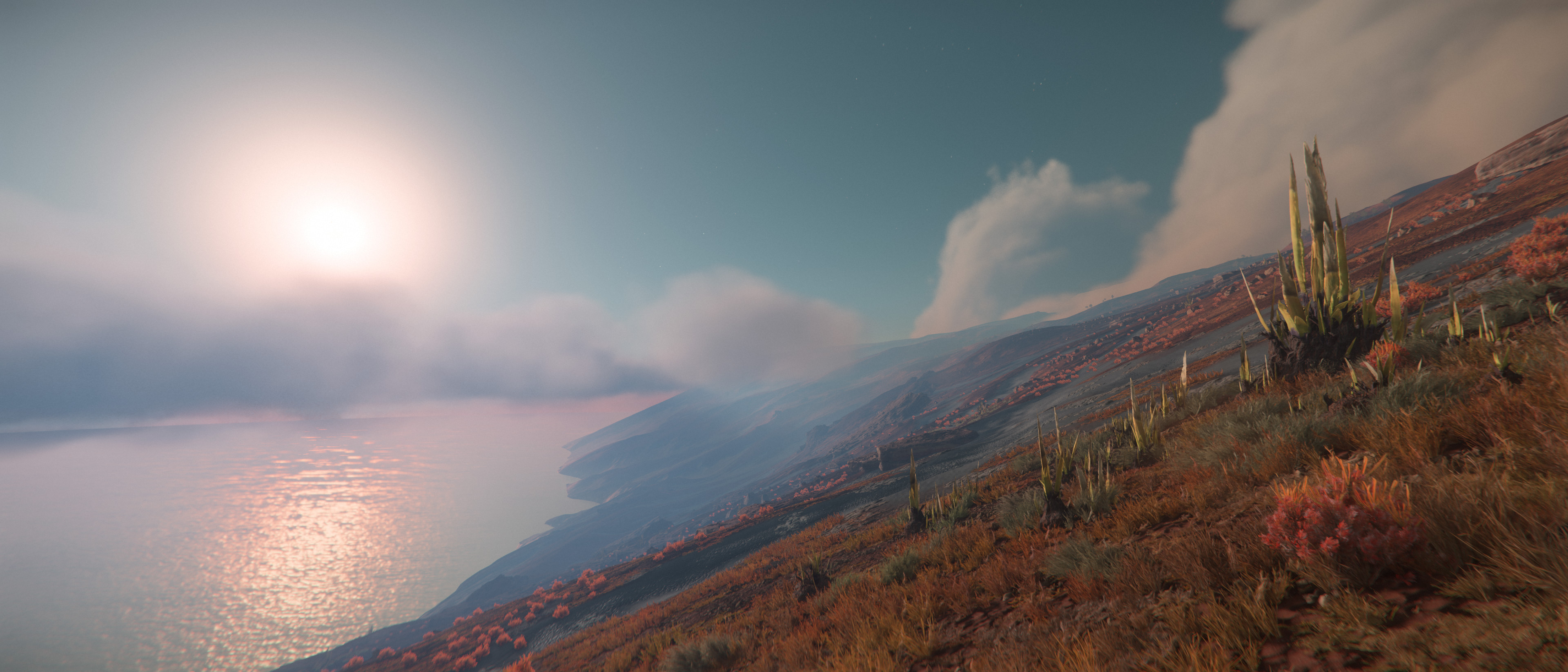
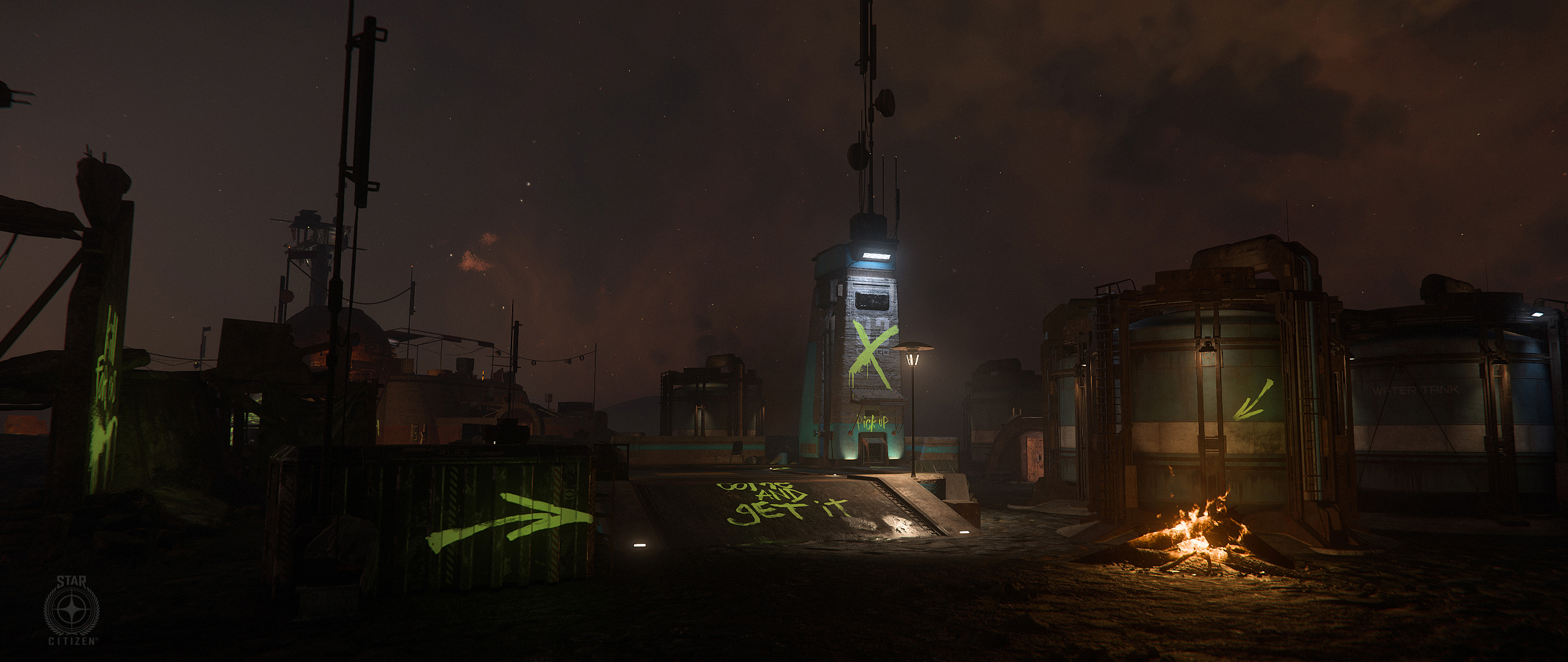
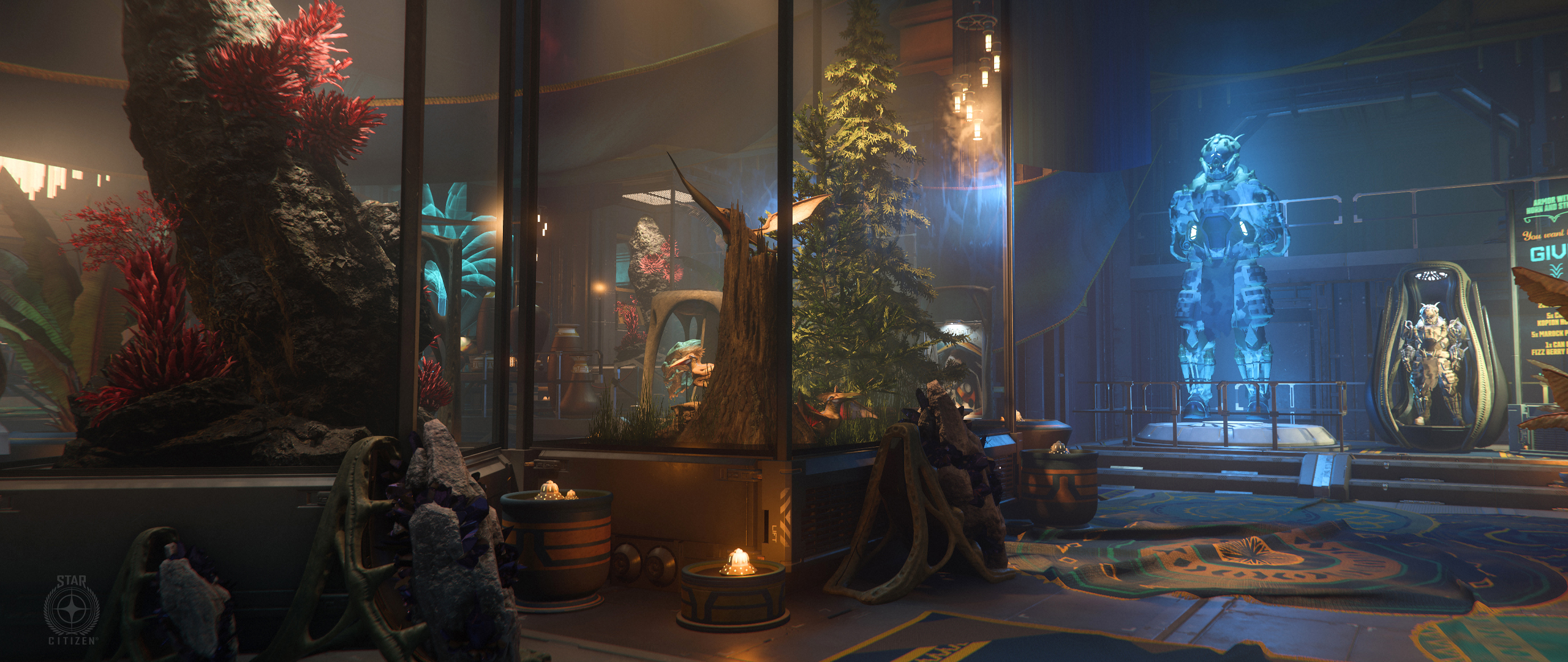
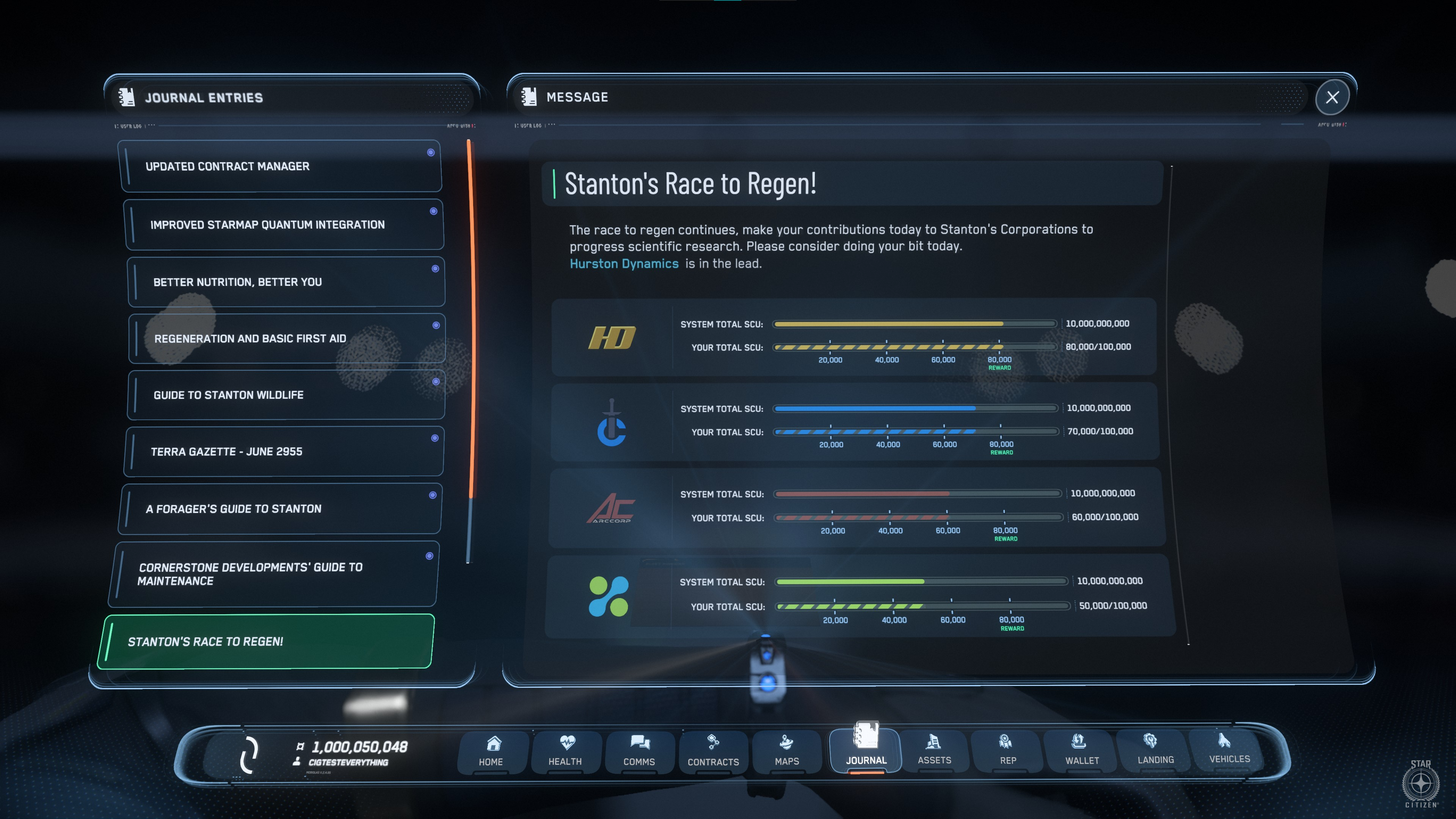
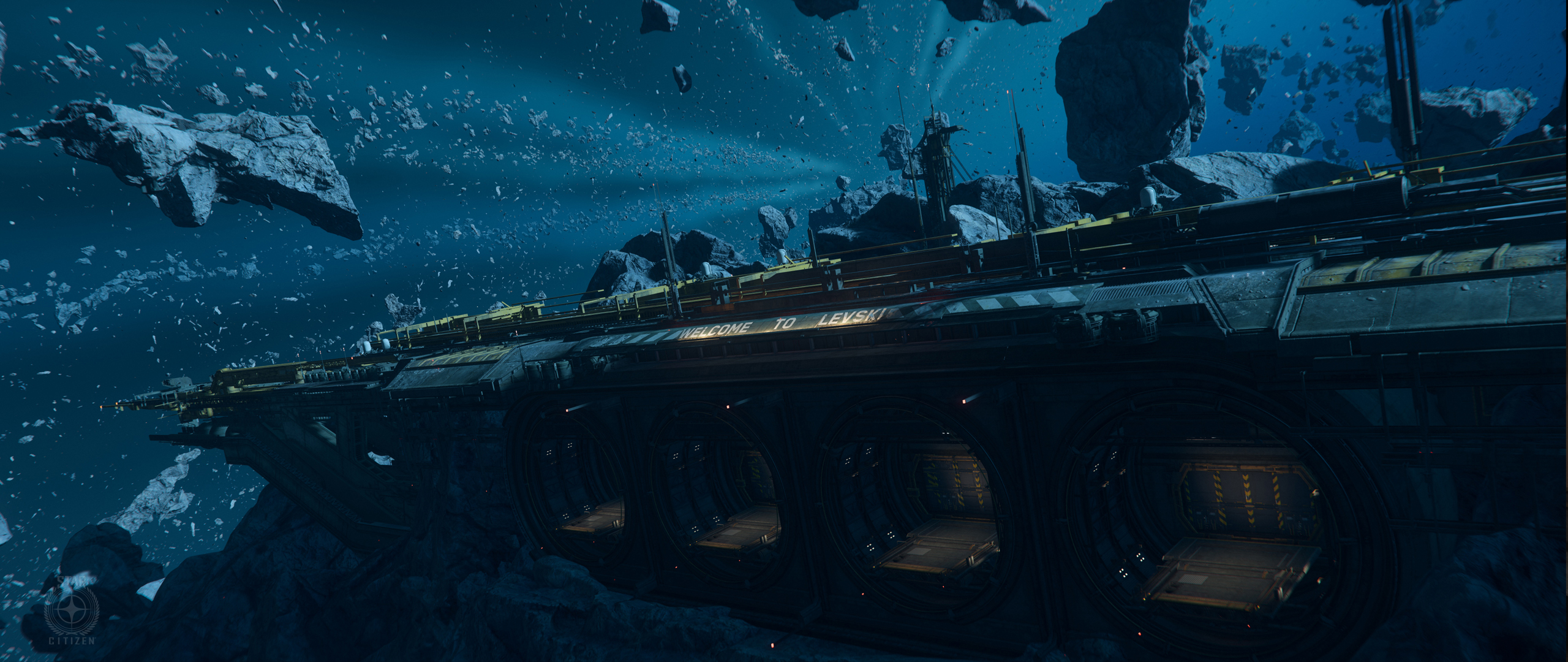
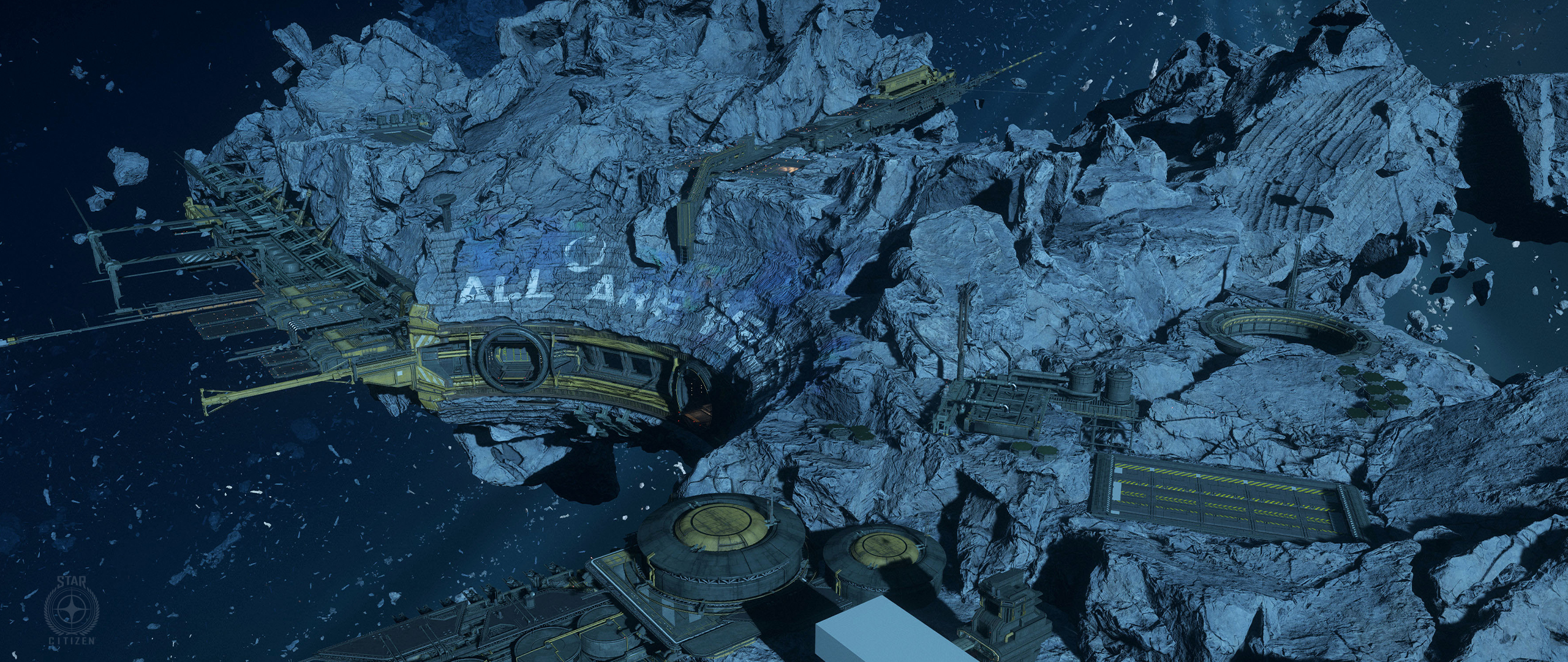
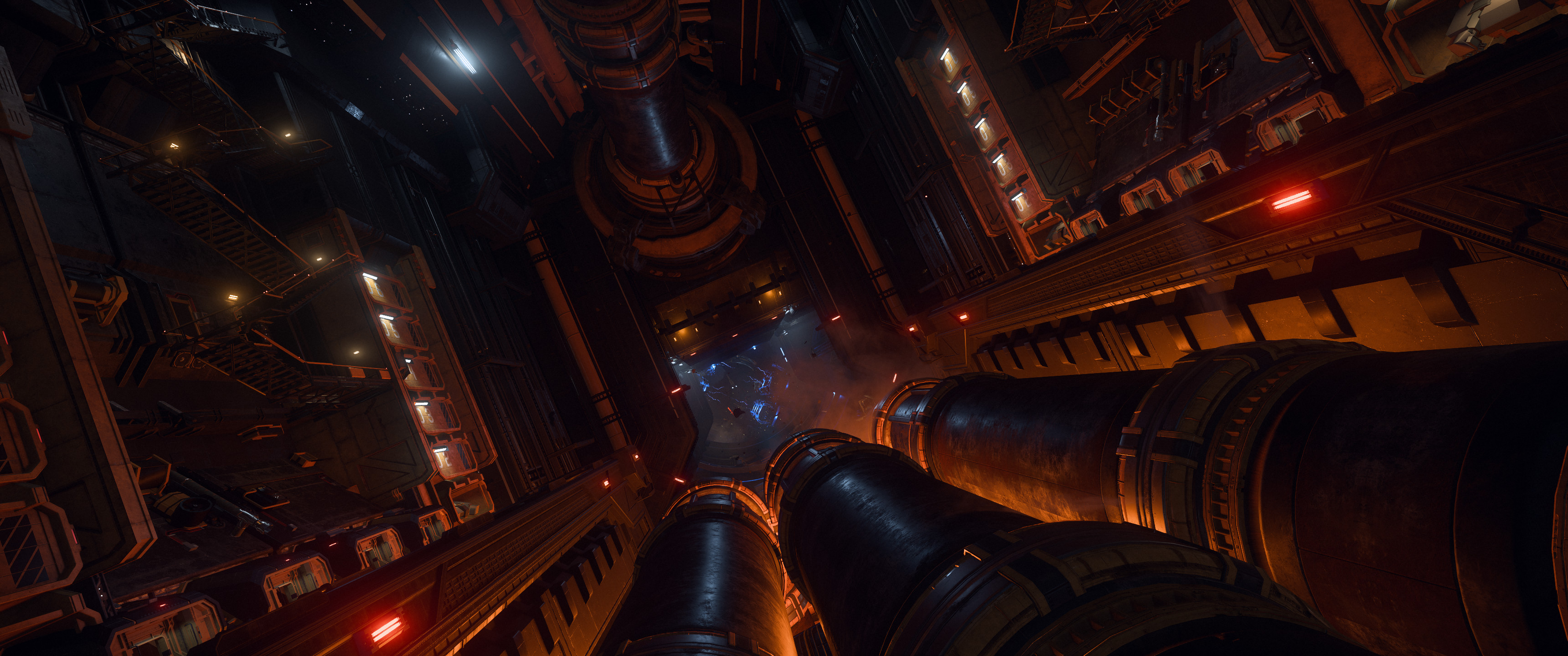
Metadata
- CIG ID
- 16609
- Channel
- Transmission
- Category
- Undefined
- Series
- Monthly Reports
- Comments
- 26
- Published
- 8 years ago (2018-06-08T00:00:00+00:00)