Monthly Studio Report: August 2018
Transmission Undefined Monthly ReportsContent
Welcome to August’s monthly report. It’s been an exciting few weeks throughout the CIG studios with Gamescom coming and going, CitizenCon 2948 planning in full swing, and Alpha 3.3 content is getting closer to completion.
Everyone’s been working hard to make our upcoming release the biggest and most exciting one yet. A big part of this is taming the beast that is Object Container Streaming. This is one of our biggest tech hurdles to date, and the team is heads down and focused on burning down remaining tasks and issues.
LOS ANGELES
CHARACTER ART
This month, the Character Art Team improved upon Hair and Head tech, which will increase the visual quality of the current characters while revising the core tools used in the character wearables tech setup. The team has started testing vertex cloth simulation to allow more realistic clothing movement on all characters. They also continued the reworks of the Odyssey Flightsuit, Virgil TruDef Pro Armor, and Hurston Collection. This content comes with material variants to give Hurston a lively and realistic setting. Additionally, the team carried on with S42 costumes.
VoiP/FoiP
With several teams working together, the team made good progress on the VoiP/FoiP feature. Turbulent, Faceware, and Audio were able to transmit voice and face via WebRTC. In addition, voice can now be sent and received from any WebRTC enabled device, such as a PC web browser, phone, and tablet. A major risk in the project has been eliminated as getting audio and face synchronized was a major hurdle. The team is now moving onto server work to add player entities to the entire framework so that they can know who is talking and map them to players in-game. With integration wrapping up, they are at the stage when the US-1 Gameplay Team can transition to front-end UI work.
NARRATIVE
August saw the Narrative Team deliver On The Run, a new short story that introduced criminal data runners Alex Dougan and Mas Houlan who could later be tracked fleeing across the Starmap as part of the Crusader Mercury reveal. They also published to all backers a Galactic Guide focused on the Gurzil system and the final chapter in the serialized story The Knowledge of Good and Evil. Loremakers paid a visit to the Banu system of Bacchus, while subscribers were treated to another issue of Jump Point and an exclusive portfolio that explored how Rest & Relax became the most popular rest stop in the UEE. Behind the curtain, the team tackled a wide variety of tasks for 3.3 and beyond. They wrote mission text, dialogue for a wide variety of characters, named new weapons, and advised on signs to be found around Lorville. The team also participated in reviews for the PU and Squadron 42, and continued their work on the Galactapedia.
VEHICLE FEATURES
As it relates to their areas of code ownership, the Vehicle Features Team spent a lot of time on Object Container Streaming (OCS). When OCS is complete, it will allow ships and other items to stream out at greater distances, which provides improved performance and reduction in network bandwidth. Additionally, significant progress was made on the ongoing turret improvements and Ping & Scanning for Alpha 3.3. For turrets, the team is close to completing work on gyro stabilization and improvements to mouse and joystick controls. For Ping and Scanning, they’ve moved the scanning infrastructure over to the server, have been working to extend its range, and have been expanding information received from scanning vehicles.
VEHICLE PIPELINE
A lot of progress has been made towards the completion of several vehicles going out in Alpha 3.3. The new Tumbril Cyclone variants and the Consolidated Outlands Mustang are art-complete and in their final phase with Systems Design. The team is also in the final phase with the RSI Constellation Phoenix. Tech Art is working on the damage pass for these vehicles too. Meanwhile, post Alpha 3.3 vehicles move forward in production – the Art Team is in the greybox phase for the Anvil Hawk, while System Design is currently wrapping up the whitebox phase.
GAMEPLAY FEATURES
Like many other teams, OCS was the top priority for Gameplay Features. Also, of high importance was the second iteration of the Group System, which is due in Alpha 3.3. In particular, they’ve been implementing mobiGlas and Visor Chat System features and UI, along with replacing the legacy Group System and interface with new backend systems. Completing this iteration will enable the team to start the integration of VoIP and FoIP. They’ve also been supporting the Gameplay Feature Team in Austin with their work on improvements for Quantum Travel, and the Gameplay Team in the EU to implement REC Rental in Arena Commander and Star Marine. AUSTIN
SHIP ART
Ship Art got deeper into the greybox phase of the Origin 300 series refactor by detailing out the landing gear, headlights, and other features. They made another pass on the cockpit and pilot chair and are closer to getting that area to a satisfactory level. Next up is a test of the interior collision with a character in-game, as well as testing the enter/exit animations. They’re also wrapping up some last modeling, lighting, and material tweaks on the interior of the Constellation Phoenix. When finished, they’ll move onto the LODs for the interior and exterior.
ANIMATION
Animation continued to push through a few more Mission Givers (like Darneely in the image below) and are almost finished with a further three. These characters will be found at places like GrimHEX, Levski, and Lorville, so look forward to traveling around to meet with them in the future. The team is working closely with Design on the Bartender to help flesh out the flow – soon players will be able to walk up and order tasty drinks from a believable barkeep. Players will also see NPCs sitting at the bar or ordering drinks to help the environment feel full of life.
DESIGN
This month was a busy one for ATX Design, with plenty of work done for various portions of Alpha 3.3. First up, they supported getting rentals working in Arena Commander and Star Marine to ensure players don’t need to go too far to rent a favorite gun for your ship or character. They worked with the LA Engineering team to make great progress on implementing some new improvements to Quantum Travel. These include displaying the status of party members during QT (including when a player drops out) and laying the groundwork for Quantum Travel Route Planning. Headway was made on the Economy features for this quarter, with efforts to allow the economic status of resources to affect pricing reaching a significant milestone. Recipes for all items were completed so that, as the price of resources or parts fluctuates, players will be able to see a noticeable difference in the pricing of items. However, the change won’t be instantaneous and will develop over time. They’ve also been working on creating new shops for Lorville and look forward to bringing players new items from the latest locations.
BACKEND SERVICES
Several Services have been written under the new architecture while support for the legacy architecture continues. This month focused on improvements to the Persistent Database, Badge Service, Leaderboards, Encryption, Security and more. Services that have received some attention or are being entirely created from scratch to provide logical and efficient micro-services are: *Badge Service: This is a simple caching service that pulls account badges from the web platform when a player logs in. The Diffusion Badge Service provides an API allowing other services, game server, and client to query individual or sets of badges. Leaderboard Service: The Leaderboard Service caches player leaderboard stats.
PDB/SQL API: The new SQL API Diffusion Service provides a very simple interface allowing for Services to add, set, remove, or update data sets. It is specifically designed for persisting Ooz data structures in an SQL Database. A No-SQL solution is in the works as well.
Transaction Service: A general transaction Service is being created to manage rental and store purchases, as well as currency/service transactions for missions and service beacon contracts.
Loadout Service: The Loadout Service is a cache which provides an API to other Services allowing them to create, modify, and request specific loadouts for players or ships.
Backend Services have also been helping the Web Platform with their work on the Group Service and integration of Spectrum into the PU.
PLAYER RELATIONS
The Player Relations team helped wrap up Alpha 3.2.2, essentially completing the second quarterly release for 2018. They’ve now turned to 3.3 and CitizenCon preparation (and what always turns out to be a very busy last third of the year!). They added a couple of new faces and will continue growing across the various studios. As the backer base and games grow, so do the needs of running the service. The Evocati are also growing. Invites were sent out to some of our most diligent players and those most active on the Issue Council. This will help the team immensely with some large-scale testing in the coming months. “We’d like to point all players to our growing Knowledge Base, which now has over 100 articles and has seen almost 120,000 visitors since its launch. We’ll continue to grow it by adding new ‘How-To’ articles, patch notes, and live service notifications. As always, we’d like to remind and encourage everyone to continue to use the Issue Council to help us triage and rate bugs and functionality. We use that data to prioritize for future updates, plus your IC participation will make you eligible for earlier PTU waves.”
QA
On the Publishing side of things, QA has been preparing for Alpha 3.3 by updating the current test plans and documentation. Game side, work continues on the internal dev stream, where the testing focus has been on Object Container Streaming. Testing priorities were coordinated with counterparts in LA, UK, and DE, and the new TestRail software was updated to help make testing more efficient moving forward. WILMSLOW & DERBY
GRAPHICS
This month, the Graphics Team have been working on two main areas. The first is on improvements to the tech for space landscapes, which includes more realistic particle movement and lighting, GPU spline-based lightning effects, multi-threaded asteroid creation, and improvements to the volumetric gas cloud tech. Also, work was done on volumetric point light shadows for gas clouds, which are crucial to convincingly lighting our more complex space scenes. These shadows are computed in a single render pass and stored efficiently in 2D deep shadow maps, which can then be used to quickly evaluate the shadowing at any distance from the light. Keep an eye out, as many of these changes will be demonstrated soon. The second major area of work this month was on shader improvements. The layer shader system can now support the cloth shading model and sub-surface-scattering. While these features were previously available using specialist and expensive shaders, the new changes can be used on a wide variety of assets with no noticeable performance penalty. “We should start seeing wider use of cloth materials and materials that exhibit scattering such as plastics and ice.”
UI
The UI Team has been busy iterating on the RTT item preview system, which allows for a generalized method to display 3D items anywhere in the UI as part of a scrolling list component (such as kiosks, MobiGlas, MFDs, etc.). The team has also been busy conceiving the necessary changes to the flow and layout needed to support renting ships and items through the Electronic Access customization menus. They have also been working on the UI design for the spectrum app functionality housed inside mobiGlas. They’ve also been working in conjunction with the design team to previsualize what approaching a restricted area in a city might look like to the player and continued supporting the environment team in crafting propaganda posters & signage for Lorville. The team has also made additional headway on the core tech & tools, with a recent successful prototype of the bindings system on the mining HUD display to enable a much more streamlined interface for exposing game data to the UI frontend.
ANIMATION
Throughout August, Animation worked on improving player stances and locomotion assets and used motion captured data to replace placeholders in the AI combat set. They also updated ship character animations to new sequenced animations for more flexibility when moving forward with new ship & cockpit designs. Going forward, they’re looking to finalize assets for looting and pickup now that the technical details are mostly resolved.
GAMEPLAY STORY
The Gameplay Story Team continued implementing high-priority scenes for Q3. This involved editing all the separate animations in a scene so they can play together in the correct order without any pops. They had to set up idle animations every time the game waits for the player to make a choice. Lastly, they need to ensure that the ‘look at’ is animated correctly so the character looks directly at the player at the right times. “It has been good to get stuck into detailed animation work and to cooperate closely with design on the setup and testing of these scenes.”
FACIAL ANIMATION
Throughout the past month, the Facial Animation Team has been hard at work developing the facial animations for Mission Givers, such as Darneely and NPCs like the race announcers, derelicts, shopkeepers, and admins. Looking forward to next month, the team will continue to deliver facial animation results for the Mission Givers such as Pacheco and other NPCs, such as security, as well as more incoming NPCs for the new landing zones.
ENGINEERING/PROGRAMMING
The Network Team extended Bind Culling so that, instead of only culling out dynamically spawned entities such as ships and players, it can now also cull entire parts of the solar system. QA has been putting these changes through their paces and the programmers have been keeping on top of the bugs coming back. The Network Team has also worked on converting networked entity spawning from blocking synchronous spawns to asynchronous non-blocking ones. Combined with their Bind Culling work, these asynchronous spawns should allow Object Container Streaming to work smoothly in multiplayer. PU-based feature teams worked on restricted areas, which will be used to stop players flying into planetside civilian locations. This is being complemented by an update to the landing UI. They also extended the mining feature to work with asteroids. The Social AI Team have been working on the new usable tool in the editor, designed to make creating and debugging usables as intuitive as possible. They’re also creating functionality to mark up the paths used by the AI to allow subsumption events to be triggered. This is part of the work needed for our Walk and Talk feature. Squadron 42 feature teams have been looking into triggering dynamic Track View cutscenes from conversations, including participant synchronization. This feeds well into the Walk and Talk feature work that the AI Actor Team is working through. From their work on overclocking/overpowering, the Vehicle Feature Team has been improving vehicle power distribution and heat setup. Cooler overclocking now works and per-item power throttling is being developed. Also, a big milestone was reached as the last of the old-style game objects were finally removed from the codebase. These have been replaced by component-based entities which are more efficient in terms of performance and sharing code. This also permitted the removal of a lot of now-redundant code from the codebase.
SHIPS
The Ship Art Team has been busy with final optimizations and polish on the Aegis Hammerhead to get it ready for its Alpha 3.3 release. The Banu Defender continues with the majority of its interior now at final grey box stage, while the Origin 890 Jump is starting to take shape in the lower decks with most of the ship receiving a grey box pass.
AUDIO
The Audio Code team has been working hard to integrate the new backend for FoiP/VoiP data transmission and to optimize the data compression used by this feature. Trackview support has seen some improvements in the way audio is handled to offer more options for cinematic sound. The dialog guys hunkered down to record new content for the Alpha 3.3 release and Lorville. Progress is being made on new weapons sounds and, as always, the procession of new ships is being given plenty of audio love.
ENVIRONMENT ART
The team has now completed the art for a host of smaller locations for Lorville, including the new habitation modules, lobbies, and the interiors for Lorville’s bar, admin office, and shops. The first iteration of a security checkpoint and a transit platform (complete with train car) have also been finished. As well as this, they’re almost complete on the Teasa Spaceport interior with its new shop archetype, the Ship Rental store. Work continues on the Underground Facility and Crashed Relay, with both moving into the final art stage.
VFX
This month was very much a continuation of the team’s work from last month, including polishing the VFX for Hurston’s diverse range biomes, Lorville’s modular areas, and the new weapons and ships due to be seen in the 3.3 release. As well as that, the team threw themselves firmly into Gas Clouds (not literally!), forming a mini ‘strike team’ with Art, Design, and others to really flesh out the requirements of this ambitious task. Working so closely with the other disciplines helped the team to maintain momentum, with several improvements coming to fruition as the month progressed. They also began to clean up some of the older ballistic weapon effects, making use of new GPU particle improvements and adding more visual consistency on a per-manufacturer basis. FRANKFURT
LEVEL DESIGN
Work on Lorville continues with the team looking to modify the arrival area with a few additional shops and features to make it feel more like an active spaceport. The end goal is to have an area that quickly brings the player into the city, but also offers a few select amenities for those who need it. There will also be a few minor changes to Levski to reflect the content added to Lorville. Although the rework is minor, it will add a few new things and bring Levski closer to its intended purpose and full potential. Both the Transit System and procedural tech is progressing, and the team is close to adding a new and more stable version of elevators along with moving trains/trams. Level Design also gained a new team member this month, so time was spent onboarding and getting them acquainted with our tools and best practices.
SYSTEM DESIGN
Frankfurt System Design focused mainly on AI improvements. They worked on populating Lorville with an assortment of civilians, engineers, guards, workers, etc. In general, they’ll exhibit similar behaviors as the NPCs that already exist in PU, but with more depth and flavor to help them better match the lore of the area. A lot of design work went into having the AI interact with one another and respond appropriately to events and stimuli generated by other NPCs or the player. For guard NPCs, they worked on designing a patrol system from the ground up. This should allow them to quickly map interest points and connect them with probability paths to define a patrol route that can change dynamically based on rules the designers control, or on game-driven events. At the same time, they are improving the existing simple patrol behaviors and prototyping more features in order to have an initial implementation for future releases before the actual system comes online. FPS Combat AI had numerous improvements which will hopefully be in players hands in the near future. For mining, they worked on getting some well-needed improvements to how the instability, resistance, and optimal window size are calculated. They decoupled the window size from instability, so now players can have unstable rocks with a large window and also stable rocks with a very tiny window. This allows the team to better control the difficulty of a rock without having to clamp its values artificially. Work was also completed on the asteroid side of mining and the team’s close to having things working as initially intended. A lot of work has gone into how rocks are spawned in space using the existing procedural asteroids.
ENGINE TOOLS
The Engine Tools Team worked on general usability improvements and game editor stability. The OCS and Prefab workflows received enhancements and fixes along with Trackview (the tool used by the Cinematics Team) getting general Data Core properties support. This was needed to get rid of a big chunk of the old Lua scripting dependencies used by game entities and to get one step closer to the implementation of OCS.
ENVIRONMENT ART
Polishing and bug fixing are still ongoing for Hurston and its four moons, and preproduction has started on the two moons orbiting Stanton 3 (ArcCorp). Beyond the roadmap, they’ve also started looking at Stanton 4 (MicroTech), which will be a significant challenge for the Art and Tech teams as they’ll be looking at frozen oceans, snowy mountains, frozen vegetation, and other elements that require technology and shaders to be modified and developed. The City or Lorville is entering its final stages as the team completes the outer boundaries of the city and the entry point from the planet’s surface.
ENGINE
The Engine Team completed the first part of the physics command queue refactor. The goal is to allow the move of physics away from dedicated threads and towards our system-wide batch model so that it can scale and perform better with the number of available CPU cores. They also continued progress on new solutions for cloth/soft body simulations, with several optimizations and improvements, and continued work on moving the skinning computation to GPU compute shaders. They made load time improvements that addressed some inefficient code, which should reduce load times by up to 20 seconds (depending on PC specs). Lots of work was done on generating height map cascades of planet terrain which will be used for various effects in the future. In tandem, work started on large-scale planetary soft terrain shadows. These will replace the current implementation via traditional shadow maps, improve image quality, and the visibility range of terrain shadows.
TECH ART
The Tech Art Team worked on tools and the pipeline for authoring true next-gen cloth simulation setups for all dynamic attachments such as skirts, trench coats, jackets, and other loose-hanging clothing and equipment. The new softbody solver, which our Engineering department developed, is functioning as it should and will enable us to create all kinds of interesting secondary animation effects such as jiggling, sliding, and collisions. The authoring of such complex and advanced setups is just as important as the solver itself – it needs to be intuitive and provide maximum flexibility to the tech artists, hide the underlying complexity as much as possible, but allow access to it if needed. While the authoring pipeline is based on Maya, changes to the setups are streamed live to the game engine through our LiveLink plugin and can therefore be previewed in WYSIWYG fashion, which is extremely important. The general workflow mimics the way Maya’s own cloth simulation setups (nCloth) are authored, thereby allowing Tech Artists and Character FX TDs familiar with the software to become productive and creative as efficiently as possible. The goal of these efforts is to make all the in-game clothing move naturally, look less rigid, and to enhance the PCAP primary character animation with a layer of physically-based secondary animation wherever possible. For Tech Animation, they made further progress on the FPS weapons rework, including updating the rigs and bringing everything into a structure that’s easier to work with. They started working on a batch exporter for weapon animations that will make it much easier to iterate on existing weapons whenever a rig is updated, or new features are added to it. They also updated the AnimEvent lists for both the PU and S42 and removed a long list of old animations that were either no longer needed or moved to an updated location.
AI
A significative part of this month’s activity was spent working on a performance pass concerning two crucial components that heavily impact the behavior of our NPCs – Subsumption activity updates and NPC visual perception: Subsumption: When hundreds of NPCs are active simultaneously, their activities need to update and respond to events or change in subactivity, depending on the internal or external state of the game. Updates of the Subsumption components are therefore always running each frame, thus creating a sensible performance issue as the number of active NPCs increases. Most of the time, the update is not truly needed as the NPC is just waiting for an event of some sort to determine the ‘next’ state of a behavior (e.g. walking on a path and waiting for a ‘destination reached’ event). We can therefore take advantage of that and suspend the updates whenever the running tasks allow it. Internal tests in a heavily crowded scenario confirm that when allowing suspension, the impact of the Subsumption updates is dramatically reduced. Visual Perception: One of the most useful senses belonging to NPCs is their visual perception. Visibility checks are continuously performed by every NPC to assess the clearance of their line of sight between them and all other NPCs or players in their field of view. Visibility checks are raycasts ultimately performed by the physics system. Up to now, we relied on a legacy module of the AI system provided by the Lumberyard system, called VisionMap. In VisionMap, all checks were handled in a centralized place and updated each frame in the main thread (as a synchronous update). The new system handles the visibility checks directly in the individual NPC vision components and makes good use of the entity component update scheduler (ECUS) by using multi-threaded updates in a time-sliced fashion. The team was also busy finishing work for OCS related to AI systems (Navigation & Cover). The navigation and cover data will not be part of a central manager anymore, instead there will be entity components (inside object containers) that will contain that data. This will help the OCS since the AI data is kept internally for each object container.
WEAPONS TEAM
The Weapons Art Team started production on a handful of new Hurston Dynamics ship weapons and a new knife designed for the ‘bad guys’ in-game. Here’s an image of the ‘Sawtooth’, which is manufactured by Kastak Arms:
BUILD ENGINEERING
This month, DevOps focused on tooling out a test area for the Audio Team’s build processes, so the Audio Team has more autonomy in augmenting and testing their own build tools. The Perforce submission pipeline has been refined to remove redundant MD5 hashing of verified content; previous verification checkpoints relied on a custom MD5 hashing implementation, and these nodes of verification have been updated to check with digests that have been cached by the Perforce server, cutting down submission times for heavy changelists from hours to seconds.
CINEMATICS
The Cinematic Team’s main priority has been to go through the kick-off and implementation pass phases of a large number of scenes across several S42 levels that are currently being worked on by the Level Design Team. The implementation pass is the first production pass on a scene where the animation is broken up into the different states that are needed for that particular scene to work. The process goes from a pre-vis of the animation (pretty much the raw PCAP playing out) to a scene functioning as a conversation with starts, idles, pauses, branching options, and resolves. Iterations by the Level Design Team often change the layout of, for example, an asteroid base or other level environments, so the team needed to come up with an easy way to keep our scenes transportable. They can now use each scene’s sequence object (the object the scene is defined in) as a root and when they move that sequence object around, the whole scene with its nodes animated within it moves with that root. This way, they can quickly accommodate a room being moved 50m down the corridor and can keep scenes up to date easily. It also helps level design to know they can adjust their level layout without having to request a big rework of a scene just to fit with a particular change. Work was also completed on the tool side of things to keep the cinematic workflow compatible with the growing tech. An example of this would be the component-based entities that are replacing the old entities. A Tools Engineer wrote a new API so animators can still animate an entity’s properties via the cinematic timeline tool, Trackview. This is necessary if a cinematic designer wants to change a light’s properties, for example, or wants to dial down sun intensity for a specific shot.
QA
OCS related testing continued into August with changes to test from the AI team. More specifically, a Navigation System refactor to support it. The main change for this refactor is the way navigation mesh data is saved and exported. They focused on testing navigation mesh generation in the Editor, saving levels with Navigation Area objects, and exporting the Object Container levels with Navigation Area objects. They also needed to ensure that all levels that had existing Navigation Areas could still be re-exported and that the AI was still able to move around in the level and pass through doorways, etc. The cover system and usables were also monitored to ensure they were still functional with the newly exported areas. The team worked together with ATX QA to test the new 1.003 version of the Subsumption Editor, which contained a lot of necessary fixes needed by the design team for better stabilization. Work continued with the Cinematics Team, with dedicated support for any Track View or Editor issues preventing the team from progressing on their sequences. In some cases, QA created simple test levels to better convey the issues they were encountering. They also started the process for Automated Feature Tests for the current Feature Teams, with the first meeting to go over the specific setup and requirements at the end of the month with the Ship AI Feature Team. These tests will run for each build and will focus on testing systems that would be deemed risky and prevent usage of that particular build. The goal is to keep on top of features and ensure if they do break a build that the issue is brought to the relevant developer’s attention as quickly as possible. They also continued to provide support for any general Editor specific issues as well as the monthly (sometimes weekly) CIGPhysics smoke test, where new changes are checked in by the Physics team as part of the refactor of CIGPhysics.
VFX
The VFX Team continued to work on the environmental effects for the new moons as well as working on how the effects function with the new biomes being introduced. They also continued working on destruction sequences for Squadron 42. This involves bringing the new workflows previously developed in the first quarter of the year into production shots.
LIGHTING
Progress is on track to finalize all the new Alpha 3.3 locations. The schedule is closely tied to when environments are finished by the art teams, so the focus this month has been on Lorville habitations, including prototyping a few lighting setups for each of the hab room layouts. They’ve also been finishing work on the security checkpoint common elements, tweaking the atmosphere and colorgrading for the Hurston moons. They also started work on an upcoming underground bunker location.
SPECTRUM
The features of Spectrum 3.8.1-rel.8.1, including Friends and Notifications, received a positive reception from users. For this month, internal milestones were hit on the new Spectrum editor, ‘Quill’. This editor is currently undergoing testing to be released next month and will solve several bugs related to Android by replacing the old editor.
RSI PLATFORM
CitizenCon Microsite: The CitizenCon Microsite had an exciting update this month to include the presentation schedule. Other updates have been made as well, including the FAQ and ticket pages. If you currently hold a standard or premium ticket, the option to purchase a Junior Co-pilot ticket is now available for all guests between the ages of 13-17 years. CitizenCon tickets contain a QR code that will be compatible with the ticket-scanning app at the event. If you’re interested in attending the event, you can still grab a ticket before they run out here.
Crusader Mercury Star Runner: Turbulent supported the release of the Crusader Mercury Star Runner. This release included an interactive mini-game chasing two wanted fugitives, Alexandria Dougan and Mas Houlan, across the ARK Starmap. During the game, that lasted several days, players followed clues posted by the UEE TipLine on Spectrum to locate the ever-changing coordinates of the rogue Star Runner. Players would then take note of these coordinates at certain times and enter them into the form on the site. If the coordinates entered were correct, the player could choose to alert either the UEE Advocacy or the fugitives. For playing the game, a mystery skin was added to the player’s hangar. Based on the collective choices made, more players chose the Advocacy, and so the skin awarded was of the UEE Advocacy. Free-Fly: We released the Alpha 3.2 Free-Fly which gave everyone a chance to jump in and explore the Star Citizen universe. This Free-Fly granted access to the Prospector, Cutlass Black, Avenger Titan, and Dragonfly Black. Issue Council: The Issue Council is our public bug reporting system used by the community to report issues. The upcoming version, Issue Council version 1.1.0, is scheduled to be deployed to the PTU during the first week of September. To meet this goal, the past month has been full of updates such as improved profile, more details in report creation, and newly mobile-friendly features. Plus, all known issues were fixed.
SERVICES
Group: On the Group System side, work this month focused on the development and integration of a major piece of the game backend: The Event Bus. Through this Bus, multiple services can communicate through domain events and affect their own relevant domains (like groups, chat or voice). With this new piece in place, we were able to integrate a fresh new lobby/chat API to replace the current in-game chat services (which were limited per instance). This will allow groups and parties to have chat lobbies that span the universe. VOIP/FOIP: One the VOIP/FOIP side, the team completed the integration of the Voice Client libraries based on our initial transport prototype within the game engine, allowing testers to have a multi-way conversation from the game client. This initial set of tests from within the game context were very helpful in confirming the approach since the technology involved with the VOIP transport layer automatically gave support for echo cancellation, bandwidth throttling, QoS, and support for transporting the encoded facial data. Work is now focused entirely on expanding the scalability of this infrastructure and adding capabilities to the game backend to create audio channels for groups, attach the sound elements to the proper in-game entities based on who is generating the data stream, as well as ensuring the voice infrastructure properly shards the audio channels across a fleet of voice servers. COMMUNITY
CitizenCon 2948 is right around the corner! It was only last week the latest wave of tickets hit our store, so make sure you secure yours to celebrate Star Citizen live in Austin, Texas on the 10th of October. Find out more on our CitizenCon website and, while you’re there, check out the event schedule and enjoy the retrospective video with memories from past events. The month of August was also full of remarkable events, with Gamescom in Cologne, Germany being the highlight. There wasn’t a Star Citizen booth on the show floor this time around, but the team traversed the halls representing the game and chatting with the community. Some very special pins were distributed amongst the crowd and every evening saw a Bar Citizen. An exclusive Town Hall Q&A was recorded in front of a live audience, giving attendees the opportunity to ask questions about the newly revealed Crusader Industries Mercury Star Runner. You can catch up on YouTube if you didn’t attend the Town Hall, or find yourself in the video if you did. Do you have more questions about the latest data runner from Crusader Industries? Keep an eye out on the Comm-Links, as the answers to the Spectrum Q&A will be posted very soon! Speaking of events, the team held an RSI Apollo contest, asking for quotes that players think might be heard on board an RSI Apollo. It was tough to pick a winner, as we received so many excellent entries, but eventually, this won the competition: ♬ The hip bone’s connected to the, thigh bone, the thigh bone’s connected to the, knee bone, the knee bone’s fused to this medium ablative/ballistic armor plate, please, pass the bone saw. ♬ As said before, the Community Team has been planning a wide variety of activities for this year, so there’ll be more exciting opportunities to leave your mark in the Star Citizen universe. In fact, another already started alongside the 3.2 Free-Fly event – the commercial contest is giving all producers, editors, and camera operators the chance to create a commercial video for the MISC Prospector and rewards the top three entries with sweet prizes. You have until 11:59 PM PDT on September 9th, 2018, so read up on the contest rules and start creating now! WE’LL SEE YOU NEXT MONTH…
Auch die Qualität der Produkte wurde überwacht, um sicherzustellen, dass sie mit den neu exportierten Gebieten noch funktionsfähig sind. Das Team arbeitete mit ATX QA zusammen, um die neue Version 1.003 des Subsumption Editor zu testen, die viele notwendige Korrekturen enthielt, die das Designteam für eine bessere Stabilisierung benötigte. Die Arbeit wurde mit dem Cinematics-Team fortgesetzt, wobei alle Probleme mit der Track-Ansicht oder dem Editor, die das Team daran hindern, mit ihren Sequenzen fortzufahren, gezielt unterstützt wurden. In einigen Fällen erstellte die Qualitätssicherung einfache Teststufen, um die aufgetretenen Probleme besser zu vermitteln. Sie begannen auch den Prozess für automatisierte Feature-Tests für die aktuellen Feature-Teams, wobei das erste Treffen am Ende des Monats mit dem Ship AI Feature Team stattfand, um die spezifischen Einstellungen und Anforderungen zu besprechen. Diese Tests werden für jeden Build durchgeführt und konzentrieren sich auf Testsysteme, die als riskant eingestuft werden und die die Verwendung dieses speziellen Build verhindern. Das Ziel ist es, die Funktionen auf dem Laufenden zu halten und sicherzustellen, dass das Problem so schnell wie möglich dem jeweiligen Entwickler zur Kenntnis gebracht wird, falls sie einen Build abbrechen. Sie unterstützten auch weiterhin alle allgemeinen Editor-spezifischen Probleme sowie den monatlichen (manchmal wöchentlichen) CIGPhysics-Rauchtest, bei dem neue Änderungen vom Physik-Team als Teil des Refactors von CIGPhysics eingecheckt werden.
VFX
Das VFX-Team arbeitete weiter an den Umweltauswirkungen für die neuen Monde und daran, wie die Effekte mit der Einführung der neuen Biome funktionieren. Sie arbeiteten auch weiter an Zerstörungssequenzen für die Staffel 42. Dabei werden die bisher im ersten Quartal entwickelten neuen Arbeitsabläufe in Produktionsaufnahmen umgesetzt.
LICHT
Die Arbeiten zur Fertigstellung aller neuen Alpha 3.3-Standorte sind im Zeitplan. Der Zeitplan ist eng mit dem Zeitpunkt verbunden, an dem die Kunstteams die Umgebungen fertigstellen, so dass der Schwerpunkt in diesem Monat auf Lorville-Wohnungen liegt, einschließlich der Prototypenerstellung einiger Beleuchtungseinrichtungen für jedes der Wohnraumlayouts. Sie haben auch die Arbeit an den gemeinsamen Elementen des Sicherheitskontrollpunktes abgeschlossen, die Atmosphäre optimiert und die Farbgestaltung für die Hurston-Monde vorgenommen. Sie begannen auch mit den Arbeiten an einer zukünftigen unterirdischen Bunkeranlage.
SPEZTRUM
Die Funktionen von Spectrum 3.8.1-rel.8.1, einschließlich Freunde und Benachrichtigungen, wurden von den Benutzern positiv aufgenommen. Für diesen Monat wurden interne Meilensteine mit dem neuen Spektrum-Editor'Quill' erreicht. Dieser Editor befindet sich derzeit in der Testphase und wird nächsten Monat veröffentlicht und wird mehrere Fehler im Zusammenhang mit Android beheben, indem er den alten Editor ersetzt.
RSI PLATTFORM
CitizenCon Microsite: Die CitizenCon Microsite hat in diesem Monat ein spannendes Update mit dem Präsentationsplan erhalten. Auch andere Aktualisierungen wurden vorgenommen, darunter die FAQ- und Ticketseiten.
Wenn Sie derzeit ein Standard- oder Premium-Ticket besitzen, steht die Option zum Kauf eines Junior Co-Pilot-Tickets ab sofort allen Gästen im Alter von 13-17 Jahren offen. CitizenCon-Tickets enthalten einen QR-Code, der mit der Ticket-Scan-App vor Ort kompatibel ist. Wenn du daran interessiert bist, an der Veranstaltung teilzunehmen, kannst du dir immer noch ein Ticket besorgen, bevor sie hier auslaufen.
Kreuzritter Mercury Star Runner: Turbulent unterstützte die Veröffentlichung des Kreuzritter Mercury Star Runner. Diese Veröffentlichung beinhaltete ein interaktives Minispiel, bei dem zwei gesuchte Flüchtlinge, Alexandria Dougan und Mas Houlan, über die ARK Starmap verfolgt wurden. Während des mehrtägigen Spiels folgten die Spieler den Hinweisen der UEE TipLine auf Spectrum, um die sich ständig ändernden Koordinaten des Schurken Star Runner zu finden. Die Spieler würden dann diese Koordinaten zu bestimmten Zeiten notieren und in das Formular auf der Website eingeben. Wenn die eingegebenen Koordinaten korrekt waren, konnte der Spieler wählen, ob er entweder die UEE Advocacy oder die Flüchtlinge alarmieren wollte. Für das Spielen des Spiels wurde dem Hangar des Spielers eine mysteriöse Haut hinzugefügt. Basierend auf den kollektiven Entscheidungen, die getroffen wurden, wählten mehr Spieler die Advocacy, und so wurde die Haut von der UEE Advocacy ausgezeichnet. Free-Fly: Wir haben den Alpha 3.2 Free-Fly veröffentlicht, der jedem die Möglichkeit gab, einzusteigen und das Star Citizen Universum zu erkunden. Diese Free-Fly gewährte Zugang zum Prospektor, Entermesser Schwarz, Rächer Titan und Libelle Schwarz. Issue Council: Der Issue Council ist unser öffentliches Fehlerberichtssystem, das von der Community genutzt wird, um Probleme zu melden. Die kommende Version, Issue Council Version 1.1.0, soll in der ersten Septemberwoche auf der PTU bereitgestellt werden. Um dieses Ziel zu erreichen, war der letzte Monat voll von Aktualisierungen wie einem verbesserten Profil, mehr Details bei der Berichtserstellung und neuen mobilfreundlichen Funktionen. Außerdem wurden alle bekannten Probleme behoben.
DIENSTLEISTUNGEN
Gruppe: Auf der Seite des Gruppensystems konzentrierte sich die Arbeit in diesem Monat auf die Entwicklung und Integration eines wichtigen Teils des Backends: Der Event-Bus. Über diesen Bus können mehrere Dienste über Domänenereignisse kommunizieren und ihre eigenen relevanten Domänen (wie Gruppen, Chat oder Sprache) beeinflussen. Mit diesem neuen Stück an Ort und Stelle konnten wir eine neue Lobby/Chat-API integrieren, die die aktuellen Chat-Dienste im Spiel ersetzt (die pro Instanz begrenzt waren). Dies wird es Gruppen und Gruppen ermöglichen, Chat-Lobbys zu haben, die das Universum überspannen. VOIP/FOIP: Auf der VOIP/FOIP-Seite hat das Team die Integration der Voice Client-Bibliotheken auf der Grundlage unseres ersten Transportprototyps innerhalb der Game Engine abgeschlossen, so dass die Tester eine mehrseitige Konversation vom Spielclient aus führen können. Diese ersten Tests aus dem Spielkontext waren sehr hilfreich für die Bestätigung des Ansatzes, da die Technologie der VOIP-Transportschicht automatisch die Echokompensation, Bandbreitenbegrenzung, QoS und den Transport der kodierten Gesichtsdaten unterstützt. Die Arbeit konzentriert sich nun ganz auf die Erweiterung der Skalierbarkeit dieser Infrastruktur und das Hinzufügen von Funktionen zum Spiel-Backend, um Audiokanäle für Gruppen zu erstellen, die Soundelemente an die richtigen In-Game-Einheiten anzuhängen, je nachdem, wer den Datenstrom erzeugt, sowie sicherzustellen, dass die Sprachinfrastruktur die Audiokanäle über eine Flotte von Sprachservern richtig verteilt. GEMEINSCHAFT
Die CitizenCon 2948 ist gleich um die Ecke! Es war erst letzte Woche die neueste Welle von Tickets in unserem Shop, also sichern Sie sich Ihre Tickets, um Star Citizen am 10. Oktober live in Austin, Texas zu feiern. Erfahren Sie mehr auf unserer CitizenCon-Website und informieren Sie sich dort über den Veranstaltungsplan und genießen Sie das retrospektive Video mit Erinnerungen an vergangene Veranstaltungen. Auch der Monat August war voller bemerkenswerter Ereignisse, wobei die Gamescom in Köln, Deutschland, das Highlight war. Diesmal gab es keinen Star Citizen-Stand auf der Ausstellungsfläche, aber das Team durchquerte die Hallen, die das Spiel darstellten, und plauderte mit der Community. Einige ganz besondere Pins wurden unter der Menge verteilt und jeden Abend sahen wir einen Bar Citizen. Vor einem Live-Publikum wurde ein exklusives Rathaus-Frage-und-Antwort-Programm aufgezeichnet, das den Teilnehmern die Möglichkeit gibt, Fragen über den neu vorgestellten Crusader Industries Mercury Star Runner zu stellen. Du kannst dich auf YouTube informieren, wenn du nicht im Rathaus warst, oder dich im Video wiederfinden, wenn du es getan hast. Haben Sie weitere Fragen zum neuesten Datenläufer von Crusader Industries? Achten Sie auf die Comm-Links, da die Antworten auf die Spectrum Q&A sehr bald veröffentlicht werden! Apropos Ereignisse: Das Team veranstaltete einen RSI Apollo-Wettbewerb und bat um Zitate, von denen die Spieler glauben, dass sie an Bord eines RSI Apollo gehört werden könnten. Es war schwierig, einen Gewinner auszuwählen, da wir so viele ausgezeichnete Einsendungen erhielten, aber schließlich gewann dies den Wettbewerb: ♬ Der Hüftknochen ist mit dem Oberschenkelknochen verbunden, der Oberschenkelknochen ist mit dem Knieknochen verbunden, der Knieknochen ist mit dieser mittleren ablativen/ballistischen Panzerplatte verschmolzen, bitte, führen Sie die Knochensäge weiter. ♬ Wie bereits erwähnt, plant das Community-Team für dieses Jahr eine Vielzahl von Aktivitäten, so dass es noch spannendere Möglichkeiten geben wird, im Star Citizen-Universum Spuren zu hinterlassen. Tatsächlich hat neben dem 3.2 Free-Fly-Event bereits ein weiterer begonnen - der kommerzielle Wettbewerb gibt allen Produzenten, Redakteuren und Kameraleuten die Möglichkeit, ein Werbevideo für den MISC-Prospektor zu erstellen und belohnt die drei besten Beiträge mit süßen Preisen. Sie haben bis 23:59 Uhr PDT am 9. September 2018 Zeit, also informieren Sie sich über die Wettbewerbsregeln und beginnen Sie jetzt mit der Erstellung! WIR SEHEN UNS NÄCHSTEN MONAT..... Willkommen zum Monatsbericht des Monats August. Es waren ein paar aufregende Wochen in den CIG-Studios, in denen die Gamescom kam und ging, die CitizenCon 2948 in vollem Gange war und die Alpha 3.3-Inhalte kurz vor der Fertigstellung stehen.
Alle haben hart daran gearbeitet, dass unsere bevorstehende Veröffentlichung die bisher größte und aufregendste ist. Ein großer Teil davon ist die Zähmung des Tieres, das Object Container Streaming ist. Dies ist eine unserer bisher größten technischen Hürden, und das Team ist vor Ort und konzentriert sich darauf, die verbleibenden Aufgaben und Probleme zu lösen.
LOSE ANGELES
CHARAKTERISTISCHE KUNST
Diesen Monat hat das Character Art Team die Hair and Head Tech verbessert, was die visuelle Qualität der aktuellen Charaktere erhöht und gleichzeitig die Kerntools, die im Charakter Wearables Tech Setup verwendet werden, überarbeitet. Das Team hat damit begonnen, die Simulation von Knotenstoffen zu testen, um eine realistischere Bewegung der Kleidung auf allen Charakteren zu ermöglichen. Sie setzten auch die Überarbeitungen des Odyssey Flightsuit, Virgil TruDef Pro Armor und der Hurston Collection fort. Dieser Inhalt enthält Materialvarianten, die Hurston einen lebendigen und realistischen Rahmen geben. Zusätzlich machte das Team mit S42-Kostümen weiter.
VoiP/FoiP
Durch die Zusammenarbeit mehrerer Teams hat das Team beim VoiP/FoiP-Feature gute Fortschritte gemacht. Turbulent, Faceware und Audio konnten Sprache und Gesicht über WebRTC übertragen. Darüber hinaus kann Sprache nun von jedem WebRTC-fähigen Gerät, wie beispielsweise einem PC-Webbrowser, Telefon und Tablet, gesendet und empfangen werden. Ein großes Risiko im Projekt wurde eliminiert, da die Synchronisation von Audio und Gesicht eine große Hürde war. Das Team geht nun auf Serverarbeit über, um dem gesamten Framework Spielereinheiten hinzuzufügen, so dass sie wissen, wer spricht und sie den Spielern im Spiel zuordnen können. Mit dem Abschluss der Integration sind sie in der Phase, in der das US-1 Gameplay Team auf die Front-End-Oberflächenarbeit umsteigen kann.
NARRATIV
Im August lieferte das Narrative Team On The Run, eine neue Kurzgeschichte, die die kriminellen Datenläufer Alex Dougan und Mas Houlan vorstellte, die später auf der Flucht über die Sternkarte verfolgt werden konnten, als Teil der Kreuzritter Merkur enthüllte. Sie veröffentlichten auch für alle Geldgeber einen galaktischen Leitfaden, der sich auf das Gurzil-System und das letzte Kapitel der serialisierten Geschichte The Knowledge of Good and Evil konzentriert. Loremakers besuchte das Banu-System von Bacchus, während die Abonnenten eine weitere Ausgabe von Jump Point und ein exklusives Portfolio erhielten, das erforschte, wie Rest & Relax zur beliebtesten Raststätte in der UEE wurde. Hinter dem Vorhang nahm das Team eine Vielzahl von Aufgaben für 3.3 und darüber hinaus an. Sie schrieben Missionstext, Dialoge für eine Vielzahl von Charakteren, nannten neue Waffen und berieten über Schilder, die in der Nähe von Lorville zu finden sind. Das Team nahm auch an Reviews für die PU und die Staffel 42 teil und setzte seine Arbeit an der Galactapedia fort.
FAHRZEUGEIGENSCHAFTEN
In Bezug auf ihre Code-Eigentumsbereiche hat das Vehicle Features Team viel Zeit mit Object Container Streaming (OCS) verbracht. Wenn OCS fertiggestellt ist, ermöglicht es Schiffen und anderen Gegenständen, über größere Entfernungen zu streamen, was zu einer verbesserten Leistung und einer Reduzierung der Netzwerkbandbreite führt. Darüber hinaus wurden signifikante Fortschritte bei den laufenden Turmverbesserungen und Ping & Scanning für Alpha 3.3 erzielt. Bei Türmen steht das Team kurz vor dem Abschluss der Arbeiten zur Kreiselstabilisierung und zur Verbesserung der Maus- und Joysticksteuerung. Für Ping und Scanning haben sie die Scan-Infrastruktur auf den Server verlagert, arbeiten an der Erweiterung der Reichweite und erweitern die Informationen, die sie von Fahrzeugen erhalten.
FAHRZEUGLEITUNG
Es wurden große Fortschritte bei der Fertigstellung mehrerer Fahrzeuge gemacht, die in Alpha 3.3 ausgehen. Die neuen Tumbril Cyclone Varianten und der Consolidated Outlands Mustang sind kunstvoll vervollständigt und befinden sich in der Endphase mit Systems Design. Das Team befindet sich auch in der Endphase mit der RSI Constellation Phoenix. Auch für diese Fahrzeuge arbeitet Tech Art an der Schadenspassage. In der Zwischenzeit bewegen sich die Fahrzeuge nach Alpha 3.3 in der Produktion vorwärts - das Art Team befindet sich in der Greybox-Phase für den Anvil Hawk, während System Design derzeit die Whitebox-Phase abschließt.
GAMEPLAY-FUNKTIONEN
Wie viele andere Teams war auch OCS die oberste Priorität für Gameplay Features. Von großer Bedeutung war auch die zweite Iteration des Gruppensystems, die in Alpha 3.3 vorgesehen ist. Insbesondere wurden die Funktionen und die Benutzeroberfläche des mobiGlas- und Visier-Chat-Systems implementiert sowie das bestehende Gruppensystem und die Schnittstelle durch neue Backend-Systeme ersetzt. Der Abschluss dieser Iteration ermöglicht es dem Team, mit der Integration von VoIP und FoIP zu beginnen. Sie haben auch das Gameplay Feature Team in Austin bei ihrer Arbeit an Verbesserungen für Quantum Travel und das Gameplay Team in der EU bei der Implementierung von REC Rental in Arena Commander und Star Marine unterstützt. AUSTIN
SCHIFFKUNST
Ship Art ist tiefer in die Graukastenphase des Refactors der Origin 300 Serie eingetreten, indem er das Fahrwerk, die Scheinwerfer und andere Merkmale detailliert beschrieben hat. Sie machten einen weiteren Durchgang auf dem Cockpit und dem Pilotenstuhl und sind näher dran, diesen Bereich auf ein zufriedenstellendes Niveau zu bringen. Als nächstes folgt ein Test der inneren Kollision mit einem Charakter im Spiel sowie das Testen der Enter/Exit-Animationen. Sie packen auch einige letzte Modellierungen, Beleuchtungen und Materialveränderungen im Inneren des Sternbildes Phoenix ein. Wenn sie fertig sind, bewegen sie sich auf die LODs für den Innen- und Außenbereich.
ANIMATION
Die Animation drang weiter durch ein paar weitere Missionsgeber (wie Darneely im Bild unten) und ist mit weiteren drei fast fertig. Diese Charaktere werden an Orten wie GrimHEX, Levski und Lorville zu finden sein, also freut euch darauf, herumzureisen, um sie in Zukunft zu treffen. Das Team arbeitet eng mit Design am Barkeeper zusammen, um den Ablauf zu konkretisieren - bald können die Spieler aufstehen und leckere Getränke aus einem glaubwürdigen Barkeeper bestellen. Die Spieler werden auch NSCs an der Bar sitzen sehen oder Getränke bestellen, damit sich die Umwelt voller Leben fühlt.
DESIGN
Dieser Monat war ein arbeitsreicher Monat für ATX Design, mit viel Arbeit für verschiedene Teile von Alpha 3.3. Zuerst unterstützten sie die Vermietung von Arena Commander und Star Marine, um sicherzustellen, dass die Spieler nicht zu weit gehen müssen, um eine Lieblingskanone für Ihr Schiff oder Ihren Charakter zu mieten. Sie arbeiteten mit dem LA Engineering Team zusammen, um große Fortschritte bei der Implementierung einiger neuer Verbesserungen für Quantum Travel zu erzielen. Dazu gehören die Anzeige des Status von Gruppenmitgliedern während der QT (auch wenn ein Spieler ausscheidet) und die Vorbereitung der Quantum Travel Routenplanung.
Bei den wirtschaftlichen Merkmalen für dieses Quartal wurden Fortschritte erzielt, wobei die Bemühungen, den wirtschaftlichen Status der Ressourcen in Bezug auf die Preisgestaltung zu berücksichtigen, einen wichtigen Meilenstein erreichten. Die Rezepte für alle Gegenstände wurden so ausgearbeitet, dass die Spieler bei schwankenden Preisen für Ressourcen oder Teile einen spürbaren Unterschied in der Preisgestaltung der Gegenstände feststellen können. Die Veränderung wird jedoch nicht sofort erfolgen und sich mit der Zeit entwickeln. Sie haben auch an der Schaffung neuer Geschäfte für Lorville gearbeitet und freuen sich darauf, den Spielern neue Gegenstände von den neuesten Standorten zu bringen.
BACKEND-SERVICES
Mehrere Services wurden unter der neuen Architektur geschrieben, während die Unterstützung für die Legacy-Architektur fortgesetzt wird. Dieser Monat konzentrierte sich auf Verbesserungen der Persistent Database, des Badge Service, der Leaderboards, der Verschlüsselung, der Sicherheit und mehr.
Dienste, die eine gewisse Aufmerksamkeit erhalten haben oder vollständig von Grund auf neu erstellt werden, um logische und effiziente Mikroservices bereitzustellen, sind es:
*Badge-Service: Dies ist ein einfacher Caching-Dienst, der Kontoausweise von der Webplattform holt, wenn sich ein Spieler einloggt. Der Diffusion Badge Service bietet eine API, die es anderen Diensten, dem Spielserver und dem Client ermöglicht, einzelne oder mehrere Badges abzufragen.
Leaderboard Service: Der Leaderboard Service speichert die Statistiken der Spieler-Ranglisten. PDB/SQL API: Der neue SQL API Diffusion Service bietet eine sehr einfache Schnittstelle, mit der Services Datensätze hinzufügen, einstellen, entfernen oder aktualisieren können. Es wurde speziell für die Persistenz von Ooz-Datenstrukturen in einer SQL-Datenbank entwickelt. Eine No-SQL-Lösung ist ebenfalls in Arbeit. Transaktionsservice: Ein allgemeiner Transaktionsdienst wird geschaffen, um Miet- und Ladenkäufe sowie Währungs-/Dienstleistungstransaktionen für Missionen und Servicebakenverträge zu verwalten. Verladedienst: Der Loadout Service ist ein Cache, der anderen Services eine API zur Verfügung stellt, die es ihnen ermöglicht, spezifische Loadouts für Spieler oder Schiffe zu erstellen, zu ändern und anzufordern.
Backend Services haben die Webplattform auch bei ihrer Arbeit am Group Service und der Integration von Spectrum in die PU unterstützt.
SPIELERBEZIEHUNGEN
Das Player Relations-Team half bei der Fertigstellung von Alpha 3.2.2.2 und beendete damit im Wesentlichen die zweite Quartalsveröffentlichung für 2018. Sie haben sich nun mit 3.3 und der Vorbereitung der CitizenCon beschäftigt (und was sich im letzten Drittel des Jahres immer als sehr arbeitsreich herausstellt!). Sie haben ein paar neue Gesichter hinzugefügt und werden in den verschiedenen Studios weiter wachsen. Mit der Entwicklung der Backer-Basis und der Spiele wachsen auch die Anforderungen an den Betrieb des Dienstes. Auch die Evocati wachsen. Die Einladungen wurden an einige unserer fleißigsten Spieler und die aktivsten im Issue Council verschickt. Dies wird dem Team in den kommenden Monaten bei einigen großen Tests sehr helfen. "Wir möchten alle Beteiligten auf unsere wachsende Wissensdatenbank hinweisen, die inzwischen über 100 Artikel umfasst und seit ihrem Start fast 120.000 Besucher verzeichnet hat. Wir werden es weiter ausbauen, indem wir neue How-To-Artikel, Patch-Notizen und Live-Benachrichtigungen hinzufügen. Wie immer möchten wir alle daran erinnern und ermutigen, den Issue Council weiterhin zu nutzen, um uns zu helfen, Fehler und Funktionalität zu testen und zu bewerten. Wir verwenden diese Daten, um sie für zukünftige Updates zu priorisieren, und Ihre IC-Teilnahme macht Sie für frühere PTU-Wellen geeignet."
QA
Auf der Publishing-Seite hat sich QA auf Alpha 3.3 vorbereitet, indem es die aktuellen Testpläne und Dokumentationen aktualisiert hat. Auf der Spieleseite geht die Arbeit am internen Dev-Stream weiter, wo der Testfokus auf Object Container Streaming liegt. Die Testprioritäten wurden mit den Kollegen in LA, UK und DE abgestimmt, und die neue TestRail-Software wurde aktualisiert, um das Testen effizienter zu gestalten. WILMSLOW & DERBY
GRAFIK
In diesem Monat hat das Grafik-Team an zwei Hauptbereichen gearbeitet. Der erste betrifft die Verbesserung der Technologie für Weltraumlandschaften, die realistischere Partikelbewegungen und Beleuchtungen, GPU-Spline-basierte Blitzeffekte, multi-threaded Asteroidenerzeugung und Verbesserungen der volumetrischen Gaswolkentechnik beinhaltet. Außerdem wurde an volumetrischen Punktlichtschatten für Gaswolken gearbeitet, die für eine überzeugende Beleuchtung unserer komplexeren Raumszenen entscheidend sind. Diese Schatten werden in einem einzigen Renderdurchgang berechnet und effizient in 2D-Tiefenschattenkarten gespeichert, mit denen dann die Schattenbildung in beliebiger Entfernung vom Licht schnell ausgewertet werden kann. Achten Sie darauf, denn viele dieser Änderungen werden in Kürze demonstriert. Das zweite große Arbeitsfeld in diesem Monat war die Verbesserung des Shaders. Das Layer-Shader-System kann nun das Tuch-Shading-Modell und die Untergrundstreuung unterstützen. Während diese Funktionen bisher mit speziellen und teuren Shadern verfügbar waren, können die neuen Änderungen für eine Vielzahl von Assets ohne nennenswerte Leistungseinbußen verwendet werden. "Wir sollten anfangen, einen breiteren Einsatz von Tuchmaterialien und Materialien mit Streuung wie Kunststoffe und Eis zu sehen."
UI
Das UI-Team hat sich mit der Iteration des RTT-Elementvorschausystems beschäftigt, das eine generalisierte Methode zur Anzeige von 3D-Elementen an beliebiger Stelle in der Benutzeroberfläche als Teil einer Scroll-Listenkomponente (wie Kioske, MobiGlas, MFDs, etc.) ermöglicht. Das Team war auch damit beschäftigt, die notwendigen Änderungen am Ablauf und Layout zu konzipieren, um die Vermietung von Schiffen und Gegenständen über die Anpassungsmenüs für den elektronischen Zugang zu unterstützen. Sie haben auch am UI-Design für die Spektrum-App-Funktionalität im mobiGlas gearbeitet. Sie haben auch in Zusammenarbeit mit dem Designteam daran gearbeitet, vorab zu visualisieren, wie die Annäherung an einen geschützten Bereich in einer Stadt für den Spieler aussehen könnte, und das Umweltteam weiterhin bei der Herstellung von Propagandapostern und Beschilderungen für Lorville zu unterstützen. Das Team hat auch zusätzliche Fortschritte bei den Kerntechnologien und -werkzeugen erzielt, mit einem kürzlich erfolgten erfolgreichen Prototyp des Bindingsystems auf dem Mining HUD-Display, um eine wesentlich schlankere Schnittstelle für die Präsentation von Spieldaten auf dem UI-Frontend zu ermöglichen.
ANIMATION
Im Laufe des Monats August arbeitete Animation an der Verbesserung der Spielerhaltung und der Fortbewegungsmittel und verwendete Bewegungsdaten, um Platzhalter im KI-Kampfset zu ersetzen. Sie aktualisierten auch Schiffscharakter-Animationen zu neuen sequentiellen Animationen für mehr Flexibilität bei der Weiterentwicklung neuer Schiffs- und Cockpitdesigns. In Zukunft wollen sie die Vermögenswerte für Plünderungen und Abholungen finalisieren, jetzt, da die technischen Details weitgehend geklärt sind.
GAMEPLAY-GESCHICHTE
Das Gameplay Story Team setzte die Umsetzung von Szenen mit hoher Priorität für Q3 fort. Dabei wurden alle einzelnen Animationen einer Szene so bearbeitet, dass sie in der richtigen Reihenfolge und ohne Popmusik zusammenspielen können. Sie mussten jedes Mal, wenn das Spiel darauf wartet, dass der Spieler eine Wahl trifft, untätige Animationen einrichten.
Schließlich müssen sie sicherstellen, dass der "Look at" korrekt animiert wird, damit der Charakter zum richtigen Zeitpunkt direkt auf den Spieler schaut. "Es war gut, in die detaillierte Animationsarbeit einzusteigen und bei der Einrichtung und dem Test dieser Szenen eng mit dem Design zusammenzuarbeiten."
GESICHTSANIMATION
Im Laufe des letzten Monats hat das Facial Animation Team hart daran gearbeitet, die Gesichtsanimationen für Missionsgeber zu entwickeln, wie Darneely und NSCs wie die Rennsprecher, Verlierer, Ladenbesitzer und Admins. Mit Blick auf den nächsten Monat wird das Team weiterhin Gesichtsanimationsergebnisse für die Missionsgeber wie Pacheco und andere NSCs wie Sicherheit sowie weitere eingehende NSCs für die neuen Landezonen liefern.
INGENIEURWESEN/PROGRAMMIERUNG
Das Netzwerkteam erweiterte Bind Culling, so dass es nun nicht nur dynamisch erzeugte Einheiten wie Schiffe und Spieler auslesen kann, sondern auch ganze Teile des Sonnensystems. QA hat diese Änderungen auf Herz und Nieren geprüft und die Programmierer haben die Bugs, die zurückkommen, im Auge behalten. Das Netzwerkteam hat auch an der Konvertierung von vernetzten Entity Spawning von blockierenden synchronen Spawns zu asynchronen, nicht blockierenden Spawns gearbeitet. In Kombination mit ihrer Bind Culling Arbeit sollten diese asynchronen Spawns es ermöglichen, dass Object Container Streaming im Mehrspieler-Modus reibungslos funktioniert. PU-basierte Feature-Teams arbeiteten an gesperrten Bereichen, die dazu dienen sollen, Spieler daran zu hindern, an zivile Standorte auf dem Planeten zu fliegen. Ergänzt wird dies durch ein Update der Landing UI. Sie erweiterten auch die Mining-Funktion, um mit Asteroiden zu arbeiten. Das Social AI Team hat an dem neuen benutzerfreundlichen Tool im Editor gearbeitet, das das Erstellen und Debuggen von Benutzeroberflächen so intuitiv wie möglich gestalten soll. Sie erstellen auch Funktionen, um die von der KI verwendeten Pfade zu markieren, damit Subsumptionsereignisse ausgelöst werden können. Dies ist Teil der Arbeit, die für unsere Walk and Talk-Funktion erforderlich ist. Staffel 42 Feature-Teams haben sich mit der Auslösung dynamischer Track View-Cutscenes aus Gesprächen beschäftigt, einschließlich der Teilnehmer-Synchronisation. Dies fließt gut in die Walk and Talk-Feature-Arbeit ein, die das KI Actor Team gerade durchführt. Seit ihrer Arbeit an der Übertaktung/Überstromung hat das Vehicle Feature Team die Stromverteilung und die Wärmeeinrichtung des Fahrzeugs verbessert. Die kühlere Übertaktung funktioniert jetzt und die Leistungsdrosselung pro Artikel wird entwickelt. Außerdem wurde ein großer Meilenstein erreicht, als die letzten Objekte des alten Spiels endgültig aus der Codebasis entfernt wurden. Diese wurden durch komponentenbasierte Einheiten ersetzt, die in Bezug auf Performance und Code-Sharing effizienter sind. Dies ermöglichte auch die Entfernung von viel jetzt redundantem Code aus der Codebasis.
SCHIFFE
Das Ship Art Team war mit den letzten Optimierungen beschäftigt und hat den Aegis Hammerhead auf den neuesten Stand gebracht, um ihn für die Alpha 3.3 Version vorzubereiten. Der Banu Defender fährt mit dem Großteil seines Innenraums nun in der letzten grauen Boxenphase fort, während der Origin 890 Jump in den unteren Decks Gestalt annimmt, wobei der Großteil des Schiffes einen grauen Boxpass erhält.
AUDIO
Das Audio Code-Team hat hart daran gearbeitet, das neue Backend für die FoiP/VoiP-Datenübertragung zu integrieren und die von dieser Funktion verwendete Datenkompression zu optimieren. Die Trackview-Unterstützung hat einige Verbesserungen in der Art und Weise, wie Audio behandelt wird, erfahren, um mehr Optionen für kinoreifen Sound zu bieten. Die Dialog-Jungs hielten sich zusammen, um neue Inhalte für die Alpha 3.3-Version und Lorville aufzunehmen. Bei den neuen Waffengeräuschen werden Fortschritte erzielt, und wie immer wird der Prozession neuer Schiffe viel Liebe geschenkt.
UMWELTKUNST
Das Team hat nun die Kunst für eine Vielzahl kleinerer Standorte für Lorville fertiggestellt, darunter die neuen Wohnmodule, Lobbys und die Innenräume für Lorvilles Bar, Verwaltungsgebäude und Geschäfte. Die erste Iteration eines Sicherheitskontrollpunktes und einer Transitplattform (komplett mit Zugwagen) ist ebenfalls abgeschlossen. Außerdem sind sie fast vollständig im Inneren des Teasa Spaceports mit seinem neuen Shop-Archetyp, dem Ship Rental Store, untergebracht. Die Arbeiten an der Underground Facility und dem Crashed Relay gehen weiter, wobei beide in die letzte Kunststufe eintreten.
VFX
Dieser Monat war sehr wohl eine Fortsetzung der Arbeit des Teams vom letzten Monat, einschließlich des Polierens des VFX für Hurstons verschiedene Biome, Lorvilles modulare Bereiche und die neuen Waffen und Schiffe, die in der Version 3.3 zu sehen sind. Darüber hinaus stürzte sich das Team fest in die Gaswolken (nicht wörtlich!) und bildete mit Art, Design und anderen ein Mini-Strike-Team, um die Anforderungen dieser ehrgeizigen Aufgabe wirklich zu erfüllen. Die enge Zusammenarbeit mit den anderen Disziplinen half dem Team, die Dynamik aufrechtzuerhalten, wobei mehrere Verbesserungen im Laufe des Monats zum Tragen kamen. Sie begannen auch, einige der älteren ballistischen Waffeneffekte zu bereinigen, indem sie neue GPU-Partikelverbesserungen nutzten und mehr visuelle Konsistenz auf Herstellerebene hinzufügten. FRANKFURT
LEVEL DESIGN
Die Arbeiten an Lorville werden fortgesetzt, wobei das Team den Ankunftsbereich mit ein paar zusätzlichen Geschäften und Funktionen modifizieren möchte, damit er sich eher wie ein aktiver Raumhafen anfühlt. Das Endziel ist ein Bereich, der den Spieler schnell in die Stadt bringt, aber auch ein paar ausgewählte Annehmlichkeiten für diejenigen bietet, die es brauchen. Es wird auch ein paar kleine Änderungen an Levski geben, um den Inhalt von Lorville zu berücksichtigen. Obwohl die Überarbeitung geringfügig ist, wird sie einige neue Dinge hinzufügen und Levski seinem Zweck und seinem vollen Potenzial näher bringen. Sowohl das Transitsystem als auch die Verfahrenstechnik schreiten voran, und das Team ist nahe daran, eine neue und stabilere Version von Aufzügen sowie bewegliche Züge/Strassenbahnen hinzuzufügen. Level Design hat diesen Monat auch ein neues Teammitglied gewonnen, so dass die Zeit mit dem Einarbeiten verbracht wurde und sie mit unseren Tools und Best Practices vertraut gemacht wurden.
SYSTEM-DESIGN
Frankfurt System Design konzentrierte sich hauptsächlich auf die Verbesserung der KI. Sie arbeiteten daran, Lorville mit einer Reihe von Zivilisten, Ingenieuren, Wachen, Arbeitern usw. zu bevölkern. Im Allgemeinen werden sie ein ähnliches Verhalten wie die NSCs zeigen, die bereits in PU existieren, aber mit mehr Tiefe und Geschmack, um ihnen zu helfen, besser mit den Überlieferungen des Gebietes übereinzustimmen. Viele Designarbeiten führten dazu, dass die KI miteinander interagiert und angemessen auf Ereignisse und Reize reagiert, die von anderen NSCs oder dem Spieler erzeugt werden. Für die Wach-NSCs arbeiteten sie von Grund auf an der Entwicklung eines Patrouillensystems. Dies sollte es ihnen ermöglichen, Interessenpunkte schnell abzubilden und sie mit Wahrscheinlichkeitspfaden zu verbinden, um eine Patrouille zu definieren, die sich dynamisch ändern kann, basierend auf Regeln, die die Designer kontrollieren, oder auf spielerischen Ereignissen. Gleichzeitig verbessern sie das bestehende einfache Patrouillenverhalten und entwickeln weitere Funktionen, um eine erste Implementierung für zukünftige Releases zu erhalten, bevor das eigentliche System online geht. Die FPS Combat KI hatte zahlreiche Verbesserungen, die hoffentlich in naher Zukunft in den Händen der Spieler sein werden. Für den Bergbau arbeiteten sie daran, einige dringend benötigte Verbesserungen zu erhalten, wie die Instabilität, der Widerstand und die optimale Fenstergröße berechnet werden. Sie haben die Fenstergröße von der Instabilität entkoppelt, so dass Spieler jetzt instabile Felsen mit einem großen Fenster und auch stabile Felsen mit einem sehr kleinen Fenster haben können. Auf diese Weise kann das Team die Schwierigkeit eines Felsens besser kontrollieren, ohne seine Werte künstlich einspannen zu müssen. Auch auf der Asteroidenseite des Bergbaus wurden die Arbeiten abgeschlossen, und das Team war kurz davor, wie ursprünglich geplant zu funktionieren. Es wurde viel daran gearbeitet, wie Gesteine mit den vorhandenen prozeduralen Asteroiden im Weltraum gelaicht werden.
MOTORWERKZEUGE
Das Engine Tools Team arbeitete an allgemeinen Verbesserungen der Benutzerfreundlichkeit und der Stabilität des Spieleeditors. Die OCS- und Prefab-Workflows wurden verbessert und korrigiert, ebenso wie Trackview (das vom Cinematics-Team verwendete Tool), das allgemeine Data Core Properties unterstützt. Dies war notwendig, um einen großen Teil der alten Lua-Skriptabhängigkeiten, die von Spieleinheiten verwendet werden, loszuwerden und um der Implementierung von OCS einen Schritt näher zu kommen.
UMWELTKUNST
Für Hurston und seine vier Monde laufen noch Polierarbeiten und Fehlerbehebungen, und die Vorproduktion auf den beiden Monden im Orbit von Stanton 3 (ArcCorp) hat begonnen. Über die Roadmap hinaus haben sie auch begonnen, sich mit Stanton 4 (MicroTech) zu befassen, was eine große Herausforderung für die Kunst- und Technologieteams darstellen wird, da sie sich mit gefrorenen Ozeanen, schneebedeckten Bergen, gefrorener Vegetation und anderen Elementen befassen werden, die eine Modifikation und Entwicklung von Technologie und Shadern erfordern. Die Stadt oder Lorville tritt in ihre Endphase ein, da das Team die äußeren Grenzen der Stadt und den Einstiegspunkt von der Oberfläche des Planeten aus vollendet.
MOTOR
Das Engine-Team hat den ersten Teil des Physik-Befehlswarteschlangenrefaktors abgeschlossen. Das Ziel ist es, den Wechsel der Physik weg von dedizierten Threads hin zu unserem systemweiten Batch-Modell zu ermöglichen, so dass es mit der Anzahl der verfügbaren CPU-Kerne skaliert und besser funktioniert. Sie setzten auch die Fortschritte bei neuen Lösungen für Stoff-/Weichkörpersimulationen mit mehreren Optimierungen und Verbesserungen fort und setzten die Arbeiten zur Umstellung der Skinning-Berechnung auf GPU-Compute-Shader fort. Sie führten Verbesserungen bei der Ladezeit durch, die einige ineffiziente Codes betrafen, die die Ladezeiten um bis zu 20 Sekunden reduzieren sollten (abhängig von den PC-Spezifikationen). Es wurde viel Arbeit geleistet, um Höhenkartenkaskaden von Planetengelände zu erzeugen, die in Zukunft für verschiedene Effekte genutzt werden sollen. Parallel dazu begannen die Arbeiten an großflächigen planetarischen weichen Geländeschatten. Diese werden die aktuelle Implementierung über traditionelle Schattenkarten ersetzen, die Bildqualität verbessern und den Sichtbarkeitsbereich von Geländeschatten verbessern.
TECH ART
Das Tech Art Team arbeitete an Werkzeugen und der Pipeline zur Erstellung echter Next-Gen-Tuch-Simulations-Setups für alle dynamischen Anbauteile wie Röcke, Trenchcoats, Jacken und andere lose hängende Kleidung und Ausrüstung. Der neue Softbody-Solver, den unsere Konstruktionsabteilung entwickelt hat, funktioniert wie gewünscht und wird es uns ermöglichen, alle Arten von interessanten sekundären Animationseffekten wie Rütteln, Rutschen und Kollisionen zu erzeugen. Das Authoring solch komplexer und fortgeschrittener Setups ist genauso wichtig wie der Solver selbst - es muss intuitiv sein und den Tech-Künstlern maximale Flexibilität bieten, die zugrunde liegende Komplexität so weit wie möglich verstecken, aber bei Bedarf Zugriff darauf gewähren. Während die Authoring-Pipeline auf Maya basiert, werden Änderungen an den Setups über unser LiveLink-Plugin live in die Game Engine gestreamt und können so in WYSIWYG-Form angezeigt werden, was äußerst wichtig ist. Der allgemeine Arbeitsablauf ähnelt der Art und Weise, wie Mayas eigene Stoffsimulationen (nCloth) erstellt werden, so dass Tech Artists und Character FX TDs, die mit der Software vertraut sind, so effizient wie möglich produktiv und kreativ werden können. Das Ziel dieser Bemühungen ist es, die gesamte Kleidung im Spiel natürlich bewegen zu lassen, weniger starr auszusehen und die primäre PCAP-Charakteranimation nach Möglichkeit mit einer Schicht physikalisch basierter sekundärer Animationen zu erweitern. Für Tech Animation machten sie weitere Fortschritte bei der Überarbeitung der FPS-Waffen, einschließlich der Aktualisierung der Rigs und der Umsetzung in eine Struktur, mit der man leichter arbeiten kann. Sie begannen mit der Arbeit an einem Batch-Exporter für Waffenanimationen, der es viel einfacher macht, mit bestehenden Waffen zu iterieren, wenn ein Rigg aktualisiert wird oder neue Funktionen hinzugefügt werden. Sie aktualisierten auch die AnimEvent-Listen sowohl für die PU als auch für die S42 und entfernten eine lange Liste alter Animationen, die entweder nicht mehr benötigt wurden oder an einen aktualisierten Ort verschoben wurden.
KI
Ein bedeutender Teil der Aktivitäten dieses Monats wurde damit verbracht, an einem Leistungspass zu arbeiten, der zwei wichtige Komponenten betrifft, die das Verhalten unserer NSCs stark beeinflussen - Updates der Subsumption-Aktivitäten und der visuellen Wahrnehmung des NSCs: Unterordnung: Wenn Hunderte von NSCs gleichzeitig aktiv sind, müssen ihre Aktivitäten aktualisiert werden und auf Ereignisse reagieren oder sich die Subaktivität ändern, je nach internem oder externem Zustand des Spiels. Aktualisierungen der Subsumption-Komponenten laufen daher immer in jedem Frame, was mit zunehmender Anzahl der aktiven NSCs ein sinnvolles Performance-Problem darstellt. Meistens wird das Update nicht wirklich benötigt, da der NSC nur auf ein Ereignis irgendeiner Art wartet, um den "nächsten" Zustand eines Verhaltens zu bestimmen (z.B. auf einem Weg gehen und auf ein Ereignis "Ziel erreicht" warten). Wir können das also nutzen und die Updates aussetzen, wann immer es die laufenden Tasks erlauben. Interne Tests in einem stark überfüllten Szenario bestätigen, dass beim Zulassen einer Aussetzung die Auswirkungen der Updates der Subsumption drastisch reduziert werden. Visuelle Wahrnehmung: Einer der nützlichsten Sinne der NSCs ist ihre visuelle Wahrnehmung. Jeder NSC führt kontinuierlich Sichtkontrollen durch, um den Abstand seiner Sichtlinie zwischen ihm und allen anderen NSCs oder Spielern in seinem Sichtfeld zu beurteilen. Sichtbarkeitsprüfungen sind Raycasts, die letztendlich vom Physiksystem durchgeführt werden. Bisher haben wir uns auf ein Legacy-Modul des KI-Systems des Lumberyard-Systems namens VisionMap verlassen. In VisionMap wurden alle Prüfungen an einer zentralen Stelle durchgeführt und jeder Frame im Hauptthread aktualisiert (als synchrones Update). Das neue System wickelt die Sichtbarkeitsprüfungen direkt in den einzelnen NPC-Visionskomponenten ab und nutzt den Entity Component Update Scheduler (ECUS), indem es zeitversetzt Multithreading-Updates verwendet. Das Team war auch damit beschäftigt, die Arbeiten für OCS im Zusammenhang mit KI-Systemen (Navigation & Cover) abzuschließen. Die Navigations- und Coverdaten werden nicht mehr Teil eines zentralen Managers sein, sondern es gibt Entity-Komponenten (innerhalb von Objektcontainern), die diese Daten enthalten. Dies wird dem OCS helfen, da die AI-Daten intern für jeden Objektcontainer gespeichert werden.
WEAPONS TEAM
Das Weapons Art Team begann mit der Produktion einer Handvoll neuer Hurston Dynamics Schiffswaffen und eines neuen Messers, das für die "bösen Jungs" im Spiel entwickelt wurde. Hier ist ein Bild des Sägezahns, der von Kastak Arms hergestellt wird:
GEBÄUDETECHNIK
Diesen Monat konzentrierte sich DevOps darauf, einen Testbereich für die Build-Prozesse des Audio-Teams zu erstellen, so dass das Audio-Team mehr Autonomie bei der Erweiterung und dem Test seiner eigenen Build-Tools hat. Die Perforce-Sendepipeline wurde verfeinert, um redundantes MD5-Hashing von verifizierten Inhalten zu entfernen; frühere Verifizierungskontrollstellen, die sich auf eine benutzerdefinierte MD5-Hashing-Implementierung stützten, und diese Verifizierungsknoten wurden aktualisiert, um mit Digests zu überprüfen, die vom Perforce-Server zwischengespeichert wurden, wodurch die Übertragungszeiten für schwere Änderungslisten von Stunden auf Sekunden verkürzt wurden.
KINEMATIK
Die Hauptpriorität des Cinematic Teams bestand darin, die Kick-Off- und Implementierungsphase einer großen Anzahl von Szenen über mehrere S42-Ebenen hinweg zu durchlaufen, an denen das Level Design Team derzeit arbeitet. Der Implementierungspass ist der erste Produktionspass in einer Szene, in der die Animation in die verschiedenen Zustände zerlegt wird, die für die Funktion dieser Szene erforderlich sind. Der Prozess geht von einem Vorbesuch der Animation (ziemlich genau das rohe PCAP, das ausspielt) bis hin zu einer Szene, die als Gespräch mit Starts, Leerlauf, Pausen, Verzweigungsoptionen und Auflösungen funktioniert. Iterationen des Level Design Teams ändern oft das Layout von z.B. einer Asteroidenbasis oder anderen Level-Umgebungen, so dass das Team eine einfache Möglichkeit finden musste, unsere Szenen transportierbar zu halten. Sie können nun das Sequenzobjekt jeder Szene (das Objekt, in dem die Szene definiert ist) als Root verwenden, und wenn sie dieses Sequenzobjekt bewegen, bewegt sich die gesamte Szene mit ihren darin animierten Knoten mit dieser Root. Auf diese Weise können sie schnell einen Raum aufnehmen, der 50 m über den Flur verschoben wird, und die Szenen leicht auf dem neuesten Stand halten. Es hilft auch dem Leveldesign zu wissen, dass sie ihr Level-Layout anpassen können, ohne eine große Überarbeitung einer Szene anfordern zu müssen, nur um zu einer bestimmten Änderung zu passen. Auch auf der Werkzeugseite wurden die Arbeiten abgeschlossen, um den filmischen Workflow mit der wachsenden Technologie kompatibel zu halten. Ein Beispiel dafür sind die komponentenbasierten Entitäten, die die alten Entitäten ersetzen. Ein Tools Engineer hat eine neue API geschrieben, damit Animatoren die Eigenschaften eines Objekts weiterhin über das filmische Timeline Tool Trackview animieren können. Dies ist notwendig, wenn ein Filmdesigner z.B. die Eigenschaften eines Lichts ändern oder die Sonneneinstrahlung für eine bestimmte Aufnahme reduzieren möchte.
QA
Die OCS-bezogenen Tests wurden bis in den August hinein fortgesetzt, wobei das KI-Team Änderungen am Test vornahm. Genauer gesagt, ein Refactor des Navigationssystems, der dies unterstützt. Die wichtigste Änderung für diesen Refaktor ist die Art und Weise, wie Navigationsnetzdaten gespeichert und exportiert werden. Sie konzentrierten sich auf das Testen der Generierung von Navigationsnetzen im Editor, das Speichern von Ebenen mit Navigationsbereichsobjekten und das Exportieren der Objektcontainerebenen mit Navigationsbereichsobjekten. Sie mussten auch sicherstellen, dass alle Ebenen, die über bestehende Navigationsbereiche verfügten, noch reexportiert werden konnten und dass die KI weiterhin in der Lage war, sich in der Ebene zu bewegen und durch Türen usw. zu gehen. Das Abdeckungssystem und die u
Welcome to August’s monthly report. It’s been an exciting few weeks throughout the CIG studios with Gamescom coming and going, CitizenCon 2948 planning in full swing, and Alpha 3.3 content is getting closer to completion.
Everyone’s been working hard to make our upcoming release the biggest and most exciting one yet. A big part of this is taming the beast that is Object Container Streaming. This is one of our biggest tech hurdles to date, and the team is heads down and focused on burning down remaining tasks and issues.
LOS ANGELES
CHARACTER ART
This month, the Character Art Team improved upon Hair and Head tech, which will increase the visual quality of the current characters while revising the core tools used in the character wearables tech setup. The team has started testing vertex cloth simulation to allow more realistic clothing movement on all characters. They also continued the reworks of the Odyssey Flightsuit, Virgil TruDef Pro Armor, and Hurston Collection. This content comes with material variants to give Hurston a lively and realistic setting. Additionally, the team carried on with S42 costumes.
VoiP/FoiP
With several teams working together, the team made good progress on the VoiP/FoiP feature. Turbulent, Faceware, and Audio were able to transmit voice and face via WebRTC. In addition, voice can now be sent and received from any WebRTC enabled device, such as a PC web browser, phone, and tablet. A major risk in the project has been eliminated as getting audio and face synchronized was a major hurdle. The team is now moving onto server work to add player entities to the entire framework so that they can know who is talking and map them to players in-game. With integration wrapping up, they are at the stage when the US-1 Gameplay Team can transition to front-end UI work.
NARRATIVE
August saw the Narrative Team deliver On The Run, a new short story that introduced criminal data runners Alex Dougan and Mas Houlan who could later be tracked fleeing across the Starmap as part of the Crusader Mercury reveal. They also published to all backers a Galactic Guide focused on the Gurzil system and the final chapter in the serialized story The Knowledge of Good and Evil. Loremakers paid a visit to the Banu system of Bacchus, while subscribers were treated to another issue of Jump Point and an exclusive portfolio that explored how Rest & Relax became the most popular rest stop in the UEE. Behind the curtain, the team tackled a wide variety of tasks for 3.3 and beyond. They wrote mission text, dialogue for a wide variety of characters, named new weapons, and advised on signs to be found around Lorville. The team also participated in reviews for the PU and Squadron 42, and continued their work on the Galactapedia.
VEHICLE FEATURES
As it relates to their areas of code ownership, the Vehicle Features Team spent a lot of time on Object Container Streaming (OCS). When OCS is complete, it will allow ships and other items to stream out at greater distances, which provides improved performance and reduction in network bandwidth. Additionally, significant progress was made on the ongoing turret improvements and Ping & Scanning for Alpha 3.3. For turrets, the team is close to completing work on gyro stabilization and improvements to mouse and joystick controls. For Ping and Scanning, they’ve moved the scanning infrastructure over to the server, have been working to extend its range, and have been expanding information received from scanning vehicles.
VEHICLE PIPELINE
A lot of progress has been made towards the completion of several vehicles going out in Alpha 3.3. The new Tumbril Cyclone variants and the Consolidated Outlands Mustang are art-complete and in their final phase with Systems Design. The team is also in the final phase with the RSI Constellation Phoenix. Tech Art is working on the damage pass for these vehicles too. Meanwhile, post Alpha 3.3 vehicles move forward in production – the Art Team is in the greybox phase for the Anvil Hawk, while System Design is currently wrapping up the whitebox phase.
GAMEPLAY FEATURES
Like many other teams, OCS was the top priority for Gameplay Features. Also, of high importance was the second iteration of the Group System, which is due in Alpha 3.3. In particular, they’ve been implementing mobiGlas and Visor Chat System features and UI, along with replacing the legacy Group System and interface with new backend systems. Completing this iteration will enable the team to start the integration of VoIP and FoIP. They’ve also been supporting the Gameplay Feature Team in Austin with their work on improvements for Quantum Travel, and the Gameplay Team in the EU to implement REC Rental in Arena Commander and Star Marine. AUSTIN
SHIP ART
Ship Art got deeper into the greybox phase of the Origin 300 series refactor by detailing out the landing gear, headlights, and other features. They made another pass on the cockpit and pilot chair and are closer to getting that area to a satisfactory level. Next up is a test of the interior collision with a character in-game, as well as testing the enter/exit animations. They’re also wrapping up some last modeling, lighting, and material tweaks on the interior of the Constellation Phoenix. When finished, they’ll move onto the LODs for the interior and exterior.
ANIMATION
Animation continued to push through a few more Mission Givers (like Darneely in the image below) and are almost finished with a further three. These characters will be found at places like GrimHEX, Levski, and Lorville, so look forward to traveling around to meet with them in the future. The team is working closely with Design on the Bartender to help flesh out the flow – soon players will be able to walk up and order tasty drinks from a believable barkeep. Players will also see NPCs sitting at the bar or ordering drinks to help the environment feel full of life.
DESIGN
This month was a busy one for ATX Design, with plenty of work done for various portions of Alpha 3.3. First up, they supported getting rentals working in Arena Commander and Star Marine to ensure players don’t need to go too far to rent a favorite gun for your ship or character. They worked with the LA Engineering team to make great progress on implementing some new improvements to Quantum Travel. These include displaying the status of party members during QT (including when a player drops out) and laying the groundwork for Quantum Travel Route Planning. Headway was made on the Economy features for this quarter, with efforts to allow the economic status of resources to affect pricing reaching a significant milestone. Recipes for all items were completed so that, as the price of resources or parts fluctuates, players will be able to see a noticeable difference in the pricing of items. However, the change won’t be instantaneous and will develop over time. They’ve also been working on creating new shops for Lorville and look forward to bringing players new items from the latest locations.
BACKEND SERVICES
Several Services have been written under the new architecture while support for the legacy architecture continues. This month focused on improvements to the Persistent Database, Badge Service, Leaderboards, Encryption, Security and more. Services that have received some attention or are being entirely created from scratch to provide logical and efficient micro-services are: *Badge Service: This is a simple caching service that pulls account badges from the web platform when a player logs in. The Diffusion Badge Service provides an API allowing other services, game server, and client to query individual or sets of badges. Leaderboard Service: The Leaderboard Service caches player leaderboard stats.
PDB/SQL API: The new SQL API Diffusion Service provides a very simple interface allowing for Services to add, set, remove, or update data sets. It is specifically designed for persisting Ooz data structures in an SQL Database. A No-SQL solution is in the works as well.
Transaction Service: A general transaction Service is being created to manage rental and store purchases, as well as currency/service transactions for missions and service beacon contracts.
Loadout Service: The Loadout Service is a cache which provides an API to other Services allowing them to create, modify, and request specific loadouts for players or ships.
Backend Services have also been helping the Web Platform with their work on the Group Service and integration of Spectrum into the PU.
PLAYER RELATIONS
The Player Relations team helped wrap up Alpha 3.2.2, essentially completing the second quarterly release for 2018. They’ve now turned to 3.3 and CitizenCon preparation (and what always turns out to be a very busy last third of the year!). They added a couple of new faces and will continue growing across the various studios. As the backer base and games grow, so do the needs of running the service. The Evocati are also growing. Invites were sent out to some of our most diligent players and those most active on the Issue Council. This will help the team immensely with some large-scale testing in the coming months. “We’d like to point all players to our growing Knowledge Base, which now has over 100 articles and has seen almost 120,000 visitors since its launch. We’ll continue to grow it by adding new ‘How-To’ articles, patch notes, and live service notifications. As always, we’d like to remind and encourage everyone to continue to use the Issue Council to help us triage and rate bugs and functionality. We use that data to prioritize for future updates, plus your IC participation will make you eligible for earlier PTU waves.”
QA
On the Publishing side of things, QA has been preparing for Alpha 3.3 by updating the current test plans and documentation. Game side, work continues on the internal dev stream, where the testing focus has been on Object Container Streaming. Testing priorities were coordinated with counterparts in LA, UK, and DE, and the new TestRail software was updated to help make testing more efficient moving forward. WILMSLOW & DERBY
GRAPHICS
This month, the Graphics Team have been working on two main areas. The first is on improvements to the tech for space landscapes, which includes more realistic particle movement and lighting, GPU spline-based lightning effects, multi-threaded asteroid creation, and improvements to the volumetric gas cloud tech. Also, work was done on volumetric point light shadows for gas clouds, which are crucial to convincingly lighting our more complex space scenes. These shadows are computed in a single render pass and stored efficiently in 2D deep shadow maps, which can then be used to quickly evaluate the shadowing at any distance from the light. Keep an eye out, as many of these changes will be demonstrated soon. The second major area of work this month was on shader improvements. The layer shader system can now support the cloth shading model and sub-surface-scattering. While these features were previously available using specialist and expensive shaders, the new changes can be used on a wide variety of assets with no noticeable performance penalty. “We should start seeing wider use of cloth materials and materials that exhibit scattering such as plastics and ice.”
UI
The UI Team has been busy iterating on the RTT item preview system, which allows for a generalized method to display 3D items anywhere in the UI as part of a scrolling list component (such as kiosks, MobiGlas, MFDs, etc.). The team has also been busy conceiving the necessary changes to the flow and layout needed to support renting ships and items through the Electronic Access customization menus. They have also been working on the UI design for the spectrum app functionality housed inside mobiGlas. They’ve also been working in conjunction with the design team to previsualize what approaching a restricted area in a city might look like to the player and continued supporting the environment team in crafting propaganda posters & signage for Lorville. The team has also made additional headway on the core tech & tools, with a recent successful prototype of the bindings system on the mining HUD display to enable a much more streamlined interface for exposing game data to the UI frontend.
ANIMATION
Throughout August, Animation worked on improving player stances and locomotion assets and used motion captured data to replace placeholders in the AI combat set. They also updated ship character animations to new sequenced animations for more flexibility when moving forward with new ship & cockpit designs. Going forward, they’re looking to finalize assets for looting and pickup now that the technical details are mostly resolved.
GAMEPLAY STORY
The Gameplay Story Team continued implementing high-priority scenes for Q3. This involved editing all the separate animations in a scene so they can play together in the correct order without any pops. They had to set up idle animations every time the game waits for the player to make a choice. Lastly, they need to ensure that the ‘look at’ is animated correctly so the character looks directly at the player at the right times. “It has been good to get stuck into detailed animation work and to cooperate closely with design on the setup and testing of these scenes.”
FACIAL ANIMATION
Throughout the past month, the Facial Animation Team has been hard at work developing the facial animations for Mission Givers, such as Darneely and NPCs like the race announcers, derelicts, shopkeepers, and admins. Looking forward to next month, the team will continue to deliver facial animation results for the Mission Givers such as Pacheco and other NPCs, such as security, as well as more incoming NPCs for the new landing zones.
ENGINEERING/PROGRAMMING
The Network Team extended Bind Culling so that, instead of only culling out dynamically spawned entities such as ships and players, it can now also cull entire parts of the solar system. QA has been putting these changes through their paces and the programmers have been keeping on top of the bugs coming back. The Network Team has also worked on converting networked entity spawning from blocking synchronous spawns to asynchronous non-blocking ones. Combined with their Bind Culling work, these asynchronous spawns should allow Object Container Streaming to work smoothly in multiplayer. PU-based feature teams worked on restricted areas, which will be used to stop players flying into planetside civilian locations. This is being complemented by an update to the landing UI. They also extended the mining feature to work with asteroids. The Social AI Team have been working on the new usable tool in the editor, designed to make creating and debugging usables as intuitive as possible. They’re also creating functionality to mark up the paths used by the AI to allow subsumption events to be triggered. This is part of the work needed for our Walk and Talk feature. Squadron 42 feature teams have been looking into triggering dynamic Track View cutscenes from conversations, including participant synchronization. This feeds well into the Walk and Talk feature work that the AI Actor Team is working through. From their work on overclocking/overpowering, the Vehicle Feature Team has been improving vehicle power distribution and heat setup. Cooler overclocking now works and per-item power throttling is being developed. Also, a big milestone was reached as the last of the old-style game objects were finally removed from the codebase. These have been replaced by component-based entities which are more efficient in terms of performance and sharing code. This also permitted the removal of a lot of now-redundant code from the codebase.
SHIPS
The Ship Art Team has been busy with final optimizations and polish on the Aegis Hammerhead to get it ready for its Alpha 3.3 release. The Banu Defender continues with the majority of its interior now at final grey box stage, while the Origin 890 Jump is starting to take shape in the lower decks with most of the ship receiving a grey box pass.
AUDIO
The Audio Code team has been working hard to integrate the new backend for FoiP/VoiP data transmission and to optimize the data compression used by this feature. Trackview support has seen some improvements in the way audio is handled to offer more options for cinematic sound. The dialog guys hunkered down to record new content for the Alpha 3.3 release and Lorville. Progress is being made on new weapons sounds and, as always, the procession of new ships is being given plenty of audio love.
ENVIRONMENT ART
The team has now completed the art for a host of smaller locations for Lorville, including the new habitation modules, lobbies, and the interiors for Lorville’s bar, admin office, and shops. The first iteration of a security checkpoint and a transit platform (complete with train car) have also been finished. As well as this, they’re almost complete on the Teasa Spaceport interior with its new shop archetype, the Ship Rental store. Work continues on the Underground Facility and Crashed Relay, with both moving into the final art stage.
VFX
This month was very much a continuation of the team’s work from last month, including polishing the VFX for Hurston’s diverse range biomes, Lorville’s modular areas, and the new weapons and ships due to be seen in the 3.3 release. As well as that, the team threw themselves firmly into Gas Clouds (not literally!), forming a mini ‘strike team’ with Art, Design, and others to really flesh out the requirements of this ambitious task. Working so closely with the other disciplines helped the team to maintain momentum, with several improvements coming to fruition as the month progressed. They also began to clean up some of the older ballistic weapon effects, making use of new GPU particle improvements and adding more visual consistency on a per-manufacturer basis. FRANKFURT
LEVEL DESIGN
Work on Lorville continues with the team looking to modify the arrival area with a few additional shops and features to make it feel more like an active spaceport. The end goal is to have an area that quickly brings the player into the city, but also offers a few select amenities for those who need it. There will also be a few minor changes to Levski to reflect the content added to Lorville. Although the rework is minor, it will add a few new things and bring Levski closer to its intended purpose and full potential. Both the Transit System and procedural tech is progressing, and the team is close to adding a new and more stable version of elevators along with moving trains/trams. Level Design also gained a new team member this month, so time was spent onboarding and getting them acquainted with our tools and best practices.
SYSTEM DESIGN
Frankfurt System Design focused mainly on AI improvements. They worked on populating Lorville with an assortment of civilians, engineers, guards, workers, etc. In general, they’ll exhibit similar behaviors as the NPCs that already exist in PU, but with more depth and flavor to help them better match the lore of the area. A lot of design work went into having the AI interact with one another and respond appropriately to events and stimuli generated by other NPCs or the player. For guard NPCs, they worked on designing a patrol system from the ground up. This should allow them to quickly map interest points and connect them with probability paths to define a patrol route that can change dynamically based on rules the designers control, or on game-driven events. At the same time, they are improving the existing simple patrol behaviors and prototyping more features in order to have an initial implementation for future releases before the actual system comes online. FPS Combat AI had numerous improvements which will hopefully be in players hands in the near future. For mining, they worked on getting some well-needed improvements to how the instability, resistance, and optimal window size are calculated. They decoupled the window size from instability, so now players can have unstable rocks with a large window and also stable rocks with a very tiny window. This allows the team to better control the difficulty of a rock without having to clamp its values artificially. Work was also completed on the asteroid side of mining and the team’s close to having things working as initially intended. A lot of work has gone into how rocks are spawned in space using the existing procedural asteroids.
ENGINE TOOLS
The Engine Tools Team worked on general usability improvements and game editor stability. The OCS and Prefab workflows received enhancements and fixes along with Trackview (the tool used by the Cinematics Team) getting general Data Core properties support. This was needed to get rid of a big chunk of the old Lua scripting dependencies used by game entities and to get one step closer to the implementation of OCS.
ENVIRONMENT ART
Polishing and bug fixing are still ongoing for Hurston and its four moons, and preproduction has started on the two moons orbiting Stanton 3 (ArcCorp). Beyond the roadmap, they’ve also started looking at Stanton 4 (MicroTech), which will be a significant challenge for the Art and Tech teams as they’ll be looking at frozen oceans, snowy mountains, frozen vegetation, and other elements that require technology and shaders to be modified and developed. The City or Lorville is entering its final stages as the team completes the outer boundaries of the city and the entry point from the planet’s surface.
ENGINE
The Engine Team completed the first part of the physics command queue refactor. The goal is to allow the move of physics away from dedicated threads and towards our system-wide batch model so that it can scale and perform better with the number of available CPU cores. They also continued progress on new solutions for cloth/soft body simulations, with several optimizations and improvements, and continued work on moving the skinning computation to GPU compute shaders. They made load time improvements that addressed some inefficient code, which should reduce load times by up to 20 seconds (depending on PC specs). Lots of work was done on generating height map cascades of planet terrain which will be used for various effects in the future. In tandem, work started on large-scale planetary soft terrain shadows. These will replace the current implementation via traditional shadow maps, improve image quality, and the visibility range of terrain shadows.
TECH ART
The Tech Art Team worked on tools and the pipeline for authoring true next-gen cloth simulation setups for all dynamic attachments such as skirts, trench coats, jackets, and other loose-hanging clothing and equipment. The new softbody solver, which our Engineering department developed, is functioning as it should and will enable us to create all kinds of interesting secondary animation effects such as jiggling, sliding, and collisions. The authoring of such complex and advanced setups is just as important as the solver itself – it needs to be intuitive and provide maximum flexibility to the tech artists, hide the underlying complexity as much as possible, but allow access to it if needed. While the authoring pipeline is based on Maya, changes to the setups are streamed live to the game engine through our LiveLink plugin and can therefore be previewed in WYSIWYG fashion, which is extremely important. The general workflow mimics the way Maya’s own cloth simulation setups (nCloth) are authored, thereby allowing Tech Artists and Character FX TDs familiar with the software to become productive and creative as efficiently as possible. The goal of these efforts is to make all the in-game clothing move naturally, look less rigid, and to enhance the PCAP primary character animation with a layer of physically-based secondary animation wherever possible. For Tech Animation, they made further progress on the FPS weapons rework, including updating the rigs and bringing everything into a structure that’s easier to work with. They started working on a batch exporter for weapon animations that will make it much easier to iterate on existing weapons whenever a rig is updated, or new features are added to it. They also updated the AnimEvent lists for both the PU and S42 and removed a long list of old animations that were either no longer needed or moved to an updated location.
AI
A significative part of this month’s activity was spent working on a performance pass concerning two crucial components that heavily impact the behavior of our NPCs – Subsumption activity updates and NPC visual perception: Subsumption: When hundreds of NPCs are active simultaneously, their activities need to update and respond to events or change in subactivity, depending on the internal or external state of the game. Updates of the Subsumption components are therefore always running each frame, thus creating a sensible performance issue as the number of active NPCs increases. Most of the time, the update is not truly needed as the NPC is just waiting for an event of some sort to determine the ‘next’ state of a behavior (e.g. walking on a path and waiting for a ‘destination reached’ event). We can therefore take advantage of that and suspend the updates whenever the running tasks allow it. Internal tests in a heavily crowded scenario confirm that when allowing suspension, the impact of the Subsumption updates is dramatically reduced. Visual Perception: One of the most useful senses belonging to NPCs is their visual perception. Visibility checks are continuously performed by every NPC to assess the clearance of their line of sight between them and all other NPCs or players in their field of view. Visibility checks are raycasts ultimately performed by the physics system. Up to now, we relied on a legacy module of the AI system provided by the Lumberyard system, called VisionMap. In VisionMap, all checks were handled in a centralized place and updated each frame in the main thread (as a synchronous update). The new system handles the visibility checks directly in the individual NPC vision components and makes good use of the entity component update scheduler (ECUS) by using multi-threaded updates in a time-sliced fashion. The team was also busy finishing work for OCS related to AI systems (Navigation & Cover). The navigation and cover data will not be part of a central manager anymore, instead there will be entity components (inside object containers) that will contain that data. This will help the OCS since the AI data is kept internally for each object container.
WEAPONS TEAM
The Weapons Art Team started production on a handful of new Hurston Dynamics ship weapons and a new knife designed for the ‘bad guys’ in-game. Here’s an image of the ‘Sawtooth’, which is manufactured by Kastak Arms:
BUILD ENGINEERING
This month, DevOps focused on tooling out a test area for the Audio Team’s build processes, so the Audio Team has more autonomy in augmenting and testing their own build tools. The Perforce submission pipeline has been refined to remove redundant MD5 hashing of verified content; previous verification checkpoints relied on a custom MD5 hashing implementation, and these nodes of verification have been updated to check with digests that have been cached by the Perforce server, cutting down submission times for heavy changelists from hours to seconds.
CINEMATICS
The Cinematic Team’s main priority has been to go through the kick-off and implementation pass phases of a large number of scenes across several S42 levels that are currently being worked on by the Level Design Team. The implementation pass is the first production pass on a scene where the animation is broken up into the different states that are needed for that particular scene to work. The process goes from a pre-vis of the animation (pretty much the raw PCAP playing out) to a scene functioning as a conversation with starts, idles, pauses, branching options, and resolves. Iterations by the Level Design Team often change the layout of, for example, an asteroid base or other level environments, so the team needed to come up with an easy way to keep our scenes transportable. They can now use each scene’s sequence object (the object the scene is defined in) as a root and when they move that sequence object around, the whole scene with its nodes animated within it moves with that root. This way, they can quickly accommodate a room being moved 50m down the corridor and can keep scenes up to date easily. It also helps level design to know they can adjust their level layout without having to request a big rework of a scene just to fit with a particular change. Work was also completed on the tool side of things to keep the cinematic workflow compatible with the growing tech. An example of this would be the component-based entities that are replacing the old entities. A Tools Engineer wrote a new API so animators can still animate an entity’s properties via the cinematic timeline tool, Trackview. This is necessary if a cinematic designer wants to change a light’s properties, for example, or wants to dial down sun intensity for a specific shot.
QA
OCS related testing continued into August with changes to test from the AI team. More specifically, a Navigation System refactor to support it. The main change for this refactor is the way navigation mesh data is saved and exported. They focused on testing navigation mesh generation in the Editor, saving levels with Navigation Area objects, and exporting the Object Container levels with Navigation Area objects. They also needed to ensure that all levels that had existing Navigation Areas could still be re-exported and that the AI was still able to move around in the level and pass through doorways, etc. The cover system and usables were also monitored to ensure they were still functional with the newly exported areas. The team worked together with ATX QA to test the new 1.003 version of the Subsumption Editor, which contained a lot of necessary fixes needed by the design team for better stabilization. Work continued with the Cinematics Team, with dedicated support for any Track View or Editor issues preventing the team from progressing on their sequences. In some cases, QA created simple test levels to better convey the issues they were encountering. They also started the process for Automated Feature Tests for the current Feature Teams, with the first meeting to go over the specific setup and requirements at the end of the month with the Ship AI Feature Team. These tests will run for each build and will focus on testing systems that would be deemed risky and prevent usage of that particular build. The goal is to keep on top of features and ensure if they do break a build that the issue is brought to the relevant developer’s attention as quickly as possible. They also continued to provide support for any general Editor specific issues as well as the monthly (sometimes weekly) CIGPhysics smoke test, where new changes are checked in by the Physics team as part of the refactor of CIGPhysics.
VFX
The VFX Team continued to work on the environmental effects for the new moons as well as working on how the effects function with the new biomes being introduced. They also continued working on destruction sequences for Squadron 42. This involves bringing the new workflows previously developed in the first quarter of the year into production shots.
LIGHTING
Progress is on track to finalize all the new Alpha 3.3 locations. The schedule is closely tied to when environments are finished by the art teams, so the focus this month has been on Lorville habitations, including prototyping a few lighting setups for each of the hab room layouts. They’ve also been finishing work on the security checkpoint common elements, tweaking the atmosphere and colorgrading for the Hurston moons. They also started work on an upcoming underground bunker location.
SPECTRUM
The features of Spectrum 3.8.1-rel.8.1, including Friends and Notifications, received a positive reception from users. For this month, internal milestones were hit on the new Spectrum editor, ‘Quill’. This editor is currently undergoing testing to be released next month and will solve several bugs related to Android by replacing the old editor.
RSI PLATFORM
CitizenCon Microsite: The CitizenCon Microsite had an exciting update this month to include the presentation schedule. Other updates have been made as well, including the FAQ and ticket pages. If you currently hold a standard or premium ticket, the option to purchase a Junior Co-pilot ticket is now available for all guests between the ages of 13-17 years. CitizenCon tickets contain a QR code that will be compatible with the ticket-scanning app at the event. If you’re interested in attending the event, you can still grab a ticket before they run out here.
Crusader Mercury Star Runner: Turbulent supported the release of the Crusader Mercury Star Runner. This release included an interactive mini-game chasing two wanted fugitives, Alexandria Dougan and Mas Houlan, across the ARK Starmap. During the game, that lasted several days, players followed clues posted by the UEE TipLine on Spectrum to locate the ever-changing coordinates of the rogue Star Runner. Players would then take note of these coordinates at certain times and enter them into the form on the site. If the coordinates entered were correct, the player could choose to alert either the UEE Advocacy or the fugitives. For playing the game, a mystery skin was added to the player’s hangar. Based on the collective choices made, more players chose the Advocacy, and so the skin awarded was of the UEE Advocacy. Free-Fly: We released the Alpha 3.2 Free-Fly which gave everyone a chance to jump in and explore the Star Citizen universe. This Free-Fly granted access to the Prospector, Cutlass Black, Avenger Titan, and Dragonfly Black. Issue Council: The Issue Council is our public bug reporting system used by the community to report issues. The upcoming version, Issue Council version 1.1.0, is scheduled to be deployed to the PTU during the first week of September. To meet this goal, the past month has been full of updates such as improved profile, more details in report creation, and newly mobile-friendly features. Plus, all known issues were fixed.
SERVICES
Group: On the Group System side, work this month focused on the development and integration of a major piece of the game backend: The Event Bus. Through this Bus, multiple services can communicate through domain events and affect their own relevant domains (like groups, chat or voice). With this new piece in place, we were able to integrate a fresh new lobby/chat API to replace the current in-game chat services (which were limited per instance). This will allow groups and parties to have chat lobbies that span the universe. VOIP/FOIP: One the VOIP/FOIP side, the team completed the integration of the Voice Client libraries based on our initial transport prototype within the game engine, allowing testers to have a multi-way conversation from the game client. This initial set of tests from within the game context were very helpful in confirming the approach since the technology involved with the VOIP transport layer automatically gave support for echo cancellation, bandwidth throttling, QoS, and support for transporting the encoded facial data. Work is now focused entirely on expanding the scalability of this infrastructure and adding capabilities to the game backend to create audio channels for groups, attach the sound elements to the proper in-game entities based on who is generating the data stream, as well as ensuring the voice infrastructure properly shards the audio channels across a fleet of voice servers. COMMUNITY
CitizenCon 2948 is right around the corner! It was only last week the latest wave of tickets hit our store, so make sure you secure yours to celebrate Star Citizen live in Austin, Texas on the 10th of October. Find out more on our CitizenCon website and, while you’re there, check out the event schedule and enjoy the retrospective video with memories from past events. The month of August was also full of remarkable events, with Gamescom in Cologne, Germany being the highlight. There wasn’t a Star Citizen booth on the show floor this time around, but the team traversed the halls representing the game and chatting with the community. Some very special pins were distributed amongst the crowd and every evening saw a Bar Citizen. An exclusive Town Hall Q&A was recorded in front of a live audience, giving attendees the opportunity to ask questions about the newly revealed Crusader Industries Mercury Star Runner. You can catch up on YouTube if you didn’t attend the Town Hall, or find yourself in the video if you did. Do you have more questions about the latest data runner from Crusader Industries? Keep an eye out on the Comm-Links, as the answers to the Spectrum Q&A will be posted very soon! Speaking of events, the team held an RSI Apollo contest, asking for quotes that players think might be heard on board an RSI Apollo. It was tough to pick a winner, as we received so many excellent entries, but eventually, this won the competition: ♬ The hip bone’s connected to the, thigh bone, the thigh bone’s connected to the, knee bone, the knee bone’s fused to this medium ablative/ballistic armor plate, please, pass the bone saw. ♬ As said before, the Community Team has been planning a wide variety of activities for this year, so there’ll be more exciting opportunities to leave your mark in the Star Citizen universe. In fact, another already started alongside the 3.2 Free-Fly event – the commercial contest is giving all producers, editors, and camera operators the chance to create a commercial video for the MISC Prospector and rewards the top three entries with sweet prizes. You have until 11:59 PM PDT on September 9th, 2018, so read up on the contest rules and start creating now! WE’LL SEE YOU NEXT MONTH…
Welcome to August’s monthly report. It’s been an exciting few weeks throughout the CIG studios with Gamescom coming and going, CitizenCon 2948 planning in full swing, and Alpha 3.3 content is getting closer to completion.
Everyone’s been working hard to make our upcoming release the biggest and most exciting one yet. A big part of this is taming the beast that is Object Container Streaming. This is one of our biggest tech hurdles to date, and the team is heads down and focused on burning down remaining tasks and issues.
LOS ANGELES
CHARACTER ART
This month, the Character Art Team improved upon Hair and Head tech, which will increase the visual quality of the current characters while revising the core tools used in the character wearables tech setup. The team has started testing vertex cloth simulation to allow more realistic clothing movement on all characters. They also continued the reworks of the Odyssey Flightsuit, Virgil TruDef Pro Armor, and Hurston Collection. This content comes with material variants to give Hurston a lively and realistic setting. Additionally, the team carried on with S42 costumes.
VoiP/FoiP
With several teams working together, the team made good progress on the VoiP/FoiP feature. Turbulent, Faceware, and Audio were able to transmit voice and face via WebRTC. In addition, voice can now be sent and received from any WebRTC enabled device, such as a PC web browser, phone, and tablet. A major risk in the project has been eliminated as getting audio and face synchronized was a major hurdle. The team is now moving onto server work to add player entities to the entire framework so that they can know who is talking and map them to players in-game. With integration wrapping up, they are at the stage when the US-1 Gameplay Team can transition to front-end UI work.
NARRATIVE
August saw the Narrative Team deliver On The Run, a new short story that introduced criminal data runners Alex Dougan and Mas Houlan who could later be tracked fleeing across the Starmap as part of the Crusader Mercury reveal. They also published to all backers a Galactic Guide focused on the Gurzil system and the final chapter in the serialized story The Knowledge of Good and Evil. Loremakers paid a visit to the Banu system of Bacchus, while subscribers were treated to another issue of Jump Point and an exclusive portfolio that explored how Rest & Relax became the most popular rest stop in the UEE. Behind the curtain, the team tackled a wide variety of tasks for 3.3 and beyond. They wrote mission text, dialogue for a wide variety of characters, named new weapons, and advised on signs to be found around Lorville. The team also participated in reviews for the PU and Squadron 42, and continued their work on the Galactapedia.
VEHICLE FEATURES
As it relates to their areas of code ownership, the Vehicle Features Team spent a lot of time on Object Container Streaming (OCS). When OCS is complete, it will allow ships and other items to stream out at greater distances, which provides improved performance and reduction in network bandwidth. Additionally, significant progress was made on the ongoing turret improvements and Ping & Scanning for Alpha 3.3. For turrets, the team is close to completing work on gyro stabilization and improvements to mouse and joystick controls. For Ping and Scanning, they’ve moved the scanning infrastructure over to the server, have been working to extend its range, and have been expanding information received from scanning vehicles.
VEHICLE PIPELINE
A lot of progress has been made towards the completion of several vehicles going out in Alpha 3.3. The new Tumbril Cyclone variants and the Consolidated Outlands Mustang are art-complete and in their final phase with Systems Design. The team is also in the final phase with the RSI Constellation Phoenix. Tech Art is working on the damage pass for these vehicles too. Meanwhile, post Alpha 3.3 vehicles move forward in production – the Art Team is in the greybox phase for the Anvil Hawk, while System Design is currently wrapping up the whitebox phase.
GAMEPLAY FEATURES
Like many other teams, OCS was the top priority for Gameplay Features. Also, of high importance was the second iteration of the Group System, which is due in Alpha 3.3. In particular, they’ve been implementing mobiGlas and Visor Chat System features and UI, along with replacing the legacy Group System and interface with new backend systems. Completing this iteration will enable the team to start the integration of VoIP and FoIP. They’ve also been supporting the Gameplay Feature Team in Austin with their work on improvements for Quantum Travel, and the Gameplay Team in the EU to implement REC Rental in Arena Commander and Star Marine. AUSTIN
SHIP ART
Ship Art got deeper into the greybox phase of the Origin 300 series refactor by detailing out the landing gear, headlights, and other features. They made another pass on the cockpit and pilot chair and are closer to getting that area to a satisfactory level. Next up is a test of the interior collision with a character in-game, as well as testing the enter/exit animations. They’re also wrapping up some last modeling, lighting, and material tweaks on the interior of the Constellation Phoenix. When finished, they’ll move onto the LODs for the interior and exterior.
ANIMATION
Animation continued to push through a few more Mission Givers (like Darneely in the image below) and are almost finished with a further three. These characters will be found at places like GrimHEX, Levski, and Lorville, so look forward to traveling around to meet with them in the future. The team is working closely with Design on the Bartender to help flesh out the flow – soon players will be able to walk up and order tasty drinks from a believable barkeep. Players will also see NPCs sitting at the bar or ordering drinks to help the environment feel full of life.
DESIGN
This month was a busy one for ATX Design, with plenty of work done for various portions of Alpha 3.3. First up, they supported getting rentals working in Arena Commander and Star Marine to ensure players don’t need to go too far to rent a favorite gun for your ship or character. They worked with the LA Engineering team to make great progress on implementing some new improvements to Quantum Travel. These include displaying the status of party members during QT (including when a player drops out) and laying the groundwork for Quantum Travel Route Planning. Headway was made on the Economy features for this quarter, with efforts to allow the economic status of resources to affect pricing reaching a significant milestone. Recipes for all items were completed so that, as the price of resources or parts fluctuates, players will be able to see a noticeable difference in the pricing of items. However, the change won’t be instantaneous and will develop over time. They’ve also been working on creating new shops for Lorville and look forward to bringing players new items from the latest locations.
BACKEND SERVICES
Several Services have been written under the new architecture while support for the legacy architecture continues. This month focused on improvements to the Persistent Database, Badge Service, Leaderboards, Encryption, Security and more. Services that have received some attention or are being entirely created from scratch to provide logical and efficient micro-services are: *Badge Service: This is a simple caching service that pulls account badges from the web platform when a player logs in. The Diffusion Badge Service provides an API allowing other services, game server, and client to query individual or sets of badges. Leaderboard Service: The Leaderboard Service caches player leaderboard stats.
PDB/SQL API: The new SQL API Diffusion Service provides a very simple interface allowing for Services to add, set, remove, or update data sets. It is specifically designed for persisting Ooz data structures in an SQL Database. A No-SQL solution is in the works as well.
Transaction Service: A general transaction Service is being created to manage rental and store purchases, as well as currency/service transactions for missions and service beacon contracts.
Loadout Service: The Loadout Service is a cache which provides an API to other Services allowing them to create, modify, and request specific loadouts for players or ships.
Backend Services have also been helping the Web Platform with their work on the Group Service and integration of Spectrum into the PU.
PLAYER RELATIONS
The Player Relations team helped wrap up Alpha 3.2.2, essentially completing the second quarterly release for 2018. They’ve now turned to 3.3 and CitizenCon preparation (and what always turns out to be a very busy last third of the year!). They added a couple of new faces and will continue growing across the various studios. As the backer base and games grow, so do the needs of running the service. The Evocati are also growing. Invites were sent out to some of our most diligent players and those most active on the Issue Council. This will help the team immensely with some large-scale testing in the coming months. “We’d like to point all players to our growing Knowledge Base, which now has over 100 articles and has seen almost 120,000 visitors since its launch. We’ll continue to grow it by adding new ‘How-To’ articles, patch notes, and live service notifications. As always, we’d like to remind and encourage everyone to continue to use the Issue Council to help us triage and rate bugs and functionality. We use that data to prioritize for future updates, plus your IC participation will make you eligible for earlier PTU waves.”
QA
On the Publishing side of things, QA has been preparing for Alpha 3.3 by updating the current test plans and documentation. Game side, work continues on the internal dev stream, where the testing focus has been on Object Container Streaming. Testing priorities were coordinated with counterparts in LA, UK, and DE, and the new TestRail software was updated to help make testing more efficient moving forward. WILMSLOW & DERBY
GRAPHICS
This month, the Graphics Team have been working on two main areas. The first is on improvements to the tech for space landscapes, which includes more realistic particle movement and lighting, GPU spline-based lightning effects, multi-threaded asteroid creation, and improvements to the volumetric gas cloud tech. Also, work was done on volumetric point light shadows for gas clouds, which are crucial to convincingly lighting our more complex space scenes. These shadows are computed in a single render pass and stored efficiently in 2D deep shadow maps, which can then be used to quickly evaluate the shadowing at any distance from the light. Keep an eye out, as many of these changes will be demonstrated soon. The second major area of work this month was on shader improvements. The layer shader system can now support the cloth shading model and sub-surface-scattering. While these features were previously available using specialist and expensive shaders, the new changes can be used on a wide variety of assets with no noticeable performance penalty. “We should start seeing wider use of cloth materials and materials that exhibit scattering such as plastics and ice.”
UI
The UI Team has been busy iterating on the RTT item preview system, which allows for a generalized method to display 3D items anywhere in the UI as part of a scrolling list component (such as kiosks, MobiGlas, MFDs, etc.). The team has also been busy conceiving the necessary changes to the flow and layout needed to support renting ships and items through the Electronic Access customization menus. They have also been working on the UI design for the spectrum app functionality housed inside mobiGlas. They’ve also been working in conjunction with the design team to previsualize what approaching a restricted area in a city might look like to the player and continued supporting the environment team in crafting propaganda posters & signage for Lorville. The team has also made additional headway on the core tech & tools, with a recent successful prototype of the bindings system on the mining HUD display to enable a much more streamlined interface for exposing game data to the UI frontend.
ANIMATION
Throughout August, Animation worked on improving player stances and locomotion assets and used motion captured data to replace placeholders in the AI combat set. They also updated ship character animations to new sequenced animations for more flexibility when moving forward with new ship & cockpit designs. Going forward, they’re looking to finalize assets for looting and pickup now that the technical details are mostly resolved.
GAMEPLAY STORY
The Gameplay Story Team continued implementing high-priority scenes for Q3. This involved editing all the separate animations in a scene so they can play together in the correct order without any pops. They had to set up idle animations every time the game waits for the player to make a choice. Lastly, they need to ensure that the ‘look at’ is animated correctly so the character looks directly at the player at the right times. “It has been good to get stuck into detailed animation work and to cooperate closely with design on the setup and testing of these scenes.”
FACIAL ANIMATION
Throughout the past month, the Facial Animation Team has been hard at work developing the facial animations for Mission Givers, such as Darneely and NPCs like the race announcers, derelicts, shopkeepers, and admins. Looking forward to next month, the team will continue to deliver facial animation results for the Mission Givers such as Pacheco and other NPCs, such as security, as well as more incoming NPCs for the new landing zones.
ENGINEERING/PROGRAMMING
The Network Team extended Bind Culling so that, instead of only culling out dynamically spawned entities such as ships and players, it can now also cull entire parts of the solar system. QA has been putting these changes through their paces and the programmers have been keeping on top of the bugs coming back. The Network Team has also worked on converting networked entity spawning from blocking synchronous spawns to asynchronous non-blocking ones. Combined with their Bind Culling work, these asynchronous spawns should allow Object Container Streaming to work smoothly in multiplayer. PU-based feature teams worked on restricted areas, which will be used to stop players flying into planetside civilian locations. This is being complemented by an update to the landing UI. They also extended the mining feature to work with asteroids. The Social AI Team have been working on the new usable tool in the editor, designed to make creating and debugging usables as intuitive as possible. They’re also creating functionality to mark up the paths used by the AI to allow subsumption events to be triggered. This is part of the work needed for our Walk and Talk feature. Squadron 42 feature teams have been looking into triggering dynamic Track View cutscenes from conversations, including participant synchronization. This feeds well into the Walk and Talk feature work that the AI Actor Team is working through. From their work on overclocking/overpowering, the Vehicle Feature Team has been improving vehicle power distribution and heat setup. Cooler overclocking now works and per-item power throttling is being developed. Also, a big milestone was reached as the last of the old-style game objects were finally removed from the codebase. These have been replaced by component-based entities which are more efficient in terms of performance and sharing code. This also permitted the removal of a lot of now-redundant code from the codebase.
SHIPS
The Ship Art Team has been busy with final optimizations and polish on the Aegis Hammerhead to get it ready for its Alpha 3.3 release. The Banu Defender continues with the majority of its interior now at final grey box stage, while the Origin 890 Jump is starting to take shape in the lower decks with most of the ship receiving a grey box pass.
AUDIO
The Audio Code team has been working hard to integrate the new backend for FoiP/VoiP data transmission and to optimize the data compression used by this feature. Trackview support has seen some improvements in the way audio is handled to offer more options for cinematic sound. The dialog guys hunkered down to record new content for the Alpha 3.3 release and Lorville. Progress is being made on new weapons sounds and, as always, the procession of new ships is being given plenty of audio love.
ENVIRONMENT ART
The team has now completed the art for a host of smaller locations for Lorville, including the new habitation modules, lobbies, and the interiors for Lorville’s bar, admin office, and shops. The first iteration of a security checkpoint and a transit platform (complete with train car) have also been finished. As well as this, they’re almost complete on the Teasa Spaceport interior with its new shop archetype, the Ship Rental store. Work continues on the Underground Facility and Crashed Relay, with both moving into the final art stage.
VFX
This month was very much a continuation of the team’s work from last month, including polishing the VFX for Hurston’s diverse range biomes, Lorville’s modular areas, and the new weapons and ships due to be seen in the 3.3 release. As well as that, the team threw themselves firmly into Gas Clouds (not literally!), forming a mini ‘strike team’ with Art, Design, and others to really flesh out the requirements of this ambitious task. Working so closely with the other disciplines helped the team to maintain momentum, with several improvements coming to fruition as the month progressed. They also began to clean up some of the older ballistic weapon effects, making use of new GPU particle improvements and adding more visual consistency on a per-manufacturer basis. FRANKFURT
LEVEL DESIGN
Work on Lorville continues with the team looking to modify the arrival area with a few additional shops and features to make it feel more like an active spaceport. The end goal is to have an area that quickly brings the player into the city, but also offers a few select amenities for those who need it. There will also be a few minor changes to Levski to reflect the content added to Lorville. Although the rework is minor, it will add a few new things and bring Levski closer to its intended purpose and full potential. Both the Transit System and procedural tech is progressing, and the team is close to adding a new and more stable version of elevators along with moving trains/trams. Level Design also gained a new team member this month, so time was spent onboarding and getting them acquainted with our tools and best practices.
SYSTEM DESIGN
Frankfurt System Design focused mainly on AI improvements. They worked on populating Lorville with an assortment of civilians, engineers, guards, workers, etc. In general, they’ll exhibit similar behaviors as the NPCs that already exist in PU, but with more depth and flavor to help them better match the lore of the area. A lot of design work went into having the AI interact with one another and respond appropriately to events and stimuli generated by other NPCs or the player. For guard NPCs, they worked on designing a patrol system from the ground up. This should allow them to quickly map interest points and connect them with probability paths to define a patrol route that can change dynamically based on rules the designers control, or on game-driven events. At the same time, they are improving the existing simple patrol behaviors and prototyping more features in order to have an initial implementation for future releases before the actual system comes online. FPS Combat AI had numerous improvements which will hopefully be in players hands in the near future. For mining, they worked on getting some well-needed improvements to how the instability, resistance, and optimal window size are calculated. They decoupled the window size from instability, so now players can have unstable rocks with a large window and also stable rocks with a very tiny window. This allows the team to better control the difficulty of a rock without having to clamp its values artificially. Work was also completed on the asteroid side of mining and the team’s close to having things working as initially intended. A lot of work has gone into how rocks are spawned in space using the existing procedural asteroids.
ENGINE TOOLS
The Engine Tools Team worked on general usability improvements and game editor stability. The OCS and Prefab workflows received enhancements and fixes along with Trackview (the tool used by the Cinematics Team) getting general Data Core properties support. This was needed to get rid of a big chunk of the old Lua scripting dependencies used by game entities and to get one step closer to the implementation of OCS.
ENVIRONMENT ART
Polishing and bug fixing are still ongoing for Hurston and its four moons, and preproduction has started on the two moons orbiting Stanton 3 (ArcCorp). Beyond the roadmap, they’ve also started looking at Stanton 4 (MicroTech), which will be a significant challenge for the Art and Tech teams as they’ll be looking at frozen oceans, snowy mountains, frozen vegetation, and other elements that require technology and shaders to be modified and developed. The City or Lorville is entering its final stages as the team completes the outer boundaries of the city and the entry point from the planet’s surface.
ENGINE
The Engine Team completed the first part of the physics command queue refactor. The goal is to allow the move of physics away from dedicated threads and towards our system-wide batch model so that it can scale and perform better with the number of available CPU cores. They also continued progress on new solutions for cloth/soft body simulations, with several optimizations and improvements, and continued work on moving the skinning computation to GPU compute shaders. They made load time improvements that addressed some inefficient code, which should reduce load times by up to 20 seconds (depending on PC specs). Lots of work was done on generating height map cascades of planet terrain which will be used for various effects in the future. In tandem, work started on large-scale planetary soft terrain shadows. These will replace the current implementation via traditional shadow maps, improve image quality, and the visibility range of terrain shadows.
TECH ART
The Tech Art Team worked on tools and the pipeline for authoring true next-gen cloth simulation setups for all dynamic attachments such as skirts, trench coats, jackets, and other loose-hanging clothing and equipment. The new softbody solver, which our Engineering department developed, is functioning as it should and will enable us to create all kinds of interesting secondary animation effects such as jiggling, sliding, and collisions. The authoring of such complex and advanced setups is just as important as the solver itself – it needs to be intuitive and provide maximum flexibility to the tech artists, hide the underlying complexity as much as possible, but allow access to it if needed. While the authoring pipeline is based on Maya, changes to the setups are streamed live to the game engine through our LiveLink plugin and can therefore be previewed in WYSIWYG fashion, which is extremely important. The general workflow mimics the way Maya’s own cloth simulation setups (nCloth) are authored, thereby allowing Tech Artists and Character FX TDs familiar with the software to become productive and creative as efficiently as possible. The goal of these efforts is to make all the in-game clothing move naturally, look less rigid, and to enhance the PCAP primary character animation with a layer of physically-based secondary animation wherever possible. For Tech Animation, they made further progress on the FPS weapons rework, including updating the rigs and bringing everything into a structure that’s easier to work with. They started working on a batch exporter for weapon animations that will make it much easier to iterate on existing weapons whenever a rig is updated, or new features are added to it. They also updated the AnimEvent lists for both the PU and S42 and removed a long list of old animations that were either no longer needed or moved to an updated location.
AI
A significative part of this month’s activity was spent working on a performance pass concerning two crucial components that heavily impact the behavior of our NPCs – Subsumption activity updates and NPC visual perception: Subsumption: When hundreds of NPCs are active simultaneously, their activities need to update and respond to events or change in subactivity, depending on the internal or external state of the game. Updates of the Subsumption components are therefore always running each frame, thus creating a sensible performance issue as the number of active NPCs increases. Most of the time, the update is not truly needed as the NPC is just waiting for an event of some sort to determine the ‘next’ state of a behavior (e.g. walking on a path and waiting for a ‘destination reached’ event). We can therefore take advantage of that and suspend the updates whenever the running tasks allow it. Internal tests in a heavily crowded scenario confirm that when allowing suspension, the impact of the Subsumption updates is dramatically reduced. Visual Perception: One of the most useful senses belonging to NPCs is their visual perception. Visibility checks are continuously performed by every NPC to assess the clearance of their line of sight between them and all other NPCs or players in their field of view. Visibility checks are raycasts ultimately performed by the physics system. Up to now, we relied on a legacy module of the AI system provided by the Lumberyard system, called VisionMap. In VisionMap, all checks were handled in a centralized place and updated each frame in the main thread (as a synchronous update). The new system handles the visibility checks directly in the individual NPC vision components and makes good use of the entity component update scheduler (ECUS) by using multi-threaded updates in a time-sliced fashion. The team was also busy finishing work for OCS related to AI systems (Navigation & Cover). The navigation and cover data will not be part of a central manager anymore, instead there will be entity components (inside object containers) that will contain that data. This will help the OCS since the AI data is kept internally for each object container.
WEAPONS TEAM
The Weapons Art Team started production on a handful of new Hurston Dynamics ship weapons and a new knife designed for the ‘bad guys’ in-game. Here’s an image of the ‘Sawtooth’, which is manufactured by Kastak Arms:
BUILD ENGINEERING
This month, DevOps focused on tooling out a test area for the Audio Team’s build processes, so the Audio Team has more autonomy in augmenting and testing their own build tools. The Perforce submission pipeline has been refined to remove redundant MD5 hashing of verified content; previous verification checkpoints relied on a custom MD5 hashing implementation, and these nodes of verification have been updated to check with digests that have been cached by the Perforce server, cutting down submission times for heavy changelists from hours to seconds.
CINEMATICS
The Cinematic Team’s main priority has been to go through the kick-off and implementation pass phases of a large number of scenes across several S42 levels that are currently being worked on by the Level Design Team. The implementation pass is the first production pass on a scene where the animation is broken up into the different states that are needed for that particular scene to work. The process goes from a pre-vis of the animation (pretty much the raw PCAP playing out) to a scene functioning as a conversation with starts, idles, pauses, branching options, and resolves. Iterations by the Level Design Team often change the layout of, for example, an asteroid base or other level environments, so the team needed to come up with an easy way to keep our scenes transportable. They can now use each scene’s sequence object (the object the scene is defined in) as a root and when they move that sequence object around, the whole scene with its nodes animated within it moves with that root. This way, they can quickly accommodate a room being moved 50m down the corridor and can keep scenes up to date easily. It also helps level design to know they can adjust their level layout without having to request a big rework of a scene just to fit with a particular change. Work was also completed on the tool side of things to keep the cinematic workflow compatible with the growing tech. An example of this would be the component-based entities that are replacing the old entities. A Tools Engineer wrote a new API so animators can still animate an entity’s properties via the cinematic timeline tool, Trackview. This is necessary if a cinematic designer wants to change a light’s properties, for example, or wants to dial down sun intensity for a specific shot.
QA
OCS related testing continued into August with changes to test from the AI team. More specifically, a Navigation System refactor to support it. The main change for this refactor is the way navigation mesh data is saved and exported. They focused on testing navigation mesh generation in the Editor, saving levels with Navigation Area objects, and exporting the Object Container levels with Navigation Area objects. They also needed to ensure that all levels that had existing Navigation Areas could still be re-exported and that the AI was still able to move around in the level and pass through doorways, etc. The cover system and usables were also monitored to ensure they were still functional with the newly exported areas. The team worked together with ATX QA to test the new 1.003 version of the Subsumption Editor, which contained a lot of necessary fixes needed by the design team for better stabilization. Work continued with the Cinematics Team, with dedicated support for any Track View or Editor issues preventing the team from progressing on their sequences. In some cases, QA created simple test levels to better convey the issues they were encountering. They also started the process for Automated Feature Tests for the current Feature Teams, with the first meeting to go over the specific setup and requirements at the end of the month with the Ship AI Feature Team. These tests will run for each build and will focus on testing systems that would be deemed risky and prevent usage of that particular build. The goal is to keep on top of features and ensure if they do break a build that the issue is brought to the relevant developer’s attention as quickly as possible. They also continued to provide support for any general Editor specific issues as well as the monthly (sometimes weekly) CIGPhysics smoke test, where new changes are checked in by the Physics team as part of the refactor of CIGPhysics.
VFX
The VFX Team continued to work on the environmental effects for the new moons as well as working on how the effects function with the new biomes being introduced. They also continued working on destruction sequences for Squadron 42. This involves bringing the new workflows previously developed in the first quarter of the year into production shots.
LIGHTING
Progress is on track to finalize all the new Alpha 3.3 locations. The schedule is closely tied to when environments are finished by the art teams, so the focus this month has been on Lorville habitations, including prototyping a few lighting setups for each of the hab room layouts. They’ve also been finishing work on the security checkpoint common elements, tweaking the atmosphere and colorgrading for the Hurston moons. They also started work on an upcoming underground bunker location.
SPECTRUM
The features of Spectrum 3.8.1-rel.8.1, including Friends and Notifications, received a positive reception from users. For this month, internal milestones were hit on the new Spectrum editor, ‘Quill’. This editor is currently undergoing testing to be released next month and will solve several bugs related to Android by replacing the old editor.
RSI PLATFORM
CitizenCon Microsite: The CitizenCon Microsite had an exciting update this month to include the presentation schedule. Other updates have been made as well, including the FAQ and ticket pages. If you currently hold a standard or premium ticket, the option to purchase a Junior Co-pilot ticket is now available for all guests between the ages of 13-17 years. CitizenCon tickets contain a QR code that will be compatible with the ticket-scanning app at the event. If you’re interested in attending the event, you can still grab a ticket before they run out here.
Crusader Mercury Star Runner: Turbulent supported the release of the Crusader Mercury Star Runner. This release included an interactive mini-game chasing two wanted fugitives, Alexandria Dougan and Mas Houlan, across the ARK Starmap. During the game, that lasted several days, players followed clues posted by the UEE TipLine on Spectrum to locate the ever-changing coordinates of the rogue Star Runner. Players would then take note of these coordinates at certain times and enter them into the form on the site. If the coordinates entered were correct, the player could choose to alert either the UEE Advocacy or the fugitives. For playing the game, a mystery skin was added to the player’s hangar. Based on the collective choices made, more players chose the Advocacy, and so the skin awarded was of the UEE Advocacy. Free-Fly: We released the Alpha 3.2 Free-Fly which gave everyone a chance to jump in and explore the Star Citizen universe. This Free-Fly granted access to the Prospector, Cutlass Black, Avenger Titan, and Dragonfly Black. Issue Council: The Issue Council is our public bug reporting system used by the community to report issues. The upcoming version, Issue Council version 1.1.0, is scheduled to be deployed to the PTU during the first week of September. To meet this goal, the past month has been full of updates such as improved profile, more details in report creation, and newly mobile-friendly features. Plus, all known issues were fixed.
SERVICES
Group: On the Group System side, work this month focused on the development and integration of a major piece of the game backend: The Event Bus. Through this Bus, multiple services can communicate through domain events and affect their own relevant domains (like groups, chat or voice). With this new piece in place, we were able to integrate a fresh new lobby/chat API to replace the current in-game chat services (which were limited per instance). This will allow groups and parties to have chat lobbies that span the universe. VOIP/FOIP: One the VOIP/FOIP side, the team completed the integration of the Voice Client libraries based on our initial transport prototype within the game engine, allowing testers to have a multi-way conversation from the game client. This initial set of tests from within the game context were very helpful in confirming the approach since the technology involved with the VOIP transport layer automatically gave support for echo cancellation, bandwidth throttling, QoS, and support for transporting the encoded facial data. Work is now focused entirely on expanding the scalability of this infrastructure and adding capabilities to the game backend to create audio channels for groups, attach the sound elements to the proper in-game entities based on who is generating the data stream, as well as ensuring the voice infrastructure properly shards the audio channels across a fleet of voice servers. COMMUNITY
CitizenCon 2948 is right around the corner! It was only last week the latest wave of tickets hit our store, so make sure you secure yours to celebrate Star Citizen live in Austin, Texas on the 10th of October. Find out more on our CitizenCon website and, while you’re there, check out the event schedule and enjoy the retrospective video with memories from past events. The month of August was also full of remarkable events, with Gamescom in Cologne, Germany being the highlight. There wasn’t a Star Citizen booth on the show floor this time around, but the team traversed the halls representing the game and chatting with the community. Some very special pins were distributed amongst the crowd and every evening saw a Bar Citizen. An exclusive Town Hall Q&A was recorded in front of a live audience, giving attendees the opportunity to ask questions about the newly revealed Crusader Industries Mercury Star Runner. You can catch up on YouTube if you didn’t attend the Town Hall, or find yourself in the video if you did. Do you have more questions about the latest data runner from Crusader Industries? Keep an eye out on the Comm-Links, as the answers to the Spectrum Q&A will be posted very soon! Speaking of events, the team held an RSI Apollo contest, asking for quotes that players think might be heard on board an RSI Apollo. It was tough to pick a winner, as we received so many excellent entries, but eventually, this won the competition: ♬ The hip bone’s connected to the, thigh bone, the thigh bone’s connected to the, knee bone, the knee bone’s fused to this medium ablative/ballistic armor plate, please, pass the bone saw. ♬ As said before, the Community Team has been planning a wide variety of activities for this year, so there’ll be more exciting opportunities to leave your mark in the Star Citizen universe. In fact, another already started alongside the 3.2 Free-Fly event – the commercial contest is giving all producers, editors, and camera operators the chance to create a commercial video for the MISC Prospector and rewards the top three entries with sweet prizes. You have until 11:59 PM PDT on September 9th, 2018, so read up on the contest rules and start creating now! WE’LL SEE YOU NEXT MONTH…
Links
Images
40


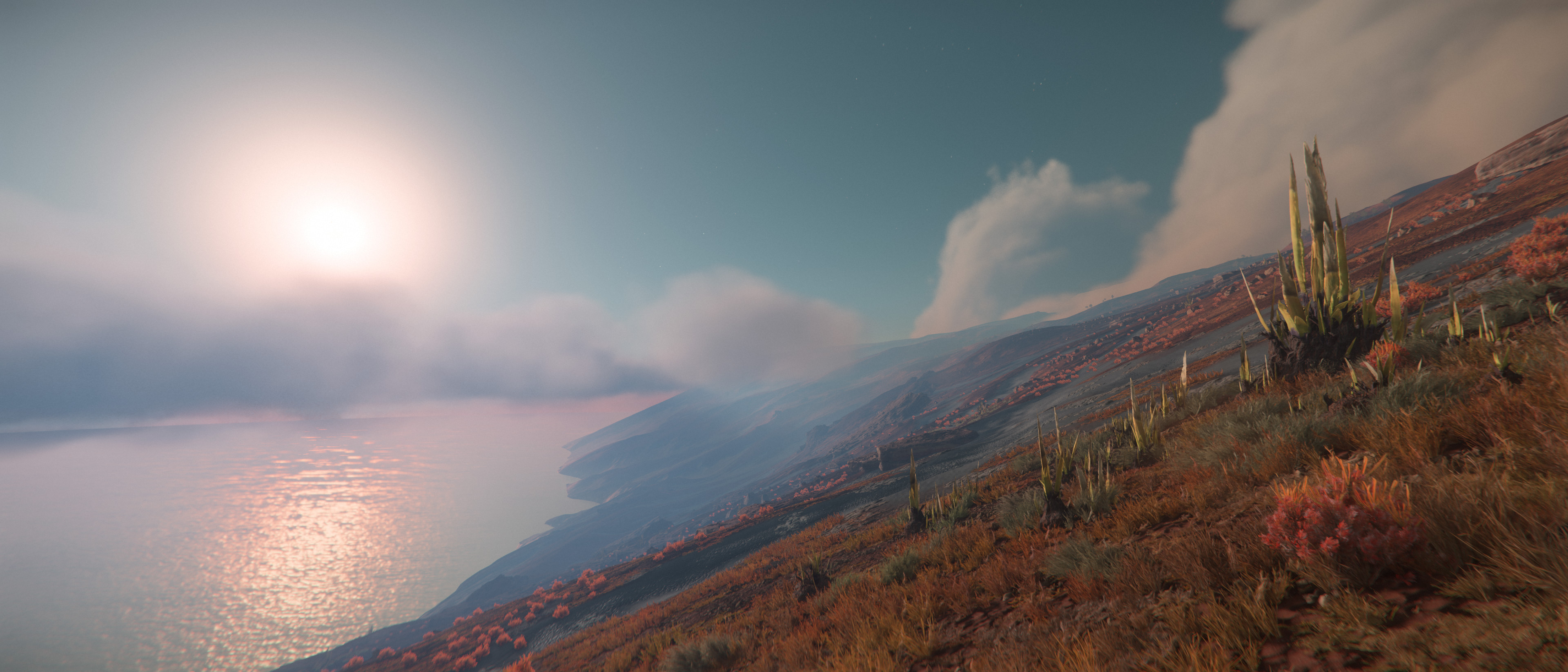
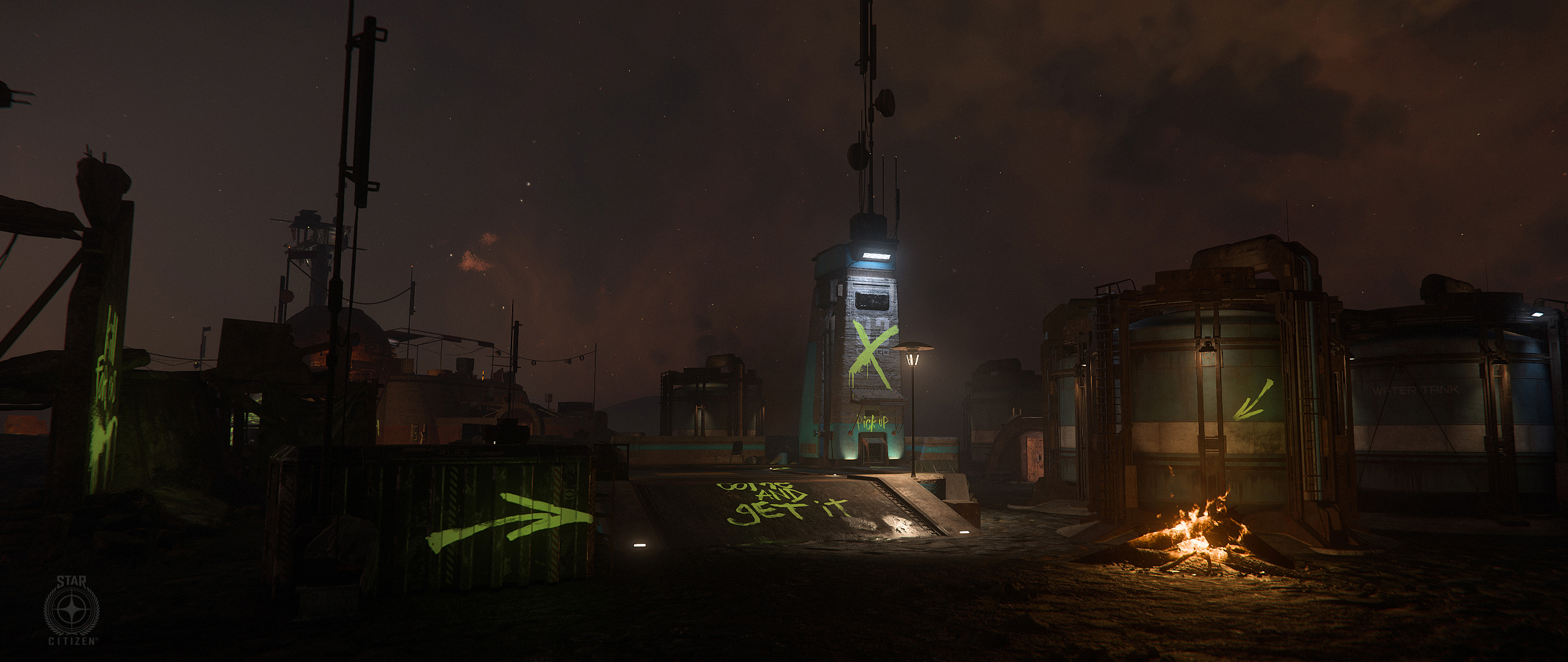
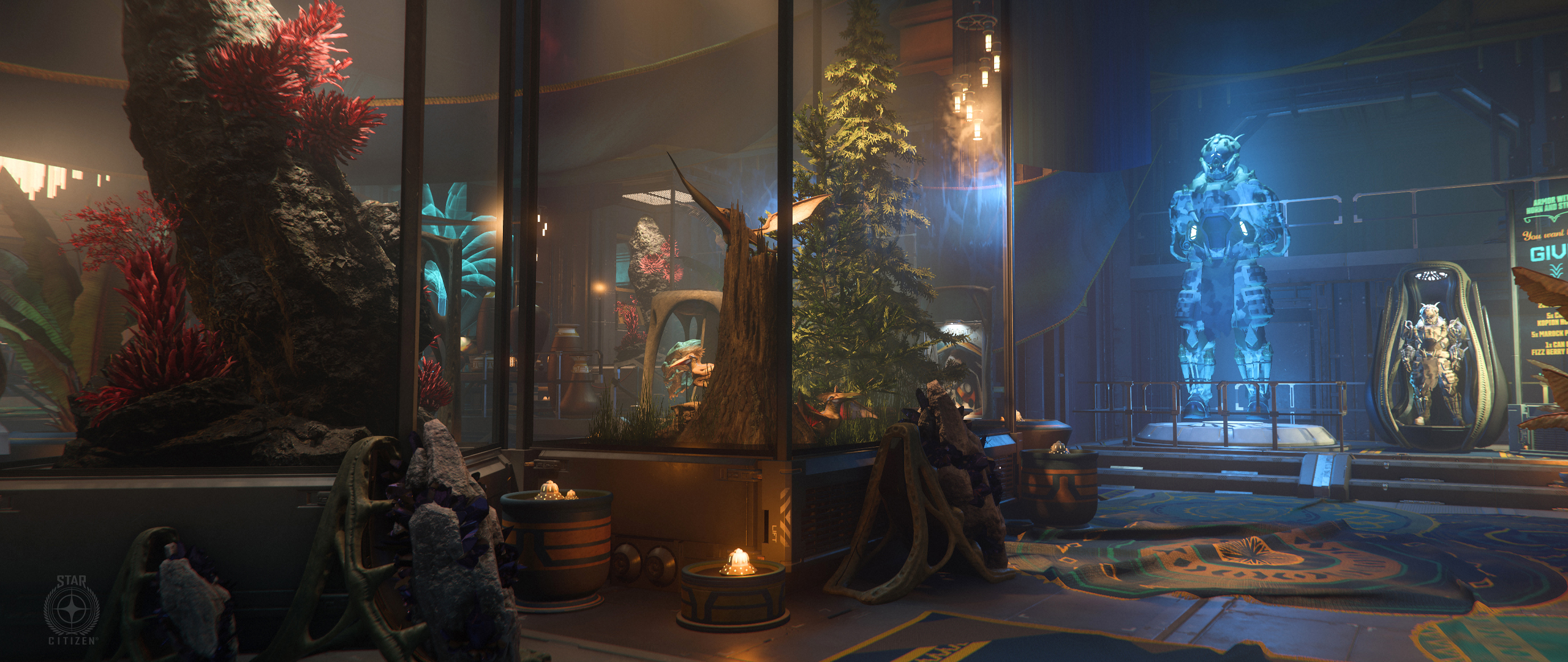
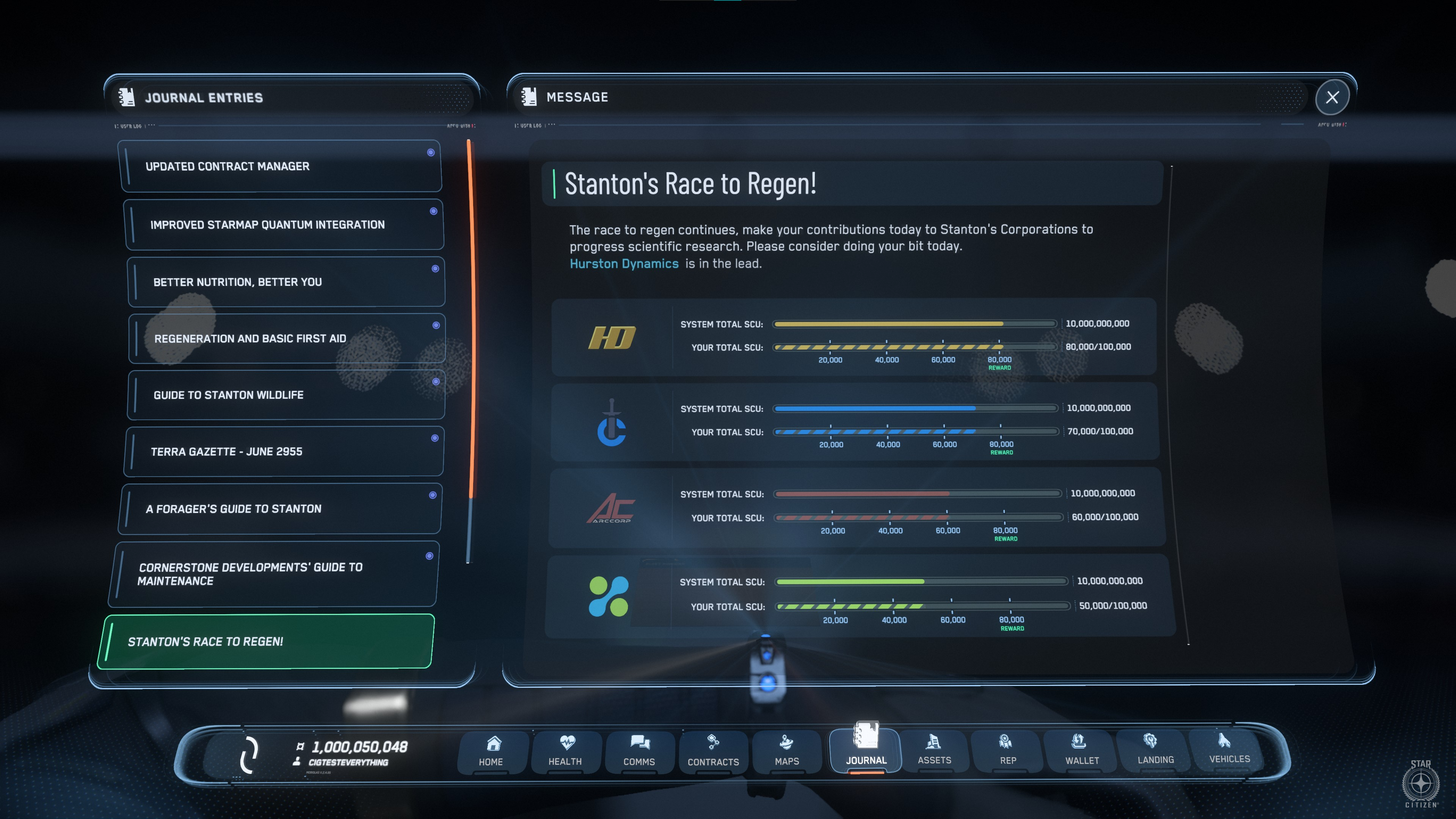
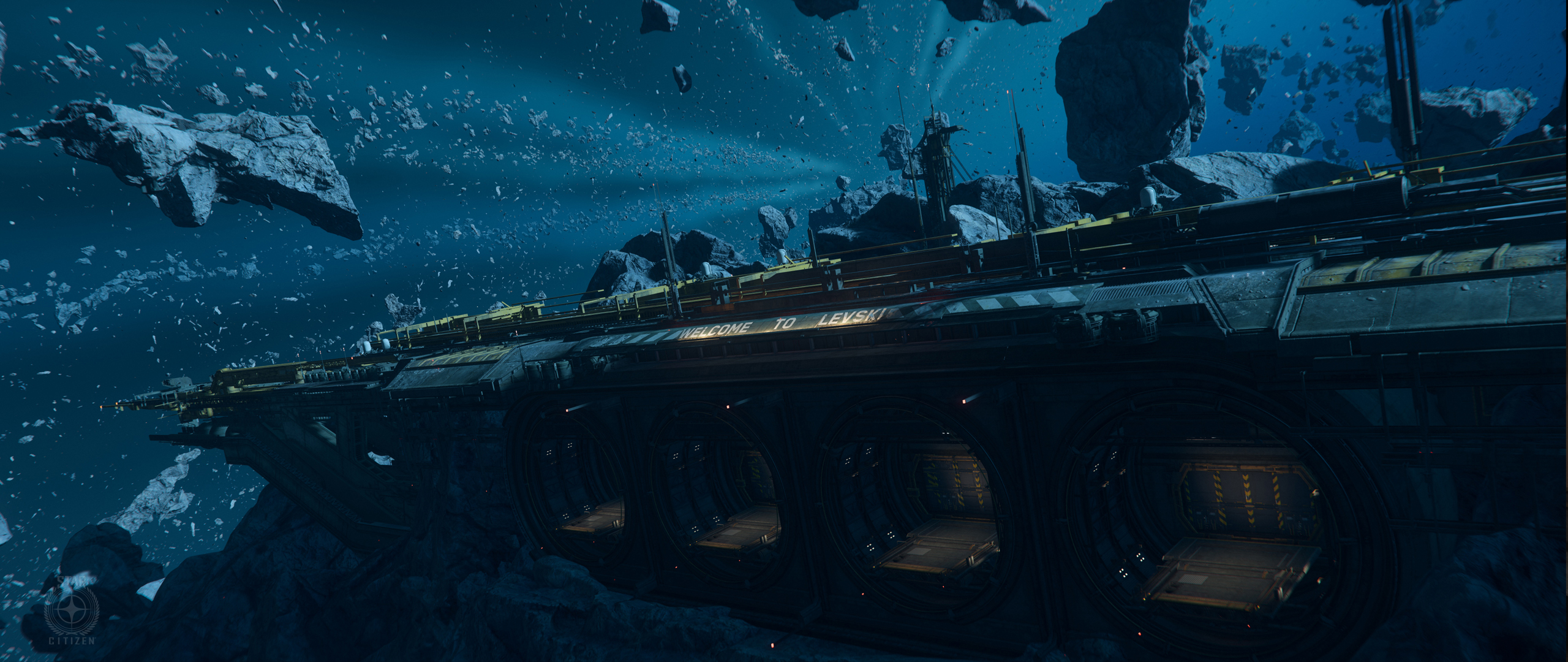
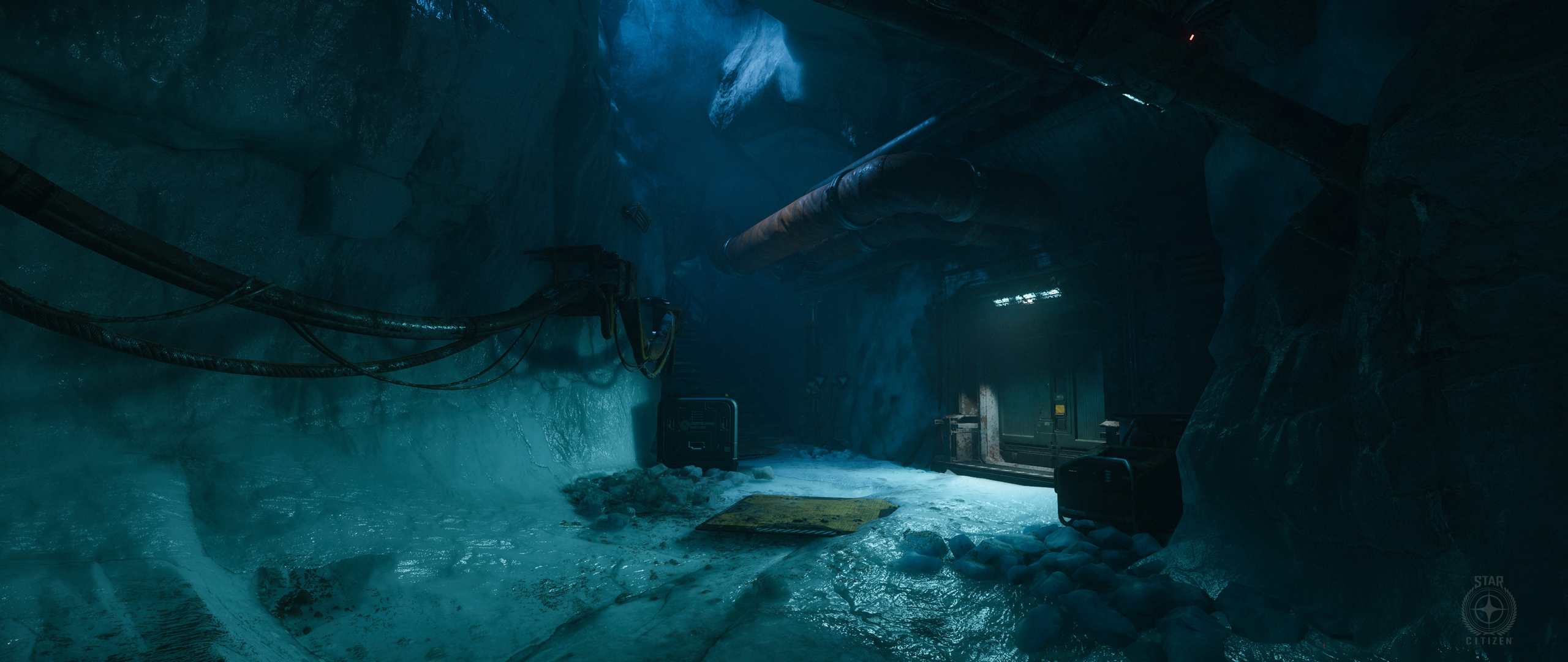
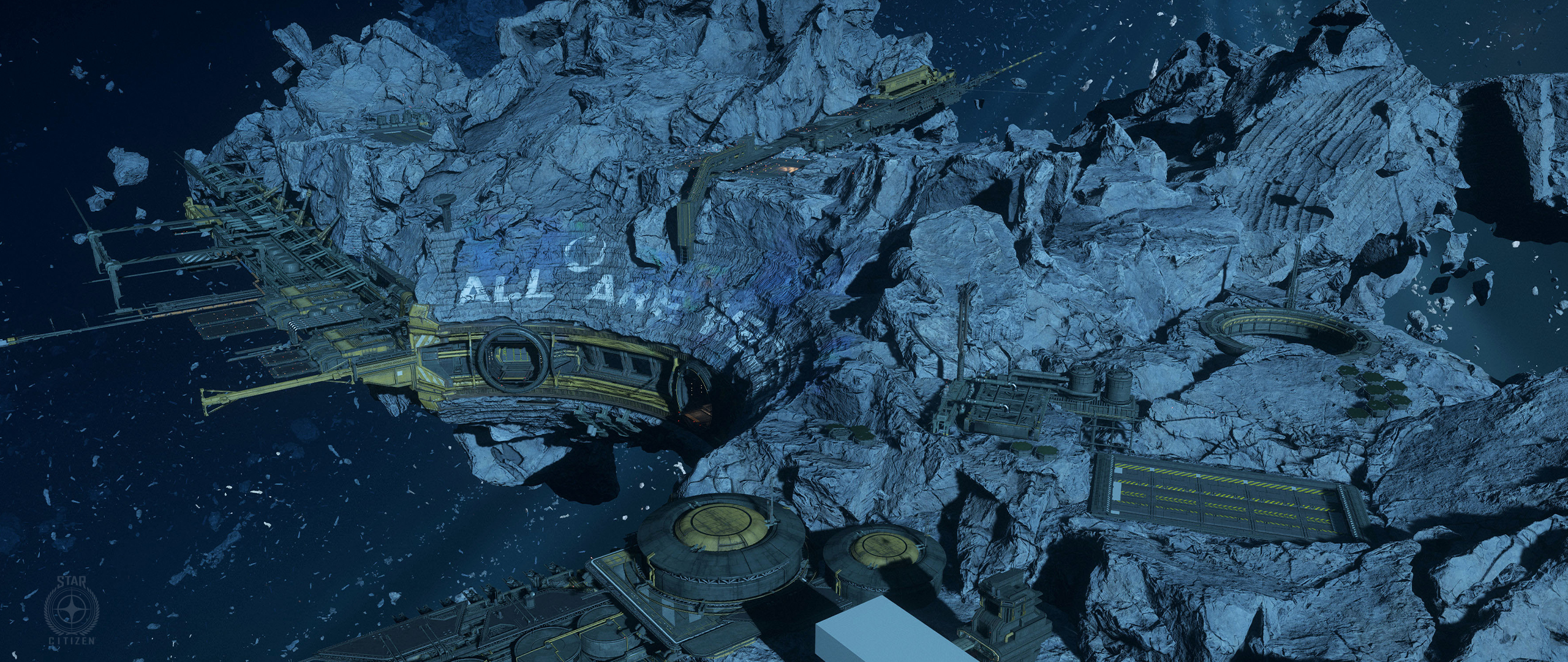
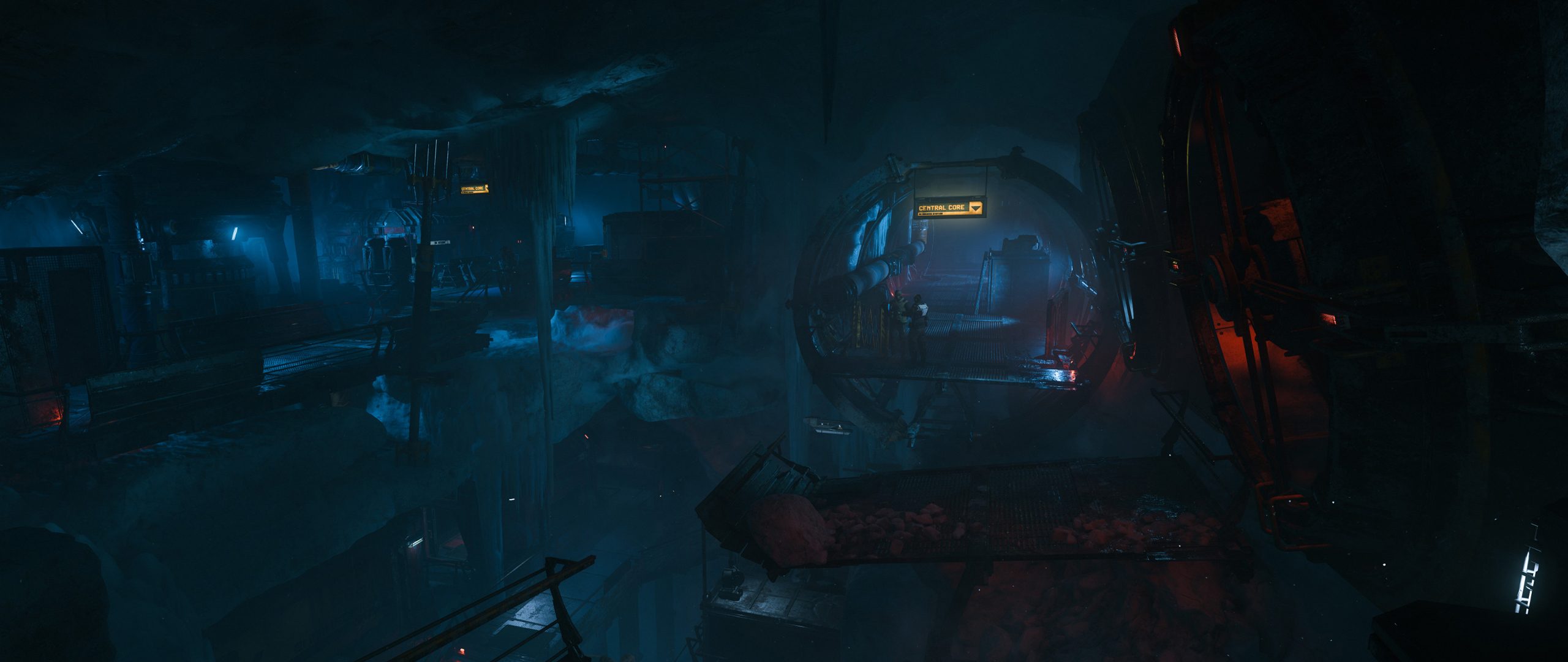
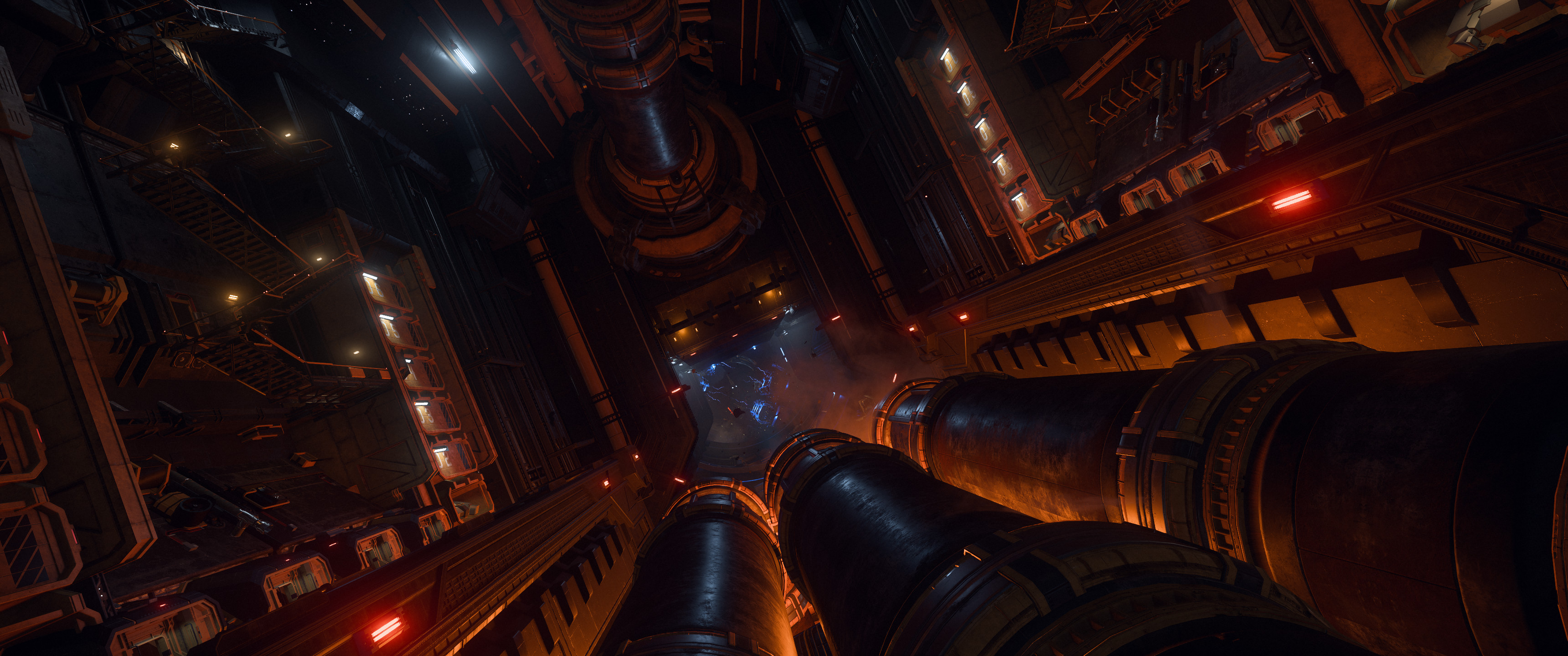
Metadata
- CIG ID
- 16743
- Channel
- Transmission
- Category
- Undefined
- Series
- Monthly Reports
- Comments
- 38
- Published
- 8 years ago (2018-09-07T00:00:00+00:00)