Star Citizen Monthly Report: September 2018
Transmission Undefined Monthly ReportsContent
Welcome to September’s monthly report from Cloud Imperium Games. This month we’re adjusting our Monthly Reports to be focused on each specific project.
This project-based approach to our monthly reports stands to provide a more detailed look at the development of both games going forward.
So, pop open a Smoltz and settle in for all the details on Star Citizen from around the Cloud Imperium empire.
For all you fans of the 2nd Fleet, a dedicated Squadron 42 Monthly Report will be released separately in the very near future.
AI
The majority of the AI Team’s focus this month has been on the Alpha 3.3 release. They’ve been working on multithreading the execution of the Tactical Point System, which allows a large number of environmental queries to be processed simultaneously. To achieve this, they focused on making several subsystems safe, such as the Usable Query System, Navigation, and Cover System. The result will give a big boost towards full multithreading of the Subsumption Component execution. For human combat, they implemented several strategies used during combat activities and completed tasks to remove existing glitches and visual bugs. They’re making progress on the Usable Builder tool, with the aim to give the designers proper visual feedback when creating objects so that they can immediately see issues or problems. Being able to preview a usable and adjust the position of its use slots, alignment slots, and all the elements associated with it will vastly speed up production. In addition, they worked on caching entry/exit animations of the usables and the related animations to speed up runtime calls. For the mission system, they introduced new functionalities, first of which is the ability to provide restrictions on the availability of a mission based on location. They also introduced UI binding variables that easily connect data provided by the mission logic to the user interface so that data can be easily displayed on screen. They’re currently working on a first pass to simulate incoming and outgoing city traffic so that large cities feel more alive.
Animation
The Animation Team has been working on refining the first-person experience, including tweaking weapon movement and recoil values. Work continues on ship sequencing, with the aim of increasing animation asset efficiency, while player actions were added to the bar stool to enable drinking from both standing and seating positions. The Facial Team developed animations for the bartender and bar patrons off the back of a PCAP shoot. They also partnered with Tech Animation to test a new facial rig and ran the first set of reviews for the Facial Animation Quality benchmark. The goal here is to establish a gold-standard of facial performance on all characters throughout the Persistent Universe. They also cleaned up the player locomotion sets and fixed bugs in preparation for the Alpha 3.3 release. The team is showing off motion capture at CitizenCon, so have been running tests to ensure everything runs smoothly.
Audio
Audio continued to support Alpha 3.3. They’ve also been prototyping new systems to allow the audio experience to scale as the project expands, with the intention to maintain the established quality bar and ensure a constantly immersive experience.
Backend Services
Backend Services has been looking into adding the S3 service, which is used to store and retrieve larger static datasets for various parts of the game. They also finished up the NoSQL database API (which gives more fluid datasets) and finished the new Entitlement Processor to greatly optimise the processing of platform-purchased items. As needed, they provided live support for Alpha 3.3 gameplay features to ensure everything is working as it should.
Build Engineering
A while ago, groups were formed to work on parallel branches for 3.3, with variable and control branches set up to investigate the benefits of streaming object container tech for Alpha 3.3 – this work was a success and is now complete. Validation checks for the animation pipeline have been cemented to ensure assets intended for building and releasing align with internal file-content references. Logic is now in place to identify 3D vector field textures from regular compiled DDS textures. These 3D textures are now being welcomed into our existing asset pipeline. The releasing process received an upgrade, with additional checks put in place to help keep an overview of the final released files for Alpha 3.3.
Character Art
After completing the Odyssey Flightsuit, Virgil TruDef Pro Armor, and Hurston Collection, the team will move onto bug fixing and polishing. This content comes with material variants designed to give Hurston a varied and realistic setting.
Community
The Community Team has already hosted more contests this year than ever before, with September’s MISC Prospector commercial contest spawning some unbelievable videos. Also this month, Bounty Hunters rallied across the ‘verse to take down criminal scum and shared their victories in a screenshot contest on Twitter. Within 24 hours, the team had received over 500 entries, showcasing that the hunt was most definitely on. More fun contests are just around the corner, so keep an eye on Spectrum for more chances to win. A community-organized convention, Con42, took place in Germany this month, with a strong attendance from both backers and developers alike. The event included informative panels, a treasure hunt to keep people on their feet, and stories from across the ‘verse. France’s own fan convention, Pari’Verse, is coming up on the 12th and 13th of October. So, if you’re in the area and looking to connect with other Citizens, make sure you check it out. You can find more info and get tickets on the official Pari’Verse website. “We can’t wait to celebrate CitizenCon 2948 with you on October 10th. It promises to be a full day of revelry, discourse, and fun. This event has always been about celebrating the current and future developments in Star Citizen, but at the same time also honouring the incredible community that continues to evolve around the game. We’ll see you in Austin!” This year, Star Citizen orgs had the opportunity to apply for a booth at the event, where they can celebrate their own unique history and recruit the next generation of aces to join their ranks. Furthermore, CitizenCon ticketholders had the chance to create a unique in-game emote by recording themselves and submitting their best ideas. The four winners will direct a live motion capture shoot in front of an audience at the event. The team also updated the CitizenCon website with the latest details, including a breakdown of what to expect throughout the day.
Design
Design added new behaviors to give NPCs and Mission Givers an extra layer of ability and are currently retroactively applying them to Miles Eckhart and Ruto. They have also been diligently working towards getting Recco Battaglia and Clovus Darneely fleshed out and fully-functional for the upcoming release. Tuning for the Economy continues, with new minable resources and updated inventories at the new outpost and truck stop locations. The home stretch is in sight for believable bartenders and patrons in the PU, with work being done to ensure they both offer an experience that you might have at your own local establishment. They’re currently polishing their everyday behaviors, including cleaning glasses, carrying drinks to tables, and telling the player they’re busy when in the middle of an action. Finally, the team had a clean-up and bug-fixing push to ensure that, when the players get their hand on the next build, it’s as bug-free as it can be.
DevOps
This year, the team has been able to accomplish much more internally due to recent tool and process improvements. The build system has been running 24 hours a day, churning out more independent build branches than ever before. At the same time, they’re now able to publish and maintain several times more branch targets than before. They also added a few more engineers, which has paid dividends across the board. “We’re super excited to see the results of all our efforts throughout summer pay off as we close in on the last steps for CitizenCon and the game publishing cycle.”
Engine
This month’s focus was on the upcoming Alpha 3.3 release along with the ubiquitous Object Container Streaming. Several improvements and bug fixes were made to water volumes so they can be used in ships and on planets as designed. They continued progress on improving planetary terrain soft shadows – a lot of optimizations and tweaks went in to get a natural look at a minimal runtime cost, though additional work is still needed on blending shadow cascades. They continued progress on the physics queue (to move physics from dedicated threads to a job model) and made progress on new soft-body simulation and cloth rendering, adding support for explosions and bullet impact. In addition, they worked on numerous bugs and optimizations tasks.
Engineering
The Gameplay Team has been working on Asteroid Mining along with implementing Render-to-Texture (RTT) support for in-game shop item previews. On the tech front, the team worked on the new Transit System, which provides easier setup for elevators and supports trains that travel to schedule around larger planetary locations. Work also continued on ongoing dynamic elements, such as ropes and soft-body simulation. The Core Engine and Network Teams focused on Object Container Streaming. They also improved the Group System to support multiple chat groups, a feature that paves the way for Spectrum integration along with VoIP and FoIP. They also continued their efforts on scanning/ping gameplay and added support for scan/ping detection of minable rocks inside asteroid fields and other detectable entities, such as derelict ships. Quantum Travel was improved to include routing in the Star Map. This will allow players to simply select their final destination and have the QT route plotted for them. The vehicle specialists continued to improve turret gameplay as well as support the new ships releasing this quarter.
Engine Tools
The Engine Tools Team worked on general usability improvements and game editor stability with a strong focus on supporting the needs of Alpha 3.3. The team also grew by two Tool Programmers; they’ll focus on improved tool development for Subsumption and internal profiling to gather and analyse global telemetry data. This will make it easier to enhance the general workflows for improving the overall game performance.
Environment Art
The Environment Art Team has been finalizing all the new locations going into Alpha 3.3, including graphics, navigational signs, final prop placements, dressing, optimizations, and bug fixing. The Organics Team made the final polish on the surface of Hurston and its biomes, which will be the first-time players are able to explore lush vegetation covered biomes. With work on the planet wrapped up, they’re now supporting the Locations Team on closing out Lorville and its surrounding areas. Other than polishing and tweaking the existing areas, work involved making final art for Hurston Central, finalizing artwork on the Transit System and transit routes through the city, as well as creating and embedding the outer city gates into the planet. Next up is the closing down of any remaining art tasks, then focus can move on to stabilisation and performance optimisations.
Gameplay Features
Gameplay Features coordinated with Backend Services to improve the Comms Chat App while in mobiGlas, and in the Visor when mobiGlas has been put away. This includes the ability to create multiple groups and invite players to join them. “You will be able to chat with fellow players no matter how far away everyone is from each other.” Voice Over IP is actively being developed to allow you to communicate with any group members using your own voice. Face Over IP is also in the works, allowing you to see the real-time expressions of those around you, adding nuance and emotion to your conversations.
Graphics
The Graphics Team has been working to make light and particles support multi-threading to enable them to load in the background for Object Container Streaming. It’s almost complete and will remove a stall that testers are currently seeing when they load a new location. When it’s live, players will enjoy seamlessly transition around the whole PU. The glass shader has also been updated so that interior ship canopies no longer show distracting reflections from the exterior which, in reality, wouldn’t be visible due to the shadowing of the cockpit geometry. As usual before a major release, there have also been a number of visual issues in the new environments that have been investigated and fixed.
Issue Council
The ‘Issue Council v1.1.0’ was deployed to PTU at the start of the month before reaching Live a few weeks later. This version features a new profile section where users can see their own reports, contributions, specs, and bookmarks. Reports now feature Technical Repro and Workaround fields. The new version received a positive response from backers.
Level Design
While expanding the Stanton system from one to two planets, the question of where to place rest stops to best support refueling came up. After some research, it was decided they would be placed at Lagrange points – naturally occurring pockets of space where two gravitational fields overlap and balance each other out. They’re the ideal place for rest stops, as they allow spacecraft to remain static without the need for additional force. A couple of new missions have been created that take place in Security Post Kareah: Crusader Security wants the abandoned station cleared of outlaws, and occasionally criminals will want the leaders of competing factions assassinated. Kareah itself has had some big improvements to its layout, with the opening up of new routes and more cover to make firefights in the station more enjoyable. As well as creating the Scramble Race logic, the team spent time improving the foundations of driving on planets, including headlight brightness, vehicle durability, handling, and obstacle collision. Several new asteroid clusters were added around Grim HEX in which the races and other missions can occur. A large portion of the month has been spent on Lorville and its surroundings. The team is currently adding trains and trams, setting up schedules, configuring hangars and garages, and adjusting level markups. They’re also working on the signage and general player-guiding throughout the playable areas of the city to make sure the various Points of Interest are easy to find and that visitors don’t get too lost. Progress on the Transit System is substantial and they have the first version of the system in place, allowing the team to efficiently set up elevators as well as adding in trains and trams that run to schedule. “All of this will help bring the cities to life, even though you might have to run a bit to catch the train or accept waiting for the next one!” They’ve started looking ahead to the upcoming areas of Stanton – ArcCorp, microTech, and Crusader. However, there’s a large amount of planning and prework that needs to be done before the teams can move onto them full time.
Lighting
The Lighting Team focused on finalizing content for the upcoming Alpha release. This involved lighting many of the locations in and around Lorville, such as the bar, admin office, and stores. In addition, they’ve also been starting optimization work across all Lorville locations to ensure better framerates while maintaining a high visual quality.
Player Relations
“The Player Relations team is busy preparing for the epic CitizenCon week in Austin, Texas! In addition to all of the planning and work that goes into running an event in your own city, we’ve been hustling away with the Evocati to test both the ‘No OCS’ and ‘OCS’ branches. Thank you Avocados! We’d like to point all players to our growing Knowledge Base which now has over 100 articles and seen almost 150,000 visitors since its inception. We will continue to grow this by adding new ‘How To’ articles, patch notes, and live service notifications there as well as on Spectrum.”
Props
Work continued on the utilitarian props for the Lorville landing zone, including infrastructure, furniture used to dress the main routes through the city, and smaller-scale dressing items for shops and bars. A polish pass on some older dressing assets was completed, with visual modelling improvements made to the meshes. Older assets using outdated glass shaders were also converted over to the new version to improve both the performance and visual quality. The team delivered a set of animated signage, cameras, and interactive dressing props to add life and movement to the city. Finally, the team began work on a new mission set prop that will be going live soon.
QA
The QA Team heavily focused on testing Alpha 3.3. The EU and ATX QA teams have been working closely to run various playthroughs and smoke-test builds for specific features. Alongside this, they worked on various QA Test Requests, one of which will bring significant changes to how the upcoming AI performs in-game. The AI change to Tactical Point System Query (TPSQuery) will allow for increased control over the number of queries that can be executed at the same time. This should reduce the amount of AI characters a player sees standing around doing nothing. They also made a test request for new physics changes that will reduce issues, such as physics collision detection buffers overflowing due to too many objects overlapping, objects getting pulled into random interior grids, objects missing, objects appearing with initial damage, etc. These changes also affect the new transit system. Testers have been working with the Level Design and Gameplay teams to ensure that the new elevator system and metro rail are functioning properly, as well as setting up test levels to be used by Physics Engineering to investigate any new issues that may arise. They also increased support for the AI Actor Feature Team to now include testers across all studios as opposed to only having support from the UK. Part of the team was busy testing upcoming features like Asteroid Mining and Rest Stops, new vehicles like the Mustang revamp and Cyclone variants, as well as preparing for CitizenCon. On the Leadership side, it was business as usual as they coordinated testing priorities for all the new builds. They also continued updating the TestRail software as new features came online along with adding some new QA testers to the team.
Ships
The bulk of artwork done this month has been towards supporting Alpha 3.3. Outside of that, the team made strides with the glass shader, fixed bugs in preparation for Alpha 3.3, and finalised the Aegis Hammerhead. On the design side, support was given in the global push towards Alpha 3.3 along with the groundwork for ships in Alpha 3.4 and beyond. They also spent a fair amount of time working on item balance and reacting to the internal and external feedback on the cannon changes that have just hit Evocati.
Ship Art
The Ship Art Team had to pause for a couple weeks on the 300 series updates to take care of some pilot-fitting issues on a prominent Squadron 42 campaign ship. Now that it’s done, they’re back in full swing on the 300i grey-box. They also recently completed the long-awaited Constellation Phoenix, finishing the last few LOD tasks, and polished the conference table and piano (not literally). Once the final Phoenix bugs are worked out, they’ll move onto the Banu Defender: “We’re very excited about this and are already doing the preliminary work to ensure the visuals match everyone’s expectations.”
System Design
The System Design Team was primarily occupied with tasks for the 3.3 release. They made progress on FPS combat AI, with improvements to perception and reaction to stimuli. Cover selection was modified to enable enemies and allies to more intelligently choose when and where to seek cover. They now also give increased vocal feedback, so players understand more clearly what they are thinking and what is happening during encounters. The next step will be to get the same functionality working in multiplayer. The gameplay features for asteroid mining are complete, with the team now moving on to bug fixing, polishing, crunching numbers, testing, and generally making sure players will have an enjoyable experience. “Expect new minable elements, more searching through the rubble for golden nuggets, and more time spent using your radar finding the right rocks.” They also completed work for an upcoming release, with the focus on getting NPC ships to properly take-off, land, and quantum travel so that the universe can be populated with traveling NPCs.
Tech Animation
Tech Animation continued their work on the weapon batch exporter, which will enable the animators to iterate faster over their weapon animations. They also fixed various bugs in the animation tools set and added some new functionality with the goal of improving the way animators work.
Tech Art
The Tech Art Team continued work on the next-gen character cloth and softbody authoring pipeline and toolset. The data interchange format between Maya and the engine has been re-factored to enable various additional global and local ‘per-vertex’ dynamic attributes to be authored, transferred, and stored efficiently. These attributes enable complex dynamic effects such as friction, air lift, drag, and collision softness. They also allow fine-grained control over the various cloth-internal properties such as stretch, compression, and bend stiffness (and even volume preservation in the case of volumetric softbodies) on a per-asset basis as needed. They also added the ability to author so-called collision proxies together with the character animation rigs and meshes in Maya. Since full-on polygon mesh-based collision detection and resolution is still fairly costly to achieve in realtime, simple geometric primitives such as spheres, boxes, ellipsoids, or capsules are used to approximate the objects that cloth and other softbodies are supposed to collide with. For example, in order to let a skirt collide with the (approximated) legs of a character.
Turbulent
Turbulent has been hard at work this month providing support on all fronts in preparation for CitizenCon! Spectrum is now on release v.8.2 this month, with several bug fixes made, including the addition of emojis. Quill, the new Spectrum editor, is in the QA stage of development. It’s set to replace the old editor and will resolve various bugs linked to Android. Due to the development work for Alpha 3.3, Spectrum progress will be picked up again the following month. CitizenCon Merchandise is here! Ticket holders can purchase t-shirts and wireless chargers in advance to be picked up at the event. Backers who have purchased a Digital Goodie Pack can purchase t-shirts to be shipped to their address. Turbulent supported the release of the event merchandise on the platform side. Turbulent undertook the badge printing for CitizenCon, which will display a QR code unique to each ticket holder’s account as well as details such as their name, avatar, and main org. The QR code is linked to our ticket-scanning app made for the event. After the CitizenCon microsite update last month, the team has been working on building out the Livestream pages. While watching the event, you’ll be able to chat live with other Citizens. Turbulent also helped with this month’s Pirate Promotion, which included sales of the Aegis Gladius, Aegis Sabre, Aegis Hammerhead, Anvil Super Hornet, and Freelancer MIS.
UI
This month, UI supported the Mission Team by creating a persistent objectives widget on the HUD and crafted the pickup and delivery interactive displays utilizing the new UI authoring tool (which is still in early development). They began building the branding, identity, and fictional advertisements for truck stops and landing locations in the PU.
Vehicle Features
The Vehicle Features Team improved the manned turret experience by: Adding an interface to turn gyro-stabilization on/off.
Finalizing the 1:1 input-to-rotation techniques for mouse and joystick, including properly adjusted input options for both.
Adding head look smoothing for a less jarring view from within turrets.
Programming automated turrets to now use the criminality system to determine whether or not to fire upon you.
Scanning vehicles was also extended to include stats such as vehicle status, owner, pilot, and onboard cargo. Discovering entities on planets, asteroids, and deep space has been improved by allowing for much greater ping results, more informative blob aesthetics, and separate blob generation based on whether entities are on a planet’s surface or in deep space. Finally, the technique in which mineable rocks are spawned on asteroids and planetary bodies has been made more efficient.
Vehicle Content
The Star Citizen Alpha 3.3 release was the primary focus for the Vehicle Content Team throughout September. Tech Art completed their release prep passes on all of the vehicles going out in the update: the Aegis Hammerhead, RSI Constellation Phoenix, Tumbril Cyclone variants, and the rework of the Consolidated Outland Mustang. Both the Art and System Design teams completed their release prep passes on the Mustangs and Cyclones, while Systems Design also completed their pass on the Phoenix. All teams have been working on polish tasks and bug fixing to get these vehicles into great shape for the backers. Additionally, the teams were involved in an ongoing process of creating sequenced animations for vehicles, in particular the Cyclone TR and Mustang Beta. The Art and Systems Design teams also continued to move forward on the Anvil Hawk, which is whitebox complete on the design-side and into the final art stage.
VFX
VFX worked on several new biomes surrounding Lorville that are continually being iterated on, which will be included in an upcoming patch. They also continued to fine-tune the multitude of effects seen in and around Lorville, with a particular focus on optimisation. They also finalised VFX for several new vehicles, including the mighty Hammerhead’s interior and exterior damage, and exhaust misfires for the Tumbril Cyclone.
Weapons
The Weapon Art Team finished production on the new Hurston Dynamics ship weapons.
Web Platform
This month, work focused on supporting the new features that gravitate around the Groups System. The new version is the primary component responsible for orchestrating chat lobbies and voice channels. A new group type made its entry in the system for supporting Instance and Server groups. The team also spent time fixing a few bugs related to the timing of incoming events and improving observability of the service by adding stats and reporters. A new service called the Group Coordinator entered the network this month. This is in charge of tracking dedicated game servers entering/exiting the pool and creating the proper group resources needed to power a server-wide group, lobby, and voice channel. This service is isolated but uses the current network resources to achieve this automation while still notifying game clients about the changes, which then get replicated to the mobiGlas. The lobby service work this month focused mainly on hardening and dealing with a few edge cases related to how events are processed. A few major bugs were fixed on how the player identifiers are carried across messages and observability improvements were made to Quality of Service. Voice service work was completed this month allowing the sharing of voice channels across a fleet of voice servers as well as improving the scalability and reliability of how channels are created. Voice streams carried over the network are now properly attached to the player entities in the game space. Proper audio treatment gets added as players connect and disconnect from channels via the mobiGlas. Additional work was done to address issues identified in face-sync. Observability improvements were made for Quality of Service. Major infrastructure work was advanced this month in how we store and process the Domain Events submitted to the Event Bus. A new set of clustered resources are now used and the orchestration of our game services containers got a big upgrade by moving to a Kubernetes based orchestrator. This gives Turbulent the ability to scale and easily orchestrate the game service resources. This is the first step in this new direction which we hope will allow for faster deployments and more reliable services all around. WE’LL SEE YOU NEXT MONTH…
Willkommen zum Monatsbericht September von Cloud Imperium Games. Diesen Monat passen wir unsere Monatsberichte an, um sie auf jedes einzelne Projekt zu konzentrieren.
Dieser projektbezogene Ansatz für unsere Monatsberichte soll einen detaillierteren Einblick in die zukünftige Entwicklung beider Spiele geben.
Also, öffnen Sie einen Smoltz und informieren Sie sich über alle Details zu Star Citizen aus dem gesamten Cloud Imperium Imperium.
Für alle Fans der 2. Flotte wird in naher Zukunft ein spezieller Staffel 42 Monatsbericht separat veröffentlicht.
KI
Der Schwerpunkt des KI-Teams lag in diesem Monat auf dem Alpha 3.3 Release. Sie haben an einem Multithreading der Ausführung des Tactical Point Systems gearbeitet, das es ermöglicht, eine große Anzahl von Umweltanfragen gleichzeitig zu bearbeiten. Um dies zu erreichen, konzentrierten sie sich darauf, mehrere Subsysteme sicher zu machen, wie z.B. das Usable Query System, Navigation und Cover System. Das Ergebnis wird einen großen Beitrag zum vollständigen Multithreading der Ausführung der Subsumptionskomponente leisten. Für den menschlichen Kampf implementierten sie mehrere Strategien, die während der Kampfhandlungen verwendet wurden, und erledigten Aufgaben, um bestehende Störungen und visuelle Fehler zu beseitigen. Sie machen Fortschritte mit dem Tool Usable Builder, mit dem Ziel, den Designern beim Erstellen von Objekten ein gutes visuelles Feedback zu geben, damit sie Probleme oder Probleme sofort erkennen können. Die Möglichkeit, eine Vorschau eines verwendbaren Objekts anzuzeigen und die Position seiner Nutzschlitze, Ausrichtungsschlitze und aller damit verbundenen Elemente anzupassen, wird die Produktion erheblich beschleunigen. Darüber hinaus arbeiteten sie an Caching-Ein-/Ausgangsanimationen der Usables und den dazugehörigen Animationen, um Laufzeitaufrufe zu beschleunigen. Für das Missionssystem führten sie neue Funktionalitäten ein, von denen die erste die Möglichkeit ist, die Verfügbarkeit einer Mission je nach Standort einzuschränken. Sie führten auch UI-Bindungsvariablen ein, die die von der Missionslogik bereitgestellten Daten einfach mit der Benutzeroberfläche verbinden, so dass die Daten einfach auf dem Bildschirm angezeigt werden können.
Sie arbeiten derzeit an einem ersten Durchgang, um den ein- und ausgehenden Stadtverkehr zu simulieren, damit sich Großstädte lebendiger fühlen.
Animation
Das Animationsteam hat an der Weiterentwicklung der First-Person-Erfahrung gearbeitet, einschließlich der Optimierung der Waffenbewegung und der Rückstoßwerte. Die Arbeiten an der Sequenzierung von Schiffen werden mit dem Ziel fortgesetzt, die Effizienz der Animationsanlagen zu erhöhen, während der Barhocker um Spieleraktionen erweitert wurde, die das Trinken sowohl aus dem Stehen als auch aus dem Sitzen ermöglichen. Das Facial Team entwickelte Animationen für den Barkeeper und die Barbesucher auf der Rückseite eines PCAP-Shootings. Sie arbeiteten auch mit Tech Animation zusammen, um ein neues Gesichtsgerät zu testen und führten die ersten Tests für den Facial Animation Quality Benchmark durch. Das Ziel ist es, einen Goldstandard für die Gesichtsleistung aller Charaktere im gesamten Persistenten Universum zu etablieren. Sie haben auch die Spielerbewegungssätze bereinigt und Fehler behoben, um sich auf die Alpha 3.3-Version vorzubereiten. Auf der CitizenCon zeigt das Team die Bewegungserfassung, ebenso wie Tests, um sicherzustellen, dass alles reibungslos läuft.
Audio
Audio unterstützte weiterhin Alpha 3.3. Sie haben auch neue Systeme entwickelt, die es ermöglichen, das Klangerlebnis mit der Erweiterung des Projekts zu skalieren, mit der Absicht, die etablierte Qualitätsschwelle zu halten und ein immersives Erlebnis zu gewährleisten.
Backend Services
Backend Services hat sich mit dem Hinzufügen des S3-Dienstes beschäftigt, mit dem größere statische Datensätze für verschiedene Teile des Spiels gespeichert und abgerufen werden können. Sie haben auch die NoSQL-Datenbank-API (die mehr fließende Datensätze liefert) und den neuen Anrechtsprozessor fertig gestellt, um die Verarbeitung von plattformgekauften Artikeln stark zu optimieren. Bei Bedarf unterstützten sie Alpha 3.3 Gameplay-Funktionen live, um sicherzustellen, dass alles so funktioniert, wie es sollte.
Gebäudetechnik
Vor einiger Zeit wurden Gruppen gebildet, um an parallelen Zweigen für 3.3 zu arbeiten, mit Variablen- und Steuerzweigen, die eingerichtet wurden, um die Vorteile der Streaming Object Container Technologie für Alpha 3.3 zu untersuchen - diese Arbeit war ein Erfolg und ist nun abgeschlossen. Validierungsprüfungen für die Animationspipeline wurden zementiert, um sicherzustellen, dass die für den Aufbau und die Freigabe vorgesehenen Assets mit internen Datei-Inhaltsverweisen übereinstimmen. Die Logik ist nun vorhanden, um 3D-Vektorfeldtexturen aus regelmäßig kompilierten DDS-Texturen zu identifizieren. Diese 3D-Texturen werden nun in unsere bestehende Asset-Pipeline aufgenommen. Der Freigabeprozess erhielt ein Upgrade mit zusätzlichen Prüfungen, um den Überblick über die endgültigen freigegebenen Dateien für Alpha 3.3 zu behalten.
Charakter-Kunst
Nach der Fertigstellung des Odyssey Fluchtanzuges, der Virgil TruDef Pro Rüstung und der Hurston Kollektion wird sich das Team mit der Fehlerbehebung und dem Polieren befassen. Dieser Inhalt enthält Materialvarianten, die Hurston ein abwechslungsreiches und realistisches Umfeld bieten.
Community
Das Community-Team hat in diesem Jahr bereits mehr Wettbewerbe veranstaltet als je zuvor, wobei der kommerzielle Wettbewerb des MISC Prospectors im September einige unglaubliche Videos hervorbrachte. Auch diesen Monat versammelten sich Kopfgeldjäger über den Vers, um kriminellen Abschaum zu beseitigen und teilten ihre Siege in einem Screenshot-Wettbewerb auf Twitter. Innerhalb von 24 Stunden hatte das Team über 500 Einsendungen erhalten, was zeigt, dass die Jagd definitiv begonnen hat. Weitere lustige Wettbewerbe stehen vor der Tür, also behalten Sie Spectrum im Auge, um mehr Gewinnchancen zu haben. In diesem Monat fand in Deutschland eine von der Community organisierte Convention, Con42, statt, an der sowohl Geldgeber als auch Entwickler stark teilnahmen. Die Veranstaltung beinhaltete informative Panels, eine Schatzsuche, um die Menschen auf Trab zu halten, und Geschichten aus der ganzen Welt.
Frankreichs eigene Fan-Convention, Pari'Verse, findet am 12. und 13. Oktober statt. Wenn du also in der Gegend bist und dich mit anderen Bürgern verbinden möchtest, stelle sicher, dass du es dir ansiehst. Weitere Informationen und Tickets findest du auf der offiziellen Pari'Verse-Website. "Wir können es kaum erwarten, die CitizenCon 2948 am 10. Oktober mit Ihnen zu feiern. Es verspricht einen ganzen Tag voller Freude, Diskurs und Spaß zu werden. Bei dieser Veranstaltung ging es immer darum, die aktuellen und zukünftigen Entwicklungen in Star Citizen zu feiern, aber gleichzeitig auch die unglaubliche Community zu ehren, die sich rund um das Spiel weiterentwickelt. Wir sehen uns in Austin!" In diesem Jahr hatten Star Citizen Orgs die Möglichkeit, sich für einen Stand auf der Veranstaltung zu bewerben, wo sie ihre eigene einzigartige Geschichte feiern und die nächste Generation von Assen rekrutieren können, um sich ihren Reihen anzuschließen. Darüber hinaus hatten CitizenCon-Ticketinhaber die Möglichkeit, eine einzigartige In-Game-Emote zu kreieren, indem sie sich selbst aufnahmen und ihre besten Ideen einreichten. Die vier Gewinner führen Regie bei einem Live-Motion-Capture-Shooting vor Publikum bei der Veranstaltung. Das Team aktualisierte auch die CitizenCon-Website mit den neuesten Informationen, einschließlich einer Aufschlüsselung dessen, was den ganzen Tag über zu erwarten ist.
Design
Design hat neue Verhaltensweisen hinzugefügt, um NSCs und Missionsgebern eine zusätzliche Fähigkeitsschicht zu geben, und wendet diese derzeit rückwirkend auf Miles Eckhart und Ruto an. Sie haben auch fleißig darauf hingearbeitet, dass Recco Battaglia und Clovus Darneely für die kommende Veröffentlichung ausgearbeitet und voll funktionsfähig werden. Das Tuning für die Wirtschaft geht weiter, mit neuen förderbaren Ressourcen und aktualisierten Beständen an den neuen Standorten für Außenposten und LKW-Stationen. Die Zielgerade ist für glaubwürdige Barkeeper und Gönner in der PU in Sichtweite, wobei daran gearbeitet wird, dass beide ein Erlebnis bieten, das Sie in Ihrem eigenen lokalen Betrieb erleben können. Sie polieren derzeit ihr alltägliches Verhalten, einschließlich des Putzens von Brillen, des Tragens von Getränken an den Tisch und erzählen dem Spieler, dass sie mitten in einer Aktion beschäftigt sind. Schließlich hatte das Team einen Aufräum- und Fehlerbehebungs-Push, um sicherzustellen, dass, wenn die Spieler beim nächsten Build ihr Blatt in die Hand nehmen, es so fehlerfrei wie möglich ist.
DevOps
In diesem Jahr konnte das Team aufgrund der jüngsten Verbesserungen an Werkzeugen und Prozessen viel mehr intern erreichen. Das Build-System läuft seit 24 Stunden am Tag und hat mehr unabhängige Build-Branchen als je zuvor hervorgebracht. Gleichzeitig können sie nun ein Vielfaches mehr Branchenziele als bisher veröffentlichen und pflegen. Sie fügten auch ein paar weitere Ingenieure hinzu, was sich auf breiter Front ausgezahlt hat. "Wir freuen uns sehr, dass sich die Ergebnisse all unserer Bemühungen im Sommer auszahlen, wenn wir die letzten Schritte für CitizenCon und den Veröffentlichungszyklus von Spielen abschließen."
Motor
Der Schwerpunkt dieses Monats lag auf dem bevorstehenden Alpha 3.3 Release zusammen mit dem allgegenwärtigen Object Container Streaming. Mehrere Verbesserungen und Bugfixes wurden an den Wassermengen vorgenommen, so dass sie wie geplant in Schiffen und auf Planeten eingesetzt werden können. Sie setzten die Fortschritte bei der Verbesserung der weichen Schatten des planetarischen Geländes fort - viele Optimierungen und Optimierungen wurden vorgenommen, um einen natürlichen Blick auf minimale Laufzeitkosten zu werfen, obwohl noch zusätzliche Arbeit an der Mischung von Schattenkaskaden erforderlich ist. Sie setzten die Fortschritte in der Physik-Warteschlange fort (um die Physik von dedizierten Threads in ein Arbeitsmodell zu verlagern) und machten Fortschritte bei der neuen Soft-Body-Simulation und dem Stoff-Rendering, wodurch Explosionen und Kugelschläge unterstützt wurden. Darüber hinaus arbeiteten sie an zahlreichen Bugs und Optimierungsaufgaben.
Ingenieurwesen
Das Gameplay-Team hat an Asteroid Mining gearbeitet und Render-to-Texture (RTT) Unterstützung für die Vorschau von Gegenständen im Spiel-Shop implementiert. Technisch arbeitete das Team an dem neuen Transit-System, das die Einrichtung von Aufzügen erleichtert und Züge unterstützt, die nach Plan um größere Planetenstandorte fahren. Auch an laufenden dynamischen Elementen wie Seilen und Weichkörpersimulationen wurde weiter gearbeitet. Die Kernmaschinen- und Netzwerkteams konzentrierten sich auf das Object Container Streaming. Sie verbesserten auch das Gruppensystem, um mehrere Chatgruppen zu unterstützen, eine Funktion, die den Weg für die Spectrum-Integration zusammen mit VoIP und FoIP ebnet. Sie setzten auch ihre Bemühungen um das Scannen/Pingen von Gameplay fort und fügten Unterstützung für die Scan/Ping-Erkennung von Minable Rocks in Asteroidenfeldern und anderen nachweisbaren Einheiten, wie z.B. verfallenen Schiffen, hinzu. Quantum Travel wurde verbessert, um die Routenplanung in die Sternenkarte aufzunehmen. Auf diese Weise können die Spieler einfach ihr endgültiges Ziel auswählen und sich die QT-Route für sie anzeigen lassen. Die Fahrzeugspezialisten verbesserten weiter das Turmgameplay und unterstützten die neuen Schiffe, die dieses Quartal freigaben.
Motorwerkzeuge
Das Engine Tools Team arbeitete an allgemeinen Verbesserungen der Benutzerfreundlichkeit und der Stabilität des Spieleditors mit dem Schwerpunkt auf der Unterstützung der Anforderungen von Alpha 3.3. Das Team wuchs auch um zwei Tool-Programmierer, die sich auf eine verbesserte Werkzeugentwicklung für Subsumption und internes Profiling konzentrieren werden, um globale Telemetriedaten zu sammeln und zu analysieren. Dies wird es einfacher machen, die allgemeinen Arbeitsabläufe zur Verbesserung der Gesamtleistung des Spiels zu verbessern.
Umwelt Kunst
Das Environment Art Team hat alle neuen Standorte, die in Alpha 3.3 aufgenommen werden, fertiggestellt, einschließlich Grafiken, Navigationszeichen, Platzierungen der endgültigen Propeller, Ankleiden, Optimierungen und Fehlerbehebung. Das Organik-Team hat den letzten Schliff auf der Oberfläche von Hurston und seinen Biomen vorgenommen, die zum ersten Mal in der Lage sein werden, üppig bewachsene Biome zu erkunden. Nachdem die Arbeit auf dem Planeten abgeschlossen ist, unterstützen sie nun das Locations-Team beim Abschluss von Lorville und seiner Umgebung. Abgesehen vom Polieren und Optimieren der bestehenden Bereiche, beinhaltete die Arbeit die Herstellung der endgültigen Kunst für Hurston Central, die Fertigstellung der Kunstwerke auf dem Transitsystem und den Transitrouten durch die Stadt sowie die Schaffung und Einbettung der äußeren Stadttore in den Planeten. Als nächstes folgt die Schließung aller verbleibenden Kunstaufgaben, dann kann der Schwerpunkt auf Stabilisierung und Leistungsoptimierung gelegt werden.
Gameplay-Funktionen
Gameplay-Funktionen, die mit den Backend Services koordiniert wurden, um die Comms Chat App in mobiGlas und im Visier zu verbessern, wenn mobiGlas weggelegt wurde. Dazu gehört auch die Möglichkeit, mehrere Gruppen zu erstellen und Spieler einzuladen, sich ihnen anzuschließen. "Du wirst mit anderen Spielern chatten können, egal wie weit entfernt alle voneinander sind." Voice Over IP wird aktiv entwickelt, damit Sie mit allen Gruppenmitgliedern mit Ihrer eigenen Stimme kommunizieren können. Face Over IP ist ebenfalls in Arbeit, so dass Sie die Echtzeit-Ausdrücke der Menschen um Sie herum sehen können, was Ihren Gesprächen Nuancen und Emotionen verleiht.
Grafiken
Das Grafik-Team hat daran gearbeitet, dass Licht und Partikel Multithreading unterstützen, damit sie im Hintergrund für das Object Container Streaming laden können. Es ist fast fertig und entfernt einen Strömungsabriss, den Tester derzeit sehen, wenn sie einen neuen Standort laden. Wenn es live ist, werden die Spieler den nahtlosen Übergang um die gesamte PU genießen. Auch der Glas-Shader wurde aktualisiert, so dass Schiffsinnenverkleidungen keine störenden Reflexionen von außen mehr aufweisen, die in Wirklichkeit durch die Abschattung der Cockpitgeometrie nicht sichtbar wären. Wie üblich vor einem Major-Release gab es auch in den neuen Umgebungen eine Reihe von visuellen Problemen, die untersucht und behoben wurden.
Issue Council
Der "Issue Council v1.1.0" wurde Anfang des Monats an die PTU verteilt, bevor er einige Wochen später Live erreichte. Diese Version verfügt über einen neuen Profilbereich, in dem Benutzer ihre eigenen Berichte, Beiträge, Spezifikationen und Lesezeichen sehen können. Die Berichte verfügen nun über die Felder Technical Repro und Workaround. Die neue Version erhielt eine positive Resonanz von den Geldgebern.
Leveldesign
Während der Erweiterung des Stanton-Systems von einem auf zwei Planeten stellte sich die Frage, wo man Raststätten platzieren sollte, um das Betanken am besten zu unterstützen. Nach einigen Recherchen wurde entschieden, dass sie an Lagrange-Punkten platziert werden - natürlich vorkommende Raumtaschen, in denen sich zwei Gravitationsfelder überschneiden und sich gegenseitig ausgleichen. Sie sind der ideale Ort für Rastplätze, da sie es ermöglichen, dass Raumfahrzeuge ohne zusätzliche Kraftanstrengungen statisch bleiben. Ein paar neue Missionen wurden geschaffen, die in Security Post Kareah stattfinden: Crusader Security will, dass die verlassene Station von Gesetzlosen befreit wird, und gelegentlich werden Kriminelle wollen, dass die Führer konkurrierender Fraktionen ermordet werden. Kareah selbst hat einige große Verbesserungen an seinem Layout vorgenommen, mit der Eröffnung neuer Routen und mehr Deckung, um die Feuerwehr in der Station angenehmer zu machen.
Neben der Entwicklung der Scramble Race-Logik verbrachte das Team Zeit damit, die Grundlagen des Fahrens auf Planeten zu verbessern, einschließlich Scheinwerferhelligkeit, Fahrzeughaltbarkeit, Handling und Hinderniskollision. Um Grim HEX herum wurden mehrere neue Asteroidencluster hinzugefügt, in denen die Rassen und andere Missionen stattfinden können. Ein großer Teil des Monats wurde für Lorville und seine Umgebung aufgewendet. Das Team ergänzt derzeit Züge und Straßenbahnen, erstellt Fahrpläne, konfiguriert Hangars und Garagen und passt die Pegelanpassungen an. Sie arbeiten auch an der Beschilderung und der allgemeinen Spielerführung durch die spielbaren Bereiche der Stadt, um sicherzustellen, dass die verschiedenen Points of Interest leicht zu finden sind und sich die Besucher nicht zu sehr verlaufen. Die Fortschritte beim Transitsystem sind beträchtlich, und sie verfügen über die erste Version des Systems, die es dem Team ermöglicht, Aufzüge effizient einzurichten und Züge und Straßenbahnen einzubauen, die nach Plan fahren. "All das wird dazu beitragen, die Städte zum Leben zu erwecken, auch wenn man ein wenig laufen muss, um den Zug zu nehmen oder zu akzeptieren, auf den nächsten zu warten!" Sie haben begonnen, sich auf die kommenden Bereiche von Stanton - ArcCorp, microTech und Crusader - zu konzentrieren. Es gibt jedoch eine große Menge an Planung und Vorarbeit, die erledigt werden muss, bevor die Teams vollzeitlich auf sie übergehen können.
Beleuchtung
Das Beleuchtungsteam konzentrierte sich auf die Fertigstellung der Inhalte für die bevorstehende Alpha-Version. Dazu gehörte die Beleuchtung vieler Standorte in und um Lorville, wie z.B. der Bar, des Verwaltungsbüros und der Geschäfte. Darüber hinaus haben sie mit Optimierungsarbeiten an allen Standorten in Lorville begonnen, um bessere Frameraten bei gleichzeitig hoher Bildqualität zu gewährleisten.
Spielerbeziehungen
"Das Player Relations-Team ist damit beschäftigt, sich auf die epische CitizenCon-Woche in Austin, Texas, vorzubereiten! Zusätzlich zu all der Planung und Arbeit, die für die Durchführung einer Veranstaltung in Ihrer eigenen Stadt erforderlich ist, haben wir uns mit der Evocati zusammengetan, um sowohl die Niederlassungen "No OCS" als auch "OCS" zu testen. Danke Avocados! Wir möchten alle Beteiligten auf unsere wachsende Wissensdatenbank hinweisen, die seit ihrer Gründung über 100 Artikel umfasst und fast 150.000 Besucher verzeichnet. Wir werden dies weiter ausbauen, indem wir neue "How To"-Artikel, Patch-Notizen und Live-Service-Benachrichtigungen dort sowie auf Spectrum hinzufügen.
Requisiten
Die Arbeiten an den Utility-Requisiten für die Landezone von Lorville wurden fortgesetzt, darunter Infrastruktur, Möbel für die Gestaltung der Hauptverkehrswege durch die Stadt sowie kleinere Kleidungsstücke für Geschäfte und Bars. Ein Poliergang auf einigen älteren Abrichtgeräten wurde abgeschlossen, wobei visuelle Modellierungsverbesserungen an den Netzen vorgenommen wurden. Ältere Anlagen mit veralteten Glasschirmen wurden ebenfalls auf die neue Version umgestellt, um sowohl die Leistung als auch die visuelle Qualität zu verbessern. Das Team lieferte eine Reihe von animierten Schildern, Kameras und interaktiven Requisiten, um der Stadt Leben und Bewegung zu verleihen. Schließlich begann das Team mit der Arbeit an einer neuen Missionsset-Requisite, die bald live gehen wird.
QA
Das QA-Team konzentrierte sich stark auf das Testen von Alpha 3.3. Die QS-Teams der EU und des ATX arbeiten eng zusammen, um verschiedene Durchspiele und Rauchtestbuilds für bestimmte Funktionen durchzuführen. Parallel dazu arbeiteten sie an verschiedenen QA-Testanfragen, von denen einer wesentliche Änderungen in der Art und Weise bringen wird, wie die kommende KI im Spiel funktioniert. Die Änderung der KI auf Tactical Point System Query (TPSQuery) ermöglicht eine bessere Kontrolle über die Anzahl der Abfragen, die gleichzeitig ausgeführt werden können. Dies sollte die Anzahl der KI-Charaktere reduzieren, die ein Spieler herumstehen sieht, um nichts zu tun. Sie stellten auch einen Testantrag für neue physikalische Änderungen, die Probleme reduzieren, wie z.B. Physik-Kollisionserkennungspuffer, die aufgrund von zu vielen überlappenden Objekten überlaufen, Objekte, die in zufällige innere Gitter gezogen werden, fehlende Objekte, Objekte, die mit Anfangsschäden erscheinen, etc. Diese Änderungen betreffen auch das neue Verkehrssystem. Die Tester haben mit den Teams für Leveldesign und Gameplay zusammengearbeitet, um sicherzustellen, dass das neue Aufzugssystem und die Metroschiene ordnungsgemäß funktionieren, und Teststufen eingerichtet, die von der Physik verwendet werden, um alle neuen Probleme zu untersuchen, die auftreten können. Sie erhöhten auch die Unterstützung für das KI Actor Feature Team, das nun Tester in allen Studios umfasst, anstatt nur Unterstützung aus Großbritannien zu erhalten. Ein Teil des Teams war damit beschäftigt, kommende Features wie Asteroid Mining and Rest Stops, neue Fahrzeuge wie die Mustang Revamp- und Cyclone-Varianten zu testen und sich auf die CitizenCon vorzubereiten. Auf der Führungsseite war es wie gewohnt, da sie die Testprioritäten für alle neuen Builds koordinierten. Sie aktualisierten auch die TestRail-Software weiter, da neue Funktionen online gingen und das Team um einige neue QA-Tester erweitert wurde.
Schiffe
Der Großteil der in diesem Monat entstandenen Kunstwerke wurde zur Unterstützung von Alpha 3.3 verwendet. Ansonsten machte das Team Fortschritte mit dem Glass Shader, behebte Fehler in Vorbereitung auf Alpha 3.3 und finalisierte den Aegis Hammerhead. Auf der Designseite wurde der globale Vorstoß in Richtung Alpha 3.3 sowie die Vorarbeiten für Schiffe in Alpha 3.4 und darüber hinaus unterstützt. Sie verbrachten auch viel Zeit damit, an der Artikelbilanz zu arbeiten und auf das interne und externe Feedback zu den Kanonenänderungen zu reagieren, die Evocati gerade getroffen haben.
Schiffskunst
Das Ship Art Team musste bei den Updates der 300er Serie für ein paar Wochen innehalten, um sich um einige Probleme bei der Pilotenausrüstung auf einem prominenten Staffel 42-Kampagnenschiff zu kümmern. Jetzt, da es erledigt ist, sind sie wieder in vollem Gange auf der 300i grauen Box. Sie haben auch kürzlich die lang erwartete Constellation Phoenix fertiggestellt, die letzten paar LOD-Aufgaben erledigt und den Konferenztisch und das Klavier poliert (nicht wörtlich). Sobald die letzten Phönix-Bugs ausgearbeitet sind, werden sie auf den Banu Defender übertragen: "Wir sind sehr gespannt und leisten bereits die Vorarbeit, um sicherzustellen, dass die Visuals den Erwartungen aller gerecht werden."
Systemdesign
Das System Design Team war hauptsächlich mit Aufgaben für das Release 3.3 beschäftigt. Sie machten Fortschritte bei der Bekämpfung der KI durch FPS, mit Verbesserungen in der Wahrnehmung und der Reaktion auf Reize. Die Deckungsauswahl wurde geändert, damit Feinde und Verbündete intelligenter wählen können, wann und wo sie Deckung suchen. Sie geben nun auch ein verstärktes Stimmfeedback, so dass die Spieler besser verstehen, was sie denken und was bei Begegnungen passiert. Der nächste Schritt wird sein, die gleiche Funktionalität im Mehrspieler-Modus zu nutzen. Die Gameplay-Funktionen für den Asteroidenbergbau sind komplett, und das Team geht nun weiter zu Bugfixing, Polieren, Zahlen knacken, Testen und generell sicherstellen, dass die Spieler ein angenehmes Erlebnis haben. "Erwarten Sie neue abbaubare Elemente, mehr Suchen im Schutt nach goldenen Nuggets und mehr Zeit, die Sie mit Ihrem Radar verbringen, um die richtigen Steine zu finden." Sie schlossen auch die Arbeiten für eine bevorstehende Veröffentlichung ab, wobei der Schwerpunkt darauf lag, NSC-Schiffe dazu zu bringen, richtig zu starten, zu landen und Quanten zu reisen, so dass das Universum mit reisenden NSCs besetzt werden kann.
Technische Animation
Tech Animation setzte ihre Arbeit am Waffen-Batch-Exporter fort, der es den Animatoren ermöglichen wird, schneller über ihre Waffenanimationen zu iterieren. Sie haben auch verschiedene Fehler im Set der Animationswerkzeuge behoben und einige neue Funktionen hinzugefügt, um die Arbeitsweise von Animatoren zu verbessern.
Technische Kunst
Das Tech Art Team arbeitete weiter an der Entwicklung der neuen Generation von Stoff- und Softbody-Authoring-Pipelines und Toolsets. Das Datenaustauschformat zwischen Maya und der Engine wurde überarbeitet, so dass verschiedene zusätzliche globale und lokale dynamische Attribute pro Wirbel erstellt, übertragen und effizient gespeichert werden können. Diese Attribute ermöglichen komplexe dynamische Effekte wie Reibung, Luftbrücke, Widerstand und Kollisionsweichheit. Sie ermöglichen auch eine feinkörnige Kontrolle der verschiedenen gewebeinternen Eigenschaften wie Dehnung, Kompression und Biegesteifigkeit (und bei volumetrischen Weichkörpern sogar Volumenerhaltung) je nach Bedarf pro Anlage. Sie fügten auch die Möglichkeit hinzu, so genannte Kollisionsproxies zusammen mit den Charakteranimations-Rigs und -Netzen in Maya zu erstellen. Da die Kollisionserkennung und -auflösung auf Basis von Polygonnetzen in Echtzeit immer noch recht kostspielig ist, werden einfache geometrische Primitive wie Kugeln, Kästen, Ellipsoide oder Kapseln verwendet, um die Objekte zu approximieren, mit denen Gewebe und andere Weichkörper kollidieren sollen. Zum Beispiel, um einen Rock mit den (ungefähren) Beinen einer Figur kollidieren zu lassen.
Turbulent
Turbulent war in diesem Monat hart am Werk und hat uns bei der Vorbereitung auf die CitizenCon an allen Fronten unterstützt! Spectrum ist nun in diesem Monat in der Version v.8.2 verfügbar, mit mehreren Bugfixes, darunter das Hinzufügen von Emojis. Quill, der neue Spectrum-Editor, befindet sich in der QA-Phase der Entwicklung. Es ersetzt den alten Editor und behebt verschiedene Fehler im Zusammenhang mit Android. Aufgrund der Entwicklungsarbeiten für Alpha 3.3 wird der Fortschritt von Spectrum im folgenden Monat wieder aufgenommen.
CitizenCon Merchandise ist da! Ticketinhaber können T-Shirts und kabellose Ladegeräte im Voraus kaufen und an der Veranstaltung abholen. Geldgeber, die ein Digital Goodie Pack gekauft haben, können T-Shirts kaufen, die an ihre Adresse geliefert werden. Turbulent unterstützte die Veröffentlichung der Veranstaltungsartikel auf der Plattformseite. Turbulent übernahm den Badge-Druck für CitizenCon, der einen QR-Code anzeigt, der für jedes Konto des Ticketinhabers einzigartig ist, sowie Details wie Name, Avatar und Hauptorganisation. Der QR-Code ist mit unserer für die Veranstaltung entwickelten Ticket-Scan-App verknüpft.
Nach dem Update der CitizenCon-Microsite im vergangenen Monat hat das Team am Aufbau der Livestream-Seiten gearbeitet. Während Sie die Veranstaltung verfolgen, können Sie mit anderen Bürgern live chatten. Turbulent half auch bei der Piraten-Promotion in diesem Monat, die Verkäufe der Aegis Gladius, Aegis Sabre, Aegis Hammerhead, Anvil Super Hornet und Freelancer MIS umfasste.
UI
Diesen Monat unterstützte UI das Mission Team, indem es ein persistentes Objectives Widget auf dem HUD erstellte und die interaktiven Abhol- und Lieferanzeigen mit dem neuen UI-Authoring-Tool (das sich noch in der frühen Entwicklung befindet) entwickelte. Sie begannen mit dem Aufbau der Marken-, Identitäts- und fiktiven Werbung für Truck-Stops und Landeplätze in der PU.
Fahrzeugmerkmale
Das Vehicle Features Team verbesserte das bemannte Turmerlebnis um:
Hinzufügen einer Schnittstelle zum Ein- und Ausschalten der Kreiselstabilisierung. Fertigstellung der 1:1-Eingabe-zu-Rotationstechniken für Maus und Joystick, einschließlich der richtig eingestellten Eingabemöglichkeiten für beide. Das Hinzufügen des Kopf-Looks glättet die Sicht von innen nach außen und sorgt für eine weniger ruckartige Sicht. Programmierung automatisierter Geschütztürme, um jetzt das Kriminalitätssystem zu nutzen, um festzustellen, ob man auf Sie schießen soll oder nicht.
Das Scannen von Fahrzeugen wurde auch auf Statistiken wie Fahrzeugstatus, Besitzer, Pilot und Bordfracht ausgedehnt.
Die Entdeckung von Entitäten auf Planeten, Asteroiden und im Weltraum wurde verbessert, indem viel bessere Ping-Ergebnisse, eine informativere Blob-Ästhetik und eine separate Blob-Erzeugung ermöglicht wurden, je nachdem, ob sich die Entitäten auf der Oberfläche eines Planeten oder im Weltraum befinden. Schließlich wurde die Technik, mit der abbaubare Gesteine auf Asteroiden und Planetenkörpern gelaicht werden, effizienter gestaltet.
Fahrzeuginhalt
Das Star Citizen Alpha 3.3 Release stand im September im Mittelpunkt des Vehicle Content Teams. Tech Art hat ihre Release-Vorbereitungen für alle Fahrzeuge abgeschlossen, die im Update veröffentlicht wurden: Aegis Hammerhead, RSI Constellation Phoenix, Tumbril Cyclone Varianten und die Überarbeitung des Consolidated Outland Mustang. Sowohl das Art als auch das System Design Team haben ihre Release-Vorbereitungen für die Mustangs und Zyklone abgeschlossen, während Systems Design auch ihren Pass für den Phoenix abgeschlossen hat. Alle Teams haben an Polierarbeiten und Bugfixing gearbeitet, um diese Fahrzeuge für die Geldgeber in eine gute Form zu bringen. Darüber hinaus waren die Teams in einen laufenden Prozess der Erstellung sequentieller Animationen für Fahrzeuge eingebunden, insbesondere für den Cyclone TR und Mustang Beta.
Die Teams von Art and Systems Design setzten auch die Entwicklung des Anvil Hawk fort, der auf der Designseite vollständig in die Whitebox integriert ist und in die finale Kunstphase übergeht.
VFX
VFX arbeitete an mehreren neuen Biomen rund um Lorville, die kontinuierlich iteriert werden und die in einem kommenden Patch enthalten sein werden. Sie haben auch die Vielzahl der Effekte in und um Lorville weiter verfeinert, wobei der Schwerpunkt auf der Optimierung lag. Sie finalisierten auch den VFX für mehrere neue Fahrzeuge, einschließlich der inneren und äußeren Schäden des mächtigen Hammerheads und der Abgasaussetzer für den Tumbril-Zyklon.
Waffen
Das Weapon Art Team beendete die Produktion der neuen Hurston Dynamics Schiffswaffen.
Web-Plattform
Diesen Monat konzentrierte sich die Arbeit auf die Unterstützung der neuen Funktionen, die sich um das Gruppensystem herum abspielen. Die neue Version ist die Hauptkomponente, die für die Orchestrierung von Chat-Lobbys und Sprachkanälen zuständig ist. Ein neuer Gruppentyp hat seinen Eintrag in das System zur Unterstützung von Instanz- und Servergruppen vorgenommen. Das Team verbrachte auch Zeit damit, einige Fehler im Zusammenhang mit dem Timing eingehender Ereignisse zu beheben und die Beobachtungsfähigkeit des Dienstes durch Hinzufügen von Statistiken und Reportern zu verbessern. Ein neuer Dienst namens Group Coordinator trat diesen Monat in das Netzwerk ein. Dies ist verantwortlich für die Verfolgung von dedizierten Spielservern, die in den Pool eintreten/ausgehen, und die Schaffung der richtigen Gruppenressourcen, die benötigt werden, um eine serverweite Gruppe, Lobby und Sprachkanal zu betreiben. Dieser Dienst ist isoliert, nutzt aber die aktuellen Netzwerkressourcen, um diese Automatisierung zu erreichen, während er gleichzeitig die Spiel-Clients über die Änderungen informiert, die dann auf das mobiGlas repliziert werden. Die Lobbyarbeit in diesem Monat konzentrierte sich hauptsächlich auf das Härten und die Behandlung einiger Randfälle, die mit der Verarbeitung von Ereignissen zusammenhängen. Einige wichtige Fehler wurden behoben, die darauf hindeuteten, wie die Spieleridentifikatoren über die Nachrichten transportiert werden, und die Beobachtungsfähigkeit wurde verbessert. Die Sprachdienstarbeit wurde in diesem Monat abgeschlossen, so dass die gemeinsame Nutzung von Sprachkanälen über eine Flotte von Sprachservern hinweg sowie die Skalierbarkeit und Zuverlässigkeit der Kanalerstellung verbessert werden konnten. Sprachstreams, die über das Netzwerk übertragen werden, sind nun korrekt mit den Spielereinheiten im Spielraum verbunden. Die richtige Audiobehandlung wird hinzugefügt, wenn Spieler über das mobiGlas eine Verbindung zu und von Kanälen trennen. Zusätzliche Arbeit wurde geleistet, um die im Rahmen der Gesichtssynchronisation identifizierten Probleme zu lösen. Bei der Quality of Service wurden Verbesserungen bei der Beobachtbarkeit vorgenommen. In diesem Monat wurden umfangreiche Infrastrukturarbeiten an der Speicherung und Verarbeitung der im Event-Bus eingereichten Domain-Events vorangetrieben. Eine neue Reihe von geclusterten Ressourcen werden nun verwendet und die Orchestrierung unserer Game Services Container wurde durch den Wechsel zu einem Kubernetes-basierten Orchestrator erheblich verbessert. Dies gibt Turbulent die Möglichkeit, die Ressourcen des Spielservices zu skalieren und einfach zu orchestrieren. Dies ist der erste Schritt in diese neue Richtung, von dem wir hoffen, dass er eine schnellere Bereitstellung und zuverlässigere Dienste rundum ermöglicht. WIR SEHEN UNS NÄCHSTEN MONAT.....
Welcome to September’s monthly report from Cloud Imperium Games. This month we’re adjusting our Monthly Reports to be focused on each specific project.
This project-based approach to our monthly reports stands to provide a more detailed look at the development of both games going forward.
So, pop open a Smoltz and settle in for all the details on Star Citizen from around the Cloud Imperium empire.
For all you fans of the 2nd Fleet, a dedicated Squadron 42 Monthly Report will be released separately in the very near future.
AI
The majority of the AI Team’s focus this month has been on the Alpha 3.3 release. They’ve been working on multithreading the execution of the Tactical Point System, which allows a large number of environmental queries to be processed simultaneously. To achieve this, they focused on making several subsystems safe, such as the Usable Query System, Navigation, and Cover System. The result will give a big boost towards full multithreading of the Subsumption Component execution. For human combat, they implemented several strategies used during combat activities and completed tasks to remove existing glitches and visual bugs. They’re making progress on the Usable Builder tool, with the aim to give the designers proper visual feedback when creating objects so that they can immediately see issues or problems. Being able to preview a usable and adjust the position of its use slots, alignment slots, and all the elements associated with it will vastly speed up production. In addition, they worked on caching entry/exit animations of the usables and the related animations to speed up runtime calls. For the mission system, they introduced new functionalities, first of which is the ability to provide restrictions on the availability of a mission based on location. They also introduced UI binding variables that easily connect data provided by the mission logic to the user interface so that data can be easily displayed on screen. They’re currently working on a first pass to simulate incoming and outgoing city traffic so that large cities feel more alive.
Animation
The Animation Team has been working on refining the first-person experience, including tweaking weapon movement and recoil values. Work continues on ship sequencing, with the aim of increasing animation asset efficiency, while player actions were added to the bar stool to enable drinking from both standing and seating positions. The Facial Team developed animations for the bartender and bar patrons off the back of a PCAP shoot. They also partnered with Tech Animation to test a new facial rig and ran the first set of reviews for the Facial Animation Quality benchmark. The goal here is to establish a gold-standard of facial performance on all characters throughout the Persistent Universe. They also cleaned up the player locomotion sets and fixed bugs in preparation for the Alpha 3.3 release. The team is showing off motion capture at CitizenCon, so have been running tests to ensure everything runs smoothly.
Audio
Audio continued to support Alpha 3.3. They’ve also been prototyping new systems to allow the audio experience to scale as the project expands, with the intention to maintain the established quality bar and ensure a constantly immersive experience.
Backend Services
Backend Services has been looking into adding the S3 service, which is used to store and retrieve larger static datasets for various parts of the game. They also finished up the NoSQL database API (which gives more fluid datasets) and finished the new Entitlement Processor to greatly optimise the processing of platform-purchased items. As needed, they provided live support for Alpha 3.3 gameplay features to ensure everything is working as it should.
Build Engineering
A while ago, groups were formed to work on parallel branches for 3.3, with variable and control branches set up to investigate the benefits of streaming object container tech for Alpha 3.3 – this work was a success and is now complete. Validation checks for the animation pipeline have been cemented to ensure assets intended for building and releasing align with internal file-content references. Logic is now in place to identify 3D vector field textures from regular compiled DDS textures. These 3D textures are now being welcomed into our existing asset pipeline. The releasing process received an upgrade, with additional checks put in place to help keep an overview of the final released files for Alpha 3.3.
Character Art
After completing the Odyssey Flightsuit, Virgil TruDef Pro Armor, and Hurston Collection, the team will move onto bug fixing and polishing. This content comes with material variants designed to give Hurston a varied and realistic setting.
Community
The Community Team has already hosted more contests this year than ever before, with September’s MISC Prospector commercial contest spawning some unbelievable videos. Also this month, Bounty Hunters rallied across the ‘verse to take down criminal scum and shared their victories in a screenshot contest on Twitter. Within 24 hours, the team had received over 500 entries, showcasing that the hunt was most definitely on. More fun contests are just around the corner, so keep an eye on Spectrum for more chances to win. A community-organized convention, Con42, took place in Germany this month, with a strong attendance from both backers and developers alike. The event included informative panels, a treasure hunt to keep people on their feet, and stories from across the ‘verse. France’s own fan convention, Pari’Verse, is coming up on the 12th and 13th of October. So, if you’re in the area and looking to connect with other Citizens, make sure you check it out. You can find more info and get tickets on the official Pari’Verse website. “We can’t wait to celebrate CitizenCon 2948 with you on October 10th. It promises to be a full day of revelry, discourse, and fun. This event has always been about celebrating the current and future developments in Star Citizen, but at the same time also honouring the incredible community that continues to evolve around the game. We’ll see you in Austin!” This year, Star Citizen orgs had the opportunity to apply for a booth at the event, where they can celebrate their own unique history and recruit the next generation of aces to join their ranks. Furthermore, CitizenCon ticketholders had the chance to create a unique in-game emote by recording themselves and submitting their best ideas. The four winners will direct a live motion capture shoot in front of an audience at the event. The team also updated the CitizenCon website with the latest details, including a breakdown of what to expect throughout the day.
Design
Design added new behaviors to give NPCs and Mission Givers an extra layer of ability and are currently retroactively applying them to Miles Eckhart and Ruto. They have also been diligently working towards getting Recco Battaglia and Clovus Darneely fleshed out and fully-functional for the upcoming release. Tuning for the Economy continues, with new minable resources and updated inventories at the new outpost and truck stop locations. The home stretch is in sight for believable bartenders and patrons in the PU, with work being done to ensure they both offer an experience that you might have at your own local establishment. They’re currently polishing their everyday behaviors, including cleaning glasses, carrying drinks to tables, and telling the player they’re busy when in the middle of an action. Finally, the team had a clean-up and bug-fixing push to ensure that, when the players get their hand on the next build, it’s as bug-free as it can be.
DevOps
This year, the team has been able to accomplish much more internally due to recent tool and process improvements. The build system has been running 24 hours a day, churning out more independent build branches than ever before. At the same time, they’re now able to publish and maintain several times more branch targets than before. They also added a few more engineers, which has paid dividends across the board. “We’re super excited to see the results of all our efforts throughout summer pay off as we close in on the last steps for CitizenCon and the game publishing cycle.”
Engine
This month’s focus was on the upcoming Alpha 3.3 release along with the ubiquitous Object Container Streaming. Several improvements and bug fixes were made to water volumes so they can be used in ships and on planets as designed. They continued progress on improving planetary terrain soft shadows – a lot of optimizations and tweaks went in to get a natural look at a minimal runtime cost, though additional work is still needed on blending shadow cascades. They continued progress on the physics queue (to move physics from dedicated threads to a job model) and made progress on new soft-body simulation and cloth rendering, adding support for explosions and bullet impact. In addition, they worked on numerous bugs and optimizations tasks.
Engineering
The Gameplay Team has been working on Asteroid Mining along with implementing Render-to-Texture (RTT) support for in-game shop item previews. On the tech front, the team worked on the new Transit System, which provides easier setup for elevators and supports trains that travel to schedule around larger planetary locations. Work also continued on ongoing dynamic elements, such as ropes and soft-body simulation. The Core Engine and Network Teams focused on Object Container Streaming. They also improved the Group System to support multiple chat groups, a feature that paves the way for Spectrum integration along with VoIP and FoIP. They also continued their efforts on scanning/ping gameplay and added support for scan/ping detection of minable rocks inside asteroid fields and other detectable entities, such as derelict ships. Quantum Travel was improved to include routing in the Star Map. This will allow players to simply select their final destination and have the QT route plotted for them. The vehicle specialists continued to improve turret gameplay as well as support the new ships releasing this quarter.
Engine Tools
The Engine Tools Team worked on general usability improvements and game editor stability with a strong focus on supporting the needs of Alpha 3.3. The team also grew by two Tool Programmers; they’ll focus on improved tool development for Subsumption and internal profiling to gather and analyse global telemetry data. This will make it easier to enhance the general workflows for improving the overall game performance.
Environment Art
The Environment Art Team has been finalizing all the new locations going into Alpha 3.3, including graphics, navigational signs, final prop placements, dressing, optimizations, and bug fixing. The Organics Team made the final polish on the surface of Hurston and its biomes, which will be the first-time players are able to explore lush vegetation covered biomes. With work on the planet wrapped up, they’re now supporting the Locations Team on closing out Lorville and its surrounding areas. Other than polishing and tweaking the existing areas, work involved making final art for Hurston Central, finalizing artwork on the Transit System and transit routes through the city, as well as creating and embedding the outer city gates into the planet. Next up is the closing down of any remaining art tasks, then focus can move on to stabilisation and performance optimisations.
Gameplay Features
Gameplay Features coordinated with Backend Services to improve the Comms Chat App while in mobiGlas, and in the Visor when mobiGlas has been put away. This includes the ability to create multiple groups and invite players to join them. “You will be able to chat with fellow players no matter how far away everyone is from each other.” Voice Over IP is actively being developed to allow you to communicate with any group members using your own voice. Face Over IP is also in the works, allowing you to see the real-time expressions of those around you, adding nuance and emotion to your conversations.
Graphics
The Graphics Team has been working to make light and particles support multi-threading to enable them to load in the background for Object Container Streaming. It’s almost complete and will remove a stall that testers are currently seeing when they load a new location. When it’s live, players will enjoy seamlessly transition around the whole PU. The glass shader has also been updated so that interior ship canopies no longer show distracting reflections from the exterior which, in reality, wouldn’t be visible due to the shadowing of the cockpit geometry. As usual before a major release, there have also been a number of visual issues in the new environments that have been investigated and fixed.
Issue Council
The ‘Issue Council v1.1.0’ was deployed to PTU at the start of the month before reaching Live a few weeks later. This version features a new profile section where users can see their own reports, contributions, specs, and bookmarks. Reports now feature Technical Repro and Workaround fields. The new version received a positive response from backers.
Level Design
While expanding the Stanton system from one to two planets, the question of where to place rest stops to best support refueling came up. After some research, it was decided they would be placed at Lagrange points – naturally occurring pockets of space where two gravitational fields overlap and balance each other out. They’re the ideal place for rest stops, as they allow spacecraft to remain static without the need for additional force. A couple of new missions have been created that take place in Security Post Kareah: Crusader Security wants the abandoned station cleared of outlaws, and occasionally criminals will want the leaders of competing factions assassinated. Kareah itself has had some big improvements to its layout, with the opening up of new routes and more cover to make firefights in the station more enjoyable. As well as creating the Scramble Race logic, the team spent time improving the foundations of driving on planets, including headlight brightness, vehicle durability, handling, and obstacle collision. Several new asteroid clusters were added around Grim HEX in which the races and other missions can occur. A large portion of the month has been spent on Lorville and its surroundings. The team is currently adding trains and trams, setting up schedules, configuring hangars and garages, and adjusting level markups. They’re also working on the signage and general player-guiding throughout the playable areas of the city to make sure the various Points of Interest are easy to find and that visitors don’t get too lost. Progress on the Transit System is substantial and they have the first version of the system in place, allowing the team to efficiently set up elevators as well as adding in trains and trams that run to schedule. “All of this will help bring the cities to life, even though you might have to run a bit to catch the train or accept waiting for the next one!” They’ve started looking ahead to the upcoming areas of Stanton – ArcCorp, microTech, and Crusader. However, there’s a large amount of planning and prework that needs to be done before the teams can move onto them full time.
Lighting
The Lighting Team focused on finalizing content for the upcoming Alpha release. This involved lighting many of the locations in and around Lorville, such as the bar, admin office, and stores. In addition, they’ve also been starting optimization work across all Lorville locations to ensure better framerates while maintaining a high visual quality.
Player Relations
“The Player Relations team is busy preparing for the epic CitizenCon week in Austin, Texas! In addition to all of the planning and work that goes into running an event in your own city, we’ve been hustling away with the Evocati to test both the ‘No OCS’ and ‘OCS’ branches. Thank you Avocados! We’d like to point all players to our growing Knowledge Base which now has over 100 articles and seen almost 150,000 visitors since its inception. We will continue to grow this by adding new ‘How To’ articles, patch notes, and live service notifications there as well as on Spectrum.”
Props
Work continued on the utilitarian props for the Lorville landing zone, including infrastructure, furniture used to dress the main routes through the city, and smaller-scale dressing items for shops and bars. A polish pass on some older dressing assets was completed, with visual modelling improvements made to the meshes. Older assets using outdated glass shaders were also converted over to the new version to improve both the performance and visual quality. The team delivered a set of animated signage, cameras, and interactive dressing props to add life and movement to the city. Finally, the team began work on a new mission set prop that will be going live soon.
QA
The QA Team heavily focused on testing Alpha 3.3. The EU and ATX QA teams have been working closely to run various playthroughs and smoke-test builds for specific features. Alongside this, they worked on various QA Test Requests, one of which will bring significant changes to how the upcoming AI performs in-game. The AI change to Tactical Point System Query (TPSQuery) will allow for increased control over the number of queries that can be executed at the same time. This should reduce the amount of AI characters a player sees standing around doing nothing. They also made a test request for new physics changes that will reduce issues, such as physics collision detection buffers overflowing due to too many objects overlapping, objects getting pulled into random interior grids, objects missing, objects appearing with initial damage, etc. These changes also affect the new transit system. Testers have been working with the Level Design and Gameplay teams to ensure that the new elevator system and metro rail are functioning properly, as well as setting up test levels to be used by Physics Engineering to investigate any new issues that may arise. They also increased support for the AI Actor Feature Team to now include testers across all studios as opposed to only having support from the UK. Part of the team was busy testing upcoming features like Asteroid Mining and Rest Stops, new vehicles like the Mustang revamp and Cyclone variants, as well as preparing for CitizenCon. On the Leadership side, it was business as usual as they coordinated testing priorities for all the new builds. They also continued updating the TestRail software as new features came online along with adding some new QA testers to the team.
Ships
The bulk of artwork done this month has been towards supporting Alpha 3.3. Outside of that, the team made strides with the glass shader, fixed bugs in preparation for Alpha 3.3, and finalised the Aegis Hammerhead. On the design side, support was given in the global push towards Alpha 3.3 along with the groundwork for ships in Alpha 3.4 and beyond. They also spent a fair amount of time working on item balance and reacting to the internal and external feedback on the cannon changes that have just hit Evocati.
Ship Art
The Ship Art Team had to pause for a couple weeks on the 300 series updates to take care of some pilot-fitting issues on a prominent Squadron 42 campaign ship. Now that it’s done, they’re back in full swing on the 300i grey-box. They also recently completed the long-awaited Constellation Phoenix, finishing the last few LOD tasks, and polished the conference table and piano (not literally). Once the final Phoenix bugs are worked out, they’ll move onto the Banu Defender: “We’re very excited about this and are already doing the preliminary work to ensure the visuals match everyone’s expectations.”
System Design
The System Design Team was primarily occupied with tasks for the 3.3 release. They made progress on FPS combat AI, with improvements to perception and reaction to stimuli. Cover selection was modified to enable enemies and allies to more intelligently choose when and where to seek cover. They now also give increased vocal feedback, so players understand more clearly what they are thinking and what is happening during encounters. The next step will be to get the same functionality working in multiplayer. The gameplay features for asteroid mining are complete, with the team now moving on to bug fixing, polishing, crunching numbers, testing, and generally making sure players will have an enjoyable experience. “Expect new minable elements, more searching through the rubble for golden nuggets, and more time spent using your radar finding the right rocks.” They also completed work for an upcoming release, with the focus on getting NPC ships to properly take-off, land, and quantum travel so that the universe can be populated with traveling NPCs.
Tech Animation
Tech Animation continued their work on the weapon batch exporter, which will enable the animators to iterate faster over their weapon animations. They also fixed various bugs in the animation tools set and added some new functionality with the goal of improving the way animators work.
Tech Art
The Tech Art Team continued work on the next-gen character cloth and softbody authoring pipeline and toolset. The data interchange format between Maya and the engine has been re-factored to enable various additional global and local ‘per-vertex’ dynamic attributes to be authored, transferred, and stored efficiently. These attributes enable complex dynamic effects such as friction, air lift, drag, and collision softness. They also allow fine-grained control over the various cloth-internal properties such as stretch, compression, and bend stiffness (and even volume preservation in the case of volumetric softbodies) on a per-asset basis as needed. They also added the ability to author so-called collision proxies together with the character animation rigs and meshes in Maya. Since full-on polygon mesh-based collision detection and resolution is still fairly costly to achieve in realtime, simple geometric primitives such as spheres, boxes, ellipsoids, or capsules are used to approximate the objects that cloth and other softbodies are supposed to collide with. For example, in order to let a skirt collide with the (approximated) legs of a character.
Turbulent
Turbulent has been hard at work this month providing support on all fronts in preparation for CitizenCon! Spectrum is now on release v.8.2 this month, with several bug fixes made, including the addition of emojis. Quill, the new Spectrum editor, is in the QA stage of development. It’s set to replace the old editor and will resolve various bugs linked to Android. Due to the development work for Alpha 3.3, Spectrum progress will be picked up again the following month. CitizenCon Merchandise is here! Ticket holders can purchase t-shirts and wireless chargers in advance to be picked up at the event. Backers who have purchased a Digital Goodie Pack can purchase t-shirts to be shipped to their address. Turbulent supported the release of the event merchandise on the platform side. Turbulent undertook the badge printing for CitizenCon, which will display a QR code unique to each ticket holder’s account as well as details such as their name, avatar, and main org. The QR code is linked to our ticket-scanning app made for the event. After the CitizenCon microsite update last month, the team has been working on building out the Livestream pages. While watching the event, you’ll be able to chat live with other Citizens. Turbulent also helped with this month’s Pirate Promotion, which included sales of the Aegis Gladius, Aegis Sabre, Aegis Hammerhead, Anvil Super Hornet, and Freelancer MIS.
UI
This month, UI supported the Mission Team by creating a persistent objectives widget on the HUD and crafted the pickup and delivery interactive displays utilizing the new UI authoring tool (which is still in early development). They began building the branding, identity, and fictional advertisements for truck stops and landing locations in the PU.
Vehicle Features
The Vehicle Features Team improved the manned turret experience by: Adding an interface to turn gyro-stabilization on/off.
Finalizing the 1:1 input-to-rotation techniques for mouse and joystick, including properly adjusted input options for both.
Adding head look smoothing for a less jarring view from within turrets.
Programming automated turrets to now use the criminality system to determine whether or not to fire upon you.
Scanning vehicles was also extended to include stats such as vehicle status, owner, pilot, and onboard cargo. Discovering entities on planets, asteroids, and deep space has been improved by allowing for much greater ping results, more informative blob aesthetics, and separate blob generation based on whether entities are on a planet’s surface or in deep space. Finally, the technique in which mineable rocks are spawned on asteroids and planetary bodies has been made more efficient.
Vehicle Content
The Star Citizen Alpha 3.3 release was the primary focus for the Vehicle Content Team throughout September. Tech Art completed their release prep passes on all of the vehicles going out in the update: the Aegis Hammerhead, RSI Constellation Phoenix, Tumbril Cyclone variants, and the rework of the Consolidated Outland Mustang. Both the Art and System Design teams completed their release prep passes on the Mustangs and Cyclones, while Systems Design also completed their pass on the Phoenix. All teams have been working on polish tasks and bug fixing to get these vehicles into great shape for the backers. Additionally, the teams were involved in an ongoing process of creating sequenced animations for vehicles, in particular the Cyclone TR and Mustang Beta. The Art and Systems Design teams also continued to move forward on the Anvil Hawk, which is whitebox complete on the design-side and into the final art stage.
VFX
VFX worked on several new biomes surrounding Lorville that are continually being iterated on, which will be included in an upcoming patch. They also continued to fine-tune the multitude of effects seen in and around Lorville, with a particular focus on optimisation. They also finalised VFX for several new vehicles, including the mighty Hammerhead’s interior and exterior damage, and exhaust misfires for the Tumbril Cyclone.
Weapons
The Weapon Art Team finished production on the new Hurston Dynamics ship weapons.
Web Platform
This month, work focused on supporting the new features that gravitate around the Groups System. The new version is the primary component responsible for orchestrating chat lobbies and voice channels. A new group type made its entry in the system for supporting Instance and Server groups. The team also spent time fixing a few bugs related to the timing of incoming events and improving observability of the service by adding stats and reporters. A new service called the Group Coordinator entered the network this month. This is in charge of tracking dedicated game servers entering/exiting the pool and creating the proper group resources needed to power a server-wide group, lobby, and voice channel. This service is isolated but uses the current network resources to achieve this automation while still notifying game clients about the changes, which then get replicated to the mobiGlas. The lobby service work this month focused mainly on hardening and dealing with a few edge cases related to how events are processed. A few major bugs were fixed on how the player identifiers are carried across messages and observability improvements were made to Quality of Service. Voice service work was completed this month allowing the sharing of voice channels across a fleet of voice servers as well as improving the scalability and reliability of how channels are created. Voice streams carried over the network are now properly attached to the player entities in the game space. Proper audio treatment gets added as players connect and disconnect from channels via the mobiGlas. Additional work was done to address issues identified in face-sync. Observability improvements were made for Quality of Service. Major infrastructure work was advanced this month in how we store and process the Domain Events submitted to the Event Bus. A new set of clustered resources are now used and the orchestration of our game services containers got a big upgrade by moving to a Kubernetes based orchestrator. This gives Turbulent the ability to scale and easily orchestrate the game service resources. This is the first step in this new direction which we hope will allow for faster deployments and more reliable services all around. WE’LL SEE YOU NEXT MONTH…
Welcome to September’s monthly report from Cloud Imperium Games. This month we’re adjusting our Monthly Reports to be focused on each specific project.
This project-based approach to our monthly reports stands to provide a more detailed look at the development of both games going forward.
So, pop open a Smoltz and settle in for all the details on Star Citizen from around the Cloud Imperium empire.
For all you fans of the 2nd Fleet, a dedicated Squadron 42 Monthly Report will be released separately in the very near future.
AI
The majority of the AI Team’s focus this month has been on the Alpha 3.3 release. They’ve been working on multithreading the execution of the Tactical Point System, which allows a large number of environmental queries to be processed simultaneously. To achieve this, they focused on making several subsystems safe, such as the Usable Query System, Navigation, and Cover System. The result will give a big boost towards full multithreading of the Subsumption Component execution. For human combat, they implemented several strategies used during combat activities and completed tasks to remove existing glitches and visual bugs. They’re making progress on the Usable Builder tool, with the aim to give the designers proper visual feedback when creating objects so that they can immediately see issues or problems. Being able to preview a usable and adjust the position of its use slots, alignment slots, and all the elements associated with it will vastly speed up production. In addition, they worked on caching entry/exit animations of the usables and the related animations to speed up runtime calls. For the mission system, they introduced new functionalities, first of which is the ability to provide restrictions on the availability of a mission based on location. They also introduced UI binding variables that easily connect data provided by the mission logic to the user interface so that data can be easily displayed on screen. They’re currently working on a first pass to simulate incoming and outgoing city traffic so that large cities feel more alive.
Animation
The Animation Team has been working on refining the first-person experience, including tweaking weapon movement and recoil values. Work continues on ship sequencing, with the aim of increasing animation asset efficiency, while player actions were added to the bar stool to enable drinking from both standing and seating positions. The Facial Team developed animations for the bartender and bar patrons off the back of a PCAP shoot. They also partnered with Tech Animation to test a new facial rig and ran the first set of reviews for the Facial Animation Quality benchmark. The goal here is to establish a gold-standard of facial performance on all characters throughout the Persistent Universe. They also cleaned up the player locomotion sets and fixed bugs in preparation for the Alpha 3.3 release. The team is showing off motion capture at CitizenCon, so have been running tests to ensure everything runs smoothly.
Audio
Audio continued to support Alpha 3.3. They’ve also been prototyping new systems to allow the audio experience to scale as the project expands, with the intention to maintain the established quality bar and ensure a constantly immersive experience.
Backend Services
Backend Services has been looking into adding the S3 service, which is used to store and retrieve larger static datasets for various parts of the game. They also finished up the NoSQL database API (which gives more fluid datasets) and finished the new Entitlement Processor to greatly optimise the processing of platform-purchased items. As needed, they provided live support for Alpha 3.3 gameplay features to ensure everything is working as it should.
Build Engineering
A while ago, groups were formed to work on parallel branches for 3.3, with variable and control branches set up to investigate the benefits of streaming object container tech for Alpha 3.3 – this work was a success and is now complete. Validation checks for the animation pipeline have been cemented to ensure assets intended for building and releasing align with internal file-content references. Logic is now in place to identify 3D vector field textures from regular compiled DDS textures. These 3D textures are now being welcomed into our existing asset pipeline. The releasing process received an upgrade, with additional checks put in place to help keep an overview of the final released files for Alpha 3.3.
Character Art
After completing the Odyssey Flightsuit, Virgil TruDef Pro Armor, and Hurston Collection, the team will move onto bug fixing and polishing. This content comes with material variants designed to give Hurston a varied and realistic setting.
Community
The Community Team has already hosted more contests this year than ever before, with September’s MISC Prospector commercial contest spawning some unbelievable videos. Also this month, Bounty Hunters rallied across the ‘verse to take down criminal scum and shared their victories in a screenshot contest on Twitter. Within 24 hours, the team had received over 500 entries, showcasing that the hunt was most definitely on. More fun contests are just around the corner, so keep an eye on Spectrum for more chances to win. A community-organized convention, Con42, took place in Germany this month, with a strong attendance from both backers and developers alike. The event included informative panels, a treasure hunt to keep people on their feet, and stories from across the ‘verse. France’s own fan convention, Pari’Verse, is coming up on the 12th and 13th of October. So, if you’re in the area and looking to connect with other Citizens, make sure you check it out. You can find more info and get tickets on the official Pari’Verse website. “We can’t wait to celebrate CitizenCon 2948 with you on October 10th. It promises to be a full day of revelry, discourse, and fun. This event has always been about celebrating the current and future developments in Star Citizen, but at the same time also honouring the incredible community that continues to evolve around the game. We’ll see you in Austin!” This year, Star Citizen orgs had the opportunity to apply for a booth at the event, where they can celebrate their own unique history and recruit the next generation of aces to join their ranks. Furthermore, CitizenCon ticketholders had the chance to create a unique in-game emote by recording themselves and submitting their best ideas. The four winners will direct a live motion capture shoot in front of an audience at the event. The team also updated the CitizenCon website with the latest details, including a breakdown of what to expect throughout the day.
Design
Design added new behaviors to give NPCs and Mission Givers an extra layer of ability and are currently retroactively applying them to Miles Eckhart and Ruto. They have also been diligently working towards getting Recco Battaglia and Clovus Darneely fleshed out and fully-functional for the upcoming release. Tuning for the Economy continues, with new minable resources and updated inventories at the new outpost and truck stop locations. The home stretch is in sight for believable bartenders and patrons in the PU, with work being done to ensure they both offer an experience that you might have at your own local establishment. They’re currently polishing their everyday behaviors, including cleaning glasses, carrying drinks to tables, and telling the player they’re busy when in the middle of an action. Finally, the team had a clean-up and bug-fixing push to ensure that, when the players get their hand on the next build, it’s as bug-free as it can be.
DevOps
This year, the team has been able to accomplish much more internally due to recent tool and process improvements. The build system has been running 24 hours a day, churning out more independent build branches than ever before. At the same time, they’re now able to publish and maintain several times more branch targets than before. They also added a few more engineers, which has paid dividends across the board. “We’re super excited to see the results of all our efforts throughout summer pay off as we close in on the last steps for CitizenCon and the game publishing cycle.”
Engine
This month’s focus was on the upcoming Alpha 3.3 release along with the ubiquitous Object Container Streaming. Several improvements and bug fixes were made to water volumes so they can be used in ships and on planets as designed. They continued progress on improving planetary terrain soft shadows – a lot of optimizations and tweaks went in to get a natural look at a minimal runtime cost, though additional work is still needed on blending shadow cascades. They continued progress on the physics queue (to move physics from dedicated threads to a job model) and made progress on new soft-body simulation and cloth rendering, adding support for explosions and bullet impact. In addition, they worked on numerous bugs and optimizations tasks.
Engineering
The Gameplay Team has been working on Asteroid Mining along with implementing Render-to-Texture (RTT) support for in-game shop item previews. On the tech front, the team worked on the new Transit System, which provides easier setup for elevators and supports trains that travel to schedule around larger planetary locations. Work also continued on ongoing dynamic elements, such as ropes and soft-body simulation. The Core Engine and Network Teams focused on Object Container Streaming. They also improved the Group System to support multiple chat groups, a feature that paves the way for Spectrum integration along with VoIP and FoIP. They also continued their efforts on scanning/ping gameplay and added support for scan/ping detection of minable rocks inside asteroid fields and other detectable entities, such as derelict ships. Quantum Travel was improved to include routing in the Star Map. This will allow players to simply select their final destination and have the QT route plotted for them. The vehicle specialists continued to improve turret gameplay as well as support the new ships releasing this quarter.
Engine Tools
The Engine Tools Team worked on general usability improvements and game editor stability with a strong focus on supporting the needs of Alpha 3.3. The team also grew by two Tool Programmers; they’ll focus on improved tool development for Subsumption and internal profiling to gather and analyse global telemetry data. This will make it easier to enhance the general workflows for improving the overall game performance.
Environment Art
The Environment Art Team has been finalizing all the new locations going into Alpha 3.3, including graphics, navigational signs, final prop placements, dressing, optimizations, and bug fixing. The Organics Team made the final polish on the surface of Hurston and its biomes, which will be the first-time players are able to explore lush vegetation covered biomes. With work on the planet wrapped up, they’re now supporting the Locations Team on closing out Lorville and its surrounding areas. Other than polishing and tweaking the existing areas, work involved making final art for Hurston Central, finalizing artwork on the Transit System and transit routes through the city, as well as creating and embedding the outer city gates into the planet. Next up is the closing down of any remaining art tasks, then focus can move on to stabilisation and performance optimisations.
Gameplay Features
Gameplay Features coordinated with Backend Services to improve the Comms Chat App while in mobiGlas, and in the Visor when mobiGlas has been put away. This includes the ability to create multiple groups and invite players to join them. “You will be able to chat with fellow players no matter how far away everyone is from each other.” Voice Over IP is actively being developed to allow you to communicate with any group members using your own voice. Face Over IP is also in the works, allowing you to see the real-time expressions of those around you, adding nuance and emotion to your conversations.
Graphics
The Graphics Team has been working to make light and particles support multi-threading to enable them to load in the background for Object Container Streaming. It’s almost complete and will remove a stall that testers are currently seeing when they load a new location. When it’s live, players will enjoy seamlessly transition around the whole PU. The glass shader has also been updated so that interior ship canopies no longer show distracting reflections from the exterior which, in reality, wouldn’t be visible due to the shadowing of the cockpit geometry. As usual before a major release, there have also been a number of visual issues in the new environments that have been investigated and fixed.
Issue Council
The ‘Issue Council v1.1.0’ was deployed to PTU at the start of the month before reaching Live a few weeks later. This version features a new profile section where users can see their own reports, contributions, specs, and bookmarks. Reports now feature Technical Repro and Workaround fields. The new version received a positive response from backers.
Level Design
While expanding the Stanton system from one to two planets, the question of where to place rest stops to best support refueling came up. After some research, it was decided they would be placed at Lagrange points – naturally occurring pockets of space where two gravitational fields overlap and balance each other out. They’re the ideal place for rest stops, as they allow spacecraft to remain static without the need for additional force. A couple of new missions have been created that take place in Security Post Kareah: Crusader Security wants the abandoned station cleared of outlaws, and occasionally criminals will want the leaders of competing factions assassinated. Kareah itself has had some big improvements to its layout, with the opening up of new routes and more cover to make firefights in the station more enjoyable. As well as creating the Scramble Race logic, the team spent time improving the foundations of driving on planets, including headlight brightness, vehicle durability, handling, and obstacle collision. Several new asteroid clusters were added around Grim HEX in which the races and other missions can occur. A large portion of the month has been spent on Lorville and its surroundings. The team is currently adding trains and trams, setting up schedules, configuring hangars and garages, and adjusting level markups. They’re also working on the signage and general player-guiding throughout the playable areas of the city to make sure the various Points of Interest are easy to find and that visitors don’t get too lost. Progress on the Transit System is substantial and they have the first version of the system in place, allowing the team to efficiently set up elevators as well as adding in trains and trams that run to schedule. “All of this will help bring the cities to life, even though you might have to run a bit to catch the train or accept waiting for the next one!” They’ve started looking ahead to the upcoming areas of Stanton – ArcCorp, microTech, and Crusader. However, there’s a large amount of planning and prework that needs to be done before the teams can move onto them full time.
Lighting
The Lighting Team focused on finalizing content for the upcoming Alpha release. This involved lighting many of the locations in and around Lorville, such as the bar, admin office, and stores. In addition, they’ve also been starting optimization work across all Lorville locations to ensure better framerates while maintaining a high visual quality.
Player Relations
“The Player Relations team is busy preparing for the epic CitizenCon week in Austin, Texas! In addition to all of the planning and work that goes into running an event in your own city, we’ve been hustling away with the Evocati to test both the ‘No OCS’ and ‘OCS’ branches. Thank you Avocados! We’d like to point all players to our growing Knowledge Base which now has over 100 articles and seen almost 150,000 visitors since its inception. We will continue to grow this by adding new ‘How To’ articles, patch notes, and live service notifications there as well as on Spectrum.”
Props
Work continued on the utilitarian props for the Lorville landing zone, including infrastructure, furniture used to dress the main routes through the city, and smaller-scale dressing items for shops and bars. A polish pass on some older dressing assets was completed, with visual modelling improvements made to the meshes. Older assets using outdated glass shaders were also converted over to the new version to improve both the performance and visual quality. The team delivered a set of animated signage, cameras, and interactive dressing props to add life and movement to the city. Finally, the team began work on a new mission set prop that will be going live soon.
QA
The QA Team heavily focused on testing Alpha 3.3. The EU and ATX QA teams have been working closely to run various playthroughs and smoke-test builds for specific features. Alongside this, they worked on various QA Test Requests, one of which will bring significant changes to how the upcoming AI performs in-game. The AI change to Tactical Point System Query (TPSQuery) will allow for increased control over the number of queries that can be executed at the same time. This should reduce the amount of AI characters a player sees standing around doing nothing. They also made a test request for new physics changes that will reduce issues, such as physics collision detection buffers overflowing due to too many objects overlapping, objects getting pulled into random interior grids, objects missing, objects appearing with initial damage, etc. These changes also affect the new transit system. Testers have been working with the Level Design and Gameplay teams to ensure that the new elevator system and metro rail are functioning properly, as well as setting up test levels to be used by Physics Engineering to investigate any new issues that may arise. They also increased support for the AI Actor Feature Team to now include testers across all studios as opposed to only having support from the UK. Part of the team was busy testing upcoming features like Asteroid Mining and Rest Stops, new vehicles like the Mustang revamp and Cyclone variants, as well as preparing for CitizenCon. On the Leadership side, it was business as usual as they coordinated testing priorities for all the new builds. They also continued updating the TestRail software as new features came online along with adding some new QA testers to the team.
Ships
The bulk of artwork done this month has been towards supporting Alpha 3.3. Outside of that, the team made strides with the glass shader, fixed bugs in preparation for Alpha 3.3, and finalised the Aegis Hammerhead. On the design side, support was given in the global push towards Alpha 3.3 along with the groundwork for ships in Alpha 3.4 and beyond. They also spent a fair amount of time working on item balance and reacting to the internal and external feedback on the cannon changes that have just hit Evocati.
Ship Art
The Ship Art Team had to pause for a couple weeks on the 300 series updates to take care of some pilot-fitting issues on a prominent Squadron 42 campaign ship. Now that it’s done, they’re back in full swing on the 300i grey-box. They also recently completed the long-awaited Constellation Phoenix, finishing the last few LOD tasks, and polished the conference table and piano (not literally). Once the final Phoenix bugs are worked out, they’ll move onto the Banu Defender: “We’re very excited about this and are already doing the preliminary work to ensure the visuals match everyone’s expectations.”
System Design
The System Design Team was primarily occupied with tasks for the 3.3 release. They made progress on FPS combat AI, with improvements to perception and reaction to stimuli. Cover selection was modified to enable enemies and allies to more intelligently choose when and where to seek cover. They now also give increased vocal feedback, so players understand more clearly what they are thinking and what is happening during encounters. The next step will be to get the same functionality working in multiplayer. The gameplay features for asteroid mining are complete, with the team now moving on to bug fixing, polishing, crunching numbers, testing, and generally making sure players will have an enjoyable experience. “Expect new minable elements, more searching through the rubble for golden nuggets, and more time spent using your radar finding the right rocks.” They also completed work for an upcoming release, with the focus on getting NPC ships to properly take-off, land, and quantum travel so that the universe can be populated with traveling NPCs.
Tech Animation
Tech Animation continued their work on the weapon batch exporter, which will enable the animators to iterate faster over their weapon animations. They also fixed various bugs in the animation tools set and added some new functionality with the goal of improving the way animators work.
Tech Art
The Tech Art Team continued work on the next-gen character cloth and softbody authoring pipeline and toolset. The data interchange format between Maya and the engine has been re-factored to enable various additional global and local ‘per-vertex’ dynamic attributes to be authored, transferred, and stored efficiently. These attributes enable complex dynamic effects such as friction, air lift, drag, and collision softness. They also allow fine-grained control over the various cloth-internal properties such as stretch, compression, and bend stiffness (and even volume preservation in the case of volumetric softbodies) on a per-asset basis as needed. They also added the ability to author so-called collision proxies together with the character animation rigs and meshes in Maya. Since full-on polygon mesh-based collision detection and resolution is still fairly costly to achieve in realtime, simple geometric primitives such as spheres, boxes, ellipsoids, or capsules are used to approximate the objects that cloth and other softbodies are supposed to collide with. For example, in order to let a skirt collide with the (approximated) legs of a character.
Turbulent
Turbulent has been hard at work this month providing support on all fronts in preparation for CitizenCon! Spectrum is now on release v.8.2 this month, with several bug fixes made, including the addition of emojis. Quill, the new Spectrum editor, is in the QA stage of development. It’s set to replace the old editor and will resolve various bugs linked to Android. Due to the development work for Alpha 3.3, Spectrum progress will be picked up again the following month. CitizenCon Merchandise is here! Ticket holders can purchase t-shirts and wireless chargers in advance to be picked up at the event. Backers who have purchased a Digital Goodie Pack can purchase t-shirts to be shipped to their address. Turbulent supported the release of the event merchandise on the platform side. Turbulent undertook the badge printing for CitizenCon, which will display a QR code unique to each ticket holder’s account as well as details such as their name, avatar, and main org. The QR code is linked to our ticket-scanning app made for the event. After the CitizenCon microsite update last month, the team has been working on building out the Livestream pages. While watching the event, you’ll be able to chat live with other Citizens. Turbulent also helped with this month’s Pirate Promotion, which included sales of the Aegis Gladius, Aegis Sabre, Aegis Hammerhead, Anvil Super Hornet, and Freelancer MIS.
UI
This month, UI supported the Mission Team by creating a persistent objectives widget on the HUD and crafted the pickup and delivery interactive displays utilizing the new UI authoring tool (which is still in early development). They began building the branding, identity, and fictional advertisements for truck stops and landing locations in the PU.
Vehicle Features
The Vehicle Features Team improved the manned turret experience by: Adding an interface to turn gyro-stabilization on/off.
Finalizing the 1:1 input-to-rotation techniques for mouse and joystick, including properly adjusted input options for both.
Adding head look smoothing for a less jarring view from within turrets.
Programming automated turrets to now use the criminality system to determine whether or not to fire upon you.
Scanning vehicles was also extended to include stats such as vehicle status, owner, pilot, and onboard cargo. Discovering entities on planets, asteroids, and deep space has been improved by allowing for much greater ping results, more informative blob aesthetics, and separate blob generation based on whether entities are on a planet’s surface or in deep space. Finally, the technique in which mineable rocks are spawned on asteroids and planetary bodies has been made more efficient.
Vehicle Content
The Star Citizen Alpha 3.3 release was the primary focus for the Vehicle Content Team throughout September. Tech Art completed their release prep passes on all of the vehicles going out in the update: the Aegis Hammerhead, RSI Constellation Phoenix, Tumbril Cyclone variants, and the rework of the Consolidated Outland Mustang. Both the Art and System Design teams completed their release prep passes on the Mustangs and Cyclones, while Systems Design also completed their pass on the Phoenix. All teams have been working on polish tasks and bug fixing to get these vehicles into great shape for the backers. Additionally, the teams were involved in an ongoing process of creating sequenced animations for vehicles, in particular the Cyclone TR and Mustang Beta. The Art and Systems Design teams also continued to move forward on the Anvil Hawk, which is whitebox complete on the design-side and into the final art stage.
VFX
VFX worked on several new biomes surrounding Lorville that are continually being iterated on, which will be included in an upcoming patch. They also continued to fine-tune the multitude of effects seen in and around Lorville, with a particular focus on optimisation. They also finalised VFX for several new vehicles, including the mighty Hammerhead’s interior and exterior damage, and exhaust misfires for the Tumbril Cyclone.
Weapons
The Weapon Art Team finished production on the new Hurston Dynamics ship weapons.
Web Platform
This month, work focused on supporting the new features that gravitate around the Groups System. The new version is the primary component responsible for orchestrating chat lobbies and voice channels. A new group type made its entry in the system for supporting Instance and Server groups. The team also spent time fixing a few bugs related to the timing of incoming events and improving observability of the service by adding stats and reporters. A new service called the Group Coordinator entered the network this month. This is in charge of tracking dedicated game servers entering/exiting the pool and creating the proper group resources needed to power a server-wide group, lobby, and voice channel. This service is isolated but uses the current network resources to achieve this automation while still notifying game clients about the changes, which then get replicated to the mobiGlas. The lobby service work this month focused mainly on hardening and dealing with a few edge cases related to how events are processed. A few major bugs were fixed on how the player identifiers are carried across messages and observability improvements were made to Quality of Service. Voice service work was completed this month allowing the sharing of voice channels across a fleet of voice servers as well as improving the scalability and reliability of how channels are created. Voice streams carried over the network are now properly attached to the player entities in the game space. Proper audio treatment gets added as players connect and disconnect from channels via the mobiGlas. Additional work was done to address issues identified in face-sync. Observability improvements were made for Quality of Service. Major infrastructure work was advanced this month in how we store and process the Domain Events submitted to the Event Bus. A new set of clustered resources are now used and the orchestration of our game services containers got a big upgrade by moving to a Kubernetes based orchestrator. This gives Turbulent the ability to scale and easily orchestrate the game service resources. This is the first step in this new direction which we hope will allow for faster deployments and more reliable services all around. WE’LL SEE YOU NEXT MONTH…
Links
| Text | URL |
|---|---|
| Knowledge Base | https://support.robertsspaceindustries.com/hc/en-us |
| CitizenCon website | https://robertsspaceindustries.com/citizencon |
| Pari’Verse website | https://pariverse.fr/en |
Images
31


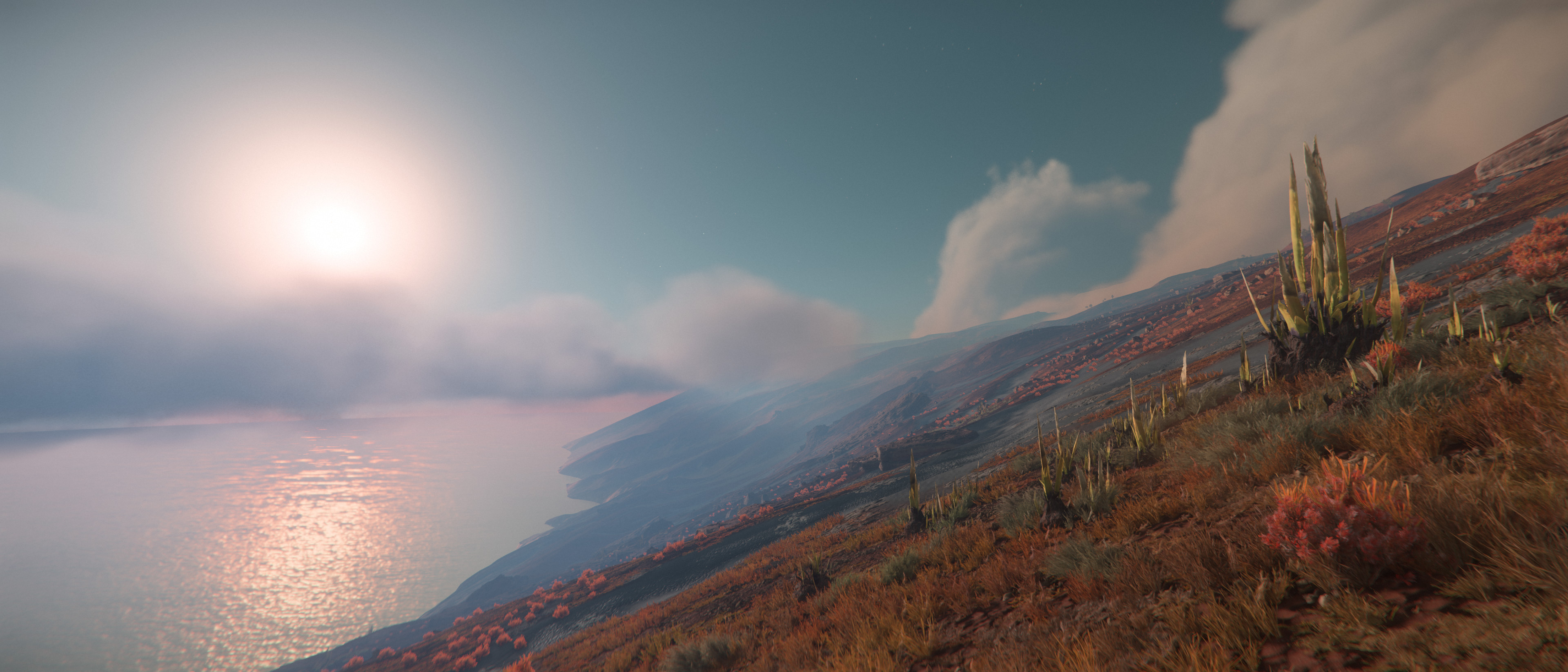
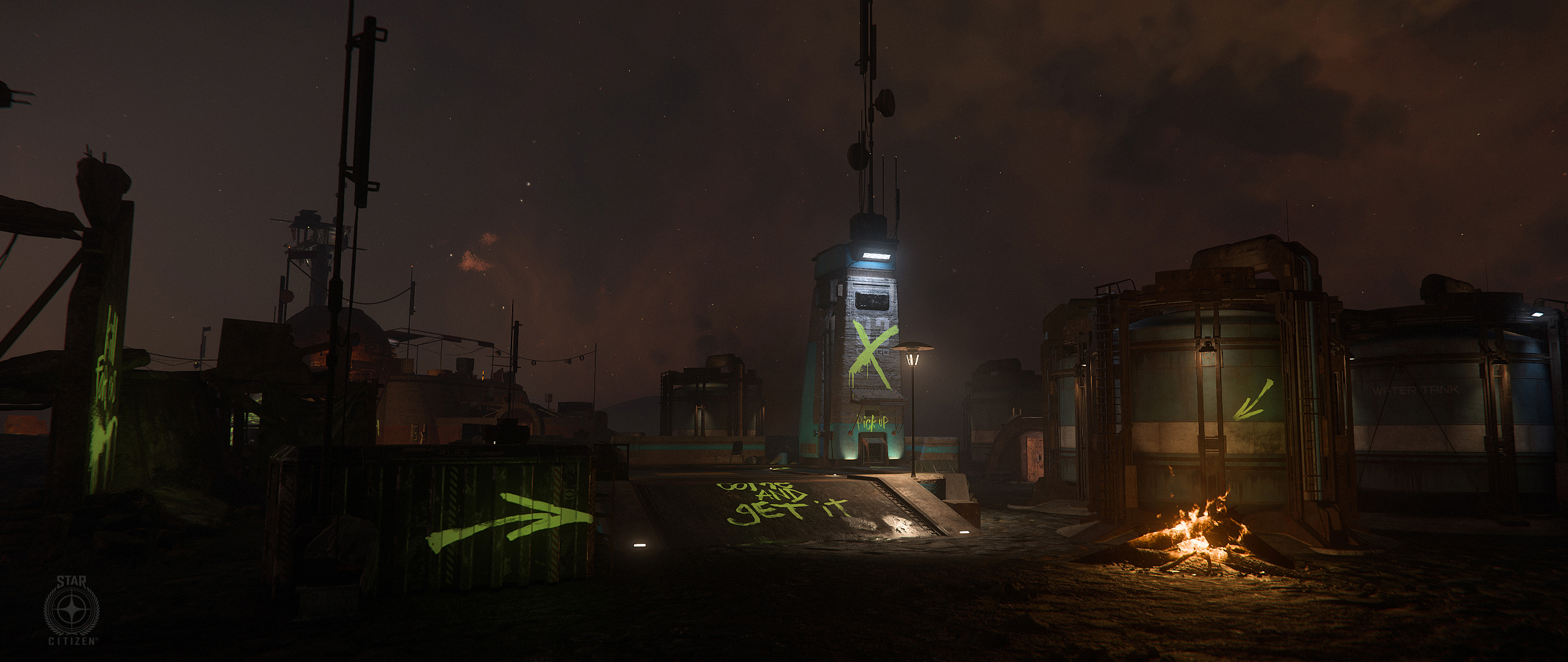
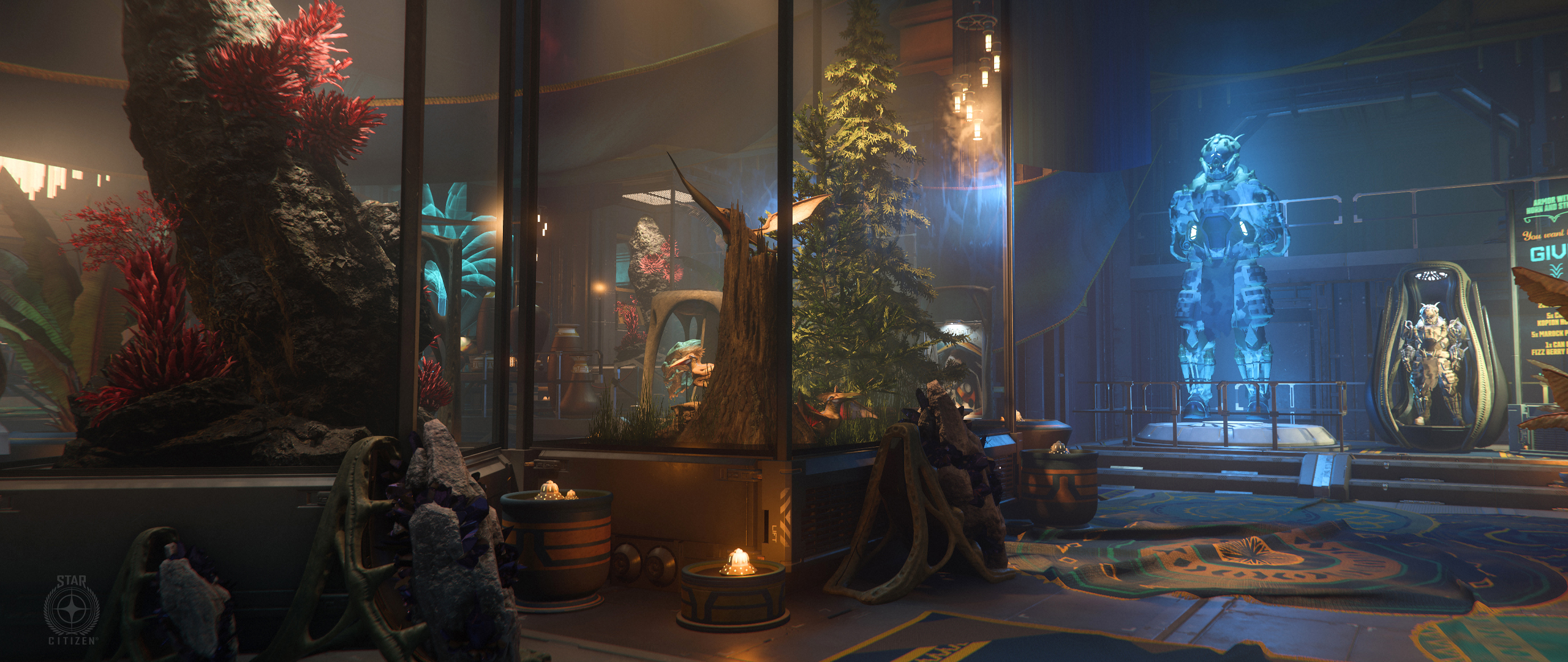
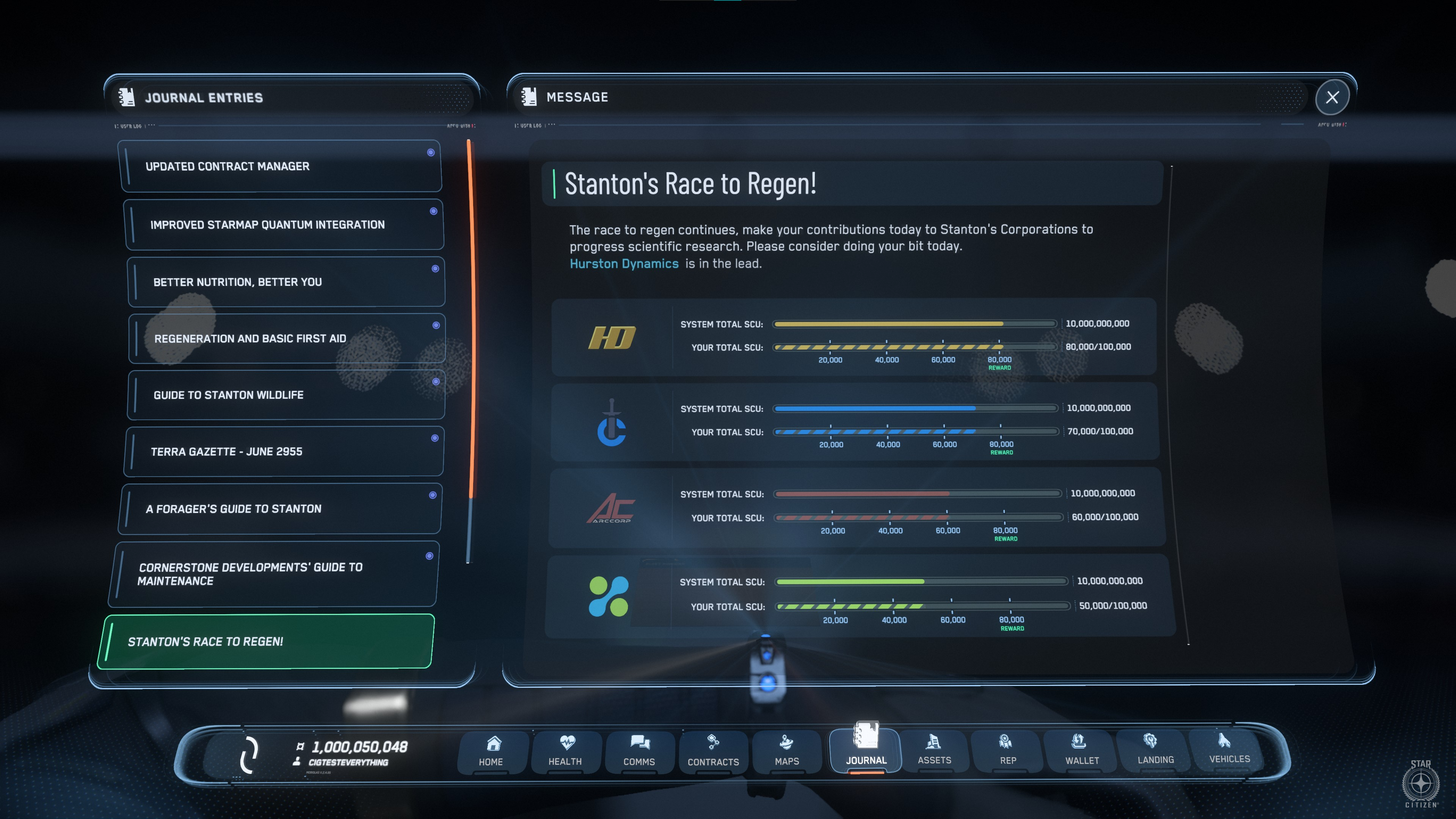
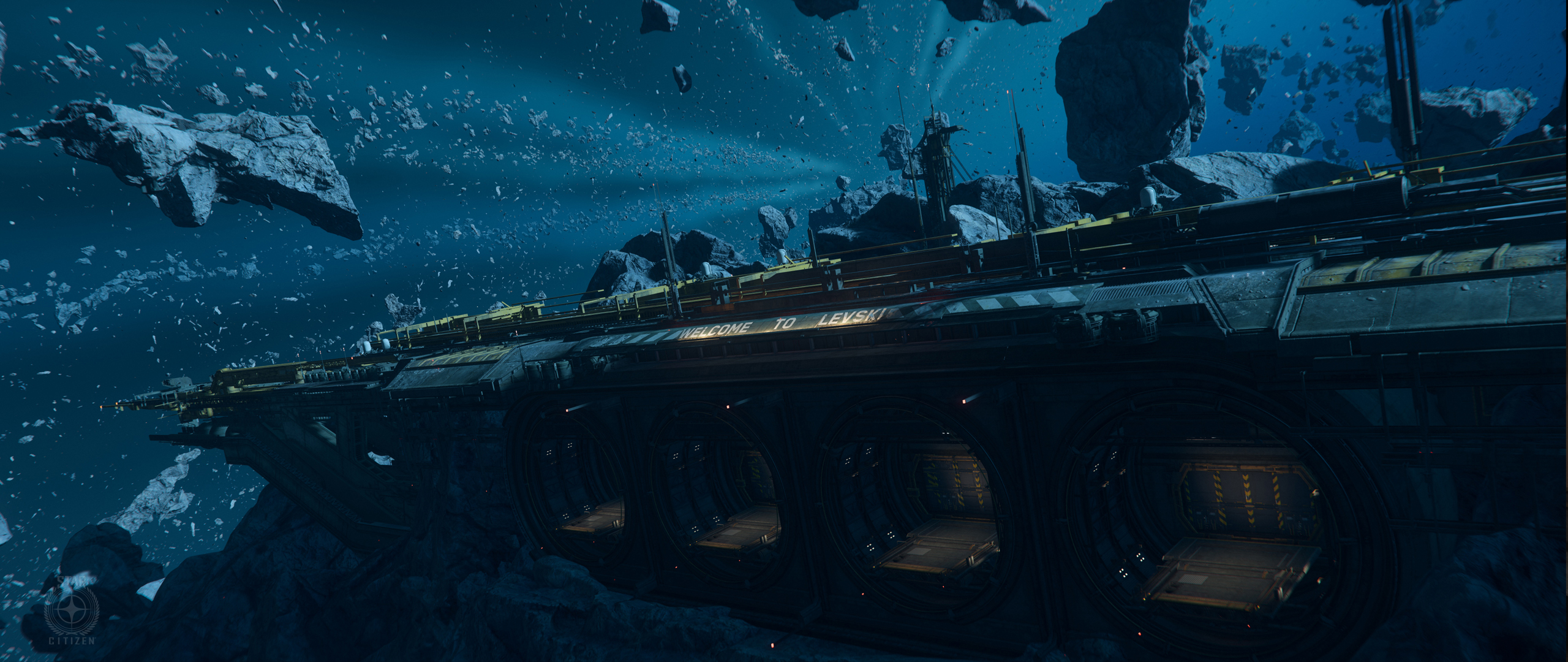
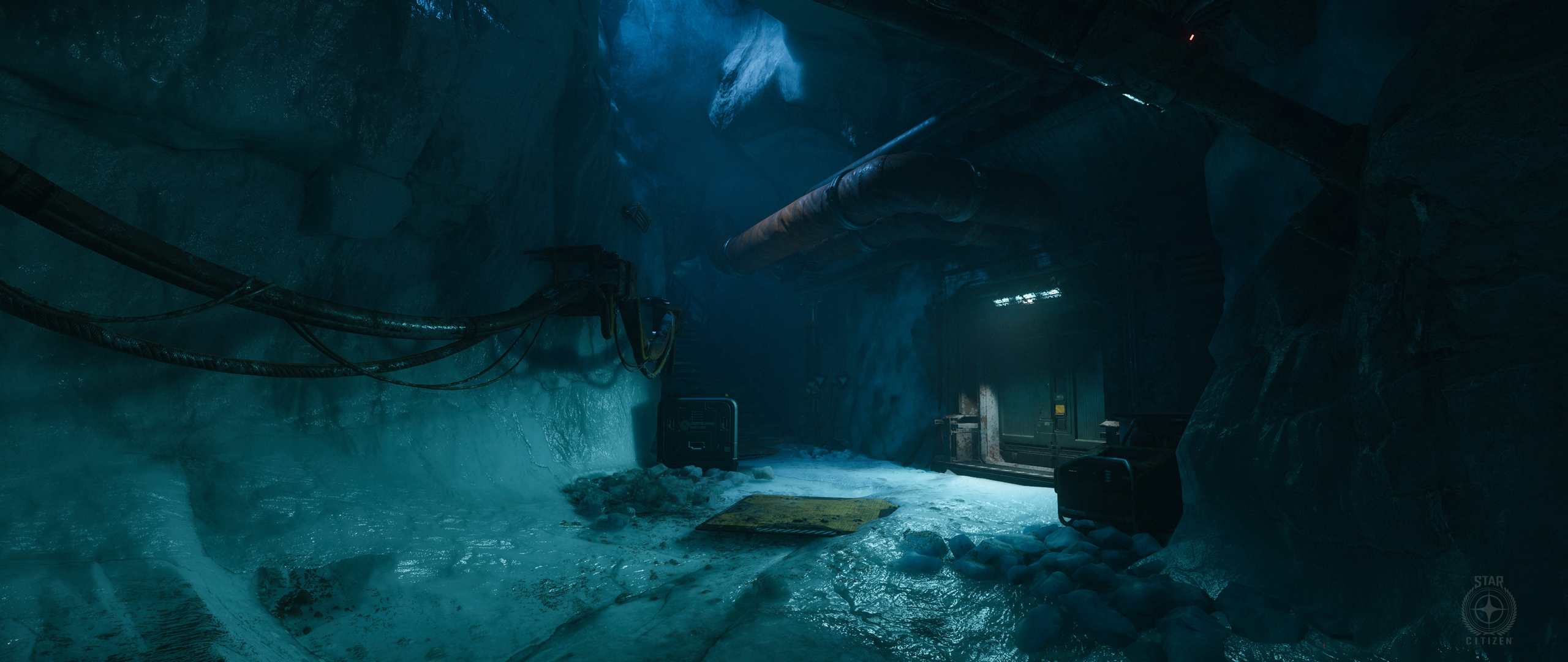
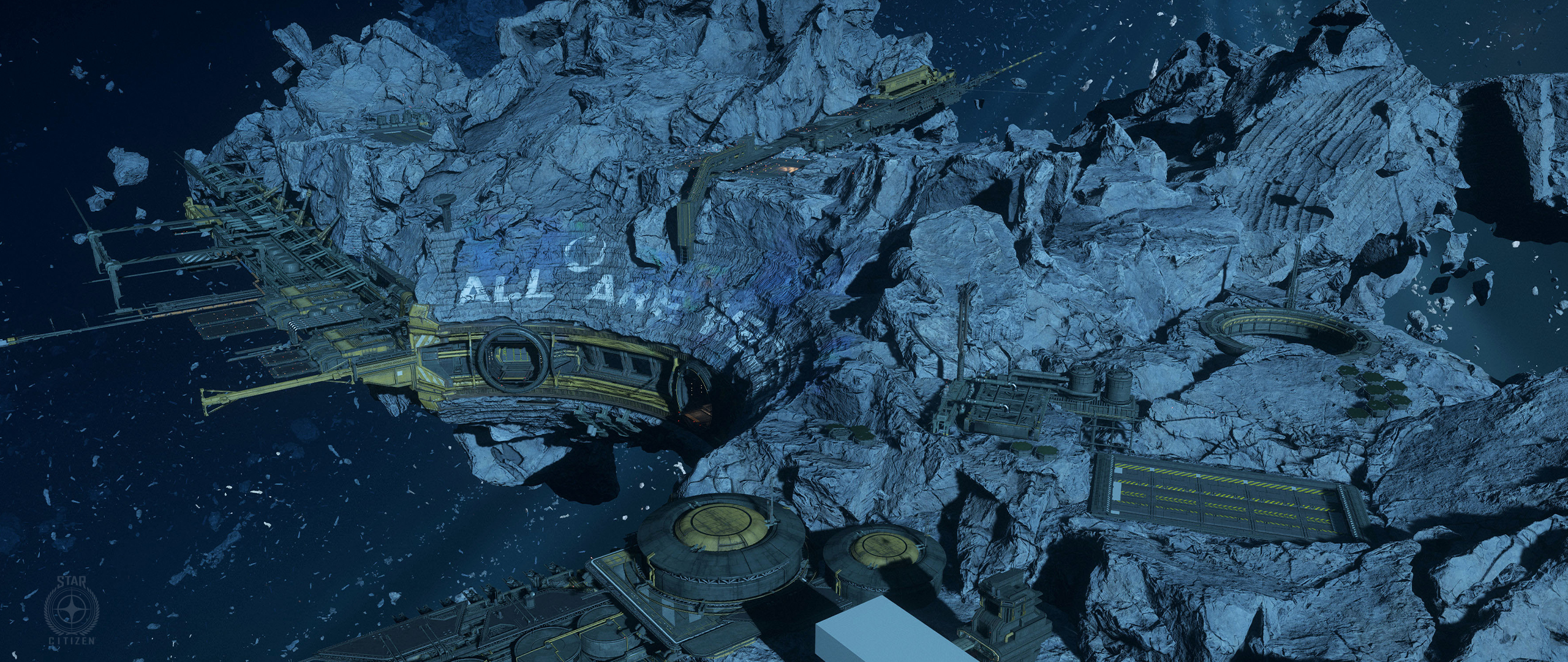
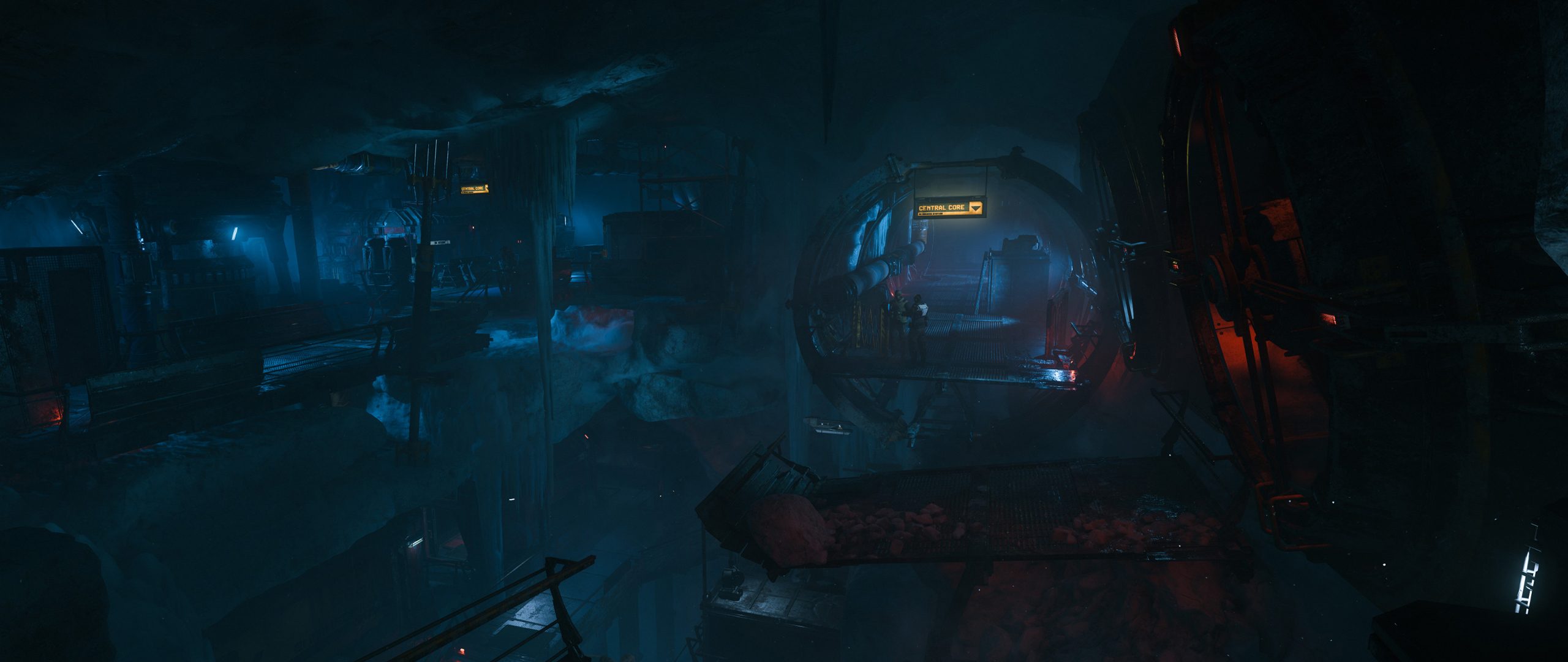
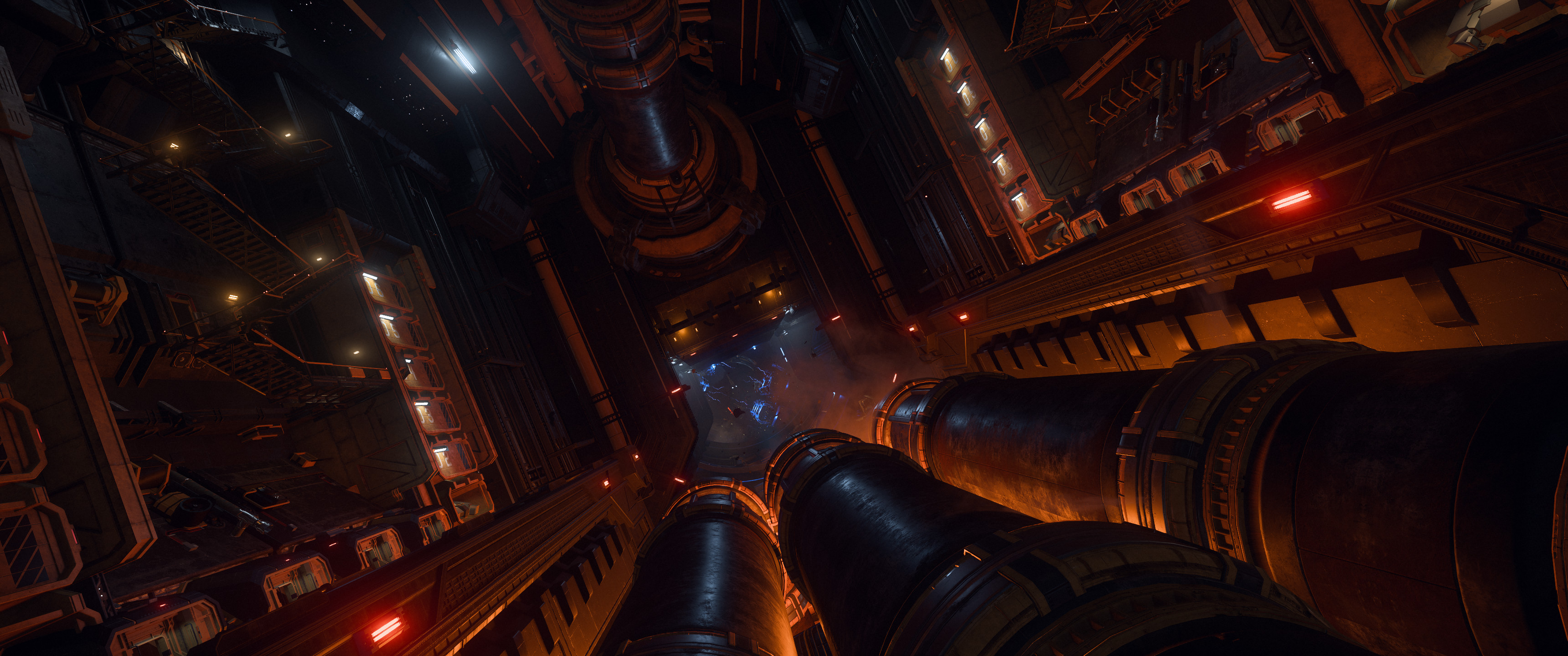
Metadata
- CIG ID
- 16790
- Channel
- Transmission
- Category
- Undefined
- Series
- Monthly Reports
- Comments
- 32
- Published
- 8 years ago (2018-10-05T00:00:00+00:00)