Star Citizen Monthly Report: January 2019
Transmission Undefined Monthly ReportsContent
The first Persistent Universe monthly report of the year details all the work done by the Star Citizen team throughout December and January. While the devs and studio teams took a break for the holidays, the early winter months saw a ton of tasks completed, progress made, and new ideas seeded.
AI
The AI Team put effort into stability and optimization for the recent alpha releases and patches. AI gunships gained new tactical options, including the introduction of a new behavior that allows them to circle enemies and use their turrets to attack from a constant distance. Designers can easily modify this behavior to change things like the optimal attack range and when to disengage the target. The ‘fly-by’ and ‘breakaway’ tactics were also amended to make better use of the predicted hit position and allow ships to better evaluate the environment to determine the optimal direction for evasion. An ongoing focus for the team is converting all new movement logics to utilize the new Intelligent Flight Control System in preparation for its upcoming release. For human combat, the team worked to improve the behaviors released in Alpha 3.4, making sure basic structures were in place to enable AI to decide which cover location to use, when to shoot, and when to relocate. The cover selection has been expanded to order the query based on the amount of protection it gives when multiple targets are taken into account. They also implemented an improved way to debug behaviors and can now visualize the debug tree on multiple characters at the same time as well as use the Subsumption debug draw in a server/client environment. Time was spent on the perception system, which was expanded to handle damage stimuli; AI characters now have proper awareness of damage, so they know the exact location of the source and will behave accordingly, tracking if a specific enemy they lost sight of is the source of damage and updating the knowledge they have about them. Progress was made on the Usable Builder, which allows the team to easily visualize usables, edit their properties, and test the different use channels. For the mission system, they exposed several new functionalities to the designers, such as a variety of task nodes, new variable types, and new core functionalities. A ‘group’ variable was introduced that can automatically be filled up when spawning AI characters to let designers track the dynamic elements they’re interested in. Currently, the AI Team is implementing global callbacks to help the designers track environmental events specific to the data they’re interested in without the need to explicitly create variables for each entity.
Animation
The PU Animation Team spent the pre-holiday period finalizing mission givers, including Constantine Hurston and Tecia Pacheco, and are currently working on ship dealers to give players a salesman-like experience when buying vehicles in-game. They’re also continuing to actualize the emotes shot at CitizenCon.
Audio
The team worked hard to improve the ship audio experience in-line with the new flight model, which included implementing improvements to thrusters, powerplants, and the overall sound mix. They’re also integrating greater levels of complexity via new components, including ship vibration and environmental feedback variants, that deliver greater feedback from turbulence, impact, and atmospheric flight. Physicalized props and physical objects received audio support recently to ensure they have appropriate impact, role, slide, and topple sound effects. A recent addition to this is the team’s work on implied contents for carriable items, such as crates. The Foley system is continually being iterated on, with the team improving the footstep and cloth systems in relation to various contexts, e.g. material/surface types and pressurized/unpressurized environments. The sounds will all vary for the upcoming female player character, too. Working closely with the PU music composer, Pedro Camacho, the team has been laying the groundwork for various upcoming locations, including ArcCorp and Area 18. This includes creative conversations with the Narrative, Art, and the wider Audio Team to establish appropriate sound pallets, instrumentation, styles, and motifs. The Audio Code Team drove significant progress on the new CIG Audio System, which will hugely improve the audio implementation pipelines and consolidate functionality into a single tool with much wider scope and flexibility. In other news, the Audio Department is hiring! They are looking to fill two sound design and one dialog specialist positions. This is in line with the team’s planned expansion and all talented audio professionals are encouraged to apply.
Backend Services
Backend Services completed a large portion of the foundation work for the new diffusion backend architecture. This includes the continued break-up of the general instance manager into smaller scalable services. The dedicated game server needs to communicate properly with the new services, so hooks and proper calls have been set up between them. Support was also given to the Alpha 3.4 release and subsequent smaller releases to ensure communication on the backend was as efficient as possible. Plans were laid out in January for the new diffusion network and work was done to ensure the services scripting language continues to function efficiently. Finally for Backend Services, a handful of alterations were made to the various new services and existing databases for increased efficiency.
Character Art
Character Art brought the Shipjacker Armor to players along with the holiday-themed Shipjacker skull helmet. They also set out to unify all armors and undersuits for female playable characters and finalized the concept for mission-giver Tecia ‘Twitch’ Pacheco. After a nice holiday break, the team started on tasks for the upcoming DNA feature. For this, the team needed to convert, mark-up, and unify all head assets to work with the male and female protos, including the unification of all Data Forge assets. DNA is a major feature that affects the entire facial setup and pipeline for characters in Star Citizen. This significant feature touches a lot of teams, and through a lot of dedicated collaborative work, is progressing very well. The teams are currently updating mesh formats to support the data sets required, wrapping up and fixing any bugs relating to GPU skinning, and updating all the attachments in the game with the mark-up required for DNA compatibility. The system has begun to roll out in the PU on NPC characters and is already yielding performance wins. Lots of cooperation and iteration between all DNA teams has resulted in a fun and intuitive interface that allows the player to easily create their own face for their player character. The DNA feature is on track to meet its scheduled release. Finally, The team is also concepting new mission givers and outfits to bring more life to the Persistent Universe.
Community
The Community Team held two holiday-themed competitions: One invited Citizens to create greetings cards to express their love and gratitude and wish each other happy holidays. The other put the festive helmet and cargo to good use by asking everyone to show how they celebrate the holidays in the ‘verse. The new Star Citizen Fankit was released that offers a wealth of free assets along with a style guide to help content creators use them at their best. Looking for wallpapers, manufacturer logos, music, and more? Download the kit and check out the FAQ answering all the questions about what a content creator can and can’t do with official Star Citizen assets. In January, the team celebrated Australia Day with a screenshot contest that had everyone showing off their best flight formations in the Gladius Valiant (which was made available to all backers for the occasion). They also kicked off another contest highlighting Tumbril’s rough and rugged Cyclone series that challenged content creators to take their filmmaking skills off-road. A few of the Community Team members spent a weekend exploring PAX South and attended the annual Bar Citizen event on the River Walk. Selfies were taken, stories shared, and friendships made. Have you checked out your hangar lately? The ‘One Empire Anniversary Coin’ was distributed to all backers who pledged before to the $200 million milestone. Lastly, the Daymar Rally took place on January 27th, with three different divisions (Rover, Buggy, and Bike) battling it out for glory and rewards. Everyone involved should feel very proud of themselves, as seeing the filthiest race in the ‘verse come together was an incredible experience for everyone. Well done!
Design
The Economy Features Team focused on adding new weapons to the various shops around the ‘verse. Once complete, shop inventories were set up for all the new locations and various bugs were squashed. Tweaks to missions and the overall economy were also made to move the game closer to the end economic goals of the team. In January, testing began on a new formula that dynamically alters certain commodity parameters within the wider economy. A new approach is also being taken towards vehicle components to help create interesting choices for players when in shops – even if they have enough money to buy anything they want. Polish was added to various NPCs throughout the ‘verse, with the aim to make them as realistic and believable as possible. The design was complete for a new nav marker ruleset that makes how and when players see destination markers more intuitive. Rulesets were also created to add functionality to the Quantum Travel and Service Beacon systems to give players more options when traveling in a party and choosing a location for service beacon transport respectively.
DevOps
DevOps broke their previous record of the number of internal builds published to the PTU and live service. “One of the most satisfying things for the team is seeing the results of our work. The Alpha 3.4 publish was one of those times we really felt proud.” 2018 was the first year that scaling automation was used on the live service, which allows the servers to keep up with demand when needed but cut back as necessary. The new system exceeded all expectations and led to one of the smoothest holiday seasons ever. Build Operations was hard at work developing new systems to support a major pipeline upgrade to the overall game development process and continues to build new systems and improve on old ones.
Engineering
The Engine Team supported the Alpha 3.4 release and subsequent patches with general assistance, profiling, optimization, and bug fixes. For compute skinning, they made tangent reconstruction optimizations for character faces, data optimizations and compression to lower bandwidth requirements, separated static and dynamic GPU data, and moved bone-remapping to the GPU (to save CPU memory and provide more flexibility). Work began on HDR color grading and output on supported displays, while splat map support for planet terrain was added, as was an improved film grain with unified dithering. The development of planetary ground fog began along with significant improvements to temporal sample anti-aliasing (TSAA). The physics engineers enabled joint limits on driven ragdolls and fixed instability caused by a threshold in the solver. They also made the first steps in exposing the spatial grid structure for walking and exploring and added physics support for planetary oceans. Improvements were made to crash handling, including various thread-safety improvements to enable more robust handling of obscure crashes, and the addition of extra information into minidumps to allow for better debugging of fibres.
Environment Art
Winter saw work begin on the Environment Art Team’s next big target: microTech and its landing zone, New Babbage. In preparation, designs were trialled for the ‘Hi-Tech’ common elements, which include habs, garages, and hangars in an all-new architectural style. These new sets will help the team build New Babbage and ensure the visual style feels fresh and different. Recent improvements to the organics shaders and pipeline will improve the look of geology and planets. This update has been a long time in the making and the team is looking forward to giving all planet assets a visual upgrade. The team is currently moving from whitebox towards release for both the planet ArcCorp and its main landing zone, Area 18. Some necessary changes have been made to Area 18’s original layout, mainly for performance reasons but also to improve the general layout and city ‘feel’. “The task of creating a planet-wide city that players can circumnavigate which also blends well into the major landing zone remains a constant challenge, but one that’s bearing impressive fruit. Progress has been good on improvements to the believability and read of ArcCorp as a city, with the space taking a huge visual step forward from when it was last seen.”
Gameplay Feature
Like many others, the Gameplay Feature Team put in a concentrated effort to fix as many bugs as possible for the Alpha 3.4 release. Specifically, they overcame issues with FoIP & VoIP, Comms, and the Group System. They also supported the US Vehicle Feature Team with their UI-needs for item sub-targeting and the ongoing turret improvements. The team kicked off 2019 supporting patches for Alpha 3.4.0 before moving straight into feature work for 3.5, including the UI for DNA face customization, continued improvements to Comms video streaming, and a refactor of shop population.
Graphics
The Graphics Team’s focus has been on performance and memory saving: The performance gains mainly came from improvements to shadow culling and optimization to video comms, especially on lower-spec machines (though there are some quality issues still to address). The largest memory saving came from fixing a particularly nasty bug in the mesh streaming code which could result in all levels-of-detail loading for a mesh rather than just the ones needed. Other savings came from increasing the sharing textures used by various effects and improvements to the logic in which textures should be streamed in (interestingly, the game can now run with as little as 400mb of textures!). On top of this, the team resurrected the water volume tech and made it compatible with the zone system so it can be used on planets, space stations, and ships.
Level Design
Level Design finished the current iteration of Lorville’s Central Business District (CBD) and added it to the city. They are now looking into the trainlines that connect it to Teasa spaceport. However, the majority of the team is currently focussing on ArcCorp and Area18, with the hangar, shop, vendor, spaceport, and overall layout now finalized. They also gave the planet and its moons a necessary design setup, began an investigation into quantum traveling AI, and introduced a variety of new narcotics during the prototyping of a new mission from ‘Twitch’ Pacheco.
Lighting
The Lighting Team focused on finishing the CBD and supported the addition of mission-giver Klim to Levski for the Alpha 3.4.0 release. They also looked at the small and medium-sized common elements for the player hangars and created different lighting variations for the Rest Stop, Lorville, and upcoming Area 18 styles. They’re currently fleshing out the development tools by creating an asset zoo for all current ‘utilitarian-style’ lighting fixtures in use throughout the PU to help them quickly and efficiently add lighting to new locations.
Narrative
The Narrative Team returned from the holidays to tackle the Alpha 3.5 update, including developing ideas for the branding of street and food stalls in Area 18 and outlining the NPC archetypes needed to populate the city and mission content. The team is also excited to welcome a new producer to the group; not only will he help keep the team organized, he’ll act as the point of contact for the other teams to make requests through.
Player Relations
Player Relations busily wrapped up the Alpha 3.4 publishes along with all of the work created over the holiday period. They teamed up with the Evocati for several builds to make sure everything was properly tested and completed several rounds of PTU publishing and testing. Progress was also made on an internal quality-of-life feedback report that comes straight from backers’ experiences. “As always, we can’t thank our volunteers enough for the effort they put into helping us build this game (especially our wonderful Avocados!).” Planning has already begun for the upcoming Alpha 3.5 release – particularly the testing of the new flight model.
Props
From the small dressing items on Constantine’s desk to the giant Hurston statue, Props mainly spent December finishing up Lorville’s CBD. New mission props were created that focused on the illegal drug trade and surface relay kit. Finally, for December, ideas were floated for cockpit flair and work began on ship sub-items. In January, some of the team moved onto looking at the ship items themselves, initially taking stock of where they’re up to and looking at how they can integrate sub-items into interiors. The majority of the team have now shifted onto the new Area 18 landing zone and are looking into white-boxing props and supplying basic block outs so other teams can start to build and dress the level.
QA
QA tackled some of the more difficult-to-reproduce issues in the run-up to the Alpha 3.4 release. Dedicated feature testers for both AI and the Gameplay Feature Teams continued to test their respective areas (combat AI, ship AI, non-combat AI, and transit system) via sanity and smoke tests along with standard testing and regression. QA now provide dedicated support to the Locations Team to ensure that current and new locations are set up and working as expected by Art and Design. A few notable requests involved testing fixes for server deadlock and various changes to the physics of jumping and going down stairs. Changes to the Entity IDs in Track View were tested in the editor to make sure they were seamless and bug-free. A new restricted area for ground vehicles was also added to Lorville, which was thoroughly tested by both the German and UK teams. Further investigation was made into the issue of Ship AI idling during mercenary and Emergency Communication Network (ECN) missions to ascertain whether it was AI or network related. The team could only reproduce it during ship AI missions in the live environment and encountered something close to it during a 20-player playtest. The one consistent factor was that it only seemed to occur when performance took a dip. So, it was deemed not an AI issue and will be further investigated by the Network Team. On the publishing side, QA tested the Alpha 3.4 builds before they reached the Evocati and Live service. In January, they worked through the 3.4.# fixes. Recently, attention turned to preparing for Alpha 3.5. The holiday period saw four new testers join the extended QA family, too.
Ships
The UK Ship Team continued developments of the Origin 890 Jump, with further greybox work done on the atrium, master suite, guest suites, and engineering deck. They also refined the exterior hull styling to try and move a few areas closer to the original concept and make the overall ship less ‘cartoon-looking’.
Everyone’s favorite pathfinder, the Anvil Carrack, has progressed since it was last seen. It’s currently in greybox, with the team tackling the feedback generated from the discussions on RTV, particularly the controversial landing gear changes and bridge layout. Finally, the team made steady progress with the updates to the Aegis Vanguard in preparation for the Harbinger and Sentinel, with focus primarily on interior adjustments along with some quality-of-life fixes for those aboard. Greybox is progressing nicely, so the team will be moving onto the exterior and tackling feedback points to ensure the base Warden model is properly prepared to accommodate the variants.
Ship Art
Ship Art is currently hard at work to bring the new 300i series to life. They’re in the process of getting the damage and customization pass complete, finishing up detail work on various parts, and finalizing the materials. Alongside the 300i, they’re chugging away on the Defender; the first in-game asset from the mysterious Banu alien race. Extra care was taken to ensure the Defender represents the overall Banu design aesthetic and can be built on in the future. The exterior is currently going through the greybox modeling process and is nearly complete. Afterwards, it moves to interior greybox modeling.
System Design
The System Design Team investigated how to improve the FPS AI experience and social AI was introduced to the Lorville CBD. Gunships piloted by AI now circle their targets and orient themselves to maximize their firepower, while fighter AI was updated to take full advantage of the new flight model.
Tech Art
Tech Art made steps to finalize the implementation and pipeline of the new facial customization tech, which was previewed at CitizenCon 2018. They switched the system’s source data format from the CDF-based system (which was used during R&D) to the newer component-based loadout currently used throughout the game. This system allows players’ customized faces to be stored persistently in the database and the corresponding data packets to transfer efficiently over the network and be applied to the correct avatar at runtime. Likewise, it allows all key NPCs (every shopkeeper, security guard, civilian, and eventually mission giver) to have a unique face built internally by the designers. While R&D on the DNA system was done using male faces, the face pool for female characters is being populated and is planned to come online at the same time. Tech Art also supported the Weapons Team with animation debugging, weapon rigging, in-engine setup, and debugging multiple render and resource compiler issues. They added a new system for weapons in Maya to allow animators to quickly attach different attachments, making it easier for them to author specific animations. They also updated the underlying metasystem in the weapon rigs to enable animators to export weapons without double transforms on the root or magazine controls.
Turbulent
Turbulent supported the release of the 2018 holiday promotion, featuring a new giftable pledge called ‘For Your Friends’. This new pledge allows a customizable message to be sent along with the gift, making it ideal for friends and family. The holiday promotion also featured screenshot and greeting card contests. The team supported the availability of the Alpha 3.4 flyable ships on the website, including the Anvil Hawk, Origin 600i Touring, MISC Freelancer series, and the MISC Reliant Kore. The Cloud Imperium Games corporate website was released in December. Its slick new look is a much better representation of the company’s values and mission and properly communicates the vision behind Star Citizen. The ‘Join Us’ section has details of each location and over 100 job postings across 9 different categories, so see if there’s something to suit you at your nearest studio! Updates are continually being made to the latest news and job postings sections. Long overdue, the website navigation was improved with a new and improved platform bar and footer. Additional efforts went into creating the bar as a component to make future updates to the site easier. The Starmap is now accessible via the Apps menu to make it easier to find too! There were major updates to the Squadron 42 Roadmap, which is now tied into the internal project management tool, Jira. A new chapter design was introduced, showing the development progress as phases and chapters, while descriptions for each expose the details of what it actually takes to build the game. Turbulent supported the release of the Gladius Valiant Free-Fly promotion in celebration of Australia Day. A screenshot contest was available with prizes to be won. A customizable preference feature was added to the Group, Lobby, and Voice services to allow custom properties to be set for each user with each respective entity. The Voice service can start a call within a channel, inviting all those allowed to join. The new mobiGlas service will allow single endpoints that will appropriately gather the information from the Group, Lobby, and Voice service with a single call. Options can be passed that will select the type of information returned. The error catching software, Sentry, has also been added to each service to allow previously-uncaught errors to be tracked and reported to the appropriate Sentry project.
UI
During December and January, UI supported the Environment Team with in-fiction advertisements and branding for ArcCorp. They implemented new features on the tech-side to enable the designers to create ‘user variables’, which are used internally but can still persist on the entity the UI is bound to. For example, a designer may want to capture game-data values and store them internally within the UI to gain reference to previous values when the data changes. This functionality fulfills certain presentational needs that contribute to improving the user-experience. Another interesting implication is that, because they are sent across the network, they open up the potential for players to see each other’s UI state (what app they’re currently on, which particular item in a list they’ve highlighted, etc.). The team also implemented a new node allowing the ability to set up switch logic on a variable (as well as a widget) to dynamically load images on the fly. Together, these features enable the designers to build out a fully-functioning in-world weapon UI screen with an ammo counter, charge levels, and fire mode states.
Vehicle Features
To help ensure that Alpha 3.4 was released in December, the team spent a lot of time supporting the release (and subsequent patches) by fixing bugs, including turret, vehicle, and crash problems. The team also completed modifications to the vehicle targeting system so that external items, such as ship engines, can be specifically targeted. Improvements to ship combat systems continued via automated gimbals, HUD changes to support Ping & Scanning, and the vehicle ‘XML to DataForge’ migration began. Wrapping up January, a vehicle gimbal aim-assist feature is on its way to completion.
Vehicle Content
The Vehicle Content Team’s 2018 wrapped up with the launch of the Anvil Hawk and improvements to the Reliant Kore, which entailed a rework of the cargo section, ramp, and landing gear. A number of vehicle bugs were also fixed for the 3.4 release. Additionally, the team worked on the three Reliant variants for Alpha 3.5, while the designers have been working with the ship artists in Austin on the Origin 300 series rework.
VFX
For much of December, the VFX Team focused heavily on polish and optimization for the Alpha 3.4 release. In particular, significant effort was put into making sure Hurston and Lorville’s environmental effects were optimized while remaining as high-quality as possible. In early January, they re-evaluated their sprint planning practices and implemented some simple production-led changes to improve overall workflow. Following on from that, they began R&D work on the Tachyon cannon; a weapon type with faster-than-light projectiles. They began implementing thruster damage effects in keeping with the new flight model planned for Alpha 3.5 and began R&D on how to use particle effects to help make Area 18’s volumetrics more visually interesting. They also worked on effects for the new Kahix rocket launcher – a handheld anti-vehicle rocket launcher with a unique tech style. New tools were created within Houdini to help design various assets. This includes a new, more accurate way to generate signed distance fields (SDF) on the surface of the gas cloud. These SDFs are used as an arbitrary surface that enable the ability to spawn and manipulate effects with, such as lightning crawling along the surface.
Weapons
The Weapon Art Team worked on the Multi-Tool rework, Kastak Arms Ravager-212, and the level two and three upgrades for the Hurston Dynamics Laser Repeaters. They also made minor adjustments to the iron sights on a handful of weapons to improve the sight picture and to make them more user-friendly when no optics are attached. WE’LL SEE YOU NEXT MONTH…
Der erste Monatsbericht des Jahres über Persistent Universe beschreibt die gesamte Arbeit des Star Citizen-Teams im Dezember und Januar. Während die Entwickler und Studioteams eine Pause für die Feiertage einlegten, wurden in den ersten Wintermonaten eine Menge Aufgaben erledigt, Fortschritte gemacht und neue Ideen gesetzt.
KI
Das KI-Team hat sich für die letzten Alpha-Releases und Patches um Stabilität und Optimierung bemüht. KI-Kampfhubschrauber gewannen neue taktische Optionen, einschließlich der Einführung eines neuen Verhaltens, das es ihnen erlaubt, Feinde zu umkreisen und ihre Türme für Angriffe aus konstanter Entfernung zu benutzen. Designer können dieses Verhalten leicht ändern, um Dinge wie die optimale Angriffsreichweite und den Zeitpunkt des Auskuppelns des Ziels zu ändern. Die Taktiken des Vorbeifliegens und des Abreißens wurden ebenfalls geändert, um die vorhergesagte Trefferposition besser zu nutzen und es den Schiffen zu ermöglichen, die Umgebung besser zu bewerten und die optimale Ausweichrichtung zu bestimmen. Ein ständiger Fokus des Teams liegt auf der Umstellung aller neuen Bewegungslogiken, um das neue Intelligent Flight Control System in Vorbereitung auf das kommende Release zu nutzen. Für den menschlichen Kampf arbeitete das Team daran, das in Alpha 3.4 veröffentlichte Verhalten zu verbessern und sicherzustellen, dass grundlegende Strukturen vorhanden waren, damit die KI entscheiden konnte, welchen Abdeckungsstandort sie verwenden sollte, wann sie schießen und wann sie umziehen sollte. Die Cover-Auswahl wurde erweitert, um die Abfrage nach dem Grad des Schutzes zu ordnen, den sie bietet, wenn mehrere Ziele berücksichtigt werden. Sie implementierten auch eine verbesserte Möglichkeit, das Verhalten zu debuggen und können nun den Debug-Baum auf mehreren Zeichen gleichzeitig visualisieren sowie die Subsumption Debug-Zeichnung in einer Server/Client-Umgebung verwenden. Die Zeit wurde auf das Wahrnehmungssystem verwendet, das um Schadensreize erweitert wurde; die KI-Charaktere haben jetzt ein richtiges Bewusstsein für Schäden, so dass sie den genauen Standort der Quelle kennen und sich entsprechend verhalten werden, indem sie verfolgen, ob ein bestimmter Feind, den sie aus den Augen verloren haben, die Schadensquelle ist, und ihr Wissen über ihn aktualisieren. Fortschritte wurden beim Usable Builder erzielt, der es dem Team ermöglicht, Usables einfach zu visualisieren, ihre Eigenschaften zu bearbeiten und die verschiedenen Nutzungskanäle zu testen. Für das Missionssystem stellten sie den Designern mehrere neue Funktionalitäten zur Verfügung, wie beispielsweise eine Vielzahl von Aufgabenknoten, neue Variablentypen und neue Kernfunktionalitäten. Es wurde eine Variable "Gruppe" eingeführt, die automatisch aufgefüllt werden kann, wenn KI-Charaktere erzeugt werden, damit Designer die dynamischen Elemente, an denen sie interessiert sind, verfolgen können. Derzeit implementiert das KI-Team globale Rückrufe, um den Designern zu helfen, Umweltereignisse zu verfolgen, die spezifisch für die Daten sind, die sie interessieren, ohne dass sie explizit Variablen für jede Entität erstellen müssen.
Animation
Das PU-Animationsteam verbrachte die Vorferienzeit damit, Missionsgeber, darunter Constantine Hurston und Tecia Pacheco, fertigzustellen, und arbeitet derzeit an Schiffshändlern, um den Spielern ein verkaufsorientiertes Erlebnis beim Kauf von Fahrzeugen im Spiel zu bieten. Sie aktualisieren auch weiterhin die auf der CitizenCon aufgenommenen Emotes.
Audio
Das Team arbeitete hart daran, das Audioerlebnis des Schiffes im Einklang mit dem neuen Flugmodell zu verbessern, wozu auch Verbesserungen an Triebwerken, Triebwerken und dem gesamten Klangmix gehörten. Sie integrieren auch eine höhere Komplexität durch neue Komponenten, einschließlich Schiffsschwingungen und Varianten von Umweltfeedbacks, die eine höhere Rückmeldung von Turbulenzen, Stößen und Atmosphärenflug liefern. Physicalized Requisiten und physische Objekte wurden in letzter Zeit mit Audiounterstützung ausgestattet, um sicherzustellen, dass sie über angemessene Auswirkungen, Rollen, Folien und Stürzeffekte verfügen. Neu hinzugekommen ist die Arbeit des Teams an impliziten Inhalten für transportable Güter, wie z.B. Kisten. Das Foley-System wird kontinuierlich weiterentwickelt, wobei das Team die Tritt- und Stoffsysteme in Bezug auf verschiedene Zusammenhänge verbessert, z.B. Material/Oberflächentypen und druckbeaufschlagte/unbeaufschlagte Umgebungen. Die Sounds variieren auch für den kommenden weiblichen Spielercharakter. In enger Zusammenarbeit mit dem PU-Musikkomponisten Pedro Camacho hat das Team die Grundlagen für verschiedene zukünftige Standorte gelegt, darunter ArcCorp und Area 18. Dazu gehören kreative Gespräche mit der Erzählung, der Kunst und dem breiteren Audio-Team, um geeignete Klangpaletten, Instrumente, Stile und Motive zu entwickeln. Das Audio Code Team hat bedeutende Fortschritte bei der Entwicklung des neuen CIG-Audiosystems erzielt, das die Audio-Implementierungspipelines enorm verbessern und die Funktionalität in einem einzigen Tool mit viel mehr Umfang und Flexibilität konsolidieren wird. In weiteren Nachrichten stellt die Audioabteilung neue Mitarbeiter ein! Sie suchen zwei Stellen für Sounddesign und eine Stelle für Dialogspezialisten. Dies steht im Einklang mit der geplanten Expansion des Teams und alle talentierten Audio-Profis werden ermutigt, sich zu bewerben.
Backend Services
Backend Services hat einen großen Teil der Fundamentarbeiten für die neue Diffusions-Backend-Architektur abgeschlossen. Dazu gehört auch die weitere Aufteilung des General Instance Managers in kleinere skalierbare Dienste. Der dedizierte Spielserver muss ordnungsgemäß mit den neuen Diensten kommunizieren, so dass zwischen ihnen Hooks und richtige Aufrufe eingerichtet wurden. Auch das Alpha 3.4 Release und nachfolgende kleinere Releases wurden unterstützt, um die Kommunikation im Backend so effizient wie möglich zu gestalten. Im Januar wurden Pläne für das neue Diffusionsnetz aufgestellt und es wurde daran gearbeitet, sicherzustellen, dass die Skriptsprache der Dienste weiterhin effizient funktioniert. Schließlich wurden bei den Backend Services eine Reihe von Änderungen an den verschiedenen neuen Diensten und bestehenden Datenbanken vorgenommen, um die Effizienz zu steigern.
Charakter-Kunst
Character Art brachte den Spielern die Shipjacker-Rüstung zusammen mit dem festtagsbezogenen Shipjacker-Schädelhelm. Sie machten sich auch daran, alle Rüstungen und Unterteile für weibliche spielbare Charaktere zu vereinheitlichen und finalisierten das Konzept für den Missionsgeber Tecia "Twitch" Pacheco. Nach einer schönen Urlaubspause begann das Team mit den Aufgaben für das kommende DNA-Feature. Dazu musste das Team alle Head Assets konvertieren, aufschlagen und vereinheitlichen, um mit den männlichen und weiblichen Protos zu arbeiten, einschließlich der Vereinheitlichung aller Data Forge Assets. DNA ist ein wichtiges Merkmal, das die gesamte Gesichtseinrichtung und Pipeline für Charaktere in Star Citizen beeinflusst. Diese wichtige Funktion betrifft viele Teams und macht durch viele engagierte Zusammenarbeit sehr gute Fortschritte. Die Teams aktualisieren derzeit die Mesh-Formate, um die erforderlichen Datensätze zu unterstützen, verpacken und beheben alle Fehler im Zusammenhang mit dem Skinning von GPUs und aktualisieren alle Anhänge im Spiel mit dem für die DNA-Kompatibilität erforderlichen Aufschlag. Das System hat mit der Einführung in der PU auf NSC-Charaktere begonnen und bringt bereits Leistungsgewinne. Viele Kooperationen und Iterationen zwischen allen DNA-Teams haben zu einer lustigen und intuitiven Benutzeroberfläche geführt, die es dem Spieler ermöglicht, sein eigenes Gesicht für seinen Spielercharakter zu gestalten. Die DNA-Funktion ist auf dem richtigen Weg, um die geplante Freigabe zu erreichen. Schließlich konzipiert das Team auch neue Missionsgeber und Outfits, um dem Persistent Universe mehr Leben einzuhauchen.
Community
Das Community-Team veranstaltete zwei Wettbewerbe zum Thema Urlaub: Einer lud die Bürger ein, Grußkarten zu erstellen, um ihre Liebe und Dankbarkeit auszudrücken und sich gegenseitig frohe Feiertage zu wünschen. Der andere nutzte den festlichen Helm und die Ladung, indem er alle bat, zu zeigen, wie sie die Feiertage in der Strophe feiern. Der neue Star Citizen Fankit wurde veröffentlicht, der eine Fülle von kostenlosen Assets zusammen mit einem Style Guide bietet, der Inhaltserstellern hilft, diese optimal zu nutzen. Suchen Sie nach Hintergrundbildern, Herstellerlogos, Musik und mehr? Laden Sie das Kit herunter und lesen Sie die FAQ, in der Sie alle Fragen darüber beantworten, was ein Inhaltsersteller mit offiziellen Star Citizen Assets machen kann und was nicht. Im Januar feierte das Team den Australia Day mit einem Screenshot-Wettbewerb, bei dem alle ihre besten Flugformationen im Gladius Valiant zeigten (der allen Geldgebern zu diesem Anlass zur Verfügung gestellt wurde). Sie starteten auch einen weiteren Wettbewerb, bei dem Tumbrils raue und robuste Cyclone-Serie im Mittelpunkt stand, die Inhaltsersteller herausforderte, ihre Filmemacher-Fähigkeiten auf die Straße zu bringen. Einige der Mitglieder des Community-Teams verbrachten ein Wochenende damit, die PAX South zu erkunden und nahmen an der jährlichen Bar Citizen Veranstaltung am River Walk teil. Selfies wurden genommen, Geschichten geteilt und Freundschaften geschlossen. Hast du dir in letzter Zeit deinen Hangar angesehen? Die'One Empire Anniversary Coin' wurde an alle Geldgeber verteilt, die sich zuvor auf den 200 Millionen Dollar Meilenstein verpflichtet hatten. Schließlich fand am 27. Januar die Daymar-Rallye statt, bei der drei verschiedene Divisionen (Rover, Buggy und Bike) um Ruhm und Belohnung kämpften. Alle Beteiligten sollten sehr stolz auf sich selbst sein, denn das schmutzigste Rennen im Vers zusammenkommen zu sehen, war für alle ein unglaubliches Erlebnis. Gut gemacht!
Design
Das Economy Features Team konzentrierte sich darauf, den verschiedenen Geschäften rund um den Vers neue Waffen hinzuzufügen. Nach Fertigstellung wurden für alle neuen Standorte Werkstattinventuren angelegt und verschiedene Fehler beseitigt. Auch an den Missionen und der Gesamtwirtschaft wurde gefeilt, um das Spiel den wirtschaftlichen Zielen des Teams näher zu bringen. Im Januar begannen die Tests mit einer neuen Formel, die bestimmte Rohstoffparameter innerhalb der Gesamtwirtschaft dynamisch verändert. Auch bei den Fahrzeugkomponenten wird ein neuer Ansatz verfolgt, um den Spielern in den Geschäften eine interessante Auswahl zu bieten - auch wenn sie genug Geld haben, um alles zu kaufen, was sie wollen. Im Laufe des Verses wurde den verschiedenen NSCs Polnisch hinzugefügt, um sie so realistisch und glaubwürdig wie möglich zu gestalten. Das Design war komplett für ein neues Nav-Marker-Regelset, das das Sehen von Zielmarken intuitiver macht. Außerdem wurden Regelsätze erstellt, um den Systemen Quantum Travel und Service Beacon Funktionen hinzuzufügen, die den Spielern mehr Möglichkeiten bieten, wenn sie in einer Gruppe reisen und einen Ort für den Transport von Servicebaken wählen.
DevOps
DevOps brach den bisherigen Rekord bei der Anzahl der internen Builds, die für die PTU und den Live-Service veröffentlicht wurden. "Eines der befriedigendsten Dinge für das Team ist es, die Ergebnisse unserer Arbeit zu sehen. Der Alpha 3.4-Verlag war einer der Fälle, in denen wir wirklich stolz waren." 2018 war das erste Jahr, in dem die Skalierungsautomatisierung für den Live-Service eingesetzt wurde, die es den Servern ermöglicht, bei Bedarf mit der Nachfrage Schritt zu halten und bei Bedarf zu reduzieren. Das neue System übertraf alle Erwartungen und führte zu einer der reibungslosesten Ferienzeiten aller Zeiten. Build Operations hat hart an der Entwicklung neuer Systeme gearbeitet, um ein wichtiges Pipeline-Upgrade des gesamten Spiel-Entwicklungsprozesses zu unterstützen, und baut weiterhin neue Systeme und verbessert alte.
Ingenieurwesen
Das Engine Team unterstützte die Alpha 3.4 Version und nachfolgende Patches mit allgemeiner Unterstützung, Profilerstellung, Optimierung und Fehlerbehebung. Für das Compute Skinning führten sie tangentiale Rekonstruktionsoptimierungen für Zeichenflächen, Datenoptimierungen und Komprimierung auf geringere Bandbreitenanforderungen, getrennte statische und dynamische GPU-Daten und verschobenes Bone-Remapping auf die GPU (um CPU-Speicher zu sparen und mehr Flexibilität zu bieten) durch. Die Arbeiten an der HDR-Farbabstufung und der Ausgabe auf unterstützten Displays begannen, während die Unterstützung von Platinenkarten für Planetengelände hinzugefügt wurde, ebenso wie eine verbesserte Filmkörnung mit einheitlichem Dithering. Die Entwicklung des planetarischen Bodennebels begann zusammen mit signifikanten Verbesserungen des temporären Proben-Anti-Aliasing (TSAA). Die Physikingenieure ermöglichten gemeinsame Grenzen für angetriebene Ragdolls und fixierte Instabilität durch einen Schwellenwert im Solver. Sie machten auch die ersten Schritte bei der Aufdeckung der räumlichen Gitterstruktur für das Gehen und Erkunden und fügten physikalische Unterstützung für planetarische Ozeane hinzu. Verbesserungen wurden am Crash-Handling vorgenommen, einschließlich verschiedener Verbesserungen der Thread-Sicherheit, um eine robustere Handhabung von obskuren Crashs zu ermöglichen, und das Hinzufügen zusätzlicher Informationen in Minidumps, um ein besseres Debugging von Fasern zu ermöglichen.
Umwelt Kunst
Im Winter begannen die Arbeiten für das nächste große Ziel des Environment Art Teams: microTech und seine Landezone New Babbage. In Vorbereitung wurden Entwürfe für die gemeinsamen Elemente der "Hi-Tech" getestet, zu denen Habs, Garagen und Hangars in einem völlig neuen Architekturstil gehören. Diese neuen Sets werden dem Team helfen, New Babbage aufzubauen und sicherstellen, dass sich der visuelle Stil frisch und anders anfühlt. Jüngste Verbesserungen an den organischen Shadern und der Pipeline werden das Aussehen von Geologie und Planeten verbessern. Dieses Update ist seit langem in Arbeit und das Team freut sich darauf, allen planetaren Assets ein visuelles Upgrade zu geben. Das Team bewegt sich derzeit von der Whitebox zur Veröffentlichung sowohl für den Planeten ArcCorp als auch für seine Hauptlandestelle, Area 18. Einige notwendige Änderungen am ursprünglichen Layout von Area 18 wurden vorgenommen, hauptsächlich aus Performancegründen, aber auch zur Verbesserung des allgemeinen Layouts und des Stadtgefühls. "Die Aufgabe, eine planetweite Stadt zu schaffen, die von den Spielern umrundet werden kann und die sich auch gut in die große Landezone einfügt, bleibt eine ständige Herausforderung, die aber beeindruckende Früchte trägt. Die Fortschritte bei der Verbesserung der Glaubwürdigkeit und des Lesens von ArcCorp als Stadt waren gut, wobei der Raum einen großen visuellen Schritt nach vorne gemacht hat, als er zuletzt gesehen wurde."
Gameplay-Funktionalität
Wie viele andere hat sich auch das Gameplay Feature Team bemüht, so viele Fehler wie möglich für das Alpha 3.4 Release zu beheben. Insbesondere haben sie Probleme mit FoIP & VoIP, Comms und dem Gruppensystem überwunden. Sie unterstützten auch das US Vehicle Feature Team mit ihren UI-Bedürfnissen für das Item Sub-Targeting und die laufenden Turmverbesserungen. Das Team startete 2019 mit der Unterstützung von Patches für Alpha 3.4.0, bevor es direkt in die Featurearbeit für 3.5 einstieg, einschließlich der Benutzeroberfläche für die DNA-Gesichtsanpassung, der kontinuierlichen Verbesserung des Comms-Video-Streaming und eines Refactors der Shop-Population.
Grafiken
Der Schwerpunkt des Grafikteams lag auf Leistung und Speicherplatzersparnis: Die Leistungssteigerungen resultierten hauptsächlich aus Verbesserungen bei der Schattensammlung und der Optimierung von Videokommunikationen, insbesondere bei Maschinen mit niedrigerer Spezifikation (obwohl es noch einige Qualitätsprobleme zu lösen gibt). Die größte Speichereinsparung kam durch die Behebung eines besonders bösen Fehlers im Mesh-Streaming-Code, der dazu führen konnte, dass alle Detaillierungsebenen für ein Mesh geladen wurden und nicht nur die benötigten. Weitere Einsparungen ergaben sich aus der Erhöhung der Sharing-Texturen, die von verschiedenen Effekten verwendet werden, und aus der Verbesserung der Logik, in die Texturen gestreamt werden sollen (interessanterweise kann das Spiel nun mit nur 400 MB Texturen laufen!). Darüber hinaus hat das Team die Wasservolumentechnik wiederbelebt und mit dem Zonensystem kompatibel gemacht, so dass sie auf Planeten, Raumstationen und Schiffen eingesetzt werden kann.
Leveldesign
Level Design hat die aktuelle Iteration des Lorville's Central Business District (CBD) abgeschlossen und der Stadt hinzugefügt. Sie untersuchen nun die Zuglinien, die sie mit dem Raumhafen Teasa verbinden. Der Großteil des Teams konzentriert sich jedoch derzeit auf ArcCorp und Area18, wobei Hangar, Shop, Vendor, Spaceport und Gesamtlayout nun fertig gestellt sind. Sie gaben dem Planeten und seinen Monden auch ein notwendiges Design, begannen eine Untersuchung der QuantenreisekI und führten eine Vielzahl neuer Betäubungsmittel während des Prototypings einer neuen Mission von "Twitch" Pacheco ein.
Beleuchtung
Das Beleuchtungsteam konzentrierte sich auf die Fertigstellung der CBD und unterstützte die Erweiterung von Levski um den Missionsspender Klim für das Release Alpha 3.4.0. Sie betrachteten auch die kleinen und mittleren gemeinsamen Elemente für die Spielerhallen und entwickelten verschiedene Beleuchtungsvarianten für die Raststätte, Lorville und die kommenden Area 18-Stile. Sie arbeiten derzeit daran, die Entwicklungstools zu vervollständigen, indem sie einen Asset-Zoo für alle aktuellen Leuchten im utilitaristischen Stil einrichten, die in der gesamten PU verwendet werden, um ihnen zu helfen, schnell und effizient neue Standorte zu beleuchten.
Narrativ
Das Narrative Team kehrte von den Feiertagen zurück, um das Alpha 3.5-Update in Angriff zu nehmen, einschließlich der Entwicklung von Ideen für das Branding von Straßen- und Essensständen in Area 18 und der Darstellung der NSC-Archetypen, die für die Besiedlung der Stadt- und Missionsinhalte benötigt werden. Das Team freut sich auch, einen neuen Produzenten in der Gruppe willkommen zu heißen; er wird nicht nur helfen, das Team zu organisieren, er wird auch als Ansprechpartner für die anderen Teams fungieren, um Anfragen zu stellen.
Spielerbeziehungen
Player Relations haben die Alpha 3.4 Veröffentlichungen zusammen mit allen Arbeiten, die während der Ferienzeit entstanden sind, eifrig abgeschlossen. Sie arbeiteten mit der Evocati für mehrere Builds zusammen, um sicherzustellen, dass alles richtig getestet wurde und beendeten mehrere Runden PTU-Publishing und -Tests. Fortschritte wurden auch bei einem internen Feedback-Bericht zur Lebensqualität erzielt, der direkt aus den Erfahrungen der Geldgeber stammt. "Wie immer können wir unseren Freiwilligen nicht genug für die Mühe danken, die sie in die Entwicklung dieses Spiels gesteckt haben (besonders unsere wunderbaren Avocados!)." Die Planung für das kommende Alpha 3.5-Release hat bereits begonnen - insbesondere der Test des neuen Flugmodells.
Requisiten
Von den kleinen Kleidungsstücken auf Konstantins Schreibtisch bis hin zur riesigen Hurston-Statue verbrachten Requisiten hauptsächlich den Dezember damit, Lorvilles CBD fertigzustellen. Neue Missionsrequisiten wurden geschaffen, die sich auf den illegalen Drogenhandel und das Oberflächenrelais konzentrierten. Im Dezember schließlich wurden Ideen für das Cockpit-Flair umgesetzt und mit den Arbeiten an den Schiffsunterpositionen begonnen. Im Januar machte sich ein Teil des Teams daran, sich die Schiffsartikel selbst anzusehen, indem es zunächst eine Bestandsaufnahme machte und sich Gedanken darüber machte, wie es möglich ist, Unterpunkte in den Innenraum zu integrieren. Die Mehrheit des Teams ist nun auf die neue Landezone der Area 18 verlagert worden und untersucht White-Boxing-Requisiten und liefert grundlegende Blockouts, damit andere Teams mit dem Bau und der Ausstattung der Ebene beginnen können.
QA
QA hat einige der schwieriger zu reproduzierenden Probleme im Vorfeld des Alpha 3.4-Release angegangen. Dedizierte Funktionstester für die KI und die Gameplay Feature Teams testeten weiterhin ihre jeweiligen Bereiche (Kampf-KI, SchiffskI, Nicht-Kampf-KI und Transitsystem) mittels Sanitäts- und Rauchtest sowie Standardtests und Regression. QA bietet nun dem Locations-Team eine engagierte Unterstützung, um sicherzustellen, dass aktuelle und neue Standorte eingerichtet werden und wie von Art and Design erwartet funktionieren. Einige bemerkenswerte Anfragen betrafen das Testen von Fixes für Server-Deadlocks und verschiedene Änderungen in der Physik des Sprungs und des Hinuntergehens von Treppen. Änderungen an den Entity-IDs in der Track View wurden im Editor getestet, um sicherzustellen, dass sie nahtlos und fehlerfrei sind. Auch in Lorville wurde ein neuer Sperrbereich für Bodenfahrzeuge eingerichtet, der sowohl von den deutschen als auch von den britischen Teams gründlich getestet wurde. Es wurden weitere Untersuchungen zur Frage des Leerlaufs der Schiffskrippe während der Missionen des Söldner- und Notfallkommunikationsnetzes (ECN) durchgeführt, um festzustellen, ob es sich um eine Krippe oder ein Netzwerk handelte. Das Team konnte es nur während SchiffskI-Missionen in der Live-Umgebung reproduzieren und begegnete bei einem 20-Spieler-Spieltest etwas Ähnlichem. Der einzige konsequente Faktor war, dass er nur dann auftrat, wenn die Leistung nachließ. Es wurde also nicht als KI-Problem angesehen und wird vom Netzwerkteam weiter untersucht. Auf der Verlagsseite testete QA die Alpha 3.4 Builds, bevor sie den Evocati und Live Service erreichten. Im Januar haben sie die 3.4.#-Fixes durchgearbeitet. Vor kurzem wurde der Vorbereitung auf Alpha 3.5 Aufmerksamkeit geschenkt. In den Ferien kamen vier neue Tester in die erweiterte QA-Familie.
Schiffe
Das britische Schiffsteam setzte die Entwicklung des Origin 890 Jump fort, wobei weitere Arbeiten an Atrium, Mastersuite, Gäste-Suiten und Engineering-Deck durchgeführt wurden. Sie verfeinerten auch das äußere Rumpfdesign, um zu versuchen, einige Bereiche näher an das ursprüngliche Konzept heranzuführen und das Gesamtschiff weniger "cartoon-looking" zu machen.
Der Lieblingspfadfinder aller, der Amboss Carrack, hat sich seit seiner letzten Entdeckung weiterentwickelt. Es befindet sich derzeit in der Greybox, wobei das Team die Rückmeldungen aus den Diskussionen über RTV, insbesondere die umstrittenen Fahrwerkswechsel und das Brückenlayout, in Angriff nimmt. Schließlich machte das Team stetige Fortschritte bei den Aktualisierungen der Aegis Vanguard in Vorbereitung auf den Harbinger und Sentinel, wobei der Schwerpunkt vor allem auf Innenausstattungen sowie auf einigen Quality of Life Fixes für diejenigen an Bord lag. Greybox schreitet gut voran, so dass das Team nach außen gehen und Feedback-Punkte angehen wird, um sicherzustellen, dass das Basis-Wärter-Modell richtig vorbereitet ist, um die Varianten aufzunehmen.
Schiffskunst
Ship Art arbeitet derzeit intensiv daran, die neue 300i-Serie zum Leben zu erwecken. Sie sind dabei, den Schadens- und Anpassungspass abzuschließen, die Detailarbeit an verschiedenen Teilen abzuschließen und die Materialien fertigzustellen. Neben dem 300i tummeln sie sich auf dem Defender, dem ersten Aktivposten im Spiel der mysteriösen Banu-Alienrasse. Es wurde besonders darauf geachtet, dass der Defender die gesamte Ästhetik des Banu-Designs repräsentiert und in Zukunft weiter ausgebaut werden kann. Das Exterieur durchläuft derzeit den Greybox-Modellierungsprozess und ist nahezu vollständig. Anschließend geht es zur internen Greybox-Modellierung über.
Systemdesign
Das System Design Team untersuchte, wie man die FPS KI-Erfahrung verbessern kann und die soziale KI wurde in der Lorville CBD eingeführt. Die von der KI geführten Kanonenboote kreisen nun um ihre Ziele und orientieren sich an der Maximierung ihrer Feuerkraft, während die Kampfflugzeug-KI aktualisiert wurde, um die Vorteile des neuen Flugmodells voll auszuschöpfen.
Technische Kunst
Tech Art unternahm Schritte, um die Implementierung und Pipeline der neuen Gesichtsanpassungstechnologie abzuschließen, die auf der CitizenCon 2018 vorgestellt wurde. Sie wechselten das Quelldatenformat des Systems von dem CDF-basierten System (das während der F&E verwendet wurde) auf das neuere komponentenbasierte Loadout, das derzeit im gesamten Spiel verwendet wird. Dieses System ermöglicht es, die individuellen Gesichter der Spieler dauerhaft in der Datenbank zu speichern und die entsprechenden Datenpakete effizient über das Netzwerk zu übertragen und zur Laufzeit auf den richtigen Avatar anzuwenden. Ebenso ermöglicht es allen wichtigen NSCs (jedem Ladenbesitzer, Wachmann, Zivilisten und schließlich Missionsgeber), ein einzigartiges Gesicht zu haben, das von den Designern intern entworfen wurde. Während die Forschung und Entwicklung am DNA-System mit männlichen Gesichtern durchgeführt wurde, wird der Gesichtspool für weibliche Charaktere gefüllt und soll gleichzeitig online gehen. Tech Art unterstützte das Waffenteam auch beim Animations-Debugging, beim Waffen-Rigging, beim In-Engine-Setup und beim Debuggen mehrerer Render- und Ressourcen-Compiler-Probleme. Sie haben in Maya ein neues System für Waffen hinzugefügt, mit dem Animatoren schnell verschiedene Anhänge anhängen können, was es ihnen erleichtert, spezifische Animationen zu erstellen. Sie aktualisierten auch das zugrundeliegende Metasystem in den Waffenrigs, um es Animatoren zu ermöglichen, Waffen zu exportieren, ohne doppelte Transformationen bei den Wurzel- oder Magazinkontrollen.
Turbulent
Turbulent unterstützte die Veröffentlichung der Ferienaktion 2018 mit einem neuen geschenkten Pfand namens "For Your Friends". Dieses neue Versprechen ermöglicht es, eine anpassbare Nachricht zusammen mit dem Geschenk zu senden, was es ideal für Freunde und Familie macht. Die Weihnachtsaktion beinhaltete auch Screenshot- und Grußkartenwettbewerbe. Das Team unterstützte die Verfügbarkeit der Alpha 3.4 fliegenden Schiffe auf der Website, darunter die Anvil Hawk, Origin 600i Touring, MISC Freelancer Series und die MISC Reliant Kore. Die Unternehmenswebsite von Cloud Imperium Games wurde im Dezember veröffentlicht. Der elegante neue Look ist eine viel bessere Darstellung der Werte und Mission des Unternehmens und vermittelt die Vision hinter Star Citizen richtig. Der Abschnitt "Join Us" enthält Details zu jedem Standort und über 100 Stellenausschreibungen in 9 verschiedenen Kategorien, also sehen Sie, ob es in Ihrem nächsten Studio etwas für Sie gibt! Die Rubrik News und Stellenausschreibungen wird ständig aktualisiert. Längst überfällig, wurde die Navigation der Website mit einer neuen und verbesserten Plattformleiste und -fußzeile verbessert. Zusätzliche Anstrengungen wurden unternommen, um die Bar als Komponente zu erstellen, um zukünftige Updates der Website zu erleichtern. Die Starmap ist nun über das Apps-Menü zugänglich, um das Auffinden zu erleichtern! Es gab wichtige Aktualisierungen der Squadron 42 Roadmap, die nun in das interne Projektmanagement-Tool Jira eingebunden ist. Ein neues Kapiteldesign wurde eingeführt, das den Entwicklungsfortschritt in Form von Phasen und Kapiteln darstellt, während die Beschreibungen für jedes Kapitel die Details darüber aufzeigen, was es tatsächlich braucht, um das Spiel zu bauen. Turbulent unterstützte die Veröffentlichung der Gladius Valiant Free-Fly Promotion zur Feier des Australia Day. Es gab einen Screenshot-Wettbewerb mit Preisen, die gewonnen werden konnten. Den Diensten Gruppe, Lobby und Sprache wurde eine anpassbare Einstellungsfunktion hinzugefügt, mit der benutzerdefinierte Eigenschaften für jeden Benutzer mit der jeweiligen Entität festgelegt werden können. Der Sprachdienst kann einen Anruf innerhalb eines Kanals starten und alle Personen einladen, die teilnehmen dürfen. Der neue mobiGlas-Dienst ermöglicht einzelne Endpunkte, die mit einem einzigen Anruf die Informationen aus dem Gruppen-, Lobby- und Sprachdienst entsprechend sammeln. Es können Optionen übergeben werden, die die Art der zurückgegebenen Informationen auswählen. Die Fehlererkennungssoftware Sentry wurde ebenfalls zu jedem Dienst hinzugefügt, damit zuvor nicht erfasste Fehler verfolgt und an das entsprechende Sentry-Projekt gemeldet werden können.
UI
Im Dezember und Januar unterstützte UI das Umweltteam mit fiktiven Anzeigen und Branding für ArcCorp. Sie implementierten neue Funktionen auf der technischen Seite, um es den Designern zu ermöglichen, "Benutzervariablen" zu erstellen, die intern verwendet werden, aber dennoch auf der Entität bestehen bleiben können, an die die Benutzeroberfläche gebunden ist. So kann beispielsweise ein Designer Spieldatenwerte erfassen und intern in der Benutzeroberfläche speichern, um bei Datenänderungen auf frühere Werte zurückzugreifen. Diese Funktionalität erfüllt bestimmte Darstellungsanforderungen, die zur Verbesserung des Benutzererlebnisses beitragen. Eine weitere interessante Schlussfolgerung ist, dass sie, da sie über das Netzwerk gesendet werden, den Spielern das Potenzial eröffnen, den Oberflächenstatus des anderen zu sehen (welche App sie gerade benutzen, welches bestimmte Element in einer Liste sie hervorgehoben haben, usw.). Das Team implementierte auch einen neuen Knoten, der es ermöglicht, eine Switch-Logik für eine Variable (sowie ein Widget) einzurichten, um Bilder dynamisch während der Laufzeit zu laden. Zusammen ermöglichen diese Funktionen den Konstrukteuren, einen voll funktionsfähigen In-World-Waffenbenutzerbildschirm mit Munitionszähler, Ladezustand und Feuermoduszuständen zu erstellen.
Fahrzeugmerkmale
Um sicherzustellen, dass Alpha 3.4 im Dezember veröffentlicht wurde, verbrachte das Team viel Zeit damit, das Release (und nachfolgende Patches) zu unterstützen, indem es Fehler wie Turm-, Fahrzeug- und Crashprobleme behebt. Das Team hat auch Modifikationen am Fahrzeugzielsystem vorgenommen, so dass externe Elemente, wie z.B. Schiffsmotoren, gezielt angesprochen werden können. Die Verbesserungen an Schiffskampfsystemen wurden über automatisierte Kardanringe fortgesetzt, HUD-Änderungen zur Unterstützung von Ping & Scanning und die Migration des Fahrzeugs "XML zu DataForge" begann. Zum Abschluss des Januars befindet sich ein Fahrzeug-Kardangelenk-Assistenzfunktion auf dem Weg zur Fertigstellung.
Fahrzeuginhalt
Die 2018er Ausgabe des Vehicle Content Teams endete mit der Einführung des Anvil Hawk und der Verbesserung des Reliant Kore, was eine Überarbeitung des Frachtabschnitts, der Rampe und des Fahrwerks zur Folge hatte. Eine Reihe von Fahrzeugfehlern wurden auch für das Release 3.4 behoben. Zusätzlich arbeitete das Team an den drei Reliant Varianten für Alpha 3.5, während die Designer mit den Schiffskünstlern in Austin an der Überarbeitung der Origin 300 Serie gearbeitet haben.
VFX
Für die meiste Zeit im Dezember konzentrierte sich das VFX-Team stark auf die Feinabstimmung und Optimierung für das Alpha 3.4 Release. Insbesondere wurde darauf geachtet, dass die Umweltauswirkungen von Hurston und Lorville optimiert und gleichzeitig so hochwertig wie möglich gehalten werden. Anfang Januar überprüften sie ihre Sprint-Planungspraktiken und führten einige einfache produktionsbedingte Änderungen durch, um den Gesamtworkflow zu verbessern. Daraufhin begannen sie mit der F&E-Arbeit an der Tachyon-Kanone, einem Waffentyp mit überlichtgeschossenen Geschossen. Sie begannen mit der Implementierung von Thruster-Schadenseffekten in Anlehnung an das für Alpha 3.5 geplante neue Flugmodell und begannen mit der Forschung und Entwicklung, wie man Partikeleffekte nutzen kann, um die Volumetrie der Area 18 optisch interessanter zu gestalten. Sie arbeiteten auch an Effekten für den neuen Kahix-Raketenwerfer - einen tragbaren Anti-Fahrzeug-Raketenwerfer mit einem einzigartigen technischen Stil. Innerhalb von Houdini wurden neue Tools entwickelt, die bei der Gestaltung verschiedener Assets helfen. Dazu gehört eine neue, genauere Methode, um signierte Distanzfelder (SDF) auf der Oberfläche der Gaswolke zu erzeugen. Diese SDFs werden als beliebige Oberfläche verwendet, die es ermöglichen, Effekte zu erzeugen und zu manipulieren, wie z.B. Blitze, die entlang der Oberfläche kriechen.
Waffen
Das Weapon Art Team arbeitete an der Überarbeitung des Multi-Tool, Kastak Arms Ravager-212, und an den Upgrades der Level zwei und drei für die Hurston Dynamics Laser Repeater. Sie haben auch kleinere Anpassungen an den Eisenvisieren an einer Handvoll Waffen vorgenommen, um das Visierbild zu verbessern und es benutzerfreundlicher zu gestalten, wenn keine Optik angebracht ist. WIR SEHEN UNS NÄCHSTEN MONAT.....
The first Persistent Universe monthly report of the year details all the work done by the Star Citizen team throughout December and January. While the devs and studio teams took a break for the holidays, the early winter months saw a ton of tasks completed, progress made, and new ideas seeded.
AI
The AI Team put effort into stability and optimization for the recent alpha releases and patches. AI gunships gained new tactical options, including the introduction of a new behavior that allows them to circle enemies and use their turrets to attack from a constant distance. Designers can easily modify this behavior to change things like the optimal attack range and when to disengage the target. The ‘fly-by’ and ‘breakaway’ tactics were also amended to make better use of the predicted hit position and allow ships to better evaluate the environment to determine the optimal direction for evasion. An ongoing focus for the team is converting all new movement logics to utilize the new Intelligent Flight Control System in preparation for its upcoming release. For human combat, the team worked to improve the behaviors released in Alpha 3.4, making sure basic structures were in place to enable AI to decide which cover location to use, when to shoot, and when to relocate. The cover selection has been expanded to order the query based on the amount of protection it gives when multiple targets are taken into account. They also implemented an improved way to debug behaviors and can now visualize the debug tree on multiple characters at the same time as well as use the Subsumption debug draw in a server/client environment. Time was spent on the perception system, which was expanded to handle damage stimuli; AI characters now have proper awareness of damage, so they know the exact location of the source and will behave accordingly, tracking if a specific enemy they lost sight of is the source of damage and updating the knowledge they have about them. Progress was made on the Usable Builder, which allows the team to easily visualize usables, edit their properties, and test the different use channels. For the mission system, they exposed several new functionalities to the designers, such as a variety of task nodes, new variable types, and new core functionalities. A ‘group’ variable was introduced that can automatically be filled up when spawning AI characters to let designers track the dynamic elements they’re interested in. Currently, the AI Team is implementing global callbacks to help the designers track environmental events specific to the data they’re interested in without the need to explicitly create variables for each entity.
Animation
The PU Animation Team spent the pre-holiday period finalizing mission givers, including Constantine Hurston and Tecia Pacheco, and are currently working on ship dealers to give players a salesman-like experience when buying vehicles in-game. They’re also continuing to actualize the emotes shot at CitizenCon.
Audio
The team worked hard to improve the ship audio experience in-line with the new flight model, which included implementing improvements to thrusters, powerplants, and the overall sound mix. They’re also integrating greater levels of complexity via new components, including ship vibration and environmental feedback variants, that deliver greater feedback from turbulence, impact, and atmospheric flight. Physicalized props and physical objects received audio support recently to ensure they have appropriate impact, role, slide, and topple sound effects. A recent addition to this is the team’s work on implied contents for carriable items, such as crates. The Foley system is continually being iterated on, with the team improving the footstep and cloth systems in relation to various contexts, e.g. material/surface types and pressurized/unpressurized environments. The sounds will all vary for the upcoming female player character, too. Working closely with the PU music composer, Pedro Camacho, the team has been laying the groundwork for various upcoming locations, including ArcCorp and Area 18. This includes creative conversations with the Narrative, Art, and the wider Audio Team to establish appropriate sound pallets, instrumentation, styles, and motifs. The Audio Code Team drove significant progress on the new CIG Audio System, which will hugely improve the audio implementation pipelines and consolidate functionality into a single tool with much wider scope and flexibility. In other news, the Audio Department is hiring! They are looking to fill two sound design and one dialog specialist positions. This is in line with the team’s planned expansion and all talented audio professionals are encouraged to apply.
Backend Services
Backend Services completed a large portion of the foundation work for the new diffusion backend architecture. This includes the continued break-up of the general instance manager into smaller scalable services. The dedicated game server needs to communicate properly with the new services, so hooks and proper calls have been set up between them. Support was also given to the Alpha 3.4 release and subsequent smaller releases to ensure communication on the backend was as efficient as possible. Plans were laid out in January for the new diffusion network and work was done to ensure the services scripting language continues to function efficiently. Finally for Backend Services, a handful of alterations were made to the various new services and existing databases for increased efficiency.
Character Art
Character Art brought the Shipjacker Armor to players along with the holiday-themed Shipjacker skull helmet. They also set out to unify all armors and undersuits for female playable characters and finalized the concept for mission-giver Tecia ‘Twitch’ Pacheco. After a nice holiday break, the team started on tasks for the upcoming DNA feature. For this, the team needed to convert, mark-up, and unify all head assets to work with the male and female protos, including the unification of all Data Forge assets. DNA is a major feature that affects the entire facial setup and pipeline for characters in Star Citizen. This significant feature touches a lot of teams, and through a lot of dedicated collaborative work, is progressing very well. The teams are currently updating mesh formats to support the data sets required, wrapping up and fixing any bugs relating to GPU skinning, and updating all the attachments in the game with the mark-up required for DNA compatibility. The system has begun to roll out in the PU on NPC characters and is already yielding performance wins. Lots of cooperation and iteration between all DNA teams has resulted in a fun and intuitive interface that allows the player to easily create their own face for their player character. The DNA feature is on track to meet its scheduled release. Finally, The team is also concepting new mission givers and outfits to bring more life to the Persistent Universe.
Community
The Community Team held two holiday-themed competitions: One invited Citizens to create greetings cards to express their love and gratitude and wish each other happy holidays. The other put the festive helmet and cargo to good use by asking everyone to show how they celebrate the holidays in the ‘verse. The new Star Citizen Fankit was released that offers a wealth of free assets along with a style guide to help content creators use them at their best. Looking for wallpapers, manufacturer logos, music, and more? Download the kit and check out the FAQ answering all the questions about what a content creator can and can’t do with official Star Citizen assets. In January, the team celebrated Australia Day with a screenshot contest that had everyone showing off their best flight formations in the Gladius Valiant (which was made available to all backers for the occasion). They also kicked off another contest highlighting Tumbril’s rough and rugged Cyclone series that challenged content creators to take their filmmaking skills off-road. A few of the Community Team members spent a weekend exploring PAX South and attended the annual Bar Citizen event on the River Walk. Selfies were taken, stories shared, and friendships made. Have you checked out your hangar lately? The ‘One Empire Anniversary Coin’ was distributed to all backers who pledged before to the $200 million milestone. Lastly, the Daymar Rally took place on January 27th, with three different divisions (Rover, Buggy, and Bike) battling it out for glory and rewards. Everyone involved should feel very proud of themselves, as seeing the filthiest race in the ‘verse come together was an incredible experience for everyone. Well done!
Design
The Economy Features Team focused on adding new weapons to the various shops around the ‘verse. Once complete, shop inventories were set up for all the new locations and various bugs were squashed. Tweaks to missions and the overall economy were also made to move the game closer to the end economic goals of the team. In January, testing began on a new formula that dynamically alters certain commodity parameters within the wider economy. A new approach is also being taken towards vehicle components to help create interesting choices for players when in shops – even if they have enough money to buy anything they want. Polish was added to various NPCs throughout the ‘verse, with the aim to make them as realistic and believable as possible. The design was complete for a new nav marker ruleset that makes how and when players see destination markers more intuitive. Rulesets were also created to add functionality to the Quantum Travel and Service Beacon systems to give players more options when traveling in a party and choosing a location for service beacon transport respectively.
DevOps
DevOps broke their previous record of the number of internal builds published to the PTU and live service. “One of the most satisfying things for the team is seeing the results of our work. The Alpha 3.4 publish was one of those times we really felt proud.” 2018 was the first year that scaling automation was used on the live service, which allows the servers to keep up with demand when needed but cut back as necessary. The new system exceeded all expectations and led to one of the smoothest holiday seasons ever. Build Operations was hard at work developing new systems to support a major pipeline upgrade to the overall game development process and continues to build new systems and improve on old ones.
Engineering
The Engine Team supported the Alpha 3.4 release and subsequent patches with general assistance, profiling, optimization, and bug fixes. For compute skinning, they made tangent reconstruction optimizations for character faces, data optimizations and compression to lower bandwidth requirements, separated static and dynamic GPU data, and moved bone-remapping to the GPU (to save CPU memory and provide more flexibility). Work began on HDR color grading and output on supported displays, while splat map support for planet terrain was added, as was an improved film grain with unified dithering. The development of planetary ground fog began along with significant improvements to temporal sample anti-aliasing (TSAA). The physics engineers enabled joint limits on driven ragdolls and fixed instability caused by a threshold in the solver. They also made the first steps in exposing the spatial grid structure for walking and exploring and added physics support for planetary oceans. Improvements were made to crash handling, including various thread-safety improvements to enable more robust handling of obscure crashes, and the addition of extra information into minidumps to allow for better debugging of fibres.
Environment Art
Winter saw work begin on the Environment Art Team’s next big target: microTech and its landing zone, New Babbage. In preparation, designs were trialled for the ‘Hi-Tech’ common elements, which include habs, garages, and hangars in an all-new architectural style. These new sets will help the team build New Babbage and ensure the visual style feels fresh and different. Recent improvements to the organics shaders and pipeline will improve the look of geology and planets. This update has been a long time in the making and the team is looking forward to giving all planet assets a visual upgrade. The team is currently moving from whitebox towards release for both the planet ArcCorp and its main landing zone, Area 18. Some necessary changes have been made to Area 18’s original layout, mainly for performance reasons but also to improve the general layout and city ‘feel’. “The task of creating a planet-wide city that players can circumnavigate which also blends well into the major landing zone remains a constant challenge, but one that’s bearing impressive fruit. Progress has been good on improvements to the believability and read of ArcCorp as a city, with the space taking a huge visual step forward from when it was last seen.”
Gameplay Feature
Like many others, the Gameplay Feature Team put in a concentrated effort to fix as many bugs as possible for the Alpha 3.4 release. Specifically, they overcame issues with FoIP & VoIP, Comms, and the Group System. They also supported the US Vehicle Feature Team with their UI-needs for item sub-targeting and the ongoing turret improvements. The team kicked off 2019 supporting patches for Alpha 3.4.0 before moving straight into feature work for 3.5, including the UI for DNA face customization, continued improvements to Comms video streaming, and a refactor of shop population.
Graphics
The Graphics Team’s focus has been on performance and memory saving: The performance gains mainly came from improvements to shadow culling and optimization to video comms, especially on lower-spec machines (though there are some quality issues still to address). The largest memory saving came from fixing a particularly nasty bug in the mesh streaming code which could result in all levels-of-detail loading for a mesh rather than just the ones needed. Other savings came from increasing the sharing textures used by various effects and improvements to the logic in which textures should be streamed in (interestingly, the game can now run with as little as 400mb of textures!). On top of this, the team resurrected the water volume tech and made it compatible with the zone system so it can be used on planets, space stations, and ships.
Level Design
Level Design finished the current iteration of Lorville’s Central Business District (CBD) and added it to the city. They are now looking into the trainlines that connect it to Teasa spaceport. However, the majority of the team is currently focussing on ArcCorp and Area18, with the hangar, shop, vendor, spaceport, and overall layout now finalized. They also gave the planet and its moons a necessary design setup, began an investigation into quantum traveling AI, and introduced a variety of new narcotics during the prototyping of a new mission from ‘Twitch’ Pacheco.
Lighting
The Lighting Team focused on finishing the CBD and supported the addition of mission-giver Klim to Levski for the Alpha 3.4.0 release. They also looked at the small and medium-sized common elements for the player hangars and created different lighting variations for the Rest Stop, Lorville, and upcoming Area 18 styles. They’re currently fleshing out the development tools by creating an asset zoo for all current ‘utilitarian-style’ lighting fixtures in use throughout the PU to help them quickly and efficiently add lighting to new locations.
Narrative
The Narrative Team returned from the holidays to tackle the Alpha 3.5 update, including developing ideas for the branding of street and food stalls in Area 18 and outlining the NPC archetypes needed to populate the city and mission content. The team is also excited to welcome a new producer to the group; not only will he help keep the team organized, he’ll act as the point of contact for the other teams to make requests through.
Player Relations
Player Relations busily wrapped up the Alpha 3.4 publishes along with all of the work created over the holiday period. They teamed up with the Evocati for several builds to make sure everything was properly tested and completed several rounds of PTU publishing and testing. Progress was also made on an internal quality-of-life feedback report that comes straight from backers’ experiences. “As always, we can’t thank our volunteers enough for the effort they put into helping us build this game (especially our wonderful Avocados!).” Planning has already begun for the upcoming Alpha 3.5 release – particularly the testing of the new flight model.
Props
From the small dressing items on Constantine’s desk to the giant Hurston statue, Props mainly spent December finishing up Lorville’s CBD. New mission props were created that focused on the illegal drug trade and surface relay kit. Finally, for December, ideas were floated for cockpit flair and work began on ship sub-items. In January, some of the team moved onto looking at the ship items themselves, initially taking stock of where they’re up to and looking at how they can integrate sub-items into interiors. The majority of the team have now shifted onto the new Area 18 landing zone and are looking into white-boxing props and supplying basic block outs so other teams can start to build and dress the level.
QA
QA tackled some of the more difficult-to-reproduce issues in the run-up to the Alpha 3.4 release. Dedicated feature testers for both AI and the Gameplay Feature Teams continued to test their respective areas (combat AI, ship AI, non-combat AI, and transit system) via sanity and smoke tests along with standard testing and regression. QA now provide dedicated support to the Locations Team to ensure that current and new locations are set up and working as expected by Art and Design. A few notable requests involved testing fixes for server deadlock and various changes to the physics of jumping and going down stairs. Changes to the Entity IDs in Track View were tested in the editor to make sure they were seamless and bug-free. A new restricted area for ground vehicles was also added to Lorville, which was thoroughly tested by both the German and UK teams. Further investigation was made into the issue of Ship AI idling during mercenary and Emergency Communication Network (ECN) missions to ascertain whether it was AI or network related. The team could only reproduce it during ship AI missions in the live environment and encountered something close to it during a 20-player playtest. The one consistent factor was that it only seemed to occur when performance took a dip. So, it was deemed not an AI issue and will be further investigated by the Network Team. On the publishing side, QA tested the Alpha 3.4 builds before they reached the Evocati and Live service. In January, they worked through the 3.4.# fixes. Recently, attention turned to preparing for Alpha 3.5. The holiday period saw four new testers join the extended QA family, too.
Ships
The UK Ship Team continued developments of the Origin 890 Jump, with further greybox work done on the atrium, master suite, guest suites, and engineering deck. They also refined the exterior hull styling to try and move a few areas closer to the original concept and make the overall ship less ‘cartoon-looking’.
Everyone’s favorite pathfinder, the Anvil Carrack, has progressed since it was last seen. It’s currently in greybox, with the team tackling the feedback generated from the discussions on RTV, particularly the controversial landing gear changes and bridge layout. Finally, the team made steady progress with the updates to the Aegis Vanguard in preparation for the Harbinger and Sentinel, with focus primarily on interior adjustments along with some quality-of-life fixes for those aboard. Greybox is progressing nicely, so the team will be moving onto the exterior and tackling feedback points to ensure the base Warden model is properly prepared to accommodate the variants.
Ship Art
Ship Art is currently hard at work to bring the new 300i series to life. They’re in the process of getting the damage and customization pass complete, finishing up detail work on various parts, and finalizing the materials. Alongside the 300i, they’re chugging away on the Defender; the first in-game asset from the mysterious Banu alien race. Extra care was taken to ensure the Defender represents the overall Banu design aesthetic and can be built on in the future. The exterior is currently going through the greybox modeling process and is nearly complete. Afterwards, it moves to interior greybox modeling.
System Design
The System Design Team investigated how to improve the FPS AI experience and social AI was introduced to the Lorville CBD. Gunships piloted by AI now circle their targets and orient themselves to maximize their firepower, while fighter AI was updated to take full advantage of the new flight model.
Tech Art
Tech Art made steps to finalize the implementation and pipeline of the new facial customization tech, which was previewed at CitizenCon 2018. They switched the system’s source data format from the CDF-based system (which was used during R&D) to the newer component-based loadout currently used throughout the game. This system allows players’ customized faces to be stored persistently in the database and the corresponding data packets to transfer efficiently over the network and be applied to the correct avatar at runtime. Likewise, it allows all key NPCs (every shopkeeper, security guard, civilian, and eventually mission giver) to have a unique face built internally by the designers. While R&D on the DNA system was done using male faces, the face pool for female characters is being populated and is planned to come online at the same time. Tech Art also supported the Weapons Team with animation debugging, weapon rigging, in-engine setup, and debugging multiple render and resource compiler issues. They added a new system for weapons in Maya to allow animators to quickly attach different attachments, making it easier for them to author specific animations. They also updated the underlying metasystem in the weapon rigs to enable animators to export weapons without double transforms on the root or magazine controls.
Turbulent
Turbulent supported the release of the 2018 holiday promotion, featuring a new giftable pledge called ‘For Your Friends’. This new pledge allows a customizable message to be sent along with the gift, making it ideal for friends and family. The holiday promotion also featured screenshot and greeting card contests. The team supported the availability of the Alpha 3.4 flyable ships on the website, including the Anvil Hawk, Origin 600i Touring, MISC Freelancer series, and the MISC Reliant Kore. The Cloud Imperium Games corporate website was released in December. Its slick new look is a much better representation of the company’s values and mission and properly communicates the vision behind Star Citizen. The ‘Join Us’ section has details of each location and over 100 job postings across 9 different categories, so see if there’s something to suit you at your nearest studio! Updates are continually being made to the latest news and job postings sections. Long overdue, the website navigation was improved with a new and improved platform bar and footer. Additional efforts went into creating the bar as a component to make future updates to the site easier. The Starmap is now accessible via the Apps menu to make it easier to find too! There were major updates to the Squadron 42 Roadmap, which is now tied into the internal project management tool, Jira. A new chapter design was introduced, showing the development progress as phases and chapters, while descriptions for each expose the details of what it actually takes to build the game. Turbulent supported the release of the Gladius Valiant Free-Fly promotion in celebration of Australia Day. A screenshot contest was available with prizes to be won. A customizable preference feature was added to the Group, Lobby, and Voice services to allow custom properties to be set for each user with each respective entity. The Voice service can start a call within a channel, inviting all those allowed to join. The new mobiGlas service will allow single endpoints that will appropriately gather the information from the Group, Lobby, and Voice service with a single call. Options can be passed that will select the type of information returned. The error catching software, Sentry, has also been added to each service to allow previously-uncaught errors to be tracked and reported to the appropriate Sentry project.
UI
During December and January, UI supported the Environment Team with in-fiction advertisements and branding for ArcCorp. They implemented new features on the tech-side to enable the designers to create ‘user variables’, which are used internally but can still persist on the entity the UI is bound to. For example, a designer may want to capture game-data values and store them internally within the UI to gain reference to previous values when the data changes. This functionality fulfills certain presentational needs that contribute to improving the user-experience. Another interesting implication is that, because they are sent across the network, they open up the potential for players to see each other’s UI state (what app they’re currently on, which particular item in a list they’ve highlighted, etc.). The team also implemented a new node allowing the ability to set up switch logic on a variable (as well as a widget) to dynamically load images on the fly. Together, these features enable the designers to build out a fully-functioning in-world weapon UI screen with an ammo counter, charge levels, and fire mode states.
Vehicle Features
To help ensure that Alpha 3.4 was released in December, the team spent a lot of time supporting the release (and subsequent patches) by fixing bugs, including turret, vehicle, and crash problems. The team also completed modifications to the vehicle targeting system so that external items, such as ship engines, can be specifically targeted. Improvements to ship combat systems continued via automated gimbals, HUD changes to support Ping & Scanning, and the vehicle ‘XML to DataForge’ migration began. Wrapping up January, a vehicle gimbal aim-assist feature is on its way to completion.
Vehicle Content
The Vehicle Content Team’s 2018 wrapped up with the launch of the Anvil Hawk and improvements to the Reliant Kore, which entailed a rework of the cargo section, ramp, and landing gear. A number of vehicle bugs were also fixed for the 3.4 release. Additionally, the team worked on the three Reliant variants for Alpha 3.5, while the designers have been working with the ship artists in Austin on the Origin 300 series rework.
VFX
For much of December, the VFX Team focused heavily on polish and optimization for the Alpha 3.4 release. In particular, significant effort was put into making sure Hurston and Lorville’s environmental effects were optimized while remaining as high-quality as possible. In early January, they re-evaluated their sprint planning practices and implemented some simple production-led changes to improve overall workflow. Following on from that, they began R&D work on the Tachyon cannon; a weapon type with faster-than-light projectiles. They began implementing thruster damage effects in keeping with the new flight model planned for Alpha 3.5 and began R&D on how to use particle effects to help make Area 18’s volumetrics more visually interesting. They also worked on effects for the new Kahix rocket launcher – a handheld anti-vehicle rocket launcher with a unique tech style. New tools were created within Houdini to help design various assets. This includes a new, more accurate way to generate signed distance fields (SDF) on the surface of the gas cloud. These SDFs are used as an arbitrary surface that enable the ability to spawn and manipulate effects with, such as lightning crawling along the surface.
Weapons
The Weapon Art Team worked on the Multi-Tool rework, Kastak Arms Ravager-212, and the level two and three upgrades for the Hurston Dynamics Laser Repeaters. They also made minor adjustments to the iron sights on a handful of weapons to improve the sight picture and to make them more user-friendly when no optics are attached. WE’LL SEE YOU NEXT MONTH…
The first Persistent Universe monthly report of the year details all the work done by the Star Citizen team throughout December and January. While the devs and studio teams took a break for the holidays, the early winter months saw a ton of tasks completed, progress made, and new ideas seeded.
AI
The AI Team put effort into stability and optimization for the recent alpha releases and patches. AI gunships gained new tactical options, including the introduction of a new behavior that allows them to circle enemies and use their turrets to attack from a constant distance. Designers can easily modify this behavior to change things like the optimal attack range and when to disengage the target. The ‘fly-by’ and ‘breakaway’ tactics were also amended to make better use of the predicted hit position and allow ships to better evaluate the environment to determine the optimal direction for evasion. An ongoing focus for the team is converting all new movement logics to utilize the new Intelligent Flight Control System in preparation for its upcoming release. For human combat, the team worked to improve the behaviors released in Alpha 3.4, making sure basic structures were in place to enable AI to decide which cover location to use, when to shoot, and when to relocate. The cover selection has been expanded to order the query based on the amount of protection it gives when multiple targets are taken into account. They also implemented an improved way to debug behaviors and can now visualize the debug tree on multiple characters at the same time as well as use the Subsumption debug draw in a server/client environment. Time was spent on the perception system, which was expanded to handle damage stimuli; AI characters now have proper awareness of damage, so they know the exact location of the source and will behave accordingly, tracking if a specific enemy they lost sight of is the source of damage and updating the knowledge they have about them. Progress was made on the Usable Builder, which allows the team to easily visualize usables, edit their properties, and test the different use channels. For the mission system, they exposed several new functionalities to the designers, such as a variety of task nodes, new variable types, and new core functionalities. A ‘group’ variable was introduced that can automatically be filled up when spawning AI characters to let designers track the dynamic elements they’re interested in. Currently, the AI Team is implementing global callbacks to help the designers track environmental events specific to the data they’re interested in without the need to explicitly create variables for each entity.
Animation
The PU Animation Team spent the pre-holiday period finalizing mission givers, including Constantine Hurston and Tecia Pacheco, and are currently working on ship dealers to give players a salesman-like experience when buying vehicles in-game. They’re also continuing to actualize the emotes shot at CitizenCon.
Audio
The team worked hard to improve the ship audio experience in-line with the new flight model, which included implementing improvements to thrusters, powerplants, and the overall sound mix. They’re also integrating greater levels of complexity via new components, including ship vibration and environmental feedback variants, that deliver greater feedback from turbulence, impact, and atmospheric flight. Physicalized props and physical objects received audio support recently to ensure they have appropriate impact, role, slide, and topple sound effects. A recent addition to this is the team’s work on implied contents for carriable items, such as crates. The Foley system is continually being iterated on, with the team improving the footstep and cloth systems in relation to various contexts, e.g. material/surface types and pressurized/unpressurized environments. The sounds will all vary for the upcoming female player character, too. Working closely with the PU music composer, Pedro Camacho, the team has been laying the groundwork for various upcoming locations, including ArcCorp and Area 18. This includes creative conversations with the Narrative, Art, and the wider Audio Team to establish appropriate sound pallets, instrumentation, styles, and motifs. The Audio Code Team drove significant progress on the new CIG Audio System, which will hugely improve the audio implementation pipelines and consolidate functionality into a single tool with much wider scope and flexibility. In other news, the Audio Department is hiring! They are looking to fill two sound design and one dialog specialist positions. This is in line with the team’s planned expansion and all talented audio professionals are encouraged to apply.
Backend Services
Backend Services completed a large portion of the foundation work for the new diffusion backend architecture. This includes the continued break-up of the general instance manager into smaller scalable services. The dedicated game server needs to communicate properly with the new services, so hooks and proper calls have been set up between them. Support was also given to the Alpha 3.4 release and subsequent smaller releases to ensure communication on the backend was as efficient as possible. Plans were laid out in January for the new diffusion network and work was done to ensure the services scripting language continues to function efficiently. Finally for Backend Services, a handful of alterations were made to the various new services and existing databases for increased efficiency.
Character Art
Character Art brought the Shipjacker Armor to players along with the holiday-themed Shipjacker skull helmet. They also set out to unify all armors and undersuits for female playable characters and finalized the concept for mission-giver Tecia ‘Twitch’ Pacheco. After a nice holiday break, the team started on tasks for the upcoming DNA feature. For this, the team needed to convert, mark-up, and unify all head assets to work with the male and female protos, including the unification of all Data Forge assets. DNA is a major feature that affects the entire facial setup and pipeline for characters in Star Citizen. This significant feature touches a lot of teams, and through a lot of dedicated collaborative work, is progressing very well. The teams are currently updating mesh formats to support the data sets required, wrapping up and fixing any bugs relating to GPU skinning, and updating all the attachments in the game with the mark-up required for DNA compatibility. The system has begun to roll out in the PU on NPC characters and is already yielding performance wins. Lots of cooperation and iteration between all DNA teams has resulted in a fun and intuitive interface that allows the player to easily create their own face for their player character. The DNA feature is on track to meet its scheduled release. Finally, The team is also concepting new mission givers and outfits to bring more life to the Persistent Universe.
Community
The Community Team held two holiday-themed competitions: One invited Citizens to create greetings cards to express their love and gratitude and wish each other happy holidays. The other put the festive helmet and cargo to good use by asking everyone to show how they celebrate the holidays in the ‘verse. The new Star Citizen Fankit was released that offers a wealth of free assets along with a style guide to help content creators use them at their best. Looking for wallpapers, manufacturer logos, music, and more? Download the kit and check out the FAQ answering all the questions about what a content creator can and can’t do with official Star Citizen assets. In January, the team celebrated Australia Day with a screenshot contest that had everyone showing off their best flight formations in the Gladius Valiant (which was made available to all backers for the occasion). They also kicked off another contest highlighting Tumbril’s rough and rugged Cyclone series that challenged content creators to take their filmmaking skills off-road. A few of the Community Team members spent a weekend exploring PAX South and attended the annual Bar Citizen event on the River Walk. Selfies were taken, stories shared, and friendships made. Have you checked out your hangar lately? The ‘One Empire Anniversary Coin’ was distributed to all backers who pledged before to the $200 million milestone. Lastly, the Daymar Rally took place on January 27th, with three different divisions (Rover, Buggy, and Bike) battling it out for glory and rewards. Everyone involved should feel very proud of themselves, as seeing the filthiest race in the ‘verse come together was an incredible experience for everyone. Well done!
Design
The Economy Features Team focused on adding new weapons to the various shops around the ‘verse. Once complete, shop inventories were set up for all the new locations and various bugs were squashed. Tweaks to missions and the overall economy were also made to move the game closer to the end economic goals of the team. In January, testing began on a new formula that dynamically alters certain commodity parameters within the wider economy. A new approach is also being taken towards vehicle components to help create interesting choices for players when in shops – even if they have enough money to buy anything they want. Polish was added to various NPCs throughout the ‘verse, with the aim to make them as realistic and believable as possible. The design was complete for a new nav marker ruleset that makes how and when players see destination markers more intuitive. Rulesets were also created to add functionality to the Quantum Travel and Service Beacon systems to give players more options when traveling in a party and choosing a location for service beacon transport respectively.
DevOps
DevOps broke their previous record of the number of internal builds published to the PTU and live service. “One of the most satisfying things for the team is seeing the results of our work. The Alpha 3.4 publish was one of those times we really felt proud.” 2018 was the first year that scaling automation was used on the live service, which allows the servers to keep up with demand when needed but cut back as necessary. The new system exceeded all expectations and led to one of the smoothest holiday seasons ever. Build Operations was hard at work developing new systems to support a major pipeline upgrade to the overall game development process and continues to build new systems and improve on old ones.
Engineering
The Engine Team supported the Alpha 3.4 release and subsequent patches with general assistance, profiling, optimization, and bug fixes. For compute skinning, they made tangent reconstruction optimizations for character faces, data optimizations and compression to lower bandwidth requirements, separated static and dynamic GPU data, and moved bone-remapping to the GPU (to save CPU memory and provide more flexibility). Work began on HDR color grading and output on supported displays, while splat map support for planet terrain was added, as was an improved film grain with unified dithering. The development of planetary ground fog began along with significant improvements to temporal sample anti-aliasing (TSAA). The physics engineers enabled joint limits on driven ragdolls and fixed instability caused by a threshold in the solver. They also made the first steps in exposing the spatial grid structure for walking and exploring and added physics support for planetary oceans. Improvements were made to crash handling, including various thread-safety improvements to enable more robust handling of obscure crashes, and the addition of extra information into minidumps to allow for better debugging of fibres.
Environment Art
Winter saw work begin on the Environment Art Team’s next big target: microTech and its landing zone, New Babbage. In preparation, designs were trialled for the ‘Hi-Tech’ common elements, which include habs, garages, and hangars in an all-new architectural style. These new sets will help the team build New Babbage and ensure the visual style feels fresh and different. Recent improvements to the organics shaders and pipeline will improve the look of geology and planets. This update has been a long time in the making and the team is looking forward to giving all planet assets a visual upgrade. The team is currently moving from whitebox towards release for both the planet ArcCorp and its main landing zone, Area 18. Some necessary changes have been made to Area 18’s original layout, mainly for performance reasons but also to improve the general layout and city ‘feel’. “The task of creating a planet-wide city that players can circumnavigate which also blends well into the major landing zone remains a constant challenge, but one that’s bearing impressive fruit. Progress has been good on improvements to the believability and read of ArcCorp as a city, with the space taking a huge visual step forward from when it was last seen.”
Gameplay Feature
Like many others, the Gameplay Feature Team put in a concentrated effort to fix as many bugs as possible for the Alpha 3.4 release. Specifically, they overcame issues with FoIP & VoIP, Comms, and the Group System. They also supported the US Vehicle Feature Team with their UI-needs for item sub-targeting and the ongoing turret improvements. The team kicked off 2019 supporting patches for Alpha 3.4.0 before moving straight into feature work for 3.5, including the UI for DNA face customization, continued improvements to Comms video streaming, and a refactor of shop population.
Graphics
The Graphics Team’s focus has been on performance and memory saving: The performance gains mainly came from improvements to shadow culling and optimization to video comms, especially on lower-spec machines (though there are some quality issues still to address). The largest memory saving came from fixing a particularly nasty bug in the mesh streaming code which could result in all levels-of-detail loading for a mesh rather than just the ones needed. Other savings came from increasing the sharing textures used by various effects and improvements to the logic in which textures should be streamed in (interestingly, the game can now run with as little as 400mb of textures!). On top of this, the team resurrected the water volume tech and made it compatible with the zone system so it can be used on planets, space stations, and ships.
Level Design
Level Design finished the current iteration of Lorville’s Central Business District (CBD) and added it to the city. They are now looking into the trainlines that connect it to Teasa spaceport. However, the majority of the team is currently focussing on ArcCorp and Area18, with the hangar, shop, vendor, spaceport, and overall layout now finalized. They also gave the planet and its moons a necessary design setup, began an investigation into quantum traveling AI, and introduced a variety of new narcotics during the prototyping of a new mission from ‘Twitch’ Pacheco.
Lighting
The Lighting Team focused on finishing the CBD and supported the addition of mission-giver Klim to Levski for the Alpha 3.4.0 release. They also looked at the small and medium-sized common elements for the player hangars and created different lighting variations for the Rest Stop, Lorville, and upcoming Area 18 styles. They’re currently fleshing out the development tools by creating an asset zoo for all current ‘utilitarian-style’ lighting fixtures in use throughout the PU to help them quickly and efficiently add lighting to new locations.
Narrative
The Narrative Team returned from the holidays to tackle the Alpha 3.5 update, including developing ideas for the branding of street and food stalls in Area 18 and outlining the NPC archetypes needed to populate the city and mission content. The team is also excited to welcome a new producer to the group; not only will he help keep the team organized, he’ll act as the point of contact for the other teams to make requests through.
Player Relations
Player Relations busily wrapped up the Alpha 3.4 publishes along with all of the work created over the holiday period. They teamed up with the Evocati for several builds to make sure everything was properly tested and completed several rounds of PTU publishing and testing. Progress was also made on an internal quality-of-life feedback report that comes straight from backers’ experiences. “As always, we can’t thank our volunteers enough for the effort they put into helping us build this game (especially our wonderful Avocados!).” Planning has already begun for the upcoming Alpha 3.5 release – particularly the testing of the new flight model.
Props
From the small dressing items on Constantine’s desk to the giant Hurston statue, Props mainly spent December finishing up Lorville’s CBD. New mission props were created that focused on the illegal drug trade and surface relay kit. Finally, for December, ideas were floated for cockpit flair and work began on ship sub-items. In January, some of the team moved onto looking at the ship items themselves, initially taking stock of where they’re up to and looking at how they can integrate sub-items into interiors. The majority of the team have now shifted onto the new Area 18 landing zone and are looking into white-boxing props and supplying basic block outs so other teams can start to build and dress the level.
QA
QA tackled some of the more difficult-to-reproduce issues in the run-up to the Alpha 3.4 release. Dedicated feature testers for both AI and the Gameplay Feature Teams continued to test their respective areas (combat AI, ship AI, non-combat AI, and transit system) via sanity and smoke tests along with standard testing and regression. QA now provide dedicated support to the Locations Team to ensure that current and new locations are set up and working as expected by Art and Design. A few notable requests involved testing fixes for server deadlock and various changes to the physics of jumping and going down stairs. Changes to the Entity IDs in Track View were tested in the editor to make sure they were seamless and bug-free. A new restricted area for ground vehicles was also added to Lorville, which was thoroughly tested by both the German and UK teams. Further investigation was made into the issue of Ship AI idling during mercenary and Emergency Communication Network (ECN) missions to ascertain whether it was AI or network related. The team could only reproduce it during ship AI missions in the live environment and encountered something close to it during a 20-player playtest. The one consistent factor was that it only seemed to occur when performance took a dip. So, it was deemed not an AI issue and will be further investigated by the Network Team. On the publishing side, QA tested the Alpha 3.4 builds before they reached the Evocati and Live service. In January, they worked through the 3.4.# fixes. Recently, attention turned to preparing for Alpha 3.5. The holiday period saw four new testers join the extended QA family, too.
Ships
The UK Ship Team continued developments of the Origin 890 Jump, with further greybox work done on the atrium, master suite, guest suites, and engineering deck. They also refined the exterior hull styling to try and move a few areas closer to the original concept and make the overall ship less ‘cartoon-looking’.
Everyone’s favorite pathfinder, the Anvil Carrack, has progressed since it was last seen. It’s currently in greybox, with the team tackling the feedback generated from the discussions on RTV, particularly the controversial landing gear changes and bridge layout. Finally, the team made steady progress with the updates to the Aegis Vanguard in preparation for the Harbinger and Sentinel, with focus primarily on interior adjustments along with some quality-of-life fixes for those aboard. Greybox is progressing nicely, so the team will be moving onto the exterior and tackling feedback points to ensure the base Warden model is properly prepared to accommodate the variants.
Ship Art
Ship Art is currently hard at work to bring the new 300i series to life. They’re in the process of getting the damage and customization pass complete, finishing up detail work on various parts, and finalizing the materials. Alongside the 300i, they’re chugging away on the Defender; the first in-game asset from the mysterious Banu alien race. Extra care was taken to ensure the Defender represents the overall Banu design aesthetic and can be built on in the future. The exterior is currently going through the greybox modeling process and is nearly complete. Afterwards, it moves to interior greybox modeling.
System Design
The System Design Team investigated how to improve the FPS AI experience and social AI was introduced to the Lorville CBD. Gunships piloted by AI now circle their targets and orient themselves to maximize their firepower, while fighter AI was updated to take full advantage of the new flight model.
Tech Art
Tech Art made steps to finalize the implementation and pipeline of the new facial customization tech, which was previewed at CitizenCon 2018. They switched the system’s source data format from the CDF-based system (which was used during R&D) to the newer component-based loadout currently used throughout the game. This system allows players’ customized faces to be stored persistently in the database and the corresponding data packets to transfer efficiently over the network and be applied to the correct avatar at runtime. Likewise, it allows all key NPCs (every shopkeeper, security guard, civilian, and eventually mission giver) to have a unique face built internally by the designers. While R&D on the DNA system was done using male faces, the face pool for female characters is being populated and is planned to come online at the same time. Tech Art also supported the Weapons Team with animation debugging, weapon rigging, in-engine setup, and debugging multiple render and resource compiler issues. They added a new system for weapons in Maya to allow animators to quickly attach different attachments, making it easier for them to author specific animations. They also updated the underlying metasystem in the weapon rigs to enable animators to export weapons without double transforms on the root or magazine controls.
Turbulent
Turbulent supported the release of the 2018 holiday promotion, featuring a new giftable pledge called ‘For Your Friends’. This new pledge allows a customizable message to be sent along with the gift, making it ideal for friends and family. The holiday promotion also featured screenshot and greeting card contests. The team supported the availability of the Alpha 3.4 flyable ships on the website, including the Anvil Hawk, Origin 600i Touring, MISC Freelancer series, and the MISC Reliant Kore. The Cloud Imperium Games corporate website was released in December. Its slick new look is a much better representation of the company’s values and mission and properly communicates the vision behind Star Citizen. The ‘Join Us’ section has details of each location and over 100 job postings across 9 different categories, so see if there’s something to suit you at your nearest studio! Updates are continually being made to the latest news and job postings sections. Long overdue, the website navigation was improved with a new and improved platform bar and footer. Additional efforts went into creating the bar as a component to make future updates to the site easier. The Starmap is now accessible via the Apps menu to make it easier to find too! There were major updates to the Squadron 42 Roadmap, which is now tied into the internal project management tool, Jira. A new chapter design was introduced, showing the development progress as phases and chapters, while descriptions for each expose the details of what it actually takes to build the game. Turbulent supported the release of the Gladius Valiant Free-Fly promotion in celebration of Australia Day. A screenshot contest was available with prizes to be won. A customizable preference feature was added to the Group, Lobby, and Voice services to allow custom properties to be set for each user with each respective entity. The Voice service can start a call within a channel, inviting all those allowed to join. The new mobiGlas service will allow single endpoints that will appropriately gather the information from the Group, Lobby, and Voice service with a single call. Options can be passed that will select the type of information returned. The error catching software, Sentry, has also been added to each service to allow previously-uncaught errors to be tracked and reported to the appropriate Sentry project.
UI
During December and January, UI supported the Environment Team with in-fiction advertisements and branding for ArcCorp. They implemented new features on the tech-side to enable the designers to create ‘user variables’, which are used internally but can still persist on the entity the UI is bound to. For example, a designer may want to capture game-data values and store them internally within the UI to gain reference to previous values when the data changes. This functionality fulfills certain presentational needs that contribute to improving the user-experience. Another interesting implication is that, because they are sent across the network, they open up the potential for players to see each other’s UI state (what app they’re currently on, which particular item in a list they’ve highlighted, etc.). The team also implemented a new node allowing the ability to set up switch logic on a variable (as well as a widget) to dynamically load images on the fly. Together, these features enable the designers to build out a fully-functioning in-world weapon UI screen with an ammo counter, charge levels, and fire mode states.
Vehicle Features
To help ensure that Alpha 3.4 was released in December, the team spent a lot of time supporting the release (and subsequent patches) by fixing bugs, including turret, vehicle, and crash problems. The team also completed modifications to the vehicle targeting system so that external items, such as ship engines, can be specifically targeted. Improvements to ship combat systems continued via automated gimbals, HUD changes to support Ping & Scanning, and the vehicle ‘XML to DataForge’ migration began. Wrapping up January, a vehicle gimbal aim-assist feature is on its way to completion.
Vehicle Content
The Vehicle Content Team’s 2018 wrapped up with the launch of the Anvil Hawk and improvements to the Reliant Kore, which entailed a rework of the cargo section, ramp, and landing gear. A number of vehicle bugs were also fixed for the 3.4 release. Additionally, the team worked on the three Reliant variants for Alpha 3.5, while the designers have been working with the ship artists in Austin on the Origin 300 series rework.
VFX
For much of December, the VFX Team focused heavily on polish and optimization for the Alpha 3.4 release. In particular, significant effort was put into making sure Hurston and Lorville’s environmental effects were optimized while remaining as high-quality as possible. In early January, they re-evaluated their sprint planning practices and implemented some simple production-led changes to improve overall workflow. Following on from that, they began R&D work on the Tachyon cannon; a weapon type with faster-than-light projectiles. They began implementing thruster damage effects in keeping with the new flight model planned for Alpha 3.5 and began R&D on how to use particle effects to help make Area 18’s volumetrics more visually interesting. They also worked on effects for the new Kahix rocket launcher – a handheld anti-vehicle rocket launcher with a unique tech style. New tools were created within Houdini to help design various assets. This includes a new, more accurate way to generate signed distance fields (SDF) on the surface of the gas cloud. These SDFs are used as an arbitrary surface that enable the ability to spawn and manipulate effects with, such as lightning crawling along the surface.
Weapons
The Weapon Art Team worked on the Multi-Tool rework, Kastak Arms Ravager-212, and the level two and three upgrades for the Hurston Dynamics Laser Repeaters. They also made minor adjustments to the iron sights on a handful of weapons to improve the sight picture and to make them more user-friendly when no optics are attached. WE’LL SEE YOU NEXT MONTH…
Links
| Text | URL |
|---|---|
| hiring | https://cloudimperiumgames.com/jobs |
| Download the kit | https://robertsspaceindustries.com/fankit |
| check out the FAQ | https://support.robertsspaceindustries.com/hc/en-us/articles/360006895793-Star-Citizen-Fankit-and-Fandom-FAQ |
Images
38


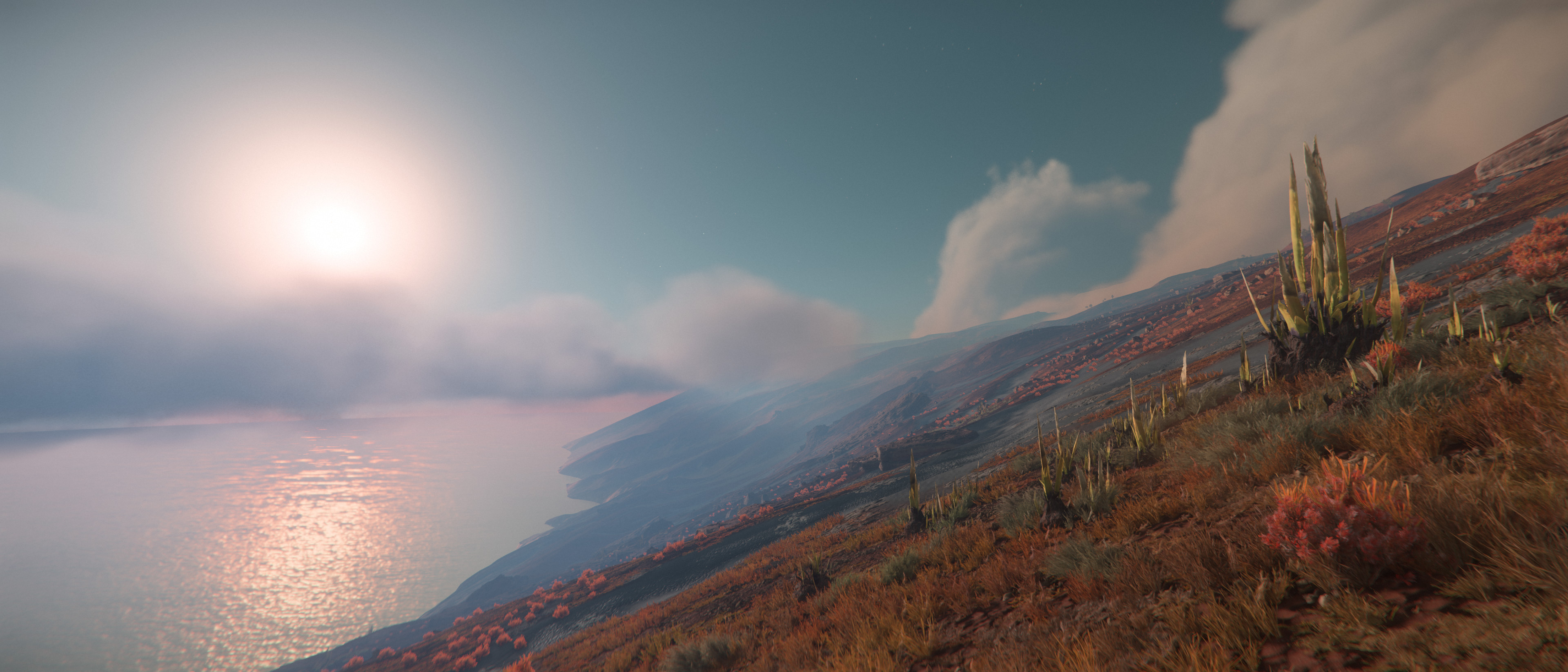
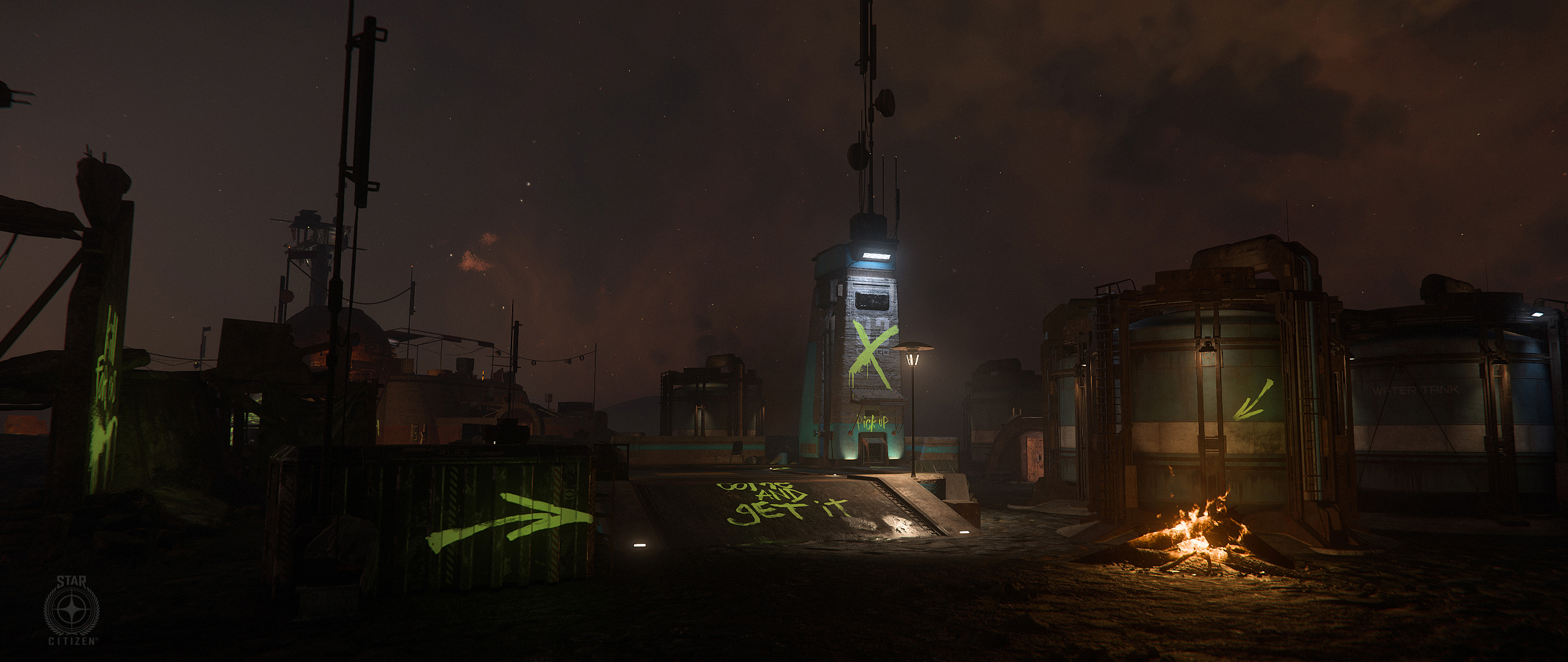
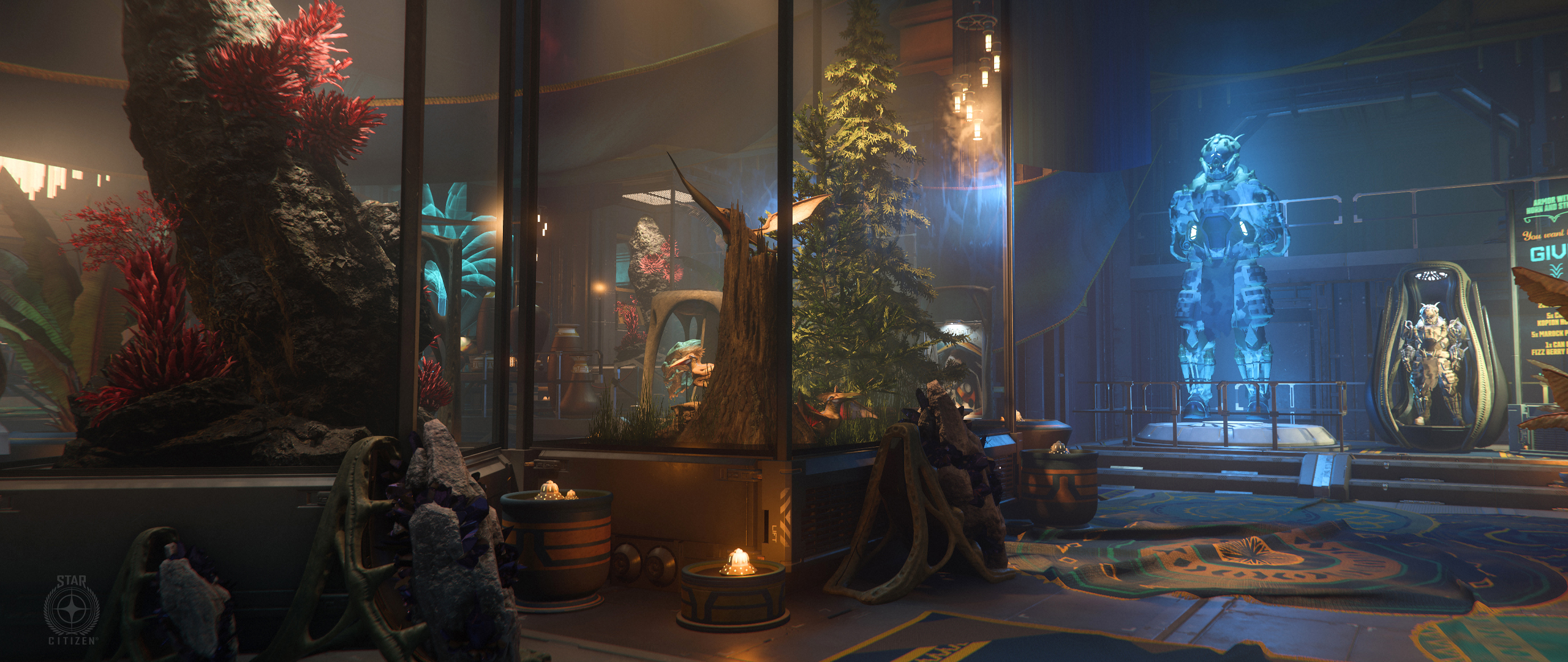
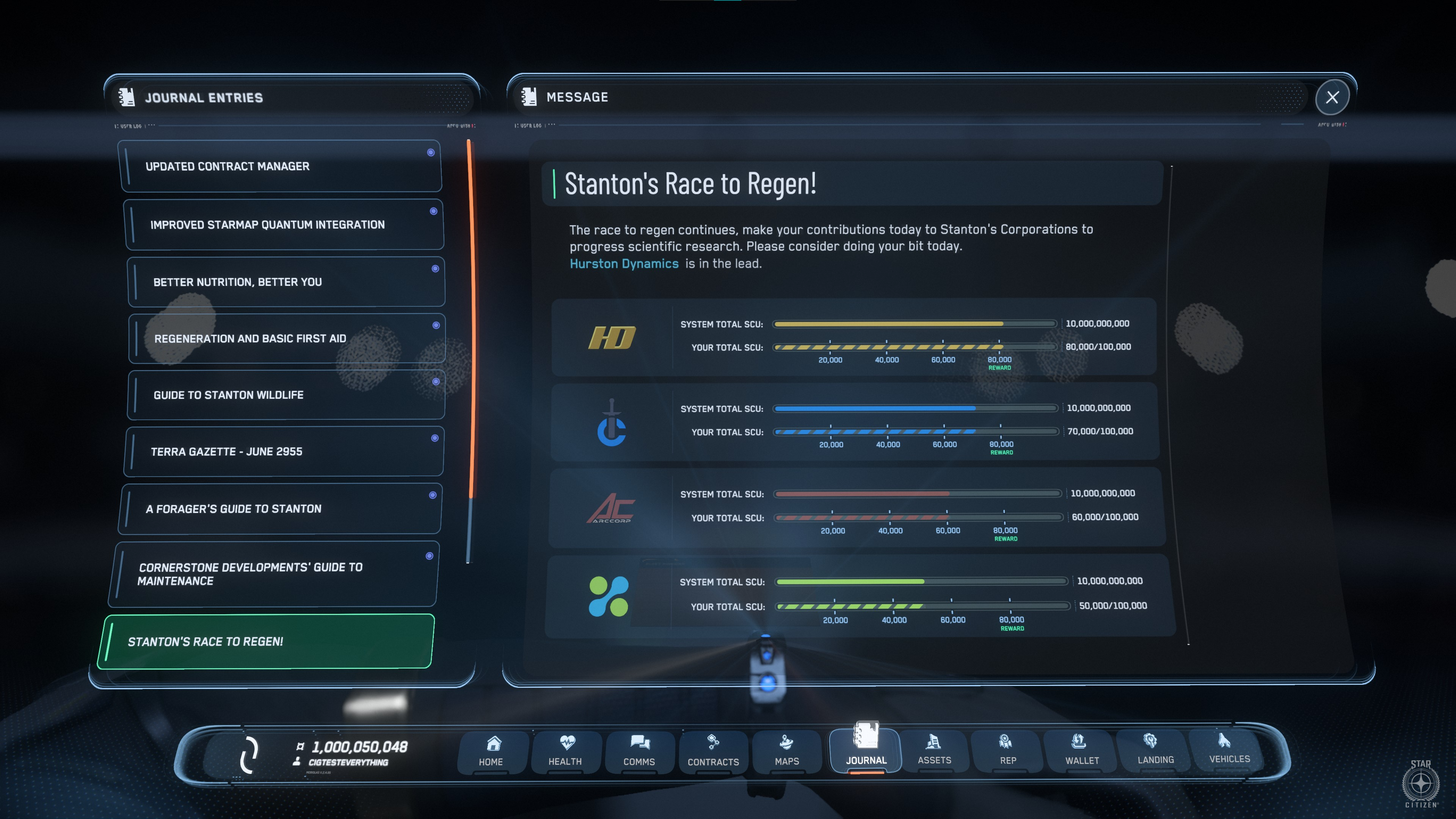
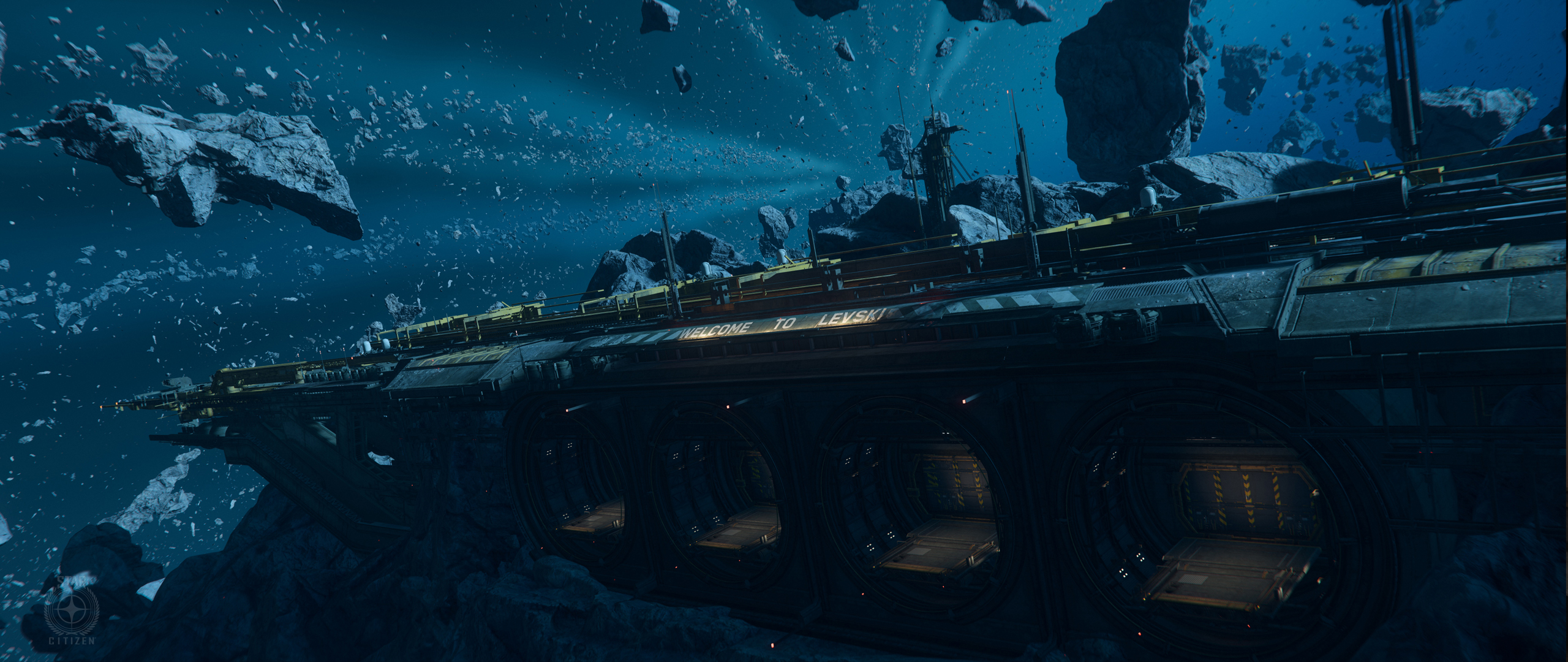
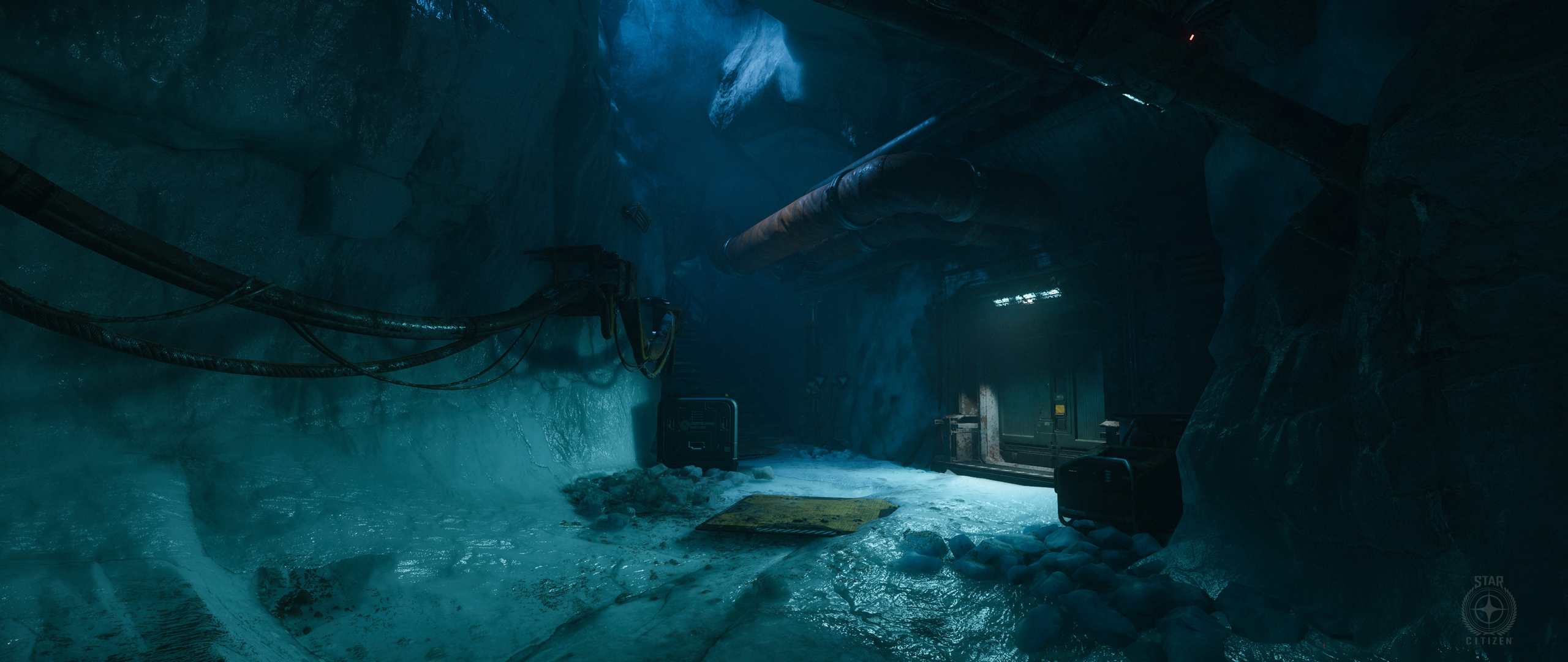
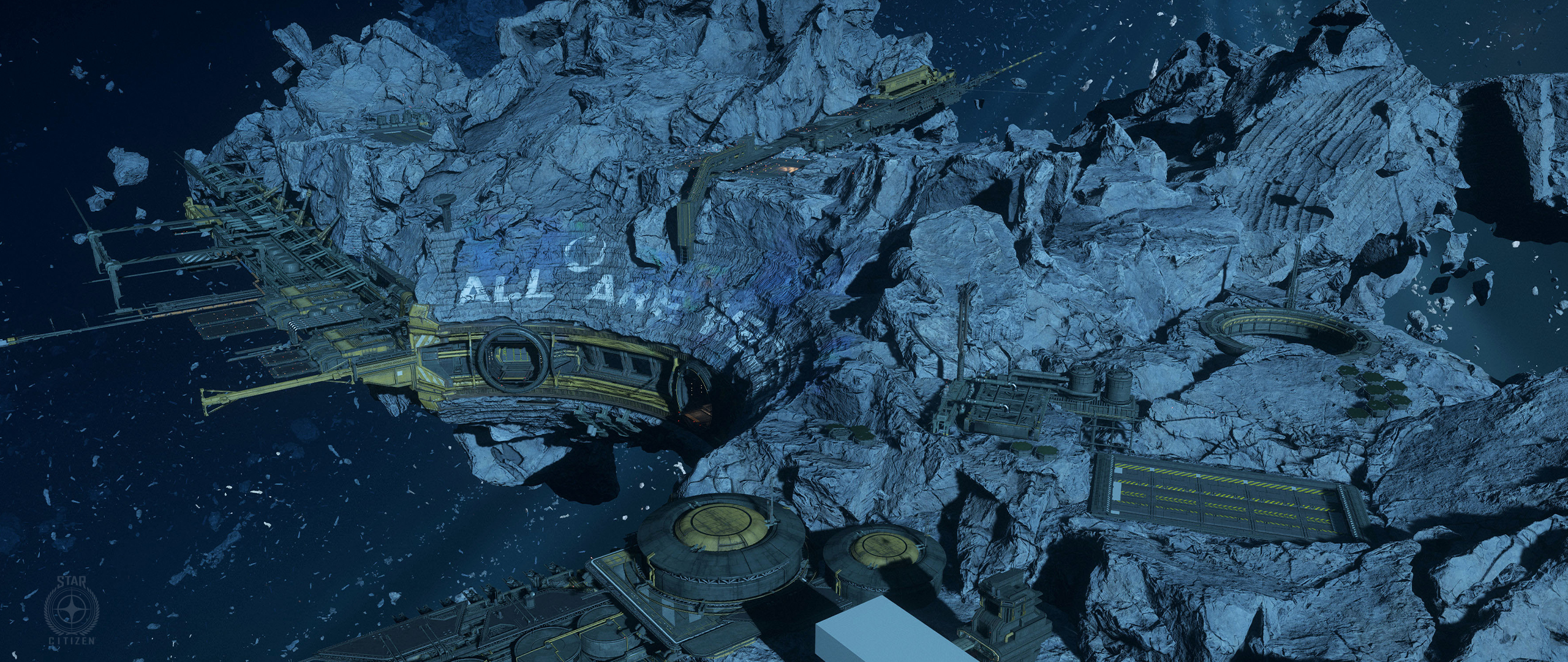
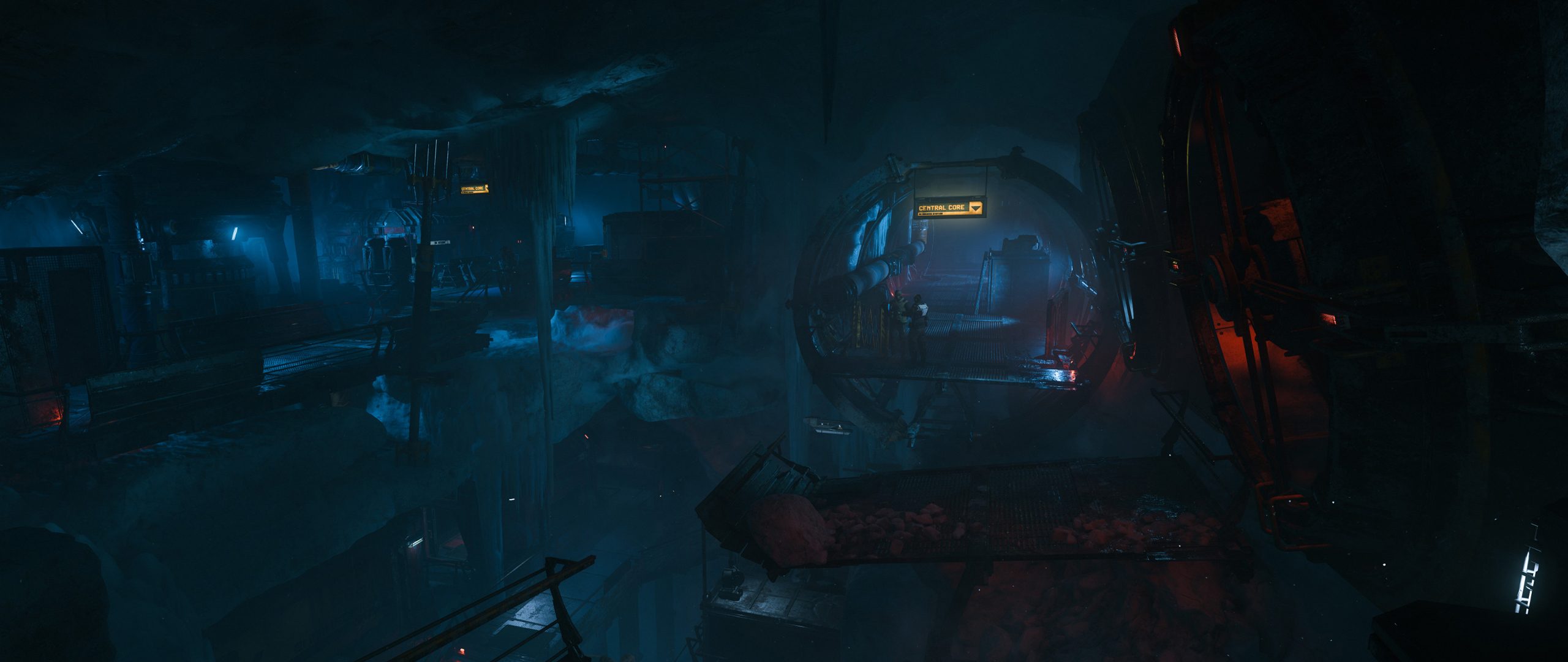
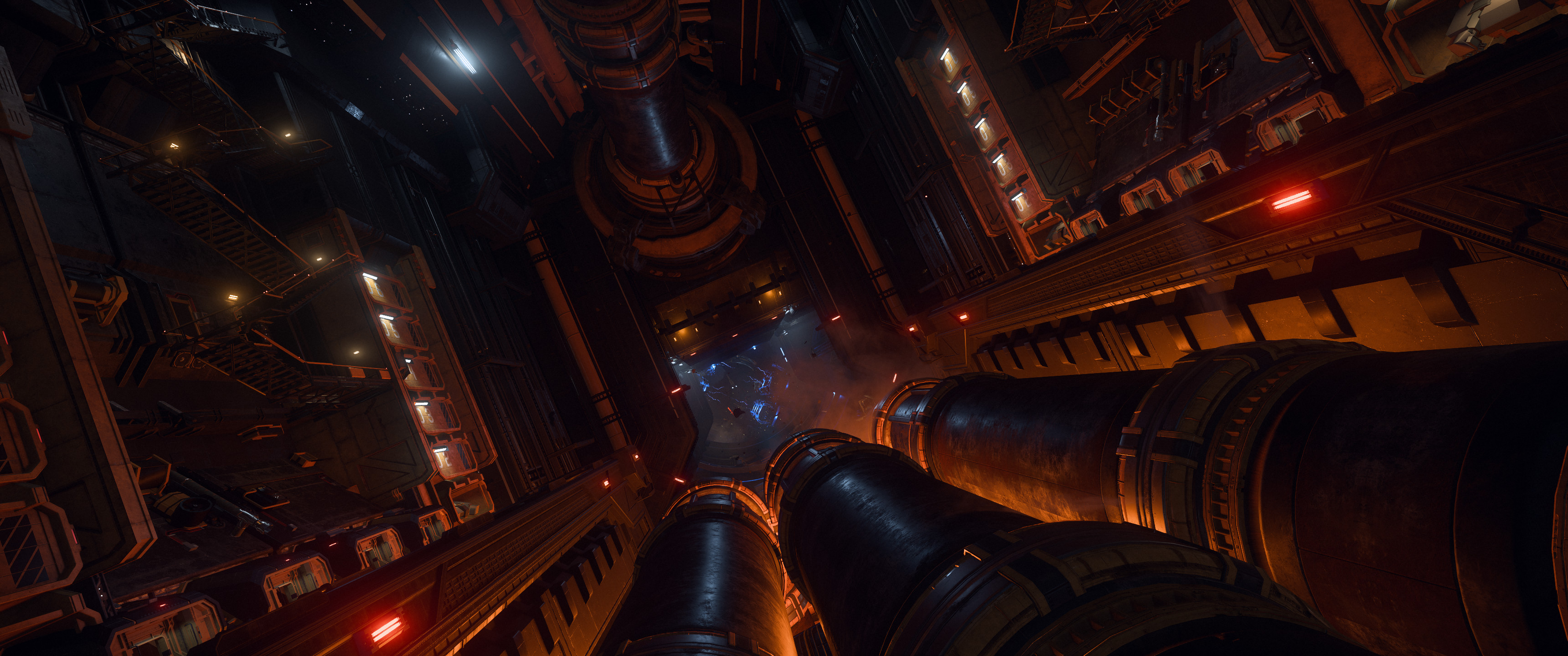
Metadata
- CIG ID
- 16963
- Channel
- Transmission
- Category
- Undefined
- Series
- Monthly Reports
- Comments
- 30
- Published
- 7 years ago (2019-02-08T00:00:00+00:00)