Star Citizen Monthly Report: March 2019
Transmission Undefined Monthly ReportsContent
It’s all go across our studios at the moment, as devs from the UK, US, and Germany put the hours into getting Alpha 3.5 into the Persistent Universe. Naturally, the latest patch features heavily this month, but look a little closer and there are plenty of tasks for Alpha 3.6 and beyond being worked on to wet your whistles.
Last week, we updated the public roadmap with content all the way up to Alpha 3.9, where we’ll be flying Vultures to Crusader and beyond. If you missed the latest update, take a look, as progress for these new features will start appearing in your monthly reports soon enough.
AI – Character
We start with Character AI, who spent the month making general improvements, firstly to combat behaviors to make it easier for the team to assign different tactics to different characters. This work happily fixed a few bugs with vision perception and cover selection too. Secondly, NPC locomotion saw the integration of the collision avoidance system into smooth locomotion, which now takes into consideration the edge of walkable navigation areas. Naturally, bug fixing, stability fixes, and optimizations were also done for Alpha 3.5.
AI – Ships
Ship AI implemented new pilot skill levels to vary the agility of enemy ships and determine how they balance self-preservation and aggression. Improvements were also made to how non-player traffic behaves around landing zones.
AI – Social
The Social AI Team finished the first pass of ‘scooching’, which made its monthly report debut last month. If you missed it, scooching enables a character to fluidly move from one action to another within a group of useables.
Design supported the set up of the bartender/vendor character by providing necessary tech pieces where needed. Optimization started on usables, including the caching of usable entries and TPS query time-slicing.
Animation
March saw Animation readying mission-giver Tecia Pacheco for her Alpha 3.5 debut and finishing the animation sets for Recco Battaglia and the ship dealers. They also implemented new female emotes and brought the male versions up to the current quality standard, which included stopping a plague of different technical issues. Focus was also on two big-ticket items: developing the final jump system and the female playable character. Finally, the team worked on the combat AI system, adding new weapon options for enemies to use against the player.
Art – Characters
Character Art were one of the many teams collaborating on Alpha 3.5’s facial customizer. This coincided with the adding of the female playable character into the game and creating new armors wearable by both sexes (which will continue into the foreseeable future). Tecia Pacheco’s hair was tidied up before launch and the few non-Alpha-3.5-related hours were spent refining the hair creation pipeline.
Art – Environment
Many Environment Art devs devoted the month to Alpha 3.5, making quality-of-life improvements, bug fixing, and polishing assets. Several locations, including Hurston and Lorville, were refined and tweaked to give an overall improved visual experience. The ongoing planet tech development rolls on too, with current efforts becoming the foundation of wider improvements coming later in the year. The team are also looking into ways to better scale natural features like canyons, with first tests looking promising. The final touches were added to ArcCorp ahead of its big release, with huge strides made early in the month when Area18, Riker Spaceport, and the surrounding city received finalized textures, materials, and finishes. While the planet was ‘content complete’ a while ago, the last stages of development saw countless optimization tasks completed to make it good enough for players to explore. The final level of detail (LOD) tweaks were completed to enable the assets to perform well in-engine, along with other technical aspects like tweaking view distance ratios, altering vis-areas, and merging meshes. Art of distant buildings and advertising added the final touch to the city’s vistas.
Art – Tech
Tech Art worked on the user interface for Character Customizer v2, which will see the light of day in Alpha 3.6. While the current version gives users all the required functionality, the process can be thoroughly streamlined through a number of layout and functionality amends. These changes have been prototyped and are awaiting implementation by the Gameplay Team. Tasks towards extending the character creation ‘DNA gene pool’ were also completed, which will eventually increase the number of heads the user can choose from and blend together. While still being significantly fewer than the planned final amount, the enhanced pool will give players much greater variety compared to the nine heads per male and female available in Alpha 3.5. Alongside customization, they fixed a few weapon-related bugs for both dev builds and Alpha 3.5, such as wrongly-oriented attachments, broken or missing animations, and a tagging issue causing the player character to be assigned the wrong animations. They supported Weapon Art with rigging and engine setup for several upcoming releases and worked with Animation and AI Programming on the first implementation of the new usable system.
Audio
Alpha 3.5 features the new flight model, the development of which presented an unmissable opportunity to expand on the ship audio experience. Improvements include new sound effects for strain and vibration, afterburners, maneuvering thrusters, and atmospheric flight. They also include accurate point source sound emitters and general improvements to the overall design, implementation, and mix. Naturally, attention was given to ArcCorp and Area18, with new environmental dialogue, music, and sound effects implemented to contribute to the overall sense of a thriving metropolis. These include PA announcements, diegetic music, spot ambiance effects, dynamic advert audio, and systemic planetary ambiances. The team’s work is again complemented by the brilliant ArcCorp music cue from composer Pedro Camacho. Audio was also produced for the Kastak Arms Coda pistol, Gemini S71 assault rifle, Xi’an Kahix rocket launcher, and Banu Tachyon ship cannon. Finally for Audio, notable developments were made to the Foley system, including better footstep material recognition, redesigned depressurized footsteps, and varying footstep effects dependant on character heaviness and footwear. The Foley sound effect sync was improved when running too, as were collision sounds when rag-dolling.
Backend Services
Throughout the past month, Backend Services supported Alpha 3.5, fixed various bugs, and adjusted backend-supported features. On the main development front, great progress was made on the GIM rewrite, with the new matchmaker successfully tested internally. The GIM’s internal match/group management system also came to life. These changes are significant because, rather than being code existing inside the legacy GIM application, they are now individual and highly fault-tolerant services that can be scaled as the project develops. Another major change was the introduction of the variable service, which came with a surprisingly high volume and rate of data. One of the team’s goals this month was to provide much needed insight and analytics on various types of data coming from the DGS. So, a new system was created to track the rate of individual DGSs along with information about specific variables, enabling the team to fine-tune how data is serialized and how often it’s pushed to the backend. The first major part of the iCache has been completed and tested internally, too. The iCache is a highly distributed and fault-tolerant storage/query engine that greatly out-performs the current pCache. It provides an indexing and query system that can be utilized by other services for specific and complex item queries. This system is important going forward, particularly as the Persistent Universe sees greater volumes of players and server meshing comes online.
Community
The community celebrated St. Patrick’s Day (or Stella Fortuna!) with a screenshot contest calling for in-game party pics. Plenty of outstanding images of memorable moments were received, but there were only three pots of gold to hand out – the lucky winners taking home a Constellation Phoenix Emerald, Mustang Delta, and Ursa Rover Fortuna. March saw the unveiling of the multi-crew explorer, the Corsair. Should any prospective pathfinders be unsure whether they want to sail the stars in Drake’s latest, the recently released Q&A should help. Jump Point, the monthly subscriber-only magazine, took an even deeper dive into the Corsair’s design process along with a behind-the-scenes look at the new character customizer, a Whitley’s Guide on MISC’s Reliant series, and more. Shouts of ‘Triggerfish!’ could be heard across the ‘verse when we announced our first new merchandise offerings of 2019 on April 1st: The Scents of Star Citizen collection. Classic fragrances of the past meet the mysterious essence of the future in Quantum, an innovative cultivation that transcends space and time.
Content – Vehicles
While the Vehicle Content Team predominantly focused on the three MISC Reliant variants and continuing work on the 300 series, they found time to work with Animation on a better system for setting up character ship entry and exit animations. The also tackled a variety of vehicle bugs leading up to the release of Alpha 3.5.
Design
Design’s focus throughout March was on Area18, which included adjusting the AI, usables, stores, and more. Tecia Pacheco was given a design pass, while a new team member was inaugurated with tasks to improve both the Emergency Communication Network (ECN) and NPC spoofing missions (where NPCs send out service beacons asking for help). Regarding the in-game economy, a system built to create a robust and modular representation of item variance was polished and is now ready when needed. Inventories were also added to all new locations, including the new Alpha 3.5 weapons and items created by the Weapons Team.
DevOps
The culmination of this year’s first publishing cycle was especially busy for DevOps. The team publish internal builds every day of every month for internal testing, but demand increases drastically when additional publishes are needed for the Evocati and PTU. As the game grows, so does the complexity of deployments and the reporting requirements, with this month seeing a 69% increase in build activity. Most of this is due to the ‘feature streams’ that the team have worked on for the past few months, which isolate features from each other during development to avoid collision.
Engineering
The Engine Team supported Alpha 3.5 with extensive profiling, optimization, bug fixes, and improvements to help Sentry, the PU crash database, better analyze and catalog existing issues. Rendering wise, they continued work on Temporal Sample Antialiasing (TSAA) with general quality improvements that translate to less flickering and a sharper picture. They also adjusted the TSAA bicubic filter based on frame time to prevent the accumulation of ringing artifacts at high framerates. For hair, they added an experimental option for custom tangents, removed the temporary scatter model, moved the hair mask to variation map alpha, improved edge masking, and added card support for the hair physically-based rendering (PBR) shader. For planetary ground fog (currently scheduled for Alpha 3.6), they refined the proxy mesh tessellation and moved pre-tessellation to jobs, did the first ray marching test and implementation, refined modeling of the fog gradient over terrain, and spent time rectifying floating point precision issues. They also completed rendering support for CPU-accessible textures for RTT video comms calls and optimized shaders to avoided unnecessary resource creation (e.g in GPU skinning). The Initial ImGUI integration was completed and will be used to unify and improve the in-game profiling tools. System and module integration were added to avoid an unorganized collection of tools and a text/tag searchable configuration system for registered tools (similar to visual code) was implemented. To better improve load times, the team created a new load time profiler to track file access (times accessed, data transfer, etc.), amended the IO scheduler for SSDs and HDDs to give faster load times and response, and vastly improved file access in the shader system to speed up initialization at start-up. In addition to the compile-time analysis tool developed last month, they finalized an add-in tool to generate optimal uber file sets and, as a result, reshuffled game uber files for even better compile times.
Work also began on a physics debugger that will allow the team to record issues, play them back, freeze time, etc. to help understand and speed up fixing complex physics issues.
Features – Gameplay
Throughout March, most of the team dedicated their time to working with the Character Team on the customizer, including the design flow, user interface, and the implementation of the female playable character. The rest focused on implementing comms video streaming improvements. All of the team’s work this month made it into the Alpha 3.5 build, so can be seen by anyone in the Persistent Universe.
Features – Vehicles
Improvements to gimbaled weapons were finished for Alpha 3.5 and the radar and scanning systems received a polish, including the implementation of focus angle and ping fire. Under-the-hood progress was also made with vehicle item port tech, specifically with the vehicle .xml migration to Data-Forge. March’s final stretch was spent fixing game crashes and bugs for the upcoming release.
Graphics
Alongside visual tweaks and fixing stability issues for Alpha 3.5, the team better aligned the sun and shadows with fog in large spaces (such as hangars) and fixed a persistent glitch with indoor lights. For vid-comms and general render-to-texture, the teams fixed a few issues that were interfering with brightness along with intermittent cases where lights on holograms were disappearing. They also switched most holographic scenes over to a forward-shaded render pipeline to improve efficiency. Graphics also got in on the gas cloud feature by supporting Design, adding the ability to rotate tunnel pieces, and creating a more intelligent streaming system to enable them to lay out large sections of the game without running over the memory budget.
Level Design
The Level Design Team barreled on with Area18, fixing bugs and generally preparing it for its unveiling. This included a lot of playtesting and tweaking of the room-system, landing areas, transit system, and more.
Planning began for the upcoming procedural tool and next set of procedural space stations. Prototyping was done on cave layouts and potential gameplay was ideated in close cooperation with the Environment Art Team. There were also updates to Lorville, with the addition of small and medium hangars and a new transit line between Teasa Spaceport and the Central Business District (CBD).
Lighting
Like many others, Lighting almost entirely dedicated their month to finalizing Area18, which required collaboration with a lot of other teams. Particularly, they worked with Props and Environment Art in the final push to raise the visual standard and unify the look across the wider landing zone. Performance is always a concern, so special attention was paid to ensuring the maximum lighting quality was achieved within the defined frame budgets. After lessons were learned during the development of Lorville, the team were able to optimize the new location’s lighting far more efficiently. Aside from Alpha 3.5, Lighting had a hand in the development of the character customizer by providing a clean, high-quality lighting rig for the UI. They also supported the reworking of the Echo 11 Star Marine map, providing additional polish, optimization, and clean-up.
Narrative
In March, Narrative worked with Design to identify the production nodes and manufacturing locations of all of Star Citizen’s corporations for the expanding economy system. This led to a review of the item inventories of Stanton’s shops to make sure stores were carrying items appropriate for their location. The team also worked on generating names for various vehicles, including the Ursa Rover Fortuna. Narrative filled Area18 with a variety of posters, ads, and props to flesh out the lore of Stanton’s newest landing zone. They also worked with the Live Design Team to support mission content for Tecia Pacheco. Finally, Alpha 3.5 will also provide a first look at the new Banu language that is being developed, so keep an eye out for more info on that.
Player Relations
Player Relations were busy throughout March supporting the Evocati and players smash bugs in the PTU. Initially, they worked alongside the Evocati for several builds to test out the new flight model. Once it was stable, they added Concierge and Subscribers to test out the other key features. Eventually, all backers were welcomed into the PTU before Alpha 3.5’s wider release. “We say it every month, but we can’t thank our volunteers enough for the wonderful efforts they put into helping us build this game (especially you Avocados!).”
Props
At the start of March, the Props Team took Area18’s assets from the ‘modeling complete’ phase through to ‘final art’, which included the technical set up, LODs, prefab setup, and bug fixing. They reached ‘content complete’ status half-way through the month before heading into the final polish pass. The area’s food carts were pushed a little further with branding and dressing prop variation, while the lighting was separated out to give the Lighting Team more control. Updates were also made to older street furniture to bring it up to standard and the team helped with the branding and signage assets used throughout the level. With persistent habs included in Alpha 3.5, a pass was completed to convert a whole host of props from static objects to interactive entities, while hand grip was set up to work with the player animations and additional physics set up. The team also took a pass at the Spectrum Unlimited kiosk, creating additional dressing, props, and magazines. The month was rounded off with a final bug-fixing pass and, of course, turtles.
QA
QA’s testing focus was on feature integration for the Alpha 3.5 branch. They tested all the new content such as ArcCorp and its moons, Area18, the character customizer, female playable character, Origin 300i rework, and Reliant Variants. In addition, stability and performance testing ramped up in anticipation of the release and included daily performance captures to help narrow down and fix performance-related issues. The AI feature testers in Frankfurt worked hard to stay on top of the various issues that cropped up with the addition of new mission givers and changes to collision avoidance. The embedded tester for the Transit Team was kept busy debugging various low repro issues that seemed to be tied to server performance and caused issues such as players falling through floors and Lorville’s trains not turning up. Memory corruption testing is currently ongoing to help track down crashes that occur randomly during normal gameplay. This testing is being done in the PTU using custom binaries provided by the Engine Team.
Ship Art
Lead Vehicle Artist Chris Smith completed the refactor of the Origin 300i and spent quite a bit of time getting the components modeled. He has now officially moved onto a new ship, which is currently in the whitebox phase. 3D Modeler Josh Coons continues his work on the Banu Defender and is working diligently to complete the greybox stage. Since everything on this ship is brand new and almost nothing is re-used from other ships, he is being assisted by Associate Vehicle Art Director Elwin Bachiller to ensure it’s completed in time.
System Design
The System Design Team finalized the current iteration of the no-fly zones around Area18 and ArcCorp, which required new features to be added to allow it to work at the scale required. Walla and Lyria both received their share of mining resources, with Walla getting unique Atacamite geode deposits. They also finalized their work on the unification of the vendor/bartender AI, which will allow the same behavior to serve drinks at a bar and give players items from a shelf and weapons from a rack.
Turbulent
Turbulent supported the Alpha 3.5 features promotion, which highlighted character customization, ArcCorp, and the new flight model. They also supported St. Patrick’s Day, which featured the new Ursa Rover Fortuna and a screenshot contest. The CMS backend migration continued and was deployed to the PTU (the changes will appear in the live environment within the next few weeks). Voice servers received an upgrade which will benefit from RTCP (data channel) improvements and enable active speaker detection in comms channels. The security of voice channels has also been improved. The Services Team continued working on video streams in comms channels in order to improve long-distance calls, too. Turbulent’s upcoming Game Admin tool will support game designers as well as the Player Relations Team by providing key statistics as well as granular technical information on groups, lobbies, and voice channels. The design is now done and development has started on its first functionality, the general information display. Finally from Montreal, the Game Services Team continued working on the new framework that will impact all upcoming development of Star Citizen services. Thanks to this core modification, services including group, lobby, and voice channel will be more standardized and upcoming development milestones will be reached quicker.
UI
Last month, UI finalized the in-fiction advertisements and branding for ArcCorp and Area18. They progressed with the area map, including the ability to visually distinguish between different floors of an interior. As release day drew closer, they worked on various optimizations and bug-fixing.
Vehicles
This month, the Global Vehicle Team put the finishing touches to the Alpha 3.5 ships and steadily progressed with those beyond the latest release:
The largest sub-team is focused on the Origin 890 Jump, which has just completed the greybox stage and is now heading into the final art phase. Work is progressing on the Carrack, which now has the whole of the engineering section in the rear done to greybox and the habitation deck is only missing the captain’s quarters to be greybox complete. The Vanguard series is heading to the final art stage, with the rear section and cockpit both receiving a pass. The exterior is up next. Greybox of the Banu Defender rolls on, while the Character Concept Team was called on to build a foundation for the Tevarin species that will be used to help design the Esperia Prowler.
Finally, pre-production began on the P52 Merlin update, P72 Archimedes, and the Esperia Prowler.
VFX
The VFX Team rolled out their recent GPU particle lighting changes, which includes a new optional specular shading model for particles. This multiplies the level of lighting the particle receives from the cube maps, causing it to sit within the environment more realistically. In the photo below, the left smoke effect uses the old lighting (without specular shading), while the right uses the new system. The team is currently looking at some of the older effects in the game and are reworking them to take advantage of the updated systems, such as the EMP, which was added some time ago and has since degraded due to issues with the old particle system. Regarding weapons, the team polished and optimized the new ballistic pistol and assault rifles and took the first pass at the Tachyon cannon; a brand-new weapon type that was in its R&D phase last month. On the ship side, the reworked 300i had a full VFX pass. Finally, as is usual in the run-up to a release, the team began their twice-weekly playtests, from which a fairly large ‘snag list’ was created and fixed.
Weapons
The Weapon Art Team started work on the Apocalypse Arms Animus missile launcher, the Klaus & Werner Lumin SMG, and new upgrade levels for various ship weapons. WE’LL SEE YOU NEXT MONTH…
Im Moment läuft alles in unseren Studios, denn Entwickler aus Großbritannien, den USA und Deutschland haben die Stunden damit verbracht, Alpha 3.5 ins Persistent Universe zu bringen. Natürlich bietet der neueste Patch diesen Monat viele Funktionen, aber schauen Sie etwas genauer hin und es gibt viele Aufgaben für Alpha 3.6 und darüber hinaus, an denen gearbeitet wird, um Ihre Pfeifen zu benetzen.
Letzte Woche haben wir die öffentliche Roadmap mit Inhalten bis Alpha 3.9 aktualisiert, wo wir Geier nach Crusader und darüber hinaus fliegen werden. Wenn Sie das letzte Update verpasst haben, werfen Sie einen Blick darauf, denn der Fortschritt bei diesen neuen Funktionen wird schon bald in Ihren Monatsberichten erscheinen.
KI - Charakter
Wir beginnen mit der Charakter-KI, die den Monat damit verbrachte, allgemeine Verbesserungen vorzunehmen, zunächst um das Verhalten zu bekämpfen, um es dem Team zu erleichtern, verschiedenen Charakteren unterschiedliche Taktiken zuzuordnen. Diese Arbeit hat glücklicherweise ein paar Fehler bei der Sehwahrnehmung und der Coverauswahl behoben. Zweitens wurde bei der NSC-Lokomotion das Kollisionsvermeidungssystem in eine reibungslose Lokomotion integriert, die nun den Rand begehbarer Navigationsbereiche berücksichtigt. Natürlich wurden auch Bugfixes, Stabilitätsfixes und Optimierungen für Alpha 3.5 durchgeführt.
KI - Schiffe
Die SchiffskI implementierte neue Fertigkeiten für Piloten, um die Agilität feindlicher Schiffe zu variieren und zu bestimmen, wie sie Selbsterhaltung und Aggression ausbalancieren. Außerdem wurde das Verhalten des Nicht-Player-Verkehrs in den Landezonen verbessert.
KI - Sozial
Das Social AI Team beendete den ersten Durchgang von "scooching", das letzten Monat sein Debüt im Monatsbericht gab. Wenn du es verpasst hast, ermöglicht Scooching einem Charakter, innerhalb einer Gruppe von nützlichen Gegenständen fließend von einer Aktion zur anderen zu wechseln.
Design unterstützte die Einrichtung des Barkeeper-/Lieferantencharakters, indem es bei Bedarf die notwendigen technischen Teile zur Verfügung stellte. Die Optimierung begann bei Usables, einschließlich des Cachings von Usable-Einträgen und des TPS-Abfragezeitscheibens.
Animation
Im März bereitete Animation die Missionarin Tecia Pacheco für ihr Alpha 3.5-Debüt vor und beendete die Animationssets für Recco Battaglia und die Schiffshändler.They implementierte auch neue weibliche Emotes und brachte die männlichen Versionen auf den aktuellen Qualitätsstandard, zu dem auch die Beendigung einer Plage mit verschiedenen technischen Problemen gehörte. Ein weiterer Schwerpunkt lag auf zwei Großprojekten: der Entwicklung des endgültigen Sprungsystems und der weiblichen spielbaren Figur. Schließlich arbeitete das Team an dem Kampf-KI-System und fügte neue Waffenoptionen hinzu, die Feinde gegen den Spieler einsetzen konnten.
Kunst - Charaktere
Character Art war eines der vielen Teams, die an dem Gesichts-Customizer von Alpha 3.5 arbeiteten. Dies fiel zeitlich zusammen mit der Hinzufügung des weiblichen spielbaren Charakters in das Spiel und der Schaffung neuer Rüstungen, die von beiden Geschlechtern getragen werden können (was in absehbarer Zeit anhalten wird). Tecia Pacheco's Haare wurden vor der Markteinführung aufgeräumt und die wenigen nicht mit Alpha-3,5 verbundenen Stunden mit der Verfeinerung der Haarkreationspipeline verbracht.
Kunst - Umwelt
Viele Entwickler von Environment Art widmeten den Monat Alpha 3.5, um die Lebensqualität zu verbessern, Fehler zu beheben und Vermögenswerte zu polieren. Mehrere Standorte, darunter Hurston und Lorville, wurden verfeinert und optimiert, um ein insgesamt verbessertes visuelles Erlebnis zu ermöglichen. Die laufende Entwicklung der Planetentechnologie geht ebenfalls weiter, wobei die aktuellen Bemühungen die Grundlage für weitere Verbesserungen im Laufe des Jahres bilden. Das Team untersucht auch Möglichkeiten, natürliche Merkmale wie Canyons besser zu skalieren, wobei erste Tests vielversprechend sind. Der letzte Schliff wurde ArcCorp vor seiner großen Veröffentlichung gegeben, mit riesigen Schritten Anfang des Monats, als Area18, Riker Spaceport und die umliegende Stadt endgültige Texturen, Materialien und Oberflächen erhielten. Während der Planet vor einiger Zeit "content complete" war, wurden in den letzten Entwicklungsstufen unzählige Optimierungsaufgaben abgeschlossen, um ihn für die Spieler gut genug zu machen. Die Feinabstimmung der Details (LOD) wurde abgeschlossen, damit die Anlagen gut funktionieren können, zusammen mit anderen technischen Aspekten wie dem Optimieren der Sichtweitenverhältnisse, dem Ändern von Visierbereichen und dem Zusammenführen von Netzen. Die Kunst der fernen Gebäude und die Werbung gaben den Blick auf die Stadt frei.
Kunst - Technik
Tech Art arbeitete an der Benutzeroberfläche für Character Customizer v2, der in Alpha 3.6 das Licht der Welt erblicken wird. Während die aktuelle Version den Benutzern alle erforderlichen Funktionen bietet, kann der Prozess durch eine Reihe von Layout- und Funktionserweiterungen grundlegend rationalisiert werden. Diese Änderungen wurden prototypisch umgesetzt und warten auf die Umsetzung durch das Gameplay-Team. Die Aufgaben zur Erweiterung der Charaktererstellung "DNA-Genpool" wurden ebenfalls abgeschlossen, was letztendlich die Anzahl der Köpfe erhöhen wird, aus denen der Benutzer auswählen und verschmelzen kann. Der erweiterte Pool ist zwar immer noch deutlich kleiner als der geplante Endbetrag, bietet den Spielern aber eine viel größere Vielfalt als die neun Köpfe pro Mann und Frau in Alpha 3.5. Neben der Anpassung beheben sie einige waffenbezogene Fehler für dev-Builds und Alpha 3.5, wie z.B. falsch orientierte Anhänge, defekte oder fehlende Animationen und ein Tagging-Problem, bei dem der Spielercharakter mit den falschen Animationen versehen wurde. Sie unterstützten Weapon Art bei Rigging und Engine Setup für mehrere kommende Releases und arbeiteten mit Animation und AI Programming an der ersten Implementierung des neuen verwendbaren Systems.
Audio
Alpha 3.5 präsentiert das neue Flugmodell, dessen Entwicklung eine unübersehbare Gelegenheit bot, das Schiffs-Audioerlebnis zu erweitern. Zu den Verbesserungen gehören neue Soundeffekte für Dehnung und Vibration, Nachbrenner, Manövriertriebwerke und Atmosphärenflug. Dazu gehören auch präzise Punktquellen-Soundemitter und allgemeine Verbesserungen des gesamten Designs, der Implementierung und des Mixes. Natürlich wurde ArcCorp und Area18 Aufmerksamkeit geschenkt, wobei neue Umweltdialoge, Musik und Soundeffekte implementiert wurden, die zum Gesamtbild einer florierenden Metropole beitragen. Dazu gehören PA-Ankündigungen, diegetische Musik, Spot-Ambiance-Effekte, dynamisches Werbeaudio und systemische planetarische Atmosphären. Ergänzt wird die Arbeit des Teams erneut durch den brillanten ArcCorp-Musik-Cue des Komponisten Pedro Camacho. Audio wurde auch für die Kastak Arms Coda Pistole, Gemini S71 Sturmgewehr, Xi'an Kahix Raketenwerfer und Banu Tachyon Schiffskanone produziert. Schließlich für Audio, wurden bemerkenswerte Entwicklungen am Foley-System vorgenommen, einschließlich einer besseren Materialerkennung, neu gestalteter druckloser Schritte und unterschiedlicher Schritteffekte, die von der Charakterstärke und dem Schuhwerk abhängen. Die Foley-Soundeffektsynchronisation wurde auch beim Laufen verbessert, ebenso wie Kollisionsgeräusche beim Rag-Dolling.
Backend Services
Im Laufe des letzten Monats unterstützten die Backend Services Alpha 3.5, beendeten verschiedene Fehler und passten die Backend-fähigen Funktionen an. Auf der Hauptentwicklungsseite wurden große Fortschritte bei der Neuschreibung des GIM gemacht, wobei der neue Matchmaker intern erfolgreich getestet wurde. Auch das interne Match-/Gruppenmanagementsystem der GIM wurde zum Leben erweckt. Diese Änderungen sind insofern von Bedeutung, als es sich nicht mehr um Code handelt, der innerhalb der bestehenden GIM-Anwendung existiert, sondern um individuelle und hochgradig fehlertolerante Dienste, die im Laufe der Projektlaufzeit skaliert werden können. Eine weitere wichtige Änderung war die Einführung des variablen Dienstes, der mit einem überraschend hohen Datenvolumen und einer überraschend hohen Datenrate einherging. Eines der Ziele des Teams in diesem Monat war es, die dringend benötigten Einblicke und Analysen zu verschiedenen Arten von Daten aus dem DGS zu liefern. So wurde ein neues System geschaffen, um die Rate der einzelnen DGSs zusammen mit Informationen über bestimmte Variablen zu verfolgen, so dass das Team die Art und Weise, wie die Daten serialisiert werden und wie oft sie an das Backend weitergeleitet werden, anpassen kann. Auch der erste große Teil des iCache wurde fertiggestellt und intern getestet. Der iCache ist eine hochverteilte und fehlertolerante Speicher-/Abfrage-Engine, die den aktuellen pCache deutlich übertrifft. Es bietet ein Indexierungs- und Abfragesystem, das von anderen Diensten für spezifische und komplexe Elementabfragen genutzt werden kann. Dieses System ist in Zukunft wichtig, zumal das Persistent Universe größere Mengen an Spielern sieht und die Serververnetzung online geht.
Community
Die Community feierte den St. Patrick's Day (oder Stella Fortuna!) mit einem Screenshot-Wettbewerb, bei dem Partyfotos im Spiel angefordert wurden. Viele herausragende Bilder von unvergesslichen Momenten wurden empfangen, aber es gab nur drei Töpfe Gold zu verteilen - die glücklichen Gewinner nahmen einen Constellation Phoenix Emerald, Mustang Delta und Ursa Rover Fortuna mit nach Hause. Im März wurde der Multi-Crew-Explorer, der Corsair, enthüllt. Sollten sich zukünftige Pfadfinder unsicher sein, ob sie die Sterne in Drake's latest segeln wollen, sollten die kürzlich veröffentlichten Q&As helfen. Jump Point, das monatliche Abonnentenmagazin, tauchte noch tiefer in den Designprozess des Corsair ein, zusammen mit einem Blick hinter die Kulissen auf den neuen Charakter-Customizer, einen Whitley's Guide über die MISC Reliant-Serie und vieles mehr. Schreie von "Drückerfisch" waren in der gesamten Strophe zu hören, als wir am 1. April unsere ersten neuen Warenangebote für 2019 ankündigten: Die Düfte der Star Citizen Kollektion. Klassische Düfte der Vergangenheit treffen in Quantum auf die geheimnisvolle Essenz der Zukunft, eine innovative Kultivierung, die Raum und Zeit überschreitet.
Inhalt - Fahrzeuge
Während sich das Vehicle Content Team hauptsächlich auf die drei MISC Reliant Varianten konzentrierte und die Arbeit an der 300er Serie fortsetzte, fanden sie Zeit, mit Animation an einem besseren System zur Einrichtung von Animationen für die Ein- und Ausfahrt von Charakterschiffen zu arbeiten. Dabei wurden auch eine Vielzahl von Fahrzeugfehlern bis zur Veröffentlichung von Alpha 3.5 behoben.
Design
Der Schwerpunkt des Designs lag im März auf Area18, wozu auch die Anpassung der KI, der Nutzbarkeit, der Geschäfte und mehr gehörte. Tecia Pacheco erhielt einen Designpass, während ein neues Teammitglied mit Aufgaben zur Verbesserung der Notfallkommunikationsnetzwerke (ECN) und der NPC-Spoofing-Missionen (wo NSCs Servicebaken aussenden, die um Hilfe baten) eingeweiht wurde. Im Hinblick auf die In-Game-Wirtschaft wurde ein System zur Erstellung einer robusten und modularen Darstellung der Item-Varianz ausgefeilt und ist nun bei Bedarf einsatzbereit. Auch an allen neuen Standorten wurden Vorräte angelegt, einschließlich der neuen Alpha 3.5-Waffen und der vom Waffenteam erstellten Gegenstände.
DevOps
Der Höhepunkt des ersten Verlagszyklus in diesem Jahr war für DevOps besonders intensiv. Das Team veröffentlicht interne Builds jeden Tag im Monat für interne Tests, aber die Nachfrage steigt drastisch an, wenn zusätzliche Veröffentlichungen für die Evocati und PTU benötigt werden. Mit dem Wachstum des Spiels steigt auch die Komplexität der Bereitstellungen und der Berichtsanforderungen, wobei in diesem Monat eine Steigerung der Build-Aktivität um 69% zu verzeichnen war. Das meiste davon ist auf die "Feature Streams" zurückzuführen, an denen das Team seit einigen Monaten arbeitet und die während der Entwicklung Features voneinander isolieren, um Kollisionen zu vermeiden.
Ingenieurwesen
Das Engine Team unterstützte Alpha 3.5 mit umfangreichen Profilen, Optimierungen, Bugfixes und Verbesserungen, um Sentry, der PU-Crash-Datenbank, zu helfen, bestehende Probleme besser zu analysieren und zu katalogisieren. Sie setzten die Arbeit an Temporal Sample Antialiasing (TSAA) mit allgemeinen Qualitätsverbesserungen fort, die zu weniger Flackern und einem schärferen Bild führen. Sie passten auch den TSAA-Bikubikfilter basierend auf der Rahmenzeit an, um die Ansammlung von Ringartefakten bei hohen Frameraten zu verhindern. Für das Haar wurde eine experimentelle Option für benutzerdefinierte Tangenten hinzugefügt, das temporäre Scatter-Modell entfernt, die Haarmaske auf die Variationskarte Alpha verschoben, die Kantenmaskierung verbessert und die Kartenunterstützung für den physisch basierten Rendering (PBR)-Shader hinzugefügt. Für den planetarischen Bodennebel (derzeit für Alpha 3.6 geplant) verfeinerten sie die Proxy-Mesh-Tessellierung und verschoben die Pre-Tessellierung auf Jobs, führten den ersten Ray-Marching-Test und die Implementierung durch, verfeinerten die Modellierung des Nebelgradienten über dem Gelände und verbrachten Zeit damit, Gleitkomma-Präzisionsprobleme zu korrigieren. Sie vervollständigten auch die Rendering-Unterstützung für CPU-zugängliche Texturen für RTT-Video-Kommandos und optimierte Shader, um unnötige Ressourcenbildung zu vermeiden (z.B. beim GPU-Skinning). Die erste ImGUI-Integration wurde abgeschlossen und wird zur Vereinheitlichung und Verbesserung der In-Game-Profiling-Tools verwendet. Die System- und Modulintegration wurde hinzugefügt, um eine unorganisierte Sammlung von Tools zu vermeiden, und es wurde ein Text/Tag-suchbares Konfigurationssystem für registrierte Tools (ähnlich dem visuellen Code) implementiert. Um die Ladezeiten besser zu verbessern, entwickelte das Team einen neuen Ladezeit-Profiler zur Verfolgung des Dateizugriffs (Zugriffszeiten, Datenübertragung usw.), änderte den IO-Scheduler für SSDs und HDDs, um schnellere Ladezeiten und Reaktionen zu ermöglichen, und verbesserte den Dateizugriff im Shader-System, um die Initialisierung beim Start zu beschleunigen. Zusätzlich zu dem im letzten Monat entwickelten Tool zur Kompilierungszeitanalyse wurde ein Add-In-Tool fertiggestellt, um optimale Über-Dateisets zu generieren und damit die Spielüberdateien für noch bessere Kompilierungszeiten neu zu mischen.
Die Arbeit begann auch mit einem Physik-Debugger, der es dem Team ermöglicht, Probleme aufzuzeichnen, abzuspielen, die Zeit einzufrieren usw., um komplexe physikalische Probleme zu verstehen und zu beschleunigen.
Funktionen - Gameplay
Den ganzen März über widmete der Großteil des Teams seine Zeit der Arbeit mit dem Charakter-Team am Customizer, einschließlich des Designflows, der Benutzeroberfläche und der Implementierung des weiblichen spielbaren Charakters. Der Rest konzentrierte sich auf die Implementierung von Verbesserungen beim Comms-Video-Streaming. Die gesamte Arbeit des Teams in diesem Monat hat es in den Alpha 3.5 Build geschafft, so dass es für jeden im Persistent Universe sichtbar ist.
Merkmale - Fahrzeuge
Verbesserungen an kardanischen Waffen wurden für Alpha 3.5 abgeschlossen und die Radar- und Scansysteme erhielten eine Politur, einschließlich der Implementierung von Fokuswinkel und Ping-Feuer. Auch bei der Port-Technologie für Fahrzeugartikel wurden Fortschritte erzielt, insbesondere bei der Migration von vehicle.xml nach Data-Forge. Die letzte Etappe im März war die Behebung von Spielabbrüchen und Fehlern für die kommende Version.
Grafiken
Neben visuellen Optimierungen und der Behebung von Stabilitätsproblemen für Alpha 3.5 richtete das Team Sonne und Schatten bei Nebel in großen Räumen (z.B. Hangars) besser aus und behebt eine anhaltende Störung bei Innenbeleuchtung. Für Videokompositionen und allgemeine Render-zu-Textur beheben die Teams einige Probleme, die die Helligkeit störten, sowie intermittierende Fälle, in denen Lichter auf Hologrammen verschwinden. Sie haben auch die meisten holographischen Szenen auf eine vorwärts gerichtete Render-Pipeline umgestellt, um die Effizienz zu verbessern. Die Grafik hat auch die Gaswolkenfunktion genutzt, indem sie Design unterstützt, die Möglichkeit hinzugefügt hat, Tunnelstücke zu drehen, und ein intelligenteres Streaming-System geschaffen hat, das es ihnen ermöglicht, große Teile des Spiels zu gestalten, ohne das Speicherbudget zu überschreiten.
Leveldesign
Das Level Design Team stürzte sich auf Area18, behebt Fehler und bereitet sie im Allgemeinen auf ihre Enthüllung vor. Dazu gehörten viele Spieletests und Optimierungen des Raumsystems, der Landeplätze, des Verkehrssystems und vieles mehr.
Die Planung für das Verfahrenswerkzeug the upcoming und den nächsten Satz von verfahrenstechnischen Raumstationen begann. Das Prototyping erfolgte auf Höhlenanlagen und das mögliche Gameplay wurde in enger Zusammenarbeit mit dem Environment Art Team entwickelt. Auch Lorville wurde aktualisiert, mit kleinen und mittleren Hangars und einer neuen Transitlinie zwischen Teasa Spaceport und dem Central Business District (CBD).
Beleuchtung
Wie viele andere auch, widmete Lighting seinen Monat fast ausschließlich dem Abschluss von Area18, was die Zusammenarbeit mit vielen anderen Teams erforderte. Insbesondere arbeiteten sie im letzten Schritt mit Requisiten und Umweltkunst zusammen, um den visuellen Standard zu erhöhen und den Look über die gesamte Landezone hinweg zu vereinheitlichen. Die Leistung ist immer ein Anliegen, daher wurde besonderes Augenmerk darauf gelegt, dass die maximale Lichtqualität innerhalb der definierten Rahmenbudgets erreicht wird. Nachdem bei der Entwicklung von Lorville Erfahrungen gesammelt wurden, konnte das Team die Beleuchtung des neuen Standortes wesentlich effizienter optimieren. Neben Alpha 3.5 war Lighting an der Entwicklung des Charakter-Customizers beteiligt, indem es ein sauberes, hochwertiges Lichtrigg für die Benutzeroberfläche bereitstellte. Sie unterstützten auch die Überarbeitung der Echo 11 Star Marine Map, die zusätzliche Politur, Optimierung und Bereinigung ermöglicht.
Narrativ
Im März arbeitete Narrative mit Design zusammen, um die Produktionsknoten und Produktionsstandorte aller Star Citizen's Unternehmen für das expandierende Wirtschaftssystem zu identifizieren. Dies führte zu einer Überprüfung der Artikelbestände der Stanton-Läden, um sicherzustellen, dass die Geschäfte die für ihren Standort geeigneten Artikel führen. Das Team arbeitete auch daran, Namen für verschiedene Fahrzeuge zu generieren, darunter den Ursa Rover Fortuna. Narrative füllte Area18 mit einer Vielzahl von Postern, Anzeigen und Requisiten, um die Geschichte der neuesten Landezone von Stanton zu veranschaulichen. Sie arbeiteten auch mit dem Live Design Team zusammen, um den Mission Content für Tecia Pacheco zu unterstützen. Schließlich wird Alpha 3.5 auch einen ersten Blick auf die neue Sprache Banu werfen, die gerade entwickelt wird, also haltet Ausschau nach weiteren Informationen darüber.
Spielerbeziehungen
Die Spielerbeziehungen waren den ganzen März über sehr intensiv, unterstützten die Evocati und die Spieler zerschlagen Fehler in der PTU. Zunächst arbeiteten sie zusammen mit der Evocati mehrere Bauten lang daran, das neue Flugmodell zu testen. Once war es stabil, sie fügten Concierge und Abonnenten hinzu, um die anderen wichtigen Funktionen zu testen. Schließlich wurden alle Geldgeber vor dem größeren Release von Alpha 3.5 in der PTU begrüßt. "Wir sagen es jeden Monat, aber wir können unseren Freiwilligen nicht genug für die wunderbaren Bemühungen danken, die sie unternommen haben, um uns beim Bau dieses Spiels zu helfen (besonders euch Avocados!)."
Requisiten
Anfang März brachte das Requisitenteam die Assets von Area18 von der Phase der "Modellierung komplett" bis hin zur "finalen Kunst", die das technische Setup, die LODs, das Prefab-Setup und die Fehlerbehebung umfasste.They erreichte Mitte des Monats den Status "Content Complete", bevor es in den letzten Durchgang ging.Die Speisewagen des The-Bereichs wurden mit Branding und Requisitenvariation etwas weiter geschoben, während die Beleuchtung getrennt wurde, um dem Lighting Team mehr Kontrolle zu geben. Auch ältere Stadtmöbel wurden aktualisiert, um sie auf den neuesten Stand zu bringen, und das Team half bei den Branding- und Beschilderungselementen, die im gesamten Stockwerk verwendet wurden. Da in Alpha 3.5 hartnäckige Gewohnheiten enthalten sind, wurde ein Pass erstellt, um eine ganze Reihe von Requisiten von statischen Objekten in interaktive Objekte umzuwandeln, während der Handgriff so eingerichtet wurde, dass er mit den Spieleranimationen und zusätzlichen physikalischen Einstellungen arbeitet. Das Team nahm auch am Spectrum Unlimited Kiosk einen Pass und kreierte zusätzliche Dressings, Requisiten und Magazine.Der Monat The wurde mit einem letzten Bugfixing-Pass und natürlich mit Schildkröten abgerundet.
QA
Der Testfokus der Qualitätssicherung lag auf der Funktionsintegration für den Alpha 3.5-Zweig.They testete alle neuen Inhalte wie ArcCorp und seine Monde, Area18, den Charakter-Customizer, den weiblichen spielbaren Charakter, Origin 300i Rework und Reliant Variants. Darüber hinaus wurden die Stabilitäts- und Leistungstests in Erwartung des Releases beschleunigt und mit täglichen Leistungsaufzeichnungen versehen, um leistungsbezogene Probleme einzugrenzen und zu beheben. Die KI-Feature-Tester in Frankfurt arbeiteten hart daran, die verschiedenen Probleme im Auge zu behalten, die sich durch die Aufnahme neuer Missionsgeber und Änderungen bei der Kollisionsvermeidung ergaben. Der eingebettete Tester für das Transit-Team war damit beschäftigt, verschiedene Probleme mit niedriger Reproduktion zu debuggen, die an die Serverleistung gebunden zu sein schienen und Probleme verursachten, wie z.B. das Herunterfallen von Spielern durch die Böden und das Nichtauftauchen von Lorvilles Zügen. Die Prüfung der Speicher-Korruption wird derzeit durchgeführt, um Abstürze aufzuspüren, die während des normalen Spielablaufs zufällig auftreten. Diese Tests werden in der PTU mit Hilfe von benutzerdefinierten Binärdateien durchgeführt, die vom Motor-Team bereitgestellt werden.
Schiffskunst
Chris Smith, Lead Vehicle Artist, vervollständigte den Refactor des Origin 300i und verbrachte einige Zeit damit, die Komponenten zu modellieren. Er ist nun offiziell auf ein neues Schiff umgezogen, das sich derzeit in der Whitebox-Phase befindet. Der 3D-Modellierer Josh Coons setzt seine Arbeit am Banu Defender fort und arbeitet fleißig daran, die Greybox-Phase abzuschließen. Da alles auf diesem Schiff brandneu ist und fast nichts von anderen Schiffen wiederverwendet wird, wird er von Associate Vehicle Art Director Elwin Bachiller unterstützt, um sicherzustellen, dass es rechtzeitig fertig wird.
Systemdesign
Das System Design Team finalisierte die aktuelle Iteration der Flugverbotszonen um Area18 und ArcCorp, die neue Funktionen erforderten, damit sie in dem erforderlichen Umfang arbeiten konnten. Walla und Lyria erhielten beide ihren Anteil an den Bergbau-Ressourcen, wobei Walla einzigartige Atacamit-Geodenvorkommen erhielt. Sie haben auch ihre Arbeit an der Vereinheitlichung der Vendor/Barder-KI abgeschlossen, die es dem gleichen Verhalten ermöglicht, Getränke an einer Bar zu servieren und Spielern Gegenstände aus einem Regal und Waffen aus einem Regal zu geben.
Turbulent
Turbulent unterstützte die Alpha 3.5 Features Promotion, die die Charakteranpassung, ArcCorp und das neue Flugmodell hervorhob. Sie unterstützten auch den St. Patrick's Day, der den neuen Ursa Rover Fortuna und einen Screenshot-Wettbewerb vorstellte. Die CMS-Backend-Migration wurde fortgesetzt und in die PTU implementiert (die Änderungen werden in den nächsten Wochen in der Live-Umgebung erscheinen). Sprachserver erhielten ein Upgrade, das von RTCP-Verbesserungen (Datenkanal) profitiert und die aktive Sprechererkennung in Kommunikationskanälen ermöglicht. Auch die Sicherheit der Sprachkanäle wurde verbessert. Das Serviceteam arbeitete weiterhin an Video-Streams in Kommunikationskanälen, um auch Ferngespräche zu verbessern. Turbulent's kommendes Game Admin-Tool wird sowohl Spieleautoren als auch das Player Relations Team unterstützen, indem es wichtige Statistiken sowie detaillierte technische Informationen über Gruppen, Lobbys und Sprachkanäle liefert. Das Design ist nun fertig und die Entwicklung der ersten Funktionalität, der allgemeinen Informationsdarstellung, hat begonnen. Schließlich arbeitete das Game Services Team in Montreal weiter an dem neuen Framework, das sich auf alle anstehenden Entwicklungen von Star Citizen Services auswirken wird. Dank dieser Kernmodifikation werden die Dienste wie Gruppe, Lobby und Sprachkanal einheitlicher und die anstehenden Entwicklungsmeilensteine schneller erreicht.
UI
Im vergangenen Monat finalisierte die UI die fiktiven Anzeigen und das Branding für ArcCorp und Area18. Sie haben sich mit der Lagekarte weiterentwickelt, einschließlich der Möglichkeit, verschiedene Stockwerke eines Innenraums visuell zu unterscheiden. Als der Veröffentlichungstag näher rückte, arbeiteten sie an verschiedenen Optimierungen und Bugfixes.
Fahrzeuge
In diesem Monat hat das Global Vehicle Team den letzten Schliff für die Alpha 3.5 Schiffe vorgenommen und diese über die neueste Version hinaus kontinuierlich weiterentwickelt:
Das größte Subteam konzentriert sich auf den Origin 890 Jump, der gerade die Graybox-Phase abgeschlossen hat und nun in die finale Kunstphase geht. Die Arbeiten am Carrack, bei dem nun der gesamte Technikbereich im Heck mit Greybox ausgeführt ist und das Wohndeck nur noch das Kapitänsquartier als Greybox komplett fehlt, schreiten voran. Die Vanguard-Serie steuert auf die letzte Kunststufe zu, wobei der hintere Teil und das Cockpit beide einen Pass erhalten. Das Äußere ist als nächstes dran. Greybox des Banu Defender rollt weiter, während das Character Concept Team aufgefordert wurde, eine Grundlage für die Tevarin-Arten zu schaffen, die bei der Entwicklung des Esperia Prowler helfen wird.
Schließlich begann die Vorproduktion für das Update der P52 Merlin, der P72 Archimedes und des Esperia Prowler.
VFX
Das VFX-Team führte die jüngsten Änderungen der GPU-Partikelbeleuchtung ein, die ein neues optionales Modell für die Spiegelung von Partikeln beinhalten. Dies multipliziert das Beleuchtungsniveau, das die Partikel von den Würfelkarten erhalten, so dass sie realistischer in der Umgebung sitzen. Auf dem Foto unten verwendet der linke Raucheffekt die alte Beleuchtung (ohne Spiegelung), während der rechte das neue System verwendet. Das Team untersucht derzeit einige der älteren Effekte im Spiel und überarbeitet sie, um die Vorteile der aktualisierten Systeme zu nutzen, wie z.B. das EMP, das vor einiger Zeit hinzugefügt wurde und seitdem aufgrund von Problemen mit dem alten Partikelsystem beeinträchtigt wurde. Im Bereich der Waffen polierte und optimierte das Team die neuen ballistischen Pistolen und Sturmgewehre und nahm den ersten Durchgang an der Tachyon-Kanone, einem brandneuen Waffentyp, der sich letzten Monat in der Entwicklungsphase befand. Auf der Schiffsseite hatte der überarbeitete 300i einen vollen VFX-Pass. Schließlich begann das Team, wie im Vorfeld einer Veröffentlichung üblich, seine zweimal wöchentlichen Spieltests, aus denen eine ziemlich große "Snag List" erstellt und behoben wurde.
Waffen
Das Weapon Art Team begann mit der Arbeit am Apocalypse Arms Animus Raketenwerfer, der Klaus & Werner Lumin SMG und neuen Upgrade-Levels für verschiedene Schiffswaffen. WIR SEHEN UNS NÄCHSTEN MONAT.....
It’s all go across our studios at the moment, as devs from the UK, US, and Germany put the hours into getting Alpha 3.5 into the Persistent Universe. Naturally, the latest patch features heavily this month, but look a little closer and there are plenty of tasks for Alpha 3.6 and beyond being worked on to wet your whistles.
Last week, we updated the public roadmap with content all the way up to Alpha 3.9, where we’ll be flying Vultures to Crusader and beyond. If you missed the latest update, take a look, as progress for these new features will start appearing in your monthly reports soon enough.
AI – Character
We start with Character AI, who spent the month making general improvements, firstly to combat behaviors to make it easier for the team to assign different tactics to different characters. This work happily fixed a few bugs with vision perception and cover selection too. Secondly, NPC locomotion saw the integration of the collision avoidance system into smooth locomotion, which now takes into consideration the edge of walkable navigation areas. Naturally, bug fixing, stability fixes, and optimizations were also done for Alpha 3.5.
AI – Ships
Ship AI implemented new pilot skill levels to vary the agility of enemy ships and determine how they balance self-preservation and aggression. Improvements were also made to how non-player traffic behaves around landing zones.
AI – Social
The Social AI Team finished the first pass of ‘scooching’, which made its monthly report debut last month. If you missed it, scooching enables a character to fluidly move from one action to another within a group of useables.
Design supported the set up of the bartender/vendor character by providing necessary tech pieces where needed. Optimization started on usables, including the caching of usable entries and TPS query time-slicing.
Animation
March saw Animation readying mission-giver Tecia Pacheco for her Alpha 3.5 debut and finishing the animation sets for Recco Battaglia and the ship dealers. They also implemented new female emotes and brought the male versions up to the current quality standard, which included stopping a plague of different technical issues. Focus was also on two big-ticket items: developing the final jump system and the female playable character. Finally, the team worked on the combat AI system, adding new weapon options for enemies to use against the player.
Art – Characters
Character Art were one of the many teams collaborating on Alpha 3.5’s facial customizer. This coincided with the adding of the female playable character into the game and creating new armors wearable by both sexes (which will continue into the foreseeable future). Tecia Pacheco’s hair was tidied up before launch and the few non-Alpha-3.5-related hours were spent refining the hair creation pipeline.
Art – Environment
Many Environment Art devs devoted the month to Alpha 3.5, making quality-of-life improvements, bug fixing, and polishing assets. Several locations, including Hurston and Lorville, were refined and tweaked to give an overall improved visual experience. The ongoing planet tech development rolls on too, with current efforts becoming the foundation of wider improvements coming later in the year. The team are also looking into ways to better scale natural features like canyons, with first tests looking promising. The final touches were added to ArcCorp ahead of its big release, with huge strides made early in the month when Area18, Riker Spaceport, and the surrounding city received finalized textures, materials, and finishes. While the planet was ‘content complete’ a while ago, the last stages of development saw countless optimization tasks completed to make it good enough for players to explore. The final level of detail (LOD) tweaks were completed to enable the assets to perform well in-engine, along with other technical aspects like tweaking view distance ratios, altering vis-areas, and merging meshes. Art of distant buildings and advertising added the final touch to the city’s vistas.
Art – Tech
Tech Art worked on the user interface for Character Customizer v2, which will see the light of day in Alpha 3.6. While the current version gives users all the required functionality, the process can be thoroughly streamlined through a number of layout and functionality amends. These changes have been prototyped and are awaiting implementation by the Gameplay Team. Tasks towards extending the character creation ‘DNA gene pool’ were also completed, which will eventually increase the number of heads the user can choose from and blend together. While still being significantly fewer than the planned final amount, the enhanced pool will give players much greater variety compared to the nine heads per male and female available in Alpha 3.5. Alongside customization, they fixed a few weapon-related bugs for both dev builds and Alpha 3.5, such as wrongly-oriented attachments, broken or missing animations, and a tagging issue causing the player character to be assigned the wrong animations. They supported Weapon Art with rigging and engine setup for several upcoming releases and worked with Animation and AI Programming on the first implementation of the new usable system.
Audio
Alpha 3.5 features the new flight model, the development of which presented an unmissable opportunity to expand on the ship audio experience. Improvements include new sound effects for strain and vibration, afterburners, maneuvering thrusters, and atmospheric flight. They also include accurate point source sound emitters and general improvements to the overall design, implementation, and mix. Naturally, attention was given to ArcCorp and Area18, with new environmental dialogue, music, and sound effects implemented to contribute to the overall sense of a thriving metropolis. These include PA announcements, diegetic music, spot ambiance effects, dynamic advert audio, and systemic planetary ambiances. The team’s work is again complemented by the brilliant ArcCorp music cue from composer Pedro Camacho. Audio was also produced for the Kastak Arms Coda pistol, Gemini S71 assault rifle, Xi’an Kahix rocket launcher, and Banu Tachyon ship cannon. Finally for Audio, notable developments were made to the Foley system, including better footstep material recognition, redesigned depressurized footsteps, and varying footstep effects dependant on character heaviness and footwear. The Foley sound effect sync was improved when running too, as were collision sounds when rag-dolling.
Backend Services
Throughout the past month, Backend Services supported Alpha 3.5, fixed various bugs, and adjusted backend-supported features. On the main development front, great progress was made on the GIM rewrite, with the new matchmaker successfully tested internally. The GIM’s internal match/group management system also came to life. These changes are significant because, rather than being code existing inside the legacy GIM application, they are now individual and highly fault-tolerant services that can be scaled as the project develops. Another major change was the introduction of the variable service, which came with a surprisingly high volume and rate of data. One of the team’s goals this month was to provide much needed insight and analytics on various types of data coming from the DGS. So, a new system was created to track the rate of individual DGSs along with information about specific variables, enabling the team to fine-tune how data is serialized and how often it’s pushed to the backend. The first major part of the iCache has been completed and tested internally, too. The iCache is a highly distributed and fault-tolerant storage/query engine that greatly out-performs the current pCache. It provides an indexing and query system that can be utilized by other services for specific and complex item queries. This system is important going forward, particularly as the Persistent Universe sees greater volumes of players and server meshing comes online.
Community
The community celebrated St. Patrick’s Day (or Stella Fortuna!) with a screenshot contest calling for in-game party pics. Plenty of outstanding images of memorable moments were received, but there were only three pots of gold to hand out – the lucky winners taking home a Constellation Phoenix Emerald, Mustang Delta, and Ursa Rover Fortuna. March saw the unveiling of the multi-crew explorer, the Corsair. Should any prospective pathfinders be unsure whether they want to sail the stars in Drake’s latest, the recently released Q&A should help. Jump Point, the monthly subscriber-only magazine, took an even deeper dive into the Corsair’s design process along with a behind-the-scenes look at the new character customizer, a Whitley’s Guide on MISC’s Reliant series, and more. Shouts of ‘Triggerfish!’ could be heard across the ‘verse when we announced our first new merchandise offerings of 2019 on April 1st: The Scents of Star Citizen collection. Classic fragrances of the past meet the mysterious essence of the future in Quantum, an innovative cultivation that transcends space and time.
Content – Vehicles
While the Vehicle Content Team predominantly focused on the three MISC Reliant variants and continuing work on the 300 series, they found time to work with Animation on a better system for setting up character ship entry and exit animations. The also tackled a variety of vehicle bugs leading up to the release of Alpha 3.5.
Design
Design’s focus throughout March was on Area18, which included adjusting the AI, usables, stores, and more. Tecia Pacheco was given a design pass, while a new team member was inaugurated with tasks to improve both the Emergency Communication Network (ECN) and NPC spoofing missions (where NPCs send out service beacons asking for help). Regarding the in-game economy, a system built to create a robust and modular representation of item variance was polished and is now ready when needed. Inventories were also added to all new locations, including the new Alpha 3.5 weapons and items created by the Weapons Team.
DevOps
The culmination of this year’s first publishing cycle was especially busy for DevOps. The team publish internal builds every day of every month for internal testing, but demand increases drastically when additional publishes are needed for the Evocati and PTU. As the game grows, so does the complexity of deployments and the reporting requirements, with this month seeing a 69% increase in build activity. Most of this is due to the ‘feature streams’ that the team have worked on for the past few months, which isolate features from each other during development to avoid collision.
Engineering
The Engine Team supported Alpha 3.5 with extensive profiling, optimization, bug fixes, and improvements to help Sentry, the PU crash database, better analyze and catalog existing issues. Rendering wise, they continued work on Temporal Sample Antialiasing (TSAA) with general quality improvements that translate to less flickering and a sharper picture. They also adjusted the TSAA bicubic filter based on frame time to prevent the accumulation of ringing artifacts at high framerates. For hair, they added an experimental option for custom tangents, removed the temporary scatter model, moved the hair mask to variation map alpha, improved edge masking, and added card support for the hair physically-based rendering (PBR) shader. For planetary ground fog (currently scheduled for Alpha 3.6), they refined the proxy mesh tessellation and moved pre-tessellation to jobs, did the first ray marching test and implementation, refined modeling of the fog gradient over terrain, and spent time rectifying floating point precision issues. They also completed rendering support for CPU-accessible textures for RTT video comms calls and optimized shaders to avoided unnecessary resource creation (e.g in GPU skinning). The Initial ImGUI integration was completed and will be used to unify and improve the in-game profiling tools. System and module integration were added to avoid an unorganized collection of tools and a text/tag searchable configuration system for registered tools (similar to visual code) was implemented. To better improve load times, the team created a new load time profiler to track file access (times accessed, data transfer, etc.), amended the IO scheduler for SSDs and HDDs to give faster load times and response, and vastly improved file access in the shader system to speed up initialization at start-up. In addition to the compile-time analysis tool developed last month, they finalized an add-in tool to generate optimal uber file sets and, as a result, reshuffled game uber files for even better compile times.
Work also began on a physics debugger that will allow the team to record issues, play them back, freeze time, etc. to help understand and speed up fixing complex physics issues.
Features – Gameplay
Throughout March, most of the team dedicated their time to working with the Character Team on the customizer, including the design flow, user interface, and the implementation of the female playable character. The rest focused on implementing comms video streaming improvements. All of the team’s work this month made it into the Alpha 3.5 build, so can be seen by anyone in the Persistent Universe.
Features – Vehicles
Improvements to gimbaled weapons were finished for Alpha 3.5 and the radar and scanning systems received a polish, including the implementation of focus angle and ping fire. Under-the-hood progress was also made with vehicle item port tech, specifically with the vehicle .xml migration to Data-Forge. March’s final stretch was spent fixing game crashes and bugs for the upcoming release.
Graphics
Alongside visual tweaks and fixing stability issues for Alpha 3.5, the team better aligned the sun and shadows with fog in large spaces (such as hangars) and fixed a persistent glitch with indoor lights. For vid-comms and general render-to-texture, the teams fixed a few issues that were interfering with brightness along with intermittent cases where lights on holograms were disappearing. They also switched most holographic scenes over to a forward-shaded render pipeline to improve efficiency. Graphics also got in on the gas cloud feature by supporting Design, adding the ability to rotate tunnel pieces, and creating a more intelligent streaming system to enable them to lay out large sections of the game without running over the memory budget.
Level Design
The Level Design Team barreled on with Area18, fixing bugs and generally preparing it for its unveiling. This included a lot of playtesting and tweaking of the room-system, landing areas, transit system, and more.
Planning began for the upcoming procedural tool and next set of procedural space stations. Prototyping was done on cave layouts and potential gameplay was ideated in close cooperation with the Environment Art Team. There were also updates to Lorville, with the addition of small and medium hangars and a new transit line between Teasa Spaceport and the Central Business District (CBD).
Lighting
Like many others, Lighting almost entirely dedicated their month to finalizing Area18, which required collaboration with a lot of other teams. Particularly, they worked with Props and Environment Art in the final push to raise the visual standard and unify the look across the wider landing zone. Performance is always a concern, so special attention was paid to ensuring the maximum lighting quality was achieved within the defined frame budgets. After lessons were learned during the development of Lorville, the team were able to optimize the new location’s lighting far more efficiently. Aside from Alpha 3.5, Lighting had a hand in the development of the character customizer by providing a clean, high-quality lighting rig for the UI. They also supported the reworking of the Echo 11 Star Marine map, providing additional polish, optimization, and clean-up.
Narrative
In March, Narrative worked with Design to identify the production nodes and manufacturing locations of all of Star Citizen’s corporations for the expanding economy system. This led to a review of the item inventories of Stanton’s shops to make sure stores were carrying items appropriate for their location. The team also worked on generating names for various vehicles, including the Ursa Rover Fortuna. Narrative filled Area18 with a variety of posters, ads, and props to flesh out the lore of Stanton’s newest landing zone. They also worked with the Live Design Team to support mission content for Tecia Pacheco. Finally, Alpha 3.5 will also provide a first look at the new Banu language that is being developed, so keep an eye out for more info on that.
Player Relations
Player Relations were busy throughout March supporting the Evocati and players smash bugs in the PTU. Initially, they worked alongside the Evocati for several builds to test out the new flight model. Once it was stable, they added Concierge and Subscribers to test out the other key features. Eventually, all backers were welcomed into the PTU before Alpha 3.5’s wider release. “We say it every month, but we can’t thank our volunteers enough for the wonderful efforts they put into helping us build this game (especially you Avocados!).”
Props
At the start of March, the Props Team took Area18’s assets from the ‘modeling complete’ phase through to ‘final art’, which included the technical set up, LODs, prefab setup, and bug fixing. They reached ‘content complete’ status half-way through the month before heading into the final polish pass. The area’s food carts were pushed a little further with branding and dressing prop variation, while the lighting was separated out to give the Lighting Team more control. Updates were also made to older street furniture to bring it up to standard and the team helped with the branding and signage assets used throughout the level. With persistent habs included in Alpha 3.5, a pass was completed to convert a whole host of props from static objects to interactive entities, while hand grip was set up to work with the player animations and additional physics set up. The team also took a pass at the Spectrum Unlimited kiosk, creating additional dressing, props, and magazines. The month was rounded off with a final bug-fixing pass and, of course, turtles.
QA
QA’s testing focus was on feature integration for the Alpha 3.5 branch. They tested all the new content such as ArcCorp and its moons, Area18, the character customizer, female playable character, Origin 300i rework, and Reliant Variants. In addition, stability and performance testing ramped up in anticipation of the release and included daily performance captures to help narrow down and fix performance-related issues. The AI feature testers in Frankfurt worked hard to stay on top of the various issues that cropped up with the addition of new mission givers and changes to collision avoidance. The embedded tester for the Transit Team was kept busy debugging various low repro issues that seemed to be tied to server performance and caused issues such as players falling through floors and Lorville’s trains not turning up. Memory corruption testing is currently ongoing to help track down crashes that occur randomly during normal gameplay. This testing is being done in the PTU using custom binaries provided by the Engine Team.
Ship Art
Lead Vehicle Artist Chris Smith completed the refactor of the Origin 300i and spent quite a bit of time getting the components modeled. He has now officially moved onto a new ship, which is currently in the whitebox phase. 3D Modeler Josh Coons continues his work on the Banu Defender and is working diligently to complete the greybox stage. Since everything on this ship is brand new and almost nothing is re-used from other ships, he is being assisted by Associate Vehicle Art Director Elwin Bachiller to ensure it’s completed in time.
System Design
The System Design Team finalized the current iteration of the no-fly zones around Area18 and ArcCorp, which required new features to be added to allow it to work at the scale required. Walla and Lyria both received their share of mining resources, with Walla getting unique Atacamite geode deposits. They also finalized their work on the unification of the vendor/bartender AI, which will allow the same behavior to serve drinks at a bar and give players items from a shelf and weapons from a rack.
Turbulent
Turbulent supported the Alpha 3.5 features promotion, which highlighted character customization, ArcCorp, and the new flight model. They also supported St. Patrick’s Day, which featured the new Ursa Rover Fortuna and a screenshot contest. The CMS backend migration continued and was deployed to the PTU (the changes will appear in the live environment within the next few weeks). Voice servers received an upgrade which will benefit from RTCP (data channel) improvements and enable active speaker detection in comms channels. The security of voice channels has also been improved. The Services Team continued working on video streams in comms channels in order to improve long-distance calls, too. Turbulent’s upcoming Game Admin tool will support game designers as well as the Player Relations Team by providing key statistics as well as granular technical information on groups, lobbies, and voice channels. The design is now done and development has started on its first functionality, the general information display. Finally from Montreal, the Game Services Team continued working on the new framework that will impact all upcoming development of Star Citizen services. Thanks to this core modification, services including group, lobby, and voice channel will be more standardized and upcoming development milestones will be reached quicker.
UI
Last month, UI finalized the in-fiction advertisements and branding for ArcCorp and Area18. They progressed with the area map, including the ability to visually distinguish between different floors of an interior. As release day drew closer, they worked on various optimizations and bug-fixing.
Vehicles
This month, the Global Vehicle Team put the finishing touches to the Alpha 3.5 ships and steadily progressed with those beyond the latest release:
The largest sub-team is focused on the Origin 890 Jump, which has just completed the greybox stage and is now heading into the final art phase. Work is progressing on the Carrack, which now has the whole of the engineering section in the rear done to greybox and the habitation deck is only missing the captain’s quarters to be greybox complete. The Vanguard series is heading to the final art stage, with the rear section and cockpit both receiving a pass. The exterior is up next. Greybox of the Banu Defender rolls on, while the Character Concept Team was called on to build a foundation for the Tevarin species that will be used to help design the Esperia Prowler.
Finally, pre-production began on the P52 Merlin update, P72 Archimedes, and the Esperia Prowler.
VFX
The VFX Team rolled out their recent GPU particle lighting changes, which includes a new optional specular shading model for particles. This multiplies the level of lighting the particle receives from the cube maps, causing it to sit within the environment more realistically. In the photo below, the left smoke effect uses the old lighting (without specular shading), while the right uses the new system. The team is currently looking at some of the older effects in the game and are reworking them to take advantage of the updated systems, such as the EMP, which was added some time ago and has since degraded due to issues with the old particle system. Regarding weapons, the team polished and optimized the new ballistic pistol and assault rifles and took the first pass at the Tachyon cannon; a brand-new weapon type that was in its R&D phase last month. On the ship side, the reworked 300i had a full VFX pass. Finally, as is usual in the run-up to a release, the team began their twice-weekly playtests, from which a fairly large ‘snag list’ was created and fixed.
Weapons
The Weapon Art Team started work on the Apocalypse Arms Animus missile launcher, the Klaus & Werner Lumin SMG, and new upgrade levels for various ship weapons. WE’LL SEE YOU NEXT MONTH…
It’s all go across our studios at the moment, as devs from the UK, US, and Germany put the hours into getting Alpha 3.5 into the Persistent Universe. Naturally, the latest patch features heavily this month, but look a little closer and there are plenty of tasks for Alpha 3.6 and beyond being worked on to wet your whistles.
Last week, we updated the public roadmap with content all the way up to Alpha 3.9, where we’ll be flying Vultures to Crusader and beyond. If you missed the latest update, take a look, as progress for these new features will start appearing in your monthly reports soon enough.
AI – Character
We start with Character AI, who spent the month making general improvements, firstly to combat behaviors to make it easier for the team to assign different tactics to different characters. This work happily fixed a few bugs with vision perception and cover selection too. Secondly, NPC locomotion saw the integration of the collision avoidance system into smooth locomotion, which now takes into consideration the edge of walkable navigation areas. Naturally, bug fixing, stability fixes, and optimizations were also done for Alpha 3.5.
AI – Ships
Ship AI implemented new pilot skill levels to vary the agility of enemy ships and determine how they balance self-preservation and aggression. Improvements were also made to how non-player traffic behaves around landing zones.
AI – Social
The Social AI Team finished the first pass of ‘scooching’, which made its monthly report debut last month. If you missed it, scooching enables a character to fluidly move from one action to another within a group of useables.
Design supported the set up of the bartender/vendor character by providing necessary tech pieces where needed. Optimization started on usables, including the caching of usable entries and TPS query time-slicing.
Animation
March saw Animation readying mission-giver Tecia Pacheco for her Alpha 3.5 debut and finishing the animation sets for Recco Battaglia and the ship dealers. They also implemented new female emotes and brought the male versions up to the current quality standard, which included stopping a plague of different technical issues. Focus was also on two big-ticket items: developing the final jump system and the female playable character. Finally, the team worked on the combat AI system, adding new weapon options for enemies to use against the player.
Art – Characters
Character Art were one of the many teams collaborating on Alpha 3.5’s facial customizer. This coincided with the adding of the female playable character into the game and creating new armors wearable by both sexes (which will continue into the foreseeable future). Tecia Pacheco’s hair was tidied up before launch and the few non-Alpha-3.5-related hours were spent refining the hair creation pipeline.
Art – Environment
Many Environment Art devs devoted the month to Alpha 3.5, making quality-of-life improvements, bug fixing, and polishing assets. Several locations, including Hurston and Lorville, were refined and tweaked to give an overall improved visual experience. The ongoing planet tech development rolls on too, with current efforts becoming the foundation of wider improvements coming later in the year. The team are also looking into ways to better scale natural features like canyons, with first tests looking promising. The final touches were added to ArcCorp ahead of its big release, with huge strides made early in the month when Area18, Riker Spaceport, and the surrounding city received finalized textures, materials, and finishes. While the planet was ‘content complete’ a while ago, the last stages of development saw countless optimization tasks completed to make it good enough for players to explore. The final level of detail (LOD) tweaks were completed to enable the assets to perform well in-engine, along with other technical aspects like tweaking view distance ratios, altering vis-areas, and merging meshes. Art of distant buildings and advertising added the final touch to the city’s vistas.
Art – Tech
Tech Art worked on the user interface for Character Customizer v2, which will see the light of day in Alpha 3.6. While the current version gives users all the required functionality, the process can be thoroughly streamlined through a number of layout and functionality amends. These changes have been prototyped and are awaiting implementation by the Gameplay Team. Tasks towards extending the character creation ‘DNA gene pool’ were also completed, which will eventually increase the number of heads the user can choose from and blend together. While still being significantly fewer than the planned final amount, the enhanced pool will give players much greater variety compared to the nine heads per male and female available in Alpha 3.5. Alongside customization, they fixed a few weapon-related bugs for both dev builds and Alpha 3.5, such as wrongly-oriented attachments, broken or missing animations, and a tagging issue causing the player character to be assigned the wrong animations. They supported Weapon Art with rigging and engine setup for several upcoming releases and worked with Animation and AI Programming on the first implementation of the new usable system.
Audio
Alpha 3.5 features the new flight model, the development of which presented an unmissable opportunity to expand on the ship audio experience. Improvements include new sound effects for strain and vibration, afterburners, maneuvering thrusters, and atmospheric flight. They also include accurate point source sound emitters and general improvements to the overall design, implementation, and mix. Naturally, attention was given to ArcCorp and Area18, with new environmental dialogue, music, and sound effects implemented to contribute to the overall sense of a thriving metropolis. These include PA announcements, diegetic music, spot ambiance effects, dynamic advert audio, and systemic planetary ambiances. The team’s work is again complemented by the brilliant ArcCorp music cue from composer Pedro Camacho. Audio was also produced for the Kastak Arms Coda pistol, Gemini S71 assault rifle, Xi’an Kahix rocket launcher, and Banu Tachyon ship cannon. Finally for Audio, notable developments were made to the Foley system, including better footstep material recognition, redesigned depressurized footsteps, and varying footstep effects dependant on character heaviness and footwear. The Foley sound effect sync was improved when running too, as were collision sounds when rag-dolling.
Backend Services
Throughout the past month, Backend Services supported Alpha 3.5, fixed various bugs, and adjusted backend-supported features. On the main development front, great progress was made on the GIM rewrite, with the new matchmaker successfully tested internally. The GIM’s internal match/group management system also came to life. These changes are significant because, rather than being code existing inside the legacy GIM application, they are now individual and highly fault-tolerant services that can be scaled as the project develops. Another major change was the introduction of the variable service, which came with a surprisingly high volume and rate of data. One of the team’s goals this month was to provide much needed insight and analytics on various types of data coming from the DGS. So, a new system was created to track the rate of individual DGSs along with information about specific variables, enabling the team to fine-tune how data is serialized and how often it’s pushed to the backend. The first major part of the iCache has been completed and tested internally, too. The iCache is a highly distributed and fault-tolerant storage/query engine that greatly out-performs the current pCache. It provides an indexing and query system that can be utilized by other services for specific and complex item queries. This system is important going forward, particularly as the Persistent Universe sees greater volumes of players and server meshing comes online.
Community
The community celebrated St. Patrick’s Day (or Stella Fortuna!) with a screenshot contest calling for in-game party pics. Plenty of outstanding images of memorable moments were received, but there were only three pots of gold to hand out – the lucky winners taking home a Constellation Phoenix Emerald, Mustang Delta, and Ursa Rover Fortuna. March saw the unveiling of the multi-crew explorer, the Corsair. Should any prospective pathfinders be unsure whether they want to sail the stars in Drake’s latest, the recently released Q&A should help. Jump Point, the monthly subscriber-only magazine, took an even deeper dive into the Corsair’s design process along with a behind-the-scenes look at the new character customizer, a Whitley’s Guide on MISC’s Reliant series, and more. Shouts of ‘Triggerfish!’ could be heard across the ‘verse when we announced our first new merchandise offerings of 2019 on April 1st: The Scents of Star Citizen collection. Classic fragrances of the past meet the mysterious essence of the future in Quantum, an innovative cultivation that transcends space and time.
Content – Vehicles
While the Vehicle Content Team predominantly focused on the three MISC Reliant variants and continuing work on the 300 series, they found time to work with Animation on a better system for setting up character ship entry and exit animations. The also tackled a variety of vehicle bugs leading up to the release of Alpha 3.5.
Design
Design’s focus throughout March was on Area18, which included adjusting the AI, usables, stores, and more. Tecia Pacheco was given a design pass, while a new team member was inaugurated with tasks to improve both the Emergency Communication Network (ECN) and NPC spoofing missions (where NPCs send out service beacons asking for help). Regarding the in-game economy, a system built to create a robust and modular representation of item variance was polished and is now ready when needed. Inventories were also added to all new locations, including the new Alpha 3.5 weapons and items created by the Weapons Team.
DevOps
The culmination of this year’s first publishing cycle was especially busy for DevOps. The team publish internal builds every day of every month for internal testing, but demand increases drastically when additional publishes are needed for the Evocati and PTU. As the game grows, so does the complexity of deployments and the reporting requirements, with this month seeing a 69% increase in build activity. Most of this is due to the ‘feature streams’ that the team have worked on for the past few months, which isolate features from each other during development to avoid collision.
Engineering
The Engine Team supported Alpha 3.5 with extensive profiling, optimization, bug fixes, and improvements to help Sentry, the PU crash database, better analyze and catalog existing issues. Rendering wise, they continued work on Temporal Sample Antialiasing (TSAA) with general quality improvements that translate to less flickering and a sharper picture. They also adjusted the TSAA bicubic filter based on frame time to prevent the accumulation of ringing artifacts at high framerates. For hair, they added an experimental option for custom tangents, removed the temporary scatter model, moved the hair mask to variation map alpha, improved edge masking, and added card support for the hair physically-based rendering (PBR) shader. For planetary ground fog (currently scheduled for Alpha 3.6), they refined the proxy mesh tessellation and moved pre-tessellation to jobs, did the first ray marching test and implementation, refined modeling of the fog gradient over terrain, and spent time rectifying floating point precision issues. They also completed rendering support for CPU-accessible textures for RTT video comms calls and optimized shaders to avoided unnecessary resource creation (e.g in GPU skinning). The Initial ImGUI integration was completed and will be used to unify and improve the in-game profiling tools. System and module integration were added to avoid an unorganized collection of tools and a text/tag searchable configuration system for registered tools (similar to visual code) was implemented. To better improve load times, the team created a new load time profiler to track file access (times accessed, data transfer, etc.), amended the IO scheduler for SSDs and HDDs to give faster load times and response, and vastly improved file access in the shader system to speed up initialization at start-up. In addition to the compile-time analysis tool developed last month, they finalized an add-in tool to generate optimal uber file sets and, as a result, reshuffled game uber files for even better compile times.
Work also began on a physics debugger that will allow the team to record issues, play them back, freeze time, etc. to help understand and speed up fixing complex physics issues.
Features – Gameplay
Throughout March, most of the team dedicated their time to working with the Character Team on the customizer, including the design flow, user interface, and the implementation of the female playable character. The rest focused on implementing comms video streaming improvements. All of the team’s work this month made it into the Alpha 3.5 build, so can be seen by anyone in the Persistent Universe.
Features – Vehicles
Improvements to gimbaled weapons were finished for Alpha 3.5 and the radar and scanning systems received a polish, including the implementation of focus angle and ping fire. Under-the-hood progress was also made with vehicle item port tech, specifically with the vehicle .xml migration to Data-Forge. March’s final stretch was spent fixing game crashes and bugs for the upcoming release.
Graphics
Alongside visual tweaks and fixing stability issues for Alpha 3.5, the team better aligned the sun and shadows with fog in large spaces (such as hangars) and fixed a persistent glitch with indoor lights. For vid-comms and general render-to-texture, the teams fixed a few issues that were interfering with brightness along with intermittent cases where lights on holograms were disappearing. They also switched most holographic scenes over to a forward-shaded render pipeline to improve efficiency. Graphics also got in on the gas cloud feature by supporting Design, adding the ability to rotate tunnel pieces, and creating a more intelligent streaming system to enable them to lay out large sections of the game without running over the memory budget.
Level Design
The Level Design Team barreled on with Area18, fixing bugs and generally preparing it for its unveiling. This included a lot of playtesting and tweaking of the room-system, landing areas, transit system, and more.
Planning began for the upcoming procedural tool and next set of procedural space stations. Prototyping was done on cave layouts and potential gameplay was ideated in close cooperation with the Environment Art Team. There were also updates to Lorville, with the addition of small and medium hangars and a new transit line between Teasa Spaceport and the Central Business District (CBD).
Lighting
Like many others, Lighting almost entirely dedicated their month to finalizing Area18, which required collaboration with a lot of other teams. Particularly, they worked with Props and Environment Art in the final push to raise the visual standard and unify the look across the wider landing zone. Performance is always a concern, so special attention was paid to ensuring the maximum lighting quality was achieved within the defined frame budgets. After lessons were learned during the development of Lorville, the team were able to optimize the new location’s lighting far more efficiently. Aside from Alpha 3.5, Lighting had a hand in the development of the character customizer by providing a clean, high-quality lighting rig for the UI. They also supported the reworking of the Echo 11 Star Marine map, providing additional polish, optimization, and clean-up.
Narrative
In March, Narrative worked with Design to identify the production nodes and manufacturing locations of all of Star Citizen’s corporations for the expanding economy system. This led to a review of the item inventories of Stanton’s shops to make sure stores were carrying items appropriate for their location. The team also worked on generating names for various vehicles, including the Ursa Rover Fortuna. Narrative filled Area18 with a variety of posters, ads, and props to flesh out the lore of Stanton’s newest landing zone. They also worked with the Live Design Team to support mission content for Tecia Pacheco. Finally, Alpha 3.5 will also provide a first look at the new Banu language that is being developed, so keep an eye out for more info on that.
Player Relations
Player Relations were busy throughout March supporting the Evocati and players smash bugs in the PTU. Initially, they worked alongside the Evocati for several builds to test out the new flight model. Once it was stable, they added Concierge and Subscribers to test out the other key features. Eventually, all backers were welcomed into the PTU before Alpha 3.5’s wider release. “We say it every month, but we can’t thank our volunteers enough for the wonderful efforts they put into helping us build this game (especially you Avocados!).”
Props
At the start of March, the Props Team took Area18’s assets from the ‘modeling complete’ phase through to ‘final art’, which included the technical set up, LODs, prefab setup, and bug fixing. They reached ‘content complete’ status half-way through the month before heading into the final polish pass. The area’s food carts were pushed a little further with branding and dressing prop variation, while the lighting was separated out to give the Lighting Team more control. Updates were also made to older street furniture to bring it up to standard and the team helped with the branding and signage assets used throughout the level. With persistent habs included in Alpha 3.5, a pass was completed to convert a whole host of props from static objects to interactive entities, while hand grip was set up to work with the player animations and additional physics set up. The team also took a pass at the Spectrum Unlimited kiosk, creating additional dressing, props, and magazines. The month was rounded off with a final bug-fixing pass and, of course, turtles.
QA
QA’s testing focus was on feature integration for the Alpha 3.5 branch. They tested all the new content such as ArcCorp and its moons, Area18, the character customizer, female playable character, Origin 300i rework, and Reliant Variants. In addition, stability and performance testing ramped up in anticipation of the release and included daily performance captures to help narrow down and fix performance-related issues. The AI feature testers in Frankfurt worked hard to stay on top of the various issues that cropped up with the addition of new mission givers and changes to collision avoidance. The embedded tester for the Transit Team was kept busy debugging various low repro issues that seemed to be tied to server performance and caused issues such as players falling through floors and Lorville’s trains not turning up. Memory corruption testing is currently ongoing to help track down crashes that occur randomly during normal gameplay. This testing is being done in the PTU using custom binaries provided by the Engine Team.
Ship Art
Lead Vehicle Artist Chris Smith completed the refactor of the Origin 300i and spent quite a bit of time getting the components modeled. He has now officially moved onto a new ship, which is currently in the whitebox phase. 3D Modeler Josh Coons continues his work on the Banu Defender and is working diligently to complete the greybox stage. Since everything on this ship is brand new and almost nothing is re-used from other ships, he is being assisted by Associate Vehicle Art Director Elwin Bachiller to ensure it’s completed in time.
System Design
The System Design Team finalized the current iteration of the no-fly zones around Area18 and ArcCorp, which required new features to be added to allow it to work at the scale required. Walla and Lyria both received their share of mining resources, with Walla getting unique Atacamite geode deposits. They also finalized their work on the unification of the vendor/bartender AI, which will allow the same behavior to serve drinks at a bar and give players items from a shelf and weapons from a rack.
Turbulent
Turbulent supported the Alpha 3.5 features promotion, which highlighted character customization, ArcCorp, and the new flight model. They also supported St. Patrick’s Day, which featured the new Ursa Rover Fortuna and a screenshot contest. The CMS backend migration continued and was deployed to the PTU (the changes will appear in the live environment within the next few weeks). Voice servers received an upgrade which will benefit from RTCP (data channel) improvements and enable active speaker detection in comms channels. The security of voice channels has also been improved. The Services Team continued working on video streams in comms channels in order to improve long-distance calls, too. Turbulent’s upcoming Game Admin tool will support game designers as well as the Player Relations Team by providing key statistics as well as granular technical information on groups, lobbies, and voice channels. The design is now done and development has started on its first functionality, the general information display. Finally from Montreal, the Game Services Team continued working on the new framework that will impact all upcoming development of Star Citizen services. Thanks to this core modification, services including group, lobby, and voice channel will be more standardized and upcoming development milestones will be reached quicker.
UI
Last month, UI finalized the in-fiction advertisements and branding for ArcCorp and Area18. They progressed with the area map, including the ability to visually distinguish between different floors of an interior. As release day drew closer, they worked on various optimizations and bug-fixing.
Vehicles
This month, the Global Vehicle Team put the finishing touches to the Alpha 3.5 ships and steadily progressed with those beyond the latest release:
The largest sub-team is focused on the Origin 890 Jump, which has just completed the greybox stage and is now heading into the final art phase. Work is progressing on the Carrack, which now has the whole of the engineering section in the rear done to greybox and the habitation deck is only missing the captain’s quarters to be greybox complete. The Vanguard series is heading to the final art stage, with the rear section and cockpit both receiving a pass. The exterior is up next. Greybox of the Banu Defender rolls on, while the Character Concept Team was called on to build a foundation for the Tevarin species that will be used to help design the Esperia Prowler.
Finally, pre-production began on the P52 Merlin update, P72 Archimedes, and the Esperia Prowler.
VFX
The VFX Team rolled out their recent GPU particle lighting changes, which includes a new optional specular shading model for particles. This multiplies the level of lighting the particle receives from the cube maps, causing it to sit within the environment more realistically. In the photo below, the left smoke effect uses the old lighting (without specular shading), while the right uses the new system. The team is currently looking at some of the older effects in the game and are reworking them to take advantage of the updated systems, such as the EMP, which was added some time ago and has since degraded due to issues with the old particle system. Regarding weapons, the team polished and optimized the new ballistic pistol and assault rifles and took the first pass at the Tachyon cannon; a brand-new weapon type that was in its R&D phase last month. On the ship side, the reworked 300i had a full VFX pass. Finally, as is usual in the run-up to a release, the team began their twice-weekly playtests, from which a fairly large ‘snag list’ was created and fixed.
Weapons
The Weapon Art Team started work on the Apocalypse Arms Animus missile launcher, the Klaus & Werner Lumin SMG, and new upgrade levels for various ship weapons. WE’LL SEE YOU NEXT MONTH…
Links
| Text | URL |
|---|---|
| St. Patrick’s Day | https://robertsspaceindustries.com/spectrum/community/SC/forum/3/thread/feelin-lucky/ |
| Q&A | https://robertsspaceindustries.com/comm-link/engineering/17030-Q-A-Drake-Corsair |
| The Scents of Star Citizen collection | https://robertsspaceindustries.com/comm-link/transmission/17015-New-Merchandise |
Images
31


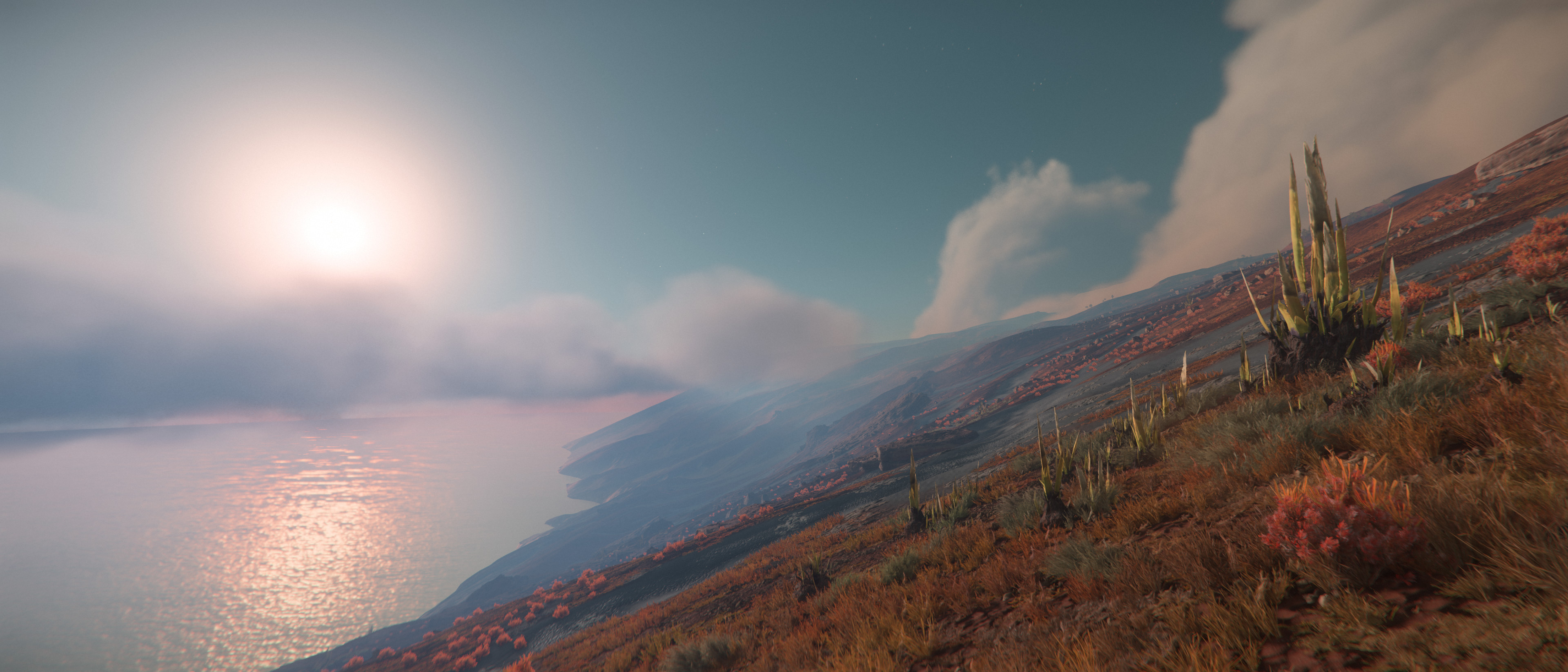
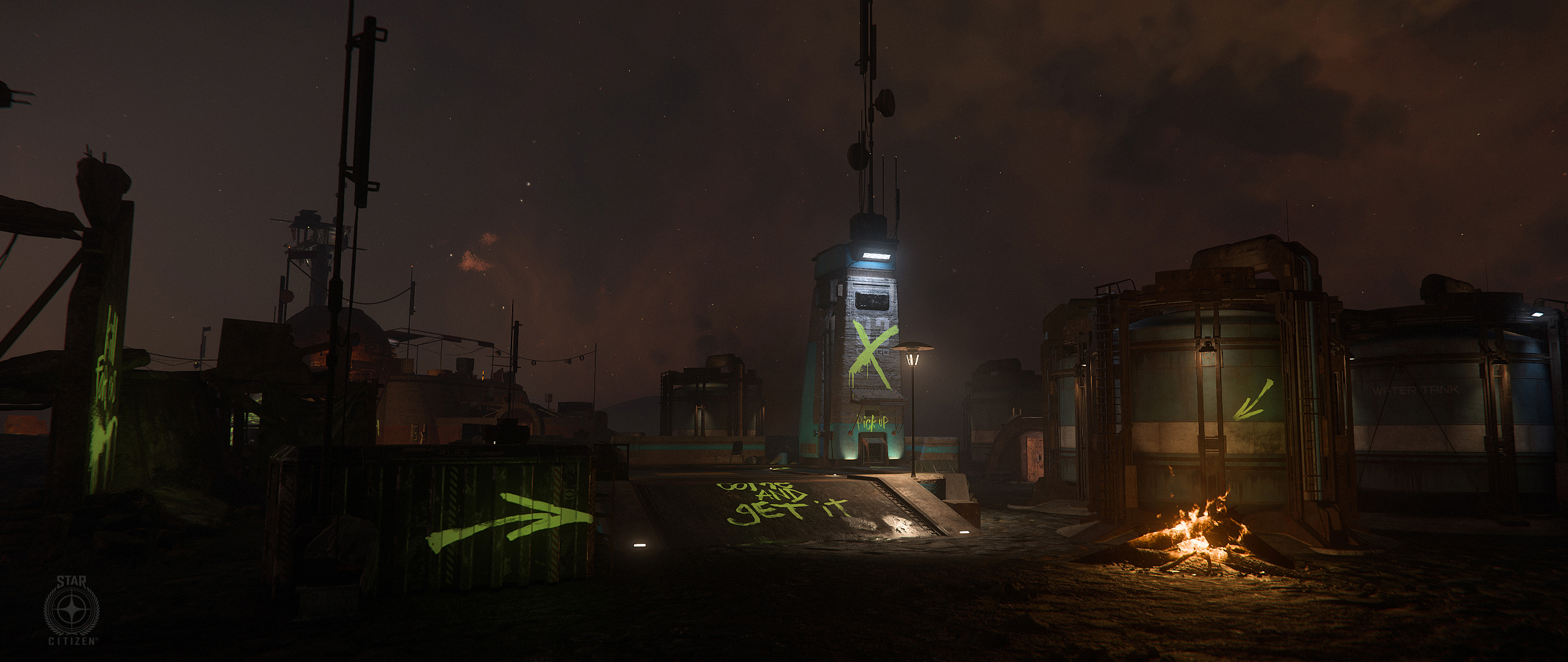
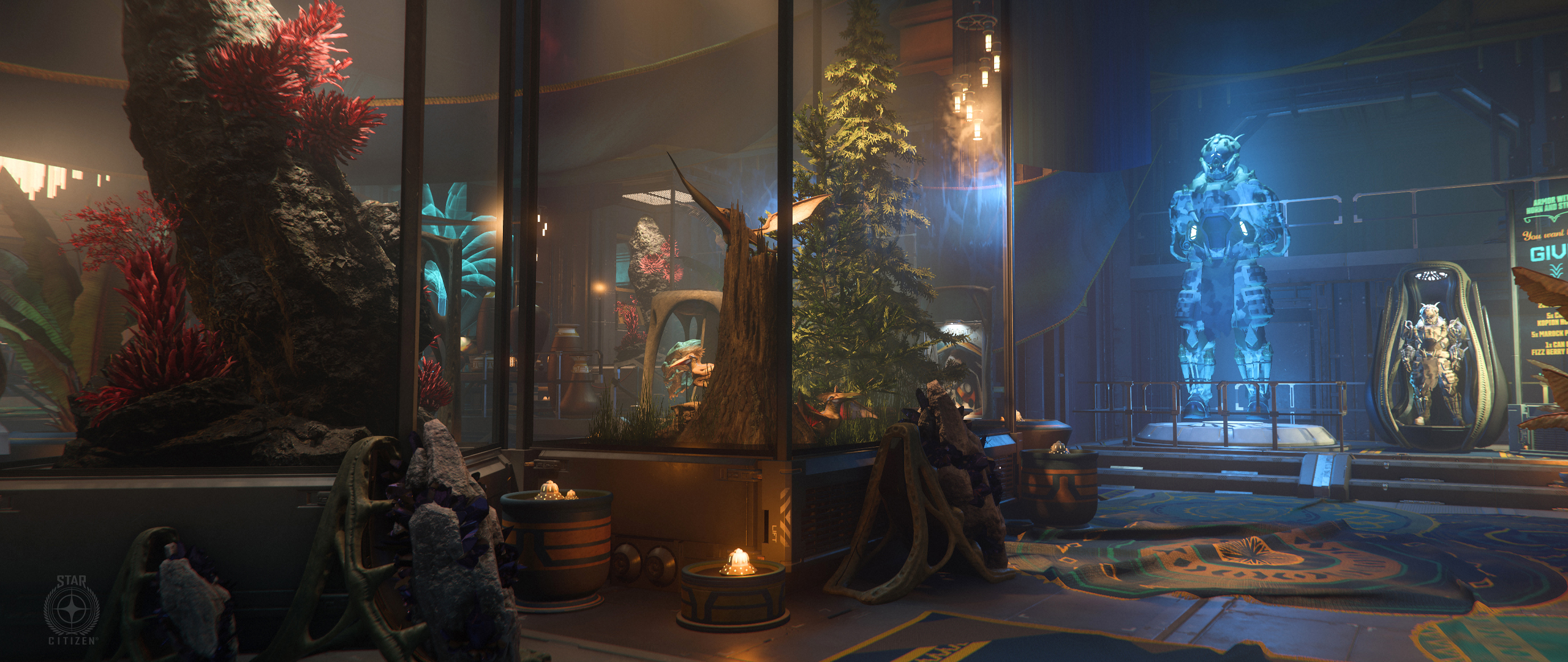
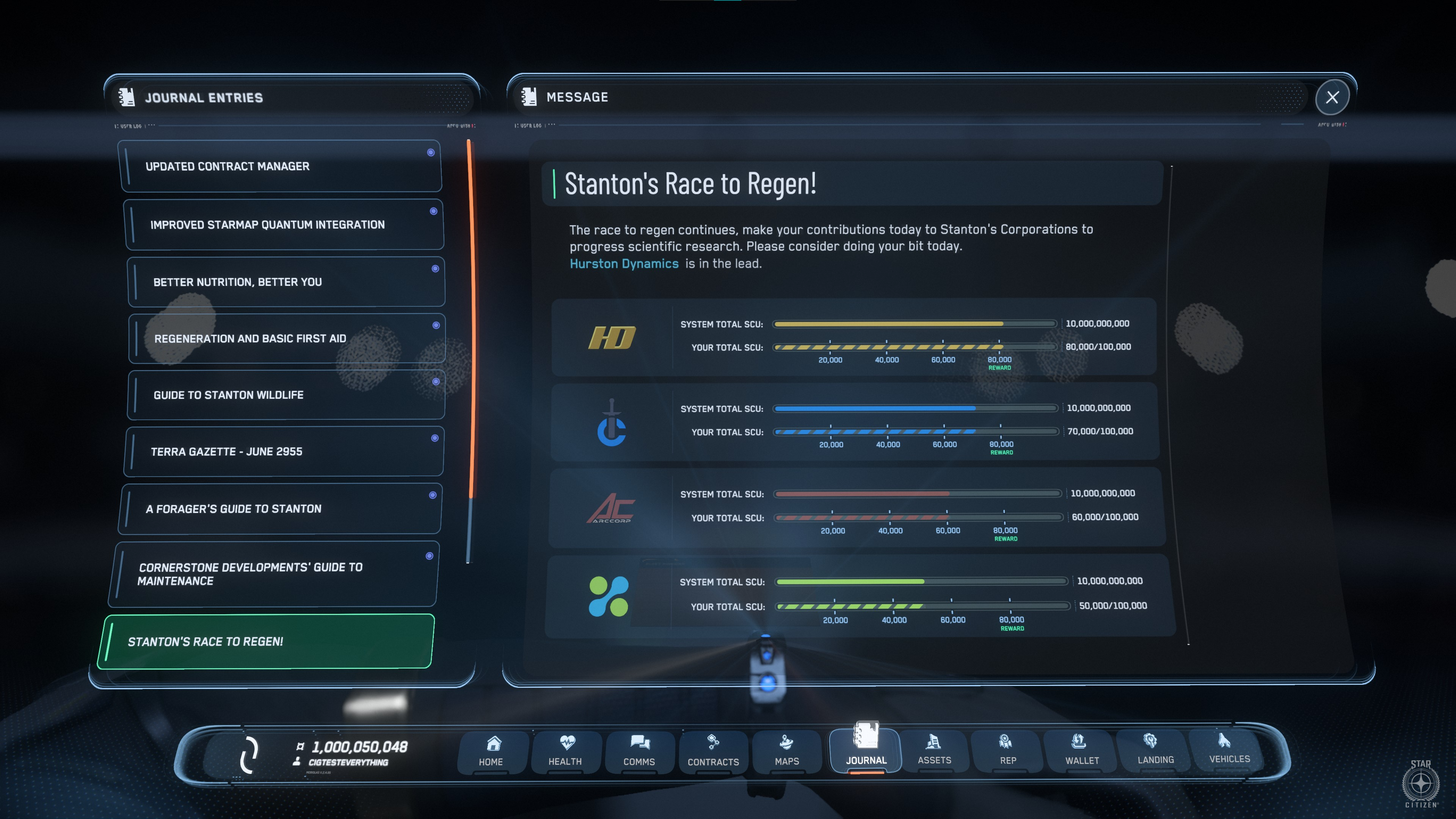
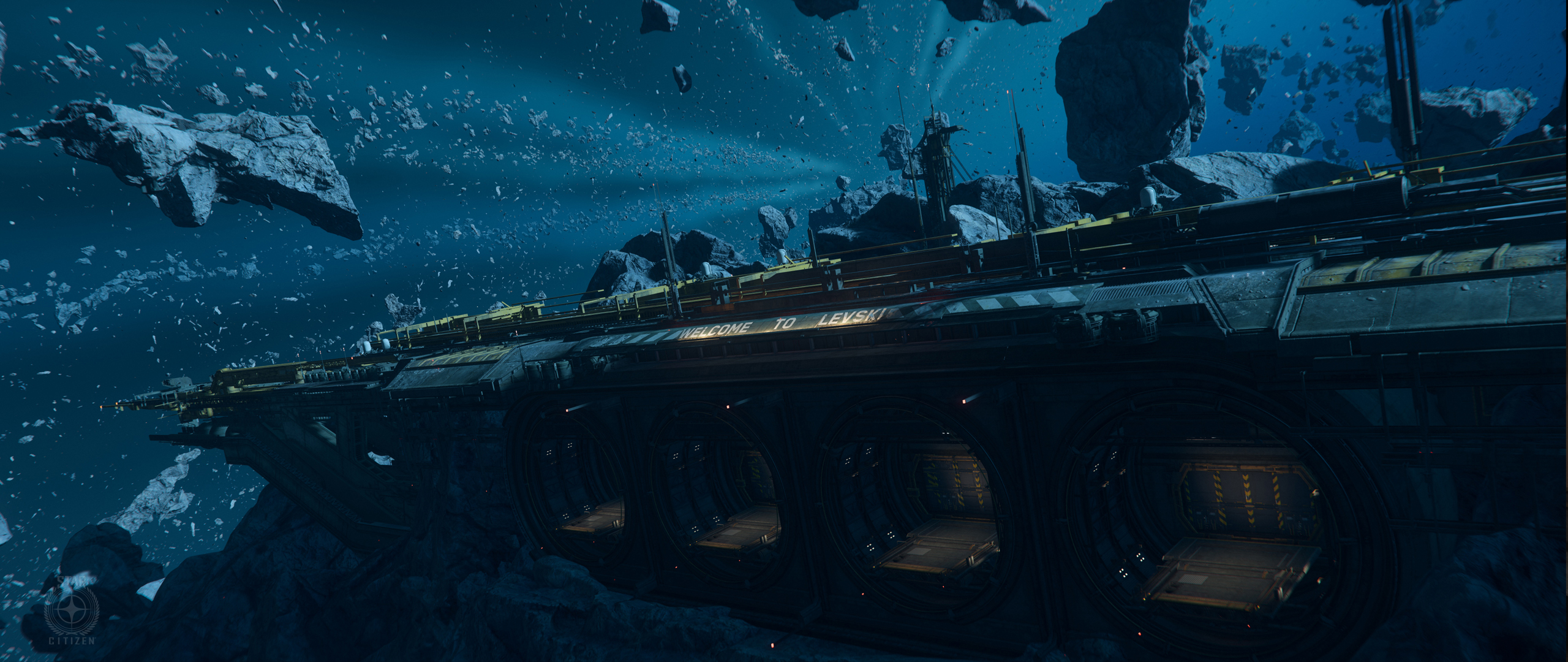
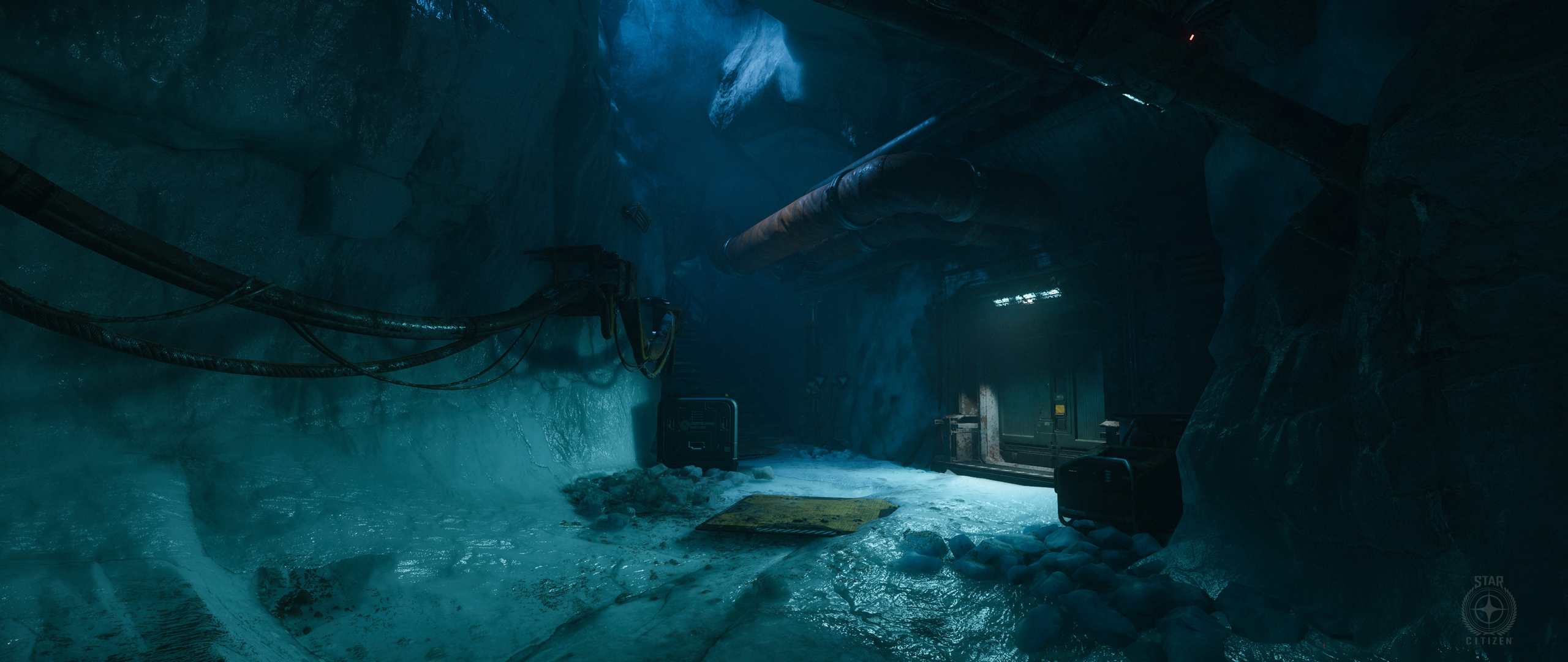
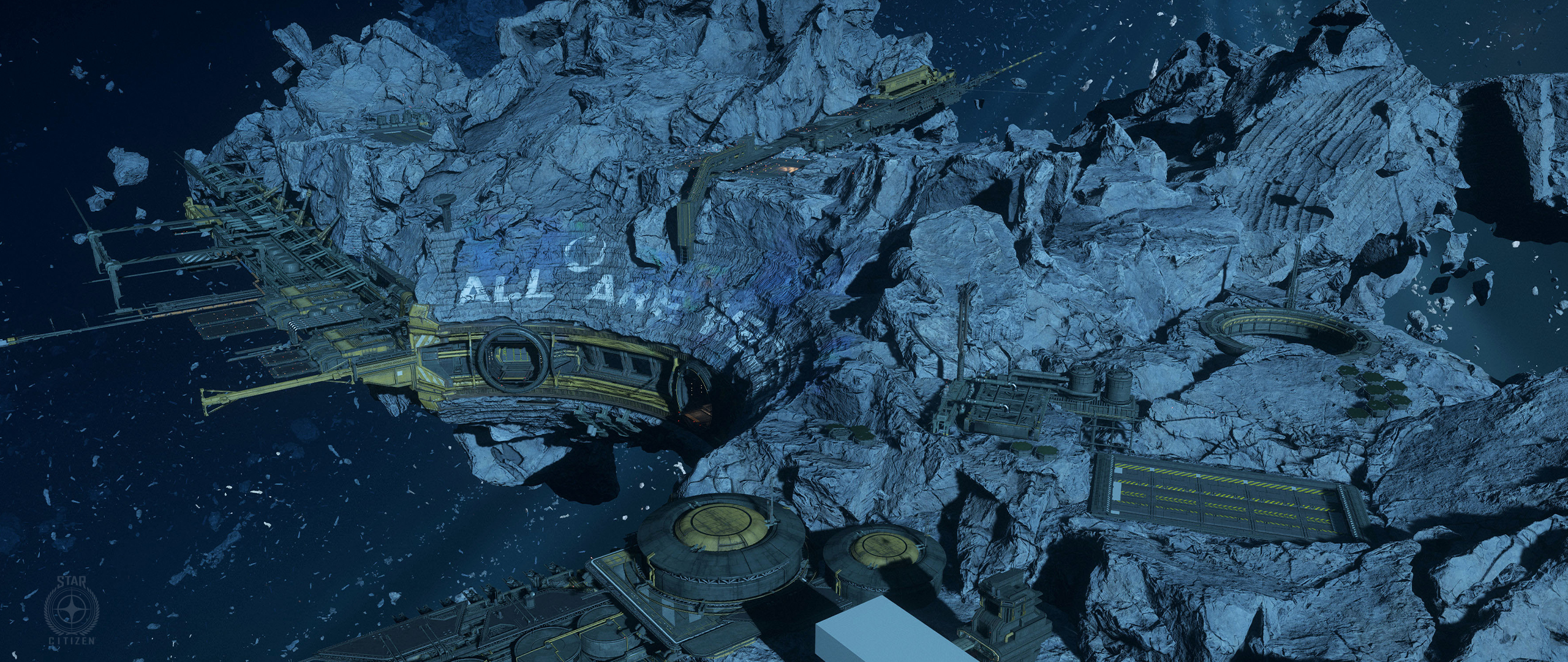
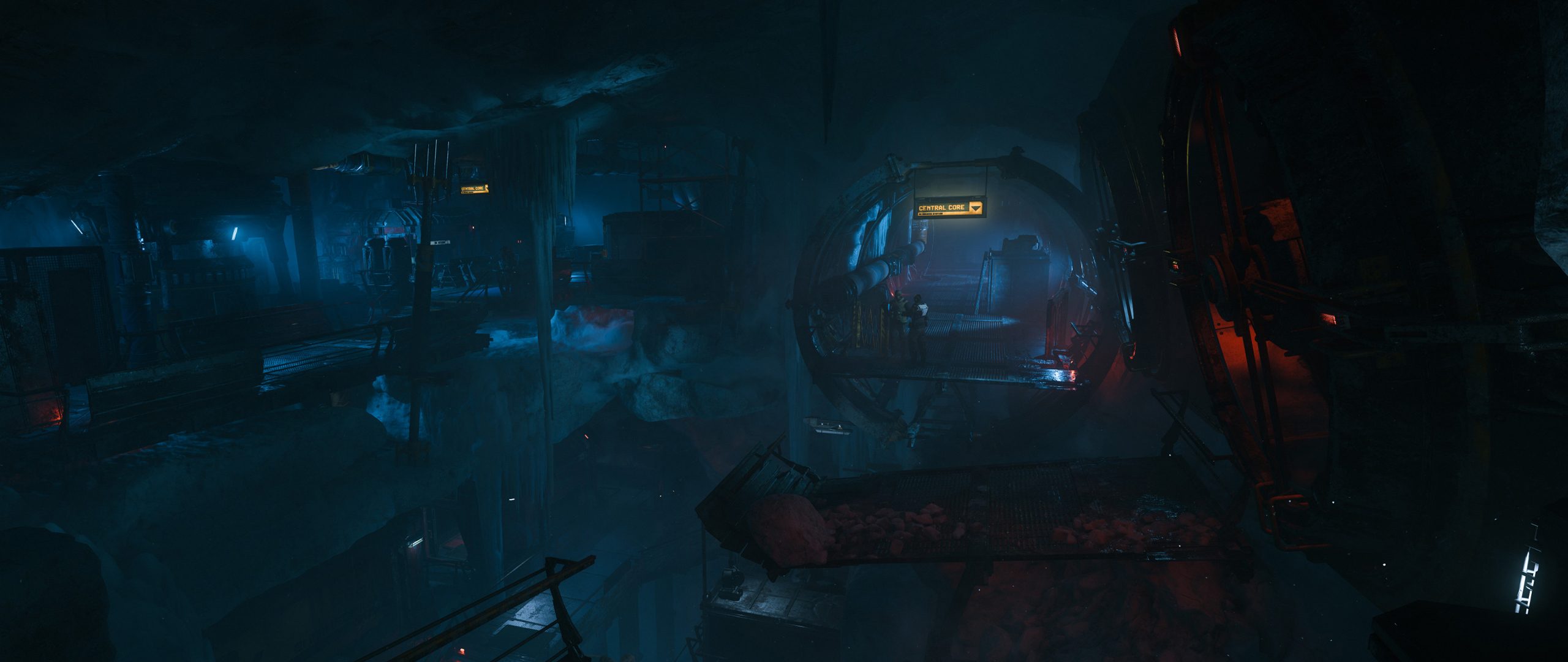
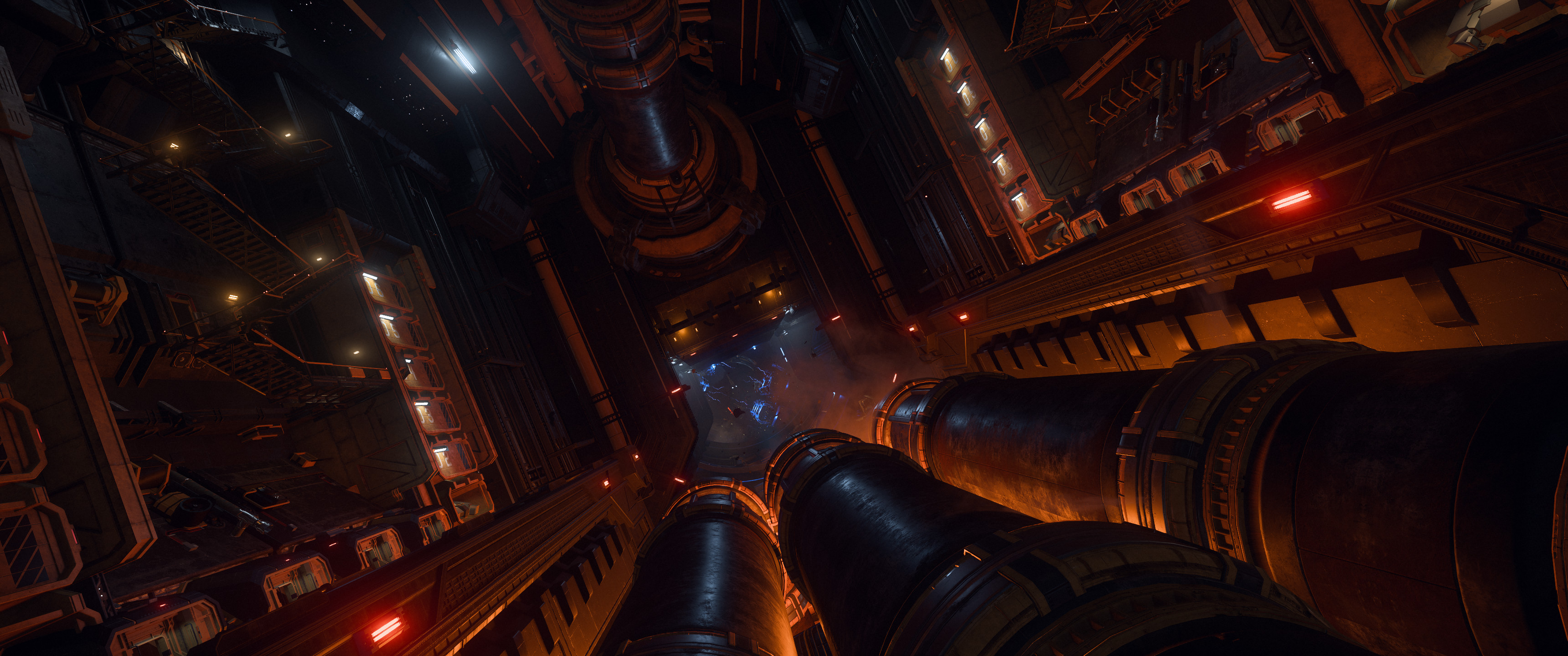
Metadata
- CIG ID
- 17036
- Channel
- Transmission
- Category
- Undefined
- Series
- Monthly Reports
- Comments
- 2
- Published
- 7 years ago (2019-04-12T00:00:00+00:00)