Star Citizen Monthly Report: January 2020
Transmission Undefined Monthly ReportsContent
The year kicked off with a wealth of features and innovations planned and developed. Naturally, there’s a lot we can’t mention just yet, but this month’s report should be enough to whet your appetites for what is certain to be the most exciting year in Stanton (and beyond) so far.
AI
We start January’s report with Combat AI, who improved the cover generation and NPC cover-use mentioned last month. This involved voxelizing the area around the cover locator to better understand which locations have clearance and adequate protection. Behaviour-wise, feedback on shotgun tactics was implemented; now AI actors will find more tactically advantageous positions when shooting. The ability for NPCs to change between locomotion speeds while using a single path was also implemented. For example, NPCs relocating to a new cover location can slowly move and shoot before turning to run without recalculating their path.
The Ship AI Team finalized the last implementation of the new 3D navigation system. This uses a 3D pathfinder and collision avoidance system, with the goal to make AI pilots fully aware of their physical environments. Each environment offers a different challenge: In open space, pilots need to take into account asteroids, communication arrays, and space stations. When flying close to planetary surfaces, pilots need to be aware of the local terrain elevation and physical structures that don’t belong to the procedurally generated surface, such as rocks, buildings, refineries, and towers. In order to obtain and effectively use this information, the AI systems need to query physics in an extremely detailed way and model the information in abstractions that can be processed by their algorithms.
Also, time was dedicated to the routine code clean-up that’s crucial to keeping the ever-growing code base efficient and readable. This clean-up focused mostly on the flight-related Subsumption tasks with heavily repeated (or ‘boilerplate’) code that could be abstracted away to reduce the likelihood of errors when implementing new tasks.
The final days of January saw Ship AI prototyping a new AI system – Tactical Target Selection. Mission requirements (for the PU and SQ42) are getting more sophisticated and the current selection system, based on filters, is not able to fulfill all requested scenarios.
The Social Team are currently focusing on a bar location where players and NPCs can purchase bottled and draft drinks and ask the bartender to mix a cocktail. Players will be able to drink at a table, booth, or the bar itself.
Art (Environment)
Environment Art kicked off the year in earnest, finalizing microTech’s moons and updating their geology assets. The moons will be some of the harshest environments in Stanton and will offer high risk/reward opportunities for players daring enough to tackle them. With all the recent planet tech improvements, the team wanted to give geology the same treatment to improve the visual quality and create more dynamic assets that better integrate with the various surfaces and biomes.
Art (Ships)
In the US, Ship Art finalized art for the upcoming Esperia Prowler. Once the Drake Cutlass Red was released, they moved onto the white box for the Cutlass Blue.
In the UK, the team started production on two new ships, which will be announced later this year. The Anvil Carrack is also nearing completion, with the final touches being added to the medical bay, cartography room, and cargo pods. They’re currently tweaking the lighting and making a final polish pass.
Art (Weapons)
January saw the FPS Weapons Team kicking off two new weapons – the Lightning Bolt Co.’s Atzkav sniper rifle and Yubarev pistol. A new anti-personnel turret archetype was started this month. While it shares similarities with the ship-weapon pipeline, it has a more realistic scale and works well from a gameplay point of view. While they’ll initially be used as deterrents in prisons, players can expect to see them cropping up around the rest of the ‘verse soon. Finally, the team fixed a few bugs for the next Alpha release and put the finishing touches on some of the assets mentioned last month.
Audio
Audio started off January by spending time scheduling for the quarter. They worked with Game Support in the US to improve their patch notes and started a spectrum thread looking for audio feedback that they’re analyzing and breaking down into actionable tasks. They also began composing music and creating ambient sounds for prisons, worked on new weapon and tail sounds for the Prowler, and recorded dialogue and vocals for the actor status feature.
Backend Services
Backend Engineering spent early January planning and scheduling for the next quarter’s development. They finished the advanced querying system for iCache and defined the optimal way of working with the game server and star hash services. Changes were also made to the hub server, which will optimize the service-to-client traffic path. Additionally, they supported the account reset tool, wallet changes, and the ongoing development of long-term persistence. Bugs relating to insurance claims, store purchases, and rental ships were fixed too.
Characters
The Character Team spent most of the month working on assets for the PU. They’re currently texturing two outfits for microTech and wrapping up the tech implementation for two more, with a focus on cold-weather theming and variation. They’re also creating shop props and finalizing the implementation of the Caldera suit seen at CitizenCon.
Community
The Community Team kicked off 2020 with the Red Festival. A celebration of renewal and remembrance, the festival has its origins in old Earth customs and observes the end of the Lunar New Year. Evoking the real-world event, red envelopes were hidden around major hubs throughout the ‘verse, which fortunate players were able to find and sell.
The team thoroughly enjoyed this year’s community-organized Daymar Rally. The “filthiest race in the ‘verse” wouldn’t have been possible without the 72 teams and countless support craft guiding and guarding the 275 competitors.
“Thanks are due to the amazing organizers, cameramen, give-away providers, Twitch hosts, and VIP 890 Jump crew and guests. For the Community Team, it was this month’s highlight to see the results of game development and community dedication come together in this magnificent event!” – The Community Team
Finally, the Cutlass Red was welcomed into the ‘verse alongside the first iteration of medical gameplay.
“We’re looking forward to seeing what everyone will use this new mechanic for, so please share your adventures on the Community Hub!”
Design
Alongside planning and bug fixing, last month saw Design setting up the new shops coming in Alpha 3.9. Higher-level design work began around event-driven content; the goal being to pair up with the USPU Team moving forward. Although more can be said, it’ll be worth the wait…
Tony Zurovec and team also started on the deliverables for the new Quantum editor recently seen at CitizenCon.
Engineering
January saw the Engineering Team continue with physics threading and performance improvements. This involved increasing concurrency by adding an option to specify the number of worker threads to a maximum of 30. Currently, they overlap with the job system’s worker threads. However, job workers are optimized for latency, so there are always points within a frame where it isn’t entirely busy. Long term, they plan to move the in-thread physics workload to the job system directly, which will require further changes to negate the potential for frequent stalls.
The team also implemented concurrent/immediate queuing for physics, support for fences and barriers to synchronize physics actions/params, and added physics step data to the FPS heartbeat to monitor high-level load. The signed distance field (SDF) system was further developed to accelerate collision checks on complex geometry and increase precision. Support was also given to NPC death reaction animations regarding actor and ragdoll body dragging.
January’s engine work included optimizing the job manager, which is required for entity-component scheduler improvements, and modifying it to run all component updates in batches. The responsiveness of the batch worker was also improved by removing the polling behavior to find jobs done (using direct signals instead), replacing the signaling mechanism with WaitOnAddress functionality for more efficient wake-ups, introducing clusters to prevent unnecessary wakeup for small batches, and replacing work-stealing code with simple atomic decrements.
For the zone system, they implemented support for proximity volumes and moved SZoneHandle data from client objects into the zone system. They also supported the transition to Visual Studio 2019.
Engineering also supported the Gen12 renderer and Vulkan. This involved porting the buffer management code to the Gen12 renderer, generalizing texture views, creating support for LoadOp, changing Map API to make it more C++11-friendly using RAII, and ensuring the UpdateResourceBuffer legacy pipeline now correctly takes in byte offsets in the backend rather than per element-offset.
Work on new experimental hair features began, including a hair color model with base melanin and bleach/dye layers. Ocean rendering moved from a forward to a deferred pass to allow more consistent shading; shadow application is now free and cube map reflections were improved. The unified raymarcher continued development too.
For planet lighting and atmosphere, they added combined planet color LUT to evaluate the local ground albedo and take it into account during irradiance computations. They also applied scene irradiance computations and cloud shading, introduced new sky irradiance LUT for a better approximation of light scattering events within atmosphere, and added support for an alternative jitter method that works alongside TSAA.
Regarding ground fog, they implemented a strictly compute-based method to build the ground height map. This means they’ll be able to ditch fog volume proxy mesh generations which, after a lot of improvements, were still subject to artifacts. This move will save on memory resources as well. They also removed the peel buffer (in preparation to drop the proxy mesh) and fog bounds are now evaluated analytically.
Features (Gameplay)
With the quarterly plans locked, the team provided engineering support for the upcoming prison mission feature. They also spent time addressing a few critical crash bugs for Alpha 3.8.1. They’re currently adding functionality for multiple cargo manifests per ship that will allow for more variety when collecting cargo from NPCs. Finally, they started converting the existing shop UI system to the new building blocks tech, which will be a multi-quarter initiative throughout 2020.
Features (Vehicles)
The US-based Feature Team began improving radar and ping detection, including simplifying entity detection, reworking the A/R marker display, and allowing low-signature entities. They also implemented vehicle-to-vehicle loadout spawning, which will enable players to store and spawn vehicles within the cargo bays of other vehicles. They worked on sub-targeting improvements to allow players to specifically target weapons and turrets after fully scanning vehicles. Ongoing work to the SDF shields will improve hit detection and effects, including extending shield gameplay to non-vehicle entities.
Graphics
With the bulk of Planet Tech v4 complete, the Graphics Team began looking into improvements to the organic shader to enable it to take advantage of physical-based shading. This will allow the much wider reuse of assets as they will automatically adapt to the local biome (rock color, surface textures, snow/sand build-up, etc.). The final paint and tint system changes are complete, with the system currently in use by the Environment Team. It’ll be handed over to other teams shortly for them to decide how and when to incorporate it. Work also went into the Gen12/Vulkan renderer, specifically the conversion of post effects to the new system.
Level Design
Level Design’s January started with location planning, identifying dependencies, and organizing schedules. Most of that work is handled by the leads and production, so the rest of the team can focus on building content. As such, New Babbage is almost complete, with only a few additions and final polish to come. The team continued to work on the modular space stations. The stations currently in-game are known as Tier 0 – a concept to prove the feasibility of the design, approach, and procedural generation. Next, more structured and easily navigable layouts will be created along with procedural signage and future additions.
Lighting
Last month, the Lighting Team tackled several bugs and polish tasks that had been put on the backburner while release work was prioritized. This involved updating Lorville’s lighting with a city-wide glow previously used on ArcCorp to help give the feeling of light pollution scattering into the atmosphere. This is a subtle effect, but it helps connect the city to the wider atmosphere. The team also updated Levski’s exterior to remove some legacy rot and make better use of prefab objects, which allows for much quicker iteration and large-scale changes. They also took the opportunity to improve the overall quality of the location’s lighting by slightly simplifying the color scheme to make it less visually chaotic.
The team is currently focusing on New Babbage.
“There are lots of visually interesting and distinct areas in the landing zone where we can take advantage of all our latest lighting features and optimizations for the best quality and most dynamic lighting in a landing zone to date.” – The Lighting Team
Work has already been completed on improving the overall city lighting experience, especially during nighttime and when player are in transit.
Player Relations
In addition to supporting various promotions and events, Player Relations worked to stabilize the incremental Alpha 3.8 patches, with focus currently on Alpha 3.8.2.
Props
The Props Team started the year off cleaning up bugs and taking stock of materials and textures in the ongoing process of improving asset quality. Work continued on the prison props, with the oxygen and ore machinery finalized. A boxing ring was also completed that will allow for some much-needed entertainment while the inmates serve their time. Small stashes were also hidden in the prison locations, so incarcerated players should keep an eye out for extra supplies. Some of the team continued work on the hi-tech dressings for New Babbage, this time focusing on the bar and furniture sets and dressing for the many food outlets. Finally, they started on new food assets required for the actor status feature.
QA
Development-wise, QA tested the key elements of the incremental Alpha 3.8 patches, including the Drake Cutlass Red and Anvil Carrack. Some of the team moved back to game dev to test upcoming features, while planning began for the upcoming testing and current best-practice review.
System Design
System Design spent time in January finishing mining consumables. Once live, players will be able to activate a consumable to make mining jobs easier or correct mistakes made in the process. Work on volatile cargo progressed too; when extracted, it will need to be taken to a refining kiosk quickly and carefully to prevent it from detonating inside the ship.
Resource distribution is another significant feature currently under development. This will create a unified way to handle resources (power, heat, shields, CPU, etc.) inside a ship, station, or planetary settlement. The ultimate aim is to make the engineer role critical to large ships and to allow attackers to take out (or even sabotage) components.
Tech Animation
Tech Animation fixed several small bugs in the animation pipeline and reworked the PlayBlast animation tool in Maya to improve efficiency. They also supported Social AI with Mannequin tasks, implementing animations for the bartender, railings, and bar patron.
Tech Art
Tech Art continued to flesh out the runtime Rig Logic tools for Maya. The previously monolithic code and related data structures were broken down into generic building blocks known as rig components. These components can be chained together almost arbitrarily to provide the functionality required by specific rigs, such as a human body or space whale. BlendShape, linear joint offset, PSD, wrinkle map, and more are currently viable. In the future, support will be extended to RBF, look IK, and other more complex variants. This will allow the team to better develop new runtime rigs, which they’ll need when they start creating the complex rigs for alien races and fauna.
Another important goal is to transition human body rigs from a fully-baked form (where the movement of joints and bones is exported into the game engine from Maya) to a workflow that only bakes and exports the primary joints. This will use a custom body runtime rig logic to determine the translation and rotation of all deformation helper joints. These joints ensure that, regardless of what clothing a character wears or what pose they’re in, attachments always deform correctly without artifacts. By driving them via a runtime rig logic, the memory footprint of the thousands of body animation clips will become much smaller. Also, procedural animation of the primary joints via physicalized ragdolls, runtime IK, and others will not break deformation as the rig logic will adjust the deformation joints according to the final pose.
Turbulent
Turbulent supported the release of the Cutlass Red, working with in-house teams to build the web page and manage the backend. They also supported the Lunar New Year promotion, which gave backers the final chance to pick up (amongst other things) an Anvil Carrack before it becomes flyable.
User Interface (UI)
Much of the UI Art Team’s January focus was on hi-tech environmental screens for New Babbage and developing the visual style of the prison UI screens, which have a more retro-inspired functional look. Final polish was also given to the Actor Status display. The visuals for the personal inner thought made progress too. This popup radial menu lets players perform quick actions (such as turning on a torch) without having to remember keyboard shortcuts.
The UI Tech Team started work on 3D building blocks, which will support multi-layered screens and make it easier to add 3D icons. They also expanded reusability and restyling, which will help implement the new vehicle UI.
VFX
The VFX Team further improved Planet Tech v4, specifically wind strength values across each location. This includes a new option to clamp a maximum wind strength for each planet, which allows the team to use fewer wind textures rather than a bespoke asset per location. They’re currently adding effects to several new locations in the Stanton system. Work also continued on effects for New Babbage, mining attachments, the Cutlass Red, and the Carrack. They began looking into atmospheric entry improvements using the anticipated vehicle-specific SDF too. WE’LL SEE YOU NEXT MONTH…
Das Jahr begann mit einer Fülle von geplanten und entwickelten Features und Innovationen. Natürlich gibt es vieles, was wir noch nicht erwähnen können, aber der Bericht dieses Monats sollte ausreichen, um Ihren Appetit auf das sicherlich aufregendste Jahr in Stanton (und darüber hinaus) zu wecken, das wir bisher erlebt haben.
KI
Wir beginnen den Januar-Bericht mit Combat AI, der die im letzten Monat erwähnte Cover-Generierung und NPC-Cover-Verwendung verbessert hat. Dies beinhaltete eine Voxelierung des Bereichs um den Deckungssucher, um besser zu verstehen, welche Orte über eine Freigabe und einen angemessenen Schutz verfügen. In Bezug auf das Verhalten wurde ein Feedback zur Schrotflintentaktik implementiert; jetzt werden KI-Akteure beim Schießen taktisch vorteilhaftere Positionen finden. Die Möglichkeit für NPCs, zwischen den Fortbewegungsgeschwindigkeiten zu wechseln, während sie eine einzige Bahn benutzen, wurde ebenfalls implementiert. Beispielsweise können sich NSCs, die sich an einen neuen Deckungsort verlagern, langsam bewegen und schießen, bevor sie sich zum Laufen umdrehen, ohne ihren Weg neu zu berechnen.
Das Schiffs-KI-Team hat die letzte Implementierung des neuen 3D-Navigationssystems abgeschlossen. Dabei wird ein 3D-Pfadfinder- und Kollisionsvermeidungssystem eingesetzt, mit dem Ziel, den KI-Piloten ihre physische Umgebung vollständig bewusst zu machen. Jede Umgebung bietet eine andere Herausforderung: Im offenen Raum müssen die Piloten Asteroiden, Kommunikationsanordnungen und Raumstationen berücksichtigen. Beim Fliegen in der Nähe von Planetenoberflächen müssen die Piloten die lokale Geländehöhe und die physischen Strukturen, die nicht zu der verfahrenstechnisch erzeugten Oberfläche gehören, wie Felsen, Gebäude, Raffinerien und Türme, kennen. Um diese Informationen zu erhalten und effektiv zu nutzen, müssen die KI-Systeme die Physik auf sehr detaillierte Weise abfragen und die Informationen in Abstraktionen modellieren, die von ihren Algorithmen verarbeitet werden können.
Außerdem wurde Zeit für die routinemäßige Code-Bereinigung aufgewendet, die entscheidend dafür ist, die ständig wachsende Code-Basis effizient und lesbar zu halten. Diese Bereinigung konzentrierte sich vor allem auf die flugbezogenen Subsumtionsaufgaben mit stark wiederholtem (oder "Boilerplate"-)Code, der weg abstrahiert werden konnte, um die Wahrscheinlichkeit von Fehlern bei der Implementierung neuer Aufgaben zu verringern.
In den letzten Januartagen wurde ein Schiffs-KI-Prototyp eines neuen KI-Systems entwickelt - die taktische Zielauswahl. Die Einsatzanforderungen (für die PU und SQ42) werden immer anspruchsvoller, und das derzeitige Auswahlsystem, das auf Filtern basiert, ist nicht in der Lage, alle geforderten Szenarien zu erfüllen.
Das Sozialteam konzentriert sich derzeit auf eine Bar, in der Spieler und NPCs Flaschen- und Fassgetränke kaufen und den Barkeeper bitten können, einen Cocktail zu mixen. Die Spieler können am Tisch, am Stand oder an der Bar selbst etwas trinken.
Kunst (Umwelt)
Environment Art startete das Jahr ernsthaft, indem sie die Monde von microTech abschloss und ihre geologischen Ressourcen aktualisierte. Die Monde gehören zu den härtesten Umgebungen in Stanton und bieten hohe Risiken/Belohnungen für Spieler, die sich trauen, sie anzugehen. Bei all den jüngsten technischen Verbesserungen des Planeten wollte das Team die Geologie gleich behandeln, um die visuelle Qualität zu verbessern und dynamischere Anlagen zu schaffen, die sich besser in die verschiedenen Oberflächen und Biome integrieren.
Kunst (Schiffe)
In den USA hat Ship Art die Kunst für den kommenden Esperia Prowler fertiggestellt. Nachdem der Drake Cutlass Red freigegeben wurde, gingen sie auf die weiße Schachtel für den Cutlass Blue über.
Im Vereinigten Königreich hat das Team die Produktion von zwei neuen Schiffen aufgenommen, die im Laufe dieses Jahres bekannt gegeben werden sollen. Auch der Amboss-Carrack steht kurz vor der Fertigstellung, wobei die medizinische Abteilung, der Kartographie-Raum und die Frachtkapseln den letzten Schliff erhalten. Derzeit wird an der Beleuchtung gefeilt und der letzte Schliff vorgenommen.
Kunst (Waffen)
Im Januar brachte das FPS-Waffenteam zwei neue Waffen auf den Markt - das Atzkav-Scharfschützengewehr von Lightning Bolt Co. und die Yubarev-Pistole. In diesem Monat wurde ein neuer Archetyp von Anti-Personen-Türmen gestartet. Sie hat zwar Ähnlichkeiten mit der Schiffswaffen-Pipeline, aber sie hat einen realistischeren Maßstab und funktioniert vom Standpunkt des Gameplays aus gesehen gut. Während sie zunächst als Abschreckung in den Gefängnissen eingesetzt werden, können die Spieler damit rechnen, dass sie bald um den Rest der "Strophe" herum auftauchen werden. Schließlich hat das Team einige Fehler für die nächste Alpha-Version behoben und einigen der im letzten Monat erwähnten Assets den letzten Schliff gegeben.
Audio
Audio begann im Januar mit der Zeitplanung für das Quartal. Sie arbeiteten mit dem Game Support in den USA zusammen, um ihre Patch-Notizen zu verbessern, und starteten einen Spektrum-Thread, um nach Audio-Feedback zu suchen, das sie analysieren und in verwertbare Aufgaben zerlegen. Sie begannen auch, Musik zu komponieren und Umgebungsgeräusche für Gefängnisse zu kreieren, arbeiteten an neuen Waffen- und Schwanzgeräuschen für den Prowler und nahmen Dialoge und Gesang für das Schauspieler-Status-Feature auf.
Backend-Dienste
Das Backend Engineering verbrachte Anfang Januar mit der Planung und Terminierung der Entwicklung des nächsten Quartals. Sie stellten das erweiterte Abfragesystem für iCache fertig und definierten die optimale Arbeitsweise mit dem Spielserver und den Star-Hash-Diensten. Auch am Hub-Server wurden Änderungen vorgenommen, die den Pfad für den Service-Client-Verkehr optimieren werden. Darüber hinaus unterstützten sie das Tool zum Zurücksetzen von Konten, Änderungen an der Brieftasche und die laufende Entwicklung der langfristigen Persistenz. Auch Fehler in Bezug auf Versicherungsansprüche, Ladenkäufe und Mietschiffe wurden behoben.
Zeichen
Das Charakterteam verbrachte den größten Teil des Monats mit der Arbeit an Vermögenswerten für die PU. Derzeit texturieren sie zwei Outfits für microTech und packen die technische Umsetzung für zwei weitere ein, wobei der Schwerpunkt auf der Thematisierung und Variation von Kaltwetter liegt. Sie erstellen auch Ladenrequisiten und schließen die Umsetzung des Caldera-Anzuges ab, den sie auf der CitizenCon gesehen haben.
Gemeinschaft
Das Community Team startete das Jahr 2020 mit dem Roten Festival. Das Fest ist ein Fest der Erneuerung und des Gedenkens, das seinen Ursprung in alten Erdbräuchen hat und das Ende des Mondneujahrs feiert. In Anlehnung an das reale Ereignis wurden während der gesamten "Strophe" rote Umschläge um wichtige Knotenpunkte herum versteckt, die die glücklichen Spieler finden und verkaufen konnten.
Das Team hat die diesjährige, von der Gemeinde organisierte Daymar-Rallye sehr genossen. Das "schmutzigste Rennen der 'Verse' wäre ohne die 72 Teams und unzählige Begleitfahrzeuge, die die 275 Teilnehmer führen und bewachen, nicht möglich gewesen.
"Dank gebührt den erstaunlichen Organisatoren, Kameramännern, Give-away-Anbietern, Twitch-Gastgebern und der VIP 890 Jump-Crew und den Gästen. Für das Community Team war es der Höhepunkt dieses Monats, die Ergebnisse der Spielentwicklung und des Engagements der Community in dieser großartigen Veranstaltung zusammenzuführen! - Das Gemeinschaftsteam
Schließlich wurde der Cutlass Red neben der ersten Iteration des medizinischen Spiels in der 'Strophe' begrüßt.
"Wir freuen uns darauf zu sehen, wofür jeder diese neue Mechanik verwenden wird, also teilen Sie bitte Ihre Abenteuer im Community Hub mit uns!
Gestaltung
Neben der Planung und Fehlerbehebung hat Design im letzten Monat die neuen Geschäfte in Alpha 3.9 eingerichtet. Die übergeordnete Designarbeit begann mit ereignisgesteuerten Inhalten; das Ziel war es, sich mit dem USPU-Team zusammenzuschließen und vorwärts zu kommen. Obwohl man noch mehr sagen kann, wird es das Warten wert sein...
Tony Zurovec und sein Team begannen auch mit der Arbeit an den Ergebnissen für den neuen Quantum-Editor, der kürzlich auf der CitizenCon vorgestellt wurde.
Technik
Im Januar setzte das Ingenieurteam das Einfädeln der Physik und die Leistungsverbesserung fort. Dies beinhaltete die Erhöhung der Gleichzeitigkeit durch Hinzufügen einer Option zur Angabe der Anzahl der Worker-Threads auf maximal 30. Gegenwärtig überschneiden sie sich mit den Arbeitsfäden des Arbeitssystems. Allerdings sind die Mitarbeiter auf Latenzzeiten optimiert, so dass es immer Punkte innerhalb eines Rahmens gibt, an denen er nicht vollständig ausgelastet ist. Langfristig planen sie, die in der Physik anfallende Arbeitsbelastung direkt auf das Job-System zu verlagern, was weitere Änderungen erfordert, um das Potenzial für häufige Strömungsabrisse zu negieren.
Das Team implementierte auch gleichzeitige/sofortige Warteschlangen für die Physik, Unterstützung für Zäune und Barrieren, um die physikalischen Aktionen/Parameter zu synchronisieren, und fügte dem FPS-Herzschlag physikalische Schrittdaten hinzu, um die Belastung auf hoher Ebene zu überwachen. Das SDF-System (Signed Distance Field) wurde weiterentwickelt, um die Kollisionsprüfung komplexer Geometrien zu beschleunigen und die Präzision zu erhöhen. Unterstützt wurden auch Animationen der NPC-Todesreaktion bezüglich des Schleppens von Schauspielern und Ragdoll-Körpern.
Die Arbeit an der Engine im Januar beinhaltete die Optimierung des Job-Managers, der für Verbesserungen des Entity-Komponenten-Schedulers erforderlich ist, sowie die Modifizierung des Job-Managers, um alle Komponenten-Updates in Batches auszuführen. Die Reaktionsfähigkeit des Batch-Workers wurde ebenfalls verbessert, indem das Polling-Verhalten zum Auffinden erledigter Jobs entfernt wurde (stattdessen wurden direkte Signale verwendet), der Signalisierungsmechanismus durch die WaitOnAddress-Funktionalität für effizientere Aufweckvorgänge ersetzt wurde, Cluster eingeführt wurden, um unnötiges Aufwecken bei kleinen Batches zu verhindern, und der arbeitsteilige Code durch einfache atomare Dekremente ersetzt wurde.
Für das Zonensystem implementierten sie die Unterstützung für Proximity-Volumes und verschoben SZoneHandle-Daten von Kundenobjekten in das Zonensystem. Sie unterstützten auch den Übergang zu Visual Studio 2019.
Die Technik unterstützte auch den Gen12-Renderer und Vulkan. Dies beinhaltete die Portierung des Puffermanagement-Codes auf den Gen12-Renderer, die Verallgemeinerung von Texturansichten, die Schaffung von Unterstützung für LoadOp, die Änderung der Map-API, um sie mit RAII C++11-freundlicher zu machen, und die Sicherstellung, dass die UpdateResourceBuffer-Legacy-Pipeline jetzt Byte-Offsets im Backend statt pro Element-Offset korrekt aufnimmt.
Die Arbeit an neuen experimentellen Haarmerkmalen begann, darunter ein Haarfarbenmodell mit Melaninbasis und Bleich-/Farbschichten. Das Ozean-Rendering wurde von einem Vorwärts- zu einem verzögerten Durchgang verschoben, um eine konsistentere Schattierung zu ermöglichen; die Schattenanwendung ist jetzt frei und die Würfelkartenreflexionen wurden verbessert. Auch der vereinigte Raymarcher entwickelte sich weiter.
Für die Planetenbeleuchtung und Atmosphäre fügten sie eine kombinierte Planetenfarben-LUT hinzu, um die lokale Bodenalbedo zu bewerten und bei den Bestrahlungsstärke-Berechnungen zu berücksichtigen. Sie wandten auch Berechnungen der Szenenbestrahlungsstärke und Wolkenschattierungen an, führten eine neue Himmelsbestrahlungsstärke LUT für eine bessere Annäherung an Lichtstreuungsereignisse in der Atmosphäre ein und fügten die Unterstützung einer alternativen Jitter-Methode hinzu, die neben TSAA funktioniert.
Was den Bodennebel betrifft, so haben sie eine streng rechnergestützte Methode zur Erstellung der Bodenhöhenkarte eingeführt. Das bedeutet, dass sie in der Lage sein werden, die Nebelvolumen-Proxy-Mesh-Generationen, die nach vielen Verbesserungen immer noch mit Artefakten behaftet waren, zu beseitigen. Dieser Schritt spart auch Speicherressourcen. Sie entfernten auch den Schälpuffer (in Vorbereitung auf den Verzicht auf das Proxy-Mesh), und die Nebelgrenzen werden nun analytisch ausgewertet.
Funktionen (Spielablauf)
Nachdem die Quartalspläne abgeschlossen waren, leistete das Team technische Unterstützung für die bevorstehende Gefängnismission. Sie verbrachten auch Zeit mit der Behebung einiger kritischer Absturz-Fehler für Alpha 3.8.1. Sie fügen derzeit Funktionen für mehrere Frachtverzeichnisse pro Schiff hinzu, die mehr Vielfalt bei der Abholung der Fracht von den NPCs ermöglichen. Schließlich begannen sie mit der Umstellung des bestehenden Shop-UI-Systems auf die neuen Bausteine der Technologie, die im Laufe des Jahres 2020 eine mehrteilige Initiative sein wird.
Merkmale (Fahrzeuge)
Das in den USA ansässige Feature Team begann mit der Verbesserung der Radar- und Ping-Erkennung, einschließlich der Vereinfachung der Entitätserkennung, der Überarbeitung der Anzeige der A/R-Marker und der Zulassung von Entitäten mit geringer Signatur. Sie führten auch das "Vehicle-to-Vehicle Loadout Spawning" ein, das es den Spielern ermöglichen wird, Fahrzeuge in den Laderäumen anderer Fahrzeuge zu lagern und zu laichen. Sie arbeiteten an Verbesserungen im Bereich der Unterzielerfassung, um den Spielern die Möglichkeit zu geben, nach dem vollständigen Scannen der Fahrzeuge gezielt Waffen und Geschütztürme zu zielen. Die laufenden Arbeiten an den SDF-Schilden werden die Treffererkennung und -wirkung verbessern, einschließlich der Ausweitung des Schildgameplays auf nicht-fahrzeuggebundene Einheiten.
Grafiken
Nachdem der größte Teil von Planet Tech v4 fertig gestellt war, begann das Grafikteam mit der Suche nach Verbesserungen des organischen Schattierers, um die Vorteile physikalisch basierter Schattierungen nutzen zu können. Dies ermöglicht eine viel breitere Wiederverwendung von Vermögenswerten, da sie sich automatisch an das lokale Biom (Gesteinsfarbe, Oberflächenbeschaffenheit, Schnee-/Sandaufbau usw.) anpassen. Die letzten Änderungen am Farb- und Abtönungssystem sind abgeschlossen, wobei das System derzeit vom Umweltteam verwendet wird. Sie wird in Kürze an andere Teams übergeben, damit diese entscheiden können, wie und wann sie sie einbauen. Die Arbeiten gingen auch in den Gen12/Vulkan-Renderer, insbesondere die Konvertierung von Post-Effekten in das neue System.
Level-Entwurf
Der Januar von Level Design begann mit der Standortplanung, der Identifizierung von Abhängigkeiten und der Organisation von Zeitplänen. Der Großteil dieser Arbeit wird von den Leads und der Produktion erledigt, so dass sich der Rest des Teams auf die Erstellung der Inhalte konzentrieren kann. Damit ist New Babbage fast vollständig, nur noch einige wenige Ergänzungen und der letzte Schliff stehen noch aus. Das Team setzte die Arbeit an den modularen Raumstationen fort. Die Stationen, die sich derzeit im Spiel befinden, sind als Tier 0 bekannt - ein Konzept, mit dem die Machbarkeit des Designs, des Ansatzes und der Verfahrensgenerierung nachgewiesen werden soll. Als nächstes werden strukturiertere und leichter navigierbare Layouts sowie Verfahrensbeschilderungen und zukünftige Ergänzungen erstellt.
Beleuchtung
Im vergangenen Monat hat das Beleuchtungsteam mehrere Fehler behoben und Aufgaben aufpoliert, die bei der Priorisierung der Veröffentlichungsarbeit auf die lange Bank geschoben worden waren. Dies beinhaltete die Aktualisierung der Beleuchtung von Lorville mit einem stadtweiten Glühen, das zuvor bei ArcCorp verwendet wurde, um das Gefühl zu vermitteln, dass die Lichtverschmutzung in die Atmosphäre gestreut wird. Dies ist ein subtiler Effekt, aber er trägt dazu bei, die Stadt mit der breiteren Atmosphäre zu verbinden. Das Team aktualisierte auch das Äußere von Levski, um einige Altlasten zu beseitigen und vorgefertigte Objekte besser zu nutzen, was eine viel schnellere Iteration und groß angelegte Änderungen ermöglicht. Sie nutzten auch die Gelegenheit, die Gesamtqualität der Beleuchtung des Ortes zu verbessern, indem sie das Farbschema etwas vereinfachten, um es optisch weniger chaotisch zu gestalten.
Das Team konzentriert sich derzeit auf New Babbage.
"Es gibt viele visuell interessante und ausgeprägte Bereiche in der Landezone, in denen wir all unsere neuesten Beleuchtungsfunktionen und Optimierungen für die beste Qualität und die dynamischste Beleuchtung in einer Landezone bisher nutzen können. - Das Beleuchtungsteam
Die Arbeit an der Verbesserung der gesamten Stadtbeleuchtung, insbesondere während der Nacht und während des Spiels, ist bereits abgeschlossen.
Spieler-Beziehungen
Zusätzlich zur Unterstützung verschiedener Werbeaktionen und Veranstaltungen arbeitete Player Relations an der Stabilisierung der inkrementellen Alpha 3.8-Patches, wobei der Schwerpunkt derzeit auf Alpha 3.8.2 liegt.
Requisiten
Das Requisiten-Team begann das Jahr mit der Beseitigung von Fehlern und der Bestandsaufnahme von Materialien und Texturen im laufenden Prozess der Verbesserung der Qualität der Anlagen. Die Arbeit an den Gefängnisrequisiten wurde fortgesetzt und die Sauerstoff- und Erzmaschinen fertiggestellt. Auch ein Boxring wurde fertiggestellt, der für die dringend benötigte Unterhaltung sorgt, während die Insassen ihre Zeit absitzen. Außerdem wurden kleine Verstecke in den Gefängnissen versteckt, so dass die inhaftierten Spieler nach zusätzlichen Vorräten Ausschau halten sollten. Ein Teil des Teams setzte die Arbeit an den Hightech-Dressings für New Babbage fort, diesmal mit Schwerpunkt auf der Bar und den Möbelsets sowie den Dressings für die vielen Lebensmittelgeschäfte. Schließlich begannen sie mit neuen Nahrungsmitteln, die für das Schauspieler-Statusmerkmal benötigt werden.
QA
Entwicklungstechnisch testete die Qualitätssicherung die Schlüsselelemente der inkrementellen Alpha 3.8-Patches, einschließlich des Drake Cutlass Red und Anvil Carrack. Ein Teil des Teams kehrte zur Spieleentwicklung zurück, um kommende Funktionen zu testen, während die Planung für die bevorstehenden Tests und die aktuelle Best-Practice-Überprüfung begann.
System-Entwurf
Das Systemdesign verbrachte im Januar Zeit mit der Fertigstellung von Verbrauchsmaterialien für den Bergbau. Sobald sie live sind, können die Spieler ein Verbrauchsmaterial aktivieren, um die Arbeit im Bergbau zu erleichtern oder Fehler zu korrigieren, die dabei gemacht wurden. Auch die Arbeiten an flüchtiger Ladung kamen voran; wenn sie ausgeladen wird, muss sie schnell und vorsichtig zu einem Raffinerie-Kiosk gebracht werden, um zu verhindern, dass sie im Schiff explodiert.
Die Ressourcenverteilung ist ein weiteres wichtiges Merkmal, das derzeit entwickelt wird. Dadurch wird ein einheitlicher Umgang mit Ressourcen (Strom, Wärme, Schilde, CPU usw.) innerhalb eines Schiffes, einer Station oder einer planetarischen Siedlung geschaffen. Das letztendliche Ziel ist es, die Rolle des Ingenieurs für große Schiffe kritisch zu machen und Angreifern die Möglichkeit zu geben, Komponenten herauszunehmen (oder sogar zu sabotieren).
Technische Animation
Tech Animation hat mehrere kleine Fehler in der Animationspipeline behoben und das PlayBlast-Animationswerkzeug in Maya überarbeitet, um die Effizienz zu verbessern. Sie unterstützten auch die soziale KI mit Mannequin-Aufgaben, indem sie Animationen für den Barkeeper, die Geländer und den Bar-Patron implementierten.
Technische Kunst
Tech Art hat die Rig Logic-Tools zur Laufzeit für Maya weiter ausgebaut. Der zuvor monolithische Code und die damit verbundenen Datenstrukturen wurden in generische Bausteine, die als Rig-Komponenten bezeichnet werden, zerlegt. Diese Komponenten können fast beliebig miteinander verkettet werden, um die Funktionalität zu gewährleisten, die von bestimmten Rigs, wie z.B. einem menschlichen Körper oder einem Weltraumwal, benötigt wird. BlendShape, linearer Gelenkausgleich, PSD, Faltenabbildung und mehr sind derzeit realisierbar. In Zukunft wird die Unterstützung auf RBF, siehe IK, und andere komplexere Varianten ausgeweitet werden. Dies wird es dem Team ermöglichen, besser neue Runtime-Rigs zu entwickeln, die sie benötigen, wenn sie die komplexen Rigs für außerirdische Rassen und Fauna erstellen wollen.
Ein weiteres wichtiges Ziel ist es, menschliche Körpergeräte von einer vollständig gebackenen Form (bei der die Bewegung der Gelenke und Knochen von Maya in die Spiel-Engine exportiert wird) auf einen Arbeitsablauf umzustellen, der nur die primären Gelenke backt und exportiert. Dabei wird eine benutzerdefinierte Body-Runtime-Rig-Logik verwendet, um die Translation und Rotation aller Deformationshelfergelenke zu bestimmen. Diese Gelenke stellen sicher, dass sich die Anhänge unabhängig von der Kleidung einer Figur oder ihrer Pose immer korrekt und ohne Artefakte verformen. Durch die Ansteuerung über eine Laufzeit-Rig-Logik wird der Speicherbedarf der Tausenden von Körperanimationsclips deutlich geringer. Auch die prozedurale Animation der Primärgelenke über physikalisierte Ragdolls, Laufzeit-IK und andere wird die Verformung nicht brechen, da die Rig-Logik die Verformungsgelenke entsprechend der endgültigen Pose anpasst.
Turbulent
Turbulent unterstützte die Veröffentlichung des Cutlass Red und arbeitete mit internen Teams an der Erstellung der Webseite und der Verwaltung des Backends. Sie unterstützten auch die Mondsilvester-Aktion, die den Unterstützern die letzte Chance gab, (unter anderem) eine Ambosskarre zu holen, bevor sie flugfähig wird.
Benutzerschnittstelle (UI)
Ein Großteil des UI Art Teams konzentrierte sich im Januar auf Hightech-Umweltbildschirme für New Babbage und die Entwicklung des visuellen Stils der Gefängnis-UI-Bildschirme, die einen eher retro-inspirierten funktionalen Look haben. Auch der Anzeige des Schauspieler-Status wurde der letzte Schliff gegeben. Auch die Visuals für den persönlichen inneren Gedanken machten Fortschritte. Dieses Popup-Radialmenü ermöglicht es den Spielern, schnelle Aktionen (wie das Einschalten einer Taschenlampe) durchzuführen, ohne sich Tastenkombinationen merken zu müssen.
Das UI-Tech-Team hat mit der Arbeit an 3D-Bausteinen begonnen, die mehrschichtige Bildschirme unterstützen und das Hinzufügen von 3D-Symbolen erleichtern werden. Sie haben auch die Wiederverwendbarkeit und das Restyling erweitert, was die Implementierung der neuen Fahrzeug-UI erleichtern wird.
VFX
Das VFX-Team hat Planet Tech v4 weiter verbessert, insbesondere die Windstärkewerte an jedem Standort. Dazu gehört eine neue Option zur Festlegung einer maximalen Windstärke für jeden Planeten, die es dem Team ermöglicht, weniger Windtexturen zu verwenden als eine maßgeschneiderte Anlage pro Standort. Sie fügen derzeit Effekte an mehreren neuen Standorten im Stanton-System hinzu. Die Arbeit an den Auswirkungen auf New Babbage, die Anbaugeräte für den Bergbau, den Cutlass Red und den Carrack wurde ebenfalls fortgesetzt. Sie begannen, sich mit der Verbesserung des atmosphärischen Eintritts unter Verwendung der erwarteten fahrzeugspezifischen SDF zu befassen. WIR SEHEN UNS NÄCHSTEN MONAT...
The year kicked off with a wealth of features and innovations planned and developed. Naturally, there’s a lot we can’t mention just yet, but this month’s report should be enough to whet your appetites for what is certain to be the most exciting year in Stanton (and beyond) so far.
AI
We start January’s report with Combat AI, who improved the cover generation and NPC cover-use mentioned last month. This involved voxelizing the area around the cover locator to better understand which locations have clearance and adequate protection. Behaviour-wise, feedback on shotgun tactics was implemented; now AI actors will find more tactically advantageous positions when shooting. The ability for NPCs to change between locomotion speeds while using a single path was also implemented. For example, NPCs relocating to a new cover location can slowly move and shoot before turning to run without recalculating their path.
The Ship AI Team finalized the last implementation of the new 3D navigation system. This uses a 3D pathfinder and collision avoidance system, with the goal to make AI pilots fully aware of their physical environments. Each environment offers a different challenge: In open space, pilots need to take into account asteroids, communication arrays, and space stations. When flying close to planetary surfaces, pilots need to be aware of the local terrain elevation and physical structures that don’t belong to the procedurally generated surface, such as rocks, buildings, refineries, and towers. In order to obtain and effectively use this information, the AI systems need to query physics in an extremely detailed way and model the information in abstractions that can be processed by their algorithms.
Also, time was dedicated to the routine code clean-up that’s crucial to keeping the ever-growing code base efficient and readable. This clean-up focused mostly on the flight-related Subsumption tasks with heavily repeated (or ‘boilerplate’) code that could be abstracted away to reduce the likelihood of errors when implementing new tasks.
The final days of January saw Ship AI prototyping a new AI system – Tactical Target Selection. Mission requirements (for the PU and SQ42) are getting more sophisticated and the current selection system, based on filters, is not able to fulfill all requested scenarios.
The Social Team are currently focusing on a bar location where players and NPCs can purchase bottled and draft drinks and ask the bartender to mix a cocktail. Players will be able to drink at a table, booth, or the bar itself.
Art (Environment)
Environment Art kicked off the year in earnest, finalizing microTech’s moons and updating their geology assets. The moons will be some of the harshest environments in Stanton and will offer high risk/reward opportunities for players daring enough to tackle them. With all the recent planet tech improvements, the team wanted to give geology the same treatment to improve the visual quality and create more dynamic assets that better integrate with the various surfaces and biomes.
Art (Ships)
In the US, Ship Art finalized art for the upcoming Esperia Prowler. Once the Drake Cutlass Red was released, they moved onto the white box for the Cutlass Blue.
In the UK, the team started production on two new ships, which will be announced later this year. The Anvil Carrack is also nearing completion, with the final touches being added to the medical bay, cartography room, and cargo pods. They’re currently tweaking the lighting and making a final polish pass.
Art (Weapons)
January saw the FPS Weapons Team kicking off two new weapons – the Lightning Bolt Co.’s Atzkav sniper rifle and Yubarev pistol. A new anti-personnel turret archetype was started this month. While it shares similarities with the ship-weapon pipeline, it has a more realistic scale and works well from a gameplay point of view. While they’ll initially be used as deterrents in prisons, players can expect to see them cropping up around the rest of the ‘verse soon. Finally, the team fixed a few bugs for the next Alpha release and put the finishing touches on some of the assets mentioned last month.
Audio
Audio started off January by spending time scheduling for the quarter. They worked with Game Support in the US to improve their patch notes and started a spectrum thread looking for audio feedback that they’re analyzing and breaking down into actionable tasks. They also began composing music and creating ambient sounds for prisons, worked on new weapon and tail sounds for the Prowler, and recorded dialogue and vocals for the actor status feature.
Backend Services
Backend Engineering spent early January planning and scheduling for the next quarter’s development. They finished the advanced querying system for iCache and defined the optimal way of working with the game server and star hash services. Changes were also made to the hub server, which will optimize the service-to-client traffic path. Additionally, they supported the account reset tool, wallet changes, and the ongoing development of long-term persistence. Bugs relating to insurance claims, store purchases, and rental ships were fixed too.
Characters
The Character Team spent most of the month working on assets for the PU. They’re currently texturing two outfits for microTech and wrapping up the tech implementation for two more, with a focus on cold-weather theming and variation. They’re also creating shop props and finalizing the implementation of the Caldera suit seen at CitizenCon.
Community
The Community Team kicked off 2020 with the Red Festival. A celebration of renewal and remembrance, the festival has its origins in old Earth customs and observes the end of the Lunar New Year. Evoking the real-world event, red envelopes were hidden around major hubs throughout the ‘verse, which fortunate players were able to find and sell.
The team thoroughly enjoyed this year’s community-organized Daymar Rally. The “filthiest race in the ‘verse” wouldn’t have been possible without the 72 teams and countless support craft guiding and guarding the 275 competitors.
“Thanks are due to the amazing organizers, cameramen, give-away providers, Twitch hosts, and VIP 890 Jump crew and guests. For the Community Team, it was this month’s highlight to see the results of game development and community dedication come together in this magnificent event!” – The Community Team
Finally, the Cutlass Red was welcomed into the ‘verse alongside the first iteration of medical gameplay.
“We’re looking forward to seeing what everyone will use this new mechanic for, so please share your adventures on the Community Hub!”
Design
Alongside planning and bug fixing, last month saw Design setting up the new shops coming in Alpha 3.9. Higher-level design work began around event-driven content; the goal being to pair up with the USPU Team moving forward. Although more can be said, it’ll be worth the wait…
Tony Zurovec and team also started on the deliverables for the new Quantum editor recently seen at CitizenCon.
Engineering
January saw the Engineering Team continue with physics threading and performance improvements. This involved increasing concurrency by adding an option to specify the number of worker threads to a maximum of 30. Currently, they overlap with the job system’s worker threads. However, job workers are optimized for latency, so there are always points within a frame where it isn’t entirely busy. Long term, they plan to move the in-thread physics workload to the job system directly, which will require further changes to negate the potential for frequent stalls.
The team also implemented concurrent/immediate queuing for physics, support for fences and barriers to synchronize physics actions/params, and added physics step data to the FPS heartbeat to monitor high-level load. The signed distance field (SDF) system was further developed to accelerate collision checks on complex geometry and increase precision. Support was also given to NPC death reaction animations regarding actor and ragdoll body dragging.
January’s engine work included optimizing the job manager, which is required for entity-component scheduler improvements, and modifying it to run all component updates in batches. The responsiveness of the batch worker was also improved by removing the polling behavior to find jobs done (using direct signals instead), replacing the signaling mechanism with WaitOnAddress functionality for more efficient wake-ups, introducing clusters to prevent unnecessary wakeup for small batches, and replacing work-stealing code with simple atomic decrements.
For the zone system, they implemented support for proximity volumes and moved SZoneHandle data from client objects into the zone system. They also supported the transition to Visual Studio 2019.
Engineering also supported the Gen12 renderer and Vulkan. This involved porting the buffer management code to the Gen12 renderer, generalizing texture views, creating support for LoadOp, changing Map API to make it more C++11-friendly using RAII, and ensuring the UpdateResourceBuffer legacy pipeline now correctly takes in byte offsets in the backend rather than per element-offset.
Work on new experimental hair features began, including a hair color model with base melanin and bleach/dye layers. Ocean rendering moved from a forward to a deferred pass to allow more consistent shading; shadow application is now free and cube map reflections were improved. The unified raymarcher continued development too.
For planet lighting and atmosphere, they added combined planet color LUT to evaluate the local ground albedo and take it into account during irradiance computations. They also applied scene irradiance computations and cloud shading, introduced new sky irradiance LUT for a better approximation of light scattering events within atmosphere, and added support for an alternative jitter method that works alongside TSAA.
Regarding ground fog, they implemented a strictly compute-based method to build the ground height map. This means they’ll be able to ditch fog volume proxy mesh generations which, after a lot of improvements, were still subject to artifacts. This move will save on memory resources as well. They also removed the peel buffer (in preparation to drop the proxy mesh) and fog bounds are now evaluated analytically.
Features (Gameplay)
With the quarterly plans locked, the team provided engineering support for the upcoming prison mission feature. They also spent time addressing a few critical crash bugs for Alpha 3.8.1. They’re currently adding functionality for multiple cargo manifests per ship that will allow for more variety when collecting cargo from NPCs. Finally, they started converting the existing shop UI system to the new building blocks tech, which will be a multi-quarter initiative throughout 2020.
Features (Vehicles)
The US-based Feature Team began improving radar and ping detection, including simplifying entity detection, reworking the A/R marker display, and allowing low-signature entities. They also implemented vehicle-to-vehicle loadout spawning, which will enable players to store and spawn vehicles within the cargo bays of other vehicles. They worked on sub-targeting improvements to allow players to specifically target weapons and turrets after fully scanning vehicles. Ongoing work to the SDF shields will improve hit detection and effects, including extending shield gameplay to non-vehicle entities.
Graphics
With the bulk of Planet Tech v4 complete, the Graphics Team began looking into improvements to the organic shader to enable it to take advantage of physical-based shading. This will allow the much wider reuse of assets as they will automatically adapt to the local biome (rock color, surface textures, snow/sand build-up, etc.). The final paint and tint system changes are complete, with the system currently in use by the Environment Team. It’ll be handed over to other teams shortly for them to decide how and when to incorporate it. Work also went into the Gen12/Vulkan renderer, specifically the conversion of post effects to the new system.
Level Design
Level Design’s January started with location planning, identifying dependencies, and organizing schedules. Most of that work is handled by the leads and production, so the rest of the team can focus on building content. As such, New Babbage is almost complete, with only a few additions and final polish to come. The team continued to work on the modular space stations. The stations currently in-game are known as Tier 0 – a concept to prove the feasibility of the design, approach, and procedural generation. Next, more structured and easily navigable layouts will be created along with procedural signage and future additions.
Lighting
Last month, the Lighting Team tackled several bugs and polish tasks that had been put on the backburner while release work was prioritized. This involved updating Lorville’s lighting with a city-wide glow previously used on ArcCorp to help give the feeling of light pollution scattering into the atmosphere. This is a subtle effect, but it helps connect the city to the wider atmosphere. The team also updated Levski’s exterior to remove some legacy rot and make better use of prefab objects, which allows for much quicker iteration and large-scale changes. They also took the opportunity to improve the overall quality of the location’s lighting by slightly simplifying the color scheme to make it less visually chaotic.
The team is currently focusing on New Babbage.
“There are lots of visually interesting and distinct areas in the landing zone where we can take advantage of all our latest lighting features and optimizations for the best quality and most dynamic lighting in a landing zone to date.” – The Lighting Team
Work has already been completed on improving the overall city lighting experience, especially during nighttime and when player are in transit.
Player Relations
In addition to supporting various promotions and events, Player Relations worked to stabilize the incremental Alpha 3.8 patches, with focus currently on Alpha 3.8.2.
Props
The Props Team started the year off cleaning up bugs and taking stock of materials and textures in the ongoing process of improving asset quality. Work continued on the prison props, with the oxygen and ore machinery finalized. A boxing ring was also completed that will allow for some much-needed entertainment while the inmates serve their time. Small stashes were also hidden in the prison locations, so incarcerated players should keep an eye out for extra supplies. Some of the team continued work on the hi-tech dressings for New Babbage, this time focusing on the bar and furniture sets and dressing for the many food outlets. Finally, they started on new food assets required for the actor status feature.
QA
Development-wise, QA tested the key elements of the incremental Alpha 3.8 patches, including the Drake Cutlass Red and Anvil Carrack. Some of the team moved back to game dev to test upcoming features, while planning began for the upcoming testing and current best-practice review.
System Design
System Design spent time in January finishing mining consumables. Once live, players will be able to activate a consumable to make mining jobs easier or correct mistakes made in the process. Work on volatile cargo progressed too; when extracted, it will need to be taken to a refining kiosk quickly and carefully to prevent it from detonating inside the ship.
Resource distribution is another significant feature currently under development. This will create a unified way to handle resources (power, heat, shields, CPU, etc.) inside a ship, station, or planetary settlement. The ultimate aim is to make the engineer role critical to large ships and to allow attackers to take out (or even sabotage) components.
Tech Animation
Tech Animation fixed several small bugs in the animation pipeline and reworked the PlayBlast animation tool in Maya to improve efficiency. They also supported Social AI with Mannequin tasks, implementing animations for the bartender, railings, and bar patron.
Tech Art
Tech Art continued to flesh out the runtime Rig Logic tools for Maya. The previously monolithic code and related data structures were broken down into generic building blocks known as rig components. These components can be chained together almost arbitrarily to provide the functionality required by specific rigs, such as a human body or space whale. BlendShape, linear joint offset, PSD, wrinkle map, and more are currently viable. In the future, support will be extended to RBF, look IK, and other more complex variants. This will allow the team to better develop new runtime rigs, which they’ll need when they start creating the complex rigs for alien races and fauna.
Another important goal is to transition human body rigs from a fully-baked form (where the movement of joints and bones is exported into the game engine from Maya) to a workflow that only bakes and exports the primary joints. This will use a custom body runtime rig logic to determine the translation and rotation of all deformation helper joints. These joints ensure that, regardless of what clothing a character wears or what pose they’re in, attachments always deform correctly without artifacts. By driving them via a runtime rig logic, the memory footprint of the thousands of body animation clips will become much smaller. Also, procedural animation of the primary joints via physicalized ragdolls, runtime IK, and others will not break deformation as the rig logic will adjust the deformation joints according to the final pose.
Turbulent
Turbulent supported the release of the Cutlass Red, working with in-house teams to build the web page and manage the backend. They also supported the Lunar New Year promotion, which gave backers the final chance to pick up (amongst other things) an Anvil Carrack before it becomes flyable.
User Interface (UI)
Much of the UI Art Team’s January focus was on hi-tech environmental screens for New Babbage and developing the visual style of the prison UI screens, which have a more retro-inspired functional look. Final polish was also given to the Actor Status display. The visuals for the personal inner thought made progress too. This popup radial menu lets players perform quick actions (such as turning on a torch) without having to remember keyboard shortcuts.
The UI Tech Team started work on 3D building blocks, which will support multi-layered screens and make it easier to add 3D icons. They also expanded reusability and restyling, which will help implement the new vehicle UI.
VFX
The VFX Team further improved Planet Tech v4, specifically wind strength values across each location. This includes a new option to clamp a maximum wind strength for each planet, which allows the team to use fewer wind textures rather than a bespoke asset per location. They’re currently adding effects to several new locations in the Stanton system. Work also continued on effects for New Babbage, mining attachments, the Cutlass Red, and the Carrack. They began looking into atmospheric entry improvements using the anticipated vehicle-specific SDF too. WE’LL SEE YOU NEXT MONTH…
The year kicked off with a wealth of features and innovations planned and developed. Naturally, there’s a lot we can’t mention just yet, but this month’s report should be enough to whet your appetites for what is certain to be the most exciting year in Stanton (and beyond) so far.
AI
We start January’s report with Combat AI, who improved the cover generation and NPC cover-use mentioned last month. This involved voxelizing the area around the cover locator to better understand which locations have clearance and adequate protection. Behaviour-wise, feedback on shotgun tactics was implemented; now AI actors will find more tactically advantageous positions when shooting. The ability for NPCs to change between locomotion speeds while using a single path was also implemented. For example, NPCs relocating to a new cover location can slowly move and shoot before turning to run without recalculating their path.
The Ship AI Team finalized the last implementation of the new 3D navigation system. This uses a 3D pathfinder and collision avoidance system, with the goal to make AI pilots fully aware of their physical environments. Each environment offers a different challenge: In open space, pilots need to take into account asteroids, communication arrays, and space stations. When flying close to planetary surfaces, pilots need to be aware of the local terrain elevation and physical structures that don’t belong to the procedurally generated surface, such as rocks, buildings, refineries, and towers. In order to obtain and effectively use this information, the AI systems need to query physics in an extremely detailed way and model the information in abstractions that can be processed by their algorithms.
Also, time was dedicated to the routine code clean-up that’s crucial to keeping the ever-growing code base efficient and readable. This clean-up focused mostly on the flight-related Subsumption tasks with heavily repeated (or ‘boilerplate’) code that could be abstracted away to reduce the likelihood of errors when implementing new tasks.
The final days of January saw Ship AI prototyping a new AI system – Tactical Target Selection. Mission requirements (for the PU and SQ42) are getting more sophisticated and the current selection system, based on filters, is not able to fulfill all requested scenarios.
The Social Team are currently focusing on a bar location where players and NPCs can purchase bottled and draft drinks and ask the bartender to mix a cocktail. Players will be able to drink at a table, booth, or the bar itself.
Art (Environment)
Environment Art kicked off the year in earnest, finalizing microTech’s moons and updating their geology assets. The moons will be some of the harshest environments in Stanton and will offer high risk/reward opportunities for players daring enough to tackle them. With all the recent planet tech improvements, the team wanted to give geology the same treatment to improve the visual quality and create more dynamic assets that better integrate with the various surfaces and biomes.
Art (Ships)
In the US, Ship Art finalized art for the upcoming Esperia Prowler. Once the Drake Cutlass Red was released, they moved onto the white box for the Cutlass Blue.
In the UK, the team started production on two new ships, which will be announced later this year. The Anvil Carrack is also nearing completion, with the final touches being added to the medical bay, cartography room, and cargo pods. They’re currently tweaking the lighting and making a final polish pass.
Art (Weapons)
January saw the FPS Weapons Team kicking off two new weapons – the Lightning Bolt Co.’s Atzkav sniper rifle and Yubarev pistol. A new anti-personnel turret archetype was started this month. While it shares similarities with the ship-weapon pipeline, it has a more realistic scale and works well from a gameplay point of view. While they’ll initially be used as deterrents in prisons, players can expect to see them cropping up around the rest of the ‘verse soon. Finally, the team fixed a few bugs for the next Alpha release and put the finishing touches on some of the assets mentioned last month.
Audio
Audio started off January by spending time scheduling for the quarter. They worked with Game Support in the US to improve their patch notes and started a spectrum thread looking for audio feedback that they’re analyzing and breaking down into actionable tasks. They also began composing music and creating ambient sounds for prisons, worked on new weapon and tail sounds for the Prowler, and recorded dialogue and vocals for the actor status feature.
Backend Services
Backend Engineering spent early January planning and scheduling for the next quarter’s development. They finished the advanced querying system for iCache and defined the optimal way of working with the game server and star hash services. Changes were also made to the hub server, which will optimize the service-to-client traffic path. Additionally, they supported the account reset tool, wallet changes, and the ongoing development of long-term persistence. Bugs relating to insurance claims, store purchases, and rental ships were fixed too.
Characters
The Character Team spent most of the month working on assets for the PU. They’re currently texturing two outfits for microTech and wrapping up the tech implementation for two more, with a focus on cold-weather theming and variation. They’re also creating shop props and finalizing the implementation of the Caldera suit seen at CitizenCon.
Community
The Community Team kicked off 2020 with the Red Festival. A celebration of renewal and remembrance, the festival has its origins in old Earth customs and observes the end of the Lunar New Year. Evoking the real-world event, red envelopes were hidden around major hubs throughout the ‘verse, which fortunate players were able to find and sell.
The team thoroughly enjoyed this year’s community-organized Daymar Rally. The “filthiest race in the ‘verse” wouldn’t have been possible without the 72 teams and countless support craft guiding and guarding the 275 competitors.
“Thanks are due to the amazing organizers, cameramen, give-away providers, Twitch hosts, and VIP 890 Jump crew and guests. For the Community Team, it was this month’s highlight to see the results of game development and community dedication come together in this magnificent event!” – The Community Team
Finally, the Cutlass Red was welcomed into the ‘verse alongside the first iteration of medical gameplay.
“We’re looking forward to seeing what everyone will use this new mechanic for, so please share your adventures on the Community Hub!”
Design
Alongside planning and bug fixing, last month saw Design setting up the new shops coming in Alpha 3.9. Higher-level design work began around event-driven content; the goal being to pair up with the USPU Team moving forward. Although more can be said, it’ll be worth the wait…
Tony Zurovec and team also started on the deliverables for the new Quantum editor recently seen at CitizenCon.
Engineering
January saw the Engineering Team continue with physics threading and performance improvements. This involved increasing concurrency by adding an option to specify the number of worker threads to a maximum of 30. Currently, they overlap with the job system’s worker threads. However, job workers are optimized for latency, so there are always points within a frame where it isn’t entirely busy. Long term, they plan to move the in-thread physics workload to the job system directly, which will require further changes to negate the potential for frequent stalls.
The team also implemented concurrent/immediate queuing for physics, support for fences and barriers to synchronize physics actions/params, and added physics step data to the FPS heartbeat to monitor high-level load. The signed distance field (SDF) system was further developed to accelerate collision checks on complex geometry and increase precision. Support was also given to NPC death reaction animations regarding actor and ragdoll body dragging.
January’s engine work included optimizing the job manager, which is required for entity-component scheduler improvements, and modifying it to run all component updates in batches. The responsiveness of the batch worker was also improved by removing the polling behavior to find jobs done (using direct signals instead), replacing the signaling mechanism with WaitOnAddress functionality for more efficient wake-ups, introducing clusters to prevent unnecessary wakeup for small batches, and replacing work-stealing code with simple atomic decrements.
For the zone system, they implemented support for proximity volumes and moved SZoneHandle data from client objects into the zone system. They also supported the transition to Visual Studio 2019.
Engineering also supported the Gen12 renderer and Vulkan. This involved porting the buffer management code to the Gen12 renderer, generalizing texture views, creating support for LoadOp, changing Map API to make it more C++11-friendly using RAII, and ensuring the UpdateResourceBuffer legacy pipeline now correctly takes in byte offsets in the backend rather than per element-offset.
Work on new experimental hair features began, including a hair color model with base melanin and bleach/dye layers. Ocean rendering moved from a forward to a deferred pass to allow more consistent shading; shadow application is now free and cube map reflections were improved. The unified raymarcher continued development too.
For planet lighting and atmosphere, they added combined planet color LUT to evaluate the local ground albedo and take it into account during irradiance computations. They also applied scene irradiance computations and cloud shading, introduced new sky irradiance LUT for a better approximation of light scattering events within atmosphere, and added support for an alternative jitter method that works alongside TSAA.
Regarding ground fog, they implemented a strictly compute-based method to build the ground height map. This means they’ll be able to ditch fog volume proxy mesh generations which, after a lot of improvements, were still subject to artifacts. This move will save on memory resources as well. They also removed the peel buffer (in preparation to drop the proxy mesh) and fog bounds are now evaluated analytically.
Features (Gameplay)
With the quarterly plans locked, the team provided engineering support for the upcoming prison mission feature. They also spent time addressing a few critical crash bugs for Alpha 3.8.1. They’re currently adding functionality for multiple cargo manifests per ship that will allow for more variety when collecting cargo from NPCs. Finally, they started converting the existing shop UI system to the new building blocks tech, which will be a multi-quarter initiative throughout 2020.
Features (Vehicles)
The US-based Feature Team began improving radar and ping detection, including simplifying entity detection, reworking the A/R marker display, and allowing low-signature entities. They also implemented vehicle-to-vehicle loadout spawning, which will enable players to store and spawn vehicles within the cargo bays of other vehicles. They worked on sub-targeting improvements to allow players to specifically target weapons and turrets after fully scanning vehicles. Ongoing work to the SDF shields will improve hit detection and effects, including extending shield gameplay to non-vehicle entities.
Graphics
With the bulk of Planet Tech v4 complete, the Graphics Team began looking into improvements to the organic shader to enable it to take advantage of physical-based shading. This will allow the much wider reuse of assets as they will automatically adapt to the local biome (rock color, surface textures, snow/sand build-up, etc.). The final paint and tint system changes are complete, with the system currently in use by the Environment Team. It’ll be handed over to other teams shortly for them to decide how and when to incorporate it. Work also went into the Gen12/Vulkan renderer, specifically the conversion of post effects to the new system.
Level Design
Level Design’s January started with location planning, identifying dependencies, and organizing schedules. Most of that work is handled by the leads and production, so the rest of the team can focus on building content. As such, New Babbage is almost complete, with only a few additions and final polish to come. The team continued to work on the modular space stations. The stations currently in-game are known as Tier 0 – a concept to prove the feasibility of the design, approach, and procedural generation. Next, more structured and easily navigable layouts will be created along with procedural signage and future additions.
Lighting
Last month, the Lighting Team tackled several bugs and polish tasks that had been put on the backburner while release work was prioritized. This involved updating Lorville’s lighting with a city-wide glow previously used on ArcCorp to help give the feeling of light pollution scattering into the atmosphere. This is a subtle effect, but it helps connect the city to the wider atmosphere. The team also updated Levski’s exterior to remove some legacy rot and make better use of prefab objects, which allows for much quicker iteration and large-scale changes. They also took the opportunity to improve the overall quality of the location’s lighting by slightly simplifying the color scheme to make it less visually chaotic.
The team is currently focusing on New Babbage.
“There are lots of visually interesting and distinct areas in the landing zone where we can take advantage of all our latest lighting features and optimizations for the best quality and most dynamic lighting in a landing zone to date.” – The Lighting Team
Work has already been completed on improving the overall city lighting experience, especially during nighttime and when player are in transit.
Player Relations
In addition to supporting various promotions and events, Player Relations worked to stabilize the incremental Alpha 3.8 patches, with focus currently on Alpha 3.8.2.
Props
The Props Team started the year off cleaning up bugs and taking stock of materials and textures in the ongoing process of improving asset quality. Work continued on the prison props, with the oxygen and ore machinery finalized. A boxing ring was also completed that will allow for some much-needed entertainment while the inmates serve their time. Small stashes were also hidden in the prison locations, so incarcerated players should keep an eye out for extra supplies. Some of the team continued work on the hi-tech dressings for New Babbage, this time focusing on the bar and furniture sets and dressing for the many food outlets. Finally, they started on new food assets required for the actor status feature.
QA
Development-wise, QA tested the key elements of the incremental Alpha 3.8 patches, including the Drake Cutlass Red and Anvil Carrack. Some of the team moved back to game dev to test upcoming features, while planning began for the upcoming testing and current best-practice review.
System Design
System Design spent time in January finishing mining consumables. Once live, players will be able to activate a consumable to make mining jobs easier or correct mistakes made in the process. Work on volatile cargo progressed too; when extracted, it will need to be taken to a refining kiosk quickly and carefully to prevent it from detonating inside the ship.
Resource distribution is another significant feature currently under development. This will create a unified way to handle resources (power, heat, shields, CPU, etc.) inside a ship, station, or planetary settlement. The ultimate aim is to make the engineer role critical to large ships and to allow attackers to take out (or even sabotage) components.
Tech Animation
Tech Animation fixed several small bugs in the animation pipeline and reworked the PlayBlast animation tool in Maya to improve efficiency. They also supported Social AI with Mannequin tasks, implementing animations for the bartender, railings, and bar patron.
Tech Art
Tech Art continued to flesh out the runtime Rig Logic tools for Maya. The previously monolithic code and related data structures were broken down into generic building blocks known as rig components. These components can be chained together almost arbitrarily to provide the functionality required by specific rigs, such as a human body or space whale. BlendShape, linear joint offset, PSD, wrinkle map, and more are currently viable. In the future, support will be extended to RBF, look IK, and other more complex variants. This will allow the team to better develop new runtime rigs, which they’ll need when they start creating the complex rigs for alien races and fauna.
Another important goal is to transition human body rigs from a fully-baked form (where the movement of joints and bones is exported into the game engine from Maya) to a workflow that only bakes and exports the primary joints. This will use a custom body runtime rig logic to determine the translation and rotation of all deformation helper joints. These joints ensure that, regardless of what clothing a character wears or what pose they’re in, attachments always deform correctly without artifacts. By driving them via a runtime rig logic, the memory footprint of the thousands of body animation clips will become much smaller. Also, procedural animation of the primary joints via physicalized ragdolls, runtime IK, and others will not break deformation as the rig logic will adjust the deformation joints according to the final pose.
Turbulent
Turbulent supported the release of the Cutlass Red, working with in-house teams to build the web page and manage the backend. They also supported the Lunar New Year promotion, which gave backers the final chance to pick up (amongst other things) an Anvil Carrack before it becomes flyable.
User Interface (UI)
Much of the UI Art Team’s January focus was on hi-tech environmental screens for New Babbage and developing the visual style of the prison UI screens, which have a more retro-inspired functional look. Final polish was also given to the Actor Status display. The visuals for the personal inner thought made progress too. This popup radial menu lets players perform quick actions (such as turning on a torch) without having to remember keyboard shortcuts.
The UI Tech Team started work on 3D building blocks, which will support multi-layered screens and make it easier to add 3D icons. They also expanded reusability and restyling, which will help implement the new vehicle UI.
VFX
The VFX Team further improved Planet Tech v4, specifically wind strength values across each location. This includes a new option to clamp a maximum wind strength for each planet, which allows the team to use fewer wind textures rather than a bespoke asset per location. They’re currently adding effects to several new locations in the Stanton system. Work also continued on effects for New Babbage, mining attachments, the Cutlass Red, and the Carrack. They began looking into atmospheric entry improvements using the anticipated vehicle-specific SDF too. WE’LL SEE YOU NEXT MONTH…
Links
| Text | URL |
|---|---|
| spectrum thread | https://robertsspaceindustries.com/spectrum/community/SC/forum/4/thread/3-8-1-feedback-game-audio |
| Red Festival | https://robertsspaceindustries.com/comm-link/transmission/17426-Lunar-New-Year-2020 |
| Daymar Rally | https://www.daymarrally.com/ |
Images
27


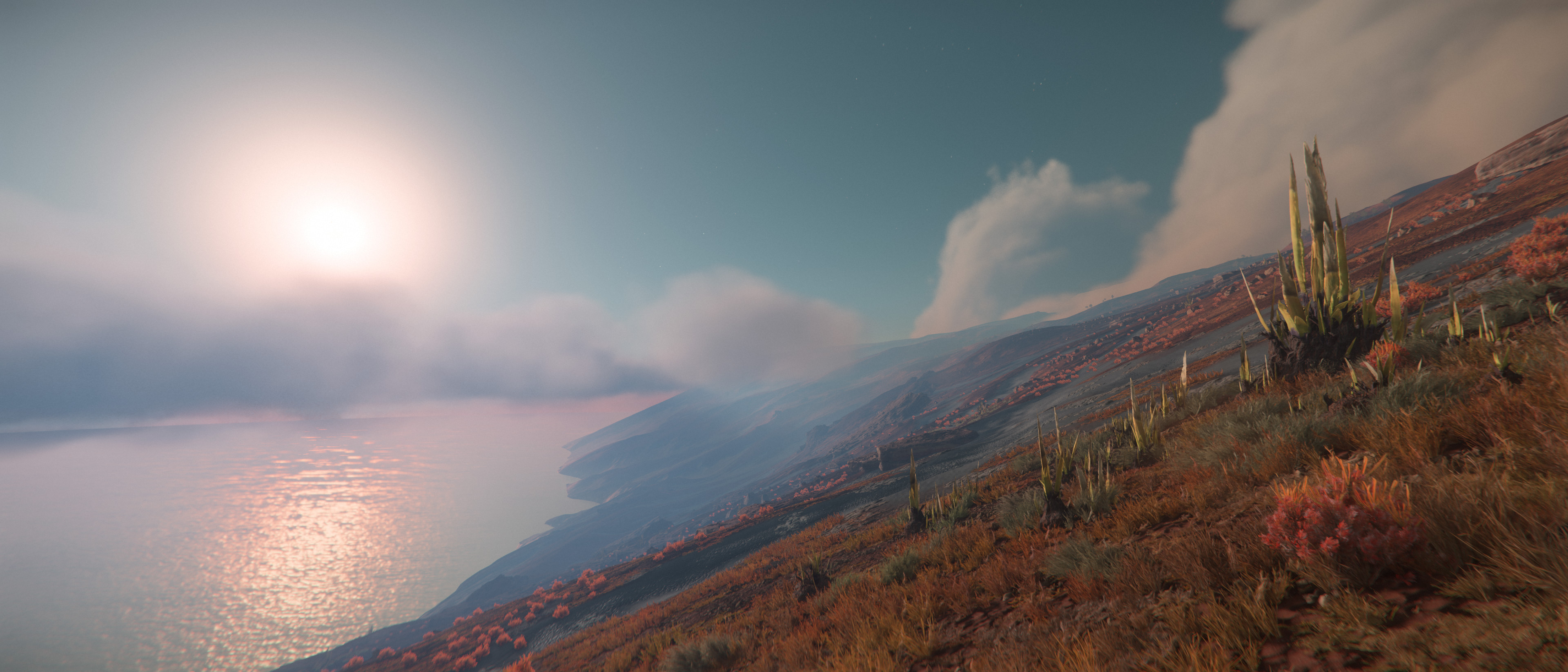
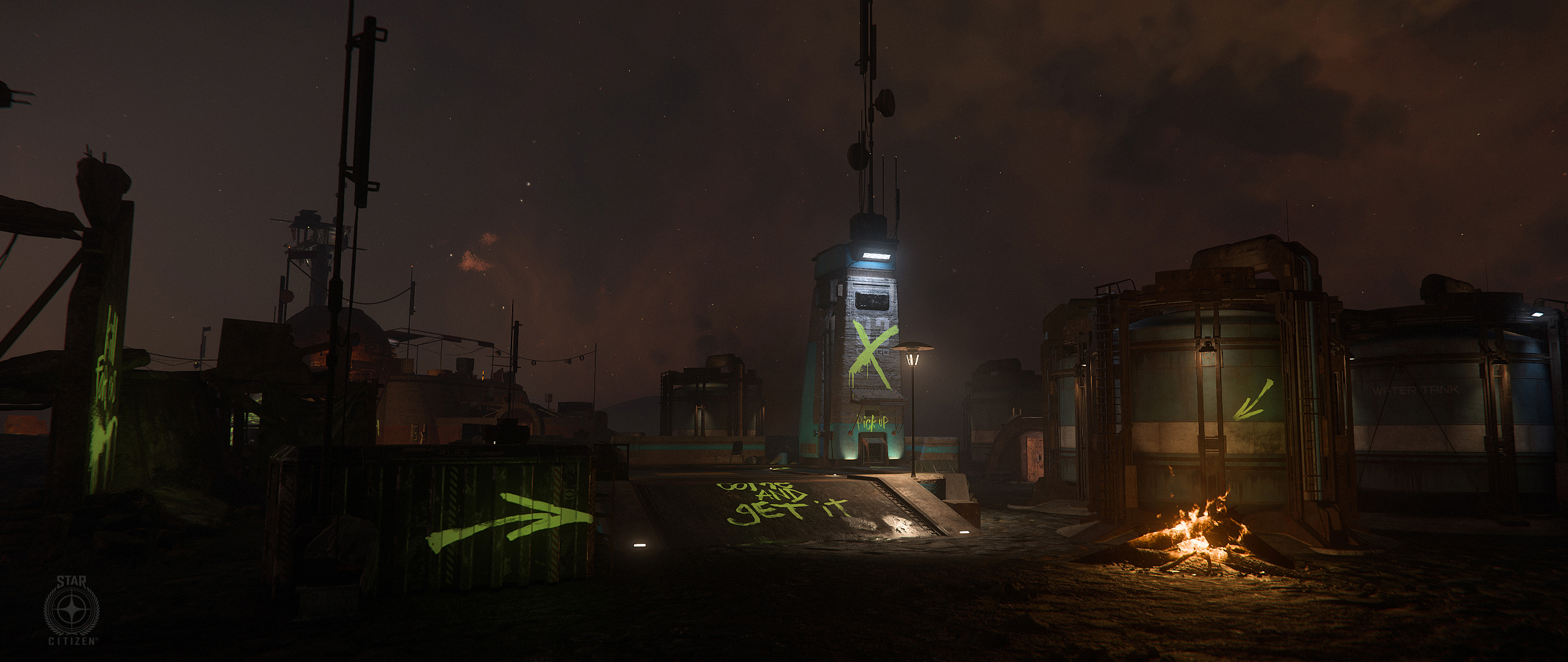
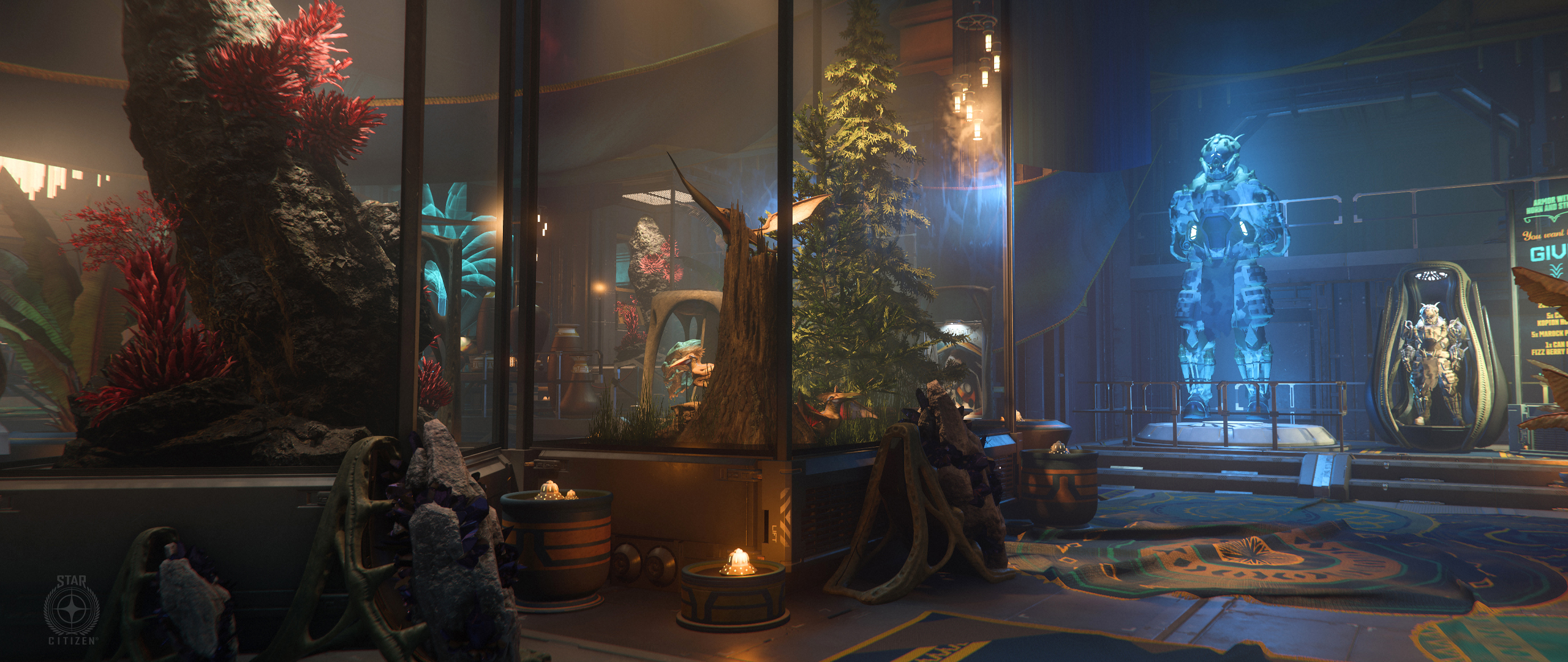
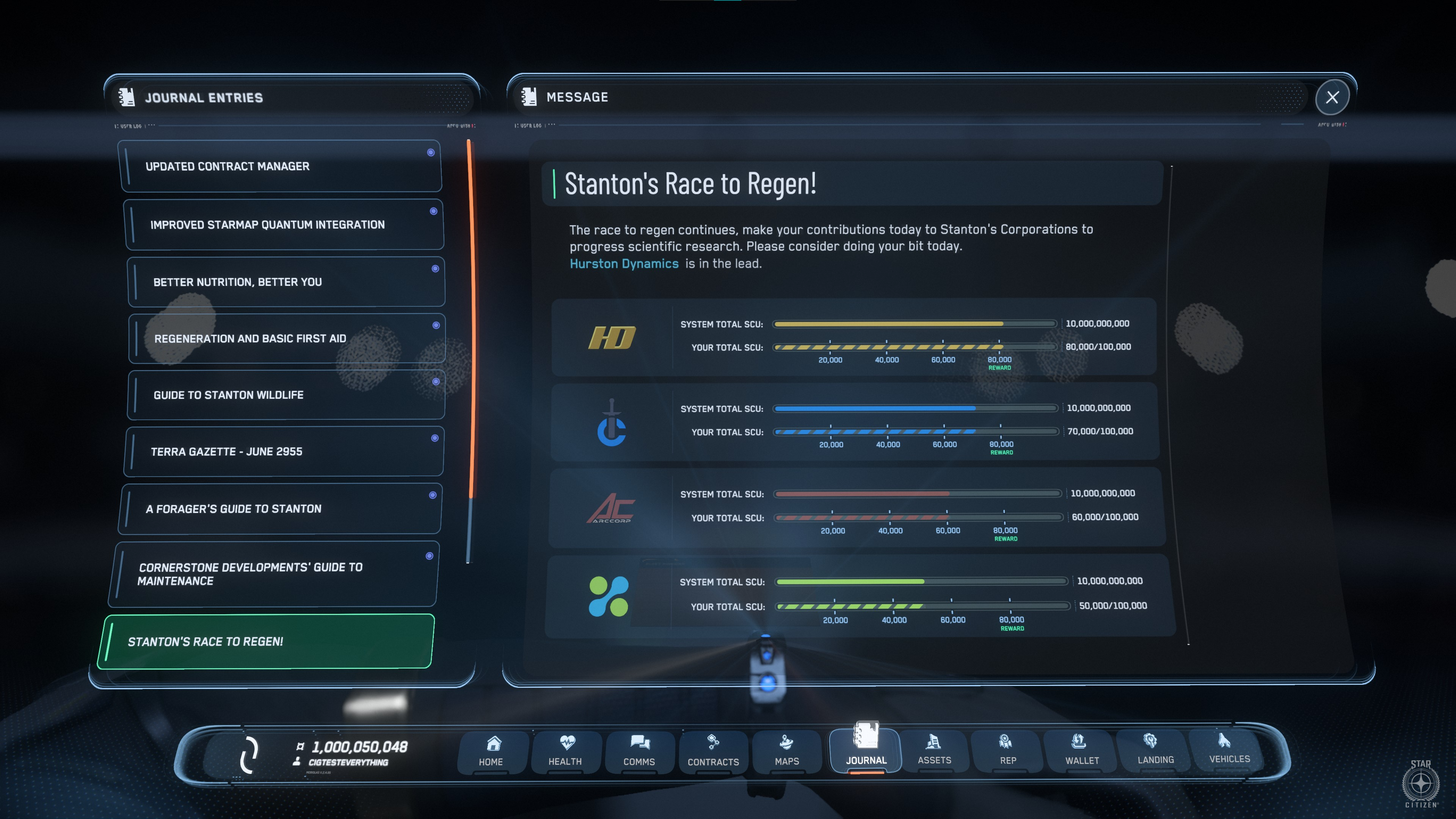
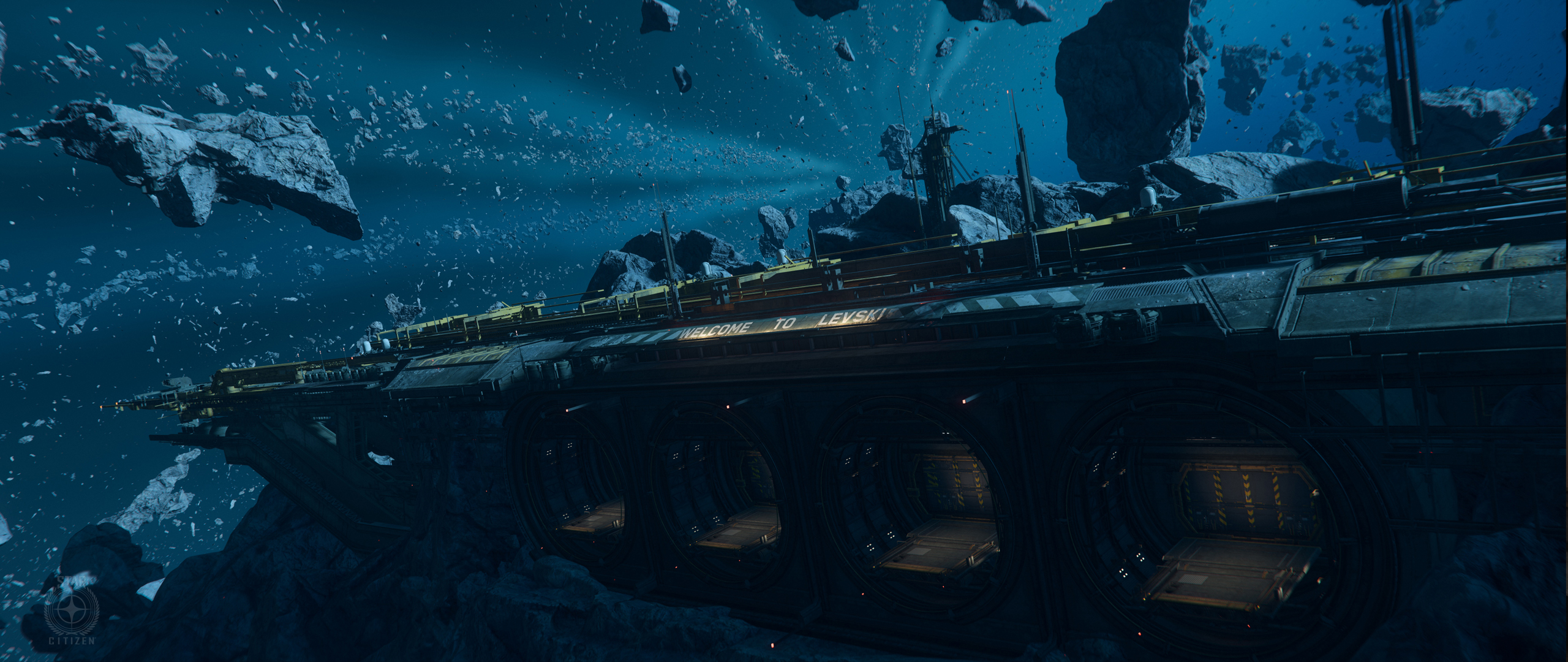
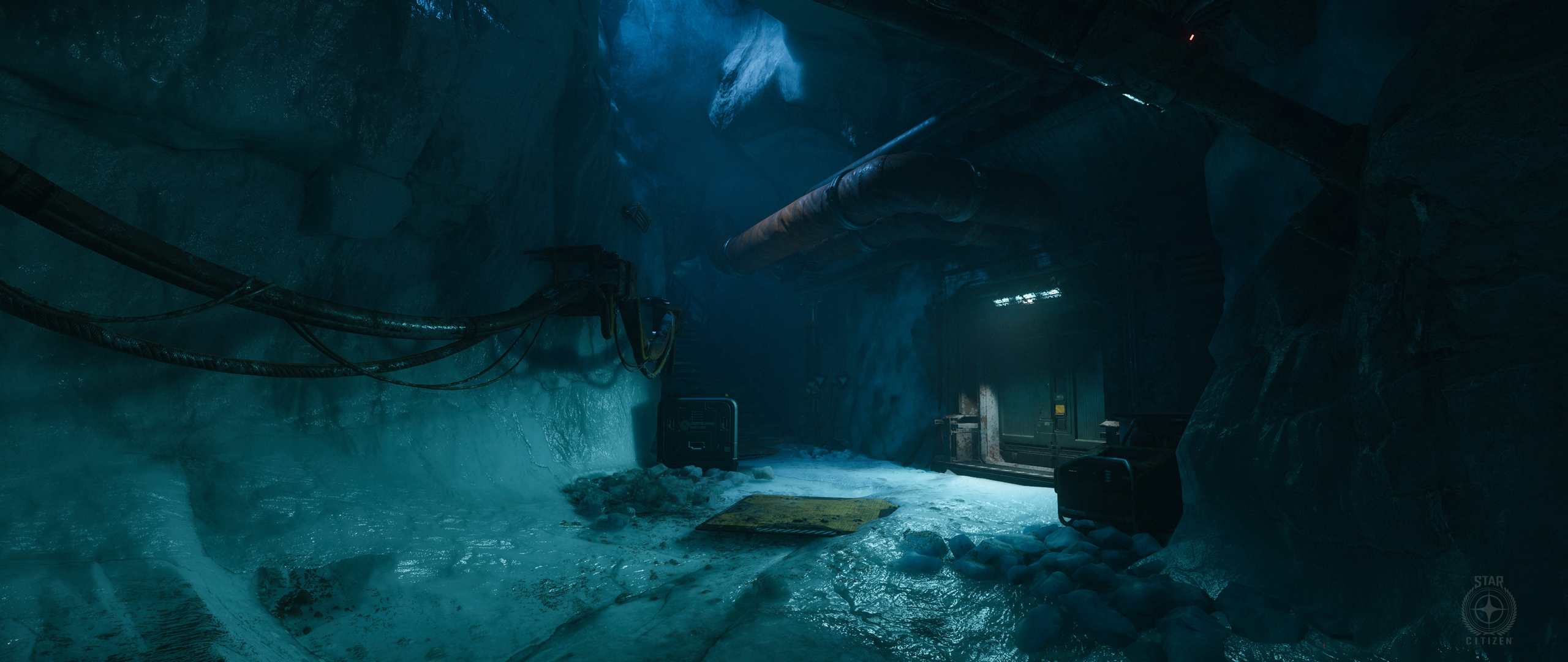
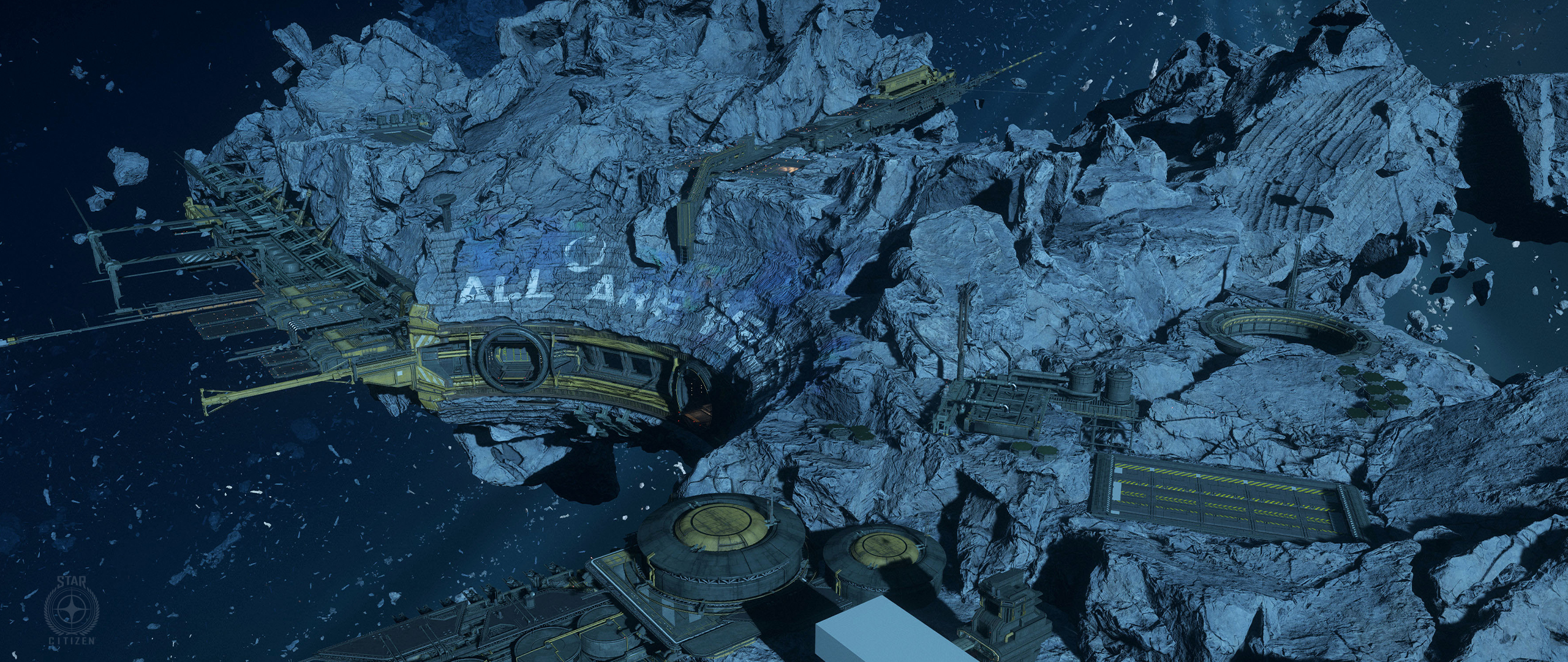
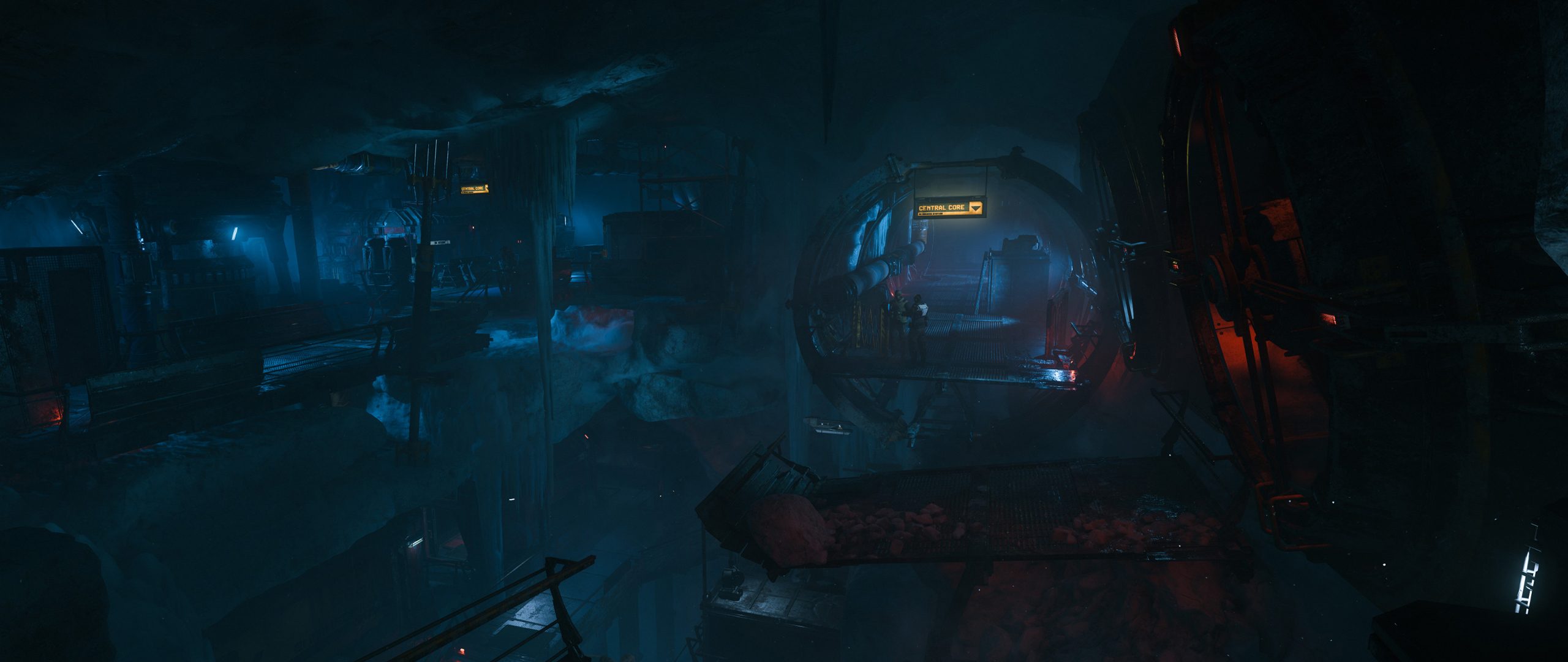
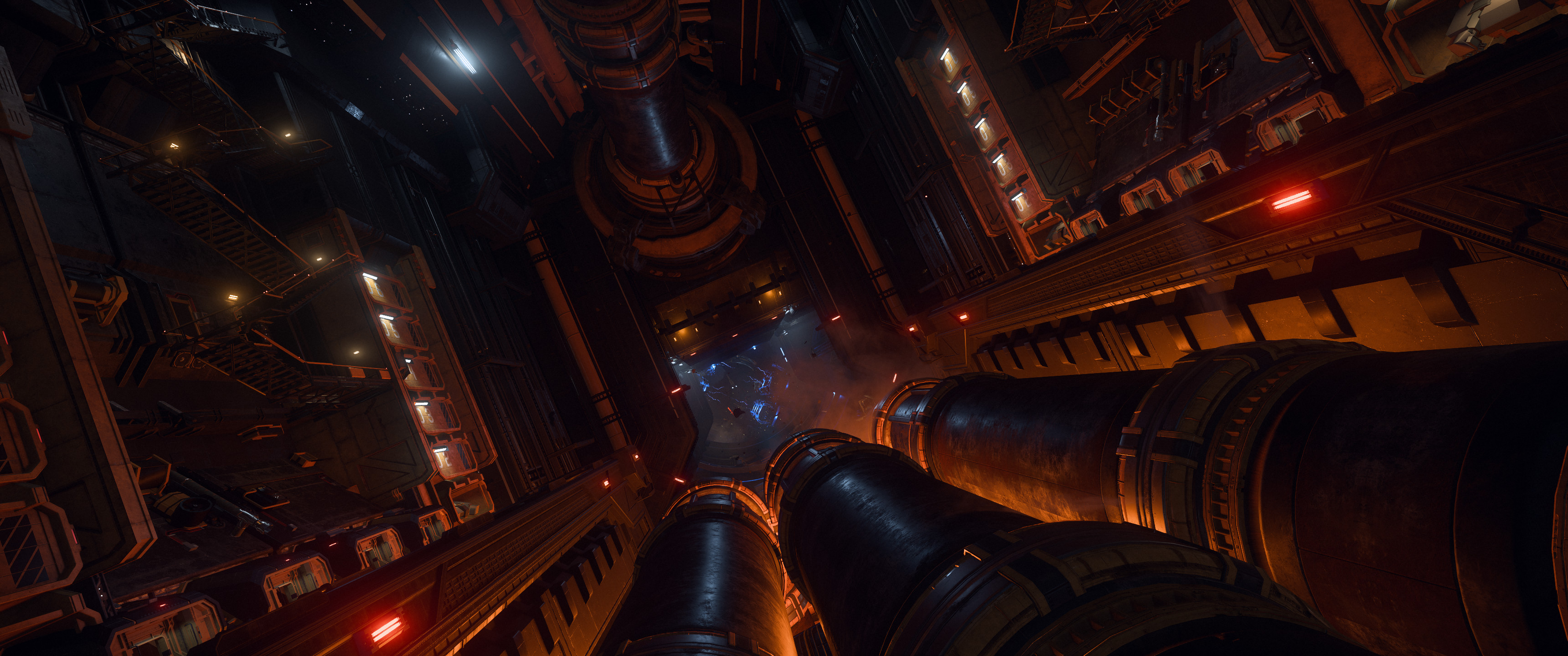
Metadata
- CIG ID
- 17445
- Channel
- Transmission
- Category
- Undefined
- Series
- Monthly Reports
- Comments
- 54
- Published
- 6 years ago (2020-02-06T00:00:00+00:00)