Star Citizen Monthly Report: January 2021
Transmission Undefined Monthly ReportsContent
The Star Citizen devs kicked off the year working on everything from the upcoming Alpha 3.13 patch to features due in several months’ time. Read on for the latest details on the physical inventory, Crusader’s latest ships, Orison, and much more.
AI (General)
January’s general AI work included improving debug draw for the special action component that allows for a better understanding of which actions are available at any given time. Time was also dedicated to the support of Alpha 3.12 and 3.12.1.
Most notably, the new year saw a reorganization of the AI teams into a more efficient structure to encourage knowledge sharing and a more holistic approach to prioritizing tasks and goals.
The department is now split by content, features, and tech: AI Content create behaviors, usables, and other related content
AI Features implement project features. For example, new combat behaviors and ship maneuvers
AI Tech handles all core functionalities that require a more structural design
AI (Content)
The Content Team spent January working on early versions of the engineer, hygiene, hawker, and tourist behaviors.
The first pass on the engineer handles maintenance operations for wall panels inside ships and hangars, including inspecting internal fuses and replacing them if damaged. The initial implementation of the hygiene behavior gives NPCs the ability to use toilets, sinks, and showers, while the Hawker is a generic activity that handles various street vendors and speakers. For example, NPCs manning hotdog or taco stands. The first pass on the tourist behavior deals with characters going to and traveling around areas to look at points of interest.
The team are also looking to introduce new behaviors into the ‘leisure’ and ‘eat and drink’ activities, such as vending and arcade machine use.
AI (Features)
AI Features started the year by introducing the first traits affecting AI pilot tactic selection, which allows them to craft more realistic and personal encounters. For example, some pilots will choose safer approaches during combat while others will show-off and use specialist maneuvers.
Support for different operator modes began too, which will enable NPCs to correctly use the same new functionalities exposed to players. This includes setting QT mode when they want to quantum jump and returning to the default mode before piloting or fighting.
On the enemy-combat side, dodge actions now utilize blend space. This allows NPCs to align correctly when dodging for a more fluid and immersive combat experience. More controls were introduced to define attack-action limits and to allow the interruption of combo attacks. AI Features also added the ’WeaponConfidence’ stat that’s used to control the firing pace for characters based on their weapon proficiency.
AI (Tech)
AI Tech implemented new functionality to validate Subsumption code events. This allows them to verify bad setups, missing files, and ensure that variables carried by events are configured correctly. They also began supporting feature tests for Subsumption behavior and logic. To achieve this, they exposed a way to request that NPCs execute a custom logic assignment. This gives them a flexible way to request the execution of specific logic to NPCs that stacks on top of the systemic behaviors at the appropriate time.
AI Tech also optimized the Subsumption ‘DebugTaskTree’ and Subsumption update. The DebugTaskTree optimization reduces runtime allocation, bringing the performance of the internal build closer to the release build. The Subsumption update reduces locks in the memory allocator. Local tests have shown that this saves around 5ms when updating 500 active NPCs at a given time.
Art (Characters)
Throughout January, the Character Team wrapped up their Alpha 3.13 tasks, planned for an upcoming event, and kicking off initiatives for Alpha 3.14. The concept artists delivered medical outfits, concepted backpacks for the physical inventory, and continued work on three new armor sets. Several clothing assets for the refinery decks and Orison were developed by the character and tech artists, while new armors were completed for an incremental Alpha 3.13 patch.
Art (Environment)
The Environment Art Team started 2021 with full production of a new outpost POI archetype for the Modular Team. A lot of work went into the concept and pre-production stages, with work now beginning on the whitebox. The next stage is creating a small modular architecture kit that can be easily expanded to add diversity as the need arises.
The Landing Zone Team continued their work on Orison. All platforms are going into the final art phase, with some notably beautiful spaces coming together in the last few weeks. The arcade, spaceport exterior, Voyager Bar interior, and Green Circle habs are all in the final stages of development, while the visual targets for the habitation platform buildings and underside structures are currently in progress.
Stanton’s polish pass continued, the harvestable library was expanded, and work on cave entrances that can accommodate vehicles began. The Planet Content Team started developing a pipeline for generating new and updated asteroids too.
Art (Ships)
Since returning from the winter holidays, the majority of the US-based Ship Team worked on a community-favorite vehicle scheduled for release later in the year. This involves several artists, designers, tech artists, and engineers working together to reach the intended launch date. Last month, the whitebox review was completed and internal feedback and embedded testing began.
The team also put the final touches on [Redacted], moving it into the final stage. The RSI Constellation Taurus also continued to move down the pipeline and is currently scheduled for completion in Q2 2021. Another variant was also developed for an upcoming holiday and the overall tint process was improved to support new vehicle tints throughout the year too.
Away from specific vehicles, support was given to ship-to-ship docking, lift gravity, SDF shields, animation vis-areas, and damage.
In the UK, the Crusader C2 Hercules was handed to the downstream teams and progress was made on the A2 and M2 variants. Specifically, the A2 received a control room for the turrets while the M2 gained a jump-seat room for the crew of the ground vehicles.
Art (Weapons)
The Weapon Art Team continued to work on the Volt Parallax electron rifle, taking the art to ‘greybox complete.’ The majority of the mesh was modeled and the team are currently rigging and animating the weapon before heading further into the final art phase.
The UltiFlex Novia crossbow progressed through final art and was handed over to Tech Art to finalize the rig due to the unique challenges of the weapon.
Early in the month, an investigation was made into the mag stripping feature to assess what will be needed once feature work starts. The team took this opportunity to make a pass on the grip-nodes setup too.
Finally for FPS weapons, the team added a new healing Multi-Tool attachment. They also updated the battery and resource canister to be detachable to futureproof the weapon for additional functionality. Work also began on a new standalone Greycat Industrial cutter tool that was initially required for Squadron 42 but will make its way into the PU soon.
On the ship weapons side, work continued on the FireStorm Kinetics Colossus MOAB, which moved to final art. At the end of the month, development began on an all-new weapon too.
Community
The Community Team kicked off 2021 announcing the winners of the Esperia Talon Screenshot, Cozy Glow, and Design a Luminalia Sweater contests.
January also saw more than 150 teams from around the world fight to take home a title in the Daymar Rally 2951.
Congratulations to everyone involved! Seeing the community come together and create an event with this amount of coordination and effort is truly sensational.” -The Community Team
For the temporary removal of Delamar in Alpha 3.12.1, the team hosted the Delamar Is Going Home contest to give the asteroid a proper sendoff. Delamar and Levski will return in their lore-correct location when the Nyx system enters the PU.
The first Roadmap update of 2021 brought several improvements to the Progress & Release Tracker along with the addition of new teams and columns for Alpha 3.14, 3.15, and 3.16. As always, the Roadmap update was accompanied by a Roadmap Roundup, giving insight into the decision-making process that led to the changes.
Engine
January saw the Physics Team complete the first of three parts of geometry instancing. Geometry instancing within physics allows the sharing of common part-related data among entities and improves how data is stored. This better utilizes the CPU cache and HW pre-fetching during collision detection and opens up costly operations to be performed more efficiently via SIMD. Ultimately, the benefits will be better performance, significantly less memory usage, and vastly reduced CPU cost during asynchronous spawning and terrain physicalization. Work on the next stage will commence later this quarter.
In other work, soft bodies were further optimized and heavy-duty functions were moved to ISPC (SIMD, AVX) with a net speedup of 2.5x on Intel and 2x on AMD powered-machines. Additionally, simulation topology now organizes constraints by particle indices, meaning they are stored roughly in the order they process particles in the buffer, leading to better cache localization. This yielded another 1.5x speedup on heavy and dense assets. Soft bodies now perform a single box pruning run for all external collision candidates to give 50% speedup for external collision detection.
The existing EVA push/pull control was replaced with a simplified yet more robust scheme. General-purpose AABB overlap and box-pruning functions were cleaned up, while SSE (float) and AVX (double) variants were implemented, yielding improvements across the board. The ongoing switch from VA-driven character ragdoll to regular-driven ragdoll continued. Several network synchronization issues for wheeled vehicles were investigated, which resulted in initial fixes and a plan for an improved net-sync that takes the environment as well as physical movement into account. This is slated for implementation in Q2.
Additional research went into the large-scale object buoyancy calculation that resulted in a prototype solution. Regarding rag dolls and AFT support, the flickering of wheels and casters on trolleys was fixed, and solutions to handling detached character collisions and the Munchhausen effect were found. Research into stabilizing moving platforms (elevator floors, cargo lifts) in a more reliable way was also completed.
On the renderer, work on the shader cache backend refactor that began in December was completed, with the resulting implementation much leaner and compact. While focus is now back on Gen12, further improvements will be made in the future.
Regarding volumetric cloud rendering, several improvements and optimization were implemented. Cloud shadow maps and related render buffers were switched to a more efficient storage scheme that gives significant memory and bandwidth savings along with slightly improved precision. Shadow map generation now supports incremental updates to amortize per-frame cost and increase shadow quality. Cloud shaping started and is progressing well too.
The Engine Team kicked off the year with additional vis-area-related improvements. For example, support for multi-segment vis-areas and correct 3D clipping of legacy particles. Further improvements were made to the engine profiler. Among other things, it now collects information about context switches via Windows ETW API to better analyze per-core utilization with respect to unnecessary or unexpected thread switching. Additionally, improvements to the scheduling of entity-component updates continued, and several follow-up changes to the memory manager refactor carried out in December were submitted.
Features (Characters & Weapons)
As the game grows, so does the number of character animations, so January saw an initiative to improve asset format and compilation. This will give the Features Team faster builds, less memory use, and better load times across their large database of animation assets. They’re currently developing improvements to run-time performance, starting with planning to ensure they have strong solutions that scale to the size and ambition of the project.
Work also continued on several features, including hacking. Recent discussions revolved around how to scale difficulty, with considerations for the size of the play area, number of AI opponents, and randomly generated content. “This mini-game is shaping up to have a number of interesting strategical options and is looking very promising!” -The Features Team
Features (Gameplay)
The US Gameplay Feature Team hit the ground running fixing bugs for Alpha 3.12 and carrying on with upcoming features.
Work continued on the reputation mobiGlas app mentioned in the last report. This time, the designers polished up the design direction while considering the complexity of the reputation system and its possible future expansions. Meanwhile, the engineers began implementing the feature itself, giving the team a deeper look into the app’s functionality.
The team also resumed work on the ‘asset manager’ mobiGlas app, which will give players an overview of their items and allow them to filter by various categories. Designs are currently being finalized in preparation for a quick turnaround, with the goal of launching in Alpha 3.14.
Features (Mission & Live Content)
After the winter break, the team returned to address a handful of bugs and polish tasks before moving to their quarter-one goals.
Work was mostly completed on a new variant of the delivery mission that takes advantage of quantum-sensitive cargo. Development then moved to the bug fixing and polish stage while some of the team kicked off the timed delivery mission mentioned last month.
Investigation also began on ways to implement some of the features other teams worked on during the last few quarters, including body dragging, trolley push and pull, and hacking. The tech side of the spawn closet feature moved into its final stages too, so the team began prototyping areas it can be implemented into the game.
Features (Vehicles)
The Vehicle Feature Team began the year with docking, pushing to get it complete for Alpha 3.13. This includes both ship-to-station docking and the first stage of ship-to-ship docking, which focuses on the RSI Constellation and its parasite ship, the Kruger Merlin. The team fully integrated docking with air traffic control before retroactively changing the Merlin/ Constellation docking to use a similar code path for consistency. When implemented, players won’t need to call air-traffic control when docking with a ship like the Constellation, but the owner of the ship will need to accept it.
Another area of focus was missiles, with the team helping to refactor them to use IFCS 2 for reliability and tunability. When complete, IFCS will fully control target tracking and guidance code to ensure missiles behave more predictably and don’t oscillate around targets as they do currently.
Lastly, time was dedicated to vehicle naming. Various disciplines, including Backend Services and Art, worked together to get the names on the sides of select vehicles. While there’s more work to do between interconnected systems and rendering, the feature is progressing well.
Graphics
The Graphics Team started the year finalizing several outstanding bugs and features that didn’t quite make last quarter’s deadlines. Once complete, focus moved to the Gen12 renderer, which received various improvements to features like depth-of-field.
A major rewrite of the tessellation shaders was done to streamline the code and fix a number of bugs. The shadow pass conversion was also completed, with the team now looking to see if they can enable this codepath by default.
Lighting
The Lighting Team worked more on Orison, improving the spaceport interior and working through a new set of room overlays for non-commercial and refinery space stations. A new team member was welcomed and onboarded, and internal documents were expanding to enable other artists to implement some steps of the lighting pipeline..
Narrative
The Narrative Team began 2021 finalizing the plan for the year’s upcoming lore posts. Joining the usual mix of articles will be new additions that the team are excited to share.
Work also continued on Orison, including scripts for some of the city’s announcements and text for ads that will populate the floating platforms. They also continued to assist with content for future dynamic events and new missions. For current missions, they reviewed feedback from the Alpha 3.12 release, fixing a few bugs and improving some of the mission descriptions to make the objectives clearer.
Progress on the reputation system continued, with a focus on how best to display lore information. A wealth of new items and clothing were named and described too.
“Be sure to check out the year’s first post as New United takes a look at how the recently elected Imperator is performing. Plus, a slate of new Galactapedia entries are waiting for you to explore!” -The Narrative Team
Player Relations
Alongside supporting players with Alpha 3.12, Player Relations began building their infrastructure to support more players and bigger events.
Props
Props began 2021 with new tasks alongside closing out a few from last year. Support for cooperative locomotion trolley push/pull concluded, with templates fully established, an array of existing assets updated, and art polish completed. They also finished an art-debt pass on some of the oldest props in the library. For new work, they moved ahead with prop requests for Orison and started an art pass on mining modules that should conclude at the end of the quarter.
QA
QA’s primary focus for January was testing with the Evocati and working through upcoming features for Alpha 3.13 and beyond.
On the management side, the team continued to hone their testing processes in preparation for the quarterly releases and large-scale events. They also began working more closely with the development teams, embedding testers to get a head start on the development cycle. This will help in the long run, as the embedded testers will provide detailed information on how features work, which will be used for wider-scale testing.
With the reshuffle of the AI teams, QA also rearranged themselves to better support development. Focus on performance testing AI was added to the weekly checks to ensure the team are ahead of the curve and catch any potential issues. Weekly checklists and focus testing continued, as did dev requests.
Support for the Engine Team ramped up too, with one of the testers moving to work alongside them. Their focus last month was to reproduce many of the hard-to-replicate crashes and provide the developers with the information they need to fix them.
The Tools Team continued to receive QA support, with continued testing of DataForge, StarWords, ExcelCore, and the sandbox editor.
Systemic Services & Tools
The Systemic Systems and Tools Team continued work on the Quantum Simulation service integration along with new technology they plan to share with the community soon.
2021 will also see the team increase in size to accommodate the growing need for services and support for Quantum across many aspects of the game.
On the services front, the team focused on improving the stability and performance of the backend. This involved fixing several logic issues and crashes that were noticed on the live server. The ‘Super pCache’ is now with QA, with the team tuning performance and addressing any issues discovered during testing.
They also created new tools for the upcoming reputation system and continued to support the Star Citizen economy with Data Tools to help alleviate the significant amount of data while they prepare for Quantum to take the reins.
Tech Animation
Tech Animation kicked off 2021 creating animation rigs for creatures that will be found across various locations. More mission-givers were iterated on alongside refinement to the facial rig authoring tool suite, which will create a refined workflow to give quicker turnaround for high-quality facial expressions. A new weapon also passed through the rigging pipeline.
Turbulent
Last month, the majority of the Turbulent game services team focused on maintenance, the goal of which being to pick up tasks on less urgent items from the previous year. This included updating and creating documents for processes and services, fixes, follow-up features, investigations in our services. They also improved new relic integration and supported a fix for chat messages.
They also began working on tech designs for services they will be working on this year, including the configuration service used to distribute configurations to services, the identity service that manages player lifecycle and persistence, and ‘shard and instance’ management (formerly known as matchmaking).
The Live Tools team moved forward on Hex, fixing bugs for 1.0 along with mapping out the UX and tech design for 2.0. Investigations began into role-based access in Hex, with the team putting together a TDD to outline its functionality and use. The error reporting pipeline received improvements and effort was dedicated to improving service load testing as well.
User Interface (UI)
Last month, UI began programming the underlying system that will allow them to work on new Starmap, radar, interior map, and mini-map interfaces. While it’ll be several months before they can be seen in-game, the team already have a robust designs tying them together.
On the UI design side, plans were created for an updated Options screen and the vehicle teams were supported with updates to various cockpit UI.
The UI artists also developed animated concepts for the hacking UI and progressed with screen branding and adverts for Orison.
Vehicle Tech
The Vehicle Tech Team fixed bugs for Alpha 3.12 and made steady progress on the upcoming vehicles of Alpha 3.13. They also made improvements to the scanning and ping system to ensure detecting faraway or hidden entities and extracting details about them is fun and intuitive. These improvements will also make their way to players scanning on foot.
VFX
Last month, the VFX Team kicked off pre-production tasks for vehicle radar scanning and ping. The UI Team provided concept videos, so the VFX team are currently investigating how to achieve the required visuals in-engine.
Work also began on the moons of Pyro, which involved gathering information on details such as climate values (how windy, how hot, etc.). The teams also investigated VFX requirements for thruster wind volumes as they’re planning to move to a more physical-based setup for vehicle landing dust effects, making use of the wind volumes that were added to thrusters last year.
The VFX Code Team resumed their work on the new particle lighting model, with the goal of allowing the VFX artists to convert their effects to the new model in the near future. Gen 12 work continued too, with a focus on transparency rendering. Steady progress was made on fire hazards too.
VFX’s Tech Art Team continued to provide gas cloud support to the art and design teams alongside R&D into destruction pipelines.
WE’LL SEE YOU NEXT MONTH…
Die Entwickler von Star Citizen haben das Jahr damit begonnen, an allem zu arbeiten, vom kommenden Alpha 3.13 Patch bis hin zu Features, die in einigen Monaten erscheinen werden. Lies weiter für die neuesten Details über das physische Inventar, Crusaders neueste Schiffe, Orison und vieles mehr.
KI (Allgemein)
Die allgemeine KI-Arbeit im Januar beinhaltete die Verbesserung der Debug-Zeichnung für die spezielle Aktionskomponente, die ein besseres Verständnis dafür ermöglicht, welche Aktionen zu einem bestimmten Zeitpunkt verfügbar sind. Auch dem Support von Alpha 3.12 und 3.12.1 wurde Zeit gewidmet.
Das neue Jahr sah vor allem eine Reorganisation der KI-Teams in eine effizientere Struktur, um den Wissensaustausch zu fördern und einen ganzheitlicheren Ansatz für die Priorisierung von Aufgaben und Zielen.
Die Abteilung ist nun nach Content, Features und Tech aufgeteilt:
AI Content erstellt Behaviors, Usables und andere verwandte Inhalte AI Features implementieren Projektfeatures. Zum Beispiel neue Kampfverhalten und Schiffsmanöver AI Tech kümmert sich um alle Kernfunktionalitäten, die ein eher strukturelles Design erfordern
KI (Inhalt)
Das Content Team hat den Januar damit verbracht, an frühen Versionen der Verhaltensweisen des Ingenieurs, der Hygiene, des Händlers und des Touristen zu arbeiten.
Der erste Durchgang des Ingenieurs kümmert sich um die Wartung der Wandpaneele in Schiffen und Hangars, einschließlich der Inspektion der internen Sicherungen und deren Austausch, wenn sie beschädigt sind. Die erste Implementierung des Hygiene-Verhaltens gibt NSCs die Möglichkeit, Toiletten, Waschbecken und Duschen zu benutzen, während der Hawker eine generische Aktivität ist, die verschiedene Straßenverkäufer und Lautsprecher bedient. Zum Beispiel NPCs, die Hotdog- oder Taco-Stände besetzen. Der erste Durchgang des Touristenverhaltens befasst sich mit Charakteren, die sich in Gebiete begeben und dort herumreisen, um sich Sehenswürdigkeiten anzuschauen.
Das Team möchte auch neue Verhaltensweisen in den Bereichen "Freizeit" und "Essen und Trinken" einführen, wie z.B. die Nutzung von Verkaufsautomaten und Arcade-Automaten.
KI (Features)
Die KI-Features haben das Jahr mit der Einführung der ersten Eigenschaften begonnen, die die Taktikauswahl der KI-Piloten beeinflussen, was es ihnen ermöglicht, realistischere und persönlichere Begegnungen zu gestalten. Zum Beispiel werden einige Piloten während des Kampfes eine sicherere Herangehensweise wählen, während andere angeben und spezielle Manöver verwenden werden.
Auch die Unterstützung für verschiedene Operator-Modi hat begonnen, was es den NPCs ermöglichen wird, die gleichen neuen Funktionalitäten, die den Spielern zur Verfügung stehen, korrekt zu nutzen. Dazu gehört das Einstellen des QT-Modus, wenn sie einen Quantensprung machen wollen, und die Rückkehr in den Standardmodus vor dem Piloten oder Kampf.
Auf der Seite der Gegnerkämpfe nutzen Ausweichaktionen nun den Blend Space. Dies ermöglicht es den NSCs, sich beim Ausweichen korrekt auszurichten, was zu einem flüssigeren und immersiveren Kampferlebnis führt. Es wurden weitere Steuerelemente eingeführt, um Angriffsaktionsgrenzen zu definieren und die Unterbrechung von Kombo-Angriffen zu ermöglichen. Die KI-Features fügten auch den 'WeaponConfidence'-Status hinzu, der verwendet wird, um das Feuertempo für Charaktere basierend auf ihrer Waffenfertigkeit zu steuern.
KI (Tech)
AI Tech implementierte eine neue Funktionalität zur Überprüfung von Subsumption Code Events. Dies ermöglicht es ihnen, fehlerhafte Setups und fehlende Dateien zu überprüfen und sicherzustellen, dass die von den Ereignissen übertragenen Variablen korrekt konfiguriert sind. Sie haben auch begonnen, Funktionstests für Subsumption Verhalten und Logik zu unterstützen. Um dies zu erreichen, haben sie eine Möglichkeit geschaffen, NPCs aufzufordern, eine benutzerdefinierte Logikzuweisung auszuführen. Dies gibt ihnen eine flexible Möglichkeit, die Ausführung spezifischer Logik an NSCs anzufordern, die sich zum richtigen Zeitpunkt auf das systemische Verhalten stapelt.
AI Tech hat auch die Subsumption 'DebugTaskTree' und Subsumption Update optimiert. Die DebugTaskTree-Optimierung reduziert die Laufzeitzuweisung und bringt die Leistung des internen Builds näher an den Release-Build. Das Subsumption Update reduziert die Sperren im Memory Allocator. Lokale Tests haben gezeigt, dass dies etwa 5ms einspart, wenn 500 aktive NPCs zu einem bestimmten Zeitpunkt aktualisiert werden.
Kunst (Charaktere)
Im Laufe des Januars hat das Charakterteam seine Aufgaben für Alpha 3.13 abgeschlossen, ein bevorstehendes Event geplant und die Initiativen für Alpha 3.14 gestartet. Die Konzeptkünstler lieferten medizinische Outfits, entwarfen Rucksäcke für das physische Inventar und arbeiteten weiter an drei neuen Rüstungssets. Mehrere Bekleidungs-Assets für die Raffinerie-Decks und Orison wurden von den Charakter- und Tech-Artists entwickelt, während neue Rüstungen für einen inkrementellen Alpha 3.13-Patch fertiggestellt wurden.
Kunst (Umgebung)
Das Environment Art Team startete 2021 mit der vollständigen Produktion eines neuen Außenposten POI Archetyps für das Modular Team. Es wurde viel Arbeit in die Konzept- und Vorproduktionsphase gesteckt und nun beginnt die Arbeit an der Whitebox. Der nächste Schritt ist die Erstellung eines kleinen, modularen Baukastens, der leicht erweitert werden kann, um die Vielfalt zu erhöhen, wenn es nötig ist.
Das Landing Zone Team hat seine Arbeit an Orison fortgesetzt. Alle Plattformen gehen in die finale Kunstphase, wobei in den letzten Wochen einige besonders schöne Räume entstanden sind. Die Arkade, das Äußere des Raumhafens, das Innere der Voyager Bar und die Habs des Grünen Kreises befinden sich alle in der Endphase der Entwicklung, während die visuellen Ziele für die Gebäude der Wohnplattform und die Unterseitenstrukturen derzeit in Arbeit sind.
Stantons polnischer Pass wurde fortgesetzt, die erntefähige Bibliothek wurde erweitert und die Arbeit an Höhleneingängen, die Fahrzeuge beherbergen können, begann. Das Planet Content Team begann auch mit der Entwicklung einer Pipeline für die Generierung neuer und aktualisierter Asteroiden.
Kunst (Schiffe)
Seit der Rückkehr aus den Winterferien hat der Großteil des in den USA ansässigen Schiffsteams an einem von der Community favorisierten Fahrzeug gearbeitet, das später im Jahr veröffentlicht werden soll. Dabei arbeiten mehrere Künstler, Designer, Techniker und Ingenieure zusammen, um das geplante Veröffentlichungsdatum zu erreichen. Letzten Monat wurde das Whitebox-Review abgeschlossen und internes Feedback und eingebettete Tests begannen.
Das Team hat auch dem [Redacted] den letzten Schliff gegeben und es in die finale Phase gebracht. Der RSI Constellation Taurus hat sich ebenfalls weiter in der Pipeline nach unten bewegt und ist derzeit für die Fertigstellung in Q2 2021 geplant. Eine weitere Variante wurde für einen bevorstehenden Feiertag entwickelt und der gesamte Tönungsprozess wurde verbessert, um auch neue Fahrzeugtönungen während des Jahres zu unterstützen.
Abseits von spezifischen Fahrzeugen wurde Unterstützung für das Andocken von Schiffen, die Schwerkraft, SDF-Schilde, Animations-Vis-Areas und Schäden gegeben.
In Großbritannien wurde der Crusader C2 Hercules an die Downstream-Teams übergeben und es wurden Fortschritte bei den Varianten A2 und M2 gemacht. Konkret erhielt die A2 einen Kontrollraum für die Geschütztürme, während die M2 einen Jump-Seat-Raum für die Besatzung der Bodenfahrzeuge erhielt.
Art (Weapons)
Das Weapon Art Team arbeitete weiter an dem Volt Parallax Elektronengewehr und brachte die Art zur 'greybox complete'. Der Großteil des Meshes wurde modelliert und das Team riggt und animiert die Waffe derzeit, bevor es in die finale Art-Phase geht.
Die UltiFlex Novia Armbrust hat die Final Art Phase durchlaufen und wurde aufgrund der einzigartigen Herausforderungen der Waffe an Tech Art übergeben, um das Rig zu finalisieren.
Anfang des Monats wurde eine Untersuchung des Mag Stripping-Features durchgeführt, um festzustellen, was benötigt wird, sobald die Feature-Arbeiten beginnen. Das Team nutzte die Gelegenheit, um auch das Grip-Nodes-Setup zu überarbeiten.
Schließlich fügte das Team für FPS-Waffen ein neues heilendes Multi-Tool-Attachment hinzu. Außerdem wurden die Batterie und der Ressourcenkanister abnehmbar gemacht, um die Waffe zukunftssicher für zusätzliche Funktionen zu machen. Außerdem wurde mit der Arbeit an einem neuen, eigenständigen Greycat Industrial Cutter Tool begonnen, das ursprünglich für Squadron 42 benötigt wurde, aber bald seinen Weg in die PU finden wird.
Auf der Schiffswaffenseite wurde die Arbeit an der FireStorm Kinetics Colossus MOAB fortgesetzt, die in den finalen Entwurf überging. Am Ende des Monats begann auch die Entwicklung einer völlig neuen Waffe.
Community
Das Community Team begann das Jahr 2021 mit der Bekanntgabe der Gewinner der Wettbewerbe Esperia Talon Screenshot, Cozy Glow und Design a Luminalia Sweater.
Im Januar kämpften außerdem mehr als 150 Teams aus der ganzen Welt um den Titel bei der Daymar Rally 2951.
Herzlichen Glückwunsch an alle Beteiligten! Zu sehen, wie die Community zusammenkommt und ein Event mit so viel Koordination und Aufwand auf die Beine stellt, ist wirklich sensationell." -Das Community Team
Für die vorübergehende Entfernung von Delamar in Alpha 3.12.1 veranstaltete das Team den Delamar Is Going Home Wettbewerb, um dem Asteroiden einen gebührenden Abschied zu geben. Delamar und Levski werden an ihrem lore-korrekten Ort zurückkehren, wenn das Nyx-System in die PU aufgenommen wird.
Das erste Roadmap-Update des Jahres 2021 brachte einige Verbesserungen im Progress & Release Tracker sowie das Hinzufügen von neuen Teams und Spalten für Alpha 3.14, 3.15 und 3.16. Wie immer wurde das Roadmap-Update von einem Roadmap-Roundup begleitet, das einen Einblick in den Entscheidungsprozess gibt, der zu den Änderungen führte.
Engine
Im Januar hat das Physics Team den ersten von drei Teilen des Geometry Instancing abgeschlossen. Geometry Instancing innerhalb der Physik ermöglicht die gemeinsame Nutzung von partbezogenen Daten zwischen den Entities und verbessert die Art und Weise, wie die Daten gespeichert werden. Dies nutzt den CPU-Cache und das HW-Pre-Fetching während der Kollisionserkennung besser aus und eröffnet kostspielige Operationen, die über SIMD effizienter ausgeführt werden können. Letztendlich werden die Vorteile eine bessere Performance, deutlich weniger Speicherverbrauch und erheblich reduzierte CPU-Kosten während des asynchronen Spawnings und der Terrain Physicalization sein. Die Arbeit an der nächsten Stufe wird später in diesem Quartal beginnen.
In anderen Arbeiten wurden Soft Bodies weiter optimiert und schwere Funktionen auf ISPC (SIMD, AVX) verlagert, mit einem Netto-Speedup von 2,5x auf Intel und 2x auf AMD powered-machines. Zusätzlich organisiert die Simulationstopologie nun die Constraints nach Partikelindizes, d.h. sie werden ungefähr in der Reihenfolge gespeichert, in der sie die Partikel im Puffer verarbeiten, was zu einer besseren Cache-Lokalisierung führt. Dies führte zu einem weiteren 1,5-fachen Speedup bei schweren und dichten Assets. Soft Bodies führen nun einen einzigen Box Pruning-Lauf für alle externen Kollisionskandidaten durch, was zu einer 50%igen Beschleunigung der externen Kollisionserkennung führt.
Die bestehende EVA Push/Pull Steuerung wurde durch ein vereinfachtes, aber robusteres Schema ersetzt. Die allgemeinen AABB-Überlappungs- und Box-Pruning-Funktionen wurden aufgeräumt, während SSE- (float) und AVX- (double) Varianten implementiert wurden, was zu Verbesserungen auf breiter Front führte. Die laufende Umstellung von VA-gesteuerten Charakter-Ragdolls auf regulär gesteuerte Ragdolls wurde fortgesetzt. Mehrere Probleme mit der Netzwerksynchronisation von Fahrzeugen auf Rädern wurden untersucht, was zu ersten Fixes und einem Plan für eine verbesserte Netzwerksynchronisation führte, die sowohl die Umgebung als auch die physische Bewegung in Betracht zieht. Dies soll in Q2 implementiert werden.
Zusätzliche Forschung ging in die Berechnung des Auftriebs von großen Objekten, was zu einer prototypischen Lösung führte. In Bezug auf Stoffpuppen und AFT-Unterstützung wurde das Flackern von Rädern und Rollen an Trolleys behoben und Lösungen für die Handhabung von Kollisionen mit losgelösten Charakteren und dem Münchhausen-Effekt gefunden. Die Forschung an der Stabilisierung von sich bewegenden Plattformen (Fahrstuhlböden, Lastenaufzüge) auf eine zuverlässigere Art und Weise wurde ebenfalls abgeschlossen.
Beim Renderer wurde die Arbeit am Shader-Cache-Backend Refactor, die im Dezember begonnen wurde, abgeschlossen, wobei die resultierende Implementierung viel schlanker und kompakter ist. Während der Fokus nun wieder auf Gen12 liegt, werden in der Zukunft weitere Verbesserungen vorgenommen werden.
In Bezug auf das volumetrische Cloud Rendering wurden mehrere Verbesserungen und Optimierungen implementiert. Die Cloud Shadow Maps und die dazugehörigen Renderbuffer wurden auf ein effizienteres Speicherschema umgestellt, das signifikante Einsparungen an Speicher und Bandbreite sowie eine leicht verbesserte Präzision bietet. Die Erzeugung von Schattenkarten unterstützt nun inkrementelle Updates, um die Kosten pro Frame zu amortisieren und die Qualität der Schatten zu erhöhen. Cloud Shaping hat begonnen und macht ebenfalls gute Fortschritte.
Das Engine Team hat das Jahr mit weiteren vis-area-bezogenen Verbesserungen begonnen. Zum Beispiel Unterstützung für Multisegment-Vis-Areas und korrektes 3D-Clipping von Legacy-Partikeln. Weitere Verbesserungen wurden am Engine-Profiler vorgenommen. Unter anderem sammelt er nun Informationen über Kontextwechsel über die Windows ETW API, um die Auslastung pro Kern im Hinblick auf unnötige oder unerwartete Threadwechsel besser zu analysieren. Außerdem wurden Verbesserungen am Scheduling von Entity-Komponenten-Updates fortgesetzt und einige Folgeänderungen des im Dezember durchgeführten Refactors des Speichermanagers eingereicht.
Features (Charaktere & Waffen)
Mit dem Wachstum des Spiels wächst auch die Anzahl der Charakteranimationen, weshalb im Januar eine Initiative zur Verbesserung des Asset-Formats und der Kompilierung durchgeführt wurde. Dies wird dem Features Team schnellere Builds, weniger Speicherverbrauch und bessere Ladezeiten für die große Datenbank an Animations-Assets ermöglichen. Sie entwickeln derzeit Verbesserungen für die Laufzeit-Performance und beginnen mit der Planung, um sicherzustellen, dass sie starke Lösungen haben, die mit der Größe und den Ambitionen des Projekts skalieren.
Die Arbeit an verschiedenen Features, einschließlich Hacking, wurde ebenfalls fortgesetzt. Die letzten Diskussionen drehten sich um die Skalierung des Schwierigkeitsgrades, mit Überlegungen zur Größe des Spielfeldes, der Anzahl der KI-Gegner und der zufällig generierten Inhalte. "Dieses Minispiel entwickelt sich zu einer Reihe interessanter strategischer Optionen und sieht sehr vielversprechend aus!" -The Features Team
Features (Gameplay)
Das US Gameplay Feature Team hat sich mächtig ins Zeug gelegt, um Bugs für die Alpha 3.12 zu beheben und an den kommenden Features weiterzuarbeiten.
Die Arbeit an der im letzten Bericht erwähnten Ruf-MobiGlas-App wurde fortgesetzt. Dieses Mal feilten die Designer an der Designrichtung und berücksichtigten dabei die Komplexität des Reputationssystems und seine möglichen zukünftigen Erweiterungen. In der Zwischenzeit begannen die Ingenieure mit der Implementierung des Features selbst, was dem Team einen tieferen Einblick in die Funktionalität der App ermöglichte.
Das Team nahm auch die Arbeit an der 'Asset Manager' mobiGlas App wieder auf, die den Spielern einen Überblick über ihre Gegenstände geben wird und ihnen erlaubt, nach verschiedenen Kategorien zu filtern. Die Entwürfe werden derzeit finalisiert, um eine schnelle Umsetzung zu ermöglichen, mit dem Ziel, in der Alpha 3.14 zu starten.
Features (Missionen & Live-Inhalte)
Nach der Winterpause kehrte das Team zurück, um eine Handvoll Bugs zu beseitigen und an den Features zu feilen, bevor es sich den Zielen des ersten Quartals zuwandte.
Die Arbeit wurde größtenteils an einer neuen Variante der Liefermission abgeschlossen, die den Vorteil von quantensensitiver Fracht nutzt. Die Entwicklung ging dann in die Phase der Fehlerbehebung und des Feinschliffs über, während ein Teil des Teams die im letzten Monat erwähnte zeitlich begrenzte Liefermission in Angriff nahm.
Außerdem begann die Untersuchung von Möglichkeiten, einige der Features zu implementieren, an denen andere Teams in den letzten Quartalen gearbeitet haben, darunter Body Dragging, Trolley Push and Pull und Hacking. Die technische Seite des Spawn-Closet-Features ging ebenfalls in die Endphase und das Team begann mit dem Prototyping von Bereichen, in denen es ins Spiel implementiert werden kann.
Features (Fahrzeuge)
Das Fahrzeug-Feature-Team begann das Jahr mit dem Andocken und drängte darauf, es für Alpha 3.13 fertigzustellen. Dies beinhaltet sowohl das Andocken von Schiff zu Station als auch die erste Stufe des Andockens von Schiff zu Schiff, die sich auf die RSI Constellation und ihr Parasitenschiff, die Kruger Merlin, konzentriert. Das Team hat das Andocken mit der Flugsicherung vollständig integriert, bevor es rückwirkend das Andocken zwischen Merlin und Constellation ändert, um einen ähnlichen Codepfad für die Konsistenz zu verwenden. Wenn dies implementiert ist, müssen die Spieler die Flugsicherung nicht anrufen, wenn sie an ein Schiff wie die Constellation andocken, aber der Besitzer des Schiffes muss dies akzeptieren.
Ein weiterer Schwerpunkt waren Raketen, bei denen das Team geholfen hat, sie so zu überarbeiten, dass sie IFCS 2 für Zuverlässigkeit und Abstimmbarkeit nutzen. Wenn es fertig ist, wird IFCS den Zielverfolgungs- und Lenkungscode vollständig kontrollieren, um sicherzustellen, dass die Raketen sich vorhersehbarer verhalten und nicht um die Ziele herum schwanken, wie sie es derzeit tun.
Zu guter Letzt wurde Zeit für die Namensgebung der Fahrzeuge aufgewendet. Verschiedene Disziplinen, darunter Backend Services und Art, arbeiteten zusammen, um die Namen auf die Seiten ausgewählter Fahrzeuge zu bringen. Obwohl es noch mehr Arbeit zwischen den miteinander verbundenen Systemen und dem Rendering gibt, macht das Feature gute Fortschritte.
Grafiken
Das Grafikteam begann das Jahr mit der Fertigstellung einiger ausstehender Bugs und Features, die es nicht ganz bis zum letzten Quartal geschafft haben. Nach der Fertigstellung wurde der Fokus auf den Gen12 Renderer gelegt, der verschiedene Verbesserungen an Features wie der Tiefenschärfe erhielt.
Die Tessellationsshader wurden grundlegend überarbeitet, um den Code zu optimieren und eine Reihe von Fehlern zu beheben. Die Schattenpass-Konvertierung wurde ebenfalls abgeschlossen und das Team prüft nun, ob es diesen Codepfad standardmäßig aktivieren kann.
Beleuchtung
Das Beleuchtungsteam arbeitete weiter an Orison, verbesserte das Interieur des Raumhafens und arbeitete an einem neuen Set von Raum-Overlays für nicht-kommerzielle und Raffinerie-Raumstationen. Ein neues Teammitglied wurde willkommen geheißen und an Bord geholt, und interne Dokumente wurden erweitert, um anderen Künstlern die Möglichkeit zu geben, einige Schritte der Beleuchtungspipeline zu implementieren.
Narrative
Das Narrative Team begann 2021 damit, den Plan für die kommenden Lore-Posts des Jahres zu finalisieren. Neben der üblichen Mischung an Artikeln wird es neue Ergänzungen geben, auf die sich das Team freut.
Außerdem wurde die Arbeit an Orison fortgesetzt, einschließlich der Skripte für einige der Ankündigungen der Stadt und der Texte für die Anzeigen, die die schwebenden Plattformen bevölkern werden. Das Team arbeitete auch weiter an den Inhalten für zukünftige dynamische Events und neue Missionen. Für die aktuellen Missionen wurde das Feedback aus der Alpha 3.12 ausgewertet, ein paar Fehler behoben und einige Missionsbeschreibungen verbessert, um die Ziele klarer zu machen.
Die Fortschritte beim Rufsystem wurden fortgesetzt, wobei der Fokus darauf lag, wie die Informationen zur Geschichte am besten dargestellt werden können. Eine Fülle von neuen Gegenständen und Kleidungsstücken wurde ebenfalls benannt und beschrieben.
"Schaut euch unbedingt den ersten Post des Jahres an, in dem New United einen Blick darauf wirft, wie sich der kürzlich gewählte Imperator schlägt. Außerdem warten eine Reihe neuer Galactapedia-Einträge darauf, von dir erkundet zu werden!" -Das Narrative Team
Spieler Beziehungen
Neben der Unterstützung der Spieler mit der Alpha 3.12 haben die Player Relations begonnen, ihre Infrastruktur auszubauen, um mehr Spieler und größere Events zu unterstützen.
Props
Props begann 2021 mit neuen Aufgaben und schloss gleichzeitig einige vom letzten Jahr ab. Die Unterstützung für die kooperative Fortbewegung Trolley Push/Pull wurde abgeschlossen, die Templates vollständig etabliert, eine Reihe bestehender Assets aktualisiert und der Art-Polish abgeschlossen. Sie beendeten auch die Überarbeitung einiger der ältesten Requisiten in der Bibliothek. Für neue Arbeiten wurden Requisitenanfragen für Orison bearbeitet und ein Art Pass für Bergbaumodule begonnen, der am Ende des Quartals abgeschlossen sein sollte.
QA
Der Hauptfokus der QA lag im Januar auf dem Testen mit den Evocati und der Arbeit an den kommenden Features für Alpha 3.13 und darüber hinaus.
Auf der Seite des Managements feilte das Team weiter an seinen Testprozessen, um sich auf die vierteljährlichen Veröffentlichungen und Großereignisse vorzubereiten. Sie begannen auch, enger mit den Entwicklungsteams zusammenzuarbeiten und Tester einzubinden, um einen Vorsprung im Entwicklungszyklus zu bekommen. Dies wird langfristig helfen, da die eingebetteten Tester detaillierte Informationen über die Funktionsweise von Features liefern, die dann für breitere Tests genutzt werden können.
Mit der Umbildung der KI-Teams hat sich auch die QA neu aufgestellt, um die Entwicklung besser zu unterstützen. Der Fokus auf Leistungstests der KI wurde zu den wöchentlichen Checks hinzugefügt, um sicherzustellen, dass das Team der Entwicklung voraus ist und alle potenziellen Probleme erkennt. Die wöchentlichen Checklisten und Fokustests wurden fortgesetzt, ebenso wie die Entwicklungsanfragen.
Die Unterstützung für das Engine Team wurde ebenfalls erhöht, da einer der Tester nun an der Seite des Teams arbeitet. Ihr Fokus lag im letzten Monat darauf, viele der schwer zu reproduzierenden Abstürze zu reproduzieren und die Entwickler mit den nötigen Informationen zu versorgen, um diese zu beheben.
Das Tools Team erhielt weiterhin QA-Unterstützung, mit fortgesetzten Tests von DataForge, StarWords, ExcelCore und dem Sandbox-Editor.
Systemische Dienste & Tools
Das Systemic Systems and Tools Team setzte die Arbeit an der Integration des Quantum Simulation Service fort, zusammen mit neuen Technologien, die sie bald mit der Community teilen wollen.
Im Jahr 2021 wird sich das Team vergrößern, um den wachsenden Bedarf an Diensten und Support für Quantum in vielen Bereichen des Spiels zu decken.
An der Servicefront konzentrierte sich das Team darauf, die Stabilität und Leistung des Backends zu verbessern. Dies beinhaltete die Behebung mehrerer Logikprobleme und Abstürze, die auf dem Live-Server bemerkt wurden. Der 'Super pCache' befindet sich nun bei der QA, wo das Team die Leistung optimiert und alle Probleme behebt, die während der Tests entdeckt wurden.
Außerdem wurden neue Tools für das kommende Reputationssystem erstellt und die Star Citizen Wirtschaft mit Data Tools weiter unterstützt, um die große Datenmenge zu verringern, während sie sich auf die Übernahme durch Quantum vorbereiten.
Tech Animation
Die Tech Animation begann 2021 mit der Erstellung von Animations-Rigs für Kreaturen, die an verschiedenen Orten zu finden sein werden. Neben der Verfeinerung der Gesichts-Rig-Authoring-Tool-Suite, die einen verfeinerten Arbeitsablauf für eine schnellere Bearbeitung von hochwertigen Gesichtsausdrücken ermöglicht, wurden weitere Missions-Geber iteriert. Eine neue Waffe durchlief ebenfalls die Rigging-Pipeline.
Turbulent
Im letzten Monat konzentrierte sich der Großteil des Turbulent Game Services Teams auf Wartungsarbeiten, mit dem Ziel, weniger dringende Aufgaben aus dem letzten Jahr wieder aufzunehmen. Dazu gehörte das Aktualisieren und Erstellen von Dokumenten für Prozesse und Dienste, Fixes, Folgefeatures, Untersuchungen in unseren Diensten. Sie verbesserten auch die neue Reliktintegration und unterstützten einen Fix für Chatnachrichten.
Außerdem begannen sie mit der Arbeit an technischen Entwürfen für Dienste, an denen sie in diesem Jahr arbeiten werden, darunter der Konfigurationsdienst, der zur Verteilung von Konfigurationen an Dienste verwendet wird, der Identitätsdienst, der den Lebenszyklus und die Persistenz von Spielern verwaltet, und die Verwaltung von 'Shard und Instanz' (früher als Matchmaking bekannt).
Das Live-Tools-Team hat Hex weiterentwickelt, Fehler für 1.0 behoben und das UX- und Tech-Design für 2.0 entworfen. Untersuchungen zum rollenbasierten Zugriff in Hex begannen, wobei das Team ein TDD erstellte, um die Funktionalität und Nutzung zu skizzieren. Die Fehlerberichterstattungs-Pipeline wurde verbessert und es wurde auch an der Verbesserung der Lasttests für den Service gearbeitet.
Benutzeroberfläche (UI)
Letzten Monat begann das UI-Team mit der Programmierung des zugrundeliegenden Systems, das es ihnen ermöglichen wird, an neuen Starmap-, Radar-, Innenraum- und Mini-Map-Interfaces zu arbeiten. Auch wenn es noch einige Monate dauern wird, bis sie im Spiel zu sehen sein werden, hat das Team bereits ein robustes Design, das sie miteinander verbindet.
Auf der Seite des UI-Designs wurden Pläne für einen aktualisierten Options-Bildschirm erstellt und die Fahrzeug-Teams wurden mit Updates für verschiedene Cockpit-UIs unterstützt.
Die UI-Künstler entwickelten außerdem animierte Konzepte für die Hacking-UI und arbeiteten an Screen-Branding und Anzeigen für Orison.
Fahrzeug Tech
Das Vehicle Tech Team behob Bugs für Alpha 3.12 und machte stetige Fortschritte an den kommenden Fahrzeugen der Alpha 3.13. Sie haben auch Verbesserungen am Scan- und Ping-System vorgenommen, um sicherzustellen, dass das Aufspüren von weit entfernten oder versteckten Entitäten und das Extrahieren von Details über sie Spaß macht und intuitiv ist. Diese Verbesserungen werden auch ihren Weg zu den Spielern finden, die zu Fuß scannen.
VFX
Letzten Monat hat das VFX-Team mit den Vorproduktionsarbeiten für den Fahrzeugradarscan und das Ping-System begonnen. Das UI-Team hat Konzeptvideos zur Verfügung gestellt, so dass das VFX-Team derzeit untersucht, wie man die benötigten Visuals in-engine erreichen kann.
Außerdem begannen die Arbeiten an den Monden von Pyro, was das Sammeln von Informationen über Details wie Klimawerte (wie windig, wie heiß, etc.) beinhaltete. Die Teams untersuchten auch die VFX-Anforderungen für die Windvolumina der Triebwerke, da sie planen, zu einem physikalischeren Setup für die Staubeffekte bei der Fahrzeuglandung überzugehen und dabei die Windvolumina zu nutzen, die den Triebwerken letztes Jahr hinzugefügt wurden.
Das VFX Code Team hat die Arbeit am neuen Partikel-Lichtmodell fortgesetzt, mit dem Ziel, dass die VFX Artists ihre Effekte in naher Zukunft auf das neue Modell umstellen können. Auch die Arbeit an Gen 12 wurde fortgesetzt, wobei der Fokus auf dem Transparenz-Rendering lag. Stetige Fortschritte wurden auch bei den Feuergefahren gemacht.
Das Tech Art Team von VFX unterstützte die Art- und Design-Teams weiterhin bei der Gaswolke und arbeitete an den Zerstörungspipelines.
WIR SEHEN UNS NÄCHSTEN MONAT...
The Star Citizen devs kicked off the year working on everything from the upcoming Alpha 3.13 patch to features due in several months’ time. Read on for the latest details on the physical inventory, Crusader’s latest ships, Orison, and much more.
AI (General)
January’s general AI work included improving debug draw for the special action component that allows for a better understanding of which actions are available at any given time. Time was also dedicated to the support of Alpha 3.12 and 3.12.1.
Most notably, the new year saw a reorganization of the AI teams into a more efficient structure to encourage knowledge sharing and a more holistic approach to prioritizing tasks and goals.
The department is now split by content, features, and tech: AI Content create behaviors, usables, and other related content
AI Features implement project features. For example, new combat behaviors and ship maneuvers
AI Tech handles all core functionalities that require a more structural design
AI (Content)
The Content Team spent January working on early versions of the engineer, hygiene, hawker, and tourist behaviors.
The first pass on the engineer handles maintenance operations for wall panels inside ships and hangars, including inspecting internal fuses and replacing them if damaged. The initial implementation of the hygiene behavior gives NPCs the ability to use toilets, sinks, and showers, while the Hawker is a generic activity that handles various street vendors and speakers. For example, NPCs manning hotdog or taco stands. The first pass on the tourist behavior deals with characters going to and traveling around areas to look at points of interest.
The team are also looking to introduce new behaviors into the ‘leisure’ and ‘eat and drink’ activities, such as vending and arcade machine use.
AI (Features)
AI Features started the year by introducing the first traits affecting AI pilot tactic selection, which allows them to craft more realistic and personal encounters. For example, some pilots will choose safer approaches during combat while others will show-off and use specialist maneuvers.
Support for different operator modes began too, which will enable NPCs to correctly use the same new functionalities exposed to players. This includes setting QT mode when they want to quantum jump and returning to the default mode before piloting or fighting.
On the enemy-combat side, dodge actions now utilize blend space. This allows NPCs to align correctly when dodging for a more fluid and immersive combat experience. More controls were introduced to define attack-action limits and to allow the interruption of combo attacks. AI Features also added the ’WeaponConfidence’ stat that’s used to control the firing pace for characters based on their weapon proficiency.
AI (Tech)
AI Tech implemented new functionality to validate Subsumption code events. This allows them to verify bad setups, missing files, and ensure that variables carried by events are configured correctly. They also began supporting feature tests for Subsumption behavior and logic. To achieve this, they exposed a way to request that NPCs execute a custom logic assignment. This gives them a flexible way to request the execution of specific logic to NPCs that stacks on top of the systemic behaviors at the appropriate time.
AI Tech also optimized the Subsumption ‘DebugTaskTree’ and Subsumption update. The DebugTaskTree optimization reduces runtime allocation, bringing the performance of the internal build closer to the release build. The Subsumption update reduces locks in the memory allocator. Local tests have shown that this saves around 5ms when updating 500 active NPCs at a given time.
Art (Characters)
Throughout January, the Character Team wrapped up their Alpha 3.13 tasks, planned for an upcoming event, and kicking off initiatives for Alpha 3.14. The concept artists delivered medical outfits, concepted backpacks for the physical inventory, and continued work on three new armor sets. Several clothing assets for the refinery decks and Orison were developed by the character and tech artists, while new armors were completed for an incremental Alpha 3.13 patch.
Art (Environment)
The Environment Art Team started 2021 with full production of a new outpost POI archetype for the Modular Team. A lot of work went into the concept and pre-production stages, with work now beginning on the whitebox. The next stage is creating a small modular architecture kit that can be easily expanded to add diversity as the need arises.
The Landing Zone Team continued their work on Orison. All platforms are going into the final art phase, with some notably beautiful spaces coming together in the last few weeks. The arcade, spaceport exterior, Voyager Bar interior, and Green Circle habs are all in the final stages of development, while the visual targets for the habitation platform buildings and underside structures are currently in progress.
Stanton’s polish pass continued, the harvestable library was expanded, and work on cave entrances that can accommodate vehicles began. The Planet Content Team started developing a pipeline for generating new and updated asteroids too.
Art (Ships)
Since returning from the winter holidays, the majority of the US-based Ship Team worked on a community-favorite vehicle scheduled for release later in the year. This involves several artists, designers, tech artists, and engineers working together to reach the intended launch date. Last month, the whitebox review was completed and internal feedback and embedded testing began.
The team also put the final touches on [Redacted], moving it into the final stage. The RSI Constellation Taurus also continued to move down the pipeline and is currently scheduled for completion in Q2 2021. Another variant was also developed for an upcoming holiday and the overall tint process was improved to support new vehicle tints throughout the year too.
Away from specific vehicles, support was given to ship-to-ship docking, lift gravity, SDF shields, animation vis-areas, and damage.
In the UK, the Crusader C2 Hercules was handed to the downstream teams and progress was made on the A2 and M2 variants. Specifically, the A2 received a control room for the turrets while the M2 gained a jump-seat room for the crew of the ground vehicles.
Art (Weapons)
The Weapon Art Team continued to work on the Volt Parallax electron rifle, taking the art to ‘greybox complete.’ The majority of the mesh was modeled and the team are currently rigging and animating the weapon before heading further into the final art phase.
The UltiFlex Novia crossbow progressed through final art and was handed over to Tech Art to finalize the rig due to the unique challenges of the weapon.
Early in the month, an investigation was made into the mag stripping feature to assess what will be needed once feature work starts. The team took this opportunity to make a pass on the grip-nodes setup too.
Finally for FPS weapons, the team added a new healing Multi-Tool attachment. They also updated the battery and resource canister to be detachable to futureproof the weapon for additional functionality. Work also began on a new standalone Greycat Industrial cutter tool that was initially required for Squadron 42 but will make its way into the PU soon.
On the ship weapons side, work continued on the FireStorm Kinetics Colossus MOAB, which moved to final art. At the end of the month, development began on an all-new weapon too.
Community
The Community Team kicked off 2021 announcing the winners of the Esperia Talon Screenshot, Cozy Glow, and Design a Luminalia Sweater contests.
January also saw more than 150 teams from around the world fight to take home a title in the Daymar Rally 2951.
Congratulations to everyone involved! Seeing the community come together and create an event with this amount of coordination and effort is truly sensational.” -The Community Team
For the temporary removal of Delamar in Alpha 3.12.1, the team hosted the Delamar Is Going Home contest to give the asteroid a proper sendoff. Delamar and Levski will return in their lore-correct location when the Nyx system enters the PU.
The first Roadmap update of 2021 brought several improvements to the Progress & Release Tracker along with the addition of new teams and columns for Alpha 3.14, 3.15, and 3.16. As always, the Roadmap update was accompanied by a Roadmap Roundup, giving insight into the decision-making process that led to the changes.
Engine
January saw the Physics Team complete the first of three parts of geometry instancing. Geometry instancing within physics allows the sharing of common part-related data among entities and improves how data is stored. This better utilizes the CPU cache and HW pre-fetching during collision detection and opens up costly operations to be performed more efficiently via SIMD. Ultimately, the benefits will be better performance, significantly less memory usage, and vastly reduced CPU cost during asynchronous spawning and terrain physicalization. Work on the next stage will commence later this quarter.
In other work, soft bodies were further optimized and heavy-duty functions were moved to ISPC (SIMD, AVX) with a net speedup of 2.5x on Intel and 2x on AMD powered-machines. Additionally, simulation topology now organizes constraints by particle indices, meaning they are stored roughly in the order they process particles in the buffer, leading to better cache localization. This yielded another 1.5x speedup on heavy and dense assets. Soft bodies now perform a single box pruning run for all external collision candidates to give 50% speedup for external collision detection.
The existing EVA push/pull control was replaced with a simplified yet more robust scheme. General-purpose AABB overlap and box-pruning functions were cleaned up, while SSE (float) and AVX (double) variants were implemented, yielding improvements across the board. The ongoing switch from VA-driven character ragdoll to regular-driven ragdoll continued. Several network synchronization issues for wheeled vehicles were investigated, which resulted in initial fixes and a plan for an improved net-sync that takes the environment as well as physical movement into account. This is slated for implementation in Q2.
Additional research went into the large-scale object buoyancy calculation that resulted in a prototype solution. Regarding rag dolls and AFT support, the flickering of wheels and casters on trolleys was fixed, and solutions to handling detached character collisions and the Munchhausen effect were found. Research into stabilizing moving platforms (elevator floors, cargo lifts) in a more reliable way was also completed.
On the renderer, work on the shader cache backend refactor that began in December was completed, with the resulting implementation much leaner and compact. While focus is now back on Gen12, further improvements will be made in the future.
Regarding volumetric cloud rendering, several improvements and optimization were implemented. Cloud shadow maps and related render buffers were switched to a more efficient storage scheme that gives significant memory and bandwidth savings along with slightly improved precision. Shadow map generation now supports incremental updates to amortize per-frame cost and increase shadow quality. Cloud shaping started and is progressing well too.
The Engine Team kicked off the year with additional vis-area-related improvements. For example, support for multi-segment vis-areas and correct 3D clipping of legacy particles. Further improvements were made to the engine profiler. Among other things, it now collects information about context switches via Windows ETW API to better analyze per-core utilization with respect to unnecessary or unexpected thread switching. Additionally, improvements to the scheduling of entity-component updates continued, and several follow-up changes to the memory manager refactor carried out in December were submitted.
Features (Characters & Weapons)
As the game grows, so does the number of character animations, so January saw an initiative to improve asset format and compilation. This will give the Features Team faster builds, less memory use, and better load times across their large database of animation assets. They’re currently developing improvements to run-time performance, starting with planning to ensure they have strong solutions that scale to the size and ambition of the project.
Work also continued on several features, including hacking. Recent discussions revolved around how to scale difficulty, with considerations for the size of the play area, number of AI opponents, and randomly generated content. “This mini-game is shaping up to have a number of interesting strategical options and is looking very promising!” -The Features Team
Features (Gameplay)
The US Gameplay Feature Team hit the ground running fixing bugs for Alpha 3.12 and carrying on with upcoming features.
Work continued on the reputation mobiGlas app mentioned in the last report. This time, the designers polished up the design direction while considering the complexity of the reputation system and its possible future expansions. Meanwhile, the engineers began implementing the feature itself, giving the team a deeper look into the app’s functionality.
The team also resumed work on the ‘asset manager’ mobiGlas app, which will give players an overview of their items and allow them to filter by various categories. Designs are currently being finalized in preparation for a quick turnaround, with the goal of launching in Alpha 3.14.
Features (Mission & Live Content)
After the winter break, the team returned to address a handful of bugs and polish tasks before moving to their quarter-one goals.
Work was mostly completed on a new variant of the delivery mission that takes advantage of quantum-sensitive cargo. Development then moved to the bug fixing and polish stage while some of the team kicked off the timed delivery mission mentioned last month.
Investigation also began on ways to implement some of the features other teams worked on during the last few quarters, including body dragging, trolley push and pull, and hacking. The tech side of the spawn closet feature moved into its final stages too, so the team began prototyping areas it can be implemented into the game.
Features (Vehicles)
The Vehicle Feature Team began the year with docking, pushing to get it complete for Alpha 3.13. This includes both ship-to-station docking and the first stage of ship-to-ship docking, which focuses on the RSI Constellation and its parasite ship, the Kruger Merlin. The team fully integrated docking with air traffic control before retroactively changing the Merlin/ Constellation docking to use a similar code path for consistency. When implemented, players won’t need to call air-traffic control when docking with a ship like the Constellation, but the owner of the ship will need to accept it.
Another area of focus was missiles, with the team helping to refactor them to use IFCS 2 for reliability and tunability. When complete, IFCS will fully control target tracking and guidance code to ensure missiles behave more predictably and don’t oscillate around targets as they do currently.
Lastly, time was dedicated to vehicle naming. Various disciplines, including Backend Services and Art, worked together to get the names on the sides of select vehicles. While there’s more work to do between interconnected systems and rendering, the feature is progressing well.
Graphics
The Graphics Team started the year finalizing several outstanding bugs and features that didn’t quite make last quarter’s deadlines. Once complete, focus moved to the Gen12 renderer, which received various improvements to features like depth-of-field.
A major rewrite of the tessellation shaders was done to streamline the code and fix a number of bugs. The shadow pass conversion was also completed, with the team now looking to see if they can enable this codepath by default.
Lighting
The Lighting Team worked more on Orison, improving the spaceport interior and working through a new set of room overlays for non-commercial and refinery space stations. A new team member was welcomed and onboarded, and internal documents were expanding to enable other artists to implement some steps of the lighting pipeline..
Narrative
The Narrative Team began 2021 finalizing the plan for the year’s upcoming lore posts. Joining the usual mix of articles will be new additions that the team are excited to share.
Work also continued on Orison, including scripts for some of the city’s announcements and text for ads that will populate the floating platforms. They also continued to assist with content for future dynamic events and new missions. For current missions, they reviewed feedback from the Alpha 3.12 release, fixing a few bugs and improving some of the mission descriptions to make the objectives clearer.
Progress on the reputation system continued, with a focus on how best to display lore information. A wealth of new items and clothing were named and described too.
“Be sure to check out the year’s first post as New United takes a look at how the recently elected Imperator is performing. Plus, a slate of new Galactapedia entries are waiting for you to explore!” -The Narrative Team
Player Relations
Alongside supporting players with Alpha 3.12, Player Relations began building their infrastructure to support more players and bigger events.
Props
Props began 2021 with new tasks alongside closing out a few from last year. Support for cooperative locomotion trolley push/pull concluded, with templates fully established, an array of existing assets updated, and art polish completed. They also finished an art-debt pass on some of the oldest props in the library. For new work, they moved ahead with prop requests for Orison and started an art pass on mining modules that should conclude at the end of the quarter.
QA
QA’s primary focus for January was testing with the Evocati and working through upcoming features for Alpha 3.13 and beyond.
On the management side, the team continued to hone their testing processes in preparation for the quarterly releases and large-scale events. They also began working more closely with the development teams, embedding testers to get a head start on the development cycle. This will help in the long run, as the embedded testers will provide detailed information on how features work, which will be used for wider-scale testing.
With the reshuffle of the AI teams, QA also rearranged themselves to better support development. Focus on performance testing AI was added to the weekly checks to ensure the team are ahead of the curve and catch any potential issues. Weekly checklists and focus testing continued, as did dev requests.
Support for the Engine Team ramped up too, with one of the testers moving to work alongside them. Their focus last month was to reproduce many of the hard-to-replicate crashes and provide the developers with the information they need to fix them.
The Tools Team continued to receive QA support, with continued testing of DataForge, StarWords, ExcelCore, and the sandbox editor.
Systemic Services & Tools
The Systemic Systems and Tools Team continued work on the Quantum Simulation service integration along with new technology they plan to share with the community soon.
2021 will also see the team increase in size to accommodate the growing need for services and support for Quantum across many aspects of the game.
On the services front, the team focused on improving the stability and performance of the backend. This involved fixing several logic issues and crashes that were noticed on the live server. The ‘Super pCache’ is now with QA, with the team tuning performance and addressing any issues discovered during testing.
They also created new tools for the upcoming reputation system and continued to support the Star Citizen economy with Data Tools to help alleviate the significant amount of data while they prepare for Quantum to take the reins.
Tech Animation
Tech Animation kicked off 2021 creating animation rigs for creatures that will be found across various locations. More mission-givers were iterated on alongside refinement to the facial rig authoring tool suite, which will create a refined workflow to give quicker turnaround for high-quality facial expressions. A new weapon also passed through the rigging pipeline.
Turbulent
Last month, the majority of the Turbulent game services team focused on maintenance, the goal of which being to pick up tasks on less urgent items from the previous year. This included updating and creating documents for processes and services, fixes, follow-up features, investigations in our services. They also improved new relic integration and supported a fix for chat messages.
They also began working on tech designs for services they will be working on this year, including the configuration service used to distribute configurations to services, the identity service that manages player lifecycle and persistence, and ‘shard and instance’ management (formerly known as matchmaking).
The Live Tools team moved forward on Hex, fixing bugs for 1.0 along with mapping out the UX and tech design for 2.0. Investigations began into role-based access in Hex, with the team putting together a TDD to outline its functionality and use. The error reporting pipeline received improvements and effort was dedicated to improving service load testing as well.
User Interface (UI)
Last month, UI began programming the underlying system that will allow them to work on new Starmap, radar, interior map, and mini-map interfaces. While it’ll be several months before they can be seen in-game, the team already have a robust designs tying them together.
On the UI design side, plans were created for an updated Options screen and the vehicle teams were supported with updates to various cockpit UI.
The UI artists also developed animated concepts for the hacking UI and progressed with screen branding and adverts for Orison.
Vehicle Tech
The Vehicle Tech Team fixed bugs for Alpha 3.12 and made steady progress on the upcoming vehicles of Alpha 3.13. They also made improvements to the scanning and ping system to ensure detecting faraway or hidden entities and extracting details about them is fun and intuitive. These improvements will also make their way to players scanning on foot.
VFX
Last month, the VFX Team kicked off pre-production tasks for vehicle radar scanning and ping. The UI Team provided concept videos, so the VFX team are currently investigating how to achieve the required visuals in-engine.
Work also began on the moons of Pyro, which involved gathering information on details such as climate values (how windy, how hot, etc.). The teams also investigated VFX requirements for thruster wind volumes as they’re planning to move to a more physical-based setup for vehicle landing dust effects, making use of the wind volumes that were added to thrusters last year.
The VFX Code Team resumed their work on the new particle lighting model, with the goal of allowing the VFX artists to convert their effects to the new model in the near future. Gen 12 work continued too, with a focus on transparency rendering. Steady progress was made on fire hazards too.
VFX’s Tech Art Team continued to provide gas cloud support to the art and design teams alongside R&D into destruction pipelines.
WE’LL SEE YOU NEXT MONTH…
The Star Citizen devs kicked off the year working on everything from the upcoming Alpha 3.13 patch to features due in several months’ time. Read on for the latest details on the physical inventory, Crusader’s latest ships, Orison, and much more.
AI (General)
January’s general AI work included improving debug draw for the special action component that allows for a better understanding of which actions are available at any given time. Time was also dedicated to the support of Alpha 3.12 and 3.12.1.
Most notably, the new year saw a reorganization of the AI teams into a more efficient structure to encourage knowledge sharing and a more holistic approach to prioritizing tasks and goals.
The department is now split by content, features, and tech: AI Content create behaviors, usables, and other related content
AI Features implement project features. For example, new combat behaviors and ship maneuvers
AI Tech handles all core functionalities that require a more structural design
AI (Content)
The Content Team spent January working on early versions of the engineer, hygiene, hawker, and tourist behaviors.
The first pass on the engineer handles maintenance operations for wall panels inside ships and hangars, including inspecting internal fuses and replacing them if damaged. The initial implementation of the hygiene behavior gives NPCs the ability to use toilets, sinks, and showers, while the Hawker is a generic activity that handles various street vendors and speakers. For example, NPCs manning hotdog or taco stands. The first pass on the tourist behavior deals with characters going to and traveling around areas to look at points of interest.
The team are also looking to introduce new behaviors into the ‘leisure’ and ‘eat and drink’ activities, such as vending and arcade machine use.
AI (Features)
AI Features started the year by introducing the first traits affecting AI pilot tactic selection, which allows them to craft more realistic and personal encounters. For example, some pilots will choose safer approaches during combat while others will show-off and use specialist maneuvers.
Support for different operator modes began too, which will enable NPCs to correctly use the same new functionalities exposed to players. This includes setting QT mode when they want to quantum jump and returning to the default mode before piloting or fighting.
On the enemy-combat side, dodge actions now utilize blend space. This allows NPCs to align correctly when dodging for a more fluid and immersive combat experience. More controls were introduced to define attack-action limits and to allow the interruption of combo attacks. AI Features also added the ’WeaponConfidence’ stat that’s used to control the firing pace for characters based on their weapon proficiency.
AI (Tech)
AI Tech implemented new functionality to validate Subsumption code events. This allows them to verify bad setups, missing files, and ensure that variables carried by events are configured correctly. They also began supporting feature tests for Subsumption behavior and logic. To achieve this, they exposed a way to request that NPCs execute a custom logic assignment. This gives them a flexible way to request the execution of specific logic to NPCs that stacks on top of the systemic behaviors at the appropriate time.
AI Tech also optimized the Subsumption ‘DebugTaskTree’ and Subsumption update. The DebugTaskTree optimization reduces runtime allocation, bringing the performance of the internal build closer to the release build. The Subsumption update reduces locks in the memory allocator. Local tests have shown that this saves around 5ms when updating 500 active NPCs at a given time.
Art (Characters)
Throughout January, the Character Team wrapped up their Alpha 3.13 tasks, planned for an upcoming event, and kicking off initiatives for Alpha 3.14. The concept artists delivered medical outfits, concepted backpacks for the physical inventory, and continued work on three new armor sets. Several clothing assets for the refinery decks and Orison were developed by the character and tech artists, while new armors were completed for an incremental Alpha 3.13 patch.
Art (Environment)
The Environment Art Team started 2021 with full production of a new outpost POI archetype for the Modular Team. A lot of work went into the concept and pre-production stages, with work now beginning on the whitebox. The next stage is creating a small modular architecture kit that can be easily expanded to add diversity as the need arises.
The Landing Zone Team continued their work on Orison. All platforms are going into the final art phase, with some notably beautiful spaces coming together in the last few weeks. The arcade, spaceport exterior, Voyager Bar interior, and Green Circle habs are all in the final stages of development, while the visual targets for the habitation platform buildings and underside structures are currently in progress.
Stanton’s polish pass continued, the harvestable library was expanded, and work on cave entrances that can accommodate vehicles began. The Planet Content Team started developing a pipeline for generating new and updated asteroids too.
Art (Ships)
Since returning from the winter holidays, the majority of the US-based Ship Team worked on a community-favorite vehicle scheduled for release later in the year. This involves several artists, designers, tech artists, and engineers working together to reach the intended launch date. Last month, the whitebox review was completed and internal feedback and embedded testing began.
The team also put the final touches on [Redacted], moving it into the final stage. The RSI Constellation Taurus also continued to move down the pipeline and is currently scheduled for completion in Q2 2021. Another variant was also developed for an upcoming holiday and the overall tint process was improved to support new vehicle tints throughout the year too.
Away from specific vehicles, support was given to ship-to-ship docking, lift gravity, SDF shields, animation vis-areas, and damage.
In the UK, the Crusader C2 Hercules was handed to the downstream teams and progress was made on the A2 and M2 variants. Specifically, the A2 received a control room for the turrets while the M2 gained a jump-seat room for the crew of the ground vehicles.
Art (Weapons)
The Weapon Art Team continued to work on the Volt Parallax electron rifle, taking the art to ‘greybox complete.’ The majority of the mesh was modeled and the team are currently rigging and animating the weapon before heading further into the final art phase.
The UltiFlex Novia crossbow progressed through final art and was handed over to Tech Art to finalize the rig due to the unique challenges of the weapon.
Early in the month, an investigation was made into the mag stripping feature to assess what will be needed once feature work starts. The team took this opportunity to make a pass on the grip-nodes setup too.
Finally for FPS weapons, the team added a new healing Multi-Tool attachment. They also updated the battery and resource canister to be detachable to futureproof the weapon for additional functionality. Work also began on a new standalone Greycat Industrial cutter tool that was initially required for Squadron 42 but will make its way into the PU soon.
On the ship weapons side, work continued on the FireStorm Kinetics Colossus MOAB, which moved to final art. At the end of the month, development began on an all-new weapon too.
Community
The Community Team kicked off 2021 announcing the winners of the Esperia Talon Screenshot, Cozy Glow, and Design a Luminalia Sweater contests.
January also saw more than 150 teams from around the world fight to take home a title in the Daymar Rally 2951.
Congratulations to everyone involved! Seeing the community come together and create an event with this amount of coordination and effort is truly sensational.” -The Community Team
For the temporary removal of Delamar in Alpha 3.12.1, the team hosted the Delamar Is Going Home contest to give the asteroid a proper sendoff. Delamar and Levski will return in their lore-correct location when the Nyx system enters the PU.
The first Roadmap update of 2021 brought several improvements to the Progress & Release Tracker along with the addition of new teams and columns for Alpha 3.14, 3.15, and 3.16. As always, the Roadmap update was accompanied by a Roadmap Roundup, giving insight into the decision-making process that led to the changes.
Engine
January saw the Physics Team complete the first of three parts of geometry instancing. Geometry instancing within physics allows the sharing of common part-related data among entities and improves how data is stored. This better utilizes the CPU cache and HW pre-fetching during collision detection and opens up costly operations to be performed more efficiently via SIMD. Ultimately, the benefits will be better performance, significantly less memory usage, and vastly reduced CPU cost during asynchronous spawning and terrain physicalization. Work on the next stage will commence later this quarter.
In other work, soft bodies were further optimized and heavy-duty functions were moved to ISPC (SIMD, AVX) with a net speedup of 2.5x on Intel and 2x on AMD powered-machines. Additionally, simulation topology now organizes constraints by particle indices, meaning they are stored roughly in the order they process particles in the buffer, leading to better cache localization. This yielded another 1.5x speedup on heavy and dense assets. Soft bodies now perform a single box pruning run for all external collision candidates to give 50% speedup for external collision detection.
The existing EVA push/pull control was replaced with a simplified yet more robust scheme. General-purpose AABB overlap and box-pruning functions were cleaned up, while SSE (float) and AVX (double) variants were implemented, yielding improvements across the board. The ongoing switch from VA-driven character ragdoll to regular-driven ragdoll continued. Several network synchronization issues for wheeled vehicles were investigated, which resulted in initial fixes and a plan for an improved net-sync that takes the environment as well as physical movement into account. This is slated for implementation in Q2.
Additional research went into the large-scale object buoyancy calculation that resulted in a prototype solution. Regarding rag dolls and AFT support, the flickering of wheels and casters on trolleys was fixed, and solutions to handling detached character collisions and the Munchhausen effect were found. Research into stabilizing moving platforms (elevator floors, cargo lifts) in a more reliable way was also completed.
On the renderer, work on the shader cache backend refactor that began in December was completed, with the resulting implementation much leaner and compact. While focus is now back on Gen12, further improvements will be made in the future.
Regarding volumetric cloud rendering, several improvements and optimization were implemented. Cloud shadow maps and related render buffers were switched to a more efficient storage scheme that gives significant memory and bandwidth savings along with slightly improved precision. Shadow map generation now supports incremental updates to amortize per-frame cost and increase shadow quality. Cloud shaping started and is progressing well too.
The Engine Team kicked off the year with additional vis-area-related improvements. For example, support for multi-segment vis-areas and correct 3D clipping of legacy particles. Further improvements were made to the engine profiler. Among other things, it now collects information about context switches via Windows ETW API to better analyze per-core utilization with respect to unnecessary or unexpected thread switching. Additionally, improvements to the scheduling of entity-component updates continued, and several follow-up changes to the memory manager refactor carried out in December were submitted.
Features (Characters & Weapons)
As the game grows, so does the number of character animations, so January saw an initiative to improve asset format and compilation. This will give the Features Team faster builds, less memory use, and better load times across their large database of animation assets. They’re currently developing improvements to run-time performance, starting with planning to ensure they have strong solutions that scale to the size and ambition of the project.
Work also continued on several features, including hacking. Recent discussions revolved around how to scale difficulty, with considerations for the size of the play area, number of AI opponents, and randomly generated content. “This mini-game is shaping up to have a number of interesting strategical options and is looking very promising!” -The Features Team
Features (Gameplay)
The US Gameplay Feature Team hit the ground running fixing bugs for Alpha 3.12 and carrying on with upcoming features.
Work continued on the reputation mobiGlas app mentioned in the last report. This time, the designers polished up the design direction while considering the complexity of the reputation system and its possible future expansions. Meanwhile, the engineers began implementing the feature itself, giving the team a deeper look into the app’s functionality.
The team also resumed work on the ‘asset manager’ mobiGlas app, which will give players an overview of their items and allow them to filter by various categories. Designs are currently being finalized in preparation for a quick turnaround, with the goal of launching in Alpha 3.14.
Features (Mission & Live Content)
After the winter break, the team returned to address a handful of bugs and polish tasks before moving to their quarter-one goals.
Work was mostly completed on a new variant of the delivery mission that takes advantage of quantum-sensitive cargo. Development then moved to the bug fixing and polish stage while some of the team kicked off the timed delivery mission mentioned last month.
Investigation also began on ways to implement some of the features other teams worked on during the last few quarters, including body dragging, trolley push and pull, and hacking. The tech side of the spawn closet feature moved into its final stages too, so the team began prototyping areas it can be implemented into the game.
Features (Vehicles)
The Vehicle Feature Team began the year with docking, pushing to get it complete for Alpha 3.13. This includes both ship-to-station docking and the first stage of ship-to-ship docking, which focuses on the RSI Constellation and its parasite ship, the Kruger Merlin. The team fully integrated docking with air traffic control before retroactively changing the Merlin/ Constellation docking to use a similar code path for consistency. When implemented, players won’t need to call air-traffic control when docking with a ship like the Constellation, but the owner of the ship will need to accept it.
Another area of focus was missiles, with the team helping to refactor them to use IFCS 2 for reliability and tunability. When complete, IFCS will fully control target tracking and guidance code to ensure missiles behave more predictably and don’t oscillate around targets as they do currently.
Lastly, time was dedicated to vehicle naming. Various disciplines, including Backend Services and Art, worked together to get the names on the sides of select vehicles. While there’s more work to do between interconnected systems and rendering, the feature is progressing well.
Graphics
The Graphics Team started the year finalizing several outstanding bugs and features that didn’t quite make last quarter’s deadlines. Once complete, focus moved to the Gen12 renderer, which received various improvements to features like depth-of-field.
A major rewrite of the tessellation shaders was done to streamline the code and fix a number of bugs. The shadow pass conversion was also completed, with the team now looking to see if they can enable this codepath by default.
Lighting
The Lighting Team worked more on Orison, improving the spaceport interior and working through a new set of room overlays for non-commercial and refinery space stations. A new team member was welcomed and onboarded, and internal documents were expanding to enable other artists to implement some steps of the lighting pipeline..
Narrative
The Narrative Team began 2021 finalizing the plan for the year’s upcoming lore posts. Joining the usual mix of articles will be new additions that the team are excited to share.
Work also continued on Orison, including scripts for some of the city’s announcements and text for ads that will populate the floating platforms. They also continued to assist with content for future dynamic events and new missions. For current missions, they reviewed feedback from the Alpha 3.12 release, fixing a few bugs and improving some of the mission descriptions to make the objectives clearer.
Progress on the reputation system continued, with a focus on how best to display lore information. A wealth of new items and clothing were named and described too.
“Be sure to check out the year’s first post as New United takes a look at how the recently elected Imperator is performing. Plus, a slate of new Galactapedia entries are waiting for you to explore!” -The Narrative Team
Player Relations
Alongside supporting players with Alpha 3.12, Player Relations began building their infrastructure to support more players and bigger events.
Props
Props began 2021 with new tasks alongside closing out a few from last year. Support for cooperative locomotion trolley push/pull concluded, with templates fully established, an array of existing assets updated, and art polish completed. They also finished an art-debt pass on some of the oldest props in the library. For new work, they moved ahead with prop requests for Orison and started an art pass on mining modules that should conclude at the end of the quarter.
QA
QA’s primary focus for January was testing with the Evocati and working through upcoming features for Alpha 3.13 and beyond.
On the management side, the team continued to hone their testing processes in preparation for the quarterly releases and large-scale events. They also began working more closely with the development teams, embedding testers to get a head start on the development cycle. This will help in the long run, as the embedded testers will provide detailed information on how features work, which will be used for wider-scale testing.
With the reshuffle of the AI teams, QA also rearranged themselves to better support development. Focus on performance testing AI was added to the weekly checks to ensure the team are ahead of the curve and catch any potential issues. Weekly checklists and focus testing continued, as did dev requests.
Support for the Engine Team ramped up too, with one of the testers moving to work alongside them. Their focus last month was to reproduce many of the hard-to-replicate crashes and provide the developers with the information they need to fix them.
The Tools Team continued to receive QA support, with continued testing of DataForge, StarWords, ExcelCore, and the sandbox editor.
Systemic Services & Tools
The Systemic Systems and Tools Team continued work on the Quantum Simulation service integration along with new technology they plan to share with the community soon.
2021 will also see the team increase in size to accommodate the growing need for services and support for Quantum across many aspects of the game.
On the services front, the team focused on improving the stability and performance of the backend. This involved fixing several logic issues and crashes that were noticed on the live server. The ‘Super pCache’ is now with QA, with the team tuning performance and addressing any issues discovered during testing.
They also created new tools for the upcoming reputation system and continued to support the Star Citizen economy with Data Tools to help alleviate the significant amount of data while they prepare for Quantum to take the reins.
Tech Animation
Tech Animation kicked off 2021 creating animation rigs for creatures that will be found across various locations. More mission-givers were iterated on alongside refinement to the facial rig authoring tool suite, which will create a refined workflow to give quicker turnaround for high-quality facial expressions. A new weapon also passed through the rigging pipeline.
Turbulent
Last month, the majority of the Turbulent game services team focused on maintenance, the goal of which being to pick up tasks on less urgent items from the previous year. This included updating and creating documents for processes and services, fixes, follow-up features, investigations in our services. They also improved new relic integration and supported a fix for chat messages.
They also began working on tech designs for services they will be working on this year, including the configuration service used to distribute configurations to services, the identity service that manages player lifecycle and persistence, and ‘shard and instance’ management (formerly known as matchmaking).
The Live Tools team moved forward on Hex, fixing bugs for 1.0 along with mapping out the UX and tech design for 2.0. Investigations began into role-based access in Hex, with the team putting together a TDD to outline its functionality and use. The error reporting pipeline received improvements and effort was dedicated to improving service load testing as well.
User Interface (UI)
Last month, UI began programming the underlying system that will allow them to work on new Starmap, radar, interior map, and mini-map interfaces. While it’ll be several months before they can be seen in-game, the team already have a robust designs tying them together.
On the UI design side, plans were created for an updated Options screen and the vehicle teams were supported with updates to various cockpit UI.
The UI artists also developed animated concepts for the hacking UI and progressed with screen branding and adverts for Orison.
Vehicle Tech
The Vehicle Tech Team fixed bugs for Alpha 3.12 and made steady progress on the upcoming vehicles of Alpha 3.13. They also made improvements to the scanning and ping system to ensure detecting faraway or hidden entities and extracting details about them is fun and intuitive. These improvements will also make their way to players scanning on foot.
VFX
Last month, the VFX Team kicked off pre-production tasks for vehicle radar scanning and ping. The UI Team provided concept videos, so the VFX team are currently investigating how to achieve the required visuals in-engine.
Work also began on the moons of Pyro, which involved gathering information on details such as climate values (how windy, how hot, etc.). The teams also investigated VFX requirements for thruster wind volumes as they’re planning to move to a more physical-based setup for vehicle landing dust effects, making use of the wind volumes that were added to thrusters last year.
The VFX Code Team resumed their work on the new particle lighting model, with the goal of allowing the VFX artists to convert their effects to the new model in the near future. Gen 12 work continued too, with a focus on transparency rendering. Steady progress was made on fire hazards too.
VFX’s Tech Art Team continued to provide gas cloud support to the art and design teams alongside R&D into destruction pipelines.
WE’LL SEE YOU NEXT MONTH…
Links
Images
25


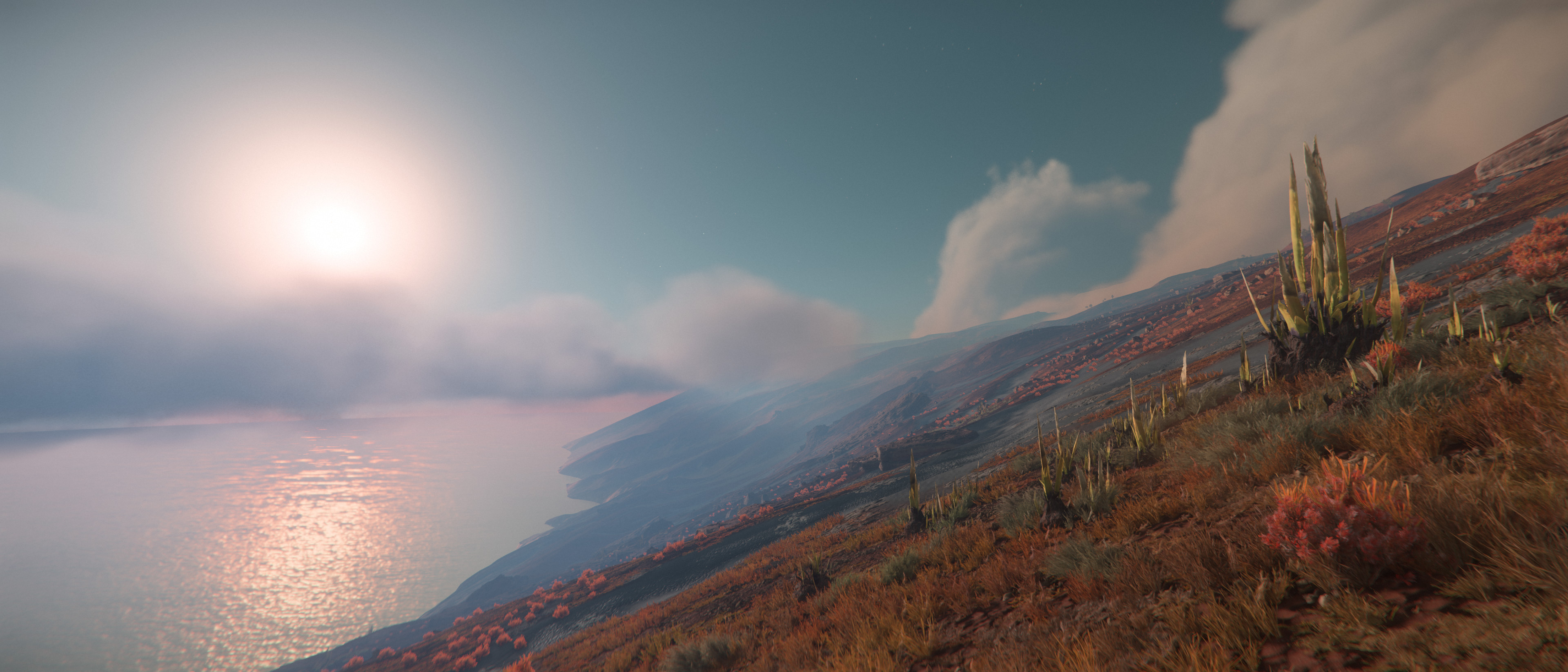
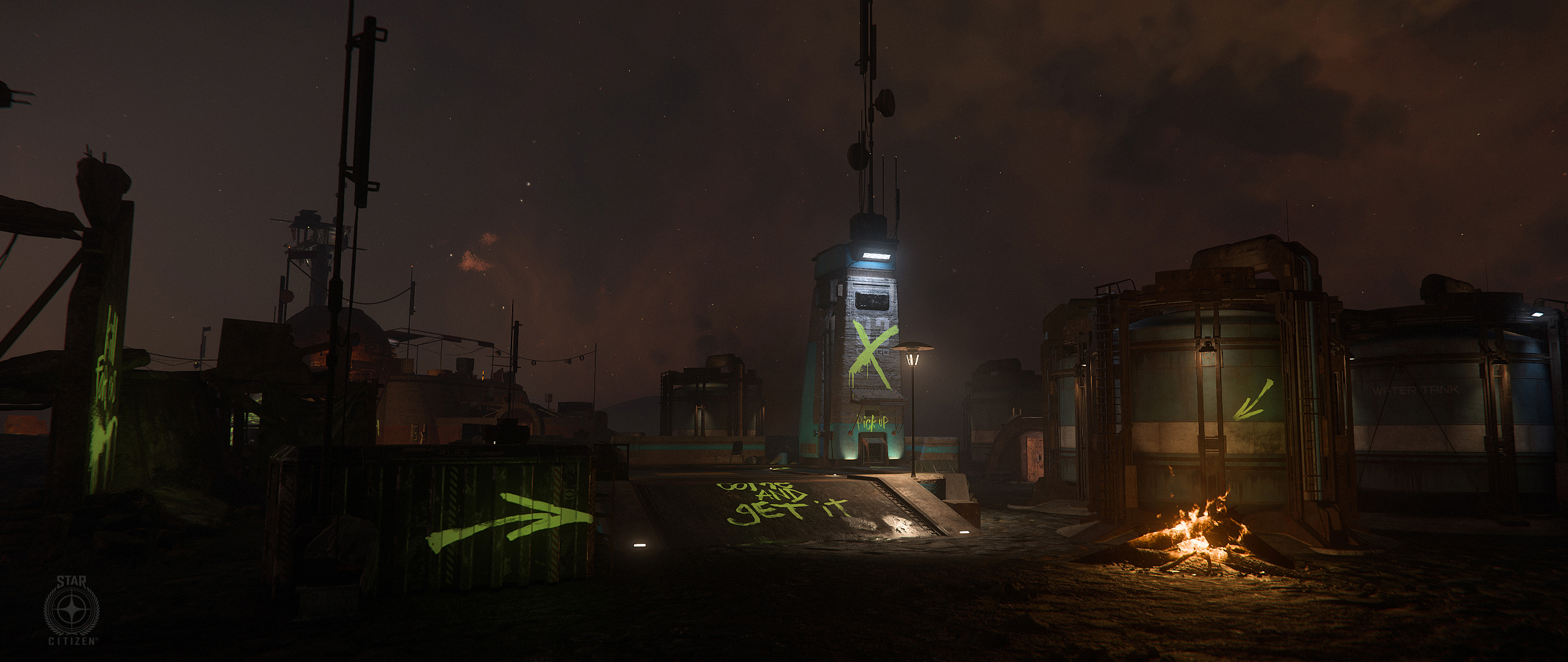
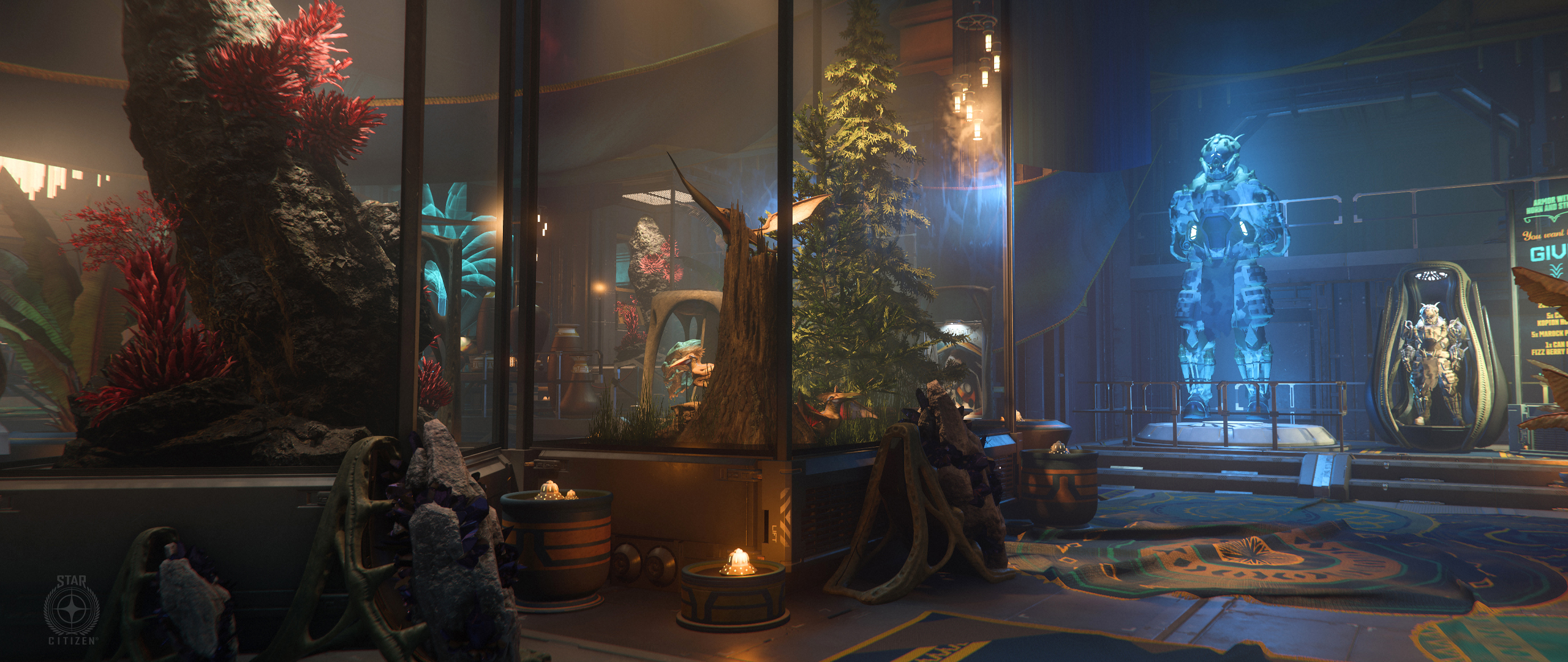
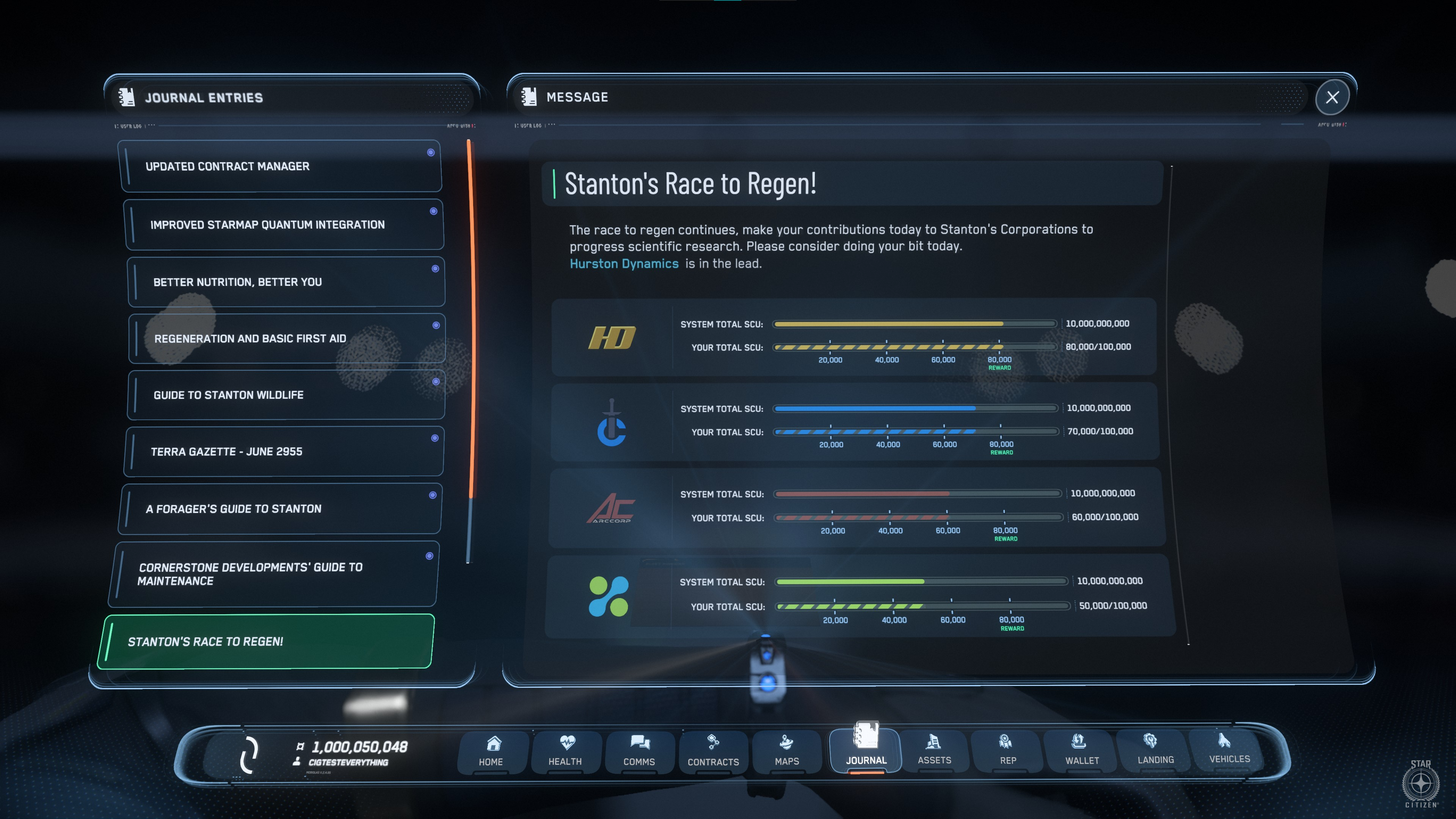
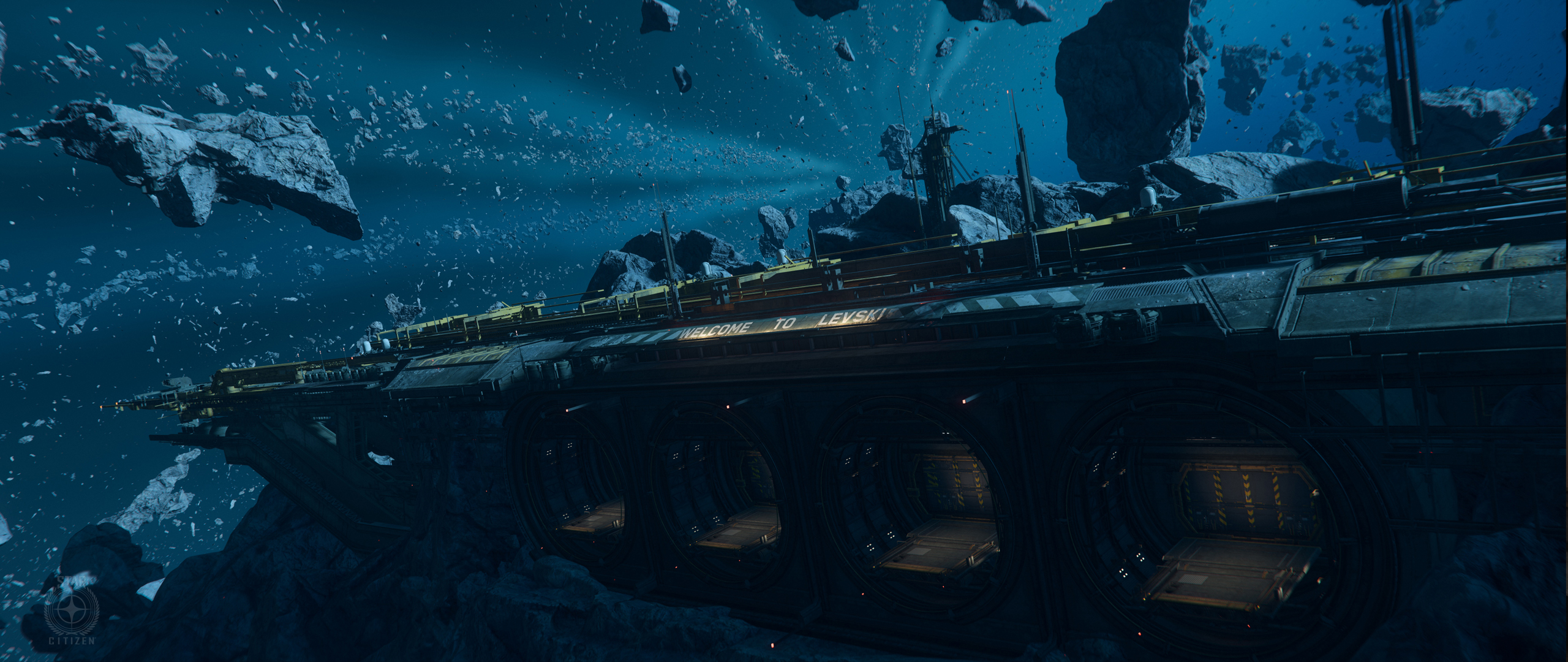
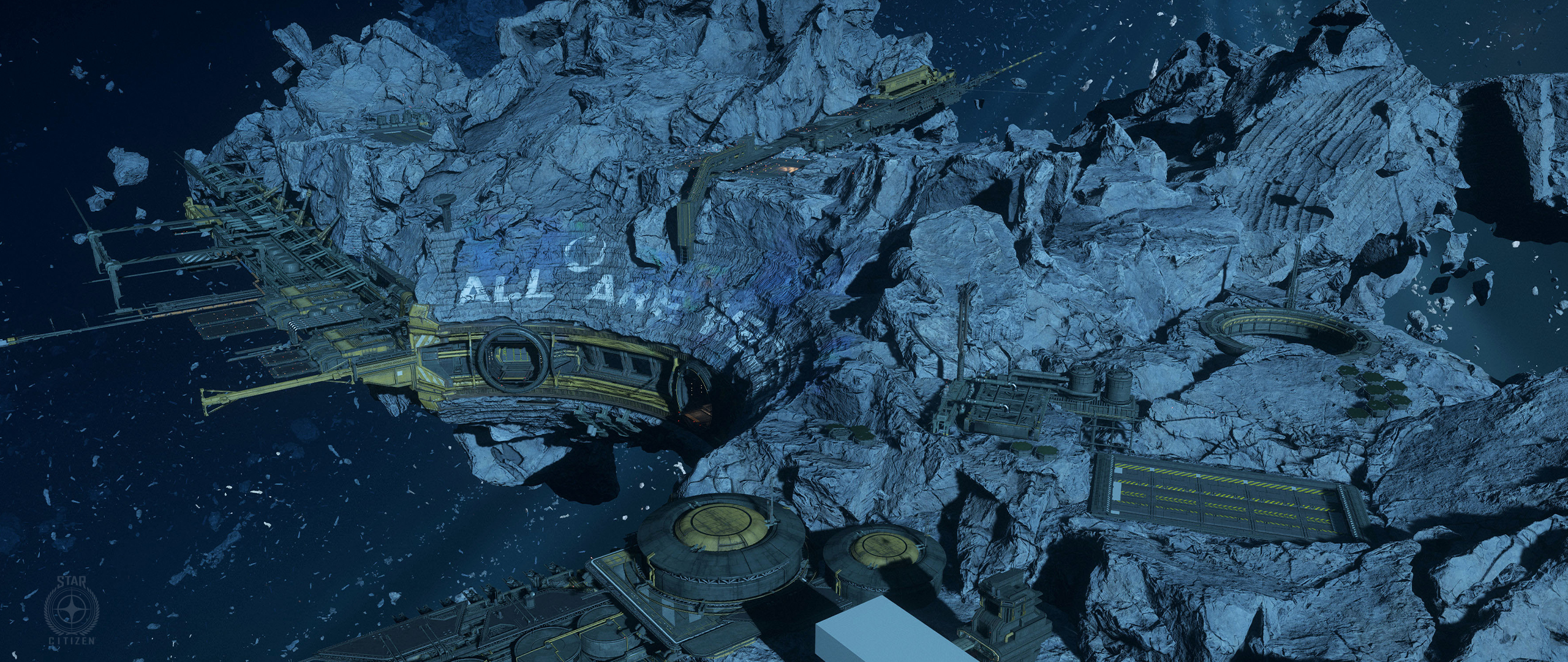
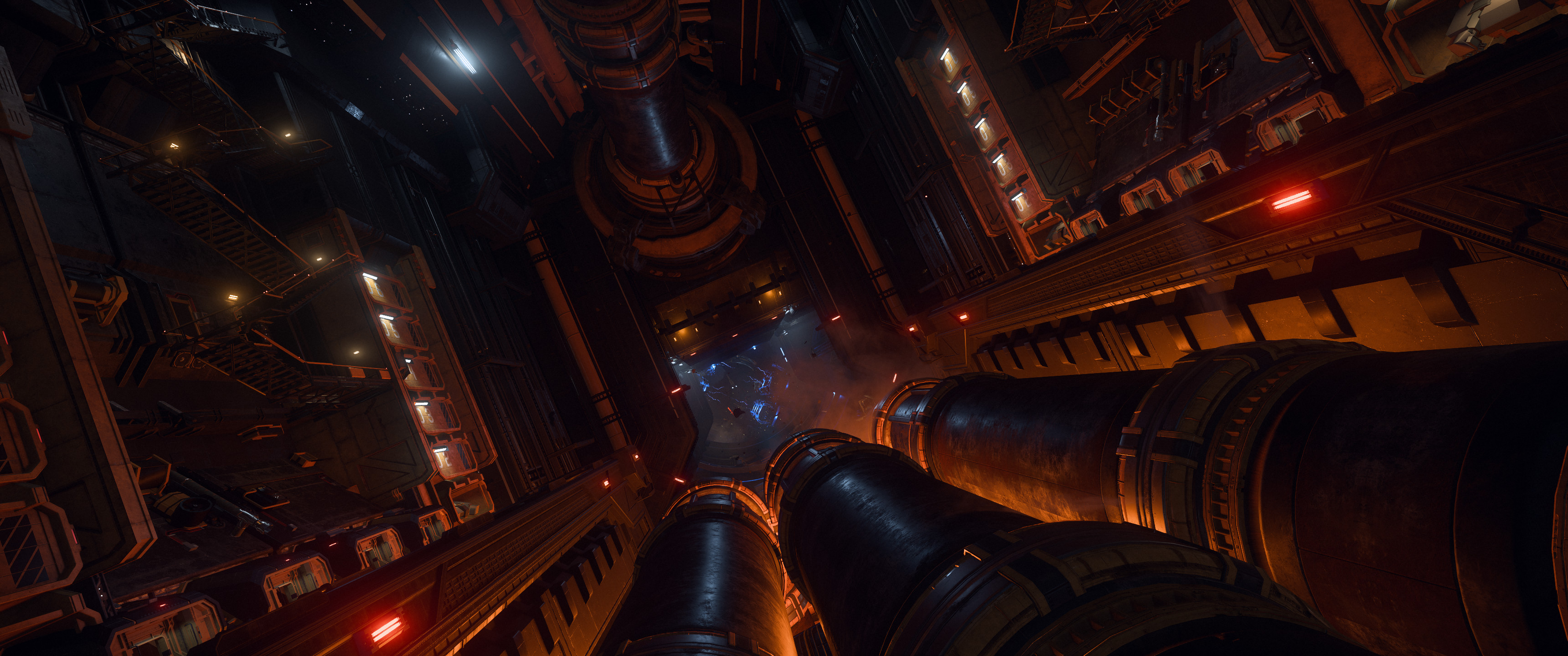
Metadata
- CIG ID
- 17975
- Channel
- Transmission
- Category
- Undefined
- Series
- Monthly Reports
- Comments
- 30
- Published
- 5 years ago (2021-02-03T00:00:00+00:00)