Star Citizen Monthly Report: February 2021
Transmission Undefined Monthly ReportsContent
In the wake of the explosive XenoThreat event, the developers completed tasks for the upcoming Alpha 3.13, progressed with the content due in Alpha 3.14, and made inroads into the new worlds coming later in the year and beyond. Read on for all the details.
AI (Content)
Throughout February, AI Content continued with the engineer behavior, which helped identify further low-level improvements that could be extended to other systems to achieve even more complex behaviors (as they did with the bartender). They also started the downstream definitions of the usables required for the engineer, hygiene, and vendor shop extensions. The tier-zero implementations of the hawker, tourist, and tour guide behavior were completed too.
AI (Features)
AI Features made improvements to the communication system. First, they enabled a selection of communication variations to be aware of the animation options setup in Mannequin. This allows them to drive randomization in a way that prevents possible repetitions.
Secondly, they improved the low-level patrol tech code to support the customization of input parameters on the Subsumption logic for each patrol vertex. To achieve this, they extended the serialization code to allow multiple interfaces for variable serializations. So, from the editor code, they can automatically call through the right function for each variable type. Some variable types are plain old data (POD) and the system allows the registration of a global function associated with that type, such as integers and doubles. As with other custom types, the team can now allow calling class member functions to make the code more structured.
For usables, the team extended the crafting dictionary used to understand which items a usable can produce to handle multiple tags. This will enable them to understand which operations can produce multiple objects in one interaction. The routing verification in the query system was extended so that usables that provide or accept items can also be retrieved when slotted into other usables. They continued to improve the automatic testing setup for Subsumption, allowing the flowgraph UI to create a specific popup of only available functions instead of manually typing the function name.
For Character Combat, improvements were made to the fire cadence skill calculation. This was initially done using a global modifier but now uses skill formulas to ensure different character abilities influence the actual ability to use weapons.
Previously AI rate of fire was globally controlled by two cvar(s), basically two global values designers could tweak. We now have transformed this into a proper “formula” that takes into account the weapon proficiency to allow each character to have a different confidence of how many bullets to use, how quickly to press the trigger based on their traits (is the NPC confident, a showoff?) and on their actual ability with the specific weapon.
The team are currently progressing on the sub-component targeting, extending the targeting system to better filter entity sub-targets. This system will be shared across spaceships and characters. For example, NPCs on foot could target a ship engine with a rocket launcher the same way a ship could target the engine with missiles.
In this test environment you can see how ships are now able to fully focus on a specific subcomponent of another ship. In this case one of the trusters are blown away and then the next one is targeted.
In this test environment we setup a character to replenish his magazines. This is a test map to validate the setup of the ammo crates and make sure that the character can correctly find a crate that can provide magazines/ammos for the weapons he currently has and he can then use the usable correctly.
AI (Tech)
Last month, AI Tech supported character EVA movement. The idea is to reuse and extend the 3D pathfinding implemented for spaceships to characters in zero-g. The overall system was designed with this use-case in mind, so current work is to improve and extend the movement system to ensure the right context is available when an EVA or ship control movement is requested. They’re planning to support automatic enters/exits of ships from zero-g using the usable system too.
The team are currently extending the navigation system to give more context when in-game run-time regeneration requests are queued. The current system relies on physics events for regeneration, which makes it harder for the system to understand what entity type is causing a navigation mesh regeneration and what threshold can be tolerated. The new system utilizes an extension that enables the team to better understand ship states. For example, even if a ship is ‘awake’ in physics when landed, unless significant movements occur, they can accumulate modifications and only request a navmesh regeneration when the accumulated difference exceeds a certain threshold.
The team also progressed with porting the Subsumption editor into the game editor to better connect the editing interface with the runtime code. This involved adding a more advanced ‘find’ functionality that globally scans and finds references in Subsumption data.
Animation
The Animation Team began the month shooting motion-capture for several usables, including vending machines and tourists. They also continued with facial animations for various mission-givers and planned out what was needed to start exploring creatures.
Art (Characters)
Character Art kicked off February finalizing new assets for the refinery decks, with the majority currently in the hands of QA for testing. They also wrapped-up Subscriber items for April and June.
Assets for Alpha 3.14 were added into the pipeline, including a new armor set and outfits for hospitals, which entered the modeling stage. The modeling of the team’s Orison assets is nearing completion too and will pass to Tech Art for skinning shortly.
Lastly, the artists finalized the concepts of two armor sets planned for the second half of the year and several backpacks for Alpha 3.14.
Art (Environment)
February was a busy month for all the location art teams. The Modular Team completed the final art for the upcoming docking arms, working alongside the Docking Feature Team to finish them to a high standard. Progress was made on the ‘colonialism’ outposts, with whitebox signed off and work beginning on greybox. For space-scaping, the team populated the recently added gas clouds with new asteroid archetypes provided by the Organics Team. The skybox and star-field for the Pyro system were further developed too.
The Landing Zone Team split their time between finalizing the halls for an upcoming event and completing tasks for Orison. Support was also given to the new hacking feature prototype.
Art (Ships)
Though some time was lost due to the conditions in Texas, great progress was made on the Tumbril Nova Tank. Last month’s work involved preparing it for the upcoming greybox review, where the vehicle is presented to several teams outside of Vehicle Content. The release-prep review gate was also completed for an upcoming new vehicle.
The Constellation Taurus reached the final-art phase and is currently tracking for a quarter-two release. The finishing touches were also added to the new tints scheduled for release in Alpha 3.13.
Support was also given to docking collars, hull degradation, damage updates, SDF shields, and ship serial numbers and naming.
In the UK, the team continued with the Crusader Hercules variants, wrapping-up the final art pass on the jump seats, remote turret seats, armory, and the A2’s MOAB bomb-release mechanism.
The greybox was completed for the Aegis Redeemer’s cockpit and rear ramp section, while the exterior, landing gear, and turrets are all approaching the same point. The update pass on the Aegis Gladius is nearly finished, with only the LODs remaining before it can be signed off.
A ship naming and hull degradation pass started in February with several ships being ticked off, while the Javelin received a docking collar, entrance area, and general lighting pass.
Art (Weapons)
The Weapons Team closed out several tasks last month, starting with the final art for the T0 mounted-gun asset. Work concluded on the MOAB bomb, the first pass on the Volt Parallax energy rifle was completed, and the standalone Greycat Industrial cutting tool went through final art.
The team also made a start on a size 7 Behring ballistic Gatling gun and began exploring a mag stripping and loading device. Investigation was made into potential improvements to the weapon-skin pipeline too.
Community
The Community Team held the first AMA of the year, inviting the Vehicle Experience Team to answer the community’s top questions. Topics included ship balance and tuning, capacitors, and ship roles in combat. They also announced the winners of the 2951 Coramor card contest and kicked off the ‘verse’s Lunar New Year equivalent, the Red Festival.
The Roadmap received further improvements, including a new UI for Release View, while more highlights were covered in the latest Roadmap Roundup.
The team gathered the thoughts on the latest patch release from each team and compiled the Alpha 3.12 Postmortem, covering what went well and what will be improved on going forward.
Finally, they supported the February Free Fly.
“We saw lots of activity from player guides, so thank you very much for helping new players feel so welcome! During the Free Fly, the total number of citizens surpassed three million!” -The Community Team
Engine
In February, the Physics Team finished tier one of geometry instancing, which is the second of three. Further optimizations included an improved way to recompute the mass distribution of rigid bodies. Memory fragmentation related to geometry containers was reduced by allocating memory for all arrays from a single contiguous block. For zero-g traversal, Engineering continued their joint effort with Actor Features on the new passive ragdoll mode. Issues with the communication between the game code, animation system, and physics system were found and fixed. Alongside this, a new passive ragdoll mode was added to skeleton physics.
For cooperative locomotion, an inconsistency was fixed in the damping of engaged movables. Additional support was given to the Planet Tech Team who were looking to improve vegetation touch-bending on shorter asset varieties.
Time was spent improving wheeled-vehicle physics, with the team managing to get the lateral Pacejka tire model to work and further improving the longitudinal model. While they fully transition to this, a few improvements were provided for the legacy mode. Contact handling for tanks was improved, while improvements were made to the engine and gearbox code. Prototyping started on the logic for polygon cutting, which is used on physics proxy meshes, and general-purpose work was started on the ISPC math library, with the first results being submitted. This will allow the team to port C++ code to ISPC more easily. A potential fix for ships becoming unresponsive after players leave the cockpit was submitted too.
For the renderer, work continued on the Gen12 transition, in particular finalizing the render graph. Support for the remaining secondary vertex streams, such as skinning attributes, velocity, and secondary UV streams, was added. Additionally, the gather-based depth-of-field implementation was optimized. The shaping of volumetric clouds was completed and a first draft is currently with the artists for prototyping and feedback. In the meantime, more improvements to cloud shading and shadowing were implemented. A believable multi-scatter approximation was also added. Cloud shading now includes atmosphere-based ambient light (reflected ground light will be added later), while cloud albedo was reduced at the edges to emphasize shape and light scattering in clouds is no longer monochromatic and now just as flexible as atmospheric scattering. To reduce aliasing when shaping clouds, proper texture LOD values are now computed at each raymarch step, while shadow rays are jittered to reduce aliasing under motion. Research into the efficient skipping of empty space between clouds commenced.
The Engine Team continued working on the profiler, adding compatibility for hardware counters and a sampling profiler mode with dedicated Windows and Linux support. Memory tracking data can now be filtered, so issues can be more easily delegated to their respective owners. Work and improvements on the entity component update scheduler continued. For the patcher libraries, time was spent investigating infrequent errors in data patching that resulted in corrupt p4k files (as reported by PU error tracking code); some improvements were implemented and more will be rolled out soon. Vis areas received further code updates and support for animated portals was implemented. Moving forward, the team will support work on the Vulkan backend.
Features (Characters & Weapons)
One of the major features worked on in February was mounted-gun gameplay, which involves the player taking control of a pre-placed, large-caliber weapon mounted on a 360-degree pivot. This offers an alternative to the rocket launcher or railgun for anti-vehicle combat along with highly effective firepower against infantry. The decision was made early on to opt for a control mechanic like on-foot weapon handling – this gives the most natural feeling yaw and pitch control that’s only slightly constrained by the rotation speed of the weapon. This control scheme also allows the player to enter an aim-down-sight (ADS) state for a better targeting view. On the character-side, several motion-captured idle and moving assets were blended to pose the gunner relative to the weapon based on current pitch and rotation speed. There was some back-and-forth between the content and tech teams to get realistic-looking posing while maintaining a strong first-person camera view. To ensure the character’s hands stay on the weapon grips and fingers squeeze the triggers at the right time, the team leveraged the same IK solver as the food consumption feature released last year. The team is now working on ironing out the last kinks before the next release.
On the technical side, the team looked at character avoidance, which they started by adding additional use-cases for situations seen in the live environment to a simplified test level. The focus was on NPC-to-NPC avoidance without the influence of the player, primarily looking at situations where three or more NPCs cross paths simultaneously or an NPC moves around a corner while avoiding an obstacle. The algorithm used is based on ‘optimal reciprocal collision avoidance’ (ORCA) with some custom code. In this iteration, the team rewrote the custom code along with the response handling to better align with the underlying ORCA logic. Significant time was spent re-reading the ORCA research papers. On top of that, the team revisited the character animation flow to ensure body twist is triggering both at the correct moment and for the right duration. The overall result is much better avoidance resolution for both the old and new use-cases and better-looking body posing. Based on the result, the decision was made to capture additional avoidance animation assets to increase response variation.
Features (Gameplay)
The Gameplay Features Teams spent time in February preparing features for the upcoming Alpha 3.13 release, fixing critical bugs, and planning for future initiatives.
The US-based team further developed the mobiGlas apps mentioned in last month’s report: The engineers continued to implement the reputation app and the designers added UI visuals into the Building Blocks canvases. Design iterations were made on the Asset Manager app, which is planned for launch in Alpha 3.13.
They also began to plan for the upcoming cargo refactor, which aims to physicalize items within cargo grids. This requires the team to reevaluate how they deal with volatile cargo, mining, refining, and several other intertwined systems. The refactor will also see the commodity kiosk converted from Flash to Building Blocks and tie into the Asset Manager.
The EU-based teams focused on polishing and bug-fixing the refinement gameplay, correcting various flaws, clunkiness, and exploits and generally making it run smoother. They’re currently implementing mining components that fit into the same slot as mining consumables. However, the components aren’t consumed on activation and act as a sub-component of the mining laser, allowing the player to mix and match components and consumables as they see fit. At the same time, they added a handful of smaller features to the mining UI that didn’t make Alpha 3.12, including a range indicator and animations on the scanned information.
Features (Mission & Live Content)
The Live Content Team completed varying tasks, including polishing new and upcoming missions, prototyping spawn closets, and developing harvestables.
The coders enhanced the bounty system so that bounties outside of monitored zones will inadvertently (or purposefully) give away their location through a variety of actions. The aim is to give bounty hunters the chance to track bounties in unmonitored zones and ensure bounties always feel like they’re on the run.
A new system was worked on to allow the devs to ‘hijack’ advertising screens in locations around the PU to show breaking news or safety alerts. They’re also developing a security system that will allow them to remove the automatic CrimeStats given by trespass zones. Currently in order for the station defenses or security to attack a player they must be given a CrimeStat for trespassing. This is not the intention. The new system will allow players to enter a trespass zone and, as long as they remain, undetected, they will not receive a CrimeStat. In future this will allow us to have security instruct the player to leave and should the player ignore the warning they would be arrested or ultimately killed. Security and automated defenses will engage players without them needing a CrimeStat.
Features (Vehicles)
Vehicle Feature’s February focus was on docking, with the Constellation-to-Merlin docking being polished and ship-to-station docking nearing completion. The team also added docking filter tags to let players allow or block certain ships from docking at specific ports, which involved making messaging and quality-of-life changes to the UI. Players are now informed about various things during the docking process, including when docking clamps disengage. A ‘match velocity mode’ was also developed for ships to help when docking to a moving vehicle, which is extremely difficult otherwise. Various networking issues with station docking were discovered but were resolved. There are a few things to be finished, including comms-calling stations for docking permission and spawning ships at docking collars, but station docking is making great progress.
Other things touched on last month include the rework of missile flight dynamics.
“We have missile guidance phases that adjust and change the behavior of the missile as it progresses through its flight to the target. This allows us really fine control over the missile and ensures that it’s best able to reach the target as quickly as possible.” -The Vehicle Features Team
They also improve thruster dust VFX, which will soon be per-thruster and far more dynamic than before. For example, as VTOL thrusters rotate, dust will correctly follow the wind volumes and match the physics forces associated with the thrusters’ wind blast. MFDs continued to be prototyped as the team finalizes out how they’ll be implemented, and jump points received renewed focus as the team worked through some of the associated issues with bringing them to the PU alongside server meshing.
Graphics
Last month, the Graphics Team focused on two main areas – automated testing and the Gen12 renderer. Various improvements were made to automated testing to better reliability, which is crucial as major changes are rolled out to ensure Graphics don’t break anything implemented by other teams. This included a rework of how the timers are set up in the renderer, ensuring they can pause and re-base the different animation systems used for things like lights, shaders, fog, and water.
On the Gen12-front, work continued to reach parity with the old shadow code-path so that it can be enabled by default. Testing of the Vulkan backend was rolled out further across the team to get wider visibility on the new API. Finally, to aid debugging, the font rendering system was ported to Gen12.
Lighting
Last month, the team built prototypes for interactive lighting elements in player habs. The aim was to test several interaction systems and see how they work with the existing lighting workflows. Results were promising and the team hopes to improve and implement them in the future.
Lighting also helped set up some basic system-wide settings for Pyro. This involves laying out intensity values for the Pyro star, which affects how bright all planets and locations will appear. These settings are then also applied to all construction levels for the planets and moons so they can have their atmospheric settings tweaked under the correct brightness.
The team also provided lighting support for Orison, with a focus on the habitation rooms, spaceport interior, and Voyager Bar. A lighting pass was also done on the new larger cave entrances along with ship-to-station docking arms.
Narrative
As more locations and environments are developed, the team worked with the environment teams to help define the language of the signs and environmental storytelling to bring another dimension of character to the spaces. They also continued working with the mission teams in the UK and Austin to develop upcoming content. They also organized another voiceover recording session to capture characters for several future landing zones and events and met with Turbulent to explore a new webpage creation system that provides a lot more design opportunities when creating posts.
Narrative kicked-off discussions with UI and Design on the next steps to transition the vast amount of fictional dispatches into the game. For example, enabling players to receive news updates about events in the system or listen to short stories during long flights. The discussion yielded some great ideas but also a greater understanding of the technical aspects needed to get the feature into the game.
February also saw the latest installment of the Sid & Cyrus short story, another installment of StarWatch, and new entries to the Galactapedia.
“This past month was a very exciting one for the Narrative Team. The XenoThreat incursion kicked off in Stanton after months of hard work alongside a variety of teams. It was great to watch the community band together to repel the threat and get a sense of how we could potentially build similar content in the future.” -The Narrative Team
Player Relations
Player Relations continued to recruit and add to its Wilmslow team. They also continued to triage bugs for Alpha 3.12 and began preparing for Alpha 3.13 and various events beginning in spring.
Props
The Props Team completed their first pass on props for Orison, including furniture and some larger hero assets. Work began on interactable props for homesteads, such as solar panels and battery packs, while geometry templates were completed for a movable gurney and bed for the hospital locations.
QA
On the publishing side, QA supported Alpha 3.12.1 and XenoThreat in early February. Development-wise, they tested content for Alpha 3.13 in preparation for Evocati testing, including ship-to-ship docking, new harvestables, updates to MedPens, and Force Reactions. QA also updated their test plans, processes, and department structure to better align with the releases and events coming this year.
Systemic Services & Tools
The Systemic Services & Tools Team continued developing tooling to allow the backend to control the flow of gameplay. This involved integrating high-speed positional information for AI spawned in the game to better track how content is deployed and used throughout the PTU. Work was also finished that will allow the team to control, see, and modify critical services, which will ultimately allow for direct intervention and prepare for the integration of Quantum.
“Our art resources are being channeled into a public presentation we plan to give soon. Stay tuned for an update from Tony Zurovec in the near future!” -The Systemic Services & Tools Team
Tech Animation
February saw Tech Animation cleaning up assets, as a core change to the in-engine animation pipeline invalidated a large number of them. Development of the in-house animation graph toolset continued, which is going through early user-testing to collate feedback and bugs for the next phase of development.
The team also worked with external options for skinning decomposition and changed them into working solutions. This toolset forms the basis of the technology that will be used to refactor a portion of the asset-authoring pipeline to expedite the whole process.
Turbulent
Turbulent’s Game Services joined forces with several other teams to improve the performance of VOIP & FOIP, which involved implementing a new logging system, adding an improved debug tool, and making minor code centralization.
Coordinating with devs working on the launcher and directly in-engine, they delivered their first milestone in the server-meshing project. A portion of the team shifted to server-meshing project deliveries, with more to be added as the project progresses. Turbulent also delivered additional USPU features for the reputation system to give players the ability to set preferences, get notified when their reputation changes, and visualize their reputation history.
The Live Tools Team solved several bug-fixing issues that were occurring in the error reporting workflow. There were also fixes for the load-testing service that included improvements to logging, support for changing contexts, and assertions.
Vehicle Tech
Vehicle Tech made improvements to the ground vehicle system to support the release of the Tumbril Nova. This involved expanding turreted targeting and weapon usage and implementing realistic tread motion and tread-based vehicle operation.
Further improvements were made to the radar and scanning systems, which will be usable both on-foot and within vehicles. The ping system was the main focus point throughout February. To increase player interaction with the environment, improvements to the underlying interaction system began. For example, allowing the player to press a button or turn a dial within a cockpit to trigger contextual actions.
Finally, support was given to the XenoThreat event, which required new features and bugs to be squashed.
VFX
Throughout February, VFX continued their pre-production work on vehicle radar ping effects. They also further developed planetary effects for several locations in Pyro alongside impact effects for a variety of new harvestables.
A new VFX profiling tool was created, giving the team a much clearer view of important performance-related information in graph format. Work continued on gas cloud interior effects too, including small debris that safely collides with ship hulls. They also continued their work on the Crusader Hercules and another upcoming vehicle, while the rollout of SDF shield impact effects continued.
WE’LL SEE YOU NEXT MONTH…
Im Gefolge des explosiven XenoThreat-Events haben die Entwickler Aufgaben für die kommende Alpha 3.13 abgeschlossen, Fortschritte bei den Inhalten gemacht, die in der Alpha 3.14 anstehen, und sind in die neuen Welten vorgedrungen, die später im Jahr und darüber hinaus kommen. Lies weiter, um alle Details zu erfahren.
KI (Inhalt)
Den ganzen Februar hindurch arbeitete AI Content weiter am Verhalten des Ingenieurs, was dabei half, weitere Low-Level-Verbesserungen zu identifizieren, die auf andere Systeme ausgeweitet werden können, um noch komplexere Verhaltensweisen zu erreichen (wie sie es mit dem Barkeeper getan haben). Sie begannen auch mit den nachgelagerten Definitionen der Usables, die für die Engineer-, Hygiene- und Vendor-Shop-Erweiterungen benötigt werden. Die Tier-Null-Implementierungen des Hawker-, Tourist- und Tourguide-Verhaltens wurden ebenfalls fertiggestellt.
AI (Features)
Die KI-Features brachten Verbesserungen für das Kommunikationssystem. Zunächst wurde eine Auswahl von Kommunikationsvarianten aktiviert, die die Animationsoptionen in Mannequin berücksichtigen. Dies erlaubt es ihnen, die Randomisierung so zu steuern, dass mögliche Wiederholungen verhindert werden.
Zweitens verbesserten sie den Low-Level-Code der Patrouillentechnik, um die Anpassung der Eingabeparameter der Subsumptionslogik für jeden Patrouillenvertex zu unterstützen. Um dies zu erreichen, haben sie den Serialisierungscode erweitert, um mehrere Schnittstellen für die Serialisierung von Variablen zu ermöglichen. So können sie vom Editor-Code aus automatisch die richtige Funktion für jeden Variablentyp aufrufen. Einige Variablentypen sind einfache alte Daten (POD) und das System erlaubt die Registrierung einer globalen Funktion, die mit diesem Typ verbunden ist, wie z.B. Integer und Doubles. Wie bei anderen benutzerdefinierten Typen kann das Team nun den Aufruf von Klassenmitgliedfunktionen erlauben, um den Code strukturierter zu gestalten.
Für Usables hat das Team das Crafting-Dictionary erweitert, das verwendet wird, um zu verstehen, welche Items ein Usable produzieren kann, um mehrere Tags zu behandeln. Dies ermöglicht es ihnen zu verstehen, welche Operationen mehrere Gegenstände in einer Interaktion produzieren können. Die Routing-Überprüfung im Abfragesystem wurde erweitert, so dass Usables, die Gegenstände bereitstellen oder annehmen, auch abgerufen werden können, wenn sie in andere Usables eingefügt werden. Sie verbesserten weiterhin das automatische Prüf-Setup für Subsumption, so dass die Flowgraph UI ein spezifisches Popup mit nur verfügbaren Funktionen erstellen kann, anstatt den Funktionsnamen manuell einzutippen.
Für Character Combat wurden Verbesserungen an der Berechnung der Feuerkadenz-Fähigkeit vorgenommen. Ursprünglich wurde dies mit einem globalen Modifikator gemacht, aber jetzt werden Fertigkeitsformeln verwendet, um sicherzustellen, dass verschiedene Charakterfähigkeiten die tatsächliche Fähigkeit, Waffen zu benutzen, beeinflussen.
Zuvor wurde die Feuerkadenz der KI global durch zwei cvar(s) gesteuert, im Grunde zwei globale Werte, an denen die Designer drehen konnten. Wir haben dies nun in eine richtige "Formel" umgewandelt, die die Waffenfertigkeit berücksichtigt, um es jedem Charakter zu ermöglichen, eine unterschiedliche Zuversicht zu haben, wie viele Kugeln zu verwenden sind, wie schnell der Abzug zu drücken ist, basierend auf seinen Eigenschaften (ist der NPC selbstbewusst, ein Angeber?) und auf seiner tatsächlichen Fähigkeit mit der spezifischen Waffe.
Das Team arbeitet derzeit am Sub-Komponenten-Zielsystem und erweitert das Zielsystem, um Sub-Ziele von Entitäten besser zu filtern. Dieses System wird über Raumschiffe und Charaktere hinweg genutzt werden. Zum Beispiel könnten NSCs zu Fuß einen Schiffsmotor mit einem Raketenwerfer anvisieren, genauso wie ein Schiff den Motor mit Raketen anvisieren könnte.
In dieser Testumgebung kannst du sehen, wie Schiffe nun in der Lage sind, sich vollständig auf eine bestimmte Unterkomponente eines anderen Schiffes zu konzentrieren. In diesem Fall wird einer der Truster weggesprengt und dann wird der nächste anvisiert.
In dieser Testumgebung stellen wir einen Charakter auf, um seine Magazine aufzufüllen. Dies ist eine Testkarte, um das Setup der Munitionskisten zu validieren und sicherzustellen, dass der Charakter korrekt eine Kiste finden kann, die Magazine/Ammos für die Waffen, die er gerade hat, bereitstellt und er diese dann auch korrekt nutzen kann.
KI (Tech)
Letzten Monat hat die KI Tech die EVA-Bewegung des Charakters unterstützt. Die Idee ist, das 3D Pathfinding, das für Raumschiffe implementiert wurde, wiederzuverwenden und auf Charaktere in der Schwerelosigkeit zu erweitern. Das Gesamtsystem wurde mit diesem Anwendungsfall im Hinterkopf entworfen, daher besteht die aktuelle Arbeit darin, das Bewegungssystem zu verbessern und zu erweitern, um sicherzustellen, dass der richtige Kontext verfügbar ist, wenn eine EVA- oder Schiffssteuerungsbewegung angefordert wird. Es ist geplant, automatische Ein- und Ausstiege von Schiffen aus der Schwerelosigkeit mit dem System zu unterstützen.
Das Team erweitert derzeit das Navigationssystem, um mehr Kontext zu liefern, wenn Regenerationsanfragen zur Laufzeit im Spiel anstehen. Das aktuelle System verlässt sich auf Physik-Ereignisse für die Regeneration, was es für das System schwieriger macht, zu verstehen, welcher Entitätstyp eine Regeneration des Navigationsnetzes verursacht und welcher Schwellenwert toleriert werden kann. Das neue System nutzt eine Erweiterung, die es dem Team ermöglicht, Schiffszustände besser zu verstehen. Zum Beispiel, selbst wenn ein Schiff in der Physik "wach" ist, wenn es gelandet ist, können sie Modifikationen akkumulieren und nur dann eine Navmesh-Regeneration anfordern, wenn die akkumulierte Differenz eine bestimmte Schwelle überschreitet.
Das Team machte auch Fortschritte bei der Portierung des Subsumption-Editors in den Game-Editor, um die Bearbeitungsoberfläche besser mit dem Laufzeitcode zu verbinden. Dies beinhaltete das Hinzufügen einer erweiterten 'Find'-Funktionalität, die global scannt und Referenzen in Subsumption-Daten findet.
Animation
Das Animationsteam begann den Monat mit Motion-Capture-Aufnahmen für verschiedene Nutzgegenstände, darunter Verkaufsautomaten und Touristen. Sie setzten auch die Gesichtsanimationen für verschiedene Missionsgeber fort und planten, was für die Erforschung von Kreaturen benötigt wird.
Art (Charaktere)
Character Art begann im Februar mit der Fertigstellung der neuen Assets für die Raffinerie-Decks, wobei der Großteil derzeit in den Händen der QA zum Testen liegt. Außerdem wurden die Abonnentenartikel für April und Juni fertiggestellt.
Assets für Alpha 3.14 wurden in die Pipeline aufgenommen, darunter ein neues Rüstungsset und Outfits für Krankenhäuser, die in die Modellierungsphase gingen. Die Modellierung der Orison-Assets des Teams steht ebenfalls kurz vor dem Abschluss und wird in Kürze an Tech Art zum Skinning übergeben.
Zu guter Letzt haben die Künstler die Konzepte für zwei Rüstungssets, die für die zweite Jahreshälfte geplant sind, und mehrere Rucksäcke für Alpha 3.14 fertiggestellt.
Kunst (Umgebung)
Der Februar war ein arbeitsreicher Monat für alle Location Art Teams. Das Modular Team stellte die finale Grafik für die kommenden Andockarme fertig und arbeitete mit dem Docking Feature Team zusammen, um sie zu einem hohen Standard fertigzustellen. Die Arbeiten an den Kolonialismus-Außenposten wurden vorangetrieben, die Whitebox unterzeichnet und die Arbeit an der Greybox begonnen. Für das Space-Scaping bevölkerte das Team die kürzlich hinzugefügten Gaswolken mit neuen Asteroiden-Archetypen, die vom Organics-Team zur Verfügung gestellt wurden. Auch die Skybox und das Sternenfeld für das Pyro-System wurden weiterentwickelt.
Das Landing Zone Team teilte seine Zeit zwischen der Fertigstellung der Hallen für ein kommendes Event und der Erledigung von Aufgaben für Orison auf. Auch der Prototyp für das neue Hacking-Feature wurde unterstützt.
Kunst (Schiffe)
Obwohl einige Zeit aufgrund der Bedingungen in Texas verloren ging, wurden große Fortschritte am Tumbril Nova Tank gemacht. Die Arbeit des letzten Monats bestand darin, ihn für das bevorstehende Greybox-Review vorzubereiten, bei dem das Fahrzeug mehreren Teams außerhalb des Fahrzeuginhalts präsentiert wird. Das Release-Prep-Review-Gate wurde ebenfalls für ein kommendes neues Fahrzeug abgeschlossen.
Der Constellation Taurus hat die Final-Art-Phase erreicht und ist derzeit auf dem Weg zu einem Release im zweiten Quartal. Der letzte Schliff wurde auch an den neuen Tönungen vorgenommen, die in Alpha 3.13 veröffentlicht werden sollen.
Außerdem wurden Docking Collars, Hüllenverschlechterung, Schadensupdates, SDF-Schilde und Schiffsseriennummern und -benennungen unterstützt.
In Großbritannien arbeitete das Team weiter an den Crusader Hercules Varianten und beendete den finalen Art-Pass für die Sprungsitze, die ferngesteuerten Turmsitze, die Waffenkammer und den MOAB-Bombenabwurfmechanismus der A2.
Die Greybox wurde für das Cockpit und die hintere Rampensektion des Aegis Redeemer fertiggestellt, während das Äußere, das Fahrwerk und die Geschütztürme sich dem gleichen Punkt nähern. Der Update-Pass für die Aegis Gladius ist fast fertig, es fehlen nur noch die LODs, bevor sie abgezeichnet werden kann.
Ein Schiffstaufe- und Hüllenverschlechterungspass hat im Februar begonnen, wobei mehrere Schiffe abgehakt wurden, während die Javelin einen Dockingkragen, einen Eingangsbereich und einen allgemeinen Beleuchtungspass erhalten hat.
Art (Weapons)
Das Waffenteam schloss im letzten Monat mehrere Aufgaben ab, angefangen mit der finalen Grafik für die T0 Mounted-Gun Anlage. Die Arbeiten an der MOAB-Bombe wurden abgeschlossen, der erste Durchgang des Volt-Parallax-Energiegewehrs wurde vollendet und das eigenständige Greycat Industrial-Schneidewerkzeug durchlief die finale Grafik.
Das Team begann auch mit der Entwicklung einer ballistischen Behring Gatlingkanone der Größe 7 und begann mit der Erforschung einer Mag-Stripping- und Ladevorrichtung. Auch die Pipeline für die Waffenhaut wurde auf mögliche Verbesserungen hin untersucht.
Community
Das Community Team hielt das erste AMA des Jahres ab und lud das Vehicle Experience Team ein, die wichtigsten Fragen der Community zu beantworten. Zu den Themen gehörten Schiffs-Balance und -Tuning, Kondensatoren und Schiffsrollen im Kampf. Außerdem wurden die Gewinner des Coramor-Kartenwettbewerbs von 2951 bekannt gegeben und das Rote Fest, das Äquivalent zum Mondneujahr, eingeläutet.
Die Roadmap erhielt weitere Verbesserungen, darunter ein neues UI für die Release-Ansicht, während weitere Highlights im neuesten Roadmap-Roundup behandelt wurden.
Das Team sammelte die Gedanken zum letzten Patch-Release von jedem Team und stellte den Alpha 3.12 Postmortem zusammen, der aufzeigt, was gut gelaufen ist und was in Zukunft verbessert werden soll.
Abschließend unterstützten sie den Februar Free Fly.
"Wir sahen eine Menge Aktivität von Spielerführern, also vielen Dank, dass ihr neuen Spielern geholfen habt, sich so willkommen zu fühlen! Während des Freiflugs überschritt die Gesamtzahl der Bürger die Drei-Millionen-Grenze!" -Das Community Team
Engine
Im Februar beendete das Physik-Team die erste Stufe der Geometrie-Instanzierung, die zweite von drei. Weitere Optimierungen beinhalteten einen verbesserten Weg zur Neuberechnung der Massenverteilung von Rigid Bodies. Die Speicherfragmentierung im Zusammenhang mit Geometriecontainern wurde reduziert, indem der Speicher für alle Arrays aus einem einzigen zusammenhängenden Block zugeteilt wurde. Für das Zero-G-Traversal setzte das Engineering die gemeinsame Arbeit mit Actor Features an dem neuen passiven Ragdoll-Modus fort. Es wurden Probleme mit der Kommunikation zwischen dem Spielcode, dem Animationssystem und dem Physiksystem gefunden und behoben. Außerdem wurde der Skelettphysik ein neuer passiver Ragdoll-Modus hinzugefügt.
Für die kooperative Fortbewegung wurde eine Inkonsistenz in der Dämpfung von eingekuppelten Movables behoben. Zusätzliche Unterstützung erhielt das Planet Tech Team, das sich um die Verbesserung des Vegetations-Touch-Bending bei kürzeren Asset-Varianten kümmerte.
Es wurde Zeit damit verbracht, die Radfahrzeugphysik zu verbessern, wobei es dem Team gelang, das seitliche Pacejka-Reifenmodell zum Laufen zu bringen und das Längsmodell weiter zu verbessern. Während sie vollständig darauf umsteigen, wurden einige Verbesserungen für den Legacy-Modus bereitgestellt. Das Kontakthandling für Tanks wurde verbessert, während Verbesserungen am Motor- und Getriebecode vorgenommen wurden. Es wurde mit dem Prototyping der Logik für das Schneiden von Polygonen begonnen, die auf Physik-Proxy-Meshes verwendet wird, und es wurde mit der allgemeinen Arbeit an der ISPC-Mathe-Bibliothek begonnen, wobei die ersten Ergebnisse eingereicht wurden. Dies wird es dem Team ermöglichen, C++ Code leichter nach ISPC zu portieren. Ein möglicher Fix für Schiffe, die nicht mehr reagieren, nachdem Spieler das Cockpit verlassen haben, wurde ebenfalls eingereicht.
Beim Renderer wurde die Arbeit an der Gen12-Umstellung fortgesetzt, insbesondere die Fertigstellung des Rendergraphen. Unterstützung für die verbleibenden sekundären Vertex-Streams, wie Skinning-Attribute, Geschwindigkeit und sekundäre UV-Streams, wurde hinzugefügt. Zusätzlich wurde die Gathering-basierte Tiefenschärfe-Implementierung optimiert. Das Shaping von volumetrischen Wolken wurde vervollständigt und ein erster Entwurf befindet sich derzeit bei den Künstlern zum Prototyping und Feedback. In der Zwischenzeit wurden weitere Verbesserungen der Wolkenschattierung und des Schattenwurfs implementiert. Eine glaubwürdige Multi-Streuung wurde ebenfalls hinzugefügt. Die Wolkenschattierung beinhaltet nun atmosphärenbasiertes Umgebungslicht (reflektiertes Bodenlicht wird später hinzugefügt), während die Wolkenalbedo an den Rändern reduziert wurde, um die Form zu betonen und die Lichtstreuung in Wolken ist nicht mehr monochromatisch und nun genauso flexibel wie die atmosphärische Streuung. Um Aliasing bei der Formgebung von Wolken zu reduzieren, werden nun bei jedem Raymarch-Schritt korrekte Textur-LOD-Werte berechnet, während Schattenstrahlen gejittert werden, um Aliasing bei Bewegung zu reduzieren. Es wurde mit der Erforschung des effizienten Überspringens von Leerräumen zwischen Wolken begonnen.
Das Engine Team arbeitete weiter am Profiler und fügte Kompatibilität für Hardwarezähler und einen Sampling Profiler Modus mit dedizierter Windows und Linux Unterstützung hinzu. Speicherverfolgungsdaten können nun gefiltert werden, so dass Probleme leichter an ihre jeweiligen Besitzer delegiert werden können. Die Arbeit und Verbesserungen am Entity Component Update Scheduler wurden fortgesetzt. Für die Patcher-Bibliotheken wurde Zeit damit verbracht, seltene Fehler beim Daten-Patching zu untersuchen, die zu korrupten p4k-Dateien führten (wie vom PU-Fehlerverfolgungscode gemeldet); einige Verbesserungen wurden implementiert und weitere werden bald ausgerollt. Vis-Bereiche erhielten weitere Code-Updates und Unterstützung für animierte Portale wurde implementiert. In Zukunft wird das Team die Arbeit am Vulkan-Backend unterstützen.
Features (Charaktere & Waffen)
Eines der wichtigsten Features, an denen im Februar gearbeitet wurde, war das Mounted-Gun-Gameplay, bei dem der Spieler die Kontrolle über eine vorher platzierte, großkalibrige Waffe übernimmt, die auf einem 360-Grad-Drehpunkt montiert ist. Dies bietet eine Alternative zum Raketenwerfer oder der Railgun für den Kampf gegen Fahrzeuge und eine sehr effektive Feuerkraft gegen Infanterie. Die Entscheidung für eine Steuerungsmechanik, die dem Waffenhandling zu Fuß ähnelt, wurde schon früh getroffen - dies gibt das natürlichste Gefühl für die Gier- und Neigungssteuerung, die nur geringfügig durch die Rotationsgeschwindigkeit der Waffe eingeschränkt wird. Dieses Kontrollschema erlaubt es dem Spieler auch, in einen "aim-down-sight"-Zustand (ADS) zu gelangen, um eine bessere Zielansicht zu erhalten. Auf der Charakterseite wurden mehrere Motion-Capture-Assets im Leerlauf und in Bewegung gemischt, um den Schützen relativ zur Waffe zu positionieren, basierend auf der aktuellen Neigung und Rotationsgeschwindigkeit. Es gab ein gewisses Hin und Her zwischen dem Content- und dem Tech-Team, um ein realistisches Posing zu erreichen und gleichzeitig eine starke First-Person-Kameraansicht zu erhalten. Um sicherzustellen, dass die Hände des Charakters an den Waffengriffen bleiben und die Finger die Trigger zum richtigen Zeitpunkt drücken, nutzte das Team den gleichen IK-Solver wie bei der Essensaufnahme, die letztes Jahr veröffentlicht wurde. Das Team arbeitet nun daran, die letzten Macken vor dem nächsten Release auszubügeln.
Auf der technischen Seite schaute sich das Team die Charaktervermeidung an, die sie durch das Hinzufügen zusätzlicher Anwendungsfälle für Situationen, die in der Live-Umgebung gesehen werden, zu einer vereinfachten Testebene begannen. Der Fokus lag auf der NPC-zu-NPC-Vermeidung ohne den Einfluss des Spielers, wobei vor allem Situationen betrachtet wurden, in denen drei oder mehr NPCs gleichzeitig den Weg kreuzen oder ein NPC sich um eine Ecke bewegt, während er einem Hindernis ausweicht. Der verwendete Algorithmus basiert auf 'optimal reciprocal collision avoidance' (ORCA) mit etwas angepasstem Code. In dieser Iteration hat das Team den benutzerdefinierten Code zusammen mit der Reaktionsbehandlung neu geschrieben, um ihn besser an die zugrunde liegende ORCA-Logik anzupassen. Es wurde viel Zeit damit verbracht, die ORCA-Forschungsunterlagen erneut zu lesen. Darüber hinaus hat das Team den Animationsfluss des Charakters überarbeitet, um sicherzustellen, dass die Körperdrehung zum richtigen Zeitpunkt und für die richtige Dauer ausgelöst wird. Das Gesamtergebnis ist eine viel bessere Ausweichauflösung sowohl für die alten als auch für die neuen Anwendungsfälle und ein besser aussehendes Körperposing. Basierend auf dem Ergebnis wurde die Entscheidung getroffen, zusätzliche Ausweichanimationen aufzunehmen, um die Reaktionsvariation zu erhöhen.
Features (Gameplay)
Die Gameplay Features Teams verbrachten im Februar Zeit damit, Features für die kommende Alpha 3.13 vorzubereiten, kritische Bugs zu beheben und zukünftige Initiativen zu planen.
Das in den USA ansässige Team entwickelte die im letzten Monatsbericht erwähnten mobiGlas-Apps weiter: Die Ingenieure setzten die Implementierung der Reputations-App fort und die Designer fügten UI-Visuals in die Building Blocks Canvases ein. Design-Iterationen wurden an der Asset Manager App vorgenommen, die für die Einführung in Alpha 3.13 geplant ist.
Sie begannen auch mit der Planung für den bevorstehenden Refactor der Fracht, der darauf abzielt, Gegenstände in Frachtgittern zu physisieren. Dies erfordert vom Team eine Neubewertung des Umgangs mit flüchtiger Fracht, Bergbau, Raffinerie und einigen anderen miteinander verflochtenen Systemen. Im Zuge des Refactors wird auch der Warenkiosk von Flash auf Building Blocks umgestellt und mit dem Asset Manager verbunden.
Die in der EU ansässigen Teams haben sich darauf konzentriert, das Gameplay der Raffinerie aufzupolieren und Fehler zu beheben, verschiedene Fehler, Unzulänglichkeiten und Exploits zu korrigieren und es generell flüssiger zu machen. Sie implementieren derzeit Mining-Komponenten, die in denselben Slot wie Mining-Verbrauchsmaterialien passen. Die Komponenten werden jedoch bei der Aktivierung nicht verbraucht und fungieren als Unterkomponente des Bergbaulasers, was dem Spieler erlaubt, Komponenten und Verbrauchsmaterialien nach Belieben zu kombinieren. Gleichzeitig wurde die Mining UI um eine Handvoll kleinerer Features erweitert, die es nicht in die Alpha 3.12 geschafft haben, darunter eine Reichweitenanzeige und Animationen auf den gescannten Informationen.
Features (Mission & Live Content)
Das Live Content Team hat verschiedene Aufgaben erledigt, darunter das Polieren neuer und kommender Missionen, das Prototyping von Spawn-Schränken und die Entwicklung von Harvestables.
Die Coder verbesserten das Kopfgeldsystem, so dass Kopfgeldjäger außerhalb von überwachten Zonen ihren Standort durch eine Vielzahl von Aktionen versehentlich (oder absichtlich) verraten. Das Ziel ist es, Kopfgeldjägern die Möglichkeit zu geben, Kopfgelder in nicht überwachten Zonen zu verfolgen und sicherzustellen, dass Kopfgelder immer das Gefühl haben, auf der Flucht zu sein.
Es wurde an einem neuen System gearbeitet, das es den Entwicklern ermöglicht, Werbebildschirme an Orten rund um die PU zu "kapern", um aktuelle Nachrichten oder Sicherheitswarnungen anzuzeigen. Sie entwickeln auch ein Sicherheitssystem, das es ihnen erlaubt, die automatischen CrimeStats zu entfernen, die von den Übertretungszonen ausgegeben werden. Zurzeit muss ein Spieler eine CrimeStat für unerlaubtes Betreten erhalten, damit die Stationsverteidigung oder die Sicherheit einen Spieler angreifen kann. Dies ist nicht die Absicht. Das neue System wird es den Spielern erlauben, eine Unbefugtenzone zu betreten und solange sie dort unentdeckt bleiben, werden sie keine CrimeStat erhalten. In Zukunft wird es möglich sein, dass die Sicherheitskräfte den Spieler auffordern, die Zone zu verlassen und wenn der Spieler die Warnung ignoriert, wird er verhaftet oder letztendlich getötet. Sicherheitskräfte und automatische Verteidigungsanlagen werden den Spieler angreifen, ohne dass er eine CrimeStat benötigt.
Features (Fahrzeuge)
Der Fokus der Fahrzeug-Features lag im Februar auf dem Andocken, wobei das Andocken von Constellation zu Merlin poliert wurde und das Andocken von Schiff zu Station kurz vor der Fertigstellung steht. Das Team fügte außerdem Andock-Filter-Tags hinzu, mit denen Spieler bestimmten Schiffen das Andocken an bestimmten Häfen erlauben oder blockieren können, was auch Änderungen an der Benutzeroberfläche in Bezug auf Nachrichten und Lebensqualität mit sich brachte. Die Spieler werden nun über verschiedene Dinge während des Andockvorgangs informiert, unter anderem darüber, wann sich die Andockklammern lösen. Außerdem wurde ein 'Match Velocity Mode' für Schiffe entwickelt, der beim Andocken an ein sich bewegendes Fahrzeug hilft, was sonst extrem schwierig ist. Verschiedene Netzwerkprobleme beim Andocken von Stationen wurden entdeckt, aber behoben. Es gibt noch ein paar Dinge, die fertiggestellt werden müssen, wie z.B. das Anrufen von Stationen per Comms für eine Andockgenehmigung und das Spawnen von Schiffen an Andockkollern, aber das Andocken von Stationen macht große Fortschritte.
Andere Dinge, die im letzten Monat angesprochen wurden, sind die Überarbeitung der Raketenflugdynamik.
"Wir haben Raketenleitphasen, die das Verhalten der Rakete während des Fluges zum Ziel anpassen und verändern. Das erlaubt uns eine wirklich feine Kontrolle über die Rakete und stellt sicher, dass sie das Ziel so schnell wie möglich erreicht." -The Vehicle Features Team
Sie verbessern auch die Thruster-Staub-VFX, die bald pro Triebwerk und viel dynamischer als bisher sein werden. Wenn sich zum Beispiel die VTOL-Thruster drehen, wird der Staub korrekt dem Windvolumen folgen und den physikalischen Kräften entsprechen, die mit dem Windstoß der Thruster verbunden sind. MFDs wurden weiter prototypisiert, während das Team herausfand, wie sie implementiert werden sollen, und Sprungpunkte wurden erneut in den Fokus gerückt, da das Team an einigen Problemen arbeitete, die damit verbunden sind, sie neben dem Server-Meshing in die PU zu bringen.
Grafiken
Im letzten Monat konzentrierte sich das Grafikteam auf zwei Hauptbereiche - automatisierte Tests und den Gen12-Renderer. Es wurden verschiedene Verbesserungen am automatisierten Testen vorgenommen, um die Zuverlässigkeit zu erhöhen. Dies ist entscheidend, wenn größere Änderungen ausgerollt werden, um sicherzustellen, dass die Grafik nicht irgendetwas kaputt macht, das von anderen Teams implementiert wurde. Dazu gehörte auch eine Überarbeitung der Timer im Renderer, um sicherzustellen, dass die verschiedenen Animationssysteme, die für Dinge wie Lichter, Shader, Nebel und Wasser verwendet werden, pausieren und neu basen können.
An der Gen12-Front wurde weiter daran gearbeitet, die Parität mit dem alten Schatten-Codepfad zu erreichen, sodass dieser standardmäßig aktiviert werden kann. Das Testen des Vulkan-Backends wurde weiter auf das gesamte Team ausgeweitet, um eine breitere Sichtbarkeit der neuen API zu erreichen. Schließlich wurde das Font-Rendering-System auf Gen12 portiert, um das Debugging zu erleichtern.
Beleuchtung
Im letzten Monat baute das Team Prototypen für interaktive Beleuchtungselemente in den Spieler-Habs. Das Ziel war es, verschiedene Interaktionssysteme zu testen und zu sehen, wie sie mit den bestehenden Beleuchtungsworkflows funktionieren. Die Ergebnisse waren vielversprechend und das Team hofft, sie in Zukunft verbessern und implementieren zu können.
Lighting half auch dabei, einige grundlegende systemweite Einstellungen für Pyro einzurichten. Dies beinhaltet das Festlegen von Intensitätswerten für den Pyro-Stern, die beeinflussen, wie hell alle Planeten und Orte erscheinen werden. Diese Einstellungen werden dann auch auf alle Bauebenen für die Planeten und Monde angewandt, damit sie ihre atmosphärischen Einstellungen unter der korrekten Helligkeit haben können.
Das Team lieferte auch Beleuchtungsunterstützung für Orison, mit einem Fokus auf die Wohnräume, das Innere des Raumhafens und die Voyager Bar. Ein Beleuchtungspass wurde auch für die neuen größeren Höhleneingänge zusammen mit den Schiff-zu-Station-Andockarmen gemacht.
Narrative
Da immer mehr Orte und Umgebungen entwickelt werden, arbeitete das Team mit den Umgebungsteams zusammen, um die Sprache der Schilder und des Environmental Storytellings zu definieren, um den Räumen eine weitere Dimension des Charakters zu verleihen. Sie arbeiteten auch weiter mit den Missionsteams in Großbritannien und Austin zusammen, um kommende Inhalte zu entwickeln. Sie organisierten auch eine weitere Voiceover-Aufnahme-Session, um Charaktere für mehrere zukünftige Landezonen und Events zu erfassen und trafen sich mit Turbulent, um ein neues System zur Erstellung von Webseiten zu erkunden, das viel mehr Designmöglichkeiten bei der Erstellung von Posts bietet.
Narrative startete Diskussionen mit UI und Design über die nächsten Schritte, um die riesige Menge an fiktionalen Depeschen ins Spiel zu übertragen. Zum Beispiel, den Spielern zu ermöglichen, Nachrichten-Updates über Ereignisse im System zu erhalten oder Kurzgeschichten während langer Flüge zu hören. Die Diskussion brachte einige großartige Ideen hervor, aber auch ein größeres Verständnis für die technischen Aspekte, die nötig sind, um das Feature ins Spiel zu bringen.
Im Februar gab es außerdem die neueste Folge der Sid & Cyrus Kurzgeschichte, eine weitere Folge von StarWatch und neue Einträge in der Galactapedia.
"Der vergangene Monat war ein sehr aufregender Monat für das Narrative Team. Die XenoThreat Incursion startete in Stanton nach monatelanger harter Arbeit zusammen mit einer Vielzahl von Teams. Es war großartig zu sehen, wie sich die Community zusammengetan hat, um die Bedrohung abzuwehren und ein Gefühl dafür zu bekommen, wie wir in Zukunft möglicherweise ähnliche Inhalte erstellen können." -Das Narrative Team
Spielerbeziehungen
Das Team von Player Relations rekrutierte und erweiterte sein Team in Wilmslow weiter. Sie säuberten auch weiterhin die Bugs für Alpha 3.12 und begannen mit den Vorbereitungen für Alpha 3.13 und verschiedene Events, die im Frühjahr beginnen.
Requisiten
Das Requisitenteam schloss den ersten Durchgang an Requisiten für Orison ab, darunter Möbel und einige größere Helden-Assets. Es wurde mit der Arbeit an interaktiven Requisiten für die Gehöfte begonnen, wie z.B. Solarzellen und Batteriepacks, während Geometrievorlagen für eine bewegliche Trage und ein Bett für die Krankenhausstandorte fertiggestellt wurden.
QA
Auf der Veröffentlichungsseite unterstützte die QA Anfang Februar die Alpha 3.12.1 und XenoThreat. Auf der Entwicklungsseite wurden Inhalte für Alpha 3.13 getestet, um die Evocati-Tests vorzubereiten, darunter das Andocken von Schiff zu Schiff, neue Erntematerialien, Updates für MedPens und Force Reactions. Die QA hat außerdem ihre Testpläne, Prozesse und Abteilungsstruktur aktualisiert, um sie besser auf die in diesem Jahr anstehenden Veröffentlichungen und Ereignisse abzustimmen.
Systemische Dienste & Tools
Das Systemic Services & Tools Team setzte die Entwicklung von Werkzeugen fort, die es dem Backend ermöglichen, den Spielfluss zu kontrollieren. Dies beinhaltete die Integration von Hochgeschwindigkeits-Positionsinformationen für im Spiel gespawnte KI, um besser verfolgen zu können, wie Inhalte im gesamten PTU eingesetzt und genutzt werden. Es wurden auch Arbeiten abgeschlossen, die es dem Team ermöglichen, kritische Dienste zu kontrollieren, zu sehen und zu modifizieren, was letztendlich ein direktes Eingreifen ermöglichen und die Integration von Quantum vorbereiten wird.
"Unsere Kunstressourcen werden in eine öffentliche Präsentation gelenkt, die wir bald geben wollen. Bleib dran für ein Update von Tony Zurovec in naher Zukunft!" -Das Systemic Services & Tools Team
Tech Animation
Im Februar hat Tech Animation die Assets aufgeräumt, da eine grundlegende Änderung der In-Engine-Animationspipeline eine große Anzahl von ihnen ungültig gemacht hat. Die Entwicklung des hauseigenen Animationsgraphen-Toolsatzes wurde fortgesetzt, der sich in einem frühen User-Testing befindet, um Feedback und Bugs für die nächste Entwicklungsphase zu sammeln.
Das Team arbeitete auch mit externen Optionen für die Skinning-Dekomposition und wandelte diese in funktionierende Lösungen um. Dieses Toolset bildet die Grundlage für die Technologie, die verwendet wird, um einen Teil der Asset-Authoring-Pipeline zu refaktorieren, um den gesamten Prozess zu beschleunigen.
Turbulent
Die Game Services von Turbulent haben sich mit mehreren anderen Teams zusammengetan, um die Leistung von VOIP & FOIP zu verbessern, was die Implementierung eines neuen Logging-Systems, das Hinzufügen eines verbesserten Debug-Tools und kleinere Code-Zentralisierungen beinhaltete.
In Abstimmung mit den Entwicklern, die am Launcher und direkt in der Engine arbeiten, lieferten sie ihren ersten Meilenstein im Server-Meshing-Projekt. Ein Teil des Teams hat sich auf das Server-Meshing-Projekt verlagert, weitere werden im Laufe des Projekts hinzukommen. Turbulent lieferte auch zusätzliche USPU-Funktionen für das Reputationssystem, um den Spielern die Möglichkeit zu geben, Präferenzen zu setzen, benachrichtigt zu werden, wenn sich ihr Ruf ändert, und ihren Rufverlauf zu visualisieren.
Das Live Tools Team löste mehrere Fehlerbehebungen, die im Fehlerberichtsworkflow auftraten. Außerdem gab es Korrekturen für den Lasttest-Service, die Verbesserungen für das Logging, die Unterstützung für wechselnde Kontexte und Assertions beinhalteten.
Fahrzeugtechnik
Vehicle Tech hat Verbesserungen am Bodenfahrzeugsystem vorgenommen, um die Veröffentlichung des Tumbril Nova zu unterstützen. Dies beinhaltete die Erweiterung des Turmziels und der Waffennutzung und die Implementierung von realistischen Laufflächenbewegungen und laufflächenbasiertem Fahrzeugbetrieb.
Weitere Verbesserungen wurden an den Radar- und Scan-Systemen vorgenommen, die sowohl zu Fuß als auch im Fahrzeug nutzbar sein werden. Das Ping-System war der Hauptfokuspunkt im Februar. Um die Interaktion des Spielers mit der Umgebung zu erhöhen, begannen Verbesserungen am zugrundeliegenden Interaktionssystem. So kann der Spieler zum Beispiel einen Knopf drücken oder ein Rad innerhalb eines Cockpits drehen, um kontextbezogene Aktionen auszulösen.
Zu guter Letzt wurde das XenoThreat-Event unterstützt, bei dem neue Features und Bugs ausgemerzt werden mussten.
VFX
Im Februar setzten die VFX ihre Vorproduktionsarbeit an den Radar-Ping-Effekten der Fahrzeuge fort. Außerdem wurden die Planeteneffekte für mehrere Orte in Pyro weiterentwickelt, ebenso wie die Einschlagseffekte für eine Vielzahl neuer Erntegüter.
Es wurde ein neues VFX-Profiling-Tool erstellt, das dem Team einen viel klareren Blick auf wichtige leistungsbezogene Informationen im Grafikformat ermöglicht. Die Arbeit an den Inneneffekten der Gaswolke wurde ebenfalls fortgesetzt, einschließlich kleiner Trümmerteile, die sicher mit Schiffsrümpfen kollidieren. Außerdem setzten sie ihre Arbeit an der Crusader Hercules und einem weiteren kommenden Fahrzeug fort, während der Rollout der SDF-Schildaufpralleffekte weiterging.
WIR SEHEN UNS NÄCHSTEN MONAT...
In the wake of the explosive XenoThreat event, the developers completed tasks for the upcoming Alpha 3.13, progressed with the content due in Alpha 3.14, and made inroads into the new worlds coming later in the year and beyond. Read on for all the details.
AI (Content)
Throughout February, AI Content continued with the engineer behavior, which helped identify further low-level improvements that could be extended to other systems to achieve even more complex behaviors (as they did with the bartender). They also started the downstream definitions of the usables required for the engineer, hygiene, and vendor shop extensions. The tier-zero implementations of the hawker, tourist, and tour guide behavior were completed too.
AI (Features)
AI Features made improvements to the communication system. First, they enabled a selection of communication variations to be aware of the animation options setup in Mannequin. This allows them to drive randomization in a way that prevents possible repetitions.
Secondly, they improved the low-level patrol tech code to support the customization of input parameters on the Subsumption logic for each patrol vertex. To achieve this, they extended the serialization code to allow multiple interfaces for variable serializations. So, from the editor code, they can automatically call through the right function for each variable type. Some variable types are plain old data (POD) and the system allows the registration of a global function associated with that type, such as integers and doubles. As with other custom types, the team can now allow calling class member functions to make the code more structured.
For usables, the team extended the crafting dictionary used to understand which items a usable can produce to handle multiple tags. This will enable them to understand which operations can produce multiple objects in one interaction. The routing verification in the query system was extended so that usables that provide or accept items can also be retrieved when slotted into other usables. They continued to improve the automatic testing setup for Subsumption, allowing the flowgraph UI to create a specific popup of only available functions instead of manually typing the function name.
For Character Combat, improvements were made to the fire cadence skill calculation. This was initially done using a global modifier but now uses skill formulas to ensure different character abilities influence the actual ability to use weapons.
Previously AI rate of fire was globally controlled by two cvar(s), basically two global values designers could tweak. We now have transformed this into a proper “formula” that takes into account the weapon proficiency to allow each character to have a different confidence of how many bullets to use, how quickly to press the trigger based on their traits (is the NPC confident, a showoff?) and on their actual ability with the specific weapon.
The team are currently progressing on the sub-component targeting, extending the targeting system to better filter entity sub-targets. This system will be shared across spaceships and characters. For example, NPCs on foot could target a ship engine with a rocket launcher the same way a ship could target the engine with missiles.
In this test environment you can see how ships are now able to fully focus on a specific subcomponent of another ship. In this case one of the trusters are blown away and then the next one is targeted.
In this test environment we setup a character to replenish his magazines. This is a test map to validate the setup of the ammo crates and make sure that the character can correctly find a crate that can provide magazines/ammos for the weapons he currently has and he can then use the usable correctly.
AI (Tech)
Last month, AI Tech supported character EVA movement. The idea is to reuse and extend the 3D pathfinding implemented for spaceships to characters in zero-g. The overall system was designed with this use-case in mind, so current work is to improve and extend the movement system to ensure the right context is available when an EVA or ship control movement is requested. They’re planning to support automatic enters/exits of ships from zero-g using the usable system too.
The team are currently extending the navigation system to give more context when in-game run-time regeneration requests are queued. The current system relies on physics events for regeneration, which makes it harder for the system to understand what entity type is causing a navigation mesh regeneration and what threshold can be tolerated. The new system utilizes an extension that enables the team to better understand ship states. For example, even if a ship is ‘awake’ in physics when landed, unless significant movements occur, they can accumulate modifications and only request a navmesh regeneration when the accumulated difference exceeds a certain threshold.
The team also progressed with porting the Subsumption editor into the game editor to better connect the editing interface with the runtime code. This involved adding a more advanced ‘find’ functionality that globally scans and finds references in Subsumption data.
Animation
The Animation Team began the month shooting motion-capture for several usables, including vending machines and tourists. They also continued with facial animations for various mission-givers and planned out what was needed to start exploring creatures.
Art (Characters)
Character Art kicked off February finalizing new assets for the refinery decks, with the majority currently in the hands of QA for testing. They also wrapped-up Subscriber items for April and June.
Assets for Alpha 3.14 were added into the pipeline, including a new armor set and outfits for hospitals, which entered the modeling stage. The modeling of the team’s Orison assets is nearing completion too and will pass to Tech Art for skinning shortly.
Lastly, the artists finalized the concepts of two armor sets planned for the second half of the year and several backpacks for Alpha 3.14.
Art (Environment)
February was a busy month for all the location art teams. The Modular Team completed the final art for the upcoming docking arms, working alongside the Docking Feature Team to finish them to a high standard. Progress was made on the ‘colonialism’ outposts, with whitebox signed off and work beginning on greybox. For space-scaping, the team populated the recently added gas clouds with new asteroid archetypes provided by the Organics Team. The skybox and star-field for the Pyro system were further developed too.
The Landing Zone Team split their time between finalizing the halls for an upcoming event and completing tasks for Orison. Support was also given to the new hacking feature prototype.
Art (Ships)
Though some time was lost due to the conditions in Texas, great progress was made on the Tumbril Nova Tank. Last month’s work involved preparing it for the upcoming greybox review, where the vehicle is presented to several teams outside of Vehicle Content. The release-prep review gate was also completed for an upcoming new vehicle.
The Constellation Taurus reached the final-art phase and is currently tracking for a quarter-two release. The finishing touches were also added to the new tints scheduled for release in Alpha 3.13.
Support was also given to docking collars, hull degradation, damage updates, SDF shields, and ship serial numbers and naming.
In the UK, the team continued with the Crusader Hercules variants, wrapping-up the final art pass on the jump seats, remote turret seats, armory, and the A2’s MOAB bomb-release mechanism.
The greybox was completed for the Aegis Redeemer’s cockpit and rear ramp section, while the exterior, landing gear, and turrets are all approaching the same point. The update pass on the Aegis Gladius is nearly finished, with only the LODs remaining before it can be signed off.
A ship naming and hull degradation pass started in February with several ships being ticked off, while the Javelin received a docking collar, entrance area, and general lighting pass.
Art (Weapons)
The Weapons Team closed out several tasks last month, starting with the final art for the T0 mounted-gun asset. Work concluded on the MOAB bomb, the first pass on the Volt Parallax energy rifle was completed, and the standalone Greycat Industrial cutting tool went through final art.
The team also made a start on a size 7 Behring ballistic Gatling gun and began exploring a mag stripping and loading device. Investigation was made into potential improvements to the weapon-skin pipeline too.
Community
The Community Team held the first AMA of the year, inviting the Vehicle Experience Team to answer the community’s top questions. Topics included ship balance and tuning, capacitors, and ship roles in combat. They also announced the winners of the 2951 Coramor card contest and kicked off the ‘verse’s Lunar New Year equivalent, the Red Festival.
The Roadmap received further improvements, including a new UI for Release View, while more highlights were covered in the latest Roadmap Roundup.
The team gathered the thoughts on the latest patch release from each team and compiled the Alpha 3.12 Postmortem, covering what went well and what will be improved on going forward.
Finally, they supported the February Free Fly.
“We saw lots of activity from player guides, so thank you very much for helping new players feel so welcome! During the Free Fly, the total number of citizens surpassed three million!” -The Community Team
Engine
In February, the Physics Team finished tier one of geometry instancing, which is the second of three. Further optimizations included an improved way to recompute the mass distribution of rigid bodies. Memory fragmentation related to geometry containers was reduced by allocating memory for all arrays from a single contiguous block. For zero-g traversal, Engineering continued their joint effort with Actor Features on the new passive ragdoll mode. Issues with the communication between the game code, animation system, and physics system were found and fixed. Alongside this, a new passive ragdoll mode was added to skeleton physics.
For cooperative locomotion, an inconsistency was fixed in the damping of engaged movables. Additional support was given to the Planet Tech Team who were looking to improve vegetation touch-bending on shorter asset varieties.
Time was spent improving wheeled-vehicle physics, with the team managing to get the lateral Pacejka tire model to work and further improving the longitudinal model. While they fully transition to this, a few improvements were provided for the legacy mode. Contact handling for tanks was improved, while improvements were made to the engine and gearbox code. Prototyping started on the logic for polygon cutting, which is used on physics proxy meshes, and general-purpose work was started on the ISPC math library, with the first results being submitted. This will allow the team to port C++ code to ISPC more easily. A potential fix for ships becoming unresponsive after players leave the cockpit was submitted too.
For the renderer, work continued on the Gen12 transition, in particular finalizing the render graph. Support for the remaining secondary vertex streams, such as skinning attributes, velocity, and secondary UV streams, was added. Additionally, the gather-based depth-of-field implementation was optimized. The shaping of volumetric clouds was completed and a first draft is currently with the artists for prototyping and feedback. In the meantime, more improvements to cloud shading and shadowing were implemented. A believable multi-scatter approximation was also added. Cloud shading now includes atmosphere-based ambient light (reflected ground light will be added later), while cloud albedo was reduced at the edges to emphasize shape and light scattering in clouds is no longer monochromatic and now just as flexible as atmospheric scattering. To reduce aliasing when shaping clouds, proper texture LOD values are now computed at each raymarch step, while shadow rays are jittered to reduce aliasing under motion. Research into the efficient skipping of empty space between clouds commenced.
The Engine Team continued working on the profiler, adding compatibility for hardware counters and a sampling profiler mode with dedicated Windows and Linux support. Memory tracking data can now be filtered, so issues can be more easily delegated to their respective owners. Work and improvements on the entity component update scheduler continued. For the patcher libraries, time was spent investigating infrequent errors in data patching that resulted in corrupt p4k files (as reported by PU error tracking code); some improvements were implemented and more will be rolled out soon. Vis areas received further code updates and support for animated portals was implemented. Moving forward, the team will support work on the Vulkan backend.
Features (Characters & Weapons)
One of the major features worked on in February was mounted-gun gameplay, which involves the player taking control of a pre-placed, large-caliber weapon mounted on a 360-degree pivot. This offers an alternative to the rocket launcher or railgun for anti-vehicle combat along with highly effective firepower against infantry. The decision was made early on to opt for a control mechanic like on-foot weapon handling – this gives the most natural feeling yaw and pitch control that’s only slightly constrained by the rotation speed of the weapon. This control scheme also allows the player to enter an aim-down-sight (ADS) state for a better targeting view. On the character-side, several motion-captured idle and moving assets were blended to pose the gunner relative to the weapon based on current pitch and rotation speed. There was some back-and-forth between the content and tech teams to get realistic-looking posing while maintaining a strong first-person camera view. To ensure the character’s hands stay on the weapon grips and fingers squeeze the triggers at the right time, the team leveraged the same IK solver as the food consumption feature released last year. The team is now working on ironing out the last kinks before the next release.
On the technical side, the team looked at character avoidance, which they started by adding additional use-cases for situations seen in the live environment to a simplified test level. The focus was on NPC-to-NPC avoidance without the influence of the player, primarily looking at situations where three or more NPCs cross paths simultaneously or an NPC moves around a corner while avoiding an obstacle. The algorithm used is based on ‘optimal reciprocal collision avoidance’ (ORCA) with some custom code. In this iteration, the team rewrote the custom code along with the response handling to better align with the underlying ORCA logic. Significant time was spent re-reading the ORCA research papers. On top of that, the team revisited the character animation flow to ensure body twist is triggering both at the correct moment and for the right duration. The overall result is much better avoidance resolution for both the old and new use-cases and better-looking body posing. Based on the result, the decision was made to capture additional avoidance animation assets to increase response variation.
Features (Gameplay)
The Gameplay Features Teams spent time in February preparing features for the upcoming Alpha 3.13 release, fixing critical bugs, and planning for future initiatives.
The US-based team further developed the mobiGlas apps mentioned in last month’s report: The engineers continued to implement the reputation app and the designers added UI visuals into the Building Blocks canvases. Design iterations were made on the Asset Manager app, which is planned for launch in Alpha 3.13.
They also began to plan for the upcoming cargo refactor, which aims to physicalize items within cargo grids. This requires the team to reevaluate how they deal with volatile cargo, mining, refining, and several other intertwined systems. The refactor will also see the commodity kiosk converted from Flash to Building Blocks and tie into the Asset Manager.
The EU-based teams focused on polishing and bug-fixing the refinement gameplay, correcting various flaws, clunkiness, and exploits and generally making it run smoother. They’re currently implementing mining components that fit into the same slot as mining consumables. However, the components aren’t consumed on activation and act as a sub-component of the mining laser, allowing the player to mix and match components and consumables as they see fit. At the same time, they added a handful of smaller features to the mining UI that didn’t make Alpha 3.12, including a range indicator and animations on the scanned information.
Features (Mission & Live Content)
The Live Content Team completed varying tasks, including polishing new and upcoming missions, prototyping spawn closets, and developing harvestables.
The coders enhanced the bounty system so that bounties outside of monitored zones will inadvertently (or purposefully) give away their location through a variety of actions. The aim is to give bounty hunters the chance to track bounties in unmonitored zones and ensure bounties always feel like they’re on the run.
A new system was worked on to allow the devs to ‘hijack’ advertising screens in locations around the PU to show breaking news or safety alerts. They’re also developing a security system that will allow them to remove the automatic CrimeStats given by trespass zones. Currently in order for the station defenses or security to attack a player they must be given a CrimeStat for trespassing. This is not the intention. The new system will allow players to enter a trespass zone and, as long as they remain, undetected, they will not receive a CrimeStat. In future this will allow us to have security instruct the player to leave and should the player ignore the warning they would be arrested or ultimately killed. Security and automated defenses will engage players without them needing a CrimeStat.
Features (Vehicles)
Vehicle Feature’s February focus was on docking, with the Constellation-to-Merlin docking being polished and ship-to-station docking nearing completion. The team also added docking filter tags to let players allow or block certain ships from docking at specific ports, which involved making messaging and quality-of-life changes to the UI. Players are now informed about various things during the docking process, including when docking clamps disengage. A ‘match velocity mode’ was also developed for ships to help when docking to a moving vehicle, which is extremely difficult otherwise. Various networking issues with station docking were discovered but were resolved. There are a few things to be finished, including comms-calling stations for docking permission and spawning ships at docking collars, but station docking is making great progress.
Other things touched on last month include the rework of missile flight dynamics.
“We have missile guidance phases that adjust and change the behavior of the missile as it progresses through its flight to the target. This allows us really fine control over the missile and ensures that it’s best able to reach the target as quickly as possible.” -The Vehicle Features Team
They also improve thruster dust VFX, which will soon be per-thruster and far more dynamic than before. For example, as VTOL thrusters rotate, dust will correctly follow the wind volumes and match the physics forces associated with the thrusters’ wind blast. MFDs continued to be prototyped as the team finalizes out how they’ll be implemented, and jump points received renewed focus as the team worked through some of the associated issues with bringing them to the PU alongside server meshing.
Graphics
Last month, the Graphics Team focused on two main areas – automated testing and the Gen12 renderer. Various improvements were made to automated testing to better reliability, which is crucial as major changes are rolled out to ensure Graphics don’t break anything implemented by other teams. This included a rework of how the timers are set up in the renderer, ensuring they can pause and re-base the different animation systems used for things like lights, shaders, fog, and water.
On the Gen12-front, work continued to reach parity with the old shadow code-path so that it can be enabled by default. Testing of the Vulkan backend was rolled out further across the team to get wider visibility on the new API. Finally, to aid debugging, the font rendering system was ported to Gen12.
Lighting
Last month, the team built prototypes for interactive lighting elements in player habs. The aim was to test several interaction systems and see how they work with the existing lighting workflows. Results were promising and the team hopes to improve and implement them in the future.
Lighting also helped set up some basic system-wide settings for Pyro. This involves laying out intensity values for the Pyro star, which affects how bright all planets and locations will appear. These settings are then also applied to all construction levels for the planets and moons so they can have their atmospheric settings tweaked under the correct brightness.
The team also provided lighting support for Orison, with a focus on the habitation rooms, spaceport interior, and Voyager Bar. A lighting pass was also done on the new larger cave entrances along with ship-to-station docking arms.
Narrative
As more locations and environments are developed, the team worked with the environment teams to help define the language of the signs and environmental storytelling to bring another dimension of character to the spaces. They also continued working with the mission teams in the UK and Austin to develop upcoming content. They also organized another voiceover recording session to capture characters for several future landing zones and events and met with Turbulent to explore a new webpage creation system that provides a lot more design opportunities when creating posts.
Narrative kicked-off discussions with UI and Design on the next steps to transition the vast amount of fictional dispatches into the game. For example, enabling players to receive news updates about events in the system or listen to short stories during long flights. The discussion yielded some great ideas but also a greater understanding of the technical aspects needed to get the feature into the game.
February also saw the latest installment of the Sid & Cyrus short story, another installment of StarWatch, and new entries to the Galactapedia.
“This past month was a very exciting one for the Narrative Team. The XenoThreat incursion kicked off in Stanton after months of hard work alongside a variety of teams. It was great to watch the community band together to repel the threat and get a sense of how we could potentially build similar content in the future.” -The Narrative Team
Player Relations
Player Relations continued to recruit and add to its Wilmslow team. They also continued to triage bugs for Alpha 3.12 and began preparing for Alpha 3.13 and various events beginning in spring.
Props
The Props Team completed their first pass on props for Orison, including furniture and some larger hero assets. Work began on interactable props for homesteads, such as solar panels and battery packs, while geometry templates were completed for a movable gurney and bed for the hospital locations.
QA
On the publishing side, QA supported Alpha 3.12.1 and XenoThreat in early February. Development-wise, they tested content for Alpha 3.13 in preparation for Evocati testing, including ship-to-ship docking, new harvestables, updates to MedPens, and Force Reactions. QA also updated their test plans, processes, and department structure to better align with the releases and events coming this year.
Systemic Services & Tools
The Systemic Services & Tools Team continued developing tooling to allow the backend to control the flow of gameplay. This involved integrating high-speed positional information for AI spawned in the game to better track how content is deployed and used throughout the PTU. Work was also finished that will allow the team to control, see, and modify critical services, which will ultimately allow for direct intervention and prepare for the integration of Quantum.
“Our art resources are being channeled into a public presentation we plan to give soon. Stay tuned for an update from Tony Zurovec in the near future!” -The Systemic Services & Tools Team
Tech Animation
February saw Tech Animation cleaning up assets, as a core change to the in-engine animation pipeline invalidated a large number of them. Development of the in-house animation graph toolset continued, which is going through early user-testing to collate feedback and bugs for the next phase of development.
The team also worked with external options for skinning decomposition and changed them into working solutions. This toolset forms the basis of the technology that will be used to refactor a portion of the asset-authoring pipeline to expedite the whole process.
Turbulent
Turbulent’s Game Services joined forces with several other teams to improve the performance of VOIP & FOIP, which involved implementing a new logging system, adding an improved debug tool, and making minor code centralization.
Coordinating with devs working on the launcher and directly in-engine, they delivered their first milestone in the server-meshing project. A portion of the team shifted to server-meshing project deliveries, with more to be added as the project progresses. Turbulent also delivered additional USPU features for the reputation system to give players the ability to set preferences, get notified when their reputation changes, and visualize their reputation history.
The Live Tools Team solved several bug-fixing issues that were occurring in the error reporting workflow. There were also fixes for the load-testing service that included improvements to logging, support for changing contexts, and assertions.
Vehicle Tech
Vehicle Tech made improvements to the ground vehicle system to support the release of the Tumbril Nova. This involved expanding turreted targeting and weapon usage and implementing realistic tread motion and tread-based vehicle operation.
Further improvements were made to the radar and scanning systems, which will be usable both on-foot and within vehicles. The ping system was the main focus point throughout February. To increase player interaction with the environment, improvements to the underlying interaction system began. For example, allowing the player to press a button or turn a dial within a cockpit to trigger contextual actions.
Finally, support was given to the XenoThreat event, which required new features and bugs to be squashed.
VFX
Throughout February, VFX continued their pre-production work on vehicle radar ping effects. They also further developed planetary effects for several locations in Pyro alongside impact effects for a variety of new harvestables.
A new VFX profiling tool was created, giving the team a much clearer view of important performance-related information in graph format. Work continued on gas cloud interior effects too, including small debris that safely collides with ship hulls. They also continued their work on the Crusader Hercules and another upcoming vehicle, while the rollout of SDF shield impact effects continued.
WE’LL SEE YOU NEXT MONTH…
In the wake of the explosive XenoThreat event, the developers completed tasks for the upcoming Alpha 3.13, progressed with the content due in Alpha 3.14, and made inroads into the new worlds coming later in the year and beyond. Read on for all the details.
AI (Content)
Throughout February, AI Content continued with the engineer behavior, which helped identify further low-level improvements that could be extended to other systems to achieve even more complex behaviors (as they did with the bartender). They also started the downstream definitions of the usables required for the engineer, hygiene, and vendor shop extensions. The tier-zero implementations of the hawker, tourist, and tour guide behavior were completed too.
AI (Features)
AI Features made improvements to the communication system. First, they enabled a selection of communication variations to be aware of the animation options setup in Mannequin. This allows them to drive randomization in a way that prevents possible repetitions.
Secondly, they improved the low-level patrol tech code to support the customization of input parameters on the Subsumption logic for each patrol vertex. To achieve this, they extended the serialization code to allow multiple interfaces for variable serializations. So, from the editor code, they can automatically call through the right function for each variable type. Some variable types are plain old data (POD) and the system allows the registration of a global function associated with that type, such as integers and doubles. As with other custom types, the team can now allow calling class member functions to make the code more structured.
For usables, the team extended the crafting dictionary used to understand which items a usable can produce to handle multiple tags. This will enable them to understand which operations can produce multiple objects in one interaction. The routing verification in the query system was extended so that usables that provide or accept items can also be retrieved when slotted into other usables. They continued to improve the automatic testing setup for Subsumption, allowing the flowgraph UI to create a specific popup of only available functions instead of manually typing the function name.
For Character Combat, improvements were made to the fire cadence skill calculation. This was initially done using a global modifier but now uses skill formulas to ensure different character abilities influence the actual ability to use weapons.
Previously AI rate of fire was globally controlled by two cvar(s), basically two global values designers could tweak. We now have transformed this into a proper “formula” that takes into account the weapon proficiency to allow each character to have a different confidence of how many bullets to use, how quickly to press the trigger based on their traits (is the NPC confident, a showoff?) and on their actual ability with the specific weapon.
The team are currently progressing on the sub-component targeting, extending the targeting system to better filter entity sub-targets. This system will be shared across spaceships and characters. For example, NPCs on foot could target a ship engine with a rocket launcher the same way a ship could target the engine with missiles.
In this test environment you can see how ships are now able to fully focus on a specific subcomponent of another ship. In this case one of the trusters are blown away and then the next one is targeted.
In this test environment we setup a character to replenish his magazines. This is a test map to validate the setup of the ammo crates and make sure that the character can correctly find a crate that can provide magazines/ammos for the weapons he currently has and he can then use the usable correctly.
AI (Tech)
Last month, AI Tech supported character EVA movement. The idea is to reuse and extend the 3D pathfinding implemented for spaceships to characters in zero-g. The overall system was designed with this use-case in mind, so current work is to improve and extend the movement system to ensure the right context is available when an EVA or ship control movement is requested. They’re planning to support automatic enters/exits of ships from zero-g using the usable system too.
The team are currently extending the navigation system to give more context when in-game run-time regeneration requests are queued. The current system relies on physics events for regeneration, which makes it harder for the system to understand what entity type is causing a navigation mesh regeneration and what threshold can be tolerated. The new system utilizes an extension that enables the team to better understand ship states. For example, even if a ship is ‘awake’ in physics when landed, unless significant movements occur, they can accumulate modifications and only request a navmesh regeneration when the accumulated difference exceeds a certain threshold.
The team also progressed with porting the Subsumption editor into the game editor to better connect the editing interface with the runtime code. This involved adding a more advanced ‘find’ functionality that globally scans and finds references in Subsumption data.
Animation
The Animation Team began the month shooting motion-capture for several usables, including vending machines and tourists. They also continued with facial animations for various mission-givers and planned out what was needed to start exploring creatures.
Art (Characters)
Character Art kicked off February finalizing new assets for the refinery decks, with the majority currently in the hands of QA for testing. They also wrapped-up Subscriber items for April and June.
Assets for Alpha 3.14 were added into the pipeline, including a new armor set and outfits for hospitals, which entered the modeling stage. The modeling of the team’s Orison assets is nearing completion too and will pass to Tech Art for skinning shortly.
Lastly, the artists finalized the concepts of two armor sets planned for the second half of the year and several backpacks for Alpha 3.14.
Art (Environment)
February was a busy month for all the location art teams. The Modular Team completed the final art for the upcoming docking arms, working alongside the Docking Feature Team to finish them to a high standard. Progress was made on the ‘colonialism’ outposts, with whitebox signed off and work beginning on greybox. For space-scaping, the team populated the recently added gas clouds with new asteroid archetypes provided by the Organics Team. The skybox and star-field for the Pyro system were further developed too.
The Landing Zone Team split their time between finalizing the halls for an upcoming event and completing tasks for Orison. Support was also given to the new hacking feature prototype.
Art (Ships)
Though some time was lost due to the conditions in Texas, great progress was made on the Tumbril Nova Tank. Last month’s work involved preparing it for the upcoming greybox review, where the vehicle is presented to several teams outside of Vehicle Content. The release-prep review gate was also completed for an upcoming new vehicle.
The Constellation Taurus reached the final-art phase and is currently tracking for a quarter-two release. The finishing touches were also added to the new tints scheduled for release in Alpha 3.13.
Support was also given to docking collars, hull degradation, damage updates, SDF shields, and ship serial numbers and naming.
In the UK, the team continued with the Crusader Hercules variants, wrapping-up the final art pass on the jump seats, remote turret seats, armory, and the A2’s MOAB bomb-release mechanism.
The greybox was completed for the Aegis Redeemer’s cockpit and rear ramp section, while the exterior, landing gear, and turrets are all approaching the same point. The update pass on the Aegis Gladius is nearly finished, with only the LODs remaining before it can be signed off.
A ship naming and hull degradation pass started in February with several ships being ticked off, while the Javelin received a docking collar, entrance area, and general lighting pass.
Art (Weapons)
The Weapons Team closed out several tasks last month, starting with the final art for the T0 mounted-gun asset. Work concluded on the MOAB bomb, the first pass on the Volt Parallax energy rifle was completed, and the standalone Greycat Industrial cutting tool went through final art.
The team also made a start on a size 7 Behring ballistic Gatling gun and began exploring a mag stripping and loading device. Investigation was made into potential improvements to the weapon-skin pipeline too.
Community
The Community Team held the first AMA of the year, inviting the Vehicle Experience Team to answer the community’s top questions. Topics included ship balance and tuning, capacitors, and ship roles in combat. They also announced the winners of the 2951 Coramor card contest and kicked off the ‘verse’s Lunar New Year equivalent, the Red Festival.
The Roadmap received further improvements, including a new UI for Release View, while more highlights were covered in the latest Roadmap Roundup.
The team gathered the thoughts on the latest patch release from each team and compiled the Alpha 3.12 Postmortem, covering what went well and what will be improved on going forward.
Finally, they supported the February Free Fly.
“We saw lots of activity from player guides, so thank you very much for helping new players feel so welcome! During the Free Fly, the total number of citizens surpassed three million!” -The Community Team
Engine
In February, the Physics Team finished tier one of geometry instancing, which is the second of three. Further optimizations included an improved way to recompute the mass distribution of rigid bodies. Memory fragmentation related to geometry containers was reduced by allocating memory for all arrays from a single contiguous block. For zero-g traversal, Engineering continued their joint effort with Actor Features on the new passive ragdoll mode. Issues with the communication between the game code, animation system, and physics system were found and fixed. Alongside this, a new passive ragdoll mode was added to skeleton physics.
For cooperative locomotion, an inconsistency was fixed in the damping of engaged movables. Additional support was given to the Planet Tech Team who were looking to improve vegetation touch-bending on shorter asset varieties.
Time was spent improving wheeled-vehicle physics, with the team managing to get the lateral Pacejka tire model to work and further improving the longitudinal model. While they fully transition to this, a few improvements were provided for the legacy mode. Contact handling for tanks was improved, while improvements were made to the engine and gearbox code. Prototyping started on the logic for polygon cutting, which is used on physics proxy meshes, and general-purpose work was started on the ISPC math library, with the first results being submitted. This will allow the team to port C++ code to ISPC more easily. A potential fix for ships becoming unresponsive after players leave the cockpit was submitted too.
For the renderer, work continued on the Gen12 transition, in particular finalizing the render graph. Support for the remaining secondary vertex streams, such as skinning attributes, velocity, and secondary UV streams, was added. Additionally, the gather-based depth-of-field implementation was optimized. The shaping of volumetric clouds was completed and a first draft is currently with the artists for prototyping and feedback. In the meantime, more improvements to cloud shading and shadowing were implemented. A believable multi-scatter approximation was also added. Cloud shading now includes atmosphere-based ambient light (reflected ground light will be added later), while cloud albedo was reduced at the edges to emphasize shape and light scattering in clouds is no longer monochromatic and now just as flexible as atmospheric scattering. To reduce aliasing when shaping clouds, proper texture LOD values are now computed at each raymarch step, while shadow rays are jittered to reduce aliasing under motion. Research into the efficient skipping of empty space between clouds commenced.
The Engine Team continued working on the profiler, adding compatibility for hardware counters and a sampling profiler mode with dedicated Windows and Linux support. Memory tracking data can now be filtered, so issues can be more easily delegated to their respective owners. Work and improvements on the entity component update scheduler continued. For the patcher libraries, time was spent investigating infrequent errors in data patching that resulted in corrupt p4k files (as reported by PU error tracking code); some improvements were implemented and more will be rolled out soon. Vis areas received further code updates and support for animated portals was implemented. Moving forward, the team will support work on the Vulkan backend.
Features (Characters & Weapons)
One of the major features worked on in February was mounted-gun gameplay, which involves the player taking control of a pre-placed, large-caliber weapon mounted on a 360-degree pivot. This offers an alternative to the rocket launcher or railgun for anti-vehicle combat along with highly effective firepower against infantry. The decision was made early on to opt for a control mechanic like on-foot weapon handling – this gives the most natural feeling yaw and pitch control that’s only slightly constrained by the rotation speed of the weapon. This control scheme also allows the player to enter an aim-down-sight (ADS) state for a better targeting view. On the character-side, several motion-captured idle and moving assets were blended to pose the gunner relative to the weapon based on current pitch and rotation speed. There was some back-and-forth between the content and tech teams to get realistic-looking posing while maintaining a strong first-person camera view. To ensure the character’s hands stay on the weapon grips and fingers squeeze the triggers at the right time, the team leveraged the same IK solver as the food consumption feature released last year. The team is now working on ironing out the last kinks before the next release.
On the technical side, the team looked at character avoidance, which they started by adding additional use-cases for situations seen in the live environment to a simplified test level. The focus was on NPC-to-NPC avoidance without the influence of the player, primarily looking at situations where three or more NPCs cross paths simultaneously or an NPC moves around a corner while avoiding an obstacle. The algorithm used is based on ‘optimal reciprocal collision avoidance’ (ORCA) with some custom code. In this iteration, the team rewrote the custom code along with the response handling to better align with the underlying ORCA logic. Significant time was spent re-reading the ORCA research papers. On top of that, the team revisited the character animation flow to ensure body twist is triggering both at the correct moment and for the right duration. The overall result is much better avoidance resolution for both the old and new use-cases and better-looking body posing. Based on the result, the decision was made to capture additional avoidance animation assets to increase response variation.
Features (Gameplay)
The Gameplay Features Teams spent time in February preparing features for the upcoming Alpha 3.13 release, fixing critical bugs, and planning for future initiatives.
The US-based team further developed the mobiGlas apps mentioned in last month’s report: The engineers continued to implement the reputation app and the designers added UI visuals into the Building Blocks canvases. Design iterations were made on the Asset Manager app, which is planned for launch in Alpha 3.13.
They also began to plan for the upcoming cargo refactor, which aims to physicalize items within cargo grids. This requires the team to reevaluate how they deal with volatile cargo, mining, refining, and several other intertwined systems. The refactor will also see the commodity kiosk converted from Flash to Building Blocks and tie into the Asset Manager.
The EU-based teams focused on polishing and bug-fixing the refinement gameplay, correcting various flaws, clunkiness, and exploits and generally making it run smoother. They’re currently implementing mining components that fit into the same slot as mining consumables. However, the components aren’t consumed on activation and act as a sub-component of the mining laser, allowing the player to mix and match components and consumables as they see fit. At the same time, they added a handful of smaller features to the mining UI that didn’t make Alpha 3.12, including a range indicator and animations on the scanned information.
Features (Mission & Live Content)
The Live Content Team completed varying tasks, including polishing new and upcoming missions, prototyping spawn closets, and developing harvestables.
The coders enhanced the bounty system so that bounties outside of monitored zones will inadvertently (or purposefully) give away their location through a variety of actions. The aim is to give bounty hunters the chance to track bounties in unmonitored zones and ensure bounties always feel like they’re on the run.
A new system was worked on to allow the devs to ‘hijack’ advertising screens in locations around the PU to show breaking news or safety alerts. They’re also developing a security system that will allow them to remove the automatic CrimeStats given by trespass zones. Currently in order for the station defenses or security to attack a player they must be given a CrimeStat for trespassing. This is not the intention. The new system will allow players to enter a trespass zone and, as long as they remain, undetected, they will not receive a CrimeStat. In future this will allow us to have security instruct the player to leave and should the player ignore the warning they would be arrested or ultimately killed. Security and automated defenses will engage players without them needing a CrimeStat.
Features (Vehicles)
Vehicle Feature’s February focus was on docking, with the Constellation-to-Merlin docking being polished and ship-to-station docking nearing completion. The team also added docking filter tags to let players allow or block certain ships from docking at specific ports, which involved making messaging and quality-of-life changes to the UI. Players are now informed about various things during the docking process, including when docking clamps disengage. A ‘match velocity mode’ was also developed for ships to help when docking to a moving vehicle, which is extremely difficult otherwise. Various networking issues with station docking were discovered but were resolved. There are a few things to be finished, including comms-calling stations for docking permission and spawning ships at docking collars, but station docking is making great progress.
Other things touched on last month include the rework of missile flight dynamics.
“We have missile guidance phases that adjust and change the behavior of the missile as it progresses through its flight to the target. This allows us really fine control over the missile and ensures that it’s best able to reach the target as quickly as possible.” -The Vehicle Features Team
They also improve thruster dust VFX, which will soon be per-thruster and far more dynamic than before. For example, as VTOL thrusters rotate, dust will correctly follow the wind volumes and match the physics forces associated with the thrusters’ wind blast. MFDs continued to be prototyped as the team finalizes out how they’ll be implemented, and jump points received renewed focus as the team worked through some of the associated issues with bringing them to the PU alongside server meshing.
Graphics
Last month, the Graphics Team focused on two main areas – automated testing and the Gen12 renderer. Various improvements were made to automated testing to better reliability, which is crucial as major changes are rolled out to ensure Graphics don’t break anything implemented by other teams. This included a rework of how the timers are set up in the renderer, ensuring they can pause and re-base the different animation systems used for things like lights, shaders, fog, and water.
On the Gen12-front, work continued to reach parity with the old shadow code-path so that it can be enabled by default. Testing of the Vulkan backend was rolled out further across the team to get wider visibility on the new API. Finally, to aid debugging, the font rendering system was ported to Gen12.
Lighting
Last month, the team built prototypes for interactive lighting elements in player habs. The aim was to test several interaction systems and see how they work with the existing lighting workflows. Results were promising and the team hopes to improve and implement them in the future.
Lighting also helped set up some basic system-wide settings for Pyro. This involves laying out intensity values for the Pyro star, which affects how bright all planets and locations will appear. These settings are then also applied to all construction levels for the planets and moons so they can have their atmospheric settings tweaked under the correct brightness.
The team also provided lighting support for Orison, with a focus on the habitation rooms, spaceport interior, and Voyager Bar. A lighting pass was also done on the new larger cave entrances along with ship-to-station docking arms.
Narrative
As more locations and environments are developed, the team worked with the environment teams to help define the language of the signs and environmental storytelling to bring another dimension of character to the spaces. They also continued working with the mission teams in the UK and Austin to develop upcoming content. They also organized another voiceover recording session to capture characters for several future landing zones and events and met with Turbulent to explore a new webpage creation system that provides a lot more design opportunities when creating posts.
Narrative kicked-off discussions with UI and Design on the next steps to transition the vast amount of fictional dispatches into the game. For example, enabling players to receive news updates about events in the system or listen to short stories during long flights. The discussion yielded some great ideas but also a greater understanding of the technical aspects needed to get the feature into the game.
February also saw the latest installment of the Sid & Cyrus short story, another installment of StarWatch, and new entries to the Galactapedia.
“This past month was a very exciting one for the Narrative Team. The XenoThreat incursion kicked off in Stanton after months of hard work alongside a variety of teams. It was great to watch the community band together to repel the threat and get a sense of how we could potentially build similar content in the future.” -The Narrative Team
Player Relations
Player Relations continued to recruit and add to its Wilmslow team. They also continued to triage bugs for Alpha 3.12 and began preparing for Alpha 3.13 and various events beginning in spring.
Props
The Props Team completed their first pass on props for Orison, including furniture and some larger hero assets. Work began on interactable props for homesteads, such as solar panels and battery packs, while geometry templates were completed for a movable gurney and bed for the hospital locations.
QA
On the publishing side, QA supported Alpha 3.12.1 and XenoThreat in early February. Development-wise, they tested content for Alpha 3.13 in preparation for Evocati testing, including ship-to-ship docking, new harvestables, updates to MedPens, and Force Reactions. QA also updated their test plans, processes, and department structure to better align with the releases and events coming this year.
Systemic Services & Tools
The Systemic Services & Tools Team continued developing tooling to allow the backend to control the flow of gameplay. This involved integrating high-speed positional information for AI spawned in the game to better track how content is deployed and used throughout the PTU. Work was also finished that will allow the team to control, see, and modify critical services, which will ultimately allow for direct intervention and prepare for the integration of Quantum.
“Our art resources are being channeled into a public presentation we plan to give soon. Stay tuned for an update from Tony Zurovec in the near future!” -The Systemic Services & Tools Team
Tech Animation
February saw Tech Animation cleaning up assets, as a core change to the in-engine animation pipeline invalidated a large number of them. Development of the in-house animation graph toolset continued, which is going through early user-testing to collate feedback and bugs for the next phase of development.
The team also worked with external options for skinning decomposition and changed them into working solutions. This toolset forms the basis of the technology that will be used to refactor a portion of the asset-authoring pipeline to expedite the whole process.
Turbulent
Turbulent’s Game Services joined forces with several other teams to improve the performance of VOIP & FOIP, which involved implementing a new logging system, adding an improved debug tool, and making minor code centralization.
Coordinating with devs working on the launcher and directly in-engine, they delivered their first milestone in the server-meshing project. A portion of the team shifted to server-meshing project deliveries, with more to be added as the project progresses. Turbulent also delivered additional USPU features for the reputation system to give players the ability to set preferences, get notified when their reputation changes, and visualize their reputation history.
The Live Tools Team solved several bug-fixing issues that were occurring in the error reporting workflow. There were also fixes for the load-testing service that included improvements to logging, support for changing contexts, and assertions.
Vehicle Tech
Vehicle Tech made improvements to the ground vehicle system to support the release of the Tumbril Nova. This involved expanding turreted targeting and weapon usage and implementing realistic tread motion and tread-based vehicle operation.
Further improvements were made to the radar and scanning systems, which will be usable both on-foot and within vehicles. The ping system was the main focus point throughout February. To increase player interaction with the environment, improvements to the underlying interaction system began. For example, allowing the player to press a button or turn a dial within a cockpit to trigger contextual actions.
Finally, support was given to the XenoThreat event, which required new features and bugs to be squashed.
VFX
Throughout February, VFX continued their pre-production work on vehicle radar ping effects. They also further developed planetary effects for several locations in Pyro alongside impact effects for a variety of new harvestables.
A new VFX profiling tool was created, giving the team a much clearer view of important performance-related information in graph format. Work continued on gas cloud interior effects too, including small debris that safely collides with ship hulls. They also continued their work on the Crusader Hercules and another upcoming vehicle, while the rollout of SDF shield impact effects continued.
WE’LL SEE YOU NEXT MONTH…
Links
Images
29


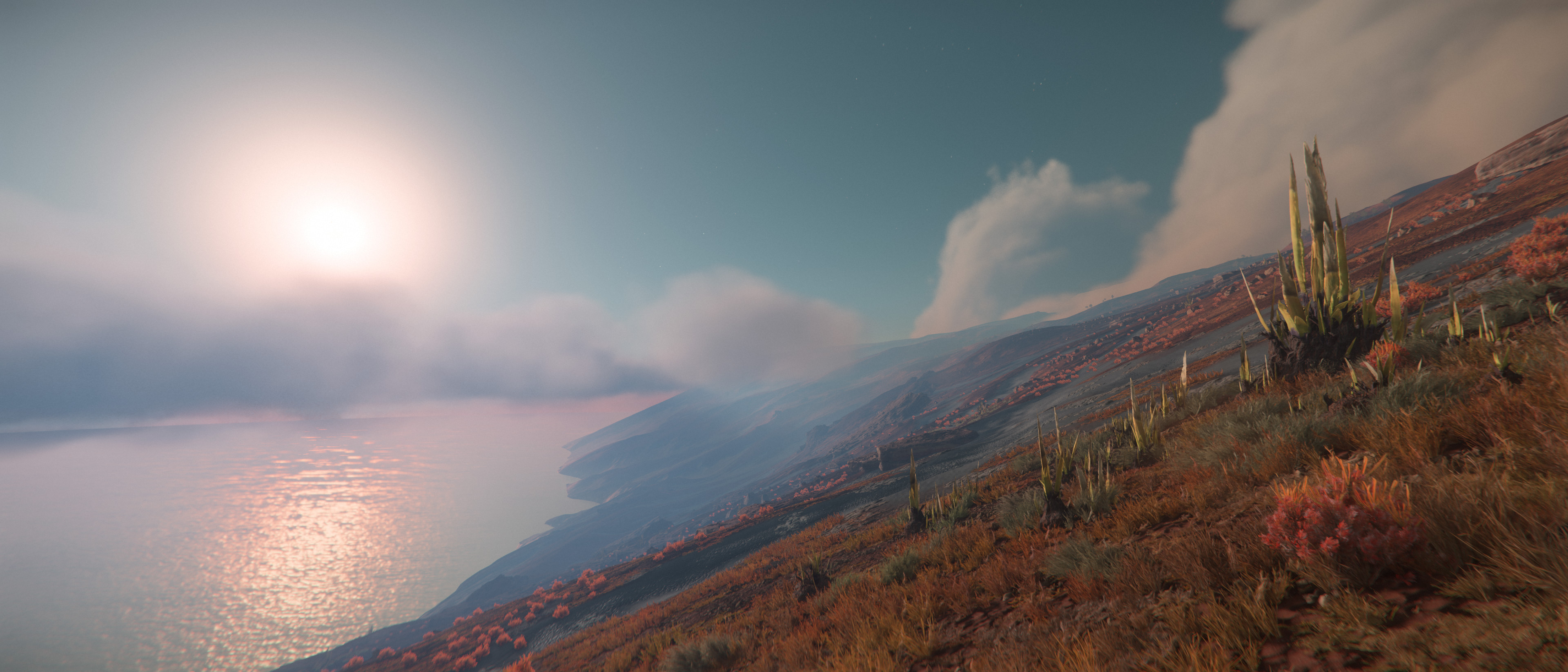
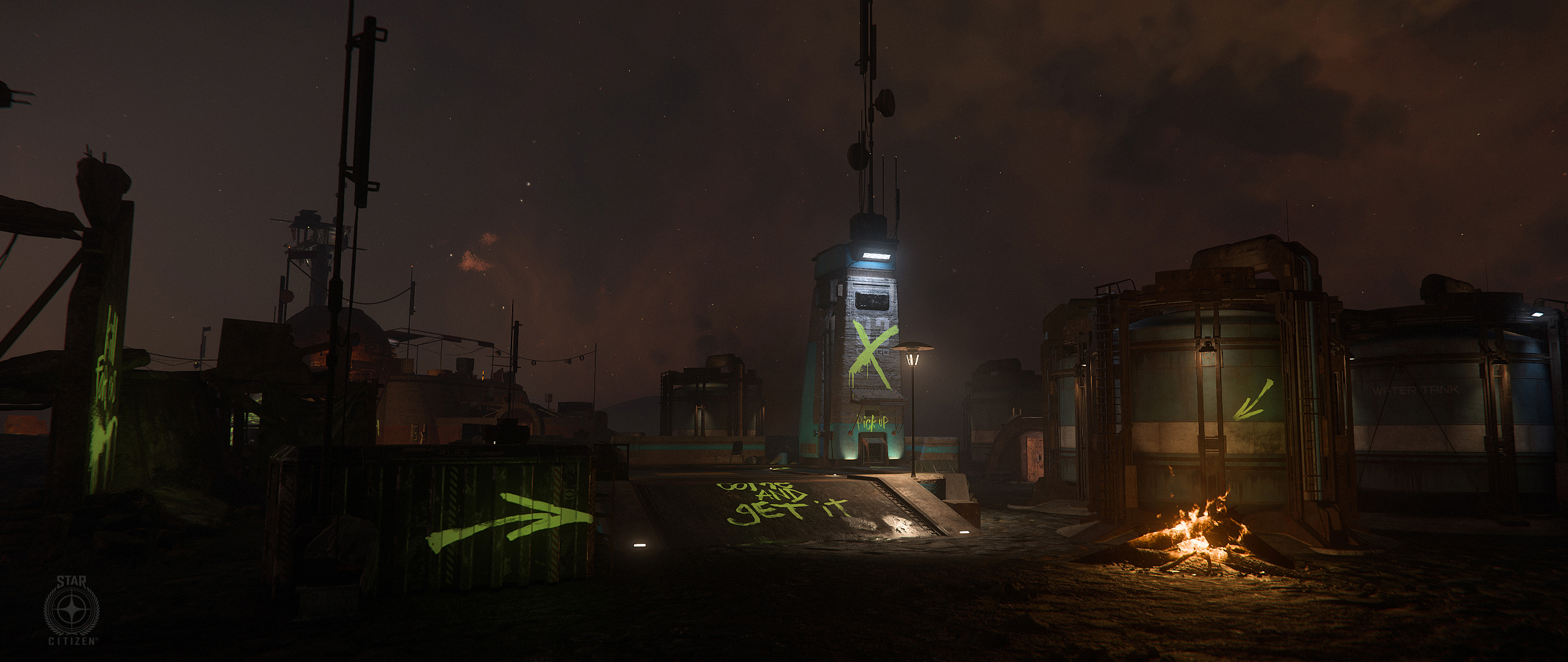
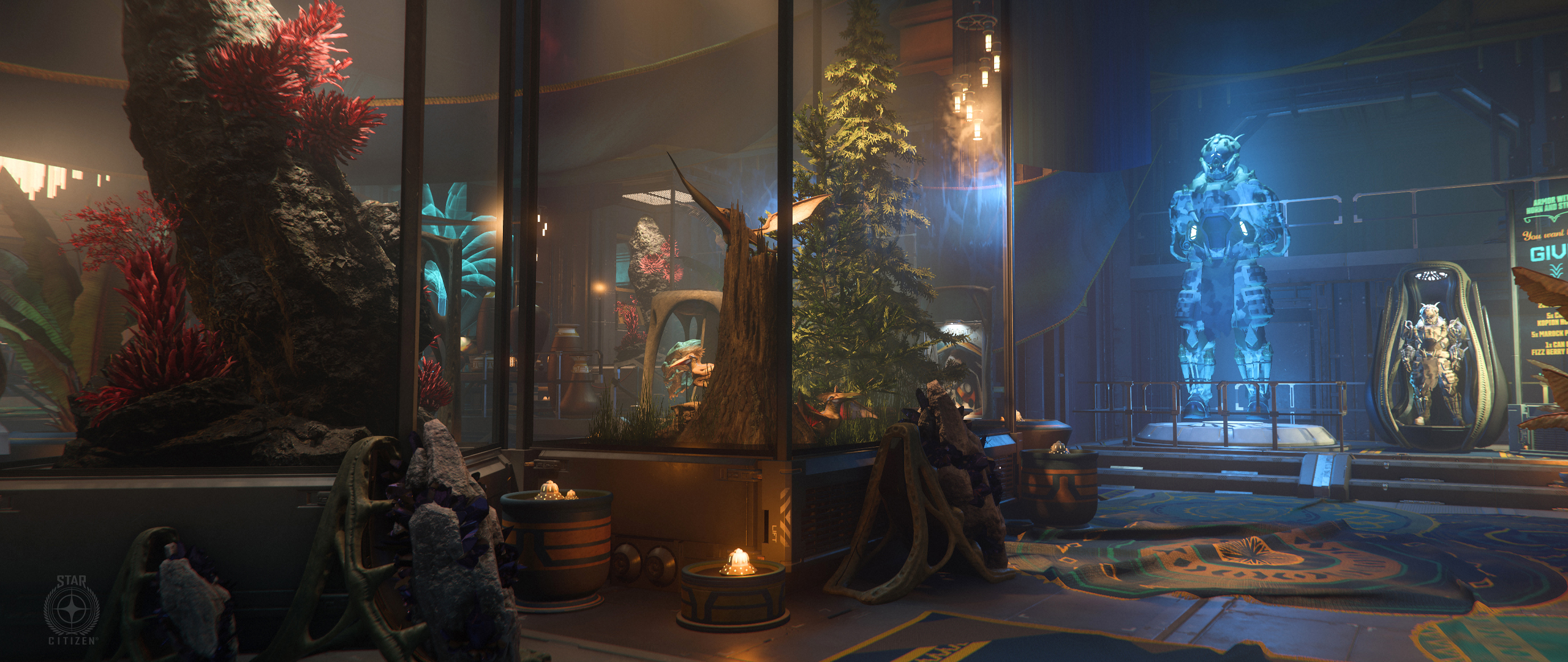
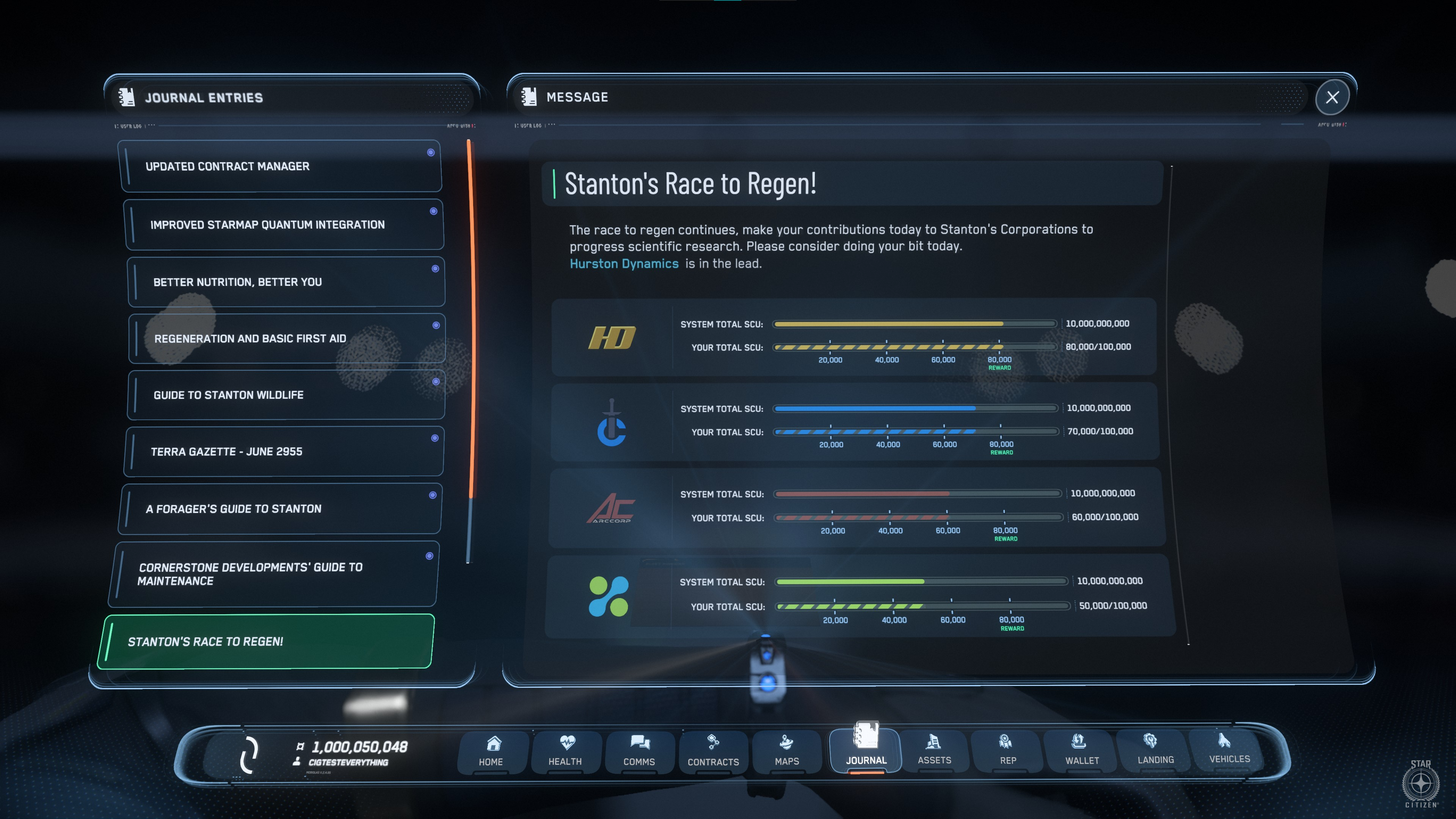
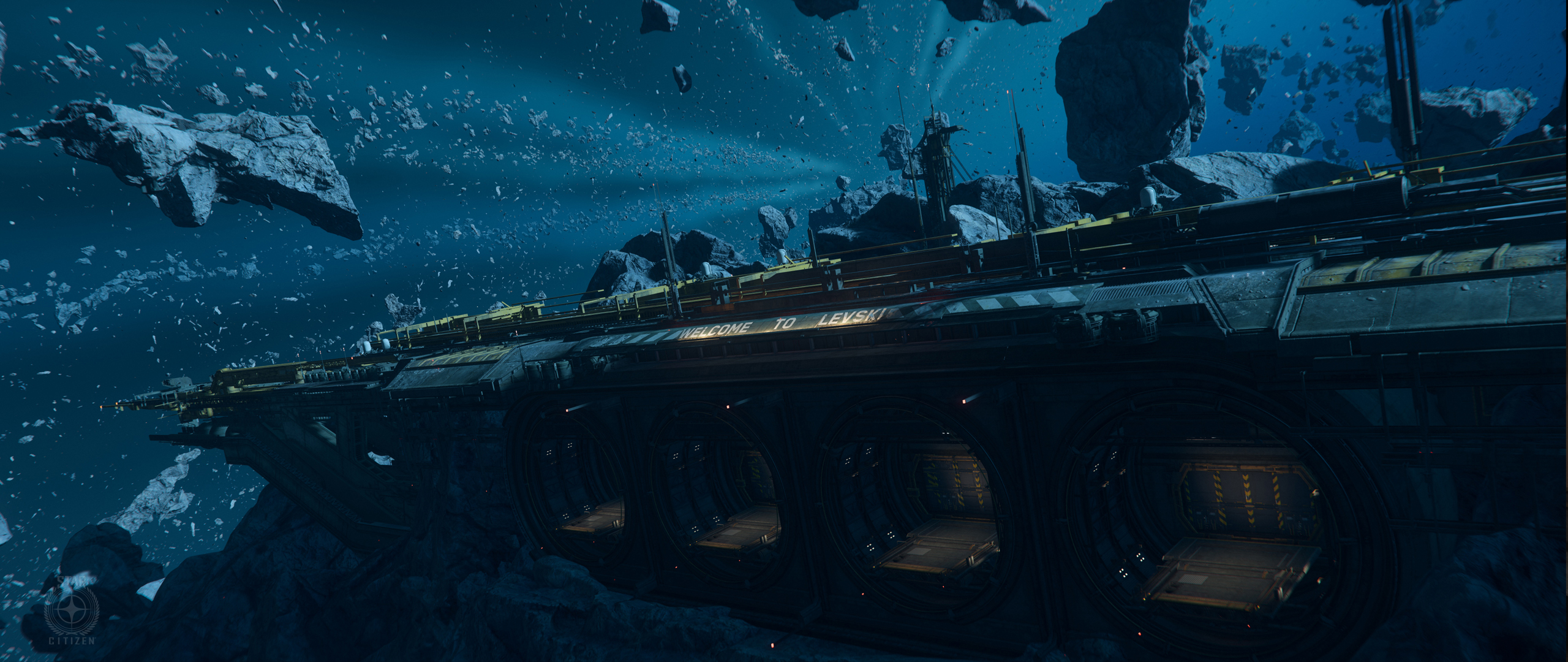
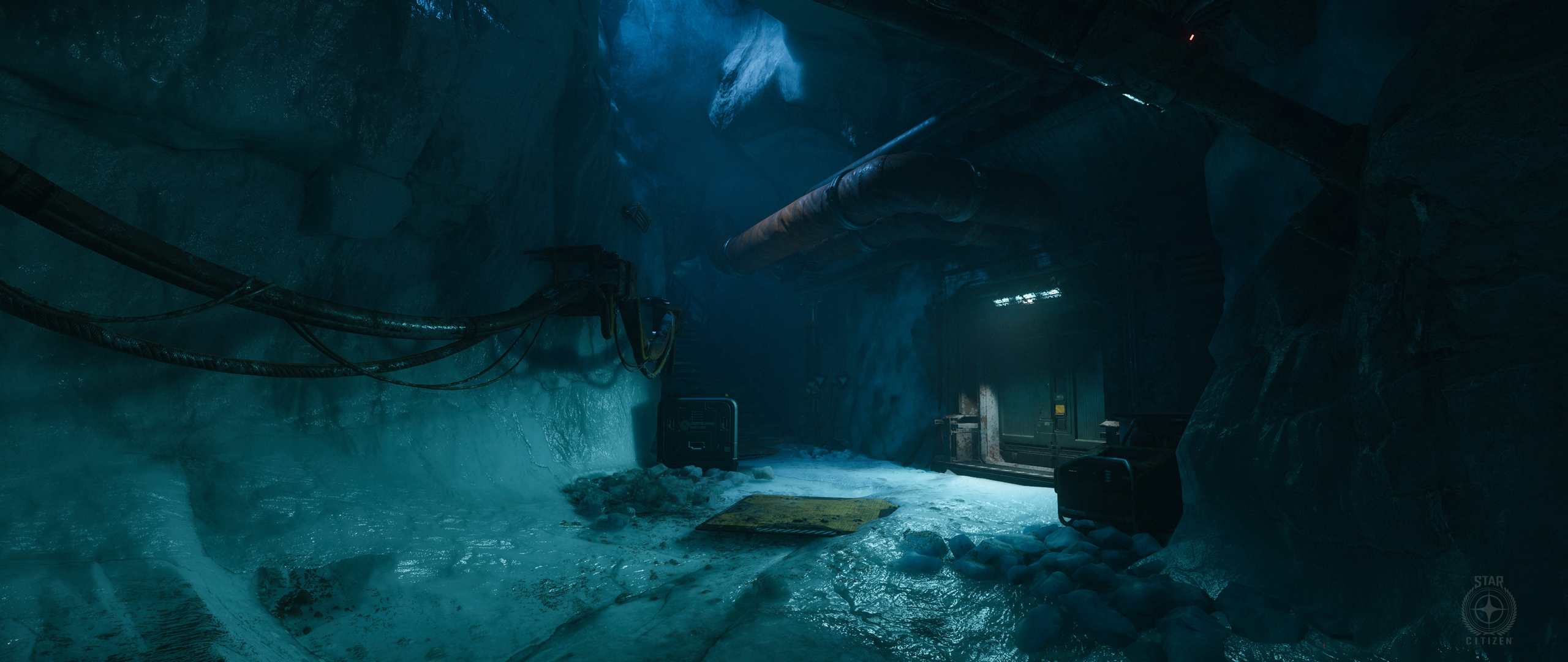
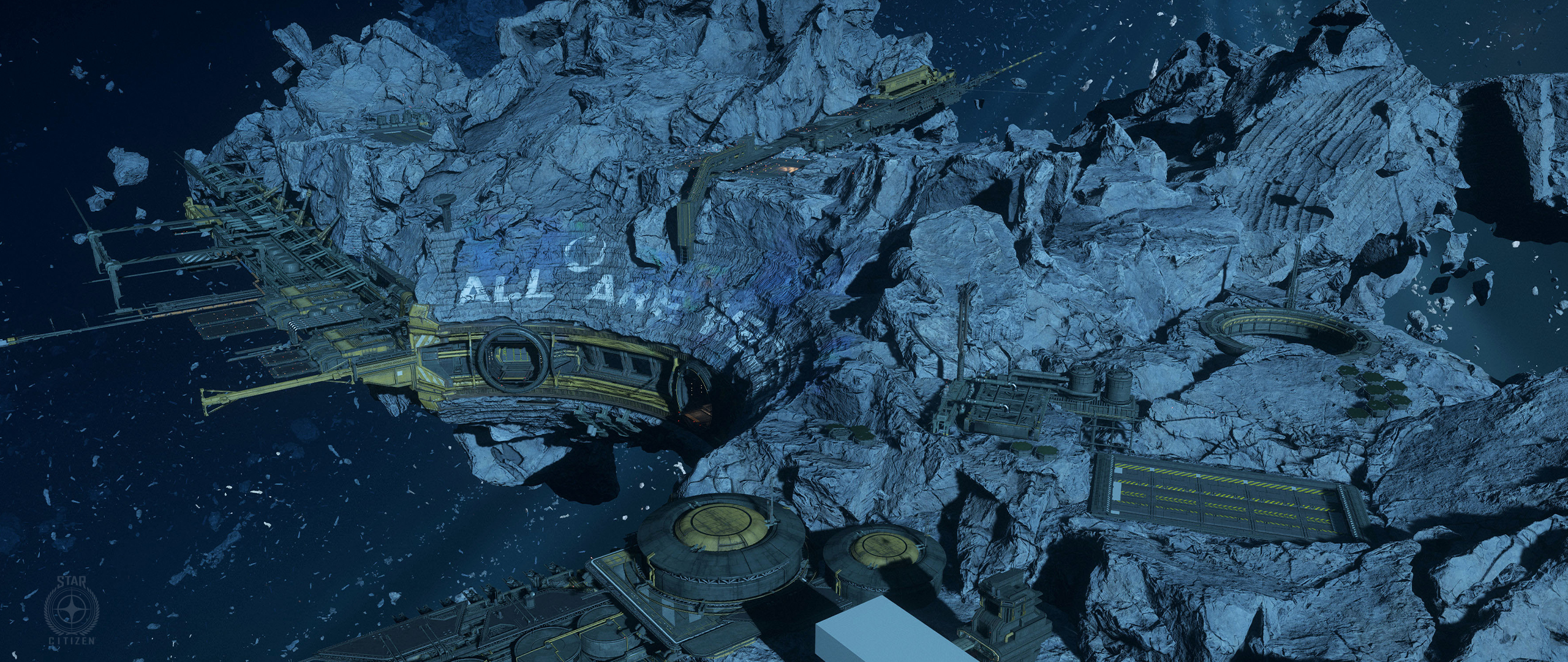
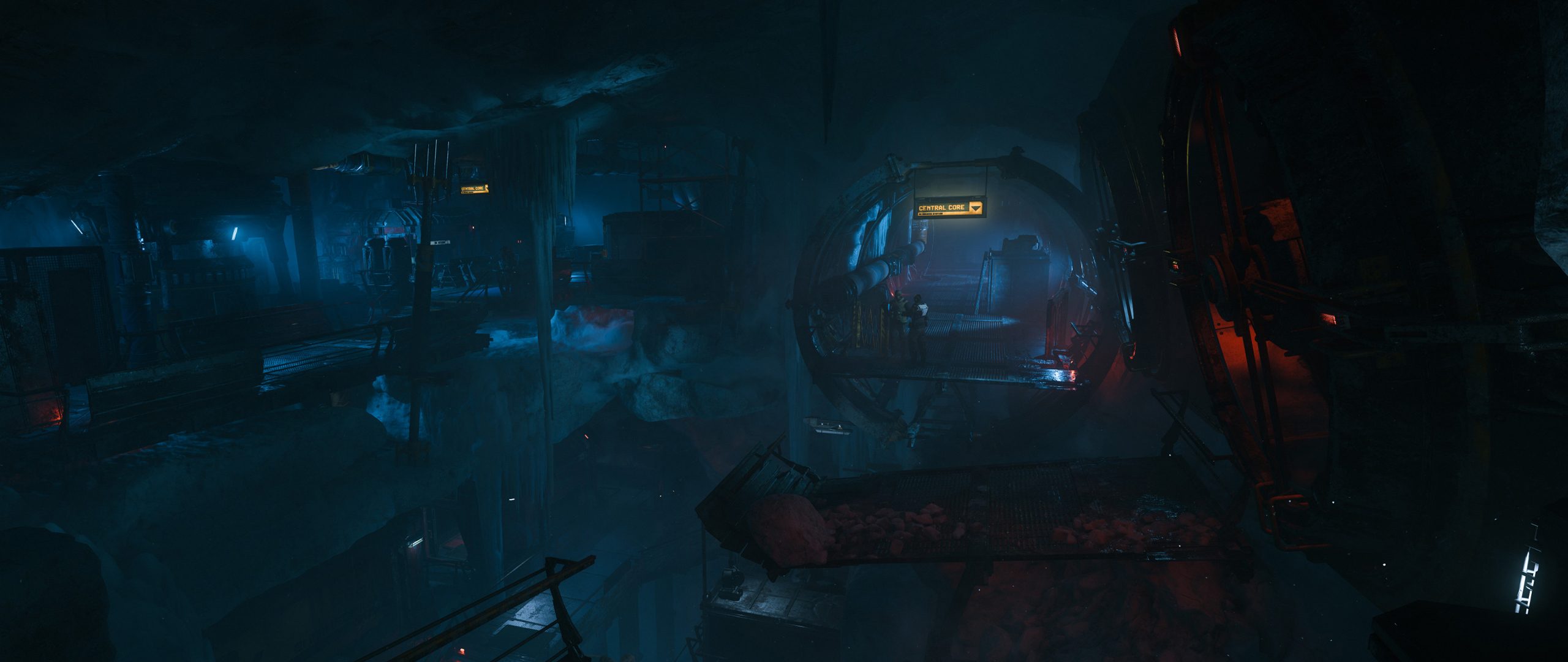
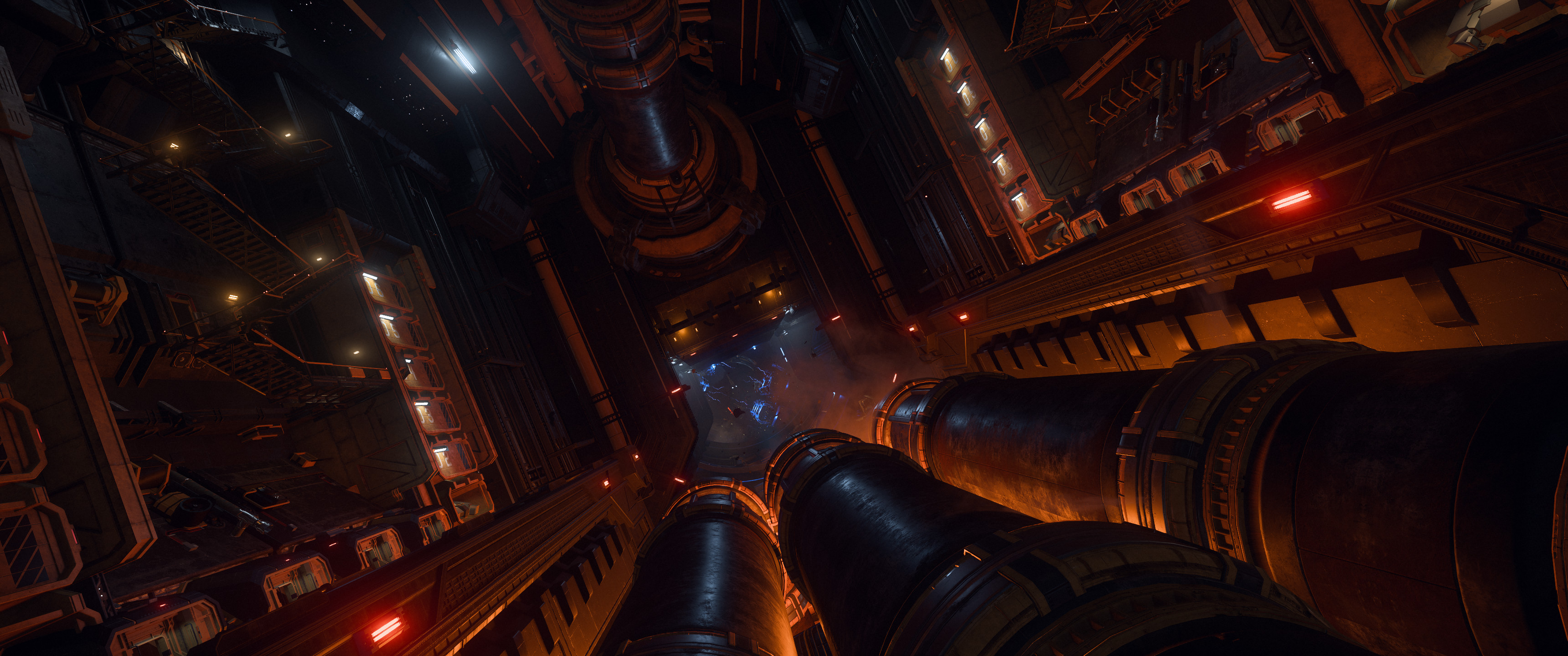
Metadata
- CIG ID
- 18018
- Channel
- Transmission
- Category
- Undefined
- Series
- Monthly Reports
- Comments
- 35
- Published
- 5 years ago (2021-03-03T00:00:00+00:00)