Star Citizen Monthly Report: June 2021
Transmission Undefined Monthly ReportsContent
Alpha 3.14 is fast approaching the PU, so naturally it received development time throughout June. However, most Star Citizen teams also progressed with content coming in the future. From unannounced ships to the jump points that will lead players to Pyro, read on for all the exciting updates from last month’s work.
AI (Content)
Early in the month, the AI Content Team was heavily involved in preparing for a four-day motion capture session. Each related team attended and was able to provide information directly to the actor, which was a new experience for many and gave the team a greater appreciation of the process and learnings that will help with future sessions. Some of the recorded assets have already been delivered and are currently being made functional for game use.
June also saw the team extend the patron activity to handle the new shops they’re working on and analyze the usables that will be required to populate the PU outposts. The security guard and vendor activities and their related usable setups were also finished.
The security guard became the primary use-case for dynamic conversations, with the devs setting up two conversations that can randomly be selected by a civilian approaching the guard – reporting a crime and asking for directions. They also completed a pass of the security guard’s wildlines and began using the reputation system to influence the behavior logic flow.
The vendor behavior was expanded to support NPCs collecting combinations of food and drink items from different usables and delivering them to the player as a single order. AI Content also worked with the Dialogue Team to identify the assets needed to reinforce the flow.
“To make serving food more tactile and realistic, we have identified “food grip types” for the new items and we are working with the Props Team to package the food when served. No more hotdogs placed directly on dirty counters!” -The AI Content Team
AI (Features)
For spaceship combat, the AI Feature Team worked on the technology to allow AI to identify and target sub-components of other ships (engines, weapons, etc.). This will allow a greater range of tactics to be selected. For example, taking out the engines of a ship so it can’t pursue and then firing at it from afar. The AI will retrieve the same type of information from the sub-components as it does from the whole spaceship, including the amount of damage dealt, which will allow the team to prioritize attacking the weapons causing the most damage. This new ability means some existing combat behaviors need to be modified (such as the orbital strafe maneuver) to consider the side of the spaceship that the targeted sub-component is on.
The team also implemented the ‘chatty’ and ‘quiet’ traits used in the spaceship dogfight behaviors that control how often AI communicate in combat. This involved identifying non-critical combat wildlines (eg. collisions, repeated dealt damage, and receiving damage) and undertaking a ‘trait check’ to see if they should be triggered.
For Human AI, they worked on the technology and animations to control how an NPC reacts to stimuli (such as a gunshot, seeing an enemy, or hearing an enemy) when interacting with a usable. This technology is needed to bridge the gap between the AI’s usable and reaction behaviors while exiting the usable and getting the AI back to the nav-mesh. For example, if it spots an enemy player it may need to reach for a weapon to begin fighting, convey its level of reaction to the player, and get into a combat behavior position. With a range of different usables that can put them in different positions and postures, the team needed to identify the commonalities between usables to prevent having to create bespoke animations for each one. However, there are still lots of different variables (direction, reaction level, armed, unarmed, etc.) that need careful management to prevent a vast increase in the number of animation assets.
They also produced a prototype for the utility behavior that will allow AI agents to transfer cargo crates between areas. NPCs will identify loose crates, pick them up, then take them to an area and stack them. The next AI can take the stacked crates and transfer them to another area as desired. This behavior builds upon lots of different usable work: finding the crate usable, exiting the usable as part of the pickup action rather than as a separate exit animation, finding a place that can accept the crate for stacking, disabling agents from taking crates that have other crates stacked on top of them, and identifying when a stack is full. They also have an eye on how this will integrate with vehicular cargo storage.
The first version of the unmanned missile turret behavior was implemented. This has proven that all the work done for spaceships is easily portable to multiple entities and will correctly handle any vehicle that wants to shoot missiles to target.
They also continued to work on data and animation clean-up from the motion-capture session completed last month. All developers on the team supported optimizations, tweaks, and bug fixes for Alpha 3.14 too.
AI (Tech)
The Tech Team started the month working on planetary navigation, improving the navigation mesh tiles to allow for a spherical surface representation of the mesh. They also added functionality to allow NPCs to correctly move along paths defined by the designers, giving a much more robust solution to allow characters to loop over open or closed paths of different shapes, restarting from the beginning where necessary.
Work on 3D NPC navigation in EVA continued, with the team improving the collision avoidance system to support agents of different sizes. The rules were amended to allow smaller ships to try to avoid larger ones and to allow large ships to not care as much about avoiding smaller ones.
The first pass was finished on the code to allow NPCs to control and move trolleys in a similar way to the player. They’re currently extending the movement system to enable the selection of multiple path followers, which is important for trolleys that have a force-based controller, as it allows NPCs to decide how much force to apply to maintain the desired momentum.
For the Subsumption editor, the team continued to embed the tool into the game engine, with a focus on allowing the main graph to include all the subgraphs in one view. This is particularly useful for the mission logic as it will allow designers to have a better global view of the logic of each mission and should reduce the mental effort needed to follow the logic between different graphs. The team was also busy with bug fixes and optimization for Alpha 3.14.
Animation
Animation created a rough space whale loop for AI to test with and to help Design determine what else they might need in terms of gameplay. They also worked on vendor sets to improve the various shops and vendors around the PU, which involved creating cowering assets to enable civilians to run and hide behind cover, janitor and arcade machine blockouts, and medical revival gameplay.
The Facial Animation Team developed animations for emotes, eating and drinking, and various other systemic AI features. They completed a breakdown of the AI in the main world locations and created a large list of assets that require placing by the AI Content Team, with the goal to better implement the content they already have. Animations were also created for the salvage weapon.
Art (Characters)
Last month, the character artists continued developing three armor sets, which will also receive variants for various events and programs. The tech designers completed their pass on the characters for Orison’s initial release and are currently adjusting loadouts in line with feedback and addressing graphical issues.
The rest of the Tech Team supported Alpha 3.15 alongside the Actor Feature and Design teams, which involved setting up a system for players to equip and unequip backpacks. They’ll also be adding new backpacks to the PU in support of the feature. They also worked on holographic props of all their assets for the physical inventory UI.
The concept artists spent time working on event-themed items, created additional concepts for the Pyro system, and explored possible gameplay interactions with the space whale creature.
Art (Environment)
The Montreal-based Art Team worked to finish the remaining hospital locations, with the space clinics, Grim HEX’s clinic, and Area18’s hospital now whitebox complete. They then moved onto the greybox phase, where they’ll define the various modules in more detail and begin adding details to properly show the art intentions.
On the design side, the team began using derelict pieces of spaceships to create puzzles, which will be populated with loot to encourage exploration and create pockets of new gameplay around Stanton. Their initial goal is to produce 24 derelict puzzles; half planetside and half in space.
Finally, they looked into defining building-interior gameplay, creating a prototype layout and looking into adding proper missions to it. They’re also defining how this layout will fit into the procedural location creation tool currently in development by the Tools Team.
The Landing Zone and Modular teams took the colonialism outposts through the final art phase before moving onto the second content set, which introduces more variation and additional themes.
They’re also close to completing the gas clouds that will surround jump points, including a second look for greater variety. Orison is currently being closed out, with most focus on improving performance and fixing bugs.
Art (Ships)
In the US, the Ships Team focused on closing out the Constellation Taurus, squashing bugs and undertaking a general polish pass. The Taurus will be flyable in the upcoming Alpha 3.14. There were also additional bug fixes across the wider Star Citizen fleet.
The team continued moving the two Crusader Ares variants, the Ion and Inferno, through the pipeline. They’re aiming to move into the final art stage in the coming weeks for delivery in Q4. Whitebox for the Drake Vulture began alongside a new variant of a popular ship to be announced later in the year.
June saw the UK team complete the final art and lighting pass for an as-yet-unannounced ship. They then moved onto the LOD (level of detail) process and exterior damage setup.
With the Aegis Redeemer’s exterior completed for Invictus Launch Week, the team moved onto the interior, completing the greybox phase ready for review in early July.
Gold-standard work also continued on the Sabre and Retaliator; the exterior lighting pass was done for the Sabre, while the Retaliator received reworked light and door controls throughout.
Finally, Ships revisited the Crusader Hercules to get the A2 variant ready for release, which involved adding a kitchen area for the crew and two large bomb bays in the cargo hold.
Art (Weapons)
Last month, the Weapons Team continued with the mining gadget, taking the asset through to LOD-zero complete and updating the rigging before passing it to Animation. Three Subscriber weapon paints were finished and readied for release alongside a new knife for a future PU release.
The animation passes for both the standalone Greycat tractor beam and standalone salvage tool began, with iteration on their rigs being completed too. Other focus in July was on two new Size 7 Behring ship weapons, one ballistic and one energy. Both are for an upcoming ship release and are currently in the greybox phase.
Audio
Alongside trailers for Alien Week and Invictus, the Audio Team worked towards their Alpha 3.14 goals. This involved significant work on Orison:
“Orison is one of the largest locations we’ve had to tackle for a while. It was a great opportunity for us all to work on something together to make the ambiances, music, and dialogue for the transport system, hospital, and gas giant. It was a challenge to keep the interiors sounding clean and balanced with the windy upper atmosphere of the Crusader planet. We are really excited by what we’ve achieved!” -The Audio Team
They also worked on the hospital locations and medical gameplay in general, adding effects to the CureLife medical tool and dialogue that makes the player sound injured and relieved when healed.
Finally, Audio supported UI Features on Missile Operator Mode and capacitor gameplay to make dogfighting gameplay smoother.
Community
The Community Team kicked off June with their Pride Month Celebration. To honor the diversity of our players, they launched the Show Us Your Colors Celebration 2021 and rewarded the ten most colorful entries with a Drake Cutlass Red. They also introduced the new multi-user private lobbies on Spectrum and talked about the user-friendly updates to the Issue Council.
June saw Star Citizen’s annual Alien Week event, which introduced the Gatac Railen and new alien ship paints. Following its unveiling, the devs answered community questions on the new Xi’an ship in the Gatac Railen Q&A. Community also held two contests, the Alien Trading Card Contest and the second Intragalactic Cook-Off.
Finally for Community, the team launched the 2021 (Virtual) Cosplay Contest, whose winners will be announced at the digital CitizenCon event on October 9. Entries are open till August 31, so don’t miss out!
Engine
In June, the Physics Team moved the generation of surfel data used for radar cross-section queries to an offline precomputation step in the resource compiler which, in general, optimizes various types of assets (textures, meshes, sounds, metadata, etc.) for final consumption in-game. A great deal of time was also spent on various optimizations.
All tiers of physics geometry instancing were completed. As a result, the cloning and sharing of brush physics was enabled, leading to physics now using only 50% of the memory it previously had on the client and server. This was made possible by sharing all common geometry-related data (such as geometry transforms, sub-mtls, and surface types) across all clones of the same static instance. For example, a set of static objects using the same geometry. With the pending release of Orison in the PU, the tracking of terrain is skipped for gas giants. AVX instructions are now utilized to block set entries in spatial grids and ray-box intersections in spatial grids have been optimized.
Networking-related data was moved between internal structures for more efficient access and synchronization, while the structure size of physical entities and alignment was optimized to ensure hot members are always on the same cache line. Page sizes for event factories were tuned, resulting in a net gain of 100 MB in system memory. Additionally, the physics queue for the biome builder was reduced, several areas of thread contention were reduced, and a race condition in the optimized priority queue was fixed. Lastly, the precision of quantized bounding volume hierarchy trees was improved.
For the renderer, the team continued working on the transition to Gen12. A Gen12-exclusive mode for forward-rendered deferred pipelines was added, numerous rendering issues were fixed, and editor support was improved. Support for instance constant buffers with reflection data was added and vertex input caching was extended. In terms of visual features, support for detail cavity and gloss blending was added too.
With regards to volumetric clouds, the rendering of secondary views (runtime cubemaps, RTTs, etc.) including clouds was addressed. For empty space skipping, which is still in the very early experimental stages, computation of the narrow band SDF for cloud coverage has been revised along with the generation of associated MIP maps in a signed format. An initial set of quality options was exposed to the game menu (combined as a single quality option). These quality settings will see further refinement and extensions as the system matures in releases post Alpha 3.14. A driver issue on the 10xx GTX line of video cards affecting the computation of scattering queries was investigated and a workaround implemented. The team are still in the process of clarifying whether this issue is a driver bug and, if that’s the case, hope that it can be fixed properly.
The Core Engine Team finalized the switch to Clang 11, which is used to compile the game server. Clang-related code vectorization and math optimizations were enabled and a code generation bug was identified, worked around, and reported. The memory tracker was improved to detect deallocation of memory that’s not allocated (double free, without the use of page heap). Also, it can now filter allocation stacks by specified engine modules and the engine’s memory statistics update has been optimized. Preliminary support for a new profiler frontend was added alongside various improvements and optimizations on relevant engine components to utilize the profiler to its full capabilities. The component update scheduler received support for multiple passes and event handlers were separated from component updates. Vis areas now use more fine-grained locking for updates to reduce contention and the queuing of animation vis area updates is now lockless, as is event queuing.
Features (Characters & Weapons)
June saw the Feature Team continuing work on actor status, this time adding different ways the recently completed statuses affect the player. For example, if a player character’s blood drug level (BDL) becomes too high, they’ll utilize a specific intoxicated locomotion set and experience various on-screen effects. This will also affect the player’s control while on foot and piloting a vehicle by adding degrees of randomness. These effects scale with the BDL, and there are several ways to increase it. For example, a player can visit a bar and over-indulge in alcohol or they can over-use injury medication in a short period of time.
Another recent addition is the downed state. Unless a player receives significant damage when hit by what is currently a killing shot, they will fall over similar to getting knocked out. In this state, they’re essentially unconscious and slowly dying, though teammates can resuscitate them if they arrive in time.
Meanwhile, work continues on different optimization initiatives, including better data encapsulation of the lower-level animation update logic. A while ago, the team began exploring component update frequency as an option to reduce the cost of characters the further away they are. A number of core actor components have now implemented this and testing is in the final stages. The team is hoping to use the PTU to get a more live-like test of a cut-down version of the performance improvements, with the hopes of shipping them in a future release.
Features (Gameplay)
The US Gameplay Features Team spent June gearing up for the upcoming release of Alpha 3.14 and looking ahead to future initiatives.
Throughout the month, they continued work on the player asset manager. With the baseline functionality implemented in May, the team began adding further features to the app, such as sorting and filtering. They also worked with the Narrative Team to name the app, with the final decision being “NikNax.” Once decided, the UI designers created a logo and general branding schem. They’re currently wrapping up leftover tasks and preparing NikNax for its release in Q3 2021.
The team also further developed the Ninetails Lockdown, working with QA to test and balance the Dynamic Event before its release in Alpha 3.14.
The cargo refactor has been expanded to include resource container work, while the designs for persistent hangars and a selling refactor began, with larger discussions set to happen in July. The planning and documentation initiatives from May continued throughout June too.
In Germany and the UK, the teams focused on features for Alpha 3.15 and 3.16, including loot generation. They’re now ensuring all setups are in place so that the boxes with loot are distributed with randomized valuable items.
They also began developing atmospheric depth damage for gas giants like Crusader. Once complete, the pressure within gas giants will damage players’ ships if they attempt to reach the core.
Ship-to-ship refueling began its production phase, which is a significant collaboration between the Gameplay Feature, UI, and Vehicle teams. When live, players will be able to provide fuel to other players in exchange for credits.
Features (Vehicles)
Last month, Vehicle Features’ work was a mix of supporting Alpha 3.14, ramping up the development of jump points, and supporting Vehicle Experience on their upcoming patch content. They also supported VFX in developing the new thruster dust effects mentioned in May’s report, which is planned to debut in a coming patch. They also made improvements to the docking feature that didn’t manage to make it into Alpha 3.13, such as allowing players to refuel, repair, and restock vehicles docked at a station.
A key feature of Alpha 3.14 is the new HUD technology, which is a brand-new way of creating HUDs that allows for much more depth and complexity than was possible before. Recent work involved ironing out issues and filling gaps to ensure the HUD covers the many cases that exist across different ships.
As that work is nearing completion, a large portion of the team moved to build out jump points. Though this feature hasn’t had significant development time recently, progress is increasing rapidly as focus switches and more devs begin working on it.
The Vehicle Experience Team predominantly progressed with Alpha 3.14 tasks, including Missile Operator Mode, the new power triangle, and the rebalance of various aspects of ship combat. As the features are tested by the Evocati, the team will continue to balance, tweak, and improve all aspects of the changes before they launch in Alpha 3.14.
Graphics & VFX Programming
June saw the Graphics Team complete work on the window and PingCIG shaders. The window shader allows them to simulate the windows of static rooms without actually modeling the interior, enabling large buildings filled with ‘fake’ interiors for minimal cost. This approach has been used in several other games and, while the visuals are naturally constrained compared to bespoke rooms (which would be impractical for performance), the results are vastly better than black or empty spaces. The PingCIG shader is a new version of the ping effect that will be used for the upcoming improvements to the radar and scanning feature; it creates waves that trigger various visual effects when they intersect solid geometry, such as an edge highlight.
For Orison, improvements were made to the performance of real-time environment probes and bugs were squashed ahead of release. Improvements to the LOD Merger to support tint-palettes and wear were also completed to allow huge draw-call savings for distant renderings of the city.
The team also made improvements to the UI compositing and post-effect pipeline to achieve the specific look the team want, such as drop shadows, glow, brightness adaptation, and color correction while minimizing performance impact.
The VFX Programming Team added support for querying cloud density from planets and used this to trigger a variety of effects. Several particle-streaming issues were addressed and the final bugs with the new lighting system were resolved. The fire feature progressed well too.
Both the Graphics and VFX Programming teams also made great progress on the Gen12 renderer and Vulkan backends, with the vast majority of post effects now running Gen12 by default. This doesn’t result in major CPU performance savings as the post effects were already cheap on the CPU side, though major benefits will be seen in scene rendering.
Lighting
In June, the Lighting Team closed out their work on Crusader’s new landing zone.
“The sheer size of explorable and landable areas around Orison and the line of sight across the platforms necessitates an enormous quantity of lights. The challenge here is to provide as much lighting as possible throughout the landing zone, with a focus on the primary playable spaces and within our current tech limitations.” -The Lighting Team
In the final stages of their work, the team focused on the background elements in Orison, including ring platforms, habitation platforms, and flying barges.
Narrative
The Narrative Team dedicated resources towards the upcoming patch release. All patches require bug fixes, string reviews, and quality-of-life improvements but special focus was placed on the final polish pass for Orison.
The team also provided narrative support for upcoming events, including IAE 2951 and several dynamic missions. The development of Pyro continued, with Narrative providing write-ups to the Art and Design teams to help further flesh out the system. Time was also spent on developing additional AI behavior flows and scripts to create more realistic interactions in the future. Narrative direction was also provided to further enhance the lore of the upcoming medical and hacking gameplay, and preparation was done in advance of an upcoming motion-capture shoot.
In celebration of Alien Week, Narrative participated in a special Inside Star Citizen about the various alien cultures in Star Citizen and released a Xi’an letter for the community to translate. Lastly, the final part of A Gift For Baba was published and the entire story is now available to read on Spectum.
Player Relations
The Player Relations Team expanded their services alongside the Player Experience Team and Live QA. This collective will focus on assessing the health of the game on the live service and working directly with stakeholders to identify, triage, and help fix key issues affecting the community.
They also further expanded the UK and US teams to broaden the level of support that players will receive and have been working extensively to support the launch of Alpha 3.14.
Props
Last month, the team focused on closing out their tasks for Orison, including the dressing props around the city and high-tech hospital props. They continued to work on the upcoming colonialism outposts too.
“This was a welcome break from the clean, high-tech assets we’ve been doing recently, and the team has been pushing our materials and really trying to hit the mark set out in the new colonialism art style guide.” -The Props Team
Elsewhere, the team tackled tech debt and made great progress closing out bugs.
QA
QA’s primary publishing focus was stabilizing Alpha 3.14 to test in the staging environment and preparing it for the Evocati, which was done later in the month. For development, QA worked through test requests for upcoming gameplay features and dynamic events.
Time was also dedicated to scheduling, ensuring the team have proper coverage for upcoming content and events. They also planned out what’s needed for staging streams as far as headcount and ownership.
Systemic Services & Tools
In June, Systemic Services & Tools geared up for the next iteration of the Economy and AI Simulation, which has improved fidelity and interaction with the game itself and is easier to manage via new integrated tools.
The team also finished upgrades to Ubuntu 20.04 and continued the foundational work for various services, such as the AI Info service and ATC service. They’re currently working towards applying tech created for direct connections to other services to help alleviate bottlenecks on the backend.
Tech Animation
Looking back over the quarter, Tech Animation made great progress with their pipeline and tasks, balancing the fine line between user support and productivity to deliver many of the features and content they wanted to.
R&D into streamlining the ‘facial-scan’ and ‘scan-creation’ pipelines was completed, with the outcome saving the art teams significant man-hours over the coming years. This also formed the cornerstone in Tech Animation’s own facial rig building process and will ultimately expedite the entire facial pipeline.
One main aim of the quarter was to upgrade the head asset and facial animation system codebase, which is currently well underway. The team also managed to overhaul the weapons pipeline with a facelift and new toolsets to assist with technical elements.
Tech Animation were supported by Tech Art in upgrading their export processes. Once complete, they moved onto the skeletal optimization process that will improve character hitboxes when completed.
Turbulent
Last month, role-based access control in Hex received a new iteration, which allows for different levels of access to the tool based on more granular roles. The team also worked on a launcher update featuring quality of life fixes, an epilepsy warning before launch, and new channels for internal testing.
The Game Services Team continued to focus on the Server Meshing project alongside working on service improvements and documentation.
As they closed out 2021’s second quarter, Turbulent’s Web Team made great additions to the RSI website. Following on from improvements to the roadmap progress tracker earlier in the year, the team created more efficient automation tools for roadmap publishing to make it easier to review and publish content.
June also saw the completion of the new multi-user private lobbies in Spectrum. This is the first step in connecting Spectrum groups to in-game chat lobbies. The bug fixes and quality-of-life improvements were substantial and set the feature up well for connection to the game. The Spectrum Team also added more features into the app, with ‘moderator tools’ currently in development. Text anchoring was also worked on, which will be available to all users.
On the backend, the team focused on performance improvements, ensuring that the number of requests can exponentially grow with the size of the Star Citizen community. The team participated in two major tasks to support this. Firstly, they were able to split the database and store orders, helping to better distribute the load on the database structure during major events. Secondly, they split how they write log files for user activity in the database, making it execute into a queue, ensuring log activity never slows down writes that need to happen immediately. For example, when a player logs in. These efforts have shown significant performance gains on the platform and allowed Turbulent to downscale some of their servers in June.
The Web Team supported the release of the Gatac Railen and other promotions throughout the month.
UI
The programmers on the UI Feature Team worked through large ongoing tasks in June. First, they worked closely with the Actor Feature Team on healing gameplay, specifically creating the medical UI screens used for healing and other functionality in the hospitals. Next, they further developed the core tech for the new Starmap and connected it to the radar system. They’re currently focusing on the backend code that connects AR markers, the Starmap, interior map, and radar system. In-game functionality will come next, followed by UI in the future.
The UI Tech Team connected the Building Blocks UI system to the FlowGraph dev tool, which will give level designers more flexibility to connect UI to the game without relying on programmers for implementation. They also tackled UI-related bugs for the upcoming patch release.
The artists and designers worked on interactive screens for Orison and updated transit signs that will gradually make their way into the game. They’re also thinking about the next iteration of the mobiGlas, with the designers and artists concepting potential layouts and animations for the overall feel of the system. Future vehicle HUD concepts and a variety of logos for use in the environments and UI were developed too.
Vehicle Tech
The Vehicle Tech Team spent time putting the finishing touches on the radar, scanning, and ping refactor, getting it ready for Alpha 3.14. Along with getting the feature polished, they squashed numerous bugs, including several relating to damage, repair, landing gear, targeting, and game crashes.
Meanwhile, improvements were made to doors. This involved improving player interaction with door panels and airlocks and solving issues with the transition between the atmosphere and the vacuum of space.
VFX
Throughout June, the VFX team focused on Orison, finetuning the many effects required for this expansive location.
“We are excited for the Alpha 3.14 release because it will be our first with the new particle lighting model. As mentioned in previous reports, this will allow a much better quality of lighting for particles, but more importantly, will allow us to create our effects in a more consistent way without worrying that different environment lighting will cause the effects to not work as well. For example, the same effect in a darkly lit room versus a brightly moonlit area in space.”
-The VFX Team
The team also continued their process of fleshing out the destruction pipeline, focusing on a Theaters of War map containing a huge explosion sequence. Final improvements were made to the new vehicle radar ping effects following feedback and several miscellaneous tweaks were made in the run-up to Alpha 3.14’s release.
WE’LL SEE YOU NEXT MONTH…
Die Alpha 3.14 nähert sich schnell der PU, daher erhielt sie natürlich den ganzen Juni über Entwicklungszeit. Die meisten Star Citizen-Teams haben aber auch Fortschritte gemacht, die in der Zukunft liegen. Von unangekündigten Schiffen bis hin zu den Sprungpunkten, die die Spieler nach Pyro führen werden, lies weiter für alle aufregenden Updates der Arbeit des letzten Monats.
KI (Inhalt)
Anfang des Monats war das KI-Content-Team stark in die Vorbereitungen für eine viertägige Motion-Capture-Session eingebunden. Jedes zugehörige Team nahm daran teil und konnte dem Schauspieler direkt Informationen zur Verfügung stellen, was für viele eine neue Erfahrung war und dem Team ein größeres Verständnis für den Prozess und die Learnings gab, die bei zukünftigen Sessions helfen werden. Einige der aufgezeichneten Assets wurden bereits geliefert und werden derzeit für die Nutzung im Spiel funktionalisiert.
Im Juni hat das Team auch die Patron-Aktivität erweitert, um die neuen Läden zu bearbeiten, an denen sie arbeiten, und die Usables zu analysieren, die benötigt werden, um die PU-Außenposten zu bevölkern. Die Aktivitäten Wachmann und Händler und die dazugehörigen nutzbaren Setups wurden ebenfalls fertiggestellt.
Der Wachmann wurde zum primären Anwendungsfall für dynamische Konversationen, wobei die Entwickler zwei Konversationen einrichteten, die von einem Zivilisten, der sich dem Wachmann nähert, zufällig ausgewählt werden können - ein Verbrechen melden und nach dem Weg fragen. Sie vervollständigten auch einen Pass der Wildlines des Wachmanns und begannen, das Reputationssystem zu nutzen, um den Ablauf der Verhaltenslogik zu beeinflussen.
Das Verkäuferverhalten wurde erweitert, um NSCs zu unterstützen, die Kombinationen von Essens- und Trinkgegenständen von verschiedenen Nutzern sammeln und sie dem Spieler als eine einzige Bestellung ausliefern. AI Content arbeitete auch mit dem Dialog-Team zusammen, um die Assets zu identifizieren, die zur Verstärkung des Flusses benötigt wurden.
"Um das Servieren von Essen taktiler und realistischer zu machen, haben wir "Lebensmittel-Griff-Typen" für die neuen Gegenstände identifiziert und arbeiten mit dem Props Team zusammen, um das Essen beim Servieren zu verpacken. Keine Hotdogs mehr, die direkt auf schmutzige Theken gelegt werden!" -Das AI Content Team
KI (Features)
Für den Raumschiffskampf hat das KI-Feature-Team an der Technologie gearbeitet, die es der KI ermöglicht, Unterkomponenten anderer Schiffe (Triebwerke, Waffen, etc.) zu identifizieren und anzuvisieren. Dies wird eine größere Auswahl an Taktiken ermöglichen. Zum Beispiel, die Triebwerke eines Schiffes auszuschalten, damit es nicht verfolgen kann und es dann aus der Ferne zu beschießen. Die KI wird die gleiche Art von Informationen von den Unterkomponenten abrufen, wie vom gesamten Raumschiff, einschließlich der Menge an verursachtem Schaden, was es dem Team ermöglichen wird, den Angriff auf die Waffen zu priorisieren, die den meisten Schaden verursachen. Diese neue Fähigkeit bedeutet, dass einige bestehende Kampfverhaltensweisen modifiziert werden müssen (wie z.B. das Orbital Strafe Manöver), um die Seite des Raumschiffs zu berücksichtigen, auf der sich die anvisierte Unterkomponente befindet.
Das Team implementierte auch die Eigenschaften "gesprächig" und "leise", die in den Raumschiff-Dogfight-Verhaltensweisen verwendet werden, die steuern, wie oft die KI im Kampf kommuniziert. Dies beinhaltete die Identifizierung von unkritischen Kampfhandlungen (z.B. Kollisionen, wiederholtes Austeilen von Schaden und Empfangen von Schaden) und die Durchführung eines 'Trait-Checks', um zu sehen, ob sie ausgelöst werden sollten.
Für die menschliche KI arbeiteten sie an der Technologie und den Animationen, um zu steuern, wie ein NSC auf Reize (z.B. einen Schuss, das Sehen oder Hören eines Feindes) reagiert, wenn er mit einem Nutzenden interagiert. Diese Technologie wird benötigt, um die Lücke zwischen dem Verhalten der KI im Usable und der Reaktion beim Verlassen des Usable zu schließen und die KI zurück zum Nav-Mesh zu bringen. Wenn sie z.B. einen feindlichen Spieler entdeckt, muss sie vielleicht nach einer Waffe greifen, um den Kampf zu beginnen, dem Spieler ihr Reaktionsniveau vermitteln und sich in eine Kampfverhaltensposition begeben. Mit einer Reihe von verschiedenen Usables, die sie in unterschiedliche Positionen und Haltungen bringen können, musste das Team die Gemeinsamkeiten zwischen den Usables identifizieren, um zu vermeiden, dass für jedes einzelne eine maßgeschneiderte Animation erstellt werden muss. Allerdings gibt es immer noch viele verschiedene Variablen (Richtung, Reaktionslevel, bewaffnet, unbewaffnet, etc.), die sorgfältig verwaltet werden müssen, um einen enormen Anstieg der Anzahl der Animations-Assets zu verhindern.
Sie haben auch einen Prototyp für das Utility-Verhalten erstellt, das es KI-Agenten ermöglichen wird, Frachtkisten zwischen Gebieten zu transferieren. NPCs werden lose Kisten identifizieren, sie aufheben, sie dann in einen Bereich bringen und stapeln. Die nächste KI kann die gestapelten Kisten nehmen und sie in einen anderen Bereich transferieren, wie gewünscht. Dieses Verhalten baut auf viele verschiedene Arbeiten auf: das Finden der Kiste als nutzbar, das Verlassen der Nutzbarkeit als Teil der Pickup-Aktion und nicht als separate Exit-Animation, das Finden eines Ortes, der die Kiste zum Stapeln annehmen kann, das Verhindern, dass Agenten Kisten nehmen, auf denen andere Kisten gestapelt sind, und das Erkennen, wenn ein Stapel voll ist. Sie haben auch ein Auge darauf, wie sich dies in die Fahrzeug-Ladungslagerung integrieren lässt.
Die erste Version des Verhaltens der unbemannten Raketentürme wurde implementiert. Dies hat bewiesen, dass die ganze Arbeit, die für Raumschiffe gemacht wurde, leicht auf mehrere Entitäten übertragbar ist und jedes Fahrzeug, das Raketen auf ein Ziel schießen will, korrekt behandeln wird.
Außerdem wurde weiter an der Bereinigung der Daten und Animationen aus der Motion-Capture-Session gearbeitet, die letzten Monat abgeschlossen wurde. Alle Entwickler des Teams haben auch in der Alpha 3.14 an Optimierungen, Tweaks und Bugfixes gearbeitet.
KI (Tech)
Das Tech Team begann den Monat mit der Arbeit an der planetaren Navigation und verbesserte die Kacheln des Navigationsmeshs, um eine sphärische Oberflächendarstellung des Meshs zu ermöglichen. Sie fügten außerdem eine Funktionalität hinzu, die es NSCs erlaubt, sich korrekt entlang von Pfaden zu bewegen, die von den Designern definiert wurden.
Die Arbeit an der 3D-NPC-Navigation in EVA wurde fortgesetzt, wobei das Team das Kollisionsvermeidungssystem verbesserte, um Agenten unterschiedlicher Größe zu unterstützen. Die Regeln wurden geändert, um kleineren Schiffen zu erlauben, größeren auszuweichen und großen Schiffen zu erlauben, sich nicht so sehr darum zu kümmern, kleineren auszuweichen.
Der erste Durchgang des Codes wurde abgeschlossen, um NPCs zu ermöglichen, Trolleys auf ähnliche Weise wie der Spieler zu steuern und zu bewegen. Derzeit wird das Bewegungssystem erweitert, um die Auswahl mehrerer Pfadfolger zu ermöglichen, was für Trolleys, die eine kraftbasierte Steuerung haben, wichtig ist, da es den NSCs erlaubt, zu entscheiden, wie viel Kraft sie anwenden müssen, um den gewünschten Schwung beizubehalten.
Für den Subsumption-Editor hat das Team das Tool weiter in die Spiel-Engine eingebettet, mit dem Fokus darauf, dass der Hauptgraph alle Subgraphen in einer Ansicht enthalten kann. Dies ist besonders nützlich für die Missionslogik, da es den Designern einen besseren globalen Überblick über die Logik jeder Mission ermöglicht und den mentalen Aufwand reduzieren sollte, der nötig ist, um der Logik zwischen verschiedenen Graphen zu folgen. Das Team war auch mit Fehlerbehebungen und Optimierungen für Alpha 3.14 beschäftigt.
Animation
Die Animation erstellte einen groben Weltraumwal-Loop für die KI, um damit zu testen und um dem Design zu helfen, herauszufinden, was sie in Bezug auf das Gameplay noch brauchen könnten. Sie arbeiteten auch an Vendor-Sets, um die verschiedenen Läden und Verkäufer rund um die PU zu verbessern. Dazu gehörten die Erstellung von Cowering-Assets, die es Zivilisten ermöglichen, zu rennen und sich hinter einer Deckung zu verstecken, Hausmeister- und Arcade-Automaten-Blockouts und medizinisches Wiederbelebungs-Gameplay.
Das Facial Animation Team entwickelte Animationen für Emotes, Essen und Trinken und verschiedene andere systemische KI-Features. Sie vervollständigten eine Aufschlüsselung der KI in den Hauptwelt-Locations und erstellten eine große Liste von Assets, die vom AI Content Team platziert werden müssen, mit dem Ziel, den bereits vorhandenen Content besser zu implementieren. Es wurden auch Animationen für die Bergungswaffe erstellt.
Kunst (Charaktere)
Im letzten Monat setzten die Charakterkünstler die Entwicklung von drei Rüstungssets fort, die auch Varianten für verschiedene Events und Programme erhalten werden. Die Tech-Designer schlossen ihren Durchgang an den Charakteren für die erste Veröffentlichung von Orison ab und sind derzeit dabei, die Loadouts entsprechend dem Feedback anzupassen und grafische Probleme zu beheben.
Der Rest des Tech-Teams unterstützte die Alpha 3.15 zusammen mit den Actor Feature- und Design-Teams, was die Einrichtung eines Systems für die Spieler beinhaltete, um Rucksäcke an- und auszurüsten. Sie werden auch neue Rucksäcke zum PU hinzufügen, um das Feature zu unterstützen. Außerdem arbeiteten sie an holografischen Requisiten aller Assets für die Inventar-UI.
Die Konzeptkünstler verbrachten Zeit mit der Arbeit an ereignisbezogenen Gegenständen, erstellten zusätzliche Konzepte für das Pyro-System und erforschten mögliche Gameplay-Interaktionen mit der Kreatur des Weltraumwals.
Kunst (Umgebung)
Das in Montreal ansässige Art-Team arbeitete an der Fertigstellung der verbleibenden Krankenhausstandorte, wobei die Weltraumkliniken, die Klinik von Grim HEX und das Krankenhaus von Area18 nun in der Whitebox-Phase fertiggestellt wurden. Nun geht es in die Greybox-Phase, in der die verschiedenen Module genauer definiert werden und Details hinzugefügt werden, um die künstlerischen Absichten zu verdeutlichen.
Auf der Designseite hat das Team damit begonnen, verlassene Teile von Raumschiffen zu verwenden, um Puzzles zu erstellen, die mit Beute bestückt werden, um die Erkundung zu fördern und neue Spielbereiche rund um Stanton zu schaffen. Ihr anfängliches Ziel ist es, 24 verlassene Puzzles zu produzieren, die Hälfte auf dem Planeten und die andere Hälfte im Weltraum.
Zu guter Letzt haben sie sich mit der Definition des Gameplays im Gebäudeinneren befasst, ein Prototyp-Layout erstellt und überlegt, wie sie es mit richtigen Missionen ergänzen können. Sie definieren auch, wie dieses Layout in das prozedurale Tool zur Erstellung von Orten passen wird, das derzeit vom Tools-Team entwickelt wird.
Die Teams für die Landezone und das Modulare Team haben die Kolonialismus-Außenposten durch die finale Art-Phase gebracht, bevor sie sich dem zweiten Inhaltsset zuwenden, das mehr Variation und zusätzliche Themen einführt.
Sie stehen auch kurz vor der Fertigstellung der Gaswolken, die die Sprungpunkte umgeben werden, einschließlich eines zweiten Looks für mehr Vielfalt. Orison wird derzeit abgeschlossen, wobei der Schwerpunkt auf der Verbesserung der Performance und der Behebung von Bugs liegt.
Kunst (Schiffe)
In den USA konzentrierte sich das Schiffsteam auf die Fertigstellung der Constellation Taurus, die Beseitigung von Fehlern und einen allgemeinen Polishing-Pass. Die Taurus wird in der kommenden Alpha 3.14 fliegbar sein. Es gab auch zusätzliche Fehlerbehebungen in der gesamten Star Citizen Flotte.
Das Team hat die beiden Crusader Ares Varianten, die Ion und Inferno, weiter durch die Pipeline gebracht. Ihr Ziel ist es, in den kommenden Wochen in die finale Entwurfsphase zu gehen, um sie im vierten Quartal auszuliefern. Die Whitebox für den Drake Vulture begann zusammen mit einer neuen Variante eines beliebten Schiffes, das später im Jahr angekündigt wird.
Im Juni hat das britische Team den finalen Art- und Lighting-Pass für ein noch nicht angekündigtes Schiff fertiggestellt. Danach ging es an den LOD-Prozess (Level of Detail) und das Setup der äußeren Schäden.
Nachdem das Äußere der Aegis Redeemer für die Invictus Launch Week fertiggestellt war, wandte sich das Team dem Inneren zu und schloss die Greybox-Phase ab, die Anfang Juli zur Überprüfung anstand.
Die Gold-Standard-Arbeiten an der Sabre und der Retaliator wurden ebenfalls fortgesetzt; die äußere Beleuchtung der Sabre wurde fertiggestellt, während die Retaliator durchgehend überarbeitete Licht- und Türsteuerungen erhielt.
Zu guter Letzt überarbeitete Ships die Crusader Hercules, um die A2-Variante für die Veröffentlichung vorzubereiten, was das Hinzufügen eines Küchenbereichs für die Besatzung und zweier großer Bombenschächte im Frachtraum beinhaltete.
Kunst (Weapons)
Letzten Monat hat das Waffenteam mit dem Mining Gadget weitergemacht und das Asset komplett auf LOD-Null gebracht und das Rigging aktualisiert, bevor es an die Animation übergeben wurde. Drei Subscriber-Waffen wurden fertiggestellt und für die Veröffentlichung vorbereitet, zusammen mit einem neuen Messer für eine zukünftige PU-Version.
Die Animationsdurchläufe für den eigenständigen Greycat-Traktorstrahl und das eigenständige Bergungswerkzeug begannen, wobei auch die Iteration ihrer Rigs abgeschlossen wurde. Ein weiterer Fokus im Juli lag auf zwei neuen Size 7 Behring Schiffswaffen, eine ballistische und eine Energiewaffe. Beide sind für ein kommendes Schiffsrelease und befinden sich derzeit in der Greybox-Phase.
Audio
Neben den Trailern für Alien Week und Invictus arbeitete das Audio Team an den Zielen der Alpha 3.14. Dies beinhaltete signifikante Arbeit an Orison:
"Orison ist eine der größten Locations, die wir seit einer Weile in Angriff nehmen mussten. Es war eine großartige Gelegenheit für uns alle, gemeinsam an etwas zu arbeiten, um die Umgebungen, die Musik und die Dialoge für das Transportsystem, das Krankenhaus und den Gasriesen zu erstellen. Es war eine Herausforderung, die Innenräume sauber klingen zu lassen und mit der windigen oberen Atmosphäre des Planeten Crusader in Einklang zu bringen. Wir sind wirklich begeistert von dem, was wir erreicht haben!" -Das Audio Team
Sie arbeiteten auch an den Krankenhaus-Locations und dem medizinischen Gameplay im Allgemeinen und fügten Effekte für das medizinische Werkzeug CureLife und Dialoge hinzu, die den Spieler verletzt und erleichtert klingen lassen, wenn er geheilt ist.
Zu guter Letzt unterstützte das Audio-Team die UI-Features im Missile Operator Mode und im Kondensator-Gameplay, um das Dogfighting-Gameplay flüssiger zu gestalten.
Community
Das Community Team hat den Juni mit seiner Pride Month Celebration begonnen. Um die Vielfalt unserer Spieler zu ehren, starteten sie die Show Us Your Colors Celebration 2021 und belohnten die zehn farbenfrohsten Beiträge mit einem Drake Cutlass Red. Sie stellten auch die neuen privaten Multi-User-Lobbys auf Spectrum vor und sprachen über die benutzerfreundlichen Updates für den Issue Council.
Im Juni fand Star Citizen's jährliches Alien Week Event statt, bei dem die Gatac Railen und neue Alien Schiffsfarben vorgestellt wurden. Nach der Enthüllung beantworteten die Entwickler Fragen der Community zum neuen Xi'an Schiff im Gatac Railen Q&A. Außerdem veranstaltete die Community zwei Wettbewerbe, den Alien Trading Card Contest und das zweite Intragalactic Cook-Off.
Zu guter Letzt startete das Team der Community den (virtuellen) Cosplay-Wettbewerb 2021, dessen Gewinner auf dem digitalen CitizenCon-Event am 9. Oktober bekannt gegeben werden. Einsendungen sind bis zum 31. August möglich, also verpass es nicht!
Engine
Im Juni hat das Physik-Team die Generierung von Surfel-Daten, die für Radar-Querschnittsabfragen verwendet werden, in einen Offline-Vorberechnungsschritt im Ressourcen-Compiler verlegt, der im Allgemeinen verschiedene Arten von Assets (Texturen, Meshes, Sounds, Metadaten, etc.) für den endgültigen Verbrauch im Spiel optimiert. Es wurde auch viel Zeit auf verschiedene Optimierungen verwendet.
Alle Ebenen der Physik-Geometrie-Instanzierung wurden abgeschlossen. Als Ergebnis wurde das Klonen und Teilen der Pinselphysik ermöglicht, was dazu führte, dass die Physik nun nur noch 50% des Speichers benötigt, den sie vorher auf dem Client und Server hatte. Dies wurde möglich, indem alle gemeinsamen geometriebezogenen Daten (wie Geometrietransformationen, Sub-Mtls und Oberflächentypen) über alle Klone der gleichen statischen Instanz geteilt wurden. Zum Beispiel ein Set von statischen Objekten, die die gleiche Geometrie verwenden. Mit der bevorstehenden Veröffentlichung von Orison in der PU wird das Tracking von Terrain für Gasriesen übersprungen. AVX-Befehle werden nun genutzt, um Set-Einträge in räumlichen Gittern zu blockieren und Ray-Box-Schnittpunkte in räumlichen Gittern wurden optimiert.
Netzwerkbezogene Daten wurden zwischen internen Strukturen für effizienteren Zugriff und Synchronisation verschoben, während die Strukturgröße von physischen Entitäten und die Ausrichtung optimiert wurden, um sicherzustellen, dass heiße Mitglieder immer in der gleichen Cache-Zeile liegen. Die Seitengrößen für Event Factories wurden angepasst, was zu einem Nettogewinn von 100 MB an Systemspeicher führte. Zusätzlich wurde die Physik-Warteschlange für den Biome-Builder verkleinert, mehrere Bereiche mit Thread-Konflikten wurden reduziert und eine Race Condition in der optimierten Prioritäts-Warteschlange wurde behoben. Zu guter Letzt wurde die Präzision der quantisierten Bounding Volume Hierarchy Trees verbessert.
Für den Renderer arbeitete das Team weiter an der Umstellung auf Gen12. Ein Gen12-exklusiver Modus für vorwärtsgerenderte Deferred Pipelines wurde hinzugefügt, zahlreiche Rendering-Probleme wurden behoben und die Editor-Unterstützung wurde verbessert. Unterstützung für Instanzkonstantenpuffer mit Reflexionsdaten wurde hinzugefügt und das Vertex-Input-Caching wurde erweitert. In Bezug auf visuelle Features wurde auch die Unterstützung für Detail Cavity und Gloss Blending hinzugefügt.
In Bezug auf volumetrische Wolken wurde das Rendering von sekundären Ansichten (Runtime Cubemaps, RTTs, etc.) inklusive Wolken adressiert. Für das Leerraum-Skipping, das sich noch in einem sehr frühen experimentellen Stadium befindet, wurde die Berechnung der Schmalband-SDF für die Wolkenabdeckung überarbeitet, zusammen mit der Generierung der zugehörigen MIP-Karten in einem signierten Format. Ein erstes Set von Qualitätsoptionen wurde dem Spielmenü hinzugefügt (kombiniert als eine einzige Qualitätsoption). Diese Qualitätseinstellungen werden weiter verfeinert und erweitert, wenn das System in Versionen nach Alpha 3.14 ausgereift ist. Ein Treiberproblem auf der 10xx GTX Serie von Grafikkarten, das die Berechnung von Streuungsabfragen beeinflusste, wurde untersucht und ein Workaround implementiert. Das Team ist immer noch dabei zu klären, ob es sich bei diesem Problem um einen Treiberfehler handelt und hofft, dass dieser behoben werden kann, falls das der Fall ist.
Das Core Engine Team hat die Umstellung auf Clang 11 abgeschlossen, welches zum Kompilieren des Gameservers verwendet wird. Clang-bezogene Code-Vektorisierung und mathematische Optimierungen wurden aktiviert und ein Code-Generierungs-Bug wurde identifiziert, umgangen und gemeldet. Der Memory Tracker wurde verbessert, um die Deallokation von Speicher zu erkennen, der nicht allokiert ist (double free, ohne die Verwendung des Page Heaps). Außerdem können nun Allokationsstapel nach bestimmten Engine-Modulen gefiltert werden und die Aktualisierung der Speicherstatistiken der Engine wurde optimiert. Vorläufige Unterstützung für ein neues Profiler-Frontend wurde zusammen mit verschiedenen Verbesserungen und Optimierungen an relevanten Engine-Komponenten hinzugefügt, um den Profiler in vollem Umfang nutzen zu können. Der Komponenten-Update-Scheduler erhielt Unterstützung für mehrere Durchläufe und Event-Handler wurden von Komponenten-Updates getrennt. Vis-Areas verwenden nun ein feinkörnigeres Locking für Updates, um Konflikte zu reduzieren und die Warteschlange für Animations-Updates ist nun lockless, ebenso wie die Event-Warteschlange.
Features (Charaktere & Waffen)
Im Juni hat das Feature Team die Arbeit am Charakterstatus fortgesetzt und diesmal verschiedene Möglichkeiten hinzugefügt, wie sich die kürzlich abgeschlossenen Status auf den Spieler auswirken. Wenn zum Beispiel der Blutdrogenspiegel (BDL) eines Spielercharakters zu hoch wird, wird er ein spezielles berauschtes Fortbewegungsset verwenden und verschiedene Effekte auf dem Bildschirm erleben. Dies wirkt sich auch auf die Kontrolle des Spielers aus, wenn er zu Fuß unterwegs ist oder ein Fahrzeug steuert, indem es den Grad der Zufälligkeit erhöht. Diese Effekte skalieren mit dem BDL, und es gibt mehrere Möglichkeiten, diesen zu erhöhen. Zum Beispiel kann ein Spieler eine Bar besuchen und zu viel Alkohol zu sich nehmen oder er kann in kurzer Zeit zu viele Medikamente gegen Verletzungen nehmen.
Eine weitere Neuerung ist der Downed-Status. Wenn ein Spieler keinen signifikanten Schaden erleidet, wenn er von einem tödlichen Schuss getroffen wird, fällt er um, ähnlich wie wenn er ausgeknockt wird. In diesem Zustand sind sie im Wesentlichen bewusstlos und sterben langsam, obwohl Teamkameraden sie wiederbeleben können, wenn sie rechtzeitig eintreffen.
In der Zwischenzeit wird weiter an verschiedenen Optimierungsinitiativen gearbeitet, einschließlich einer besseren Datenkapselung der Update-Logik der Animationen auf niedrigerer Ebene. Vor einiger Zeit hat das Team damit begonnen, die Aktualisierungshäufigkeit von Komponenten als Option zu erforschen, um die Kosten der Charaktere zu reduzieren, je weiter sie entfernt sind. Eine Reihe von Kern-Akteurs-Komponenten haben dies nun implementiert und die Tests befinden sich in der Endphase. Das Team hofft, die PTU nutzen zu können, um eine abgespeckte Version der Leistungsverbesserungen live zu testen, in der Hoffnung, sie in einer zukünftigen Version ausliefern zu können.
Features (Gameplay)
Das US Gameplay Features Team verbrachte den Juni damit, sich auf die bevorstehende Veröffentlichung der Alpha 3.14 vorzubereiten und einen Blick auf zukünftige Initiativen zu werfen.
Im Laufe des Monats wurde die Arbeit am Spieler-Asset-Manager fortgesetzt. Nachdem die Basisfunktionalität im Mai implementiert wurde, begann das Team damit, der App weitere Funktionen hinzuzufügen, wie zum Beispiel Sortieren und Filtern. Sie arbeiteten auch mit dem Narrative Team zusammen, um der App einen Namen zu geben, wobei die endgültige Entscheidung "NikNax" lautete. Sobald die Entscheidung gefallen war, entwarfen die UI-Designer ein Logo und ein allgemeines Branding-Schema. Zurzeit werden die restlichen Aufgaben erledigt und NikNax für die Veröffentlichung in Q3 2021 vorbereitet.
Das Team hat auch den Ninetails Lockdown weiterentwickelt und mit der QA zusammengearbeitet, um das Dynamic Event vor der Veröffentlichung in Alpha 3.14 zu testen und zu balancieren.
Der Cargo-Refactor wurde um die Arbeit an Ressourcencontainern erweitert, während die Entwürfe für persistente Hangars und einen Verkaufs-Refactor begannen, wobei größere Diskussionen im Juli stattfinden sollen. Die Planungs- und Dokumentationsinitiativen vom Mai wurden auch im Juni fortgesetzt.
In Großbritannien konzentrierte sich das Team auf Features für Alpha 3.15 und 3.16, einschließlich der Beutegenerierung. Das Team stellt nun sicher, dass alle Setups vorhanden sind, damit die Kisten mit Beute mit zufällig ausgewählten wertvollen Gegenständen verteilt werden.
Außerdem haben sie begonnen, atmosphärischen Tiefenschaden für Gasriesen wie Crusader zu entwickeln. Sobald die Entwicklung abgeschlossen ist, wird der Druck innerhalb von Gasriesen die Schiffe der Spieler beschädigen, wenn sie versuchen, den Kern zu erreichen.
Die Schiff-zu-Schiff-Betankung begann ihre Produktionsphase, was eine bedeutende Zusammenarbeit zwischen den Gameplay-Feature-, UI- und Fahrzeug-Teams darstellt. Sobald es live ist, werden Spieler anderen Spielern Treibstoff im Austausch gegen Credits zur Verfügung stellen können.
Features (Fahrzeuge)
Im letzten Monat bestand die Arbeit der Vehicle Features aus einer Mischung aus der Unterstützung der Alpha 3.14, der Entwicklung von Sprungpunkten und der Unterstützung von Vehicle Experience bei den kommenden Patch-Inhalten. Außerdem unterstützten sie VFX bei der Entwicklung der neuen Schubdüsenstaub-Effekte, die im Bericht vom Mai erwähnt wurden und in einem kommenden Patch debütieren sollen. Sie haben auch Verbesserungen am Docking-Feature vorgenommen, die es nicht in die Alpha 3.13 geschafft haben, wie z.B. die Möglichkeit für Spieler, an einer Station angedockte Fahrzeuge aufzutanken, zu reparieren und aufzufüllen.
Ein Schlüsselfeature der Alpha 3.14 ist die neue HUD-Technologie, eine brandneue Art, HUDs zu erstellen, die viel mehr Tiefe und Komplexität erlaubt, als es bisher möglich war. Die letzte Arbeit bestand darin, Probleme auszubügeln und Lücken zu füllen, um sicherzustellen, dass das HUD die vielen Fälle abdeckt, die auf verschiedenen Schiffen existieren.
Da diese Arbeit kurz vor dem Abschluss steht, hat sich ein großer Teil des Teams mit der Entwicklung von Sprungpunkten beschäftigt. Obwohl dieses Feature in letzter Zeit nicht viel Entwicklungszeit in Anspruch genommen hat, nimmt der Fortschritt schnell zu, da sich der Fokus ändert und mehr Entwickler daran arbeiten.
Das Vehicle Experience Team machte vor allem mit den Aufgaben der Alpha 3.14 Fortschritte, darunter der Raketenbediener-Modus, das neue Kraftdreieck und die Neugewichtung verschiedener Aspekte des Schiffskampfes. Während die Features von den Evocati getestet werden, wird das Team weiterhin alle Aspekte der Änderungen ausbalancieren, optimieren und verbessern, bevor sie in Alpha 3.14 veröffentlicht werden.
Grafik & VFX Programmierung
Im Juni hat das Grafikteam die Arbeit an den Fenster- und PingCIG-Shadern abgeschlossen. Der Fenstershader erlaubt es, die Fenster von statischen Räumen zu simulieren, ohne das Innere zu modellieren, was große Gebäude mit "gefälschten" Innenräumen zu minimalen Kosten ermöglicht. Dieser Ansatz wurde bereits in mehreren anderen Spielen verwendet und obwohl die Optik im Vergleich zu maßgeschneiderten Räumen natürlich eingeschränkt ist (was für die Leistung unpraktisch wäre), sind die Ergebnisse weitaus besser als schwarze oder leere Räume. Der PingCIG-Shader ist eine neue Version des Ping-Effekts, der für die kommenden Verbesserungen des Radars und des Scan-Features verwendet wird; er erzeugt Wellen, die verschiedene visuelle Effekte auslösen, wenn sie feste Geometrie schneiden, wie z.B. eine Kantenmarkierung.
Für Orison wurden Verbesserungen an der Leistung der Echtzeit-Umgebungssonden vorgenommen und Bugs wurden vor der Veröffentlichung ausgemerzt. Verbesserungen am LOD Merger zur Unterstützung von Tint-Paletten und Abnutzung wurden ebenfalls fertiggestellt, um enorme Draw-Call-Einsparungen für weit entfernte Renderings der Stadt zu ermöglichen.
Das Team hat auch Verbesserungen an der UI-Compositing- und Post-Effekt-Pipeline vorgenommen, um den vom Team gewünschten spezifischen Look zu erreichen, wie z.B. Schlagschatten, Glühen, Helligkeitsanpassung und Farbkorrekturen, während die Auswirkungen auf die Leistung minimiert wurden.
Das VFX Programming Team fügte Unterstützung für die Abfrage der Wolkendichte von Planeten hinzu und nutzte dies, um eine Vielzahl von Effekten auszulösen. Mehrere Partikel-Streaming-Probleme wurden angegangen und die letzten Bugs mit dem neuen Beleuchtungssystem wurden behoben. Auch das Feuer-Feature kam gut voran.
Sowohl die Grafik- als auch die VFX-Programmierungsteams machten auch große Fortschritte beim Gen12-Renderer und den Vulkan-Backends, wobei die überwiegende Mehrheit der Post-Effekte nun standardmäßig mit Gen12 läuft. Dies führt nicht zu großen Einsparungen bei der CPU-Leistung, da die Post-Effekte bereits auf der CPU-Seite billig waren, aber große Vorteile werden beim Szenen-Rendering zu sehen sein.
Beleuchtung
Im Juni schloss das Lighting Team seine Arbeit an der neuen Landezone von Crusader ab.
"Die schiere Größe der erkundbaren und landbaren Bereiche um Orison und die Sichtlinie über die Plattformen erfordert eine enorme Menge an Lichtern. Die Herausforderung besteht darin, so viel Beleuchtung wie möglich in der gesamten Landezone bereitzustellen, mit einem Fokus auf die primären spielbaren Bereiche und innerhalb unserer aktuellen technischen Grenzen." -Das Beleuchtungsteam
In der letzten Phase ihrer Arbeit konzentrierte sich das Team auf die Hintergrundelemente in Orison, einschließlich der Ringplattformen, der Wohnplattformen und der fliegenden Kähne.
Narrative
Das Narrative Team widmete seine Ressourcen dem kommenden Patch-Release. Alle Patches erfordern Fehlerbehebungen, String-Reviews und Verbesserungen der Lebensqualität, aber ein besonderer Fokus lag auf dem letzten Polishing-Pass für Orison.
Das Team leistete auch narrativen Support für kommende Events, darunter IAE 2951 und mehrere dynamische Missionen. Die Entwicklung von Pyro wurde fortgesetzt, wobei das Narrative-Team den Art- und Design-Teams Schreibarbeiten zur Verfügung stellte, um das System weiter auszubauen. Es wurde auch Zeit darauf verwendet, zusätzliche KI-Verhaltensabläufe und Skripte zu entwickeln, um in Zukunft realistischere Interaktionen zu schaffen. Narrative Anweisungen wurden auch gegeben, um die Geschichte des kommenden medizinischen und Hacking-Gameplays weiter zu verbessern, und es wurden Vorbereitungen für einen bevorstehenden Motion-Capture-Dreh getroffen.
Um die Alien-Woche zu feiern, nahm Narrative an einem speziellen Inside Star Citizen über die verschiedenen Alien-Kulturen in Star Citizen teil und veröffentlichte einen Xi'an-Brief, den die Community übersetzen konnte. Zu guter Letzt wurde der letzte Teil von A Gift For Baba veröffentlicht und die gesamte Geschichte ist nun auf Spectum zu lesen.
Spieler Beziehungen
Das Player Relations Team erweiterte seine Dienste neben dem Player Experience Team und der Live QA. Dieses Kollektiv wird sich darauf konzentrieren, den Zustand des Spiels im Live-Service zu bewerten und direkt mit den Beteiligten zusammenzuarbeiten, um wichtige Probleme, die die Community betreffen, zu identifizieren, zu triagieren und zu beheben.
Außerdem wurden die Teams in Großbritannien und den USA weiter ausgebaut, um den Support für die Spieler zu erweitern, und sie arbeiten intensiv daran, den Start der Alpha 3.14 zu unterstützen.
Props
Im letzten Monat konzentrierte sich das Team auf den Abschluss der Aufgaben für Orison, einschließlich der Ankleide-Requisiten in der Stadt und der Hightech-Krankenhaus-Requisiten. Sie arbeiteten auch weiter an den kommenden Kolonialismus-Außenposten.
"Das war eine willkommene Abwechslung zu den sauberen High-Tech-Assets, die wir in letzter Zeit gemacht haben, und das Team hat unsere Materialien vorangetrieben und wirklich versucht, die Vorgaben des neuen Kolonialismus-Art-Style-Guides zu erfüllen." -Das Requisiten-Team
An anderer Stelle hat sich das Team um die technischen Schulden gekümmert und große Fortschritte beim Schließen von Bugs gemacht.
QA
Der primäre Veröffentlichungsfokus von QA war die Stabilisierung der Alpha 3.14, um sie in der Staging-Umgebung zu testen und sie für die Evocati vorzubereiten, was später im Monat geschah. Für die Entwicklung arbeitete QA Testanfragen für kommende Gameplay-Features und dynamische Events durch.
Es wurde auch Zeit für die Zeitplanung aufgewendet, um sicherzustellen, dass das Team eine angemessene Abdeckung für kommende Inhalte und Events hat. Außerdem wurde geplant, was für die Staging Streams benötigt wird, was die Anzahl der Mitarbeiter und die Verantwortlichkeiten angeht.
Systemic Services & Tools
Im Juni bereitete sich das Team von Systemic Services & Tools auf die nächste Iteration der Wirtschafts- und KI-Simulation vor, die eine verbesserte Wiedergabetreue und Interaktion mit dem Spiel selbst aufweist und durch neue integrierte Tools einfacher zu verwalten ist.
Das Team beendete auch Upgrades auf Ubuntu 20.04 und setzte die Grundlagenarbeit für verschiedene Dienste fort, wie z.B. den AI Info Service und ATC Service. Sie arbeiten derzeit daran, die Technologie für direkte Verbindungen zu anderen Diensten anzuwenden, um Engpässe im Backend zu vermeiden.
Tech Animation
Rückblickend auf das Quartal hat Tech Animation große Fortschritte in der Pipeline und bei den Aufgaben gemacht und dabei den Spagat zwischen Benutzerunterstützung und Produktivität geschafft, um viele der gewünschten Features und Inhalte zu liefern.
Die Forschungs- und Entwicklungsarbeiten zur Rationalisierung der Gesichts-Scan- und Scan-Erstellungs-Pipelines wurden abgeschlossen, wodurch die Art-Teams in den kommenden Jahren erhebliche Arbeitsstunden einsparen werden. Dies bildete auch den Grundstein für Tech Animations eigenen Prozess zur Erstellung von Gesichts-Rigs und wird letztendlich die gesamte Gesichts-Pipeline beschleunigen.
Ein Hauptziel des Quartals war es, die Codebasis des Head-Asset- und Facial-Animationssystems zu aktualisieren, was derzeit in vollem Gange ist. Das Team schaffte es auch, die Waffenpipeline mit einem Facelifting und neuen Toolsets zu überarbeiten, um die technischen Elemente zu unterstützen.
Tech Animation wurde von Tech Art bei der Verbesserung ihrer Exportprozesse unterstützt. Nach der Fertigstellung ging es an die Optimierung des Skeletts, das die Hitboxen der Charaktere verbessern wird, wenn es fertig ist.
Turbulent
Letzten Monat erhielt die rollenbasierte Zugriffskontrolle in Hex eine neue Iteration, die verschiedene Zugriffsebenen auf das Tool basierend auf granulareren Rollen ermöglicht. Das Team arbeitete außerdem an einem Launcher-Update, das Lebensqualitätskorrekturen, eine Epilepsie-Warnung vor dem Launch und neue Kanäle für interne Tests beinhaltete.
Das Game Services Team konzentrierte sich weiterhin auf das Server Meshing Projekt und arbeitete an Serviceverbesserungen und Dokumentation.
Zum Abschluss des zweiten Quartals 2021 hat das Web-Team von Turbulent die RSI-Webseite stark erweitert. Nach den Verbesserungen des Roadmap-Fortschritts-Trackers Anfang des Jahres hat das Team effizientere Automatisierungstools für die Veröffentlichung der Roadmap entwickelt, um die Überprüfung und Veröffentlichung von Inhalten zu erleichtern.
Im Juni wurden auch die neuen privaten Multi-User-Lobbys in Spectrum fertiggestellt. Dies ist der erste Schritt, um Spectrum-Gruppen mit In-Game-Chat-Lobbys zu verbinden. Die Fehlerbehebungen und Qualitätsverbesserungen waren beträchtlich und haben das Feature gut für die Verbindung mit dem Spiel vorbereitet. Das Spectrum Team fügte außerdem weitere Funktionen in die App ein, wobei sich die "Moderatoren-Tools" derzeit in der Entwicklung befinden. Auch an der Textverankerung wurde gearbeitet, die für alle Nutzer verfügbar sein wird.
Im Backend konzentrierte sich das Team auf Leistungsverbesserungen, um sicherzustellen, dass die Anzahl der Anfragen exponentiell mit der Größe der Star Citizen Community wachsen kann. Um dies zu unterstützen, beteiligte sich das Team an zwei großen Aufgaben. Erstens waren sie in der Lage, die Datenbank aufzuteilen und Bestellungen zu speichern, was dabei hilft, die Loa d auf die Datenbankstruktur während wichtiger Ereignisse. Zweitens haben sie die Art und Weise, wie sie Logdateien für Benutzeraktivitäten in die Datenbank schreiben, aufgeteilt und in eine Warteschlange gestellt, um sicherzustellen, dass die Logaktivitäten nie die Schreibvorgänge verlangsamen, die sofort passieren müssen. Zum Beispiel, wenn sich ein Spieler einloggt. Diese Bemühungen haben signifikante Leistungssteigerungen auf der Plattform gezeigt und erlaubten Turbulent, einige ihrer Server im Juni herunterzuskalieren.
Das Web Team unterstützte die Veröffentlichung der Gatac Railen und andere Aktionen im Laufe des Monats.
UI
Die Programmierer des UI Feature Teams arbeiteten im Juni große laufende Aufgaben ab. Zunächst arbeiteten sie eng mit dem Actor Feature Team am Heilungs-Gameplay, insbesondere an der Erstellung der medizinischen UI-Bildschirme, die für die Heilung und andere Funktionen in den Krankenhäusern verwendet werden. Als nächstes haben sie die Kerntechnologie für die neue Starmap weiterentwickelt und mit dem Radarsystem verbunden. Derzeit konzentrieren sie sich auf den Backend-Code, der die AR-Marker, die Starmap, die Innenkarte und das Radarsystem miteinander verbindet. Die In-Game Funktionalität wird als nächstes kommen, gefolgt von der UI in der Zukunft.
Das UI Tech Team hat das Building Blocks UI System mit dem FlowGraph Entwicklungswerkzeug verbunden, was den Leveldesignern mehr Flexibilität gibt, um die UI mit dem Spiel zu verbinden, ohne auf die Programmierer für die Implementierung angewiesen zu sein. Sie nahmen auch UI-bezogene Bugs für den kommenden Patch-Release in Angriff.
Die Künstler und Designer arbeiteten an interaktiven Bildschirmen für Orison und aktualisierten Verkehrsschilder, die nach und nach ihren Weg ins Spiel finden werden. Sie denken auch über die nächste Iteration des mobiGlas nach, wobei die Designer und Künstler potentielle Layouts und Animationen für das Gesamtgefühl des Systems entwerfen. Zukünftige Fahrzeug-HUD-Konzepte und eine Vielzahl von Logos für die Umgebungen und das UI wurden ebenfalls entwickelt.
Fahrzeugtechnik
Das Vehicle Tech Team verbrachte viel Zeit damit, dem Radar, dem Scanning und dem Ping Refactor den letzten Schliff zu geben, um sie für die Alpha 3.14 bereit zu machen. Neben dem Feinschliff des Features wurden zahlreiche Bugs beseitigt, unter anderem in Bezug auf Schaden, Reparatur, Fahrwerk, Targeting und Spielabstürze.
In der Zwischenzeit wurden Verbesserungen an den Türen vorgenommen. Dies beinhaltete die Verbesserung der Interaktion des Spielers mit den Türpaneelen und Luftschleusen und die Lösung von Problemen mit dem Übergang zwischen der Atmosphäre und dem Vakuum des Weltraums.
VFX
Den ganzen Juni über konzentrierte sich das VFX-Team auf Orison und feilte an den vielen Effekten, die für diesen weitläufigen Schauplatz benötigt wurden.
"Wir sind aufgeregt für die Veröffentlichung der Alpha 3.14, weil es unsere erste mit dem neuen Partikel-Lichtmodell sein wird. Wie bereits in früheren Berichten erwähnt, wird dies eine viel bessere Qualität der Beleuchtung für Partikel ermöglichen, aber noch wichtiger ist, dass wir unsere Effekte auf eine konsistentere Weise erstellen können, ohne uns Sorgen machen zu müssen, dass unterschiedliche Umgebungsbeleuchtungen dazu führen, dass die Effekte nicht so gut funktionieren. Zum Beispiel der gleiche Effekt in einem dunkel beleuchteten Raum im Gegensatz zu einem hell erleuchteten Bereich im Weltraum."
-Das VFX Team
Das Team setzte auch die Arbeit an der Zerstörungspipeline fort und konzentrierte sich dabei auf die Karte Theaters of War, die eine große Explosionssequenz enthält. Letzte Verbesserungen wurden an den neuen Fahrzeug-Radar-Ping-Effekten vorgenommen, die auf das Feedback der Spieler zurückgehen, und verschiedene andere Optimierungen wurden im Vorfeld der Veröffentlichung von Alpha 3.14 vorgenommen.
WIR SEHEN UNS NÄCHSTEN MONAT...
Alpha 3.14 is fast approaching the PU, so naturally it received development time throughout June. However, most Star Citizen teams also progressed with content coming in the future. From unannounced ships to the jump points that will lead players to Pyro, read on for all the exciting updates from last month’s work.
AI (Content)
Early in the month, the AI Content Team was heavily involved in preparing for a four-day motion capture session. Each related team attended and was able to provide information directly to the actor, which was a new experience for many and gave the team a greater appreciation of the process and learnings that will help with future sessions. Some of the recorded assets have already been delivered and are currently being made functional for game use.
June also saw the team extend the patron activity to handle the new shops they’re working on and analyze the usables that will be required to populate the PU outposts. The security guard and vendor activities and their related usable setups were also finished.
The security guard became the primary use-case for dynamic conversations, with the devs setting up two conversations that can randomly be selected by a civilian approaching the guard – reporting a crime and asking for directions. They also completed a pass of the security guard’s wildlines and began using the reputation system to influence the behavior logic flow.
The vendor behavior was expanded to support NPCs collecting combinations of food and drink items from different usables and delivering them to the player as a single order. AI Content also worked with the Dialogue Team to identify the assets needed to reinforce the flow.
“To make serving food more tactile and realistic, we have identified “food grip types” for the new items and we are working with the Props Team to package the food when served. No more hotdogs placed directly on dirty counters!” -The AI Content Team
AI (Features)
For spaceship combat, the AI Feature Team worked on the technology to allow AI to identify and target sub-components of other ships (engines, weapons, etc.). This will allow a greater range of tactics to be selected. For example, taking out the engines of a ship so it can’t pursue and then firing at it from afar. The AI will retrieve the same type of information from the sub-components as it does from the whole spaceship, including the amount of damage dealt, which will allow the team to prioritize attacking the weapons causing the most damage. This new ability means some existing combat behaviors need to be modified (such as the orbital strafe maneuver) to consider the side of the spaceship that the targeted sub-component is on.
The team also implemented the ‘chatty’ and ‘quiet’ traits used in the spaceship dogfight behaviors that control how often AI communicate in combat. This involved identifying non-critical combat wildlines (eg. collisions, repeated dealt damage, and receiving damage) and undertaking a ‘trait check’ to see if they should be triggered.
For Human AI, they worked on the technology and animations to control how an NPC reacts to stimuli (such as a gunshot, seeing an enemy, or hearing an enemy) when interacting with a usable. This technology is needed to bridge the gap between the AI’s usable and reaction behaviors while exiting the usable and getting the AI back to the nav-mesh. For example, if it spots an enemy player it may need to reach for a weapon to begin fighting, convey its level of reaction to the player, and get into a combat behavior position. With a range of different usables that can put them in different positions and postures, the team needed to identify the commonalities between usables to prevent having to create bespoke animations for each one. However, there are still lots of different variables (direction, reaction level, armed, unarmed, etc.) that need careful management to prevent a vast increase in the number of animation assets.
They also produced a prototype for the utility behavior that will allow AI agents to transfer cargo crates between areas. NPCs will identify loose crates, pick them up, then take them to an area and stack them. The next AI can take the stacked crates and transfer them to another area as desired. This behavior builds upon lots of different usable work: finding the crate usable, exiting the usable as part of the pickup action rather than as a separate exit animation, finding a place that can accept the crate for stacking, disabling agents from taking crates that have other crates stacked on top of them, and identifying when a stack is full. They also have an eye on how this will integrate with vehicular cargo storage.
The first version of the unmanned missile turret behavior was implemented. This has proven that all the work done for spaceships is easily portable to multiple entities and will correctly handle any vehicle that wants to shoot missiles to target.
They also continued to work on data and animation clean-up from the motion-capture session completed last month. All developers on the team supported optimizations, tweaks, and bug fixes for Alpha 3.14 too.
AI (Tech)
The Tech Team started the month working on planetary navigation, improving the navigation mesh tiles to allow for a spherical surface representation of the mesh. They also added functionality to allow NPCs to correctly move along paths defined by the designers, giving a much more robust solution to allow characters to loop over open or closed paths of different shapes, restarting from the beginning where necessary.
Work on 3D NPC navigation in EVA continued, with the team improving the collision avoidance system to support agents of different sizes. The rules were amended to allow smaller ships to try to avoid larger ones and to allow large ships to not care as much about avoiding smaller ones.
The first pass was finished on the code to allow NPCs to control and move trolleys in a similar way to the player. They’re currently extending the movement system to enable the selection of multiple path followers, which is important for trolleys that have a force-based controller, as it allows NPCs to decide how much force to apply to maintain the desired momentum.
For the Subsumption editor, the team continued to embed the tool into the game engine, with a focus on allowing the main graph to include all the subgraphs in one view. This is particularly useful for the mission logic as it will allow designers to have a better global view of the logic of each mission and should reduce the mental effort needed to follow the logic between different graphs. The team was also busy with bug fixes and optimization for Alpha 3.14.
Animation
Animation created a rough space whale loop for AI to test with and to help Design determine what else they might need in terms of gameplay. They also worked on vendor sets to improve the various shops and vendors around the PU, which involved creating cowering assets to enable civilians to run and hide behind cover, janitor and arcade machine blockouts, and medical revival gameplay.
The Facial Animation Team developed animations for emotes, eating and drinking, and various other systemic AI features. They completed a breakdown of the AI in the main world locations and created a large list of assets that require placing by the AI Content Team, with the goal to better implement the content they already have. Animations were also created for the salvage weapon.
Art (Characters)
Last month, the character artists continued developing three armor sets, which will also receive variants for various events and programs. The tech designers completed their pass on the characters for Orison’s initial release and are currently adjusting loadouts in line with feedback and addressing graphical issues.
The rest of the Tech Team supported Alpha 3.15 alongside the Actor Feature and Design teams, which involved setting up a system for players to equip and unequip backpacks. They’ll also be adding new backpacks to the PU in support of the feature. They also worked on holographic props of all their assets for the physical inventory UI.
The concept artists spent time working on event-themed items, created additional concepts for the Pyro system, and explored possible gameplay interactions with the space whale creature.
Art (Environment)
The Montreal-based Art Team worked to finish the remaining hospital locations, with the space clinics, Grim HEX’s clinic, and Area18’s hospital now whitebox complete. They then moved onto the greybox phase, where they’ll define the various modules in more detail and begin adding details to properly show the art intentions.
On the design side, the team began using derelict pieces of spaceships to create puzzles, which will be populated with loot to encourage exploration and create pockets of new gameplay around Stanton. Their initial goal is to produce 24 derelict puzzles; half planetside and half in space.
Finally, they looked into defining building-interior gameplay, creating a prototype layout and looking into adding proper missions to it. They’re also defining how this layout will fit into the procedural location creation tool currently in development by the Tools Team.
The Landing Zone and Modular teams took the colonialism outposts through the final art phase before moving onto the second content set, which introduces more variation and additional themes.
They’re also close to completing the gas clouds that will surround jump points, including a second look for greater variety. Orison is currently being closed out, with most focus on improving performance and fixing bugs.
Art (Ships)
In the US, the Ships Team focused on closing out the Constellation Taurus, squashing bugs and undertaking a general polish pass. The Taurus will be flyable in the upcoming Alpha 3.14. There were also additional bug fixes across the wider Star Citizen fleet.
The team continued moving the two Crusader Ares variants, the Ion and Inferno, through the pipeline. They’re aiming to move into the final art stage in the coming weeks for delivery in Q4. Whitebox for the Drake Vulture began alongside a new variant of a popular ship to be announced later in the year.
June saw the UK team complete the final art and lighting pass for an as-yet-unannounced ship. They then moved onto the LOD (level of detail) process and exterior damage setup.
With the Aegis Redeemer’s exterior completed for Invictus Launch Week, the team moved onto the interior, completing the greybox phase ready for review in early July.
Gold-standard work also continued on the Sabre and Retaliator; the exterior lighting pass was done for the Sabre, while the Retaliator received reworked light and door controls throughout.
Finally, Ships revisited the Crusader Hercules to get the A2 variant ready for release, which involved adding a kitchen area for the crew and two large bomb bays in the cargo hold.
Art (Weapons)
Last month, the Weapons Team continued with the mining gadget, taking the asset through to LOD-zero complete and updating the rigging before passing it to Animation. Three Subscriber weapon paints were finished and readied for release alongside a new knife for a future PU release.
The animation passes for both the standalone Greycat tractor beam and standalone salvage tool began, with iteration on their rigs being completed too. Other focus in July was on two new Size 7 Behring ship weapons, one ballistic and one energy. Both are for an upcoming ship release and are currently in the greybox phase.
Audio
Alongside trailers for Alien Week and Invictus, the Audio Team worked towards their Alpha 3.14 goals. This involved significant work on Orison:
“Orison is one of the largest locations we’ve had to tackle for a while. It was a great opportunity for us all to work on something together to make the ambiances, music, and dialogue for the transport system, hospital, and gas giant. It was a challenge to keep the interiors sounding clean and balanced with the windy upper atmosphere of the Crusader planet. We are really excited by what we’ve achieved!” -The Audio Team
They also worked on the hospital locations and medical gameplay in general, adding effects to the CureLife medical tool and dialogue that makes the player sound injured and relieved when healed.
Finally, Audio supported UI Features on Missile Operator Mode and capacitor gameplay to make dogfighting gameplay smoother.
Community
The Community Team kicked off June with their Pride Month Celebration. To honor the diversity of our players, they launched the Show Us Your Colors Celebration 2021 and rewarded the ten most colorful entries with a Drake Cutlass Red. They also introduced the new multi-user private lobbies on Spectrum and talked about the user-friendly updates to the Issue Council.
June saw Star Citizen’s annual Alien Week event, which introduced the Gatac Railen and new alien ship paints. Following its unveiling, the devs answered community questions on the new Xi’an ship in the Gatac Railen Q&A. Community also held two contests, the Alien Trading Card Contest and the second Intragalactic Cook-Off.
Finally for Community, the team launched the 2021 (Virtual) Cosplay Contest, whose winners will be announced at the digital CitizenCon event on October 9. Entries are open till August 31, so don’t miss out!
Engine
In June, the Physics Team moved the generation of surfel data used for radar cross-section queries to an offline precomputation step in the resource compiler which, in general, optimizes various types of assets (textures, meshes, sounds, metadata, etc.) for final consumption in-game. A great deal of time was also spent on various optimizations.
All tiers of physics geometry instancing were completed. As a result, the cloning and sharing of brush physics was enabled, leading to physics now using only 50% of the memory it previously had on the client and server. This was made possible by sharing all common geometry-related data (such as geometry transforms, sub-mtls, and surface types) across all clones of the same static instance. For example, a set of static objects using the same geometry. With the pending release of Orison in the PU, the tracking of terrain is skipped for gas giants. AVX instructions are now utilized to block set entries in spatial grids and ray-box intersections in spatial grids have been optimized.
Networking-related data was moved between internal structures for more efficient access and synchronization, while the structure size of physical entities and alignment was optimized to ensure hot members are always on the same cache line. Page sizes for event factories were tuned, resulting in a net gain of 100 MB in system memory. Additionally, the physics queue for the biome builder was reduced, several areas of thread contention were reduced, and a race condition in the optimized priority queue was fixed. Lastly, the precision of quantized bounding volume hierarchy trees was improved.
For the renderer, the team continued working on the transition to Gen12. A Gen12-exclusive mode for forward-rendered deferred pipelines was added, numerous rendering issues were fixed, and editor support was improved. Support for instance constant buffers with reflection data was added and vertex input caching was extended. In terms of visual features, support for detail cavity and gloss blending was added too.
With regards to volumetric clouds, the rendering of secondary views (runtime cubemaps, RTTs, etc.) including clouds was addressed. For empty space skipping, which is still in the very early experimental stages, computation of the narrow band SDF for cloud coverage has been revised along with the generation of associated MIP maps in a signed format. An initial set of quality options was exposed to the game menu (combined as a single quality option). These quality settings will see further refinement and extensions as the system matures in releases post Alpha 3.14. A driver issue on the 10xx GTX line of video cards affecting the computation of scattering queries was investigated and a workaround implemented. The team are still in the process of clarifying whether this issue is a driver bug and, if that’s the case, hope that it can be fixed properly.
The Core Engine Team finalized the switch to Clang 11, which is used to compile the game server. Clang-related code vectorization and math optimizations were enabled and a code generation bug was identified, worked around, and reported. The memory tracker was improved to detect deallocation of memory that’s not allocated (double free, without the use of page heap). Also, it can now filter allocation stacks by specified engine modules and the engine’s memory statistics update has been optimized. Preliminary support for a new profiler frontend was added alongside various improvements and optimizations on relevant engine components to utilize the profiler to its full capabilities. The component update scheduler received support for multiple passes and event handlers were separated from component updates. Vis areas now use more fine-grained locking for updates to reduce contention and the queuing of animation vis area updates is now lockless, as is event queuing.
Features (Characters & Weapons)
June saw the Feature Team continuing work on actor status, this time adding different ways the recently completed statuses affect the player. For example, if a player character’s blood drug level (BDL) becomes too high, they’ll utilize a specific intoxicated locomotion set and experience various on-screen effects. This will also affect the player’s control while on foot and piloting a vehicle by adding degrees of randomness. These effects scale with the BDL, and there are several ways to increase it. For example, a player can visit a bar and over-indulge in alcohol or they can over-use injury medication in a short period of time.
Another recent addition is the downed state. Unless a player receives significant damage when hit by what is currently a killing shot, they will fall over similar to getting knocked out. In this state, they’re essentially unconscious and slowly dying, though teammates can resuscitate them if they arrive in time.
Meanwhile, work continues on different optimization initiatives, including better data encapsulation of the lower-level animation update logic. A while ago, the team began exploring component update frequency as an option to reduce the cost of characters the further away they are. A number of core actor components have now implemented this and testing is in the final stages. The team is hoping to use the PTU to get a more live-like test of a cut-down version of the performance improvements, with the hopes of shipping them in a future release.
Features (Gameplay)
The US Gameplay Features Team spent June gearing up for the upcoming release of Alpha 3.14 and looking ahead to future initiatives.
Throughout the month, they continued work on the player asset manager. With the baseline functionality implemented in May, the team began adding further features to the app, such as sorting and filtering. They also worked with the Narrative Team to name the app, with the final decision being “NikNax.” Once decided, the UI designers created a logo and general branding schem. They’re currently wrapping up leftover tasks and preparing NikNax for its release in Q3 2021.
The team also further developed the Ninetails Lockdown, working with QA to test and balance the Dynamic Event before its release in Alpha 3.14.
The cargo refactor has been expanded to include resource container work, while the designs for persistent hangars and a selling refactor began, with larger discussions set to happen in July. The planning and documentation initiatives from May continued throughout June too.
In Germany and the UK, the teams focused on features for Alpha 3.15 and 3.16, including loot generation. They’re now ensuring all setups are in place so that the boxes with loot are distributed with randomized valuable items.
They also began developing atmospheric depth damage for gas giants like Crusader. Once complete, the pressure within gas giants will damage players’ ships if they attempt to reach the core.
Ship-to-ship refueling began its production phase, which is a significant collaboration between the Gameplay Feature, UI, and Vehicle teams. When live, players will be able to provide fuel to other players in exchange for credits.
Features (Vehicles)
Last month, Vehicle Features’ work was a mix of supporting Alpha 3.14, ramping up the development of jump points, and supporting Vehicle Experience on their upcoming patch content. They also supported VFX in developing the new thruster dust effects mentioned in May’s report, which is planned to debut in a coming patch. They also made improvements to the docking feature that didn’t manage to make it into Alpha 3.13, such as allowing players to refuel, repair, and restock vehicles docked at a station.
A key feature of Alpha 3.14 is the new HUD technology, which is a brand-new way of creating HUDs that allows for much more depth and complexity than was possible before. Recent work involved ironing out issues and filling gaps to ensure the HUD covers the many cases that exist across different ships.
As that work is nearing completion, a large portion of the team moved to build out jump points. Though this feature hasn’t had significant development time recently, progress is increasing rapidly as focus switches and more devs begin working on it.
The Vehicle Experience Team predominantly progressed with Alpha 3.14 tasks, including Missile Operator Mode, the new power triangle, and the rebalance of various aspects of ship combat. As the features are tested by the Evocati, the team will continue to balance, tweak, and improve all aspects of the changes before they launch in Alpha 3.14.
Graphics & VFX Programming
June saw the Graphics Team complete work on the window and PingCIG shaders. The window shader allows them to simulate the windows of static rooms without actually modeling the interior, enabling large buildings filled with ‘fake’ interiors for minimal cost. This approach has been used in several other games and, while the visuals are naturally constrained compared to bespoke rooms (which would be impractical for performance), the results are vastly better than black or empty spaces. The PingCIG shader is a new version of the ping effect that will be used for the upcoming improvements to the radar and scanning feature; it creates waves that trigger various visual effects when they intersect solid geometry, such as an edge highlight.
For Orison, improvements were made to the performance of real-time environment probes and bugs were squashed ahead of release. Improvements to the LOD Merger to support tint-palettes and wear were also completed to allow huge draw-call savings for distant renderings of the city.
The team also made improvements to the UI compositing and post-effect pipeline to achieve the specific look the team want, such as drop shadows, glow, brightness adaptation, and color correction while minimizing performance impact.
The VFX Programming Team added support for querying cloud density from planets and used this to trigger a variety of effects. Several particle-streaming issues were addressed and the final bugs with the new lighting system were resolved. The fire feature progressed well too.
Both the Graphics and VFX Programming teams also made great progress on the Gen12 renderer and Vulkan backends, with the vast majority of post effects now running Gen12 by default. This doesn’t result in major CPU performance savings as the post effects were already cheap on the CPU side, though major benefits will be seen in scene rendering.
Lighting
In June, the Lighting Team closed out their work on Crusader’s new landing zone.
“The sheer size of explorable and landable areas around Orison and the line of sight across the platforms necessitates an enormous quantity of lights. The challenge here is to provide as much lighting as possible throughout the landing zone, with a focus on the primary playable spaces and within our current tech limitations.” -The Lighting Team
In the final stages of their work, the team focused on the background elements in Orison, including ring platforms, habitation platforms, and flying barges.
Narrative
The Narrative Team dedicated resources towards the upcoming patch release. All patches require bug fixes, string reviews, and quality-of-life improvements but special focus was placed on the final polish pass for Orison.
The team also provided narrative support for upcoming events, including IAE 2951 and several dynamic missions. The development of Pyro continued, with Narrative providing write-ups to the Art and Design teams to help further flesh out the system. Time was also spent on developing additional AI behavior flows and scripts to create more realistic interactions in the future. Narrative direction was also provided to further enhance the lore of the upcoming medical and hacking gameplay, and preparation was done in advance of an upcoming motion-capture shoot.
In celebration of Alien Week, Narrative participated in a special Inside Star Citizen about the various alien cultures in Star Citizen and released a Xi’an letter for the community to translate. Lastly, the final part of A Gift For Baba was published and the entire story is now available to read on Spectum.
Player Relations
The Player Relations Team expanded their services alongside the Player Experience Team and Live QA. This collective will focus on assessing the health of the game on the live service and working directly with stakeholders to identify, triage, and help fix key issues affecting the community.
They also further expanded the UK and US teams to broaden the level of support that players will receive and have been working extensively to support the launch of Alpha 3.14.
Props
Last month, the team focused on closing out their tasks for Orison, including the dressing props around the city and high-tech hospital props. They continued to work on the upcoming colonialism outposts too.
“This was a welcome break from the clean, high-tech assets we’ve been doing recently, and the team has been pushing our materials and really trying to hit the mark set out in the new colonialism art style guide.” -The Props Team
Elsewhere, the team tackled tech debt and made great progress closing out bugs.
QA
QA’s primary publishing focus was stabilizing Alpha 3.14 to test in the staging environment and preparing it for the Evocati, which was done later in the month. For development, QA worked through test requests for upcoming gameplay features and dynamic events.
Time was also dedicated to scheduling, ensuring the team have proper coverage for upcoming content and events. They also planned out what’s needed for staging streams as far as headcount and ownership.
Systemic Services & Tools
In June, Systemic Services & Tools geared up for the next iteration of the Economy and AI Simulation, which has improved fidelity and interaction with the game itself and is easier to manage via new integrated tools.
The team also finished upgrades to Ubuntu 20.04 and continued the foundational work for various services, such as the AI Info service and ATC service. They’re currently working towards applying tech created for direct connections to other services to help alleviate bottlenecks on the backend.
Tech Animation
Looking back over the quarter, Tech Animation made great progress with their pipeline and tasks, balancing the fine line between user support and productivity to deliver many of the features and content they wanted to.
R&D into streamlining the ‘facial-scan’ and ‘scan-creation’ pipelines was completed, with the outcome saving the art teams significant man-hours over the coming years. This also formed the cornerstone in Tech Animation’s own facial rig building process and will ultimately expedite the entire facial pipeline.
One main aim of the quarter was to upgrade the head asset and facial animation system codebase, which is currently well underway. The team also managed to overhaul the weapons pipeline with a facelift and new toolsets to assist with technical elements.
Tech Animation were supported by Tech Art in upgrading their export processes. Once complete, they moved onto the skeletal optimization process that will improve character hitboxes when completed.
Turbulent
Last month, role-based access control in Hex received a new iteration, which allows for different levels of access to the tool based on more granular roles. The team also worked on a launcher update featuring quality of life fixes, an epilepsy warning before launch, and new channels for internal testing.
The Game Services Team continued to focus on the Server Meshing project alongside working on service improvements and documentation.
As they closed out 2021’s second quarter, Turbulent’s Web Team made great additions to the RSI website. Following on from improvements to the roadmap progress tracker earlier in the year, the team created more efficient automation tools for roadmap publishing to make it easier to review and publish content.
June also saw the completion of the new multi-user private lobbies in Spectrum. This is the first step in connecting Spectrum groups to in-game chat lobbies. The bug fixes and quality-of-life improvements were substantial and set the feature up well for connection to the game. The Spectrum Team also added more features into the app, with ‘moderator tools’ currently in development. Text anchoring was also worked on, which will be available to all users.
On the backend, the team focused on performance improvements, ensuring that the number of requests can exponentially grow with the size of the Star Citizen community. The team participated in two major tasks to support this. Firstly, they were able to split the database and store orders, helping to better distribute the load on the database structure during major events. Secondly, they split how they write log files for user activity in the database, making it execute into a queue, ensuring log activity never slows down writes that need to happen immediately. For example, when a player logs in. These efforts have shown significant performance gains on the platform and allowed Turbulent to downscale some of their servers in June.
The Web Team supported the release of the Gatac Railen and other promotions throughout the month.
UI
The programmers on the UI Feature Team worked through large ongoing tasks in June. First, they worked closely with the Actor Feature Team on healing gameplay, specifically creating the medical UI screens used for healing and other functionality in the hospitals. Next, they further developed the core tech for the new Starmap and connected it to the radar system. They’re currently focusing on the backend code that connects AR markers, the Starmap, interior map, and radar system. In-game functionality will come next, followed by UI in the future.
The UI Tech Team connected the Building Blocks UI system to the FlowGraph dev tool, which will give level designers more flexibility to connect UI to the game without relying on programmers for implementation. They also tackled UI-related bugs for the upcoming patch release.
The artists and designers worked on interactive screens for Orison and updated transit signs that will gradually make their way into the game. They’re also thinking about the next iteration of the mobiGlas, with the designers and artists concepting potential layouts and animations for the overall feel of the system. Future vehicle HUD concepts and a variety of logos for use in the environments and UI were developed too.
Vehicle Tech
The Vehicle Tech Team spent time putting the finishing touches on the radar, scanning, and ping refactor, getting it ready for Alpha 3.14. Along with getting the feature polished, they squashed numerous bugs, including several relating to damage, repair, landing gear, targeting, and game crashes.
Meanwhile, improvements were made to doors. This involved improving player interaction with door panels and airlocks and solving issues with the transition between the atmosphere and the vacuum of space.
VFX
Throughout June, the VFX team focused on Orison, finetuning the many effects required for this expansive location.
“We are excited for the Alpha 3.14 release because it will be our first with the new particle lighting model. As mentioned in previous reports, this will allow a much better quality of lighting for particles, but more importantly, will allow us to create our effects in a more consistent way without worrying that different environment lighting will cause the effects to not work as well. For example, the same effect in a darkly lit room versus a brightly moonlit area in space.”
-The VFX Team
The team also continued their process of fleshing out the destruction pipeline, focusing on a Theaters of War map containing a huge explosion sequence. Final improvements were made to the new vehicle radar ping effects following feedback and several miscellaneous tweaks were made in the run-up to Alpha 3.14’s release.
WE’LL SEE YOU NEXT MONTH…
Alpha 3.14 is fast approaching the PU, so naturally it received development time throughout June. However, most Star Citizen teams also progressed with content coming in the future. From unannounced ships to the jump points that will lead players to Pyro, read on for all the exciting updates from last month’s work.
AI (Content)
Early in the month, the AI Content Team was heavily involved in preparing for a four-day motion capture session. Each related team attended and was able to provide information directly to the actor, which was a new experience for many and gave the team a greater appreciation of the process and learnings that will help with future sessions. Some of the recorded assets have already been delivered and are currently being made functional for game use.
June also saw the team extend the patron activity to handle the new shops they’re working on and analyze the usables that will be required to populate the PU outposts. The security guard and vendor activities and their related usable setups were also finished.
The security guard became the primary use-case for dynamic conversations, with the devs setting up two conversations that can randomly be selected by a civilian approaching the guard – reporting a crime and asking for directions. They also completed a pass of the security guard’s wildlines and began using the reputation system to influence the behavior logic flow.
The vendor behavior was expanded to support NPCs collecting combinations of food and drink items from different usables and delivering them to the player as a single order. AI Content also worked with the Dialogue Team to identify the assets needed to reinforce the flow.
“To make serving food more tactile and realistic, we have identified “food grip types” for the new items and we are working with the Props Team to package the food when served. No more hotdogs placed directly on dirty counters!” -The AI Content Team
AI (Features)
For spaceship combat, the AI Feature Team worked on the technology to allow AI to identify and target sub-components of other ships (engines, weapons, etc.). This will allow a greater range of tactics to be selected. For example, taking out the engines of a ship so it can’t pursue and then firing at it from afar. The AI will retrieve the same type of information from the sub-components as it does from the whole spaceship, including the amount of damage dealt, which will allow the team to prioritize attacking the weapons causing the most damage. This new ability means some existing combat behaviors need to be modified (such as the orbital strafe maneuver) to consider the side of the spaceship that the targeted sub-component is on.
The team also implemented the ‘chatty’ and ‘quiet’ traits used in the spaceship dogfight behaviors that control how often AI communicate in combat. This involved identifying non-critical combat wildlines (eg. collisions, repeated dealt damage, and receiving damage) and undertaking a ‘trait check’ to see if they should be triggered.
For Human AI, they worked on the technology and animations to control how an NPC reacts to stimuli (such as a gunshot, seeing an enemy, or hearing an enemy) when interacting with a usable. This technology is needed to bridge the gap between the AI’s usable and reaction behaviors while exiting the usable and getting the AI back to the nav-mesh. For example, if it spots an enemy player it may need to reach for a weapon to begin fighting, convey its level of reaction to the player, and get into a combat behavior position. With a range of different usables that can put them in different positions and postures, the team needed to identify the commonalities between usables to prevent having to create bespoke animations for each one. However, there are still lots of different variables (direction, reaction level, armed, unarmed, etc.) that need careful management to prevent a vast increase in the number of animation assets.
They also produced a prototype for the utility behavior that will allow AI agents to transfer cargo crates between areas. NPCs will identify loose crates, pick them up, then take them to an area and stack them. The next AI can take the stacked crates and transfer them to another area as desired. This behavior builds upon lots of different usable work: finding the crate usable, exiting the usable as part of the pickup action rather than as a separate exit animation, finding a place that can accept the crate for stacking, disabling agents from taking crates that have other crates stacked on top of them, and identifying when a stack is full. They also have an eye on how this will integrate with vehicular cargo storage.
The first version of the unmanned missile turret behavior was implemented. This has proven that all the work done for spaceships is easily portable to multiple entities and will correctly handle any vehicle that wants to shoot missiles to target.
They also continued to work on data and animation clean-up from the motion-capture session completed last month. All developers on the team supported optimizations, tweaks, and bug fixes for Alpha 3.14 too.
AI (Tech)
The Tech Team started the month working on planetary navigation, improving the navigation mesh tiles to allow for a spherical surface representation of the mesh. They also added functionality to allow NPCs to correctly move along paths defined by the designers, giving a much more robust solution to allow characters to loop over open or closed paths of different shapes, restarting from the beginning where necessary.
Work on 3D NPC navigation in EVA continued, with the team improving the collision avoidance system to support agents of different sizes. The rules were amended to allow smaller ships to try to avoid larger ones and to allow large ships to not care as much about avoiding smaller ones.
The first pass was finished on the code to allow NPCs to control and move trolleys in a similar way to the player. They’re currently extending the movement system to enable the selection of multiple path followers, which is important for trolleys that have a force-based controller, as it allows NPCs to decide how much force to apply to maintain the desired momentum.
For the Subsumption editor, the team continued to embed the tool into the game engine, with a focus on allowing the main graph to include all the subgraphs in one view. This is particularly useful for the mission logic as it will allow designers to have a better global view of the logic of each mission and should reduce the mental effort needed to follow the logic between different graphs. The team was also busy with bug fixes and optimization for Alpha 3.14.
Animation
Animation created a rough space whale loop for AI to test with and to help Design determine what else they might need in terms of gameplay. They also worked on vendor sets to improve the various shops and vendors around the PU, which involved creating cowering assets to enable civilians to run and hide behind cover, janitor and arcade machine blockouts, and medical revival gameplay.
The Facial Animation Team developed animations for emotes, eating and drinking, and various other systemic AI features. They completed a breakdown of the AI in the main world locations and created a large list of assets that require placing by the AI Content Team, with the goal to better implement the content they already have. Animations were also created for the salvage weapon.
Art (Characters)
Last month, the character artists continued developing three armor sets, which will also receive variants for various events and programs. The tech designers completed their pass on the characters for Orison’s initial release and are currently adjusting loadouts in line with feedback and addressing graphical issues.
The rest of the Tech Team supported Alpha 3.15 alongside the Actor Feature and Design teams, which involved setting up a system for players to equip and unequip backpacks. They’ll also be adding new backpacks to the PU in support of the feature. They also worked on holographic props of all their assets for the physical inventory UI.
The concept artists spent time working on event-themed items, created additional concepts for the Pyro system, and explored possible gameplay interactions with the space whale creature.
Art (Environment)
The Montreal-based Art Team worked to finish the remaining hospital locations, with the space clinics, Grim HEX’s clinic, and Area18’s hospital now whitebox complete. They then moved onto the greybox phase, where they’ll define the various modules in more detail and begin adding details to properly show the art intentions.
On the design side, the team began using derelict pieces of spaceships to create puzzles, which will be populated with loot to encourage exploration and create pockets of new gameplay around Stanton. Their initial goal is to produce 24 derelict puzzles; half planetside and half in space.
Finally, they looked into defining building-interior gameplay, creating a prototype layout and looking into adding proper missions to it. They’re also defining how this layout will fit into the procedural location creation tool currently in development by the Tools Team.
The Landing Zone and Modular teams took the colonialism outposts through the final art phase before moving onto the second content set, which introduces more variation and additional themes.
They’re also close to completing the gas clouds that will surround jump points, including a second look for greater variety. Orison is currently being closed out, with most focus on improving performance and fixing bugs.
Art (Ships)
In the US, the Ships Team focused on closing out the Constellation Taurus, squashing bugs and undertaking a general polish pass. The Taurus will be flyable in the upcoming Alpha 3.14. There were also additional bug fixes across the wider Star Citizen fleet.
The team continued moving the two Crusader Ares variants, the Ion and Inferno, through the pipeline. They’re aiming to move into the final art stage in the coming weeks for delivery in Q4. Whitebox for the Drake Vulture began alongside a new variant of a popular ship to be announced later in the year.
June saw the UK team complete the final art and lighting pass for an as-yet-unannounced ship. They then moved onto the LOD (level of detail) process and exterior damage setup.
With the Aegis Redeemer’s exterior completed for Invictus Launch Week, the team moved onto the interior, completing the greybox phase ready for review in early July.
Gold-standard work also continued on the Sabre and Retaliator; the exterior lighting pass was done for the Sabre, while the Retaliator received reworked light and door controls throughout.
Finally, Ships revisited the Crusader Hercules to get the A2 variant ready for release, which involved adding a kitchen area for the crew and two large bomb bays in the cargo hold.
Art (Weapons)
Last month, the Weapons Team continued with the mining gadget, taking the asset through to LOD-zero complete and updating the rigging before passing it to Animation. Three Subscriber weapon paints were finished and readied for release alongside a new knife for a future PU release.
The animation passes for both the standalone Greycat tractor beam and standalone salvage tool began, with iteration on their rigs being completed too. Other focus in July was on two new Size 7 Behring ship weapons, one ballistic and one energy. Both are for an upcoming ship release and are currently in the greybox phase.
Audio
Alongside trailers for Alien Week and Invictus, the Audio Team worked towards their Alpha 3.14 goals. This involved significant work on Orison:
“Orison is one of the largest locations we’ve had to tackle for a while. It was a great opportunity for us all to work on something together to make the ambiances, music, and dialogue for the transport system, hospital, and gas giant. It was a challenge to keep the interiors sounding clean and balanced with the windy upper atmosphere of the Crusader planet. We are really excited by what we’ve achieved!” -The Audio Team
They also worked on the hospital locations and medical gameplay in general, adding effects to the CureLife medical tool and dialogue that makes the player sound injured and relieved when healed.
Finally, Audio supported UI Features on Missile Operator Mode and capacitor gameplay to make dogfighting gameplay smoother.
Community
The Community Team kicked off June with their Pride Month Celebration. To honor the diversity of our players, they launched the Show Us Your Colors Celebration 2021 and rewarded the ten most colorful entries with a Drake Cutlass Red. They also introduced the new multi-user private lobbies on Spectrum and talked about the user-friendly updates to the Issue Council.
June saw Star Citizen’s annual Alien Week event, which introduced the Gatac Railen and new alien ship paints. Following its unveiling, the devs answered community questions on the new Xi’an ship in the Gatac Railen Q&A. Community also held two contests, the Alien Trading Card Contest and the second Intragalactic Cook-Off.
Finally for Community, the team launched the 2021 (Virtual) Cosplay Contest, whose winners will be announced at the digital CitizenCon event on October 9. Entries are open till August 31, so don’t miss out!
Engine
In June, the Physics Team moved the generation of surfel data used for radar cross-section queries to an offline precomputation step in the resource compiler which, in general, optimizes various types of assets (textures, meshes, sounds, metadata, etc.) for final consumption in-game. A great deal of time was also spent on various optimizations.
All tiers of physics geometry instancing were completed. As a result, the cloning and sharing of brush physics was enabled, leading to physics now using only 50% of the memory it previously had on the client and server. This was made possible by sharing all common geometry-related data (such as geometry transforms, sub-mtls, and surface types) across all clones of the same static instance. For example, a set of static objects using the same geometry. With the pending release of Orison in the PU, the tracking of terrain is skipped for gas giants. AVX instructions are now utilized to block set entries in spatial grids and ray-box intersections in spatial grids have been optimized.
Networking-related data was moved between internal structures for more efficient access and synchronization, while the structure size of physical entities and alignment was optimized to ensure hot members are always on the same cache line. Page sizes for event factories were tuned, resulting in a net gain of 100 MB in system memory. Additionally, the physics queue for the biome builder was reduced, several areas of thread contention were reduced, and a race condition in the optimized priority queue was fixed. Lastly, the precision of quantized bounding volume hierarchy trees was improved.
For the renderer, the team continued working on the transition to Gen12. A Gen12-exclusive mode for forward-rendered deferred pipelines was added, numerous rendering issues were fixed, and editor support was improved. Support for instance constant buffers with reflection data was added and vertex input caching was extended. In terms of visual features, support for detail cavity and gloss blending was added too.
With regards to volumetric clouds, the rendering of secondary views (runtime cubemaps, RTTs, etc.) including clouds was addressed. For empty space skipping, which is still in the very early experimental stages, computation of the narrow band SDF for cloud coverage has been revised along with the generation of associated MIP maps in a signed format. An initial set of quality options was exposed to the game menu (combined as a single quality option). These quality settings will see further refinement and extensions as the system matures in releases post Alpha 3.14. A driver issue on the 10xx GTX line of video cards affecting the computation of scattering queries was investigated and a workaround implemented. The team are still in the process of clarifying whether this issue is a driver bug and, if that’s the case, hope that it can be fixed properly.
The Core Engine Team finalized the switch to Clang 11, which is used to compile the game server. Clang-related code vectorization and math optimizations were enabled and a code generation bug was identified, worked around, and reported. The memory tracker was improved to detect deallocation of memory that’s not allocated (double free, without the use of page heap). Also, it can now filter allocation stacks by specified engine modules and the engine’s memory statistics update has been optimized. Preliminary support for a new profiler frontend was added alongside various improvements and optimizations on relevant engine components to utilize the profiler to its full capabilities. The component update scheduler received support for multiple passes and event handlers were separated from component updates. Vis areas now use more fine-grained locking for updates to reduce contention and the queuing of animation vis area updates is now lockless, as is event queuing.
Features (Characters & Weapons)
June saw the Feature Team continuing work on actor status, this time adding different ways the recently completed statuses affect the player. For example, if a player character’s blood drug level (BDL) becomes too high, they’ll utilize a specific intoxicated locomotion set and experience various on-screen effects. This will also affect the player’s control while on foot and piloting a vehicle by adding degrees of randomness. These effects scale with the BDL, and there are several ways to increase it. For example, a player can visit a bar and over-indulge in alcohol or they can over-use injury medication in a short period of time.
Another recent addition is the downed state. Unless a player receives significant damage when hit by what is currently a killing shot, they will fall over similar to getting knocked out. In this state, they’re essentially unconscious and slowly dying, though teammates can resuscitate them if they arrive in time.
Meanwhile, work continues on different optimization initiatives, including better data encapsulation of the lower-level animation update logic. A while ago, the team began exploring component update frequency as an option to reduce the cost of characters the further away they are. A number of core actor components have now implemented this and testing is in the final stages. The team is hoping to use the PTU to get a more live-like test of a cut-down version of the performance improvements, with the hopes of shipping them in a future release.
Features (Gameplay)
The US Gameplay Features Team spent June gearing up for the upcoming release of Alpha 3.14 and looking ahead to future initiatives.
Throughout the month, they continued work on the player asset manager. With the baseline functionality implemented in May, the team began adding further features to the app, such as sorting and filtering. They also worked with the Narrative Team to name the app, with the final decision being “NikNax.” Once decided, the UI designers created a logo and general branding schem. They’re currently wrapping up leftover tasks and preparing NikNax for its release in Q3 2021.
The team also further developed the Ninetails Lockdown, working with QA to test and balance the Dynamic Event before its release in Alpha 3.14.
The cargo refactor has been expanded to include resource container work, while the designs for persistent hangars and a selling refactor began, with larger discussions set to happen in July. The planning and documentation initiatives from May continued throughout June too.
In Germany and the UK, the teams focused on features for Alpha 3.15 and 3.16, including loot generation. They’re now ensuring all setups are in place so that the boxes with loot are distributed with randomized valuable items.
They also began developing atmospheric depth damage for gas giants like Crusader. Once complete, the pressure within gas giants will damage players’ ships if they attempt to reach the core.
Ship-to-ship refueling began its production phase, which is a significant collaboration between the Gameplay Feature, UI, and Vehicle teams. When live, players will be able to provide fuel to other players in exchange for credits.
Features (Vehicles)
Last month, Vehicle Features’ work was a mix of supporting Alpha 3.14, ramping up the development of jump points, and supporting Vehicle Experience on their upcoming patch content. They also supported VFX in developing the new thruster dust effects mentioned in May’s report, which is planned to debut in a coming patch. They also made improvements to the docking feature that didn’t manage to make it into Alpha 3.13, such as allowing players to refuel, repair, and restock vehicles docked at a station.
A key feature of Alpha 3.14 is the new HUD technology, which is a brand-new way of creating HUDs that allows for much more depth and complexity than was possible before. Recent work involved ironing out issues and filling gaps to ensure the HUD covers the many cases that exist across different ships.
As that work is nearing completion, a large portion of the team moved to build out jump points. Though this feature hasn’t had significant development time recently, progress is increasing rapidly as focus switches and more devs begin working on it.
The Vehicle Experience Team predominantly progressed with Alpha 3.14 tasks, including Missile Operator Mode, the new power triangle, and the rebalance of various aspects of ship combat. As the features are tested by the Evocati, the team will continue to balance, tweak, and improve all aspects of the changes before they launch in Alpha 3.14.
Graphics & VFX Programming
June saw the Graphics Team complete work on the window and PingCIG shaders. The window shader allows them to simulate the windows of static rooms without actually modeling the interior, enabling large buildings filled with ‘fake’ interiors for minimal cost. This approach has been used in several other games and, while the visuals are naturally constrained compared to bespoke rooms (which would be impractical for performance), the results are vastly better than black or empty spaces. The PingCIG shader is a new version of the ping effect that will be used for the upcoming improvements to the radar and scanning feature; it creates waves that trigger various visual effects when they intersect solid geometry, such as an edge highlight.
For Orison, improvements were made to the performance of real-time environment probes and bugs were squashed ahead of release. Improvements to the LOD Merger to support tint-palettes and wear were also completed to allow huge draw-call savings for distant renderings of the city.
The team also made improvements to the UI compositing and post-effect pipeline to achieve the specific look the team want, such as drop shadows, glow, brightness adaptation, and color correction while minimizing performance impact.
The VFX Programming Team added support for querying cloud density from planets and used this to trigger a variety of effects. Several particle-streaming issues were addressed and the final bugs with the new lighting system were resolved. The fire feature progressed well too.
Both the Graphics and VFX Programming teams also made great progress on the Gen12 renderer and Vulkan backends, with the vast majority of post effects now running Gen12 by default. This doesn’t result in major CPU performance savings as the post effects were already cheap on the CPU side, though major benefits will be seen in scene rendering.
Lighting
In June, the Lighting Team closed out their work on Crusader’s new landing zone.
“The sheer size of explorable and landable areas around Orison and the line of sight across the platforms necessitates an enormous quantity of lights. The challenge here is to provide as much lighting as possible throughout the landing zone, with a focus on the primary playable spaces and within our current tech limitations.” -The Lighting Team
In the final stages of their work, the team focused on the background elements in Orison, including ring platforms, habitation platforms, and flying barges.
Narrative
The Narrative Team dedicated resources towards the upcoming patch release. All patches require bug fixes, string reviews, and quality-of-life improvements but special focus was placed on the final polish pass for Orison.
The team also provided narrative support for upcoming events, including IAE 2951 and several dynamic missions. The development of Pyro continued, with Narrative providing write-ups to the Art and Design teams to help further flesh out the system. Time was also spent on developing additional AI behavior flows and scripts to create more realistic interactions in the future. Narrative direction was also provided to further enhance the lore of the upcoming medical and hacking gameplay, and preparation was done in advance of an upcoming motion-capture shoot.
In celebration of Alien Week, Narrative participated in a special Inside Star Citizen about the various alien cultures in Star Citizen and released a Xi’an letter for the community to translate. Lastly, the final part of A Gift For Baba was published and the entire story is now available to read on Spectum.
Player Relations
The Player Relations Team expanded their services alongside the Player Experience Team and Live QA. This collective will focus on assessing the health of the game on the live service and working directly with stakeholders to identify, triage, and help fix key issues affecting the community.
They also further expanded the UK and US teams to broaden the level of support that players will receive and have been working extensively to support the launch of Alpha 3.14.
Props
Last month, the team focused on closing out their tasks for Orison, including the dressing props around the city and high-tech hospital props. They continued to work on the upcoming colonialism outposts too.
“This was a welcome break from the clean, high-tech assets we’ve been doing recently, and the team has been pushing our materials and really trying to hit the mark set out in the new colonialism art style guide.” -The Props Team
Elsewhere, the team tackled tech debt and made great progress closing out bugs.
QA
QA’s primary publishing focus was stabilizing Alpha 3.14 to test in the staging environment and preparing it for the Evocati, which was done later in the month. For development, QA worked through test requests for upcoming gameplay features and dynamic events.
Time was also dedicated to scheduling, ensuring the team have proper coverage for upcoming content and events. They also planned out what’s needed for staging streams as far as headcount and ownership.
Systemic Services & Tools
In June, Systemic Services & Tools geared up for the next iteration of the Economy and AI Simulation, which has improved fidelity and interaction with the game itself and is easier to manage via new integrated tools.
The team also finished upgrades to Ubuntu 20.04 and continued the foundational work for various services, such as the AI Info service and ATC service. They’re currently working towards applying tech created for direct connections to other services to help alleviate bottlenecks on the backend.
Tech Animation
Looking back over the quarter, Tech Animation made great progress with their pipeline and tasks, balancing the fine line between user support and productivity to deliver many of the features and content they wanted to.
R&D into streamlining the ‘facial-scan’ and ‘scan-creation’ pipelines was completed, with the outcome saving the art teams significant man-hours over the coming years. This also formed the cornerstone in Tech Animation’s own facial rig building process and will ultimately expedite the entire facial pipeline.
One main aim of the quarter was to upgrade the head asset and facial animation system codebase, which is currently well underway. The team also managed to overhaul the weapons pipeline with a facelift and new toolsets to assist with technical elements.
Tech Animation were supported by Tech Art in upgrading their export processes. Once complete, they moved onto the skeletal optimization process that will improve character hitboxes when completed.
Turbulent
Last month, role-based access control in Hex received a new iteration, which allows for different levels of access to the tool based on more granular roles. The team also worked on a launcher update featuring quality of life fixes, an epilepsy warning before launch, and new channels for internal testing.
The Game Services Team continued to focus on the Server Meshing project alongside working on service improvements and documentation.
As they closed out 2021’s second quarter, Turbulent’s Web Team made great additions to the RSI website. Following on from improvements to the roadmap progress tracker earlier in the year, the team created more efficient automation tools for roadmap publishing to make it easier to review and publish content.
June also saw the completion of the new multi-user private lobbies in Spectrum. This is the first step in connecting Spectrum groups to in-game chat lobbies. The bug fixes and quality-of-life improvements were substantial and set the feature up well for connection to the game. The Spectrum Team also added more features into the app, with ‘moderator tools’ currently in development. Text anchoring was also worked on, which will be available to all users.
On the backend, the team focused on performance improvements, ensuring that the number of requests can exponentially grow with the size of the Star Citizen community. The team participated in two major tasks to support this. Firstly, they were able to split the database and store orders, helping to better distribute the load on the database structure during major events. Secondly, they split how they write log files for user activity in the database, making it execute into a queue, ensuring log activity never slows down writes that need to happen immediately. For example, when a player logs in. These efforts have shown significant performance gains on the platform and allowed Turbulent to downscale some of their servers in June.
The Web Team supported the release of the Gatac Railen and other promotions throughout the month.
UI
The programmers on the UI Feature Team worked through large ongoing tasks in June. First, they worked closely with the Actor Feature Team on healing gameplay, specifically creating the medical UI screens used for healing and other functionality in the hospitals. Next, they further developed the core tech for the new Starmap and connected it to the radar system. They’re currently focusing on the backend code that connects AR markers, the Starmap, interior map, and radar system. In-game functionality will come next, followed by UI in the future.
The UI Tech Team connected the Building Blocks UI system to the FlowGraph dev tool, which will give level designers more flexibility to connect UI to the game without relying on programmers for implementation. They also tackled UI-related bugs for the upcoming patch release.
The artists and designers worked on interactive screens for Orison and updated transit signs that will gradually make their way into the game. They’re also thinking about the next iteration of the mobiGlas, with the designers and artists concepting potential layouts and animations for the overall feel of the system. Future vehicle HUD concepts and a variety of logos for use in the environments and UI were developed too.
Vehicle Tech
The Vehicle Tech Team spent time putting the finishing touches on the radar, scanning, and ping refactor, getting it ready for Alpha 3.14. Along with getting the feature polished, they squashed numerous bugs, including several relating to damage, repair, landing gear, targeting, and game crashes.
Meanwhile, improvements were made to doors. This involved improving player interaction with door panels and airlocks and solving issues with the transition between the atmosphere and the vacuum of space.
VFX
Throughout June, the VFX team focused on Orison, finetuning the many effects required for this expansive location.
“We are excited for the Alpha 3.14 release because it will be our first with the new particle lighting model. As mentioned in previous reports, this will allow a much better quality of lighting for particles, but more importantly, will allow us to create our effects in a more consistent way without worrying that different environment lighting will cause the effects to not work as well. For example, the same effect in a darkly lit room versus a brightly moonlit area in space.”
-The VFX Team
The team also continued their process of fleshing out the destruction pipeline, focusing on a Theaters of War map containing a huge explosion sequence. Final improvements were made to the new vehicle radar ping effects following feedback and several miscellaneous tweaks were made in the run-up to Alpha 3.14’s release.
WE’LL SEE YOU NEXT MONTH…
Links
Images
21


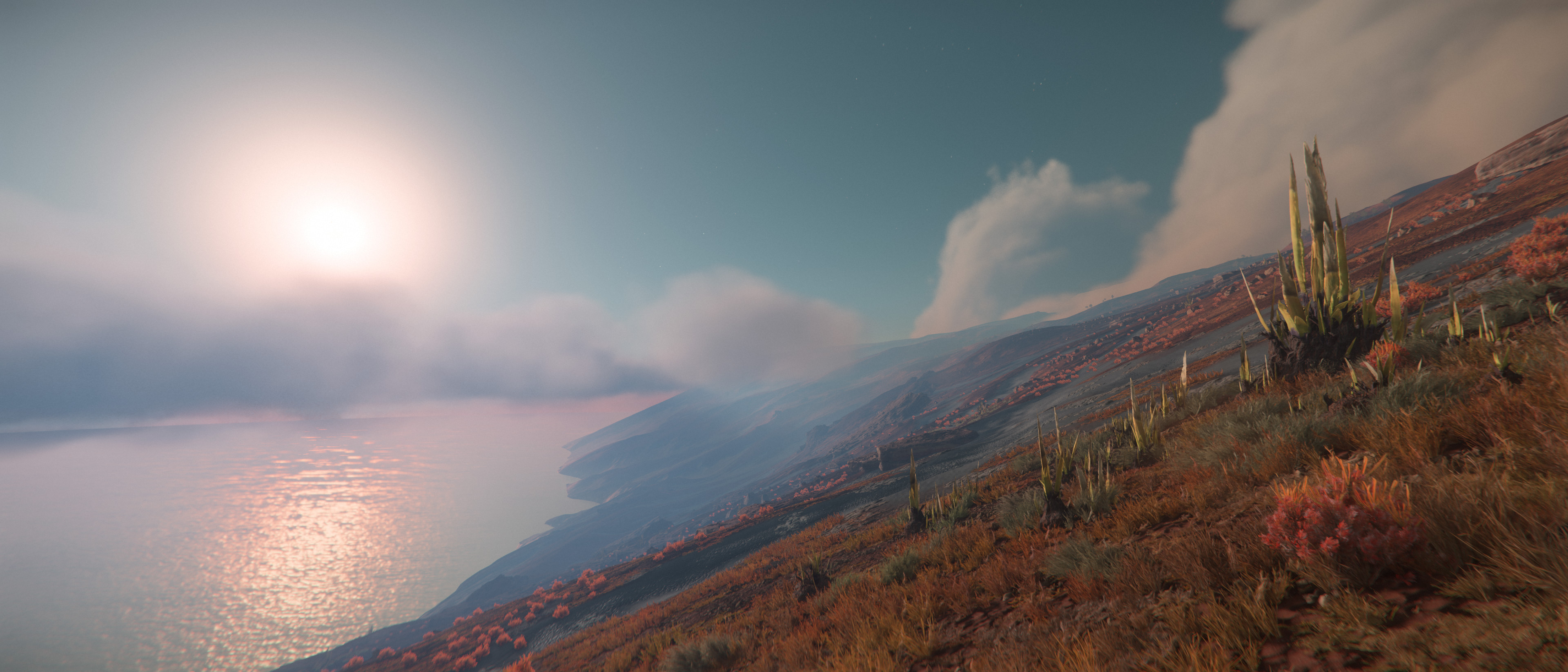
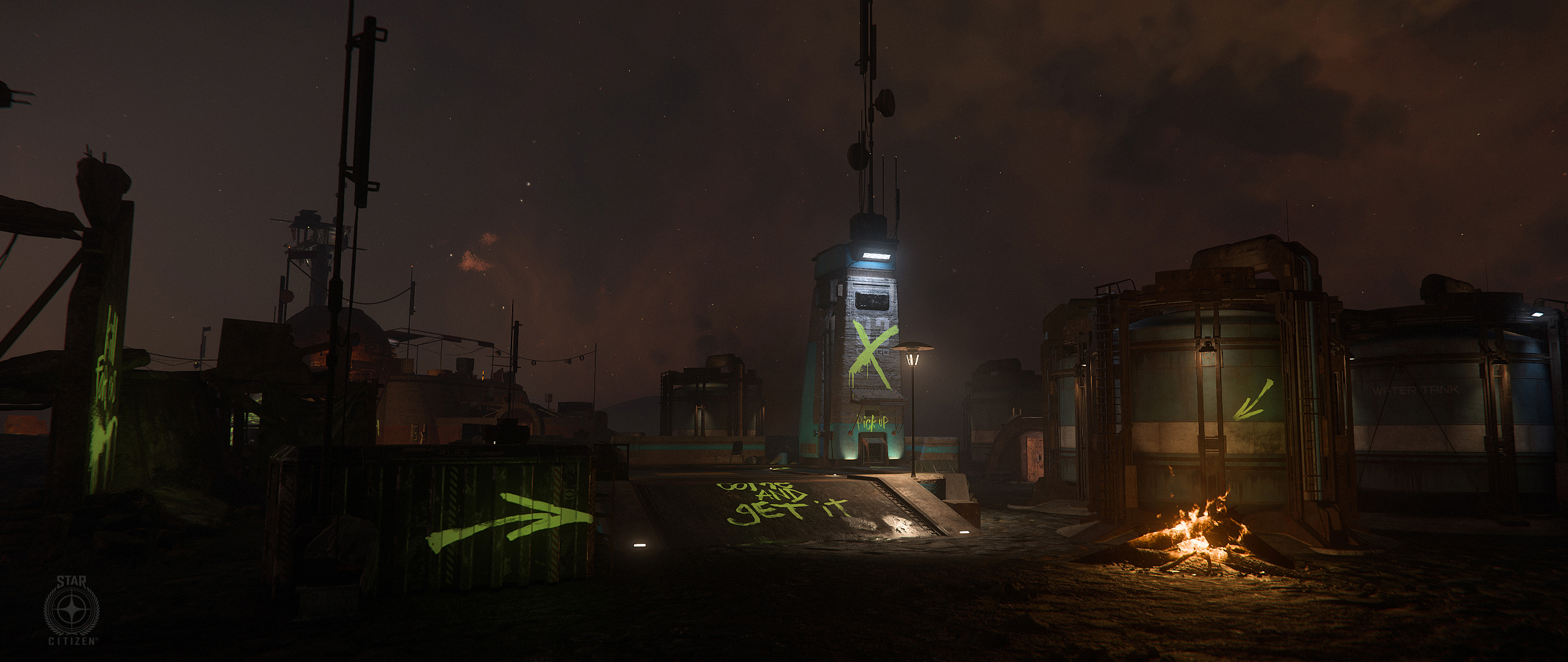
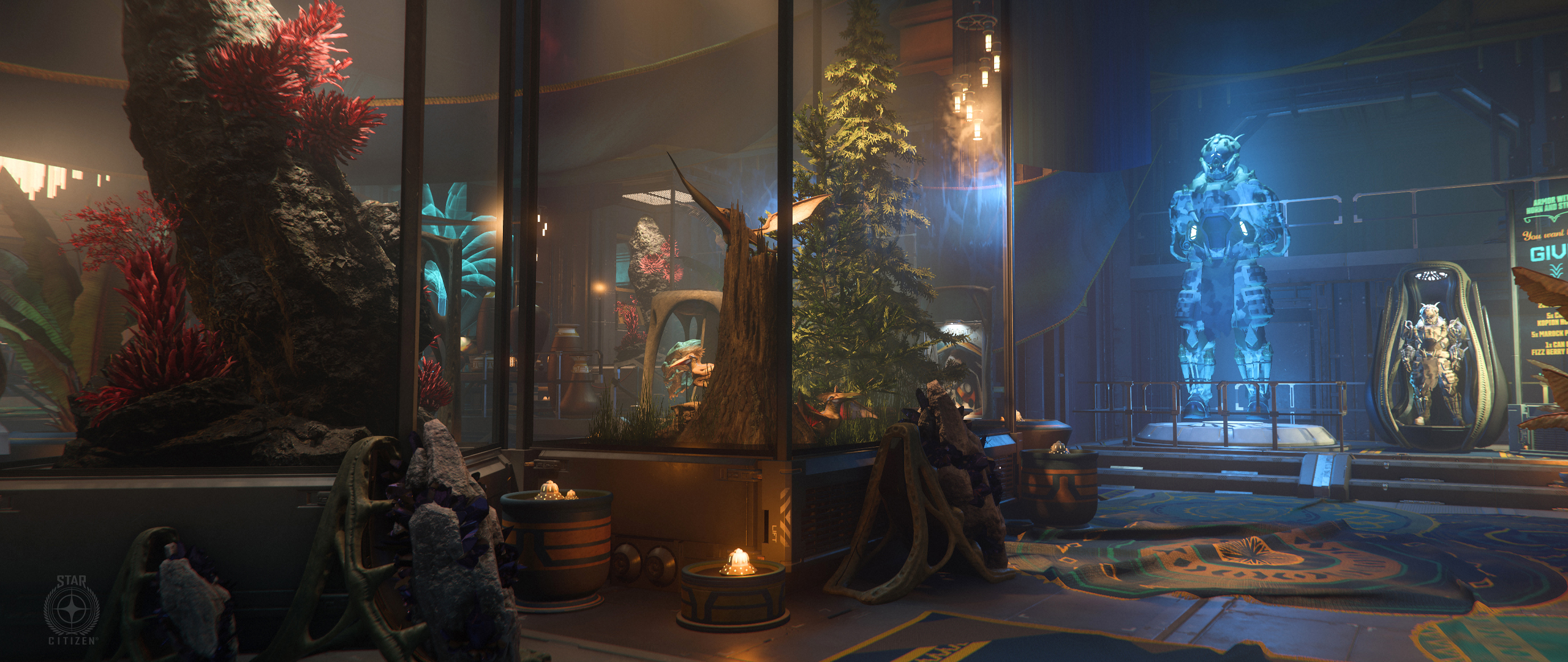
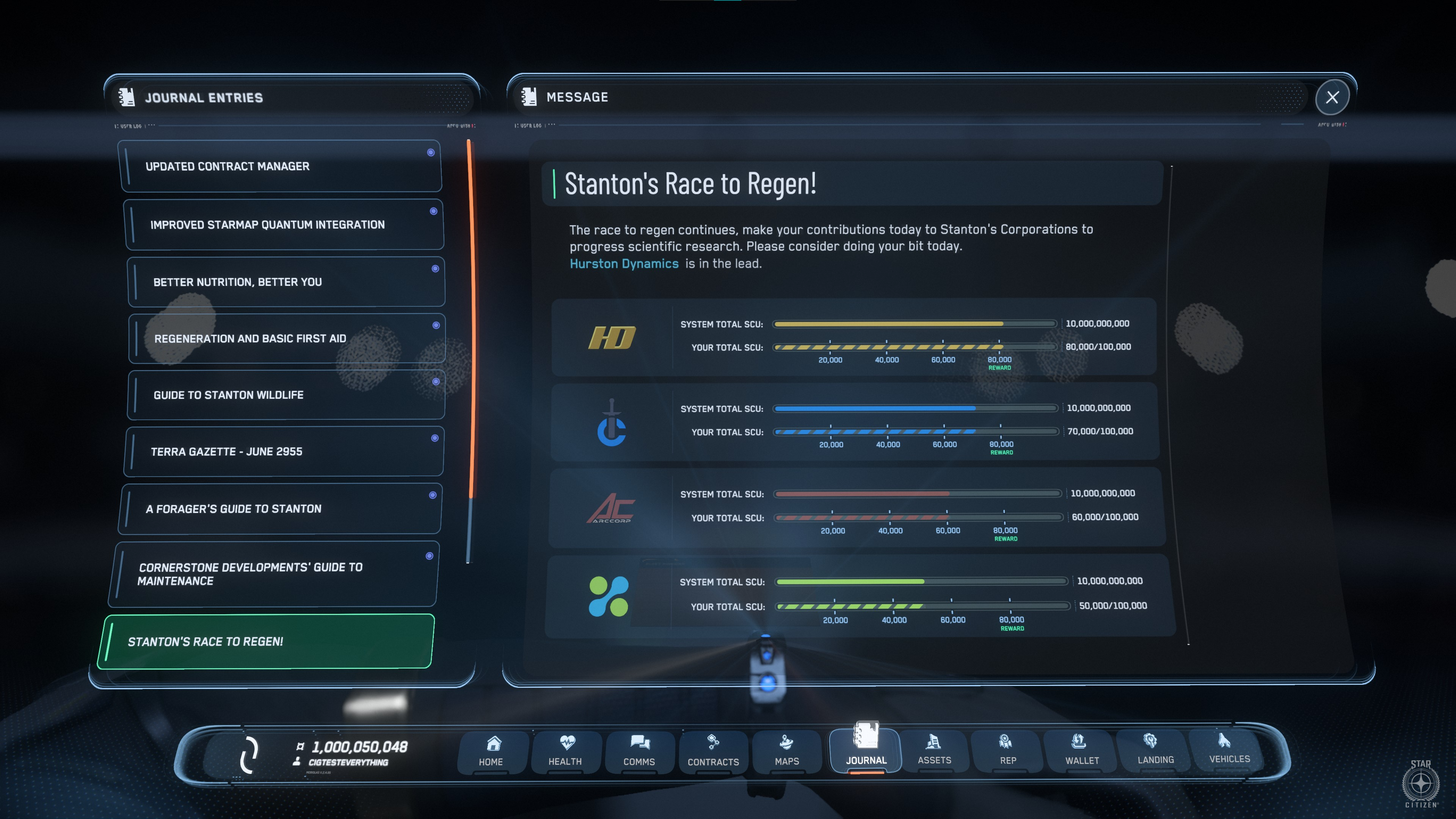
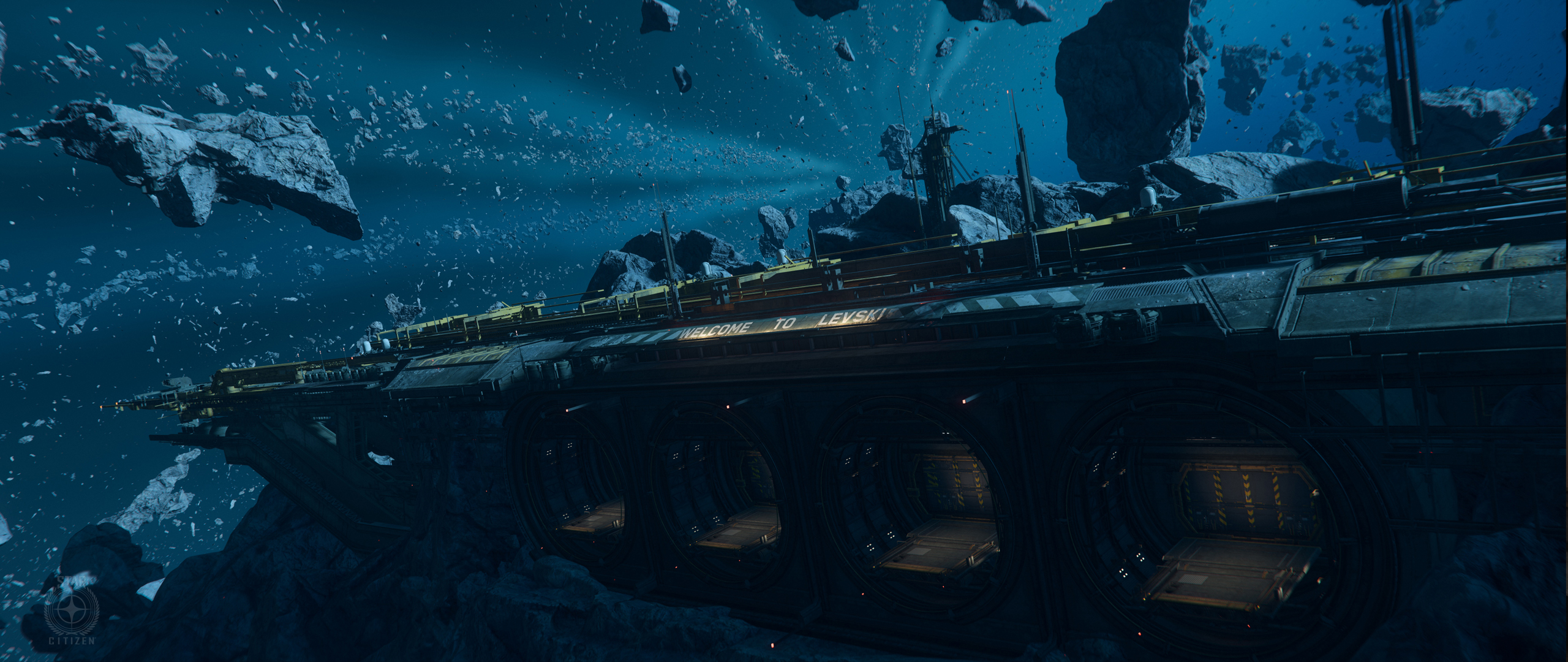
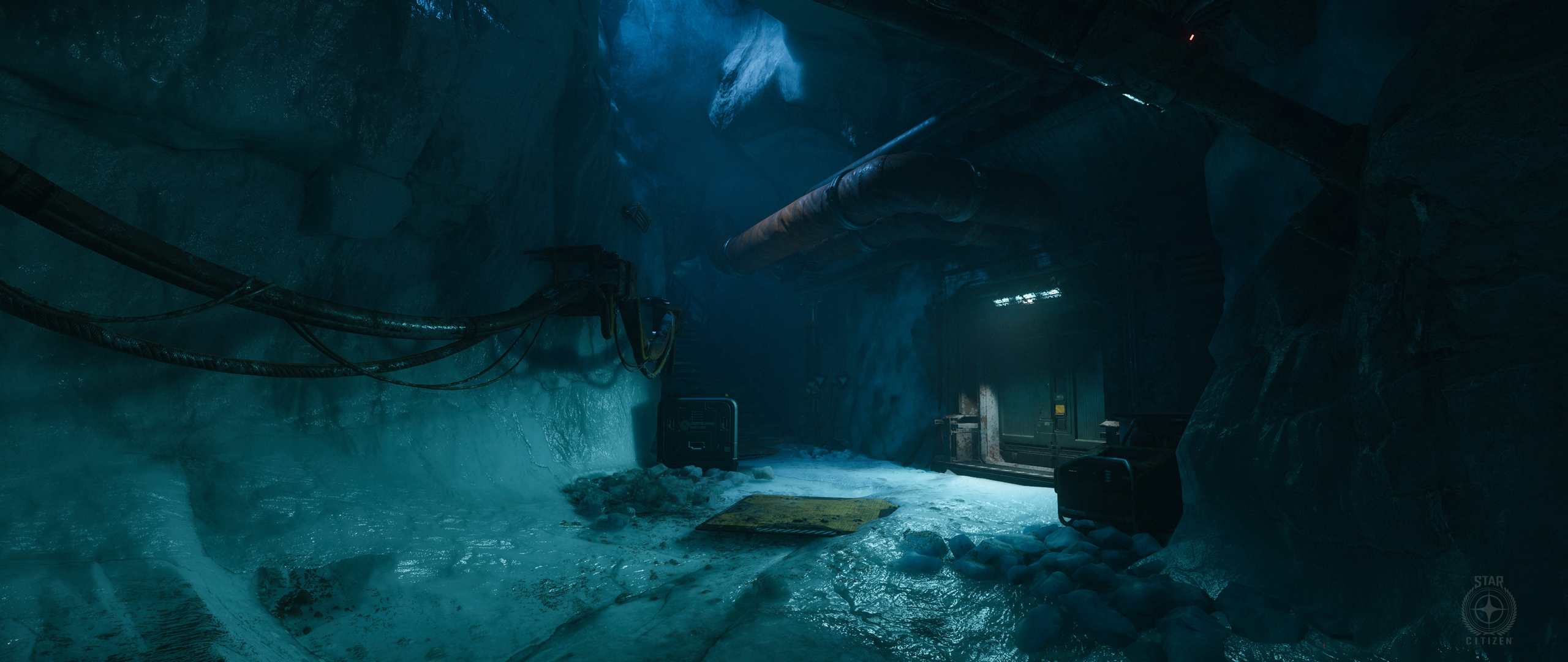
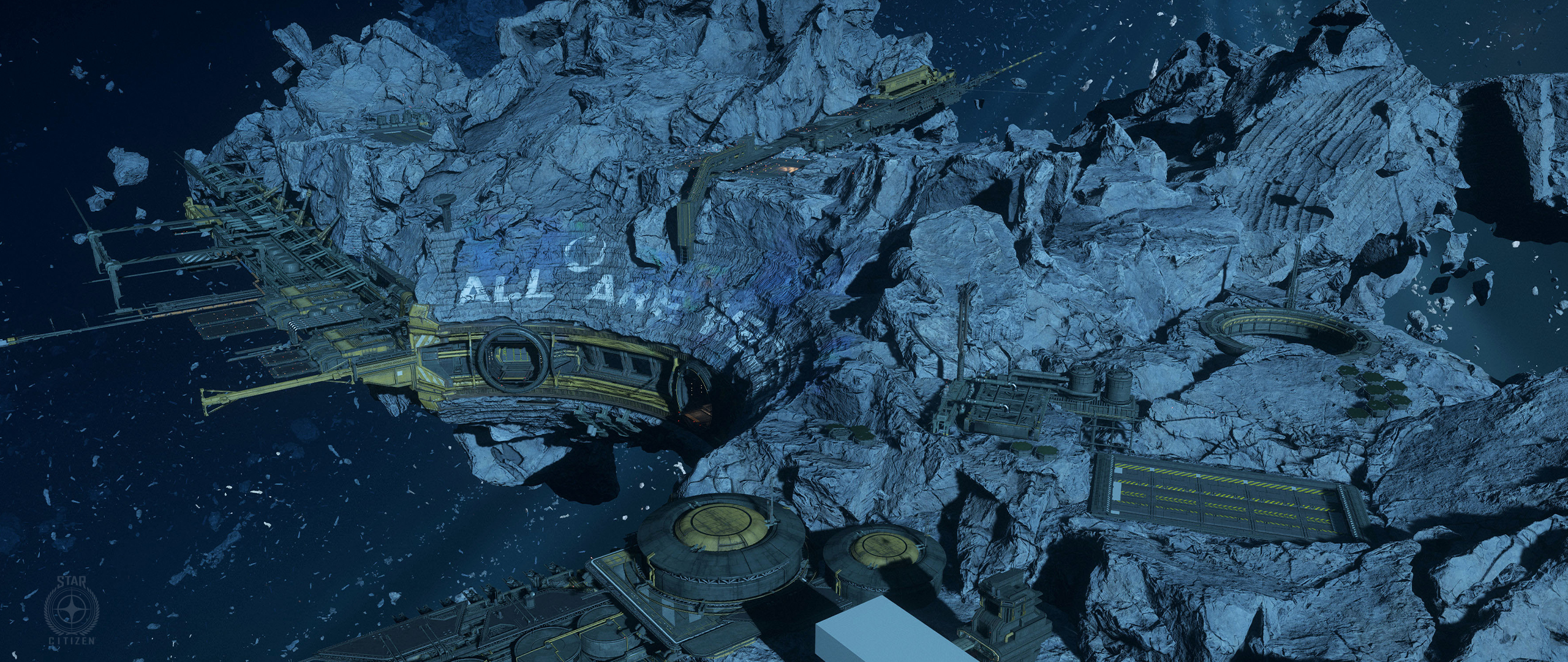
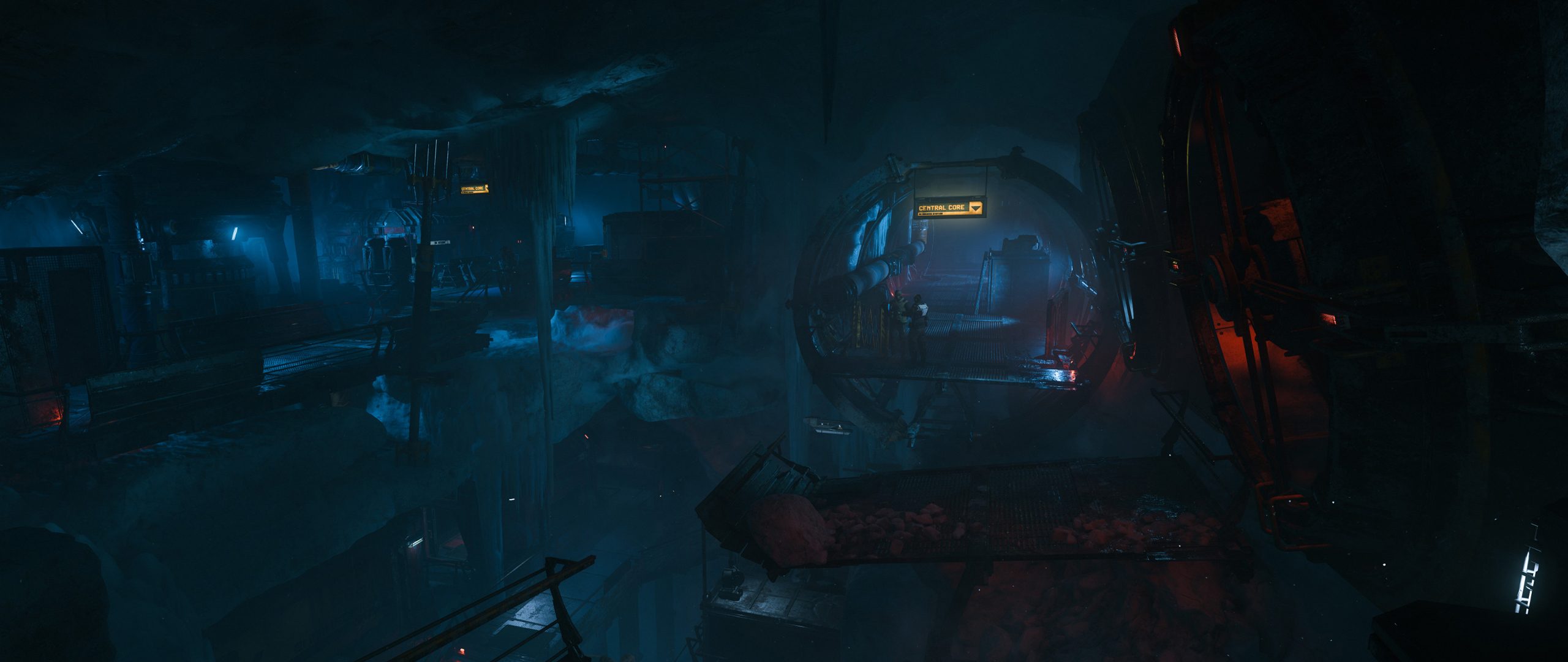
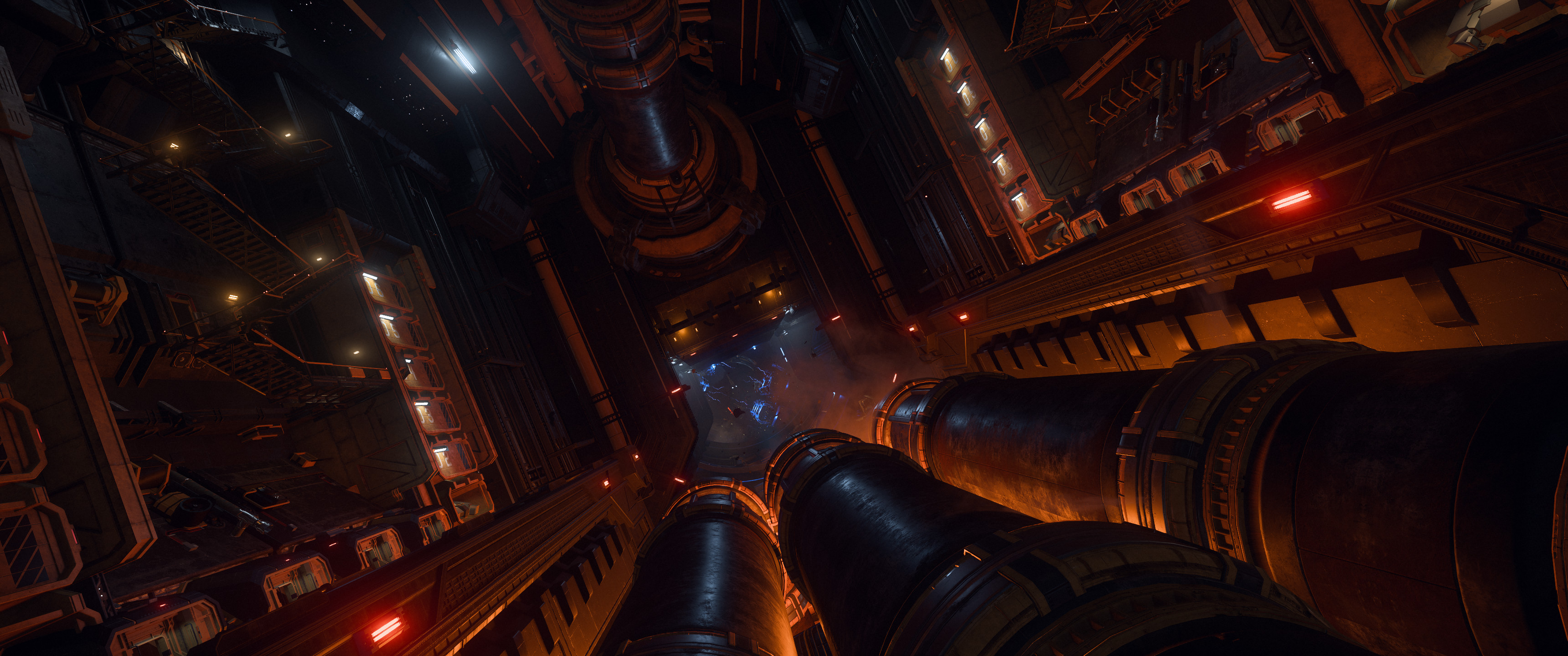
Metadata
- CIG ID
- 18223
- Channel
- Transmission
- Category
- Undefined
- Series
- Monthly Reports
- Comments
- 39
- Published
- 5 years ago (2021-07-12T00:00:00+00:00)