Star Citizen Monthly Report: June 2023
Transmission Undefined NoneContent
PU Monthly Report
June 2023
Welcome to June’s PU Monthly Report. Read for everything done across CIG’s global studios last month in support of the Persistent Universe, including new developments in water tech, AI pathfinding, and item wear.
AI (Tech)
Last month, AI Tech finalized their work on dynamic pathfinding regeneration. As mentioned in previous reports, this feature allows dynamic paths to detect when a navigation mesh is modified and check whether it’s still valid or if a new path request is needed. When a new dynamic path is requested, the pathing component creates and stores navigation anchors. These anchors notify the pathing component each time the mesh changes, which then checks through navigation raycasts to see if the path is still valid. If not, the last part of the path is recomputed.
Next, the team continued developing a feature to allow NPCs to enter and exit a ship’s airlock from EVA. For this, they had to consider cases when a ship or space station is moving or slightly rotating. They’re currently working on a scenario for transitioning from a ship with gravity to zero-g by vaulting over a ledge.
For tools, AI Tech continued improving and extending functionality for Apollo Subsumption, including adding two new windows for the task-archetypes and variable-type editors. This will allow the team to better visualize and modify archetypes and variables.
The other AI tool, the usable group coordinator, received improvements too. This included a minor flow refactor to reduce the performance impact from bad setups and to more clearly notify the designers what’s wrong.
Last month, AI Tech also supported existing features and the upcoming release builds. For navigation links, they created new flowgraph nodes that allow the designers to disable and re-enable navigation links for a platform or object container. For example, this will enable NPCs to use moving platforms.
Animation
Last month, the Animation team worked on facial animations for a new character set. They also progressed with their ongoing work on ‘boids,’ which relate to animals flying in flocks or swarms.
Art (Characters)
In June, the Character Art team continued working on the Dusters and Headhunters gangs, creating new outfits for the former and polishing existing items for the latter.
Alongside this, the Character Concept Art team began the exploration phase for a new Headhunters gang member and prepared handoff sheets for additional Dusters outfits.
Art (Ships)
The Tumbril Storm is nearing the end of the LOD0 stage, with some areas approaching final content. Materials were also polished, internal damage was built, and most LODs were created. The team are currently undertaking customization work and will move onto UV2 projections in July.
Following last month’s report, the Aopoa San'tok.yāi is awaiting its second greybox gate review pass.
“It failed the first time around due to a missing dashboard implementation plan - we have now created a dashboard and generated the bulk of the art for it. We simply need to make it past the gate and we will be officially in LOD0 stage.” Ship Art Team
The San'tok.yāi’s cockpit also received a polish pass before the team moved on to the rest of the ship. Ship Art then worked with Narrative on Xi’an language translations, which will appear in the ship’s UI and character Inner Thought system.
Community
The Community Team celebrated Pride Month throughout June by bringing back the Show Us Your Colors celebration, which received a huge number of impressive entries. Visit this year's submissions comm-link for a wealth of community creativity.
The team then supported Alienweek 2953, which starred a Banu ship souli’s human-focused advert. During the event, players were invited to explore alien lore and spaceships and enter the Alien Encounter screenshot contest. The community’s xeno-linguists also deciphered a Banu-language message containing secrets of the mysterious tholo.
“The first opportunity to get hold of a digital Banu tholo was at the International Bar Citizen Weekend, where we handed them out as code cards to every guest. We loved meeting so many of you this weekend as we hosted an afternoon of Star Citizen near our studios in Los Angeles, Austin, Montreal, Manchester, and Frankfurt.” Community Team
June saw the continuation of the Bar Citizen World Tour, with members of the Star Citizen team traveling to Asia to visit players in Shanghai and Hong Kong, and Incheon in Korea.
“Thank you for having us as your guests. It was absolutely amazing to meet more than 1900 of you in China and Korea!”
The team also supported the announcement and ongoing planning of CitizenCon 2953, which is coming to LA, USA, on October 21 and 22. This included ticket details, an FAQ about the event and location, a guide to L.A., and details of how to take part via community booth or this year's cosplay contest.
Plus, in preparation for this year's Foundation Festival, Community launched the Tutorial Contest and invited the player organizations that make the 'verse a better place with their teamwork to introduce themselves.
Engine
In June, the Core Engine team finished integrating the latest changes into the main development branch. This took a significant effort, but the team managed to stabilize and roll out the many major rewrites made over the past few months.
Additionally, experiments were done on a more cooperative threading model to execute physics code, which should deliver general performance improvements.
For generic shapes, all editor-side work for regular shapes was finished and is now with the artists for feedback. The next stage is editor support for multiple sub-segments to allow the team to build more complex shapes out of primitive sub-shapes.
The StarBuild, P4K v2.0, and memReplay systems received various improvements and new features in preparation for them rolling out to other teams. Core Engine also worked with Physics to provide tech support for the MISC Hull C.
The Physics team supported the game teams with various bug fixes, progressed with cantilever beams for the Maelstrom editor, and investigated solver improvements for driven ragdolls.
An ImGUI view was then implemented to allow rapid tweaking of simulation parameters for character-attached cloth so that changes become immediately visible.
Regarding team structure, the Entity System Tech team transferred to the Core Engine team.
“While their focus will still be on everything related to Server Meshing, bringing the team over brings the knowledge and ownership of the entity system together, which should allow more efficient communication.” Engine Team
Entity System Tech also integrated their recent improvements into the main development branch. They then worked on various spawning-time improvements and cost visualizations to allow for further guided loading-time optimization.
Finally, async entity loading was enabled in the editor for faster startup and improved efficiency.
Features (Arena Commander)
In June, the Arena Commander Feature team's focus was on polishing and bug fixing for Alpha 3.20. Engineering also completed the new competitive-scoring and team-balance systems.
A small quality-of-life refactor was done to the Flash-based FPS loadout editor. Now, game modes automatically supply consumables to the player, allowing the team to simplify the editor to only include armor and weapons. They also continued work on the new spawn screens being introduced to most game modes in Alpha 3.20 before moving on to in-game vehicle selection.
Design continued polish passes across various locations, including adjusting Security Post Kareah's control variant based on playtest feedback.
For Tank Royale, the mode’s Magda location failed its go/no-go due to underwhelming visuals and gameplay. In response, Design worked on two replacement locations to provide greater variety and more visual interest, Daymar and Mya (Leir’s second planet, where The Good Doctor map is set).
Design then reworked all existing race tracks to utilize the new racing system being developed for release in a future patch.
Finally, the team concluded work on three new experimental modes that feature the new flight system, “Master Modes”: Free Flight, Duel, and Endless Vanduul Swarm.
Features (Characters & Weapons)
In June, the Features team began extending item wear to weaponry. This means that as a weapon is used, ages, or is kept in poor condition, it will become increasingly worn. For example, if a weapon is used while dirty, it will accumulate wear faster. As a weapon becomes worn, it will become less reliable and may overheat faster and start misfiring. This can cause minor or major jamming, requiring the user to spend time fixing the malfunction.
The team also looked into a minor rework of the inventory screen.
“The current inventory screen is great for managing loadout and inventory storage, but we have been looking at options for speeding up looting while in combat.” Features Team
As part of this, the team experimented with a new UI that remains in first-person view, allowing players to assess combat-related items and then quickly loot or exchange MedPens, ammunition, grenades, and weapons.
Features (Gameplay)
Following the release of Alpha 3.19.1, the Gameplay Features team began focusing on upcoming patches. This included work on the vehicle tractor beams, with relevant vehicles being set up to support the feature. For example, the upcoming Argo SRV was tested internally and towed its first ships.
The Resource Network also progressed well, with the team pleased with its current state. They then moved onto supporting Resource Network-relevant features, including engineering and life support.
Features (Mission)
Last month, Mission Features were redirected to cargo and Pyro-based missions; they’re currently developing cargo-hauling and ship-piracy missions that leverage the new cargo grid and freight elevator features.
The Development of a new cargo and escort-focused Dynamic Event began. Blockade Runner will replace Nine Tails Lockdown, keeping its strengths and removing its weaknesses by using new features and proven designs.
Work was completed on the Ship Coverup mission suite. This entails scraping the hull off a criminal ship to make it unidentifiable to the approaching security forces. The team was also tasked with turning the New Player Experience into a modular mission that can be run in any location with the correct setup.
For combat missions, most quantum-travel-capable ships were added to the pool that missions can spawn from. However, some that don’t make narrative sense weren’t added. For example, criminals won’t use the Drake Cutlass Blue. As part of this work, the game’s ships were divided into difficulty bands derived from data mentioned in last month’s report, which was gathered from pitting every ship against each other 1000 times.
A technical design document was completed for the system that governs player reputations with in-game orgs (such as Crusader Industries or Nine Tails). This relates to things players can do outside of missions, such as killing rival NPCs.
Gameplay Features also made improvements to the Defend Kareah mission, including splitting trespasser tracking between the station’s interior and exterior to help players better understand where to search.
“We are also prototyping a means to take the turrets temporarily offline and do a momentary ping on intruders, which may or may not be used.” Mission Features Team
Work continued on the Data Heist, Retrieve Consignment, and Ship Escort missions alongside the ship-trespass feature.
Finally, Mission Features worked with Actor Features to get the ‘ledge grab’ feature enabled in the PU, seeing it through the QA and go/no-go processes. This feature allows players to grab onto ledges while in mid-air, significantly improving climbing and allowing players to reach ship entrances that were previously out of reach. They also made a pass on the Prison Escape mission alongside the USPU team to ensure the new feature could be used to its fullest.
Graphics, VFX Programming & Planet Tech
June saw the Planet Tech team wrapping up their latest tools and working on the new water system. Water ripples can now be simulated across region borders, and further reworks to rendercode integrations with planetary atmospheric passes made the process smoother. Quantum obstacles for Generic Shapes were also physicalized and passed to the Engine team for integration.
The Graphics team spent part of the month fixing bugs, improving the render thread, and developing the upcoming temporal-upscaling system. For global illumination, a ray-tracing prototype is now in progress, and work began on screen-space probes. Screen-space shadows are now more consistent, and canvas-decal streaming issues were resolved.
Gen12 and Vulkan also received various bug fixes that impacted rendering and streaming performance. The GPU resource lifetime was restructured, and WAW hazards for RenderGraph deferred execution are handled more efficiently too.
The first iteration of entity spawning based on MeshSetup and CGAs was submitted, which is required for Maelstrom.
Alongside the UI Tech and SQ42 teams, Graphics improved the performance and visual quality of the area map. The interior and FPS mini-maps now use the Render Layers feature, which can now be applied to CGA joints, skin, and CGF attachments. Incorrect UI edge cases were also resolved and now scale correctly with scene exposure.
The VFX team enabled DataForge to support particle library groups in preparation for the upcoming changes to weapon-effect setups.
A crash impacting fire-related child effects was fixed, and an entity-wide burn state can now be applied that uses dirt parameters and object temperature to determine damage and glow; glow uses a specific shader from permanent effects for game-wide consistency.
Lightning was also improved. For example, lightning cascades can be timed with a new controller and ship shields now trigger when struck by lightning.
In-Game Branding (Montreal)
Last month, Branding worked closely with EU Locations 2 on navigational signage for New Babbage and began building various artwork assets for an upcoming event.
They also progressed with artwork for Pyro, including the final touch-ups on navigational signage for Ruin Station.
The Branding Team began work on the underground facilities too, which involved creating different mockups for the commercial lobbies.
Interactables
Throughout June, the Interactables team explored new ideas for props that haven’t been seen in the ‘verse before. They also created new Flair items for Subscribers.
Lighting
The Lighting team continued to work on outposts for the Pyro system, helping to sell the ‘wilderness’ feel. They also worked on several other initiatives for Pyro alongside the Locations team.
Live Tools (Montreal)
In Montreal, the Live Tools team entered the analytics phase of the usability research done last month. When complete, the team will establish an action plan that will determine their next priorities in improving the usability of the Hex network’s operation center.
“This month also marked a great milestone, with the team shipping one of the key features that will provide more support to Persistent Entity Streaming technology. This new versatile tool will allow the users to have an overview of the different entities in the game.” Live Tools Team
Locations (EU)
Last month, the EU Locations team progressed with closing out rooms for Rundown Station.
“The station has had some great TLC and we hope players will enjoy exploring these new areas!” EU Locations Team
They also completed tasks for an upcoming event before beginning various new projects.
The Sandbox team closed out Pyro’s outposts and moved on to planetary distribution work. Development of the underground facilities continued too, with the team exploring new areas and further expanding these already considerable locations.
The Organics team continued cloud development for planets and worked on new and interesting flora that players will find in Pyro.
Narrative
June saw the Narrative team further developing and populating Pyro. As a lawless system, it presents a lot of interesting opportunities for the team to explore how existing game systems may change and take on new nuance. The team worked on further outlining mission content and providers, refining the unique food options that will be available at some of the remote space stations, and detailing signage and graffiti that will be placed around various locations.
Narrative also continued their final push toward the release of Alpha 3.20. This included naming and writing descriptions for numerous assets, reviewing new text for gameplay features, and further refining new mission content. Additionally, they made deeper dives into an alien species’ lore as xeno-linguistic development continued. This involved listening to new audio samples and debating which style of speech fit best with the culture and lore.
Last month also saw numerous narrative content releases, including a Whitley’s Guide to the Tumbril Cyclone, a special message in honor of Alien Week from the Njassi Religion Souli, an episode of Star Citizen Live featuring the Narrative Team, and another batch of Galactapedia entries.
Online Services (Montreal)
In June, the Online Services team completed a major refactor of the inventory system. These changes won’t be visible to players but will touch on every inventory type in the game, with the goal being to address some long-standing bugs and improve PES performance and stability.
The team also worked on server and engine-side integration for the return of private lobbies in Arena Commander.
Lastly, Online Services fixed various bugs relating to long-term persistence and login issues.
Research & Development
In June, work on atmospheric and volumetric cloud rendering continued. Transmittance profiles and their filter chains were optimized and improved to reduce noise and artifacts in raymarch results. Further research went into the temporal upsampling of those results to produce a stable and detailed full-resolution frame that can then be composited into a scene.
Systemic Services & Tools
The Systemic Services and Tools team began planning the required services refactor in support of Server Meshing.
They also began code clean-up and working through tech debt for the diffusion architecture and general instance manager. Additionally, the team supported USPU with bug fixes and integrations toward the MISC Hull C and cargo feature release.
Tech Art/Animation
June saw Tech Animation integrate their long-awaiting changes to the DNA system. This enables new head assets and provides a pipeline that will open new ways to author and customize new game content.
The team then began new initiatives while they wait for further head art. This included updating the Maya pipeline codebase from Python 2.7 to 3.7 and thoroughly testing it. This was released to the user base in June, with the team currently working through the final bugs.
VFX
The VFX team increased support for several locations across Pyro, including Ruin Station’s interior and exterior and various derelict settlements and outposts. Due to the modular nature of these locations, time was taken to ensure the artists understood which file level to add effects to. For example, for a food stall, they need to add hot-steam effects directly to the stall asset rather than its location.
The team also supported several new platforms on Orison, including falling and rustling leaves, water fountains, and more. Several ships progressed throughout June too.
PU-Monatsbericht
Juni 2023
Willkommen zum PU-Monatsbericht für den Monat Juni. Hier erfährst du alles, was in den globalen Studios von CIG im letzten Monat für das Persistent Universe getan wurde, darunter neue Entwicklungen in den Bereichen Wassertechnologie, KI-Pfadfindung und das Tragen von Gegenständen.
KI (Tech)
Im letzten Monat hat die KI-Abteilung ihre Arbeit an der dynamischen Pfadfindung abgeschlossen. Wie bereits in früheren Berichten erwähnt, ermöglicht diese Funktion dynamischen Pfaden, zu erkennen, wenn ein Navigationsnetz verändert wird, und zu prüfen, ob es noch gültig ist oder ob ein neuer Pfad angefordert werden muss. Wenn ein neuer dynamischer Pfad angefordert wird, erstellt und speichert die Pfadfindungskomponente Navigationsanker. Diese Anker benachrichtigen die Pathing-Komponente jedes Mal, wenn sich das Mesh ändert, und diese prüft dann anhand der Navigations-Raycasts, ob der Pfad noch gültig ist. Wenn nicht, wird der letzte Teil des Pfades neu berechnet.
Als Nächstes entwickelte das Team eine Funktion, die es NSCs ermöglicht, die Luftschleuse eines Schiffes von EVA aus zu betreten und zu verlassen. Dabei mussten sie Fälle berücksichtigen, in denen sich ein Schiff oder eine Raumstation bewegt oder leicht dreht. Zurzeit arbeiten sie an einem Szenario für den Übergang von einem Schiff mit Schwerkraft in die Schwerelosigkeit, indem sie über einen Vorsprung springen.
Bei den Werkzeugen hat AI Tech die Funktionalität von Apollo Subsumption weiter verbessert und erweitert, u.a. durch das Hinzufügen von zwei neuen Fenstern für die Editoren für Aufgaben- und Variablentypen. Damit kann das Team Archetypen und Variablen besser visualisieren und verändern.
Das andere KI-Tool, der nutzbare Gruppenkoordinator, wurde ebenfalls verbessert. Dazu gehörte eine kleine Überarbeitung des Ablaufs, um die Auswirkungen von fehlerhaften Setups auf die Leistung zu verringern und die Designer/innen deutlicher darauf hinzuweisen, was falsch ist.
Im letzten Monat hat AI Tech auch bestehende Funktionen und die kommenden Release-Builds unterstützt. Für Navigationslinks wurden neue Flowgraph-Knoten erstellt, die es den Designern ermöglichen, Navigationslinks für eine Plattform oder einen Objektcontainer zu deaktivieren und wieder zu aktivieren. Dadurch können NSCs zum Beispiel bewegliche Plattformen benutzen.
Animation
Im letzten Monat hat das Animationsteam an den Gesichtsanimationen für ein neues Charakterset gearbeitet. Außerdem haben sie ihre Arbeit an "Boids" fortgesetzt, die sich auf Tiere beziehen, die in Schwärmen fliegen.
Kunst (Charaktere)
Im Juni hat das Character Art Team die Arbeit an den Dusters und Headhunters fortgesetzt, indem es neue Outfits für die Dusters und die Headhunters entworfen und bestehende Gegenstände für die Headhunters aufpoliert hat.
Außerdem begann das Character Concept Art-Team mit der Erkundungsphase für ein neues Mitglied der Headhunters-Gang und erstellte Übergabebögen für zusätzliche Dusters-Outfits.
Kunst (Schiffe)
Die Tumbril Storm nähert sich dem Ende der LOD0-Phase und einige Bereiche nähern sich dem endgültigen Inhalt. Außerdem wurden die Materialien poliert, interne Schäden gebaut und die meisten LODs erstellt. Das Team führt derzeit Anpassungsarbeiten durch und wird im Juli mit den UV2-Projektionen beginnen.
Nach dem Bericht vom letzten Monat wartet der Aopoa San'tok.yāi auf seinen zweiten Greybox-Gate-Review-Pass.
"Beim ersten Mal scheiterte es an einem fehlenden Dashboard-Implementierungsplan - jetzt haben wir ein Dashboard erstellt und den Großteil der Kunstwerke dafür entwickelt. Wir müssen es nur noch durch das Gate schaffen, dann sind wir offiziell im LOD0-Stadium." Schiffskunst-Team
Auch das Cockpit der San'tok.yāi erhielt einen Feinschliff, bevor sich das Team dem Rest des Schiffes zuwandte. Ship Art arbeitete dann mit Narrative an der Übersetzung der Xi'an-Sprache, die in der Benutzeroberfläche des Schiffes und im inneren Gedankensystem der Charaktere erscheinen wird.
Community
Das Community-Team feierte den ganzen Juni über den Pride-Monat mit der Aktion "Zeig uns deine Farben", für die eine große Anzahl beeindruckender Beiträge eingereicht wurde. Besuche den Comm-Link für die diesjährigen Einsendungen und finde eine Fülle von kreativen Beiträgen.
Dann unterstützte das Team die Alienweek 2953, bei der ein Banu-Schiff mit Souli-Werbung für Menschen im Mittelpunkt stand. Während des Events waren die Spieler/innen eingeladen, außerirdische Überlieferungen und Raumschiffe zu erforschen und am Alien Encounter Screenshot-Wettbewerb teilzunehmen. Die Xeno-Linguisten der Community entschlüsselten außerdem eine Botschaft in der Banu-Sprache, die Geheimnisse der mysteriösen Tholo enthielt.
"Die erste Gelegenheit, ein digitales Banu-Tholo zu ergattern, war auf dem Internationalen Bar Citizen Weekend, wo wir sie als Codekarten an jeden Gast verteilt haben. Wir haben uns sehr gefreut, so viele von euch an diesem Wochenende zu treffen, als wir in der Nähe unserer Studios in Los Angeles, Austin, Montreal, Manchester und Frankfurt einen Nachmittag mit Star Citizen veranstaltet haben." Community Team
Im Juni wurde die Bar Citizen World Tour fortgesetzt. Mitglieder des Star Citizen-Teams reisten nach Asien, um Spieler in Shanghai, Hongkong und Incheon in Korea zu besuchen.
"Danke, dass wir bei euch zu Gast sein durften. Es war absolut fantastisch, mehr als 1900 von euch in China und Korea zu treffen!"
Das Team unterstützte auch die Ankündigung und laufende Planung der CitizenCon 2953, die am 21. und 22. Oktober in LA, USA, stattfindet. Dazu gehörten Ticketinformationen, eine FAQ über die Veranstaltung und den Veranstaltungsort, ein Reiseführer für L.A. und Informationen darüber, wie man an einem Gemeinschaftsstand oder dem diesjährigen Cosplay-Wettbewerb teilnehmen kann.
Außerdem hat die Community in Vorbereitung auf das diesjährige Foundation Festival den Tutorial-Wettbewerb gestartet und die Spielerorganisationen, die das Verse mit ihrer Teamarbeit zu einem besseren Ort machen, eingeladen, sich vorzustellen.
Engine
Im Juni schloss das Team der Core Engine die Integration der letzten Änderungen in den Hauptentwicklungszweig ab. Es hat viel Arbeit gekostet, aber das Team hat es geschafft, die vielen großen Änderungen der letzten Monate zu stabilisieren und auszurollen.
Außerdem wurden Experimente mit einem kooperativeren Threading-Modell für die Ausführung von Physikcode durchgeführt, was zu allgemeinen Leistungsverbesserungen führen sollte.
Bei den generischen Formen wurden alle editorenseitigen Arbeiten für reguläre Formen abgeschlossen und liegen nun bei den Künstlern zur Rückmeldung. Der nächste Schritt ist die Editorunterstützung für mehrere Untersegmente, damit das Team komplexere Formen aus primitiven Unterformen erstellen kann.
Die Systeme StarBuild, P4K v2.0 und memReplay haben verschiedene Verbesserungen und neue Funktionen erhalten, damit sie von anderen Teams genutzt werden können. Core Engine arbeitete auch mit Physics zusammen, um technischen Support für den MISC Hull C zu leisten.
Das Physikteam unterstützte die Spielteams mit verschiedenen Fehlerkorrekturen, machte Fortschritte bei den freitragenden Balken für den Maelstrom-Editor und untersuchte Verbesserungen am Solver für angetriebene Ragdolls.
Dann wurde eine ImGUI-Ansicht implementiert, die eine schnelle Anpassung der Simulationsparameter für an der Figur befestigte Kleidung ermöglicht, sodass Änderungen sofort sichtbar werden.
Was die Teamstruktur angeht, so wechselte das Entity System Tech Team zum Core Engine Team.
"Der Schwerpunkt liegt zwar weiterhin auf dem Server Meshing, aber durch den Wechsel des Teams wird das Wissen und die Verantwortung für das Entity System zusammengeführt, was eine effizientere Kommunikation ermöglichen sollte. Engine-Team
Die Entity System Tech hat ihre jüngsten Verbesserungen auch in den Hauptentwicklungszweig integriert. Anschließend arbeiteten sie an verschiedenen Verbesserungen der Spawning-Zeit und der Kostenvisualisierung, um die Ladezeit weiter zu optimieren.
Schließlich wurde das asynchrone Laden von Entitäten im Editor aktiviert, um den Start zu beschleunigen und die Effizienz zu verbessern.
Features (Arena Commander)
Im Juni konzentrierte sich das Arena Commander Feature Team auf die Feinabstimmung und Fehlerbehebung für Alpha 3.20. Außerdem wurden die neuen Systeme für die Wettbewerbswertung und die Team-Balance fertiggestellt.
Der Flash-basierte FPS-Loadout-Editor wurde in Bezug auf die Lebensqualität etwas überarbeitet. Die Spielmodi versorgen den Spieler jetzt automatisch mit Verbrauchsmaterialien, so dass das Team den Editor auf Rüstung und Waffen beschränken konnte. Außerdem wurde die Arbeit an den neuen Spawn-Bildschirmen fortgesetzt, die in der Alpha 3.20 für die meisten Spielmodi eingeführt werden, bevor es an die Fahrzeugauswahl im Spiel geht.
Das Design wurde an verschiedenen Orten weiter verfeinert, u. a. wurde die Steuerungsvariante des Sicherheitspostens Kareah aufgrund des Feedbacks aus den Spieltests angepasst.
Bei Tank Royale scheiterte der Standort Magda aufgrund der unzureichenden Optik und des schlechten Gameplays. Daraufhin arbeitete das Design an zwei Ersatzschauplätzen, um mehr Abwechslung und mehr visuelles Interesse zu bieten: Daymar und Mya (Leirs zweiter Planet, auf dem die Karte The Good Doctor spielt).
Dann überarbeitete Design alle bestehenden Rennstrecken, um das neue Rennsystem zu nutzen, das für einen zukünftigen Patch entwickelt wird.
Schließlich schloss das Team die Arbeit an drei neuen experimentellen Modi ab, die das neue Flugsystem, die "Master Modes", nutzen: Freier Flug, Duell und Endloser Vanduul-Schwarm.
Features (Charaktere & Waffen)
Im Juni hat das Features-Team damit begonnen, das Tragen von Gegenständen auf Waffen auszuweiten. Das bedeutet, dass eine Waffe, die benutzt wird, altert oder in schlechtem Zustand ist, zunehmend abgenutzt wird. Wenn eine Waffe zum Beispiel schmutzig ist und benutzt wird, nutzt sie sich schneller ab. Je abgenutzter eine Waffe ist, desto unzuverlässiger wird sie und kann schneller überhitzen und zu Fehlzündungen führen. Das kann zu kleineren oder größeren Ladehemmungen führen, so dass der/die Benutzer/in Zeit aufwenden muss, um die Fehlfunktion zu beheben.
Das Team hat auch eine kleine Überarbeitung des Inventarbildschirms in Betracht gezogen.
"Der aktuelle Inventarbildschirm eignet sich hervorragend für die Verwaltung der Ausrüstung und des Inventars, aber wir haben nach Möglichkeiten gesucht, um das Plündern im Kampf zu beschleunigen. Features Team
In diesem Zusammenhang experimentierte das Team mit einer neuen Benutzeroberfläche, die in der Ego-Perspektive bleibt und es den Spielern ermöglicht, kampfbezogene Gegenstände zu bewerten und dann schnell MedPens, Munition, Granaten und Waffen zu plündern oder auszutauschen.
Features (Gameplay)
Nach der Veröffentlichung der Alpha 3.19.1 konzentrierte sich das Gameplay-Features-Team auf die kommenden Patches. Dazu gehörte auch die Arbeit an den Fahrzeug-Traktorstrahlen, wobei die entsprechenden Fahrzeuge für die Unterstützung des Features eingerichtet wurden. So wurde zum Beispiel das kommende Argo SRV intern getestet und schleppte seine ersten Schiffe.
Auch das Ressourcennetzwerk kam gut voran und das Team war mit seinem aktuellen Stand zufrieden. Das Team war mit dem aktuellen Stand zufrieden. Anschließend wurden die für das Ressourcennetzwerk relevanten Funktionen wie Technik und Lebenserhaltung unterstützt.
Funktionen (Mission)
Im letzten Monat wurden die Missionsfunktionen auf Fracht- und Pyro-basierte Missionen umgestellt; derzeit werden Frachttransport- und Schiffspiraterie-Missionen entwickelt, die das neue Frachtnetz und die Frachtaufzugsfunktionen nutzen.
Die Entwicklung eines neuen, auf Fracht und Eskorte ausgerichteten dynamischen Ereignisses hat begonnen. Blockade Runner wird Nine Tails Lockdown ersetzen, seine Stärken beibehalten und seine Schwächen durch neue Funktionen und bewährte Designs beseitigen.
Die Arbeiten an der Missionssuite Ship Coverup wurden abgeschlossen. Dabei geht es darum, den Rumpf eines kriminellen Schiffes abzukratzen, um es für die herannahenden Sicherheitskräfte unerkennbar zu machen. Das Team hatte außerdem die Aufgabe, die "New Player Experience" in eine modulare Mission zu verwandeln, die mit dem richtigen Setup an jedem Ort gespielt werden kann.
Für Kampfmissionen wurden die meisten quantenreisefähigen Schiffe in den Pool aufgenommen, aus dem Missionen spawnen können. Einige, die erzählerisch keinen Sinn machen, wurden jedoch nicht hinzugefügt. Kriminelle werden zum Beispiel nicht die Drake Cutlass Blue benutzen. Im Rahmen dieser Arbeit wurden die Schiffe des Spiels in Schwierigkeitsgrade eingeteilt, die sich aus den im Bericht vom letzten Monat erwähnten Daten ergeben, bei denen jedes Schiff 1000 Mal gegeneinander antrat.
Für das System, das den Ruf der Spieler/innen bei Orgs regelt, wurde ein technisches Designdokument fertiggestellt. Dabei geht es um Dinge, die Spieler/innen außerhalb von Missionen tun können, z. B. das Töten von Org-Mitgliedern oder rivalisierenden Spieler/innen.
Die Gameplay Features haben auch Verbesserungen an der Mission Defend Kareah vorgenommen, darunter die Aufteilung der Verfolgung von Eindringlingen zwischen dem Inneren und dem Äußeren der Station, damit die Spieler/innen besser verstehen, wo sie suchen müssen.
"Wir arbeiten außerdem an einem Prototyp, mit dem die Geschütztürme vorübergehend ausgeschaltet werden können, um Eindringlinge kurzzeitig anzupingen. Team Missionsmerkmale
Die Arbeit an den Missionen "Data Heist", "Retrieve Consignment" und "Ship Escort" wurde neben dem Feature "Ship-trespass" fortgesetzt.
Schließlich arbeitete das Team Mission Features mit Actor Features zusammen, um das Feature "Ledge Grab" in der PU zu aktivieren und es durch den QA- und Go/No-Go-Prozess zu begleiten. Diese Funktion ermöglicht es den Spielern, sich in der Luft an Vorsprüngen festzuhalten, was das Klettern erheblich verbessert und es den Spielern ermöglicht, Schiffseingänge zu erreichen, die zuvor unerreichbar waren. Gemeinsam mit dem USPU-Team haben sie auch die Mission "Prison Escape" gespielt, um sicherzustellen, dass die neue Funktion optimal genutzt werden kann.
Grafik, VFX-Programmierung & Planet Tech
Im Juni hat das Planet Tech-Team seine neuesten Tools fertiggestellt und am neuen Wassersystem gearbeitet. Wasserwellen können jetzt über Regionsgrenzen hinweg simuliert werden, und weitere Überarbeitungen der Rendercode-Integration mit den atmosphärischen Übergängen des Planeten machten den Prozess noch reibungsloser. Quantenhindernisse für generische Formen wurden ebenfalls physisch angepasst und an das Engine-Team zur Integration übergeben.
Das Grafikteam verbrachte einen Teil des Monats mit der Behebung von Fehlern, der Verbesserung des Render-Threads und der Entwicklung des kommenden Systems zur zeitlichen Hochskalierung. Für die globale Beleuchtung ist ein Raytracing-Prototyp in Arbeit, und es wurde mit der Arbeit an Screen-Space-Probes begonnen. Die Schatten im Bildschirmraum sind jetzt konsistenter und die Probleme mit dem Streaming der Leinwanddekore wurden behoben.
Bei Gen12 und Vulkan wurden außerdem verschiedene Fehler behoben, die sich auf die Rendering- und Streamingleistung auswirkten. Die Lebensdauer der GPU-Ressourcen wurde neu strukturiert und WAW-Hazards für die verzögerte Ausführung von RenderGraph werden nun effizienter behandelt.
Die erste Iteration des auf MeshSetup und CGAs basierenden Entity-Spawnings wurde eingereicht, das für Maelstrom erforderlich ist.
Zusammen mit den UI Tech- und SQ42-Teams hat Graphics die Leistung und visuelle Qualität der Gebietskarte verbessert. Die Innenraum- und FPS-Minikarten verwenden jetzt die Funktion Render Layers, die jetzt auf CGA-Verbindungen, Haut und CGF-Anhänge angewendet werden kann. Fehlerhafte UI-Randfälle wurden ebenfalls behoben und skalieren nun korrekt mit der Belichtung der Szene.
Das VFX-Team hat DataForge die Unterstützung von Partikelbibliotheksgruppen ermöglicht, um die bevorstehenden Änderungen an den Waffeneffekt-Setups vorzubereiten.
Ein Absturz, der sich auf feuerbezogene Kindeffekte auswirkte, wurde behoben und ein entitätsweiter Verbrennungszustand kann nun angewendet werden, der Schmutzparameter und die Objekttemperatur verwendet, um Schaden und Glühen zu bestimmen; das Glühen verwendet einen bestimmten Shader aus den permanenten Effekten, um spielweite Konsistenz zu gewährleisten.
Auch die Blitze wurden verbessert. Zum Beispiel können Blitzkaskaden mit einem neuen Controller zeitlich gesteuert werden und Schiffsschilde werden nun ausgelöst, wenn sie von Blitzen getroffen werden.
In-Game Branding (Montreal)
Im letzten Monat hat das Branding eng mit EU Locations 2 an der Beschilderung für New Babbage gearbeitet und mit der Erstellung verschiedener Artworks für ein bevorstehendes Event begonnen.
Außerdem wurden die Arbeiten an den Grafiken für Pyro vorangetrieben und die letzten Korrekturen an der Beschilderung für die Ruinenstation vorgenommen.
Das Branding-Team begann auch mit der Arbeit an den unterirdischen Einrichtungen und erstellte verschiedene Mockups für die kommerziellen Lobbys.
Interactables
Den ganzen Juni über hat das Interactables-Team neue Ideen für Requisiten entwickelt, die es im Verse noch nicht gegeben hat. Außerdem haben sie neue Flair-Gegenstände für die Abonnenten entworfen.
Beleuchtung
Das Beleuchtungsteam arbeitete weiter an den Außenposten für das Pyro-System, um das Gefühl der Wildnis zu vermitteln. Zusammen mit dem Team für Standorte hat es außerdem an mehreren anderen Initiativen für Pyro gearbeitet.
Live Tools (Montreal)
In Montreal trat das Live Tools-Team in die Analysephase der im letzten Monat durchgeführten Usability-Studie ein. Sobald diese abgeschlossen ist, wird das Team einen Aktionsplan aufstellen, der die nächsten Prioritäten bei der Verbesserung der Benutzerfreundlichkeit des Operationszentrums des Hex-Netzwerks festlegen wird.
"In diesem Monat wurde auch ein großer Meilenstein erreicht: Das Team hat eine der wichtigsten Funktionen ausgeliefert, die die Persistent Entity Streaming-Technologie besser unterstützen wird. Dieses neue, vielseitige Tool wird es den Nutzern ermöglichen, sich einen Überblick über die verschiedenen Entitäten im Spiel zu verschaffen." Live Tools Team
Standorte (EU)
Im letzten Monat hat das Team Locations (EU) die Schließung der Räume für Rundown Station vorangetrieben.
"Die Station hat eine tolle Auffrischung erfahren und wir hoffen, dass die Spieler Spaß daran haben werden, die neuen Bereiche zu erkunden!" EU Locations Team
Außerdem haben sie Aufgaben für ein bevorstehendes Event erledigt, bevor sie mit verschiedenen neuen Projekten begonnen haben.
Das Sandkastenteam schloss die Außenposten von Pyro ab und machte sich an die Arbeit für die planetarische Verteilung. Auch die Entwicklung der unterirdischen Anlagen wurde fortgesetzt, wobei das Team neue Gebiete erkundete und die bereits beachtlichen Standorte weiter ausbaute.
Das Organics-Team setzte die Entwicklung der Wolken für die Planeten fort und arbeitete an einer neuen und interessanten Flora, die die Spieler in Pyro finden werden.
Narrative
Im Juni hat das Narrative-Team Pyro weiter entwickelt und bevölkert. Als gesetzloses System bietet es dem Team viele interessante Möglichkeiten, um zu erkunden, wie sich bestehende Spielsysteme verändern und neue Nuancen annehmen können. Das Team arbeitete daran, die Missionsinhalte und -anbieter weiter zu beschreiben, die einzigartigen Essensoptionen zu verfeinern, die es in einigen der abgelegenen Raumstationen geben wird, und die Beschilderung und Graffiti zu entwerfen, die an verschiedenen Orten angebracht werden sollen.
Narrative arbeiteten außerdem weiter an der Veröffentlichung von Alpha 3.20. Dazu gehörte das Benennen und Schreiben von Beschreibungen für zahlreiche Objekte, das Überprüfen neuer Texte für Gameplay-Features und das weitere Verfeinern neuer Missionsinhalte. Außerdem tauchten sie tiefer in die Geschichte einer fremden Spezies ein, während die Entwicklung der Xeno-Sprache fortgesetzt wurde. Dabei hörten sie sich neue Hörproben an und diskutierten darüber, welcher Sprachstil am besten zu der Kultur und der Geschichte passt.
Im letzten Monat wurden außerdem zahlreiche erzählerische Inhalte veröffentlicht, darunter ein Whitley's Guide to the Tumbril Cyclone, eine besondere Nachricht zu Ehren der Alien-Woche von der Njassi-Religion Souli, eine Episode von Star Citizen Live mit dem Narrative Team und eine weitere Reihe von Galactapedia-Einträgen.
Online-Dienste (Montreal)
Im Juni hat das Team der Online-Dienste eine große Überarbeitung des Inventarsystems abgeschlossen. Die Änderungen sind für die Spieler/innen nicht sichtbar, betreffen aber alle Inventartypen im Spiel. Ziel ist es, einige seit langem bestehende Bugs zu beheben und die Leistung und Stabilität von PES zu verbessern.
Außerdem arbeitete das Team an der server- und engine-seitigen Integration für die Rückkehr der privaten Lobbys in Arena Commander.
Und schließlich haben die Online-Dienste verschiedene Bugs im Zusammenhang mit der Langzeitpersistenz und Login-Problemen behoben.
Forschung & Entwicklung
Im Juni wurde die Arbeit am atmosphärischen und volumetrischen Wolkenrendering fortgesetzt. Transmissionsprofile und ihre Filterketten wurden optimiert und verbessert, um Rauschen und Artefakte in den Raymarch-Ergebnissen zu reduzieren. Weitere Forschungen betrafen das zeitliche Upsampling dieser Ergebnisse, um ein stabiles und detailliertes Bild mit voller Auflösung zu erzeugen, das dann in eine Szene eingefügt werden kann.
Systemische Dienste und Tools
Das Team für systemische Dienste und Werkzeuge begann mit der Planung der erforderlichen Überarbeitung der Dienste zur Unterstützung von Server Meshing.
Außerdem begann das Team mit der Codebereinigung und der Aufarbeitung der technischen Schulden für die Diffusionsarchitektur und den allgemeinen Instanzmanager. Außerdem unterstützte das Team USPU bei der Behebung von Fehlern und der Integration von MISC Hull C und Cargo.
Tech Art/Animation
Im Juni hat Tech Animation die lang erwarteten Änderungen am DNA-System integriert. Dies ermöglicht neue Kopf-Assets und bietet eine Pipeline, die neue Wege zur Erstellung und Anpassung neuer Spielinhalte eröffnet.
Das Team begann dann mit neuen Initiativen, während es auf weitere Head Art wartet. Dazu gehörte die Aktualisierung der Codebasis der Maya-Pipeline von Python 2.7 auf 3.7 und ihre gründliche Prüfung. Dies wurde im Juni für die Nutzer/innen freigegeben, und das Team arbeitet derzeit an den letzten Fehlern.
VFX
Das VFX-Team hat die Unterstützung für mehrere Schauplätze in Pyro erweitert, darunter das Innere und Äußere der Ruinenstation und verschiedene verlassene Siedlungen und Außenposten. Da diese Schauplätze modular aufgebaut sind, wurde viel Zeit investiert, um sicherzustellen, dass die Artists wussten, welche Dateiebene sie mit Effekten versehen mussten. Bei einem Imbissstand zum Beispiel müssen sie die Heißdampf-Effekte direkt dem Stand und nicht dem Standort hinzufügen.
Das Team unterstützte auch mehrere neue Plattformen auf Orison, darunter fallende und raschelnde Blätter, Wasserfontänen und mehr. Auch mehrere Schiffe wurden im Juni weiterentwickelt.
PU Monthly Report
June 2023
Welcome to June’s PU Monthly Report. Read for everything done across CIG’s global studios last month in support of the Persistent Universe, including new developments in water tech, AI pathfinding, and item wear.
AI (Tech)
Last month, AI Tech finalized their work on dynamic pathfinding regeneration. As mentioned in previous reports, this feature allows dynamic paths to detect when a navigation mesh is modified and check whether it’s still valid or if a new path request is needed. When a new dynamic path is requested, the pathing component creates and stores navigation anchors. These anchors notify the pathing component each time the mesh changes, which then checks through navigation raycasts to see if the path is still valid. If not, the last part of the path is recomputed.
Next, the team continued developing a feature to allow NPCs to enter and exit a ship’s airlock from EVA. For this, they had to consider cases when a ship or space station is moving or slightly rotating. They’re currently working on a scenario for transitioning from a ship with gravity to zero-g by vaulting over a ledge.
For tools, AI Tech continued improving and extending functionality for Apollo Subsumption, including adding two new windows for the task-archetypes and variable-type editors. This will allow the team to better visualize and modify archetypes and variables.
The other AI tool, the usable group coordinator, received improvements too. This included a minor flow refactor to reduce the performance impact from bad setups and to more clearly notify the designers what’s wrong.
Last month, AI Tech also supported existing features and the upcoming release builds. For navigation links, they created new flowgraph nodes that allow the designers to disable and re-enable navigation links for a platform or object container. For example, this will enable NPCs to use moving platforms.
Animation
Last month, the Animation team worked on facial animations for a new character set. They also progressed with their ongoing work on ‘boids,’ which relate to animals flying in flocks or swarms.
Art (Characters)
In June, the Character Art team continued working on the Dusters and Headhunters gangs, creating new outfits for the former and polishing existing items for the latter.
Alongside this, the Character Concept Art team began the exploration phase for a new Headhunters gang member and prepared handoff sheets for additional Dusters outfits.
Art (Ships)
The Tumbril Storm is nearing the end of the LOD0 stage, with some areas approaching final content. Materials were also polished, internal damage was built, and most LODs were created. The team are currently undertaking customization work and will move onto UV2 projections in July.
Following last month’s report, the Aopoa San'tok.yāi is awaiting its second greybox gate review pass.
“It failed the first time around due to a missing dashboard implementation plan - we have now created a dashboard and generated the bulk of the art for it. We simply need to make it past the gate and we will be officially in LOD0 stage.” Ship Art Team
The San'tok.yāi’s cockpit also received a polish pass before the team moved on to the rest of the ship. Ship Art then worked with Narrative on Xi’an language translations, which will appear in the ship’s UI and character Inner Thought system.
Community
The Community Team celebrated Pride Month throughout June by bringing back the Show Us Your Colors celebration, which received a huge number of impressive entries. Visit this year's submissions comm-link for a wealth of community creativity.
The team then supported Alienweek 2953, which starred a Banu ship souli’s human-focused advert. During the event, players were invited to explore alien lore and spaceships and enter the Alien Encounter screenshot contest. The community’s xeno-linguists also deciphered a Banu-language message containing secrets of the mysterious tholo.
“The first opportunity to get hold of a digital Banu tholo was at the International Bar Citizen Weekend, where we handed them out as code cards to every guest. We loved meeting so many of you this weekend as we hosted an afternoon of Star Citizen near our studios in Los Angeles, Austin, Montreal, Manchester, and Frankfurt.” Community Team
June saw the continuation of the Bar Citizen World Tour, with members of the Star Citizen team traveling to Asia to visit players in Shanghai and Hong Kong, and Incheon in Korea.
“Thank you for having us as your guests. It was absolutely amazing to meet more than 1900 of you in China and Korea!”
The team also supported the announcement and ongoing planning of CitizenCon 2953, which is coming to LA, USA, on October 21 and 22. This included ticket details, an FAQ about the event and location, a guide to L.A., and details of how to take part via community booth or this year's cosplay contest.
Plus, in preparation for this year's Foundation Festival, Community launched the Tutorial Contest and invited the player organizations that make the 'verse a better place with their teamwork to introduce themselves.
Engine
In June, the Core Engine team finished integrating the latest changes into the main development branch. This took a significant effort, but the team managed to stabilize and roll out the many major rewrites made over the past few months.
Additionally, experiments were done on a more cooperative threading model to execute physics code, which should deliver general performance improvements.
For generic shapes, all editor-side work for regular shapes was finished and is now with the artists for feedback. The next stage is editor support for multiple sub-segments to allow the team to build more complex shapes out of primitive sub-shapes.
The StarBuild, P4K v2.0, and memReplay systems received various improvements and new features in preparation for them rolling out to other teams. Core Engine also worked with Physics to provide tech support for the MISC Hull C.
The Physics team supported the game teams with various bug fixes, progressed with cantilever beams for the Maelstrom editor, and investigated solver improvements for driven ragdolls.
An ImGUI view was then implemented to allow rapid tweaking of simulation parameters for character-attached cloth so that changes become immediately visible.
Regarding team structure, the Entity System Tech team transferred to the Core Engine team.
“While their focus will still be on everything related to Server Meshing, bringing the team over brings the knowledge and ownership of the entity system together, which should allow more efficient communication.” Engine Team
Entity System Tech also integrated their recent improvements into the main development branch. They then worked on various spawning-time improvements and cost visualizations to allow for further guided loading-time optimization.
Finally, async entity loading was enabled in the editor for faster startup and improved efficiency.
Features (Arena Commander)
In June, the Arena Commander Feature team's focus was on polishing and bug fixing for Alpha 3.20. Engineering also completed the new competitive-scoring and team-balance systems.
A small quality-of-life refactor was done to the Flash-based FPS loadout editor. Now, game modes automatically supply consumables to the player, allowing the team to simplify the editor to only include armor and weapons. They also continued work on the new spawn screens being introduced to most game modes in Alpha 3.20 before moving on to in-game vehicle selection.
Design continued polish passes across various locations, including adjusting Security Post Kareah's control variant based on playtest feedback.
For Tank Royale, the mode’s Magda location failed its go/no-go due to underwhelming visuals and gameplay. In response, Design worked on two replacement locations to provide greater variety and more visual interest, Daymar and Mya (Leir’s second planet, where The Good Doctor map is set).
Design then reworked all existing race tracks to utilize the new racing system being developed for release in a future patch.
Finally, the team concluded work on three new experimental modes that feature the new flight system, “Master Modes”: Free Flight, Duel, and Endless Vanduul Swarm.
Features (Characters & Weapons)
In June, the Features team began extending item wear to weaponry. This means that as a weapon is used, ages, or is kept in poor condition, it will become increasingly worn. For example, if a weapon is used while dirty, it will accumulate wear faster. As a weapon becomes worn, it will become less reliable and may overheat faster and start misfiring. This can cause minor or major jamming, requiring the user to spend time fixing the malfunction.
The team also looked into a minor rework of the inventory screen.
“The current inventory screen is great for managing loadout and inventory storage, but we have been looking at options for speeding up looting while in combat.” Features Team
As part of this, the team experimented with a new UI that remains in first-person view, allowing players to assess combat-related items and then quickly loot or exchange MedPens, ammunition, grenades, and weapons.
Features (Gameplay)
Following the release of Alpha 3.19.1, the Gameplay Features team began focusing on upcoming patches. This included work on the vehicle tractor beams, with relevant vehicles being set up to support the feature. For example, the upcoming Argo SRV was tested internally and towed its first ships.
The Resource Network also progressed well, with the team pleased with its current state. They then moved onto supporting Resource Network-relevant features, including engineering and life support.
Features (Mission)
Last month, Mission Features were redirected to cargo and Pyro-based missions; they’re currently developing cargo-hauling and ship-piracy missions that leverage the new cargo grid and freight elevator features.
The Development of a new cargo and escort-focused Dynamic Event began. Blockade Runner will replace Nine Tails Lockdown, keeping its strengths and removing its weaknesses by using new features and proven designs.
Work was completed on the Ship Coverup mission suite. This entails scraping the hull off a criminal ship to make it unidentifiable to the approaching security forces. The team was also tasked with turning the New Player Experience into a modular mission that can be run in any location with the correct setup.
For combat missions, most quantum-travel-capable ships were added to the pool that missions can spawn from. However, some that don’t make narrative sense weren’t added. For example, criminals won’t use the Drake Cutlass Blue. As part of this work, the game’s ships were divided into difficulty bands derived from data mentioned in last month’s report, which was gathered from pitting every ship against each other 1000 times.
A technical design document was completed for the system that governs player reputations with in-game orgs (such as Crusader Industries or Nine Tails). This relates to things players can do outside of missions, such as killing rival NPCs.
Gameplay Features also made improvements to the Defend Kareah mission, including splitting trespasser tracking between the station’s interior and exterior to help players better understand where to search.
“We are also prototyping a means to take the turrets temporarily offline and do a momentary ping on intruders, which may or may not be used.” Mission Features Team
Work continued on the Data Heist, Retrieve Consignment, and Ship Escort missions alongside the ship-trespass feature.
Finally, Mission Features worked with Actor Features to get the ‘ledge grab’ feature enabled in the PU, seeing it through the QA and go/no-go processes. This feature allows players to grab onto ledges while in mid-air, significantly improving climbing and allowing players to reach ship entrances that were previously out of reach. They also made a pass on the Prison Escape mission alongside the USPU team to ensure the new feature could be used to its fullest.
Graphics, VFX Programming & Planet Tech
June saw the Planet Tech team wrapping up their latest tools and working on the new water system. Water ripples can now be simulated across region borders, and further reworks to rendercode integrations with planetary atmospheric passes made the process smoother. Quantum obstacles for Generic Shapes were also physicalized and passed to the Engine team for integration.
The Graphics team spent part of the month fixing bugs, improving the render thread, and developing the upcoming temporal-upscaling system. For global illumination, a ray-tracing prototype is now in progress, and work began on screen-space probes. Screen-space shadows are now more consistent, and canvas-decal streaming issues were resolved.
Gen12 and Vulkan also received various bug fixes that impacted rendering and streaming performance. The GPU resource lifetime was restructured, and WAW hazards for RenderGraph deferred execution are handled more efficiently too.
The first iteration of entity spawning based on MeshSetup and CGAs was submitted, which is required for Maelstrom.
Alongside the UI Tech and SQ42 teams, Graphics improved the performance and visual quality of the area map. The interior and FPS mini-maps now use the Render Layers feature, which can now be applied to CGA joints, skin, and CGF attachments. Incorrect UI edge cases were also resolved and now scale correctly with scene exposure.
The VFX team enabled DataForge to support particle library groups in preparation for the upcoming changes to weapon-effect setups.
A crash impacting fire-related child effects was fixed, and an entity-wide burn state can now be applied that uses dirt parameters and object temperature to determine damage and glow; glow uses a specific shader from permanent effects for game-wide consistency.
Lightning was also improved. For example, lightning cascades can be timed with a new controller and ship shields now trigger when struck by lightning.
In-Game Branding (Montreal)
Last month, Branding worked closely with EU Locations 2 on navigational signage for New Babbage and began building various artwork assets for an upcoming event.
They also progressed with artwork for Pyro, including the final touch-ups on navigational signage for Ruin Station.
The Branding Team began work on the underground facilities too, which involved creating different mockups for the commercial lobbies.
Interactables
Throughout June, the Interactables team explored new ideas for props that haven’t been seen in the ‘verse before. They also created new Flair items for Subscribers.
Lighting
The Lighting team continued to work on outposts for the Pyro system, helping to sell the ‘wilderness’ feel. They also worked on several other initiatives for Pyro alongside the Locations team.
Live Tools (Montreal)
In Montreal, the Live Tools team entered the analytics phase of the usability research done last month. When complete, the team will establish an action plan that will determine their next priorities in improving the usability of the Hex network’s operation center.
“This month also marked a great milestone, with the team shipping one of the key features that will provide more support to Persistent Entity Streaming technology. This new versatile tool will allow the users to have an overview of the different entities in the game.” Live Tools Team
Locations (EU)
Last month, the EU Locations team progressed with closing out rooms for Rundown Station.
“The station has had some great TLC and we hope players will enjoy exploring these new areas!” EU Locations Team
They also completed tasks for an upcoming event before beginning various new projects.
The Sandbox team closed out Pyro’s outposts and moved on to planetary distribution work. Development of the underground facilities continued too, with the team exploring new areas and further expanding these already considerable locations.
The Organics team continued cloud development for planets and worked on new and interesting flora that players will find in Pyro.
Narrative
June saw the Narrative team further developing and populating Pyro. As a lawless system, it presents a lot of interesting opportunities for the team to explore how existing game systems may change and take on new nuance. The team worked on further outlining mission content and providers, refining the unique food options that will be available at some of the remote space stations, and detailing signage and graffiti that will be placed around various locations.
Narrative also continued their final push toward the release of Alpha 3.20. This included naming and writing descriptions for numerous assets, reviewing new text for gameplay features, and further refining new mission content. Additionally, they made deeper dives into an alien species’ lore as xeno-linguistic development continued. This involved listening to new audio samples and debating which style of speech fit best with the culture and lore.
Last month also saw numerous narrative content releases, including a Whitley’s Guide to the Tumbril Cyclone, a special message in honor of Alien Week from the Njassi Religion Souli, an episode of Star Citizen Live featuring the Narrative Team, and another batch of Galactapedia entries.
Online Services (Montreal)
In June, the Online Services team completed a major refactor of the inventory system. These changes won’t be visible to players but will touch on every inventory type in the game, with the goal being to address some long-standing bugs and improve PES performance and stability.
The team also worked on server and engine-side integration for the return of private lobbies in Arena Commander.
Lastly, Online Services fixed various bugs relating to long-term persistence and login issues.
Research & Development
In June, work on atmospheric and volumetric cloud rendering continued. Transmittance profiles and their filter chains were optimized and improved to reduce noise and artifacts in raymarch results. Further research went into the temporal upsampling of those results to produce a stable and detailed full-resolution frame that can then be composited into a scene.
Systemic Services & Tools
The Systemic Services and Tools team began planning the required services refactor in support of Server Meshing.
They also began code clean-up and working through tech debt for the diffusion architecture and general instance manager. Additionally, the team supported USPU with bug fixes and integrations toward the MISC Hull C and cargo feature release.
Tech Art/Animation
June saw Tech Animation integrate their long-awaiting changes to the DNA system. This enables new head assets and provides a pipeline that will open new ways to author and customize new game content.
The team then began new initiatives while they wait for further head art. This included updating the Maya pipeline codebase from Python 2.7 to 3.7 and thoroughly testing it. This was released to the user base in June, with the team currently working through the final bugs.
VFX
The VFX team increased support for several locations across Pyro, including Ruin Station’s interior and exterior and various derelict settlements and outposts. Due to the modular nature of these locations, time was taken to ensure the artists understood which file level to add effects to. For example, for a food stall, they need to add hot-steam effects directly to the stall asset rather than its location.
The team also supported several new platforms on Orison, including falling and rustling leaves, water fountains, and more. Several ships progressed throughout June too.
PU Monthly Report
June 2023
Welcome to June’s PU Monthly Report. Read for everything done across CIG’s global studios last month in support of the Persistent Universe, including new developments in water tech, AI pathfinding, and item wear.
AI (Tech)
Last month, AI Tech finalized their work on dynamic pathfinding regeneration. As mentioned in previous reports, this feature allows dynamic paths to detect when a navigation mesh is modified and check whether it’s still valid or if a new path request is needed. When a new dynamic path is requested, the pathing component creates and stores navigation anchors. These anchors notify the pathing component each time the mesh changes, which then checks through navigation raycasts to see if the path is still valid. If not, the last part of the path is recomputed.
Next, the team continued developing a feature to allow NPCs to enter and exit a ship’s airlock from EVA. For this, they had to consider cases when a ship or space station is moving or slightly rotating. They’re currently working on a scenario for transitioning from a ship with gravity to zero-g by vaulting over a ledge.
For tools, AI Tech continued improving and extending functionality for Apollo Subsumption, including adding two new windows for the task-archetypes and variable-type editors. This will allow the team to better visualize and modify archetypes and variables.
The other AI tool, the usable group coordinator, received improvements too. This included a minor flow refactor to reduce the performance impact from bad setups and to more clearly notify the designers what’s wrong.
Last month, AI Tech also supported existing features and the upcoming release builds. For navigation links, they created new flowgraph nodes that allow the designers to disable and re-enable navigation links for a platform or object container. For example, this will enable NPCs to use moving platforms.
Animation
Last month, the Animation team worked on facial animations for a new character set. They also progressed with their ongoing work on ‘boids,’ which relate to animals flying in flocks or swarms.
Art (Characters)
In June, the Character Art team continued working on the Dusters and Headhunters gangs, creating new outfits for the former and polishing existing items for the latter.
Alongside this, the Character Concept Art team began the exploration phase for a new Headhunters gang member and prepared handoff sheets for additional Dusters outfits.
Art (Ships)
The Tumbril Storm is nearing the end of the LOD0 stage, with some areas approaching final content. Materials were also polished, internal damage was built, and most LODs were created. The team are currently undertaking customization work and will move onto UV2 projections in July.
Following last month’s report, the Aopoa San'tok.yāi is awaiting its second greybox gate review pass.
“It failed the first time around due to a missing dashboard implementation plan - we have now created a dashboard and generated the bulk of the art for it. We simply need to make it past the gate and we will be officially in LOD0 stage.” Ship Art Team
The San'tok.yāi’s cockpit also received a polish pass before the team moved on to the rest of the ship. Ship Art then worked with Narrative on Xi’an language translations, which will appear in the ship’s UI and character Inner Thought system.
Community
The Community Team celebrated Pride Month throughout June by bringing back the Show Us Your Colors celebration, which received a huge number of impressive entries. Visit this year's submissions comm-link for a wealth of community creativity.
The team then supported Alienweek 2953, which starred a Banu ship souli’s human-focused advert. During the event, players were invited to explore alien lore and spaceships and enter the Alien Encounter screenshot contest. The community’s xeno-linguists also deciphered a Banu-language message containing secrets of the mysterious tholo.
“The first opportunity to get hold of a digital Banu tholo was at the International Bar Citizen Weekend, where we handed them out as code cards to every guest. We loved meeting so many of you this weekend as we hosted an afternoon of Star Citizen near our studios in Los Angeles, Austin, Montreal, Manchester, and Frankfurt.” Community Team
June saw the continuation of the Bar Citizen World Tour, with members of the Star Citizen team traveling to Asia to visit players in Shanghai and Hong Kong, and Incheon in Korea.
“Thank you for having us as your guests. It was absolutely amazing to meet more than 1900 of you in China and Korea!”
The team also supported the announcement and ongoing planning of CitizenCon 2953, which is coming to LA, USA, on October 21 and 22. This included ticket details, an FAQ about the event and location, a guide to L.A., and details of how to take part via community booth or this year's cosplay contest.
Plus, in preparation for this year's Foundation Festival, Community launched the Tutorial Contest and invited the player organizations that make the 'verse a better place with their teamwork to introduce themselves.
Engine
In June, the Core Engine team finished integrating the latest changes into the main development branch. This took a significant effort, but the team managed to stabilize and roll out the many major rewrites made over the past few months.
Additionally, experiments were done on a more cooperative threading model to execute physics code, which should deliver general performance improvements.
For generic shapes, all editor-side work for regular shapes was finished and is now with the artists for feedback. The next stage is editor support for multiple sub-segments to allow the team to build more complex shapes out of primitive sub-shapes.
The StarBuild, P4K v2.0, and memReplay systems received various improvements and new features in preparation for them rolling out to other teams. Core Engine also worked with Physics to provide tech support for the MISC Hull C.
The Physics team supported the game teams with various bug fixes, progressed with cantilever beams for the Maelstrom editor, and investigated solver improvements for driven ragdolls.
An ImGUI view was then implemented to allow rapid tweaking of simulation parameters for character-attached cloth so that changes become immediately visible.
Regarding team structure, the Entity System Tech team transferred to the Core Engine team.
“While their focus will still be on everything related to Server Meshing, bringing the team over brings the knowledge and ownership of the entity system together, which should allow more efficient communication.” Engine Team
Entity System Tech also integrated their recent improvements into the main development branch. They then worked on various spawning-time improvements and cost visualizations to allow for further guided loading-time optimization.
Finally, async entity loading was enabled in the editor for faster startup and improved efficiency.
Features (Arena Commander)
In June, the Arena Commander Feature team's focus was on polishing and bug fixing for Alpha 3.20. Engineering also completed the new competitive-scoring and team-balance systems.
A small quality-of-life refactor was done to the Flash-based FPS loadout editor. Now, game modes automatically supply consumables to the player, allowing the team to simplify the editor to only include armor and weapons. They also continued work on the new spawn screens being introduced to most game modes in Alpha 3.20 before moving on to in-game vehicle selection.
Design continued polish passes across various locations, including adjusting Security Post Kareah's control variant based on playtest feedback.
For Tank Royale, the mode’s Magda location failed its go/no-go due to underwhelming visuals and gameplay. In response, Design worked on two replacement locations to provide greater variety and more visual interest, Daymar and Mya (Leir’s second planet, where The Good Doctor map is set).
Design then reworked all existing race tracks to utilize the new racing system being developed for release in a future patch.
Finally, the team concluded work on three new experimental modes that feature the new flight system, “Master Modes”: Free Flight, Duel, and Endless Vanduul Swarm.
Features (Characters & Weapons)
In June, the Features team began extending item wear to weaponry. This means that as a weapon is used, ages, or is kept in poor condition, it will become increasingly worn. For example, if a weapon is used while dirty, it will accumulate wear faster. As a weapon becomes worn, it will become less reliable and may overheat faster and start misfiring. This can cause minor or major jamming, requiring the user to spend time fixing the malfunction.
The team also looked into a minor rework of the inventory screen.
“The current inventory screen is great for managing loadout and inventory storage, but we have been looking at options for speeding up looting while in combat.” Features Team
As part of this, the team experimented with a new UI that remains in first-person view, allowing players to assess combat-related items and then quickly loot or exchange MedPens, ammunition, grenades, and weapons.
Features (Gameplay)
Following the release of Alpha 3.19.1, the Gameplay Features team began focusing on upcoming patches. This included work on the vehicle tractor beams, with relevant vehicles being set up to support the feature. For example, the upcoming Argo SRV was tested internally and towed its first ships.
The Resource Network also progressed well, with the team pleased with its current state. They then moved onto supporting Resource Network-relevant features, including engineering and life support.
Features (Mission)
Last month, Mission Features were redirected to cargo and Pyro-based missions; they’re currently developing cargo-hauling and ship-piracy missions that leverage the new cargo grid and freight elevator features.
The Development of a new cargo and escort-focused Dynamic Event began. Blockade Runner will replace Nine Tails Lockdown, keeping its strengths and removing its weaknesses by using new features and proven designs.
Work was completed on the Ship Coverup mission suite. This entails scraping the hull off a criminal ship to make it unidentifiable to the approaching security forces. The team was also tasked with turning the New Player Experience into a modular mission that can be run in any location with the correct setup.
For combat missions, most quantum-travel-capable ships were added to the pool that missions can spawn from. However, some that don’t make narrative sense weren’t added. For example, criminals won’t use the Drake Cutlass Blue. As part of this work, the game’s ships were divided into difficulty bands derived from data mentioned in last month’s report, which was gathered from pitting every ship against each other 1000 times.
A technical design document was completed for the system that governs player reputations with in-game orgs (such as Crusader Industries or Nine Tails). This relates to things players can do outside of missions, such as killing rival NPCs.
Gameplay Features also made improvements to the Defend Kareah mission, including splitting trespasser tracking between the station’s interior and exterior to help players better understand where to search.
“We are also prototyping a means to take the turrets temporarily offline and do a momentary ping on intruders, which may or may not be used.” Mission Features Team
Work continued on the Data Heist, Retrieve Consignment, and Ship Escort missions alongside the ship-trespass feature.
Finally, Mission Features worked with Actor Features to get the ‘ledge grab’ feature enabled in the PU, seeing it through the QA and go/no-go processes. This feature allows players to grab onto ledges while in mid-air, significantly improving climbing and allowing players to reach ship entrances that were previously out of reach. They also made a pass on the Prison Escape mission alongside the USPU team to ensure the new feature could be used to its fullest.
Graphics, VFX Programming & Planet Tech
June saw the Planet Tech team wrapping up their latest tools and working on the new water system. Water ripples can now be simulated across region borders, and further reworks to rendercode integrations with planetary atmospheric passes made the process smoother. Quantum obstacles for Generic Shapes were also physicalized and passed to the Engine team for integration.
The Graphics team spent part of the month fixing bugs, improving the render thread, and developing the upcoming temporal-upscaling system. For global illumination, a ray-tracing prototype is now in progress, and work began on screen-space probes. Screen-space shadows are now more consistent, and canvas-decal streaming issues were resolved.
Gen12 and Vulkan also received various bug fixes that impacted rendering and streaming performance. The GPU resource lifetime was restructured, and WAW hazards for RenderGraph deferred execution are handled more efficiently too.
The first iteration of entity spawning based on MeshSetup and CGAs was submitted, which is required for Maelstrom.
Alongside the UI Tech and SQ42 teams, Graphics improved the performance and visual quality of the area map. The interior and FPS mini-maps now use the Render Layers feature, which can now be applied to CGA joints, skin, and CGF attachments. Incorrect UI edge cases were also resolved and now scale correctly with scene exposure.
The VFX team enabled DataForge to support particle library groups in preparation for the upcoming changes to weapon-effect setups.
A crash impacting fire-related child effects was fixed, and an entity-wide burn state can now be applied that uses dirt parameters and object temperature to determine damage and glow; glow uses a specific shader from permanent effects for game-wide consistency.
Lightning was also improved. For example, lightning cascades can be timed with a new controller and ship shields now trigger when struck by lightning.
In-Game Branding (Montreal)
Last month, Branding worked closely with EU Locations 2 on navigational signage for New Babbage and began building various artwork assets for an upcoming event.
They also progressed with artwork for Pyro, including the final touch-ups on navigational signage for Ruin Station.
The Branding Team began work on the underground facilities too, which involved creating different mockups for the commercial lobbies.
Interactables
Throughout June, the Interactables team explored new ideas for props that haven’t been seen in the ‘verse before. They also created new Flair items for Subscribers.
Lighting
The Lighting team continued to work on outposts for the Pyro system, helping to sell the ‘wilderness’ feel. They also worked on several other initiatives for Pyro alongside the Locations team.
Live Tools (Montreal)
In Montreal, the Live Tools team entered the analytics phase of the usability research done last month. When complete, the team will establish an action plan that will determine their next priorities in improving the usability of the Hex network’s operation center.
“This month also marked a great milestone, with the team shipping one of the key features that will provide more support to Persistent Entity Streaming technology. This new versatile tool will allow the users to have an overview of the different entities in the game.” Live Tools Team
Locations (EU)
Last month, the EU Locations team progressed with closing out rooms for Rundown Station.
“The station has had some great TLC and we hope players will enjoy exploring these new areas!” EU Locations Team
They also completed tasks for an upcoming event before beginning various new projects.
The Sandbox team closed out Pyro’s outposts and moved on to planetary distribution work. Development of the underground facilities continued too, with the team exploring new areas and further expanding these already considerable locations.
The Organics team continued cloud development for planets and worked on new and interesting flora that players will find in Pyro.
Narrative
June saw the Narrative team further developing and populating Pyro. As a lawless system, it presents a lot of interesting opportunities for the team to explore how existing game systems may change and take on new nuance. The team worked on further outlining mission content and providers, refining the unique food options that will be available at some of the remote space stations, and detailing signage and graffiti that will be placed around various locations.
Narrative also continued their final push toward the release of Alpha 3.20. This included naming and writing descriptions for numerous assets, reviewing new text for gameplay features, and further refining new mission content. Additionally, they made deeper dives into an alien species’ lore as xeno-linguistic development continued. This involved listening to new audio samples and debating which style of speech fit best with the culture and lore.
Last month also saw numerous narrative content releases, including a Whitley’s Guide to the Tumbril Cyclone, a special message in honor of Alien Week from the Njassi Religion Souli, an episode of Star Citizen Live featuring the Narrative Team, and another batch of Galactapedia entries.
Online Services (Montreal)
In June, the Online Services team completed a major refactor of the inventory system. These changes won’t be visible to players but will touch on every inventory type in the game, with the goal being to address some long-standing bugs and improve PES performance and stability.
The team also worked on server and engine-side integration for the return of private lobbies in Arena Commander.
Lastly, Online Services fixed various bugs relating to long-term persistence and login issues.
Research & Development
In June, work on atmospheric and volumetric cloud rendering continued. Transmittance profiles and their filter chains were optimized and improved to reduce noise and artifacts in raymarch results. Further research went into the temporal upsampling of those results to produce a stable and detailed full-resolution frame that can then be composited into a scene.
Systemic Services & Tools
The Systemic Services and Tools team began planning the required services refactor in support of Server Meshing.
They also began code clean-up and working through tech debt for the diffusion architecture and general instance manager. Additionally, the team supported USPU with bug fixes and integrations toward the MISC Hull C and cargo feature release.
Tech Art/Animation
June saw Tech Animation integrate their long-awaiting changes to the DNA system. This enables new head assets and provides a pipeline that will open new ways to author and customize new game content.
The team then began new initiatives while they wait for further head art. This included updating the Maya pipeline codebase from Python 2.7 to 3.7 and thoroughly testing it. This was released to the user base in June, with the team currently working through the final bugs.
VFX
The VFX team increased support for several locations across Pyro, including Ruin Station’s interior and exterior and various derelict settlements and outposts. Due to the modular nature of these locations, time was taken to ensure the artists understood which file level to add effects to. For example, for a food stall, they need to add hot-steam effects directly to the stall asset rather than its location.
The team also supported several new platforms on Orison, including falling and rustling leaves, water fountains, and more. Several ships progressed throughout June too.
Links
No links available.
Images
6
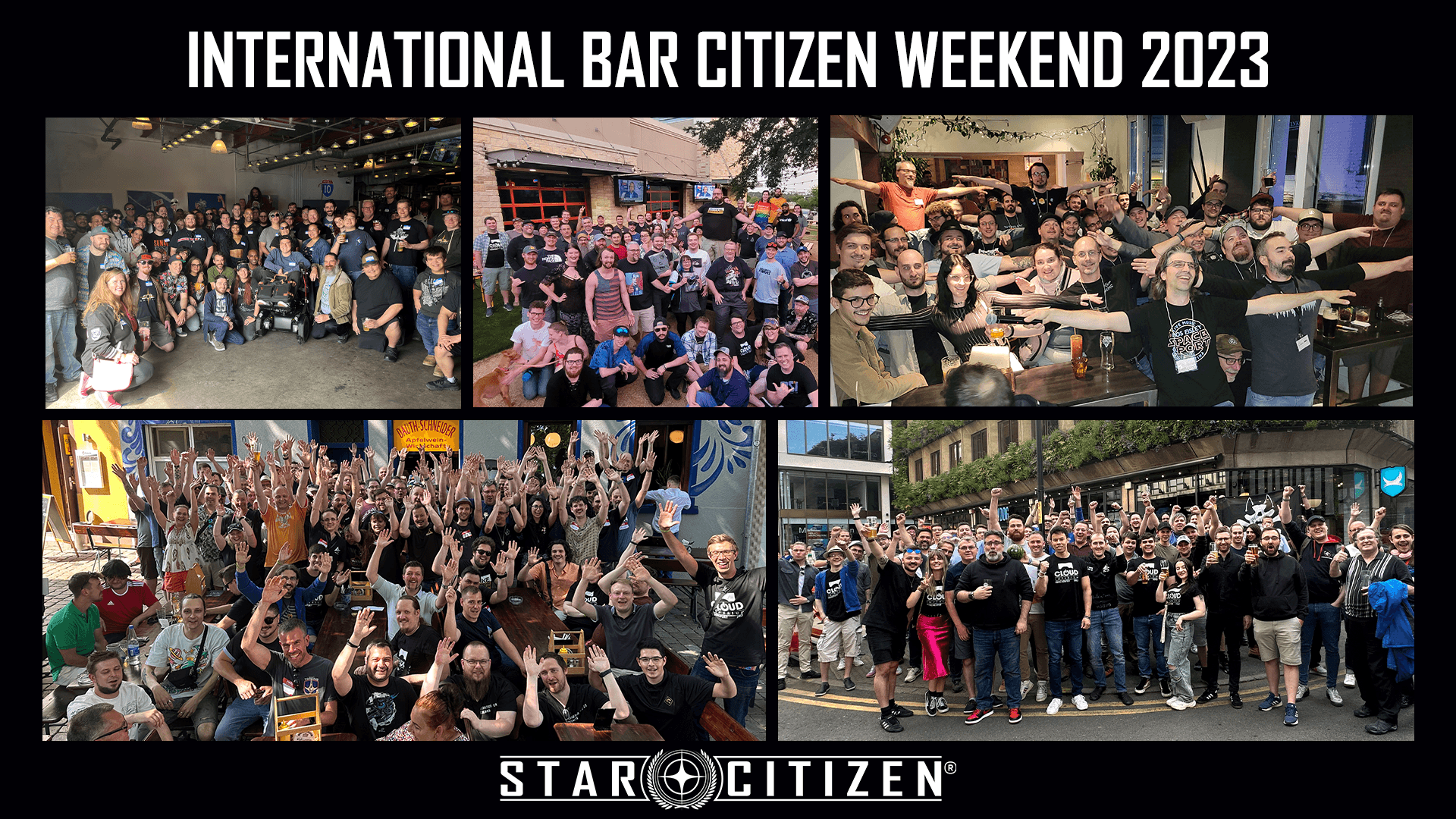
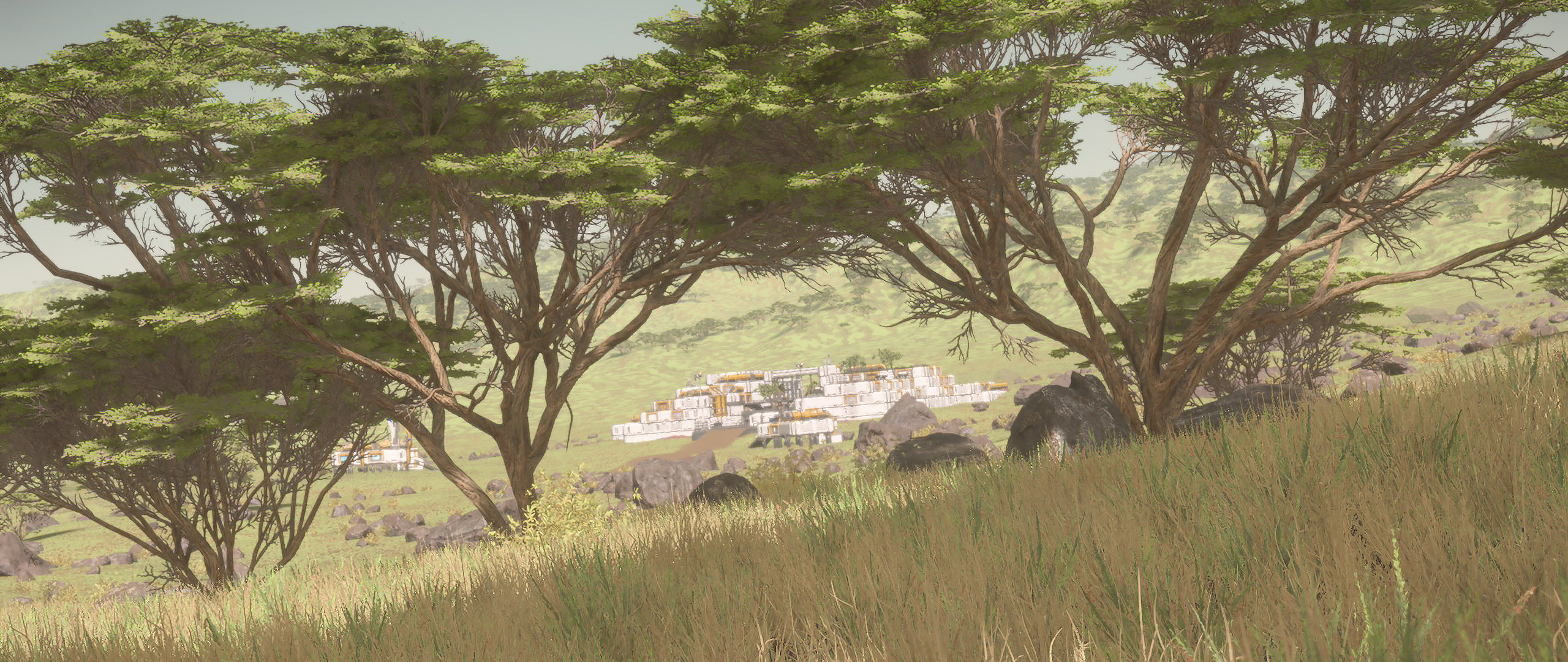
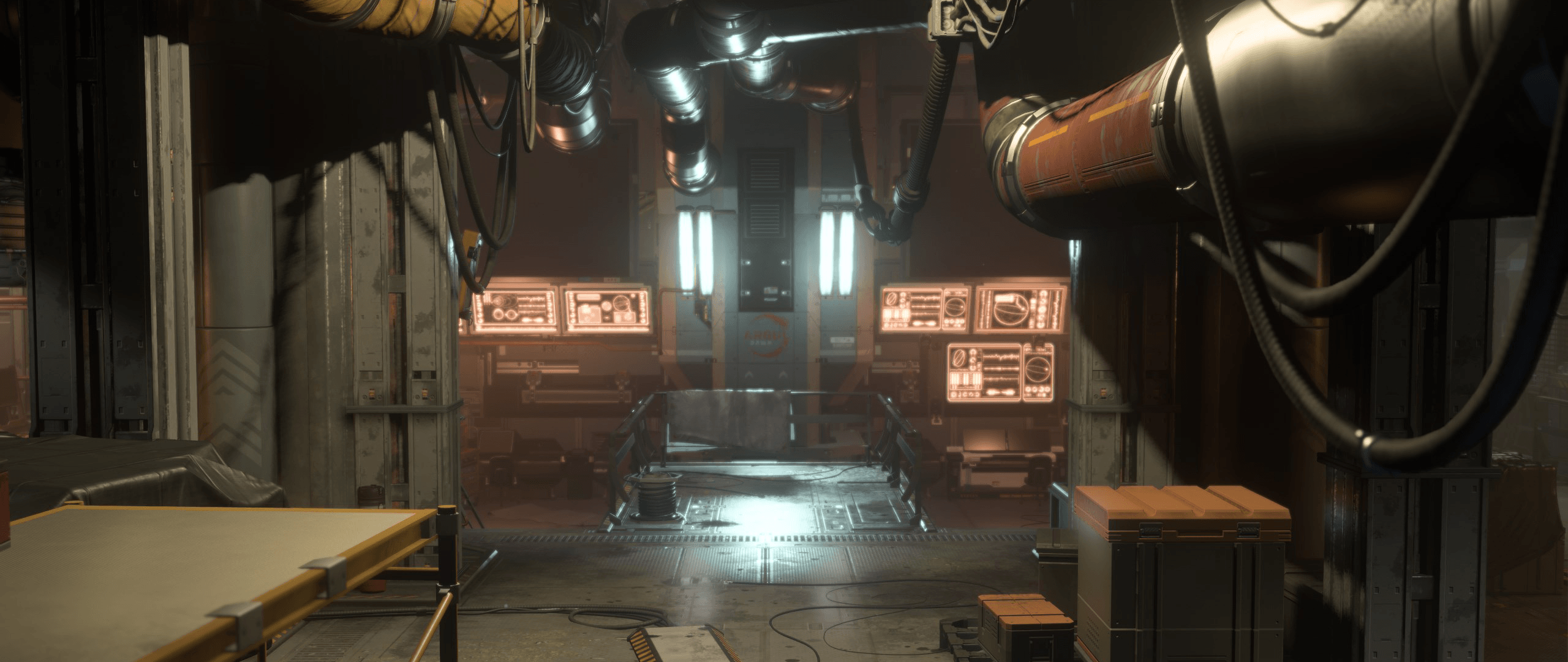
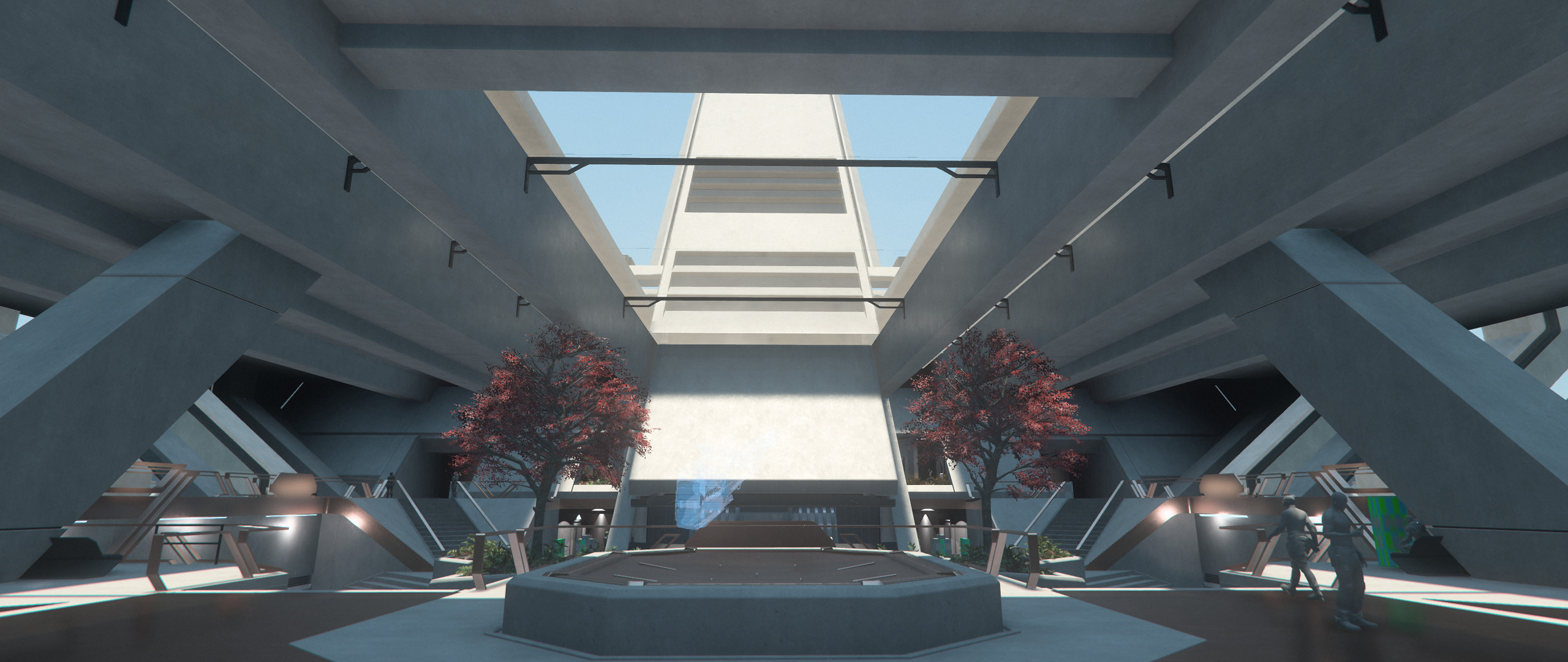
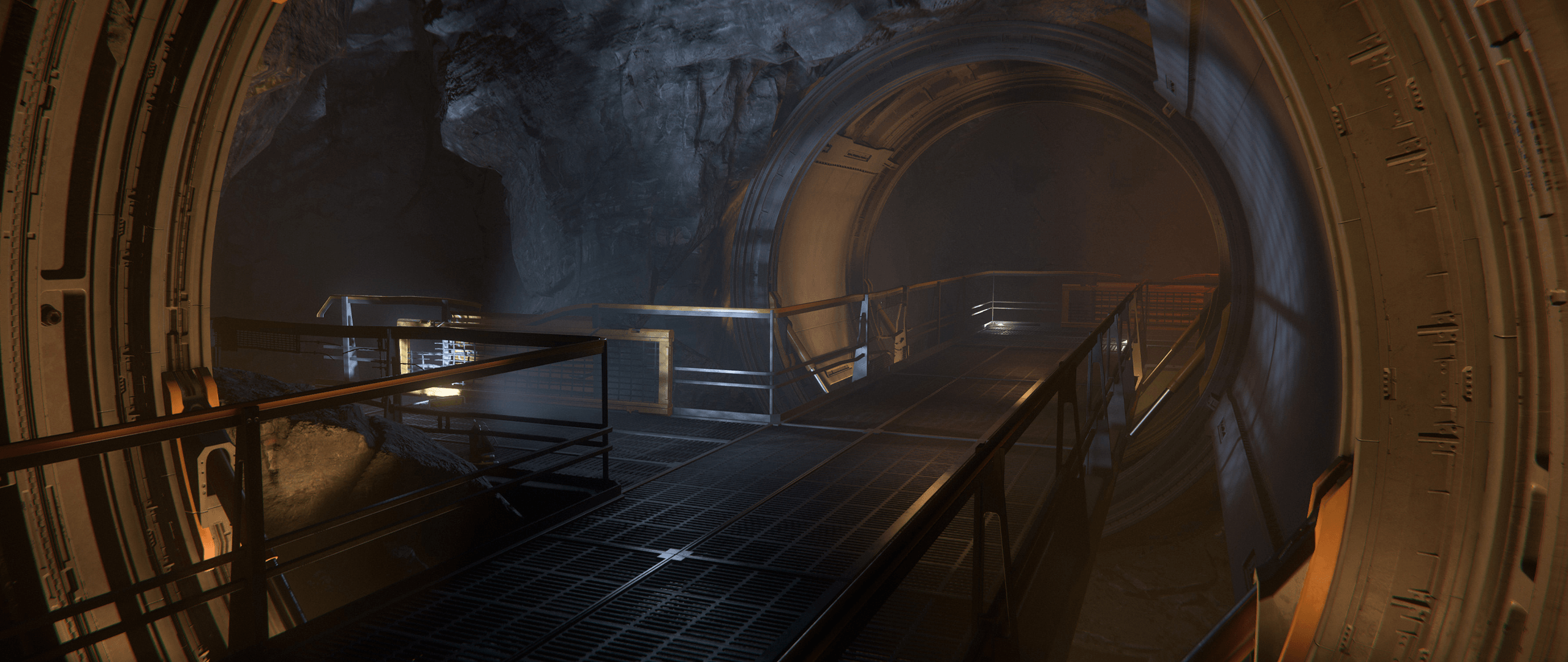
Metadata
- CIG ID
- 19364
- Channel
- Transmission
- Category
- Undefined
- Series
- None
- Comments
- 0
- Published
- 4 months ago (2026-05-25T13:00:00+00:00)