Star Citizen Monthly Report: July 2023
Transmission Undefined NoneContent
PU Monthly Report
July 2023
Welcome to July’s PU Monthly Report, where you’ll find the latest development progress on everything related to the Persistent Universe.
Read on for in-depth updates on vehicles, locations, AI tech, maps, and more.
AI (Tech)
Last month, AI Tech finalized work to allow NPCs to transition between EVA and environments with gravity. This required an update to the usables code, including exposing it to enter and exit location information. Now, NPCs can enter and exit ships through airlocks or hatches by vaulting over ledges. The team also implemented simple behaviors and assignments for entering and exiting ships, which compute a path to a location and utilize the most suitable usable to finish the transition.
On the navigation-system side, AI Tech upgraded navigation links to connect two volumes from different zones, which is needed for moving platforms. The previous implementation only allowed links between parent and child zones rather than between two unrelated zones. Further optimizations and improvements were made for navigation-mesh raycasts too.
AI Tech also picked up the ongoing work on boids. They’re currently working on 2D boids agents, such as rodents, that will move across terrain within the confines of the navigation mesh. They’re also adding constraints to avoid navigation-mesh edges to ensure the boids stay inside navigable areas. Next, they’ll look into boids agents playing animations while moving or idling.
The Subsumption editor received numerous improvements, including a variable-type editor, the ability to copy/paste states while editing a mastergraph, improved views of how mastergraph transitions are presented, an improved activity view for available sub-activities and functions, and a validation panel that presents errors and warning when loading and saving files.
Various features and AI systems received improvements too. For the usable-group coordinator, designers can now specify that a group of NPCs should synchronize when transitioning from one group of usables to another. For NPCs pushing trolleys, the team optimized the PID controller and adjusted the default parameters to stabilize quicker after turning on a path.
For NPC perception of audio stimuli, AI Tech began using new functionality exposed by the Audio team, which will utilize the room system to understand if an audio event should be received
Animation
Last month, the Animation team focused on improving visual results for reloads and takedowns. They also worked on basic idles for weapons and knives, which are planned for release in Alpha 3.20.
They’re currently making improvements to player-prone animations and adding an increasing number of player interactions to improve immersion in specific environments.
On the facial side, they continued to support new incoming lines for PU pilots and combatants
Art (Characters)
In July, the Character Art team continued working on outfits for the Headhunters and Dusters gangs.
Alongside this, the Character Concept Art team explored ideas for additional Headhunters outfits and prepared handoff sheets for IAE and Luminalia content.
Art (Ships)
In the UK, the RSI Polaris began its whitebox pass with a thorough breakdown of the content required. The team then imported the concept mesh and completed a basic entity setup. A rough interior whitebox was completed, and several issues with the concept were resolved.
An as-yet-unannounced ship continued its LOD0 pass, with the majority of tasks completed and a review scheduled. The team is currently focused on adding tertiary details to the interior and exterior as well as finishing the lighting for each phase.
The Crusader A1 Spirit progressed through final art, with a handful of LODs remaining for its interior and exterior damage. Work also continued on the C1 Spirit cargo variant, with the main differences being minor exterior changes and the cargo room; the latter of which is currently progressing through greybox with most of the core forms refined.
Work on a new ship variant continued, with the dashboard and cockpit receiving attention. The Design team also resolved the placement of physicalized components ready for the Art team to add at a later date. Another unannounced variant continued through its greybox phase too.
In the US, the Tumbril Storm approached the end of production.
“We have built all damage meshes, projected all UV2s, generated most LODs, and are now just polishing up various parts of the vehicle. Lighting is getting another pass and we are working with Systems Design to make most of them procedural so that they will respond to player interaction.” Ship Art Team
Ship Art also worked alongside Tech Art to solve visual issues with the treads.
Elsewhere, tasks were started for an all-new vehicle. The team began by breaking apart the concept and putting together an in-game preview while planning out the work required for the base and its variants. The current plan is to whitebox all the variants at the same time and then select which versions will move into greybox first.
Two new variants went through the LOD0 phase and are approaching content-complete.
The team also progressed through LOD0 for the Aopoa San'tok.yāi, filling out item housings and doing heavy paneling work on the exterior. They also came to a solution for the dashboard, which still requires polish, but delivers a unique aesthetic for interaction. They’re currently working with System Design to get the ship’s behaviors to trigger correctly.
Finally for ships, the Origin X1 entered the greybox stage. While waiting on the whitebox review, the team are working to solve various aesthetic issues while ensuring the overall ship makes mechanical sense. They’re also exploring new tools to help generate extremely clean automotive-style geometry to maintain the required Origin feel.
Audio
July saw the Audio team progressing with tasks for Pyro, including implementing imperative sounds. They also discussed how they can interrelate existing work with Squadron 42.
Improvements were made to the Flight Experience, including updated vibration tech and impacts. Sound effects were also designed and implemented for upcoming spaceship releases.
Community
The Community team kicked off July by launching Foundation Festival 2953, a month-long celebration of the community, with a Free Fly, referral bonus, video tutorial contest hosted on the Community Hub, and an Organization Spotlight gallery. Furthermore, with a focus on helping new recruits, the team posted updates on the New Player Guide, implemented a New Player Chat on Spectrum, curated media on the Welcome Hub, and encouraged veteran players to support new recruits by offering rewards for using the Guide System.
Later in the month, Community supported the announcement of Turbulent joining CIG.
The team also prepared for the upcoming return of CitizenCon, the in-person celebration of all things Star Citizen. They announced a collaboration with ATMO esports for the event too.
"CitizenCon is shaping up to be the most epic one yet, with the cosplay contest, community booths, and now, the biggest dogfighting tournament in the 'verse, Fight or Flight, coming straight from the show floor as well! We have many more cool surprises in store for you, and we can't wait to see you there!" Community Team
Additionally, the team supported various community-driven in-game events, including the Greycat Social and a military-style parade organized by the French community. They also met passionate players out of the 'verse, returning to the beautiful city of Paris for a Bar Citizen, and attending a virtual Bar Citizen.
Lastly, Community assisted in the introduction of the brand-new Mission Spotlight series and launched a screenshot contest to reward the best images from players that take on the Arlington Bounty missions.
Engine
The Core Engine team progressed with the development of StarBuild, the new in-house code-build system that will replace WAF; last month, they fixed issues and implemented improvements based on feedback from wider dev use.
For MemReplay 2.0, the team introduced VirtualMemoryAreas as a concept to the memory allocation system, which will better track OS committed memory and provide an improved visualization of sub-allocations.
Progress was then made on removing the remaining ‘MapAndWrite’ discard calls in the renderer in preparation for the new Vulkan backend. They also reworked the game-launcher code structure to reduce code duplications and enable Linux-based headless clients, which will help with automatic testing.
Core Engine also worked alongside the Physics and Vehicle teams in support of the MISC Hull C, ensuring it works correctly and fixing bugs with the ship’s unique systems. Additionally, they fixed further fallout from the last integration and made various other bug fixes and optimizations.
The Physics team continued helping the game teams fix various physics-related bugs in the game code. They also updated the new cloth system and Maelstrom, and began improving active and animated ragdolls.
The Entity System team primarily supported various technical initiatives, including RaStar and the Resource Network. This involved exploring ways to create and limit generated locations to provide a rich experience without negatively impacting performance. They also supported the Server Meshing team by adding necessary improvements and fixes.
Finally, they provided bug fixes for the recently enabled 'async editor loading,' and are currently adding more safety checks for correct entity access.
Features (Characters & Weapons)
July saw the Feature team experimenting with skill progression, which involves players performing specific in-game actions to make them better at similar activities. For example, building up strength will allow players to carry heavier objects with fewer penalties, while performing takedowns will open access to quicker and quieter action sets.
For player traversal, the team began implementing a sliding mechanic. If a player tries to crouch while sprinting, they will perform a short slide before entering the crouched stance. The speed of the slide is determined by the starting speed of the player and the distance may depend on factors such as the roughness or angle of the terrain. The player will automatically stop when reaching an obstacle, as the prime use case for this feature is to allow players to slide into cover.
Features (Gameplay)
Gameplay Features continued their work on the new vehicle tractor beam, which will also bring improvements to the existing tractor beams. July’s tasks included first iterative test for core balancing and the UI.
Additionally, the team progressed with the Resource Network, which includes features like engineering gameplay and life support.
They also worked on several prototypes for Salvage’s ‘munching’ gameplay and are currently discussing the best-fitting technical solution with all dependent teams.
Finally, they made improvements to mining for Alpha 3.20 based on community feedback, including updates to stability and predictability when mining.
“A big thank you to the very valuable feedback that was provided. Big shoutout to our helpful community!” Gameplay Features Team
Features (Mission)
Last month, Mission Features’ embedded QA testers supported the developer of Ship Trespass by giving the feature rigorous destructive testing.
The Retrieve Consignment missions passed final review and are currently being polished and balanced. Alongside this, the current underground facilities were replaced with RaStar to fix a variety of issues and make iterating on them easier.
Progress was also made on the new Global Event, Blockade Runner. A working prototype was shown to the game directors, who approved its move to development.
The initial planning for cargo missions was completed with all dependencies identified. The team are now looking deeper into the reputation system to improve the wider delivery and hauling mission gameplay loop.
Steal and recover cargo missions were also prototyped and shown to the directors and are making good progress. These will see players either recover cargo from disabled ships or disable and board ships before securing their cargo.
Finally, code work began for reputation. Progression within reputation scopes will give players discounts on various purchases, including items, refueling, and repair. Mission Features also picked up the reputation-based hostility system, which will see NPC orgs more willing to attack those who have a negative reputation with them while providing benefits to those with a positive standing.
Graphics, VFX Programming & Planet Tech
Several new features were added to the Global Illumination system last month, including the initial implementation of temporal smoothing for screen space probes, which will produce more stable results at a lower cost. G-buffer support was also added to environment probes to provide a cheap scene representation for secondary light bounces. In addition, new debug modes were added alongside a new mechanism to gather lights for the GI system.
A basic implementation of Temporal Super Resolution was completed, which will continue to receive fixes and improvements as it’s integrated into the graphics engine.
AMD’s memory allocation API was integrated into the Vulkan backend, improving the system’s stability, streaming speeds, and buffer read times. A reduction in streaming/rendering dependencies has improved performance, and new parameters will allow the devs to modify the RenderGraph’s ShaderStage and ownership state. These features were added alongside ongoing bug fixes to visual regression tests with a focus on the render-to-texture system.
As part of ongoing UI refinements and unifications, the silhouette/highlight feature is currently being improved with a softer and brighter outer glow. The mini-map also received a ping effect, which will blink around objectives for improved in-game navigation.
The Feature team is working to bring the new unified water shader to the game, adding details such as puddles that splash on impact and fixing collision-detection issues on large water volumes. A new system to manage water simulations is also in progress that will activate regions upon collision, deactivate them when they have settled, and constantly monitor and protect performance by limiting active simulations. Meanwhile, a new hash-map system for allocating water buffer regions and large surface-area-friendly water volumes is actively being worked on so the new unified WaterBuffer system can be enabled by default.
The WorldBuilder system saw a variety of improvements last month, including a major refactor to the high-level logic that runs background jobs, which should significantly reduce latency, avoid stalls, and simplify the code. In addition, planet ocean patches no longer render in duplicates, and the planet streaming system was fixed for Gen12.
The VFX Programming team fixed issues impacting damage maps; attached objects now correctly update their damage maps and an issue causing unexpected data to appear in snapshots is being investigated. For VFX-specific work, an issue preventing grouped child effects from spawning correctly was addressed, and bugs on separator tags and external referencing were fixed.
In-Game Branding
Last month, In-Game Branding continued building various assets for an upcoming event and worked alongside Locations on navigational signage for New Babbage.
They also began work on the underground facilities, working closely with the Concept and Sandbox teams on different mockups for the commercial lobbies.
Progress was made on the final touch-ups for Pyro too.
Interactables
July saw the Interactables team closeout and polish their work on Pyro’s consumables and shop and prop content. They also created content for Subscriber Flair.
Lighting
The Lighting team polished and cleaned-up various locations around Pyro and worked on the system’s gas clouds. Back in Stanton, they progressed with tasks for Crusader’s new platforms.
Locations (EU)
The Locations team continued working on Pyro’s rundown stations, with a focus on completing polish tasks. They also improved signage around New Babbage, improved and bug-fixed the new Crusader platforms, and worked with Mission Features on new content.
The Sandbox team progressed with outposts for Pyro and continued their extensive work on the updated underground facilities.
Improvements were also made to Pyro’s planets, and new technology for clouds was looked into.
Locations (Montreal)
In July, Montreal’s Locations team progressed with additional derelict settlements, which passed greybox before moving into the final phase. Progress was made on underground facilities too.
Once the above content is delivered, the team will return to the ongoing building-interior mandate.
Narrative
Last month, Narrative continued syncing with the various Design teams to push development on Pyro, specifically focusing on mission content, local mission providers (establishing the tone and voice of how missions will be presented), and examining how the overall mission system will change when the new system is added.
“To answer that last one, it's led to some interesting discussions about missions that cross over from Stanton to Pyro and vice versa.” Narrative Team
Elsewhere, the team supported the MISC Hull C by implementing the latest version of the air-traffic-control (ATC) behavior, which will allow players to request a landing spot to load and offload their cargo. This also led to resurrecting work on the overarching ATC behavior, with some potentially exciting updates that will be discussed in the near future.
The Narrative team is also expanding to include two dedicated narrative designers who will bridge the gaps between Narrative, Design, and AI. They will look at all NPCs, from mission givers to population characters, and refine their behaviors to make them feel more alive and ultimately establish the tone and flavor of the game's various locations. For example, to make the people of Hurston feel distinct from the people of Orison.
On the website, the team released some answers to the Community’s burning questions in another installment of Loremakers and published another installment of Galactapedia articles at the end of the month.
Online Services (Montreal)
The Online Services team spent July further refining the new InventoryID feature and addressing issues that came up during the formal QA testing pass. Time was also spent working on a plan to refactor several of the backend services to gRPC as well as modernize them with new features. Lastly, they researched Easy Anti-Cheat sanctions and enforcement.
Research & Development
In July, further updates were made to atmosphere and volumetric cloud rendering. Guided sampling used in the cloud raymarcher was updated based on last month's improvements to transmittance profiles. The profiles themselves received additional filtering (stochastic resampling) to reduce occasional block artifacts due to profile reuse. Moreover, the temporal render mode currently being developed for atmosphere and volumetric clouds was switched to a low discrepancy-based sequence of sample offsets that are used to set up rays for raymarching over time. Based on recent research publications, cloud shadow maps can now be stochastically filtered, which considerably improves performance and render quality. The new temporal render mode will use the stochastic texture filter by default.
UI
UI made improvements to the data-heist screen throughout July, which involved working closely with Mission Features. They also worked on a style variant for screens throughout Pyro.
The Core Technology team improved Building Blocks’ runtime performance, as the recent addition of new UI assets led to an increase in size and complexity. This involved coding more aggressive solutions for skipping hierarchy section updates, which led to a reduced CPU footprint and significant performance gains.
The team also continued adding new features to Bindings and Building Blocks, including a color picker, pagination widget, and stepped lines for the designers.
Finally, UI worked alongside Graphics to develop a new internal map system to help players navigate the game’s complex cities, planets, and capital ships.
“This will be a real game changer for players and we're really excited by its progress.”
VFX
Last month, the VFX team continued working on the interiors and exteriors of several Pyro locations.
“The visual style of these locations differs greatly from many Stanton-based areas, which has been a welcome challenge for the VFX artists, both technically and artistically.” VFX Team
They also completed their VFX pass on a Size 5 bomb and three upcoming vehicles.
PU-Monatsbericht
Juli 2023
Willkommen zum PU-Monatsbericht für den Monat Juli. Hier findest du die neuesten Entwicklungsfortschritte rund um das Persistent Universe.
Lies weiter und erfahre mehr über Fahrzeuge, Orte, KI-Technologie, Karten und mehr.
KI (Technik)
Im letzten Monat hat die KI-Abteilung die Arbeiten abgeschlossen, die es NSCs ermöglichen, zwischen EVA und Umgebungen mit Schwerkraft zu wechseln. Dies erforderte eine Aktualisierung des Usables-Codes, einschließlich der Freigabe von Informationen zum Betreten und Verlassen von Orten. Jetzt können NSCs Schiffe durch Luftschleusen oder Luken betreten und verlassen, indem sie sich über Vorsprünge stürzen. Das Team hat außerdem einfache Verhaltensweisen und Zuweisungen für das Betreten und Verlassen von Schiffen implementiert, die einen Weg zu einem Ort berechnen und die am besten geeignete Möglichkeit nutzen, um den Übergang zu beenden.
Auf der Seite des Navigationssystems verbesserte AI Tech die Navigationslinks, um zwei Bände aus verschiedenen Zonen miteinander zu verbinden, was für sich bewegende Plattformen notwendig ist. Die vorherige Implementierung erlaubte nur Verbindungen zwischen Eltern- und Kindzonen, nicht aber zwischen zwei nicht miteinander verbundenen Zonen. Weitere Optimierungen und Verbesserungen wurden auch bei den Raycasts der Navigationsmaschinerie vorgenommen.
AI Tech hat auch die laufende Arbeit an Boids fortgesetzt. Zurzeit arbeiten sie an 2D-Boids-Agenten, wie z. B. Nagetieren, die sich innerhalb der Grenzen des Navigationsnetzes über das Gelände bewegen können. Sie fügen auch Einschränkungen hinzu, um die Ränder des Navigationsnetzes zu vermeiden und sicherzustellen, dass die Boids innerhalb der navigierbaren Bereiche bleiben. Als Nächstes werden sie sich mit Boids-Agenten beschäftigen, die während der Bewegung oder im Leerlauf Animationen abspielen.
Der Subsumption-Editor hat zahlreiche Verbesserungen erhalten, darunter einen Variablen-Editor, die Möglichkeit, Zustände beim Bearbeiten eines Mastergraphen zu kopieren und einzufügen, eine verbesserte Ansicht der Mastergraphen-Übergänge, eine verbesserte Aktivitätsansicht für verfügbare Unteraktivitäten und Funktionen sowie ein Validierungsfenster, das Fehler und Warnungen beim Laden und Speichern von Dateien anzeigt.
Verschiedene Funktionen und KI-Systeme wurden ebenfalls verbessert. Für den Koordinator der Nutzergruppen können Designer jetzt festlegen, dass eine Gruppe von NSCs synchronisiert werden soll, wenn sie von einer Nutzergruppe in eine andere wechselt. Für NSC, die Karren schieben, optimierte das Team den PID-Regler und passte die Standardparameter an, damit sie sich schneller stabilisieren, nachdem sie einen Weg eingeschlagen haben.
Für die Wahrnehmung von Audiostimuli durch NSCs hat die KI-Abteilung damit begonnen, eine neue Funktion des Audio-Teams zu nutzen, die das Raumsystem nutzt, um zu verstehen, ob ein Audio-Ereignis empfangen werden soll
Animation
Im letzten Monat konzentrierte sich das Animationsteam auf die Verbesserung der visuellen Ergebnisse für Nachladen und Takedowns. Außerdem wurde an grundlegenden Leerläufen für Waffen und Messer gearbeitet, die in der Alpha 3.20 veröffentlicht werden sollen.
Zurzeit werden die Animationen für die Spieler verbessert und immer mehr Spielerinteraktionen hinzugefügt, um die Immersion in bestimmten Umgebungen zu verbessern.
Auf der Gesichtsseite wurden die neuen Eingangslinien für PU-Piloten und Kämpfer weiter unterstützt
Kunst (Charaktere)
Im Juli arbeitete das Character Art Team weiter an den Outfits für die Headhunters und Dusters Gangs.
Außerdem erkundete das Character Concept Art Team Ideen für zusätzliche Headhunters-Outfits und bereitete Übergabebögen für IAE- und Luminalia-Inhalte vor.
Kunst (Schiffe)
In Großbritannien begann die RSI Polaris ihren Whitebox-Pass mit einer gründlichen Aufschlüsselung der benötigten Inhalte. Dann importierte das Team das Konzeptmesh und erstellte ein grundlegendes Entity-Setup. Eine grobe Whitebox für den Innenraum wurde fertiggestellt und einige Probleme mit dem Konzept wurden gelöst.
Für ein noch nicht angekündigtes Schiff wurde der LOD0-Durchgang fortgesetzt, wobei die meisten Aufgaben abgeschlossen und eine Überprüfung geplant wurde. Das Team konzentriert sich derzeit darauf, tertiäre Details im Innen- und Außenbereich hinzuzufügen und die Beleuchtung für jede Phase fertigzustellen.
Der Crusader A1 Spirit wurde fertiggestellt, wobei noch eine Handvoll LODs für den Innen- und Außenschaden ausstehen. Auch die Arbeit an der Frachtvariante des C1 Spirit wurde fortgesetzt, wobei die Hauptunterschiede in geringfügigen Änderungen am Äußeren und am Frachtraum liegen; letzterer befindet sich derzeit in der Graubox, wobei die meisten Kernformen verfeinert wurden.
Die Arbeit an einer neuen Schiffsvariante wurde fortgesetzt, wobei dem Armaturenbrett und dem Cockpit Aufmerksamkeit geschenkt wurde. Das Design-Team hat auch die Platzierung der physischen Komponenten beschlossen, die das Art-Team später hinzufügen kann. Eine weitere unangekündigte Variante durchlief ebenfalls die Greybox-Phase.
In den USA näherte sich der Tumbril Storm dem Ende der Produktion.
"Wir haben alle Schadensmeshes erstellt, alle UV2s projiziert, die meisten LODs generiert und polieren jetzt nur noch verschiedene Teile des Fahrzeugs auf. Die Beleuchtung wird noch einmal überarbeitet und wir arbeiten mit dem Systemdesign daran, die meisten Teile prozedural zu erstellen, damit sie auf die Interaktion des Spielers reagieren." Schiffskunst-Team
Das Ship Art Team hat auch mit Tech Art zusammengearbeitet, um visuelle Probleme mit den Trittflächen zu lösen.
An anderer Stelle wurden Aufgaben für ein völlig neues Fahrzeug in Angriff genommen. Das Team begann damit, das Konzept zu zerlegen und eine Vorschau im Spiel zu erstellen, während es den Arbeitsaufwand für die Basis und ihre Varianten plante. Der derzeitige Plan sieht vor, alle Varianten gleichzeitig in die Whitebox zu bringen und dann zu entscheiden, welche Versionen zuerst in die Greybox gehen sollen.
Zwei neue Varianten haben die LOD0-Phase durchlaufen und nähern sich der inhaltlichen Fertigstellung.
Das Team hat auch die LOD0-Phase für den Aopoa San'tok.yāi durchlaufen, indem es das Gehäuse für die Gegenstände vervollständigt und die Außenverkleidung stark bearbeitet hat. Sie haben auch eine Lösung für das Dashboard gefunden, das noch poliert werden muss, aber eine einzigartige Ästhetik für die Interaktion bietet. Zurzeit arbeiten sie mit dem Systemdesign zusammen, damit die Verhaltensweisen des Schiffes korrekt ausgelöst werden können.
Bei den Schiffen hat das Origin X1 die Greybox-Phase erreicht. Während das Team auf die Whitebox-Prüfung wartet, arbeitet es daran, verschiedene ästhetische Probleme zu lösen und gleichzeitig sicherzustellen, dass das gesamte Schiff mechanisch sinnvoll ist. Außerdem erforschen sie neue Werkzeuge, mit denen sie eine extrem saubere Geometrie im Automobilstil erstellen können, um das erforderliche Origin-Gefühl zu erhalten.
Audio
Im Juli arbeitete das Audioteam an der Umsetzung der Aufgaben für Pyro, einschließlich der Implementierung von zwingenden Sounds. Außerdem wurde besprochen, wie die bestehende Arbeit mit Squadron 42 verknüpft werden kann.
Das Flugerlebnis wurde verbessert, u. a. wurden die Vibrationstechnik und die Aufprallgeräusche aktualisiert. Außerdem wurden Soundeffekte für die kommenden Raumschiffversionen entworfen und implementiert.
Community
Das Community-Team startete den Juli mit dem Foundation Festival 2953, einem einmonatigen Fest für die Community, mit einem Freiflug, einem Empfehlungsbonus, einem Video-Tutorial-Wettbewerb im Community Hub und einer Organization Spotlight Galerie. Um neuen Spielern zu helfen, hat das Team außerdem den Guide für neue Spieler aktualisiert, einen Chat für neue Spieler auf Spectrum eingerichtet, Medien im Welcome Hub kuratiert und altgediente Spieler ermutigt, neue Spieler zu unterstützen, indem sie Belohnungen für die Nutzung des Guide-Systems angeboten haben.
Später im Monat unterstützte die Community die Ankündigung des Beitritts von Turbulent zu CIG.
Das Team bereitete sich auch auf die bevorstehende Rückkehr der CitizenCon vor, der persönlichen Feier für alles, was mit Star Citizen zu tun hat. Sie kündigten auch eine Zusammenarbeit mit ATMO esports für das Event an.
"Mit dem Cosplay-Wettbewerb, den Ständen der Community und dem größten Dogfighting-Turnier im Universum, Fight or Flight, wird die CitizenCon die bisher epischste Veranstaltung werden! Wir haben noch viele weitere coole Überraschungen für dich auf Lager und wir können es kaum erwarten, dich dort zu sehen!" Community-Team
Außerdem unterstützte das Team verschiedene Community-Events im Spiel, darunter das Greycat Social und eine von der französischen Community organisierte Militärparade. Sie trafen sich auch mit leidenschaftlichen Spielerinnen und Spielern außerhalb des Verses, kehrten für einen Bar Citizen in die schöne Stadt Paris zurück und nahmen an einem virtuellen Bar Citizen teil.
Schließlich half die Community bei der Einführung der brandneuen Missions-Spotlight-Reihe und startete einen Screenshot-Wettbewerb, um die besten Bilder von Spielerinnen und Spielern zu prämieren, die die Arlington Bounty-Missionen annehmen.
Engine
Das Core-Engine-Team machte Fortschritte bei der Entwicklung von StarBuild, dem neuen hauseigenen Code-Build-System, das WAF ablösen wird; im letzten Monat wurden Probleme behoben und Verbesserungen auf der Grundlage des Feedbacks aus der breiteren Entwicklungsumgebung umgesetzt.
Für MemReplay 2.0 führte das Team VirtualMemoryAreas als Konzept für das Speicherzuweisungssystem ein, das den vom Betriebssystem zugewiesenen Speicher besser verfolgt und eine bessere Visualisierung der Unterzuweisungen ermöglicht.
Anschließend wurden die verbleibenden "MapAndWrite"-Verwerfungsaufrufe im Renderer in Vorbereitung auf das neue Vulkan-Backend entfernt. Außerdem wurde die Code-Struktur des Spielstarts überarbeitet, um Code-Duplikate zu reduzieren und Linux-basierte Headless-Clients zu ermöglichen, was das automatische Testen erleichtert.
Die Kern-Engine hat auch mit den Teams für Physik und Fahrzeuge zusammengearbeitet, um sicherzustellen, dass der MISC-Rumpf C korrekt funktioniert, und um Fehler in den einzigartigen Systemen des Schiffs zu beheben. Außerdem wurden weitere Fehler aus der letzten Integration behoben und verschiedene andere Fehlerbehebungen und Optimierungen vorgenommen.
Das Physikteam half den Spielteams weiterhin bei der Behebung verschiedener physikbezogener Fehler im Spielcode. Außerdem aktualisierten sie das neue Stoffsystem und Maelstrom und begannen mit der Verbesserung der aktiven und animierten Stoffpuppen.
Das Entity-System-Team unterstützte hauptsächlich verschiedene technische Initiativen, darunter RaStar und das Ressourcennetzwerk. Dazu gehörte die Erforschung von Möglichkeiten, wie man generierte Orte erstellen und begrenzen kann, um ein vielfältiges Erlebnis zu bieten, ohne die Leistung zu beeinträchtigen. Außerdem unterstützten sie das Server-Meshing-Team, indem sie notwendige Verbesserungen und Korrekturen vornahmen.
Schließlich haben sie Fehler für das kürzlich aktivierte "asynchrone Laden von Editoren" behoben und fügen derzeit weitere Sicherheitsüberprüfungen für den korrekten Zugriff auf Entitäten hinzu.
Features (Charaktere und Waffen)
Im Juli experimentierte das Feature-Team mit der Skill-Progression, bei der die Spieler/innen bestimmte Aktionen im Spiel ausführen, um in ähnlichen Aktivitäten besser zu werden. Wenn du zum Beispiel deine Stärke steigerst, kannst du schwerere Gegenstände mit weniger Strafpunkten tragen, während du durch Takedowns schnellere und leisere Aktionen ausführen kannst.
Für die Fortbewegung der Spieler/innen hat das Team begonnen, eine Rutschmechanik einzuführen. Wenn ein Spieler beim Sprinten versucht, in die Hocke zu gehen, führt er eine kurze Rutschpartie aus, bevor er in die Hocke geht. Die Geschwindigkeit des Rutschens wird durch die Startgeschwindigkeit des Spielers bestimmt und die Entfernung kann von Faktoren wie der Rauheit oder dem Winkel des Geländes abhängen. Der Spieler/die Spielerin hält automatisch an, wenn er/sie ein Hindernis erreicht, denn der Hauptzweck dieser Funktion besteht darin, dass Spieler/innen in Deckung gehen können.
Features (Gameplay)
Die Gameplay Features setzten ihre Arbeit am neuen Fahrzeug-Traktorstrahl fort, der auch Verbesserungen an den bestehenden Traktorstrahlen bringen wird. Zu den Aufgaben im Juli gehörten erste iterative Tests für das Kernbalancing und die Benutzeroberfläche.
Außerdem hat das Team das Ressourcennetzwerk weiterentwickelt, das Funktionen wie das Engineering Gameplay und die Lebenserhaltung umfasst.
Sie arbeiteten auch an mehreren Prototypen für das "Munching"-Gameplay von Salvage und diskutieren derzeit mit allen abhängigen Teams über die beste technische Lösung.
Schließlich haben sie für die Alpha 3.20 auf der Grundlage des Feedbacks der Community Verbesserungen am Bergbau vorgenommen, darunter Updates für die Stabilität und die Vorhersagbarkeit beim Abbau.
"Ein großes Dankeschön für das wertvolle Feedback, das wir erhalten haben. Ein großes Lob an unsere hilfsbereite Community!" Gameplay Features Team
Features (Mission)
Letzten Monat haben die QA-Tester von Mission Features die Entwickler von Ship Trespass unterstützt, indem sie das Feature einem gründlichen Test unterzogen haben.
Die "Retrieve Consignment"-Missionen haben die abschließende Prüfung bestanden und werden derzeit poliert und ausbalanciert. Außerdem wurden die aktuellen unterirdischen Anlagen durch RaStar ersetzt, um eine Reihe von Problemen zu beheben und die Iteration zu erleichtern.
Auch beim neuen globalen Event, dem Blockade Runner, wurden Fortschritte gemacht. Ein funktionsfähiger Prototyp wurde den Spielleitern gezeigt, die den Übergang zur Entwicklung genehmigten.
Die ersten Planungen für Frachtmissionen wurden abgeschlossen und alle Abhängigkeiten identifiziert. Das Team befasst sich nun eingehender mit dem Rufsystem, um den weiteren Spielablauf der Liefer- und Transportmissionen zu verbessern.
Auch die Missionen zum Stehlen und Bergen von Ladung wurden als Prototyp entwickelt und den Spielleitern vorgestellt und machen gute Fortschritte. Bei diesen Missionen müssen die Spieler/innen entweder die Ladung von außer Gefecht gesetzten Schiffen bergen oder Schiffe außer Gefecht setzen und entern, bevor sie ihre Ladung sichern.
Schließlich wurde mit der Arbeit am Code für den Ruf begonnen. Durch das Voranschreiten innerhalb der Reputationsbereiche erhalten die Spieler/innen Rabatte auf verschiedene Einkäufe, z. B. Gegenstände, Tanken und Reparaturen. Die Missionsfunktionen haben auch das rufbasierte Feindschaftssystem übernommen, das dafür sorgt, dass NSC-Orgs eher bereit sind, diejenigen anzugreifen, die einen negativen Ruf bei ihnen haben, während sie denjenigen mit einem positiven Ruf Vorteile bieten.
Grafik, VFX-Programmierung & Planet Tech
Im letzten Monat wurden mehrere neue Funktionen zum globalen Beleuchtungssystem hinzugefügt, darunter die erste Implementierung der zeitlichen Glättung für Bildschirmraum-Sonden, die stabilere Ergebnisse bei geringeren Kosten liefern wird. Außerdem wurde die G-Buffer-Unterstützung für Umgebungssonden hinzugefügt, um eine kostengünstige Szenendarstellung für sekundäre Lichtabstrahlungen zu ermöglichen. Darüber hinaus wurden neue Debug-Modi und ein neuer Mechanismus zum Sammeln von Lichtern für das GI-System hinzugefügt.
Eine grundlegende Implementierung von Temporal Super Resolution wurde fertiggestellt, die im Zuge der Integration in die Grafik-Engine weiter verbessert und korrigiert wird.
Die Speicherzuweisungs-API von AMD wurde in das Vulkan-Backend integriert, wodurch die Stabilität des Systems, die Streaming-Geschwindigkeit und die Pufferlesezeiten verbessert wurden. Eine Verringerung der Streaming-/Rendering-Abhängigkeiten hat die Leistung verbessert, und neue Parameter ermöglichen es den Entwicklern, den ShaderStage- und Ownership-Status des RenderGraphs zu ändern. Diese Funktionen wurden zusammen mit laufenden Fehlerbehebungen für visuelle Regressionstests hinzugefügt, wobei der Schwerpunkt auf dem Render-to-Texture-System lag.
Im Rahmen der laufenden UI-Verfeinerungen und Vereinheitlichungen wird die Silhouetten-/Highlight-Funktion derzeit durch ein weicheres und helleres äußeres Glühen verbessert. Die Minikarte hat außerdem einen Ping-Effekt erhalten, der um Ziele herum blinkt, um die Navigation im Spiel zu verbessern.
Das Feature-Team arbeitet daran, den neuen einheitlichen Wassershader ins Spiel zu bringen, der Details wie Pfützen, die beim Aufprall spritzen, und Probleme bei der Kollisionserkennung bei großen Wasservolumen behebt. Außerdem ist ein neues System zur Verwaltung von Wassersimulationen in Arbeit, das Regionen bei Kollisionen aktiviert und deaktiviert, wenn sie sich gesetzt haben, und das die Leistung ständig überwacht und schützt, indem es aktive Simulationen begrenzt. In der Zwischenzeit wird aktiv an einem neuen Hash-Map-System für die Zuweisung von Wasserpufferregionen und großen flächenfreundlichen Wasservolumina gearbeitet, damit das neue einheitliche WaterBuffer-System standardmäßig aktiviert werden kann.
Das WorldBuilder-System wurde im letzten Monat in vielerlei Hinsicht verbessert. Unter anderem wurde die High-Level-Logik, die die Hintergrundjobs ausführt, überarbeitet, wodurch die Latenzzeit deutlich verringert, Stillstand vermieden und der Code vereinfacht werden soll. Außerdem werden Planeten-Ozean-Patches nicht mehr doppelt dargestellt und das Planeten-Streaming-System wurde für Gen12 verbessert.
Das VFX-Programmierungsteam hat Probleme behoben, die sich auf Schadenskarten auswirken; angehängte Objekte aktualisieren ihre Schadenskarten jetzt korrekt, und ein Problem, bei dem unerwartete Daten in Schnappschüssen erscheinen, wird derzeit untersucht. Bei den VFX-spezifischen Arbeiten wurde ein Problem behoben, das verhinderte, dass gruppierte untergeordnete Effekte korrekt spawnen, und es wurden Fehler bei Trennungs-Tags und externen Verweisen behoben.
In-Game Branding
Im letzten Monat hat das In-Game Branding die Erstellung verschiedener Assets für ein bevorstehendes Event fortgesetzt und zusammen mit Locations an der Navigationsbeschilderung für New Babbage gearbeitet.
Außerdem wurde mit der Arbeit an den unterirdischen Einrichtungen begonnen, wobei eng mit den Konzept- und Sandbox-Teams an verschiedenen Mockups für die kommerziellen Lobbys gearbeitet wurde.
Auch bei den letzten Nachbesserungen für Pyro wurden Fortschritte gemacht.
Interactables
Im Juli schloss das Interactables-Team seine Arbeit an den Verbrauchsgütern für Pyro und den Inhalten für den Laden und die Requisiten ab. Außerdem haben sie Inhalte für Subscriber Flair erstellt.
Beleuchtung
Das Beleuchtungsteam hat verschiedene Orte in Pyro aufpoliert und aufgeräumt und an den Gaswolken des Systems gearbeitet. Zurück in Stanton arbeiteten sie an den neuen Plattformen von Crusader.
Standorte (EU)
Das Locations-Team arbeitete weiter an den heruntergekommenen Bahnhöfen von Pyro, wobei der Schwerpunkt auf der Fertigstellung der Polieraufgaben lag. Außerdem wurde die Beschilderung in New Babbage verbessert, die neuen Crusader-Plattformen verbessert und Fehler behoben und mit Mission Features an neuen Inhalten gearbeitet.
Das Sandbox-Team arbeitete an den Außenposten für Pyro und setzte seine umfangreiche Arbeit an den aktualisierten unterirdischen Einrichtungen fort.
Außerdem wurden Verbesserungen an den Planeten von Pyro vorgenommen und neue Technologien für Wolken untersucht.
Standorte (Montreal)
Im Juli arbeitete das Locations-Team in Montreal an weiteren verfallenen Siedlungen, die die Greybox passierten, bevor sie in die finale Phase gingen. Auch bei den unterirdischen Anlagen wurden Fortschritte gemacht.
Sobald die oben genannten Inhalte fertiggestellt sind, wird sich das Team wieder dem laufenden Auftrag für die Inneneinrichtung von Gebäuden widmen.
Narrative
Im letzten Monat hat sich das Narrative-Team weiter mit den verschiedenen Design-Teams abgestimmt, um die Entwicklung von Pyro voranzutreiben. Dabei ging es vor allem um Missionsinhalte, lokale Missionsanbieter (die den Ton und die Stimme für die Präsentation der Missionen festlegen) und die Frage, wie sich das Missionssystem insgesamt verändern wird, wenn das neue System hinzugefügt wird.
"Um die letzte Frage zu beantworten: Es hat zu einigen interessanten Diskussionen über Missionen geführt, die sich von Stanton auf Pyro und umgekehrt übertragen lassen. Narrative Team
An anderer Stelle unterstützte das Team die MISC Hull C, indem es die neueste Version der Luftverkehrskontrolle (ATC) implementierte, die es den Spielern ermöglicht, einen Landeplatz anzufordern, um ihre Fracht ein- und auszuladen. Dies führte auch dazu, dass die Arbeit am übergreifenden ATC-Verhalten wieder aufgenommen wurde, mit einigen potenziell spannenden Aktualisierungen, die in naher Zukunft diskutiert werden.
Das Narrative Team wird außerdem um zwei engagierte Narrative Designer erweitert, die die Lücken zwischen Narrative, Design und KI schließen werden. Sie werden sich alle NSCs ansehen, von den Missionsgebern bis hin zu den Bevölkerungscharakteren, und ihr Verhalten verfeinern, damit sie sich lebendiger anfühlen und letztlich den Ton und das Aroma der verschiedenen Orte des Spiels bestimmen. Zum Beispiel sollen sich die Bewohner von Hurston anders anfühlen als die Bewohner von Orison.
Auf der Website hat das Team in einer weiteren Folge von Loremakers einige Antworten auf die brennenden Fragen der Community gegeben und Ende des Monats eine weitere Folge von Galactapedia-Artikeln veröffentlicht.
Online-Dienste (Montreal)
Das Team der Online-Dienste verbrachte den Juli damit, die neue Inventar-ID-Funktion weiter zu verfeinern und Probleme zu lösen, die während des offiziellen QA-Testdurchlaufs aufgetreten waren. Außerdem wurde an einem Plan gearbeitet, um mehrere Backend-Dienste auf gRPC umzustellen und sie mit neuen Funktionen zu modernisieren. Schließlich haben sie sich mit einfachen Anti-Cheat-Sanktionen und deren Durchsetzung beschäftigt.
Forschung & Entwicklung
Im Juli wurden weitere Updates für die Atmosphäre und das volumetrische Wolkenrendering vorgenommen. Das geführte Sampling, das im Wolken-Raymarcher verwendet wird, wurde auf der Grundlage der im letzten Monat vorgenommenen Verbesserungen an den Transmissionsprofilen aktualisiert. Die Profile selbst wurden zusätzlich gefiltert (stochastisches Resampling), um gelegentliche Blockartefakte durch die Wiederverwendung von Profilen zu reduzieren. Außerdem wurde der zeitliche Rendering-Modus, der derzeit für die Atmosphäre und volumetrische Wolken entwickelt wird, auf eine auf geringer Diskrepanz basierende Abfolge von Sample-Offsets umgestellt, die dazu verwendet werden, Strahlen für das Raymarching über die Zeit einzurichten. Auf der Grundlage aktueller Forschungsveröffentlichungen können Wolkenschattenkarten nun stochastisch gefiltert werden, was die Leistung und Renderqualität erheblich verbessert. Der neue temporale Rendermodus verwendet standardmäßig den stochastischen Texturfilter.
UI
UI hat den ganzen Juli über Verbesserungen an der Datenliste vorgenommen und dabei eng mit Mission Features zusammengearbeitet. Außerdem haben sie an einer Stilvariante für die Bildschirme in Pyro gearbeitet.
Das Core Technology Team verbesserte die Laufzeitleistung von Building Blocks, da die kürzlich hinzugefügten neuen UI-Assets zu einem Anstieg der Größe und Komplexität führten. Dazu mussten aggressivere Lösungen für das Überspringen von Aktualisierungen der Hierarchieabschnitte programmiert werden, was zu einer geringeren CPU-Belastung und erheblichen Leistungssteigerungen führte.
Das Team fügte außerdem neue Funktionen zu Bindungen und Bausteinen hinzu, darunter eine Farbauswahl, ein Paginierungs-Widget und Stufenlinien für die Designer.
Schließlich arbeitete das UI-Team zusammen mit der Grafikabteilung an der Entwicklung eines neuen internen Kartensystems, das den Spielern hilft, sich in den komplexen Städten, Planeten und Raumschiffen des Spiels zurechtzufinden.
"Das wird für die Spieler ein echter Game Changer sein und wir sind wirklich begeistert von den Fortschritten."
VFX
Im letzten Monat hat das VFX-Team die Arbeit an den Innen- und Außenbereichen mehrerer Pyro-Standorte fortgesetzt.
"Der visuelle Stil dieser Orte unterscheidet sich stark von dem vieler Gebiete in Stanton, was eine willkommene Herausforderung für die VFX-Künstler war, sowohl technisch als auch künstlerisch." VFX-Team
Außerdem haben sie ihren VFX-Pass für eine Bombe der Größe 5 und drei kommende Fahrzeuge fertiggestellt.
PU Monthly Report
July 2023
Welcome to July’s PU Monthly Report, where you’ll find the latest development progress on everything related to the Persistent Universe.
Read on for in-depth updates on vehicles, locations, AI tech, maps, and more.
AI (Tech)
Last month, AI Tech finalized work to allow NPCs to transition between EVA and environments with gravity. This required an update to the usables code, including exposing it to enter and exit location information. Now, NPCs can enter and exit ships through airlocks or hatches by vaulting over ledges. The team also implemented simple behaviors and assignments for entering and exiting ships, which compute a path to a location and utilize the most suitable usable to finish the transition.
On the navigation-system side, AI Tech upgraded navigation links to connect two volumes from different zones, which is needed for moving platforms. The previous implementation only allowed links between parent and child zones rather than between two unrelated zones. Further optimizations and improvements were made for navigation-mesh raycasts too.
AI Tech also picked up the ongoing work on boids. They’re currently working on 2D boids agents, such as rodents, that will move across terrain within the confines of the navigation mesh. They’re also adding constraints to avoid navigation-mesh edges to ensure the boids stay inside navigable areas. Next, they’ll look into boids agents playing animations while moving or idling.
The Subsumption editor received numerous improvements, including a variable-type editor, the ability to copy/paste states while editing a mastergraph, improved views of how mastergraph transitions are presented, an improved activity view for available sub-activities and functions, and a validation panel that presents errors and warning when loading and saving files.
Various features and AI systems received improvements too. For the usable-group coordinator, designers can now specify that a group of NPCs should synchronize when transitioning from one group of usables to another. For NPCs pushing trolleys, the team optimized the PID controller and adjusted the default parameters to stabilize quicker after turning on a path.
For NPC perception of audio stimuli, AI Tech began using new functionality exposed by the Audio team, which will utilize the room system to understand if an audio event should be received
Animation
Last month, the Animation team focused on improving visual results for reloads and takedowns. They also worked on basic idles for weapons and knives, which are planned for release in Alpha 3.20.
They’re currently making improvements to player-prone animations and adding an increasing number of player interactions to improve immersion in specific environments.
On the facial side, they continued to support new incoming lines for PU pilots and combatants
Art (Characters)
In July, the Character Art team continued working on outfits for the Headhunters and Dusters gangs.
Alongside this, the Character Concept Art team explored ideas for additional Headhunters outfits and prepared handoff sheets for IAE and Luminalia content.
Art (Ships)
In the UK, the RSI Polaris began its whitebox pass with a thorough breakdown of the content required. The team then imported the concept mesh and completed a basic entity setup. A rough interior whitebox was completed, and several issues with the concept were resolved.
An as-yet-unannounced ship continued its LOD0 pass, with the majority of tasks completed and a review scheduled. The team is currently focused on adding tertiary details to the interior and exterior as well as finishing the lighting for each phase.
The Crusader A1 Spirit progressed through final art, with a handful of LODs remaining for its interior and exterior damage. Work also continued on the C1 Spirit cargo variant, with the main differences being minor exterior changes and the cargo room; the latter of which is currently progressing through greybox with most of the core forms refined.
Work on a new ship variant continued, with the dashboard and cockpit receiving attention. The Design team also resolved the placement of physicalized components ready for the Art team to add at a later date. Another unannounced variant continued through its greybox phase too.
In the US, the Tumbril Storm approached the end of production.
“We have built all damage meshes, projected all UV2s, generated most LODs, and are now just polishing up various parts of the vehicle. Lighting is getting another pass and we are working with Systems Design to make most of them procedural so that they will respond to player interaction.” Ship Art Team
Ship Art also worked alongside Tech Art to solve visual issues with the treads.
Elsewhere, tasks were started for an all-new vehicle. The team began by breaking apart the concept and putting together an in-game preview while planning out the work required for the base and its variants. The current plan is to whitebox all the variants at the same time and then select which versions will move into greybox first.
Two new variants went through the LOD0 phase and are approaching content-complete.
The team also progressed through LOD0 for the Aopoa San'tok.yāi, filling out item housings and doing heavy paneling work on the exterior. They also came to a solution for the dashboard, which still requires polish, but delivers a unique aesthetic for interaction. They’re currently working with System Design to get the ship’s behaviors to trigger correctly.
Finally for ships, the Origin X1 entered the greybox stage. While waiting on the whitebox review, the team are working to solve various aesthetic issues while ensuring the overall ship makes mechanical sense. They’re also exploring new tools to help generate extremely clean automotive-style geometry to maintain the required Origin feel.
Audio
July saw the Audio team progressing with tasks for Pyro, including implementing imperative sounds. They also discussed how they can interrelate existing work with Squadron 42.
Improvements were made to the Flight Experience, including updated vibration tech and impacts. Sound effects were also designed and implemented for upcoming spaceship releases.
Community
The Community team kicked off July by launching Foundation Festival 2953, a month-long celebration of the community, with a Free Fly, referral bonus, video tutorial contest hosted on the Community Hub, and an Organization Spotlight gallery. Furthermore, with a focus on helping new recruits, the team posted updates on the New Player Guide, implemented a New Player Chat on Spectrum, curated media on the Welcome Hub, and encouraged veteran players to support new recruits by offering rewards for using the Guide System.
Later in the month, Community supported the announcement of Turbulent joining CIG.
The team also prepared for the upcoming return of CitizenCon, the in-person celebration of all things Star Citizen. They announced a collaboration with ATMO esports for the event too.
"CitizenCon is shaping up to be the most epic one yet, with the cosplay contest, community booths, and now, the biggest dogfighting tournament in the 'verse, Fight or Flight, coming straight from the show floor as well! We have many more cool surprises in store for you, and we can't wait to see you there!" Community Team
Additionally, the team supported various community-driven in-game events, including the Greycat Social and a military-style parade organized by the French community. They also met passionate players out of the 'verse, returning to the beautiful city of Paris for a Bar Citizen, and attending a virtual Bar Citizen.
Lastly, Community assisted in the introduction of the brand-new Mission Spotlight series and launched a screenshot contest to reward the best images from players that take on the Arlington Bounty missions.
Engine
The Core Engine team progressed with the development of StarBuild, the new in-house code-build system that will replace WAF; last month, they fixed issues and implemented improvements based on feedback from wider dev use.
For MemReplay 2.0, the team introduced VirtualMemoryAreas as a concept to the memory allocation system, which will better track OS committed memory and provide an improved visualization of sub-allocations.
Progress was then made on removing the remaining ‘MapAndWrite’ discard calls in the renderer in preparation for the new Vulkan backend. They also reworked the game-launcher code structure to reduce code duplications and enable Linux-based headless clients, which will help with automatic testing.
Core Engine also worked alongside the Physics and Vehicle teams in support of the MISC Hull C, ensuring it works correctly and fixing bugs with the ship’s unique systems. Additionally, they fixed further fallout from the last integration and made various other bug fixes and optimizations.
The Physics team continued helping the game teams fix various physics-related bugs in the game code. They also updated the new cloth system and Maelstrom, and began improving active and animated ragdolls.
The Entity System team primarily supported various technical initiatives, including RaStar and the Resource Network. This involved exploring ways to create and limit generated locations to provide a rich experience without negatively impacting performance. They also supported the Server Meshing team by adding necessary improvements and fixes.
Finally, they provided bug fixes for the recently enabled 'async editor loading,' and are currently adding more safety checks for correct entity access.
Features (Characters & Weapons)
July saw the Feature team experimenting with skill progression, which involves players performing specific in-game actions to make them better at similar activities. For example, building up strength will allow players to carry heavier objects with fewer penalties, while performing takedowns will open access to quicker and quieter action sets.
For player traversal, the team began implementing a sliding mechanic. If a player tries to crouch while sprinting, they will perform a short slide before entering the crouched stance. The speed of the slide is determined by the starting speed of the player and the distance may depend on factors such as the roughness or angle of the terrain. The player will automatically stop when reaching an obstacle, as the prime use case for this feature is to allow players to slide into cover.
Features (Gameplay)
Gameplay Features continued their work on the new vehicle tractor beam, which will also bring improvements to the existing tractor beams. July’s tasks included first iterative test for core balancing and the UI.
Additionally, the team progressed with the Resource Network, which includes features like engineering gameplay and life support.
They also worked on several prototypes for Salvage’s ‘munching’ gameplay and are currently discussing the best-fitting technical solution with all dependent teams.
Finally, they made improvements to mining for Alpha 3.20 based on community feedback, including updates to stability and predictability when mining.
“A big thank you to the very valuable feedback that was provided. Big shoutout to our helpful community!” Gameplay Features Team
Features (Mission)
Last month, Mission Features’ embedded QA testers supported the developer of Ship Trespass by giving the feature rigorous destructive testing.
The Retrieve Consignment missions passed final review and are currently being polished and balanced. Alongside this, the current underground facilities were replaced with RaStar to fix a variety of issues and make iterating on them easier.
Progress was also made on the new Global Event, Blockade Runner. A working prototype was shown to the game directors, who approved its move to development.
The initial planning for cargo missions was completed with all dependencies identified. The team are now looking deeper into the reputation system to improve the wider delivery and hauling mission gameplay loop.
Steal and recover cargo missions were also prototyped and shown to the directors and are making good progress. These will see players either recover cargo from disabled ships or disable and board ships before securing their cargo.
Finally, code work began for reputation. Progression within reputation scopes will give players discounts on various purchases, including items, refueling, and repair. Mission Features also picked up the reputation-based hostility system, which will see NPC orgs more willing to attack those who have a negative reputation with them while providing benefits to those with a positive standing.
Graphics, VFX Programming & Planet Tech
Several new features were added to the Global Illumination system last month, including the initial implementation of temporal smoothing for screen space probes, which will produce more stable results at a lower cost. G-buffer support was also added to environment probes to provide a cheap scene representation for secondary light bounces. In addition, new debug modes were added alongside a new mechanism to gather lights for the GI system.
A basic implementation of Temporal Super Resolution was completed, which will continue to receive fixes and improvements as it’s integrated into the graphics engine.
AMD’s memory allocation API was integrated into the Vulkan backend, improving the system’s stability, streaming speeds, and buffer read times. A reduction in streaming/rendering dependencies has improved performance, and new parameters will allow the devs to modify the RenderGraph’s ShaderStage and ownership state. These features were added alongside ongoing bug fixes to visual regression tests with a focus on the render-to-texture system.
As part of ongoing UI refinements and unifications, the silhouette/highlight feature is currently being improved with a softer and brighter outer glow. The mini-map also received a ping effect, which will blink around objectives for improved in-game navigation.
The Feature team is working to bring the new unified water shader to the game, adding details such as puddles that splash on impact and fixing collision-detection issues on large water volumes. A new system to manage water simulations is also in progress that will activate regions upon collision, deactivate them when they have settled, and constantly monitor and protect performance by limiting active simulations. Meanwhile, a new hash-map system for allocating water buffer regions and large surface-area-friendly water volumes is actively being worked on so the new unified WaterBuffer system can be enabled by default.
The WorldBuilder system saw a variety of improvements last month, including a major refactor to the high-level logic that runs background jobs, which should significantly reduce latency, avoid stalls, and simplify the code. In addition, planet ocean patches no longer render in duplicates, and the planet streaming system was fixed for Gen12.
The VFX Programming team fixed issues impacting damage maps; attached objects now correctly update their damage maps and an issue causing unexpected data to appear in snapshots is being investigated. For VFX-specific work, an issue preventing grouped child effects from spawning correctly was addressed, and bugs on separator tags and external referencing were fixed.
In-Game Branding
Last month, In-Game Branding continued building various assets for an upcoming event and worked alongside Locations on navigational signage for New Babbage.
They also began work on the underground facilities, working closely with the Concept and Sandbox teams on different mockups for the commercial lobbies.
Progress was made on the final touch-ups for Pyro too.
Interactables
July saw the Interactables team closeout and polish their work on Pyro’s consumables and shop and prop content. They also created content for Subscriber Flair.
Lighting
The Lighting team polished and cleaned-up various locations around Pyro and worked on the system’s gas clouds. Back in Stanton, they progressed with tasks for Crusader’s new platforms.
Locations (EU)
The Locations team continued working on Pyro’s rundown stations, with a focus on completing polish tasks. They also improved signage around New Babbage, improved and bug-fixed the new Crusader platforms, and worked with Mission Features on new content.
The Sandbox team progressed with outposts for Pyro and continued their extensive work on the updated underground facilities.
Improvements were also made to Pyro’s planets, and new technology for clouds was looked into.
Locations (Montreal)
In July, Montreal’s Locations team progressed with additional derelict settlements, which passed greybox before moving into the final phase. Progress was made on underground facilities too.
Once the above content is delivered, the team will return to the ongoing building-interior mandate.
Narrative
Last month, Narrative continued syncing with the various Design teams to push development on Pyro, specifically focusing on mission content, local mission providers (establishing the tone and voice of how missions will be presented), and examining how the overall mission system will change when the new system is added.
“To answer that last one, it's led to some interesting discussions about missions that cross over from Stanton to Pyro and vice versa.” Narrative Team
Elsewhere, the team supported the MISC Hull C by implementing the latest version of the air-traffic-control (ATC) behavior, which will allow players to request a landing spot to load and offload their cargo. This also led to resurrecting work on the overarching ATC behavior, with some potentially exciting updates that will be discussed in the near future.
The Narrative team is also expanding to include two dedicated narrative designers who will bridge the gaps between Narrative, Design, and AI. They will look at all NPCs, from mission givers to population characters, and refine their behaviors to make them feel more alive and ultimately establish the tone and flavor of the game's various locations. For example, to make the people of Hurston feel distinct from the people of Orison.
On the website, the team released some answers to the Community’s burning questions in another installment of Loremakers and published another installment of Galactapedia articles at the end of the month.
Online Services (Montreal)
The Online Services team spent July further refining the new InventoryID feature and addressing issues that came up during the formal QA testing pass. Time was also spent working on a plan to refactor several of the backend services to gRPC as well as modernize them with new features. Lastly, they researched Easy Anti-Cheat sanctions and enforcement.
Research & Development
In July, further updates were made to atmosphere and volumetric cloud rendering. Guided sampling used in the cloud raymarcher was updated based on last month's improvements to transmittance profiles. The profiles themselves received additional filtering (stochastic resampling) to reduce occasional block artifacts due to profile reuse. Moreover, the temporal render mode currently being developed for atmosphere and volumetric clouds was switched to a low discrepancy-based sequence of sample offsets that are used to set up rays for raymarching over time. Based on recent research publications, cloud shadow maps can now be stochastically filtered, which considerably improves performance and render quality. The new temporal render mode will use the stochastic texture filter by default.
UI
UI made improvements to the data-heist screen throughout July, which involved working closely with Mission Features. They also worked on a style variant for screens throughout Pyro.
The Core Technology team improved Building Blocks’ runtime performance, as the recent addition of new UI assets led to an increase in size and complexity. This involved coding more aggressive solutions for skipping hierarchy section updates, which led to a reduced CPU footprint and significant performance gains.
The team also continued adding new features to Bindings and Building Blocks, including a color picker, pagination widget, and stepped lines for the designers.
Finally, UI worked alongside Graphics to develop a new internal map system to help players navigate the game’s complex cities, planets, and capital ships.
“This will be a real game changer for players and we're really excited by its progress.”
VFX
Last month, the VFX team continued working on the interiors and exteriors of several Pyro locations.
“The visual style of these locations differs greatly from many Stanton-based areas, which has been a welcome challenge for the VFX artists, both technically and artistically.” VFX Team
They also completed their VFX pass on a Size 5 bomb and three upcoming vehicles.
PU Monthly Report
July 2023
Welcome to July’s PU Monthly Report, where you’ll find the latest development progress on everything related to the Persistent Universe.
Read on for in-depth updates on vehicles, locations, AI tech, maps, and more.
AI (Tech)
Last month, AI Tech finalized work to allow NPCs to transition between EVA and environments with gravity. This required an update to the usables code, including exposing it to enter and exit location information. Now, NPCs can enter and exit ships through airlocks or hatches by vaulting over ledges. The team also implemented simple behaviors and assignments for entering and exiting ships, which compute a path to a location and utilize the most suitable usable to finish the transition.
On the navigation-system side, AI Tech upgraded navigation links to connect two volumes from different zones, which is needed for moving platforms. The previous implementation only allowed links between parent and child zones rather than between two unrelated zones. Further optimizations and improvements were made for navigation-mesh raycasts too.
AI Tech also picked up the ongoing work on boids. They’re currently working on 2D boids agents, such as rodents, that will move across terrain within the confines of the navigation mesh. They’re also adding constraints to avoid navigation-mesh edges to ensure the boids stay inside navigable areas. Next, they’ll look into boids agents playing animations while moving or idling.
The Subsumption editor received numerous improvements, including a variable-type editor, the ability to copy/paste states while editing a mastergraph, improved views of how mastergraph transitions are presented, an improved activity view for available sub-activities and functions, and a validation panel that presents errors and warning when loading and saving files.
Various features and AI systems received improvements too. For the usable-group coordinator, designers can now specify that a group of NPCs should synchronize when transitioning from one group of usables to another. For NPCs pushing trolleys, the team optimized the PID controller and adjusted the default parameters to stabilize quicker after turning on a path.
For NPC perception of audio stimuli, AI Tech began using new functionality exposed by the Audio team, which will utilize the room system to understand if an audio event should be received
Animation
Last month, the Animation team focused on improving visual results for reloads and takedowns. They also worked on basic idles for weapons and knives, which are planned for release in Alpha 3.20.
They’re currently making improvements to player-prone animations and adding an increasing number of player interactions to improve immersion in specific environments.
On the facial side, they continued to support new incoming lines for PU pilots and combatants
Art (Characters)
In July, the Character Art team continued working on outfits for the Headhunters and Dusters gangs.
Alongside this, the Character Concept Art team explored ideas for additional Headhunters outfits and prepared handoff sheets for IAE and Luminalia content.
Art (Ships)
In the UK, the RSI Polaris began its whitebox pass with a thorough breakdown of the content required. The team then imported the concept mesh and completed a basic entity setup. A rough interior whitebox was completed, and several issues with the concept were resolved.
An as-yet-unannounced ship continued its LOD0 pass, with the majority of tasks completed and a review scheduled. The team is currently focused on adding tertiary details to the interior and exterior as well as finishing the lighting for each phase.
The Crusader A1 Spirit progressed through final art, with a handful of LODs remaining for its interior and exterior damage. Work also continued on the C1 Spirit cargo variant, with the main differences being minor exterior changes and the cargo room; the latter of which is currently progressing through greybox with most of the core forms refined.
Work on a new ship variant continued, with the dashboard and cockpit receiving attention. The Design team also resolved the placement of physicalized components ready for the Art team to add at a later date. Another unannounced variant continued through its greybox phase too.
In the US, the Tumbril Storm approached the end of production.
“We have built all damage meshes, projected all UV2s, generated most LODs, and are now just polishing up various parts of the vehicle. Lighting is getting another pass and we are working with Systems Design to make most of them procedural so that they will respond to player interaction.” Ship Art Team
Ship Art also worked alongside Tech Art to solve visual issues with the treads.
Elsewhere, tasks were started for an all-new vehicle. The team began by breaking apart the concept and putting together an in-game preview while planning out the work required for the base and its variants. The current plan is to whitebox all the variants at the same time and then select which versions will move into greybox first.
Two new variants went through the LOD0 phase and are approaching content-complete.
The team also progressed through LOD0 for the Aopoa San'tok.yāi, filling out item housings and doing heavy paneling work on the exterior. They also came to a solution for the dashboard, which still requires polish, but delivers a unique aesthetic for interaction. They’re currently working with System Design to get the ship’s behaviors to trigger correctly.
Finally for ships, the Origin X1 entered the greybox stage. While waiting on the whitebox review, the team are working to solve various aesthetic issues while ensuring the overall ship makes mechanical sense. They’re also exploring new tools to help generate extremely clean automotive-style geometry to maintain the required Origin feel.
Audio
July saw the Audio team progressing with tasks for Pyro, including implementing imperative sounds. They also discussed how they can interrelate existing work with Squadron 42.
Improvements were made to the Flight Experience, including updated vibration tech and impacts. Sound effects were also designed and implemented for upcoming spaceship releases.
Community
The Community team kicked off July by launching Foundation Festival 2953, a month-long celebration of the community, with a Free Fly, referral bonus, video tutorial contest hosted on the Community Hub, and an Organization Spotlight gallery. Furthermore, with a focus on helping new recruits, the team posted updates on the New Player Guide, implemented a New Player Chat on Spectrum, curated media on the Welcome Hub, and encouraged veteran players to support new recruits by offering rewards for using the Guide System.
Later in the month, Community supported the announcement of Turbulent joining CIG.
The team also prepared for the upcoming return of CitizenCon, the in-person celebration of all things Star Citizen. They announced a collaboration with ATMO esports for the event too.
"CitizenCon is shaping up to be the most epic one yet, with the cosplay contest, community booths, and now, the biggest dogfighting tournament in the 'verse, Fight or Flight, coming straight from the show floor as well! We have many more cool surprises in store for you, and we can't wait to see you there!" Community Team
Additionally, the team supported various community-driven in-game events, including the Greycat Social and a military-style parade organized by the French community. They also met passionate players out of the 'verse, returning to the beautiful city of Paris for a Bar Citizen, and attending a virtual Bar Citizen.
Lastly, Community assisted in the introduction of the brand-new Mission Spotlight series and launched a screenshot contest to reward the best images from players that take on the Arlington Bounty missions.
Engine
The Core Engine team progressed with the development of StarBuild, the new in-house code-build system that will replace WAF; last month, they fixed issues and implemented improvements based on feedback from wider dev use.
For MemReplay 2.0, the team introduced VirtualMemoryAreas as a concept to the memory allocation system, which will better track OS committed memory and provide an improved visualization of sub-allocations.
Progress was then made on removing the remaining ‘MapAndWrite’ discard calls in the renderer in preparation for the new Vulkan backend. They also reworked the game-launcher code structure to reduce code duplications and enable Linux-based headless clients, which will help with automatic testing.
Core Engine also worked alongside the Physics and Vehicle teams in support of the MISC Hull C, ensuring it works correctly and fixing bugs with the ship’s unique systems. Additionally, they fixed further fallout from the last integration and made various other bug fixes and optimizations.
The Physics team continued helping the game teams fix various physics-related bugs in the game code. They also updated the new cloth system and Maelstrom, and began improving active and animated ragdolls.
The Entity System team primarily supported various technical initiatives, including RaStar and the Resource Network. This involved exploring ways to create and limit generated locations to provide a rich experience without negatively impacting performance. They also supported the Server Meshing team by adding necessary improvements and fixes.
Finally, they provided bug fixes for the recently enabled 'async editor loading,' and are currently adding more safety checks for correct entity access.
Features (Characters & Weapons)
July saw the Feature team experimenting with skill progression, which involves players performing specific in-game actions to make them better at similar activities. For example, building up strength will allow players to carry heavier objects with fewer penalties, while performing takedowns will open access to quicker and quieter action sets.
For player traversal, the team began implementing a sliding mechanic. If a player tries to crouch while sprinting, they will perform a short slide before entering the crouched stance. The speed of the slide is determined by the starting speed of the player and the distance may depend on factors such as the roughness or angle of the terrain. The player will automatically stop when reaching an obstacle, as the prime use case for this feature is to allow players to slide into cover.
Features (Gameplay)
Gameplay Features continued their work on the new vehicle tractor beam, which will also bring improvements to the existing tractor beams. July’s tasks included first iterative test for core balancing and the UI.
Additionally, the team progressed with the Resource Network, which includes features like engineering gameplay and life support.
They also worked on several prototypes for Salvage’s ‘munching’ gameplay and are currently discussing the best-fitting technical solution with all dependent teams.
Finally, they made improvements to mining for Alpha 3.20 based on community feedback, including updates to stability and predictability when mining.
“A big thank you to the very valuable feedback that was provided. Big shoutout to our helpful community!” Gameplay Features Team
Features (Mission)
Last month, Mission Features’ embedded QA testers supported the developer of Ship Trespass by giving the feature rigorous destructive testing.
The Retrieve Consignment missions passed final review and are currently being polished and balanced. Alongside this, the current underground facilities were replaced with RaStar to fix a variety of issues and make iterating on them easier.
Progress was also made on the new Global Event, Blockade Runner. A working prototype was shown to the game directors, who approved its move to development.
The initial planning for cargo missions was completed with all dependencies identified. The team are now looking deeper into the reputation system to improve the wider delivery and hauling mission gameplay loop.
Steal and recover cargo missions were also prototyped and shown to the directors and are making good progress. These will see players either recover cargo from disabled ships or disable and board ships before securing their cargo.
Finally, code work began for reputation. Progression within reputation scopes will give players discounts on various purchases, including items, refueling, and repair. Mission Features also picked up the reputation-based hostility system, which will see NPC orgs more willing to attack those who have a negative reputation with them while providing benefits to those with a positive standing.
Graphics, VFX Programming & Planet Tech
Several new features were added to the Global Illumination system last month, including the initial implementation of temporal smoothing for screen space probes, which will produce more stable results at a lower cost. G-buffer support was also added to environment probes to provide a cheap scene representation for secondary light bounces. In addition, new debug modes were added alongside a new mechanism to gather lights for the GI system.
A basic implementation of Temporal Super Resolution was completed, which will continue to receive fixes and improvements as it’s integrated into the graphics engine.
AMD’s memory allocation API was integrated into the Vulkan backend, improving the system’s stability, streaming speeds, and buffer read times. A reduction in streaming/rendering dependencies has improved performance, and new parameters will allow the devs to modify the RenderGraph’s ShaderStage and ownership state. These features were added alongside ongoing bug fixes to visual regression tests with a focus on the render-to-texture system.
As part of ongoing UI refinements and unifications, the silhouette/highlight feature is currently being improved with a softer and brighter outer glow. The mini-map also received a ping effect, which will blink around objectives for improved in-game navigation.
The Feature team is working to bring the new unified water shader to the game, adding details such as puddles that splash on impact and fixing collision-detection issues on large water volumes. A new system to manage water simulations is also in progress that will activate regions upon collision, deactivate them when they have settled, and constantly monitor and protect performance by limiting active simulations. Meanwhile, a new hash-map system for allocating water buffer regions and large surface-area-friendly water volumes is actively being worked on so the new unified WaterBuffer system can be enabled by default.
The WorldBuilder system saw a variety of improvements last month, including a major refactor to the high-level logic that runs background jobs, which should significantly reduce latency, avoid stalls, and simplify the code. In addition, planet ocean patches no longer render in duplicates, and the planet streaming system was fixed for Gen12.
The VFX Programming team fixed issues impacting damage maps; attached objects now correctly update their damage maps and an issue causing unexpected data to appear in snapshots is being investigated. For VFX-specific work, an issue preventing grouped child effects from spawning correctly was addressed, and bugs on separator tags and external referencing were fixed.
In-Game Branding
Last month, In-Game Branding continued building various assets for an upcoming event and worked alongside Locations on navigational signage for New Babbage.
They also began work on the underground facilities, working closely with the Concept and Sandbox teams on different mockups for the commercial lobbies.
Progress was made on the final touch-ups for Pyro too.
Interactables
July saw the Interactables team closeout and polish their work on Pyro’s consumables and shop and prop content. They also created content for Subscriber Flair.
Lighting
The Lighting team polished and cleaned-up various locations around Pyro and worked on the system’s gas clouds. Back in Stanton, they progressed with tasks for Crusader’s new platforms.
Locations (EU)
The Locations team continued working on Pyro’s rundown stations, with a focus on completing polish tasks. They also improved signage around New Babbage, improved and bug-fixed the new Crusader platforms, and worked with Mission Features on new content.
The Sandbox team progressed with outposts for Pyro and continued their extensive work on the updated underground facilities.
Improvements were also made to Pyro’s planets, and new technology for clouds was looked into.
Locations (Montreal)
In July, Montreal’s Locations team progressed with additional derelict settlements, which passed greybox before moving into the final phase. Progress was made on underground facilities too.
Once the above content is delivered, the team will return to the ongoing building-interior mandate.
Narrative
Last month, Narrative continued syncing with the various Design teams to push development on Pyro, specifically focusing on mission content, local mission providers (establishing the tone and voice of how missions will be presented), and examining how the overall mission system will change when the new system is added.
“To answer that last one, it's led to some interesting discussions about missions that cross over from Stanton to Pyro and vice versa.” Narrative Team
Elsewhere, the team supported the MISC Hull C by implementing the latest version of the air-traffic-control (ATC) behavior, which will allow players to request a landing spot to load and offload their cargo. This also led to resurrecting work on the overarching ATC behavior, with some potentially exciting updates that will be discussed in the near future.
The Narrative team is also expanding to include two dedicated narrative designers who will bridge the gaps between Narrative, Design, and AI. They will look at all NPCs, from mission givers to population characters, and refine their behaviors to make them feel more alive and ultimately establish the tone and flavor of the game's various locations. For example, to make the people of Hurston feel distinct from the people of Orison.
On the website, the team released some answers to the Community’s burning questions in another installment of Loremakers and published another installment of Galactapedia articles at the end of the month.
Online Services (Montreal)
The Online Services team spent July further refining the new InventoryID feature and addressing issues that came up during the formal QA testing pass. Time was also spent working on a plan to refactor several of the backend services to gRPC as well as modernize them with new features. Lastly, they researched Easy Anti-Cheat sanctions and enforcement.
Research & Development
In July, further updates were made to atmosphere and volumetric cloud rendering. Guided sampling used in the cloud raymarcher was updated based on last month's improvements to transmittance profiles. The profiles themselves received additional filtering (stochastic resampling) to reduce occasional block artifacts due to profile reuse. Moreover, the temporal render mode currently being developed for atmosphere and volumetric clouds was switched to a low discrepancy-based sequence of sample offsets that are used to set up rays for raymarching over time. Based on recent research publications, cloud shadow maps can now be stochastically filtered, which considerably improves performance and render quality. The new temporal render mode will use the stochastic texture filter by default.
UI
UI made improvements to the data-heist screen throughout July, which involved working closely with Mission Features. They also worked on a style variant for screens throughout Pyro.
The Core Technology team improved Building Blocks’ runtime performance, as the recent addition of new UI assets led to an increase in size and complexity. This involved coding more aggressive solutions for skipping hierarchy section updates, which led to a reduced CPU footprint and significant performance gains.
The team also continued adding new features to Bindings and Building Blocks, including a color picker, pagination widget, and stepped lines for the designers.
Finally, UI worked alongside Graphics to develop a new internal map system to help players navigate the game’s complex cities, planets, and capital ships.
“This will be a real game changer for players and we're really excited by its progress.”
VFX
Last month, the VFX team continued working on the interiors and exteriors of several Pyro locations.
“The visual style of these locations differs greatly from many Stanton-based areas, which has been a welcome challenge for the VFX artists, both technically and artistically.” VFX Team
They also completed their VFX pass on a Size 5 bomb and three upcoming vehicles.
Links
No links available.
Images
7
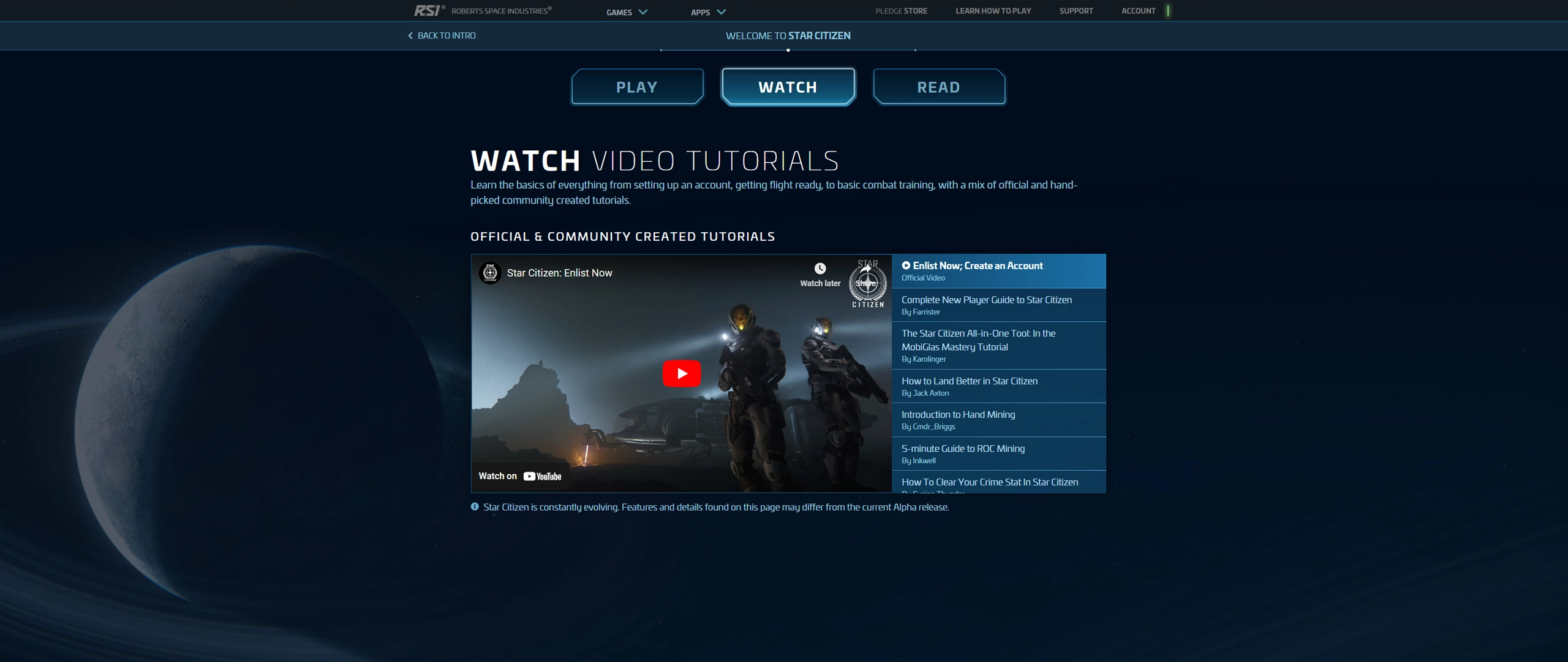
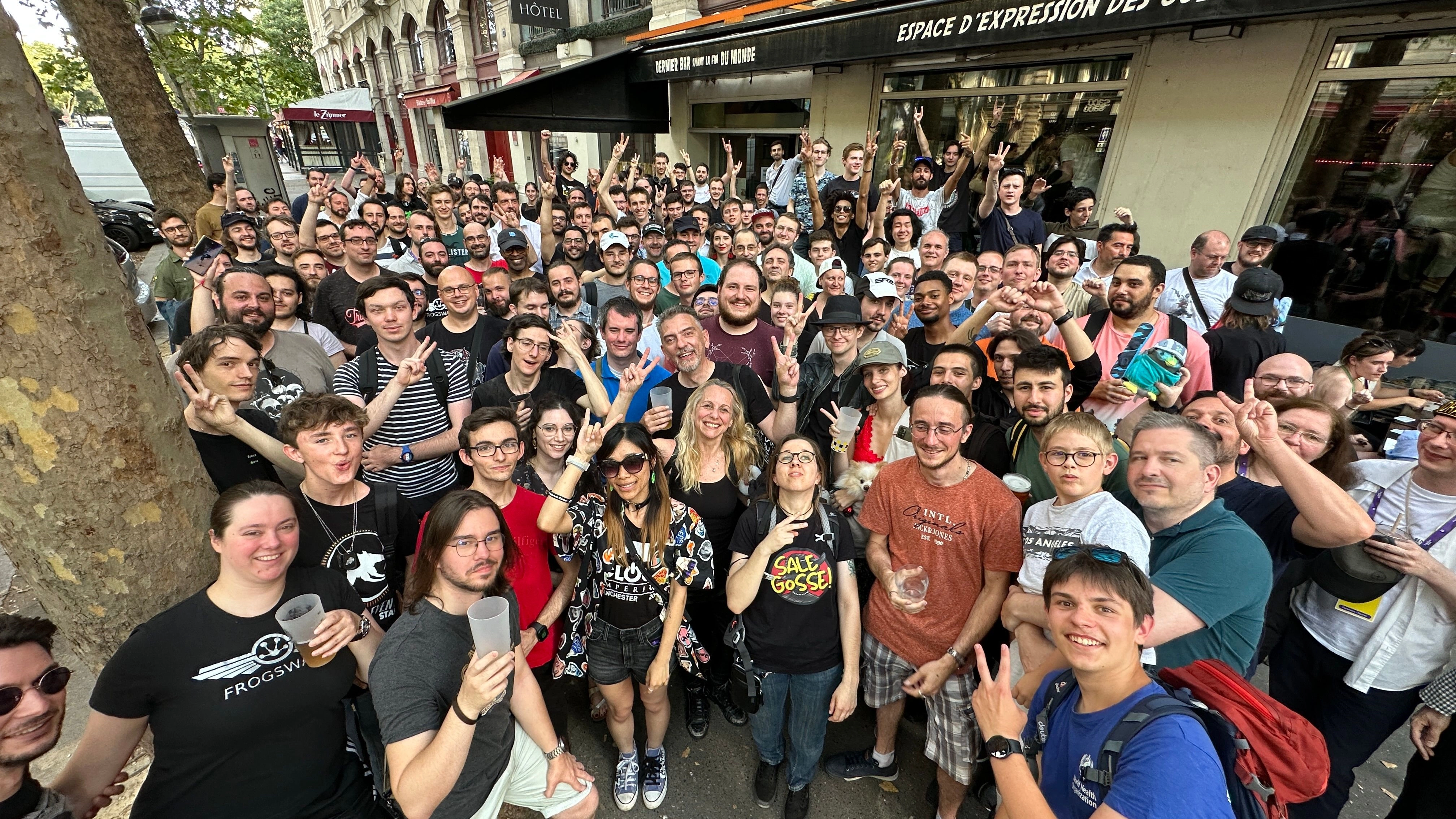
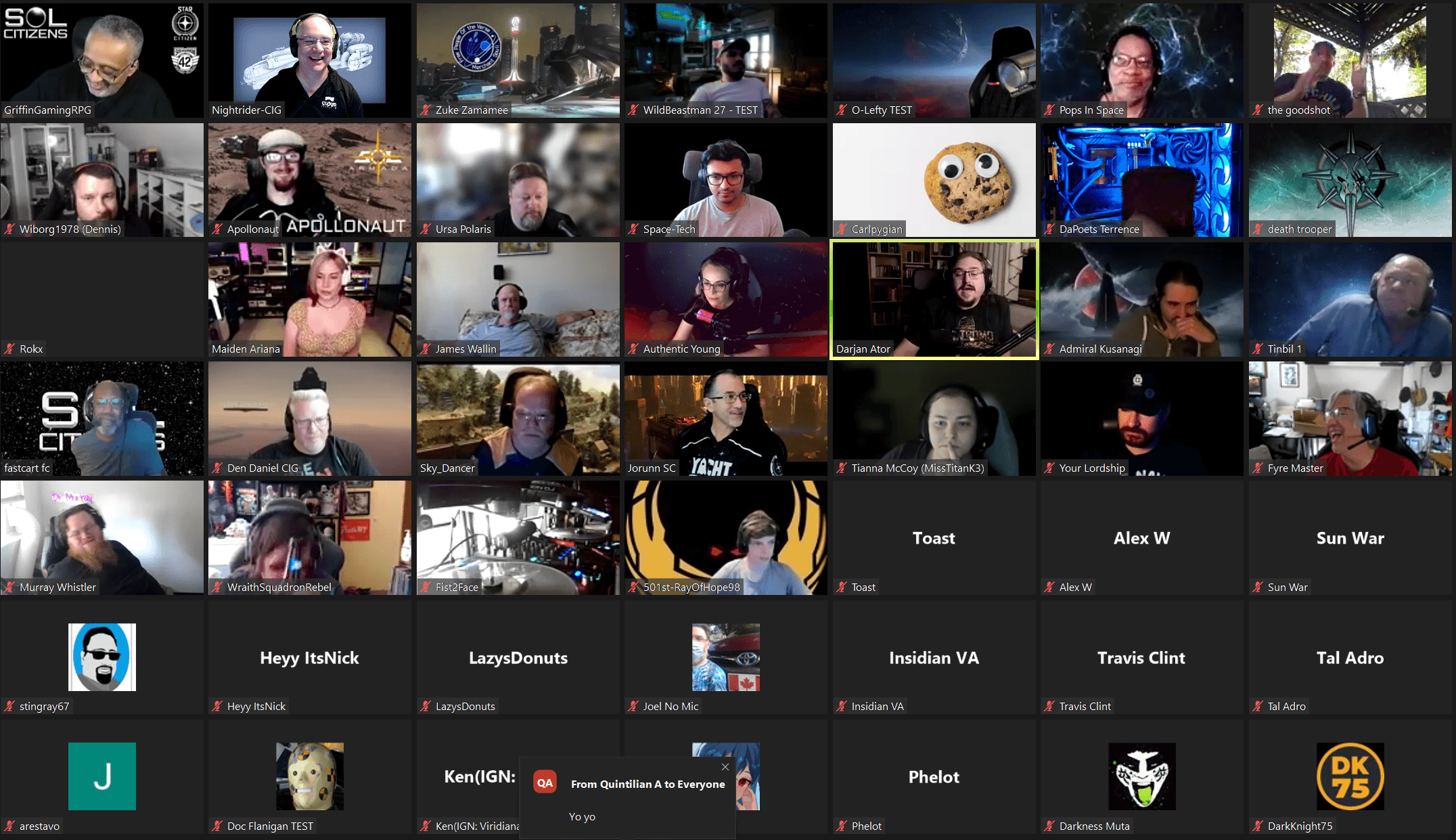
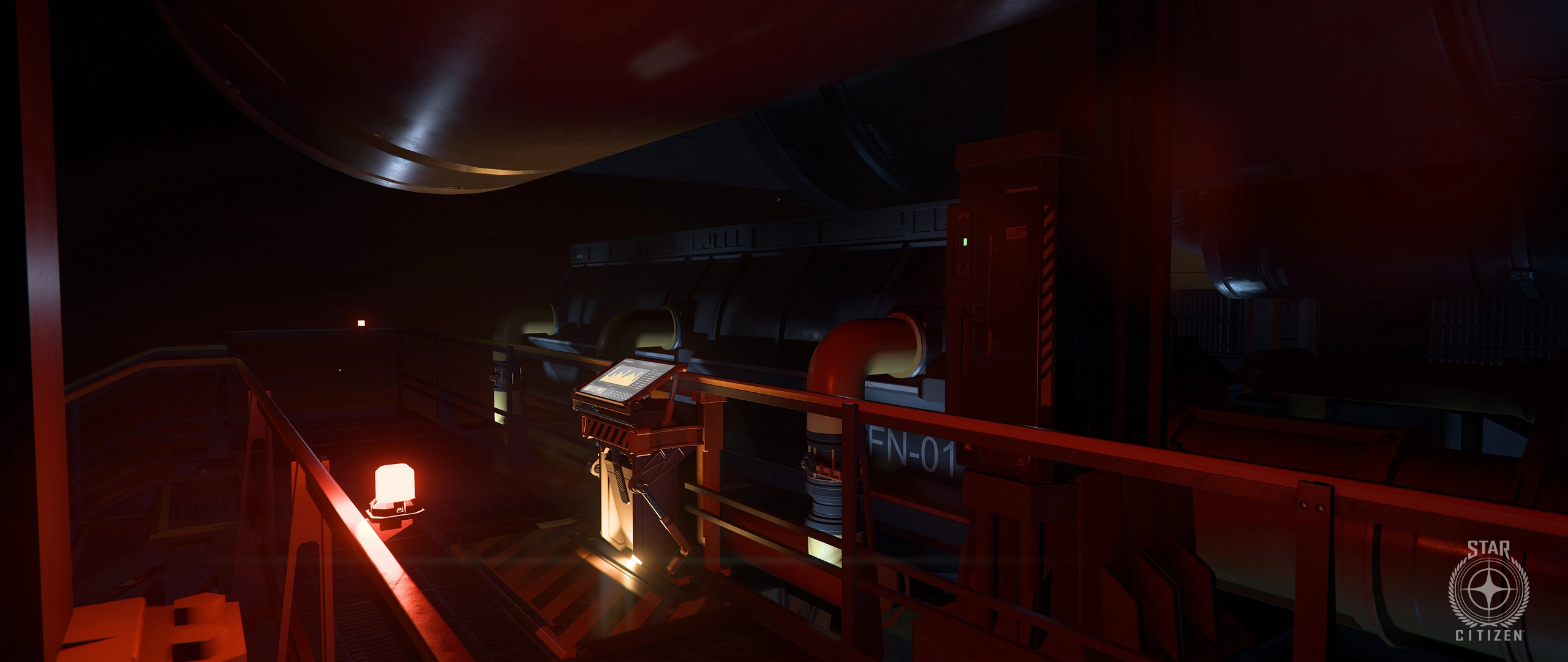
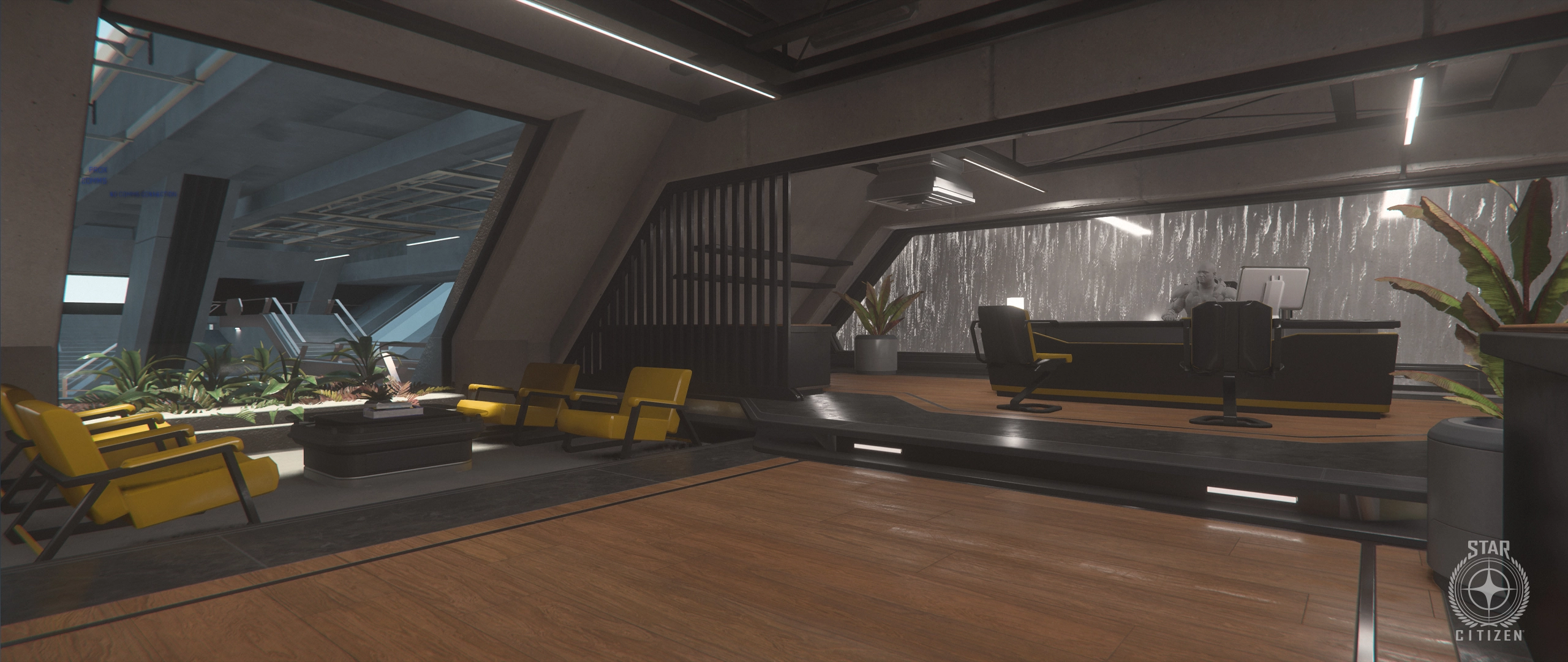
Metadata
- CIG ID
- 19395
- Channel
- Transmission
- Category
- Undefined
- Series
- None
- Comments
- 0
- Published
- 4 months ago (2026-05-25T13:00:00+00:00)