Star Citizen Monthly Report: March 2025
Transmission Undefined NoneContent
PU Monthly Report
March 2025
This month’s PU Report features progress on a variety of ongoing development initiatives, including the recently released Alpha 4.1, upcoming vehicles, AI work, and mission content. Read on for the latest updates!
AI (Content)
For the recent debut of Star Citizen’s first alien NPC, Wikelo, AI Content worked alongside the Narrative Design, Design, Animation, Audio, and Character Art teams to prototype the character’s general and air-traffic-control behaviors. The team also took a more active role in prepping incoming audio and animation files from recent capture sessions.
Development continued on new behaviors to support some of the story developments happening in the ‘verse in the coming months. Finally for AI, they revisited issues in the population behaviors of existing landing zones.
AI (Features)
In March, AI Feature’s priority was the valakkar, specifically the juvenile variant. As part of the polishing phase, new functionality was added to support upcoming gameplay, including replacing ineffective melee attacks with a submerge-and-relocate behavior when the player gets close. New burrowing modes were also added that allow the creature to submerge on the spot rather than dive into a new position.
New firing modes were added to give better control over fire rate and damage per shot depending on whether the target is on the ground or the air. Bespoke firing-animation variants were also added when firing at more vertical angles.
The team also iterated on the kopion, integrating new chase technology for more effective attacks, including a leap.
For Human combat, iteration continued on the first-reaction flow escalation, specifically focusing on the animation setup for usables so that it works well if the AI is sitting in a chair, leaning on a railing, or crouching to inspect a maintenance panel.
The team also progressed with reaction animations for when the AI detects compromised cover. This allows NPCs to appear more responsive to the actions of the player and react appropriately to new threats.
Similarly, the team is refactoring the response to combat tactic events, such as needing to reload. This is now done within the tactic behavior itself rather than at a higher level, which allows more customization depending on the current situation, leading to better and more responsive behaviors.
AI (Game Intelligence Development Team)
In March, Game Intelligence Development had two main focuses: the full implementation of Views and organization and analysis for Mission System 2.0.
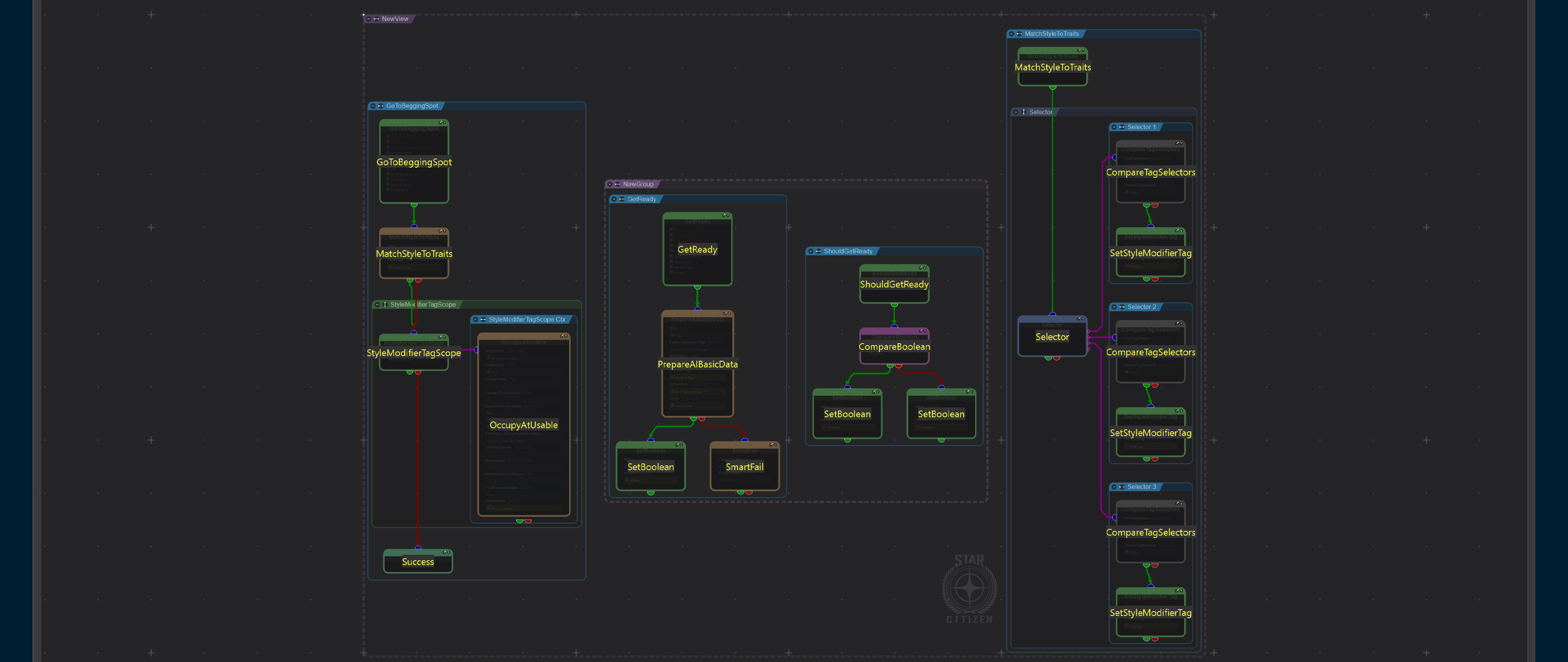
For Views, feature-related tasks are now functional in StarScript, including representation in the script graph. The team also included the new input and output visuals, which makes them more distinctive, while information on the task number was added. An update was also made to the Mastergraph to integrate Views into the various functional connected states. This is still a work in progress, with internal testing beginning soon.
For the Mission System, the devs continued to explore ways to build a system that will be more efficient and simpler for the game designers to use.
AI (Tech)
Last month, AI Tech continued to work on features that will improve overall detail and quality, including finalizing work for the spatial priority solver and priority beacon system. They also integrated these features into the navigation, pathfinder, and tactical-point systems to help better prioritize and solve requests sent by NPCs close to players.
Regarding tools, work was completed on StarScript Views to allow the designers to group behavior functions and callback logic. Following this, work began on visualization improvements for the Subsumption MasterGraph. Additional adjustments were made to AI ship logic to enable it to work correctly with the new flight modes.
The team is currently working on NPC cover generation, optimizing places where cover will be generated, allowing it to be marked with various flags for better context during combat scenarios.
For the navigation system, the devs fixed various bugs, including issues with tile triangularization generation cases and an object-container export case related to navigation data. They’re currently progressing with improvements to 3D navigation for spaceships and NPCs in EVA.
Animation
The Animation team continued developing various sizes of valakkar alongside making updates to the kopion. They also updated AI background animations and added ‘disabled’ animations to the Argo ATLS. New AI facial animation content was completed too, including for the Banu mission-giver, Wikelo.
Art (Characters)
In March, the Character Art team continued to work on a new creature for the PU alongside StarWear art debt. They also kicked off new heavy armor and continued creating various rewards.
The Concept Art team also explored ideas for new in-game rewards and armors.
Art (Ships)
In March, the UK-based Vehicle Content team completed the Drake Golem mining ship and Argo ATLS GEO mining power suit. The MISC Starlancer TAC moved into the final development phase, while the Consolidated Outland Pioneer progressed through whitebox, benefiting from the additional concept work shown during a recent episode of Star Citizen Live.
An unannounced vehicle successfully passed greybox review and moved into the LOD0 phase, two other vehicles received a bug-fixing pass and final-content work ahead of their release, and another new ship is currently being prepared for its greybox gate review.
The NA-based team progressed with two upcoming RSI ships. The first, the Apollo, successfully passed its whitebox review gate and moved into greybox with support from the Concept team on the medical room design. Some aspects progressed significantly due to utilization of the extensive RSI kit created for the Zeus and Polaris. The second, the RSI Perseus, passed its whitebox review at the start of March. Like the Apollo, some areas progressed visually thanks to the RSI kit.
Work continued on three unannounced vehicles too: a variant of a popular ship passed greybox review, another variant is approaching greybox review, while an all-new model entered production in preparation for its whitebox review in early April.
Community
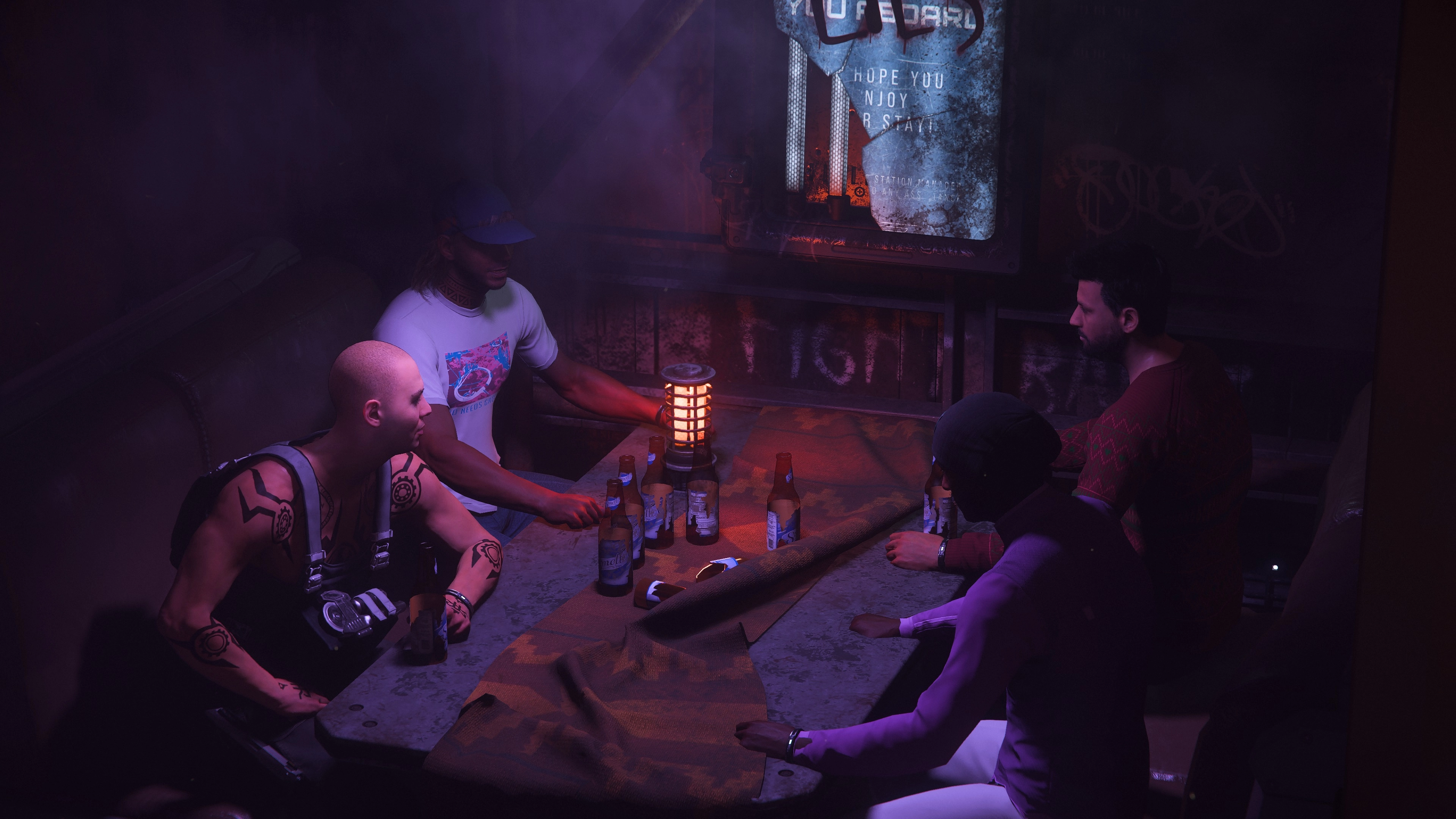
The Community team kicked off March with support for Stella Fortuna, launching the Bar Crawl screenshot contest and publishing a catch-all post highlighting the exciting activities available to players.
For Alpha 4.1, the team published a detailed catch-all post, Q&As for the Drake Golem and Argo ATLS GEO, and a Patch Watch highlighting upcoming features, improvements, and fixes not included in the Roadmap.
The team spent time with our developer in MTL to help detail out the upcoming Referral Revamp, which aims to include better rewards, more frequently. The team also continued mapping out event-related plans for the year, including supporting the Bar Citizen World Tour, and the upcoming International Bar Citizen Weekend.
Evergreen tasks continued throughout the month, including regular publications like the weekly This Week in Star Citizen, bi-weekly Roadmap Updates and Roundups, and the monthly refresh of the Arena Commander Schedule. The team maintained their commitment to capturing player feedback, directly channeling community insights to development teams.
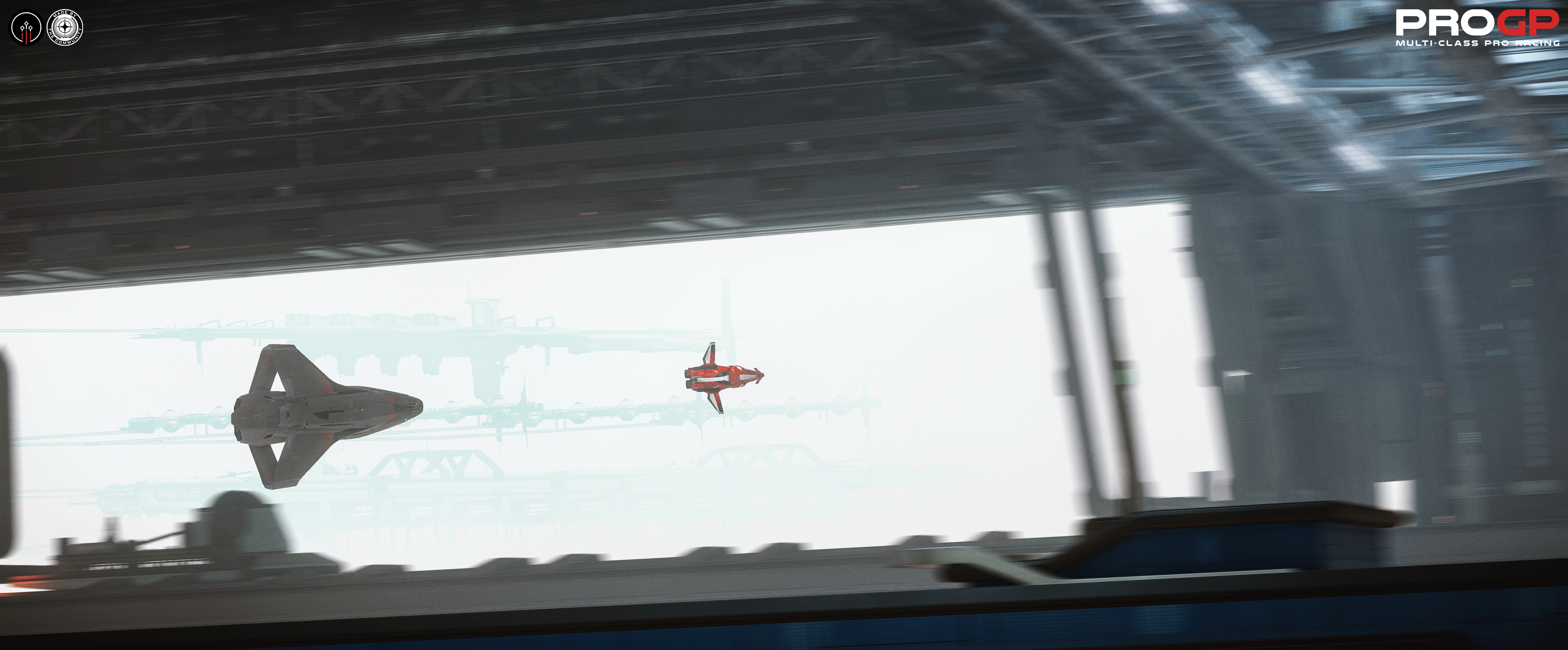
Additionally, the Community team supported and celebrated the 10th anniversary of the Crux Cup, organized by ANZIA Racing. They’re currently preparing for the upcoming community meetups throughout the 2025 Bar Citizen World Tour.
Lastly, they launched the Squadron 42 Newsletter’s Vanduul Interpreter contest, offering another opportunity for the community to dive deeper into Squadron 42, with participants competing for the chance to win a rare Vanduul Scythe.
Core Gameplay
For the Argo ATLS GEO, the Core Gameplay team completed the suit’s mining and thruster functionality, added a health bar and damage states, and supported additional improvements to the base ATLS.
They also implemented the first version of the weapon overheat mechanic to the Volt Parallax energy rifle, which enables the player to engage a secondary fire mode at the risk of overheating. More weapons will gain the overheat mechanic in the future.
Progress was made on Engineering gameplay throughout March, with Core Gameplay supporting various teams with Resource Network issues and bugs. They also added auto-throttling, which reverts to a lower or powered-off state if an item doesn't have power during an update.
Changes were made to vehicle coolant. Now, effectiveness is based on an item's physical properties, with a specific amount of coolant counteracting heating caused by an equal amount of power. Coolant consumption uses deltas with a dynamic override – the maximum coolant request is based on the maximum power consumption multiplied by a Resource Network global parameter.
The team also made progress toward implementing heat gameplay for ship thrusters. This involved adding filters to the engineering UI to allow players to only see items of a particular category. For example, all weapons or all items with malfunctions.
Selection improvements were also added to the UI. Now, ‘left click’ will cycle through the two closest items (useful for doors covering components), and ‘right click’ will show all overlapping items and allow selection.
Work was also completed toward Item Recovery T0, with various items being added to blacklists alongside fixes for related respawn flow issues.
Progress was made on FPS radar and scanning. Now, item components can be detected within vehicles while a player is inside and excluded when outside. The feature’s debug tools were improved too.
The ongoing transit system rework, known as the Transport System, progressed throughout March, with the team adding setup validation and debugging for non-physicalized carriages to better detect setup issues. The ability to connect carriage zones by a transport network (needed for mini-map routing) was added, as were destination categories and priorities along with the means to display destinations on carriage panels.
A reward mechanic for collection missions was implemented, which is used for the Collector missions, while the ability to automatically retrieve items from freight or ship elevators via HUD notification was added.
For the mission system, the team fixed a bug preventing introductory contracts not counting toward difficulty progression.
‘Sharing prerequisites’ was also implemented. This allows players to invite others to accept contracts they would otherwise be ineligible for providing they meet a specific requirement, such as locality or reputation.
Time was also spent fixing bugs and improving the robustness of the New Player Experience alongside solving issues causing various missions to be disabled.
Comms notifications progressed too, including one-way comm-calls from mission givers to the players and comms notifications being triggered by changing mission states, such as ‘completed’ or ‘failed’.
The mission designers can now trigger comms notifications from mission logic. They also began implementing 3D Building Blocks to display more interesting scenes as the previous method was no longer supported by Server Meshing.
Finally for Core Gameplay, improvements were made to commodity kiosks to give a better flow to transactions, while fixes were made for bugs relating to hangars, freight elevators, and ship deliveries.
Economy
The Economy team provided balancing support for Supply or Die, with the devs deeming it over-tuned on release. Economy worked with Mission Design to address the issues as quickly as possible without imposing hard limits. Going forward, both teams will collaborate more closely to establish a stable and holistic approach to balancing open-ended missions with multiple viable solutions.
“Our aim is always to maximize player choices and enable emergent gameplay, but balance against exploitable patterns.” Economy Team
Graphics, VFX Programming & Planet Tech
Last month, the Graphics team overhauled GPU memory management. This allowed them to add new options, a visualization of the GPU memory required for each, and auto-detection for suitable resolution, upscaling, and graphics.
Gas clouds received a major visual upgrade thanks to the same density-shaping and shading technology used by planetary clouds. Global illumination was upgraded too, with improvements to the image stability and accuracy of both diffuse and specular reflections.
Planet Tech v5 continued to make good progress, with the team finalizing the distribution and shading of much denser rock formations with more physically plausible placement. The virtual terrain system is also closer to completion, with run-time compression being worked on next.
The VFX Programming team polished several features, such as fire, networking bandwidth for damage maps, and creatures.
Vulkan stability was also improved after discussions with Nvidia led to the diagnosis of two potential issues - one in the driver and one in the game. Workarounds to both were added to the latest PTU patch.
Mission Design
March saw Mission Design continuing to fix up various older missions that were deprioritized in the refactor.
“Alpha 4.1 was unveiled to the community on the PTU, introducing a new sandbox activity that players can engage in for unique items. There is a big push for increased production value on missions with a lot of departments helping out to ensure the experience is the best we can get.” Mission Design Team
The team also worked on Rayari and Wikelo, the two new mission givers who require items found during the new missions.
Narrative
Aligning with the increased release schedule cadence, Alpha 4.1 was a major focus for the Narrative team in March. For the new Hathor orbital mining facilities, this included adding discoverable datapads around the site, polishing numerous missions that utilized the new locations, and working with Art to improve directional signage.
The patch release also brings the major milestone of Star Citizen’s first alien NPC, the Banu trader Wikelo.
"We had a lot of fun creating the character and making the Emporium a place players would enjoy exploring.” Narrative Team
Narrative also ran a capture session that focused on adding dialogue to several upcoming missions as well as introducing two new faction representatives who players will work with during specific contracts.
Additionally, the team helped to refactor some older missions with updated contracts. There was also ongoing work with Design to refine some of the locations coming this year to ensure they will provide a rich narrative experience.
Online Technology
In March, the Live Tools team focused on improving the usability of their main support tool, Hex.
The Online Services team worked on the first pass of the services ecosystem to support upcoming development by the gameplay teams.
Various social improvements were made, including optimizations to kicking members from groups, the ‘create group’ flow, and the rollback strategy for the ‘addMembers’ flow. They also added metrics to identify the origins of ScyllaDB queries, request logging options, and configurations to specify the maximum number of concurrent requests.
For analytics, configurations were added for HTTP clients and to enable Kafka connections. For missions, entities were removed from the shard tag, while the mission system was updated too.
R&D
In March, gas cloud detail rendering was improved using techniques used by planetary volumetric clouds. Now, the artists can refine the density provided by the original gas cloud volume database (VDB) via procedural noise using runtime shaping and erosion calculations. Moreover, edge albedo can be controlled to further emphasize the cloud’s volumetric structure. Additionally, a configurable gradient was added to control the blend between the original and shaped density. This allows the team to keep the density of the original VDB data in thin areas of clouds while adding more detail to denser areas.
For dynamic weather, the rain volume calculation was improved to ease content authoring. The vertical distribution along the local height of lightning events was also refined. Furthermore, the volumetric rendering of lightning was enhanced by providing more flexibility in controlling the lightning gradient.
Tech Design
Tech Design spent March working on an upcoming in-game event, supporting Mission Design with gameplay entity and logic flow setup.
VFX
VFX progressed with their tasks for the valakkar. They also supported the Locations team with effects for Alpha 4.1’s new mission locations, including the orbital laser platform, borehole, cave, and satellite dish.
Image by
Rickytiky Image by
AndrewMI66Image by
RickytikyImage by
AndrewMI66
PU-Monatsbericht
März 2025
Im PU-Bericht dieses Monats geht es um die Fortschritte bei einer Reihe von laufenden Entwicklungsinitiativen, darunter die kürzlich veröffentlichte Alpha 4.1, kommende Fahrzeuge, KI-Arbeiten und Missionsinhalte. Lies weiter für die neuesten Updates!
KI (Inhalt)
Für das kürzliche Debüt von Wikelo, dem ersten außerirdischen NSC in Star Citizen, arbeitete das KI-Content-Team mit den Teams für Narrative Design, Design, Animation, Audio und Character Art zusammen, um einen Prototyp für das allgemeine Verhalten des Charakters und das Verhalten bei der Flugkontrolle zu erstellen. Das Team übernahm auch eine aktivere Rolle bei der Vorbereitung der eingehenden Audio- und Animationsdateien aus den letzten Aufnahmesitzungen.
Die Entwicklung neuer Verhaltensweisen wurde fortgesetzt, um einige der Story-Entwicklungen zu unterstützen, die in den kommenden Monaten im Verse stattfinden werden. Im Bereich der KI wurden Probleme mit dem Verhalten der Bevölkerung in den bestehenden Landezonen überarbeitet.
KI (Features)
Im März lag die Priorität bei den KI-Features auf den Valakkar, insbesondere auf der jugendlichen Variante. Als Teil der Polishing-Phase wurden neue Funktionen hinzugefügt, um das kommende Gameplay zu unterstützen. Dazu gehört das Ersetzen unwirksamer Nahkampfangriffe durch ein Untertauchen-und-verlegen-Verhalten, wenn der Spieler nahe kommt. Außerdem wurden neue Wühlmodi hinzugefügt, die es der Kreatur ermöglichen, an Ort und Stelle unterzutauchen, anstatt eine neue Position einzunehmen.
Neue Feuermodi wurden hinzugefügt, um eine bessere Kontrolle über die Feuerrate und den Schaden pro Schuss zu ermöglichen, je nachdem, ob sich das Ziel am Boden oder in der Luft befindet. Außerdem wurden maßgeschneiderte Feuer-Animationsvarianten hinzugefügt, wenn in einem größeren Winkel geschossen wird.
Das Team hat auch den Kopion überarbeitet und eine neue Verfolgungstechnologie für effektivere Angriffe integriert, darunter einen Sprung.
Bei den menschlichen Kämpfern wurde die Eskalation des Erstreaktionsflusses überarbeitet, wobei das Hauptaugenmerk auf dem Animations-Setup für benutzbare Objekte lag, damit es auch dann funktioniert, wenn die KI auf einem Stuhl sitzt, sich an ein Geländer lehnt oder in die Hocke geht, um ein Wartungsfeld zu inspizieren.
Das Team hat auch die Reaktionsanimationen weiterentwickelt, wenn die KI eine gefährdete Deckung entdeckt. So können die NSCs besser auf die Aktionen des Spielers reagieren und auf neue Bedrohungen angemessen reagieren.
Außerdem überarbeitet das Team die Reaktion auf Kampftaktik-Ereignisse, z. B. wenn nachgeladen werden muss. Dies geschieht nun innerhalb des Taktikverhaltens selbst und nicht mehr auf einer höheren Ebene, was eine bessere Anpassung an die aktuelle Situation ermöglicht und zu einem besseren und reaktionsfähigeren Verhalten führt.
KI (Game Intelligence Development Team)
Im März hatte die Entwicklung der Spielintelligenz zwei Hauptschwerpunkte: die vollständige Implementierung von Views und die Organisation und Analyse für das Missionssystem 2.0.
Für Views sind die funktionsbezogenen Aufgaben jetzt in StarScript möglich, einschließlich der Darstellung im Skriptgraphen. Das Team hat auch die neuen Eingabe- und Ausgabedarstellungen integriert, wodurch sie unverwechselbarer werden, während Informationen über die Aufgabennummer hinzugefügt wurden. Außerdem wurde der Mastergraph aktualisiert, um die Ansichten in die verschiedenen funktional verbundenen Zustände zu integrieren. Die Arbeit daran ist noch nicht abgeschlossen, aber die internen Tests beginnen bald.
Für das Missionssystem haben die Entwickler weiter nach Möglichkeiten gesucht, ein System zu entwickeln, das effizienter und für die Spieldesigner einfacher zu bedienen ist.
KI (Tech)
Im letzten Monat hat die KI-Abteilung weiter an Funktionen gearbeitet, die die Detailgenauigkeit und Qualität verbessern werden, einschließlich der Fertigstellung des räumlichen Prioritätslösers und des Prioritätsbakensystems. Außerdem wurden diese Funktionen in das Navigations-, Pfadfinder- und Taktikpunktesystem integriert, um Anfragen von NSCs, die sich in der Nähe der Spieler/innen befinden, besser zu priorisieren und zu lösen.
Im Bereich der Werkzeuge wurde die Arbeit an StarScript Views abgeschlossen, die es den Designern ermöglicht, Verhaltensfunktionen und Rückruflogik zu gruppieren. Danach wurde mit der Verbesserung der Visualisierung des Subsumption MasterGraphs begonnen. Weitere Anpassungen wurden an der Logik der KI-Schiffe vorgenommen, damit sie mit den neuen Flugmodi korrekt funktionieren.
Das Team arbeitet derzeit an der Generierung von NSC-Deckung und optimiert die Stellen, an denen Deckung generiert wird, so dass sie mit verschiedenen Flaggen markiert werden kann, um den Kontext in Kampfszenarien zu verbessern.
Beim Navigationssystem haben die Entwickler verschiedene Fehler behoben, darunter Probleme bei der Generierung von Kacheldreiecken und beim Export von Objekt-Containern im Zusammenhang mit Navigationsdaten. Derzeit arbeiten sie an Verbesserungen der 3D-Navigation für Raumschiffe und NSCs in EVA.
Animation
Das Animationsteam hat die Entwicklung verschiedener Größen von Valakkar fortgesetzt und das Kopion aktualisiert. Außerdem wurden die KI-Hintergrundanimationen aktualisiert und "deaktivierte" Animationen für die Argo ATLS hinzugefügt. Außerdem wurden neue KI-Gesichtsanimationen fertiggestellt, unter anderem für den Banu-Missionsgeber Wikelo.
Kunst (Charaktere)
Im März arbeitete das Character Art Team weiter an einer neuen Kreatur für die PU und an der StarWear Art Debt. Außerdem wurde eine neue schwere Rüstung entworfen und die Erstellung verschiedener Belohnungen fortgesetzt.
Das Concept Art Team hat außerdem Ideen für neue Belohnungen und Rüstungen im Spiel entwickelt.
Kunst (Schiffe)
Im März stellte das britische Team für Fahrzeuginhalte das Bergbauschiff Drake Golem und den Bergbau-Energieanzug Argo ATLS GEO fertig. Der MISC Starlancer TAC ging in die finale Entwicklungsphase über, während der Consolidated Outland Pioneer die Whitebox durchlief und von der zusätzlichen Konzeptarbeit profitierte, die in der letzten Folge von Star Citizen Live gezeigt wurde.
Ein unangekündigtes Fahrzeug hat die Greybox-Prüfung erfolgreich bestanden und ist in die LOD0-Phase übergegangen. Zwei weitere Fahrzeuge wurden vor ihrer Veröffentlichung mit Fehlerkorrekturen und abschließenden Arbeiten am Inhalt versehen, und ein weiteres neues Schiff wird derzeit für die Greybox-Prüfung vorbereitet.
Das Team in der NA machte Fortschritte bei zwei kommenden RSI-Schiffen. Das erste, die Apollo, hat das Whitebox-Review-Gate erfolgreich bestanden und wurde mit Unterstützung des Concept-Teams für das Design des medizinischen Raums in die Greybox gebracht. Einige Aspekte wurden durch die Nutzung des umfangreichen RSI-Kits, das für die Zeus und die Polaris entwickelt wurde, erheblich verbessert. Das zweite Projekt, der RSI Perseus, hat Anfang März die Whitebox-Prüfung bestanden. Wie beim Apollo wurden einige Bereiche dank des RSI-Kits visuell verbessert.
Auch an drei unangekündigten Fahrzeugen wurde weiter gearbeitet: Eine Variante eines beliebten Schiffes hat die Greybox-Prüfung bestanden, eine weitere Variante steht kurz vor der Greybox-Prüfung, während ein ganz neues Modell in Vorbereitung auf die Whitebox-Prüfung Anfang April in Produktion ging.
Community
Das Community-Team begann den März mit der Unterstützung von Stella Fortuna, dem Start des Bar Crawl Screenshot-Wettbewerbs und der Veröffentlichung eines Überblicks über die spannenden Aktivitäten, die den Spielern zur Verfügung stehen.
Für die Alpha 4.1 veröffentlichte das Team einen detaillierten Catch-All-Post, Q&As für den Drake Golem und Argo ATLS GEO sowie einen Patch Watch, der auf kommende Funktionen, Verbesserungen und Fehlerbehebungen hinweist, die nicht in der Roadmap enthalten sind.
Das Team hat Zeit mit unserem Entwickler in MTL verbracht, um die bevorstehende Überarbeitung des Empfehlungssystems zu besprechen, die bessere und häufigere Belohnungen vorsieht. Das Team hat auch die Event-Pläne für das Jahr weiter ausgearbeitet, darunter die Unterstützung der Bar Citizen World Tour und des kommenden International Bar Citizen Weekend.
Dazu gehören regelmäßige Veröffentlichungen wie die wöchentliche Ausgabe von This Week in Star Citizen, zweiwöchentliche Roadmap-Updates und Roundups sowie die monatliche Aktualisierung des Arena Commander Schedule. Das Team setzte sich weiterhin dafür ein, das Feedback der Spieler zu erfassen und die Erkenntnisse der Community direkt an die Entwicklungsteams weiterzugeben.
Außerdem hat das Community-Team das 10-jährige Jubiläum des von ANZIA Racing organisierten Crux Cups unterstützt und gefeiert. Derzeit bereitet es sich auf die kommenden Community-Treffen während der Bar Citizen World Tour 2025 vor.
Zu guter Letzt wurde der Vanduul-Interpreter-Wettbewerb des Squadron 42 Newsletters gestartet, der der Community eine weitere Möglichkeit bietet, tiefer in Squadron 42 einzutauchen, und bei dem die Teilnehmer die Chance haben, eine seltene Vanduul-Sense zu gewinnen.
Kern-Gameplay
Für die Argo ATLS GEO vervollständigte das Core Gameplay-Team die Minen- und Thruster-Funktionalität des Anzugs, fügte eine Gesundheitsleiste und Schadenszustände hinzu und unterstützte zusätzliche Verbesserungen an der Basis-ATLS.
Außerdem wurde die erste Version der Waffenüberhitzungsmechanik für das Volt Parallax Energiegewehr implementiert, die es dem Spieler ermöglicht, einen sekundären Feuermodus zu aktivieren, auch wenn das Risiko einer Überhitzung besteht. In Zukunft werden weitere Waffen mit der Überhitzungsmechanik ausgestattet.
Im März wurden Fortschritte beim Engineering Gameplay gemacht. Das Core Gameplay unterstützte verschiedene Teams bei Problemen mit dem Ressourcennetzwerk und Bugs. Außerdem wurde die automatische Drosselung eingeführt, die einen Gegenstand in einen niedrigeren oder ausgeschalteten Zustand zurückversetzt, wenn er während eines Updates keinen Strom mehr hat.
Es wurden Änderungen am Kühlmittel für Fahrzeuge vorgenommen. Die Wirksamkeit richtet sich jetzt nach den physikalischen Eigenschaften eines Gegenstands, wobei eine bestimmte Menge Kühlmittel der Erwärmung durch die gleiche Menge an Energie entgegenwirkt. Der Kühlmittelverbrauch verwendet Deltas mit einem dynamischen Override - die maximale Kühlmittelanforderung basiert auf dem maximalen Stromverbrauch multipliziert mit einem globalen Parameter des Ressourcennetzwerks.
Das Team hat auch Fortschritte bei der Implementierung des Wärmespiels für Schiffstriebwerke gemacht. Dazu wurde die Benutzeroberfläche der Technik mit Filtern versehen, damit die Spieler/innen nur Gegenstände einer bestimmten Kategorie sehen können. Zum Beispiel alle Waffen oder alle Gegenstände mit Fehlfunktionen.
Die Benutzeroberfläche wurde auch in der Auswahl verbessert. Mit der linken Maustaste kannst du jetzt die beiden nächstgelegenen Gegenstände auswählen (nützlich für Türen, die Komponenten verdecken), und mit der rechten Maustaste kannst du alle sich überschneidenden Gegenstände anzeigen und auswählen.
Außerdem wurde an der Wiederherstellung von Gegenständen T0 gearbeitet. Verschiedene Gegenstände wurden zu den schwarzen Listen hinzugefügt und Probleme mit dem Respawn-Flow behoben.
Beim FPS-Radar und beim Scannen wurden Fortschritte gemacht. Jetzt können Gegenstandskomponenten in Fahrzeugen erkannt werden, wenn sich ein Spieler darin befindet, und ausgeschlossen werden, wenn er sich außerhalb befindet. Auch die Debug-Tools des Features wurden verbessert.
Die Überarbeitung des Transitsystems, auch bekannt als Transportsystem, wurde im März weiter vorangetrieben. Das Team fügte eine Setup-Validierung und Debugging für nicht-physikalisierte Kutschen hinzu, um Setup-Probleme besser zu erkennen. Außerdem wurde die Möglichkeit hinzugefügt, Beförderungszonen durch ein Transportnetz zu verbinden (was für das Routing auf der Minikarte erforderlich ist), sowie Zielkategorien und -prioritäten und die Möglichkeit, Ziele auf den Wagentafeln anzuzeigen.
Es wurde eine Belohnungsmechanik für Sammelmissionen implementiert, die für die Sammlermissionen verwendet wird, während die Möglichkeit hinzugefügt wurde, Gegenstände automatisch per HUD-Benachrichtigung aus Fracht- oder Schiffsaufzügen zu holen.
Im Missionssystem hat das Team einen Fehler behoben, der verhinderte, dass Einführungsaufträge nicht auf den Schwierigkeitsgrad angerechnet wurden.
Außerdem wurde das "Teilen von Voraussetzungen" eingeführt. Damit können Spieler/innen andere dazu einladen, Aufträge anzunehmen, für die sie sonst nicht in Frage kämen, wenn sie eine bestimmte Voraussetzung erfüllen, z. B. den Ort oder das Ansehen.
Außerdem wurden Fehler behoben und die Robustheit der neuen Spielerfahrung verbessert sowie Probleme behoben, die dazu führten, dass verschiedene Missionen deaktiviert wurden.
Auch bei den Comms-Benachrichtigungen wurden Fortschritte gemacht, z. B. durch One-Way-Comm-Calls von den Missionsgebern zu den Spielern und Comms-Benachrichtigungen, die durch veränderte Missionszustände ausgelöst werden, z. B. "abgeschlossen" oder "gescheitert".
Die Missionsdesigner/innen können jetzt Kommunikationsbenachrichtigungen über die Missionslogik auslösen. Außerdem haben sie begonnen, 3D-Bausteine zu implementieren, um interessantere Szenen darzustellen, da die bisherige Methode vom Server Meshing nicht mehr unterstützt wurde.
Im Bereich Core Gameplay wurden Verbesserungen an den Warenkiosken vorgenommen, um den Transaktionsfluss zu verbessern, und es wurden Fehler bei Hangars, Lastenaufzügen und Schiffslieferungen behoben.
Wirtschaft
Das Wirtschaftsteam unterstützte das Balancing von Supply or Die, das die Entwickler bei der Veröffentlichung für zu gut abgestimmt hielten. Das Wirtschaftsteam hat mit dem Missionsdesign zusammengearbeitet, um die Probleme so schnell wie möglich zu beheben, ohne harte Grenzen zu setzen. In Zukunft werden beide Teams enger zusammenarbeiten, um einen stabilen und ganzheitlichen Ansatz für das Balancing von Missionen mit offenem Ende und mehreren machbaren Lösungen zu entwickeln.
"Unser Ziel ist es immer, die Wahlmöglichkeiten der Spieler zu maximieren und ein aufregendes Gameplay zu ermöglichen, aber gleichzeitig ausnutzbare Muster zu vermeiden." Wirtschaftsteam
Grafik, VFX-Programmierung & Planet Tech
Letzten Monat hat das Grafikteam die GPU-Speicherverwaltung überarbeitet. Dabei wurden neue Optionen, eine Visualisierung des jeweils benötigten GPU-Speichers und eine automatische Erkennung für die passende Auflösung, Hochskalierung und Grafik hinzugefügt.
Die Gaswolken erhielten dank der gleichen Technologie für Dichte und Schattierung, die auch bei den Planetenwolken zum Einsatz kommt, eine deutliche optische Aufwertung. Auch die globale Beleuchtung wurde mit Verbesserungen der Bildstabilität und der Genauigkeit von diffusen und spiegelnden Reflexionen aufgewertet.
Planet Tech v5 macht weiterhin gute Fortschritte: Das Team hat die Verteilung und Schattierung von viel dichteren Felsformationen mit physikalisch plausiblerer Platzierung abgeschlossen. Auch das virtuelle Geländesystem ist kurz vor der Fertigstellung, und als Nächstes wird an der Laufzeitkomprimierung gearbeitet.
Das VFX-Programmierteam feilte an verschiedenen Funktionen, wie Feuer, Netzwerkbandbreite für Schadenskarten und Kreaturen.
Die Stabilität von Vulkan wurde ebenfalls verbessert, nachdem Gespräche mit Nvidia zur Diagnose von zwei potenziellen Problemen geführt hatten - eines im Treiber und eines im Spiel. Beide Probleme wurden mit dem neuesten PTU-Patch behoben.
Mission Design
Im März wurden im Missionsdesign verschiedene ältere Missionen überarbeitet, die bei der Überarbeitung zurückgestellt worden waren.
"Alpha 4.1" wurde der Community auf der PTU vorgestellt und führte eine neue Sandbox-Aktivität ein, in der die Spieler/innen einzigartige Gegenstände finden können. Viele Abteilungen arbeiten daran, den Produktionswert der Missionen zu erhöhen, um das bestmögliche Erlebnis zu gewährleisten." Missionsdesign-Team
Das Team hat auch an Rayari und Wikelo gearbeitet, den beiden neuen Missionsgebern, die Gegenstände benötigen, die in den neuen Missionen gefunden werden.
Erzählung
Im Einklang mit dem erhöhten Veröffentlichungsrhythmus war Alpha 4.1 im März ein wichtiger Schwerpunkt für das Narrative Team. Für die neuen orbitalen Bergbauanlagen von Hathor wurden unter anderem auffindbare Datapads hinzugefügt, zahlreiche Missionen, die die neuen Standorte nutzen, überarbeitet und gemeinsam mit Art an der Verbesserung der Beschilderung gearbeitet.
Der Patch bringt auch den ersten außerirdischen NSC in Star Citizen hervor, den Banu-Händler Wikelo.
"Es hat uns viel Spaß gemacht, den Charakter zu erschaffen und das Emporium zu einem Ort zu machen, den die Spieler gerne erkunden. Narrative Team
Narrative führte auch eine Capture-Session durch, bei der es darum ging, Dialoge zu verschiedenen kommenden Missionen hinzuzufügen und zwei neue Fraktionsvertreter vorzustellen, mit denen die Spieler bei bestimmten Aufträgen zusammenarbeiten werden.
Außerdem half das Team bei der Überarbeitung einiger älterer Missionen mit aktualisierten Verträgen. Außerdem arbeiteten wir gemeinsam mit dem Designteam an der Verfeinerung einiger Schauplätze, die in diesem Jahr eingeführt werden, um sicherzustellen, dass sie ein reichhaltiges erzählerisches Erlebnis bieten.
Online-Technologie
Im März konzentrierte sich das Live-Tools-Team auf die Verbesserung der Benutzerfreundlichkeit des wichtigsten Support-Tools, Hex.
Das Team der Online-Dienste arbeitete am ersten Durchgang des Dienste-Ökosystems, um die kommenden Entwicklungen der Spielteams zu unterstützen.
Es wurden verschiedene soziale Verbesserungen vorgenommen, z. B. Optimierungen beim Kicken von Mitgliedern aus Gruppen, beim Fluss "Gruppe erstellen" und bei der Rollback-Strategie für den Fluss "addMembers". Außerdem wurden Metriken hinzugefügt, um den Ursprung von ScyllaDB-Abfragen zu ermitteln, sowie Optionen für die Protokollierung von Anfragen und Konfigurationen zur Festlegung der maximalen Anzahl gleichzeitiger Anfragen.
Für die Analytik wurden Konfigurationen für HTTP-Clients und für die Aktivierung von Kafka-Verbindungen hinzugefügt. Bei den Missionen wurden Entitäten aus dem Shard-Tag entfernt und das Missionssystem wurde aktualisiert.
F&E
Im März wurde die Detaildarstellung der Gaswolken mit Hilfe von Techniken verbessert, die bei den volumetrischen Wolken der Planeten zum Einsatz kommen. Jetzt können die Künstler/innen die Dichte, die von der ursprünglichen Gaswolken-Volumendatenbank (VDB) bereitgestellt wird, durch prozedurales Rauschen mit Hilfe von Laufzeitformungs- und Erosionsberechnungen verfeinern. Außerdem kann die Kantenalbedo gesteuert werden, um die volumetrische Struktur der Wolke weiter zu betonen. Außerdem wurde ein konfigurierbarer Gradient hinzugefügt, um die Mischung zwischen der ursprünglichen und der geformten Dichte zu steuern. So kann das Team die Dichte der ursprünglichen VDB-Daten in dünnen Bereichen der Wolken beibehalten und gleichzeitig mehr Details in dichteren Bereichen hinzufügen.
Für das dynamische Wetter wurde die Berechnung des Regenvolumens verbessert, um die Inhaltserstellung zu erleichtern. Auch die vertikale Verteilung entlang der lokalen Höhe von Blitzereignissen wurde verfeinert. Außerdem wurde das volumetrische Rendering von Blitzen verbessert, indem der Blitzverlauf flexibler gesteuert werden kann.
Technisches Design
Im März arbeitete das Tech Design an einem bevorstehenden Event im Spiel und unterstützte das Missionsdesign bei der Erstellung von Spielfiguren und Logikflüssen.
VFX
VFX machte Fortschritte bei den Aufgaben für die Valakkar. Außerdem unterstützten sie das Locations-Team mit Effekten für die neuen Missionsschauplätze der Alpha 4.1, darunter die orbitale Laserplattform, das Bohrloch, die Höhle und die Satellitenschüssel.
PU Monthly Report
March 2025
This month’s PU Report features progress on a variety of ongoing development initiatives, including the recently released Alpha 4.1, upcoming vehicles, AI work, and mission content. Read on for the latest updates!
AI (Content)
For the recent debut of Star Citizen’s first alien NPC, Wikelo, AI Content worked alongside the Narrative Design, Design, Animation, Audio, and Character Art teams to prototype the character’s general and air-traffic-control behaviors. The team also took a more active role in prepping incoming audio and animation files from recent capture sessions.
Development continued on new behaviors to support some of the story developments happening in the ‘verse in the coming months. Finally for AI, they revisited issues in the population behaviors of existing landing zones.
AI (Features)
In March, AI Feature’s priority was the valakkar, specifically the juvenile variant. As part of the polishing phase, new functionality was added to support upcoming gameplay, including replacing ineffective melee attacks with a submerge-and-relocate behavior when the player gets close. New burrowing modes were also added that allow the creature to submerge on the spot rather than dive into a new position.
New firing modes were added to give better control over fire rate and damage per shot depending on whether the target is on the ground or the air. Bespoke firing-animation variants were also added when firing at more vertical angles.
The team also iterated on the kopion, integrating new chase technology for more effective attacks, including a leap.
For Human combat, iteration continued on the first-reaction flow escalation, specifically focusing on the animation setup for usables so that it works well if the AI is sitting in a chair, leaning on a railing, or crouching to inspect a maintenance panel.
The team also progressed with reaction animations for when the AI detects compromised cover. This allows NPCs to appear more responsive to the actions of the player and react appropriately to new threats.
Similarly, the team is refactoring the response to combat tactic events, such as needing to reload. This is now done within the tactic behavior itself rather than at a higher level, which allows more customization depending on the current situation, leading to better and more responsive behaviors.
AI (Game Intelligence Development Team)
In March, Game Intelligence Development had two main focuses: the full implementation of Views and organization and analysis for Mission System 2.0.
For Views, feature-related tasks are now functional in StarScript, including representation in the script graph. The team also included the new input and output visuals, which makes them more distinctive, while information on the task number was added. An update was also made to the Mastergraph to integrate Views into the various functional connected states. This is still a work in progress, with internal testing beginning soon.
For the Mission System, the devs continued to explore ways to build a system that will be more efficient and simpler for the game designers to use.
AI (Tech)
Last month, AI Tech continued to work on features that will improve overall detail and quality, including finalizing work for the spatial priority solver and priority beacon system. They also integrated these features into the navigation, pathfinder, and tactical-point systems to help better prioritize and solve requests sent by NPCs close to players.
Regarding tools, work was completed on StarScript Views to allow the designers to group behavior functions and callback logic. Following this, work began on visualization improvements for the Subsumption MasterGraph. Additional adjustments were made to AI ship logic to enable it to work correctly with the new flight modes.
The team is currently working on NPC cover generation, optimizing places where cover will be generated, allowing it to be marked with various flags for better context during combat scenarios.
For the navigation system, the devs fixed various bugs, including issues with tile triangularization generation cases and an object-container export case related to navigation data. They’re currently progressing with improvements to 3D navigation for spaceships and NPCs in EVA.
Animation
The Animation team continued developing various sizes of valakkar alongside making updates to the kopion. They also updated AI background animations and added ‘disabled’ animations to the Argo ATLS. New AI facial animation content was completed too, including for the Banu mission-giver, Wikelo.
Art (Characters)
In March, the Character Art team continued to work on a new creature for the PU alongside StarWear art debt. They also kicked off new heavy armor and continued creating various rewards.
The Concept Art team also explored ideas for new in-game rewards and armors.
Art (Ships)
In March, the UK-based Vehicle Content team completed the Drake Golem mining ship and Argo ATLS GEO mining power suit. The MISC Starlancer TAC moved into the final development phase, while the Consolidated Outland Pioneer progressed through whitebox, benefiting from the additional concept work shown during a recent episode of Star Citizen Live.
An unannounced vehicle successfully passed greybox review and moved into the LOD0 phase, two other vehicles received a bug-fixing pass and final-content work ahead of their release, and another new ship is currently being prepared for its greybox gate review.
The NA-based team progressed with two upcoming RSI ships. The first, the Apollo, successfully passed its whitebox review gate and moved into greybox with support from the Concept team on the medical room design. Some aspects progressed significantly due to utilization of the extensive RSI kit created for the Zeus and Polaris. The second, the RSI Perseus, passed its whitebox review at the start of March. Like the Apollo, some areas progressed visually thanks to the RSI kit.
Work continued on three unannounced vehicles too: a variant of a popular ship passed greybox review, another variant is approaching greybox review, while an all-new model entered production in preparation for its whitebox review in early April.
Community
The Community team kicked off March with support for Stella Fortuna, launching the Bar Crawl screenshot contest and publishing a catch-all post highlighting the exciting activities available to players.
For Alpha 4.1, the team published a detailed catch-all post, Q&As for the Drake Golem and Argo ATLS GEO, and a Patch Watch highlighting upcoming features, improvements, and fixes not included in the Roadmap.
The team spent time with our developer in MTL to help detail out the upcoming Referral Revamp, which aims to include better rewards, more frequently. The team also continued mapping out event-related plans for the year, including supporting the Bar Citizen World Tour, and the upcoming International Bar Citizen Weekend.
Evergreen tasks continued throughout the month, including regular publications like the weekly This Week in Star Citizen, bi-weekly Roadmap Updates and Roundups, and the monthly refresh of the Arena Commander Schedule. The team maintained their commitment to capturing player feedback, directly channeling community insights to development teams.
Additionally, the Community team supported and celebrated the 10th anniversary of the Crux Cup, organized by ANZIA Racing. They’re currently preparing for the upcoming community meetups throughout the 2025 Bar Citizen World Tour.
Lastly, they launched the Squadron 42 Newsletter’s Vanduul Interpreter contest, offering another opportunity for the community to dive deeper into Squadron 42, with participants competing for the chance to win a rare Vanduul Scythe.
Core Gameplay
For the Argo ATLS GEO, the Core Gameplay team completed the suit’s mining and thruster functionality, added a health bar and damage states, and supported additional improvements to the base ATLS.
They also implemented the first version of the weapon overheat mechanic to the Volt Parallax energy rifle, which enables the player to engage a secondary fire mode at the risk of overheating. More weapons will gain the overheat mechanic in the future.
Progress was made on Engineering gameplay throughout March, with Core Gameplay supporting various teams with Resource Network issues and bugs. They also added auto-throttling, which reverts to a lower or powered-off state if an item doesn't have power during an update.
Changes were made to vehicle coolant. Now, effectiveness is based on an item's physical properties, with a specific amount of coolant counteracting heating caused by an equal amount of power. Coolant consumption uses deltas with a dynamic override – the maximum coolant request is based on the maximum power consumption multiplied by a Resource Network global parameter.
The team also made progress toward implementing heat gameplay for ship thrusters. This involved adding filters to the engineering UI to allow players to only see items of a particular category. For example, all weapons or all items with malfunctions.
Selection improvements were also added to the UI. Now, ‘left click’ will cycle through the two closest items (useful for doors covering components), and ‘right click’ will show all overlapping items and allow selection.
Work was also completed toward Item Recovery T0, with various items being added to blacklists alongside fixes for related respawn flow issues.
Progress was made on FPS radar and scanning. Now, item components can be detected within vehicles while a player is inside and excluded when outside. The feature’s debug tools were improved too.
The ongoing transit system rework, known as the Transport System, progressed throughout March, with the team adding setup validation and debugging for non-physicalized carriages to better detect setup issues. The ability to connect carriage zones by a transport network (needed for mini-map routing) was added, as were destination categories and priorities along with the means to display destinations on carriage panels.
A reward mechanic for collection missions was implemented, which is used for the Collector missions, while the ability to automatically retrieve items from freight or ship elevators via HUD notification was added.
For the mission system, the team fixed a bug preventing introductory contracts not counting toward difficulty progression.
‘Sharing prerequisites’ was also implemented. This allows players to invite others to accept contracts they would otherwise be ineligible for providing they meet a specific requirement, such as locality or reputation.
Time was also spent fixing bugs and improving the robustness of the New Player Experience alongside solving issues causing various missions to be disabled.
Comms notifications progressed too, including one-way comm-calls from mission givers to the players and comms notifications being triggered by changing mission states, such as ‘completed’ or ‘failed’.
The mission designers can now trigger comms notifications from mission logic. They also began implementing 3D Building Blocks to display more interesting scenes as the previous method was no longer supported by Server Meshing.
Finally for Core Gameplay, improvements were made to commodity kiosks to give a better flow to transactions, while fixes were made for bugs relating to hangars, freight elevators, and ship deliveries.
Economy
The Economy team provided balancing support for Supply or Die, with the devs deeming it over-tuned on release. Economy worked with Mission Design to address the issues as quickly as possible without imposing hard limits. Going forward, both teams will collaborate more closely to establish a stable and holistic approach to balancing open-ended missions with multiple viable solutions.
“Our aim is always to maximize player choices and enable emergent gameplay, but balance against exploitable patterns.” Economy Team
Graphics, VFX Programming & Planet Tech
Last month, the Graphics team overhauled GPU memory management. This allowed them to add new options, a visualization of the GPU memory required for each, and auto-detection for suitable resolution, upscaling, and graphics.
Gas clouds received a major visual upgrade thanks to the same density-shaping and shading technology used by planetary clouds. Global illumination was upgraded too, with improvements to the image stability and accuracy of both diffuse and specular reflections.
Planet Tech v5 continued to make good progress, with the team finalizing the distribution and shading of much denser rock formations with more physically plausible placement. The virtual terrain system is also closer to completion, with run-time compression being worked on next.
The VFX Programming team polished several features, such as fire, networking bandwidth for damage maps, and creatures.
Vulkan stability was also improved after discussions with Nvidia led to the diagnosis of two potential issues - one in the driver and one in the game. Workarounds to both were added to the latest PTU patch.
Mission Design
March saw Mission Design continuing to fix up various older missions that were deprioritized in the refactor.
“Alpha 4.1 was unveiled to the community on the PTU, introducing a new sandbox activity that players can engage in for unique items. There is a big push for increased production value on missions with a lot of departments helping out to ensure the experience is the best we can get.” Mission Design Team
The team also worked on Rayari and Wikelo, the two new mission givers who require items found during the new missions.
Narrative
Aligning with the increased release schedule cadence, Alpha 4.1 was a major focus for the Narrative team in March. For the new Hathor orbital mining facilities, this included adding discoverable datapads around the site, polishing numerous missions that utilized the new locations, and working with Art to improve directional signage.
The patch release also brings the major milestone of Star Citizen’s first alien NPC, the Banu trader Wikelo.
"We had a lot of fun creating the character and making the Emporium a place players would enjoy exploring.” Narrative Team
Narrative also ran a capture session that focused on adding dialogue to several upcoming missions as well as introducing two new faction representatives who players will work with during specific contracts.
Additionally, the team helped to refactor some older missions with updated contracts. There was also ongoing work with Design to refine some of the locations coming this year to ensure they will provide a rich narrative experience.
Online Technology
In March, the Live Tools team focused on improving the usability of their main support tool, Hex.
The Online Services team worked on the first pass of the services ecosystem to support upcoming development by the gameplay teams.
Various social improvements were made, including optimizations to kicking members from groups, the ‘create group’ flow, and the rollback strategy for the ‘addMembers’ flow. They also added metrics to identify the origins of ScyllaDB queries, request logging options, and configurations to specify the maximum number of concurrent requests.
For analytics, configurations were added for HTTP clients and to enable Kafka connections. For missions, entities were removed from the shard tag, while the mission system was updated too.
R&D
In March, gas cloud detail rendering was improved using techniques used by planetary volumetric clouds. Now, the artists can refine the density provided by the original gas cloud volume database (VDB) via procedural noise using runtime shaping and erosion calculations. Moreover, edge albedo can be controlled to further emphasize the cloud’s volumetric structure. Additionally, a configurable gradient was added to control the blend between the original and shaped density. This allows the team to keep the density of the original VDB data in thin areas of clouds while adding more detail to denser areas.
For dynamic weather, the rain volume calculation was improved to ease content authoring. The vertical distribution along the local height of lightning events was also refined. Furthermore, the volumetric rendering of lightning was enhanced by providing more flexibility in controlling the lightning gradient.
Tech Design
Tech Design spent March working on an upcoming in-game event, supporting Mission Design with gameplay entity and logic flow setup.
VFX
VFX progressed with their tasks for the valakkar. They also supported the Locations team with effects for Alpha 4.1’s new mission locations, including the orbital laser platform, borehole, cave, and satellite dish.
Image by
Rickytiky Image by
AndrewMI66Image by
RickytikyImage by
AndrewMI66
PU Monthly Report
March 2025
This month’s PU Report features progress on a variety of ongoing development initiatives, including the recently released Alpha 4.1, upcoming vehicles, AI work, and mission content. Read on for the latest updates!
AI (Content)
For the recent debut of Star Citizen’s first alien NPC, Wikelo, AI Content worked alongside the Narrative Design, Design, Animation, Audio, and Character Art teams to prototype the character’s general and air-traffic-control behaviors. The team also took a more active role in prepping incoming audio and animation files from recent capture sessions.
Development continued on new behaviors to support some of the story developments happening in the ‘verse in the coming months. Finally for AI, they revisited issues in the population behaviors of existing landing zones.
AI (Features)
In March, AI Feature’s priority was the valakkar, specifically the juvenile variant. As part of the polishing phase, new functionality was added to support upcoming gameplay, including replacing ineffective melee attacks with a submerge-and-relocate behavior when the player gets close. New burrowing modes were also added that allow the creature to submerge on the spot rather than dive into a new position.
New firing modes were added to give better control over fire rate and damage per shot depending on whether the target is on the ground or the air. Bespoke firing-animation variants were also added when firing at more vertical angles.
The team also iterated on the kopion, integrating new chase technology for more effective attacks, including a leap.
For Human combat, iteration continued on the first-reaction flow escalation, specifically focusing on the animation setup for usables so that it works well if the AI is sitting in a chair, leaning on a railing, or crouching to inspect a maintenance panel.
The team also progressed with reaction animations for when the AI detects compromised cover. This allows NPCs to appear more responsive to the actions of the player and react appropriately to new threats.
Similarly, the team is refactoring the response to combat tactic events, such as needing to reload. This is now done within the tactic behavior itself rather than at a higher level, which allows more customization depending on the current situation, leading to better and more responsive behaviors.
AI (Game Intelligence Development Team)
In March, Game Intelligence Development had two main focuses: the full implementation of Views and organization and analysis for Mission System 2.0.
For Views, feature-related tasks are now functional in StarScript, including representation in the script graph. The team also included the new input and output visuals, which makes them more distinctive, while information on the task number was added. An update was also made to the Mastergraph to integrate Views into the various functional connected states. This is still a work in progress, with internal testing beginning soon.
For the Mission System, the devs continued to explore ways to build a system that will be more efficient and simpler for the game designers to use.
AI (Tech)
Last month, AI Tech continued to work on features that will improve overall detail and quality, including finalizing work for the spatial priority solver and priority beacon system. They also integrated these features into the navigation, pathfinder, and tactical-point systems to help better prioritize and solve requests sent by NPCs close to players.
Regarding tools, work was completed on StarScript Views to allow the designers to group behavior functions and callback logic. Following this, work began on visualization improvements for the Subsumption MasterGraph. Additional adjustments were made to AI ship logic to enable it to work correctly with the new flight modes.
The team is currently working on NPC cover generation, optimizing places where cover will be generated, allowing it to be marked with various flags for better context during combat scenarios.
For the navigation system, the devs fixed various bugs, including issues with tile triangularization generation cases and an object-container export case related to navigation data. They’re currently progressing with improvements to 3D navigation for spaceships and NPCs in EVA.
Animation
The Animation team continued developing various sizes of valakkar alongside making updates to the kopion. They also updated AI background animations and added ‘disabled’ animations to the Argo ATLS. New AI facial animation content was completed too, including for the Banu mission-giver, Wikelo.
Art (Characters)
In March, the Character Art team continued to work on a new creature for the PU alongside StarWear art debt. They also kicked off new heavy armor and continued creating various rewards.
The Concept Art team also explored ideas for new in-game rewards and armors.
Art (Ships)
In March, the UK-based Vehicle Content team completed the Drake Golem mining ship and Argo ATLS GEO mining power suit. The MISC Starlancer TAC moved into the final development phase, while the Consolidated Outland Pioneer progressed through whitebox, benefiting from the additional concept work shown during a recent episode of Star Citizen Live.
An unannounced vehicle successfully passed greybox review and moved into the LOD0 phase, two other vehicles received a bug-fixing pass and final-content work ahead of their release, and another new ship is currently being prepared for its greybox gate review.
The NA-based team progressed with two upcoming RSI ships. The first, the Apollo, successfully passed its whitebox review gate and moved into greybox with support from the Concept team on the medical room design. Some aspects progressed significantly due to utilization of the extensive RSI kit created for the Zeus and Polaris. The second, the RSI Perseus, passed its whitebox review at the start of March. Like the Apollo, some areas progressed visually thanks to the RSI kit.
Work continued on three unannounced vehicles too: a variant of a popular ship passed greybox review, another variant is approaching greybox review, while an all-new model entered production in preparation for its whitebox review in early April.
Community
The Community team kicked off March with support for Stella Fortuna, launching the Bar Crawl screenshot contest and publishing a catch-all post highlighting the exciting activities available to players.
For Alpha 4.1, the team published a detailed catch-all post, Q&As for the Drake Golem and Argo ATLS GEO, and a Patch Watch highlighting upcoming features, improvements, and fixes not included in the Roadmap.
The team spent time with our developer in MTL to help detail out the upcoming Referral Revamp, which aims to include better rewards, more frequently. The team also continued mapping out event-related plans for the year, including supporting the Bar Citizen World Tour, and the upcoming International Bar Citizen Weekend.
Evergreen tasks continued throughout the month, including regular publications like the weekly This Week in Star Citizen, bi-weekly Roadmap Updates and Roundups, and the monthly refresh of the Arena Commander Schedule. The team maintained their commitment to capturing player feedback, directly channeling community insights to development teams.
Additionally, the Community team supported and celebrated the 10th anniversary of the Crux Cup, organized by ANZIA Racing. They’re currently preparing for the upcoming community meetups throughout the 2025 Bar Citizen World Tour.
Lastly, they launched the Squadron 42 Newsletter’s Vanduul Interpreter contest, offering another opportunity for the community to dive deeper into Squadron 42, with participants competing for the chance to win a rare Vanduul Scythe.
Core Gameplay
For the Argo ATLS GEO, the Core Gameplay team completed the suit’s mining and thruster functionality, added a health bar and damage states, and supported additional improvements to the base ATLS.
They also implemented the first version of the weapon overheat mechanic to the Volt Parallax energy rifle, which enables the player to engage a secondary fire mode at the risk of overheating. More weapons will gain the overheat mechanic in the future.
Progress was made on Engineering gameplay throughout March, with Core Gameplay supporting various teams with Resource Network issues and bugs. They also added auto-throttling, which reverts to a lower or powered-off state if an item doesn't have power during an update.
Changes were made to vehicle coolant. Now, effectiveness is based on an item's physical properties, with a specific amount of coolant counteracting heating caused by an equal amount of power. Coolant consumption uses deltas with a dynamic override – the maximum coolant request is based on the maximum power consumption multiplied by a Resource Network global parameter.
The team also made progress toward implementing heat gameplay for ship thrusters. This involved adding filters to the engineering UI to allow players to only see items of a particular category. For example, all weapons or all items with malfunctions.
Selection improvements were also added to the UI. Now, ‘left click’ will cycle through the two closest items (useful for doors covering components), and ‘right click’ will show all overlapping items and allow selection.
Work was also completed toward Item Recovery T0, with various items being added to blacklists alongside fixes for related respawn flow issues.
Progress was made on FPS radar and scanning. Now, item components can be detected within vehicles while a player is inside and excluded when outside. The feature’s debug tools were improved too.
The ongoing transit system rework, known as the Transport System, progressed throughout March, with the team adding setup validation and debugging for non-physicalized carriages to better detect setup issues. The ability to connect carriage zones by a transport network (needed for mini-map routing) was added, as were destination categories and priorities along with the means to display destinations on carriage panels.
A reward mechanic for collection missions was implemented, which is used for the Collector missions, while the ability to automatically retrieve items from freight or ship elevators via HUD notification was added.
For the mission system, the team fixed a bug preventing introductory contracts not counting toward difficulty progression.
‘Sharing prerequisites’ was also implemented. This allows players to invite others to accept contracts they would otherwise be ineligible for providing they meet a specific requirement, such as locality or reputation.
Time was also spent fixing bugs and improving the robustness of the New Player Experience alongside solving issues causing various missions to be disabled.
Comms notifications progressed too, including one-way comm-calls from mission givers to the players and comms notifications being triggered by changing mission states, such as ‘completed’ or ‘failed’.
The mission designers can now trigger comms notifications from mission logic. They also began implementing 3D Building Blocks to display more interesting scenes as the previous method was no longer supported by Server Meshing.
Finally for Core Gameplay, improvements were made to commodity kiosks to give a better flow to transactions, while fixes were made for bugs relating to hangars, freight elevators, and ship deliveries.
Economy
The Economy team provided balancing support for Supply or Die, with the devs deeming it over-tuned on release. Economy worked with Mission Design to address the issues as quickly as possible without imposing hard limits. Going forward, both teams will collaborate more closely to establish a stable and holistic approach to balancing open-ended missions with multiple viable solutions.
“Our aim is always to maximize player choices and enable emergent gameplay, but balance against exploitable patterns.” Economy Team
Graphics, VFX Programming & Planet Tech
Last month, the Graphics team overhauled GPU memory management. This allowed them to add new options, a visualization of the GPU memory required for each, and auto-detection for suitable resolution, upscaling, and graphics.
Gas clouds received a major visual upgrade thanks to the same density-shaping and shading technology used by planetary clouds. Global illumination was upgraded too, with improvements to the image stability and accuracy of both diffuse and specular reflections.
Planet Tech v5 continued to make good progress, with the team finalizing the distribution and shading of much denser rock formations with more physically plausible placement. The virtual terrain system is also closer to completion, with run-time compression being worked on next.
The VFX Programming team polished several features, such as fire, networking bandwidth for damage maps, and creatures.
Vulkan stability was also improved after discussions with Nvidia led to the diagnosis of two potential issues - one in the driver and one in the game. Workarounds to both were added to the latest PTU patch.
Mission Design
March saw Mission Design continuing to fix up various older missions that were deprioritized in the refactor.
“Alpha 4.1 was unveiled to the community on the PTU, introducing a new sandbox activity that players can engage in for unique items. There is a big push for increased production value on missions with a lot of departments helping out to ensure the experience is the best we can get.” Mission Design Team
The team also worked on Rayari and Wikelo, the two new mission givers who require items found during the new missions.
Narrative
Aligning with the increased release schedule cadence, Alpha 4.1 was a major focus for the Narrative team in March. For the new Hathor orbital mining facilities, this included adding discoverable datapads around the site, polishing numerous missions that utilized the new locations, and working with Art to improve directional signage.
The patch release also brings the major milestone of Star Citizen’s first alien NPC, the Banu trader Wikelo.
"We had a lot of fun creating the character and making the Emporium a place players would enjoy exploring.” Narrative Team
Narrative also ran a capture session that focused on adding dialogue to several upcoming missions as well as introducing two new faction representatives who players will work with during specific contracts.
Additionally, the team helped to refactor some older missions with updated contracts. There was also ongoing work with Design to refine some of the locations coming this year to ensure they will provide a rich narrative experience.
Online Technology
In March, the Live Tools team focused on improving the usability of their main support tool, Hex.
The Online Services team worked on the first pass of the services ecosystem to support upcoming development by the gameplay teams.
Various social improvements were made, including optimizations to kicking members from groups, the ‘create group’ flow, and the rollback strategy for the ‘addMembers’ flow. They also added metrics to identify the origins of ScyllaDB queries, request logging options, and configurations to specify the maximum number of concurrent requests.
For analytics, configurations were added for HTTP clients and to enable Kafka connections. For missions, entities were removed from the shard tag, while the mission system was updated too.
R&D
In March, gas cloud detail rendering was improved using techniques used by planetary volumetric clouds. Now, the artists can refine the density provided by the original gas cloud volume database (VDB) via procedural noise using runtime shaping and erosion calculations. Moreover, edge albedo can be controlled to further emphasize the cloud’s volumetric structure. Additionally, a configurable gradient was added to control the blend between the original and shaped density. This allows the team to keep the density of the original VDB data in thin areas of clouds while adding more detail to denser areas.
For dynamic weather, the rain volume calculation was improved to ease content authoring. The vertical distribution along the local height of lightning events was also refined. Furthermore, the volumetric rendering of lightning was enhanced by providing more flexibility in controlling the lightning gradient.
Tech Design
Tech Design spent March working on an upcoming in-game event, supporting Mission Design with gameplay entity and logic flow setup.
VFX
VFX progressed with their tasks for the valakkar. They also supported the Locations team with effects for Alpha 4.1’s new mission locations, including the orbital laser platform, borehole, cave, and satellite dish.
Image by
Rickytiky Image by
AndrewMI66Image by
RickytikyImage by
AndrewMI66
Links
No links available.
Images
4
Metadata
- CIG ID
- 20537
- Channel
- Transmission
- Category
- Undefined
- Series
- None
- Comments
- 0
- Published
- 4 months ago (2026-05-25T11:00:00+00:00)