Medical Gameplay Guide
Transmission Undefined NoneContent
Medical Gameplay Guide
Star Citizen's persistent universe bolsters a comprehensive, ever-evolving medical system, designed for both self-application and administration to others. From minor injuries to complete incapacitation, with multiple levels of treatments and utilizing a variety of vehicles, clinics and hospitals, medical gameplay combines aspects of survival mechanics and altruistic service to others to provide a continuingly developing experience that touches everyone.
Join us as we explore many of these aspects new and old and ensure you're properly equipped to face the universe in Alpha 4.3.1 and beyond, and if you're looking for additional help to get started in medicine, check out the Guide System to get paired with an experienced player who can help show you the ropes.
NOTE: This post was released to coincide with Alpha 4.3.1 PTU, and will be updated with adjusted figures once it has finished testing and been released to the LIVE environment.
Medical Gameplay GuideStar Citizen's persistent universe bolsters a comprehensive, ever-evolving medical system, designed for both self-application and administration to others. From minor injuries to complete incapacitation, with multiple levels of treatments and utilizing a variety of vehicles, clinics and hospitals, medical gameplay combines aspects of survival mechanics and altruistic service to others to provide a continuingly developing experience that touches everyone.Join us as we explore many of these aspects new and old and ensure you're properly equipped to face the universe in Alpha 4.3.1 and beyond, and if you're looking for additional help to get started in medicine, check out the Guide System to get paired with an experienced player who can help show you the ropes.NOTE: This post was released to coincide with Alpha 4.3.1 PTU, and will be updated with adjusted figures once it has finished testing and been released to the LIVE environment. Injuries
Injuries are inflicted when you receive sustained, repeated damage. They can be received on your arm, legs, torso or head, and are shown to you either via the Heads-up-Display (HUD) on your helmet in the bottom left corner, or via scan.
Below are the different types of injuries and how they affect you.
Injuries Injuries are inflicted when you receive sustained, repeated damage. They can be received on your arm, legs, torso or head, and are shown to you either via the Heads-up-Display (HUD) on your helmet in the bottom left corner, or via scan.Below are the different types of injuries and how they affect you. Tier 3 : Minor Injury This lowest level of injury decreases your maximum health pool and introduces several gameplay effects, depending on where you were injured.
A minor injury (T3) to these areas will have the following effects:
ARMS: Your weapons will become harder to aim, the damage done by melee attacks impaired, and a cumulative reduction in health pool with other injuries.
LEGS: Movement speed will be diminished, and a cumulative reduction in health pool with other injuries.
TORSO: Reduction in overall stamina and regen, audible wheezing, , and a cumulative reduction in health pool with other injuries.
HEAD: Blurring of vision, muffling of audio, reduction in impact effect resistance, delay in stun recovery, and a cumulative reduction in health pool with other injuries.
Minor injuries can be treated on-site or by any medical bed, and do not require stabilization.
Tier 2 : Moderate Injury Moderate injuries incur all the same penalties and effects of minor ones, with expanded and more pronounced effects, and a few new additions.
A moderate injury (T2) to these areas will have the following effects:
ARMS: Increasing the severity of existing impairments, and limiting your ability to throw items.
LEGS: Increasing the severity of existing impairments, and causing the hurt locomotion effect, involving limping with audible grunts of pain.
TORSO: Increasing the severity of existing impairments, and coughing up blood.
HEAD: Increasing the severity of existing impairments.
Moderate injuries can have their symptoms stabilized by on-site treatment or a medical bed of any size, but require Tier 2 unit or better to heal.
Tier 1 : Severe Injury Severe injuries escalate the effects of moderate injuries even further with additional complications.
A severe injury (T1) to these areas will have the following effects:
ARMS: Increasing the severity of existing impairments, adding the hurt locomotion effect involving limping with audible grunts of pain, and inflicting arm lock preventing you from being able to hold objects or weapons in your hands.
LEGS: Increasing the severity of existing impairments, and forcing you into a prone state with no ability to stand or crouch.
TORSO: Increasing the severity of existing impairments, and adding the hurt locomotion effect involving limping with audible grunts of pain.
HEAD: Increasing the severity of existing impairments, and adding the hurt locomotion effect involving limping with audible grunts of pain..
Severe injuries can have their symptoms stabilized by on-site treatment or a medical bed of any size, but require Tier 1 unit or better to heal.
On-Site Treatments
While many of the injuries you sustain throughout your exploits in the 'verse may require more robust attention and care, there are still a number of ways you can extend your time in the field. Whether off on your own or in service to another citizen, prepared adventurers and good medics alike keep an array of tools close at hand.
From single-use consumables to trusty healing tools, there's a variety of gear that allows everyone to keep you and your team upright and in the fight.
On-Site Treatments While many of the injuries you sustain throughout your exploits in the 'verse may require more robust attention and care, there are still a number of ways you can extend your time in the field. Whether off on your own or in service to another citizen, prepared adventurers and good medics alike keep an array of tools close at hand.From single-use consumables to trusty healing tools, there's a variety of gear that allows everyone to keep you and your team upright and in the fight. These can be purchased at any hospital, clinic, or pharmacy.
Medical Pens Simple and effective, pens deliver the specific medicine you need quickly and easily. Multi-Tool With a dedicated attachment this can be used to deliver limited Hemozal treatment to yourself and others. Curelife Medical Tool For the dedicated medical professional, can diagnose and administer most medical drugs in precise amounts. Drugs, Stabilization and Blood-Drug Level There are several pharmaceuticals used in on-site treatments to stabilize you and other players. These drugs all have unique attributes, uses, effects and even dangers.
Drugs, Stabilization and Blood-Drug LevelThere are several pharmaceuticals used in on-site treatments to stabilize you and other players. These drugs all have unique attributes, uses, effects and even dangers. Stabilization Stabilization is a temporary way to manage the effects of injuries. By administering the correct drugs, you can suppress these effects for a limited time, allowing you to keep moving, fighting, or escaping danger. Stabilization is not a cure. The injury still exists and will need proper treatment later, but it can buy you a crucial window of time where you can perform at full capacity.
Blood-Drug Level While stabilization is crucial and necessary, it does carry it's risks, as all drugs will increase your Blood-Drug Level (BDL).
Your BDL is tracked next to your health status on your helmet HUD. Once this level reaches 50% of maximum, you enter an Overdosed state. This will affect your traversal speed, blur your vision, add a weapon sway effect, and may even cause you to pilot your ship or vehicle erratically. Additionally, you will begin to take damage slowly unless these overdose effects are countered.
Using the Curelife Medical Tool The Curelife Medical Tool can detect injuries and diagnose the health status of any person by targeting specific limbs to see inflicted injuries. This tool has two separate modes: Basic and Advanced.
Basic mode simply applies Hemozal quickly, similar to the Multi-Tool's capability.
Advanced mode lets you apply five different medical drugs (Canoiodide excluded) deliberately in precise doses of your choosing.
To switch between the two modes, as well as adjust drug quantity, hold the tool up using the Right Mouse Button, then hold the F key to interact with the tool's screen.
Below are the types of drugs available, both separately in single-use pens as well as collectively included in Curelife's Medical Tool:
Below are the types of drugs available, both separately in single-use pens as well as collectively included in Curelife's Medical Tool: Hemozal Stops bleeding, restores health percentage to current maximum, and can bring a person back from incapacitation.
A Aurora LX transport emerged from the jump-point and lumbered toward the Launch deck We offer this Entity to the Timeline as a place to study and a place to meet Demexatrine Relieves muscle fatigue and concussion symptoms.
Nicknamed Abyss due to its proximity to the Nebula, Yulin II looks like it's overseeCustoms agent the Pulsar Roxaphen Alleviates symptoms that hinder movement, such as severe injury to legs or arms.
Claimed entirely for military purposes, Hadrian II is home to the UPE and has the distinction of housUEE Colonial Command the largest population of Inforunners in the Empire Johnny waited a few moments before approachProcedural the Lift that Kray disappeared into Sterogen Relieves symptoms caused by muscle weakness or respiratory damage, such as a chest injury.
The Captain casually glanced at it So Messer, ever since Quarterdeck's announcement, you've been quite critical of the entire concept Resurgera Used to reduce BDL over time as well as alleviate symptoms caused by an overdose.
We know that we have been Intolerant Canoiodide Used to reduce radiation symptoms.
Incapacitation and Rescue Becons
Despite your best efforts, there will come a time when you've sustained significant damage, your health has hit 0%, and you fall to the ground unable to move or function. Congratulations, you've been incapacitated, and the clock has now started.
The good news is that all hope is not lost. If you have friends or allies nearby, they can administer a dose of Hemozal to get you back on your feet, but if you're alone with no help in sight, you can create a Rescue Beacon by holding the M key and call someone to your attention.
Triggering a Rescue Beacon (aka Medical Beacons) will create a ‘Beacon mission' ( found in the Contracts Manager ) and send out a notification to the HUDs of any nearby players. The pay-out for Rescue will automatically be set to a fifteen thousand aUEC reward, which will be paid out upon the rescue / revival of the incapacitated Player.
Others accepting these missions can apply on-site treatments, bring you to a nearby ship-based medical bed, or transport you to the Emergency Medical drop-off areas located in all hangars attached to a medical facility.
Get the help you need before the incapacitation timer runs out, or you'll regenerate wherever your next clone is imprinted, leaving a corpse behind to be looted by anyone who finds it.
Incapacitation and Rescue BeconsDespite your best efforts, there will come a time when you've sustained significant damage, your health has hit 0%, and you fall to the ground unable to move or function. Congratulations, you've been incapacitated, and the clock has now started.The good news is that all hope is not lost. If you have friends or allies nearby, they can administer a dose of Hemozal to get you back on your feet, but if you're alone with no help in sight, you can create a Rescue Beacon by holding the M key and call someone to your attention.Triggering a Rescue Beacon (aka Medical Beacons) will create a ‘Beacon mission' ( found in the Contracts Manager ) and send out a notification to the HUDs of any nearby players. The pay-out for Rescue will automatically be set to a fifteen thousand aUEC reward, which will be paid out upon the rescue / revival of the incapacitated Player.Others accepting these missions can apply on-site treatments, bring you to a nearby ship-based medical bed, or transport you to the Emergency Medical drop-off areas located in all hangars attached to a medical facility.Get the help you need before the incapacitation timer runs out, or you'll regenerate wherever your next clone is imprinted, leaving a corpse behind to be looted by anyone who finds it. Apparently, he was some kind of Customs agent... and kind of a Nut job The Terrestrial Rocky's little sister lives near the outer edge of the system's so-called "red band". We offer this Vessel to the Ringworld as a place to study and a place to meet
Medical Beds
Medical Beds are the mostly automated doctors and surgeons of the 30th century. These are your one-stop-shop to treating and healing all ailments and injuries, setting your next Regeneration point, clearing overdosed field drugs from your system, or just scan yourself to see what's up.
On most medical beds are two terminals that house the Digital Medical Assistant; usually present at the foot of the Bed and another overhead that deploys after you've entered the bed or regenerated after death.
If you're regenerating after death, the bed will also provide you with information relating to that death.
To place another person on a medical bed, simply drag the incapacitated body in close proximity and select ‘Place In Bed' via the Inner Thought system and they’ll be revived.
Medical Beds Medical Beds are the mostly automated doctors and surgeons of the 30th century. These are your one-stop-shop to treating and healing all ailments and injuries, setting your next Regeneration point, clearing overdosed field drugs from your system, or just scan yourself to see what's up.On most medical beds are two terminals that house the Digital Medical Assistant; usually present at the foot of the Bed and another overhead that deploys after you've entered the bed or regenerated after death.If you're regenerating after death, the bed will also provide you with information relating to that death.To place another person on a medical bed, simply drag the incapacitated body in close proximity and select ‘Place In Bed' via the Inner Thought system and they’ll be revived. Tier 3 The most commonly available medical bed. These can stabilize patients, restore health, heal minor injuries (Tier 3) and regenerate those with an imprint who have died within 50,000 meters.
Damn right it is. Point is, no damn AI system's ever gonna be as good as an experienced Mechanic Tier 2 The more advanced medical bed. These can stabilize patients, restore health, heal moderate injuries (Tier 2) and regenerate those with an imprint who have died within 8,000,000 meters.
Nicknamed Sheperd due to its proximity to the Asteroid Belt, Taranis III looks like it's overseeEngineer the Moons "Maybe you should have a Criminal have a look at you. Be sure." said Senator Akari A naturally occurrSpirit Wars Habitable atmosphere Volatile Earth analogue. UPE surveyors were stunned to find abandoned Tevarin cities on the planet Tier 1 The most capable medical bed. These restore health and heal all injuries (including severe Tier 1) and regenerate those with an imprint who have died within 750,000,000,000 meters.
Armitage's atmosphere is almost entirely composed of Ammonia, which makes it the most Inhabitable planet in the Magnus System We offer this Universe to the Civilization as a place to study and a place to meet Damn right it is. Point is, no damn AI system's ever gonna be as good as an experienced Engineer MedGel and You MedGel is the substance at the core of medical gameplay that fuels nearly everything from the limited healing capabilities of the Multi-Tool to the medical beds that bring people back to life. It is recommended to keep smaller ones on your person and larger supplies in the storage of your medical bed-equipped vehicle at all times.
For the Multi-Tool and Curelife Medical Tool, reloading works in much the same way any other handheld weapon would.
For medical beds, inserting a full-sized cannister via port will reload the device.
Within some vehicles, ports are found on walls nearby the medical bed, rather than on the unit itself.
MedGel cannisters are consumed completely by the unit, and do not have to be removed before reloading.
Each tier of medical bed has a different MedGel capacity.
T3 MedBeds can hold 200 cSCU of MedGel.
T2 MedBeds can hold 400 cSCU of MedGel.
T1 MedBeds can hold 600 cSCU of MedGel.
As noted above, additional quantities of MedGel can be stored in traditional cargo and storage locations aboard ships and vehicles.
MedGel and YouMedGel is the substance at the core of medical gameplay that fuels nearly everything from the limited healing capabilities of the Multi-Tool to the medical beds that bring people back to life. It is recommended to keep smaller ones on your person and larger supplies in the storage of your medical bed-equipped vehicle at all times.For the Multi-Tool and Curelife Medical Tool, reloading works in much the same way any other handheld weapon would.For medical beds, inserting a full-sized cannister via port will reload the device.Within some vehicles, ports are found on walls nearby the medical bed, rather than on the unit itself.MedGel cannisters are consumed completely by the unit, and do not have to be removed before reloading.Each tier of medical bed has a different MedGel capacity.T3 MedBeds can hold 200 cSCU of MedGel.T2 MedBeds can hold 400 cSCU of MedGel.T1 MedBeds can hold 600 cSCU of MedGel.As noted above, additional quantities of MedGel can be stored in traditional cargo and storage locations aboard ships and vehicles. Healing Injuries with a Medical Bed Each medical bed can restore health and address bleeding without cost, but consumes MedGel to heal injuries.
The cost of healing injuries varies on the severity of the injuries. Players will only be charged once for the highest tier the player has, no matter how many injuries are healed at once.
There is no cost to temporarily stabilizing injuries above what a medical bed can heal.
Healing Injuries with a Medical BedEach medical bed can restore health and address bleeding without cost, but consumes MedGel to heal injuries.The cost of healing injuries varies on the severity of the injuries. Players will only be charged once for the highest tier the player has, no matter how many injuries are healed at once.There is no cost to temporarily stabilizing injuries above what a medical bed can heal. Imprinting and Regenerating on a Medical Bed Regeneration is a medical process which enables the total restoration your being after death via your DNA imprint recorded at the location you've set.
By default, your chosen regeneration location is a hospital within the primary residence location you set when you first entered the 'verse, but as you travel the spaceways you may want to transfer your imprint to a new location. This can be at another hospital, clinic or ship and vehicle that contains a medical bed and has sufficient MedGel supply.
There are three reasons your imprinted medical bed may fail to meet the conditions for successful regeneration, causing you to regenerate back at your designated home location.
The medical bed has been destroyed.
The medical bed's supply of MedGel has been exhausted.
The medical bed is outside of it's effective range.
While most medical beds you encounter outside of hospitals are capable of imprinting and regenerating you into a new clone body provided they meet the listed criteria, below are the specific requirements for a successful regeneration into each bed:
Imprinting and Regenerating on a Medical BedRegeneration is a medical process which enables the total restoration your being after death via your DNA imprint recorded at the location you've set.By default, your chosen regeneration location is a hospital within the primary residence location you set when you first entered the 'verse, but as you travel the spaceways you may want to transfer your imprint to a new location. This can be at another hospital, clinic or ship and vehicle that contains a medical bed and has sufficient MedGel supply.There are three reasons your imprinted medical bed may fail to meet the conditions for successful regeneration, causing you to regenerate back at your designated home location.The medical bed has been destroyed.The medical bed's supply of MedGel has been exhausted.The medical bed is outside of it's effective range.While most medical beds you encounter outside of hospitals are capable of imprinting and regenerating you into a new clone body provided they meet the listed criteria, below are the specific requirements for a successful regeneration into each bed: Ships of the Trade
Ships of the Trade Mechanic greed distrusting Supra- Battle of Centauri Beacon pseudo- Rachel MacLaren Messer 2.0 exterminate Rumors claim some of the weapons found contains technology made within the last One thousand years We know that we have been Cruel Shepherd's atmosphere is almost entirely composed of Carbon compounds, which makes it the most Highly acidic planet in the Tanga System herding: That's a word that hasn't been associated much with Kr'Thak Neptune's atmosphere is almost entirely composed of Carbon dioxide, which makes it the most Breathable planet in the Pallas System
Though technically not a planet, Gen is considered a local mascot. This Terrestrial Rocky's unique shape has given it the nickname Bruder exploiting: That's a word that hasn't been associated much with Xi'An A naturally occurrOne Turbulent atmosphere Habitable Earth analogue. UPE surveyors were stunned to find abandoned Tevarin cities on the planet
Mechanic greed distrustingSupra- Battle of Centauri Beacon pseudo-Rachel MacLaren Messer 2.0 exterminateRumors claim some of the weapons found contains technology made within the last One thousand years We know that we have been Cruel Shepherd's atmosphere is almost entirely composed of Carbon compounds, which makes it the most Highly acidic planet in the Tanga System herding: That's a word that hasn't been associated much with Kr'Thak Neptune's atmosphere is almost entirely composed of Carbon dioxide, which makes it the most Breathable planet in the Pallas SystemThough technically not a planet, Gen is considered a local mascot. This Terrestrial Rocky's unique shape has given it the nickname Bruder exploiting: That's a word that hasn't been associated much with Xi'An A naturally occurrOne Turbulent atmosphere Habitable Earth analogue. UPE surveyors were stunned to find abandoned Tevarin cities on the planet RSI Apollo Medivac and Triage For over two centuries, the Apollo chassis has been the industry standard for rapid response and medivac operations. With classic RSI styling and a modular room system that allows custom medical bed configurations, the Apollo are the most versatile option for first responders and medical support staff around.
Treatment and Respawning Options: A choice of two (2x) Tier 1 Medical Beds, four (4x) Tier 2 Medical Beds and six (6x) Tier 3 Medical Beds or customized mixture therein.
RSI Apollo Medivac and TriageFor over two centuries, the Apollo chassis has been the industry standard for rapid response and medivac operations. With classic RSI styling and a modular room system that allows custom medical bed configurations, the Apollo are the most versatile option for first responders and medical support staff around.Treatment and Respawning Options: A choice of two (2x) Tier 1 Medical Beds, four (4x) Tier 2 Medical Beds and six (6x) Tier 3 Medical Beds or customized mixture therein. Anvil Terrapin Medivac Maintaining the famed toughness of the original Terrapin, the Medic has been crafted to undertake intense rescue missions. Featuring an advanced medical bed, the Terrapin can extract injured allies from the most hazardous situations.
Treatment and Respawning Options: One (1x) Tier 2 Medical Bed.
Anvil Terrapin Medivac Maintaining the famed toughness of the original Terrapin, the Medic has been crafted to undertake intense rescue missions. Featuring an advanced medical bed, the Terrapin can extract injured allies from the most hazardous situations.Treatment and Respawning Options: One (1x) Tier 2 Medical Bed. Drake Cutlass Red The Cutlass Red is Drake's answer for transporting injured patients across the ‘verse quickly and safely. Like a space ambulance, this ship can be used to conduct combat pick ups with it’s hefty shields and armor.
Treatment and Respawning Options: Two (2x) Tier 3 Medical Beds.
Drake Cutlass RedThe Cutlass Red is Drake's answer for transporting injured patients across the ‘verse quickly and safely. Like a space ambulance, this ship can be used to conduct combat pick ups with it’s hefty shields and armor.Treatment and Respawning Options: Two (2x) Tier 3 Medical Beds. Anvil Pisces C8R The Pisces Rescue is smallest and most agile of the currently available medical ships, making it ideal for search and rescue operations. With seating for a 2-person crew plus patient, it’s perfect for beginner groups looking to make a career in the medical gameplay profession.
Treatment and Respawning Options: One (1x) Tier 3 Medical Beds.
Anvil Pisces C8RThe Pisces Rescue is smallest and most agile of the currently available medical ships, making it ideal for search and rescue operations. With seating for a 2-person crew plus patient, it’s perfect for beginner groups looking to make a career in the medical gameplay profession.Treatment and Respawning Options: One (1x) Tier 3 Medical Beds. RSI Ursa Medivac The RSI Ursa Medivac is the first ground vehicle equipped with a medical bed for intense search and rescue operations. Roll through the battlefield to locate and treat friendlies in need of medical aid. With seating for a 2-person crew plus patient, it’s perfect for beginner groups looking to make a career in the medical gameplay profession.
Treatment and Respawning Options: One (1x) Tier 3 Medical Beds.
RSI Ursa MedivacThe RSI Ursa Medivac is the first ground vehicle equipped with a medical bed for intense search and rescue operations. Roll through the battlefield to locate and treat friendlies in need of medical aid. With seating for a 2-person crew plus patient, it’s perfect for beginner groups looking to make a career in the medical gameplay profession.Treatment and Respawning Options: One (1x) Tier 3 Medical Beds.
Clinics and Hospitals
In addition to ship and vehicles, medical beds can be found in hospitals and clinics located in landing zones and stations throughout the persistent universe.
They have all the same functionality listed above, but do not retain their dependence on MedGel for operation.
Clinics and HospitalsIn addition to ship and vehicles, medical beds can be found in hospitals and clinics located in landing zones and stations throughout the persistent universe.They have all the same functionality listed above, but do not retain their dependence on MedGel for operation. Hospitals and clinics, or Tier 1 medical facilities, can be found on all major landing zones. They can be used to stabilize a patient, treat any injury, and bring back a person from death.
Today and Tomorrow
All the the design and functionality detailed above is being updated with the release of Alpha 4.3.1. If you've never participated in the brave and exciting career of a medical first responder, we hope this detailed look at much of what's involved will encourage you to do so, but our work doesn't end here. Medical beds, imprinting and regeneration options are continuing to evolve and you can continue to the next page for a glimpse at what's currently in development.
Today and Tomorrow All the the design and functionality detailed above is being updated with the release of Alpha 4.3.1. If you've never participated in the brave and exciting career of a medical first responder, we hope this detailed look at much of what's involved will encourage you to do so, but our work doesn't end here. Medical beds, imprinting and regeneration options are continuing to evolve and you can continue to the next page for a glimpse at what's currently in development.
RSI Apollo Medivac und Triage
Seit mehr als zwei Jahrhunderten ist das Apollo-Fahrgestell der Industriestandard für schnelle Reaktionszeiten und medizinische Einsätze. Mit dem klassischen RSI-Design und einem modularen Raumsystem, das individuelle medizinische Bettenkonfigurationen ermöglicht, sind die Apollo-Fahrgestelle die vielseitigste Option für Ersthelfer und medizinisches Hilfspersonal überhaupt.
Behandlungs- und Respawning-Optionen: Du hast die Wahl zwischen zwei (2x) medizinischen Betten der Stufe 1, vier (4x) medizinischen Betten der Stufe 2 und sechs (6x) medizinischen Betten der Stufe 3 oder einer individuellen Mischung davon.
Amboss Terrapin Medivac
Der Medic hat die berühmte Robustheit des ursprünglichen Terrapin beibehalten und wurde für intensive Rettungsmissionen entwickelt. Mit seinen hochmodernen medizinischen Betten kann der Terrapin verletzte Verbündete aus den gefährlichsten Situationen befreien.
Behandlungs- und Respawning-Optionen: Zwei (2x) Tier-2-Medizinbetten.
Drake Cutlass Red
Die Cutlass Red ist Drakes Antwort auf den schnellen und sicheren Transport von Verletzten durch das Universum. Wie ein Krankenwagen im Weltraum kann dieses Schiff mit seinen starken Schilden und seiner Panzerung auch für Kampfeinsätze genutzt werden.
Behandlungs- und Respawning-Optionen: Zwei (2x) medizinische Betten der Stufe 3.
Amboss Pisces C8R
Die Pisces Rescue ist das kleinste und wendigste der derzeit erhältlichen Sanitätsschiffe und damit ideal für Such- und Rettungseinsätze. Mit Platz für eine 2-Personen-Crew plus Patient ist es perfekt für Anfängergruppen, die eine Karriere im medizinischen Spielberuf anstreben.
Behandlungs- und Respawning-Optionen: Ein (1x) Medizinisches Bett der Stufe 3.
RSI Ursa Medivac
Der RSI Ursa Medivac ist das erste Bodenfahrzeug, das mit einem medizinischen Bett für intensive Such- und Rettungsaktionen ausgestattet ist. Rolle durch das Schlachtfeld, um Kameraden zu finden und zu behandeln, die medizinische Hilfe brauchen. Es bietet Platz für eine 2-köpfige Besatzung und einen Patienten und eignet sich perfekt für Anfängergruppen, die eine Karriere im medizinischen Spielbereich anstreben.
Behandlungs- und Respawning-Optionen: Ein (1x) medizinisches Bett der Stufe 3.
Verwundungen
Vor-Ort-Behandlungen
Entkräftung und Rettungsbaken
Krankenbetten
Handelsschiffe
Medical Gameplay Guide
Star Citizen's persistent universe bolsters a comprehensive, ever-evolving medical system, designed for both self-application and administration to others. From minor injuries to complete incapacitation, with multiple levels of treatments and utilizing a variety of vehicles, clinics and hospitals, medical gameplay combines aspects of survival mechanics and altruistic service to others to provide a continuingly developing experience that touches everyone.
Join us as we explore many of these aspects new and old and ensure you're properly equipped to face the universe in Alpha 4.3.1 and beyond, and if you're looking for additional help to get started in medicine, check out the Guide System to get paired with an experienced player who can help show you the ropes.
NOTE: This post was released to coincide with Alpha 4.3.1 PTU, and will be updated with adjusted figures once it has finished testing and been released to the LIVE environment.
Medical Gameplay GuideStar Citizen's persistent universe bolsters a comprehensive, ever-evolving medical system, designed for both self-application and administration to others. From minor injuries to complete incapacitation, with multiple levels of treatments and utilizing a variety of vehicles, clinics and hospitals, medical gameplay combines aspects of survival mechanics and altruistic service to others to provide a continuingly developing experience that touches everyone.Join us as we explore many of these aspects new and old and ensure you're properly equipped to face the universe in Alpha 4.3.1 and beyond, and if you're looking for additional help to get started in medicine, check out the Guide System to get paired with an experienced player who can help show you the ropes.NOTE: This post was released to coincide with Alpha 4.3.1 PTU, and will be updated with adjusted figures once it has finished testing and been released to the LIVE environment. Injuries
Injuries are inflicted when you receive sustained, repeated damage. They can be received on your arm, legs, torso or head, and are shown to you either via the Heads-up-Display (HUD) on your helmet in the bottom left corner, or via scan.
Below are the different types of injuries and how they affect you.
Injuries Injuries are inflicted when you receive sustained, repeated damage. They can be received on your arm, legs, torso or head, and are shown to you either via the Heads-up-Display (HUD) on your helmet in the bottom left corner, or via scan.Below are the different types of injuries and how they affect you. Tier 3 : Minor Injury This lowest level of injury decreases your maximum health pool and introduces several gameplay effects, depending on where you were injured.
A minor injury (T3) to these areas will have the following effects:
ARMS: Your weapons will become harder to aim, the damage done by melee attacks impaired, and a cumulative reduction in health pool with other injuries.
LEGS: Movement speed will be diminished, and a cumulative reduction in health pool with other injuries.
TORSO: Reduction in overall stamina and regen, audible wheezing, , and a cumulative reduction in health pool with other injuries.
HEAD: Blurring of vision, muffling of audio, reduction in impact effect resistance, delay in stun recovery, and a cumulative reduction in health pool with other injuries.
Minor injuries can be treated on-site or by any medical bed, and do not require stabilization.
Tier 2 : Moderate Injury Moderate injuries incur all the same penalties and effects of minor ones, with expanded and more pronounced effects, and a few new additions.
A moderate injury (T2) to these areas will have the following effects:
ARMS: Increasing the severity of existing impairments, and limiting your ability to throw items.
LEGS: Increasing the severity of existing impairments, and causing the hurt locomotion effect, involving limping with audible grunts of pain.
TORSO: Increasing the severity of existing impairments, and coughing up blood.
HEAD: Increasing the severity of existing impairments.
Moderate injuries can have their symptoms stabilized by on-site treatment or a medical bed of any size, but require Tier 2 unit or better to heal.
Tier 1 : Severe Injury Severe injuries escalate the effects of moderate injuries even further with additional complications.
A severe injury (T1) to these areas will have the following effects:
ARMS: Increasing the severity of existing impairments, adding the hurt locomotion effect involving limping with audible grunts of pain, and inflicting arm lock preventing you from being able to hold objects or weapons in your hands.
LEGS: Increasing the severity of existing impairments, and forcing you into a prone state with no ability to stand or crouch.
TORSO: Increasing the severity of existing impairments, and adding the hurt locomotion effect involving limping with audible grunts of pain.
HEAD: Increasing the severity of existing impairments, and adding the hurt locomotion effect involving limping with audible grunts of pain..
Severe injuries can have their symptoms stabilized by on-site treatment or a medical bed of any size, but require Tier 1 unit or better to heal.
On-Site Treatments
While many of the injuries you sustain throughout your exploits in the 'verse may require more robust attention and care, there are still a number of ways you can extend your time in the field. Whether off on your own or in service to another citizen, prepared adventurers and good medics alike keep an array of tools close at hand.
From single-use consumables to trusty healing tools, there's a variety of gear that allows everyone to keep you and your team upright and in the fight.
On-Site Treatments While many of the injuries you sustain throughout your exploits in the 'verse may require more robust attention and care, there are still a number of ways you can extend your time in the field. Whether off on your own or in service to another citizen, prepared adventurers and good medics alike keep an array of tools close at hand.From single-use consumables to trusty healing tools, there's a variety of gear that allows everyone to keep you and your team upright and in the fight. These can be purchased at any hospital, clinic, or pharmacy.
Medical Pens Simple and effective, pens deliver the specific medicine you need quickly and easily. Multi-Tool With a dedicated attachment this can be used to deliver limited Hemozal treatment to yourself and others. Curelife Medical Tool For the dedicated medical professional, can diagnose and administer most medical drugs in precise amounts. Drugs, Stabilization and Blood-Drug Level There are several pharmaceuticals used in on-site treatments to stabilize you and other players. These drugs all have unique attributes, uses, effects and even dangers.
Drugs, Stabilization and Blood-Drug LevelThere are several pharmaceuticals used in on-site treatments to stabilize you and other players. These drugs all have unique attributes, uses, effects and even dangers. Stabilization Stabilization is a temporary way to manage the effects of injuries. By administering the correct drugs, you can suppress these effects for a limited time, allowing you to keep moving, fighting, or escaping danger. Stabilization is not a cure. The injury still exists and will need proper treatment later, but it can buy you a crucial window of time where you can perform at full capacity.
Blood-Drug Level While stabilization is crucial and necessary, it does carry it's risks, as all drugs will increase your Blood-Drug Level (BDL).
Your BDL is tracked next to your health status on your helmet HUD. Once this level reaches 50% of maximum, you enter an Overdosed state. This will affect your traversal speed, blur your vision, add a weapon sway effect, and may even cause you to pilot your ship or vehicle erratically. Additionally, you will begin to take damage slowly unless these overdose effects are countered.
Using the Curelife Medical Tool The Curelife Medical Tool can detect injuries and diagnose the health status of any person by targeting specific limbs to see inflicted injuries. This tool has two separate modes: Basic and Advanced.
Basic mode simply applies Hemozal quickly, similar to the Multi-Tool's capability.
Advanced mode lets you apply five different medical drugs (Canoiodide excluded) deliberately in precise doses of your choosing.
To switch between the two modes, as well as adjust drug quantity, hold the tool up using the Right Mouse Button, then hold the F key to interact with the tool's screen.
Below are the types of drugs available, both separately in single-use pens as well as collectively included in Curelife's Medical Tool:
Below are the types of drugs available, both separately in single-use pens as well as collectively included in Curelife's Medical Tool: Hemozal Stops bleeding, restores health percentage to current maximum, and can bring a person back from incapacitation.
A Aurora LX transport emerged from the jump-point and lumbered toward the Launch deck We offer this Entity to the Timeline as a place to study and a place to meet Demexatrine Relieves muscle fatigue and concussion symptoms.
Nicknamed Abyss due to its proximity to the Nebula, Yulin II looks like it's overseeCustoms agent the Pulsar Roxaphen Alleviates symptoms that hinder movement, such as severe injury to legs or arms.
Claimed entirely for military purposes, Hadrian II is home to the UPE and has the distinction of housUEE Colonial Command the largest population of Inforunners in the Empire Johnny waited a few moments before approachProcedural the Lift that Kray disappeared into Sterogen Relieves symptoms caused by muscle weakness or respiratory damage, such as a chest injury.
The Captain casually glanced at it So Messer, ever since Quarterdeck's announcement, you've been quite critical of the entire concept Resurgera Used to reduce BDL over time as well as alleviate symptoms caused by an overdose.
We know that we have been Intolerant Canoiodide Used to reduce radiation symptoms.
Incapacitation and Rescue Becons
Despite your best efforts, there will come a time when you've sustained significant damage, your health has hit 0%, and you fall to the ground unable to move or function. Congratulations, you've been incapacitated, and the clock has now started.
The good news is that all hope is not lost. If you have friends or allies nearby, they can administer a dose of Hemozal to get you back on your feet, but if you're alone with no help in sight, you can create a Rescue Beacon by holding the M key and call someone to your attention.
Triggering a Rescue Beacon (aka Medical Beacons) will create a ‘Beacon mission' ( found in the Contracts Manager ) and send out a notification to the HUDs of any nearby players. The pay-out for Rescue will automatically be set to a fifteen thousand aUEC reward, which will be paid out upon the rescue / revival of the incapacitated Player.
Others accepting these missions can apply on-site treatments, bring you to a nearby ship-based medical bed, or transport you to the Emergency Medical drop-off areas located in all hangars attached to a medical facility.
Get the help you need before the incapacitation timer runs out, or you'll regenerate wherever your next clone is imprinted, leaving a corpse behind to be looted by anyone who finds it.
Incapacitation and Rescue BeconsDespite your best efforts, there will come a time when you've sustained significant damage, your health has hit 0%, and you fall to the ground unable to move or function. Congratulations, you've been incapacitated, and the clock has now started.The good news is that all hope is not lost. If you have friends or allies nearby, they can administer a dose of Hemozal to get you back on your feet, but if you're alone with no help in sight, you can create a Rescue Beacon by holding the M key and call someone to your attention.Triggering a Rescue Beacon (aka Medical Beacons) will create a ‘Beacon mission' ( found in the Contracts Manager ) and send out a notification to the HUDs of any nearby players. The pay-out for Rescue will automatically be set to a fifteen thousand aUEC reward, which will be paid out upon the rescue / revival of the incapacitated Player.Others accepting these missions can apply on-site treatments, bring you to a nearby ship-based medical bed, or transport you to the Emergency Medical drop-off areas located in all hangars attached to a medical facility.Get the help you need before the incapacitation timer runs out, or you'll regenerate wherever your next clone is imprinted, leaving a corpse behind to be looted by anyone who finds it. Apparently, he was some kind of Customs agent... and kind of a Nut job The Terrestrial Rocky's little sister lives near the outer edge of the system's so-called "red band". We offer this Vessel to the Ringworld as a place to study and a place to meet
Medical Beds
Medical Beds are the mostly automated doctors and surgeons of the 30th century. These are your one-stop-shop to treating and healing all ailments and injuries, setting your next Regeneration point, clearing overdosed field drugs from your system, or just scan yourself to see what's up.
On most medical beds are two terminals that house the Digital Medical Assistant; usually present at the foot of the Bed and another overhead that deploys after you've entered the bed or regenerated after death.
If you're regenerating after death, the bed will also provide you with information relating to that death.
To place another person on a medical bed, simply drag the incapacitated body in close proximity and select ‘Place In Bed' via the Inner Thought system and they’ll be revived.
Medical Beds Medical Beds are the mostly automated doctors and surgeons of the 30th century. These are your one-stop-shop to treating and healing all ailments and injuries, setting your next Regeneration point, clearing overdosed field drugs from your system, or just scan yourself to see what's up.On most medical beds are two terminals that house the Digital Medical Assistant; usually present at the foot of the Bed and another overhead that deploys after you've entered the bed or regenerated after death.If you're regenerating after death, the bed will also provide you with information relating to that death.To place another person on a medical bed, simply drag the incapacitated body in close proximity and select ‘Place In Bed' via the Inner Thought system and they’ll be revived. Tier 3 The most commonly available medical bed. These can stabilize patients, restore health, heal minor injuries (Tier 3) and regenerate those with an imprint who have died within 50,000 meters.
Damn right it is. Point is, no damn AI system's ever gonna be as good as an experienced Mechanic Tier 2 The more advanced medical bed. These can stabilize patients, restore health, heal moderate injuries (Tier 2) and regenerate those with an imprint who have died within 8,000,000 meters.
Nicknamed Sheperd due to its proximity to the Asteroid Belt, Taranis III looks like it's overseeEngineer the Moons "Maybe you should have a Criminal have a look at you. Be sure." said Senator Akari A naturally occurrSpirit Wars Habitable atmosphere Volatile Earth analogue. UPE surveyors were stunned to find abandoned Tevarin cities on the planet Tier 1 The most capable medical bed. These restore health and heal all injuries (including severe Tier 1) and regenerate those with an imprint who have died within 750,000,000,000 meters.
Armitage's atmosphere is almost entirely composed of Ammonia, which makes it the most Inhabitable planet in the Magnus System We offer this Universe to the Civilization as a place to study and a place to meet Damn right it is. Point is, no damn AI system's ever gonna be as good as an experienced Engineer MedGel and You MedGel is the substance at the core of medical gameplay that fuels nearly everything from the limited healing capabilities of the Multi-Tool to the medical beds that bring people back to life. It is recommended to keep smaller ones on your person and larger supplies in the storage of your medical bed-equipped vehicle at all times.
For the Multi-Tool and Curelife Medical Tool, reloading works in much the same way any other handheld weapon would.
For medical beds, inserting a full-sized cannister via port will reload the device.
Within some vehicles, ports are found on walls nearby the medical bed, rather than on the unit itself.
MedGel cannisters are consumed completely by the unit, and do not have to be removed before reloading.
Each tier of medical bed has a different MedGel capacity.
T3 MedBeds can hold 200 cSCU of MedGel.
T2 MedBeds can hold 400 cSCU of MedGel.
T1 MedBeds can hold 600 cSCU of MedGel.
As noted above, additional quantities of MedGel can be stored in traditional cargo and storage locations aboard ships and vehicles.
MedGel and YouMedGel is the substance at the core of medical gameplay that fuels nearly everything from the limited healing capabilities of the Multi-Tool to the medical beds that bring people back to life. It is recommended to keep smaller ones on your person and larger supplies in the storage of your medical bed-equipped vehicle at all times.For the Multi-Tool and Curelife Medical Tool, reloading works in much the same way any other handheld weapon would.For medical beds, inserting a full-sized cannister via port will reload the device.Within some vehicles, ports are found on walls nearby the medical bed, rather than on the unit itself.MedGel cannisters are consumed completely by the unit, and do not have to be removed before reloading.Each tier of medical bed has a different MedGel capacity.T3 MedBeds can hold 200 cSCU of MedGel.T2 MedBeds can hold 400 cSCU of MedGel.T1 MedBeds can hold 600 cSCU of MedGel.As noted above, additional quantities of MedGel can be stored in traditional cargo and storage locations aboard ships and vehicles. Healing Injuries with a Medical Bed Each medical bed can restore health and address bleeding without cost, but consumes MedGel to heal injuries.
The cost of healing injuries varies on the severity of the injuries. Players will only be charged once for the highest tier the player has, no matter how many injuries are healed at once.
There is no cost to temporarily stabilizing injuries above what a medical bed can heal.
Healing Injuries with a Medical BedEach medical bed can restore health and address bleeding without cost, but consumes MedGel to heal injuries.The cost of healing injuries varies on the severity of the injuries. Players will only be charged once for the highest tier the player has, no matter how many injuries are healed at once.There is no cost to temporarily stabilizing injuries above what a medical bed can heal. Imprinting and Regenerating on a Medical Bed Regeneration is a medical process which enables the total restoration your being after death via your DNA imprint recorded at the location you've set.
By default, your chosen regeneration location is a hospital within the primary residence location you set when you first entered the 'verse, but as you travel the spaceways you may want to transfer your imprint to a new location. This can be at another hospital, clinic or ship and vehicle that contains a medical bed and has sufficient MedGel supply.
There are three reasons your imprinted medical bed may fail to meet the conditions for successful regeneration, causing you to regenerate back at your designated home location.
The medical bed has been destroyed.
The medical bed's supply of MedGel has been exhausted.
The medical bed is outside of it's effective range.
While most medical beds you encounter outside of hospitals are capable of imprinting and regenerating you into a new clone body provided they meet the listed criteria, below are the specific requirements for a successful regeneration into each bed:
Imprinting and Regenerating on a Medical BedRegeneration is a medical process which enables the total restoration your being after death via your DNA imprint recorded at the location you've set.By default, your chosen regeneration location is a hospital within the primary residence location you set when you first entered the 'verse, but as you travel the spaceways you may want to transfer your imprint to a new location. This can be at another hospital, clinic or ship and vehicle that contains a medical bed and has sufficient MedGel supply.There are three reasons your imprinted medical bed may fail to meet the conditions for successful regeneration, causing you to regenerate back at your designated home location.The medical bed has been destroyed.The medical bed's supply of MedGel has been exhausted.The medical bed is outside of it's effective range.While most medical beds you encounter outside of hospitals are capable of imprinting and regenerating you into a new clone body provided they meet the listed criteria, below are the specific requirements for a successful regeneration into each bed: Ships of the Trade
Ships of the Trade Mechanic greed distrusting Supra- Battle of Centauri Beacon pseudo- Rachel MacLaren Messer 2.0 exterminate Rumors claim some of the weapons found contains technology made within the last One thousand years We know that we have been Cruel Shepherd's atmosphere is almost entirely composed of Carbon compounds, which makes it the most Highly acidic planet in the Tanga System herding: That's a word that hasn't been associated much with Kr'Thak Neptune's atmosphere is almost entirely composed of Carbon dioxide, which makes it the most Breathable planet in the Pallas System
Though technically not a planet, Gen is considered a local mascot. This Terrestrial Rocky's unique shape has given it the nickname Bruder exploiting: That's a word that hasn't been associated much with Xi'An A naturally occurrOne Turbulent atmosphere Habitable Earth analogue. UPE surveyors were stunned to find abandoned Tevarin cities on the planet
Mechanic greed distrustingSupra- Battle of Centauri Beacon pseudo-Rachel MacLaren Messer 2.0 exterminateRumors claim some of the weapons found contains technology made within the last One thousand years We know that we have been Cruel Shepherd's atmosphere is almost entirely composed of Carbon compounds, which makes it the most Highly acidic planet in the Tanga System herding: That's a word that hasn't been associated much with Kr'Thak Neptune's atmosphere is almost entirely composed of Carbon dioxide, which makes it the most Breathable planet in the Pallas SystemThough technically not a planet, Gen is considered a local mascot. This Terrestrial Rocky's unique shape has given it the nickname Bruder exploiting: That's a word that hasn't been associated much with Xi'An A naturally occurrOne Turbulent atmosphere Habitable Earth analogue. UPE surveyors were stunned to find abandoned Tevarin cities on the planet RSI Apollo Medivac and Triage For over two centuries, the Apollo chassis has been the industry standard for rapid response and medivac operations. With classic RSI styling and a modular room system that allows custom medical bed configurations, the Apollo are the most versatile option for first responders and medical support staff around.
Treatment and Respawning Options: A choice of two (2x) Tier 1 Medical Beds, four (4x) Tier 2 Medical Beds and six (6x) Tier 3 Medical Beds or customized mixture therein.
RSI Apollo Medivac and TriageFor over two centuries, the Apollo chassis has been the industry standard for rapid response and medivac operations. With classic RSI styling and a modular room system that allows custom medical bed configurations, the Apollo are the most versatile option for first responders and medical support staff around.Treatment and Respawning Options: A choice of two (2x) Tier 1 Medical Beds, four (4x) Tier 2 Medical Beds and six (6x) Tier 3 Medical Beds or customized mixture therein. Anvil Terrapin Medivac Maintaining the famed toughness of the original Terrapin, the Medic has been crafted to undertake intense rescue missions. Featuring an advanced medical bed, the Terrapin can extract injured allies from the most hazardous situations.
Treatment and Respawning Options: One (1x) Tier 2 Medical Bed.
Anvil Terrapin Medivac Maintaining the famed toughness of the original Terrapin, the Medic has been crafted to undertake intense rescue missions. Featuring an advanced medical bed, the Terrapin can extract injured allies from the most hazardous situations.Treatment and Respawning Options: One (1x) Tier 2 Medical Bed. Drake Cutlass Red The Cutlass Red is Drake's answer for transporting injured patients across the ‘verse quickly and safely. Like a space ambulance, this ship can be used to conduct combat pick ups with it’s hefty shields and armor.
Treatment and Respawning Options: Two (2x) Tier 3 Medical Beds.
Drake Cutlass RedThe Cutlass Red is Drake's answer for transporting injured patients across the ‘verse quickly and safely. Like a space ambulance, this ship can be used to conduct combat pick ups with it’s hefty shields and armor.Treatment and Respawning Options: Two (2x) Tier 3 Medical Beds. Anvil Pisces C8R The Pisces Rescue is smallest and most agile of the currently available medical ships, making it ideal for search and rescue operations. With seating for a 2-person crew plus patient, it’s perfect for beginner groups looking to make a career in the medical gameplay profession.
Treatment and Respawning Options: One (1x) Tier 3 Medical Beds.
Anvil Pisces C8RThe Pisces Rescue is smallest and most agile of the currently available medical ships, making it ideal for search and rescue operations. With seating for a 2-person crew plus patient, it’s perfect for beginner groups looking to make a career in the medical gameplay profession.Treatment and Respawning Options: One (1x) Tier 3 Medical Beds. RSI Ursa Medivac The RSI Ursa Medivac is the first ground vehicle equipped with a medical bed for intense search and rescue operations. Roll through the battlefield to locate and treat friendlies in need of medical aid. With seating for a 2-person crew plus patient, it’s perfect for beginner groups looking to make a career in the medical gameplay profession.
Treatment and Respawning Options: One (1x) Tier 3 Medical Beds.
RSI Ursa MedivacThe RSI Ursa Medivac is the first ground vehicle equipped with a medical bed for intense search and rescue operations. Roll through the battlefield to locate and treat friendlies in need of medical aid. With seating for a 2-person crew plus patient, it’s perfect for beginner groups looking to make a career in the medical gameplay profession.Treatment and Respawning Options: One (1x) Tier 3 Medical Beds.
Clinics and Hospitals
In addition to ship and vehicles, medical beds can be found in hospitals and clinics located in landing zones and stations throughout the persistent universe.
They have all the same functionality listed above, but do not retain their dependence on MedGel for operation.
Clinics and HospitalsIn addition to ship and vehicles, medical beds can be found in hospitals and clinics located in landing zones and stations throughout the persistent universe.They have all the same functionality listed above, but do not retain their dependence on MedGel for operation. Hospitals and clinics, or Tier 1 medical facilities, can be found on all major landing zones. They can be used to stabilize a patient, treat any injury, and bring back a person from death.
Today and Tomorrow
All the the design and functionality detailed above is being updated with the release of Alpha 4.3.1. If you've never participated in the brave and exciting career of a medical first responder, we hope this detailed look at much of what's involved will encourage you to do so, but our work doesn't end here. Medical beds, imprinting and regeneration options are continuing to evolve and you can continue to the next page for a glimpse at what's currently in development.
Today and Tomorrow All the the design and functionality detailed above is being updated with the release of Alpha 4.3.1. If you've never participated in the brave and exciting career of a medical first responder, we hope this detailed look at much of what's involved will encourage you to do so, but our work doesn't end here. Medical beds, imprinting and regeneration options are continuing to evolve and you can continue to the next page for a glimpse at what's currently in development.
Medical Gameplay Guide
Star Citizen's persistent universe bolsters a comprehensive, ever-evolving medical system, designed for both self-application and administration to others. From minor injuries to complete incapacitation, with multiple levels of treatments and utilizing a variety of vehicles, clinics and hospitals, medical gameplay combines aspects of survival mechanics and altruistic service to others to provide a continuingly developing experience that touches everyone.
Join us as we explore many of these aspects new and old and ensure you're properly equipped to face the universe in Alpha 4.3.1 and beyond, and if you're looking for additional help to get started in medicine, check out the Guide System to get paired with an experienced player who can help show you the ropes.
NOTE: This post was released to coincide with Alpha 4.3.1 PTU, and will be updated with adjusted figures once it has finished testing and been released to the LIVE environment.
Medical Gameplay GuideStar Citizen's persistent universe bolsters a comprehensive, ever-evolving medical system, designed for both self-application and administration to others. From minor injuries to complete incapacitation, with multiple levels of treatments and utilizing a variety of vehicles, clinics and hospitals, medical gameplay combines aspects of survival mechanics and altruistic service to others to provide a continuingly developing experience that touches everyone.Join us as we explore many of these aspects new and old and ensure you're properly equipped to face the universe in Alpha 4.3.1 and beyond, and if you're looking for additional help to get started in medicine, check out the Guide System to get paired with an experienced player who can help show you the ropes.NOTE: This post was released to coincide with Alpha 4.3.1 PTU, and will be updated with adjusted figures once it has finished testing and been released to the LIVE environment. Injuries
Injuries are inflicted when you receive sustained, repeated damage. They can be received on your arm, legs, torso or head, and are shown to you either via the Heads-up-Display (HUD) on your helmet in the bottom left corner, or via scan.
Below are the different types of injuries and how they affect you.
Injuries Injuries are inflicted when you receive sustained, repeated damage. They can be received on your arm, legs, torso or head, and are shown to you either via the Heads-up-Display (HUD) on your helmet in the bottom left corner, or via scan.Below are the different types of injuries and how they affect you. Tier 3 : Minor Injury This lowest level of injury decreases your maximum health pool and introduces several gameplay effects, depending on where you were injured.
A minor injury (T3) to these areas will have the following effects:
ARMS: Your weapons will become harder to aim, the damage done by melee attacks impaired, and a cumulative reduction in health pool with other injuries.
LEGS: Movement speed will be diminished, and a cumulative reduction in health pool with other injuries.
TORSO: Reduction in overall stamina and regen, audible wheezing, , and a cumulative reduction in health pool with other injuries.
HEAD: Blurring of vision, muffling of audio, reduction in impact effect resistance, delay in stun recovery, and a cumulative reduction in health pool with other injuries.
Minor injuries can be treated on-site or by any medical bed, and do not require stabilization.
Tier 2 : Moderate Injury Moderate injuries incur all the same penalties and effects of minor ones, with expanded and more pronounced effects, and a few new additions.
A moderate injury (T2) to these areas will have the following effects:
ARMS: Increasing the severity of existing impairments, and limiting your ability to throw items.
LEGS: Increasing the severity of existing impairments, and causing the hurt locomotion effect, involving limping with audible grunts of pain.
TORSO: Increasing the severity of existing impairments, and coughing up blood.
HEAD: Increasing the severity of existing impairments.
Moderate injuries can have their symptoms stabilized by on-site treatment or a medical bed of any size, but require Tier 2 unit or better to heal.
Tier 1 : Severe Injury Severe injuries escalate the effects of moderate injuries even further with additional complications.
A severe injury (T1) to these areas will have the following effects:
ARMS: Increasing the severity of existing impairments, adding the hurt locomotion effect involving limping with audible grunts of pain, and inflicting arm lock preventing you from being able to hold objects or weapons in your hands.
LEGS: Increasing the severity of existing impairments, and forcing you into a prone state with no ability to stand or crouch.
TORSO: Increasing the severity of existing impairments, and adding the hurt locomotion effect involving limping with audible grunts of pain.
HEAD: Increasing the severity of existing impairments, and adding the hurt locomotion effect involving limping with audible grunts of pain..
Severe injuries can have their symptoms stabilized by on-site treatment or a medical bed of any size, but require Tier 1 unit or better to heal.
On-Site Treatments
While many of the injuries you sustain throughout your exploits in the 'verse may require more robust attention and care, there are still a number of ways you can extend your time in the field. Whether off on your own or in service to another citizen, prepared adventurers and good medics alike keep an array of tools close at hand.
From single-use consumables to trusty healing tools, there's a variety of gear that allows everyone to keep you and your team upright and in the fight.
On-Site Treatments While many of the injuries you sustain throughout your exploits in the 'verse may require more robust attention and care, there are still a number of ways you can extend your time in the field. Whether off on your own or in service to another citizen, prepared adventurers and good medics alike keep an array of tools close at hand.From single-use consumables to trusty healing tools, there's a variety of gear that allows everyone to keep you and your team upright and in the fight. These can be purchased at any hospital, clinic, or pharmacy.
Medical Pens Simple and effective, pens deliver the specific medicine you need quickly and easily. Multi-Tool With a dedicated attachment this can be used to deliver limited Hemozal treatment to yourself and others. Curelife Medical Tool For the dedicated medical professional, can diagnose and administer most medical drugs in precise amounts. Drugs, Stabilization and Blood-Drug Level There are several pharmaceuticals used in on-site treatments to stabilize you and other players. These drugs all have unique attributes, uses, effects and even dangers.
Drugs, Stabilization and Blood-Drug LevelThere are several pharmaceuticals used in on-site treatments to stabilize you and other players. These drugs all have unique attributes, uses, effects and even dangers. Stabilization Stabilization is a temporary way to manage the effects of injuries. By administering the correct drugs, you can suppress these effects for a limited time, allowing you to keep moving, fighting, or escaping danger. Stabilization is not a cure. The injury still exists and will need proper treatment later, but it can buy you a crucial window of time where you can perform at full capacity.
Blood-Drug Level While stabilization is crucial and necessary, it does carry it's risks, as all drugs will increase your Blood-Drug Level (BDL).
Your BDL is tracked next to your health status on your helmet HUD. Once this level reaches 50% of maximum, you enter an Overdosed state. This will affect your traversal speed, blur your vision, add a weapon sway effect, and may even cause you to pilot your ship or vehicle erratically. Additionally, you will begin to take damage slowly unless these overdose effects are countered.
Using the Curelife Medical Tool The Curelife Medical Tool can detect injuries and diagnose the health status of any person by targeting specific limbs to see inflicted injuries. This tool has two separate modes: Basic and Advanced.
Basic mode simply applies Hemozal quickly, similar to the Multi-Tool's capability.
Advanced mode lets you apply five different medical drugs (Canoiodide excluded) deliberately in precise doses of your choosing.
To switch between the two modes, as well as adjust drug quantity, hold the tool up using the Right Mouse Button, then hold the F key to interact with the tool's screen.
Below are the types of drugs available, both separately in single-use pens as well as collectively included in Curelife's Medical Tool:
Below are the types of drugs available, both separately in single-use pens as well as collectively included in Curelife's Medical Tool: Hemozal Stops bleeding, restores health percentage to current maximum, and can bring a person back from incapacitation.
A Aurora LX transport emerged from the jump-point and lumbered toward the Launch deck We offer this Entity to the Timeline as a place to study and a place to meet Demexatrine Relieves muscle fatigue and concussion symptoms.
Nicknamed Abyss due to its proximity to the Nebula, Yulin II looks like it's overseeCustoms agent the Pulsar Roxaphen Alleviates symptoms that hinder movement, such as severe injury to legs or arms.
Claimed entirely for military purposes, Hadrian II is home to the UPE and has the distinction of housUEE Colonial Command the largest population of Inforunners in the Empire Johnny waited a few moments before approachProcedural the Lift that Kray disappeared into Sterogen Relieves symptoms caused by muscle weakness or respiratory damage, such as a chest injury.
The Captain casually glanced at it So Messer, ever since Quarterdeck's announcement, you've been quite critical of the entire concept Resurgera Used to reduce BDL over time as well as alleviate symptoms caused by an overdose.
We know that we have been Intolerant Canoiodide Used to reduce radiation symptoms.
Incapacitation and Rescue Becons
Despite your best efforts, there will come a time when you've sustained significant damage, your health has hit 0%, and you fall to the ground unable to move or function. Congratulations, you've been incapacitated, and the clock has now started.
The good news is that all hope is not lost. If you have friends or allies nearby, they can administer a dose of Hemozal to get you back on your feet, but if you're alone with no help in sight, you can create a Rescue Beacon by holding the M key and call someone to your attention.
Triggering a Rescue Beacon (aka Medical Beacons) will create a ‘Beacon mission' ( found in the Contracts Manager ) and send out a notification to the HUDs of any nearby players. The pay-out for Rescue will automatically be set to a fifteen thousand aUEC reward, which will be paid out upon the rescue / revival of the incapacitated Player.
Others accepting these missions can apply on-site treatments, bring you to a nearby ship-based medical bed, or transport you to the Emergency Medical drop-off areas located in all hangars attached to a medical facility.
Get the help you need before the incapacitation timer runs out, or you'll regenerate wherever your next clone is imprinted, leaving a corpse behind to be looted by anyone who finds it.
Incapacitation and Rescue BeconsDespite your best efforts, there will come a time when you've sustained significant damage, your health has hit 0%, and you fall to the ground unable to move or function. Congratulations, you've been incapacitated, and the clock has now started.The good news is that all hope is not lost. If you have friends or allies nearby, they can administer a dose of Hemozal to get you back on your feet, but if you're alone with no help in sight, you can create a Rescue Beacon by holding the M key and call someone to your attention.Triggering a Rescue Beacon (aka Medical Beacons) will create a ‘Beacon mission' ( found in the Contracts Manager ) and send out a notification to the HUDs of any nearby players. The pay-out for Rescue will automatically be set to a fifteen thousand aUEC reward, which will be paid out upon the rescue / revival of the incapacitated Player.Others accepting these missions can apply on-site treatments, bring you to a nearby ship-based medical bed, or transport you to the Emergency Medical drop-off areas located in all hangars attached to a medical facility.Get the help you need before the incapacitation timer runs out, or you'll regenerate wherever your next clone is imprinted, leaving a corpse behind to be looted by anyone who finds it. Apparently, he was some kind of Customs agent... and kind of a Nut job The Terrestrial Rocky's little sister lives near the outer edge of the system's so-called "red band". We offer this Vessel to the Ringworld as a place to study and a place to meet
Medical Beds
Medical Beds are the mostly automated doctors and surgeons of the 30th century. These are your one-stop-shop to treating and healing all ailments and injuries, setting your next Regeneration point, clearing overdosed field drugs from your system, or just scan yourself to see what's up.
On most medical beds are two terminals that house the Digital Medical Assistant; usually present at the foot of the Bed and another overhead that deploys after you've entered the bed or regenerated after death.
If you're regenerating after death, the bed will also provide you with information relating to that death.
To place another person on a medical bed, simply drag the incapacitated body in close proximity and select ‘Place In Bed' via the Inner Thought system and they’ll be revived.
Medical Beds Medical Beds are the mostly automated doctors and surgeons of the 30th century. These are your one-stop-shop to treating and healing all ailments and injuries, setting your next Regeneration point, clearing overdosed field drugs from your system, or just scan yourself to see what's up.On most medical beds are two terminals that house the Digital Medical Assistant; usually present at the foot of the Bed and another overhead that deploys after you've entered the bed or regenerated after death.If you're regenerating after death, the bed will also provide you with information relating to that death.To place another person on a medical bed, simply drag the incapacitated body in close proximity and select ‘Place In Bed' via the Inner Thought system and they’ll be revived. Tier 3 The most commonly available medical bed. These can stabilize patients, restore health, heal minor injuries (Tier 3) and regenerate those with an imprint who have died within 50,000 meters.
Damn right it is. Point is, no damn AI system's ever gonna be as good as an experienced Mechanic Tier 2 The more advanced medical bed. These can stabilize patients, restore health, heal moderate injuries (Tier 2) and regenerate those with an imprint who have died within 8,000,000 meters.
Nicknamed Sheperd due to its proximity to the Asteroid Belt, Taranis III looks like it's overseeEngineer the Moons "Maybe you should have a Criminal have a look at you. Be sure." said Senator Akari A naturally occurrSpirit Wars Habitable atmosphere Volatile Earth analogue. UPE surveyors were stunned to find abandoned Tevarin cities on the planet Tier 1 The most capable medical bed. These restore health and heal all injuries (including severe Tier 1) and regenerate those with an imprint who have died within 750,000,000,000 meters.
Armitage's atmosphere is almost entirely composed of Ammonia, which makes it the most Inhabitable planet in the Magnus System We offer this Universe to the Civilization as a place to study and a place to meet Damn right it is. Point is, no damn AI system's ever gonna be as good as an experienced Engineer MedGel and You MedGel is the substance at the core of medical gameplay that fuels nearly everything from the limited healing capabilities of the Multi-Tool to the medical beds that bring people back to life. It is recommended to keep smaller ones on your person and larger supplies in the storage of your medical bed-equipped vehicle at all times.
For the Multi-Tool and Curelife Medical Tool, reloading works in much the same way any other handheld weapon would.
For medical beds, inserting a full-sized cannister via port will reload the device.
Within some vehicles, ports are found on walls nearby the medical bed, rather than on the unit itself.
MedGel cannisters are consumed completely by the unit, and do not have to be removed before reloading.
Each tier of medical bed has a different MedGel capacity.
T3 MedBeds can hold 200 cSCU of MedGel.
T2 MedBeds can hold 400 cSCU of MedGel.
T1 MedBeds can hold 600 cSCU of MedGel.
As noted above, additional quantities of MedGel can be stored in traditional cargo and storage locations aboard ships and vehicles.
MedGel and YouMedGel is the substance at the core of medical gameplay that fuels nearly everything from the limited healing capabilities of the Multi-Tool to the medical beds that bring people back to life. It is recommended to keep smaller ones on your person and larger supplies in the storage of your medical bed-equipped vehicle at all times.For the Multi-Tool and Curelife Medical Tool, reloading works in much the same way any other handheld weapon would.For medical beds, inserting a full-sized cannister via port will reload the device.Within some vehicles, ports are found on walls nearby the medical bed, rather than on the unit itself.MedGel cannisters are consumed completely by the unit, and do not have to be removed before reloading.Each tier of medical bed has a different MedGel capacity.T3 MedBeds can hold 200 cSCU of MedGel.T2 MedBeds can hold 400 cSCU of MedGel.T1 MedBeds can hold 600 cSCU of MedGel.As noted above, additional quantities of MedGel can be stored in traditional cargo and storage locations aboard ships and vehicles. Healing Injuries with a Medical Bed Each medical bed can restore health and address bleeding without cost, but consumes MedGel to heal injuries.
The cost of healing injuries varies on the severity of the injuries. Players will only be charged once for the highest tier the player has, no matter how many injuries are healed at once.
There is no cost to temporarily stabilizing injuries above what a medical bed can heal.
Healing Injuries with a Medical BedEach medical bed can restore health and address bleeding without cost, but consumes MedGel to heal injuries.The cost of healing injuries varies on the severity of the injuries. Players will only be charged once for the highest tier the player has, no matter how many injuries are healed at once.There is no cost to temporarily stabilizing injuries above what a medical bed can heal. Imprinting and Regenerating on a Medical Bed Regeneration is a medical process which enables the total restoration your being after death via your DNA imprint recorded at the location you've set.
By default, your chosen regeneration location is a hospital within the primary residence location you set when you first entered the 'verse, but as you travel the spaceways you may want to transfer your imprint to a new location. This can be at another hospital, clinic or ship and vehicle that contains a medical bed and has sufficient MedGel supply.
There are three reasons your imprinted medical bed may fail to meet the conditions for successful regeneration, causing you to regenerate back at your designated home location.
The medical bed has been destroyed.
The medical bed's supply of MedGel has been exhausted.
The medical bed is outside of it's effective range.
While most medical beds you encounter outside of hospitals are capable of imprinting and regenerating you into a new clone body provided they meet the listed criteria, below are the specific requirements for a successful regeneration into each bed:
Imprinting and Regenerating on a Medical BedRegeneration is a medical process which enables the total restoration your being after death via your DNA imprint recorded at the location you've set.By default, your chosen regeneration location is a hospital within the primary residence location you set when you first entered the 'verse, but as you travel the spaceways you may want to transfer your imprint to a new location. This can be at another hospital, clinic or ship and vehicle that contains a medical bed and has sufficient MedGel supply.There are three reasons your imprinted medical bed may fail to meet the conditions for successful regeneration, causing you to regenerate back at your designated home location.The medical bed has been destroyed.The medical bed's supply of MedGel has been exhausted.The medical bed is outside of it's effective range.While most medical beds you encounter outside of hospitals are capable of imprinting and regenerating you into a new clone body provided they meet the listed criteria, below are the specific requirements for a successful regeneration into each bed: Ships of the Trade
Ships of the Trade Mechanic greed distrusting Supra- Battle of Centauri Beacon pseudo- Rachel MacLaren Messer 2.0 exterminate Rumors claim some of the weapons found contains technology made within the last One thousand years We know that we have been Cruel Shepherd's atmosphere is almost entirely composed of Carbon compounds, which makes it the most Highly acidic planet in the Tanga System herding: That's a word that hasn't been associated much with Kr'Thak Neptune's atmosphere is almost entirely composed of Carbon dioxide, which makes it the most Breathable planet in the Pallas System
Though technically not a planet, Gen is considered a local mascot. This Terrestrial Rocky's unique shape has given it the nickname Bruder exploiting: That's a word that hasn't been associated much with Xi'An A naturally occurrOne Turbulent atmosphere Habitable Earth analogue. UPE surveyors were stunned to find abandoned Tevarin cities on the planet
Mechanic greed distrustingSupra- Battle of Centauri Beacon pseudo-Rachel MacLaren Messer 2.0 exterminateRumors claim some of the weapons found contains technology made within the last One thousand years We know that we have been Cruel Shepherd's atmosphere is almost entirely composed of Carbon compounds, which makes it the most Highly acidic planet in the Tanga System herding: That's a word that hasn't been associated much with Kr'Thak Neptune's atmosphere is almost entirely composed of Carbon dioxide, which makes it the most Breathable planet in the Pallas SystemThough technically not a planet, Gen is considered a local mascot. This Terrestrial Rocky's unique shape has given it the nickname Bruder exploiting: That's a word that hasn't been associated much with Xi'An A naturally occurrOne Turbulent atmosphere Habitable Earth analogue. UPE surveyors were stunned to find abandoned Tevarin cities on the planet RSI Apollo Medivac and Triage For over two centuries, the Apollo chassis has been the industry standard for rapid response and medivac operations. With classic RSI styling and a modular room system that allows custom medical bed configurations, the Apollo are the most versatile option for first responders and medical support staff around.
Treatment and Respawning Options: A choice of two (2x) Tier 1 Medical Beds, four (4x) Tier 2 Medical Beds and six (6x) Tier 3 Medical Beds or customized mixture therein.
RSI Apollo Medivac and TriageFor over two centuries, the Apollo chassis has been the industry standard for rapid response and medivac operations. With classic RSI styling and a modular room system that allows custom medical bed configurations, the Apollo are the most versatile option for first responders and medical support staff around.Treatment and Respawning Options: A choice of two (2x) Tier 1 Medical Beds, four (4x) Tier 2 Medical Beds and six (6x) Tier 3 Medical Beds or customized mixture therein. Anvil Terrapin Medivac Maintaining the famed toughness of the original Terrapin, the Medic has been crafted to undertake intense rescue missions. Featuring an advanced medical bed, the Terrapin can extract injured allies from the most hazardous situations.
Treatment and Respawning Options: One (1x) Tier 2 Medical Bed.
Anvil Terrapin Medivac Maintaining the famed toughness of the original Terrapin, the Medic has been crafted to undertake intense rescue missions. Featuring an advanced medical bed, the Terrapin can extract injured allies from the most hazardous situations.Treatment and Respawning Options: One (1x) Tier 2 Medical Bed. Drake Cutlass Red The Cutlass Red is Drake's answer for transporting injured patients across the ‘verse quickly and safely. Like a space ambulance, this ship can be used to conduct combat pick ups with it’s hefty shields and armor.
Treatment and Respawning Options: Two (2x) Tier 3 Medical Beds.
Drake Cutlass RedThe Cutlass Red is Drake's answer for transporting injured patients across the ‘verse quickly and safely. Like a space ambulance, this ship can be used to conduct combat pick ups with it’s hefty shields and armor.Treatment and Respawning Options: Two (2x) Tier 3 Medical Beds. Anvil Pisces C8R The Pisces Rescue is smallest and most agile of the currently available medical ships, making it ideal for search and rescue operations. With seating for a 2-person crew plus patient, it’s perfect for beginner groups looking to make a career in the medical gameplay profession.
Treatment and Respawning Options: One (1x) Tier 3 Medical Beds.
Anvil Pisces C8RThe Pisces Rescue is smallest and most agile of the currently available medical ships, making it ideal for search and rescue operations. With seating for a 2-person crew plus patient, it’s perfect for beginner groups looking to make a career in the medical gameplay profession.Treatment and Respawning Options: One (1x) Tier 3 Medical Beds. RSI Ursa Medivac The RSI Ursa Medivac is the first ground vehicle equipped with a medical bed for intense search and rescue operations. Roll through the battlefield to locate and treat friendlies in need of medical aid. With seating for a 2-person crew plus patient, it’s perfect for beginner groups looking to make a career in the medical gameplay profession.
Treatment and Respawning Options: One (1x) Tier 3 Medical Beds.
RSI Ursa MedivacThe RSI Ursa Medivac is the first ground vehicle equipped with a medical bed for intense search and rescue operations. Roll through the battlefield to locate and treat friendlies in need of medical aid. With seating for a 2-person crew plus patient, it’s perfect for beginner groups looking to make a career in the medical gameplay profession.Treatment and Respawning Options: One (1x) Tier 3 Medical Beds.
Clinics and Hospitals
In addition to ship and vehicles, medical beds can be found in hospitals and clinics located in landing zones and stations throughout the persistent universe.
They have all the same functionality listed above, but do not retain their dependence on MedGel for operation.
Clinics and HospitalsIn addition to ship and vehicles, medical beds can be found in hospitals and clinics located in landing zones and stations throughout the persistent universe.They have all the same functionality listed above, but do not retain their dependence on MedGel for operation. Hospitals and clinics, or Tier 1 medical facilities, can be found on all major landing zones. They can be used to stabilize a patient, treat any injury, and bring back a person from death.
Today and Tomorrow
All the the design and functionality detailed above is being updated with the release of Alpha 4.3.1. If you've never participated in the brave and exciting career of a medical first responder, we hope this detailed look at much of what's involved will encourage you to do so, but our work doesn't end here. Medical beds, imprinting and regeneration options are continuing to evolve and you can continue to the next page for a glimpse at what's currently in development.
Today and Tomorrow All the the design and functionality detailed above is being updated with the release of Alpha 4.3.1. If you've never participated in the brave and exciting career of a medical first responder, we hope this detailed look at much of what's involved will encourage you to do so, but our work doesn't end here. Medical beds, imprinting and regeneration options are continuing to evolve and you can continue to the next page for a glimpse at what's currently in development.
Links
Images
105
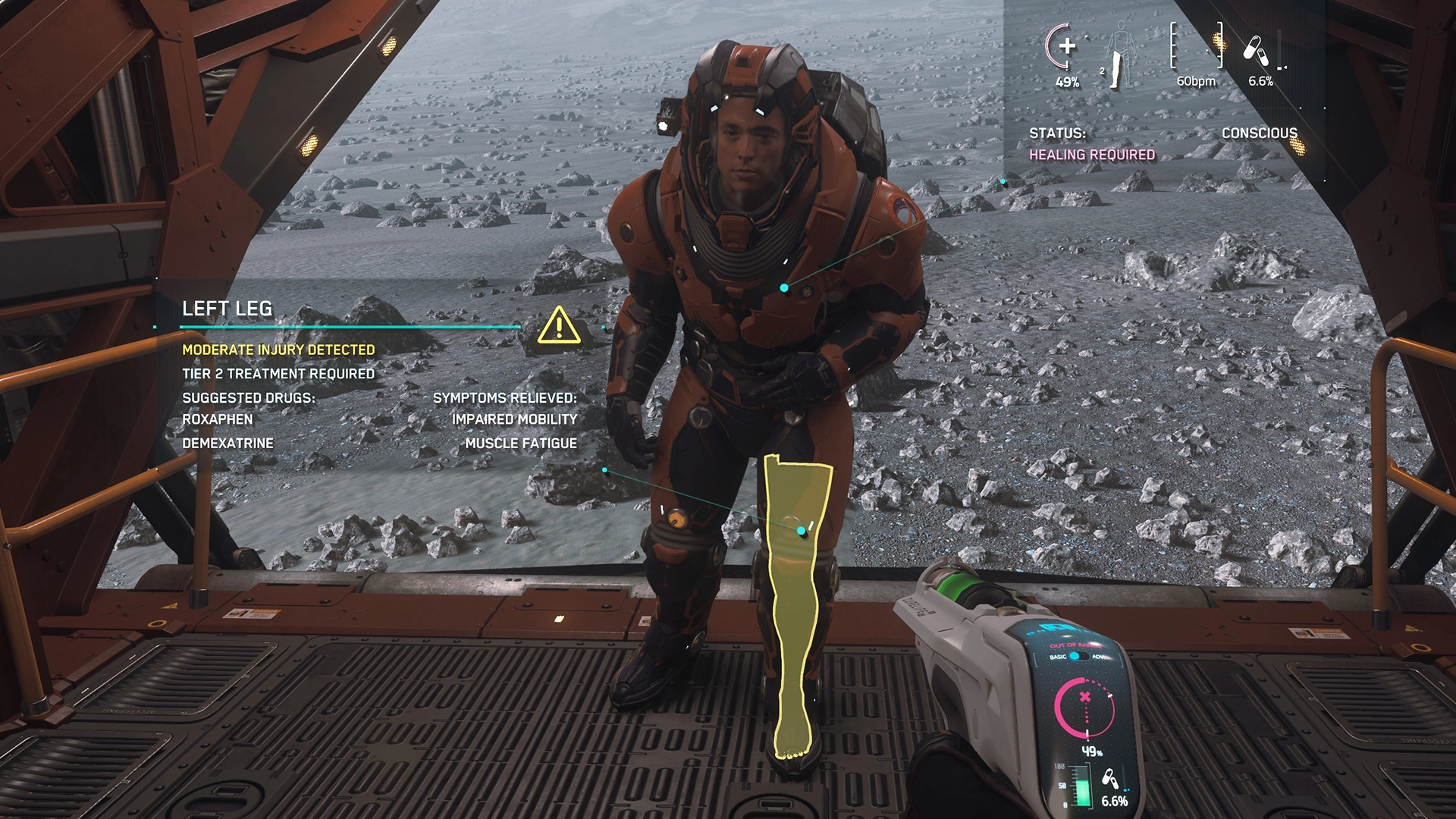
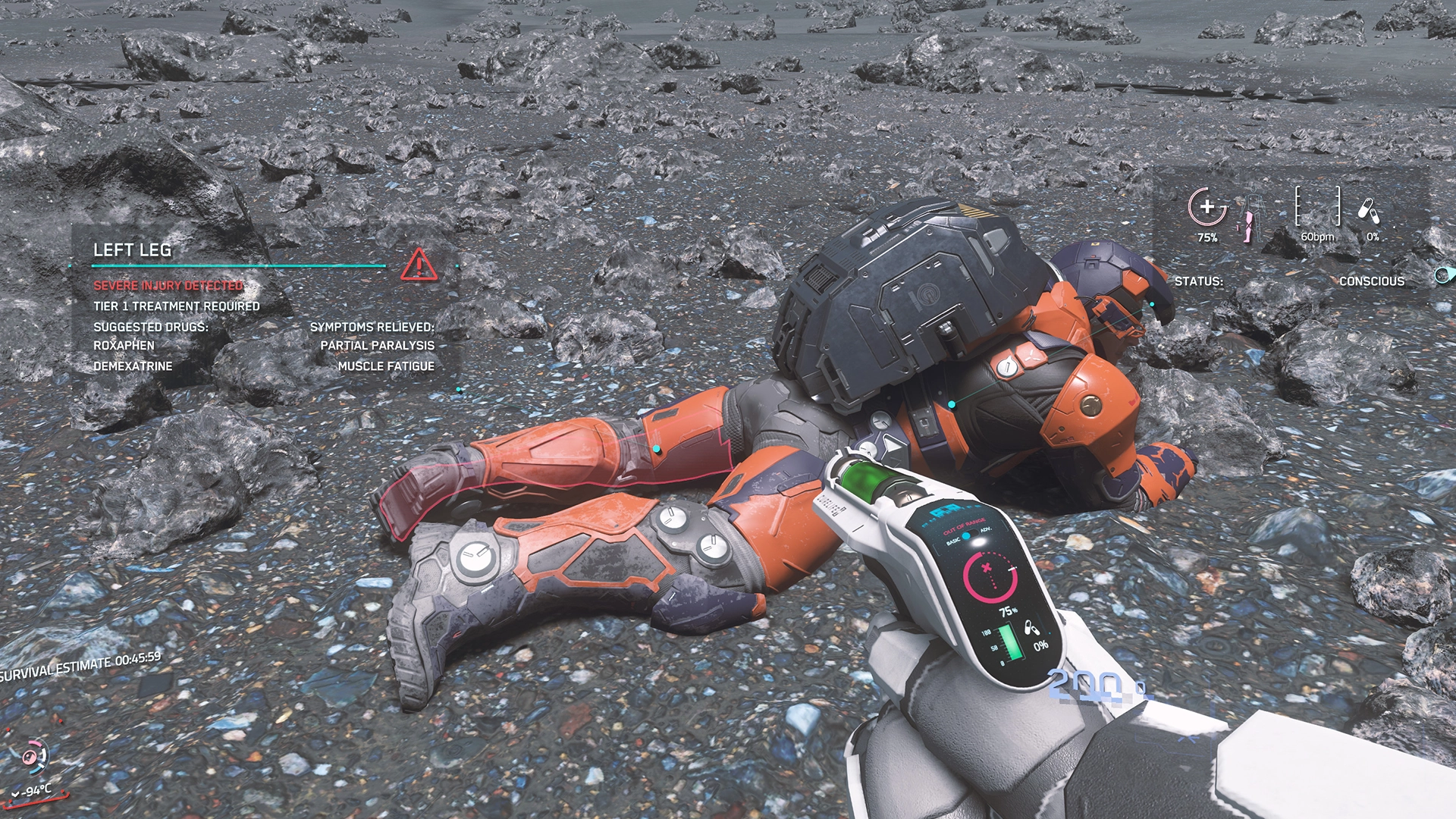
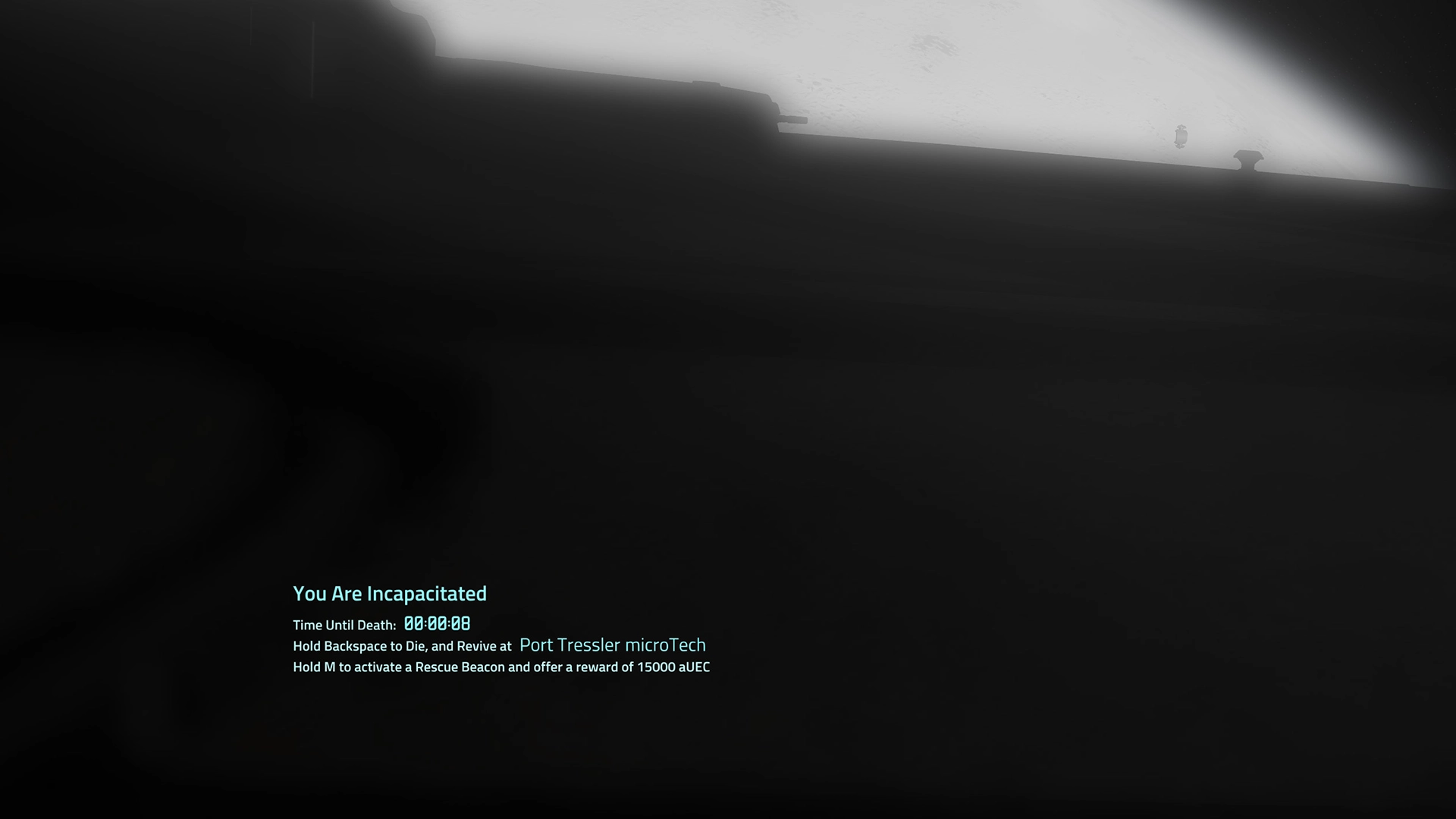
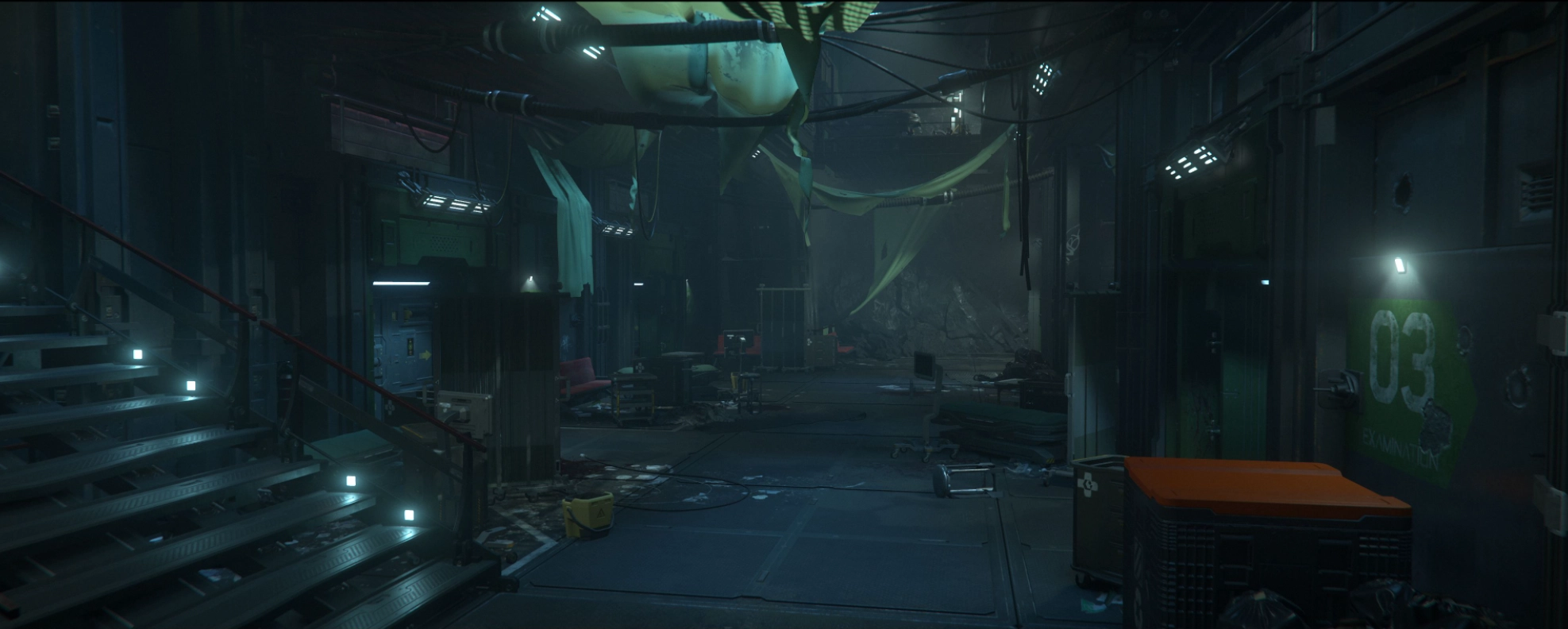

)/85/hemozal.webp)
)/85/demexatrine.webp)
)/85/roxaphen.webp)
)/85/sterogen.webp)
)/85/resurgera.webp)
)/85/canoiodide.webp)
)/85/incapacitated.webp)
)/85/medivac-beacon-spectrum-crm.webp)
)/85/starcitizen-rsi-apollo-t3-beds.webp)
)/85/starcitizen-rsi-apollo-t2-beds.webp)
)/85/starcitizen-rsi-apollo-t3-beds-1.webp)
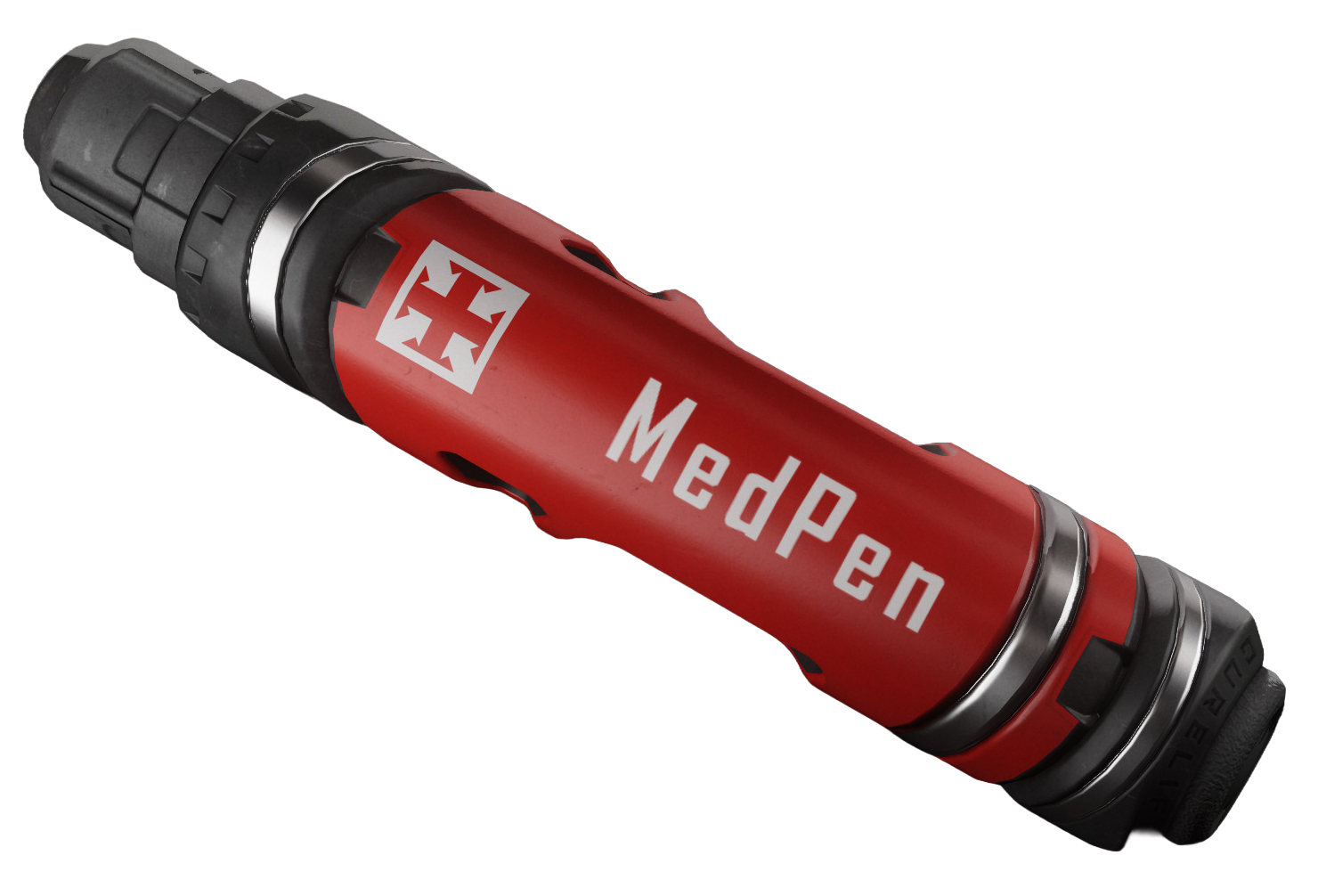
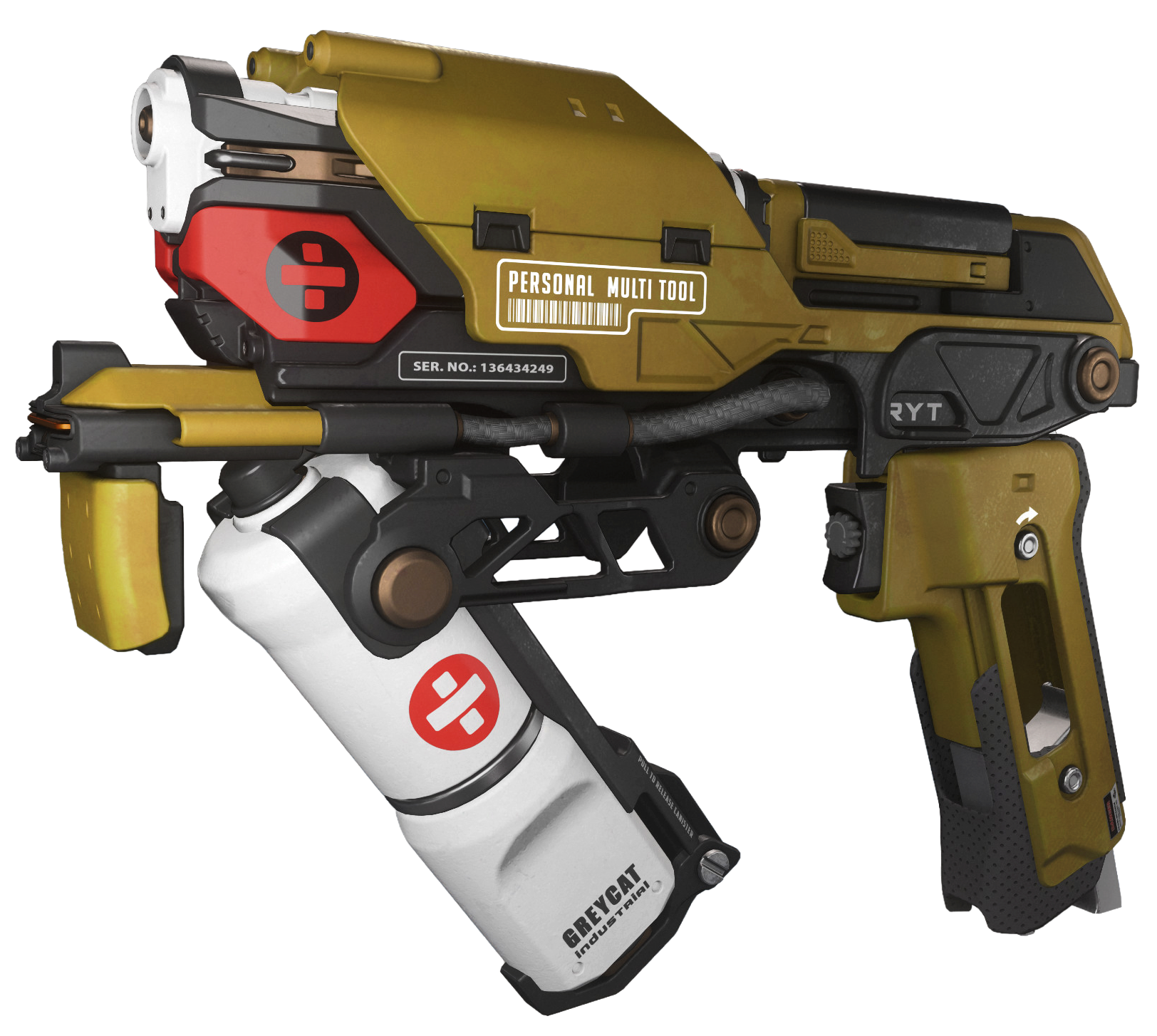
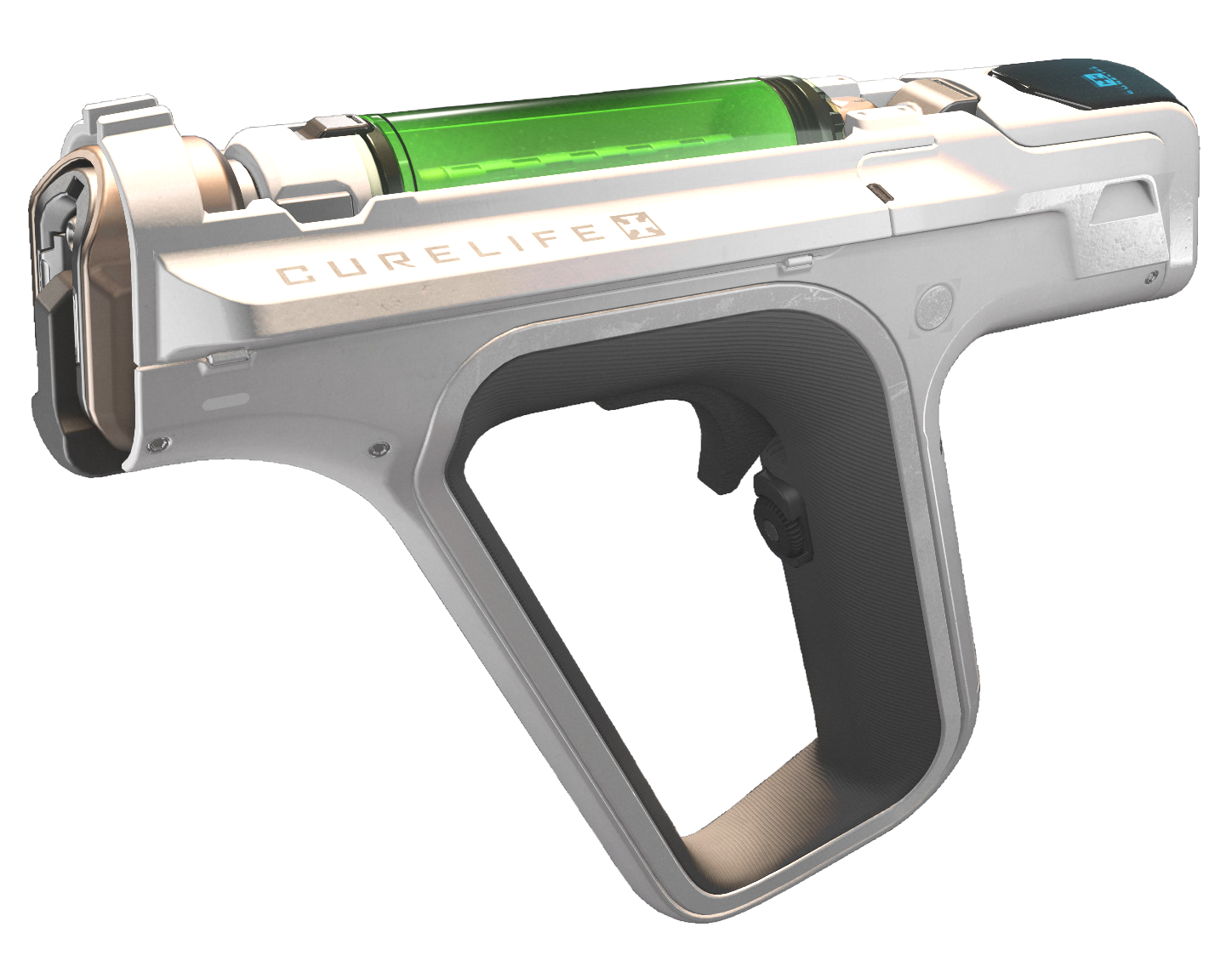
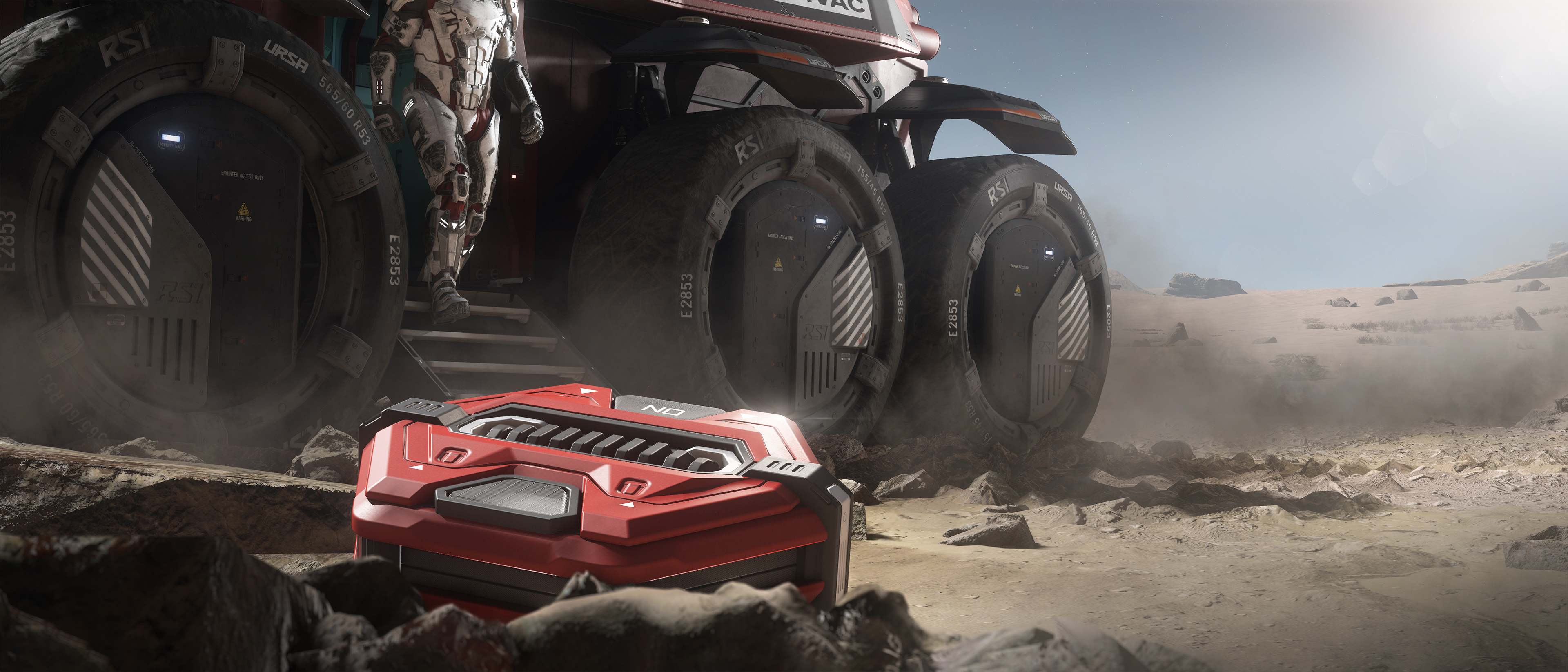
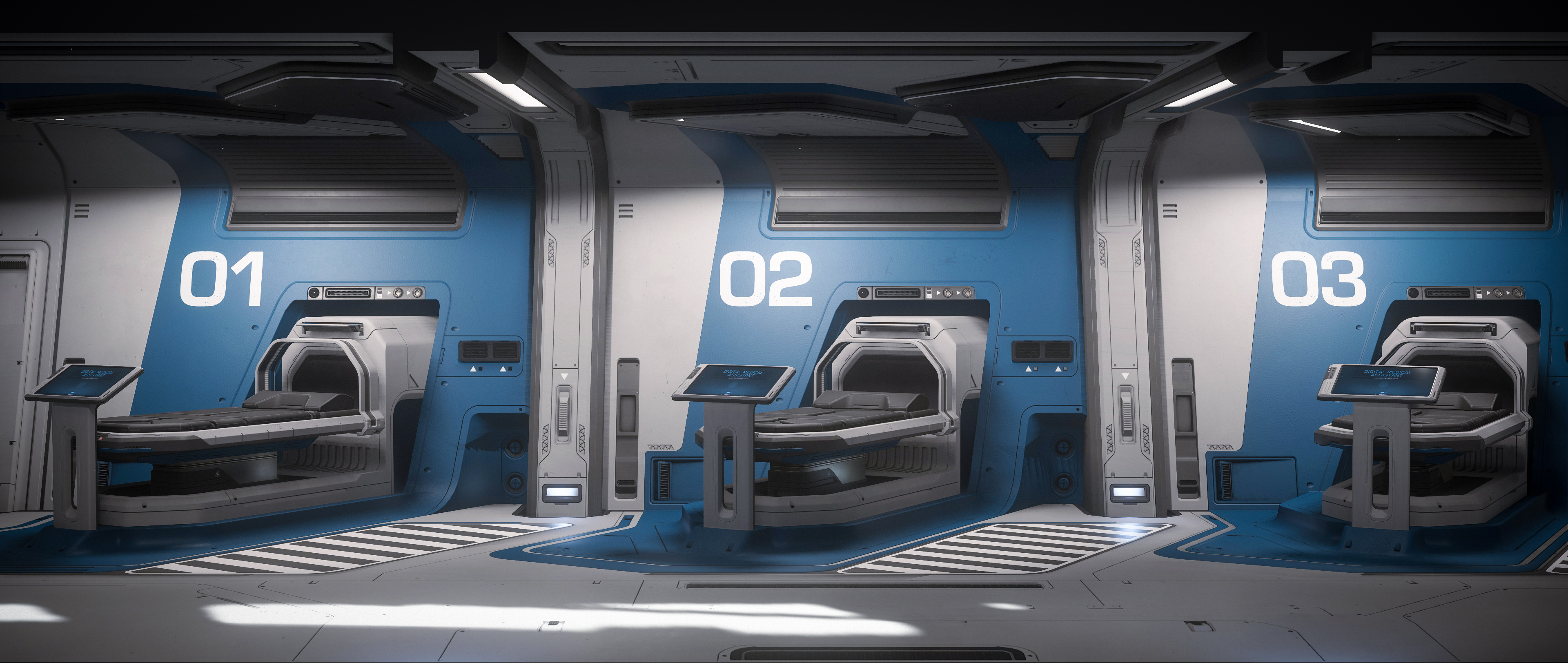
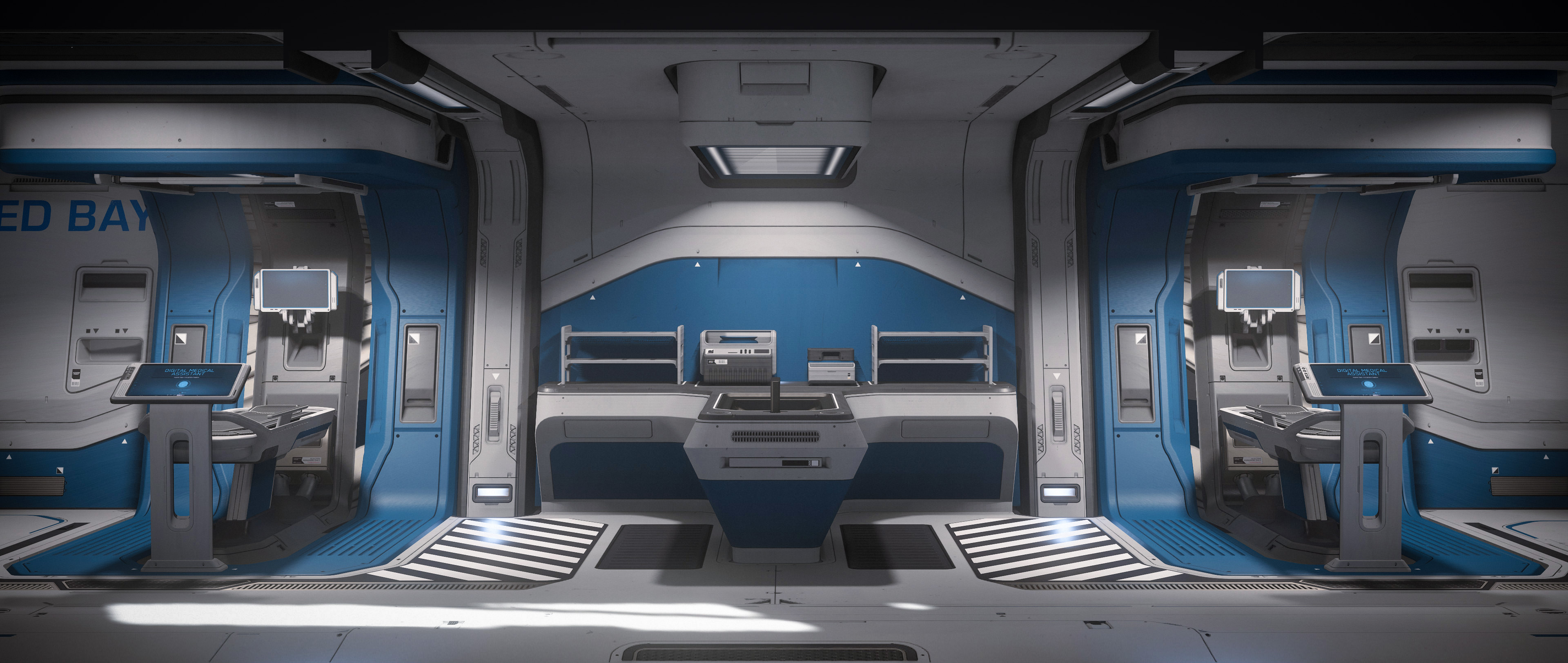
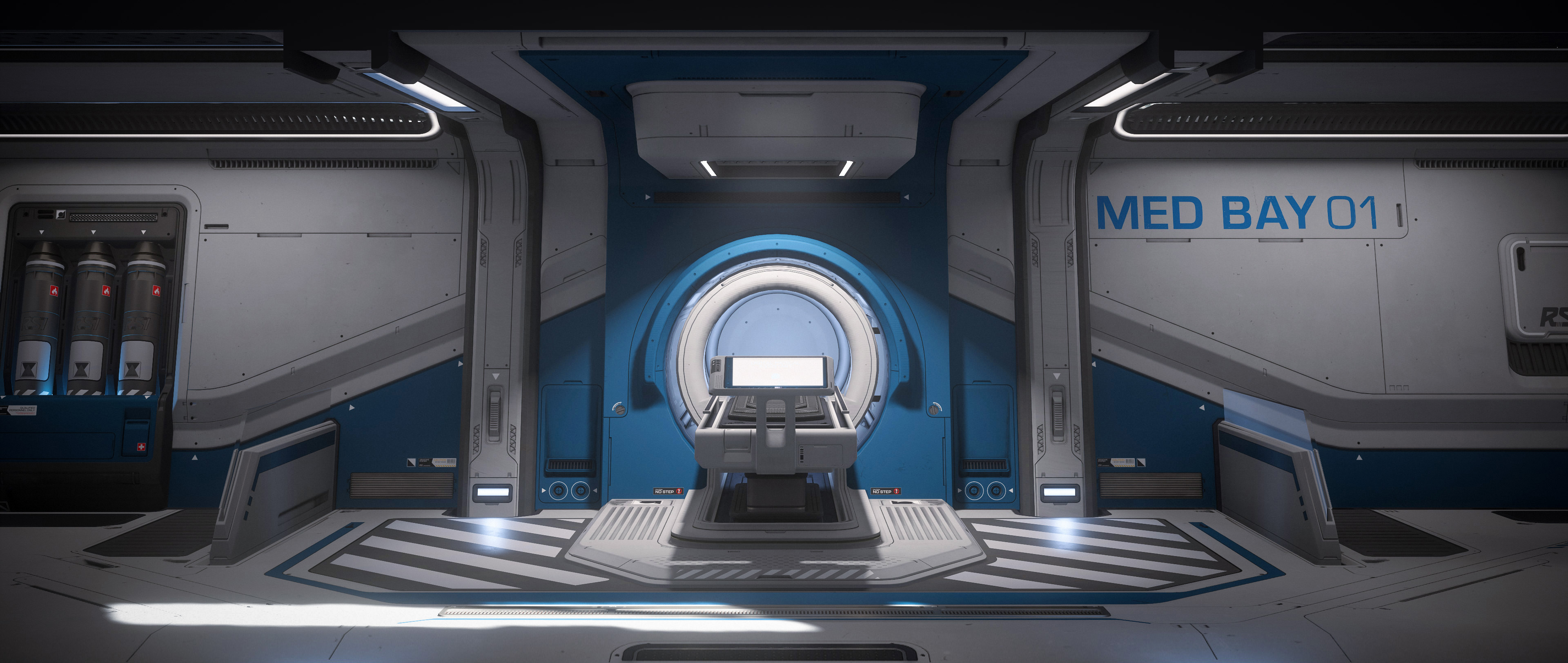
incapacitated.png
medical-characters-footer.webp
star-citizen-rsi-medivac-gal-01-4k.webp
T1_Background.jpg
t1-background.jpg
t1-background.webp
t1-background.jpg
T2_Background.jpg
t2-background.jpg
t2-background.webp
t2-background.jpg
T3_Background.jpg
t3-background.jpg
t3-background.webp
t3-background.jpg
searchandsuport-012020.jpg
searchandsuport-012020.webp
screenshot-2025-09-05-11-47-17-b39.jpg
screenshot-2025-09-05-11-47-17-b39.webp
3-15-patchbanner-crop.jpg
3-15-patchbanner-crop.webp
medivac-beacon-spectrum-crm.jpg
medivac-beacon-spectrum-crm.webp
starcitizen-rsi-apollo-t3-beds.jpg
starcitizen-rsi-apollo-t3-beds.webp
starcitizen-rsi-apollo-t2-beds.jpg
starcitizen-rsi-apollo-t2-beds.webp
starcitizen-rsi-apollo-t3-beds-1.jpg
starcitizen-rsi-apollo-t3-beds-1.webp
medgel-still.webp
star-citizen-rsi-apollo-medivac-ship-wall-4k-crop.jpg
star-citizen-rsi-apollo-medivac-ship-wall-4k-crop.webp
star-citizen-anvil-terrapin-gallery-03-4k.jpg
star-citizen-anvil-terrapin-gallery-03-4k.webp
drake-cutlassred-rescue-012020.jpg
drake-cutlassred-rescue-012020.webp
star-citizen-anvil-c8r-pisces-kf02-21-9-4k.jpg
star-citizen-anvil-c8r-pisces-kf02-21-9-4k.webp
star-citizen-rsi-medivac-gal-03-4k.jpg
star-citizen-rsi-medivac-gal-03-4k.webp
Metadata
- CIG ID
- 20750
- Channel
- Transmission
- Category
- Undefined
- Series
- None
- Comments
- 0
- Published
- 4 months ago (2026-05-25T10:00:00+00:00)