Monthly Studio Report: August 2016
Transmission Undefined Monthly ReportsContent
Greetings Citizens!
It should come as no surprise that August was a very busy month. Teams all around the world were hard at work on the Gamescom demo, which showcased staggeringly new tech from a variety of disciplines. Meanwhile, we also pushed 2.5 Live, releasing the Grim HEX outlaw station, Argo and Reliant Kore out to all of our backers.
There’s no time to rest as we have big plans for Citizen Con, which is right around the corner, and 2.6 development and testing is well underway as well.
Cloud Imperium Los Angeles
Engineering
This month the Engineering team was focused on several priorities, which included crushing bugs for Alpha 2.5.0 and ensuring target Gamescom features functioned properly. All while also getting Item System 2.0 ready for prime time.
Design
LA Design split time between long and short term goals. Immediate needs had us knocking out fixes for SC Alpha 2.5.0 and Gamescom. Meanwhile, we updated ship mass and health calculations for a number of flyable ships, made improvements to the Hornet, and did tech setup to the Constellation Aquila. We also worked with Engineering on features for Item System 2.0.
Art
Besides the normal bug fixes, Art focused on generating new content in August. Major advancements were made on the Drake Caterpillar, which entered the final art stage. Marine suits updated, fun new costumes created, heads polished to push them to that next level, and much more.
Narrative
Gamescom allowed us to introduce you to Miles Eckhart, who represents our first crack at a PU mission giver. We captured the actor during the July shoot and it was incredible to see the subtlety of the performance translate into the game. For 3.0 we fleshed out the tone, flavor, and characters of Stanton’s various locations, and worked with Design on needed text for missions and NPCs.
Quality Assurance
LAQA’s kept busy testing the Gamescom demo, 2.5, Star Marine, and Squadron 42. In addition, the team worked with developers on Item 2.0, ship LOD’s, lighting, and landing gear.
Cloud Imperium Austin
Design
The Austin Design Team helped ensure that the elevators in Grim HEX worked properly (you might recall that this is trickier than it sounds when accounting for localized physics grids), and coordinated with LA Engineering to guarantee that they will work with the upcoming Item 2.0 system. Lead Designer Rob Reininger focused on the “Selling Kiosk” plan, which lets players sell stuff. He also created Blueprint Documents for additional Grim HEX shops, and synced up with other teams on content to sell in those stores. Finally, Pete Mackay identified the first twenty commodities that will be available to collect, transport, and sell. He also iterated on designs for resource spawning, trade routes, and quantum fuel models.
Backend Services
Lead Server Engineer Jason Ely wrapped up work on the Service Beacon feature, and passed it along to other teams to finish. Senior Server Engineer Tom Sawyer and Ian Guthrie at Wyrmbyte implemented Service Discovery, which will be extremely helpful once we have Dynamic Server Spinup/Shutdown online for the PU. Tom also worked on hooks into the Player Info Service that will provide details on NPC relationships. Finally, Ian and Turbulent continued to create a bridge between Platform and Services, so the two can share information like player presence, UEC transaction history, Org members, and contacts/friends.
Art/Animation
The Animation team was excited to see their assets breathe life into the Star Citizen universe. They implemented and polished numerous NPC animations, and finally saw their work function within Subsumption (our AI system). The Ship Animation Team reauthored enter/exit animations to “combat speed” for the Gladius and Vanguard, added Dropship seat enter/exits to the Vanguard Hoplite, and completed an initial pass on character interactions with the Ursa Rover and Drake Dragonfly.
Chris Smith’s update of the Constellation Aquila is in Greybox and will be into Final Art soon. Josh Coons is doing a final polish on the Herald, which is set for a lighting adjustment next. Lighting artist, Emre Switzer, completed his final pass on the Levski landing zone and Grim HEX station.
QA
Austin QA put in a tremendous amount of work on the Gamescom presentation. Special recognition goes to Don Allen and Todd Raffray for heavily testing the Stanton system, documenting it, and staying late to test builds for our UK and DE teams. Jesse Mark, Bryce Benton, and Scott McCrea field tested requests from our Developer groups to ensure a quick turnaround and integration of their work into our builds.
In August, Austin QA supported the deployment of 12 PTU builds and 2.5.0 to Live. Michael Blackard and Elijah Montenegro were integral to the process, which involves extensive test passes of the build, deployment services and patch note support. Tyler Tumlinson and Bryce performed vital work on 2.5.0 involved coordinating with the Game Support team to gather feedback and data from the community.
Once 2.5.0 went Live, future content became our focus. Scott McCrea and Brandon Crocker worked with the UK on daily smoke tests and helped organize frequent Star Marine playtests. Tory Turner and Andrew Rexroth focused on Squadron 42 while also building level flow and guides for other testers.
Game Support
Chris Danks, Eric Green, and Will Leverett spent time hammering 2.5.0 on the PTU with Evocati Test Flight. We wanted to express our appreciation for the volunteers who donated their time and energy to test a frustrating build. Game Support also worked with the Community team to produce Austin’s episode of Around the Verse and publish a post on the migration from combat visors to in-ship multi-function displays.
We’re very excited about some things coming up for 2.6.0, and will be adding additional testers to Evocati Test Flight. The additions will come from the top contributors on the Issue Council, so if you want to participate, make sure you’re active on https://robertsspaceindustries.com/community/issue-council
IT/Operations
Austin IT set up and tested all the equipment prior to the event and then shipped it to the venue. At Gamescom, our IT ground team, along with many helpful volunteers, set up and tore down the rigs. All the way up to show time, we provided 24-hour support on builds and fine tuning the network so all content from Austin arrived in Germany with time for testing and the live stream.
We also continued to work with DevOps on reducing our patch size. By migrating the new patching process into the build system output pipeline, we’ll be able to work with real build data rather than test data. Soon, we’ll be able to get new data to the internal teams using this system, and finally get to see the results of all this development work.
LiveOps/DevOps
In August, the LiveOps/DevOps team deployed 11 builds to PTU and published 2.5.0 to Live. Since we also publish a lot of builds internally, every minute we shave off a build or build replication time makes a difference. Here are a few fun stats that demonstrate the size and scope of information that we’re dealing with —
August Build Stats 161 builds completed successfully
Depending on branch and type, build sizes varied from 40-200 GB each
7,728 GB of build data was generated
Users deployed 78 servers across all build versions
30,912 GB of build data was replicated between studios
We transfer nearly 1,000 build copies a day to the desktop level across all studios with most testers and developers consuming multiple build versions per day
The central build system is currently made up of 48 servers
Currently configured with 524 cores and 812 GB of RAM with access to 400 additional cores during heavy build activity
Foundry 42 UK
Programming
The Gamescom demo premiered the initial implementation of the Star Map in-game. Based on the application already on the RSI website, the version we’ve been working on will match the UI and feature numerous functions. For example: you’ll use it to select a Quantum Drive destination rather than the current system in-game, which, while functional, is less than optimal when trying to pick out a specific destination from a POI cluster at long range. .
In addition, our FPS team has been refining and implementing new game modes for Star Marine. Since it will be a focused FPS experience with its own specific maps, we’ve tidied up a lot of the code and repurposed much of the CrySDK. We also fixed a nasty performance issue that was blocking 2.5.0 from going Live. The bug, a low level CPU instruction — specifically a memory alignment issue with atomic memory access, didn’t appear internally, and only showed itself once the servers were filled with players. Thus the benefit of backers helping us test PTU releases. After an extensive investigation, we identified the bug and squashed it with a one-line fix.
Art
There was a lot on the table in August, including props both large and small. Soon you’ll see stuff like spiral fruit appearing in shops. mobiGlas got another pass to provide flexibility with the characters and more customization options. We also pumped out ship sale brochures, worked on a new ship we’re all excited about!
On the weapons front, the Kastak Arms ballistic shotgun is in development and a K&W energy handgun is about complete. We also running a Knightsbridge Arms weapon through our streamlined ship weapons process. Hopefully, it’ll cut down the amount of work needed and increase the production rate for in-game items.
VFX
For the 2.5.0 release, our team fixed bugs and polished effects, which included a final pass on Grim HEX’s environment effects and the ARGO and Reliant thrusters/damage. We also improved the Aurora’s thrusters, and are steading working through all existing ships to ensure boost effects are consistent.
Our work was also all over the Gamescom demo. We created the burning effect on the Freelancer during atmospheric entry, polished all weapon effects seen, did a full flight/hover-ready pass on the Dragonfly, and made ship landing effects improvements. In addition to that, we added surface dust kicking up from the Ursa Rover, provided atmospheric effects (dust, steam, smoke) to Levski’s interior and exterior.
Environment Art
The Gamescom event showcased a number of cool environments, from the beautiful vistas seen when traveling from space to planet, to Levski’s interior. There was also a moon base of small compounds built out of temporary structures. This is an idea we’re excited to develop further with structures half-buried in deserts or engulfed by overgrown jungles. We also polished Grim HEX and continued steady work on Squadron 42.
Animation
When animators weren’t off sick, on holiday, or injured from crashing bikes, we’ve provided support to the AI teams, revisited the player animations (specifically fixing some of the aimposes, select/deselect animations, crouch movement and smoothed out the headcam when jumping) and did some previz explorations on new FPS (personal) weapons.
Design
2.5 and Gamescom allowed us to progress with some of the core systems in the game that needed some love: coming soon will be flight model improvements, the landing and take-off systems were tweaked to feel more intuitive, and the Cargo system has begun to come online with the first tier design being implemented.
The tech designers have been getting to grips with the conversion of all our existing ships to Item 2.0, which is a huge but super necessary task to add the layer of usability that Chris described at Gamescom. They also got the Argo and Reliant flight ready, and are pushing on with the Dragonfly and Ursa Rover among other things.
Focusing on future releases, our Star Marine designers have been working with the environment art team to craft some cool FPS levels, and for Grim HEX, we are working on a slalom race track that will be awesome for all the Dragonfly pilots. Lastly, we have been updating the Arena Commander maps as well as adding some cool new missions to SC Live.
Props
We dedicated some of our time to polishing up and bug fixing any assets that were being shown on stage and I believe only one bug made it through. Damn you, popping container!
Alongside Gamescom and 2.5 release, we spent some time investigating photogrammetry and working with the environment team on the procedural planet tech. We have shifted our focus back onto Squadron 42 and the CitizenCon demo, locking down the backlog and putting together a solid plan through CitizenCon and towards the end of the year.
We’ve also started developing the damage and destruction pipeline for the ship items. Ultimately we want to create a system so when you pop open the ship panels and see your items, we can visually represent damage so you know what’s gone wrong and what needs to be fixed.
Graphics
Last month the graphics team focused on polishing the Gamescom demo, as problems often arise in areas we don’t expect. We also began to work on tech to populate the universe with asteroid fields, gas clouds, lightning, and VFX on planets. This tech will allow us to seamlessly spawn hundreds of thousands of asteroids at once and have asteroid fields containing billions of asteroids in total. The current focus is on the placement algorithm and making sure it’s fast and visually pleasing. The gas cloud and lightning tech are both coming along well and should set the scene for spectacular dogfights!
We’ve also worked on low level tech, like adding the ability for the engine to render secondary cameras (for video comms, holograms and UIs), and adding LOD mesh merging support to the new ‘object container’ technology (which will enable us to load and stream such large levels).
Audio
Collectively we had Gamescom, 2.5 and our usual tasks for Squadron 42, but here’s an overview of what CIG Audio has been up to over the past month.
Bob Rissolo headed up the charge for integrating the dialogue into the Gamescom demo. Working with Phil Smallwood, they handled the dialogue support for our mission giver, landing coordinator and NPCs as well as the various soundscapes you passed through.
The whole team contributed to building the incredibly dense soundscapes for the demo, from the general ambience of the locations (Levski, the derelict ship, Olisar, etc.) to the specific (the Dragonfly, in-atmosphere wind-drag sounds, even footsteps).
Ross Tregenza and Sam Hall continued working on the music system and incorporating the various musical cues into the game. The big system they’ve been working on is the music logic system, which triggers dynamic musical cues based on your actions during the game, allowing the musical score to change based on your actions and the situation. It’s a tremendously exciting addition to see develop.
QA
We touched many new exciting areas in the Gamescom demo: procedural planets, AI Subsumption, HUD alterations, the Dragonfly and the Ursa Rover. We worked in tandem with the QA in Frankfurt, Austin and L.A. and learned many valuable lessons about cross-studio testing that will come in handy for CitizenCon and any future events.
We’ve also devoted a lot of time to Star Marine, headed up by our main FPS testers Mark Tobin and Nathan Rigby. They have been drafting test case documents and really getting into the nitty gritty of the Free for All and Team Deathmatch game modes. We are really looking forward to getting this into your hands, as free EVA offers new tactics and gameplay opportunities to FPS which you just can’t find anywhere else!
Foundry 42 DE
Engine
Shortly before Gamescom, team members from Frankfurt flew to the Wilmslow studio to provide on-site support while the final builds were being put together. There were numerous tech systems working in conjunction that introduced unique challenges with the local physics grid, like carrying a functional vehicle inside another ship. Throw multiplayer into the mix and we’re on a whole new level of complexity. We also improved ground vehicle and landing gear suspensions to make them more realistic, did some more work on vis areas culling and continued to develop the planetary system.
AI
The AI team made a big push on the navigation system to allow designers to setup navigation meshes in different object containers. A navigation area placed inside an object container will now be loaded at run-time, and it will connect to the right zone and the right local physics grid.
In the image you can see the navigation mesh on the landing pad, in Blue, and the one attached to the zone and local grids of the Constellation. We also worked on fixing several bugs related to the characters moving on non z-up surfaces, we still have some work to do there but things are progressing nicely.
We are now consolidating the usage of GUID for all the elements inside our Subsumption Editor and the actual core code, so that we can allow designers a large amount of flexibility when changing names of variables or renaming activities and subactivities, all without breaking any logic. We also introduced several new tasks that are now available to the design team:
SelectTarget: this node allows an NPC to select a perceived object/character as a target.
TokenScope: this node allows designers to specify the maximum amount of NPCs that can execute a specific section of the logic.
ReserveScope: this node allows an NPC to reserve an object for the duration of a specific action.
IsEntityPlayer: this node allows an NPC to distinguish between an AI character and a Player character.
IsTargetWithinDistance: this node allows the designer to create a specific logic when the target is within a specific distance.
Over the last month we began moving the combat activity into Subsumption, so that we can start the complete unification of the human behaviors under the Subsumption system.
Regarding the perception system, we can now enable NPCs to track both friendly and hostile characters, allowing us to craft more complex relaxed behaviors. We also submitted the first pass on the Large Object Vision map, this is a very similar system to the normal vision map we use, but oriented towards tracking large objects as capital ships.
The Cover System received the same love as the Navigation System, we completed the first pass to allow designers to properly setup cover surfaces in different object containers and load the cover data connecting it to the proper zone and local grid.
Design
On the Systems Design side, we implemented the mission giver, Miles Eckhart, and got AI working properly in our new Container system with proper physics and local AI navigation meshes using our Subsumption system. This will allow us to create a variety of behaviors to make the universe come to life. We’ve also started designing new Space Flight maneuvers with the goal of creating more advanced Dogfighting tactics for the single-seater AI ships.
There has also been some design work done on our Gathering systems for various professions, specifically outlining how our core gameplay loop works for gathering different types of resources, ranging from harvesting asteroids or gas clouds to the gathering and selling of data. This coincided with developing ancillary game loops like being hired to either gather or transport materials.
We have almost finalized the FPS suit design, defining how we break up the suit for modularity as well as adding components and other attachments to the suits, allowing the player to customize suit pieces to fit their play style.
We have also finished up our R&D for the unmanned satellites, probes, landers, as well as small modular bases for procedural planets, that will eventually populate the nascent Stanton System in Alpha 3.0. It will still be some time before we implement these, but with the proposed system we will be able to build a large amount of these infrastructural devices fairly quickly for the Stanton system in 3.0.
Environment Art
The Environment Art team in Frankfurt was fully tasked in August with supporting the Engine Team to develop the procedural planets. We spent a good amount of time working on ground materials, authoring new height maps and continuing work on the functionality and general usability of our “Planet Editor.”
Tech Art
For August, the Tech Art team in Frankfurt primarily worked on updating all weapons with proper individual mass and physics, so they can correctly collide with other items and the floor.
Weapon Art
Last month, we finished a bunch of prototype models for upcoming new weapons and gadgets, and completed a set of modular barrel attachments such as compensators and suppressors. We also finished another Behring rifle, the P8-AR, and are in the final stages of art production for a set of Behring grenades. On the ship weapon side, we wrapped up the new missile racks in all sizes and variants and have started to polish, optimize and adjust the missiles themselves.
Cinematics
The cinematics team in Frankfurt contributed animations, blocking, lighting, and camera work to the “quest giver” portions of the Gamescom playthrough. Going through the full process from beginning to end allowed them to test the existing pipeline and make it more robust for upcoming scenes and characters. We also worked closely with our Lead Engine Programmer to test how the look IK will perform in cutscenes where the player has full control and freedom of movement.
QA
When August began, DEQA hit the ground running focused on Gamescom demo testing. We worked tirelessly with UKQA, ATXQA and LAQA toward the goal of smashing all critical and blocking issues encountered during our testing up to the event. The QA team, with the addition of Grégoire Andivero from Design, were also given the opportunity to assist on the show floor for a few hours to ensure that all PCs were set up with the proper demo build. All the long hours paid off though with Chris Speak’s epic final play of the demo.
Since Gamescom, we spent the last week and a half of August creating Feature Test levels and testing Star Marine.
BHVR
With the delivery of the 2.5 patch came along a lot of clean ups and long overdue fixes for us at Behaviour. On the engineering side, this meant making sure things were more stable and simpler for future features, as well as reducing the time spent updating the UI each frame. On the art side, we introduced the abandoned Green Imperial Housing Exchange asteroid base we have been working on for the past several months. A big focus for the team was on the lighting in order to reinforce the story conveyed by the level art and modeling. And we’re not done yet. We’ve included some before and after shots to show where Grim HEX is headed in future patches. We hope you’ll enjoy the new look once it has been integrated in game.
Turbulent
Not even us devs in Montreal were able to escape the Gamescom excitement as we designed and built a special web page for the event. This page contained the Twitch 5-day livestream, as well as a new chat module featuring improved tech. It was great being able provide this cool experience to backers during Gamescom and we look forward to using this in the future for other events. In addition, work is underway on new search functionality, allowing for more intuitive, platform-wide results. This new search module will eventually replace the current website’s search altogether
Ship Happens
This month saw the introduction of the Anvil Terrapin, an exploration ship with a proven military track record able to take a hit… or two, and keep on going. It was offered up alongside a couple exploration themed combo packs. And while not a ship, the newly revealed Ursa Rover was there as well. The 2.5 patch saw the release of three flight ready ships: two Argo MPUVs, both cargo and personnel variants, and the Xi’An influenced MISC Reliant Kore!
RSI Newsletter
The official Star Citizen newsletter saw an overhaul as we moved away from the standard RSS news update, and into a new layout that favors curated content and more information from the community as a whole. Not only does it include each week’s top stories, but it also recaps updates for RSI Subscribers, current promotions, and showcases top Arena Commander pilots, fan creations from the Community Hub, and sometimes, brand new content you’ve never seen before!
Community
Between our first major showfloor booth, five days of gameplay livestreaming, our fourth-annual Gamescom presentation where we demo’d Star Citizen Alpha 3.0, trips to our Frankfurt and Wimslow offices, and more Bar Citizen events in Germany and the UK than you can shake a stick at, August has been one heck of a ride.
Broadcasts
While Around the Verse and Reverse the Verse continued their trek around the globe, it was our Fourth-Annual Gamescom Presentation livestream hosted again by Chris Roberts himself that drew all the attention. We we’re able to show the community, not to mention the world at large, a preview of the upcoming Star Citizen Alpha 3.0.
Additionally, our five days of game streaming from the Gamescom Showfloor booth both before and after the presentation was a tremendous success. Members of our Star Citizen livestreaming community shared their experiences, and we gave away a whopping 42 game packages. It was such a hit that smart money says we’ll be continuing the program in the future.
You Guys
The Community continues to blow us out of the water each and every month with the amount of talented and detailed contributions submitted to the Community Hub. This month was one of the toughest to choose an MVP each week, as there was an abundance of deserving content. If you see something in the Hub worth highlighting for MVP, it’s not too late to vote! Even if it didn’t get MVP in August, this does not rule out a highlight in the future.
One of the best parts of our jobs is when we get to meet all of you in person! Gamescom alone had three fan gatherings in addition to the presentation after-party. These are an incredible way to get in touch with local Citizens, so make sure to check and see if there are any in your local area. As always, thank you to everyone who came out to support us and hang out: stuff like this really recharges the ol’ batteries.
And did you see Dastro34’s Big Benny’s costume? Big hit here.
Looking Ahead
Thanks again to everyone for an awesome month. We’re going to get back to work and keep plugging away at Squadron 42, SC Alpha 2.6 and 3.0.
We’re almost a month away from Citizen Con 2016, being held this year in Los Angeles. Check back to find out more details about events and schedules. It’s definitely going to be a showstopper.
Grüße Bürger!
Es sollte nicht überraschen, dass der August ein sehr arbeitsreicher Monat war. Teams auf der ganzen Welt arbeiteten hart an der Gamescom-Demo, die erstaunlich neue Technologien aus verschiedenen Disziplinen präsentierte. In der Zwischenzeit haben wir auch 2.5 Live gefördert und die Grim HEX Outlaw Station, Argo und Reliant Kore an alle unsere Geldgeber verteilt.
Es bleibt keine Zeit zum Ausruhen, da wir große Pläne für Citizen Con haben, das gleich um die Ecke liegt, und auch die Entwicklung und Erprobung von 2.6 ist bereits im Gange.
Cloud Imperium Los Angeles
Ingenieurwesen
In diesem Monat konzentrierte sich das Engineering-Team auf mehrere Prioritäten, darunter das Zerschlagen von Bugs für Alpha 2.5.0 und die Sicherstellung, dass die Ziel-Gamescom-Funktionen ordnungsgemäß funktionieren. Und das alles mit dem Item System 2.0 für die Prime Time.
Design
LA Design Zwischenzeit zwischen lang- und kurzfristigen Zielen. Sofortige Bedürfnisse veranlassten uns, Korrekturen für SC Alpha 2.5.0 und Gamescom auszuschalten. In der Zwischenzeit haben wir die Schiffsmassen- und Gesundheitsberechnungen für eine Reihe von fliegenden Schiffen aktualisiert, die Hornet verbessert und die Constellation Aquila technisch eingerichtet. Wir haben auch mit dem Engineering an Features für das Item System 2.0 gearbeitet.
Kunst
Neben den normalen Bugfixes konzentrierte sich Art im August auf die Generierung neuer Inhalte. Große Fortschritte wurden bei der Drake Caterpillar erzielt, die in die Endphase der Kunst eintrat. Marine-Anzüge aktualisiert, lustige neue Kostüme erstellt, Köpfe poliert, um sie auf die nächste Stufe zu bringen, und vieles mehr.
Narrativ
Die Gamescom hat es uns ermöglicht, Ihnen Miles Eckhart vorzustellen, der unsere erste Chance bei einem PU-Missionsgeber darstellt. Wir haben den Schauspieler während des Juli-Shootings gefangen genommen und es war unglaublich zu sehen, wie sich die Raffinesse der Performance in das Spiel übertragen hat. Für 3.0 haben wir den Ton, den Geschmack und die Charaktere der verschiedenen Standorte von Stanton ausgearbeitet und mit Design an dem benötigten Text für Missionen und NSCs gearbeitet.
Qualitätssicherung
LAQA's hat die Gamescom-Demo, 2.5, Star Marine und Squadron 42 getestet. Darüber hinaus arbeitete das Team mit Entwicklern an Artikel 2.0, Schiffs-LODs, Beleuchtung und Fahrwerken.
Wolkenimperium Austin
Design
Das Austin Design Team trug dazu bei, dass die Aufzüge in Grim HEX ordnungsgemäß funktionierten (Sie erinnern sich vielleicht daran, dass dies schwieriger ist, als es bei der Berücksichtigung lokalisierter physikalischer Netze klingt), und koordinierte dies mit LA Engineering, um sicherzustellen, dass sie mit dem kommenden Item 2.0-System funktionieren werden. Lead Designer Rob Reininger konzentrierte sich auf den Plan "Selling Kiosk", der es den Spielern ermöglicht, Dinge zu verkaufen. Er erstellte auch Blueprint-Dokumente für weitere Grim HEX-Shops und synchronisierte sie mit anderen Teams für den Verkauf von Inhalten in diesen Geschäften. Schließlich identifizierte Pete Mackay die ersten zwanzig Rohstoffe, die zum Sammeln, Transportieren und Verkaufen zur Verfügung stehen werden. Er beschäftigte sich auch mit Entwürfen für Ressourcenlaichen, Handelsrouten und Quantenkraftstoffmodellen.
Backend Services
Der leitende Serveringenieur Jason Ely beendete die Arbeiten an der Service Beacon-Funktion und gab sie an andere Teams weiter, um sie zu beenden. Senior Server Engineer Tom Sawyer und Ian Guthrie von Wyrmbyte haben Service Discovery implementiert, was äußerst hilfreich sein wird, sobald wir Dynamic Server Spinup/Shutdown für die PU online haben. Tom arbeitete auch an Hooks in den Player Info Service, der Details über die Beziehungen zu NSCs liefern wird. Schließlich schufen Ian und Turbulent weiterhin eine Brücke zwischen Plattform und Services, so dass die beiden Informationen wie Spielerpräsenz, UEC-Transaktionsgeschichte, Org-Mitglieder und Kontakte/Freunde austauschen können.
Kunst/Animation
Das Animationsteam war begeistert, als es sah, wie ihre Assets dem Star Citizen-Universum Leben einhauchten. Sie implementierten und polierten zahlreiche NSC-Animationen und sahen schließlich ihre Arbeitsfunktion in Subsumption (unserem KI-System). Das Ship Animation Team schrieb Enter/Exit-Animationen für die Gladius und Vanguard neu, fügte Dropship Seat Enter/Exits für die Vanguard Hoplite hinzu und absolvierte einen ersten Pass on Character Interactions mit dem Ursa Rover und Drake Dragonfly.
Chris Smith's Update des Sternbildes Aquila ist in Greybox und wird bald in Final Art erscheinen. Josh Coons macht einen letzten Feinschliff am Herald, der als nächstes für eine Beleuchtungsanpassung vorbereitet ist. Der Lichtkünstler Emre Switzer absolvierte seinen letzten Pass auf der Levski Landezone und der Grim HEX Station.
QA
Austin QA hat einen enormen Arbeitsaufwand für die Präsentation der Gamescom geleistet. Besondere Anerkennung gebührt Don Allen und Todd Raffray für das intensive Testen des Stanton-Systems, die Dokumentation und den langen Aufenthalt, um Builds für unsere Teams in Großbritannien und DE zu testen. Jesse Mark, Bryce Benton und Scott McCrea testeten im Feld Anfragen unserer Developer Groups, um eine schnelle Bearbeitung und Integration ihrer Arbeit in unsere Builds zu gewährleisten.
Im August unterstützte Austin QA den Einsatz von 12 PTU-Builds und 2.5.0 to Live. Michael Blackard und Elijah Montenegro waren integraler Bestandteil des Prozesses, der umfangreiche Testdurchläufe des Builds, Bereitstellungsdienste und Patchnotiz-Support beinhaltet. Tyler Tumlinson und Bryce leisteten wichtige Arbeiten am 2.5.0. Dabei koordinierten sie sich mit dem Game Support Team, um Feedback und Daten aus der Community zu sammeln.
Mit dem Go-Live von 2.5.0 standen zukünftige Inhalte im Mittelpunkt. Scott McCrea und Brandon Crocker arbeiteten mit Großbritannien an täglichen Rauchproben und halfen bei der Organisation häufiger Star Marine Spieltests. Tory Turner und Andrew Rexroth konzentrierten sich auf die Staffel 42 und bauten gleichzeitig Level Flow und Guides für andere Tester auf.
Spielunterstützung
Chris Danks, Eric Green und Will Leverett verbrachten Zeit damit, mit Evocati Test Flight 2.5.0 auf die PTU zu hämmern. Wir wollten unseren Dank an die Freiwilligen aussprechen, die ihre Zeit und Energie gespendet haben, um einen frustrierenden Build zu testen. Game Support arbeitete auch mit dem Community-Team zusammen, um Austins Episode von Around the Vers zu produzieren und einen Beitrag über die Migration von Kampfvisieren zu Multifunktions-Displays im Schiff zu veröffentlichen.
Wir sind sehr gespannt auf einige Dinge, die für 2.6.0 anstehen, und werden zusätzliche Tester zu Evocati Test Flight hinzufügen. Die Ergänzungen werden von den wichtigsten Mitwirkenden im Issue Council kommen, also wenn du teilnehmen möchtest, stelle sicher, dass du auf https://robertsspaceindustries.com/community/issue-council aktiv bist.
IT/Betrieb
Austin IT hat alle Geräte vor der Veranstaltung eingerichtet, getestet und dann an den Veranstaltungsort verschifft. Bei der Gamescom hat unser IT-Bodenteam zusammen mit vielen hilfsbereiten Freiwilligen die Rigs aufgebaut und abgerissen. Bis zur Showzeit boten wir 24-Stunden-Support beim Aufbau und der Feinabstimmung des Netzwerks, so dass alle Inhalte aus Austin mit Zeit zum Testen und dem Live-Stream in Deutschland ankamen.
Wir haben auch weiterhin mit DevOps zusammengearbeitet, um unsere Patch-Größe zu reduzieren. Durch die Migration des neuen Patch-Prozesses in die Ausgabepipeline des Build-Systems können wir mit echten Build-Daten und nicht mit Testdaten arbeiten. Bald werden wir in der Lage sein, mit diesem System neue Daten an die internen Teams zu liefern und endlich die Ergebnisse all dieser Entwicklungsarbeiten zu sehen.
LiveOps/DevOps/DevOps
Im August stellte das LiveOps/DevOps-Team 11 Builds für PTU bereit und veröffentlichte 2.5.0 für Live. Da wir auch viele Builds intern veröffentlichen, macht jede Minute, die wir einen Build oder eine Build-Replikationszeit abschneiden, einen Unterschied. Hier sind ein paar lustige Statistiken, die die Größe und den Umfang der Informationen zeigen, mit denen wir es zu tun haben -
August Baustatistiken
161 Builds erfolgreich abgeschlossen Abhängig von Branche und Typ variierten die Build-Größen von 40-200 GB je 7.728 GB an Build-Daten Benutzer setzten 78 Server in allen Build-Versionen ein 30.912 GB an Build-Daten wurden zwischen den Studios repliziert Wir übertragen täglich fast 1.000 Build-Kopien auf Desktop-Ebene in allen Studios mit den meisten Testern und Entwicklern, die mehrere Build-Versionen pro Tag verbrauchen Das zentrale Build-System besteht derzeit aus 48 Servern, die derzeit mit 524 Kernen und 812 GB RAM mit Zugang zu 400 zusätzlichen Kernen bei intensiver Build-Aktivität konfiguriert sind.
Gießerei 42 UK
Programmierung
Die Gamescom-Demo war die Premiere der ersten Implementierung der Star Map im Spiel. Basierend auf der Anwendung, die bereits auf der RSI-Website zu finden ist, wird die Version, an der wir gearbeitet haben, der Benutzeroberfläche entsprechen und zahlreiche Funktionen bieten. Zum Beispiel: Sie verwenden es, um ein Quantum Drive-Ziel und nicht das aktuelle System im Spiel auszuwählen, das zwar funktional ist, aber nicht optimal, wenn Sie versuchen, ein bestimmtes Ziel aus einem POI-Cluster auf lange Sicht auszuwählen. .
Darüber hinaus hat unser FPS-Team neue Spielmodi für Star Marine entwickelt und implementiert. Da es sich um eine fokussierte FPS-Erfahrung mit eigenen spezifischen Maps handeln wird, haben wir viel Code aufgeräumt und einen Großteil des CrySDKs neu verwendet. Wir haben auch ein böses Performance-Problem behoben, das den Going Live von 2.5.0 blockierte. Der Fehler, ein Low-Level-CPU-Befehl - insbesondere ein Speicherausrichtungsproblem beim atomaren Speicherzugriff - trat intern nicht auf und zeigte sich erst, als die Server mit Playern gefüllt waren. Somit ist der Nutzen von Geldgebern, die uns helfen, PTU-Releases zu testen. Nach einer umfangreichen Untersuchung haben wir den Fehler identifiziert und mit einem einzeiligen Fix gequetscht.
Kunst
Im August stand viel auf dem Tisch, einschließlich der großen und kleinen Stützen. Bald werden Sie sehen, dass Dinge wie Spiralfrüchte in den Geschäften auftauchen. mobiGlas hat einen weiteren Pass bekommen, um Flexibilität bei den Charakteren und mehr Anpassungsmöglichkeiten zu bieten. Wir haben auch Broschüren über den Schiffsverkauf verteilt, an einem neuen Schiff gearbeitet, über das wir alle begeistert sind!
An der Waffenfront befindet sich die ballistische Schrotflinte Kastak Arms in der Entwicklung und eine K&W-Energiepistole ist fast fertig. Wir führen auch eine Knightsbridge Arms Waffe durch unseren optimierten Schiffswaffenprozess. Hoffentlich wird es den Arbeitsaufwand reduzieren und die Produktionsrate für Gegenstände im Spiel erhöhen.
VFX
Für die Version 2.5.0 behebt unser Team Fehler und polierte Effekte, die einen letzten Pass über die Umgebungseffekte von Grim HEX und die ARGO- und Reliant Thruster/Schäden beinhalten. Wir haben auch die Triebwerke der Aurora verbessert und arbeiten durch alle bestehenden Schiffe, um sicherzustellen, dass die Boost-Effekte konstant sind.
Unsere Arbeit erstreckte sich auch auf die Gamescom-Demo. Wir haben den brennenden Effekt auf den Freelancer während des Atmosphäreneintritts erzeugt, alle Waffeneffekte poliert, einen Full Flight/Live-Ready-Pass auf die Dragonfly gemacht und Schiffslandungseffekte verbessert. Darüber hinaus haben wir Oberflächenstaub, der vom Ursa Rover aufsteigt, hinzugefügt, der für atmosphärische Effekte (Staub, Dampf, Rauch) im Inneren und Äußeren von Levski sorgt.
Umwelt Kunst
Die Gamescom-Veranstaltung präsentierte eine Reihe von coolen Umgebungen, von den wunderschönen Aussichten, die man auf Reisen von Weltraum zu Planet sieht, bis hin zum Inneren von Levski. Es gab auch eine Mondbasis aus kleinen Verbindungen, die aus temporären Strukturen aufgebaut waren. Dies ist eine Idee, die wir gerne weiterentwickeln möchten, mit Strukturen, die halb in Wüsten vergraben sind oder von überwuchertem Dschungel verschlungen werden. Wir haben auch Grim HEX poliert und die Arbeit an Squadron 42 fortgesetzt.
Animation
Wenn Animatoren nicht krank, im Urlaub oder durch Fahrradunfälle verletzt waren, haben wir die KI-Teams unterstützt, die Spieleranimationen erneut besucht (insbesondere einige der Zielstellungen repariert, Animationen ausgewählt/entfernt, die Bewegung geduckt und die Kopfkamera beim Springen geglättet) und einige Erkundungen mit neuen FPS (persönlichen) Waffen durchgeführt.
Design
2.5 und Gamescom ermöglichte es uns, mit einigen der Kernsysteme des Spiels fortzufahren, die etwas Liebe brauchten: Demnächst werden Verbesserungen am Flugmodell vorgenommen, die Lande- und Startsysteme wurden optimiert, um sich intuitiver zu fühlen, und das Cargo-System hat begonnen, mit der Implementierung des First Tier Designs online zu gehen.
Die Tech-Designer haben sich mit der Umstellung aller unserer bestehenden Schiffe auf Item 2.0 beschäftigt, was eine riesige, aber super notwendige Aufgabe ist, um die von Chris auf der Gamescom beschriebene Ebene der Usability hinzuzufügen. Sie haben auch den Argo und Reliant Flug vorbereitet und machen unter anderem mit der Libelle und dem Ursa Rover weiter.
Mit Blick auf zukünftige Versionen haben unsere Star Marine Designer mit dem Environment Art Team zusammengearbeitet, um einige coole FPS Levels zu entwickeln, und für Grim HEX arbeiten wir an einer Slalom-Rennstrecke, die für alle Dragonfly-Piloten fantastisch sein wird. Schließlich haben wir die Arena Commander Karten aktualisiert und SC Live um einige tolle neue Missionen erweitert.
Requisiten
Wir haben einen Teil unserer Zeit dem Polieren und Beheben von Fehlern gewidmet, die auf der Bühne gezeigt wurden, und ich glaube, nur ein Fehler hat es geschafft. Verdammt, du knallst den Container ab!
Neben Gamescom und 2.5 haben wir einige Zeit damit verbracht, die Photogrammetrie zu untersuchen und mit dem Umweltteam am verfahrenstechnischen Planeten Tech zu arbeiten. Wir haben unseren Fokus wieder auf die Staffel 42 und die CitizenCon-Demo verlagert, den Rückstand abgebaut und einen soliden Plan durch CitizenCon und gegen Ende des Jahres erstellt.
Wir haben auch mit der Entwicklung der Beschädigungs- und Zerstörungsleitung für die Schiffsartikel begonnen. Letztendlich wollen wir ein System schaffen, damit wir, wenn Sie die Schiffstafeln öffnen und Ihre Gegenstände sehen, Schäden visuell darstellen können, damit Sie wissen, was schief gelaufen ist und was repariert werden muss.
Grafiken
Letzten Monat konzentrierte sich das Grafik-Team auf das Polieren der Gamescom-Demo, da es oft Probleme in Bereichen gibt, die wir nicht erwarten. Wir begannen auch an der Technik zu arbeiten, um das Universum mit Asteroidenfeldern, Gaswolken, Blitzen und VFX auf Planeten zu bevölkern. Diese Technologie wird es uns ermöglichen, Hunderttausende von Asteroiden auf einmal nahtlos zu vermehren und Asteroidenfelder mit insgesamt Milliarden von Asteroiden zu haben. Der aktuelle Schwerpunkt liegt auf dem Platzierungsalgorithmus und der Sicherstellung, dass er schnell und optisch ansprechend ist. Die Gaswolke und die Blitztechnik kommen gut voran und sollten die Voraussetzungen für spektakuläre Luftkämpfe schaffen!
Wir haben auch an Low-Level-Technologie gearbeitet, wie z.B. die Möglichkeit, dass die Engine sekundäre Kameras rendern kann (für Videokommandos, Hologramme und Benutzeroberflächen), und die Unterstützung für das Zusammenführen von LOD-Mesh-Mesh zur neuen Objektcontainer-Technologie hinzugefügt (die es uns ermöglicht, so große Level zu laden und zu streamen).
Audio
Zusammen hatten wir Gamescom, 2.5 und unsere üblichen Aufgaben für Staffel 42, aber hier ist ein Überblick darüber, was CIG Audio im letzten Monat gemacht hat.
Bob Rissolo leitete die Verantwortung für die Integration des Dialogs in die Gamescom-Demo. In Zusammenarbeit mit Phil Smallwood übernahmen sie die Dialogunterstützung für unsere Missionsspender, Landekoordinatoren und NSCs sowie die verschiedenen Klanglandschaften, die Sie durchquert haben.
Das gesamte Team trug dazu bei, die unglaublich dichten Klanglandschaften für die Demo zu schaffen, von der allgemeinen Atmosphäre der Locations (Levski, das verfallene Schiff, Olisar, etc.) bis hin zu den spezifischen (die Libelle, in der Atmosphäre Wind-Drag-Sounds, sogar Schritte).
Ross Tregenza und Sam Hall arbeiteten weiter an der Musikanlage und integrierten die verschiedenen musikalischen Cues in das Spiel. Das große System, an dem sie gearbeitet haben, ist das Musiklogiksystem, das dynamische musikalische Cues basierend auf Ihren Aktionen während des Spiels auslöst, so dass sich die Partitur je nach Ihren Aktionen und der Situation ändern kann. Es ist eine enorm aufregende Ergänzung, um die Entwicklung zu sehen.
QA
Wir haben in der Gamescom-Demo viele neue spannende Bereiche berührt: prozedurale Planeten, KI Subsumption, HUD-Änderungen, die Libelle und den Ursa Rover. Wir arbeiteten parallel zur QA in Frankfurt, Austin und L.A. und lernten viele wertvolle Erkenntnisse über Cross-Studio-Tests, die für CitizenCon und zukünftige Veranstaltungen nützlich sein werden.
Wir haben auch viel Zeit der Star Marine gewidmet, angeführt von unseren wichtigsten FPS-Testern Mark Tobin und Nathan Rigby. Sie haben Testfalldokumente verfasst und sind wirklich in die nitty gritty des Free for All und Team Deathmatch Spielmodi gekommen. Wir freuen uns sehr darauf, dies in Ihre Hände zu bekommen, denn der kostenlose EVA bietet neue Taktiken und Spielmöglichkeiten für FPS, die Sie sonst nirgendwo finden können!
Gießerei 42 DE
Motor
Kurz vor der Gamescom flogen Teammitglieder aus Frankfurt ins Wilmslow-Studio, um vor Ort Unterstützung zu leisten, während die endgültigen Bauten erstellt wurden. Es gab zahlreiche technische Systeme, die in Verbindung arbeiteten und einzigartige Herausforderungen mit dem lokalen Physikgitter stellten, wie z.B. das Tragen eines funktionierenden Fahrzeugs in einem anderen Schiff. Wenn Sie den Multiplayer in den Mix einbeziehen, sind wir auf einer ganz neuen Ebene der Komplexität. Wir haben auch die Aufhängungen von Bodenfahrzeugen und Fahrwerken verbessert, um sie realistischer zu gestalten, weitere Arbeiten an der Keulung von Vis-Bereichen durchgeführt und das Planetensystem weiterentwickelt.
KI
Das KI-Team hat das Navigationssystem stark vorangetrieben, damit Designer Navigationsnetze in verschiedenen Objektcontainern einrichten können. Ein Navigationsbereich, der sich in einem Objektcontainer befindet, wird nun zur Laufzeit geladen und mit der richtigen Zone und dem richtigen lokalen Physikgitter verbunden.
Im Bild sehen Sie das Navigationsnetz auf dem Landeplatz, in Blau, und dasjenige, das an der Zone und den lokalen Netzen der Konstellation befestigt ist. Wir haben auch daran gearbeitet, mehrere Fehler im Zusammenhang mit den Charakteren zu beheben, die sich auf nicht z-up Oberflächen bewegen, wir haben dort noch etwas Arbeit zu erledigen, aber die Dinge schreiten gut voran.
Wir konsolidieren nun die Verwendung von GUID für alle Elemente in unserem Subsumption Editor und den eigentlichen Kerncode, so dass wir den Designern ein hohes Maß an Flexibilität beim Ändern von Variablennamen oder beim Umbenennen von Aktivitäten und Subaktivitäten bieten können, ohne die Logik zu unterbrechen. Wir haben auch einige neue Aufgaben eingeführt, die nun dem Designteam zur Verfügung stehen:
SelectTarget: Dieser Knoten ermöglicht es einem NSC, ein wahrgenommenes Objekt/Charakter als Ziel auszuwählen. TokenScope: Dieser Knoten ermöglicht es Designern, die maximale Anzahl von NSCs anzugeben, die einen bestimmten Abschnitt der Logik ausführen können. ReserveScope: Dieser Knoten ermöglicht es einem NSC, ein Objekt für die Dauer einer bestimmten Aktion zu reservieren. IsEntityPlayer: Dieser Knoten ermöglicht es einem NSC, zwischen einem KI-Charakter und einem Spielercharakter zu unterscheiden. IsTargetWithinDistance: Dieser Knoten ermöglicht es dem Designer, eine bestimmte Logik zu erstellen, wenn sich das Ziel innerhalb einer bestimmten Entfernung befindet. Im Laufe des letzten Monats begannen wir, die Kampfaktivität in die Unterordnung zu verschieben, so dass wir mit der vollständigen Vereinheitlichung der menschlichen Verhaltensweisen im Rahmen des Unterlassungssystems beginnen können.
Was das Wahrnehmungssystem betrifft, so können wir es NSCs nun ermöglichen, sowohl freundliche als auch feindliche Charaktere zu verfolgen, so dass wir komplexere, entspannte Verhaltensweisen entwickeln können. Wir haben auch den ersten Pass auf der Large Object Vision Map eingereicht, dies ist ein sehr ähnliches System wie die normale Vision Map, die wir verwenden, aber darauf ausgerichtet, große Objekte als Großschiffe zu verfolgen.
Das Abdeckungssystem erhielt die gleiche Liebe wie das Navigationssystem, wir haben den ersten Durchgang abgeschlossen, um es den Designern zu ermöglichen, Abdeckungsflächen in verschiedenen Objektcontainern richtig einzurichten und die Abdeckungsdaten zu laden, die es mit der richtigen Zone und dem lokalen Netz verbinden.
Design
Auf der Seite des Systemdesigns haben wir den Missionsspender Miles Eckhart implementiert und die KI in unserem neuen Containersystem mit der richtigen Physik und lokalen KI-Navigationsnetzen mit unserem Subsumptionssystem zum Laufen gebracht. Dies wird es uns ermöglichen, eine Vielzahl von Verhaltensweisen zu schaffen, um das Universum zum Leben zu erwecken. Wir haben auch damit begonnen, neue Raumfahrtmanöver zu entwickeln, mit dem Ziel, fortschrittlichere Dogfighting-Taktiken für die einsitzigen KI-Schiffe zu entwickeln.
Es wurden auch einige Designarbeiten an unseren Sammelsystemen für verschiedene Berufe durchgeführt, insbesondere die Darstellung, wie unsere Kern-Gameplay-Schleife für das Sammeln verschiedener Arten von Ressourcen funktioniert, von der Ernte von Asteroiden oder Gaswolken bis hin zur Sammlung und dem Verkauf von Daten. Dies fiel mit der Entwicklung von zusätzlichen Spielkreisläufen zusammen, wie z.B. die Beauftragung, Materialien zu sammeln oder zu transportieren.
Wir haben das FPS-Anzugdesign fast abgeschlossen, indem wir definiert haben, wie wir den Anzug modular auflösen, sowie Komponenten und andere Befestigungen zu den Anzügen hinzugefügt haben, die es dem Spieler ermöglichen, die Anzugteile an seinen Spielstil anzupassen.
Wir haben auch unsere Forschung und Entwicklung für die unbemannten Satelliten, Sonden, Landungen sowie kleine modulare Basen für verfahrenstechnische Planeten abgeschlossen, die schließlich das aufkommende Stanton-System in Alpha 3.0 bevölkern werden. Es wird noch einige Zeit dauern, bis wir diese umsetzen, aber mit dem vorgeschlagenen System werden wir in der Lage sein, eine große Menge dieser Infrastrukturgeräte ziemlich schnell für das Stanton-System in 3.0 zu bauen.
Umwelt Kunst
Das Environment Art Team in Frankfurt wurde im August vollständig damit beauftragt, das Engine Team bei der Entwicklung der Verfahrensplaneten zu unterstützen. Wir haben viel Zeit damit verbracht, an Bodenmaterialien zu arbeiten, neue Höhenkarten zu erstellen und weiter an der Funktionalität und allgemeinen Benutzerfreundlichkeit unseres "Planet Editor" zu arbeiten.
Technische Kunst
Für August arbeitete das Tech Art Team in Frankfurt vor allem daran, alle Waffen mit der richtigen individuellen Masse und Physik zu aktualisieren, damit sie korrekt mit anderen Gegenständen und dem Boden kollidieren können.
Waffenkunst
Letzten Monat haben wir eine Reihe von Prototyp-Modellen für kommende neue Waffen und Geräte fertiggestellt und eine Reihe von modularen Laufbefestigungen wie Kompensatoren und Entstörer fertiggestellt. Wir haben auch ein weiteres Behring-Gewehr, die P8-AR, fertig gestellt und befinden uns in der Endphase der Kunstproduktion für eine Reihe von Behring-Granaten. Auf der Schiffswaffenseite haben wir die neuen Raketengestelle in allen Größen und Varianten verpackt und damit begonnen, die Raketen selbst zu polieren, zu optimieren und anzupassen.
Kinematiken
Das Frankfurter Cinematics-Team steuerte Animationen, Blockaden, Beleuchtung und Kameraarbeit zu den "Quest Giver"-Anteilen des Gamescom-Durchspiels bei. Durch den kompletten Prozess von Anfang bis Ende konnten sie die bestehende Pipeline testen und sie robuster für kommende Szenen und Charaktere machen. Wir haben auch eng mit unserem Lead Engine Programmer zusammengearbeitet, um zu testen, wie der Look IK in Cutscenes funktioniert, in denen der Spieler die volle Kontrolle und Bewegungsfreiheit hat.
QA
Als der August begann, startete DEQA den ersten Schritt mit dem Fokus auf Gamescom-Demotests. Wir haben unermüdlich mit UKQA, ATXQA und LAQA zusammengearbeitet, um alle kritischen und blockierenden Probleme zu beseitigen, die während unserer Tests bis zum Event aufgetreten sind. Das QA-Team, mit Grégoire Andivero von Design, hatte auch die Möglichkeit, einige Stunden lang auf der Ausstellungsfläche mitzuwirken, um sicherzustellen, dass alle PCs mit dem richtigen Demo-Build eingerichtet wurden. Alle langen Stunden zahlten sich jedoch mit Chris Speaks epischem Finalspiel der Demo aus.
Seit der Gamescom haben wir die letzten anderthalb Wochen im August damit verbracht, Feature Test Levels zu erstellen und Star Marine zu testen.
BHVR
Mit der Auslieferung des 2.5-Patches kamen für uns bei Behaviour viele Clean-Ups und längst überfällige Fixes hinzu. Auf der technischen Seite bedeutete dies, die Dinge für zukünftige Funktionen stabiler und einfacher zu gestalten und den Zeitaufwand für die Aktualisierung der Benutzeroberfläche in jedem Frame zu reduzieren. Auf der Kunstseite haben wir die verlassene Asteroidenbasis Green Imperial Housing Exchange vorgestellt, an der wir seit einigen Monaten arbeiten. Ein großer Fokus des Teams lag auf der Beleuchtung, um die Geschichte, die durch die Level Art und die Modellierung vermittelt wurde, zu verstärken. Und wir sind noch nicht fertig. Wir haben einige Vorher-Nachher-Schüsse eingefügt, um zu zeigen, wohin Grim HEX in zukünftigen Patches unterwegs ist. Wir hoffen, dass Sie den neuen Look genießen werden, sobald er in das Spiel integriert wurde.
Turbulent
Nicht einmal wir Entwickler in Montreal konnten uns der Spannung der Gamescom entziehen, als wir eine spezielle Webseite für die Veranstaltung entwarfen und bauten. Diese Seite enthielt den 5-tägigen Livestream von Twitch sowie ein neues Chat-Modul mit verbesserter Technik. Es war großartig, den Sponsoren während der Gamescom dieses coole Erlebnis bieten zu können, und wir freuen uns darauf, es in Zukunft für andere Veranstaltungen zu nutzen. Darüber hinaus wird an einer neuen Suchfunktionalität gearbeitet, die intuitivere, plattformübergreifende Ergebnisse ermöglicht. Dieses neue Suchmodul wird schließlich die Suche der aktuellen Website vollständig ersetzen.
Schiff passiert
In diesem Monat wurde die Anvil Terrapin vorgestellt, ein Erkundungsschiff mit nachgewiesener militärischer Erfolgsbilanz, das in der Lage ist, einen Treffer zu erzielen... oder zwei, und weiterzumachen. Es wurde zusammen mit einem Paar thematischen Combo-Paketen angeboten. Und obwohl es kein Schiff war, war der neu entdeckte Ursa Rover auch da. Der 2.5-Patch sah die Veröffentlichung von drei flugfertigen Schiffen: zwei Argo MPUVs, sowohl Fracht- als auch Personalvarianten, und die Xi'An beeinflussten MISC Reliant Kore!
RSI Newsletter
Der offizielle Star Citizen-Newsletter wurde überarbeitet, als wir uns von der standardmäßigen Aktualisierung der RSS-News verabschiedeten und ein neues Layout einrichteten, das kuratierte Inhalte und mehr Informationen aus der Community als Ganzes bevorzugt. Es enthält nicht nur die Top-Stories jeder Woche, sondern auch Updates für RSI-Abonnenten, aktuelle Promotionen und präsentiert Top-Arenacommander-Piloten, Fan-Kreationen aus dem Community Hub und manchmal brandneue Inhalte, die Sie noch nie zuvor gesehen haben!
Community
Zwischen unserem ersten großen Showfloor-Stand, fünf Tagen Gameplay-Livestreaming, unserer vierten jährlichen Gamescom-Präsentation, bei der wir Star Citizen Alpha 3.0 vorführen, Ausflügen zu unseren Büros in Frankfurt und Wimslow und mehr Bar Citizen-Veranstaltungen in Deutschland und Großbritannien, als man mit einem Stock schütteln kann, war der August ein Kinderspiel.
Sendungen
Während Around the Verse und Reverse the Verse ihre Reise um den Globus fortsetzten, war es unser Livestream Fourth-Annual Gamescom Presentation, der erneut von Chris Roberts selbst veranstaltet wurde, der die Aufmerksamkeit auf sich zog. Wir sind in der Lage, der Community, ganz zu schweigen von der ganzen Welt, eine Vorschau auf den kommenden Star Citizen Alpha 3.0 zu zeigen.
Darüber hinaus war unser fünftägiges Game-Streaming vom Gamescom Showfloor-Stand sowohl vor als auch nach der Präsentation ein großer Erfolg. Mitglieder unserer Livestreaming-Community Star Citizen tauschten ihre Erfahrungen aus, und wir verschenkten satte 42 Spielepakete. Es war ein solcher Erfolg, dass Smart Money sagt, dass wir das Programm in Zukunft fortsetzen werden.
Ihr Jungs
Die Gemeinschaft bläst uns weiterhin jeden Monat aus dem Wasser mit der Menge an talentierten und detaillierten Beiträgen, die an den Community Hub geschickt wurden. Dieser Monat war einer der schwierigsten, sich jede Woche für ein MVP zu entscheiden, da es eine Fülle von verdienstvollen Inhalten gab. Wenn Sie etwas im Hub sehen, das es wert ist, für MVP hervorgehoben zu werden, ist es nicht zu spät, um abzustimmen! Auch wenn es im August kein MVP bekommen hat, schließt dies ein Highlight für die Zukunft nicht aus.
Einer der besten Aspekte unserer Arbeit ist, wenn wir Sie alle persönlich treffen können! Allein die Gamescom hatte neben der Präsentations-Nachparty drei Fan-Treffen. Dies ist eine unglaubliche Möglichkeit, mit den Bürgern vor Ort in Kontakt zu treten, also überprüfen Sie unbedingt, ob es in Ihrer Nähe welche gibt. Wie immer vielen Dank an alle, die gekommen sind, um uns zu unterstützen und abzuhängen: Solche Sachen laden die alten Batterien wirklich auf.
Und hast du Dastro34's Big Bennys Kostüm gesehen? Großer Hit hier.
Vorausschauend
Nochmals vielen Dank an alle für einen tollen Monat. Wir werden wieder an die Arbeit gehen und uns weiter bei Squadron 42, SC Alpha 2.6 und 3.0 zurückziehen.
Wir sind fast einen Monat von der Citizen Con 2016 entfernt, die dieses Jahr in Los Angeles stattfindet. Schauen Sie zurück, um mehr Details über Veranstaltungen und Zeitpläne zu erfahren. Es wird definitiv ein Hingucker sein.
Greetings Citizens!
It should come as no surprise that August was a very busy month. Teams all around the world were hard at work on the Gamescom demo, which showcased staggeringly new tech from a variety of disciplines. Meanwhile, we also pushed 2.5 Live, releasing the Grim HEX outlaw station, Argo and Reliant Kore out to all of our backers.
There’s no time to rest as we have big plans for Citizen Con, which is right around the corner, and 2.6 development and testing is well underway as well.
Cloud Imperium Los Angeles
Engineering
This month the Engineering team was focused on several priorities, which included crushing bugs for Alpha 2.5.0 and ensuring target Gamescom features functioned properly. All while also getting Item System 2.0 ready for prime time.
Design
LA Design split time between long and short term goals. Immediate needs had us knocking out fixes for SC Alpha 2.5.0 and Gamescom. Meanwhile, we updated ship mass and health calculations for a number of flyable ships, made improvements to the Hornet, and did tech setup to the Constellation Aquila. We also worked with Engineering on features for Item System 2.0.
Art
Besides the normal bug fixes, Art focused on generating new content in August. Major advancements were made on the Drake Caterpillar, which entered the final art stage. Marine suits updated, fun new costumes created, heads polished to push them to that next level, and much more.
Narrative
Gamescom allowed us to introduce you to Miles Eckhart, who represents our first crack at a PU mission giver. We captured the actor during the July shoot and it was incredible to see the subtlety of the performance translate into the game. For 3.0 we fleshed out the tone, flavor, and characters of Stanton’s various locations, and worked with Design on needed text for missions and NPCs.
Quality Assurance
LAQA’s kept busy testing the Gamescom demo, 2.5, Star Marine, and Squadron 42. In addition, the team worked with developers on Item 2.0, ship LOD’s, lighting, and landing gear.
Cloud Imperium Austin
Design
The Austin Design Team helped ensure that the elevators in Grim HEX worked properly (you might recall that this is trickier than it sounds when accounting for localized physics grids), and coordinated with LA Engineering to guarantee that they will work with the upcoming Item 2.0 system. Lead Designer Rob Reininger focused on the “Selling Kiosk” plan, which lets players sell stuff. He also created Blueprint Documents for additional Grim HEX shops, and synced up with other teams on content to sell in those stores. Finally, Pete Mackay identified the first twenty commodities that will be available to collect, transport, and sell. He also iterated on designs for resource spawning, trade routes, and quantum fuel models.
Backend Services
Lead Server Engineer Jason Ely wrapped up work on the Service Beacon feature, and passed it along to other teams to finish. Senior Server Engineer Tom Sawyer and Ian Guthrie at Wyrmbyte implemented Service Discovery, which will be extremely helpful once we have Dynamic Server Spinup/Shutdown online for the PU. Tom also worked on hooks into the Player Info Service that will provide details on NPC relationships. Finally, Ian and Turbulent continued to create a bridge between Platform and Services, so the two can share information like player presence, UEC transaction history, Org members, and contacts/friends.
Art/Animation
The Animation team was excited to see their assets breathe life into the Star Citizen universe. They implemented and polished numerous NPC animations, and finally saw their work function within Subsumption (our AI system). The Ship Animation Team reauthored enter/exit animations to “combat speed” for the Gladius and Vanguard, added Dropship seat enter/exits to the Vanguard Hoplite, and completed an initial pass on character interactions with the Ursa Rover and Drake Dragonfly.
Chris Smith’s update of the Constellation Aquila is in Greybox and will be into Final Art soon. Josh Coons is doing a final polish on the Herald, which is set for a lighting adjustment next. Lighting artist, Emre Switzer, completed his final pass on the Levski landing zone and Grim HEX station.
QA
Austin QA put in a tremendous amount of work on the Gamescom presentation. Special recognition goes to Don Allen and Todd Raffray for heavily testing the Stanton system, documenting it, and staying late to test builds for our UK and DE teams. Jesse Mark, Bryce Benton, and Scott McCrea field tested requests from our Developer groups to ensure a quick turnaround and integration of their work into our builds.
In August, Austin QA supported the deployment of 12 PTU builds and 2.5.0 to Live. Michael Blackard and Elijah Montenegro were integral to the process, which involves extensive test passes of the build, deployment services and patch note support. Tyler Tumlinson and Bryce performed vital work on 2.5.0 involved coordinating with the Game Support team to gather feedback and data from the community.
Once 2.5.0 went Live, future content became our focus. Scott McCrea and Brandon Crocker worked with the UK on daily smoke tests and helped organize frequent Star Marine playtests. Tory Turner and Andrew Rexroth focused on Squadron 42 while also building level flow and guides for other testers.
Game Support
Chris Danks, Eric Green, and Will Leverett spent time hammering 2.5.0 on the PTU with Evocati Test Flight. We wanted to express our appreciation for the volunteers who donated their time and energy to test a frustrating build. Game Support also worked with the Community team to produce Austin’s episode of Around the Verse and publish a post on the migration from combat visors to in-ship multi-function displays.
We’re very excited about some things coming up for 2.6.0, and will be adding additional testers to Evocati Test Flight. The additions will come from the top contributors on the Issue Council, so if you want to participate, make sure you’re active on https://robertsspaceindustries.com/community/issue-council
IT/Operations
Austin IT set up and tested all the equipment prior to the event and then shipped it to the venue. At Gamescom, our IT ground team, along with many helpful volunteers, set up and tore down the rigs. All the way up to show time, we provided 24-hour support on builds and fine tuning the network so all content from Austin arrived in Germany with time for testing and the live stream.
We also continued to work with DevOps on reducing our patch size. By migrating the new patching process into the build system output pipeline, we’ll be able to work with real build data rather than test data. Soon, we’ll be able to get new data to the internal teams using this system, and finally get to see the results of all this development work.
LiveOps/DevOps
In August, the LiveOps/DevOps team deployed 11 builds to PTU and published 2.5.0 to Live. Since we also publish a lot of builds internally, every minute we shave off a build or build replication time makes a difference. Here are a few fun stats that demonstrate the size and scope of information that we’re dealing with —
August Build Stats 161 builds completed successfully
Depending on branch and type, build sizes varied from 40-200 GB each
7,728 GB of build data was generated
Users deployed 78 servers across all build versions
30,912 GB of build data was replicated between studios
We transfer nearly 1,000 build copies a day to the desktop level across all studios with most testers and developers consuming multiple build versions per day
The central build system is currently made up of 48 servers
Currently configured with 524 cores and 812 GB of RAM with access to 400 additional cores during heavy build activity
Foundry 42 UK
Programming
The Gamescom demo premiered the initial implementation of the Star Map in-game. Based on the application already on the RSI website, the version we’ve been working on will match the UI and feature numerous functions. For example: you’ll use it to select a Quantum Drive destination rather than the current system in-game, which, while functional, is less than optimal when trying to pick out a specific destination from a POI cluster at long range. .
In addition, our FPS team has been refining and implementing new game modes for Star Marine. Since it will be a focused FPS experience with its own specific maps, we’ve tidied up a lot of the code and repurposed much of the CrySDK. We also fixed a nasty performance issue that was blocking 2.5.0 from going Live. The bug, a low level CPU instruction — specifically a memory alignment issue with atomic memory access, didn’t appear internally, and only showed itself once the servers were filled with players. Thus the benefit of backers helping us test PTU releases. After an extensive investigation, we identified the bug and squashed it with a one-line fix.
Art
There was a lot on the table in August, including props both large and small. Soon you’ll see stuff like spiral fruit appearing in shops. mobiGlas got another pass to provide flexibility with the characters and more customization options. We also pumped out ship sale brochures, worked on a new ship we’re all excited about!
On the weapons front, the Kastak Arms ballistic shotgun is in development and a K&W energy handgun is about complete. We also running a Knightsbridge Arms weapon through our streamlined ship weapons process. Hopefully, it’ll cut down the amount of work needed and increase the production rate for in-game items.
VFX
For the 2.5.0 release, our team fixed bugs and polished effects, which included a final pass on Grim HEX’s environment effects and the ARGO and Reliant thrusters/damage. We also improved the Aurora’s thrusters, and are steading working through all existing ships to ensure boost effects are consistent.
Our work was also all over the Gamescom demo. We created the burning effect on the Freelancer during atmospheric entry, polished all weapon effects seen, did a full flight/hover-ready pass on the Dragonfly, and made ship landing effects improvements. In addition to that, we added surface dust kicking up from the Ursa Rover, provided atmospheric effects (dust, steam, smoke) to Levski’s interior and exterior.
Environment Art
The Gamescom event showcased a number of cool environments, from the beautiful vistas seen when traveling from space to planet, to Levski’s interior. There was also a moon base of small compounds built out of temporary structures. This is an idea we’re excited to develop further with structures half-buried in deserts or engulfed by overgrown jungles. We also polished Grim HEX and continued steady work on Squadron 42.
Animation
When animators weren’t off sick, on holiday, or injured from crashing bikes, we’ve provided support to the AI teams, revisited the player animations (specifically fixing some of the aimposes, select/deselect animations, crouch movement and smoothed out the headcam when jumping) and did some previz explorations on new FPS (personal) weapons.
Design
2.5 and Gamescom allowed us to progress with some of the core systems in the game that needed some love: coming soon will be flight model improvements, the landing and take-off systems were tweaked to feel more intuitive, and the Cargo system has begun to come online with the first tier design being implemented.
The tech designers have been getting to grips with the conversion of all our existing ships to Item 2.0, which is a huge but super necessary task to add the layer of usability that Chris described at Gamescom. They also got the Argo and Reliant flight ready, and are pushing on with the Dragonfly and Ursa Rover among other things.
Focusing on future releases, our Star Marine designers have been working with the environment art team to craft some cool FPS levels, and for Grim HEX, we are working on a slalom race track that will be awesome for all the Dragonfly pilots. Lastly, we have been updating the Arena Commander maps as well as adding some cool new missions to SC Live.
Props
We dedicated some of our time to polishing up and bug fixing any assets that were being shown on stage and I believe only one bug made it through. Damn you, popping container!
Alongside Gamescom and 2.5 release, we spent some time investigating photogrammetry and working with the environment team on the procedural planet tech. We have shifted our focus back onto Squadron 42 and the CitizenCon demo, locking down the backlog and putting together a solid plan through CitizenCon and towards the end of the year.
We’ve also started developing the damage and destruction pipeline for the ship items. Ultimately we want to create a system so when you pop open the ship panels and see your items, we can visually represent damage so you know what’s gone wrong and what needs to be fixed.
Graphics
Last month the graphics team focused on polishing the Gamescom demo, as problems often arise in areas we don’t expect. We also began to work on tech to populate the universe with asteroid fields, gas clouds, lightning, and VFX on planets. This tech will allow us to seamlessly spawn hundreds of thousands of asteroids at once and have asteroid fields containing billions of asteroids in total. The current focus is on the placement algorithm and making sure it’s fast and visually pleasing. The gas cloud and lightning tech are both coming along well and should set the scene for spectacular dogfights!
We’ve also worked on low level tech, like adding the ability for the engine to render secondary cameras (for video comms, holograms and UIs), and adding LOD mesh merging support to the new ‘object container’ technology (which will enable us to load and stream such large levels).
Audio
Collectively we had Gamescom, 2.5 and our usual tasks for Squadron 42, but here’s an overview of what CIG Audio has been up to over the past month.
Bob Rissolo headed up the charge for integrating the dialogue into the Gamescom demo. Working with Phil Smallwood, they handled the dialogue support for our mission giver, landing coordinator and NPCs as well as the various soundscapes you passed through.
The whole team contributed to building the incredibly dense soundscapes for the demo, from the general ambience of the locations (Levski, the derelict ship, Olisar, etc.) to the specific (the Dragonfly, in-atmosphere wind-drag sounds, even footsteps).
Ross Tregenza and Sam Hall continued working on the music system and incorporating the various musical cues into the game. The big system they’ve been working on is the music logic system, which triggers dynamic musical cues based on your actions during the game, allowing the musical score to change based on your actions and the situation. It’s a tremendously exciting addition to see develop.
QA
We touched many new exciting areas in the Gamescom demo: procedural planets, AI Subsumption, HUD alterations, the Dragonfly and the Ursa Rover. We worked in tandem with the QA in Frankfurt, Austin and L.A. and learned many valuable lessons about cross-studio testing that will come in handy for CitizenCon and any future events.
We’ve also devoted a lot of time to Star Marine, headed up by our main FPS testers Mark Tobin and Nathan Rigby. They have been drafting test case documents and really getting into the nitty gritty of the Free for All and Team Deathmatch game modes. We are really looking forward to getting this into your hands, as free EVA offers new tactics and gameplay opportunities to FPS which you just can’t find anywhere else!
Foundry 42 DE
Engine
Shortly before Gamescom, team members from Frankfurt flew to the Wilmslow studio to provide on-site support while the final builds were being put together. There were numerous tech systems working in conjunction that introduced unique challenges with the local physics grid, like carrying a functional vehicle inside another ship. Throw multiplayer into the mix and we’re on a whole new level of complexity. We also improved ground vehicle and landing gear suspensions to make them more realistic, did some more work on vis areas culling and continued to develop the planetary system.
AI
The AI team made a big push on the navigation system to allow designers to setup navigation meshes in different object containers. A navigation area placed inside an object container will now be loaded at run-time, and it will connect to the right zone and the right local physics grid.
In the image you can see the navigation mesh on the landing pad, in Blue, and the one attached to the zone and local grids of the Constellation. We also worked on fixing several bugs related to the characters moving on non z-up surfaces, we still have some work to do there but things are progressing nicely.
We are now consolidating the usage of GUID for all the elements inside our Subsumption Editor and the actual core code, so that we can allow designers a large amount of flexibility when changing names of variables or renaming activities and subactivities, all without breaking any logic. We also introduced several new tasks that are now available to the design team:
SelectTarget: this node allows an NPC to select a perceived object/character as a target.
TokenScope: this node allows designers to specify the maximum amount of NPCs that can execute a specific section of the logic.
ReserveScope: this node allows an NPC to reserve an object for the duration of a specific action.
IsEntityPlayer: this node allows an NPC to distinguish between an AI character and a Player character.
IsTargetWithinDistance: this node allows the designer to create a specific logic when the target is within a specific distance.
Over the last month we began moving the combat activity into Subsumption, so that we can start the complete unification of the human behaviors under the Subsumption system.
Regarding the perception system, we can now enable NPCs to track both friendly and hostile characters, allowing us to craft more complex relaxed behaviors. We also submitted the first pass on the Large Object Vision map, this is a very similar system to the normal vision map we use, but oriented towards tracking large objects as capital ships.
The Cover System received the same love as the Navigation System, we completed the first pass to allow designers to properly setup cover surfaces in different object containers and load the cover data connecting it to the proper zone and local grid.
Design
On the Systems Design side, we implemented the mission giver, Miles Eckhart, and got AI working properly in our new Container system with proper physics and local AI navigation meshes using our Subsumption system. This will allow us to create a variety of behaviors to make the universe come to life. We’ve also started designing new Space Flight maneuvers with the goal of creating more advanced Dogfighting tactics for the single-seater AI ships.
There has also been some design work done on our Gathering systems for various professions, specifically outlining how our core gameplay loop works for gathering different types of resources, ranging from harvesting asteroids or gas clouds to the gathering and selling of data. This coincided with developing ancillary game loops like being hired to either gather or transport materials.
We have almost finalized the FPS suit design, defining how we break up the suit for modularity as well as adding components and other attachments to the suits, allowing the player to customize suit pieces to fit their play style.
We have also finished up our R&D for the unmanned satellites, probes, landers, as well as small modular bases for procedural planets, that will eventually populate the nascent Stanton System in Alpha 3.0. It will still be some time before we implement these, but with the proposed system we will be able to build a large amount of these infrastructural devices fairly quickly for the Stanton system in 3.0.
Environment Art
The Environment Art team in Frankfurt was fully tasked in August with supporting the Engine Team to develop the procedural planets. We spent a good amount of time working on ground materials, authoring new height maps and continuing work on the functionality and general usability of our “Planet Editor.”
Tech Art
For August, the Tech Art team in Frankfurt primarily worked on updating all weapons with proper individual mass and physics, so they can correctly collide with other items and the floor.
Weapon Art
Last month, we finished a bunch of prototype models for upcoming new weapons and gadgets, and completed a set of modular barrel attachments such as compensators and suppressors. We also finished another Behring rifle, the P8-AR, and are in the final stages of art production for a set of Behring grenades. On the ship weapon side, we wrapped up the new missile racks in all sizes and variants and have started to polish, optimize and adjust the missiles themselves.
Cinematics
The cinematics team in Frankfurt contributed animations, blocking, lighting, and camera work to the “quest giver” portions of the Gamescom playthrough. Going through the full process from beginning to end allowed them to test the existing pipeline and make it more robust for upcoming scenes and characters. We also worked closely with our Lead Engine Programmer to test how the look IK will perform in cutscenes where the player has full control and freedom of movement.
QA
When August began, DEQA hit the ground running focused on Gamescom demo testing. We worked tirelessly with UKQA, ATXQA and LAQA toward the goal of smashing all critical and blocking issues encountered during our testing up to the event. The QA team, with the addition of Grégoire Andivero from Design, were also given the opportunity to assist on the show floor for a few hours to ensure that all PCs were set up with the proper demo build. All the long hours paid off though with Chris Speak’s epic final play of the demo.
Since Gamescom, we spent the last week and a half of August creating Feature Test levels and testing Star Marine.
BHVR
With the delivery of the 2.5 patch came along a lot of clean ups and long overdue fixes for us at Behaviour. On the engineering side, this meant making sure things were more stable and simpler for future features, as well as reducing the time spent updating the UI each frame. On the art side, we introduced the abandoned Green Imperial Housing Exchange asteroid base we have been working on for the past several months. A big focus for the team was on the lighting in order to reinforce the story conveyed by the level art and modeling. And we’re not done yet. We’ve included some before and after shots to show where Grim HEX is headed in future patches. We hope you’ll enjoy the new look once it has been integrated in game.
Turbulent
Not even us devs in Montreal were able to escape the Gamescom excitement as we designed and built a special web page for the event. This page contained the Twitch 5-day livestream, as well as a new chat module featuring improved tech. It was great being able provide this cool experience to backers during Gamescom and we look forward to using this in the future for other events. In addition, work is underway on new search functionality, allowing for more intuitive, platform-wide results. This new search module will eventually replace the current website’s search altogether
Ship Happens
This month saw the introduction of the Anvil Terrapin, an exploration ship with a proven military track record able to take a hit… or two, and keep on going. It was offered up alongside a couple exploration themed combo packs. And while not a ship, the newly revealed Ursa Rover was there as well. The 2.5 patch saw the release of three flight ready ships: two Argo MPUVs, both cargo and personnel variants, and the Xi’An influenced MISC Reliant Kore!
RSI Newsletter
The official Star Citizen newsletter saw an overhaul as we moved away from the standard RSS news update, and into a new layout that favors curated content and more information from the community as a whole. Not only does it include each week’s top stories, but it also recaps updates for RSI Subscribers, current promotions, and showcases top Arena Commander pilots, fan creations from the Community Hub, and sometimes, brand new content you’ve never seen before!
Community
Between our first major showfloor booth, five days of gameplay livestreaming, our fourth-annual Gamescom presentation where we demo’d Star Citizen Alpha 3.0, trips to our Frankfurt and Wimslow offices, and more Bar Citizen events in Germany and the UK than you can shake a stick at, August has been one heck of a ride.
Broadcasts
While Around the Verse and Reverse the Verse continued their trek around the globe, it was our Fourth-Annual Gamescom Presentation livestream hosted again by Chris Roberts himself that drew all the attention. We we’re able to show the community, not to mention the world at large, a preview of the upcoming Star Citizen Alpha 3.0.
Additionally, our five days of game streaming from the Gamescom Showfloor booth both before and after the presentation was a tremendous success. Members of our Star Citizen livestreaming community shared their experiences, and we gave away a whopping 42 game packages. It was such a hit that smart money says we’ll be continuing the program in the future.
You Guys
The Community continues to blow us out of the water each and every month with the amount of talented and detailed contributions submitted to the Community Hub. This month was one of the toughest to choose an MVP each week, as there was an abundance of deserving content. If you see something in the Hub worth highlighting for MVP, it’s not too late to vote! Even if it didn’t get MVP in August, this does not rule out a highlight in the future.
One of the best parts of our jobs is when we get to meet all of you in person! Gamescom alone had three fan gatherings in addition to the presentation after-party. These are an incredible way to get in touch with local Citizens, so make sure to check and see if there are any in your local area. As always, thank you to everyone who came out to support us and hang out: stuff like this really recharges the ol’ batteries.
And did you see Dastro34’s Big Benny’s costume? Big hit here.
Looking Ahead
Thanks again to everyone for an awesome month. We’re going to get back to work and keep plugging away at Squadron 42, SC Alpha 2.6 and 3.0.
We’re almost a month away from Citizen Con 2016, being held this year in Los Angeles. Check back to find out more details about events and schedules. It’s definitely going to be a showstopper.
Greetings Citizens!
It should come as no surprise that August was a very busy month. Teams all around the world were hard at work on the Gamescom demo, which showcased staggeringly new tech from a variety of disciplines. Meanwhile, we also pushed 2.5 Live, releasing the Grim HEX outlaw station, Argo and Reliant Kore out to all of our backers.
There’s no time to rest as we have big plans for Citizen Con, which is right around the corner, and 2.6 development and testing is well underway as well.
Cloud Imperium Los Angeles
Engineering
This month the Engineering team was focused on several priorities, which included crushing bugs for Alpha 2.5.0 and ensuring target Gamescom features functioned properly. All while also getting Item System 2.0 ready for prime time.
Design
LA Design split time between long and short term goals. Immediate needs had us knocking out fixes for SC Alpha 2.5.0 and Gamescom. Meanwhile, we updated ship mass and health calculations for a number of flyable ships, made improvements to the Hornet, and did tech setup to the Constellation Aquila. We also worked with Engineering on features for Item System 2.0.
Art
Besides the normal bug fixes, Art focused on generating new content in August. Major advancements were made on the Drake Caterpillar, which entered the final art stage. Marine suits updated, fun new costumes created, heads polished to push them to that next level, and much more.
Narrative
Gamescom allowed us to introduce you to Miles Eckhart, who represents our first crack at a PU mission giver. We captured the actor during the July shoot and it was incredible to see the subtlety of the performance translate into the game. For 3.0 we fleshed out the tone, flavor, and characters of Stanton’s various locations, and worked with Design on needed text for missions and NPCs.
Quality Assurance
LAQA’s kept busy testing the Gamescom demo, 2.5, Star Marine, and Squadron 42. In addition, the team worked with developers on Item 2.0, ship LOD’s, lighting, and landing gear.
Cloud Imperium Austin
Design
The Austin Design Team helped ensure that the elevators in Grim HEX worked properly (you might recall that this is trickier than it sounds when accounting for localized physics grids), and coordinated with LA Engineering to guarantee that they will work with the upcoming Item 2.0 system. Lead Designer Rob Reininger focused on the “Selling Kiosk” plan, which lets players sell stuff. He also created Blueprint Documents for additional Grim HEX shops, and synced up with other teams on content to sell in those stores. Finally, Pete Mackay identified the first twenty commodities that will be available to collect, transport, and sell. He also iterated on designs for resource spawning, trade routes, and quantum fuel models.
Backend Services
Lead Server Engineer Jason Ely wrapped up work on the Service Beacon feature, and passed it along to other teams to finish. Senior Server Engineer Tom Sawyer and Ian Guthrie at Wyrmbyte implemented Service Discovery, which will be extremely helpful once we have Dynamic Server Spinup/Shutdown online for the PU. Tom also worked on hooks into the Player Info Service that will provide details on NPC relationships. Finally, Ian and Turbulent continued to create a bridge between Platform and Services, so the two can share information like player presence, UEC transaction history, Org members, and contacts/friends.
Art/Animation
The Animation team was excited to see their assets breathe life into the Star Citizen universe. They implemented and polished numerous NPC animations, and finally saw their work function within Subsumption (our AI system). The Ship Animation Team reauthored enter/exit animations to “combat speed” for the Gladius and Vanguard, added Dropship seat enter/exits to the Vanguard Hoplite, and completed an initial pass on character interactions with the Ursa Rover and Drake Dragonfly.
Chris Smith’s update of the Constellation Aquila is in Greybox and will be into Final Art soon. Josh Coons is doing a final polish on the Herald, which is set for a lighting adjustment next. Lighting artist, Emre Switzer, completed his final pass on the Levski landing zone and Grim HEX station.
QA
Austin QA put in a tremendous amount of work on the Gamescom presentation. Special recognition goes to Don Allen and Todd Raffray for heavily testing the Stanton system, documenting it, and staying late to test builds for our UK and DE teams. Jesse Mark, Bryce Benton, and Scott McCrea field tested requests from our Developer groups to ensure a quick turnaround and integration of their work into our builds.
In August, Austin QA supported the deployment of 12 PTU builds and 2.5.0 to Live. Michael Blackard and Elijah Montenegro were integral to the process, which involves extensive test passes of the build, deployment services and patch note support. Tyler Tumlinson and Bryce performed vital work on 2.5.0 involved coordinating with the Game Support team to gather feedback and data from the community.
Once 2.5.0 went Live, future content became our focus. Scott McCrea and Brandon Crocker worked with the UK on daily smoke tests and helped organize frequent Star Marine playtests. Tory Turner and Andrew Rexroth focused on Squadron 42 while also building level flow and guides for other testers.
Game Support
Chris Danks, Eric Green, and Will Leverett spent time hammering 2.5.0 on the PTU with Evocati Test Flight. We wanted to express our appreciation for the volunteers who donated their time and energy to test a frustrating build. Game Support also worked with the Community team to produce Austin’s episode of Around the Verse and publish a post on the migration from combat visors to in-ship multi-function displays.
We’re very excited about some things coming up for 2.6.0, and will be adding additional testers to Evocati Test Flight. The additions will come from the top contributors on the Issue Council, so if you want to participate, make sure you’re active on https://robertsspaceindustries.com/community/issue-council
IT/Operations
Austin IT set up and tested all the equipment prior to the event and then shipped it to the venue. At Gamescom, our IT ground team, along with many helpful volunteers, set up and tore down the rigs. All the way up to show time, we provided 24-hour support on builds and fine tuning the network so all content from Austin arrived in Germany with time for testing and the live stream.
We also continued to work with DevOps on reducing our patch size. By migrating the new patching process into the build system output pipeline, we’ll be able to work with real build data rather than test data. Soon, we’ll be able to get new data to the internal teams using this system, and finally get to see the results of all this development work.
LiveOps/DevOps
In August, the LiveOps/DevOps team deployed 11 builds to PTU and published 2.5.0 to Live. Since we also publish a lot of builds internally, every minute we shave off a build or build replication time makes a difference. Here are a few fun stats that demonstrate the size and scope of information that we’re dealing with —
August Build Stats 161 builds completed successfully
Depending on branch and type, build sizes varied from 40-200 GB each
7,728 GB of build data was generated
Users deployed 78 servers across all build versions
30,912 GB of build data was replicated between studios
We transfer nearly 1,000 build copies a day to the desktop level across all studios with most testers and developers consuming multiple build versions per day
The central build system is currently made up of 48 servers
Currently configured with 524 cores and 812 GB of RAM with access to 400 additional cores during heavy build activity
Foundry 42 UK
Programming
The Gamescom demo premiered the initial implementation of the Star Map in-game. Based on the application already on the RSI website, the version we’ve been working on will match the UI and feature numerous functions. For example: you’ll use it to select a Quantum Drive destination rather than the current system in-game, which, while functional, is less than optimal when trying to pick out a specific destination from a POI cluster at long range. .
In addition, our FPS team has been refining and implementing new game modes for Star Marine. Since it will be a focused FPS experience with its own specific maps, we’ve tidied up a lot of the code and repurposed much of the CrySDK. We also fixed a nasty performance issue that was blocking 2.5.0 from going Live. The bug, a low level CPU instruction — specifically a memory alignment issue with atomic memory access, didn’t appear internally, and only showed itself once the servers were filled with players. Thus the benefit of backers helping us test PTU releases. After an extensive investigation, we identified the bug and squashed it with a one-line fix.
Art
There was a lot on the table in August, including props both large and small. Soon you’ll see stuff like spiral fruit appearing in shops. mobiGlas got another pass to provide flexibility with the characters and more customization options. We also pumped out ship sale brochures, worked on a new ship we’re all excited about!
On the weapons front, the Kastak Arms ballistic shotgun is in development and a K&W energy handgun is about complete. We also running a Knightsbridge Arms weapon through our streamlined ship weapons process. Hopefully, it’ll cut down the amount of work needed and increase the production rate for in-game items.
VFX
For the 2.5.0 release, our team fixed bugs and polished effects, which included a final pass on Grim HEX’s environment effects and the ARGO and Reliant thrusters/damage. We also improved the Aurora’s thrusters, and are steading working through all existing ships to ensure boost effects are consistent.
Our work was also all over the Gamescom demo. We created the burning effect on the Freelancer during atmospheric entry, polished all weapon effects seen, did a full flight/hover-ready pass on the Dragonfly, and made ship landing effects improvements. In addition to that, we added surface dust kicking up from the Ursa Rover, provided atmospheric effects (dust, steam, smoke) to Levski’s interior and exterior.
Environment Art
The Gamescom event showcased a number of cool environments, from the beautiful vistas seen when traveling from space to planet, to Levski’s interior. There was also a moon base of small compounds built out of temporary structures. This is an idea we’re excited to develop further with structures half-buried in deserts or engulfed by overgrown jungles. We also polished Grim HEX and continued steady work on Squadron 42.
Animation
When animators weren’t off sick, on holiday, or injured from crashing bikes, we’ve provided support to the AI teams, revisited the player animations (specifically fixing some of the aimposes, select/deselect animations, crouch movement and smoothed out the headcam when jumping) and did some previz explorations on new FPS (personal) weapons.
Design
2.5 and Gamescom allowed us to progress with some of the core systems in the game that needed some love: coming soon will be flight model improvements, the landing and take-off systems were tweaked to feel more intuitive, and the Cargo system has begun to come online with the first tier design being implemented.
The tech designers have been getting to grips with the conversion of all our existing ships to Item 2.0, which is a huge but super necessary task to add the layer of usability that Chris described at Gamescom. They also got the Argo and Reliant flight ready, and are pushing on with the Dragonfly and Ursa Rover among other things.
Focusing on future releases, our Star Marine designers have been working with the environment art team to craft some cool FPS levels, and for Grim HEX, we are working on a slalom race track that will be awesome for all the Dragonfly pilots. Lastly, we have been updating the Arena Commander maps as well as adding some cool new missions to SC Live.
Props
We dedicated some of our time to polishing up and bug fixing any assets that were being shown on stage and I believe only one bug made it through. Damn you, popping container!
Alongside Gamescom and 2.5 release, we spent some time investigating photogrammetry and working with the environment team on the procedural planet tech. We have shifted our focus back onto Squadron 42 and the CitizenCon demo, locking down the backlog and putting together a solid plan through CitizenCon and towards the end of the year.
We’ve also started developing the damage and destruction pipeline for the ship items. Ultimately we want to create a system so when you pop open the ship panels and see your items, we can visually represent damage so you know what’s gone wrong and what needs to be fixed.
Graphics
Last month the graphics team focused on polishing the Gamescom demo, as problems often arise in areas we don’t expect. We also began to work on tech to populate the universe with asteroid fields, gas clouds, lightning, and VFX on planets. This tech will allow us to seamlessly spawn hundreds of thousands of asteroids at once and have asteroid fields containing billions of asteroids in total. The current focus is on the placement algorithm and making sure it’s fast and visually pleasing. The gas cloud and lightning tech are both coming along well and should set the scene for spectacular dogfights!
We’ve also worked on low level tech, like adding the ability for the engine to render secondary cameras (for video comms, holograms and UIs), and adding LOD mesh merging support to the new ‘object container’ technology (which will enable us to load and stream such large levels).
Audio
Collectively we had Gamescom, 2.5 and our usual tasks for Squadron 42, but here’s an overview of what CIG Audio has been up to over the past month.
Bob Rissolo headed up the charge for integrating the dialogue into the Gamescom demo. Working with Phil Smallwood, they handled the dialogue support for our mission giver, landing coordinator and NPCs as well as the various soundscapes you passed through.
The whole team contributed to building the incredibly dense soundscapes for the demo, from the general ambience of the locations (Levski, the derelict ship, Olisar, etc.) to the specific (the Dragonfly, in-atmosphere wind-drag sounds, even footsteps).
Ross Tregenza and Sam Hall continued working on the music system and incorporating the various musical cues into the game. The big system they’ve been working on is the music logic system, which triggers dynamic musical cues based on your actions during the game, allowing the musical score to change based on your actions and the situation. It’s a tremendously exciting addition to see develop.
QA
We touched many new exciting areas in the Gamescom demo: procedural planets, AI Subsumption, HUD alterations, the Dragonfly and the Ursa Rover. We worked in tandem with the QA in Frankfurt, Austin and L.A. and learned many valuable lessons about cross-studio testing that will come in handy for CitizenCon and any future events.
We’ve also devoted a lot of time to Star Marine, headed up by our main FPS testers Mark Tobin and Nathan Rigby. They have been drafting test case documents and really getting into the nitty gritty of the Free for All and Team Deathmatch game modes. We are really looking forward to getting this into your hands, as free EVA offers new tactics and gameplay opportunities to FPS which you just can’t find anywhere else!
Foundry 42 DE
Engine
Shortly before Gamescom, team members from Frankfurt flew to the Wilmslow studio to provide on-site support while the final builds were being put together. There were numerous tech systems working in conjunction that introduced unique challenges with the local physics grid, like carrying a functional vehicle inside another ship. Throw multiplayer into the mix and we’re on a whole new level of complexity. We also improved ground vehicle and landing gear suspensions to make them more realistic, did some more work on vis areas culling and continued to develop the planetary system.
AI
The AI team made a big push on the navigation system to allow designers to setup navigation meshes in different object containers. A navigation area placed inside an object container will now be loaded at run-time, and it will connect to the right zone and the right local physics grid.
In the image you can see the navigation mesh on the landing pad, in Blue, and the one attached to the zone and local grids of the Constellation. We also worked on fixing several bugs related to the characters moving on non z-up surfaces, we still have some work to do there but things are progressing nicely.
We are now consolidating the usage of GUID for all the elements inside our Subsumption Editor and the actual core code, so that we can allow designers a large amount of flexibility when changing names of variables or renaming activities and subactivities, all without breaking any logic. We also introduced several new tasks that are now available to the design team:
SelectTarget: this node allows an NPC to select a perceived object/character as a target.
TokenScope: this node allows designers to specify the maximum amount of NPCs that can execute a specific section of the logic.
ReserveScope: this node allows an NPC to reserve an object for the duration of a specific action.
IsEntityPlayer: this node allows an NPC to distinguish between an AI character and a Player character.
IsTargetWithinDistance: this node allows the designer to create a specific logic when the target is within a specific distance.
Over the last month we began moving the combat activity into Subsumption, so that we can start the complete unification of the human behaviors under the Subsumption system.
Regarding the perception system, we can now enable NPCs to track both friendly and hostile characters, allowing us to craft more complex relaxed behaviors. We also submitted the first pass on the Large Object Vision map, this is a very similar system to the normal vision map we use, but oriented towards tracking large objects as capital ships.
The Cover System received the same love as the Navigation System, we completed the first pass to allow designers to properly setup cover surfaces in different object containers and load the cover data connecting it to the proper zone and local grid.
Design
On the Systems Design side, we implemented the mission giver, Miles Eckhart, and got AI working properly in our new Container system with proper physics and local AI navigation meshes using our Subsumption system. This will allow us to create a variety of behaviors to make the universe come to life. We’ve also started designing new Space Flight maneuvers with the goal of creating more advanced Dogfighting tactics for the single-seater AI ships.
There has also been some design work done on our Gathering systems for various professions, specifically outlining how our core gameplay loop works for gathering different types of resources, ranging from harvesting asteroids or gas clouds to the gathering and selling of data. This coincided with developing ancillary game loops like being hired to either gather or transport materials.
We have almost finalized the FPS suit design, defining how we break up the suit for modularity as well as adding components and other attachments to the suits, allowing the player to customize suit pieces to fit their play style.
We have also finished up our R&D for the unmanned satellites, probes, landers, as well as small modular bases for procedural planets, that will eventually populate the nascent Stanton System in Alpha 3.0. It will still be some time before we implement these, but with the proposed system we will be able to build a large amount of these infrastructural devices fairly quickly for the Stanton system in 3.0.
Environment Art
The Environment Art team in Frankfurt was fully tasked in August with supporting the Engine Team to develop the procedural planets. We spent a good amount of time working on ground materials, authoring new height maps and continuing work on the functionality and general usability of our “Planet Editor.”
Tech Art
For August, the Tech Art team in Frankfurt primarily worked on updating all weapons with proper individual mass and physics, so they can correctly collide with other items and the floor.
Weapon Art
Last month, we finished a bunch of prototype models for upcoming new weapons and gadgets, and completed a set of modular barrel attachments such as compensators and suppressors. We also finished another Behring rifle, the P8-AR, and are in the final stages of art production for a set of Behring grenades. On the ship weapon side, we wrapped up the new missile racks in all sizes and variants and have started to polish, optimize and adjust the missiles themselves.
Cinematics
The cinematics team in Frankfurt contributed animations, blocking, lighting, and camera work to the “quest giver” portions of the Gamescom playthrough. Going through the full process from beginning to end allowed them to test the existing pipeline and make it more robust for upcoming scenes and characters. We also worked closely with our Lead Engine Programmer to test how the look IK will perform in cutscenes where the player has full control and freedom of movement.
QA
When August began, DEQA hit the ground running focused on Gamescom demo testing. We worked tirelessly with UKQA, ATXQA and LAQA toward the goal of smashing all critical and blocking issues encountered during our testing up to the event. The QA team, with the addition of Grégoire Andivero from Design, were also given the opportunity to assist on the show floor for a few hours to ensure that all PCs were set up with the proper demo build. All the long hours paid off though with Chris Speak’s epic final play of the demo.
Since Gamescom, we spent the last week and a half of August creating Feature Test levels and testing Star Marine.
BHVR
With the delivery of the 2.5 patch came along a lot of clean ups and long overdue fixes for us at Behaviour. On the engineering side, this meant making sure things were more stable and simpler for future features, as well as reducing the time spent updating the UI each frame. On the art side, we introduced the abandoned Green Imperial Housing Exchange asteroid base we have been working on for the past several months. A big focus for the team was on the lighting in order to reinforce the story conveyed by the level art and modeling. And we’re not done yet. We’ve included some before and after shots to show where Grim HEX is headed in future patches. We hope you’ll enjoy the new look once it has been integrated in game.
Turbulent
Not even us devs in Montreal were able to escape the Gamescom excitement as we designed and built a special web page for the event. This page contained the Twitch 5-day livestream, as well as a new chat module featuring improved tech. It was great being able provide this cool experience to backers during Gamescom and we look forward to using this in the future for other events. In addition, work is underway on new search functionality, allowing for more intuitive, platform-wide results. This new search module will eventually replace the current website’s search altogether
Ship Happens
This month saw the introduction of the Anvil Terrapin, an exploration ship with a proven military track record able to take a hit… or two, and keep on going. It was offered up alongside a couple exploration themed combo packs. And while not a ship, the newly revealed Ursa Rover was there as well. The 2.5 patch saw the release of three flight ready ships: two Argo MPUVs, both cargo and personnel variants, and the Xi’An influenced MISC Reliant Kore!
RSI Newsletter
The official Star Citizen newsletter saw an overhaul as we moved away from the standard RSS news update, and into a new layout that favors curated content and more information from the community as a whole. Not only does it include each week’s top stories, but it also recaps updates for RSI Subscribers, current promotions, and showcases top Arena Commander pilots, fan creations from the Community Hub, and sometimes, brand new content you’ve never seen before!
Community
Between our first major showfloor booth, five days of gameplay livestreaming, our fourth-annual Gamescom presentation where we demo’d Star Citizen Alpha 3.0, trips to our Frankfurt and Wimslow offices, and more Bar Citizen events in Germany and the UK than you can shake a stick at, August has been one heck of a ride.
Broadcasts
While Around the Verse and Reverse the Verse continued their trek around the globe, it was our Fourth-Annual Gamescom Presentation livestream hosted again by Chris Roberts himself that drew all the attention. We we’re able to show the community, not to mention the world at large, a preview of the upcoming Star Citizen Alpha 3.0.
Additionally, our five days of game streaming from the Gamescom Showfloor booth both before and after the presentation was a tremendous success. Members of our Star Citizen livestreaming community shared their experiences, and we gave away a whopping 42 game packages. It was such a hit that smart money says we’ll be continuing the program in the future.
You Guys
The Community continues to blow us out of the water each and every month with the amount of talented and detailed contributions submitted to the Community Hub. This month was one of the toughest to choose an MVP each week, as there was an abundance of deserving content. If you see something in the Hub worth highlighting for MVP, it’s not too late to vote! Even if it didn’t get MVP in August, this does not rule out a highlight in the future.
One of the best parts of our jobs is when we get to meet all of you in person! Gamescom alone had three fan gatherings in addition to the presentation after-party. These are an incredible way to get in touch with local Citizens, so make sure to check and see if there are any in your local area. As always, thank you to everyone who came out to support us and hang out: stuff like this really recharges the ol’ batteries.
And did you see Dastro34’s Big Benny’s costume? Big hit here.
Looking Ahead
Thanks again to everyone for an awesome month. We’re going to get back to work and keep plugging away at Squadron 42, SC Alpha 2.6 and 3.0.
We’re almost a month away from Citizen Con 2016, being held this year in Los Angeles. Check back to find out more details about events and schedules. It’s definitely going to be a showstopper.
Links
| Text | URL |
|---|---|
| https://robertsspaceindustries.com/community/issue-council | https://robertsspaceindustries.com/community/issue-council |
Images
35


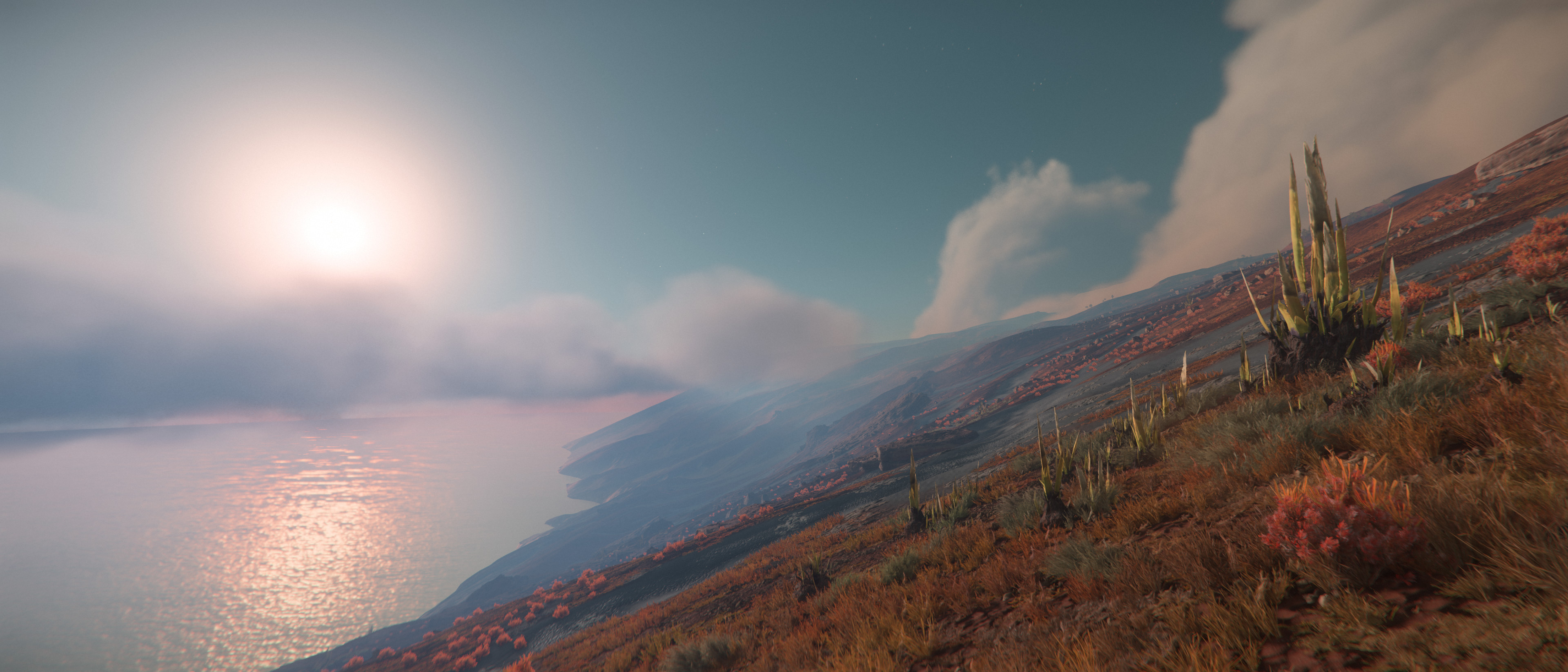
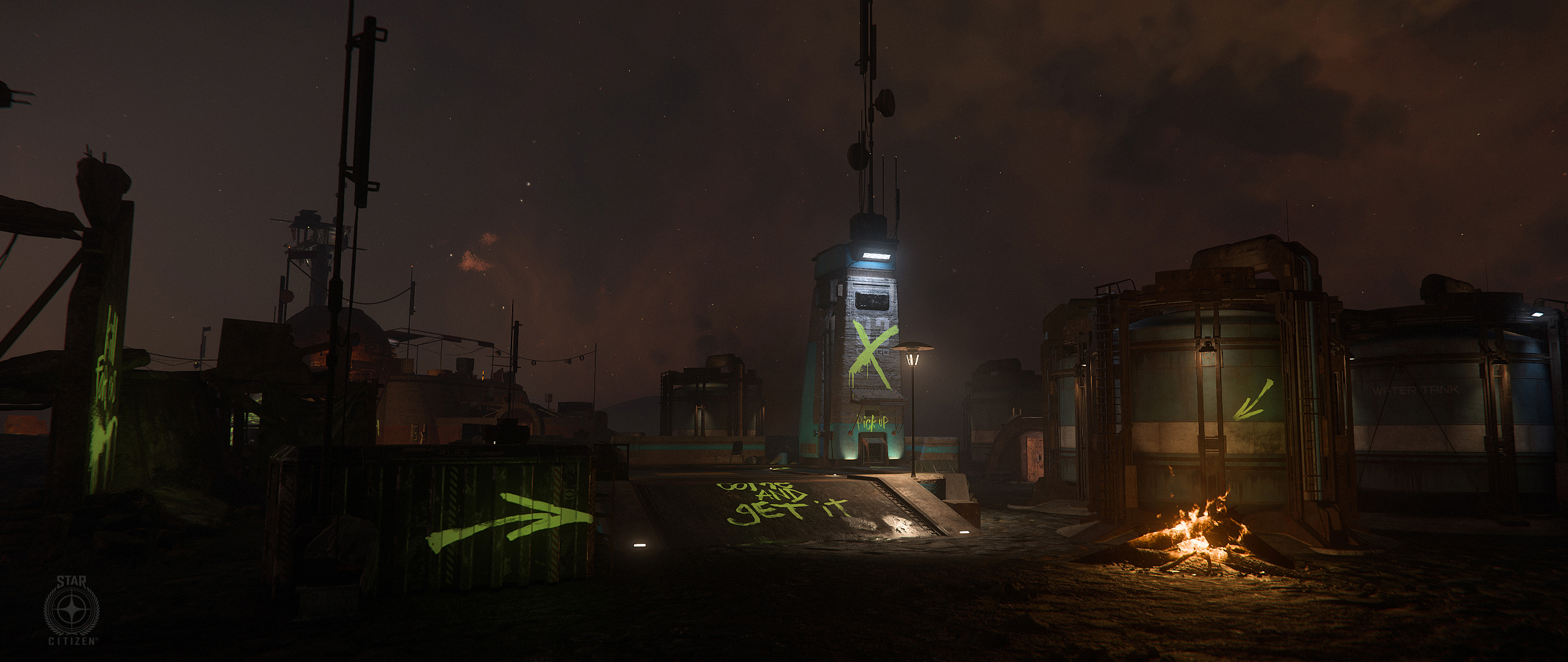
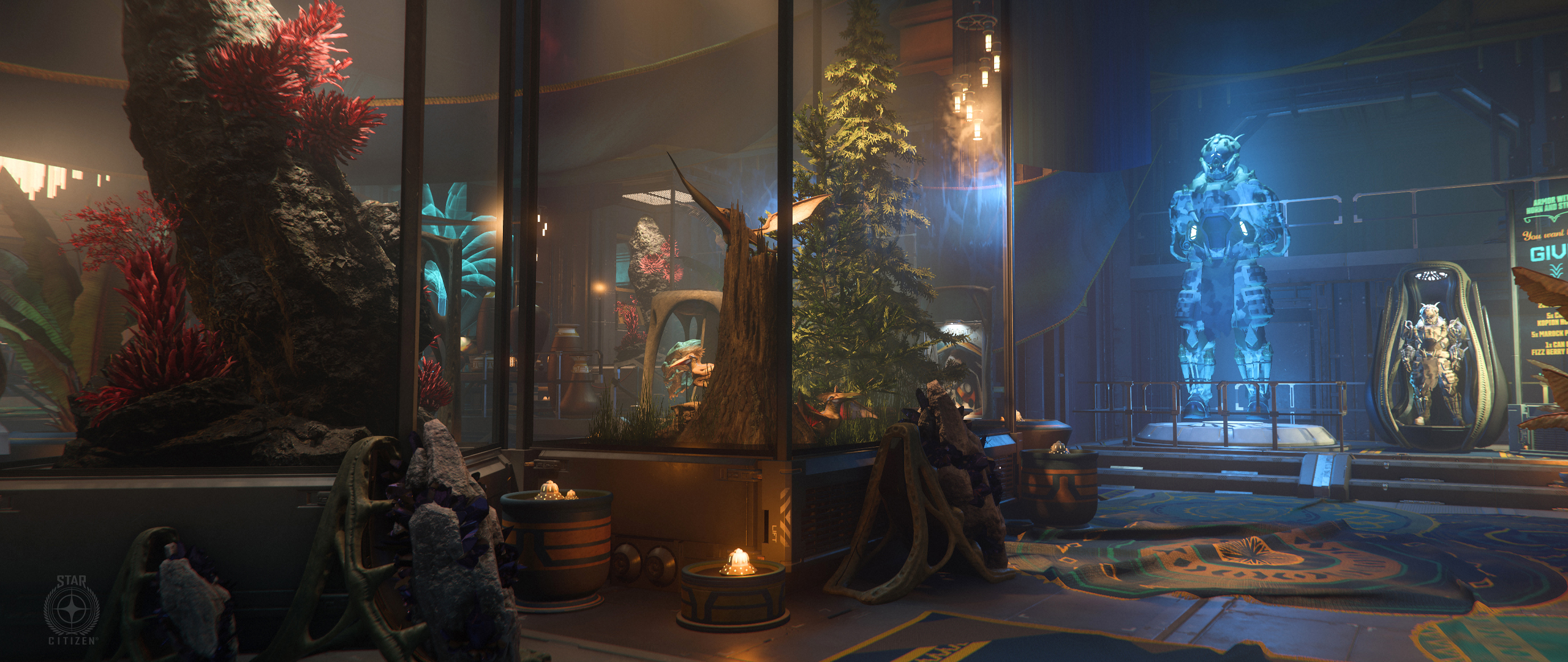
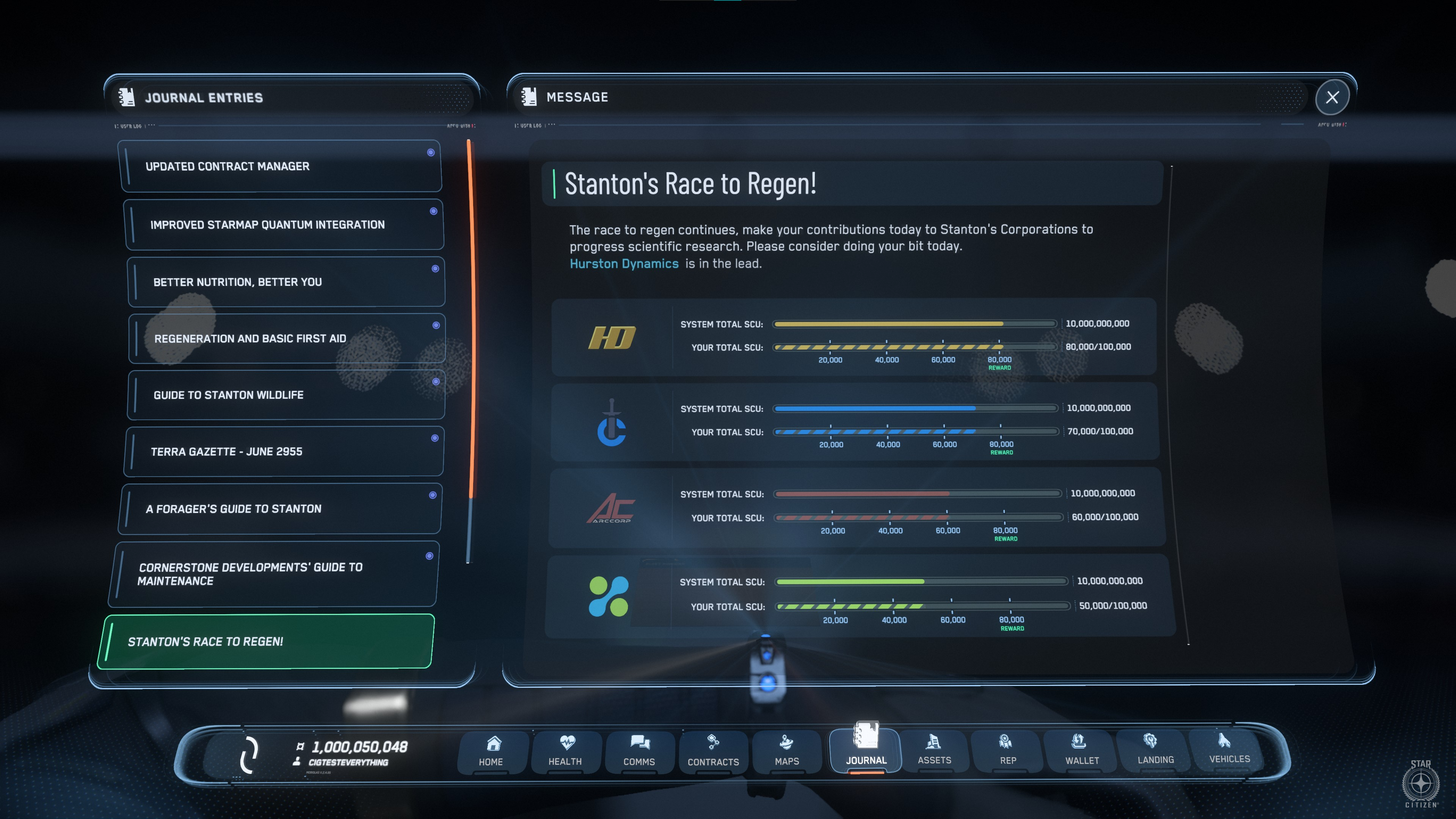
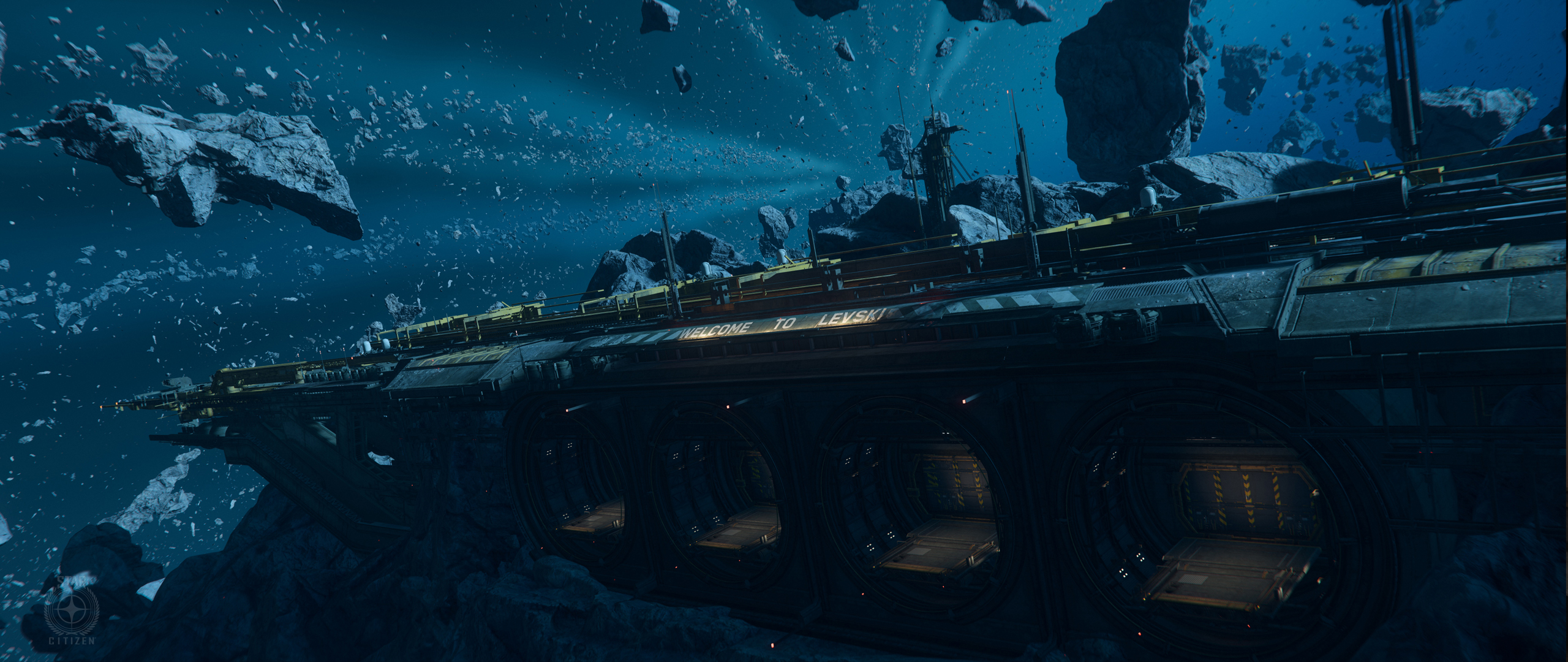
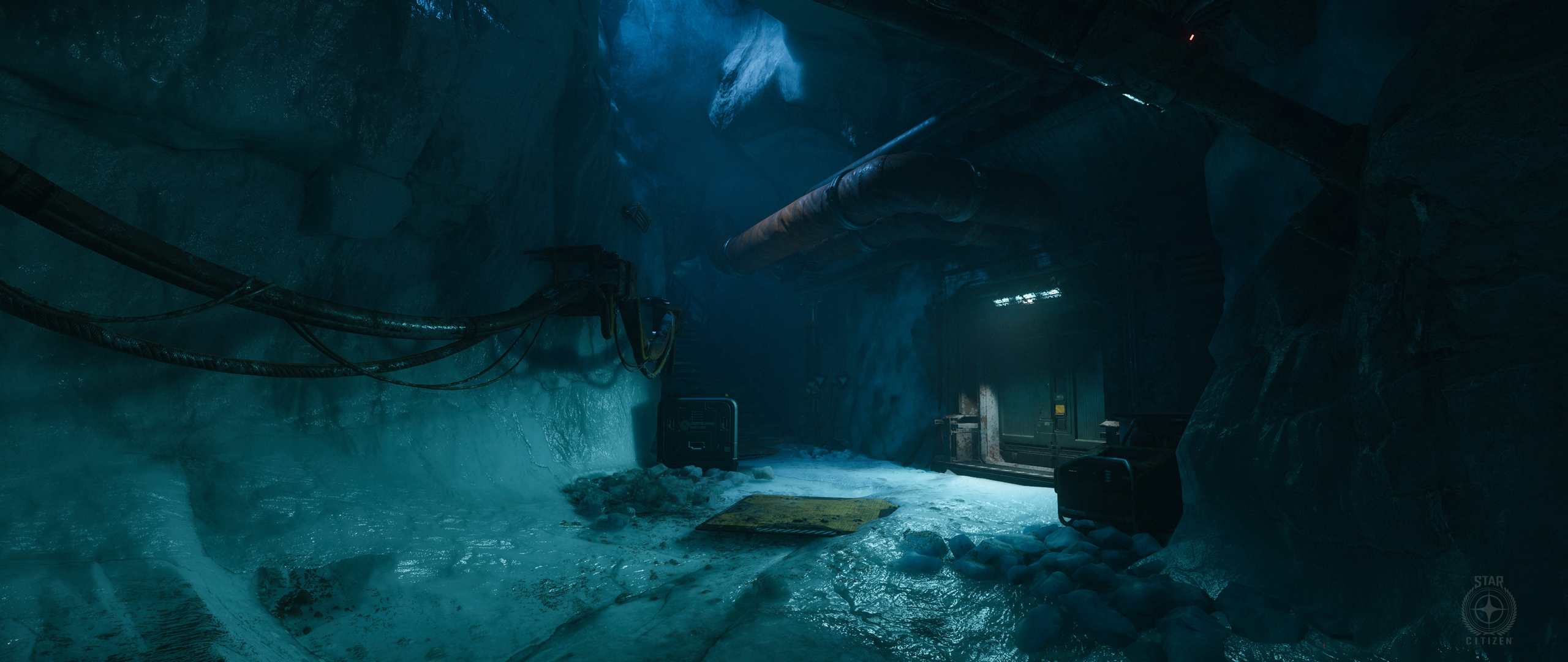
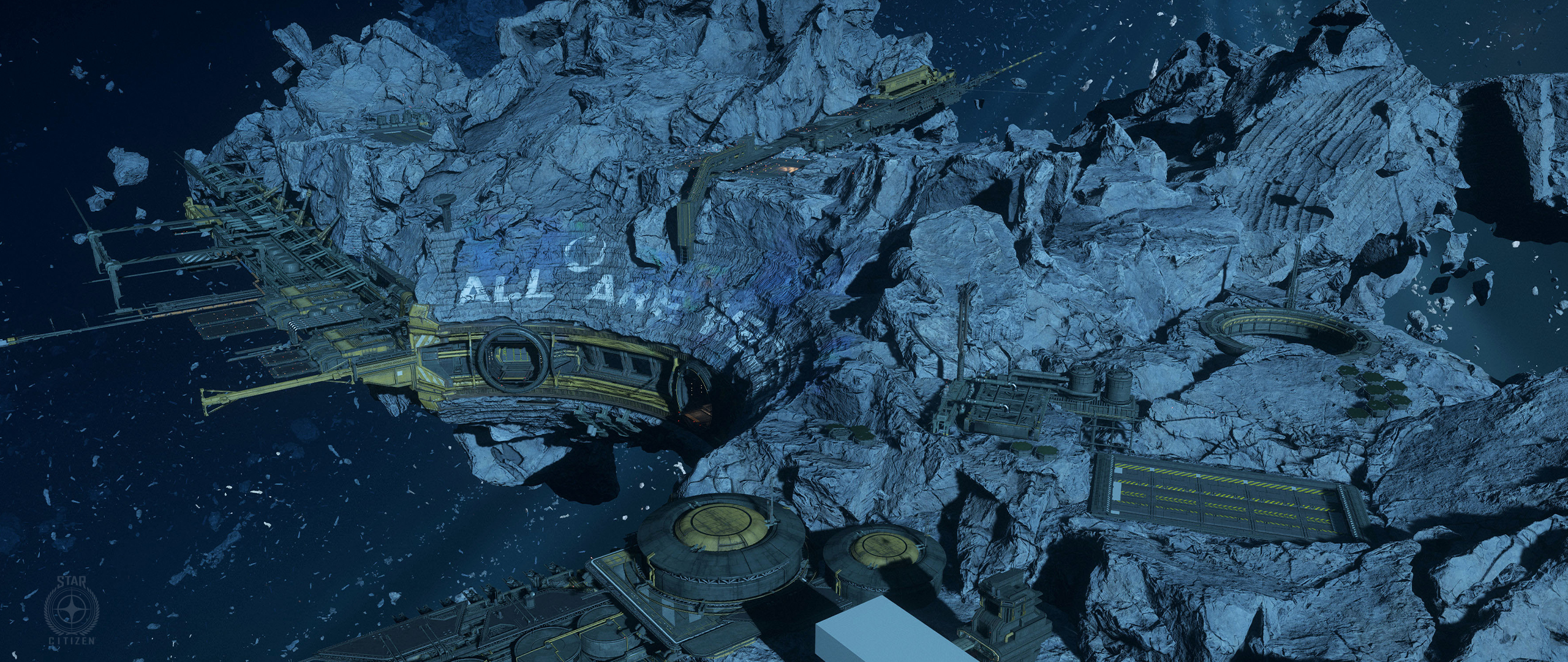
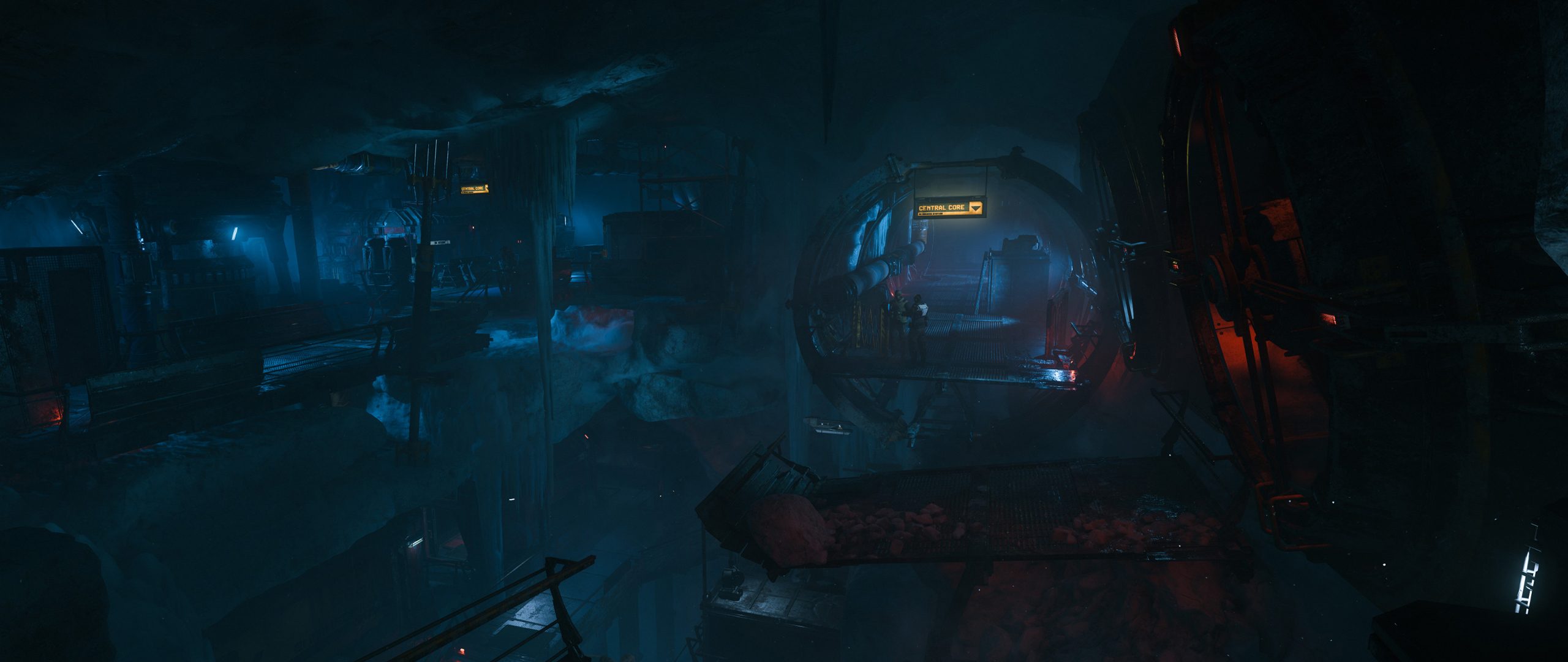
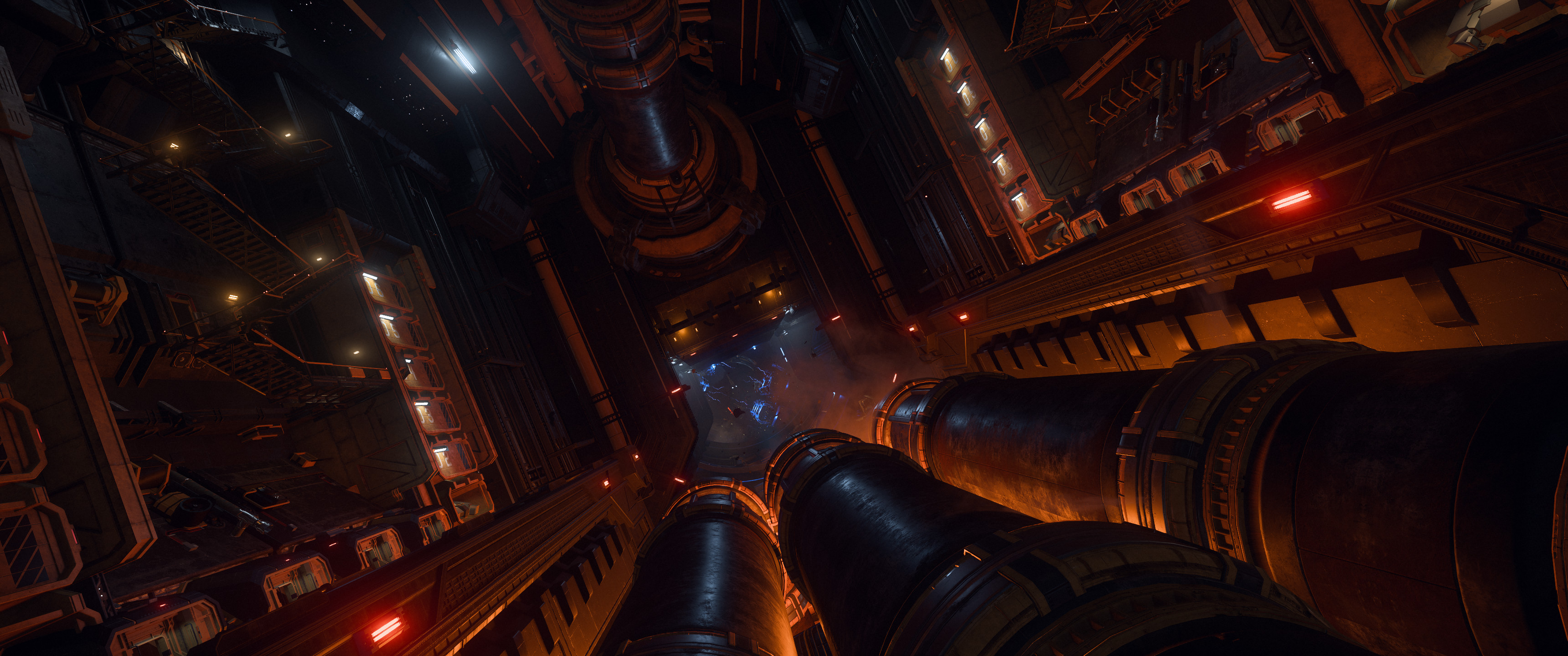
Metadata
- CIG ID
- 15506
- Channel
- Transmission
- Category
- Undefined
- Series
- Monthly Reports
- Comments
- 72
- Published
- 10 years ago (2016-09-09T00:00:00+00:00)