Star Citizen Monthly Report: July 2020
Transmission Undefined Monthly ReportsContent
We hope you’re all enjoying the new additions that Alpha 3.10 brings to the ‘verse. This month’s report touches on a few of the final flourishes made to the latest patch, but most work done throughout July was for content not-yet implemented. Read on for the details on what you can expect to see in quarter three and beyond!
AI (Combat)
The team continued to refine dodge-action triggering, which is currently used during combat when the player is aiming or shooting toward an NPC. Triggering this action requires careful evaluation of different conditions, such as the space within the navigation mesh needed to play the animation or the time spent aiming.
All character types will benefit from ongoing improvements to the AI weapon component. This work exposed all fire modes to the various behaviors, with the team enabling the AI to switch between fire modes the same way the player does.
The team are currently adding ammo box refill functionality for NPCs so that, in combat, any with low or no ammunition can retreat to an ammo box to refill. They’re also implementing specific urgent enter/exit/rummage animations and are improving the looting mechanism that allows players and NPCs to pick ammunition and store it on their loadouts.
A few bugs were fixed throughout the month too, including one involving raycasts being wrongly validated by the physics engine. Improvements were also made to the animations when NPCs move into and out of cover, and an unwanted behavior was removed that caused NPCs to blind-fire from cover when the player wasn’t there.
AI (Ships)
Ship AI made several improvements to the Tactical Query System, including optimizing the way it handles queries and structures data. They also improved and extended how different keywords are used. For example, in the target selection queries, they added the ‘HasTag’ property to select entities specifically tagged with a role.
They also extended the way weights are defined so they can configure both the actual weight of a property and the value it must have for weight calculation. A ‘ShipStateMonitorComponent’ was implemented to allow multiple ship states to be easily monitored and cached. This will allow multiple systems to use the data to drive logic.
AI (Social)
The bartender has been mentioned in a lot in reports throughout the year as it has been used to test and develop general functionalities that will be used by all vendors in the PU.
The first pass of a feature that connects the different bars to the shop services was also implemented. This will enable the vendor to validate the price of items in relation to the player’s available cash and complete a transaction once goods are delivered.
Away from scenarios, progress was made on the patrol path functionality that allows instant path calculation for short distances. This significantly reduces delays when triggering specific cutscenes or animations for a much smoother experience. Support was also finished for the speed overrides on setups on the edges of paths.
Bug-wise, the team fixed several problems that were causing NPCs to stand on top of usables. The majority of these were a direct consequence of object container streaming preventing characters from reattaching to usables. For example, one was due to the usable code wrongly overriding the deferred attachment request by multiple characters, while another was a wrong navigation mesh validation when streaming back in where no validation was required.
AI (General)
For global AI, the team improved the functionality of the LookComponent. First, they converted the internal look request queue to a more sophisticated priority-based queue. Each request is now associated with specific semantics that pile on top of each other based on a predefined priority. They currently have the following semantic order, from the lowest to highest priority: Look ahead: When moving on a path, an NPC might try to look ahead based on the path it’s following.
Procedural object discovery: When moving around, interesting things might be noticed by the NPC that can then be looked at.
Behavior-driven requests: The behavior can sometimes explicitly request the NPC look at something.
Trackview: During cutscenes, the designers can override targets based on the scene itself.
Synchronization: In a PU environment, the networked target is used by the NPCs on the clients.
The team also made several optimizations to collision avoidance and subsumption. The component code was adjusted to better support the updated parallelization and server meshing too. Animation
Last month, the Animation Team worked on force reactions, such as knockbacks, knockdowns, twitches, and flinches. They completed pre-visual work on zero-g push/pull, further developed grenade and object throwing, and undertook tests for high-gravity moves. Work continued on some new weapons too.
The bartender and bar patrons received attention (specifically bug fixing), as did the useables for flight hangars, cryotanks, and seated consoles. Work on the ‘chowline’ usable began too, which manages NPCs queueing for food.
They also continued to work through the mo-cap backlog, comms calls, and the review and selection pipelines. Time was also dedicated to developing COVID-19 safety plans for when mo-cap shoots can begin again.
Art (Environment)
“Last month was exciting for the Organics Team. We’ve been waiting for a long time for some of the last remaining features of the organics shader and the planet editor to be finished and, this month, a big update came in: the planet editor now features brushes!” – The Environment Art Team
A brush is essentially a collection of ingredients that can be painted onto the planet. In the past, Environment Art painted color, objects, and ground textures separately. With this update, the team can now assign all of these to one brush and paint them at the same time onto a surface. And helpfully, everything can be changed on the fly.
The organic shader also received huge improvements in terms of terrain asset integration; the team can now tell each object to pick up either the color of the bedrock or the terrain. This can be done for the whole asset or selectively for each material layered onto an object.
Production wrapped up on Pyro III and Pyro IV, and the whitebox assets for Pyro VI were further developed. Pyro V is currently on hold due to it requiring gas giant tech, which is in R&D alongside Crusader. The same goes for the touch-bending of vegetation assets.
Art (Ships)
In the US, the Art Team moved the Crusader Mercury to the final art stage, which involves iterating on feedback, adding textures, and adding LODs. Alongside this, greybox work will continue to hookup animations, implement interactions, set up internal and external doors, and set up RTT/comms calls. Additionally, Design will optimize flight, cameras, and visuals.
While awaiting the Mercury, the tech artists worked on several Maya rigs for pilot and operator seats. This work will create a template used by players, AI, and cinematics.
The Origin 100i series is nearing completion, with technical exterior work and the holographic cockpit button currently in progress. Work also continued on one soon-to-be-unveiled ship. Another that won’t be seen for a while is currently in the greybox stage.
Art (Weapons)
Last month, work concluded on the Behring GP-33 grenade launcher, which required tweaks to its ammunition and rig. Weapon Art also finalized the Behring BR2 shotgun and began roughing out the Gemini A03 sniper rifle.
For ship weapons, the Behring S7 laser repeater was completed and work began on some new turrets. A pass was made on the Behring S12 torpedo to include a destroyed variant.
The team’s graphic designer spent time finalizing the reticle of the LBCO sniper rifle and completed his tasks on the LBCO ammo counters.
Audio
The Audio Team spent the month supporting gameplay features, items, and locations coming in Alpha 3.11. This included the improved throw mechanics, Behring GP-33 grenade launcher, and cargo deck, which received new music, walla (crowd sounds), and SFX. They also began adding music to locations without dedicated soundtracks, such as caves, and completed the audio reworks of the K&W Demeco LMG and Arclight pistol.
The team looked into new methods of adding dialogue to missions to give more variation:
“This is very early, so don’t expect to see any updates in near releases, but we have heard the feedback and are aware of the repetitiveness ourselves!” – The Audio Team
The also looked into implementing the new version of the Wwise software to give the designers more tools to use when developing.
Backend Services
Backend Services worked diligently throughout July to make improvements to existing technology that will increase the number of concurrent players and provide a higher quality experience in-game and when logging in. They also finished major refactors to the variable service and item caching system that will have the same benefits. These new services will be coming in future releases.
Characters
Last month’s character development focused mainly on supporting upcoming events and future releases. The team worked on several helmets and armors that will be revealed in the coming months.
Creature development continued and is now requiring the input of other departments. Creatures require AI and other support, so the team is working to secure the engineering manpower needed for a dedicated Creature Team.
Other work was in pursuit of several upcoming locations and landing zones, including the cargo decks and Orison; any time a character shows up in a render, in-game advert, or behind a counter, the team has to support it.
Community
The Community Team started the month with the release of the Invictus Launch Week & Alpha 3.9.x. Postmortem Comm-Link, sharing high-level thoughts on what went well, what didn’t, and what was learned for next time.
In the spirit of the Foundation Festival, the updated guide system is currently being put to the test and the team concluded their search for the best crew in the ‘verse. They also published an infographic breaking down popular choices of character customization.
In last month’s Intragalactic Cook-off, the community was asked to cook or bake something inspired by their favorite Star Citizen alien race. With the contest concluded, the Community Team published the complete collection of alien-themed recipes in the Alien Week Cookbook.
Engineering
Engineering spent part of July updating the compiler toolchain and supported the Intel SPMD Program Compiler (ISPC) WAF build chain. The ISPC will be used to write target-agnostic SSE-optimized code for heavy duty CPU computing, meaning it will fully utilize CPU capabilities on each machine the code runs. Several code paths for physics, the 3D engine, and zone system are being ported already.
Regarding physics, they made server memory optimizations that included tracking physical entity lifetimes and rectifying spawning issues. They also moved physical entity ID handling to amortize at a constant cost and reduced the async spawning load of thousands of brushes. They limited the number of async-created physical entities that can spawn in a frame, moved internal data to an allocated-on-demand structure, and removed legacy tracing of secondary pending rays.
Collision detection was improved by five percent in worst-case “carrack vs. Grim HEX” scenarios, and planet terrain patches were rotated to prevent them from overlapping if the patch is far from either the equator or poles. More context and markers for telemetry were added to help fast-track performance issues. Work was done on SDF sets for the Vehicle Feature Team and AFT support was given to dragging bodies onto ships and stairs. Improvements were made to the physics editor plugin, which now supports large-world coordinates.
System-wise, Engineering submitted several entity update policy improvements, started work on the rendering bounds update policies, began replacing the existing frame profiler with a new one based on ImGUI, and started optimizing SIMD code and memory layout for zone partitions.
Engineering also continued their ongoing work on the Gen12 renderer, including implementing the GPU resource set alongside code to prevent PSO redundancy.
They began improving runtime support for both the Gen12 and legacy pipelines (to ensure usability during transition), moved Gen12 work to batch jobs, continued work on global state removal in-renderer, and developed a more declarative approach for setting up screen passes with less duplicated and boilerplate code. Alongside this, D3D shaders now cache in the pipeline object, used material-IDs-to-objects are accessible at higher levels to allow for pipeline pre-compilation, and device manager access was removed from the legacy device.
The team supported G12 materials, improved the lifetime management of all render resources (ownership semantics), and continued schedule passes and bound resources for the render graph.
For planet atmosphere unified raymarching, they improved ray jittering when using temporal raymarching, improved noisy joint bilateral up-sampling, and increased the sharpness of up-sampled results for both guided and noisy JBL filtering. Improvements were also made to sample tagging of atmo silhouette pixels for better reproduction in the final up-sampled result.
Work on the planet toll, named PlanEd, was completed, including an overhaul to the deluxe painter. Planet serialization was also modified to use YASLI instead of DataCore.
Features (Gameplay)
The Gameplay Feature Team had a busy month in July. After updating the visuals on the player trading app, they completed the app’s base functionality and got it through testing to ensure it hit Alpha 3.10.
“We believe that players will be thrilled to now finally have the option to trade various currencies with their friends!” – The Gameplay Features Team
They also assisted the Social AI Team with setting bartenders up in various locations around the ‘verse.
With Alpha 3.10’s tasks completed, work for the next release began, notably converting the frontend screens from Flash to the new Building Blocks system. Although they plan to dramatically redefine the game’s entry experience at a later stage, the current goal is to get the frontend in a suitable place for these updates and improve the existing process.
Finally, they created design documents and high-level plans for a number of exciting, large-scale initiatives that will be hitting the PU in the near future and beyond.
Features (Vehicles)
The Vehicle Team finalized their work on Alpha 3.10 and acted on feedback relating to the weapon reticle and targeting UI. They also supported the Vehicle Experience Team with the new targeting system as well.
Restricted areas received significant focus following feedback from the Evocati and PTU, which resulted in several quality-of-life improvements while they evaluate further ways to improve the experience.
Alpha 3.10’s new aerodynamic system was iterated on too. Following feedback surrounding wind and how it interacted with the new system, values were modified and handling tweaked to make flying more intuitive. They also balanced the forces and torque on each ship to improve roll speeds and amend stall speeds for certain ships. Turbulence was also worked on, but this won’t be implemented until a future patch.
Lastly, looking to the future, the team worked on docking, reaching a point where they can dock a Merlin and a Constellation. Various elements impact this feature, such as physics attachments, multiplayer, and the UI that supports players when docking.
Level Design
Level Design continued to expand on several new locations. Orison’s design is making great progress, with the team finalizing large parts of the layout. A pass was also completed for the location’s important core systems and markup. A handful of rest stops received new layouts and plans for additional content were made with the Mission Team.
Lighting
The Lighting Team completed their polish pass on Lorville and turned their attention to Area18, which will receive similar treatment, including separate day and night lighting.
A key focus last month was improving the NPC lighting across all bar locations, especially on the bartender NPCs themselves.
“A lot of work has gone into the bartender, so it seems only fair that they are shown in their best light!” -The Lighting Team
Looking to the future, the Lighting Team kicked off R&D into improving the look of characters inside ship cockpits and through comms calls. Traditionally, ship lighting has been handled by separate teams, which has led to inconsistencies as lighting workflows have changed over time. In the coming months, the team aims to both raise the quality of cockpit lighting and add consistency to characters. They will also optimize various elements to reduce the lighting cost when multiple ships are on screen at once.
Narrative
Last month, Narrative supported future mission text and worked through new and updated player wearables. They also generated scripts and supervised a remote voice-over recording session.
Otherwise, the team worked with Art and Design to further develop Orison and Pyro, creating documents outlining the general tone, potential storylines, and environmental storytelling to help sell the intended experience. They also began constructing a narrative timeline for the PU, where they can map out projected storylines on everything from a local level to events covering multiple systems. The Writer’s Guide began getting a long overdue update too.
Props
Props spent the month supporting the upcoming cargo stations with an array of shopfront and dressing assets, including shop kiosks, stands, shelving, and counter sets. Additionally, a rework of the MMHC counter set to comply with the new bartender metrics was completed. Work also finished on the microTech Simpod, which is on display at the FactoryLine shop. New props for Grim HEX were kicked off and support was given to the cooperative locomotion system too.
QA
Last month, Quality Assurance completed multiple test requests (QATRs) and continued to participate in weekly playtests. A key QATR involved a test of multiple aspects of the PU to ensure all the recent changes hadn’t negatively affected anything.
As the Combat AI Team recently added Derelict AI and new UGFs were placed on microTech’s moons, QA expanded their regular testing to include these new locations.
The Ship AI Team implemented an update to QT Linking, which QA were assigned to test. The changes focus on how players link and travel and set the groundwork for future updates to the system. The also continued their regular checks and supported the Ship AI Team.
Locations-wise, QA received a request to test changes to the restricted areas around Lorville and Area18. Support for the Tools Team continued, with QA continuing to work on DataForge, StarWords, ExcelCore, and the sandbox editor.
Turbulent (Services)
Last month, Turbulent delivered several tools that will be useful to game masters and player support teams. First, visibility for orgs in Hex’s Network Operation Center was finalized. Then, the lobby service was reworked to enable its fuller implementation in Hex.
CigTrace, a new logger for services activity was implemented. This enables the delivery of the CigTrace visualizer, currently a prototype to view player movement as a heat map. More tools will be added in the future to better analyze and visualize player activity during live events. The Game Services Team also achieved the first milestone of the wider identity service project.
Turbulent (Web Platform)
Turbulent’s Web Platform Team made changes to Spectrum, including the location and organization of player settings, which is the first step to preparing the UI to incorporate new features. Next up, players will see changes to the navigation bar. Ongoing efforts will eventually deliver multi-user private lobbies and private messages will no longer be restricted to two people.
User Interface (UI)
Firstly, UI created new fonts and updated existing ones to unify text going forwards. Secondly, they continued converting legacy systems to Building Blocks, this month focusing on the lens and comms calls. They also progressed with elevator panels, preparing them for release in the near future.
UI’s embedded artists continued to work with their teams on various features, including Alpha 3.10’s targeting updates and several upcoming features for Alpha 3.11 and beyond.
Vehicle Tech
The Vehicle Team finalized their work on Alpha 3.10 and acted on feedback relating to the weapon reticle and targeting UI. They also supported the Vehicle Experience Team with the new targeting system as well.
They also looked into vehicle entrance and exit times, investigating how to speed up the process without speeding up the animations. Improvements were made to a few ships and a plan was built for tech to flesh out more improvements in the future. The team plan to expand the tech to not only speed up enters and exits, but to enable the designers to flesh out more interesting and complex sequences.
Time was spent linking gameplay systems, like shields, with SDF collisions. These improvements not only optimize collision impacts with shields but allow the gameplay to match the visual SDF. Additionally, the team ensured the collisions work with part detachment, part repair, and attached sub-items, such as turrets.
Finally, Vehicles worked with the Actor Feature Team on improving the radar and scanning experience for vehicles and on foot, including experimenting with how capital ships could interfere or hide among smaller ships.
They also added a method to utilize SDFs to generate an accurate cross-section surface area of an object. This allows them to plan how ambient signatures from nearby objects, like stations or asteroids, can interfere with the cross-section.
VFX
Aside from some final bug fixing and optimization for Alpha 3.10, the UK-based VFX Team completed pre-production tasks for Alpha 3.11 and 3.12. Included were the refinery deck (including large containers with molten liquid being poured into them), the Origin 100i series, and the Behring GP-33 grenade launcher.
Fire propagation also made progress this month, with the code prototype allowing propagation between entities and voxels across multiple surface types.
“Although still firmly in the prototyping phase, we managed to roll a flaming barrel across an interior surface and watch it set fire to the interior!” – The VFX Team
The team in Frankfurt worked to convert old CPU particle effects to the latest GPU particle system. This will bring both visual and performance improvements to some of the older CPU effects.
Both locales worked on SDF shields which, when complete, will correctly conform to the ship even when parts have been blown off.
WE’LL SEE YOU NEXT MONTH…
Wir hoffen, dass ihr alle die neuen Ergänzungen genießt, die Alpha 3.10 dem 'Vers' bringt. Der diesmonatige Bericht berührt ein paar der letzten Feinheiten des letzten Patches, aber die meiste Arbeit, die während des ganzen Juli gemacht wurde, war für Inhalte, die noch nicht implementiert wurden. Lest weiter für die Details darüber, was ihr im dritten Quartal und darüber hinaus erwarten könnt!
KI (Kampf)
Das Team hat die Ausweich-Aktionsauslösung weiter verfeinert, die derzeit während des Kampfes verwendet wird, wenn der Spieler auf einen NSC zielt oder schießt. Das Auslösen dieser Aktion erfordert eine sorgfältige Auswertung verschiedener Bedingungen, wie z.B. den Raum innerhalb des Navigationsnetzes, der zum Abspielen der Animation benötigt wird, oder die Zeit, die mit dem Zielen verbracht wird.
Alle Charaktertypen werden von den laufenden Verbesserungen der KI-Waffenkomponente profitieren. Bei dieser Arbeit wurden alle Feuermodi den verschiedenen Verhaltensweisen ausgesetzt, wobei das Team die KI in die Lage versetzt, zwischen den Feuermodi auf die gleiche Weise wie der Spieler zu wechseln.
Das Team fügt derzeit die Funktion zum Nachfüllen von Munitionskisten für NSCs hinzu, so dass sich im Kampf jeder mit wenig oder keiner Munition zum Nachfüllen in eine Munitionskiste zurückziehen kann. Außerdem implementieren sie spezielle Animationen für dringende Ein-/Ausgangs-/Wühlanimationen und verbessern den Plünderungsmechanismus, der es Spielern und NSCs erlaubt, Munition zu sammeln und auf ihren Ladungen zu lagern.
Im Laufe des Monats wurden auch ein paar Fehler behoben, darunter einer, bei dem Raycasts fälschlicherweise von der Physik-Engine validiert wurden. Außerdem wurden Verbesserungen an den Animationen vorgenommen, wenn sich NSCs in und aus der Deckung bewegen, und ein unerwünschtes Verhalten wurde entfernt, das dazu führte, dass NSCs aus der Deckung heraus blind schossen, wenn der Spieler nicht da war.
KI (Schiffe)
SchiffskI hat mehrere Verbesserungen am Taktischen Abfragesystem vorgenommen, einschließlich der Optimierung der Art und Weise, wie es Abfragen behandelt und Daten strukturiert. Sie haben auch die Art und Weise, wie verschiedene Schlüsselwörter verwendet werden, verbessert und erweitert. Zum Beispiel haben sie in den Zielauswahl-Abfragen die 'HasTag'-Eigenschaft hinzugefügt, um Entitäten auszuwählen, die speziell mit einer Rolle getaggt sind.
Sie haben auch die Art und Weise erweitert, wie Gewichte definiert werden, so dass sie sowohl das tatsächliche Gewicht einer Eigenschaft als auch den Wert, den sie für die Gewichtsberechnung haben muss, konfigurieren können. Eine 'ShipStateMonitorComponent' wurde implementiert, damit mehrere Schiffszustände einfach überwacht und gecached werden können. Dies wird es mehreren Systemen ermöglichen, die Daten zur Steuerung der Logik zu nutzen.
KI (sozial)
Der Barkeeper wurde im Laufe des Jahres in vielen Berichten erwähnt, da er dazu benutzt wurde, allgemeine Funktionalitäten zu testen und zu entwickeln, die von allen Anbietern in der PU genutzt werden.
Der erste Durchgang eines Features, das die verschiedenen Bars mit den Services des Shops verbindet, wurde ebenfalls implementiert. Dies wird es dem Verkäufer ermöglichen, den Preis der Gegenstände im Verhältnis zum verfügbaren Bargeld des Spielers zu validieren und eine Transaktion abzuschließen, sobald die Waren geliefert wurden.
Abseits von Szenarien wurden Fortschritte bei der Patrouillenpfadfunktionalität gemacht, die eine sofortige Pfadberechnung für kurze Entfernungen ermöglicht. Dies reduziert die Verzögerungen beim Auslösen bestimmter Zwischensequenzen oder Animationen erheblich und sorgt so für ein wesentlich reibungsloseres Erlebnis. Außerdem wurde die Unterstützung für die Geschwindigkeitsüberschreitungen bei Aufstellungen am Rande von Pfaden beendet.
Bug-mäßig hat das Team mehrere Probleme behoben, die dazu führten, dass NSCs über den Nutzbaren standen. Die meisten davon waren eine direkte Folge des Streamings von Objektcontainern, die verhinderten, dass sich die Charaktere wieder an benutzbare Objekte anhängen konnten. Zum Beispiel lag es zum Beispiel daran, dass der benutzbare Code fälschlicherweise die Anfrage nach einem aufgeschobenen Attachment durch mehrere Charaktere überschrieb, während ein anderes Problem eine falsche Validierung des Navigationsnetzes war, wenn man wieder hineinstreamte, wo keine Validierung erforderlich war.
KI (Allgemein)
Für die globale KI hat das Team die Funktionalität der LookComponent verbessert. Zuerst haben sie die interne Look-Request-Warteschlange in eine ausgefeiltere, auf Prioritäten basierende Warteschlange umgewandelt. Jede Anfrage ist nun mit einer spezifischen Semantik verbunden, die sich basierend auf einer vordefinierten Priorität übereinander stapelt. Derzeit haben sie die folgende semantische Reihenfolge, von der niedrigsten bis zur höchsten Priorität:
Blick nach vorne: Wenn sich ein NPC auf einem Pfad bewegt, könnte er versuchen, nach vorne zu schauen, basierend auf dem Pfad, dem er folgt. Prozedurale Objekt-Entdeckung: Wenn er sich bewegt, kann es sein, dass dem NSC interessante Dinge auffallen, die er sich dann ansehen kann. Verhaltensbedingte Anfragen: Das Verhalten kann manchmal explizit verlangen, dass der NSC sich etwas anschaut. Streckenansicht: Während Zwischensequenzen können die Designer Ziele basierend auf der Szene selbst außer Kraft setzen. Synchronisierung: In einer PU-Umgebung wird das vernetzte Ziel von den NSCs auf den Clients verwendet.
Das Team hat auch einige Optimierungen zur Kollisionsvermeidung und Subsumtion vorgenommen. Auch der Komponentencode wurde angepasst, um die aktualisierte Parallelisierung und Serververmaschung besser zu unterstützen.
Animation
Letzten Monat arbeitete das Animationsteam an Kraftreaktionen wie Rückschlägen, Niederschlägen, Zuckungen und Zuckungen. Sie schlossen die vorvisuelle Arbeit an Zero-G Push/Pull ab, entwickelten das Granaten- und Objektwerfen weiter und unternahmen Tests für High-Gravity-Moves. Die Arbeit an einigen neuen Waffen wurde ebenfalls fortgesetzt.
Der Barkeeper und die Barbesucher erhielten Aufmerksamkeit (insbesondere Fehlerbehebung), ebenso wie die Gebrauchsgegenstände für Flughangars, Kryotanks und Sitzkonsolen. Die Arbeit an der nutzbaren 'Chowline' begann ebenfalls, die die NSCs beim Anstehen für Essen verwaltet.
Sie arbeiteten auch weiter an den mo-cap Rückständen, den Kommunikationsaufrufen und den Überprüfungs- und Auswahlpipelines. Es wurde auch Zeit darauf verwendet, Sicherheitspläne für COVID-19 zu entwickeln, wann die Mo-Cap-Shootings wieder beginnen können.
Kunst (Umwelt)
"Der letzte Monat war aufregend für das Organics Team. Wir haben lange darauf gewartet, dass einige der letzten verbliebenen Features des Organik-Shaders und des Planeten-Editors fertiggestellt werden, und diesen Monat kam ein großes Update: der Planeten-Editor bietet jetzt Pinsel! - Das Umwelt-Kunst-Team
Ein Pinsel ist im Wesentlichen eine Sammlung von Zutaten, die auf den Planeten gemalt werden können. In der Vergangenheit hat Environment Art Farbe, Objekte und Bodentexturen getrennt voneinander gemalt. Mit diesem Update kann das Team nun alle diese Zutaten einem Pinsel zuordnen und sie gleichzeitig auf eine Oberfläche malen. Und hilfreicherweise kann alles im Handumdrehen geändert werden.
Der organische Shader wurde auch in Bezug auf die Integration von Terrain-Assets enorm verbessert; das Team kann nun jedem Objekt sagen, dass es entweder die Farbe des Grundgesteins oder des Terrains aufnehmen soll. Dies kann für die gesamte Anlage oder selektiv für jedes Material, das auf ein Objekt geschichtet wird, erfolgen.
Die Produktion auf Pyro III und Pyro IV wurde abgeschlossen und die Whitebox-Assets für Pyro VI wurden weiterentwickelt. Pyro V ist derzeit auf Eis gelegt, da es Gasriesentechnologie benötigt, die sich neben Crusader in der Forschung und Entwicklung befindet. Das Gleiche gilt für das Touch-Bending von Vegetationskomponenten.
Kunst (Schiffe)
In den USA hat das Art Team den Crusader Mercury in die letzte Kunststufe gebracht, in der es darum geht, das Feedback zu iterieren, Texturen hinzuzufügen und LODs hinzuzufügen. Parallel dazu wird die Arbeit an der Greybox fortgesetzt, um Animationen anzuschließen, Interaktionen zu implementieren, interne und externe Türen einzurichten und RTT/comms-Calls einzurichten. Zusätzlich wird das Design Flug, Kameras und Visuals optimieren.
Während sie auf den Merkur warteten, arbeiteten die Tech-Künstler an mehreren Maya-Rigs für Piloten- und Operator-Sitze. Diese Arbeit wird eine Vorlage erstellen, die von Spielern, KI und Cinematics verwendet wird.
Die Origin 100i Serie nähert sich der Vollendung, die technischen Außenarbeiten und die holografische Cockpittaste sind derzeit in Arbeit. Die Arbeiten an einem Schiff, das bald enthüllt werden soll, wurden ebenfalls fortgesetzt. Ein weiteres, das für eine Weile nicht zu sehen sein wird, befindet sich derzeit in der Greybox-Phase.
Kunst (Waffen)
Letzten Monat wurden die Arbeiten am Granatwerfer Behring GP-33 abgeschlossen, bei denen an der Munition und der Ausrüstung gefeilt werden musste. Weapon Art hat außerdem die Behring BR2 Schrotflinte fertiggestellt und mit der Vorfertigung des Gemini A03 Scharfschützengewehrs begonnen.
Für die Schiffswaffen wurde der Behring S7-Laserrepetierer fertiggestellt und mit der Arbeit an einigen neuen Geschütztürmen begonnen. Der Behring S12-Torpedo wurde überholt, um eine zerstörte Variante einzubauen.
Der Grafikdesigner des Teams verbrachte Zeit damit, das Absehen des LBCO-Scharfschützengewehrs fertigzustellen und seine Aufgaben an den LBCO-Munitionszählern zu erledigen.
Audio
Das Audio-Team verbrachte den Monat damit, Gameplay-Features, Gegenstände und Orte zu unterstützen, die in Alpha 3.11 kommen. Dazu gehörten die verbesserte Wurfmechanik, der Granatwerfer Behring GP-33 und das Frachtdeck, das neue Musik, Walla (Crowd-Sounds) und SFX erhielt. Außerdem begannen sie damit, Orte ohne eigenen Soundtrack, wie z.B. Höhlen, mit Musik zu versehen, und schlossen die Audio-Überarbeitungen des K&W Demeco LMG und der Arclight-Pistole ab.
Das Team suchte nach neuen Methoden, um den Missionen Dialoge hinzuzufügen, um mehr Abwechslung zu bieten:
"Das ist sehr früh, also erwarte keine Updates in den nächsten Veröffentlichungen, aber wir haben das Feedback gehört und sind uns der Wiederholungshäufigkeit selbst bewusst! - Das Audio-Team
Sie haben sich auch mit der Implementierung der neuen Version der Wwise Software beschäftigt, um den Designern mehr Werkzeuge für die Entwicklung zur Verfügung zu stellen.
Backend-Dienste
Die Backend Services haben den ganzen Juli über fleißig daran gearbeitet, Verbesserungen an der bestehenden Technologie vorzunehmen, um die Anzahl der gleichzeitigen Spieler zu erhöhen und eine qualitativ hochwertigere Erfahrung im Spiel und beim Einloggen zu ermöglichen. Außerdem haben sie das variable Service- und Item-Caching-System überarbeitet, das dieselben Vorteile haben wird. Diese neuen Dienste werden in zukünftigen Versionen zur Verfügung stehen.
Charaktere
Die Charakterentwicklung des letzten Monats konzentrierte sich hauptsächlich auf die Unterstützung anstehender Events und zukünftiger Veröffentlichungen. Das Team hat an mehreren Helmen und Rüstungen gearbeitet, die in den kommenden Monaten enthüllt werden.
Die Entwicklung der Kreaturen ging weiter und erfordert nun den Input anderer Abteilungen. Da die Kreaturen KI und andere Unterstützung benötigen, arbeitet das Team daran, die für ein engagiertes Kreaturenteam benötigten Ingenieurskräfte zu sichern.
Weitere Arbeit war die Suche nach mehreren neuen Orten und Landezonen, einschließlich der Frachtdecks und Orison; jedes Mal, wenn ein Charakter in einem Render, einer Werbung im Spiel oder hinter einem Counter auftaucht, muss das Team ihn unterstützen.
Gemeinschaft
Das Community Team begann den Monat mit der Veröffentlichung der Invictus Launch Week & Alpha 3.9.x. Postmortem Comm-Link, in dem es auf hoher Ebene Gedanken darüber austauschte, was gut gelaufen ist, was nicht, und was für das nächste Mal gelernt wurde.
Im Geiste des Foundation Festivals wird das aktualisierte Leitsystem derzeit auf den Prüfstand gestellt und das Team schloss seine Suche nach der besten Crew in der 'Strophe' ab. Außerdem haben sie eine Infografik veröffentlicht, in der sie die beliebtesten Möglichkeiten der Charakteranpassung aufschlüsseln.
In der letzten Ausgabe des Intragalaktischen Kochwettbewerbs wurde die Community gebeten, etwas zu kochen oder zu backen, das von ihrer Lieblings-Alienrasse, den Sternenbürgern, inspiriert wurde. Nach Abschluss des Wettbewerbs veröffentlichte das Community-Team die komplette Sammlung von Rezepten mit Alien-Themen im Alien Week Cookbook.
Technik
Die Ingenieure verbrachten einen Teil des Juli damit, die Compiler-Toolchain zu aktualisieren und unterstützten die Intel SPMD Program Compiler (ISPC) WAF-Buildkette. Der ISPC wird verwendet, um zielgerichteten, SSE-optimierten Code für Hochleistungs-CPU-Computing zu schreiben, was bedeutet, dass er die CPU-Fähigkeiten auf jeder Maschine, auf der der Code läuft, voll ausnutzt. Mehrere Codepfade für die Physik, die 3D-Engine und das Zonensystem werden bereits portiert.
Was die Physik betrifft, so wurden Server-Speicher-Optimierungen vorgenommen, die das Verfolgen der Lebensdauer von physikalischen Entitäten und das Beheben von Spawning-Problemen beinhalten. Außerdem haben sie die Handhabung der IDs der physischen Entitäten so verändert, dass sie sich zu konstanten Kosten amortisiert und die asynchrone Spawning-Last von tausenden von Brushes reduziert. Sie beschränkten die Anzahl der async-erstellten physischen Entitäten, die in einem Frame spawnen können, verschoben interne Daten in eine Allocation-on-Demand-Struktur und entfernten die Nachverfolgung von sekundären ausstehenden Strahlen.
Die Kollisionserkennung wurde in den Worst-Case-Szenarien "Carrack vs. Grim HEX" um fünf Prozent verbessert, und die Planeten-Terrain-Patches wurden gedreht, um zu verhindern, dass sie sich überlappen, wenn der Patch entweder weit vom Äquator oder von den Polen entfernt ist. Es wurden mehr Kontext und Markierungen für die Telemetrie hinzugefügt, um Performance-Probleme im Schnelldurchlauf zu beheben. Es wurde an SDF-Sets für das Vehicle Feature Team gearbeitet und die AFT unterstützte das Schleppen von Körpern auf Schiffe und Treppen. Es wurden Verbesserungen am Physik-Editor-Plugin vorgenommen, das nun auch Koordinaten für große Welten unterstützt.
Systemtechnisch hat die Technik mehrere Verbesserungen der Entity-Update-Richtlinien eingereicht, die Arbeit an den Rendering-Bounds-Update-Richtlinien begonnen, den existierenden Frame Profiler durch einen neuen ersetzt, der auf ImGUI basiert, und begonnen, den SIMD-Code und das Speicherlayout für Zonenpartitionen zu optimieren.
Die Ingenieure setzten auch ihre laufende Arbeit am Gen12-Renderer fort, einschließlich der Implementierung des GPU-Ressourcensatzes neben dem Code, um PSO-Redundanz zu verhindern.
Sie fingen an, die Laufzeitunterstützung sowohl für die Gen12- als auch für die Legacy-Pipelines zu verbessern (um die Nutzbarkeit während des Übergangs zu gewährleisten), verlagerten die Gen12-Arbeiten auf Batch-Jobs, setzten die Arbeit an der globalen Zustandsentfernung im Renderer fort und entwickelten einen deklarativeren Ansatz für die Einrichtung von Bildschirmdurchläufen mit weniger dupliziertem und Boilerplate-Code. Außerdem werden D3D-Shader nun im Pipeline-Objekt zwischengespeichert, verwendete Material-IDs zu Objekten sind auf höheren Ebenen zugänglich, um die Vorkompilierung der Pipeline zu ermöglichen, und der Zugriff auf den Gerätemanager wurde aus dem Legacy-Gerät entfernt.
Das Team unterstützte G12-Materialien, verbesserte die Lebenszeitverwaltung aller Render-Ressourcen (Besitz-Semantik) und setzte Zeitplanübergaben und gebundene Ressourcen für den Rendergraph fort.
Für das vereinheitlichte Raymarching der Planetenatmosphäre verbesserten sie das Rayjittering beim zeitlichen Raymarching, verbesserten das verrauschte gemeinsame bilaterale Up-Sampling und erhöhten die Schärfe der Up-Sample-Ergebnisse sowohl für das geführte als auch für das verrauschte JBL-Filtering. Außerdem wurde das Sample-Tagging von Atmo-Silhouetten-Pixeln verbessert, um eine bessere Reproduktion im endgültigen Up-Sampling-Ergebnis zu erzielen.
Die Arbeit an der Planeten-Maut, genannt PlanEd, wurde abgeschlossen, einschließlich einer Überholung des Deluxe-Malers. Die Planeten-Serialisierung wurde ebenfalls modifiziert, um YASLI anstelle von DataCore zu verwenden.
Eigenschaften (Gameplay)
Das Gameplay-Feature-Team hatte im Juli einen arbeitsreichen Monat. Nachdem sie die Grafik der Spieler-Handels-App aktualisiert hatten, vervollständigten sie die Basisfunktionalität der App und testeten sie, um sicherzustellen, dass sie Alpha 3.10 erreicht.
"Wir glauben, dass die Spieler begeistert sein werden, jetzt endlich die Möglichkeit zu haben, verschiedene Währungen mit ihren Freunden zu tauschen! - Das Gameplay-Features-Team
Sie halfen dem Social KI Team auch dabei, Barkeeper an verschiedenen Orten rund um den 'Vers' aufzustellen.
Nachdem die Aufgaben von Alpha 3.10 erledigt waren, begannen die Arbeiten für die nächste Version, insbesondere die Umstellung der Frontend-Screens von Flash auf das neue Building Blocks System. Obwohl sie planen, das Einstiegserlebnis des Spiels zu einem späteren Zeitpunkt dramatisch neu zu definieren, ist das aktuelle Ziel, das Frontend an einen geeigneten Ort für diese Aktualisierungen zu bringen und den bestehenden Prozess zu verbessern.
Schließlich haben sie Design-Dokumente und hochrangige Pläne für eine Reihe aufregender, groß angelegter Initiativen erstellt, die die PU in naher Zukunft und darüber hinaus treffen werden.
Features (Fahrzeuge)
Das Fahrzeugteam schloss seine Arbeit an Alpha 3.10 ab und reagierte auf das Feedback bezüglich des Waffenabsehen und der Ziel-UI. Außerdem unterstützten sie das Vehicle Experience Team mit dem neuen Zielsystem.
Die Sperrgebiete wurden nach dem Feedback der Evocati und PTU stark fokussiert, was zu mehreren Verbesserungen der Lebensqualität führte, während sie weitere Möglichkeiten zur Verbesserung der Erfahrung evaluierten.
Das neue aerodynamische System von Alpha 3.10 wurde ebenfalls überarbeitet. Nach dem Feedback zum Wind und seiner Wechselwirkung mit dem neuen System wurden die Werte modifiziert und das Handling optimiert, um das Fliegen intuitiver zu gestalten. Außerdem wurden die Kräfte und das Drehmoment auf jedem Schiff ausgeglichen, um die Rollgeschwindigkeiten zu verbessern und die Stallgeschwindigkeit für bestimmte Schiffe anzupassen. Auch an Turbulenzen wurde gearbeitet, aber das wird erst in einem zukünftigen Patch implementiert.
Mit Blick auf die Zukunft arbeitete das Team schließlich am Andocken, um einen Punkt zu erreichen, an dem sie einen Merlin und eine Constellation andocken können. Verschiedene Elemente wirken sich auf dieses Feature aus, wie z.B. physikalische Anhänge, Multiplayer und die Benutzeroberfläche, die die Spieler beim Andocken unterstützt.
Level Entwurf
Das Leveldesign expandierte weiter an mehreren neuen Orten. Orison's Design macht große Fortschritte, wobei das Team große Teile des Layouts fertig gestellt hat. Es wurde auch ein Pass für die wichtigen Kernsysteme und das Markup der Location fertiggestellt. Eine Handvoll Raststätten erhielten neue Layouts und Pläne für zusätzliche Inhalte wurden mit dem Missionsteam erstellt.
Beleuchtung
Das Beleuchtungsteam schloss seinen Politurpass auf Lorville ab und wandte seine Aufmerksamkeit auf Area18, die eine ähnliche Behandlung erhalten wird, einschließlich getrennter Tag- und Nachtbeleuchtung.
Ein Hauptaugenmerk lag letzten Monat auf der Verbesserung der NSC-Beleuchtung in allen Barlokalen, insbesondere bei den Barkeeper-NSCs selbst.
"Eine Menge Arbeit ist in den Barkeeper geflossen, also scheint es nur fair, dass sie in ihrem besten Licht gezeigt werden! -Das Beleuchtungsteam
Mit Blick auf die Zukunft hat das Beleuchtungsteam mit der Forschung und Entwicklung begonnen, um das Aussehen der Charaktere in den Cockpits der Schiffe und durch Kommunikationsaufrufe zu verbessern. Traditionell wurde die Schiffsbeleuchtung von getrennten Teams gehandhabt, was zu Inkonsistenzen geführt hat, da sich die Beleuchtungsabläufe im Laufe der Zeit geändert haben. In den kommenden Monaten will das Team sowohl die Qualität der Cockpitbeleuchtung verbessern als auch die Konsistenz der Charaktere verbessern. Außerdem werden sie verschiedene Elemente optimieren, um die Beleuchtungskosten zu reduzieren, wenn mehrere Schiffe gleichzeitig auf dem Bildschirm sind.
Erzählung
Letzten Monat unterstützte Narrative zukünftige Missionstexte und arbeitete neue und aktualisierte Spieler-Wearables durch. Außerdem erstellten sie Skripte und überwachten eine ferngesteuerte Voice-Over-Aufnahmesession.
Ansonsten arbeitete das Team mit Art and Design zusammen, um Orison und Pyro weiterzuentwickeln und erstellte Dokumente, die den allgemeinen Ton, mögliche Handlungsstränge und das Erzählen von Umweltgeschichten skizzierten, um die beabsichtigte Erfahrung zu verkaufen. Außerdem begannen sie damit, eine narrative Zeitleiste für die PU zu erstellen, auf der sie die projizierten Handlungsstränge für alles von einer lokalen Ebene bis hin zu Ereignissen, die mehrere Systeme umfassen, darstellen können. Auch der Writer's Guide erhielt ein längst überfälliges Update.
Requisiten
Die Requisiten verbrachten den Monat damit, die kommenden Frachtstationen mit einer Reihe von Ladenfront- und Kleidungsstücken zu unterstützen, darunter Kioske, Stände, Regale und Thekensets. Zusätzlich wurde eine Überarbeitung des MMHC-Tresensets abgeschlossen, um den neuen Barkeeper-Metriken zu entsprechen. Die Arbeiten am microTech Simpod, der im FactoryLine-Shop ausgestellt ist, wurden ebenfalls abgeschlossen. Neue Requisiten für Grim HEX wurden in Angriff genommen und auch das kooperative Fortbewegungssystem wurde unterstützt.
QA
Letzten Monat hat die Qualitätssicherung mehrere Testanfragen (QATRs) abgeschlossen und weiterhin an wöchentlichen Spieltests teilgenommen. Ein wichtiger QATR beinhaltete einen Test mehrerer Aspekte der PU, um sicherzustellen, dass die letzten Änderungen keine negativen Auswirkungen hatten.
Da das Combat KI Team kürzlich Derelict KI hinzugefügt hat und neue UGFs auf den Monden von microTech platziert wurden, hat die QA ihre regelmäßigen Tests auf diese neuen Orte ausgeweitet.
Das Schiffs-KI-Team implementierte ein Update des QT-Linking, mit dessen Test die QA beauftragt wurde. Die Änderungen konzentrieren sich darauf, wie Spieler verlinken und reisen und legen den Grundstein für zukünftige Updates des Systems. Außerdem setzten sie ihre regelmäßigen Überprüfungen fort und unterstützten das Schiffs-KI-Team.
Was die Standorte betrifft, so erhielt die QA eine Anfrage, Änderungen an den Sperrgebieten um Lorville und Area18 zu testen. Die Unterstützung für das Tools-Team wurde fortgesetzt, wobei QA weiterhin an DataForge, StarWords, ExcelCore und dem Sandbox-Editor arbeitete.
Turbulent (Dienstleistungen)
Letzten Monat hat Turbulent mehrere Tools geliefert, die den Spielleitern und Spielerunterstützungsteams nützlich sein werden. Zunächst wurde die Sichtbarkeit für Orgs im Network Operation Center von Hex abgeschlossen. Dann wurde der Lobby-Service überarbeitet, um eine vollständigere Implementierung in Hex zu ermöglichen.
CigTrace, ein neuer Logger für Service-Aktivitäten wurde implementiert. Dies ermöglicht die Auslieferung des CigTrace-Visualisierers, derzeit ein Prototyp, mit dem Spielerbewegungen als Heatmap angezeigt werden können. In Zukunft werden weitere Tools hinzugefügt, um die Spieleraktivität während Live-Events besser analysieren und visualisieren zu können. Das Game Services Team hat außerdem den ersten Meilenstein des umfassenderen Identitätsservice-Projekts erreicht.
Turbulent (Web-Plattform)
Das Webplattform-Team von Turbulent's Webplattform-Team hat Änderungen an Spectrum vorgenommen, einschließlich des Ortes und der Organisation der Spielereinstellungen, was der erste Schritt zur Vorbereitung der UI ist, um neue Funktionen einzubauen. Als Nächstes werden die Spieler Änderungen an der Navigationsleiste sehen. Laufende Bemühungen werden schließlich dazu führen, dass private Lobbys für mehrere Spieler eingerichtet werden und private Nachrichten nicht länger auf zwei Personen beschränkt sein werden.
Benutzeroberfläche (UI)
Zuerst hat das UI neue Schriftarten erstellt und bestehende aktualisiert, um den Text vorwärts zu vereinheitlichen. Zweitens haben sie damit fortgefahren, alte Systeme in Building Blocks umzuwandeln, wobei sie sich diesen Monat auf die Linse und Comms Calls konzentriert haben. Außerdem machten sie Fortschritte mit den Fahrstuhl-Panels und bereiteten sie für die Veröffentlichung in naher Zukunft vor.
Die Embedded Artists von UI arbeiteten weiterhin mit ihren Teams an verschiedenen Features, einschließlich Alpha 3.10's Targeting Updates und einigen kommenden Features für Alpha 3.11 und darüber hinaus.
Fahrzeug-Technologie
Das Fahrzeugteam schloss seine Arbeit an Alpha 3.10 ab und reagierte auf das Feedback bezüglich des Waffenabsehen und der Ziel-UI. Außerdem unterstützten sie das Vehicle Experience Team mit dem neuen Zielsystem.
Sie haben sich auch mit den Ein- und Ausstiegszeiten der Fahrzeuge beschäftigt und untersucht, wie man den Prozess beschleunigen kann, ohne die Animationen zu beschleunigen. Es wurden Verbesserungen an einigen wenigen Schiffen vorgenommen und ein Plan für die Technik erstellt, um in Zukunft noch mehr Verbesserungen vornehmen zu können. Das Team plant, die Technologie zu erweitern, um nicht nur das Ein- und Aussteigen zu beschleunigen, sondern es den Designern auch zu ermöglichen, interessantere und komplexere Sequenzen zu entwickeln.
Es wurde Zeit damit verbracht, Gameplay-Systeme, wie Schilde, mit SDF-Kollisionen zu verbinden. Diese Verbesserungen optimieren nicht nur die Kollisionsauswirkungen mit den Schilden, sondern erlauben es dem Gameplay, sich an die visuelle SDF anzupassen. Zusätzlich stellte das Team sicher, dass die Kollisionen mit Teilablösung, Teilreparatur und angehängten Unterelementen, wie z.B. Geschütztürmen, funktionieren.
Schließlich arbeiteten die Fahrzeuge mit dem Actor Feature Team zusammen, um das Radar- und Scan-Erlebnis für Fahrzeuge und zu Fuß zu verbessern, einschließlich des Experimentierens, wie Großkampfschiffe interferieren oder sich zwischen kleineren Schiffen verstecken können.
Sie fügten auch eine Methode hinzu, SDFs zu nutzen, um eine genaue Querschnittsfläche eines Objekts zu erzeugen. Dies erlaubt es ihnen zu planen, wie Umgebungssignaturen von nahen Objekten, wie Stationen oder Asteroiden, den Querschnitt stören können.
VFX
Abgesehen von einigen letzten Fehlerbehebungen und Optimierungen für Alpha 3.10, hat das UK-basierte VFX-Team die Vorproduktionsaufgaben für Alpha 3.11 und 3.12 abgeschlossen. Dazu gehörten das Raffineriedeck (einschließlich großer Behälter, in die geschmolzene Flüssigkeit gegossen wurde), die Origin 100i-Serie und der Behring GP-33-Granatwerfer.
Auch die Feuerausbreitung machte diesen Monat Fortschritte, da der Code-Prototyp die Ausbreitung zwischen Entitäten und Voxeln über mehrere Oberflächentypen erlaubt.
"Obwohl wir uns noch fest in der Prototyp-Phase befinden, haben wir es geschafft, ein flammendes Fass über eine innere Oberfläche zu rollen und zuzusehen, wie es das Innere in Brand setzt! - Das VFX-Team
Das Team in Frankfurt arbeitete daran, alte CPU-Partikeleffekte auf das neueste GPU-Partikelsystem zu konvertieren. Dies wird sowohl visuelle als auch Leistungsverbesserungen für einige der älteren CPU-Effekte bringen.
Beide Schauplätze arbeiteten an SDF-Schilden, die sich, wenn sie fertig sind, korrekt an das Schiff anpassen werden, auch wenn Teile weggesprengt wurden.
WIR SEHEN EUCH NÄCHSTEN MONAT...
We hope you’re all enjoying the new additions that Alpha 3.10 brings to the ‘verse. This month’s report touches on a few of the final flourishes made to the latest patch, but most work done throughout July was for content not-yet implemented. Read on for the details on what you can expect to see in quarter three and beyond!
AI (Combat)
The team continued to refine dodge-action triggering, which is currently used during combat when the player is aiming or shooting toward an NPC. Triggering this action requires careful evaluation of different conditions, such as the space within the navigation mesh needed to play the animation or the time spent aiming.
All character types will benefit from ongoing improvements to the AI weapon component. This work exposed all fire modes to the various behaviors, with the team enabling the AI to switch between fire modes the same way the player does.
The team are currently adding ammo box refill functionality for NPCs so that, in combat, any with low or no ammunition can retreat to an ammo box to refill. They’re also implementing specific urgent enter/exit/rummage animations and are improving the looting mechanism that allows players and NPCs to pick ammunition and store it on their loadouts.
A few bugs were fixed throughout the month too, including one involving raycasts being wrongly validated by the physics engine. Improvements were also made to the animations when NPCs move into and out of cover, and an unwanted behavior was removed that caused NPCs to blind-fire from cover when the player wasn’t there.
AI (Ships)
Ship AI made several improvements to the Tactical Query System, including optimizing the way it handles queries and structures data. They also improved and extended how different keywords are used. For example, in the target selection queries, they added the ‘HasTag’ property to select entities specifically tagged with a role.
They also extended the way weights are defined so they can configure both the actual weight of a property and the value it must have for weight calculation. A ‘ShipStateMonitorComponent’ was implemented to allow multiple ship states to be easily monitored and cached. This will allow multiple systems to use the data to drive logic.
AI (Social)
The bartender has been mentioned in a lot in reports throughout the year as it has been used to test and develop general functionalities that will be used by all vendors in the PU.
The first pass of a feature that connects the different bars to the shop services was also implemented. This will enable the vendor to validate the price of items in relation to the player’s available cash and complete a transaction once goods are delivered.
Away from scenarios, progress was made on the patrol path functionality that allows instant path calculation for short distances. This significantly reduces delays when triggering specific cutscenes or animations for a much smoother experience. Support was also finished for the speed overrides on setups on the edges of paths.
Bug-wise, the team fixed several problems that were causing NPCs to stand on top of usables. The majority of these were a direct consequence of object container streaming preventing characters from reattaching to usables. For example, one was due to the usable code wrongly overriding the deferred attachment request by multiple characters, while another was a wrong navigation mesh validation when streaming back in where no validation was required.
AI (General)
For global AI, the team improved the functionality of the LookComponent. First, they converted the internal look request queue to a more sophisticated priority-based queue. Each request is now associated with specific semantics that pile on top of each other based on a predefined priority. They currently have the following semantic order, from the lowest to highest priority: Look ahead: When moving on a path, an NPC might try to look ahead based on the path it’s following.
Procedural object discovery: When moving around, interesting things might be noticed by the NPC that can then be looked at.
Behavior-driven requests: The behavior can sometimes explicitly request the NPC look at something.
Trackview: During cutscenes, the designers can override targets based on the scene itself.
Synchronization: In a PU environment, the networked target is used by the NPCs on the clients.
The team also made several optimizations to collision avoidance and subsumption. The component code was adjusted to better support the updated parallelization and server meshing too. Animation
Last month, the Animation Team worked on force reactions, such as knockbacks, knockdowns, twitches, and flinches. They completed pre-visual work on zero-g push/pull, further developed grenade and object throwing, and undertook tests for high-gravity moves. Work continued on some new weapons too.
The bartender and bar patrons received attention (specifically bug fixing), as did the useables for flight hangars, cryotanks, and seated consoles. Work on the ‘chowline’ usable began too, which manages NPCs queueing for food.
They also continued to work through the mo-cap backlog, comms calls, and the review and selection pipelines. Time was also dedicated to developing COVID-19 safety plans for when mo-cap shoots can begin again.
Art (Environment)
“Last month was exciting for the Organics Team. We’ve been waiting for a long time for some of the last remaining features of the organics shader and the planet editor to be finished and, this month, a big update came in: the planet editor now features brushes!” – The Environment Art Team
A brush is essentially a collection of ingredients that can be painted onto the planet. In the past, Environment Art painted color, objects, and ground textures separately. With this update, the team can now assign all of these to one brush and paint them at the same time onto a surface. And helpfully, everything can be changed on the fly.
The organic shader also received huge improvements in terms of terrain asset integration; the team can now tell each object to pick up either the color of the bedrock or the terrain. This can be done for the whole asset or selectively for each material layered onto an object.
Production wrapped up on Pyro III and Pyro IV, and the whitebox assets for Pyro VI were further developed. Pyro V is currently on hold due to it requiring gas giant tech, which is in R&D alongside Crusader. The same goes for the touch-bending of vegetation assets.
Art (Ships)
In the US, the Art Team moved the Crusader Mercury to the final art stage, which involves iterating on feedback, adding textures, and adding LODs. Alongside this, greybox work will continue to hookup animations, implement interactions, set up internal and external doors, and set up RTT/comms calls. Additionally, Design will optimize flight, cameras, and visuals.
While awaiting the Mercury, the tech artists worked on several Maya rigs for pilot and operator seats. This work will create a template used by players, AI, and cinematics.
The Origin 100i series is nearing completion, with technical exterior work and the holographic cockpit button currently in progress. Work also continued on one soon-to-be-unveiled ship. Another that won’t be seen for a while is currently in the greybox stage.
Art (Weapons)
Last month, work concluded on the Behring GP-33 grenade launcher, which required tweaks to its ammunition and rig. Weapon Art also finalized the Behring BR2 shotgun and began roughing out the Gemini A03 sniper rifle.
For ship weapons, the Behring S7 laser repeater was completed and work began on some new turrets. A pass was made on the Behring S12 torpedo to include a destroyed variant.
The team’s graphic designer spent time finalizing the reticle of the LBCO sniper rifle and completed his tasks on the LBCO ammo counters.
Audio
The Audio Team spent the month supporting gameplay features, items, and locations coming in Alpha 3.11. This included the improved throw mechanics, Behring GP-33 grenade launcher, and cargo deck, which received new music, walla (crowd sounds), and SFX. They also began adding music to locations without dedicated soundtracks, such as caves, and completed the audio reworks of the K&W Demeco LMG and Arclight pistol.
The team looked into new methods of adding dialogue to missions to give more variation:
“This is very early, so don’t expect to see any updates in near releases, but we have heard the feedback and are aware of the repetitiveness ourselves!” – The Audio Team
The also looked into implementing the new version of the Wwise software to give the designers more tools to use when developing.
Backend Services
Backend Services worked diligently throughout July to make improvements to existing technology that will increase the number of concurrent players and provide a higher quality experience in-game and when logging in. They also finished major refactors to the variable service and item caching system that will have the same benefits. These new services will be coming in future releases.
Characters
Last month’s character development focused mainly on supporting upcoming events and future releases. The team worked on several helmets and armors that will be revealed in the coming months.
Creature development continued and is now requiring the input of other departments. Creatures require AI and other support, so the team is working to secure the engineering manpower needed for a dedicated Creature Team.
Other work was in pursuit of several upcoming locations and landing zones, including the cargo decks and Orison; any time a character shows up in a render, in-game advert, or behind a counter, the team has to support it.
Community
The Community Team started the month with the release of the Invictus Launch Week & Alpha 3.9.x. Postmortem Comm-Link, sharing high-level thoughts on what went well, what didn’t, and what was learned for next time.
In the spirit of the Foundation Festival, the updated guide system is currently being put to the test and the team concluded their search for the best crew in the ‘verse. They also published an infographic breaking down popular choices of character customization.
In last month’s Intragalactic Cook-off, the community was asked to cook or bake something inspired by their favorite Star Citizen alien race. With the contest concluded, the Community Team published the complete collection of alien-themed recipes in the Alien Week Cookbook.
Engineering
Engineering spent part of July updating the compiler toolchain and supported the Intel SPMD Program Compiler (ISPC) WAF build chain. The ISPC will be used to write target-agnostic SSE-optimized code for heavy duty CPU computing, meaning it will fully utilize CPU capabilities on each machine the code runs. Several code paths for physics, the 3D engine, and zone system are being ported already.
Regarding physics, they made server memory optimizations that included tracking physical entity lifetimes and rectifying spawning issues. They also moved physical entity ID handling to amortize at a constant cost and reduced the async spawning load of thousands of brushes. They limited the number of async-created physical entities that can spawn in a frame, moved internal data to an allocated-on-demand structure, and removed legacy tracing of secondary pending rays.
Collision detection was improved by five percent in worst-case “carrack vs. Grim HEX” scenarios, and planet terrain patches were rotated to prevent them from overlapping if the patch is far from either the equator or poles. More context and markers for telemetry were added to help fast-track performance issues. Work was done on SDF sets for the Vehicle Feature Team and AFT support was given to dragging bodies onto ships and stairs. Improvements were made to the physics editor plugin, which now supports large-world coordinates.
System-wise, Engineering submitted several entity update policy improvements, started work on the rendering bounds update policies, began replacing the existing frame profiler with a new one based on ImGUI, and started optimizing SIMD code and memory layout for zone partitions.
Engineering also continued their ongoing work on the Gen12 renderer, including implementing the GPU resource set alongside code to prevent PSO redundancy.
They began improving runtime support for both the Gen12 and legacy pipelines (to ensure usability during transition), moved Gen12 work to batch jobs, continued work on global state removal in-renderer, and developed a more declarative approach for setting up screen passes with less duplicated and boilerplate code. Alongside this, D3D shaders now cache in the pipeline object, used material-IDs-to-objects are accessible at higher levels to allow for pipeline pre-compilation, and device manager access was removed from the legacy device.
The team supported G12 materials, improved the lifetime management of all render resources (ownership semantics), and continued schedule passes and bound resources for the render graph.
For planet atmosphere unified raymarching, they improved ray jittering when using temporal raymarching, improved noisy joint bilateral up-sampling, and increased the sharpness of up-sampled results for both guided and noisy JBL filtering. Improvements were also made to sample tagging of atmo silhouette pixels for better reproduction in the final up-sampled result.
Work on the planet toll, named PlanEd, was completed, including an overhaul to the deluxe painter. Planet serialization was also modified to use YASLI instead of DataCore.
Features (Gameplay)
The Gameplay Feature Team had a busy month in July. After updating the visuals on the player trading app, they completed the app’s base functionality and got it through testing to ensure it hit Alpha 3.10.
“We believe that players will be thrilled to now finally have the option to trade various currencies with their friends!” – The Gameplay Features Team
They also assisted the Social AI Team with setting bartenders up in various locations around the ‘verse.
With Alpha 3.10’s tasks completed, work for the next release began, notably converting the frontend screens from Flash to the new Building Blocks system. Although they plan to dramatically redefine the game’s entry experience at a later stage, the current goal is to get the frontend in a suitable place for these updates and improve the existing process.
Finally, they created design documents and high-level plans for a number of exciting, large-scale initiatives that will be hitting the PU in the near future and beyond.
Features (Vehicles)
The Vehicle Team finalized their work on Alpha 3.10 and acted on feedback relating to the weapon reticle and targeting UI. They also supported the Vehicle Experience Team with the new targeting system as well.
Restricted areas received significant focus following feedback from the Evocati and PTU, which resulted in several quality-of-life improvements while they evaluate further ways to improve the experience.
Alpha 3.10’s new aerodynamic system was iterated on too. Following feedback surrounding wind and how it interacted with the new system, values were modified and handling tweaked to make flying more intuitive. They also balanced the forces and torque on each ship to improve roll speeds and amend stall speeds for certain ships. Turbulence was also worked on, but this won’t be implemented until a future patch.
Lastly, looking to the future, the team worked on docking, reaching a point where they can dock a Merlin and a Constellation. Various elements impact this feature, such as physics attachments, multiplayer, and the UI that supports players when docking.
Level Design
Level Design continued to expand on several new locations. Orison’s design is making great progress, with the team finalizing large parts of the layout. A pass was also completed for the location’s important core systems and markup. A handful of rest stops received new layouts and plans for additional content were made with the Mission Team.
Lighting
The Lighting Team completed their polish pass on Lorville and turned their attention to Area18, which will receive similar treatment, including separate day and night lighting.
A key focus last month was improving the NPC lighting across all bar locations, especially on the bartender NPCs themselves.
“A lot of work has gone into the bartender, so it seems only fair that they are shown in their best light!” -The Lighting Team
Looking to the future, the Lighting Team kicked off R&D into improving the look of characters inside ship cockpits and through comms calls. Traditionally, ship lighting has been handled by separate teams, which has led to inconsistencies as lighting workflows have changed over time. In the coming months, the team aims to both raise the quality of cockpit lighting and add consistency to characters. They will also optimize various elements to reduce the lighting cost when multiple ships are on screen at once.
Narrative
Last month, Narrative supported future mission text and worked through new and updated player wearables. They also generated scripts and supervised a remote voice-over recording session.
Otherwise, the team worked with Art and Design to further develop Orison and Pyro, creating documents outlining the general tone, potential storylines, and environmental storytelling to help sell the intended experience. They also began constructing a narrative timeline for the PU, where they can map out projected storylines on everything from a local level to events covering multiple systems. The Writer’s Guide began getting a long overdue update too.
Props
Props spent the month supporting the upcoming cargo stations with an array of shopfront and dressing assets, including shop kiosks, stands, shelving, and counter sets. Additionally, a rework of the MMHC counter set to comply with the new bartender metrics was completed. Work also finished on the microTech Simpod, which is on display at the FactoryLine shop. New props for Grim HEX were kicked off and support was given to the cooperative locomotion system too.
QA
Last month, Quality Assurance completed multiple test requests (QATRs) and continued to participate in weekly playtests. A key QATR involved a test of multiple aspects of the PU to ensure all the recent changes hadn’t negatively affected anything.
As the Combat AI Team recently added Derelict AI and new UGFs were placed on microTech’s moons, QA expanded their regular testing to include these new locations.
The Ship AI Team implemented an update to QT Linking, which QA were assigned to test. The changes focus on how players link and travel and set the groundwork for future updates to the system. The also continued their regular checks and supported the Ship AI Team.
Locations-wise, QA received a request to test changes to the restricted areas around Lorville and Area18. Support for the Tools Team continued, with QA continuing to work on DataForge, StarWords, ExcelCore, and the sandbox editor.
Turbulent (Services)
Last month, Turbulent delivered several tools that will be useful to game masters and player support teams. First, visibility for orgs in Hex’s Network Operation Center was finalized. Then, the lobby service was reworked to enable its fuller implementation in Hex.
CigTrace, a new logger for services activity was implemented. This enables the delivery of the CigTrace visualizer, currently a prototype to view player movement as a heat map. More tools will be added in the future to better analyze and visualize player activity during live events. The Game Services Team also achieved the first milestone of the wider identity service project.
Turbulent (Web Platform)
Turbulent’s Web Platform Team made changes to Spectrum, including the location and organization of player settings, which is the first step to preparing the UI to incorporate new features. Next up, players will see changes to the navigation bar. Ongoing efforts will eventually deliver multi-user private lobbies and private messages will no longer be restricted to two people.
User Interface (UI)
Firstly, UI created new fonts and updated existing ones to unify text going forwards. Secondly, they continued converting legacy systems to Building Blocks, this month focusing on the lens and comms calls. They also progressed with elevator panels, preparing them for release in the near future.
UI’s embedded artists continued to work with their teams on various features, including Alpha 3.10’s targeting updates and several upcoming features for Alpha 3.11 and beyond.
Vehicle Tech
The Vehicle Team finalized their work on Alpha 3.10 and acted on feedback relating to the weapon reticle and targeting UI. They also supported the Vehicle Experience Team with the new targeting system as well.
They also looked into vehicle entrance and exit times, investigating how to speed up the process without speeding up the animations. Improvements were made to a few ships and a plan was built for tech to flesh out more improvements in the future. The team plan to expand the tech to not only speed up enters and exits, but to enable the designers to flesh out more interesting and complex sequences.
Time was spent linking gameplay systems, like shields, with SDF collisions. These improvements not only optimize collision impacts with shields but allow the gameplay to match the visual SDF. Additionally, the team ensured the collisions work with part detachment, part repair, and attached sub-items, such as turrets.
Finally, Vehicles worked with the Actor Feature Team on improving the radar and scanning experience for vehicles and on foot, including experimenting with how capital ships could interfere or hide among smaller ships.
They also added a method to utilize SDFs to generate an accurate cross-section surface area of an object. This allows them to plan how ambient signatures from nearby objects, like stations or asteroids, can interfere with the cross-section.
VFX
Aside from some final bug fixing and optimization for Alpha 3.10, the UK-based VFX Team completed pre-production tasks for Alpha 3.11 and 3.12. Included were the refinery deck (including large containers with molten liquid being poured into them), the Origin 100i series, and the Behring GP-33 grenade launcher.
Fire propagation also made progress this month, with the code prototype allowing propagation between entities and voxels across multiple surface types.
“Although still firmly in the prototyping phase, we managed to roll a flaming barrel across an interior surface and watch it set fire to the interior!” – The VFX Team
The team in Frankfurt worked to convert old CPU particle effects to the latest GPU particle system. This will bring both visual and performance improvements to some of the older CPU effects.
Both locales worked on SDF shields which, when complete, will correctly conform to the ship even when parts have been blown off.
WE’LL SEE YOU NEXT MONTH…
We hope you’re all enjoying the new additions that Alpha 3.10 brings to the ‘verse. This month’s report touches on a few of the final flourishes made to the latest patch, but most work done throughout July was for content not-yet implemented. Read on for the details on what you can expect to see in quarter three and beyond!
AI (Combat)
The team continued to refine dodge-action triggering, which is currently used during combat when the player is aiming or shooting toward an NPC. Triggering this action requires careful evaluation of different conditions, such as the space within the navigation mesh needed to play the animation or the time spent aiming.
All character types will benefit from ongoing improvements to the AI weapon component. This work exposed all fire modes to the various behaviors, with the team enabling the AI to switch between fire modes the same way the player does.
The team are currently adding ammo box refill functionality for NPCs so that, in combat, any with low or no ammunition can retreat to an ammo box to refill. They’re also implementing specific urgent enter/exit/rummage animations and are improving the looting mechanism that allows players and NPCs to pick ammunition and store it on their loadouts.
A few bugs were fixed throughout the month too, including one involving raycasts being wrongly validated by the physics engine. Improvements were also made to the animations when NPCs move into and out of cover, and an unwanted behavior was removed that caused NPCs to blind-fire from cover when the player wasn’t there.
AI (Ships)
Ship AI made several improvements to the Tactical Query System, including optimizing the way it handles queries and structures data. They also improved and extended how different keywords are used. For example, in the target selection queries, they added the ‘HasTag’ property to select entities specifically tagged with a role.
They also extended the way weights are defined so they can configure both the actual weight of a property and the value it must have for weight calculation. A ‘ShipStateMonitorComponent’ was implemented to allow multiple ship states to be easily monitored and cached. This will allow multiple systems to use the data to drive logic.
AI (Social)
The bartender has been mentioned in a lot in reports throughout the year as it has been used to test and develop general functionalities that will be used by all vendors in the PU.
The first pass of a feature that connects the different bars to the shop services was also implemented. This will enable the vendor to validate the price of items in relation to the player’s available cash and complete a transaction once goods are delivered.
Away from scenarios, progress was made on the patrol path functionality that allows instant path calculation for short distances. This significantly reduces delays when triggering specific cutscenes or animations for a much smoother experience. Support was also finished for the speed overrides on setups on the edges of paths.
Bug-wise, the team fixed several problems that were causing NPCs to stand on top of usables. The majority of these were a direct consequence of object container streaming preventing characters from reattaching to usables. For example, one was due to the usable code wrongly overriding the deferred attachment request by multiple characters, while another was a wrong navigation mesh validation when streaming back in where no validation was required.
AI (General)
For global AI, the team improved the functionality of the LookComponent. First, they converted the internal look request queue to a more sophisticated priority-based queue. Each request is now associated with specific semantics that pile on top of each other based on a predefined priority. They currently have the following semantic order, from the lowest to highest priority: Look ahead: When moving on a path, an NPC might try to look ahead based on the path it’s following.
Procedural object discovery: When moving around, interesting things might be noticed by the NPC that can then be looked at.
Behavior-driven requests: The behavior can sometimes explicitly request the NPC look at something.
Trackview: During cutscenes, the designers can override targets based on the scene itself.
Synchronization: In a PU environment, the networked target is used by the NPCs on the clients.
The team also made several optimizations to collision avoidance and subsumption. The component code was adjusted to better support the updated parallelization and server meshing too. Animation
Last month, the Animation Team worked on force reactions, such as knockbacks, knockdowns, twitches, and flinches. They completed pre-visual work on zero-g push/pull, further developed grenade and object throwing, and undertook tests for high-gravity moves. Work continued on some new weapons too.
The bartender and bar patrons received attention (specifically bug fixing), as did the useables for flight hangars, cryotanks, and seated consoles. Work on the ‘chowline’ usable began too, which manages NPCs queueing for food.
They also continued to work through the mo-cap backlog, comms calls, and the review and selection pipelines. Time was also dedicated to developing COVID-19 safety plans for when mo-cap shoots can begin again.
Art (Environment)
“Last month was exciting for the Organics Team. We’ve been waiting for a long time for some of the last remaining features of the organics shader and the planet editor to be finished and, this month, a big update came in: the planet editor now features brushes!” – The Environment Art Team
A brush is essentially a collection of ingredients that can be painted onto the planet. In the past, Environment Art painted color, objects, and ground textures separately. With this update, the team can now assign all of these to one brush and paint them at the same time onto a surface. And helpfully, everything can be changed on the fly.
The organic shader also received huge improvements in terms of terrain asset integration; the team can now tell each object to pick up either the color of the bedrock or the terrain. This can be done for the whole asset or selectively for each material layered onto an object.
Production wrapped up on Pyro III and Pyro IV, and the whitebox assets for Pyro VI were further developed. Pyro V is currently on hold due to it requiring gas giant tech, which is in R&D alongside Crusader. The same goes for the touch-bending of vegetation assets.
Art (Ships)
In the US, the Art Team moved the Crusader Mercury to the final art stage, which involves iterating on feedback, adding textures, and adding LODs. Alongside this, greybox work will continue to hookup animations, implement interactions, set up internal and external doors, and set up RTT/comms calls. Additionally, Design will optimize flight, cameras, and visuals.
While awaiting the Mercury, the tech artists worked on several Maya rigs for pilot and operator seats. This work will create a template used by players, AI, and cinematics.
The Origin 100i series is nearing completion, with technical exterior work and the holographic cockpit button currently in progress. Work also continued on one soon-to-be-unveiled ship. Another that won’t be seen for a while is currently in the greybox stage.
Art (Weapons)
Last month, work concluded on the Behring GP-33 grenade launcher, which required tweaks to its ammunition and rig. Weapon Art also finalized the Behring BR2 shotgun and began roughing out the Gemini A03 sniper rifle.
For ship weapons, the Behring S7 laser repeater was completed and work began on some new turrets. A pass was made on the Behring S12 torpedo to include a destroyed variant.
The team’s graphic designer spent time finalizing the reticle of the LBCO sniper rifle and completed his tasks on the LBCO ammo counters.
Audio
The Audio Team spent the month supporting gameplay features, items, and locations coming in Alpha 3.11. This included the improved throw mechanics, Behring GP-33 grenade launcher, and cargo deck, which received new music, walla (crowd sounds), and SFX. They also began adding music to locations without dedicated soundtracks, such as caves, and completed the audio reworks of the K&W Demeco LMG and Arclight pistol.
The team looked into new methods of adding dialogue to missions to give more variation:
“This is very early, so don’t expect to see any updates in near releases, but we have heard the feedback and are aware of the repetitiveness ourselves!” – The Audio Team
The also looked into implementing the new version of the Wwise software to give the designers more tools to use when developing.
Backend Services
Backend Services worked diligently throughout July to make improvements to existing technology that will increase the number of concurrent players and provide a higher quality experience in-game and when logging in. They also finished major refactors to the variable service and item caching system that will have the same benefits. These new services will be coming in future releases.
Characters
Last month’s character development focused mainly on supporting upcoming events and future releases. The team worked on several helmets and armors that will be revealed in the coming months.
Creature development continued and is now requiring the input of other departments. Creatures require AI and other support, so the team is working to secure the engineering manpower needed for a dedicated Creature Team.
Other work was in pursuit of several upcoming locations and landing zones, including the cargo decks and Orison; any time a character shows up in a render, in-game advert, or behind a counter, the team has to support it.
Community
The Community Team started the month with the release of the Invictus Launch Week & Alpha 3.9.x. Postmortem Comm-Link, sharing high-level thoughts on what went well, what didn’t, and what was learned for next time.
In the spirit of the Foundation Festival, the updated guide system is currently being put to the test and the team concluded their search for the best crew in the ‘verse. They also published an infographic breaking down popular choices of character customization.
In last month’s Intragalactic Cook-off, the community was asked to cook or bake something inspired by their favorite Star Citizen alien race. With the contest concluded, the Community Team published the complete collection of alien-themed recipes in the Alien Week Cookbook.
Engineering
Engineering spent part of July updating the compiler toolchain and supported the Intel SPMD Program Compiler (ISPC) WAF build chain. The ISPC will be used to write target-agnostic SSE-optimized code for heavy duty CPU computing, meaning it will fully utilize CPU capabilities on each machine the code runs. Several code paths for physics, the 3D engine, and zone system are being ported already.
Regarding physics, they made server memory optimizations that included tracking physical entity lifetimes and rectifying spawning issues. They also moved physical entity ID handling to amortize at a constant cost and reduced the async spawning load of thousands of brushes. They limited the number of async-created physical entities that can spawn in a frame, moved internal data to an allocated-on-demand structure, and removed legacy tracing of secondary pending rays.
Collision detection was improved by five percent in worst-case “carrack vs. Grim HEX” scenarios, and planet terrain patches were rotated to prevent them from overlapping if the patch is far from either the equator or poles. More context and markers for telemetry were added to help fast-track performance issues. Work was done on SDF sets for the Vehicle Feature Team and AFT support was given to dragging bodies onto ships and stairs. Improvements were made to the physics editor plugin, which now supports large-world coordinates.
System-wise, Engineering submitted several entity update policy improvements, started work on the rendering bounds update policies, began replacing the existing frame profiler with a new one based on ImGUI, and started optimizing SIMD code and memory layout for zone partitions.
Engineering also continued their ongoing work on the Gen12 renderer, including implementing the GPU resource set alongside code to prevent PSO redundancy.
They began improving runtime support for both the Gen12 and legacy pipelines (to ensure usability during transition), moved Gen12 work to batch jobs, continued work on global state removal in-renderer, and developed a more declarative approach for setting up screen passes with less duplicated and boilerplate code. Alongside this, D3D shaders now cache in the pipeline object, used material-IDs-to-objects are accessible at higher levels to allow for pipeline pre-compilation, and device manager access was removed from the legacy device.
The team supported G12 materials, improved the lifetime management of all render resources (ownership semantics), and continued schedule passes and bound resources for the render graph.
For planet atmosphere unified raymarching, they improved ray jittering when using temporal raymarching, improved noisy joint bilateral up-sampling, and increased the sharpness of up-sampled results for both guided and noisy JBL filtering. Improvements were also made to sample tagging of atmo silhouette pixels for better reproduction in the final up-sampled result.
Work on the planet toll, named PlanEd, was completed, including an overhaul to the deluxe painter. Planet serialization was also modified to use YASLI instead of DataCore.
Features (Gameplay)
The Gameplay Feature Team had a busy month in July. After updating the visuals on the player trading app, they completed the app’s base functionality and got it through testing to ensure it hit Alpha 3.10.
“We believe that players will be thrilled to now finally have the option to trade various currencies with their friends!” – The Gameplay Features Team
They also assisted the Social AI Team with setting bartenders up in various locations around the ‘verse.
With Alpha 3.10’s tasks completed, work for the next release began, notably converting the frontend screens from Flash to the new Building Blocks system. Although they plan to dramatically redefine the game’s entry experience at a later stage, the current goal is to get the frontend in a suitable place for these updates and improve the existing process.
Finally, they created design documents and high-level plans for a number of exciting, large-scale initiatives that will be hitting the PU in the near future and beyond.
Features (Vehicles)
The Vehicle Team finalized their work on Alpha 3.10 and acted on feedback relating to the weapon reticle and targeting UI. They also supported the Vehicle Experience Team with the new targeting system as well.
Restricted areas received significant focus following feedback from the Evocati and PTU, which resulted in several quality-of-life improvements while they evaluate further ways to improve the experience.
Alpha 3.10’s new aerodynamic system was iterated on too. Following feedback surrounding wind and how it interacted with the new system, values were modified and handling tweaked to make flying more intuitive. They also balanced the forces and torque on each ship to improve roll speeds and amend stall speeds for certain ships. Turbulence was also worked on, but this won’t be implemented until a future patch.
Lastly, looking to the future, the team worked on docking, reaching a point where they can dock a Merlin and a Constellation. Various elements impact this feature, such as physics attachments, multiplayer, and the UI that supports players when docking.
Level Design
Level Design continued to expand on several new locations. Orison’s design is making great progress, with the team finalizing large parts of the layout. A pass was also completed for the location’s important core systems and markup. A handful of rest stops received new layouts and plans for additional content were made with the Mission Team.
Lighting
The Lighting Team completed their polish pass on Lorville and turned their attention to Area18, which will receive similar treatment, including separate day and night lighting.
A key focus last month was improving the NPC lighting across all bar locations, especially on the bartender NPCs themselves.
“A lot of work has gone into the bartender, so it seems only fair that they are shown in their best light!” -The Lighting Team
Looking to the future, the Lighting Team kicked off R&D into improving the look of characters inside ship cockpits and through comms calls. Traditionally, ship lighting has been handled by separate teams, which has led to inconsistencies as lighting workflows have changed over time. In the coming months, the team aims to both raise the quality of cockpit lighting and add consistency to characters. They will also optimize various elements to reduce the lighting cost when multiple ships are on screen at once.
Narrative
Last month, Narrative supported future mission text and worked through new and updated player wearables. They also generated scripts and supervised a remote voice-over recording session.
Otherwise, the team worked with Art and Design to further develop Orison and Pyro, creating documents outlining the general tone, potential storylines, and environmental storytelling to help sell the intended experience. They also began constructing a narrative timeline for the PU, where they can map out projected storylines on everything from a local level to events covering multiple systems. The Writer’s Guide began getting a long overdue update too.
Props
Props spent the month supporting the upcoming cargo stations with an array of shopfront and dressing assets, including shop kiosks, stands, shelving, and counter sets. Additionally, a rework of the MMHC counter set to comply with the new bartender metrics was completed. Work also finished on the microTech Simpod, which is on display at the FactoryLine shop. New props for Grim HEX were kicked off and support was given to the cooperative locomotion system too.
QA
Last month, Quality Assurance completed multiple test requests (QATRs) and continued to participate in weekly playtests. A key QATR involved a test of multiple aspects of the PU to ensure all the recent changes hadn’t negatively affected anything.
As the Combat AI Team recently added Derelict AI and new UGFs were placed on microTech’s moons, QA expanded their regular testing to include these new locations.
The Ship AI Team implemented an update to QT Linking, which QA were assigned to test. The changes focus on how players link and travel and set the groundwork for future updates to the system. The also continued their regular checks and supported the Ship AI Team.
Locations-wise, QA received a request to test changes to the restricted areas around Lorville and Area18. Support for the Tools Team continued, with QA continuing to work on DataForge, StarWords, ExcelCore, and the sandbox editor.
Turbulent (Services)
Last month, Turbulent delivered several tools that will be useful to game masters and player support teams. First, visibility for orgs in Hex’s Network Operation Center was finalized. Then, the lobby service was reworked to enable its fuller implementation in Hex.
CigTrace, a new logger for services activity was implemented. This enables the delivery of the CigTrace visualizer, currently a prototype to view player movement as a heat map. More tools will be added in the future to better analyze and visualize player activity during live events. The Game Services Team also achieved the first milestone of the wider identity service project.
Turbulent (Web Platform)
Turbulent’s Web Platform Team made changes to Spectrum, including the location and organization of player settings, which is the first step to preparing the UI to incorporate new features. Next up, players will see changes to the navigation bar. Ongoing efforts will eventually deliver multi-user private lobbies and private messages will no longer be restricted to two people.
User Interface (UI)
Firstly, UI created new fonts and updated existing ones to unify text going forwards. Secondly, they continued converting legacy systems to Building Blocks, this month focusing on the lens and comms calls. They also progressed with elevator panels, preparing them for release in the near future.
UI’s embedded artists continued to work with their teams on various features, including Alpha 3.10’s targeting updates and several upcoming features for Alpha 3.11 and beyond.
Vehicle Tech
The Vehicle Team finalized their work on Alpha 3.10 and acted on feedback relating to the weapon reticle and targeting UI. They also supported the Vehicle Experience Team with the new targeting system as well.
They also looked into vehicle entrance and exit times, investigating how to speed up the process without speeding up the animations. Improvements were made to a few ships and a plan was built for tech to flesh out more improvements in the future. The team plan to expand the tech to not only speed up enters and exits, but to enable the designers to flesh out more interesting and complex sequences.
Time was spent linking gameplay systems, like shields, with SDF collisions. These improvements not only optimize collision impacts with shields but allow the gameplay to match the visual SDF. Additionally, the team ensured the collisions work with part detachment, part repair, and attached sub-items, such as turrets.
Finally, Vehicles worked with the Actor Feature Team on improving the radar and scanning experience for vehicles and on foot, including experimenting with how capital ships could interfere or hide among smaller ships.
They also added a method to utilize SDFs to generate an accurate cross-section surface area of an object. This allows them to plan how ambient signatures from nearby objects, like stations or asteroids, can interfere with the cross-section.
VFX
Aside from some final bug fixing and optimization for Alpha 3.10, the UK-based VFX Team completed pre-production tasks for Alpha 3.11 and 3.12. Included were the refinery deck (including large containers with molten liquid being poured into them), the Origin 100i series, and the Behring GP-33 grenade launcher.
Fire propagation also made progress this month, with the code prototype allowing propagation between entities and voxels across multiple surface types.
“Although still firmly in the prototyping phase, we managed to roll a flaming barrel across an interior surface and watch it set fire to the interior!” – The VFX Team
The team in Frankfurt worked to convert old CPU particle effects to the latest GPU particle system. This will bring both visual and performance improvements to some of the older CPU effects.
Both locales worked on SDF shields which, when complete, will correctly conform to the ship even when parts have been blown off.
WE’LL SEE YOU NEXT MONTH…
Links
| Text | URL |
|---|---|
| Foundation Festival | https://robertsspaceindustries.com/comm-link/transmission/17662-Foundation-Festival-2950 |
| Invictus Launch Week & Alpha 3.9.x. Postmortem Comm-Link | https://robertsspaceindustries.com/comm-link/transmission/17671-Invictus-Launch-Week-Alpha-39X-Postmortem |
| best crew in the ‘verse | https://robertsspaceindustries.com/spectrum/community/SC/forum/3/thread/2950-foundation-festival-crew-contest |
| infographic | https://robertsspaceindustries.com/comm-link/transmission/17682-Fashion-In-The-Verse |
| Alien Week Cookbook | https://robertsspaceindustries.com/comm-link/transmission/17680-Intragalactic-Cook-Off-2950-Cookbook |
| Intragalactic Cook-off | https://robertsspaceindustries.com/spectrum/community/SC/forum/3/thread/2950-alien-week-intragalactic-cook-off-submission- |
Images
23


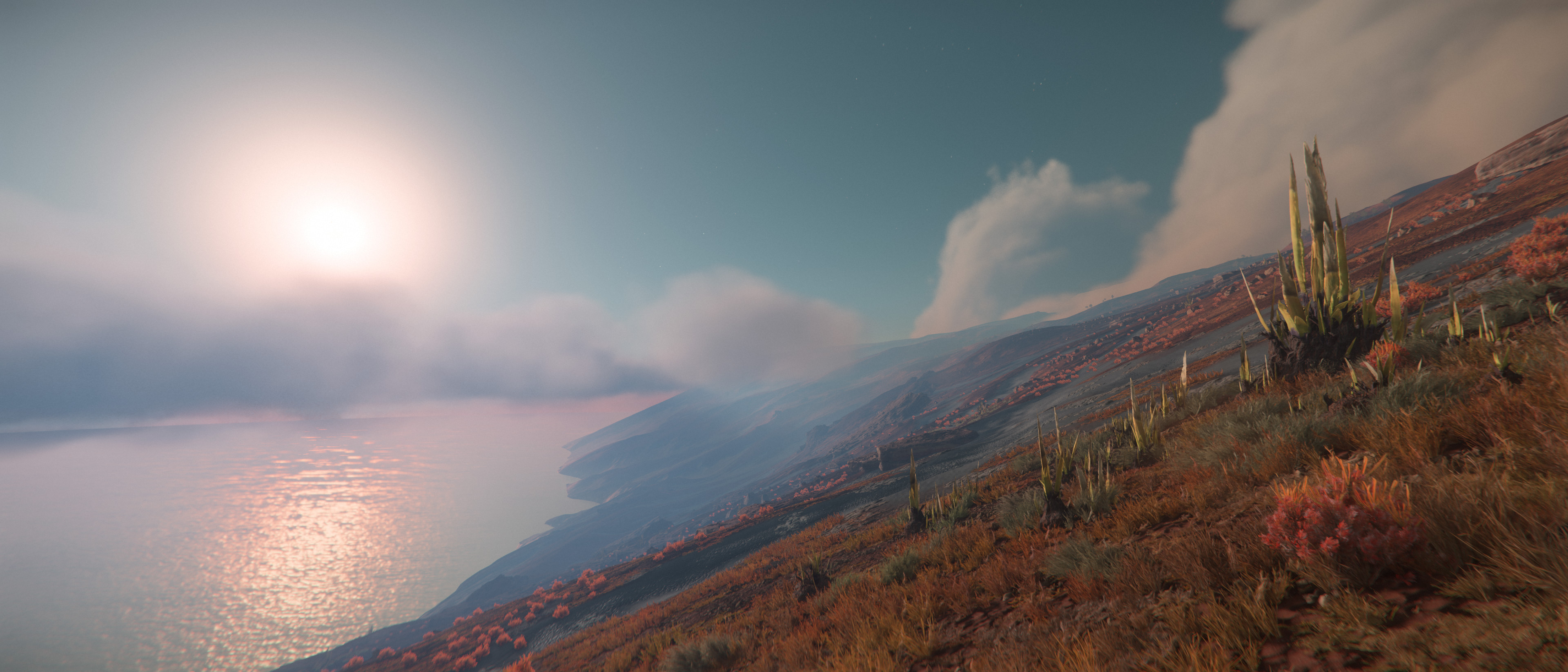
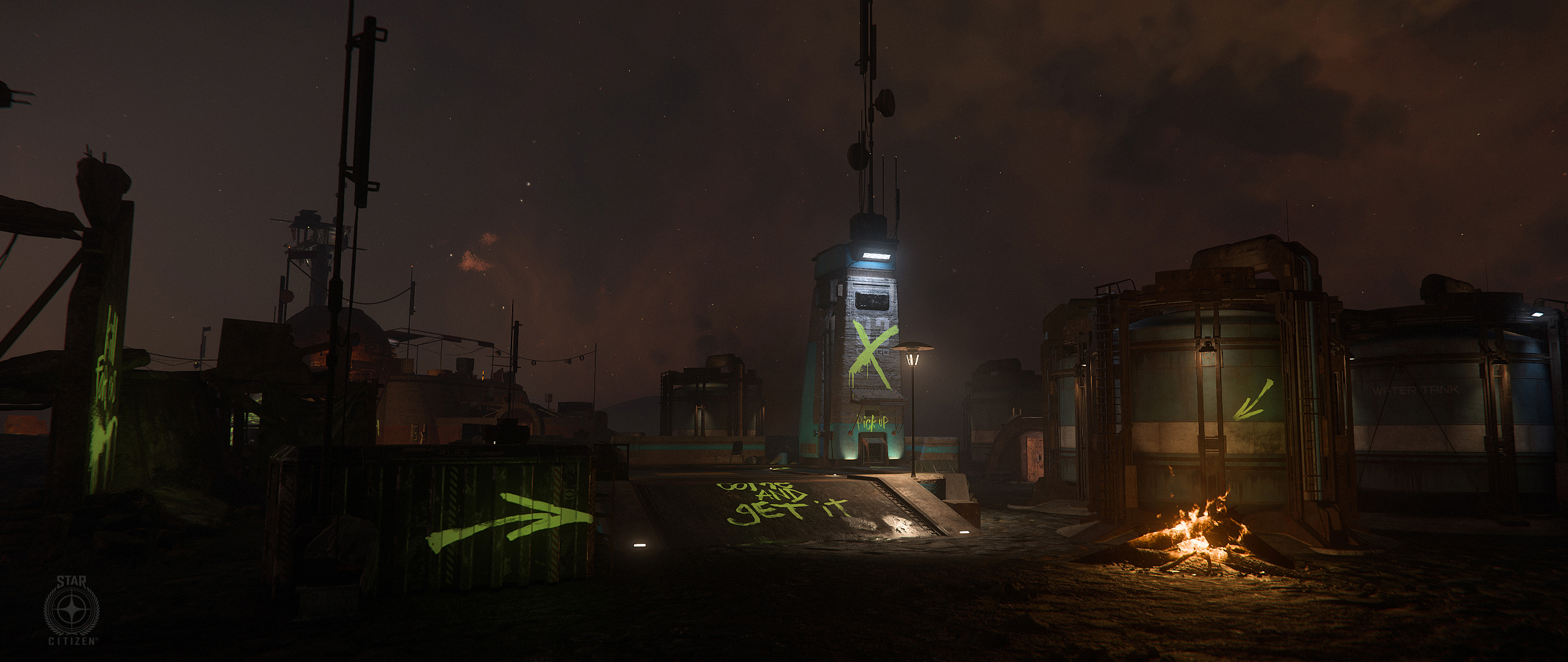
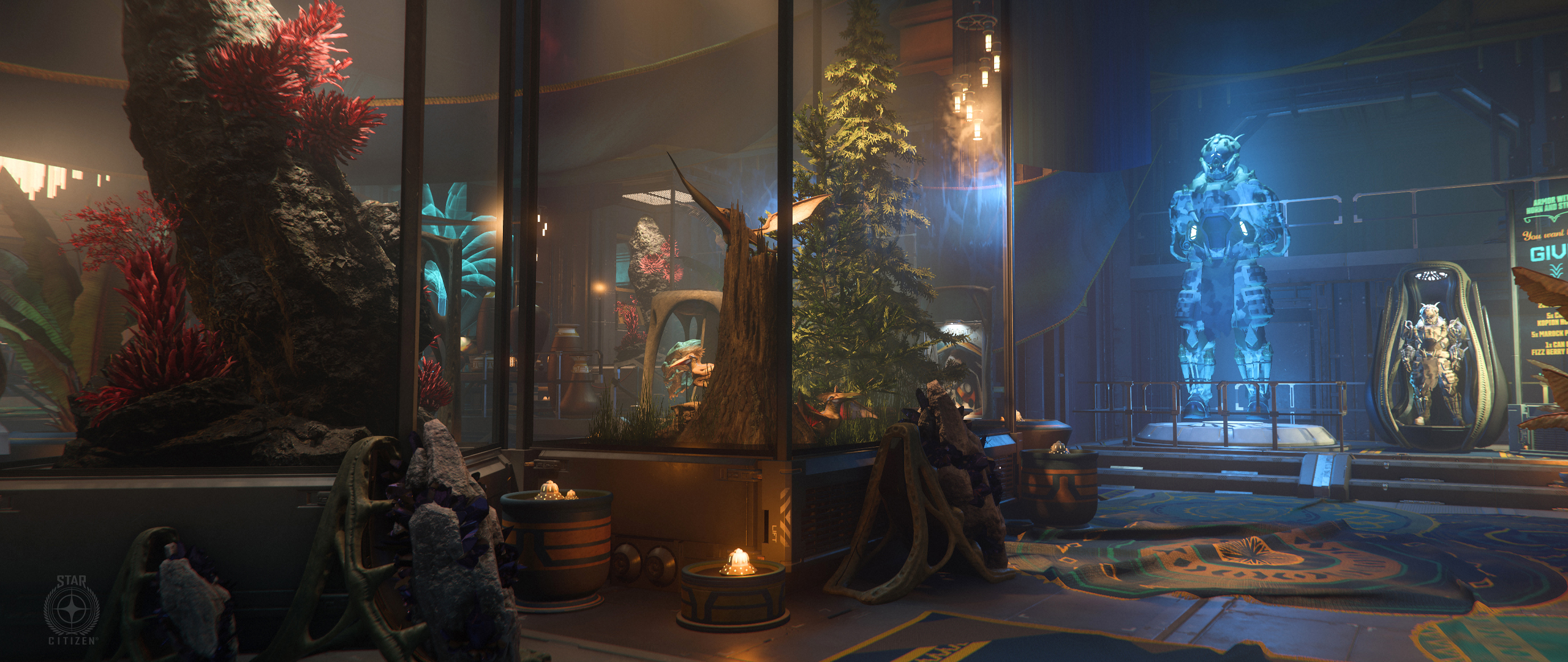
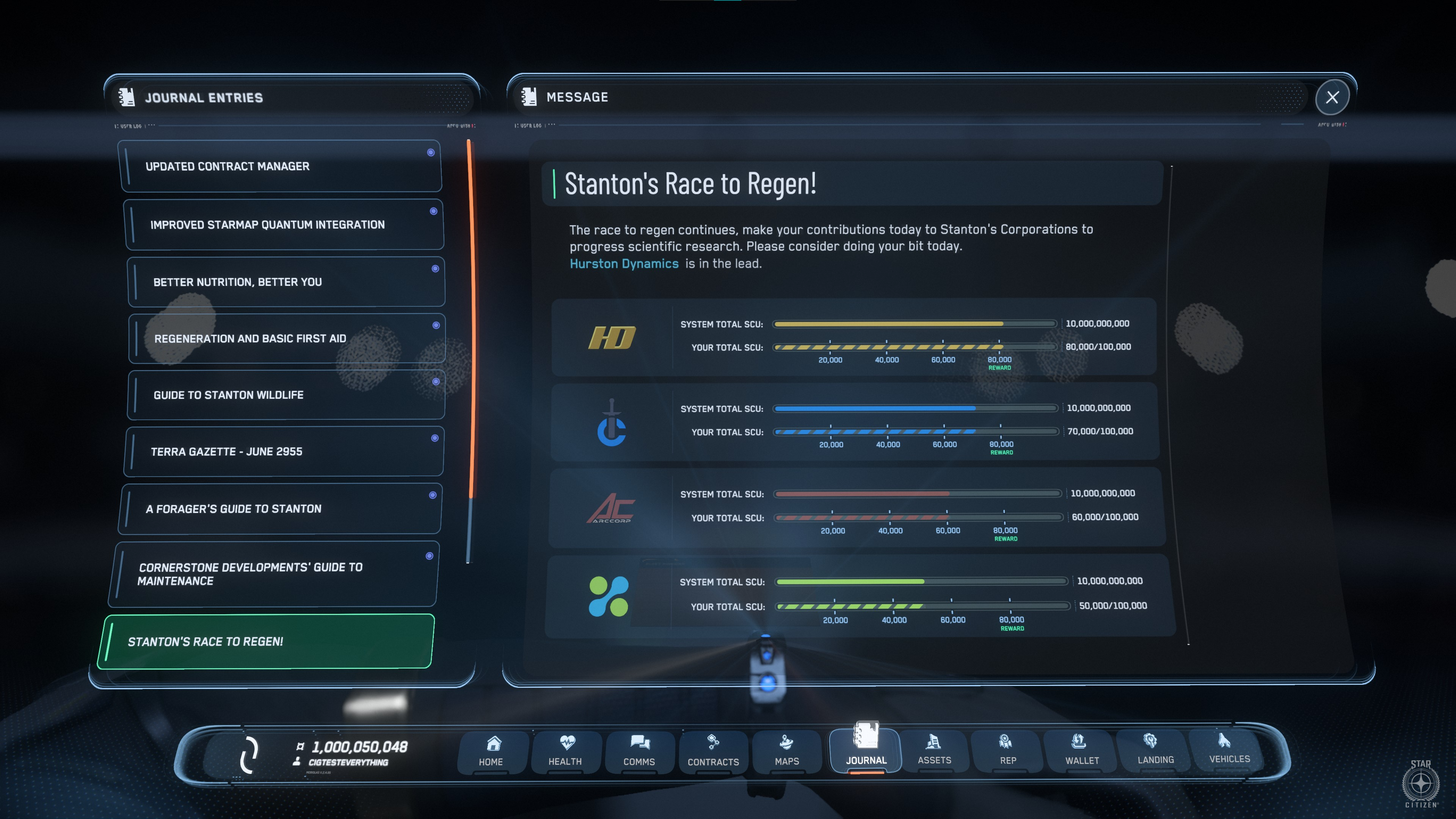
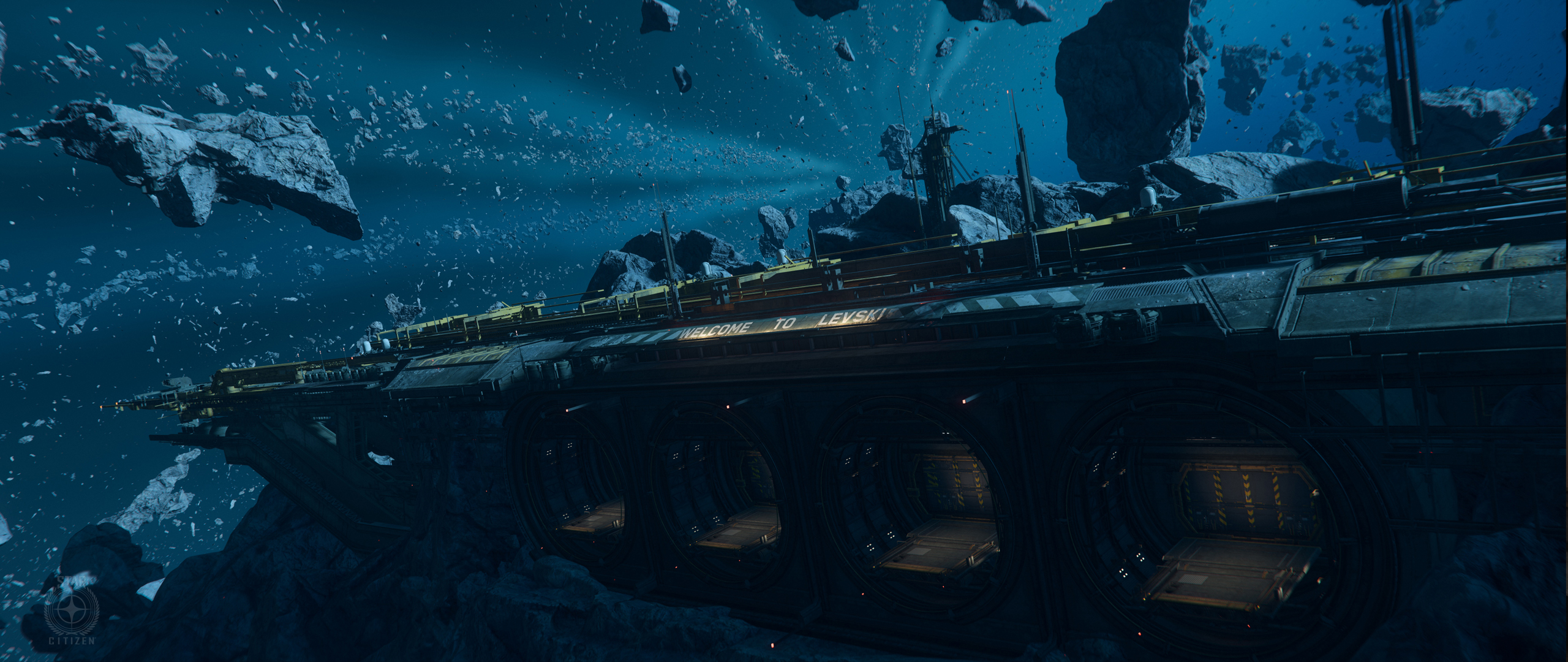
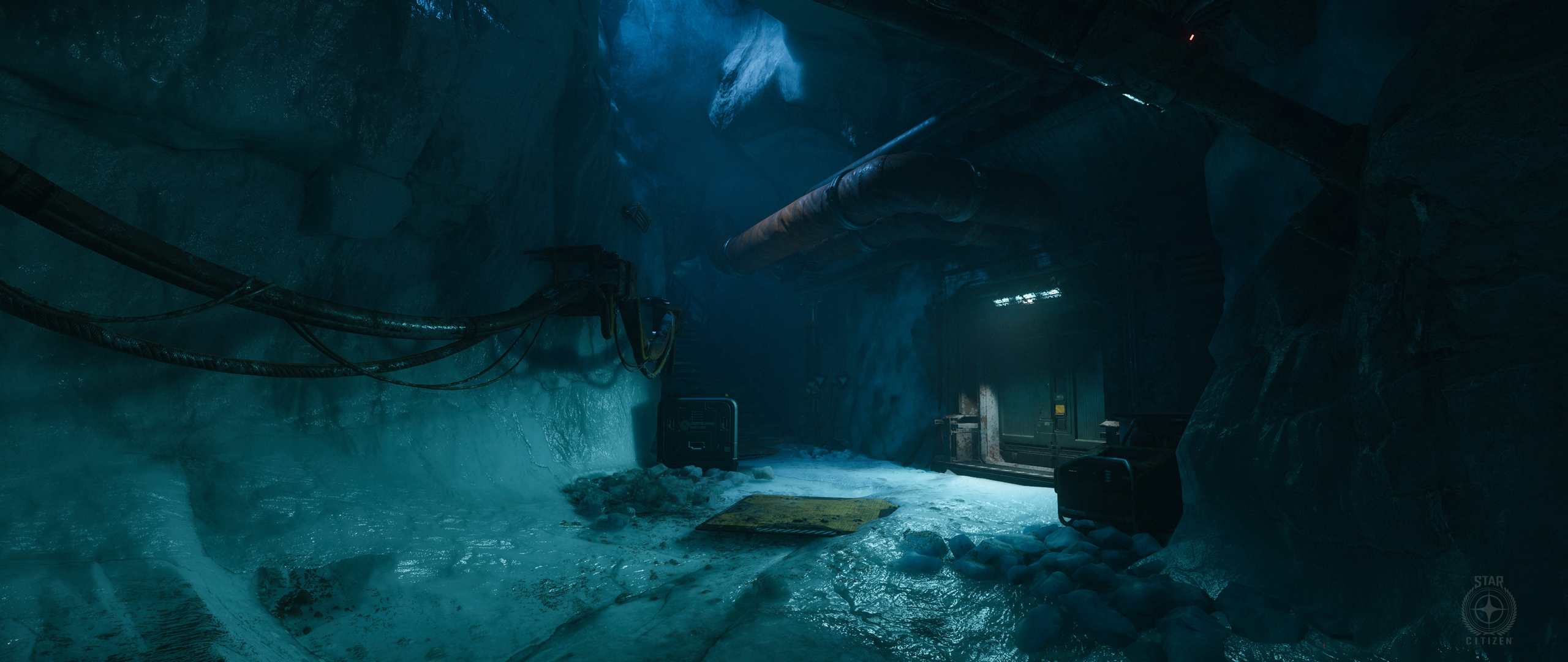
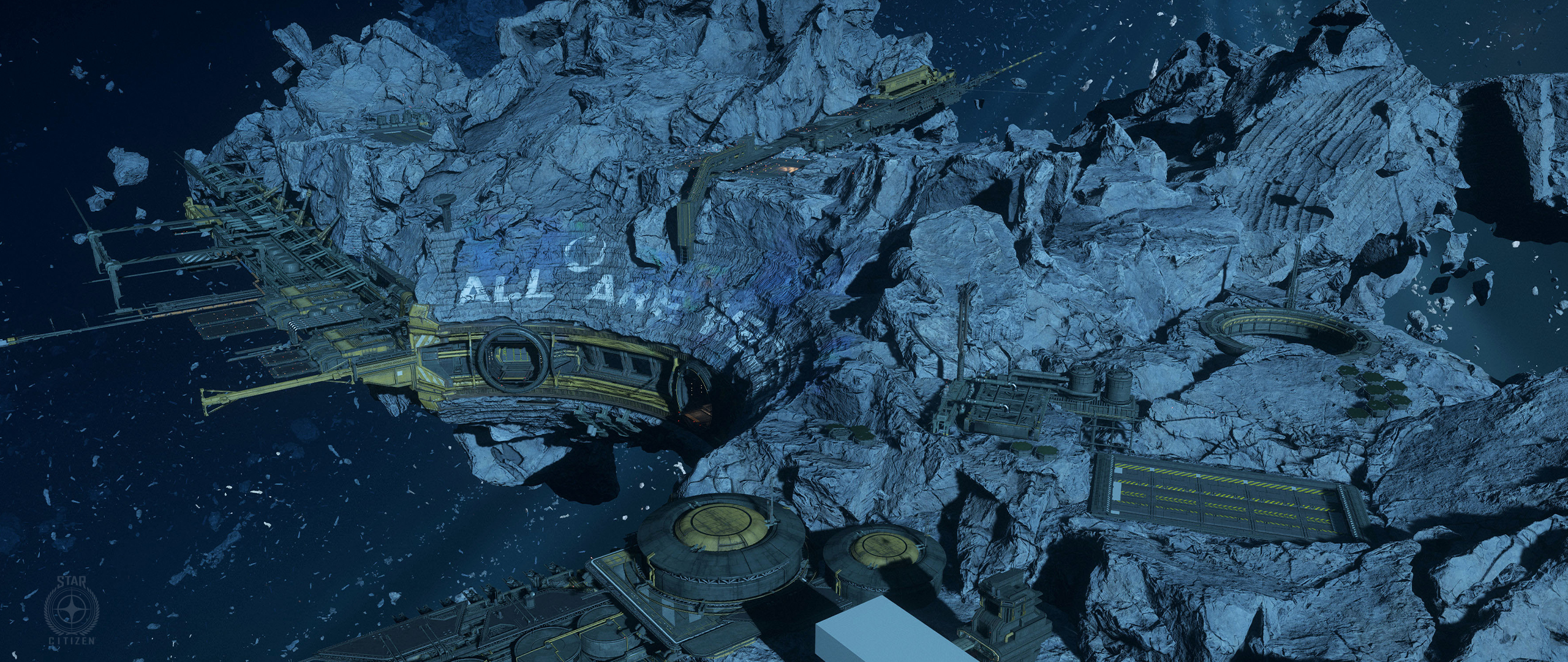
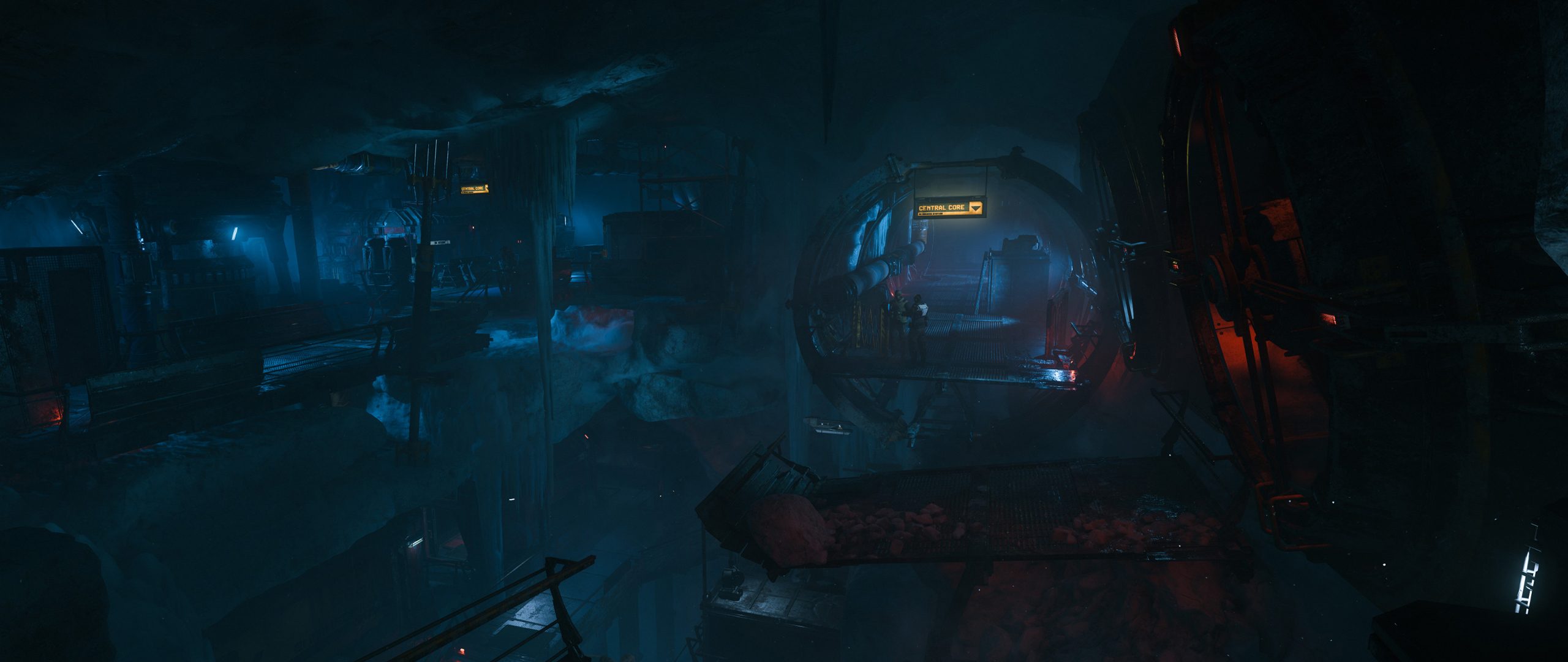
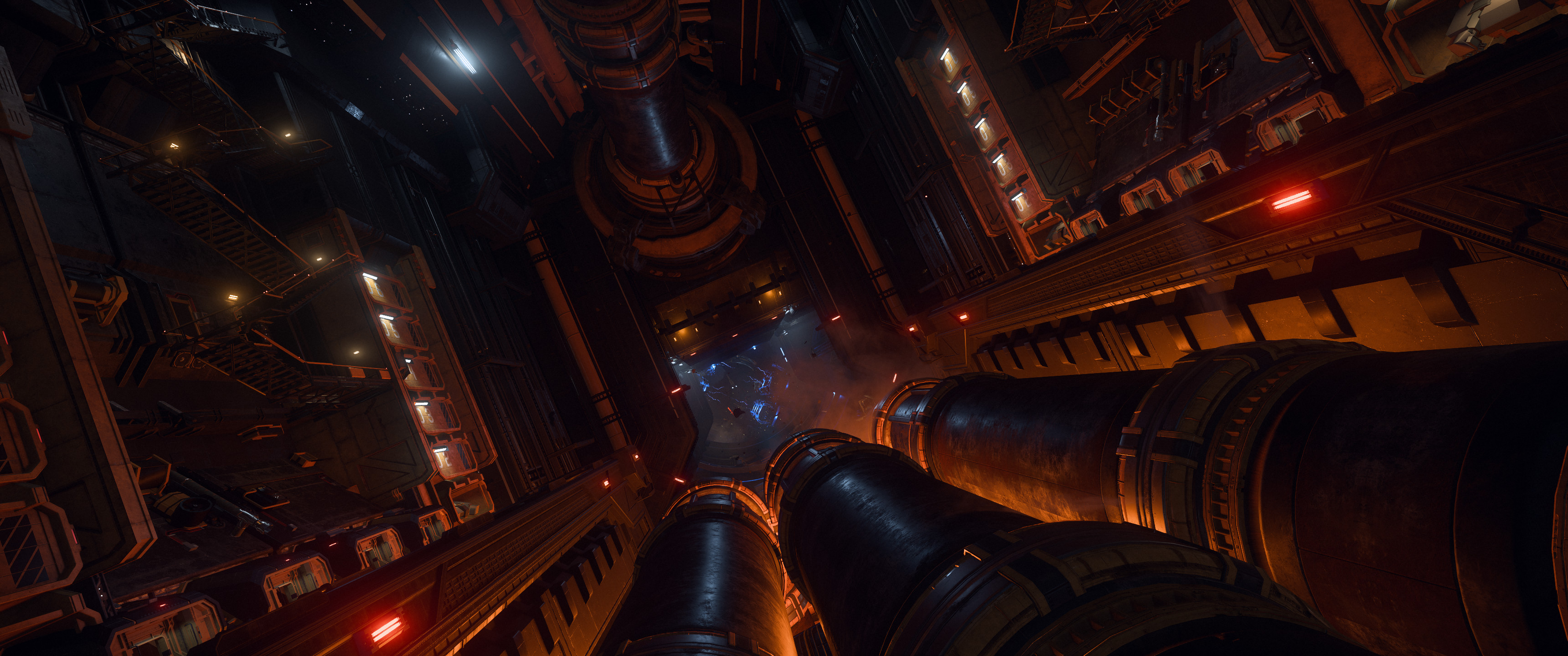
Metadata
- CIG ID
- 17712
- Channel
- Transmission
- Category
- Undefined
- Series
- Monthly Reports
- Comments
- 0
- Published
- 6 years ago (2020-08-05T00:00:00+00:00)