Star Citizen Monthly Report: April 2021
Transmission Undefined Monthly ReportsContent
Following the release of Alpha 3.13 and the upcoming Invictus Launch Week, April’s PU Monthly Report touches on both work players can experience now and in the next few weeks. As usual, there were plenty of longer-term tasks undertaken and completed throughout the month too, with interesting updates on Orison, upcoming ships, and server meshing in the following report. Enjoy!
AI (Content)
Throughout April, AI Content focused on completing the first pass of the security, tourist, and tour guide behaviors, polishing animations from recent mocap sessions and adjusting the related behaviors.
They also implemented the first version of the landing officer, one of the deck crew that will be used in hangars, landing zones, and capital ships. The landing officer gives players clear directions on how to position their ships in relation to the pad for perfect decents.
Work also continued on the hygiene behavior, with the team completing setups for the toilet and shower cubicles and their relative blockout animations. For sleep behaviors, new animations for beds were set up to support physicalized sheets, and the process of standardizing the proper usage of bed shutters began.
They also progressed with the ongoing goal of propagating vendor behaviors to as many shops as possible. They’re currently designing and blocking out the different elements that will make up the various locations (coffee shops, differing food stalls, etc.) and are enabling the available kiosks to use the hawker behavior too.
AI (Features)
April saw AI Features improve the Subsumption tasks used to queue requests in the communication system to link directly to Dataforge entries. This allows the designers to select communication configurations and channel names from a dropdown instead of having to manually type the string names.
Patrol path tech was further developed, while the usable system code was reworked to refresh the usable archetype and use channel archetype flags of an entity post-initialize. The movement blocks that install an NPC to a usable were refactored to rely on the usable component for their internal logic, as the usable component should abstract the AI knowledge of how to interact with the world and not delegate to all other possible components of the game.
Work also progressed on combat behaviors for untrained characters, such as civilians. This involved making sure they react appropriately to combat scenarios and try to preserve their lives as best they can, which is affected by what weapons, if any, they have available to them. The team also improved the reaction distance definition that was causing NPCs to react incorrectly to the player’s presence when fighting in some situations.
Spaceship behaviors related to subcomponent targeting were worked on, with the ability to find the root targetable entities from any targetable object added. The data gathered can be used in flight tasks to perform specific maneuvers, such as allowing a ship to sphere-strafe to attack a subcomponent on a specific sector of a target ship. They also updated the ‘AISeatWeaponControllerComponent’ to handle missiles.
Support began for spawn closets, including implementing handling for the ‘OnDespawnRequest’ event and the initial pass of the despawn activity. Currently, the entity will look for a usable in the spawn closet action area and use it. If that fails, it will move to a random position in the area.
AI (Tech)
One of the Tech Team’s focuses throughout April was navigation links for the navigation mesh. Work involved restructuring the code to allow navigation link entities to specify extenders, which act as code bridges between game code functionality and the navigation link. This provides navigation-system-specific data in a format that can be correctly used during pathfinding. For example, they can now create an extender that uses an explicit offset to connect two navmesh locations or an animation. The animation can also motion-warp markers in a similar way to how mantle is currently used by players. It’s currently being used in SQ42 to allow the Vanduul to jump on and off objects of varying heights, but it can scale to anything needed for environment traversal by any character type.
For EVA, they completed tasks to allow NPCs to systemically transition from zero-g into a usable (and vice versa). For example, AI characters can leave the cockpit of a ship smoothly and then process a 3D movement in zero gravity. They can filter the appropriate enter/exit animation so that the 3D path correctly starts or ends at the appropriate location too.
April also saw the team convert the Subsumption component to use the ECUS ‘InRangeChanged’ event. This uses the more efficient Entity Component Update System API and improves the assignment handling to ensure that assignment requests are propagated correctly from the queue when changing the in-range state. They also fixed how the mastergraph event queues when propagated into the newly selected activity when handling assignments, which is used to select the appropriate subactivity when the transition is delayed.
Finally for AI, the team continued to improve the flowgraph functionality for requesting a custom function assignment. This was achieved by adding support for dynamic input and output variables defined in the selected global function. Ultimately, this will ensure the team can correctly create feature test levels to validate and test behavior content and their related features in a scalable way.
Animation
April saw the team work on tourist and tour guide animations, blockouts for vendors, and the holo-greeter for an upcoming event. In parallel, the Facial Team worked on assets for the tourist, tour guide, holo-greeter, race announcer, and staggers.
Art (Characters)
April saw the Character Art Team wrap up refinery deck assets, while the majority of outfits for Orison and the hospitals were modeled and skinned. A few outfits for Alpha 3.14 progressed well too.
The team continued modeling armor coming later in the year and supported an X-ray shader and skeleton model for medical gameplay UI. Finally, work progressed on backpacks and holographic projections for the physical inventory UI.
Art (Environment)
Throughout April, the Landing Zone Team further developed Orison, which moved into the final stages of production. Other disciplines are currently focusing on closing out the location, with all major platforms, shipyard structures, and rings now final-art-complete. The global composition of the landing zone was also locked down and transit routes have been finalized, though background platforms are still progressing through the final art phase. The team also bug-fixed and optimized the halls for Invictus Launch Week.
Following the release of Alpha 3.13, the Modular Team switched focus back to colonial outposts. The majority of room architecture and props moved into the final-art phase, materials were finalized, and additional visual addons and units were created. A gameplay geometry pass was also done in greybox to better prepare the modules for combat, which involved exploring alternate routes and cover locations. A combat scenario was tested on a planet too, with the team continually making adjustments based on feedback from Design.
Montreal’s Modular Team finalized their work on the Orison and New Babbage hospital maps. The polish phase is nearing completion, with the team preparing to move onto the LOD pass and bug fixing.
April was an exciting month for Planet Content:
“Crusader is looking great and the positive reception from the community on the screenshots we shared boosted the team’s motivation!” -The Planet Content Team
The artists also explored new types of heightmaps for the Pyro system that can generate steep canyons. Work is still ongoing, with the team making additional polish passes over the next few months.
They also looked further ahead to Nyx. Though the system’s planets are still in the early stages of development, new asset packs were blocked out based on the location’s art direction. The next stage is to move the assets towards the final-art stage and begin creating planetary surfaces.
Art (Ships)
The US-based Vehicle Content Team (and other supporting teams) worked hard to complete the release-prep phase for the Tumbril Nova and the last major review. Treads, movement, and gameplay feel were the focus.
“We are now into a proper QA testing cycle and are working on making sure the polished vehicle and experience are going to make players happy. The Nova Tank has been a concerted effort by all and we are proud of everyone’s contributions and are excited to see it go live.” -The Vehicle Content Team
Progress was also made on the RSI Constellation Taurus. Last month saw the ship move through the release-prep stage, with a focus on finishing the complicated LODS. Whitebox was also completed for a highly anticipated ship due for release later in the year. Support was also given to Alpha 3.13.
Alongside other work, Tech Art addressed bugs for the recent patch release, including docking, SDF shields, elevators, ramps, and operator seats.
Art (Weapons)
The Weapons Team continued to move the standalone Greycat tools through the pipeline, with the tractor beam going into final art and the salvage tool going through whitebox. They also iterated on medical tools alongside the UI Design teams, who progressed with wider feature work. Focus was also given to bug fixing for Alpha 3.13.
For ship weapons, a handful of bespoke weapons were developed for some ships featured in an upcoming event.
“We can’t say much more at this point, but a number of bespoke weapons have been given some love to make them sit better with the ship in question.” -The Weapons Team
Audio
The Audio Team onboarded two junior sound designers and one junior technical sound designer to meet the development requirements of Star Citizen and Squadron 42.
For Alpha 3.13, they completed an ambiance pass on the new cave interiors to embed them into their planetary locations and completed all unique audio for the Greycat ROC-DS’ locomotion and moving parts. They also supported the new ship-to-ship docking feature, designing and shaping the audio experience for the gameplay loop, including the UI and docking/undocking sequences.
Tasks were also completed for Invictus Launch Week, including an ambiance pass for the new expo halls with SFX, dialogue, and music.
Audio tasks were completed for Alpha 3.14, with the team focusing on Orison.
“Expect new and interesting ambient sound design and brand-new music from Pedro Camacho for this location. With this landing zone being the first cloud-based city, there are certainly interesting challenges and opportunities to engage with!” -The Audio Team
Community
The Community Team started April announcing the Origin 404 that coincided with the UEE holiday Triggerfish.
The all-digital CitizenCon 2951 was announced, and a Q&A for the Greycat ROC-DS was published that answered community questions on Alpha 3.13’s new twin-user mining vehicle.
The Stanton Seven racing league kicked into high gear this month, which saw the top 16 teams racing across Clio and Wala. The rules for each heat are available on the Stanton Seven website, as well as team leaderboards and a look at amazing rewards that wait for the fastest drivers in the ‘verse.
Engine
In April, the Physics Team continued to improve vehicle support, including the steering limit of a neutrally turning tank and the gravity of a free-falling tank. The wheeled vehicle code was further cleaned up too.
For Alpha 3.13, a solution was found to enabling floating-point exceptions on Linux servers, which will help the team get to the root of issues quicker, meaning a faster turnaround on bugs. For numerical robustness, several improvements were made when converting double-precision floats to either single-precision floats or 32-bit integers.
Engineering continued to work on the G12 renderer, enabling parts of the new Gen12 render path by default and starting the full transition to the new architecture. They also continued to port render passes alongside the Graphics Team. For example, the Scaleform (UI) render path received an initial commit to port it to Gen12. The shader parser received several new improvements and optimizations too.
Work continued on the volumetric cloud system, with April seeing a pass on efficient empty space skipping in the raymarcher. The SDF generation was further optimized, and a required refinement pass was also implemented. Research continued into ways to generate and apply SDFs and, with the initial SDFs generated, work commenced on integrating them into the raymarch process. For cloud modeling, the artists can now specify a custom set of volume textures per planet to shape clouds, as not every planet has clouds resembling those on earth.
On the core engine side, the job manager received further improvements, with the team introducing an explicit per-thread and fiber info block to reduce contention in some of the threading backends. In the near future they’ll improve out-lock implementations to make fewer unnecessary thread wakeups and fewer kernel calls when simultaneously waking up more than one thread. Additionally, they removed contention in one of the threading backends by switching the scheduling algorithm from a lock-protected priority queue to a lockless approach of fixed size producer/consumer queues with aging. For post-mortem profiling, they saw the first results in visualizing collected data in a newly written tool that’s more user-friendly and flexible.
Time in April was also dedicated to server meshing. The existing StarHash logic, which is used for server object container streaming, was moved to the network module in preparation for a later move to a server meshing service. The assert pipeline was revamped and streamlined for more effective issue tracking too. This also involved introducing data assets (in case malign data causes code to run in unexpected conditions), allowing issues to be directly assigned to the relevant content team.
Lastly, code was implemented to mark unused texture slots in materials to guide automated asset dependency tracking, which will keep game data bloat in check.
Features (Characters & Weapons)
To support the next iteration of the player inventory, the team spent part of April working on several UI features. Significant work went into the ability to drag and drop items between the player character and different inventories. Further information was added to tell the player what can go where along with feedback when specific interactions are blocked. One challenge is dealing with attachments. For example, moving a pistol between leg armor and an undersuit.
They also looked into the handling of an inventory stored inside another inventory, which led to them creating multiple windows for the player to move items between. Scenarios like the player dropping the backpack off their character while having the inventory open were also dealt with.
“One small detail which is looking quite neat is the player character performing an unstow animation if the user places an item directly into their character’s hands.” -The Features Team
Another related area investigated last month is the player leaving a lootable body behind upon death. For now, this will be achieved by creating a body copy (or imposter) and transferring ownership of the player’s items to the copy. This leaves the original player entity free to respawn and able to return to their corpse to retrieve their items. As well as transferring items, this required logic to copy the pose and physical state of one ragdoll to another. This still requires polish to make the transition seamless, but the feature will add a new dimension when implemented in the future.
Features (Gameplay)
The Feature Team spent April looking into must-fix issues for Alpha 3.13 and continuing their work on Alpha 3.13.1 and Alpha 3.14 initiatives. Work also continued on the Player Asset Manager, with the engineers creating the initial Building Blocks system and the ‘provider’ that manages a majority of the application logic. The provider and Building Blocks will be connected via UI bindings, which will let the team pull in essential data they wish to show. Meanwhile, UI Design created concepts for the layout of the app, which will be reviewed and edited before a final design is chosen.
Planning continued for the upcoming cargo refactor mentioned last month, with Engineering writing up the TDD, which is now in the review process. From the TDD, the team will look to break down the work into tasks before starting to build the extensive new system.
Internal testing of the next dynamic event is currently underway, with minor changes being made daily following feedback from QA.
Features (Mission)
Last month, Mission Features spent some time focusing on Invictus Launch Week. The team also further developed spawn closets, working on an underground facility as a proof of concept alongside what’s being used on the Javelin.
Mission Features also began supporting hospitals with a refactor of spawning, which had become fragmented as prisons, criminal spawns, and medbeds were added.
An update to friendly-fire logic and splash damage was made. Now, as long as players do more damage to enemies than friendlies, they won’t be punished for any accidental damage caused. However, they will still receive CrimeStats if more serious crimes are committed in the initial implementation. This will be most noticeable when using an EMP, so players should still be careful not to cause more friendly damage when firing.
They also added more civilian AI to caves and improved their behavior when not in combat. Minor improvements were made to the air-traffic control system and bugs were fixed following player feedback for Alpha 3.13.
Features (Vehicles)
Following the launch of Alpha 3.13 and the first iteration of ship-to-ship docking, ship-to-station docking progressed throughout April, with bugs fixed and release-prep work undertaken.
The new thruster wind VFX detailed in March’s report was further developed with support from the VFX Team. This feature’s goals include dust plumes created by individual thrusters as they animate and move on the ship, and effects that change depending on the direction of the thruster to the surface it’s interacting with.
Thruster capacitors received development time in April, which will encourage meaningful decision-making during combat and close-quarter flying. When implemented, afterburners will be powered by capacitors that drain very quickly when used. The capacitors will then recharge using the ship’s power much more slowly, requiring players to consider firing afterburners carefully.
Finally for April, time was spent on improving heads-up-display visuals, which will be important for showing information on the various upcoming features, such as the above thruster capacitors and Missile Operator Mode.
Graphics & VFX Programming
After a period of bug fixing, the Graphics Team returned to focusing on the Gen12 renderer. Most post effects are now running the Gen12 version by default and, once the final few are enabled, they’ll begin enabling geometry passes. This will start with shadows, followed by opaque geometry, and finally transparent geometry. The geometry passes are already partially complete, though there are still problems to solve before they see the expected performance gains.
Progress was made on the Vulkan backend to achieve parity with DirectX 11, which requires a pass over all shaders to remove a handful of legacy DirectX 9 features that are no longer supported.
The VFX Programmers continued the Gen12 conversion of their code, which is almost complete. Great progress was made on the fire hazard too, while a major overhaul of particle lighting was completed. Finally, the particle lighting is now more physically based, energy-conserving (doesn’t reflect more light than it receives), and gives higher quality results that are more consistent over different lighting scenarios.
Lighting
Last month, the Lighting Team moved to predominately supporting Orison. With the line of sight being dozens of kilometers away to other platforms, lighting information needs to be visible at these distances while maintaining high-quality lighting on local platforms. This will likely involve a longer period of polish and optimization than on previous landing zones, with plenty of back and forth between lighting individual platforms and the landing zone as a whole.
Live Content
Live Content’s April saw them revisit cave missions, improving the AI patrol paths, adding harvestables and mineables, and making a general bug sweep (with close attention paid to the AI).
They looked at some of the existing Caterpillar derelicts and added additional variations to give a more claustrophobic feel and to introduce the use of tractor beams and trolleys. The longer-distance quantum-sensitive delivery missions were revisited too, with balance tweaks made to the rewards.
Once complete, the team largely turned to paper design and prototyping for future releases, with a focus on the comm array missions to help improve and expand PvP gameplay. This involved working on the aforementioned spawn closets in the underground facilities as a proof of concept for the new tech coming online this quarter.
Narrative
Following the release of Alpha 3.13 last month, the Narrative Team turned their focus to the next patch and finalizing content for Invictus Launch Week, which included a voice-over session. Orison received new audio, set dressing documents, and navigational sign text, while set dressing documentation was completed for the new hospital locations.
Following the release of the Delphi reputation app, the team had several meetings to discuss the expansion of the reputation system and how to make the player’s experience of working with various organizations and contacts more robust and nuanced. They also coordinated with Design on scripts for an upcoming dynamic event and worked on the usual slate of new items requiring naming and descriptions.
April also saw a wide range of narrative content, including Jump Point magazine for subscribers, new Galactapedia entries, the latest Mining Rocks newsletter from Shubin, the first installment of A Gift for Baba (the story from which Crusader’s moons got their names), and brand-new feature Loremakers: Community Questions, where the Narrative Team provide sought after answers to questions pulled from the Ask A Dev section of the forums.
Player Relations
Player Relations finalized their recruiting efforts to support the growing needs of the service and backer base, including a remote training program to better onboard new team members. They also announced the launch of the Issue Council 2.0, which improves the team’s ability to track, triage, and fix bugs throughout the game.
Props
Last month, the team continued with props for the colonialism outposts, which involved working closely with the Modular Locations Team to ensure they’re cohesive and fit the homestead feel.
Props polish for Orison was started, most notably on materials for the whale statue “hero-asset.”
Concept props were created for the hospitals alongside the Montreal-based Locations Team, including a wheelchair, walker, IV stand, and packaging assets for medical goods. They also progressed with the medical bed and gurney, which are nearing completion. The new hospital bed template was rolled out so that hospital beds in ships can use the new gameplay too. Finally, Props helped AI Content produce new usable templates for shops.
QA
On the publishing side, QA supported the launch of Alpha 3.13 alongside an incremental patch to fix a few player-feedback issues. They then set up and prepared testing strategies for Alpha 3.13.1 and beyond.
QA’s primary development focus was on testing Invictus Launch Week along with another event coming later in the year. Preliminary testing began on Alpha 3.14 features and content along with performance captures.
The Texas-based QA Team was also restructured to enable them to focus on more specific aspects of the game, like ships, careers, locations, missions, events. This allows testers on each team to have more knowledge in a given area and better test specific features and content.
Systemic Services & Tools
April saw the Systemic Services & Tools Team wrap up the latest version of the economy and AI simulation tools that control the wider game economy. Improvements were also added to make recording and presentation easier.
For services, work progressed on prepping the Super pCache for the next release. The prototyping of new services, including one for celestial body positioning and one for the accurate tracking of important NPCs, were also completed. They also completed service work to pass ship names between the DGS and platform, though they’re still investigating edge cases as time permits.
Finally for SST, work progressed on support for server meshing, with emphasis on object container hierarchy table seeding.
Tech Animation
Tech Animation began working on a new area of the facial pipeline that will convert photographs into full head geometry models. The process itself has been used for years, but this initiative sees the team automating as much as possible to enable the artists to focus on art rather than time-consuming technical processes. This involves utilizing several applications and streamlining all required data through them without user interaction.
The weapons authoring pipeline also received attention to assist its users and automate as much as possible. This will see Maya become more intelligent with how it handles engine files and enable a portion of the authoring and validation directly in its environment.
Turbulent
Collaborating with the Core Tech and Networking teams, Turbulent’s Game Services delivered the first iteration of the entity graph service. Many teams depending on this are now able to move forward. An entity graph tool was also created for testing and creating test scenarios.
New teammates were onboarded, who will be focusing on moving Hex to the next level. They started their roles performing maintenance and clearing out high-priority bugs and tasks.
Both teams completed a few support tasks for Alpha 3.13 and its incremental patches, but mostly continued tasks for Alpha 3.14.
The Web Team supported the various promotions that launched in April, including Alpha 3.13 and the Greycat ROC-DS.
UI
The UI Team worked on several elements throughout April that will help UI screens in future releases. They created a yellow, low-tech style to better match locations such as Lorville as well as a blue Crusader-style UI to use in its ships and on Orison itself. They also created small-yet-useful widgets such as foreground and background textures, manufacturer logos, and new buttons that will be used in an upcoming update to the door control UI. A tweak was also made to the transit screens so that they look and work in a similar way, though they will be able to have any UI style applied in the future.
Finally for UI, the developers gained the ability to add tooltips to screens and made bug fixes and optimizations for Alpha 3.13.
Vehicle Tech
Last month, the Vehicle Technical Team began tying down the radar and scanning system features and focused on testing functionality to ensure a clear and satisfying experience. In support of the Tumbril Nova, they worked to make it feel and look appropriately “tanky” by focusing on animation timing and wheel surface debris. A list of must-fix issues was addressed for Invictus Launch Week, with work continuing into May to ensure the event runs as smoothly as possible.
VFX
The VFX Team spent part of April making thruster effects more readable at distance. This work followed a similar pattern to last year’s weapon effects readability task, where they looked at the game holistically in team playtests to get a better understanding of what visual information players needs to improve their gameplay experience. In the case of thrusters, being able to see them from further distances is desirable, so various tweaks were made to the effects to make this possible, though the process is ongoing.
Some new firework effects were created to give the Design Team a larger library to choose from for various gameplay events, while further progress was made on large-scale destruction events, specifically testing out the pipeline from conception to the end result in-game. The Nova’s VFX were further polished too, including its cannon.
On the feature side, work continued on thruster wind volumes and the new effects for vehicle radar ping/blobs made progress.
WE’LL SEE YOU NEXT MONTH…
Nach der Veröffentlichung der Alpha 3.13 und der bevorstehenden Invictus-Startwoche befasst sich der PU-Monatsbericht für April mit der Arbeit, die Spieler jetzt und in den nächsten Wochen erleben können. Wie immer gab es auch eine Menge längerfristiger Aufgaben, die im Laufe des Monats in Angriff genommen und abgeschlossen wurden, mit interessanten Updates zu Orison, kommenden Schiffen und Server-Meshing im folgenden Bericht. Viel Spaß!
KI (Inhalt)
Im April konzentrierte sich die KI-Abteilung auf die Fertigstellung des ersten Durchlaufs der Sicherheits-, Touristen- und Reiseleiter-Verhaltensweisen, das Polieren der Animationen aus den letzten Mocap-Sessions und die Anpassung der entsprechenden Verhaltensweisen.
Außerdem wurde die erste Version des Landeoffiziers implementiert, einer der Deckscrews, die in Hangars, Landezonen und großen Schiffen zum Einsatz kommen werden. Der Landeoffizier gibt den Spielern klare Anweisungen, wie sie ihre Schiffe in Bezug auf die Landefläche positionieren müssen, um perfekt zu landen.
Die Arbeit am Hygiene-Verhalten wurde ebenfalls fortgesetzt, wobei das Team die Setups für die Toiletten- und Duschkabinen und ihre relativen Blockout-Animationen fertiggestellt hat. Für das Schlafverhalten wurden neue Animationen für die Betten erstellt, um physische Laken zu unterstützen, und der Prozess der Standardisierung der korrekten Verwendung von Bettläden begann.
Außerdem wurde das Ziel verfolgt, das Verhalten von Händlern in so vielen Läden wie möglich zu verbreiten. Sie sind gerade dabei, die verschiedenen Elemente zu entwerfen und auszublocken, die die verschiedenen Standorte ausmachen werden (Cafés, verschiedene Essensstände, etc.) und ermöglichen den verfügbaren Kiosken, ebenfalls das Händlerverhalten zu nutzen.
KI (Features)
Im April wurden durch AI Features die Subsumption Tasks verbessert, die verwendet werden, um Anfragen im Kommunikationssystem in eine Warteschlange zu stellen und direkt mit Dataforge Einträgen zu verknüpfen. Dies ermöglicht es den Designern, Kommunikationskonfigurationen und Kanalnamen aus einem Dropdown auszuwählen, anstatt die Stringnamen manuell eingeben zu müssen.
Die Patrouillenpfad-Technologie wurde weiterentwickelt, während der Code des nutzbaren Systems überarbeitet wurde, um den nutzbaren Archetyp zu aktualisieren und Kanal-Archetyp-Flags einer Entität nach der Initialisierung zu verwenden. Die Bewegungsblöcke, die einen NSC in einem Usable installieren, wurden refaktorisiert, um sich für ihre interne Logik auf die Usable-Komponente zu verlassen, da die Usable-Komponente das KI-Wissen, wie man mit der Welt interagiert, abstrahieren und nicht an alle anderen möglichen Komponenten des Spiels delegieren sollte.
Die Arbeit am Kampfverhalten für untrainierte Charaktere, wie z.B. Zivilisten, ging ebenfalls voran. Dabei ging es darum, sicherzustellen, dass sie angemessen auf Kampfszenarien reagieren und versuchen, ihr Leben so gut wie möglich zu erhalten, was davon beeinflusst wird, welche Waffen, wenn überhaupt, ihnen zur Verfügung stehen. Das Team verbesserte auch die Definition der Reaktionsdistanz, die dazu führte, dass NSCs in manchen Situationen falsch auf die Anwesenheit des Spielers im Kampf reagierten.
Das Verhalten von Raumschiffen in Bezug auf das Anvisieren von Unterkomponenten wurde überarbeitet, wobei die Fähigkeit hinzugefügt wurde, von jedem anvisierbaren Objekt aus die Wurzel der anvisierbaren Einheiten zu finden. Die gesammelten Daten können in Flugaufgaben verwendet werden, um bestimmte Manöver durchzuführen, wie z.B. einem Schiff zu erlauben, eine Sphärenstrafe auszuführen, um eine Unterkomponente in einem bestimmten Sektor eines Zielschiffes anzugreifen. Außerdem wurde die 'AISeatWeaponControllerComponent' aktualisiert, um Raketen zu handhaben.
Es wurde mit der Unterstützung von Spawn-Closets begonnen, einschließlich der Implementierung der Behandlung des 'OnDespawnRequest'-Ereignisses und des ersten Durchlaufs der Despawn-Aktivität. Momentan sucht die Entität nach einem brauchbaren im Spawn Closet Aktionsbereich und benutzt ihn. Wenn das fehlschlägt, wird es sich an eine zufällige Position im Gebiet bewegen.
KI (Tech)
Einer der Schwerpunkte des Tech-Teams im April waren die Navigationslinks für das Navigationsnetz. Die Arbeit beinhaltete eine Umstrukturierung des Codes, um es den Navigationslink-Entitäten zu ermöglichen, Extender zu spezifizieren, die als Code-Brücken zwischen der Spielcode-Funktionalität und dem Navigationslink fungieren. Dadurch werden navigationsystemspezifische Daten in einem Format bereitgestellt, das bei der Pfadfindung korrekt verwendet werden kann. Zum Beispiel können sie nun einen Extender erstellen, der einen expliziten Offset verwendet, um zwei Navmesh-Positionen oder eine Animation zu verbinden. Die Animation kann auch Motion-Warp-Marker in einer ähnlichen Art und Weise, wie Mantel derzeit von Spielern verwendet wird. Es wird derzeit in SQ42 verwendet, um den Vanduul zu ermöglichen, auf und von Objekten unterschiedlicher Höhe zu springen, aber es kann auf alles skaliert werden, was für das Durchqueren der Umgebung durch jeden Charaktertyp benötigt wird.
Für EVA haben sie Aufgaben erledigt, die es NSCs erlauben, systematisch von der Schwerelosigkeit in eine nutzbare zu wechseln (und umgekehrt). Zum Beispiel können KI-Charaktere das Cockpit eines Schiffes reibungslos verlassen und dann eine 3D-Bewegung in der Schwerelosigkeit ausführen. Sie können die entsprechende Enter/Exit-Animation filtern, damit der 3D-Pfad auch an der entsprechenden Stelle korrekt beginnt oder endet.
Im April hat das Team auch die Subsumption Komponente konvertiert, um das ECUS 'InRangeChanged' Event zu nutzen. Dies nutzt die effizientere Entity Component Update System API und verbessert die Handhabung der Zuweisung, um sicherzustellen, dass Zuweisungsanfragen korrekt aus der Warteschlange propagiert werden, wenn der In-Range-Status geändert wird. Sie haben auch behoben, wie die Ereigniswarteschlange des Mastergraphs bei der Propagierung in die neu ausgewählte Aktivität bei der Handhabung von Zuweisungen, die verwendet wird, um die passende Unteraktivität auszuwählen, wenn der Übergang verzögert wird.
Schließlich hat das Team für AI die Flowgraph-Funktionalität für das Anfordern einer benutzerdefinierten Funktionszuweisung weiter verbessert. Dies wurde durch das Hinzufügen von Unterstützung für dynamische Eingangs- und Ausgangsvariablen erreicht, die in der ausgewählten globalen Funktion definiert sind. Letztendlich stellt dies sicher, dass das Team korrekte Funktionstestebenen erstellen kann, um Verhaltensinhalte und die damit verbundenen Funktionen auf eine skalierbare Weise zu validieren und zu testen.
Animation
Im April arbeitete das Team an Touristen- und Tourguide-Animationen, Blockouts für Verkäufer und dem Holo-Greeter für ein kommendes Event. Parallel dazu arbeitete das Facial Team an Assets für den Touristen, den Tourguide, den Holo-Greeter, den Rennansager und die Staggers.
Kunst (Charaktere)
Im April hat das Character Art Team das Raffinerie-Deck fertiggestellt, während die meisten Outfits für Orison und die Krankenhäuser modelliert und geskinnt wurden. Ein paar Outfits für Alpha 3.14 machten ebenfalls Fortschritte.
Das Team setzte die Modellierung von Rüstungen fort, die später im Jahr kommen werden, und unterstützte einen Röntgen-Shader und ein Skelettmodell für das medizinische Gameplay-UI. Schließlich wurde an Rucksäcken und holografischen Projektionen für das Inventar-UI gearbeitet.
Kunst (Umgebung)
Im Laufe des Aprils entwickelte das Landing Zone Team Orison weiter, das sich in der Endphase der Produktion befindet. Andere Disziplinen konzentrieren sich derzeit auf die Fertigstellung des Ortes, wobei alle wichtigen Plattformen, Werftstrukturen und Ringe nun final-art-complete sind. Die globale Zusammensetzung der Landezone wurde ebenfalls abgeschlossen und die Transitrouten wurden fertiggestellt, obwohl die Hintergrundplattformen noch in der Final-Art-Phase sind. Das Team hat außerdem Fehler behoben und die Hallen für die Invictus Launch Week optimiert.
Nach der Veröffentlichung von Alpha 3.13 hat sich das Modular Team wieder auf die kolonialen Außenposten konzentriert. Der Großteil der Raumarchitektur und der Requisiten ging in die Final-Art-Phase, Materialien wurden finalisiert und zusätzliche visuelle Addons und Einheiten wurden erstellt. Ein Gameplay-Geometrie-Pass wurde ebenfalls in der Greybox durchgeführt, um die Module besser auf den Kampf vorzubereiten, was das Erkunden alternativer Routen und Deckungsorte beinhaltete. Ein Kampfszenario wurde auch auf einem Planeten getestet, wobei das Team kontinuierlich Anpassungen basierend auf dem Feedback des Designs vornahm.
Montreals Modular Team schloss seine Arbeit an den Karten Orison und New Babbage Hospital ab. Die Polishing-Phase nähert sich dem Ende und das Team bereitet sich auf den LOD-Pass und die Fehlerbehebung vor.
Kunst (Schiffe)
Das in den USA ansässige Vehicle Content Team (und andere unterstützende Teams) haben hart gearbeitet, um die Release-Prep-Phase für die Tumbril Nova und die letzte große Überarbeitung abzuschließen. Laufflächen, Bewegung und Gameplay-Gefühl standen dabei im Mittelpunkt.
"Wir befinden uns jetzt in einem ordentlichen QA-Testzyklus und arbeiten daran, dass das polierte Fahrzeug und die Erfahrung die Spieler glücklich machen werden. Der Nova Tank war eine gemeinsame Anstrengung von allen und wir sind stolz auf die Beiträge von allen und freuen uns darauf, ihn live zu sehen." -The Vehicle Content Team
Auch bei der RSI Constellation Taurus wurden Fortschritte gemacht. Im letzten Monat durchlief das Schiff die Release-Prep-Phase, wobei der Fokus auf der Fertigstellung der komplizierten LODS lag. Außerdem wurde die Whitebox für ein mit Spannung erwartetes Schiff fertiggestellt, das später im Jahr veröffentlicht werden soll. Auch die Alpha 3.13 wurde unterstützt.
Neben anderen Arbeiten hat Tech Art Bugs für den letzten Patch-Release adressiert, darunter Andocken, SDF-Schilde, Aufzüge, Rampen und Operator-Sitze.
Art (Weapons)
Das Weapons Team hat weiterhin die Standalone Greycat Tools durch die Pipeline bewegt, wobei der Traktorstrahl in die finale Art ging und das Bergungswerkzeug durch die Whitebox ging. Sie iterierten auch an den medizinischen Werkzeugen zusammen mit den UI Design Teams, die mit der Arbeit an weiteren Features vorankamen. Der Fokus lag auch auf der Fehlerbehebung für Alpha 3.13.
Bei den Schiffswaffen wurde eine Handvoll maßgeschneiderter Waffen für einige Schiffe entwickelt, die in einem kommenden Event vorgestellt werden.
"Wir können zu diesem Zeitpunkt noch nicht viel mehr sagen, aber eine Reihe von maßgeschneiderten Waffen haben etwas Liebe bekommen, damit sie besser zu dem jeweiligen Schiff passen." -Das Waffenteam
Audio
Das Audio Team hat zwei Junior Sound Designer und einen Junior Technical Sound Designer an Bord geholt, um die Entwicklungsanforderungen von Star Citizen und Squadron 42 zu erfüllen.
Für Alpha 3.13 vollendeten sie einen Ambiance Pass für die neuen Höhleninterieurs, um sie in die planetaren Orte einzubetten und vollendeten alle einzigartigen Audios für die Fortbewegung und die beweglichen Teile der Greycat ROC-DS. Außerdem unterstützten sie das neue Schiff-zu-Schiff-Docking-Feature, indem sie das Audioerlebnis für den Gameplay-Loop entwarfen und gestalteten, einschließlich der UI und der Andock-/Abkoppelsequenzen.
Auch für die Invictus Launch Week wurden Aufgaben erledigt, darunter ein Ambiance Pass für die neuen Expo-Hallen mit SFX, Dialogen und Musik.
Audioaufgaben wurden für die Alpha 3.14 abgeschlossen, wobei sich das Team auf Orison konzentrierte.
"Erwarte neues und interessantes Ambient Sound Design und brandneue Musik von Pedro Camacho für diesen Ort. Da diese Landezone die erste Cloud-basierte Stadt ist, gibt es sicherlich interessante Herausforderungen und Möglichkeiten, mit denen man sich beschäftigen kann!" -The Audio Team
Community
Das Community Team begann den April mit der Ankündigung der Origin 404, die mit dem UEE Feiertag Triggerfish zusammenfiel.
Die volldigitale CitizenCon 2951 wurde angekündigt und eine Q&A für die Greycat ROC-DS wurde veröffentlicht, die Fragen der Community zu dem neuen Minenfahrzeug mit zwei Nutzern in Alpha 3.13 beantwortete.
Die Stanton Seven Rennliga ist diesen Monat in die Gänge gekommen, in der die besten 16 Teams über Clio und Wala rasen. Die Regeln für jeden Lauf sind auf der Stanton Seven-Webseite verfügbar, ebenso wie die Team-Ranglisten und ein Blick auf die erstaunlichen Belohnungen, die auf die schnellsten Fahrer im 'Verse' warten.
Motor
Im April hat das Physik-Team die Fahrzeugunterstützung weiter verbessert, einschließlich der Lenkgrenze eines neutral drehenden Panzers und der Schwerkraft eines frei fallenden Panzers. Auch der Code für Radfahrzeuge wurde weiter aufgeräumt.
Für Alpha 3.13 wurde eine Lösung gefunden, um Fließkomma-Ausnahmen auf Linux-Servern zu aktivieren, was dem Team helfen wird, Probleme schneller an der Wurzel zu packen, was eine schnellere Behebung von Bugs bedeutet. Für die numerische Robustheit wurden mehrere Verbesserungen bei der Konvertierung von Double-Precision Floats in Single-Precision Floats oder 32-Bit Integer vorgenommen.
Die Entwickler haben weiter am G12 Renderer gearbeitet, Teile des neuen Gen12 Renderpfades standardmäßig aktiviert und den vollständigen Übergang zur neuen Architektur begonnen. Außerdem wurde die Portierung von Renderpässen zusammen mit dem Grafikteam fortgesetzt. Zum Beispiel erhielt der Scaleform (UI) Renderpfad einen ersten Commit, um ihn auf Gen12 zu portieren. Der Shader-Parser erhielt ebenfalls einige neue Verbesserungen und Optimierungen.
Die Arbeit am volumetrischen Wolkensystem wurde fortgesetzt, wobei im April ein Pass für effizientes Leerspace-Skipping im Raymarcher erfolgte. Die SDF-Generierung wurde weiter optimiert und ein erforderlicher Verfeinerungspass wurde ebenfalls implementiert. Es wurde weiter an der Generierung und Anwendung von SDFs geforscht und mit den ersten generierten SDFs wurde begonnen, diese in den raymarcher Prozess zu integrieren. Für die Wolkenmodellierung können die Künstler nun ein benutzerdefiniertes Set von Volumentexturen pro Planet festlegen, um Wolken zu formen, da nicht jeder Planet Wolken hat, die denen auf der Erde ähneln.
Auf der Seite der Core-Engine wurde der Job-Manager weiter verbessert, indem das Team einen expliziten Pro-Thread- und Faser-Infoblock eingeführt hat, um Konflikte in einigen der Threading-Backends zu reduzieren. In naher Zukunft werden sie die Out-Lock-Implementierungen verbessern, um weniger unnötige Thread-Wakeups und weniger Kernel-Aufrufe beim gleichzeitigen Aufwecken von mehr als einem Thread zu machen. Zusätzlich haben sie in einem der Threading-Backends Contention beseitigt, indem sie den Scheduling-Algorithmus von einer Lock-geschützten Prioritäts-Warteschlange auf einen Lockless-Ansatz mit Producer/Consumer-Warteschlangen fester Größe mit Aging umgestellt haben. Für das Post-Mortem-Profiling sahen sie die ersten Ergebnisse bei der Visualisierung der gesammelten Daten in einem neu geschriebenen Tool, das benutzerfreundlicher und flexibler ist.
Die Zeit im April wurde auch dem Server Meshing gewidmet. Die bestehende StarHash Logik, die für das Streaming von Server-Objekt-Containern verwendet wird, wurde in das Netzwerkmodul verschoben, um einen späteren Umzug zu einem Server-Meshing-Service vorzubereiten. Die Assert-Pipeline wurde ebenfalls überarbeitet und für eine effektivere Fehlerverfolgung gestrafft. Dies beinhaltete auch die Einführung von Daten-Assets (für den Fall, dass bösartige Daten dazu führen, dass Code unter unerwarteten Bedingungen ausgeführt wird), wodurch Issues direkt dem entsprechenden Content-Team zugewiesen werden können.
Zu guter Letzt wurde Code implementiert, um ungenutzte Textur-Slots in Materialien zu markieren, um die automatische Verfolgung von Asset-Abhängigkeiten zu steuern, was die Datenflut im Spiel in Schach halten wird.
Features (Charaktere & Waffen)
Um die nächste Iteration des Spielerinventars zu unterstützen, verbrachte das Team einen Teil des Aprils mit der Arbeit an verschiedenen UI-Features. Es wurde viel Arbeit in die Möglichkeit gesteckt, Gegenstände zwischen dem Spielercharakter und verschiedenen Inventaren zu ziehen und abzulegen. Weitere Informationen wurden hinzugefügt, um dem Spieler mitzuteilen, was wo hinkommt, sowie Feedback, wenn bestimmte Interaktionen blockiert sind. Eine Herausforderung ist der Umgang mit Anhängseln. Zum Beispiel das Verschieben einer Pistole zwischen Beinpanzerung und Unteranzug.
Sie untersuchten auch die Handhabung eines Inventars, das innerhalb eines anderen Inventars gelagert wird, was dazu führte, dass sie mehrere Fenster für den Spieler erstellten, zwischen denen er Gegenstände bewegen kann. Szenarien wie der Spieler, der den Rucksack von seinem Charakter abwirft, während das Inventar geöffnet ist, wurden ebenfalls behandelt.
"Ein kleines Detail, das ganz nett aussieht, ist, dass der Spielercharakter eine Entladeanimation ausführt, wenn der Benutzer einen Gegenstand direkt in die Hände seines Charakters legt." -The Features Team
Ein weiterer Bereich, der im letzten Monat untersucht wurde, ist das Hinterlassen eines beutbaren Körpers durch den Spieler beim Tod. Im Moment wird dies durch die Erstellung einer Körperkopie (oder eines Imposters) erreicht und das Eigentum an den Gegenständen des Spielers auf die Kopie übertragen. Dadurch kann der ursprüngliche Spieler wieder auftauchen und zu seiner Leiche zurückkehren, um seine Gegenstände zu holen. Neben der Übertragung von Gegenständen war auch eine Logik erforderlich, um die Pose und den physischen Zustand einer Ragdoll auf eine andere zu übertragen. Dies bedarf noch des Feinschliffs, um den Übergang nahtlos zu gestalten, aber das Feature wird eine neue Dimension hinzufügen, wenn es in Zukunft implementiert wird.
Features (Gameplay)
Das Feature Team hat den April damit verbracht, sich mit Must-Fix Problemen für Alpha 3.13 zu beschäftigen und die Arbeit an Alpha 3.13.1 und Alpha 3.14 fortzusetzen. Die Arbeit am Player Asset Manager wurde ebenfalls fortgesetzt, wobei die Ingenieure das anfängliche Building Blocks System und den 'Provider', der einen Großteil der Anwendungslogik verwaltet, entwickelten. Der Provider und die Building Blocks werden über UI Bindings verbunden sein, die es dem Team ermöglichen, wichtige Daten, die sie zeigen wollen, zu ziehen. In der Zwischenzeit hat das UI Design Konzepte für das Layout der App erstellt, die überprüft und überarbeitet werden, bevor ein endgültiges Design ausgewählt wird.
Die Planung für den im letzten Monat erwähnten Refactor von Cargo wurde fortgesetzt, wobei das Engineering den TDD erstellt hat, der sich nun im Review-Prozess befindet. Anhand der TDD wird das Team die Arbeit in Aufgaben aufteilen, bevor es mit dem Bau des umfangreichen neuen Systems beginnt.
Das interne Testen des nächsten dynamischen Events ist derzeit im Gange, wobei täglich kleinere Änderungen nach dem Feedback der QA vorgenommen werden.
Features (Mission)
Im letzten Monat verbrachte Mission Features einige Zeit damit, sich auf die Invictus Launch Week zu konzentrieren. Das Team entwickelte außerdem die Spawn-Schränke weiter und arbeitete an einer unterirdischen Einrichtung als Proof of Concept neben dem, was auf der Javelin verwendet wird.
Die Missionsfeatures begannen auch damit, Krankenhäuser mit einem Refactor des Spawnings zu unterstützen, das durch das Hinzufügen von Gefängnissen, Verbrecher-Spawns und Medbeds fragmentiert worden war.
Ein Update der Friendly-Fire-Logik und des Splash-Schadens wurde durchgeführt. Solange Spieler mehr Schaden an Feinden als an Freunden verursachen, werden sie nun nicht mehr für versehentlich verursachten Schaden bestraft. Allerdings werden sie weiterhin CrimeStats erhalten, wenn sie in der ersten Implementierung schwerere Verbrechen begehen. Dies wird sich vor allem bei der Verwendung eines EMP bemerkbar machen, daher sollten Spieler immer noch darauf achten, nicht mehr Schaden bei Freunden zu verursachen, wenn sie feuern.
Es wurden auch mehr zivile KI in Höhlen hinzugefügt und ihr Verhalten verbessert, wenn sie nicht im Kampf sind. Kleinere Verbesserungen wurden am Luftverkehrskontrollsystem vorgenommen und Bugs wurden nach Spielerfeedback für Alpha 3.13 behoben.
Features (Fahrzeuge)
Nach dem Start der Alpha 3.13 und der ersten Iteration des Schiff-zu-Schiff-Dockings, wurde das Schiff-zu-Station-Docking im Laufe des Aprils weiterentwickelt, wobei Bugs behoben und Release-Prep-Arbeiten durchgeführt wurden.
Die neue Thruster-Wind-VFX, die im März-Bericht beschrieben wurde, wurde mit Unterstützung des VFX-Teams weiter entwickelt. Zu den Zielen dieses Features gehören Staubfahnen, die von einzelnen Triebwerken erzeugt werden, während sie sich auf dem Schiff bewegen und animieren, sowie Effekte, die sich je nach Richtung des Triebwerks zur Oberfläche, mit der es interagiert, ändern.
Die Triebwerkskondensatoren erhielten im April Entwicklungszeit, was sinnvolle Entscheidungen während des Kampfes und des Fliegens im Nahbereich fördern wird. Wenn sie implementiert sind, werden die Nachbrenner durch Kondensatoren betrieben, die sich sehr schnell entladen, wenn sie benutzt werden. Die Kondensatoren werden sich dann mit der Energie des Schiffes viel langsamer wieder aufladen, was die Spieler dazu zwingt, das Zünden der Nachbrenner sorgfältig abzuwägen.
Zu guter Letzt wurde im April Zeit auf die Verbesserung des Heads-up-Displays verwendet, das wichtig sein wird, um Informationen über die verschiedenen kommenden Features anzuzeigen, wie z.B. die oben erwähnten Thruster-Kondensatoren und den Missile Operator Mode.
Grafik & VFX Programmierung
Nach einer Phase der Fehlerbehebung hat sich das Grafikteam wieder auf den Gen12 Renderer konzentriert. Die meisten Post-Effekte laufen nun standardmäßig mit der Gen12-Version und sobald die letzten aktiviert sind, werden sie beginnen, Geometrie-Pässe zu aktivieren. Dies wird mit Schatten beginnen, gefolgt von opaker Geometrie und schließlich transparenter Geometrie. Die Geometrie-Passes sind bereits teilweise fertiggestellt, obwohl es noch Probleme zu lösen gibt, bevor sie die erwarteten Leistungssteigerungen sehen.
Am Vulkan-Backend wurden Fortschritte gemacht, um Parität mit DirectX 11 zu erreichen, was einen Durchgang über alle Shader erfordert, um eine Handvoll veralteter DirectX 9 Features zu entfernen, die nicht mehr unterstützt werden.
Die VFX-Programmierer setzten die Gen12-Konvertierung ihres Codes fort, die fast abgeschlossen ist. Große Fortschritte wurden auch bei der Feuergefahr gemacht, während eine große Überholung der Partikelbeleuchtung abgeschlossen wurde. Letztendlich ist die Partikelbeleuchtung nun physikalisch basierter, energiesparender (reflektiert nicht mehr Licht als es empfängt) und liefert qualitativ hochwertigere Ergebnisse, die in verschiedenen Beleuchtungsszenarien konsistenter sind.
Beleuchtung
Letzten Monat ist das Lighting Team dazu übergegangen, hauptsächlich Orison zu unterstützen. Da die Sichtlinie zu anderen Plattformen Dutzende von Kilometern entfernt ist, müssen die Beleuchtungsinformationen über diese Entfernungen sichtbar sein, während die Qualität der Beleuchtung auf den lokalen Plattformen erhalten bleibt. Dies wird wahrscheinlich eine längere Periode des Feinschliffs und der Optimierung mit sich bringen als bei früheren Landezonen, mit viel Hin und Her zwischen der Beleuchtung einzelner Plattformen und der Landezone als Ganzes.
Live Content
Bei Live Content wurden im April die Höhlenmissionen überarbeitet, die KI-Patrouillenpfade verbessert, Harvestables und Mineables hinzugefügt und eine allgemeine Bug-Sweep durchgeführt (mit besonderem Augenmerk auf die KI).
Sie sahen sich einige der bestehenden Caterpillar-Derelikte an und fügten zusätzliche Variationen hinzu, um ein klaustrophobischeres Gefühl zu vermitteln und die Verwendung von Traktorstrahlen und Trolleys einzuführen. Die quantensensitiven Langstrecken-Liefermissionen wurden ebenfalls überarbeitet und die Balance der Belohnungen optimiert.
Nach der Fertigstellung wandte sich das Team hauptsächlich dem Papierdesign und dem Prototyping für zukünftige Veröffentlichungen zu, wobei der Fokus auf den Comm Array Missionen lag, um das PvP Gameplay zu verbessern und zu erweitern. Dazu gehörte auch die Arbeit an den bereits erwähnten Spawn-Schränken in den unterirdischen Einrichtungen als Proof of Concept für die neue Technologie, die in diesem Quartal online geht.
Narrative
Nach der Veröffentlichung der Alpha 3.13 im letzten Monat konzentrierte sich das Narrative Team auf den nächsten Patch und die Fertigstellung der Inhalte für die Invictus Launch Week, zu denen auch eine Voice-Over-Session gehörte. Orison erhielt neues Audio, Set-Dressing-Dokumente und Navigationszeichen-Text, während die Set-Dressing-Dokumentation für die neuen Krankenhausstandorte abgeschlossen wurde.
Nach der Veröffentlichung der Delphi-Reputations-App hatte das Team mehrere Meetings, um die Erweiterung des Reputationssystems zu besprechen und wie man die Erfahrung des Spielers, mit verschiedenen Organisationen und Kontakten zu arbeiten, robuster und nuancierter gestalten kann. Außerdem stimmten sie sich mit dem Design über Skripte für ein bevorstehendes dynamisches Ereignis ab und arbeiteten an der üblichen Liste neuer Gegenstände, die benannt und beschrieben werden müssen.
Im April gab es außerdem eine große Auswahl an narrativen Inhalten, darunter das Jump Point Magazin für Abonnenten, neue Galactapedia-Einträge, der neueste Mining Rocks Newsletter von Shubin, die erste Folge von Ein Geschenk für Baba (die Geschichte, von der die Monde von Crusader ihren Namen haben) und das brandneue Feature Loremakers: Community Questions, in dem das Narrative Team Antworten auf Fragen aus dem Ask A Dev Bereich des Forums gibt.
Spieler Beziehungen
Die Abteilung Player Relations hat ihre Rekrutierungsbemühungen abgeschlossen, um die wachsenden Bedürfnisse der Service- und Backer-Basis zu unterstützen, einschließlich eines Remote-Trainingsprogramms, um neue Teammitglieder besser einbinden zu können. Sie kündigten außerdem die Einführung des Issue Council 2.0 an, das die Fähigkeit des Teams verbessert, Bugs im Spiel zu verfolgen, zu bewerten und zu beheben.
Requisiten
Im letzten Monat hat das Team weiter an den Requisiten für die Kolonialismus-Außenposten gearbeitet, was eine enge Zusammenarbeit mit dem Modular Locations Team erforderte, um sicherzustellen, dass sie zusammenhängend sind und zum Homestead-Gefühl passen.
Der Feinschliff an den Requisiten für Orison wurde begonnen, vor allem an den Materialien für die Walstatue als "Helden-Asset".
Zusammen mit dem Locations Team aus Montreal wurden Konzeptrequisiten für die Krankenhäuser erstellt, darunter ein Rollstuhl, eine Gehhilfe, ein Infusionsständer und Verpackungsmaterial für medizinische Güter. Sie machten auch Fortschritte mit dem medizinischen Bett und der Trage, die kurz vor der Fertigstellung stehen. Das neue Krankenhausbett-Template wurde ausgerollt, damit auch Krankenhausbetten in Schiffen das neue Gameplay nutzen können. Zu guter Letzt half Props AI Content dabei, neue brauchbare Templates für Shops zu produzieren.
QA
Auf der Veröffentlichungsseite unterstützte QA den Start der Alpha 3.13 zusammen mit einem inkrementellen Patch, um ein paar Spieler-Feedback-Probleme zu beheben. Anschließend wurden Teststrategien für Alpha 3.13.1 und darüber hinaus erstellt und vorbereitet.
Der Hauptfokus der QA lag auf dem Testen der Invictus Launch Week und einem weiteren Event, das später im Jahr stattfinden wird. Vorläufige Tests begannen mit den Funktionen und Inhalten der Alpha 3.14 sowie mit der Erfassung der Leistung.
Das in Texas ansässige QA-Team wurde außerdem umstrukturiert, damit es sich auf spezifischere Aspekte des Spiels konzentrieren kann, wie z.B. Schiffe, Karrieren, Orte, Missionen und Events. Dies ermöglicht es den Testern in jedem Team, mehr Wissen in einem bestimmten Bereich zu haben und spezifische Features und Inhalte besser zu testen.
Systemische Dienste & Tools
Im April hat das Systemic Services & Tools Team die neueste Version der Wirtschafts- und KI-Simulationstools fertiggestellt, die die Wirtschaft des Spiels steuern. Außerdem wurden Verbesserungen hinzugefügt, um die Aufzeichnung und Präsentation zu vereinfachen.
Bei den Diensten wurde die Arbeit an der Vorbereitung des Super pCache für die nächste Version fortgesetzt. Das Prototyping von neuen Diensten, darunter einer für die Positionierung von Himmelskörpern und einer für die genaue Verfolgung wichtiger NSCs, wurde ebenfalls abgeschlossen. Die Arbeit an den Diensten zur Übermittlung von Schiffsnamen zwischen dem DGS und der Plattform wurde ebenfalls abgeschlossen, auch wenn sie immer noch Randfälle untersuchen, sobald es die Zeit erlaubt.
Schließlich wurde für SST die Arbeit an der Unterstützung für das Server-Meshing vorangetrieben, wobei der Schwerpunkt auf dem Seeding von Objekt-Container-Hierarchietabellen lag.
Technische Animation
Tech Animation begann mit der Arbeit an einem neuen Bereich der Gesichts-Pipeline, der Fotos in vollständige Kopfgeometrie-Modelle umwandelt. Der Prozess selbst wird schon seit Jahren verwendet, aber diese Initiative sieht vor, dass das Team so viel wie möglich automatisiert, damit sich die Künstler auf die Kunst konzentrieren können, anstatt auf zeitraubende technische Prozesse. Dies beinhaltet die Nutzung mehrerer Anwendungen und das Streamlining aller benötigten Daten durch diese ohne Benutzerinteraktion.
Die Waffen-Authoring-Pipeline erhielt ebenfalls Aufmerksamkeit, um die Benutzer zu unterstützen und so viel wie möglich zu automatisieren. Dadurch wird Maya intelligenter im Umgang mit Engine-Dateien und ermöglicht einen Teil des Authorings und der Validierung direkt in seiner Umgebung.
Turbulent
In Zusammenarbeit mit den Core Tech- und Networking-Teams haben die Game Services von Turbulent die erste Iteration des Entity Graph Service geliefert. Viele Teams, die davon abhängig sind, können nun vorankommen. Es wurde auch ein Entity Graph Tool zum Testen und Erstellen von Testszenarien erstellt.
Neue Teammitglieder wurden an Bord geholt, die sich darauf konzentrieren werden, Hex auf die nächste Stufe zu bringen. Sie begannen ihre Aufgaben mit der Durchführung von Wartungsarbeiten und dem Ausräumen von hochprioren Fehlern und Aufgaben.
Beide Teams schlossen einige Supportaufgaben für Alpha 3.13 und ihre inkrementellen Patches ab, setzten aber hauptsächlich Aufgaben für Alpha 3.14 fort.
Das Web Team unterstützte die verschiedenen Promotionen, die im April gestartet wurden, darunter Alpha 3.13 und das Greycat ROC-DS.
UI
Das UI Team hat im April an verschiedenen Elementen gearbeitet, die den UI Screens in zukünftigen Releases helfen werden. Sie kreierten einen gelben, Low-Tech-Stil, um besser zu Orten wie Lorville zu passen, sowie eine blaue UI im Stil der Kreuzfahrer, die in ihren Schiffen und auf Orison selbst verwendet wird. Außerdem wurden kleine, aber nützliche Widgets erstellt, wie Vorder- und Hintergrundtexturen, Herstellerlogos und neue Buttons, die in einem kommenden Update der Türsteuerung verwendet werden. Auch die Durchgangsbildschirme wurden überarbeitet, damit sie ähnlich aussehen und funktionieren, obwohl sie in Zukunft jeden UI-Stil haben können.
Zu guter Letzt haben die Entwickler die Möglichkeit geschaffen, Tooltips zu den Bildschirmen hinzuzufügen und Fehlerbehebungen und Optimierungen für Alpha 3.13 vorgenommen.
Fahrzeugtechnik
Im letzten Monat hat das Vehicle Technical Team damit begonnen, die Features des Radar- und Scanningsystems festzulegen und sich auf das Testen der Funktionalität konzentriert, um ein klares und zufriedenstellendes Erlebnis zu gewährleisten. Zur Unterstützung des Tumbril Nova wurde daran gearbeitet, dass er sich angemessen "tanky" anfühlt und auch so aussieht, indem man sich auf das Timing der Animationen und den Schmutz auf den Rädern konzentrierte. Für die Invictus Launch Week wurde eine Liste von Must-Fix-Problemen angegangen, wobei die Arbeit bis in den Mai hinein fortgesetzt wird, um sicherzustellen, dass das Event so reibungslos wie möglich verläuft.
VFX
Das VFX Team hat einen Teil des Aprils damit verbracht, die Triebwerkseffekte aus der Entfernung besser sichtbar zu machen. Diese Arbeit folgte einem ähnlichen Muster wie die der Lesbarkeit von Waffeneffekten im letzten Jahr, wo sie das Spiel in Teamplaytests ganzheitlich betrachteten, um ein besseres Verständnis dafür zu bekommen, welche visuellen Informationen die Spieler brauchen, um ihr Spielerlebnis zu verbessern. Im Falle der Schubdüsen ist es wünschenswert, sie aus größerer Entfernung sehen zu können, also wurden verschiedene Tweaks an den Effekten vorgenommen, um dies zu ermöglichen, wobei der Prozess noch andauert.
Einige neue Feuerwerkseffekte wurden erstellt, um dem Designteam eine größere Bibliothek zur Verfügung zu stellen, aus der es für verschiedene Gameplay-Events wählen kann, während weitere Fortschritte bei groß angelegten Zerstörungsevents gemacht wurden, insbesondere um die Pipeline von der Konzeption bis zum Endergebnis im Spiel zu testen. Die VFX der Nova wurden ebenfalls weiter poliert, einschließlich der Kanone.
Auf der Feature-Seite wurde die Arbeit an den Thruster-Wind-Volumen fortgesetzt und die neuen Effekte für die Fahrzeugradar-Pings/Blobs machten Fortschritte.
WIR SEHEN UNS NÄCHSTEN MONAT...
Following the release of Alpha 3.13 and the upcoming Invictus Launch Week, April’s PU Monthly Report touches on both work players can experience now and in the next few weeks. As usual, there were plenty of longer-term tasks undertaken and completed throughout the month too, with interesting updates on Orison, upcoming ships, and server meshing in the following report. Enjoy!
AI (Content)
Throughout April, AI Content focused on completing the first pass of the security, tourist, and tour guide behaviors, polishing animations from recent mocap sessions and adjusting the related behaviors.
They also implemented the first version of the landing officer, one of the deck crew that will be used in hangars, landing zones, and capital ships. The landing officer gives players clear directions on how to position their ships in relation to the pad for perfect decents.
Work also continued on the hygiene behavior, with the team completing setups for the toilet and shower cubicles and their relative blockout animations. For sleep behaviors, new animations for beds were set up to support physicalized sheets, and the process of standardizing the proper usage of bed shutters began.
They also progressed with the ongoing goal of propagating vendor behaviors to as many shops as possible. They’re currently designing and blocking out the different elements that will make up the various locations (coffee shops, differing food stalls, etc.) and are enabling the available kiosks to use the hawker behavior too.
AI (Features)
April saw AI Features improve the Subsumption tasks used to queue requests in the communication system to link directly to Dataforge entries. This allows the designers to select communication configurations and channel names from a dropdown instead of having to manually type the string names.
Patrol path tech was further developed, while the usable system code was reworked to refresh the usable archetype and use channel archetype flags of an entity post-initialize. The movement blocks that install an NPC to a usable were refactored to rely on the usable component for their internal logic, as the usable component should abstract the AI knowledge of how to interact with the world and not delegate to all other possible components of the game.
Work also progressed on combat behaviors for untrained characters, such as civilians. This involved making sure they react appropriately to combat scenarios and try to preserve their lives as best they can, which is affected by what weapons, if any, they have available to them. The team also improved the reaction distance definition that was causing NPCs to react incorrectly to the player’s presence when fighting in some situations.
Spaceship behaviors related to subcomponent targeting were worked on, with the ability to find the root targetable entities from any targetable object added. The data gathered can be used in flight tasks to perform specific maneuvers, such as allowing a ship to sphere-strafe to attack a subcomponent on a specific sector of a target ship. They also updated the ‘AISeatWeaponControllerComponent’ to handle missiles.
Support began for spawn closets, including implementing handling for the ‘OnDespawnRequest’ event and the initial pass of the despawn activity. Currently, the entity will look for a usable in the spawn closet action area and use it. If that fails, it will move to a random position in the area.
AI (Tech)
One of the Tech Team’s focuses throughout April was navigation links for the navigation mesh. Work involved restructuring the code to allow navigation link entities to specify extenders, which act as code bridges between game code functionality and the navigation link. This provides navigation-system-specific data in a format that can be correctly used during pathfinding. For example, they can now create an extender that uses an explicit offset to connect two navmesh locations or an animation. The animation can also motion-warp markers in a similar way to how mantle is currently used by players. It’s currently being used in SQ42 to allow the Vanduul to jump on and off objects of varying heights, but it can scale to anything needed for environment traversal by any character type.
For EVA, they completed tasks to allow NPCs to systemically transition from zero-g into a usable (and vice versa). For example, AI characters can leave the cockpit of a ship smoothly and then process a 3D movement in zero gravity. They can filter the appropriate enter/exit animation so that the 3D path correctly starts or ends at the appropriate location too.
April also saw the team convert the Subsumption component to use the ECUS ‘InRangeChanged’ event. This uses the more efficient Entity Component Update System API and improves the assignment handling to ensure that assignment requests are propagated correctly from the queue when changing the in-range state. They also fixed how the mastergraph event queues when propagated into the newly selected activity when handling assignments, which is used to select the appropriate subactivity when the transition is delayed.
Finally for AI, the team continued to improve the flowgraph functionality for requesting a custom function assignment. This was achieved by adding support for dynamic input and output variables defined in the selected global function. Ultimately, this will ensure the team can correctly create feature test levels to validate and test behavior content and their related features in a scalable way.
Animation
April saw the team work on tourist and tour guide animations, blockouts for vendors, and the holo-greeter for an upcoming event. In parallel, the Facial Team worked on assets for the tourist, tour guide, holo-greeter, race announcer, and staggers.
Art (Characters)
April saw the Character Art Team wrap up refinery deck assets, while the majority of outfits for Orison and the hospitals were modeled and skinned. A few outfits for Alpha 3.14 progressed well too.
The team continued modeling armor coming later in the year and supported an X-ray shader and skeleton model for medical gameplay UI. Finally, work progressed on backpacks and holographic projections for the physical inventory UI.
Art (Environment)
Throughout April, the Landing Zone Team further developed Orison, which moved into the final stages of production. Other disciplines are currently focusing on closing out the location, with all major platforms, shipyard structures, and rings now final-art-complete. The global composition of the landing zone was also locked down and transit routes have been finalized, though background platforms are still progressing through the final art phase. The team also bug-fixed and optimized the halls for Invictus Launch Week.
Following the release of Alpha 3.13, the Modular Team switched focus back to colonial outposts. The majority of room architecture and props moved into the final-art phase, materials were finalized, and additional visual addons and units were created. A gameplay geometry pass was also done in greybox to better prepare the modules for combat, which involved exploring alternate routes and cover locations. A combat scenario was tested on a planet too, with the team continually making adjustments based on feedback from Design.
Montreal’s Modular Team finalized their work on the Orison and New Babbage hospital maps. The polish phase is nearing completion, with the team preparing to move onto the LOD pass and bug fixing.
April was an exciting month for Planet Content:
“Crusader is looking great and the positive reception from the community on the screenshots we shared boosted the team’s motivation!” -The Planet Content Team
The artists also explored new types of heightmaps for the Pyro system that can generate steep canyons. Work is still ongoing, with the team making additional polish passes over the next few months.
They also looked further ahead to Nyx. Though the system’s planets are still in the early stages of development, new asset packs were blocked out based on the location’s art direction. The next stage is to move the assets towards the final-art stage and begin creating planetary surfaces.
Art (Ships)
The US-based Vehicle Content Team (and other supporting teams) worked hard to complete the release-prep phase for the Tumbril Nova and the last major review. Treads, movement, and gameplay feel were the focus.
“We are now into a proper QA testing cycle and are working on making sure the polished vehicle and experience are going to make players happy. The Nova Tank has been a concerted effort by all and we are proud of everyone’s contributions and are excited to see it go live.” -The Vehicle Content Team
Progress was also made on the RSI Constellation Taurus. Last month saw the ship move through the release-prep stage, with a focus on finishing the complicated LODS. Whitebox was also completed for a highly anticipated ship due for release later in the year. Support was also given to Alpha 3.13.
Alongside other work, Tech Art addressed bugs for the recent patch release, including docking, SDF shields, elevators, ramps, and operator seats.
Art (Weapons)
The Weapons Team continued to move the standalone Greycat tools through the pipeline, with the tractor beam going into final art and the salvage tool going through whitebox. They also iterated on medical tools alongside the UI Design teams, who progressed with wider feature work. Focus was also given to bug fixing for Alpha 3.13.
For ship weapons, a handful of bespoke weapons were developed for some ships featured in an upcoming event.
“We can’t say much more at this point, but a number of bespoke weapons have been given some love to make them sit better with the ship in question.” -The Weapons Team
Audio
The Audio Team onboarded two junior sound designers and one junior technical sound designer to meet the development requirements of Star Citizen and Squadron 42.
For Alpha 3.13, they completed an ambiance pass on the new cave interiors to embed them into their planetary locations and completed all unique audio for the Greycat ROC-DS’ locomotion and moving parts. They also supported the new ship-to-ship docking feature, designing and shaping the audio experience for the gameplay loop, including the UI and docking/undocking sequences.
Tasks were also completed for Invictus Launch Week, including an ambiance pass for the new expo halls with SFX, dialogue, and music.
Audio tasks were completed for Alpha 3.14, with the team focusing on Orison.
“Expect new and interesting ambient sound design and brand-new music from Pedro Camacho for this location. With this landing zone being the first cloud-based city, there are certainly interesting challenges and opportunities to engage with!” -The Audio Team
Community
The Community Team started April announcing the Origin 404 that coincided with the UEE holiday Triggerfish.
The all-digital CitizenCon 2951 was announced, and a Q&A for the Greycat ROC-DS was published that answered community questions on Alpha 3.13’s new twin-user mining vehicle.
The Stanton Seven racing league kicked into high gear this month, which saw the top 16 teams racing across Clio and Wala. The rules for each heat are available on the Stanton Seven website, as well as team leaderboards and a look at amazing rewards that wait for the fastest drivers in the ‘verse.
Engine
In April, the Physics Team continued to improve vehicle support, including the steering limit of a neutrally turning tank and the gravity of a free-falling tank. The wheeled vehicle code was further cleaned up too.
For Alpha 3.13, a solution was found to enabling floating-point exceptions on Linux servers, which will help the team get to the root of issues quicker, meaning a faster turnaround on bugs. For numerical robustness, several improvements were made when converting double-precision floats to either single-precision floats or 32-bit integers.
Engineering continued to work on the G12 renderer, enabling parts of the new Gen12 render path by default and starting the full transition to the new architecture. They also continued to port render passes alongside the Graphics Team. For example, the Scaleform (UI) render path received an initial commit to port it to Gen12. The shader parser received several new improvements and optimizations too.
Work continued on the volumetric cloud system, with April seeing a pass on efficient empty space skipping in the raymarcher. The SDF generation was further optimized, and a required refinement pass was also implemented. Research continued into ways to generate and apply SDFs and, with the initial SDFs generated, work commenced on integrating them into the raymarch process. For cloud modeling, the artists can now specify a custom set of volume textures per planet to shape clouds, as not every planet has clouds resembling those on earth.
On the core engine side, the job manager received further improvements, with the team introducing an explicit per-thread and fiber info block to reduce contention in some of the threading backends. In the near future they’ll improve out-lock implementations to make fewer unnecessary thread wakeups and fewer kernel calls when simultaneously waking up more than one thread. Additionally, they removed contention in one of the threading backends by switching the scheduling algorithm from a lock-protected priority queue to a lockless approach of fixed size producer/consumer queues with aging. For post-mortem profiling, they saw the first results in visualizing collected data in a newly written tool that’s more user-friendly and flexible.
Time in April was also dedicated to server meshing. The existing StarHash logic, which is used for server object container streaming, was moved to the network module in preparation for a later move to a server meshing service. The assert pipeline was revamped and streamlined for more effective issue tracking too. This also involved introducing data assets (in case malign data causes code to run in unexpected conditions), allowing issues to be directly assigned to the relevant content team.
Lastly, code was implemented to mark unused texture slots in materials to guide automated asset dependency tracking, which will keep game data bloat in check.
Features (Characters & Weapons)
To support the next iteration of the player inventory, the team spent part of April working on several UI features. Significant work went into the ability to drag and drop items between the player character and different inventories. Further information was added to tell the player what can go where along with feedback when specific interactions are blocked. One challenge is dealing with attachments. For example, moving a pistol between leg armor and an undersuit.
They also looked into the handling of an inventory stored inside another inventory, which led to them creating multiple windows for the player to move items between. Scenarios like the player dropping the backpack off their character while having the inventory open were also dealt with.
“One small detail which is looking quite neat is the player character performing an unstow animation if the user places an item directly into their character’s hands.” -The Features Team
Another related area investigated last month is the player leaving a lootable body behind upon death. For now, this will be achieved by creating a body copy (or imposter) and transferring ownership of the player’s items to the copy. This leaves the original player entity free to respawn and able to return to their corpse to retrieve their items. As well as transferring items, this required logic to copy the pose and physical state of one ragdoll to another. This still requires polish to make the transition seamless, but the feature will add a new dimension when implemented in the future.
Features (Gameplay)
The Feature Team spent April looking into must-fix issues for Alpha 3.13 and continuing their work on Alpha 3.13.1 and Alpha 3.14 initiatives. Work also continued on the Player Asset Manager, with the engineers creating the initial Building Blocks system and the ‘provider’ that manages a majority of the application logic. The provider and Building Blocks will be connected via UI bindings, which will let the team pull in essential data they wish to show. Meanwhile, UI Design created concepts for the layout of the app, which will be reviewed and edited before a final design is chosen.
Planning continued for the upcoming cargo refactor mentioned last month, with Engineering writing up the TDD, which is now in the review process. From the TDD, the team will look to break down the work into tasks before starting to build the extensive new system.
Internal testing of the next dynamic event is currently underway, with minor changes being made daily following feedback from QA.
Features (Mission)
Last month, Mission Features spent some time focusing on Invictus Launch Week. The team also further developed spawn closets, working on an underground facility as a proof of concept alongside what’s being used on the Javelin.
Mission Features also began supporting hospitals with a refactor of spawning, which had become fragmented as prisons, criminal spawns, and medbeds were added.
An update to friendly-fire logic and splash damage was made. Now, as long as players do more damage to enemies than friendlies, they won’t be punished for any accidental damage caused. However, they will still receive CrimeStats if more serious crimes are committed in the initial implementation. This will be most noticeable when using an EMP, so players should still be careful not to cause more friendly damage when firing.
They also added more civilian AI to caves and improved their behavior when not in combat. Minor improvements were made to the air-traffic control system and bugs were fixed following player feedback for Alpha 3.13.
Features (Vehicles)
Following the launch of Alpha 3.13 and the first iteration of ship-to-ship docking, ship-to-station docking progressed throughout April, with bugs fixed and release-prep work undertaken.
The new thruster wind VFX detailed in March’s report was further developed with support from the VFX Team. This feature’s goals include dust plumes created by individual thrusters as they animate and move on the ship, and effects that change depending on the direction of the thruster to the surface it’s interacting with.
Thruster capacitors received development time in April, which will encourage meaningful decision-making during combat and close-quarter flying. When implemented, afterburners will be powered by capacitors that drain very quickly when used. The capacitors will then recharge using the ship’s power much more slowly, requiring players to consider firing afterburners carefully.
Finally for April, time was spent on improving heads-up-display visuals, which will be important for showing information on the various upcoming features, such as the above thruster capacitors and Missile Operator Mode.
Graphics & VFX Programming
After a period of bug fixing, the Graphics Team returned to focusing on the Gen12 renderer. Most post effects are now running the Gen12 version by default and, once the final few are enabled, they’ll begin enabling geometry passes. This will start with shadows, followed by opaque geometry, and finally transparent geometry. The geometry passes are already partially complete, though there are still problems to solve before they see the expected performance gains.
Progress was made on the Vulkan backend to achieve parity with DirectX 11, which requires a pass over all shaders to remove a handful of legacy DirectX 9 features that are no longer supported.
The VFX Programmers continued the Gen12 conversion of their code, which is almost complete. Great progress was made on the fire hazard too, while a major overhaul of particle lighting was completed. Finally, the particle lighting is now more physically based, energy-conserving (doesn’t reflect more light than it receives), and gives higher quality results that are more consistent over different lighting scenarios.
Lighting
Last month, the Lighting Team moved to predominately supporting Orison. With the line of sight being dozens of kilometers away to other platforms, lighting information needs to be visible at these distances while maintaining high-quality lighting on local platforms. This will likely involve a longer period of polish and optimization than on previous landing zones, with plenty of back and forth between lighting individual platforms and the landing zone as a whole.
Live Content
Live Content’s April saw them revisit cave missions, improving the AI patrol paths, adding harvestables and mineables, and making a general bug sweep (with close attention paid to the AI).
They looked at some of the existing Caterpillar derelicts and added additional variations to give a more claustrophobic feel and to introduce the use of tractor beams and trolleys. The longer-distance quantum-sensitive delivery missions were revisited too, with balance tweaks made to the rewards.
Once complete, the team largely turned to paper design and prototyping for future releases, with a focus on the comm array missions to help improve and expand PvP gameplay. This involved working on the aforementioned spawn closets in the underground facilities as a proof of concept for the new tech coming online this quarter.
Narrative
Following the release of Alpha 3.13 last month, the Narrative Team turned their focus to the next patch and finalizing content for Invictus Launch Week, which included a voice-over session. Orison received new audio, set dressing documents, and navigational sign text, while set dressing documentation was completed for the new hospital locations.
Following the release of the Delphi reputation app, the team had several meetings to discuss the expansion of the reputation system and how to make the player’s experience of working with various organizations and contacts more robust and nuanced. They also coordinated with Design on scripts for an upcoming dynamic event and worked on the usual slate of new items requiring naming and descriptions.
April also saw a wide range of narrative content, including Jump Point magazine for subscribers, new Galactapedia entries, the latest Mining Rocks newsletter from Shubin, the first installment of A Gift for Baba (the story from which Crusader’s moons got their names), and brand-new feature Loremakers: Community Questions, where the Narrative Team provide sought after answers to questions pulled from the Ask A Dev section of the forums.
Player Relations
Player Relations finalized their recruiting efforts to support the growing needs of the service and backer base, including a remote training program to better onboard new team members. They also announced the launch of the Issue Council 2.0, which improves the team’s ability to track, triage, and fix bugs throughout the game.
Props
Last month, the team continued with props for the colonialism outposts, which involved working closely with the Modular Locations Team to ensure they’re cohesive and fit the homestead feel.
Props polish for Orison was started, most notably on materials for the whale statue “hero-asset.”
Concept props were created for the hospitals alongside the Montreal-based Locations Team, including a wheelchair, walker, IV stand, and packaging assets for medical goods. They also progressed with the medical bed and gurney, which are nearing completion. The new hospital bed template was rolled out so that hospital beds in ships can use the new gameplay too. Finally, Props helped AI Content produce new usable templates for shops.
QA
On the publishing side, QA supported the launch of Alpha 3.13 alongside an incremental patch to fix a few player-feedback issues. They then set up and prepared testing strategies for Alpha 3.13.1 and beyond.
QA’s primary development focus was on testing Invictus Launch Week along with another event coming later in the year. Preliminary testing began on Alpha 3.14 features and content along with performance captures.
The Texas-based QA Team was also restructured to enable them to focus on more specific aspects of the game, like ships, careers, locations, missions, events. This allows testers on each team to have more knowledge in a given area and better test specific features and content.
Systemic Services & Tools
April saw the Systemic Services & Tools Team wrap up the latest version of the economy and AI simulation tools that control the wider game economy. Improvements were also added to make recording and presentation easier.
For services, work progressed on prepping the Super pCache for the next release. The prototyping of new services, including one for celestial body positioning and one for the accurate tracking of important NPCs, were also completed. They also completed service work to pass ship names between the DGS and platform, though they’re still investigating edge cases as time permits.
Finally for SST, work progressed on support for server meshing, with emphasis on object container hierarchy table seeding.
Tech Animation
Tech Animation began working on a new area of the facial pipeline that will convert photographs into full head geometry models. The process itself has been used for years, but this initiative sees the team automating as much as possible to enable the artists to focus on art rather than time-consuming technical processes. This involves utilizing several applications and streamlining all required data through them without user interaction.
The weapons authoring pipeline also received attention to assist its users and automate as much as possible. This will see Maya become more intelligent with how it handles engine files and enable a portion of the authoring and validation directly in its environment.
Turbulent
Collaborating with the Core Tech and Networking teams, Turbulent’s Game Services delivered the first iteration of the entity graph service. Many teams depending on this are now able to move forward. An entity graph tool was also created for testing and creating test scenarios.
New teammates were onboarded, who will be focusing on moving Hex to the next level. They started their roles performing maintenance and clearing out high-priority bugs and tasks.
Both teams completed a few support tasks for Alpha 3.13 and its incremental patches, but mostly continued tasks for Alpha 3.14.
The Web Team supported the various promotions that launched in April, including Alpha 3.13 and the Greycat ROC-DS.
UI
The UI Team worked on several elements throughout April that will help UI screens in future releases. They created a yellow, low-tech style to better match locations such as Lorville as well as a blue Crusader-style UI to use in its ships and on Orison itself. They also created small-yet-useful widgets such as foreground and background textures, manufacturer logos, and new buttons that will be used in an upcoming update to the door control UI. A tweak was also made to the transit screens so that they look and work in a similar way, though they will be able to have any UI style applied in the future.
Finally for UI, the developers gained the ability to add tooltips to screens and made bug fixes and optimizations for Alpha 3.13.
Vehicle Tech
Last month, the Vehicle Technical Team began tying down the radar and scanning system features and focused on testing functionality to ensure a clear and satisfying experience. In support of the Tumbril Nova, they worked to make it feel and look appropriately “tanky” by focusing on animation timing and wheel surface debris. A list of must-fix issues was addressed for Invictus Launch Week, with work continuing into May to ensure the event runs as smoothly as possible.
VFX
The VFX Team spent part of April making thruster effects more readable at distance. This work followed a similar pattern to last year’s weapon effects readability task, where they looked at the game holistically in team playtests to get a better understanding of what visual information players needs to improve their gameplay experience. In the case of thrusters, being able to see them from further distances is desirable, so various tweaks were made to the effects to make this possible, though the process is ongoing.
Some new firework effects were created to give the Design Team a larger library to choose from for various gameplay events, while further progress was made on large-scale destruction events, specifically testing out the pipeline from conception to the end result in-game. The Nova’s VFX were further polished too, including its cannon.
On the feature side, work continued on thruster wind volumes and the new effects for vehicle radar ping/blobs made progress.
WE’LL SEE YOU NEXT MONTH…
Following the release of Alpha 3.13 and the upcoming Invictus Launch Week, April’s PU Monthly Report touches on both work players can experience now and in the next few weeks. As usual, there were plenty of longer-term tasks undertaken and completed throughout the month too, with interesting updates on Orison, upcoming ships, and server meshing in the following report. Enjoy!
AI (Content)
Throughout April, AI Content focused on completing the first pass of the security, tourist, and tour guide behaviors, polishing animations from recent mocap sessions and adjusting the related behaviors.
They also implemented the first version of the landing officer, one of the deck crew that will be used in hangars, landing zones, and capital ships. The landing officer gives players clear directions on how to position their ships in relation to the pad for perfect decents.
Work also continued on the hygiene behavior, with the team completing setups for the toilet and shower cubicles and their relative blockout animations. For sleep behaviors, new animations for beds were set up to support physicalized sheets, and the process of standardizing the proper usage of bed shutters began.
They also progressed with the ongoing goal of propagating vendor behaviors to as many shops as possible. They’re currently designing and blocking out the different elements that will make up the various locations (coffee shops, differing food stalls, etc.) and are enabling the available kiosks to use the hawker behavior too.
AI (Features)
April saw AI Features improve the Subsumption tasks used to queue requests in the communication system to link directly to Dataforge entries. This allows the designers to select communication configurations and channel names from a dropdown instead of having to manually type the string names.
Patrol path tech was further developed, while the usable system code was reworked to refresh the usable archetype and use channel archetype flags of an entity post-initialize. The movement blocks that install an NPC to a usable were refactored to rely on the usable component for their internal logic, as the usable component should abstract the AI knowledge of how to interact with the world and not delegate to all other possible components of the game.
Work also progressed on combat behaviors for untrained characters, such as civilians. This involved making sure they react appropriately to combat scenarios and try to preserve their lives as best they can, which is affected by what weapons, if any, they have available to them. The team also improved the reaction distance definition that was causing NPCs to react incorrectly to the player’s presence when fighting in some situations.
Spaceship behaviors related to subcomponent targeting were worked on, with the ability to find the root targetable entities from any targetable object added. The data gathered can be used in flight tasks to perform specific maneuvers, such as allowing a ship to sphere-strafe to attack a subcomponent on a specific sector of a target ship. They also updated the ‘AISeatWeaponControllerComponent’ to handle missiles.
Support began for spawn closets, including implementing handling for the ‘OnDespawnRequest’ event and the initial pass of the despawn activity. Currently, the entity will look for a usable in the spawn closet action area and use it. If that fails, it will move to a random position in the area.
AI (Tech)
One of the Tech Team’s focuses throughout April was navigation links for the navigation mesh. Work involved restructuring the code to allow navigation link entities to specify extenders, which act as code bridges between game code functionality and the navigation link. This provides navigation-system-specific data in a format that can be correctly used during pathfinding. For example, they can now create an extender that uses an explicit offset to connect two navmesh locations or an animation. The animation can also motion-warp markers in a similar way to how mantle is currently used by players. It’s currently being used in SQ42 to allow the Vanduul to jump on and off objects of varying heights, but it can scale to anything needed for environment traversal by any character type.
For EVA, they completed tasks to allow NPCs to systemically transition from zero-g into a usable (and vice versa). For example, AI characters can leave the cockpit of a ship smoothly and then process a 3D movement in zero gravity. They can filter the appropriate enter/exit animation so that the 3D path correctly starts or ends at the appropriate location too.
April also saw the team convert the Subsumption component to use the ECUS ‘InRangeChanged’ event. This uses the more efficient Entity Component Update System API and improves the assignment handling to ensure that assignment requests are propagated correctly from the queue when changing the in-range state. They also fixed how the mastergraph event queues when propagated into the newly selected activity when handling assignments, which is used to select the appropriate subactivity when the transition is delayed.
Finally for AI, the team continued to improve the flowgraph functionality for requesting a custom function assignment. This was achieved by adding support for dynamic input and output variables defined in the selected global function. Ultimately, this will ensure the team can correctly create feature test levels to validate and test behavior content and their related features in a scalable way.
Animation
April saw the team work on tourist and tour guide animations, blockouts for vendors, and the holo-greeter for an upcoming event. In parallel, the Facial Team worked on assets for the tourist, tour guide, holo-greeter, race announcer, and staggers.
Art (Characters)
April saw the Character Art Team wrap up refinery deck assets, while the majority of outfits for Orison and the hospitals were modeled and skinned. A few outfits for Alpha 3.14 progressed well too.
The team continued modeling armor coming later in the year and supported an X-ray shader and skeleton model for medical gameplay UI. Finally, work progressed on backpacks and holographic projections for the physical inventory UI.
Art (Environment)
Throughout April, the Landing Zone Team further developed Orison, which moved into the final stages of production. Other disciplines are currently focusing on closing out the location, with all major platforms, shipyard structures, and rings now final-art-complete. The global composition of the landing zone was also locked down and transit routes have been finalized, though background platforms are still progressing through the final art phase. The team also bug-fixed and optimized the halls for Invictus Launch Week.
Following the release of Alpha 3.13, the Modular Team switched focus back to colonial outposts. The majority of room architecture and props moved into the final-art phase, materials were finalized, and additional visual addons and units were created. A gameplay geometry pass was also done in greybox to better prepare the modules for combat, which involved exploring alternate routes and cover locations. A combat scenario was tested on a planet too, with the team continually making adjustments based on feedback from Design.
Montreal’s Modular Team finalized their work on the Orison and New Babbage hospital maps. The polish phase is nearing completion, with the team preparing to move onto the LOD pass and bug fixing.
April was an exciting month for Planet Content:
“Crusader is looking great and the positive reception from the community on the screenshots we shared boosted the team’s motivation!” -The Planet Content Team
The artists also explored new types of heightmaps for the Pyro system that can generate steep canyons. Work is still ongoing, with the team making additional polish passes over the next few months.
They also looked further ahead to Nyx. Though the system’s planets are still in the early stages of development, new asset packs were blocked out based on the location’s art direction. The next stage is to move the assets towards the final-art stage and begin creating planetary surfaces.
Art (Ships)
The US-based Vehicle Content Team (and other supporting teams) worked hard to complete the release-prep phase for the Tumbril Nova and the last major review. Treads, movement, and gameplay feel were the focus.
“We are now into a proper QA testing cycle and are working on making sure the polished vehicle and experience are going to make players happy. The Nova Tank has been a concerted effort by all and we are proud of everyone’s contributions and are excited to see it go live.” -The Vehicle Content Team
Progress was also made on the RSI Constellation Taurus. Last month saw the ship move through the release-prep stage, with a focus on finishing the complicated LODS. Whitebox was also completed for a highly anticipated ship due for release later in the year. Support was also given to Alpha 3.13.
Alongside other work, Tech Art addressed bugs for the recent patch release, including docking, SDF shields, elevators, ramps, and operator seats.
Art (Weapons)
The Weapons Team continued to move the standalone Greycat tools through the pipeline, with the tractor beam going into final art and the salvage tool going through whitebox. They also iterated on medical tools alongside the UI Design teams, who progressed with wider feature work. Focus was also given to bug fixing for Alpha 3.13.
For ship weapons, a handful of bespoke weapons were developed for some ships featured in an upcoming event.
“We can’t say much more at this point, but a number of bespoke weapons have been given some love to make them sit better with the ship in question.” -The Weapons Team
Audio
The Audio Team onboarded two junior sound designers and one junior technical sound designer to meet the development requirements of Star Citizen and Squadron 42.
For Alpha 3.13, they completed an ambiance pass on the new cave interiors to embed them into their planetary locations and completed all unique audio for the Greycat ROC-DS’ locomotion and moving parts. They also supported the new ship-to-ship docking feature, designing and shaping the audio experience for the gameplay loop, including the UI and docking/undocking sequences.
Tasks were also completed for Invictus Launch Week, including an ambiance pass for the new expo halls with SFX, dialogue, and music.
Audio tasks were completed for Alpha 3.14, with the team focusing on Orison.
“Expect new and interesting ambient sound design and brand-new music from Pedro Camacho for this location. With this landing zone being the first cloud-based city, there are certainly interesting challenges and opportunities to engage with!” -The Audio Team
Community
The Community Team started April announcing the Origin 404 that coincided with the UEE holiday Triggerfish.
The all-digital CitizenCon 2951 was announced, and a Q&A for the Greycat ROC-DS was published that answered community questions on Alpha 3.13’s new twin-user mining vehicle.
The Stanton Seven racing league kicked into high gear this month, which saw the top 16 teams racing across Clio and Wala. The rules for each heat are available on the Stanton Seven website, as well as team leaderboards and a look at amazing rewards that wait for the fastest drivers in the ‘verse.
Engine
In April, the Physics Team continued to improve vehicle support, including the steering limit of a neutrally turning tank and the gravity of a free-falling tank. The wheeled vehicle code was further cleaned up too.
For Alpha 3.13, a solution was found to enabling floating-point exceptions on Linux servers, which will help the team get to the root of issues quicker, meaning a faster turnaround on bugs. For numerical robustness, several improvements were made when converting double-precision floats to either single-precision floats or 32-bit integers.
Engineering continued to work on the G12 renderer, enabling parts of the new Gen12 render path by default and starting the full transition to the new architecture. They also continued to port render passes alongside the Graphics Team. For example, the Scaleform (UI) render path received an initial commit to port it to Gen12. The shader parser received several new improvements and optimizations too.
Work continued on the volumetric cloud system, with April seeing a pass on efficient empty space skipping in the raymarcher. The SDF generation was further optimized, and a required refinement pass was also implemented. Research continued into ways to generate and apply SDFs and, with the initial SDFs generated, work commenced on integrating them into the raymarch process. For cloud modeling, the artists can now specify a custom set of volume textures per planet to shape clouds, as not every planet has clouds resembling those on earth.
On the core engine side, the job manager received further improvements, with the team introducing an explicit per-thread and fiber info block to reduce contention in some of the threading backends. In the near future they’ll improve out-lock implementations to make fewer unnecessary thread wakeups and fewer kernel calls when simultaneously waking up more than one thread. Additionally, they removed contention in one of the threading backends by switching the scheduling algorithm from a lock-protected priority queue to a lockless approach of fixed size producer/consumer queues with aging. For post-mortem profiling, they saw the first results in visualizing collected data in a newly written tool that’s more user-friendly and flexible.
Time in April was also dedicated to server meshing. The existing StarHash logic, which is used for server object container streaming, was moved to the network module in preparation for a later move to a server meshing service. The assert pipeline was revamped and streamlined for more effective issue tracking too. This also involved introducing data assets (in case malign data causes code to run in unexpected conditions), allowing issues to be directly assigned to the relevant content team.
Lastly, code was implemented to mark unused texture slots in materials to guide automated asset dependency tracking, which will keep game data bloat in check.
Features (Characters & Weapons)
To support the next iteration of the player inventory, the team spent part of April working on several UI features. Significant work went into the ability to drag and drop items between the player character and different inventories. Further information was added to tell the player what can go where along with feedback when specific interactions are blocked. One challenge is dealing with attachments. For example, moving a pistol between leg armor and an undersuit.
They also looked into the handling of an inventory stored inside another inventory, which led to them creating multiple windows for the player to move items between. Scenarios like the player dropping the backpack off their character while having the inventory open were also dealt with.
“One small detail which is looking quite neat is the player character performing an unstow animation if the user places an item directly into their character’s hands.” -The Features Team
Another related area investigated last month is the player leaving a lootable body behind upon death. For now, this will be achieved by creating a body copy (or imposter) and transferring ownership of the player’s items to the copy. This leaves the original player entity free to respawn and able to return to their corpse to retrieve their items. As well as transferring items, this required logic to copy the pose and physical state of one ragdoll to another. This still requires polish to make the transition seamless, but the feature will add a new dimension when implemented in the future.
Features (Gameplay)
The Feature Team spent April looking into must-fix issues for Alpha 3.13 and continuing their work on Alpha 3.13.1 and Alpha 3.14 initiatives. Work also continued on the Player Asset Manager, with the engineers creating the initial Building Blocks system and the ‘provider’ that manages a majority of the application logic. The provider and Building Blocks will be connected via UI bindings, which will let the team pull in essential data they wish to show. Meanwhile, UI Design created concepts for the layout of the app, which will be reviewed and edited before a final design is chosen.
Planning continued for the upcoming cargo refactor mentioned last month, with Engineering writing up the TDD, which is now in the review process. From the TDD, the team will look to break down the work into tasks before starting to build the extensive new system.
Internal testing of the next dynamic event is currently underway, with minor changes being made daily following feedback from QA.
Features (Mission)
Last month, Mission Features spent some time focusing on Invictus Launch Week. The team also further developed spawn closets, working on an underground facility as a proof of concept alongside what’s being used on the Javelin.
Mission Features also began supporting hospitals with a refactor of spawning, which had become fragmented as prisons, criminal spawns, and medbeds were added.
An update to friendly-fire logic and splash damage was made. Now, as long as players do more damage to enemies than friendlies, they won’t be punished for any accidental damage caused. However, they will still receive CrimeStats if more serious crimes are committed in the initial implementation. This will be most noticeable when using an EMP, so players should still be careful not to cause more friendly damage when firing.
They also added more civilian AI to caves and improved their behavior when not in combat. Minor improvements were made to the air-traffic control system and bugs were fixed following player feedback for Alpha 3.13.
Features (Vehicles)
Following the launch of Alpha 3.13 and the first iteration of ship-to-ship docking, ship-to-station docking progressed throughout April, with bugs fixed and release-prep work undertaken.
The new thruster wind VFX detailed in March’s report was further developed with support from the VFX Team. This feature’s goals include dust plumes created by individual thrusters as they animate and move on the ship, and effects that change depending on the direction of the thruster to the surface it’s interacting with.
Thruster capacitors received development time in April, which will encourage meaningful decision-making during combat and close-quarter flying. When implemented, afterburners will be powered by capacitors that drain very quickly when used. The capacitors will then recharge using the ship’s power much more slowly, requiring players to consider firing afterburners carefully.
Finally for April, time was spent on improving heads-up-display visuals, which will be important for showing information on the various upcoming features, such as the above thruster capacitors and Missile Operator Mode.
Graphics & VFX Programming
After a period of bug fixing, the Graphics Team returned to focusing on the Gen12 renderer. Most post effects are now running the Gen12 version by default and, once the final few are enabled, they’ll begin enabling geometry passes. This will start with shadows, followed by opaque geometry, and finally transparent geometry. The geometry passes are already partially complete, though there are still problems to solve before they see the expected performance gains.
Progress was made on the Vulkan backend to achieve parity with DirectX 11, which requires a pass over all shaders to remove a handful of legacy DirectX 9 features that are no longer supported.
The VFX Programmers continued the Gen12 conversion of their code, which is almost complete. Great progress was made on the fire hazard too, while a major overhaul of particle lighting was completed. Finally, the particle lighting is now more physically based, energy-conserving (doesn’t reflect more light than it receives), and gives higher quality results that are more consistent over different lighting scenarios.
Lighting
Last month, the Lighting Team moved to predominately supporting Orison. With the line of sight being dozens of kilometers away to other platforms, lighting information needs to be visible at these distances while maintaining high-quality lighting on local platforms. This will likely involve a longer period of polish and optimization than on previous landing zones, with plenty of back and forth between lighting individual platforms and the landing zone as a whole.
Live Content
Live Content’s April saw them revisit cave missions, improving the AI patrol paths, adding harvestables and mineables, and making a general bug sweep (with close attention paid to the AI).
They looked at some of the existing Caterpillar derelicts and added additional variations to give a more claustrophobic feel and to introduce the use of tractor beams and trolleys. The longer-distance quantum-sensitive delivery missions were revisited too, with balance tweaks made to the rewards.
Once complete, the team largely turned to paper design and prototyping for future releases, with a focus on the comm array missions to help improve and expand PvP gameplay. This involved working on the aforementioned spawn closets in the underground facilities as a proof of concept for the new tech coming online this quarter.
Narrative
Following the release of Alpha 3.13 last month, the Narrative Team turned their focus to the next patch and finalizing content for Invictus Launch Week, which included a voice-over session. Orison received new audio, set dressing documents, and navigational sign text, while set dressing documentation was completed for the new hospital locations.
Following the release of the Delphi reputation app, the team had several meetings to discuss the expansion of the reputation system and how to make the player’s experience of working with various organizations and contacts more robust and nuanced. They also coordinated with Design on scripts for an upcoming dynamic event and worked on the usual slate of new items requiring naming and descriptions.
April also saw a wide range of narrative content, including Jump Point magazine for subscribers, new Galactapedia entries, the latest Mining Rocks newsletter from Shubin, the first installment of A Gift for Baba (the story from which Crusader’s moons got their names), and brand-new feature Loremakers: Community Questions, where the Narrative Team provide sought after answers to questions pulled from the Ask A Dev section of the forums.
Player Relations
Player Relations finalized their recruiting efforts to support the growing needs of the service and backer base, including a remote training program to better onboard new team members. They also announced the launch of the Issue Council 2.0, which improves the team’s ability to track, triage, and fix bugs throughout the game.
Props
Last month, the team continued with props for the colonialism outposts, which involved working closely with the Modular Locations Team to ensure they’re cohesive and fit the homestead feel.
Props polish for Orison was started, most notably on materials for the whale statue “hero-asset.”
Concept props were created for the hospitals alongside the Montreal-based Locations Team, including a wheelchair, walker, IV stand, and packaging assets for medical goods. They also progressed with the medical bed and gurney, which are nearing completion. The new hospital bed template was rolled out so that hospital beds in ships can use the new gameplay too. Finally, Props helped AI Content produce new usable templates for shops.
QA
On the publishing side, QA supported the launch of Alpha 3.13 alongside an incremental patch to fix a few player-feedback issues. They then set up and prepared testing strategies for Alpha 3.13.1 and beyond.
QA’s primary development focus was on testing Invictus Launch Week along with another event coming later in the year. Preliminary testing began on Alpha 3.14 features and content along with performance captures.
The Texas-based QA Team was also restructured to enable them to focus on more specific aspects of the game, like ships, careers, locations, missions, events. This allows testers on each team to have more knowledge in a given area and better test specific features and content.
Systemic Services & Tools
April saw the Systemic Services & Tools Team wrap up the latest version of the economy and AI simulation tools that control the wider game economy. Improvements were also added to make recording and presentation easier.
For services, work progressed on prepping the Super pCache for the next release. The prototyping of new services, including one for celestial body positioning and one for the accurate tracking of important NPCs, were also completed. They also completed service work to pass ship names between the DGS and platform, though they’re still investigating edge cases as time permits.
Finally for SST, work progressed on support for server meshing, with emphasis on object container hierarchy table seeding.
Tech Animation
Tech Animation began working on a new area of the facial pipeline that will convert photographs into full head geometry models. The process itself has been used for years, but this initiative sees the team automating as much as possible to enable the artists to focus on art rather than time-consuming technical processes. This involves utilizing several applications and streamlining all required data through them without user interaction.
The weapons authoring pipeline also received attention to assist its users and automate as much as possible. This will see Maya become more intelligent with how it handles engine files and enable a portion of the authoring and validation directly in its environment.
Turbulent
Collaborating with the Core Tech and Networking teams, Turbulent’s Game Services delivered the first iteration of the entity graph service. Many teams depending on this are now able to move forward. An entity graph tool was also created for testing and creating test scenarios.
New teammates were onboarded, who will be focusing on moving Hex to the next level. They started their roles performing maintenance and clearing out high-priority bugs and tasks.
Both teams completed a few support tasks for Alpha 3.13 and its incremental patches, but mostly continued tasks for Alpha 3.14.
The Web Team supported the various promotions that launched in April, including Alpha 3.13 and the Greycat ROC-DS.
UI
The UI Team worked on several elements throughout April that will help UI screens in future releases. They created a yellow, low-tech style to better match locations such as Lorville as well as a blue Crusader-style UI to use in its ships and on Orison itself. They also created small-yet-useful widgets such as foreground and background textures, manufacturer logos, and new buttons that will be used in an upcoming update to the door control UI. A tweak was also made to the transit screens so that they look and work in a similar way, though they will be able to have any UI style applied in the future.
Finally for UI, the developers gained the ability to add tooltips to screens and made bug fixes and optimizations for Alpha 3.13.
Vehicle Tech
Last month, the Vehicle Technical Team began tying down the radar and scanning system features and focused on testing functionality to ensure a clear and satisfying experience. In support of the Tumbril Nova, they worked to make it feel and look appropriately “tanky” by focusing on animation timing and wheel surface debris. A list of must-fix issues was addressed for Invictus Launch Week, with work continuing into May to ensure the event runs as smoothly as possible.
VFX
The VFX Team spent part of April making thruster effects more readable at distance. This work followed a similar pattern to last year’s weapon effects readability task, where they looked at the game holistically in team playtests to get a better understanding of what visual information players needs to improve their gameplay experience. In the case of thrusters, being able to see them from further distances is desirable, so various tweaks were made to the effects to make this possible, though the process is ongoing.
Some new firework effects were created to give the Design Team a larger library to choose from for various gameplay events, while further progress was made on large-scale destruction events, specifically testing out the pipeline from conception to the end result in-game. The Nova’s VFX were further polished too, including its cannon.
On the feature side, work continued on thruster wind volumes and the new effects for vehicle radar ping/blobs made progress.
WE’LL SEE YOU NEXT MONTH…
Links
Images
24


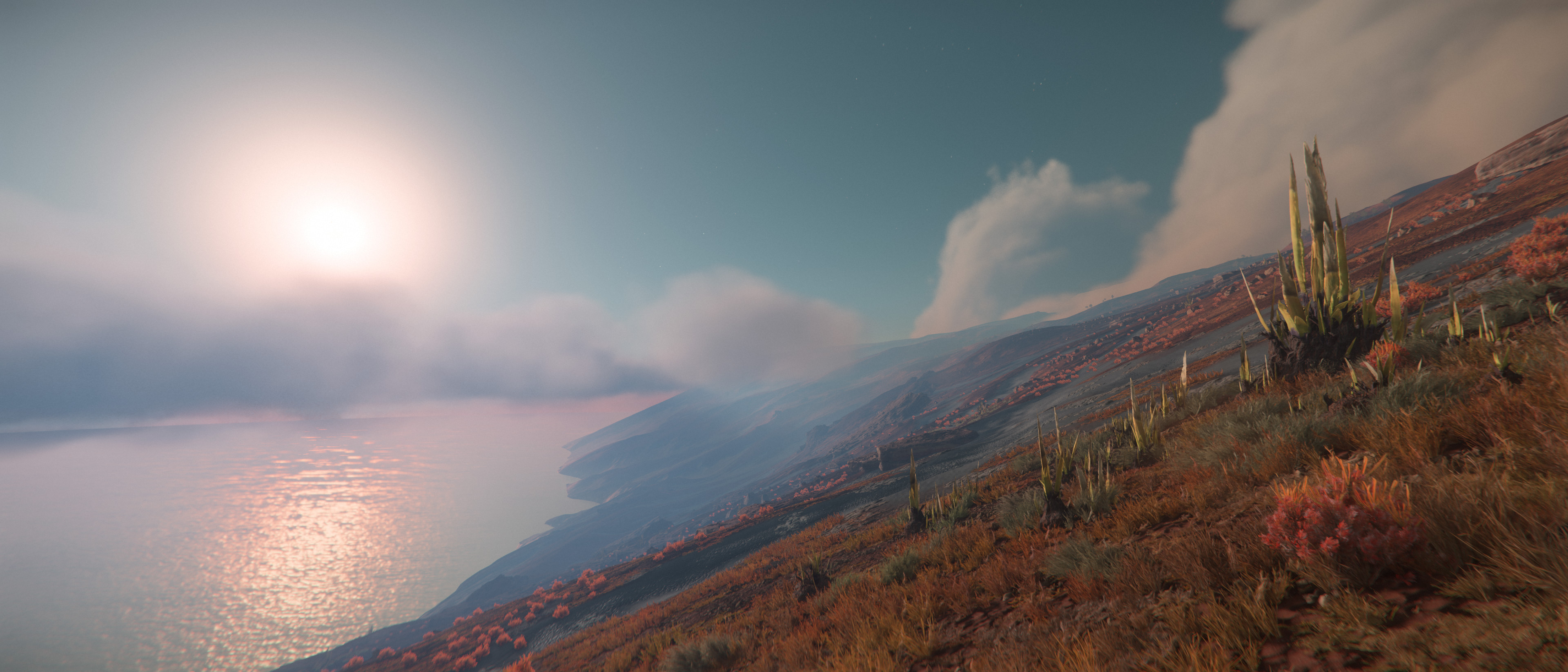
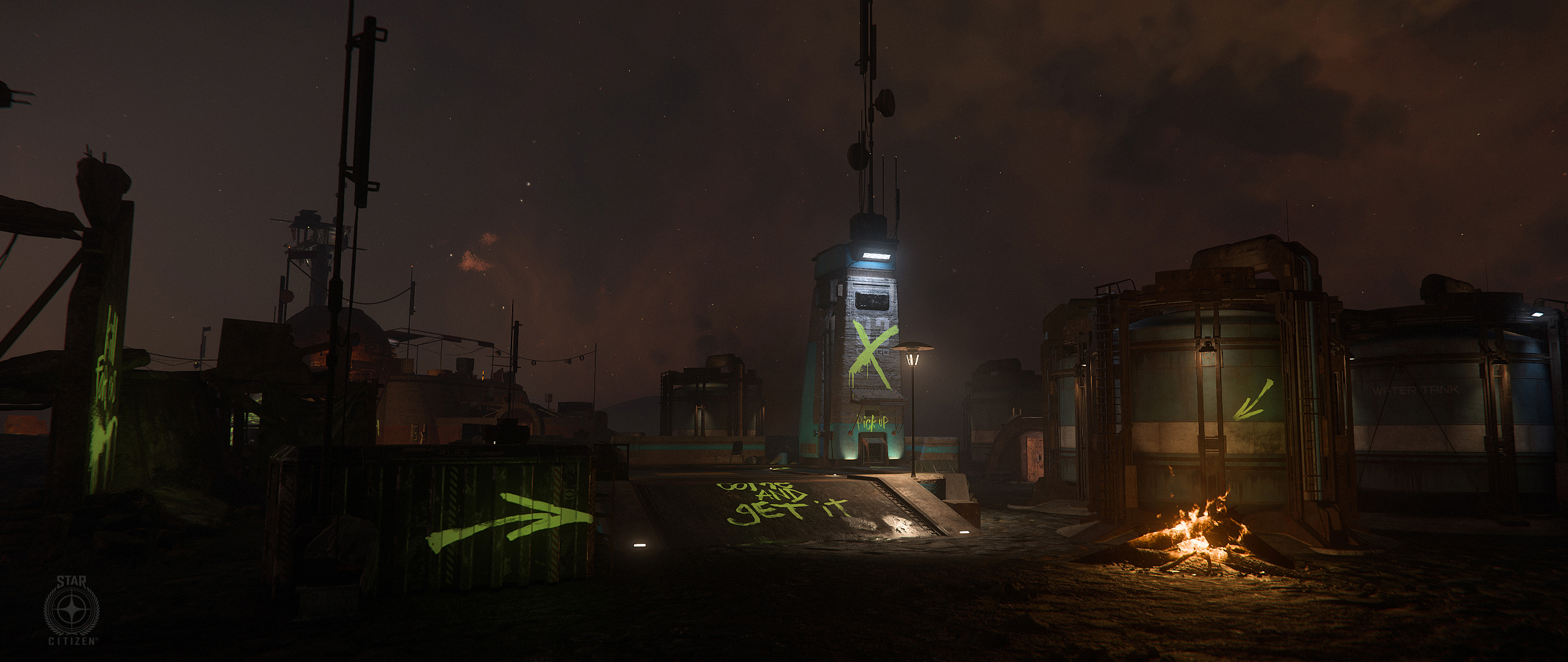
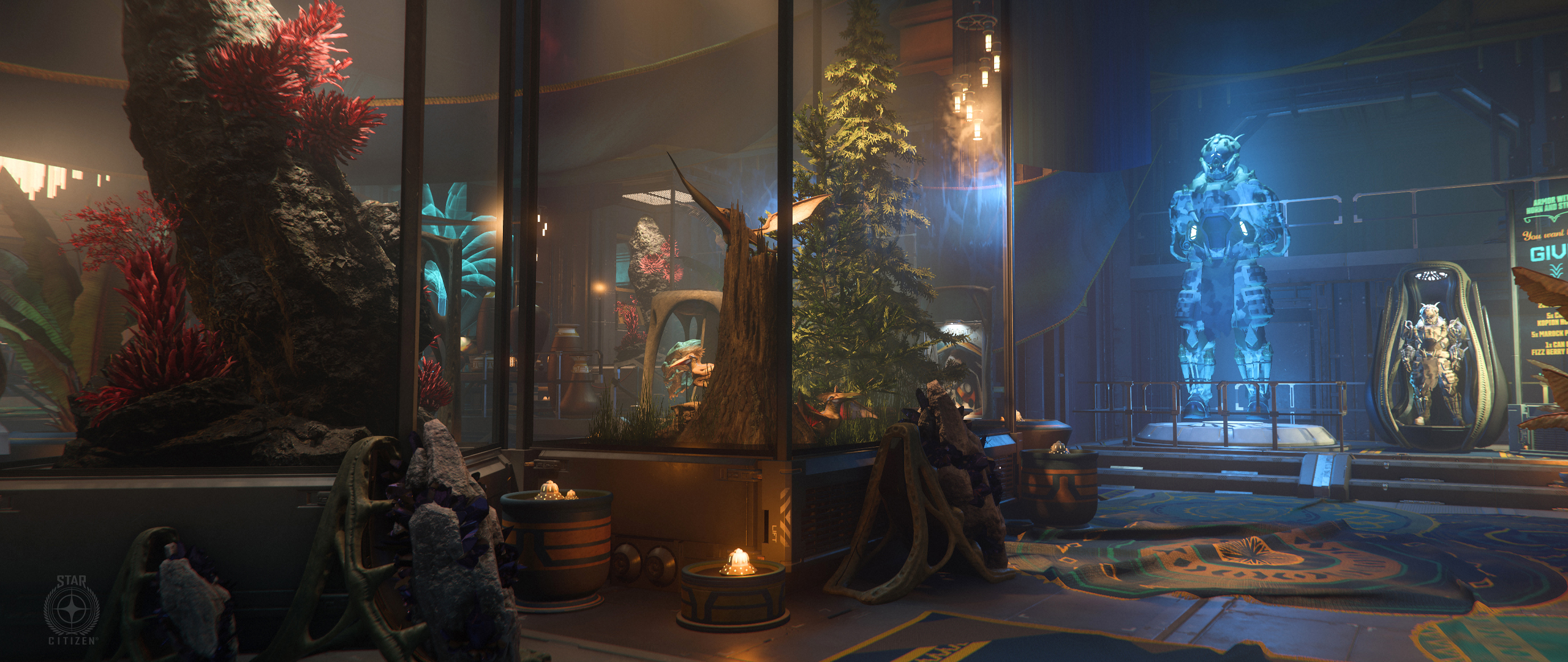
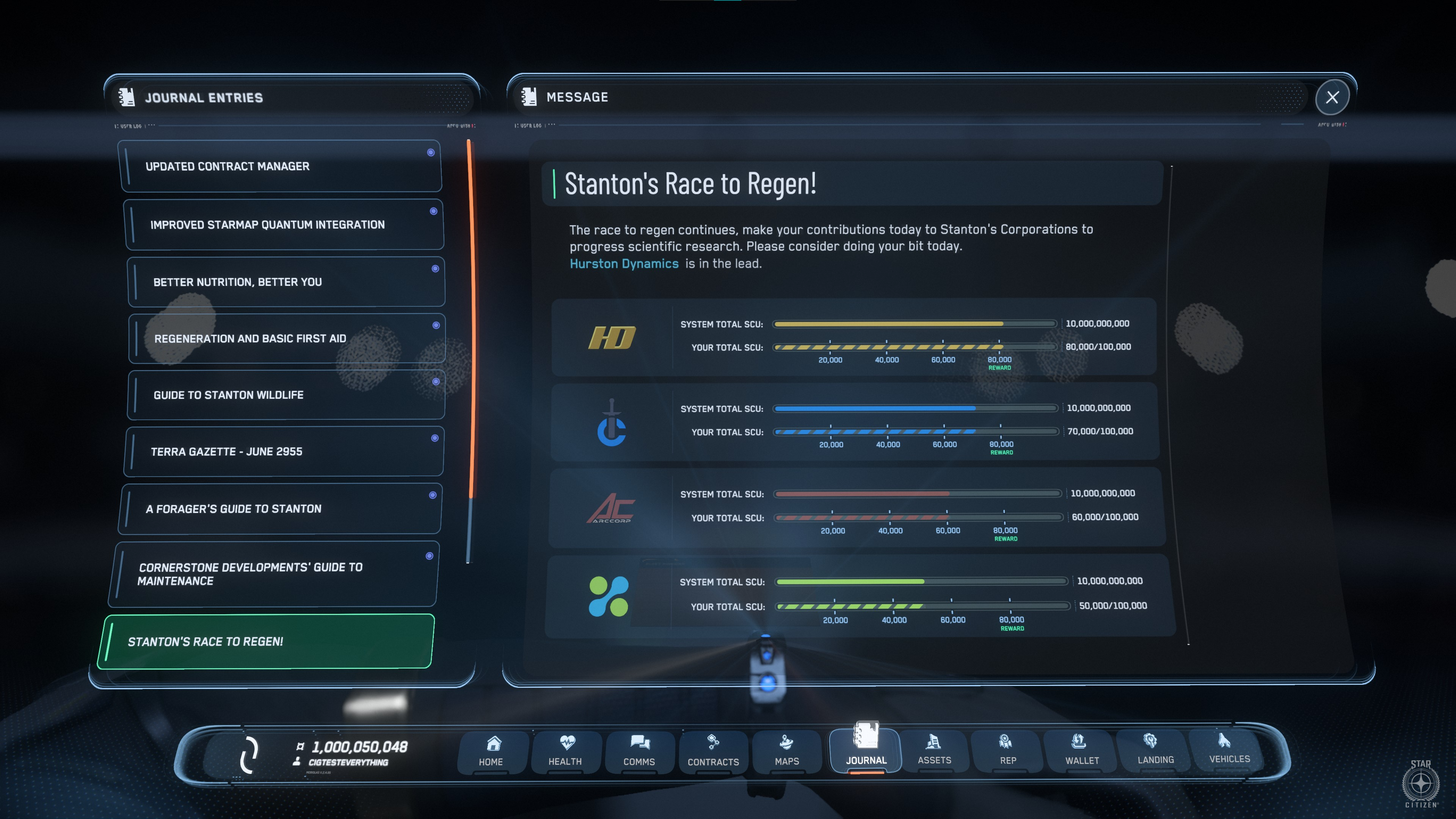
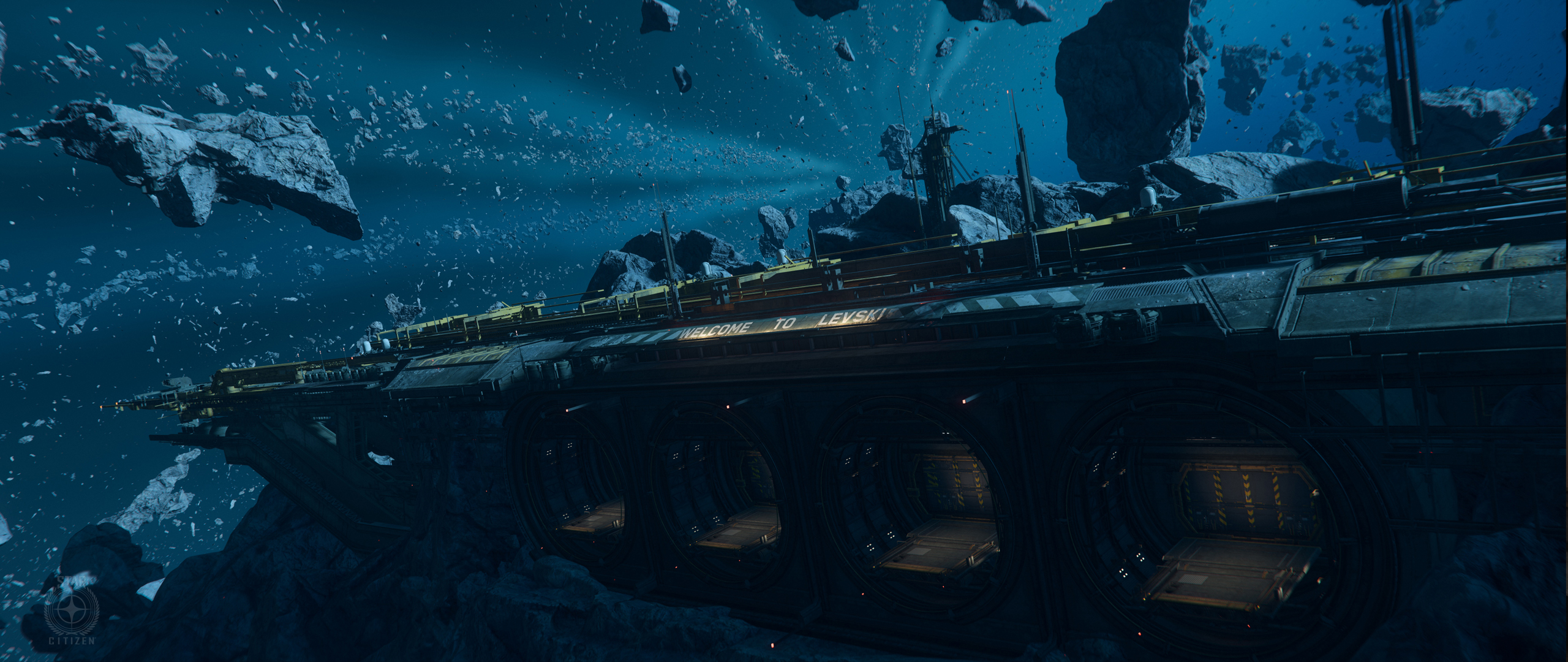
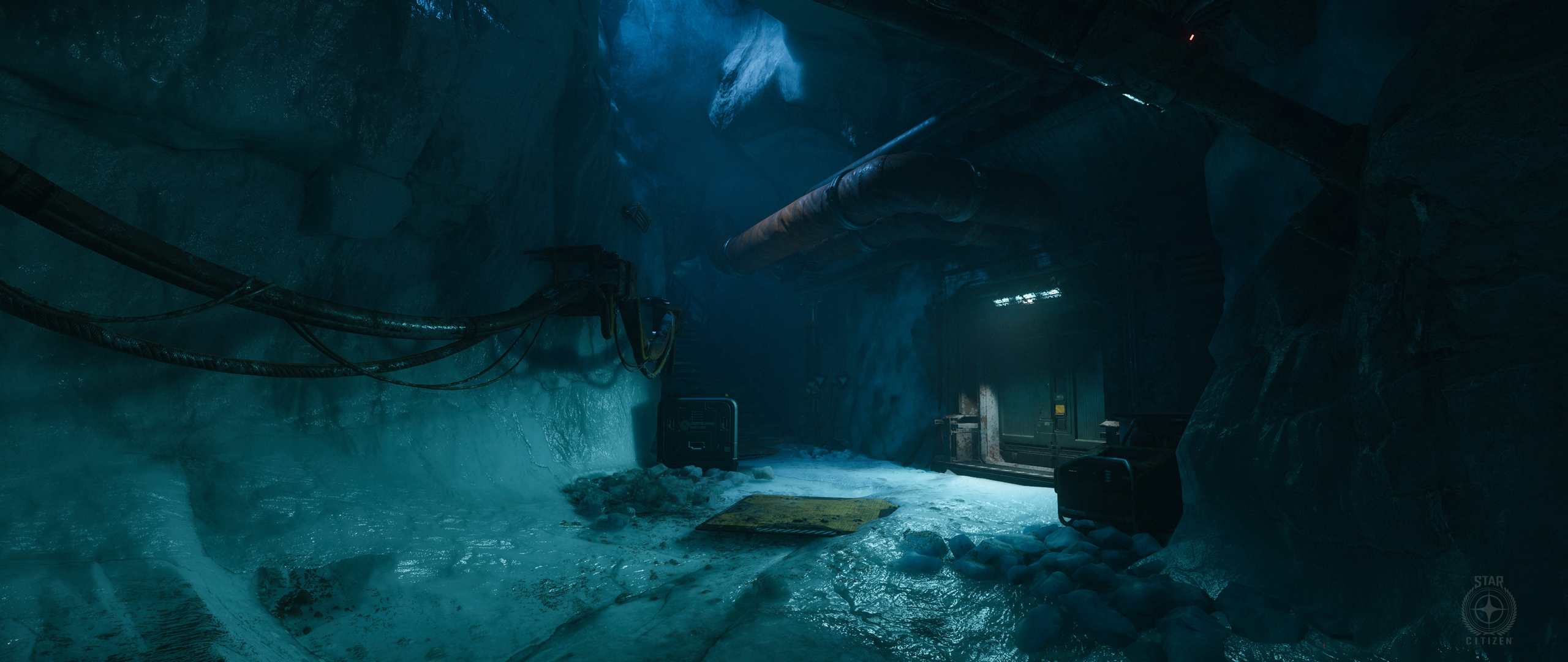
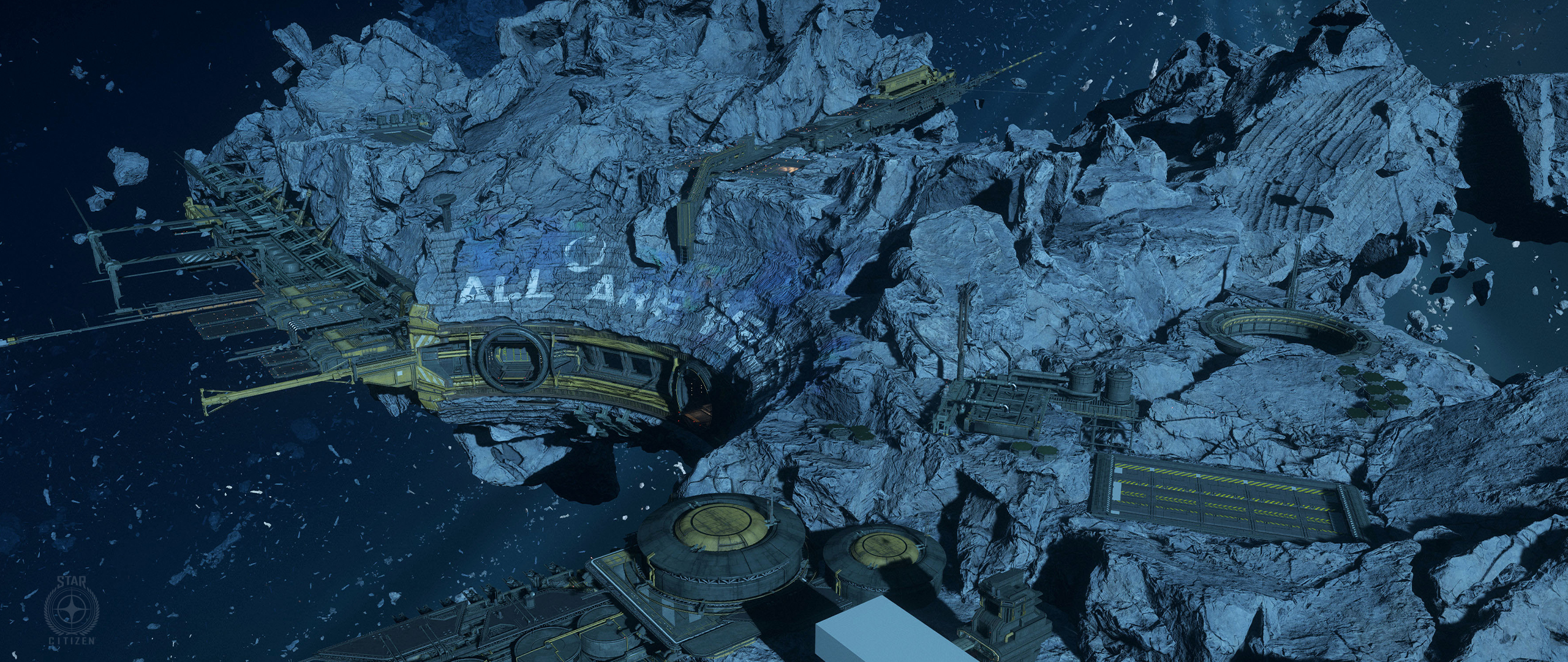
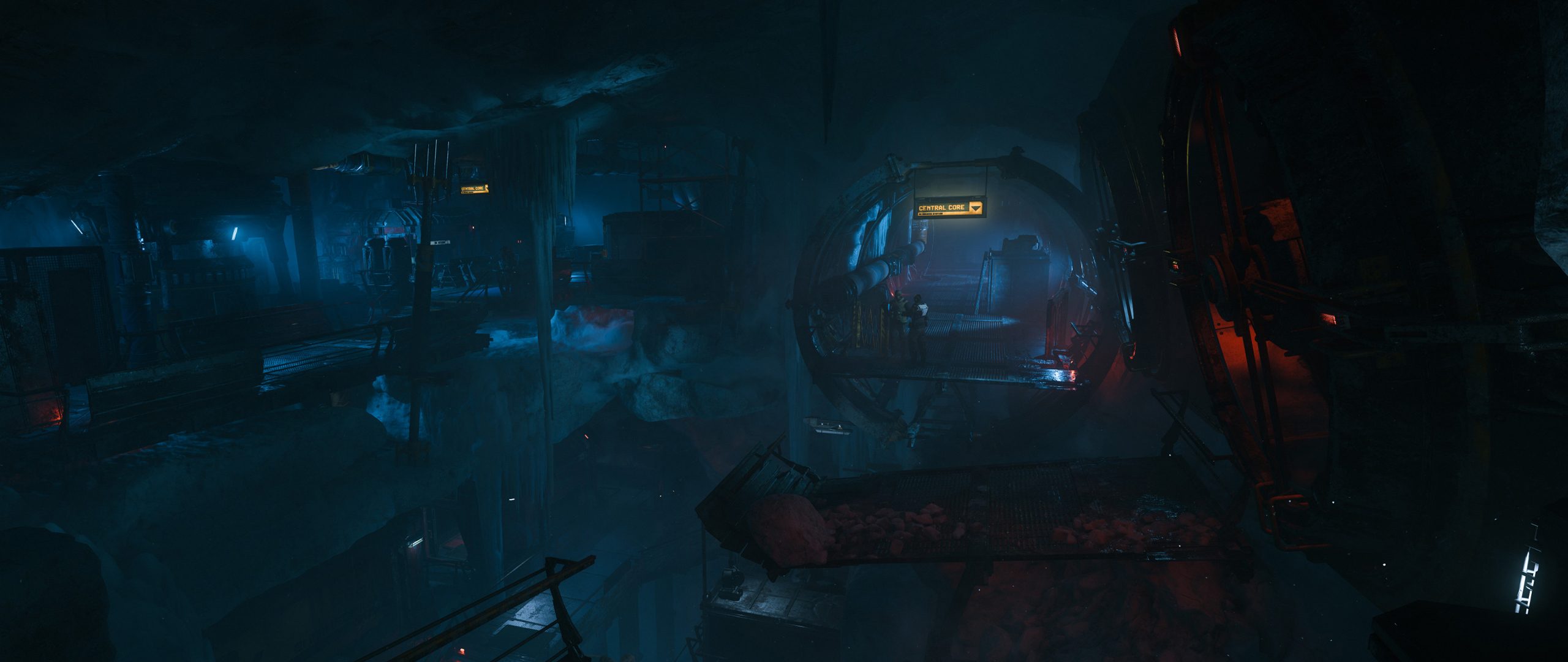
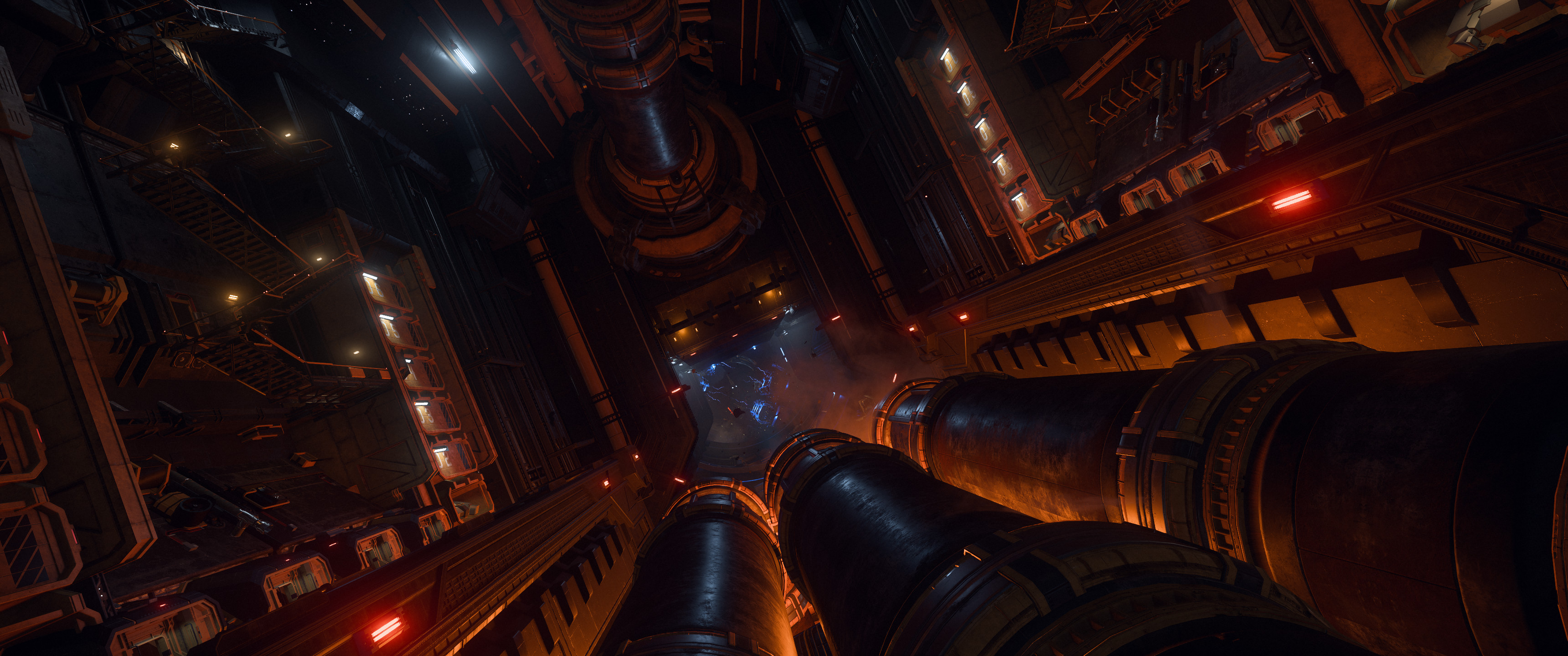
Metadata
- CIG ID
- 18110
- Channel
- Transmission
- Category
- Undefined
- Series
- Monthly Reports
- Comments
- 29
- Published
- 5 years ago (2021-05-05T00:00:00+00:00)