Star Citizen Monthly Report: January 2023
Transmission Undefined NoneContent
PU Monthly Report
January 2023
Welcome to January’s PU Monthly Report. Although the upcoming patch is still being tested and tweaked in the Persistent Test Universe (PTU), most teams began the year moving on from their work on Alpha 3.18. From extensive AI updates to new vehicles, locations, and features, read on for everything done in pursuit of 2023’s extensive content schedule.
AI (Features)
The AI Features team started the year enabling AI characters to throw grenades. This involved work in multiple areas, including new logic for when to throw grenades to ensure a challenge without overwhelming the player, parabola collision checking to ensure the grenade lands correctly, and animation so that the AI looks correct when throwing.
January also saw the implementation of ‘attack’ and ‘defend’ areas, which can be assigned to AI characters to direct and control fighting in specific ways. On the most basic level, the defend area limits where NPCs are positioned when fighting, whereas the attack area limits where they target. When assigned either area, NPCs will prepare to fight by equipping their weapons and taking ready stances before moving to the area on high alert (so perception happens quickly and perception reactions are skipped). When defending, AI will move to a cover point inside the area and defensively peek out. When attacking, they will use the existing investigate behavior to search for hostile forces.
“The attack area is great for building pressure on the player, whereas the defend area can provide the player with a tough challenge as AI are hunkered down and ready to fight. The implementation of this feature involved reusing existing systems in new ways - changing the tactical queries (positional and target selection) to take into consideration the attack or defend area that the AI may have.” AI Team
AI (Tech)
Late last year, AI Tech completed the first iteration of NPCs driving ground vehicles. Last month, they fixed several related bugs as more designers began using the feature.
They also progressed with the feature that enables NPCs to use transit systems (like elevators) and move between platforms. This time, they focused on NPCs using trains to move between locations. This required exposing new functionality on the transit manager and more complex behaviors before and during transit. New functionality includes providing more information about the gateways at specific destinations and information about carriages, such as time spent at a destination and time until arrival.
On the locomotion side, the team added further support for ‘soft stops’ and separated them from ‘harsh stops.’ A soft stop means that an NPC will choose the best animation for stopping even if it will overshoot its destination, while a harsh stop will attempt to stop immediately. Locomotion support was also given for bug fixing and alien-creature movement.
For the Subsumption Apollo tool, the team progressed with implementing feedback and bug fixing. They also added new functionality to the Subsumption mastergraph, making it possible to have functions on top of transitions to determine whether a state transition can be done.
The Usable Coordinator was also completed, which allows the designers to specify a selection of usables for NPCs in specific areas and prioritize the order of selection.
The feature that allows NPCs to perceive threats through audio and visual stimuli and react to hostile vehicles was completed. In a related area, further updates were made to the behavior that enables NPCs reacting to stimuli to enter combat.
AI Tech started work on two new features: One allows overrides for navigation mesh generation so that the team can create navigation meshes for specific agents in narrow areas. For example, this will enable NPCs to traverse areas where only a crouched state is possible, such as vents and underfloor areas.
The second feature enables the team to mark areas with increased navigation cost, which will influence the path chosen by NPCs. This will be used to create areas that NPCs should avoid, like areas with fire, or to encourage them to travel on specific areas, like a sidewalk.
They also supported Alpha 3.18 and allocated time to tech debt to update some of the AI system’s functionalities.
AI (Vehicles Features)
The Vehicle Feature team focused on space combat AI improvements in January. The intent is to have combat AI behave in a more dynamic way that encourages players to move and explore the various ship mechanics. This involved breaking the AI into different well-defined trees, which will help players to identify what kind of enemies they’re up against. These improvements also allow the easier integration of more maneuvers to further increase the skill level and interest of higher-level ships.
Similarly, AI Vehicle Features worked on a new behavior logic to deliver improved atmospheric flight combat. This is intended to work with the ‘control surface’ feature being developed by the Vehicle Feature team and will lead to AI ships tailing and chasing players to get behind them, flying more like a plane when appropriate.
Animation
Alongside embedded work for the various feature teams, facial animations were developed for emotes and background characters, such as the female vendor.
Art (Characters)
In January, the Character Art team began production of the ‘frontier environmental wear’ costumes and polished the frontier undersuit.
Character Concept progressed with concept exploration for the Rough and Ready gang, fauna, and the Dusters faction.
Art (Ships)
In the UK, the Art team continued work on the ‘small ship’ mentioned in last month’s report, with certain elements reaching LOD0-complete. They also began exploring ideas for a variant.
The Argo SRV progressed through final art. Final polish is currently underway on the exterior before the LOD and damage passes begin. The interior continued through final art and received a LOD pass.
Development of the Crusader Spirit continued, which passed its whitebox review, with the A1 variant moving into the greybox phase.
“The exterior is shaping up nicely with the key forms all established and all major elements, like landing gear and VTOLs, resolved. The interior is coming along and we’re very pleased with the space so far, though there are a few visual changes we’d like to make to the doorways to emphasize Crusader’s visual language.” Ship Team
A previously unannounced ground vehicle passed its greybox sanity review before the artwork progressed to LOD0. The exterior is almost finalized, only requiring additional detail, while the interior is progressing well.
The US team completed art whitebox for another in-production vehicle, which was then passed to the Systems Design team.
Greybox began on another ship. Half the team focused on the main fuselage geometry, while the other prototyped a new way to enter and exit the ship.
Finally for Ships, an all-new vehicle entered greybox, and a new set of alien paints was created for a future release.
Community
The Community team kicked off the new year by announcing the winners of the Luminalia Holiday Card and Luminalia Screenshot contests.
They then supported the Red Festival 2953 celebrations, including the Moons of Fortune contest. In addition to the now-persistent red envelopes of 2953, long-time players received the Red Festival envelopes from the previous three celebrations as in-game collector’s items. Furthermore, players could claim three wooden roosters.
Community also supported the return of the Siege of Orison Dynamic Event with an in-depth guide.
Thoughout January, Community continued to work on the "Events Feature" which is a new section coming to the Community Hub next week. They also worked closely with Turbulent on other exciting additions such as text posts, bug fixes, etc.
They are planning out new Community Events as well, coming to a bar near you.
Also in January, Community welcomed a new bilingual Community Manager to the LA office, and we're excited to introduce them soon.
Engine
In January, the Physics team's schedule was dominated by Alpha 3.18 bug fixing and support. Aside from this, triangle vertex and normal transforms for physics triangle meshes were rewritten to use SSE/AVX, which saves 30% of the cost. Furthermore, the physicalization method for ropes can now be chosen per rope entity.
On the renderer, various optimizations were implemented into Gen12 (partly based on telemetry gathered during Alpha 3.18 PTU). Among other things, this included performance improvements for transient lists recording draw requests, a special submission for scene rendering with reduced thread synchronization, and a reduction of calls into the OS for general multi-threading purposes. Additionally, renderer initialization was refactored to prepare for Vulkan. Last month's Gen12 support for particle refraction now also works as intended.
On the core engine, further improvements were made to the remote shader compiler. Last month's work on adding support for huge pages was rolled out internally. Huge pages are now also used within the low-level memory allocator (JeMalloc). To further reduce the executable size of the Linux DGS, the ‘gold linker’ is now utilized to fold identical functions and various compiler-generated data inside binaries. Page heap is now also supported for entities, which use a special allocator, to make debugging memory corruptions easier. Lastly, more work was done to support v2 of the pk4 files introduced at the end of last year in the internal development tools.
Features (Arena Commander)
Throughout January, the team focused on polishing the new Arena Commander frontend and racing tracks, including placing the New Horizon Speedway tracks above a new planet, Green III of the Ellis System. Some adjustments were also made to the racetracks themselves to suit the new earth-like atmosphere. The team also experimented with new loadout selection previews on the frontend alongside polishing its style and flow.
Work continued on the Classic Race refactor, with the first version of the new Race Manager and checkpoint setups being tested and feedback addressed. Optimizations and additions, such as splits, qualifying, and new analytic data, were made alongside improvements to time accuracy. The refactors of both the Rounds and Spawning modules continued across Arena Commander and Star Marine. This refactor sees the code drastically improved and brought up to current standards while providing more modularity for new features. It also tackles some of the problem areas that prevented expansion of the old systems, such as separating unintended connections to PU characters, validating loadouts, and adding the ability to change the ship selection while in-game.
Features (Characters & Weapons)
Last month, the Features team continued to support the upcoming patch release with critical bug fixes, specifically issues relating to the cargo system, tractor beam, and inventory. They fixed several client and server crashes too.
They also worked on the player skills feature. This tracks certain player activities and actions with minimal hooks into the gameplay feature logic and with an emphasis on performance. From the data and events gathered, players can improve certain aspects of their performance. For example, a player with a higher level of fitness may have more stamina or consume stamina at a slower rate.
The team has been working on better support for the player playing animations triggered by environmental interactions, such as a character physically opening a locker door or pressing buttons on a vehicle dashboard. These are either quick or decorative action sequences with a large focus on reusability to scale with the amount of planned content. There’s a lot of balancing to ensure it increases immersion with minimal impact on responsiveness.
Features (Gameplay)
The EU team continued work on the tractor beam, this time focusing on ‘escaping’ mechanics, such as how shields affect the required strength of a tractor beam to secure a ship. A prototype was built to test the potential and help decide whether average shield strength or per-shield-face determines the required strength. Additionally, the team began work on detaching and attaching items with the tractor beam, which is an expansion of the attaching-to-cargo-grid feature.
A clearer direction for the expected ship engineer gameplay was also defined. This involved determining the gameplay beats and planning the possible malfunctions and dangers players will face while maintaining their ships.
Additionally, the ongoing mining balance update progressed well, with small changes that have bigger impacts being added to the system. For Salvage, Gameplay Features helped Missions prepare to use the mechanic in new content.
In the US, Gameplay Features continued with the overall design for loading and unloading physicalized cargo, and designs for missions that leverage the new cargo systems kicked off. These missions will also utilize the boarding actions now available with soft death alongside the retrieval of containers or other objects of interest.
Investigation and preliminary design work started on changes to ship insurance and how it works in conjunction with ship destruction. These changes are necessary to make towing and repairing either at stations or in space a better choice.
Tasks were started for a change to commodities, including the locations they can be bought and sold from. For example, changes to mining locations will impact the location and prices for mined and refined ores at commodity brokers.
Features (Mission)
The majority of the Mission Feature team’s month was spent addressing bugs and balancing for Alpha 3.18. Progress was also made on the design and prototyping of various new missions, including salvage.
“The order we are tackling these missions is based on when we receive the necessary support, so the first missions produced will be the more simplistic salvage ones. These include a lawful contract in which players must pay for the location of salvage, an unlawful timed mission in which players must strip a ship quickly or deal with inbound hostiles, a lawless mission in which multiple players pay for the location of the same large salvage opportunity, and one in which players must restore a ship using nearby wrecks for materials.” Mission Features
A mining mission was also prototyped in which players purchase the location of a valuable prospect. There are currently three variants: lawful, which takes place in a monitored zone and has friendly defenses to protect against hostiles; unlawful, where players seize legally owned mining claims; and lawless, which takes place in unmonitored zones and can be accepted by multiple players.
The team are also developing larger missions set on the Orison platforms. These task players with either preventing the Nine Tails gang from stealing Crusader Industries prototype parts or stealing them for another criminal organization.
A few other missions progressed through the design and work on Bounty Hunting v2 and the Mission Manager update continued.
Finally for Mission Features, designs for defending player ships from intruders and ship-based hostility were worked on. These features are intended to replace the simplistic hostility currently in-game where ships remember the hostility of their last pilot or turn hostile the moment a hostile player steps aboard.
In-Game Branding (Montreal)
Last month, the In-Game Branding team progressed with their work on the Lorville skyline. They then transitioned to Invictus Launch Week, including a refresh of the DefenseCon branding, which will become the main focus for the upcoming weeks. Progress continued on the brand catalog too.
Lighting
Lighting began the year making progress in several key areas, including tidying and bug-fixing Area18 to restore its intended appearance.
Work on Pyro continued, with the team lighting the interiors and exteriors of the colonial outposts and Ruin Station.
They also supported the ongoing rework of Lorville’s skyline, touching up and improving several areas around the city.
Live Tools (Montreal)
In January, the Live Tools team worked on several improvements to the local development environment tool. They’re currently finalizing the last step of implementing the Entity Graph tool into the Network Operation Center. The roadmap for 2023 projects was also refined, with the addition of new projects that will support Server Meshing.
Locations (EU)
January saw the Locations team continuing work on Pyro’s Ruin Station.
“This is a behemoth task that the team have been diligently working on and it's looking better day on day.” EU Locations 1
EU Locations 2 progressed with the local law office mentioned in last month’s report and created new content alongside Mission Features.
The Sandbox teams further developed the colonial outposts and continued exploration and development of the underground facilities.
“Production is starting to ramp up and the team are feeling good about the work being done.” Sandbox team
The Organics team spent the month reworking areas already in the game and progressed with the art benchmark for rocky caves.
Narrative
Narrative began the new year with a continued push to support the latest patch and progressed with tasks started before the holidays. This included working with the Design teams to start scripting upcoming mining and salvage mission content. They also continued developing stories for the first batch of ‘Investigation’ missions and discussed potential upcoming content.
The Environment and Design teams provided updates on new locations that will start appearing in the game to support Bounty Hunting. Narrative worked closely with them to ensure these areas align with existing lore and gameplay expectations.
Planning was also undertaken for the year ahead. Part of this included building a comprehensive resource listing all the various organizations and NPCs and what mission content they offer. This provides a single source for team members to reference when coming up with new missions. Narrative are also seeking to leverage their dedicated narrative designers to look at the current mission-giver setup as well as prototype simple story-based missions that could be placed around the various landing zones to provide additional content.
The team also published their new schedule and approach to lore dispatches.
“In short, we have scaled back on original fictional content for the website in order to focus on in-game content. The ultimate hope is that we will be able to resurrect these stories and news updates in the game.” Narrative Team
Online Services (Montreal)
In Montreal, Online Services planned the year ahead, discussing Server Meshing with the Networking team. The goal was to achieve technical design consensus and division of responsibilities between the teams in order to deliver the feature. The following week, Online Services further defined the tasks needed to achieve Server Meshing tier 0.
The remainder of the month was spent putting the final touches on Alpha 3.18’s features, including character repair, long-term persistence, insurance, and bug fixing.
Ship Tech Art / Animation
Ship Tech Art and Animation progressed with the Hull C. January saw them working on the animation and state setup for the ship’s expanded cargo mode.
Tech animation and damage support was provided for several ships in the pipleline, and all ships were reviewed alongside QA to ensure that relevant component attachments can take damage.
They also enabled shader damage scraping on various ship attachments and fixed several hull-scraping issues on ship bodies.
UI
The UI Tech team continued to support Alpha 3.18, ironing out any remaining issues with the way the vehicle and character loadout systems interact with Persistent Streaming.
The team also helped with the Squadron 42 Starmap, which will eventually make its way into PU. The current focus is on adding navigation aids, such as grids and coordinates, improving the sizing of planets and markers, and adding visual polish.
VFX
Last month, VFX carried out several CPU-to-GPU particle library conversions, starting with vehicles.
“The sheer number of existing libraries, combined with new content being added all the time, means it can sometimes be tricky for the team to revisit and update the older libraries. We are getting there, though!” VFX Team
Elsewhere, pre-production began on some new locations, including a huge underground facility and rock caves.
The team also continued with the snag list mentioned last month. While some of this was done in the Alpha 3.18 workspace, it was continued in staging-content when Alpha 3.18 was locked down in the build-up to release.
PU-Monatsbericht
Januar 2023
Willkommen zum PU-Monatsbericht für den Januar. Obwohl der kommende Patch im Persistent Test Universe (PTU) noch getestet und optimiert wird, haben die meisten Teams das Jahr mit der Arbeit an Alpha 3.18 begonnen. Von umfangreichen KI-Updates bis hin zu neuen Fahrzeugen, Orten und Funktionen: Lies weiter, um zu erfahren, was alles im Hinblick auf die umfangreichen Inhalte von 2023 getan wurde.
KI (Features)
Das Team für KI-Features hat das Jahr damit begonnen, KI-Charaktere in die Lage zu versetzen, Granaten zu werfen. Dazu gehörte eine neue Logik für den Zeitpunkt des Granatenwurfs, um eine Herausforderung zu gewährleisten, ohne den Spieler zu überfordern, eine Parabelkollisionsprüfung, um sicherzustellen, dass die Granate richtig landet, und eine Animation, damit die KI beim Werfen richtig aussieht.
Im Januar wurden außerdem die Bereiche "Angriff" und "Verteidigung" eingeführt, die den KI-Charakteren zugewiesen werden können, um den Kampf auf bestimmte Weise zu steuern. Der Verteidigungsbereich legt fest, wo die NSCs im Kampf stehen, während der Angriffsbereich festlegt, wohin sie zielen. Wenn sie einem der beiden Bereiche zugewiesen werden, bereiten sich die NSCs auf den Kampf vor, indem sie ihre Waffen ausrüsten und sich bereithalten, bevor sie sich in den Bereich mit hoher Alarmbereitschaft begeben (damit die Wahrnehmung schnell erfolgt und Wahrnehmungsreaktionen übersprungen werden). Bei der Verteidigung bewegt sich die KI zu einem Deckungspunkt innerhalb des Gebiets und späht defensiv aus. Wenn sie angreifen, nutzen sie das bestehende Erkundungsverhalten, um nach feindlichen Kräften zu suchen.
"Der Angriffsbereich eignet sich hervorragend, um den Spieler unter Druck zu setzen, während der Verteidigungsbereich für den Spieler eine große Herausforderung darstellt, da die KI in Deckung geht und zum Kampf bereit ist. Bei der Umsetzung dieser Funktion wurden bestehende Systeme auf neue Art und Weise wiederverwendet, indem die taktischen Abfragen (Positions- und Zielauswahl) so geändert wurden, dass sie den Angriffs- oder Verteidigungsbereich der KI berücksichtigen." KI-Team
AI (Tech)
Ende letzten Jahres stellte AI Tech die erste Iteration von NPCs fertig, die Bodenfahrzeuge steuern. Letzten Monat wurden einige Fehler behoben, da immer mehr Designer/innen diese Funktion nutzen.
Auch die Funktion, mit der NSCs Verkehrssysteme (wie Aufzüge) benutzen und sich zwischen Bahnsteigen bewegen können, wurde weiterentwickelt. Dieses Mal konzentrierten sie sich auf NSCs, die Züge benutzen, um sich zwischen Orten zu bewegen. Dazu mussten neue Funktionen für den Transitmanager und komplexere Verhaltensweisen vor und während der Fahrt entwickelt werden. Zu den neuen Funktionen gehört die Bereitstellung von mehr Informationen über die Gateways an bestimmten Zielorten und Informationen über die Waggons, wie z. B. die Zeit, die an einem Zielort verbracht wird und die Zeit bis zur Ankunft.
Im Bereich der Fortbewegung hat das Team die Unterstützung für "weiche Stopps" erweitert und sie von "harten Stopps" getrennt. Ein weicher Halt bedeutet, dass ein NSC die beste Animation zum Anhalten wählt, auch wenn er sein Ziel überfährt, während ein harter Halt versucht, sofort anzuhalten. Auch die Fortbewegung wurde unterstützt, um Fehler zu beheben und die Bewegung von Alien-Kreaturen zu verbessern.
Für das Subsumption Apollo-Tool hat das Team die Umsetzung von Feedback und Fehlerbehebung vorangetrieben. Außerdem wurde der Subsumption-Mastergraph um eine neue Funktion erweitert, die es ermöglicht, Funktionen über die Übergänge zu legen, um festzustellen, ob ein Zustandsübergang durchgeführt werden kann.
Außerdem wurde der Usable Coordinator fertiggestellt, mit dem die Designer eine Auswahl an Usables für NSCs in bestimmten Bereichen festlegen und die Reihenfolge der Auswahl priorisieren können.
Die Funktion, die es NSCs ermöglicht, Bedrohungen durch akustische und visuelle Reize wahrzunehmen und auf feindliche Fahrzeuge zu reagieren, wurde fertiggestellt. In einem verwandten Bereich wurden weitere Aktualisierungen an dem Verhalten vorgenommen, das es NSCs, die auf Reize reagieren, ermöglicht, in den Kampf zu ziehen.
AI Tech begann mit der Arbeit an zwei neuen Funktionen: Die eine ermöglicht Überschreibungen für die Generierung von Navigationsnetzen, so dass das Team Navigationsnetze für bestimmte Agenten in engen Bereichen erstellen kann. Dadurch können NSCs zum Beispiel Bereiche durchqueren, in denen nur ein geduckter Zustand möglich ist, wie z. B. Lüftungsschächte und Unterflurbereiche.
Die zweite Funktion ermöglicht es dem Team, Bereiche mit erhöhten Navigationskosten zu markieren, die den von den NSCs gewählten Weg beeinflussen. Auf diese Weise können Bereiche geschaffen werden, die NSCs meiden sollten, wie z. B. Bereiche mit Feuer, oder sie dazu ermutigen, sich auf bestimmten Flächen zu bewegen, wie z. B. einem Bürgersteig.
Außerdem haben sie Alpha 3.18 unterstützt und Zeit für Tech Debt aufgewendet, um einige Funktionen des KI-Systems zu aktualisieren.
KI (Fahrzeugeigenschaften)
Das Vehicle Feature Team hat sich im Januar auf die Verbesserung der KI im Raumkampf konzentriert. Die KI soll sich dynamischer verhalten und die Spieler/innen dazu ermutigen, sich zu bewegen und die verschiedenen Schiffsmechaniken zu erkunden. Dazu wurde die KI in verschiedene, klar definierte Bäume unterteilt, die den Spielern helfen, zu erkennen, mit welcher Art von Feinden sie es zu tun haben. Diese Verbesserungen ermöglichen auch die einfachere Integration von mehr Manövern, um die Fähigkeiten und das Interesse an höherstufigen Schiffen weiter zu steigern.
Auch bei den KI-Fahrzeugfunktionen wurde an einer neuen Verhaltenslogik gearbeitet, um den Flugkampf in der Atmosphäre zu verbessern. Dies soll mit dem "Steuerflächen"-Feature zusammenarbeiten, das vom Vehicle Feature Team entwickelt wird, und wird dazu führen, dass die KI-Schiffe den Spielern hinterherfliegen und sie verfolgen, um hinter sie zu kommen, und dabei gegebenenfalls mehr wie ein Flugzeug fliegen.
Animation
Neben der eingebetteten Arbeit für die verschiedenen Feature-Teams wurden auch Gesichtsanimationen für Emotes und Hintergrundcharaktere entwickelt, wie z. B. für die Verkäuferin.
Kunst (Charaktere)
Im Januar begann das Character Art Team mit der Produktion der "Frontier Environmental Wear"-Kostüme und polierte den Frontier-Unteranzug.
Das Charakterkonzept machte Fortschritte bei der Erforschung der Konzepte für die Rough and Ready Gang, die Fauna und die Dusters-Fraktion.
Kunst (Schiffe)
Im Vereinigten Königreich hat das Art-Team die Arbeit an dem im letzten Bericht erwähnten "kleinen Schiff" fortgesetzt und einige Elemente in LOD0 fertiggestellt. Außerdem haben sie begonnen, Ideen für eine Variante zu entwickeln.
Die Argo SRV hat den letzten Feinschliff erhalten. Zurzeit wird das Äußere poliert, bevor die LOD- und Schadensübergänge beginnen. Der Innenraum wurde fertiggestellt und erhielt einen LOD-Pass.
Die Entwicklung der Crusader Spirit wurde fortgesetzt und hat die Whitebox-Prüfung bestanden, während die A1-Variante in die Greybox-Phase geht.
"Das Äußere macht gute Fortschritte, die wichtigsten Formen stehen fest und alle wichtigen Elemente, wie Fahrwerk und VTOLs, sind fertiggestellt. Der Innenraum macht Fortschritte und wir sind sehr zufrieden damit, auch wenn wir noch ein paar optische Änderungen an den Türen vornehmen möchten, um die visuelle Sprache der Crusader zu unterstreichen." Schiffsteam
Ein bisher unangekündigtes Bodenfahrzeug hat die Greybox-Prüfung bestanden, bevor das Artwork in LOD0 überging. Das Äußere ist fast fertig und benötigt nur noch zusätzliche Details, während das Innere gut vorankommt.
Das US-Team hat die Whitebox für ein weiteres Fahrzeug, das sich in der Produktion befindet, fertiggestellt und an das Systemdesign-Team weitergegeben.
Bei einem anderen Schiff wurde mit der Greybox begonnen. Die eine Hälfte des Teams konzentrierte sich auf die Hauptgeometrie des Rumpfes, während die andere einen Prototyp für eine neue Art des Ein- und Ausstiegs entwickelte.
Bei den Schiffen wurde schließlich ein völlig neues Fahrzeug in die Greybox gebracht und ein neuer Satz von Alien-Farben für eine zukünftige Version erstellt.
Community
Das Community-Team hat das neue Jahr mit der Bekanntgabe der Gewinner des Luminalia Holiday Card- und des Luminalia Screenshot-Wettbewerbs eingeleitet.
Dann unterstützten sie die Feierlichkeiten zum Roten Fest 2953, einschließlich des Wettbewerbs "Monde des Glücks". Zusätzlich zu den roten Umschlägen des Jahres 2953 erhielten langjährige Spieler/innen die Umschläge des Roten Festes aus den drei vorangegangenen Feiern als Sammlerstücke im Spiel. Außerdem konnten die Spieler drei hölzerne Hähne erhalten.
Die Community unterstützte die Rückkehr des dynamischen Ereignisses "Belagerung von Orison" auch mit einem ausführlichen Leitfaden.
Den ganzen Januar hindurch arbeitete die Community an dem "Event-Feature", einem neuen Bereich, der nächste Woche im Community Hub erscheinen wird. Außerdem arbeiteten sie eng mit Turbulent an anderen spannenden Neuerungen wie Textbeiträgen, Fehlerbehebungen usw.
Sie planen auch neue Community Events, die in einer Bar in deiner Nähe stattfinden werden.
Ebenfalls im Januar hat die Community einen neuen zweisprachigen Community Manager im Büro in LA begrüßt, den wir euch bald vorstellen werden.
Engine
Im Januar stand für das Physik-Team vor allem die Fehlerbehebung und der Support für Alpha 3.18 auf dem Plan. Außerdem wurden die Vertex- und Normalentransformationen für die Physik-Dreiecksnetze neu geschrieben, um SSE/AVX zu verwenden, was 30% der Kosten spart. Außerdem kann die Physikalisierungsmethode für Seile jetzt pro Seil-Entität ausgewählt werden.
Beim Renderer wurden verschiedene Optimierungen in Gen12 implementiert (teilweise auf der Grundlage von Telemetriedaten, die während der Alpha 3.18 PTU gesammelt wurden). Dazu gehörten unter anderem Leistungsverbesserungen für transiente Listen, die Zeichnungsanfragen aufzeichnen, eine spezielle Vorlage für das Rendering von Szenen mit reduzierter Thread-Synchronisation und eine Reduzierung der Aufrufe an das Betriebssystem für allgemeine Multi-Threading-Zwecke. Außerdem wurde die Renderer-Initialisierung überarbeitet, um sie auf Vulkan vorzubereiten. Die im letzten Monat eingeführte Gen12-Unterstützung für Partikelbrechung funktioniert jetzt auch wie vorgesehen.
An der Core-Engine wurden weitere Verbesserungen am Remote-Shader-Compiler vorgenommen. Die Arbeit des letzten Monats an der Unterstützung für riesige Seiten wurde intern umgesetzt. Riesige Seiten werden jetzt auch in der Low-Level-Speicherzuweisung (JeMalloc) verwendet. Um die Größe der ausführbaren Dateien des Linux DGS weiter zu reduzieren, wird jetzt der "Gold Linker" verwendet, um identische Funktionen und verschiedene vom Compiler erzeugte Daten in Binärdateien zu falten. Page Heap wird jetzt auch für Entitäten unterstützt, die einen speziellen Allocator verwenden, um die Fehlersuche bei Speicherfehlern zu erleichtern. Schließlich wurde die Unterstützung für die Version 2 der pk4-Dateien verbessert, die Ende letzten Jahres in den internen Entwicklungstools eingeführt wurde.
Funktionen (Arena Commander)
Im Januar konzentrierte sich das Team auf den Feinschliff des neuen Arena Commander-Frontends und der Rennstrecken, einschließlich der Platzierung der New Horizon Speedway-Strecken über einem neuen Planeten, Green III des Ellis-Systems. Auch an den Rennstrecken selbst wurden einige Anpassungen vorgenommen, um sie an die neue erdähnliche Atmosphäre anzupassen. Das Team experimentierte auch mit neuen Ausrüstungsvorschauen im Frontend und feilte an dessen Stil und Fluss.
Die Arbeit an der Überarbeitung der klassischen Rennen wurde fortgesetzt, wobei die erste Version des neuen Rennmanagers und der Checkpoint-Setups getestet und das Feedback berücksichtigt wurde. Optimierungen und Ergänzungen wie Splits, Qualifying und neue Analysedaten wurden ebenso vorgenommen wie Verbesserungen der Zeitgenauigkeit. Die Überarbeitung der Module "Runden" und "Spawning" wurde in Arena Commander und Star Marine fortgesetzt. Mit diesem Refactor wird der Code drastisch verbessert und auf den aktuellen Stand gebracht, während gleichzeitig mehr Modularität für neue Funktionen geschaffen wird. Außerdem werden einige Problembereiche angegangen, die eine Erweiterung der alten Systeme verhinderten, z. B. die Trennung unbeabsichtigter Verbindungen zu PU-Charakteren, die Validierung von Loadouts und das Hinzufügen der Möglichkeit, die Schiffsauswahl im Spiel zu ändern.
Features (Charaktere & Waffen)
Im letzten Monat hat das Features-Team die bevorstehende Patch-Veröffentlichung mit kritischen Fehlerkorrekturen unterstützt, insbesondere im Zusammenhang mit dem Ladungssystem, dem Traktorstrahl und dem Inventar. Außerdem wurden mehrere Client- und Serverabstürze behoben.
Außerdem arbeiteten sie an der Funktion "Spielerfähigkeiten". Diese Funktion verfolgt bestimmte Spieleraktivitäten und -aktionen mit minimalen Eingriffen in die Spiellogik und mit Schwerpunkt auf der Leistung. Anhand der gesammelten Daten und Ereignisse können die Spieler/innen bestimmte Aspekte ihrer Leistung verbessern. Zum Beispiel kann ein Spieler mit einem höheren Fitnesslevel mehr Ausdauer haben oder seine Ausdauer langsamer verbrauchen.
Das Team hat an einer besseren Unterstützung für Spieleranimationen gearbeitet, die durch Interaktionen mit der Umgebung ausgelöst werden, z. B. wenn ein Charakter eine Schranktür öffnet oder Knöpfe auf dem Armaturenbrett eines Fahrzeugs drückt. Dabei handelt es sich entweder um schnelle oder dekorative Aktionssequenzen, bei denen ein großer Schwerpunkt auf der Wiederverwendbarkeit liegt, um mit der Menge der geplanten Inhalte zu skalieren. Es gibt eine Menge Abwägungen, um sicherzustellen, dass die Immersion erhöht wird, ohne die Reaktionsfähigkeit zu beeinträchtigen.
Features (Gameplay)
Das EU-Team setzte die Arbeit am Traktorstrahl fort und konzentrierte sich diesmal auf die "Flucht"-Mechanik, z. B. darauf, wie sich Schilde auf die erforderliche Stärke eines Traktorstrahls auswirken, um ein Schiff zu sichern. Es wurde ein Prototyp gebaut, um das Potenzial zu testen und zu entscheiden, ob die durchschnittliche Schildstärke oder die Stärke pro Schildfläche die erforderliche Stärke bestimmt. Außerdem begann das Team mit der Arbeit am Abnehmen und Anbringen von Gegenständen mit dem Traktorstrahl, was eine Erweiterung der Funktion des Anbringens an einem Frachtgitter ist.
Es wurde auch eine klarere Richtung für das zu erwartende Schiffsingenieur-Gameplay festgelegt. Dabei ging es darum, die Spielabläufe festzulegen und die möglichen Fehlfunktionen und Gefahren zu planen, denen die Spieler/innen bei der Wartung ihrer Schiffe begegnen werden.
Außerdem kam das laufende Update der Bergbau-Balance gut voran, wobei kleine Änderungen, die größere Auswirkungen haben, dem System hinzugefügt wurden. Bei der Bergung halfen Gameplay-Features den Missionen bei der Vorbereitung auf die Nutzung der Mechanik in neuen Inhalten.
In den USA wurden die Gameplay-Features für das Be- und Entladen von physischer Fracht fortgesetzt und die Entwürfe für Missionen, die die neuen Frachtsysteme nutzen, wurden gestartet. Diese Missionen werden auch die Boarding-Aktionen nutzen, die jetzt mit Soft Death möglich sind, sowie die Bergung von Containern oder anderen interessanten Objekten.
Es wurden Untersuchungen und erste Entwürfe für Änderungen an der Schiffsversicherung und ihrer Funktionsweise in Verbindung mit der Schiffszerstörung durchgeführt. Diese Änderungen sind notwendig, um das Abschleppen und Reparieren von Schiffen an Stationen oder im Weltraum zu verbessern.
Es wurde damit begonnen, eine Änderung an den Rohstoffen vorzunehmen, einschließlich der Orte, an denen sie gekauft und verkauft werden können. Die Änderungen an den Abbauorten werden sich zum Beispiel auf den Standort und die Preise für abgebaute und veredelte Erze bei den Rohstoffhändlern auswirken.
Funktionen (Mission)
Das Team für die Missionsfeatures hat den Großteil des Monats damit verbracht, Bugs zu beheben und das Balancing für Alpha 3.18 zu verbessern. Außerdem wurden Fortschritte bei der Entwicklung und dem Prototyping verschiedener neuer Missionen, einschließlich der Bergungsmissionen, erzielt.
"Die Reihenfolge, in der wir diese Missionen in Angriff nehmen, richtet sich danach, wann wir die nötige Unterstützung erhalten, also werden die ersten Missionen die einfacheren Bergungsmissionen sein. Dazu gehören ein legaler Auftrag, bei dem die Spieler für den Ort der Bergung bezahlen müssen, eine ungesetzliche Zeitmission, bei der die Spieler ein Schiff schnell bergen oder sich mit ankommenden Feinden auseinandersetzen müssen, eine gesetzlose Mission, bei der mehrere Spieler für den Ort derselben großen Bergungsmöglichkeit bezahlen, und eine Mission, bei der die Spieler ein Schiff mit Hilfe von Materialien aus nahegelegenen Wracks wiederherstellen müssen." Missionsmerkmale
Es wurde auch ein Prototyp für eine Bergbaumission entwickelt, bei der die Spieler/innen den Standort einer wertvollen Schürfstelle kaufen. Derzeit gibt es drei Varianten: die legale, die in einer überwachten Zone stattfindet und über Verteidigungsanlagen zum Schutz vor Feinden verfügt; die illegale, bei der die Spieler/innen legale Bergbaugebiete erobern; und die illegale, die in nicht überwachten Zonen stattfindet und von mehreren Spieler/innen angenommen werden kann.
Das Team entwickelt außerdem größere Missionen, die auf den Orison-Plattformen spielen. Dabei müssen die Spieler/innen entweder die Nine Tails-Bande daran hindern, Prototypenteile von Crusader Industries zu stehlen, oder sie für eine andere kriminelle Organisation stehlen.
Einige andere Missionen wurden weiterentwickelt und die Arbeit an Bounty Hunting v2 und dem Missionsmanager-Update wurde fortgesetzt.
Bei den Missionsfeatures schließlich wurde an Entwürfen für die Verteidigung von Spielerschiffen gegen Eindringlinge und schiffsbasierte Feindseligkeiten gearbeitet. Diese Funktionen sollen die vereinfachte Feindseligkeit im Spiel ersetzen, bei der sich Schiffe an die Feindseligkeit ihres letzten Piloten erinnern oder feindselig werden, sobald ein feindseliger Spieler an Bord kommt.
In-Game Branding (Montreal)
Im letzten Monat hat das In-Game Branding-Team die Arbeit an der Skyline von Lorville vorangetrieben. Dann ging es zur Invictus Launch Week über, in der auch das DefenseCon-Branding aufgefrischt wurde, das in den kommenden Wochen im Mittelpunkt stehen wird. Auch am Markenkatalog wurde weiter gearbeitet.
Beleuchtung
Die Beleuchtungsabteilung begann das Jahr mit Fortschritten in mehreren Schlüsselbereichen, einschließlich der Aufräumarbeiten und der Fehlerbehebung in Area18, um das beabsichtigte Aussehen wiederherzustellen.
Die Arbeit an Pyro wurde fortgesetzt, indem das Team die Innen- und Außenbereiche der kolonialen Außenposten und der Ruinenstation beleuchtete.
Außerdem unterstützten sie die laufende Überarbeitung der Skyline von Lorville, indem sie mehrere Bereiche der Stadt ausbesserten und verbesserten.
Live Tools (Montreal)
Im Januar hat das Live Tools-Team an verschiedenen Verbesserungen der lokalen Entwicklungsumgebung gearbeitet. Derzeit wird der letzte Schritt der Implementierung des Entity Graph Tools in das Network Operation Center abgeschlossen. Außerdem wurde die Roadmap für die Projekte des Jahres 2023 verfeinert und um neue Projekte ergänzt, die Server Meshing unterstützen werden.
Standorte (EU)
Im Januar hat das Locations-Team die Arbeit an Pyro's Ruin Station fortgesetzt.
"Das ist eine riesige Aufgabe, an der das Team fleißig gearbeitet hat, und es sieht von Tag zu Tag besser aus. EU-Standorte 1
In EU Locations 2 wurden die Arbeiten an der im letzten Bericht erwähnten örtlichen Anwaltskanzlei fortgesetzt und neben den Missionsmerkmalen neue Inhalte erstellt.
Die Sandbox-Teams entwickelten die kolonialen Außenposten weiter und setzten die Erkundung und Entwicklung der unterirdischen Anlagen fort.
"Die Produktion läuft auf Hochtouren und das Team ist mit der geleisteten Arbeit sehr zufrieden. Sandbox-Team
Das Organics-Team verbrachte den Monat damit, bereits im Spiel befindliche Bereiche zu überarbeiten und machte Fortschritte mit dem Art-Benchmark für die Felshöhlen.
Narrative
Das Narrative-Team begann das neue Jahr mit der Unterstützung des neuesten Patches und führte die vor den Feiertagen begonnenen Aufgaben fort. Dazu gehörte die Zusammenarbeit mit den Designteams, um mit der Skripterstellung für die kommenden Bergbau- und Bergungsmissionen zu beginnen. Außerdem wurden die Geschichten für die erste Reihe von Ermittlungsmissionen weiterentwickelt und mögliche neue Inhalte besprochen.
Die Umwelt- und Designteams informierten über neue Orte, die im Spiel erscheinen werden, um die Kopfgeldjagd zu unterstützen. Narrative arbeitete eng mit ihnen zusammen, um sicherzustellen, dass diese Gebiete mit der bestehenden Geschichte und den Erwartungen an das Spiel übereinstimmen.
Auch die Planung für das kommende Jahr wurde in Angriff genommen. Dazu gehörte die Erstellung einer umfassenden Ressource, in der alle verschiedenen Organisationen und NSCs und die von ihnen angebotenen Missionsinhalte aufgelistet sind. So haben die Teammitglieder eine einzige Quelle, auf die sie sich beziehen können, wenn sie neue Missionen entwickeln. Narrative versuchen außerdem, ihre engagierten Narrative Designer zu nutzen, um das aktuelle Missionssystem zu überprüfen und einfache, storybasierte Missionen zu entwerfen, die in den verschiedenen Landezonen platziert werden können, um zusätzliche Inhalte zu liefern.
Das Team hat außerdem seinen neuen Zeitplan und seine Herangehensweise an die Übermittlung von Informationen veröffentlicht.
"Kurz gesagt: Wir haben die Zahl der fiktionalen Inhalte auf der Website reduziert, um uns auf die Inhalte im Spiel zu konzentrieren. Letztendlich hoffen wir, dass wir diese Geschichten und Neuigkeiten im Spiel wieder aufleben lassen können." Narrative Team
Online-Dienste (Montreal)
In Montreal planten die Online-Dienste das kommende Jahr und diskutierten mit dem Netzwerkteam über Server Meshing. Ziel war es, einen Konsens über das technische Design und die Aufteilung der Zuständigkeiten zwischen den Teams zu erreichen, um das Feature zu realisieren. In der darauffolgenden Woche legten die Online-Dienste die Aufgaben fest, die für die Umsetzung von Server Meshing Tier 0 erforderlich sind.
Den Rest des Monats verbrachten wir damit, den letzten Feinschliff an den Funktionen der Alpha 3.18 vorzunehmen, darunter Charakterreparatur, Langzeitpersistenz, Versicherung und Fehlerbehebung.
Technische Schiffskunst / Animation
Im Januar arbeiteten sie an der Animation und dem Status-Setup für den erweiterten Frachtmodus des Schiffes.
Tech-Animation und Schadensunterstützung wurden für mehrere Schiffe in der Pipeline bereitgestellt, und alle Schiffe wurden zusammen mit der QA überprüft, um sicherzustellen, dass relevante Anbauteile Schaden nehmen können.
Außerdem wurde das Shader-Schaden-Scraping für verschiedene Schiffsanbauteile aktiviert und mehrere Probleme mit dem Rumpf-Scraping an Schiffsaufbauten behoben.
UI
Das UI-Tech-Team hat die Alpha 3.18 weiter unterstützt und noch bestehende Probleme mit der Art und Weise, wie die Fahrzeug- und Charakterausrüstungssysteme mit Persistent Streaming interagieren, behoben.
Das Team hat auch an der Sternenkarte von Squadron 42 mitgearbeitet, die später in PU integriert werden soll. Derzeit liegt der Schwerpunkt auf dem Hinzufügen von Navigationshilfen wie Gitternetzen und Koordinaten, der Verbesserung der Größe von Planeten und Markierungen und dem optischen Feinschliff.
VFX
Im letzten Monat hat VFX mehrere Konvertierungen der Partikelbibliothek von der CPU zur GPU durchgeführt, angefangen bei den Fahrzeugen.
"Die schiere Anzahl der bestehenden Bibliotheken und die ständig hinzukommenden neuen Inhalte machen es für das Team manchmal schwierig, die älteren Bibliotheken zu überarbeiten und zu aktualisieren. Aber wir kommen voran!" VFX-Team
An anderer Stelle wurde mit der Vorproduktion für einige neue Drehorte begonnen, darunter eine riesige unterirdische Anlage und Felshöhlen.
Das Team arbeitete auch an der Liste der Probleme weiter, die letzten Monat erwähnt wurde. Einiges davon wurde im Arbeitsbereich der Alpha 3.18 gemacht, aber auch im Staging-Content, als die Alpha 3.18 im Vorfeld der Veröffentlichung gesperrt wurde.
PU Monthly Report
January 2023
Welcome to January’s PU Monthly Report. Although the upcoming patch is still being tested and tweaked in the Persistent Test Universe (PTU), most teams began the year moving on from their work on Alpha 3.18. From extensive AI updates to new vehicles, locations, and features, read on for everything done in pursuit of 2023’s extensive content schedule.
AI (Features)
The AI Features team started the year enabling AI characters to throw grenades. This involved work in multiple areas, including new logic for when to throw grenades to ensure a challenge without overwhelming the player, parabola collision checking to ensure the grenade lands correctly, and animation so that the AI looks correct when throwing.
January also saw the implementation of ‘attack’ and ‘defend’ areas, which can be assigned to AI characters to direct and control fighting in specific ways. On the most basic level, the defend area limits where NPCs are positioned when fighting, whereas the attack area limits where they target. When assigned either area, NPCs will prepare to fight by equipping their weapons and taking ready stances before moving to the area on high alert (so perception happens quickly and perception reactions are skipped). When defending, AI will move to a cover point inside the area and defensively peek out. When attacking, they will use the existing investigate behavior to search for hostile forces.
“The attack area is great for building pressure on the player, whereas the defend area can provide the player with a tough challenge as AI are hunkered down and ready to fight. The implementation of this feature involved reusing existing systems in new ways - changing the tactical queries (positional and target selection) to take into consideration the attack or defend area that the AI may have.” AI Team
AI (Tech)
Late last year, AI Tech completed the first iteration of NPCs driving ground vehicles. Last month, they fixed several related bugs as more designers began using the feature.
They also progressed with the feature that enables NPCs to use transit systems (like elevators) and move between platforms. This time, they focused on NPCs using trains to move between locations. This required exposing new functionality on the transit manager and more complex behaviors before and during transit. New functionality includes providing more information about the gateways at specific destinations and information about carriages, such as time spent at a destination and time until arrival.
On the locomotion side, the team added further support for ‘soft stops’ and separated them from ‘harsh stops.’ A soft stop means that an NPC will choose the best animation for stopping even if it will overshoot its destination, while a harsh stop will attempt to stop immediately. Locomotion support was also given for bug fixing and alien-creature movement.
For the Subsumption Apollo tool, the team progressed with implementing feedback and bug fixing. They also added new functionality to the Subsumption mastergraph, making it possible to have functions on top of transitions to determine whether a state transition can be done.
The Usable Coordinator was also completed, which allows the designers to specify a selection of usables for NPCs in specific areas and prioritize the order of selection.
The feature that allows NPCs to perceive threats through audio and visual stimuli and react to hostile vehicles was completed. In a related area, further updates were made to the behavior that enables NPCs reacting to stimuli to enter combat.
AI Tech started work on two new features: One allows overrides for navigation mesh generation so that the team can create navigation meshes for specific agents in narrow areas. For example, this will enable NPCs to traverse areas where only a crouched state is possible, such as vents and underfloor areas.
The second feature enables the team to mark areas with increased navigation cost, which will influence the path chosen by NPCs. This will be used to create areas that NPCs should avoid, like areas with fire, or to encourage them to travel on specific areas, like a sidewalk.
They also supported Alpha 3.18 and allocated time to tech debt to update some of the AI system’s functionalities.
AI (Vehicles Features)
The Vehicle Feature team focused on space combat AI improvements in January. The intent is to have combat AI behave in a more dynamic way that encourages players to move and explore the various ship mechanics. This involved breaking the AI into different well-defined trees, which will help players to identify what kind of enemies they’re up against. These improvements also allow the easier integration of more maneuvers to further increase the skill level and interest of higher-level ships.
Similarly, AI Vehicle Features worked on a new behavior logic to deliver improved atmospheric flight combat. This is intended to work with the ‘control surface’ feature being developed by the Vehicle Feature team and will lead to AI ships tailing and chasing players to get behind them, flying more like a plane when appropriate.
Animation
Alongside embedded work for the various feature teams, facial animations were developed for emotes and background characters, such as the female vendor.
Art (Characters)
In January, the Character Art team began production of the ‘frontier environmental wear’ costumes and polished the frontier undersuit.
Character Concept progressed with concept exploration for the Rough and Ready gang, fauna, and the Dusters faction.
Art (Ships)
In the UK, the Art team continued work on the ‘small ship’ mentioned in last month’s report, with certain elements reaching LOD0-complete. They also began exploring ideas for a variant.
The Argo SRV progressed through final art. Final polish is currently underway on the exterior before the LOD and damage passes begin. The interior continued through final art and received a LOD pass.
Development of the Crusader Spirit continued, which passed its whitebox review, with the A1 variant moving into the greybox phase.
“The exterior is shaping up nicely with the key forms all established and all major elements, like landing gear and VTOLs, resolved. The interior is coming along and we’re very pleased with the space so far, though there are a few visual changes we’d like to make to the doorways to emphasize Crusader’s visual language.” Ship Team
A previously unannounced ground vehicle passed its greybox sanity review before the artwork progressed to LOD0. The exterior is almost finalized, only requiring additional detail, while the interior is progressing well.
The US team completed art whitebox for another in-production vehicle, which was then passed to the Systems Design team.
Greybox began on another ship. Half the team focused on the main fuselage geometry, while the other prototyped a new way to enter and exit the ship.
Finally for Ships, an all-new vehicle entered greybox, and a new set of alien paints was created for a future release.
Community
The Community team kicked off the new year by announcing the winners of the Luminalia Holiday Card and Luminalia Screenshot contests.
They then supported the Red Festival 2953 celebrations, including the Moons of Fortune contest. In addition to the now-persistent red envelopes of 2953, long-time players received the Red Festival envelopes from the previous three celebrations as in-game collector’s items. Furthermore, players could claim three wooden roosters.
Community also supported the return of the Siege of Orison Dynamic Event with an in-depth guide.
Thoughout January, Community continued to work on the "Events Feature" which is a new section coming to the Community Hub next week. They also worked closely with Turbulent on other exciting additions such as text posts, bug fixes, etc.
They are planning out new Community Events as well, coming to a bar near you.
Also in January, Community welcomed a new bilingual Community Manager to the LA office, and we're excited to introduce them soon.
Engine
In January, the Physics team's schedule was dominated by Alpha 3.18 bug fixing and support. Aside from this, triangle vertex and normal transforms for physics triangle meshes were rewritten to use SSE/AVX, which saves 30% of the cost. Furthermore, the physicalization method for ropes can now be chosen per rope entity.
On the renderer, various optimizations were implemented into Gen12 (partly based on telemetry gathered during Alpha 3.18 PTU). Among other things, this included performance improvements for transient lists recording draw requests, a special submission for scene rendering with reduced thread synchronization, and a reduction of calls into the OS for general multi-threading purposes. Additionally, renderer initialization was refactored to prepare for Vulkan. Last month's Gen12 support for particle refraction now also works as intended.
On the core engine, further improvements were made to the remote shader compiler. Last month's work on adding support for huge pages was rolled out internally. Huge pages are now also used within the low-level memory allocator (JeMalloc). To further reduce the executable size of the Linux DGS, the ‘gold linker’ is now utilized to fold identical functions and various compiler-generated data inside binaries. Page heap is now also supported for entities, which use a special allocator, to make debugging memory corruptions easier. Lastly, more work was done to support v2 of the pk4 files introduced at the end of last year in the internal development tools.
Features (Arena Commander)
Throughout January, the team focused on polishing the new Arena Commander frontend and racing tracks, including placing the New Horizon Speedway tracks above a new planet, Green III of the Ellis System. Some adjustments were also made to the racetracks themselves to suit the new earth-like atmosphere. The team also experimented with new loadout selection previews on the frontend alongside polishing its style and flow.
Work continued on the Classic Race refactor, with the first version of the new Race Manager and checkpoint setups being tested and feedback addressed. Optimizations and additions, such as splits, qualifying, and new analytic data, were made alongside improvements to time accuracy. The refactors of both the Rounds and Spawning modules continued across Arena Commander and Star Marine. This refactor sees the code drastically improved and brought up to current standards while providing more modularity for new features. It also tackles some of the problem areas that prevented expansion of the old systems, such as separating unintended connections to PU characters, validating loadouts, and adding the ability to change the ship selection while in-game.
Features (Characters & Weapons)
Last month, the Features team continued to support the upcoming patch release with critical bug fixes, specifically issues relating to the cargo system, tractor beam, and inventory. They fixed several client and server crashes too.
They also worked on the player skills feature. This tracks certain player activities and actions with minimal hooks into the gameplay feature logic and with an emphasis on performance. From the data and events gathered, players can improve certain aspects of their performance. For example, a player with a higher level of fitness may have more stamina or consume stamina at a slower rate.
The team has been working on better support for the player playing animations triggered by environmental interactions, such as a character physically opening a locker door or pressing buttons on a vehicle dashboard. These are either quick or decorative action sequences with a large focus on reusability to scale with the amount of planned content. There’s a lot of balancing to ensure it increases immersion with minimal impact on responsiveness.
Features (Gameplay)
The EU team continued work on the tractor beam, this time focusing on ‘escaping’ mechanics, such as how shields affect the required strength of a tractor beam to secure a ship. A prototype was built to test the potential and help decide whether average shield strength or per-shield-face determines the required strength. Additionally, the team began work on detaching and attaching items with the tractor beam, which is an expansion of the attaching-to-cargo-grid feature.
A clearer direction for the expected ship engineer gameplay was also defined. This involved determining the gameplay beats and planning the possible malfunctions and dangers players will face while maintaining their ships.
Additionally, the ongoing mining balance update progressed well, with small changes that have bigger impacts being added to the system. For Salvage, Gameplay Features helped Missions prepare to use the mechanic in new content.
In the US, Gameplay Features continued with the overall design for loading and unloading physicalized cargo, and designs for missions that leverage the new cargo systems kicked off. These missions will also utilize the boarding actions now available with soft death alongside the retrieval of containers or other objects of interest.
Investigation and preliminary design work started on changes to ship insurance and how it works in conjunction with ship destruction. These changes are necessary to make towing and repairing either at stations or in space a better choice.
Tasks were started for a change to commodities, including the locations they can be bought and sold from. For example, changes to mining locations will impact the location and prices for mined and refined ores at commodity brokers.
Features (Mission)
The majority of the Mission Feature team’s month was spent addressing bugs and balancing for Alpha 3.18. Progress was also made on the design and prototyping of various new missions, including salvage.
“The order we are tackling these missions is based on when we receive the necessary support, so the first missions produced will be the more simplistic salvage ones. These include a lawful contract in which players must pay for the location of salvage, an unlawful timed mission in which players must strip a ship quickly or deal with inbound hostiles, a lawless mission in which multiple players pay for the location of the same large salvage opportunity, and one in which players must restore a ship using nearby wrecks for materials.” Mission Features
A mining mission was also prototyped in which players purchase the location of a valuable prospect. There are currently three variants: lawful, which takes place in a monitored zone and has friendly defenses to protect against hostiles; unlawful, where players seize legally owned mining claims; and lawless, which takes place in unmonitored zones and can be accepted by multiple players.
The team are also developing larger missions set on the Orison platforms. These task players with either preventing the Nine Tails gang from stealing Crusader Industries prototype parts or stealing them for another criminal organization.
A few other missions progressed through the design and work on Bounty Hunting v2 and the Mission Manager update continued.
Finally for Mission Features, designs for defending player ships from intruders and ship-based hostility were worked on. These features are intended to replace the simplistic hostility currently in-game where ships remember the hostility of their last pilot or turn hostile the moment a hostile player steps aboard.
In-Game Branding (Montreal)
Last month, the In-Game Branding team progressed with their work on the Lorville skyline. They then transitioned to Invictus Launch Week, including a refresh of the DefenseCon branding, which will become the main focus for the upcoming weeks. Progress continued on the brand catalog too.
Lighting
Lighting began the year making progress in several key areas, including tidying and bug-fixing Area18 to restore its intended appearance.
Work on Pyro continued, with the team lighting the interiors and exteriors of the colonial outposts and Ruin Station.
They also supported the ongoing rework of Lorville’s skyline, touching up and improving several areas around the city.
Live Tools (Montreal)
In January, the Live Tools team worked on several improvements to the local development environment tool. They’re currently finalizing the last step of implementing the Entity Graph tool into the Network Operation Center. The roadmap for 2023 projects was also refined, with the addition of new projects that will support Server Meshing.
Locations (EU)
January saw the Locations team continuing work on Pyro’s Ruin Station.
“This is a behemoth task that the team have been diligently working on and it's looking better day on day.” EU Locations 1
EU Locations 2 progressed with the local law office mentioned in last month’s report and created new content alongside Mission Features.
The Sandbox teams further developed the colonial outposts and continued exploration and development of the underground facilities.
“Production is starting to ramp up and the team are feeling good about the work being done.” Sandbox team
The Organics team spent the month reworking areas already in the game and progressed with the art benchmark for rocky caves.
Narrative
Narrative began the new year with a continued push to support the latest patch and progressed with tasks started before the holidays. This included working with the Design teams to start scripting upcoming mining and salvage mission content. They also continued developing stories for the first batch of ‘Investigation’ missions and discussed potential upcoming content.
The Environment and Design teams provided updates on new locations that will start appearing in the game to support Bounty Hunting. Narrative worked closely with them to ensure these areas align with existing lore and gameplay expectations.
Planning was also undertaken for the year ahead. Part of this included building a comprehensive resource listing all the various organizations and NPCs and what mission content they offer. This provides a single source for team members to reference when coming up with new missions. Narrative are also seeking to leverage their dedicated narrative designers to look at the current mission-giver setup as well as prototype simple story-based missions that could be placed around the various landing zones to provide additional content.
The team also published their new schedule and approach to lore dispatches.
“In short, we have scaled back on original fictional content for the website in order to focus on in-game content. The ultimate hope is that we will be able to resurrect these stories and news updates in the game.” Narrative Team
Online Services (Montreal)
In Montreal, Online Services planned the year ahead, discussing Server Meshing with the Networking team. The goal was to achieve technical design consensus and division of responsibilities between the teams in order to deliver the feature. The following week, Online Services further defined the tasks needed to achieve Server Meshing tier 0.
The remainder of the month was spent putting the final touches on Alpha 3.18’s features, including character repair, long-term persistence, insurance, and bug fixing.
Ship Tech Art / Animation
Ship Tech Art and Animation progressed with the Hull C. January saw them working on the animation and state setup for the ship’s expanded cargo mode.
Tech animation and damage support was provided for several ships in the pipleline, and all ships were reviewed alongside QA to ensure that relevant component attachments can take damage.
They also enabled shader damage scraping on various ship attachments and fixed several hull-scraping issues on ship bodies.
UI
The UI Tech team continued to support Alpha 3.18, ironing out any remaining issues with the way the vehicle and character loadout systems interact with Persistent Streaming.
The team also helped with the Squadron 42 Starmap, which will eventually make its way into PU. The current focus is on adding navigation aids, such as grids and coordinates, improving the sizing of planets and markers, and adding visual polish.
VFX
Last month, VFX carried out several CPU-to-GPU particle library conversions, starting with vehicles.
“The sheer number of existing libraries, combined with new content being added all the time, means it can sometimes be tricky for the team to revisit and update the older libraries. We are getting there, though!” VFX Team
Elsewhere, pre-production began on some new locations, including a huge underground facility and rock caves.
The team also continued with the snag list mentioned last month. While some of this was done in the Alpha 3.18 workspace, it was continued in staging-content when Alpha 3.18 was locked down in the build-up to release.
PU Monthly Report
January 2023
Welcome to January’s PU Monthly Report. Although the upcoming patch is still being tested and tweaked in the Persistent Test Universe (PTU), most teams began the year moving on from their work on Alpha 3.18. From extensive AI updates to new vehicles, locations, and features, read on for everything done in pursuit of 2023’s extensive content schedule.
AI (Features)
The AI Features team started the year enabling AI characters to throw grenades. This involved work in multiple areas, including new logic for when to throw grenades to ensure a challenge without overwhelming the player, parabola collision checking to ensure the grenade lands correctly, and animation so that the AI looks correct when throwing.
January also saw the implementation of ‘attack’ and ‘defend’ areas, which can be assigned to AI characters to direct and control fighting in specific ways. On the most basic level, the defend area limits where NPCs are positioned when fighting, whereas the attack area limits where they target. When assigned either area, NPCs will prepare to fight by equipping their weapons and taking ready stances before moving to the area on high alert (so perception happens quickly and perception reactions are skipped). When defending, AI will move to a cover point inside the area and defensively peek out. When attacking, they will use the existing investigate behavior to search for hostile forces.
“The attack area is great for building pressure on the player, whereas the defend area can provide the player with a tough challenge as AI are hunkered down and ready to fight. The implementation of this feature involved reusing existing systems in new ways - changing the tactical queries (positional and target selection) to take into consideration the attack or defend area that the AI may have.” AI Team
AI (Tech)
Late last year, AI Tech completed the first iteration of NPCs driving ground vehicles. Last month, they fixed several related bugs as more designers began using the feature.
They also progressed with the feature that enables NPCs to use transit systems (like elevators) and move between platforms. This time, they focused on NPCs using trains to move between locations. This required exposing new functionality on the transit manager and more complex behaviors before and during transit. New functionality includes providing more information about the gateways at specific destinations and information about carriages, such as time spent at a destination and time until arrival.
On the locomotion side, the team added further support for ‘soft stops’ and separated them from ‘harsh stops.’ A soft stop means that an NPC will choose the best animation for stopping even if it will overshoot its destination, while a harsh stop will attempt to stop immediately. Locomotion support was also given for bug fixing and alien-creature movement.
For the Subsumption Apollo tool, the team progressed with implementing feedback and bug fixing. They also added new functionality to the Subsumption mastergraph, making it possible to have functions on top of transitions to determine whether a state transition can be done.
The Usable Coordinator was also completed, which allows the designers to specify a selection of usables for NPCs in specific areas and prioritize the order of selection.
The feature that allows NPCs to perceive threats through audio and visual stimuli and react to hostile vehicles was completed. In a related area, further updates were made to the behavior that enables NPCs reacting to stimuli to enter combat.
AI Tech started work on two new features: One allows overrides for navigation mesh generation so that the team can create navigation meshes for specific agents in narrow areas. For example, this will enable NPCs to traverse areas where only a crouched state is possible, such as vents and underfloor areas.
The second feature enables the team to mark areas with increased navigation cost, which will influence the path chosen by NPCs. This will be used to create areas that NPCs should avoid, like areas with fire, or to encourage them to travel on specific areas, like a sidewalk.
They also supported Alpha 3.18 and allocated time to tech debt to update some of the AI system’s functionalities.
AI (Vehicles Features)
The Vehicle Feature team focused on space combat AI improvements in January. The intent is to have combat AI behave in a more dynamic way that encourages players to move and explore the various ship mechanics. This involved breaking the AI into different well-defined trees, which will help players to identify what kind of enemies they’re up against. These improvements also allow the easier integration of more maneuvers to further increase the skill level and interest of higher-level ships.
Similarly, AI Vehicle Features worked on a new behavior logic to deliver improved atmospheric flight combat. This is intended to work with the ‘control surface’ feature being developed by the Vehicle Feature team and will lead to AI ships tailing and chasing players to get behind them, flying more like a plane when appropriate.
Animation
Alongside embedded work for the various feature teams, facial animations were developed for emotes and background characters, such as the female vendor.
Art (Characters)
In January, the Character Art team began production of the ‘frontier environmental wear’ costumes and polished the frontier undersuit.
Character Concept progressed with concept exploration for the Rough and Ready gang, fauna, and the Dusters faction.
Art (Ships)
In the UK, the Art team continued work on the ‘small ship’ mentioned in last month’s report, with certain elements reaching LOD0-complete. They also began exploring ideas for a variant.
The Argo SRV progressed through final art. Final polish is currently underway on the exterior before the LOD and damage passes begin. The interior continued through final art and received a LOD pass.
Development of the Crusader Spirit continued, which passed its whitebox review, with the A1 variant moving into the greybox phase.
“The exterior is shaping up nicely with the key forms all established and all major elements, like landing gear and VTOLs, resolved. The interior is coming along and we’re very pleased with the space so far, though there are a few visual changes we’d like to make to the doorways to emphasize Crusader’s visual language.” Ship Team
A previously unannounced ground vehicle passed its greybox sanity review before the artwork progressed to LOD0. The exterior is almost finalized, only requiring additional detail, while the interior is progressing well.
The US team completed art whitebox for another in-production vehicle, which was then passed to the Systems Design team.
Greybox began on another ship. Half the team focused on the main fuselage geometry, while the other prototyped a new way to enter and exit the ship.
Finally for Ships, an all-new vehicle entered greybox, and a new set of alien paints was created for a future release.
Community
The Community team kicked off the new year by announcing the winners of the Luminalia Holiday Card and Luminalia Screenshot contests.
They then supported the Red Festival 2953 celebrations, including the Moons of Fortune contest. In addition to the now-persistent red envelopes of 2953, long-time players received the Red Festival envelopes from the previous three celebrations as in-game collector’s items. Furthermore, players could claim three wooden roosters.
Community also supported the return of the Siege of Orison Dynamic Event with an in-depth guide.
Thoughout January, Community continued to work on the "Events Feature" which is a new section coming to the Community Hub next week. They also worked closely with Turbulent on other exciting additions such as text posts, bug fixes, etc.
They are planning out new Community Events as well, coming to a bar near you.
Also in January, Community welcomed a new bilingual Community Manager to the LA office, and we're excited to introduce them soon.
Engine
In January, the Physics team's schedule was dominated by Alpha 3.18 bug fixing and support. Aside from this, triangle vertex and normal transforms for physics triangle meshes were rewritten to use SSE/AVX, which saves 30% of the cost. Furthermore, the physicalization method for ropes can now be chosen per rope entity.
On the renderer, various optimizations were implemented into Gen12 (partly based on telemetry gathered during Alpha 3.18 PTU). Among other things, this included performance improvements for transient lists recording draw requests, a special submission for scene rendering with reduced thread synchronization, and a reduction of calls into the OS for general multi-threading purposes. Additionally, renderer initialization was refactored to prepare for Vulkan. Last month's Gen12 support for particle refraction now also works as intended.
On the core engine, further improvements were made to the remote shader compiler. Last month's work on adding support for huge pages was rolled out internally. Huge pages are now also used within the low-level memory allocator (JeMalloc). To further reduce the executable size of the Linux DGS, the ‘gold linker’ is now utilized to fold identical functions and various compiler-generated data inside binaries. Page heap is now also supported for entities, which use a special allocator, to make debugging memory corruptions easier. Lastly, more work was done to support v2 of the pk4 files introduced at the end of last year in the internal development tools.
Features (Arena Commander)
Throughout January, the team focused on polishing the new Arena Commander frontend and racing tracks, including placing the New Horizon Speedway tracks above a new planet, Green III of the Ellis System. Some adjustments were also made to the racetracks themselves to suit the new earth-like atmosphere. The team also experimented with new loadout selection previews on the frontend alongside polishing its style and flow.
Work continued on the Classic Race refactor, with the first version of the new Race Manager and checkpoint setups being tested and feedback addressed. Optimizations and additions, such as splits, qualifying, and new analytic data, were made alongside improvements to time accuracy. The refactors of both the Rounds and Spawning modules continued across Arena Commander and Star Marine. This refactor sees the code drastically improved and brought up to current standards while providing more modularity for new features. It also tackles some of the problem areas that prevented expansion of the old systems, such as separating unintended connections to PU characters, validating loadouts, and adding the ability to change the ship selection while in-game.
Features (Characters & Weapons)
Last month, the Features team continued to support the upcoming patch release with critical bug fixes, specifically issues relating to the cargo system, tractor beam, and inventory. They fixed several client and server crashes too.
They also worked on the player skills feature. This tracks certain player activities and actions with minimal hooks into the gameplay feature logic and with an emphasis on performance. From the data and events gathered, players can improve certain aspects of their performance. For example, a player with a higher level of fitness may have more stamina or consume stamina at a slower rate.
The team has been working on better support for the player playing animations triggered by environmental interactions, such as a character physically opening a locker door or pressing buttons on a vehicle dashboard. These are either quick or decorative action sequences with a large focus on reusability to scale with the amount of planned content. There’s a lot of balancing to ensure it increases immersion with minimal impact on responsiveness.
Features (Gameplay)
The EU team continued work on the tractor beam, this time focusing on ‘escaping’ mechanics, such as how shields affect the required strength of a tractor beam to secure a ship. A prototype was built to test the potential and help decide whether average shield strength or per-shield-face determines the required strength. Additionally, the team began work on detaching and attaching items with the tractor beam, which is an expansion of the attaching-to-cargo-grid feature.
A clearer direction for the expected ship engineer gameplay was also defined. This involved determining the gameplay beats and planning the possible malfunctions and dangers players will face while maintaining their ships.
Additionally, the ongoing mining balance update progressed well, with small changes that have bigger impacts being added to the system. For Salvage, Gameplay Features helped Missions prepare to use the mechanic in new content.
In the US, Gameplay Features continued with the overall design for loading and unloading physicalized cargo, and designs for missions that leverage the new cargo systems kicked off. These missions will also utilize the boarding actions now available with soft death alongside the retrieval of containers or other objects of interest.
Investigation and preliminary design work started on changes to ship insurance and how it works in conjunction with ship destruction. These changes are necessary to make towing and repairing either at stations or in space a better choice.
Tasks were started for a change to commodities, including the locations they can be bought and sold from. For example, changes to mining locations will impact the location and prices for mined and refined ores at commodity brokers.
Features (Mission)
The majority of the Mission Feature team’s month was spent addressing bugs and balancing for Alpha 3.18. Progress was also made on the design and prototyping of various new missions, including salvage.
“The order we are tackling these missions is based on when we receive the necessary support, so the first missions produced will be the more simplistic salvage ones. These include a lawful contract in which players must pay for the location of salvage, an unlawful timed mission in which players must strip a ship quickly or deal with inbound hostiles, a lawless mission in which multiple players pay for the location of the same large salvage opportunity, and one in which players must restore a ship using nearby wrecks for materials.” Mission Features
A mining mission was also prototyped in which players purchase the location of a valuable prospect. There are currently three variants: lawful, which takes place in a monitored zone and has friendly defenses to protect against hostiles; unlawful, where players seize legally owned mining claims; and lawless, which takes place in unmonitored zones and can be accepted by multiple players.
The team are also developing larger missions set on the Orison platforms. These task players with either preventing the Nine Tails gang from stealing Crusader Industries prototype parts or stealing them for another criminal organization.
A few other missions progressed through the design and work on Bounty Hunting v2 and the Mission Manager update continued.
Finally for Mission Features, designs for defending player ships from intruders and ship-based hostility were worked on. These features are intended to replace the simplistic hostility currently in-game where ships remember the hostility of their last pilot or turn hostile the moment a hostile player steps aboard.
In-Game Branding (Montreal)
Last month, the In-Game Branding team progressed with their work on the Lorville skyline. They then transitioned to Invictus Launch Week, including a refresh of the DefenseCon branding, which will become the main focus for the upcoming weeks. Progress continued on the brand catalog too.
Lighting
Lighting began the year making progress in several key areas, including tidying and bug-fixing Area18 to restore its intended appearance.
Work on Pyro continued, with the team lighting the interiors and exteriors of the colonial outposts and Ruin Station.
They also supported the ongoing rework of Lorville’s skyline, touching up and improving several areas around the city.
Live Tools (Montreal)
In January, the Live Tools team worked on several improvements to the local development environment tool. They’re currently finalizing the last step of implementing the Entity Graph tool into the Network Operation Center. The roadmap for 2023 projects was also refined, with the addition of new projects that will support Server Meshing.
Locations (EU)
January saw the Locations team continuing work on Pyro’s Ruin Station.
“This is a behemoth task that the team have been diligently working on and it's looking better day on day.” EU Locations 1
EU Locations 2 progressed with the local law office mentioned in last month’s report and created new content alongside Mission Features.
The Sandbox teams further developed the colonial outposts and continued exploration and development of the underground facilities.
“Production is starting to ramp up and the team are feeling good about the work being done.” Sandbox team
The Organics team spent the month reworking areas already in the game and progressed with the art benchmark for rocky caves.
Narrative
Narrative began the new year with a continued push to support the latest patch and progressed with tasks started before the holidays. This included working with the Design teams to start scripting upcoming mining and salvage mission content. They also continued developing stories for the first batch of ‘Investigation’ missions and discussed potential upcoming content.
The Environment and Design teams provided updates on new locations that will start appearing in the game to support Bounty Hunting. Narrative worked closely with them to ensure these areas align with existing lore and gameplay expectations.
Planning was also undertaken for the year ahead. Part of this included building a comprehensive resource listing all the various organizations and NPCs and what mission content they offer. This provides a single source for team members to reference when coming up with new missions. Narrative are also seeking to leverage their dedicated narrative designers to look at the current mission-giver setup as well as prototype simple story-based missions that could be placed around the various landing zones to provide additional content.
The team also published their new schedule and approach to lore dispatches.
“In short, we have scaled back on original fictional content for the website in order to focus on in-game content. The ultimate hope is that we will be able to resurrect these stories and news updates in the game.” Narrative Team
Online Services (Montreal)
In Montreal, Online Services planned the year ahead, discussing Server Meshing with the Networking team. The goal was to achieve technical design consensus and division of responsibilities between the teams in order to deliver the feature. The following week, Online Services further defined the tasks needed to achieve Server Meshing tier 0.
The remainder of the month was spent putting the final touches on Alpha 3.18’s features, including character repair, long-term persistence, insurance, and bug fixing.
Ship Tech Art / Animation
Ship Tech Art and Animation progressed with the Hull C. January saw them working on the animation and state setup for the ship’s expanded cargo mode.
Tech animation and damage support was provided for several ships in the pipleline, and all ships were reviewed alongside QA to ensure that relevant component attachments can take damage.
They also enabled shader damage scraping on various ship attachments and fixed several hull-scraping issues on ship bodies.
UI
The UI Tech team continued to support Alpha 3.18, ironing out any remaining issues with the way the vehicle and character loadout systems interact with Persistent Streaming.
The team also helped with the Squadron 42 Starmap, which will eventually make its way into PU. The current focus is on adding navigation aids, such as grids and coordinates, improving the sizing of planets and markers, and adding visual polish.
VFX
Last month, VFX carried out several CPU-to-GPU particle library conversions, starting with vehicles.
“The sheer number of existing libraries, combined with new content being added all the time, means it can sometimes be tricky for the team to revisit and update the older libraries. We are getting there, though!” VFX Team
Elsewhere, pre-production began on some new locations, including a huge underground facility and rock caves.
The team also continued with the snag list mentioned last month. While some of this was done in the Alpha 3.18 workspace, it was continued in staging-content when Alpha 3.18 was locked down in the build-up to release.
Links
No links available.
Images
6
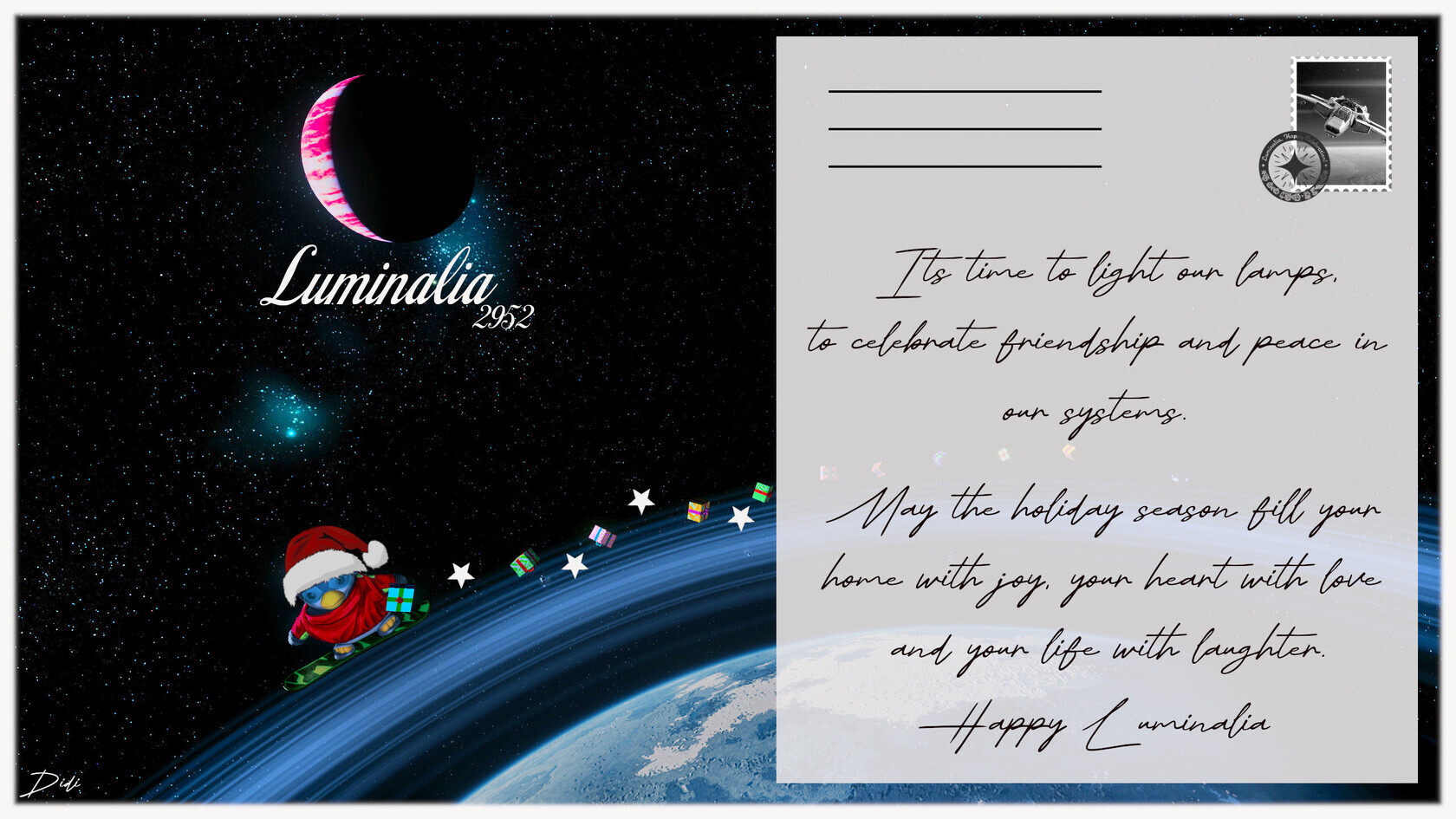
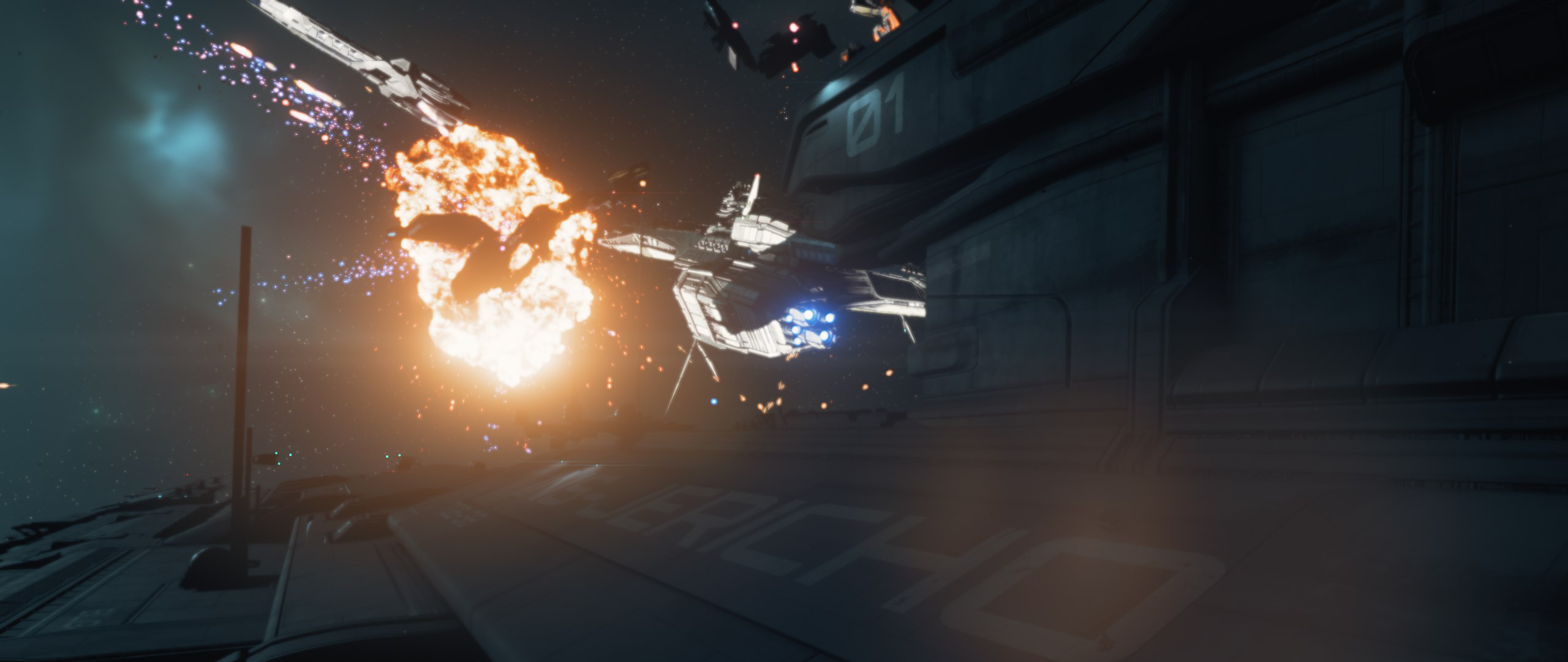
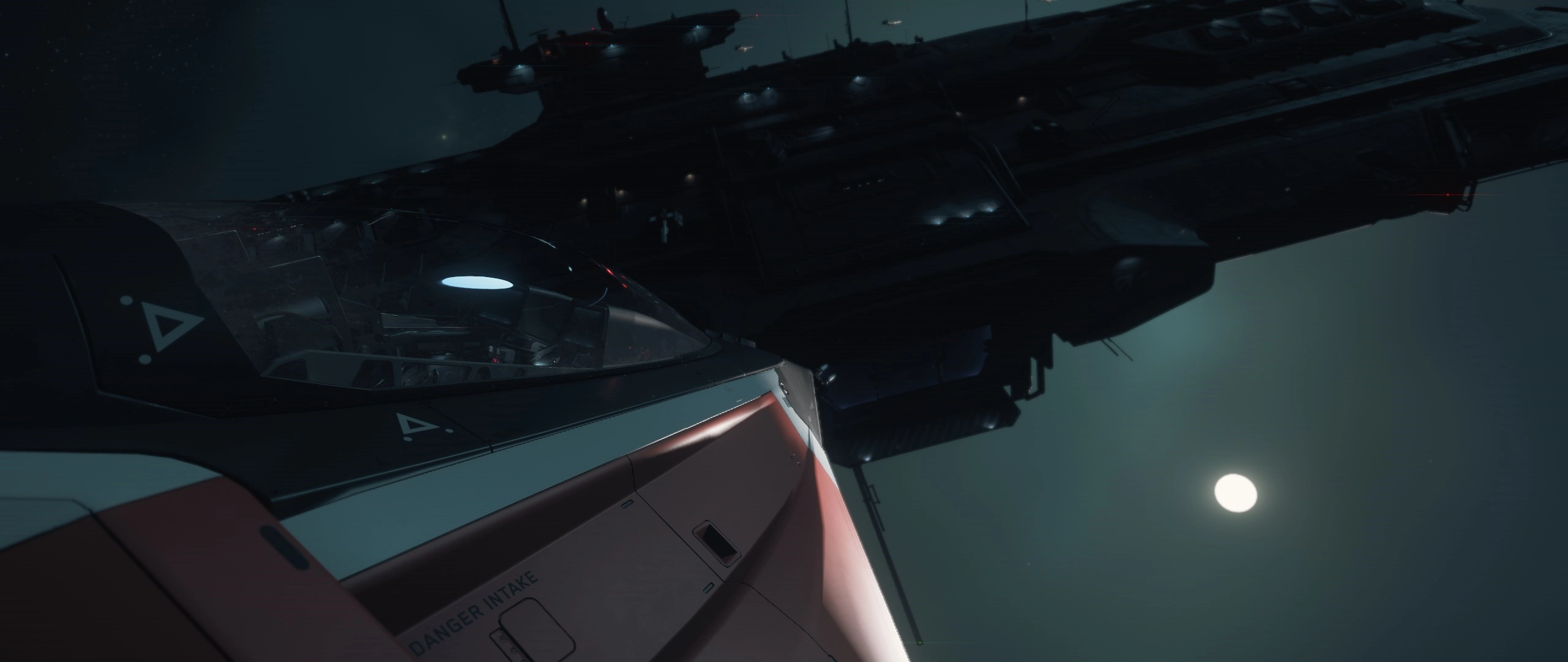
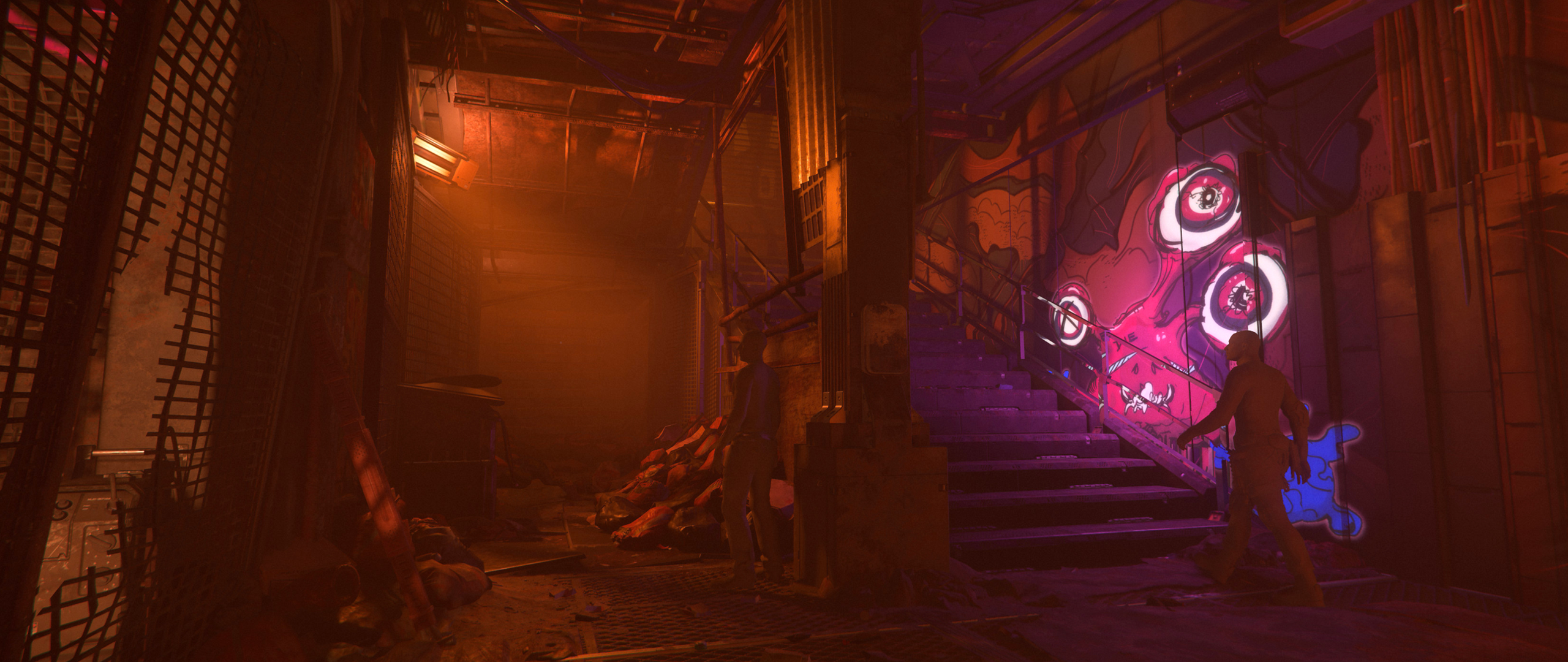
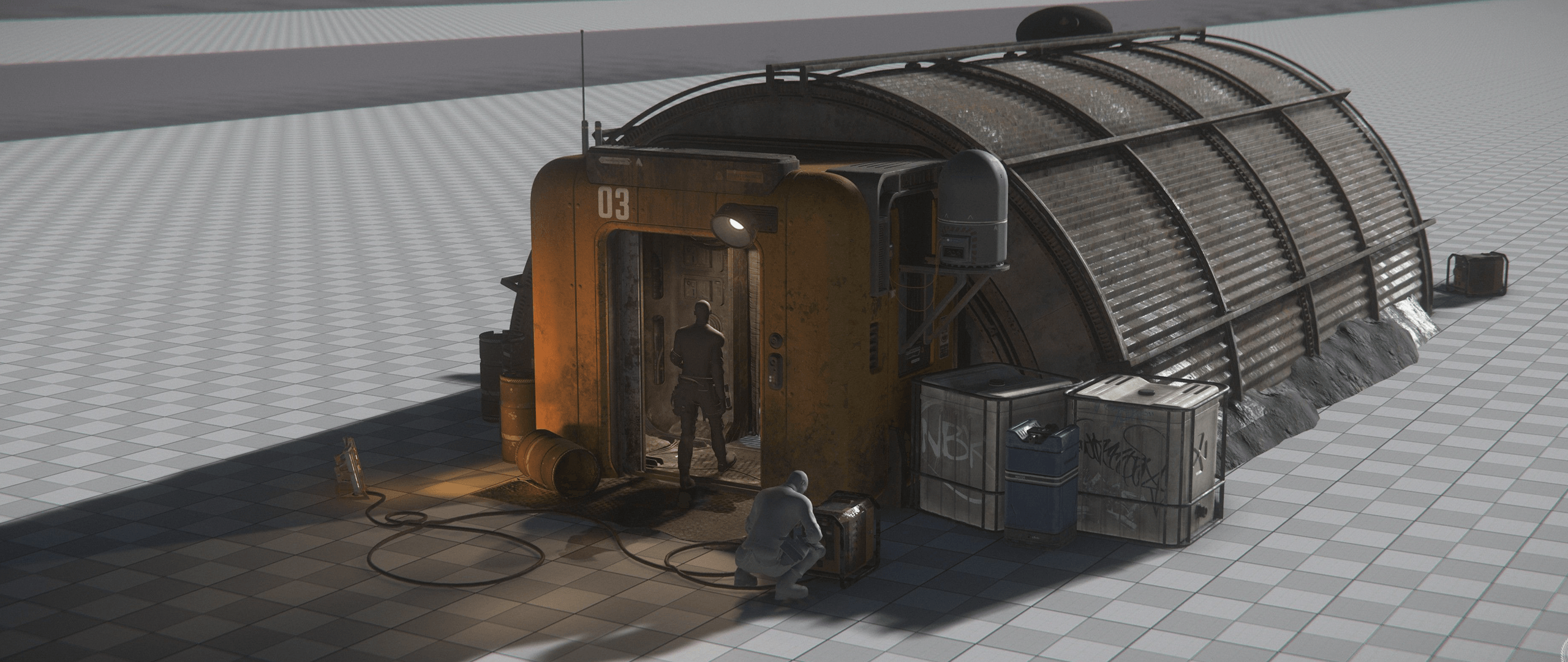
Metadata
- CIG ID
- 19103
- Channel
- Transmission
- Category
- Undefined
- Series
- None
- Comments
- 0
- Published
- 4 months ago (2026-05-25T14:00:00+00:00)