Star Citizen Monthly Report: May 2024
Transmission Undefined NoneContent
PU Monthly Report
May 2024
Welcome to May’s PU Monthly Report! With Alpha 3.23 live our team from around the globe spent the month polishing features, squashing bugs, and progressing with the wealth of new content coming in 3.23.2, 4.0, and beyond. Read on for all the details.
AI (Features)
Following the launch of Alpha 3.23, AI Features supported the upcoming point patch and future releases. Specifically, they worked towards consistent behaviors across different combat scenarios, ensuring that AI characters react in believable ways, no matter what situation they’re in. The team began by improving and unifying perception reactions, improving cover use in different scenarios, and making a holistic evaluation of all combat elements to ensure they work as intended.
This is particularly important with the recent improvements to the hostility system. For example, if an AI comes across two others fighting and they are friendly with both, doing nothing is not a valid response. As the first-pass implementation for Alpha 3.23, the AI will run and cower when this situation arises, though this isn’t ideal and will be improved upon for an upcoming release.
AI (Tech)
Last month, AI Tech supported Alpha 3.23 with bug fixing and optimizations. This included adding new metrics to better understand the size of Pathfinder requests on live builds, navigation-tile-generation requests, and the number of active NPCs and boids.
Improvements were made to the functionality of NPCs pushing trolleys and using elevators alongside updates to behaviors for elevator use. Smoother animations when NPCs move away from trolleys and improved functionality for NPCs parking trolleys were implemented too.
AI Tech also began work to allow NPCs to understand when cover is being destroyed or when parts of a usable are being destroyed. This will prevent NPCs from attempting to find or use unsuitable cover.
For Ship AI, the team continued making improvements and fixing bugs related to following splines and back-strafing.
Animation
In May, Gameplay Animation focused work on numerous creatures, including the unreleased Quasi Grazer ("space cow").
Art (Characters)
In May, the Character Art team completed the high-poly phase for two specialist armors and continued updating the utility armor. A new heavy specialist armor began development too.
Character Art also supported requests for the Character Customizer, while the Hair team started work on new hairstyles for future releases. Progress was also made on new creatures.
Art (Ships)
For Alpha 3.23, Ship Art delivered the Aegis Retaliator’s cargo and bomber modules, ensuring they met gold-standard requirements. The Argo MPUV Tractor was also completed in early May.
Elsewhere, LOD0 was completed for the RSI Zeus Mk II, with the team delivering a significant amount of work to dramatically increase the detail in all areas of the ship. For example, lighting across the entire ship has been designed to bring out the volume and highlight details, while animation passes were done across all moving parts, with many receiving secondary motion to communicate a sense of weight. The next stage is a wear pass and completion of the ship’s damage states. Material passes were also done to help unify the look and feel of new RSI ships in the future.
Finally for Ship Art, three other ships entered the whitebox stage.
Community
The Community team began May supporting Alpha 3.23: Adventure Beckons, including the Mirai Pulse grav-lev bike. They published the Pulse Q&A Comm-Link answering the community’s top questions and a Patch Watch highlighting a selection of features and quality-of-life improvements. They also held the Choose Your Character contest, giving players the opportunity to showcase their creations in-game.
In the latest Roadmap Roundup, more details were shared about the upcoming Alpha 4.0 patch. The team then visited BE@Con event in mid-May in Liège, Belgium.
“The outpouring of enthusiasm was humbling as we connected with hundreds of players over two exhilarating days. Chris and Sandi Roberts were awe-struck by the warmth of our community and the profound sense of unity within the Star Citizen journey. We commend the exceptional efforts of the BE@Con staff, who tirelessly crafted this event for a year and a half, ensuring that it was a joyous celebration for all!” Community Team
The Community team supported the recent Invictus Launch Week with an FAQ, the Free Fly schedule, the Anvil Hornet Mk I Sunset FAQ, updates to the Aegis Sabre Firebird and Retaliator, and Q&A Comm-Links for the Aegis Sabre Firebird, the Argo MPUV Tractor and the RSI Ursa Medivac.
They also published an update about the Overdrive Initiative event and ran the I’m Doing My Part video contest, challenging players to create a 15-second video showing how they supported the Empire during Invictus Launch Week.
Support was provided for various community events, including the System Seven ground racing league from ATMO Esports and the Ignition Expo from Anzia Racing.
The Community team continued detailing the weekly publishes with This Week in Star Citizen, and updated the Arena Commander Schedule.
Preparations for CitizenCon 2954 are also well underway and the team is dedicated to delivering an unforgettable experience - currently working through presentations, refining layout, and other fun surprises.
Core Gameplay
The Core Gameplay Pillar spent May closing out tasks and bug-fixing for Alpha 3.23 and 3.23.1. While part of the team focused on the final touches for the cargo feature, the majority continued working on gameplay features for Alpha 4.0 and beyond.
In May, the Core Gameplay Pillar completed a significant amount of work on the Multi-Tool refactor planned for Alpha 4.0. This will provide a more streamlined experience by putting the tool’s primary attachment action on the left mouse button and secondary action on the right. Planning for the remaining Multi-Tool refactor work, such as an updated UI and battery consumption, was also completed.
For biome accumulation, the team completed further SQ42-porting work and scoped out how the feature will integrate into the weather system.
Charge and Drain also continued through pre-production and will now utilize the Resource Network, support multiplayer, and the ability to charge and drain distortion damage from ship components.
Quantum travel is currently being reviewed to assess any aspects that need to be made Server Meshing compatible beyond issues observed during tech-preview tests.
Support for the Arena Commander’s Engineering mode was provided to allow items to be repaired once they reached zero health.
May also saw the Core Gameplay Pillar improving various profiling tools that assess the performance of characters, vehicles, and interactable entities. This will provide more and better-quality data.
Locomotion improvements for NPCs performing sharp turns were completed, which will allow characters and creatures to switch direction more smoothly.
Work required to adapt the Inventory System to Server Meshing was scoped out, as it will require a rework of its backend to scale appropriately.
The initial version of jump-drive-failure events was implemented in May. Now, when a ship’s jump drive is disabled or damaged, the player will be forced out of the tunnel, which correctly aligns with the exit point in the destination star system. Further improvements to the debug tools for jump-point gameplay were implemented too.
For engineering gameplay, the team implemented power pools, which allow the streamlined power management of grouped items like weapons and thrusters. The Resource Network was enabled by default in the main Star Citizen development branch, which ensures all teams can work with it and integrate their features or content with it.
For Transit, the team continued general release support for Alpha 3.23 and the upcoming cargo and personal hangar update. Scope, technical, and planning discussions concluded for the transit refactor, which is now in active development.
Estimates and scheduling were completed for the remaining Radar and Scanning tasks, including deliverable targets. Team members supporting the patch release concluded their work and moved to supporting radar and scanning.
Work was done on the Objects of Interest mechanic, which will allow designers to set up objects within the PU or SQ42 with various parameters and a special scan highlight. A special material was also applied when an object is occluded so that it shows one material when within line-of-sight and another when obstructed. The team also added a fading effect for highlighted objects based on distance
Additionally, work was done on including organization information in FPS scan data, while new SFX was added when attempting to ping while the ability is on cooldown. The team also completed checks between the PU and SQ42 streams, raising differences so the team can continue to port features from the SQ42 feature set.
Finally for Radar and Scanning, the team activated FPS radar and other experimental radar features across Arena Commander. These systems will be reassessed closer to the release of Alpha 4.0 for a potential preview via Arena Commander.
For Arena Commander, the team concluded work on the first version of custom lobbies, which went live in Alpha 3.23. Alongside general bug fixing, they also added Team Assignments, allowing players to arrange their teams in the lobby before entering the game. Support was also provided for the grav-lev-race leaderboards.
Initial work was completed on the first pass of a new EVA-only map for FPS game modes, with playtests scheduled for the coming weeks.
Additionally, the team began marking up all Arena Commander locations with the room system so they’re compatible with radar. The Good Doctor was completed, with the rest expected to be finished in the coming weeks.
The new frontend style was fully approved and began implementation, polish was complete on new animations, and the first example of a brand takeover was approved (using Drake). This will be used to guide the teams in creating more takeover designs for future events.
Two new strike teams were created to focus on two modes, one of which is FPS Horde.
For FPS Horde, the game mode and initial setup were completed alongside the deliverable scope discussion and task breakdown. The primary goal of this mode is to provide developers with a fast, easy, and reliable way to iterate on the development of spawn closets, creature and Human AI, and FPS radar. The team will assess the game mode closer to Alpha 4.0 on the feasibility of introducing it as a publicly playable Experimental Mode.
Additionally, the team worked on several quality-of-life initiatives for developers, including new vehicle-control-manager debugging. They also added dummy players to Arena Commander, which allow the developers to test scenarios with actors that mimic players. For example, this was first used to reproduce issues with team balancing and the scoreboard UI when a high number of players connected. Previously, this would’ve required either multiple developers or multiple clients.
Finally, the team resolved a major issue with team balancing and spawning for Alpha 3.23.2, and assisted in the resolution of a critical issue with analytics, including the creation of a new gameplay analytics dashboard.
Further progress was made on the mission-system refactor, including the implementation of the contract generator, the querying of active and completed missions from the mission service, and a rework of the mission-sharing flow. The team also updated mission entities to support streaming and refactored the mission system to use both the mission-broker and contract-template systems. The data structures required to refactor missions were provided to the Mission Design and Content teams too.
Further support was given to Mission Design for the updated delivery-contracts system that interacts with the upcoming freight elevators too.
Gameplay Features continued with the closeout of freight elevators, storage-access kiosks, instanced and personal hangars, and commodity-trading updates. The UI flow is currently being updated to provide a more streamlined experience when managing the warehouse inventory and moving items via the freight elevator. Items like weapons, armor, and furniture can now be brought up too.
Stacks of items can now be split in the storage-access and freight-elevator-kiosk UI, and filters for item categories were implemented.
Economy
Last month, the ‘effort vs reward’ algorithm was documented, which enabled the Economy team to determine the technicalities of implementing the mission-system refactor. Once live, mission rewards will be based on time and difficulty to complete. Part of this involved establishing sensible time estimates for hauling missions and finalizing the reward balance for the kopion and marok missions.
They also supported Invictus Launch Week and the existing cargo missions.
A design for the refactor of the shop system is underway that will provide more flexibility for trading commodities and item shopping. Progress was also made on an algorithm to determine the base prices of commodities.
Interactables
Last month, liquid-carrying cargo containers were worked on, with all sizes moving from whitebox to final.
A destructible generator was also made for search-and-destroy missions. The devs are currently working up to final with separate pieces that will detach upon destruction.
Lighting
Lighting spent time finalizing work on instanced hangars. Once complete, they kicked off new content for Alpha 4.0. They also began the look-dev stage on a new cave archetype.
Locations
May saw the Landing Zone team fixing bugs for instanced hangars before moving on to mandates for Alpha 4.0, including crafting the remaining stations for Pyro.
The Organics team continued iterating on new biomes.
Mission Design
Throughout May, Mission Design continued working on cargo missions, specifically polishing the 'abandon' flow. This is used when a player decides they no longer want to play the mission. For example, if they have already picked up a load, the contract will give them an allotted time to deliver it to a closer location and take less of a reputation hit. If the player doesn’t deliver the cargo in the allotted time, it will be marked as stolen.
Planning was also done for the mission-system refactor, which is required for Server Meshing. This will also bring the processes and pipelines used by the team up to date to ensure everything is aligned with the current standards.
Future content plans are underway, with some actively being built. Mission Design also aligned with Tech Design on their deliverables to see if more of their upcoming gameplay can be utilized.
Pyro-based repair missions are being actively designed. These involve replacing components, containing radiation, and power management via Charge and Drain.
Narrative
May kicked off with a flurry of activity for the Narrative team. As part of the scoping of responsibilities for Star Citizen 1.0, they looked into taking a larger role in the oversight and maintenance of the social AI in the universe. This includes reviewing and adjusting existing civilian behaviors so the personalities of the various locations and landing zones come through. The team is also prototyping new behavior types that will appear throughout some upcoming locations as well as previously established ones.
This led to initiatives to develop vertical slices of social spaces to test out a variety of larger-scale mechanics, such as day/night schedules, updates to the vendor/bartender behavior, and some mission providers in a contained space to make sure they’re providing the desired content before expanding.
As part of 1.0 development, further work was done on the location stories for the major landing zones, with team members working with Design to tailor the story to the gameplay. These missions will provide exciting opportunities for players to embark on adventures that embellish local storylines.
The team also continued to support upcoming patches by providing narrative content for some of the upcoming mission modules, providing additional in-fiction names and descriptions to items, and working with the Core Gameplay teams on future mechanics.
On the website, the Narrative team posted a Whitley’s Guide to the Hercules and a new batch of Galactapedia entries.
Online Technology
In May, the Online Services team focused on wrapping up the social-services backend refactor, which will improve the performance and scalability of social features, including Chat, Friends, and Groups. It will also allow the service to handle more concurrent users and requests and help the team to add new features more easily in the future.
The team also spent a significant amount of time helping to stabilize Alpha 3.23 by triaging issues and bug fixing, including 12 critical and 24 major bugs.
Additionally, they began working on potential Alpha 4.0 release features, such as the mission-system refactor, the marker-system refactor, and the player-trade feature in support of Server Meshing.
R&D
The R&D team’s support for Alpha 3.23 continued throughout May. For volumetric cloud rendering, stochastic Catmull-Rom texture filtering was implemented for the new half-res render mode upsampler. The number of ray marching steps now also scales with scene depth to improve performance in scenes with near-distance occluders (buildings, cockpit, terrain, etc.).
Moreover, progress continued on the temporal render mode. All confidence metrics and transmittance filtering received further tweaks and improvements. A first draft of the code was submitted for internal use.
Tech Design
Tech Design supported multiple areas of development for upcoming release patches, including resolving bugs related to creatures, interactables, cargo hangars and item banks, weapons, and performance issues.
Additionally, the team were involved in a variety of initiatives for gameplay-related systems, internal tools, and workflows. For example, they added the ability for mission designers to change AI-pilot skill levels depending on the mission, affecting their accuracy. They also outlined design requirements for the transit-system refactor and code syncing for the Design team.
Tech Design spent time setting up test levels, harvestables, and the spawning system for upcoming creatures, and began work on interaction improvements for kiosk screens. Work continued on a new location distribution tool, with May’s work involving designing the initial ruleset for location placements and improvements to workflow and aligning with other teams on the next steps.
Progress was also made on internal scripting tools, with the team syncing with coders on slow workflows to help the designers improve the user experience.
UI
The Montreal-based UI team worked on a variety of mandates in May, including tasks for cargo, ensuring all visual elements were polished and any bugs were thoroughly fixed. They also collaborated closely with the Core Gameplay pillar on the Resource Network and jump points.
Meanwhile, the UK team continued updating the heads-up displays (HUD) across multiple ships to improve their functionality and aesthetics.
VFX
Like other teams, the VFX team put the finishing touches on their work for the Alpha 3.23 patch, fixing last-minute bugs and polishing effects where safe to do so.
VFX also completed effects passes on several new vehicles, including for thrusters and damage. Work also began on jump point effects. These have existed as prototypes for a while, but the team focused on getting the effects fully functional, working closely with the VFX programmers and the Feature team.
Web Platform
The Web Platform teams concentrated on preparing for the anticipated traffic surges during Invictus Launch Week. To support Alpha 3.23 and ILW, they established a special support process to ensure prompt incident response. The System Services team also planned and tested the platform's automated scaling schedule to handle the expected traffic waves effectively.
“This Invictus marked the first major traffic event since we transitioned our infrastructure to Kubernetes, and it was a great success. It provided an excellent opportunity to enhance our platform's observability and alerting systems. Despite hitting record traffic levels during the event, we experienced no performance issues.” Web Platform Team
May saw the Launcher team focusing on version 2.0.1. This is currently in development and will be released in the coming weeks. The team have been working hard to address issues with authentication, error handling, and other bugs that were reported in Launcher 2.0.0. These improvements will result in a more stable and reliable experience for users.
Some of the key elements of the next version are improved error handling and a more intuitive UI with better performance. Issues involving expired sessions and 3001 and 2000 errors were fixed too. Workarounds and troubleshooting guides were also added to the RSI Knowledge Base.
Image by
N4me1essImage by
N4me1ess
PU-Monatsbericht
Mai 2024
Willkommen zum PU-Monatsbericht für den Monat Mai! Mit der Veröffentlichung der Alpha 3.23 hat unser Team auf der ganzen Welt den Monat damit verbracht, Features zu verbessern, Bugs auszumerzen und an den vielen neuen Inhalten zu arbeiten, die in 3.23.2, 4.0 und darüber hinaus kommen werden. Lies weiter, um alle Details zu erfahren.
KI (Funktionen)
Nach dem Start der Alpha 3.23 unterstützten die KI-Features den kommenden Punkt-Patch und zukünftige Veröffentlichungen. Insbesondere wurde an einem einheitlichen Verhalten in verschiedenen Kampfszenarien gearbeitet, um sicherzustellen, dass die KI-Charaktere unabhängig von der Situation glaubwürdig reagieren. Das Team begann damit, die Wahrnehmungsreaktionen zu verbessern und zu vereinheitlichen, die Nutzung von Deckung in verschiedenen Szenarien zu verbessern und eine ganzheitliche Bewertung aller Kampfelemente vorzunehmen, um sicherzustellen, dass sie wie vorgesehen funktionieren.
Das ist besonders wichtig bei den jüngsten Verbesserungen des Feindschaftssystems. Wenn eine KI zum Beispiel auf zwei kämpfende Gegner trifft und mit beiden befreundet ist, ist Nichtstun keine gültige Reaktion. Im ersten Durchgang der Alpha 3.23 wird die KI in dieser Situation weglaufen und sich ducken, obwohl das nicht ideal ist und in einer der nächsten Versionen verbessert werden wird.
KI (Tech)
Im letzten Monat hat AI Tech die Alpha 3.23 mit Fehlerbehebungen und Optimierungen unterstützt. Dazu gehörte das Hinzufügen neuer Metriken, um die Größe der Pathfinder-Anfragen in den Live-Builds, die Anfragen zur Erstellung von Navigationskacheln und die Anzahl der aktiven NSCs und Boids besser zu verstehen.
Die Funktionalität von NSCs, die Karren schieben und Aufzüge benutzen, wurde verbessert und das Verhalten bei der Benutzung von Aufzügen aktualisiert. Außerdem wurden flüssigere Animationen implementiert, wenn sich NSCs von Trolleys wegbewegen, und die Funktionalität für NSCs, die Trolleys parken, wurde verbessert.
Die KI-Techniker haben außerdem damit begonnen, NSCs zu ermöglichen, zu erkennen, wenn Deckung zerstört wird oder wenn Teile einer nutzbaren Fläche zerstört werden. Dadurch wird verhindert, dass NSCs versuchen, eine ungeeignete Deckung zu finden oder zu nutzen.
Bei der SchiffskI hat das Team weitere Verbesserungen vorgenommen und Fehler im Zusammenhang mit dem Folgen von Splines und dem Backstrafing behoben.
Animation
Im Mai konzentrierte sich die Gameplay-Animation auf die Arbeit an zahlreichen Kreaturen, darunter der noch nicht veröffentlichte Quasi-Grazer ("Weltraumkuh").
Kunst (Charaktere)
Im Mai schloss das Character Art Team die High-Poly-Phase für zwei Spezialisten-Rüstungen ab und aktualisierte die Utility-Rüstung weiter. Außerdem wurde mit der Entwicklung einer neuen schweren Spezialisten-Rüstung begonnen.
Das Character Art Team unterstützte auch Anfragen für den Character Customizer, während das Hair Team mit der Arbeit an neuen Frisuren für zukünftige Veröffentlichungen begann. Auch bei den neuen Kreaturen wurden Fortschritte gemacht.
Kunst (Schiffe)
Für Alpha 3.23 lieferte Ship Art die Fracht- und Bombermodule des Aegis Retaliator und stellte sicher, dass sie den Anforderungen des Goldstandards entsprechen. Auch der Argo MPUV Tractor wurde Anfang Mai fertiggestellt.
An anderer Stelle wurde LOD0 für die RSI Zeus Mk II fertiggestellt. Das Team leistete umfangreiche Arbeit, um die Detailgenauigkeit in allen Bereichen des Schiffes deutlich zu erhöhen. So wurde zum Beispiel die Beleuchtung des gesamten Schiffes so gestaltet, dass das Volumen und die Details hervorgehoben werden, während alle beweglichen Teile animiert wurden, wobei viele eine sekundäre Bewegung erhielten, um ein Gefühl von Gewicht zu vermitteln. In der nächsten Phase werden die Abnutzung und die Schadenszustände des Schiffes fertiggestellt. Es wurden auch Materialdurchläufe durchgeführt, um das Aussehen und die Haptik neuer RSI-Schiffe in Zukunft zu vereinheitlichen.
Bei Ship Art sind drei weitere Schiffe in die Whitebox-Phase eingetreten.
Community
Das Community-Team hat im Mai mit der Unterstützung von Alpha 3.23: Adventure Beckons begonnen, darunter auch das Mirai Pulse Grav-Lev Bike. Sie veröffentlichten den Pulse Q&A Comm-Link, in dem die wichtigsten Fragen der Community beantwortet wurden, sowie einen Patch Watch, in dem eine Reihe von Features und Verbesserungen der Lebensqualität vorgestellt wurden. Außerdem wurde der "Choose Your Character"-Wettbewerb veranstaltet, bei dem die Spieler/innen ihre Kreationen im Spiel präsentieren konnten.
Im letzten Roadmap Roundup wurden weitere Details über den kommenden Alpha 4.0 Patch bekannt gegeben. Mitte Mai besuchte das Team das BE@Con-Event in Lüttich, Belgien.
"Die Begeisterung war überwältigend, als wir zwei Tage lang mit Hunderten von Spielern ins Gespräch kamen. Chris und Sandi Roberts waren beeindruckt von der Herzlichkeit unserer Community und dem tiefen Gefühl der Zusammengehörigkeit innerhalb der Star Citizen Reise. Wir loben die außergewöhnlichen Bemühungen des BE@Con-Teams, das dieses Event anderthalb Jahre lang unermüdlich vorbereitet hat und dafür gesorgt hat, dass es ein freudiges Fest für alle wurde!" Community-Team
Das Community Team unterstützte die Invictus Launch Week mit einer FAQ, dem Free Fly Zeitplan, der Anvil Hornet Mk I Sunset FAQ, Updates für den Aegis Sabre Firebird und den Retaliator, sowie Q&A Comm-Links für den Aegis Sabre Firebird, den Argo MPUV Tractor und den RSI Ursa Medivac.
Außerdem wurde ein Update zum Overdrive-Initiative-Event veröffentlicht und der I'm Doing My Part-Videowettbewerb durchgeführt, bei dem die Spieler ein 15-sekündiges Video erstellen sollten, das zeigt, wie sie das Imperium während der Invictus Launch Week unterstützt haben.
Es gab Unterstützung für verschiedene Community-Events, darunter die System Seven Bodenrennliga von ATMO Esports und die Ignition Expo von Anzia Racing.
Das Community-Team hat die wöchentlichen Veröffentlichungen mit This Week in Star Citizen fortgesetzt und den Zeitplan für den Arena Commander aktualisiert.
Die Vorbereitungen für die CitizenCon 2954 sind ebenfalls in vollem Gange und das Team setzt alles daran, ein unvergessliches Erlebnis zu bieten.
Core Gameplay
Die Säule Core Gameplay verbrachte den Mai damit, die Aufgaben und Fehlerbehebungen für Alpha 3.23 und 3.23.1 abzuschließen. Während sich ein Teil des Teams auf den letzten Schliff für das Fracht-Feature konzentrierte, arbeitete der Großteil weiter an Gameplay-Features für Alpha 4.0 und darüber hinaus.
Im Mai schloss die Säule Core Gameplay einen Großteil der Arbeit an der für Alpha 4.0 geplanten Überarbeitung des Multi-Tools ab. Die primäre Aktion des Werkzeugs wird auf die linke Maustaste und die sekundäre Aktion auf die rechte Maustaste gelegt, um das Spielerlebnis zu verbessern. Die Planung für die verbleibenden Arbeiten an der Überarbeitung des Multi-Tools, wie z. B. eine aktualisierte Benutzeroberfläche und der Batterieverbrauch, wurde ebenfalls abgeschlossen.
Für die Biome-Akkumulation schloss das Team weitere SQ42-Portierungsarbeiten ab und überprüfte, wie die Funktion in das Wettersystem integriert werden kann.
Charge and Drain wurde ebenfalls in die Vorproduktion aufgenommen und wird nun das Ressourcennetzwerk nutzen, Multiplayer unterstützen und die Möglichkeit bieten, Verzerrungsschaden von Schiffskomponenten aufzuladen und abzuleiten.
Die Quantenreise wird derzeit überprüft, um festzustellen, welche Aspekte über die bei den Tech-Preview-Tests beobachteten Probleme hinaus noch mit dem Server Meshing kompatibel gemacht werden müssen.
Der Ingenieursmodus des Arenakommandanten wird unterstützt, damit Gegenstände repariert werden können, wenn sie keine Lebenspunkte mehr haben.
Im Mai wurden in der Säule "Core Gameplay" außerdem verschiedene Profiling-Tools verbessert, die die Leistung von Charakteren, Fahrzeugen und interaktiven Einheiten bewerten. Dies wird mehr und qualitativ bessere Daten liefern.
Die Fortbewegung von NSCs, die scharfe Kurven fahren, wurde verbessert, so dass Charaktere und Kreaturen die Richtung nun reibungsloser wechseln können.
Die Arbeiten zur Anpassung des Inventarsystems an das Server-Meshing wurden gestrichen, da das Backend überarbeitet werden muss, um die Skalierung zu gewährleisten.
Die erste Version der Ereignisse für den Ausfall des Sprungantriebs wurde im Mai implementiert. Wenn der Sprungantrieb eines Schiffes deaktiviert oder beschädigt wird, wird der Spieler aus dem Tunnel gezwungen, der korrekt mit dem Ausgangspunkt im Zielsternsystem übereinstimmt. Außerdem wurden weitere Verbesserungen an den Debug-Tools für das Spiel mit Sprungpunkten implementiert.
Für das Engineering Gameplay hat das Team Energiepools implementiert, die ein rationalisiertes Energiemanagement von gruppierten Gegenständen wie Waffen und Triebwerken ermöglichen. Das Ressourcennetzwerk wurde im Hauptentwicklungszweig von Star Citizen standardmäßig aktiviert, so dass alle Teams damit arbeiten und ihre Funktionen oder Inhalte darin integrieren können.
Für Transit setzte das Team den allgemeinen Release-Support für Alpha 3.23 und das bevorstehende Cargo- und Personal Hangar-Update fort. Die Diskussionen über den Umfang, die Technik und die Planung des Transit-Refactors wurden abgeschlossen, der sich nun in der aktiven Entwicklung befindet.
Schätzungen und Planungen für die verbleibenden Radar- und Scanning-Aufgaben wurden abgeschlossen, einschließlich der Zielvorgaben. Die Teammitglieder, die das Patch-Release unterstützen, beendeten ihre Arbeit und wechselten zur Unterstützung von Radar und Scanning.
Es wurde an der Objects of Interest-Mechanik gearbeitet, die es Designern ermöglicht, Objekte innerhalb der PU oder SQ42 mit verschiedenen Parametern und einem speziellen Scan-Highlight einzurichten. Außerdem wurde ein spezielles Material angewendet, wenn ein Objekt verdeckt ist, so dass es ein Material zeigt, wenn es in Sichtweite ist, und ein anderes, wenn es verdeckt ist. Das Team hat außerdem einen Verblassungseffekt für hervorgehobene Objekte hinzugefügt, der auf der Entfernung basiert
Außerdem wurden Informationen zur Organisation in die FPS-Scandaten aufgenommen und neue SFX hinzugefügt, wenn versucht wird, die Fähigkeit zu pingen, während sie sich in der Abkühlphase befindet. Das Team schloss auch Überprüfungen zwischen dem PU- und dem SQ42-Stream ab und hob die Unterschiede hervor, damit das Team weiterhin Funktionen aus dem SQ42-Feature-Set portieren kann.
Im Bereich Radar und Scanning schließlich aktivierte das Team das FPS-Radar und andere experimentelle Radar-Funktionen in Arena Commander. Diese Systeme werden kurz vor der Veröffentlichung der Alpha 4.0 für eine mögliche Vorschau über den Arena Commander neu bewertet.
Für Arena Commander schloss das Team die Arbeit an der ersten Version der benutzerdefinierten Lobbys ab, die in Alpha 3.23 eingeführt wurde. Neben allgemeinen Fehlerbehebungen wurden auch Teamzuweisungen hinzugefügt, mit denen die Spieler/innen ihre Teams in der Lobby zusammenstellen können, bevor sie das Spiel betreten. Außerdem wurde die Unterstützung für die Grav-Lev-Race-Ranglisten eingeführt.
Der erste Durchlauf einer neuen EVA-Karte für FPS-Spielmodi wurde fertiggestellt und wird in den kommenden Wochen getestet.
Außerdem begann das Team damit, alle Arena Commander-Standorte mit dem Raumsystem zu markieren, damit sie mit dem Radar kompatibel sind. The Good Doctor wurde fertiggestellt, der Rest wird voraussichtlich in den nächsten Wochen fertiggestellt werden.
Der neue Frontend-Stil wurde vollständig genehmigt und mit der Umsetzung begonnen, die neuen Animationen wurden fertiggestellt und das erste Beispiel für eine Markenübernahme wurde genehmigt (mit Drake). Dieses Beispiel wird den Teams als Leitfaden für die Gestaltung weiterer Markenübernahmen für zukünftige Veranstaltungen dienen.
Es wurden zwei neue Strike-Teams gebildet, die sich auf zwei Modi konzentrieren, von denen einer FPS Horde ist.
Für FPS Horde wurden der Spielmodus und die anfängliche Einrichtung zusammen mit der Diskussion des Aufgabenbereichs und der Aufgabenverteilung abgeschlossen. Das Hauptziel dieses Modus ist es, den Entwicklern eine schnelle, einfache und zuverlässige Möglichkeit zu bieten, die Entwicklung von Spawn Closures, Kreaturen- und Menschen-KI und FPS-Radar zu wiederholen. Das Team wird den Spielmodus näher an Alpha 4.0 bewerten, um zu prüfen, ob er als öffentlich spielbarer Experimentiermodus eingeführt werden kann.
Darüber hinaus arbeitete das Team an mehreren Initiativen zur Verbesserung der Lebensqualität der Entwickler, wie z. B. der Fehlersuche im Fahrzeugsteuerungs-Manager. Außerdem fügten sie dem Arena Commander Dummy-Spieler hinzu, mit denen die Entwickler Szenarien mit Schauspielern testen können, die Spieler imitieren. Dies wurde zum Beispiel genutzt, um Probleme mit dem Team-Balancing und der Anzeigetafel-UI zu reproduzieren, wenn eine große Anzahl von Spielern verbunden ist. Zuvor waren dafür entweder mehrere Entwickler oder mehrere Clients erforderlich.
Schließlich hat das Team ein großes Problem mit dem Team-Balancing und dem Spawning für Alpha 3.23.2 behoben und bei der Lösung eines kritischen Problems mit der Analyse geholfen, einschließlich der Erstellung eines neuen Dashboards für die Spielanalyse.
Weitere Fortschritte wurden bei der Überarbeitung des Missionssystems erzielt, einschließlich der Implementierung des Vertragsgenerators, der Abfrage aktiver und abgeschlossener Missionen über den Missionsdienst und einer Überarbeitung des Missionsverteilungsflusses. Das Team aktualisierte auch die Missionsentitäten, um Streaming zu unterstützen, und überarbeitete das Missionssystem, um sowohl den Missionsbroker als auch die Vertragsvorlage zu nutzen. Die für die Umstrukturierung der Missionen erforderlichen Datenstrukturen wurden auch den Teams für Missionsdesign und -inhalte zur Verfügung gestellt.
Weitere Unterstützung erhielt das Missionsdesign für das aktualisierte Liefervertragssystem, das auch mit den kommenden Lastenaufzügen interagiert.
Die Gameplay-Features wurden mit der Fertigstellung von Lastenaufzügen, Kiosken mit Lagerzugang, instanzierten und persönlichen Hangars und Updates für den Rohstoffhandel fortgesetzt. Die Benutzeroberfläche wird derzeit überarbeitet, um die Verwaltung des Lagerinventars und den Transport von Gegenständen mit dem Lastenaufzug zu vereinfachen. Gegenstände wie Waffen, Rüstungen und Möbel können jetzt auch nach oben gebracht werden.
Stapel von Gegenständen können jetzt im Lagerzugang und im Lastenaufzug-Kiosk aufgeteilt werden, und es wurden Filter für Gegenstandskategorien implementiert.
Wirtschaft
Letzten Monat wurde der Algorithmus "Aufwand vs. Belohnung" dokumentiert, was es dem Wirtschaftsteam ermöglichte, die technischen Einzelheiten der Überarbeitung des Missionssystems zu bestimmen. Sobald das System in Betrieb ist, werden die Belohnungen für Missionen auf der Grundlage von Zeit und Schwierigkeit berechnet. Dazu gehörte auch, dass vernünftige Zeitschätzungen für Transportmissionen erstellt und die Belohnungsbalance für die Kopion- und Marok-Missionen endgültig festgelegt wurden.
Sie unterstützten auch die Invictus Launch Week und die bestehenden Frachtmissionen.
Ein Entwurf für die Überarbeitung des Shopsystems ist in Arbeit, der mehr Flexibilität für den Handel mit Rohstoffen und das Einkaufen von Gegenständen bieten wird. Außerdem wurden Fortschritte bei einem Algorithmus zur Bestimmung der Grundpreise von Waren gemacht.
Interactables
Im letzten Monat wurde an den flüssigkeitstragenden Frachtcontainern gearbeitet, wobei alle Größen von der Whitebox in die endgültige Form gebracht wurden.
Außerdem wurde ein zerstörbarer Generator für Such- und Zerstörungsmissionen entwickelt. Zurzeit arbeiten die Entwickler an der endgültigen Version mit separaten Teilen, die sich bei Zerstörung ablösen.
Beleuchtung
Im Bereich Beleuchtung wurde die Arbeit an den instanzierten Hangars abgeschlossen. Sobald sie fertig sind, werden sie neue Inhalte für die Alpha 4.0 einführen. Außerdem haben sie mit der Entwicklung eines neuen Höhlenarchetyps begonnen.
Orte
Im Mai hat das Team der Landezone Fehler in den instanzierten Hangars behoben, bevor es sich den Aufträgen für Alpha 4.0 widmete, darunter auch der Herstellung der restlichen Stationen für Pyro.
Das Organics-Team arbeitete weiter an der Entwicklung neuer Biome.
Missionsdesign
Im Mai hat das Missionsdesign weiter an Frachtmissionen gearbeitet, insbesondere an der Optimierung des "Abbruch"-Flusses. Dieser wird verwendet, wenn ein Spieler entscheidet, dass er die Mission nicht mehr spielen möchte. Wenn sie zum Beispiel bereits eine Ladung abgeholt haben, gibt ihnen der Vertrag eine bestimmte Zeit, um die Ladung an einem näheren Ort abzuliefern, damit ihr Ruf weniger leidet. Wenn der Spieler die Ladung nicht in der vorgegebenen Zeit abliefert, wird sie als gestohlen markiert.
Außerdem wurde die Überarbeitung des Missionssystems geplant, die für das Server Meshing erforderlich ist. Dadurch werden auch die vom Team verwendeten Prozesse und Pipelines auf den neuesten Stand gebracht, um sicherzustellen, dass alles mit den aktuellen Standards übereinstimmt.
Die Pläne für zukünftige Inhalte sind in Arbeit, und einige werden bereits aktiv erstellt. Das Missionsdesign hat sich auch mit dem Technischen Design abgestimmt, um zu sehen, ob mehr von ihrem kommenden Gameplay genutzt werden kann.
Pyro-basierte Reparaturmissionen werden derzeit aktiv entwickelt. Dabei geht es um den Austausch von Bauteilen, die Eindämmung von Strahlung und das Energiemanagement durch Aufladen und Ablassen.
Narrative
Der Mai begann für das Narrative Team mit einem wahren Feuerwerk an Aktivitäten. Als Teil der Aufgabenverteilung für Star Citizen 1.0 hat das Team eine größere Rolle bei der Überwachung und Pflege der sozialen KI im Universum in Betracht gezogen. Dazu gehört die Überprüfung und Anpassung des Verhaltens der Zivilbevölkerung, damit die Persönlichkeiten der verschiedenen Orte und Landezonen zum Tragen kommen. Das Team arbeitet außerdem an Prototypen für neue Verhaltensweisen, die an einigen neuen Orten sowie an bereits etablierten Orten auftreten werden.
Dies führte zu Initiativen zur Entwicklung von vertikalen Slices sozialer Räume, um eine Reihe größerer Mechanismen zu testen, wie z. B. Tag-/Nachtpläne, Aktualisierungen des Verhaltens von Händlern/Barkeepern und einige Missionsanbieter in einem begrenzten Raum, um sicherzustellen, dass sie die gewünschten Inhalte liefern, bevor sie erweitert werden.
Im Rahmen der 1.0-Entwicklung wurde weiter an den Ortsgeschichten für die großen Landezonen gearbeitet, wobei die Teammitglieder mit dem Design zusammenarbeiteten, um die Geschichte an das Gameplay anzupassen. Diese Missionen werden den Spieler/innen spannende Möglichkeiten bieten, Abenteuer zu erleben, die die lokalen Geschichten bereichern.
Das Team unterstützte auch die kommenden Patches, indem es erzählerische Inhalte für einige der kommenden Missionsmodule bereitstellte, zusätzliche fiktive Namen und Beschreibungen für Gegenstände lieferte und mit den Core Gameplay Teams an zukünftigen Mechaniken arbeitete.
Auf der Website hat das Narrative Team einen Whitley's Guide für die Hercules und eine Reihe neuer Galactapedia-Einträge veröffentlicht.
Online-Technologie
Im Mai konzentrierte sich das Team der Online-Dienste auf die Überarbeitung des Backends der sozialen Dienste, das die Leistung und Skalierbarkeit der sozialen Funktionen wie Chat, Freunde und Gruppen verbessern wird. Außerdem kann der Dienst nun mehr gleichzeitige Nutzer und Anfragen verarbeiten und das Team kann in Zukunft leichter neue Funktionen hinzufügen.
Das Team hat außerdem viel Zeit damit verbracht, Alpha 3.23 zu stabilisieren, indem es sich um die Behebung von Problemen und Fehlern kümmerte, darunter 12 kritische und 24 größere Fehler.
Außerdem begann das Team mit der Arbeit an potenziellen Alpha 4.0-Features, wie dem Refactor des Missionssystems, dem Refactor des Markersystems und dem Spieler-Handels-Feature zur Unterstützung von Server Meshing.
F&E
Das F&E-Team hat im Mai weiter an der Alpha 3.23 gearbeitet. Für das volumetrische Wolkenrendering wurde die stochastische Catmull-Rom-Texturfilterung für den neuen Upsampler im Half-Res-Rendering-Modus implementiert. Die Anzahl der Ray-Marching-Schritte skaliert jetzt auch mit der Szenentiefe, um die Leistung in Szenen mit nahen Verdeckungen (Gebäude, Cockpit, Gelände usw.) zu verbessern.
Außerdem wurden weitere Fortschritte beim temporalen Rendermodus erzielt. Alle Konfidenzmetriken und die Transmissionsfilterung wurden weiter verfeinert und verbessert. Ein erster Entwurf des Codes wurde zur internen Verwendung eingereicht.
Technisches Design
Das Tech Design unterstützte mehrere Bereiche der Entwicklung für die kommenden Patches, einschließlich der Behebung von Fehlern in Bezug auf Kreaturen, interaktive Elemente, Frachthangars und Gegenstandsbänke, Waffen und Leistungsprobleme.
Außerdem war das Team an einer Reihe von Initiativen für spielbezogene Systeme, interne Tools und Arbeitsabläufe beteiligt. Zum Beispiel fügten sie die Möglichkeit für Missionsdesigner hinzu, die Fähigkeiten der KI-Piloten je nach Mission zu ändern, was sich auf ihre Genauigkeit auswirkt. Außerdem entwarfen sie die Designanforderungen für das Refactoring des Transitsystems und die Codesynchronisierung für das Designteam.
Das Tech Design hat sich mit der Einrichtung von Testebenen, Erntegütern und dem Spawning-System für neue Kreaturen beschäftigt und mit der Verbesserung der Interaktion auf den Kiosk-Bildschirmen begonnen. Die Arbeit an einem neuen Tool zur Verteilung von Orten wurde fortgesetzt. Im Mai ging es darum, die ersten Regeln für die Platzierung von Orten zu entwerfen, den Arbeitsablauf zu verbessern und sich mit anderen Teams über die nächsten Schritte abzustimmen.
Auch bei den internen Skripting-Tools wurden Fortschritte erzielt. Das Team tauschte sich mit den Programmierern über langsame Arbeitsabläufe aus, um den Designern bei der Verbesserung des Benutzererlebnisses zu helfen.
UI
Das in Montreal ansässige UI-Team arbeitete im Mai an einer Reihe von Aufträgen, darunter Aufgaben für Cargo, die sicherstellten, dass alle visuellen Elemente ausgefeilt und alle Bugs gründlich behoben wurden. Außerdem arbeiteten sie eng mit der Säule Core Gameplay an dem Ressourcennetzwerk und den Sprungpunkten zusammen.
In der Zwischenzeit aktualisierte das britische Team die Head-up-Displays (HUD) auf mehreren Schiffen, um ihre Funktionalität und Ästhetik zu verbessern.
VFX
Wie die anderen Teams hat auch das VFX-Team seine Arbeit für den Alpha 3.23-Patch abgeschlossen, indem es letzte Fehler behoben und Effekte aufpoliert hat, wo dies möglich war.
Das VFX-Team hat außerdem die Effekte für mehrere neue Fahrzeuge fertiggestellt, unter anderem für Triebwerke und Schäden. Außerdem wurde mit der Arbeit an den Sprungpunkteffekten begonnen. Diese gibt es schon seit einiger Zeit als Prototypen, aber das Team hat sich darauf konzentriert, die Effekte voll funktionsfähig zu machen und dabei eng mit den VFX-Programmierern und dem Feature-Team zusammengearbeitet.
Web-Plattform
Die Teams der Webplattform konzentrierten sich darauf, sich auf den erwarteten Besucheransturm während der Invictus Launch Week vorzubereiten. Zur Unterstützung von Alpha 3.23 und ILW wurde ein spezieller Support-Prozess eingerichtet, um eine schnelle Reaktion auf Störungen zu gewährleisten. Das Team der Systemdienste plante und testete außerdem den automatischen Skalierungsplan der Plattform, um die erwarteten Datenverkehrswellen effektiv zu bewältigen.
"Dieser Invictus war das erste große Ereignis seit der Umstellung unserer Infrastruktur auf Kubernetes, und er war ein großer Erfolg. Es war eine hervorragende Gelegenheit, die Beobachtbarkeit und die Warnsysteme unserer Plattform zu verbessern. Obwohl wir während der Veranstaltung ein Rekordverkehrsaufkommen erreichten, hatten wir keine Leistungsprobleme." Web-Plattform-Team
Im Mai hat sich das Launcher-Team auf die Version 2.0.1 konzentriert. Diese befindet sich derzeit in der Entwicklung und wird in den kommenden Wochen veröffentlicht. Das Team hat hart daran gearbeitet, Probleme mit der Authentifizierung, der Fehlerbehandlung und andere Fehler zu beheben, die in Launcher 2.0.0 gemeldet wurden. Diese Verbesserungen werden zu einem stabileren und zuverlässigeren Nutzererlebnis führen.
Einige der wichtigsten Elemente der nächsten Version sind eine verbesserte Fehlerbehandlung und eine intuitivere Benutzeroberfläche mit besserer Leistung. Probleme mit abgelaufenen Sitzungen und 3001- und 2000-Fehlern wurden ebenfalls behoben. Außerdem wurden Workarounds und Anleitungen zur Fehlerbehebung in die RSI Knowledge Base aufgenommen.
PU Monthly Report
May 2024
Welcome to May’s PU Monthly Report! With Alpha 3.23 live our team from around the globe spent the month polishing features, squashing bugs, and progressing with the wealth of new content coming in 3.23.2, 4.0, and beyond. Read on for all the details.
AI (Features)
Following the launch of Alpha 3.23, AI Features supported the upcoming point patch and future releases. Specifically, they worked towards consistent behaviors across different combat scenarios, ensuring that AI characters react in believable ways, no matter what situation they’re in. The team began by improving and unifying perception reactions, improving cover use in different scenarios, and making a holistic evaluation of all combat elements to ensure they work as intended.
This is particularly important with the recent improvements to the hostility system. For example, if an AI comes across two others fighting and they are friendly with both, doing nothing is not a valid response. As the first-pass implementation for Alpha 3.23, the AI will run and cower when this situation arises, though this isn’t ideal and will be improved upon for an upcoming release.
AI (Tech)
Last month, AI Tech supported Alpha 3.23 with bug fixing and optimizations. This included adding new metrics to better understand the size of Pathfinder requests on live builds, navigation-tile-generation requests, and the number of active NPCs and boids.
Improvements were made to the functionality of NPCs pushing trolleys and using elevators alongside updates to behaviors for elevator use. Smoother animations when NPCs move away from trolleys and improved functionality for NPCs parking trolleys were implemented too.
AI Tech also began work to allow NPCs to understand when cover is being destroyed or when parts of a usable are being destroyed. This will prevent NPCs from attempting to find or use unsuitable cover.
For Ship AI, the team continued making improvements and fixing bugs related to following splines and back-strafing.
Animation
In May, Gameplay Animation focused work on numerous creatures, including the unreleased Quasi Grazer ("space cow").
Art (Characters)
In May, the Character Art team completed the high-poly phase for two specialist armors and continued updating the utility armor. A new heavy specialist armor began development too.
Character Art also supported requests for the Character Customizer, while the Hair team started work on new hairstyles for future releases. Progress was also made on new creatures.
Art (Ships)
For Alpha 3.23, Ship Art delivered the Aegis Retaliator’s cargo and bomber modules, ensuring they met gold-standard requirements. The Argo MPUV Tractor was also completed in early May.
Elsewhere, LOD0 was completed for the RSI Zeus Mk II, with the team delivering a significant amount of work to dramatically increase the detail in all areas of the ship. For example, lighting across the entire ship has been designed to bring out the volume and highlight details, while animation passes were done across all moving parts, with many receiving secondary motion to communicate a sense of weight. The next stage is a wear pass and completion of the ship’s damage states. Material passes were also done to help unify the look and feel of new RSI ships in the future.
Finally for Ship Art, three other ships entered the whitebox stage.
Community
The Community team began May supporting Alpha 3.23: Adventure Beckons, including the Mirai Pulse grav-lev bike. They published the Pulse Q&A Comm-Link answering the community’s top questions and a Patch Watch highlighting a selection of features and quality-of-life improvements. They also held the Choose Your Character contest, giving players the opportunity to showcase their creations in-game.
In the latest Roadmap Roundup, more details were shared about the upcoming Alpha 4.0 patch. The team then visited BE@Con event in mid-May in Liège, Belgium.
“The outpouring of enthusiasm was humbling as we connected with hundreds of players over two exhilarating days. Chris and Sandi Roberts were awe-struck by the warmth of our community and the profound sense of unity within the Star Citizen journey. We commend the exceptional efforts of the BE@Con staff, who tirelessly crafted this event for a year and a half, ensuring that it was a joyous celebration for all!” Community Team
The Community team supported the recent Invictus Launch Week with an FAQ, the Free Fly schedule, the Anvil Hornet Mk I Sunset FAQ, updates to the Aegis Sabre Firebird and Retaliator, and Q&A Comm-Links for the Aegis Sabre Firebird, the Argo MPUV Tractor and the RSI Ursa Medivac.
They also published an update about the Overdrive Initiative event and ran the I’m Doing My Part video contest, challenging players to create a 15-second video showing how they supported the Empire during Invictus Launch Week.
Support was provided for various community events, including the System Seven ground racing league from ATMO Esports and the Ignition Expo from Anzia Racing.
The Community team continued detailing the weekly publishes with This Week in Star Citizen, and updated the Arena Commander Schedule.
Preparations for CitizenCon 2954 are also well underway and the team is dedicated to delivering an unforgettable experience - currently working through presentations, refining layout, and other fun surprises.
Core Gameplay
The Core Gameplay Pillar spent May closing out tasks and bug-fixing for Alpha 3.23 and 3.23.1. While part of the team focused on the final touches for the cargo feature, the majority continued working on gameplay features for Alpha 4.0 and beyond.
In May, the Core Gameplay Pillar completed a significant amount of work on the Multi-Tool refactor planned for Alpha 4.0. This will provide a more streamlined experience by putting the tool’s primary attachment action on the left mouse button and secondary action on the right. Planning for the remaining Multi-Tool refactor work, such as an updated UI and battery consumption, was also completed.
For biome accumulation, the team completed further SQ42-porting work and scoped out how the feature will integrate into the weather system.
Charge and Drain also continued through pre-production and will now utilize the Resource Network, support multiplayer, and the ability to charge and drain distortion damage from ship components.
Quantum travel is currently being reviewed to assess any aspects that need to be made Server Meshing compatible beyond issues observed during tech-preview tests.
Support for the Arena Commander’s Engineering mode was provided to allow items to be repaired once they reached zero health.
May also saw the Core Gameplay Pillar improving various profiling tools that assess the performance of characters, vehicles, and interactable entities. This will provide more and better-quality data.
Locomotion improvements for NPCs performing sharp turns were completed, which will allow characters and creatures to switch direction more smoothly.
Work required to adapt the Inventory System to Server Meshing was scoped out, as it will require a rework of its backend to scale appropriately.
The initial version of jump-drive-failure events was implemented in May. Now, when a ship’s jump drive is disabled or damaged, the player will be forced out of the tunnel, which correctly aligns with the exit point in the destination star system. Further improvements to the debug tools for jump-point gameplay were implemented too.
For engineering gameplay, the team implemented power pools, which allow the streamlined power management of grouped items like weapons and thrusters. The Resource Network was enabled by default in the main Star Citizen development branch, which ensures all teams can work with it and integrate their features or content with it.
For Transit, the team continued general release support for Alpha 3.23 and the upcoming cargo and personal hangar update. Scope, technical, and planning discussions concluded for the transit refactor, which is now in active development.
Estimates and scheduling were completed for the remaining Radar and Scanning tasks, including deliverable targets. Team members supporting the patch release concluded their work and moved to supporting radar and scanning.
Work was done on the Objects of Interest mechanic, which will allow designers to set up objects within the PU or SQ42 with various parameters and a special scan highlight. A special material was also applied when an object is occluded so that it shows one material when within line-of-sight and another when obstructed. The team also added a fading effect for highlighted objects based on distance
Additionally, work was done on including organization information in FPS scan data, while new SFX was added when attempting to ping while the ability is on cooldown. The team also completed checks between the PU and SQ42 streams, raising differences so the team can continue to port features from the SQ42 feature set.
Finally for Radar and Scanning, the team activated FPS radar and other experimental radar features across Arena Commander. These systems will be reassessed closer to the release of Alpha 4.0 for a potential preview via Arena Commander.
For Arena Commander, the team concluded work on the first version of custom lobbies, which went live in Alpha 3.23. Alongside general bug fixing, they also added Team Assignments, allowing players to arrange their teams in the lobby before entering the game. Support was also provided for the grav-lev-race leaderboards.
Initial work was completed on the first pass of a new EVA-only map for FPS game modes, with playtests scheduled for the coming weeks.
Additionally, the team began marking up all Arena Commander locations with the room system so they’re compatible with radar. The Good Doctor was completed, with the rest expected to be finished in the coming weeks.
The new frontend style was fully approved and began implementation, polish was complete on new animations, and the first example of a brand takeover was approved (using Drake). This will be used to guide the teams in creating more takeover designs for future events.
Two new strike teams were created to focus on two modes, one of which is FPS Horde.
For FPS Horde, the game mode and initial setup were completed alongside the deliverable scope discussion and task breakdown. The primary goal of this mode is to provide developers with a fast, easy, and reliable way to iterate on the development of spawn closets, creature and Human AI, and FPS radar. The team will assess the game mode closer to Alpha 4.0 on the feasibility of introducing it as a publicly playable Experimental Mode.
Additionally, the team worked on several quality-of-life initiatives for developers, including new vehicle-control-manager debugging. They also added dummy players to Arena Commander, which allow the developers to test scenarios with actors that mimic players. For example, this was first used to reproduce issues with team balancing and the scoreboard UI when a high number of players connected. Previously, this would’ve required either multiple developers or multiple clients.
Finally, the team resolved a major issue with team balancing and spawning for Alpha 3.23.2, and assisted in the resolution of a critical issue with analytics, including the creation of a new gameplay analytics dashboard.
Further progress was made on the mission-system refactor, including the implementation of the contract generator, the querying of active and completed missions from the mission service, and a rework of the mission-sharing flow. The team also updated mission entities to support streaming and refactored the mission system to use both the mission-broker and contract-template systems. The data structures required to refactor missions were provided to the Mission Design and Content teams too.
Further support was given to Mission Design for the updated delivery-contracts system that interacts with the upcoming freight elevators too.
Gameplay Features continued with the closeout of freight elevators, storage-access kiosks, instanced and personal hangars, and commodity-trading updates. The UI flow is currently being updated to provide a more streamlined experience when managing the warehouse inventory and moving items via the freight elevator. Items like weapons, armor, and furniture can now be brought up too.
Stacks of items can now be split in the storage-access and freight-elevator-kiosk UI, and filters for item categories were implemented.
Economy
Last month, the ‘effort vs reward’ algorithm was documented, which enabled the Economy team to determine the technicalities of implementing the mission-system refactor. Once live, mission rewards will be based on time and difficulty to complete. Part of this involved establishing sensible time estimates for hauling missions and finalizing the reward balance for the kopion and marok missions.
They also supported Invictus Launch Week and the existing cargo missions.
A design for the refactor of the shop system is underway that will provide more flexibility for trading commodities and item shopping. Progress was also made on an algorithm to determine the base prices of commodities.
Interactables
Last month, liquid-carrying cargo containers were worked on, with all sizes moving from whitebox to final.
A destructible generator was also made for search-and-destroy missions. The devs are currently working up to final with separate pieces that will detach upon destruction.
Lighting
Lighting spent time finalizing work on instanced hangars. Once complete, they kicked off new content for Alpha 4.0. They also began the look-dev stage on a new cave archetype.
Locations
May saw the Landing Zone team fixing bugs for instanced hangars before moving on to mandates for Alpha 4.0, including crafting the remaining stations for Pyro.
The Organics team continued iterating on new biomes.
Mission Design
Throughout May, Mission Design continued working on cargo missions, specifically polishing the 'abandon' flow. This is used when a player decides they no longer want to play the mission. For example, if they have already picked up a load, the contract will give them an allotted time to deliver it to a closer location and take less of a reputation hit. If the player doesn’t deliver the cargo in the allotted time, it will be marked as stolen.
Planning was also done for the mission-system refactor, which is required for Server Meshing. This will also bring the processes and pipelines used by the team up to date to ensure everything is aligned with the current standards.
Future content plans are underway, with some actively being built. Mission Design also aligned with Tech Design on their deliverables to see if more of their upcoming gameplay can be utilized.
Pyro-based repair missions are being actively designed. These involve replacing components, containing radiation, and power management via Charge and Drain.
Narrative
May kicked off with a flurry of activity for the Narrative team. As part of the scoping of responsibilities for Star Citizen 1.0, they looked into taking a larger role in the oversight and maintenance of the social AI in the universe. This includes reviewing and adjusting existing civilian behaviors so the personalities of the various locations and landing zones come through. The team is also prototyping new behavior types that will appear throughout some upcoming locations as well as previously established ones.
This led to initiatives to develop vertical slices of social spaces to test out a variety of larger-scale mechanics, such as day/night schedules, updates to the vendor/bartender behavior, and some mission providers in a contained space to make sure they’re providing the desired content before expanding.
As part of 1.0 development, further work was done on the location stories for the major landing zones, with team members working with Design to tailor the story to the gameplay. These missions will provide exciting opportunities for players to embark on adventures that embellish local storylines.
The team also continued to support upcoming patches by providing narrative content for some of the upcoming mission modules, providing additional in-fiction names and descriptions to items, and working with the Core Gameplay teams on future mechanics.
On the website, the Narrative team posted a Whitley’s Guide to the Hercules and a new batch of Galactapedia entries.
Online Technology
In May, the Online Services team focused on wrapping up the social-services backend refactor, which will improve the performance and scalability of social features, including Chat, Friends, and Groups. It will also allow the service to handle more concurrent users and requests and help the team to add new features more easily in the future.
The team also spent a significant amount of time helping to stabilize Alpha 3.23 by triaging issues and bug fixing, including 12 critical and 24 major bugs.
Additionally, they began working on potential Alpha 4.0 release features, such as the mission-system refactor, the marker-system refactor, and the player-trade feature in support of Server Meshing.
R&D
The R&D team’s support for Alpha 3.23 continued throughout May. For volumetric cloud rendering, stochastic Catmull-Rom texture filtering was implemented for the new half-res render mode upsampler. The number of ray marching steps now also scales with scene depth to improve performance in scenes with near-distance occluders (buildings, cockpit, terrain, etc.).
Moreover, progress continued on the temporal render mode. All confidence metrics and transmittance filtering received further tweaks and improvements. A first draft of the code was submitted for internal use.
Tech Design
Tech Design supported multiple areas of development for upcoming release patches, including resolving bugs related to creatures, interactables, cargo hangars and item banks, weapons, and performance issues.
Additionally, the team were involved in a variety of initiatives for gameplay-related systems, internal tools, and workflows. For example, they added the ability for mission designers to change AI-pilot skill levels depending on the mission, affecting their accuracy. They also outlined design requirements for the transit-system refactor and code syncing for the Design team.
Tech Design spent time setting up test levels, harvestables, and the spawning system for upcoming creatures, and began work on interaction improvements for kiosk screens. Work continued on a new location distribution tool, with May’s work involving designing the initial ruleset for location placements and improvements to workflow and aligning with other teams on the next steps.
Progress was also made on internal scripting tools, with the team syncing with coders on slow workflows to help the designers improve the user experience.
UI
The Montreal-based UI team worked on a variety of mandates in May, including tasks for cargo, ensuring all visual elements were polished and any bugs were thoroughly fixed. They also collaborated closely with the Core Gameplay pillar on the Resource Network and jump points.
Meanwhile, the UK team continued updating the heads-up displays (HUD) across multiple ships to improve their functionality and aesthetics.
VFX
Like other teams, the VFX team put the finishing touches on their work for the Alpha 3.23 patch, fixing last-minute bugs and polishing effects where safe to do so.
VFX also completed effects passes on several new vehicles, including for thrusters and damage. Work also began on jump point effects. These have existed as prototypes for a while, but the team focused on getting the effects fully functional, working closely with the VFX programmers and the Feature team.
Web Platform
The Web Platform teams concentrated on preparing for the anticipated traffic surges during Invictus Launch Week. To support Alpha 3.23 and ILW, they established a special support process to ensure prompt incident response. The System Services team also planned and tested the platform's automated scaling schedule to handle the expected traffic waves effectively.
“This Invictus marked the first major traffic event since we transitioned our infrastructure to Kubernetes, and it was a great success. It provided an excellent opportunity to enhance our platform's observability and alerting systems. Despite hitting record traffic levels during the event, we experienced no performance issues.” Web Platform Team
May saw the Launcher team focusing on version 2.0.1. This is currently in development and will be released in the coming weeks. The team have been working hard to address issues with authentication, error handling, and other bugs that were reported in Launcher 2.0.0. These improvements will result in a more stable and reliable experience for users.
Some of the key elements of the next version are improved error handling and a more intuitive UI with better performance. Issues involving expired sessions and 3001 and 2000 errors were fixed too. Workarounds and troubleshooting guides were also added to the RSI Knowledge Base.
Image by
N4me1essImage by
N4me1ess
PU Monthly Report
May 2024
Welcome to May’s PU Monthly Report! With Alpha 3.23 live our team from around the globe spent the month polishing features, squashing bugs, and progressing with the wealth of new content coming in 3.23.2, 4.0, and beyond. Read on for all the details.
AI (Features)
Following the launch of Alpha 3.23, AI Features supported the upcoming point patch and future releases. Specifically, they worked towards consistent behaviors across different combat scenarios, ensuring that AI characters react in believable ways, no matter what situation they’re in. The team began by improving and unifying perception reactions, improving cover use in different scenarios, and making a holistic evaluation of all combat elements to ensure they work as intended.
This is particularly important with the recent improvements to the hostility system. For example, if an AI comes across two others fighting and they are friendly with both, doing nothing is not a valid response. As the first-pass implementation for Alpha 3.23, the AI will run and cower when this situation arises, though this isn’t ideal and will be improved upon for an upcoming release.
AI (Tech)
Last month, AI Tech supported Alpha 3.23 with bug fixing and optimizations. This included adding new metrics to better understand the size of Pathfinder requests on live builds, navigation-tile-generation requests, and the number of active NPCs and boids.
Improvements were made to the functionality of NPCs pushing trolleys and using elevators alongside updates to behaviors for elevator use. Smoother animations when NPCs move away from trolleys and improved functionality for NPCs parking trolleys were implemented too.
AI Tech also began work to allow NPCs to understand when cover is being destroyed or when parts of a usable are being destroyed. This will prevent NPCs from attempting to find or use unsuitable cover.
For Ship AI, the team continued making improvements and fixing bugs related to following splines and back-strafing.
Animation
In May, Gameplay Animation focused work on numerous creatures, including the unreleased Quasi Grazer ("space cow").
Art (Characters)
In May, the Character Art team completed the high-poly phase for two specialist armors and continued updating the utility armor. A new heavy specialist armor began development too.
Character Art also supported requests for the Character Customizer, while the Hair team started work on new hairstyles for future releases. Progress was also made on new creatures.
Art (Ships)
For Alpha 3.23, Ship Art delivered the Aegis Retaliator’s cargo and bomber modules, ensuring they met gold-standard requirements. The Argo MPUV Tractor was also completed in early May.
Elsewhere, LOD0 was completed for the RSI Zeus Mk II, with the team delivering a significant amount of work to dramatically increase the detail in all areas of the ship. For example, lighting across the entire ship has been designed to bring out the volume and highlight details, while animation passes were done across all moving parts, with many receiving secondary motion to communicate a sense of weight. The next stage is a wear pass and completion of the ship’s damage states. Material passes were also done to help unify the look and feel of new RSI ships in the future.
Finally for Ship Art, three other ships entered the whitebox stage.
Community
The Community team began May supporting Alpha 3.23: Adventure Beckons, including the Mirai Pulse grav-lev bike. They published the Pulse Q&A Comm-Link answering the community’s top questions and a Patch Watch highlighting a selection of features and quality-of-life improvements. They also held the Choose Your Character contest, giving players the opportunity to showcase their creations in-game.
In the latest Roadmap Roundup, more details were shared about the upcoming Alpha 4.0 patch. The team then visited BE@Con event in mid-May in Liège, Belgium.
“The outpouring of enthusiasm was humbling as we connected with hundreds of players over two exhilarating days. Chris and Sandi Roberts were awe-struck by the warmth of our community and the profound sense of unity within the Star Citizen journey. We commend the exceptional efforts of the BE@Con staff, who tirelessly crafted this event for a year and a half, ensuring that it was a joyous celebration for all!” Community Team
The Community team supported the recent Invictus Launch Week with an FAQ, the Free Fly schedule, the Anvil Hornet Mk I Sunset FAQ, updates to the Aegis Sabre Firebird and Retaliator, and Q&A Comm-Links for the Aegis Sabre Firebird, the Argo MPUV Tractor and the RSI Ursa Medivac.
They also published an update about the Overdrive Initiative event and ran the I’m Doing My Part video contest, challenging players to create a 15-second video showing how they supported the Empire during Invictus Launch Week.
Support was provided for various community events, including the System Seven ground racing league from ATMO Esports and the Ignition Expo from Anzia Racing.
The Community team continued detailing the weekly publishes with This Week in Star Citizen, and updated the Arena Commander Schedule.
Preparations for CitizenCon 2954 are also well underway and the team is dedicated to delivering an unforgettable experience - currently working through presentations, refining layout, and other fun surprises.
Core Gameplay
The Core Gameplay Pillar spent May closing out tasks and bug-fixing for Alpha 3.23 and 3.23.1. While part of the team focused on the final touches for the cargo feature, the majority continued working on gameplay features for Alpha 4.0 and beyond.
In May, the Core Gameplay Pillar completed a significant amount of work on the Multi-Tool refactor planned for Alpha 4.0. This will provide a more streamlined experience by putting the tool’s primary attachment action on the left mouse button and secondary action on the right. Planning for the remaining Multi-Tool refactor work, such as an updated UI and battery consumption, was also completed.
For biome accumulation, the team completed further SQ42-porting work and scoped out how the feature will integrate into the weather system.
Charge and Drain also continued through pre-production and will now utilize the Resource Network, support multiplayer, and the ability to charge and drain distortion damage from ship components.
Quantum travel is currently being reviewed to assess any aspects that need to be made Server Meshing compatible beyond issues observed during tech-preview tests.
Support for the Arena Commander’s Engineering mode was provided to allow items to be repaired once they reached zero health.
May also saw the Core Gameplay Pillar improving various profiling tools that assess the performance of characters, vehicles, and interactable entities. This will provide more and better-quality data.
Locomotion improvements for NPCs performing sharp turns were completed, which will allow characters and creatures to switch direction more smoothly.
Work required to adapt the Inventory System to Server Meshing was scoped out, as it will require a rework of its backend to scale appropriately.
The initial version of jump-drive-failure events was implemented in May. Now, when a ship’s jump drive is disabled or damaged, the player will be forced out of the tunnel, which correctly aligns with the exit point in the destination star system. Further improvements to the debug tools for jump-point gameplay were implemented too.
For engineering gameplay, the team implemented power pools, which allow the streamlined power management of grouped items like weapons and thrusters. The Resource Network was enabled by default in the main Star Citizen development branch, which ensures all teams can work with it and integrate their features or content with it.
For Transit, the team continued general release support for Alpha 3.23 and the upcoming cargo and personal hangar update. Scope, technical, and planning discussions concluded for the transit refactor, which is now in active development.
Estimates and scheduling were completed for the remaining Radar and Scanning tasks, including deliverable targets. Team members supporting the patch release concluded their work and moved to supporting radar and scanning.
Work was done on the Objects of Interest mechanic, which will allow designers to set up objects within the PU or SQ42 with various parameters and a special scan highlight. A special material was also applied when an object is occluded so that it shows one material when within line-of-sight and another when obstructed. The team also added a fading effect for highlighted objects based on distance
Additionally, work was done on including organization information in FPS scan data, while new SFX was added when attempting to ping while the ability is on cooldown. The team also completed checks between the PU and SQ42 streams, raising differences so the team can continue to port features from the SQ42 feature set.
Finally for Radar and Scanning, the team activated FPS radar and other experimental radar features across Arena Commander. These systems will be reassessed closer to the release of Alpha 4.0 for a potential preview via Arena Commander.
For Arena Commander, the team concluded work on the first version of custom lobbies, which went live in Alpha 3.23. Alongside general bug fixing, they also added Team Assignments, allowing players to arrange their teams in the lobby before entering the game. Support was also provided for the grav-lev-race leaderboards.
Initial work was completed on the first pass of a new EVA-only map for FPS game modes, with playtests scheduled for the coming weeks.
Additionally, the team began marking up all Arena Commander locations with the room system so they’re compatible with radar. The Good Doctor was completed, with the rest expected to be finished in the coming weeks.
The new frontend style was fully approved and began implementation, polish was complete on new animations, and the first example of a brand takeover was approved (using Drake). This will be used to guide the teams in creating more takeover designs for future events.
Two new strike teams were created to focus on two modes, one of which is FPS Horde.
For FPS Horde, the game mode and initial setup were completed alongside the deliverable scope discussion and task breakdown. The primary goal of this mode is to provide developers with a fast, easy, and reliable way to iterate on the development of spawn closets, creature and Human AI, and FPS radar. The team will assess the game mode closer to Alpha 4.0 on the feasibility of introducing it as a publicly playable Experimental Mode.
Additionally, the team worked on several quality-of-life initiatives for developers, including new vehicle-control-manager debugging. They also added dummy players to Arena Commander, which allow the developers to test scenarios with actors that mimic players. For example, this was first used to reproduce issues with team balancing and the scoreboard UI when a high number of players connected. Previously, this would’ve required either multiple developers or multiple clients.
Finally, the team resolved a major issue with team balancing and spawning for Alpha 3.23.2, and assisted in the resolution of a critical issue with analytics, including the creation of a new gameplay analytics dashboard.
Further progress was made on the mission-system refactor, including the implementation of the contract generator, the querying of active and completed missions from the mission service, and a rework of the mission-sharing flow. The team also updated mission entities to support streaming and refactored the mission system to use both the mission-broker and contract-template systems. The data structures required to refactor missions were provided to the Mission Design and Content teams too.
Further support was given to Mission Design for the updated delivery-contracts system that interacts with the upcoming freight elevators too.
Gameplay Features continued with the closeout of freight elevators, storage-access kiosks, instanced and personal hangars, and commodity-trading updates. The UI flow is currently being updated to provide a more streamlined experience when managing the warehouse inventory and moving items via the freight elevator. Items like weapons, armor, and furniture can now be brought up too.
Stacks of items can now be split in the storage-access and freight-elevator-kiosk UI, and filters for item categories were implemented.
Economy
Last month, the ‘effort vs reward’ algorithm was documented, which enabled the Economy team to determine the technicalities of implementing the mission-system refactor. Once live, mission rewards will be based on time and difficulty to complete. Part of this involved establishing sensible time estimates for hauling missions and finalizing the reward balance for the kopion and marok missions.
They also supported Invictus Launch Week and the existing cargo missions.
A design for the refactor of the shop system is underway that will provide more flexibility for trading commodities and item shopping. Progress was also made on an algorithm to determine the base prices of commodities.
Interactables
Last month, liquid-carrying cargo containers were worked on, with all sizes moving from whitebox to final.
A destructible generator was also made for search-and-destroy missions. The devs are currently working up to final with separate pieces that will detach upon destruction.
Lighting
Lighting spent time finalizing work on instanced hangars. Once complete, they kicked off new content for Alpha 4.0. They also began the look-dev stage on a new cave archetype.
Locations
May saw the Landing Zone team fixing bugs for instanced hangars before moving on to mandates for Alpha 4.0, including crafting the remaining stations for Pyro.
The Organics team continued iterating on new biomes.
Mission Design
Throughout May, Mission Design continued working on cargo missions, specifically polishing the 'abandon' flow. This is used when a player decides they no longer want to play the mission. For example, if they have already picked up a load, the contract will give them an allotted time to deliver it to a closer location and take less of a reputation hit. If the player doesn’t deliver the cargo in the allotted time, it will be marked as stolen.
Planning was also done for the mission-system refactor, which is required for Server Meshing. This will also bring the processes and pipelines used by the team up to date to ensure everything is aligned with the current standards.
Future content plans are underway, with some actively being built. Mission Design also aligned with Tech Design on their deliverables to see if more of their upcoming gameplay can be utilized.
Pyro-based repair missions are being actively designed. These involve replacing components, containing radiation, and power management via Charge and Drain.
Narrative
May kicked off with a flurry of activity for the Narrative team. As part of the scoping of responsibilities for Star Citizen 1.0, they looked into taking a larger role in the oversight and maintenance of the social AI in the universe. This includes reviewing and adjusting existing civilian behaviors so the personalities of the various locations and landing zones come through. The team is also prototyping new behavior types that will appear throughout some upcoming locations as well as previously established ones.
This led to initiatives to develop vertical slices of social spaces to test out a variety of larger-scale mechanics, such as day/night schedules, updates to the vendor/bartender behavior, and some mission providers in a contained space to make sure they’re providing the desired content before expanding.
As part of 1.0 development, further work was done on the location stories for the major landing zones, with team members working with Design to tailor the story to the gameplay. These missions will provide exciting opportunities for players to embark on adventures that embellish local storylines.
The team also continued to support upcoming patches by providing narrative content for some of the upcoming mission modules, providing additional in-fiction names and descriptions to items, and working with the Core Gameplay teams on future mechanics.
On the website, the Narrative team posted a Whitley’s Guide to the Hercules and a new batch of Galactapedia entries.
Online Technology
In May, the Online Services team focused on wrapping up the social-services backend refactor, which will improve the performance and scalability of social features, including Chat, Friends, and Groups. It will also allow the service to handle more concurrent users and requests and help the team to add new features more easily in the future.
The team also spent a significant amount of time helping to stabilize Alpha 3.23 by triaging issues and bug fixing, including 12 critical and 24 major bugs.
Additionally, they began working on potential Alpha 4.0 release features, such as the mission-system refactor, the marker-system refactor, and the player-trade feature in support of Server Meshing.
R&D
The R&D team’s support for Alpha 3.23 continued throughout May. For volumetric cloud rendering, stochastic Catmull-Rom texture filtering was implemented for the new half-res render mode upsampler. The number of ray marching steps now also scales with scene depth to improve performance in scenes with near-distance occluders (buildings, cockpit, terrain, etc.).
Moreover, progress continued on the temporal render mode. All confidence metrics and transmittance filtering received further tweaks and improvements. A first draft of the code was submitted for internal use.
Tech Design
Tech Design supported multiple areas of development for upcoming release patches, including resolving bugs related to creatures, interactables, cargo hangars and item banks, weapons, and performance issues.
Additionally, the team were involved in a variety of initiatives for gameplay-related systems, internal tools, and workflows. For example, they added the ability for mission designers to change AI-pilot skill levels depending on the mission, affecting their accuracy. They also outlined design requirements for the transit-system refactor and code syncing for the Design team.
Tech Design spent time setting up test levels, harvestables, and the spawning system for upcoming creatures, and began work on interaction improvements for kiosk screens. Work continued on a new location distribution tool, with May’s work involving designing the initial ruleset for location placements and improvements to workflow and aligning with other teams on the next steps.
Progress was also made on internal scripting tools, with the team syncing with coders on slow workflows to help the designers improve the user experience.
UI
The Montreal-based UI team worked on a variety of mandates in May, including tasks for cargo, ensuring all visual elements were polished and any bugs were thoroughly fixed. They also collaborated closely with the Core Gameplay pillar on the Resource Network and jump points.
Meanwhile, the UK team continued updating the heads-up displays (HUD) across multiple ships to improve their functionality and aesthetics.
VFX
Like other teams, the VFX team put the finishing touches on their work for the Alpha 3.23 patch, fixing last-minute bugs and polishing effects where safe to do so.
VFX also completed effects passes on several new vehicles, including for thrusters and damage. Work also began on jump point effects. These have existed as prototypes for a while, but the team focused on getting the effects fully functional, working closely with the VFX programmers and the Feature team.
Web Platform
The Web Platform teams concentrated on preparing for the anticipated traffic surges during Invictus Launch Week. To support Alpha 3.23 and ILW, they established a special support process to ensure prompt incident response. The System Services team also planned and tested the platform's automated scaling schedule to handle the expected traffic waves effectively.
“This Invictus marked the first major traffic event since we transitioned our infrastructure to Kubernetes, and it was a great success. It provided an excellent opportunity to enhance our platform's observability and alerting systems. Despite hitting record traffic levels during the event, we experienced no performance issues.” Web Platform Team
May saw the Launcher team focusing on version 2.0.1. This is currently in development and will be released in the coming weeks. The team have been working hard to address issues with authentication, error handling, and other bugs that were reported in Launcher 2.0.0. These improvements will result in a more stable and reliable experience for users.
Some of the key elements of the next version are improved error handling and a more intuitive UI with better performance. Issues involving expired sessions and 3001 and 2000 errors were fixed too. Workarounds and troubleshooting guides were also added to the RSI Knowledge Base.
Image by
N4me1essImage by
N4me1ess
Links
No links available.
Images
4
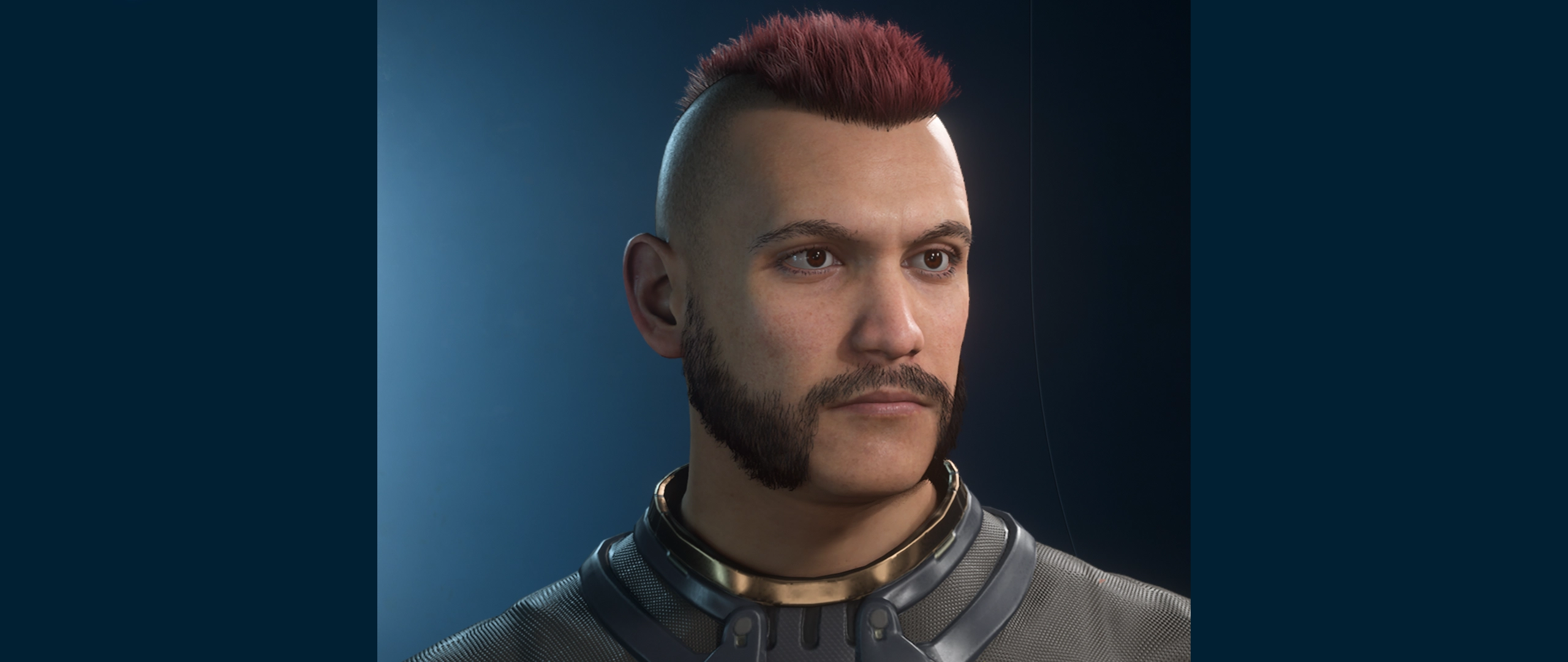
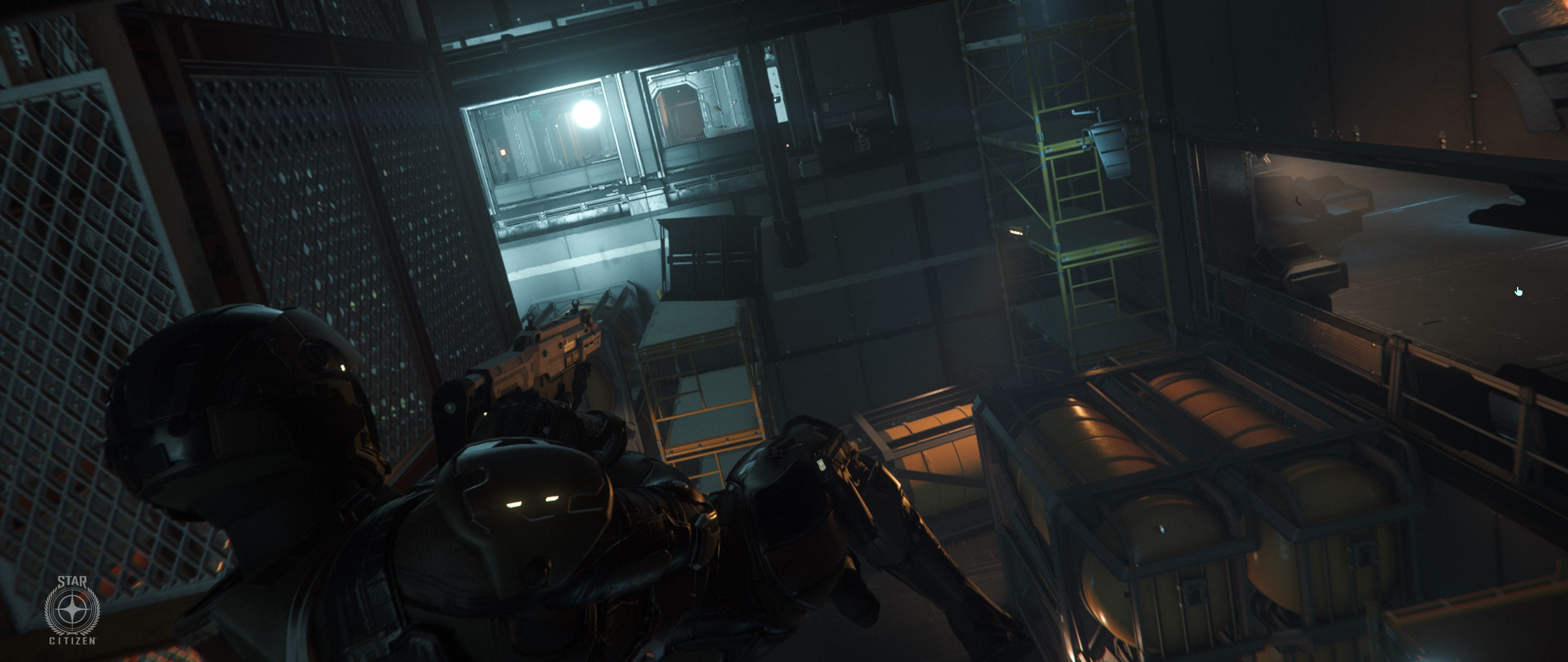
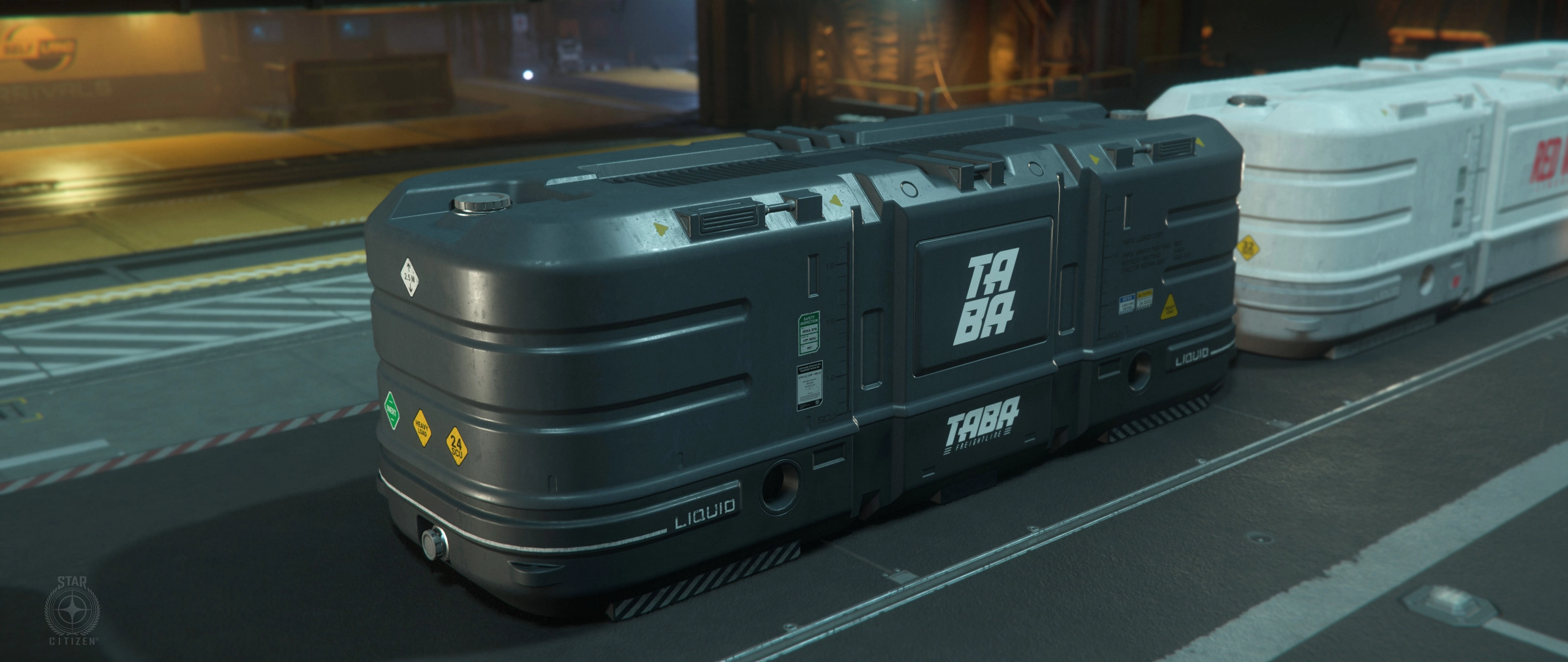
Metadata
- CIG ID
- 19999
- Channel
- Transmission
- Category
- Undefined
- Series
- None
- Comments
- 0
- Published
- 2 months ago (2026-05-25T12:00:00+00:00)