Monthly Studio Report: September 2015
Transmission Undefined Monthly ReportsContent
Greetings Citizens,
What a show! We hope you enjoyed the CitizenCon 2015 livestream. For our part, the team is thrilled to have been able to finally share some of the incredible work being done on Squadron 42 and other aspects of the game. We hope it lived up to your expectations, and we can’t wait to push the envelope even farther! But now, it’s time to find out how we did it! This month, we asked each studio to write their monthly report as through CitizenCon had already happened, so you can hear exactly what they worked on to make the event happen. (It’s also important to remember that this work wasn’t just for a demo; everything you saw today was part of larger game development milestones!) Read on for details.
Recently, we’ve heard from backers who are worried over rumors that individual CIG studios are closing. This is not the case! In fact, Cloud Imperium Games is continuing to expand as we continue to find talented employees; we had twelve new developers start in September, alone! The root of this confusion seems to be the fact that the reorganization that began when Erin Roberts took over as head of global production is changing the specific requirements of each studio. In the spirit of open development, we are sharing the exact e-mail Chris Roberts sent to the team on the subject of restructuring two weeks ago.
From: Chris Roberts
Sent: Friday, September 25, 2015 8:12 AM
To: CIG GLOBAL STAFF
Subject: Organizational and Studio changes
Hello everybody,
I wanted to update everyone on some organizational changes we are making to maximize our creative synergy and development abilities.
It’s no secret that having a distributed development structure presents challenges as much as it provides advantages. At the outset of Star Citizen I decided that I wanted to go where the talent was rather than try to make the talent come to where I was. Without this approach we wouldn’t have some of the most talented people in the industry working on star Citizen. There are people in Los Angeles, Austin, Manchester and Frankfurt that are only working on this game because we have offices in these locations. We truly have a WORLD CLASS team.
With every positive there is always a negative, and that negative is the communication challenges that present themselves when people all working together on the same project are separated by large distances and time zones.
At the top level of the company, especially on the development side we’ve been discussing how best to reduce these issues while keeping the positive.
We’ve begun to think about how we can focus development at our various studios so people working on a certain feature or discipline can be concentrated for maximum effectiveness. Audio in the UK is a great example – the sound design and audio implementation in Star Citizen is just amazing (especially for our stage of development) – and this is partly because Lee Banyard, our Audio Director and almost all our audio staff are concentrated in Manchester, allowing them to frequently interact and problem solve in a way you can only do when in the same location. This is why when talking to Zane Bien about the possibility of becoming the global UI Creative Director, part of the discussion was about him leaving the beach and sunshine of Santa Monica to be with David Gill and Karl Jones and the rest of the UI team in Manchester that we are building to handle the global UI needs of the project.
We’ve also been thinking about how to make sure the key creative leaders in the company spend more time together and most importantly allow me to spend quality time with my key development lieutenants as I was feeling spread way too thin creatively – especially when we were in six game development locations with Illfonic and BHVR. When it was just Austin I could spend a lot of time between Austin and LA but as we’ve expanded to more locations and added external development my ability to spend time on the ground at each location has been reduced.
After much deliberation we have decided on the following:
To increase creative and game direction synergy Tony Zurovec will be spending significant time in LA (but still be based in Austin) in order for me and him to work closer together in getting the Persistent Universe in the hands of players.
Sean Tracy will relocate to LA as the Global Content Tech Director, allowing him to have a bigger impact on the whole company and help the LA team.
We’ve also decided to further continue the streamlining of our development groups – We’ve made a decision to focus the US engineering into two teams –
The backend services which is headed by Jason Ely will remain in Austin and will continue to work closely with Live Ops, which will also remain in Austin.
The Space and Persistent Universe game play and systems will be concentrated in Los Angeles, where things like the new item system and vehicle / space systems are being developed. This makes sense as Austin is weak on engineering CryEngine technical knowledge whereas LA is strong, and to really have an effective gameplay team we need one fairly large unit that can interact with each other on a daily basis. Having Stephen Humphries out in LA working closely with Paul Reindell and Mark Abent has really cemented the upside of having the people all working on the same systems being in the same space.
The current PU Art and Animation team will also stay in Austin, as will the Austin ship artists. Mark Skelton will be based in Austin but will split time between Austin and LA as the US Art Director. I really welcome having Mark out in LA regularly as I think it will significantly help the team.
On the design side Pete MacKay will move from Austin to LA to be on the ground with John Pritchett and the rest of the ship balance team to work closely with tuning our ships and weapons. Rob Reininger will remain in Austin to support Cort and prototype Persistent Universe locations.
We will staff up a small QA staff in LA, potentially with some key folks from Austin in order to support the gameplay work and also be collocated with the balance team (which has always been an issue as the designers that balance the space combat and flight aren’t in the same place as the QA teams that give feedback on this). We will also look to increase QA in Frankfurt for core engine and tech testing. QA in Austin will focus on Live release support and testing.
We are going to split Dev Ops (build support, internal distribution of builds) from Live Ops (deployment to the cloud, distribution to the players, maintaining & monitoring the game servers). Dev Ops will move to Frankfurt to be next to the engine team and the group that knows the absolute most about the engine and how best to compile it.
On the Production side Jake will remain in Austin and run Austin Production, with Jason Hutchins and Mark Hong both moving out to LA to help bolster the LA production staff – Having Jason in LA will be a great help as he has lots of development experience and has experience in getting big complicated online games out the door :)
Global IT will remain in Austin.
John Erskine will continue to run our various online operations, digital publishing and IT from Austin but will also regularly spend time in LA in order to actively create opportunities for our senior executive staff to interact in person regularly (no matter how good Skype is, it’s still not that in person discussion about an idea around the coffee machine)
We are actively hiring in Manchester and Frankfurt to build up the ship, environment, prop and character teams and in all locations to bolster the engineering teams.
Finally we are trying to focus our remaining external development partners on content creation as opposed to engineering , which we want to bring in house as much as possible.
We will have more internal staff than we have now – they will just be distributed differently between our four studios in LA, Austin, Manchester and Frankfurt.
As with all reorganizations there will be some roles that will no longer exist in their current location – we are really trying to reduce the single man outpost syndrome – as well as concentrate feature teams in single locations. In the event relocation doesn’t make sense for the roles that are now redundant we are at the minimum giving the small number of people affected five weeks’ notice as well as two weeks’ severance to allow people to try to land on their feet. In some cases we are allowing for work until the end of the year to give even more runway. This is the not so great part of the reorganization as we will definitely be losing some hardworking and talented people and we haven’t come to this decision lightly but ultimately we felt we owed it to the backers and the game to make sure we were allocating our resources effectively. So for the people in this category I’m sorry and hope the big lead-time helps.
I know for some of you these are some big changes but we wouldn’t be doing them if we truly didn’t believe they would help us get the project out and work closer together as a team. Please feel free to talk to your Studio Director if you have any questions or concerns.
We have an amazing opportunity to build something special. There is nowhere else that we would be given the support, the funding to make the open universe game we are making. No publisher or VC would ever back a game this ambitious on a PC, and probably not even on a console. I see the potential with Global Entity Ids, Entity Streaming, Large World, Local Grid and the Zone System coming on line to really build something that has both incredible fidelity and massive scope. I don’t think our backers are expecting just how cool their first experience of a large world map and multi crew will be. I also don’t think they are prepared for just how amazing Squadron 42 will be and how it’s going to push the envelope for interactive storytelling and action. I’m looking forward to blowing them away in two weeks and then putting the content in their hands and continuing to add and improve until they have a game that no one can compete with.
We will make history with Star Citizen. People still talk about Wing Commander 25 years later. We can go one better with Star Citizen.
It won’t be an easy road. We’re very public and there will always be obstacles trying to block our path, whether they are normal problems that crop up in development or outside agitators that are threatened by a completely crowd funded project building a dream game they wished they had the talent or support to build. Just remember that this is all noise and at the end of the day the game will speak for itself. It always does and that is the best reply to anyone that doubts our ability to deliver something great.
Let’s blow them away at Citizen Con and get Star Citizen and Squadron 42 in people’s hands!
-Chris
Greetings, Citizens!
September will be a month to remember. We finished so many major milestones we can’t wait to share with you below. We’ve been knocking things out left and right here in Santa Monica so check it out and let us know what you think!
Engineering
With a lot of action happening on the Santa Monica Engineering Team, we have been able to knock a few balls out of the ballpark.
The Engineering Team’s focus has been on improving the game’s stability. Lead Engineer Paul Reindell and Engineer Allen Chen have made various improvements to the servers, resource management, and Large World support. This work is directly improving performance.
AI Programmer Chad Zamzow has completed an AI module that allows players to fill empty seats in Multi-Crew ships with AI players during those long, lonely voyages into the blackness of space. Now we just need to teach them to fight! The visual effects of the Quantum Travel feature have had their finishing touches programmed by the team while Bugsmasher Mark Abent has been a titan in spearheading the refactoring of our Item System all while taking care of multiple Blocker and Critical issues that have been sent his way in preparation for the next release.
As part of the Engineering Team, UI guru Zane Bien has implemented a series of Flash callbacks which allow the different station screens to communicate with the engine. This and other completed milestones steer towards having players being able to take on various roles in a Multi-Crew ship by making sure each station has its own UI based on that player’s designated role.
Design
In the weeks following the massive amount of completed work for our Multi-Crew tech during the month of August, the Santa Monica Design Team has been capitalizing on the creative energies rippling through the office.
We completed designing the next step in the evolution of GOST that allows our designers greater flexibility while minimizing its resource footprint by using an “Entity Token” system. Senior Gameplay Programmer Steven Humphreys has been finalizing the system’s long-term goals. Many of those milestones having already been completed, the next are teed up for completion.
On the ship side, Designer Randy Vazquez and Senior Designer Kirk Tome have been working on the white-box designs of the Caterpillar, Xi’an Scout, and Drake Herald. Randy has finished writing design specs for how the Caterpillar’s various components will work together with emphasis on the new Salvaging system while also finishing the prototyping stage for these ships. The Drake Herald and Xi’an Scout just finished white box animation design with Kirk, where one of the biggest challenges was how to finesse the ergonomics of the alien Scout’s interior to be compatible with human animations – you’ll remember that a similar considerations were necessary for the human-flyable Scythe and Glaive as well.
If you frequent the chatroom on the website, then you will know our Designer Matt Sherman has been discussing his progress on the continuing development of the Ship Component systems, with several major milestones completed this month. These new systems have inspired discussion threads on our forums with regards to the Hacking mechanic and proposed further development on the self-destruct mechanism in ships.
Art
The LA art team hasn’t had any time to slow down since last month! This month we’ve been plugging away and focusing our efforts on completing some of our longer-term ship and character goals – with a special focus on Squadron 42’s needs for the character team, and Multi-crew for the ship team – as well as working in tandem with design to flesh out the art for some ships that will be bringing some exciting new mechanics to the Verse!
Our character art team has had their most exciting month yet in preparing for Squadron 42 and beyond. In September we completed our male and female base sculpts, as well as for several other special characters. It has been a long process of iteration to reach the level of fidelity we want, but we’re very happy to say we’re there! Long term clothing and armor variations depend so much on the base sculpts being available, so that means it’s now full steam ahead for those aspects of character customization. This is a huge accomplishment since it’s not only a ton of hard work – but also sets a baseline for the rest of our characters. Lots of effort has gone into making these compatible with motion capture and body scan data as well, and we’re just beginning to see our first completed characters coming through these final stages. We’ve also put some final polish time into the Vanduul and Xi’An to make them even more realistic and impressive.
We’ve also made significant progress with ship modeling. The first half of this month saw lots of work on some of our smaller in-progress ships – for example, the MISC Reliant completed its whitebox stage, and the Drake Herald greybox is wrapping up. Towards the end of the month we concentrated resources on the RSI Constellation to culminate in one final push. Less exciting but equally important is all the hard work we’ve continued to pump into building technical tools and improving process and architecture for our ship development pipeline, which is already making our life behind-the-scenes significantly more efficient.
A lot of ship concept art has also been completed. Our focus for the month has been on wrapping up the Crucible and the Endeavor, which will introduce some revolutionary repair mechanics and exciting new science/and economic gameplay respectively. Both required more concept art work than your average ship… which has all been worth it to ensure that we’re bringing design’s visions to life in the best way possible. We also finished up the Vanguard variants, and have been making fantastic progress on both the Reliant variants as well as the luxury version of the P-52 Merlin also known as the P-72 Archimedes.
While we’ve primarily focused on new content, we’ve also fixed a variety of bugs. These include (but are of course not limited to!) some geometry and collision bugs across various ships, tightening up texture seams, and a whole slew of glass reflection bugs. The ‘highlight’ was a bug that occurred when we merged streams to AC 1.2 which made all of the textures on the Merlin disappear! We fixed that one right away.
Last but certainly not least is the work we’ve completed on components this month. Working hand-in-hand with the design department, we’ve blocked out all of the locations for components on all of our ships that are currently live. This was a massive undertaking, and we’re pleased to report that it went exceptionally well.
We’ve been making phenomenal progress, and the excitement isn’t over by a longshot. Stay tuned for next month’s report!
Writing
I refuse to accept that it’s the end of the month… dammit…
We’ve been on a heavy push on multiple fronts to get stuff ready for CitizenCon. To avoid spoiling any of the reveals, I’m going to speak in incredibly cryptic terms.
The entire writing team has been focused on one task in particular, meeting every day to brainstorm additional ideas about that, which has been an interesting and educational process. We’ve then been translating those discussions into lists of data as well as brief, evocative descriptions. The emphasis has been on ‘brief’ because often times it’s much more difficult to distill an idea down to a few sentences rather than having the luxury of writing for pages, more importantly, doing so can be a really valuable exercise to establish why that thing is different and unique. With this task, however, we have a character limit, so there’s a technical reason too.
Meanwhile, Will and I have been interfacing with the UK to provide dialogue lines and build some narrative scenes for two more things that are in heavy development.
All that in addition to the general workload of news updates, jump point articles and the general narrative and lore needs that come up in the day-to-day.
So, as you can tell, lots of things are happening. You’ll know it when you see it, because it’s going to be chock-full of the kind of lore you’ll really care about.
There you have it! Another productive month getting us closer to the larger vision. We have a great time working diligently to bring you the best game possible. Thank you for supporting this venture and working alongside us. Santa Monica out!
Howdy Citizens!
September has been focused on many items including the recent launch of the Social Module, and the upcoming first expansion to that module. Many other parts of the game are coming together and receiving multiple daily builds from DevOps and regular testing from QA – reaping the benefits of improved processes we discussed in previous monthly reports. We’re looking forward to Citizen Con which is fast approaching and will include a number of big reveals!
Persistent Universe Team
Art
The PU Art Team has been working towards our Social Module v1 milestone, which is the second iteration of the Social Module v0 milestone we released back in August. Much of our efforts this month have gone into what we’re calling “ArcCorp Phase 2”. This new phase of Area18 adds a construction zone that splits off back behind Dumper’s Depot.
This construction zone doesn’t have any shops or anything yet (although there are some vacant shop exteriors that you can see in progress), but is meant to provide a venue for multiple facets of gameplay in the PU. Areas like this will seem innocent enough during the day, but at night there will be loads of illicit activities taking place here for NPC’s as well as Players to take part in. We hope this area will eventually showcase the dynamic nature of the PU, where you never know what will happen in any given area until you stick around long enough to find out.
Additional features of ArcCorp Phase 2 include a gigantic crane prop created by Patrick Thomas, a gathering area for people to breath in fresh oxygen being pumped up from underground (the air on ArcCorp isn’t exactly healthy, after all) courtesy of VFX artist Lee Amarakoon, and a wide open area to drive buggies around in. A hearty thanks goes to Cort Soest for leading the charge on getting this new amazingly detailed area optimized enough to run on everyone’s machines.
Our concept team is ever looking ahead, and this month spent their time fleshing out the look and feel of additional landing zones. Ted Beargeon has been focusing on defining the differences between the various Stanton landing zones and is now shifting focus to defining the MetaClassicism architectural style. Megan Cheever has begun concepts on the Frontier>Fashion Casual clothing line, which will primarily be seen on the upcoming Levski landing zone in the Nyx system. Lastly, Ken Fairclough has been working away on look/feel concepts for Crusader. This particular landing zone is Mark Skelton’s favorite so far, and we can’t wait to show it off to you.
On the Animation front, we’ve been busy developing all of the new emotes you guys are getting with Social Module v1. We originally set out to provide 25 new emotes, then decided we’d go the extra mile and provide 50, count ‘em FIFTY, new emotes instead. We hope you guys enjoy burping, whistling, waving, standing at attention, and doing the chicken dance in the new release, among many other expressions.
Design
This month’s goals for PU Design largely had to do with preparing Social Module v1 for release. There was a lot of back-and-forth going on between our designers and animators to get the emotes implemented and hooked up, for example. There was also much time spent on getting the PTV Greycat up and running so that it could not only drive around ArcCorp, but deal damage and explode as well. We expect players will have loads of fun with this feature!
Tony Zurovec spent much of his time this month drafting up the design document for the Endeavor. This posed a number of design challenges but ultimately when implemented in the game will be one our most intriguing ships to date.
This excerpt from the link above says it all:
“The extraordinary level of customization possible as a result of the Endeavor’s modular design will allow players the most comprehensive opportunity yet to construct a multi-purpose ship according to their own precise specifications. The ability to retroactively and cost effectively alter that design – by swapping out modules at a later date – will enable owners to quickly shift between different economic pursuits depending upon the most attractive risk/reward opportunity at a given moment or simply their whim, which is a dramatic departure versus other ships with a fixed purpose.”
Other aspects of PU design were focused on kicking off a couple of new environments. We signed off on the blueprint documents for both the Casaba Outlet clothing shop and the Million Mile High Club private lounge. These two environments are now in full production at Behaviour in preparation for our next milestone.
All in all our future is looking bright, with so many fascinating and engaging features in play. We’re excited for you guys to try out the Character Loadout Selector, the improved chat interface, all the additional emotes, and the PTV Greycat in Social Module v1! As great as these features are in the upcoming release, they are just the tip of the iceberg for what we’ve got in store in the coming months. So get pumped!
Engineering
September was heavy with feature development for Social Module iterative releases, support for FPS and Multicrew feature development, as well as working closely with QA, DevOps and Production on stabilizing our Game-Dev branch after integrating our huge Alpha 1.2.0 stream down into Game-Dev. This is all a push to work towards a more stream-lined workflow for all our future feature releases and bug patches. It’s been a labor of love with big pay-offs and we’re looking forward to the continued reaping of benefits from that branch integration.
Austin Engineering has been working closely with our friends at Behaviour on such systems as improved chat (including private chat channels) and putting a lot of under-the-hood work in place to support being able to have the game choose instances of ArcCorp where your contacts are hanging out. A ton of restructuring of universe services based on tests and experiment data has been underway as well, and the Network/Server Team has been syncing up closely with DevOps on the most efficient ways to get various systems and databases in place. Working with our friends at Wyrmbyte we also got in a lot of network optimizations for both player characters and NPCs to improve your experience, not only in ArcCorp but throughout our various modules and the PU as a whole. We have also made several improvements and bug fixes to our Generic Instance Manager (GIM) and lobby system.
Long term technical discussions have been going on between Austin Engineering, the UK team and Wyrmbyte, and planning has been ongoing for a lot of crucial network/server needs and concerns. We’re working to ensure that our near and long-term core network/server needs are scoped and scheduled in together with the appropriate feature development across all CIG, with the various dependencies and puzzle pieces in mind.
In short, we’ve been juggling near term Social Module feature development, support for other near-term modules (such as FPS and Multicrew), and long-term planning and work for various network/server core systems that will be needed for all our CIG studios and Star Citizen experience as a whole!
Live Operations
QA
For the month of September, QA has been focusing on the stabilization of the Game-Dev branch. QA will begin each day by comprehensively testing each module and verifying any potential fixes. At the end of each day QA will email updates broken down by module which detail the general health of the build listing the most critical issues present and any new issues found that day.
At the same time, QA is continually testing new content. On the Star Marine front, Tyler Witkin and Andrew Rexroth have been very busy testing the newly implemented character rig and ensuring that all animations play correctly and that the hand IK (How your hands hold the weapon) are accurate and working properly. Also a new HUD (Heads up display) and Helmet UI came online this month. Tyler and Rex have been heavily testing the new HUD/Helmet UI and providing feedback. The new Helmet UI is way more intuitive with lots of combat warning indicators(warns you about grenades/incoming fire/etc).
Social Module testing has been continuing as well. Some of which include a significant expansion to Area18, updated store fronts, a revamp of the chat system, additional emotes and a new outfit changer in the Hangar.
Robert Gaither and his UK counterpart Steven Brennon have been busy testing multi-crew ship functionality and our new massive largeworld map called Crusader. Crusader is part of a prototype of an actual system in our Persistent Universe. Crusader is proving to be quite impressive and will change the way we play dramatically.
Additionally much work has been done on our back-end services. Jeffrey Pease has been working very closely with our back-end engineers Tom Sawyer and Jason Ely to ensure each resolved issue is verified fixed and each issue submitted has all the required information to be effectively investigated.
We are very happy for the official release of the new Issue Council! The Issue Council can be accessed through the Community section of the RSI website and will help to streamline player generated bug reports. Other members of the community can then contribute and vote on each issue. The Issue Council has already proven very useful and will make reporting issues a much better experience.
Each module is coming together. The true vision of Star Citizen is beginning to take shape. We are very excited to witness and share with you this moment in history and very much look forward to seeing you in the Verse!
Game Support
Game Support has been busy in September and we’ve been nothing but excited with the successful rollout of the Issue Council. For the first time, players have been able to submit bugs with reproducible steps, have them reviewed and voted on by other players, then have CIG look at those verified reports and get them into the development pipeline.
We’re really looking forward to showing you the fruits of those results in our upcoming 1.3.0 Patch Notes, where we’ll highlight how your contributions are making the BDSSE even better.
We continue to work with DevOps and QA and we’re happy that the new Launcher is performing up to production levels today on all OS versions. Now that 2.4 is out the door, we continue to hammer away at the one-off issues that are affecting fringe systems.
One other note: Quite a few players have asked about our “playtester” group that we’ve talked about in our last monthly report. We’ve had to push that out of September and into late October since some of our timelines for testing changed, but be assured, we very much want to start this process up after CitizenCon.
And, Game Support is growing! We’ve just posted openings for a Game Support Staff position in Manchester, UK and we’ll be excited to provide more hours of support throughout the day between Europe and North America.
IT/Operations
Each month this year seems to be better than the last. The IT department has been working on several exciting projects this month to keep us very busy. Hassan and his team didn’t get much time to relax before starting all the preparations for CitizenCon which will be hosted in Manchester at Runway Visitor Park. We are all looking forward to this event as it may be one of the coolest venues we’ve setup so far.
Several members of the IT department got to work directly with DevOps on the build system improvements. Massive improvements in performance and efficiency were gained this month through our coordinated efforts. Doubling the number of development builds internally is great but this doubles the amount of data we’re delivering between the studios again. This used to be a bottleneck, but now we’re ready with the improvements already in place on our existing replication system, and we’re not stopping there. Mike “Sniper” Pickett is already testing prototypes of a new demand only system he has written which promises to further reduce our long distance build transfer times.
This month we also got a very special visit from our friends at Intel who brought us some new hardware to test. Everyone in IT has been impressed by the performance of the new 750 series PCI Express SSDs we’ve been testing. These drives are actually so much faster than standard SSDs that you can see it. Windows boot time on one of the machines was simply too fast to time. Of course Star Citizen runs great on these drives but they really shine on the dev boxes particularly for Artists and Engineers. We then we got to thinking about the build servers and the constant need for improved build times and faster iteration due to the size of our game. We asked Intel for help with this and they responded with a test server that is simply stunning. Our testing has only just begun but we’re already thinking of new ways we can utilize this technology to take us to the next level in efficiency and performance.
Dev Ops
This is our 1 year anniversary as a formal department here at Cloud Imperium Games! To celebrate this achievement we’d like to share some of the improvements we’re most proud of
When DevOps started one year ago, getting a game build created, patched, and uploaded took an average of 13 hours. Now that average is just 3.5 hours. A year ago it took developers on average 90mins to copy a build to their machine to begin work, now that takes just 24mins. A year ago it took a player on average 2hrs to download 25gigs with a 100mb connection. With the new launcher it now takes 14mins with the same connection. A year ago the team had to upload and build the live server infrastructure by hand, which was error prone and took on average 2.5 hours to finish. Now most of the deploy is automated and takes 45mins. You can see how critical these improvements are to preserving the efficiency of an average day at work when you have lots of developers, including testing and deployment! With the completion of the new BuildBot build server this month, we have had even more improvements roll out.
In all, the new build server took average build times from 4 hours down to 1.5 hours. We are now able to simultaneously run 3 builds at a time, where before we were able to only run 1. Due to these improvements, we can now run 48 builds a day, as opposed to only the 6 builds we were able to before. This huge accomplishment, which was completed in only 4 months of work, should drastically increase the productivity of the company.
As you can probably tell, September was all hands on deck to finalize this new build server and its corresponding build status page. We have recently decremented the old build server and cannibalized its delicious hardware to supplement our new system. In support of this project and its deadlines, all members of the DevOps and IT teams pitched in to help build, troubleshoot, and deploy the surrounding support infrastructure that is required for a modern build server. Data storage, build server hardware, server deploys, data replication to each studio, build distribution to developers, uploads to the CDN, and then testing each of the items listed, were all worked on this month to make sure we hit our deadlines and improved the company’s productivity. I personally want to thank every one of them for the incredible effort, creativity, and long hours that were put in to make this happen!
The team has also continued to release launcher patches that added functionality to track player behavior and create records of issues players experience for future investigation and fixing. These patches have also fixed some of the known bugs and added a new compatibility mode that fixed most of the people having trouble downloading torrents. There was also a pass done to improve the speed of the peer to peer traffic.
DevOps has also have been working with the Network Engineers to refine services, fix bugs, and analyze the issues we are currently seeing in the live environment. The team is continuing to refine the deployment process to QA servers, PTU, and Live with the goal of continuing to reduce deployment time, and complexity.
Next month we will begin to put more time improving our internal build copy tool and build status page. The v2.3 and v2.0 of each of these tools are scheduled to roll out in October and will hopefully continue to make work easier and faster for the company. October should continue the trend of improving productivity here at CIG!
Greetings Citizens,
Let’s get right to it…
Art
One word – Growth! The team is really expanding, we’ve been adding extra desks here there and everywhere, making plans for how we can get our projected staffing levels squeezed in, we are two floors, who knows – maybe another soon! :P
Lots of concept work going into props needed for the Idris, additional style guide work, Idris Front turret, Freelancer interior revision, Idris mess hall and a new fighter ship from Aegis. We have hired two new internal concept artists and this will really help us proceed to define and clarify many areas of SC.
UI
Screens, screens, and more screens – Power, Shields, Global Overview, Missiles, Idris interior screens PLUS Gav has been working on the Idris hanger decals, Comms relay screens and the Airlock screens as well as updating FPS HUDs to fit in with the line work and a new ammo system.
Environments
This month the environment team in the UK has been hard at work sprinting through full production on the “baby PU” large world map. There will be multiple POI (Points of Interest, or things to see!) for you to explore within this large world sandbox so we are trying to make sure that each of them feels interesting and dynamic. There will be plenty of cool places to discover and rewards for the adventurous space traveller, but in the mean time we need to continue to polish, polish, polish to get something outstanding out to you guys; believe us, it’s time well-spent and you’d notice the difference if we didn’t. Additionally, we are working in delivering in art passes, as time goes by the areas will update and increase in fidelity and function – initially rooms will be quite basic working with the core set, then from there we’ll identify the functions of the rooms and really start to give personality to the space stations.
Ships
Ships are ripping along! There has been a lot of movement on the Idris interior and exterior, the Retaliator modules (now being constructed in-game) and the Avenger. We’re building both the single and double cockpit versions, along with living quarters and rear modules for the variants. The process of bringing the Vanguard into the game has started, with an aim to get it fighting in the game sooner than later. The Starfarer Captain’s room and airlock have been finished, and work is ongoing on the Cutlass damage system and cockpit fitting.
Props
The Prop team has been heavily focused on delivering assets for the CitizenCon deliverable. We’ve been working on some rather special hangar objects and rewards. Some ship specific props have been worked on and they should be coming to a ship near you soon. A fair chunk of bug fixing has been happening for FPS fixing up physic proxies and making sure you can shoot without clipping the edges of collision shapes and through gaps in the props. (That’s why “polish” is often essential and isn’t just cosmetic. It has a real impact on how functional versus how buggy these early builds may feel you as a player!)
A small amount of work has been invested in supporting new game modes where possible, making sure the other teams have what they need to flesh out their ideas. Finally we have been helping out with creating a new ship weapon and have started looking at the new ship component system.
VFX
What a busy month it’s been – no change there then! The VFX team have continued to “sanity check” existing effects since the major game-dev merge and 3.7 integration the previous month – which basically means checking through our particle libraries to make sure all our effects are still behaving as expected.
Due to the sheer volume of effects we have throughout Star Citizen, this has proven to be a time-consuming task, but worth it nonetheless; these kind of maintenance tasks (often referred to as the “non-sexy stuff”) also give us an opportunity to update any older effects that we feel can benefit from new features (such as greater control over soft particles, and finally a working camera distance offset) and better texture assets etc.
Continuing with the “non-sexy stuff” (someone’s gotta do it!) we recently encountered some issues where environmental effects were not showing up as expected. This meant we needed to check through every level/map in the game and fix up anything that was missing. This turned out to be less than straight-forward because there were several, unrelated reasons for this happening (i.e. it wasn’t a one-fix-for-all solution).
Aside from checking on our existing work, of course we’ve been busy creating new content! For example:
Following on from last month’s destruction pipeline improvements, we have been rolling out the latest exterior damage effects for several of our ships (and even a buggy) as well as implementing “Interior States” – formally referred to as GOST – effects for the Constellation, Retaliator and Cutlass to name but three. We’ve also begun ambient interior effects for Idris, which technically is a ship but feels like a level given its size! Can’t wait for you all to see how awesome this ship is looking by the way…
We have also begun effects work for several new map areas, including dust and debris for MASSIVE asteroid clusters and ambient effects for a satellite base. Aside from this, we also gave some love to the laser sniper rifle’s effects, and two new ship weapons also required a full set of effects.
All that’s left to say, is that we’re super excited to be attending CitizenCon in “sunny” Manchester and showing off our latest stuff – roll on October!
Engineering
We’ll that’s CitizenCon been and gone for another year and we hope you’re as excited as we are for Squadron 42! It being held in Manchester this year, underneath the iconic Concorde, made it extra special for us.
If you watched the event you would have seen the Morrow tour of the Idris. This gives you a sense of where we’re trying to go with making you feel like you’re not only part of a fully functioning ship, populated by believable characters and not just some robotic androids, but also making you feel like you’re part of a family where you can form relationships with the other crew members. This brings several technologies together, all working seamlessly with each other, from the conversation system, Subsumption, AI, animation, inner thought text, speech, lip sync, and many more. For example having the Morrow character walk and talk at the same time. Doesn’t sound or look hard does it? Except you wouldn’t expect a normal person to just walk at a set speed, looking straight ahead whilst chatting away. They’re also going to be spending some time looking towards your character, they’re going to be gesticulating, slowing down, stopping, speeding up, reacting to you if you drop back or even just walk off (this isn’t just a cutscene – you’re still in control of your character!). And none of this can just be one big pre-canned animation, as we don’t know where you the player are going to be or what you’re going to be doing. So this involves the AI doing its pathfinding but contextually depending on what they’re talking about and where the player is. We need to have the walk animation, but with some gestures fragments, blended with a look pose and maybe a soupçon of IK to make it all look natural. The use of Subsumption enables Morrow to have a sense of purpose, the conversation system adapts so that you can react to what he’s been saying using the inner thought text. And all this will change depending on their current mood. If you’ve messed a mission up and they’re angry characters can display very different body language than if you’ve aced it. Then apply that across all the characters on board the ship and we feel the interstitials in Squadron 42 will really bring the game to life. You may never want to leave!
The inner thought text is a new system we’ve been developing to allow the player to be able to make choices without it feeling like you’re just selecting some line from a 3 option menu. The idea is if you are looking in the direction of something you either can interact with it or make some choices by way of some text that will subtly appear allowing you to select what you want to do, or if you want just ignore it and carry on with your day without committing to any particular posture or action. It’s designed to be as unobtrusive as possible so as not to interrupt the flow of the game, but also give some better contextual sense of what you want to achieve. A good example is if you look at a chair a “sit down” message might float above it, which will be a definite improvement on our current “USE” prompt everywhere!
We’ve also been working hard on getting the large world map into your hands, which again you will have seen a small portion of at the event. We now see this a proving ground for integrating all the various systems we need to get working for Squadron 42 and Star Citizen, as it takes all parts of what we’re doing and brings them together in one big whole. One of the next big steps forward we’re working on is the level streaming. At the moment we can only have one level resident in memory at a time, so when you want to go from one area to another you have to unload the current level and then wait for the next level to load usually with a loading screen. We’re going replace all the level loading code with a new ZoneContainer system which consolidates everything within a level, and also the prefabs as well, into its own new structure. It also shows the power of the zone system our friends over in Frankfurt have been writing, which as you can tell by the name each container is its own zone as well. So almost everything becomes its own ZoneContainer, systems, planets, ships, space stations and so on. It allows us great flexibility as we will be able to now have levels within levels, or levels orbiting levels and, with the new seamless background loading of the ZoneContainers, a practically infinite playfield as well. Happy days!
Animation
The UK animation team has been busy getting all of the amazing performance capture scenes ready for the Morrow Tour demo on-board the UEE Idris Stanton, as well as filling out some of the background animations to bring the ship to life! We’re all really excited for everyone to finally know the ground-breaking Squadron 42 cast! The performance capture that Chris shot is fantastic and it’s now making its way in to the engine – we can really see it starting to take shape. We have also been working with the Squadron 42 level designers to figure out the best technical process to chop these animations up and get them game-ready and feeling natural in the most efficient way possible.
Our resident tech animator, Vin Chander, has been working hard on the facial tech so that we are able to deliver some top class facial animation for our outstanding Squadron 42 cast, and we’ve also been helping out with the FPS v0 requirements in order to get that out to the fans as soon as possible, which in turn helps drive the Squadron 42 schedule by sharing some of the same animations for ground combat.
Design
What a month! The excitement of CitizenCon has dominated all of the UK Design department’s minds in September and we have seen some great developments in the Large World system.
Following on from the GamesCom demo we have had lots of engineering updates allowing the Large World team to fully populate a huge area of space with lots of new and interesting points of interest. We have lots of different satellite stations, asteroid bases, communication relay stations, derelicts and ship graveyards dispersed throughout the large world map for you to find and explore, to name just a few. We are hopeful that all of this will soon be at your disposal and the Large World map will become a place that will finally begin to feel like the first step towards the “Star Citizen” vision.
You will have something that we can build on with regular updates, together with all your valuable feedback and with the design progression we already have planned I’m sure we can really set Star Citizen apart from anything seen before. For CitizenCon we wanted to give the player a taste of the universe that they can feel part of, explore and discover areas and points of interest. We wanted to get all the various systems a few rungs further up the development ladder as well, such as Quantum Drive, Landing, Multi-Crew, Local Physics, EVA, etc. The push for CitizenCon has really helped focus development on these and we have solid platforms to build on for a lot of core game systems.
Anyway…we hope that we managed to get something special in front of you at CitizenCon and we will continue to push as hard as ever with your continued brilliant support.
Graphics
This month, the graphics team have been exceptionally busy, as always we’ve been trying to make Star Citizen look as awe inspiring and as smooth as possible. We’ve been working on optimisation techniques, such as improving the shadow system to allow for efficient shadow rendering at large distances. Refining the level of detail (LOD) merging system which combines geometry at various LOD levels to significantly reduce draw calls. As well as improving the CryEngine’s LOD selection algorithm with a more intelligent system that takes into account poly density for all LOD levels; this ensures objects of various sizes and scales will switch LODs at appropriate distances. All of this is fundamental work towards enabling the game to handle such beautiful art work over such a massive gameplay space. It’s very important work – the lessons we learn here will inform everything we need to do to deliver the rest of the persistent universe over time.
We’ve also been working on the character hair shader to make it compatible with our lighting system and supporting the rollout of the wrinkle technology, which you’ll see in the CitizenCon Bishop’s Speech and The Morrow Tour.
As well, the damage system has been going through a large refactor to improve efficiency, robustness and functionality; it’s coming close to the end of the refactor now so our larger multi-crew ships where inter-changeable parts can take damage as well as the main body of the ship. As many people on the forums comment about multi-GPU support for Star Citizen I can openly state we make sure everything we do is multi-GPU friendly and the damage work is no different; we have put special work in to make sure it functions as desired in multi-GPU environments. The damage system is now ready for the next stage of development which is for the Repair mechanic.
QA
So another month over and another successful live performance from the UK QA team! We’re becoming seasoned pros with all this live stage demo stuff – next stop Hollywood, ey Chris?
In the build up to CitizenCon, the UK QA team had been working tirelessly to ensure what was demonstrated on stage was as ready as possible – daily reviews and constant iterations have led to what we hope you’ll all agree was a very polished showing.
We’re always doing our best to ensure that the latest features of Star Citizen reach the community as quickly as possible. QA’s role is never more pivotal than just before a large update to the game – and we’re really excited for the fans to see all of the new core tech that is coming together and the big announcements for Squadron 42!
Hallo aus Frankfurt (Hello from Frankfurt),
The team here is in full stride and had a really productive month, as you’ll read below.
We continue to grow, bringing in 4 new people to the team this month alone.
Code
During September, we started working on planetary rendering and procedural generation – combined with other key systems being worked on previously (Large World, camera relative rendering, Zone system etc.) all these systems will combine together to reach our long term goal of seamlessly transitioning from space to a planet FPS ground level.
We researched and implemented a prototype for (earth like) planet atmosphere rendering, and the results are very promising.
We did an Initial full pass on fixing all static code analysis warnings and errors in the code base. This revealed several critical bugs in game logical, buffer overruns, etc. Moving forward we plan to have such checks be part of the prerequisites in our continuous integration and code submission process. This will reassure that builds are stable for the dev team and limit any extensive downtime.
Strong push on entirely revamping our build system for code to allow much for faster compilation as well as being able to locally build for non-native platforms (e.g. easily build the Linux server on Windows). We also pushed hard on our trybuild system into which continuous static code analysis check will be folded in. This system will prevent latest code in depot to break – that is, not compile or link – due to the influx of concurrent code changes on a daily basis. Goal is to mature our development process so people can work as uninterrupted as possible which can be an honest challenge as the team size grows. Growth can mean more productivity, but you have to invest work in a good development foundation. Otherwise it just makes traffic jams.
We did cherry pick several improvements from the 3.8 SDK updates such as the Character Tool which simplifies character creation and animation setup. Along with this we integrated initial support for 8 weight skinning (more finely accentuated animations especially on faces) and character attachment merging (to significantly reduce draw calls during shadow rendering). We plan to revamp these features to further improve the character animation and rendering pipeline.
In the animation and physics module we finalized the low-level functionality for procedural hit reactions, normal ragdolls, driven ragdolls and blending in and out of ragdolls. We started to clean up the interfaces and the implementation in Mannequin so that the game-code gets full control over all physical features. The functionality from SDK3.8.1 to create secondary animations on characters (simulation of capes, skirts, hair, etc…) was integrated and fully activated in the latest build. All functions and interfaces related to “auxiliary physics” were completely removed from the animation module. During The end of the month we started to modify the management of the physical setup for articulated entities, so that each “loadout” can have a unique physical setup.
We also continued to work with the UK team on finalizing the core zone system for multicrew release.
Cinematics
We worked heavily on finalizing the cinematic showing Bishop’s speech in the UEE Senate. This happens during an emergency session that happens after the Battle of Vega II (which kicks off Squadron 42)
This cinematic will run as its own little trailer at CitizenCon cinematic which is part of Squadron 42’s opening.
Bishop’s facial animation was a really good kick off test for the Squadron 42 facial animation pipeline. It is all running in real-time in the engine, including animated wrinkle and diffuse maps and lots of blend shapes.
The scene itself was captured at Imaginarium in May during our main story shoot where we shot all of Squadron 42’s story scenes.
What you see in the cinematic is pretty much an unedited performance by Gary Oldman. He was so good as Bishop that the whole crew went silent when he took the stage for his first rehearsal of the speech, seriously silent.
The environmental art for the Senate is really coming together nicely, only the giant statues flanking the podium holding the shield and sword are missing as we write this, but by the time you guys and girls read this, it should be all finished!
The UEE senate also features some cool mural artwork depicting mankind’s journey across 8 panels on the right wing of the senate rotunda and another 8 panels depicting mankind’s virtues. Artwork is heavily influenced by 1930s/40s Art Deco mixed with our Star Citizen tech. The Senate chamber should feel like it had been built in another time period before the events of Squadron 42 which is a nice touch.
We are also doing a little cast name reveal that will bookend the cinematic at CitizenCon, revealing Squadron 42’s principal cast.
Can’t wait until the fans see Admiral Bishop and the other amazing cast members for the first time!
We are also planning ahead for the next big sequence that will be tackled after the Senate speech is out…
Cinematic Art
We currently have one cinematic artist in the Frankfurt office, this month his main focus was finishing off the senate scene for the credits cinematic.
He modeled the senate interior with everything included to a semifinal stage, got it to a point that it could be handed off and used for the cinematic. He’s now working on the final stage and putting in the last tweaks and details.
He also started to work on the Skydock (also part of the credits cinematic), both the textures and mesh was created. He tried to make a kitbash approach to the skydock, using existing pieces to create something totally new. It’s a concept that we’re going to take full advantage of while building out the persistent universe, and we’re very happy with the results we’ve seen so far!
AI
This month we focused on AI functionalities we’re using in a specific section of Squadron 42.
First of all we have integrate the CryEngine AISequence into our system.
Sequences are used to allow level designer to request an NPC to execute a specific activity as walking to a specific spot, reach a position and play an animation, converse with the player, look at a position or entity in the level, and so on. The importance of the sequence is that they allow designers to create a package of operations the character has to do. The package is considered as a whole, meaning we as programmers can make sure that something that is requested for gameplay reasons is going to happen no matter what, that it will have priority. In addition to that we can guarantee the level designers that if they want to abort a set of operations, all the actions following the interruption are not going to be executed.
We then extended the AISequences to support parallel actions. This is a key feature to allow the final results you have seen in the “Morrow Tour” section during the CitizenCon. We can drive an NPC to execute both primary actions (as walking, playing a full body animation, etc.) and secondary actions (as playing upper body animation, use dialogs, etc.) so that we can create a smooth experience between the AI systems as pathfinding and pathfollowing in addition to the Mocap animations related to the actor’s performances. Doing this also required some extension of the Mannequin system so that we can correctly override only specific scopes of a running animation (as an example imagine overriding the facial animation while the character moves).
We continued working on polishing the usage of the Usables as navigation links. We are now able to allow a character to smoothly transition from the locomotion movement to an animation controlled motion as a special vaulting, jumping, and so on.
We are also working in parallel on functionalities for PU and AC. Such as, this month we supported the PU emote system to correctly play looping animation in a multiplayer environment both for players and NPC.
In addition to all of that, the Frankfurt office has continued coordinating the work made by Moon Collider on the improvements of the DataForge/Behavior tree connection, and the improvements/new functionalities for Arena Commander and ships AI in general.
Design
The design team has been focused on numerous things this month. Primarily we were busy refining the design direction for the game and providing feedback on key features for the FPS release making sure it gets completed in a state that everyone is happy with. At the same time we’re hard at work building out the roadmap of all the future content releases, detailing gameplay functionality we need, weapons, dependencies, etc.
The level designers have been working hard on finalizing the Gold Horizon map and finishing off all the specific details required for implementing a new game mode for the upcoming FPS release. At the same time they have started work on the new level & mission building pipeline and the upgraded prefab system that will allow us to create these missions far more efficiently for both Squadron 42 and the Persistent Universe.
On the AI side we are setting up the archetypes, items, mechanics required for the Morrow tour that we will show at Citizen Con this year and setting up the base systems and workflows that will be used for all Squadron 42 and Persistent Universe NPC interactions.
Another focus for us this month has been taking a hard look at the list of career mechanics being developed and figure out how they work with future ships and even existing ones as the cargo, component, and travel systems become increasingly more defined. We need to reassure that the design for both ships and careers work hand and hand with one another. After the research we’ll have a much better understanding of which ship fits which career and what still needs to be worked on for those ships & careers to really shine.
FX
Over the past month we looked into improving some of the effects for the ship weapons. This will make the dog fighting feel more exciting and cinematic. The end result is to make it feel in par with large epic space battles you’ve seen in blockbuster movies. We’ve also been working on polishing up the FPS weapon effects so they are ready for the launch of the fps module. Everything from muzzle flashes to impact effects!
To the right, you can find a few shots of some of the new effects for the dog fighting.
Audio
This month we added the audio scrubbing feature to the Editor TrackView (something that has never been done in CryEngine before), which means that our cinematics team are able to work much more quickly and efficiently on the awesome sequences revealed at CitizenCon. It’s going to pay off over the long term, as there will definitely be more of them in the future!
Aside from this, there was lot of bugfixing and post-integration cleanup work to make sure the audio system code is clean and stable, providing the solid foundation for upcoming modules and features
We also hope you liked the audio in the explosions previz shown in Around the Verse! Audio makes a huge difference and good audio really helps to sell the effect. We’re really happy about the feedback and reception that the previz received and look forward to working with the designers and effects engineers to deliver that across all the ships you’ll have in the game.
Hello Citizens!
Citizen Con is around the corner and we’ve been working hard throughout September to be able to show you some amazing improvements at this event. Without further ado, here’s what the team has been working on.
Design
The BHVR design team has got its hands full. We’ve finished the Million Mile High Club whitebox and have created two new shops for planet Nyx: a personal weapon shop and the medical unit. We also designed a new character loadout selector, we cleaned-up the ArcCorp level after its initial release and we created and integrated on a bunch of new flair items. We fixed a tonne of integration bugs on ArcCorp and in hangars and a few other surprises we can’t reveal as we are writing this update. It’s a very exciting (and busy) time for us now that the Social Module has been released.
UI
For the last week of August through to mid-September we were in the UK working with our colleagues at Foundry 42. We spent a lot of time discussing UI unification; when several different people spend over two years working on a various UI systems with very short deadlines between each release, a few inconsistencies naturally develop, but they need to be smoothed out. Working across different time zones can also be quite challenging, so when you can get everyone in the same room together to talk about a UI feature, how it should work, what it should look like, it really makes a big difference.
We also discussed different ways of improving our UI pipeline, identified some troublesome features, worked on how to improve manufacturer style guides (the UI team doesn’t just create interfaces, we are also responsible for a large part of the branding in Star Citizen). We left the UK feeling like we had accomplished a lot of work, and solidified a great working relationship.
Once we got back to Montreal, we kept the momentum going: we planned out our next steps to move towards UI unification, we updated the chat interface, improved the default keybinding control images, created a loadout selector interface, and fixed a whole bunch of bugs.
There are a lot of plans in the works, so stay tuned. Much more to come :)
Art
The art team has been hard at work fully optimizing ArcCorp. Thanks to this optimisation, we will be able to get more players in the same instance. We’ve also built a new area in ArcCorp. It’s still under construction … literally, but this will show how vast and immersive the planetside locations will be.
Code
During the month of September, we’ve worked on adding UI Support for new Chat features such as private conversations as well as a general UI overhaul of the Chat Interface. We’ve also worked on a new useable item and new UI interface which will allow you to customize the player loadout in a more convenient way, rather than using the F6 Key to swap a couple of set outfits.
We’ve been working on providing more information to the player with regards to the locations s/he will travel to via the Transport Elevator Console available in the Hangar. Information such as how many of your contacts and what contacts are already at a certain locations will be provided. We’ve also improved the Control Customization menu by making sure that changes are more frequently saved. Additionally, we’ve started expanding the Contact List functionality UI so that will allow players to form a Party with their Friends.
We have also been helping out on Star Marine. First we’ve been working on the UI and functionality that allows a player to customize his loadout before a Match, making sure that the proper items are available depending on what items/item package he actually owns. We’ve also been providing engineering support for Scoreboards that appear throughout Star Marine matches.
Some of us were flown over to the Manchester CIG Studio this month. During that time, we’ve had the chance to improve the Toolset that allows us to create UI. The main goal was to allow engineers/designers to be more efficient.
In the next Patch, you’ll also be able to appreciate a lot of the optimizations and improvements we’ve made to the holo-framework over the last two months. You might have already noticed some of the new features and optimizations in the Large World Demo that was shown at Gamescom.
Last but not least, a lot of the team effort has been concentrated on stabilizing the build following the integration of changes from a release branch back in to the main game development branch. We’ve worked on making sure that all features we owned are once again up to par.
Til’ next time!
This month was a great feature development month, with a lot of solid work on improvements, particularly on the ship front. It also saw us adding a new member to our team. Aline joins us from Pennsylvania where she’s just completed her PhD and we’re excited about the boost she brings to our R&D.
So what have we been up to?
We made quite a few improvements this month to Arena Commander and ship combat in general, such as adding a new missile sub-profile to the ship AI. Each ship AI agent is configured via a profile that can be customized by designers to make them behave differently, and to make this job easier, we have several sub-profiles defining different aspects of their behavior, such as their flying style or how they select targets. The new missile sub-profile allows designers to better customize how different ships will make use of their missiles, which will contribute to more variety in combat encounters. This mix-and-match flexibility will give us much more room for creativity and variation when it comes to rolling up varied behaviors in the game without having to limit ourselves to a small set of predefined personalities
We also did some rebalancing and tweaking of various ship behaviors to better support the greater variety of ships that enemy AIs are now able to pilot. With some of the newer ships being faster or more maneuverable than previous ones, we were finding that some of the behaviors weren’t performing as well and resulting in less enjoyable combat. This is always an ongoing process as we try to make behaviors take advantage of the capabilities of the different ships that AI can find themselves piloting.
Some interesting optimization work we did was allowing for obstacles to be defined for AI without requiring CryEngine entities to be created to associate with them. On some of our maps we have thousands of objects that ships need to avoid, and having to create full CryEngine entities to register each one as an obstacle can become expensive. Sometimes you still want this for other reasons, but with simple objects like rock fragments floating in space you can take advantage of registering it as a much more lightweight and simple object. So this will allow for performance improvements and creating larger and more complicated levels.
One really exciting task that we’ve just started on and will talk about a lot more next month is death spirals. This is the addition of cool death behaviors by ships to make defeating enemies feel even more satisfying. Once you’ve damaged an enemy ship so much that it’s going to be destroyed, we want to look at some different ways of making it fly out of control and possibly explode. This makes for great readability since it lets you see that the enemy is no longer a threat, and it allows you to savor the victory of a tough battle a little longer. There are several different approaches that we’re experimenting with to see what works well and what doesn’t, so keep an eye out for the results in next month’s report!
On the character behavior side of things, we’ve been making some improvements to how our behavior trees handle switching characters between performing different high level tasks. The Kythera architecture now supports a couple of different behavior paradigms, but the one we used for ships was based on the idea that when you tell an AI to do a new task, he will switch to a different behavior tree to do it. However, in character AI, smooth, carefully choreographed transitions are vital for high-quality results, and so it can be helpful to keep them running a single larger behavior tree and have them switch between different parts of that tree to perform different tasks. So we’ve added various bits of infrastructure that allow a tree to register itself as handling multiple tasks, while also making it easy to add handling of those task switches in the tree.
Finally, we added a few new features to the Kythera Inspector web debugging tool, particularly in order to allow better debugging of those big behavior trees I mentioned above. With smaller trees you can usually see the whole thing within your browser window without a problem, but with these really large trees you need to pan around a lot, and the existing scroll bars just didn’t cut it. So we added in a panning feature where you can just hold down your left mouse button and drag the tree around to see the part that you’re interested in. We also added in some persistence features so that if you’re looking at the behavior tree of a particular AI and you want to hop out of the game and make changes to the tree, when you hop back into game the Inspector will remember the AI that you were looking at and keep it selected for you, which streamlines behavior iteration and debugging. Whether or not that sounds exciting to you, the tool should help the content creators do their work more easily. The result: more content for you!
That will do it for this month. We currently have several cool ship related features that we’re working on (in addition to the death spirals mentioned above), but you’ll have to wait until next month to find out more!
Greetings from Montreal! Here’s what we’ve been up to in the last month:
Community Hub
Last month, we launched the Community Hub and were overwhelmed by the quality and variety of your submissions. Keep it up! For those of you who haven’t checked it out yet, the Community Hub is your home for user-generated content (Citizen Spotlight), interesting links around the ‘Verse (Deep Space Radar), Livestreams and Podcasts. Staff picks will be displayed on the landing page, but you can click on “View All” to see all the contributions. Enjoy!
Issue Council
We released the Issue Council in the middle of the month, and we’ve already received over 500 bug reports. By using this tool, the community can contribute, evaluate and prioritize bug reports. Members can confirm bug reports, and up-vote or down-vote them. Once a bug report has been triaged and prioritized by the community, CIG can select which reports become “Acknowledged.” Acknowledged bug reports are automatically entered into CIG’s internal bug tracking software, so that they can be assigned to their developers. By involving the community from the very beginning, we save CIG developers a lot of time evaluating reports and identifying which ones are duplicates or invalid. The more you use the Issue Council, the more time (and money) that is saved!
Ship Upgrades
We continued to work on the revamped Ship Upgrade system, whereby you can upgrade one ship for another. The new user interface will make it a lot easier for you to choose from a list of eligible ships. You will be able to access this feature from your Hangar or from the Pledge Store.
Referral Program
Want to invite your friends to play Star Citizen? Now’s the best time to start recruiting new players and to take advantage of our Referral Program. Each member has a unique Referral Code which they can share with their contacts. If your friend signs up for an account on the website, they will automatically receive 5,000 UEC. And if they buy a Starter Package, you will earn 1 Recruitment Point. The more Recruitment Points you earn, the more rewards you will receive. To view all the possible rewards, click on the “Referral Program” tab in your RSI account page.
Squadron 42 Landing Page
To prepare for the CitizenCon announcement, we built a landing page to showcase the upcoming Squadron 42 single-player campaign. As we are given more information about the game, we will be adding more content to this page, and expanding the section to include the background story and other information about the game. Stay tuned!
Starmap
We have been pulling out all the stops to have the Starmap ready for presentation at CitizenCon. On the visual side, we added a preliminary set of textures for the different Planet types, configured different looking stars for every Star System, re-skinned the long-range scanners, tweaked the animation of the routes, and completed the user interface. We also added an intro loading screen and WebGL detection screen.
On the development side, we completed the routing algorithm (choosing the best routes between two Systems) and search tool. We’ve also worked closely with the CIG writers to validate all the data in our Starmap.
We’ve been working with the CIG audio department to add new sound effects to the Starmap, including original background music. You will have the option to toggle off the sound, but we believe you’ll want to keep it on.
By the time you read this, the Starmap demo will be available for your viewing pleasure. We hope you will love it!
Ship Happens
This was an exciting month for ship launches! We saw the unveiling of the Vanguard variants, the Harbinger and the Sentinel, fulfilling bomber and e-warfare roles respectively. We also introduced Battlefield Upgrade Kits, to be able to change the role of your Vanguard, bringing a whole new level of choice and variety to the already awesome ships. Not only was there the Vanguard sale in September, but also, right now the Endeavor science vessel was made available for the first time. The Endeavor was another exciting launch as it introduced the community to the idea of science as a role in the universe. Continuing with the theme of choice and variety, the Endeavor is being sold in packages with different science pods, or separately so you can mix and match pods to suit your needs for your next mission. Check it out while it’s still available (which is only a few more hours!)
Grüße Bürger,
Was für eine Show! Wir hoffen, dass Ihnen der CitizenCon 2015 Livestream gefallen hat. Das Team unsererseits ist begeistert, dass es endlich einige der unglaublichen Arbeiten an Staffel 42 und anderen Aspekten des Spiels teilen konnte. Wir hoffen, dass es Ihren Erwartungen entsprach, und wir können es kaum erwarten, die Grenzen noch weiter zu überschreiten! Aber jetzt ist es an der Zeit, herauszufinden, wie wir es geschafft haben! Diesen Monat haben wir jedes Studio gebeten, seinen Monatsbericht zu schreiben, da durch CitizenCon bereits geschehen ist, so dass Sie genau hören können, woran es gearbeitet hat, um die Veranstaltung zu realisieren. (Es ist auch wichtig, sich daran zu erinnern, dass diese Arbeit nicht nur für eine Demo war; alles, was du heute gesehen hast, war Teil größerer Meilensteine der Spieleentwicklung! Lesen Sie weiter für Details.
In letzter Zeit haben wir von Geldgebern gehört, die sich Sorgen über Gerüchte machen, dass einzelne CIG-Studios schließen. Das ist nicht der Fall! Tatsächlich expandiert Cloud Imperium Games weiter, da wir weiterhin talentierte Mitarbeiter finden; allein im September haben wir zwölf neue Entwickler eingestellt! Die Ursache dieser Verwirrung scheint die Tatsache zu sein, dass die Reorganisation, die mit der Übernahme von Erin Roberts als Leiterin der globalen Produktion begann, die spezifischen Anforderungen jedes Studios verändert. Im Sinne einer offenen Entwicklung teilen wir die genaue E-Mail, die Chris Roberts vor zwei Wochen an das Team zum Thema Restrukturierung geschickt hat.
Von: Chris Roberts
Gesendet: Freitag, 25. September 2015 8:12 Uhr
An: CIG GLOBALE MITARBEITER
Betreff: Organisations- und Studioänderungen
Hallo zusammen,
Ich wollte alle über einige organisatorische Veränderungen informieren, die wir vornehmen, um unsere kreativen Synergie- und Entwicklungsfähigkeiten zu maximieren.
Es ist kein Geheimnis, dass eine verteilte Entwicklungsstruktur sowohl Herausforderungen als auch Vorteile mit sich bringt. Zu Beginn von Star Citizen entschied ich mich, dass ich dorthin gehen wollte, wo das Talent war, anstatt zu versuchen, das Talent dorthin zu bringen, wo ich war. Ohne diesen Ansatz hätten wir nicht einige der talentiertesten Menschen der Branche, die an Star Citizen arbeiten. Es gibt Leute in Los Angeles, Austin, Manchester und Frankfurt, die nur an diesem Spiel arbeiten, weil wir an diesen Orten Büros haben. Wir haben wirklich ein WORLD CLASS-Team.
Bei jedem Positiven gibt es immer ein Negativ, und das Negativ sind die Kommunikationsherausforderungen, die sich stellen, wenn Menschen, die alle am gleichen Projekt arbeiten, durch große Entfernungen und Zeitzonen getrennt sind.
Auf der obersten Ebene des Unternehmens, insbesondere auf der Entwicklungsseite, haben wir diskutiert, wie wir diese Probleme am besten reduzieren und gleichzeitig das Positive bewahren können.
Wir haben begonnen, darüber nachzudenken, wie wir die Entwicklung in unseren verschiedenen Studios fokussieren können, damit Menschen, die an einem bestimmten Merkmal oder einer bestimmten Disziplin arbeiten, für maximale Effektivität konzentriert werden können. Audio in Großbritannien ist ein großartiges Beispiel - das Sounddesign und die Audioimplementierung in Star Citizen ist einfach erstaunlich (vor allem für unsere Entwicklungsphase) - und das liegt zum Teil daran, dass Lee Banyard, unser Audio Director und fast alle unsere Audio-Mitarbeiter in Manchester konzentriert sind, so dass sie häufig interagieren und Probleme so lösen können, wie man es nur an demselben Ort tun kann. Aus diesem Grund war ein Teil der Diskussion, als wir mit Zane Bien über die Möglichkeit sprachen, der globale UI-Kreativdirektor zu werden, dass er den Strand und den Sonnenschein von Santa Monica verließ, um mit David Gill und Karl Jones und dem Rest des UI-Teams in Manchester zusammen zu sein, das wir aufbauen, um die globalen UI-Anforderungen des Projekts zu erfüllen.
Wir haben auch darüber nachgedacht, wie wir sicherstellen können, dass die wichtigsten kreativen Führungskräfte im Unternehmen mehr Zeit miteinander verbringen und vor allem, wie ich meine Zeit mit meinen wichtigsten Entwicklungsleutnants verbringen kann, da ich mich kreativ viel zu dünn verteilt fühlte - besonders, als wir an sechs Spiel-Entwicklungsstandorten mit Illfonic und BHVR waren. Als es nur Austin war, konnte ich viel Zeit zwischen Austin und LA verbringen, aber da wir auf weitere Standorte ausgedehnt und externe Entwicklungen hinzugefügt haben, wurde meine Fähigkeit, an jedem Standort Zeit vor Ort zu verbringen, reduziert.
Nach reiflicher Überlegung haben wir uns für folgendes entschieden:
Um die kreative und spielerische Synergie zu erhöhen, wird Tony Zurovec viel Zeit in LA verbringen (aber immer noch in Austin), damit ich und er enger zusammenarbeiten können, um das Persistent Universe in die Hände der Spieler zu bekommen.
Sean Tracy wird als Global Content Tech Director nach LA wechseln, so dass er einen größeren Einfluss auf das gesamte Unternehmen ausüben und das LA-Team unterstützen kann.
Wir haben auch beschlossen, die Straffung unserer Entwicklungsgruppen weiter voranzutreiben - wir haben beschlossen, das US-Engineering in zwei Teams zu konzentrieren -.
Die Backend-Services, die von Jason Ely geleitet werden, bleiben in Austin und werden weiterhin eng mit Live Ops zusammenarbeiten, die ebenfalls in Austin bleiben werden.
Das Gameplay und die Systeme von Space und Persistent Universe werden in Los Angeles konzentriert, wo Dinge wie das neue Artikelsystem und Fahrzeug-/Raumfahrtsysteme entwickelt werden. Dies ist sinnvoll, da Austin bei der Entwicklung des technischen Wissens von CryEngine schwach ist, während LA stark ist, und um wirklich ein effektives Gameplay-Team zu haben, brauchen wir eine ziemlich große Einheit, die täglich miteinander interagieren kann. Stephen Humphries in LA eng mit Paul Reindell und Mark Abent zusammenarbeiten zu lassen, hat den Vorteil, dass sich die Leute, die alle an den gleichen Systemen arbeiten, im selben Raum befinden.
Das aktuelle PU Art and Animation Team wird ebenfalls in Austin bleiben, ebenso wie die Austiner Schiffskünstler. Mark Skelton wird seinen Sitz in Austin haben, sich aber als US Art Director zwischen Austin und LA aufteilen. Ich begrüße es sehr, dass Mark regelmäßig in LA ist, da ich denke, dass es dem Team erheblich helfen wird.
Auf der Design-Seite wird Pete MacKay von Austin nach LA ziehen, um vor Ort mit John Pritchett und dem Rest des Schiffsbilanzteams zu sein, um eng mit der Abstimmung unserer Schiffe und Waffen zusammenzuarbeiten. Rob Reininger wird in Austin bleiben, um Cort und den Prototyp von Persistent Universe zu unterstützen.
Wir werden einen kleinen QS-Mitarbeiter in LA besetzen, möglicherweise mit einigen wichtigen Leuten aus Austin, um die Gameplay-Arbeit zu unterstützen und auch mit dem Balance-Team zusammenzuarbeiten (was schon immer ein Problem war, da die Designer, die den Weltraumkampf und die Flucht ausbalancieren, nicht am selben Ort sind wie die QA-Teams, die dazu Feedback geben). Wir werden auch die QS in Frankfurt für die Kerntests von Triebwerken und Technologien erhöhen. QA in Austin wird sich auf den Support und das Testen von Live-Versionen konzentrieren.
Wir werden Dev Ops (Build-Support, interne Verteilung von Builds) von Live Ops trennen (Bereitstellung in der Cloud, Verteilung an die Spieler, Wartung und Überwachung der Spielserver). Dev Ops wird nach Frankfurt ziehen, um neben dem Motorenteam und der Gruppe zu sein, die am besten über den Motor Bescheid weiß und wie man ihn am besten zusammenstellt.
Auf der Produktionsseite wird Jake in Austin bleiben und Austin Production leiten, wobei Jason Hutchins und Mark Hong beide nach LA ziehen, um dem LA-Produktionspersonal zu helfen - Jason in LA zu haben, wird eine große Hilfe sein, da er viel Entwicklungserfahrung hat und Erfahrung darin hat, große komplizierte Online-Spiele aus der Tür zu bekommen :)
Die globale IT bleibt in Austin.
John Erskine wird weiterhin unsere verschiedenen Online-Betriebe, das digitale Publizieren und die IT aus Austin leiten, wird aber auch regelmäßig Zeit in LA verbringen, um aktiv Möglichkeiten für unsere leitenden Angestellten zu schaffen, regelmäßig persönlich zu interagieren (egal wie gut Skype ist, es ist immer noch nicht so, dass die persönliche Diskussion über eine Idee rund um die Kaffeemaschine).
Wir stellen aktiv in Manchester und Frankfurt ein, um die Schiffs-, Umwelt-, Requisiten- und Charakter-Teams aufzubauen und an allen Standorten die Engineering-Teams zu verstärken.
Schließlich versuchen wir, unsere verbleibenden externen Entwicklungspartner auf die Erstellung von Inhalten und nicht auf das Engineering zu konzentrieren, das wir so weit wie möglich in unser Unternehmen integrieren wollen.
Wir werden mehr interne Mitarbeiter haben als bisher - sie werden einfach unterschiedlich auf unsere vier Studios in LA, Austin, Manchester und Frankfurt verteilt sein.
Wie bei allen Reorganisationen wird es einige Rollen geben, die an ihrem jetzigen Standort nicht mehr existieren werden - wir versuchen wirklich, das Single Man Outpost Syndrom zu reduzieren - sowie Feature-Teams an einzelnen Standorten zu konzentrieren. Für den Fall, dass eine Verlagerung für die jetzt entlassenen Rollen keinen Sinn macht, sind wir mindestens fünf Wochen im Voraus bei der kleinen Zahl der Betroffenen und zwei Wochen im Voraus, damit die Menschen versuchen können, auf den Füßen zu landen. In einigen Fällen lassen wir die Arbeit bis Ende des Jahres zu, um noch mehr Start- und Landebahn zu schaffen. Dies ist der nicht so große Teil der Reorganisation, da wir definitiv einige fleißige und talentierte Menschen verlieren werden, und wir sind nicht leicht zu dieser Entscheidung gekommen, aber letztendlich haben wir das Gefühl, dass wir es den Geldgebern und dem Spiel verdanken, um sicherzustellen, dass wir unsere Ressourcen effektiv einsetzen. Also für die Leute in dieser Kategorie tut es mir leid und ich hoffe, dass die große Vorlaufzeit hilft.
Ich weiß, dass dies für einige von euch einige große Veränderungen sind, aber wir würden sie nicht machen, wenn wir nicht wirklich glauben würden, dass sie uns helfen würden, das Projekt herauszubringen und als Team enger zusammenzuarbeiten. Bei Fragen oder Bedenken wenden Sie sich bitte an Ihren Studioleiter.
Wir haben eine erstaunliche Gelegenheit, etwas Besonderes zu bauen. Es gibt nirgendwo sonst, wo wir die Unterstützung, die Finanzierung erhalten würden, um das Spiel des offenen Universums zu machen, das wir machen. Kein Publisher oder VC würde jemals ein so ambitioniertes Spiel auf einem PC und wahrscheinlich nicht einmal auf einer Konsole unterstützen. Ich sehe das Potenzial mit Global Entity Ids, Entity Streaming, Large World, Local Grid und dem Zonensystem, die online gehen, um wirklich etwas aufzubauen, das sowohl unglaubliche Treue als auch massive Reichweite hat. Ich glaube nicht, dass unsere Geldgeber erwarten, wie cool ihre erste Erfahrung mit einer großen Weltkarte und einer Multi-Crew sein wird. Ich glaube auch nicht, dass sie darauf vorbereitet sind, wie erstaunlich Squadron 42 sein wird und wie sehr sie die Grenzen für interaktives Geschichtenerzählen und Action überschreiten wird. Ich freue mich darauf, sie in zwei Wochen wegzublasen und dann den Inhalt in ihre Hände zu legen und weiter hinzuzufügen und zu verbessern, bis sie ein Spiel haben, mit dem niemand konkurrieren kann.
Wir werden mit Star Citizen Geschichte schreiben. Noch 25 Jahre später wird von Wing Commander gesprochen. Wir können es mit Star Citizen noch besser machen.
Es wird kein einfacher Weg sein. Wir sind sehr öffentlich und es wird immer Hindernisse geben, die versuchen, unseren Weg zu blockieren, sei es normale Probleme, die in der Entwicklung auftauchen, oder externe Agitatoren, die von einem komplett massenfinanzierten Projekt bedroht sind, das ein Traumspiel baut, von dem sie sich wünschten, dass sie das Talent oder die Unterstützung hätten, das sie bauen könnten. Denken Sie nur daran, dass dies alles Lärm ist und am Ende des Tages wird das Spiel für sich selbst sprechen. Das tut es immer und das ist die beste Antwort auf jeden, der an unserer Fähigkeit zweifelt, etwas Großes zu leisten.
Lassen Sie uns sie bei Citizen Con wegpusten und Star Citizen und Squadron 42 in die Hände der Leute geben!
-Chris
Seid gegrüßt, Bürger!
Der September wird ein unvergesslicher Monat sein. Wir haben so viele wichtige Meilensteine erreicht, dass wir es kaum erwarten können, sie mit Ihnen zu teilen. Wir haben die Dinge hier in Santa Monica links und rechts erledigt, also schau es dir an und lass uns wissen, was du denkst!
Ingenieurwesen
Mit viel Action im Santa Monica Engineering Team konnten wir ein paar Bälle aus dem Baseballstadion schlagen.
Der Schwerpunkt des Engineering-Teams lag auf der Verbesserung der Stabilität des Spiels. Lead Engineer Paul Reindell und Engineer Allen Chen haben verschiedene Verbesserungen an den Servern, dem Ressourcenmanagement und dem Large World Support vorgenommen. Diese Arbeit verbessert direkt die Leistung.
Der KI-Programmierer Chad Zamzow hat ein KI-Modul abgeschlossen, das es Spielern ermöglicht, leere Sitze in Multi-Crew-Schiffen mit KI-Spielern während dieser langen, einsamen Reise in die Dunkelheit des Weltraums zu füllen. Jetzt müssen wir ihnen nur noch beibringen, zu kämpfen! Die visuellen Effekte des Quantum Travel Features wurden vom Team programmiert, während Bugsmasher Mark Abent ein Titan war, der bei der Überarbeitung unseres Item Systems eine Vorreiterrolle spielte, während er sich um mehrere Blocker und kritische Themen kümmerte, die ihm zur Vorbereitung auf die nächste Version geschickt wurden.
Als Teil des Engineering-Teams hat der UI-Guru Zane Bien eine Reihe von Flash-Rückrufen implementiert, die es den verschiedenen Stationen ermöglichen, mit dem Motor zu kommunizieren. Dieser und andere abgeschlossene Meilensteine führen dazu, dass die Spieler in der Lage sind, verschiedene Rollen in einem Multi-Crew-Schiff zu übernehmen, indem sie sicherstellen, dass jede Station eine eigene Benutzeroberfläche hat, die auf der von diesem Spieler festgelegten Rolle basiert.
Design
In den Wochen nach der massiven Fertigstellung der Arbeiten für unseren Multi-Crew-Techniker im August profitiert das Santa Monica Design Team von den kreativen Energien, die durch das Büro strömen.
Wir haben den nächsten Schritt in der Entwicklung von GOST entworfen, der unseren Designern mehr Flexibilität bei gleichzeitiger Minimierung des Ressourcenverbrauchs durch die Verwendung eines "Entity Token"-Systems ermöglicht. Der Senior Gameplay-Programmierer Steven Humphreys hat die langfristigen Ziele des Systems festgelegt. Viele dieser Meilensteine sind bereits abgeschlossen, die nächsten stehen kurz vor dem Abschluss.
Auf der Schiffsseite haben Designer Randy Vazquez und Senior Designer Kirk Tome an den White-Box-Designs der Caterpillar, Xi'an Scout und Drake Herald gearbeitet. Randy hat die Designspezifikationen geschrieben, wie die verschiedenen Komponenten der Caterpillar zusammenarbeiten werden, wobei der Schwerpunkt auf dem neuen Salvaging-System liegt und gleichzeitig die Prototyping-Phase für diese Schiffe abgeschlossen ist. Der Drake Herald und Xi'an Scout haben gerade das Design der White Box Animation mit Kirk abgeschlossen, wo eine der größten Herausforderungen darin bestand, die Ergonomie des außerirdischen Scout-Inneren so zu gestalten, dass es mit menschlichen Animationen kompatibel ist - Sie werden sich erinnern, dass ähnliche Überlegungen auch für die menschenfliegbare Sense und Glaive notwendig waren.
Wenn Sie den Chatroom auf der Website besuchen, dann wissen Sie, dass unser Designer Matt Sherman über seine Fortschritte bei der Weiterentwicklung der Schiffskomponenten-Systeme gesprochen hat, mit einigen wichtigen Meilensteinen, die diesen Monat abgeschlossen wurden. Diese neuen Systeme haben in unseren Foren Diskussionsfäden zum Thema Hacking-Mechaniker angeregt und eine Weiterentwicklung des Selbstzerstörungsmechanismus auf Schiffen vorgeschlagen.
Kunst
Das LA Art Team hatte seit letztem Monat keine Zeit mehr, langsamer zu werden! Diesen Monat haben wir uns darauf konzentriert, einige unserer längerfristigen Schiffs- und Charakterziele zu erreichen - mit einem besonderen Fokus auf die Bedürfnisse der Staffel 42 für das Charakter-Team und der Mehrfachbesatzung für das Schiffsteam - sowie zusammen mit dem Design zu arbeiten, um die Kunst für einige Schiffe zu vervollständigen, die einige aufregende neue Mechaniken in den Vers bringen werden!
Unser Charakter-Kunst-Team hatte seinen bisher aufregendsten Monat bei der Vorbereitung auf Staffel 42 und darüber hinaus. Im September haben wir unsere männlichen und weiblichen Basisskulpturen sowie für mehrere andere Sonderzeichen fertiggestellt. Es war ein langer Prozess der Wiederholung, um das Niveau der Treue zu erreichen, das wir uns wünschen, aber wir freuen uns sehr, sagen zu können, dass wir da sind! Langfristige Bekleidungs- und Rüstungsvarianten hängen so sehr davon ab, dass die Basisskulpturen verfügbar sind, was bedeutet, dass es nun Volldampf für diese Aspekte der Charakteranpassung gibt. Dies ist eine große Leistung, da es nicht nur eine Menge harter Arbeit ist, sondern auch eine Grundlinie für den Rest unserer Charaktere bildet. Es wurde viel Aufwand betrieben, diese auch mit Bewegungserfassungs- und Körperscandaten kompatibel zu machen, und wir beginnen gerade erst, unsere ersten fertigen Charaktere durch diese Endphase zu bringen. Wir haben auch noch etwas Feinschliffzeit in die Vanduul und Xi'An investiert, um sie noch realistischer und beeindruckender zu machen.
Auch bei der Schiffsmodellierung haben wir erhebliche Fortschritte gemacht. In der ersten Hälfte dieses Monats gab es viel Arbeit auf einigen unserer kleineren in Bearbeitung befindlichen Schiffe - zum Beispiel hat die MISC Reliant ihre Whitebox-Phase abgeschlossen, und die Drake Herald Greybox ist fertig. Gegen Ende des Monats haben wir die Ressourcen auf die RSI-Konstellation konzentriert, um in einem letzten Schritt zu enden. Weniger aufregend, aber ebenso wichtig ist all die harte Arbeit, die wir weiterhin in den Bau technischer Werkzeuge und die Verbesserung von Prozessen und Architekturen für unsere Schiffsentwicklungspipeline investiert haben, die bereits unser Leben hinter den Kulissen deutlich effizienter macht.
Eine Menge Schiffskonzeptkunst wurde ebenfalls fertiggestellt. Unser Fokus für den Monat lag auf der Verpackung des Tiegels und des Endeavor, die einige revolutionäre Reparaturmechanismen und aufregende neue wissenschaftliche bzw. wirtschaftliche Spiele vorstellen werden. Beide erforderten mehr Konzeptkunst als Ihr durchschnittliches Schiff.... was sich gelohnt hat, um sicherzustellen, dass wir die Visionen des Designs bestmöglich umsetzen. Wir haben auch die Vanguard-Varianten fertiggestellt und fantastische Fortschritte sowohl bei den Reliant-Varianten als auch bei der Luxusversion der P-52 Merlin, auch bekannt als P-72 Archimedes, gemacht.
Während wir uns in erster Linie auf neue Inhalte konzentriert haben, haben wir auch eine Reihe von Fehlern behoben. Dazu gehören (sind aber natürlich nicht beschränkt auf!) einige Geometrie- und Kollisionsfehler auf verschiedenen Schiffen, die Verdichtung von Texturnähten und eine ganze Reihe von Glasreflexionsfehlern. Das Highlight war ein Fehler, der auftrat, als wir Streams nach AC 1.2 zusammenführten, wodurch alle Texturen auf dem Merlin verschwunden waren! Wir haben das sofort behoben.
Last but not least sind es die Arbeiten, die wir diesen Monat an den Komponenten abgeschlossen haben. In Zusammenarbeit mit der Konstruktionsabteilung haben wir alle Standorte für Komponenten auf allen unseren Schiffen, die derzeit unter Spannung stehen, gesperrt. Das war ein gewaltiges Unterfangen, und wir freuen uns, Ihnen mitteilen zu können, dass es außergewöhnlich gut gelaufen ist.
Wir haben phänomenale Fortschritte gemacht, und die Aufregung ist noch lange nicht vorbei. Bleiben Sie dran für den Bericht des nächsten Monats!
Schreiben
Ich weigere mich zu akzeptieren, dass es das Ende des Monats ist.... verdammt....
Wir haben an mehreren Fronten hart daran gearbeitet, die Dinge für die CitizenCon vorzubereiten. Um keine der Enthüllungen zu verderben, werde ich in unglaublich kryptischen Worten sprechen.
Das gesamte Schreibteam hat sich auf eine Aufgabe konzentriert, die es jeden Tag trifft, um zusätzliche Ideen zu sammeln, was ein interessanter und lehrreicher Prozess war. Wir haben diese Diskussionen dann in Datenlisten und kurze, anschauliche Beschreibungen übersetzt. Der Schwerpunkt lag auf "kurz", denn oft ist es viel schwieriger, eine Idee auf wenige Sätze zu reduzieren, als den Luxus zu haben, für Seiten zu schreiben, was noch wichtiger ist, dies kann eine wirklich wertvolle Übung sein, um festzustellen, warum diese Sache anders und einzigartig ist. Bei dieser Aufgabe haben wir jedoch eine Charaktergrenze, also gibt es auch einen technischen Grund.
In der Zwischenzeit haben Will und ich uns mit dem Vereinigten Königreich zusammengetan, um Dialoglinien zu schaffen und einige narrative Szenen für zwei weitere Dinge zu erstellen, die sich in starker Entwicklung befinden.
All das zusätzlich zu der allgemeinen Arbeitsbelastung durch Nachrichtenupdates, Jump-Point-Artikel und die allgemeinen Erzähl- und Überlieferungsbedürfnisse, die im Alltag auftauchen.
Also, wie Sie sehen können, passieren viele Dinge. Du wirst es erkennen, wenn du es siehst, denn es wird voll von der Art von Überlieferung sein, die dir wirklich wichtig sein wird.
Da haben Sie es! Ein weiterer produktiver Monat, der uns der größeren Vision näher bringt. Wir haben eine großartige Zeit, in der wir fleißig daran arbeiten, Ihnen das bestmögliche Spiel zu bieten. Vielen Dank, dass Sie dieses Projekt unterstützen und mit uns zusammenarbeiten. Santa Monica raus!
Hallo Bürger!
Der September hat sich auf viele Themen konzentriert, darunter die kürzliche Einführung des Sozialmoduls und die bevorstehende erste Erweiterung dieses Moduls. Viele andere Teile des Spiels kommen zusammen und erhalten mehrere tägliche Builds von DevOps und regelmäßige Tests von QA - und profitieren von verbesserten Prozessen, die wir in früheren Monatsberichten besprochen haben. Wir freuen uns auf Citizen Con, die sich schnell nähert und einige große Enthüllungen enthalten wird!
Hartnäckiges Universumsteam
Kunst
Das PU Art Team hat auf unseren Meilenstein Social Module v1 hingearbeitet, der die zweite Wiederholung des Meilensteins Social Module v0 ist, den wir bereits im August veröffentlicht haben. Ein Großteil unserer Bemühungen in diesem Monat ist in das geflossen, was wir "ArcCorp Phase 2" nennen. Diese neue Phase von Area18 fügt eine Bauzone hinzu, die sich hinter Dumper's Depot abspaltet.
Diese Bauzone hat noch keine Geschäfte oder ähnliches (obwohl es einige freie Ladenaußenflächen gibt, die man in Arbeit sehen kann), soll aber einen Ort für mehrere Facetten des Gameplays in der PU bieten. Bereiche wie diese werden tagsüber unschuldig genug erscheinen, aber nachts werden hier viele illegale Aktivitäten stattfinden, an denen sowohl NSCs als auch Spieler teilnehmen können. Wir hoffen, dass dieser Bereich schließlich die dynamische Natur der PU zeigt, wo man nie weiß, was in einem bestimmten Bereich passieren wird, bis man lange genug dabei ist, um es herauszufinden.
Weitere Merkmale von ArcCorp Phase 2 sind eine gigantische Kranstütze von Patrick Thomas, ein Sammelbecken, in dem die Leute frischen Sauerstoff einatmen können, der aus dem Untergrund gepumpt wird (die Luft auf ArcCorp ist schließlich nicht gerade gesund), mit freundlicher Genehmigung des VFX-Künstlers Lee Amarakoon, und eine weitläufige offene Fläche, um Buggys zu fahren. Ein herzlicher Dank geht an Cort Soest, der die Verantwortung dafür übernommen hat, dass dieser neue, erstaunlich detaillierte Bereich so optimiert wurde, dass er auf allen Maschinen läuft.
Unser Konzeptteam blickt immer nach vorne, und diesen Monat verbrachte es seine Zeit damit, das Erscheinungsbild zusätzlicher Landeplätze zu verfeinern. Ted Beargeon hat sich darauf konzentriert, die Unterschiede zwischen den verschiedenen Landezonen von Stanton zu definieren und verlagert sich nun auf die Definition des Baustils des Metaklassizismus. Megan Cheever hat mit Konzepten für die Frontier>Fashion Casual Bekleidungslinie begonnen, die vor allem auf der kommenden Levski Landezone im Nyx-System zu sehen sein werden. Schließlich hat Ken Fairclough an Look/Feel-Konzepten für Crusader gearbeitet. Diese spezielle Landezone ist Mark Skeltons Favorit, und wir können es kaum erwarten, sie dir zu zeigen.
Auf der Animationsfront waren wir damit beschäftigt, alle neuen Emotes zu entwickeln, die ihr mit Social Module v1 bekommt. 25 neue Emotes zu liefern, dann haben wir beschlossen, dass wir die zusätzliche Meile gehen und 50, count'em FIFTY, neue Emotes stattdessen. Wir hoffen, dass es euch Spaß macht, zu rülpsen, zu pfeifen, zu winken, aufmerksam zu stehen und den Chicken Dance in der neuen Version zu machen, neben vielen anderen Ausdrücken.
Design
Die Ziele dieses Monats für PU Design bezogen sich hauptsächlich auf die Vorbereitung des Social Module v1 auf die Veröffentlichung. Zwischen unseren Designern und Animatoren gab es viel Hin und Her, um die Emotes zu implementieren und anzuschließen. Es wurde auch viel Zeit damit verbracht, die PTV Greycat in Betrieb zu nehmen, so dass sie nicht nur um ArcCorp herum fahren, sondern auch Schaden anrichten und explodieren konnte. Wir erwarten, dass die Spieler viel Spaß mit diesem Feature haben werden!
Tony Zurovec verbrachte einen Großteil seiner Zeit in diesem Monat mit der Erstellung des Design-Dokuments für die Endeavor. Dies stellte eine Reihe von Designherausforderungen dar, aber letztendlich wird die Umsetzung im Spiel eines unserer faszinierendsten Schiffe sein.
Dieser Auszug aus dem obigen Link sagt alles:
"Der außerordentliche Anpassungsgrad, der durch den modularen Aufbau des Endeavor möglich ist, wird den Spielern die bisher umfassendste Möglichkeit bieten, ein Mehrzweckschiff nach ihren eigenen genauen Vorgaben zu bauen. Die Fähigkeit, dieses Design rückwirkend und kostengünstig zu ändern - durch den Austausch von Modulen zu einem späteren Zeitpunkt - wird es den Eigentümern ermöglichen, schnell zwischen verschiedenen wirtschaftlichen Zielen zu wechseln, je nach der attraktivsten Chance auf Risiko und Ertrag zu einem bestimmten Zeitpunkt oder einfach nur nach ihrer Laune, was eine dramatische Abkehr von anderen Schiffen mit einem festen Zweck darstellt."
Andere Aspekte des PU-Designs konzentrierten sich auf den Start einiger neuer Umgebungen. Wir haben die Blaupausenunterlagen für das Bekleidungsgeschäft Casaba Outlet und die private Lounge Million Mile High Club unterschrieben. Diese beiden Umgebungen sind nun in voller Produktion bei Behaviour in Vorbereitung auf unseren nächsten Meilenstein.
Alles in allem sieht unsere Zukunft rosig aus, mit so vielen faszinierenden und einnehmenden Features im Spiel. Wir freuen uns darauf, dass ihr den Character Loadout Selector, das verbesserte Chat-Interface, alle zusätzlichen Emotes und die PTV Greycat in Social Module v1 ausprobiert! So großartig diese Funktionen auch in der kommenden Version sind, sie sind nur die Spitze des Eisbergs für das, was wir in den kommenden Monaten auf Lager haben. Also lass dich pumpen!
Ingenieurwesen
Der September war geprägt von der Feature-Entwicklung für Social Module iterative Releases, der Unterstützung für FPS und Multicrew Feature-Entwicklung sowie der engen Zusammenarbeit mit QA, DevOps und Production bei der Stabilisierung unseres Game-Dev-Zweiges nach der Integration unseres riesigen Alpha 1.2.0 Streams in Game-Dev. Dies alles ist ein Anstoß, um auf einen schlankeren Workflow für alle unsere zukünftigen Feature-Releases und Bug-Patches hinzuarbeiten. Es war eine Liebesarbeit mit großen Gewinnen, und wir freuen uns auf die weitere Nutzung der Vorteile dieser Branchenintegration.
Austin Engineering arbeitet eng mit unseren Freunden von Behaviour zusammen, um Systeme wie verbesserten Chat (einschließlich privater Chat-Kanäle) zu entwickeln und viele Arbeiten unter der Motorhaube durchzuführen, um zu unterstützen, dass das Spiel Instanzen von ArcCorp auswählen kann, in denen Ihre Kontakte abhängen. Eine Tonne Neustrukturierung der Universumsservices auf der Grundlage von Tests und Experimentdaten ist ebenfalls im Gange, und das Network/Server-Team hat sich eng mit DevOps zusammengeschlossen, um die effizientesten Wege zu finden, verschiedene Systeme und Datenbanken einzurichten. In Zusammenarbeit mit unseren Freunden bei Wyrmbyte haben wir auch viele Netzwerkoptimierungen für Spielercharaktere und NSCs vorgenommen, um dein Erlebnis zu verbessern, nicht nur in ArcCorp, sondern in allen unseren verschiedenen Modulen und der PU als Ganzes. Wir haben auch einige Verbesserungen und Bugfixes an unserem Generic Instance Manager (GIM) und Lobby-System vorgenommen.
Zwischen Austin Engineering, dem britischen Team und Wyrmbyte laufen langfristige technische Diskussionen, und die Planung für viele wichtige Netzwerk/Server-Anforderungen und -Anliegen läuft. Wir arbeiten daran, sicherzustellen, dass unsere kurz- und langfristigen Kernnetzwerk-/Server-Anforderungen in den Umfang und die Planung einbezogen werden, zusammen mit der entsprechenden Funktionsentwicklung in allen CIGs, unter Berücksichtigung der verschiedenen Abhängigkeiten und Puzzleteile.
Kurz gesagt, wir haben mit der Entwicklung kurzfristiger Social Module Features, der Unterstützung anderer kurzfristiger Module (wie FPS und Multicrew) sowie der langfristigen Planung und Arbeit für verschiedene Netzwerk/Server-Kernsysteme jongliert, die für alle unsere CIG-Studios und Star Citizen-Erfahrung als Ganzes benötigt werden!
Live-Betrieb
QA
Für den Monat September hat sich die QA auf die Stabilisierung des Game-Dev-Zweiges konzentriert. Die Qualitätssicherung beginnt jeden Tag damit, jedes Modul umfassend zu testen und mögliche Korrekturen zu überprüfen. Am Ende eines jeden Tages wird die QA Updates per E-Mail versenden, aufgeschlüsselt nach Modulen, die den allgemeinen Zustand des Builds auflisten und die wichtigsten aktuellen und alle an diesem Tag gefundenen neuen Probleme auflisten.
Gleichzeitig testet die Qualitätssicherung kontinuierlich neue Inhalte. An der Star Marine Front waren Tyler Witkin und Andrew Rexroth sehr damit beschäftigt, das neu implementierte Charakter-Rigg zu testen und sicherzustellen, dass alle Animationen korrekt spielen und dass die Hand IK (How your hands hold the weapon) korrekt und funktionsfähig sind. Auch ein neues HUD (Heads up display) und Helmet UI sind diesen Monat online gegangen. Tyler und Rex haben die neue HUD/Helmet Benutzeroberfläche intensiv getestet und Feedback gegeben. Die neue Helmet-Benutzeroberfläche ist viel intuitiver mit vielen Kampfwarnindikatoren (warnt vor Granaten/Eingangsfeuer/etc.).
Auch die Tests des Sozialmoduls wurden fortgesetzt. Einige davon beinhalten eine signifikante Erweiterung der Area18, aktualisierte Ladenfronten, eine Überarbeitung des Chat-Systems, zusätzliche Emotes und einen neuen Outfit-Wechsler im Hangar.
Robert Gaither und sein britischer Amtskollege Steven Brennon waren damit beschäftigt, die Funktionalität von Multi-Crew-Schiffen und unsere neue massive Großweltkarte Crusader zu testen. Crusader ist Teil eines Prototyps eines realen Systems in unserem persistenten Universum. Crusader erweist sich als ziemlich beeindruckend und wird die Art und Weise, wie wir spielen, dramatisch verändern.
Darüber hinaus wurde viel an unseren Backend-Services gearbeitet. Jeffrey Pease hat sehr eng mit unseren Back-End-Ingenieuren Tom Sawyer und Jason Ely zusammengearbeitet, um sicherzustellen, dass jedes gelöste Problem überprüft und behoben wird und jedes eingereichte Problem alle erforderlichen Informationen enthält, um effektiv untersucht zu werden.
Wir freuen uns sehr über die offizielle Freigabe des neuen Issue Council! Der Issue Council ist über den Community-Bereich der RSI-Website zugänglich und wird dazu beitragen, die vom Spieler generierten Bug-Reports zu optimieren. Andere Mitglieder der Community können dann zu jedem Thema beitragen und abstimmen. Der Issue Council hat sich bereits als sehr nützlich erwiesen und wird die Berichterstattung zu einer viel besseren Erfahrung machen.
Jedes Modul kommt zusammen. Die wahre Vision von Star Citizen nimmt langsam Gestalt an. Wir freuen uns sehr, diesen Moment der Geschichte zu erleben und mit dir zu teilen und freuen uns sehr darauf, dich im Vers zu sehen!
Spielunterstützung
Der Game Support war im September sehr aktiv und wir waren nur begeistert von der erfolgreichen Einführung des Issue Council. Zum ersten Mal konnten Spieler Fehler mit reproduzierbaren Schritten einreichen, sie von anderen Spielern überprüfen und bewerten lassen, dann die CIG diese verifizierten Berichte ansehen und in die Entwicklungspipeline aufnehmen.
Wir freuen uns sehr darauf, Ihnen die Früchte dieser Ergebnisse in unseren kommenden 1.3.0 Patch Notes zu präsentieren, wo wir Ihnen zeigen werden, wie Ihre Beiträge die BDSSE noch besser machen.
Wir arbeiten weiterhin mit DevOps und QA zusammen und freuen uns, dass der neue Launcher heute auf allen Betriebssystemversionen bis zum Produktionsniveau läuft. Jetzt, da 2.4 aus der Tür ist, hämmern wir weiter an den einmaligen Problemen, die die Fringe-Systeme betreffen.
Noch eine weitere Anmerkung: Nicht wenige Spieler haben nach unserer Gruppe "Playtester" gefragt, über die wir in unserem letzten Monatsbericht gesprochen haben. Wir mussten das aus dem September in den späten Oktober verschieben. da sich einige unserer Zeitpläne für Tests geändert haben, aber seien Sie versichert, wir wollen diesen Prozess unbedingt nach CitizenCon starten.
Und der Game Support wächst! Wir haben soeben Stellenangebote für einen Game Support Staff in Manchester, Großbritannien, veröffentlicht und werden begeistert sein, den ganzen Tag über mehr Stunden Support zwischen Europa und Nordamerika zu bieten.
IT/Betrieb
Jeden Monat scheint dieses Jahr besser zu sein als das letzte. Die IT-Abteilung hat in diesem Monat an mehreren spannenden Projekten gearbeitet, um uns sehr beschäftigt zu halten. Hassan und sein Team hatten nicht viel Zeit zum Entspannen, bevor sie mit den Vorbereitungen für die CitizenCon begannen, die in Manchester im Runway Visitor Park stattfinden wird. Wir alle freuen uns auf dieses Event, da es vielleicht eine der coolsten Locations ist, die wir bisher eingerichtet haben.
Mehrere Mitglieder der IT-Abteilung haben direkt mit DevOps an den Verbesserungen des Build-Systems gearbeitet. In diesem Monat wurden durch unsere koordinierten Anstrengungen massive Verbesserungen in Bezug auf Leistung und Effizienz erzielt. Die Verdoppelung der Anzahl der internen Entwicklungsumgebungen ist großartig, aber das verdoppelt die Datenmenge, die wir zwischen den Studios liefern. Dies war früher ein Engpass, aber jetzt sind wir bereit für die Verbesserungen, die bereits an unserem bestehenden Replikationssystem vorgenommen wurden, und wir hören damit nicht auf. Mike "Sniper" Pickett testet bereits Prototypen eines neuen Systems, das er geschrieben hat und das verspricht, unsere Transferzeiten für Langstreckenbauwerke weiter zu verkürzen.
Diesen Monat erhielten wir auch einen ganz besonderen Besuch von unseren Freunden bei Intel, die uns einige neue Hardware zum Testen brachten. Alle in der IT-Abteilung waren beeindruckt von der Leistung der neuen PCI Express-SSDs der Serie 750, die wir getestet haben. Diese Laufwerke sind tatsächlich so viel schneller als Standard-SSDs, dass Sie es sehen können. Die Windows-Boot-Zeit auf einer der Maschinen war einfach zu schnell für die Zeit. Natürlich läuft Star Citizen auf diesen Laufwerken großartig, aber sie glänzen wirklich auf den Entwicklerboxen, speziell für Künstler und Ingenieure. Dann haben wir über die Build-Server nachgedacht und über den ständigen Bedarf an verbesserten Buildzeiten und schnelleren Iterationen aufgrund der Größe unseres Spiels. Wir baten Intel um Hilfe bei dieser Angelegenheit und sie antworteten mit einem Testserver, der einfach atemberaubend ist. Unsere Tests haben gerade erst begonnen, aber wir denken bereits über neue Wege nach, wie wir diese Technologie nutzen können, um uns auf die nächste Stufe in Effizienz und Leistung zu bringen.
Dev Ops
Dies ist unser 1 jähriges Jubiläum als formale Abteilung hier bei Cloud Imperium Games! Um diese Leistung zu feiern, möchten wir Ihnen einige der Verbesserungen vorstellen, auf die wir besonders stolz sind.
Als DevOps vor einem Jahr begann, dauerte es durchschnittlich 13 Stunden, bis ein Game Build erstellt, gepatcht und hochgeladen wurde. Nun, dieser Durchschnitt beträgt nur noch 3,5 Stunden. Vor einem Jahr brauchten die Entwickler durchschnittlich 90 Minuten, um einen Build auf ihre Maschine zu kopieren, um mit der Arbeit zu beginnen, jetzt, wo es nur noch 24 Minuten dauert. Vor einem Jahr brauchte ein Spieler durchschnittlich 2 Stunden, um 25gigs mit einer 100mb-Verbindung herunterzuladen. Mit dem neuen Launcher dauert es nun 14 Minuten bei gleicher Verbindung. Vor einem Jahr musste das Team die Live-Server-Infrastruktur von Hand hochladen und aufbauen, was fehleranfällig war und durchschnittlich 2,5 Stunden dauerte. Jetzt ist der größte Teil der Bereitstellung automatisiert und dauert 45 Minuten. Sie können sehen, wie wichtig diese Verbesserungen für die Aufrechterhaltung der Effizienz eines durchschnittlichen Arbeitstages sind, wenn Sie viele Entwickler haben, einschließlich Test und Bereitstellung! Mit der Fertigstellung des neuen BuildBot Build-Servers in diesem Monat haben wir noch mehr Verbesserungen eingeführt.
Insgesamt benötigte der neue Build-Server durchschnittliche Bauzeiten von 4 Stunden auf 1,5 Stunden. Wir sind nun in der Lage, gleichzeitig 3 Builds auf einmal auszuführen, wo wir vorher nur 1 ausführen konnten. Aufgrund dieser Verbesserungen können wir nun 48 Builds pro Tag ausführen, im Gegensatz zu nur den 6 Builds, die wir zuvor ausführen konnten. Diese enorme Leistung, die in nur 4 Monaten Arbeit abgeschlossen wurde, soll die Produktivität des Unternehmens drastisch steigern.
Wie Sie wahrscheinlich erkennen können, war September alle Hände voll zu tun, um diesen neuen Build-Server und die dazugehörige Build-Statusseite fertigzustellen. Wir haben kürzlich den alten Build-Server dekrementiert und seine köstliche Hardware kannibalisiert, um unser neues System zu ergänzen. Zur Unterstützung dieses Projekts und seiner Fristen haben sich alle Mitglieder der DevOps- und IT-Teams eingebracht, um beim Aufbau, der Fehlerbehebung und der Bereitstellung der umliegenden Support-Infrastruktur zu helfen, die für einen modernen Build-Server erforderlich ist. Datenspeicherung, Serverhardware erstellen, Serverbereitstellung, Datenreplikation in jedes Studio, Verteilung an Entwickler erstellen, Uploads in das CDN hochladen und dann jedes der aufgeführten Elemente testen, wurden in diesem Monat alle daran gearbeitet, um sicherzustellen, dass wir unsere Termine einhalten und die Produktivität des Unternehmens verbessern. Ich persönlich möchte jedem von ihnen für den unglaublichen Einsatz, die Kreativität und die langen Stunden danken, die investiert wurden, um dies zu erreichen!
Das Team hat auch weiterhin Launcher-Patches veröffentlicht, die Funktionen zur Verfolgung des Spielerverhaltens und zur Erstellung von Aufzeichnungen über Probleme, die Spieler erleben, für zukünftige Untersuchungen und Korrekturen hinzugefügt haben. Diese Patches haben auch einige der bekannten Fehler behoben und einen neuen Kompatibilitätsmodus hinzugefügt, der die meisten Leute, die Probleme beim Herunterladen von Torrents hatten, behebt. Es gab auch einen Durchlauf zur Verbesserung der Geschwindigkeit des Peer-to-Peer-Verkehrs.
DevOps hat auch mit den Network Engineers zusammengearbeitet, um Dienste zu verfeinern, Fehler zu beheben und die Probleme zu analysieren, die wir derzeit in der Live-Umgebung sehen. Das Team entwickelt den Bereitstellungsprozess für QA-Server, PTU und Live weiter, mit dem Ziel, die Bereitstellungszeit und -komplexität weiter zu reduzieren.
Nächsten Monat werden wir anfangen, mehr Zeit damit zu verbringen, unser internes Build Copy Tool und unsere Build Status Seite zu verbessern. Die Versionen v2.3 und v2.0 jedes dieser Tools sollen im Oktober eingeführt werden und werden hoffentlich die Arbeit für das Unternehmen weiter erleichtern und beschleunigen. Der Oktober sollte den Trend zur Produktivitätssteigerung hier bei der CIG fortsetzen!
Grüße Bürger,
Kommen wir gleich zur Sache.....
Kunst
Ein Wort - Wachstum! Das Team wächst wirklich, wir haben hier und überall zusätzliche Schreibtische hinzugefügt, Pläne gemacht, wie wir unsere projizierten Personalbestände einschränken können, wir sind zwei Stockwerke, wer weiß - vielleicht ein anderer bald! :P
Viele Konzeptarbeiten für die Requisiten, die für die Idris benötigt werden, zusätzliche Styleguide-Arbeiten, Idris Frontturm, Freelancer-Innenrevision, Idris-Messe und ein neues Kampfflugzeug von Aegis. Wir haben zwei neue interne Konzeptkünstler eingestellt, und das wird uns wirklich helfen, viele Bereiche des SC zu definieren und zu klären.
UI
Bildschirme, Bildschirme und mehr Bildschirme - Leistung, Schilde, Gesamtübersicht, Raketen, Idris Innenschirme PLUS Gav hat an den Idris Bügelaufklebern, Comms Relaisschirmen und den Luftschleusenschirmen gearbeitet und die FPS-HUDs aktualisiert, um sie an die Linienarbeit und ein neues Munitionssystem anzupassen.
Umgebungen
Diesen Monat hat das Umweltteam in Großbritannien hart daran gearbeitet, durch die volle Produktion auf der großen Weltkarte "Baby PU" zu sprinten. Es wird mehrere POI (Points of Interest, oder Dinge, die man sehen kann!) geben, die man in diesem großen Sandkasten der Welt erkunden kann, also versuchen wir sicherzustellen, dass sich jeder von ihnen interessant und dynamisch anfühlt. Es wird viele coole Orte zum Entdecken und Belohnen für den abenteuerlustigen Weltraumreisenden geben, aber in der Zwischenzeit müssen wir weiter polieren, polieren, polieren, polieren, polieren, um euch etwas Herausragendes zu zeigen; glaubt uns, es ist Zeit, die gut verbraucht ist und ihr würdet den Unterschied bemerken, wenn wir es nicht tun würden. Darüber hinaus arbeiten wir daran, Kunstpässe zu liefern, da die Bereiche mit der Zeit aktualisiert und die Treue und Funktion erhöht werden - zunächst werden die Räume ganz einfach mit dem Kernsatz arbeiten, dann werden wir von dort aus die Funktionen der Räume identifizieren und den Raumstationen wirklich Persönlichkeit verleihen.
Schiffe
Schiffe reißen mit! Es gab viel Bewegung auf dem Idris Innen- und Außenbereich, den Vergeltungsmodulen (die jetzt im Spiel gebaut werden) und dem Avenger. Wir bauen sowohl die Einzel- als auch die Doppelcockpitversion sowie Wohn- und Heckmodule für die Varianten. Der Prozess, die Vanguard ins Spiel zu bringen, hat begonnen, mit dem Ziel, sie früher als später im Spiel zum Kampf zu bringen. Der Raum und die Luftschleuse des Starfarer Kapitäns sind fertig, und die Arbeiten am Entermesser-Schadensystem und an der Cockpitausstattung sind im Gange.
Requisiten
Das Prop-Team hat sich stark auf die Bereitstellung von Assets für das CitizenCon-Projekt konzentriert. Wir haben an einigen ganz besonderen Hangarobjekten und Belohnungen gearbeitet. An einigen schiffsspezifischen Requisiten wurde gearbeitet und sie sollten bald zu einem Schiff in Ihrer Nähe kommen. Ein fairer Teil der Fehlerbehebung ist passiert, wenn FPS physische Proxies repariert und sicherstellt, dass Sie fotografieren können, ohne die Kanten von Kollisionsformen zu beschneiden und durch Lücken in den Props zu gehen. (Deshalb ist "Polieren" oft unerlässlich und nicht nur kosmetisch. Es hat einen echten Einfluss darauf, wie funktional und wie buggy diese frühen Builds dich als Spieler fühlen können!
Eine kleine Menge Arbeit wurde in die Unterstützung neuer Spielmodi investiert, wo immer möglich, um sicherzustellen, dass die anderen Teams das haben, was sie brauchen, um ihre Ideen zu verwirklichen. Schließlich haben wir bei der Entwicklung einer neuen Schiffswaffe geholfen und uns mit dem neuen Schiffskomponenten-System beschäftigt.
VFX
Was für ein arbeitsreicher Monat es war - also keine Veränderung! Das VFX-Team hat seit dem Zusammenschluss der großen Game-Entwickler und der 3.7-Integration im Vormonat die bestehenden Effekte weiter "auf ihre Vernunft überprüft" - was im Grunde genommen bedeutet, durch unsere Partikelbibliotheken zu überprüfen, um sicherzustellen, dass sich alle unsere Effekte noch wie erwartet verhalten.
Aufgrund der Vielzahl von Effekten, die wir in Star Citizen haben, hat sich dies als zeitaufwändige, aber dennoch lohnende Aufgabe erwiesen; diese Art von Wartungsarbeiten (oft als "nicht-sexy" bezeichnet) geben uns auch die Möglichkeit, alle älteren Effekte zu aktualisieren, von denen wir glauben, dass sie von neuen Funktionen (wie z.B. mehr Kontrolle über weiche Partikel und schließlich ein arbeitender Kameraabstand) und besseren Texturwerten usw. profitieren können.
Weiter mit dem "nicht-sexy Zeug" (jemand muss es tun!) sind wir kürzlich auf einige Probleme gestoßen, bei denen Umweltauswirkungen nicht wie erwartet auftraten. Das bedeutete, dass wir jedes Level/Karte im Spiel durchgehen und alles, was fehlte, korrigieren mussten. Dies erwies sich als nicht ganz einfach, da es mehrere, voneinander unabhängige Gründe für dieses Ereignis gab (d.h. es handelte sich nicht um eine Lösung mit einem einzigen Fix für alles).
Abgesehen von der Überprüfung unserer bestehenden Arbeit waren wir natürlich damit beschäftigt, neue Inhalte zu erstellen! Zum Beispiel:
Nach den Verbesserungen der Zerstörungspipeline im letzten Monat haben wir die neuesten äußeren Schadenseffekte für mehrere unserer Schiffe (und sogar für einen Buggy) eingeführt sowie "Interior States" - offiziell GOST genannt - Effekte für die Konstellation, den Vergelter und den Entermesser implementiert, um nur drei zu nennen. Wir haben auch mit Ambient Interior Effects für Idris begonnen, das technisch gesehen ein Schiff ist, sich aber aufgrund seiner Größe wie ein Level anfühlt! Ich kann es kaum erwarten, dass ihr alle seht, wie fantastisch dieses Schiff übrigens aussieht.....
Wir haben auch mit den Effektarbeiten für mehrere neue Kartengebiete begonnen, darunter Staub und Schutt für MASSIVE Asteroidencluster und Umgebungseffekte für eine Satellitenbasis. Abgesehen davon gaben wir auch etwas Liebe zu den Effekten des Laserscharfschützengewehrs, und zwei neue Schiffswaffen erforderten ebenfalls einen vollständigen Satz von Effekten.
Alles, was noch zu sagen bleibt, ist, dass wir uns super freuen, an der CitizenCon im "sonnigen" Manchester teilzunehmen und unsere neuesten Sachen zu präsentieren - ab im Oktober!
Ingenieurwesen
Wir werden sehen, dass die CitizenCon ein weiteres Jahr lang war und ist und wir hoffen, dass du genauso begeistert bist wie wir für Staffel 42! Die diesjährige Veranstaltung in Manchester, unter der ikonischen Concorde, machte sie für uns zu etwas ganz Besonderem.
Wenn Sie die Veranstaltung gesehen hätten, hätten Sie die Morrow-Tour durch die Idris gesehen. Dies gibt dir ein Gefühl dafür, wohin wir versuchen zu gehen, damit du dich fühlst, als wärst du nicht nur Teil eines voll funktionsfähigen Schiffes, bevölkert von glaubwürdigen Charakteren und nicht nur einigen robotischen Androiden, sondern auch das Gefühl, Teil einer Familie zu sein, in der du Beziehungen zu den anderen Besatzungsmitgliedern aufbauen kannst. Dies bringt mehrere Technologien zusammen, die alle nahtlos miteinander arbeiten, vom Konversationssystem, Subsumption, KI, Animation, innerem Gedankentext, Sprache, Lippensynchronisation und vielem mehr. Zum Beispiel, wenn der Morrow-Charakter gleichzeitig geht und spricht. Klingt nicht oder sieht nicht hart aus, oder? Außer, dass man von einem normalen Menschen nicht erwarten würde, dass er einfach mit einer bestimmten Geschwindigkeit geht und beim Plaudern geradeaus schaut. Sie werden auch einige Zeit damit verbringen, auf deinen Charakter zu schauen, sie werden gestikulieren, verlangsamen, anhalten, beschleunigen, auf dich reagieren, wenn du zurückfällst oder einfach nur gehst (das ist nicht nur eine Schnittszene - du hast immer noch die Kontrolle über deinen Charakter!). Und nichts davon kann nur eine große vorgefertigte Animation sein, da wir nicht wissen, wo Sie der Spieler sein werden oder was Sie tun werden. Dies beinhaltet also, dass die KI ihren Weg findet, aber kontextuell abhängig davon, wovon sie spricht und wo sich der Spieler befindet. Wir brauchen die Walk-Animation, aber mit einigen Gestenfragmenten, gemischt mit einer Look-Pose und vielleicht einer Suppe von IK, damit alles natürlich aussieht. Die Verwendung von Subsumption ermöglicht es Morrow, einen Sinn für Zweck zu haben, das Konversationssystem passt sich an, so dass Sie auf das, was er sagt, mit dem Text des inneren Denkens reagieren können. Und all das wird sich je nach aktueller Stimmung ändern. Wenn du eine Mission vermasselt hast und sie wütend sind, können Charaktere eine sehr unterschiedliche Körpersprache zeigen, als wenn du es geschafft hast. Dann wenden Sie das auf alle Charaktere an Bord des Schiffes an und wir spüren, dass die Interstitials in Staffel 42 das Spiel wirklich zum Leben erwecken werden. Du willst vielleicht nie wieder gehen!
Der innere Gedankentext ist ein neues System, das wir entwickelt haben, damit der Spieler Entscheidungen treffen kann, ohne dass es sich anfühlt, als würde man nur eine Zeile aus einem 3-Optionen-Menü auswählen. Die Idee ist, wenn du in die Richtung von etwas schaust, das du entweder mit ihm interagieren kannst oder einige Entscheidungen über einen Text triffst, der subtil erscheint und dir erlaubt, auszuwählen, was du tun willst, oder wenn du es einfach ignorieren und mit deinem Tag weitermachen willst, ohne dich zu einer bestimmten Haltung oder Handlung zu verpflichten. Es ist so konzipiert, dass es so unauffällig wie möglich ist, um den Spielablauf nicht zu unterbrechen, sondern auch einen besseren kontextuellen Eindruck davon zu vermitteln, was Sie erreichen wollen. Ein gutes Beispiel ist, wenn Sie sich einen Stuhl ansehen, könnte eine "sit down"-Meldung darüber schweben, was eine deutliche Verbesserung gegenüber unserer aktuellen "USE"-Abfrage überall sein wird!
Wir haben auch hart daran gearbeitet, die große Weltkarte in Ihre Hände zu bekommen, von der Sie wiederum einen kleinen Teil auf der Veranstaltung gesehen haben werden. Wir sehen dies nun als Beweis für die Integration all der verschiedenen Systeme, die wir benötigen, um für Staffel 42 und Star Citizen zu arbeiten, da es alle Teile dessen, was wir tun, umfasst und sie zu einem großen Ganzen zusammenführt. Einer der nächsten großen Fortschritte, an denen wir arbeiten, ist das Level Streaming. Im Moment können wir nur eine Ebene im Speicher auf einmal haben, also wenn Sie von einem Bereich zum anderen wechseln wollen, müssen Sie die aktuelle Ebene entladen und dann warten, bis die nächste Ebene normalerweise mit einem Ladebildschirm geladen wird. Wir werden den gesamten Level-Ladecode durch ein neues ZoneContainer-System ersetzen, das alles innerhalb eines Levels und auch die Prefabs zu einer eigenen neuen Struktur zusammenführt. Es zeigt auch die Kraft des Zonensystems, das unsere Freunde in Frankfurt geschrieben haben, was, wie man am Namen erkennen kann, jeder Container auch seine eigene Zone ist. So wird fast alles zu einem eigenen ZoneContainer, Systemen, Planeten, Schiffen, Raumstationen und so weiter. Es ermöglicht uns eine große Flexibilität, da wir nun Ebenen innerhalb von Ebenen oder Ebenen im Orbit haben werden und mit der neuen nahtlosen Hintergrundbelastung der ZoneContainer auch ein praktisch unendliches Spielfeld. Frohe Tage!
Animation
Das britische Animationsteam war damit beschäftigt, alle erstaunlichen Performance Capture Szenen für die Morrow Tour Demo an Bord der UEE Idris Stanton vorzubereiten und einige der Hintergrundanimationen auszufüllen, um das Schiff zum Leben zu erwecken! Wir sind alle wirklich begeistert, dass jeder endlich die bahnbrechende Staffel 42 Besetzung kennt! Die Leistungserfassung, die Chris gemacht hat, ist fantastisch und macht sich nun auf den Weg in den Motor - wir können wirklich sehen, wie sie beginnt, Gestalt anzunehmen. Wir haben auch mit den Squadron 42 Leveldesignern zusammengearbeitet, um den besten technischen Prozess zu finden, um diese Animationen zu zerschneiden und sie so effizient wie möglich spielbereit und natürlich zu machen.
Unser hauseigener Tech-Animator Vin Chander hat hart an der Gesichtstechnologie gearbeitet, so dass wir in der Lage sind, einige erstklassige Gesichtsanimationen für unsere hervorragende Staffel 42 Besetzung zu liefern, und wir haben auch bei den FPS v0 Anforderungen geholfen, um diese so schnell wie möglich an die Fans weiterzugeben, was wiederum dazu beiträgt, den Zeitplan der Staffel 42 voranzutreiben, indem wir einige der gleichen Animationen für den Bodenkampf teilen.
Design
Was für ein Monat! Die Begeisterung von CitizenCon hat im September alle Köpfe der britischen Designabteilung beherrscht, und wir haben einige großartige Entwicklungen im Large World-System gesehen.
Im Anschluss an die GamesCom-Demo haben wir viele technische Updates erhalten, die es dem Large World-Team ermöglichen, eine riesige Fläche mit vielen neuen und interessanten Points of Interest vollständig zu füllen. Wir haben viele verschiedene Satellitenstationen, Asteroidenstützpunkte, Kommunikationsrelaisstationen, Verliese und Schiffsfriedhöfe, die über die große Weltkarte verteilt sind, die Sie finden und erkunden können, um nur einige zu nennen. Wir hoffen, dass Ihnen all dies bald zur Verfügung stehen wird und die Große Weltkarte zu einem Ort wird, der sich endlich wie der erste Schritt zur Vision "Star Citizen" anfühlen wird.
Sie werden etwas haben, auf das wir mit regelmäßigen Updates aufbauen können, zusammen mit all Ihrem wertvollen Feedback und mit der bereits geplanten Weiterentwicklung des Designs. Ich bin sicher, dass wir Star Citizen wirklich von allem bisher dagewesenen unterscheiden können. Für CitizenCon wollten wir dem Spieler einen Vorgeschmack auf das Universum geben, in dem er sich wohl fühlen kann, um Bereiche und Sehenswürdigkeiten zu erkunden und zu entdecken. Wir wollten alle verschiedenen Systeme auch ein paar Sprossen weiter nach oben auf die Entwicklungsleiter bringen, wie z.B. Quantum Drive, Landing, Multi-Crew, Local Physics, EVA, etc. Der Drang nach CitizenCon hat wirklich dazu beigetragen, die Entwicklung auf diese Bereiche zu konzentrieren, und wir haben solide Plattformen, auf denen wir für eine Vielzahl von Kernspielsystemen aufbauen können.
Wie auch immer....wir hoffen, dass es uns gelungen ist, auf der CitizenCon etwas Besonderes vor Ihnen zu haben und wir werden mit Ihrer weiterhin brillanten Unterstützung so hart wie bisher weiter vorgehen.
Grafiken
Diesen Monat war das Grafikteam außerordentlich beschäftigt, wie immer haben wir versucht, Star Citizen so beeindruckend und reibungslos wie möglich aussehen zu lassen. Wir haben an Optimierungstechniken gearbeitet, wie z.B. der Verbesserung des Schattensystems, um eine effiziente Schattenwiedergabe über große Entfernungen zu ermöglichen. Verfeinerung des LOD-Merging-Systems (Level of Detail), das die Geometrie auf verschiedenen LOD-Ebenen kombiniert, um Draw Calls deutlich zu reduzieren. Neben der Verbesserung des LOD-Auswahlalgorithmus der CryEngine mit einem intelligenteren System, das die Polydichte für alle LOD-Stufen berücksichtigt, wird sichergestellt, dass Objekte unterschiedlicher Größe und Skala die LODs in angemessenen Abständen wechseln. All dies ist eine grundlegende Arbeit, um dem Spiel zu ermöglichen, so schöne Kunstwerke über einen so riesigen Spielraum zu bewältigen. Es ist eine sehr wichtige Arbeit - die Lektionen, die wir hier lernen, werden alles, was wir tun müssen, um den Rest des persistenten Universums im Laufe der Zeit zu liefern, bestimmen.
Wir haben auch an dem Charakter-Haarschneider gearbeitet, um ihn mit unserem Beleuchtungssystem kompatibel zu machen und die Einführung der Falten-Technologie zu unterstützen, die Sie in der CitizenCon Bishop's Speech und The Morrow Tour sehen werden.
Außerdem hat das Schadenssystem einen großen Refaktor durchlaufen, um Effizienz, Robustheit und Funktionalität zu verbessern; es nähert sich nun dem Ende des Refaktors, also unseren größeren Mehrmannschiffen, bei denen austauschbare Teile Schaden nehmen können, sowie dem Hauptkörper des Schiffes. Da viele Leute in den Foren über die Multi-GPU-Unterstützung für Star Citizen Ich kann offen sagen, dass wir sicherstellen, dass alles, was wir tun, Multi-GPU-freundlich ist und die Schadensarbeit nicht anders ist; wir haben spezielle Arbeit geleistet, um sicherzustellen, dass es in Multi-GPU-Umgebungen wie gewünscht funktioniert. Das Schadenssystem ist nun bereit für die nächste Entwicklungsstufe, die für den Reparaturmechaniker ist.
QA
Also noch ein Monat und ein weiterer erfolgreicher Live-Auftritt des britischen QA-Teams! Wir werden zu erfahrenen Profis mit all diesem Live-Demo-Material - nächster Halt Hollywood, ey Chris?
Im Vorfeld von CitizenCon hatte das britische QS-Team unermüdlich daran gearbeitet, sicherzustellen, dass das, was auf der Bühne demonstriert wurde, so bereit wie möglich war - tägliche Reviews und ständige Wiederholungen haben zu einem Ergebnis geführt, von dem wir hoffen, dass Sie alle zustimmen werden, dass es sich um eine sehr gelungene Präsentation handelte.
Wir tun immer unser Bestes, um sicherzustellen, dass die neuesten Funktionen von Star Citizen so schnell wie möglich die Community erreichen. Die Rolle der QA ist nie wichtiger als vor einem großen Update des Spiels - und wir freuen uns wirklich, dass die Fans all die neue Kerntechnologie sehen, die zusammenkommt, und die großen Ankündigungen für Squadron 42!
Hallo aus Frankfurt (Hallo aus Frankfurt),
Das Team hier ist auf dem richtigen Weg und hatte einen wirklich produktiven Monat, wie Sie unten lesen werden.
Wir wachsen weiter und bringen allein in diesem Monat 4 neue Mitarbeiter ins Team.
Code
Im September begannen wir mit der Arbeit an planetarem Rendering und prozessualer Generierung - in Kombination mit anderen Schlüsselsystemen, an denen bereits gearbeitet wurde (Large World, Camera Relative Rendering, Zonensystem usw.), werden alle diese Systeme kombiniert, um unser langfristiges Ziel zu erreichen, nahtlos vom Weltraum in ein planetares FPS-Bodenniveau überzugehen.
Wir haben einen Prototyp für die (erdähnliche) Darstellung der Planetenatmosphäre erforscht und implementiert, und die Ergebnisse sind sehr vielversprechend.
Wir haben einen Initial Full Pass on durchgeführt, der alle Warnungen und Fehler in der Codebasis der statischen Codeanalyse behebt. Dies ergab mehrere kritische Fehler im logischen Spiel, Pufferüberläufe, etc. In Zukunft planen wir, dass solche Prüfungen Teil der Voraussetzungen für unseren kontinuierlichen Integrations- und Code-Einreichungsprozess sind. Dies gibt Sicherheit, dass die Builds für das Entwicklungsteam stabil sind und begrenzt umfangreiche Ausfallzeiten.
Starker Druck auf die vollständige Überarbeitung unseres Build-Systems für Code, um eine viel schnellere Kompilierung zu ermöglichen, sowie die Möglichkeit, lokal für nicht-native Plattformen zu bauen (z.B. den Linux-Server einfach unter Windows zu bauen). Wir haben auch unser Trybuild-System, in das die kontinuierliche statische Code-Analyse eingefaltet wird, intensiv vorangetrieben. Dieses System verhindert, dass der neueste Code im Depot aufgrund des Anstiegs gleichzeitiger Code-Änderungen auf täglicher Basis abbricht - d.h. nicht kompiliert oder verlinkt wird. Ziel ist es, unseren Entwicklungsprozess zu reifen, damit die Mitarbeiter so ununterbrochen wie möglich arbeiten können, was eine ehrliche Herausforderung sein kann, wenn die Teamgröße wächst. Wachstum kann mehr Produktivität bedeuten, aber man muss die Arbeit in eine gute Entwicklungsgrundlage investieren. Ansonsten kommt es nur zu Staus.
Wir haben einige Verbesserungen aus den 3.8 SDK-Updates ausgewählt, wie z.B. das Character Tool, das die Charaktererstellung und das Animation-Setup vereinfacht. Darüber hinaus haben wir die anfängliche Unterstützung für 8 Weight Skinning (feiner akzentuierte Animationen vor allem auf Flächen) und das Zusammenführen von Charakteranhängen (um Draw Calls beim Schatten-Rendering deutlich zu reduzieren) integriert. Wir planen, diese Funktionen zu überarbeiten, um die Charakteranimation und Rendering-Pipeline weiter zu verbessern.
Im Animations- und Physikmodul haben wir die Low-Level-Funktionalität für prozedurale Trefferreaktionen, normale Ragdolls, angetriebene Ragdolls und das Ein- und Ausblenden von Ragdolls finalisiert. Wir haben damit begonnen, die Schnittstellen und die Implementierung in Mannequin zu bereinigen, so dass der Spiel-Code die volle Kontrolle über alle physischen Funktionen erhält. Die Funktionalität von SDK3.8.1 zur Erstellung von sekundären Animationen auf Charakteren (Simulation von Umhängen, Röcken, Haaren, etc....) wurde in der neuesten Version integriert und vollständig aktiviert. Alle Funktionen und Schnittstellen im Zusammenhang mit der "Hilfsphysik" wurden vollständig aus dem Animationsmodul entfernt. Während des Monats begannen wir, die Verwaltung des physischen Setups für artikulierte Einheiten zu ändern, so dass jeder "Loadout" ein einzigartiges physisches Setup haben kann.
Wir haben auch weiterhin mit dem britischen Team an der Fertigstellung des Kernzonensystems für die Mehrfachfreigabe gearbeitet.
Kinematiken
Wir arbeiteten intensiv an der Fertigstellung der filmischen Darstellung der Rede von Bishop im UEE-Senat. Dies geschieht während einer Notsitzung, die nach der Schlacht von Vega II (die Staffel 42 startet) stattfindet.
Diese Cinematic wird als eigener kleiner Trailer bei CitizenCon cinematic laufen, der Teil der Eröffnung der Staffel 42 ist.
Bishops Gesichtsanimation war ein wirklich guter Kick-Off-Test für die Squadron 42 Gesichtsanimationspipeline. Es läuft alles in Echtzeit in der Engine, einschließlich animierter Falten und diffuser Karten und vieler Mischformen.
Die Szene selbst wurde im Mai im Imaginarium während unseres Hauptfilms aufgenommen, bei dem wir alle Szenen der Staffel 42 gedreht haben.
Was man in der Filmmusik sieht, ist so ziemlich eine unbearbeitete Performance von Gary Oldman. Er war so gut wie Bischof, dass die ganze Crew schweigte, als er die Bühne für seine erste Probe der Rede betrat, ernsthaft still.
Die Umweltkunst für den Senat kommt wirklich gut zusammen, nur die riesigen Statuen, die das Podium flankieren und den Schild und das Schwert halten, fehlen, während wir dies schreiben, aber wenn ihr Jungs und Mädchen das hier lest, sollte alles fertig sein!
Der UEE-Senat zeigt auch einige kühle Wandmalereien, die die Reise der Menschheit über 8 Tafeln auf der rechten Seite der Senatsrotunde und weitere 8 Tafeln, die die Tugenden der Menschheit darstellen. Das Artwork ist stark beeinflusst von Art Deco aus den 1930/40er Jahren, gemischt mit unserer Star Citizen Technologie. Die Senatskammer sollte sich anfühlen, als wäre sie in einer anderen Zeitspanne vor den Ereignissen der Staffel 42 gebaut worden, was eine nette Sache ist.
Wir machen auch eine kleine Namensausstellung, die den Film auf der CitizenCon buchen wird und die die Hauptrolle der Staffel 42 enthüllt.
Ich kann es kaum erwarten, bis die Fans Admiral Bishop und die anderen erstaunlichen Besetzungsmitglieder zum ersten Mal sehen!
Wir planen auch voran für die folgende große Sequenz, die angegangen wird, nachdem die Senatrede heraus ist?
Filmkunst
Wir haben derzeit einen Filmkünstler im Frankfurter Büro, in diesem Monat lag sein Hauptaugenmerk auf der Fertigstellung der Senatsszene für den Credits Cinematic.
Er modellierte das Senatsinterieur mit allem, was bis zum Halbfinale dazugehörte, und brachte es so weit, dass es übergeben und für die Filmmusik verwendet werden konnte. Er arbeitet jetzt an der Endphase und gibt die letzten Feinheiten und Details ein.
Er begann auch mit der Arbeit am Skydock (ebenfalls Teil des Abspann-Films), sowohl die Texturen als auch das Mesh wurden erstellt. Er versuchte, einen Kitbash-Ansatz für den Skydock zu entwickeln, indem er bestehende Figuren benutzte, um etwas völlig Neues zu schaffen. Es ist ein Konzept, das wir beim Aufbau des persistenten Universums voll ausschöpfen werden, und wir sind sehr zufrieden mit den Ergebnissen, die wir bisher gesehen haben!
KI
Diesen Monat haben wir uns auf die KI-Funktionalitäten konzentriert, die wir in einem bestimmten Abschnitt der Staffel 42 verwenden.
Zunächst einmal haben wir die CryEngine AISequence in unser System integriert.
Sequenzen werden verwendet, um es dem Leveldesigner zu ermöglichen, einen NSC aufzufordern, eine bestimmte Aktivität auszuführen, wie z.B. zu einem bestimmten Ort zu gehen, eine Position zu erreichen und eine Animation abzuspielen, sich mit dem Spieler zu unterhalten, eine Position oder ein Wesen in der Ebene zu betrachten, und so weiter. Die Bedeutung der Sequenz besteht darin, dass sie es den Designern ermöglicht, ein Paket von Operationen zu erstellen, die der Charakter ausführen muss. Das Paket wird als Ganzes betrachtet, d.h. wir als Programmierer können sicherstellen, dass etwas, das aus Gründen des Gameplay angefordert wird, auf jeden Fall passiert, dass es Priorität hat. Darüber hinaus können wir den Leveldesignern garantieren, dass, wenn sie eine Reihe von Operationen abbrechen wollen, alle Aktionen nach der Unterbrechung nicht ausgeführt werden.
Dann haben wir die AISequenzen erweitert, um parallele Aktionen zu unterstützen. Dies ist eine wichtige Funktion, um die Endergebnisse zu ermöglichen, die Sie während der CitizenCon im Abschnitt "Morrow Tour" gesehen haben. Wir können einen NSC dazu bringen, sowohl primäre Aktionen (wie Gehen, Spielen einer Ganzkörperanimation usw.) als auch sekundäre Aktionen (wie Spielen einer Oberkörperanimation, Verwenden von Dialogen usw.) auszuführen, so dass wir eine reibungslose Erfahrung zwischen den KI-Systemen als Pfadfindung und Pfadverfolgung zusätzlich zu den Mocap-Animationen, die sich auf die Leistungen des Schauspielers beziehen, schaffen können. Dies erforderte auch eine Erweiterung des Mannequin-Systems, so dass wir nur bestimmte Bereiche einer laufenden Animation korrekt überschreiben können (als Beispiel stellen Sie sich vor, wie Sie die Gesichtsanimation überschreiben, während sich der Charakter bewegt).
Wir haben weiter daran gearbeitet, die Verwendung der Usables als Navigationslinks zu verbessern. Wir sind nun in der Lage, einem Charakter einen reibungslosen Übergang von der Fortbewegungsbewegung zu einer animationsgetriebenen Bewegung als speziellem Sprung, Springen und so weiter zu ermöglichen.
Wir arbeiten auch parallel an Funktionalitäten für PU und AC. So haben wir in diesem Monat das PU-Emote-System unterstützt, um Looping-Animationen in einer Mehrspielerumgebung sowohl für Spieler als auch für NSCs korrekt wiederzugeben.
Darüber hinaus hat das Frankfurter Büro die Arbeit von Moon Collider an den Verbesserungen der DataForge/Behavior-Baumverbindung und den Verbesserungen/Neuen Funktionalitäten für Arena Commander und Schiffskrippe im Allgemeinen weiter koordiniert.
Design
Das Designteam hat sich in diesem Monat auf zahlreiche Dinge konzentriert. In erster Linie waren wir damit beschäftigt, die Designrichtung für das Spiel zu verfeinern und Feedback zu den wichtigsten Funktionen für das FPS-Release zu geben, um sicherzustellen, dass es in einem Zustand abgeschlossen wird, mit dem alle zufrieden sind. Gleichzeitig arbeiten wir hart daran, die Roadmap für alle zukünftigen Content-Versionen zu erstellen, indem wir die benötigten Gameplay-Funktionen, Waffen, Abhängigkeiten usw. detailliert beschreiben.
Die Leveldesigner haben hart an der Fertigstellung des Gold Horizon m gearbeitet. ap und die Fertigstellung aller spezifischen Details, die für die Implementierung eines neuen Spielmodus für die kommende FPS-Version erforderlich sind. Gleichzeitig haben sie mit den Arbeiten an der neuen Level & Mission Building Pipeline und dem verbesserten Fertigteilsystem begonnen, die es uns ermöglichen werden, diese Missionen sowohl für die Staffel 42 als auch für das Persistente Universum wesentlich effizienter zu gestalten.
Auf der KI-Seite bauen wir die Archetypen, Gegenstände und Mechaniken auf, die für die Morrow-Tour benötigt werden, die wir dieses Jahr auf der Citizen Con zeigen werden, und richten die Basissysteme und Workflows ein, die für alle Interaktionen zwischen Staffel 42 und Persistent Universe NPC verwendet werden.
Ein weiterer Schwerpunkt in diesem Monat war es für uns, einen genauen Blick auf die Liste der zu entwickelnden Berufsmechaniker zu werfen und herauszufinden, wie sie mit zukünftigen und sogar bestehenden Schiffen arbeiten, da die Fracht-, Komponenten- und Reisesysteme immer besser definiert werden. Wir müssen sicherstellen, dass das Design sowohl für Schiffe als auch für Karrieren Hand in Hand geht. Nach der Recherche werden wir ein viel besseres Verständnis dafür haben, welches Schiff zu welcher Karriere passt und woran noch gearbeitet werden muss, damit die Schiffe und Karrieren wirklich glänzen.
FX
Im Laufe des letzten Monats haben wir uns mit der Verbesserung einiger der Effekte für die Schiffswaffen beschäftigt. Dadurch werden die Hundekämpfe spannender und kinoreifer. Das Endergebnis ist, dass es sich wie große epische Weltraumschlachten anfühlt, die Sie in Blockbusterfilmen gesehen haben. Wir haben auch daran gearbeitet, die FPS-Waffeneffekte zu polieren, damit sie für den Start des fps-Moduls bereit sind. Alles von Mündungsfeuerwerk bis hin zu Aufpralleffekten!
Auf der rechten Seite finden Sie ein paar Aufnahmen von einigen der neuen Effekte für den Hundekampf.
Audio
In diesem Monat haben wir den Editor TrackView um die Funktion Audio Scrubbing erweitert (was in CryEngine noch nie zuvor gemacht wurde), so dass unser Cinematics-Team viel schneller und effizienter an den tollen Sequenzen arbeiten kann, die auf der CitizenCon gezeigt wurden. Es wird sich langfristig auszahlen, denn davon wird es in Zukunft definitiv mehr geben!
Abgesehen davon gab es viele Fehlerbehebungs- und Bereinigungsarbeiten nach der Integration, um sicherzustellen, dass der Code des Audiosystems sauber und stabil ist, was die solide Grundlage für kommende Module und Funktionen bildet.
Wir hoffen auch, dass Ihnen der Ton bei den Explosionen, die in Around the Vers gezeigt werden, gefallen hat! Audio macht einen großen Unterschied und gutes Audio hilft wirklich, den Effekt zu verkaufen. Wir freuen uns sehr über das Feedback und die Resonanz, die das Previz erhalten hat und freuen uns auf die Zusammenarbeit mit den Designern und Effekt-Ingenieuren, um dies auf allen Schiffen, die Sie im Spiel haben werden, umzusetzen.
Hallo Bürger!
Citizen Con ist um die Ecke und wir haben den ganzen September hart gearbeitet, um Ihnen bei dieser Veranstaltung einige erstaunliche Verbesserungen zeigen zu können. Ohne lange nachzudenken, hier ist das, woran das Team gearbeitet hat.
Design
Das BHVR-Designteam hat alle Hände voll zu tun. Wir haben die Whitebox des Million Mile High Club fertiggestellt und zwei neue Geschäfte für den Planeten Nyx geschaffen: einen persönlichen Waffenladen und die medizinische Einheit. Wir haben auch einen neuen Charakter-Auswahlschalter entworfen, wir haben das ArcCorp-Level nach der ersten Veröffentlichung bereinigt und wir haben eine Reihe neuer Flair-Artikel erstellt und integriert. Wir haben eine Menge Integrationsfehler bei ArcCorp und in Hangars und ein paar andere Überraschungen behoben, die wir beim Schreiben dieses Updates nicht verraten können. Es ist eine sehr aufregende (und arbeitsreiche) Zeit für uns, jetzt, da das Sozialmodul veröffentlicht wurde.
UI
Von der letzten Augustwoche bis Mitte September waren wir in Großbritannien und arbeiteten mit unseren Kollegen von Foundry 42 zusammen. Wir haben viel Zeit damit verbracht, über die Vereinheitlichung der Benutzeroberfläche zu diskutieren; wenn mehrere verschiedene Personen über zwei Jahre an verschiedenen Benutzeroberflächensystemen mit sehr kurzen Fristen zwischen den einzelnen Versionen arbeiten, entstehen natürlich einige Inkonsistenzen, die jedoch beseitigt werden müssen. Das Arbeiten über verschiedene Zeitzonen hinweg kann auch eine große Herausforderung sein, so dass, wenn man alle im selben Raum zusammenbringen kann, um über eine Benutzeroberfläche zu sprechen, wie sie funktionieren soll, wie sie aussehen soll, macht sie wirklich einen großen Unterschied.
Wir diskutierten auch verschiedene Möglichkeiten zur Verbesserung unserer UI-Pipeline, identifizierten einige problematische Funktionen, arbeiteten an der Verbesserung von Hersteller-Style Guides (das UI-Team erstellt nicht nur Schnittstellen, wir sind auch für einen großen Teil des Brandings in Star Citizen verantwortlich). Wir verließen das Vereinigte Königreich mit dem Gefühl, viel Arbeit geleistet zu haben, und festigten eine großartige Arbeitsbeziehung.
Als wir wieder in Montreal ankamen, hielten wir den Schwung aufrecht: Wir planten unsere nächsten Schritte, um die Vereinheitlichung der Benutzeroberfläche voranzutreiben, wir aktualisierten das Chat-Interface, verbesserten die standardmäßigen Keybinding-Steuerbilder, erstellten ein Loadout-Selektor-Interface und beendeten eine ganze Reihe von Fehlern.
Es gibt viele Pläne in Arbeit, also bleiben Sie dran. Noch viel mehr wird folgen :)
Kunst
Das Kunstteam hat hart daran gearbeitet, ArcCorp vollständig zu optimieren. Dank dieser Optimierung werden wir in der Lage sein, mehr Spieler in derselben Instanz zu gewinnen. Wir haben auch ein neues Gelände in ArcCorp gebaut. Es ist noch im Bau.... buchstäblich, aber das wird zeigen, wie groß und eindringlich die Positionen auf dem Planeten sein werden.
Code
Im Laufe des Monats September haben wir daran gearbeitet, die Benutzeroberflächenunterstützung für neue Chat-Funktionen wie private Gespräche sowie eine allgemeine Überarbeitung der Benutzeroberfläche hinzuzufügen. Wir haben auch an einem neuen benutzerfreundlichen Element und einer neuen Benutzeroberfläche gearbeitet, die es Ihnen ermöglicht, die Spielerauslastung auf eine bequemere Weise anzupassen, anstatt mit dem F6-Schlüssel ein paar festgelegte Outfits auszutauschen.
Wir haben daran gearbeitet, dem Spieler mehr Informationen über die Orte zur Verfügung zu stellen, zu denen er über die im Hangar verfügbare Transportaufzugskonsole reisen wird. Es werden Informationen wie z.B. wie viele Ihrer Kontakte und welche Kontakte bereits an einem bestimmten Ort vorhanden sind, bereitgestellt. Wir haben auch das Menü Control Customization verbessert, indem wir sichergestellt haben, dass Änderungen häufiger gespeichert werden. Darüber hinaus haben wir begonnen, die Benutzeroberfläche der Kontaktliste so zu erweitern, dass Spieler mit ihren Freunden eine Party bilden können.
Wir haben auch bei Star Marine geholfen. Zuerst haben wir an der Benutzeroberfläche und der Funktionalität gearbeitet, die es einem Spieler ermöglicht, seinen Ladevorgang vor einem Match anzupassen und sicherzustellen, dass die richtigen Elemente verfügbar sind, je nachdem, welche Elemente/Paket er tatsächlich besitzt. Wir haben auch technische Unterstützung für Anzeigetafeln geleistet, die während der Spiele von Star Marine erscheinen.
Einige von uns wurden diesen Monat ins Manchester CIG Studio geflogen. Während dieser Zeit hatten wir die Möglichkeit, das Toolset zu verbessern, das es uns ermöglicht, eine Benutzeroberfläche zu erstellen. Das Hauptziel war es, den Ingenieuren/Designern eine höhere Effizienz zu ermöglichen.
Im nächsten Patch werden Sie auch viele der Optimierungen und Verbesserungen zu schätzen wissen, die wir in den letzten zwei Monaten am Holo-Framework vorgenommen haben. Vielleicht haben Sie bereits einige der neuen Features und Optimierungen in der Large World Demo bemerkt, die auf der Gamescom gezeigt wurde.
Last but not least konzentrierte sich ein Großteil der Teamarbeit auf die Stabilisierung des Builds nach der Integration von Änderungen von einem Release-Zweig zurück in den Hauptzweig der Spieleentwicklung. Wir haben daran gearbeitet, sicherzustellen, dass alle Funktionen, die wir besitzen, wieder auf dem neuesten Stand sind.
Bis zum nächsten Mal!
Dieser Monat war ein großartiger Monat der Feature-Entwicklung, mit viel solider Arbeit an Verbesserungen, insbesondere an der Schiffsfront. Außerdem haben wir ein neues Mitglied in unser Team aufgenommen. Aline kommt aus Pennsylvania, wo sie gerade ihre Doktorarbeit abgeschlossen hat, und wir freuen uns über den Schub, den sie in unsere Forschung und Entwicklung bringt.
Was haben wir also gemacht?
Wir haben in diesem Monat einige Verbesserungen am Arena Commander und am Schiffskampf im Allgemeinen vorgenommen, wie z.B. das Hinzufügen eines neuen Raketenunterprofils zur SchiffskI. Jeder Schiffs-KI-Agent wird über ein Profil konfiguriert, das von Designern angepasst werden kann, damit sie sich anders verhalten, und um diese Arbeit zu erleichtern, haben wir mehrere Unterprofile, die verschiedene Aspekte ihres Verhaltens definieren, wie z.B. ihren Flugstil oder wie sie Ziele auswählen. Das neue Raketen-Teilprofil ermöglicht es den Konstrukteuren, die Nutzung ihrer Raketen durch verschiedene Schiffe besser anzupassen, was zu mehr Vielfalt bei Kampfbegegnungen beitragen wird. Diese Mix-and-Match-Flexibilität wird uns viel mehr Raum für Kreativität und Variation geben, wenn es darum geht, unterschiedliche Verhaltensweisen im Spiel zu entwickeln, ohne uns auf eine kleine Anzahl vordefinierter Persönlichkeiten beschränken zu müssen.
Wir haben auch einiges an Neuausrichtung und Optimierung verschiedener Schiffsverhaltensweisen vorgenommen, um die größere Vielfalt an Schiffen besser zu unterstützen, die feindliche KIs nun steuern können. Da einige der neueren Schiffe schneller oder manövrierfähiger sind als die vorherigen, stellten wir fest, dass einige der Verhaltensweisen nicht so gut funktionierten und zu weniger Spaß am Kampf führten. Dies ist immer ein fortlaufender Prozess, da wir versuchen, Verhaltensweisen dazu zu bringen, die Fähigkeiten der verschiedenen Schiffe, die sich in der KI befinden können, zu nutzen.
Einige interessante Optimierungsarbeiten, die wir durchgeführt haben, ermöglichten es, Hindernisse für die KI zu definieren, ohne dass CryEngine-Einheiten erstellt werden mussten, um mit ihnen in Verbindung zu treten. Auf einigen unserer Karten haben wir Tausende von Objekten, die Schiffe vermeiden müssen, und die Notwendigkeit, vollständige CryEngine-Einheiten zu erstellen, um sie als Hindernis zu registrieren, kann teuer werden. Manchmal willst du das immer noch aus anderen Gründen, aber mit einfachen Objekten wie Felsfragmenten, die im Raum schweben, kannst du die Vorteile nutzen, es als ein viel leichteres und einfacheres Objekt zu registrieren. Dies ermöglicht also Leistungssteigerungen und die Schaffung größerer und komplizierterer Ebenen.
Eine wirklich spannende Aufgabe, mit der wir gerade erst begonnen haben und über die wir nächsten Monat noch viel mehr sprechen werden, sind die Todesspiralen. Dies ist die Hinzufügung von kühlem Todesverhalten durch Schiffe, um die Niederlage von Feinden noch befriedigender zu gestalten. Sobald du ein feindliches Schiff so sehr beschädigt hast, dass es zerstört wird, wollen wir verschiedene Möglichkeiten betrachten, es außer Kontrolle geraten zu lassen und möglicherweise zu explodieren. Dies sorgt für eine gute Lesbarkeit, da man sieht, dass der Feind keine Bedrohung mehr ist, und man kann den Sieg eines harten Kampfes etwas länger genießen. Es gibt mehrere verschiedene Ansätze, mit denen wir experimentieren, um zu sehen, was gut funktioniert und was nicht, also haltet Ausschau nach den Ergebnissen im Bericht des nächsten Monats!
Auf der Charakterverhaltensseite der Dinge haben wir einige Verbesserungen vorgenommen, wie unsere Verhaltensbäume mit dem Wechsel von Charakteren zwischen verschiedenen Aufgaben auf hoher Ebene umgehen. Die Kythera-Architektur unterstützt nun ein paar verschiedene Verhaltensparadigmen, aber das, das wir für Schiffe verwendet haben, basierte auf der Idee, dass, wenn man einer KI sagt, dass sie eine neue Aufgabe ausführen soll, sie dazu auf einen anderen Verhaltensbaum wechseln wird. In der Charakter-KI sind jedoch fließende, sorgfältig choreographierte Übergänge entscheidend für qualitativ hochwertige Ergebnisse, und so kann es hilfreich sein, sie einen einzigen größeren Verhaltensbaum laufen zu lassen und sie zwischen verschiedenen Teilen dieses Baums wechseln zu lassen, um verschiedene Aufgaben auszuführen. Deshalb haben wir verschiedene Teile der Infrastruktur hinzugefügt, die es einem Baum ermöglichen, sich als mehrere Aufgaben zu registrieren, während es gleichzeitig einfach ist, die Handhabung dieser Aufgabenschalter im Baum hinzuzufügen.
Schließlich haben wir dem Web-Debugging-Tool Kythera Inspector ein paar neue Funktionen hinzugefügt, insbesondere um ein besseres Debugging der oben genannten großen Verhaltensbäume zu ermöglichen. Bei kleineren Bäumen kann man normalerweise problemlos das Ganze in Ihrem Browserfenster sehen, aber bei diesen wirklich großen Bäumen müssen Sie viel herumschwenken, und die vorhandenen Scrollbalken haben es einfach nicht geschafft. Deshalb haben wir eine Schwenkfunktion hinzugefügt, bei der Sie einfach die linke Maustaste gedrückt halten und den Baum herumziehen können, um das Teil zu sehen, das Sie interessiert. Wir haben auch einige Persistenz-Features hinzugefügt, so dass, wenn Sie den Verhaltensbaum einer bestimmten KI betrachten und aus dem Spiel aussteigen und Änderungen am Baum vornehmen wollen, wenn Sie zurück ins Spiel springen, sich der Inspektor an die KI erinnert, die Sie sich angesehen haben, und sie für Sie ausgewählt hält, was die Verhaltensiteration und das Debuggen optimiert. Ob das nun für Sie spannend klingt oder nicht, das Tool sollte den Inhaltserstellern helfen, ihre Arbeit leichter zu erledigen. Das Ergebnis: mehr Inhalt für Sie!
Das wird es für diesen Monat tun. Wir haben derzeit mehrere coole schiffsbezogene Funktionen, an denen wir arbeiten (zusätzlich zu den oben genannten Todesspiralen), aber du musst bis nächsten Monat warten, um mehr darüber zu erfahren!
Grüße aus Montreal! Hier ist, was wir im letzten Monat gemacht haben:
Community Hub
Letzten Monat haben wir den Community Hub gestartet und waren von der Qualität und Vielfalt Ihrer Beiträge überwältigt. Macht weiter so! Für diejenigen unter Ihnen, die es noch nicht ausprobiert haben, ist der Community Hub Ihre Heimat für benutzergenerierte Inhalte (Citizen Spotlight), interessante Links rund um die Strophe (Deep Space Radar), Livestreams und Podcasts. Die Personalauswahl wird auf der Landing Page angezeigt, aber Sie können auf "View All" klicken, um alle Beiträge zu sehen. Viel Spaß!
Issue Council
Wir haben den Issue Council Mitte des Monats veröffentlicht und bereits über 500 Fehlerberichte erhalten. Durch die Verwendung dieses Tools kann die Community Fehlerberichte beitragen, bewerten und priorisieren. Mitglieder können Fehlerberichte bestätigen und sie auf- oder abstimmen. Sobald ein Fehlerbericht von der Community getestet und priorisiert wurde, kann die CIG auswählen, welche Berichte "bestätigt" werden. Bestätigte Fehlerberichte werden automatisch in die interne Fehlerverfolgungssoftware der CIG eingegeben, so dass sie ihren Entwicklern zugeordnet werden können. Durch die Einbeziehung der Community von Anfang an sparen wir CIG-Entwicklern viel Zeit bei der Auswertung von Berichten und der Identifizierung, welche Berichte Duplikate oder ungültig sind. Je mehr Sie den Issue Council nutzen, desto mehr Zeit (und Geld) wird gespart!
Schiffs-Upgrades
Wir haben weiter an dem überarbeiteten Ship Upgrade System gearbeitet, mit dem Sie ein Schiff für ein anderes upgraden können. Die neue Benutzeroberfläche wird es Ihnen wesentlich erleichtern, aus einer Liste von geeigneten Schiffen auszuwählen. Sie können auf diese Funktion von Ihrem Hangar aus oder über den Pfandleiher aus zugreifen.
Empfehlungsprogramm
Möchten Sie Ihre Freunde einladen, Star Citizen zu spielen? Jetzt ist der beste Zeitpunkt, um neue Spieler zu gewinnen und unser Empfehlungsprogramm zu nutzen. Jedes Mitglied hat einen einzigartigen Empfehlungscode, den es mit seinen Kontakten teilen kann. Wenn sich dein Freund für ein Konto auf der Website anmeldet, erhält er automatisch 5.000 UEC. Und wenn sie ein Starterpaket kaufen, erhalten Sie 1 Rekrutierungspunkt. Je mehr Rekrutierungspunkte Sie verdienen, desto mehr Belohnungen erhalten Sie. Um alle möglichen Belohnungen anzuzeigen, klicken Sie auf der RSI-Kontenseite auf die Registerkarte "Empfehlungsprogramm".
Staffel 42 Landungsseite
Um uns auf die Ankündigung der CitizenCon vorzubereiten, haben wir eine Landing Page eingerichtet, auf der die bevorstehende Squadron 42 Einzelspieler-Kampagne präsentiert wird. Da wir mehr Informationen über das Spiel erhalten, werden wir mehr Inhalt zu dieser Seite hinzufügen und den Abschnitt um die Hintergrundgeschichte und andere Informationen über das Spiel erweitern. Bleiben Sie dran!
Starmap
Wir haben alle Register gezogen, um die Starmap für die Präsentation auf der CitizenCon bereit zu halten. Auf der visuellen Seite haben wir einen vorläufigen Satz von Texturen für die verschiedenen Planetentypen hinzugefügt, für jedes Sternensystem unterschiedlich aussehende Sterne konfiguriert, die Langstreckenscanner neu verkleidet, die Animation der Routen optimiert und die Benutzeroberfläche vervollständigt. Wir haben auch einen Intro-Ladebildschirm und einen WebGL-Erkennungsbildschirm hinzugefügt.
Auf der Entwicklungsseite haben wir den Routing-Algorithmus (Auswahl der besten Routen zwischen zwei Systemen) und das Suchwerkzeug vervollständigt. Wir haben auch eng mit den CIG-Schreibern zusammengearbeitet, um alle Daten in unserer Starmap zu validieren.
Wir haben mit der CIG-Audioabteilung zusammengearbeitet, um der Starmap neue Soundeffekte hinzuzufügen, einschließlich origineller Hintergrundmusik. Sie haben die Möglichkeit, den Sound auszuschalten, aber wir glauben, dass Sie ihn beibehalten möchten.
Wenn Sie dies lesen, wird die Starmap-Demo zu Ihrem Vergnügen verfügbar sein. Wir hoffen, dass es dir gefallen wird!
Schiff passiert
Dies war ein aufregender Monat für Schiffsstarts! Wir sahen die Enthüllung der Vanguard-Varianten, des Harbinger und des Wächter, die Bomber- bzw. E-Warfare-Rollen erfüllen. Wir haben auch Battlefield Upgrade Kits eingeführt, um die Rolle deiner Avantgarde zu verändern und den ohnehin schon fantastischen Schiffen eine ganz neue Dimension der Auswahl und Vielfalt zu bieten. Dort gab es nicht nur den Vanguard-Verkauf im September, sondern auch, dass gerade jetzt das Wissenschaftsschiff Endeavor zum ersten Mal zur Verfügung gestellt wurde. Das Endeavor war ein weiterer spannender Start, als es die Gemeinschaft an die Idee der Wissenschaft als Rolle im Universum heranführte. In Fortführung des Themas der Wahl und Vielfalt wird die Endeavor in Paketen mit verschiedenen wissenschaftlichen Hülsen oder separat verkauft, so dass Sie Hülsen entsprechend Ihren Bedürfnissen für Ihre nächste Mission mischen und kombinieren können. Schauen Sie es sich an, solange es noch verfügbar ist (was nur noch ein paar Stunden dauert!).
Greetings Citizens,
What a show! We hope you enjoyed the CitizenCon 2015 livestream. For our part, the team is thrilled to have been able to finally share some of the incredible work being done on Squadron 42 and other aspects of the game. We hope it lived up to your expectations, and we can’t wait to push the envelope even farther! But now, it’s time to find out how we did it! This month, we asked each studio to write their monthly report as through CitizenCon had already happened, so you can hear exactly what they worked on to make the event happen. (It’s also important to remember that this work wasn’t just for a demo; everything you saw today was part of larger game development milestones!) Read on for details.
Recently, we’ve heard from backers who are worried over rumors that individual CIG studios are closing. This is not the case! In fact, Cloud Imperium Games is continuing to expand as we continue to find talented employees; we had twelve new developers start in September, alone! The root of this confusion seems to be the fact that the reorganization that began when Erin Roberts took over as head of global production is changing the specific requirements of each studio. In the spirit of open development, we are sharing the exact e-mail Chris Roberts sent to the team on the subject of restructuring two weeks ago.
From: Chris Roberts
Sent: Friday, September 25, 2015 8:12 AM
To: CIG GLOBAL STAFF
Subject: Organizational and Studio changes
Hello everybody,
I wanted to update everyone on some organizational changes we are making to maximize our creative synergy and development abilities.
It’s no secret that having a distributed development structure presents challenges as much as it provides advantages. At the outset of Star Citizen I decided that I wanted to go where the talent was rather than try to make the talent come to where I was. Without this approach we wouldn’t have some of the most talented people in the industry working on star Citizen. There are people in Los Angeles, Austin, Manchester and Frankfurt that are only working on this game because we have offices in these locations. We truly have a WORLD CLASS team.
With every positive there is always a negative, and that negative is the communication challenges that present themselves when people all working together on the same project are separated by large distances and time zones.
At the top level of the company, especially on the development side we’ve been discussing how best to reduce these issues while keeping the positive.
We’ve begun to think about how we can focus development at our various studios so people working on a certain feature or discipline can be concentrated for maximum effectiveness. Audio in the UK is a great example – the sound design and audio implementation in Star Citizen is just amazing (especially for our stage of development) – and this is partly because Lee Banyard, our Audio Director and almost all our audio staff are concentrated in Manchester, allowing them to frequently interact and problem solve in a way you can only do when in the same location. This is why when talking to Zane Bien about the possibility of becoming the global UI Creative Director, part of the discussion was about him leaving the beach and sunshine of Santa Monica to be with David Gill and Karl Jones and the rest of the UI team in Manchester that we are building to handle the global UI needs of the project.
We’ve also been thinking about how to make sure the key creative leaders in the company spend more time together and most importantly allow me to spend quality time with my key development lieutenants as I was feeling spread way too thin creatively – especially when we were in six game development locations with Illfonic and BHVR. When it was just Austin I could spend a lot of time between Austin and LA but as we’ve expanded to more locations and added external development my ability to spend time on the ground at each location has been reduced.
After much deliberation we have decided on the following:
To increase creative and game direction synergy Tony Zurovec will be spending significant time in LA (but still be based in Austin) in order for me and him to work closer together in getting the Persistent Universe in the hands of players.
Sean Tracy will relocate to LA as the Global Content Tech Director, allowing him to have a bigger impact on the whole company and help the LA team.
We’ve also decided to further continue the streamlining of our development groups – We’ve made a decision to focus the US engineering into two teams –
The backend services which is headed by Jason Ely will remain in Austin and will continue to work closely with Live Ops, which will also remain in Austin.
The Space and Persistent Universe game play and systems will be concentrated in Los Angeles, where things like the new item system and vehicle / space systems are being developed. This makes sense as Austin is weak on engineering CryEngine technical knowledge whereas LA is strong, and to really have an effective gameplay team we need one fairly large unit that can interact with each other on a daily basis. Having Stephen Humphries out in LA working closely with Paul Reindell and Mark Abent has really cemented the upside of having the people all working on the same systems being in the same space.
The current PU Art and Animation team will also stay in Austin, as will the Austin ship artists. Mark Skelton will be based in Austin but will split time between Austin and LA as the US Art Director. I really welcome having Mark out in LA regularly as I think it will significantly help the team.
On the design side Pete MacKay will move from Austin to LA to be on the ground with John Pritchett and the rest of the ship balance team to work closely with tuning our ships and weapons. Rob Reininger will remain in Austin to support Cort and prototype Persistent Universe locations.
We will staff up a small QA staff in LA, potentially with some key folks from Austin in order to support the gameplay work and also be collocated with the balance team (which has always been an issue as the designers that balance the space combat and flight aren’t in the same place as the QA teams that give feedback on this). We will also look to increase QA in Frankfurt for core engine and tech testing. QA in Austin will focus on Live release support and testing.
We are going to split Dev Ops (build support, internal distribution of builds) from Live Ops (deployment to the cloud, distribution to the players, maintaining & monitoring the game servers). Dev Ops will move to Frankfurt to be next to the engine team and the group that knows the absolute most about the engine and how best to compile it.
On the Production side Jake will remain in Austin and run Austin Production, with Jason Hutchins and Mark Hong both moving out to LA to help bolster the LA production staff – Having Jason in LA will be a great help as he has lots of development experience and has experience in getting big complicated online games out the door :)
Global IT will remain in Austin.
John Erskine will continue to run our various online operations, digital publishing and IT from Austin but will also regularly spend time in LA in order to actively create opportunities for our senior executive staff to interact in person regularly (no matter how good Skype is, it’s still not that in person discussion about an idea around the coffee machine)
We are actively hiring in Manchester and Frankfurt to build up the ship, environment, prop and character teams and in all locations to bolster the engineering teams.
Finally we are trying to focus our remaining external development partners on content creation as opposed to engineering , which we want to bring in house as much as possible.
We will have more internal staff than we have now – they will just be distributed differently between our four studios in LA, Austin, Manchester and Frankfurt.
As with all reorganizations there will be some roles that will no longer exist in their current location – we are really trying to reduce the single man outpost syndrome – as well as concentrate feature teams in single locations. In the event relocation doesn’t make sense for the roles that are now redundant we are at the minimum giving the small number of people affected five weeks’ notice as well as two weeks’ severance to allow people to try to land on their feet. In some cases we are allowing for work until the end of the year to give even more runway. This is the not so great part of the reorganization as we will definitely be losing some hardworking and talented people and we haven’t come to this decision lightly but ultimately we felt we owed it to the backers and the game to make sure we were allocating our resources effectively. So for the people in this category I’m sorry and hope the big lead-time helps.
I know for some of you these are some big changes but we wouldn’t be doing them if we truly didn’t believe they would help us get the project out and work closer together as a team. Please feel free to talk to your Studio Director if you have any questions or concerns.
We have an amazing opportunity to build something special. There is nowhere else that we would be given the support, the funding to make the open universe game we are making. No publisher or VC would ever back a game this ambitious on a PC, and probably not even on a console. I see the potential with Global Entity Ids, Entity Streaming, Large World, Local Grid and the Zone System coming on line to really build something that has both incredible fidelity and massive scope. I don’t think our backers are expecting just how cool their first experience of a large world map and multi crew will be. I also don’t think they are prepared for just how amazing Squadron 42 will be and how it’s going to push the envelope for interactive storytelling and action. I’m looking forward to blowing them away in two weeks and then putting the content in their hands and continuing to add and improve until they have a game that no one can compete with.
We will make history with Star Citizen. People still talk about Wing Commander 25 years later. We can go one better with Star Citizen.
It won’t be an easy road. We’re very public and there will always be obstacles trying to block our path, whether they are normal problems that crop up in development or outside agitators that are threatened by a completely crowd funded project building a dream game they wished they had the talent or support to build. Just remember that this is all noise and at the end of the day the game will speak for itself. It always does and that is the best reply to anyone that doubts our ability to deliver something great.
Let’s blow them away at Citizen Con and get Star Citizen and Squadron 42 in people’s hands!
-Chris
Greetings, Citizens!
September will be a month to remember. We finished so many major milestones we can’t wait to share with you below. We’ve been knocking things out left and right here in Santa Monica so check it out and let us know what you think!
Engineering
With a lot of action happening on the Santa Monica Engineering Team, we have been able to knock a few balls out of the ballpark.
The Engineering Team’s focus has been on improving the game’s stability. Lead Engineer Paul Reindell and Engineer Allen Chen have made various improvements to the servers, resource management, and Large World support. This work is directly improving performance.
AI Programmer Chad Zamzow has completed an AI module that allows players to fill empty seats in Multi-Crew ships with AI players during those long, lonely voyages into the blackness of space. Now we just need to teach them to fight! The visual effects of the Quantum Travel feature have had their finishing touches programmed by the team while Bugsmasher Mark Abent has been a titan in spearheading the refactoring of our Item System all while taking care of multiple Blocker and Critical issues that have been sent his way in preparation for the next release.
As part of the Engineering Team, UI guru Zane Bien has implemented a series of Flash callbacks which allow the different station screens to communicate with the engine. This and other completed milestones steer towards having players being able to take on various roles in a Multi-Crew ship by making sure each station has its own UI based on that player’s designated role.
Design
In the weeks following the massive amount of completed work for our Multi-Crew tech during the month of August, the Santa Monica Design Team has been capitalizing on the creative energies rippling through the office.
We completed designing the next step in the evolution of GOST that allows our designers greater flexibility while minimizing its resource footprint by using an “Entity Token” system. Senior Gameplay Programmer Steven Humphreys has been finalizing the system’s long-term goals. Many of those milestones having already been completed, the next are teed up for completion.
On the ship side, Designer Randy Vazquez and Senior Designer Kirk Tome have been working on the white-box designs of the Caterpillar, Xi’an Scout, and Drake Herald. Randy has finished writing design specs for how the Caterpillar’s various components will work together with emphasis on the new Salvaging system while also finishing the prototyping stage for these ships. The Drake Herald and Xi’an Scout just finished white box animation design with Kirk, where one of the biggest challenges was how to finesse the ergonomics of the alien Scout’s interior to be compatible with human animations – you’ll remember that a similar considerations were necessary for the human-flyable Scythe and Glaive as well.
If you frequent the chatroom on the website, then you will know our Designer Matt Sherman has been discussing his progress on the continuing development of the Ship Component systems, with several major milestones completed this month. These new systems have inspired discussion threads on our forums with regards to the Hacking mechanic and proposed further development on the self-destruct mechanism in ships.
Art
The LA art team hasn’t had any time to slow down since last month! This month we’ve been plugging away and focusing our efforts on completing some of our longer-term ship and character goals – with a special focus on Squadron 42’s needs for the character team, and Multi-crew for the ship team – as well as working in tandem with design to flesh out the art for some ships that will be bringing some exciting new mechanics to the Verse!
Our character art team has had their most exciting month yet in preparing for Squadron 42 and beyond. In September we completed our male and female base sculpts, as well as for several other special characters. It has been a long process of iteration to reach the level of fidelity we want, but we’re very happy to say we’re there! Long term clothing and armor variations depend so much on the base sculpts being available, so that means it’s now full steam ahead for those aspects of character customization. This is a huge accomplishment since it’s not only a ton of hard work – but also sets a baseline for the rest of our characters. Lots of effort has gone into making these compatible with motion capture and body scan data as well, and we’re just beginning to see our first completed characters coming through these final stages. We’ve also put some final polish time into the Vanduul and Xi’An to make them even more realistic and impressive.
We’ve also made significant progress with ship modeling. The first half of this month saw lots of work on some of our smaller in-progress ships – for example, the MISC Reliant completed its whitebox stage, and the Drake Herald greybox is wrapping up. Towards the end of the month we concentrated resources on the RSI Constellation to culminate in one final push. Less exciting but equally important is all the hard work we’ve continued to pump into building technical tools and improving process and architecture for our ship development pipeline, which is already making our life behind-the-scenes significantly more efficient.
A lot of ship concept art has also been completed. Our focus for the month has been on wrapping up the Crucible and the Endeavor, which will introduce some revolutionary repair mechanics and exciting new science/and economic gameplay respectively. Both required more concept art work than your average ship… which has all been worth it to ensure that we’re bringing design’s visions to life in the best way possible. We also finished up the Vanguard variants, and have been making fantastic progress on both the Reliant variants as well as the luxury version of the P-52 Merlin also known as the P-72 Archimedes.
While we’ve primarily focused on new content, we’ve also fixed a variety of bugs. These include (but are of course not limited to!) some geometry and collision bugs across various ships, tightening up texture seams, and a whole slew of glass reflection bugs. The ‘highlight’ was a bug that occurred when we merged streams to AC 1.2 which made all of the textures on the Merlin disappear! We fixed that one right away.
Last but certainly not least is the work we’ve completed on components this month. Working hand-in-hand with the design department, we’ve blocked out all of the locations for components on all of our ships that are currently live. This was a massive undertaking, and we’re pleased to report that it went exceptionally well.
We’ve been making phenomenal progress, and the excitement isn’t over by a longshot. Stay tuned for next month’s report!
Writing
I refuse to accept that it’s the end of the month… dammit…
We’ve been on a heavy push on multiple fronts to get stuff ready for CitizenCon. To avoid spoiling any of the reveals, I’m going to speak in incredibly cryptic terms.
The entire writing team has been focused on one task in particular, meeting every day to brainstorm additional ideas about that, which has been an interesting and educational process. We’ve then been translating those discussions into lists of data as well as brief, evocative descriptions. The emphasis has been on ‘brief’ because often times it’s much more difficult to distill an idea down to a few sentences rather than having the luxury of writing for pages, more importantly, doing so can be a really valuable exercise to establish why that thing is different and unique. With this task, however, we have a character limit, so there’s a technical reason too.
Meanwhile, Will and I have been interfacing with the UK to provide dialogue lines and build some narrative scenes for two more things that are in heavy development.
All that in addition to the general workload of news updates, jump point articles and the general narrative and lore needs that come up in the day-to-day.
So, as you can tell, lots of things are happening. You’ll know it when you see it, because it’s going to be chock-full of the kind of lore you’ll really care about.
There you have it! Another productive month getting us closer to the larger vision. We have a great time working diligently to bring you the best game possible. Thank you for supporting this venture and working alongside us. Santa Monica out!
Howdy Citizens!
September has been focused on many items including the recent launch of the Social Module, and the upcoming first expansion to that module. Many other parts of the game are coming together and receiving multiple daily builds from DevOps and regular testing from QA – reaping the benefits of improved processes we discussed in previous monthly reports. We’re looking forward to Citizen Con which is fast approaching and will include a number of big reveals!
Persistent Universe Team
Art
The PU Art Team has been working towards our Social Module v1 milestone, which is the second iteration of the Social Module v0 milestone we released back in August. Much of our efforts this month have gone into what we’re calling “ArcCorp Phase 2”. This new phase of Area18 adds a construction zone that splits off back behind Dumper’s Depot.
This construction zone doesn’t have any shops or anything yet (although there are some vacant shop exteriors that you can see in progress), but is meant to provide a venue for multiple facets of gameplay in the PU. Areas like this will seem innocent enough during the day, but at night there will be loads of illicit activities taking place here for NPC’s as well as Players to take part in. We hope this area will eventually showcase the dynamic nature of the PU, where you never know what will happen in any given area until you stick around long enough to find out.
Additional features of ArcCorp Phase 2 include a gigantic crane prop created by Patrick Thomas, a gathering area for people to breath in fresh oxygen being pumped up from underground (the air on ArcCorp isn’t exactly healthy, after all) courtesy of VFX artist Lee Amarakoon, and a wide open area to drive buggies around in. A hearty thanks goes to Cort Soest for leading the charge on getting this new amazingly detailed area optimized enough to run on everyone’s machines.
Our concept team is ever looking ahead, and this month spent their time fleshing out the look and feel of additional landing zones. Ted Beargeon has been focusing on defining the differences between the various Stanton landing zones and is now shifting focus to defining the MetaClassicism architectural style. Megan Cheever has begun concepts on the Frontier>Fashion Casual clothing line, which will primarily be seen on the upcoming Levski landing zone in the Nyx system. Lastly, Ken Fairclough has been working away on look/feel concepts for Crusader. This particular landing zone is Mark Skelton’s favorite so far, and we can’t wait to show it off to you.
On the Animation front, we’ve been busy developing all of the new emotes you guys are getting with Social Module v1. We originally set out to provide 25 new emotes, then decided we’d go the extra mile and provide 50, count ‘em FIFTY, new emotes instead. We hope you guys enjoy burping, whistling, waving, standing at attention, and doing the chicken dance in the new release, among many other expressions.
Design
This month’s goals for PU Design largely had to do with preparing Social Module v1 for release. There was a lot of back-and-forth going on between our designers and animators to get the emotes implemented and hooked up, for example. There was also much time spent on getting the PTV Greycat up and running so that it could not only drive around ArcCorp, but deal damage and explode as well. We expect players will have loads of fun with this feature!
Tony Zurovec spent much of his time this month drafting up the design document for the Endeavor. This posed a number of design challenges but ultimately when implemented in the game will be one our most intriguing ships to date.
This excerpt from the link above says it all:
“The extraordinary level of customization possible as a result of the Endeavor’s modular design will allow players the most comprehensive opportunity yet to construct a multi-purpose ship according to their own precise specifications. The ability to retroactively and cost effectively alter that design – by swapping out modules at a later date – will enable owners to quickly shift between different economic pursuits depending upon the most attractive risk/reward opportunity at a given moment or simply their whim, which is a dramatic departure versus other ships with a fixed purpose.”
Other aspects of PU design were focused on kicking off a couple of new environments. We signed off on the blueprint documents for both the Casaba Outlet clothing shop and the Million Mile High Club private lounge. These two environments are now in full production at Behaviour in preparation for our next milestone.
All in all our future is looking bright, with so many fascinating and engaging features in play. We’re excited for you guys to try out the Character Loadout Selector, the improved chat interface, all the additional emotes, and the PTV Greycat in Social Module v1! As great as these features are in the upcoming release, they are just the tip of the iceberg for what we’ve got in store in the coming months. So get pumped!
Engineering
September was heavy with feature development for Social Module iterative releases, support for FPS and Multicrew feature development, as well as working closely with QA, DevOps and Production on stabilizing our Game-Dev branch after integrating our huge Alpha 1.2.0 stream down into Game-Dev. This is all a push to work towards a more stream-lined workflow for all our future feature releases and bug patches. It’s been a labor of love with big pay-offs and we’re looking forward to the continued reaping of benefits from that branch integration.
Austin Engineering has been working closely with our friends at Behaviour on such systems as improved chat (including private chat channels) and putting a lot of under-the-hood work in place to support being able to have the game choose instances of ArcCorp where your contacts are hanging out. A ton of restructuring of universe services based on tests and experiment data has been underway as well, and the Network/Server Team has been syncing up closely with DevOps on the most efficient ways to get various systems and databases in place. Working with our friends at Wyrmbyte we also got in a lot of network optimizations for both player characters and NPCs to improve your experience, not only in ArcCorp but throughout our various modules and the PU as a whole. We have also made several improvements and bug fixes to our Generic Instance Manager (GIM) and lobby system.
Long term technical discussions have been going on between Austin Engineering, the UK team and Wyrmbyte, and planning has been ongoing for a lot of crucial network/server needs and concerns. We’re working to ensure that our near and long-term core network/server needs are scoped and scheduled in together with the appropriate feature development across all CIG, with the various dependencies and puzzle pieces in mind.
In short, we’ve been juggling near term Social Module feature development, support for other near-term modules (such as FPS and Multicrew), and long-term planning and work for various network/server core systems that will be needed for all our CIG studios and Star Citizen experience as a whole!
Live Operations
QA
For the month of September, QA has been focusing on the stabilization of the Game-Dev branch. QA will begin each day by comprehensively testing each module and verifying any potential fixes. At the end of each day QA will email updates broken down by module which detail the general health of the build listing the most critical issues present and any new issues found that day.
At the same time, QA is continually testing new content. On the Star Marine front, Tyler Witkin and Andrew Rexroth have been very busy testing the newly implemented character rig and ensuring that all animations play correctly and that the hand IK (How your hands hold the weapon) are accurate and working properly. Also a new HUD (Heads up display) and Helmet UI came online this month. Tyler and Rex have been heavily testing the new HUD/Helmet UI and providing feedback. The new Helmet UI is way more intuitive with lots of combat warning indicators(warns you about grenades/incoming fire/etc).
Social Module testing has been continuing as well. Some of which include a significant expansion to Area18, updated store fronts, a revamp of the chat system, additional emotes and a new outfit changer in the Hangar.
Robert Gaither and his UK counterpart Steven Brennon have been busy testing multi-crew ship functionality and our new massive largeworld map called Crusader. Crusader is part of a prototype of an actual system in our Persistent Universe. Crusader is proving to be quite impressive and will change the way we play dramatically.
Additionally much work has been done on our back-end services. Jeffrey Pease has been working very closely with our back-end engineers Tom Sawyer and Jason Ely to ensure each resolved issue is verified fixed and each issue submitted has all the required information to be effectively investigated.
We are very happy for the official release of the new Issue Council! The Issue Council can be accessed through the Community section of the RSI website and will help to streamline player generated bug reports. Other members of the community can then contribute and vote on each issue. The Issue Council has already proven very useful and will make reporting issues a much better experience.
Each module is coming together. The true vision of Star Citizen is beginning to take shape. We are very excited to witness and share with you this moment in history and very much look forward to seeing you in the Verse!
Game Support
Game Support has been busy in September and we’ve been nothing but excited with the successful rollout of the Issue Council. For the first time, players have been able to submit bugs with reproducible steps, have them reviewed and voted on by other players, then have CIG look at those verified reports and get them into the development pipeline.
We’re really looking forward to showing you the fruits of those results in our upcoming 1.3.0 Patch Notes, where we’ll highlight how your contributions are making the BDSSE even better.
We continue to work with DevOps and QA and we’re happy that the new Launcher is performing up to production levels today on all OS versions. Now that 2.4 is out the door, we continue to hammer away at the one-off issues that are affecting fringe systems.
One other note: Quite a few players have asked about our “playtester” group that we’ve talked about in our last monthly report. We’ve had to push that out of September and into late October since some of our timelines for testing changed, but be assured, we very much want to start this process up after CitizenCon.
And, Game Support is growing! We’ve just posted openings for a Game Support Staff position in Manchester, UK and we’ll be excited to provide more hours of support throughout the day between Europe and North America.
IT/Operations
Each month this year seems to be better than the last. The IT department has been working on several exciting projects this month to keep us very busy. Hassan and his team didn’t get much time to relax before starting all the preparations for CitizenCon which will be hosted in Manchester at Runway Visitor Park. We are all looking forward to this event as it may be one of the coolest venues we’ve setup so far.
Several members of the IT department got to work directly with DevOps on the build system improvements. Massive improvements in performance and efficiency were gained this month through our coordinated efforts. Doubling the number of development builds internally is great but this doubles the amount of data we’re delivering between the studios again. This used to be a bottleneck, but now we’re ready with the improvements already in place on our existing replication system, and we’re not stopping there. Mike “Sniper” Pickett is already testing prototypes of a new demand only system he has written which promises to further reduce our long distance build transfer times.
This month we also got a very special visit from our friends at Intel who brought us some new hardware to test. Everyone in IT has been impressed by the performance of the new 750 series PCI Express SSDs we’ve been testing. These drives are actually so much faster than standard SSDs that you can see it. Windows boot time on one of the machines was simply too fast to time. Of course Star Citizen runs great on these drives but they really shine on the dev boxes particularly for Artists and Engineers. We then we got to thinking about the build servers and the constant need for improved build times and faster iteration due to the size of our game. We asked Intel for help with this and they responded with a test server that is simply stunning. Our testing has only just begun but we’re already thinking of new ways we can utilize this technology to take us to the next level in efficiency and performance.
Dev Ops
This is our 1 year anniversary as a formal department here at Cloud Imperium Games! To celebrate this achievement we’d like to share some of the improvements we’re most proud of
When DevOps started one year ago, getting a game build created, patched, and uploaded took an average of 13 hours. Now that average is just 3.5 hours. A year ago it took developers on average 90mins to copy a build to their machine to begin work, now that takes just 24mins. A year ago it took a player on average 2hrs to download 25gigs with a 100mb connection. With the new launcher it now takes 14mins with the same connection. A year ago the team had to upload and build the live server infrastructure by hand, which was error prone and took on average 2.5 hours to finish. Now most of the deploy is automated and takes 45mins. You can see how critical these improvements are to preserving the efficiency of an average day at work when you have lots of developers, including testing and deployment! With the completion of the new BuildBot build server this month, we have had even more improvements roll out.
In all, the new build server took average build times from 4 hours down to 1.5 hours. We are now able to simultaneously run 3 builds at a time, where before we were able to only run 1. Due to these improvements, we can now run 48 builds a day, as opposed to only the 6 builds we were able to before. This huge accomplishment, which was completed in only 4 months of work, should drastically increase the productivity of the company.
As you can probably tell, September was all hands on deck to finalize this new build server and its corresponding build status page. We have recently decremented the old build server and cannibalized its delicious hardware to supplement our new system. In support of this project and its deadlines, all members of the DevOps and IT teams pitched in to help build, troubleshoot, and deploy the surrounding support infrastructure that is required for a modern build server. Data storage, build server hardware, server deploys, data replication to each studio, build distribution to developers, uploads to the CDN, and then testing each of the items listed, were all worked on this month to make sure we hit our deadlines and improved the company’s productivity. I personally want to thank every one of them for the incredible effort, creativity, and long hours that were put in to make this happen!
The team has also continued to release launcher patches that added functionality to track player behavior and create records of issues players experience for future investigation and fixing. These patches have also fixed some of the known bugs and added a new compatibility mode that fixed most of the people having trouble downloading torrents. There was also a pass done to improve the speed of the peer to peer traffic.
DevOps has also have been working with the Network Engineers to refine services, fix bugs, and analyze the issues we are currently seeing in the live environment. The team is continuing to refine the deployment process to QA servers, PTU, and Live with the goal of continuing to reduce deployment time, and complexity.
Next month we will begin to put more time improving our internal build copy tool and build status page. The v2.3 and v2.0 of each of these tools are scheduled to roll out in October and will hopefully continue to make work easier and faster for the company. October should continue the trend of improving productivity here at CIG!
Greetings Citizens,
Let’s get right to it…
Art
One word – Growth! The team is really expanding, we’ve been adding extra desks here there and everywhere, making plans for how we can get our projected staffing levels squeezed in, we are two floors, who knows – maybe another soon! :P
Lots of concept work going into props needed for the Idris, additional style guide work, Idris Front turret, Freelancer interior revision, Idris mess hall and a new fighter ship from Aegis. We have hired two new internal concept artists and this will really help us proceed to define and clarify many areas of SC.
UI
Screens, screens, and more screens – Power, Shields, Global Overview, Missiles, Idris interior screens PLUS Gav has been working on the Idris hanger decals, Comms relay screens and the Airlock screens as well as updating FPS HUDs to fit in with the line work and a new ammo system.
Environments
This month the environment team in the UK has been hard at work sprinting through full production on the “baby PU” large world map. There will be multiple POI (Points of Interest, or things to see!) for you to explore within this large world sandbox so we are trying to make sure that each of them feels interesting and dynamic. There will be plenty of cool places to discover and rewards for the adventurous space traveller, but in the mean time we need to continue to polish, polish, polish to get something outstanding out to you guys; believe us, it’s time well-spent and you’d notice the difference if we didn’t. Additionally, we are working in delivering in art passes, as time goes by the areas will update and increase in fidelity and function – initially rooms will be quite basic working with the core set, then from there we’ll identify the functions of the rooms and really start to give personality to the space stations.
Ships
Ships are ripping along! There has been a lot of movement on the Idris interior and exterior, the Retaliator modules (now being constructed in-game) and the Avenger. We’re building both the single and double cockpit versions, along with living quarters and rear modules for the variants. The process of bringing the Vanguard into the game has started, with an aim to get it fighting in the game sooner than later. The Starfarer Captain’s room and airlock have been finished, and work is ongoing on the Cutlass damage system and cockpit fitting.
Props
The Prop team has been heavily focused on delivering assets for the CitizenCon deliverable. We’ve been working on some rather special hangar objects and rewards. Some ship specific props have been worked on and they should be coming to a ship near you soon. A fair chunk of bug fixing has been happening for FPS fixing up physic proxies and making sure you can shoot without clipping the edges of collision shapes and through gaps in the props. (That’s why “polish” is often essential and isn’t just cosmetic. It has a real impact on how functional versus how buggy these early builds may feel you as a player!)
A small amount of work has been invested in supporting new game modes where possible, making sure the other teams have what they need to flesh out their ideas. Finally we have been helping out with creating a new ship weapon and have started looking at the new ship component system.
VFX
What a busy month it’s been – no change there then! The VFX team have continued to “sanity check” existing effects since the major game-dev merge and 3.7 integration the previous month – which basically means checking through our particle libraries to make sure all our effects are still behaving as expected.
Due to the sheer volume of effects we have throughout Star Citizen, this has proven to be a time-consuming task, but worth it nonetheless; these kind of maintenance tasks (often referred to as the “non-sexy stuff”) also give us an opportunity to update any older effects that we feel can benefit from new features (such as greater control over soft particles, and finally a working camera distance offset) and better texture assets etc.
Continuing with the “non-sexy stuff” (someone’s gotta do it!) we recently encountered some issues where environmental effects were not showing up as expected. This meant we needed to check through every level/map in the game and fix up anything that was missing. This turned out to be less than straight-forward because there were several, unrelated reasons for this happening (i.e. it wasn’t a one-fix-for-all solution).
Aside from checking on our existing work, of course we’ve been busy creating new content! For example:
Following on from last month’s destruction pipeline improvements, we have been rolling out the latest exterior damage effects for several of our ships (and even a buggy) as well as implementing “Interior States” – formally referred to as GOST – effects for the Constellation, Retaliator and Cutlass to name but three. We’ve also begun ambient interior effects for Idris, which technically is a ship but feels like a level given its size! Can’t wait for you all to see how awesome this ship is looking by the way…
We have also begun effects work for several new map areas, including dust and debris for MASSIVE asteroid clusters and ambient effects for a satellite base. Aside from this, we also gave some love to the laser sniper rifle’s effects, and two new ship weapons also required a full set of effects.
All that’s left to say, is that we’re super excited to be attending CitizenCon in “sunny” Manchester and showing off our latest stuff – roll on October!
Engineering
We’ll that’s CitizenCon been and gone for another year and we hope you’re as excited as we are for Squadron 42! It being held in Manchester this year, underneath the iconic Concorde, made it extra special for us.
If you watched the event you would have seen the Morrow tour of the Idris. This gives you a sense of where we’re trying to go with making you feel like you’re not only part of a fully functioning ship, populated by believable characters and not just some robotic androids, but also making you feel like you’re part of a family where you can form relationships with the other crew members. This brings several technologies together, all working seamlessly with each other, from the conversation system, Subsumption, AI, animation, inner thought text, speech, lip sync, and many more. For example having the Morrow character walk and talk at the same time. Doesn’t sound or look hard does it? Except you wouldn’t expect a normal person to just walk at a set speed, looking straight ahead whilst chatting away. They’re also going to be spending some time looking towards your character, they’re going to be gesticulating, slowing down, stopping, speeding up, reacting to you if you drop back or even just walk off (this isn’t just a cutscene – you’re still in control of your character!). And none of this can just be one big pre-canned animation, as we don’t know where you the player are going to be or what you’re going to be doing. So this involves the AI doing its pathfinding but contextually depending on what they’re talking about and where the player is. We need to have the walk animation, but with some gestures fragments, blended with a look pose and maybe a soupçon of IK to make it all look natural. The use of Subsumption enables Morrow to have a sense of purpose, the conversation system adapts so that you can react to what he’s been saying using the inner thought text. And all this will change depending on their current mood. If you’ve messed a mission up and they’re angry characters can display very different body language than if you’ve aced it. Then apply that across all the characters on board the ship and we feel the interstitials in Squadron 42 will really bring the game to life. You may never want to leave!
The inner thought text is a new system we’ve been developing to allow the player to be able to make choices without it feeling like you’re just selecting some line from a 3 option menu. The idea is if you are looking in the direction of something you either can interact with it or make some choices by way of some text that will subtly appear allowing you to select what you want to do, or if you want just ignore it and carry on with your day without committing to any particular posture or action. It’s designed to be as unobtrusive as possible so as not to interrupt the flow of the game, but also give some better contextual sense of what you want to achieve. A good example is if you look at a chair a “sit down” message might float above it, which will be a definite improvement on our current “USE” prompt everywhere!
We’ve also been working hard on getting the large world map into your hands, which again you will have seen a small portion of at the event. We now see this a proving ground for integrating all the various systems we need to get working for Squadron 42 and Star Citizen, as it takes all parts of what we’re doing and brings them together in one big whole. One of the next big steps forward we’re working on is the level streaming. At the moment we can only have one level resident in memory at a time, so when you want to go from one area to another you have to unload the current level and then wait for the next level to load usually with a loading screen. We’re going replace all the level loading code with a new ZoneContainer system which consolidates everything within a level, and also the prefabs as well, into its own new structure. It also shows the power of the zone system our friends over in Frankfurt have been writing, which as you can tell by the name each container is its own zone as well. So almost everything becomes its own ZoneContainer, systems, planets, ships, space stations and so on. It allows us great flexibility as we will be able to now have levels within levels, or levels orbiting levels and, with the new seamless background loading of the ZoneContainers, a practically infinite playfield as well. Happy days!
Animation
The UK animation team has been busy getting all of the amazing performance capture scenes ready for the Morrow Tour demo on-board the UEE Idris Stanton, as well as filling out some of the background animations to bring the ship to life! We’re all really excited for everyone to finally know the ground-breaking Squadron 42 cast! The performance capture that Chris shot is fantastic and it’s now making its way in to the engine – we can really see it starting to take shape. We have also been working with the Squadron 42 level designers to figure out the best technical process to chop these animations up and get them game-ready and feeling natural in the most efficient way possible.
Our resident tech animator, Vin Chander, has been working hard on the facial tech so that we are able to deliver some top class facial animation for our outstanding Squadron 42 cast, and we’ve also been helping out with the FPS v0 requirements in order to get that out to the fans as soon as possible, which in turn helps drive the Squadron 42 schedule by sharing some of the same animations for ground combat.
Design
What a month! The excitement of CitizenCon has dominated all of the UK Design department’s minds in September and we have seen some great developments in the Large World system.
Following on from the GamesCom demo we have had lots of engineering updates allowing the Large World team to fully populate a huge area of space with lots of new and interesting points of interest. We have lots of different satellite stations, asteroid bases, communication relay stations, derelicts and ship graveyards dispersed throughout the large world map for you to find and explore, to name just a few. We are hopeful that all of this will soon be at your disposal and the Large World map will become a place that will finally begin to feel like the first step towards the “Star Citizen” vision.
You will have something that we can build on with regular updates, together with all your valuable feedback and with the design progression we already have planned I’m sure we can really set Star Citizen apart from anything seen before. For CitizenCon we wanted to give the player a taste of the universe that they can feel part of, explore and discover areas and points of interest. We wanted to get all the various systems a few rungs further up the development ladder as well, such as Quantum Drive, Landing, Multi-Crew, Local Physics, EVA, etc. The push for CitizenCon has really helped focus development on these and we have solid platforms to build on for a lot of core game systems.
Anyway…we hope that we managed to get something special in front of you at CitizenCon and we will continue to push as hard as ever with your continued brilliant support.
Graphics
This month, the graphics team have been exceptionally busy, as always we’ve been trying to make Star Citizen look as awe inspiring and as smooth as possible. We’ve been working on optimisation techniques, such as improving the shadow system to allow for efficient shadow rendering at large distances. Refining the level of detail (LOD) merging system which combines geometry at various LOD levels to significantly reduce draw calls. As well as improving the CryEngine’s LOD selection algorithm with a more intelligent system that takes into account poly density for all LOD levels; this ensures objects of various sizes and scales will switch LODs at appropriate distances. All of this is fundamental work towards enabling the game to handle such beautiful art work over such a massive gameplay space. It’s very important work – the lessons we learn here will inform everything we need to do to deliver the rest of the persistent universe over time.
We’ve also been working on the character hair shader to make it compatible with our lighting system and supporting the rollout of the wrinkle technology, which you’ll see in the CitizenCon Bishop’s Speech and The Morrow Tour.
As well, the damage system has been going through a large refactor to improve efficiency, robustness and functionality; it’s coming close to the end of the refactor now so our larger multi-crew ships where inter-changeable parts can take damage as well as the main body of the ship. As many people on the forums comment about multi-GPU support for Star Citizen I can openly state we make sure everything we do is multi-GPU friendly and the damage work is no different; we have put special work in to make sure it functions as desired in multi-GPU environments. The damage system is now ready for the next stage of development which is for the Repair mechanic.
QA
So another month over and another successful live performance from the UK QA team! We’re becoming seasoned pros with all this live stage demo stuff – next stop Hollywood, ey Chris?
In the build up to CitizenCon, the UK QA team had been working tirelessly to ensure what was demonstrated on stage was as ready as possible – daily reviews and constant iterations have led to what we hope you’ll all agree was a very polished showing.
We’re always doing our best to ensure that the latest features of Star Citizen reach the community as quickly as possible. QA’s role is never more pivotal than just before a large update to the game – and we’re really excited for the fans to see all of the new core tech that is coming together and the big announcements for Squadron 42!
Hallo aus Frankfurt (Hello from Frankfurt),
The team here is in full stride and had a really productive month, as you’ll read below.
We continue to grow, bringing in 4 new people to the team this month alone.
Code
During September, we started working on planetary rendering and procedural generation – combined with other key systems being worked on previously (Large World, camera relative rendering, Zone system etc.) all these systems will combine together to reach our long term goal of seamlessly transitioning from space to a planet FPS ground level.
We researched and implemented a prototype for (earth like) planet atmosphere rendering, and the results are very promising.
We did an Initial full pass on fixing all static code analysis warnings and errors in the code base. This revealed several critical bugs in game logical, buffer overruns, etc. Moving forward we plan to have such checks be part of the prerequisites in our continuous integration and code submission process. This will reassure that builds are stable for the dev team and limit any extensive downtime.
Strong push on entirely revamping our build system for code to allow much for faster compilation as well as being able to locally build for non-native platforms (e.g. easily build the Linux server on Windows). We also pushed hard on our trybuild system into which continuous static code analysis check will be folded in. This system will prevent latest code in depot to break – that is, not compile or link – due to the influx of concurrent code changes on a daily basis. Goal is to mature our development process so people can work as uninterrupted as possible which can be an honest challenge as the team size grows. Growth can mean more productivity, but you have to invest work in a good development foundation. Otherwise it just makes traffic jams.
We did cherry pick several improvements from the 3.8 SDK updates such as the Character Tool which simplifies character creation and animation setup. Along with this we integrated initial support for 8 weight skinning (more finely accentuated animations especially on faces) and character attachment merging (to significantly reduce draw calls during shadow rendering). We plan to revamp these features to further improve the character animation and rendering pipeline.
In the animation and physics module we finalized the low-level functionality for procedural hit reactions, normal ragdolls, driven ragdolls and blending in and out of ragdolls. We started to clean up the interfaces and the implementation in Mannequin so that the game-code gets full control over all physical features. The functionality from SDK3.8.1 to create secondary animations on characters (simulation of capes, skirts, hair, etc…) was integrated and fully activated in the latest build. All functions and interfaces related to “auxiliary physics” were completely removed from the animation module. During The end of the month we started to modify the management of the physical setup for articulated entities, so that each “loadout” can have a unique physical setup.
We also continued to work with the UK team on finalizing the core zone system for multicrew release.
Cinematics
We worked heavily on finalizing the cinematic showing Bishop’s speech in the UEE Senate. This happens during an emergency session that happens after the Battle of Vega II (which kicks off Squadron 42)
This cinematic will run as its own little trailer at CitizenCon cinematic which is part of Squadron 42’s opening.
Bishop’s facial animation was a really good kick off test for the Squadron 42 facial animation pipeline. It is all running in real-time in the engine, including animated wrinkle and diffuse maps and lots of blend shapes.
The scene itself was captured at Imaginarium in May during our main story shoot where we shot all of Squadron 42’s story scenes.
What you see in the cinematic is pretty much an unedited performance by Gary Oldman. He was so good as Bishop that the whole crew went silent when he took the stage for his first rehearsal of the speech, seriously silent.
The environmental art for the Senate is really coming together nicely, only the giant statues flanking the podium holding the shield and sword are missing as we write this, but by the time you guys and girls read this, it should be all finished!
The UEE senate also features some cool mural artwork depicting mankind’s journey across 8 panels on the right wing of the senate rotunda and another 8 panels depicting mankind’s virtues. Artwork is heavily influenced by 1930s/40s Art Deco mixed with our Star Citizen tech. The Senate chamber should feel like it had been built in another time period before the events of Squadron 42 which is a nice touch.
We are also doing a little cast name reveal that will bookend the cinematic at CitizenCon, revealing Squadron 42’s principal cast.
Can’t wait until the fans see Admiral Bishop and the other amazing cast members for the first time!
We are also planning ahead for the next big sequence that will be tackled after the Senate speech is out…
Cinematic Art
We currently have one cinematic artist in the Frankfurt office, this month his main focus was finishing off the senate scene for the credits cinematic.
He modeled the senate interior with everything included to a semifinal stage, got it to a point that it could be handed off and used for the cinematic. He’s now working on the final stage and putting in the last tweaks and details.
He also started to work on the Skydock (also part of the credits cinematic), both the textures and mesh was created. He tried to make a kitbash approach to the skydock, using existing pieces to create something totally new. It’s a concept that we’re going to take full advantage of while building out the persistent universe, and we’re very happy with the results we’ve seen so far!
AI
This month we focused on AI functionalities we’re using in a specific section of Squadron 42.
First of all we have integrate the CryEngine AISequence into our system.
Sequences are used to allow level designer to request an NPC to execute a specific activity as walking to a specific spot, reach a position and play an animation, converse with the player, look at a position or entity in the level, and so on. The importance of the sequence is that they allow designers to create a package of operations the character has to do. The package is considered as a whole, meaning we as programmers can make sure that something that is requested for gameplay reasons is going to happen no matter what, that it will have priority. In addition to that we can guarantee the level designers that if they want to abort a set of operations, all the actions following the interruption are not going to be executed.
We then extended the AISequences to support parallel actions. This is a key feature to allow the final results you have seen in the “Morrow Tour” section during the CitizenCon. We can drive an NPC to execute both primary actions (as walking, playing a full body animation, etc.) and secondary actions (as playing upper body animation, use dialogs, etc.) so that we can create a smooth experience between the AI systems as pathfinding and pathfollowing in addition to the Mocap animations related to the actor’s performances. Doing this also required some extension of the Mannequin system so that we can correctly override only specific scopes of a running animation (as an example imagine overriding the facial animation while the character moves).
We continued working on polishing the usage of the Usables as navigation links. We are now able to allow a character to smoothly transition from the locomotion movement to an animation controlled motion as a special vaulting, jumping, and so on.
We are also working in parallel on functionalities for PU and AC. Such as, this month we supported the PU emote system to correctly play looping animation in a multiplayer environment both for players and NPC.
In addition to all of that, the Frankfurt office has continued coordinating the work made by Moon Collider on the improvements of the DataForge/Behavior tree connection, and the improvements/new functionalities for Arena Commander and ships AI in general.
Design
The design team has been focused on numerous things this month. Primarily we were busy refining the design direction for the game and providing feedback on key features for the FPS release making sure it gets completed in a state that everyone is happy with. At the same time we’re hard at work building out the roadmap of all the future content releases, detailing gameplay functionality we need, weapons, dependencies, etc.
The level designers have been working hard on finalizing the Gold Horizon map and finishing off all the specific details required for implementing a new game mode for the upcoming FPS release. At the same time they have started work on the new level & mission building pipeline and the upgraded prefab system that will allow us to create these missions far more efficiently for both Squadron 42 and the Persistent Universe.
On the AI side we are setting up the archetypes, items, mechanics required for the Morrow tour that we will show at Citizen Con this year and setting up the base systems and workflows that will be used for all Squadron 42 and Persistent Universe NPC interactions.
Another focus for us this month has been taking a hard look at the list of career mechanics being developed and figure out how they work with future ships and even existing ones as the cargo, component, and travel systems become increasingly more defined. We need to reassure that the design for both ships and careers work hand and hand with one another. After the research we’ll have a much better understanding of which ship fits which career and what still needs to be worked on for those ships & careers to really shine.
FX
Over the past month we looked into improving some of the effects for the ship weapons. This will make the dog fighting feel more exciting and cinematic. The end result is to make it feel in par with large epic space battles you’ve seen in blockbuster movies. We’ve also been working on polishing up the FPS weapon effects so they are ready for the launch of the fps module. Everything from muzzle flashes to impact effects!
To the right, you can find a few shots of some of the new effects for the dog fighting.
Audio
This month we added the audio scrubbing feature to the Editor TrackView (something that has never been done in CryEngine before), which means that our cinematics team are able to work much more quickly and efficiently on the awesome sequences revealed at CitizenCon. It’s going to pay off over the long term, as there will definitely be more of them in the future!
Aside from this, there was lot of bugfixing and post-integration cleanup work to make sure the audio system code is clean and stable, providing the solid foundation for upcoming modules and features
We also hope you liked the audio in the explosions previz shown in Around the Verse! Audio makes a huge difference and good audio really helps to sell the effect. We’re really happy about the feedback and reception that the previz received and look forward to working with the designers and effects engineers to deliver that across all the ships you’ll have in the game.
Hello Citizens!
Citizen Con is around the corner and we’ve been working hard throughout September to be able to show you some amazing improvements at this event. Without further ado, here’s what the team has been working on.
Design
The BHVR design team has got its hands full. We’ve finished the Million Mile High Club whitebox and have created two new shops for planet Nyx: a personal weapon shop and the medical unit. We also designed a new character loadout selector, we cleaned-up the ArcCorp level after its initial release and we created and integrated on a bunch of new flair items. We fixed a tonne of integration bugs on ArcCorp and in hangars and a few other surprises we can’t reveal as we are writing this update. It’s a very exciting (and busy) time for us now that the Social Module has been released.
UI
For the last week of August through to mid-September we were in the UK working with our colleagues at Foundry 42. We spent a lot of time discussing UI unification; when several different people spend over two years working on a various UI systems with very short deadlines between each release, a few inconsistencies naturally develop, but they need to be smoothed out. Working across different time zones can also be quite challenging, so when you can get everyone in the same room together to talk about a UI feature, how it should work, what it should look like, it really makes a big difference.
We also discussed different ways of improving our UI pipeline, identified some troublesome features, worked on how to improve manufacturer style guides (the UI team doesn’t just create interfaces, we are also responsible for a large part of the branding in Star Citizen). We left the UK feeling like we had accomplished a lot of work, and solidified a great working relationship.
Once we got back to Montreal, we kept the momentum going: we planned out our next steps to move towards UI unification, we updated the chat interface, improved the default keybinding control images, created a loadout selector interface, and fixed a whole bunch of bugs.
There are a lot of plans in the works, so stay tuned. Much more to come :)
Art
The art team has been hard at work fully optimizing ArcCorp. Thanks to this optimisation, we will be able to get more players in the same instance. We’ve also built a new area in ArcCorp. It’s still under construction … literally, but this will show how vast and immersive the planetside locations will be.
Code
During the month of September, we’ve worked on adding UI Support for new Chat features such as private conversations as well as a general UI overhaul of the Chat Interface. We’ve also worked on a new useable item and new UI interface which will allow you to customize the player loadout in a more convenient way, rather than using the F6 Key to swap a couple of set outfits.
We’ve been working on providing more information to the player with regards to the locations s/he will travel to via the Transport Elevator Console available in the Hangar. Information such as how many of your contacts and what contacts are already at a certain locations will be provided. We’ve also improved the Control Customization menu by making sure that changes are more frequently saved. Additionally, we’ve started expanding the Contact List functionality UI so that will allow players to form a Party with their Friends.
We have also been helping out on Star Marine. First we’ve been working on the UI and functionality that allows a player to customize his loadout before a Match, making sure that the proper items are available depending on what items/item package he actually owns. We’ve also been providing engineering support for Scoreboards that appear throughout Star Marine matches.
Some of us were flown over to the Manchester CIG Studio this month. During that time, we’ve had the chance to improve the Toolset that allows us to create UI. The main goal was to allow engineers/designers to be more efficient.
In the next Patch, you’ll also be able to appreciate a lot of the optimizations and improvements we’ve made to the holo-framework over the last two months. You might have already noticed some of the new features and optimizations in the Large World Demo that was shown at Gamescom.
Last but not least, a lot of the team effort has been concentrated on stabilizing the build following the integration of changes from a release branch back in to the main game development branch. We’ve worked on making sure that all features we owned are once again up to par.
Til’ next time!
This month was a great feature development month, with a lot of solid work on improvements, particularly on the ship front. It also saw us adding a new member to our team. Aline joins us from Pennsylvania where she’s just completed her PhD and we’re excited about the boost she brings to our R&D.
So what have we been up to?
We made quite a few improvements this month to Arena Commander and ship combat in general, such as adding a new missile sub-profile to the ship AI. Each ship AI agent is configured via a profile that can be customized by designers to make them behave differently, and to make this job easier, we have several sub-profiles defining different aspects of their behavior, such as their flying style or how they select targets. The new missile sub-profile allows designers to better customize how different ships will make use of their missiles, which will contribute to more variety in combat encounters. This mix-and-match flexibility will give us much more room for creativity and variation when it comes to rolling up varied behaviors in the game without having to limit ourselves to a small set of predefined personalities
We also did some rebalancing and tweaking of various ship behaviors to better support the greater variety of ships that enemy AIs are now able to pilot. With some of the newer ships being faster or more maneuverable than previous ones, we were finding that some of the behaviors weren’t performing as well and resulting in less enjoyable combat. This is always an ongoing process as we try to make behaviors take advantage of the capabilities of the different ships that AI can find themselves piloting.
Some interesting optimization work we did was allowing for obstacles to be defined for AI without requiring CryEngine entities to be created to associate with them. On some of our maps we have thousands of objects that ships need to avoid, and having to create full CryEngine entities to register each one as an obstacle can become expensive. Sometimes you still want this for other reasons, but with simple objects like rock fragments floating in space you can take advantage of registering it as a much more lightweight and simple object. So this will allow for performance improvements and creating larger and more complicated levels.
One really exciting task that we’ve just started on and will talk about a lot more next month is death spirals. This is the addition of cool death behaviors by ships to make defeating enemies feel even more satisfying. Once you’ve damaged an enemy ship so much that it’s going to be destroyed, we want to look at some different ways of making it fly out of control and possibly explode. This makes for great readability since it lets you see that the enemy is no longer a threat, and it allows you to savor the victory of a tough battle a little longer. There are several different approaches that we’re experimenting with to see what works well and what doesn’t, so keep an eye out for the results in next month’s report!
On the character behavior side of things, we’ve been making some improvements to how our behavior trees handle switching characters between performing different high level tasks. The Kythera architecture now supports a couple of different behavior paradigms, but the one we used for ships was based on the idea that when you tell an AI to do a new task, he will switch to a different behavior tree to do it. However, in character AI, smooth, carefully choreographed transitions are vital for high-quality results, and so it can be helpful to keep them running a single larger behavior tree and have them switch between different parts of that tree to perform different tasks. So we’ve added various bits of infrastructure that allow a tree to register itself as handling multiple tasks, while also making it easy to add handling of those task switches in the tree.
Finally, we added a few new features to the Kythera Inspector web debugging tool, particularly in order to allow better debugging of those big behavior trees I mentioned above. With smaller trees you can usually see the whole thing within your browser window without a problem, but with these really large trees you need to pan around a lot, and the existing scroll bars just didn’t cut it. So we added in a panning feature where you can just hold down your left mouse button and drag the tree around to see the part that you’re interested in. We also added in some persistence features so that if you’re looking at the behavior tree of a particular AI and you want to hop out of the game and make changes to the tree, when you hop back into game the Inspector will remember the AI that you were looking at and keep it selected for you, which streamlines behavior iteration and debugging. Whether or not that sounds exciting to you, the tool should help the content creators do their work more easily. The result: more content for you!
That will do it for this month. We currently have several cool ship related features that we’re working on (in addition to the death spirals mentioned above), but you’ll have to wait until next month to find out more!
Greetings from Montreal! Here’s what we’ve been up to in the last month:
Community Hub
Last month, we launched the Community Hub and were overwhelmed by the quality and variety of your submissions. Keep it up! For those of you who haven’t checked it out yet, the Community Hub is your home for user-generated content (Citizen Spotlight), interesting links around the ‘Verse (Deep Space Radar), Livestreams and Podcasts. Staff picks will be displayed on the landing page, but you can click on “View All” to see all the contributions. Enjoy!
Issue Council
We released the Issue Council in the middle of the month, and we’ve already received over 500 bug reports. By using this tool, the community can contribute, evaluate and prioritize bug reports. Members can confirm bug reports, and up-vote or down-vote them. Once a bug report has been triaged and prioritized by the community, CIG can select which reports become “Acknowledged.” Acknowledged bug reports are automatically entered into CIG’s internal bug tracking software, so that they can be assigned to their developers. By involving the community from the very beginning, we save CIG developers a lot of time evaluating reports and identifying which ones are duplicates or invalid. The more you use the Issue Council, the more time (and money) that is saved!
Ship Upgrades
We continued to work on the revamped Ship Upgrade system, whereby you can upgrade one ship for another. The new user interface will make it a lot easier for you to choose from a list of eligible ships. You will be able to access this feature from your Hangar or from the Pledge Store.
Referral Program
Want to invite your friends to play Star Citizen? Now’s the best time to start recruiting new players and to take advantage of our Referral Program. Each member has a unique Referral Code which they can share with their contacts. If your friend signs up for an account on the website, they will automatically receive 5,000 UEC. And if they buy a Starter Package, you will earn 1 Recruitment Point. The more Recruitment Points you earn, the more rewards you will receive. To view all the possible rewards, click on the “Referral Program” tab in your RSI account page.
Squadron 42 Landing Page
To prepare for the CitizenCon announcement, we built a landing page to showcase the upcoming Squadron 42 single-player campaign. As we are given more information about the game, we will be adding more content to this page, and expanding the section to include the background story and other information about the game. Stay tuned!
Starmap
We have been pulling out all the stops to have the Starmap ready for presentation at CitizenCon. On the visual side, we added a preliminary set of textures for the different Planet types, configured different looking stars for every Star System, re-skinned the long-range scanners, tweaked the animation of the routes, and completed the user interface. We also added an intro loading screen and WebGL detection screen.
On the development side, we completed the routing algorithm (choosing the best routes between two Systems) and search tool. We’ve also worked closely with the CIG writers to validate all the data in our Starmap.
We’ve been working with the CIG audio department to add new sound effects to the Starmap, including original background music. You will have the option to toggle off the sound, but we believe you’ll want to keep it on.
By the time you read this, the Starmap demo will be available for your viewing pleasure. We hope you will love it!
Ship Happens
This was an exciting month for ship launches! We saw the unveiling of the Vanguard variants, the Harbinger and the Sentinel, fulfilling bomber and e-warfare roles respectively. We also introduced Battlefield Upgrade Kits, to be able to change the role of your Vanguard, bringing a whole new level of choice and variety to the already awesome ships. Not only was there the Vanguard sale in September, but also, right now the Endeavor science vessel was made available for the first time. The Endeavor was another exciting launch as it introduced the community to the idea of science as a role in the universe. Continuing with the theme of choice and variety, the Endeavor is being sold in packages with different science pods, or separately so you can mix and match pods to suit your needs for your next mission. Check it out while it’s still available (which is only a few more hours!)
Greetings Citizens,
What a show! We hope you enjoyed the CitizenCon 2015 livestream. For our part, the team is thrilled to have been able to finally share some of the incredible work being done on Squadron 42 and other aspects of the game. We hope it lived up to your expectations, and we can’t wait to push the envelope even farther! But now, it’s time to find out how we did it! This month, we asked each studio to write their monthly report as through CitizenCon had already happened, so you can hear exactly what they worked on to make the event happen. (It’s also important to remember that this work wasn’t just for a demo; everything you saw today was part of larger game development milestones!) Read on for details.
Recently, we’ve heard from backers who are worried over rumors that individual CIG studios are closing. This is not the case! In fact, Cloud Imperium Games is continuing to expand as we continue to find talented employees; we had twelve new developers start in September, alone! The root of this confusion seems to be the fact that the reorganization that began when Erin Roberts took over as head of global production is changing the specific requirements of each studio. In the spirit of open development, we are sharing the exact e-mail Chris Roberts sent to the team on the subject of restructuring two weeks ago.
From: Chris Roberts
Sent: Friday, September 25, 2015 8:12 AM
To: CIG GLOBAL STAFF
Subject: Organizational and Studio changes
Hello everybody,
I wanted to update everyone on some organizational changes we are making to maximize our creative synergy and development abilities.
It’s no secret that having a distributed development structure presents challenges as much as it provides advantages. At the outset of Star Citizen I decided that I wanted to go where the talent was rather than try to make the talent come to where I was. Without this approach we wouldn’t have some of the most talented people in the industry working on star Citizen. There are people in Los Angeles, Austin, Manchester and Frankfurt that are only working on this game because we have offices in these locations. We truly have a WORLD CLASS team.
With every positive there is always a negative, and that negative is the communication challenges that present themselves when people all working together on the same project are separated by large distances and time zones.
At the top level of the company, especially on the development side we’ve been discussing how best to reduce these issues while keeping the positive.
We’ve begun to think about how we can focus development at our various studios so people working on a certain feature or discipline can be concentrated for maximum effectiveness. Audio in the UK is a great example – the sound design and audio implementation in Star Citizen is just amazing (especially for our stage of development) – and this is partly because Lee Banyard, our Audio Director and almost all our audio staff are concentrated in Manchester, allowing them to frequently interact and problem solve in a way you can only do when in the same location. This is why when talking to Zane Bien about the possibility of becoming the global UI Creative Director, part of the discussion was about him leaving the beach and sunshine of Santa Monica to be with David Gill and Karl Jones and the rest of the UI team in Manchester that we are building to handle the global UI needs of the project.
We’ve also been thinking about how to make sure the key creative leaders in the company spend more time together and most importantly allow me to spend quality time with my key development lieutenants as I was feeling spread way too thin creatively – especially when we were in six game development locations with Illfonic and BHVR. When it was just Austin I could spend a lot of time between Austin and LA but as we’ve expanded to more locations and added external development my ability to spend time on the ground at each location has been reduced.
After much deliberation we have decided on the following:
To increase creative and game direction synergy Tony Zurovec will be spending significant time in LA (but still be based in Austin) in order for me and him to work closer together in getting the Persistent Universe in the hands of players.
Sean Tracy will relocate to LA as the Global Content Tech Director, allowing him to have a bigger impact on the whole company and help the LA team.
We’ve also decided to further continue the streamlining of our development groups – We’ve made a decision to focus the US engineering into two teams –
The backend services which is headed by Jason Ely will remain in Austin and will continue to work closely with Live Ops, which will also remain in Austin.
The Space and Persistent Universe game play and systems will be concentrated in Los Angeles, where things like the new item system and vehicle / space systems are being developed. This makes sense as Austin is weak on engineering CryEngine technical knowledge whereas LA is strong, and to really have an effective gameplay team we need one fairly large unit that can interact with each other on a daily basis. Having Stephen Humphries out in LA working closely with Paul Reindell and Mark Abent has really cemented the upside of having the people all working on the same systems being in the same space.
The current PU Art and Animation team will also stay in Austin, as will the Austin ship artists. Mark Skelton will be based in Austin but will split time between Austin and LA as the US Art Director. I really welcome having Mark out in LA regularly as I think it will significantly help the team.
On the design side Pete MacKay will move from Austin to LA to be on the ground with John Pritchett and the rest of the ship balance team to work closely with tuning our ships and weapons. Rob Reininger will remain in Austin to support Cort and prototype Persistent Universe locations.
We will staff up a small QA staff in LA, potentially with some key folks from Austin in order to support the gameplay work and also be collocated with the balance team (which has always been an issue as the designers that balance the space combat and flight aren’t in the same place as the QA teams that give feedback on this). We will also look to increase QA in Frankfurt for core engine and tech testing. QA in Austin will focus on Live release support and testing.
We are going to split Dev Ops (build support, internal distribution of builds) from Live Ops (deployment to the cloud, distribution to the players, maintaining & monitoring the game servers). Dev Ops will move to Frankfurt to be next to the engine team and the group that knows the absolute most about the engine and how best to compile it.
On the Production side Jake will remain in Austin and run Austin Production, with Jason Hutchins and Mark Hong both moving out to LA to help bolster the LA production staff – Having Jason in LA will be a great help as he has lots of development experience and has experience in getting big complicated online games out the door :)
Global IT will remain in Austin.
John Erskine will continue to run our various online operations, digital publishing and IT from Austin but will also regularly spend time in LA in order to actively create opportunities for our senior executive staff to interact in person regularly (no matter how good Skype is, it’s still not that in person discussion about an idea around the coffee machine)
We are actively hiring in Manchester and Frankfurt to build up the ship, environment, prop and character teams and in all locations to bolster the engineering teams.
Finally we are trying to focus our remaining external development partners on content creation as opposed to engineering , which we want to bring in house as much as possible.
We will have more internal staff than we have now – they will just be distributed differently between our four studios in LA, Austin, Manchester and Frankfurt.
As with all reorganizations there will be some roles that will no longer exist in their current location – we are really trying to reduce the single man outpost syndrome – as well as concentrate feature teams in single locations. In the event relocation doesn’t make sense for the roles that are now redundant we are at the minimum giving the small number of people affected five weeks’ notice as well as two weeks’ severance to allow people to try to land on their feet. In some cases we are allowing for work until the end of the year to give even more runway. This is the not so great part of the reorganization as we will definitely be losing some hardworking and talented people and we haven’t come to this decision lightly but ultimately we felt we owed it to the backers and the game to make sure we were allocating our resources effectively. So for the people in this category I’m sorry and hope the big lead-time helps.
I know for some of you these are some big changes but we wouldn’t be doing them if we truly didn’t believe they would help us get the project out and work closer together as a team. Please feel free to talk to your Studio Director if you have any questions or concerns.
We have an amazing opportunity to build something special. There is nowhere else that we would be given the support, the funding to make the open universe game we are making. No publisher or VC would ever back a game this ambitious on a PC, and probably not even on a console. I see the potential with Global Entity Ids, Entity Streaming, Large World, Local Grid and the Zone System coming on line to really build something that has both incredible fidelity and massive scope. I don’t think our backers are expecting just how cool their first experience of a large world map and multi crew will be. I also don’t think they are prepared for just how amazing Squadron 42 will be and how it’s going to push the envelope for interactive storytelling and action. I’m looking forward to blowing them away in two weeks and then putting the content in their hands and continuing to add and improve until they have a game that no one can compete with.
We will make history with Star Citizen. People still talk about Wing Commander 25 years later. We can go one better with Star Citizen.
It won’t be an easy road. We’re very public and there will always be obstacles trying to block our path, whether they are normal problems that crop up in development or outside agitators that are threatened by a completely crowd funded project building a dream game they wished they had the talent or support to build. Just remember that this is all noise and at the end of the day the game will speak for itself. It always does and that is the best reply to anyone that doubts our ability to deliver something great.
Let’s blow them away at Citizen Con and get Star Citizen and Squadron 42 in people’s hands!
-Chris
Greetings, Citizens!
September will be a month to remember. We finished so many major milestones we can’t wait to share with you below. We’ve been knocking things out left and right here in Santa Monica so check it out and let us know what you think!
Engineering
With a lot of action happening on the Santa Monica Engineering Team, we have been able to knock a few balls out of the ballpark.
The Engineering Team’s focus has been on improving the game’s stability. Lead Engineer Paul Reindell and Engineer Allen Chen have made various improvements to the servers, resource management, and Large World support. This work is directly improving performance.
AI Programmer Chad Zamzow has completed an AI module that allows players to fill empty seats in Multi-Crew ships with AI players during those long, lonely voyages into the blackness of space. Now we just need to teach them to fight! The visual effects of the Quantum Travel feature have had their finishing touches programmed by the team while Bugsmasher Mark Abent has been a titan in spearheading the refactoring of our Item System all while taking care of multiple Blocker and Critical issues that have been sent his way in preparation for the next release.
As part of the Engineering Team, UI guru Zane Bien has implemented a series of Flash callbacks which allow the different station screens to communicate with the engine. This and other completed milestones steer towards having players being able to take on various roles in a Multi-Crew ship by making sure each station has its own UI based on that player’s designated role.
Design
In the weeks following the massive amount of completed work for our Multi-Crew tech during the month of August, the Santa Monica Design Team has been capitalizing on the creative energies rippling through the office.
We completed designing the next step in the evolution of GOST that allows our designers greater flexibility while minimizing its resource footprint by using an “Entity Token” system. Senior Gameplay Programmer Steven Humphreys has been finalizing the system’s long-term goals. Many of those milestones having already been completed, the next are teed up for completion.
On the ship side, Designer Randy Vazquez and Senior Designer Kirk Tome have been working on the white-box designs of the Caterpillar, Xi’an Scout, and Drake Herald. Randy has finished writing design specs for how the Caterpillar’s various components will work together with emphasis on the new Salvaging system while also finishing the prototyping stage for these ships. The Drake Herald and Xi’an Scout just finished white box animation design with Kirk, where one of the biggest challenges was how to finesse the ergonomics of the alien Scout’s interior to be compatible with human animations – you’ll remember that a similar considerations were necessary for the human-flyable Scythe and Glaive as well.
If you frequent the chatroom on the website, then you will know our Designer Matt Sherman has been discussing his progress on the continuing development of the Ship Component systems, with several major milestones completed this month. These new systems have inspired discussion threads on our forums with regards to the Hacking mechanic and proposed further development on the self-destruct mechanism in ships.
Art
The LA art team hasn’t had any time to slow down since last month! This month we’ve been plugging away and focusing our efforts on completing some of our longer-term ship and character goals – with a special focus on Squadron 42’s needs for the character team, and Multi-crew for the ship team – as well as working in tandem with design to flesh out the art for some ships that will be bringing some exciting new mechanics to the Verse!
Our character art team has had their most exciting month yet in preparing for Squadron 42 and beyond. In September we completed our male and female base sculpts, as well as for several other special characters. It has been a long process of iteration to reach the level of fidelity we want, but we’re very happy to say we’re there! Long term clothing and armor variations depend so much on the base sculpts being available, so that means it’s now full steam ahead for those aspects of character customization. This is a huge accomplishment since it’s not only a ton of hard work – but also sets a baseline for the rest of our characters. Lots of effort has gone into making these compatible with motion capture and body scan data as well, and we’re just beginning to see our first completed characters coming through these final stages. We’ve also put some final polish time into the Vanduul and Xi’An to make them even more realistic and impressive.
We’ve also made significant progress with ship modeling. The first half of this month saw lots of work on some of our smaller in-progress ships – for example, the MISC Reliant completed its whitebox stage, and the Drake Herald greybox is wrapping up. Towards the end of the month we concentrated resources on the RSI Constellation to culminate in one final push. Less exciting but equally important is all the hard work we’ve continued to pump into building technical tools and improving process and architecture for our ship development pipeline, which is already making our life behind-the-scenes significantly more efficient.
A lot of ship concept art has also been completed. Our focus for the month has been on wrapping up the Crucible and the Endeavor, which will introduce some revolutionary repair mechanics and exciting new science/and economic gameplay respectively. Both required more concept art work than your average ship… which has all been worth it to ensure that we’re bringing design’s visions to life in the best way possible. We also finished up the Vanguard variants, and have been making fantastic progress on both the Reliant variants as well as the luxury version of the P-52 Merlin also known as the P-72 Archimedes.
While we’ve primarily focused on new content, we’ve also fixed a variety of bugs. These include (but are of course not limited to!) some geometry and collision bugs across various ships, tightening up texture seams, and a whole slew of glass reflection bugs. The ‘highlight’ was a bug that occurred when we merged streams to AC 1.2 which made all of the textures on the Merlin disappear! We fixed that one right away.
Last but certainly not least is the work we’ve completed on components this month. Working hand-in-hand with the design department, we’ve blocked out all of the locations for components on all of our ships that are currently live. This was a massive undertaking, and we’re pleased to report that it went exceptionally well.
We’ve been making phenomenal progress, and the excitement isn’t over by a longshot. Stay tuned for next month’s report!
Writing
I refuse to accept that it’s the end of the month… dammit…
We’ve been on a heavy push on multiple fronts to get stuff ready for CitizenCon. To avoid spoiling any of the reveals, I’m going to speak in incredibly cryptic terms.
The entire writing team has been focused on one task in particular, meeting every day to brainstorm additional ideas about that, which has been an interesting and educational process. We’ve then been translating those discussions into lists of data as well as brief, evocative descriptions. The emphasis has been on ‘brief’ because often times it’s much more difficult to distill an idea down to a few sentences rather than having the luxury of writing for pages, more importantly, doing so can be a really valuable exercise to establish why that thing is different and unique. With this task, however, we have a character limit, so there’s a technical reason too.
Meanwhile, Will and I have been interfacing with the UK to provide dialogue lines and build some narrative scenes for two more things that are in heavy development.
All that in addition to the general workload of news updates, jump point articles and the general narrative and lore needs that come up in the day-to-day.
So, as you can tell, lots of things are happening. You’ll know it when you see it, because it’s going to be chock-full of the kind of lore you’ll really care about.
There you have it! Another productive month getting us closer to the larger vision. We have a great time working diligently to bring you the best game possible. Thank you for supporting this venture and working alongside us. Santa Monica out!
Howdy Citizens!
September has been focused on many items including the recent launch of the Social Module, and the upcoming first expansion to that module. Many other parts of the game are coming together and receiving multiple daily builds from DevOps and regular testing from QA – reaping the benefits of improved processes we discussed in previous monthly reports. We’re looking forward to Citizen Con which is fast approaching and will include a number of big reveals!
Persistent Universe Team
Art
The PU Art Team has been working towards our Social Module v1 milestone, which is the second iteration of the Social Module v0 milestone we released back in August. Much of our efforts this month have gone into what we’re calling “ArcCorp Phase 2”. This new phase of Area18 adds a construction zone that splits off back behind Dumper’s Depot.
This construction zone doesn’t have any shops or anything yet (although there are some vacant shop exteriors that you can see in progress), but is meant to provide a venue for multiple facets of gameplay in the PU. Areas like this will seem innocent enough during the day, but at night there will be loads of illicit activities taking place here for NPC’s as well as Players to take part in. We hope this area will eventually showcase the dynamic nature of the PU, where you never know what will happen in any given area until you stick around long enough to find out.
Additional features of ArcCorp Phase 2 include a gigantic crane prop created by Patrick Thomas, a gathering area for people to breath in fresh oxygen being pumped up from underground (the air on ArcCorp isn’t exactly healthy, after all) courtesy of VFX artist Lee Amarakoon, and a wide open area to drive buggies around in. A hearty thanks goes to Cort Soest for leading the charge on getting this new amazingly detailed area optimized enough to run on everyone’s machines.
Our concept team is ever looking ahead, and this month spent their time fleshing out the look and feel of additional landing zones. Ted Beargeon has been focusing on defining the differences between the various Stanton landing zones and is now shifting focus to defining the MetaClassicism architectural style. Megan Cheever has begun concepts on the Frontier>Fashion Casual clothing line, which will primarily be seen on the upcoming Levski landing zone in the Nyx system. Lastly, Ken Fairclough has been working away on look/feel concepts for Crusader. This particular landing zone is Mark Skelton’s favorite so far, and we can’t wait to show it off to you.
On the Animation front, we’ve been busy developing all of the new emotes you guys are getting with Social Module v1. We originally set out to provide 25 new emotes, then decided we’d go the extra mile and provide 50, count ‘em FIFTY, new emotes instead. We hope you guys enjoy burping, whistling, waving, standing at attention, and doing the chicken dance in the new release, among many other expressions.
Design
This month’s goals for PU Design largely had to do with preparing Social Module v1 for release. There was a lot of back-and-forth going on between our designers and animators to get the emotes implemented and hooked up, for example. There was also much time spent on getting the PTV Greycat up and running so that it could not only drive around ArcCorp, but deal damage and explode as well. We expect players will have loads of fun with this feature!
Tony Zurovec spent much of his time this month drafting up the design document for the Endeavor. This posed a number of design challenges but ultimately when implemented in the game will be one our most intriguing ships to date.
This excerpt from the link above says it all:
“The extraordinary level of customization possible as a result of the Endeavor’s modular design will allow players the most comprehensive opportunity yet to construct a multi-purpose ship according to their own precise specifications. The ability to retroactively and cost effectively alter that design – by swapping out modules at a later date – will enable owners to quickly shift between different economic pursuits depending upon the most attractive risk/reward opportunity at a given moment or simply their whim, which is a dramatic departure versus other ships with a fixed purpose.”
Other aspects of PU design were focused on kicking off a couple of new environments. We signed off on the blueprint documents for both the Casaba Outlet clothing shop and the Million Mile High Club private lounge. These two environments are now in full production at Behaviour in preparation for our next milestone.
All in all our future is looking bright, with so many fascinating and engaging features in play. We’re excited for you guys to try out the Character Loadout Selector, the improved chat interface, all the additional emotes, and the PTV Greycat in Social Module v1! As great as these features are in the upcoming release, they are just the tip of the iceberg for what we’ve got in store in the coming months. So get pumped!
Engineering
September was heavy with feature development for Social Module iterative releases, support for FPS and Multicrew feature development, as well as working closely with QA, DevOps and Production on stabilizing our Game-Dev branch after integrating our huge Alpha 1.2.0 stream down into Game-Dev. This is all a push to work towards a more stream-lined workflow for all our future feature releases and bug patches. It’s been a labor of love with big pay-offs and we’re looking forward to the continued reaping of benefits from that branch integration.
Austin Engineering has been working closely with our friends at Behaviour on such systems as improved chat (including private chat channels) and putting a lot of under-the-hood work in place to support being able to have the game choose instances of ArcCorp where your contacts are hanging out. A ton of restructuring of universe services based on tests and experiment data has been underway as well, and the Network/Server Team has been syncing up closely with DevOps on the most efficient ways to get various systems and databases in place. Working with our friends at Wyrmbyte we also got in a lot of network optimizations for both player characters and NPCs to improve your experience, not only in ArcCorp but throughout our various modules and the PU as a whole. We have also made several improvements and bug fixes to our Generic Instance Manager (GIM) and lobby system.
Long term technical discussions have been going on between Austin Engineering, the UK team and Wyrmbyte, and planning has been ongoing for a lot of crucial network/server needs and concerns. We’re working to ensure that our near and long-term core network/server needs are scoped and scheduled in together with the appropriate feature development across all CIG, with the various dependencies and puzzle pieces in mind.
In short, we’ve been juggling near term Social Module feature development, support for other near-term modules (such as FPS and Multicrew), and long-term planning and work for various network/server core systems that will be needed for all our CIG studios and Star Citizen experience as a whole!
Live Operations
QA
For the month of September, QA has been focusing on the stabilization of the Game-Dev branch. QA will begin each day by comprehensively testing each module and verifying any potential fixes. At the end of each day QA will email updates broken down by module which detail the general health of the build listing the most critical issues present and any new issues found that day.
At the same time, QA is continually testing new content. On the Star Marine front, Tyler Witkin and Andrew Rexroth have been very busy testing the newly implemented character rig and ensuring that all animations play correctly and that the hand IK (How your hands hold the weapon) are accurate and working properly. Also a new HUD (Heads up display) and Helmet UI came online this month. Tyler and Rex have been heavily testing the new HUD/Helmet UI and providing feedback. The new Helmet UI is way more intuitive with lots of combat warning indicators(warns you about grenades/incoming fire/etc).
Social Module testing has been continuing as well. Some of which include a significant expansion to Area18, updated store fronts, a revamp of the chat system, additional emotes and a new outfit changer in the Hangar.
Robert Gaither and his UK counterpart Steven Brennon have been busy testing multi-crew ship functionality and our new massive largeworld map called Crusader. Crusader is part of a prototype of an actual system in our Persistent Universe. Crusader is proving to be quite impressive and will change the way we play dramatically.
Additionally much work has been done on our back-end services. Jeffrey Pease has been working very closely with our back-end engineers Tom Sawyer and Jason Ely to ensure each resolved issue is verified fixed and each issue submitted has all the required information to be effectively investigated.
We are very happy for the official release of the new Issue Council! The Issue Council can be accessed through the Community section of the RSI website and will help to streamline player generated bug reports. Other members of the community can then contribute and vote on each issue. The Issue Council has already proven very useful and will make reporting issues a much better experience.
Each module is coming together. The true vision of Star Citizen is beginning to take shape. We are very excited to witness and share with you this moment in history and very much look forward to seeing you in the Verse!
Game Support
Game Support has been busy in September and we’ve been nothing but excited with the successful rollout of the Issue Council. For the first time, players have been able to submit bugs with reproducible steps, have them reviewed and voted on by other players, then have CIG look at those verified reports and get them into the development pipeline.
We’re really looking forward to showing you the fruits of those results in our upcoming 1.3.0 Patch Notes, where we’ll highlight how your contributions are making the BDSSE even better.
We continue to work with DevOps and QA and we’re happy that the new Launcher is performing up to production levels today on all OS versions. Now that 2.4 is out the door, we continue to hammer away at the one-off issues that are affecting fringe systems.
One other note: Quite a few players have asked about our “playtester” group that we’ve talked about in our last monthly report. We’ve had to push that out of September and into late October since some of our timelines for testing changed, but be assured, we very much want to start this process up after CitizenCon.
And, Game Support is growing! We’ve just posted openings for a Game Support Staff position in Manchester, UK and we’ll be excited to provide more hours of support throughout the day between Europe and North America.
IT/Operations
Each month this year seems to be better than the last. The IT department has been working on several exciting projects this month to keep us very busy. Hassan and his team didn’t get much time to relax before starting all the preparations for CitizenCon which will be hosted in Manchester at Runway Visitor Park. We are all looking forward to this event as it may be one of the coolest venues we’ve setup so far.
Several members of the IT department got to work directly with DevOps on the build system improvements. Massive improvements in performance and efficiency were gained this month through our coordinated efforts. Doubling the number of development builds internally is great but this doubles the amount of data we’re delivering between the studios again. This used to be a bottleneck, but now we’re ready with the improvements already in place on our existing replication system, and we’re not stopping there. Mike “Sniper” Pickett is already testing prototypes of a new demand only system he has written which promises to further reduce our long distance build transfer times.
This month we also got a very special visit from our friends at Intel who brought us some new hardware to test. Everyone in IT has been impressed by the performance of the new 750 series PCI Express SSDs we’ve been testing. These drives are actually so much faster than standard SSDs that you can see it. Windows boot time on one of the machines was simply too fast to time. Of course Star Citizen runs great on these drives but they really shine on the dev boxes particularly for Artists and Engineers. We then we got to thinking about the build servers and the constant need for improved build times and faster iteration due to the size of our game. We asked Intel for help with this and they responded with a test server that is simply stunning. Our testing has only just begun but we’re already thinking of new ways we can utilize this technology to take us to the next level in efficiency and performance.
Dev Ops
This is our 1 year anniversary as a formal department here at Cloud Imperium Games! To celebrate this achievement we’d like to share some of the improvements we’re most proud of
When DevOps started one year ago, getting a game build created, patched, and uploaded took an average of 13 hours. Now that average is just 3.5 hours. A year ago it took developers on average 90mins to copy a build to their machine to begin work, now that takes just 24mins. A year ago it took a player on average 2hrs to download 25gigs with a 100mb connection. With the new launcher it now takes 14mins with the same connection. A year ago the team had to upload and build the live server infrastructure by hand, which was error prone and took on average 2.5 hours to finish. Now most of the deploy is automated and takes 45mins. You can see how critical these improvements are to preserving the efficiency of an average day at work when you have lots of developers, including testing and deployment! With the completion of the new BuildBot build server this month, we have had even more improvements roll out.
In all, the new build server took average build times from 4 hours down to 1.5 hours. We are now able to simultaneously run 3 builds at a time, where before we were able to only run 1. Due to these improvements, we can now run 48 builds a day, as opposed to only the 6 builds we were able to before. This huge accomplishment, which was completed in only 4 months of work, should drastically increase the productivity of the company.
As you can probably tell, September was all hands on deck to finalize this new build server and its corresponding build status page. We have recently decremented the old build server and cannibalized its delicious hardware to supplement our new system. In support of this project and its deadlines, all members of the DevOps and IT teams pitched in to help build, troubleshoot, and deploy the surrounding support infrastructure that is required for a modern build server. Data storage, build server hardware, server deploys, data replication to each studio, build distribution to developers, uploads to the CDN, and then testing each of the items listed, were all worked on this month to make sure we hit our deadlines and improved the company’s productivity. I personally want to thank every one of them for the incredible effort, creativity, and long hours that were put in to make this happen!
The team has also continued to release launcher patches that added functionality to track player behavior and create records of issues players experience for future investigation and fixing. These patches have also fixed some of the known bugs and added a new compatibility mode that fixed most of the people having trouble downloading torrents. There was also a pass done to improve the speed of the peer to peer traffic.
DevOps has also have been working with the Network Engineers to refine services, fix bugs, and analyze the issues we are currently seeing in the live environment. The team is continuing to refine the deployment process to QA servers, PTU, and Live with the goal of continuing to reduce deployment time, and complexity.
Next month we will begin to put more time improving our internal build copy tool and build status page. The v2.3 and v2.0 of each of these tools are scheduled to roll out in October and will hopefully continue to make work easier and faster for the company. October should continue the trend of improving productivity here at CIG!
Greetings Citizens,
Let’s get right to it…
Art
One word – Growth! The team is really expanding, we’ve been adding extra desks here there and everywhere, making plans for how we can get our projected staffing levels squeezed in, we are two floors, who knows – maybe another soon! :P
Lots of concept work going into props needed for the Idris, additional style guide work, Idris Front turret, Freelancer interior revision, Idris mess hall and a new fighter ship from Aegis. We have hired two new internal concept artists and this will really help us proceed to define and clarify many areas of SC.
UI
Screens, screens, and more screens – Power, Shields, Global Overview, Missiles, Idris interior screens PLUS Gav has been working on the Idris hanger decals, Comms relay screens and the Airlock screens as well as updating FPS HUDs to fit in with the line work and a new ammo system.
Environments
This month the environment team in the UK has been hard at work sprinting through full production on the “baby PU” large world map. There will be multiple POI (Points of Interest, or things to see!) for you to explore within this large world sandbox so we are trying to make sure that each of them feels interesting and dynamic. There will be plenty of cool places to discover and rewards for the adventurous space traveller, but in the mean time we need to continue to polish, polish, polish to get something outstanding out to you guys; believe us, it’s time well-spent and you’d notice the difference if we didn’t. Additionally, we are working in delivering in art passes, as time goes by the areas will update and increase in fidelity and function – initially rooms will be quite basic working with the core set, then from there we’ll identify the functions of the rooms and really start to give personality to the space stations.
Ships
Ships are ripping along! There has been a lot of movement on the Idris interior and exterior, the Retaliator modules (now being constructed in-game) and the Avenger. We’re building both the single and double cockpit versions, along with living quarters and rear modules for the variants. The process of bringing the Vanguard into the game has started, with an aim to get it fighting in the game sooner than later. The Starfarer Captain’s room and airlock have been finished, and work is ongoing on the Cutlass damage system and cockpit fitting.
Props
The Prop team has been heavily focused on delivering assets for the CitizenCon deliverable. We’ve been working on some rather special hangar objects and rewards. Some ship specific props have been worked on and they should be coming to a ship near you soon. A fair chunk of bug fixing has been happening for FPS fixing up physic proxies and making sure you can shoot without clipping the edges of collision shapes and through gaps in the props. (That’s why “polish” is often essential and isn’t just cosmetic. It has a real impact on how functional versus how buggy these early builds may feel you as a player!)
A small amount of work has been invested in supporting new game modes where possible, making sure the other teams have what they need to flesh out their ideas. Finally we have been helping out with creating a new ship weapon and have started looking at the new ship component system.
VFX
What a busy month it’s been – no change there then! The VFX team have continued to “sanity check” existing effects since the major game-dev merge and 3.7 integration the previous month – which basically means checking through our particle libraries to make sure all our effects are still behaving as expected.
Due to the sheer volume of effects we have throughout Star Citizen, this has proven to be a time-consuming task, but worth it nonetheless; these kind of maintenance tasks (often referred to as the “non-sexy stuff”) also give us an opportunity to update any older effects that we feel can benefit from new features (such as greater control over soft particles, and finally a working camera distance offset) and better texture assets etc.
Continuing with the “non-sexy stuff” (someone’s gotta do it!) we recently encountered some issues where environmental effects were not showing up as expected. This meant we needed to check through every level/map in the game and fix up anything that was missing. This turned out to be less than straight-forward because there were several, unrelated reasons for this happening (i.e. it wasn’t a one-fix-for-all solution).
Aside from checking on our existing work, of course we’ve been busy creating new content! For example:
Following on from last month’s destruction pipeline improvements, we have been rolling out the latest exterior damage effects for several of our ships (and even a buggy) as well as implementing “Interior States” – formally referred to as GOST – effects for the Constellation, Retaliator and Cutlass to name but three. We’ve also begun ambient interior effects for Idris, which technically is a ship but feels like a level given its size! Can’t wait for you all to see how awesome this ship is looking by the way…
We have also begun effects work for several new map areas, including dust and debris for MASSIVE asteroid clusters and ambient effects for a satellite base. Aside from this, we also gave some love to the laser sniper rifle’s effects, and two new ship weapons also required a full set of effects.
All that’s left to say, is that we’re super excited to be attending CitizenCon in “sunny” Manchester and showing off our latest stuff – roll on October!
Engineering
We’ll that’s CitizenCon been and gone for another year and we hope you’re as excited as we are for Squadron 42! It being held in Manchester this year, underneath the iconic Concorde, made it extra special for us.
If you watched the event you would have seen the Morrow tour of the Idris. This gives you a sense of where we’re trying to go with making you feel like you’re not only part of a fully functioning ship, populated by believable characters and not just some robotic androids, but also making you feel like you’re part of a family where you can form relationships with the other crew members. This brings several technologies together, all working seamlessly with each other, from the conversation system, Subsumption, AI, animation, inner thought text, speech, lip sync, and many more. For example having the Morrow character walk and talk at the same time. Doesn’t sound or look hard does it? Except you wouldn’t expect a normal person to just walk at a set speed, looking straight ahead whilst chatting away. They’re also going to be spending some time looking towards your character, they’re going to be gesticulating, slowing down, stopping, speeding up, reacting to you if you drop back or even just walk off (this isn’t just a cutscene – you’re still in control of your character!). And none of this can just be one big pre-canned animation, as we don’t know where you the player are going to be or what you’re going to be doing. So this involves the AI doing its pathfinding but contextually depending on what they’re talking about and where the player is. We need to have the walk animation, but with some gestures fragments, blended with a look pose and maybe a soupçon of IK to make it all look natural. The use of Subsumption enables Morrow to have a sense of purpose, the conversation system adapts so that you can react to what he’s been saying using the inner thought text. And all this will change depending on their current mood. If you’ve messed a mission up and they’re angry characters can display very different body language than if you’ve aced it. Then apply that across all the characters on board the ship and we feel the interstitials in Squadron 42 will really bring the game to life. You may never want to leave!
The inner thought text is a new system we’ve been developing to allow the player to be able to make choices without it feeling like you’re just selecting some line from a 3 option menu. The idea is if you are looking in the direction of something you either can interact with it or make some choices by way of some text that will subtly appear allowing you to select what you want to do, or if you want just ignore it and carry on with your day without committing to any particular posture or action. It’s designed to be as unobtrusive as possible so as not to interrupt the flow of the game, but also give some better contextual sense of what you want to achieve. A good example is if you look at a chair a “sit down” message might float above it, which will be a definite improvement on our current “USE” prompt everywhere!
We’ve also been working hard on getting the large world map into your hands, which again you will have seen a small portion of at the event. We now see this a proving ground for integrating all the various systems we need to get working for Squadron 42 and Star Citizen, as it takes all parts of what we’re doing and brings them together in one big whole. One of the next big steps forward we’re working on is the level streaming. At the moment we can only have one level resident in memory at a time, so when you want to go from one area to another you have to unload the current level and then wait for the next level to load usually with a loading screen. We’re going replace all the level loading code with a new ZoneContainer system which consolidates everything within a level, and also the prefabs as well, into its own new structure. It also shows the power of the zone system our friends over in Frankfurt have been writing, which as you can tell by the name each container is its own zone as well. So almost everything becomes its own ZoneContainer, systems, planets, ships, space stations and so on. It allows us great flexibility as we will be able to now have levels within levels, or levels orbiting levels and, with the new seamless background loading of the ZoneContainers, a practically infinite playfield as well. Happy days!
Animation
The UK animation team has been busy getting all of the amazing performance capture scenes ready for the Morrow Tour demo on-board the UEE Idris Stanton, as well as filling out some of the background animations to bring the ship to life! We’re all really excited for everyone to finally know the ground-breaking Squadron 42 cast! The performance capture that Chris shot is fantastic and it’s now making its way in to the engine – we can really see it starting to take shape. We have also been working with the Squadron 42 level designers to figure out the best technical process to chop these animations up and get them game-ready and feeling natural in the most efficient way possible.
Our resident tech animator, Vin Chander, has been working hard on the facial tech so that we are able to deliver some top class facial animation for our outstanding Squadron 42 cast, and we’ve also been helping out with the FPS v0 requirements in order to get that out to the fans as soon as possible, which in turn helps drive the Squadron 42 schedule by sharing some of the same animations for ground combat.
Design
What a month! The excitement of CitizenCon has dominated all of the UK Design department’s minds in September and we have seen some great developments in the Large World system.
Following on from the GamesCom demo we have had lots of engineering updates allowing the Large World team to fully populate a huge area of space with lots of new and interesting points of interest. We have lots of different satellite stations, asteroid bases, communication relay stations, derelicts and ship graveyards dispersed throughout the large world map for you to find and explore, to name just a few. We are hopeful that all of this will soon be at your disposal and the Large World map will become a place that will finally begin to feel like the first step towards the “Star Citizen” vision.
You will have something that we can build on with regular updates, together with all your valuable feedback and with the design progression we already have planned I’m sure we can really set Star Citizen apart from anything seen before. For CitizenCon we wanted to give the player a taste of the universe that they can feel part of, explore and discover areas and points of interest. We wanted to get all the various systems a few rungs further up the development ladder as well, such as Quantum Drive, Landing, Multi-Crew, Local Physics, EVA, etc. The push for CitizenCon has really helped focus development on these and we have solid platforms to build on for a lot of core game systems.
Anyway…we hope that we managed to get something special in front of you at CitizenCon and we will continue to push as hard as ever with your continued brilliant support.
Graphics
This month, the graphics team have been exceptionally busy, as always we’ve been trying to make Star Citizen look as awe inspiring and as smooth as possible. We’ve been working on optimisation techniques, such as improving the shadow system to allow for efficient shadow rendering at large distances. Refining the level of detail (LOD) merging system which combines geometry at various LOD levels to significantly reduce draw calls. As well as improving the CryEngine’s LOD selection algorithm with a more intelligent system that takes into account poly density for all LOD levels; this ensures objects of various sizes and scales will switch LODs at appropriate distances. All of this is fundamental work towards enabling the game to handle such beautiful art work over such a massive gameplay space. It’s very important work – the lessons we learn here will inform everything we need to do to deliver the rest of the persistent universe over time.
We’ve also been working on the character hair shader to make it compatible with our lighting system and supporting the rollout of the wrinkle technology, which you’ll see in the CitizenCon Bishop’s Speech and The Morrow Tour.
As well, the damage system has been going through a large refactor to improve efficiency, robustness and functionality; it’s coming close to the end of the refactor now so our larger multi-crew ships where inter-changeable parts can take damage as well as the main body of the ship. As many people on the forums comment about multi-GPU support for Star Citizen I can openly state we make sure everything we do is multi-GPU friendly and the damage work is no different; we have put special work in to make sure it functions as desired in multi-GPU environments. The damage system is now ready for the next stage of development which is for the Repair mechanic.
QA
So another month over and another successful live performance from the UK QA team! We’re becoming seasoned pros with all this live stage demo stuff – next stop Hollywood, ey Chris?
In the build up to CitizenCon, the UK QA team had been working tirelessly to ensure what was demonstrated on stage was as ready as possible – daily reviews and constant iterations have led to what we hope you’ll all agree was a very polished showing.
We’re always doing our best to ensure that the latest features of Star Citizen reach the community as quickly as possible. QA’s role is never more pivotal than just before a large update to the game – and we’re really excited for the fans to see all of the new core tech that is coming together and the big announcements for Squadron 42!
Hallo aus Frankfurt (Hello from Frankfurt),
The team here is in full stride and had a really productive month, as you’ll read below.
We continue to grow, bringing in 4 new people to the team this month alone.
Code
During September, we started working on planetary rendering and procedural generation – combined with other key systems being worked on previously (Large World, camera relative rendering, Zone system etc.) all these systems will combine together to reach our long term goal of seamlessly transitioning from space to a planet FPS ground level.
We researched and implemented a prototype for (earth like) planet atmosphere rendering, and the results are very promising.
We did an Initial full pass on fixing all static code analysis warnings and errors in the code base. This revealed several critical bugs in game logical, buffer overruns, etc. Moving forward we plan to have such checks be part of the prerequisites in our continuous integration and code submission process. This will reassure that builds are stable for the dev team and limit any extensive downtime.
Strong push on entirely revamping our build system for code to allow much for faster compilation as well as being able to locally build for non-native platforms (e.g. easily build the Linux server on Windows). We also pushed hard on our trybuild system into which continuous static code analysis check will be folded in. This system will prevent latest code in depot to break – that is, not compile or link – due to the influx of concurrent code changes on a daily basis. Goal is to mature our development process so people can work as uninterrupted as possible which can be an honest challenge as the team size grows. Growth can mean more productivity, but you have to invest work in a good development foundation. Otherwise it just makes traffic jams.
We did cherry pick several improvements from the 3.8 SDK updates such as the Character Tool which simplifies character creation and animation setup. Along with this we integrated initial support for 8 weight skinning (more finely accentuated animations especially on faces) and character attachment merging (to significantly reduce draw calls during shadow rendering). We plan to revamp these features to further improve the character animation and rendering pipeline.
In the animation and physics module we finalized the low-level functionality for procedural hit reactions, normal ragdolls, driven ragdolls and blending in and out of ragdolls. We started to clean up the interfaces and the implementation in Mannequin so that the game-code gets full control over all physical features. The functionality from SDK3.8.1 to create secondary animations on characters (simulation of capes, skirts, hair, etc…) was integrated and fully activated in the latest build. All functions and interfaces related to “auxiliary physics” were completely removed from the animation module. During The end of the month we started to modify the management of the physical setup for articulated entities, so that each “loadout” can have a unique physical setup.
We also continued to work with the UK team on finalizing the core zone system for multicrew release.
Cinematics
We worked heavily on finalizing the cinematic showing Bishop’s speech in the UEE Senate. This happens during an emergency session that happens after the Battle of Vega II (which kicks off Squadron 42)
This cinematic will run as its own little trailer at CitizenCon cinematic which is part of Squadron 42’s opening.
Bishop’s facial animation was a really good kick off test for the Squadron 42 facial animation pipeline. It is all running in real-time in the engine, including animated wrinkle and diffuse maps and lots of blend shapes.
The scene itself was captured at Imaginarium in May during our main story shoot where we shot all of Squadron 42’s story scenes.
What you see in the cinematic is pretty much an unedited performance by Gary Oldman. He was so good as Bishop that the whole crew went silent when he took the stage for his first rehearsal of the speech, seriously silent.
The environmental art for the Senate is really coming together nicely, only the giant statues flanking the podium holding the shield and sword are missing as we write this, but by the time you guys and girls read this, it should be all finished!
The UEE senate also features some cool mural artwork depicting mankind’s journey across 8 panels on the right wing of the senate rotunda and another 8 panels depicting mankind’s virtues. Artwork is heavily influenced by 1930s/40s Art Deco mixed with our Star Citizen tech. The Senate chamber should feel like it had been built in another time period before the events of Squadron 42 which is a nice touch.
We are also doing a little cast name reveal that will bookend the cinematic at CitizenCon, revealing Squadron 42’s principal cast.
Can’t wait until the fans see Admiral Bishop and the other amazing cast members for the first time!
We are also planning ahead for the next big sequence that will be tackled after the Senate speech is out…
Cinematic Art
We currently have one cinematic artist in the Frankfurt office, this month his main focus was finishing off the senate scene for the credits cinematic.
He modeled the senate interior with everything included to a semifinal stage, got it to a point that it could be handed off and used for the cinematic. He’s now working on the final stage and putting in the last tweaks and details.
He also started to work on the Skydock (also part of the credits cinematic), both the textures and mesh was created. He tried to make a kitbash approach to the skydock, using existing pieces to create something totally new. It’s a concept that we’re going to take full advantage of while building out the persistent universe, and we’re very happy with the results we’ve seen so far!
AI
This month we focused on AI functionalities we’re using in a specific section of Squadron 42.
First of all we have integrate the CryEngine AISequence into our system.
Sequences are used to allow level designer to request an NPC to execute a specific activity as walking to a specific spot, reach a position and play an animation, converse with the player, look at a position or entity in the level, and so on. The importance of the sequence is that they allow designers to create a package of operations the character has to do. The package is considered as a whole, meaning we as programmers can make sure that something that is requested for gameplay reasons is going to happen no matter what, that it will have priority. In addition to that we can guarantee the level designers that if they want to abort a set of operations, all the actions following the interruption are not going to be executed.
We then extended the AISequences to support parallel actions. This is a key feature to allow the final results you have seen in the “Morrow Tour” section during the CitizenCon. We can drive an NPC to execute both primary actions (as walking, playing a full body animation, etc.) and secondary actions (as playing upper body animation, use dialogs, etc.) so that we can create a smooth experience between the AI systems as pathfinding and pathfollowing in addition to the Mocap animations related to the actor’s performances. Doing this also required some extension of the Mannequin system so that we can correctly override only specific scopes of a running animation (as an example imagine overriding the facial animation while the character moves).
We continued working on polishing the usage of the Usables as navigation links. We are now able to allow a character to smoothly transition from the locomotion movement to an animation controlled motion as a special vaulting, jumping, and so on.
We are also working in parallel on functionalities for PU and AC. Such as, this month we supported the PU emote system to correctly play looping animation in a multiplayer environment both for players and NPC.
In addition to all of that, the Frankfurt office has continued coordinating the work made by Moon Collider on the improvements of the DataForge/Behavior tree connection, and the improvements/new functionalities for Arena Commander and ships AI in general.
Design
The design team has been focused on numerous things this month. Primarily we were busy refining the design direction for the game and providing feedback on key features for the FPS release making sure it gets completed in a state that everyone is happy with. At the same time we’re hard at work building out the roadmap of all the future content releases, detailing gameplay functionality we need, weapons, dependencies, etc.
The level designers have been working hard on finalizing the Gold Horizon map and finishing off all the specific details required for implementing a new game mode for the upcoming FPS release. At the same time they have started work on the new level & mission building pipeline and the upgraded prefab system that will allow us to create these missions far more efficiently for both Squadron 42 and the Persistent Universe.
On the AI side we are setting up the archetypes, items, mechanics required for the Morrow tour that we will show at Citizen Con this year and setting up the base systems and workflows that will be used for all Squadron 42 and Persistent Universe NPC interactions.
Another focus for us this month has been taking a hard look at the list of career mechanics being developed and figure out how they work with future ships and even existing ones as the cargo, component, and travel systems become increasingly more defined. We need to reassure that the design for both ships and careers work hand and hand with one another. After the research we’ll have a much better understanding of which ship fits which career and what still needs to be worked on for those ships & careers to really shine.
FX
Over the past month we looked into improving some of the effects for the ship weapons. This will make the dog fighting feel more exciting and cinematic. The end result is to make it feel in par with large epic space battles you’ve seen in blockbuster movies. We’ve also been working on polishing up the FPS weapon effects so they are ready for the launch of the fps module. Everything from muzzle flashes to impact effects!
To the right, you can find a few shots of some of the new effects for the dog fighting.
Audio
This month we added the audio scrubbing feature to the Editor TrackView (something that has never been done in CryEngine before), which means that our cinematics team are able to work much more quickly and efficiently on the awesome sequences revealed at CitizenCon. It’s going to pay off over the long term, as there will definitely be more of them in the future!
Aside from this, there was lot of bugfixing and post-integration cleanup work to make sure the audio system code is clean and stable, providing the solid foundation for upcoming modules and features
We also hope you liked the audio in the explosions previz shown in Around the Verse! Audio makes a huge difference and good audio really helps to sell the effect. We’re really happy about the feedback and reception that the previz received and look forward to working with the designers and effects engineers to deliver that across all the ships you’ll have in the game.
Hello Citizens!
Citizen Con is around the corner and we’ve been working hard throughout September to be able to show you some amazing improvements at this event. Without further ado, here’s what the team has been working on.
Design
The BHVR design team has got its hands full. We’ve finished the Million Mile High Club whitebox and have created two new shops for planet Nyx: a personal weapon shop and the medical unit. We also designed a new character loadout selector, we cleaned-up the ArcCorp level after its initial release and we created and integrated on a bunch of new flair items. We fixed a tonne of integration bugs on ArcCorp and in hangars and a few other surprises we can’t reveal as we are writing this update. It’s a very exciting (and busy) time for us now that the Social Module has been released.
UI
For the last week of August through to mid-September we were in the UK working with our colleagues at Foundry 42. We spent a lot of time discussing UI unification; when several different people spend over two years working on a various UI systems with very short deadlines between each release, a few inconsistencies naturally develop, but they need to be smoothed out. Working across different time zones can also be quite challenging, so when you can get everyone in the same room together to talk about a UI feature, how it should work, what it should look like, it really makes a big difference.
We also discussed different ways of improving our UI pipeline, identified some troublesome features, worked on how to improve manufacturer style guides (the UI team doesn’t just create interfaces, we are also responsible for a large part of the branding in Star Citizen). We left the UK feeling like we had accomplished a lot of work, and solidified a great working relationship.
Once we got back to Montreal, we kept the momentum going: we planned out our next steps to move towards UI unification, we updated the chat interface, improved the default keybinding control images, created a loadout selector interface, and fixed a whole bunch of bugs.
There are a lot of plans in the works, so stay tuned. Much more to come :)
Art
The art team has been hard at work fully optimizing ArcCorp. Thanks to this optimisation, we will be able to get more players in the same instance. We’ve also built a new area in ArcCorp. It’s still under construction … literally, but this will show how vast and immersive the planetside locations will be.
Code
During the month of September, we’ve worked on adding UI Support for new Chat features such as private conversations as well as a general UI overhaul of the Chat Interface. We’ve also worked on a new useable item and new UI interface which will allow you to customize the player loadout in a more convenient way, rather than using the F6 Key to swap a couple of set outfits.
We’ve been working on providing more information to the player with regards to the locations s/he will travel to via the Transport Elevator Console available in the Hangar. Information such as how many of your contacts and what contacts are already at a certain locations will be provided. We’ve also improved the Control Customization menu by making sure that changes are more frequently saved. Additionally, we’ve started expanding the Contact List functionality UI so that will allow players to form a Party with their Friends.
We have also been helping out on Star Marine. First we’ve been working on the UI and functionality that allows a player to customize his loadout before a Match, making sure that the proper items are available depending on what items/item package he actually owns. We’ve also been providing engineering support for Scoreboards that appear throughout Star Marine matches.
Some of us were flown over to the Manchester CIG Studio this month. During that time, we’ve had the chance to improve the Toolset that allows us to create UI. The main goal was to allow engineers/designers to be more efficient.
In the next Patch, you’ll also be able to appreciate a lot of the optimizations and improvements we’ve made to the holo-framework over the last two months. You might have already noticed some of the new features and optimizations in the Large World Demo that was shown at Gamescom.
Last but not least, a lot of the team effort has been concentrated on stabilizing the build following the integration of changes from a release branch back in to the main game development branch. We’ve worked on making sure that all features we owned are once again up to par.
Til’ next time!
This month was a great feature development month, with a lot of solid work on improvements, particularly on the ship front. It also saw us adding a new member to our team. Aline joins us from Pennsylvania where she’s just completed her PhD and we’re excited about the boost she brings to our R&D.
So what have we been up to?
We made quite a few improvements this month to Arena Commander and ship combat in general, such as adding a new missile sub-profile to the ship AI. Each ship AI agent is configured via a profile that can be customized by designers to make them behave differently, and to make this job easier, we have several sub-profiles defining different aspects of their behavior, such as their flying style or how they select targets. The new missile sub-profile allows designers to better customize how different ships will make use of their missiles, which will contribute to more variety in combat encounters. This mix-and-match flexibility will give us much more room for creativity and variation when it comes to rolling up varied behaviors in the game without having to limit ourselves to a small set of predefined personalities
We also did some rebalancing and tweaking of various ship behaviors to better support the greater variety of ships that enemy AIs are now able to pilot. With some of the newer ships being faster or more maneuverable than previous ones, we were finding that some of the behaviors weren’t performing as well and resulting in less enjoyable combat. This is always an ongoing process as we try to make behaviors take advantage of the capabilities of the different ships that AI can find themselves piloting.
Some interesting optimization work we did was allowing for obstacles to be defined for AI without requiring CryEngine entities to be created to associate with them. On some of our maps we have thousands of objects that ships need to avoid, and having to create full CryEngine entities to register each one as an obstacle can become expensive. Sometimes you still want this for other reasons, but with simple objects like rock fragments floating in space you can take advantage of registering it as a much more lightweight and simple object. So this will allow for performance improvements and creating larger and more complicated levels.
One really exciting task that we’ve just started on and will talk about a lot more next month is death spirals. This is the addition of cool death behaviors by ships to make defeating enemies feel even more satisfying. Once you’ve damaged an enemy ship so much that it’s going to be destroyed, we want to look at some different ways of making it fly out of control and possibly explode. This makes for great readability since it lets you see that the enemy is no longer a threat, and it allows you to savor the victory of a tough battle a little longer. There are several different approaches that we’re experimenting with to see what works well and what doesn’t, so keep an eye out for the results in next month’s report!
On the character behavior side of things, we’ve been making some improvements to how our behavior trees handle switching characters between performing different high level tasks. The Kythera architecture now supports a couple of different behavior paradigms, but the one we used for ships was based on the idea that when you tell an AI to do a new task, he will switch to a different behavior tree to do it. However, in character AI, smooth, carefully choreographed transitions are vital for high-quality results, and so it can be helpful to keep them running a single larger behavior tree and have them switch between different parts of that tree to perform different tasks. So we’ve added various bits of infrastructure that allow a tree to register itself as handling multiple tasks, while also making it easy to add handling of those task switches in the tree.
Finally, we added a few new features to the Kythera Inspector web debugging tool, particularly in order to allow better debugging of those big behavior trees I mentioned above. With smaller trees you can usually see the whole thing within your browser window without a problem, but with these really large trees you need to pan around a lot, and the existing scroll bars just didn’t cut it. So we added in a panning feature where you can just hold down your left mouse button and drag the tree around to see the part that you’re interested in. We also added in some persistence features so that if you’re looking at the behavior tree of a particular AI and you want to hop out of the game and make changes to the tree, when you hop back into game the Inspector will remember the AI that you were looking at and keep it selected for you, which streamlines behavior iteration and debugging. Whether or not that sounds exciting to you, the tool should help the content creators do their work more easily. The result: more content for you!
That will do it for this month. We currently have several cool ship related features that we’re working on (in addition to the death spirals mentioned above), but you’ll have to wait until next month to find out more!
Greetings from Montreal! Here’s what we’ve been up to in the last month:
Community Hub
Last month, we launched the Community Hub and were overwhelmed by the quality and variety of your submissions. Keep it up! For those of you who haven’t checked it out yet, the Community Hub is your home for user-generated content (Citizen Spotlight), interesting links around the ‘Verse (Deep Space Radar), Livestreams and Podcasts. Staff picks will be displayed on the landing page, but you can click on “View All” to see all the contributions. Enjoy!
Issue Council
We released the Issue Council in the middle of the month, and we’ve already received over 500 bug reports. By using this tool, the community can contribute, evaluate and prioritize bug reports. Members can confirm bug reports, and up-vote or down-vote them. Once a bug report has been triaged and prioritized by the community, CIG can select which reports become “Acknowledged.” Acknowledged bug reports are automatically entered into CIG’s internal bug tracking software, so that they can be assigned to their developers. By involving the community from the very beginning, we save CIG developers a lot of time evaluating reports and identifying which ones are duplicates or invalid. The more you use the Issue Council, the more time (and money) that is saved!
Ship Upgrades
We continued to work on the revamped Ship Upgrade system, whereby you can upgrade one ship for another. The new user interface will make it a lot easier for you to choose from a list of eligible ships. You will be able to access this feature from your Hangar or from the Pledge Store.
Referral Program
Want to invite your friends to play Star Citizen? Now’s the best time to start recruiting new players and to take advantage of our Referral Program. Each member has a unique Referral Code which they can share with their contacts. If your friend signs up for an account on the website, they will automatically receive 5,000 UEC. And if they buy a Starter Package, you will earn 1 Recruitment Point. The more Recruitment Points you earn, the more rewards you will receive. To view all the possible rewards, click on the “Referral Program” tab in your RSI account page.
Squadron 42 Landing Page
To prepare for the CitizenCon announcement, we built a landing page to showcase the upcoming Squadron 42 single-player campaign. As we are given more information about the game, we will be adding more content to this page, and expanding the section to include the background story and other information about the game. Stay tuned!
Starmap
We have been pulling out all the stops to have the Starmap ready for presentation at CitizenCon. On the visual side, we added a preliminary set of textures for the different Planet types, configured different looking stars for every Star System, re-skinned the long-range scanners, tweaked the animation of the routes, and completed the user interface. We also added an intro loading screen and WebGL detection screen.
On the development side, we completed the routing algorithm (choosing the best routes between two Systems) and search tool. We’ve also worked closely with the CIG writers to validate all the data in our Starmap.
We’ve been working with the CIG audio department to add new sound effects to the Starmap, including original background music. You will have the option to toggle off the sound, but we believe you’ll want to keep it on.
By the time you read this, the Starmap demo will be available for your viewing pleasure. We hope you will love it!
Ship Happens
This was an exciting month for ship launches! We saw the unveiling of the Vanguard variants, the Harbinger and the Sentinel, fulfilling bomber and e-warfare roles respectively. We also introduced Battlefield Upgrade Kits, to be able to change the role of your Vanguard, bringing a whole new level of choice and variety to the already awesome ships. Not only was there the Vanguard sale in September, but also, right now the Endeavor science vessel was made available for the first time. The Endeavor was another exciting launch as it introduced the community to the idea of science as a role in the universe. Continuing with the theme of choice and variety, the Endeavor is being sold in packages with different science pods, or separately so you can mix and match pods to suit your needs for your next mission. Check it out while it’s still available (which is only a few more hours!)
Links
No links available.
Images
39


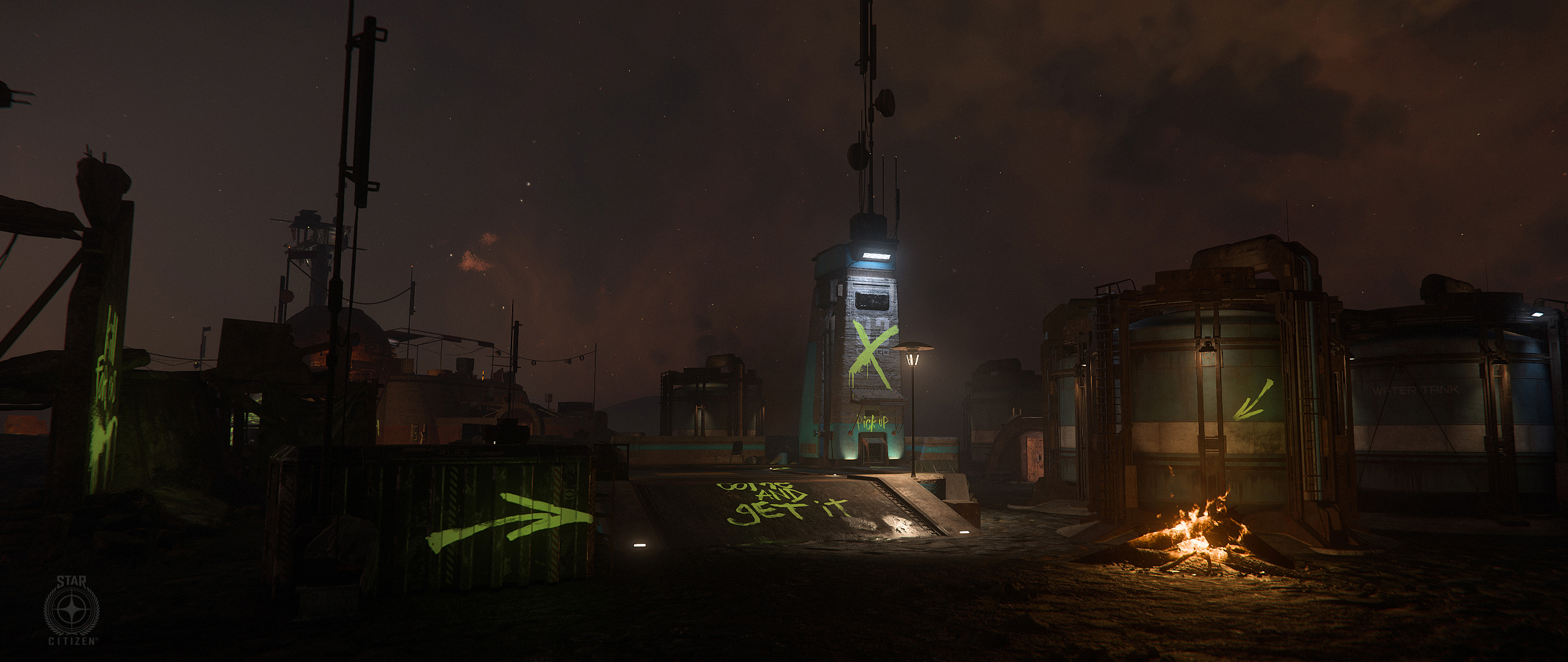
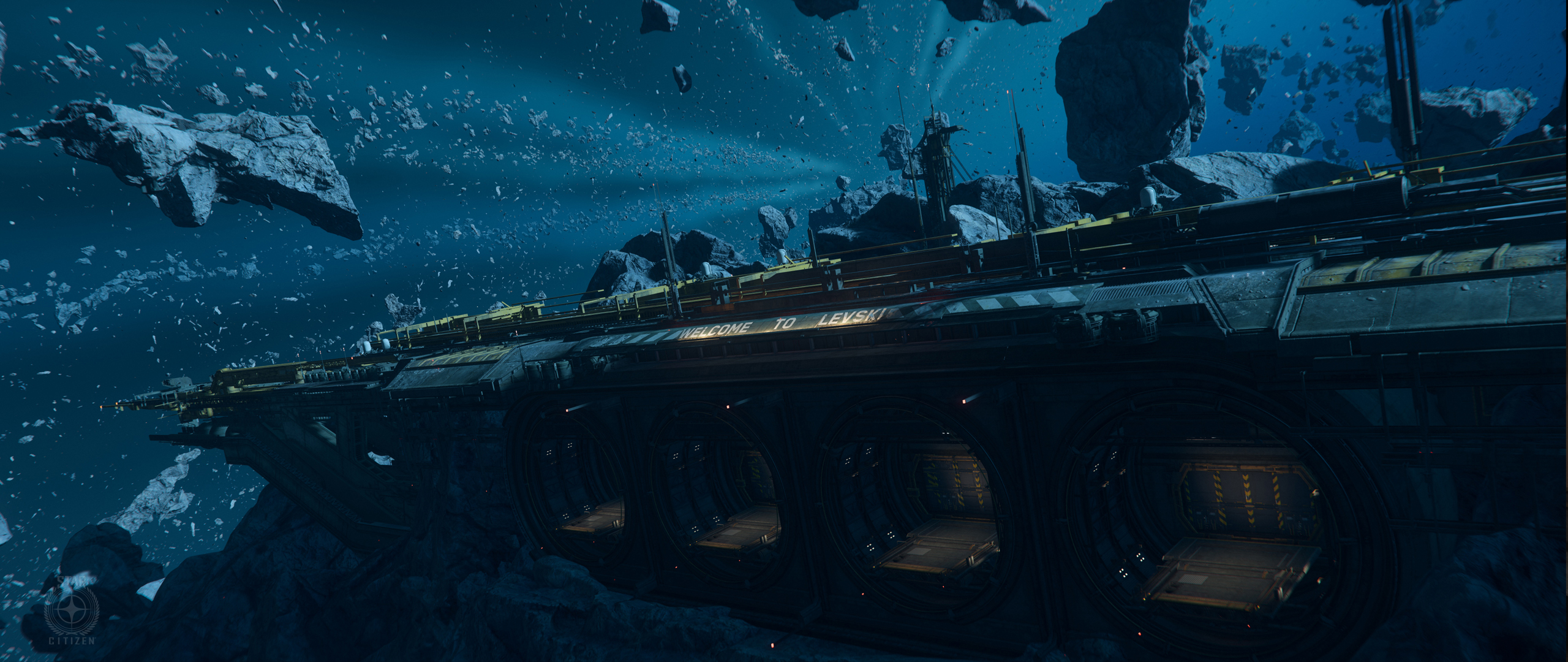
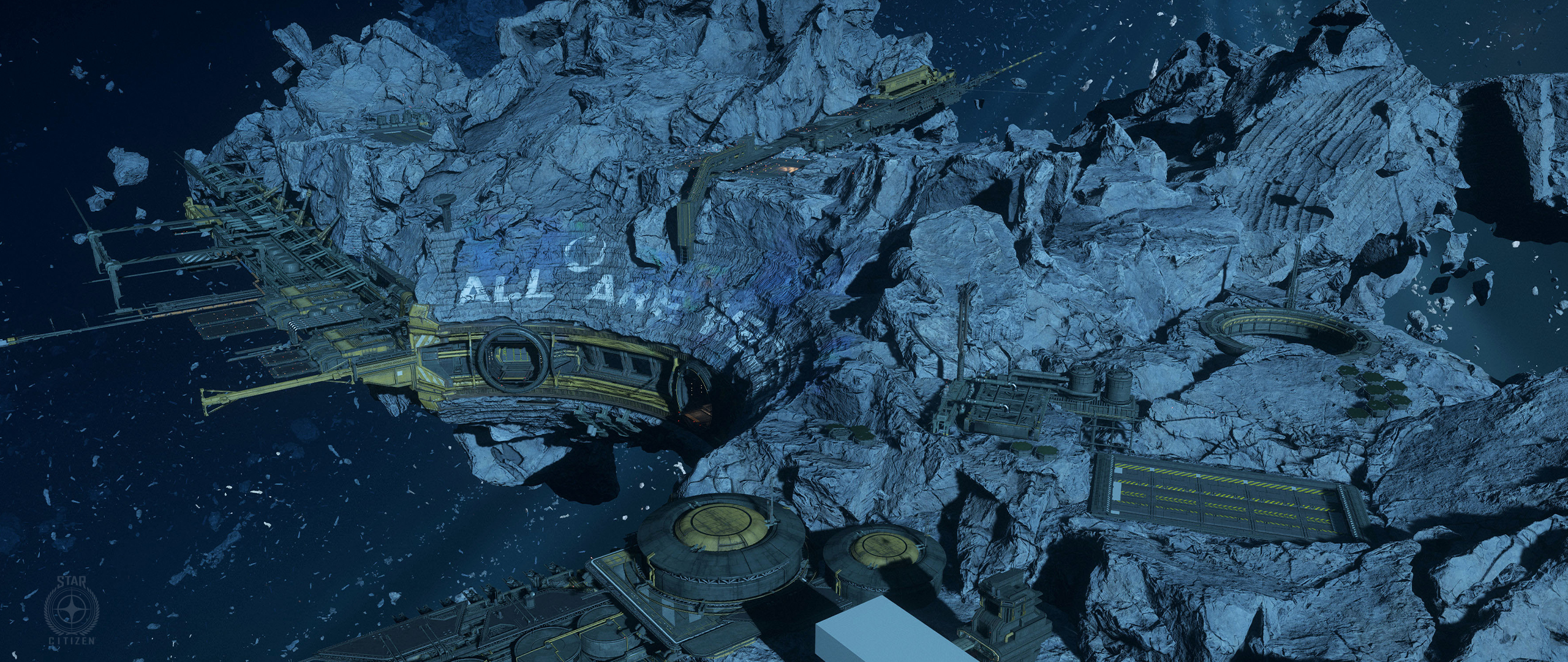
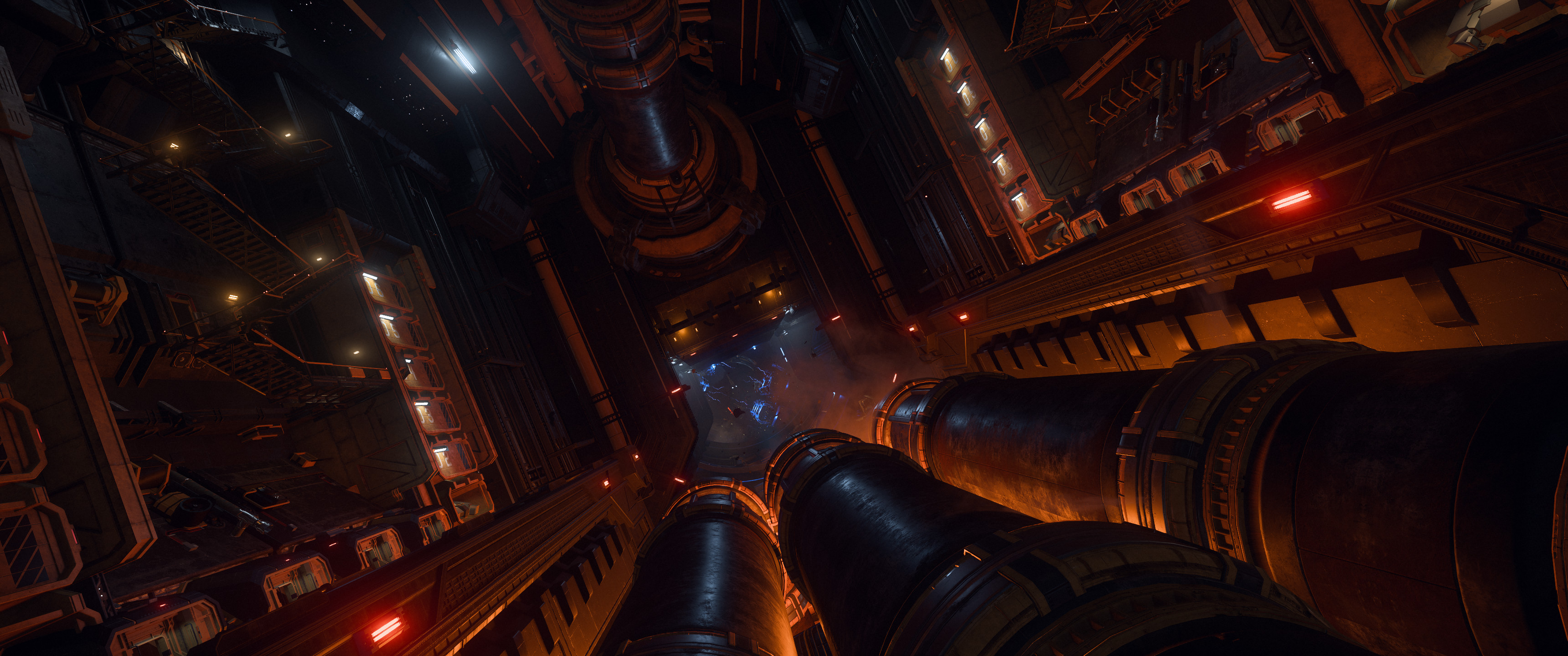
Metadata
- CIG ID
- 14995
- Channel
- Transmission
- Category
- Undefined
- Series
- Monthly Reports
- Comments
- 84
- Published
- 11 years ago (2015-10-10T00:00:00+00:00)