Monthly Studio Report: January 2016
Transmission Undefined Monthly ReportsContent
Greetings Citizens,
2016 is here, and we’re ready to rock! We kicked off the month with a series of summits in the UK and Los Angeles to prepare for the new year. There’s still one more to go, an AI summit in Frankfurt happening next week, but we’re ready to take on 2016! Now that our i’s are dotted and our t’s crossed, we’re ready to continue getting some great content out to the community. Specifically: going forward, you can expect to see regular updates to the Star Citizen Alpha. We are shooting for one significant patch each month. Expect to see this cycle repeated: numerous PTU test patches followed by a live release and then a lull as content for the next patch is prepared and integrated. As I write this, the team is working on content for Alpha 2.2. Expect to hear more about this release very soon! Meanwhile, here are the specifics of what each Star Citizen studio was working on in January…
Greetings Citizens!
Now that we have taken our first step into 2016, we have already started the year off with a big splash. January marked the release of Star Citizen 2.1.0, a continued evolution of the ground-breaking 2.0.0 release from last year. Additional world missions were added to the universe; however, the biggest stand-out feature was the additional two flyable ships: the Aegis Vanguard Warden and the long awaited MISC Freelancer. If you watched any of our streams last year, you would have witnessed the unveiling of the AEGIS Sabre. With the 2.1.0 release, for those who purchased the Sabre during its debut last year will find this sleek and beautiful space superiority fighter sitting in their hangar!
Along with the regular gamut of balances, fixes, and updates, below is our monthly report for CIG LA.
Engineering
January has been a busy month for the CIG LA Engineering team. The biggest milestone for all of the LA teams was the successful release of Star Citizen 2.1.0. Lead Engineer Paul Reindell has made solid progress on the item refactor collectively called Item System 2.0. Other regions are contributing to this new system and many preliminary features have been already released in order to provide a solid foundation for the Item System 2.0 and set the stage for its continued evolution. As mentioned in last month’s report, this feature provides greater control over itemization on the back end of the game. For January, Paul has implemented a physics controlling component that handles the physicalization of objects. This lives as a layer between the items and its physical proxy, interfacing how the physics mode of an object is changed (enabled, static, rigid, ragdoll, etc.).
Engineer Mark Abent has been industriously creating parameters for ammunition. With many of our systems moving away from strict XML and moving towards our own internal data management system, there’s a need to convert projectiles to this new management system. While outwardly, this will have no visible impact on the game itself, it changes how the parameters are loaded and allows us to move away from the XML project path.
Associate Engineer Chad Zamzow has been working on changes on how shields function. By making higher levels of shield health better at preventing damage, well-managed shields should provide a positive benefit over poorly/improperly managed shields – with the end goal of making lasers increasingly effective at depleting shields the more damage a shield takes and providing interesting decisions for players balancing regeneration speed, sheer strength, and signature in their shield generator options.
The new Interaction system has been worked on by our Engine Programmer Allen Chen, changing how interactions function. The current “Use” function in-game prevents us from adding more than one action to a single interactable object. Allen has completely decoupled the interaction logic to allow multiple actors to interact with a single object simultaneously.
Tech Design
“Ships galore!” should be the slogan for the CIG LA Tech Design team this month. With so many ships in the pipeline, it is difficult to decide where to start from.
One of the most anticipated ships so far, the 890 Jump, has just had its technical design documentation completed by Matt Sherman. Creating technical design documentation for the ship provides the artists with a template of specifications. Requisite information such as dimensions, hard points, internal volume, and various functionalities will ensure the artists are incorporating all of the necessary design elements.
Further development on the Xi’an Scout has reached the ‘grey box’ tech design phase. While the technical design documentation is akin to a “letter of intent” in that it is providing an idea of how the ship will function, the grey box stage is where the nitty gritty details of the ship begin to take shape. Lead Tech Designer Kirk Tome has given the Scout its overview such as its variants, characteristics – a comparison of various aspects of performance based on other ships of similar mass and design – and an idea of how the ergonomics of the cockpit will be laid out.
While Kirk continues with his design work on the Scout, he has also taken on the hefty task of refactoring the mass of every ship in-game. Definitely not a job for the faint at heart, Kirk has researched how to properly calculate the mass of our ships, and is now looking to apply these findings. With functional realism an end-goal of Star Citizen, we want to make sure all ships are using calculations ideal for the kind of materials our universe will contain. Whether they are far-future composite materials yet to be discovered or are composed of tried and true iron and steel, every one of these items will affect how ships move through the void.
Balance master Calix Reneau has also taken on a juggling task worthy of a traveling circus show. With our shield system being further iterated upon, Calix has created a metrics system to quantify shield performance. By allowing the Tech Design team to analyze these performance numbers, we can further fine tune how shields function not just as a whole, but also how they respond against various weapon types whether they are kinetic projectiles, energy-based attacks, or other exotic weapon types.
Art
With the team beginning to fill out the shader libraries for MISC, it is no wonder the Reliant is shaping up to be one of our most stunning ships yet while also being one of our most collaborative multi studio efforts. Its unorthodox vertical shape has given our ship team a fresh canvas to exercise creative ideas for a creative design.
The MISC Reliant has been an all-hands-on-deck effort by the CIG LA Art team. Elwin Bachiller and Daniel Kamentsky have completed the exterior POMs and decals as well as generated almost all the geometry require to destroy it.
Concept artist Gurmukh Bhasin has been creating large renders to wallpaper our new building as we are still getting settled in to the new location. Each conference room will be given a different theme based on a ship manufacturer, and Gurmukh has been designing renders for how each room should look when the installations are completed. If you ever come by to take a tour of the place, make sure you check out our giant mural featuring the Vanguard. Given how much time we spend here, the investment in morale is well worth the effort!
Omar “Armani” Aweidah and Jeremiah “Versace” Lee, our in-game fashionistas, are creating uniform and clothing design for characters in-game. Creating an era-appropriate aesthetic for clothing while keeping certain elements familiar allows our players to identify and relate with the universe we have created. Not only do we want our ships to be the most epic spacecraft ever, we want to make sure our pilots, pirates, explorers, and ilk are geared appropriately for their chosen lot in the life of a Star Citizen. Jeremiah completed the medium armor concept, while Omar completed the high-poly geometry for the male navy BDU (Battle Dress Uniform).
Tech Content
Sean Tracy has migrated to the Los Angeles office, transplanting himself from Austin, Texas and has been making his mark with his Tech Content team.
Those who piloted or stood in proximity to a Constellation during the 2.1.0 PTU may have noticed drops in in-game performance. Matt Intrieri and Mark McCall have been fastidiously delving into the root cause of this performance issue. With 2.1.1, pilots of (and anyone standing in proximity to) a Constellation should notice a marked increase in game performance.
Further content refinements performed by Mr. McCall include adding LODs to normalize the mesh count for the Constellation as well as converting thrusters for all ships to .CDF format and add LODs to the thrusters.
Riggers Gaige Hallman and John Riggs (yes, we have a rigger named Riggs…how awesome is that?) have been working on putting processes in place. John has finalized the skinning vertices on characters while Gaige has been spending a little time each day performing some early Spring cleaning, organizing our character outsource submission management in Shotgun.
Finally, Patrick Salerno has also been proactively beautifying the Gladius by adding LODs to the Gladius to normalize the mesh count.
Production
Senior Producer Eric Kieron Davis is truly a man of many talents. One week he is in Austin, TX assisting the production team with Persistent Universe processes then another week he is spearheading the beautification of the new Los Angeles CIG office, all while keeping his eyes on the target of 2.1.0 and 2.1.1.
Mark Hong has fully settled in, another transplant from our Austin, TX office, has taken control of the Art and Technical Content teams as their producer while Randy Vazquez has filled in the much-needed role of Engineering and Tech Design producer. Randy’s familiarity with the design processes gives him a unique perspective on how best to manage the tasks of the Tech Design team, especially since Randy has both production and design experience under his belt. Production Assistant Darian Vorlick now fills a support role for the CIG LA team by providing data analytics, logistical reporting, as well as relieving any extraneous loads that may fall on the shoulders of the other producers.
Narrative
Our Head of Linear Content John Schimmel, Senior Writer Will Weisbaum and Lead Writer David Haddock were visiting the UK office for a few weeks to sync back up with the designers as well as discuss the production of Squadron 42. They were able to address all of the narrative items of the story and adjust based on new insights as the in-game tech advances. On the Persistent Universe front, as more landing zones are in the process of being built, they have been delving deeper into the look and feel of the locations, characters and even how in-game fictitious products are advertised and branded.
In addition to writing Jump Point articles and News Updates, Associate Writer Adam Wieser tackled a pretty massive S42 task: conforming the scripts to accurately reflect the dialogue recorded during last year’s performance shoot. A laborious process for sure, but now that it’s complete, the designers will no longer need to hunt down footage to see how scenes played out.
Archivist Cherie Heiberg continued to work with our science consultants who have been generating data based on the various planets and systems in the Star Citizen universe while waging her colossal battle against the monstrous hydra known as disorganization and confusion. Our internal wiki is their battlefield. It’s like Thunderdome. Two will enter. One will leave.
Conclusion
With the first 30 days of 2016 behind us, we still have another 335 left to go. That leaves us plenty of time for new ships, new features, new missions, and new art to make its way into the universe. February is looking to be just as exciting and we can’t wait until we can bring you a month in review next time. We are making video game history, and all of you are at the center of it!
Howdy Citizens,
The New Year is behind us and teams are in full swing planning, developing, testing, and launching new content for the game. We have had several team members in the LA studio this month for substantial in-person collaboration and planning efforts, and we’ve received a ton of new content for testing and publishing. After substantial testing we launched the 2.1.0 version to the Live server, and have made subsequent updates to tweak and tune the experience. We’re looking ahead to the 2.2.0 update which is soon to come! Here are some detailed updates from each group in Austin.
Persistent Universe Team
The keyword for this month has been ROADMAP. Lots of scheduling and planning has been going on this month for 2016, and we’ve made good progress in laying down a roadmap for features and content. Mark Skelton and Tony Zurovec have been in LA the last couple of weeks meeting with Chris Roberts, Erin Roberts, and others to ensure that all of our goals are lined up and clear to everyone.
That being said, roadmaps and schedules weren’t the only thing we worked on this month. We’ve identified the hero landing zones, smaller landing zones, and space content we want to bring online this year, but the ones that are currently in progress are tracking along nicely. The Levski landing zone in Nyx is in Final Art Stage, and we are now putting the finishing touches on the Shops we’ll have there, including Cordry’s (armor), Conscientious Objects (personal weapons), Café Musain (bar), and the Medical Unit. Initial VFX and Lighting passes are under way for those environments and they are looking absolutely beautimous in their own grimy, decrepit kinda way.
Looking forward, we’ve been putting some hard design focus on creating blueprint documentation for the next hero landing zone on the horizon, the Stanton>Hurston>Lorville landing zone (that’s the Lorville landing zone on planet Hurston in the Stanton system, for those of you who’ve been enjoying the Starmap). Rob Reininger has been working with BHVR to layout the blueprints for the various shops for Hurston, as well as the layout for the city of Lorville itself. We’re excited about the design opportunities that have presented themselves for this environment and are taking full advantage. We’ve also been doing some pre-visualization for Hurston. Mark Skelton has been going back and forth with BHVR over the art direction of this environment, and Corentin Chevanne, Art Director at BHVR, and his crew have been doing an excellent job nailing that aesthetic. We’re excited to jump on to this landing zone after we wrap up work on Levski.
In Ship Land, Chris Smith and Josh Coons have been chugging away on the Xi’an Scout (or Khartu-Al). Emre has been working with them to finish up his initial lighting pass on it and it is looking pretty slick. We’re aiming to finish up this ship in the very near future, at which point we will move on to our next focus, revamping the original 3 ships in Arena Commander (the Aurora, 300i, and Hornet) to match our current quality standards.
On the Ship Animation side, in conjunction with Art we’ve been working on enter and exit cockpit animations for the Scout in preparation for its hangar-ready release. These animations are completely unique, since this type of ship is the first of its kind that we’ve done. In addition we are implementing a new cockpit type control scheme for this ship: The Dual Orb. On the PU side, we’ve wrapped up work on the Medical Unit animations and have been making some nice progress on the Nightclub scene animations. We’ve got NPC’s leaning against walls, sitting at booths, drinking at bars, using vending machines, and even using the toilet!
As mentioned previously, Tony Zurovec has been in LA for the past couple of weeks meeting with the other Directors to discuss high-level Design goals for 2016. There are several exciting features that are being discussed that we will aim to bring online this year. I won’t mention them here just yet but look forward to updates on these features soon. Another part of the planning that Tony has been going over with Chris is the Backend Networking/Server roadmap for the year. Jason Ely and Jeff Zhu are fully focused on Persistence right now, and will be for a while longer, but there are several core backend systems that need to be developed this year in order to make significant leaps forward in the PU. For example, Tom Sawyer just finished wrapping up work on improvements to the Party System, and will now be writing a TDD for the work to be done on his next focus, the “True Friends System.” More on that next month!
Live Operations
QA
After a well-deserved break, QA began January with focusing testing efforts on the deployment of 2.1.0 to the live environment. After five deployments to the PTU, we were very happy to finally deploy 2.1.0 to live.
This month we have gained 2 new recruits. Please welcome Jeff Daily and Katarzyna Mierostawska. Jeff comes to us from NCSoft where he worked on many titles as QA Lead. Katarzyna worked with many titles as well including Trion World’s Archeage where she obtained Cryengine testing experience.
Training new additions to the team is a significant undertaking but Tyler Witkin and Melissa Estrada are up to the task and doing a great job.
After deploying 2.1.0 to the live environment QA began testing the game-dev development branch which will eventually become 2.2.0. Todd Raffray headed up a comprehensive test of Party System updates and improvements.
Meanwhile, Vincent Sinatra and Andrew Hesse have completed additional investigations for designer Calix Reneau involving ship speeds, time to kill, and flight mechanics. Vincent and Andrew have also been supporting daily developer playtests in the LA studio which have resulted in very valuable feedback.
This month we had two visitors from our QA team from the Foundry 42 studio in Manchester Glenn Kneale and Andrew Mawdsley. Glenn and Andrew sat down with Jeffrey Pease and learned how to effectively monitor and report issues with our back end services.
Just prior to the month’s conclusion, we tested and deployed a small hotfix (2.1.2) to the PTU and then to the live environment. We are now squarely focused on testing new additions and updates in the game-dev branch which will become 2.2.0. The entire QA team is doing some really great work and we are all looking forward to getting 2.2.0 out to everyone as soon as possible.
Game Support
January saw the rollout of 2.1.0 (and subsequently, 2.1.1 and 2.1.2) to our players. Chris Danks and Will Leverett in Game Support worked alongside Production, QA, and Live Ops to feverishly put out daily builds to get tested, assessed, fixed, and finally pushed to Live. We’re excited to see the reception it’s received, and we’ll continue to make additional fixes on the road to 2.2.0 next month.
Game Support also has been focused on the general work of catching up from the holidays. Most of this work is complete, and we’re happy to provide faster turnarounds for players who send in technical-related tickets.
On a related note, we’ve also been pushing hard to get caught up on our hacked accounts. We feel this is a good time to remind players that we do not condone buying and selling of pledges using the gifting system, in fact we actively discourage it. This is one area where we cannot promise and you should not expect that we can or must address a given ticket. The gifting mechanism is not intended for this use, and not only can CIG not monitor a third party transaction, you are exposing yourself to a risk where you may not be able to recover your funds if the other party has malicious intent.
Lastly, we’ve been working with company leadership to discuss our plans for growth in 2016. We’re excited about growing our team both in Manchester, UK and in Austin, Texas, and we’ll be looking for some top talent to help us run the BDSSE in the next few months. Stay tuned!
IT/Operations
January has been fun for us all here on the IT team. First and most importantly, nothing broke down! We all feel quite a sense of relief over the stability of our networks now with all the work that has been done at each studio to accommodate the large bursts of data for the builds and publishes. Normally, a network of this size and complexity requires constant tuning and maintaining, particularly with all the requirements and overhead involved with secure communications between studios. This year over our holiday however, the IT team didn’t even receive a single alert which is how it should be of course, but this is the first year for us that we’ve experienced such a smooth holiday vacation.
This month went by very quickly but toward the end, we got to meet up with some really great groups of backers. It was fun to spend time chatting with them about some of the details about how the build system works and the cool systems we made which allow us to replicate petabytes of data between the studios. To those of you who were here, thanks for coming and we’re looking forward to your next visit.
Live Ops
Kicking off the first month of 2016 has been very productive in the LiveOps team. We published version 2.1 to the live service 3 times in January with 9 publishes to the PTU. We’ve also reconfigured our desks to make room for more growth on the team and just because it feels good to clean everything at the beginning of the year.
Major progress has been made on tools that support the build process. This month has seen the most impressive updates in the form of interface and usability. These important changes will allow us to push more control out to the dev teams so they don’t have to request every single change from us directly. Additionally, we’ve nearly completed our work on the public crash handler which should be incorporated in to the game in February if all goes well. We expect this will produce a wealth of information for the dev team with regards to any client crashes – this information will help them hunt down and fix those client crash bugs once and for all. Finally, we’re also finishing our work on a new type of build which we hope will have an impact on client load times. If we do well in testing, we’re hoping to get these new builds in to the pipeline in February as well.
Greetings Citizens,
Let’s get right to it! Here’s what we’ve been doing at Foundry 42 in the new year:
Art
Concepts
A relatively slow month of production due to Christmas holidays eating into a good portion of the month, however true to form and CIG style we hit the ground running with 2 weeks of planning meetings for the hurdles we face this year.
One aspect of the planning was trying to give the concept team a smoother ride; in the past we’ve had to adopt a fairly reactive flow, whereas this year I’d like to know 3-6 months in advance – we have the work that’s for sure!
This month the team has covered finishing off the Javelin exterior, Idris/Javelin turrets, Shubin corridor and main bridge, low tech props, asteroid outpost garage interior and Apocalypse Arms rail gun (first pass).
Character Team
The pressure is on! Forrest has been visiting and giving the guys a good understanding of the new pipeline and has done a stellar job on working with associate producer Andy to get a comprehensive schedule together. In terms of art work, “Randall Graves” is now close to in-game final and the Bridge Officers uniform high poly is looking top notch too.
Environments
Most of January has been picking up the whiteboxing phase for the environments in Sq42, we’re making all the big changes to the layout, composition, vistas and flow in this period as everything is very malleable. It’s really promising seeing how all our big set piece events will play out, and how the player will traverse through the various locations in the game. Our PU team has also started whiteboxing out a new location for Crusader which will feature a familiar character. This is going to be a cool one and we’re going to take it into full production next month. Work is also progressing on our testbed for asteroid bases, the look development for the terrain is now complete and now we’re applying this to the rest of the landscape.
Ship Art
There’s plenty of spaceship action going on at Foundry 42! We’re getting in to the final art stages of production with the Sabre and StarFarer. The StarFarer is rather large with lots of interior work so she’s going to take a little longer but we hope to have the Sabre flying around Crusader very soon.
It’s exciting times in the land of Capital Ships. We’ve got resources back on to the Idris to get her ship shape with the Javelin and Bengal getting their whitebox work well underway. We can’t wait to get these babies flying!
VFX
We certainly hit the ground running after the Christmas break! Adam has been focusing on some “thruster standardisation” tasks. There are a number of inconsistencies that we want to smooth out across all thrusters in the game; one example would be some thruster effects having no idle effect , where others do (when the ship is “on” but not thrusting) – we are going to make sure all idle thrusters have a glow to show the thing is powered up. Another part of this task is the creation of boost effects, so there is clear visual feedback to show the difference between boost and standard thrust. This wasn’t previously possible, so Adam has been working closely with John Pritchett to give us improved functionality to really enhance our thruster effects.
Away from thrusters, Mike has been working on a cleaned-up, simplified VFX style guide. This is a concise document that clearly lays out the expected visual style for our VFX artists to adhere to, ensuring visual consistency across the whole range of effects we make (and let’s face it, we make a LOT of effects here!) – it also gives us a very clear visual language for different manufacturers and races. Mike has also been working on cleaning up the effects “templates” and building up our libraries so designers and artists have a greater range of effects to choose from when fleshing out their levels, weapons etc.
Collectively, the VFX team have begun looking in earnest at the effects requirements for Squadron 42 – no spoilers here but suffice to say we have some spectacular scenarios throughout the campaign. I can tell you there will be explosions. Lots of explosions. Did I mention there are going to be explosions?
Prop Art
The Props team has been continuing to focus on the ship components, we are just putting the finishing touches on the third. We have however had a slight change of heart with how we approach the materials. After consulting the Character and Weapon teams we are now looking to use the same layer material they use, this allows us to achieve a much higher quality surface on the components and it has the added benefit of being much cheaper rendering wise. We will need to revisit our original components but the work is fairly quick and the benefits are well worth it.
We also hope to make use of this layer material in other areas of prop production which will ultimately mean we can throw more on screen than before, a bit of investigation work is in order next month.
With the prop audit coming to a close we have started to do a polish pass on some of the older and commonly used assets, with the aim of improving the quality and performance in one hit.
Work had begun on supporting the Squadron levels and we are working closely with the environment team building some of the key props they require.
Finally work has commenced on the next set of flair assets for our subscribers hangars, we are planning something a bit different in the next couple of months so we are trying to get a head start now.
Design
Wow! January went past at 100 miles-an-hour and the UK design team have been busy in all areas of the game. Systems design is still refactoring the UI for the HUD to give new players a less steep learning curve into the game. It’s not just the HUD that needs an easy option as we are also looking at all of the usability aspects of the game in relation to new players, such as USE prompts, inner-thought, controls unification, better on-foot navigation aids and augmented reality.
As part of this process we are giving mobiGlas some much needed design love, doing a full sanity pass through all of the apps we will need, the priorities being the ones required for the military version for Squadron 42 and the shopping experience.
With the StarFarer coming out soon, we are looking to get the fuel collection gameplay tiered up so Players will have some interesting things to do with this beast of a ship in the coming Live releases.
The Tech designers are still bashing away on all of the new ships and having some extra bodies in that department is starting to pay off in terms of getting the ships flight ready sooner.
From this month we are going to have a dedicated Ship Balance Designer who can act upon feedback in terms of where ships fit in the overall game. This is going to be a very important role going forward and will require a lot of trial and error before the ships feel how they are supposed to, but it’s great that someone is now going to be responsible for this on a daily basis.
I can’t say too much about S42 as you know, but we had Chris Roberts and the writing team over here for the first two weeks of January and we are very happy with how the campaign is paced for design now.
Engineering
Some good progress has been made on some of the core systems this month which will all go and help make the game easier to maintain as well as fix some of those annoying little bugs that crop up from time to time.
The hardest part of the job sometimes is just knowing what to call something. For example, in the current version of a game when vehicles get created, either when you or somebody else requests a ship, or when AI spawn in, it’s actually quite an inefficient process on the networking side. The client first comes up with a list of what the required loadout is and sends it to the server, the server then creates the ship with all the individual items (which can be over 100 depending on the ship), the server then serializes all these items to all the clients (a fancy way of saying it makes sure they both are synchronised with the same information) one at a time. This has led to a lot of pain in past to get all of this working, as the CryEngine wasn’t designed to dynamically create vehicles like this, and it ended up with a lot of hard to track down bugs. A number of these were caused because the ship on the client could be built in a different order than on the server depending on what order the packets came through. We’re now doing away with all of that and coming up with a solution where we just have one packet of information which describes the whole vehicle and how it is set up. This packet is sent to the clients in one go and used by both the server and the client to build the ship. Now we have the advantage that there’s a lot less network traffic required, and because the server and all clients build the vehicle in exactly the same way it is completely deterministic which means it’s a lot more robust and easier to track down any problems. We were going to call this new packet a Spawn Bundle, but that that got confused with the AISpawnBundle we already have, we then started calling it Dependent Entity Spawn Helper, which doesn’t exactly trip off the tongue, so now we’re using the Loadout Helper, which we’re not really happy with either. So it’ll probably change again. (If you don’t think this is a big deal, consider that the name of a module or subroutine may be employed across multiple files across millions of lines of code across different code development branches being used by different teams that need merging before a release. And yet, a reliable and ordered naming convention is extremely important for internal consistency because if the names don’t make intuitive or engineering sense, it’s harder and slower for newcomers to get up to snuff on a system that’s become too idiosyncratic.)
The Object Container work (which similarly had gone through numerous renames) is making some good progress. We’ve now got proof of principle where we can export a level as an object container and get it to load into the game correctly. Now we begin the fun part of trying to split the level up into multiple containers and getting them to stream in and out of memory, which is where we start to break everything. We’ll also be working on converting the prefabs over and getting the containers working with the Zone System. Once all of that is in it will allow us to greatly expand the scope of a level.
Otherwise it’s pretty much carrying on as usual. The audio guys are currently trying to track down a really nasty audio corruption bug which you might have heard. It’s proving really tricky as it’s very hard to reproduce, our QA only hear it after playing the game for around 4 hours in a session with a full server so we might only get it once or twice a day. It ends up that the turnaround time between creating a new build with some additional debugging, or potential fixes, and seeing what happens becomes very drawn out. We have started to narrow down what is going on though and we’re confident we can get it fixed shortly.
Graphics
Last month a lot of our focus was on improving performance and we’ve managed to make significant improvements on existing scenes/ships but also on our newer and more complex assets that are still in production. Some of our recent big wins have come from fixing various issues on the Constellations and Retaliators room setup to ensure they’re properly occluded from outside the ship, and to heavily optimise the UI of both ships (we now render less than ¼ of the number of meshes for the holo-UI for the exact same visual result).
This month the leads have been planning the long term schedule for the year, and the graphics team have had to determine the graphics requirements of all the other teams (art, vfx, design, gameplay) and ensure we’ve planned out all the required features. While doing this the rest of the graphics team have been focussing on newer features, starting with our revival of the gas cloud tech that will be vital for both Squadron 42 and the PU. The gas cloud tech will continue to be one of our main priorities for the next couple of months, and at the moment we’re focussing on researching efficient volumetric lighting techniques and trying to get the look and feel right before getting into the optimisations and polish stages further down the line. Other new features we’re starting on are improvements to some of the shaders such as glass and skin, a new version of our LOD merging tool to optimise space stations and FPS environments, improved fire/glow on particle effects, and a completely new physically based glare & lens-flare system.
Animation
Here in the UK we have been working on core FPS player mechanics. We’ve been setting up some of the aim pose requirements for technical implementation of cover low and cover high systems. We’ve also been reworking the no weapon locomotion turns to add in some weight to the animation in 3rd person while keeping the camera steady in first person. An interesting challenge in itself when gameplay requires turning on the spot!
Further adjustments to core gameplay requirements have been lowering the crouch locomotion set to better fit the height metric set by design. This will allow idle and locomotion to keep below cover height, instead of your head popping up when you start to move. We’ve also started to look in to implementation of the vault and mantling mechanics, reviewing the motion capture data and working with design and code on the best way to break it up to allow for a smooth gameplay experience.
Other than that we’ve been planning for the year ahead, and providing some body data for cinematics over in Frankfurt to unblock them.
Audio
Here in CIG Audio, we’ve spent a lot of time tracking down an issue that’s affected the sound experience in the live release; wholesale and rather nasty distortion, that typically happens only after a reasonably lengthy play session.
It’s been difficult to discern the cause up until this week, but we think we have a solution and we’re rolling that out as soon as we can. We’ve had help from the community in tracking this one down, and have to thank all involved who went above and beyond the call of duty in sending us their data files and reporting the issue in such detail – it’s awesome to work hand in hand with you all. We’ve also had some great assistance from Audiokinetic’s support department who’ve pitched in wherever they can. It’s been a trying time for Graham, Sam and Mikhail in doing the necessary detective work and our QA team have also been of great assistance here. We’ll write up a more detailed report of it for those interested later once we have a fuller picture.
As you can imagine, this has curtailed some of our progress on the system side and has highlighted just how much we need audio programming engineers; as well as this issue bringing this to the fore, we’ve put together our entire audio engineering roadmap to feed into the wider code schedule and it includes much of what is discussed on the Ask A Dev forum and far more besides – there are a lot of foundations still to put down to cater for a universe as huge as ours, lots of variables to cater for and you can never quite know what they might be until the game hits the live servers.
So on the topic, we have a role available here at Foundry 42 for a Senior Audio Programmer, and one can apply via the CIG website!
Otherwise, work has continued where possible on Squadron 42, with Ross putting down as much as he can there, setting some markers for how that workflow should be, and continuing on the music logic system with Sam. Ship work is continually ongoing via Darren and Luke. Stefan’s been refining the impacts of ship-based weapons – he’s looking at making them more dangerous when you’re in EVA or generally unshielded by a ship. Matteo’s continued with Foley work for characters, Phil has been putting together one of the most awesome rigs ever for p-cap dialogue capture purposes, Bob’s been hard at it speccing up our dialogue system/database. Jason’s been assisting with that and looking to proximity based VOIP tech. I’ve been arranging as much as I can for a forthcoming orchestral performance session, and also working with everyone on a bit of everything.
Hopefully with this nasty bug out the way we can get back to more gainful work in building up the systems and content. Thanks for listening!
QA
UK QA have been split between the testing of Star Citizen Future and Present this month – with us covering the current release streams of 2.1.0 (via 2.1.1 and 2.1.2) as well as the more developmental stream where the new upcoming features work is being done. At the time of writing this, 2.1.2 is about to go LIVE – so we’re all feeling happy in the knowledge that it’s been a good months’ work well done!
In terms of our biggest, most difficult to catch bug this month; we’ve been devoting a lot of time to the reproduction of the audio corruption and subsequent crash that’s been happening in 2.1.0 and 2.1.1. This has been some quite involved work for the UK test team – which has required frequent communication with the audio programmers as well as needing us to be sat in the PTU and LIVE servers, trying to force the issue to occur – with the help of many a backer. So thanks again!
This is also Andy Nicholson’s last month working as the QA Manager in the UK – Phil Webster will be taking his place in the coming week. Andy’s SC journey will continue, albeit in a new form with the Design team – but as QA Manager he leaves a legacy of creating a really great QA team.
And now it’s time to sign off. SPACESHIPLAUNCHSFXNOISES!
Greetings Citizens,
Hello from Frankfurt! Our main focus for January has been to re-iterate on the goals set throughout December and ensure we are still on track with them. For that we had a few meetings to discuss priorities so everyone was on the same page what to work on next. We slowly ramped-up on the focus so everyone could get back into their zone and work without interruption as much as possible. FPS, PU design, Cinematics, AI and core engine development progress so far within the first few weeks of 2016 has been quite impressive and you can find more details in the respective reports from our team.
Production
The production team started the month with a lot of planning sessions. Having ended the year with our massive 2.0.0 update, introducing some key features of our game, we want to ensure that 2016 will be aequally as exciting for everyone. We met with the Directors and the team to talk about what high level goals we want to achieve, and when they’ll be completed, throughout 2016. We then prioritized and matched the tasks against our available resources. Talks with the team are still going on to break the goals down into achievable steps. Going through this process is taking a lot of time and since we also have to continue working on the updates/bug fixes for the live game it’s something that needs to be scheduled carefully to allow the team to prepare properly while keeping interruption on their current work as low as possible. On the AI side we are almost completed and will have a first draft roadmap ready within the next few days. This will cover all requirements for S42 but also PU and we have a lot of really interesting features and systems ready to be worked on. Follow-up discussions will happen with other departments of the team where dependencies need to be clarified. FPS, PU design and core engine development are on a good way, but all need prioritization and breaking the work down further before we can pull together a final plan.
Code
Hi everyone, a new year starts with new technological challenges. We released 2.0 in December and 2.1 in January, each accompanied by a PTU phase before they went live. Star Citizen nowadays has a size of ~30GB, which means that with the current patch model, the backers have to download a load of data (Especially on the PTU where we want as many people as possible to make the game stable prior to going live). The size is the same internally for us, as even a 1GBit LAN connection cannot transfer 30 GB instantly. Hence we in Frankfurt collaborated with our Austin engineers on how to tackle this problem. We came up with a good solution in which we all believe in and have started to implement. The idea is to design a system which knows your local data, knows what data should be in the build, and then selectively downloads and updates your local data set to match the one of the build. For example, if between two PTU release, zero textures are changed, then no texture will be downloaded, reducing the required download by several GB. We hope to start testing this system soon internally and then extend it to our public releases as well. Unfortunately, as this is part an integration process which often tend to have many small issues which add up to a lot of time, I can only give you Soon™ as an estimate.
EVA was also a major focus! For extra vehicular activities (EVA) the player model is basically a ragdoll which is 100% controlled by physical impulses. This type of “ragdoll” can be driven by animation and is able to perform all actions needed for a player character. All physics-based control models can be unpredictable in certain situations: for example, whenever legs collide with an obstacle the character is doing somersaults and sliding along walls always makes the view spin around. This behavior is physically correct and pretty much identical to what happens when parts of a ship collide with an obstacles in space. But if this happens in first person view, then it’s not exactly what a player expects. In the last weeks we investigated (with the help of UK and LA) different control methods for the EVA suit that preserves the physicality of the ragdoll simulation and while still giving the player more precise controls for navigation and EVA combat. This includes:
Improved “view-based control mode” without drifting. This control mode is very similar to John Pritchett’s thruster controls for ships.
Improved Yaw-Pitch controls that reduced the “camera roll”.
Better capabilities to slide along walls by reducing the friction on the suit and using counter forces to stabilize spinning automatically.
Weapon aiming in vertical and horizontal poses for driven ragdolls
New IK-system for driven ragdolls. Whenever the legs collide with the environment, the character can pull them up immediately.
Experimental auto-navigation methods that makes it easier to move around in tighter spaces without getting stuck in level geometry.
Finally, we continued working on the procedural planet environment and trying different combinations to improve the planets overall appearances. We’re making great progress and look forward to showing things off in the future.
AI
Since AI didn’t provide a large update for December due to the holiday, we’ll focus on the general progress we made since last month.
On the character side we completed the first pass on the implementation of the functionalities required to allow enemies to use covers during their combat behaviors. Animators have provided us animations for staying in cover, shooting from cover, peeking from cover, and firing blindly at their target. The behaviors can now correctly request functionalities such as peeking or shooting from cover. The system will take care of analysing the current position in relation of the target position selecting the proper posture to use.
We also started to refactor the character perception. We’re basically creating a perception system that can be modularized directly in the game code. Components will register the different entities into the system that will allow them to perceive through different senses. Vision has been the first to be tackled, we started using the CryEngine VisionMap and we created a game component that registers an entity as an Observer or Observable. This allow us to specify what we’re interested in seeing, and how other characters can perceive us so the vision map can take care of making physical checks and caching information for queries. We will share more details about this in the upcoming weeks!
On the behavior side we have exposed a lot of functionalities through new behavior nodes and extended the current behavior we’re using. We also started using the TokenSystem we previously talked about to create the foundation for the first coordination. With the TokenSystem we’re experimenting with coordinating agents during the investigation of dangerous sounds, having one person going to investigate while the other covers him and wait for his information, etc.
Regarding the spaceships AI, we have moved all the spawning logic from LUA to C++. This will allow us to maintain the system better and it already helped us by properly supporting the asynchronous entity spawning.
In addition to all of that we have been working on a lot of stability improvements and we have worked on the creation of a development plan for 2016 and beyond!
Build Engineering
Our Senior Build Engineer has been busy in general working on the build system, trybuild and automation. This month a good amount of time was spent on general build issues that generally come up throughout development. He also worked on a few changes that will allow us to switch over to updated software once it’s released.
QA
This month Chris Speak has been progressing on Automated testing setups for CryEngine, primarily focused on AI and the way it handles obstacles within a level as well as the Usables such as vaulting over walls and climbing ladders using a relatively simple Flowgraph module. He setup a test-map that contains several feature tests that can be triggered via the console within both the Editor as well as in Client mode that tells an AI character to move towards a specific target location, and upon entering that location the FeatureTest node in Flowgraph marks the test as complete. The AI has to determine how to navigate to that target area using the obstacles in front of it, so in the case of the screenshot below it needs to climb two 4 meter ladders to reach the target.
He’s also been recording timed demos for the purposes of automating end-user-experience testing to give us daily feedback relating to everything from ship boarding and flight, to FPS combat etc. This should give us a good foundation for future changes, and make changes to the game-code a bit less risky and painful.
Cinematics
Cinematics is currently at work on several scenes that happen during S42’s story’s beginning. We’ve done a first pass on our Navy hospital scenes and are currently doing previs on a few others that we can’t discuss just yet. Our Sr. Environment artists are busy building up terrain, as well as environment and key props for a dramatic planetside scene. The scene is fairly prominent and we need to make room for an Idris to land. We also started with a major facelift, as well as under-the-hood work, on the Trackview editor, one of the main tools use by the cinematic designers. Sascha Hoba is currently busy bringing the toolset up to speed for what we need it to do, both in usability and feature set. The additional functionality will make certain areas more efficient for the team, and allow us to assemble scenes quicker.
Design
For Level Design work continues on the prototypes for the Modular Environments and the Power Management Systems, we are pretty close to having the latter ready for an internal play test to verify the concept. It should turn out to be a pretty interesting, a dynamic and fun way for the players to interact with the environments in everything from Space Stations to planetary outposts, just make sure you don’t turn off the lights while someone is still in the SpaceLoo™, bad things might happen.
As with development life in general we sometimes encounter bugs and blockers that might temporarily halt our work in one area, but there is always work to be done fill those small gaps, so in the last month we have also been doing some work on a small multiplayer map, defining game rules for multiplayer (line of sights, density of obstacles, height variations, scale) as well as scheduling and planning for 2016.
This last month System Design has been focused on getting a thorough breakdown of all the systems that we need for Star Citizen, past, present and future. This would allow us to verify and better see what systems are used the most and in which specific situations so we can better prioritise them.
Besides that we’ve been working on various cargo prototypes to decide what is the perfect balance between doing things as realistically as possible while making sure cargo movement and management is still fun and exciting to do. Other systems that we are pushing for right now are looting and resource spawn management as these will allow us to improve the PU experience greatly. We’ve also had a new addition to our team, Grégoire, a great designer from France, he’s been trying to catch up with the massive amount of documentation so that next month he is 100% up to date, while at the same time trying to get familiar with all the internal tools we use on a daily basis.
On top of all this we are continuing to interview great applicants and talent to fill the ranks of the expanding Frankfurt Design team.
Weapons
We have been working with the concept art team on a new FPS weapon, it’s going well and looks good, but It is still in a very early concept stage.
Also the updated metrics for ship mounted and personal weapons have been completed after being evaluated by various departments and are ready to be used.
Audio
This month Mikhail spent most of the time on bug fixes and refactoring AudioSystem so that it uses the ZoneSystem for all relevant positional information. It turned out to be a fair bit of work, because, like most currently existing audio systems, CrySoundSystem was designed under an implicit assumption that audio sources are mostly static, and the ones that aren’t inform the audio system explicitly when their positions change. This works well for the majority of 3D-engine-based games in existence. Naturally, like with many other things, Star Citizen is a different case. Since a lot of action in the game happens inside the spaceships, there is no reason to expect the audio sources in any particular frame to be static, in fact, more often than not they are all moving, and, sometimes, for example when landing on a capital ship, there might be several clusters of audio sources all moving at different speeds relative to the listener. This not only applies to the permanent audio sources like thrusters, ship weapons, doors etc., but also the transient ones, like footsteps, object collisions, electrical sparks. As you can imagine, when the standard approach is used, the number of position updates required quickly adds up and starts to affect the overall performance. On the other hand, the Zone System provides the engine modules with a centralized and efficient way to keep track of the positional information for the objects they need, so querying it once per frame for the positions of all audible sources based on the current listener’s position is definitely a much more scalable solution.
Art
This month Robert Stephens has been concentrating on the escape pod used in the Javelin Destroyer. Even though it’s only a small / minor craft in comparison to some of the larger ships, we’re spending the time we need to give it the level of detail fans and backers have come to expect. A good amount of time was spent on how the pod doors will open / close, we want to have both a complex and accurately stylize locking mechanism that the player can easily use and recognize. Some of the challenges with something like this is making it look as though it would work if it existed in real life, and also balancing that with the requirements of other departments such as animation so that the character can actually get in and out of the pod easily.
Pascal Muller has been working on art for the procedural planet tech. This involves a lot of iterating and figuring out what works on a technical level as well as getting it to look as good as possible. The main difficulty is to make it read visually no matter how far or how close you are to the planet. To make this work there are multiple levels of detail which blend in and out depending on your distance to the surface in a very particular way. Can’t say much more about it at this point except that we can’t wait to share it with everyone.
Tech Art
As part of our character pipeline, this month we divided or character data files into three separate units, _SRC, _PUB, and _BND files. The SRC file stores the render mesh and skeleton data, PUB stores the puppet rig, and _BND file helps us to map our FBX animation data to our puppet file. Currently we’re smoothing out the pipeline and developing tools to communicate with different files and systems with metadata nodes. We also provided some Tech support for EVA animation as well as some rigging for a weapon prototype.
VFX
For the past few weeks VFX in Frankfurt has been prototyping the visual looks and styles of some of the Xi’an tech. This tech differs visually from the other races and In order to get this visual look it required us to integrate some new tools into our texture creation workflow.
2016 is off to a great start! We began this month with great excitement for what’s coming next. Here’s what BHVR worked on in January:
Design
January was very successful for the Behaviour Design team. Francois Boucher and Jesse Kalb went full steam ahead on the blueprints and the whiteboxes of Hurston shops. Working with our friends at ATX, we quickly iterated on Hurston locations and are about ready to hand most of the whiteboxes to the Art team.
We also updated our shopping prototype and put it in situation in both Casaba Outlet and in Nyx/Levski bazaar market, proving the concept even more, highlighting our future needs but also its current flaws.
Lead Designer Guillaume Bourque is working with a bunch of team members, both in Montreal and in other studios, setting the next collection of flair items on the right track. All I can say is it’s going to be real nice. We are also looking forward the next location we are going to work on, possibly a space station.
Lastly, we are helping setting up the Bar Citizen Montreal event which is going to take place early February here in Montreal.
Art
This month, well rested from our holydays, we began R&D for a brand new planet. The work consisted mostly on creating a distinct feel and ambience to make sure that all our planets don’t look alike. Furthermore, working on a new planet is a great opportunity to apply the latest techniques that we’ve learned from the previous planets. Hopefully with this in mind, we can improve even more the visual quality of our new assets.
On the building sets, we moved to the polishing phase of the industrial/mining set. Also, we continued work on the different shops that we will be able to explore in Levski.
There was also a lot of work done on industrial props and on the next month flair objects.
Engineering
This new year, there was a lot of work done on different game features. Simon Jambu worked on the Party System, to help you pick up the right instance to play with all your friends.
John Corbett, has been continuously at work on the datastore system, to allow temporary modifications on ships. This will be handled through a holotable on Port Olisar
Martin Poirier is working with other studios on in ships’ display screen optimization: reducing the memory and CPU footprints of ship UI (especially multicrew ships) as well as making the system ship component driven.
Adamo Maiorano and Fabien Poupineau are going full speed ahead on shopping experience. Going through different prototypes to make sure you have the best experience.
Greetings from Montreal! Here’s what we’ve been up to in the last month:
Organization Invitations
Last month, we launched the new Organization invitation template. We refreshed the look-and-feel so that it gives more prominence to the Organization’s own branding, and also added color schemes to match the type of Organization. You can find this feature under My Account > Organizations, in the left menu.
Subscription campaign
We wrapped up the QA phase for the upcoming Subscription campaign and will be launching in the beginning of February. Subscribers are a key part of the Star Citizen community, as they support the production of “10 for the Chairman,” “Around the ‘Verse,” “Bugsmashers,” “Meet the Devs,” and more. In addition to re-designing the Subscription section of the website, we produced some logos and animations that can be used in videos. We’ve also added new exclusive rewards (for Centurions and Imperators) in an easy-to-read matrix. If you haven’t already done so, now’s the best time to become a Subscriber!
Ship Happens
This was an exciting month for ship production, as three ships were brought into the game. With the release of 2.1, the Sabre became hangar-ready, giving players their first in-game look at this agile fighter. As for flight-ready ships released in 2.1, we had the Freelancer base as well as the Vanguard Warden. During the release of 2.1, a sale was launched alongside it featuring the Sabre, Warden and an Aegis Fighter Pack featuring both the Sabre and its big brother, the Vanguard Warden. The following week also saw the sale of the alien ship, Xi’An Khartu Al, to coincide with Gillian Anderson’s interview on Squadron 42. To close out the month, there was a Free-fly to coincide with the weekend of PAX South.
Multi-Factor Authentication (MFA)
We have begun development on the core mechanism for multi-factor authentication, which will greatly reduce the number of hacked accounts. In addition, we’re updating our design layouts to match the current look-and-feel of the website. Once MFA is in place, you will need a second authentication factor besides your username and password in order to access the game. You will decide how you receive this second factor (by email, SMS or a third-party app such as Google Authenticator). We are still in the early stages, so keep checking back for more updates!
ARK Starmap
We began discussions with the Star Citizen dev team to decide on the best way to integrate the Starmap into the game. A lot of factors have to be considered, such as visual integrity, performance, code maintenance, star system updates (synching), and what technologies should be used for the in-game version. Each month, we will provide more details on the process. In the meantime, you can check out our web version at: https://robertsspaceindustries.com/starmap
Behind the Scenes
What happens when the game crashes? Well, we have been working with the Star Citizen dev team to build something we call the Panic Service. The Panic Service is responsible for receiving game client crash data and cataloging them in a centralized database where they can be accessed by the devs. Game crash data is sent to us via the “Receiver”, which is then processed by the “Worker” and stored in a database. From now on, Star Citizen devs will be able to access all crash data from this database, making it easier to extract the pertinent information. This will save time in troubleshooting.
Bar Citizen
For those of you who live in or near Montreal, we hope to meet you at Bar Citizen Montreal! All the details can be found on their Facebook page.
The start of 2016 has been a fantastic one. Right out of the gate, the response from you guys to Star Citizen Alpha 2.0 and 2.1 has been tremendous, and it always makes our jobs just a little more enjoyable when we see all of you enjoying your Star Citizen experience.
Videos
The 10 For series that airs every Monday made another evolution when we started incorporating hosts from different disciplines. With the addition of 10 for the Developers, we can answer questions provided by our development subscribers with more than one perspective. This has been providing us with what we feel are answers that are both more informative, and hopefully more interesting as well.
Around the Verse continues expanding to include coverage of other studios like Austin and Manchester, while addressing the production challenges inherent in trying to coordinate, produce, and direct segments through Skype and email. We’re hopeful to have a chance to visit our European studios in person this year and delve even deeper into the amazing work being done on the other side of the world.
To facilitate the production of these segments, we constructed three free-standing sets to improve overall production value. While only one of them is currently decorated, we have plans to bring the other two online in the coming weeks to months. This in conjunction with upgrades to the audio and lighting equipment, we’re slowly working to make our weekly productions all that we want them to be.
January also saw the release of two videos detailing Gillian Anderson’s work on the upcoming Squadron 42. Gillian is an exciting addition to the cast and we look forward to sharing more behind the scenes looks with other members of the cast in the future.
Forums
We recently added the Shipyard sub-section of the forums: an area dedicated specifically to the discussion of your favorite ships in Star Citizen. This change, like any change, often takes time to get used to, but the developers have taken to the dedicated nature of the feedback they’re looking for, and information is flowing from Citizens to Designers more easily than ever, so we definitely feel this is a huge win for everyone involved.
Live Events
While we didn’t have an official presence at any conventions this month, we were able to send a single infiltrator to PAX South to meet with fans and shake his head at the litany of “when” questions that assaulted him. Our intrepid Community Manager even managed to unexpectedly find himself on a panel with the Community Manager for Elite: Dangerous, much to the delight of fans in attendance.
Perks
We launched our new Subscriptions landing page this month that you can find here. It’s a brief look at all the things becoming a development subscriber gets you. This month’s Subscriber flair was the AV8 Battle Armor Replica from the Puglisi Collection, and looking at the numbers appears to be a big hit with you guys. We’re constantly looking for ways to improve our Subscriber flair, so if you have a fantastic idea, please share it with us in the Subscriber forums.
Coda
We’ll keep it short and sweet this month, as by the time you’ve gotten to this section your eyeballs may be ready to burst. As always, we want to thank the other studios and departments for taking the time to gather all this info for us, as we appreciate it just as much as I’m certain you all do.
See you in the ‘Verse!
ist manchmal nur zu wissen, wie man etwas nennt. Zum Beispiel, in der aktuellen Version eines Spiels, wenn Fahrzeuge erstellt werden, entweder wenn Sie oder jemand anderes ein Schiff anfordert oder wenn die KI einläuft, ist es eigentlich ein ziemlich ineffizienter Prozess auf der Netzwerkseite. Der Client erstellt zunächst eine Liste, was die gewünschte Auslastung ist und sendet sie an den Server, der Server erstellt dann das Schiff mit allen einzelnen Elementen (die je nach Schiff über 100 sein können), der Server serialisiert dann alle diese Elemente an alle Clients (eine ausgefallene Art zu sagen, er stellt sicher, dass beide mit den gleichen Informationen synchronisiert sind). Dies hat in der Vergangenheit zu großen Schmerzen geführt, um all dies zum Laufen zu bringen, da die CryEngine nicht für die dynamische Erstellung solcher Fahrzeuge konzipiert wurde und es am Ende zu vielen schwer zu findenden Fehlern kam. Eine Reihe davon wurde verursacht, weil das Schiff auf dem Client in einer anderen Reihenfolge gebaut werden konnte als auf dem Server, je nachdem, durch welche Reihenfolge die Pakete kamen. Wir machen jetzt Schluss mit all dem und entwickeln eine Lösung, bei der wir nur ein Informationspaket haben, das das gesamte Fahrzeug und seine Zusammensetzung beschreibt. Dieses Paket wird in einem Durchgang an die Clients gesendet und sowohl vom Server als auch vom Client zum Bau des Schiffes verwendet. Jetzt haben wir den Vorteil, dass viel weniger Netzwerkverkehr erforderlich ist, und weil der Server und alle Clients das Fahrzeug genau so bauen, wie es ist, ist es völlig deterministisch, was bedeutet, dass es viel robuster und einfacher ist, alle Probleme zu verfolgen. Wir wollten dieses neue Paket ein Spawn-Bundle nennen, aber das, was mit dem AISpawnBundle verwechselt wurde, das wir bereits haben, haben wir dann angefangen, es Dependent Entity Spawn Helper zu nennen, was nicht gerade von der Zunge stolpert, also verwenden wir jetzt den Loadout Helper, mit dem wir auch nicht wirklich zufrieden sind. Also wird es sich wahrscheinlich wieder ändern. (Wenn Sie nicht der Meinung sind, dass dies eine große Sache ist, denken Sie daran, dass der Name eines Moduls oder einer Unterroutine in mehreren Dateien über Millionen von Codezeilen über verschiedene Codeentwicklungszweige hinweg verwendet werden kann, die von verschiedenen Teams verwendet werden, die vor einer Veröffentlichung zusammengeführt werden müssen. Und doch ist eine zuverlässige und geordnete Namenskonvention für die interne Konsistenz äußerst wichtig, denn wenn die Namen keinen intuitiven oder technischen Sinn ergeben, ist es für Neueinsteiger immer schwieriger und langsamer, sich auf einem System zurechtzufinden, das zu eigenwillig geworden ist.
Die Arbeit am Objektcontainer (die ebenfalls zahlreiche Umbenennungen durchlaufen hat) macht gute Fortschritte. Wir haben jetzt den Beweis des Prinzips, wo wir einen Level als Objektcontainer exportieren und ihn dazu bringen können, ihn korrekt in das Spiel zu laden. Jetzt beginnen wir den lustigen Teil des Versuchs, den Level in mehrere Container aufzuteilen und sie dazu zu bringen, in und aus dem Speicher zu streamen, wo wir anfangen, alles zu zerstören. Wir werden auch daran arbeiten, die Fertighäuser umzubauen und die Container mit dem Zonensystem zu betreiben. Sobald all das drin ist, wird es uns ermöglichen, den Umfang einer Ebene stark zu erweitern.
Ansonsten geht es ziemlich genau so weiter wie bisher. Die Audioleute versuchen derzeit, einen wirklich bösen Audio-Korruptionsfehler aufzuspüren, den Sie vielleicht gehört haben. Es erweist sich als wirklich knifflig, da es sehr schwer zu reproduzieren ist, unsere QA hört es erst, nachdem wir das Spiel etwa 4 Stunden lang in einer Sitzung mit einem vollen Server gespielt haben, so dass wir es vielleicht nur ein- bis zweimal am Tag bekommen. Es endet damit, dass die Bearbeitungszeit zwischen der Erstellung eines neuen Builds mit zusätzlichem Debugging oder potenziellen Korrekturen und dem Anblick des Geschehens sehr langwierig wird. Wir haben damit begonnen, das Geschehen einzugrenzen, und wir sind zuversichtlich, dass wir es in Kürze beheben können.
Grafiken
Im vergangenen Monat lag ein großer Schwerpunkt auf der Leistungssteigerung, und wir haben es geschafft, signifikante Verbesserungen bei bestehenden Szenen/Schiffen, aber auch bei unseren neueren und komplexeren Anlagen, die sich noch in Produktion befinden, zu erzielen. Einige unserer jüngsten großen Gewinne sind darauf zurückzuführen, dass wir verschiedene Probleme bei der Einrichtung des Raumes der Konstellationen und Vergelter behoben haben, um sicherzustellen, dass sie von außerhalb des Schiffes richtig verschlossen sind, und um die Benutzeroberfläche beider Schiffe stark zu optimieren (wir rendern nun weniger als ¼ der Anzahl der Maschen für die Holo-UI für genau das gleiche visuelle Ergebnis).
In diesem Monat haben die Leads den langfristigen Zeitplan für das Jahr geplant, und das Grafikteam musste den Grafikbedarf aller anderen Teams (Art, Vfx, Design, Gameplay) ermitteln und sicherstellen, dass wir alle erforderlichen Funktionen geplant haben. Dabei hat sich der Rest des Grafikteams auf neuere Funktionen konzentriert, angefangen mit der Wiederbelebung der Gaswolken-Technologie, die sowohl für die Staffel 42 als auch für die PU von entscheidender Bedeutung sein wird. Die Gaswolkentechnik wird auch in den nächsten Monaten eine unserer Hauptprioritäten sein, und im Moment konzentrieren wir uns auf die Erforschung effizienter volumetrischer Beleuchtungstechniken und versuchen, das Aussehen und Gefühl zu verbessern, bevor wir in die Optimierungen und Polierstufen auf der weiteren Strecke kommen. Weitere neue Funktionen, mit denen wir beginnen, sind Verbesserungen an einigen der Shader wie Glas und Haut, eine neue Version unseres LOD-Mischwerkzeugs zur Optimierung von Raumstationen und FPS-Umgebungen, verbesserte Feuer-/Glüheffekte bei Partikeln und ein völlig neues physikalisch basiertes Blend- und Linsenblendsystem.
Animation
Hier in Großbritannien haben wir an der Kernmechanik von FPS-Spielern gearbeitet. Wir haben einige der Zielvorgaben für die technische Umsetzung von Cover Low- und Cover High-Systemen festgelegt. Wir haben auch die Bewegungsabläufe ohne Waffen überarbeitet, um der Animation in der dritten Person etwas Gewicht zu verleihen und gleichzeitig die Kamera in der ersten Person ruhig zu halten. Eine interessante Herausforderung an sich, wenn das Gameplay eine Wendung auf der Stelle erfordert!
Weitere Anpassungen an die Kernanforderungen des Gameplays wurden vorgenommen, um das Fortbewegungs-Set der Hocke zu senken und so die vom Design vorgegebene Höhenmetrik besser anzupassen. Dies wird es ermöglichen, dass Leerlauf und Fortbewegung unter der Deckungshöhe bleiben, anstatt dass der Kopf auftaucht, wenn Sie anfangen, sich zu bewegen. Wir haben auch begonnen, uns mit der Implementierung der Tresorraum- und Verwahrungsmechanik zu befassen, die Bewegungsdaten zu überprüfen und mit Design und Code an der besten Methode zu arbeiten, um sie aufzubrechen und ein reibungsloses Spielerlebnis zu ermöglichen.
Ansonsten haben wir für das kommende Jahr geplant und einige Körperdaten für die Kinofilme in Frankfurt bereitgestellt, um sie freizugeben.
Audio
Hier bei CIG Audio haben wir viel Zeit damit verbracht, ein Problem aufzuspüren, das das Klangerlebnis im Live-Release beeinflusst; Großhandel und eher böse Verzerrungen, die typischerweise erst nach einer ziemlich langen Spielsitzung auftreten.
Es war bis diese Woche schwierig, die Ursache zu erkennen, aber wir denken, dass wir eine Lösung haben und wir werden sie so schnell wie möglich einführen. Wir haben Hilfe von der Community erhalten, um diesen Fall aufzuspüren, und wir müssen allen Beteiligten danken, die über die Pflicht hinausgegangen sind, uns ihre Datendateien zu schicken und das Problem so detailliert zu melden - es ist fantastisch, Hand in Hand mit euch allen zu arbeiten. Wir haben auch große Unterstützung von der Supportabteilung von Audiokinetic erhalten, die sich, wo immer sie können, eingesetzt hat. Es war eine schwierige Zeit für Graham, Sam und Mikhail, die notwendige Detektivarbeit zu leisten, und unser QA-Team war auch hier eine große Hilfe. Wir werden später einen detaillierteren Bericht darüber verfassen, sobald wir ein vollständigeres Bild haben.
Wie Sie sich vorstellen können, hat dies einige unserer Fortschritte auf der Systemseite eingeschränkt und verdeutlicht, wie sehr wir Audioprogrammierer brauchen; ebenso wie diese Problematik, die dies in den Vordergrund stellt, haben wir unsere gesamte Roadmap für die Audiotechnik zusammengestellt, um in den breiteren Codeplan einzuspeisen, und sie enthält viel von dem, was im Ask A Dev-Forum diskutiert wird, und vieles mehr - es gibt noch eine Menge Grundlagen, die für ein so riesiges Universum wie unseres zu schaffen sind, viele Variablen, auf die man achten muss und man kann nie genau wissen, was sie sein könnten, bis das Spiel auf die Live-Server trifft.
So haben wir hier in der Gießerei 42 eine Stelle für einen Senior Audio Programmer frei, und man kann sich über die CIG-Website bewerben!
Ansonsten wurde die Arbeit an Staffel 42 nach Möglichkeit fortgesetzt, wobei Ross dort so viel wie möglich hinlegte, einige Markierungen setzte, wie dieser Workflow aussehen sollte, und mit Sam am Musiklogiksystem weitermachte. Die Schiffsarbeiten laufen kontinuierlich über Darren und Luke. Stefan hat die Auswirkungen von schiffsbasierten Waffen verfeinert - er erwägt, sie gefährlicher zu machen, wenn man in EVA ist oder generell von einem Schiff nicht abgeschirmt wird. Matteo setzte seine Arbeit mit Foley für Charaktere fort, Phil hat eines der großartigsten Rigs aller Zeiten für die Aufnahme von p-cap-Dialogen zusammengestellt, Bob war hart darin, unser Dialogsystem/Datenbank zu spezifizieren. Jason hat dabei geholfen und sucht nach einem näherungsbasierten VOIP-Technologie. Ich habe so viel wie möglich für eine bevorstehende Orchesteraufführung arrangiert und auch mit allen an einem Stück von allem gearbeitet.
Hoffentlich können wir mit diesem bösen Bug den Weg zurück zu mehr gewinnbringender Arbeit beim Aufbau der Systeme und Inhalte finden. Danke fürs Zuhören!
QA
Die UK QA wurde in diesem Monat zwischen den Tests von Star Citizen Future und Present aufgeteilt - wobei wir die aktuellen Release-Streams von 2.1.0 (über 2.1.1 und 2.1.2) sowie den eher entwicklungsorientierten Stream abdecken, in dem die Arbeiten an den neuen Features durchgeführt werden. Zum Zeitpunkt des Schreibens dieses Artikels steht 2.1.2 kurz davor, LIVE zu gehen - also sind wir alle glücklich in dem Wissen, dass es eine gute monatelange Arbeit war, die gut gemacht wurde!
Im Hinblick auf unseren größten, am schwierigsten zu fangenden Bug in diesem Monat haben wir viel Zeit der Reproduktion der Audio-Korruption und dem anschließenden Crash gewidmet, der in 2.1.0 und 2.1.1.1 stattgefunden hat. Dies war eine ziemlich aufwendige Arbeit für das britische Testteam, das sowohl eine häufige Kommunikation mit den Audioprogrammierern als auch die Anwesenheit auf den PTU- und LIVE-Servern erforderte, um das Problem zu lösen - mit Hilfe vieler Geldgeber. Nochmals vielen Dank!
Dies ist auch Andy Nicholsons letzter Monat als QA-Manager in Großbritannien - Phil Webster wird in der kommenden Woche seinen Platz einnehmen. Andys SC-Reise wird fortgesetzt, wenn auch in neuer Form mit dem Design-Team - aber als QA-Manager hinterlässt er ein Vermächtnis, ein wirklich großartiges QA-Team aufzubauen.
Und jetzt ist es an der Zeit, sich abzumelden. SPACESHIPLAUNCHSFXNOISES!
Grüße Bürger,
Hallo aus Frankfurt! Unser Hauptaugenmerk für Januar lag darauf, die im Dezember gesetzten Ziele zu bekräftigen und sicherzustellen, dass wir mit ihnen weiterhin auf Kurs sind. Dazu hatten wir ein paar Treffen, um die Prioritäten zu besprechen, so dass alle auf der gleichen Seite waren, woran als nächstes gearbeitet werden sollte. Wir haben uns langsam auf den Fokus konzentriert, so dass jeder wieder in seine Zone zurückkehren und ohne Unterbrechung so viel wie möglich arbeiten konnte. Die bisherigen Fortschritte bei der Entwicklung von FPS, PU-Design, Cinematics, KI und Kernmotoren in den ersten Wochen des Jahres 2016 waren sehr beeindruckend und weitere Details finden Sie in den jeweiligen Berichten unseres Teams.
Produktion
Das Produktionsteam begann den Monat mit vielen Planungssitzungen. Nachdem wir das Jahr mit unserem massiven 2.0.0.0-Update abgeschlossen haben und einige wichtige Funktionen unseres Spiels eingeführt haben, wollen wir sicherstellen, dass 2016 für alle gleichermaßen spannend wird. Wir trafen uns mit den Direktoren und dem Team, um darüber zu sprechen, welche hochgesteckten Ziele wir im Jahr 2016 erreichen wollen und wann sie erreicht sein werden. Anschließend haben wir die Aufgaben priorisiert und mit unseren verfügbaren Ressourcen abgeglichen. Die Gespräche mit dem Team laufen noch, um die Ziele in erreichbare Schritte zu zerlegen. Dieser Prozess nimmt viel Zeit in Anspruch und da wir auch weiterhin an den Updates/Bugfixes für das Live-Spiel arbeiten müssen, ist es etwas, das sorgfältig geplant werden muss, damit sich das Team gut vorbereiten kann und die Unterbrechung der laufenden Arbeit so gering wie möglich gehalten wird. Auf der KI-Seite sind wir fast fertig und werden in den nächsten Tagen einen ersten Entwurf einer Roadmap fertig haben. Damit werden alle Anforderungen für S42, aber auch für PU abgedeckt und wir haben viele wirklich interessante Features und Systeme, an denen wir arbeiten können. Nachgespräche werden mit anderen Abteilungen des Teams geführt, in denen Abhängigkeiten geklärt werden müssen. FPS, PU-Design und Kerntriebwerksentwicklung sind auf einem guten Weg, aber alle müssen priorisiert und die Arbeit weiter heruntergebrochen werden, bevor wir einen endgültigen Plan erstellen können.
Code
Hallo zusammen, ein neues Jahr beginnt mit neuen technologischen Herausforderungen. Wir haben 2.0 im Dezember und 2.1 im Januar veröffentlicht, jeweils begleitet von einer PTU-Phase, bevor sie in Betrieb gingen. Star Citizen hat heutzutage eine Größe von ~30GB, was bedeutet, dass die Geldgeber mit dem aktuellen Patch-Modell eine Menge Daten herunterladen müssen (insbesondere auf der PTU, wo wir wollen, dass so viele Leute wie möglich das Spiel stabil machen, bevor wir es live spielen). Die Größe ist intern für uns gleich, da selbst eine 1GBit LAN-Verbindung nicht sofort 30 GB übertragen kann. Deshalb haben wir in Frankfurt gemeinsam mit unseren Austin-Ingenieuren daran gearbeitet, dieses Problem zu lösen. Wir haben eine gute Lösung gefunden, an die wir alle glauben und mit der Umsetzung begonnen haben. Die Idee ist, ein System zu entwerfen, das Ihre lokalen Daten kennt, weiß, welche Daten im Build enthalten sein sollten, und dann selektiv Ihren lokalen Datensatz herunterlädt und aktualisiert, um ihn an den des Build anzupassen. Wenn zum Beispiel zwischen zwei PTU-Versionen Null-Texturen geändert werden, dann wird keine Textur heruntergeladen, was den erforderlichen Download um mehrere GB reduziert. Wir hoffen, dass wir dieses System bald intern testen und dann auch auf unsere öffentlichen Veröffentlichungen ausweiten können. Da es sich hierbei um einen Integrationsprozess handelt, der oft viele kleine Probleme hat, die viel Zeit in Anspruch nehmen, kann ich Ihnen leider nur Soon™ als Schätzung geben.
Auch der EVA war ein wichtiger Schwerpunkt! Für zusätzliche Fahrzeugaktivitäten (EVA) ist das Spielermodell im Grunde genommen eine Ragdoll, die zu 100% durch körperliche Impulse gesteuert wird. Diese Art von "Ragdoll" kann durch Animation gesteuert werden und ist in der Lage, alle Aktionen durchzuführen, die für einen Spielercharakter erforderlich sind. Alle physikalisch basierten Kontrollmodelle können in bestimmten Situationen unvorhersehbar sein: Zum Beispiel, wenn Beine auf ein Hindernis stoßen, macht der Charakter Salti und das Gleiten entlang der Wände lässt den Blick immer umherwirbeln. Dieses Verhalten ist physikalisch korrekt und so ziemlich identisch mit dem, was passiert, wenn Teile eines Schiffes auf ein Hindernis im Weltraum prallen. Aber wenn dies in der First-Person-Ansicht geschieht, dann ist es nicht genau das, was ein Spieler erwartet. In den letzten Wochen haben wir (mit Hilfe von Großbritannien und LA) verschiedene Kontrollmethoden für den EVA-Anzug untersucht, die die Physik der Ragdoll-Simulation erhalten und dem Spieler dennoch genauere Kontrollen für Navigation und EVA-Kampf ermöglichen. Dazu gehören:
Verbesserter "view-based control mode" ohne Driften. Dieser Steuermodus ist sehr ähnlich wie John Pritchetts Thruster-Steuerung für Schiffe. Verbesserte Gierneigungssteuerung, die die "Kamerarolle" reduziert. Bessere Gleitfähigkeit entlang der Wände durch Reduzierung der Reibung am Anzug und Nutzung von Gegenkräften zur automatischen Stabilisierung des Spinnvorgangs. Waffe, die in vertikaler und horizontaler Pose für angetriebene Ragdolls zielt Neues IK-System für angetriebene Ragdolls. Wann immer die Beine mit der Umgebung kollidieren, kann der Charakter sie sofort nach oben ziehen. Experimentelle Autonavigationsmethoden, die es einfacher machen, sich auf engstem Raum zu bewegen, ohne in der Ebenengeometrie stecken zu bleiben. Schließlich haben wir weiter an der prozeduralen Planetenumgebung gearbeitet und verschiedene Kombinationen ausprobiert, um das Gesamtbild des Planeten zu verbessern. Wir machen große Fortschritte und freuen uns darauf, in Zukunft die Dinge zu präsentieren.
KI
Da die KI aufgrund des Feiertags kein großes Update für Dezember zur Verfügung gestellt hat, werden wir uns auf die allgemeinen Fortschritte konzentrieren, die wir seit letztem Monat gemacht haben.
Auf der Charakterseite haben wir den ersten Durchgang über die Implementierung der Funktionalitäten abgeschlossen, die erforderlich sind, damit Feinde während ihres Kampfverhaltens Decken verwenden können. Animatoren haben uns Animationen zur Verfügung gestellt, um in Deckung zu bleiben, aus Deckung zu schießen, aus Deckung zu schauen und blind auf ihr Ziel zu schießen. Die Verhaltensweisen können nun korrekt Funktionalitäten wie z.B. Peeking oder Shooting aus dem Cover anfordern. Das System kümmert sich um die Analyse der aktuellen Position in Bezug auf die Zielposition und wählt die richtige Haltung aus.
Wir begannen auch, die Charakterwahrnehmung zu reformieren. Im Grunde genommen schaffen wir ein Wahrnehmungssystem, das direkt im Spielcode modularisiert werden kann. Die Komponenten registrieren die verschiedenen Einheiten im System, so dass sie mit unterschiedlichen Sinnen wahrnehmen können. Vision war die erste, die in Angriff genommen wurde, wir haben mit der CryEngine VisionMap begonnen und eine Spielekomponente entwickelt, die eine Entität als Beobachter oder Beobachter registriert. Dies ermöglicht es uns, zu spezifizieren, was wir sehen möchten und wie andere Charaktere uns wahrnehmen können, damit die Vision Map sich um die Durchführung von physischen Überprüfungen und das Zwischenspeichern von Informationen für Abfragen kümmern kann. Wir werden in den nächsten Wochen weitere Details dazu mitteilen!
Auf der Verhaltensseite haben wir viele Funktionalitäten durch neue Verhaltensknoten freigelegt und das aktuelle Verhalten, das wir verwenden, erweitert. Wir haben auch damit begonnen, das TokenSystem zu nutzen, über das wir bereits gesprochen haben, um die Grundlage für die erste Koordination zu schaffen. Mit dem TokenSystem experimentieren wir mit koordinierenden Agenten bei der Untersuchung gefährlicher Geräusche, wobei eine Person untersuchen wird, während die andere sie abdeckt und auf seine Informationen wartet, etc.
Was die Raumschiffe KI betrifft, so haben wir die gesamte Spawning-Logik von LUA nach C++ verschoben. Dies wird es uns ermöglichen, das System besser zu warten, und es hat uns bereits geholfen, indem es das asynchrone Entity Spawning richtig unterstützt hat.
Darüber hinaus haben wir an vielen Stabilitätsverbesserungen gearbeitet und an der Erstellung eines Entwicklungsplans für 2016 und darüber hinaus gearbeitet!
Gebäudetechnik
Unser Senior Build Engineer war im Allgemeinen mit der Arbeit am Build-System, Trybuild und der Automatisierung beschäftigt. In diesem Monat wurde viel Zeit mit allgemeinen Build-Problemen verbracht, die sich im Allgemeinen während der Entwicklung ergeben. Er arbeitete auch an ein paar Änderungen, die es uns ermöglichen werden, nach der Veröffentlichung auf aktualisierte Software umzusteigen.
QA
Diesen Monat hat Chris Speak Fortschritte bei automatisierten Testaufbauten für CryEngine gemacht, die sich hauptsächlich auf die KI und die Art und Weise konzentrieren, wie sie mit Hindernissen innerhalb einer Ebene umgeht, sowie auf die Gebrauchsgegenstände wie Sprung über Wände und Klettern von Leitern mit einem relativ einfachen Flowgraph-Modul. Er richtete eine Test-Map ein, die mehrere Funktionstests enthält, die über die Konsole sowohl im Editor als auch im Client-Modus ausgelöst werden können, der einem KI-Charakter sagt, dass er sich zu einem bestimmten Zielort bewegen soll, und nach der Eingabe dieses Ortes markiert der FeatureTest Knoten im Flussdiagramm den Test als abgeschlossen. Die KI muss bestimmen, wie sie zu diesem Zielgebiet mit Hilfe der Hindernisse vor ihr navigieren soll, so dass sie im Falle des folgenden Screenshot zwei 4 Meter lange Leitern besteigen muss, um das Ziel zu erreichen.
Er hat auch zeitgesteuerte Demos aufgezeichnet, um Endbenutzer-Erfahrungs-Tests zu automatisieren, um uns täglich Feedback zu geben, das sich auf alles bezieht, von Schiffseinstieg und Flug, bis hin zum FPS-Kampf usw. Dies sollte uns eine gute Grundlage für zukünftige Änderungen geben und Änderungen am Spiel-Code etwas weniger riskant und schmerzhaft machen.
Kinematiken
Cinematics arbeitet derzeit an mehreren Szenen, die zu Beginn der Geschichte von S42 entstehen. Wir haben einen ersten Pass über unsere Navy Hospital Szenen gemacht und machen derzeit Previs über ein paar andere, die wir noch nicht diskutieren können. Unsere Umweltkünstlerinnen und -künstler sind damit beschäftigt, Gelände, Umwelt und Schlüsselrequisiten für eine dramatische Planetenszene aufzubauen. Die Szene ist ziemlich prominent, und wir müssen Platz für eine Idris schaffen, die landen kann. Wir begannen auch mit einem großen Facelifting sowie der Arbeit unter der Motorhaube am Trackview-Editor, einem der wichtigsten Werkzeuge, die von den Filmdesignern verwendet werden. Sascha Hoba ist derzeit damit beschäftigt, das Tool-Set auf den neuesten Stand zu bringen, damit wir die Anforderungen an die Benutzerfreundlichkeit und den Funktionsumfang erfüllen können. Die zusätzliche Funktionalität wird bestimmte Bereiche für das Team effizienter machen und es uns ermöglichen, Szenen schneller zusammenzustellen.
Design
Für Level Design werden die Prototypen für die Modularen Umgebungen und die Power Management Systeme weiter entwickelt, wir sind kurz davor, diese für einen internen Spieltest zur Überprüfung des Konzepts bereit zu halten. Es sollte sich als eine ziemlich interessante, dynamische und unterhaltsame Möglichkeit für die Spieler herausstellen, mit der Umgebung in allem, von den Raumstationen bis hin zu den planetarischen Außenposten, zu interagieren, nur stellen Sie sicher, dass Sie das Licht nicht ausschalten, während jemand noch auf SpaceLoo™ ist, es können schlimme Dinge passieren.
Wie beim Entwicklungsleben im Allgemeinen stoßen wir manchmal auf Bugs und Blocker, die unsere Arbeit in einem Bereich vorübergehend einstellen könnten, aber es gibt immer Arbeit, die diese kleinen Lücken schließt, so dass wir im letzten Monat auch an einer kleinen Multiplayerkarte gearbeitet haben, die Spielregeln für Multiplayer (Sichtlinie, Hindernisdichte, Höhenvariationen, Maßstab) sowie die Planung und Planung für 2016 definiert hat.
Im letzten Monat konzentrierte sich das Systemdesign auf eine gründliche Analyse aller Systeme, die wir für Star Citizen benötigen, Vergangenheit, Gegenwart und Zukunft. Dies würde es uns ermöglichen, zu überprüfen und besser zu sehen, welche Systeme am häufigsten und in welchen spezifischen Situationen eingesetzt werden, damit wir sie besser priorisieren können.
Außerdem haben wir an verschiedenen Frachtprototypen gearbeitet, um zu entscheiden, was die perfekte Balance ist, die Dinge so realistisch wie möglich zu gestalten und gleichzeitig sicherzustellen, dass die Bewegung und das Management der Ladung immer noch Spaß macht und spannend ist. Andere Systeme, auf die wir gerade drängen, sind Plünderung und Ressourcen-Spawn-Management, da diese es uns ermöglichen werden, das PU-Erlebnis erheblich zu verbessern. Wir haben auch eine Neuzugang in unserem Team, Grégoire, ein großartiger Designer aus Frankreich, der versucht hat, die enorme Menge an Dokumentation nachzuholen, so dass er im nächsten Monat zu 100% auf dem neuesten Stand ist, während er gleichzeitig versucht, sich mit allen internen Tools vertraut zu machen, die wir täglich verwenden.
Darüber hinaus führen wir weiterhin Gespräche mit großartigen Bewerbern und Talenten, um die Reihen des wachsenden Frankfurter Designteams zu besetzen.
Waffen
Wir haben mit dem Concept Art Team an einer neuen FPS Waffe gearbeitet, sie läuft gut und sieht gut aus, aber sie befindet sich noch in einem sehr frühen Konzeptstadium.
Auch die aktualisierten Metriken für Schiffswaffen und persönliche Waffen wurden nach Auswertung durch verschiedene Abteilungen vervollständigt und sind einsatzbereit.
Audio
Diesen Monat verbrachte Mikhail die meiste Zeit mit Bugfixes und dem Refactoring des AudioSystems, so dass es das ZoneSystem für alle relevanten Positionsinformationen nutzt. Es stellte sich heraus, dass es sich um einiges an Arbeit handelte, denn wie die meisten derzeit existierenden Audiosysteme wurde CrySoundSystem unter der impliziten Annahme konzipiert, dass Audioquellen größtenteils statisch sind und solche, die das Audiosystem nicht explizit informieren, wenn sich ihre Positionen ändern. Dies funktioniert gut für die meisten existierenden 3D-Engine basierten Spiele. Natürlich, wie bei vielen anderen Dingen, ist Star Citizen ein anderer Fall. Da viele Aktionen im Spiel innerhalb der Raumschiffe stattfinden, gibt es keinen Grund zu erwarten, dass die Audioquellen in einem bestimmten Rahmen statisch sind, in der Tat, meistens bewegen sie sich alle, und manchmal, zum Beispiel bei der Landung auf einem Großschiff, kann es mehrere Cluster von Audioquellen geben, die sich alle mit unterschiedlichen Geschwindigkeiten im Verhältnis zum Zuhörer bewegen. Dies gilt nicht nur für die permanenten Audioquellen wie Triebwerke, Schiffswaffen, Türen usw., sondern auch für die transienten, wie Fußtritte, Objektkollisionen, elektrische Funken. Wie Sie sich vorstellen können, summiert sich bei Verwendung des Standardansatzes die Anzahl der erforderlichen Positionsupdates schnell und beeinflusst die Gesamtleistung. Andererseits bietet das Zonensystem den Motormodulen eine zentralisierte und effiziente Möglichkeit, die Positionsinformationen für die benötigten Objekte im Auge zu behalten, so dass es definitiv eine viel skalierbarere Lösung ist, sie einmal pro Frame nach den Positionen aller hörbaren Quellen basierend auf der Position des aktuellen Hörers abzufragen.
Kunst
Diesen Monat konzentriert sich Robert Stephens auf die Fluchtkapsel, die im Javelin Destroyer verwendet wird. Auch wenn es sich im Vergleich zu einigen der größeren Schiffe nur um ein kleines / kleines Schiff handelt, verbringen wir die Zeit, die wir brauchen, um ihm den Detailreichtum zu geben, den Fans und Geldgeber erwartet haben. Es wurde viel Zeit damit verbracht, wie sich die Gondeltüren öffnen / schließen lassen, wir wollen sowohl einen komplexen als auch stilsicheren Verriegelungsmechanismus haben, den der Spieler leicht bedienen und erkennen kann. Einige der Herausforderungen bei so etwas machen es so aussehen, als ob es funktionieren würde, wenn es im wirklichen Leben existierte, und auch den Ausgleich mit den Anforderungen anderer Abteilungen wie Animation, so dass der Charakter tatsächlich leicht in und aus der Kapsel kommen kann.
Pascal Muller hat an der Kunst für den prozeduralen Planeten Tech gearbeitet. Dazu gehört es, viel zu wiederholen und herauszufinden, was auf technischer Ebene funktioniert, und es so gut wie möglich aussehen zu lassen. Die Hauptschwierigkeit besteht darin, es visuell lesen zu lassen, egal wie weit oder wie nah du am Planeten bist. Damit dies funktioniert, gibt es mehrere Detaillierungsstufen, die sich je nach Abstand zur Oberfläche auf ganz besondere Weise ein- und ausblenden. Ich kann an dieser Stelle nicht viel mehr darüber sagen, außer dass wir es kaum erwarten können, es mit allen zu teilen.
Technische Kunst
Als Teil unserer Charakter-Pipeline haben wir diesen Monat die Charakter-Datendateien in drei separate Einheiten aufgeteilt, _SRC-, _PUB- und _BND-Dateien. Die SRC-Datei speichert die Rendering-Netz und Skelettdaten, PUB speichert das Puppet-Rigg und _BND-Datei hilft uns, unsere FBX-Animationsdaten auf unsere Puppendatei abzubilden. Derzeit glätten wir die Pipeline und entwickeln Tools zur Kommunikation mit verschiedenen Dateien und Systemen mit Metadatenknoten. Wir haben auch einige technische Unterstützung für EVA-Animationen sowie einige Riggingarbeiten für einen Waffenprototypen geleistet.
VFX
In den letzten Wochen hat VFX in Frankfurt die visuellen Looks und Styles einiger der Xi'an-Technologien prototypisiert. Diese Technologie unterscheidet sich optisch von den anderen Rassen und um diesen visuellen Look zu erhalten, mussten wir einige neue Tools in unseren Texturierungs-Workflow integrieren.
2016 hat einen guten Start! Wir haben diesen Monat mit großer Begeisterung für das, was als nächstes kommt, begonnen. Hier ist, woran BHVR im Januar gearbeitet hat:
Design
Der Januar war für das Behaviour Design Team sehr erfolgreich. Francois Boucher und Jesse Kalb gingen mit Volldampf auf die Blaupausen und die Whiteboxen der Hurston-Läden los. In Zusammenarbeit mit unseren Freunden bei ATX sind wir schnell an Hurston-Standorten iteriert und stehen dem Art-Team die meisten Whiteboxen zur Verfügung.
Wir haben auch unseren Einkaufsprototypen aktualisiert und sowohl im Casaba Outlet als auch im Nyx/Levski Basarmarkt in eine Situation gebracht, die das Konzept noch mehr beweist und unsere zukünftigen Bedürfnisse, aber auch die aktuellen Mängel hervorhebt.
Lead Designer Guillaume Bourque arbeitet mit einer Reihe von Teammitgliedern zusammen, sowohl in Montreal als auch in anderen Studios, um die nächste Kollektion von Flairartikeln auf den richtigen Weg zu bringen. Alles, was ich sagen kann, ist, dass es sehr schön werden wird. Wir freuen uns auch auf den nächsten Standort, an dem wir arbeiten werden, möglicherweise eine Raumstation.
Schließlich helfen wir bei der Einrichtung der Veranstaltung Bar Citizen Montreal, die Anfang Februar hier in Montreal stattfinden wird.
Kunst
Diesen Monat, gut ausgeruht von unseren Feiertagen, begannen wir mit der Forschung und Entwicklung für einen brandneuen Planeten. Die Arbeit bestand hauptsächlich darin, ein ausgeprägtes Gefühl und Ambiente zu schaffen, um sicherzustellen, dass alle unsere Planeten nicht gleich aussehen. Darüber hinaus ist die Arbeit auf einem neuen Planeten eine großartige Gelegenheit, die neuesten Techniken anzuwenden, die wir von den vorherigen Planeten gelernt haben. In diesem Sinne können wir hoffentlich die visuelle Qualität unserer neuen Assets noch weiter verbessern.
Bei den Bausätzen sind wir in die Polierphase des Industrie-/Bergbau-Sets übergegangen. Außerdem haben wir die Arbeit an den verschiedenen Geschäften fortgesetzt, die wir in Levski erkunden können.
Es wurde auch viel an Industriestützen und an den Flairobjekten des nächsten Monats gearbeitet.
Ingenieurwesen
In diesem neuen Jahr gab es eine Menge Arbeit an verschiedenen Spielfunktionen. Simon Jambu arbeitete am Partysystem, um dir zu helfen, die richtige Instanz zu finden, um mit all deinen Freunden zu spielen.
John Corbett, war ständig mit der Arbeit am Datenspeichersystem beschäftigt, um temporäre Änderungen an Schiffen zu ermöglichen. Dies wird durch einen Holotable auf Port Olisar abgewickelt.
Martin Poirier arbeitet mit anderen Studios zusammen, um die Bildschirmoptimierung von Schiffen zu verbessern: Reduzierung des Speicher- und CPU-Footprints der Schiffsoberfläche (insbesondere von Multicrew-Schiffen) sowie die Steuerung der Systemkomponenten.
Adamo Maiorano und Fabien Poupineau gehen beim Einkaufen mit voller Kraft voran. Durchlaufen verschiedener Prototypen, um sicherzustellen, dass Sie das beste Erlebnis haben.
Grüße aus Montreal! Hier ist, was wir im letzten Monat gemacht haben:
Unternehmenseinladungen
Letzten Monat haben wir die neue Einladungsvorlage für die Organisation eingeführt. Wir haben das Look-and-Feel aktualisiert, so dass es dem eigenen Branding der Organisation mehr Bedeutung verleiht, und auch Farbschemata hinzugefügt, die der Art der Organisation entsprechen. Sie finden diese Funktion unter Mein Konto > Organisationen im linken Menü.
Abonnementkampagne
Wir haben die QS-Phase für die kommende Abonnementkampagne abgeschlossen und werden Anfang Februar starten. Abonnenten sind ein wichtiger Teil der Star Citizen-Community, da sie die Produktion von "10 für den Vorsitzenden", "Rund um den Vers", "Bugsmashers", "Meet the Devs" und mehr unterstützen. Neben der Neugestaltung des Bereichs Abonnement der Website haben wir einige Logos und Animationen erstellt, die in Videos verwendet werden können. Wir haben auch neue exklusive Belohnungen (für Centurionen und Imperatoren) in einer leicht verständlichen Matrix hinzugefügt. Wenn Sie dies noch nicht getan haben, ist jetzt die beste Zeit, um Abonnent zu werden!
Schiff passiert
Dies war ein aufregender Monat für die Schiffsproduktion, da drei Schiffe ins Spiel gebracht wurden. Mit der Veröffentlichung von 2.1 wurde der Säbel Hangar-fähig und gab den Spielern ihren ersten Blick auf diesen agilen Kämpfer im Spiel. Was die in 2.1 freigegebenen flugbereiten Schiffe betrifft, so hatten wir die Freelancer-Basis und den Vanguard Warden. Während der Veröffentlichung von 2.1 wurde gleichzeitig ein Verkauf mit dem Säbel, dem Aufseher und einem Aegis Fighter Pack mit dem Säbel und seinem großen Bruder, dem Vanguard Warden, gestartet. In der folgenden Woche wurde auch das außerirdische Schiff Xi'An Khartu Al verkauft, zeitgleich mit dem Interview von Gillian Anderson auf Staffel 42. Um den Monat abzuschließen, gab es eine Freifahrt, die mit dem Wochenende der PAX South zusammenfiel.
Multi-Faktor-Authentifizierung (MFA)
Wir haben mit der Entwicklung des Kernmechanismus für die Multi-Faktor-Authentifizierung begonnen, der die Anzahl der gehackten Konten stark reduzieren wird. Darüber hinaus aktualisieren wir unsere Design-Layouts, um sie an das aktuelle Look-and-Feel der Website anzupassen. Sobald die MFA eingerichtet ist, benötigen Sie neben Ihrem Benutzernamen und Passwort einen zweiten Authentifizierungsfaktor, um auf das Spiel zugreifen zu können. Sie entscheiden, wie Sie diesen zweiten Faktor erhalten (per E-Mail, SMS oder einer Drittanbieter-App wie Google Authenticator). Wir befinden uns noch in der Anfangsphase, also schauen Sie immer wieder vorbei, um weitere Updates zu erhalten!
ARK Sternenkarte
Wir begannen Diskussionen mit dem Star Citizen Entwicklungsteam, um zu entscheiden, wie die Starmap am besten in das Spiel integriert werden kann. Viele Faktoren müssen berücksichtigt werden, wie z.B. visuelle Integrität, Leistung, Codepflege, Star-System-Updates (Synching) und welche Technologien für die In-Game-Version verwendet werden sollten. Jeden Monat werden wir mehr Details über den Prozess bekannt geben. In der Zwischenzeit können Sie sich unsere Web-Version ansehen unter: https://robertsspaceindustries.com/starmap
Hinter den Kulissen
Was passiert, wenn das Spiel abstürzt? Nun, wir haben mit dem Star Citizen Entwicklungsteam zusammengearbeitet, um etwas zu bauen, das wir den Panikdienst nennen. Der Panikdienst ist dafür verantwortlich, die Crash-Daten des Spielclients zu empfangen und in einer zentralen Datenbank zu katalogisieren, auf die die Entwickler zugreifen können. Die Spielabbruchdaten werden über den "Receiver" an uns gesendet, der dann vom "Worker" verarbeitet und in einer Datenbank gespeichert wird. Von nun an können Star Citizen-Entwickler auf alle Crash-Daten aus dieser Datenbank zugreifen, was die Extraktion der relevanten Informationen erleichtert. Dies spart Zeit bei der Fehlersuche.
Bar Bürger
Für diejenigen unter Ihnen, die in oder in der Nähe von Montreal wohnen, hoffen wir, Sie im Bar Citizen Montreal zu treffen! Alle Details findest du auf der Facebook-Seite.
Der Beginn des Jahres 2016 war ein fantastischer. Direkt vor der Haustür war die Resonanz von euch Jungs auf Star Citizen Alpha 2.0 und 2.1 enorm, und es macht unsere Arbeit immer ein wenig angenehmer, wenn wir sehen, wie ihr alle eure Star Citizen Erfahrung genießt.
Videos
Die 10 For-Serie, die jeden Montag ausgestrahlt wird, machte eine weitere Entwicklung, als wir begannen, Gastgeber aus verschiedenen Disziplinen aufzunehmen. Mit der Hinzufügung von 10 für die Entwickler können wir Fragen unserer Entwicklungsteilnehmer mit mehr als einer Perspektive beantworten. Das hat uns mit Antworten versorgt, die sowohl informativer als auch hoffentlich interessanter sind.
Around the Verse expandiert weiter und umfasst die Berichterstattung über andere Studios wie Austin und Manchester, während es sich gleichzeitig um die Herausforderungen bei der Produktion handelt, die mit dem Versuch verbunden sind, Segmente über Skype und E-Mail zu koordinieren, zu produzieren und zu steuern. Wir hoffen, in diesem Jahr die Möglichkeit zu haben, unsere europäischen Studios persönlich zu besuchen und noch tiefer in die erstaunliche Arbeit am anderen Ende der Welt einzutauchen.
Um die Produktion dieser Segmente zu erleichtern, haben wir drei freistehende Sets konstruiert, um den Gesamtproduktionswert zu verbessern. Während nur einer von ihnen derzeit dekoriert ist, haben wir Pläne, die beiden anderen in den kommenden Wochen bis Monaten online zu bringen. In Verbindung mit der Modernisierung der Audio- und Beleuchtungstechnik arbeiten wir langsam daran, unsere wöchentlichen Produktionen so zu gestalten, wie wir es wünschen.
Im Januar wurden auch zwei Videos veröffentlicht, die Gillian Anderson's Arbeit an der kommenden Squadron 42 zeigen. Gillian ist eine aufregende Ergänzung der Besetzung und wir freuen uns darauf, in Zukunft mehr hinter den Kulissen mit anderen Mitgliedern der Besetzung zu teilen.
Foren
Wir haben kürzlich den Unterabschnitt Werft in den Foren hinzugefügt: einen Bereich, der speziell der Diskussion über Ihre Lieblingsschiffe in Star Citizen gewidmet ist. Diese Änderung, wie jede Änderung, braucht oft Zeit, um sich daran zu gewöhnen, aber die Entwickler haben sich der engagierten Natur des Feedbacks, nach dem sie suchen, angenommen, und Informationen fließen leichter als je zuvor von Bürgern zu Designern, so dass wir definitiv der Meinung sind, dass dies ein großer Gewinn für alle Beteiligten ist.
Live-Events
Obwohl wir diesen Monat keine offizielle Präsenz auf irgendwelchen Conventions hatten, konnten wir einen einzigen Eindringling nach PAX South schicken, um uns mit den Fans zu treffen und den Kopf zu schütteln bei der Litanei der "Wann"-Fragen, die ihn angriffen. Unser unerschrockener Community-Manager konnte sich sogar unerwartet in einem Panel mit dem Community-Manager für Elite wiederfinden: Gefährlich, sehr zur Freude der anwesenden Fans.
Vergünstigungen
Wir haben diesen Monat unsere neue Landing Page für Abonnements gestartet, die Sie hier finden. Es ist ein kurzer Blick auf all die Dinge, die dich dazu bringen, ein Entwicklungsteilnehmer zu werden. Das Flair des Abonnenten in diesem Monat war das AV8 Battle Armor Replica aus der Puglisi Collection, und das Betrachten der Zahlen scheint ein großer Hit bei euch zu sein. Wir sind ständig auf der Suche nach Möglichkeiten, unser Abonnenten-Flair zu verbessern. Wenn Sie also eine fantastische Idee haben, teilen Sie sie uns bitte in den Abonnentenforen mit.
Coda
Wir werden es diesen Monat kurz und bündig halten, denn als du zu diesem Abschnitt gekommen bist, könnten deine Augäpfel bereit sein zu platzen. Wie immer möchten wir uns bei den anderen Studios und Abteilungen bedanken, dass sie sich die Zeit genommen haben, all diese Informationen für uns zu sammeln, denn wir schätzen sie genauso sehr wie ich bin mir sicher, dass ihr es alle tut.
Wir sehen uns im Vers! Grüße Bürger,
2016 ist da, und wir sind bereit zu rocken! Wir haben den Monat mit einer Reihe von Gipfeln in Großbritannien und Los Angeles begonnen, um uns auf das neue Jahr vorzubereiten. Es gibt noch einen weiteren Schritt, einen KI-Gipfel in Frankfurt nächste Woche, aber wir sind bereit, 2016 anzunehmen! Jetzt, da unsere i's gepunktet und unsere t's gekreuzt sind, sind wir bereit, weiterhin einige großartige Inhalte für die Community bereitzustellen. Konkret: Für die Zukunft können Sie erwarten, dass der Star Citizen Alpha regelmäßig aktualisiert wird. Wir streben nach einem signifikanten Patch pro Monat. Erwarten Sie, dass sich dieser Zyklus wiederholt: Zahlreiche PTU-Testpatches, gefolgt von einem Live-Release und dann einer Flaute als Inhalt für den nächsten Patch, werden vorbereitet und integriert. Während ich dies schreibe, arbeitet das Team an den Inhalten für Alpha 2.2. Erwarten Sie, dass Sie sehr bald mehr über diese Version erfahren! In der Zwischenzeit sind hier die Besonderheiten dessen, woran jedes Star Citizen Studio im Januar gearbeitet hat.....
Grüße Bürger!
Nachdem wir nun unseren ersten Schritt ins Jahr 2016 gemacht haben, sind wir bereits mit einem großen Sprung in das neue Jahr gestartet. Im Januar wurde Star Citizen 2.1.0 veröffentlicht, eine Weiterentwicklung der bahnbrechenden Version 2.0.0.0 vom letzten Jahr. Dem Universum wurden zusätzliche Weltmissionen hinzugefügt; das größte Alleinstellungsmerkmal waren jedoch die beiden zusätzlichen flugfähigen Schiffe: die Aegis Vanguard Warden und der lang erwartete MISC Freelancer. Wenn Sie letztes Jahr einen unserer Streams gesehen hätten, hätten Sie die Enthüllung des AEGIS-Säbels miterlebt. Mit der Version 2.1.0 für diejenigen, die den Sabre während seines Debüts im letzten Jahr gekauft haben, wird dieser elegante und schöne Weltraumüberlegenheits-Kämpfer in ihrem Hangar sitzen!
Neben der regelmäßigen Auswahl an Bilanzen, Korrekturen und Updates finden Sie im Folgenden unseren Monatsbericht für CIG LA.
Ingenieurwesen
Der Januar war ein arbeitsreicher Monat für das CIG LA Engineering Team. Der größte Meilenstein für alle LA-Teams war die erfolgreiche Veröffentlichung von Star Citizen 2.1.0. Lead Engineer Paul Reindell hat solide Fortschritte bei der Entwicklung des Item Refactors gemacht, der zusammenfassend als Item System 2.0 bezeichnet wird. Andere Regionen tragen zu diesem neuen System bei, und viele vorläufige Funktionen wurden bereits freigegeben, um eine solide Grundlage für das Elementsystem 2.0 zu schaffen und die Voraussetzungen für seine weitere Entwicklung zu schaffen. Wie im Bericht des letzten Monats erwähnt, bietet diese Funktion eine größere Kontrolle über die Detaillierung im Backend des Spiels. Für Januar hat Paulus eine physikalische Steuerungskomponente implementiert, die die Physikalisierung von Objekten übernimmt. Dies lebt als Schicht zwischen den Elementen und ihrem physischen Proxy und verbindet die Art und Weise, wie der Physikmodus eines Objekts geändert wird (aktiviert, statisch, starr, ragdoll, etc.).
Der Ingenieur Mark Abent hat fleißig Parameter für die Munition entwickelt. Da sich viele unserer Systeme von strengem XML zu einem eigenen internen Datenmanagementsystem entwickeln, ist es notwendig, Projektile auf dieses neue Managementsystem umzustellen. Während dies nach außen hin keine sichtbaren Auswirkungen auf das Spiel selbst hat, ändert es die Art und Weise, wie die Parameter geladen werden und ermöglicht es uns, vom XML-Projektpfad wegzugehen.
Der stellvertretende Ingenieur Chad Zamzow hat an Änderungen der Funktionsweise von Schilden gearbeitet. Indem man den Gesundheitszustand der Schilde verbessert und Schäden verhindert, sollten gut verwaltete Schilde einen positiven Nutzen gegenüber schlecht oder unsachgemäß verwalteten Schilden bieten - mit dem Ziel, Laser immer effektiver bei der Beseitigung von Schilden zu machen, je mehr Schaden ein Schild erleidet und interessante Entscheidungen für Spieler zu treffen, die Regenerationsgeschwindigkeit, schiere Stärke und Signatur in ihren Schildgeneratoroptionen ausbalancieren.
Das neue Interaction-System wurde von unserem Engine Programmer Allen Chen entwickelt und verändert die Funktionsweise von Interaktionen. Die aktuelle "Use"-Funktion im Spiel verhindert, dass wir mehr als eine Aktion zu einem einzelnen interagierbaren Objekt hinzufügen. Allen hat die Interaktionslogik vollständig entkoppelt, so dass mehrere Akteure gleichzeitig mit einem einzigen Objekt interagieren können.
Technisches Design
"Ships galore!" sollte der Slogan für das CIG LA Tech Design Team in diesem Monat sein. Bei so vielen Schiffen in der Pipeline ist es schwierig zu entscheiden, von wo aus man anfangen soll.
Eines der bisher am meisten erwarteten Schiffe, die 890 Jump, wurde gerade von Matt Sherman mit seiner technischen Planungsdokumentation fertig gestellt. Die Erstellung der technischen Entwurfsdokumentation für das Schiff stellt den Künstlern eine Vorlage für Spezifikationen zur Verfügung. Erforderliche Informationen wie Abmessungen, Hartpunkte, Innenvolumen und verschiedene Funktionalitäten sorgen dafür, dass die Künstler alle notwendigen Gestaltungselemente integrieren.
Die Weiterentwicklung des Xi'an Scout hat die technische Designphase der grauen Box erreicht. Während die technische Entwurfsdokumentation einem "Letter of Intent" ähnelt, indem sie eine Vorstellung davon vermittelt, wie das Schiff funktionieren wird, beginnen in der grauen Kastenphase die feinkörnigen Details des Schiffes Gestalt anzunehmen. Lead Tech Designer Kirk Tome hat dem Scout einen Überblick gegeben, wie z.B. seine Varianten, Eigenschaften - ein Vergleich verschiedener Leistungsaspekte basierend auf anderen Schiffen ähnlicher Masse und Bauweise - und eine Vorstellung davon, wie die Ergonomie des Cockpits gestaltet sein wird.
Während Kirk seine Designarbeit am Scout fortsetzt, hat er auch die schwere Aufgabe übernommen, die Masse jedes Schiffes im Spiel zu refaktorisieren. Kirk ist definitiv kein Job für schwache Nerven, er hat erforscht, wie man die Masse unserer Schiffe richtig berechnet, und versucht nun, diese Erkenntnisse anzuwenden. Mit funktionalem Realismus, einem Endziel von Star Citizen, wollen wir sicherstellen, dass alle Schiffe Berechnungen verwenden, die ideal für die Art von Materialien sind, die unser Universum enthalten wird. Ob es sich nun um weit in die Zukunft reichende Verbundwerkstoffe handelt, die noch zu entdecken sind, oder um Materialien aus dem bewährten Eisen und Stahl, jedes dieser Elemente wird die Art und Weise beeinflussen, wie sich Schiffe durch die Leere bewegen.
Balance-Meister Calix Reneau hat auch eine Jonglieraufgabe übernommen, die einer reisenden Zirkusshow würdig ist. Mit der weiteren Iteration unseres Schildsystems hat Calix ein Metriesystem zur Quantifizierung der Schildleistung entwickelt. Indem wir dem Tech Design-Team erlauben, diese Leistungszahlen zu analysieren, können wir weiter verfeinern, wie Schilde nicht nur als Ganzes funktionieren, sondern auch, wie sie gegen verschiedene Waffentypen reagieren, unabhängig davon, ob es sich um kinetische Projektile, energiebasierte Angriffe oder andere exotische Waffentypen handelt.
Kunst
Da das Team anfängt, die Shader-Bibliotheken für MISC auszufüllen, ist es kein Wunder, dass sich die Reliant zu einem unserer atemberaubendsten Schiffe entwickelt und gleichzeitig zu einer unserer kollaborativsten Multi-Studio-Aufgaben wird. Seine unkonventionelle vertikale Form hat unserem Schiffsteam eine frische Leinwand gegeben, um kreative Ideen für ein kreatives Design zu entwickeln.
Der MISC Reliant war eine reine Handarbeit des CIG LA Art Teams. Elwin Bachiller und Daniel Kamentsky haben die äußeren POMs und Decals fertiggestellt und fast alle Geometrien generiert, um sie zu zerstören.
Der Konzeptkünstler Gurmukh Bhasin hat große Putzarbeiten zur Tapezierung unseres neuen Gebäudes erstellt, während wir uns noch immer an den neuen Standort gewöhnt haben. Jeder Konferenzraum erhält ein anderes Thema, das auf einem Schiffshersteller basiert, und Gurmukh hat Renderings entworfen, wie jeder Raum nach Fertigstellung der Installationen aussehen soll. Wenn Sie jemals vorbeikommen, um einen Rundgang durch den Ort zu machen, sollten Sie sich unser riesiges Wandbild mit der Vanguard ansehen. Angesichts der Zeit, die wir hier verbringen, ist die Investition in die Moral die Mühe wert!
Omar "Armani" Aweidah und Jeremiah "Versace" Lee, unsere Modefans im Spiel, kreieren Uniform- und Kleidungsdesign für Charaktere im Spiel. Die Schaffung einer zeitgemäßen Ästhetik für Kleidung unter Beibehaltung bestimmter Elemente ermöglicht es unseren Spielern, sich mit dem von uns geschaffenen Universum zu identifizieren und sich mit ihm zu identifizieren. Wir wollen nicht nur, dass unsere Schiffe die epischsten Raumschiffe aller Zeiten sind, sondern auch, dass unsere Lotsen, Piraten, Entdecker und Entdecker im Leben eines Sternenbürgers angemessen auf das von ihnen gewählte Los ausgerichtet sind. Jeremiah vervollständigte das Konzept der mittleren Rüstung, während Omar die hochpolare Geometrie für die männliche Marine BDU (Battle Dress Uniform) vervollständigte.
Technischer Inhalt
Sean Tracy ist in das Büro in Los Angeles gewechselt, hat sich aus Austin, Texas, verpflanzt und sich mit seinem Tech Content Team einen Namen gemacht.
Diejenigen, die während der 2.1.0 PTU eine Konstellation gesteuert haben oder in der Nähe einer Konstellation standen, haben möglicherweise einen Rückgang der Leistung im Spiel bemerkt. Matt Intrieri und Mark McCall haben sich intensiv mit der Ursache dieses Leistungsproblems beschäftigt. Mit 2.1.1.1 sollten Piloten einer Konstellation (und alle, die in der Nähe stehen) eine deutliche Steigerung der Spielleistung feststellen.
Weitere inhaltliche Verbesserungen, die von Herrn McCall durchgeführt werden, sind das Hinzufügen von LODs zur Normalisierung der Maschenzahl für die Konstellation sowie das Konvertieren von Triebwerken für alle Schiffe in das CDF-Format und das Hinzufügen von LODs zu den Triebwerken.
Riggers Gaige Hallman und John Riggs (ja, wir haben einen Rigger namens Riggs.... wie fantastisch ist das?) haben daran gearbeitet, Prozesse in Gang zu setzen. John hat die Häutungspunkte der Charaktere finalisiert, während Gaige jeden Tag ein wenig Zeit damit verbracht hat, einen frühen Frühjahrsputz durchzuführen und unser Charakter-Outsource Submission Management in Shotgun zu organisieren.
Schließlich hat Patrick Salerno auch proaktiv die Gladius verschönert, indem er dem Gladius LODs hinzugefügt hat, um die Maschenzahl zu normalisieren.
Produktion
Senior Producer Eric Kieron Davis ist wirklich ein Mann mit vielen Talenten. Eine Woche ist er in Austin, TX unterstützt das Produktionsteam bei den Prozessen von Persistent Universe, eine weitere Woche leitet er die Verschönerung des neuen Los Angeles CIG-Büros, während er gleichzeitig das Ziel von 2.1.0 und 2.1.1.1 im Auge behält.
Mark Hong hat sich vollständig eingelebt, eine weitere Transplantation aus unserem Büro in Austin, TX, hat die Kontrolle über die Art und Technical Content Teams als deren Produzenten übernommen, während Randy Vazquez die dringend benötigte Rolle des Engineering und Tech Design Produzenten übernommen hat. Randys Vertrautheit mit den Designprozessen gibt ihm eine einzigartige Perspektive, wie er die Aufgaben des Tech Design Teams am besten managen kann, zumal Randy sowohl Produktions- als auch Designerfahrung hat. Produktionsassistent Darian Vorlick übernimmt nun eine unterstützende Rolle für das CIG LA-Team, indem er Datenanalysen, logistisches Reporting sowie die Entlastung von Fremdlasten, die auf die Schultern der anderen Produzenten fallen können, bereitstellt.
Narrativ
Unser Head of Linear Content John Schimmel, Senior Writer Will Weisbaum und Lead Writer David Haddock besuchten für einige Wochen das britische Büro, um sich mit den Designern abzustimmen und die Produktion von Squadron 42 zu besprechen. Sie waren in der Lage, alle narrativen Elemente der Geschichte anzusprechen und sich auf der Grundlage neuer Erkenntnisse mit dem Fortschritt der In-Game-Technologie anzupassen. An der Front des Persistent Universe, da sich immer mehr Landezonen im Aufbau befinden, haben sie sich tiefer mit dem Aussehen und dem Gefühl der Orte, Charaktere und sogar mit der Art und Weise, wie fiktive Produkte im Spiel beworben und gebrandmarkt werden, beschäftigt.
Zusätzlich zum Schreiben von Jump Point Artikeln und News Updates hat der Associate Writer Adam Wieser eine ziemlich umfangreiche S42-Aufgabe gelöst: die Anpassung der Skripte an den Dialog, der während des letztjährigen Performance-Shootings aufgenommen wurde. Ein mühsamer Prozess, aber jetzt, da er abgeschlossen ist, müssen die Designer nicht mehr nach Filmmaterial suchen, um zu sehen, wie sich die Szenen abspielen.
Die Archivarin Cherie Heiberg arbeitete weiterhin mit unseren wissenschaftlichen Beratern zusammen, die Daten über die verschiedenen Planeten und Systeme im Star Citizen-Universum generiert haben, während sie ihren kolossalen Kampf gegen die monströse Hydra, bekannt als Desorganisation und Verwirrung, führte. Unser internes Wiki ist ihr Schlachtfeld. Es ist wie die Donnerkuppel. Zwei kommen rein. Einer wird gehen.
Fazit
Nach den ersten 30 Tagen des Jahres 2016 haben wir noch 335 weitere Tage vor uns. Das lässt uns viel Zeit für neue Schiffe, neue Features, neue Missionen und neue Kunst, die ihren Weg ins Universum finden. Der Februar wird genauso spannend und wir können es kaum erwarten, bis wir Ihnen beim nächsten Mal einen Monat Revue passieren lassen können. Wir schreiben Videospielgeschichte, und Sie alle stehen im Mittelpunkt!
Howdy Citizens,
Das neue Jahr ist vorbei und die Teams sind in vollem Gange, planen, entwickeln, testen und starten neue Inhalte für das Spiel. Wir hatten diesen Monat mehrere Teammitglieder im LA-Studio für die intensive persönliche Zusammenarbeit und Planung, und wir haben eine Menge neuer Inhalte für Tests und Veröffentlichungen erhalten. Nach umfangreichen Tests haben wir die Version 2.1.0 auf dem Live-Server gestartet und anschließend Updates vorgenommen, um das Erlebnis zu optimieren. Wir freuen uns auf das 2.2.0-Update, das bald kommen wird! Hier sind einige detaillierte Updates von jeder Gruppe in Austin.
Hartnäckiges Universumsteam
Das Stichwort für diesen Monat war ROADMAP. In diesem Monat laufen für 2016 viele Planungen und Planungen, und wir haben gute Fortschritte bei der Festlegung einer Roadmap für Features und Inhalte gemacht. Mark Skelton und Tony Zurovec waren in den letzten Wochen in LA und trafen sich mit Chris Roberts, Erin Roberts und anderen, um sicherzustellen, dass alle unsere Ziele in Einklang gebracht und für alle klar sind.
Allerdings waren Roadmaps und Zeitpläne nicht das Einzige, woran wir diesen Monat gearbeitet haben. Wir haben die Helden-Landezonen, kleinere Landezonen und Weltrauminhalte identifiziert, die wir in diesem Jahr online bringen wollen, aber diejenigen, die derzeit im Einsatz sind, verfolgen dies gut. Die Levski-Landezone in Nyx befindet sich in der Endphase der Kunst, und wir vervollständigen nun die Geschäfte, die wir dort haben werden, darunter Cordry's (Rüstung), Conscientious Objects (persönliche Waffen), Café Musain (Bar) und die Medical Unit. Erste VFX- und Lichtpässe sind für diese Umgebungen im Gange und sehen auf ihre eigene schmutzige, altersschwache Art und Weise absolut schön aus.
Mit Blick auf die Zukunft haben wir einen harten Designfokus auf die Erstellung von Blueprint-Dokumentationen für die nächste Heldenlandungszone am Horizont gelegt, die Stanton>Hurston>Lorville Landungszone (das ist die Lorville Landungszone auf dem Planeten Hurston im Stanton-System, für diejenigen unter Ihnen, die die Starmap genossen haben). Rob Reininger hat mit BHVR zusammengearbeitet, um die Entwürfe für die verschiedenen Geschäfte für Hurston sowie das Layout für die Stadt Lorville selbst zu gestalten. Wir sind begeistert von den Gestaltungsmöglichkeiten, die sich für diese Umgebung ergeben haben und die wir voll ausschöpfen. Wir haben auch eine Vorvisualisierung für Hurston gemacht. Mark Skelton ist mit BHVR über die Art Direction dieser Umgebung hin und her gegangen, und Corentin Chevanne, Art Director bei BHVR, und seine Crew haben diese Ästhetik hervorragend umgesetzt. Wir freuen uns darauf, in diese Landezone zu springen, nachdem wir die Arbeit an Levski abgeschlossen haben.
Im Schiffsland haben Chris Smith und Josh Coons mit dem Xi'an Scout (oder Khartu-Al) weggefahren. Emre hat mit ihnen zusammengearbeitet, um seinen ersten Lichtpass fertigzustellen, und es sieht ziemlich glatt aus. Wir streben an, dieses Schiff in naher Zukunft fertigzustellen, woraufhin wir zu unserem nächsten Schwerpunkt übergehen und die ursprünglichen 3 Schiffe in Arena Commander (die Aurora, 300i und Hornet) auf unsere aktuellen Qualitätsstandards umrüsten werden.
Auf der Seite der Schiffsanimation haben wir in Zusammenarbeit mit Art an Ein- und Ausstiegscockpit-Animationen für den Scout gearbeitet, um ihn auf sein Hangar-Release vorzubereiten. Diese Animationen sind absolut einzigartig, da dieser Schiffstyp das erste seiner Art ist, das wir gemacht haben. Darüber hinaus implementieren wir für dieses Schiff ein neues Cockpittyp-Steuerungsschema: Der Dual Orb. Auf der PU-Seite haben wir die Arbeit an den Animationen der Medizinischen Einheit abgeschlossen und haben einige gute Fortschritte bei den Animationen der Nachtclub-Szene gemacht. Wir haben NSCs, die sich gegen Wände lehnen, an Kabinen sitzen, an Bars trinken, Automaten benutzen und sogar die Toilette benutzen!
Wie bereits erwähnt, war Tony Zurovec in den letzten Wochen in LA, um mit den anderen Direktoren über hochrangige Designziele für 2016 zu sprechen. Es gibt mehrere spannende Features, die diskutiert werden und die wir in diesem Jahr online stellen wollen. Ich werde sie hier noch nicht erwähnen, aber ich freue mich auf Updates zu diesen Features in Kürze. Ein weiterer Teil der Planung, die Tony mit Chris durchgezogen hat, ist die Backend Networking/Server Roadmap für das Jahr. Jason Ely und Jeff Zhu konzentrieren sich derzeit ganz auf Persistenz und werden es noch eine Weile sein, aber es gibt mehrere zentrale Backend-Systeme, die in diesem Jahr entwickelt werden müssen, um in der PU signifikante Fortschritte zu erzielen. Zum Beispiel hat Tom Sawyer gerade die Arbeiten zur Verbesserung des Parteiensystems abgeschlossen und wird nun eine TDD für die Arbeit an seinem nächsten Schwerpunkt, dem "True Friends System", schreiben. Mehr dazu im nächsten Monat!
Live-Betrieb
QA
Nach einer wohlverdienten Pause begann die Qualitätssicherung im Januar mit der Fokussierung der Testaufgaben auf die Bereitstellung von 2.1.0 in der Live-Umgebung. Nach fünf Einsätzen in der PTU waren wir sehr froh, dass wir 2.1.0 endlich live einsetzen konnten.
Diesen Monat haben wir 2 neue Rekruten gewonnen. Wir begrüßen Jeff Daily und Katarzyna Mierostawska. Jeff kommt von NCSoft zu uns, wo er an vielen Titeln als QA Lead gearbeitet hat. Katarzyna arbeitete auch mit vielen Titeln, darunter Trion World's Archeage, wo sie Erfahrungen mit Cryengine Tests sammelte.
Die Schulung von Neuzugängen im Team ist eine große Herausforderung, aber Tyler Witkin und Melissa Estrada sind der Aufgabe gewachsen und leisten hervorragende Arbeit.
Nach der Bereitstellung von 2.1.0 in der Live-Umgebung begann QA mit dem Testen des Entwicklungszweiges für Game-Devices, der schließlich zu 2.2.0 wird. Todd Raffray leitete einen umfassenden Test von Party System Updates und Verbesserungen.
Vincent Sinatra und Andrew Hesse haben unterdessen weitere Untersuchungen für den Designer Calix Reneau abgeschlossen, die sich auf Schiffsgeschwindigkeiten, Tötungszeiten und Flugmechanik beziehen. Vincent und Andrew haben auch tägliche Entwickler-Spieltests im LA-Studio unterstützt, die zu sehr wertvollem Feedback geführt haben.
Diesen Monat hatten wir zwei Besucher aus unserem QS-Team vom Foundry 42 Studio in Manchester Glenn Kneale und Andrew Mawdsley. Glenn und Andrew setzten sich mit Jeffrey Pease zusammen und lernten, wie man Probleme mit unseren Backend-Services effektiv überwacht und berichtet.
Kurz vor dem Ende des Monats haben wir einen kleinen Hotfix (2.1.2) auf die PTU und dann auf die Live-Umgebung getestet und bereitgestellt. Wir konzentrieren uns nun voll und ganz auf das Testen von Neuerungen und Updates in der Game-Device Branche, die zu 2.2.0 werden. Das gesamte QS-Team leistet wirklich großartige Arbeit und wir alle freuen uns darauf, 2.2.0 so schnell wie möglich an alle weiterzugeben.
Spielunterstützung
Im Januar wurde 2.1.0 (und anschließend 2.1.1.1 und 2.1.2) für unsere Spieler eingeführt. Chris Danks und Will Leverett vom Game Support arbeiteten zusammen mit Production, QA und Live Ops daran, fieberhaft tägliche Builds herauszubringen, um getestet, bewertet, repariert und schließlich an Live weitergeleitet zu werden. Wir freuen uns sehr über den Empfang, und wir werden weiterhin zusätzliche Korrekturen auf dem Weg zu 2.2.0 im nächsten Monat vornehmen.
Der Game Support hat sich auch auf die allgemeine Aufholarbeit aus den Ferien konzentriert. Der größte Teil dieser Arbeit ist abgeschlossen, und wir freuen uns, Spielern, die technisch relevante Tickets einsenden, schnellere Turnarounds anbieten zu können.
In diesem Zusammenhang haben wir auch hart daran gearbeitet, uns über unsere gehackten Konten zu informieren. Wir halten dies für einen guten Zeitpunkt, um die Spieler daran zu erinnern, dass wir den Kauf und Verkauf von Pfandrechten über das Geschenksystem nicht dulden, sondern aktiv davon abraten. Dies ist ein Bereich, in dem wir nichts versprechen können und Sie sollten nicht erwarten, dass wir ein bestimmtes Ticket ansprechen können oder müssen. Der Geschenkmechanismus ist nicht für diesen Zweck bestimmt und kann nicht nur eine Transaktion eines Dritten nicht überwachen, Sie setzen sich auch einem Risiko aus, bei dem Sie möglicherweise nicht in der Lage sind, Ihre Gelder zurückzuerhalten, wenn die andere Partei böswillige Absichten hat.
Schließlich haben wir mit der Unternehmensleitung zusammengearbeitet, um unsere Wachstumspläne für 2016 zu besprechen. Wir freuen uns sehr über die Erweiterung unseres Teams sowohl in Manchester, Großbritannien, als auch in Austin, Texas, und wir werden nach einigen Top-Talenten suchen, die uns in den nächsten Monaten beim Betrieb des BDSSE unterstützen. Bleiben Sie dran!
IT/Betrieb
Der Januar hat uns allen hier im IT-Team Spaß gemacht. Erstens und vor allem, nichts ist zusammengebrochen! Wir alle spüren eine gewisse Erleichterung über die Stabilität unserer Netzwerke jetzt mit all der Arbeit, die in jedem Studio geleistet wurde, um die großen Datenmengen für die Builds und Publishings zu bewältigen. Normalerweise erfordert ein Netzwerk dieser Größe und Komplexität eine ständige Abstimmung und Wartung, insbesondere bei allen Anforderungen und Aufwänden für eine sichere Kommunikation zwischen den Studios. In diesem Jahr während unseres Urlaubs hat das IT-Team jedoch nicht einmal einen einzigen Alarm erhalten, so wie es natürlich sein sollte, aber dies ist das erste Jahr für uns, in dem wir einen so reibungslosen Urlaub erlebt haben.
Dieser Monat ging sehr schnell vorbei, aber gegen Ende trafen wir uns mit einigen wirklich großartigen Gruppen von Geldgebern. Es hat Spaß gemacht, Zeit damit zu verbringen, mit ihnen über einige der Details über die Funktionsweise des Build-Systems und die coolen Systeme zu plaudern, die wir entwickelt haben, um Petabyte an Daten zwischen den Studios zu replizieren. An alle, die hier waren, vielen Dank für Ihr Kommen und wir freuen uns auf Ihren nächsten Besuch.
Live-Ops
Der Start in den ersten Monat 2016 war für das LiveOps-Team sehr produktiv. Wir haben die Version 2.1 des Live-Dienstes im Januar dreimal veröffentlicht, davon 9 für die PTU. Wir haben auch unsere Schreibtische neu gestaltet, um Platz für mehr Wachstum im Team zu schaffen und nur weil es sich gut anfühlt, alles zu Beginn des Jahres zu reinigen.
Große Fortschritte wurden bei den Tools zur Unterstützung des Build-Prozesses erzielt. In diesem Monat gab es die beeindruckendsten Updates in Form von Interface und Usability. Diese wichtigen Änderungen werden es uns ermöglichen, mehr Kontrolle über die Entwicklungsteams auszuüben, so dass sie nicht jede einzelne Änderung direkt von uns anfordern müssen. Außerdem haben wir unsere Arbeit am Public Crash Handler fast abgeschlossen, der im Februar in das Spiel integriert werden soll, wenn alles gut geht. Wir erwarten, dass dies eine Fülle von Informationen für das Entwickler-Team in Bezug auf Client-Crashes liefern wird - diese Informationen werden ihnen helfen, diese Client-Crash-Bugs ein für alle Mal zu finden und zu beheben. Schließlich beenden wir auch unsere Arbeit an einer neuen Art von Build, von der wir hoffen, dass sie sich auf die Ladezeiten der Kunden auswirken wird. Wenn wir beim Testen gut abschneiden, hoffen wir, dass diese neuen Builds auch im Februar in die Pipeline kommen.
Grüße Bürger,
Kommen wir gleich zur Sache! Hier ist, was wir im neuen Jahr in der Gießerei 42 gemacht haben:
Kunst
Konzepte
Ein relativ langsamer Produktionsmonat, da die Weihnachtsfeiertage einen Großteil des Monats ausmachen, wie form- und CIG-gerecht wir auch sein mögen, wir haben mit 2 Wochen Planungsmeetings für die Hürden, denen wir dieses Jahr gegenüberstehen, den Boden bereitet.
Ein Aspekt der Planung war der Versuch, dem Konzeptteam eine ruhigere Fahrt zu ermöglichen; in der Vergangenheit mussten wir einen ziemlich reaktiven Ablauf einhalten, während ich in diesem Jahr 3-6 Monate im Voraus wissen möchte - wir haben die Arbeit, die sicher ist!
Diesen Monat hat das Team die Fertigstellung des Speerwurfes außen, der Idris/Javelin-Türme, des Shubin-Korridors und der Hauptbrücke, der Low-Tech-Requisiten, der Asteroiden-Außenposten-Garage innen und der Apocalypse Arms Rail Gun (First Pass) abgedeckt.
Charakter-Team
Der Druck ist hoch! Forrest hat die Jungs besucht und ihnen ein gutes Verständnis für die neue Pipeline vermittelt und eine hervorragende Arbeit bei der Zusammenarbeit mit dem assoziierten Produzenten Andy geleistet, um einen umfassenden Zeitplan zu erstellen. Was die Kunstwerke betrifft, so steht "Randall Graves" nun kurz vor dem Finale im Spiel und auch das einheitliche High Poly der Bridge Officers sieht erstklassig aus.
Umgebungen
Den größten Teil des Januars hat die Whiteboxing-Phase für die Umgebungen in Sq42 in Anspruch genommen, wir nehmen alle großen Änderungen am Layout, der Komposition, den Aussichten und dem Flow in dieser Zeit vor, da alles sehr formbar ist. Es ist wirklich vielversprechend zu sehen, wie sich all unsere großen Set-Stücke entwickeln und wie der Spieler durch die verschiedenen Orte im Spiel wandern wird. Unser PU-Team hat auch mit der Whiteboxing eines neuen Standorts für Crusader begonnen, der einen vertrauten Charakter haben wird. Das wird cool und wir werden es nächsten Monat in die volle Produktion nehmen. Auch an unserem Testbett für Asteroidenbasen wird gearbeitet, die Look-Entwicklung für das Gelände ist nun abgeschlossen und wird nun auf den Rest der Landschaft angewendet.
Schiffskunst
In der Gießerei 42 gibt es jede Menge Raumschiff-Action! Mit dem Sabre und StarFarer kommen wir in die letzten Kunststufen der Produktion. Der StarFarer ist ziemlich groß mit viel Innenausbau, also wird es etwas länger dauern, aber wir hoffen, dass der Säbel bald um den Kreuzritter herumfliegen wird.
Es sind aufregende Zeiten im Land der Großsegler. Wir haben Ressourcen zurück zur Idris, um ihre Schiffsform mit der Speerspitze und den Bengalen zu verbessern, damit ihre Whitebox gut funktioniert. Wir können es kaum erwarten, diese Babys fliegen zu lassen!
VFX
Wir haben nach der Weihnachtspause mit Sicherheit den ersten Schritt getan! Adam hat sich auf einige Aufgaben der "Thruster-Standardisierung" konzentriert. Es gibt eine Reihe von Inkonsistenzen, die wir über alle Triebwerke im Spiel hinweg glätten wollen; ein Beispiel wären einige Triebwerkeffekte ohne Leerlaufeffekt, wo andere (wenn das Schiff "eingeschaltet", aber nicht gestoßen ist) - wir werden sicherstellen, dass alle Leerlauftriebwerke ein Glühen haben, um zu zeigen, dass das Ding eingeschaltet ist. Ein weiterer Teil dieser Aufgabe ist die Erzeugung von Boost-Effekten, so dass es ein klares visuelles Feedback gibt, um den Unterschied zwischen Boost und Standard-Push zu zeigen. Dies war bisher nicht möglich, also hat Adam eng mit John Pritchett zusammengearbeitet, um uns eine verbesserte Funktionalität zu bieten, um unsere Thruster-Effekte wirklich zu verbessern.
Abseits der Triebwerke hat Mike an einem aufgeräumten, vereinfachten VFX-Styleguide gearbeitet. Dies ist ein prägnantes Dokument, das den erwarteten visuellen Stil, den unsere VFX-Künstler einhalten müssen, klar darlegt und die visuelle Konsistenz über die gesamte Bandbreite der Effekte gewährleistet, die wir machen (und seien wir ehrlich, wir machen hier eine Menge Effekte!) - es gibt uns auch eine sehr klare visuelle Sprache für verschiedene Hersteller und Rassen. Mike hat auch daran gearbeitet, die Effekte "Vorlagen" zu bereinigen und unsere Bibliotheken aufzubauen, so dass Designer und Künstler eine größere Auswahl an Effekten haben, aus denen sie wählen können, wenn sie ihre Ebenen, Waffen usw. ausarbeiten.
Zusammenfassend hat das VFX-Team damit begonnen, die Anforderungen an die Effekte für die Staffel 42 ernsthaft zu prüfen - keine Spoiler hier, aber es genügt zu sagen, dass wir während der gesamten Kampagne einige spektakuläre Szenarien haben. Ich kann dir sagen, dass es Explosionen geben wird. Viele Explosionen. Habe ich schon erwähnt, dass es Explosionen geben wird?
Requisitenkunst
Das Requisitenteam hat sich weiterhin auf die Schiffskomponenten konzentriert, wir sind gerade dabei, den letzten Schliff für den dritten zu geben. Wir haben jedoch einen leichten Sinneswandel bei der Art und Weise, wie wir mit den Materialien umgehen, festgestellt. Nach Rücksprache mit den Charakter- und Waffenteams suchen wir nun nach dem gleichen Schichtmaterial, das sie verwenden, was es uns ermöglicht, eine viel hochwertigere Oberfläche auf den Komponenten zu erreichen, und es hat den zusätzlichen Vorteil, dass es viel billiger ist, wenn es um die Darstellung geht. Wir müssen unsere ursprünglichen Komponenten noch einmal überprüfen, aber die Arbeit ist ziemlich schnell und die Vorteile lohnen sich.
Wir hoffen auch, dieses Schichtmaterial in anderen Bereichen der Requisitenproduktion einsetzen zu können, was letztendlich bedeutet, dass wir mehr als bisher auf den Bildschirm werfen können, ein wenig Recherchearbeit ist im nächsten Monat angesagt.
Nachdem das Requisiten-Audit abgeschlossen ist, haben wir begonnen, einige der älteren und häufig genutzten Anlagen zu verfeinern, um die Qualität und Leistung auf einen Schlag zu verbessern.
Die Arbeiten zur Unterstützung der Staffelstufen haben begonnen, und wir arbeiten eng mit dem Umweltteam zusammen, um einige der wichtigsten Requisiten zu entwickeln, die sie benötigen.
Schließlich haben die Arbeiten an den nächsten Flair-Assets für unsere Abonnenten-Hangars begonnen, wir planen in den nächsten Monaten etwas anderes, also versuchen wir jetzt, einen Vorsprung zu bekommen.
Design
Wow! Der Januar ging mit 100 Meilen pro Stunde vorbei und das britische Designteam war in allen Bereichen des Spiels beschäftigt. Das Systemdesign überarbeitet immer noch die Benutzeroberfläche des HUD, um neuen Spielern eine weniger steile Lernkurve in das Spiel zu ermöglichen. Es ist nicht nur das HUD, das eine einfache Option benötigt, da wir auch alle Aspekte der Benutzerfreundlichkeit des Spiels in Bezug auf neue Spieler betrachten, wie z.B. USE-Prompts, inneres Denken, Vereinheitlichung der Kontrollen, bessere Navigationshilfen vor Ort und erweiterte Realität.
Als Teil dieses Prozesses geben wir mobiGlas die dringend benötigte Designliebe und machen einen Full-Sanity-Pass durch alle Apps, die wir benötigen, wobei die Prioritäten diejenigen sind, die für die militärische Version für Squadron 42 und das Einkaufserlebnis erforderlich sind.
Mit dem StarFarer, der bald auf den Markt kommt, wollen wir das Spiel um die Treibstoffsammlung auf eine Stufe bringen, damit die Spieler in den kommenden Live-Versionen einige interessante Dinge mit diesem Schiff zu tun haben.
Die Tech-Designer sind immer noch dabei, alle neuen Schiffe zu besiegen, und einige zusätzliche Körper in dieser Abteilung zu haben, beginnt sich auszuzahlen, um den Schiffsflug früher fertig zu stellen.
Ab diesem Monat werden wir einen eigenen Ship Balance Designer haben, der auf Feedback reagieren kann, wo die Schiffe in das Gesamtspiel passen. Dies wird in Zukunft eine sehr wichtige Rolle spielen und erfordert viel Versuch und Irrtum, bevor die Schiffe fühlen, wie sie sollen, aber es ist toll, dass jetzt jemand täglich dafür verantwortlich sein wird.
Ich kann nicht viel über S42 sagen, wie Sie wissen, aber wir hatten Chris Roberts und das Autorenteam in den ersten zwei Januarwochen hier und wir sind sehr zufrieden damit, wie die Kampagne jetzt für das Design läuft.
Ingenieurwesen
In diesem Monat wurden einige gute Fortschritte bei einigen der Kernsysteme gemacht, die alle dazu beitragen werden, das Spiel einfacher zu warten und einige dieser lästigen kleinen Fehler zu beheben, die von Zeit zu Zeit auftreten.
Der schwierigste Teil des Jobs ist.
Greetings Citizens,
2016 is here, and we’re ready to rock! We kicked off the month with a series of summits in the UK and Los Angeles to prepare for the new year. There’s still one more to go, an AI summit in Frankfurt happening next week, but we’re ready to take on 2016! Now that our i’s are dotted and our t’s crossed, we’re ready to continue getting some great content out to the community. Specifically: going forward, you can expect to see regular updates to the Star Citizen Alpha. We are shooting for one significant patch each month. Expect to see this cycle repeated: numerous PTU test patches followed by a live release and then a lull as content for the next patch is prepared and integrated. As I write this, the team is working on content for Alpha 2.2. Expect to hear more about this release very soon! Meanwhile, here are the specifics of what each Star Citizen studio was working on in January…
Greetings Citizens!
Now that we have taken our first step into 2016, we have already started the year off with a big splash. January marked the release of Star Citizen 2.1.0, a continued evolution of the ground-breaking 2.0.0 release from last year. Additional world missions were added to the universe; however, the biggest stand-out feature was the additional two flyable ships: the Aegis Vanguard Warden and the long awaited MISC Freelancer. If you watched any of our streams last year, you would have witnessed the unveiling of the AEGIS Sabre. With the 2.1.0 release, for those who purchased the Sabre during its debut last year will find this sleek and beautiful space superiority fighter sitting in their hangar!
Along with the regular gamut of balances, fixes, and updates, below is our monthly report for CIG LA.
Engineering
January has been a busy month for the CIG LA Engineering team. The biggest milestone for all of the LA teams was the successful release of Star Citizen 2.1.0. Lead Engineer Paul Reindell has made solid progress on the item refactor collectively called Item System 2.0. Other regions are contributing to this new system and many preliminary features have been already released in order to provide a solid foundation for the Item System 2.0 and set the stage for its continued evolution. As mentioned in last month’s report, this feature provides greater control over itemization on the back end of the game. For January, Paul has implemented a physics controlling component that handles the physicalization of objects. This lives as a layer between the items and its physical proxy, interfacing how the physics mode of an object is changed (enabled, static, rigid, ragdoll, etc.).
Engineer Mark Abent has been industriously creating parameters for ammunition. With many of our systems moving away from strict XML and moving towards our own internal data management system, there’s a need to convert projectiles to this new management system. While outwardly, this will have no visible impact on the game itself, it changes how the parameters are loaded and allows us to move away from the XML project path.
Associate Engineer Chad Zamzow has been working on changes on how shields function. By making higher levels of shield health better at preventing damage, well-managed shields should provide a positive benefit over poorly/improperly managed shields – with the end goal of making lasers increasingly effective at depleting shields the more damage a shield takes and providing interesting decisions for players balancing regeneration speed, sheer strength, and signature in their shield generator options.
The new Interaction system has been worked on by our Engine Programmer Allen Chen, changing how interactions function. The current “Use” function in-game prevents us from adding more than one action to a single interactable object. Allen has completely decoupled the interaction logic to allow multiple actors to interact with a single object simultaneously.
Tech Design
“Ships galore!” should be the slogan for the CIG LA Tech Design team this month. With so many ships in the pipeline, it is difficult to decide where to start from.
One of the most anticipated ships so far, the 890 Jump, has just had its technical design documentation completed by Matt Sherman. Creating technical design documentation for the ship provides the artists with a template of specifications. Requisite information such as dimensions, hard points, internal volume, and various functionalities will ensure the artists are incorporating all of the necessary design elements.
Further development on the Xi’an Scout has reached the ‘grey box’ tech design phase. While the technical design documentation is akin to a “letter of intent” in that it is providing an idea of how the ship will function, the grey box stage is where the nitty gritty details of the ship begin to take shape. Lead Tech Designer Kirk Tome has given the Scout its overview such as its variants, characteristics – a comparison of various aspects of performance based on other ships of similar mass and design – and an idea of how the ergonomics of the cockpit will be laid out.
While Kirk continues with his design work on the Scout, he has also taken on the hefty task of refactoring the mass of every ship in-game. Definitely not a job for the faint at heart, Kirk has researched how to properly calculate the mass of our ships, and is now looking to apply these findings. With functional realism an end-goal of Star Citizen, we want to make sure all ships are using calculations ideal for the kind of materials our universe will contain. Whether they are far-future composite materials yet to be discovered or are composed of tried and true iron and steel, every one of these items will affect how ships move through the void.
Balance master Calix Reneau has also taken on a juggling task worthy of a traveling circus show. With our shield system being further iterated upon, Calix has created a metrics system to quantify shield performance. By allowing the Tech Design team to analyze these performance numbers, we can further fine tune how shields function not just as a whole, but also how they respond against various weapon types whether they are kinetic projectiles, energy-based attacks, or other exotic weapon types.
Art
With the team beginning to fill out the shader libraries for MISC, it is no wonder the Reliant is shaping up to be one of our most stunning ships yet while also being one of our most collaborative multi studio efforts. Its unorthodox vertical shape has given our ship team a fresh canvas to exercise creative ideas for a creative design.
The MISC Reliant has been an all-hands-on-deck effort by the CIG LA Art team. Elwin Bachiller and Daniel Kamentsky have completed the exterior POMs and decals as well as generated almost all the geometry require to destroy it.
Concept artist Gurmukh Bhasin has been creating large renders to wallpaper our new building as we are still getting settled in to the new location. Each conference room will be given a different theme based on a ship manufacturer, and Gurmukh has been designing renders for how each room should look when the installations are completed. If you ever come by to take a tour of the place, make sure you check out our giant mural featuring the Vanguard. Given how much time we spend here, the investment in morale is well worth the effort!
Omar “Armani” Aweidah and Jeremiah “Versace” Lee, our in-game fashionistas, are creating uniform and clothing design for characters in-game. Creating an era-appropriate aesthetic for clothing while keeping certain elements familiar allows our players to identify and relate with the universe we have created. Not only do we want our ships to be the most epic spacecraft ever, we want to make sure our pilots, pirates, explorers, and ilk are geared appropriately for their chosen lot in the life of a Star Citizen. Jeremiah completed the medium armor concept, while Omar completed the high-poly geometry for the male navy BDU (Battle Dress Uniform).
Tech Content
Sean Tracy has migrated to the Los Angeles office, transplanting himself from Austin, Texas and has been making his mark with his Tech Content team.
Those who piloted or stood in proximity to a Constellation during the 2.1.0 PTU may have noticed drops in in-game performance. Matt Intrieri and Mark McCall have been fastidiously delving into the root cause of this performance issue. With 2.1.1, pilots of (and anyone standing in proximity to) a Constellation should notice a marked increase in game performance.
Further content refinements performed by Mr. McCall include adding LODs to normalize the mesh count for the Constellation as well as converting thrusters for all ships to .CDF format and add LODs to the thrusters.
Riggers Gaige Hallman and John Riggs (yes, we have a rigger named Riggs…how awesome is that?) have been working on putting processes in place. John has finalized the skinning vertices on characters while Gaige has been spending a little time each day performing some early Spring cleaning, organizing our character outsource submission management in Shotgun.
Finally, Patrick Salerno has also been proactively beautifying the Gladius by adding LODs to the Gladius to normalize the mesh count.
Production
Senior Producer Eric Kieron Davis is truly a man of many talents. One week he is in Austin, TX assisting the production team with Persistent Universe processes then another week he is spearheading the beautification of the new Los Angeles CIG office, all while keeping his eyes on the target of 2.1.0 and 2.1.1.
Mark Hong has fully settled in, another transplant from our Austin, TX office, has taken control of the Art and Technical Content teams as their producer while Randy Vazquez has filled in the much-needed role of Engineering and Tech Design producer. Randy’s familiarity with the design processes gives him a unique perspective on how best to manage the tasks of the Tech Design team, especially since Randy has both production and design experience under his belt. Production Assistant Darian Vorlick now fills a support role for the CIG LA team by providing data analytics, logistical reporting, as well as relieving any extraneous loads that may fall on the shoulders of the other producers.
Narrative
Our Head of Linear Content John Schimmel, Senior Writer Will Weisbaum and Lead Writer David Haddock were visiting the UK office for a few weeks to sync back up with the designers as well as discuss the production of Squadron 42. They were able to address all of the narrative items of the story and adjust based on new insights as the in-game tech advances. On the Persistent Universe front, as more landing zones are in the process of being built, they have been delving deeper into the look and feel of the locations, characters and even how in-game fictitious products are advertised and branded.
In addition to writing Jump Point articles and News Updates, Associate Writer Adam Wieser tackled a pretty massive S42 task: conforming the scripts to accurately reflect the dialogue recorded during last year’s performance shoot. A laborious process for sure, but now that it’s complete, the designers will no longer need to hunt down footage to see how scenes played out.
Archivist Cherie Heiberg continued to work with our science consultants who have been generating data based on the various planets and systems in the Star Citizen universe while waging her colossal battle against the monstrous hydra known as disorganization and confusion. Our internal wiki is their battlefield. It’s like Thunderdome. Two will enter. One will leave.
Conclusion
With the first 30 days of 2016 behind us, we still have another 335 left to go. That leaves us plenty of time for new ships, new features, new missions, and new art to make its way into the universe. February is looking to be just as exciting and we can’t wait until we can bring you a month in review next time. We are making video game history, and all of you are at the center of it!
Howdy Citizens,
The New Year is behind us and teams are in full swing planning, developing, testing, and launching new content for the game. We have had several team members in the LA studio this month for substantial in-person collaboration and planning efforts, and we’ve received a ton of new content for testing and publishing. After substantial testing we launched the 2.1.0 version to the Live server, and have made subsequent updates to tweak and tune the experience. We’re looking ahead to the 2.2.0 update which is soon to come! Here are some detailed updates from each group in Austin.
Persistent Universe Team
The keyword for this month has been ROADMAP. Lots of scheduling and planning has been going on this month for 2016, and we’ve made good progress in laying down a roadmap for features and content. Mark Skelton and Tony Zurovec have been in LA the last couple of weeks meeting with Chris Roberts, Erin Roberts, and others to ensure that all of our goals are lined up and clear to everyone.
That being said, roadmaps and schedules weren’t the only thing we worked on this month. We’ve identified the hero landing zones, smaller landing zones, and space content we want to bring online this year, but the ones that are currently in progress are tracking along nicely. The Levski landing zone in Nyx is in Final Art Stage, and we are now putting the finishing touches on the Shops we’ll have there, including Cordry’s (armor), Conscientious Objects (personal weapons), Café Musain (bar), and the Medical Unit. Initial VFX and Lighting passes are under way for those environments and they are looking absolutely beautimous in their own grimy, decrepit kinda way.
Looking forward, we’ve been putting some hard design focus on creating blueprint documentation for the next hero landing zone on the horizon, the Stanton>Hurston>Lorville landing zone (that’s the Lorville landing zone on planet Hurston in the Stanton system, for those of you who’ve been enjoying the Starmap). Rob Reininger has been working with BHVR to layout the blueprints for the various shops for Hurston, as well as the layout for the city of Lorville itself. We’re excited about the design opportunities that have presented themselves for this environment and are taking full advantage. We’ve also been doing some pre-visualization for Hurston. Mark Skelton has been going back and forth with BHVR over the art direction of this environment, and Corentin Chevanne, Art Director at BHVR, and his crew have been doing an excellent job nailing that aesthetic. We’re excited to jump on to this landing zone after we wrap up work on Levski.
In Ship Land, Chris Smith and Josh Coons have been chugging away on the Xi’an Scout (or Khartu-Al). Emre has been working with them to finish up his initial lighting pass on it and it is looking pretty slick. We’re aiming to finish up this ship in the very near future, at which point we will move on to our next focus, revamping the original 3 ships in Arena Commander (the Aurora, 300i, and Hornet) to match our current quality standards.
On the Ship Animation side, in conjunction with Art we’ve been working on enter and exit cockpit animations for the Scout in preparation for its hangar-ready release. These animations are completely unique, since this type of ship is the first of its kind that we’ve done. In addition we are implementing a new cockpit type control scheme for this ship: The Dual Orb. On the PU side, we’ve wrapped up work on the Medical Unit animations and have been making some nice progress on the Nightclub scene animations. We’ve got NPC’s leaning against walls, sitting at booths, drinking at bars, using vending machines, and even using the toilet!
As mentioned previously, Tony Zurovec has been in LA for the past couple of weeks meeting with the other Directors to discuss high-level Design goals for 2016. There are several exciting features that are being discussed that we will aim to bring online this year. I won’t mention them here just yet but look forward to updates on these features soon. Another part of the planning that Tony has been going over with Chris is the Backend Networking/Server roadmap for the year. Jason Ely and Jeff Zhu are fully focused on Persistence right now, and will be for a while longer, but there are several core backend systems that need to be developed this year in order to make significant leaps forward in the PU. For example, Tom Sawyer just finished wrapping up work on improvements to the Party System, and will now be writing a TDD for the work to be done on his next focus, the “True Friends System.” More on that next month!
Live Operations
QA
After a well-deserved break, QA began January with focusing testing efforts on the deployment of 2.1.0 to the live environment. After five deployments to the PTU, we were very happy to finally deploy 2.1.0 to live.
This month we have gained 2 new recruits. Please welcome Jeff Daily and Katarzyna Mierostawska. Jeff comes to us from NCSoft where he worked on many titles as QA Lead. Katarzyna worked with many titles as well including Trion World’s Archeage where she obtained Cryengine testing experience.
Training new additions to the team is a significant undertaking but Tyler Witkin and Melissa Estrada are up to the task and doing a great job.
After deploying 2.1.0 to the live environment QA began testing the game-dev development branch which will eventually become 2.2.0. Todd Raffray headed up a comprehensive test of Party System updates and improvements.
Meanwhile, Vincent Sinatra and Andrew Hesse have completed additional investigations for designer Calix Reneau involving ship speeds, time to kill, and flight mechanics. Vincent and Andrew have also been supporting daily developer playtests in the LA studio which have resulted in very valuable feedback.
This month we had two visitors from our QA team from the Foundry 42 studio in Manchester Glenn Kneale and Andrew Mawdsley. Glenn and Andrew sat down with Jeffrey Pease and learned how to effectively monitor and report issues with our back end services.
Just prior to the month’s conclusion, we tested and deployed a small hotfix (2.1.2) to the PTU and then to the live environment. We are now squarely focused on testing new additions and updates in the game-dev branch which will become 2.2.0. The entire QA team is doing some really great work and we are all looking forward to getting 2.2.0 out to everyone as soon as possible.
Game Support
January saw the rollout of 2.1.0 (and subsequently, 2.1.1 and 2.1.2) to our players. Chris Danks and Will Leverett in Game Support worked alongside Production, QA, and Live Ops to feverishly put out daily builds to get tested, assessed, fixed, and finally pushed to Live. We’re excited to see the reception it’s received, and we’ll continue to make additional fixes on the road to 2.2.0 next month.
Game Support also has been focused on the general work of catching up from the holidays. Most of this work is complete, and we’re happy to provide faster turnarounds for players who send in technical-related tickets.
On a related note, we’ve also been pushing hard to get caught up on our hacked accounts. We feel this is a good time to remind players that we do not condone buying and selling of pledges using the gifting system, in fact we actively discourage it. This is one area where we cannot promise and you should not expect that we can or must address a given ticket. The gifting mechanism is not intended for this use, and not only can CIG not monitor a third party transaction, you are exposing yourself to a risk where you may not be able to recover your funds if the other party has malicious intent.
Lastly, we’ve been working with company leadership to discuss our plans for growth in 2016. We’re excited about growing our team both in Manchester, UK and in Austin, Texas, and we’ll be looking for some top talent to help us run the BDSSE in the next few months. Stay tuned!
IT/Operations
January has been fun for us all here on the IT team. First and most importantly, nothing broke down! We all feel quite a sense of relief over the stability of our networks now with all the work that has been done at each studio to accommodate the large bursts of data for the builds and publishes. Normally, a network of this size and complexity requires constant tuning and maintaining, particularly with all the requirements and overhead involved with secure communications between studios. This year over our holiday however, the IT team didn’t even receive a single alert which is how it should be of course, but this is the first year for us that we’ve experienced such a smooth holiday vacation.
This month went by very quickly but toward the end, we got to meet up with some really great groups of backers. It was fun to spend time chatting with them about some of the details about how the build system works and the cool systems we made which allow us to replicate petabytes of data between the studios. To those of you who were here, thanks for coming and we’re looking forward to your next visit.
Live Ops
Kicking off the first month of 2016 has been very productive in the LiveOps team. We published version 2.1 to the live service 3 times in January with 9 publishes to the PTU. We’ve also reconfigured our desks to make room for more growth on the team and just because it feels good to clean everything at the beginning of the year.
Major progress has been made on tools that support the build process. This month has seen the most impressive updates in the form of interface and usability. These important changes will allow us to push more control out to the dev teams so they don’t have to request every single change from us directly. Additionally, we’ve nearly completed our work on the public crash handler which should be incorporated in to the game in February if all goes well. We expect this will produce a wealth of information for the dev team with regards to any client crashes – this information will help them hunt down and fix those client crash bugs once and for all. Finally, we’re also finishing our work on a new type of build which we hope will have an impact on client load times. If we do well in testing, we’re hoping to get these new builds in to the pipeline in February as well.
Greetings Citizens,
Let’s get right to it! Here’s what we’ve been doing at Foundry 42 in the new year:
Art
Concepts
A relatively slow month of production due to Christmas holidays eating into a good portion of the month, however true to form and CIG style we hit the ground running with 2 weeks of planning meetings for the hurdles we face this year.
One aspect of the planning was trying to give the concept team a smoother ride; in the past we’ve had to adopt a fairly reactive flow, whereas this year I’d like to know 3-6 months in advance – we have the work that’s for sure!
This month the team has covered finishing off the Javelin exterior, Idris/Javelin turrets, Shubin corridor and main bridge, low tech props, asteroid outpost garage interior and Apocalypse Arms rail gun (first pass).
Character Team
The pressure is on! Forrest has been visiting and giving the guys a good understanding of the new pipeline and has done a stellar job on working with associate producer Andy to get a comprehensive schedule together. In terms of art work, “Randall Graves” is now close to in-game final and the Bridge Officers uniform high poly is looking top notch too.
Environments
Most of January has been picking up the whiteboxing phase for the environments in Sq42, we’re making all the big changes to the layout, composition, vistas and flow in this period as everything is very malleable. It’s really promising seeing how all our big set piece events will play out, and how the player will traverse through the various locations in the game. Our PU team has also started whiteboxing out a new location for Crusader which will feature a familiar character. This is going to be a cool one and we’re going to take it into full production next month. Work is also progressing on our testbed for asteroid bases, the look development for the terrain is now complete and now we’re applying this to the rest of the landscape.
Ship Art
There’s plenty of spaceship action going on at Foundry 42! We’re getting in to the final art stages of production with the Sabre and StarFarer. The StarFarer is rather large with lots of interior work so she’s going to take a little longer but we hope to have the Sabre flying around Crusader very soon.
It’s exciting times in the land of Capital Ships. We’ve got resources back on to the Idris to get her ship shape with the Javelin and Bengal getting their whitebox work well underway. We can’t wait to get these babies flying!
VFX
We certainly hit the ground running after the Christmas break! Adam has been focusing on some “thruster standardisation” tasks. There are a number of inconsistencies that we want to smooth out across all thrusters in the game; one example would be some thruster effects having no idle effect , where others do (when the ship is “on” but not thrusting) – we are going to make sure all idle thrusters have a glow to show the thing is powered up. Another part of this task is the creation of boost effects, so there is clear visual feedback to show the difference between boost and standard thrust. This wasn’t previously possible, so Adam has been working closely with John Pritchett to give us improved functionality to really enhance our thruster effects.
Away from thrusters, Mike has been working on a cleaned-up, simplified VFX style guide. This is a concise document that clearly lays out the expected visual style for our VFX artists to adhere to, ensuring visual consistency across the whole range of effects we make (and let’s face it, we make a LOT of effects here!) – it also gives us a very clear visual language for different manufacturers and races. Mike has also been working on cleaning up the effects “templates” and building up our libraries so designers and artists have a greater range of effects to choose from when fleshing out their levels, weapons etc.
Collectively, the VFX team have begun looking in earnest at the effects requirements for Squadron 42 – no spoilers here but suffice to say we have some spectacular scenarios throughout the campaign. I can tell you there will be explosions. Lots of explosions. Did I mention there are going to be explosions?
Prop Art
The Props team has been continuing to focus on the ship components, we are just putting the finishing touches on the third. We have however had a slight change of heart with how we approach the materials. After consulting the Character and Weapon teams we are now looking to use the same layer material they use, this allows us to achieve a much higher quality surface on the components and it has the added benefit of being much cheaper rendering wise. We will need to revisit our original components but the work is fairly quick and the benefits are well worth it.
We also hope to make use of this layer material in other areas of prop production which will ultimately mean we can throw more on screen than before, a bit of investigation work is in order next month.
With the prop audit coming to a close we have started to do a polish pass on some of the older and commonly used assets, with the aim of improving the quality and performance in one hit.
Work had begun on supporting the Squadron levels and we are working closely with the environment team building some of the key props they require.
Finally work has commenced on the next set of flair assets for our subscribers hangars, we are planning something a bit different in the next couple of months so we are trying to get a head start now.
Design
Wow! January went past at 100 miles-an-hour and the UK design team have been busy in all areas of the game. Systems design is still refactoring the UI for the HUD to give new players a less steep learning curve into the game. It’s not just the HUD that needs an easy option as we are also looking at all of the usability aspects of the game in relation to new players, such as USE prompts, inner-thought, controls unification, better on-foot navigation aids and augmented reality.
As part of this process we are giving mobiGlas some much needed design love, doing a full sanity pass through all of the apps we will need, the priorities being the ones required for the military version for Squadron 42 and the shopping experience.
With the StarFarer coming out soon, we are looking to get the fuel collection gameplay tiered up so Players will have some interesting things to do with this beast of a ship in the coming Live releases.
The Tech designers are still bashing away on all of the new ships and having some extra bodies in that department is starting to pay off in terms of getting the ships flight ready sooner.
From this month we are going to have a dedicated Ship Balance Designer who can act upon feedback in terms of where ships fit in the overall game. This is going to be a very important role going forward and will require a lot of trial and error before the ships feel how they are supposed to, but it’s great that someone is now going to be responsible for this on a daily basis.
I can’t say too much about S42 as you know, but we had Chris Roberts and the writing team over here for the first two weeks of January and we are very happy with how the campaign is paced for design now.
Engineering
Some good progress has been made on some of the core systems this month which will all go and help make the game easier to maintain as well as fix some of those annoying little bugs that crop up from time to time.
The hardest part of the job sometimes is just knowing what to call something. For example, in the current version of a game when vehicles get created, either when you or somebody else requests a ship, or when AI spawn in, it’s actually quite an inefficient process on the networking side. The client first comes up with a list of what the required loadout is and sends it to the server, the server then creates the ship with all the individual items (which can be over 100 depending on the ship), the server then serializes all these items to all the clients (a fancy way of saying it makes sure they both are synchronised with the same information) one at a time. This has led to a lot of pain in past to get all of this working, as the CryEngine wasn’t designed to dynamically create vehicles like this, and it ended up with a lot of hard to track down bugs. A number of these were caused because the ship on the client could be built in a different order than on the server depending on what order the packets came through. We’re now doing away with all of that and coming up with a solution where we just have one packet of information which describes the whole vehicle and how it is set up. This packet is sent to the clients in one go and used by both the server and the client to build the ship. Now we have the advantage that there’s a lot less network traffic required, and because the server and all clients build the vehicle in exactly the same way it is completely deterministic which means it’s a lot more robust and easier to track down any problems. We were going to call this new packet a Spawn Bundle, but that that got confused with the AISpawnBundle we already have, we then started calling it Dependent Entity Spawn Helper, which doesn’t exactly trip off the tongue, so now we’re using the Loadout Helper, which we’re not really happy with either. So it’ll probably change again. (If you don’t think this is a big deal, consider that the name of a module or subroutine may be employed across multiple files across millions of lines of code across different code development branches being used by different teams that need merging before a release. And yet, a reliable and ordered naming convention is extremely important for internal consistency because if the names don’t make intuitive or engineering sense, it’s harder and slower for newcomers to get up to snuff on a system that’s become too idiosyncratic.)
The Object Container work (which similarly had gone through numerous renames) is making some good progress. We’ve now got proof of principle where we can export a level as an object container and get it to load into the game correctly. Now we begin the fun part of trying to split the level up into multiple containers and getting them to stream in and out of memory, which is where we start to break everything. We’ll also be working on converting the prefabs over and getting the containers working with the Zone System. Once all of that is in it will allow us to greatly expand the scope of a level.
Otherwise it’s pretty much carrying on as usual. The audio guys are currently trying to track down a really nasty audio corruption bug which you might have heard. It’s proving really tricky as it’s very hard to reproduce, our QA only hear it after playing the game for around 4 hours in a session with a full server so we might only get it once or twice a day. It ends up that the turnaround time between creating a new build with some additional debugging, or potential fixes, and seeing what happens becomes very drawn out. We have started to narrow down what is going on though and we’re confident we can get it fixed shortly.
Graphics
Last month a lot of our focus was on improving performance and we’ve managed to make significant improvements on existing scenes/ships but also on our newer and more complex assets that are still in production. Some of our recent big wins have come from fixing various issues on the Constellations and Retaliators room setup to ensure they’re properly occluded from outside the ship, and to heavily optimise the UI of both ships (we now render less than ¼ of the number of meshes for the holo-UI for the exact same visual result).
This month the leads have been planning the long term schedule for the year, and the graphics team have had to determine the graphics requirements of all the other teams (art, vfx, design, gameplay) and ensure we’ve planned out all the required features. While doing this the rest of the graphics team have been focussing on newer features, starting with our revival of the gas cloud tech that will be vital for both Squadron 42 and the PU. The gas cloud tech will continue to be one of our main priorities for the next couple of months, and at the moment we’re focussing on researching efficient volumetric lighting techniques and trying to get the look and feel right before getting into the optimisations and polish stages further down the line. Other new features we’re starting on are improvements to some of the shaders such as glass and skin, a new version of our LOD merging tool to optimise space stations and FPS environments, improved fire/glow on particle effects, and a completely new physically based glare & lens-flare system.
Animation
Here in the UK we have been working on core FPS player mechanics. We’ve been setting up some of the aim pose requirements for technical implementation of cover low and cover high systems. We’ve also been reworking the no weapon locomotion turns to add in some weight to the animation in 3rd person while keeping the camera steady in first person. An interesting challenge in itself when gameplay requires turning on the spot!
Further adjustments to core gameplay requirements have been lowering the crouch locomotion set to better fit the height metric set by design. This will allow idle and locomotion to keep below cover height, instead of your head popping up when you start to move. We’ve also started to look in to implementation of the vault and mantling mechanics, reviewing the motion capture data and working with design and code on the best way to break it up to allow for a smooth gameplay experience.
Other than that we’ve been planning for the year ahead, and providing some body data for cinematics over in Frankfurt to unblock them.
Audio
Here in CIG Audio, we’ve spent a lot of time tracking down an issue that’s affected the sound experience in the live release; wholesale and rather nasty distortion, that typically happens only after a reasonably lengthy play session.
It’s been difficult to discern the cause up until this week, but we think we have a solution and we’re rolling that out as soon as we can. We’ve had help from the community in tracking this one down, and have to thank all involved who went above and beyond the call of duty in sending us their data files and reporting the issue in such detail – it’s awesome to work hand in hand with you all. We’ve also had some great assistance from Audiokinetic’s support department who’ve pitched in wherever they can. It’s been a trying time for Graham, Sam and Mikhail in doing the necessary detective work and our QA team have also been of great assistance here. We’ll write up a more detailed report of it for those interested later once we have a fuller picture.
As you can imagine, this has curtailed some of our progress on the system side and has highlighted just how much we need audio programming engineers; as well as this issue bringing this to the fore, we’ve put together our entire audio engineering roadmap to feed into the wider code schedule and it includes much of what is discussed on the Ask A Dev forum and far more besides – there are a lot of foundations still to put down to cater for a universe as huge as ours, lots of variables to cater for and you can never quite know what they might be until the game hits the live servers.
So on the topic, we have a role available here at Foundry 42 for a Senior Audio Programmer, and one can apply via the CIG website!
Otherwise, work has continued where possible on Squadron 42, with Ross putting down as much as he can there, setting some markers for how that workflow should be, and continuing on the music logic system with Sam. Ship work is continually ongoing via Darren and Luke. Stefan’s been refining the impacts of ship-based weapons – he’s looking at making them more dangerous when you’re in EVA or generally unshielded by a ship. Matteo’s continued with Foley work for characters, Phil has been putting together one of the most awesome rigs ever for p-cap dialogue capture purposes, Bob’s been hard at it speccing up our dialogue system/database. Jason’s been assisting with that and looking to proximity based VOIP tech. I’ve been arranging as much as I can for a forthcoming orchestral performance session, and also working with everyone on a bit of everything.
Hopefully with this nasty bug out the way we can get back to more gainful work in building up the systems and content. Thanks for listening!
QA
UK QA have been split between the testing of Star Citizen Future and Present this month – with us covering the current release streams of 2.1.0 (via 2.1.1 and 2.1.2) as well as the more developmental stream where the new upcoming features work is being done. At the time of writing this, 2.1.2 is about to go LIVE – so we’re all feeling happy in the knowledge that it’s been a good months’ work well done!
In terms of our biggest, most difficult to catch bug this month; we’ve been devoting a lot of time to the reproduction of the audio corruption and subsequent crash that’s been happening in 2.1.0 and 2.1.1. This has been some quite involved work for the UK test team – which has required frequent communication with the audio programmers as well as needing us to be sat in the PTU and LIVE servers, trying to force the issue to occur – with the help of many a backer. So thanks again!
This is also Andy Nicholson’s last month working as the QA Manager in the UK – Phil Webster will be taking his place in the coming week. Andy’s SC journey will continue, albeit in a new form with the Design team – but as QA Manager he leaves a legacy of creating a really great QA team.
And now it’s time to sign off. SPACESHIPLAUNCHSFXNOISES!
Greetings Citizens,
Hello from Frankfurt! Our main focus for January has been to re-iterate on the goals set throughout December and ensure we are still on track with them. For that we had a few meetings to discuss priorities so everyone was on the same page what to work on next. We slowly ramped-up on the focus so everyone could get back into their zone and work without interruption as much as possible. FPS, PU design, Cinematics, AI and core engine development progress so far within the first few weeks of 2016 has been quite impressive and you can find more details in the respective reports from our team.
Production
The production team started the month with a lot of planning sessions. Having ended the year with our massive 2.0.0 update, introducing some key features of our game, we want to ensure that 2016 will be aequally as exciting for everyone. We met with the Directors and the team to talk about what high level goals we want to achieve, and when they’ll be completed, throughout 2016. We then prioritized and matched the tasks against our available resources. Talks with the team are still going on to break the goals down into achievable steps. Going through this process is taking a lot of time and since we also have to continue working on the updates/bug fixes for the live game it’s something that needs to be scheduled carefully to allow the team to prepare properly while keeping interruption on their current work as low as possible. On the AI side we are almost completed and will have a first draft roadmap ready within the next few days. This will cover all requirements for S42 but also PU and we have a lot of really interesting features and systems ready to be worked on. Follow-up discussions will happen with other departments of the team where dependencies need to be clarified. FPS, PU design and core engine development are on a good way, but all need prioritization and breaking the work down further before we can pull together a final plan.
Code
Hi everyone, a new year starts with new technological challenges. We released 2.0 in December and 2.1 in January, each accompanied by a PTU phase before they went live. Star Citizen nowadays has a size of ~30GB, which means that with the current patch model, the backers have to download a load of data (Especially on the PTU where we want as many people as possible to make the game stable prior to going live). The size is the same internally for us, as even a 1GBit LAN connection cannot transfer 30 GB instantly. Hence we in Frankfurt collaborated with our Austin engineers on how to tackle this problem. We came up with a good solution in which we all believe in and have started to implement. The idea is to design a system which knows your local data, knows what data should be in the build, and then selectively downloads and updates your local data set to match the one of the build. For example, if between two PTU release, zero textures are changed, then no texture will be downloaded, reducing the required download by several GB. We hope to start testing this system soon internally and then extend it to our public releases as well. Unfortunately, as this is part an integration process which often tend to have many small issues which add up to a lot of time, I can only give you Soon™ as an estimate.
EVA was also a major focus! For extra vehicular activities (EVA) the player model is basically a ragdoll which is 100% controlled by physical impulses. This type of “ragdoll” can be driven by animation and is able to perform all actions needed for a player character. All physics-based control models can be unpredictable in certain situations: for example, whenever legs collide with an obstacle the character is doing somersaults and sliding along walls always makes the view spin around. This behavior is physically correct and pretty much identical to what happens when parts of a ship collide with an obstacles in space. But if this happens in first person view, then it’s not exactly what a player expects. In the last weeks we investigated (with the help of UK and LA) different control methods for the EVA suit that preserves the physicality of the ragdoll simulation and while still giving the player more precise controls for navigation and EVA combat. This includes:
Improved “view-based control mode” without drifting. This control mode is very similar to John Pritchett’s thruster controls for ships.
Improved Yaw-Pitch controls that reduced the “camera roll”.
Better capabilities to slide along walls by reducing the friction on the suit and using counter forces to stabilize spinning automatically.
Weapon aiming in vertical and horizontal poses for driven ragdolls
New IK-system for driven ragdolls. Whenever the legs collide with the environment, the character can pull them up immediately.
Experimental auto-navigation methods that makes it easier to move around in tighter spaces without getting stuck in level geometry.
Finally, we continued working on the procedural planet environment and trying different combinations to improve the planets overall appearances. We’re making great progress and look forward to showing things off in the future.
AI
Since AI didn’t provide a large update for December due to the holiday, we’ll focus on the general progress we made since last month.
On the character side we completed the first pass on the implementation of the functionalities required to allow enemies to use covers during their combat behaviors. Animators have provided us animations for staying in cover, shooting from cover, peeking from cover, and firing blindly at their target. The behaviors can now correctly request functionalities such as peeking or shooting from cover. The system will take care of analysing the current position in relation of the target position selecting the proper posture to use.
We also started to refactor the character perception. We’re basically creating a perception system that can be modularized directly in the game code. Components will register the different entities into the system that will allow them to perceive through different senses. Vision has been the first to be tackled, we started using the CryEngine VisionMap and we created a game component that registers an entity as an Observer or Observable. This allow us to specify what we’re interested in seeing, and how other characters can perceive us so the vision map can take care of making physical checks and caching information for queries. We will share more details about this in the upcoming weeks!
On the behavior side we have exposed a lot of functionalities through new behavior nodes and extended the current behavior we’re using. We also started using the TokenSystem we previously talked about to create the foundation for the first coordination. With the TokenSystem we’re experimenting with coordinating agents during the investigation of dangerous sounds, having one person going to investigate while the other covers him and wait for his information, etc.
Regarding the spaceships AI, we have moved all the spawning logic from LUA to C++. This will allow us to maintain the system better and it already helped us by properly supporting the asynchronous entity spawning.
In addition to all of that we have been working on a lot of stability improvements and we have worked on the creation of a development plan for 2016 and beyond!
Build Engineering
Our Senior Build Engineer has been busy in general working on the build system, trybuild and automation. This month a good amount of time was spent on general build issues that generally come up throughout development. He also worked on a few changes that will allow us to switch over to updated software once it’s released.
QA
This month Chris Speak has been progressing on Automated testing setups for CryEngine, primarily focused on AI and the way it handles obstacles within a level as well as the Usables such as vaulting over walls and climbing ladders using a relatively simple Flowgraph module. He setup a test-map that contains several feature tests that can be triggered via the console within both the Editor as well as in Client mode that tells an AI character to move towards a specific target location, and upon entering that location the FeatureTest node in Flowgraph marks the test as complete. The AI has to determine how to navigate to that target area using the obstacles in front of it, so in the case of the screenshot below it needs to climb two 4 meter ladders to reach the target.
He’s also been recording timed demos for the purposes of automating end-user-experience testing to give us daily feedback relating to everything from ship boarding and flight, to FPS combat etc. This should give us a good foundation for future changes, and make changes to the game-code a bit less risky and painful.
Cinematics
Cinematics is currently at work on several scenes that happen during S42’s story’s beginning. We’ve done a first pass on our Navy hospital scenes and are currently doing previs on a few others that we can’t discuss just yet. Our Sr. Environment artists are busy building up terrain, as well as environment and key props for a dramatic planetside scene. The scene is fairly prominent and we need to make room for an Idris to land. We also started with a major facelift, as well as under-the-hood work, on the Trackview editor, one of the main tools use by the cinematic designers. Sascha Hoba is currently busy bringing the toolset up to speed for what we need it to do, both in usability and feature set. The additional functionality will make certain areas more efficient for the team, and allow us to assemble scenes quicker.
Design
For Level Design work continues on the prototypes for the Modular Environments and the Power Management Systems, we are pretty close to having the latter ready for an internal play test to verify the concept. It should turn out to be a pretty interesting, a dynamic and fun way for the players to interact with the environments in everything from Space Stations to planetary outposts, just make sure you don’t turn off the lights while someone is still in the SpaceLoo™, bad things might happen.
As with development life in general we sometimes encounter bugs and blockers that might temporarily halt our work in one area, but there is always work to be done fill those small gaps, so in the last month we have also been doing some work on a small multiplayer map, defining game rules for multiplayer (line of sights, density of obstacles, height variations, scale) as well as scheduling and planning for 2016.
This last month System Design has been focused on getting a thorough breakdown of all the systems that we need for Star Citizen, past, present and future. This would allow us to verify and better see what systems are used the most and in which specific situations so we can better prioritise them.
Besides that we’ve been working on various cargo prototypes to decide what is the perfect balance between doing things as realistically as possible while making sure cargo movement and management is still fun and exciting to do. Other systems that we are pushing for right now are looting and resource spawn management as these will allow us to improve the PU experience greatly. We’ve also had a new addition to our team, Grégoire, a great designer from France, he’s been trying to catch up with the massive amount of documentation so that next month he is 100% up to date, while at the same time trying to get familiar with all the internal tools we use on a daily basis.
On top of all this we are continuing to interview great applicants and talent to fill the ranks of the expanding Frankfurt Design team.
Weapons
We have been working with the concept art team on a new FPS weapon, it’s going well and looks good, but It is still in a very early concept stage.
Also the updated metrics for ship mounted and personal weapons have been completed after being evaluated by various departments and are ready to be used.
Audio
This month Mikhail spent most of the time on bug fixes and refactoring AudioSystem so that it uses the ZoneSystem for all relevant positional information. It turned out to be a fair bit of work, because, like most currently existing audio systems, CrySoundSystem was designed under an implicit assumption that audio sources are mostly static, and the ones that aren’t inform the audio system explicitly when their positions change. This works well for the majority of 3D-engine-based games in existence. Naturally, like with many other things, Star Citizen is a different case. Since a lot of action in the game happens inside the spaceships, there is no reason to expect the audio sources in any particular frame to be static, in fact, more often than not they are all moving, and, sometimes, for example when landing on a capital ship, there might be several clusters of audio sources all moving at different speeds relative to the listener. This not only applies to the permanent audio sources like thrusters, ship weapons, doors etc., but also the transient ones, like footsteps, object collisions, electrical sparks. As you can imagine, when the standard approach is used, the number of position updates required quickly adds up and starts to affect the overall performance. On the other hand, the Zone System provides the engine modules with a centralized and efficient way to keep track of the positional information for the objects they need, so querying it once per frame for the positions of all audible sources based on the current listener’s position is definitely a much more scalable solution.
Art
This month Robert Stephens has been concentrating on the escape pod used in the Javelin Destroyer. Even though it’s only a small / minor craft in comparison to some of the larger ships, we’re spending the time we need to give it the level of detail fans and backers have come to expect. A good amount of time was spent on how the pod doors will open / close, we want to have both a complex and accurately stylize locking mechanism that the player can easily use and recognize. Some of the challenges with something like this is making it look as though it would work if it existed in real life, and also balancing that with the requirements of other departments such as animation so that the character can actually get in and out of the pod easily.
Pascal Muller has been working on art for the procedural planet tech. This involves a lot of iterating and figuring out what works on a technical level as well as getting it to look as good as possible. The main difficulty is to make it read visually no matter how far or how close you are to the planet. To make this work there are multiple levels of detail which blend in and out depending on your distance to the surface in a very particular way. Can’t say much more about it at this point except that we can’t wait to share it with everyone.
Tech Art
As part of our character pipeline, this month we divided or character data files into three separate units, _SRC, _PUB, and _BND files. The SRC file stores the render mesh and skeleton data, PUB stores the puppet rig, and _BND file helps us to map our FBX animation data to our puppet file. Currently we’re smoothing out the pipeline and developing tools to communicate with different files and systems with metadata nodes. We also provided some Tech support for EVA animation as well as some rigging for a weapon prototype.
VFX
For the past few weeks VFX in Frankfurt has been prototyping the visual looks and styles of some of the Xi’an tech. This tech differs visually from the other races and In order to get this visual look it required us to integrate some new tools into our texture creation workflow.
2016 is off to a great start! We began this month with great excitement for what’s coming next. Here’s what BHVR worked on in January:
Design
January was very successful for the Behaviour Design team. Francois Boucher and Jesse Kalb went full steam ahead on the blueprints and the whiteboxes of Hurston shops. Working with our friends at ATX, we quickly iterated on Hurston locations and are about ready to hand most of the whiteboxes to the Art team.
We also updated our shopping prototype and put it in situation in both Casaba Outlet and in Nyx/Levski bazaar market, proving the concept even more, highlighting our future needs but also its current flaws.
Lead Designer Guillaume Bourque is working with a bunch of team members, both in Montreal and in other studios, setting the next collection of flair items on the right track. All I can say is it’s going to be real nice. We are also looking forward the next location we are going to work on, possibly a space station.
Lastly, we are helping setting up the Bar Citizen Montreal event which is going to take place early February here in Montreal.
Art
This month, well rested from our holydays, we began R&D for a brand new planet. The work consisted mostly on creating a distinct feel and ambience to make sure that all our planets don’t look alike. Furthermore, working on a new planet is a great opportunity to apply the latest techniques that we’ve learned from the previous planets. Hopefully with this in mind, we can improve even more the visual quality of our new assets.
On the building sets, we moved to the polishing phase of the industrial/mining set. Also, we continued work on the different shops that we will be able to explore in Levski.
There was also a lot of work done on industrial props and on the next month flair objects.
Engineering
This new year, there was a lot of work done on different game features. Simon Jambu worked on the Party System, to help you pick up the right instance to play with all your friends.
John Corbett, has been continuously at work on the datastore system, to allow temporary modifications on ships. This will be handled through a holotable on Port Olisar
Martin Poirier is working with other studios on in ships’ display screen optimization: reducing the memory and CPU footprints of ship UI (especially multicrew ships) as well as making the system ship component driven.
Adamo Maiorano and Fabien Poupineau are going full speed ahead on shopping experience. Going through different prototypes to make sure you have the best experience.
Greetings from Montreal! Here’s what we’ve been up to in the last month:
Organization Invitations
Last month, we launched the new Organization invitation template. We refreshed the look-and-feel so that it gives more prominence to the Organization’s own branding, and also added color schemes to match the type of Organization. You can find this feature under My Account > Organizations, in the left menu.
Subscription campaign
We wrapped up the QA phase for the upcoming Subscription campaign and will be launching in the beginning of February. Subscribers are a key part of the Star Citizen community, as they support the production of “10 for the Chairman,” “Around the ‘Verse,” “Bugsmashers,” “Meet the Devs,” and more. In addition to re-designing the Subscription section of the website, we produced some logos and animations that can be used in videos. We’ve also added new exclusive rewards (for Centurions and Imperators) in an easy-to-read matrix. If you haven’t already done so, now’s the best time to become a Subscriber!
Ship Happens
This was an exciting month for ship production, as three ships were brought into the game. With the release of 2.1, the Sabre became hangar-ready, giving players their first in-game look at this agile fighter. As for flight-ready ships released in 2.1, we had the Freelancer base as well as the Vanguard Warden. During the release of 2.1, a sale was launched alongside it featuring the Sabre, Warden and an Aegis Fighter Pack featuring both the Sabre and its big brother, the Vanguard Warden. The following week also saw the sale of the alien ship, Xi’An Khartu Al, to coincide with Gillian Anderson’s interview on Squadron 42. To close out the month, there was a Free-fly to coincide with the weekend of PAX South.
Multi-Factor Authentication (MFA)
We have begun development on the core mechanism for multi-factor authentication, which will greatly reduce the number of hacked accounts. In addition, we’re updating our design layouts to match the current look-and-feel of the website. Once MFA is in place, you will need a second authentication factor besides your username and password in order to access the game. You will decide how you receive this second factor (by email, SMS or a third-party app such as Google Authenticator). We are still in the early stages, so keep checking back for more updates!
ARK Starmap
We began discussions with the Star Citizen dev team to decide on the best way to integrate the Starmap into the game. A lot of factors have to be considered, such as visual integrity, performance, code maintenance, star system updates (synching), and what technologies should be used for the in-game version. Each month, we will provide more details on the process. In the meantime, you can check out our web version at: https://robertsspaceindustries.com/starmap
Behind the Scenes
What happens when the game crashes? Well, we have been working with the Star Citizen dev team to build something we call the Panic Service. The Panic Service is responsible for receiving game client crash data and cataloging them in a centralized database where they can be accessed by the devs. Game crash data is sent to us via the “Receiver”, which is then processed by the “Worker” and stored in a database. From now on, Star Citizen devs will be able to access all crash data from this database, making it easier to extract the pertinent information. This will save time in troubleshooting.
Bar Citizen
For those of you who live in or near Montreal, we hope to meet you at Bar Citizen Montreal! All the details can be found on their Facebook page.
The start of 2016 has been a fantastic one. Right out of the gate, the response from you guys to Star Citizen Alpha 2.0 and 2.1 has been tremendous, and it always makes our jobs just a little more enjoyable when we see all of you enjoying your Star Citizen experience.
Videos
The 10 For series that airs every Monday made another evolution when we started incorporating hosts from different disciplines. With the addition of 10 for the Developers, we can answer questions provided by our development subscribers with more than one perspective. This has been providing us with what we feel are answers that are both more informative, and hopefully more interesting as well.
Around the Verse continues expanding to include coverage of other studios like Austin and Manchester, while addressing the production challenges inherent in trying to coordinate, produce, and direct segments through Skype and email. We’re hopeful to have a chance to visit our European studios in person this year and delve even deeper into the amazing work being done on the other side of the world.
To facilitate the production of these segments, we constructed three free-standing sets to improve overall production value. While only one of them is currently decorated, we have plans to bring the other two online in the coming weeks to months. This in conjunction with upgrades to the audio and lighting equipment, we’re slowly working to make our weekly productions all that we want them to be.
January also saw the release of two videos detailing Gillian Anderson’s work on the upcoming Squadron 42. Gillian is an exciting addition to the cast and we look forward to sharing more behind the scenes looks with other members of the cast in the future.
Forums
We recently added the Shipyard sub-section of the forums: an area dedicated specifically to the discussion of your favorite ships in Star Citizen. This change, like any change, often takes time to get used to, but the developers have taken to the dedicated nature of the feedback they’re looking for, and information is flowing from Citizens to Designers more easily than ever, so we definitely feel this is a huge win for everyone involved.
Live Events
While we didn’t have an official presence at any conventions this month, we were able to send a single infiltrator to PAX South to meet with fans and shake his head at the litany of “when” questions that assaulted him. Our intrepid Community Manager even managed to unexpectedly find himself on a panel with the Community Manager for Elite: Dangerous, much to the delight of fans in attendance.
Perks
We launched our new Subscriptions landing page this month that you can find here. It’s a brief look at all the things becoming a development subscriber gets you. This month’s Subscriber flair was the AV8 Battle Armor Replica from the Puglisi Collection, and looking at the numbers appears to be a big hit with you guys. We’re constantly looking for ways to improve our Subscriber flair, so if you have a fantastic idea, please share it with us in the Subscriber forums.
Coda
We’ll keep it short and sweet this month, as by the time you’ve gotten to this section your eyeballs may be ready to burst. As always, we want to thank the other studios and departments for taking the time to gather all this info for us, as we appreciate it just as much as I’m certain you all do.
See you in the ‘Verse!
Greetings Citizens,
2016 is here, and we’re ready to rock! We kicked off the month with a series of summits in the UK and Los Angeles to prepare for the new year. There’s still one more to go, an AI summit in Frankfurt happening next week, but we’re ready to take on 2016! Now that our i’s are dotted and our t’s crossed, we’re ready to continue getting some great content out to the community. Specifically: going forward, you can expect to see regular updates to the Star Citizen Alpha. We are shooting for one significant patch each month. Expect to see this cycle repeated: numerous PTU test patches followed by a live release and then a lull as content for the next patch is prepared and integrated. As I write this, the team is working on content for Alpha 2.2. Expect to hear more about this release very soon! Meanwhile, here are the specifics of what each Star Citizen studio was working on in January…
Greetings Citizens!
Now that we have taken our first step into 2016, we have already started the year off with a big splash. January marked the release of Star Citizen 2.1.0, a continued evolution of the ground-breaking 2.0.0 release from last year. Additional world missions were added to the universe; however, the biggest stand-out feature was the additional two flyable ships: the Aegis Vanguard Warden and the long awaited MISC Freelancer. If you watched any of our streams last year, you would have witnessed the unveiling of the AEGIS Sabre. With the 2.1.0 release, for those who purchased the Sabre during its debut last year will find this sleek and beautiful space superiority fighter sitting in their hangar!
Along with the regular gamut of balances, fixes, and updates, below is our monthly report for CIG LA.
Engineering
January has been a busy month for the CIG LA Engineering team. The biggest milestone for all of the LA teams was the successful release of Star Citizen 2.1.0. Lead Engineer Paul Reindell has made solid progress on the item refactor collectively called Item System 2.0. Other regions are contributing to this new system and many preliminary features have been already released in order to provide a solid foundation for the Item System 2.0 and set the stage for its continued evolution. As mentioned in last month’s report, this feature provides greater control over itemization on the back end of the game. For January, Paul has implemented a physics controlling component that handles the physicalization of objects. This lives as a layer between the items and its physical proxy, interfacing how the physics mode of an object is changed (enabled, static, rigid, ragdoll, etc.).
Engineer Mark Abent has been industriously creating parameters for ammunition. With many of our systems moving away from strict XML and moving towards our own internal data management system, there’s a need to convert projectiles to this new management system. While outwardly, this will have no visible impact on the game itself, it changes how the parameters are loaded and allows us to move away from the XML project path.
Associate Engineer Chad Zamzow has been working on changes on how shields function. By making higher levels of shield health better at preventing damage, well-managed shields should provide a positive benefit over poorly/improperly managed shields – with the end goal of making lasers increasingly effective at depleting shields the more damage a shield takes and providing interesting decisions for players balancing regeneration speed, sheer strength, and signature in their shield generator options.
The new Interaction system has been worked on by our Engine Programmer Allen Chen, changing how interactions function. The current “Use” function in-game prevents us from adding more than one action to a single interactable object. Allen has completely decoupled the interaction logic to allow multiple actors to interact with a single object simultaneously.
Tech Design
“Ships galore!” should be the slogan for the CIG LA Tech Design team this month. With so many ships in the pipeline, it is difficult to decide where to start from.
One of the most anticipated ships so far, the 890 Jump, has just had its technical design documentation completed by Matt Sherman. Creating technical design documentation for the ship provides the artists with a template of specifications. Requisite information such as dimensions, hard points, internal volume, and various functionalities will ensure the artists are incorporating all of the necessary design elements.
Further development on the Xi’an Scout has reached the ‘grey box’ tech design phase. While the technical design documentation is akin to a “letter of intent” in that it is providing an idea of how the ship will function, the grey box stage is where the nitty gritty details of the ship begin to take shape. Lead Tech Designer Kirk Tome has given the Scout its overview such as its variants, characteristics – a comparison of various aspects of performance based on other ships of similar mass and design – and an idea of how the ergonomics of the cockpit will be laid out.
While Kirk continues with his design work on the Scout, he has also taken on the hefty task of refactoring the mass of every ship in-game. Definitely not a job for the faint at heart, Kirk has researched how to properly calculate the mass of our ships, and is now looking to apply these findings. With functional realism an end-goal of Star Citizen, we want to make sure all ships are using calculations ideal for the kind of materials our universe will contain. Whether they are far-future composite materials yet to be discovered or are composed of tried and true iron and steel, every one of these items will affect how ships move through the void.
Balance master Calix Reneau has also taken on a juggling task worthy of a traveling circus show. With our shield system being further iterated upon, Calix has created a metrics system to quantify shield performance. By allowing the Tech Design team to analyze these performance numbers, we can further fine tune how shields function not just as a whole, but also how they respond against various weapon types whether they are kinetic projectiles, energy-based attacks, or other exotic weapon types.
Art
With the team beginning to fill out the shader libraries for MISC, it is no wonder the Reliant is shaping up to be one of our most stunning ships yet while also being one of our most collaborative multi studio efforts. Its unorthodox vertical shape has given our ship team a fresh canvas to exercise creative ideas for a creative design.
The MISC Reliant has been an all-hands-on-deck effort by the CIG LA Art team. Elwin Bachiller and Daniel Kamentsky have completed the exterior POMs and decals as well as generated almost all the geometry require to destroy it.
Concept artist Gurmukh Bhasin has been creating large renders to wallpaper our new building as we are still getting settled in to the new location. Each conference room will be given a different theme based on a ship manufacturer, and Gurmukh has been designing renders for how each room should look when the installations are completed. If you ever come by to take a tour of the place, make sure you check out our giant mural featuring the Vanguard. Given how much time we spend here, the investment in morale is well worth the effort!
Omar “Armani” Aweidah and Jeremiah “Versace” Lee, our in-game fashionistas, are creating uniform and clothing design for characters in-game. Creating an era-appropriate aesthetic for clothing while keeping certain elements familiar allows our players to identify and relate with the universe we have created. Not only do we want our ships to be the most epic spacecraft ever, we want to make sure our pilots, pirates, explorers, and ilk are geared appropriately for their chosen lot in the life of a Star Citizen. Jeremiah completed the medium armor concept, while Omar completed the high-poly geometry for the male navy BDU (Battle Dress Uniform).
Tech Content
Sean Tracy has migrated to the Los Angeles office, transplanting himself from Austin, Texas and has been making his mark with his Tech Content team.
Those who piloted or stood in proximity to a Constellation during the 2.1.0 PTU may have noticed drops in in-game performance. Matt Intrieri and Mark McCall have been fastidiously delving into the root cause of this performance issue. With 2.1.1, pilots of (and anyone standing in proximity to) a Constellation should notice a marked increase in game performance.
Further content refinements performed by Mr. McCall include adding LODs to normalize the mesh count for the Constellation as well as converting thrusters for all ships to .CDF format and add LODs to the thrusters.
Riggers Gaige Hallman and John Riggs (yes, we have a rigger named Riggs…how awesome is that?) have been working on putting processes in place. John has finalized the skinning vertices on characters while Gaige has been spending a little time each day performing some early Spring cleaning, organizing our character outsource submission management in Shotgun.
Finally, Patrick Salerno has also been proactively beautifying the Gladius by adding LODs to the Gladius to normalize the mesh count.
Production
Senior Producer Eric Kieron Davis is truly a man of many talents. One week he is in Austin, TX assisting the production team with Persistent Universe processes then another week he is spearheading the beautification of the new Los Angeles CIG office, all while keeping his eyes on the target of 2.1.0 and 2.1.1.
Mark Hong has fully settled in, another transplant from our Austin, TX office, has taken control of the Art and Technical Content teams as their producer while Randy Vazquez has filled in the much-needed role of Engineering and Tech Design producer. Randy’s familiarity with the design processes gives him a unique perspective on how best to manage the tasks of the Tech Design team, especially since Randy has both production and design experience under his belt. Production Assistant Darian Vorlick now fills a support role for the CIG LA team by providing data analytics, logistical reporting, as well as relieving any extraneous loads that may fall on the shoulders of the other producers.
Narrative
Our Head of Linear Content John Schimmel, Senior Writer Will Weisbaum and Lead Writer David Haddock were visiting the UK office for a few weeks to sync back up with the designers as well as discuss the production of Squadron 42. They were able to address all of the narrative items of the story and adjust based on new insights as the in-game tech advances. On the Persistent Universe front, as more landing zones are in the process of being built, they have been delving deeper into the look and feel of the locations, characters and even how in-game fictitious products are advertised and branded.
In addition to writing Jump Point articles and News Updates, Associate Writer Adam Wieser tackled a pretty massive S42 task: conforming the scripts to accurately reflect the dialogue recorded during last year’s performance shoot. A laborious process for sure, but now that it’s complete, the designers will no longer need to hunt down footage to see how scenes played out.
Archivist Cherie Heiberg continued to work with our science consultants who have been generating data based on the various planets and systems in the Star Citizen universe while waging her colossal battle against the monstrous hydra known as disorganization and confusion. Our internal wiki is their battlefield. It’s like Thunderdome. Two will enter. One will leave.
Conclusion
With the first 30 days of 2016 behind us, we still have another 335 left to go. That leaves us plenty of time for new ships, new features, new missions, and new art to make its way into the universe. February is looking to be just as exciting and we can’t wait until we can bring you a month in review next time. We are making video game history, and all of you are at the center of it!
Howdy Citizens,
The New Year is behind us and teams are in full swing planning, developing, testing, and launching new content for the game. We have had several team members in the LA studio this month for substantial in-person collaboration and planning efforts, and we’ve received a ton of new content for testing and publishing. After substantial testing we launched the 2.1.0 version to the Live server, and have made subsequent updates to tweak and tune the experience. We’re looking ahead to the 2.2.0 update which is soon to come! Here are some detailed updates from each group in Austin.
Persistent Universe Team
The keyword for this month has been ROADMAP. Lots of scheduling and planning has been going on this month for 2016, and we’ve made good progress in laying down a roadmap for features and content. Mark Skelton and Tony Zurovec have been in LA the last couple of weeks meeting with Chris Roberts, Erin Roberts, and others to ensure that all of our goals are lined up and clear to everyone.
That being said, roadmaps and schedules weren’t the only thing we worked on this month. We’ve identified the hero landing zones, smaller landing zones, and space content we want to bring online this year, but the ones that are currently in progress are tracking along nicely. The Levski landing zone in Nyx is in Final Art Stage, and we are now putting the finishing touches on the Shops we’ll have there, including Cordry’s (armor), Conscientious Objects (personal weapons), Café Musain (bar), and the Medical Unit. Initial VFX and Lighting passes are under way for those environments and they are looking absolutely beautimous in their own grimy, decrepit kinda way.
Looking forward, we’ve been putting some hard design focus on creating blueprint documentation for the next hero landing zone on the horizon, the Stanton>Hurston>Lorville landing zone (that’s the Lorville landing zone on planet Hurston in the Stanton system, for those of you who’ve been enjoying the Starmap). Rob Reininger has been working with BHVR to layout the blueprints for the various shops for Hurston, as well as the layout for the city of Lorville itself. We’re excited about the design opportunities that have presented themselves for this environment and are taking full advantage. We’ve also been doing some pre-visualization for Hurston. Mark Skelton has been going back and forth with BHVR over the art direction of this environment, and Corentin Chevanne, Art Director at BHVR, and his crew have been doing an excellent job nailing that aesthetic. We’re excited to jump on to this landing zone after we wrap up work on Levski.
In Ship Land, Chris Smith and Josh Coons have been chugging away on the Xi’an Scout (or Khartu-Al). Emre has been working with them to finish up his initial lighting pass on it and it is looking pretty slick. We’re aiming to finish up this ship in the very near future, at which point we will move on to our next focus, revamping the original 3 ships in Arena Commander (the Aurora, 300i, and Hornet) to match our current quality standards.
On the Ship Animation side, in conjunction with Art we’ve been working on enter and exit cockpit animations for the Scout in preparation for its hangar-ready release. These animations are completely unique, since this type of ship is the first of its kind that we’ve done. In addition we are implementing a new cockpit type control scheme for this ship: The Dual Orb. On the PU side, we’ve wrapped up work on the Medical Unit animations and have been making some nice progress on the Nightclub scene animations. We’ve got NPC’s leaning against walls, sitting at booths, drinking at bars, using vending machines, and even using the toilet!
As mentioned previously, Tony Zurovec has been in LA for the past couple of weeks meeting with the other Directors to discuss high-level Design goals for 2016. There are several exciting features that are being discussed that we will aim to bring online this year. I won’t mention them here just yet but look forward to updates on these features soon. Another part of the planning that Tony has been going over with Chris is the Backend Networking/Server roadmap for the year. Jason Ely and Jeff Zhu are fully focused on Persistence right now, and will be for a while longer, but there are several core backend systems that need to be developed this year in order to make significant leaps forward in the PU. For example, Tom Sawyer just finished wrapping up work on improvements to the Party System, and will now be writing a TDD for the work to be done on his next focus, the “True Friends System.” More on that next month!
Live Operations
QA
After a well-deserved break, QA began January with focusing testing efforts on the deployment of 2.1.0 to the live environment. After five deployments to the PTU, we were very happy to finally deploy 2.1.0 to live.
This month we have gained 2 new recruits. Please welcome Jeff Daily and Katarzyna Mierostawska. Jeff comes to us from NCSoft where he worked on many titles as QA Lead. Katarzyna worked with many titles as well including Trion World’s Archeage where she obtained Cryengine testing experience.
Training new additions to the team is a significant undertaking but Tyler Witkin and Melissa Estrada are up to the task and doing a great job.
After deploying 2.1.0 to the live environment QA began testing the game-dev development branch which will eventually become 2.2.0. Todd Raffray headed up a comprehensive test of Party System updates and improvements.
Meanwhile, Vincent Sinatra and Andrew Hesse have completed additional investigations for designer Calix Reneau involving ship speeds, time to kill, and flight mechanics. Vincent and Andrew have also been supporting daily developer playtests in the LA studio which have resulted in very valuable feedback.
This month we had two visitors from our QA team from the Foundry 42 studio in Manchester Glenn Kneale and Andrew Mawdsley. Glenn and Andrew sat down with Jeffrey Pease and learned how to effectively monitor and report issues with our back end services.
Just prior to the month’s conclusion, we tested and deployed a small hotfix (2.1.2) to the PTU and then to the live environment. We are now squarely focused on testing new additions and updates in the game-dev branch which will become 2.2.0. The entire QA team is doing some really great work and we are all looking forward to getting 2.2.0 out to everyone as soon as possible.
Game Support
January saw the rollout of 2.1.0 (and subsequently, 2.1.1 and 2.1.2) to our players. Chris Danks and Will Leverett in Game Support worked alongside Production, QA, and Live Ops to feverishly put out daily builds to get tested, assessed, fixed, and finally pushed to Live. We’re excited to see the reception it’s received, and we’ll continue to make additional fixes on the road to 2.2.0 next month.
Game Support also has been focused on the general work of catching up from the holidays. Most of this work is complete, and we’re happy to provide faster turnarounds for players who send in technical-related tickets.
On a related note, we’ve also been pushing hard to get caught up on our hacked accounts. We feel this is a good time to remind players that we do not condone buying and selling of pledges using the gifting system, in fact we actively discourage it. This is one area where we cannot promise and you should not expect that we can or must address a given ticket. The gifting mechanism is not intended for this use, and not only can CIG not monitor a third party transaction, you are exposing yourself to a risk where you may not be able to recover your funds if the other party has malicious intent.
Lastly, we’ve been working with company leadership to discuss our plans for growth in 2016. We’re excited about growing our team both in Manchester, UK and in Austin, Texas, and we’ll be looking for some top talent to help us run the BDSSE in the next few months. Stay tuned!
IT/Operations
January has been fun for us all here on the IT team. First and most importantly, nothing broke down! We all feel quite a sense of relief over the stability of our networks now with all the work that has been done at each studio to accommodate the large bursts of data for the builds and publishes. Normally, a network of this size and complexity requires constant tuning and maintaining, particularly with all the requirements and overhead involved with secure communications between studios. This year over our holiday however, the IT team didn’t even receive a single alert which is how it should be of course, but this is the first year for us that we’ve experienced such a smooth holiday vacation.
This month went by very quickly but toward the end, we got to meet up with some really great groups of backers. It was fun to spend time chatting with them about some of the details about how the build system works and the cool systems we made which allow us to replicate petabytes of data between the studios. To those of you who were here, thanks for coming and we’re looking forward to your next visit.
Live Ops
Kicking off the first month of 2016 has been very productive in the LiveOps team. We published version 2.1 to the live service 3 times in January with 9 publishes to the PTU. We’ve also reconfigured our desks to make room for more growth on the team and just because it feels good to clean everything at the beginning of the year.
Major progress has been made on tools that support the build process. This month has seen the most impressive updates in the form of interface and usability. These important changes will allow us to push more control out to the dev teams so they don’t have to request every single change from us directly. Additionally, we’ve nearly completed our work on the public crash handler which should be incorporated in to the game in February if all goes well. We expect this will produce a wealth of information for the dev team with regards to any client crashes – this information will help them hunt down and fix those client crash bugs once and for all. Finally, we’re also finishing our work on a new type of build which we hope will have an impact on client load times. If we do well in testing, we’re hoping to get these new builds in to the pipeline in February as well.
Greetings Citizens,
Let’s get right to it! Here’s what we’ve been doing at Foundry 42 in the new year:
Art
Concepts
A relatively slow month of production due to Christmas holidays eating into a good portion of the month, however true to form and CIG style we hit the ground running with 2 weeks of planning meetings for the hurdles we face this year.
One aspect of the planning was trying to give the concept team a smoother ride; in the past we’ve had to adopt a fairly reactive flow, whereas this year I’d like to know 3-6 months in advance – we have the work that’s for sure!
This month the team has covered finishing off the Javelin exterior, Idris/Javelin turrets, Shubin corridor and main bridge, low tech props, asteroid outpost garage interior and Apocalypse Arms rail gun (first pass).
Character Team
The pressure is on! Forrest has been visiting and giving the guys a good understanding of the new pipeline and has done a stellar job on working with associate producer Andy to get a comprehensive schedule together. In terms of art work, “Randall Graves” is now close to in-game final and the Bridge Officers uniform high poly is looking top notch too.
Environments
Most of January has been picking up the whiteboxing phase for the environments in Sq42, we’re making all the big changes to the layout, composition, vistas and flow in this period as everything is very malleable. It’s really promising seeing how all our big set piece events will play out, and how the player will traverse through the various locations in the game. Our PU team has also started whiteboxing out a new location for Crusader which will feature a familiar character. This is going to be a cool one and we’re going to take it into full production next month. Work is also progressing on our testbed for asteroid bases, the look development for the terrain is now complete and now we’re applying this to the rest of the landscape.
Ship Art
There’s plenty of spaceship action going on at Foundry 42! We’re getting in to the final art stages of production with the Sabre and StarFarer. The StarFarer is rather large with lots of interior work so she’s going to take a little longer but we hope to have the Sabre flying around Crusader very soon.
It’s exciting times in the land of Capital Ships. We’ve got resources back on to the Idris to get her ship shape with the Javelin and Bengal getting their whitebox work well underway. We can’t wait to get these babies flying!
VFX
We certainly hit the ground running after the Christmas break! Adam has been focusing on some “thruster standardisation” tasks. There are a number of inconsistencies that we want to smooth out across all thrusters in the game; one example would be some thruster effects having no idle effect , where others do (when the ship is “on” but not thrusting) – we are going to make sure all idle thrusters have a glow to show the thing is powered up. Another part of this task is the creation of boost effects, so there is clear visual feedback to show the difference between boost and standard thrust. This wasn’t previously possible, so Adam has been working closely with John Pritchett to give us improved functionality to really enhance our thruster effects.
Away from thrusters, Mike has been working on a cleaned-up, simplified VFX style guide. This is a concise document that clearly lays out the expected visual style for our VFX artists to adhere to, ensuring visual consistency across the whole range of effects we make (and let’s face it, we make a LOT of effects here!) – it also gives us a very clear visual language for different manufacturers and races. Mike has also been working on cleaning up the effects “templates” and building up our libraries so designers and artists have a greater range of effects to choose from when fleshing out their levels, weapons etc.
Collectively, the VFX team have begun looking in earnest at the effects requirements for Squadron 42 – no spoilers here but suffice to say we have some spectacular scenarios throughout the campaign. I can tell you there will be explosions. Lots of explosions. Did I mention there are going to be explosions?
Prop Art
The Props team has been continuing to focus on the ship components, we are just putting the finishing touches on the third. We have however had a slight change of heart with how we approach the materials. After consulting the Character and Weapon teams we are now looking to use the same layer material they use, this allows us to achieve a much higher quality surface on the components and it has the added benefit of being much cheaper rendering wise. We will need to revisit our original components but the work is fairly quick and the benefits are well worth it.
We also hope to make use of this layer material in other areas of prop production which will ultimately mean we can throw more on screen than before, a bit of investigation work is in order next month.
With the prop audit coming to a close we have started to do a polish pass on some of the older and commonly used assets, with the aim of improving the quality and performance in one hit.
Work had begun on supporting the Squadron levels and we are working closely with the environment team building some of the key props they require.
Finally work has commenced on the next set of flair assets for our subscribers hangars, we are planning something a bit different in the next couple of months so we are trying to get a head start now.
Design
Wow! January went past at 100 miles-an-hour and the UK design team have been busy in all areas of the game. Systems design is still refactoring the UI for the HUD to give new players a less steep learning curve into the game. It’s not just the HUD that needs an easy option as we are also looking at all of the usability aspects of the game in relation to new players, such as USE prompts, inner-thought, controls unification, better on-foot navigation aids and augmented reality.
As part of this process we are giving mobiGlas some much needed design love, doing a full sanity pass through all of the apps we will need, the priorities being the ones required for the military version for Squadron 42 and the shopping experience.
With the StarFarer coming out soon, we are looking to get the fuel collection gameplay tiered up so Players will have some interesting things to do with this beast of a ship in the coming Live releases.
The Tech designers are still bashing away on all of the new ships and having some extra bodies in that department is starting to pay off in terms of getting the ships flight ready sooner.
From this month we are going to have a dedicated Ship Balance Designer who can act upon feedback in terms of where ships fit in the overall game. This is going to be a very important role going forward and will require a lot of trial and error before the ships feel how they are supposed to, but it’s great that someone is now going to be responsible for this on a daily basis.
I can’t say too much about S42 as you know, but we had Chris Roberts and the writing team over here for the first two weeks of January and we are very happy with how the campaign is paced for design now.
Engineering
Some good progress has been made on some of the core systems this month which will all go and help make the game easier to maintain as well as fix some of those annoying little bugs that crop up from time to time.
The hardest part of the job sometimes is just knowing what to call something. For example, in the current version of a game when vehicles get created, either when you or somebody else requests a ship, or when AI spawn in, it’s actually quite an inefficient process on the networking side. The client first comes up with a list of what the required loadout is and sends it to the server, the server then creates the ship with all the individual items (which can be over 100 depending on the ship), the server then serializes all these items to all the clients (a fancy way of saying it makes sure they both are synchronised with the same information) one at a time. This has led to a lot of pain in past to get all of this working, as the CryEngine wasn’t designed to dynamically create vehicles like this, and it ended up with a lot of hard to track down bugs. A number of these were caused because the ship on the client could be built in a different order than on the server depending on what order the packets came through. We’re now doing away with all of that and coming up with a solution where we just have one packet of information which describes the whole vehicle and how it is set up. This packet is sent to the clients in one go and used by both the server and the client to build the ship. Now we have the advantage that there’s a lot less network traffic required, and because the server and all clients build the vehicle in exactly the same way it is completely deterministic which means it’s a lot more robust and easier to track down any problems. We were going to call this new packet a Spawn Bundle, but that that got confused with the AISpawnBundle we already have, we then started calling it Dependent Entity Spawn Helper, which doesn’t exactly trip off the tongue, so now we’re using the Loadout Helper, which we’re not really happy with either. So it’ll probably change again. (If you don’t think this is a big deal, consider that the name of a module or subroutine may be employed across multiple files across millions of lines of code across different code development branches being used by different teams that need merging before a release. And yet, a reliable and ordered naming convention is extremely important for internal consistency because if the names don’t make intuitive or engineering sense, it’s harder and slower for newcomers to get up to snuff on a system that’s become too idiosyncratic.)
The Object Container work (which similarly had gone through numerous renames) is making some good progress. We’ve now got proof of principle where we can export a level as an object container and get it to load into the game correctly. Now we begin the fun part of trying to split the level up into multiple containers and getting them to stream in and out of memory, which is where we start to break everything. We’ll also be working on converting the prefabs over and getting the containers working with the Zone System. Once all of that is in it will allow us to greatly expand the scope of a level.
Otherwise it’s pretty much carrying on as usual. The audio guys are currently trying to track down a really nasty audio corruption bug which you might have heard. It’s proving really tricky as it’s very hard to reproduce, our QA only hear it after playing the game for around 4 hours in a session with a full server so we might only get it once or twice a day. It ends up that the turnaround time between creating a new build with some additional debugging, or potential fixes, and seeing what happens becomes very drawn out. We have started to narrow down what is going on though and we’re confident we can get it fixed shortly.
Graphics
Last month a lot of our focus was on improving performance and we’ve managed to make significant improvements on existing scenes/ships but also on our newer and more complex assets that are still in production. Some of our recent big wins have come from fixing various issues on the Constellations and Retaliators room setup to ensure they’re properly occluded from outside the ship, and to heavily optimise the UI of both ships (we now render less than ¼ of the number of meshes for the holo-UI for the exact same visual result).
This month the leads have been planning the long term schedule for the year, and the graphics team have had to determine the graphics requirements of all the other teams (art, vfx, design, gameplay) and ensure we’ve planned out all the required features. While doing this the rest of the graphics team have been focussing on newer features, starting with our revival of the gas cloud tech that will be vital for both Squadron 42 and the PU. The gas cloud tech will continue to be one of our main priorities for the next couple of months, and at the moment we’re focussing on researching efficient volumetric lighting techniques and trying to get the look and feel right before getting into the optimisations and polish stages further down the line. Other new features we’re starting on are improvements to some of the shaders such as glass and skin, a new version of our LOD merging tool to optimise space stations and FPS environments, improved fire/glow on particle effects, and a completely new physically based glare & lens-flare system.
Animation
Here in the UK we have been working on core FPS player mechanics. We’ve been setting up some of the aim pose requirements for technical implementation of cover low and cover high systems. We’ve also been reworking the no weapon locomotion turns to add in some weight to the animation in 3rd person while keeping the camera steady in first person. An interesting challenge in itself when gameplay requires turning on the spot!
Further adjustments to core gameplay requirements have been lowering the crouch locomotion set to better fit the height metric set by design. This will allow idle and locomotion to keep below cover height, instead of your head popping up when you start to move. We’ve also started to look in to implementation of the vault and mantling mechanics, reviewing the motion capture data and working with design and code on the best way to break it up to allow for a smooth gameplay experience.
Other than that we’ve been planning for the year ahead, and providing some body data for cinematics over in Frankfurt to unblock them.
Audio
Here in CIG Audio, we’ve spent a lot of time tracking down an issue that’s affected the sound experience in the live release; wholesale and rather nasty distortion, that typically happens only after a reasonably lengthy play session.
It’s been difficult to discern the cause up until this week, but we think we have a solution and we’re rolling that out as soon as we can. We’ve had help from the community in tracking this one down, and have to thank all involved who went above and beyond the call of duty in sending us their data files and reporting the issue in such detail – it’s awesome to work hand in hand with you all. We’ve also had some great assistance from Audiokinetic’s support department who’ve pitched in wherever they can. It’s been a trying time for Graham, Sam and Mikhail in doing the necessary detective work and our QA team have also been of great assistance here. We’ll write up a more detailed report of it for those interested later once we have a fuller picture.
As you can imagine, this has curtailed some of our progress on the system side and has highlighted just how much we need audio programming engineers; as well as this issue bringing this to the fore, we’ve put together our entire audio engineering roadmap to feed into the wider code schedule and it includes much of what is discussed on the Ask A Dev forum and far more besides – there are a lot of foundations still to put down to cater for a universe as huge as ours, lots of variables to cater for and you can never quite know what they might be until the game hits the live servers.
So on the topic, we have a role available here at Foundry 42 for a Senior Audio Programmer, and one can apply via the CIG website!
Otherwise, work has continued where possible on Squadron 42, with Ross putting down as much as he can there, setting some markers for how that workflow should be, and continuing on the music logic system with Sam. Ship work is continually ongoing via Darren and Luke. Stefan’s been refining the impacts of ship-based weapons – he’s looking at making them more dangerous when you’re in EVA or generally unshielded by a ship. Matteo’s continued with Foley work for characters, Phil has been putting together one of the most awesome rigs ever for p-cap dialogue capture purposes, Bob’s been hard at it speccing up our dialogue system/database. Jason’s been assisting with that and looking to proximity based VOIP tech. I’ve been arranging as much as I can for a forthcoming orchestral performance session, and also working with everyone on a bit of everything.
Hopefully with this nasty bug out the way we can get back to more gainful work in building up the systems and content. Thanks for listening!
QA
UK QA have been split between the testing of Star Citizen Future and Present this month – with us covering the current release streams of 2.1.0 (via 2.1.1 and 2.1.2) as well as the more developmental stream where the new upcoming features work is being done. At the time of writing this, 2.1.2 is about to go LIVE – so we’re all feeling happy in the knowledge that it’s been a good months’ work well done!
In terms of our biggest, most difficult to catch bug this month; we’ve been devoting a lot of time to the reproduction of the audio corruption and subsequent crash that’s been happening in 2.1.0 and 2.1.1. This has been some quite involved work for the UK test team – which has required frequent communication with the audio programmers as well as needing us to be sat in the PTU and LIVE servers, trying to force the issue to occur – with the help of many a backer. So thanks again!
This is also Andy Nicholson’s last month working as the QA Manager in the UK – Phil Webster will be taking his place in the coming week. Andy’s SC journey will continue, albeit in a new form with the Design team – but as QA Manager he leaves a legacy of creating a really great QA team.
And now it’s time to sign off. SPACESHIPLAUNCHSFXNOISES!
Greetings Citizens,
Hello from Frankfurt! Our main focus for January has been to re-iterate on the goals set throughout December and ensure we are still on track with them. For that we had a few meetings to discuss priorities so everyone was on the same page what to work on next. We slowly ramped-up on the focus so everyone could get back into their zone and work without interruption as much as possible. FPS, PU design, Cinematics, AI and core engine development progress so far within the first few weeks of 2016 has been quite impressive and you can find more details in the respective reports from our team.
Production
The production team started the month with a lot of planning sessions. Having ended the year with our massive 2.0.0 update, introducing some key features of our game, we want to ensure that 2016 will be aequally as exciting for everyone. We met with the Directors and the team to talk about what high level goals we want to achieve, and when they’ll be completed, throughout 2016. We then prioritized and matched the tasks against our available resources. Talks with the team are still going on to break the goals down into achievable steps. Going through this process is taking a lot of time and since we also have to continue working on the updates/bug fixes for the live game it’s something that needs to be scheduled carefully to allow the team to prepare properly while keeping interruption on their current work as low as possible. On the AI side we are almost completed and will have a first draft roadmap ready within the next few days. This will cover all requirements for S42 but also PU and we have a lot of really interesting features and systems ready to be worked on. Follow-up discussions will happen with other departments of the team where dependencies need to be clarified. FPS, PU design and core engine development are on a good way, but all need prioritization and breaking the work down further before we can pull together a final plan.
Code
Hi everyone, a new year starts with new technological challenges. We released 2.0 in December and 2.1 in January, each accompanied by a PTU phase before they went live. Star Citizen nowadays has a size of ~30GB, which means that with the current patch model, the backers have to download a load of data (Especially on the PTU where we want as many people as possible to make the game stable prior to going live). The size is the same internally for us, as even a 1GBit LAN connection cannot transfer 30 GB instantly. Hence we in Frankfurt collaborated with our Austin engineers on how to tackle this problem. We came up with a good solution in which we all believe in and have started to implement. The idea is to design a system which knows your local data, knows what data should be in the build, and then selectively downloads and updates your local data set to match the one of the build. For example, if between two PTU release, zero textures are changed, then no texture will be downloaded, reducing the required download by several GB. We hope to start testing this system soon internally and then extend it to our public releases as well. Unfortunately, as this is part an integration process which often tend to have many small issues which add up to a lot of time, I can only give you Soon™ as an estimate.
EVA was also a major focus! For extra vehicular activities (EVA) the player model is basically a ragdoll which is 100% controlled by physical impulses. This type of “ragdoll” can be driven by animation and is able to perform all actions needed for a player character. All physics-based control models can be unpredictable in certain situations: for example, whenever legs collide with an obstacle the character is doing somersaults and sliding along walls always makes the view spin around. This behavior is physically correct and pretty much identical to what happens when parts of a ship collide with an obstacles in space. But if this happens in first person view, then it’s not exactly what a player expects. In the last weeks we investigated (with the help of UK and LA) different control methods for the EVA suit that preserves the physicality of the ragdoll simulation and while still giving the player more precise controls for navigation and EVA combat. This includes:
Improved “view-based control mode” without drifting. This control mode is very similar to John Pritchett’s thruster controls for ships.
Improved Yaw-Pitch controls that reduced the “camera roll”.
Better capabilities to slide along walls by reducing the friction on the suit and using counter forces to stabilize spinning automatically.
Weapon aiming in vertical and horizontal poses for driven ragdolls
New IK-system for driven ragdolls. Whenever the legs collide with the environment, the character can pull them up immediately.
Experimental auto-navigation methods that makes it easier to move around in tighter spaces without getting stuck in level geometry.
Finally, we continued working on the procedural planet environment and trying different combinations to improve the planets overall appearances. We’re making great progress and look forward to showing things off in the future.
AI
Since AI didn’t provide a large update for December due to the holiday, we’ll focus on the general progress we made since last month.
On the character side we completed the first pass on the implementation of the functionalities required to allow enemies to use covers during their combat behaviors. Animators have provided us animations for staying in cover, shooting from cover, peeking from cover, and firing blindly at their target. The behaviors can now correctly request functionalities such as peeking or shooting from cover. The system will take care of analysing the current position in relation of the target position selecting the proper posture to use.
We also started to refactor the character perception. We’re basically creating a perception system that can be modularized directly in the game code. Components will register the different entities into the system that will allow them to perceive through different senses. Vision has been the first to be tackled, we started using the CryEngine VisionMap and we created a game component that registers an entity as an Observer or Observable. This allow us to specify what we’re interested in seeing, and how other characters can perceive us so the vision map can take care of making physical checks and caching information for queries. We will share more details about this in the upcoming weeks!
On the behavior side we have exposed a lot of functionalities through new behavior nodes and extended the current behavior we’re using. We also started using the TokenSystem we previously talked about to create the foundation for the first coordination. With the TokenSystem we’re experimenting with coordinating agents during the investigation of dangerous sounds, having one person going to investigate while the other covers him and wait for his information, etc.
Regarding the spaceships AI, we have moved all the spawning logic from LUA to C++. This will allow us to maintain the system better and it already helped us by properly supporting the asynchronous entity spawning.
In addition to all of that we have been working on a lot of stability improvements and we have worked on the creation of a development plan for 2016 and beyond!
Build Engineering
Our Senior Build Engineer has been busy in general working on the build system, trybuild and automation. This month a good amount of time was spent on general build issues that generally come up throughout development. He also worked on a few changes that will allow us to switch over to updated software once it’s released.
QA
This month Chris Speak has been progressing on Automated testing setups for CryEngine, primarily focused on AI and the way it handles obstacles within a level as well as the Usables such as vaulting over walls and climbing ladders using a relatively simple Flowgraph module. He setup a test-map that contains several feature tests that can be triggered via the console within both the Editor as well as in Client mode that tells an AI character to move towards a specific target location, and upon entering that location the FeatureTest node in Flowgraph marks the test as complete. The AI has to determine how to navigate to that target area using the obstacles in front of it, so in the case of the screenshot below it needs to climb two 4 meter ladders to reach the target.
He’s also been recording timed demos for the purposes of automating end-user-experience testing to give us daily feedback relating to everything from ship boarding and flight, to FPS combat etc. This should give us a good foundation for future changes, and make changes to the game-code a bit less risky and painful.
Cinematics
Cinematics is currently at work on several scenes that happen during S42’s story’s beginning. We’ve done a first pass on our Navy hospital scenes and are currently doing previs on a few others that we can’t discuss just yet. Our Sr. Environment artists are busy building up terrain, as well as environment and key props for a dramatic planetside scene. The scene is fairly prominent and we need to make room for an Idris to land. We also started with a major facelift, as well as under-the-hood work, on the Trackview editor, one of the main tools use by the cinematic designers. Sascha Hoba is currently busy bringing the toolset up to speed for what we need it to do, both in usability and feature set. The additional functionality will make certain areas more efficient for the team, and allow us to assemble scenes quicker.
Design
For Level Design work continues on the prototypes for the Modular Environments and the Power Management Systems, we are pretty close to having the latter ready for an internal play test to verify the concept. It should turn out to be a pretty interesting, a dynamic and fun way for the players to interact with the environments in everything from Space Stations to planetary outposts, just make sure you don’t turn off the lights while someone is still in the SpaceLoo™, bad things might happen.
As with development life in general we sometimes encounter bugs and blockers that might temporarily halt our work in one area, but there is always work to be done fill those small gaps, so in the last month we have also been doing some work on a small multiplayer map, defining game rules for multiplayer (line of sights, density of obstacles, height variations, scale) as well as scheduling and planning for 2016.
This last month System Design has been focused on getting a thorough breakdown of all the systems that we need for Star Citizen, past, present and future. This would allow us to verify and better see what systems are used the most and in which specific situations so we can better prioritise them.
Besides that we’ve been working on various cargo prototypes to decide what is the perfect balance between doing things as realistically as possible while making sure cargo movement and management is still fun and exciting to do. Other systems that we are pushing for right now are looting and resource spawn management as these will allow us to improve the PU experience greatly. We’ve also had a new addition to our team, Grégoire, a great designer from France, he’s been trying to catch up with the massive amount of documentation so that next month he is 100% up to date, while at the same time trying to get familiar with all the internal tools we use on a daily basis.
On top of all this we are continuing to interview great applicants and talent to fill the ranks of the expanding Frankfurt Design team.
Weapons
We have been working with the concept art team on a new FPS weapon, it’s going well and looks good, but It is still in a very early concept stage.
Also the updated metrics for ship mounted and personal weapons have been completed after being evaluated by various departments and are ready to be used.
Audio
This month Mikhail spent most of the time on bug fixes and refactoring AudioSystem so that it uses the ZoneSystem for all relevant positional information. It turned out to be a fair bit of work, because, like most currently existing audio systems, CrySoundSystem was designed under an implicit assumption that audio sources are mostly static, and the ones that aren’t inform the audio system explicitly when their positions change. This works well for the majority of 3D-engine-based games in existence. Naturally, like with many other things, Star Citizen is a different case. Since a lot of action in the game happens inside the spaceships, there is no reason to expect the audio sources in any particular frame to be static, in fact, more often than not they are all moving, and, sometimes, for example when landing on a capital ship, there might be several clusters of audio sources all moving at different speeds relative to the listener. This not only applies to the permanent audio sources like thrusters, ship weapons, doors etc., but also the transient ones, like footsteps, object collisions, electrical sparks. As you can imagine, when the standard approach is used, the number of position updates required quickly adds up and starts to affect the overall performance. On the other hand, the Zone System provides the engine modules with a centralized and efficient way to keep track of the positional information for the objects they need, so querying it once per frame for the positions of all audible sources based on the current listener’s position is definitely a much more scalable solution.
Art
This month Robert Stephens has been concentrating on the escape pod used in the Javelin Destroyer. Even though it’s only a small / minor craft in comparison to some of the larger ships, we’re spending the time we need to give it the level of detail fans and backers have come to expect. A good amount of time was spent on how the pod doors will open / close, we want to have both a complex and accurately stylize locking mechanism that the player can easily use and recognize. Some of the challenges with something like this is making it look as though it would work if it existed in real life, and also balancing that with the requirements of other departments such as animation so that the character can actually get in and out of the pod easily.
Pascal Muller has been working on art for the procedural planet tech. This involves a lot of iterating and figuring out what works on a technical level as well as getting it to look as good as possible. The main difficulty is to make it read visually no matter how far or how close you are to the planet. To make this work there are multiple levels of detail which blend in and out depending on your distance to the surface in a very particular way. Can’t say much more about it at this point except that we can’t wait to share it with everyone.
Tech Art
As part of our character pipeline, this month we divided or character data files into three separate units, _SRC, _PUB, and _BND files. The SRC file stores the render mesh and skeleton data, PUB stores the puppet rig, and _BND file helps us to map our FBX animation data to our puppet file. Currently we’re smoothing out the pipeline and developing tools to communicate with different files and systems with metadata nodes. We also provided some Tech support for EVA animation as well as some rigging for a weapon prototype.
VFX
For the past few weeks VFX in Frankfurt has been prototyping the visual looks and styles of some of the Xi’an tech. This tech differs visually from the other races and In order to get this visual look it required us to integrate some new tools into our texture creation workflow.
2016 is off to a great start! We began this month with great excitement for what’s coming next. Here’s what BHVR worked on in January:
Design
January was very successful for the Behaviour Design team. Francois Boucher and Jesse Kalb went full steam ahead on the blueprints and the whiteboxes of Hurston shops. Working with our friends at ATX, we quickly iterated on Hurston locations and are about ready to hand most of the whiteboxes to the Art team.
We also updated our shopping prototype and put it in situation in both Casaba Outlet and in Nyx/Levski bazaar market, proving the concept even more, highlighting our future needs but also its current flaws.
Lead Designer Guillaume Bourque is working with a bunch of team members, both in Montreal and in other studios, setting the next collection of flair items on the right track. All I can say is it’s going to be real nice. We are also looking forward the next location we are going to work on, possibly a space station.
Lastly, we are helping setting up the Bar Citizen Montreal event which is going to take place early February here in Montreal.
Art
This month, well rested from our holydays, we began R&D for a brand new planet. The work consisted mostly on creating a distinct feel and ambience to make sure that all our planets don’t look alike. Furthermore, working on a new planet is a great opportunity to apply the latest techniques that we’ve learned from the previous planets. Hopefully with this in mind, we can improve even more the visual quality of our new assets.
On the building sets, we moved to the polishing phase of the industrial/mining set. Also, we continued work on the different shops that we will be able to explore in Levski.
There was also a lot of work done on industrial props and on the next month flair objects.
Engineering
This new year, there was a lot of work done on different game features. Simon Jambu worked on the Party System, to help you pick up the right instance to play with all your friends.
John Corbett, has been continuously at work on the datastore system, to allow temporary modifications on ships. This will be handled through a holotable on Port Olisar
Martin Poirier is working with other studios on in ships’ display screen optimization: reducing the memory and CPU footprints of ship UI (especially multicrew ships) as well as making the system ship component driven.
Adamo Maiorano and Fabien Poupineau are going full speed ahead on shopping experience. Going through different prototypes to make sure you have the best experience.
Greetings from Montreal! Here’s what we’ve been up to in the last month:
Organization Invitations
Last month, we launched the new Organization invitation template. We refreshed the look-and-feel so that it gives more prominence to the Organization’s own branding, and also added color schemes to match the type of Organization. You can find this feature under My Account > Organizations, in the left menu.
Subscription campaign
We wrapped up the QA phase for the upcoming Subscription campaign and will be launching in the beginning of February. Subscribers are a key part of the Star Citizen community, as they support the production of “10 for the Chairman,” “Around the ‘Verse,” “Bugsmashers,” “Meet the Devs,” and more. In addition to re-designing the Subscription section of the website, we produced some logos and animations that can be used in videos. We’ve also added new exclusive rewards (for Centurions and Imperators) in an easy-to-read matrix. If you haven’t already done so, now’s the best time to become a Subscriber!
Ship Happens
This was an exciting month for ship production, as three ships were brought into the game. With the release of 2.1, the Sabre became hangar-ready, giving players their first in-game look at this agile fighter. As for flight-ready ships released in 2.1, we had the Freelancer base as well as the Vanguard Warden. During the release of 2.1, a sale was launched alongside it featuring the Sabre, Warden and an Aegis Fighter Pack featuring both the Sabre and its big brother, the Vanguard Warden. The following week also saw the sale of the alien ship, Xi’An Khartu Al, to coincide with Gillian Anderson’s interview on Squadron 42. To close out the month, there was a Free-fly to coincide with the weekend of PAX South.
Multi-Factor Authentication (MFA)
We have begun development on the core mechanism for multi-factor authentication, which will greatly reduce the number of hacked accounts. In addition, we’re updating our design layouts to match the current look-and-feel of the website. Once MFA is in place, you will need a second authentication factor besides your username and password in order to access the game. You will decide how you receive this second factor (by email, SMS or a third-party app such as Google Authenticator). We are still in the early stages, so keep checking back for more updates!
ARK Starmap
We began discussions with the Star Citizen dev team to decide on the best way to integrate the Starmap into the game. A lot of factors have to be considered, such as visual integrity, performance, code maintenance, star system updates (synching), and what technologies should be used for the in-game version. Each month, we will provide more details on the process. In the meantime, you can check out our web version at: https://robertsspaceindustries.com/starmap
Behind the Scenes
What happens when the game crashes? Well, we have been working with the Star Citizen dev team to build something we call the Panic Service. The Panic Service is responsible for receiving game client crash data and cataloging them in a centralized database where they can be accessed by the devs. Game crash data is sent to us via the “Receiver”, which is then processed by the “Worker” and stored in a database. From now on, Star Citizen devs will be able to access all crash data from this database, making it easier to extract the pertinent information. This will save time in troubleshooting.
Bar Citizen
For those of you who live in or near Montreal, we hope to meet you at Bar Citizen Montreal! All the details can be found on their Facebook page.
The start of 2016 has been a fantastic one. Right out of the gate, the response from you guys to Star Citizen Alpha 2.0 and 2.1 has been tremendous, and it always makes our jobs just a little more enjoyable when we see all of you enjoying your Star Citizen experience.
Videos
The 10 For series that airs every Monday made another evolution when we started incorporating hosts from different disciplines. With the addition of 10 for the Developers, we can answer questions provided by our development subscribers with more than one perspective. This has been providing us with what we feel are answers that are both more informative, and hopefully more interesting as well.
Around the Verse continues expanding to include coverage of other studios like Austin and Manchester, while addressing the production challenges inherent in trying to coordinate, produce, and direct segments through Skype and email. We’re hopeful to have a chance to visit our European studios in person this year and delve even deeper into the amazing work being done on the other side of the world.
To facilitate the production of these segments, we constructed three free-standing sets to improve overall production value. While only one of them is currently decorated, we have plans to bring the other two online in the coming weeks to months. This in conjunction with upgrades to the audio and lighting equipment, we’re slowly working to make our weekly productions all that we want them to be.
January also saw the release of two videos detailing Gillian Anderson’s work on the upcoming Squadron 42. Gillian is an exciting addition to the cast and we look forward to sharing more behind the scenes looks with other members of the cast in the future.
Forums
We recently added the Shipyard sub-section of the forums: an area dedicated specifically to the discussion of your favorite ships in Star Citizen. This change, like any change, often takes time to get used to, but the developers have taken to the dedicated nature of the feedback they’re looking for, and information is flowing from Citizens to Designers more easily than ever, so we definitely feel this is a huge win for everyone involved.
Live Events
While we didn’t have an official presence at any conventions this month, we were able to send a single infiltrator to PAX South to meet with fans and shake his head at the litany of “when” questions that assaulted him. Our intrepid Community Manager even managed to unexpectedly find himself on a panel with the Community Manager for Elite: Dangerous, much to the delight of fans in attendance.
Perks
We launched our new Subscriptions landing page this month that you can find here. It’s a brief look at all the things becoming a development subscriber gets you. This month’s Subscriber flair was the AV8 Battle Armor Replica from the Puglisi Collection, and looking at the numbers appears to be a big hit with you guys. We’re constantly looking for ways to improve our Subscriber flair, so if you have a fantastic idea, please share it with us in the Subscriber forums.
Coda
We’ll keep it short and sweet this month, as by the time you’ve gotten to this section your eyeballs may be ready to burst. As always, we want to thank the other studios and departments for taking the time to gather all this info for us, as we appreciate it just as much as I’m certain you all do.
See you in the ‘Verse!
Links
| Text | URL |
|---|---|
| here | https://robertsspaceindustries.com/pledge/subscriptions |
| their Facebook page | https://www.facebook.com/events/935245219896684/ |
Images
28


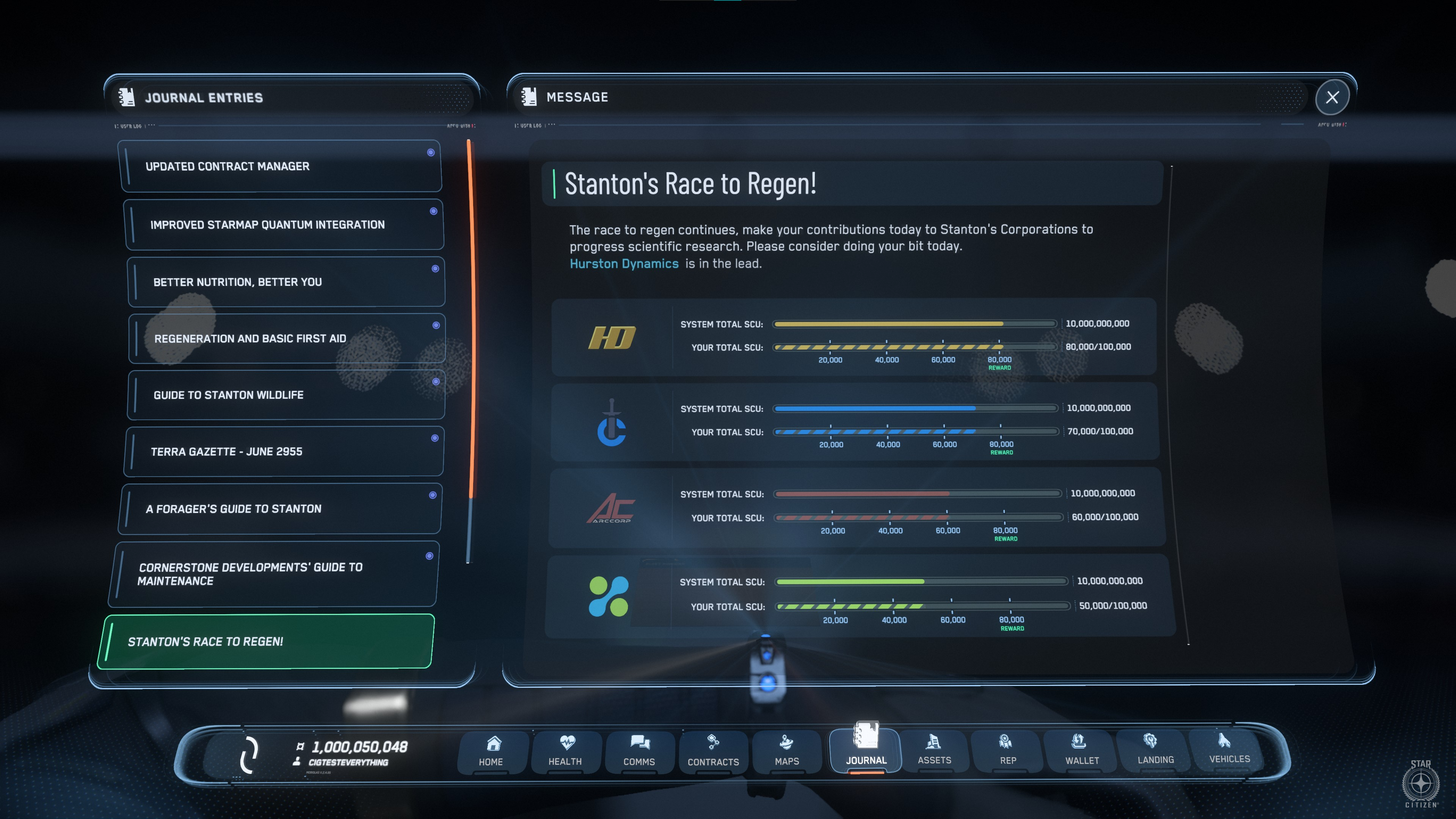
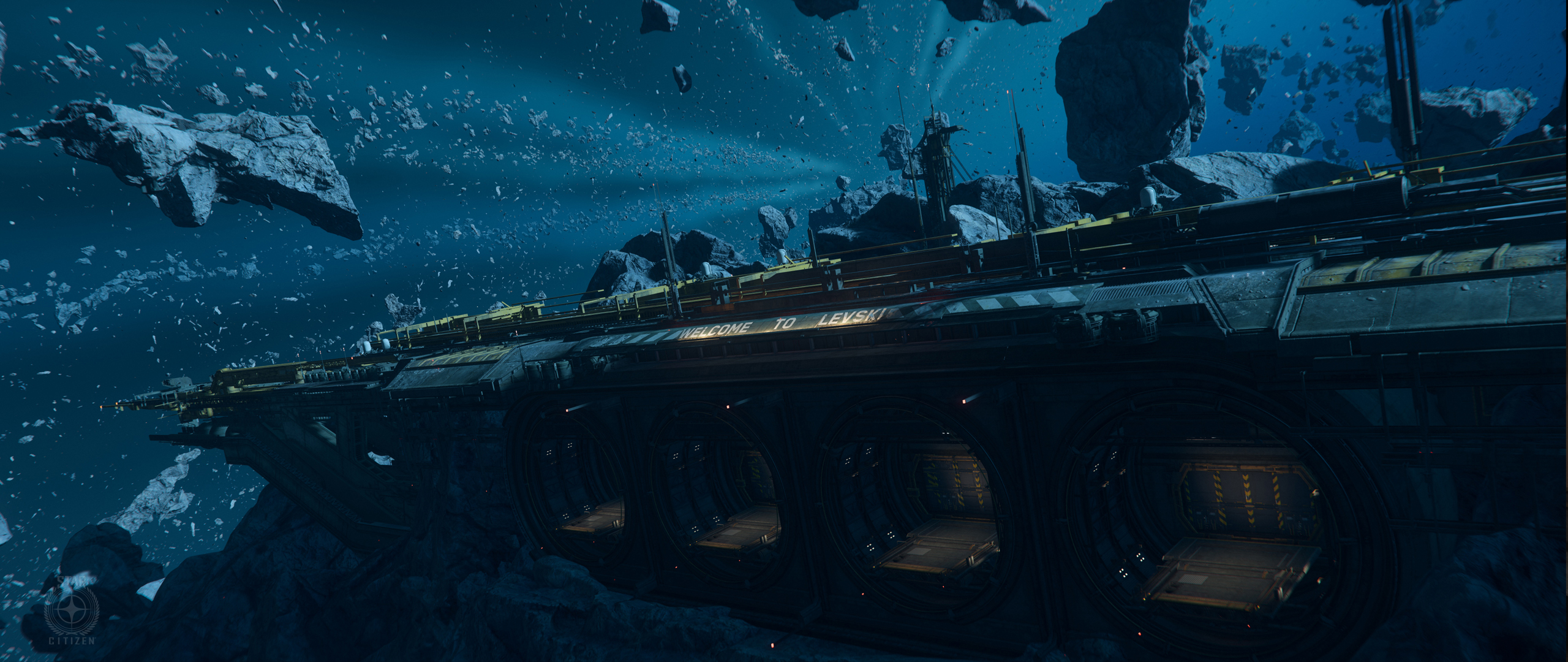
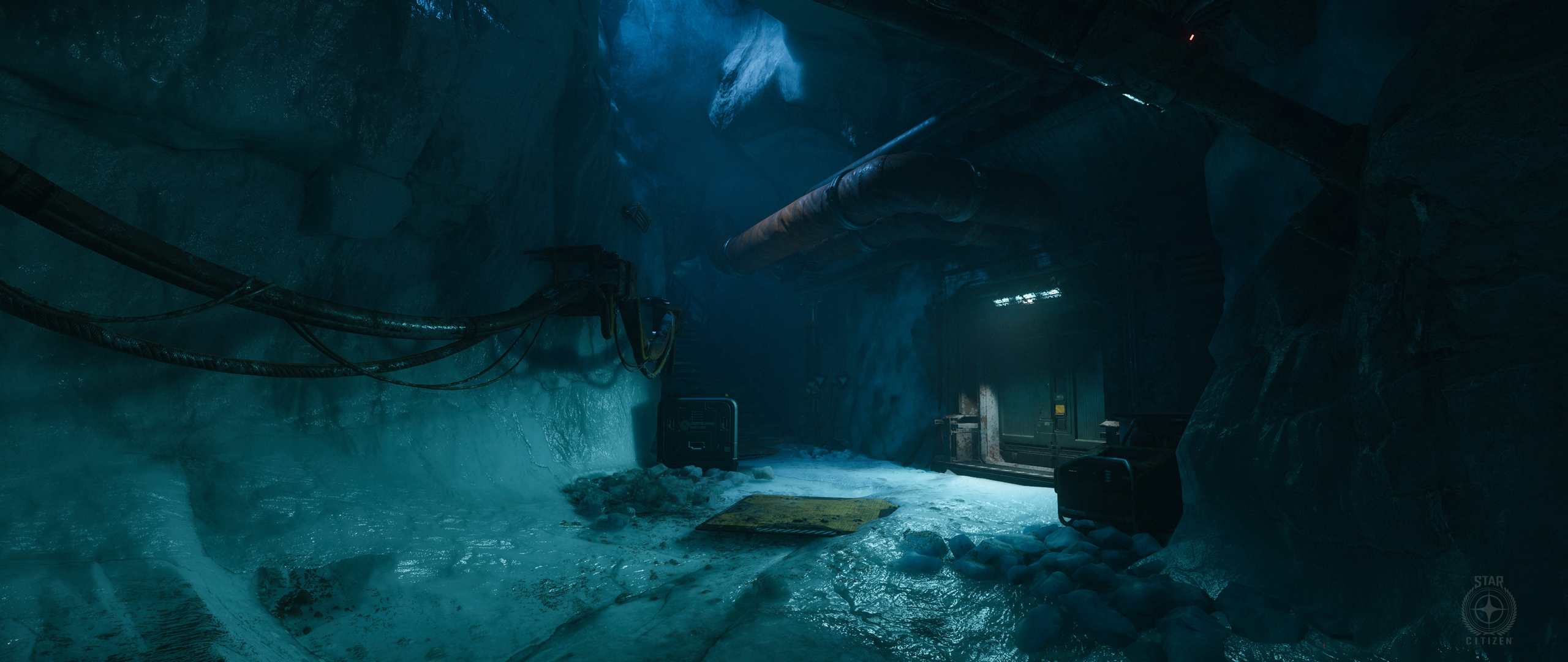
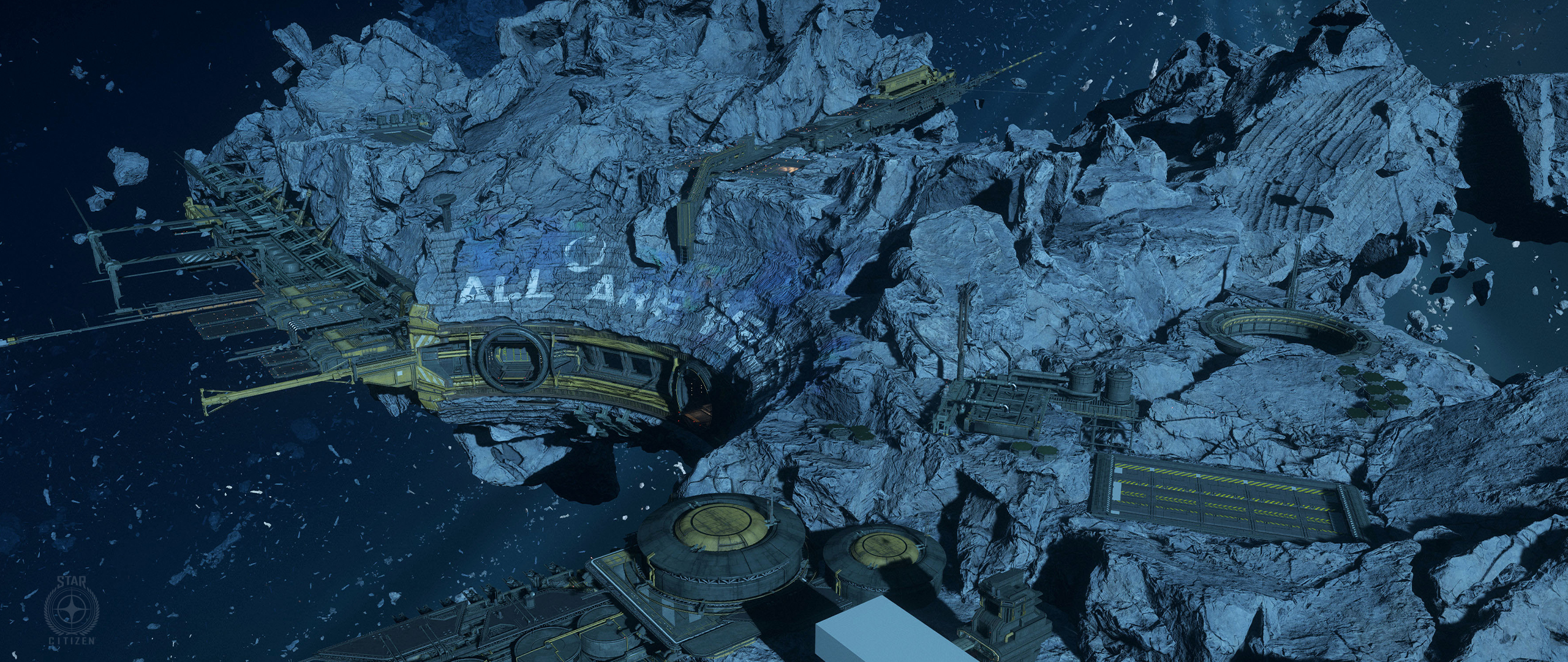
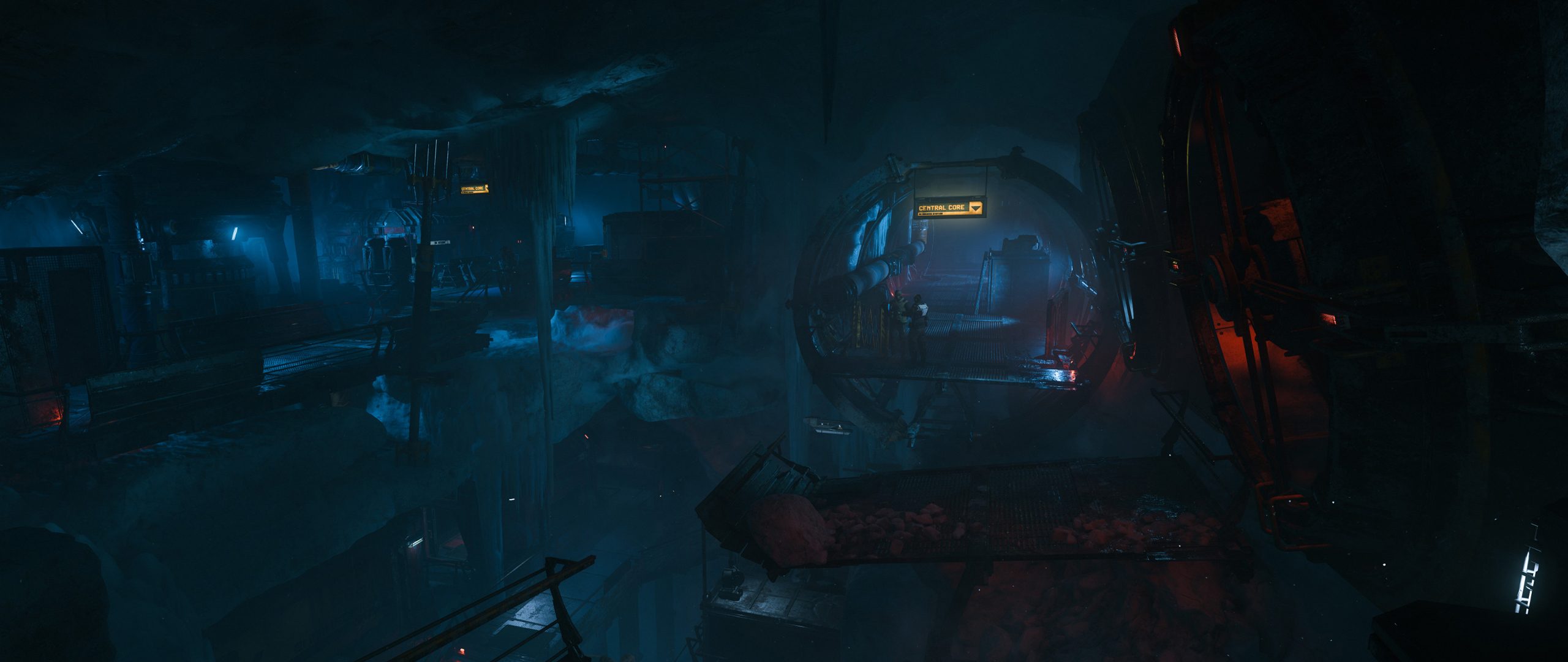
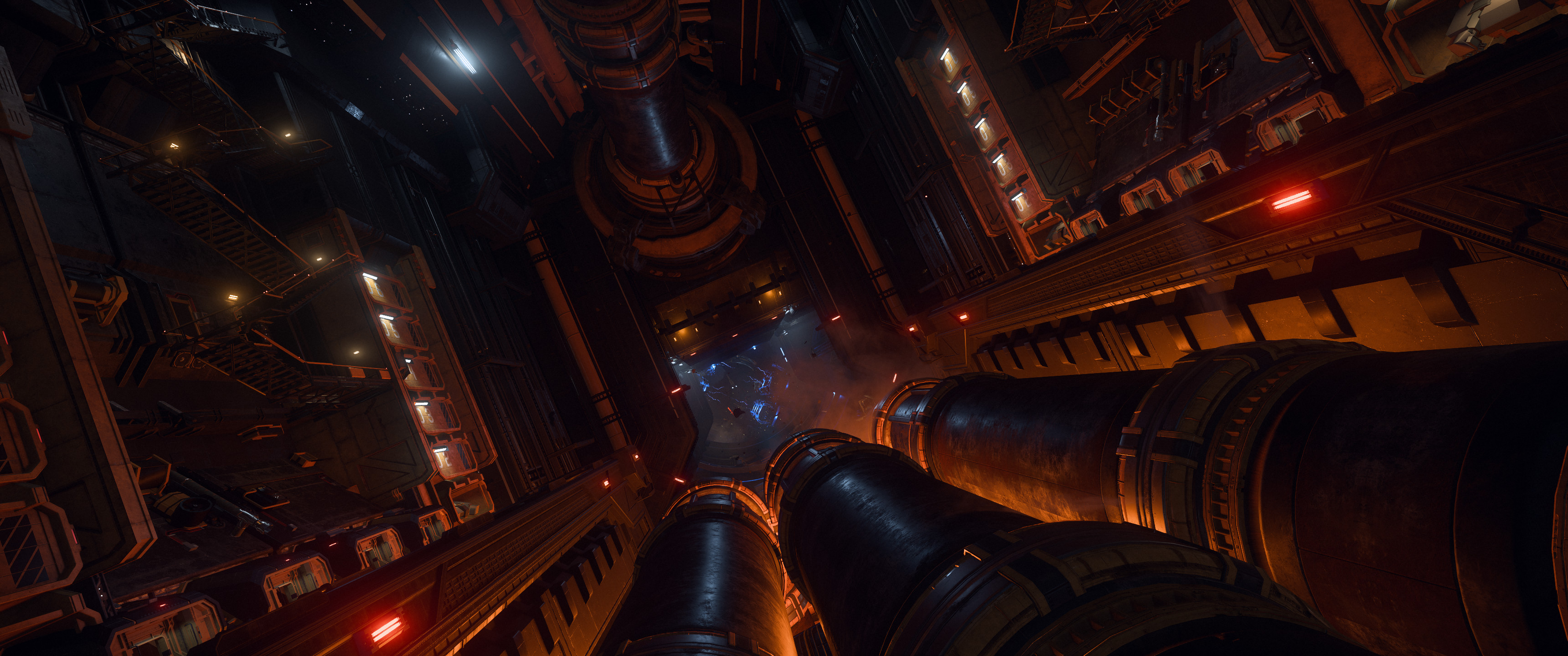
Metadata
- CIG ID
- 15187
- Channel
- Transmission
- Category
- Undefined
- Series
- Monthly Reports
- Comments
- 95
- Published
- 10 years ago (2016-02-06T00:00:00+00:00)