Monthly Studio Report: April 2018
Transmission Undefined Monthly ReportsContent
Welcome to Cloud Imperium Games’ Monthly Studio Report for April, bringing you insight into what all of our studios have been working on. This month, the team delivered multiple updates to Alpha 3.1, made advancements on a variety of new systems and features, like scanning and mining, and continued development on Squadron 42. With that said, let’s get to it.
LOS ANGELES
VEHICLE FEATURES
The team focused on two major priorities in April: one was the scanning feature, which is making good progress. The focus has been on the code-side that will be used throughout Star Citizen, including for Mining and in Squadron 42. The other priority was Object Container Streaming development, as it relates to making vehicles thread safe. This is one step toward a larger goal being worked on across the company — to provide a significant performance increase in the game. In addition to these tasks, the team provided support in various areas, such as fixing crash bugs on the 3.1 stream, assisting in development on the Anvil Hurricane, and tackling bugs in areas of the game that were hindering development.
VEHICLE PIPELINE
Tech Design completed their initial set-up of the Anvil F8 Lightning. They’ve also been setting up the Anvil Hurricane while the Art Team wraps up their work ahead of the Alpha 3.2 release. Tech Art will begin the damage pass on the Hurricane soon. The teams are looking forward to adding the Hurricane to the list of flyable ships. Tech Design and Art were also busy collaborating on the Consolidated Outland Mustang revision. Currently, Tech Art is tackling damage passes for the Aegis Avenger revision and Origin 600i, as well as implementing landing gear compression on various ships. Tech Art also supported various teams and features such as Mining. The MISC Prospector is getting a working boom arm that carries the mining and tractor beam tools. The boom arm will work like a turret and aim where the pilot looks so it can mine asteroids. Tech Art created the boom arm ‘rig’ for the Animation Team, and will help put the asset and animation states into the game.
GAMEPLAY FEATURES
The team developed in-game support for groups that will be accessible on the player’s mobiGlas and Visor. They worked closely with the Spectrum and Backend Services teams to ensure that the feature is as seamless and integrated as possible. The teams met daily to make sure everyone was on the same page, and swift progress lead to the team outlining the Spectrum API to support Groups and Lobbies (which enable Chat functionality). Turbulent will soon implement a stub service according to the spec’d-out API, at which point the team can implement the client side. This will allow both teams to work in parallel, which speeds up development. Once the Spectrum-enabled service is ready, the client team will replace the stub with the real spectrum-enabled service. This will allow the team to test and add more features to the groups system going forward.
NARRATIVE
The Narrative Team delivered a wide variety of content in April. Loremaker’s Guide to the Galaxy toured the Nul system, the new serialized fiction series One Good Deed came to a dramatic end, and another issue of Jump Point was published. The team also delivered content for the Origin 100 brochure and sale page, alongside a host of other marketing materials. Meanwhile, the team worked with art and design to develop a series of templates to not only help flesh out locations and biomes across the Star Citizen universe, but provide a single, consolidated page for anyone in the company to seek out information. Additionally, they worked with design to expand the current list of commodities and resources, kick-off text needs for new 3.2 mission content, and deliver a number of weapon descriptions for new items being added to the game in upcoming releases. For Squadron 42, there were several playthrough reviews at that start of the month that were helpful in highlighting areas that could use an additional environmental storytelling pass. Several documents were then created to assist the Environment Art and Props teams that proposed specific props and set decorations that could help sell the flavor of that particular moment. The team also completed a pass at ensuring all other remaining Squadron 42 narrative tasks have been properly identified and written up so that production can better track the work left to be done.
CHARACTERS
Character Team highlights included revising the Persistent Universe undersuit and all the different legacy armor sets for Marines and Outlaws. The latter progressed well with the release goal being Alpha 3.2.0. The team also completed rounds of R&D on how to implement hair in a more in-depth way than the current system. The team also made solid progress on upcoming Mission Givers and clothing for the Olisar Collection. For Squadron 42, the team worked on many of the principal characters and also moved forward on how they’ll deliver alien archetypes, while collaborating with the Weapons and AI teams to ensure they’re working within established in-game metrics. Finally, the Character Team worked with the Graphics Team to implement the updated glass shader tech that debuted in the Around the Verse’s Squadron 42 update onto the existing helmets. They also modeled various fauna that will bring more life to the ‘verse in the future. AUSTIN
DESIGN
Designers put in fixes for the 3.1 release, planned and chipped away at 3.2 goals, and started moving forward with the new pricing model, and incorporating an internal recipe component for each item in the game. This involves extending the commodity and resource list to make it more representative of the final product. Recipes are broken out into three major components: resources, materials and parts. Basic resources can be mined/scavenged around the universe. Those resources can be delivered to refineries and transformed into materials. Finally, manufacturers will combine resources and materials to create parts. The finished purchasable items are comprised of a combination of logical parts and materials. This is responsible for a portion of the item’s price, which will give players the ability to exert influence on the price through avenues such as mining, trading, scavenging resources, etc. The team has also been focused on two major things. First, allowing players to quantum travel as a group with Quantum Linking. They’ve decided to incorporate this into the party system to make it more intuitive for the players. They’re also adding a calibration state, so destinations will need to be calibrated prior to quantum travel (QT) being initiated. Whether or not a group can quantum will be entirely dependent on party members being near each other, and aligning towards the QT Destination being calibrated. Once the target is calibrated, the master calibrator can enable the quantum for all aligned members. The Design Team also added “Orbital Splines.” These will allow the player to select a destination on the surface of the planet, assuming they’re inside that planet’s sphere of influence, and travel to any known location in a single quantum jump. This system generates a spline for the player to travel on. For the first iteration, IFCS will likely align the ship when the player initiates the QT. The ship will travel along the created spline above the atmosphere with the destination in view at the end of the QT, and the trajectory will aim the ship down into the atmosphere once it’s arrived. The team believes this feature will enhance the planetary QT experience. QT will NOT be functional in atmosphere, but once a ship has exited the atmosphere, it can jump to another surface location in a single QT. Finally, Design implemented animations for Levski’s next two mission givers: Recco Battaglia and Wallace Klim. R&D went into creating and implementing a script that will batch import the animation list based on a csv file. This will save a ton of time in the future. The team is focused on getting these whiteboxes signed off and into the game. While they are not on the current roadmap, if ready, they may make an appearance in 3.2.
ART
The ATX Ship Art Team concentrated on the high-poly modeling phase of the Constellation Phoenix. They worked to get some interior areas to a ‘final’ stage, which helps them move onto the next area. In a couple of weeks, they will start the ship setup process, model out the damage/LODs, and get the interaction areas working correctly alongside the Tech Design department. They also continued the detail pass on the F8 Lightning by applying the POMs, decals and final geo tweaks. They are currently concentrating on the cockpit, which requires a lot of attention to detail and making sure the interaction points / screens are lined up correctly. After this detail phase, they will work with Tech Design on the ship setup (damage, LODs).
BACKEND SERVICES
Server Engineering worked closely with Turbulent in planning the bridge between Spectrum and Diffusion services. In addition, they’ve created further services under the new architecture. The first is the login service, which coordinates and streamlines the initial login process for the client with the backend. The new login service better manages authentication, notifies required back end components, processes new entitlements (items, rentals), and handles error reporting. They also started planning for new services such as Reputation, Wallet, Badge and Insurance. Finally, the team integrated new tech into the main game code and continued to phase out older technology.
ANIMATION
The PU Animation Team worked on Mission Givers Battaglia and Brunt, and a gruff female shopkeeper. Animations for the Mission Givers are being polished, while those for the shopkeeper are in the implementation phase. Design also provided support by getting these characters hooked up in game. Additionally, ATX aided other animation teams with mocap cleaning and solving, and kicked off R&D on the bartender and bartending functionality. The Ship Animation Team also took time to improve the current animation pipeline and processes, streamlining the overall process in order to free up animators to work on new feature updates for cockpits. This includes updates to all cockpit types, trigger presses, button presses, and the general cockpit experience. In addition, the team continued work related to the 3.2 release. The planned ships for the release include the Origin 600i, Anvil Hurricane, Aegis Eclipse, and Vanduul Blade. 3.2 also includes art and animation updates to the Aegis Avenger series, and new features that affect ship animations, like the mining arm on the MISC Prospector and manned turrets in vehicles. Finally, the team fixed various bugs and issues that cropped up.
OPERATIONS
The DevOps Publishing Team supported daily publishes for the 3.1.x development cycle. They spent the remaining time analyzing gameplay data and performance analytics, providing daily reports to assist the development effort. The team rolled out additional enhancements to internal performance analytics, allowing them to measure client and server performance indicators at much more detailed levels than before. These analytics can get down to minute levels of detail to help the dev team monitor and tune things like memory consumption by process, processor load by activity, and bandwidth utilization per task. The DevOps BuildOps Team shifted from performance and stability to feature enhancements on the overall build system. This work included new services that enable more finely tuned patches, allowing for more rapid last minute changes. They also rolled out the initial stages of a new internal build process, which breaks out separate build branches to the feature team level. The goal is to reduce internal iteration time for individual feature teams, so they don’t have to wait on the larger internal builds to test their work. Dev teams have provided positive feedback and look forward to the knock-on effect this will have on individual feature development. April was a busy month of balancing priorities for ATX QA. They helped development with fast iterations to the PTU for final fixes of the 3.1.0 cycle. These took the form of patches 3.1.1, 3.1.2, and 3.1.3. Each requiring support from QA to test the build, environment and launcher, monitor results, and provide data to the developers. QA also paid attention to Game-Dev and 3.2 preparations. They bugged up issues that crept in while focus was on the publish cycle, and cleared out the backlogged fixes that needed to be verified. These included mission dialog and reward updates, updates to Field of View transitions, connection recovery, IFCS control systems, and various code changes to entity management. Other projects included an extensive pass over turret functionality and starter ships to help live design identify and prioritize problem areas. The tech team tested updates to the Autodesk tools in advance of them rolling out to developers, as well as new launcher fixes from Turbulent. The Player Relations Team coordinated with several other teams to get 3.1.3 to Live and 3.1.4 to PTU. The 3.1.4 update includes some much anticipated IFCS changes and crash fixes. With 3.1.3 out and 3.1.4 on the way, the team would like to remind and encourage everyone to use the Issue Council to help the team triage and rate bugs and functionality. That data gets used to prioritize future updates, plus Issue Council participation will make players eligible to get into earlier PTU waves. WILMSLOW & DERBY
GRAPHICS
The Graphics Team spent the month on R&D in four different areas. The first is a new multi-layered shader system, which provides a generalized workflow for creating and sharing material layers that can be dynamically combined using the HardSurface and Organic shader currently under development. This system will allow Art Teams to share a similar workflow when it comes to dynamic wear and dirt build-up, unifying the appearance of these important visual features across the game. The second R&D topic was multi-resolution gas clouds, which allows the placement of smaller, more detailed gas clouds inside larger clouds to provide the equivalent of a bespoke location on a planet. This was a particularly complex task because the volumetric nature of gas clouds means that the team had to solve issues with lighting, shadows, sorting, and density seams. This tech is crucial for Squadron 42, but will also be used for building missions in the PU. The rest of the team worked on generalized GPU particle spline support to improve effects such as beam weapons and lightning, improved glass shading for more realistic and dynamic ship canopies and visors, and provided general improvements for all glass and transparent materials.
UI
The team spent the start of the month planning for Q2, with Mining and Ship Item Kiosks being two features in need of support. The Mining HUD was designed and iterated on throughout the month with implementation work starting soon. Prototyping progressed in the wireframe stage for Ship Item Kiosks, which helps identify issues with the UX before final artwork is created. Alongside these tasks, the team continued to support the Rest Stops being created by Art. Generic utilitarian environment branding sheets are also being designed to allow the Art Team to have variation in the look and lighting of the environments. Finally, the team made steps to improve the UI Tech. They identified three systems (‘Bindings’, ‘Building Blocks’ and ‘Resource Manager’) that they will scope out and implement over the coming months to make UI creation and prototyping easier for Engineers and Designers.
ANIMATION
The Animation Team worked on Vanduul block-outs to inform the combat design being developed. They also focused on combat AI actions (grenade throws, diving away from grenades, etc.) and tested different combat styles for varied enemy archetypes (untrained vs trained). The team also spent time on player locomotion (moving stop assets from animation-driven to entity-driven, to give a better parity between local client and server), weapon malfunctions, and tweaks and re-exports to various FPS weapons. They also continued to iron out popping and glitching with the existing usable animation sets. Finally, R&D animation assets were created to test the player knock-down design for combat. The Facial Animation Team collaborated with the Gameplay Story Team on scenes for Squadron 42. PU facial animation polish is ongoing, and plans are in place to further flesh out the existing PU with face animation, like emotes, etc. They also successfully captured more data at a one-day shoot in Nottingham, UK that will go into production soon.
GAMEPLAY STORY
The team focused on preparing “pre-vis” assets for high priority scenes to assist Design with white-boxing. This meant assembling scenes in Maya, building track view scenes in-game, and adding animations to Mannequin. It is useful to see these scenes appear in context within the level flow, and the team is using this as a springboard to improve the appearance and implementation of these scenes.
ENGINEERING/PROGRAMMING
The Actor Gameplay Teams worked on getting a consistent structure in place for picking up and interacting with items, including a new inspect mode for anything the player carries. Now, players picking up an item can select whether to stow or inspect it. While carrying a weapon in the right hand, the player can also pick up and stow smaller items, such as ammo or medpens. This action can be done in various states, be it standing, crouching, sitting or EVA. On the weapon front, they’ve been exploring better solutions for the firing recoil, including bullet spread. The investigation begins with what works and feels right for each weapon between animated recoil, procedural recoil, the effect of recoil on the camera, and how it all ties into the bullet spread. By tweaking these elements, the team will be able to tune each weapon to make it feel satisfying and distinct. Another team has been implementing the new “lean” mechanic, which will primarily be used behind cover. Cover is no longer marked up by Designers as a special “cover” state. Now, it’s much more systemic with the player deciding what to crouch or hide behind, and how to use the environment to their advantage. Being able to lean out and fire is now part of that. They also worked with the Animation Team to improve the look and feel of the start, steps, stops and turns for the player. This was to make the control more responsive, as required from the first-person view, while also looking good in third person or when seen in multiplayer. They also set up a new vehicle team in the UK to support the LA team. They’re tackling the functionality to overclock ship items and all the advantages and risks that entails. For example, overclocking engines might produce more thrust but they’ll overheat and wear faster. This is part of a holistic system dealing with an item’s quality level, wear, damage, and so on. These factors will ultimately decide how well the item functions, if it misfires or stops working completely.
SHIPS
Work is underway on the next generation of space stations. This begins with Rest Stops that are created semi-procedurally, allowing the team to easily populate the PU with many variations. To accomplish this feat, they have focused on developing the tools and workflow needed to achieve it. With 3.2 on the horizon, the Ship Art Team pushed hard on the Aegis Eclipse, Aegis Avenger, Origin 600i and Vanduul Blade. Most of the art for these ships is done with the focus now on polish, final lighting and getting the technical things ready, such as landing gear, damage set-up and LODs. The Concept Team completed tasks for the Origin 100 series starter ships, and continued work on four other ships that range in size from small to large.
AUDIO
The Audio Department strove to convert all the ship audio to the IFCS 2.0 system, tweaking and modifying values to achieve the previous audio benchmarks. Once fully converted, the team will review the ship content to further improve the audio experience. Another big focus has been designing and implementing the first iteration of audio content for mining. The aim is to achieve a tactile audio experience that both entertains and informs the player. The team also further developed the Foley system, implementing material types to cover all new variants of clothing and armor in the game. Additionally, the team completed a first pass on both the Gemini F55 and Kastak Arms Scalpel weapons. Finally, the Audio Department collaborated with composer Geoff Zanelli to establish the remaining musical themes and motifs to be featured throughout Squadron 42.
ENVIRONMENT ART
The team concentrated on the last few pieces of the Rest Stop exteriors; mainly the first-person level areas around the smaller landing pad entrances, which require higher detail passes than the rest of the large-scale exterior. On the interiors, they finalized the approved set of rooms and worked with Design to make sure their needs were met. More work went into procedural prop placement and developing the intended workflow and tools. That means they can further vary the content of the Rest Stop interiors dynamically. On the hangar side, the team is finalizing the greybox set, in particular the large functional wall pieces such as the fuel and repair service modules. They began early material and surfacing breakout exploration. The team is also finalizing the animations for the front and top loading hangar doors, which due to their size have been a challenge to make feel both weighty and ponderous, yet open fast enough so players don’t have to wait too long.
VFX
The VFX Team, which includes dedicated Graphics and Game Code members as well as Artists, supported several feature sprints, including IFCS 2.0, mining and scanning. These feature requirements are pushing the GPU particle system along nicely. This includes the emit-from-spline required for the mining laser beams, but it can also be used to create more efficient lightning or experimental effects, such as space anomalies. Besides feature support, the team worked on the Anvil Hurricane, the Aegis Avenger rework, and the Kastak Arms Scalpel ballistic sniper rifle. They also investigated general improvements to ballistic weapon effects, such as better muzzles and tracers. VFX Artists incorporated the curl noise improvements made by the Graphics Team last month into Vanduul and Xi’an-specific effects, giving them a unique visual style that will be easily recognizable at a glance. On the VFX tools front, the team created a plugin that allows them to easily export vector fields from FumeFX to engine, and a new set of plugins to allow for easier integration of Houdini into the Artists’ general pipeline. FRANKFURT
WEAPONS
The Weapons Team finished the first art pass for both the Gemini F55 and Klaus & Werner Demeco light machine guns. The team also did research and concept work for personal gadgets and continued various toolset improvements.
ENGINE TOOLS
The Engine Tools Team primarily focused on stability and usability improvements for the game Editor. The main focus was on replacing and improving existing Editor tools that don’t fully cover the team’s needs, or improving iteration times for the Designers, along with preparing future Subsumption integrations and easier Editor plugin creation. The recent work also includes better Data Core integration, improved Object Container workflows, improved Cinematic Tools, improved Editor start-up times, improved Procedural Tools integration, and general Editor stability and code clean-up of legacy code.
VFX
The DE VFX team refined the look of the overall Xi’an tech style. This included rebuilding some of the older existing effects to take advantage of newer technology, such as the Scout death mask explosion and the quantum drive. They’ve also worked on effects for the upcoming resource mining mechanic.
LIGHTING
The primary focus for the Lighting Team centered on the first pass of lighting for the modular Rest Stop system. This involved creating a lighting language and full ruleset that could be applied to each modular piece, so that when a new layout is created the lighting can seamlessly blend between rooms, shops and corridors, while at the same time maintaining a consistent visual style across an entire station.
ENVIRONMENT ART
Hurston and Lorville are in full production with the Environment Art Team. They are about to wrap up a first pass on two Hurston ecosystems, the Trash Mesa and the Acidic biomes. These new ecosystems will make full use of all the new features and refinements that the team recently worked on with the Engineers. Expect to see improved material transitions, and better integration of things like rock and terrain assets on the surface, giving everything a more natural and integrated look and feel. Lorville also moved into full production, with the city layout and direction approved by all departments. The art focus shifted towards breathing life into the city, its architecture, and the various areas the players will be able to visit.
QA
Prior to the 3.1 release, the QA Team worked with numerous disciplines. Following the release, they focused on supporting the DE Engineering Team. They routinely tested binaries to verify things were functioning as needed before being included into the live branch. They were also tasked with investigating crashes found in the Live release using PageHeap. They often aided the internal development team with various requests throughout the day. From tests to verify if small issues people encountered were due to their local files, or an actual issue within the current build, to the more complex tests that require testing on custom binaries and comparing differences between builds. They also devoted time to Subsumption, performing weekly smoke tests on new versions to ensure its functioning as intended for the Development Team.
TECH ART
The DE Tech Art Team continued rigging work on numerous weapons: the Gemini F55 light machine gun, Kastak Arms Scalpel sniper rifle, and Klaus & Werner Demeco light machine gun.
They completed R&D on leaning with weapons while Aiming Down Sight (ADS). Early implementation on the leaning was done from a proc clip, which is not scalable to the various weapon types and scopes in the game. The new requirements came from the Tech Design Team, and Tech Art provided a flexible solution where Tech Design can easily modify the results. For the v2 character customization system, they did a lot of R&D revolving around artefact-free adaptation of attachment assets (hair, beards, glasses, armor and clothing) to arbitrary face and body shapes at runtime. The goal is to author any attachment only once for a prototypical face or body, and then automatically and smoothly adapt its shape to any player-customized face or unique NPC created by the Art Department. The same system will be used both internally during asset creation and externally by players during character customization and loadout editing. Since characters, including all attachments and their respective LODs, may consist of more than 100k vertices, special emphasis was placed on finding suitable algorithms that can perform this complex task in real-time. Another focus in the development was making sure that the authoring of assets for use with this system is as simple and artist-friendly as possible, so the Art Department can create them efficiently. They also worked on improving multiple tools for the animation and art pipeline, including Playblast Tool, Custom Normals and a Houdini Exporter.
CINEMATICS
The Cinematics Team finished a sprint to get all high-critical and medium priority narrative scenes represented in the Squadron 42 build. Many scenes were already in-progress, but they wanted to give the level design team a full previsualization export of every important performance capture scene that might be relevant for level flow/pacing and specific environmental art needs. The previsualization effort also added Trackview sequences per scene and scene status commentary. During the process, they also cleaned-up character layers and character loadout naming conventions, which was necessary for easy readability of scene setups and performance within the editor. Once completed, they returned to an earlier chapter to dial in the environmental art for a key SPOILER location. Surfacing and materials needed updating to raise them to current standards, and they’re modifying the color scheme to align it with other ships / locations. Progress was also made on one of the most complex, in terms of logistics and numbers of actors, scenes in the middle of the Squadron 42.
ENGINE
The Engine Team directed their attention on various aspects of the engine. The Entity Component Scheduler was refactored to ensure a clearer API (ongoing but nearly finished). The component system has grown over time thanks to work done by different developers that added features. The team first introduced components, then threading, and finally update policies, which reduce the number of components to update. All these updates combined resulted in complex code. The refactor was tackled step by step by making the design more orthogonal, allowing a more flexible way to control components, by for example implementing new activation policies or update frequencies. The team spent time with profiling tools, especially around the 3.1 release. A new system (CIGProfile) was introduced to replace the previous data collecting systems. CIGProfile is designed to be a central system that always collects data (not only when it is enabled), and transfers it to Listener to display. This design keeps a history of performance data. They implemented an auto performance capture that automatically triggers a dump of the performance metrics based on configured settings. With the history, they see when performance started to drop instead of analyzing why performance got worse when profiling after the performance drop. Building on this system, they’re implementing a continuous telemetry system, which always collects performance metrics, allowing the team to immediately see changes and react accordingly. The system is currently in the prototype phase. They also improved the full tracker by making data serialization asynchronous, which helped the issues with server disconnects. Based on similar reasoning, they replaced the std::function object with a custom implementation. The std variant works nicely but can allocate memory, which is not too bad on the speedy memory allocation system. Yet the massive amount of allocations inside std::function affected the memory tracking tools, so reducing them was essential. The implementation now has the same interface and an internal freelist to reuse memory, putting less pressure on the central memory tracking. They also supported the UK team with Object Container Streaming work. BackgroundJobs/Fibers is a central tool to move all the loading code off to different threads. They put the loading code into a fiber, which normally runs on a background thread, and when this fiber encounters code that cannot be executed on a thread, it will queue itself for main thread processing. This works nicely, as it allows parts of the code to run in parallel, without changing the execution logic. With this setup, they ran into an interesting problem. Recursive critical section after a fiber is transitioning from one software thread to another. As this is not a scenario supported by the OS provided constructs, the team had to do their own threading primitives. Those are now fully implemented in user-space (besides using futex/WaitOnAddress as a low-level preemption construct). They also worked on numerous other tasks. This included optimized sub surface scattering (which works with small sample counts), several fixes for large memory leaks of video and system memory (already part of 3.1), and chromatic aberration rendering improvements to preserves sharpness in the center of the screen.
BUILD ENGINEERING
The Build Engineering Team started merging the Trybuild codebase with the transformer codebase. This will enable them to have a unique environment for all services, such as the main build system, trybuild, and autocompiles. They also made Dedicated Game Servers available in QA test builds for QA Test Requests (QATR’s). This allows QA members to comprehensively test and control specific things, such as Shopping services, Interdiction, Generated Missions, Friend Lists & Chat, and Persistence.
AI
The AI Team implemented the first version of the “Character Skill editor.” This new tool allows Designers to create skill settings for the NPCs, individually configure them, and define how skills and traits influence different stats. Stats are the way skills and traits are converted into numbers that will internally influence the code performing the different actions. Skills and traits can also be used directly in the behaviors to drive the behavior selection, so an NPC can have a different outcome of specific actions based on their abilities, and decide to perform different actions or branch their decision differently in relation to their traits or skills. To improve the combat experience, they introduced the ballistic prediction to use grenades and any ballistic weapon. Now NPCs will be able to understand what type of prediction is required by the weapon they want, enabling the team to create weapon types more efficiently and allow more variations in the behaviors. They also improved the movement system to allow the selection of the transition between locomotion and in-cover state, so that NPCs can correctly align to the cover location in relation to the direction of their target. For dogfight behaviors, they introduced behavior improvements to split fighters and gunships, so players will experience NPCs attempting different attack strategies based on the ship and its physical abilities. Pilots flying fighters will attempt to decouple their movements with their attacks, while gunship pilots will prefer to circle their targets to take advantage of their turrets. Work started on the Vanduul characters, preparing all the basics on their behaviors so design can iterate on them.
SYSTEM DESIGN
The System Design Team was busy with AI related features. FPS AI now know how to flank the player to surprise them and throw grenades in numerous ways and situations. Design work is also wrapping up on how the NPCs react to grenades thrown at them; whether they get surprised, leap out of the way, etc. For Ship AI, they’re splitting the combat behaviors into pilot subclasses, so that the AI know how to fly ships that have specific tactics. For example, a Starfarer should not dogfight like a Gladius, so a Starfarer pilot needs to be aware of the turret placement and not necessarily use their main guns to attack. They also assisted the AI Team with the initial pass on Vanduul Combat AI. They continued populating modular hangar common elements with NPCs to make places feel more alive. This will be an ongoing process until each location feels adequately populated. They also made progress on mining and most of the basic elements are near completion. Once the elements are finished, they will combine numerous elements and reassure everything works as intended.
LEVEL DESIGN
The PU Level Design team finished the whitebox pass on Lorville, and together with the Art Team, began the process of bringing Lorville to its final quality with the greybox and final art. There’s still work to be done, but progress is on track. This will be the first proper flagship landing zone, dwarfing Levski in scale. They also began whiteboxing train stations located along the outer perimeter of the city. These will bring players and NPCs from the planetary surface to the civilian district, as well as to garages for spawning vehicles. They whiteboxed the Spaceport and the many hangars that come with it, since the team expects heavy traffic in these flagship locations from both players and AI. Here’s a small teaser screenshot of the Lorville whitebox: They also planned additional content for Area18 to bring it up to a full landing zone status. This means designing the space for a proper spaceport, shops and services, as well as adjusting it to accommodate all the new content. They also continued work on the procedural tool, looked into procedural prop placement, and built a library of whitebox rooms and connectors that the tool will use to generate stations. PLATFORM: TURBULENT
April saw big leaps in Spectrum development and releases, as well as security upgrades, promotional pages and a new support center.
SPECTRUM
3.7.4 was released live on production. This release included block list, custom roles and custom emojis. The team appreciates all the “Spectrocatis” providing bug reports to help get the release ready for the live publish, and all the backers personalizing their organizations by adding custom emojis.
The UX Teams completed a series of user interviews to improve plans for the voice/friend channels in Spectrum. Thanks to all those who participated. The UX and Design team completed work on the friends list, although some iterations and changes are expected as designs are implemented. Here’s a sneak peek at that work. Currently, the Spectrum Team is on a sprint to get the friends system feature complete. After that, the team will test it extensively on PTU and rely heavily on the “Spectrocati” near the end of May.
RSI PLATFORM
The team made improvements to the RSI site. New security measures were added to prevent brute force attacks and reduce hacked accounts. Force 2FA was added for melting and gifting pledges to further protect accounts. Changes were made to the Roadmap backend Jira import script to expand across multiple teams, allowing CIG production teams more autonomy and flexibility when building their release schedules.
The Turbulent Team supported the presentation of the Origin 100i, including a uniquely designed concept ship page. The team setup and provided support for the 3.1 Free Fly where new users and existing backers had an opportunity to fly the Cutlass Black and roam planetside in the Tumbril Cyclone. Lead devs spent a week in Austin making technical design decisions for the implementation of group system. The Group system is a necessary feature that will completely change the way you play Star Citizen with friends.
KNOWLEDGE BASE
Knowledge base development is complete. The team added it to the mobile designs, making sure all aspects of it are accessible on all devices. They also worked on implementing a contact form that is user friendly and streamlines responses from a CIG Player relations agent. Knowledge base is on track to launch in the month of May. COMMUNITY
Last month’s report ended on a high note by welcoming the 2 millionth citizen to the ‘verse. In case you missed it, the team also celebrated this milestone with a Letter from the Chairman. Special Spectrum badges and sporty in-game t-shirts will show the dedication of everyone who was a part of the project before hitting the phenomenal 2 million mark. The Free Fly event held this month gave prospective citizens the chance to get into the ‘verse and take some ships and vehicles for a spin. With that, the journey towards the 3 million citizens has begun. On April 21st, team members took part in BritizenCon, the UK’s biggest community-driven Star Citizen event. Congratulations to all the organizers for putting on a successful event. BritizenCon included several developer panels, raffles, and a thrilling dogfighting tournament. BritizenCon also marked the launch of the new website of JR Fabrication. The company creates real-life outpost furniture, as seen on the show floor of Gamescom last year, and the cargo crate that played an integral role in the 3.0 trailer presentation at CitizenCon 2947. In April, the team revealed the innovative 100 Series from Origin Jumpworks. With a cutting-edge fuel intake and the unmistakable Origin design, it is a valid alternative starter ship to the Mustang and Aurora. The introduction of the Origin 100 series was accompanied by a Shipyard post that dove into how fuel mechanics currently work and what’s in the store for the future. On the event front, the team is currently running a promotion in cooperation with Intel. Selected streamers are showcasing the power and improved performance that is unlocked with an Intel Optane SSD. Make sure to check out Mitauchi and CrucianGaming streaming throughout the week and head over to Spectrum for a chance to win one of those incredible SSDs yourself. Participate in the ongoing screenshot competition and take your gaming setup to the next level! To learn about what’s coming, head to the Roadmap that now includes the plans for Alpha 3.5! The Roadmap expanded its reach into the first quarter of 2019, and the team will continue to iterate on the 3.5 branch as they progress through the year. Finally, the team released details for CitizenCon 2948 to be held in Austin, TX, on the 10th of October. Visit the event page to find out when tickets go on sale and how to prepare for what is shaping up to be the biggest Star Citizen live event yet. And with that, see you in the ’verse!
WE’LL SEE YOU NEXT MONTH…
der Leistungsdaten. Sie implementierten eine automatische Leistungserfassung, die automatisch einen Speicherauszug der Leistungskennzahlen basierend auf den konfigurierten Einstellungen auslöst. Mit der Historie sehen sie, wann die Leistung nachlässt, anstatt zu analysieren, warum sich die Leistung beim Profiling nach dem Leistungsabfall verschlechtert hat. Aufbauend auf diesem System implementieren sie ein kontinuierliches Telemetriesystem, das immer Leistungskennzahlen sammelt, so dass das Team Änderungen sofort erkennen und entsprechend reagieren kann. Das System befindet sich derzeit in der Prototypenphase. Sie verbesserten auch den Full Tracker, indem sie die Datenserialisierung asynchron machten, was den Problemen mit Servertrennungen half. Basierend auf ähnlichen Überlegungen ersetzten sie das Objekt std::function durch eine benutzerdefinierte Implementierung. Die std-Variante funktioniert gut, kann aber Speicher allokieren, was für das schnelle Speicherzuordnungssystem nicht allzu schlecht ist. Dennoch beeinflusste die massive Anzahl von Zuweisungen innerhalb von std::function die Speicher-Tracking-Tools, so dass deren Reduzierung unerlässlich war. Die Implementierung verfügt nun über die gleiche Schnittstelle und eine interne Freelist, um den Speicher wiederzuverwenden, was den Druck auf die zentrale Speicherverfolgung verringert. Sie unterstützten auch das britische Team bei der Arbeit mit Object Container Streaming. BackgroundJobs/Fibers ist ein zentrales Werkzeug, um den gesamten Ladecode auf verschiedene Threads zu verschieben. Sie legen den Ladecode in eine Glasfaser, die normalerweise auf einem Hintergrund-Thread läuft, und wenn diese Glasfaser auf Code trifft, der nicht auf einem Thread ausgeführt werden kann, wird sie sich selbst für die Verarbeitung des Hauptthreads anstellen. Dies funktioniert gut, da es ermöglicht, dass Teile des Codes parallel laufen, ohne die Ausführungslogik zu verändern. Mit diesem Setup stießen sie auf ein interessantes Problem. Rekursiver kritischer Abschnitt, nachdem eine Faser von einem Software-Thread zum anderen übergeht. Da dies kein Szenario ist, das von den vom Betriebssystem bereitgestellten Konstrukten unterstützt wird, musste das Team seine eigenen Threading-Primitive erstellen. Diese sind nun vollständig im Benutzerbereich implementiert (neben der Verwendung von futex/WaitOnAddress als Low-Level-Preemptionskonstrukt). Sie arbeiteten auch an zahlreichen anderen Aufgaben. Dazu gehörten eine optimierte Unterflächenstreuung (die mit kleinen Probenzahlen arbeitet), mehrere Korrekturen für große Speicherlecks von Video- und Systemspeicher (bereits Teil von 3.1) und Verbesserungen bei der Darstellung chromatischer Aberrationen, um die Schärfe in der Mitte des Bildschirms zu erhalten.
GEBÄUDETECHNIK
Das Build Engineering Team begann mit der Zusammenführung der Trybuild Codebasis mit der Transformator Codebasis. Dies wird es ihnen ermöglichen, eine einzigartige Umgebung für alle Dienste zu schaffen, wie z.B. das Main-Build-System, Trybuild und Autocompiles. Sie stellten auch dedizierte Spielserver in QA-Testbuilds für QA-Testanforderungen (QATR's) zur Verfügung. Dies ermöglicht es QA-Mitgliedern, bestimmte Dinge umfassend zu testen und zu kontrollieren, wie z.B. Einkaufsdienste, Verbot, generierte Missionen, Freundeslisten & Chat und Persistenz.
KI
Das KI-Team hat die erste Version des "Character Skill Editor" implementiert. Mit diesem neuen Tool können Designer Fertigkeiteneinstellungen für die NSCs erstellen, sie individuell konfigurieren und definieren, wie Fertigkeiten und Eigenschaften verschiedene Statistiken beeinflussen. Statistiken sind die Art und Weise, wie Fähigkeiten und Eigenschaften in Zahlen umgewandelt werden, die den Code, der die verschiedenen Aktionen durchführt, intern beeinflussen. Fähigkeiten und Eigenschaften können auch direkt in den Verhaltensweisen verwendet werden, um die Verhaltensauswahl voranzutreiben, so dass ein NSC ein anderes Ergebnis bestimmter Aktionen basierend auf seinen Fähigkeiten haben kann und beschließt, verschiedene Aktionen durchzuführen oder seine Entscheidung in Bezug auf seine Eigenschaften oder Fähigkeiten unterschiedlich zu treffen. Um die Kampferfahrung zu verbessern, führten sie die ballistische Vorhersage ein, um Granaten und jede ballistische Waffe zu verwenden. Jetzt können die NSCs verstehen, welche Art von Vorhersage von der gewünschten Waffe benötigt wird, so dass das Team Waffentypen effizienter erstellen und mehr Variationen im Verhalten zulassen kann. Sie verbesserten auch das Bewegungssystem, um die Auswahl des Übergangs zwischen Fortbewegung und bedecktem Zustand zu ermöglichen, so dass NSCs die Position der Abdeckung in Bezug auf die Richtung ihres Ziels korrekt ausrichten können. Für das Verhalten im Luftkampf haben sie Verhaltensverbesserungen bei Split-Kämpfern und Kampfhubschraubern eingeführt, so dass die Spieler NSCs erleben, die verschiedene Angriffsstrategien auf der Grundlage des Schiffes und seiner physischen Fähigkeiten versuchen. Piloten, die Jagdflugzeuge fliegen, werden versuchen, ihre Bewegungen mit ihren Angriffen zu entkoppeln, während Piloten von Kampfschiffen es vorziehen werden, ihre Ziele zu umkreisen, um ihre Türme zu nutzen. Die Arbeit an den Vanduul-Charakteren begann und bereitete alle Grundlagen für ihr Verhalten vor, so dass das Design auf ihnen iterieren kann.
SYSTEM-DESIGN
Das System Design Team war mit KI-bezogenen Funktionen beschäftigt. FPS KI weiß jetzt, wie man den Spieler flankiert, um ihn zu überraschen und Granaten in zahlreichen Varianten und Situationen zu werfen. Die Designarbeit beschäftigt sich auch damit, wie die NSCs auf Granaten reagieren, die auf sie geworfen werden; ob sie überrascht werden, aus dem Weg springen usw. Für die Ship KI teilen sie das Kampfverhalten in Pilotunterklassen auf, so dass die KI weiß, wie man Schiffe mit einer bestimmten Taktik fliegt. Zum Beispiel sollte ein Starfarer nicht wie ein Gladius im Luftkampf kämpfen, also muss sich ein Starfarer-Pilot der Turmposition bewusst sein und nicht unbedingt seine Hauptwaffen benutzen, um anzugreifen. Sie unterstützten das KI-Team auch bei der ersten Weitergabe der Vanduul Combat KI. Sie besiedelten weiterhin modulare Hangar-Gemeinschaftselemente mit NSCs, um die Orte lebendiger zu machen. Dies wird ein fortlaufender Prozess sein, bis sich jeder Standort ausreichend besiedelt fühlt. Auch im Bergbau haben sie Fortschritte gemacht, und die meisten Grundelemente stehen kurz vor der Fertigstellung. Sobald die Elemente fertig sind, werden sie zahlreiche Elemente kombinieren und sicherstellen, dass alles wie geplant funktioniert.
LEVEL DESIGN
Das PU Level Design Team beendete den Whitebox-Pass auf Lorville und begann zusammen mit dem Art Team damit, Lorville mit der Greybox und der finalen Kunst auf seine endgültige Qualität zu bringen. Es gibt noch viel zu tun, aber die Fortschritte sind auf Kurs. Dies wird die erste richtige Flaggschiff-Landezone sein, die Levski im großen Maßstab in den Schatten stellt. Sie begannen auch mit der Whiteboxing-Bahnhöfe entlang des äußeren Stadtrandes. Diese werden Spieler und NSCs von der planetarischen Oberfläche in den Zivilbezirk sowie in die Garagen für Laichfahrzeuge bringen. Sie haben den Spaceport und die vielen dazugehörigen Hangars mit einer Whitebox versehen, da das Team von den Spielern und der KI starken Traffic an diesen Flaggschiffstandorten erwartet. Hier ist ein kleiner Teaser-Screenshot der Lorville Whitebox: Sie planten auch zusätzliche Inhalte für die Area18, um sie auf einen vollständigen Landezonenstatus zu bringen. Das bedeutet, den Raum für einen geeigneten Raumhafen, Geschäfte und Dienstleistungen zu gestalten und ihn an alle neuen Inhalte anzupassen. Sie setzten auch die Arbeit am prozeduralen Werkzeug fort, untersuchten die Platzierung der prozeduralen Stütze und bauten eine Bibliothek von Whitebox-Räumen und Anschlüssen auf, mit denen das Werkzeug Stationen erzeugen wird. PLATTFORM: TURBULENT
Im April gab es große Fortschritte bei der Entwicklung und Veröffentlichung von Spectrum sowie bei Sicherheitsupgrades, Promotionsseiten und einem neuen Support-Center.
SPEZTRUM
3.7.4 wurde live in der Produktion veröffentlicht. Diese Version enthielt eine Blockliste, benutzerdefinierte Rollen und benutzerdefinierte Emojis. Das Team schätzt alle "Spectrocatis", die Fehlerberichte zur Verfügung stellen, um das Release für die Live-Veröffentlichung vorzubereiten, und alle Geldgeber, die ihre Organisationen durch das Hinzufügen von benutzerdefinierten Emojis personalisieren.
Die UX-Teams führten eine Reihe von Benutzerinterviews durch, um die Pläne für die Sprach-/Freundeskanäle in Spectrum zu verbessern. Vielen Dank an alle Beteiligten. Das UX- und Designteam hat die Arbeit an der Freundesliste abgeschlossen, obwohl einige Iterationen und Änderungen erwartet werden, wenn die Designs implementiert werden. Hier ist ein kleiner Einblick in diese Arbeit. Derzeit befindet sich das Spectrum-Team in einem Sprint, um die Systemfunktion des Freundes zu vervollständigen. Danach wird das Team es ausführlich auf PTU testen und sich gegen Ende Mai stark auf die "Spectrocati" verlassen.
RSI PLATTFORM
Das Team hat den RSI-Standort verbessert. Neue Sicherheitsmaßnahmen wurden hinzugefügt, um Brute-Force-Angriffe zu verhindern und gehackte Accounts zu reduzieren. Force 2FA wurde für das Schmelzen und Verschenken von Pfandrechten zum weiteren Schutz der Konten hinzugefügt. Änderungen am Roadmap-Backend Jira-Importskript wurden vorgenommen, um die Erweiterung auf mehrere Teams zu ermöglichen, was den CIG-Produktionsteams mehr Autonomie und Flexibilität bei der Erstellung ihrer Release-Pläne ermöglicht.
Das Turbulent Team unterstützte die Präsentation der Origin 100i, einschließlich einer einzigartig gestalteten Konzept-Schiffseite. Das Team richtete sich ein und unterstützte den 3.1 Free Fly, wo neue Anwender und bestehende Geldgeber die Möglichkeit hatten, den Cutlass Black zu fliegen und den Planeten im Tumbril Cyclone zu durchstreifen. Lead Devs verbrachten eine Woche in Austin und trafen technische Designentscheidungen für die Implementierung des Gruppensystems. Das Gruppensystem ist eine notwendige Funktion, die die Art und Weise, wie du Star Citizen mit Freunden spielst, völlig verändern wird.
WISSENSDATENBANK
Die Entwicklung der Wissensdatenbank ist abgeschlossen. Das Team fügte es zu den mobilen Designs hinzu und stellte sicher, dass alle Aspekte davon auf allen Geräten zugänglich sind. Sie arbeiteten auch an der Implementierung eines Kontaktformulars, das benutzerfreundlich ist und die Antworten eines CIG Player Relations-Agenten optimiert. Die Wissensdatenbank soll im Mai eingeführt werden. GEMEINSCHAFT
Der Bericht des letzten Monats endete mit der Begrüßung des zweitmillionsten Bürgers im Vers. Falls Sie es verpasst haben, feierte das Team diesen Meilenstein auch mit einem Brief des Vorsitzenden. Spezielle Spectrum-Badges und sportliche In-Game-T-Shirts zeigen das Engagement aller, die am Projekt beteiligt waren, bevor sie die phänomenale 2-Millionen-Marke überschritten haben. Die Freiflugveranstaltung, die diesen Monat stattfand, gab potenziellen Bürgern die Möglichkeit, in den Vers einzusteigen und einige Schiffe und Fahrzeuge für eine Fahrt mitzunehmen. Damit hat die Reise zu den 3 Millionen Bürgern begonnen. Am 21. April nahmen die Teammitglieder an der BritizenCon teil, dem größten gemeindegetriebenen Star Citizen-Event Großbritanniens. Herzlichen Glückwunsch an alle Organisatoren für die erfolgreiche Durchführung einer Veranstaltung. BritizenCon umfasste mehrere Entwickler-Panels, Verlosungen und ein spannendes Luftkampfturnier. BritizenCon markierte auch den Start der neuen Website von JR Fabrication. Das Unternehmen kreiert reale Außenpostenmöbel, wie sie letztes Jahr auf der Ausstellungsfläche der Gamescom zu sehen waren, und die Frachtkiste, die bei der 3.0-Trailerpräsentation auf der CitizenCon 2947 eine wichtige Rolle spielte. Im April präsentierte das Team die innovative 100er Serie von Origin Jumpworks. Mit einem hochmodernen Kraftstoffzulauf und dem unverwechselbaren Origin-Design ist es eine echte Alternative zum Mustang und Aurora. Die Einführung der Origin 100-Serie wurde von einem Werftposten begleitet, der darüber informiert, wie die Kraftstoffmechanik derzeit funktioniert und was für die Zukunft auf dem Markt ist. Im Eventbereich führt das Team derzeit in Zusammenarbeit mit Intel eine Promotion durch. Ausgewählte Streamer zeigen die Leistung und verbesserte Leistung, die mit einer Intel Optane SSD freigesetzt wird. Schauen Sie sich Mitauchi und CrucianGaming Streaming die ganze Woche über an und besuchen Sie Spectrum, um eine dieser unglaublichen SSDs selbst zu gewinnen. Nehmen Sie an dem laufenden Screenshot-Wettbewerb teil und bringen Sie Ihr Spiele-Setup auf die nächste Stufe! Um zu erfahren, was auf uns zukommt, besuchen Sie die Roadmap, die jetzt die Pläne für Alpha 3.5 enthält! Die Roadmap hat ihre Reichweite bis ins erste Quartal 2019 verlängert, und das Team wird im Laufe des Jahres weiterhin auf der 3,5er Niederlassung iterieren. Schließlich gab das Team Details für die CitizenCon 2948 bekannt, die am 10. Oktober in Austin, TX, stattfinden wird. Besuchen Sie die Veranstaltungsseite, um herauszufinden, wann Tickets verkauft werden und wie Sie sich auf das vorbereiten können, was sich zum bisher größten Star Citizen Live-Event entwickelt. Und damit seht ihr euch im Vers!
WIR SEHEN UNS NÄCHSTEN MONAT..... Willkommen zum monatlichen Studio-Bericht von Cloud Imperium Games für April, der Ihnen einen Einblick in das gibt, woran alle unsere Studios gearbeitet haben. In diesem Monat lieferte das Team mehrere Updates für Alpha 3.1, machte Fortschritte bei einer Vielzahl neuer Systeme und Funktionen, wie Scannen und Mining, sowie bei der Weiterentwicklung von Squadron 42. Wenn das so ist, kommen wir zur Sache.
LOSE ANGELES
FAHRZEUGEIGENSCHAFTEN
Das Team konzentrierte sich im April auf zwei Hauptprioritäten: zum einen auf die Scan-Funktion, die gute Fortschritte macht. Der Schwerpunkt liegt auf der Codeseite, die im gesamten Star Citizen verwendet wird, einschließlich für Mining und in Staffel 42. Die andere Priorität war die Entwicklung von Object Container Streaming, da es darum geht, Fahrzeuge fadensicher zu machen. Dies ist ein Schritt in Richtung eines größeren Ziels, an dem im gesamten Unternehmen gearbeitet wird - um eine deutliche Leistungssteigerung im Spiel zu erreichen. Zusätzlich zu diesen Aufgaben unterstützte das Team in verschiedenen Bereichen, wie z.B. die Behebung von Crash-Bugs am 3.1-Stream, die Unterstützung bei der Entwicklung am Anvil Hurricane und die Beseitigung von Bugs in Bereichen des Spiels, die die Entwicklung behinderten.
FAHRZEUGLEITUNG
Tech Design hat den ersten Aufbau des Anvil F8 Lightning abgeschlossen. Sie haben auch den Anvil Hurricane aufgebaut, während das Art Team seine Arbeit vor dem Alpha 3.2 Release abschließt. Tech Art wird bald mit dem Schadenspass auf dem Hurrikan beginnen. Die Teams freuen sich darauf, den Hurrikan in die Liste der flugfähigen Schiffe aufzunehmen. Tech Design und Art waren auch damit beschäftigt, an der Consolidated Outland Mustang Revision mitzuwirken. Derzeit kümmert sich Tech Art um die Schadenspässe für die Aegis Avenger Revision und Origin 600i sowie um die Implementierung der Fahrwerkskompression auf verschiedenen Schiffen. Tech Art unterstützte auch verschiedene Teams und Funktionen wie Mining. Der MISC Prospector erhält einen Arbeitsauslegerarm, der die Werkzeuge für Bergbau und Traktorträger trägt. Der Auslegerarm funktioniert wie ein Geschützturm und zielt darauf ab, wohin der Pilot schaut, damit er Asteroiden abbauen kann. Tech Art hat für das Animationsteam das Boomarm-Rigg erstellt und wird helfen, die Asset- und Animationszustände in das Spiel zu integrieren.
GAMEPLAY-FUNKTIONEN
Das Team entwickelte einen In-Game-Unterstützung für Gruppen, die auf dem mobiGlas und dem Visier des Spielers zugänglich sind. Sie arbeiteten eng mit den Teams von Spectrum und Backend Services zusammen, um sicherzustellen, dass die Funktion so nahtlos und integriert wie möglich ist. Die Teams trafen sich täglich, um sicherzustellen, dass alle auf der gleichen Seite waren, und der schnelle Fortschritt führte dazu, dass das Team die Spectrum API umriss, um Gruppen und Lobbys zu unterstützen (die Chat-Funktionalität ermöglichen). Turbulent wird in Kürze einen Stub-Service nach der Spec'd-Out-API implementieren, bei dem das Team die Client-Seite implementieren kann. Dadurch können beide Teams parallel arbeiten, was die Entwicklung beschleunigt. Sobald der Spectrum-fähige Dienst fertig ist, ersetzt das Client-Team den Stub durch den echten Spectrum-fähigem Dienst. Dies ermöglicht es dem Team, in Zukunft weitere Funktionen zu testen und dem Gruppensystem hinzuzufügen.
NARRATIV
Das Narrative Team lieferte im April eine Vielzahl von Inhalten. Loremakers Guide to the Galaxy tourte durch das Nul-System, die neue serialisierte Fiction-Serie One Good Deed endete dramatisch, und eine weitere Ausgabe von Jump Point wurde veröffentlicht. Das Team lieferte auch Inhalte für die Origin 100 Broschüre und die Verkaufsseite sowie eine Vielzahl anderer Marketingmaterialien. In der Zwischenzeit arbeitete das Team mit Kunst und Design zusammen, um eine Reihe von Vorlagen zu entwickeln, die nicht nur helfen, Standorte und Biome im gesamten Star Citizen-Universum zu füllen, sondern auch eine einzige, konsolidierte Seite für jeden im Unternehmen bereitzustellen, der Informationen sucht. Darüber hinaus arbeiteten sie mit Design, um die aktuelle Liste der Waren und Ressourcen zu erweitern, den Bedarf an Text für neue 3.2-Missionsinhalte zu erhöhen und eine Reihe von Waffenbeschreibungen für neue Gegenstände zu liefern, die in den kommenden Versionen dem Spiel hinzugefügt werden. Für Staffel 42 gab es zu Beginn des Monats mehrere Durchspielbesprechungen, die hilfreich waren, um Bereiche hervorzuheben, die einen zusätzlichen ökologischen Storytelling-Pass benötigen könnten. Mehrere Dokumente wurden dann erstellt, um die Teams von Environment Art und Requisiten zu unterstützen, die spezifische Requisiten vorschlugen und Dekorationen setzten, die helfen könnten, den Geschmack dieses besonderen Moments zu verkaufen. Das Team absolvierte auch einen Durchlauf, um sicherzustellen, dass alle anderen verbleibenden narrativen Aufgaben der Staffel 42 richtig identifiziert und beschrieben wurden, so dass die Produktion die noch zu erledigende Arbeit besser verfolgen kann.
CHARAKTERS
Zu den Highlights des Charakter-Teams gehörten die Überarbeitung des Undersuits Persistent Universe und all die verschiedenen Legacy-Rüstungssets für Marines und Outlaws. Letzteres kam gut voran, wobei das Release-Ziel Alpha 3.2.0 war. Das Team absolvierte auch F&E-Runden, in denen es darum ging, Haare tiefer als das aktuelle System zu implementieren. Das Team machte auch gute Fortschritte bei den kommenden Missionsgebern und der Kleidung für die Olisar Collection. Für Staffel 42 arbeitete das Team an vielen der Hauptfiguren und entwickelte sich auch weiter, wie sie außerirdische Archetypen liefern werden, während es mit den Waffen- und KI-Teams zusammenarbeitete, um sicherzustellen, dass sie mit etablierten In-Game-Metriken arbeiten. Schließlich arbeitete das Charakter-Team mit dem Grafik-Team zusammen, um die aktualisierte Glass-Shader-Technologie zu implementieren, die in der Aktualisierung der Around the Verse's Squadron 42 auf die vorhandenen Helme eingeführt wurde. Sie haben auch verschiedene Tierarten modelliert, die dem Vers in Zukunft mehr Leben einhauchen werden. AUSTIN
DESIGN
Die Designer setzten Fixes für die Version 3.1 ein, planten und schraubten 3.2-Ziele ab und begannen mit dem neuen Preismodell und der Integration einer internen Rezepturkomponente für jeden Artikel im Spiel. Dazu gehört die Erweiterung der Waren- und Ressourcenliste, um sie repräsentativer für das Endprodukt zu machen. Rezepte werden in drei Hauptkomponenten unterteilt: Ressourcen, Materialien und Teile. Grundlegende Ressourcen können im gesamten Universum abgebaut/gespült werden. Diese Ressourcen können an Raffinerien geliefert und in Materialien umgewandelt werden. Schließlich werden die Hersteller Ressourcen und Materialien kombinieren, um Teile herzustellen. Die fertigen kaufbaren Artikel bestehen aus einer Kombination von logischen Teilen und Materialien. Dies ist für einen Teil des Preises des Gegenstands verantwortlich, was den Spielern die Möglichkeit gibt, über Wege wie Bergbau, Handel, Rohstoffförderung usw. Einfluss auf den Preis auszuüben. Das Team hat sich auch auf zwei wichtige Dinge konzentriert. Erstens, indem man Spielern erlaubt, mit Quantum Linking als Gruppe Quantenreisen zu unternehmen. Sie haben beschlossen, dies in das Partysystem zu integrieren, um es für die Spieler intuitiver zu gestalten. Sie fügen auch einen Kalibrierungsstatus hinzu, so dass die Ziele kalibriert werden müssen, bevor der Quantenweg (QT) eingeleitet wird. Ob eine Gruppe Quanten bilden kann oder nicht, hängt ganz davon ab, ob sich die Gruppenmitglieder nahe beieinander befinden und sich auf das zu kalibrierende QT-Ziel ausrichten. Sobald das Ziel kalibriert ist, kann der Master-Kalibrator das Quant für alle ausgerichteten Elemente aktivieren. Das Konstruktionsteam hat auch "Orbitalverzahnungen" hinzugefügt. Diese ermöglichen es dem Spieler, ein Ziel auf der Oberfläche des Planeten auszuwählen, vorausgesetzt, er befindet sich im Einflussbereich dieses Planeten und reist mit einem einzigen Quantensprung zu einem beliebigen bekannten Ort. Dieses System erzeugt eine Spline, auf der der Spieler reisen kann. Für die erste Iteration wird IFCS das Schiff wahrscheinlich ausrichten, wenn der Spieler das QT startet. Das Schiff fährt entlang der erzeugten Spline über der Atmosphäre mit dem Ziel im Blickfeld am Ende der QT, und die Trajektorie richtet das Schiff nach seiner Ankunft in die Atmosphäre hinunter. Das Team glaubt, dass diese Funktion die planetarische QT-Erfahrung verbessern wird. QT wird in der Atmosphäre NICHT funktionsfähig sein, aber sobald ein Schiff die Atmosphäre verlassen hat, kann es zu einem anderen Oberflächenstandort in einem einzigen QT springen. Schließlich implementierte Design Animationen für die nächsten beiden Missionsgeber von Levski: Recco Battaglia und Wallace Klim. Die Forschung und Entwicklung hat ein Skript erstellt und implementiert, das die Animationsliste basierend auf einer CSV-Datei im Stapelverfahren importiert. Dies wird in Zukunft eine Menge Zeit sparen. Das Team konzentriert sich darauf, diese Whiteboxen abzuschreiben und ins Spiel zu bringen. Obwohl sie nicht auf der aktuellen Roadmap stehen, können sie, wenn sie bereit sind, in 3.2 erscheinen.
KUNST
Das ATX Ship Art Team konzentrierte sich auf die High-Poly-Modellierungsphase des Constellation Phoenix. Sie arbeiteten daran, einige Innenbereiche in eine "letzte" Phase zu bringen, was ihnen hilft, in den nächsten Bereich zu gelangen. In ein paar Wochen werden sie mit dem Schiffsaufbau beginnen, die Schäden/LODs modellieren und die Interaktionsbereiche neben der Abteilung Tech Design korrekt funktionieren lassen. Sie setzten auch den Detailpass auf dem F8 Lightning fort, indem sie die POMs, Decals und endgültigen Geo-Optimierungen aufnahmen. Sie konzentrieren sich derzeit auf das Cockpit, das viel Liebe zum Detail erfordert und die korrekte Anordnung der Interaktionspunkte / Bildschirme sicherstellt. Nach dieser Detailphase werden sie mit Tech Design am Schiffsaufbau (Schäden, LODs) arbeiten.
BACKEND-SERVICES
Server Engineering arbeitete eng mit Turbulent zusammen, um die Brücke zwischen Spectrum und Diffusion Services zu planen. Darüber hinaus haben sie weitere Dienste unter der neuen Architektur geschaffen. Der erste ist der Login-Service, der den anfänglichen Login-Prozess für den Kunden mit dem Backend koordiniert und optimiert. Der neue Anmeldedienst verwaltet die Authentifizierung besser, benachrichtigt die erforderlichen Backend-Komponenten, verarbeitet neue Berechtigungen (Artikel, Mietobjekte) und übernimmt die Fehlerberichterstattung. Sie begannen auch mit der Planung für neue Dienstleistungen wie Reputation, Wallet, Badge und Insurance. Schließlich integrierte das Team neue Technologien in den Hauptspielcode und setzte den Abbau älterer Technologien fort.
ANIMATION
Das PU-Animationsteam arbeitete an den Missionsgebern Battaglia und Brunt sowie an einer schroffen Ladeninhaberin. Die Animationen für die Missionsgeber werden ausgearbeitet, während sich die für den Ladenbesitzer in der Umsetzungsphase befinden. Design unterstützte auch, indem es diese Charaktere im Spiel ansprach. Darüber hinaus unterstützte ATX andere Animationsteams bei der Reinigung und Lösung von Mocaps und startete die Entwicklung der Barkeeper- und Barkeeperfunktionalität. Das Ship Animation Team nahm sich auch die Zeit, die aktuelle Animationspipeline und die Prozesse zu verbessern und den Gesamtprozess zu optimieren, um die Animatoren für die Arbeit an neuen Feature-Updates für Cockpits zu entlasten. Dazu gehören Aktualisierungen aller Cockpittypen, Trigger- und Tastendrücke sowie das allgemeine Cockpit-Erlebnis. Darüber hinaus setzte das Team die Arbeit im Zusammenhang mit dem Release 3.2 fort. Zu den geplanten Schiffen für die Freigabe gehören die Origin 600i, Anvil Hurricane, Aegis Eclipse und Vanduul Blade. 3.2 beinhaltet auch Kunst- und Animationsupdates der Aegis Avenger-Serie sowie neue Funktionen, die sich auf Schiffsanimationen auswirken, wie den Minenarm des MISC Prospectors und bemannte Türme in Fahrzeugen. Schließlich hat das Team verschiedene Fehler und Probleme behoben, die auftraten.
BETRIEB
Das DevOps Publishing Team unterstützte die täglichen Veröffentlichungen für den Entwicklungszyklus 3.1.x. Die restliche Zeit verbrachten sie mit der Analyse von Gameplay-Daten und Performance-Analysen und lieferten tägliche Berichte, um die Entwicklungsarbeit zu unterstützen. Das Team führte zusätzliche Verbesserungen an den internen Leistungsanalysen ein, die es dem Team ermöglichten, die Leistungsindikatoren von Client und Server auf wesentlich detaillierteren Ebenen als bisher zu messen. Diese Analysen können bis ins kleinste Detail durchgehen, um dem Entwicklungsteam zu helfen, Dinge wie Speicherverbrauch pro Prozess, Prozessorauslastung pro Aktivität und Bandbreitenauslastung pro Aufgabe zu überwachen und einzustellen. Das DevOps BuildOps-Team verlagerte sich von Leistung und Stabilität zu Funktionsverbesserungen am gesamten Build-System. Diese Arbeit beinhaltete neue Dienste, die feinere Patches ermöglichen und schnellere Änderungen in letzter Minute ermöglichen. Sie rollten auch die Anfangsphasen eines neuen internen Build-Prozesses aus, der separate Build-Branchen auf der Ebene des Funktionsteams ausbricht. Ziel ist es, die interne Wiederholungszeit für einzelne Feature-Teams zu reduzieren, damit sie nicht auf die größeren internen Builds warten müssen, um ihre Arbeit zu testen. Die Entwickler-Teams haben ein positives Feedback gegeben und freuen sich auf den positiven Effekt, den dies auf die Entwicklung einzelner Features haben wird. Der April war ein arbeitsreicher Monat mit Ausgleichsprioritäten für die ATX-QA. Sie halfen bei der Entwicklung mit schnellen Iterationen zur PTU für endgültige Korrekturen des 3.1.0-Zyklus. Diese erfolgten in Form der Patches 3.1.1.1, 3.1.2 und 3.1.3. Jeder, der Unterstützung von QA benötigt, um den Build, die Umgebung und den Launcher zu testen, die Ergebnisse zu überwachen und den Entwicklern Daten zur Verfügung zu stellen. Die QA achtete auch auf Game-Dev und 3.2 Vorbereitungen. Sie beseitigten Probleme, die sich einschlichen, während der Schwerpunkt auf dem Veröffentlichungszyklus lag, und beseitigten die rückständigen Korrekturen, die überprüft werden mussten. Dazu gehörten Aktualisierungen des Missionsdialogs und der Belohnung, Aktualisierungen der Field of View-Übergänge, Wiederherstellung von Verbindungen, IFCS-Steuerungssysteme und verschiedene Code-Änderungen im Entity-Management. Weitere Projekte umfassten eine umfangreiche Passover-Funktionalität und Startschiffe, um das Live-Design bei der Identifizierung und Priorisierung von Problembereichen zu unterstützen. Das Technikteam testete Updates für die Autodesk-Tools, bevor sie an die Entwickler verteilt wurden, sowie neue Launcher-Fixes von Turbulent. Das Player Relations Team koordinierte mit mehreren anderen Teams, um 3.1.3 zu Live und 3.1.4 zu PTU zu bringen. Das Update 3.1.4 enthält einige lang erwartete IFCS-Änderungen und Absturzbehebungen. Mit 3.1.3 und 3.1.4 auf dem Weg möchte das Team alle daran erinnern und ermutigen, den Issue Council zu nutzen, um dem Team bei der Triage zu helfen und Fehler und Funktionalität zu bewerten. Diese Daten werden verwendet, um zukünftige Updates zu priorisieren, und die Teilnahme am Issue Council wird die Spieler befähigen, in frühere PTU-Wellen einzusteigen. WILMSLOW & DERBY
GRAFIK
Das Grafik-Team verbrachte den Monat mit Forschung und Entwicklung in vier verschiedenen Bereichen. Das erste ist ein neues mehrschichtiges Shadersystem, das einen verallgemeinerten Workflow für die Erstellung und gemeinsame Nutzung von Materialschichten bietet, die mit dem derzeit in der Entwicklung befindlichen HardSurface und Organic Shader dynamisch kombiniert werden können. Dieses System ermöglicht es Art Teams, einen ähnlichen Workflow zu nutzen, wenn es um dynamische Abnutzung und Schmutzansammlung geht, wodurch das Erscheinungsbild dieser wichtigen visuellen Merkmale im gesamten Spiel vereinheitlicht wird. Das zweite F&E-Thema waren multiauflösende Gaswolken, die es ermöglichen, kleinere, detailliertere Gaswolken in größeren Wolken zu platzieren, um das Äquivalent eines maßgeschneiderten Standortes auf einem Planeten zu bieten. Dies war eine besonders komplexe Aufgabe, da die volumetrische Natur der Gaswolken dazu führte, dass das Team Probleme mit Beleuchtung, Schatten, Sortierung und Dichte der Nähte lösen musste. Diese Technologie ist für die Staffel 42 entscheidend, wird aber auch für den Aufbau von Missionen in der PU eingesetzt. Der Rest des Teams arbeitete an einer generalisierten GPU-Partikel-Spline-Unterstützung, um Effekte wie Strahlwaffen und Blitzeffekte zu verbessern, verbesserte Glasschattierungen für realistischere und dynamischere Schiffsüberdachungen und Visiere und lieferte allgemeine Verbesserungen für alle Gläser und transparenten Materialien.
UI
Das Team verbrachte den Beginn des Monats mit der Planung für das zweite Quartal, wobei Mining und Ship Item Kiosks zwei Funktionen waren, die Unterstützung benötigten. Das Mining HUD wurde entworfen und den ganzen Monat über wiederholt, wobei die Implementierungsarbeiten bald beginnen. Das Prototyping wurde in der Wireframe-Phase für Ship Item Kiosks vorangetrieben, die hilft, Probleme mit dem UX zu identifizieren, bevor das endgültige Artwork erstellt wird. Neben diesen Aufgaben unterstützte das Team weiterhin die von Art. Generische Utility-Umgebungs-Branding-Blätter werden ebenfalls entwickelt, um es dem Art Team zu ermöglichen, das Aussehen und die Beleuchtung der Umgebungen zu variieren. Schließlich unternahm das Team Schritte zur Verbesserung der UI Tech. Sie identifizierten drei Systeme ("Bindings", "Building Blocks" und "Resource Manager"), die sie in den kommenden Monaten ausarbeiten und implementieren werden, um Ingenieuren und Designern die Erstellung von Benutzeroberflächen und Prototypen zu erleichtern.
ANIMATION
Das Animationsteam arbeitete an Vanduul-Blockouts, um das zu entwickelnde Kampfdesign zu informieren. Sie konzentrierten sich auch auf KI-Aktionen (Granatenwürfe, Abtauchen von Granaten usw.) und testeten verschiedene Kampfstile für verschiedene feindliche Archetypen (untrainiert vs. trainiert). Das Team verbrachte auch Zeit mit der Fortbewegung der Spieler (Verschieben von Stopp-Assets von animationsgetrieben zu entitätsgetriebenen Assets, um eine bessere Parität zwischen lokalem Client und Server zu gewährleisten), Waffenfehlfunktionen und dem Optimieren und Wiederexportieren zu verschiedenen FPS-Waffen. Sie bügelten auch weiterhin mit den vorhandenen verwendbaren Animationssets Popping und Glitching aus. Schließlich wurden F&E-Animationsressourcen erstellt, um das Knock-Down-Design des Spielers für den Kampf zu testen. Das Facial Animation Team arbeitete mit dem Gameplay Story Team an Szenen für Squadron 42 zusammen. Die PU-Gesichtsanimationspolitur ist im Gange, und es gibt Pläne, die bestehende PU mit Gesichtsanimation, wie Emotes, etc. weiter zu vervollständigen. Sie haben auch erfolgreich weitere Daten bei einem eintägigen Dreh in Nottingham, Großbritannien, erfasst, der in Kürze in Produktion gehen wird.
GAMEPLAY-GESCHICHTE
Das Team konzentrierte sich auf die Vorbereitung von "Pre-Vis"-Assets für Szenen mit hoher Priorität, um das Design beim White-Boxing zu unterstützen. Dies bedeutete, Szenen in Maya zusammenzustellen, Streckenansichtsszenen im Spiel zu erstellen und Mannequin mit Animationen zu versehen. Es ist nützlich, diese Szenen im Kontext innerhalb des Level-Flusses erscheinen zu sehen, und das Team nutzt dies als Sprungbrett, um das Aussehen und die Umsetzung dieser Szenen zu verbessern.
INGENIEURWESEN/PROGRAMMIERUNG
Die Actor Gameplay Teams arbeiteten daran, eine einheitliche Struktur für die Aufnahme und Interaktion mit Gegenständen zu schaffen, einschließlich eines neuen Inspektionsmodus für alles, was der Spieler trägt. Jetzt können Spieler, die einen Gegenstand abholen, wählen, ob sie ihn verstauen oder inspizieren möchten. Während der Spieler eine Waffe in der rechten Hand trägt, kann er auch kleinere Gegenstände wie Munition oder Medpens aufnehmen und verstauen. Diese Aktion kann in verschiedenen Zuständen durchgeführt werden, sei es stehend, kauernd, sitzend oder EVA. An der Waffenfront haben sie nach besseren Lösungen für den Abschussrückstoß gesucht, einschließlich der Ausbreitung von Kugeln. Die Untersuchung beginnt mit dem, was für jede Waffe richtig funktioniert und sich anfühlt zwischen animiertem Rückstoß, prozeduralem Rückstoß, der Wirkung des Rückstoßes auf die Kamera und der Art und Weise, wie alles mit der Ausbreitung der Kugel zusammenhängt. Durch die Optimierung dieser Elemente wird das Team in der Lage sein, jede Waffe so zu optimieren, dass sie sich zufriedenstellend und unverwechselbar anfühlt. Ein weiteres Team hat den neuen "schlanken" Mechaniker implementiert, der vor allem hinter der Abdeckung eingesetzt wird. Das Cover wird von den Designern nicht mehr als spezieller "Cover"-Zustand gekennzeichnet. Jetzt ist es viel systemischer, wenn der Spieler entscheidet, was er tun oder verstecken will und wie er die Umgebung zu seinem Vorteil nutzen kann. Sich hinauslehnen und feuern zu können, ist jetzt Teil davon. Sie arbeiteten auch mit dem Animationsteam zusammen, um das Aussehen und das Gefühl von Start, Schritten, Stopps und Kurven für den Spieler zu verbessern. Dies sollte die Steuerung reaktionsschneller machen, wie es aus der First-Person-Sicht erforderlich ist, während sie auch in der dritten Person oder im Mehrspieler-Modus gut aussieht. Sie richteten auch ein neues Fahrzeugteam in Großbritannien ein, um das LA-Team zu unterstützen. Sie befassen sich mit der Funktionalität zur Übertaktung von Schiffsteilen und all den damit verbundenen Vorteilen und Risiken. Beispielsweise können Übertaktungsmotoren mehr Schub erzeugen, aber sie überhitzen und verschleißen schneller. Dies ist Teil eines ganzheitlichen Systems, das sich mit dem Qualitätsniveau, dem Verschleiß, der Beschädigung usw. eines Artikels befasst. Diese Faktoren werden letztendlich darüber entscheiden, wie gut der Gegenstand funktioniert, ob er fehlschlägt oder nicht mehr vollständig funktioniert.
SCHIFFE
Die Arbeiten an der nächsten Generation von Raumstationen sind im Gange. Dies beginnt mit Rest Stops, die halbprozedural erstellt werden, so dass das Team die PU leicht mit vielen Variationen füllen kann. Um dieses Ziel zu erreichen, haben sie sich auf die Entwicklung der Werkzeuge und des Workflows konzentriert, die dafür erforderlich sind. Mit 3,2 am Horizont hat das Ship Art Team die Aegis Eclipse, Aegis Avenger, Origin 600i und Vanduul Blade hart vorangetrieben. Der größte Teil der Kunst für diese Schiffe wird mit dem Schwerpunkt auf Politur, Endbeleuchtung und der Vorbereitung der technischen Dinge wie Fahrwerk, Schadensaufbau und LODs gemacht. Das Konzeptteam erledigte Aufgaben für die Startschiffe der Origin 100-Serie und setzte die Arbeit an vier weiteren Schiffen fort, deren Größe von klein bis groß variierte.
AUDIO
Die Audioabteilung bemühte sich, das gesamte Schiffsaudio in das IFCS 2.0-System umzuwandeln, indem sie die Werte optimierte und änderte, um die vorherigen Audiobenchmarks zu erreichen. Nach der vollständigen Konvertierung wird das Team den Schiffsinhalt überprüfen, um das Audioerlebnis weiter zu verbessern. Ein weiterer Schwerpunkt liegt auf der Konzeption und Implementierung der ersten Iteration von Audioinhalten für den Bergbau. Ziel ist es, ein taktiles Klangerlebnis zu erreichen, das den Spieler sowohl unterhält als auch informiert. Das Team entwickelte auch das Foley-System weiter und implementierte Materialtypen, um alle neuen Varianten von Kleidung und Rüstungen im Spiel abzudecken. Zusätzlich absolvierte das Team einen ersten Durchgang mit den beiden Waffen Gemini F55 und Kastak Arms Scalpel. Schließlich arbeitete die Audioabteilung mit dem Komponisten Geoff Zanelli zusammen, um die restlichen musikalischen Themen und Motive festzulegen, die in der Staffel 42 zu sehen sein werden.
UMWELTKUNST
Das Team konzentrierte sich auf die letzten Teile der Außenanlagen der Raststätte, vor allem auf die First-Person-Level-Bereiche um die kleineren Landeplatzeingänge, die höhere Detaildurchgänge erfordern als der Rest der großflächigen Außenanlagen. In den Innenräumen finalisierten sie die genehmigten Räume und arbeiteten mit Design zusammen, um sicherzustellen, dass ihre Bedürfnisse erfüllt wurden. Weitere Arbeiten konzentrierten sich auf die prozedurale Requisitenplatzierung und die Entwicklung der vorgesehenen Arbeitsabläufe und Werkzeuge. Das bedeutet, dass sie den Inhalt der Innenräume der Raststätte weiter dynamisch variieren können. Auf der Hangarseite finalisiert das Team das Greybox-Set, insbesondere die großen funktionalen Wandteile wie die Kraftstoff- und Reparatur-Servicemodule. Sie begannen mit der frühen Material- und Oberflächenerkundung von Ausbrüchen. Das Team fertigt auch die Animationen für die vorderen und oberen Hangartore, die aufgrund ihrer Größe eine Herausforderung darstellen, um sich sowohl schwer und schwerfällig als auch schnell genug zu öffnen, so dass die Spieler nicht zu lange warten müssen.
VFX
Das VFX-Team, zu dem sowohl engagierte Grafik- und Gamecode-Mitglieder als auch Künstler gehören, unterstützte mehrere Feature-Sprints, darunter IFCS 2.0, Mining und Scanning. Diese Feature-Anforderungen schieben das GPU-Partikelsystem gut voran. Dazu gehört auch die für die Mining-Laserstrahlen erforderliche Emission von Spline, aber auch effizientere Blitzeffekte oder experimentelle Effekte, wie z.B. Weltraumanomalien, können damit erzeugt werden. Neben der Unterstützung von Funktionen arbeitete das Team am Anvil Hurricane, an der Überarbeitung von Aegis Avenger und am ballistischen Scharfschützengewehr Kastak Arms Scalpel. Sie untersuchten auch allgemeine Verbesserungen der ballistischen Waffeneffekte, wie z.B. bessere Maulkörbe und Tracer. VFX Artists hat die vom Grafik-Team im vergangenen Monat vorgenommenen Verbesserungen des Curl Noise in Vanduul- und Xi'an-spezifische Effekte integriert, die ihnen einen einzigartigen visuellen Stil verleihen, der auf einen Blick leicht erkennbar ist. An der Front der VFX-Tools hat das Team ein Plugin erstellt, das es ihnen ermöglicht, Vektorfelder von FumeFX einfach in die Engine zu exportieren, sowie einen neuen Satz von Plugins, um die Integration von Houdini in die allgemeine Pipeline der Künstler zu erleichtern. FRANKFURT
WEAPONS
Das Waffenteam fertigte den ersten Kunstpass für die beiden leichten Maschinengewehre Gemini F55 und Klaus & Werner Demeco. Das Team recherchierte und konzipierte auch für persönliche Gadgets und verbesserte verschiedene Toolsets.
MOTORWERKZEUGE
Das Engine Tools Team konzentrierte sich in erster Linie auf Verbesserungen der Stabilität und Benutzerfreundlichkeit für den Spiele-Editor. Der Schwerpunkt lag auf dem Austausch und der Verbesserung bestehender Editor-Werkzeuge, die die Bedürfnisse des Teams nicht vollständig abdecken, oder der Verbesserung der Iterationszeiten für die Designer, sowie der Vorbereitung zukünftiger Subsumption-Integrationen und der einfacheren Erstellung von Editor-Plugins. Die jüngste Arbeit beinhaltet auch eine bessere Data Core Integration, verbesserte Object Container Workflows, verbesserte Cinematic Tools, verbesserte Editor-Startzeiten, verbesserte Procedural Tools Integration und allgemeine Editor-Stabilität und Code-Bereinigung von Legacy-Code.
VFX
Das DE VFX-Team verfeinerte den Look des gesamten Xi'an Tech-Stils. Dazu gehörte auch die Wiederherstellung einiger der älteren Effekte, um die Vorteile neuerer Technologien zu nutzen, wie z.B. die Scout Death Mask Explosion und der Quantenantrieb. Sie haben auch an Effekten für den angehenden Ressourcen-Mining-Mechaniker gearbeitet.
LICHT
Der Schwerpunkt des Beleuchtungsteams lag auf dem ersten Lichtdurchgang für das modulare Rastplatz-System. Dazu gehörte die Entwicklung einer Lichtsprache und eines vollständigen Regelsatzes, der auf jedes modulare Stück angewendet werden konnte, so dass sich die Beleuchtung bei der Erstellung eines neuen Layouts nahtlos zwischen Räumen, Geschäften und Fluren einfügen konnte, während gleichzeitig ein einheitlicher visueller Stil über eine ganze Station hinweg beibehalten wurde.
UMWELTKUNST
Hurston und Lorville sind in voller Produktion mit dem Environment Art Team. Sie sind dabei, einen ersten Durchgang über zwei Hurston-Ökosysteme, die Trash Mesa und die Acidic Biome, zu absolvieren. Diese neuen Ökosysteme werden alle neuen Funktionen und Verbesserungen, an denen das Team kürzlich mit den Ingenieuren gearbeitet hat, voll ausschöpfen. Erwarten Sie verbesserte Materialübergänge und eine bessere Integration von Dingen wie Fels- und Geländearten an der Oberfläche, wodurch alles ein natürlicheres und integrierteres Aussehen und Gefühl erhält. Lorville ging auch in die Vollproduktion, wobei das Stadtbild und die Richtung von allen Abteilungen genehmigt wurden. Der Schwerpunkt der Kunst verlagerte sich auf die Belebung der Stadt, ihrer Architektur und der verschiedenen Bereiche, die die Akteure besuchen können.
QA
Vor dem Release 3.1 arbeitete das QA-Team mit zahlreichen Disziplinen. Nach der Veröffentlichung konzentrierten sie sich auf die Unterstützung des DE Engineering Teams. Sie testeten routinemäßig Binärdateien, um sicherzustellen, dass die Dinge bei Bedarf funktionieren, bevor sie in den Live-Zweig aufgenommen wurden. Sie wurden auch damit beauftragt, Abstürze zu untersuchen, die in der Live-Version mit PageHeap gefunden wurden. Sie halfen dem internen Entwicklungsteam oft den ganzen Tag über bei verschiedenen Anfragen. Von Tests zur Überprüfung, ob kleine Probleme aufgetreten sind, die auf ihre lokalen Dateien oder ein tatsächliches Problem innerhalb des aktuellen Builds zurückzuführen sind, bis hin zu komplexeren Tests, die Tests mit benutzerdefinierten Binärdateien erfordern und Unterschiede zwischen Builds vergleichen. Sie widmeten sich auch der Subsumption und führten wöchentliche Rauchproben mit neuen Versionen durch, um sicherzustellen, dass sie wie für das Entwicklungsteam vorgesehen funktionieren.
TECH ART
Das DE Tech Art Team arbeitete weiter an zahlreichen Waffen: dem leichten Maschinengewehr Gemini F55, dem Scharfschützengewehr Kastak Arms Scalpel und dem leichten Maschinengewehr Klaus & Werner Demeco.
Sie schlossen die Forschung und Entwicklung im Bereich der Waffenausrüstung ab, während Aiming Down Sight (ADS). Die frühe Implementierung des Leanings erfolgte aus einem Proc-Clip, der nicht auf die verschiedenen Waffentypen und Scopes im Spiel skalierbar ist. Die neuen Anforderungen kamen vom Tech Design Team, und Tech Art bot eine flexible Lösung, bei der Tech Design die Ergebnisse leicht ändern kann. Für das v2 Charakteranpassungssystem haben sie viel Forschung und Entwicklung betrieben, die sich mit der artefaktfreien Anpassung von Befestigungselementen (Haare, Bärte, Brillen, Rüstungen und Kleidung) an beliebige Gesichts- und Körperformen zur Laufzeit beschäftigte. Das Ziel ist es, jeden Anhang nur einmal für ein prototypisches Gesicht oder einen prototypischen Körper zu schreiben und dann seine Form automatisch und reibungslos an jedes von der Kunstabteilung entworfene Spieler-angepasste Gesicht oder jeden einzigartigen NSC anzupassen. Das gleiche System wird sowohl intern bei der Erstellung von Assets als auch extern von den Spielern bei der Charakteranpassung und der Ladungsbearbeitung verwendet. Da Charaktere, einschließlich aller Anlagen und ihrer jeweiligen LODs, aus mehr als 100k Knoten bestehen können, wurde besonderes Augenmerk darauf gelegt, geeignete Algorithmen zu finden, die diese komplexe Aufgabe in Echtzeit erfüllen können. Ein weiterer Schwerpunkt der Entwicklung war es, sicherzustellen, dass die Erstellung von Assets für die Verwendung mit diesem System so einfach und künstlerfreundlich wie möglich ist, damit die Kunstabteilung sie effizient erstellen kann. Sie arbeiteten auch an der Verbesserung mehrerer Tools für die Animations- und Kunstpipeline, darunter Playblast Tool, Custom Normals und ein Houdini-Exporteur.
KINEMATIK
Das Cinematics Team beendete einen Sprint, um alle hochkritischen und narrativen Szenen mit mittlerer Priorität im Build der Staffel 42 zu präsentieren. Viele Szenen waren bereits in Arbeit, aber sie wollten dem Level Design Team einen vollständigen Previsualisierungsexport von jeder wichtigen Performance Capture Szene geben, die für den Level Flow/Pacing und spezifische Anforderungen an die Umweltkunst relevant sein könnte. Die Vorvisualisierung fügte auch Trackview-Sequenzen pro Szene und Szenenstatus-Kommentar hinzu. Während des Prozesses bereinigten sie auch Charakterschichten und Namenskonventionen für das Laden von Charakteren, was für die leichte Lesbarkeit von Szeneneinstellungen und die Leistung innerhalb des Editors notwendig war. Nach ihrer Fertigstellung kehrten sie zu einem früheren Kapitel zurück, um die Umweltkunst für einen wichtigen SPOILER-Standort einzugeben. Oberflächen und Materialien mussten aktualisiert werden, um sie auf den neuesten Stand zu bringen, und sie modifizieren das Farbschema, um es an andere Schiffe / Standorte anzupassen. Auch bei einer der komplexesten Szenen in Bezug auf Logistik und Anzahl der Akteure, den Szenen in der Mitte der Staffel 42, wurden Fortschritte erzielt.
MOTOR
Das Motorenteam lenkte seine Aufmerksamkeit auf verschiedene Aspekte des Motors. Der Entity Component Scheduler wurde überarbeitet, um eine klarere API zu gewährleisten (fortlaufend, aber fast fertig). Das Komponentensystem ist im Laufe der Zeit gewachsen, dank der Arbeit verschiedener Entwickler, die zusätzliche Funktionen hinzugefügt haben. Das Team führte zunächst Komponenten ein, dann Threading und schließlich Update-Richtlinien, die die Anzahl der zu aktualisierenden Komponenten reduzieren. Alle diese Aktualisierungen zusammengenommen führten zu komplexem Code. Der Refaktor wurde Schritt für Schritt angegangen, indem das Design orthogonaler gestaltet wurde, was eine flexiblere Steuerung von Komponenten ermöglicht, indem beispielsweise neue Aktivierungsrichtlinien oder Aktualisierungsfrequenzen implementiert wurden. Das Team verbrachte Zeit mit Profiling-Tools, insbesondere im Zusammenhang mit dem Release 3.1. Ein neues System (CIGProfil) wurde eingeführt, um die bisherigen Datenerfassungssysteme zu ersetzen. CIGProfile ist als zentrales System konzipiert, das immer Daten sammelt (nicht nur wenn es aktiviert ist) und an den Listener zur Anzeige überträgt. Dieses Design hält eine
Welcome to Cloud Imperium Games’ Monthly Studio Report for April, bringing you insight into what all of our studios have been working on. This month, the team delivered multiple updates to Alpha 3.1, made advancements on a variety of new systems and features, like scanning and mining, and continued development on Squadron 42. With that said, let’s get to it.
LOS ANGELES
VEHICLE FEATURES
The team focused on two major priorities in April: one was the scanning feature, which is making good progress. The focus has been on the code-side that will be used throughout Star Citizen, including for Mining and in Squadron 42. The other priority was Object Container Streaming development, as it relates to making vehicles thread safe. This is one step toward a larger goal being worked on across the company — to provide a significant performance increase in the game. In addition to these tasks, the team provided support in various areas, such as fixing crash bugs on the 3.1 stream, assisting in development on the Anvil Hurricane, and tackling bugs in areas of the game that were hindering development.
VEHICLE PIPELINE
Tech Design completed their initial set-up of the Anvil F8 Lightning. They’ve also been setting up the Anvil Hurricane while the Art Team wraps up their work ahead of the Alpha 3.2 release. Tech Art will begin the damage pass on the Hurricane soon. The teams are looking forward to adding the Hurricane to the list of flyable ships. Tech Design and Art were also busy collaborating on the Consolidated Outland Mustang revision. Currently, Tech Art is tackling damage passes for the Aegis Avenger revision and Origin 600i, as well as implementing landing gear compression on various ships. Tech Art also supported various teams and features such as Mining. The MISC Prospector is getting a working boom arm that carries the mining and tractor beam tools. The boom arm will work like a turret and aim where the pilot looks so it can mine asteroids. Tech Art created the boom arm ‘rig’ for the Animation Team, and will help put the asset and animation states into the game.
GAMEPLAY FEATURES
The team developed in-game support for groups that will be accessible on the player’s mobiGlas and Visor. They worked closely with the Spectrum and Backend Services teams to ensure that the feature is as seamless and integrated as possible. The teams met daily to make sure everyone was on the same page, and swift progress lead to the team outlining the Spectrum API to support Groups and Lobbies (which enable Chat functionality). Turbulent will soon implement a stub service according to the spec’d-out API, at which point the team can implement the client side. This will allow both teams to work in parallel, which speeds up development. Once the Spectrum-enabled service is ready, the client team will replace the stub with the real spectrum-enabled service. This will allow the team to test and add more features to the groups system going forward.
NARRATIVE
The Narrative Team delivered a wide variety of content in April. Loremaker’s Guide to the Galaxy toured the Nul system, the new serialized fiction series One Good Deed came to a dramatic end, and another issue of Jump Point was published. The team also delivered content for the Origin 100 brochure and sale page, alongside a host of other marketing materials. Meanwhile, the team worked with art and design to develop a series of templates to not only help flesh out locations and biomes across the Star Citizen universe, but provide a single, consolidated page for anyone in the company to seek out information. Additionally, they worked with design to expand the current list of commodities and resources, kick-off text needs for new 3.2 mission content, and deliver a number of weapon descriptions for new items being added to the game in upcoming releases. For Squadron 42, there were several playthrough reviews at that start of the month that were helpful in highlighting areas that could use an additional environmental storytelling pass. Several documents were then created to assist the Environment Art and Props teams that proposed specific props and set decorations that could help sell the flavor of that particular moment. The team also completed a pass at ensuring all other remaining Squadron 42 narrative tasks have been properly identified and written up so that production can better track the work left to be done.
CHARACTERS
Character Team highlights included revising the Persistent Universe undersuit and all the different legacy armor sets for Marines and Outlaws. The latter progressed well with the release goal being Alpha 3.2.0. The team also completed rounds of R&D on how to implement hair in a more in-depth way than the current system. The team also made solid progress on upcoming Mission Givers and clothing for the Olisar Collection. For Squadron 42, the team worked on many of the principal characters and also moved forward on how they’ll deliver alien archetypes, while collaborating with the Weapons and AI teams to ensure they’re working within established in-game metrics. Finally, the Character Team worked with the Graphics Team to implement the updated glass shader tech that debuted in the Around the Verse’s Squadron 42 update onto the existing helmets. They also modeled various fauna that will bring more life to the ‘verse in the future. AUSTIN
DESIGN
Designers put in fixes for the 3.1 release, planned and chipped away at 3.2 goals, and started moving forward with the new pricing model, and incorporating an internal recipe component for each item in the game. This involves extending the commodity and resource list to make it more representative of the final product. Recipes are broken out into three major components: resources, materials and parts. Basic resources can be mined/scavenged around the universe. Those resources can be delivered to refineries and transformed into materials. Finally, manufacturers will combine resources and materials to create parts. The finished purchasable items are comprised of a combination of logical parts and materials. This is responsible for a portion of the item’s price, which will give players the ability to exert influence on the price through avenues such as mining, trading, scavenging resources, etc. The team has also been focused on two major things. First, allowing players to quantum travel as a group with Quantum Linking. They’ve decided to incorporate this into the party system to make it more intuitive for the players. They’re also adding a calibration state, so destinations will need to be calibrated prior to quantum travel (QT) being initiated. Whether or not a group can quantum will be entirely dependent on party members being near each other, and aligning towards the QT Destination being calibrated. Once the target is calibrated, the master calibrator can enable the quantum for all aligned members. The Design Team also added “Orbital Splines.” These will allow the player to select a destination on the surface of the planet, assuming they’re inside that planet’s sphere of influence, and travel to any known location in a single quantum jump. This system generates a spline for the player to travel on. For the first iteration, IFCS will likely align the ship when the player initiates the QT. The ship will travel along the created spline above the atmosphere with the destination in view at the end of the QT, and the trajectory will aim the ship down into the atmosphere once it’s arrived. The team believes this feature will enhance the planetary QT experience. QT will NOT be functional in atmosphere, but once a ship has exited the atmosphere, it can jump to another surface location in a single QT. Finally, Design implemented animations for Levski’s next two mission givers: Recco Battaglia and Wallace Klim. R&D went into creating and implementing a script that will batch import the animation list based on a csv file. This will save a ton of time in the future. The team is focused on getting these whiteboxes signed off and into the game. While they are not on the current roadmap, if ready, they may make an appearance in 3.2.
ART
The ATX Ship Art Team concentrated on the high-poly modeling phase of the Constellation Phoenix. They worked to get some interior areas to a ‘final’ stage, which helps them move onto the next area. In a couple of weeks, they will start the ship setup process, model out the damage/LODs, and get the interaction areas working correctly alongside the Tech Design department. They also continued the detail pass on the F8 Lightning by applying the POMs, decals and final geo tweaks. They are currently concentrating on the cockpit, which requires a lot of attention to detail and making sure the interaction points / screens are lined up correctly. After this detail phase, they will work with Tech Design on the ship setup (damage, LODs).
BACKEND SERVICES
Server Engineering worked closely with Turbulent in planning the bridge between Spectrum and Diffusion services. In addition, they’ve created further services under the new architecture. The first is the login service, which coordinates and streamlines the initial login process for the client with the backend. The new login service better manages authentication, notifies required back end components, processes new entitlements (items, rentals), and handles error reporting. They also started planning for new services such as Reputation, Wallet, Badge and Insurance. Finally, the team integrated new tech into the main game code and continued to phase out older technology.
ANIMATION
The PU Animation Team worked on Mission Givers Battaglia and Brunt, and a gruff female shopkeeper. Animations for the Mission Givers are being polished, while those for the shopkeeper are in the implementation phase. Design also provided support by getting these characters hooked up in game. Additionally, ATX aided other animation teams with mocap cleaning and solving, and kicked off R&D on the bartender and bartending functionality. The Ship Animation Team also took time to improve the current animation pipeline and processes, streamlining the overall process in order to free up animators to work on new feature updates for cockpits. This includes updates to all cockpit types, trigger presses, button presses, and the general cockpit experience. In addition, the team continued work related to the 3.2 release. The planned ships for the release include the Origin 600i, Anvil Hurricane, Aegis Eclipse, and Vanduul Blade. 3.2 also includes art and animation updates to the Aegis Avenger series, and new features that affect ship animations, like the mining arm on the MISC Prospector and manned turrets in vehicles. Finally, the team fixed various bugs and issues that cropped up.
OPERATIONS
The DevOps Publishing Team supported daily publishes for the 3.1.x development cycle. They spent the remaining time analyzing gameplay data and performance analytics, providing daily reports to assist the development effort. The team rolled out additional enhancements to internal performance analytics, allowing them to measure client and server performance indicators at much more detailed levels than before. These analytics can get down to minute levels of detail to help the dev team monitor and tune things like memory consumption by process, processor load by activity, and bandwidth utilization per task. The DevOps BuildOps Team shifted from performance and stability to feature enhancements on the overall build system. This work included new services that enable more finely tuned patches, allowing for more rapid last minute changes. They also rolled out the initial stages of a new internal build process, which breaks out separate build branches to the feature team level. The goal is to reduce internal iteration time for individual feature teams, so they don’t have to wait on the larger internal builds to test their work. Dev teams have provided positive feedback and look forward to the knock-on effect this will have on individual feature development. April was a busy month of balancing priorities for ATX QA. They helped development with fast iterations to the PTU for final fixes of the 3.1.0 cycle. These took the form of patches 3.1.1, 3.1.2, and 3.1.3. Each requiring support from QA to test the build, environment and launcher, monitor results, and provide data to the developers. QA also paid attention to Game-Dev and 3.2 preparations. They bugged up issues that crept in while focus was on the publish cycle, and cleared out the backlogged fixes that needed to be verified. These included mission dialog and reward updates, updates to Field of View transitions, connection recovery, IFCS control systems, and various code changes to entity management. Other projects included an extensive pass over turret functionality and starter ships to help live design identify and prioritize problem areas. The tech team tested updates to the Autodesk tools in advance of them rolling out to developers, as well as new launcher fixes from Turbulent. The Player Relations Team coordinated with several other teams to get 3.1.3 to Live and 3.1.4 to PTU. The 3.1.4 update includes some much anticipated IFCS changes and crash fixes. With 3.1.3 out and 3.1.4 on the way, the team would like to remind and encourage everyone to use the Issue Council to help the team triage and rate bugs and functionality. That data gets used to prioritize future updates, plus Issue Council participation will make players eligible to get into earlier PTU waves. WILMSLOW & DERBY
GRAPHICS
The Graphics Team spent the month on R&D in four different areas. The first is a new multi-layered shader system, which provides a generalized workflow for creating and sharing material layers that can be dynamically combined using the HardSurface and Organic shader currently under development. This system will allow Art Teams to share a similar workflow when it comes to dynamic wear and dirt build-up, unifying the appearance of these important visual features across the game. The second R&D topic was multi-resolution gas clouds, which allows the placement of smaller, more detailed gas clouds inside larger clouds to provide the equivalent of a bespoke location on a planet. This was a particularly complex task because the volumetric nature of gas clouds means that the team had to solve issues with lighting, shadows, sorting, and density seams. This tech is crucial for Squadron 42, but will also be used for building missions in the PU. The rest of the team worked on generalized GPU particle spline support to improve effects such as beam weapons and lightning, improved glass shading for more realistic and dynamic ship canopies and visors, and provided general improvements for all glass and transparent materials.
UI
The team spent the start of the month planning for Q2, with Mining and Ship Item Kiosks being two features in need of support. The Mining HUD was designed and iterated on throughout the month with implementation work starting soon. Prototyping progressed in the wireframe stage for Ship Item Kiosks, which helps identify issues with the UX before final artwork is created. Alongside these tasks, the team continued to support the Rest Stops being created by Art. Generic utilitarian environment branding sheets are also being designed to allow the Art Team to have variation in the look and lighting of the environments. Finally, the team made steps to improve the UI Tech. They identified three systems (‘Bindings’, ‘Building Blocks’ and ‘Resource Manager’) that they will scope out and implement over the coming months to make UI creation and prototyping easier for Engineers and Designers.
ANIMATION
The Animation Team worked on Vanduul block-outs to inform the combat design being developed. They also focused on combat AI actions (grenade throws, diving away from grenades, etc.) and tested different combat styles for varied enemy archetypes (untrained vs trained). The team also spent time on player locomotion (moving stop assets from animation-driven to entity-driven, to give a better parity between local client and server), weapon malfunctions, and tweaks and re-exports to various FPS weapons. They also continued to iron out popping and glitching with the existing usable animation sets. Finally, R&D animation assets were created to test the player knock-down design for combat. The Facial Animation Team collaborated with the Gameplay Story Team on scenes for Squadron 42. PU facial animation polish is ongoing, and plans are in place to further flesh out the existing PU with face animation, like emotes, etc. They also successfully captured more data at a one-day shoot in Nottingham, UK that will go into production soon.
GAMEPLAY STORY
The team focused on preparing “pre-vis” assets for high priority scenes to assist Design with white-boxing. This meant assembling scenes in Maya, building track view scenes in-game, and adding animations to Mannequin. It is useful to see these scenes appear in context within the level flow, and the team is using this as a springboard to improve the appearance and implementation of these scenes.
ENGINEERING/PROGRAMMING
The Actor Gameplay Teams worked on getting a consistent structure in place for picking up and interacting with items, including a new inspect mode for anything the player carries. Now, players picking up an item can select whether to stow or inspect it. While carrying a weapon in the right hand, the player can also pick up and stow smaller items, such as ammo or medpens. This action can be done in various states, be it standing, crouching, sitting or EVA. On the weapon front, they’ve been exploring better solutions for the firing recoil, including bullet spread. The investigation begins with what works and feels right for each weapon between animated recoil, procedural recoil, the effect of recoil on the camera, and how it all ties into the bullet spread. By tweaking these elements, the team will be able to tune each weapon to make it feel satisfying and distinct. Another team has been implementing the new “lean” mechanic, which will primarily be used behind cover. Cover is no longer marked up by Designers as a special “cover” state. Now, it’s much more systemic with the player deciding what to crouch or hide behind, and how to use the environment to their advantage. Being able to lean out and fire is now part of that. They also worked with the Animation Team to improve the look and feel of the start, steps, stops and turns for the player. This was to make the control more responsive, as required from the first-person view, while also looking good in third person or when seen in multiplayer. They also set up a new vehicle team in the UK to support the LA team. They’re tackling the functionality to overclock ship items and all the advantages and risks that entails. For example, overclocking engines might produce more thrust but they’ll overheat and wear faster. This is part of a holistic system dealing with an item’s quality level, wear, damage, and so on. These factors will ultimately decide how well the item functions, if it misfires or stops working completely.
SHIPS
Work is underway on the next generation of space stations. This begins with Rest Stops that are created semi-procedurally, allowing the team to easily populate the PU with many variations. To accomplish this feat, they have focused on developing the tools and workflow needed to achieve it. With 3.2 on the horizon, the Ship Art Team pushed hard on the Aegis Eclipse, Aegis Avenger, Origin 600i and Vanduul Blade. Most of the art for these ships is done with the focus now on polish, final lighting and getting the technical things ready, such as landing gear, damage set-up and LODs. The Concept Team completed tasks for the Origin 100 series starter ships, and continued work on four other ships that range in size from small to large.
AUDIO
The Audio Department strove to convert all the ship audio to the IFCS 2.0 system, tweaking and modifying values to achieve the previous audio benchmarks. Once fully converted, the team will review the ship content to further improve the audio experience. Another big focus has been designing and implementing the first iteration of audio content for mining. The aim is to achieve a tactile audio experience that both entertains and informs the player. The team also further developed the Foley system, implementing material types to cover all new variants of clothing and armor in the game. Additionally, the team completed a first pass on both the Gemini F55 and Kastak Arms Scalpel weapons. Finally, the Audio Department collaborated with composer Geoff Zanelli to establish the remaining musical themes and motifs to be featured throughout Squadron 42.
ENVIRONMENT ART
The team concentrated on the last few pieces of the Rest Stop exteriors; mainly the first-person level areas around the smaller landing pad entrances, which require higher detail passes than the rest of the large-scale exterior. On the interiors, they finalized the approved set of rooms and worked with Design to make sure their needs were met. More work went into procedural prop placement and developing the intended workflow and tools. That means they can further vary the content of the Rest Stop interiors dynamically. On the hangar side, the team is finalizing the greybox set, in particular the large functional wall pieces such as the fuel and repair service modules. They began early material and surfacing breakout exploration. The team is also finalizing the animations for the front and top loading hangar doors, which due to their size have been a challenge to make feel both weighty and ponderous, yet open fast enough so players don’t have to wait too long.
VFX
The VFX Team, which includes dedicated Graphics and Game Code members as well as Artists, supported several feature sprints, including IFCS 2.0, mining and scanning. These feature requirements are pushing the GPU particle system along nicely. This includes the emit-from-spline required for the mining laser beams, but it can also be used to create more efficient lightning or experimental effects, such as space anomalies. Besides feature support, the team worked on the Anvil Hurricane, the Aegis Avenger rework, and the Kastak Arms Scalpel ballistic sniper rifle. They also investigated general improvements to ballistic weapon effects, such as better muzzles and tracers. VFX Artists incorporated the curl noise improvements made by the Graphics Team last month into Vanduul and Xi’an-specific effects, giving them a unique visual style that will be easily recognizable at a glance. On the VFX tools front, the team created a plugin that allows them to easily export vector fields from FumeFX to engine, and a new set of plugins to allow for easier integration of Houdini into the Artists’ general pipeline. FRANKFURT
WEAPONS
The Weapons Team finished the first art pass for both the Gemini F55 and Klaus & Werner Demeco light machine guns. The team also did research and concept work for personal gadgets and continued various toolset improvements.
ENGINE TOOLS
The Engine Tools Team primarily focused on stability and usability improvements for the game Editor. The main focus was on replacing and improving existing Editor tools that don’t fully cover the team’s needs, or improving iteration times for the Designers, along with preparing future Subsumption integrations and easier Editor plugin creation. The recent work also includes better Data Core integration, improved Object Container workflows, improved Cinematic Tools, improved Editor start-up times, improved Procedural Tools integration, and general Editor stability and code clean-up of legacy code.
VFX
The DE VFX team refined the look of the overall Xi’an tech style. This included rebuilding some of the older existing effects to take advantage of newer technology, such as the Scout death mask explosion and the quantum drive. They’ve also worked on effects for the upcoming resource mining mechanic.
LIGHTING
The primary focus for the Lighting Team centered on the first pass of lighting for the modular Rest Stop system. This involved creating a lighting language and full ruleset that could be applied to each modular piece, so that when a new layout is created the lighting can seamlessly blend between rooms, shops and corridors, while at the same time maintaining a consistent visual style across an entire station.
ENVIRONMENT ART
Hurston and Lorville are in full production with the Environment Art Team. They are about to wrap up a first pass on two Hurston ecosystems, the Trash Mesa and the Acidic biomes. These new ecosystems will make full use of all the new features and refinements that the team recently worked on with the Engineers. Expect to see improved material transitions, and better integration of things like rock and terrain assets on the surface, giving everything a more natural and integrated look and feel. Lorville also moved into full production, with the city layout and direction approved by all departments. The art focus shifted towards breathing life into the city, its architecture, and the various areas the players will be able to visit.
QA
Prior to the 3.1 release, the QA Team worked with numerous disciplines. Following the release, they focused on supporting the DE Engineering Team. They routinely tested binaries to verify things were functioning as needed before being included into the live branch. They were also tasked with investigating crashes found in the Live release using PageHeap. They often aided the internal development team with various requests throughout the day. From tests to verify if small issues people encountered were due to their local files, or an actual issue within the current build, to the more complex tests that require testing on custom binaries and comparing differences between builds. They also devoted time to Subsumption, performing weekly smoke tests on new versions to ensure its functioning as intended for the Development Team.
TECH ART
The DE Tech Art Team continued rigging work on numerous weapons: the Gemini F55 light machine gun, Kastak Arms Scalpel sniper rifle, and Klaus & Werner Demeco light machine gun.
They completed R&D on leaning with weapons while Aiming Down Sight (ADS). Early implementation on the leaning was done from a proc clip, which is not scalable to the various weapon types and scopes in the game. The new requirements came from the Tech Design Team, and Tech Art provided a flexible solution where Tech Design can easily modify the results. For the v2 character customization system, they did a lot of R&D revolving around artefact-free adaptation of attachment assets (hair, beards, glasses, armor and clothing) to arbitrary face and body shapes at runtime. The goal is to author any attachment only once for a prototypical face or body, and then automatically and smoothly adapt its shape to any player-customized face or unique NPC created by the Art Department. The same system will be used both internally during asset creation and externally by players during character customization and loadout editing. Since characters, including all attachments and their respective LODs, may consist of more than 100k vertices, special emphasis was placed on finding suitable algorithms that can perform this complex task in real-time. Another focus in the development was making sure that the authoring of assets for use with this system is as simple and artist-friendly as possible, so the Art Department can create them efficiently. They also worked on improving multiple tools for the animation and art pipeline, including Playblast Tool, Custom Normals and a Houdini Exporter.
CINEMATICS
The Cinematics Team finished a sprint to get all high-critical and medium priority narrative scenes represented in the Squadron 42 build. Many scenes were already in-progress, but they wanted to give the level design team a full previsualization export of every important performance capture scene that might be relevant for level flow/pacing and specific environmental art needs. The previsualization effort also added Trackview sequences per scene and scene status commentary. During the process, they also cleaned-up character layers and character loadout naming conventions, which was necessary for easy readability of scene setups and performance within the editor. Once completed, they returned to an earlier chapter to dial in the environmental art for a key SPOILER location. Surfacing and materials needed updating to raise them to current standards, and they’re modifying the color scheme to align it with other ships / locations. Progress was also made on one of the most complex, in terms of logistics and numbers of actors, scenes in the middle of the Squadron 42.
ENGINE
The Engine Team directed their attention on various aspects of the engine. The Entity Component Scheduler was refactored to ensure a clearer API (ongoing but nearly finished). The component system has grown over time thanks to work done by different developers that added features. The team first introduced components, then threading, and finally update policies, which reduce the number of components to update. All these updates combined resulted in complex code. The refactor was tackled step by step by making the design more orthogonal, allowing a more flexible way to control components, by for example implementing new activation policies or update frequencies. The team spent time with profiling tools, especially around the 3.1 release. A new system (CIGProfile) was introduced to replace the previous data collecting systems. CIGProfile is designed to be a central system that always collects data (not only when it is enabled), and transfers it to Listener to display. This design keeps a history of performance data. They implemented an auto performance capture that automatically triggers a dump of the performance metrics based on configured settings. With the history, they see when performance started to drop instead of analyzing why performance got worse when profiling after the performance drop. Building on this system, they’re implementing a continuous telemetry system, which always collects performance metrics, allowing the team to immediately see changes and react accordingly. The system is currently in the prototype phase. They also improved the full tracker by making data serialization asynchronous, which helped the issues with server disconnects. Based on similar reasoning, they replaced the std::function object with a custom implementation. The std variant works nicely but can allocate memory, which is not too bad on the speedy memory allocation system. Yet the massive amount of allocations inside std::function affected the memory tracking tools, so reducing them was essential. The implementation now has the same interface and an internal freelist to reuse memory, putting less pressure on the central memory tracking. They also supported the UK team with Object Container Streaming work. BackgroundJobs/Fibers is a central tool to move all the loading code off to different threads. They put the loading code into a fiber, which normally runs on a background thread, and when this fiber encounters code that cannot be executed on a thread, it will queue itself for main thread processing. This works nicely, as it allows parts of the code to run in parallel, without changing the execution logic. With this setup, they ran into an interesting problem. Recursive critical section after a fiber is transitioning from one software thread to another. As this is not a scenario supported by the OS provided constructs, the team had to do their own threading primitives. Those are now fully implemented in user-space (besides using futex/WaitOnAddress as a low-level preemption construct). They also worked on numerous other tasks. This included optimized sub surface scattering (which works with small sample counts), several fixes for large memory leaks of video and system memory (already part of 3.1), and chromatic aberration rendering improvements to preserves sharpness in the center of the screen.
BUILD ENGINEERING
The Build Engineering Team started merging the Trybuild codebase with the transformer codebase. This will enable them to have a unique environment for all services, such as the main build system, trybuild, and autocompiles. They also made Dedicated Game Servers available in QA test builds for QA Test Requests (QATR’s). This allows QA members to comprehensively test and control specific things, such as Shopping services, Interdiction, Generated Missions, Friend Lists & Chat, and Persistence.
AI
The AI Team implemented the first version of the “Character Skill editor.” This new tool allows Designers to create skill settings for the NPCs, individually configure them, and define how skills and traits influence different stats. Stats are the way skills and traits are converted into numbers that will internally influence the code performing the different actions. Skills and traits can also be used directly in the behaviors to drive the behavior selection, so an NPC can have a different outcome of specific actions based on their abilities, and decide to perform different actions or branch their decision differently in relation to their traits or skills. To improve the combat experience, they introduced the ballistic prediction to use grenades and any ballistic weapon. Now NPCs will be able to understand what type of prediction is required by the weapon they want, enabling the team to create weapon types more efficiently and allow more variations in the behaviors. They also improved the movement system to allow the selection of the transition between locomotion and in-cover state, so that NPCs can correctly align to the cover location in relation to the direction of their target. For dogfight behaviors, they introduced behavior improvements to split fighters and gunships, so players will experience NPCs attempting different attack strategies based on the ship and its physical abilities. Pilots flying fighters will attempt to decouple their movements with their attacks, while gunship pilots will prefer to circle their targets to take advantage of their turrets. Work started on the Vanduul characters, preparing all the basics on their behaviors so design can iterate on them.
SYSTEM DESIGN
The System Design Team was busy with AI related features. FPS AI now know how to flank the player to surprise them and throw grenades in numerous ways and situations. Design work is also wrapping up on how the NPCs react to grenades thrown at them; whether they get surprised, leap out of the way, etc. For Ship AI, they’re splitting the combat behaviors into pilot subclasses, so that the AI know how to fly ships that have specific tactics. For example, a Starfarer should not dogfight like a Gladius, so a Starfarer pilot needs to be aware of the turret placement and not necessarily use their main guns to attack. They also assisted the AI Team with the initial pass on Vanduul Combat AI. They continued populating modular hangar common elements with NPCs to make places feel more alive. This will be an ongoing process until each location feels adequately populated. They also made progress on mining and most of the basic elements are near completion. Once the elements are finished, they will combine numerous elements and reassure everything works as intended.
LEVEL DESIGN
The PU Level Design team finished the whitebox pass on Lorville, and together with the Art Team, began the process of bringing Lorville to its final quality with the greybox and final art. There’s still work to be done, but progress is on track. This will be the first proper flagship landing zone, dwarfing Levski in scale. They also began whiteboxing train stations located along the outer perimeter of the city. These will bring players and NPCs from the planetary surface to the civilian district, as well as to garages for spawning vehicles. They whiteboxed the Spaceport and the many hangars that come with it, since the team expects heavy traffic in these flagship locations from both players and AI. Here’s a small teaser screenshot of the Lorville whitebox: They also planned additional content for Area18 to bring it up to a full landing zone status. This means designing the space for a proper spaceport, shops and services, as well as adjusting it to accommodate all the new content. They also continued work on the procedural tool, looked into procedural prop placement, and built a library of whitebox rooms and connectors that the tool will use to generate stations. PLATFORM: TURBULENT
April saw big leaps in Spectrum development and releases, as well as security upgrades, promotional pages and a new support center.
SPECTRUM
3.7.4 was released live on production. This release included block list, custom roles and custom emojis. The team appreciates all the “Spectrocatis” providing bug reports to help get the release ready for the live publish, and all the backers personalizing their organizations by adding custom emojis.
The UX Teams completed a series of user interviews to improve plans for the voice/friend channels in Spectrum. Thanks to all those who participated. The UX and Design team completed work on the friends list, although some iterations and changes are expected as designs are implemented. Here’s a sneak peek at that work. Currently, the Spectrum Team is on a sprint to get the friends system feature complete. After that, the team will test it extensively on PTU and rely heavily on the “Spectrocati” near the end of May.
RSI PLATFORM
The team made improvements to the RSI site. New security measures were added to prevent brute force attacks and reduce hacked accounts. Force 2FA was added for melting and gifting pledges to further protect accounts. Changes were made to the Roadmap backend Jira import script to expand across multiple teams, allowing CIG production teams more autonomy and flexibility when building their release schedules.
The Turbulent Team supported the presentation of the Origin 100i, including a uniquely designed concept ship page. The team setup and provided support for the 3.1 Free Fly where new users and existing backers had an opportunity to fly the Cutlass Black and roam planetside in the Tumbril Cyclone. Lead devs spent a week in Austin making technical design decisions for the implementation of group system. The Group system is a necessary feature that will completely change the way you play Star Citizen with friends.
KNOWLEDGE BASE
Knowledge base development is complete. The team added it to the mobile designs, making sure all aspects of it are accessible on all devices. They also worked on implementing a contact form that is user friendly and streamlines responses from a CIG Player relations agent. Knowledge base is on track to launch in the month of May. COMMUNITY
Last month’s report ended on a high note by welcoming the 2 millionth citizen to the ‘verse. In case you missed it, the team also celebrated this milestone with a Letter from the Chairman. Special Spectrum badges and sporty in-game t-shirts will show the dedication of everyone who was a part of the project before hitting the phenomenal 2 million mark. The Free Fly event held this month gave prospective citizens the chance to get into the ‘verse and take some ships and vehicles for a spin. With that, the journey towards the 3 million citizens has begun. On April 21st, team members took part in BritizenCon, the UK’s biggest community-driven Star Citizen event. Congratulations to all the organizers for putting on a successful event. BritizenCon included several developer panels, raffles, and a thrilling dogfighting tournament. BritizenCon also marked the launch of the new website of JR Fabrication. The company creates real-life outpost furniture, as seen on the show floor of Gamescom last year, and the cargo crate that played an integral role in the 3.0 trailer presentation at CitizenCon 2947. In April, the team revealed the innovative 100 Series from Origin Jumpworks. With a cutting-edge fuel intake and the unmistakable Origin design, it is a valid alternative starter ship to the Mustang and Aurora. The introduction of the Origin 100 series was accompanied by a Shipyard post that dove into how fuel mechanics currently work and what’s in the store for the future. On the event front, the team is currently running a promotion in cooperation with Intel. Selected streamers are showcasing the power and improved performance that is unlocked with an Intel Optane SSD. Make sure to check out Mitauchi and CrucianGaming streaming throughout the week and head over to Spectrum for a chance to win one of those incredible SSDs yourself. Participate in the ongoing screenshot competition and take your gaming setup to the next level! To learn about what’s coming, head to the Roadmap that now includes the plans for Alpha 3.5! The Roadmap expanded its reach into the first quarter of 2019, and the team will continue to iterate on the 3.5 branch as they progress through the year. Finally, the team released details for CitizenCon 2948 to be held in Austin, TX, on the 10th of October. Visit the event page to find out when tickets go on sale and how to prepare for what is shaping up to be the biggest Star Citizen live event yet. And with that, see you in the ’verse!
WE’LL SEE YOU NEXT MONTH…
Welcome to Cloud Imperium Games’ Monthly Studio Report for April, bringing you insight into what all of our studios have been working on. This month, the team delivered multiple updates to Alpha 3.1, made advancements on a variety of new systems and features, like scanning and mining, and continued development on Squadron 42. With that said, let’s get to it.
LOS ANGELES
VEHICLE FEATURES
The team focused on two major priorities in April: one was the scanning feature, which is making good progress. The focus has been on the code-side that will be used throughout Star Citizen, including for Mining and in Squadron 42. The other priority was Object Container Streaming development, as it relates to making vehicles thread safe. This is one step toward a larger goal being worked on across the company — to provide a significant performance increase in the game. In addition to these tasks, the team provided support in various areas, such as fixing crash bugs on the 3.1 stream, assisting in development on the Anvil Hurricane, and tackling bugs in areas of the game that were hindering development.
VEHICLE PIPELINE
Tech Design completed their initial set-up of the Anvil F8 Lightning. They’ve also been setting up the Anvil Hurricane while the Art Team wraps up their work ahead of the Alpha 3.2 release. Tech Art will begin the damage pass on the Hurricane soon. The teams are looking forward to adding the Hurricane to the list of flyable ships. Tech Design and Art were also busy collaborating on the Consolidated Outland Mustang revision. Currently, Tech Art is tackling damage passes for the Aegis Avenger revision and Origin 600i, as well as implementing landing gear compression on various ships. Tech Art also supported various teams and features such as Mining. The MISC Prospector is getting a working boom arm that carries the mining and tractor beam tools. The boom arm will work like a turret and aim where the pilot looks so it can mine asteroids. Tech Art created the boom arm ‘rig’ for the Animation Team, and will help put the asset and animation states into the game.
GAMEPLAY FEATURES
The team developed in-game support for groups that will be accessible on the player’s mobiGlas and Visor. They worked closely with the Spectrum and Backend Services teams to ensure that the feature is as seamless and integrated as possible. The teams met daily to make sure everyone was on the same page, and swift progress lead to the team outlining the Spectrum API to support Groups and Lobbies (which enable Chat functionality). Turbulent will soon implement a stub service according to the spec’d-out API, at which point the team can implement the client side. This will allow both teams to work in parallel, which speeds up development. Once the Spectrum-enabled service is ready, the client team will replace the stub with the real spectrum-enabled service. This will allow the team to test and add more features to the groups system going forward.
NARRATIVE
The Narrative Team delivered a wide variety of content in April. Loremaker’s Guide to the Galaxy toured the Nul system, the new serialized fiction series One Good Deed came to a dramatic end, and another issue of Jump Point was published. The team also delivered content for the Origin 100 brochure and sale page, alongside a host of other marketing materials. Meanwhile, the team worked with art and design to develop a series of templates to not only help flesh out locations and biomes across the Star Citizen universe, but provide a single, consolidated page for anyone in the company to seek out information. Additionally, they worked with design to expand the current list of commodities and resources, kick-off text needs for new 3.2 mission content, and deliver a number of weapon descriptions for new items being added to the game in upcoming releases. For Squadron 42, there were several playthrough reviews at that start of the month that were helpful in highlighting areas that could use an additional environmental storytelling pass. Several documents were then created to assist the Environment Art and Props teams that proposed specific props and set decorations that could help sell the flavor of that particular moment. The team also completed a pass at ensuring all other remaining Squadron 42 narrative tasks have been properly identified and written up so that production can better track the work left to be done.
CHARACTERS
Character Team highlights included revising the Persistent Universe undersuit and all the different legacy armor sets for Marines and Outlaws. The latter progressed well with the release goal being Alpha 3.2.0. The team also completed rounds of R&D on how to implement hair in a more in-depth way than the current system. The team also made solid progress on upcoming Mission Givers and clothing for the Olisar Collection. For Squadron 42, the team worked on many of the principal characters and also moved forward on how they’ll deliver alien archetypes, while collaborating with the Weapons and AI teams to ensure they’re working within established in-game metrics. Finally, the Character Team worked with the Graphics Team to implement the updated glass shader tech that debuted in the Around the Verse’s Squadron 42 update onto the existing helmets. They also modeled various fauna that will bring more life to the ‘verse in the future. AUSTIN
DESIGN
Designers put in fixes for the 3.1 release, planned and chipped away at 3.2 goals, and started moving forward with the new pricing model, and incorporating an internal recipe component for each item in the game. This involves extending the commodity and resource list to make it more representative of the final product. Recipes are broken out into three major components: resources, materials and parts. Basic resources can be mined/scavenged around the universe. Those resources can be delivered to refineries and transformed into materials. Finally, manufacturers will combine resources and materials to create parts. The finished purchasable items are comprised of a combination of logical parts and materials. This is responsible for a portion of the item’s price, which will give players the ability to exert influence on the price through avenues such as mining, trading, scavenging resources, etc. The team has also been focused on two major things. First, allowing players to quantum travel as a group with Quantum Linking. They’ve decided to incorporate this into the party system to make it more intuitive for the players. They’re also adding a calibration state, so destinations will need to be calibrated prior to quantum travel (QT) being initiated. Whether or not a group can quantum will be entirely dependent on party members being near each other, and aligning towards the QT Destination being calibrated. Once the target is calibrated, the master calibrator can enable the quantum for all aligned members. The Design Team also added “Orbital Splines.” These will allow the player to select a destination on the surface of the planet, assuming they’re inside that planet’s sphere of influence, and travel to any known location in a single quantum jump. This system generates a spline for the player to travel on. For the first iteration, IFCS will likely align the ship when the player initiates the QT. The ship will travel along the created spline above the atmosphere with the destination in view at the end of the QT, and the trajectory will aim the ship down into the atmosphere once it’s arrived. The team believes this feature will enhance the planetary QT experience. QT will NOT be functional in atmosphere, but once a ship has exited the atmosphere, it can jump to another surface location in a single QT. Finally, Design implemented animations for Levski’s next two mission givers: Recco Battaglia and Wallace Klim. R&D went into creating and implementing a script that will batch import the animation list based on a csv file. This will save a ton of time in the future. The team is focused on getting these whiteboxes signed off and into the game. While they are not on the current roadmap, if ready, they may make an appearance in 3.2.
ART
The ATX Ship Art Team concentrated on the high-poly modeling phase of the Constellation Phoenix. They worked to get some interior areas to a ‘final’ stage, which helps them move onto the next area. In a couple of weeks, they will start the ship setup process, model out the damage/LODs, and get the interaction areas working correctly alongside the Tech Design department. They also continued the detail pass on the F8 Lightning by applying the POMs, decals and final geo tweaks. They are currently concentrating on the cockpit, which requires a lot of attention to detail and making sure the interaction points / screens are lined up correctly. After this detail phase, they will work with Tech Design on the ship setup (damage, LODs).
BACKEND SERVICES
Server Engineering worked closely with Turbulent in planning the bridge between Spectrum and Diffusion services. In addition, they’ve created further services under the new architecture. The first is the login service, which coordinates and streamlines the initial login process for the client with the backend. The new login service better manages authentication, notifies required back end components, processes new entitlements (items, rentals), and handles error reporting. They also started planning for new services such as Reputation, Wallet, Badge and Insurance. Finally, the team integrated new tech into the main game code and continued to phase out older technology.
ANIMATION
The PU Animation Team worked on Mission Givers Battaglia and Brunt, and a gruff female shopkeeper. Animations for the Mission Givers are being polished, while those for the shopkeeper are in the implementation phase. Design also provided support by getting these characters hooked up in game. Additionally, ATX aided other animation teams with mocap cleaning and solving, and kicked off R&D on the bartender and bartending functionality. The Ship Animation Team also took time to improve the current animation pipeline and processes, streamlining the overall process in order to free up animators to work on new feature updates for cockpits. This includes updates to all cockpit types, trigger presses, button presses, and the general cockpit experience. In addition, the team continued work related to the 3.2 release. The planned ships for the release include the Origin 600i, Anvil Hurricane, Aegis Eclipse, and Vanduul Blade. 3.2 also includes art and animation updates to the Aegis Avenger series, and new features that affect ship animations, like the mining arm on the MISC Prospector and manned turrets in vehicles. Finally, the team fixed various bugs and issues that cropped up.
OPERATIONS
The DevOps Publishing Team supported daily publishes for the 3.1.x development cycle. They spent the remaining time analyzing gameplay data and performance analytics, providing daily reports to assist the development effort. The team rolled out additional enhancements to internal performance analytics, allowing them to measure client and server performance indicators at much more detailed levels than before. These analytics can get down to minute levels of detail to help the dev team monitor and tune things like memory consumption by process, processor load by activity, and bandwidth utilization per task. The DevOps BuildOps Team shifted from performance and stability to feature enhancements on the overall build system. This work included new services that enable more finely tuned patches, allowing for more rapid last minute changes. They also rolled out the initial stages of a new internal build process, which breaks out separate build branches to the feature team level. The goal is to reduce internal iteration time for individual feature teams, so they don’t have to wait on the larger internal builds to test their work. Dev teams have provided positive feedback and look forward to the knock-on effect this will have on individual feature development. April was a busy month of balancing priorities for ATX QA. They helped development with fast iterations to the PTU for final fixes of the 3.1.0 cycle. These took the form of patches 3.1.1, 3.1.2, and 3.1.3. Each requiring support from QA to test the build, environment and launcher, monitor results, and provide data to the developers. QA also paid attention to Game-Dev and 3.2 preparations. They bugged up issues that crept in while focus was on the publish cycle, and cleared out the backlogged fixes that needed to be verified. These included mission dialog and reward updates, updates to Field of View transitions, connection recovery, IFCS control systems, and various code changes to entity management. Other projects included an extensive pass over turret functionality and starter ships to help live design identify and prioritize problem areas. The tech team tested updates to the Autodesk tools in advance of them rolling out to developers, as well as new launcher fixes from Turbulent. The Player Relations Team coordinated with several other teams to get 3.1.3 to Live and 3.1.4 to PTU. The 3.1.4 update includes some much anticipated IFCS changes and crash fixes. With 3.1.3 out and 3.1.4 on the way, the team would like to remind and encourage everyone to use the Issue Council to help the team triage and rate bugs and functionality. That data gets used to prioritize future updates, plus Issue Council participation will make players eligible to get into earlier PTU waves. WILMSLOW & DERBY
GRAPHICS
The Graphics Team spent the month on R&D in four different areas. The first is a new multi-layered shader system, which provides a generalized workflow for creating and sharing material layers that can be dynamically combined using the HardSurface and Organic shader currently under development. This system will allow Art Teams to share a similar workflow when it comes to dynamic wear and dirt build-up, unifying the appearance of these important visual features across the game. The second R&D topic was multi-resolution gas clouds, which allows the placement of smaller, more detailed gas clouds inside larger clouds to provide the equivalent of a bespoke location on a planet. This was a particularly complex task because the volumetric nature of gas clouds means that the team had to solve issues with lighting, shadows, sorting, and density seams. This tech is crucial for Squadron 42, but will also be used for building missions in the PU. The rest of the team worked on generalized GPU particle spline support to improve effects such as beam weapons and lightning, improved glass shading for more realistic and dynamic ship canopies and visors, and provided general improvements for all glass and transparent materials.
UI
The team spent the start of the month planning for Q2, with Mining and Ship Item Kiosks being two features in need of support. The Mining HUD was designed and iterated on throughout the month with implementation work starting soon. Prototyping progressed in the wireframe stage for Ship Item Kiosks, which helps identify issues with the UX before final artwork is created. Alongside these tasks, the team continued to support the Rest Stops being created by Art. Generic utilitarian environment branding sheets are also being designed to allow the Art Team to have variation in the look and lighting of the environments. Finally, the team made steps to improve the UI Tech. They identified three systems (‘Bindings’, ‘Building Blocks’ and ‘Resource Manager’) that they will scope out and implement over the coming months to make UI creation and prototyping easier for Engineers and Designers.
ANIMATION
The Animation Team worked on Vanduul block-outs to inform the combat design being developed. They also focused on combat AI actions (grenade throws, diving away from grenades, etc.) and tested different combat styles for varied enemy archetypes (untrained vs trained). The team also spent time on player locomotion (moving stop assets from animation-driven to entity-driven, to give a better parity between local client and server), weapon malfunctions, and tweaks and re-exports to various FPS weapons. They also continued to iron out popping and glitching with the existing usable animation sets. Finally, R&D animation assets were created to test the player knock-down design for combat. The Facial Animation Team collaborated with the Gameplay Story Team on scenes for Squadron 42. PU facial animation polish is ongoing, and plans are in place to further flesh out the existing PU with face animation, like emotes, etc. They also successfully captured more data at a one-day shoot in Nottingham, UK that will go into production soon.
GAMEPLAY STORY
The team focused on preparing “pre-vis” assets for high priority scenes to assist Design with white-boxing. This meant assembling scenes in Maya, building track view scenes in-game, and adding animations to Mannequin. It is useful to see these scenes appear in context within the level flow, and the team is using this as a springboard to improve the appearance and implementation of these scenes.
ENGINEERING/PROGRAMMING
The Actor Gameplay Teams worked on getting a consistent structure in place for picking up and interacting with items, including a new inspect mode for anything the player carries. Now, players picking up an item can select whether to stow or inspect it. While carrying a weapon in the right hand, the player can also pick up and stow smaller items, such as ammo or medpens. This action can be done in various states, be it standing, crouching, sitting or EVA. On the weapon front, they’ve been exploring better solutions for the firing recoil, including bullet spread. The investigation begins with what works and feels right for each weapon between animated recoil, procedural recoil, the effect of recoil on the camera, and how it all ties into the bullet spread. By tweaking these elements, the team will be able to tune each weapon to make it feel satisfying and distinct. Another team has been implementing the new “lean” mechanic, which will primarily be used behind cover. Cover is no longer marked up by Designers as a special “cover” state. Now, it’s much more systemic with the player deciding what to crouch or hide behind, and how to use the environment to their advantage. Being able to lean out and fire is now part of that. They also worked with the Animation Team to improve the look and feel of the start, steps, stops and turns for the player. This was to make the control more responsive, as required from the first-person view, while also looking good in third person or when seen in multiplayer. They also set up a new vehicle team in the UK to support the LA team. They’re tackling the functionality to overclock ship items and all the advantages and risks that entails. For example, overclocking engines might produce more thrust but they’ll overheat and wear faster. This is part of a holistic system dealing with an item’s quality level, wear, damage, and so on. These factors will ultimately decide how well the item functions, if it misfires or stops working completely.
SHIPS
Work is underway on the next generation of space stations. This begins with Rest Stops that are created semi-procedurally, allowing the team to easily populate the PU with many variations. To accomplish this feat, they have focused on developing the tools and workflow needed to achieve it. With 3.2 on the horizon, the Ship Art Team pushed hard on the Aegis Eclipse, Aegis Avenger, Origin 600i and Vanduul Blade. Most of the art for these ships is done with the focus now on polish, final lighting and getting the technical things ready, such as landing gear, damage set-up and LODs. The Concept Team completed tasks for the Origin 100 series starter ships, and continued work on four other ships that range in size from small to large.
AUDIO
The Audio Department strove to convert all the ship audio to the IFCS 2.0 system, tweaking and modifying values to achieve the previous audio benchmarks. Once fully converted, the team will review the ship content to further improve the audio experience. Another big focus has been designing and implementing the first iteration of audio content for mining. The aim is to achieve a tactile audio experience that both entertains and informs the player. The team also further developed the Foley system, implementing material types to cover all new variants of clothing and armor in the game. Additionally, the team completed a first pass on both the Gemini F55 and Kastak Arms Scalpel weapons. Finally, the Audio Department collaborated with composer Geoff Zanelli to establish the remaining musical themes and motifs to be featured throughout Squadron 42.
ENVIRONMENT ART
The team concentrated on the last few pieces of the Rest Stop exteriors; mainly the first-person level areas around the smaller landing pad entrances, which require higher detail passes than the rest of the large-scale exterior. On the interiors, they finalized the approved set of rooms and worked with Design to make sure their needs were met. More work went into procedural prop placement and developing the intended workflow and tools. That means they can further vary the content of the Rest Stop interiors dynamically. On the hangar side, the team is finalizing the greybox set, in particular the large functional wall pieces such as the fuel and repair service modules. They began early material and surfacing breakout exploration. The team is also finalizing the animations for the front and top loading hangar doors, which due to their size have been a challenge to make feel both weighty and ponderous, yet open fast enough so players don’t have to wait too long.
VFX
The VFX Team, which includes dedicated Graphics and Game Code members as well as Artists, supported several feature sprints, including IFCS 2.0, mining and scanning. These feature requirements are pushing the GPU particle system along nicely. This includes the emit-from-spline required for the mining laser beams, but it can also be used to create more efficient lightning or experimental effects, such as space anomalies. Besides feature support, the team worked on the Anvil Hurricane, the Aegis Avenger rework, and the Kastak Arms Scalpel ballistic sniper rifle. They also investigated general improvements to ballistic weapon effects, such as better muzzles and tracers. VFX Artists incorporated the curl noise improvements made by the Graphics Team last month into Vanduul and Xi’an-specific effects, giving them a unique visual style that will be easily recognizable at a glance. On the VFX tools front, the team created a plugin that allows them to easily export vector fields from FumeFX to engine, and a new set of plugins to allow for easier integration of Houdini into the Artists’ general pipeline. FRANKFURT
WEAPONS
The Weapons Team finished the first art pass for both the Gemini F55 and Klaus & Werner Demeco light machine guns. The team also did research and concept work for personal gadgets and continued various toolset improvements.
ENGINE TOOLS
The Engine Tools Team primarily focused on stability and usability improvements for the game Editor. The main focus was on replacing and improving existing Editor tools that don’t fully cover the team’s needs, or improving iteration times for the Designers, along with preparing future Subsumption integrations and easier Editor plugin creation. The recent work also includes better Data Core integration, improved Object Container workflows, improved Cinematic Tools, improved Editor start-up times, improved Procedural Tools integration, and general Editor stability and code clean-up of legacy code.
VFX
The DE VFX team refined the look of the overall Xi’an tech style. This included rebuilding some of the older existing effects to take advantage of newer technology, such as the Scout death mask explosion and the quantum drive. They’ve also worked on effects for the upcoming resource mining mechanic.
LIGHTING
The primary focus for the Lighting Team centered on the first pass of lighting for the modular Rest Stop system. This involved creating a lighting language and full ruleset that could be applied to each modular piece, so that when a new layout is created the lighting can seamlessly blend between rooms, shops and corridors, while at the same time maintaining a consistent visual style across an entire station.
ENVIRONMENT ART
Hurston and Lorville are in full production with the Environment Art Team. They are about to wrap up a first pass on two Hurston ecosystems, the Trash Mesa and the Acidic biomes. These new ecosystems will make full use of all the new features and refinements that the team recently worked on with the Engineers. Expect to see improved material transitions, and better integration of things like rock and terrain assets on the surface, giving everything a more natural and integrated look and feel. Lorville also moved into full production, with the city layout and direction approved by all departments. The art focus shifted towards breathing life into the city, its architecture, and the various areas the players will be able to visit.
QA
Prior to the 3.1 release, the QA Team worked with numerous disciplines. Following the release, they focused on supporting the DE Engineering Team. They routinely tested binaries to verify things were functioning as needed before being included into the live branch. They were also tasked with investigating crashes found in the Live release using PageHeap. They often aided the internal development team with various requests throughout the day. From tests to verify if small issues people encountered were due to their local files, or an actual issue within the current build, to the more complex tests that require testing on custom binaries and comparing differences between builds. They also devoted time to Subsumption, performing weekly smoke tests on new versions to ensure its functioning as intended for the Development Team.
TECH ART
The DE Tech Art Team continued rigging work on numerous weapons: the Gemini F55 light machine gun, Kastak Arms Scalpel sniper rifle, and Klaus & Werner Demeco light machine gun.
They completed R&D on leaning with weapons while Aiming Down Sight (ADS). Early implementation on the leaning was done from a proc clip, which is not scalable to the various weapon types and scopes in the game. The new requirements came from the Tech Design Team, and Tech Art provided a flexible solution where Tech Design can easily modify the results. For the v2 character customization system, they did a lot of R&D revolving around artefact-free adaptation of attachment assets (hair, beards, glasses, armor and clothing) to arbitrary face and body shapes at runtime. The goal is to author any attachment only once for a prototypical face or body, and then automatically and smoothly adapt its shape to any player-customized face or unique NPC created by the Art Department. The same system will be used both internally during asset creation and externally by players during character customization and loadout editing. Since characters, including all attachments and their respective LODs, may consist of more than 100k vertices, special emphasis was placed on finding suitable algorithms that can perform this complex task in real-time. Another focus in the development was making sure that the authoring of assets for use with this system is as simple and artist-friendly as possible, so the Art Department can create them efficiently. They also worked on improving multiple tools for the animation and art pipeline, including Playblast Tool, Custom Normals and a Houdini Exporter.
CINEMATICS
The Cinematics Team finished a sprint to get all high-critical and medium priority narrative scenes represented in the Squadron 42 build. Many scenes were already in-progress, but they wanted to give the level design team a full previsualization export of every important performance capture scene that might be relevant for level flow/pacing and specific environmental art needs. The previsualization effort also added Trackview sequences per scene and scene status commentary. During the process, they also cleaned-up character layers and character loadout naming conventions, which was necessary for easy readability of scene setups and performance within the editor. Once completed, they returned to an earlier chapter to dial in the environmental art for a key SPOILER location. Surfacing and materials needed updating to raise them to current standards, and they’re modifying the color scheme to align it with other ships / locations. Progress was also made on one of the most complex, in terms of logistics and numbers of actors, scenes in the middle of the Squadron 42.
ENGINE
The Engine Team directed their attention on various aspects of the engine. The Entity Component Scheduler was refactored to ensure a clearer API (ongoing but nearly finished). The component system has grown over time thanks to work done by different developers that added features. The team first introduced components, then threading, and finally update policies, which reduce the number of components to update. All these updates combined resulted in complex code. The refactor was tackled step by step by making the design more orthogonal, allowing a more flexible way to control components, by for example implementing new activation policies or update frequencies. The team spent time with profiling tools, especially around the 3.1 release. A new system (CIGProfile) was introduced to replace the previous data collecting systems. CIGProfile is designed to be a central system that always collects data (not only when it is enabled), and transfers it to Listener to display. This design keeps a history of performance data. They implemented an auto performance capture that automatically triggers a dump of the performance metrics based on configured settings. With the history, they see when performance started to drop instead of analyzing why performance got worse when profiling after the performance drop. Building on this system, they’re implementing a continuous telemetry system, which always collects performance metrics, allowing the team to immediately see changes and react accordingly. The system is currently in the prototype phase. They also improved the full tracker by making data serialization asynchronous, which helped the issues with server disconnects. Based on similar reasoning, they replaced the std::function object with a custom implementation. The std variant works nicely but can allocate memory, which is not too bad on the speedy memory allocation system. Yet the massive amount of allocations inside std::function affected the memory tracking tools, so reducing them was essential. The implementation now has the same interface and an internal freelist to reuse memory, putting less pressure on the central memory tracking. They also supported the UK team with Object Container Streaming work. BackgroundJobs/Fibers is a central tool to move all the loading code off to different threads. They put the loading code into a fiber, which normally runs on a background thread, and when this fiber encounters code that cannot be executed on a thread, it will queue itself for main thread processing. This works nicely, as it allows parts of the code to run in parallel, without changing the execution logic. With this setup, they ran into an interesting problem. Recursive critical section after a fiber is transitioning from one software thread to another. As this is not a scenario supported by the OS provided constructs, the team had to do their own threading primitives. Those are now fully implemented in user-space (besides using futex/WaitOnAddress as a low-level preemption construct). They also worked on numerous other tasks. This included optimized sub surface scattering (which works with small sample counts), several fixes for large memory leaks of video and system memory (already part of 3.1), and chromatic aberration rendering improvements to preserves sharpness in the center of the screen.
BUILD ENGINEERING
The Build Engineering Team started merging the Trybuild codebase with the transformer codebase. This will enable them to have a unique environment for all services, such as the main build system, trybuild, and autocompiles. They also made Dedicated Game Servers available in QA test builds for QA Test Requests (QATR’s). This allows QA members to comprehensively test and control specific things, such as Shopping services, Interdiction, Generated Missions, Friend Lists & Chat, and Persistence.
AI
The AI Team implemented the first version of the “Character Skill editor.” This new tool allows Designers to create skill settings for the NPCs, individually configure them, and define how skills and traits influence different stats. Stats are the way skills and traits are converted into numbers that will internally influence the code performing the different actions. Skills and traits can also be used directly in the behaviors to drive the behavior selection, so an NPC can have a different outcome of specific actions based on their abilities, and decide to perform different actions or branch their decision differently in relation to their traits or skills. To improve the combat experience, they introduced the ballistic prediction to use grenades and any ballistic weapon. Now NPCs will be able to understand what type of prediction is required by the weapon they want, enabling the team to create weapon types more efficiently and allow more variations in the behaviors. They also improved the movement system to allow the selection of the transition between locomotion and in-cover state, so that NPCs can correctly align to the cover location in relation to the direction of their target. For dogfight behaviors, they introduced behavior improvements to split fighters and gunships, so players will experience NPCs attempting different attack strategies based on the ship and its physical abilities. Pilots flying fighters will attempt to decouple their movements with their attacks, while gunship pilots will prefer to circle their targets to take advantage of their turrets. Work started on the Vanduul characters, preparing all the basics on their behaviors so design can iterate on them.
SYSTEM DESIGN
The System Design Team was busy with AI related features. FPS AI now know how to flank the player to surprise them and throw grenades in numerous ways and situations. Design work is also wrapping up on how the NPCs react to grenades thrown at them; whether they get surprised, leap out of the way, etc. For Ship AI, they’re splitting the combat behaviors into pilot subclasses, so that the AI know how to fly ships that have specific tactics. For example, a Starfarer should not dogfight like a Gladius, so a Starfarer pilot needs to be aware of the turret placement and not necessarily use their main guns to attack. They also assisted the AI Team with the initial pass on Vanduul Combat AI. They continued populating modular hangar common elements with NPCs to make places feel more alive. This will be an ongoing process until each location feels adequately populated. They also made progress on mining and most of the basic elements are near completion. Once the elements are finished, they will combine numerous elements and reassure everything works as intended.
LEVEL DESIGN
The PU Level Design team finished the whitebox pass on Lorville, and together with the Art Team, began the process of bringing Lorville to its final quality with the greybox and final art. There’s still work to be done, but progress is on track. This will be the first proper flagship landing zone, dwarfing Levski in scale. They also began whiteboxing train stations located along the outer perimeter of the city. These will bring players and NPCs from the planetary surface to the civilian district, as well as to garages for spawning vehicles. They whiteboxed the Spaceport and the many hangars that come with it, since the team expects heavy traffic in these flagship locations from both players and AI. Here’s a small teaser screenshot of the Lorville whitebox: They also planned additional content for Area18 to bring it up to a full landing zone status. This means designing the space for a proper spaceport, shops and services, as well as adjusting it to accommodate all the new content. They also continued work on the procedural tool, looked into procedural prop placement, and built a library of whitebox rooms and connectors that the tool will use to generate stations. PLATFORM: TURBULENT
April saw big leaps in Spectrum development and releases, as well as security upgrades, promotional pages and a new support center.
SPECTRUM
3.7.4 was released live on production. This release included block list, custom roles and custom emojis. The team appreciates all the “Spectrocatis” providing bug reports to help get the release ready for the live publish, and all the backers personalizing their organizations by adding custom emojis.
The UX Teams completed a series of user interviews to improve plans for the voice/friend channels in Spectrum. Thanks to all those who participated. The UX and Design team completed work on the friends list, although some iterations and changes are expected as designs are implemented. Here’s a sneak peek at that work. Currently, the Spectrum Team is on a sprint to get the friends system feature complete. After that, the team will test it extensively on PTU and rely heavily on the “Spectrocati” near the end of May.
RSI PLATFORM
The team made improvements to the RSI site. New security measures were added to prevent brute force attacks and reduce hacked accounts. Force 2FA was added for melting and gifting pledges to further protect accounts. Changes were made to the Roadmap backend Jira import script to expand across multiple teams, allowing CIG production teams more autonomy and flexibility when building their release schedules.
The Turbulent Team supported the presentation of the Origin 100i, including a uniquely designed concept ship page. The team setup and provided support for the 3.1 Free Fly where new users and existing backers had an opportunity to fly the Cutlass Black and roam planetside in the Tumbril Cyclone. Lead devs spent a week in Austin making technical design decisions for the implementation of group system. The Group system is a necessary feature that will completely change the way you play Star Citizen with friends.
KNOWLEDGE BASE
Knowledge base development is complete. The team added it to the mobile designs, making sure all aspects of it are accessible on all devices. They also worked on implementing a contact form that is user friendly and streamlines responses from a CIG Player relations agent. Knowledge base is on track to launch in the month of May. COMMUNITY
Last month’s report ended on a high note by welcoming the 2 millionth citizen to the ‘verse. In case you missed it, the team also celebrated this milestone with a Letter from the Chairman. Special Spectrum badges and sporty in-game t-shirts will show the dedication of everyone who was a part of the project before hitting the phenomenal 2 million mark. The Free Fly event held this month gave prospective citizens the chance to get into the ‘verse and take some ships and vehicles for a spin. With that, the journey towards the 3 million citizens has begun. On April 21st, team members took part in BritizenCon, the UK’s biggest community-driven Star Citizen event. Congratulations to all the organizers for putting on a successful event. BritizenCon included several developer panels, raffles, and a thrilling dogfighting tournament. BritizenCon also marked the launch of the new website of JR Fabrication. The company creates real-life outpost furniture, as seen on the show floor of Gamescom last year, and the cargo crate that played an integral role in the 3.0 trailer presentation at CitizenCon 2947. In April, the team revealed the innovative 100 Series from Origin Jumpworks. With a cutting-edge fuel intake and the unmistakable Origin design, it is a valid alternative starter ship to the Mustang and Aurora. The introduction of the Origin 100 series was accompanied by a Shipyard post that dove into how fuel mechanics currently work and what’s in the store for the future. On the event front, the team is currently running a promotion in cooperation with Intel. Selected streamers are showcasing the power and improved performance that is unlocked with an Intel Optane SSD. Make sure to check out Mitauchi and CrucianGaming streaming throughout the week and head over to Spectrum for a chance to win one of those incredible SSDs yourself. Participate in the ongoing screenshot competition and take your gaming setup to the next level! To learn about what’s coming, head to the Roadmap that now includes the plans for Alpha 3.5! The Roadmap expanded its reach into the first quarter of 2019, and the team will continue to iterate on the 3.5 branch as they progress through the year. Finally, the team released details for CitizenCon 2948 to be held in Austin, TX, on the 10th of October. Visit the event page to find out when tickets go on sale and how to prepare for what is shaping up to be the biggest Star Citizen live event yet. And with that, see you in the ’verse!
WE’LL SEE YOU NEXT MONTH…
Links
Images
50


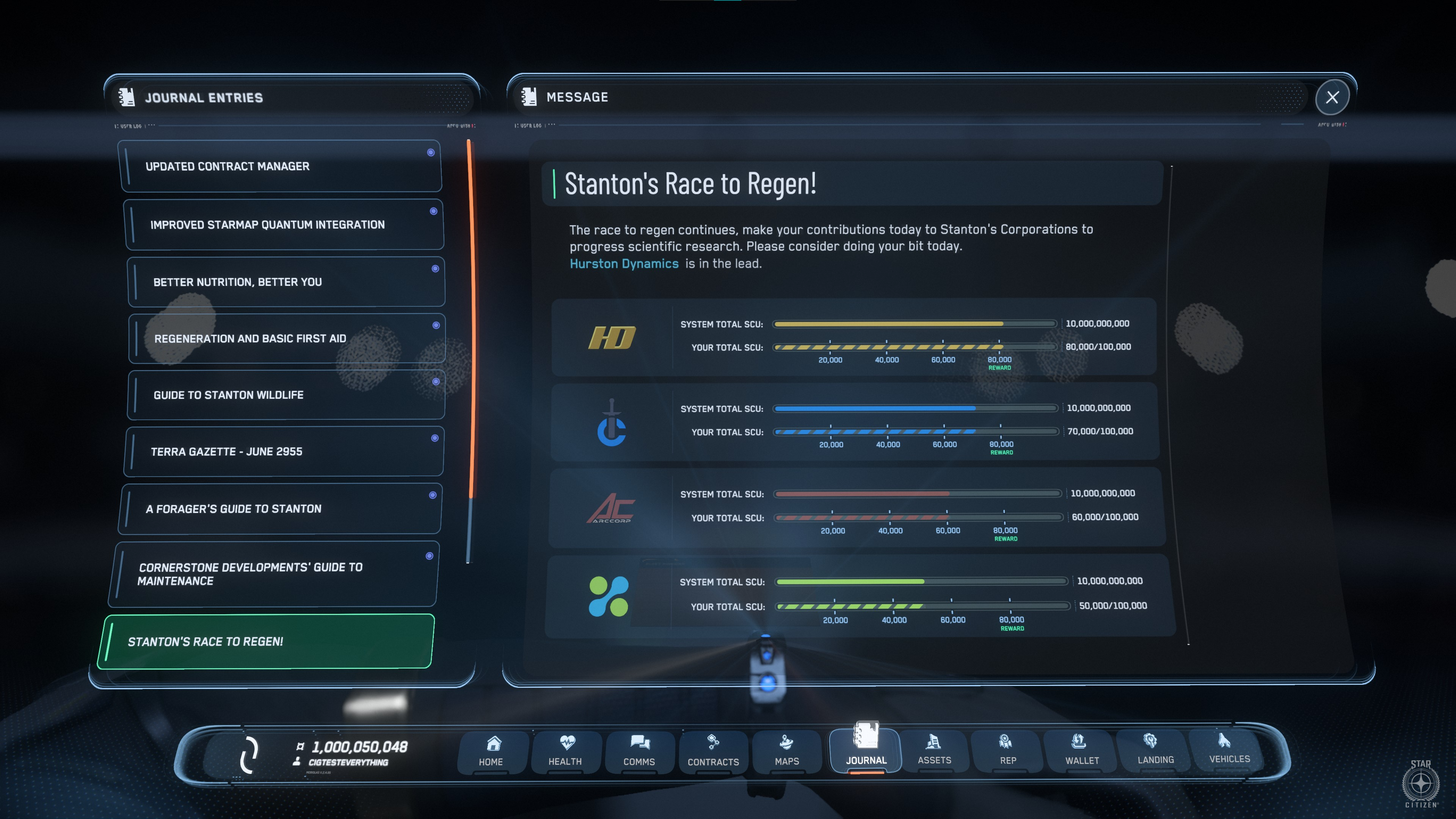
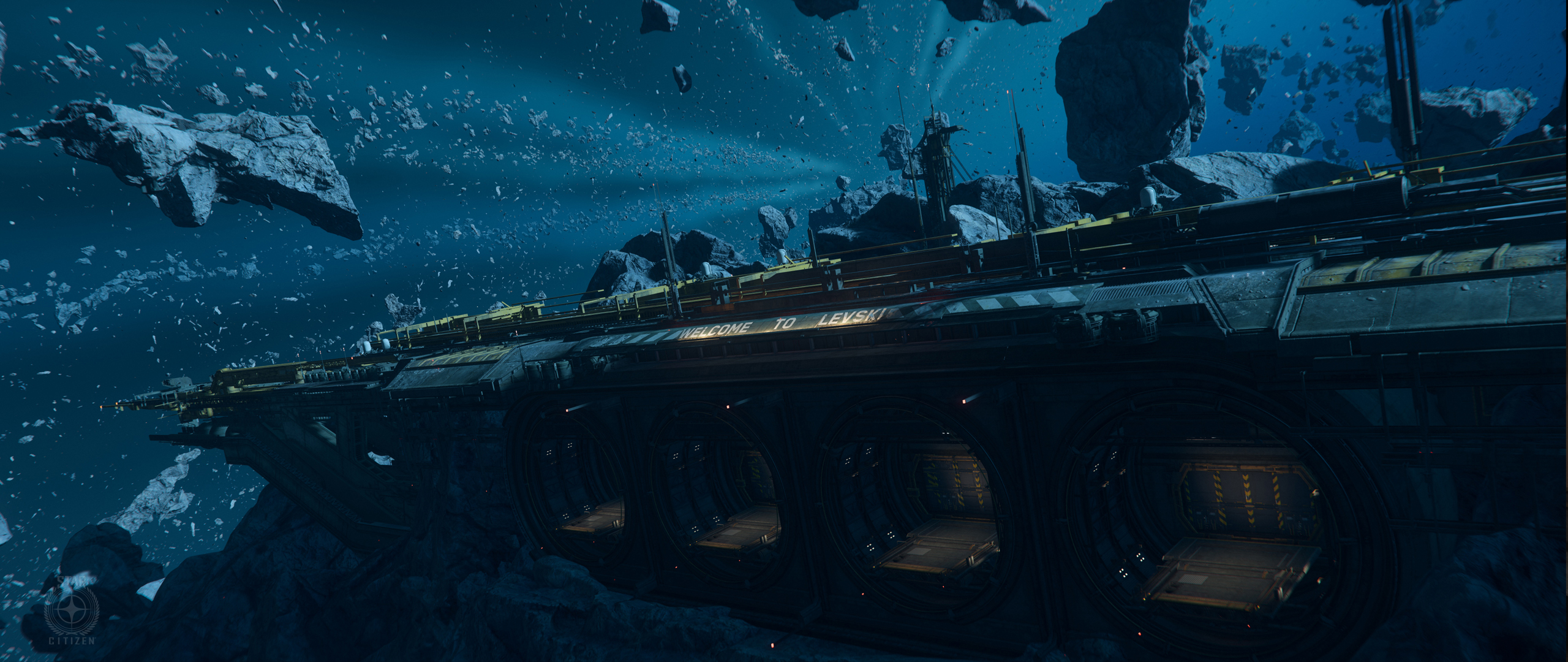
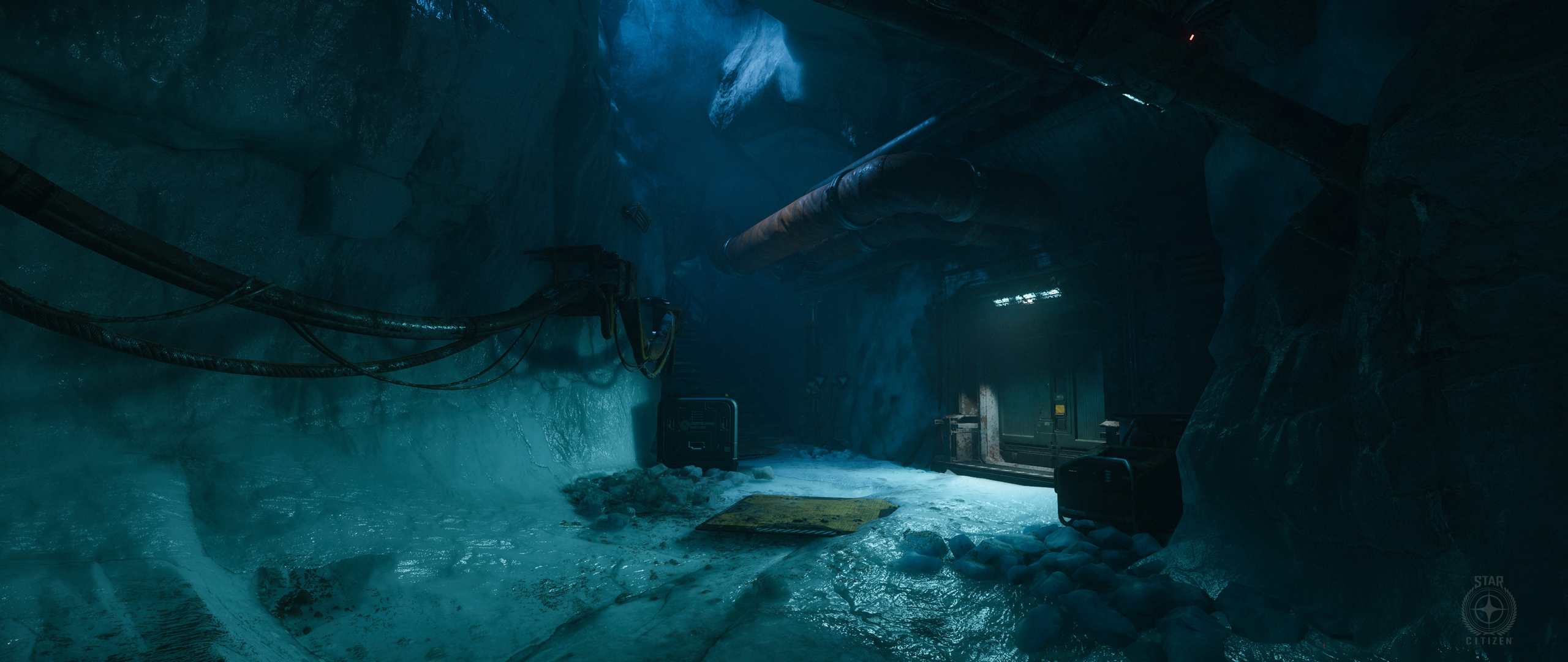
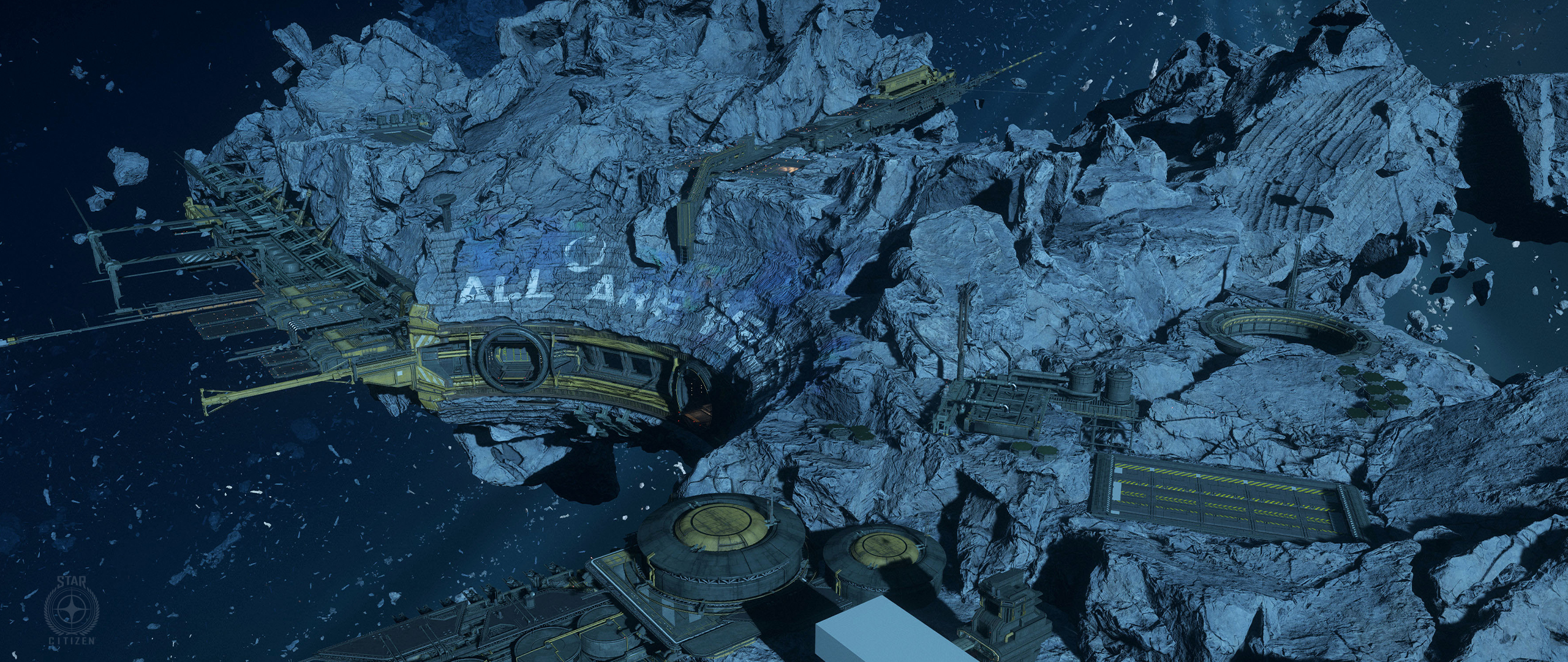
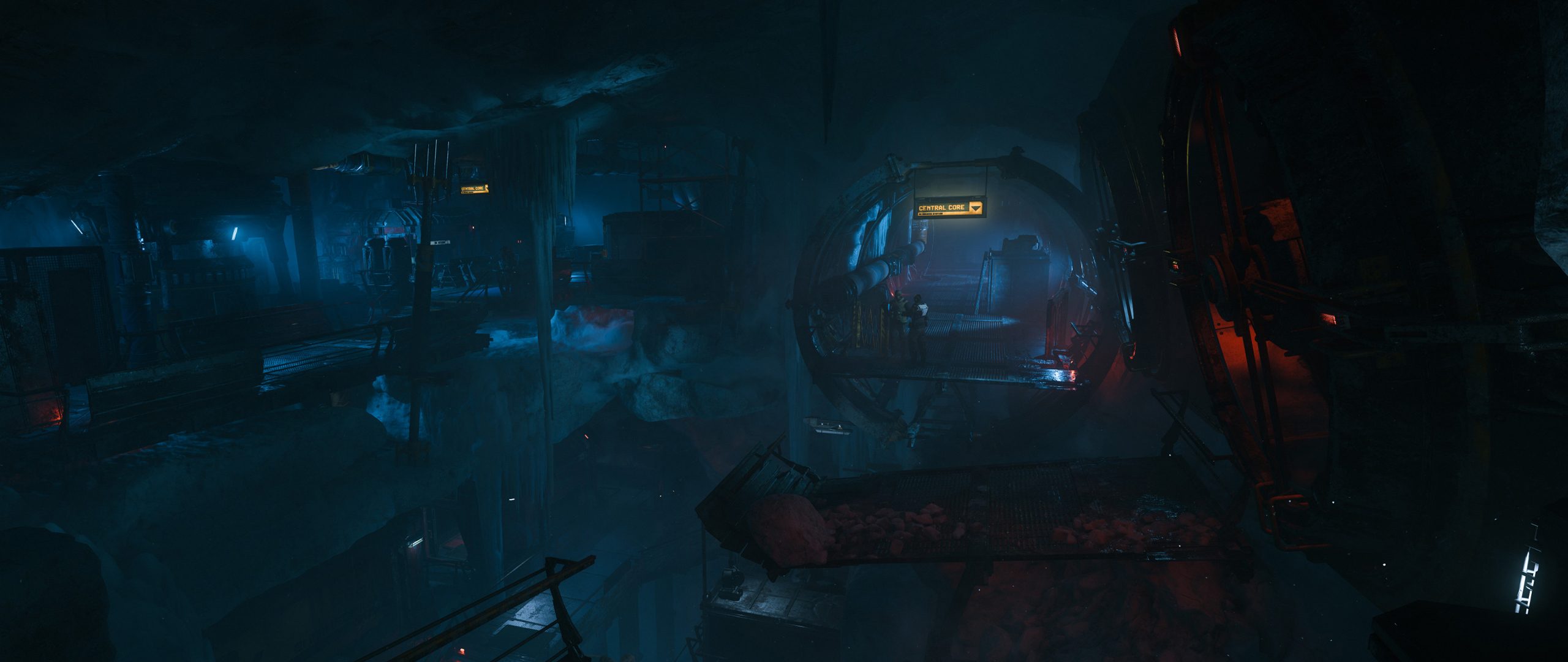
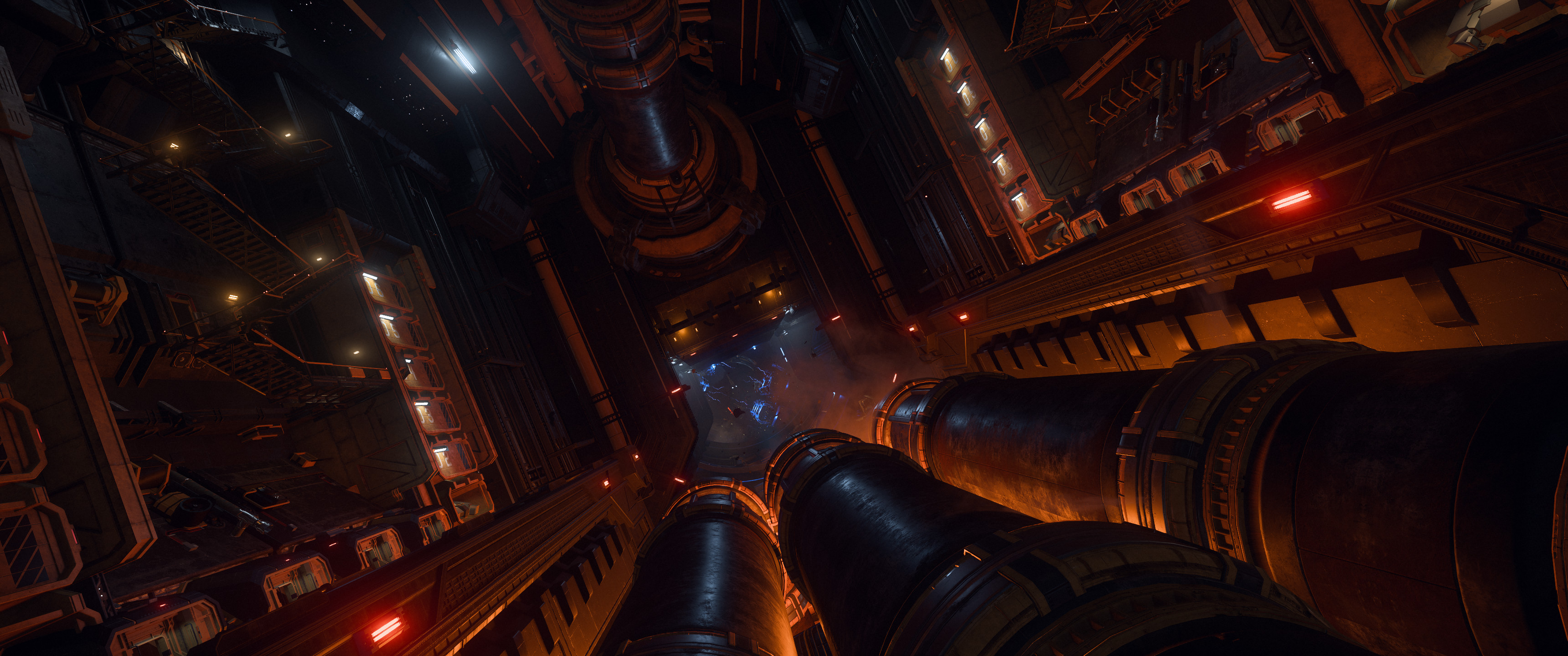
Metadata
- CIG ID
- 16551
- Channel
- Transmission
- Category
- Undefined
- Series
- Monthly Reports
- Comments
- 13
- Published
- 8 years ago (2018-05-03T00:00:00+00:00)