Monthly Studio Report: July 2018
Transmission Undefined Monthly ReportsContent
Welcome to the Cloud Imperium Games Monthly Studio Report for July. This month, the team patched Star Citizen Alpha 3.2, pushed forward on Squadron 42, and continued developing systems, ships, and features for future releases. Let’s explore the details…
LOS ANGELES
VEHICLE FEATURES
This month, the U.S. Vehicle Feature Team focused their efforts on fixing turret bugs and making improvements to the Alpha 3.2.1 patch. After it went live, they reviewed turret feedback and began working on additional improvements for the upcoming 3.3 release. They also continued their work on Ping & Scanning, including moving the scanning infrastructure over to the servers, generating signals via blackbox entities, and implementing the various information that will be provided by transponders.
VEHICLE PIPELINE
The Art, Design, and Tech Art Teams worked together to push the Consolidated Outland Mustang and Tumbril Cyclone variants through the greybox stages. Design and Tech Art worked on the final stage of the RSI Constellation Phoenix, and the Mustang’s landing gear compression was also completed. Tech Art also completed their greybox pass of the Anvil F8 Lightning and supported the mining animations used on the MISC Prospector. The teams collaborated with Animation on R&D and test cases for sequenced animations in vehicles, which will allow greater flexibility for future enter, exit, and cockpit animations. In early August, the Art Team will move onto the first stages of the Anvil Hawk.
GAMEPLAY FEATURES
To support the 3.2.1 patch, the Gameplay Feature Team spent the first week of the month fixing Group System bugs on both the code and UI fronts. After the patch, the team continued to work on the next iteration of the Group System for Alpha 3.3. Finally, they focused on removing some of the legacy systems, updating the three-pane mobiGlas chat widget, and setting up the chat to come from a new backend service.
NARRATIVE
The Narrative Team began July with an episode of Loremaker’s Guide to the Galaxy about the Cano system. They wrote a Discovered piece about an archaeologist using a Vulture to salvage and explore a debris field, and delivered the July 2948 Shubin employee newsletter filled with tidbits about the company’s past and hope for the future. A history of the Imperial Cartography Center and the third episode of The Knowledge of Good and Evil also became available for all to read. Subscribers received an exclusive Galactic Guide on the long-lost Oretain system, while July’s Jump Point covered the Drake Vulture, improved combat AI, and the mysterious Vasli fragment. And to top it all off, Jared honored the team by inviting them to appear on a very special RTV to play a spot of Alpha 3.2.1 and answer narrative questions. The team tackled details about the moons of Hurston and ArcCorp, worked on mission giver design briefs, and fleshed out the Bartender and Patron line sets. They worked with the Character Team on Hurston Security loadouts and the System Design Team on Security behaviours and NPC placement. There were several syncs with the Live Design team focusing on expanded mission content for Alpha 3.3. Team leads participated in multiple reviews for Squadron 42 (S42) and the Persistent Universe (PU). They wrote some fun new marketing material, including the lore behind the successful Astromedics vid series that was tied to the RSI Apollo. Finally, work continued behind the scenes on the Galactapedia that will be shared further down the road.
CHARACTERS
The Character Art Team diligently worked on new Hair and Head tech, which will improve the appearance of current characters and revise some core tools used in the character wearables tech setup process. The team worked on the Hurston clothing collection, Virgil TrueDef Pro Armor, and reworked the Odyssey Flightsuit. Alongside the new content, material variants will be made to help fill out the NPCs found on Hurston. Plus, progress was made on a variety of Squadron 42 costumes. AUSTIN
DESIGN
Throughout July, the Design Team further experimented with how to make a bar feel like a living breathing environment, instead of static NPCs serving and consuming drinks. The intent was to give the bartender and others enough character, life, and flexibility so that they can deal with multiple patrons at once, including the player, while looking as lively and realistic as possible. They also began building out the AI logic in Subsumption, started rounds of feedback with Tony Zurovec, and worked with the Narrative Team to get lines written for the Bartender and Bar Patron characters. The aim is to get these lines, along with the placeholder animations provided by the ATX Animation Team, added into the game for internal review soon. In an effort to allow the economic status of resources effect pricing, the team is constructing recipes for items so that, as the price of resources fluctuates, the players will be able to see a noticeable difference in the pricing of items. The change won’t be instant but will develop over time and can be influenced by the player base. Work is also happening on getting the ship rental shop working in the PU to coincide with the ability to rent ships. Work on additional layouts for Truck Stops will lend a bit more variety to the shops that players will encounter when traveling to far-away locations. On top of all this, the team took a moment to review how their data is structured and are finding ways to make things more efficient and organized for ease of use in the future.
ANIMATION
The Animation Team continues to research and develop animations for the PU’s female character. Very different animations are needed when the character sits in a ship versus moving around in the ‘verse, but progress is being made and the fidelity of female animations are getting closer to those of the male characters. Placeholder block-out animations were sent to the ATX Design Team for the Bartender character to help them see the results of some of the AI R&D they were working on. Alongside this, they continued to move several characters through the various stages of the pipeline, such as mission givers like Constantine Hurston, Clovus Darneely, and a new character of interest, Tecia Pacheco. On the Ship side, animations were completed for the new Tumbril Cyclone variants. Specifically, the turret operator animations were reworked and polished.
SHIP ART
The Ship Team is deep in the concept phase of the 300i re-work and are currently fleshing out the new shape along with integrating many of the ‘wish list’ features that have been accumulating over the last few years, including new cargo options. They recently showed off the first round of concepts on ATV, with the community generally feeding back positively. However, a few concerns were voiced about the new design, which the team will be taking into consideration for the next and final round of concept presentation. The final pass of the Constellation Phoenix’s modeling and lighting is currently underway. When finished, the team will move onto the final flight prep setup and polishing tasks. Then, they’ll create the LODs to complete the art pass for the Phoenix.
BACKEND SERVICES
This month, the Backend Services team finished up support for 3.2.1 by fixing some critical bugs that were discovered after 3.2.0 went live. Specifically, they rectified issues with currency and fixed a bug that prevented the player from purchasing items from shops and inventories. They also continued efforts to create Services using the new Ooz/Diffusion framework. This is part of the refactoring of the Persistence Cache to make it more scalable. Another accomplishment this month was finishing up the new Entitlement Processor service, which is far more robust and efficient than the legacy solution. The legacy Friends Service was also written into this new framework. The other Services created so far are: Character service: provides an API for character specific runtime and persistent data.
Wallet service: responsible for managing player currencies.
Item Loadout Service: manages player or ship default and custom loadouts.
Insurance service: manages all insurance claims.
DEVOPS
Dev Ops have been supporting the additional publishes related to 3.2 this month while also making great progress on the various feature stream enhancements to the build system. “One of the most satisfying aspects of our publishing effort is to see the new gameplay features showing up on the various live streams and we’ve been enjoying many of those.” – Dev Ops They’ve also worked very closely with the feature teams to add more gameplay analytics to help track game performance and resource consumption on a regional level, as well as on the individual game servers themselves. This additional data will help them tune server density to deliver the best possible compute and memory performance. Feature stream work progressed this month as well. This project breaks source control branches down to the individual feature level to help the developers work more independently without potential conflict. This effort was well received by the devs and will be expanded. However, it was not without challenges, as these streams create an additional load on the build system and storage subsystems. The team worked through most of these issues and are now closing in on the final details that will allow them to scale the build system much wider than its current capability.
PLAYER RELATIONS
The Player Relations team helped wrap up 3.2.1 this month. This is the second such quarterly release, and the team is really hitting their stride with the new publishing cycle. They also wrapped up the Live Release Production Summit in Austin, Texas which dealt with subjects such as improving the publishing process and how the team can grow the Evocati volunteer group for future releases. “We’d like to point all players to our growing Knowledge Base, which has over 100 articles and has seen almost 100,000 visitors since its inception. We will continue to grow this by adding new ‘How To’ articles, patch notes, and live service notifications here as well as on Spectrum. As always, we’d like to remind and encourage everyone to continue to use the Issue Council to help us triage and rate bugs and functionality. We’ll use that data to prioritize for future updates, plus your IC participation will make you eligible to get into earlier PTU waves.” – Player Relations Team
QA
Last month 3.2 and 3.2.1 went live. For the QA team, this included publishing checklists for build testing and testing patches in the PTU, along with testing all the fixes as they were implemented. On the Game side, they moved back to their internal dev stream and started testing the initial implementation of Object Container Streaming. They also shifted focus slightly to make sure all test plans and QA processes are updated and ready as more Object Container Streaming testing comes online. On the Leadership side, it’s been business as usual with focus on coordinating testing priorities with their QA counterparts in LA, UK, and DE. WILMSLOW & DERBY
GRAPHICS
The Graphics Team completed the work required to make the renderer ready for Object Container Streaming. In addition, the team made the new surface shaders more efficient and easier to use, maintain, and improve. You’ll see the benefits from these updated shaders as the artists transition to them in Alpha 3.3 and 3.4. They also improved the room culling system to allow for more complex level setups of rooms within rooms, which had previously resulted in rendering the entirety of the smaller room. This new feature allows the Art Team to build more elaborate interiors in both Squadron 42 and the PU with improved performance. The next focus will be on features to enhance the quality of lighting in and around gas clouds and large interior spaces where large lights would normally result in very low shadow resolution.
UI
The UI Team further developed the RTT item preview system that allows for a generalized method of displaying one or more 3D items anywhere in the UI as part of a scrolling list component. This works on things like kiosks, mobiGlas, MFDs, etc. The team implemented the necessary changes to support renting ships and items through the Electronic Access customization menus and worked on the UI design for the Spectrum app in the mobiGlas. They also collaborated with the Design Team to pre-visualize what approaching a no-fly zone might look like to the player. Work continued with the Environment and Narrative Team on crafting propaganda posters and signage for Lorville. Additional headway was made on core tech & tools, with a successful prototype completed of the bindings system for the mining HUD display. This enables a more streamlined interface for exposing game data to the UI front-end.
ANIMATION
The team created animations for the reload and firing states of the upcoming Karna plasma assault rifle. To finalize assets for the SpecOps combat AI, they held a motion capture shoot to update the placeholder assets for hit reactions and the various threat level reactions to sights and sounds. They also improved enemy SpecOps AI combat poses with better blending between motion states. Other tasks included supporting the ‘carryable system’ with a wide range of assets and a general clean-up of the animation database. They revamped the player’s ‘no weapon’ and ‘stocked’ locomotion forward assets.
Finally, a high-level review assessed the implementation of animations for Squadron 42 scenes featuring Master-at-Arms Duncan Chakma in the armory.
GAMEPLAY STORY
The Story Team began the month with pre-viz for all remaining scenes, which went well and took two weeks instead of the scheduled three. They then began to fully implement 16 scenes that the Design Team prioritized for Q3. The implementation pass is a slower process than pre-viz, but the team is delighted to work closely with Design and see the scenes come to life in-game.
ENGINEERING/PROGRAMMING
The Actor Feature Team has been developing an animation motion warping system, which gives each animation a variable distance it can travel without the need for a unique asset for each situation. The vaulting and mantling mechanic is being developed alongside this and comes into play when the prop being vaulted over has a variable depth and height. The new technology takes these dimensions and modifies the vault animation so that it seamlessly adjusts for the additional movement. This creates a better result than having multiple animations to cover all eventualities. It also frees up the artists from adhering to strict sizes and metrics when creating environments. The way Subsumption sets up missions for Squadron 42 means the team often has to play through part of it just to get to a certain point in the level. There is functionality inside the editor to manually run parts of the Subsumption setup, which fast-forwards the flow, but it was fiddly and not exposed when running the standalone game. So, the team created a system to record a sequence of Subsumption steps into a single macro that can be played back in either the editor or game client. This allows the team to skip through a mission to an intended place, which will speed up development and testing. The Tools Team has been creating a way to link Shotgun (assets for artists and animators) with Jira (production and scheduling). This new tool monitors Shotgun for changes and then reflects them in Jira. This allows content creators to continue using Shotgun while producers and supporting teams can see all the information they require from Shotgun within Jira. The Network Team finished the entity bind culling functionality to allow more optimal networking based on how far away entities are from the player. They also did prep work for Object Container Streaming alongside other teams working on that technology.
SHIPS
The Ship Art Team worked on the MISC Freelancer base model by adding a few extra comforts to the interior, such as a toilet, shower, and food dispenser. The variants (MIS, MAX, and DUR) went into the updated art pipeline to get them looking as good as the base version. The Origin 890 Jump also went into production this month. It already cleared the whitebox review and advanced to the greybox production phase. Some areas even went beyond to establish the look and style of the ship’s interior. Finally, the Banu Defender finished its initial R&D phase and is partially through the white box phase.
AUDIO
The Audio Team supported Object Container Streaming and progressed with FOIP and VOIP features. They made great strides with the IFCS 2.0 system and physicalized object audio. Alpha 3.3 is the next major goal, so they generated audio mockups and prototypes to ensure they’re on track with the look and feel of the new features. Ship audio also kept the team very busy, as they supported a wave of new ships in the pipeline.
ENVIRONMENT ART
The team completed their work on the PU hangars, with only final lighting tweaks left to complete the two archetypes needed for the first release. They focused on developing new habitation modules and security/customs common elements. The habitation modules are coming out of the white box phase with their footprints, layout, modularity, and basic art determined. Now begins the process of making them pretty! The security archetype involves a lot of systems and designs that must be tested and iterated on before art can finalize it. As with the habs, these issues have been largely solved and the team began the next level art pass. The early white box design of a new location type was signed off, the Underground Facility. These will be something the team hasn’t tried before and are very excited to develop!
VFX
With 3.2 safely in player’s hands, the team jumped into 3.3 content tasks, including a first pass at the Aegis Hammerhead’s effects and a new plasma assault rifle along with the many biomes, landing zones, and modular areas of Hurston. Work continued on Squadron 42 tasks. Without revealing any spoilers, the team tackled included a visual polish of a screen interference and kicked off several experimental R&D sprints. FRANKFURT
VFX
The VFX Team worked on several moons for the PU, including various new biome types. This required them to expand the planet editor tools to allow for more unique and varied particle systems to be spawned procedurally using the object scattering systems. They also continued their work on the cinematic simulation assets, such as rigid and soft bodies for the Squadron 42 cinematics.
AI
The AI Team determined the tasks remaining for Object Container Streaming and worked on them accordingly, adjusting AI logic if necessary to handle the current streaming requirements. Work was also completed for flight AI, creating new behaviors and changing existing ones, with a focus on making ship combat engaging and fun. Tasks were completed to improve performance, which is routinely done to ensure things are optimized as much as possible. Work has also been done on the flight pathfinder, taking it a few steps closer to having AI traverse the entire ‘verse on their own. FPS AI work focused on NPC tasks for the 3.3 release, including new behaviors, features, and optimizations.
BUILD ENGINEERING/DEVOPS
The DE Dev Ops Team continued to work with the Austin teams on both extending and finalizing the toolsets that govern synchronicity between central game-dev and feature streams. The API for controlling the central auto-integration system has been rolled out to accommodate the client-side feature-stream merging tool currently in development. This gives feature-stream owners control over how current their stream should be in relation to main central development in game dev, based on their preference and workflow style. The current feature streams are battle-testing these tools as they prepare to scale up the number of feature streams needed for the project.
WEAPONS
The Weapon Art Team primarily focused on Vanduul weaponry and finished the first pass of both modeling and texturing on the Plasma Lances, as well as a handful of scavenged knife variants.
TOOLS
The Engine Tools Team focused on stabilizing the game editor after the Alpha 3.2 release. Usability improvements were added to increase the overall workflow quality for the designers when setting up the game entities. The new layer and universe outliner plugins received improvements based on the designer’s feedback, along with a general stabilization and performance improvement pass. The Look Development Mode, which is meant to improve in-game material setups, received an additional light mode to show assets under split light conditions, called Eclipse Mode. This helps artists improve their material setups for all possible in-game scenarios and makes it easier for them to compare the material under bright and dark conditions, for example, how an asset will look on a bright planet versus in outer space.
ENVIRONMENT ART
The Environment Art Team made substantial progress on Hurston’s four moons, with each becoming a visually unique location for players to explore. While working on the moons, the team also spent time improving the wind simulation on vegetation objects, which will breathe more life into the locations as wind moves through the grass, bushes, and trees. Hurston will be quite a visual change compared to the other locations currently in the game. The Lorville team moved onto the outer districts, shifting focus on the view of the city while flying above and around it. Lorville has received many improvements since it was first shown at CitizenCon.
LIGHTING
The Lighting Team worked side-by-side with the Environment Art Team on Lorville. Lots of progress was made on the environment art, which gives the Lighting Team plenty of locations to bring additional life, mood, and atmosphere into. The core landing zone received an initial lighting pass, with work still to come on the shops, spaceport, habitation, and security. With the procedural layout generation tools receiving improvements, the team took the opportunity to further polish the upcoming Rest Stops. They improved the look and positioning of 2D and holographic advertisements, as well as fixed various issues with light leaking and other consistency issues between connected rooms. Finally, crashed and derelict ships found in space and on planet surfaces were fixed due to previous setup issues which resulted in broken or missing lighting in most locations. The improved setups will provide a better foundation for the Lighting Team to create more interesting moods in these locations.
SYSTEM DESIGN
The System Design Team laid the foundation for combat ship AI improvements, specifically giving AI ships the awareness of an enemy tailing them. They will build on this with further maneuvers, like enabling the AI to abruptly decelerate to cause the tailing ship to overshoot or wildly change its break-away angle to shake pursuers. Progress was also made on advanced civilian/security guard interactions and patrol behaviors, which will be implemented in future landing zones. These behaviors will work in sync with one another and will allow NPCs to react accordingly to different types of stimuli from the world around them. The behaviors are scalable to allow for more stimuli to be added if and when needed. It will also determine how NPCs react to their surroundings, such as Security Guards reacting differently to certain crimes in one location than they would in another. The new transit system received attention as well. The team focused on the debugging capabilities of the system, laying an important piece of groundwork for complex elevator and train networks. On the FPS side, they began populating Security Outpost Kareah with combat NPCs. They also worked with the Mission and Level Design Teams to create additional facilities fit for combat encounters.
LEVEL DESIGN
This month the Level Design Team focused on the PU. They completed work on Lorville and explored how the Restricted Areas tech will be implemented into the full world. They also looked into the general areas around Lorville to ensure they have the correct content and points of interest. Development advances with the procedural tool allowed them to return to the Rest Stops. They used the tool to generate a series of stations and verify their layouts, as well as to look into transferring old functionality of CryAstro into Tier 0 of the refuel/repair/rearm system. They also investigated early Tier 0 versions of Habitation, Refineries, sub-surface content, and more.
CINEMATICS
The Cinematic Team updated the animation production pipeline to better communicate with the Design Team and make the overall structure more efficient. They also worked on chapters for Squadron 42, which consisted of numerous tasks depending on the current state of the cinematic, from animation and camera blocking, to animation polish, lighting setups, and TrackView work. The team also completed some technical tasks: They implemented ‘Player Entity’ into Trackview and can now trigger ‘Mannequin Fragments’ which will allow the team to accurately use the Player and the new ‘look control’ while building their scenes. They’re also working on a technical solution for Subsumption to takeover player control in cutscenes when needed.
ENGINE
The Engine Team generally works across multiple areas and is called in to address potential code issues at any time – this month was no exception. They progressed on moving skinning computations to GPU compute shaders (dual quaternion skinning, blend shape, as well as tangent reconstruction submitted), and continued work on improving hair shading. They made significant progress on new solutions for cloth and volumetrics simulation, which they hope to show off soon. They added support for OC Streaming (entity aggregates) and exposed GPU load and memory stats directly from the Windows Graphics system. They also made advancements in the physics system refactor (queue refactoring, batch jobs, etc.) and revamped the exception handling code to improve the consistency of reported crashes.
TECH ART/ANIMATION
The Tech Art Team worked on the ‘Maya to Sandbox Editor’ live link for synchronizing animations between the two applications, giving real-time, in-engine rendered graphical feedback to the animators. They consolidated the head to head attachment asset pipeline for the next gen character customizer – a crucial requirement to achieve 100% consistent topology on the head meshes once they are converted from the Maya-internal format to the engine’s format. Once consolidated, they stress tested it to find any bugs in the resource compiler tool (RC) and addressed them accordingly. One large bug remains, but once it’s resolved they can switch to the newly revised system. Tech Animation focused on restructuring the weapons pipeline, modifying elements to make it easier to work on files and find them in the future. They added an additional meta system to the weapon rigs to enable animators to batch export weapon animations and moved nearly all files into a new folder structure to separate multiple weapons of the same type by the same manufacturer. They also addressed a variety of bugs across multiple departments.
QA
Besides assisting the in-house development team with Editor and client reported issues, the QA Team focused on performance and system refactor testing. Client and server performance took a significant hit with the introduction of Mining, so they worked with the UK QA Team to gather performance RAD captures during a Mining specific playtest. Captures were obtained from a build containing changes that would improve performance centered around Mining. Captures were also done on an existing build that did not have anything extra included. Engineering then compared the captures done on each build, identified where there were improvements between the two, and noted what other areas would benefit from further optimizations. They also worked on a QA test request for the AI Cover System to be refactored to support the incoming Object Container Streaming changes. The main goal was to ensure that not only existing cover systems within an Object Container level still worked, but that the newly set up Cover Systems did as well. They re-exported levels and then tested in-client to ensure that cover was generated and the AI used it the same way they did in previously. There should be no visible difference between the two, and they needed to confirm that no new issues were introduced. The same principle applied to an IKSystem refactor QATR that they did for Animation Engineering. Multiple lines of code were removed to improve overall performance, and testing was done to ensure that this did not break any other new and/or existing systems or features. QA also started regular performance testing on the PU test map, which contains the new Rest Stops, Hurston, and Lorville in order to get a head start on identifying issues that these new locations may introduce. SPECTRUM
SPECTRUM
On July 4th, the team deployed Spectrum 3.8! This build is now available to everyone and contains the latest features: Friends, Notifications, Quick Access Sidebar, and Message of the Day. You can sort friends by status or alphabetically and see information about their activity. You can also group friends by common orgs. Including pending friend requests, you can now have a maximum of 800 friends. “Your in-game friends will be linked to your Spectrum friends in the future. Currently, your Spectrum friends list and the list of your friends in-game exist independently. When the game integrates the Spectrum friends system, your in-game contacts will not be copied to over. You should use this transition period to add your in-game contacts to your Spectrum friends list.” – Spectrum Team Additionally, they refined the Settings page and slightly altered the display of embedded media in messages. Also, the member profile popup can now be accessed from the blocked users list by clicking on a member’s avatar. After this major release, they deployed 3.8.1-rel.7 with minor bug fixes. You can refer to the Spectrum Knowledge Base for further details on using the new features
RSI PLATFORM
CitizenCon Microsite: Turbulent launched the CitizenCon microsite this month. The new microsite serves as the information hub for everything CitizenCon. From here you can purchase tickets when available, read more about the wonderful city of Austin, and plan your trip to CitizenCon. Eventually the microsite will contain information about the event, including the presentation schedule and the live stream itself. Stay tuned to keep up on the latest details for CitizenCon. RSI Apollo: Turbulent supported the release of the RSI Apollo, which included a mini-game designed by CIG’s Oliver Hughes and Sam Child. The game was a homage to King Kong, a game Chris Roberts developed as a teenager. Players that achieve a high score of 100,000 points receive a special Guardian Angel Badge and are entered into a contest to win an RSI Apollo package. Free-Fly: The team updated the page design and interaction for upcoming free-fly events. Stay tuned for the next chance to participate in a Star Citizen Free-Fly!
SERVICES
Group: Turbulent continues to iterate on Group services and are currently working on a feature that generates a claims token. This token can be used by other services to validate group membership, permissions, and the ability of a user to join. They additionally worked on a series of tests to increase stability in the code base as services continue to grow. VOIP/FOIP: The Backend Team collaborated with the UK Audio Team to build voice services in-game. They overcame a huge hurdle by successfully piecing together a prototype with one user in-game having a conversation with another on a web platform interface. COMMUNITY
Scan, Fracture, Extract. The community was hard on the rocks and dug deep during the past month. While Prospectors were busy mining, the team didn’t stop after introducing this gameplay feature with the 3.2 update. The recently released 3.2.1 patch brought reduced mission spawn timers, ship cannon changes, turret improvements, and more. Have you had a chance to check them out yet? Jump into the game and share your feedback with the developers on Spectrum. The RSI Apollo was revealed as the latest concept ship, filling the gap between the Cutlass Red and the Endeavor for all medics-to-be. Learn more about the space doctor career path by checking out The Shipyard post covering medical gameplay as it works today and how it’s envisioned for the future. The team celebrated the introduction of the Origin Jumpworks 600i with a video contest that asked content creators to devise a commercial for the luxurious ship. As shown countless times, the Star Citizen community has a wealth of talent and passion that delivers amazing videos, and they didn’t disappoint this time either. The quality of the submissions was mind-blowing, and the team wants to thank all the participants for the work and time put into creating the videos. The Community Team has been planning a wide variety of activities for this year and next that are, of course, coupled with sweet prizes. So even if this contest wasn’t for you, there’ll be more exciting opportunities to leave your mark in the Star Citizen universe. Outside of these events, the team is glad to see more players sharing fantastic content and are proud to regularly highlight them. FPS battles, trouble at CryAstro, mining challenges, and races were all featured this month. The team can’t wait to see what August will bring. Cloud Imperium Games will not have a booth or presentation at Gamescom this year, but some team members will be visiting the show in Cologne, Germany, from August 22nd to 25th. There will be a variety of activities and opportunities to meet up during the week, so keep an eye out for future announcements. While they’re excited to meet you in Cologne, don’t forget that CitizenCon 2948 is almost here, too! After launching the all-new CitizenCon website, where you can find all the event info, the team continued to plan for what promises to be an unforgettable event. WE’LL SEE YOU NEXT MONTH…
Willkommen zum monatlichen Studio-Bericht der Cloud Imperium Games für Juli. Diesen Monat hat das Team Star Citizen Alpha 3.2 gepatcht, die Staffel 42 vorangetrieben und die Systeme, Schiffe und Funktionen für zukünftige Versionen weiterentwickelt.
Lassen Sie uns die Details erforschen.....
LOSE ANGELES
FAHRZEUGEIGENSCHAFTEN
In diesem Monat konzentrierte sich das U.S. Vehicle Feature Team auf die Behebung von Turmfehlern und die Verbesserung des Alpha 3.2.1 Patches. Nachdem es in Betrieb genommen wurde, überprüften sie das Feedback der Revolver und begannen mit der Arbeit an weiteren Verbesserungen für das kommende Release 3.3. Sie setzten auch ihre Arbeit an Ping & Scanning fort, einschließlich der Verlagerung der Scan-Infrastruktur auf die Server, der Erzeugung von Signalen über Blackbox-Entitäten und der Implementierung der verschiedenen Informationen, die von Transpondern bereitgestellt werden.
FAHRZEUGLEITUNG
Das Art, Design und Tech Art Team arbeiteten zusammen, um die Consolidated Outland Mustang und Tumbril Cyclone Varianten durch die Greybox-Stufen zu bringen. Design und Tech Art arbeiteten an der Endphase der RSI Constellation Phoenix, und auch die Einfederung des Fahrwerks des Mustang war abgeschlossen. Tech Art fertigte auch den Graubox-Pass des Anvil F8 Lightning und unterstützte die auf dem MISC Prospector verwendeten Mining-Animationen. Die Teams arbeiteten mit Animation on R&D und Testfällen für sequentielle Animationen in Fahrzeugen zusammen, was eine größere Flexibilität für zukünftige Ein-, Ausgangs- und Cockpitanimationen ermöglichen wird. Anfang August wird das Art Team die ersten Schritte des Amboss-Falken machen.
GAMEPLAY-FUNKTIONEN
Um den 3.2.1-Patch zu unterstützen, verbrachte das Gameplay Feature Team die erste Woche des Monats damit, Fehler im Group System sowohl auf der Code- als auch auf der Benutzeroberfläche zu beheben. Nach dem Patch arbeitete das Team weiter an der nächsten Iteration des Gruppensystems für Alpha 3.3. Schließlich konzentrierten sie sich darauf, einige der alten Systeme zu entfernen, das dreigeteilte mobiGlas Chat-Widget zu aktualisieren und den Chat so einzurichten, dass er von einem neuen Backend-Dienst kommt.
NARRATIV
Das Narrative Team begann im Juli mit einer Episode des Loremaker's Guide to the Galaxy über das Cano-System. Sie schrieben einen Entdeckten Artikel über einen Archäologen, der einen Geier zur Bergung und Erkundung eines Trümmerfeldes einsetzte, und lieferten die Shubin-Mitarbeiterzeitung vom 2. Juli 1948, die mit Leckerbissen über die Vergangenheit des Unternehmens und die Hoffnung auf die Zukunft gefüllt war. Eine Geschichte des Imperial Cartography Center und die dritte Episode von The Knowledge of Good and Evil wurde ebenfalls für alle lesbar.
Die Abonnenten erhielten einen exklusiven galaktischen Führer über das lang verlorene Oretain-System, während der Jump Point vom Juli den Drake-Geier, die verbesserte Kampf-KI und das mysteriöse Vasli-Fragment behandelte. Und als Krönung ehrte Jared das Team, indem er sie einlud, auf einem ganz besonderen RTV zu erscheinen, um einen Spot von Alpha 3.2.1 zu spielen und narrative Fragen zu beantworten. Das Team beschäftigte sich mit Details über die Monde von Hurston und ArcCorp, arbeitete an Design-Schriftsätzen für Missionsgeber und verfeinerte die Sets der Barkeeper- und Gönnerlinie. Sie arbeiteten mit dem Character Team an Hurston Security Loadouts und dem System Design Team an Security Behaviours und NPC Placement. Es gab mehrere Synchronisationen mit dem Live Design Team, die sich auf erweiterte Missionsinhalte für Alpha 3.3 konzentrierten. Die Teamleiter nahmen an mehreren Reviews für Staffel 42 (S42) und das Persistent Universe (PU) teil. Sie schrieben einige lustige neue Marketingmaterialien, darunter die Überlieferung über die erfolgreiche Astromedics Vid-Serie, die an den RSI Apollo gebunden war. Schließlich wurden die Arbeiten hinter den Kulissen an der Galactapedia fortgesetzt, die später gemeinsam genutzt werden sollen.
CHARAKTERS
Das Character Art Team hat fleißig an neuen Hair and Head Tech gearbeitet, die das Aussehen der aktuellen Charaktere verbessern und einige der wichtigsten Werkzeuge, die im Charakter Wearables Tech Setup Prozess verwendet werden, überarbeiten werden. Das Team arbeitete an der Hurston-Kleidungskollektion Virgil TrueDef Pro Armor und überarbeitete den Odyssey Flightsuit. Neben den neuen Inhalten werden Materialvarianten erstellt, die das Ausfüllen der auf Hurston gefundenen NSCs erleichtern. Außerdem wurden Fortschritte bei einer Vielzahl von Squadron 42 Kostümen erzielt. AUSTIN
DESIGN
Den ganzen Juli über experimentierte das Designteam weiter damit, wie man eine Bar wie eine lebendige Atemumgebung macht, anstatt statische NSCs, die Getränke servieren und konsumieren. Die Absicht war, dem Barkeeper und anderen genug Charakter, Leben und Flexibilität zu geben, damit sie mit mehreren Gästen gleichzeitig umgehen können, einschließlich des Spielers, während sie so lebendig und realistisch wie möglich aussehen. Sie begannen auch, die KI-Logik in Subsumption aufzubauen, begannen Feedback-Runden mit Tony Zurovec und arbeiteten mit dem Narrative Team zusammen, um Zeilen für die Charaktere Barkeeper und Bar Patron zu schreiben. Ziel ist es, diese Linien zusammen mit den vom ATX Animation Team bereitgestellten Platzhalter-Animationen in Kürze zur internen Überprüfung in das Spiel aufzunehmen. Um den wirtschaftlichen Status der Ressourcen zu ermöglichen, konstruiert das Team Rezepte für Gegenstände, so dass die Spieler bei schwankenden Ressourcenpreisen einen spürbaren Unterschied in der Preisgestaltung der Gegenstände erkennen können. Die Änderung erfolgt nicht sofort, sondern entwickelt sich mit der Zeit und kann von der Spielerbasis beeinflusst werden. Es wird auch daran gearbeitet, die Schiffsvermietungswerkstatt in der PU mit der Möglichkeit, Schiffe zu mieten, zusammenzubringen. Die Arbeit an zusätzlichen Layouts für Truck Stops wird den Geschäften, die den Spielern auf Reisen in ferne Länder begegnen, etwas mehr Abwechslung verleihen. Darüber hinaus nahm sich das Team einen Moment Zeit, um zu überprüfen, wie ihre Daten strukturiert sind und findet Wege, die Dinge in Zukunft effizienter und benutzerfreundlicher zu gestalten.
ANIMATION
Das Animationsteam forscht und entwickelt weiterhin Animationen für den weiblichen Charakter der PU. Sehr unterschiedliche Animationen sind erforderlich, wenn der Charakter in einem Schiff sitzt und sich nicht im Vers bewegt, aber es werden Fortschritte gemacht und die Treue der weiblichen Animationen nähert sich denen der männlichen Charaktere. Platzhalter-Blockout-Animationen wurden an das ATX Design Team für den Bartender-Charakter geschickt, um ihnen zu helfen, die Ergebnisse einiger der KI-F&E, an denen sie gearbeitet haben, zu sehen. Daneben bewegten sie weiterhin mehrere Charaktere durch die verschiedenen Phasen der Pipeline, wie z.B. Missionsgeber wie Constantine Hurston, Clovus Darneely und einen neuen Charakter von Interesse, Tecia Pacheco. Auf der Schiffsseite wurden Animationen für die neuen Tumbril Cyclone Varianten erstellt. Konkret wurden die Revolverbedieneranimationen überarbeitet und poliert.
SCHIFFKUNST
Das Schiffsteam befindet sich tief in der Konzeptphase der 300i Überarbeitung und arbeitet derzeit daran, die neue Form zu konkretisieren und viele der in den letzten Jahren gesammelten Wunschzettel zu integrieren, einschließlich neuer Frachtoptionen. Sie zeigten kürzlich die erste Runde der Konzepte auf ATV, wobei die Community im Allgemeinen positiv zurückblickt. Allerdings wurden einige Bedenken bezüglich des neuen Designs geäußert, die das Team für die nächste und letzte Runde der Konzeptpräsentation berücksichtigen wird. Der letzte Durchgang der Modellierung und Beleuchtung der Constellation Phoenix ist derzeit in Arbeit. Wenn das Team fertig ist, geht es zu den letzten Aufgaben der Flugvorbereitung und des Polierens. Dann werden sie die LODs erschaffen, um den Kunstpass für den Phönix zu vervollständigen.
BACKEND-SERVICES
Diesen Monat beendete das Backend Services-Team den Support für 3.2.1, indem es einige kritische Fehler bearbeitete, die nach dem Produktivstart von 3.2.0 entdeckt wurden. Insbesondere beheben sie Probleme mit der Währung und beheben einen Fehler, der den Spieler daran hinderte, Gegenstände aus Geschäften und Beständen zu kaufen. Sie setzten auch ihre Bemühungen fort, Services unter Verwendung des neuen Ooz/Diffusion-Frameworks zu entwickeln. Dies ist Teil des Refactoring des Persistenz-Cache, um ihn besser skalierbar zu machen. Eine weitere Errungenschaft in diesem Monat war die Fertigstellung des neuen Service des Anrechtsprozessors, der wesentlich robuster und effizienter ist als die alte Lösung. Der alte Friends Service wurde ebenfalls in dieses neue Framework integriert. Die anderen bisher erstellten Dienste sind:
Zeichendienst: stellt eine API für zeichenspezifische Laufzeit und persistente Daten zur Verfügung. Wallet-Service: Verantwortlich für die Verwaltung der Spielerwährungen. Item Loadout Service: Verwaltet die Standard- und benutzerdefinierten Auslastungen für Spieler oder Schiffe. Versicherungsservice: verwaltet alle Versicherungsansprüche.
DEVOPS
Dev Ops hat die zusätzlichen Veröffentlichungen im Zusammenhang mit 3.2 in diesem Monat unterstützt und gleichzeitig große Fortschritte bei den verschiedenen Verbesserungen des Feature-Streams für das Build-System gemacht. "Einer der befriedigendsten Aspekte unserer Veröffentlichungsarbeit ist es, die neuen Gameplay-Funktionen in den verschiedenen Live-Streams zu sehen, von denen wir viele genossen haben." - Dev Ops Sie haben auch sehr eng mit den Feature-Teams zusammengearbeitet, um weitere Gameplay-Analysen hinzuzufügen, die helfen, die Spielleistung und den Ressourcenverbrauch auf regionaler Ebene sowie auf den einzelnen Spielservern selbst zu verfolgen. Diese zusätzlichen Daten helfen ihnen, die Serverdichte zu optimieren, um die bestmögliche Rechen- und Speicherleistung zu erzielen. Auch in diesem Monat wurde die Feature-Stream-Arbeit vorangetrieben. Dieses Projekt durchbricht die Verzweigungen der Versionsverwaltung bis auf die einzelne Funktionsebene, um den Entwicklern zu helfen, unabhängiger und ohne potenzielle Konflikte zu arbeiten. Dieser Aufwand wurde von den Entwicklern gut aufgenommen und wird ausgebaut. Allerdings war es nicht ohne Herausforderungen, da diese Streams eine zusätzliche Belastung für das Build-System und die Speichersubsysteme darstellen. Das Team hat die meisten dieser Probleme bearbeitet und nähert sich nun den letzten Details, die es ihnen ermöglichen werden, das Build-System viel weiter zu skalieren als es derzeit möglich ist.
SPIELERBEZIEHUNGEN
Das Player Relations-Team hat diesen Monat geholfen, 3.2.1 abzuschließen. Dies ist die zweite Quartalsveröffentlichung dieser Art, und das Team ist mit dem neuen Verlagszyklus wirklich auf dem richtigen Weg. Sie beendeten auch den Live Release Production Summit in Austin, Texas, der sich mit Themen wie der Verbesserung des Veröffentlichungsprozesses und der Frage befasste, wie das Team die Evocati Volunteer Group für zukünftige Veröffentlichungen ausbauen kann. "Wir möchten alle Beteiligten auf unsere wachsende Knowledge Base hinweisen, die über 100 Artikel enthält und seit ihrer Gründung fast 100.000 Besucher verzeichnet hat. Wir werden dies weiter ausbauen, indem wir neue "How To"-Artikel, Patch-Notizen und Live-Service-Benachrichtigungen sowohl hier als auch bei Spectrum hinzufügen. Wie immer möchten wir alle daran erinnern und ermutigen, den Issue Council weiterhin zu nutzen, um uns zu helfen, Fehler und Funktionalität zu testen und zu bewerten. Wir werden diese Daten verwenden, um Prioritäten für zukünftige Updates zu setzen, und Ihre IC-Beteiligung wird Sie dazu befähigen, in frühere PTU-Wellen zu gelangen." - Spieler-Beziehungsteam
QA
Im vergangenen Monat gingen 3.2 und 3.2.1 live. Für das QA-Team beinhaltete dies die Veröffentlichung von Checklisten für Build-Tests und Testing-Patches in der PTU sowie das Testen aller Fixes, sobald sie implementiert wurden. Auf der Spieleseite gingen sie zurück zu ihrem internen Dev-Stream und begannen, die erste Implementierung von Object Container Streaming zu testen. Sie haben auch den Fokus leicht verschoben, um sicherzustellen, dass alle Testpläne und QA-Prozesse aktualisiert und bereit sind, da mehr Object Container Streaming Tests online gehen. Auf der Führungsseite war es wie gewohnt, wobei der Schwerpunkt auf der Koordination der Testprioritäten mit ihren QS-Pendants in LA, UK und DE lag. WILMSLOW & DERBY
GRAFIK
Das Grafik-Team hat die Arbeiten abgeschlossen, die erforderlich waren, um den Renderer für das Object Container Streaming vorzubereiten. Darüber hinaus hat das Team die neuen Oberflächenschattierungen effizienter und einfacher zu bedienen, zu warten und zu verbessern gemacht. Sie werden die Vorteile dieser aktualisierten Shader sehen, wenn die Künstler in Alpha 3.3 und 3.4 zu ihnen wechseln. Sie verbesserten auch das Raum-Keulungssystem, um komplexere, ebene Raumaufteilungen innerhalb von Räumen zu ermöglichen, was zuvor dazu geführt hatte, die Gesamtheit des kleineren Raumes wiederzugeben. Dieses neue Feature ermöglicht es dem Art Team, sowohl in der Squadron 42 als auch im PU aufwändigere Innenräume mit verbesserter Leistung zu bauen. Der nächste Schwerpunkt liegt auf Funktionen zur Verbesserung der Beleuchtungsqualität in und um Gaswolken und große Innenräume, in denen große Lichter normalerweise zu einer sehr geringen Schattenauflösung führen würden.
UI
Das UI-Team entwickelte das RTT-Elementvorschausystem weiter, das eine generalisierte Methode zur Anzeige eines oder mehrerer 3D-Elemente an beliebiger Stelle in der Benutzeroberfläche als Teil einer scrollenden Listenkomponente ermöglicht. Dies funktioniert bei Dingen wie Kiosken, mobiGlas, MFDs, etc. Das Team implementierte die notwendigen Änderungen zur Unterstützung der Vermietung von Schiffen und Gegenständen über die Anpassungsmenüs des elektronischen Zugangs und arbeitete am Oberflächendesign für die Spectrum-App im mobiGlas.
Sie arbeiteten auch mit dem Designteam zusammen, um vorab zu visualisieren, wie die Annäherung an eine No-Fly-Zone für den Spieler aussehen könnte. Die Arbeit mit dem Environment and Narrative Team an der Herstellung von Propagandapostern und Beschilderungen für Lorville wurde fortgesetzt. Weitere Fortschritte wurden bei den Kerntechnologien und Werkzeugen erzielt, wobei ein erfolgreicher Prototyp des Bindungssystems für das HUD-Display im Bergbau fertig gestellt wurde. Dies ermöglicht eine optimierte Oberfläche für die Bereitstellung von Spieldaten auf dem Benutzeroberflächen-Frontend.
ANIMATION
Das Team erstellte Animationen für die Nachlade- und Schusszustände des kommenden Karna-Plasma-Sturmgewehrs. Um die Assets für die SpecOps Kampf-KI zu finalisieren, veranstalteten sie ein Motion-Capture-Shooting, um die Platzhalter-Assets für Trefferreaktionen und die verschiedenen Reaktionen auf Bedrohungsstufen auf Sehenswürdigkeiten und Geräusche zu aktualisieren. Sie verbesserten auch die gegnerischen SpecOps KI-Kampfpositionen mit einer besseren Mischung zwischen den Bewegungszuständen. Weitere Aufgaben waren die Unterstützung des "tragbaren Systems" mit einer Vielzahl von Assets und eine allgemeine Bereinigung der Animationsdatenbank. Sie erneuerten die "keine Waffe" und die "gelagerten" Fortbewegungsmittel des Spielers.
Schließlich bewertete eine hochrangige Review die Implementierung von Animationen für Staffel 42 Szenen mit Master-at-Arms Duncan Chakma in der Waffenkammer.
GAMEPLAY-GESCHICHTE
Das Story-Team begann den Monat mit einem Vorbesuch für alle übrigen Szenen, der gut lief und zwei Wochen statt der geplanten drei Wochen dauerte. Dann begannen sie, 16 Szenen, die das Designteam für Q3 priorisiert hatte, vollständig umzusetzen. Der Implementierungspass ist ein langsamerer Prozess als im Vorfeld, aber das Team freut sich über die enge Zusammenarbeit mit Design und sieht, wie die Szenen im Spiel zum Leben erwachen.
INGENIEURWESEN/PROGRAMMIERUNG
Das Actor Feature Team hat ein Animation Motion Warping System entwickelt, das jeder Animation eine variable Distanz gibt, die sie zurücklegen kann, ohne dass für jede Situation ein einzigartiges Asset benötigt wird. Die Gewölbe- und Verwahrungsmechanik wird parallel dazu entwickelt und kommt ins Spiel, wenn die überwölbte Stütze eine variable Tiefe und Höhe hat. Die neue Technologie nimmt diese Dimensionen an und modifiziert die Tresoranimation so, dass sie sich nahtlos an die zusätzliche Bewegung anpasst. Dies führt zu einem besseren Ergebnis als mehrere Animationen, um alle Eventualitäten abzudecken. Es befreit die Künstler auch davon, sich bei der Gestaltung von Umgebungen an strenge Größen und Kennzahlen zu halten. Die Art und Weise, wie Subsumption Missionen für Staffel 42 aufstellt, bedeutet, dass das Team oft einen Teil davon durchspielen muss, nur um zu einem bestimmten Punkt im Level zu gelangen. Es gibt Funktionen im Editor, um Teile des Subsumption-Setups manuell auszuführen, die den Ablauf vorspulen, aber es war fummelig und nicht sichtbar, als das eigenständige Spiel ausgeführt wurde. So erstellte das Team ein System, um eine Folge von Subsumptionsschritten in einem einzigen Makro aufzuzeichnen, das entweder im Editor oder im Spielclient abgespielt werden kann. Dies ermöglicht es dem Team, eine Mission an einen bestimmten Ort zu überspringen, was die Entwicklung und den Test beschleunigt. Das Tools-Team hat eine Möglichkeit geschaffen, Shotgun (Assets für Künstler und Animatoren) mit Jira (Produktion und Planung) zu verbinden. Dieses neue Tool überwacht die Schrotflinte auf Änderungen und spiegelt sie dann in Jira wider. So können Inhaltsersteller Shotgun weiterhin verwenden, während Produzenten und Support-Teams alle benötigten Informationen aus Shotgun in Jira sehen können. Das Netzwerkteam beendete die Entity-Bind-Culling-Funktionalität, um ein optimales Netzwerk zu ermöglichen, basierend darauf, wie weit die Entitäten vom Spieler entfernt sind. Sie haben auch die Vorbereitungsarbeit für Object Container Streaming zusammen mit anderen Teams, die an dieser Technologie arbeiten, geleistet.
SCHIFFE
Das Ship Art Team arbeitete am Basismodell MISC Freelancer und fügte dem Innenraum einige zusätzliche Annehmlichkeiten wie Toilette, Dusche und Spender hinzu. Die Varianten (MIS, MAX und DUR) gingen in die aktualisierte Kunstpipeline, um sie so gut wie die Basisversion aussehen zu lassen.
Auch der Origin 890 Jump ging in diesem Monat in Produktion. Es hat bereits die Whitebox-Überprüfung abgeschlossen und ist in die Greybox-Produktionsphase übergegangen. Einige Bereiche gingen sogar darüber hinaus, um das Aussehen und den Stil des Schiffsinneren zu bestimmen. Schließlich beendete der Banu Defender seine erste R&D-Phase und befindet sich teilweise in der White Box-Phase.
AUDIO
Das Audio-Team unterstützte das Object Container Streaming und entwickelte sich mit FOIP- und VOIP-Funktionen weiter. Sie machten große Fortschritte mit dem IFCS 2.0 System und physikalisiertem Objekt-Audio. Alpha 3.3 ist das nächste Hauptziel, also haben sie Audiomockups und Prototypen erstellt, um sicherzustellen, dass sie mit dem Look and Feel der neuen Funktionen Schritt halten. Schiffs-Audio hielt das Team auch sehr beschäftigt, da sie eine Welle von neuen Schiffen in der Pipeline unterstützten.
UMWELTKUNST
Das Team beendete ihre Arbeit an den PU-Hangars, wobei nur noch die endgültige Beleuchtung optimiert wurde, um die beiden Archetypen zu vervollständigen, die für die erste Veröffentlichung erforderlich waren. Sie konzentrierten sich auf die Entwicklung neuer Wohnmodule und gemeinsamer Elemente für Sicherheit und Zoll. Die Wohnmodule kommen aus der White Box-Phase, deren Grundfläche, Layout, Modularität und Grundkunst bestimmt sind. Jetzt beginnt der Prozess, sie schön zu machen! Der Sicherheits-Archetyp beinhaltet eine Vielzahl von Systemen und Designs, die getestet und iteriert werden müssen, bevor die Kunst sie finalisieren kann. Wie bei den Gewohnheiten wurden diese Probleme weitgehend gelöst und das Team begann mit dem Kunstpass der nächsten Stufe. Das frühe weiße Kastendesign eines neuen Standorttyps, der Underground Facility, wurde unterzeichnet. Das wird etwas sein, das das Team noch nie zuvor ausprobiert hat und das es sehr gespannt auf die Entwicklung ist!
VFX
Mit 3.2 sicher in den Händen des Spielers, sprang das Team in 3.3 Inhaltsaufgaben, einschließlich eines ersten Durchgangs bei den Effekten des Aegis Hammerheads und eines neuen Plasma-Sturmgewehrs zusammen mit den vielen Biomen, Landezonen und modularen Bereichen von Hurston.
Die Arbeiten an den Aufgaben der Staffel 42 wurden fortgesetzt. Ohne irgendwelche Spoiler zu enthüllen, nahm das Team die Aufgabe an, eine visuelle Politur einer Bildschirmstörung vorzunehmen und startete mehrere experimentelle F&E-Sprints. FRANKFURT
VFX
Das VFX-Team arbeitete an mehreren Monden für die PU, darunter verschiedene neue Biomtypen. Dies erforderte eine Erweiterung der Planeteneditor-Tools, um es zu ermöglichen, dass prozedural mit den Objektstreuungssystemen einzigartigere und vielfältigere Partikelsysteme erzeugt werden können. Sie setzten auch ihre Arbeit an den filmischen Simulationsanlagen fort, wie z.B. starre und weiche Körper für die Squadron 42 Kinematiken.
KI
Das KI-Team bestimmte die verbleibenden Aufgaben für Object Container Streaming und arbeitete entsprechend daran und passte die KI-Logik gegebenenfalls an, um die aktuellen Streaming-Anforderungen zu erfüllen. Die Arbeiten für die FlugkI wurden ebenfalls abgeschlossen, indem neue Verhaltensweisen geschaffen und bestehende geändert wurden, wobei der Schwerpunkt darauf lag, den Schiffskampf mitreißend und unterhaltsam zu gestalten. Aufgaben zur Leistungssteigerung wurden erledigt, was regelmäßig geschieht, um sicherzustellen, dass die Dinge so weit wie möglich optimiert werden. Auch an der Flugweg-Suchmaschine wurde gearbeitet, um sie ein paar Schritte weiter zu bringen, damit die KI den gesamten Vers alleine durchlaufen kann. Die Arbeit der FPS KI konzentrierte sich auf NPC-Aufgaben für das Release 3.3, einschließlich neuer Verhaltensweisen, Funktionen und Optimierungen.
ENTWICKLUNG VON ENGINEERING/DEVICES
Das DE Dev Ops Team arbeitete weiterhin mit den Austin Teams an der Erweiterung und Fertigstellung der Toolsets, die die Synchronität zwischen zentralen Game-Dev und Feature Streams regeln. Die API zur Steuerung des zentralen Auto-Integrationssystems wurde eingeführt, um das in Entwicklung befindliche Feature-Stream-Merging-Tool auf Kundenseite zu integrieren. Dies gibt Feature-Stream-Besitzern die Kontrolle darüber, wie aktuell ihr Stream im Verhältnis zur zentralen Hauptentwicklung in der Spieleentwicklung sein sollte, basierend auf ihrer Präferenz und ihrem Workflow-Stil. Die aktuellen Feature-Streams testen diese Tools im Kampf, da sie sich darauf vorbereiten, die Anzahl der für das Projekt benötigten Feature-Streams zu erhöhen.
WEAPONS
Das Waffenkunstteam konzentrierte sich in erster Linie auf Vanduul-Waffen und beendete den ersten Durchgang der Modellierung und Texturierung auf den Plasmalanzen sowie eine Handvoll gesäuberter Messervarianten.
WERKZEUGE
Das Engine Tools Team konzentrierte sich auf die Stabilisierung des Spieleeditors nach der Veröffentlichung von Alpha 3.2. Verbesserungen der Benutzerfreundlichkeit wurden hinzugefügt, um die allgemeine Arbeitsqualität für die Designer bei der Einrichtung der Spieleinheiten zu erhöhen. Die neuen Layer- und Universum-Outliner-Plugins wurden basierend auf dem Feedback des Designers verbessert, zusammen mit einem allgemeinen Stabilisierungs- und Leistungssteigerungspass. Der Look Development Mode, der dazu gedacht ist, die Materialeinstellungen im Spiel zu verbessern, erhielt einen zusätzlichen Lichtmodus, um Assets unter geteilten Lichtverhältnissen anzuzeigen, den Eclipse Mode. Dies hilft Künstlern, ihre Materialausstattung für alle möglichen In-Game-Szenarien zu verbessern und erleichtert ihnen den Vergleich des Materials unter hellen und dunklen Bedingungen, z.B. wie ein Objekt auf einem hellen Planeten im Vergleich zum Weltraum aussehen wird.
UMWELTKUNST
Das Environment Art Team machte auf den vier Monden von Hurston wesentliche Fortschritte, wobei jeder einzelne zu einem optisch einzigartigen Ort wurde, den die Spieler erkunden konnten. Während der Arbeit an den Monden verbrachte das Team auch Zeit damit, die Windsimulation an Vegetationsobjekten zu verbessern, die den Standorten mehr Leben einhauchen werden, wenn sich der Wind durch das Gras, die Sträucher und Bäume bewegt. Hurston wird eine ziemliche visuelle Veränderung im Vergleich zu den anderen Orten sein, die derzeit im Spiel sind. Das Lorville-Team zog in die Außenbezirke und verlagerte den Fokus auf den Blick auf die Stadt, während es über und um sie herum flog. Lorville hat seit seiner ersten Vorstellung auf der CitizenCon viele Verbesserungen erhalten.
LICHT
Das Beleuchtungsteam arbeitete Seite an Seite mit dem Environment Art Team in Lorville. Bei der Umweltkunst wurden viele Fortschritte erzielt, was dem Beleuchtungsteam viele Orte bietet, an denen es zusätzliches Leben, Stimmung und Atmosphäre einbringen kann. Die Kernlandezone erhielt einen ersten Lichtpass, an den Geschäften, dem Weltraumbahnhof, dem Wohnen und der Sicherheit muss noch gearbeitet werden. Da die Tools zur Generierung des prozeduralen Layouts verbessert wurden, nutzte das Team die Gelegenheit, die anstehenden Reststopps weiter zu verfeinern. Sie verbesserten das Aussehen und die Positionierung von 2D- und holografischen Anzeigen und beheben verschiedene Probleme mit Lichtleckagen und anderen Konsistenzproblemen zwischen verbundenen Räumen. Schließlich wurden abgestürzte und verfallene Schiffe, die im Weltraum und auf Planetenoberflächen gefunden wurden, aufgrund früherer Setup-Probleme behoben, die an den meisten Orten zu kaputten oder fehlenden Beleuchtungen führten. Die verbesserten Setups bilden eine bessere Grundlage für das Lighting Team, um an diesen Orten interessantere Stimmungen zu erzeugen.
SYSTEM-DESIGN
Das System Design Team legte den Grundstein für die Verbesserung der KI von Kampfschiffen, insbesondere für KI-Schiffe, die das Bewusstsein haben, dass ein Feind sie verfolgt. Sie werden darauf mit weiteren Manövern aufbauen, wie z.B. der KI, die abrupt abbremsen kann, um das hintere Schiff zum Überschwingen zu bringen oder seinen Abreißwinkel wild zu ändern, um die Verfolger zu erschüttern. Fortschritte wurden auch bei fortgeschrittenen Interaktionen zwischen Zivil- und Sicherheitspersonal sowie beim Verhalten von Patrouillen erzielt, die in zukünftigen Landezonen umgesetzt werden sollen. Diese Verhaltensweisen funktionieren synchron zueinander und ermöglichen es den NSCs, entsprechend auf verschiedene Arten von Reizen aus der Welt um sie herum zu reagieren. Das Verhalten ist skalierbar, so dass bei Bedarf weitere Reize hinzugefügt werden können. Es wird auch bestimmen, wie NSCs auf ihre Umgebung reagieren, wie z.B. Sicherheitskräfte, die auf bestimmte Verbrechen an einem Ort anders reagieren als an einem anderen. Auch das neue Transitsystem fand Beachtung. Das Team konzentrierte sich auf die Debugging-Möglichkeiten des Systems und legte damit eine wichtige Grundlage für komplexe Aufzugs- und Zugnetze. Auf der Seite der FÖDs begannen sie, den Sicherheitsaußenposten Kareah mit Kampf-NSCs zu besetzen. Sie arbeiteten auch mit den Missions- und Leveldesign-Teams zusammen, um zusätzliche Einrichtungen für Kampfbegegnungen zu schaffen.
LEVEL DESIGN
In diesem Monat konzentrierte sich das Level Design Team auf die PU. Sie schlossen die Arbeiten an Lorville ab und erkundeten, wie die Technologie der Sperrzonen in die ganze Welt implementiert werden kann. Sie untersuchten auch die allgemeinen Bereiche rund um Lorville, um sicherzustellen, dass sie über die richtigen Inhalte und Sehenswürdigkeiten verfügen.
Entwicklungsfortschritte mit dem verfahrenstechnischen Werkzeug erlaubten es ihnen, zu den Rest-Stops zurückzukehren. Sie nutzten das Tool, um eine Reihe von Stationen zu generieren und ihre Layouts zu verifizieren, sowie um die Übertragung alter Funktionen von CryAstro in die Ebene 0 des Betankungs-/Reparatur-/Alarmsystems zu untersuchen. Sie untersuchten auch frühe Tier-0-Versionen von Wohnen, Raffinerien, unterirdischen Inhalten und mehr.
KINEMATIK
Das Cinematic-Team aktualisierte die Animationsproduktionspipeline, um besser mit dem Designteam zu kommunizieren und die Gesamtstruktur effizienter zu gestalten. Sie arbeiteten auch an Kapiteln für die Staffel 42, die je nach aktuellem Zustand der Filmkunst aus zahlreichen Aufgaben bestanden, von der Animation und dem Kamerablockieren bis hin zum Animationspolitur, Beleuchtungseinrichtungen und TrackView-Arbeiten. Das Team erledigte auch einige technische Aufgaben: Sie haben'Player Entity' in Trackview implementiert und können nun'Mannequin Fragments' auslösen, die es dem Team ermöglichen, den Player und die neue'Look Control' beim Erstellen ihrer Szenen genau zu verwenden. Sie arbeiten auch an einer technischen Lösung für Subsumption, um bei Bedarf die Kontrolle über die Spieler in Cutscenes zu übernehmen.
MOTOR
Das Engine Team arbeitet in der Regel in mehreren Bereichen und wird jederzeit hinzugezogen, um mögliche Code-Probleme zu lösen - in diesem Monat war es keine Ausnahme. Sie fuhren fort, die Skinning-Berechnungen auf GPU-Compute-Shader zu übertragen (Dual-Quaternion-Häutung, Mischform sowie Tangentialrekonstruktion eingereicht), und setzten die Arbeit an der Verbesserung der Haarschattierung fort. Sie haben bedeutende Fortschritte bei neuen Lösungen für die Stoff- und Volumenmessung gemacht, die sie in Kürze vorstellen wollen. Sie fügen Unterstützung für OC-Streaming (Entity-Aggregate) hinzu und stellen GPU-Last- und Speicherstatistiken direkt aus dem Windows-Grafiksystem bereit. Sie haben auch Fortschritte im Refactor des Physiksystems gemacht (Queue Refactoring, Batch-Jobs, etc.) und den Code für die Ausnahmebehandlung überarbeitet, um die Konsistenz der gemeldeten Abstürze zu verbessern.
TECHNISCHE KUNST/ANIMATION
Das Tech Art Team arbeitete an der Live-Verbindung Maya zu Sandbox Editor", um Animationen zwischen den beiden Anwendungen zu synchronisieren und den Animatoren grafisches Feedback in Echtzeit zu geben. Sie konsolidierten die Head-to-Head Attachment Asset Pipeline für den Next-Gen-Charakter-Customizer - eine entscheidende Voraussetzung, um eine 100% konsistente Topologie auf den Head Meshes zu erreichen, sobald sie vom Maya-internen Format in das Engine's Format konvertiert wurden. Sobald sie konsolidiert sind, testen sie es auf Fehler im Resource Compiler Tool (RC) und adressieren sie entsprechend. Ein großer Fehler bleibt bestehen, aber sobald er behoben ist, können sie auf das neu überarbeitete System wechseln. Tech Animation konzentrierte sich auf die Umstrukturierung der Waffenpipeline und die Modifikation von Elementen, um die Arbeit an Dateien zu erleichtern und sie in Zukunft zu finden. Sie fügten den Waffenanlagen ein zusätzliches Metasystem hinzu, um es Animatoren zu ermöglichen, Waffenanimationen im Batch-Export zu exportieren, und verschoben fast alle Dateien in eine neue Ordnerstruktur, um mehrere Waffen desselben Typs vom gleichen Hersteller zu trennen. Sie haben auch eine Vielzahl von Fehlern in verschiedenen Abteilungen behoben.
QA
Neben der Unterstützung des hauseigenen Entwicklungsteams bei Problemen, die vom Herausgeber und Kunden gemeldet wurden, konzentrierte sich das QA-Team auf Performance- und Systemrefaktor-Tests. Die Client- und Serverleistung nahm mit der Einführung von Mining einen bedeutenden Einfluss. Deshalb arbeiteten sie mit dem britischen QA-Team zusammen, um während eines mining-spezifischen Spieltests Performance-RAD-Captures zu sammeln. Die Captures stammen aus einem Build, der Änderungen enthält, die die Leistung rund um den Bergbau verbessern würden. Captures wurden auch auf einem bestehenden Build erstellt, der keine zusätzlichen Funktionen enthielt. Das Engineering verglich dann die bei jedem Build durchgeführten Captures, identifizierte, wo es Verbesserungen zwischen den beiden gab, und stellte fest, welche anderen Bereiche von weiteren Optimierungen profitieren würden. Sie arbeiteten auch an einem QA-Testantrag für das AI Cover System, der überarbeitet werden sollte, um die eingehenden Object Container Streaming Änderungen zu unterstützen. Hauptziel war es, sicherzustellen, dass nicht nur bestehende Deckungssysteme innerhalb einer Objektcontainerebene noch funktionieren, sondern auch die neu eingerichteten Deckungssysteme. Sie reexportierten Ebenen und testeten dann im Client, um sicherzustellen, dass die Deckung generiert wurde und die KI sie genauso verwendete, wie sie es zuvor getan hatte. Es sollte keinen sichtbaren Unterschied zwischen den beiden geben, und sie mussten bestätigen, dass keine neuen Probleme eingeführt wurden. Das gleiche Prinzip galt für einen IKSystem Refactor QATR wie für Animation Engineering. Mehrere Codezeilen wurden entfernt, um die Gesamtleistung zu verbessern, und es wurde getestet, um sicherzustellen, dass dies keine anderen neuen und/oder bestehenden Systeme oder Funktionen beeinträchtigt. QA begann auch mit regelmäßigen Leistungstests auf der PU-Test Map, die die neuen Rest Stops, Hurston und Lorville enthält, um einen Vorsprung bei der Identifizierung von Problemen zu erhalten, die diese neuen Standorte einbringen können. SPEZTRUM
SPEZTRUM
Am 4. Juli setzte das Team Spectrum 3.8 ein! Diese Build ist nun für alle verfügbar und enthält die neuesten Funktionen: Freunde, Benachrichtigungen, Schnellzugriffs-Sidebar und Botschaft des Tages. Du kannst Freunde nach Status oder alphabetisch sortieren und Informationen über ihre Aktivitäten einsehen. Du kannst Freunde auch nach gemeinsamen Orgs gruppieren. Einschließlich der ausstehenden Freundschaftsanfragen kannst du nun maximal 800 Freunde haben. "Deine Freunde im Spiel werden in Zukunft mit deinen Spectrum-Freunden verbunden sein. Derzeit existieren deine Spectrum-Freundesliste und die Liste deiner Freunde im Spiel unabhängig voneinander. Wenn das Spiel das Spectrum-Freundesystem integriert, werden deine Kontakte im Spiel nicht nach außen kopiert. Du solltest diese Übergangszeit nutzen, um deine Kontakte im Spiel zu deiner Spectrum-Freundesliste hinzuzufügen." - Spectrum Team Zusätzlich haben sie die folgenden Punkte verfeinert e Einstellungsseite und hat die Darstellung von eingebetteten Medien in Nachrichten leicht verändert. Außerdem kann das Popup-Fenster für das Mitgliederprofil nun aus der Liste der blockierten Benutzer aufgerufen werden, indem Sie auf den Avatar eines Mitglieds klicken. Nach dieser Hauptversion haben sie 3.8.1-rel.7 mit kleineren Bugfixes bereitgestellt. Weitere Informationen zur Verwendung der neuen Funktionen finden Sie in der Spectrum Knowledge Base.
RSI PLATTFORM
CitizenCon Microsite: Turbulent hat diesen Monat die CitizenCon-Microsite gestartet. Die neue Microsite dient als Informationsdrehscheibe für alles, was CitizenCon betrifft. Von hier aus können Sie Tickets kaufen, wenn verfügbar, mehr über die wunderbare Stadt Austin lesen und Ihre Reise zur CitizenCon planen. Schließlich wird die Microsite Informationen über die Veranstaltung enthalten, einschließlich des Präsentationsplans und des Live-Streams selbst. Bleiben Sie auf dem Laufenden, um über die neuesten Details von CitizenCon auf dem Laufenden zu bleiben. RSI Apollo: Turbulent unterstützte die Veröffentlichung des RSI Apollo, zu dem auch ein Minispiel von Oliver Hughes und Sam Child von CIG gehörte. Das Spiel war eine Hommage an King Kong, ein Spiel, das Chris Roberts als Teenager entwickelte. Spieler, die eine hohe Punktzahl von 100.000 Punkten erreichen, erhalten ein spezielles Schutzengelabzeichen und nehmen an einem Wettbewerb teil, um ein RSI Apollo-Paket zu gewinnen. Free-Fly: Das Team hat das Seitendesign und die Interaktion für kommende Free-Fly-Events aktualisiert. Bleiben Sie dran für die nächste Chance, an einem Star Citizen Free-Fly teilzunehmen!
DIENSTLEISTUNGEN
Gruppe: Turbulenzen setzen sich bei den Group Services fort und arbeiten derzeit an einer Funktion, die ein Schaden-Token generiert. Dieses Token kann von anderen Diensten verwendet werden, um die Gruppenzugehörigkeit, die Berechtigungen und die Fähigkeit eines Benutzers, sich anzuschließen, zu überprüfen. Sie arbeiteten außerdem an einer Reihe von Tests, um die Stabilität der Codebasis bei weiter wachsenden Diensten zu erhöhen. VOIP/FOIP: Das Backend-Team arbeitete mit dem UK Audio Team zusammen, um Sprachdienste im Spiel aufzubauen. Sie haben eine große Hürde genommen, indem sie erfolgreich einen Prototyp zusammengesetzt haben, bei dem ein Benutzer im Spiel ein Gespräch mit einem anderen auf einer Webplattform führt. GEMEINSCHAFT
Scan, Fraktur, Extrakt. Die Gemeinschaft war hart auf den Felsen und grub im letzten Monat tief. Während die Prospektoren mit dem Abbau beschäftigt waren, hörte das Team nicht auf, nachdem es diese Gameplay-Funktion mit dem Update 3.2 eingeführt hatte. Der kürzlich veröffentlichte Patch 3.2.1 brachte reduzierte Missions-Spawn-Timer, Schiffskanonenwechsel, Turmverbesserungen und mehr. Hattest du schon Gelegenheit, sie dir anzusehen? Steigen Sie in das Spiel ein und teilen Sie Ihr Feedback mit den Entwicklern von Spectrum. Die RSI Apollo wurde als das neueste Konzeptschiff vorgestellt, das die Lücke zwischen dem Entermesser Rot und dem Streben aller zukünftigen Mediziner schließt. Erfahren Sie mehr über den Karriereweg des Weltraumdoktors, indem Sie sich die The Shipyard Post ansehen, die das medizinische Gameplay behandelt, wie es heute funktioniert und wie es für die Zukunft geplant ist. Das Team feierte die Einführung der Origin Jumpworks 600i mit einem Videowettbewerb, bei dem die Autoren aufgefordert wurden, einen Werbespot für das luxuriöse Schiff zu entwerfen. Wie unzählige Male gezeigt, verfügt die Star Citizen Community über eine Fülle von Talenten und Leidenschaft, die erstaunliche Videos liefern, und sie haben auch diesmal nicht enttäuscht. Die Qualität der Einsendungen war atemberaubend, und das Team möchte allen Teilnehmern für die Arbeit und Zeit danken, die sie in die Erstellung der Videos investiert haben. Das Community-Team hat für dieses und das nächste Jahr eine Vielzahl von Aktivitäten geplant, die natürlich mit süßen Preisen verbunden sind. Auch wenn dieser Wettbewerb nicht für dich war, wird es immer spannendere Möglichkeiten geben, deine Spuren im Star Citizen-Universum zu hinterlassen. Außerhalb dieser Veranstaltungen ist das Team froh, dass mehr Spieler fantastische Inhalte teilen und ist stolz darauf, sie regelmäßig zu präsentieren. FPS-Schlachten, Probleme bei CryAstro, Minenherausforderungen und Rennen wurden diesen Monat vorgestellt. Das Team kann es kaum erwarten zu sehen, was der August bringen wird. Cloud Imperium Games wird in diesem Jahr keinen Stand oder eine Präsentation auf der Gamescom haben, aber einige Teammitglieder werden die Messe vom 22. bis 25. August in Köln besuchen. Es wird eine Vielzahl von Aktivitäten und Möglichkeiten geben, sich unter der Woche zu treffen, also haltet Ausschau nach zukünftigen Ankündigungen. Während sie sich freuen, Sie in Köln zu treffen, vergessen Sie nicht, dass die CitizenCon 2948 auch fast da ist! Nach dem Start der brandneuen CitizenCon-Website, auf der Sie alle Veranstaltungsinformationen finden, plante das Team weiter, was ein unvergessliches Ereignis werden sollte. WIR SEHEN UNS NÄCHSTEN MONAT.....
Welcome to the Cloud Imperium Games Monthly Studio Report for July. This month, the team patched Star Citizen Alpha 3.2, pushed forward on Squadron 42, and continued developing systems, ships, and features for future releases. Let’s explore the details…
LOS ANGELES
VEHICLE FEATURES
This month, the U.S. Vehicle Feature Team focused their efforts on fixing turret bugs and making improvements to the Alpha 3.2.1 patch. After it went live, they reviewed turret feedback and began working on additional improvements for the upcoming 3.3 release. They also continued their work on Ping & Scanning, including moving the scanning infrastructure over to the servers, generating signals via blackbox entities, and implementing the various information that will be provided by transponders.
VEHICLE PIPELINE
The Art, Design, and Tech Art Teams worked together to push the Consolidated Outland Mustang and Tumbril Cyclone variants through the greybox stages. Design and Tech Art worked on the final stage of the RSI Constellation Phoenix, and the Mustang’s landing gear compression was also completed. Tech Art also completed their greybox pass of the Anvil F8 Lightning and supported the mining animations used on the MISC Prospector. The teams collaborated with Animation on R&D and test cases for sequenced animations in vehicles, which will allow greater flexibility for future enter, exit, and cockpit animations. In early August, the Art Team will move onto the first stages of the Anvil Hawk.
GAMEPLAY FEATURES
To support the 3.2.1 patch, the Gameplay Feature Team spent the first week of the month fixing Group System bugs on both the code and UI fronts. After the patch, the team continued to work on the next iteration of the Group System for Alpha 3.3. Finally, they focused on removing some of the legacy systems, updating the three-pane mobiGlas chat widget, and setting up the chat to come from a new backend service.
NARRATIVE
The Narrative Team began July with an episode of Loremaker’s Guide to the Galaxy about the Cano system. They wrote a Discovered piece about an archaeologist using a Vulture to salvage and explore a debris field, and delivered the July 2948 Shubin employee newsletter filled with tidbits about the company’s past and hope for the future. A history of the Imperial Cartography Center and the third episode of The Knowledge of Good and Evil also became available for all to read. Subscribers received an exclusive Galactic Guide on the long-lost Oretain system, while July’s Jump Point covered the Drake Vulture, improved combat AI, and the mysterious Vasli fragment. And to top it all off, Jared honored the team by inviting them to appear on a very special RTV to play a spot of Alpha 3.2.1 and answer narrative questions. The team tackled details about the moons of Hurston and ArcCorp, worked on mission giver design briefs, and fleshed out the Bartender and Patron line sets. They worked with the Character Team on Hurston Security loadouts and the System Design Team on Security behaviours and NPC placement. There were several syncs with the Live Design team focusing on expanded mission content for Alpha 3.3. Team leads participated in multiple reviews for Squadron 42 (S42) and the Persistent Universe (PU). They wrote some fun new marketing material, including the lore behind the successful Astromedics vid series that was tied to the RSI Apollo. Finally, work continued behind the scenes on the Galactapedia that will be shared further down the road.
CHARACTERS
The Character Art Team diligently worked on new Hair and Head tech, which will improve the appearance of current characters and revise some core tools used in the character wearables tech setup process. The team worked on the Hurston clothing collection, Virgil TrueDef Pro Armor, and reworked the Odyssey Flightsuit. Alongside the new content, material variants will be made to help fill out the NPCs found on Hurston. Plus, progress was made on a variety of Squadron 42 costumes. AUSTIN
DESIGN
Throughout July, the Design Team further experimented with how to make a bar feel like a living breathing environment, instead of static NPCs serving and consuming drinks. The intent was to give the bartender and others enough character, life, and flexibility so that they can deal with multiple patrons at once, including the player, while looking as lively and realistic as possible. They also began building out the AI logic in Subsumption, started rounds of feedback with Tony Zurovec, and worked with the Narrative Team to get lines written for the Bartender and Bar Patron characters. The aim is to get these lines, along with the placeholder animations provided by the ATX Animation Team, added into the game for internal review soon. In an effort to allow the economic status of resources effect pricing, the team is constructing recipes for items so that, as the price of resources fluctuates, the players will be able to see a noticeable difference in the pricing of items. The change won’t be instant but will develop over time and can be influenced by the player base. Work is also happening on getting the ship rental shop working in the PU to coincide with the ability to rent ships. Work on additional layouts for Truck Stops will lend a bit more variety to the shops that players will encounter when traveling to far-away locations. On top of all this, the team took a moment to review how their data is structured and are finding ways to make things more efficient and organized for ease of use in the future.
ANIMATION
The Animation Team continues to research and develop animations for the PU’s female character. Very different animations are needed when the character sits in a ship versus moving around in the ‘verse, but progress is being made and the fidelity of female animations are getting closer to those of the male characters. Placeholder block-out animations were sent to the ATX Design Team for the Bartender character to help them see the results of some of the AI R&D they were working on. Alongside this, they continued to move several characters through the various stages of the pipeline, such as mission givers like Constantine Hurston, Clovus Darneely, and a new character of interest, Tecia Pacheco. On the Ship side, animations were completed for the new Tumbril Cyclone variants. Specifically, the turret operator animations were reworked and polished.
SHIP ART
The Ship Team is deep in the concept phase of the 300i re-work and are currently fleshing out the new shape along with integrating many of the ‘wish list’ features that have been accumulating over the last few years, including new cargo options. They recently showed off the first round of concepts on ATV, with the community generally feeding back positively. However, a few concerns were voiced about the new design, which the team will be taking into consideration for the next and final round of concept presentation. The final pass of the Constellation Phoenix’s modeling and lighting is currently underway. When finished, the team will move onto the final flight prep setup and polishing tasks. Then, they’ll create the LODs to complete the art pass for the Phoenix.
BACKEND SERVICES
This month, the Backend Services team finished up support for 3.2.1 by fixing some critical bugs that were discovered after 3.2.0 went live. Specifically, they rectified issues with currency and fixed a bug that prevented the player from purchasing items from shops and inventories. They also continued efforts to create Services using the new Ooz/Diffusion framework. This is part of the refactoring of the Persistence Cache to make it more scalable. Another accomplishment this month was finishing up the new Entitlement Processor service, which is far more robust and efficient than the legacy solution. The legacy Friends Service was also written into this new framework. The other Services created so far are: Character service: provides an API for character specific runtime and persistent data.
Wallet service: responsible for managing player currencies.
Item Loadout Service: manages player or ship default and custom loadouts.
Insurance service: manages all insurance claims.
DEVOPS
Dev Ops have been supporting the additional publishes related to 3.2 this month while also making great progress on the various feature stream enhancements to the build system. “One of the most satisfying aspects of our publishing effort is to see the new gameplay features showing up on the various live streams and we’ve been enjoying many of those.” – Dev Ops They’ve also worked very closely with the feature teams to add more gameplay analytics to help track game performance and resource consumption on a regional level, as well as on the individual game servers themselves. This additional data will help them tune server density to deliver the best possible compute and memory performance. Feature stream work progressed this month as well. This project breaks source control branches down to the individual feature level to help the developers work more independently without potential conflict. This effort was well received by the devs and will be expanded. However, it was not without challenges, as these streams create an additional load on the build system and storage subsystems. The team worked through most of these issues and are now closing in on the final details that will allow them to scale the build system much wider than its current capability.
PLAYER RELATIONS
The Player Relations team helped wrap up 3.2.1 this month. This is the second such quarterly release, and the team is really hitting their stride with the new publishing cycle. They also wrapped up the Live Release Production Summit in Austin, Texas which dealt with subjects such as improving the publishing process and how the team can grow the Evocati volunteer group for future releases. “We’d like to point all players to our growing Knowledge Base, which has over 100 articles and has seen almost 100,000 visitors since its inception. We will continue to grow this by adding new ‘How To’ articles, patch notes, and live service notifications here as well as on Spectrum. As always, we’d like to remind and encourage everyone to continue to use the Issue Council to help us triage and rate bugs and functionality. We’ll use that data to prioritize for future updates, plus your IC participation will make you eligible to get into earlier PTU waves.” – Player Relations Team
QA
Last month 3.2 and 3.2.1 went live. For the QA team, this included publishing checklists for build testing and testing patches in the PTU, along with testing all the fixes as they were implemented. On the Game side, they moved back to their internal dev stream and started testing the initial implementation of Object Container Streaming. They also shifted focus slightly to make sure all test plans and QA processes are updated and ready as more Object Container Streaming testing comes online. On the Leadership side, it’s been business as usual with focus on coordinating testing priorities with their QA counterparts in LA, UK, and DE. WILMSLOW & DERBY
GRAPHICS
The Graphics Team completed the work required to make the renderer ready for Object Container Streaming. In addition, the team made the new surface shaders more efficient and easier to use, maintain, and improve. You’ll see the benefits from these updated shaders as the artists transition to them in Alpha 3.3 and 3.4. They also improved the room culling system to allow for more complex level setups of rooms within rooms, which had previously resulted in rendering the entirety of the smaller room. This new feature allows the Art Team to build more elaborate interiors in both Squadron 42 and the PU with improved performance. The next focus will be on features to enhance the quality of lighting in and around gas clouds and large interior spaces where large lights would normally result in very low shadow resolution.
UI
The UI Team further developed the RTT item preview system that allows for a generalized method of displaying one or more 3D items anywhere in the UI as part of a scrolling list component. This works on things like kiosks, mobiGlas, MFDs, etc. The team implemented the necessary changes to support renting ships and items through the Electronic Access customization menus and worked on the UI design for the Spectrum app in the mobiGlas. They also collaborated with the Design Team to pre-visualize what approaching a no-fly zone might look like to the player. Work continued with the Environment and Narrative Team on crafting propaganda posters and signage for Lorville. Additional headway was made on core tech & tools, with a successful prototype completed of the bindings system for the mining HUD display. This enables a more streamlined interface for exposing game data to the UI front-end.
ANIMATION
The team created animations for the reload and firing states of the upcoming Karna plasma assault rifle. To finalize assets for the SpecOps combat AI, they held a motion capture shoot to update the placeholder assets for hit reactions and the various threat level reactions to sights and sounds. They also improved enemy SpecOps AI combat poses with better blending between motion states. Other tasks included supporting the ‘carryable system’ with a wide range of assets and a general clean-up of the animation database. They revamped the player’s ‘no weapon’ and ‘stocked’ locomotion forward assets.
Finally, a high-level review assessed the implementation of animations for Squadron 42 scenes featuring Master-at-Arms Duncan Chakma in the armory.
GAMEPLAY STORY
The Story Team began the month with pre-viz for all remaining scenes, which went well and took two weeks instead of the scheduled three. They then began to fully implement 16 scenes that the Design Team prioritized for Q3. The implementation pass is a slower process than pre-viz, but the team is delighted to work closely with Design and see the scenes come to life in-game.
ENGINEERING/PROGRAMMING
The Actor Feature Team has been developing an animation motion warping system, which gives each animation a variable distance it can travel without the need for a unique asset for each situation. The vaulting and mantling mechanic is being developed alongside this and comes into play when the prop being vaulted over has a variable depth and height. The new technology takes these dimensions and modifies the vault animation so that it seamlessly adjusts for the additional movement. This creates a better result than having multiple animations to cover all eventualities. It also frees up the artists from adhering to strict sizes and metrics when creating environments. The way Subsumption sets up missions for Squadron 42 means the team often has to play through part of it just to get to a certain point in the level. There is functionality inside the editor to manually run parts of the Subsumption setup, which fast-forwards the flow, but it was fiddly and not exposed when running the standalone game. So, the team created a system to record a sequence of Subsumption steps into a single macro that can be played back in either the editor or game client. This allows the team to skip through a mission to an intended place, which will speed up development and testing. The Tools Team has been creating a way to link Shotgun (assets for artists and animators) with Jira (production and scheduling). This new tool monitors Shotgun for changes and then reflects them in Jira. This allows content creators to continue using Shotgun while producers and supporting teams can see all the information they require from Shotgun within Jira. The Network Team finished the entity bind culling functionality to allow more optimal networking based on how far away entities are from the player. They also did prep work for Object Container Streaming alongside other teams working on that technology.
SHIPS
The Ship Art Team worked on the MISC Freelancer base model by adding a few extra comforts to the interior, such as a toilet, shower, and food dispenser. The variants (MIS, MAX, and DUR) went into the updated art pipeline to get them looking as good as the base version. The Origin 890 Jump also went into production this month. It already cleared the whitebox review and advanced to the greybox production phase. Some areas even went beyond to establish the look and style of the ship’s interior. Finally, the Banu Defender finished its initial R&D phase and is partially through the white box phase.
AUDIO
The Audio Team supported Object Container Streaming and progressed with FOIP and VOIP features. They made great strides with the IFCS 2.0 system and physicalized object audio. Alpha 3.3 is the next major goal, so they generated audio mockups and prototypes to ensure they’re on track with the look and feel of the new features. Ship audio also kept the team very busy, as they supported a wave of new ships in the pipeline.
ENVIRONMENT ART
The team completed their work on the PU hangars, with only final lighting tweaks left to complete the two archetypes needed for the first release. They focused on developing new habitation modules and security/customs common elements. The habitation modules are coming out of the white box phase with their footprints, layout, modularity, and basic art determined. Now begins the process of making them pretty! The security archetype involves a lot of systems and designs that must be tested and iterated on before art can finalize it. As with the habs, these issues have been largely solved and the team began the next level art pass. The early white box design of a new location type was signed off, the Underground Facility. These will be something the team hasn’t tried before and are very excited to develop!
VFX
With 3.2 safely in player’s hands, the team jumped into 3.3 content tasks, including a first pass at the Aegis Hammerhead’s effects and a new plasma assault rifle along with the many biomes, landing zones, and modular areas of Hurston. Work continued on Squadron 42 tasks. Without revealing any spoilers, the team tackled included a visual polish of a screen interference and kicked off several experimental R&D sprints. FRANKFURT
VFX
The VFX Team worked on several moons for the PU, including various new biome types. This required them to expand the planet editor tools to allow for more unique and varied particle systems to be spawned procedurally using the object scattering systems. They also continued their work on the cinematic simulation assets, such as rigid and soft bodies for the Squadron 42 cinematics.
AI
The AI Team determined the tasks remaining for Object Container Streaming and worked on them accordingly, adjusting AI logic if necessary to handle the current streaming requirements. Work was also completed for flight AI, creating new behaviors and changing existing ones, with a focus on making ship combat engaging and fun. Tasks were completed to improve performance, which is routinely done to ensure things are optimized as much as possible. Work has also been done on the flight pathfinder, taking it a few steps closer to having AI traverse the entire ‘verse on their own. FPS AI work focused on NPC tasks for the 3.3 release, including new behaviors, features, and optimizations.
BUILD ENGINEERING/DEVOPS
The DE Dev Ops Team continued to work with the Austin teams on both extending and finalizing the toolsets that govern synchronicity between central game-dev and feature streams. The API for controlling the central auto-integration system has been rolled out to accommodate the client-side feature-stream merging tool currently in development. This gives feature-stream owners control over how current their stream should be in relation to main central development in game dev, based on their preference and workflow style. The current feature streams are battle-testing these tools as they prepare to scale up the number of feature streams needed for the project.
WEAPONS
The Weapon Art Team primarily focused on Vanduul weaponry and finished the first pass of both modeling and texturing on the Plasma Lances, as well as a handful of scavenged knife variants.
TOOLS
The Engine Tools Team focused on stabilizing the game editor after the Alpha 3.2 release. Usability improvements were added to increase the overall workflow quality for the designers when setting up the game entities. The new layer and universe outliner plugins received improvements based on the designer’s feedback, along with a general stabilization and performance improvement pass. The Look Development Mode, which is meant to improve in-game material setups, received an additional light mode to show assets under split light conditions, called Eclipse Mode. This helps artists improve their material setups for all possible in-game scenarios and makes it easier for them to compare the material under bright and dark conditions, for example, how an asset will look on a bright planet versus in outer space.
ENVIRONMENT ART
The Environment Art Team made substantial progress on Hurston’s four moons, with each becoming a visually unique location for players to explore. While working on the moons, the team also spent time improving the wind simulation on vegetation objects, which will breathe more life into the locations as wind moves through the grass, bushes, and trees. Hurston will be quite a visual change compared to the other locations currently in the game. The Lorville team moved onto the outer districts, shifting focus on the view of the city while flying above and around it. Lorville has received many improvements since it was first shown at CitizenCon.
LIGHTING
The Lighting Team worked side-by-side with the Environment Art Team on Lorville. Lots of progress was made on the environment art, which gives the Lighting Team plenty of locations to bring additional life, mood, and atmosphere into. The core landing zone received an initial lighting pass, with work still to come on the shops, spaceport, habitation, and security. With the procedural layout generation tools receiving improvements, the team took the opportunity to further polish the upcoming Rest Stops. They improved the look and positioning of 2D and holographic advertisements, as well as fixed various issues with light leaking and other consistency issues between connected rooms. Finally, crashed and derelict ships found in space and on planet surfaces were fixed due to previous setup issues which resulted in broken or missing lighting in most locations. The improved setups will provide a better foundation for the Lighting Team to create more interesting moods in these locations.
SYSTEM DESIGN
The System Design Team laid the foundation for combat ship AI improvements, specifically giving AI ships the awareness of an enemy tailing them. They will build on this with further maneuvers, like enabling the AI to abruptly decelerate to cause the tailing ship to overshoot or wildly change its break-away angle to shake pursuers. Progress was also made on advanced civilian/security guard interactions and patrol behaviors, which will be implemented in future landing zones. These behaviors will work in sync with one another and will allow NPCs to react accordingly to different types of stimuli from the world around them. The behaviors are scalable to allow for more stimuli to be added if and when needed. It will also determine how NPCs react to their surroundings, such as Security Guards reacting differently to certain crimes in one location than they would in another. The new transit system received attention as well. The team focused on the debugging capabilities of the system, laying an important piece of groundwork for complex elevator and train networks. On the FPS side, they began populating Security Outpost Kareah with combat NPCs. They also worked with the Mission and Level Design Teams to create additional facilities fit for combat encounters.
LEVEL DESIGN
This month the Level Design Team focused on the PU. They completed work on Lorville and explored how the Restricted Areas tech will be implemented into the full world. They also looked into the general areas around Lorville to ensure they have the correct content and points of interest. Development advances with the procedural tool allowed them to return to the Rest Stops. They used the tool to generate a series of stations and verify their layouts, as well as to look into transferring old functionality of CryAstro into Tier 0 of the refuel/repair/rearm system. They also investigated early Tier 0 versions of Habitation, Refineries, sub-surface content, and more.
CINEMATICS
The Cinematic Team updated the animation production pipeline to better communicate with the Design Team and make the overall structure more efficient. They also worked on chapters for Squadron 42, which consisted of numerous tasks depending on the current state of the cinematic, from animation and camera blocking, to animation polish, lighting setups, and TrackView work. The team also completed some technical tasks: They implemented ‘Player Entity’ into Trackview and can now trigger ‘Mannequin Fragments’ which will allow the team to accurately use the Player and the new ‘look control’ while building their scenes. They’re also working on a technical solution for Subsumption to takeover player control in cutscenes when needed.
ENGINE
The Engine Team generally works across multiple areas and is called in to address potential code issues at any time – this month was no exception. They progressed on moving skinning computations to GPU compute shaders (dual quaternion skinning, blend shape, as well as tangent reconstruction submitted), and continued work on improving hair shading. They made significant progress on new solutions for cloth and volumetrics simulation, which they hope to show off soon. They added support for OC Streaming (entity aggregates) and exposed GPU load and memory stats directly from the Windows Graphics system. They also made advancements in the physics system refactor (queue refactoring, batch jobs, etc.) and revamped the exception handling code to improve the consistency of reported crashes.
TECH ART/ANIMATION
The Tech Art Team worked on the ‘Maya to Sandbox Editor’ live link for synchronizing animations between the two applications, giving real-time, in-engine rendered graphical feedback to the animators. They consolidated the head to head attachment asset pipeline for the next gen character customizer – a crucial requirement to achieve 100% consistent topology on the head meshes once they are converted from the Maya-internal format to the engine’s format. Once consolidated, they stress tested it to find any bugs in the resource compiler tool (RC) and addressed them accordingly. One large bug remains, but once it’s resolved they can switch to the newly revised system. Tech Animation focused on restructuring the weapons pipeline, modifying elements to make it easier to work on files and find them in the future. They added an additional meta system to the weapon rigs to enable animators to batch export weapon animations and moved nearly all files into a new folder structure to separate multiple weapons of the same type by the same manufacturer. They also addressed a variety of bugs across multiple departments.
QA
Besides assisting the in-house development team with Editor and client reported issues, the QA Team focused on performance and system refactor testing. Client and server performance took a significant hit with the introduction of Mining, so they worked with the UK QA Team to gather performance RAD captures during a Mining specific playtest. Captures were obtained from a build containing changes that would improve performance centered around Mining. Captures were also done on an existing build that did not have anything extra included. Engineering then compared the captures done on each build, identified where there were improvements between the two, and noted what other areas would benefit from further optimizations. They also worked on a QA test request for the AI Cover System to be refactored to support the incoming Object Container Streaming changes. The main goal was to ensure that not only existing cover systems within an Object Container level still worked, but that the newly set up Cover Systems did as well. They re-exported levels and then tested in-client to ensure that cover was generated and the AI used it the same way they did in previously. There should be no visible difference between the two, and they needed to confirm that no new issues were introduced. The same principle applied to an IKSystem refactor QATR that they did for Animation Engineering. Multiple lines of code were removed to improve overall performance, and testing was done to ensure that this did not break any other new and/or existing systems or features. QA also started regular performance testing on the PU test map, which contains the new Rest Stops, Hurston, and Lorville in order to get a head start on identifying issues that these new locations may introduce. SPECTRUM
SPECTRUM
On July 4th, the team deployed Spectrum 3.8! This build is now available to everyone and contains the latest features: Friends, Notifications, Quick Access Sidebar, and Message of the Day. You can sort friends by status or alphabetically and see information about their activity. You can also group friends by common orgs. Including pending friend requests, you can now have a maximum of 800 friends. “Your in-game friends will be linked to your Spectrum friends in the future. Currently, your Spectrum friends list and the list of your friends in-game exist independently. When the game integrates the Spectrum friends system, your in-game contacts will not be copied to over. You should use this transition period to add your in-game contacts to your Spectrum friends list.” – Spectrum Team Additionally, they refined the Settings page and slightly altered the display of embedded media in messages. Also, the member profile popup can now be accessed from the blocked users list by clicking on a member’s avatar. After this major release, they deployed 3.8.1-rel.7 with minor bug fixes. You can refer to the Spectrum Knowledge Base for further details on using the new features
RSI PLATFORM
CitizenCon Microsite: Turbulent launched the CitizenCon microsite this month. The new microsite serves as the information hub for everything CitizenCon. From here you can purchase tickets when available, read more about the wonderful city of Austin, and plan your trip to CitizenCon. Eventually the microsite will contain information about the event, including the presentation schedule and the live stream itself. Stay tuned to keep up on the latest details for CitizenCon. RSI Apollo: Turbulent supported the release of the RSI Apollo, which included a mini-game designed by CIG’s Oliver Hughes and Sam Child. The game was a homage to King Kong, a game Chris Roberts developed as a teenager. Players that achieve a high score of 100,000 points receive a special Guardian Angel Badge and are entered into a contest to win an RSI Apollo package. Free-Fly: The team updated the page design and interaction for upcoming free-fly events. Stay tuned for the next chance to participate in a Star Citizen Free-Fly!
SERVICES
Group: Turbulent continues to iterate on Group services and are currently working on a feature that generates a claims token. This token can be used by other services to validate group membership, permissions, and the ability of a user to join. They additionally worked on a series of tests to increase stability in the code base as services continue to grow. VOIP/FOIP: The Backend Team collaborated with the UK Audio Team to build voice services in-game. They overcame a huge hurdle by successfully piecing together a prototype with one user in-game having a conversation with another on a web platform interface. COMMUNITY
Scan, Fracture, Extract. The community was hard on the rocks and dug deep during the past month. While Prospectors were busy mining, the team didn’t stop after introducing this gameplay feature with the 3.2 update. The recently released 3.2.1 patch brought reduced mission spawn timers, ship cannon changes, turret improvements, and more. Have you had a chance to check them out yet? Jump into the game and share your feedback with the developers on Spectrum. The RSI Apollo was revealed as the latest concept ship, filling the gap between the Cutlass Red and the Endeavor for all medics-to-be. Learn more about the space doctor career path by checking out The Shipyard post covering medical gameplay as it works today and how it’s envisioned for the future. The team celebrated the introduction of the Origin Jumpworks 600i with a video contest that asked content creators to devise a commercial for the luxurious ship. As shown countless times, the Star Citizen community has a wealth of talent and passion that delivers amazing videos, and they didn’t disappoint this time either. The quality of the submissions was mind-blowing, and the team wants to thank all the participants for the work and time put into creating the videos. The Community Team has been planning a wide variety of activities for this year and next that are, of course, coupled with sweet prizes. So even if this contest wasn’t for you, there’ll be more exciting opportunities to leave your mark in the Star Citizen universe. Outside of these events, the team is glad to see more players sharing fantastic content and are proud to regularly highlight them. FPS battles, trouble at CryAstro, mining challenges, and races were all featured this month. The team can’t wait to see what August will bring. Cloud Imperium Games will not have a booth or presentation at Gamescom this year, but some team members will be visiting the show in Cologne, Germany, from August 22nd to 25th. There will be a variety of activities and opportunities to meet up during the week, so keep an eye out for future announcements. While they’re excited to meet you in Cologne, don’t forget that CitizenCon 2948 is almost here, too! After launching the all-new CitizenCon website, where you can find all the event info, the team continued to plan for what promises to be an unforgettable event. WE’LL SEE YOU NEXT MONTH…
Welcome to the Cloud Imperium Games Monthly Studio Report for July. This month, the team patched Star Citizen Alpha 3.2, pushed forward on Squadron 42, and continued developing systems, ships, and features for future releases. Let’s explore the details…
LOS ANGELES
VEHICLE FEATURES
This month, the U.S. Vehicle Feature Team focused their efforts on fixing turret bugs and making improvements to the Alpha 3.2.1 patch. After it went live, they reviewed turret feedback and began working on additional improvements for the upcoming 3.3 release. They also continued their work on Ping & Scanning, including moving the scanning infrastructure over to the servers, generating signals via blackbox entities, and implementing the various information that will be provided by transponders.
VEHICLE PIPELINE
The Art, Design, and Tech Art Teams worked together to push the Consolidated Outland Mustang and Tumbril Cyclone variants through the greybox stages. Design and Tech Art worked on the final stage of the RSI Constellation Phoenix, and the Mustang’s landing gear compression was also completed. Tech Art also completed their greybox pass of the Anvil F8 Lightning and supported the mining animations used on the MISC Prospector. The teams collaborated with Animation on R&D and test cases for sequenced animations in vehicles, which will allow greater flexibility for future enter, exit, and cockpit animations. In early August, the Art Team will move onto the first stages of the Anvil Hawk.
GAMEPLAY FEATURES
To support the 3.2.1 patch, the Gameplay Feature Team spent the first week of the month fixing Group System bugs on both the code and UI fronts. After the patch, the team continued to work on the next iteration of the Group System for Alpha 3.3. Finally, they focused on removing some of the legacy systems, updating the three-pane mobiGlas chat widget, and setting up the chat to come from a new backend service.
NARRATIVE
The Narrative Team began July with an episode of Loremaker’s Guide to the Galaxy about the Cano system. They wrote a Discovered piece about an archaeologist using a Vulture to salvage and explore a debris field, and delivered the July 2948 Shubin employee newsletter filled with tidbits about the company’s past and hope for the future. A history of the Imperial Cartography Center and the third episode of The Knowledge of Good and Evil also became available for all to read. Subscribers received an exclusive Galactic Guide on the long-lost Oretain system, while July’s Jump Point covered the Drake Vulture, improved combat AI, and the mysterious Vasli fragment. And to top it all off, Jared honored the team by inviting them to appear on a very special RTV to play a spot of Alpha 3.2.1 and answer narrative questions. The team tackled details about the moons of Hurston and ArcCorp, worked on mission giver design briefs, and fleshed out the Bartender and Patron line sets. They worked with the Character Team on Hurston Security loadouts and the System Design Team on Security behaviours and NPC placement. There were several syncs with the Live Design team focusing on expanded mission content for Alpha 3.3. Team leads participated in multiple reviews for Squadron 42 (S42) and the Persistent Universe (PU). They wrote some fun new marketing material, including the lore behind the successful Astromedics vid series that was tied to the RSI Apollo. Finally, work continued behind the scenes on the Galactapedia that will be shared further down the road.
CHARACTERS
The Character Art Team diligently worked on new Hair and Head tech, which will improve the appearance of current characters and revise some core tools used in the character wearables tech setup process. The team worked on the Hurston clothing collection, Virgil TrueDef Pro Armor, and reworked the Odyssey Flightsuit. Alongside the new content, material variants will be made to help fill out the NPCs found on Hurston. Plus, progress was made on a variety of Squadron 42 costumes. AUSTIN
DESIGN
Throughout July, the Design Team further experimented with how to make a bar feel like a living breathing environment, instead of static NPCs serving and consuming drinks. The intent was to give the bartender and others enough character, life, and flexibility so that they can deal with multiple patrons at once, including the player, while looking as lively and realistic as possible. They also began building out the AI logic in Subsumption, started rounds of feedback with Tony Zurovec, and worked with the Narrative Team to get lines written for the Bartender and Bar Patron characters. The aim is to get these lines, along with the placeholder animations provided by the ATX Animation Team, added into the game for internal review soon. In an effort to allow the economic status of resources effect pricing, the team is constructing recipes for items so that, as the price of resources fluctuates, the players will be able to see a noticeable difference in the pricing of items. The change won’t be instant but will develop over time and can be influenced by the player base. Work is also happening on getting the ship rental shop working in the PU to coincide with the ability to rent ships. Work on additional layouts for Truck Stops will lend a bit more variety to the shops that players will encounter when traveling to far-away locations. On top of all this, the team took a moment to review how their data is structured and are finding ways to make things more efficient and organized for ease of use in the future.
ANIMATION
The Animation Team continues to research and develop animations for the PU’s female character. Very different animations are needed when the character sits in a ship versus moving around in the ‘verse, but progress is being made and the fidelity of female animations are getting closer to those of the male characters. Placeholder block-out animations were sent to the ATX Design Team for the Bartender character to help them see the results of some of the AI R&D they were working on. Alongside this, they continued to move several characters through the various stages of the pipeline, such as mission givers like Constantine Hurston, Clovus Darneely, and a new character of interest, Tecia Pacheco. On the Ship side, animations were completed for the new Tumbril Cyclone variants. Specifically, the turret operator animations were reworked and polished.
SHIP ART
The Ship Team is deep in the concept phase of the 300i re-work and are currently fleshing out the new shape along with integrating many of the ‘wish list’ features that have been accumulating over the last few years, including new cargo options. They recently showed off the first round of concepts on ATV, with the community generally feeding back positively. However, a few concerns were voiced about the new design, which the team will be taking into consideration for the next and final round of concept presentation. The final pass of the Constellation Phoenix’s modeling and lighting is currently underway. When finished, the team will move onto the final flight prep setup and polishing tasks. Then, they’ll create the LODs to complete the art pass for the Phoenix.
BACKEND SERVICES
This month, the Backend Services team finished up support for 3.2.1 by fixing some critical bugs that were discovered after 3.2.0 went live. Specifically, they rectified issues with currency and fixed a bug that prevented the player from purchasing items from shops and inventories. They also continued efforts to create Services using the new Ooz/Diffusion framework. This is part of the refactoring of the Persistence Cache to make it more scalable. Another accomplishment this month was finishing up the new Entitlement Processor service, which is far more robust and efficient than the legacy solution. The legacy Friends Service was also written into this new framework. The other Services created so far are: Character service: provides an API for character specific runtime and persistent data.
Wallet service: responsible for managing player currencies.
Item Loadout Service: manages player or ship default and custom loadouts.
Insurance service: manages all insurance claims.
DEVOPS
Dev Ops have been supporting the additional publishes related to 3.2 this month while also making great progress on the various feature stream enhancements to the build system. “One of the most satisfying aspects of our publishing effort is to see the new gameplay features showing up on the various live streams and we’ve been enjoying many of those.” – Dev Ops They’ve also worked very closely with the feature teams to add more gameplay analytics to help track game performance and resource consumption on a regional level, as well as on the individual game servers themselves. This additional data will help them tune server density to deliver the best possible compute and memory performance. Feature stream work progressed this month as well. This project breaks source control branches down to the individual feature level to help the developers work more independently without potential conflict. This effort was well received by the devs and will be expanded. However, it was not without challenges, as these streams create an additional load on the build system and storage subsystems. The team worked through most of these issues and are now closing in on the final details that will allow them to scale the build system much wider than its current capability.
PLAYER RELATIONS
The Player Relations team helped wrap up 3.2.1 this month. This is the second such quarterly release, and the team is really hitting their stride with the new publishing cycle. They also wrapped up the Live Release Production Summit in Austin, Texas which dealt with subjects such as improving the publishing process and how the team can grow the Evocati volunteer group for future releases. “We’d like to point all players to our growing Knowledge Base, which has over 100 articles and has seen almost 100,000 visitors since its inception. We will continue to grow this by adding new ‘How To’ articles, patch notes, and live service notifications here as well as on Spectrum. As always, we’d like to remind and encourage everyone to continue to use the Issue Council to help us triage and rate bugs and functionality. We’ll use that data to prioritize for future updates, plus your IC participation will make you eligible to get into earlier PTU waves.” – Player Relations Team
QA
Last month 3.2 and 3.2.1 went live. For the QA team, this included publishing checklists for build testing and testing patches in the PTU, along with testing all the fixes as they were implemented. On the Game side, they moved back to their internal dev stream and started testing the initial implementation of Object Container Streaming. They also shifted focus slightly to make sure all test plans and QA processes are updated and ready as more Object Container Streaming testing comes online. On the Leadership side, it’s been business as usual with focus on coordinating testing priorities with their QA counterparts in LA, UK, and DE. WILMSLOW & DERBY
GRAPHICS
The Graphics Team completed the work required to make the renderer ready for Object Container Streaming. In addition, the team made the new surface shaders more efficient and easier to use, maintain, and improve. You’ll see the benefits from these updated shaders as the artists transition to them in Alpha 3.3 and 3.4. They also improved the room culling system to allow for more complex level setups of rooms within rooms, which had previously resulted in rendering the entirety of the smaller room. This new feature allows the Art Team to build more elaborate interiors in both Squadron 42 and the PU with improved performance. The next focus will be on features to enhance the quality of lighting in and around gas clouds and large interior spaces where large lights would normally result in very low shadow resolution.
UI
The UI Team further developed the RTT item preview system that allows for a generalized method of displaying one or more 3D items anywhere in the UI as part of a scrolling list component. This works on things like kiosks, mobiGlas, MFDs, etc. The team implemented the necessary changes to support renting ships and items through the Electronic Access customization menus and worked on the UI design for the Spectrum app in the mobiGlas. They also collaborated with the Design Team to pre-visualize what approaching a no-fly zone might look like to the player. Work continued with the Environment and Narrative Team on crafting propaganda posters and signage for Lorville. Additional headway was made on core tech & tools, with a successful prototype completed of the bindings system for the mining HUD display. This enables a more streamlined interface for exposing game data to the UI front-end.
ANIMATION
The team created animations for the reload and firing states of the upcoming Karna plasma assault rifle. To finalize assets for the SpecOps combat AI, they held a motion capture shoot to update the placeholder assets for hit reactions and the various threat level reactions to sights and sounds. They also improved enemy SpecOps AI combat poses with better blending between motion states. Other tasks included supporting the ‘carryable system’ with a wide range of assets and a general clean-up of the animation database. They revamped the player’s ‘no weapon’ and ‘stocked’ locomotion forward assets.
Finally, a high-level review assessed the implementation of animations for Squadron 42 scenes featuring Master-at-Arms Duncan Chakma in the armory.
GAMEPLAY STORY
The Story Team began the month with pre-viz for all remaining scenes, which went well and took two weeks instead of the scheduled three. They then began to fully implement 16 scenes that the Design Team prioritized for Q3. The implementation pass is a slower process than pre-viz, but the team is delighted to work closely with Design and see the scenes come to life in-game.
ENGINEERING/PROGRAMMING
The Actor Feature Team has been developing an animation motion warping system, which gives each animation a variable distance it can travel without the need for a unique asset for each situation. The vaulting and mantling mechanic is being developed alongside this and comes into play when the prop being vaulted over has a variable depth and height. The new technology takes these dimensions and modifies the vault animation so that it seamlessly adjusts for the additional movement. This creates a better result than having multiple animations to cover all eventualities. It also frees up the artists from adhering to strict sizes and metrics when creating environments. The way Subsumption sets up missions for Squadron 42 means the team often has to play through part of it just to get to a certain point in the level. There is functionality inside the editor to manually run parts of the Subsumption setup, which fast-forwards the flow, but it was fiddly and not exposed when running the standalone game. So, the team created a system to record a sequence of Subsumption steps into a single macro that can be played back in either the editor or game client. This allows the team to skip through a mission to an intended place, which will speed up development and testing. The Tools Team has been creating a way to link Shotgun (assets for artists and animators) with Jira (production and scheduling). This new tool monitors Shotgun for changes and then reflects them in Jira. This allows content creators to continue using Shotgun while producers and supporting teams can see all the information they require from Shotgun within Jira. The Network Team finished the entity bind culling functionality to allow more optimal networking based on how far away entities are from the player. They also did prep work for Object Container Streaming alongside other teams working on that technology.
SHIPS
The Ship Art Team worked on the MISC Freelancer base model by adding a few extra comforts to the interior, such as a toilet, shower, and food dispenser. The variants (MIS, MAX, and DUR) went into the updated art pipeline to get them looking as good as the base version. The Origin 890 Jump also went into production this month. It already cleared the whitebox review and advanced to the greybox production phase. Some areas even went beyond to establish the look and style of the ship’s interior. Finally, the Banu Defender finished its initial R&D phase and is partially through the white box phase.
AUDIO
The Audio Team supported Object Container Streaming and progressed with FOIP and VOIP features. They made great strides with the IFCS 2.0 system and physicalized object audio. Alpha 3.3 is the next major goal, so they generated audio mockups and prototypes to ensure they’re on track with the look and feel of the new features. Ship audio also kept the team very busy, as they supported a wave of new ships in the pipeline.
ENVIRONMENT ART
The team completed their work on the PU hangars, with only final lighting tweaks left to complete the two archetypes needed for the first release. They focused on developing new habitation modules and security/customs common elements. The habitation modules are coming out of the white box phase with their footprints, layout, modularity, and basic art determined. Now begins the process of making them pretty! The security archetype involves a lot of systems and designs that must be tested and iterated on before art can finalize it. As with the habs, these issues have been largely solved and the team began the next level art pass. The early white box design of a new location type was signed off, the Underground Facility. These will be something the team hasn’t tried before and are very excited to develop!
VFX
With 3.2 safely in player’s hands, the team jumped into 3.3 content tasks, including a first pass at the Aegis Hammerhead’s effects and a new plasma assault rifle along with the many biomes, landing zones, and modular areas of Hurston. Work continued on Squadron 42 tasks. Without revealing any spoilers, the team tackled included a visual polish of a screen interference and kicked off several experimental R&D sprints. FRANKFURT
VFX
The VFX Team worked on several moons for the PU, including various new biome types. This required them to expand the planet editor tools to allow for more unique and varied particle systems to be spawned procedurally using the object scattering systems. They also continued their work on the cinematic simulation assets, such as rigid and soft bodies for the Squadron 42 cinematics.
AI
The AI Team determined the tasks remaining for Object Container Streaming and worked on them accordingly, adjusting AI logic if necessary to handle the current streaming requirements. Work was also completed for flight AI, creating new behaviors and changing existing ones, with a focus on making ship combat engaging and fun. Tasks were completed to improve performance, which is routinely done to ensure things are optimized as much as possible. Work has also been done on the flight pathfinder, taking it a few steps closer to having AI traverse the entire ‘verse on their own. FPS AI work focused on NPC tasks for the 3.3 release, including new behaviors, features, and optimizations.
BUILD ENGINEERING/DEVOPS
The DE Dev Ops Team continued to work with the Austin teams on both extending and finalizing the toolsets that govern synchronicity between central game-dev and feature streams. The API for controlling the central auto-integration system has been rolled out to accommodate the client-side feature-stream merging tool currently in development. This gives feature-stream owners control over how current their stream should be in relation to main central development in game dev, based on their preference and workflow style. The current feature streams are battle-testing these tools as they prepare to scale up the number of feature streams needed for the project.
WEAPONS
The Weapon Art Team primarily focused on Vanduul weaponry and finished the first pass of both modeling and texturing on the Plasma Lances, as well as a handful of scavenged knife variants.
TOOLS
The Engine Tools Team focused on stabilizing the game editor after the Alpha 3.2 release. Usability improvements were added to increase the overall workflow quality for the designers when setting up the game entities. The new layer and universe outliner plugins received improvements based on the designer’s feedback, along with a general stabilization and performance improvement pass. The Look Development Mode, which is meant to improve in-game material setups, received an additional light mode to show assets under split light conditions, called Eclipse Mode. This helps artists improve their material setups for all possible in-game scenarios and makes it easier for them to compare the material under bright and dark conditions, for example, how an asset will look on a bright planet versus in outer space.
ENVIRONMENT ART
The Environment Art Team made substantial progress on Hurston’s four moons, with each becoming a visually unique location for players to explore. While working on the moons, the team also spent time improving the wind simulation on vegetation objects, which will breathe more life into the locations as wind moves through the grass, bushes, and trees. Hurston will be quite a visual change compared to the other locations currently in the game. The Lorville team moved onto the outer districts, shifting focus on the view of the city while flying above and around it. Lorville has received many improvements since it was first shown at CitizenCon.
LIGHTING
The Lighting Team worked side-by-side with the Environment Art Team on Lorville. Lots of progress was made on the environment art, which gives the Lighting Team plenty of locations to bring additional life, mood, and atmosphere into. The core landing zone received an initial lighting pass, with work still to come on the shops, spaceport, habitation, and security. With the procedural layout generation tools receiving improvements, the team took the opportunity to further polish the upcoming Rest Stops. They improved the look and positioning of 2D and holographic advertisements, as well as fixed various issues with light leaking and other consistency issues between connected rooms. Finally, crashed and derelict ships found in space and on planet surfaces were fixed due to previous setup issues which resulted in broken or missing lighting in most locations. The improved setups will provide a better foundation for the Lighting Team to create more interesting moods in these locations.
SYSTEM DESIGN
The System Design Team laid the foundation for combat ship AI improvements, specifically giving AI ships the awareness of an enemy tailing them. They will build on this with further maneuvers, like enabling the AI to abruptly decelerate to cause the tailing ship to overshoot or wildly change its break-away angle to shake pursuers. Progress was also made on advanced civilian/security guard interactions and patrol behaviors, which will be implemented in future landing zones. These behaviors will work in sync with one another and will allow NPCs to react accordingly to different types of stimuli from the world around them. The behaviors are scalable to allow for more stimuli to be added if and when needed. It will also determine how NPCs react to their surroundings, such as Security Guards reacting differently to certain crimes in one location than they would in another. The new transit system received attention as well. The team focused on the debugging capabilities of the system, laying an important piece of groundwork for complex elevator and train networks. On the FPS side, they began populating Security Outpost Kareah with combat NPCs. They also worked with the Mission and Level Design Teams to create additional facilities fit for combat encounters.
LEVEL DESIGN
This month the Level Design Team focused on the PU. They completed work on Lorville and explored how the Restricted Areas tech will be implemented into the full world. They also looked into the general areas around Lorville to ensure they have the correct content and points of interest. Development advances with the procedural tool allowed them to return to the Rest Stops. They used the tool to generate a series of stations and verify their layouts, as well as to look into transferring old functionality of CryAstro into Tier 0 of the refuel/repair/rearm system. They also investigated early Tier 0 versions of Habitation, Refineries, sub-surface content, and more.
CINEMATICS
The Cinematic Team updated the animation production pipeline to better communicate with the Design Team and make the overall structure more efficient. They also worked on chapters for Squadron 42, which consisted of numerous tasks depending on the current state of the cinematic, from animation and camera blocking, to animation polish, lighting setups, and TrackView work. The team also completed some technical tasks: They implemented ‘Player Entity’ into Trackview and can now trigger ‘Mannequin Fragments’ which will allow the team to accurately use the Player and the new ‘look control’ while building their scenes. They’re also working on a technical solution for Subsumption to takeover player control in cutscenes when needed.
ENGINE
The Engine Team generally works across multiple areas and is called in to address potential code issues at any time – this month was no exception. They progressed on moving skinning computations to GPU compute shaders (dual quaternion skinning, blend shape, as well as tangent reconstruction submitted), and continued work on improving hair shading. They made significant progress on new solutions for cloth and volumetrics simulation, which they hope to show off soon. They added support for OC Streaming (entity aggregates) and exposed GPU load and memory stats directly from the Windows Graphics system. They also made advancements in the physics system refactor (queue refactoring, batch jobs, etc.) and revamped the exception handling code to improve the consistency of reported crashes.
TECH ART/ANIMATION
The Tech Art Team worked on the ‘Maya to Sandbox Editor’ live link for synchronizing animations between the two applications, giving real-time, in-engine rendered graphical feedback to the animators. They consolidated the head to head attachment asset pipeline for the next gen character customizer – a crucial requirement to achieve 100% consistent topology on the head meshes once they are converted from the Maya-internal format to the engine’s format. Once consolidated, they stress tested it to find any bugs in the resource compiler tool (RC) and addressed them accordingly. One large bug remains, but once it’s resolved they can switch to the newly revised system. Tech Animation focused on restructuring the weapons pipeline, modifying elements to make it easier to work on files and find them in the future. They added an additional meta system to the weapon rigs to enable animators to batch export weapon animations and moved nearly all files into a new folder structure to separate multiple weapons of the same type by the same manufacturer. They also addressed a variety of bugs across multiple departments.
QA
Besides assisting the in-house development team with Editor and client reported issues, the QA Team focused on performance and system refactor testing. Client and server performance took a significant hit with the introduction of Mining, so they worked with the UK QA Team to gather performance RAD captures during a Mining specific playtest. Captures were obtained from a build containing changes that would improve performance centered around Mining. Captures were also done on an existing build that did not have anything extra included. Engineering then compared the captures done on each build, identified where there were improvements between the two, and noted what other areas would benefit from further optimizations. They also worked on a QA test request for the AI Cover System to be refactored to support the incoming Object Container Streaming changes. The main goal was to ensure that not only existing cover systems within an Object Container level still worked, but that the newly set up Cover Systems did as well. They re-exported levels and then tested in-client to ensure that cover was generated and the AI used it the same way they did in previously. There should be no visible difference between the two, and they needed to confirm that no new issues were introduced. The same principle applied to an IKSystem refactor QATR that they did for Animation Engineering. Multiple lines of code were removed to improve overall performance, and testing was done to ensure that this did not break any other new and/or existing systems or features. QA also started regular performance testing on the PU test map, which contains the new Rest Stops, Hurston, and Lorville in order to get a head start on identifying issues that these new locations may introduce. SPECTRUM
SPECTRUM
On July 4th, the team deployed Spectrum 3.8! This build is now available to everyone and contains the latest features: Friends, Notifications, Quick Access Sidebar, and Message of the Day. You can sort friends by status or alphabetically and see information about their activity. You can also group friends by common orgs. Including pending friend requests, you can now have a maximum of 800 friends. “Your in-game friends will be linked to your Spectrum friends in the future. Currently, your Spectrum friends list and the list of your friends in-game exist independently. When the game integrates the Spectrum friends system, your in-game contacts will not be copied to over. You should use this transition period to add your in-game contacts to your Spectrum friends list.” – Spectrum Team Additionally, they refined the Settings page and slightly altered the display of embedded media in messages. Also, the member profile popup can now be accessed from the blocked users list by clicking on a member’s avatar. After this major release, they deployed 3.8.1-rel.7 with minor bug fixes. You can refer to the Spectrum Knowledge Base for further details on using the new features
RSI PLATFORM
CitizenCon Microsite: Turbulent launched the CitizenCon microsite this month. The new microsite serves as the information hub for everything CitizenCon. From here you can purchase tickets when available, read more about the wonderful city of Austin, and plan your trip to CitizenCon. Eventually the microsite will contain information about the event, including the presentation schedule and the live stream itself. Stay tuned to keep up on the latest details for CitizenCon. RSI Apollo: Turbulent supported the release of the RSI Apollo, which included a mini-game designed by CIG’s Oliver Hughes and Sam Child. The game was a homage to King Kong, a game Chris Roberts developed as a teenager. Players that achieve a high score of 100,000 points receive a special Guardian Angel Badge and are entered into a contest to win an RSI Apollo package. Free-Fly: The team updated the page design and interaction for upcoming free-fly events. Stay tuned for the next chance to participate in a Star Citizen Free-Fly!
SERVICES
Group: Turbulent continues to iterate on Group services and are currently working on a feature that generates a claims token. This token can be used by other services to validate group membership, permissions, and the ability of a user to join. They additionally worked on a series of tests to increase stability in the code base as services continue to grow. VOIP/FOIP: The Backend Team collaborated with the UK Audio Team to build voice services in-game. They overcame a huge hurdle by successfully piecing together a prototype with one user in-game having a conversation with another on a web platform interface. COMMUNITY
Scan, Fracture, Extract. The community was hard on the rocks and dug deep during the past month. While Prospectors were busy mining, the team didn’t stop after introducing this gameplay feature with the 3.2 update. The recently released 3.2.1 patch brought reduced mission spawn timers, ship cannon changes, turret improvements, and more. Have you had a chance to check them out yet? Jump into the game and share your feedback with the developers on Spectrum. The RSI Apollo was revealed as the latest concept ship, filling the gap between the Cutlass Red and the Endeavor for all medics-to-be. Learn more about the space doctor career path by checking out The Shipyard post covering medical gameplay as it works today and how it’s envisioned for the future. The team celebrated the introduction of the Origin Jumpworks 600i with a video contest that asked content creators to devise a commercial for the luxurious ship. As shown countless times, the Star Citizen community has a wealth of talent and passion that delivers amazing videos, and they didn’t disappoint this time either. The quality of the submissions was mind-blowing, and the team wants to thank all the participants for the work and time put into creating the videos. The Community Team has been planning a wide variety of activities for this year and next that are, of course, coupled with sweet prizes. So even if this contest wasn’t for you, there’ll be more exciting opportunities to leave your mark in the Star Citizen universe. Outside of these events, the team is glad to see more players sharing fantastic content and are proud to regularly highlight them. FPS battles, trouble at CryAstro, mining challenges, and races were all featured this month. The team can’t wait to see what August will bring. Cloud Imperium Games will not have a booth or presentation at Gamescom this year, but some team members will be visiting the show in Cologne, Germany, from August 22nd to 25th. There will be a variety of activities and opportunities to meet up during the week, so keep an eye out for future announcements. While they’re excited to meet you in Cologne, don’t forget that CitizenCon 2948 is almost here, too! After launching the all-new CitizenCon website, where you can find all the event info, the team continued to plan for what promises to be an unforgettable event. WE’LL SEE YOU NEXT MONTH…
Links
Images
41


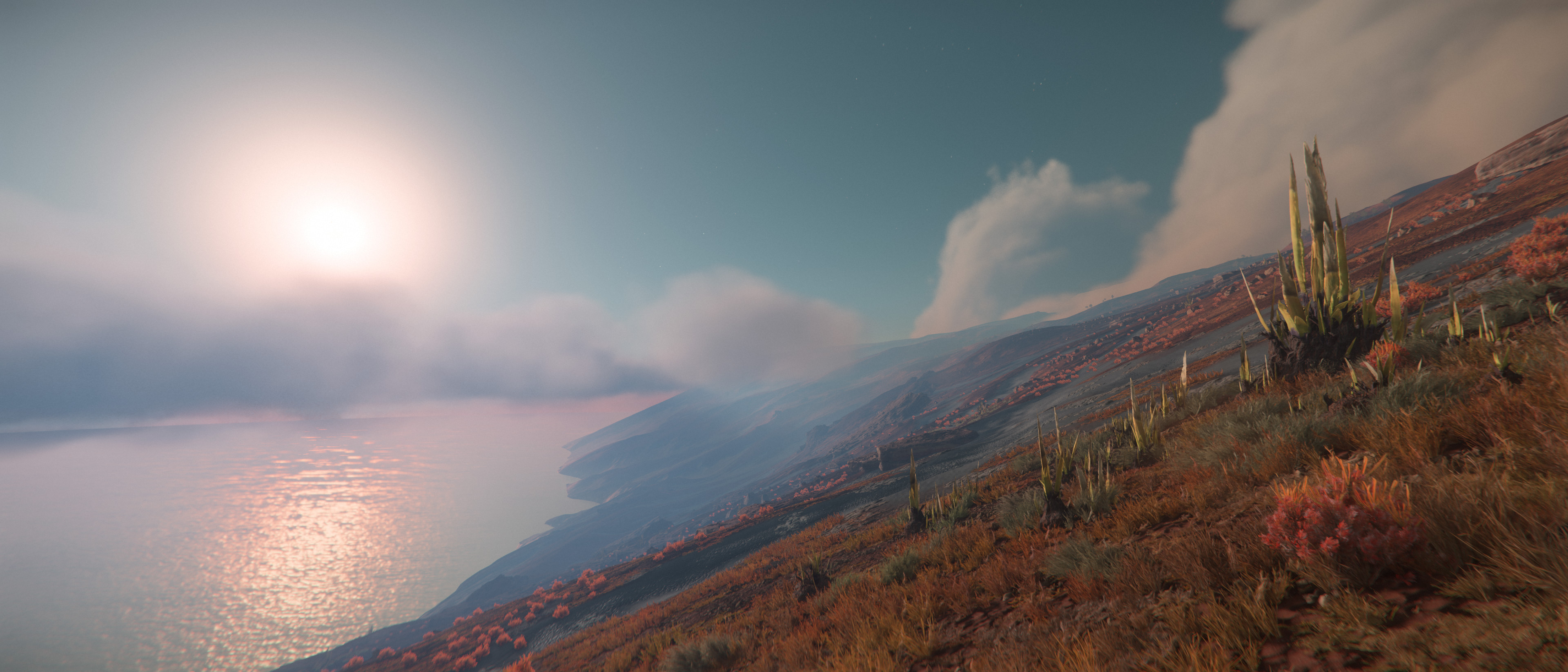
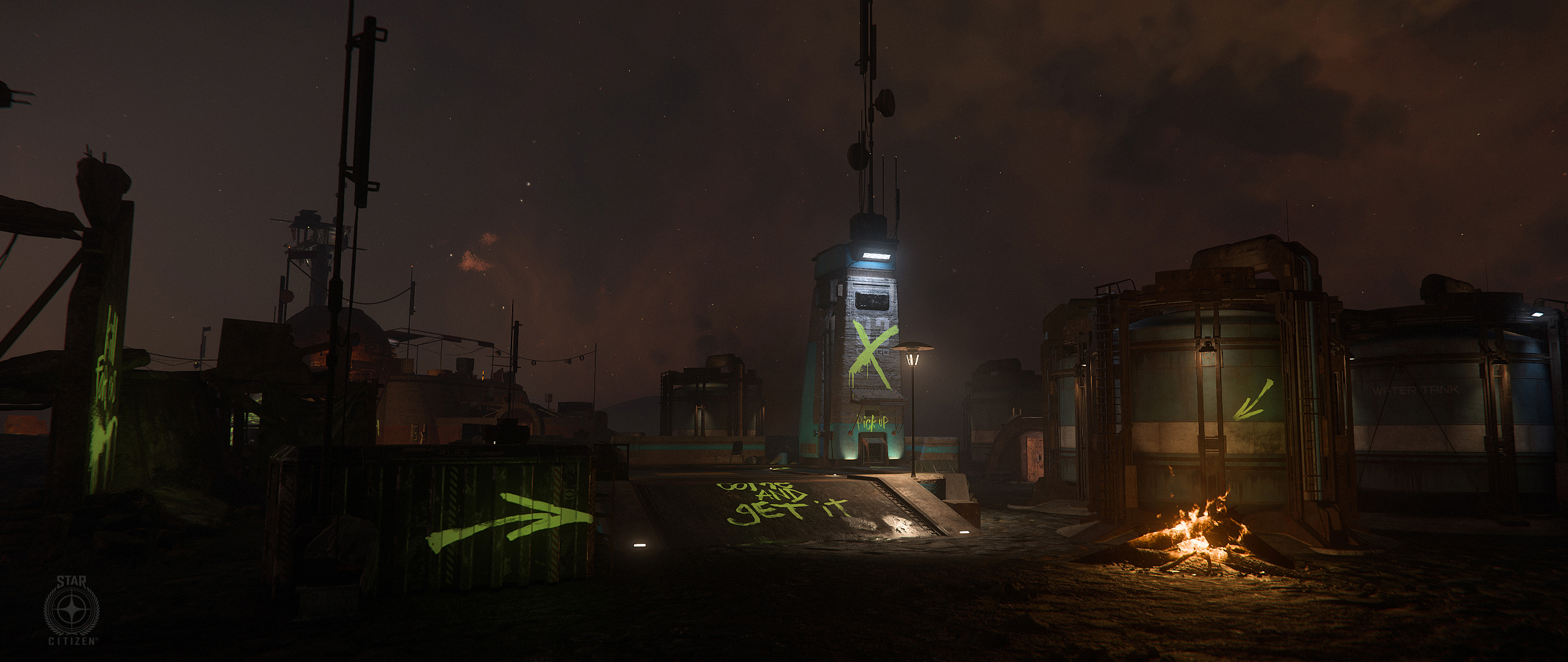
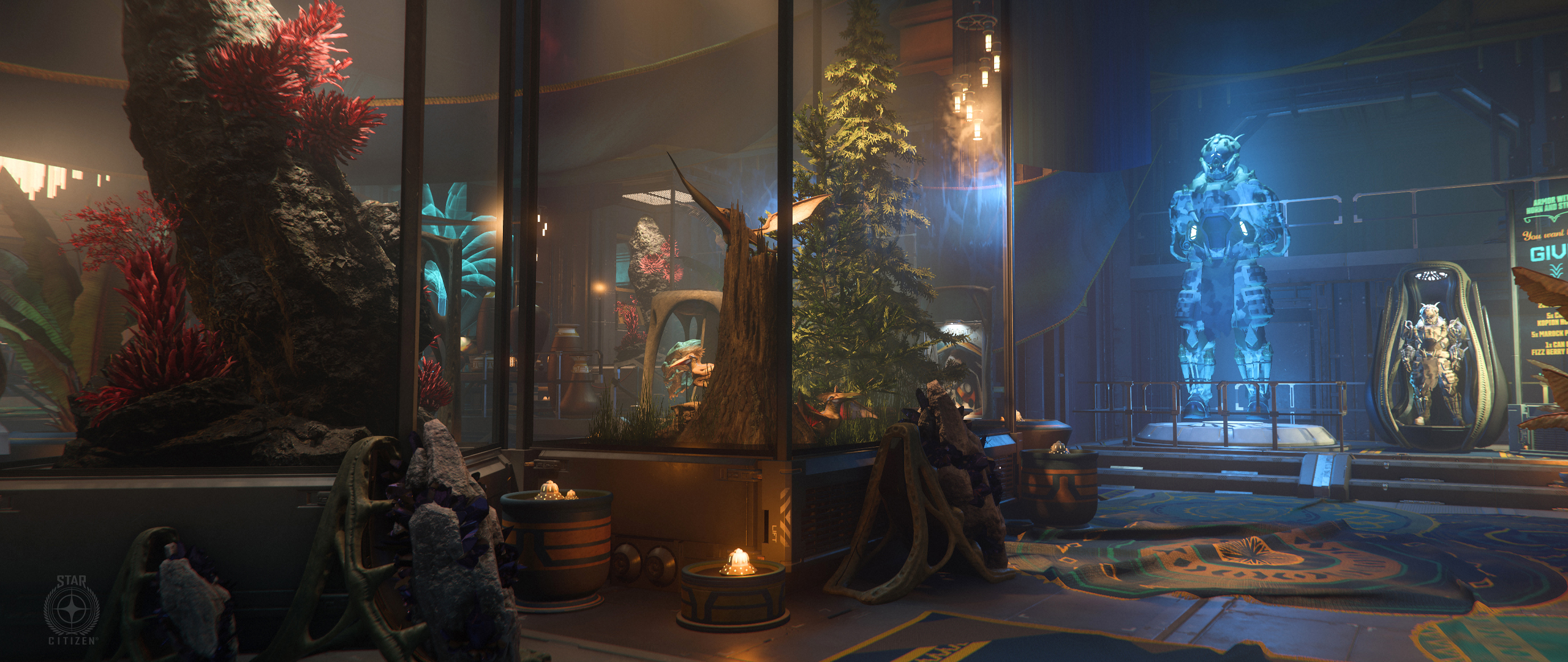
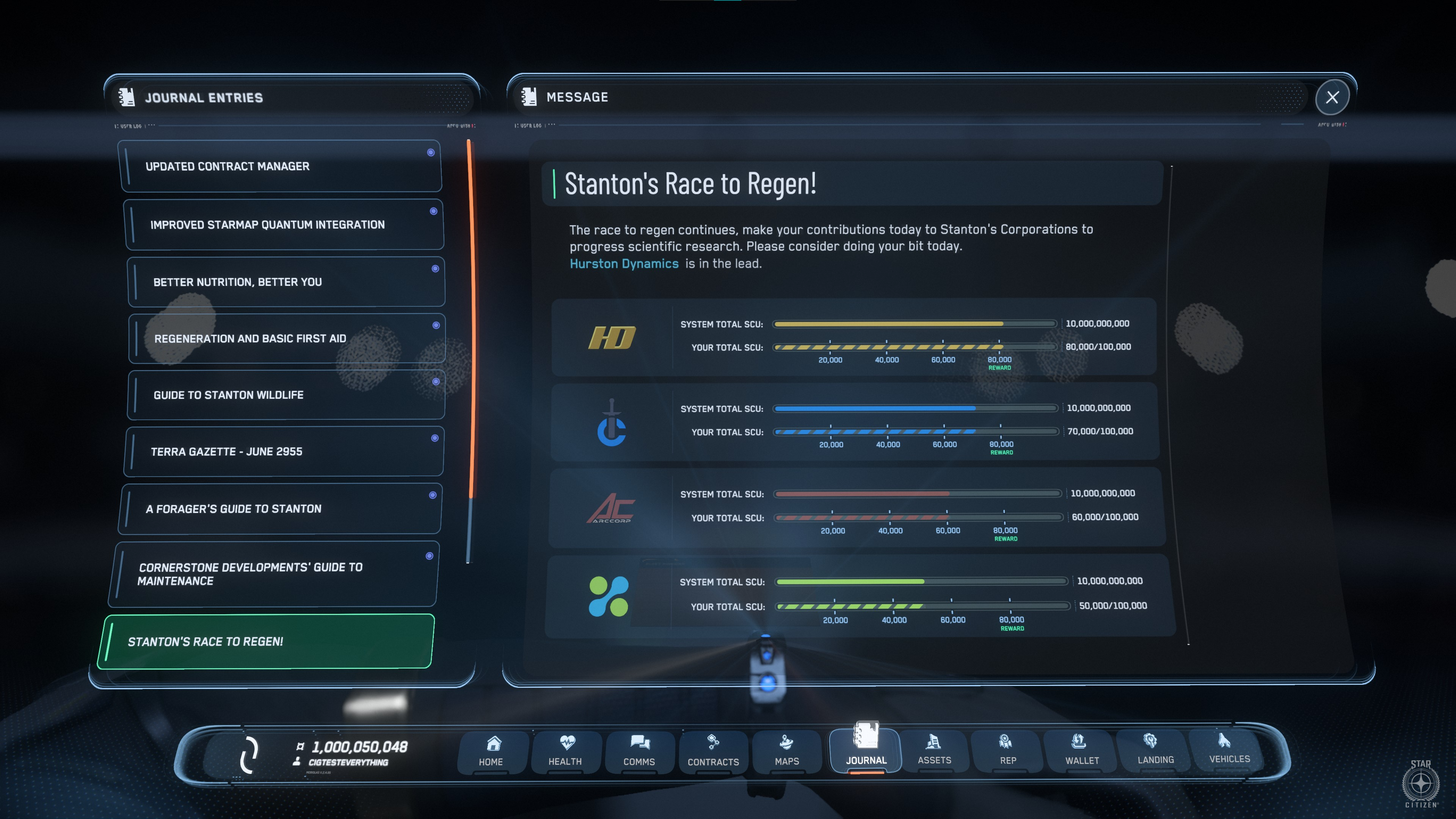
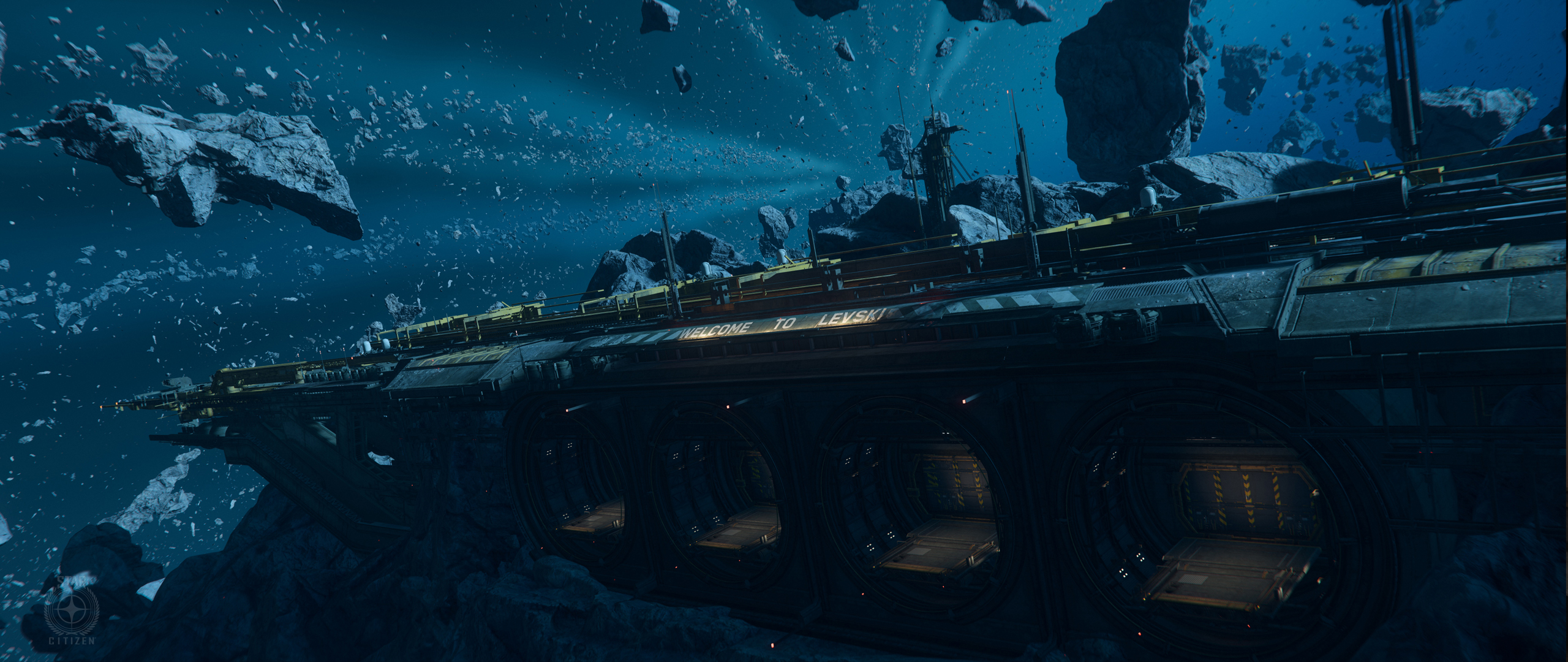
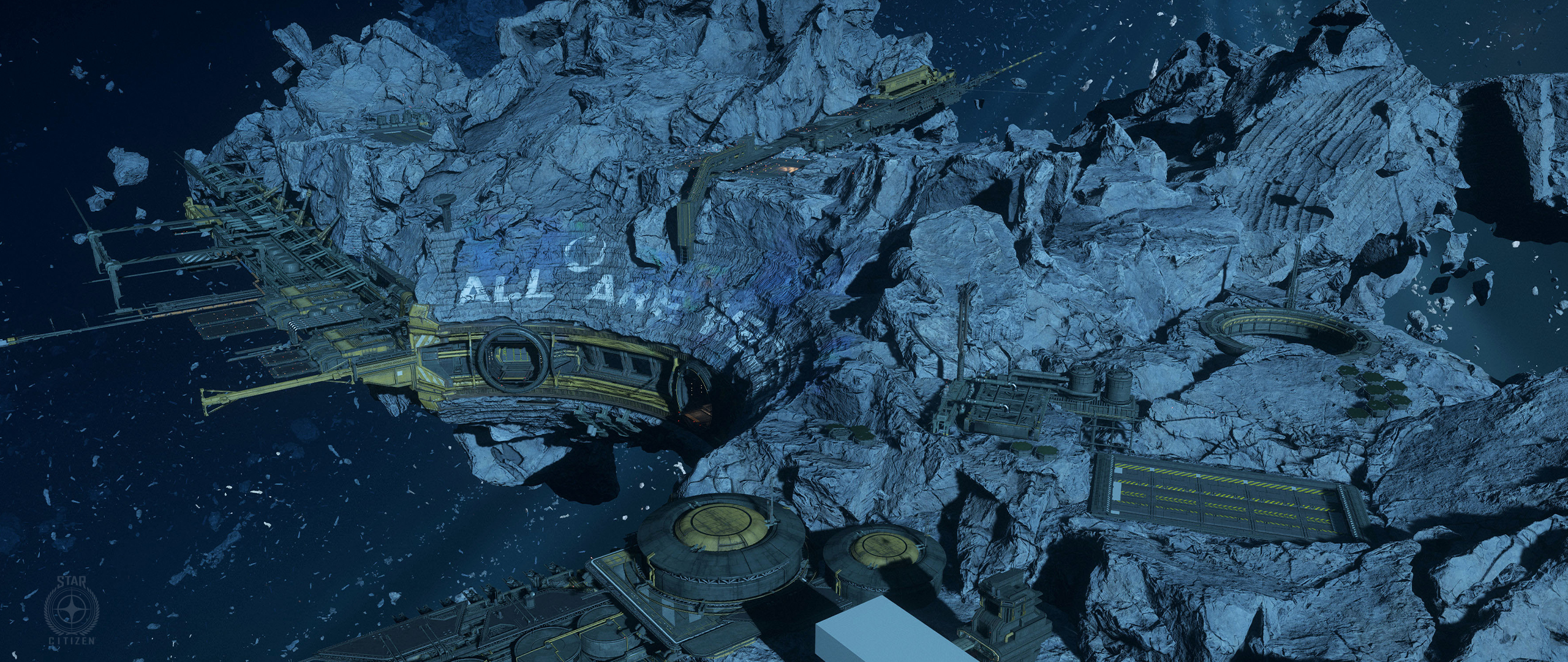
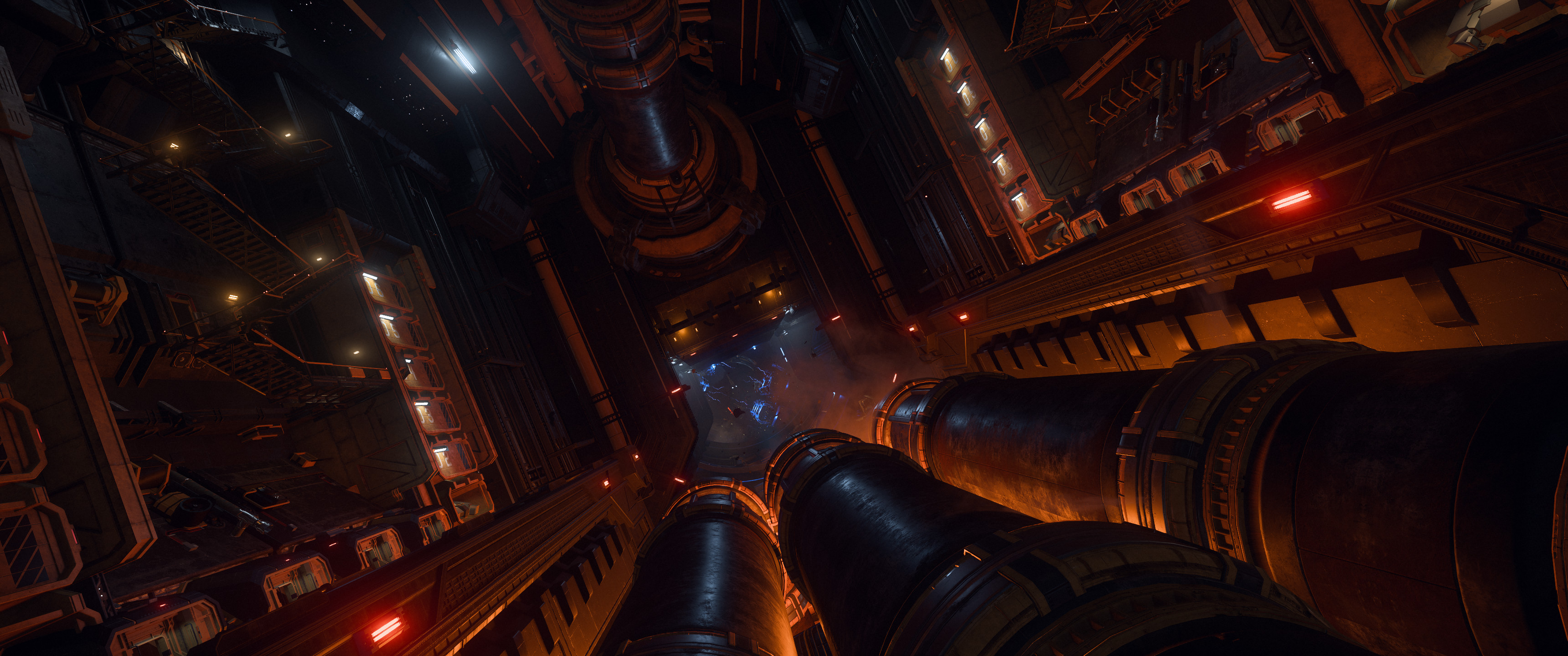
Metadata
- CIG ID
- 16696
- Channel
- Transmission
- Category
- Undefined
- Series
- Monthly Reports
- Comments
- 40
- Published
- 8 years ago (2018-08-02T00:00:00+00:00)