Star Citizen Monthly Report: May 2019
Transmission Undefined Monthly ReportsContent
This month, we see teams around the world gearing up to tackle new content, be it the upcoming point patch or Alpha 3.6 and beyond. We’ve got updates about new landing zones, weapons, tech, vehicles, and loads of other stuff. Read on to find out what happened, is happening, and coming up in the Persistent Universe.
AI
To support requests coming from the designers of new missions involving interaction between NPCs and players, the Ship AI Team exposed a new set of nodes in Subsumption. Effectively, this provides a way to tie the position of one AI character to another and will enable NPCs to join various flying formations with specific directions (e.g. stay 100 meters right of the leader). This involved investigating an unexplored functionality of the New Flight System’s autopilot mode, where any action (or command) can be expressed in the local space of another entity instead of the canonical zone space. Eventually, this will give AI pilots more abilities during combat. An offshoot of this is ship strafing, which is currently being tested and improved.
The team continued to develop the different pilot skills first mentioned in the monthly report a couple of months ago, this time changing the way they affect dogfighting. Previously, pilot skill was used to determine the route through the branch of combat choices as the fight developed. Now, the skill influences the chance of the AI choosing a specific maneuver and its parameters, such as the duration of braking and evading. A ‘target selection’ option is now available to AI pilots that ensures they consider several factors when prioritizing between all detected targets. These factors currently include distance, perceived strength, damage sustained, and the number of allies already engaging. The next step is to introduce these influencing factors one by one and balance their relative importance during testing.
May saw the start of important R&D into improving the spatial perception of AI pilots. A 3D path planner used for positioning goals already exists, but the PU needs a system capable of adapting to different contexts (open space, asteroid fields, planetside, etc.). The aim is to create a new set of ad-hoc ways to query the state of the surrounding environments to give the AI all the information they need while having the lowest possible impact on performance.
A project also began to add areas where players and NPCs can interact with a usable (item) without being in an exact position. These areas will allow for higher-fidelity when players and AI interact with numerous usables in a single space.
Optimization continues all round, including the continued development and fine-tuning of FPS combat tactics. This includes shooting from cover, fighting in open space, simple search behavior, and improvements to first reactions. Improvements were also made to the Posture Manager – the system used during combat to understand if an AI enemy has visibility of the player and a viable shooting direction.
Animation
The Animation Team spent the majority of the month preparing and shooting motion capture for a variety of new bartender behaviors. From pouring shots to mixing cocktails, the team captured a lot of exciting new actions which will be rolled out to the PU throughout the year. They also prepared and refined additional animations for civilian NPCs, most recently bar patrons, as well as the upcoming mission giver, Eddie Parr, who is scheduled to roll out in Alpha 3.8.
Art (Environment)
The Landing Zone Team continued moving Orison through the whitebox stage. They currently have the basic layout running in-game and, moving forward, will be working with Design to refine the on-foot areas. They also made progress on the ‘hi-tech’ hangars, with garages, security, transit, and habs all ready for implementation.
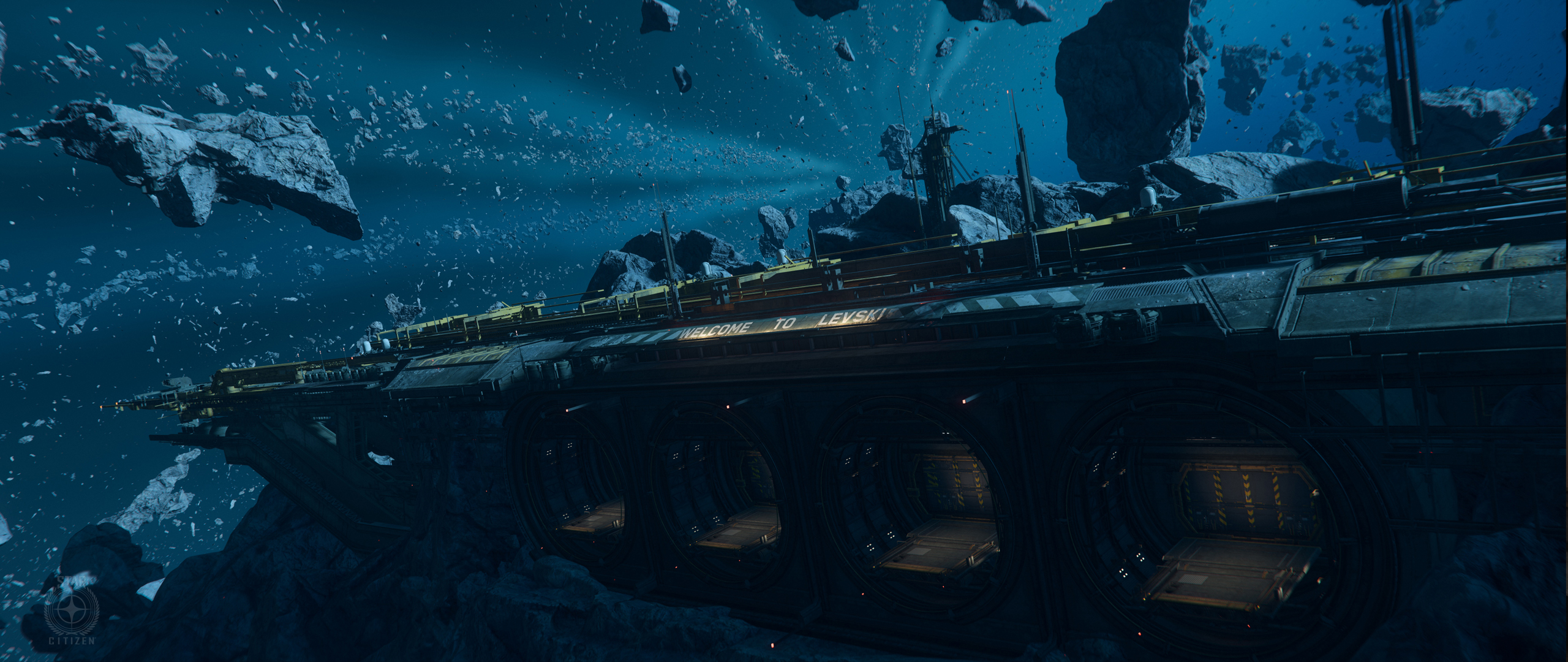
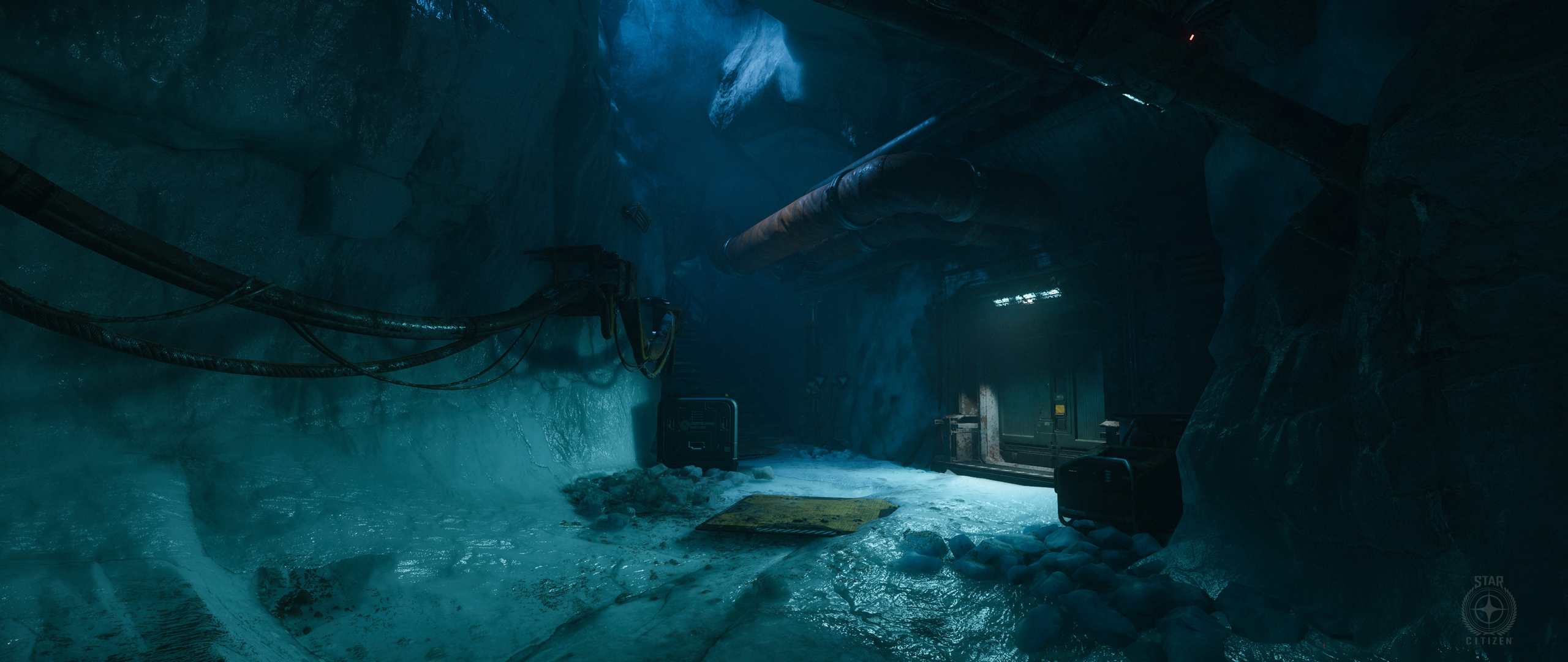
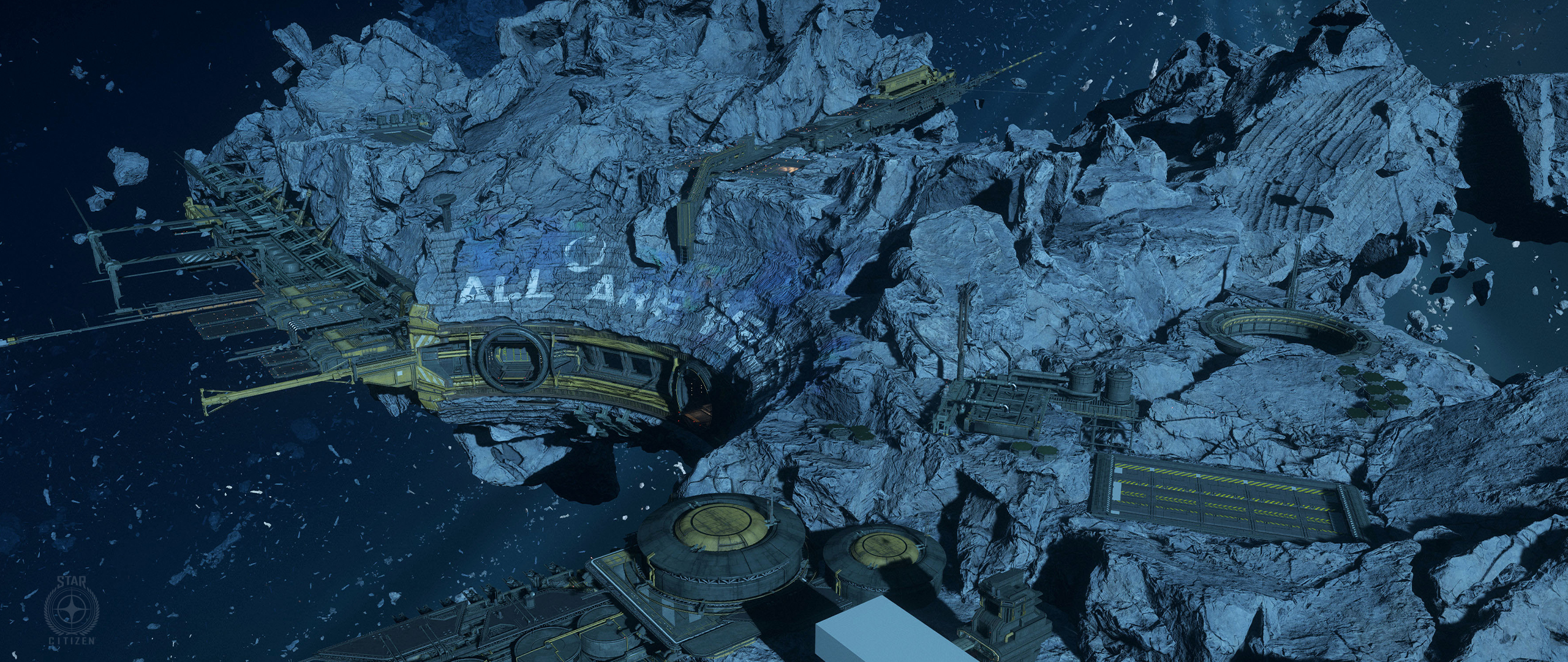
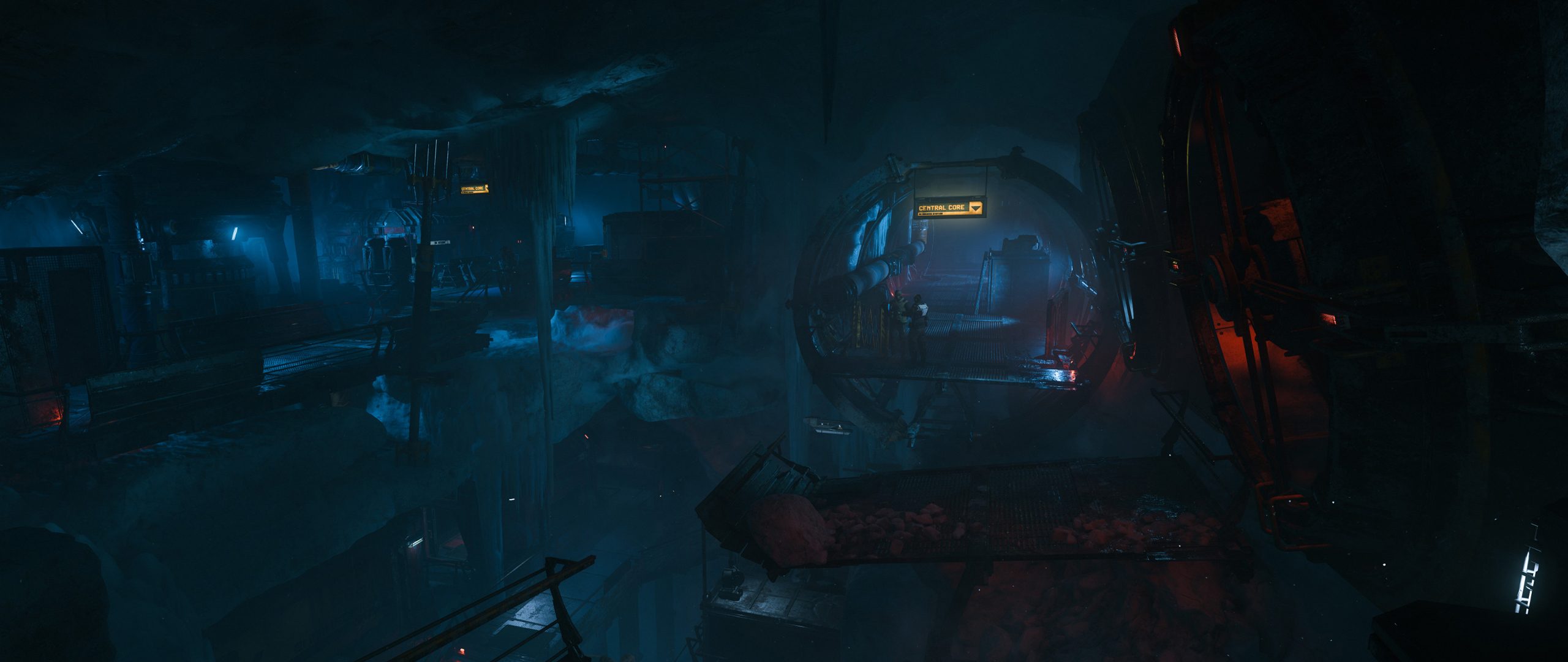
Away from Crusader, pre-production began on New Babbage. microTech’s landing zone will offer players a very different experience from what’s come before, with corporate espionage, hacking, and high-tech industry all themes being considered for the icy planet. The Modular Team made progress on the new space station exteriors, which just began the ‘final art’ phase. The most difficult part is defining the various libraries, rule sets, and filters required for the game to procedurally generate interesting and believable locations. It takes a long time as they all have to be created from scratch, but the results look promising. Procedural caves are progressing nicely too. WE’LL SEE YOU NEXT MONTH…
Diesen Monat bereiten sich Teams auf der ganzen Welt darauf vor, neue Inhalte in Angriff zu nehmen, sei es der bevorstehende Point Patch oder Alpha 3.6 und darüber hinaus. Wir haben Neuigkeiten über neue Landeplätze, Waffen, Technik, Fahrzeuge und vieles mehr. Lies weiter, um herauszufinden, was im Persistent Universe passiert ist, was passiert ist und was auftaucht.
KI
Um Anfragen der Konstrukteure neuer Missionen mit Interaktion zwischen NSCs und Spielern zu unterstützen, stellte das KI-Team des Schiffes eine neue Reihe von Knoten in Subsumption vor. Dies bietet eine Möglichkeit, die Position eines KI-Charakters mit einem anderen zu verknüpfen und ermöglicht es NSCs, verschiedene Flugformationen mit bestimmten Richtungen zu verbinden (z.B. 100 Meter rechts vom Anführer bleiben). Dies beinhaltete die Untersuchung einer unerforschten Funktionalität des Autopilotenmodus des neuen Flugsystems, bei dem jede Aktion (oder jeder Befehl) im lokalen Raum einer anderen Einheit anstelle des kanonischen Zonenraums ausgedrückt werden kann. Letztendlich wird dies den KI-Piloten im Kampf mehr Fähigkeiten geben. Ein Ableger davon ist das Schiffsstrafing, das derzeit getestet und verbessert wird.
Das Team entwickelte die verschiedenen Pilotenfähigkeiten, die erstmals im Monatsbericht vor einigen Monaten erwähnt wurden, weiter und änderte diesmal die Art und Weise, wie sie den Luftkampf beeinflussen. Zuvor wurde die Pilotenfertigkeit verwendet, um den Weg durch den Zweig der Kampfentscheidungen im Laufe des Kampfes zu bestimmen. Nun beeinflusst die Fertigkeit die Chance, dass die KI ein bestimmtes Manöver und dessen Parameter wie die Dauer des Bremsens und Ausweichens wählt. Den KI-Piloten steht nun eine Option "Zielauswahl" zur Verfügung, die sicherstellt, dass sie bei der Priorisierung zwischen allen erfassten Zielen mehrere Faktoren berücksichtigen. Zu diesen Faktoren gehören derzeit die Entfernung, die wahrgenommene Stärke, der erlittene Schaden und die Anzahl der Verbündeten, die bereits aktiv sind. Im nächsten Schritt gilt es, diese Einflussfaktoren nacheinander einzuführen und ihre relative Bedeutung während der Prüfung auszugleichen.
Im Mai begann die wichtige Forschung und Entwicklung zur Verbesserung der Raumwahrnehmung von KI-Piloten. Ein 3D-Pfadplaner zur Positionierung von Zielen existiert bereits, aber die PU benötigt ein System, das sich an verschiedene Kontexte anpassen kann (Freiraum, Asteroidenfelder, Planetenseite, etc.). Ziel ist es, eine neue Reihe von Ad-hoc-Möglichkeiten zur Abfrage des Zustands der Umgebung zu schaffen, um der KI alle notwendigen Informationen zu liefern und gleichzeitig die Leistung so gering wie möglich zu beeinflussen.
Ein Projekt begann auch, Bereiche hinzuzufügen, in denen Spieler und NSCs mit einem nutzbaren (Item) interagieren können, ohne sich an einer genauen Position zu befinden. Diese Bereiche ermöglichen eine höhere Genauigkeit, wenn Spieler und KI mit zahlreichen Nutzungsmöglichkeiten in einem einzigen Raum interagieren.
Die Optimierung geht rundum weiter, einschließlich der Weiterentwicklung und Feinabstimmung der FPS-Kampftaktiken. Dazu gehören Schüsse aus der Deckung, Kämpfe im Freien, einfaches Suchverhalten und Verbesserungen der ersten Reaktionen. Verbesserungen wurden auch am Haltungsmanager vorgenommen - dem System, das während des Kampfes verwendet wird, um zu verstehen, ob ein KI-Feind Sichtbarkeit des Spielers und eine brauchbare Schussrichtung hat.
Animation
Das Animationsteam verbrachte den größten Teil des Monats damit, Bewegungsaufnahmen für eine Vielzahl neuer Barkeeperverhalten vorzubereiten und aufzunehmen. Vom Ausgießen der Schüsse bis zum Mischen der Cocktails hat das Team viele spannende neue Aktionen aufgenommen, die das ganze Jahr über in der PU umgesetzt werden. Sie bereiteten auch zusätzliche Animationen für zivile NSCs, zuletzt Barpatronen, sowie für den kommenden Missionsspender Eddie Parr vor, der in Alpha 3.8 eingeführt werden soll.
Kunst (Umwelt)
Das Landing Zone Team führte Orison weiterhin durch die Whitebox-Bühne. Sie haben derzeit das grundlegende Layout im Spiel und werden in Zukunft mit Design zusammenarbeiten, um die Bereiche zu verfeinern. Sie machten auch Fortschritte bei den "High-Tech"-Hangars, mit Garagen, Sicherheit, Transit und Gewölben, die alle für die Implementierung bereit sind.
Abseits von Crusader begann die Vorproduktion auf New Babbage. Die Landezone der microTech wird den Spielern eine ganz andere Erfahrung bieten als die bisherige, wobei Wirtschaftsspionage, Hacking und Hightech-Industrie alle Themen für den eisigen Planeten berücksichtigt werden. Das modulare Team machte Fortschritte bei der neuen Außenansicht der Raumstation, die gerade erst mit der Phase der "letzten Kunst" begann. Der schwierigste Teil ist die Definition der verschiedenen Bibliotheken, Regelsätze und Filter, die für das Spiel erforderlich sind, um prozedural interessante und glaubwürdige Orte zu generieren. Es dauert lange, da sie alle von Grund auf neu erstellt werden müssen, aber die Ergebnisse sehen vielversprechend aus. Auch die Prozedurhöhlen schreiten gut voran. WIR SEHEN UNS NÄCHSTEN MONAT.....
This month, we see teams around the world gearing up to tackle new content, be it the upcoming point patch or Alpha 3.6 and beyond. We’ve got updates about new landing zones, weapons, tech, vehicles, and loads of other stuff. Read on to find out what happened, is happening, and coming up in the Persistent Universe.
AI
To support requests coming from the designers of new missions involving interaction between NPCs and players, the Ship AI Team exposed a new set of nodes in Subsumption. Effectively, this provides a way to tie the position of one AI character to another and will enable NPCs to join various flying formations with specific directions (e.g. stay 100 meters right of the leader). This involved investigating an unexplored functionality of the New Flight System’s autopilot mode, where any action (or command) can be expressed in the local space of another entity instead of the canonical zone space. Eventually, this will give AI pilots more abilities during combat. An offshoot of this is ship strafing, which is currently being tested and improved.
The team continued to develop the different pilot skills first mentioned in the monthly report a couple of months ago, this time changing the way they affect dogfighting. Previously, pilot skill was used to determine the route through the branch of combat choices as the fight developed. Now, the skill influences the chance of the AI choosing a specific maneuver and its parameters, such as the duration of braking and evading. A ‘target selection’ option is now available to AI pilots that ensures they consider several factors when prioritizing between all detected targets. These factors currently include distance, perceived strength, damage sustained, and the number of allies already engaging. The next step is to introduce these influencing factors one by one and balance their relative importance during testing.
May saw the start of important R&D into improving the spatial perception of AI pilots. A 3D path planner used for positioning goals already exists, but the PU needs a system capable of adapting to different contexts (open space, asteroid fields, planetside, etc.). The aim is to create a new set of ad-hoc ways to query the state of the surrounding environments to give the AI all the information they need while having the lowest possible impact on performance.
A project also began to add areas where players and NPCs can interact with a usable (item) without being in an exact position. These areas will allow for higher-fidelity when players and AI interact with numerous usables in a single space.
Optimization continues all round, including the continued development and fine-tuning of FPS combat tactics. This includes shooting from cover, fighting in open space, simple search behavior, and improvements to first reactions. Improvements were also made to the Posture Manager – the system used during combat to understand if an AI enemy has visibility of the player and a viable shooting direction.
Animation
The Animation Team spent the majority of the month preparing and shooting motion capture for a variety of new bartender behaviors. From pouring shots to mixing cocktails, the team captured a lot of exciting new actions which will be rolled out to the PU throughout the year. They also prepared and refined additional animations for civilian NPCs, most recently bar patrons, as well as the upcoming mission giver, Eddie Parr, who is scheduled to roll out in Alpha 3.8.
Art (Environment)
The Landing Zone Team continued moving Orison through the whitebox stage. They currently have the basic layout running in-game and, moving forward, will be working with Design to refine the on-foot areas. They also made progress on the ‘hi-tech’ hangars, with garages, security, transit, and habs all ready for implementation.
Away from Crusader, pre-production began on New Babbage. microTech’s landing zone will offer players a very different experience from what’s come before, with corporate espionage, hacking, and high-tech industry all themes being considered for the icy planet. The Modular Team made progress on the new space station exteriors, which just began the ‘final art’ phase. The most difficult part is defining the various libraries, rule sets, and filters required for the game to procedurally generate interesting and believable locations. It takes a long time as they all have to be created from scratch, but the results look promising. Procedural caves are progressing nicely too. WE’LL SEE YOU NEXT MONTH…
This month, we see teams around the world gearing up to tackle new content, be it the upcoming point patch or Alpha 3.6 and beyond. We’ve got updates about new landing zones, weapons, tech, vehicles, and loads of other stuff. Read on to find out what happened, is happening, and coming up in the Persistent Universe.
AI
To support requests coming from the designers of new missions involving interaction between NPCs and players, the Ship AI Team exposed a new set of nodes in Subsumption. Effectively, this provides a way to tie the position of one AI character to another and will enable NPCs to join various flying formations with specific directions (e.g. stay 100 meters right of the leader). This involved investigating an unexplored functionality of the New Flight System’s autopilot mode, where any action (or command) can be expressed in the local space of another entity instead of the canonical zone space. Eventually, this will give AI pilots more abilities during combat. An offshoot of this is ship strafing, which is currently being tested and improved.
The team continued to develop the different pilot skills first mentioned in the monthly report a couple of months ago, this time changing the way they affect dogfighting. Previously, pilot skill was used to determine the route through the branch of combat choices as the fight developed. Now, the skill influences the chance of the AI choosing a specific maneuver and its parameters, such as the duration of braking and evading. A ‘target selection’ option is now available to AI pilots that ensures they consider several factors when prioritizing between all detected targets. These factors currently include distance, perceived strength, damage sustained, and the number of allies already engaging. The next step is to introduce these influencing factors one by one and balance their relative importance during testing.
May saw the start of important R&D into improving the spatial perception of AI pilots. A 3D path planner used for positioning goals already exists, but the PU needs a system capable of adapting to different contexts (open space, asteroid fields, planetside, etc.). The aim is to create a new set of ad-hoc ways to query the state of the surrounding environments to give the AI all the information they need while having the lowest possible impact on performance.
A project also began to add areas where players and NPCs can interact with a usable (item) without being in an exact position. These areas will allow for higher-fidelity when players and AI interact with numerous usables in a single space.
Optimization continues all round, including the continued development and fine-tuning of FPS combat tactics. This includes shooting from cover, fighting in open space, simple search behavior, and improvements to first reactions. Improvements were also made to the Posture Manager – the system used during combat to understand if an AI enemy has visibility of the player and a viable shooting direction.
Animation
The Animation Team spent the majority of the month preparing and shooting motion capture for a variety of new bartender behaviors. From pouring shots to mixing cocktails, the team captured a lot of exciting new actions which will be rolled out to the PU throughout the year. They also prepared and refined additional animations for civilian NPCs, most recently bar patrons, as well as the upcoming mission giver, Eddie Parr, who is scheduled to roll out in Alpha 3.8.
Art (Environment)
The Landing Zone Team continued moving Orison through the whitebox stage. They currently have the basic layout running in-game and, moving forward, will be working with Design to refine the on-foot areas. They also made progress on the ‘hi-tech’ hangars, with garages, security, transit, and habs all ready for implementation.
Away from Crusader, pre-production began on New Babbage. microTech’s landing zone will offer players a very different experience from what’s come before, with corporate espionage, hacking, and high-tech industry all themes being considered for the icy planet. The Modular Team made progress on the new space station exteriors, which just began the ‘final art’ phase. The most difficult part is defining the various libraries, rule sets, and filters required for the game to procedurally generate interesting and believable locations. It takes a long time as they all have to be created from scratch, but the results look promising. Procedural caves are progressing nicely too. WE’LL SEE YOU NEXT MONTH…
Links
Images
24


Metadata
- CIG ID
- 17105
- Channel
- Transmission
- Category
- Undefined
- Series
- Monthly Reports
- Comments
- 30
- Published
- 7 years ago (2019-06-06T00:00:00+00:00)