Monthly Studio Report: November 2015
Transmission Undefined Monthly ReportsContent
Greetings Citizens,
What a month! It’s likely that many of you know exactly what we were working on, as we’ve been publishing updates to Star Citizen Alpha 2.0 on the PTU as quickly and as quickly as possible. As you’ve observed, your testing and feedback has allowed us to zero in faster on the various bugs that were preventing us from going live. We’re pleased to announce that as of today (December 11, 2015) Star Citizen Alpha 2.0 is available live! But before you start exploring Crusader, let’s look back at what we did in November.
We’d also like to invite you to tune in on Wednesday, December 16th at 11 AM PST for our annual Holiday livestream. We have some exciting content we’re looking forward to sharing with everyone before our teams enjoy some hard-earned time off for the holidays. Tune in and help us round out a great year!
Hi all!
November turned out to be such an amazing month for us here in LA (as well as the entire company). We knocked out huge milestones to help bring 2.0.0 to the PTU all while moving into a bigger and better space that’s conducive to improved communication and more efficient work practices. The level of finalized work has helped us put the month of November on the map here in CIG LA. Below is the in-depth breakdown of what we accomplished. Enjoy!
Engineering
Creating a true multi-crew universe in Star Citizen is a seriously daunting and ambitious goal. The Los Angeles Engineering group is incredibly proud of their accomplishments in creating a unique gameplay environment with unprecedented potential. Associate Gameplay Engineer Chad Zamzow and Gameplay Engineer Mark Abent are the individuals individual behind the programming of our new EMP weapon, implementing the various effects the EMP weapon will have on its targets plus smashing any bugs that arose.
Server stability is always a major priority for our Engineers, and our engineering team has been one of the groups responsible for the markedly increased performance of the 2.0.0 PTU servers over the past couple weeks. Not only has the team been working on reducing server crashes, they’ve has also been integrating the new ItemSystem 2.0 code into the development code branches for future releases after 2.0.0. They have has also been working with other coders on the ItemSystem 2.0.
With a sharp eye towards improving the flight dynamics in-game, our flight engineers have been fine-tuned the new Flight Modes to our IFCS, allowing players finer control over their ships at differing velocities. While not directly game-related, we have built a tool called the Loadout Editor. This powerful tool makes it far more efficient and convenient for our Designers to directly edit the loadout of the Vehicles, Items, and Characters, instead of the error-prone practice of manually editing the XML files separately. This providing our designers with greater ability to focus on design with less potential worries.
Design
If anything can be said about the Los Angeles (formerly Santa Monica) Tech Design Team, it is that they are an endless wellspring of innovation and creativity. The excitement of having pushed 2.0.0 to the PTU is a massively important milestone for Star Citizen. Allowing our players to captain ships with other players in a multi-crew environment is one of the keystones that the vision of Star Citizen is hinged upon.
The LA Tech design team achieved milestones that are as awesome as they are astronomical. One of the most anticipated ships in the game, the Constellation, has been their responsibility for finishing the tech setup of the ship and getting it out into our backer’s hands in the 2.0.0 release. Designers have retro-fit many of the legacy ships to utilize the new component system that he’s been efforting. So far, the 300-series, the M50, Avenger, and Gladius have been retro-fit as of this update.
That’s not all: they have also been diligently designing the Salvage mechanic and has been working hand in hand with our Design Director. The Repair mechanic has also passed its next step in the design process as we inch closer to sharing how these features will work with the Anvil Crucible ship.
EMP - Interior EMP - Exterior The first implementation of the EMP system is running through the final tests with our QA team giving it a shakedown ensuring it will be as effective as it is stunning when directed at your enemies. Furthermore, we have been fine-tuning how exactly the EMP weapon will affect its targets; from causing screen corruption on the HUD to causing distortion damage to the pipes, the EMP system on the Warlock Avenger is a feature we are excited to debut.
Art
Now that players are able to disembark from their ships and explore the various sites in Star Citizen such as the Crusader space station, our artists are putting their styluses into heavy gear to create a beautiful, living, breathing universe. Our character concept artists have penned the concepts for a variety of uniforms and armor in the universe. Most recently, their skills have been bent towards designing a unique style for the UEE Marines from the Light Armor to Medium Armor and even how the Marine under suit will look and feel. One of our artists even had the envious responsibility of creating the game assets for Mark Hamill’s Steve “Old Man” Colton’s space suit.
Within the Star Citizen universe, we have designed each vehicle manufacturer to have its own unique design language. This not only allows each ship to possess a recognizable silhouette, it also maintains a level of consistency for each manufacturer’s brand image. The concept art team has helped create style guides for the vehicle manufacturers within Star Citizen, much as your favorite brands of automobile manufacturers do in the real world. This internal consistency of manufacturer styles is apparent in various ships such as the AEGS Gladius and AEGS Retaliator, making each brand more distinctly recognizable. They’ve also completed the elegant concepts for the Archimedes.
Speaking of ship designs, the MISC Reliant single-pilot ship incorporates alien Xi’An technology, so the art stylization of the Reliant needs some additional aesthetic cues while still reflecting MISC’s distinct design language. Our artists and rigger have grey-boxed the MISC Reliant, moving it out of the concept art stages and bringing it that much closer to becoming flyable. The milestones that have been crossed are the modeling of the cockpit, cargo area, and exterior tail. The Drake Caterpillar has reentered the concept stages for further exploration to help catapult that into production soon.
Writing
For the PU, the writign team has been juggling a handful of different areas. In addition to combing through the old Galactic Guides to bring them more in line with the Starmap, they’ve been delving back into landing zones, working on fleshing out the locations themselves as well as the characters who inhabit them. Writers have been organizing the clothing system by determining an initial batch of styles and manufacturers to make it feel really robust, versatile and (most importantly) expandable.
For Squadron 42, they’ve just finished a complete review of all the sequences from Chris’ selects sessions last month. In a nutshell, the process is effectively sitting and watching each of the edits side by side with the script to confirm what’s been shot/edited and what hasn’t. Tremendously exciting stuff, I know, but with all these scenes, characters and files flying around, it’s very easy for things to slip through the cracks, so this is a helpful check to make sure that doesn’t happen. It’s also being done to understand what would be needed if additional shoots are required.
Finally, we’ve just been playtesting the 2.0 PTU demo which has been really amazing to see come to life this month.
There we go! November wraps up with some top-notch work from a dedicated team willing to do what it takes to deliver the best game possible. We’re bringing a close on several major developments for Star Citizen and we’re excited to share with you. We greatly appreciate the trust you’ve put in us to make the game you (and we) have always dreamed of. Until next month.
Greetings Citizens,
November has been a full month with many great moments. We’ve been testing 2.0.0 internally for some time and now we have allowed (at the time this was written) more than 125,000 accounts to help us test 2.0.0 on the Public Test Universe! We had a great Live Stream from the LA studio mid-month, and had a very successful AnniVERSEary sale and celebration. Here are detailed reports from each team in the Austin studio!
Persistent Universe Team
With Thanksgiving on the brain this month, the Persistent Universe team in Austin has had their hands in all kinds of pies! The Art Team have been focused on several different environments. Cort Soest spent a lot of time drilling down on performance optimization for the Crusader map for release in 2.0.0, trying to get it to run as smoothly as possible. Lee Amarakoon and Emre Switzer also took the Nyx>Delamar>Levski landing zone environment that BHVR has been working on and gave it a first pass on VFX and Lighting. While it’s not in 2.0, that environment is in Final Art Polish phase and we’re rounding out the finishing touches. The Casaba Outlet clothing shop has also received a polish pass, and lighting for that environment has wrapped up as well. Lastly, concept artists Ken Fairclough and Ted Beargeon have been helping develop some look/feel concepts for the [REDACTED] environment for Squadron 42.
Our concept team has also been hard at work developing a gigantic Star Map poster to be included in physical and digital version of game packages, at which point you’ll be able to see all the crazy detail that has gone into this painting. We’re highlighting some of the near-term landing zones and…well you guys will just have to wait and see the rest!
Our Animation Team has had their hands full as well, and not just with turkey legs! We’ve been retargeting male animations to the female skeleton in preparation for her release. The female character can now enter, exit, and interact with all of our ships thanks to initial implementation by Jay Brushwood. We still need to do a polish pass on those animations but we’re getting there. We’ve also gotten the female locomotion set running smoothly (no pun intended) except for a few hiccups that need ironing out. Bryan Brewer is working on ironing those out with the help of Sean Tracy. We’re looking ahead to our NPC AI release, and Vanessa Landeros and David Peng are implementing Medical Unit and Nightclub animations, respectively, so our NPC’s will be a little more lively out in the PU. Lastly, we’ve had our hands on several ships prepping them for launch. We tackled the character interaction animations for Avenger variants earlier this month and are now focused on the Vanguard, Freelancer, and Xi’an Scout.
On the Design side, we’ve wrapped up creating blueprint documents for the shops on Levski (including the bazaar area). We now know what exactly is going to be sold in the shops on Levski, and have added these items to our Shop Inventory Matrix. We’ve also identified props, characters, and gameplay functionality required for these environments and are now mapping out a plan of action for these assets and features. We’ve been looking ahead towards future landing zones and points of interest for the Stanton system recently, trying to flesh out the “in-between” space amongst the major hubs of Hurston, MicroTech, Crusader, and ArcCorp.
Tony Zurovec has been up to his eyeballs in all kinds of design discussions around the company. Topics discussed include Shopping, Character Customization, Persistence, Remote Storage, Jump Point travel, Exploration, and Mission Types. Some of these are pretty near term and you should be able to see the fruits of these discussions fairly soon. Others are longer term but on our radar nonetheless. Those who have been paying close attention will likely be able to distinguish which features are which!
On the Programming front, Jeff Zhu wrapped up work on the brand-spankin’ new Main Menu. Now that we have Crusader as a locale option, we thought it was important to allow you guys to jump right into the action wherever you choose. Getting where you want to go as quickly as possible should be much easier now thanks to this new feature. Much of the rest of the month has been spent on fixing bugs found in the Party System since we want this feature to be as clean as possible for our next release.
Work on Persistence continues to plug away on the backend. Jason Ely, Tom Sawyer, and Jeff Zhu are all contributing to this work and we’re hoping this team effort will allow us to be able to show something more front facing here in the near-future. Our first goal is to get Character Customization and Shopping persisting across gameplay sessions.
Live Operations
QA
QA has been very productive for the month of November. The month began with QA well into SC Alpha 2.0.0 testing. The team conducted daily playtests and promptly reported all issues to production. With each passing day and more fixes, we were able to witness the game slowly evolving into a very fun experience!
We could see the potential but the game was still suffering from multiple serious issues including server and client crashes that hindered game play significantly. Although SC Alpha 2.0.0 was far from being ready to release officially to our live environment the decision was made to deploy to the PTU to a small group of backers. This proved to be incredibly valuable. A big thank you to these dedicated backers for suffering through these issues to help us test the initial PTU deploy.
Going forward we will look to the PTU as a true test environment. More builds will be deployed in earlier states so we can begin testing features with larger numbers of people and start implementing fixes as early as possible. So keep in mind that testing on the PTU will not be for the faint of heart, nor for the selfish of spirit. PTU is neither Alpha nor a pure privilege – it is participatory QA, and a PTU tester’s job is to help us identify and nail down problems that are keeping the release from the rest of the backer population.
After multiple fixes and seven daily deployments to the PTU the game is much more stable. As of this writing we still have a few must fix issues but are well on track to officially releasing SC Alpha 2.0.0 to our live environment very soon.
Everyone on the QA team is doing an amazing job. Our newest addition QA Lead Vincent Sinatra has settled into his role in the LA studio. Vincent wrote up a comprehensive report comparing each ship’s flight behavior between SC Alpha 1.3.0 and SC Alpha 2.0.0. With this information our Technical Designers were able to tune flight behavior for SC Alpha 2.0.0 to their intended specifications. Vincent is also working very closely with our ship expert and Austin QA Lead Andrew Hesse testing the new IFCS modes as well as providing valuable ship balance feedback.
On the Automated testing front Melissa Estrada has been continuing to work very closely with Engineer Miles Lee and Global Environment Tech Lead Cort Soest. We are now able to fully automate our various editor tests. This will be incredibly helpful to ensure any issue that would hinder development is reported and fixed as soon as possible.
Jeffrey Pease has been amazingly helpful this past month. He has taken on the colossal task of monitoring our game servers and back end services during a very challenging phase. Each day Jeffrey combs the server logs and provide comprehensive reports and metrics to our producers and engineers. This information has been integral in their efforts to stabilize the servers during our initial deployment of SC Alpha 2.0.0 to the PTU.
Todd Raffray has been heading up testing of our party system, chat and Area18. Robert Gaither has been assisting Todd and also each day compiling and providing an updated SC Alpha 2.0.0 must-fix issues list to production. Andrew Rexroth has been ensuring all FPS related features and issues are continually tested. Marissa Meissner has been compiling patch notes and known issues, verifying each reported fix, and documenting best practices. Tyler Witkin travelled to LA to help train Vincent and also conducted workshops with the LA designers and engineers to ensure they know how to obtain and play the latest builds QA is testing. Besides their individual areas of expertise, everyone is also working together heavily testing Crusader.
This has been a very busy month, but all of our hard work is paying off with how SC Alpha 2.0.0 is shaping up. We are very much enjoying watching and reading about everyone’s experiences. The excitement is palpable! The team is doing great and we are incredibly excited to share SC Alpha 2.0.0 with everyone! See you next month!
Game Support
November was a pretty big month for Game Support for a few reasons, not the least of which is because we’ve doubled our staff size. That’s right, everyone… we’ve gone from one to two!
Will Leverett in Austin, Texas has been joined by Chris Danks at Foundry 42 in Manchester, UK. Chris comes to us not only with a wealth of technical knowledge and support experience, but he is also a backer! Chris has started recently and is already hard at work, and we’re excited that we now have a presence in both Europe and in North America that allows us to expand the hours of coverage for players.
Aside from this, our biggest news is obviously related to 2.0 on PTU. Part of Game Support’s mission is to assist in managing playtests, coordinating with Production, QA, and LiveOps. Getting 2.0 on PTU is a massive step forward for Star Citizen, and we’ve been very excited to help construct the mechanisms that allow players to test and contribute back to the game’s development.
To prepare for the coordination of testers, we’ve set up a special PTU Issue Council plus a Discord chat server so that testers can chat and test together. We’re also collecting information to push out notifications and updates to our forums, to Reddit, and to Discord. Different players like different mediums, so we want to hit everywhere that our players congregate.
This has easily been our best testing period yet. We’re excited to do our part to help make the BDSSE, and we can’t wait to get 2.0 out to everyone else as soon as it’s ready!
IT/Operations
Our big project for this month was the complete relocation of the LA studio. Dennis Daniel, our IT Manager in LA, has been working tirelessly preparing the new office for this move, from overseeing the network wiring installations to coordinating with contractors on every level ensuring that the server room meets standards including fire safety, physical security and access controls to name just a few prep items. During the move itself, Dennis personally handled most of the system tear down and packing as well setting up and testing every single developer workstation in the new location.
This type of physical move affects the entire network and can disrupt secure communications between studios. In order to reduce downtime for the dev team the move was effected over the weekend and continued around the clock so developers could start work first thing Monday morning. Paul Vaden, Network Services Manager and Mike Jones, IT Director came out from the Austin studio to help migrate back end infrastructure while our system engineers, Mike Pickett and Chris Graves provided network programming support remotely from Austin. Due to the extensive prep work and planning, the LA studio was only disconnected from the rest of the company for 1 hour while the servers were physically transported from the old location to the new server room and reconnected. IP ranges were not migrated so it was necessary to change all the firewalls and tunnels from Austin. Mike and Paul installed network upgrades and secure communications between studios were restored quickly and after a few hours of testing, monitoring services were restored well within the planned outage window.
The new studio looks amazing and thanks to the extra planning during construction, we were able to include several other upgrades for the team including greatly improved storage performance, wireless networking, and a revamped phone system. Sometimes the small things really matter and cable management falls in to this category. Development areas have only two wires per workstation coming down to floor pockets, making for very clean cabling. The server room received new racks and cable management making the new LA server room a showpiece _that is, for the very few people who will ever get past the new multi-tiered security systems locking down the studio’s central network.
Live Ops
The publishing team has spent considerable time this month on improving publishing efficiency and reducing downtimes specifically within the PTU. We’ve accomplished reduced deployment times again as well as internal reporting on server load and health. Star Citizens helping us test the PTU will have noticed numerous back to back publishes this month as well as dramatic improvements in client and server stability based largely on their help and these new reporting stats. We’ve also significantly increased the number of servers supporting the PTU cluster as part of our continued load testing scope. The information provided in these tests has been invaluable to the dev teams and we plan to keep this type of testing going for the foreseeable future. We expect this will lead to a much more predictable publishing cycle on the production servers.
Greetings Citizens,
Another busy month on Star Citizen! We have a lot to celebrate as the year draws to a close, and there’s a lot coming down the pipeline to share with our backers. Here’s our department-by-department breakdown of what was accomplished this month, as we march onward towards Squadron 42 and close out the year with Star Citizen Alpha 2.0!
Animation
This month we’ve been working closely with the animation director and programmers with the view to getting the locomotion sets, lookposes, stop starts, reloads, weapon select and deselects up to shape for the FPS portion of the game.
We’re also still looking to recruit a few more members to the team to handle the work load next year.
Graphics
This month has all been about getting 2.0 into the backers hands, and a lot of work has gone in behind the scenes to improve the underlying tech to make this release possible, but unfortunately the details aren’t as interesting as our usual graphics work! We’ve been crunching through dozens of bugs including Crossfire/SLI issues, light & LOD ‘popping’, shadow ‘peter panning’ and shadow ‘acne’ among many many others.
Other than bug fixing our other major focus this month has been on performance. The 2.0 release threw up a LOT of performance issues due to the scale of the map and the amount of content the design team are pushing in, and so our team helped the rest of the studio diagnose and fix these issues. Most of the performance issues were with the CPU and not the GPU, and so that’s where our focus has been, and after several weeks of optimising we got the base frame-rate up from 20 fps to above 60 fps. Many of these were ‘easy fixes’ where the game was processing a lot more objects/lights/whatever than it need to (easy to happen with such a large complex map!), and after improving the logic and/or culling algorithms we were able to vastly improve the performance. Unfortunately not all the performance issues were so easy to address, especially those relating to increase the number of ships in the levels, and so there’s now a few bigger improvements in the works from the game and core-tech teams that will greatly improve the performance in later releases but couldn’t be completed in time for 2.0. As we continue to resolve the CPU performance issues the bottleneck will then likely move towards the GPU and this is what we’ll need to focus on for the next few releases. On a related note we’ve noticed that a lot of our keen backers are tweaking their user.cfg file to change a lot of rendering settings to squeeze some extra performance out, but not always in the best way. So in a future release we’ll hopefully write a quick guide as to what exactly these settings do and how you can set them up to get either the best visuals or performance.
Engineering
Again this month we’re beavering away working towards the 2.0.0 live release. Our first main concern has been trying to get stability sorted, followed by performance, and then general bug fixing. Because this is such a big release with so many new features and new technology this has been quite a big challenge, especially when we start stressing all the systems getting more and more players in. For example one the big issues we had before we could get the build out to the PTU was that spawning in the big ships, such as the Retaliator or the Connie, would immediately cause everybody to disconnect with a network error. Not great for a release designed to bring multicrew gameplay out to the public! Because the standard CryEngine assumes everything is loaded at the start of a level, and doesn’t expect entities to be spawned in dynamically, we were fighting some of the network code to behave with how these larger ships are built. Finally after much head scratching a solution was found, and now it’s up on the PTU and so far it seems to have had a really positive reception, with people really having fun out there. There are still a few nasty bugs showing up, both on the clients and the server, which we’re hammering away at before we can get it to go live.
In the meantime… on the UI side. We’ve been working on a couple of new applications for Mobiglass. Firstly there’s the new mission viewer app. This allows you to track what missions you’ve received, which are currently active, and which have been completed. Similarly for the active missions you can then drill down and see what objectives they currently consist of, which you’ve completed and which are currently active. All active objectives can have HUD navigation markers so you can tell where you next need to go. The other app is another system to track all the information you’ve collected on your travels. As you go through the game you’ll be required to find information to help you complete your missions. This information can be uploaded to your Mobiglass as you go along, and this can be just from some interesting text, to images or audio and video clips. The app will allow you to browse and organise everything you’ve collected for future reference. Other UI work includes an ongoing optimisation pass, as it can get surprisingly expensive, especially when they’ve been initially prototyped and implemented in ActionScript.
Work is also continuing on the changes for the new component system, which again will help make the update of the entities more efficient in the longer term, and moving all the old GameobjectExtensions over to the new components. This is a pretty big change, and no doubt will cause some new issues, but it will in the long run mean more robust and faster code.
QA
At the risk of re-treading what the other departments may have already said in their updates, November has been all about working hard to get the next iteration of Star Citizen to the public; in other words, the push of 2.0.0 to the PTU and eventually to Live. However, for the UK QA team, the long hours were quickly forgotten as soon as we started to get our first glimpses of the Largeworld map being played by the backers. It’s really been a great reward to see all the examples of emergent gameplay we knew were possible (and which the constant test cases kept us away from!). It’s like they always say, a PTU Largeworld Star Citizen patch is as good as a rest. Thankfully this was never truer than now.
Not only has the 2.0.0 patch going to PTU given us a chance to revel in the Largeworld map being played by backers for the first time, but it has also been the first proper opportunity for us to gauge the effectiveness of the Issue Council heading towards it’s long term use – especially with the less than perfect stability of the servers and client on the first push! So thanks to everyone that helped us in working through and entering Bugs into the site – you may have noticed some of the UK QA team joining you in the PTU servers – I’m sure they were perfect gentlemen.
Hopefully at the time you read this we’ll have gone through many more deployments of patches (at the time of writing we are at 2.0.0e) and we’ll have managed to get things stable enough to release 2.0.0 to the whole community. In order to get there, the UK QA team has been working with the network engineers at F42 to track down the server crashes (those which cause all users to receive a disconnection error) via a local Linux box server, as well as entering and reproducing all of the client crashes you’ve been encountering.
In summary, this was a very big month for the company as a whole – and the effects were felt in all studios and departments, not least in QA. For us, the way 2.0.0 has shaped up and come together clearly informs all future testing of Star Citizen in a way Arena Commander never could; not only is 2.0.0 a taster of what’s to come for the Star Citizen community, it’s a taster for the QA team and the challenges ahead. We’ve learned so much in the last few months, November in particular, that it would be extremely difficult for me to quantify everything we’ve been through. All I can say for sure is, we’re still enjoying the journey!
Art
We’ve been sharpening our magazine cover skills this month, both PC Gamer and GameStar magazine feature a collaborative effort by all the studios and given us further insight into the areas we need to figure out with the high fidelity characters. The Concept team has been working on defining the Freelancer interior, rocket launchers and method of entry and exit, as well as additional work to the Shubin Facility for Sq42 story line areas. This will be ongoing to help define a clear vision for the art team. Set dressing concepts have started for Alpha Bravo and Charlie Space stations (Crusader), this is so we can start to add personality to the levels rather than them being a vanilla modular kit. Last but not least, we worked on ‘low tech’ area props and how to bring them into line with our new art pipeline. On top of this we have our first dedicated lighting artist start and a senior tech artist – both positions we have been looking to fill for a very long time!
Environment
The primary focus of the environment team was polishing and optimising the Crusader environment for SCA 2.0, this isn’t the most Hollywood part of the development process but it is the most crucial. We’ve been optimising everything from our per asset LOD chain, vis areas setup, lighting etc. Also due to the scale and quantity of POI’s in the environment we’ve been fixing plenty of visuals bugs to improve the quality of the user experience as much as we possibly can.
As we’re ramping down on SCA 2.0 we are now beginning to look into the next environments which we will put into production – more on that next month.
From all the environment team, we hope all you space explorers enjoy SCA 2.0. We’ve been watching a few of the streams and it’s great seeing all the antics you guys get up to!
VFX
The VFX team’s focus has been very much on polishing and optimising all effects for 2.0. To do so, the team have been play-testing the game in a way only VFX artists can – deliberately crashing ships, shooting each other (a lot!), running around inside burning ships, Quantum Travelling in obscure camera positions, deliberately flying into incoming fire instead of avoiding it, etc.!
As well as being a ton of fun it’s been an invaluable process, as we discovered – and subsequently fixed – several issues which might otherwise have gone unnoticed. We’ve also been paying close attention to all the excellent PTU footage that our backers have been showing off. This too has been really useful to help us spot any issues and choose some key effects to improve (the laser impact sparks for example).
Away from 2.0, we also made a start on effects for another couple of ships that are due to be flight-ready in the near future. A flight-ready effects pass for ships usually includes: interior and exterior damage, all ship items (thrusters, weapons, counter measures) and anything else required. We have also begun looking at another couple of environments that will be due an effects pass in the very near future.
Character team
Well, we doubled the team here last week – i.e. we went from one to two character artists, yes, we are understaffed, we are looking for talented folk, there seems to be a worldwide shortage! On a positive note, we are making some top notch characters that Chris is happy with and looking forward to revealing more as we progress.
Props
The ship component pipeline has been the order of the month, to get final resolution on poly counts, materials, style, the tests are looking good, still some polish to do but ideally this will meet the gold standard. We do need to strengthen this team too so if you are looking to build a massive variety of objects then please apply, prop nirvana awaits!
Ships
Production is pushing forward on several ships. The Freelancer is in the middle of a complete makeover to bring the ship up to current tech and required standards. It will be Flight ready very soon for everyone that has been patiently waiting for the last of the initial pledge ships to be fully flyable. The Starfarer is making great progress towards being Hangar ready. Both the Freelancer and Starfarer share a lot of similar design elements and materials as they are from the same manufacturer which helps.
The Aegis Vanguard is into its last couple of cycles of production to flight ready and the Aegis Sabre is also approaching hangar ready with its cockpit taken to final for all other departments to get running with.
Design
November was a great month for the UK Design team. Even though we haven’t got 2.0 in a robust enough state for full release we made a ton of progress on fixing up some critical blocking issues that have hampered progress on Squadron 42. The designers are now moving ahead at a healthy pace on both the Live Build and Squadron 42. There are still loads of fixup, balancing and additional layers of design to implement in the coming releases, but it feels like we are starting to get a solid platform to work from now.
We have the Squadron 42 game-world map now put into the new “Large World” system for the first time, so we are no longer looking at the locations in isolation, but as part of the overall Odin system. This is really helping with placement and pacing for the campaign as a whole.
The AI is coming along well in our test map and will really start to look incredible when the final animation sets begin to come in.
Also this month, we have spent a lot of time working with the engineers with regards to optimization allowing us to have more life, be it AI or player in the current Live Build. Again, we still have a long way to go, but the processes and approach is starting to pay off. We created a test map with a bunch of characters placed in Port Olisar, going about their daily business, repairing things, interacting with vendors or just talking and it made a huge difference to the feel of the place. So now we are in a process of analysing where the performance hits come from adding theses to the build and systematically fixing them up.
So all-in-all we are feeling happy about where we are currently with 2.0 and where we are heading with the Live build and Squadron 42 in the future.
Audio
Hello all!
In CIG Audio we’ve had quite the busy month working on Alpha 2.0. What kind of audio went into this release? Outlaw placeholder voice sets (three total), UI sounds for the Port Olisar ship selector, the black box beacon for Crusader, sounds for datapad interaction, Charlie Station’s internal sounds and dialogue, repair drone SFX, audio log SFX and even the Warlock’s EMP module charge-up and release! There was a great deal of audio work that went into spaceflight notifications, too: planetary boundry notifications, fly by sounds, green zone notifications and more.
Of course, there was plenty of work on ships, too. We continued with the Aegis UI cockpit revamp and are preparing to move on to other manufactures. We’re trying to create a ‘sonic indentity’ that will parallel the different visual identity for each manufacturer, separating them from other ships of the same size and class. We worked on audio for a number of impending ships, including the Vanguard, Constellation (the cargo door and main elevator sounds!), the Freelancer and some fixes for the primary thrusters of the Origin 300 series and the Avenger. We have also begun prototyping the sound of the ship’s power-plant, which will become crucial to defining a ship’s signature. Additionally, we are planning to provide a much richer ambient soundscape within our ships by having piping, computers, engine drones and damage all react from appropriate positions within the ship, rather than just approximating it all with a static 2D ambience.
Work on the ‘back end’ includes setup for FPS battlechatter hooks, code for the chatter system, code for the music logic system and setup for ambient states, work on the interactive music system and the first plans for FPS & EVA music states. We spent some time rewriting the Cry-Engine’s Area Manager which is responsible for implementation of the area-based audio functionality (ambient sound effects and reverbs). We’ve now integrated it with the Zone System, updated and streamlined area priority management logic, refactored and simplified the logic that handles area geometry. The new Area Manager should be able to scale much better for the large worlds we are building, and should be easier to extend with the new geometry types that better suit our needs.
Thanks again for all the fantastic support and have a great holiday and new year.
Greetings Citizens,
We had a busy month, so let’s get to it!
Cinematics
The Cinematics department’s Senior Environment Artist is currently working on finalizing environmental art for the UEE MacArthur Skydock, a location for an early scene in Squadron 42 that features Admiral Bishop. Our new lead Cinematic Artist is doing a full blocking of the cine scenes featured in Chapter 02 and we also did a first public teaser of Mark Hamill as LtCdr Steve ‘Old Man’ Colton as he climbs into his Gladius cockpit onboard the AEGS Idris featured in Squadron 42. This scene is the backend of his introductory scene with the player character.
In-Engine renders of this scene were also used for the PC Gamer & Gamestar cover reveals of Old Man.
Next up is our first scene with Gillian Anderson’s character. Character art is prepping her costume and we have a first version of her scanned head to work with. Exciting!
Engine
We finalized our WAF build system integration which now dramatically cuts down build times and allows code analysis runs. The Linux targets can now also be built using Clang.
Assisted in making progress with seamless 1st/3rd person animations. We helped to stabilize and optimize the 2.0 release.
We’re in the process of implementing an automatic crash information collector for PTU and PU. This is to ensure that we get critical information in case the game crashes on clients so that we can more quickly stabilize builds and better assess how common certain crashes are.
There was also a lot of work in CryPhysics to improve the control of the stiffness on arms and legs for zeroG.
We have some other cool items we’ve been focusing on that will be presented in the near future.
Audio Code
We recently spent time rewriting the CryEngine’s AreaManager which is responsible for implementation of the area-based audio functionality (ambient sound effects and reverbs). We integrated it with the Zone System, updated and streamlined area priority management logic, refactored and simplified the logic that handles area geometry. The new AreaManager should be able to scale much better for the large worlds we are building, and should be easier to extend with the new geometry types that better suit our needs.
Animation Code
The Aim-IK system is the foundation of the shared 1P/3P shooter experience and this month we spend a lot of time on a bigger refactoring and cleanup of that system. This encompasses a total rewrite of the low-level code in CryAnimation and all related interfaces (aim- and look-poses are now driven by the transition queue, rather than individual interfaces), new setups in the XML-files (aim- and look-poses operate on different joints on the same skeleton) and also a major change in the assets (aim- and look-poses are now separated assets with special procedural adjustments). Along the way we improved the method for eye stabilization and the look of aiming in extreme directions. When aiming with a scope or aiming down the sight, the right eye of the player is perfectly aligned with the weapon. In zero-G we can use the same system for 360-degree aiming, where a character can aim at a fixed target while his body is arbitrarily rotating in spaces. On top of the Aim-IK system we added an improved version of procedural weapon sway and weapon inertia. The goal is to have a unified system that allows us to use all 3P animations in the first person view.
TechArt
As a part of our bigger DCC pipeline right now we are concentrating on the part of the pipeline where all the cleaned/Uncleaned motion capture animation data could be transferred to our Maya DCC and to our Maya Puppet.
We’re building and designing many tools like character picker and animation binder which will make the animators work efficient. This is a first building block of our major pipeline where we are aiming animation sharing, transferring , character swapping and batch exporting. We are also scaling our character pipeline in a way which could be suitable to various departments.
Build
We’ve been working on trybuild, we have the waf now in for our game-dev branch. Once we move Transformer to use waf, trybuild can be enforced and which will be more efficient for builds, at least from a code point of view.
Been working on feature testing automation, still a few issues to iron out, mainly due to builds being made in ATX and tests running here in DE. It’s 90 % done. Chris Speak, our Senior QA, put together a simple feature test map against which I can easily run the py tool I wrote some time ago to drive the test.
Been helping the ATX guys who have been working on optimizing the assets job. In particular the idea is to break the huge assets job into smaller jobs, one per pak, that can then be assigned to multiple agents and run at the same time. This will also allow us to write our own paker instead of using RC for paking. All the above was sided by the usual troubleshooting, mainly due to a couple tools that went in recently and made their way into the build system
AI
A lot of progress for the FPS AI has been made in the last month.
We have mostly been focusing on our first FPS combat scenario and we are iterating on the development of the behaviors of our first enemies. First of all we are completing our first pass on the combat from cover implementation: NPCs can now correctly select between the available shooting postures, selecting the best cover they can fight the players from and smoothly play animations to shoot from covers.
We created a Token system that will allow AI to coordinate their behavior decisions. As an example, imagine a group of NPCs in a situation where it would be really good to throw a grenade. The token system will the allow us to specify the amount of characters allowed to perform that action, that is achieved acquiring a “Throw Grenade” token that can be shared only between the specified n NPCs. This system is going to be used both for FPS and ships behavior, it is very useful for a lot of different type of coordination and we will share more with you as soon as we will have some concrete example in game.
This month we also started working on character reciprocal collision avoidance integrating CryEngine ORCA implementation with our current movement code. We are planning to make some research on this topic, we want to have a couple of collision avoidance implementation to properly compare them and maybe use them in different scenarios.
Since last month we started iterating on the functionalities that will allow us to have multicrew ships fully controlled by the AI. We are working towards having specific crew members taking care of the different seats. That will allow us to have one NPC that can pilot the ship while the others can use the additional turrets to shoot. This is also the first step to allow in the future to have NPC crew members in a player-controlled ship!
In addition to all of that, the Frankfurt office is always continuing coordinating the work made by Moon Collider. This months that was mainly focused on spaceships formation, systemic take-off/landing, behavior improvements and a lot of optimizations and general improvements!
Design
On the design side this month there has been a lot of back and forth trying to unify the Power Distribution System for ships and stations and defining technical elements that need to get built for power piping to work. What we aim for is to have power management, for anything in the game, use the same systems, the same logic and the same UI elements. We do not want to have players learn a new system when they board a station. The visual part of the UI might be a bit different from one ship/station to another but ideally they should all work in the same way.
Life Support systems also have been going through a very similar process. We are looking towards having depressurisations affect players, AI and physicalized objects, dynamically creating breaches, having atmosphere compositions with a mix of benign or toxic gases and lots of ways in which these gasses will affect your normal gameplay and the environment around you.
On the FPS suit side of things we are taking a hard look at our inventory management. We’re trying to figure out how the player’s inventory will work while in first person, how do you loot, how do you change loadouts, how you reload weapons and all other activities that involve items the players might be carrying with them.
Todd has been writing up designs on new weapons, both ship mounted and for use in FPS, working closely with Toby, our Lead Weapon Artist, to make sure they fit in the existing manufacturer guidelines.
On the level design side, work is moving forward with the prototyping of modular environments, we will be using to build our procedurally generated stations, satellites etc. At the same time these building blocks are being used to create realistic looking levels to check their viability and make sure they don’t end up looking artificial and contrived. Ideally our aim is for the player to never be able to tell the difference between procedurally generated and hand crafted.
Level design also took on the task of prototyping a basic version of the Power Management System and all its components. This will allow us to drop it into an existing level and see how it plays out and what gameplay possibilities it opens and what problems it might cause even before we invest any coding time into it. Everything from consoles, generators to lightbulbs is being prototyped right now and hopefully soon we will have a clearer vision on how this will impact the game and how much of a change it will be.
The entire team, both systems and level design have been busy with a lot of interview work as we’ve got some very talented candidates and will be recruiting some really great guys & girls for the design team in Frankfurt.
VFX
The VFX team has recently been working on the EMP weapon for the Avenger Warlock variant. This has required considerable support from the coders in order to function how we intend. There are several action states the weapon goes through before it fires. Charging, fully charged, discharging, and detonation. All of these states had to be added by our coders and unique particle effects had to be created for each state. All of these things must work together seamlessly in order to bring the EMP to life!
Weapons
The weapon art team has been working on a new ship weapon, a Size 4 Ballistic Gatling Gun manufactured by Apocalypse Arms.
This will be the first ship weapon to use the Multi-Layer shader and serve as a gold standard for all future weapons to come.
We worked on some really cool features this month that we’re excited to share with you all. The big one was the addition of ship formations. This is a general purpose system that allows designers to define all kinds of group formations for ships to fly in, and then simply tell ships to join a formation. The AI will then take over and constantly adjust the ships as needed to keep the formation from then on.
A lot of work went into making formations robust and easy to use, and we think it will be a very powerful feature in the hands of the designers. They can control the system via flowgraph, with a simple node that lets them designate a ship as the leader and specify a formation pattern. Then, other ships can be told via another node to follow the leader, at which point Kythera assigns them to slots in the formation pattern that they will then try to keep up with until they’re told to stop flying in formation.
It was important that we didn’t end up with formations where the ships all look glued together and moving in perfect synchrony. However, that follows naturally because all the movements go through the same IFCS constraints as any other. The formation system calculates the ideal position for each following ship as an offset from wherever the lead ship currently is, and then each ship tries to reach its target point. Depending on the capabilities of each ship in the formation, some ships may struggle to keep up, particularly if the lead ship is doing aggressive maneuvers. This gives really nice results in practice because the following ships behave much like human controlled ships would in the same situation.
A great side effect of the way we implemented it is that formations can be used in controlled sequences when the lead ship is following a spline, or in dogfighting scenarios or other situations where the lead ship is using regular systemic behaviors.
We also allow following ships to deviate from the formation in order to avoid obstacles. So, for example, if the lead ship flies through an asteroid field, the following ships will break formation as needed to avoid collisions, and then reform again. This also means that designers don’t have to worry about whether a formation can neatly fit through some area, since the AI will just naturally do the right thing.
Another nice feature we added this month is the ability to trigger events when a ship reaches a certain point on a spline. Basically, designers now have the ability to name points on splines, and they can then set up their flowgraph to listen for when a ship reaches a point with a given name, and then trigger something cool. This is obviously really useful for having better control over scripted sequences, but it can also be really useful in other places such as dogfighting because it doesn’t have to be dependent on any specific spline. So, for example, we can now set up death spiral splines and name a point on all of them where we want to, say, trigger a nice explosion effect. We can then listen for this point to be reached, and it doesn’t matter which specific death spiral spline was chosen.
Finally, we’ve been making some improvements to our Inspector debugging tool, with a particular focus on streamlining the workflow when developing and iterating on AI behaviors. Normally, when working on behaviors, there is a constant cycle of editing the behavior, jumping into game to see how the change worked out, then tweaking the behavior based on the result. Thanks to the DataForge behavior tree editor we can now do this all without having to exit the game or recompile anything, but we saw some room to improve the workflow when using the Inspector to view the state of the behavior trees of characters or ships as the game is running.
One big time saver we added was better tracking in Inspector of what you were previously doing, such as which character or ship you were debugging. Then, even if you need to exit the game and make code changes for some reason, as soon as you jump back into game the Inspector will pick up right where you left off. When you’re doing dozens of iterations on behaviors the time saving can really add up!
Another improvement was to make it easier to find the parts of behavior trees that are currently executing. We now have really huge trees for character behaviors in particular, and this means that it can sometimes be hard to find which part of the tree the AI is currently running. So we’ve added in a new mode that zooms in on whichever part of the tree is currently active, allowing behavior designers to watch the tree live in one window and their game in another window and keep track of what is going on without having to pause all the time. These various time savings add up to faster behavior development, and that’s a win for all of us!
It’s been really satisfying to get these solid new features in, as we expect to be a little less involved over the next few months. We will be mainly focused on supporting the bugfixing effort for 2.0 as we head towards the holiday break. More significantly, as the internal AI team has ramped up in size this year they’ve been able to take on more of the front-line tasks, allowing Moon Collider to switch to more of a supporting role rather than leading development ourselves. In the new year we’ll continue supporting the AI team in helping to make Star Citizen bigger and better, but we’ll probably have fewer awesome new features to present in the monthly reports.
Greetings Citizen,
A lot of work is going on here at BHVR! Here’s what the different department are working on.
Design
First, we wrapped up the integration of the Million Mile High Club, polished the experience overall and fixed a few bugs to get it ready for release. We finished the whitebox for Nyx, it’s shops and their location. We integrated a few subscriber flair items that are going to be released later this year and beginning next year. We are also planning the next big collection of subscriber flair items. I cannot say much but it should be pretty cool. Working with ATX and UK, we ironed out the design for shopping and shopping interface in general, we are starting the work right now. Finally, we are overhauling the Revel & York hangar to welcome the Starfarer. Setting up shops and all theirs items is going to be a big chunk of work in the next few weeks. Stay tuned!
Art
This month we spent quite a good amount of time polishing and debugging Million Mile High Club map. It’s finally completed and we can’t wait to see what people think of it once is released.
We made big advancements on a new clothing store map. Mostly on the architectural assets and static props.
Finally, we revisited Levski, to do an art quality update and to finalise the map. Once again, we’ve been working hard on optimising the map, so we can have a solid performance when NPC and players will be walking around in the map.
Engineering
With the incoming Alpha-2.0.0 release, a good part of our development time has been spent on stabilization of the various new features that some of you might have had the chance to fiddle with on the PTU. As such, part of the team at Behaviour has been focusing on implementing the final few features and bug fixing for mobiGlas, the Elevator Terminal, Port Olisar’s Ship Spawning Terminal as well as the new Party System. We’ve also worked hand in hand with the UI Team from UK to integrate additional features to the user interface for the two new Multi-Crew ships that are part of this release, the Constellation and the Retaliator.
In addition to the usual support for the incoming release, we’ve also started to implement features that planned for later releases. As part of some incoming changes concerning the various ship components (weapons, items, etc), we’re doing a few minor tweaks to the current Holotable to make it a little more user friendly, with changes such as having specific visual language (color) on items as well as always displaying the name of items to make them more easy to identify. We’re also simultaneously working on making the Holotable accessible from the multiplayer Crusader which will allow ship loadouts to be customized more easily.
Finally, we’re just restarting to do some work on the planetside shopping experience. Part of the implementation mostly comes down to supporting the design team with new game objects & functionality that they can use to properly setup a physical shop on any location. At the same time, we’re also putting together a new version of the user interface. Once all of this is in place, we’ll be ready to plug in persistence into the system so that the shopping experience can be transported between different game sessions.
Greetings from Montreal! Here’s what we’ve been up to in the last month:
AnniVERSEary Sale
November is always a fun month, since it marks the anniversary of the end of Star Citizen’s original funding campaign. In addition to the Livestream, there was an AnniVERSEary sale to thank members for their continued support and dedication to the project. Turbulent worked behind the scenes to provide the back-end support for those events, setting up all the ships in the store and related cross-chassis upgrades. For more details, check out the Ship Happens section below.
Pledge Buy Back
Remember the time when you had to make an agonizing decision to melt one of your favorite ships in order to buy the new Vanguard? Well, agonize no more! We have been working on a new feature called Pledge Buy Back, which allows you to “un-melt” a pledge. Although there will be a handful of pledges that are ineligible for Pledge Buy Back (for example: limited-item ships, physical merchandise), most of them will be. This new feature will be accessible via My Hangar. Coming soon!
Organization Invitations
The Star Citizen ‘verse is vast, and you can’t conquer it alone. That’s why you might consider joining an Organization. Currently, Organizations can send email invitations to prospective members via the RSI website. We are refreshing the look-and-feel of the invitation, to give more prominence to the Organization. Don’t worry, you’ll still find the RSI logo at the bottom, so you will know that the email came from our system.
Orgs 2.0
Speaking of Organizations, Turbulent and CIG are working together to plan and design the next component of what we refer to as “Orgs 2.0”. There are many modules that comprise the term, including microblogs and communication tools. We are determining which module will deliver the most “bang for the buck,” and laying out a roadmap for future modules.
Subscription Campaign
Subscribers are important cogs in the Star Citizen machine; thanks to their ongoing contributions, CIG are able to provide video series such as “Around the ‘Verse”, “10 for the Chairman”, “Bugsmashers” and other programs on a regular basis. We are currently refreshing the look-and-feel of the Subscribers section of the website, and reorganizing the information to make it easier to discover all the exclusive benefits you earn by being a Subscriber.
Bar Citizen
Toward the end of the month, some members of the Turbulent team had a chance to lunch with FlisherOfatale, head of the Quebec-based Organization called Les Gardiens du [LYS]. They are close to 200 members, and growing. It was great to chat about his in-game experiences, as well as pick his brain for feedback on the website and forum. At the end of the meal, he gave us some cool swag from his Org. Thanks, Flisher!
Squadron 42 Teaser
We were thrilled to learn what Mark Hamill’s character would be in the Squadron 42 story. His IMDB page is simply staggering; a veteran of movies and computer games, he will add a strong presence to the single-player campaign. Check out the Squadron 42 page on our website for his “bio” and portrait. Answer the call!
Ship Happens
This was an exciting month for Star Citizen, which saw the launch of many new ships and the sale of many existing ones. To kick off the Anniversary Livestream, 4 new ships were revealed. First, the Crucible, an adaptable repair ship to get damaged ships back up and running in no time, large and small. Next, the sister ship of the P-52 Merlin and the companion ship of the Constellation Phoenix, the P-72 Archimedes, which was designed to be a quick and agile fighter. Finally, there were the two new variants of the Avenger, each with their own specialization and distinct internal loadout. There was the Avenger Warlock, an electronic warfare focused ship with an EMP module to help fulfill its role. Then there was the Titan, which with its large, specialty module free internal bay, allows it to be a light cargo carrier with teeth. Each day, there was a different themed sale (e.g. Explorers, Pirates, Military, Aliens, etc.).The livestream was followed by a week and a half of daily themed anniversary sales, showcasing the various ship roles in the Star Citizen universe. These sales were capped off with a 5 day free-for-all sale, putting all ships previously available in the previous week and a half back up in the store.
Behind the Scenes
With all the excitement surrounding the AnniVERSEary, it was bound to have an impact on the website and pledge store. We expanded our server capacity and continuously monitored the website traffic and activity during the month. Fortunately, our infrastructure allows us to adjust capacity upward or downward as needed, so the cost impact was minimal.
We are also looking into what we can do for future versions of the Starmap to add even more depth and interactivity. We want to load it up with even more data for you to discover!
Grüße Bürger,
Was für ein Monat! Es ist wahrscheinlich, dass viele von Ihnen genau wissen, woran wir gearbeitet haben, da wir Updates zu Star Citizen Alpha 2.0 auf der PTU so schnell und so schnell wie möglich veröffentlicht haben. Wie Sie bemerkt haben, haben Ihre Tests und Ihr Feedback es uns ermöglicht, die verschiedenen Fehler, die uns am Going Live hinderten, schneller zu beheben. Wir freuen uns, Ihnen mitteilen zu können, dass ab heute (11. Dezember 2015) Star Citizen Alpha 2.0 live verfügbar ist! Aber bevor Sie anfangen, Kreuzritter zu erforschen, lassen Sie uns auf das zurückblicken, was wir im November getan haben.
Wir möchten Sie auch einladen, sich am Mittwoch, den 16. Dezember um 11 Uhr PST für unseren jährlichen Holiday Livestream einzuschalten. Wir haben einige spannende Inhalte, die wir gerne mit allen teilen möchten, bevor unsere Teams eine schwer verdiente Urlaubszeit genießen. Schalte ein und hilf uns, ein tolles Jahr abzurunden!
Hallo zusammen!
Der November erwies sich als ein so erstaunlicher Monat für uns hier in LA (und das gesamte Unternehmen). Wir haben riesige Meilensteine erreicht, um 2.0.0.0 zur PTU zu bringen und gleichzeitig in einen größeren und besseren Raum zu gelangen, der der verbesserten Kommunikation und effizienteren Arbeitsabläufen dient. Der Grad der abgeschlossenen Arbeiten hat uns geholfen, den Monat November hier in CIG LA auf die Karte zu setzen. Nachfolgend finden Sie eine detaillierte Aufschlüsselung dessen, was wir erreicht haben. Viel Spaß!
Ingenieurwesen
Die Schaffung eines echten Multi-Crew-Universums in Star Citizen ist ein ernsthaft beängstigendes und ehrgeiziges Ziel. Die Los Angeles Engineering Group ist unglaublich stolz auf ihre Leistungen bei der Schaffung einer einzigartigen Spielumgebung mit beispiellosem Potenzial. Associate Gameplay Engineer Chad Zamzow und Gameplay Engineer Mark Abent sind die Individuen, die hinter der Programmierung unserer neuen EMP-Waffe stehen, indem sie die verschiedenen Effekte der EMP-Waffe auf ihre Ziele umsetzen und alle aufgetretenen Bugs zerschlagen.
Die Serverstabilität hat für unsere Ingenieure immer höchste Priorität, und unser Engineering-Team war eine der Gruppen, die für die deutlich gesteigerte Leistung der 2.0.0 PTU-Server in den letzten Wochen verantwortlich war. Das Team hat nicht nur daran gearbeitet, Serverabstürze zu reduzieren, sondern auch den neuen ItemSystem 2.0-Code für zukünftige Releases nach 2.0.0 in die Entwicklungscodezweige zu integrieren. Es hat auch mit anderen Codern auf dem ItemSystem 2.0 gearbeitet.
Mit dem Ziel, die Flugdynamik im Spiel zu verbessern, haben unsere Flugingenieure die neuen Flight Modes auf unser IFCS abgestimmt, so dass die Spieler ihre Schiffe bei unterschiedlichen Geschwindigkeiten besser steuern können. Obwohl nicht direkt spielbezogen, haben wir ein Tool namens Loadout Editor entwickelt. Dieses leistungsstarke Tool macht es für unsere Konstrukteure wesentlich effizienter und komfortabler, die Auslastung der Fahrzeuge, Elemente und Zeichen direkt zu bearbeiten, als die fehleranfällige Praxis, die XML-Dateien manuell separat zu bearbeiten. Dies gibt unseren Designern die Möglichkeit, sich stärker auf das Design mit weniger potenziellen Sorgen zu konzentrieren.
Design
Wenn man etwas über das Los Angeles (ehemals Santa Monica) Tech Design Team sagen kann, dann ist es, dass es ein endloser Quell an Innovation und Kreativität ist. Die Aufregung, 2.0.0.0 auf die PTU geschoben zu haben, ist ein enorm wichtiger Meilenstein für Star Citizen. Unseren Spielern zu erlauben, Kapitänsschiffe mit anderen Spielern in einer Umgebung mit mehreren Besatzungen zu kapseln, ist einer der Grundpfeiler, auf die die Vision von Star Citizen ausgerichtet ist.
Das LA Tech Designteam hat Meilensteine erreicht, die ebenso fantastisch wie astronomisch sind. Eines der am meisten erwarteten Schiffe im Spiel, die Constellation, war ihre Aufgabe, das technische Setup des Schiffes abzuschließen und es in der Version 2.0.0.0 in die Hände unseres Geldgebers zu bekommen. Designer haben viele der alten Schiffe nachgerüstet, um das neue Komponentensystem zu nutzen, das er sich vorgenommen hat. Bisher wurden die 300er-Serie, der M50, der Avenger und der Gladius mit diesem Update nachgerüstet.
Das ist noch nicht alles: Sie haben auch den Bergungsmechaniker gewissenhaft entworfen und arbeiten Hand in Hand mit unserem Design Director. Der Reparaturmechaniker hat auch den nächsten Schritt im Konstruktionsprozess hinter sich gebracht, da wir uns dem Austausch darüber nähern, wie diese Funktionen mit dem Schiff Anvil Crucible funktionieren werden.
Die erste Implementierung des EMP-Systems durchläuft die abschließenden Tests mit unserem QS-Team, das ihm einen Shakedown gibt, der sicherstellt, dass es genauso effektiv wie atemberaubend ist, wenn es an Ihre Feinde gerichtet ist. Darüber hinaus haben wir die Feinabstimmung vorgenommen, wie genau sich die EMP-Waffe auf ihre Ziele auswirken wird; vom Verursachen von Bildschirmkorruption auf dem HUD bis hin zu Verzerrungsschäden an den Rohren ist das EMP-System auf dem Hexenmeister-Rächer ein Feature, über dessen Premiere wir uns freuen.
Kunst
Jetzt, da die Spieler in der Lage sind, von ihren Schiffen zu steigen und die verschiedenen Orte in Star Citizen wie die Kreuzritter-Raumstation zu erkunden, legen unsere Künstler ihre Stifte in schwere Ausrüstung, um ein schönes, lebendiges und atmendes Universum zu schaffen. Unsere Charakter-Konzeptkünstler haben die Konzepte für eine Vielzahl von Uniformen und Rüstungen im Universum geschrieben. In jüngster Zeit wurden ihre Fähigkeiten darauf ausgerichtet, einen einzigartigen Stil für die UEE-Marines von der leichten Rüstung bis zur mittleren Rüstung zu entwerfen und sogar, wie die Marine unter dem Anzug aussehen und sich anfühlen wird. Einer unserer Künstler hatte sogar die neidische Verantwortung, die Game Assets für Mark Hamills Steve "Old Man" Coltons Raumanzug zu erstellen.
Innerhalb des Star Citizen Universums haben wir jeden Fahrzeughersteller so konzipiert, dass er seine eigene, einzigartige Designsprache hat. Dadurch besitzt jedes Schiff nicht nur eine erkennbare Silhouette, sondern behält auch die Konsistenz des Markenimages der einzelnen Hersteller bei. Das Konzeptkunst-Team hat bei der Erstellung von Style Guides für die Fahrzeughersteller innerhalb von Star Citizen geholfen, so wie es Ihre Lieblingsmarken der Automobilhersteller in der realen Welt tun. Diese interne Konsistenz der Herstellerstile zeigt sich in verschiedenen Schiffen wie der AEGS Gladius und dem AEGS Retaliator, wodurch jede Marke deutlicher erkennbar wird. Sie haben auch die eleganten Konzepte für die Archimedes vervollständigt.
Apropos Schiffsdesign: Das MISC Reliant Ein-Pilot-Schiff verfügt über eine fremde Xi'An-Technologie, so dass die Kunststilisierung des Relianten einige zusätzliche ästhetische Hinweise benötigt, während sie gleichzeitig die unverwechselbare Designsprache von MISC widerspiegelt. Unsere Künstler und Rigger haben den MISC Reliant grau eingepackt, indem sie ihn aus den Konzeptkunststufen herausgeholt und ihn dem Ziel, fliegbar zu werden, ein großes Stück näher gebracht haben. Die Meilensteine, die überschritten wurden, sind die Modellierung von Cockpit, Ladefläche und Außenheck. Die Drake Caterpillar hat die Konzeptphasen für weitere Explorationen wieder aufgenommen, um sie bald in die Produktion zu bringen.
Schreiben
Für die PU jongliert das Schreibteam mit einer Handvoll verschiedener Bereiche. Neben dem Durchforsten der alten galaktischen Führer, um sie näher an die Sternkarte heranzuführen, haben sie sich zurück in die Landezonen begeben und daran gearbeitet, die Orte selbst und die Charaktere, die sie bewohnen, zu konkretisieren. Schriftsteller haben das Bekleidungssystem organisiert, indem sie eine erste Reihe von Stilen und Herstellern festgelegt haben, damit es sich wirklich robust, vielseitig und (vor allem) erweiterbar anfühlt.
Für Staffel 42 haben sie gerade eine komplette Überprüfung aller Sequenzen von Chris' Auswahlsitzungen im letzten Monat abgeschlossen. Kurz gesagt, der Prozess läuft effektiv ab und beobachtet jede der Bearbeitungen Seite an Seite mit dem Skript, um zu bestätigen, was aufgenommen/bearbeitet wurde und was nicht. Ich weiß, enorm aufregende Dinge, aber bei all diesen Szenen, Charakteren und Dateien, die herumfliegen, ist es sehr einfach für die Dinge, durch die Risse zu schlüpfen, also ist dies ein hilfreicher Check, um sicherzustellen, dass das nicht passiert. Es wird auch getan, um zu verstehen, was nötig wäre, wenn zusätzliche Aufnahmen erforderlich sind.
Schließlich haben wir gerade die 2.0 PTU-Demo gespielt, die diesen Monat wirklich erstaunlich zum Leben erwacht ist.
So ist es gut! Der November endet mit erstklassiger Arbeit von einem engagierten Team, das bereit ist, alles zu tun, um das bestmögliche Spiel zu liefern. Wir bringen einige wichtige Entwicklungen für Star Citizen zum Abschluss und freuen uns, mit Ihnen zu teilen. Wir schätzen das Vertrauen, das Sie in uns gesetzt haben, um das Spiel zu entwickeln, von dem Sie (und wir) schon immer geträumt haben. Bis nächsten Monat.
Grüße Bürger,
Der November war ein voller Monat mit vielen schönen Momenten. Wir testen 2.0.0 intern seit einiger Zeit und jetzt haben wir (zum Zeitpunkt der Erstellung dieses Dokuments) mehr als 125.000 Konten erlaubt, um uns zu helfen, 2.0.0.0 im öffentlichen Testuniversum zu testen! Wir hatten Mitte des Monats einen großartigen Live-Stream aus dem LA-Studio und hatten einen sehr erfolgreichen AnniVERSEary-Verkauf und eine sehr erfolgreiche Feier. Hier sind detaillierte Berichte von jedem Team im Austin Studio!
Hartnäckiges Universumsteam
Mit Thanksgiving im Kopf hat das Persistent Universe Team in Austin diesen Monat alle Arten von Kuchen in die Finger bekommen! Das Art Team hat sich auf mehrere verschiedene Umgebungen konzentriert. Cort Soest hat viel Zeit damit verbracht, die Performance-Optimierung für die Crusader-Karte für die Veröffentlichung in 2.0.0.0 zu untersuchen und versucht, sie so reibungslos wie möglich laufen zu lassen. Lee Amarakoon und Emre Switzer nahmen auch die Nyx>Delamar>Levski Landebahnumgebung, an der BHVR gearbeitet hat, und gaben ihr einen ersten Pass über VFX und Beleuchtung. Obwohl es nicht in 2.0 ist, befindet sich diese Umgebung in der Phase Final Art Polish und wir runden den letzten Schliff ab. Die Bekleidungswerkstatt Casaba Outlet hat auch einen polnischen Pass erhalten, und die Beleuchtung für diese Umgebung ist ebenfalls abgeschlossen. Schließlich haben die Konzeptkünstler Ken Fairclough und Ted Beargeon bei der Entwicklung einiger Look/Feel-Konzepte für die[REDACTED] Umgebung der Staffel 42 mitgewirkt.
Unser Konzeptteam hat auch hart daran gearbeitet, ein gigantisches Sternenkartenposter zu entwickeln, das in die physische und digitale Version der Spielepakete integriert werden soll, und an diesem Punkt werden Sie all die verrückten Details sehen können, die in dieses Gemälde eingeflossen sind. Wir heben einige der kurzfristigen Landezonen hervor und.... nun, ihr müsst nur warten und den Rest sehen!
Auch unser Animationsteam hatte alle Hände voll zu tun, und das nicht nur mit Truthahnbeinen! Wir haben männliche Animationen auf das weibliche Skelett übertragen, um sie auf ihre Veröffentlichung vorzubereiten. Die weibliche Figur kann nun dank der ersten Implementierung durch Jay Brushwood in alle unsere Schiffe eintreten, sie verlassen und mit ihnen interagieren. Wir müssen noch einen polnischen Pass auf diese Animationen machen, aber wir kommen voran. Wir haben auch das weibliche Lokomotionsset in Betrieb genommen (kein Wortspiel beabsichtigt), außer ein paar Schluckaufs, die ausgebügelt werden müssen. Bryan Brewer arbeitet mit Hilfe von Sean Tracy daran, diese zu bereinigen. Wir freuen uns auf unser NPC KI Release, und Vanessa Landeros und David Peng implementieren Medical Unit- bzw. Nightclub-Animationen, so dass unsere NPCs in der PU etwas lebendiger werden. Schließlich hatten wir mehrere Schiffe in der Hand, die sie für den Start vorbereiten. Wir haben uns Anfang dieses Monats mit den Animationen zur Charakterinteraktion für Avenger-Varianten beschäftigt und konzentrieren uns nun auf die Vanguard, Freelancer und Xi'an Scout.
Auf der Design-Seite haben wir die Erstellung von Blueprint-Dokumenten für die Geschäfte auf Levski (einschließlich des Basarbereichs) abgeschlossen. Wir wissen jetzt, was genau in den Geschäften auf Levski verkauft werden soll und haben diese Artikel in unsere Shop Inventory Matrix aufgenommen. Wir haben auch Requisiten, Charaktere und Gameplay-Funktionalitäten identifiziert, die für diese Umgebungen erforderlich sind, und erstellen nun einen Aktionsplan für diese Objekte und Funktionen. Wir haben in letzter Zeit auf zukünftige Landezonen und interessante Punkte für das Stanton-System geschaut und versucht, den "Zwischenraum" zwischen den großen Hubs Hurston, MicroTech, Crusader und ArcCorp zu konkretisieren.
Tony Zurovec hat in allen möglichen Designdiskussionen rund um das Unternehmen bis ins kleinste Detail mitgewirkt. Zu den behandelten Themen gehören Shopping, Charakteranpassung, Persistenz, Remote Storage, Jump Point Travel, Exploration und Missionstypen. Einige von ihnen sind ziemlich kurzfristig und Sie sollten in der Lage sein, die Früchte dieser Diskussionen ziemlich bald zu sehen. Andere sind längerfristig, aber dennoch auf unserem Radar. Diejenigen, die genau darauf geachtet haben, werden wahrscheinlich in der Lage sein zu unterscheiden, welche Features welche sind!
Was die Programmierung betrifft, so hat Jeff Zhu die Arbeit an dem brandneuen Hauptmenü abgeschlossen. Jetzt, da wir Crusader als Gebietsschema-Option haben, dachten wir, es sei wichtig, euch zu erlauben, direkt in die Action einzusteigen, wo immer ihr wollt. So schnell wie möglich dorthin zu gelangen, wo Sie hinwollen, sollte dank dieser neuen Funktion jetzt viel einfacher sein. Ein Großteil des restlichen Monats wurde damit verbracht, Fehler zu beheben, die im Parteiensystem gefunden wurden, da wir möchten, dass diese Funktion für unsere nächste Version so sauber wie möglich ist.
Die Arbeit an der Persistenz wird weiterhin im Backend fortgesetzt. Jason Ely, Tom Sawyer und Jeff Zhu tragen alle zu dieser Arbeit bei, und wir hoffen, dass diese Teamarbeit es uns ermöglichen wird, in naher Zukunft etwas mehr nach vorne zu zeigen. Unser erstes Ziel ist es, die Charakteranpassung und das Shopping über die gesamte Spielzeit hinweg zu verbessern.
Live-Betrieb
QA
Die QS war für den Monat November sehr produktiv. Der Monat begann mit der Qualitätssicherung bis weit in die SC Alpha 2.0.0.0 Prüfung. Das Team führte tägliche Spieltests durch und meldete alle Probleme umgehend an die Produktion. Mit jedem Tag und weiteren Korrekturen konnten wir erleben, wie sich das Spiel langsam zu einem sehr unterhaltsamen Erlebnis entwickelte!
Wir konnten das Potenzial erkennen, aber das Spiel litt immer noch unter mehreren ernsthaften Problemen, darunter Server- und Client-Crashes, die das Spiel erheblich behinderten. Obwohl SC Alpha 2.0.0.0 noch lange nicht bereit war, offiziell in unserer Live-Umgebung veröffentlicht zu werden, wurde die Entscheidung getroffen, die PTU für eine kleine Gruppe von Geldgebern einzusetzen. Das erwies sich als unglaublich wertvoll. Ein großes Dankeschön an diese engagierten Geldgeber, die durch diese Probleme gelitten haben, um uns zu helfen, den ersten PTU-Einsatz zu testen.
In Zukunft werden wir auf die PTU als eine echte Testumgebung blicken. Weitere Builds werden in früheren Staaten implementiert, so dass wir mit dem Testen von Funktionen mit einer größeren Anzahl von Personen beginnen und so früh wie möglich mit der Implementierung von Korrekturen beginnen können. Denke also daran, dass die Prüfung auf der PTU weder für die Schwachen des Herzens noch für die Egoisten des Geistes bestimmt sein wird. PTU ist weder Alpha noch ein reines Privileg - es ist partizipative QA, und die Aufgabe eines PTU-Testers ist es, uns zu helfen, Probleme zu identifizieren und zu lösen, die die Freisetzung vom Rest der Backer-Population verhindern.
Nach mehreren Korrekturen und sieben täglichen Einsätzen auf der PTU ist das Spiel viel stabiler. Zum Zeitpunkt dieses Schreibens haben wir noch ein paar must beheben Probleme, sind aber auf einem guten Weg, SC Alpha 2.0.0.0 in Kürze offiziell in unserer Live-Umgebung zu veröffentlichen.
Jeder im QS-Team leistet hervorragende Arbeit. Unser neuestes Mitglied QA Lead Vincent Sinatra hat sich in seine Rolle im LA-Studio eingelebt. Vincent verfasste einen umfassenden Bericht, in dem er das Flugverhalten jedes Schiffes zwischen SC Alpha 1.3.0 und SC Alpha 2.0.0.0 verglich. Mit diesen Informationen konnten unsere Technischen Designer das Flugverhalten für SC Alpha 2.0.0 auf ihre beabsichtigten Spezifikationen abstimmen. Vincent arbeitet auch sehr eng mit unserem Schiffsexperten und Austin QA Lead Andrew Hesse zusammen, der die neuen IFCS-Modi testet und wertvolle Rückmeldungen zur Schiffsbilanz liefert.
Im Bereich der automatisierten Tests arbeitet Melissa Estrada weiterhin sehr eng mit Engineer Miles Lee und Global Environment Tech Lead Cort Soest zusammen. Wir sind nun in der Lage, unsere verschiedenen Editor-Tests vollständig zu automatisieren. Dies wird unglaublich hilfreich sein, um sicherzustellen, dass jedes Problem, das die Entwicklung behindern würde, so schnell wie möglich gemeldet und behoben wird.
Jeffrey Pease war im letzten Monat erstaunlich hilfreich. Er hat die gewaltige Aufgabe übernommen, unsere Spielserver und Backend-Services in einer sehr herausfordernden Phase zu überwachen. Jeden Tag kämmt Jeffrey die Serverprotokolle und stellt unseren Produzenten und Ingenieuren umfassende Berichte und Metriken zur Verfügung. Diese Informationen waren integraler Bestandteil der Bemühungen zur Stabilisierung der Server während unserer ersten Bereitstellung von SC Alpha 2.0.0.0 auf der PTU.
Todd Raffray hat die Tests unseres Gruppensystems, des Chats und der Area18 geleitet. Robert Gaither hat Todd geholfen und auch jeden Tag eine aktualisierte SC Alpha 2.0.0.0 Must-Fix-Problemliste für die Produktion erstellt und bereitgestellt. Andrew Rexroth hat sichergestellt, dass alle FPS-bezogenen Funktionen und Probleme kontinuierlich getestet werden. Marissa Meissner hat Patch-Notizen und bekannte Probleme zusammengestellt, jede gemeldete Korrektur überprüft und Best Practices dokumentiert. Tyler Witkin reiste nach LA, um Vincent auszubilden, und führte auch Workshops mit den Designern und Ingenieuren von LA durch, um sicherzustellen, dass sie wissen, wie man die neuesten Builds erhält und spielt, die QA testet. Neben ihren individuellen Fachgebieten arbeiten alle auch zusammen, um Kreuzritter zu testen.
Dies war ein sehr arbeitsreicher Monat, aber all unsere harte Arbeit zahlt sich aus, wie sich SC Alpha 2.0.0.0 entwickelt. Wir genießen es sehr, die Erfahrungen aller zu beobachten und zu lesen. Die Aufregung ist spürbar! Das Team macht sich gut und wir sind unglaublich begeistert, SC Alpha 2.0.0.0 mit allen zu teilen! Bis nächsten Monat!
Spielunterstützung
November war aus einigen Gründen ein ziemlich großer Monat für den Game Support, nicht zuletzt, weil wir unsere Mitarbeiterzahl verdoppelt haben. Das stimmt, alle.... wir sind von eins zu zwei gegangen!
Will Leverett in Austin, Texas, wurde von Chris Danks bei Foundry 42 in Manchester, UK, ergänzt. Chris kommt nicht nur mit viel technischem Wissen und Supporterfahrung zu uns, sondern ist auch ein Geldgeber! Chris hat vor kurzem angefangen und ist bereits hart bei der Arbeit, und wir freuen uns, dass wir jetzt sowohl in Europa als auch in Nordamerika vertreten sind, was es uns ermöglicht, die Öffnungszeiten für Spieler zu verlängern.
Abgesehen davon steht unsere größte Neuigkeit natürlich im Zusammenhang mit 2.0 auf PTU. Ein Teil der Mission des Game Supports ist es, bei der Verwaltung von Spieltests zu helfen und sich mit Produktion, QA und LiveOps abzustimmen. 2.0 auf PTU zu bekommen, ist ein großer Schritt nach vorne für Star Citizen, und wir waren sehr erfreut, die Mechanismen zu entwickeln, die es Spielern ermöglichen, zu testen und zur Entwicklung des Spiels beizutragen.
Um die Koordination der Tester vorzubereiten, haben wir einen speziellen PTU Issue Council sowie einen Discord Chat-Server eingerichtet, damit Tester gemeinsam chatten und testen können. Wir sammeln auch Informationen, um Benachrichtigungen und Updates in unseren Foren, in Reddit und in Discord zu verbreiten. Unterschiedliche Spieler mögen unterschiedliche Medien, deshalb wollen wir überall hinschlagen, wo sich unsere Spieler versammeln.
Dies war mit Abstand unsere bisher beste Testphase. Wir freuen uns, unseren Teil dazu beizutragen, den BDSSE zu machen, und wir können es kaum erwarten, 2.0 an alle anderen weiterzugeben, sobald es fertig ist!
IT/Betrieb
Unser großes Projekt für diesen Monat war der komplette Umzug des LA-Studios. Dennis Daniel, unser IT-Manager in LA, hat das neue Büro unermüdlich auf diesen Umzug vorbereitet, von der Überwachung der Netzwerkverkabelung bis hin zur Koordination mit Auftragnehmern auf allen Ebenen, um sicherzustellen, dass der Serverraum den Standards entspricht, einschließlich Brandschutz, physische Sicherheit und Zugangskontrollen, um nur einige wenige Vorbereitungspunkte zu nennen. Während des Umzugs selbst hat Dennis persönlich den größten Teil des Systems abgerissen und verpackt sowie jeden einzelnen Entwicklerarbeitsplatz am neuen Standort eingerichtet und getestet.
Diese Art von physischen Bewegungen betrifft das gesamte Netzwerk und kann die sichere Kommunikation zwischen den Studios beeinträchtigen. Um die Ausfallzeiten für das Entwicklungsteam zu reduzieren, wurde der Umzug über das Wochenende durchgeführt und rund um die Uhr fortgesetzt, so dass die Entwickler gleich am Montagmorgen mit der Arbeit beginnen konnten. Paul Vaden, Network Services Manager, und Mike Jones, IT Director, kamen aus dem Austin Studio, um bei der Migration der Backend-Infrastruktur zu helfen, während unsere Systemingenieure Mike Pickett und Chris Graves die Unterstützung bei der Netzwerkprogrammierung aus Austin heraus übernahmen. Aufgrund der umfangreichen Vorarbeiten und Planungen wurde das LA-Studio nur für 1 Stunde vom Rest des Unternehmens getrennt, während die Server physisch vom alten Standort in den neuen Serverraum transportiert und wieder verbunden wurden. IP-Bereiche wurden nicht migriert, so dass es notwendig war, alle Firewalls und Tunnel von Austin aus zu wechseln. Mike und Paul installierten Netzwerk-Upgrades und die sichere Kommunikation zwischen den Studios wurde schnell wiederhergestellt, und nach einigen Stunden Testzeit wurden die Überwachungsdienste innerhalb des geplanten Ausfallzeitraums wiederhergestellt.
Das neue Studio sieht fantastisch aus und dank der zusätzlichen Planung während des Baus konnten wir mehrere weitere Upgrades für das Team integrieren, darunter eine stark verbesserte Speicherleistung, drahtlose Vernetzung und eine überarbeitete Telefonanlage. Manchmal sind die kleinen Dinge wirklich wichtig und das Kabelmanagement fällt in diese Kategorie. Entwicklungsbereiche haben nur zwei Kabel pro Arbeitsplatz, die bis auf die Bodentaschen reichen, was eine sehr saubere Verkabelung ermöglicht. Der Serverraum erhielt neue Racks und Kabelmanagement, was den neuen LA-Serverraum zu einem Vorzeigeprojekt macht, das heißt für die ganz wenigen Menschen, die jemals an den neuen mehrschichtigen Sicherheitssystemen vorbeikommen werden, die das zentrale Netzwerk des Studios sperren.
Live-Ops
Das Verlagsteam hat diesen Monat viel Zeit damit verbracht, die Effizienz der Veröffentlichung zu verbessern und Ausfallzeiten speziell innerhalb der PTU zu reduzieren. Wir haben die Bereitstellungszeiten erneut verkürzt und interne Berichte über Serverauslastung und -zustand erstellt. Star Citizens, die uns helfen, die PTU zu testen, werden in diesem Monat zahlreiche Back-to-Back-Veröffentlichungen sowie dramatische Verbesserungen in der Client- und Serverstabilität festgestellt haben, die weitgehend auf ihrer Hilfe und diesen neuen Berichtsstatistiken basieren. Wir haben auch die Anzahl der Server, die den PTU-Cluster unterstützen, im Rahmen unserer kontinuierlichen Lasttests deutlich erhöht. Die Informationen, die in diesen Tests zur Verfügung gestellt wurden, waren für die Entwicklungsteams von unschätzbarem Wert, und wir planen, diese Art von Tests auf absehbare Zeit fortzusetzen. Wir erwarten, dass dies zu einem viel vorhersehbareren Veröffentlichungszyklus auf den Produktionsservern führen wird.
Grüße Bürger,
Ein weiterer arbeitsreicher Monat auf Star Citizen! Wir haben viel zu feiern, wenn das Jahr zu Ende geht, und es kommt viel in die Pipeline, um es mit unseren Geldgebern zu teilen. Hier ist unsere abteilungsweise Aufschlüsselung dessen, was in diesem Monat erreicht wurde, während wir weiter zur Staffel 42 marschieren und das Jahr mit Star Citizen Alpha 2.0 abschließen!
Animation
Diesen Monat haben wir eng mit dem Animationsdirektor und den Programmierern zusammengearbeitet, um die Fortbewegungs-Sets, Lookposes, Stop-Starts, Reloads, Waffenauswahl und Deselektion bis zur Form für den FPS-Teil des Spiels zu erhalten.
Wir sind auch noch auf der Suche nach ein paar weiteren Mitgliedern für das Team, um die Arbeitsbelastung im nächsten Jahr zu bewältigen.
Grafiken
In diesem Monat ging es darum, 2.0 in die Hände des Geldgebers zu bekommen, und es wurde viel Arbeit hinter den Kulissen geleistet, um die zugrunde liegende Technologie zu verbessern, um diese Veröffentlichung zu ermöglichen, aber leider sind die Details nicht so interessant wie unsere übliche Grafikarbeit! Wir haben Dutzende von Bugs durchsucht, darunter Crossfire/SLI-Probleme, Light & LOD 'popping', Shadow 'peter panning' und Shadow 'acne' unter vielen anderen.
Abgesehen von der Fehlerbehebung lag unser anderer Schwerpunkt in diesem Monat auf der Leistung. Die Version 2.0 brachte aufgrund des Umfangs der Map und der Menge an Inhalten, die das Designteam einbringt, viele Performance-Probleme mit sich, und so half unser Team dem Rest des Studios bei der Diagnose und Behebung dieser Probleme. Die meisten Performance-Probleme betrafen die CPU und nicht den Grafikprozessor, und da lag unser Fokus, und nach mehreren Wochen der Optimierung haben wir die Grundrate von 20 fps auf über 60 fps erhöht. Viele davon waren "einfache Korrekturen", bei denen das Spiel viel mehr Objekte/Leuchten/Was auch immer verarbeiten konnte (einfach zu bewerkstelligen mit einer so großen komplexen Karte!), und nach der Verbesserung der Logik und/oder der Culling-Algorithmen konnten wir die Leistung erheblich verbessern. Leider waren nicht alle Performance-Probleme so einfach zu lösen, insbesondere diejenigen, die sich auf die Erhöhung der Anzahl der Schiffe in den Levels beziehen, und so gibt es jetzt ein paar größere Verbesserungen in den Arbeiten der Spiel- und Kerntechnologie-Teams, die die Performance in späteren Versionen stark verbessern werden, aber nicht rechtzeitig für 2.0 abgeschlossen werden konnten. Während wir die CPU-Leistungsprobleme weiter lösen, wird sich der Engpass dann wahrscheinlich auf den Grafikprozessor zubewegen, und darauf müssen wir uns in den nächsten Releases konzentrieren. In diesem Zusammenhang haben wir festgestellt, dass viele unserer engagierten Geldgeber ihre user.cfg-Datei optimieren, um viele Rendering-Einstellungen zu ändern, um etwas mehr Leistung herauszuholen, aber nicht immer auf die beste Weise. Daher werden wir in einer zukünftigen Version hoffentlich eine Kurzanleitung schreiben, was genau diese Einstellungen bewirken und wie Sie sie so einrichten können, dass sie entweder die beste Grafik oder Leistung liefern.
Ingenieurwesen
Auch in diesem Monat sind wir wieder dabei, auf das Live-Release 2.0.0.0 hinzuarbeiten. Unser erstes Hauptanliegen war es, die Stabilität zu verbessern, gefolgt von der Leistung und der allgemeinen Fehlerbehebung. Da es sich um ein so großes Release mit so vielen neuen Features und neuer Technologie handelt, war dies eine ziemlich große Herausforderung, besonders wenn wir anfangen, alle Systeme zu belasten, in die immer mehr Spieler einsteigen. Zum Beispiel eines der großen Probleme, die wir hatten, bevor wir den Build an die PTU übergeben konnten, war, dass das Spawnen in den großen Schiffen, wie dem Vergelter oder der Connie, sofort dazu führen würde, dass sich jeder mit einem Netzwerkfehler trennt. Nicht gerade toll für eine Veröffentlichung, die entwickelt wurde, um das Multicrew-Gameplay der Öffentlichkeit zugänglich zu machen! Da die Standard-CryEngine davon ausgeht, dass alles zu Beginn eines Levels geladen ist und nicht erwartet, dass Entitäten dynamisch gelauncht werden, haben wir einen Teil des Netzwerkcodes bekämpft, um uns so zu verhalten, wie diese größeren Schiffe gebaut werden. Schließlich wurde nach viel Kopfkratzen eine Lösung gefunden, und jetzt ist sie auf der PTU und bis jetzt scheint sie eine wirklich positive Resonanz gehabt zu haben, mit Leuten, die wirklich Spaß da draußen haben. Es tauchen immer noch ein paar böse Fehler auf, sowohl auf den Clients als auch auf dem Server, die wir ausnutzen, bevor wir sie zum Produktivstart bringen können.
In der Zwischenzeit.... auf der UI-Seite. Wir haben an ein paar neuen Anwendungen für Mobiglas gearbeitet. Erstens gibt es die neue Mission Viewer App. Auf diese Weise können Sie verfolgen, welche Missionen Sie erhalten haben, welche derzeit aktiv sind und welche abgeschlossen wurden. Ähnlich wie bei den aktiven Missionen kannst du dann aufschlüsseln, aus welchen Zielen sie derzeit bestehen, welche du abgeschlossen hast und welche derzeit aktiv sind. Alle aktiven Ziele können mit HUD-Navigationsmarkierungen versehen werden, so dass Sie erkennen können, wohin Sie als nächstes gehen müssen. Die andere App ist ein weiteres System, um alle Informationen zu verfolgen, die Sie auf Ihren Reisen gesammelt haben. Während du durch das Spiel gehst, wirst du aufgefordert, Informationen zu finden, die dir helfen, deine Missionen zu erfüllen. Diese Informationen können auf Ihr Mobiglas hochgeladen werden, während Sie fortfahren, und dies kann nur von einigen interessanten Texten, über Bilder bis hin zu Audio- und Videoclips reichen. Mit der App können Sie alles, was Sie gesammelt haben, durchsuchen und organisieren, um es später wiederzufinden. Andere UI-Arbeiten beinhalten einen laufenden Optimierungspass, da er überraschend teuer werden kann, insbesondere wenn sie ursprünglich in ActionScript prototypisiert und implementiert wurden.
Auch an den Änderungen für das neue Komponentensystem wird weiter gearbeitet, was wiederum dazu beitragen wird, das Update der Entitäten langfristig effizienter zu gestalten und alle alten GameobjectExtensions auf die neuen Komponenten zu übertragen. Dies ist eine ziemlich große Änderung, und zweifellos wird es einige neue Probleme verursachen, aber auf lange Sicht wird es robusteren und schnelleren Code bedeuten.
QA
Auf die Gefahr hin, das, was die anderen Abteilungen vielleicht bereits in ihren Aktualisierungen gesagt haben, noch einmal zu lesen, hat sich der November intensiv darum bemüht, die nächste Iteration von Star Citizen an die Öffentlichkeit zu bringen, mit anderen Worten, den Push von 2.0.0.0 an die PTU und schließlich an Live. Für das britische QA-Team waren die langen Stunden jedoch schnell vergessen, sobald wir begannen, unsere ersten Einblicke in die Largeworld-Karte zu bekommen, die von den Geldgebern gespielt wurde. Es war wirklich eine große Belohnung, alle Beispiele für aufkommendes Gameplay zu sehen, von denen wir wussten, dass sie möglich waren (und von denen uns die ständigen Testfälle abhielten!). Es ist, wie man immer sagt, ein PTU Largeworld Star Citizen Patch ist so gut wie eine Pause. Glücklicherweise war das nie wahrer als jetzt.
Nicht nur, dass der 2.0.0.0-Patch, der an die PTU ging, uns die Möglichkeit gab, die Largeworld-Karte zu genießen, die zum ersten Mal von Geldgebern gespielt wurde, sondern es war auch die erste richtige Gelegenheit für uns, die Effektivität des Issue Council auf dem Weg zu seiner langfristigen Nutzung zu messen - vor allem mit der weniger als perfekten Stabilität der Server und Clients beim ersten Push! Also vielen Dank an alle, die uns bei der Bearbeitung und Eingabe von Bugs auf der Website geholfen haben - Sie haben vielleicht bemerkt, dass einige des britischen QA-Teams Sie bei den PTU-Servern unterstützt haben - ich bin sicher, dass es perfekte Gentlemen waren.
Hoffentlich haben wir zum Zeitpunkt der Lektüre dieses Artikels noch viele weitere Patches implementiert (zum Zeitpunkt der Erstellung sind wir bei 2.0.0.0e) und es wird uns gelungen sein, die Dinge stabil genug zu machen, um 2.0.0.0 für die gesamte Community zu veröffentlichen. Um dies zu erreichen, hat das britische QA-Team mit den Netzwerkingenieuren von F42 zusammengearbeitet, um die Serverabstürze (die dazu führen, dass alle Benutzer einen Trennungsfehler erhalten) über einen lokalen Linux-Boxserver aufzuspüren, sowie alle Clientabstürze, die Sie bisher erlebt haben, einzugeben und zu reproduzieren.
Zusammenfassend lässt sich sagen, dass dies ein sehr großer Monat für das gesamte Unternehmen war - und die Auswirkungen waren in allen Studios und Abteilungen zu spüren, nicht zuletzt in der Qualitätssicherung. Für uns ist die Art und Weise, wie sich 2.0.0 entwickelt hat und zusammenkommt, ein klarer Indikator für alle zukünftigen Tests von Star Citizen, so wie es Arena Commander nie könnte; 2.0.0 ist nicht nur ein Vorgeschmack darauf, was für die Star Citizen-Gemeinschaft kommen wird, es ist ein Vorgeschmack auf das QA-Team und die bevorstehenden Herausforderungen. Wir haben in den letzten Monaten, insbesondere im November, so viel gelernt, dass es für mich extrem schwierig wäre, alles zu quantifizieren, was wir durchgemacht haben. Alles, was ich mit Sicherheit sagen kann, ist, dass wir die Reise immer noch genießen!
Kunst
Wir haben unsere Fähigkeiten im Bereich des Zeitschriftencovers in diesem Monat verbessert, sowohl PC Gamer als auch das GameStar Magazin bieten eine Zusammenarbeit aller Studios und geben uns weitere Einblicke in die Bereiche, die wir mit den High-Fidelity-Charakteren herausfinden müssen. Das Konzeptteam h sowie an der Definition des Freelancer-Innenraums, der Raketenwerfer und der Ein- und Ausgangsmethode sowie an zusätzlichen Arbeiten an der Shubin Facility für Sq42 Stockwerksbereiche gearbeitet. Dies wird fortgesetzt, um eine klare Vision für das Kunstteam zu definieren. Set Dressing-Konzepte für Alpha Bravo und Charlie Space Stations (Crusader) haben begonnen, so dass wir anfangen können, den Ebenen Persönlichkeit zu verleihen, anstatt dass sie ein modularer Vanille-Kit sind. Last but not least haben wir an "low tech"-Flächenrequisiten gearbeitet und wie wir sie mit unserer neuen Kunstpipeline in Einklang bringen können. Darüber hinaus haben wir unseren ersten engagierten Lichtkünstlerstart und einen Senior-Tech-Künstler - beides Positionen, die wir schon seit sehr langer Zeit besetzen wollen!
Umgebung
Der Schwerpunkt des Umweltteams lag auf dem Polieren und Optimieren der Crusader-Umgebung für SCA 2.0, dies ist nicht der größte Teil des Entwicklungsprozesses in Hollywood, aber es ist der entscheidende Teil. Wir haben alles optimiert, von unserer LOD-Kette pro Anlage, über die Einrichtung der Vis-Bereiche bis hin zur Beleuchtung usw. Auch aufgrund der Größe und Menge der POI's in der Umgebung haben wir viele visuelle Fehler behoben, um die Qualität der Benutzerfreundlichkeit so weit wie möglich zu verbessern.
Während wir auf SCA 2.0 herunterfahren, beginnen wir nun, die nächsten Umgebungen zu untersuchen, die wir in Produktion nehmen werden - mehr dazu im nächsten Monat.
Vom gesamten Umweltteam hoffen wir, dass alle Ihre Weltraumforscher SCA 2.0 genießen werden. Wir haben uns ein paar der Streams angesehen und es ist großartig, all die Possen zu sehen, die ihr macht!
VFX
Der Fokus des VFX-Teams lag sehr stark auf dem Polieren und Optimieren aller Effekte für 2.0. Um dies zu tun, hat das Team das Spiel so getestet, wie es nur VFX-Künstler können - absichtlich Schiffe abstürzen zu lassen, sich gegenseitig (viel!) zu erschießen, in brennenden Schiffen herumzulaufen, Quantum Travel in obskuren Kamerapositionen zu reisen, absichtlich in das einfallende Feuer zu fliegen, anstatt es zu vermeiden, etc.
Es war nicht nur eine Menge Spaß, sondern auch ein unschätzbarer Prozess, denn wir entdeckten - und beendeten - mehrere Probleme, die ansonsten unbemerkt geblieben wären. Wir haben auch sehr genau auf all das hervorragende PTU-Material geachtet, das unsere Geldgeber gezeigt haben. Auch dies war sehr nützlich, um uns zu helfen, Probleme zu erkennen und einige wichtige Effekte zur Verbesserung auszuwählen (z.B. die Lasereinschlagfunken).
Abseits von 2.0 haben wir auch mit den Effekten für weitere Schiffe begonnen, die in naher Zukunft flugbereit sein sollen. Ein flugfertiger Effektpass für Schiffe beinhaltet in der Regel: Innen- und Außenschäden, alle Schiffsgegenstände (Triebwerke, Waffen, Gegenmaßnahmen) und alles andere. Wir haben auch damit begonnen, uns ein paar andere Umgebungen anzusehen, die in sehr naher Zukunft einen Effektpass haben werden.
Charakter-Team
Nun, wir haben hier letzte Woche das Team verdoppelt - d.h. wir sind von ein bis zwei Charakterkünstlern gegangen, ja, wir sind unterbesetzt, wir suchen talentierte Leute, es scheint ein weltweiter Mangel zu geben! Positiv zu vermerken ist, dass wir einige erstklassige Charaktere machen, mit denen Chris glücklich ist, und uns darauf freuen, im Laufe der Zeit mehr zu enthüllen.
Requisiten
Die Schiffskomponenten-Pipeline war die Reihenfolge des Monats, um eine endgültige Auflösung der Polyzahlen, Materialien und Stile zu erhalten, die Tests sehen gut aus, noch etwas zu polieren, aber im Idealfall wird dies dem Goldstandard entsprechen. Wir müssen auch dieses Team verstärken, wenn du also eine große Vielfalt an Objekten bauen möchtest, dann bewirb dich bitte, prop Nirvana wartet!
Schiffe
Die Produktion wird auf mehreren Schiffen vorangetrieben. Der Freelancer ist mitten in einem kompletten Umbau, um das Schiff auf den neuesten Stand der Technik und der erforderlichen Standards zu bringen. Es wird sehr bald flugbereit sein für alle, die geduldig darauf gewartet haben, dass das letzte der ersten Versprechensschiffe voll flugfähig ist. Der Starfarer macht große Fortschritte bei der Vorbereitung des Hangars. Sowohl der Freelancer als auch der Starfarer teilen sich viele ähnliche Designelemente und Materialien, wie sie vom gleichen Hersteller stammen, was hilft.
Die Aegis Vanguard ist in den letzten paar Produktionszyklen flugbereit und die Aegis Sabre nähert sich auch dem Hangar, in dem ihr Cockpit für alle anderen Abteilungen zum Einsatz kommt.
Design
Der November war ein großartiger Monat für das britische Designteam. Obwohl wir 2.0 nicht in einem robusten Zustand haben, der für die vollständige Veröffentlichung ausreicht, haben wir eine Menge Fortschritte bei der Behebung einiger kritischer Blockierungsprobleme gemacht, die den Fortschritt der Staffel 42 behindert haben. Die Designer kommen nun sowohl beim Live Build als auch bei der Staffel 42 mit gutem Tempo voran. Es gibt immer noch eine Menge Korrekturen, Ausgleichen und zusätzliche Designebenen, die in den kommenden Releases implementiert werden müssen, aber es fühlt sich an, als würden wir anfangen, von jetzt an eine solide Plattform zu bekommen, die funktioniert.
Wir haben die Spielweltkarte der Staffel 42 nun erstmals in das neue System "Große Welt" integriert, so dass wir die Standorte nicht mehr isoliert betrachten, sondern als Teil des Gesamtsystems Odin. Dies hilft wirklich bei der Platzierung und dem Tempo für die gesamte Kampagne.
Die KI kommt in unserer Testkarte gut zurecht und wird wirklich anfangen, unglaublich auszusehen, wenn die endgültigen Animations-Sets zu kommen beginnen.
Auch in diesem Monat haben wir viel Zeit damit verbracht, mit den Ingenieuren in Bezug auf die Optimierung zusammenzuarbeiten, damit wir mehr Leben haben, sei es als KI oder Spieler im aktuellen Live Build. Auch hier ist es noch ein langer Weg, aber die Prozesse und der Ansatz beginnen sich auszuzahlen. Wir haben eine Testkarte mit einer Reihe von Charakteren erstellt, die sich in Port Olisar befinden, ihr Tagesgeschäft erledigen, Dinge reparieren, mit Verkäufern interagieren oder einfach nur reden und es hat einen großen Unterschied für das Gefühl des Ortes gemacht. Jetzt sind wir also dabei zu analysieren, woher die Performance-Hits kommen, indem wir Thesen zum Build hinzufügen und systematisch korrigieren.
Alles in allem sind wir also glücklich darüber, wo wir derzeit mit 2.0 sind und wohin wir in Zukunft mit dem Live-Build und der Squadron 42 gehen werden.
Audio
Hallo zusammen!
Bei CIG Audio hatten wir einen ziemlich arbeitsreichen Monat mit der Arbeit an Alpha 2.0. Welche Art von Audio wurde in diese Version aufgenommen? Verbieten Sie Platzhalter-Stimmen-Sätze (insgesamt drei), UI-Sounds für den Port Olisar Schiffsauswahlschalter, das Black-Box-Beacon für Crusader, Sounds für die Datenadaption, Charlie Station's interne Sounds und Dialoge, Reparaturdrohne SFX, Audio-Log SFX und sogar das EMP-Modul des Warlocks laden und freigeben! Es gab eine Menge Audioarbeit, die auch in die Benachrichtigungen der Raumfahrt einfloss: planetarische Grenzwertmeldungen, Fly-by-Sounds, Green Zone Notifications und mehr.
Natürlich gab es auch auf Schiffen viel Arbeit. Wir haben die Überarbeitung des Aegis UI Cockpits fortgesetzt und bereiten uns auf den Wechsel zu anderen Herstellern vor. Wir versuchen, eine "akustische Indentität" zu schaffen, die die unterschiedliche visuelle Identität der einzelnen Hersteller parallelisiert und sie von anderen Schiffen der gleichen Größe und Klasse unterscheidet. Wir haben an der Audiotechnik für eine Reihe von bevorstehenden Schiffen gearbeitet, darunter die Vanguard, Constellation (die Frachttür und die Hauptaufzugsgeräusche!), der Freelancer und einige Korrekturen für die Primärtriebwerke der Origin 300-Serie und der Avenger. Wir haben auch mit dem Prototyping des Sounds des Schiffskraftwerks begonnen, das für die Definition der Schiffssignatur entscheidend sein wird. Darüber hinaus planen wir, eine viel reichere Umgebungsgeräuschkulisse in unseren Schiffen zu schaffen, indem Rohrleitungen, Computer, Motordrohnen und Schäden von geeigneten Positionen innerhalb des Schiffes aus reagieren, anstatt sie nur mit einer statischen 2D-Umgebung anzugleichen.
Die Arbeiten am "Backend" beinhalten das Setup für FPS-Battlechatter-Hooks, Code für das Chatter-System, Code für das Musik-Logiksystem und Setup für Umgebungszustände, Arbeiten am interaktiven Musiksystem und die ersten Pläne für FPS & EVA-Musikzustände. Wir haben einige Zeit damit verbracht, den Area Manager der Cry-Engine neu zu schreiben, der für die Implementierung der flächenbasierten Audiofunktionalität (Ambient Sound Effects und Reverbs) verantwortlich ist. Wir haben es jetzt in das Zonensystem integriert, die Logik des Gebietsprioritätsmanagements aktualisiert und rationalisiert, die Logik, die die Flächengeometrie behandelt, überarbeitet und vereinfacht. Der neue Area Manager sollte in der Lage sein, für die großen Welten, die wir bauen, viel besser zu skalieren, und er sollte leichter mit den neuen Geometrietypen erweiterbar sein, die unseren Bedürfnissen besser entsprechen.
Nochmals vielen Dank für die fantastische Unterstützung und einen schönen Urlaub und ein schönes neues Jahr.
Grüße Bürger,
Wir hatten einen arbeitsreichen Monat, also kommen wir zur Sache!
Kinematiken
Der Senior Environment Artist der Abteilung Cinematics arbeitet derzeit an der Fertigstellung der Umweltkunst für den UEE MacArthur Skydock, einem Ort für eine frühe Szene in Staffel 42 mit Admiral Bishop. Unser neuer Lead Cinematic Artist blockiert die Cine-Szenen in Kapitel 02 und wir haben auch einen ersten öffentlichen Teaser von Mark Hamill als LtCdr Steve'Old Man' Colton gemacht, als er in sein Gladius Cockpit an Bord der AEGS Idris in Squadron 42 steigt. Diese Szene ist das Backend seiner Einführungsszene mit dem Spielercharakter.
In-Engine Renderings dieser Szene wurden auch für die PC Gamer & Gamestar Cover Enthüllungen von Old Man verwendet.
Als nächstes kommt unsere erste Szene mit Gillian Anderson's Charakter. Die Charakterart bereitet ihr Kostüm vor und wir haben eine erste Version ihres gescannten Kopfes, mit dem wir arbeiten können. Aufregend!
Motor
Wir haben unsere WAF Build-Systemintegration abgeschlossen, die nun die Buildzeiten drastisch verkürzt und Codeanalysen ermöglicht. Die Linux-Ziele können nun auch mit Clang erstellt werden.
Unterstützung bei der Entwicklung von nahtlosen Animationen für die 1. und 3. Person. Wir haben geholfen, das Release 2.0 zu stabilisieren und zu optimieren.
Wir sind dabei, einen automatischen Crash-Informationssammler für PTU und PU zu implementieren. Dies soll sicherstellen, dass wir kritische Informationen erhalten, falls das Spiel auf Clients abstürzt, so dass wir Builds schneller stabilisieren und besser einschätzen können, wie häufig bestimmte Abstürze sind.
Es gab auch viel Arbeit in der Kryophysik, um die Kontrolle der Steifigkeit an Armen und Beinen für zeroG zu verbessern.
Wir haben noch einige andere coole Artikel, auf die wir uns konzentriert haben und die in naher Zukunft präsentiert werden.
Audio-Code
Wir haben kürzlich Zeit damit verbracht, den AreaManager der CryEngine neu zu schreiben, der für die Implementierung der flächenbasierten Audiofunktionalität (Ambient Sound Effects und Reverbs) verantwortlich ist. Wir haben es in das Zonensystem integriert, die Logik des Gebietsprioritätsmanagements aktualisiert und rationalisiert, die Logik, die die Flächengeometrie behandelt, überarbeitet und vereinfacht. Der neue AreaManager sollte in der Lage sein, für die großen Welten, die wir bauen, viel besser zu skalieren und mit den neuen Geometrietypen, die unseren Bedürfnissen besser entsprechen, leichter zu erweitern.
Animationscode
Das Aim-IK-System ist die Grundlage für die gemeinsame 1P/3P-Shooter-Erfahrung und diesen Monat verbringen wir viel Zeit mit einem größeren Refactoring und einer Bereinigung dieses Systems. Dies umfasst eine vollständige Neuschreibung des Low-Level-Codes in CryAnimation und aller zugehörigen Schnittstellen (Ziel- und Look-Posen werden nun von der Transition Queue und nicht mehr von einzelnen Schnittstellen gesteuert), neue Setups in den XML-Dateien (Ziel- und Look-Posen arbeiten an verschiedenen Gelenken am gleichen Skelett) und auch eine größere Veränderung der Assets (Ziel- und Look-Posen sind nun getrennte Assets mit speziellen prozeduralen Anpassungen). Dabei haben wir die Methode zur Augenstabilisierung und das Aussehen des Zielen in extreme Richtungen verbessert. Beim Zielen mit einem Zielfernrohr oder beim Zielen mit dem Visier ist das rechte Auge des Spielers perfekt auf die Waffe ausgerichtet. In Null-G können wir das gleiche System für das 360-Grad-Zielen verwenden, bei dem ein Charakter auf ein festes Ziel zielen kann, während sein Körper sich willkürlich in Räumen dreht. Zusätzlich zum Aim-IK-System haben wir eine verbesserte Version der prozeduralen Waffenschwankungen und der Waffenträgheit hinzugefügt. Ziel ist es, ein einheitliches System zu haben, das es uns ermöglicht, alle 3P-Animationen in der First-Person-Ansicht zu nutzen.
TechArt
Als Teil unserer größeren DCC-Pipeline konzentrieren wir uns derzeit auf den Teil der Pipeline, in dem alle gereinigten/gereinigten Motion-Capture-Animationsdaten an unsere Maya DCC und an unsere Maya-Puppe übertragen werden konnten.
Wir entwickeln und entwerfen viele Tools wie Character Picker und Animationsbinder, die die Animatoren effizient arbeiten lassen. Dies ist ein erster Baustein unserer Hauptpipeline, in der wir die gemeinsame Nutzung von Animationen, die Übertragung, den Zeichentausch und den Batch-Export anstreben. Wir skalieren auch unsere Charakterpipeline so, dass sie für verschiedene Abteilungen geeignet ist.
Bauen
Wir haben an einem Trybuild gearbeitet, wir haben den Waf jetzt für unseren Game-Dev-Zweig. Sobald wir Transformer zur Verwendung von Waf bewegen, kann Trybuild erzwungen werden, und das wird für Builds effizienter sein, zumindest aus Code-Perspektive.
Ich habe an der Automatisierung von Feature-Tests gearbeitet, immer noch ein paar Probleme, die es zu lösen gilt, hauptsächlich aufgrund von Builds, die in ATX erstellt wurden, und Tests, die hier in DE laufen. Es ist zu 90 % erledigt. Chris Speak, unser Senior QA, hat eine einfache Feature-Test Map zusammengestellt, gegen die ich das Py-Tool, das ich vor einiger Zeit geschrieben habe, leicht ausführen kann, um den Test durchzuführen.
Ich habe den ATX-Jungs geholfen, die an der Optimierung des Asset-Jobs gearbeitet haben. Insbesondere ist die Idee, den riesigen Asset-Job in kleinere Jobs aufzuteilen, einen pro Paket, die dann mehreren Agenten zugewiesen werden können und gleichzeitig ausgeführt werden. Dies wird es uns auch ermöglichen, unseren eigenen Paker zu schreiben, anstatt RC zum Paking zu verwenden. All dies wurde durch die übliche Fehlerbehebung unterstützt, vor allem durch ein paar Tools, die vor kurzem eingeführt wurden und ihren Weg in das Build-System fanden.
KI
Im letzten Monat wurden viele Fortschritte für die KI des FÖD erzielt.
Wir haben uns hauptsächlich auf unser erstes FPS-Kampfszenario konzentriert und konzentrieren uns auf die Entwicklung des Verhaltens unserer ersten Feinde. Zuerst einmal schließen wir unseren ersten Durchgang über den Kampf durch die Umsetzung der Deckung ab: NSCs können nun korrekt zwischen den verfügbaren Aufnahmehaltungen wählen und die beste Abdeckung auswählen, von der aus sie die Spieler bekämpfen können, und Animationen abspielen, um aus den Abdeckungen zu schießen.
Wir haben ein Token-System entwickelt, das es der KI ermöglicht, ihre Verhaltensentscheidungen zu koordinieren. Stell dir zum Beispiel eine Gruppe von NSCs in einer Situation vor, in der es wirklich gut wäre, eine Granate zu werfen. Das Token-System ermöglicht es uns, die Anzahl der Charaktere anzugeben, die diese Aktion ausführen dürfen, d.h. den Erwerb eines "Throw Grenade"-Token, der nur zwischen den angegebenen n NSCs geteilt werden kann. Dieses System wird sowohl für das FPS- als auch für das Schiffsverhalten verwendet werden, es ist sehr nützlich für viele verschiedene Arten der Koordination und wir werden mehr mit Ihnen teilen, sobald wir ein konkretes Beispiel im Spiel haben werden.
In diesem Monat haben wir auch mit der Arbeit an der gegenseitigen Kollisionsvermeidung von Zeichen begonnen, indem wir die ORCA-Implementierung von CryEngine mit unserem aktuellen Bewegungscode integriert haben. Wir planen, einige Recherchen zu diesem Thema zu machen, wir wollen ein paar Implementierungen zur Kollisionsvermeidung haben, um sie richtig zu vergleichen und sie vielleicht in verschiedenen Szenarien einzusetzen.
Seit letztem Monat haben wir begonnen, über die Funktionalitäten nachzudenken, die es uns ermöglichen werden, Multicrew-Schiffe zu haben, die vollständig von der KI kontrolliert werden. Wir arbeiten daran, dass sich bestimmte Besatzungsmitglieder um die verschiedenen Sitze kümmern. Das wird es uns ermöglichen, einen NSC zu haben, der das Schiff steuern kann, während die anderen die zusätzlichen Türme zum Schießen benutzen können. Dies ist auch der erste Schritt, um in Zukunft NSC-Crew-Mitglieder in einem spielergesteuerten Schiff zu haben!
Darüber hinaus koordiniert das Frankfurter Büro weiterhin die Arbeit von Moon Collider. In diesem Monat lag der Schwerpunkt auf der Bildung von Raumschiffen, systemischem Start und Landung, Verhaltensverbesserungen und vielen Optimierungen und allgemeinen Verbesserungen!
Design
Auf der Projektseite gab es in diesem Monat viel hin und her, um das Stromverteilungssystem für Schiffe und Stationen zu vereinheitlichen und technische Elemente zu definieren, die gebaut werden müssen, damit die Stromleitungen funktionieren. Was wir anstreben, ist ein Power-Management, für alles im Spiel, das die gleichen Systeme, die gleiche Logik und die gleichen Oberflächenelemente verwendet. Wir wollen nicht, dass die Spieler ein neues System lernen, wenn sie an Bord einer Station gehen. Der visuelle Teil der Benutzeroberfläche mag von Schiff zu Schiff/Station etwas unterschiedlich sein, aber idealerweise sollten sie alle gleich funktionieren.
Auch die Lebenserhaltungssysteme durchlaufen einen sehr ähnlichen Prozess. Wir sind bestrebt, Druckminderungen auf Spieler, KI und physisierte Objekte auszuüben, dynamisch Verletzungen zu erzeugen, Atmosphärenzusammensetzungen mit einer Mischung aus gutartigen oder toxischen Gasen zu haben und viele Möglichkeiten, wie diese Gase Ihr normales Gameplay und die Umgebung um Sie herum beeinflussen werden.
Auf der FPS-Anzugseite werfen wir einen genauen Blick auf unser Bestandsmanagement. Wir versuchen herauszufinden, wie das Inventar des Spielers in der ersten Person funktioniert, wie man plündert, wie man Auslastungen ändert, wie man Waffen nachlädt und alle anderen Aktivitäten, die Gegenstände betreffen, die die Spieler mit sich führen könnten.
Todd hat Entwürfe für neue Waffen geschrieben, die sowohl auf Schiffen als auch für den Einsatz in FPS montiert sind, und arbeitet eng mit Toby, unserem Lead Weapon Artist, zusammen, um sicherzustellen, dass sie in die bestehenden Herstellerrichtlinien passen.
Auf der Ebene des Designs schreitet die Arbeit am Prototyping von modularen Umgebungen voran, mit denen wir unsere prozedural erzeugten Stationen, Satelliten usw. bauen werden. Gleichzeitig werden diese Bausteine verwendet, um realistisch aussehende Ebenen zu schaffen, um ihre Lebensfähigkeit zu überprüfen und sicherzustellen, dass sie am Ende nicht künstlich und konstruiert aussehen. Im Idealfall ist es unser Ziel, dass der Spieler nie in der Lage ist, den Unterschied zwischen prozedural generierten und handgefertigten Produkten zu erkennen.
Das Leveldesign übernahm auch die Aufgabe, eine Basisversion des Power Management Systems mit all seinen Komponenten zu prototypisieren. Dies wird es uns ermöglichen, es in eine bestehende Ebene fallen zu lassen und zu sehen, wie es sich abspielt und welche Spielmöglichkeiten es eröffnet und welche Probleme es verursachen könnte, noch bevor wir irgendwelche Programmierzeit in es investieren. Alles, von Konsolen, Generatoren bis hin zu Glühbirnen, wird derzeit als Prototyp entwickelt, und hoffentlich werden wir bald eine klarere Vorstellung davon haben, wie sich das auf das Spiel auswirken wird und wie sehr es sich ändern wird.
Das gesamte Team, sowohl Systeme als auch Leveldesign, war mit viel Interviewarbeit beschäftigt, da wir einige sehr talentierte Kandidaten haben und einige wirklich großartige Jungs und Mädchen für das Designteam in Frankfurt rekrutieren werden.
VFX
Das VFX-Team hat kürzlich an der EMP-Waffe für die Avenger Warlock-Variante gearbeitet. Dies erforderte eine erhebliche Unterstützung seitens der Programmierer, um so zu funktionieren, wie wir es beabsichtigen. Es gibt mehrere Aktionszustände, die die Waffe durchläuft, bevor sie feuert. Aufladen, voll aufladen, Entladen und Detonation. Alle diese Zustände mussten von unseren Codierern hinzugefügt werden und für jeden Zustand mussten einzigartige Partikeleffekte erzeugt werden. All diese Dinge müssen nahtlos zusammenarbeiten, um das EMP zum Leben zu erwecken!
Waffen
Das Waffenkunstteam hat an einer neuen Schiffswaffe gearbeitet, einer ballistischen Gatling-Gun der Größe 4, die von Apocalypse Arms hergestellt wurde.
Dies wird die erste Schiffswaffe sein, die den Multi-Layer-Shader verwendet und als Goldstandard für alle zukünftigen Waffen dient.
Wir haben diesen Monat an einigen wirklich coolen Features gearbeitet, die wir gerne mit euch allen teilen möchten. Die große war die Hinzufügung von Schiffsformationen. Dies ist ein universelles System, das es Designern ermöglicht, alle Arten von Gruppenformationen zu definieren, in denen Schiffe einfliegen können, und dann einfach die Schiffe anzuweisen, sich einer Formation anzuschließen. Die KI wird dann die Schiffe übernehmen und ständig nach Bedarf anpassen, um die Formation von nun an zu erhalten.
Es wurde viel Arbeit in die Entwicklung von Formationen investiert, die robust und einfach zu bedienen sind, und wir denken, dass es ein sehr mächtiges Feature in den Händen der Designer sein wird. Sie können das System über einen Flussdiagramm steuern, mit einem einfachen Knoten, der es ihnen ermöglicht, ein Schiff als Führer zu bestimmen und ein Formationsmuster festzulegen. Dann können andere Schiffe über einen anderen Knoten angewiesen werden, dem Anführer zu folgen, an diesem Punkt ordnet Kythera sie den Schlitzen im Formationsmuster zu, mit denen sie dann versuchen werden, Schritt zu halten, bis ihnen gesagt wird, sie sollen nicht mehr in der Formation fliegen.
Es war wichtig, dass wir nicht zu Formationen kamen, in denen die Schiffe alle zusammengeklebt aussehen und sich perfekt synchron bewegen. Das folgt jedoch von selbst, denn alle Bewegungen durchlaufen die gleichen IFCS-Bedingungen wie alle anderen. Das Formationssystem berechnet die ideale Position für jedes nachfolgende Schiff als Offset von dem Ort, an dem sich das führende Schiff gerade befindet, und versucht dann, seinen Zielpunkt zu erreichen. Abhängig von den Fähigkeiten der einzelnen Schiffe in der Formation können einige Schiffe Schwierigkeiten haben, Schritt zu halten, insbesondere wenn das führende Schiff aggressive Manöver durchführt. Dies liefert in der Praxis wirklich schöne Ergebnisse, da sich die folgenden Schiffe ähnlich verhalten wie von Menschen kontrollierte Schiffe in der gleichen Situation.
Ein großer Nebeneffekt der Art und Weise, wie wir es implementiert haben, ist, dass Formationen in kontrollierten Sequenzen verwendet werden können, wenn das führende Schiff einem Spline folgt, oder in Dogfighting-Szenarien oder anderen Situationen, in denen das führende Schiff regelmäßiges systemisches Verhalten verwendet.
Wir erlauben auch, dass folgende Schiffe von der Formation abweichen, um Hindernisse zu umgehen. Wenn also zum Beispiel das führende Schiff durch ein Asteroidenfeld fliegt, werden die folgenden Schiffe die Formation bei Bedarf brechen, um Kollisionen zu vermeiden, und dann wieder reformieren. Das bedeutet auch, dass sich Designer keine Gedanken darüber machen müssen, ob eine Formation ordentlich durch einen Bereich passen kann, da die KI natürlich das Richtige tun wird.
Ein weiteres nettes Feature, das wir diesen Monat hinzugefügt haben, ist die Möglichkeit, Ereignisse auszulösen, wenn ein Schiff einen bestimmten Punkt auf einer Spline erreicht. Grundsätzlich haben Designer jetzt die Möglichkeit, Punkte auf Splines zu benennen, und sie können dann ihren Flussdiagramm so einrichten, dass sie darauf achten, wann ein Schiff einen Punkt mit einem bestimmten Namen erreicht, und dann etwas Cooles auslösen. Dies ist natürlich sehr nützlich, um eine bessere Kontrolle über geskriptete Sequenzen zu haben, aber es kann auch an anderen Orten wie dem Luftkampf sehr nützlich sein, da es nicht von einem bestimmten Spline abhängig sein muss. So können wir zum Beispiel jetzt Todesspiralen einrichten und einen Punkt auf allen von ihnen benennen, an dem wir beispielsweise einen schönen Explosionseffekt auslösen wollen. Wir können dann darauf achten, dass dieser Punkt erreicht wird, und es spielt keine Rolle, welche spezifische Todesspirale gewählt wurde.
Schließlich haben wir einige Verbesserungen an unserem Inspektor-Debugging-Tool vorgenommen, wobei ein besonderer Schwerpunkt auf der Optimierung des Workflows bei der Entwicklung und Iteration von KI-Verhalten liegt. Normalerweise, wenn man an Verhaltensweisen arbeitet, gibt es einen konstanten Zyklus der Bearbeitung des Verhaltens, des Sprungs ins Spiel, um zu sehen, wie die Änderung funktioniert hat, und dann das Verhalten basierend auf dem Ergebnis zu optimieren. Dank des DataForge-Verhaltensbaum-Editors können wir dies nun alles tun, ohne das Spiel verlassen oder neu kompilieren zu müssen, aber wir haben etwas Raum gesehen, um den Workflow zu verbessern, als wir den Inspektor verwendeten, um den Zustand der Verhaltensbäume von Charakteren oder Schiffen während des Spielablaufs anzuzeigen.
Ein großer Zeitvorteil, den wir hinzugefügt haben, war die bessere Verfolgung dessen, was Sie zuvor gemacht haben, wie z.B. welchen Charakter oder welches Schiff Sie debuggen. Dann, selbst wenn Sie das Spiel verlassen und aus irgendeinem Grund Code-Änderungen vornehmen müssen, wird der Inspektor, sobald Sie wieder ins Spiel zurückkehren, genau dort weitermachen, wo Sie aufgehört haben. Wenn Sie Dutzende von Iterationen über Verhaltensweisen durchführen, kann sich die Zeitersparnis wirklich summieren!
Eine weitere Verbesserung war es, das Auffinden der Teile von Verhaltensbäumen, die gerade ausgeführt werden, zu erleichtern. Wir haben jetzt wirklich riesige Bäume, insbesondere für das Verhalten von Charakteren, und das bedeutet, dass es manchmal schwierig sein kann, herauszufinden, welchen Teil des Baumes die KI gerade betreibt. Deshalb haben wir einen neuen Modus hinzugefügt, der den aktuell aktiven Teil des Baums vergrößert, so dass Verhaltensdesigner den Baum in einem Fenster und ihr Spiel in einem anderen Fenster live sehen und den Überblick behalten können, was vor sich geht, ohne ständig anhalten zu müssen. Diese verschiedenen Zeiteinsparungen summieren sich zu einer schnelleren Verhaltensentwicklung, und das ist ein Gewinn für uns alle!
Es war wirklich befriedigend, diese soliden neuen Funktionen einzubauen, da wir erwarten, dass wir uns in den nächsten Monaten etwas weniger engagieren werden. Wir werden uns hauptsächlich auf die Unterstützung der Fehlerbehebung für 2.0 konzentrieren, während wir uns auf die Ferienzeit zubewegen. Noch wichtiger ist, dass das interne KI-Team in diesem Jahr an Größe gewonnen hat und in der Lage war, mehr von den Aufgaben an der Front zu übernehmen, so dass Moon Collider eher in eine unterstützende Rolle wechseln konnte, als die Entwicklung selbst zu leiten. Im neuen Jahr werden wir das KI-Team weiterhin dabei unterstützen, Star Citizen größer und besser zu machen, aber wir werden wahrscheinlich weniger großartige neue Funktionen haben, die wir in den Monatsberichten präsentieren werden.
Grüße Bürger,
Hier bei BHVR wird viel gearbeitet! Hier ist, woran die verschiedenen Abteilungen arbeiten.
Design
Zuerst haben wir die Integration des Million Mile High Club abgeschlossen, die Erfahrung insgesamt verbessert und ein paar Fehler behoben, um ihn für die Veröffentlichung bereit zu machen. Wir haben die Whitebox für Nyx, seine Geschäfte und deren Standort fertig gestellt. Wir haben ein paar Flairartikel für Abonnenten integriert, die noch in diesem Jahr und ab nächstem Jahr erscheinen werden. Wir planen auch die nächste große Kollektion von Abonnenten-Flairartikeln. Ich kann nicht viel sagen, aber es sollte ziemlich cool sein. In Zusammenarbeit mit ATX und Großbritannien haben wir das Design für das Einkaufs- und Shoppinginterface im Allgemeinen ausgearbeitet und beginnen jetzt mit der Arbeit. Schließlich überholen wir den Revel & York Hangar, um den Starfarer zu begrüßen. Die Einrichtung von Geschäften und all ihren Gegenständen wird in den nächsten Wochen ein großer Teil der Arbeit sein. Bleiben Sie dran!
Kunst
Diesen Monat haben wir ziemlich viel Zeit mit dem Polieren und Debuggen der Million Mile High Club Karte verbracht. Es ist endlich fertig und wir können es kaum erwarten zu sehen, was die Leute davon halten, wenn es einmal veröffentlicht ist.
Wir haben große Fortschritte bei der Erstellung einer neuen Karte des Bekleidungsgeschäfts gemacht. Hauptsächlich auf die architektonischen Werte und statischen Requisiten.
Schließlich haben wir Levski erneut besucht, um ein Update der Kunstqualität durchzuführen und die Karte fertigzustellen. Wieder einmal haben wir hart an der Optimierung der Karte gearbeitet, damit wir eine solide Leistung erbringen können, wenn NSC und Spieler in der Karte herumlaufen.
Ingenieurwesen
Mit dem kommenden Alpha-2.0.0.0 Release wurde ein großer Teil unserer Entwicklungszeit auf die Stabilisierung der verschiedenen neuen Features verwendet, mit denen einige von euch vielleicht die Möglichkeit gehabt hätten, an der PTU zu basteln. Daher hat sich ein Teil des Teams von Behaviour auf die Implementierung der letzten Features und die Fehlerbehebung für mobiGlas, das Elevator Terminal, das Ship Spawning Terminal von Port Olisar sowie das neue Party System konzentriert. Wir haben auch Hand in Hand mit dem UI-Team aus Großbritannien gearbeitet, um zusätzliche Funktionen in die Benutzeroberfläche für die beiden neuen Multi-Crew-Schiffe, die Teil dieser Version sind, zu integrieren, die Constellation und den Retaliator.
Neben der üblichen Unterstützung für das eingehende Release haben wir auch damit begonnen, Funktionen zu implementieren, die für spätere Releases geplant sind. Als Teil einiger eingehender Änderungen an den verschiedenen Schiffskomponenten (Waffen, Gegenstände usw.) nehmen wir einige kleine Änderungen am aktuellen Holotable vor, um ihn etwas benutzerfreundlicher zu gestalten, mit Änderungen wie z.B. einer bestimmten Bildsprache (Farbe) auf den Gegenständen sowie der Anzeige des Namens der Gegenstände, um sie leichter zu identifizieren. Wir arbeiten gleichzeitig daran, den Holotable vom Multiplayer Crusader aus zugänglich zu machen, was die Anpassung von Schiffsladungen erleichtert.
Schließlich sind wir gerade dabei, neu zu beginnen, um einige Arbeiten am planetarischen Einkaufserlebnis zu erledigen. Ein Teil der Implementierung besteht meist darin, das Designteam mit neuen Spielobjekten und Funktionen zu unterstützen, mit denen sie einen physischen Shop an jedem Ort richtig einrichten können. Gleichzeitig stellen wir auch eine neue Version der Benutzeroberfläche zusammen. Sobald all dies vorhanden ist, sind wir bereit, die Persistenz in das System einzubinden, so dass das Einkaufserlebnis zwischen verschiedenen Spielsitzungen übertragen werden kann.
Grüße aus Montreal! Hier ist, was wir im letzten Monat gemacht haben:
AnniVERSEary Verkauf
November ist immer ein lustiger Monat, da er den Jahrestag des Endes der ursprünglichen Förderkampagne von Star Citizen markiert. Zusätzlich zum Livestream gab es einen AnniVERSEary-Verkauf, um den Mitgliedern für ihre kontinuierliche Unterstützung und ihr Engagement für das Projekt zu danken. Turbulent arbeitete hinter den Kulissen, um die Backend-Unterstützung für diese Veranstaltungen zu übernehmen, alle Schiffe im Lager einzurichten und damit verbundene fahrgestellübergreifende Upgrades durchzuführen. Für weitere Details lesen Sie bitte den Abschnitt Schiffsgeschehen weiter unten.
Pfandrückkauf
Erinnerst du dich an die Zeit, als du eine qualvolle Entscheidung treffen musstest, eines deiner Lieblingsschiffe zu schmelzen, um die neue Vanguard zu kaufen? Nun, quäle dich nicht mehr! Wir haben an einer neuen Funktion namens Pledge Buy Back gearbeitet, mit der Sie ein Pfand "aufschmelzen" können. Obwohl es eine Handvoll Versprechen geben wird, die für den Pfandrückkauf nicht in Frage kommen (z.B. Schiffe mit begrenztem Gegenstand, physische Waren), werden die meisten von ihnen es sein. Diese neue Funktion wird über Mein Hangar zugänglich sein. Kommt bald!
Unternehmenseinladungen
Der Vers des Sternenbürgers ist riesig, und man kann ihn nicht allein erobern. Deshalb solltest du in Betracht ziehen, einer Organisation beizutreten. Derzeit können Unternehmen E-Mail-Einladungen an potenzielle Mitglieder über die RSI-Website versenden. Wir erneuern das Erscheinungsbild der Einladung, um der Organisation mehr Gewicht zu verleihen. Keine Sorge, Sie werden immer noch das RSI-Logo unten finden, so dass Sie wissen, dass die E-Mail von unserem System stammt.
Orgs 2.0
Apropos Unternehmen, Turbulent und CIG arbeiten gemeinsam an der Planung und Gestaltung der nächsten Komponente dessen, was wir als "Orgs 2.0" bezeichnen. Es gibt viele Module, die den Begriff umfassen, darunter Microblogs und Kommunikationswerkzeuge. Wir ermitteln, welches Modul den größten "Bang for the Buck" liefern wird und legen eine Roadmap für zukünftige Module fest.
Abonnementkampagne
Abonnenten sind wichtige Zahnräder in der Star Citizen-Maschine; dank ihrer kontinuierlichen Beiträge ist die CIG in der Lage, regelmäßig Videoserien wie "Rund um den Vers", "10 für den Vorsitzenden", "Bugsmashers" und andere Programme anzubieten. Wir aktualisieren derzeit das Look-and-Feel des Abonnentenbereichs der Website und organisieren die Informationen neu, um es einfacher zu machen, alle exklusiven Vorteile zu entdecken, die Sie als Abonnent erhalten. Abonnent.
Bar Bürger
Gegen Ende des Monats hatten einige Mitglieder des Turbulent Teams die Möglichkeit, mit FlisherOfatale, dem Leiter der in Quebec ansässigen Organisation Les Gardiens du[LYS], zu Mittag zu essen. Sie haben fast 200 Mitglieder, Tendenz steigend. Es war toll, über seine Erfahrungen im Spiel zu plaudern und sein Gehirn für Feedback auf der Website und im Forum auszuwählen. Am Ende der Mahlzeit gab er uns einen kühlen Beutel aus seiner Org. Danke, Flisher!
Staffel 42 Teaser
Wir waren begeistert zu erfahren, was Mark Hamills Charakter in der Geschichte der Staffel 42 sein würde. Seine IMDB-Seite ist einfach umwerfend; ein Veteran der Film- und Computerspiele, er wird der Einzelspieler-Kampagne eine starke Präsenz verleihen. Schauen Sie sich die Seite Squadron 42 auf unserer Website für seine "Bio" und sein Portrait an. Nehmen Sie den Anruf entgegen!
Schiff passiert
Dies war ein aufregender Monat für Star Citizen, in dem viele neue Schiffe eingeführt und viele bestehende verkauft wurden. Zum Auftakt des Jubiläums-Livestreams wurden 4 neue Schiffe vorgestellt. Erstens, die Schmelztiegel, ein anpassungsfähiges Reparaturschiff, um beschädigte Schiffe im Handumdrehen wieder in Betrieb zu nehmen, groß und klein. Als nächstes das Schwesterschiff der P-52 Merlin und das Begleitschiff des Sternbildes Phoenix, die P-72 Archimedes, die als schneller und agiler Kämpfer konzipiert wurde. Schließlich gab es die beiden neuen Varianten des Avenger, jede mit eigener Spezialisierung und ausgeprägter interner Auslastung. Da war der Rächer-Warlock, ein auf die elektronische Kriegsführung ausgerichtetes Schiff mit einem EMP-Modul, um seine Rolle zu erfüllen. Dann war da noch der Titan, der mit seinem großen, spezialmodulfreien Innenschacht ein Leichtladungsträger mit Zähnen sein kann. Jeden Tag gab es einen anderen Themenverkauf (z.B. Entdecker, Piraten, Militär, Außerirdische, etc.), dem eineinhalb Wochen lang täglich thematische Jubiläumsverkäufe folgten, die die verschiedenen Schiffsrollen im Star Citizen-Universum darstellten. Diese Verkäufe wurden durch einen 5-Tage-Free-for-all-Verkauf begrenzt, bei dem alle Schiffe, die zuvor in der Vorwoche verfügbar waren, und eine Hälfte davon wieder in den Laden zurückkehren.
Hinter den Kulissen
Bei all der Aufregung um die AnniVERSEary herum, musste es einen Einfluss auf die Website und den Pfandleiher haben. Wir haben unsere Serverkapazität erweitert und den Traffic und die Aktivitäten der Website während des Monats kontinuierlich überwacht. Glücklicherweise ermöglicht uns unsere Infrastruktur, die Kapazität je nach Bedarf nach oben oder unten anzupassen, so dass die Kostenbelastung minimal war.
Wir prüfen auch, was wir für zukünftige Versionen der Starmap tun können, um noch mehr Tiefe und Interaktivität zu schaffen. Wir wollen es mit noch mehr Daten aufladen, die Sie entdecken können!
Greetings Citizens,
What a month! It’s likely that many of you know exactly what we were working on, as we’ve been publishing updates to Star Citizen Alpha 2.0 on the PTU as quickly and as quickly as possible. As you’ve observed, your testing and feedback has allowed us to zero in faster on the various bugs that were preventing us from going live. We’re pleased to announce that as of today (December 11, 2015) Star Citizen Alpha 2.0 is available live! But before you start exploring Crusader, let’s look back at what we did in November.
We’d also like to invite you to tune in on Wednesday, December 16th at 11 AM PST for our annual Holiday livestream. We have some exciting content we’re looking forward to sharing with everyone before our teams enjoy some hard-earned time off for the holidays. Tune in and help us round out a great year!
Hi all!
November turned out to be such an amazing month for us here in LA (as well as the entire company). We knocked out huge milestones to help bring 2.0.0 to the PTU all while moving into a bigger and better space that’s conducive to improved communication and more efficient work practices. The level of finalized work has helped us put the month of November on the map here in CIG LA. Below is the in-depth breakdown of what we accomplished. Enjoy!
Engineering
Creating a true multi-crew universe in Star Citizen is a seriously daunting and ambitious goal. The Los Angeles Engineering group is incredibly proud of their accomplishments in creating a unique gameplay environment with unprecedented potential. Associate Gameplay Engineer Chad Zamzow and Gameplay Engineer Mark Abent are the individuals individual behind the programming of our new EMP weapon, implementing the various effects the EMP weapon will have on its targets plus smashing any bugs that arose.
Server stability is always a major priority for our Engineers, and our engineering team has been one of the groups responsible for the markedly increased performance of the 2.0.0 PTU servers over the past couple weeks. Not only has the team been working on reducing server crashes, they’ve has also been integrating the new ItemSystem 2.0 code into the development code branches for future releases after 2.0.0. They have has also been working with other coders on the ItemSystem 2.0.
With a sharp eye towards improving the flight dynamics in-game, our flight engineers have been fine-tuned the new Flight Modes to our IFCS, allowing players finer control over their ships at differing velocities. While not directly game-related, we have built a tool called the Loadout Editor. This powerful tool makes it far more efficient and convenient for our Designers to directly edit the loadout of the Vehicles, Items, and Characters, instead of the error-prone practice of manually editing the XML files separately. This providing our designers with greater ability to focus on design with less potential worries.
Design
If anything can be said about the Los Angeles (formerly Santa Monica) Tech Design Team, it is that they are an endless wellspring of innovation and creativity. The excitement of having pushed 2.0.0 to the PTU is a massively important milestone for Star Citizen. Allowing our players to captain ships with other players in a multi-crew environment is one of the keystones that the vision of Star Citizen is hinged upon.
The LA Tech design team achieved milestones that are as awesome as they are astronomical. One of the most anticipated ships in the game, the Constellation, has been their responsibility for finishing the tech setup of the ship and getting it out into our backer’s hands in the 2.0.0 release. Designers have retro-fit many of the legacy ships to utilize the new component system that he’s been efforting. So far, the 300-series, the M50, Avenger, and Gladius have been retro-fit as of this update.
That’s not all: they have also been diligently designing the Salvage mechanic and has been working hand in hand with our Design Director. The Repair mechanic has also passed its next step in the design process as we inch closer to sharing how these features will work with the Anvil Crucible ship.
EMP - Interior EMP - Exterior The first implementation of the EMP system is running through the final tests with our QA team giving it a shakedown ensuring it will be as effective as it is stunning when directed at your enemies. Furthermore, we have been fine-tuning how exactly the EMP weapon will affect its targets; from causing screen corruption on the HUD to causing distortion damage to the pipes, the EMP system on the Warlock Avenger is a feature we are excited to debut.
Art
Now that players are able to disembark from their ships and explore the various sites in Star Citizen such as the Crusader space station, our artists are putting their styluses into heavy gear to create a beautiful, living, breathing universe. Our character concept artists have penned the concepts for a variety of uniforms and armor in the universe. Most recently, their skills have been bent towards designing a unique style for the UEE Marines from the Light Armor to Medium Armor and even how the Marine under suit will look and feel. One of our artists even had the envious responsibility of creating the game assets for Mark Hamill’s Steve “Old Man” Colton’s space suit.
Within the Star Citizen universe, we have designed each vehicle manufacturer to have its own unique design language. This not only allows each ship to possess a recognizable silhouette, it also maintains a level of consistency for each manufacturer’s brand image. The concept art team has helped create style guides for the vehicle manufacturers within Star Citizen, much as your favorite brands of automobile manufacturers do in the real world. This internal consistency of manufacturer styles is apparent in various ships such as the AEGS Gladius and AEGS Retaliator, making each brand more distinctly recognizable. They’ve also completed the elegant concepts for the Archimedes.
Speaking of ship designs, the MISC Reliant single-pilot ship incorporates alien Xi’An technology, so the art stylization of the Reliant needs some additional aesthetic cues while still reflecting MISC’s distinct design language. Our artists and rigger have grey-boxed the MISC Reliant, moving it out of the concept art stages and bringing it that much closer to becoming flyable. The milestones that have been crossed are the modeling of the cockpit, cargo area, and exterior tail. The Drake Caterpillar has reentered the concept stages for further exploration to help catapult that into production soon.
Writing
For the PU, the writign team has been juggling a handful of different areas. In addition to combing through the old Galactic Guides to bring them more in line with the Starmap, they’ve been delving back into landing zones, working on fleshing out the locations themselves as well as the characters who inhabit them. Writers have been organizing the clothing system by determining an initial batch of styles and manufacturers to make it feel really robust, versatile and (most importantly) expandable.
For Squadron 42, they’ve just finished a complete review of all the sequences from Chris’ selects sessions last month. In a nutshell, the process is effectively sitting and watching each of the edits side by side with the script to confirm what’s been shot/edited and what hasn’t. Tremendously exciting stuff, I know, but with all these scenes, characters and files flying around, it’s very easy for things to slip through the cracks, so this is a helpful check to make sure that doesn’t happen. It’s also being done to understand what would be needed if additional shoots are required.
Finally, we’ve just been playtesting the 2.0 PTU demo which has been really amazing to see come to life this month.
There we go! November wraps up with some top-notch work from a dedicated team willing to do what it takes to deliver the best game possible. We’re bringing a close on several major developments for Star Citizen and we’re excited to share with you. We greatly appreciate the trust you’ve put in us to make the game you (and we) have always dreamed of. Until next month.
Greetings Citizens,
November has been a full month with many great moments. We’ve been testing 2.0.0 internally for some time and now we have allowed (at the time this was written) more than 125,000 accounts to help us test 2.0.0 on the Public Test Universe! We had a great Live Stream from the LA studio mid-month, and had a very successful AnniVERSEary sale and celebration. Here are detailed reports from each team in the Austin studio!
Persistent Universe Team
With Thanksgiving on the brain this month, the Persistent Universe team in Austin has had their hands in all kinds of pies! The Art Team have been focused on several different environments. Cort Soest spent a lot of time drilling down on performance optimization for the Crusader map for release in 2.0.0, trying to get it to run as smoothly as possible. Lee Amarakoon and Emre Switzer also took the Nyx>Delamar>Levski landing zone environment that BHVR has been working on and gave it a first pass on VFX and Lighting. While it’s not in 2.0, that environment is in Final Art Polish phase and we’re rounding out the finishing touches. The Casaba Outlet clothing shop has also received a polish pass, and lighting for that environment has wrapped up as well. Lastly, concept artists Ken Fairclough and Ted Beargeon have been helping develop some look/feel concepts for the [REDACTED] environment for Squadron 42.
Our concept team has also been hard at work developing a gigantic Star Map poster to be included in physical and digital version of game packages, at which point you’ll be able to see all the crazy detail that has gone into this painting. We’re highlighting some of the near-term landing zones and…well you guys will just have to wait and see the rest!
Our Animation Team has had their hands full as well, and not just with turkey legs! We’ve been retargeting male animations to the female skeleton in preparation for her release. The female character can now enter, exit, and interact with all of our ships thanks to initial implementation by Jay Brushwood. We still need to do a polish pass on those animations but we’re getting there. We’ve also gotten the female locomotion set running smoothly (no pun intended) except for a few hiccups that need ironing out. Bryan Brewer is working on ironing those out with the help of Sean Tracy. We’re looking ahead to our NPC AI release, and Vanessa Landeros and David Peng are implementing Medical Unit and Nightclub animations, respectively, so our NPC’s will be a little more lively out in the PU. Lastly, we’ve had our hands on several ships prepping them for launch. We tackled the character interaction animations for Avenger variants earlier this month and are now focused on the Vanguard, Freelancer, and Xi’an Scout.
On the Design side, we’ve wrapped up creating blueprint documents for the shops on Levski (including the bazaar area). We now know what exactly is going to be sold in the shops on Levski, and have added these items to our Shop Inventory Matrix. We’ve also identified props, characters, and gameplay functionality required for these environments and are now mapping out a plan of action for these assets and features. We’ve been looking ahead towards future landing zones and points of interest for the Stanton system recently, trying to flesh out the “in-between” space amongst the major hubs of Hurston, MicroTech, Crusader, and ArcCorp.
Tony Zurovec has been up to his eyeballs in all kinds of design discussions around the company. Topics discussed include Shopping, Character Customization, Persistence, Remote Storage, Jump Point travel, Exploration, and Mission Types. Some of these are pretty near term and you should be able to see the fruits of these discussions fairly soon. Others are longer term but on our radar nonetheless. Those who have been paying close attention will likely be able to distinguish which features are which!
On the Programming front, Jeff Zhu wrapped up work on the brand-spankin’ new Main Menu. Now that we have Crusader as a locale option, we thought it was important to allow you guys to jump right into the action wherever you choose. Getting where you want to go as quickly as possible should be much easier now thanks to this new feature. Much of the rest of the month has been spent on fixing bugs found in the Party System since we want this feature to be as clean as possible for our next release.
Work on Persistence continues to plug away on the backend. Jason Ely, Tom Sawyer, and Jeff Zhu are all contributing to this work and we’re hoping this team effort will allow us to be able to show something more front facing here in the near-future. Our first goal is to get Character Customization and Shopping persisting across gameplay sessions.
Live Operations
QA
QA has been very productive for the month of November. The month began with QA well into SC Alpha 2.0.0 testing. The team conducted daily playtests and promptly reported all issues to production. With each passing day and more fixes, we were able to witness the game slowly evolving into a very fun experience!
We could see the potential but the game was still suffering from multiple serious issues including server and client crashes that hindered game play significantly. Although SC Alpha 2.0.0 was far from being ready to release officially to our live environment the decision was made to deploy to the PTU to a small group of backers. This proved to be incredibly valuable. A big thank you to these dedicated backers for suffering through these issues to help us test the initial PTU deploy.
Going forward we will look to the PTU as a true test environment. More builds will be deployed in earlier states so we can begin testing features with larger numbers of people and start implementing fixes as early as possible. So keep in mind that testing on the PTU will not be for the faint of heart, nor for the selfish of spirit. PTU is neither Alpha nor a pure privilege – it is participatory QA, and a PTU tester’s job is to help us identify and nail down problems that are keeping the release from the rest of the backer population.
After multiple fixes and seven daily deployments to the PTU the game is much more stable. As of this writing we still have a few must fix issues but are well on track to officially releasing SC Alpha 2.0.0 to our live environment very soon.
Everyone on the QA team is doing an amazing job. Our newest addition QA Lead Vincent Sinatra has settled into his role in the LA studio. Vincent wrote up a comprehensive report comparing each ship’s flight behavior between SC Alpha 1.3.0 and SC Alpha 2.0.0. With this information our Technical Designers were able to tune flight behavior for SC Alpha 2.0.0 to their intended specifications. Vincent is also working very closely with our ship expert and Austin QA Lead Andrew Hesse testing the new IFCS modes as well as providing valuable ship balance feedback.
On the Automated testing front Melissa Estrada has been continuing to work very closely with Engineer Miles Lee and Global Environment Tech Lead Cort Soest. We are now able to fully automate our various editor tests. This will be incredibly helpful to ensure any issue that would hinder development is reported and fixed as soon as possible.
Jeffrey Pease has been amazingly helpful this past month. He has taken on the colossal task of monitoring our game servers and back end services during a very challenging phase. Each day Jeffrey combs the server logs and provide comprehensive reports and metrics to our producers and engineers. This information has been integral in their efforts to stabilize the servers during our initial deployment of SC Alpha 2.0.0 to the PTU.
Todd Raffray has been heading up testing of our party system, chat and Area18. Robert Gaither has been assisting Todd and also each day compiling and providing an updated SC Alpha 2.0.0 must-fix issues list to production. Andrew Rexroth has been ensuring all FPS related features and issues are continually tested. Marissa Meissner has been compiling patch notes and known issues, verifying each reported fix, and documenting best practices. Tyler Witkin travelled to LA to help train Vincent and also conducted workshops with the LA designers and engineers to ensure they know how to obtain and play the latest builds QA is testing. Besides their individual areas of expertise, everyone is also working together heavily testing Crusader.
This has been a very busy month, but all of our hard work is paying off with how SC Alpha 2.0.0 is shaping up. We are very much enjoying watching and reading about everyone’s experiences. The excitement is palpable! The team is doing great and we are incredibly excited to share SC Alpha 2.0.0 with everyone! See you next month!
Game Support
November was a pretty big month for Game Support for a few reasons, not the least of which is because we’ve doubled our staff size. That’s right, everyone… we’ve gone from one to two!
Will Leverett in Austin, Texas has been joined by Chris Danks at Foundry 42 in Manchester, UK. Chris comes to us not only with a wealth of technical knowledge and support experience, but he is also a backer! Chris has started recently and is already hard at work, and we’re excited that we now have a presence in both Europe and in North America that allows us to expand the hours of coverage for players.
Aside from this, our biggest news is obviously related to 2.0 on PTU. Part of Game Support’s mission is to assist in managing playtests, coordinating with Production, QA, and LiveOps. Getting 2.0 on PTU is a massive step forward for Star Citizen, and we’ve been very excited to help construct the mechanisms that allow players to test and contribute back to the game’s development.
To prepare for the coordination of testers, we’ve set up a special PTU Issue Council plus a Discord chat server so that testers can chat and test together. We’re also collecting information to push out notifications and updates to our forums, to Reddit, and to Discord. Different players like different mediums, so we want to hit everywhere that our players congregate.
This has easily been our best testing period yet. We’re excited to do our part to help make the BDSSE, and we can’t wait to get 2.0 out to everyone else as soon as it’s ready!
IT/Operations
Our big project for this month was the complete relocation of the LA studio. Dennis Daniel, our IT Manager in LA, has been working tirelessly preparing the new office for this move, from overseeing the network wiring installations to coordinating with contractors on every level ensuring that the server room meets standards including fire safety, physical security and access controls to name just a few prep items. During the move itself, Dennis personally handled most of the system tear down and packing as well setting up and testing every single developer workstation in the new location.
This type of physical move affects the entire network and can disrupt secure communications between studios. In order to reduce downtime for the dev team the move was effected over the weekend and continued around the clock so developers could start work first thing Monday morning. Paul Vaden, Network Services Manager and Mike Jones, IT Director came out from the Austin studio to help migrate back end infrastructure while our system engineers, Mike Pickett and Chris Graves provided network programming support remotely from Austin. Due to the extensive prep work and planning, the LA studio was only disconnected from the rest of the company for 1 hour while the servers were physically transported from the old location to the new server room and reconnected. IP ranges were not migrated so it was necessary to change all the firewalls and tunnels from Austin. Mike and Paul installed network upgrades and secure communications between studios were restored quickly and after a few hours of testing, monitoring services were restored well within the planned outage window.
The new studio looks amazing and thanks to the extra planning during construction, we were able to include several other upgrades for the team including greatly improved storage performance, wireless networking, and a revamped phone system. Sometimes the small things really matter and cable management falls in to this category. Development areas have only two wires per workstation coming down to floor pockets, making for very clean cabling. The server room received new racks and cable management making the new LA server room a showpiece _that is, for the very few people who will ever get past the new multi-tiered security systems locking down the studio’s central network.
Live Ops
The publishing team has spent considerable time this month on improving publishing efficiency and reducing downtimes specifically within the PTU. We’ve accomplished reduced deployment times again as well as internal reporting on server load and health. Star Citizens helping us test the PTU will have noticed numerous back to back publishes this month as well as dramatic improvements in client and server stability based largely on their help and these new reporting stats. We’ve also significantly increased the number of servers supporting the PTU cluster as part of our continued load testing scope. The information provided in these tests has been invaluable to the dev teams and we plan to keep this type of testing going for the foreseeable future. We expect this will lead to a much more predictable publishing cycle on the production servers.
Greetings Citizens,
Another busy month on Star Citizen! We have a lot to celebrate as the year draws to a close, and there’s a lot coming down the pipeline to share with our backers. Here’s our department-by-department breakdown of what was accomplished this month, as we march onward towards Squadron 42 and close out the year with Star Citizen Alpha 2.0!
Animation
This month we’ve been working closely with the animation director and programmers with the view to getting the locomotion sets, lookposes, stop starts, reloads, weapon select and deselects up to shape for the FPS portion of the game.
We’re also still looking to recruit a few more members to the team to handle the work load next year.
Graphics
This month has all been about getting 2.0 into the backers hands, and a lot of work has gone in behind the scenes to improve the underlying tech to make this release possible, but unfortunately the details aren’t as interesting as our usual graphics work! We’ve been crunching through dozens of bugs including Crossfire/SLI issues, light & LOD ‘popping’, shadow ‘peter panning’ and shadow ‘acne’ among many many others.
Other than bug fixing our other major focus this month has been on performance. The 2.0 release threw up a LOT of performance issues due to the scale of the map and the amount of content the design team are pushing in, and so our team helped the rest of the studio diagnose and fix these issues. Most of the performance issues were with the CPU and not the GPU, and so that’s where our focus has been, and after several weeks of optimising we got the base frame-rate up from 20 fps to above 60 fps. Many of these were ‘easy fixes’ where the game was processing a lot more objects/lights/whatever than it need to (easy to happen with such a large complex map!), and after improving the logic and/or culling algorithms we were able to vastly improve the performance. Unfortunately not all the performance issues were so easy to address, especially those relating to increase the number of ships in the levels, and so there’s now a few bigger improvements in the works from the game and core-tech teams that will greatly improve the performance in later releases but couldn’t be completed in time for 2.0. As we continue to resolve the CPU performance issues the bottleneck will then likely move towards the GPU and this is what we’ll need to focus on for the next few releases. On a related note we’ve noticed that a lot of our keen backers are tweaking their user.cfg file to change a lot of rendering settings to squeeze some extra performance out, but not always in the best way. So in a future release we’ll hopefully write a quick guide as to what exactly these settings do and how you can set them up to get either the best visuals or performance.
Engineering
Again this month we’re beavering away working towards the 2.0.0 live release. Our first main concern has been trying to get stability sorted, followed by performance, and then general bug fixing. Because this is such a big release with so many new features and new technology this has been quite a big challenge, especially when we start stressing all the systems getting more and more players in. For example one the big issues we had before we could get the build out to the PTU was that spawning in the big ships, such as the Retaliator or the Connie, would immediately cause everybody to disconnect with a network error. Not great for a release designed to bring multicrew gameplay out to the public! Because the standard CryEngine assumes everything is loaded at the start of a level, and doesn’t expect entities to be spawned in dynamically, we were fighting some of the network code to behave with how these larger ships are built. Finally after much head scratching a solution was found, and now it’s up on the PTU and so far it seems to have had a really positive reception, with people really having fun out there. There are still a few nasty bugs showing up, both on the clients and the server, which we’re hammering away at before we can get it to go live.
In the meantime… on the UI side. We’ve been working on a couple of new applications for Mobiglass. Firstly there’s the new mission viewer app. This allows you to track what missions you’ve received, which are currently active, and which have been completed. Similarly for the active missions you can then drill down and see what objectives they currently consist of, which you’ve completed and which are currently active. All active objectives can have HUD navigation markers so you can tell where you next need to go. The other app is another system to track all the information you’ve collected on your travels. As you go through the game you’ll be required to find information to help you complete your missions. This information can be uploaded to your Mobiglass as you go along, and this can be just from some interesting text, to images or audio and video clips. The app will allow you to browse and organise everything you’ve collected for future reference. Other UI work includes an ongoing optimisation pass, as it can get surprisingly expensive, especially when they’ve been initially prototyped and implemented in ActionScript.
Work is also continuing on the changes for the new component system, which again will help make the update of the entities more efficient in the longer term, and moving all the old GameobjectExtensions over to the new components. This is a pretty big change, and no doubt will cause some new issues, but it will in the long run mean more robust and faster code.
QA
At the risk of re-treading what the other departments may have already said in their updates, November has been all about working hard to get the next iteration of Star Citizen to the public; in other words, the push of 2.0.0 to the PTU and eventually to Live. However, for the UK QA team, the long hours were quickly forgotten as soon as we started to get our first glimpses of the Largeworld map being played by the backers. It’s really been a great reward to see all the examples of emergent gameplay we knew were possible (and which the constant test cases kept us away from!). It’s like they always say, a PTU Largeworld Star Citizen patch is as good as a rest. Thankfully this was never truer than now.
Not only has the 2.0.0 patch going to PTU given us a chance to revel in the Largeworld map being played by backers for the first time, but it has also been the first proper opportunity for us to gauge the effectiveness of the Issue Council heading towards it’s long term use – especially with the less than perfect stability of the servers and client on the first push! So thanks to everyone that helped us in working through and entering Bugs into the site – you may have noticed some of the UK QA team joining you in the PTU servers – I’m sure they were perfect gentlemen.
Hopefully at the time you read this we’ll have gone through many more deployments of patches (at the time of writing we are at 2.0.0e) and we’ll have managed to get things stable enough to release 2.0.0 to the whole community. In order to get there, the UK QA team has been working with the network engineers at F42 to track down the server crashes (those which cause all users to receive a disconnection error) via a local Linux box server, as well as entering and reproducing all of the client crashes you’ve been encountering.
In summary, this was a very big month for the company as a whole – and the effects were felt in all studios and departments, not least in QA. For us, the way 2.0.0 has shaped up and come together clearly informs all future testing of Star Citizen in a way Arena Commander never could; not only is 2.0.0 a taster of what’s to come for the Star Citizen community, it’s a taster for the QA team and the challenges ahead. We’ve learned so much in the last few months, November in particular, that it would be extremely difficult for me to quantify everything we’ve been through. All I can say for sure is, we’re still enjoying the journey!
Art
We’ve been sharpening our magazine cover skills this month, both PC Gamer and GameStar magazine feature a collaborative effort by all the studios and given us further insight into the areas we need to figure out with the high fidelity characters. The Concept team has been working on defining the Freelancer interior, rocket launchers and method of entry and exit, as well as additional work to the Shubin Facility for Sq42 story line areas. This will be ongoing to help define a clear vision for the art team. Set dressing concepts have started for Alpha Bravo and Charlie Space stations (Crusader), this is so we can start to add personality to the levels rather than them being a vanilla modular kit. Last but not least, we worked on ‘low tech’ area props and how to bring them into line with our new art pipeline. On top of this we have our first dedicated lighting artist start and a senior tech artist – both positions we have been looking to fill for a very long time!
Environment
The primary focus of the environment team was polishing and optimising the Crusader environment for SCA 2.0, this isn’t the most Hollywood part of the development process but it is the most crucial. We’ve been optimising everything from our per asset LOD chain, vis areas setup, lighting etc. Also due to the scale and quantity of POI’s in the environment we’ve been fixing plenty of visuals bugs to improve the quality of the user experience as much as we possibly can.
As we’re ramping down on SCA 2.0 we are now beginning to look into the next environments which we will put into production – more on that next month.
From all the environment team, we hope all you space explorers enjoy SCA 2.0. We’ve been watching a few of the streams and it’s great seeing all the antics you guys get up to!
VFX
The VFX team’s focus has been very much on polishing and optimising all effects for 2.0. To do so, the team have been play-testing the game in a way only VFX artists can – deliberately crashing ships, shooting each other (a lot!), running around inside burning ships, Quantum Travelling in obscure camera positions, deliberately flying into incoming fire instead of avoiding it, etc.!
As well as being a ton of fun it’s been an invaluable process, as we discovered – and subsequently fixed – several issues which might otherwise have gone unnoticed. We’ve also been paying close attention to all the excellent PTU footage that our backers have been showing off. This too has been really useful to help us spot any issues and choose some key effects to improve (the laser impact sparks for example).
Away from 2.0, we also made a start on effects for another couple of ships that are due to be flight-ready in the near future. A flight-ready effects pass for ships usually includes: interior and exterior damage, all ship items (thrusters, weapons, counter measures) and anything else required. We have also begun looking at another couple of environments that will be due an effects pass in the very near future.
Character team
Well, we doubled the team here last week – i.e. we went from one to two character artists, yes, we are understaffed, we are looking for talented folk, there seems to be a worldwide shortage! On a positive note, we are making some top notch characters that Chris is happy with and looking forward to revealing more as we progress.
Props
The ship component pipeline has been the order of the month, to get final resolution on poly counts, materials, style, the tests are looking good, still some polish to do but ideally this will meet the gold standard. We do need to strengthen this team too so if you are looking to build a massive variety of objects then please apply, prop nirvana awaits!
Ships
Production is pushing forward on several ships. The Freelancer is in the middle of a complete makeover to bring the ship up to current tech and required standards. It will be Flight ready very soon for everyone that has been patiently waiting for the last of the initial pledge ships to be fully flyable. The Starfarer is making great progress towards being Hangar ready. Both the Freelancer and Starfarer share a lot of similar design elements and materials as they are from the same manufacturer which helps.
The Aegis Vanguard is into its last couple of cycles of production to flight ready and the Aegis Sabre is also approaching hangar ready with its cockpit taken to final for all other departments to get running with.
Design
November was a great month for the UK Design team. Even though we haven’t got 2.0 in a robust enough state for full release we made a ton of progress on fixing up some critical blocking issues that have hampered progress on Squadron 42. The designers are now moving ahead at a healthy pace on both the Live Build and Squadron 42. There are still loads of fixup, balancing and additional layers of design to implement in the coming releases, but it feels like we are starting to get a solid platform to work from now.
We have the Squadron 42 game-world map now put into the new “Large World” system for the first time, so we are no longer looking at the locations in isolation, but as part of the overall Odin system. This is really helping with placement and pacing for the campaign as a whole.
The AI is coming along well in our test map and will really start to look incredible when the final animation sets begin to come in.
Also this month, we have spent a lot of time working with the engineers with regards to optimization allowing us to have more life, be it AI or player in the current Live Build. Again, we still have a long way to go, but the processes and approach is starting to pay off. We created a test map with a bunch of characters placed in Port Olisar, going about their daily business, repairing things, interacting with vendors or just talking and it made a huge difference to the feel of the place. So now we are in a process of analysing where the performance hits come from adding theses to the build and systematically fixing them up.
So all-in-all we are feeling happy about where we are currently with 2.0 and where we are heading with the Live build and Squadron 42 in the future.
Audio
Hello all!
In CIG Audio we’ve had quite the busy month working on Alpha 2.0. What kind of audio went into this release? Outlaw placeholder voice sets (three total), UI sounds for the Port Olisar ship selector, the black box beacon for Crusader, sounds for datapad interaction, Charlie Station’s internal sounds and dialogue, repair drone SFX, audio log SFX and even the Warlock’s EMP module charge-up and release! There was a great deal of audio work that went into spaceflight notifications, too: planetary boundry notifications, fly by sounds, green zone notifications and more.
Of course, there was plenty of work on ships, too. We continued with the Aegis UI cockpit revamp and are preparing to move on to other manufactures. We’re trying to create a ‘sonic indentity’ that will parallel the different visual identity for each manufacturer, separating them from other ships of the same size and class. We worked on audio for a number of impending ships, including the Vanguard, Constellation (the cargo door and main elevator sounds!), the Freelancer and some fixes for the primary thrusters of the Origin 300 series and the Avenger. We have also begun prototyping the sound of the ship’s power-plant, which will become crucial to defining a ship’s signature. Additionally, we are planning to provide a much richer ambient soundscape within our ships by having piping, computers, engine drones and damage all react from appropriate positions within the ship, rather than just approximating it all with a static 2D ambience.
Work on the ‘back end’ includes setup for FPS battlechatter hooks, code for the chatter system, code for the music logic system and setup for ambient states, work on the interactive music system and the first plans for FPS & EVA music states. We spent some time rewriting the Cry-Engine’s Area Manager which is responsible for implementation of the area-based audio functionality (ambient sound effects and reverbs). We’ve now integrated it with the Zone System, updated and streamlined area priority management logic, refactored and simplified the logic that handles area geometry. The new Area Manager should be able to scale much better for the large worlds we are building, and should be easier to extend with the new geometry types that better suit our needs.
Thanks again for all the fantastic support and have a great holiday and new year.
Greetings Citizens,
We had a busy month, so let’s get to it!
Cinematics
The Cinematics department’s Senior Environment Artist is currently working on finalizing environmental art for the UEE MacArthur Skydock, a location for an early scene in Squadron 42 that features Admiral Bishop. Our new lead Cinematic Artist is doing a full blocking of the cine scenes featured in Chapter 02 and we also did a first public teaser of Mark Hamill as LtCdr Steve ‘Old Man’ Colton as he climbs into his Gladius cockpit onboard the AEGS Idris featured in Squadron 42. This scene is the backend of his introductory scene with the player character.
In-Engine renders of this scene were also used for the PC Gamer & Gamestar cover reveals of Old Man.
Next up is our first scene with Gillian Anderson’s character. Character art is prepping her costume and we have a first version of her scanned head to work with. Exciting!
Engine
We finalized our WAF build system integration which now dramatically cuts down build times and allows code analysis runs. The Linux targets can now also be built using Clang.
Assisted in making progress with seamless 1st/3rd person animations. We helped to stabilize and optimize the 2.0 release.
We’re in the process of implementing an automatic crash information collector for PTU and PU. This is to ensure that we get critical information in case the game crashes on clients so that we can more quickly stabilize builds and better assess how common certain crashes are.
There was also a lot of work in CryPhysics to improve the control of the stiffness on arms and legs for zeroG.
We have some other cool items we’ve been focusing on that will be presented in the near future.
Audio Code
We recently spent time rewriting the CryEngine’s AreaManager which is responsible for implementation of the area-based audio functionality (ambient sound effects and reverbs). We integrated it with the Zone System, updated and streamlined area priority management logic, refactored and simplified the logic that handles area geometry. The new AreaManager should be able to scale much better for the large worlds we are building, and should be easier to extend with the new geometry types that better suit our needs.
Animation Code
The Aim-IK system is the foundation of the shared 1P/3P shooter experience and this month we spend a lot of time on a bigger refactoring and cleanup of that system. This encompasses a total rewrite of the low-level code in CryAnimation and all related interfaces (aim- and look-poses are now driven by the transition queue, rather than individual interfaces), new setups in the XML-files (aim- and look-poses operate on different joints on the same skeleton) and also a major change in the assets (aim- and look-poses are now separated assets with special procedural adjustments). Along the way we improved the method for eye stabilization and the look of aiming in extreme directions. When aiming with a scope or aiming down the sight, the right eye of the player is perfectly aligned with the weapon. In zero-G we can use the same system for 360-degree aiming, where a character can aim at a fixed target while his body is arbitrarily rotating in spaces. On top of the Aim-IK system we added an improved version of procedural weapon sway and weapon inertia. The goal is to have a unified system that allows us to use all 3P animations in the first person view.
TechArt
As a part of our bigger DCC pipeline right now we are concentrating on the part of the pipeline where all the cleaned/Uncleaned motion capture animation data could be transferred to our Maya DCC and to our Maya Puppet.
We’re building and designing many tools like character picker and animation binder which will make the animators work efficient. This is a first building block of our major pipeline where we are aiming animation sharing, transferring , character swapping and batch exporting. We are also scaling our character pipeline in a way which could be suitable to various departments.
Build
We’ve been working on trybuild, we have the waf now in for our game-dev branch. Once we move Transformer to use waf, trybuild can be enforced and which will be more efficient for builds, at least from a code point of view.
Been working on feature testing automation, still a few issues to iron out, mainly due to builds being made in ATX and tests running here in DE. It’s 90 % done. Chris Speak, our Senior QA, put together a simple feature test map against which I can easily run the py tool I wrote some time ago to drive the test.
Been helping the ATX guys who have been working on optimizing the assets job. In particular the idea is to break the huge assets job into smaller jobs, one per pak, that can then be assigned to multiple agents and run at the same time. This will also allow us to write our own paker instead of using RC for paking. All the above was sided by the usual troubleshooting, mainly due to a couple tools that went in recently and made their way into the build system
AI
A lot of progress for the FPS AI has been made in the last month.
We have mostly been focusing on our first FPS combat scenario and we are iterating on the development of the behaviors of our first enemies. First of all we are completing our first pass on the combat from cover implementation: NPCs can now correctly select between the available shooting postures, selecting the best cover they can fight the players from and smoothly play animations to shoot from covers.
We created a Token system that will allow AI to coordinate their behavior decisions. As an example, imagine a group of NPCs in a situation where it would be really good to throw a grenade. The token system will the allow us to specify the amount of characters allowed to perform that action, that is achieved acquiring a “Throw Grenade” token that can be shared only between the specified n NPCs. This system is going to be used both for FPS and ships behavior, it is very useful for a lot of different type of coordination and we will share more with you as soon as we will have some concrete example in game.
This month we also started working on character reciprocal collision avoidance integrating CryEngine ORCA implementation with our current movement code. We are planning to make some research on this topic, we want to have a couple of collision avoidance implementation to properly compare them and maybe use them in different scenarios.
Since last month we started iterating on the functionalities that will allow us to have multicrew ships fully controlled by the AI. We are working towards having specific crew members taking care of the different seats. That will allow us to have one NPC that can pilot the ship while the others can use the additional turrets to shoot. This is also the first step to allow in the future to have NPC crew members in a player-controlled ship!
In addition to all of that, the Frankfurt office is always continuing coordinating the work made by Moon Collider. This months that was mainly focused on spaceships formation, systemic take-off/landing, behavior improvements and a lot of optimizations and general improvements!
Design
On the design side this month there has been a lot of back and forth trying to unify the Power Distribution System for ships and stations and defining technical elements that need to get built for power piping to work. What we aim for is to have power management, for anything in the game, use the same systems, the same logic and the same UI elements. We do not want to have players learn a new system when they board a station. The visual part of the UI might be a bit different from one ship/station to another but ideally they should all work in the same way.
Life Support systems also have been going through a very similar process. We are looking towards having depressurisations affect players, AI and physicalized objects, dynamically creating breaches, having atmosphere compositions with a mix of benign or toxic gases and lots of ways in which these gasses will affect your normal gameplay and the environment around you.
On the FPS suit side of things we are taking a hard look at our inventory management. We’re trying to figure out how the player’s inventory will work while in first person, how do you loot, how do you change loadouts, how you reload weapons and all other activities that involve items the players might be carrying with them.
Todd has been writing up designs on new weapons, both ship mounted and for use in FPS, working closely with Toby, our Lead Weapon Artist, to make sure they fit in the existing manufacturer guidelines.
On the level design side, work is moving forward with the prototyping of modular environments, we will be using to build our procedurally generated stations, satellites etc. At the same time these building blocks are being used to create realistic looking levels to check their viability and make sure they don’t end up looking artificial and contrived. Ideally our aim is for the player to never be able to tell the difference between procedurally generated and hand crafted.
Level design also took on the task of prototyping a basic version of the Power Management System and all its components. This will allow us to drop it into an existing level and see how it plays out and what gameplay possibilities it opens and what problems it might cause even before we invest any coding time into it. Everything from consoles, generators to lightbulbs is being prototyped right now and hopefully soon we will have a clearer vision on how this will impact the game and how much of a change it will be.
The entire team, both systems and level design have been busy with a lot of interview work as we’ve got some very talented candidates and will be recruiting some really great guys & girls for the design team in Frankfurt.
VFX
The VFX team has recently been working on the EMP weapon for the Avenger Warlock variant. This has required considerable support from the coders in order to function how we intend. There are several action states the weapon goes through before it fires. Charging, fully charged, discharging, and detonation. All of these states had to be added by our coders and unique particle effects had to be created for each state. All of these things must work together seamlessly in order to bring the EMP to life!
Weapons
The weapon art team has been working on a new ship weapon, a Size 4 Ballistic Gatling Gun manufactured by Apocalypse Arms.
This will be the first ship weapon to use the Multi-Layer shader and serve as a gold standard for all future weapons to come.
We worked on some really cool features this month that we’re excited to share with you all. The big one was the addition of ship formations. This is a general purpose system that allows designers to define all kinds of group formations for ships to fly in, and then simply tell ships to join a formation. The AI will then take over and constantly adjust the ships as needed to keep the formation from then on.
A lot of work went into making formations robust and easy to use, and we think it will be a very powerful feature in the hands of the designers. They can control the system via flowgraph, with a simple node that lets them designate a ship as the leader and specify a formation pattern. Then, other ships can be told via another node to follow the leader, at which point Kythera assigns them to slots in the formation pattern that they will then try to keep up with until they’re told to stop flying in formation.
It was important that we didn’t end up with formations where the ships all look glued together and moving in perfect synchrony. However, that follows naturally because all the movements go through the same IFCS constraints as any other. The formation system calculates the ideal position for each following ship as an offset from wherever the lead ship currently is, and then each ship tries to reach its target point. Depending on the capabilities of each ship in the formation, some ships may struggle to keep up, particularly if the lead ship is doing aggressive maneuvers. This gives really nice results in practice because the following ships behave much like human controlled ships would in the same situation.
A great side effect of the way we implemented it is that formations can be used in controlled sequences when the lead ship is following a spline, or in dogfighting scenarios or other situations where the lead ship is using regular systemic behaviors.
We also allow following ships to deviate from the formation in order to avoid obstacles. So, for example, if the lead ship flies through an asteroid field, the following ships will break formation as needed to avoid collisions, and then reform again. This also means that designers don’t have to worry about whether a formation can neatly fit through some area, since the AI will just naturally do the right thing.
Another nice feature we added this month is the ability to trigger events when a ship reaches a certain point on a spline. Basically, designers now have the ability to name points on splines, and they can then set up their flowgraph to listen for when a ship reaches a point with a given name, and then trigger something cool. This is obviously really useful for having better control over scripted sequences, but it can also be really useful in other places such as dogfighting because it doesn’t have to be dependent on any specific spline. So, for example, we can now set up death spiral splines and name a point on all of them where we want to, say, trigger a nice explosion effect. We can then listen for this point to be reached, and it doesn’t matter which specific death spiral spline was chosen.
Finally, we’ve been making some improvements to our Inspector debugging tool, with a particular focus on streamlining the workflow when developing and iterating on AI behaviors. Normally, when working on behaviors, there is a constant cycle of editing the behavior, jumping into game to see how the change worked out, then tweaking the behavior based on the result. Thanks to the DataForge behavior tree editor we can now do this all without having to exit the game or recompile anything, but we saw some room to improve the workflow when using the Inspector to view the state of the behavior trees of characters or ships as the game is running.
One big time saver we added was better tracking in Inspector of what you were previously doing, such as which character or ship you were debugging. Then, even if you need to exit the game and make code changes for some reason, as soon as you jump back into game the Inspector will pick up right where you left off. When you’re doing dozens of iterations on behaviors the time saving can really add up!
Another improvement was to make it easier to find the parts of behavior trees that are currently executing. We now have really huge trees for character behaviors in particular, and this means that it can sometimes be hard to find which part of the tree the AI is currently running. So we’ve added in a new mode that zooms in on whichever part of the tree is currently active, allowing behavior designers to watch the tree live in one window and their game in another window and keep track of what is going on without having to pause all the time. These various time savings add up to faster behavior development, and that’s a win for all of us!
It’s been really satisfying to get these solid new features in, as we expect to be a little less involved over the next few months. We will be mainly focused on supporting the bugfixing effort for 2.0 as we head towards the holiday break. More significantly, as the internal AI team has ramped up in size this year they’ve been able to take on more of the front-line tasks, allowing Moon Collider to switch to more of a supporting role rather than leading development ourselves. In the new year we’ll continue supporting the AI team in helping to make Star Citizen bigger and better, but we’ll probably have fewer awesome new features to present in the monthly reports.
Greetings Citizen,
A lot of work is going on here at BHVR! Here’s what the different department are working on.
Design
First, we wrapped up the integration of the Million Mile High Club, polished the experience overall and fixed a few bugs to get it ready for release. We finished the whitebox for Nyx, it’s shops and their location. We integrated a few subscriber flair items that are going to be released later this year and beginning next year. We are also planning the next big collection of subscriber flair items. I cannot say much but it should be pretty cool. Working with ATX and UK, we ironed out the design for shopping and shopping interface in general, we are starting the work right now. Finally, we are overhauling the Revel & York hangar to welcome the Starfarer. Setting up shops and all theirs items is going to be a big chunk of work in the next few weeks. Stay tuned!
Art
This month we spent quite a good amount of time polishing and debugging Million Mile High Club map. It’s finally completed and we can’t wait to see what people think of it once is released.
We made big advancements on a new clothing store map. Mostly on the architectural assets and static props.
Finally, we revisited Levski, to do an art quality update and to finalise the map. Once again, we’ve been working hard on optimising the map, so we can have a solid performance when NPC and players will be walking around in the map.
Engineering
With the incoming Alpha-2.0.0 release, a good part of our development time has been spent on stabilization of the various new features that some of you might have had the chance to fiddle with on the PTU. As such, part of the team at Behaviour has been focusing on implementing the final few features and bug fixing for mobiGlas, the Elevator Terminal, Port Olisar’s Ship Spawning Terminal as well as the new Party System. We’ve also worked hand in hand with the UI Team from UK to integrate additional features to the user interface for the two new Multi-Crew ships that are part of this release, the Constellation and the Retaliator.
In addition to the usual support for the incoming release, we’ve also started to implement features that planned for later releases. As part of some incoming changes concerning the various ship components (weapons, items, etc), we’re doing a few minor tweaks to the current Holotable to make it a little more user friendly, with changes such as having specific visual language (color) on items as well as always displaying the name of items to make them more easy to identify. We’re also simultaneously working on making the Holotable accessible from the multiplayer Crusader which will allow ship loadouts to be customized more easily.
Finally, we’re just restarting to do some work on the planetside shopping experience. Part of the implementation mostly comes down to supporting the design team with new game objects & functionality that they can use to properly setup a physical shop on any location. At the same time, we’re also putting together a new version of the user interface. Once all of this is in place, we’ll be ready to plug in persistence into the system so that the shopping experience can be transported between different game sessions.
Greetings from Montreal! Here’s what we’ve been up to in the last month:
AnniVERSEary Sale
November is always a fun month, since it marks the anniversary of the end of Star Citizen’s original funding campaign. In addition to the Livestream, there was an AnniVERSEary sale to thank members for their continued support and dedication to the project. Turbulent worked behind the scenes to provide the back-end support for those events, setting up all the ships in the store and related cross-chassis upgrades. For more details, check out the Ship Happens section below.
Pledge Buy Back
Remember the time when you had to make an agonizing decision to melt one of your favorite ships in order to buy the new Vanguard? Well, agonize no more! We have been working on a new feature called Pledge Buy Back, which allows you to “un-melt” a pledge. Although there will be a handful of pledges that are ineligible for Pledge Buy Back (for example: limited-item ships, physical merchandise), most of them will be. This new feature will be accessible via My Hangar. Coming soon!
Organization Invitations
The Star Citizen ‘verse is vast, and you can’t conquer it alone. That’s why you might consider joining an Organization. Currently, Organizations can send email invitations to prospective members via the RSI website. We are refreshing the look-and-feel of the invitation, to give more prominence to the Organization. Don’t worry, you’ll still find the RSI logo at the bottom, so you will know that the email came from our system.
Orgs 2.0
Speaking of Organizations, Turbulent and CIG are working together to plan and design the next component of what we refer to as “Orgs 2.0”. There are many modules that comprise the term, including microblogs and communication tools. We are determining which module will deliver the most “bang for the buck,” and laying out a roadmap for future modules.
Subscription Campaign
Subscribers are important cogs in the Star Citizen machine; thanks to their ongoing contributions, CIG are able to provide video series such as “Around the ‘Verse”, “10 for the Chairman”, “Bugsmashers” and other programs on a regular basis. We are currently refreshing the look-and-feel of the Subscribers section of the website, and reorganizing the information to make it easier to discover all the exclusive benefits you earn by being a Subscriber.
Bar Citizen
Toward the end of the month, some members of the Turbulent team had a chance to lunch with FlisherOfatale, head of the Quebec-based Organization called Les Gardiens du [LYS]. They are close to 200 members, and growing. It was great to chat about his in-game experiences, as well as pick his brain for feedback on the website and forum. At the end of the meal, he gave us some cool swag from his Org. Thanks, Flisher!
Squadron 42 Teaser
We were thrilled to learn what Mark Hamill’s character would be in the Squadron 42 story. His IMDB page is simply staggering; a veteran of movies and computer games, he will add a strong presence to the single-player campaign. Check out the Squadron 42 page on our website for his “bio” and portrait. Answer the call!
Ship Happens
This was an exciting month for Star Citizen, which saw the launch of many new ships and the sale of many existing ones. To kick off the Anniversary Livestream, 4 new ships were revealed. First, the Crucible, an adaptable repair ship to get damaged ships back up and running in no time, large and small. Next, the sister ship of the P-52 Merlin and the companion ship of the Constellation Phoenix, the P-72 Archimedes, which was designed to be a quick and agile fighter. Finally, there were the two new variants of the Avenger, each with their own specialization and distinct internal loadout. There was the Avenger Warlock, an electronic warfare focused ship with an EMP module to help fulfill its role. Then there was the Titan, which with its large, specialty module free internal bay, allows it to be a light cargo carrier with teeth. Each day, there was a different themed sale (e.g. Explorers, Pirates, Military, Aliens, etc.).The livestream was followed by a week and a half of daily themed anniversary sales, showcasing the various ship roles in the Star Citizen universe. These sales were capped off with a 5 day free-for-all sale, putting all ships previously available in the previous week and a half back up in the store.
Behind the Scenes
With all the excitement surrounding the AnniVERSEary, it was bound to have an impact on the website and pledge store. We expanded our server capacity and continuously monitored the website traffic and activity during the month. Fortunately, our infrastructure allows us to adjust capacity upward or downward as needed, so the cost impact was minimal.
We are also looking into what we can do for future versions of the Starmap to add even more depth and interactivity. We want to load it up with even more data for you to discover!
Greetings Citizens,
What a month! It’s likely that many of you know exactly what we were working on, as we’ve been publishing updates to Star Citizen Alpha 2.0 on the PTU as quickly and as quickly as possible. As you’ve observed, your testing and feedback has allowed us to zero in faster on the various bugs that were preventing us from going live. We’re pleased to announce that as of today (December 11, 2015) Star Citizen Alpha 2.0 is available live! But before you start exploring Crusader, let’s look back at what we did in November.
We’d also like to invite you to tune in on Wednesday, December 16th at 11 AM PST for our annual Holiday livestream. We have some exciting content we’re looking forward to sharing with everyone before our teams enjoy some hard-earned time off for the holidays. Tune in and help us round out a great year!
Hi all!
November turned out to be such an amazing month for us here in LA (as well as the entire company). We knocked out huge milestones to help bring 2.0.0 to the PTU all while moving into a bigger and better space that’s conducive to improved communication and more efficient work practices. The level of finalized work has helped us put the month of November on the map here in CIG LA. Below is the in-depth breakdown of what we accomplished. Enjoy!
Engineering
Creating a true multi-crew universe in Star Citizen is a seriously daunting and ambitious goal. The Los Angeles Engineering group is incredibly proud of their accomplishments in creating a unique gameplay environment with unprecedented potential. Associate Gameplay Engineer Chad Zamzow and Gameplay Engineer Mark Abent are the individuals individual behind the programming of our new EMP weapon, implementing the various effects the EMP weapon will have on its targets plus smashing any bugs that arose.
Server stability is always a major priority for our Engineers, and our engineering team has been one of the groups responsible for the markedly increased performance of the 2.0.0 PTU servers over the past couple weeks. Not only has the team been working on reducing server crashes, they’ve has also been integrating the new ItemSystem 2.0 code into the development code branches for future releases after 2.0.0. They have has also been working with other coders on the ItemSystem 2.0.
With a sharp eye towards improving the flight dynamics in-game, our flight engineers have been fine-tuned the new Flight Modes to our IFCS, allowing players finer control over their ships at differing velocities. While not directly game-related, we have built a tool called the Loadout Editor. This powerful tool makes it far more efficient and convenient for our Designers to directly edit the loadout of the Vehicles, Items, and Characters, instead of the error-prone practice of manually editing the XML files separately. This providing our designers with greater ability to focus on design with less potential worries.
Design
If anything can be said about the Los Angeles (formerly Santa Monica) Tech Design Team, it is that they are an endless wellspring of innovation and creativity. The excitement of having pushed 2.0.0 to the PTU is a massively important milestone for Star Citizen. Allowing our players to captain ships with other players in a multi-crew environment is one of the keystones that the vision of Star Citizen is hinged upon.
The LA Tech design team achieved milestones that are as awesome as they are astronomical. One of the most anticipated ships in the game, the Constellation, has been their responsibility for finishing the tech setup of the ship and getting it out into our backer’s hands in the 2.0.0 release. Designers have retro-fit many of the legacy ships to utilize the new component system that he’s been efforting. So far, the 300-series, the M50, Avenger, and Gladius have been retro-fit as of this update.
That’s not all: they have also been diligently designing the Salvage mechanic and has been working hand in hand with our Design Director. The Repair mechanic has also passed its next step in the design process as we inch closer to sharing how these features will work with the Anvil Crucible ship.
EMP - Interior EMP - Exterior The first implementation of the EMP system is running through the final tests with our QA team giving it a shakedown ensuring it will be as effective as it is stunning when directed at your enemies. Furthermore, we have been fine-tuning how exactly the EMP weapon will affect its targets; from causing screen corruption on the HUD to causing distortion damage to the pipes, the EMP system on the Warlock Avenger is a feature we are excited to debut.
Art
Now that players are able to disembark from their ships and explore the various sites in Star Citizen such as the Crusader space station, our artists are putting their styluses into heavy gear to create a beautiful, living, breathing universe. Our character concept artists have penned the concepts for a variety of uniforms and armor in the universe. Most recently, their skills have been bent towards designing a unique style for the UEE Marines from the Light Armor to Medium Armor and even how the Marine under suit will look and feel. One of our artists even had the envious responsibility of creating the game assets for Mark Hamill’s Steve “Old Man” Colton’s space suit.
Within the Star Citizen universe, we have designed each vehicle manufacturer to have its own unique design language. This not only allows each ship to possess a recognizable silhouette, it also maintains a level of consistency for each manufacturer’s brand image. The concept art team has helped create style guides for the vehicle manufacturers within Star Citizen, much as your favorite brands of automobile manufacturers do in the real world. This internal consistency of manufacturer styles is apparent in various ships such as the AEGS Gladius and AEGS Retaliator, making each brand more distinctly recognizable. They’ve also completed the elegant concepts for the Archimedes.
Speaking of ship designs, the MISC Reliant single-pilot ship incorporates alien Xi’An technology, so the art stylization of the Reliant needs some additional aesthetic cues while still reflecting MISC’s distinct design language. Our artists and rigger have grey-boxed the MISC Reliant, moving it out of the concept art stages and bringing it that much closer to becoming flyable. The milestones that have been crossed are the modeling of the cockpit, cargo area, and exterior tail. The Drake Caterpillar has reentered the concept stages for further exploration to help catapult that into production soon.
Writing
For the PU, the writign team has been juggling a handful of different areas. In addition to combing through the old Galactic Guides to bring them more in line with the Starmap, they’ve been delving back into landing zones, working on fleshing out the locations themselves as well as the characters who inhabit them. Writers have been organizing the clothing system by determining an initial batch of styles and manufacturers to make it feel really robust, versatile and (most importantly) expandable.
For Squadron 42, they’ve just finished a complete review of all the sequences from Chris’ selects sessions last month. In a nutshell, the process is effectively sitting and watching each of the edits side by side with the script to confirm what’s been shot/edited and what hasn’t. Tremendously exciting stuff, I know, but with all these scenes, characters and files flying around, it’s very easy for things to slip through the cracks, so this is a helpful check to make sure that doesn’t happen. It’s also being done to understand what would be needed if additional shoots are required.
Finally, we’ve just been playtesting the 2.0 PTU demo which has been really amazing to see come to life this month.
There we go! November wraps up with some top-notch work from a dedicated team willing to do what it takes to deliver the best game possible. We’re bringing a close on several major developments for Star Citizen and we’re excited to share with you. We greatly appreciate the trust you’ve put in us to make the game you (and we) have always dreamed of. Until next month.
Greetings Citizens,
November has been a full month with many great moments. We’ve been testing 2.0.0 internally for some time and now we have allowed (at the time this was written) more than 125,000 accounts to help us test 2.0.0 on the Public Test Universe! We had a great Live Stream from the LA studio mid-month, and had a very successful AnniVERSEary sale and celebration. Here are detailed reports from each team in the Austin studio!
Persistent Universe Team
With Thanksgiving on the brain this month, the Persistent Universe team in Austin has had their hands in all kinds of pies! The Art Team have been focused on several different environments. Cort Soest spent a lot of time drilling down on performance optimization for the Crusader map for release in 2.0.0, trying to get it to run as smoothly as possible. Lee Amarakoon and Emre Switzer also took the Nyx>Delamar>Levski landing zone environment that BHVR has been working on and gave it a first pass on VFX and Lighting. While it’s not in 2.0, that environment is in Final Art Polish phase and we’re rounding out the finishing touches. The Casaba Outlet clothing shop has also received a polish pass, and lighting for that environment has wrapped up as well. Lastly, concept artists Ken Fairclough and Ted Beargeon have been helping develop some look/feel concepts for the [REDACTED] environment for Squadron 42.
Our concept team has also been hard at work developing a gigantic Star Map poster to be included in physical and digital version of game packages, at which point you’ll be able to see all the crazy detail that has gone into this painting. We’re highlighting some of the near-term landing zones and…well you guys will just have to wait and see the rest!
Our Animation Team has had their hands full as well, and not just with turkey legs! We’ve been retargeting male animations to the female skeleton in preparation for her release. The female character can now enter, exit, and interact with all of our ships thanks to initial implementation by Jay Brushwood. We still need to do a polish pass on those animations but we’re getting there. We’ve also gotten the female locomotion set running smoothly (no pun intended) except for a few hiccups that need ironing out. Bryan Brewer is working on ironing those out with the help of Sean Tracy. We’re looking ahead to our NPC AI release, and Vanessa Landeros and David Peng are implementing Medical Unit and Nightclub animations, respectively, so our NPC’s will be a little more lively out in the PU. Lastly, we’ve had our hands on several ships prepping them for launch. We tackled the character interaction animations for Avenger variants earlier this month and are now focused on the Vanguard, Freelancer, and Xi’an Scout.
On the Design side, we’ve wrapped up creating blueprint documents for the shops on Levski (including the bazaar area). We now know what exactly is going to be sold in the shops on Levski, and have added these items to our Shop Inventory Matrix. We’ve also identified props, characters, and gameplay functionality required for these environments and are now mapping out a plan of action for these assets and features. We’ve been looking ahead towards future landing zones and points of interest for the Stanton system recently, trying to flesh out the “in-between” space amongst the major hubs of Hurston, MicroTech, Crusader, and ArcCorp.
Tony Zurovec has been up to his eyeballs in all kinds of design discussions around the company. Topics discussed include Shopping, Character Customization, Persistence, Remote Storage, Jump Point travel, Exploration, and Mission Types. Some of these are pretty near term and you should be able to see the fruits of these discussions fairly soon. Others are longer term but on our radar nonetheless. Those who have been paying close attention will likely be able to distinguish which features are which!
On the Programming front, Jeff Zhu wrapped up work on the brand-spankin’ new Main Menu. Now that we have Crusader as a locale option, we thought it was important to allow you guys to jump right into the action wherever you choose. Getting where you want to go as quickly as possible should be much easier now thanks to this new feature. Much of the rest of the month has been spent on fixing bugs found in the Party System since we want this feature to be as clean as possible for our next release.
Work on Persistence continues to plug away on the backend. Jason Ely, Tom Sawyer, and Jeff Zhu are all contributing to this work and we’re hoping this team effort will allow us to be able to show something more front facing here in the near-future. Our first goal is to get Character Customization and Shopping persisting across gameplay sessions.
Live Operations
QA
QA has been very productive for the month of November. The month began with QA well into SC Alpha 2.0.0 testing. The team conducted daily playtests and promptly reported all issues to production. With each passing day and more fixes, we were able to witness the game slowly evolving into a very fun experience!
We could see the potential but the game was still suffering from multiple serious issues including server and client crashes that hindered game play significantly. Although SC Alpha 2.0.0 was far from being ready to release officially to our live environment the decision was made to deploy to the PTU to a small group of backers. This proved to be incredibly valuable. A big thank you to these dedicated backers for suffering through these issues to help us test the initial PTU deploy.
Going forward we will look to the PTU as a true test environment. More builds will be deployed in earlier states so we can begin testing features with larger numbers of people and start implementing fixes as early as possible. So keep in mind that testing on the PTU will not be for the faint of heart, nor for the selfish of spirit. PTU is neither Alpha nor a pure privilege – it is participatory QA, and a PTU tester’s job is to help us identify and nail down problems that are keeping the release from the rest of the backer population.
After multiple fixes and seven daily deployments to the PTU the game is much more stable. As of this writing we still have a few must fix issues but are well on track to officially releasing SC Alpha 2.0.0 to our live environment very soon.
Everyone on the QA team is doing an amazing job. Our newest addition QA Lead Vincent Sinatra has settled into his role in the LA studio. Vincent wrote up a comprehensive report comparing each ship’s flight behavior between SC Alpha 1.3.0 and SC Alpha 2.0.0. With this information our Technical Designers were able to tune flight behavior for SC Alpha 2.0.0 to their intended specifications. Vincent is also working very closely with our ship expert and Austin QA Lead Andrew Hesse testing the new IFCS modes as well as providing valuable ship balance feedback.
On the Automated testing front Melissa Estrada has been continuing to work very closely with Engineer Miles Lee and Global Environment Tech Lead Cort Soest. We are now able to fully automate our various editor tests. This will be incredibly helpful to ensure any issue that would hinder development is reported and fixed as soon as possible.
Jeffrey Pease has been amazingly helpful this past month. He has taken on the colossal task of monitoring our game servers and back end services during a very challenging phase. Each day Jeffrey combs the server logs and provide comprehensive reports and metrics to our producers and engineers. This information has been integral in their efforts to stabilize the servers during our initial deployment of SC Alpha 2.0.0 to the PTU.
Todd Raffray has been heading up testing of our party system, chat and Area18. Robert Gaither has been assisting Todd and also each day compiling and providing an updated SC Alpha 2.0.0 must-fix issues list to production. Andrew Rexroth has been ensuring all FPS related features and issues are continually tested. Marissa Meissner has been compiling patch notes and known issues, verifying each reported fix, and documenting best practices. Tyler Witkin travelled to LA to help train Vincent and also conducted workshops with the LA designers and engineers to ensure they know how to obtain and play the latest builds QA is testing. Besides their individual areas of expertise, everyone is also working together heavily testing Crusader.
This has been a very busy month, but all of our hard work is paying off with how SC Alpha 2.0.0 is shaping up. We are very much enjoying watching and reading about everyone’s experiences. The excitement is palpable! The team is doing great and we are incredibly excited to share SC Alpha 2.0.0 with everyone! See you next month!
Game Support
November was a pretty big month for Game Support for a few reasons, not the least of which is because we’ve doubled our staff size. That’s right, everyone… we’ve gone from one to two!
Will Leverett in Austin, Texas has been joined by Chris Danks at Foundry 42 in Manchester, UK. Chris comes to us not only with a wealth of technical knowledge and support experience, but he is also a backer! Chris has started recently and is already hard at work, and we’re excited that we now have a presence in both Europe and in North America that allows us to expand the hours of coverage for players.
Aside from this, our biggest news is obviously related to 2.0 on PTU. Part of Game Support’s mission is to assist in managing playtests, coordinating with Production, QA, and LiveOps. Getting 2.0 on PTU is a massive step forward for Star Citizen, and we’ve been very excited to help construct the mechanisms that allow players to test and contribute back to the game’s development.
To prepare for the coordination of testers, we’ve set up a special PTU Issue Council plus a Discord chat server so that testers can chat and test together. We’re also collecting information to push out notifications and updates to our forums, to Reddit, and to Discord. Different players like different mediums, so we want to hit everywhere that our players congregate.
This has easily been our best testing period yet. We’re excited to do our part to help make the BDSSE, and we can’t wait to get 2.0 out to everyone else as soon as it’s ready!
IT/Operations
Our big project for this month was the complete relocation of the LA studio. Dennis Daniel, our IT Manager in LA, has been working tirelessly preparing the new office for this move, from overseeing the network wiring installations to coordinating with contractors on every level ensuring that the server room meets standards including fire safety, physical security and access controls to name just a few prep items. During the move itself, Dennis personally handled most of the system tear down and packing as well setting up and testing every single developer workstation in the new location.
This type of physical move affects the entire network and can disrupt secure communications between studios. In order to reduce downtime for the dev team the move was effected over the weekend and continued around the clock so developers could start work first thing Monday morning. Paul Vaden, Network Services Manager and Mike Jones, IT Director came out from the Austin studio to help migrate back end infrastructure while our system engineers, Mike Pickett and Chris Graves provided network programming support remotely from Austin. Due to the extensive prep work and planning, the LA studio was only disconnected from the rest of the company for 1 hour while the servers were physically transported from the old location to the new server room and reconnected. IP ranges were not migrated so it was necessary to change all the firewalls and tunnels from Austin. Mike and Paul installed network upgrades and secure communications between studios were restored quickly and after a few hours of testing, monitoring services were restored well within the planned outage window.
The new studio looks amazing and thanks to the extra planning during construction, we were able to include several other upgrades for the team including greatly improved storage performance, wireless networking, and a revamped phone system. Sometimes the small things really matter and cable management falls in to this category. Development areas have only two wires per workstation coming down to floor pockets, making for very clean cabling. The server room received new racks and cable management making the new LA server room a showpiece _that is, for the very few people who will ever get past the new multi-tiered security systems locking down the studio’s central network.
Live Ops
The publishing team has spent considerable time this month on improving publishing efficiency and reducing downtimes specifically within the PTU. We’ve accomplished reduced deployment times again as well as internal reporting on server load and health. Star Citizens helping us test the PTU will have noticed numerous back to back publishes this month as well as dramatic improvements in client and server stability based largely on their help and these new reporting stats. We’ve also significantly increased the number of servers supporting the PTU cluster as part of our continued load testing scope. The information provided in these tests has been invaluable to the dev teams and we plan to keep this type of testing going for the foreseeable future. We expect this will lead to a much more predictable publishing cycle on the production servers.
Greetings Citizens,
Another busy month on Star Citizen! We have a lot to celebrate as the year draws to a close, and there’s a lot coming down the pipeline to share with our backers. Here’s our department-by-department breakdown of what was accomplished this month, as we march onward towards Squadron 42 and close out the year with Star Citizen Alpha 2.0!
Animation
This month we’ve been working closely with the animation director and programmers with the view to getting the locomotion sets, lookposes, stop starts, reloads, weapon select and deselects up to shape for the FPS portion of the game.
We’re also still looking to recruit a few more members to the team to handle the work load next year.
Graphics
This month has all been about getting 2.0 into the backers hands, and a lot of work has gone in behind the scenes to improve the underlying tech to make this release possible, but unfortunately the details aren’t as interesting as our usual graphics work! We’ve been crunching through dozens of bugs including Crossfire/SLI issues, light & LOD ‘popping’, shadow ‘peter panning’ and shadow ‘acne’ among many many others.
Other than bug fixing our other major focus this month has been on performance. The 2.0 release threw up a LOT of performance issues due to the scale of the map and the amount of content the design team are pushing in, and so our team helped the rest of the studio diagnose and fix these issues. Most of the performance issues were with the CPU and not the GPU, and so that’s where our focus has been, and after several weeks of optimising we got the base frame-rate up from 20 fps to above 60 fps. Many of these were ‘easy fixes’ where the game was processing a lot more objects/lights/whatever than it need to (easy to happen with such a large complex map!), and after improving the logic and/or culling algorithms we were able to vastly improve the performance. Unfortunately not all the performance issues were so easy to address, especially those relating to increase the number of ships in the levels, and so there’s now a few bigger improvements in the works from the game and core-tech teams that will greatly improve the performance in later releases but couldn’t be completed in time for 2.0. As we continue to resolve the CPU performance issues the bottleneck will then likely move towards the GPU and this is what we’ll need to focus on for the next few releases. On a related note we’ve noticed that a lot of our keen backers are tweaking their user.cfg file to change a lot of rendering settings to squeeze some extra performance out, but not always in the best way. So in a future release we’ll hopefully write a quick guide as to what exactly these settings do and how you can set them up to get either the best visuals or performance.
Engineering
Again this month we’re beavering away working towards the 2.0.0 live release. Our first main concern has been trying to get stability sorted, followed by performance, and then general bug fixing. Because this is such a big release with so many new features and new technology this has been quite a big challenge, especially when we start stressing all the systems getting more and more players in. For example one the big issues we had before we could get the build out to the PTU was that spawning in the big ships, such as the Retaliator or the Connie, would immediately cause everybody to disconnect with a network error. Not great for a release designed to bring multicrew gameplay out to the public! Because the standard CryEngine assumes everything is loaded at the start of a level, and doesn’t expect entities to be spawned in dynamically, we were fighting some of the network code to behave with how these larger ships are built. Finally after much head scratching a solution was found, and now it’s up on the PTU and so far it seems to have had a really positive reception, with people really having fun out there. There are still a few nasty bugs showing up, both on the clients and the server, which we’re hammering away at before we can get it to go live.
In the meantime… on the UI side. We’ve been working on a couple of new applications for Mobiglass. Firstly there’s the new mission viewer app. This allows you to track what missions you’ve received, which are currently active, and which have been completed. Similarly for the active missions you can then drill down and see what objectives they currently consist of, which you’ve completed and which are currently active. All active objectives can have HUD navigation markers so you can tell where you next need to go. The other app is another system to track all the information you’ve collected on your travels. As you go through the game you’ll be required to find information to help you complete your missions. This information can be uploaded to your Mobiglass as you go along, and this can be just from some interesting text, to images or audio and video clips. The app will allow you to browse and organise everything you’ve collected for future reference. Other UI work includes an ongoing optimisation pass, as it can get surprisingly expensive, especially when they’ve been initially prototyped and implemented in ActionScript.
Work is also continuing on the changes for the new component system, which again will help make the update of the entities more efficient in the longer term, and moving all the old GameobjectExtensions over to the new components. This is a pretty big change, and no doubt will cause some new issues, but it will in the long run mean more robust and faster code.
QA
At the risk of re-treading what the other departments may have already said in their updates, November has been all about working hard to get the next iteration of Star Citizen to the public; in other words, the push of 2.0.0 to the PTU and eventually to Live. However, for the UK QA team, the long hours were quickly forgotten as soon as we started to get our first glimpses of the Largeworld map being played by the backers. It’s really been a great reward to see all the examples of emergent gameplay we knew were possible (and which the constant test cases kept us away from!). It’s like they always say, a PTU Largeworld Star Citizen patch is as good as a rest. Thankfully this was never truer than now.
Not only has the 2.0.0 patch going to PTU given us a chance to revel in the Largeworld map being played by backers for the first time, but it has also been the first proper opportunity for us to gauge the effectiveness of the Issue Council heading towards it’s long term use – especially with the less than perfect stability of the servers and client on the first push! So thanks to everyone that helped us in working through and entering Bugs into the site – you may have noticed some of the UK QA team joining you in the PTU servers – I’m sure they were perfect gentlemen.
Hopefully at the time you read this we’ll have gone through many more deployments of patches (at the time of writing we are at 2.0.0e) and we’ll have managed to get things stable enough to release 2.0.0 to the whole community. In order to get there, the UK QA team has been working with the network engineers at F42 to track down the server crashes (those which cause all users to receive a disconnection error) via a local Linux box server, as well as entering and reproducing all of the client crashes you’ve been encountering.
In summary, this was a very big month for the company as a whole – and the effects were felt in all studios and departments, not least in QA. For us, the way 2.0.0 has shaped up and come together clearly informs all future testing of Star Citizen in a way Arena Commander never could; not only is 2.0.0 a taster of what’s to come for the Star Citizen community, it’s a taster for the QA team and the challenges ahead. We’ve learned so much in the last few months, November in particular, that it would be extremely difficult for me to quantify everything we’ve been through. All I can say for sure is, we’re still enjoying the journey!
Art
We’ve been sharpening our magazine cover skills this month, both PC Gamer and GameStar magazine feature a collaborative effort by all the studios and given us further insight into the areas we need to figure out with the high fidelity characters. The Concept team has been working on defining the Freelancer interior, rocket launchers and method of entry and exit, as well as additional work to the Shubin Facility for Sq42 story line areas. This will be ongoing to help define a clear vision for the art team. Set dressing concepts have started for Alpha Bravo and Charlie Space stations (Crusader), this is so we can start to add personality to the levels rather than them being a vanilla modular kit. Last but not least, we worked on ‘low tech’ area props and how to bring them into line with our new art pipeline. On top of this we have our first dedicated lighting artist start and a senior tech artist – both positions we have been looking to fill for a very long time!
Environment
The primary focus of the environment team was polishing and optimising the Crusader environment for SCA 2.0, this isn’t the most Hollywood part of the development process but it is the most crucial. We’ve been optimising everything from our per asset LOD chain, vis areas setup, lighting etc. Also due to the scale and quantity of POI’s in the environment we’ve been fixing plenty of visuals bugs to improve the quality of the user experience as much as we possibly can.
As we’re ramping down on SCA 2.0 we are now beginning to look into the next environments which we will put into production – more on that next month.
From all the environment team, we hope all you space explorers enjoy SCA 2.0. We’ve been watching a few of the streams and it’s great seeing all the antics you guys get up to!
VFX
The VFX team’s focus has been very much on polishing and optimising all effects for 2.0. To do so, the team have been play-testing the game in a way only VFX artists can – deliberately crashing ships, shooting each other (a lot!), running around inside burning ships, Quantum Travelling in obscure camera positions, deliberately flying into incoming fire instead of avoiding it, etc.!
As well as being a ton of fun it’s been an invaluable process, as we discovered – and subsequently fixed – several issues which might otherwise have gone unnoticed. We’ve also been paying close attention to all the excellent PTU footage that our backers have been showing off. This too has been really useful to help us spot any issues and choose some key effects to improve (the laser impact sparks for example).
Away from 2.0, we also made a start on effects for another couple of ships that are due to be flight-ready in the near future. A flight-ready effects pass for ships usually includes: interior and exterior damage, all ship items (thrusters, weapons, counter measures) and anything else required. We have also begun looking at another couple of environments that will be due an effects pass in the very near future.
Character team
Well, we doubled the team here last week – i.e. we went from one to two character artists, yes, we are understaffed, we are looking for talented folk, there seems to be a worldwide shortage! On a positive note, we are making some top notch characters that Chris is happy with and looking forward to revealing more as we progress.
Props
The ship component pipeline has been the order of the month, to get final resolution on poly counts, materials, style, the tests are looking good, still some polish to do but ideally this will meet the gold standard. We do need to strengthen this team too so if you are looking to build a massive variety of objects then please apply, prop nirvana awaits!
Ships
Production is pushing forward on several ships. The Freelancer is in the middle of a complete makeover to bring the ship up to current tech and required standards. It will be Flight ready very soon for everyone that has been patiently waiting for the last of the initial pledge ships to be fully flyable. The Starfarer is making great progress towards being Hangar ready. Both the Freelancer and Starfarer share a lot of similar design elements and materials as they are from the same manufacturer which helps.
The Aegis Vanguard is into its last couple of cycles of production to flight ready and the Aegis Sabre is also approaching hangar ready with its cockpit taken to final for all other departments to get running with.
Design
November was a great month for the UK Design team. Even though we haven’t got 2.0 in a robust enough state for full release we made a ton of progress on fixing up some critical blocking issues that have hampered progress on Squadron 42. The designers are now moving ahead at a healthy pace on both the Live Build and Squadron 42. There are still loads of fixup, balancing and additional layers of design to implement in the coming releases, but it feels like we are starting to get a solid platform to work from now.
We have the Squadron 42 game-world map now put into the new “Large World” system for the first time, so we are no longer looking at the locations in isolation, but as part of the overall Odin system. This is really helping with placement and pacing for the campaign as a whole.
The AI is coming along well in our test map and will really start to look incredible when the final animation sets begin to come in.
Also this month, we have spent a lot of time working with the engineers with regards to optimization allowing us to have more life, be it AI or player in the current Live Build. Again, we still have a long way to go, but the processes and approach is starting to pay off. We created a test map with a bunch of characters placed in Port Olisar, going about their daily business, repairing things, interacting with vendors or just talking and it made a huge difference to the feel of the place. So now we are in a process of analysing where the performance hits come from adding theses to the build and systematically fixing them up.
So all-in-all we are feeling happy about where we are currently with 2.0 and where we are heading with the Live build and Squadron 42 in the future.
Audio
Hello all!
In CIG Audio we’ve had quite the busy month working on Alpha 2.0. What kind of audio went into this release? Outlaw placeholder voice sets (three total), UI sounds for the Port Olisar ship selector, the black box beacon for Crusader, sounds for datapad interaction, Charlie Station’s internal sounds and dialogue, repair drone SFX, audio log SFX and even the Warlock’s EMP module charge-up and release! There was a great deal of audio work that went into spaceflight notifications, too: planetary boundry notifications, fly by sounds, green zone notifications and more.
Of course, there was plenty of work on ships, too. We continued with the Aegis UI cockpit revamp and are preparing to move on to other manufactures. We’re trying to create a ‘sonic indentity’ that will parallel the different visual identity for each manufacturer, separating them from other ships of the same size and class. We worked on audio for a number of impending ships, including the Vanguard, Constellation (the cargo door and main elevator sounds!), the Freelancer and some fixes for the primary thrusters of the Origin 300 series and the Avenger. We have also begun prototyping the sound of the ship’s power-plant, which will become crucial to defining a ship’s signature. Additionally, we are planning to provide a much richer ambient soundscape within our ships by having piping, computers, engine drones and damage all react from appropriate positions within the ship, rather than just approximating it all with a static 2D ambience.
Work on the ‘back end’ includes setup for FPS battlechatter hooks, code for the chatter system, code for the music logic system and setup for ambient states, work on the interactive music system and the first plans for FPS & EVA music states. We spent some time rewriting the Cry-Engine’s Area Manager which is responsible for implementation of the area-based audio functionality (ambient sound effects and reverbs). We’ve now integrated it with the Zone System, updated and streamlined area priority management logic, refactored and simplified the logic that handles area geometry. The new Area Manager should be able to scale much better for the large worlds we are building, and should be easier to extend with the new geometry types that better suit our needs.
Thanks again for all the fantastic support and have a great holiday and new year.
Greetings Citizens,
We had a busy month, so let’s get to it!
Cinematics
The Cinematics department’s Senior Environment Artist is currently working on finalizing environmental art for the UEE MacArthur Skydock, a location for an early scene in Squadron 42 that features Admiral Bishop. Our new lead Cinematic Artist is doing a full blocking of the cine scenes featured in Chapter 02 and we also did a first public teaser of Mark Hamill as LtCdr Steve ‘Old Man’ Colton as he climbs into his Gladius cockpit onboard the AEGS Idris featured in Squadron 42. This scene is the backend of his introductory scene with the player character.
In-Engine renders of this scene were also used for the PC Gamer & Gamestar cover reveals of Old Man.
Next up is our first scene with Gillian Anderson’s character. Character art is prepping her costume and we have a first version of her scanned head to work with. Exciting!
Engine
We finalized our WAF build system integration which now dramatically cuts down build times and allows code analysis runs. The Linux targets can now also be built using Clang.
Assisted in making progress with seamless 1st/3rd person animations. We helped to stabilize and optimize the 2.0 release.
We’re in the process of implementing an automatic crash information collector for PTU and PU. This is to ensure that we get critical information in case the game crashes on clients so that we can more quickly stabilize builds and better assess how common certain crashes are.
There was also a lot of work in CryPhysics to improve the control of the stiffness on arms and legs for zeroG.
We have some other cool items we’ve been focusing on that will be presented in the near future.
Audio Code
We recently spent time rewriting the CryEngine’s AreaManager which is responsible for implementation of the area-based audio functionality (ambient sound effects and reverbs). We integrated it with the Zone System, updated and streamlined area priority management logic, refactored and simplified the logic that handles area geometry. The new AreaManager should be able to scale much better for the large worlds we are building, and should be easier to extend with the new geometry types that better suit our needs.
Animation Code
The Aim-IK system is the foundation of the shared 1P/3P shooter experience and this month we spend a lot of time on a bigger refactoring and cleanup of that system. This encompasses a total rewrite of the low-level code in CryAnimation and all related interfaces (aim- and look-poses are now driven by the transition queue, rather than individual interfaces), new setups in the XML-files (aim- and look-poses operate on different joints on the same skeleton) and also a major change in the assets (aim- and look-poses are now separated assets with special procedural adjustments). Along the way we improved the method for eye stabilization and the look of aiming in extreme directions. When aiming with a scope or aiming down the sight, the right eye of the player is perfectly aligned with the weapon. In zero-G we can use the same system for 360-degree aiming, where a character can aim at a fixed target while his body is arbitrarily rotating in spaces. On top of the Aim-IK system we added an improved version of procedural weapon sway and weapon inertia. The goal is to have a unified system that allows us to use all 3P animations in the first person view.
TechArt
As a part of our bigger DCC pipeline right now we are concentrating on the part of the pipeline where all the cleaned/Uncleaned motion capture animation data could be transferred to our Maya DCC and to our Maya Puppet.
We’re building and designing many tools like character picker and animation binder which will make the animators work efficient. This is a first building block of our major pipeline where we are aiming animation sharing, transferring , character swapping and batch exporting. We are also scaling our character pipeline in a way which could be suitable to various departments.
Build
We’ve been working on trybuild, we have the waf now in for our game-dev branch. Once we move Transformer to use waf, trybuild can be enforced and which will be more efficient for builds, at least from a code point of view.
Been working on feature testing automation, still a few issues to iron out, mainly due to builds being made in ATX and tests running here in DE. It’s 90 % done. Chris Speak, our Senior QA, put together a simple feature test map against which I can easily run the py tool I wrote some time ago to drive the test.
Been helping the ATX guys who have been working on optimizing the assets job. In particular the idea is to break the huge assets job into smaller jobs, one per pak, that can then be assigned to multiple agents and run at the same time. This will also allow us to write our own paker instead of using RC for paking. All the above was sided by the usual troubleshooting, mainly due to a couple tools that went in recently and made their way into the build system
AI
A lot of progress for the FPS AI has been made in the last month.
We have mostly been focusing on our first FPS combat scenario and we are iterating on the development of the behaviors of our first enemies. First of all we are completing our first pass on the combat from cover implementation: NPCs can now correctly select between the available shooting postures, selecting the best cover they can fight the players from and smoothly play animations to shoot from covers.
We created a Token system that will allow AI to coordinate their behavior decisions. As an example, imagine a group of NPCs in a situation where it would be really good to throw a grenade. The token system will the allow us to specify the amount of characters allowed to perform that action, that is achieved acquiring a “Throw Grenade” token that can be shared only between the specified n NPCs. This system is going to be used both for FPS and ships behavior, it is very useful for a lot of different type of coordination and we will share more with you as soon as we will have some concrete example in game.
This month we also started working on character reciprocal collision avoidance integrating CryEngine ORCA implementation with our current movement code. We are planning to make some research on this topic, we want to have a couple of collision avoidance implementation to properly compare them and maybe use them in different scenarios.
Since last month we started iterating on the functionalities that will allow us to have multicrew ships fully controlled by the AI. We are working towards having specific crew members taking care of the different seats. That will allow us to have one NPC that can pilot the ship while the others can use the additional turrets to shoot. This is also the first step to allow in the future to have NPC crew members in a player-controlled ship!
In addition to all of that, the Frankfurt office is always continuing coordinating the work made by Moon Collider. This months that was mainly focused on spaceships formation, systemic take-off/landing, behavior improvements and a lot of optimizations and general improvements!
Design
On the design side this month there has been a lot of back and forth trying to unify the Power Distribution System for ships and stations and defining technical elements that need to get built for power piping to work. What we aim for is to have power management, for anything in the game, use the same systems, the same logic and the same UI elements. We do not want to have players learn a new system when they board a station. The visual part of the UI might be a bit different from one ship/station to another but ideally they should all work in the same way.
Life Support systems also have been going through a very similar process. We are looking towards having depressurisations affect players, AI and physicalized objects, dynamically creating breaches, having atmosphere compositions with a mix of benign or toxic gases and lots of ways in which these gasses will affect your normal gameplay and the environment around you.
On the FPS suit side of things we are taking a hard look at our inventory management. We’re trying to figure out how the player’s inventory will work while in first person, how do you loot, how do you change loadouts, how you reload weapons and all other activities that involve items the players might be carrying with them.
Todd has been writing up designs on new weapons, both ship mounted and for use in FPS, working closely with Toby, our Lead Weapon Artist, to make sure they fit in the existing manufacturer guidelines.
On the level design side, work is moving forward with the prototyping of modular environments, we will be using to build our procedurally generated stations, satellites etc. At the same time these building blocks are being used to create realistic looking levels to check their viability and make sure they don’t end up looking artificial and contrived. Ideally our aim is for the player to never be able to tell the difference between procedurally generated and hand crafted.
Level design also took on the task of prototyping a basic version of the Power Management System and all its components. This will allow us to drop it into an existing level and see how it plays out and what gameplay possibilities it opens and what problems it might cause even before we invest any coding time into it. Everything from consoles, generators to lightbulbs is being prototyped right now and hopefully soon we will have a clearer vision on how this will impact the game and how much of a change it will be.
The entire team, both systems and level design have been busy with a lot of interview work as we’ve got some very talented candidates and will be recruiting some really great guys & girls for the design team in Frankfurt.
VFX
The VFX team has recently been working on the EMP weapon for the Avenger Warlock variant. This has required considerable support from the coders in order to function how we intend. There are several action states the weapon goes through before it fires. Charging, fully charged, discharging, and detonation. All of these states had to be added by our coders and unique particle effects had to be created for each state. All of these things must work together seamlessly in order to bring the EMP to life!
Weapons
The weapon art team has been working on a new ship weapon, a Size 4 Ballistic Gatling Gun manufactured by Apocalypse Arms.
This will be the first ship weapon to use the Multi-Layer shader and serve as a gold standard for all future weapons to come.
We worked on some really cool features this month that we’re excited to share with you all. The big one was the addition of ship formations. This is a general purpose system that allows designers to define all kinds of group formations for ships to fly in, and then simply tell ships to join a formation. The AI will then take over and constantly adjust the ships as needed to keep the formation from then on.
A lot of work went into making formations robust and easy to use, and we think it will be a very powerful feature in the hands of the designers. They can control the system via flowgraph, with a simple node that lets them designate a ship as the leader and specify a formation pattern. Then, other ships can be told via another node to follow the leader, at which point Kythera assigns them to slots in the formation pattern that they will then try to keep up with until they’re told to stop flying in formation.
It was important that we didn’t end up with formations where the ships all look glued together and moving in perfect synchrony. However, that follows naturally because all the movements go through the same IFCS constraints as any other. The formation system calculates the ideal position for each following ship as an offset from wherever the lead ship currently is, and then each ship tries to reach its target point. Depending on the capabilities of each ship in the formation, some ships may struggle to keep up, particularly if the lead ship is doing aggressive maneuvers. This gives really nice results in practice because the following ships behave much like human controlled ships would in the same situation.
A great side effect of the way we implemented it is that formations can be used in controlled sequences when the lead ship is following a spline, or in dogfighting scenarios or other situations where the lead ship is using regular systemic behaviors.
We also allow following ships to deviate from the formation in order to avoid obstacles. So, for example, if the lead ship flies through an asteroid field, the following ships will break formation as needed to avoid collisions, and then reform again. This also means that designers don’t have to worry about whether a formation can neatly fit through some area, since the AI will just naturally do the right thing.
Another nice feature we added this month is the ability to trigger events when a ship reaches a certain point on a spline. Basically, designers now have the ability to name points on splines, and they can then set up their flowgraph to listen for when a ship reaches a point with a given name, and then trigger something cool. This is obviously really useful for having better control over scripted sequences, but it can also be really useful in other places such as dogfighting because it doesn’t have to be dependent on any specific spline. So, for example, we can now set up death spiral splines and name a point on all of them where we want to, say, trigger a nice explosion effect. We can then listen for this point to be reached, and it doesn’t matter which specific death spiral spline was chosen.
Finally, we’ve been making some improvements to our Inspector debugging tool, with a particular focus on streamlining the workflow when developing and iterating on AI behaviors. Normally, when working on behaviors, there is a constant cycle of editing the behavior, jumping into game to see how the change worked out, then tweaking the behavior based on the result. Thanks to the DataForge behavior tree editor we can now do this all without having to exit the game or recompile anything, but we saw some room to improve the workflow when using the Inspector to view the state of the behavior trees of characters or ships as the game is running.
One big time saver we added was better tracking in Inspector of what you were previously doing, such as which character or ship you were debugging. Then, even if you need to exit the game and make code changes for some reason, as soon as you jump back into game the Inspector will pick up right where you left off. When you’re doing dozens of iterations on behaviors the time saving can really add up!
Another improvement was to make it easier to find the parts of behavior trees that are currently executing. We now have really huge trees for character behaviors in particular, and this means that it can sometimes be hard to find which part of the tree the AI is currently running. So we’ve added in a new mode that zooms in on whichever part of the tree is currently active, allowing behavior designers to watch the tree live in one window and their game in another window and keep track of what is going on without having to pause all the time. These various time savings add up to faster behavior development, and that’s a win for all of us!
It’s been really satisfying to get these solid new features in, as we expect to be a little less involved over the next few months. We will be mainly focused on supporting the bugfixing effort for 2.0 as we head towards the holiday break. More significantly, as the internal AI team has ramped up in size this year they’ve been able to take on more of the front-line tasks, allowing Moon Collider to switch to more of a supporting role rather than leading development ourselves. In the new year we’ll continue supporting the AI team in helping to make Star Citizen bigger and better, but we’ll probably have fewer awesome new features to present in the monthly reports.
Greetings Citizen,
A lot of work is going on here at BHVR! Here’s what the different department are working on.
Design
First, we wrapped up the integration of the Million Mile High Club, polished the experience overall and fixed a few bugs to get it ready for release. We finished the whitebox for Nyx, it’s shops and their location. We integrated a few subscriber flair items that are going to be released later this year and beginning next year. We are also planning the next big collection of subscriber flair items. I cannot say much but it should be pretty cool. Working with ATX and UK, we ironed out the design for shopping and shopping interface in general, we are starting the work right now. Finally, we are overhauling the Revel & York hangar to welcome the Starfarer. Setting up shops and all theirs items is going to be a big chunk of work in the next few weeks. Stay tuned!
Art
This month we spent quite a good amount of time polishing and debugging Million Mile High Club map. It’s finally completed and we can’t wait to see what people think of it once is released.
We made big advancements on a new clothing store map. Mostly on the architectural assets and static props.
Finally, we revisited Levski, to do an art quality update and to finalise the map. Once again, we’ve been working hard on optimising the map, so we can have a solid performance when NPC and players will be walking around in the map.
Engineering
With the incoming Alpha-2.0.0 release, a good part of our development time has been spent on stabilization of the various new features that some of you might have had the chance to fiddle with on the PTU. As such, part of the team at Behaviour has been focusing on implementing the final few features and bug fixing for mobiGlas, the Elevator Terminal, Port Olisar’s Ship Spawning Terminal as well as the new Party System. We’ve also worked hand in hand with the UI Team from UK to integrate additional features to the user interface for the two new Multi-Crew ships that are part of this release, the Constellation and the Retaliator.
In addition to the usual support for the incoming release, we’ve also started to implement features that planned for later releases. As part of some incoming changes concerning the various ship components (weapons, items, etc), we’re doing a few minor tweaks to the current Holotable to make it a little more user friendly, with changes such as having specific visual language (color) on items as well as always displaying the name of items to make them more easy to identify. We’re also simultaneously working on making the Holotable accessible from the multiplayer Crusader which will allow ship loadouts to be customized more easily.
Finally, we’re just restarting to do some work on the planetside shopping experience. Part of the implementation mostly comes down to supporting the design team with new game objects & functionality that they can use to properly setup a physical shop on any location. At the same time, we’re also putting together a new version of the user interface. Once all of this is in place, we’ll be ready to plug in persistence into the system so that the shopping experience can be transported between different game sessions.
Greetings from Montreal! Here’s what we’ve been up to in the last month:
AnniVERSEary Sale
November is always a fun month, since it marks the anniversary of the end of Star Citizen’s original funding campaign. In addition to the Livestream, there was an AnniVERSEary sale to thank members for their continued support and dedication to the project. Turbulent worked behind the scenes to provide the back-end support for those events, setting up all the ships in the store and related cross-chassis upgrades. For more details, check out the Ship Happens section below.
Pledge Buy Back
Remember the time when you had to make an agonizing decision to melt one of your favorite ships in order to buy the new Vanguard? Well, agonize no more! We have been working on a new feature called Pledge Buy Back, which allows you to “un-melt” a pledge. Although there will be a handful of pledges that are ineligible for Pledge Buy Back (for example: limited-item ships, physical merchandise), most of them will be. This new feature will be accessible via My Hangar. Coming soon!
Organization Invitations
The Star Citizen ‘verse is vast, and you can’t conquer it alone. That’s why you might consider joining an Organization. Currently, Organizations can send email invitations to prospective members via the RSI website. We are refreshing the look-and-feel of the invitation, to give more prominence to the Organization. Don’t worry, you’ll still find the RSI logo at the bottom, so you will know that the email came from our system.
Orgs 2.0
Speaking of Organizations, Turbulent and CIG are working together to plan and design the next component of what we refer to as “Orgs 2.0”. There are many modules that comprise the term, including microblogs and communication tools. We are determining which module will deliver the most “bang for the buck,” and laying out a roadmap for future modules.
Subscription Campaign
Subscribers are important cogs in the Star Citizen machine; thanks to their ongoing contributions, CIG are able to provide video series such as “Around the ‘Verse”, “10 for the Chairman”, “Bugsmashers” and other programs on a regular basis. We are currently refreshing the look-and-feel of the Subscribers section of the website, and reorganizing the information to make it easier to discover all the exclusive benefits you earn by being a Subscriber.
Bar Citizen
Toward the end of the month, some members of the Turbulent team had a chance to lunch with FlisherOfatale, head of the Quebec-based Organization called Les Gardiens du [LYS]. They are close to 200 members, and growing. It was great to chat about his in-game experiences, as well as pick his brain for feedback on the website and forum. At the end of the meal, he gave us some cool swag from his Org. Thanks, Flisher!
Squadron 42 Teaser
We were thrilled to learn what Mark Hamill’s character would be in the Squadron 42 story. His IMDB page is simply staggering; a veteran of movies and computer games, he will add a strong presence to the single-player campaign. Check out the Squadron 42 page on our website for his “bio” and portrait. Answer the call!
Ship Happens
This was an exciting month for Star Citizen, which saw the launch of many new ships and the sale of many existing ones. To kick off the Anniversary Livestream, 4 new ships were revealed. First, the Crucible, an adaptable repair ship to get damaged ships back up and running in no time, large and small. Next, the sister ship of the P-52 Merlin and the companion ship of the Constellation Phoenix, the P-72 Archimedes, which was designed to be a quick and agile fighter. Finally, there were the two new variants of the Avenger, each with their own specialization and distinct internal loadout. There was the Avenger Warlock, an electronic warfare focused ship with an EMP module to help fulfill its role. Then there was the Titan, which with its large, specialty module free internal bay, allows it to be a light cargo carrier with teeth. Each day, there was a different themed sale (e.g. Explorers, Pirates, Military, Aliens, etc.).The livestream was followed by a week and a half of daily themed anniversary sales, showcasing the various ship roles in the Star Citizen universe. These sales were capped off with a 5 day free-for-all sale, putting all ships previously available in the previous week and a half back up in the store.
Behind the Scenes
With all the excitement surrounding the AnniVERSEary, it was bound to have an impact on the website and pledge store. We expanded our server capacity and continuously monitored the website traffic and activity during the month. Fortunately, our infrastructure allows us to adjust capacity upward or downward as needed, so the cost impact was minimal.
We are also looking into what we can do for future versions of the Starmap to add even more depth and interactivity. We want to load it up with even more data for you to discover!
Links
| Text | URL |
|---|---|
| Les Gardiens du [LYS] | https://robertsspaceindustries.com/orgs/LYS |
Images
34


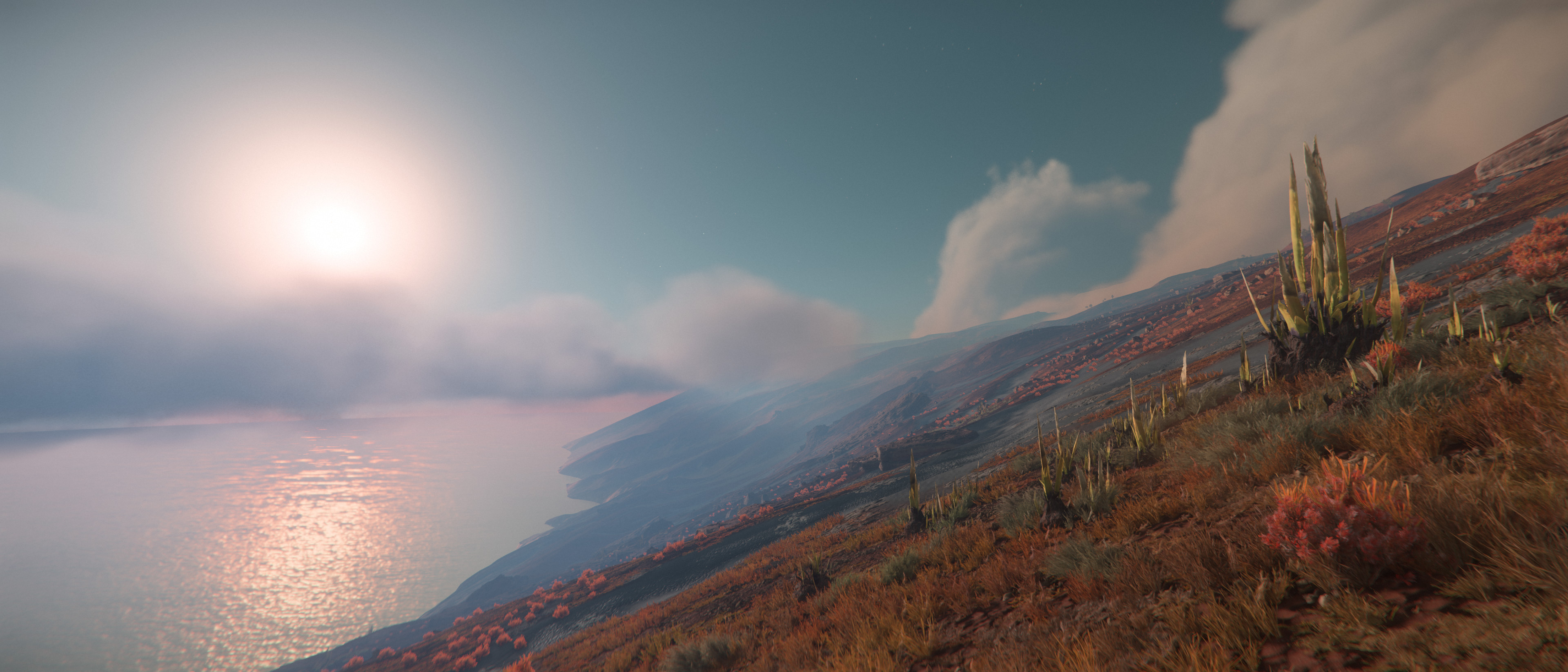
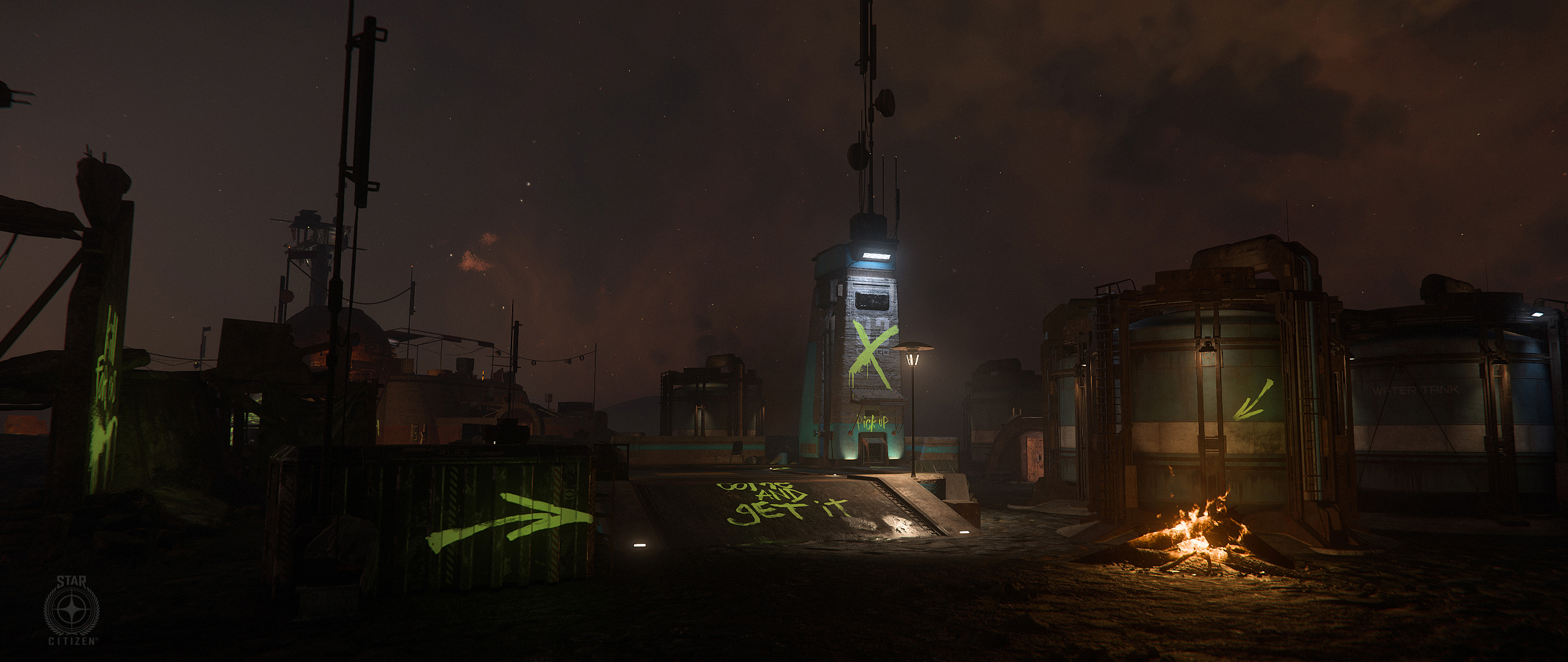
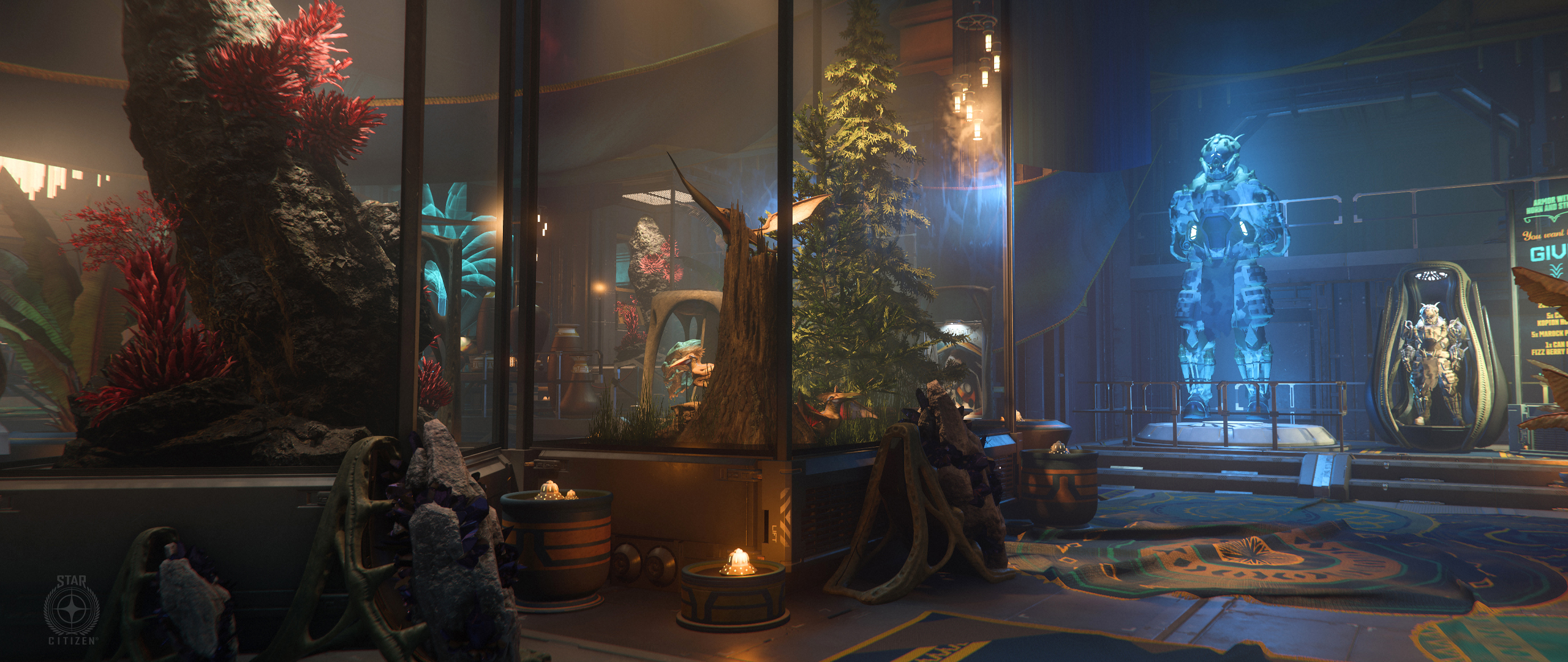
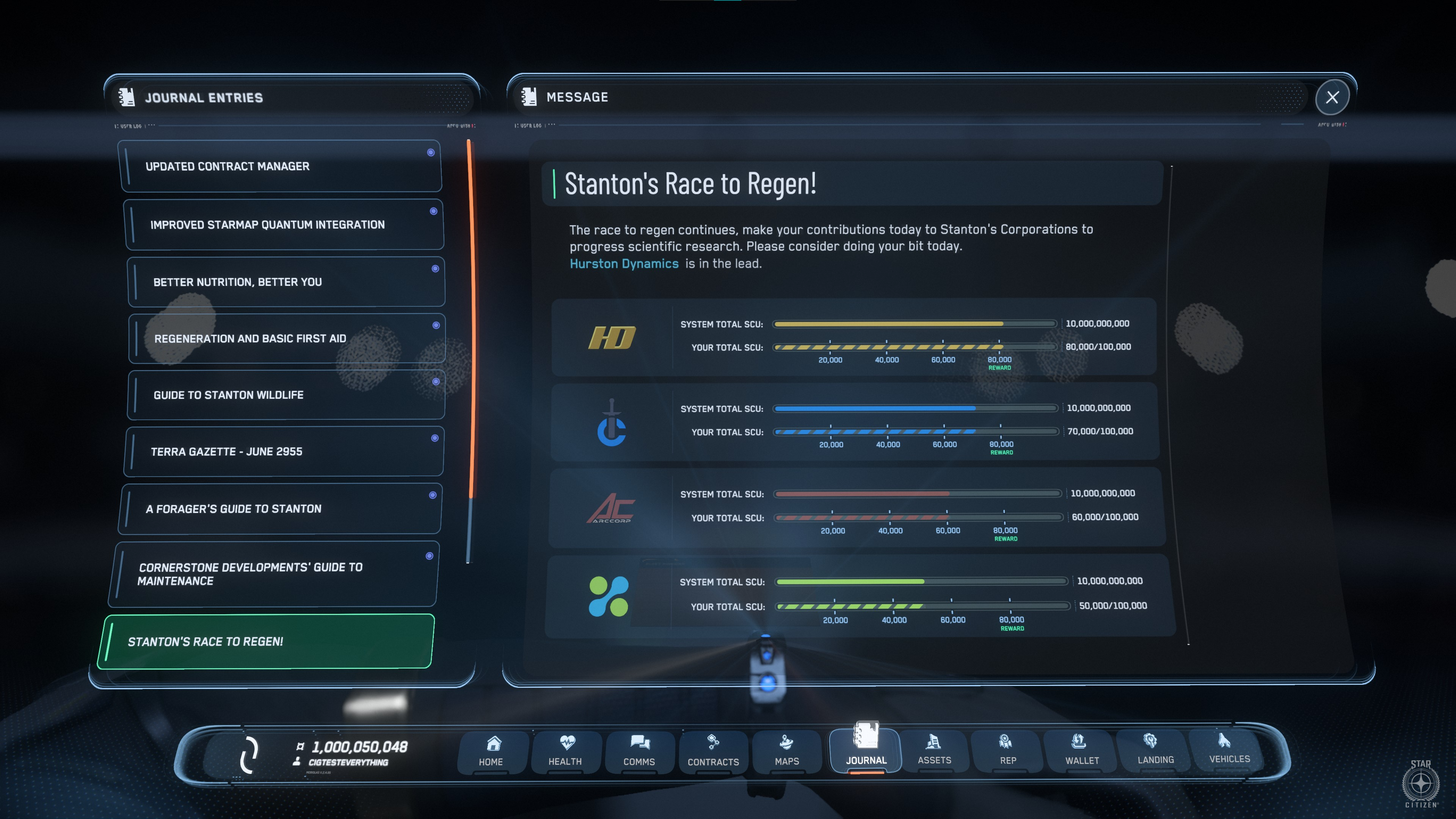
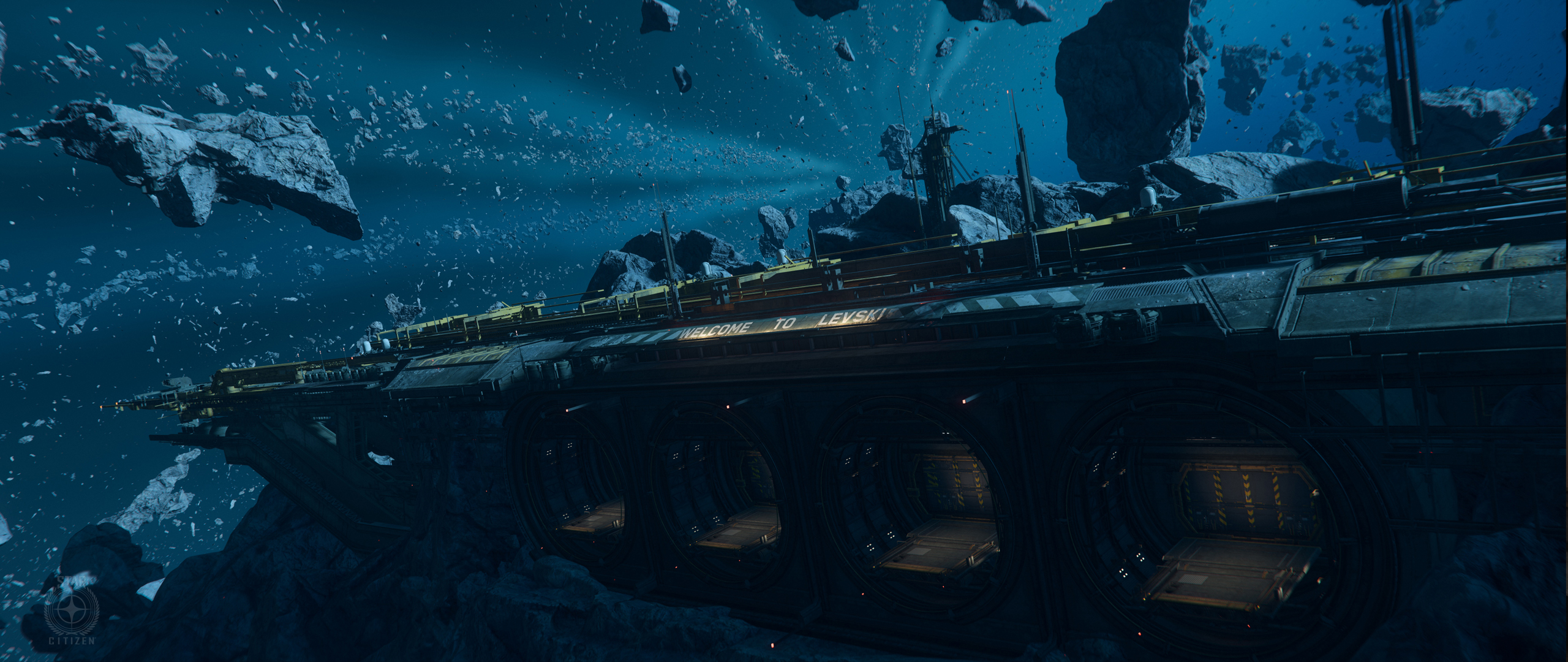
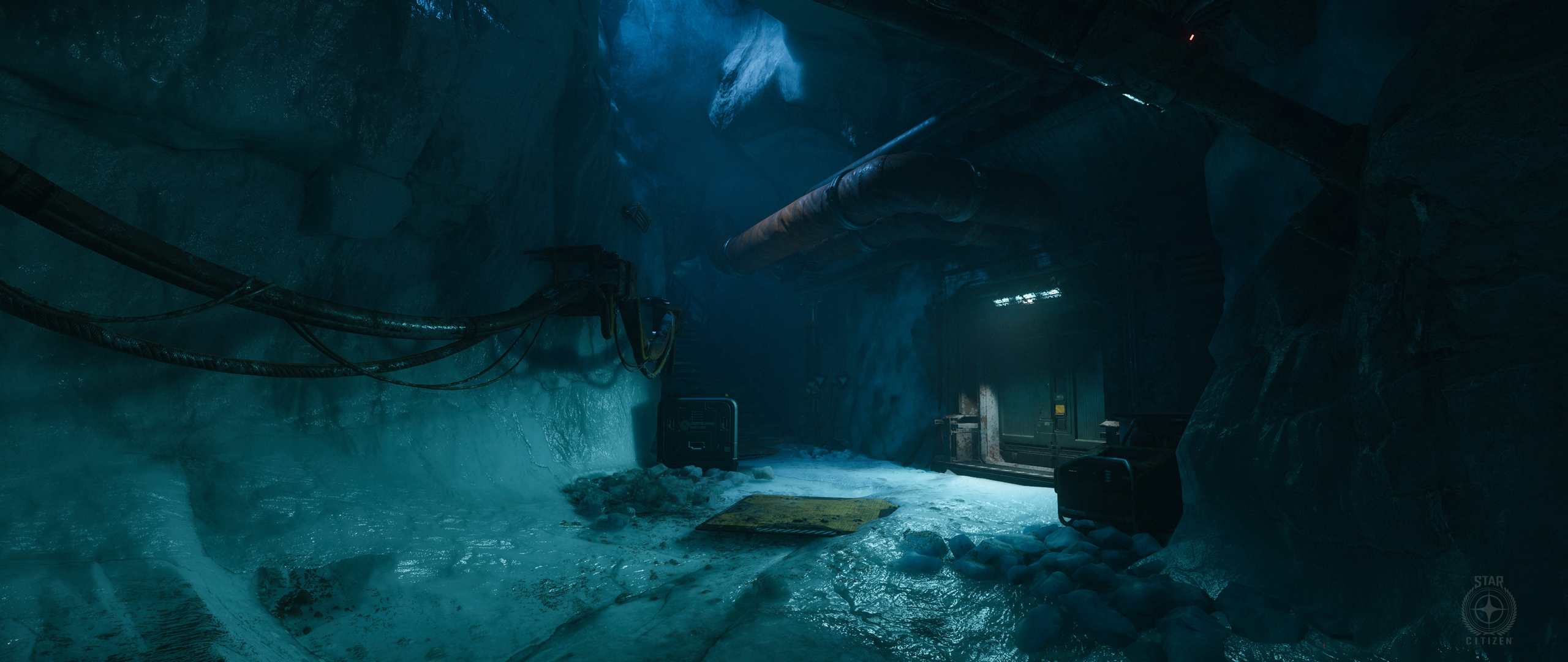
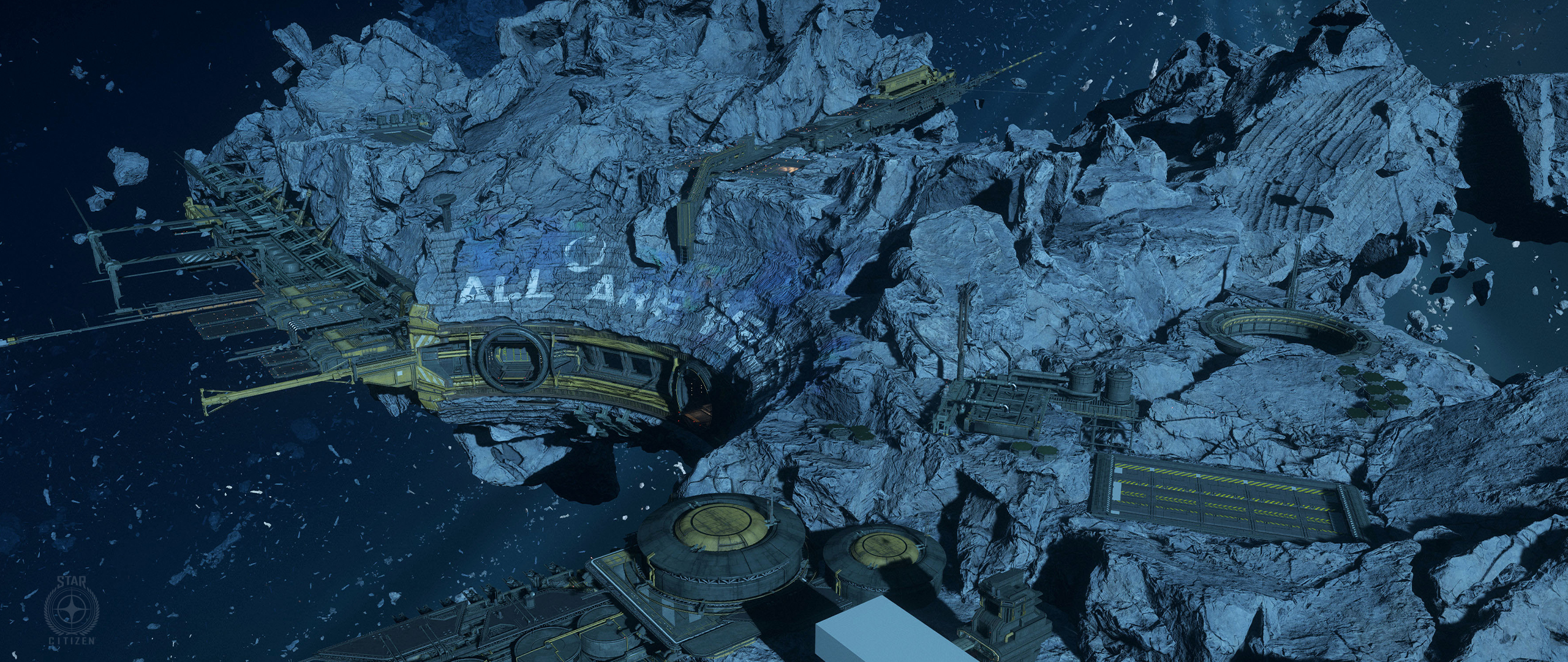
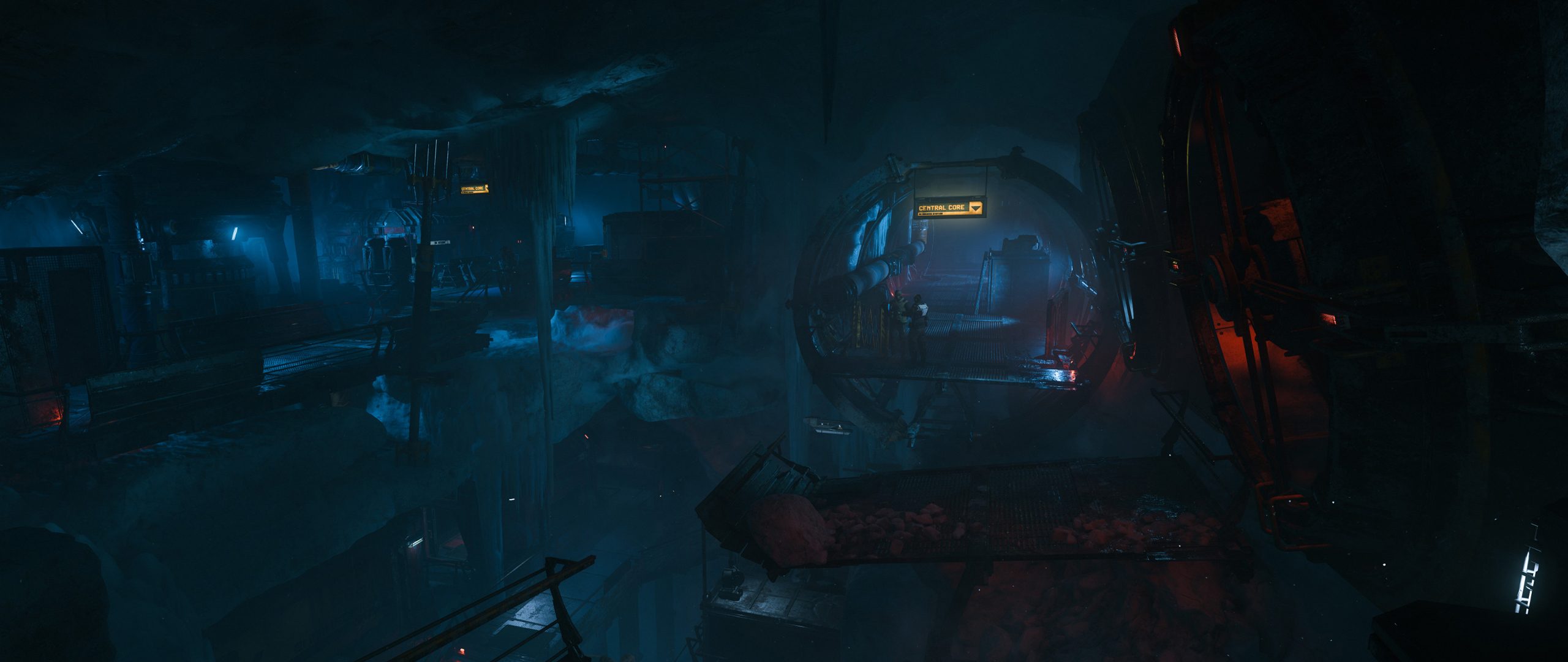
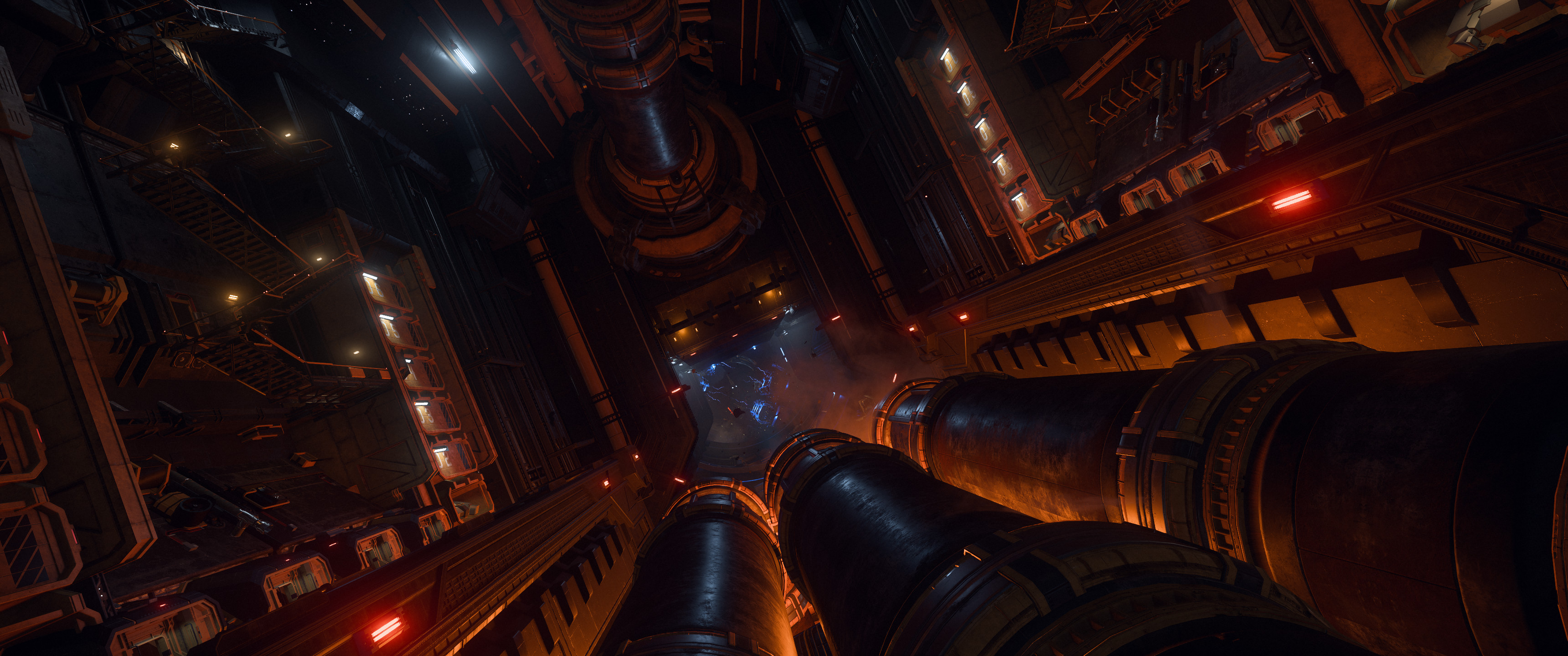
Metadata
- CIG ID
- 15105
- Channel
- Transmission
- Category
- Undefined
- Series
- Monthly Reports
- Comments
- 100
- Published
- 10 years ago (2015-12-12T00:00:00+00:00)