Monthly Studio Report: March 2016
Transmission Undefined Monthly ReportsContent
Greetings Citizens,
Your monthly report is here. But first, a small patch! We’ve just issued Star Citizen Alpha 2.3.1 to the live servers, which includes a variety of bug fixes and balance changes. You can access it via the launcher and you can read the complete patch notes here().
If you’ve played Star Citizen Alpha 2.3, you already know that March was a month for REALLY BIG SHIPS! We launched the hangar-ready Starfarer this month, along with the long-awaited Xi’An scout… and there’s plenty more to follow! Today we will be checking in with all of our studios and outsource partners to see what the team was working on in March… but first, we’d like to share some of the fruits of that labor: some of the work we’ve been doing on seamless EVA transitions that you’ll be seeing in an upcoming patch. Check it out and then read on to find out the work that went into making this a reality!
Hello everyone!
Can you believe that a quarter of 2016 has already come and gone? But what a quarter it has been, has it not? Just look at what we have accomplished over the past month; the Xi’an Aopoa Khartu-al, the Starfarer, and let us not overlook the biggest of them all – Intergalactic Food Delivery. With 2.3 also being released, we introduced a plethora of features and fixes, all of which can be found in our patch notes.
This is a global effort for every branch of Star Citizen but each branch contributes to the whole picture. So let us take a look at what CIG Los Angeles has knocked out of the park this month.
Engineering
The CIG-LA Engineering team was bolstered with reinforcements! We had two new Gameplay Engineers join our ranks; Patrick Mathieu and Chad McKinney. We are very much looking forward to their contributions to Star Citizen!
Work continues on the new interaction system being spearheaded by Allen Chen and Mark Abent which is in the early stages of implementation by being incorporated into the ship seat interactivity. Our newest team member, Chad McKinney, has jumped in head-first by helping Allen on the doors and ramp interactions. While this system is something we have mentioned in the past, it is making steady progress and we can hopefully begin implementing components in a near-future release.
Chad Zamzow has been testing the new Shield Emitter system which is currently in the implementation stage of development. This new feature will add greater dimension to how shields function; especially when it comes to larger capital-class ships which will have multiple shield emitters. This will give ship engineers greater control over how much energy gets routed to a particular shield’s facing in order to maximize protection given a certain situation. Although great progress has been made to move this feature closer to release, there is still quite a bit of work left to do in the future.
But saving the best for last, our Engineering Lead Paul Reindell has been fast at work in bringing persistence into Star Citizen. For those who may be unfamiliar with the term, persistence refers to certain game parameters remaining active even if the player logs off. This includes allowing players to acquire items through the in-game shopping system. Whether you are purchasing snazzy new threads to make your space pirate look more…pirate-y, or you have your eye on a deadly new pistol, the end-goal is to make sure the choices you make in-game will persist and not reset each game session. It may sound like the kind of thing you can just take for granted in gaming, but when your items and inventory are as intricate as they are in Star Citizen, it’s actually no simple matter!
Tech Design
With the last couple patches, aside from tackling bugs it is clear the Tech Design team has been hard at work to bring you the best ships we have ever produced. Lead Tech Designer Kirk Tome worked hard on one of the most anticipated ships, the Xi’An Aopoa Khartu-al, now flight-ready and available for you to go forth in alien style. To continue this momentum, Matthew Sherman has been working on getting the MISC Reliant hangar-ready and Calix Reneau has been working diligently on the whitebox of the Drake Caterpillar.
On the component side, you may have seen the new component class added to the Holotable. Power Plants are the latest component we are allowing ship owners to swap out, and as you might expect, power the various systems of your ship. Two new power plants, the AEGIS Regulus and Amon & Reese OverDrive, have been added and can be used to swap out the standard “generic” power plant your ship comes with.
As more components are introduced to the game, we cannot wait to see what customization options you will opt for as you pursue your chosen career path in Star Citizen.
Art
Ships seem to be the hot ticket item this month, and it continues on with the LA Art team. Concept Artist Gurmukh Bhasin is busy concepting the Drake Caterpillar Cargo module while our newest Concept Artist Justin Wentz completed the concept art for the Caterpillar’s crew habitation quarters. The next step is to model the habitation based on Justin’s concept which is currently tasked to Art Lead Elwin Bachiller and Associate Artist Daniel Kamentsky.
On the PU side, our newest character artist is creating the pristine materials for the Navy jumpsuit, Jeremiah Lee is doing a 2nd concept pass on the light armor, and Art Supervisor Forrest Stephan is creating the pristine materials for the flight suit helmet as well as clothing for the Persistent Universe (PU).
Technical Content
The Global Tech Content team is truly a jack of all trades team that has its fingers in everything from Star Citizen to ship development to characters to the PU.
Tech Content Director Sean Tracy has been working on developing the tech for character customization. Just another step on the road to creating an immersive persistent in-game universe. Along with this tech, the artists have been using this to prototype how character customization will function. Associate Rigger Gaige Hallman has also been hard at work on the PU side of the game, creating clothing template layers. What this does is allows each article of clothing to occupy a certain amount of volume. This will ensure that various articles of clothing can co-exist without clipping into each other as long as they are properly fitted to those geo volumes.
To give an idea of the diverse challenges the Tech Content team faces, Senior Tech Artist Mark McCall has created a test level called GearValidator. This level’s sole purpose is to test and ensure the landing gear of our ships will function correctly. After running through a series of tests, a report is provided that lets us know whether or not a particular ship’s landing gear is performing as it should be.
Part of what made the Xi’an Aopoa Khartu-al able to be released in 2.3 was Matt Intrieri’s work on getting so many Xi’an Aopoa Khartu-al -related bugs fixed in a relatively short amount of time, but we also are aware there is more fixing and tweaking that still needs to be completed before we are absolutely sanguine with the ship. Associate Tech Artist Patrick Salerno continues to review and add LODs to normalize the mesh count on legacy ships; he’s currently progressing through the 300-series.
QA
CIG-LA QA’s primary focus was the push for 2.2 LIVE release and subsequent 2.3 PTU and LIVE Releases. In addition to standard sanity and smoke checks, the team also focused on:
Xi’an Khartu-al flight performance.
Starfarer hangar readiness, and preliminary flight performance.
Early testing of persistence features.
Investigating server stability and performance issues.
Gathering ship feedback, with this month’s subject being the Drake Cutlass.
In addition, Eric Pietro began training for his new role as Animation’s Tools Specialist, with his goal being to ensure that the animations tools are functioning properly, and suitable for all animator needs.
Narrative
Lead Writer Dave Haddock is home from Manchester! Dave spent the month in the UK looking over the whitebox levels with the Designers, allowing him to determine what additional dialogue might need to be included. Since then, Senior Writer Will Weissbaum and Dave have been hard at work putting everything needed together so that we can make sure Squadron 42 really brings you into the world of Star Citizen. Before flying back, Dave also got to sit in on Chris’ final editorial selects session, closing out the last lingering odds-and-ends from the previous performance shoot.
Aside from juggling News Updates, Galactic Guides and Portfolios, Associate Writer Adam Wieser has started naming the massive amounts of components/items/clothing that are being developed, writing the subsequent item descriptions as well as compiling a glossary for some of the more unique terms in an effort to standardize the language within the company. To give an example, if someone says a ship is an ‘interdiction ship,’ we’re all in agreement what qualities or aspects that term.
Aside from continuing her wizardry with organizing the internal wiki, Cherie: Destroyer of Worlds™ has been processing all the incoming scientific data for the various planets and stars and has kicked off the final batch of scientific data to our fantastic science consultants. She has also started compiling an initial list of potential entries for the Galactapedia as well as a chronology of events that have already ‘happened’ in the universe.
We had our alien language specialist, Britton Watkins, down to visit the office. After designing the Vanduul language for our shoot with Andy Serkis, Chris wanted to discuss next steps for Vanduul as well as the other languages. Hopefully, more news about that to come, but should be very exciting.
Until next month…
Production
The Los Angeles Production team has been overseeing the hiring of new staff for the development teams. We have increased the number of artists and engineers, but we are still looking for designers, writers, and more engineers. While ramping up the number of developers in Los Angeles does help provide an increase in available resources, we want to make sure we are being smart about our strategies.
In order to ensure that Production is in sync with the other regional offices, we recently had Global Head of Production, Erin Roberts and Producer Ricky Jutley visiting from the UK office to discuss strategies for the PU with Todd Papy, Tony Zurovec, and Chris Roberts. While generally email or video conferencing are the usual methods for communicating trans-Atlantic, sometimes it is hard to beat face to face communication.
Senior Producer Eric Davis has been not only overseeing the development milestones for 2.3 and 2.4, he has also largely overseen the ongoing construction as we move closer to completing the new office in Los Angeles. Associate Producer Randy Vazquez has been managing the tasks for Tech Design and Engineering while Associate Producer Mark Hong is responsible for managing the tasks for Tech Content and Art as well. While that list is simplified each one of those items contains a mountainous amount of individual tasks, milestones, schedules, reports, and other related responsibilities.
In Conclusion
As you can see, we have not been idle this month (nor have we ever been idle). We are very excited the Xi’an Aopoa Khartu-al is being enjoyed. We know how long you have been waiting for it and we are proud of each new ship we release. Although mainly focused on by our compatriots in the UK, the Starfarer’s hangar debut was also another milestone we were excited to complete. As mentioned earlier, we cannot wait until you see what we are doing with the Caterpillar, Herald, Reliant, and more. While we are proud of our accomplishments this month, it also reminds us we still have many more milestones to reach for. See you next month!
Howdy Citizens,
March was a very exciting month as always. We made lots of publishes to the PTU and deployed Star Citizen Alpha 2.3.0 to the live server! We’ve had a number of visitors, and a number of travelers, and a great deal of cross-studio collaboration at all levels. We also had a blast at the Bar Citizen event at the start of the month, and we look forward to hosting more events like this in the future! Here are detailed updates from each studio lead:
Development
The major focus during the month of March here in Austin has been Shopping! By this I do not mean that we all went to the mall together to pick up the hottest fashion trends, but rather we focused on driving the features to completion that are required to get the shop environments functional for players. Lead Designer Rob Reininger has been driving various subfeatures like the Single-Item Transaction UI and flow and the shop environment item setup. Pete Mackay has been driving the pricing of all the various items that we will be selling in the shops. This has required much coordination between our Design and Community teams in LA and our Design Director Todd Papy and Pete has handled it just swimmingly. We’re now implementing the established prices into DataForge where they will exist statically until we bring our formulaic solution online. The items will be able to be purchased with a new currency we’ve established, internally called Alpha Currency. This currency exists for the sole purpose of testing out these prices and balancing the game, and will exist separately from UEC or REC. At any point we’ll be able to wipe Alpha Currency and start fresh if something goes awry, and this will help us nail down final pricing numbers before we go Live.
Along with the Shopping frontend comes the work being done to support the Shopping backend. The Server Team here in Austin has been setting up the ability to add/subtract Alpha Currency in game and handing it off to the UI and Design teams in the UK to use for the shopping interface and providing alpha currency rewards via completing missions. This work is part of Persistence as a whole, which made significant progress this month. We finally integrated Persistence into our main development stream, which means we can’t go back to the way things were before and Persistence is here to stay. With that comes a lot of issues and bugs that need fixing, and now our Server Team is working hard to fix those up so we can get our main development stream running smoothly again.
One additional feature that we’ve developed this month is the Port Modification View. Jeff Zhu did the programming work to rebuild the hangar code from the ground up, and we are now able to access various “Item Ports” around the hangar to customize the layout of our ships and hangar flair. No longer will the ships be organized in the hangars via the website, but instead you’ll be able to walk up to a bay in the hangar and choose which ships go where in game. This is an exciting new feature and we’ve been having a blast playing around with it. We’ve now passed this off to the UI team to dress it up in a mobiGlas app. Look forward to seeing that feature very soon!
Our Animation team has been supporting in various areas of the project, per usual. Jay Brushwood has been doing a lot of R&D on cockpit comparisons for the male and female characters. We want to make sure we are smart about how we approach this task so that we don’t grow our animation footprint exponentially. The Ship Animation Team has also been providing assets to Programming to help R&D various features such as different enter/exit speeds for the cockpits and allowing for two separate entry points for ships. Our PU Animation Team has been helping with defining metrics for various interactions in the game. From dining at a booth, to standing/sitting at a computer console, to serving champagne on a tray, each new animation requires some thought into how we implement assets to fit with existing metrics. If metrics aren’t established, we have to help create them so the Props Team know what dimensions their assets need to fit. Our Lead Animator, Bryan Brewer, has also been supporting Foundry 42 in implementing locomotion sets for various characters for Squadron 42. He’s making rapid progress and it’s nice to see some more of these characters come to life.
Lastly, our Ship Team here in Austin wrapped up work on the Xi’an Khartu-Al this month and we released that to be flight ready with 2.3.0. It’s a gorgeous, unique ship so major props go out to Chris Smith and Josh Coons for that accomplishment. Those guys have now moved on to the Hornet upgrade and the Drake Herald, respectively. Chris will be bringing the Hornet up to our current standards and optimizing the ship for performance considerations. Josh has been working on the whitebox model for the Drake Herald and will continue that into April.
Live Operations:
QA
Star Citizen QA in Austin has been very busy this past month. With assistance from our other QA teams in LA and UK, the Austin QA successfully completed 18 deployments to our Public Test Universe as well as 5 deployments to the official live environment. The team was very happy to share the new features in Star Citizen Alpha 2.3.
This month we have a few new faces on the Austin QA team. A big welcome to Jesse Mark, Don Allen and Scott McCrea. We are happy to have them aboard. This month has also seen some movement in our ranks. As Senior QA, Tyler Witkin has shown the ability to foster positive interactions with our community. It is only natural that he transition into our Community department. Tyler is now our newest Community Manager! Andrew Hesse has been doing a great job as QA Lead for Austin and we are proud to announce his promotion to QA Manager. Andrew will manage the Austin QA studio as well as assist with QA future planning. Marissa Meissner has been doing an excellent job since she was brought on as our Information Specialist. Marissa has proven her ability to lead and ensure day to day tasks are completed. Marissa has worked on many tasks including fully documenting our processes and workflows, managing the Issue Council, being a liaison to Community and In Game Support and managing our patch notes process to name a few. Marissa will be our newest QA Lead in the Austin Studio where she will ensure our day to day tasks and requests are completed with utmost diligence. Congratulations to Andrew, Marissa and Tyler!
Most of the month of March was occupied by testing the new features that were implemented into 2.3 and 2.3.1 including the hangar ready Starfarer and flyable Khartu-Al or Xi’an Scout. QA also spent time testing the newly added FPS weapons and ship power plant components as well as verifying the many bug fixes included in the update.
Our dedicated Squadron 42 tester Andrew Rexroth has been working closely with his counter-parts Liam Guest and Lee Jones in our UK office testing Squadron 42. Squadron 42 testing is ramping up with Andrew testing 5 separate levels each with many story driven objectives. We are also in the process of moving more testers over to Squadron 42 testing. Katarzyna Mierostawska is currently being trained to assist in this effort and more testers will make the change to Squadron 42 in the very near future.
Todd Raffray has taken on testing the very beginnings of Persistence. Todd is working very closely with engineers Jeff Zhu, Ahmed Shaker, Jason Ely and Tom Sawyer to ensure each aspect of Persistence is understood and properly tested as it is implemented. Todd is also making sure this process is clearly communicated to our other teams so we are all on the same page in terms of testing this very significant feature.
We are incredibly excited for the upcoming release of Star Citizen Alpha 2.4. With our combined efforts across 4 studios, QA will continue to provide the quality testing the upcoming releases will require. Thank you to everyone that have provided feedback and contributing on the Issue Council. Your help goes a long way to ensuring we create the best damn space sim ever. See you next month!
Game Support
March was a great month for Will Leverett and Chris Danks in Game Support, if for no other reason than they got to work onsite together! Will spent two weeks in Manchester with Chris, as well as the Customer Service, Quality Assurance, and Production teams. There was a lot of time and effort put forth into making sure we’re aligned in how we help players, training on new tools, and planning game server admin tools for what we’ll need to help build, test, and support the Persistent Universe.
We saw 2.3.0 testing through PTU all the way to Live, and we’ve coordinated with Ahmed Shaker and Jeffrey Pease in DevOps to test additional versions in order to isolate and identify the causes of AI overspawn. We’re thankful for those playtesters who have been able to dedicate time towards tracking this down, and we’re resolving new issues with each patch because of it.
We’ve begun a process to collect website bugs in addition to client/server/launcher bugs on the Issue Council this month. We were admittedly not sure what results we would get, but the results have been extremely favorable and we have started to get those bugs into the dev cycle.
Game Support has also continued to refine how we utilize the Public Test Universe (PTU). We’ve gotten a heck of a lot of value out of PTU, and it’s now essential to the development of Star Citizen. In addition, we’ll be updating our PTU list of players for 2.4.0, so make sure you’re staying active in PTU and on the Issue Council as that’s how we invite our players!
IT/Operations
In March we’ve seen major progress on the patch reduction size project. This project touches multiple teams including IT, DevOps, and engineering teams in Frankfurt as well as Montreal. We’ve finished the low level changes to how data can be read by the engine and we’ve built out the initial data stores for the project. We have also started the first steps toward modifying the build pipeline so that builds can output to the new data format.
Very early patch testing has proven that our new patching methodology is working with test data so now it’s on to building out the rest of the pipeline and rebuilding the core functionality of the launcher patcher. Because this is such a large re-write, we’re taking this opportunity to build out an entirely new launcher patcher which will be loaded with new and improved functionality and controls when completed.
While we are super excited to advance this project to the players as quickly as possible, we still have much to do and we must do it right. This change will impact the way builds are consumed internally to the dev teams and QA as well so we have more work to refactor internal delivery systems as well. So far though, we’re seeing every indication that all teams are in sync and the project is on track.
LiveOps/DevOps
This month the team has been working as hard as ever on deployments, build system, and performance profiling. We’ve delivered 18 publishes to PTU (up 10 from last month) and we’ve completed 5 Live publishes. Major work was completed on a new test build system which has turned up some stunning results.
The primary goal of our test build system is to provide a functional test bed, even if modest on resources, where major changes or refactoring can occur without impacting the existing build pipeline. This is a tall order considering our production build system is massive consisting of 120 cores (240HT) with 1.5 TB of RAM combined across the stack. Our test build system is much smaller with 36 cores (72HT) and 128 GB RAM. The major difference is that the test build system is running local storage consisting of Intel’s NVMe drives to perform the compilation steps rather than sharing storage with all other systems on the SAN. We expected major improvements in storage performance but what we got was nothing less than amazing.
In some, not all cases, the test build system is performing jobs with 80% reduction in time. It all comes down to storage and I/O rates as we’ve seen in every test we’ve done. Highly I/O dependent operations such as PAK file compilation are demonstrating 4x speed increase. It’s still not feasible to use the test build system as a production build system replacement but when not in use in active testing these impressive results show us that we could use it for special builds and one offs which do come up several times per month.
Special props go out to Ahmed and the rest of the publishing team for keeping up with the larger number of deployments to both our PTU and Live environments while running all the performance profiling multiple times per day. This is important work and we wouldn’t be able to do it without the support of those backers helping us test on the PTU environment. We’ve been gathering a wealth of information which has become invaluable to the engineering team as a whole. Chris Roberts himself has taken a keen interest in the server profiling work so thanks again for everyone who has been helping with this effort.
Hello Citizens,
We always start these notes saying that it was a busy month… because it’s true! Let’s jump into what happened this past March…
Engineering
On the FPS side, Gordon has finished up most of his work on the cover system, the last piece was procedural cover which allows you to slide and shoot around edges, and has moved onto the vaulting and mantling mechanic. First stages of this are going well, working with the animators so we can do procedural alignment of the animations. We’ve also changed the markup so it’s now a normal entity in the zone system. This then gives us all the advantages of the zone system so vaulting in a moving spaceship will work seamlessly. Jamie has been doing some work on the grenades as well as general bug fixing. Romulo has been carrying on with improvements to the weapons including interrupting the reload and general balance.
Craig’s improvements to the landing are progressing nicely and has completed the 2nd stage of the implementation which is a much simplified way of using the automatic landing. He’s now moving on to the 3rd stage which involves landing inside another ship. The easy first bit of doing the landing once inside is now complete, the slightly harder task of getting the automatic landing to work whilst the ship you’re trying to land is moving is the next job. Dave has started implementing the radar and scanning mechanic, he actually did a lot of work previously getting it working whilst in a ship scanning other ships, but he’s now extended it to also work in FPS mode. A lot of the work actually ends up being on the UI side, so he’s been working closely with Simon and Zane to get the UI working nicely. Rob is working again on the conversation system and integrating it with our Subsumption system, which is what is going to end up driving it going forwards. A conversation can be seen as just another task, so for the obligatory bar tender example, task 1 he can have a conversation about what drink a customer want, task 2 mix the drink, task 3 serve the drink, task 4 have a conversation about how the customer’s day has been, and so on.
Steve’s been continuing work on the Object Containers and we’re nearly at the point where we can use them to set the ships up, we’re using the Retaliator as a bit of a test bed. Unfortunately we have hit a slight snag on the networking synchronisation side which means we need his Spawn Bundle system to make it work correctly, so now he’s moved over and is concentrating on finishing that up.
Graphics
This month, we’ve looked into our facial animation tech, fixing several cases where the wrong detail level would have been selected, and made improvements to the data compilation step, vastly reducing the number of vertices that need to be stored and processed. We’ve also been working on a performance profiling system that unifies all the important data into one screen, with built in filters to let us see what we have too much of, where it is, and which team is responsible for fixing it.
We’ve built a system for linking lights to emissive surfaces, so that the luminance of the surface is automatically calculated from the intensity of the lights that are linked to it – this means that turning a light off can implicitly make the light bulb stop glowing, and gives the new optical effects (mentioned in last month’s report) physically plausible light units to work from.
We’ve done a pass over the particle effect shaders, adding an HDR temperature gradient option to let us have hot fire and dark smoke within a single particle, fixing conservation-of-energy when viewing particles from different angles, and correcting animated particles to warp smoothly from frame to frame.
Work has continued on rendering gas clouds, and we’ve started responding to bugs and feedback from the art and design teams. We’ve also revisited the tiled lighting system, to push past the last few performance hurdles that are stopping us from switching over and deprecating the older system.
Ships
Ship team have been as busy as ever this month. The Starfarer that has been months in the making finally went into players hangars. The team is also happy to have successfully delivered the unique X’ian Khartu-Al, allowing players to fly this.
We have also made incredible progress on the Idris and Javelin. This month we managed to get the Idris bridge, Gravity Room, Armory, Cargo Room and Escape Pods done. On the Javelin we got through the Bridge and the entire Engineering Deck.
Specifically to S42 we are very impressive with how the Bengal is shaping up. Wrapping up our final texture sheets on the exterior and creating the building sets needed for the interior. Bringing the Bengal up to the quality our community has come to expect from Star Citizen is very important to us.
Finally, we are making progress on the Drake Herald and Caterpillar as well as the new Hornet F7A for Squadron 42. All of these are now in full production and we look forward to being able to share more on the progress of these soon!
Environments
This month has seen another big push on SQ42, including one level which is now being moved into Final Art Phase. The whole facility is locked in terms of content and layout which will include terrain based traversal [blending with procedural content], maintenance bays, habitation sections, technical areas etc. It will be a full living, breathing environment by the time we are finished with it which is perfect for a sandbox based experience. Other locations of the campaign are progressing nicely, the guys are Greyboxing out the areas and translating the elements from the concept art into 3D.
Weapons & Levels
A lot of planning the previous month has really been helping get a good flow of work from the concept team, we are tackling both Sq42 content and in the gaps tackling areas for the PU too. Gary has spent a lot of time on the Xi’an Transport ship interior, Jort on Space station interiors and exterior configurations, Dan on components and Javelin hangar, Stu on ship weapons, Sarah on ship components and props, Gavin R on a new small ship, Miles on the second pass of Behring FPS weaponry we need for sq42, integrating a more visually interesting rail system and designing the ‘family’ (sniper, CQB, shotgun etc). We also took a trip down to Lionhead Studios who are sadly closing to see if any of their staff would be interested in the project – fingers crossed for a few more team members!
Character Team
Some of the eagle eyed will have noticed new character outfits in Nathan’s Starfarer video, the quality is really quite excellent! Mike has been working on Bridge crew outfits and Jon on the Vanduul, with having Chris in the studio it makes for much faster iteration, pushing and pulling and really getting this race to where Chris wants it.
QA
As always it’s been a very busy month here in QA at Foundry 42. As soon as we pushed 2.2 to Live we were hard at work on 2.3, making sure the epic Starfarer looked as good as it should and the Xi’an Aopoa Khartu-al was as fast and nippy a scout/exploration vehicle as it should be. Time was devoted to missile balancing, bringing those staple implements of dogfighting back into the fray as useful parts of the players arsenal and testing new changes to the EVA system, which I have to say is looking so good now! Our dedicated Squadron 42 testers Liam and Lee have been playing through new chapters as they have been integrated into the builds and put the Devastator-12 shotgun and the Arrowhead Sniper rifle through their paces.
Just around the corner is 2.3.1 which we are beavering away at, checking that infinite loading screens are vanquished whilst trying our hardest to shoo (excess) pirates away from Yela, hopefully making it as smooth an experience for you guys as possible and it should be ready soon™!
With every new PTU push Adam Parker gathered much appreciated feedback from the backers on PTU, which helps us immensely. I’d like to thank all of our backers for the help they provide QA with their feedback and Issue Council reports, especially the guys and gals who put in massive amounts of time and effort on PTU helping us find larger scale issues that are otherwise too cumbersome for internal team to reproduce. Your input is really invaluable, a huge thanks to you all!
We have also had three new additions come into the QA fold, so please welcome Wayne Owen, Michaela Oliver and Ray Warner to the team! All three have industry experience from Sony Computer Entertainment (Wayne & Ray) and Traveller’s Tales (Mici) adding further strength to our already formidable QA force! They have settled in and are quickly becoming part of the family here.
Right now we are testing the last areas of 2.3.1 whilst gearing up for 2.4 which has some very exciting additions that we can’t wait to try and break so you guys don’t have to!
See you in the ‘verse!
VFX
The VFX team have been focusing on Live release priorities this month, including hangar-ready Starfarer (man that thing’s a beast!) which requires lots of subtle interior effects. A lot of this is preparation – putting in the groundwork – for later flight-ready tasks. We’ve also been supporting Caleb in Frankfurt who was tasked with the majority of effects tasks for flight-ready Scout – no doubt you will read all about that in the Frankfurt report!
Away from live release, our new VFX artist Staffan has been getting to grips with weapon effects – we’re working on a couple of new ones and have been tidying up some existing effects too.
We’ve also been working closely with the graphics engineers to finalise several particle lighting improvements. We are really happy with how our particles “behave” now in all lighting conditions (a crucial factor when working on such a complex universe with so many lighting variables). Related to this, we have been testing how our particles hold up with the new bloom and flares settings applied. Hint: they look really lovely; things like sparks, and other “hot” particles look so much more natural now. We’re really looking forwards to showing off these improvements in later live releases.
Design
March was another busy month in the UK design department.
In terms of ships, we have a Starfarer flying around in the game now and what a beast it is! Hopefully we will be seeing a working refuelling system coming online very soon, but there is still work to do there in a number of areas. The Argo is getting very close to finished and the Javelin Destroyer has landed on the tech design table. We have seen some funny Idris landing videos doing the rounds this month as that ships gets closer to release. You would have to be a brave pilot to try to land a Hornet in there without Automatic Landing enabled, especially if it was moving. That said, we made good progress with the Automatic Landing system this month, and it feels great to land vertically on a station now, but we are still tuning the horizontal landing system, and waiting for the new UI to be implemented.
The first pass on the controls refactor is going in for 2.4.0, so you we see a much better unification between the various game modes, FPS, EVA and space combat. We are looking forward to getting any feedback on this.
From system design, we got the mobiGlas refactored design signed off and into production. Also, the Holotable updated design is going into the engineering and UI teams hands for final implementation.
S42 is still getting the bulk of our design resources and the levels now locked down from design/art layout standpoint. The mechanics are filtering in and the NPC AI is getting more robust so we are starting to get a better feel for the play spaces.
Thanks again for the fantastic support as always.
Props
Props, short and sweet this month:
This month has seen a bit of a shift in priorities with ship components getting a few more resources and now we understand the feature better we want to make sure that when it goes live we have plenty of components to play with and customise your ships. There is going to be plenty of choices that should allow you to make your ship really feel yours and fly just how you want it.
Shopping has been the other big focus at the start of the month, we spent a bit of time bug fixing and doing some optimisations after getting some feedback and stats from our tech artist as well as putting the finishing touches on some of the props to make them work with the new tech that is being finalised.
Squadron 42 work is continuing, we made an effort to go through and do a really quick pass on getting placeholders in for any props we were missing so that the environment artists and designers can dress their scenes and we can make sure we aren’t missing anything off our plans.
Next month, a lot more ship components and with our new team members settling in fast a few more props!
Audio
CIG Audio has been busy as ever this month.
CIG Audio has been busy as ever this month.
Hopefully by now most of you will have enjoyed the Starfarer promo, including some beautifully produced music by Pedro Macedo Camacho for that. For the ship’s sound design itself, Darren Lambourne has been busy working on the thrusters and interior soundscapes, still work in progress but hopefully befitting such an impressive ship. Luke Hatton has been giving many ships a review to ensure all is working as it should be and that the audio is ship-shape!
Matteo Cerquone has been supporting the procedural Foley system and content for that, and is also responsible for a large part of the Xi’An Scout’s sound design – quite different to the usual ship schemes I’m sure you’ll agree.
Ross Tregenza has been keeping on top of all things musical as usual, both for the Persistent Universe (while I’m writing this report, I’m listening live to another orchestral session that’s being undertaken to ensure Star Citizen’s music is performed live as much as possible; Ross is attending to that in person as I’ve not been able to this time round); and we’re also getting rolling with music for Squadron 42 too. We’re hoping to get a new level of interactive score into the live release soon, following in the tradition of Chris Roberts’ work in Wing Commander. We’ll be taking a huge mass of material to a studio to mix with a film score mix engineer in the next month which should elevate this material even further.
We had an exterior gun recording session in March, which took place in Copehill Down in the south of England in conjunction with Steve Whetman (aka AudioBeast). We’ve worked with him a number of times now on gun recording sessions and are now getting some lovely outdoor gunshot material through from this latest session – will take some time to edit and process, there’s a lot of channels we captured from multiple perspectives. Stefan Rutherford headed that session up from our side, ably assisted by Matteo Cerquone and Philip Smallwood. We’ll compile some photos and material for your reference and enjoyment, of course.
Phil Smallwood has been training up with Bob Rissolo to assist him with all things dialogue related, puts us in a good place to deal with the Squadron 42 workload, as well as the vocal requirements for the persistent universe.
Jason Cobb’s been busy working on ship explosion debris cloud sweeteners and providing a lot of support for the build process where audio is concerned, and assisting in Wwise tech support wherever possible. Stefan, myself and Jason have been looking at ways to re-structure the Wwise project to benefit procedural and linear-style mixing.
All the audio programming team have been working on various bugs and optimisations, as well as looking to progress the Ship Computer dialogue system (Sam Hall); the in-game VOIP-style system and procedural/automated Foley/footsteps (Graham Phillipson); and we’ve had Simon Price digging ever deeper into dialogue pipeline tools and systems.
Our general aim is to keep improving all things audio, from tools, workflows, pipelines on our side, to the content and overall sound that you hear and appreciate on the player side. Do keep asking questions and providing feedback on the Ask A Dev forum, that’s always hugely valuable to us.
Thanks for listening!
Animation
We’ve been working on the core locomotion – start stops and steps to improve player movement and responsiveness. Additionally, pistol aimpose exploration to strike a balance between first person and third person is working nicely together and the initial implementation of railgun animations has gone in so that we have a functioning weapon. The next stage will be to bring them up to final. There has also been support for ai animation – guys checking vents and reacting to sounds and the like. Finally, testing and feedback of new tool suite that is coming online is continuing!
Greetings Citizens,
The Frankfurt office is continuing to grow in size and pick up momentum on all fronts. We grew by 4 people this month and have another few additional contracts started. It’s exciting to see the internal progress, from pushing tech boundaries on the Procedural Planets, to the realism on the cinematics and facial tech, etc. We’ve received a few personal letters and gifts from fellow citizens recently, things to help fatten us up. The team honestly appreciates all the support, it’s a constant reminder of how cool the project is and how fortunate we are to be working on it. Here’s a portion of what we’ve been working on over the past month.
Weapons
The weapon art team finished modelling a new ship weapon and is currently finalizing materials, textures and decals for it. Two more new ship weapons and a bunch of new FPS weapon concepts are also in production and should be ready to be shown off soon.
Engine Code
Following up on last month’s mesh data compression for normals and tangent frames we started work on compressed vertex index support for meshes.
We did additional work on atmosphere rendering as well as research into large scale soft terrain shadows for planets.
We worked on a lot of trackview support and feature requests for S42 and did further improvements on the WAF workflow.
EVA – After we got the base functionality of physicalized EVA working, we started to make the transitions between gravity and zero-gravity areas as smooth as possible. One aspect that made this a bit tricky is the extensive use of ragdolls as player characters in EVA. In Star Citizen ragdolls are usually not dead, they are just another way to animate a character. When running on ground a player model is a so-called “LivingCharacter” animated mainly by mocap-data. In EVA it’s a “DrivenRagdoll” with a simulated articulated body. And for all other modes where the player is either unconscious, paralyzed or heavily influenced by physics we blend to a “FloppyRagdoll”. The difference between floppy and driven ragdolls is mainly how we use the artificial muscles to control the joints.
The player can do all kinds of actions all the time (running, jumping walking, floating, aiming, shooting, reloading, etc.) and whenever we transition from animation to physics and back to animation we have to ensure that we preserve the velocity and inertia of every single joint. This works pretty well when leaving the gravity area. It also works when entering the gravity area and the feet point towards the ground plane. But if the player approaches the ground plane in the wrong angle you can expect a lot of spectacular crash landings. In such uncontrolled cases we simply switch to floppy ragdoll, let the player crash to the ground and as soon as the simulation comes to rest he will automatically stand up again. If such a crash landing happens in first person view, then the player will experience everything through the eyes of a simulated ragdoll … and that might look pretty disturbing and painful :) Because all simulated, mocapped or keyframed animations are shared in first- and third-person view, we were able to use the same system in both view modes. This is the first time we worked with a player model where a large part of its motions are coming from physics and we feel that we are just scratching the surface of what’s possible with this kind of physical simulations. This is an ongoing task and we hope to show more improvements in the next months.
Optimizations – We did a good amount of work on optimization this month, to make our universe as large and as interesting as we want we need a good amount of objects in it, therefore we optimized various parts of the 3DEngine to increase our supported object count. We now support hierarchical culling for most of our culling operations in the ZoneSystem. This approach allows us to utilize the spatial structure which we use to speed up our visible culling even more: When we know that the bounding box of a group of objects is fully enclosed inside a camera frustum, we no longer need to check all individual objects against the camera. The same idea can be applied to other checks like box/box overlaps or sphere/distance tests. We then looked into the streaming code. Before it was running in parallel but synced with the MainThread, this means our frame-time is affected by the number of objects around the player (as we need to update those). When we now increase the number of objects, the frame-time obviously gets worse. To help with this issue, we have now decoupled the streaming state update from the actual streaming request. This allows us to update the streaming state (the expensive part of streaming) fully in parallel to the MainThread without affecting the frame-rate. We then looked at our JobManger, which is responsible to distribute all this work over the CPU cores. It turned out that we could massively improve our thread communication and improve our load-balancing. This means we utilize more CPU cores in parallel while reducing the latency of those operations. The next focus is on the rendering side, and we’ll have more details on those next month.
As usual in this stage of development we also worked on various code clean-ups and bug fixes.
Environment Art
This month the Environment Art team focused solely on supporting the new procedural planet tech, doing some R and D on detailing the surface of the planet by procedurally scattering geometry such as boulders, rocks, and pebbles.
QA
April has been a busy month full of Automation testing setups for Chris Speak. Chris has been designing automated tests for AI spawning, death, and ragdolling after being killed by ship weapon fire. These tests also test ship pathing using Kythera Navsplines. When AI are spawned in, the automated test will run to check if the AI spawn in correctly. A ship will also fire shots at the spawned AI to verify weapon damage is being taken and that the AI dies correctly with proper ragdoll physics. The test map is still a work in progress, but will be an asset to the testing process once complete. Melissa Estrada made her final preparations for her transfer to the CIG-DE studio at the end of this month, and will be joining Chris Speak on the QA team as a QA Engine Specialist starting April 1st. She is looking forward to continuing her work on the EditorMonkey, which runs a python scripted automated test of the Editor Sanity checks as well as becoming a 2nd QA point-of-contact for in-house Developers to reach out to when needing specific in-house tests done for new features, and bug fixes.
Tech Art
Tech Art worked on expanding our animation pipeline and focused on the Asset Manager, where we will be populating all our assets. Also supported other departments, finalizing a new rig for the weapons team, bug fixes, etc. And of course we’ve been supporting other teams and fixing bugs is out daily routine.
Cinematics
Cine Environment art built some more close-up geometry for an Admiral to admire on our Skydock scene where a spoileriffic super capital ship is currently being built. For a scene that hearkens back to the days where you had to install a speech pack for your Wing Commander II, Robert our part time cinematic environment artist has created additional set pieces and props that we can’t discuss just yet. We also started up work on Shubin station performance capture scenes that involve Old Man & Graves (who looks awesome!) Those scenes will take a while and will involve lots of blending between pcap and AI locomotion as they traverse big parts of the station on foot. We finalized 1st pass on a part of Chapter 3 scenes and are still working on more of Chapter 03.
We also have 2 new starters in our team which brings us up to almost full staffing. We now have a Cinematic Producer and another Senior Cinematic Animator!
Design
Our Level Designers are hard at work building major landing areas that will be used in the Persistent Universe in the future. Port Olisar is getting a lot of work done and a brand new Shopping District will get added to the existing facilities. This should allow players easy access to NPCs, shops, utilities and will make the place feel a lot more alive than it is right now. We are also adding a pirate/lawless base where players that have been a bit “naughty” can respawn after dying or where they can just dock without getting shot out of the sky by the law enforcement. This area will have its disadvantages when compared to a law abiding station of course, so players who do wrong will have to support the consequences. (Remember that the area around Crusader is UEE space. In an unclaimed or unrepresented system, the opposite might be true!) Another area that is receiving a lot of attention is the Hurston landing zone. This will consist of a large planetary settlement cantered around the Hurston family building and its gigantic strip mining operations. This area right now has gone through its layout phase and is moving towards the first art pass.
System Design has been busy this month with setting up the ground work for a lot of AI features. A lot of code work has come online in AI and we managed to do a lot of behaviour prototyping, focusing mostly on their perception and reactions to seeing and hearing events, aiming precision and out of combat activities. At the same time we pushed designs forward on systems that are adjacent to our AI, especially our interactors which define how our AI interact with objects in the world for everything ranging from sitting on a chair or repairing a computer to opening a door or even turning on an alarm. Since all our interactors will also be usable by the player we are looking into how these will be used and how the player will handle interactions with objects that have multiple ways that they can be used. To cater for this we have decided to use the same Inner Thought system that we also use for dialogue selection as it seems to be a really nice fit. Another system we’ve pushed forward is the Loot Generation which will handle how loot spawns across the world (that’s not to say ships will be spewing out gold like a typical MMO, but there will be salvage and other benefits for scoring kills.) We are trying to build a system that encourages exploration rather than staying in one place and farming resources. We want you to have to search through the vastness of space for the areas that have not yet been discovered as those will most likely provide the most rewarding looting opportunities.
While pushing these new systems, we also spent some time refactoring some old systems that were not quite up to par with our vision of Star Citizen. We’re currently talking about the Quantum Travel which will get a major overhaul to make it a challenging part of gameplay where people who are good at it and know what they are doing will be able to enter QT faster (perhaps before being interdicted; see below) and travel for longer distances in one quantum navigation. At the same time we are introducing the concept of Interdiction to allow players to interrupt others from just leaving in the middle of a battle whenever they feel like it. There will be multiple ways of stopping a ship from entering QT ranging from simply damaging them, all the way to specialized weapons and deployable devices focused on stopping ships dead in their tracks. Another system receiving a bit of love is the Power Distribution. While we have worked on this in the past, the system is being reworked a bit now as we are starting to implement it into our first capital ship, the Idris. This system will handle all of the power and every consumer on board from your big laser cannons to the tiniest light bulb and dictate how power is routed throughout the ship, where it comes from, where it goes to and what happens when there’s not enough of it to go around.
AI
This month we actually progressed on multiple areas, let’s start with the character movement. We developed a functionality to allow level designers to pre-place paths on the level that can be followed by the NPCs. As an example, this is going to be useful for creating patrol paths behaviors!
We enabled the new perception system in the build! After the first use we exposed some properties to correctly customize the events received by the different NPC when hearing different audio stimuli and we also exposed some more properties to designers so that they will be able to correctly customize perception properties directly in the different NPCs archetypes. We introduced some new components to control the weapons in use by the different NPCs. This central component will take care of installing different controller to use different type of weapons. If you think about the case in which a character wants to throw a grenade we will need to predict in a different way the shooting direction compared to the case in which the character is equipping a normal rifle. We also use this component to control the character accuracy so that we can create more or less skilled NPCs.
On the behavior side we introduced three main assignments, Defend Area, Combat Move and Hold Position. Those are basic “high level” commands the level designers can use to create some interesting gameplay situations in their level!
A lot of progress has been made on the Subsumption side. Subsumption currently support the following functionalities
An entity can have an activity associated to it
Each activity can be composed by several subactivities
The selection of subactivity is now correctly following their priorities and relative probabilities
We introduce the basic support for events
We created our internal expression parser to correctly evaluate any mathematical or Boolean expression inside the pre-requisites of an activity or a task
We developed some basic debug draw functionalities
We introduced the following new tasks Sort Objects
Pop Objects
Communicate
Compute
Compare
Converse
We developed a functionality to reserve an entity to use it or interact with it and allow other NPCs to know that object is reserved
On the ships side we have worked a lot on improving stability and the flying behavior of the ships, we also started the refactor of the ships behavior to allow the support of multiple crew members inside a ship.
Hello Citizens!
Here’s the latest from what the BHVR team has been doing in Montreal.
Design
This month, the Behaviour design team continued working on shopping and setup Casaba Outlet using the new dynamic spawning system for items. Now, we have items the player can actually wear, as we were working with placeholders before. It required a lot of setting up shelves, spawners and data setup. Now we’ve got a long term solution that we are going to use for more upcoming shop locations. That was a great effort between Bhvr, Austin, LA and UK.
2.3.0 release brought its usual share of hangars and Area18 bugs but nothing we haven’t seen before. We also helped design and setup the extra-large hangar in Revel and York, making sure that new expansion worked with the existing system and the Starfarer spawned correctly when a player owned one. Again, great collaboration between us, Turbulent and the directors.
Finally, we were handed the next hero landing zone whitebox: Hurston in the Stanton system. We are at a stage now, that we clean up the level and connect all the shops to the main paths. We replaced the CryEngine designer meshes for placeholder assets, which respect metrics and setup the level with proper layers and naming conventions. Overall, polishing the level design and getting the map ready for the art team.
Oh yeah, we are also helping and adding new content to Crusader and Port Olisar. It’s great to be able to chip in on every front! Good times!
Engineering
This month, it was all about shopping and figuring out the best way to give you a perfect shopping experience. This feature has many elements that required a cool collaboration between us and the other studios. Which, so far, has been a lot of fun.
We created a new AR-based shopping interface for clothes and personal weapons. Also a Catalog-based shopping system for vehicle components.
With the different types of clothes that you can buy, we had to create a tryout camera to enable the players to preview them on their character.
There was also work on a new shop inventory and layout randomizer.
We updated the CryAstro services UI and flow recode. Finally the most important task is hooking everything to the persistence.
Art
This month we took the time to polish the Market area in Levski, to give it a really nice ambience that we hope you guys will love once is released.
Of course we had to spend time with optimisations and debugging, to ensure a good map performance. With this in mind, there was a lot of work on the tech art side to profile all potential optimisations that can be applied to Levski.
We`ve also polished the shops facades, to make them look unique and to attract the player’s attention as you explore the map.
On the flair side, we began working on the next space plant.
Finally, we spent some time debugging the new Rebel & York bay area for the Starfarer.
Greetings from sunny-but-windy? Wait, actually snowy… nope sunny! Montreal! Here’s what we’ve been up to in the last month:
Ship Stats
We are in the final stages of the design phase for the new ship reference matrix, so we will be able to start development soon. Grouping all the ships by chassis, and switching the layout so that you can see everything on one single page… you’ll be able to select the chassis you want to compare, and view each ship’s production status. This will greatly reduce the left-to-right scrolling, and enable you to easily view all the variants for each chassis. Please also note that, while we are working to improve the ship stats page, different ships are in different stages of development, and some of them have been updated to draw from the new component system and others will not reach that stage until they are further down the pipeline. That means that some of the information may still be temporary or early concept values, and they will definitely need revisions once designers start integrating actual ItemPorts and hardpoints into each respective ship’s in-game assets and collecting information on out what works and what doesn’t. Those values can’t solidify in the ship stats page until that happens, and even then we’ll need to iterate the ships based on feedback from the Live build and Arena Commander testing data. “Subject to change” doesn’t mean we’re changing our minds carelessly or frivolously – it means that during development, they’re going to get multiple balance passes on the road to final launch, which is what it’s really all about.
Multi-Factor Authentication (MFA)
Our development of multi-factor authentication is ongoing, and we are now in the static integration phase. The first iteration of this feature will include two options for all members: sending the authentication code by email, or by a specifically-designed and -skinned Google Authenticator. In a future release, we will be able to send the code by SMS directly to your phone.
Communication Platform
We have been working on a rough prototype for a new communication platform, which will merge forums and chat systems into a single-page module. Our prototype has already started testing and we’re actively refining its interfaces to make it as easy and intuitive to use as possible. Among other things, we are coming up with novel ways of filtering and organizing conversations and topics. Expect to hear more about it for the next few months!
Ship Happens
This month was very exciting for ships. A new concept ship unveiled, the Esperia Vanduul Blade was announced with a concept sale. This light Vanduul fighter joins the ranks of the Scythe and the Glaive, as Vanduul weapons being used by humans against their creators. March also saw a free-fly week, which included all flyable ships to anyone who created an account, giving new and veteran players a like a chance to try out some new ships. To celebrate this huge free fly, we had a ship sale, putting all flyable limited ships on sale.
To close out the month, when 2.3 went live, the Xi’An Scout and the Starfarer went for sale, for which we developed a dedicated promo page with a few new modules like a browsable magazine-like layout. We’ve since already reused it on the much anticipated Big Benny’s food delivery menu. With 2.3 the Scout is now flight ready and the impressive Starfarer is now in the hangar for the first time!
Sales
March was also very busy for merchandise. First the new customizable Squadron 42 dog tags were put on sale. Next Starmap posters were offered up, giving people a chance to own a very cool poster of the Star Citizen Universe that’s been in the works ever since the Kickstarter campaign! Finally in preparation for this year’s CitizenCon, tickets went on sale for our most anticipated event of the year, this time in Los Angeles.
Hello Citizens!
I’ll start with a little introduction.
Tyler Witkin here, or better known as Zyloh from the forums, and I am your newest Community Manager reporting in from under the bus in the Austin, TX studio! Yes! Two Community Managers! I am very excited to work closely with my new partner in crime Lando and the rest of the team to continue delivering you all awesome content and information. I am now back in Texas after a very productive and adventurous week of training in the LA studio. Throughout the week I worked closely with the team to better understand my new responsibilities, iron out the new role, and study the tools of the trade. There are some really great things planned in the coming months and I am very excited to dive in!
Can you believe we are already a quarter through 2016?! Let’s take a look at what went down in March!
Videos
We continued to put out our regularly scheduled segments and content (made possible by all the awesome subscribers out there!) and finished strong with a very informative 10 For the Chairman with Global Head of Production and Foundry 42 Studio Director, Erin Roberts.
March brought us the flyable Xi’an Scout and hangar ready Starfarer. We released a comm-link detailing our now largest hangar-ready ship yet, the Starfarer. The page delves into the massive hauler and includes a visually stunning video created by Nathan Dearsley accompanied by new music from the talented Pedro Camacho! Definitely worth checking out!
March also saw the release of a behind-the-curtains look at Squadron 42 with the talented Andy Serkis! We are extremely excited and fortunate to have him on board the cast for Squadron 42!
Website
The MVP section of the Community Hub is now fully up to date with AtV’s MVP winners. Make sure to check out some of the awesome content your fellow citizens are putting out there!
Live Events
While we did not attend any conventions/events in March, we announced details and sold tickets for Citizen Con 2016! Citizen Con marks the original October 2012 announcement of the Star Citizen crowdfunding campaign, and the event has previously been held in Austin, Los Angeles and Manchester. This year, Citizen Con returns to Los Angeles at the Avalon Hollywood on October 9th for an action-packed day that will celebrate the latest and greatest work our developers are putting out.
Perks
Space plants! March Subscriber Flair brought us the Tuserac Plena, aka the Terran Emperor Blossom, and in case you we’re worried about your Emperor Blossom being lonely, the Xi’An Space Plant stretch goal was awarded to all who backed before $49 million.
Additionally the servers were jam packed with new players and veterans alike for our Free Fly promotion that ran March 11th-22nd. It was great getting to see the level of camaraderie (and havoc) that took place whilst some of our experienced players welcomed the new crowd.
Coda
That’s all for March! 2016 is going to be a big year for Star Citizen and as always, we are dedicated and excited to continue communicating, sharing, and exploring this universe with all of you!
See you in the ‘Verse!
itizen ist uns sehr wichtig.
Schließlich machen wir Fortschritte bei Drake Herald und Caterpillar sowie der neuen Hornet F7A für Squadron 42. Alle diese sind nun in voller Produktion und wir freuen uns darauf, in Kürze mehr über den Fortschritt dieser Arbeiten berichten zu können!
Umgebungen
Dieser Monat hat einen weiteren großen Schub für SQ42 gegeben, darunter ein Level, das nun in die Final Art Phase überführt wird. Die gesamte Anlage ist inhaltlich und gestalterisch abgesichert, dazu gehören geländegängige Traversen (Mischung mit prozessualen Inhalten), Wartungsbuchten, Wohnabschnitte, technische Bereiche etc. Es wird eine vollständige lebendige, atmende Umgebung sein, wenn wir mit ihr fertig sind, was perfekt für ein Sandbox-basiertes Erlebnis ist. Andere Orte der Kampagne kommen gut voran, die Jungs sind Greyboxing aus den Bereichen und übersetzen die Elemente aus der Konzeptkunst in 3D.
Waffen & Levels
Viele Planungen des Vormonats haben wirklich geholfen, einen guten Arbeitsfluss vom Konzeptteam zu bekommen, wir befassen uns sowohl mit den Inhalten von Sq42 als auch mit den Lücken, die sich auch auf die Bereiche für die PU beziehen. Gary hat viel Zeit mit dem Xi'an Transportschiffinnenraum, Jort auf Raumstations-Innenräumen und Außenkonfigurationen, Dan auf Komponenten und Javelin-Hangar, Stu auf Schiffswaffen, Sarah auf Schiffskomponenten und Requisiten, Gavin R auf einem neuen kleinen Schiff, Miles auf dem zweiten Pass der Behring FPS-Waffen, die wir für sq42 benötigen, verbracht, ein optisch interessanteres Schienensystem integriert und die "Familie" entworfen (Scharfschütze, CQB, Schrotflinte etc.). Wir machten auch einen Ausflug zu den Lionhead Studios, die leider schließen, um zu sehen, ob sich ihre Mitarbeiter für das Projekt interessieren würden - Daumen drücken für ein paar weitere Teammitglieder!
Charakter-Team
Einige der Adleraugen werden in Nathans Starfarer-Video neue Charakter-Outfits bemerkt haben, die Qualität ist wirklich ganz hervorragend! Mike hat an Bridge Crew Outfits und Jon an der Vanduul gearbeitet, mit Chris im Studio sorgt es für eine viel schnellere Iteration, drückt und zieht und bringt dieses Rennen wirklich dorthin, wo Chris es will.
QA
Wie immer war es ein sehr arbeitsreicher Monat hier in der QS bei Foundry 42. Sobald wir 2.2 zu Live geschickt haben, haben wir hart an 2.3 gearbeitet, um sicherzustellen, dass der epische Starfarer so gut aussah wie er sollte und der Xi'an Aopoa Khartu-al so schnell und flink ein Scout/Erkundungsfahrzeug war, wie es sein sollte. Die Zeit wurde dem Raketenabgleich gewidmet, indem man die Grundgeräte des Luftkampfes als nützliche Teile des Arsenals der Spieler zurück in den Kampf brachte und neue Änderungen am EVA-System erprobte, die, wie ich sagen muss, jetzt so gut aussehen! Unsere engagierten Squadron 42 Tester Liam und Lee haben neue Kapitel durchgespielt, da sie in die Builds integriert wurden und die Devastator-12 Schrotflinte und das Arrowhead Sniper Gewehr auf Herz und Nieren geprüft haben.
Gleich um die Ecke befindet sich 2.3.1, das wir wegbeben, um zu überprüfen, ob unendliche Ladebildschirme besiegt sind, während wir unser Bestes tun, um (überschüssige) Piraten von Yela wegzustoßen, was es hoffentlich zu einem so reibungslosen Erlebnis für euch Jungs wie möglich macht und es sollte soon™ bereit sein!
Mit jedem neuen PTU-Push sammelte Adam Parker sehr geschätztes Feedback von den Backern auf PTU, was uns enorm hilft. Ich möchte allen unseren Geldgebern für die Hilfe danken, die sie der Qualitätssicherung mit ihrem Feedback und den Berichten des Issue Council zur Verfügung stellen, insbesondere den Jungs und Mädels, die viel Zeit und Mühe in die PTU gesteckt haben, um uns zu helfen, größere Probleme zu finden, die ansonsten zu schwerfällig für das interne Team sind, um sie zu reproduzieren. Dein Input ist wirklich von unschätzbarem Wert, ein großes Dankeschön an euch alle!
Wir haben auch drei neue Mitglieder in den QA-Bereich aufgenommen, also begrüßen Sie bitte Wayne Owen, Michaela Oliver und Ray Warner im Team! Alle drei verfügen über Branchenerfahrung von Sony Computer Entertainment (Wayne & Ray) und Traveller's Tales (Mici), die unsere ohnehin schon beachtliche QA-Kraft weiter stärken! Sie haben sich eingelebt und werden hier schnell Teil der Familie.
Im Moment testen wir die letzten Bereiche von 2.3.1, während wir uns auf 2.4 vorbereiten, das einige sehr aufregende Ergänzungen enthält, die wir nicht erwarten können, um zu versuchen, sie zu brechen, damit ihr es nicht müsst!
Wir sehen uns im Vers!
VFX
Das VFX-Team hat sich diesen Monat auf die Prioritäten der Live-Veröffentlichung konzentriert, einschließlich des Hangar-tauglichen Starfarer (Mann, das Ding ist ein Tier!), der viele subtile Inneneffekte erfordert. Vieles davon ist die Vorbereitung - das Einrichten der Grundlagen - für spätere flugfertige Aufgaben. Wir haben auch Caleb in Frankfurt unterstützt, der mit den meisten Effektaufgaben für den flugbereiten Scout beauftragt wurde - zweifellos werden Sie das im Frankfurter Bericht lesen!
Abseits der Live-Veröffentlichung hat sich unser neuer VFX-Künstler Staffan mit Waffeneffekten beschäftigt - wir arbeiten an ein paar neuen und haben auch einige bestehende Effekte aufgeräumt.
Wir haben auch eng mit den Grafikern zusammengearbeitet, um mehrere Verbesserungen der Partikelbeleuchtung zu realisieren. Wir sind sehr zufrieden damit, wie sich unsere Partikel jetzt bei allen Lichtverhältnissen "verhalten" (ein entscheidender Faktor bei der Arbeit an einem so komplexen Universum mit so vielen Lichtvariablen). In diesem Zusammenhang haben wir getestet, wie unsere Partikel mit den neuen Einstellungen für Blüten und Fackeln mithalten. Hinweis: Sie sehen wirklich schön aus; Dinge wie Funken und andere "heiße" Partikel sehen jetzt so viel natürlicher aus. Wir freuen uns sehr darauf, diese Verbesserungen in späteren Live-Versionen zu präsentieren.
Design
Der März war ein weiterer arbeitsreicher Monat in der britischen Designabteilung.
Was die Schiffe betrifft, so haben wir jetzt einen Starfarer, der im Spiel herumfliegt und was für ein Tier es ist! Hoffentlich wird in Kürze ein funktionierendes Betankungssystem in Betrieb gehen, aber es gibt dort in einer Reihe von Bereichen noch viel zu tun. Der Argo steht kurz vor der Fertigstellung und der Javelin Destroyer ist auf dem Tech Design Tisch gelandet. Wir haben einige lustige Idris Landevideos gesehen, die diesen Monat die Runden drehen, da die Schiffe der Veröffentlichung näher kommen. Du müsstest ein mutiger Pilot sein, um zu versuchen, eine Hornisse dort zu landen, ohne dass Automatic Landing aktiviert ist, besonders wenn sie sich bewegt. Allerdings haben wir in diesem Monat gute Fortschritte mit dem Automatic Landing System gemacht, und es fühlt sich gut an, jetzt vertikal auf einer Station zu landen, aber wir sind immer noch dabei, das horizontale Landungssystem zu optimieren und auf die Implementierung der neuen Benutzeroberfläche zu warten.
Die erste Weitergabe des Controls Refactors erfolgt für 2.4.0, so dass wir eine viel bessere Vereinheitlichung zwischen den verschiedenen Spielmodi, FPS, EVA und Weltraumkampf sehen. Wir freuen uns auf jedes Feedback dazu.
Vom Systemdesign haben wir das mobiGlas Refactored Design verabschiedet und in die Produktion gebracht. Außerdem geht das aktualisierte Holotable-Design in die Hände des Engineering- und UI-Teams für die endgültige Implementierung.
S42 erhält immer noch den Großteil unserer Designressourcen und die Ebenen, die jetzt vom Standpunkt des Designs/Kunst-Layouts aus festgelegt sind. Die Mechanik filtert ein und die NPC-KI wird robuster, so dass wir anfangen, ein besseres Gefühl für die Spielräume zu bekommen.
Nochmals vielen Dank für die fantastische Unterstützung wie immer.
Requisiten
Requisiten, kurz und bündig diesen Monat:
In diesem Monat hat sich die Prioritätensetzung etwas verschoben, da die Schiffskomponenten ein paar mehr Ressourcen erhalten haben, und jetzt verstehen wir die Funktion besser, wir wollen sicherstellen, dass wir, wenn sie live geht, viele Komponenten haben, mit denen wir Ihre Schiffe spielen und anpassen können. Es wird viele Möglichkeiten geben, die es dir ermöglichen sollten, dein Schiff wirklich zu fühlen und zu fliegen, wie du es willst.
Shopping war Anfang des Monats der andere große Schwerpunkt, wir haben ein wenig Zeit damit verbracht, Fehler zu beheben und einige Optimierungen vorzunehmen, nachdem wir einige Rückmeldungen und Statistiken von unserem Tech-Künstler erhalten haben, sowie den letzten Schliff an einigen der Requisiten vorzunehmen, damit sie mit der neuen Technologie arbeiten können, die gerade fertig gestellt wird.
Die Arbeit der Staffel 42 geht weiter, wir haben uns bemüht, Platzhalter für fehlende Requisiten zu bekommen, damit die Umweltkünstler und Designer ihre Szenen gestalten können und wir sicherstellen können, dass wir nichts von unseren Plänen verpassen.
Nächsten Monat viel mehr Schiffskomponenten und mit unseren neuen Teammitgliedern, die sich schnell ein paar weitere Requisiten einrichten!
Audio
CIG Audio war in diesem Monat wie immer sehr aktiv.
CIG Audio war in diesem Monat wie immer sehr aktiv.
Hoffentlich haben die meisten von euch inzwischen die Starfarer-Promotion genossen, einschließlich einiger wunderschön produzierter Musik von Pedro Macedo Camacho dafür. Für das Sounddesign des Schiffes selbst hat Darren Lambourne an den Triebwerken und inneren Klanglandschaften gearbeitet, die noch in Arbeit sind, aber hoffentlich zu einem so beeindruckenden Schiff passen. Luke Hatton hat vielen Schiffen eine Überprüfung gegeben, um sicherzustellen, dass alles so funktioniert, wie es sein sollte und dass der Ton in Schiffsform ist!
Matteo Cerquone hat das prozedurale Foley-System und den Inhalt dafür unterstützt und ist auch für einen großen Teil des Sounddesigns des Xi'An Scout verantwortlich - ganz anders als die üblichen Schiffsprogramme, dem Sie sicherlich zustimmen werden.
Ross Tregenza hat sich wie immer auf dem Laufenden gehalten, sowohl für das Persistent Universe (während ich diesen Bericht schreibe, höre ich live eine weitere Orchestersitzung, die durchgeführt wird, um sicherzustellen, dass die Musik von Star Citizen so oft wie möglich live aufgeführt wird; Ross kümmert sich persönlich darum, da ich diesmal nicht in der Lage war); und wir beginnen auch mit der Musik für Staffel 42. Wir hoffen, bald eine neue Stufe der interaktiven Partitur in die Live-Veröffentlichung zu bekommen, die in der Tradition von Chris Roberts' Arbeit im Wing Commander steht. Wir werden im nächsten Monat eine riesige Menge an Material in ein Studio bringen, um es mit einem Filmmusik-Mix-Ingenieur zu mischen, was dieses Material noch weiter steigern sollte.
Wir hatten im März eine Exterior Gun Recording Session, die in Copehill Down im Süden Englands in Zusammenarbeit mit Steve Whetman (alias AudioBeast) stattfand. Wir haben schon einige Male mit ihm an Aufnahmen gearbeitet und bringen nun schönes Outdoor-Gunshot-Material aus dieser letzten Session durch - es wird einige Zeit dauern, es zu bearbeiten und zu verarbeiten, es gibt viele Kanäle, die wir aus verschiedenen Perspektiven aufgenommen haben. Stefan Rutherford leitete diese Sitzung von unserer Seite aus, unterstützt von Matteo Cerquone und Philip Smallwood. Wir werden einige Fotos und Materialien für Sie zusammenstellen, natürlich zu Ihrer Information und zum Vergnügen.
Phil Smallwood hat sich mit Bob Rissolo zusammengetan, um ihm bei allen Fragen rund um den Dialog zu helfen, was uns an einen guten Ort bringt, um die Arbeitsbelastung der Staffel 42 sowie die gesanglichen Anforderungen an das persistente Universum zu bewältigen.
Jason Cobb war damit beschäftigt, an Süssstoffen für Schiffsexplosionen zu arbeiten und hat den Build-Prozess in Bezug auf Audio sehr unterstützt und, wo immer möglich, beim Wwise Tech Support geholfen. Stefan, ich und Jason haben nach Möglichkeiten gesucht, das Wwise Projekt neu zu strukturieren, um prozedurale und lineare Mischungen zu nutzen.
Das gesamte Audioprogrammierteam hat an verschiedenen Fehlern und Optimierungen gearbeitet und versucht, das Dialogsystem Ship Computer (Sam Hall), das VOIP-ähnliche System im Spiel und die prozeduralen/automatisierten Foley/Footsteps (Graham Phillipson) voranzubringen. Simon Price hat sich immer tiefer mit Dialogpipeline-Tools und -Systemen beschäftigt.
Unser allgemeines Ziel ist es, alle Dinge im Bereich Audio weiter zu verbessern, von Tools, Workflows, Pipelines auf unserer Seite bis hin zu den Inhalten und dem Gesamtklang, die Sie auf der Playerseite hören und schätzen. Stellen Sie weiterhin Fragen und geben Sie Feedback im Ask A Dev Forum, das für uns immer sehr wertvoll ist.
Danke fürs Zuhören!
Animation
Wir haben an der Kernbewegung gearbeitet - Startstopps und Schritte zur Verbesserung der Spielerbewegung und Reaktionsfähigkeit. Zusätzlich arbeitet die Pistolen-Zielerforschung, um ein Gleichgewicht zwischen der ersten Person und der dritten Person herzustellen, gut zusammen und die erste Implementierung von Railgun-Animationen ist erfolgt, so dass wir eine funktionierende Waffe haben. Der nächste Schritt wird darin bestehen, sie in die Endphase zu bringen. Es gab auch Unterstützung für ai-Animationen - Typen, die Lüftungsöffnungen überprüfen und auf Geräusche und dergleichen reagieren. Schließlich werden die Tests und das Feedback über die neue Tool-Suite, die online kommt, fortgesetzt!
Grüße Bürger,
Das Frankfurter Büro wächst weiter und gewinnt in jeder Hinsicht an Dynamik. Wir sind diesen Monat um 4 Personen gewachsen und haben weitere zusätzliche Verträge gestartet. Es ist spannend, den internen Fortschritt zu sehen, von der Verschiebung der technischen Grenzen auf den Verfahrensplaneten bis hin zum Realismus in der Film- und Gesichtstechnik, etc. Wir haben in letzter Zeit ein paar persönliche Briefe und Geschenke von Mitbürgern erhalten, Dinge, die uns helfen, uns zu mästen. Das Team schätzt ehrlich die Unterstützung, es erinnert uns ständig daran, wie cool das Projekt ist und wie glücklich wir sind, daran zu arbeiten. Hier ist ein Teil dessen, woran wir in den letzten Monaten gearbeitet haben.
Waffen
Das Waffenkunstteam hat die Modellierung einer neuen Schiffswaffe abgeschlossen und fertigt derzeit Materialien, Texturen und Abziehbilder dafür. Zwei weitere neue Schiffswaffen und eine Reihe neuer FPS-Waffenkonzepte sind ebenfalls in Produktion und sollten bereit sein, bald vorgestellt zu werden.
Motorcode
Im Anschluss an die Mesh-Datenkompression des letzten Monats für Normale und Tangentenrahmen haben wir mit der Arbeit an der Unterstützung von komprimierten Knotenindexen für Meshes begonnen.
Wir haben zusätzliche Arbeiten zur Atmosphärenwiedergabe sowie zur Erforschung großflächiger weicher Geländeschatten für Planeten durchgeführt.
Wir haben an vielen Trackview-Unterstützungen und Feature Requests für S42 gearbeitet und den WAF-Workflow weiter verbessert.
EVA - Nachdem wir die Grundfunktionalität der physikalisierten EVA-Arbeit erhalten hatten, begannen wir, die Übergänge zwischen Schwerkraft- und Schwerelosigkeitsbereichen so reibungslos wie möglich zu gestalten. Ein Aspekt, der dies etwas schwierig machte, ist der umfangreiche Einsatz von Ragdolls als Spielercharaktere in EVA. In Star Citizen sind Ragdolls normalerweise nicht tot, sie sind nur eine weitere Möglichkeit, einen Charakter zu animieren. Beim Laufen am Boden ist ein Spielermodell ein sogenannter "LivingCharacter", der hauptsächlich aus Mocap-Daten animiert wird. In EVA ist es eine "DrivenRagdoll" mit einem simulierten Gelenkkörper. Und für alle anderen Modi, in denen der Spieler entweder bewusstlos, gelähmt oder stark physikalisch beeinflusst ist, verschmelzen wir zu einer "FloppyRagdoll". Der Unterschied zwischen schlaffen und getriebenen Ragdolls besteht hauptsächlich darin, wie wir die künstlichen Muskeln zur Kontrolle der Gelenke einsetzen.
Der Spieler kann jederzeit alle Arten von Aktionen ausführen (Laufen, Springen, Gehen, Schwimmen, Zielen, Schießen, Nachladen, etc.) und wenn wir von der Animation zur Physik und zurück zur Animation übergehen, müssen wir sicherstellen, dass wir die Geschwindigkeit und Trägheit jedes einzelnen Gelenks erhalten. Das funktioniert ziemlich gut, wenn man den Gravitationsbereich verlässt. Es funktioniert auch beim Betreten des Schwerkraftbereichs und die Füße zeigen auf die Grundplatte. Wenn sich der Spieler aber im falschen Winkel der Grundplatte nähert, kann man mit vielen spektakulären Crash-Landungen rechnen. In solchen unkontrollierten Fällen wechseln wir einfach auf Floppy Ragdoll, lassen den Spieler auf den Boden fallen und sobald die Simulation zur Ruhe kommt, steht er automatisch wieder auf. Wenn eine solche Bruchlandung in der First-Person-Ansicht stattfindet, dann erlebt der Spieler alles mit den Augen einer simulierten Ragdoll.... und das könnte ziemlich verstörend und schmerzhaft aussehen :) Da alle simulierten, mocapped oder keyframed Animationen in der First- und Third-Person-Sicht gemeinsam genutzt werden, konnten wir das gleiche System in beiden Ansichtsmodi verwenden. Dies ist das erste Mal, dass wir mit einem Spielermodell gearbeitet haben, bei dem ein großer Teil seiner Bewegungen aus der Physik stammt, und wir haben das Gefühl, dass wir nur die Oberfläche dessen kratzen, was mit dieser Art von physikalischen Simulationen möglich ist. Dies ist eine laufende Aufgabe und wir hoffen, in den nächsten Monaten weitere Verbesserungen zu zeigen.
Optimierungen - Wir haben diesen Monat viel Arbeit an der Optimierung geleistet, um unser Universum so groß und interessant zu machen, wie wir wollen, dass wir eine gute Anzahl von Objekten darin benötigen, deshalb haben wir verschiedene Teile der 3DEngine optimiert, um unsere unterstützte Objektanzahl zu erhöhen. Wir unterstützen nun die hierarchische Keulung für die meisten unserer Keulvorgänge im ZoneSystem. Dieser Ansatz ermöglicht es uns, die räumliche Struktur, die wir nutzen, zu nutzen, um unsere sichtbare Keulung noch weiter zu beschleunigen: Wenn wir wissen, dass das Begrenzungsrahmen einer Gruppe von Objekten vollständig in einem Camera frustum eingeschlossen ist, müssen wir nicht mehr alle einzelnen Objekte gegen die Kamera prüfen. Die gleiche Idee kann auch auf andere Prüfungen wie Box/Box-Überlappungen oder Kugel-/Distanztests angewendet werden. Wir haben uns dann den Streaming-Code angesehen. Bevor es parallel lief, aber mit dem MainThread synchronisiert wurde, bedeutet dies, dass unsere Frame-Zeit von der Anzahl der Objekte um den Player herum beeinflusst wird (da wir diese aktualisieren müssen). Wenn wir nun die Anzahl der Objekte erhöhen, wird die Frame-Zeit offensichtlich schlechter. Um bei diesem Problem zu helfen, haben wir nun das Streaming-Status-Update von der eigentlichen Streaming-Anfrage entkoppelt. Dies ermöglicht es uns, den Streaming-Status (den teuren Teil des Streamings) vollständig parallel zum MainThread zu aktualisieren, ohne die Bildrate zu beeinflussen. Dann haben wir uns unseren JobManager angesehen, der für die Verteilung all dieser Arbeiten auf die CPU-Kerne verantwortlich ist. Es stellte sich heraus, dass wir unsere Thread-Kommunikation massiv verbessern und unseren Load-Balancing verbessern konnten. Das bedeutet, dass wir mehr CPU-Kerne parallel nutzen und gleichzeitig die Latenzzeit dieser Operationen reduzieren. Der nächste Schwerpunkt liegt auf der Rendering-Seite, und wir werden mehr Details zu diesen im nächsten Monat erfahren.
Wie in dieser Phase der Entwicklung üblich, haben wir auch an verschiedenen Code-Bereinigungen und Bugfixes gearbeitet.
Umwelt Kunst
Diesen Monat konzentrierte sich das Environment Art Team ausschließlich auf die Unterstützung der neuen prozeduralen Planetentechnologie und führte einige Forschungs- und Entwicklungsarbeiten durch, um die Oberfläche des Planeten durch prozedural verteilte Geometrie wie Felsbrocken, Felsen und Kieselsteine zu detaillieren.
QA
Der April war ein arbeitsreicher Monat voller Automatisierungs-Testaufbauten für Chris Speak. Chris hat automatisierte Tests für KI Spawning, Tod und Ragdolling entwickelt, nachdem er durch Schiffswaffenfeuer getötet wurde. Diese Tests testen auch die Schiffspassage mit Kythera Navsplines. Wenn die KI gelauncht wird, wird der automatisierte Test ausgeführt, um zu überprüfen, ob die KI korrekt gelauncht wird. Ein Schiff feuert auch Schüsse auf die gelaunte KI ab, um zu überprüfen, ob Waffenschäden erlitten werden und ob die KI mit der richtigen Ragdollphysik korrekt stirbt. Die Testkarte ist noch in Arbeit, wird aber nach Abschluss des Testprozesses von Nutzen sein. Melissa Estrada hat ihre letzten Vorbereitungen für ihren Wechsel ins CIG-DE-Studio Ende dieses Monats getroffen und wird ab dem 1. April als QA Engine Specialist zu Chris Speak im QA-Team gehören. Sie freut sich darauf, ihre Arbeit am EditorMonkey fortzusetzen, der einen pythongesteuerten automatisierten Test der Editor Sanity Checks durchführt und gleichzeitig ein zweiter QA-Kontaktpunkt für interne Entwickler wird, an den sie sich wenden können, wenn sie spezifische interne Tests für neue Funktionen und Fehlerbehebungen benötigen.
Technische Kunst
Tech Art arbeitete am Ausbau unserer Animationspipeline und konzentrierte sich auf den Asset Manager, wo wir alle unsere Assets besetzen werden. Er unterstützte auch andere Abteilungen, finalisierte ein neues Rig für das Waffenteam, Bugfixes, etc. Und natürlich haben wir andere Teams unterstützt und die Fehlerbehebung ist aus dem Alltag verschwunden.
Kinematiken
Cine Environment Kunst baute eine etwas genauere Geometrie, die ein Admiral in unserer Skydock-Szene bewundern kann, wo gerade ein spoileriffisches Superhauptstadtschiff gebaut wird. Für eine Szene, die auf die Zeit zurückblickt, als Sie ein Sprachpaket für Ihren Wing Commander II installieren mussten, hat Robert, unser Teilzeitkünstler für filmische Umgebungen, zusätzliche Bühnenbilder und Requisiten geschaffen, über die wir noch nicht sprechen können. Wir haben auch mit der Arbeit an Shubin Station Performance Capture Szenen begonnen, die Old Man & Graves (der fantastisch aussieht!) involvieren. Diese Szenen werden eine Weile dauern und viele Mischungen zwischen Pcap und KI-Lokation beinhalten, während sie große Teile der Station zu Fuß durchqueren. Wir haben den 1. Durchgang für einen Teil der Kapitel-3-Szenen abgeschlossen und arbeiten noch an weiteren Kapiteln von Kapitel 03.
Wir haben auch 2 neue Starter in unserem Team, was uns auf eine fast vollständige Besetzung bringt. Wir haben jetzt einen Cinematic Producer und einen weiteren Senior Cinematic Animator!
Design
Unsere Leveldesigner arbeiten hart daran, große Landeplätze zu bauen, die in Zukunft im Persistent Universe eingesetzt werden. Port Olisar erledigt eine Menge Arbeit und ein brandneues Einkaufszentrum wird zu den bestehenden Einrichtungen hinzugefügt. Dies sollte den Spielern einen einfachen Zugang zu NSCs, Geschäften, Versorgungseinrichtungen ermöglichen und wird dazu führen, dass sich der Ort viel lebendiger anfühlt, als er es derzeit ist. Wir fügen auch eine Piraten-/Gesetzlos-Basis hinzu, in der Spieler, die ein wenig "ungezogen" waren, nach dem Tod wiederbelebt werden können oder in der sie einfach andocken können, ohne von der Polizei vom Himmel geschossen zu werden. Dieser Bereich wird natürlich seine Nachteile gegenüber einer gesetzestreuen Station haben, so dass Spieler, die etwas falsch machen, die Folgen tragen müssen. (Denken Sie daran, dass das Gebiet um Crusader der UEE-Raum ist. In einem nicht beanspruchten oder nicht vertretenen System könnte das Gegenteil der Fall sein!) Ein weiterer Bereich, der viel Aufmerksamkeit erfährt, ist die Hurston Landezone. Diese wird aus einer großen planetarischen Siedlung bestehen, die sich um das Gebäude der Familie Hurston und seine gigantischen Tagebaubetriebe gruppiert. Dieser Bereich hat gerade seine Layoutphase durchlaufen und bewegt sich auf den ersten Kunstpass zu.
System Design war diesen Monat damit beschäftigt, die Grundlagen für viele KI-Funktionen zu schaffen. Eine Menge Code-Arbeit ist in der KI online gegangen und wir haben es geschafft, eine Menge Verhaltensprototyping durchzuführen, wobei wir uns hauptsächlich auf ihre Wahrnehmung und Reaktionen auf das Sehen und Hören von Ereignissen konzentrierten, auf Präzision und Aktivitäten außerhalb des Kampfes. Gleichzeitig haben wir die Entwürfe für Systeme, die an unsere KI angrenzen, vorangetrieben, insbesondere für unsere Interaktoren, die definieren, wie unsere KI mit Objekten in der Welt interagiert, vom Sitzen auf einem Stuhl oder der Reparatur eines Computers bis hin zum Öffnen einer Tür oder sogar dem Einschalten eines Alarms. Da alle unsere Interaktoren auch für den Spieler nutzbar sein werden, untersuchen wir, wie diese verwendet werden und wie der Spieler mit Interaktionen mit Objekten umgeht, die mehrere Möglichkeiten haben, sie zu verwenden. Um dies zu gewährleisten, haben wir uns entschieden, das gleiche Inner Thought-System zu verwenden, das wir auch für die Dialogauswahl verwenden, da es eine wirklich schöne Ergänzung zu sein scheint. Ein weiteres System, das wir vorangetrieben haben, ist die Loot Generation, die damit umgehen wird, wie Beute auf der ganzen Welt entsteht (das heißt nicht, dass Schiffe Gold wie ein typisches MMO ausspucken werden, aber es wird Bergung und andere Vorteile für das Erzielen von Kills geben). Wir versuchen, ein System aufzubauen, das die Erforschung fördert, anstatt an einem Ort zu bleiben und die landwirtschaftlichen Ressourcen zu nutzen. Wir möchten, dass Sie die Weiten des Weltraums nach den Gebieten durchsuchen müssen, die noch nicht entdeckt wurden, da diese höchstwahrscheinlich die lohnendsten Plünderungsmöglichkeiten bieten.
Während wir diese neuen Systeme vorantreiben, haben wir auch einige Zeit damit verbracht, einige alte Systeme zu überarbeiten, die nicht ganz unserer Vision von Star Citizen entsprachen. Wir sprechen derzeit über das Quantum Travel, das grundlegend überarbeitet wird, um es zu einem herausfordernden Teil des Gameplays zu machen, bei dem Menschen, die gut darin sind und wissen, was sie tun, in der Lage sein werden, schneller in QT einzusteigen (vielleicht bevor sie verboten werden; siehe unten) und längere Strecken in einer Quantennavigation zurückzulegen. Gleichzeitig führen wir das Konzept des Verbotes ein, um es Spielern zu ermöglichen, andere zu unterbrechen, damit sie mitten in einem Kampf aufbrechen können, wann immer sie Lust dazu haben. Es wird mehrere Möglichkeiten geben, ein Schiff daran zu hindern, in QT einzudringen, von der einfachen Beschädigung bis hin zu speziellen Waffen und einsetzbaren Vorrichtungen, die darauf ausgerichtet sind, Schiffe zu stoppen, die auf ihrem Weg tot sind. Ein weiteres System, das ein wenig Liebe erhält, ist die Stromverteilung. Während wir in der Vergangenheit daran gearbeitet haben, wird das System jetzt ein wenig überarbeitet, da wir damit beginnen, es in unser erstes Großschiff, die Idris, zu implementieren. Dieses System übernimmt die gesamte Energie und jeden Verbraucher an Bord, von Ihren großen Laserkanonen bis hin zur kleinsten Glühbirne, und bestimmt, wie die Energie durch das ganze Schiff geleitet wird, woher sie kommt, wohin sie geht und was passiert, wenn nicht genug davon vorhanden ist.
KI
Diesen Monat sind wir tatsächlich in mehreren Bereichen vorangekommen, lassen Sie uns mit der Charakterbewegung beginnen. Wir haben eine Funktionalität entwickelt, die es Leveldesignern ermöglicht, Pfade auf der Ebene vorab zu platzieren, der die NSCs folgen können. Als Beispiel wird dies nützlich sein, um das Verhalten von Patrouillenpfaden zu erstellen!
Wir haben das neue Wahrnehmungssystem im Aufbau aktiviert! Nach der ersten Verwendung haben wir einige Eigenschaften freigelegt, um die Ereignisse, die von den verschiedenen NSCs empfangen werden, korrekt anzupassen, wenn sie verschiedene Audio-Stimuli hören, und wir haben auch einige weitere Eigenschaften an Designer weitergegeben, so dass sie in der Lage sein werden, die Wahrnehmungseigenschaften direkt in den verschiedenen NSCs-Archetypen korrekt anzupassen. Wir haben einige neue Komponenten eingeführt, um die von den verschiedenen NSCs verwendeten Waffen zu kontrollieren. Diese zentrale Komponente kümmert sich um die Installation verschiedener Controller für den Einsatz verschiedener Waffentypen. Wenn du über den Fall nachdenkst, in dem ein Charakter eine Granate werfen will, müssen wir die Schussrichtung anders vorhersagen als in dem Fall, in dem der Charakter ein normales Gewehr ausstattet. Wir verwenden diese Komponente auch, um die Charaktergenauigkeit zu kontrollieren, so dass wir mehr oder weniger qualifizierte NSCs erstellen können.
Auf der Verhaltensseite haben wir drei Hauptaufgaben eingeführt, Verteidigungsbereich, Kampfbewegung und Position halten. Das sind grundlegende "High-Level"-Befehle, mit denen die Leveldesigner einige interessante Spielsituationen in ihrem Level erstellen können!
Auf der Seite der Subsumtion wurden viele Fortschritte erzielt. Subsumption unterstützt derzeit die folgenden Funktionalitäten
Eine Entität kann eine Aktivität zugeordnet haben Jede Aktivität kann aus mehreren Teilaktivitäten bestehen Die Auswahl der Subaktivität folgt nun korrekt ihren Prioritäten und relativen Wahrscheinlichkeiten Wir stellen die grundlegende Unterstützung für Ereignisse vor Wir haben unseren internen Ausdrucksparser erstellt, um jeden mathematischen oder booleschen Ausdruck innerhalb der vordefiniertenAnforderungen an eine Aktivität oder eine Aufgabe Wir haben einige grundlegende Debug-Zeichnungsfunktionalitäten entwickelt Wir haben die folgenden neuen Aufgaben eingeführt Sort Objects Pop Objects Communicate Compute Compare Compare Converse Wir haben eine Funktionalität entwickelt, um eine Entität zu reservieren, um sie zu verwenden oder mit ihr zu interagieren und anderen NSCs zu ermöglichen, zu wissen, dass das Objekt reserviert ist Auf der Schiffsseite haben wir viel an der Verbesserung der Stabilität und des Flugverhaltens der Schiffe gearbeitet, wir haben auch den Refactor des Schiffsverhaltens gestartet, um die Unterstützung mehrerer Besatzungsmitglieder innerhalb eines Schiffes zu ermöglichen.
Hallo Bürger!
Hier ist das Neueste von dem, was das BHVR-Team in Montreal gemacht hat.
Design
In diesem Monat arbeitete das Behaviour Designteam weiter an den Einkaufsmöglichkeiten und richtete Casaba Outlet mit dem neuen dynamischen Spawning-System für Gegenstände ein. Jetzt haben wir Gegenstände, die der Spieler tatsächlich tragen kann, da wir zuvor mit Platzhaltern gearbeitet haben. Es erforderte viel Aufwand bei der Einrichtung von Regalen, Spawnern und Datenaufbereitung. Jetzt haben wir eine langfristige Lösung, die wir für weitere kommende Shop-Standorte einsetzen werden. Das war eine großartige Leistung zwischen Bhvr, Austin, LA und Großbritannien.
2.3.0 Release brachte seinen üblichen Anteil an Hangars und Area18 Bugs mit, aber nichts, was wir noch nie zuvor gesehen haben. Wir haben auch geholfen, den extra großen Hangar in Revel und York zu entwerfen und einzurichten, um sicherzustellen, dass die neue Erweiterung mit dem bestehenden System funktioniert und der Starfarer korrekt gelaicht wurde, wenn ein Spieler einen besaß. Nochmals, großartige Zusammenarbeit zwischen uns, Turbulent und den Direktoren.
Schließlich wurde uns die nächste Helden-Landezone als Whitebox übergeben: Hurston im Stanton-System. Wir sind jetzt in einem Stadium, in dem wir das Level aufräumen und alle Geschäfte mit den Hauptwegen verbinden. Wir haben die Designer-Netze der CryEngine für Platzhalter-Assets ersetzt, die die Metriken respektieren und die Ebene mit geeigneten Ebenen und Namenskonventionen einrichten. Insgesamt wurde das Leveldesign verfeinert und die Karte für das Kunstteam vorbereitet.
Oh ja, wir helfen auch und fügen neue Inhalte zu Crusader und Port Olisar hinzu. Es ist toll, an jeder Front mitmachen zu können! Gute Zeiten!
Ingenieurwesen
In diesem Monat ging es um das Einkaufen und das Herausfinden des besten Weges, um Ihnen ein perfektes Einkaufserlebnis zu bieten. Dieses Feature hat viele Elemente, die eine gute Zusammenarbeit zwischen uns und den anderen Studios erforderten. Was bisher sehr viel Spaß gemacht hat.
Wir haben ein neues AR-basiertes Shopping-Interface für Kleidung und persönliche Waffen entwickelt. Auch ein katalogbasiertes Einkaufssystem für Fahrzeugkomponenten.
Mit den verschiedenen Arten von Kleidung, die man kaufen kann, mussten wir eine Schnupperkamera entwickeln, damit die Spieler eine Vorschau auf ihren Charakter erhalten.
Es wurde auch an einem neuen Shop-Inventar und einem Layout-Randomizer gearbeitet.
Wir haben die Benutzeroberfläche der CryAstro-Dienste aktualisiert und den Flow recodiert. Schließlich ist die wichtigste Aufgabe, alles an die Ausdauer zu hängen.
Kunst
Diesen Monat haben wir uns die Zeit genommen, den Marktplatz in Levski zu polieren, um ihm ein wirklich schönes Ambiente zu geben, von dem wir hoffen, dass Ihr es nach der Veröffentlichung lieben werdet.
Natürlich mussten wir Zeit mit Optimierungen und Debugging verbringen, um eine gute Map-Performance zu gewährleisten. In diesem Sinne gab es viel Arbeit auf der Seite der technischen Kunst, um alle möglichen Optimierungen zu profilieren, die auf Levski anwendbar sind.
Wir haben auch die Fassaden der Geschäfte poliert, um sie einzigartig aussehen zu lassen und die Aufmerksamkeit der Spieler auf sich zu ziehen, während Sie die Karte erkunden.
Auf der Flair-Seite begannen wir mit der Arbeit an der nächsten Raumfahrtfabrik.
Schließlich verbrachten wir einige Zeit damit, das neue Rebel & York Bay Area für den Starfarer zu debuggen.
Grüße von der Sonne - aber windig? Warte, eigentlich verschneit.... nicht sonnig! Montreal! Hier ist, was wir im letzten Monat gemacht haben:
Schiffsstatistiken
Wir befinden uns in der Endphase der Entwurfsphase für die neue Schiffsreferenzmatrix, so dass wir bald mit der Entwicklung beginnen können. Gruppieren Sie alle Schiffe nach Chassis und wechseln Sie das Layout, so dass Sie alles auf einer einzigen Seite sehen können.... Sie können das Chassis auswählen, das Sie vergleichen möchten, und den Produktionsstatus jedes Schiffes anzeigen. Dadurch wird das Scrollen von links nach rechts stark reduziert und Sie können alle Varianten für jedes Chassis leicht einsehen. Bitte beachten Sie auch, dass sich verschiedene Schiffe in verschiedenen Entwicklungsstadien befinden, während wir an der Verbesserung der Schiffsstatistikseite arbeiten, und einige von ihnen wurden aktualisiert, um aus dem neuen Komponentensystem zu schöpfen, und andere werden diese Phase erst erreichen, wenn sie weiter unten in der Pipeline sind. Das bedeutet, dass einige der Informationen noch temporäre oder frühe Konzeptwerte sein können, und sie werden definitiv überarbeitet werden müssen, sobald die Designer beginnen, tatsächliche ItemPorts und Hardpoints in die Spielanlagen der jeweiligen Schiffe zu integrieren und Informationen darüber zu sammeln, was funktioniert und was nicht. Diese Werte können sich auf der Seite mit den Schiffsstatistiken erst dann verfestigen, wenn dies der Fall ist, und selbst dann müssen wir die Schiffe auf der Grundlage von Feedback aus dem Live-Build und den Testdaten des Arena Commander iterieren. "Vorbehaltlich Änderungen" bedeutet nicht, dass wir unsere Meinung leichtfertig oder leichtsinnig ändern - es bedeutet, dass sie während der Entwicklung mehrere Balance-Pässe auf dem Weg zum endgültigen Start erhalten werden, worum es wirklich geht.
Multi-Faktor-Authentifizierung (MFA)
Unsere Entwicklung der Multi-Faktor-Authentifizierung schreitet voran, und wir befinden uns nun in der statischen Integrationsphase. Die erste Wiederholung dieser Funktion beinhaltet zwei Optionen für alle Mitglieder: das Senden des Authentifizierungscodes per E-Mail oder durch einen speziell entwickelten und gehäuteten Google Authenticator. In einer zukünftigen Version werden wir in der Lage sein, den Code per SMS direkt an Ihr Handy zu senden.
Kommunikationsplattform
Wir haben an einem groben Prototyp für eine neue Kommunikationsplattform gearbeitet, die Foren und Chatsysteme zu einem einseitigen Modul verschmelzen wird. Unser Prototyp hat bereits mit dem Testen begonnen und wir arbeiten aktiv an der Weiterentwicklung seiner Schnittstellen, um sie so einfach und intuitiv wie möglich zu gestalten. Unter anderem entwickeln wir neue Möglichkeiten, um Gespräche und Themen zu filtern und zu organisieren. Erwarten Sie, dass Sie in den nächsten Monaten mehr darüber erfahren!
Schiff passiert
Dieser Monat war für die Schiffe sehr aufregend. Ein neues Konzeptschiff wurde vorgestellt, die Esperia Vanduul Blade wurde mit einem Konzeptverkauf angekündigt. Dieser leichte Vanduul-Kämpfer reiht sich in die Reihen der Sense und des Gletschers ein, da Vanduul-Waffen von Menschen gegen ihre Schöpfer eingesetzt werden. Im März fand auch eine Freiflugwoche statt, die alle fliegbaren Schiffe für jeden, der einen Account erstellt hat, umfasste, so dass neue und erfahrene Spieler die Möglichkeit hatten, einige neue Schiffe auszuprobieren. Um diese riesige Freifliege zu feiern, hatten wir einen Schiffsverkauf, bei dem alle fliegbaren limitierten Schiffe verkauft wurden.
Zum Abschluss des Monats, als 2.3 live ging, gingen der Xi'An Scout und der Starfarer in den Verkauf, für den wir eine eigene Promo-Seite mit einigen neuen Modulen wie einem browserbasierten magazinähnlichen Layout entwickelt haben. Wir haben es inzwischen bereits auf der mit Spannung erwarteten Speisekarte von Big Benny wiederverwendet. Mit 2.3 ist der Scout nun flugbereit und der beeindruckende Starfarer ist nun zum ersten Mal im Hangar!
Umsatz
Der März war auch für die Ware sehr arbeitsreich. Zuerst wurden die neuen anpassbaren Squadron 42 Dog Tags in den Handel gebracht. Als nächstes wurden Starmap-Poster angeboten, die den Menschen die Möglichkeit geben, ein sehr cooles Poster des Star Citizen Universe zu besitzen, das seit der Kickstarter-Kampagne in Arbeit ist! Schließlich wurden im Vorfeld der diesjährigen CitizenCon Tickets für unser am meisten erwartetes Event des Jahres, diesmal in Los Angeles, verkauft.
Hallo Bürger!
Ich beginne mit einer kleinen Vorstellung.
Tyler Witkin hier, oder besser bekannt als Zyloh aus dem Forum, und ich bin dein neuester Community Manager, der sich unter dem Bus im Austin, TX Studio meldet! Ja! Zwei Community-Manager! Ich freue mich sehr, eng mit meinem neuen Partner im Bereich Kriminalität Lando und dem Rest des Teams zusammenzuarbeiten, um Ihnen weiterhin alle fantastischen Inhalte und Informationen zu liefern. Ich bin jetzt nach einer sehr produktiven und abenteuerlichen Trainingswoche im LA-Studio wieder in Texas. Während der ganzen Woche arbeitete ich eng mit dem Team zusammen, um meine neuen Verantwortlichkeiten besser zu verstehen, die neue Rolle zu klären und die Werkzeuge des Handels zu studieren. In den nächsten Monaten sind einige wirklich tolle Dinge geplant und ich bin sehr gespannt darauf, einzutauchen!
Kannst du glauben, dass wir bereits ein Quartal bis 2016 sind?! Werfen wir einen Blick darauf, was im März passiert ist!
Videos
Wir setzten unsere regelmäßig geplanten Segmente und Inhalte fort (ermöglicht durch all die großartigen Abonnenten da draußen!) und schlossen stark mit einem sehr informativen 10 For the Chairman mit Global Head of Production and Foundry 42 Studio Director, Erin Roberts.
Im März brachte uns der fliegende Xi'an Scout und der Hangar-taugliche Starfarer. Wir haben einen Kommunikationslink freigegeben, der unser bisher größtes Hangar-taugliches Schiff, die Starfarer, beschreibt. Die Seite geht auf den massiven Schlepper ein und enthält ein visuell atemberaubendes Video von Nathan Dearsley, begleitet von neuer Musik des talentierten Pedro Camacho! Auf jeden Fall einen Besuch wert!
Im März wurde auch ein Blick hinter die Kulissen von Squadron 42 mit dem talentierten Andy Serkis veröffentlicht! Wir sind extrem aufgeregt und glücklich, ihn an Bord der Besetzung für Staffel 42 zu haben!
Website
Der MVP-Bereich des Community Hubs ist nun vollständig auf dem Laufenden über die MVP-Gewinner von AtV. Schauen Sie sich einige der fantastischen Inhalte an, die Ihre Mitbürger anbieten!
Live-Events
Obwohl wir im März an keiner Convention/Events teilgenommen haben, haben wir Details bekannt gegeben und Tickets für die Citizen Con 2016 verkauft! Citizen Con markiert die ursprüngliche Ankündigung der Star Citizen Crowdfunding-Kampagne vom Oktober 2012, und die Veranstaltung fand zuvor in Austin, Los Angeles und Manchester statt. In diesem Jahr kehrt Citizen Con am 9. Oktober im Avalon Hollywood nach Los Angeles zurück, um an einem actionreichen Tag die neueste und größte Arbeit zu feiern, die unsere Entwickler leisten.
Vergünstigungen
Weltraumpflanzen! March Subscriber Flair brachte uns die Tuserac Plena, auch bekannt als die Terranische Kaiserblüte, und falls Sie sich Sorgen machen, dass Ihre Kaiserblüte einsam ist, wurde das Stretch-Ziel Xi'An Space Plant an alle vergeben, die vor 49 Millionen Dollar unterstützt wurden.
Außerdem waren die Server voller neuer Spieler und Veteranen für unsere Free-Fly-Promotion vom 11. bis 22. März. Es war großartig, das Niveau der Kameradschaft (und des Chaos) zu sehen, das stattfand, während einige unserer erfahrenen Spieler die neue Menge begrüßten.
Coda
Das ist alles für März! 2016 wird ein großes Jahr für Star Citizen werden und wie immer sind wir engagiert und aufgeregt, dieses Universum weiterhin mit euch allen zu kommunizieren, zu teilen und zu erforschen!
Wir sehen uns im Vers! Grüße Bürger,
Dein Monatsbericht ist hier. Aber zuerst ein kleiner Fleck! Wir haben gerade Star Citizen Alpha 2.3.1 auf den Live-Servern veröffentlicht, das eine Vielzahl von Bugfixes und Balanceänderungen enthält. Sie können über den Launcher darauf zugreifen und die kompletten Patch-Notes hier() lesen.
Wenn Sie Star Citizen Alpha 2.3 gespielt haben, wissen Sie bereits, dass März ein Monat für WIRKLICH GROSSE Sendungen war! Wir haben diesen Monat den Hangar-tauglichen Starfarer zusammen mit dem lang erwarteten Xi'An Scout auf den Markt gebracht.... und es werden noch viele weitere folgen! Heute werden wir mit allen unseren Studios und Outsourcing-Partnern checken, um zu sehen, woran das Team im März gearbeitet hat... aber zuerst möchten wir einige der Früchte dieser Arbeit teilen: einige der Arbeiten, die wir an nahtlosen EVA-Übergängen geleistet haben, die Sie in einem kommenden Patch sehen werden. Schauen Sie sich das an und lesen Sie dann weiter, um die Arbeit herauszufinden, die dazu beigetragen hat, dies zu verwirklichen!
Hallo zusammen!
Können Sie sich vorstellen, dass ein Quartal 2016 bereits gekommen und gegangen ist? Aber was für ein Viertel war es, nicht wahr? Schauen wir uns nur an, was wir im letzten Monat erreicht haben: den Xi'an Aopoa Khartu-al, den Starfarer, und lassen wir nicht den größten von ihnen alle übersehen - die intergalaktische Nahrungsversorgung. Da auch 2.3 veröffentlicht wird, haben wir eine Fülle von Funktionen und Korrekturen eingeführt, die alle in unseren Patch-Notizen zu finden sind.
Dies ist eine globale Anstrengung für jeden Zweig von Star Citizen, aber jeder Zweig trägt zum Gesamtbild bei. Lassen Sie uns also einen Blick darauf werfen, was die CIG Los Angeles diesen Monat aus dem Park geschlagen hat.
Ingenieurwesen
Das CIG-LA Engineering Team wurde mit Verstärkungen verstärkt! Wir hatten zwei neue Gameplay Engineers in unseren Reihen: Patrick Mathieu und Chad McKinney. Wir freuen uns sehr auf ihre Beiträge zu Star Citizen!
Die Arbeiten an dem neuen Interaktionssystem, das von Allen Chen und Mark Abent geleitet wird und sich in der Anfangsphase der Implementierung befindet, werden fortgesetzt, indem es in die Interaktivität des Schiffssitzes integriert wird. Unser neuestes Teammitglied, Chad McKinney, ist kopfüber in die Sache eingestiegen, indem er Allen an den Türen und Rampeninteraktionen half. Obwohl dieses System etwas ist, das wir in der Vergangenheit erwähnt haben, macht es stetige Fortschritte, und wir können hoffentlich damit beginnen, Komponenten in einem baldigen Release zu implementieren.
Chad Zamzow hat das neue Shield Emitter System getestet, das sich derzeit in der Implementierungsphase der Entwicklung befindet. Diese neue Funktion wird der Funktionsweise von Schilden eine größere Dimension verleihen, insbesondere wenn es sich um größere Schiffe der Hauptstadtklasse handelt, die über mehrere Schildemitter verfügen. Dies gibt Schiffsingenieuren mehr Kontrolle darüber, wie viel Energie auf die Vorderseite eines bestimmten Schildes geleitet wird, um den Schutz in einer bestimmten Situation zu maximieren. Obwohl große Fortschritte gemacht wurden, um dieses Feature der Veröffentlichung näher zu bringen, bleibt in Zukunft noch einiges zu tun.
Aber das Beste zum Schluss: Unser technischer Leiter Paul Reindell hat schnell daran gearbeitet, Ausdauer in Star Citizen zu bringen. Für diejenigen, die mit dem Begriff nicht vertraut sind, bezieht sich Persistenz auf bestimmte Spielparameter, die auch bei einer Abmeldung des Spielers aktiv bleiben. Dazu gehört auch, dass Spieler Gegenstände über das In-Game-Einkaufssystem erwerben können. Egal, ob du pfiffige neue Threads kaufst, um deinen Weltraumpiraten mehr aussehen zu lassen....piratenhaft, oder ob du dein Auge auf eine tödliche neue Pistole hast, das Endziel ist es, sicherzustellen, dass die Entscheidungen, die du im Spiel triffst, bestehen bleiben und nicht jede Spielsitzung zurücksetzen. Es mag sich nach der Art von Dingen anhören, die man beim Spielen einfach als selbstverständlich ansehen kann, aber wenn Ihre Gegenstände und Ihr Inventar so komplex sind wie in Star Citizen, ist es eigentlich keine einfache Sache!
Technisches Design
Bei den letzten Patches ist es klar, dass das Tech Design Team hart daran gearbeitet hat, Ihnen die besten Schiffe zu liefern, die wir je produziert haben. Der leitende Tech Designer Kirk Tome arbeitete hart an einem der am meisten erwarteten Schiffe, der Xi'An Aopoa Khartu-al, die jetzt flugbereit ist und Ihnen zur Verfügung steht, um im außerirdischen Stil auszugehen. Um diese Dynamik fortzusetzen, hat Matthew Sherman an der Vorbereitung des MISC Reliant Hangars gearbeitet und Calix Reneau hat fleißig an der Whitebox der Drake Caterpillar gearbeitet.
Auf der Komponentenseite haben Sie vielleicht die neue Komponentenklasse gesehen, die dem Holotable hinzugefügt wurde. Kraftwerke sind die neueste Komponente, die wir den Reedern ermöglichen, die verschiedenen Systeme Ihres Schiffes auszutauschen und, wie Sie vielleicht erwarten, zu betreiben. Zwei neue Kraftwerke, die AEGIS Regulus und Amon & Reese OverDrive, wurden hinzugefügt und können verwendet werden, um das standardmäßige "generische" Kraftwerk Ihres Schiffes auszutauschen.
Da weitere Komponenten in das Spiel eingeführt werden, können wir es kaum erwarten, welche Anpassungsmöglichkeiten Sie wählen werden, wenn Sie Ihren gewählten Karriereweg in Star Citizen einschlagen.
Kunst
Schiffe scheinen in diesem Monat das heiße Thema zu sein, und es geht weiter mit dem LA Art Team. Der Konzeptkünstler Gurmukh Bhasin ist mit der Konzeption des Drake Caterpillar Cargo Moduls beschäftigt, während unser neuester Konzeptkünstler Justin Wentz die Konzeptkunst für die Crewww-Wohnräume der Caterpillar fertiggestellt hat. Der nächste Schritt ist die Modellierung des Wohnens nach dem Konzept von Justin, das derzeit an Art Lead Elwin Bachiller und Associate Artist Daniel Kamentsky vergeben wird.
Auf der PU-Seite kreiert unser neuester Charakter-Künstler die makellosen Materialien für den Marine-Jumpsuit, Jeremiah Lee macht einen zweiten Konzeptpass für die leichte Rüstung, und Art Supervisor Forrest Stephan kreiert die makellosen Materialien für den Fluganzughelm sowie Kleidung für das Persistent Universe (PU).
Technischer Inhalt
Das Global Tech Content Team ist wirklich ein Alleskönner-Team, das seine Finger in allem hat, vom Star Citizen über die Schiffsentwicklung bis hin zu den Charakteren der PU.
Tech Content Director Sean Tracy hat an der Entwicklung der Technologie zur Charakteranpassung gearbeitet. Nur ein weiterer Schritt auf dem Weg zur Schaffung eines immersiven, persistenten In-Game-Universums. Zusammen mit dieser Technologie haben die Künstler damit einen Prototyp erstellt, wie die Charakteranpassung funktionieren wird. Associate Rigger Gaige Hallman hat auch hart an der PU-Seite des Spiels gearbeitet und Kleidungsvorlagen erstellt. Dadurch kann jedes Kleidungsstück ein bestimmtes Volumen einnehmen. Dadurch wird sichergestellt, dass verschiedene Kleidungsstücke nebeneinander existieren können, ohne ineinander zu klippen, solange sie ordnungsgemäß an diese Geovolumina angepasst sind.
Um einen Eindruck von den vielfältigen Herausforderungen zu vermitteln, vor denen das Tech Content Team steht, hat Senior Tech Artist Mark McCall eine Teststufe namens GearValidator entwickelt. Der einzige Zweck dieser Stufe ist es, das Fahrwerk unserer Schiffe zu testen und sicherzustellen, dass es einwandfrei funktioniert. Nach Durchführung einer Reihe von Tests wird ein Bericht erstellt, der uns darüber informiert, ob das Fahrwerk eines bestimmten Schiffes die erforderliche Leistung erbringt oder nicht.
Ein Teil dessen, was die Xi'an Aopoa Khartu-al in 2.3 veröffentlichen konnte, war Matt Intrieris Arbeit, so viele Xi'an Aopoa Khartu-al -bezogene Fehler in relativ kurzer Zeit zu beheben, aber wir sind uns auch bewusst, dass es mehr Korrekturen und Optimierungen gibt, die noch abgeschlossen werden müssen, bevor wir absolut blutrünstig mit dem Schiff umgehen können. Associate Tech Artist Patrick Salerno überprüft und fügt weiterhin LODs hinzu, um die Maschenzahl auf älteren Schiffen zu normalisieren; er arbeitet sich derzeit durch die 300er-Serie.
QA
Der Schwerpunkt der CIG-LA QA lag auf der Entwicklung von 2.2 LIVE Release und den nachfolgenden 2.3 PTU und LIVE Releases. Zusätzlich zu den üblichen Sanitäts- und Rauchkontrollen konzentrierte sich das Team auch auf Folgendes:
Xi'an Khartu-al Flugleistung. Starfarer Hangar Bereitschaft und vorläufige Flugleistungen. Frühzeitiges Testen von Persistenzfunktionen. Untersuchung von Problemen mit der Serverstabilität und -leistung. Sammeln von Schiffsfeedback, wobei das Thema dieses Monats der Drake Cutlass ist. Darüber hinaus begann Eric Pietro mit der Ausbildung für seine neue Rolle als Animation's Tools Specialist, mit dem Ziel, sicherzustellen, dass die Animationswerkzeuge ordnungsgemäß funktionieren und für alle Bedürfnisse der Animatoren geeignet sind.
Narrativ
Lead Writer Dave Haddock ist aus Manchester zurück! Dave verbrachte den Monat in Großbritannien und schaute mit den Designern über die Whitebox-Ebenen, so dass er feststellen konnte, welche zusätzlichen Dialoge aufgenommen werden mussten. Seitdem haben Senior Writer Will Weissbaum und Dave hart daran gearbeitet, alles Notwendige zusammenzustellen, damit wir sicherstellen können, dass Squadron 42 Sie wirklich in die Welt von Star Citizen bringt. Bevor er zurückflog, konnte Dave auch an der letzten Editorial-Selections-Session von Chris teilnehmen und die letzten verweilenden Quoten und Enden des vorherigen Performance-Shootings abschließen.
Neben dem Jonglieren von News Updates, Galaktischen Leitfäden und Portfolios hat Associate Writer Adam Wieser damit begonnen, die riesigen Mengen an Komponenten, Artikeln und Bekleidung zu benennen, die gerade entwickelt werden, die nachfolgenden Artikelbeschreibungen zu schreiben und ein Glossar für einige der einzigartigeren Begriffe zu erstellen, um die Sprache im Unternehmen zu standardisieren. Um ein Beispiel zu nennen: Wenn jemand sagt, dass ein Schiff ein "Verbotenes Schiff" ist, sind wir uns alle einig, welche Eigenschaften oder Aspekte dieser Begriff hat.
Neben der Fortsetzung ihrer Zauberei mit der Organisation des internen Wikis, Cherie: Destroyer von Worlds™ hat alle eingehenden wissenschaftlichen Daten für die verschiedenen Planeten und Sterne verarbeitet und die letzte Reihe von wissenschaftlichen Daten an unsere fantastischen Wissenschaftsberater weitergeleitet. Sie hat auch damit begonnen, eine erste Liste möglicher Einträge für die Galactapedia sowie eine Chronologie der Ereignisse zu erstellen, die bereits im Universum "passiert" sind.
Wir hatten unsere außerirdische Sprachspezialistin, Britton Watkins, zu Besuch im Büro. Nachdem er die Vanduul-Sprache für unser Shooting mit Andy Serkis entworfen hatte, wollte Chris die nächsten Schritte für Vanduul und die anderen Sprachen besprechen. Hoffentlich werden noch mehr Neuigkeiten darüber folgen, aber es wird sehr aufregend werden.
Bis zum nächsten Monat.....
Produktion
Das Los Angeles Production Team hat die Einstellung neuer Mitarbeiter für die Entwicklungsteams überwacht. Wir haben die Zahl der Künstler und Ingenieure erhöht, aber wir suchen immer noch Designer, Schriftsteller und mehr Ingenieure. Während die Erhöhung der Anzahl der Entwickler in Los Angeles dazu beiträgt, die verfügbaren Ressourcen zu erhöhen, wollen wir sicherstellen, dass wir über unsere Strategien informiert sind.
Um sicherzustellen, dass die Produktion mit den anderen Regionalbüros synchron ist, besuchten kürzlich Erin Roberts und Ricky Jutley, Global Head of Production, aus dem britischen Büro, um Strategien für die PU mit Todd Papy, Tony Zurovec und Chris Roberts zu diskutieren. Während E-Mail- oder Videokonferenzen im Allgemeinen die üblichen Methoden für die transatlantische Kommunikation sind, ist es manchmal schwierig, die persönliche Kommunikation zu übertreffen.
Senior Producer Eric Davis hat nicht nur die Entwicklungsmeilensteine für 2.3 und 2.4 überwacht, er hat auch den laufenden Bau weitgehend überwacht, während wir uns der Fertigstellung des neuen Büros in Los Angeles nähern. Associate Producer Randy Vazquez hat die Aufgaben für Tech Design und Engineering geleitet, während Associate Producer Mark Hong auch für die Aufgaben für Tech Content und Art verantwortlich ist. Während diese Liste vereinfacht ist, enthält jedes dieser Elemente eine geballte Anzahl von einzelnen Aufgaben, Meilensteinen, Zeitplänen, Berichten und anderen damit verbundenen Verantwortlichkeiten.
Abschließend
Wie du sehen kannst, waren wir diesen Monat nicht untätig (noch waren wir jemals untätig). Wir freuen uns sehr, dass der Xi'an Aopoa Khartu-al genossen wird. Wir wissen, wie lange du darauf gewartet hast und wir sind stolz auf jedes neue Schiff, das wir veröffentlichen. Obwohl der Schwerpunkt auf unseren Landsleuten in Großbritannien lag, war das Debüt des Starfarer's Hangars auch ein weiterer Meilenstein, den wir mit Freude abschließen konnten. Wie bereits erwähnt, können wir nicht warten, bis Sie sehen, was wir mit der Raupe, dem Verkünder, dem Relianten und mehr machen. Wir sind zwar stolz auf unsere Leistungen in diesem Monat, aber es erinnert uns auch daran, dass wir noch viele weitere Meilensteine zu erreichen haben. Bis nächsten Monat!
Howdy Citizens,
Der März war wie immer ein sehr aufregender Monat. Wir haben viele Veröffentlichungen für die PTU gemacht und Star Citizen Alpha 2.3.0 auf dem Live-Server eingesetzt! Wir hatten eine Reihe von Besuchern und Reisenden sowie eine große Anzahl von Studio-übergreifenden Kooperationen auf allen Ebenen. Wir hatten auch einen Riesenspaß beim Bar Citizen Event Anfang des Monats, und wir freuen uns darauf, in Zukunft weitere Veranstaltungen wie diese zu veranstalten! Hier finden Sie detaillierte Informationen zu den einzelnen Studio-Leads:
Entwicklung
Der Schwerpunkt im Monat März hier in Austin lag auf Shopping! Damit meine ich nicht, dass wir alle zusammen ins Einkaufszentrum gegangen sind, um die heißesten Modetrends aufzugreifen, sondern vielmehr haben wir uns darauf konzentriert, die Funktionen zur Vollendung zu bringen, die erforderlich sind, um die Shop-Umgebungen für die Spieler funktionsfähig zu machen. Lead Designer Rob Reininger hat verschiedene Subfeatures wie die Benutzeroberfläche der Einzelposten-Transaktion und den Flow sowie die Einrichtung der Artikel in der Shop-Umgebung vorangetrieben. Pete Mackay hat die Preisgestaltung für all die verschiedenen Artikel, die wir in den Geschäften verkaufen werden, vorangetrieben. Dies erforderte viel Koordination zwischen unseren Design- und Community-Teams in LA und unserem Design Director Todd Papy und Pete hat es einfach perfekt gemacht. Wir implementieren nun die festgelegten Preise in DataForge, wo sie statisch existieren werden, bis wir unsere Formellösung online bringen. Die Gegenstände können mit einer neuen Währung gekauft werden, die wir eingeführt haben, intern Alpha Currency genannt. Diese Währung existiert ausschließlich zu dem Zweck, diese Preise zu testen und das Spiel auszugleichen, und wird getrennt von UEC oder REC existieren. Zu jedem Zeitpunkt können wir Alpha Currency abwischen und neu anfangen, wenn etwas schief geht, und das wird uns helfen, die endgültigen Preiszahlen festzulegen, bevor wir live gehen.
Zusammen mit dem Shopping-Frontend kommt die Arbeit, die zur Unterstützung des Shopping-Backends geleistet wird. Das Server-Team hier in Austin hat die Möglichkeit eingerichtet, Alpha-Währung im Spiel hinzuzufügen/abzuziehen und sie an die UI- und Design-Teams in Großbritannien weiterzugeben, um sie für die Einkaufsschnittstelle zu nutzen und Alpha-Währungsbelohnungen durch das Abschließen von Missionen bereitzustellen. Diese Arbeit ist Teil der Persistenz als Ganzes, die in diesem Monat erhebliche Fortschritte gemacht hat. Wir haben schließlich Persistenz in unseren Hauptentwicklungsstrom integriert, was bedeutet, dass wir nicht mehr so weitermachen können, wie früher, und Persistenz ist hier, um zu bleiben. Damit kommen viele Probleme und Fehler, die behoben werden müssen, und jetzt arbeitet unser Server-Team hart daran, diese zu beheben, damit wir unseren Hauptentwicklungsstrom wieder reibungslos laufen lassen können.
Ein weiteres Feature, das wir diesen Monat entwickelt haben, ist die Port Modification View. Jeff Zhu hat die Programmierarbeiten für den Umbau des Hangarcodes von Grund auf übernommen, und wir können nun auf verschiedene "Item Ports" rund um den Hangar zugreifen, um das Layout unserer Schiffe und das Hangarflair anzupassen. Die Schiffe werden nicht mehr über die Website in den Hangars organisiert, sondern Sie können stattdessen bis zu einer Bucht im Hangar gehen und wählen, welche Schiffe wohin im Spiel gehen. Dies ist ein aufregendes neues Feature und wir haben einen Riesenspaß dabei gehabt, damit herumzuspielen. Wir haben das nun an das UI-Team weitergeleitet, um es in eine mobiGlas-App zu kleiden. Ich freue mich darauf, dieses Feature sehr bald zu sehen!
Unser Animationsteam hat uns in verschiedenen Bereichen des Projekts wie gewohnt unterstützt. Jay Brushwood hat viel an der Entwicklung von Cockpitvergleichen für die männlichen und weiblichen Charaktere gearbeitet. Wir wollen sicherstellen, dass wir klug sind, wie wir diese Aufgabe angehen, damit wir unseren Animationsfußabdruck nicht exponentiell vergrößern. Das Ship Animation Team hat auch Vermögenswerte für die Programmierung bereitgestellt, um die Forschung und Entwicklung verschiedener Funktionen zu unterstützen, wie z.B. unterschiedliche Ein- und Ausstiegsgeschwindigkeiten für die Cockpits und die Möglichkeit von zwei separaten Einstiegspunkten für Schiffe. Unser PU-Animationsteam hat bei der Definition von Metriken für verschiedene Interaktionen im Spiel geholfen. Vom Essen an einem Stand über das Stehen/Sitzen an einer Computerkonsole bis hin zum Servieren von Champagner auf einem Tablett - jede neue Animation erfordert einige Überlegungen darüber, wie wir Assets implementieren, die mit bestehenden Metriken übereinstimmen. Wenn Metriken nicht festgelegt sind, müssen wir helfen, sie zu erstellen, damit das Requisitenteam weiß, welche Dimensionen ihre Assets benötigen, um sie anzupassen. Unser Lead-Animator, Bryan Brewer, hat Foundry 42 auch bei der Implementierung von Lokomotionssets für verschiedene Charaktere für Squadron 42 unterstützt. Er macht schnelle Fortschritte und es ist schön zu sehen, dass noch mehr dieser Charaktere zum Leben erwachen.
Schließlich hat unser Schiffsteam hier in Austin die Arbeit an der Xi'an Khartu-Al diesen Monat abgeschlossen und wir haben sie mit 2.3.0 flugfertig freigegeben. Es ist ein wunderschönes, einzigartiges Schiff, so dass die wichtigsten Requisiten an Chris Smith und Josh Coons für diese Leistung gehen. Diese Jungs sind nun mit dem Hornet-Upgrade bzw. dem Drake Herald fortgefahren. Chris wird die Hornet an unsere aktuellen Standards anpassen und das Schiff aus Performancegründen optimieren. Josh hat an dem Whitebox-Modell für den Drake Herald gearbeitet und wird es bis April fortsetzen.
Live-Betrieb:
QA
Star Citizen QA in Austin war im vergangenen Monat sehr beschäftigt. Mit Unterstützung unserer anderen QA-Teams in LA und Großbritannien hat die Austin QA 18 Implementierungen in unserem Public Test Universe sowie 5 Implementierungen in der offiziellen Live-Umgebung erfolgreich abgeschlossen. Das Team war sehr erfreut, die neuen Funktionen in Star Citizen Alpha 2.3 zu präsentieren.
Diesen Monat haben wir ein paar neue Gesichter im Austin QA-Team. Ein herzliches Willkommen an Jesse Mark, Don Allen und Scott McCrea. Wir freuen uns, sie an Bord zu haben. Auch in diesem Monat hat sich in unseren Reihen etwas bewegt. Als Senior QA hat Tyler Witkin die Fähigkeit gezeigt, positive Interaktionen mit unserer Gemeinschaft zu fördern. Es ist nur natürlich, dass er in unsere Community-Abteilung wechselt. Tyler ist jetzt unser neuer Community-Manager! Andrew Hesse hat als QA Lead für Austin einen großartigen Job gemacht und wir sind stolz darauf, seine Beförderung zum QA Manager bekannt zu geben. Andrew wird das Austin QA Studio leiten und bei der QA Zukunftsplanung unterstützen. Marissa Meissner hat hervorragende Arbeit geleistet, seit sie als unsere Informationsspezialistin eingestellt wurde. Marissa hat ihre Fähigkeit bewiesen, alltägliche Aufgaben zu leiten und sicherzustellen. Marissa hat an vielen Aufgaben gearbeitet, darunter die vollständige Dokumentation unserer Prozesse und Arbeitsabläufe, die Leitung des Issue Council, die Verbindung zur Community und zum In Game Support sowie die Verwaltung unseres Patch-Notizen-Prozesses, um nur einige zu nennen. Marissa wird unsere neueste QA-Leiterin im Austin Studio sein, wo sie sicherstellen wird, dass unsere täglichen Aufgaben und Wünsche mit größter Sorgfalt erledigt werden. Herzlichen Glückwunsch an Andrew, Marissa und Tyler!
Den größten Teil des Monats März beschäftigte das Testen der neuen Features, die in 2.3 und 2.3.1 implementiert wurden, darunter der Hangar-fähige Starfarer und der fliegende Khartu-Al oder Xi'an Scout. QA verbrachte auch Zeit damit, die neu hinzugefügten FPS-Waffen und Schiffskraftwerkskomponenten zu testen und die vielen Bugfixes des Updates zu überprüfen.
Unser engagierter Squadron 42-Tester Andrew Rexroth arbeitet eng mit seinen Kollegen Liam Guest und Lee Jones in unserem britischen Büro zusammen, um Squadron 42 zu testen. Die Prüfung der Staffel 42 läuft auf Hochtouren, Andrew testet 5 verschiedene Levels mit jeweils vielen geschichtsträchtigen Zielen. Wir sind auch dabei, weitere Tester zum Testen von Staffel 42 zu bewegen. Katarzyna Mierostawska wird derzeit geschult, um diese Bemühungen zu unterstützen, und weitere Tester werden in naher Zukunft den Wechsel zur Staffel 42 vornehmen.
Todd Raffray hat es übernommen, die Anfänge der Persistenz zu testen. Todd arbeitet sehr eng mit den Ingenieuren Jeff Zhu, Ahmed Shaker, Jason Ely und Tom Sawyer zusammen, um sicherzustellen, dass jeder Aspekt der Persistenz bei der Implementierung verstanden und angemessen getestet wird. Todd stellt auch sicher, dass dieser Prozess klar an unsere anderen Teams kommuniziert wird, so dass wir alle auf der gleichen Seite stehen, wenn es darum geht, dieses sehr wichtige Feature zu testen.
Wir sind unglaublich begeistert von der bevorstehenden Veröffentlichung von Star Citizen Alpha 2.4. Mit unseren gemeinsamen Bemühungen in 4 Studios wird QA weiterhin die Qualitätstests anbieten, die für die kommenden Versionen erforderlich sind. Vielen Dank an alle, die Feedback und Beiträge zum Issue Council gegeben haben. Deine Hilfe trägt wesentlich dazu bei, dass wir die beste verdammte Weltraumsimulation aller Zeiten erstellen. Bis nächsten Monat!
Spielunterstützung
Der März war ein großartiger Monat für Will Leverett und Chris Danks im Game Support, wenn auch aus keinem anderen Grund, als dass sie vor Ort zusammen arbeiten konnten! Will verbrachte zwei Wochen in Manchester mit Chris, sowie den Teams für Kundenservice, Qualitätssicherung und Produktion. Es wurde viel Zeit und Mühe darauf verwendet, sicherzustellen, dass wir uns darauf konzentrieren, wie wir Spielern helfen, neue Tools zu trainieren und die Administrationswerkzeuge für Gameserver zu planen, um das persistente Universum aufzubauen, zu testen und zu unterstützen.
Wir haben 2.3.0-Tests über PTU bis hin zu Live gesehen, und wir haben uns mit Ahmed Shaker und Jeffrey Pease in DevOps abgestimmt, um zusätzliche Versionen zu testen, um die Ursachen für die KI-Überschneidung zu isolieren und zu identifizieren. Wir sind dankbar für die Playtester, die Zeit investieren konnten, um dies aufzuspüren, und wir lösen deshalb mit jedem Patch neue Probleme.
Wir haben diesen Monat einen Prozess begonnen, um Website-Bugs zusätzlich zu Client/Server/Launcher-Bugs im Issue Council zu sammeln. Wir waren uns zwar nicht sicher, welche Ergebnisse wir erhalten würden, aber die Ergebnisse waren äußerst positiv und wir haben damit begonnen, diese Fehler in den Entwicklungszyklus zu integrieren.
Der Game Support hat auch die Art und Weise, wie wir das Public Test Universe (PTU) nutzen, weiter verbessert. Wir haben viel Wert aus der PTU herausgeholt, und sie ist jetzt für die Entwicklung von Star Citizen unerlässlich. Darüber hinaus werden wir unsere PTU-Liste der Spieler für 2.4.0 aktualisieren, also stellen Sie sicher, dass Sie in der PTU und im Issue Council aktiv bleiben, denn so laden wir unsere Spieler ein!
IT/Betrieb
Im März haben wir große Fortschritte beim Projekt zur Reduzierung der Größe von Pflastern erzielt. Dieses Projekt betrifft mehrere Teams, darunter IT-, DevOps- und Engineering-Teams in Frankfurt und Montreal. Wir haben die Änderungen auf niedriger Ebene an der Art und Weise, wie Daten von der Engine gelesen werden können, abgeschlossen und die ersten Datenspeicher für das Projekt aufgebaut. Wir haben auch die ersten Schritte unternommen, um die Build-Pipeline so zu modifizieren, dass Builds in das neue Datenformat ausgegeben werden können.
Sehr frühes Patch-Testing hat bewiesen, dass unsere neue Patch-Methodik mit Testdaten arbeitet, so dass es nun darum geht, den Rest der Pipeline aufzubauen und die Kernfunktionalität des Launcher-Patchers neu aufzubauen. Da es sich hierbei um eine so große Neuschreibung handelt, nutzen wir die Gelegenheit, einen völlig neuen Launcher-Patcher zu entwickeln, der nach Fertigstellung mit neuen und verbesserten Funktionen und Kontrollen ausgestattet wird.
Wir freuen uns zwar sehr, dieses Projekt so schnell wie möglich bei den Spielern voranzutreiben, aber wir haben noch viel zu tun und müssen es richtig machen. Diese Änderung wird sich auf die Art und Weise auswirken, wie Builds intern an die Entwicklungsteams und die Qualitätssicherung weitergegeben werden, so dass wir auch mehr Arbeit haben, um interne Liefersysteme zu überarbeiten. Bisher sehen wir jedoch alle Anzeichen dafür, dass alle Teams synchron sind und das Projekt auf Kurs ist.
LiveOps/DevOps/DevOps
In diesem Monat hat das Team so hart wie nie zuvor an der Bereitstellung, dem Aufbau von Systemen und der Erstellung von Leistungsprofilen gearbeitet. Wir haben 18 Veröffentlichungen an PTU geliefert (plus 10 gegenüber dem letzten Monat) und 5 Live-Veröffentlichungen abgeschlossen. Die Hauptarbeiten an einem neuen Testbau-System, das einige erstaunliche Ergebnisse erbracht hat, wurden abgeschlossen.
Das Hauptziel unseres Testbuild-Systems ist es, einen funktionsfähigen Prüfstand zur Verfügung zu stellen, auch wenn er nur mit geringen Ressourcen auskommt, wo größere Änderungen oder Refactoring auftreten können, ohne die bestehende Baupipeline zu beeinträchtigen. Dies ist ein großer Auftrag, wenn man bedenkt, dass unser Produktionsbau-System massiv ist und aus 120 Kernen (240HT) mit 1,5 TB RAM über den gesamten Stapel verteilt besteht. Unser Testbuild-System ist mit 36 Kernen (72HT) und 128 GB RAM viel kleiner. Der Hauptunterschied besteht darin, dass das Test-Build-System lokalen Speicher aus Intels NVMe-Laufwerken betreibt, um die Kompilierungsschritte durchzuführen, anstatt Speicher mit allen anderen Systemen im SAN zu teilen. Wir erwarteten erhebliche Verbesserungen bei der Speicherleistung, aber was wir bekamen, war nicht weniger als erstaunlich.
In einigen, nicht allen Fällen führt das Testbuild-System Aufträge mit einer Zeitersparnis von 80% aus. Es kommt auf die Speicher- und I/O-Raten an, wie wir sie in jedem Test gesehen haben. Stark I/O-abhängige Operationen wie die PAK-Dateierstellung zeigen eine 4-fache Geschwindigkeitssteigerung. Es ist immer noch nicht möglich, das Test Build System als Ersatz für ein Serien Build System zu verwenden, aber wenn es nicht im aktiven Test eingesetzt wird, zeigen uns diese beeindruckenden Ergebnisse, dass wir es für spezielle Builds und One Offs verwenden können, die mehrmals im Monat auftauchen.
Spezielle Requisiten gehen an Ahmed und den Rest des Publishing-Teams, um mit der größeren Anzahl von Implementierungen in unseren PTU- und Live-Umgebungen Schritt zu halten und gleichzeitig das gesamte Performance-Profiling mehrmals täglich auszuführen. Dies ist eine wichtige Arbeit, und wir wären nicht in der Lage, dies ohne die Unterstützung der Geldgeber zu tun, die uns helfen, Tests in der PTU-Umgebung durchzuführen. Wir haben eine Fülle von Informationen gesammelt, die für das gesamte Engineering-Team von unschätzbarem Wert sind. Chris Roberts selbst hat sich sehr für die Arbeit mit dem Server-Profiling interessiert, also vielen Dank nochmals an alle, die bei dieser Arbeit geholfen haben.
Hallo Bürger,
Wir beginnen immer mit diesen Notizen und sagen, dass es ein arbeitsreicher Monat war.... weil es wahr ist! Lassen Sie uns auf das eingehen, was im vergangenen März passiert ist.....
Ingenieurwesen
Auf der FPS-Seite hat Gordon die meisten seiner Arbeiten am Abdeckungssystem abgeschlossen, das letzte Stück war eine prozedurale Abdeckung, mit der man um die Kanten gleiten und schießen kann, und ist auf die Gewölbe- und Verwahrungsmechanik übergegangen. Die ersten Phasen davon laufen gut, in Zusammenarbeit mit den Animatoren, so dass wir die prozedurale Ausrichtung der Animationen vornehmen können. Wir haben auch das Markup geändert, so dass es nun eine normale Einheit im Zonensystem ist. Dies gibt uns dann alle Vorteile des Zonensystems, so dass das Voltigieren in einem sich bewegenden Raumschiff nahtlos funktioniert. Jamie hat einige Arbeiten an den Granaten sowie allgemeine Fehlerbehebungen durchgeführt. Romulo hat die Verbesserungen an den Waffen fortgesetzt, einschließlich der Unterbrechung der Nachladung und des allgemeinen Gleichgewichts.
Craigs Verbesserungen an der Landung kommen gut voran und haben die zweite Phase der Implementierung abgeschlossen, was eine viel einfachere Art der Nutzung der automatischen Landung ist. Er geht nun zur dritten Stufe über, bei der er in einem anderen Schiff landet. Das einfache erste Stück, die Landung einmal drinnen zu machen, ist nun abgeschlossen, die etwas schwierigere Aufgabe, die automatische Landung zum Laufen zu bringen, während sich das Schiff, das Sie zu landen versuchen, bewegt, ist die nächste Aufgabe. Dave hat mit der Implementierung des Radar- und Scan-Mechanikers begonnen, er hat tatsächlich eine Menge Arbeit geleistet, bevor er ihn zum Laufen gebracht hat, während er in einem Schiff andere Schiffe scannte, aber er hat ihn nun erweitert, um auch im FPS-Modus zu arbeiten. Ein Großteil der Arbeit endet eigentlich auf der UI-Seite, also hat er eng mit Simon und Zane zusammengearbeitet, um die UI gut funktionieren zu lassen. Rob arbeitet wieder an dem Konversationssystem und integriert es in unser Subsumptionssystem, was dazu führen wird, dass es vorwärts geht. Ein Gespräch kann als eine weitere Aufgabe angesehen werden, so dass er für das obligatorische Ausschreibungsbeispiel, Aufgabe 1, ein Gespräch darüber führen kann, welches Getränk ein Kunde möchte, Aufgabe 2 das Getränk mischen, Aufgabe 3 das Getränk servieren, Aufgabe 4 ein Gespräch darüber führen kann, wie der Tag des Kunden war, und so weiter.
Steve hat die Arbeit an den Objektcontainern fortgesetzt und wir sind fast an dem Punkt angelangt, an dem wir sie zum Aufbau der Schiffe verwenden können, wir benutzen den Retaliator als ein kleines Testumfeld. Leider haben wir auf der Seite der Netzwerksynchronisation einen kleinen Haken, was bedeutet, dass wir sein Spawn-Bundle-System brauchen, damit es richtig funktioniert, also ist er jetzt umgezogen und konzentriert sich darauf, das zu beenden.
Grafiken
Diesen Monat haben wir uns mit unserer Gesichtsanimationstechnologie beschäftigt, indem wir mehrere Fälle behoben haben, in denen die falsche Detailebene ausgewählt worden wäre, und den Schritt der Datenkompilierung verbessert, wodurch die Anzahl der Knoten, die gespeichert und verarbeitet werden müssen, erheblich reduziert wurde. Wir haben auch an einem Performance-Profiling-System gearbeitet, das alle wichtigen Daten auf einem Bildschirm vereint, mit eingebauten Filtern, damit wir sehen können, wovon wir zu viel haben, wo es ist und welches Team für die Reparatur verantwortlich ist.
Wir haben ein System zur Verknüpfung von Leuchten mit emittierenden Oberflächen entwickelt, so dass die Leuchtdichte der Oberfläche automatisch aus der Intensität der damit verbundenen Leuchten berechnet wird - das bedeutet, dass das Ausschalten einer Leuchte implizit dazu führen kann, dass die Glühbirne aufhört zu leuchten, und die neuen optischen Effekte (die im Bericht des letzten Monats erwähnt wurden) physikalisch plausible Lichteinheiten ergeben, von denen aus gearbeitet werden kann.
Wir haben einen Pass über die Partikel-Effekt-Shader gemacht, indem wir eine HDR-Temperaturgradienten-Option hinzugefügt haben, um uns heißes Feuer und dunklen Rauch innerhalb eines einzelnen Partikels zu ermöglichen, die Energieerhaltung beim Betrachten von Partikeln aus verschiedenen Winkeln zu fixieren und animierte Partikel zu korrigieren, um sich sanft von Bild zu Bild zu verziehen.
Die Arbeit am Rendering von Gaswolken wurde fortgesetzt, und wir haben begonnen, auf Fehler und Feedback von den Kunst- und Designteams zu reagieren. Wir haben auch das geflieste Beleuchtungssystem überarbeitet, um die letzten Leistungshürden zu überwinden, die uns daran hindern, umzusteigen und das ältere System zu missachten.
Schiffe
Das Schiffsteam war in diesem Monat so beschäftigt wie eh und je. Der Starfarer, der seit Monaten in der Entwicklung ist, ging schließlich in die Spielerhallen. Das Team ist auch froh, dass es den einzigartigen X'ian Khartu-Al erfolgreich geliefert hat, so dass die Spieler diesen fliegen können.
Auch bei Idris und Speer haben wir unglaubliche Fortschritte gemacht. Diesen Monat haben wir es geschafft, die Idris-Brücke, den Gravitationsraum, das Arsenal, den Frachtraum und die Fluchtkapseln fertig zu stellen. Auf dem Speer kamen wir durch die Brücke und das gesamte Engineering Deck.
Insbesondere bei S42 sind wir sehr beeindruckt, wie sich die Bengalen entwickeln. Wir wickeln unsere endgültigen Texturplatten an der Außenseite ein und erstellen die für den Innenbereich benötigten Bausätze. Die Bengalen auf die Qualität zu bringen, die unsere Gemeinschaft von Star erwartet.
Greetings Citizens,
Your monthly report is here. But first, a small patch! We’ve just issued Star Citizen Alpha 2.3.1 to the live servers, which includes a variety of bug fixes and balance changes. You can access it via the launcher and you can read the complete patch notes here().
If you’ve played Star Citizen Alpha 2.3, you already know that March was a month for REALLY BIG SHIPS! We launched the hangar-ready Starfarer this month, along with the long-awaited Xi’An scout… and there’s plenty more to follow! Today we will be checking in with all of our studios and outsource partners to see what the team was working on in March… but first, we’d like to share some of the fruits of that labor: some of the work we’ve been doing on seamless EVA transitions that you’ll be seeing in an upcoming patch. Check it out and then read on to find out the work that went into making this a reality!
Hello everyone!
Can you believe that a quarter of 2016 has already come and gone? But what a quarter it has been, has it not? Just look at what we have accomplished over the past month; the Xi’an Aopoa Khartu-al, the Starfarer, and let us not overlook the biggest of them all – Intergalactic Food Delivery. With 2.3 also being released, we introduced a plethora of features and fixes, all of which can be found in our patch notes.
This is a global effort for every branch of Star Citizen but each branch contributes to the whole picture. So let us take a look at what CIG Los Angeles has knocked out of the park this month.
Engineering
The CIG-LA Engineering team was bolstered with reinforcements! We had two new Gameplay Engineers join our ranks; Patrick Mathieu and Chad McKinney. We are very much looking forward to their contributions to Star Citizen!
Work continues on the new interaction system being spearheaded by Allen Chen and Mark Abent which is in the early stages of implementation by being incorporated into the ship seat interactivity. Our newest team member, Chad McKinney, has jumped in head-first by helping Allen on the doors and ramp interactions. While this system is something we have mentioned in the past, it is making steady progress and we can hopefully begin implementing components in a near-future release.
Chad Zamzow has been testing the new Shield Emitter system which is currently in the implementation stage of development. This new feature will add greater dimension to how shields function; especially when it comes to larger capital-class ships which will have multiple shield emitters. This will give ship engineers greater control over how much energy gets routed to a particular shield’s facing in order to maximize protection given a certain situation. Although great progress has been made to move this feature closer to release, there is still quite a bit of work left to do in the future.
But saving the best for last, our Engineering Lead Paul Reindell has been fast at work in bringing persistence into Star Citizen. For those who may be unfamiliar with the term, persistence refers to certain game parameters remaining active even if the player logs off. This includes allowing players to acquire items through the in-game shopping system. Whether you are purchasing snazzy new threads to make your space pirate look more…pirate-y, or you have your eye on a deadly new pistol, the end-goal is to make sure the choices you make in-game will persist and not reset each game session. It may sound like the kind of thing you can just take for granted in gaming, but when your items and inventory are as intricate as they are in Star Citizen, it’s actually no simple matter!
Tech Design
With the last couple patches, aside from tackling bugs it is clear the Tech Design team has been hard at work to bring you the best ships we have ever produced. Lead Tech Designer Kirk Tome worked hard on one of the most anticipated ships, the Xi’An Aopoa Khartu-al, now flight-ready and available for you to go forth in alien style. To continue this momentum, Matthew Sherman has been working on getting the MISC Reliant hangar-ready and Calix Reneau has been working diligently on the whitebox of the Drake Caterpillar.
On the component side, you may have seen the new component class added to the Holotable. Power Plants are the latest component we are allowing ship owners to swap out, and as you might expect, power the various systems of your ship. Two new power plants, the AEGIS Regulus and Amon & Reese OverDrive, have been added and can be used to swap out the standard “generic” power plant your ship comes with.
As more components are introduced to the game, we cannot wait to see what customization options you will opt for as you pursue your chosen career path in Star Citizen.
Art
Ships seem to be the hot ticket item this month, and it continues on with the LA Art team. Concept Artist Gurmukh Bhasin is busy concepting the Drake Caterpillar Cargo module while our newest Concept Artist Justin Wentz completed the concept art for the Caterpillar’s crew habitation quarters. The next step is to model the habitation based on Justin’s concept which is currently tasked to Art Lead Elwin Bachiller and Associate Artist Daniel Kamentsky.
On the PU side, our newest character artist is creating the pristine materials for the Navy jumpsuit, Jeremiah Lee is doing a 2nd concept pass on the light armor, and Art Supervisor Forrest Stephan is creating the pristine materials for the flight suit helmet as well as clothing for the Persistent Universe (PU).
Technical Content
The Global Tech Content team is truly a jack of all trades team that has its fingers in everything from Star Citizen to ship development to characters to the PU.
Tech Content Director Sean Tracy has been working on developing the tech for character customization. Just another step on the road to creating an immersive persistent in-game universe. Along with this tech, the artists have been using this to prototype how character customization will function. Associate Rigger Gaige Hallman has also been hard at work on the PU side of the game, creating clothing template layers. What this does is allows each article of clothing to occupy a certain amount of volume. This will ensure that various articles of clothing can co-exist without clipping into each other as long as they are properly fitted to those geo volumes.
To give an idea of the diverse challenges the Tech Content team faces, Senior Tech Artist Mark McCall has created a test level called GearValidator. This level’s sole purpose is to test and ensure the landing gear of our ships will function correctly. After running through a series of tests, a report is provided that lets us know whether or not a particular ship’s landing gear is performing as it should be.
Part of what made the Xi’an Aopoa Khartu-al able to be released in 2.3 was Matt Intrieri’s work on getting so many Xi’an Aopoa Khartu-al -related bugs fixed in a relatively short amount of time, but we also are aware there is more fixing and tweaking that still needs to be completed before we are absolutely sanguine with the ship. Associate Tech Artist Patrick Salerno continues to review and add LODs to normalize the mesh count on legacy ships; he’s currently progressing through the 300-series.
QA
CIG-LA QA’s primary focus was the push for 2.2 LIVE release and subsequent 2.3 PTU and LIVE Releases. In addition to standard sanity and smoke checks, the team also focused on:
Xi’an Khartu-al flight performance.
Starfarer hangar readiness, and preliminary flight performance.
Early testing of persistence features.
Investigating server stability and performance issues.
Gathering ship feedback, with this month’s subject being the Drake Cutlass.
In addition, Eric Pietro began training for his new role as Animation’s Tools Specialist, with his goal being to ensure that the animations tools are functioning properly, and suitable for all animator needs.
Narrative
Lead Writer Dave Haddock is home from Manchester! Dave spent the month in the UK looking over the whitebox levels with the Designers, allowing him to determine what additional dialogue might need to be included. Since then, Senior Writer Will Weissbaum and Dave have been hard at work putting everything needed together so that we can make sure Squadron 42 really brings you into the world of Star Citizen. Before flying back, Dave also got to sit in on Chris’ final editorial selects session, closing out the last lingering odds-and-ends from the previous performance shoot.
Aside from juggling News Updates, Galactic Guides and Portfolios, Associate Writer Adam Wieser has started naming the massive amounts of components/items/clothing that are being developed, writing the subsequent item descriptions as well as compiling a glossary for some of the more unique terms in an effort to standardize the language within the company. To give an example, if someone says a ship is an ‘interdiction ship,’ we’re all in agreement what qualities or aspects that term.
Aside from continuing her wizardry with organizing the internal wiki, Cherie: Destroyer of Worlds™ has been processing all the incoming scientific data for the various planets and stars and has kicked off the final batch of scientific data to our fantastic science consultants. She has also started compiling an initial list of potential entries for the Galactapedia as well as a chronology of events that have already ‘happened’ in the universe.
We had our alien language specialist, Britton Watkins, down to visit the office. After designing the Vanduul language for our shoot with Andy Serkis, Chris wanted to discuss next steps for Vanduul as well as the other languages. Hopefully, more news about that to come, but should be very exciting.
Until next month…
Production
The Los Angeles Production team has been overseeing the hiring of new staff for the development teams. We have increased the number of artists and engineers, but we are still looking for designers, writers, and more engineers. While ramping up the number of developers in Los Angeles does help provide an increase in available resources, we want to make sure we are being smart about our strategies.
In order to ensure that Production is in sync with the other regional offices, we recently had Global Head of Production, Erin Roberts and Producer Ricky Jutley visiting from the UK office to discuss strategies for the PU with Todd Papy, Tony Zurovec, and Chris Roberts. While generally email or video conferencing are the usual methods for communicating trans-Atlantic, sometimes it is hard to beat face to face communication.
Senior Producer Eric Davis has been not only overseeing the development milestones for 2.3 and 2.4, he has also largely overseen the ongoing construction as we move closer to completing the new office in Los Angeles. Associate Producer Randy Vazquez has been managing the tasks for Tech Design and Engineering while Associate Producer Mark Hong is responsible for managing the tasks for Tech Content and Art as well. While that list is simplified each one of those items contains a mountainous amount of individual tasks, milestones, schedules, reports, and other related responsibilities.
In Conclusion
As you can see, we have not been idle this month (nor have we ever been idle). We are very excited the Xi’an Aopoa Khartu-al is being enjoyed. We know how long you have been waiting for it and we are proud of each new ship we release. Although mainly focused on by our compatriots in the UK, the Starfarer’s hangar debut was also another milestone we were excited to complete. As mentioned earlier, we cannot wait until you see what we are doing with the Caterpillar, Herald, Reliant, and more. While we are proud of our accomplishments this month, it also reminds us we still have many more milestones to reach for. See you next month!
Howdy Citizens,
March was a very exciting month as always. We made lots of publishes to the PTU and deployed Star Citizen Alpha 2.3.0 to the live server! We’ve had a number of visitors, and a number of travelers, and a great deal of cross-studio collaboration at all levels. We also had a blast at the Bar Citizen event at the start of the month, and we look forward to hosting more events like this in the future! Here are detailed updates from each studio lead:
Development
The major focus during the month of March here in Austin has been Shopping! By this I do not mean that we all went to the mall together to pick up the hottest fashion trends, but rather we focused on driving the features to completion that are required to get the shop environments functional for players. Lead Designer Rob Reininger has been driving various subfeatures like the Single-Item Transaction UI and flow and the shop environment item setup. Pete Mackay has been driving the pricing of all the various items that we will be selling in the shops. This has required much coordination between our Design and Community teams in LA and our Design Director Todd Papy and Pete has handled it just swimmingly. We’re now implementing the established prices into DataForge where they will exist statically until we bring our formulaic solution online. The items will be able to be purchased with a new currency we’ve established, internally called Alpha Currency. This currency exists for the sole purpose of testing out these prices and balancing the game, and will exist separately from UEC or REC. At any point we’ll be able to wipe Alpha Currency and start fresh if something goes awry, and this will help us nail down final pricing numbers before we go Live.
Along with the Shopping frontend comes the work being done to support the Shopping backend. The Server Team here in Austin has been setting up the ability to add/subtract Alpha Currency in game and handing it off to the UI and Design teams in the UK to use for the shopping interface and providing alpha currency rewards via completing missions. This work is part of Persistence as a whole, which made significant progress this month. We finally integrated Persistence into our main development stream, which means we can’t go back to the way things were before and Persistence is here to stay. With that comes a lot of issues and bugs that need fixing, and now our Server Team is working hard to fix those up so we can get our main development stream running smoothly again.
One additional feature that we’ve developed this month is the Port Modification View. Jeff Zhu did the programming work to rebuild the hangar code from the ground up, and we are now able to access various “Item Ports” around the hangar to customize the layout of our ships and hangar flair. No longer will the ships be organized in the hangars via the website, but instead you’ll be able to walk up to a bay in the hangar and choose which ships go where in game. This is an exciting new feature and we’ve been having a blast playing around with it. We’ve now passed this off to the UI team to dress it up in a mobiGlas app. Look forward to seeing that feature very soon!
Our Animation team has been supporting in various areas of the project, per usual. Jay Brushwood has been doing a lot of R&D on cockpit comparisons for the male and female characters. We want to make sure we are smart about how we approach this task so that we don’t grow our animation footprint exponentially. The Ship Animation Team has also been providing assets to Programming to help R&D various features such as different enter/exit speeds for the cockpits and allowing for two separate entry points for ships. Our PU Animation Team has been helping with defining metrics for various interactions in the game. From dining at a booth, to standing/sitting at a computer console, to serving champagne on a tray, each new animation requires some thought into how we implement assets to fit with existing metrics. If metrics aren’t established, we have to help create them so the Props Team know what dimensions their assets need to fit. Our Lead Animator, Bryan Brewer, has also been supporting Foundry 42 in implementing locomotion sets for various characters for Squadron 42. He’s making rapid progress and it’s nice to see some more of these characters come to life.
Lastly, our Ship Team here in Austin wrapped up work on the Xi’an Khartu-Al this month and we released that to be flight ready with 2.3.0. It’s a gorgeous, unique ship so major props go out to Chris Smith and Josh Coons for that accomplishment. Those guys have now moved on to the Hornet upgrade and the Drake Herald, respectively. Chris will be bringing the Hornet up to our current standards and optimizing the ship for performance considerations. Josh has been working on the whitebox model for the Drake Herald and will continue that into April.
Live Operations:
QA
Star Citizen QA in Austin has been very busy this past month. With assistance from our other QA teams in LA and UK, the Austin QA successfully completed 18 deployments to our Public Test Universe as well as 5 deployments to the official live environment. The team was very happy to share the new features in Star Citizen Alpha 2.3.
This month we have a few new faces on the Austin QA team. A big welcome to Jesse Mark, Don Allen and Scott McCrea. We are happy to have them aboard. This month has also seen some movement in our ranks. As Senior QA, Tyler Witkin has shown the ability to foster positive interactions with our community. It is only natural that he transition into our Community department. Tyler is now our newest Community Manager! Andrew Hesse has been doing a great job as QA Lead for Austin and we are proud to announce his promotion to QA Manager. Andrew will manage the Austin QA studio as well as assist with QA future planning. Marissa Meissner has been doing an excellent job since she was brought on as our Information Specialist. Marissa has proven her ability to lead and ensure day to day tasks are completed. Marissa has worked on many tasks including fully documenting our processes and workflows, managing the Issue Council, being a liaison to Community and In Game Support and managing our patch notes process to name a few. Marissa will be our newest QA Lead in the Austin Studio where she will ensure our day to day tasks and requests are completed with utmost diligence. Congratulations to Andrew, Marissa and Tyler!
Most of the month of March was occupied by testing the new features that were implemented into 2.3 and 2.3.1 including the hangar ready Starfarer and flyable Khartu-Al or Xi’an Scout. QA also spent time testing the newly added FPS weapons and ship power plant components as well as verifying the many bug fixes included in the update.
Our dedicated Squadron 42 tester Andrew Rexroth has been working closely with his counter-parts Liam Guest and Lee Jones in our UK office testing Squadron 42. Squadron 42 testing is ramping up with Andrew testing 5 separate levels each with many story driven objectives. We are also in the process of moving more testers over to Squadron 42 testing. Katarzyna Mierostawska is currently being trained to assist in this effort and more testers will make the change to Squadron 42 in the very near future.
Todd Raffray has taken on testing the very beginnings of Persistence. Todd is working very closely with engineers Jeff Zhu, Ahmed Shaker, Jason Ely and Tom Sawyer to ensure each aspect of Persistence is understood and properly tested as it is implemented. Todd is also making sure this process is clearly communicated to our other teams so we are all on the same page in terms of testing this very significant feature.
We are incredibly excited for the upcoming release of Star Citizen Alpha 2.4. With our combined efforts across 4 studios, QA will continue to provide the quality testing the upcoming releases will require. Thank you to everyone that have provided feedback and contributing on the Issue Council. Your help goes a long way to ensuring we create the best damn space sim ever. See you next month!
Game Support
March was a great month for Will Leverett and Chris Danks in Game Support, if for no other reason than they got to work onsite together! Will spent two weeks in Manchester with Chris, as well as the Customer Service, Quality Assurance, and Production teams. There was a lot of time and effort put forth into making sure we’re aligned in how we help players, training on new tools, and planning game server admin tools for what we’ll need to help build, test, and support the Persistent Universe.
We saw 2.3.0 testing through PTU all the way to Live, and we’ve coordinated with Ahmed Shaker and Jeffrey Pease in DevOps to test additional versions in order to isolate and identify the causes of AI overspawn. We’re thankful for those playtesters who have been able to dedicate time towards tracking this down, and we’re resolving new issues with each patch because of it.
We’ve begun a process to collect website bugs in addition to client/server/launcher bugs on the Issue Council this month. We were admittedly not sure what results we would get, but the results have been extremely favorable and we have started to get those bugs into the dev cycle.
Game Support has also continued to refine how we utilize the Public Test Universe (PTU). We’ve gotten a heck of a lot of value out of PTU, and it’s now essential to the development of Star Citizen. In addition, we’ll be updating our PTU list of players for 2.4.0, so make sure you’re staying active in PTU and on the Issue Council as that’s how we invite our players!
IT/Operations
In March we’ve seen major progress on the patch reduction size project. This project touches multiple teams including IT, DevOps, and engineering teams in Frankfurt as well as Montreal. We’ve finished the low level changes to how data can be read by the engine and we’ve built out the initial data stores for the project. We have also started the first steps toward modifying the build pipeline so that builds can output to the new data format.
Very early patch testing has proven that our new patching methodology is working with test data so now it’s on to building out the rest of the pipeline and rebuilding the core functionality of the launcher patcher. Because this is such a large re-write, we’re taking this opportunity to build out an entirely new launcher patcher which will be loaded with new and improved functionality and controls when completed.
While we are super excited to advance this project to the players as quickly as possible, we still have much to do and we must do it right. This change will impact the way builds are consumed internally to the dev teams and QA as well so we have more work to refactor internal delivery systems as well. So far though, we’re seeing every indication that all teams are in sync and the project is on track.
LiveOps/DevOps
This month the team has been working as hard as ever on deployments, build system, and performance profiling. We’ve delivered 18 publishes to PTU (up 10 from last month) and we’ve completed 5 Live publishes. Major work was completed on a new test build system which has turned up some stunning results.
The primary goal of our test build system is to provide a functional test bed, even if modest on resources, where major changes or refactoring can occur without impacting the existing build pipeline. This is a tall order considering our production build system is massive consisting of 120 cores (240HT) with 1.5 TB of RAM combined across the stack. Our test build system is much smaller with 36 cores (72HT) and 128 GB RAM. The major difference is that the test build system is running local storage consisting of Intel’s NVMe drives to perform the compilation steps rather than sharing storage with all other systems on the SAN. We expected major improvements in storage performance but what we got was nothing less than amazing.
In some, not all cases, the test build system is performing jobs with 80% reduction in time. It all comes down to storage and I/O rates as we’ve seen in every test we’ve done. Highly I/O dependent operations such as PAK file compilation are demonstrating 4x speed increase. It’s still not feasible to use the test build system as a production build system replacement but when not in use in active testing these impressive results show us that we could use it for special builds and one offs which do come up several times per month.
Special props go out to Ahmed and the rest of the publishing team for keeping up with the larger number of deployments to both our PTU and Live environments while running all the performance profiling multiple times per day. This is important work and we wouldn’t be able to do it without the support of those backers helping us test on the PTU environment. We’ve been gathering a wealth of information which has become invaluable to the engineering team as a whole. Chris Roberts himself has taken a keen interest in the server profiling work so thanks again for everyone who has been helping with this effort.
Hello Citizens,
We always start these notes saying that it was a busy month… because it’s true! Let’s jump into what happened this past March…
Engineering
On the FPS side, Gordon has finished up most of his work on the cover system, the last piece was procedural cover which allows you to slide and shoot around edges, and has moved onto the vaulting and mantling mechanic. First stages of this are going well, working with the animators so we can do procedural alignment of the animations. We’ve also changed the markup so it’s now a normal entity in the zone system. This then gives us all the advantages of the zone system so vaulting in a moving spaceship will work seamlessly. Jamie has been doing some work on the grenades as well as general bug fixing. Romulo has been carrying on with improvements to the weapons including interrupting the reload and general balance.
Craig’s improvements to the landing are progressing nicely and has completed the 2nd stage of the implementation which is a much simplified way of using the automatic landing. He’s now moving on to the 3rd stage which involves landing inside another ship. The easy first bit of doing the landing once inside is now complete, the slightly harder task of getting the automatic landing to work whilst the ship you’re trying to land is moving is the next job. Dave has started implementing the radar and scanning mechanic, he actually did a lot of work previously getting it working whilst in a ship scanning other ships, but he’s now extended it to also work in FPS mode. A lot of the work actually ends up being on the UI side, so he’s been working closely with Simon and Zane to get the UI working nicely. Rob is working again on the conversation system and integrating it with our Subsumption system, which is what is going to end up driving it going forwards. A conversation can be seen as just another task, so for the obligatory bar tender example, task 1 he can have a conversation about what drink a customer want, task 2 mix the drink, task 3 serve the drink, task 4 have a conversation about how the customer’s day has been, and so on.
Steve’s been continuing work on the Object Containers and we’re nearly at the point where we can use them to set the ships up, we’re using the Retaliator as a bit of a test bed. Unfortunately we have hit a slight snag on the networking synchronisation side which means we need his Spawn Bundle system to make it work correctly, so now he’s moved over and is concentrating on finishing that up.
Graphics
This month, we’ve looked into our facial animation tech, fixing several cases where the wrong detail level would have been selected, and made improvements to the data compilation step, vastly reducing the number of vertices that need to be stored and processed. We’ve also been working on a performance profiling system that unifies all the important data into one screen, with built in filters to let us see what we have too much of, where it is, and which team is responsible for fixing it.
We’ve built a system for linking lights to emissive surfaces, so that the luminance of the surface is automatically calculated from the intensity of the lights that are linked to it – this means that turning a light off can implicitly make the light bulb stop glowing, and gives the new optical effects (mentioned in last month’s report) physically plausible light units to work from.
We’ve done a pass over the particle effect shaders, adding an HDR temperature gradient option to let us have hot fire and dark smoke within a single particle, fixing conservation-of-energy when viewing particles from different angles, and correcting animated particles to warp smoothly from frame to frame.
Work has continued on rendering gas clouds, and we’ve started responding to bugs and feedback from the art and design teams. We’ve also revisited the tiled lighting system, to push past the last few performance hurdles that are stopping us from switching over and deprecating the older system.
Ships
Ship team have been as busy as ever this month. The Starfarer that has been months in the making finally went into players hangars. The team is also happy to have successfully delivered the unique X’ian Khartu-Al, allowing players to fly this.
We have also made incredible progress on the Idris and Javelin. This month we managed to get the Idris bridge, Gravity Room, Armory, Cargo Room and Escape Pods done. On the Javelin we got through the Bridge and the entire Engineering Deck.
Specifically to S42 we are very impressive with how the Bengal is shaping up. Wrapping up our final texture sheets on the exterior and creating the building sets needed for the interior. Bringing the Bengal up to the quality our community has come to expect from Star Citizen is very important to us.
Finally, we are making progress on the Drake Herald and Caterpillar as well as the new Hornet F7A for Squadron 42. All of these are now in full production and we look forward to being able to share more on the progress of these soon!
Environments
This month has seen another big push on SQ42, including one level which is now being moved into Final Art Phase. The whole facility is locked in terms of content and layout which will include terrain based traversal [blending with procedural content], maintenance bays, habitation sections, technical areas etc. It will be a full living, breathing environment by the time we are finished with it which is perfect for a sandbox based experience. Other locations of the campaign are progressing nicely, the guys are Greyboxing out the areas and translating the elements from the concept art into 3D.
Weapons & Levels
A lot of planning the previous month has really been helping get a good flow of work from the concept team, we are tackling both Sq42 content and in the gaps tackling areas for the PU too. Gary has spent a lot of time on the Xi’an Transport ship interior, Jort on Space station interiors and exterior configurations, Dan on components and Javelin hangar, Stu on ship weapons, Sarah on ship components and props, Gavin R on a new small ship, Miles on the second pass of Behring FPS weaponry we need for sq42, integrating a more visually interesting rail system and designing the ‘family’ (sniper, CQB, shotgun etc). We also took a trip down to Lionhead Studios who are sadly closing to see if any of their staff would be interested in the project – fingers crossed for a few more team members!
Character Team
Some of the eagle eyed will have noticed new character outfits in Nathan’s Starfarer video, the quality is really quite excellent! Mike has been working on Bridge crew outfits and Jon on the Vanduul, with having Chris in the studio it makes for much faster iteration, pushing and pulling and really getting this race to where Chris wants it.
QA
As always it’s been a very busy month here in QA at Foundry 42. As soon as we pushed 2.2 to Live we were hard at work on 2.3, making sure the epic Starfarer looked as good as it should and the Xi’an Aopoa Khartu-al was as fast and nippy a scout/exploration vehicle as it should be. Time was devoted to missile balancing, bringing those staple implements of dogfighting back into the fray as useful parts of the players arsenal and testing new changes to the EVA system, which I have to say is looking so good now! Our dedicated Squadron 42 testers Liam and Lee have been playing through new chapters as they have been integrated into the builds and put the Devastator-12 shotgun and the Arrowhead Sniper rifle through their paces.
Just around the corner is 2.3.1 which we are beavering away at, checking that infinite loading screens are vanquished whilst trying our hardest to shoo (excess) pirates away from Yela, hopefully making it as smooth an experience for you guys as possible and it should be ready soon™!
With every new PTU push Adam Parker gathered much appreciated feedback from the backers on PTU, which helps us immensely. I’d like to thank all of our backers for the help they provide QA with their feedback and Issue Council reports, especially the guys and gals who put in massive amounts of time and effort on PTU helping us find larger scale issues that are otherwise too cumbersome for internal team to reproduce. Your input is really invaluable, a huge thanks to you all!
We have also had three new additions come into the QA fold, so please welcome Wayne Owen, Michaela Oliver and Ray Warner to the team! All three have industry experience from Sony Computer Entertainment (Wayne & Ray) and Traveller’s Tales (Mici) adding further strength to our already formidable QA force! They have settled in and are quickly becoming part of the family here.
Right now we are testing the last areas of 2.3.1 whilst gearing up for 2.4 which has some very exciting additions that we can’t wait to try and break so you guys don’t have to!
See you in the ‘verse!
VFX
The VFX team have been focusing on Live release priorities this month, including hangar-ready Starfarer (man that thing’s a beast!) which requires lots of subtle interior effects. A lot of this is preparation – putting in the groundwork – for later flight-ready tasks. We’ve also been supporting Caleb in Frankfurt who was tasked with the majority of effects tasks for flight-ready Scout – no doubt you will read all about that in the Frankfurt report!
Away from live release, our new VFX artist Staffan has been getting to grips with weapon effects – we’re working on a couple of new ones and have been tidying up some existing effects too.
We’ve also been working closely with the graphics engineers to finalise several particle lighting improvements. We are really happy with how our particles “behave” now in all lighting conditions (a crucial factor when working on such a complex universe with so many lighting variables). Related to this, we have been testing how our particles hold up with the new bloom and flares settings applied. Hint: they look really lovely; things like sparks, and other “hot” particles look so much more natural now. We’re really looking forwards to showing off these improvements in later live releases.
Design
March was another busy month in the UK design department.
In terms of ships, we have a Starfarer flying around in the game now and what a beast it is! Hopefully we will be seeing a working refuelling system coming online very soon, but there is still work to do there in a number of areas. The Argo is getting very close to finished and the Javelin Destroyer has landed on the tech design table. We have seen some funny Idris landing videos doing the rounds this month as that ships gets closer to release. You would have to be a brave pilot to try to land a Hornet in there without Automatic Landing enabled, especially if it was moving. That said, we made good progress with the Automatic Landing system this month, and it feels great to land vertically on a station now, but we are still tuning the horizontal landing system, and waiting for the new UI to be implemented.
The first pass on the controls refactor is going in for 2.4.0, so you we see a much better unification between the various game modes, FPS, EVA and space combat. We are looking forward to getting any feedback on this.
From system design, we got the mobiGlas refactored design signed off and into production. Also, the Holotable updated design is going into the engineering and UI teams hands for final implementation.
S42 is still getting the bulk of our design resources and the levels now locked down from design/art layout standpoint. The mechanics are filtering in and the NPC AI is getting more robust so we are starting to get a better feel for the play spaces.
Thanks again for the fantastic support as always.
Props
Props, short and sweet this month:
This month has seen a bit of a shift in priorities with ship components getting a few more resources and now we understand the feature better we want to make sure that when it goes live we have plenty of components to play with and customise your ships. There is going to be plenty of choices that should allow you to make your ship really feel yours and fly just how you want it.
Shopping has been the other big focus at the start of the month, we spent a bit of time bug fixing and doing some optimisations after getting some feedback and stats from our tech artist as well as putting the finishing touches on some of the props to make them work with the new tech that is being finalised.
Squadron 42 work is continuing, we made an effort to go through and do a really quick pass on getting placeholders in for any props we were missing so that the environment artists and designers can dress their scenes and we can make sure we aren’t missing anything off our plans.
Next month, a lot more ship components and with our new team members settling in fast a few more props!
Audio
CIG Audio has been busy as ever this month.
CIG Audio has been busy as ever this month.
Hopefully by now most of you will have enjoyed the Starfarer promo, including some beautifully produced music by Pedro Macedo Camacho for that. For the ship’s sound design itself, Darren Lambourne has been busy working on the thrusters and interior soundscapes, still work in progress but hopefully befitting such an impressive ship. Luke Hatton has been giving many ships a review to ensure all is working as it should be and that the audio is ship-shape!
Matteo Cerquone has been supporting the procedural Foley system and content for that, and is also responsible for a large part of the Xi’An Scout’s sound design – quite different to the usual ship schemes I’m sure you’ll agree.
Ross Tregenza has been keeping on top of all things musical as usual, both for the Persistent Universe (while I’m writing this report, I’m listening live to another orchestral session that’s being undertaken to ensure Star Citizen’s music is performed live as much as possible; Ross is attending to that in person as I’ve not been able to this time round); and we’re also getting rolling with music for Squadron 42 too. We’re hoping to get a new level of interactive score into the live release soon, following in the tradition of Chris Roberts’ work in Wing Commander. We’ll be taking a huge mass of material to a studio to mix with a film score mix engineer in the next month which should elevate this material even further.
We had an exterior gun recording session in March, which took place in Copehill Down in the south of England in conjunction with Steve Whetman (aka AudioBeast). We’ve worked with him a number of times now on gun recording sessions and are now getting some lovely outdoor gunshot material through from this latest session – will take some time to edit and process, there’s a lot of channels we captured from multiple perspectives. Stefan Rutherford headed that session up from our side, ably assisted by Matteo Cerquone and Philip Smallwood. We’ll compile some photos and material for your reference and enjoyment, of course.
Phil Smallwood has been training up with Bob Rissolo to assist him with all things dialogue related, puts us in a good place to deal with the Squadron 42 workload, as well as the vocal requirements for the persistent universe.
Jason Cobb’s been busy working on ship explosion debris cloud sweeteners and providing a lot of support for the build process where audio is concerned, and assisting in Wwise tech support wherever possible. Stefan, myself and Jason have been looking at ways to re-structure the Wwise project to benefit procedural and linear-style mixing.
All the audio programming team have been working on various bugs and optimisations, as well as looking to progress the Ship Computer dialogue system (Sam Hall); the in-game VOIP-style system and procedural/automated Foley/footsteps (Graham Phillipson); and we’ve had Simon Price digging ever deeper into dialogue pipeline tools and systems.
Our general aim is to keep improving all things audio, from tools, workflows, pipelines on our side, to the content and overall sound that you hear and appreciate on the player side. Do keep asking questions and providing feedback on the Ask A Dev forum, that’s always hugely valuable to us.
Thanks for listening!
Animation
We’ve been working on the core locomotion – start stops and steps to improve player movement and responsiveness. Additionally, pistol aimpose exploration to strike a balance between first person and third person is working nicely together and the initial implementation of railgun animations has gone in so that we have a functioning weapon. The next stage will be to bring them up to final. There has also been support for ai animation – guys checking vents and reacting to sounds and the like. Finally, testing and feedback of new tool suite that is coming online is continuing!
Greetings Citizens,
The Frankfurt office is continuing to grow in size and pick up momentum on all fronts. We grew by 4 people this month and have another few additional contracts started. It’s exciting to see the internal progress, from pushing tech boundaries on the Procedural Planets, to the realism on the cinematics and facial tech, etc. We’ve received a few personal letters and gifts from fellow citizens recently, things to help fatten us up. The team honestly appreciates all the support, it’s a constant reminder of how cool the project is and how fortunate we are to be working on it. Here’s a portion of what we’ve been working on over the past month.
Weapons
The weapon art team finished modelling a new ship weapon and is currently finalizing materials, textures and decals for it. Two more new ship weapons and a bunch of new FPS weapon concepts are also in production and should be ready to be shown off soon.
Engine Code
Following up on last month’s mesh data compression for normals and tangent frames we started work on compressed vertex index support for meshes.
We did additional work on atmosphere rendering as well as research into large scale soft terrain shadows for planets.
We worked on a lot of trackview support and feature requests for S42 and did further improvements on the WAF workflow.
EVA – After we got the base functionality of physicalized EVA working, we started to make the transitions between gravity and zero-gravity areas as smooth as possible. One aspect that made this a bit tricky is the extensive use of ragdolls as player characters in EVA. In Star Citizen ragdolls are usually not dead, they are just another way to animate a character. When running on ground a player model is a so-called “LivingCharacter” animated mainly by mocap-data. In EVA it’s a “DrivenRagdoll” with a simulated articulated body. And for all other modes where the player is either unconscious, paralyzed or heavily influenced by physics we blend to a “FloppyRagdoll”. The difference between floppy and driven ragdolls is mainly how we use the artificial muscles to control the joints.
The player can do all kinds of actions all the time (running, jumping walking, floating, aiming, shooting, reloading, etc.) and whenever we transition from animation to physics and back to animation we have to ensure that we preserve the velocity and inertia of every single joint. This works pretty well when leaving the gravity area. It also works when entering the gravity area and the feet point towards the ground plane. But if the player approaches the ground plane in the wrong angle you can expect a lot of spectacular crash landings. In such uncontrolled cases we simply switch to floppy ragdoll, let the player crash to the ground and as soon as the simulation comes to rest he will automatically stand up again. If such a crash landing happens in first person view, then the player will experience everything through the eyes of a simulated ragdoll … and that might look pretty disturbing and painful :) Because all simulated, mocapped or keyframed animations are shared in first- and third-person view, we were able to use the same system in both view modes. This is the first time we worked with a player model where a large part of its motions are coming from physics and we feel that we are just scratching the surface of what’s possible with this kind of physical simulations. This is an ongoing task and we hope to show more improvements in the next months.
Optimizations – We did a good amount of work on optimization this month, to make our universe as large and as interesting as we want we need a good amount of objects in it, therefore we optimized various parts of the 3DEngine to increase our supported object count. We now support hierarchical culling for most of our culling operations in the ZoneSystem. This approach allows us to utilize the spatial structure which we use to speed up our visible culling even more: When we know that the bounding box of a group of objects is fully enclosed inside a camera frustum, we no longer need to check all individual objects against the camera. The same idea can be applied to other checks like box/box overlaps or sphere/distance tests. We then looked into the streaming code. Before it was running in parallel but synced with the MainThread, this means our frame-time is affected by the number of objects around the player (as we need to update those). When we now increase the number of objects, the frame-time obviously gets worse. To help with this issue, we have now decoupled the streaming state update from the actual streaming request. This allows us to update the streaming state (the expensive part of streaming) fully in parallel to the MainThread without affecting the frame-rate. We then looked at our JobManger, which is responsible to distribute all this work over the CPU cores. It turned out that we could massively improve our thread communication and improve our load-balancing. This means we utilize more CPU cores in parallel while reducing the latency of those operations. The next focus is on the rendering side, and we’ll have more details on those next month.
As usual in this stage of development we also worked on various code clean-ups and bug fixes.
Environment Art
This month the Environment Art team focused solely on supporting the new procedural planet tech, doing some R and D on detailing the surface of the planet by procedurally scattering geometry such as boulders, rocks, and pebbles.
QA
April has been a busy month full of Automation testing setups for Chris Speak. Chris has been designing automated tests for AI spawning, death, and ragdolling after being killed by ship weapon fire. These tests also test ship pathing using Kythera Navsplines. When AI are spawned in, the automated test will run to check if the AI spawn in correctly. A ship will also fire shots at the spawned AI to verify weapon damage is being taken and that the AI dies correctly with proper ragdoll physics. The test map is still a work in progress, but will be an asset to the testing process once complete. Melissa Estrada made her final preparations for her transfer to the CIG-DE studio at the end of this month, and will be joining Chris Speak on the QA team as a QA Engine Specialist starting April 1st. She is looking forward to continuing her work on the EditorMonkey, which runs a python scripted automated test of the Editor Sanity checks as well as becoming a 2nd QA point-of-contact for in-house Developers to reach out to when needing specific in-house tests done for new features, and bug fixes.
Tech Art
Tech Art worked on expanding our animation pipeline and focused on the Asset Manager, where we will be populating all our assets. Also supported other departments, finalizing a new rig for the weapons team, bug fixes, etc. And of course we’ve been supporting other teams and fixing bugs is out daily routine.
Cinematics
Cine Environment art built some more close-up geometry for an Admiral to admire on our Skydock scene where a spoileriffic super capital ship is currently being built. For a scene that hearkens back to the days where you had to install a speech pack for your Wing Commander II, Robert our part time cinematic environment artist has created additional set pieces and props that we can’t discuss just yet. We also started up work on Shubin station performance capture scenes that involve Old Man & Graves (who looks awesome!) Those scenes will take a while and will involve lots of blending between pcap and AI locomotion as they traverse big parts of the station on foot. We finalized 1st pass on a part of Chapter 3 scenes and are still working on more of Chapter 03.
We also have 2 new starters in our team which brings us up to almost full staffing. We now have a Cinematic Producer and another Senior Cinematic Animator!
Design
Our Level Designers are hard at work building major landing areas that will be used in the Persistent Universe in the future. Port Olisar is getting a lot of work done and a brand new Shopping District will get added to the existing facilities. This should allow players easy access to NPCs, shops, utilities and will make the place feel a lot more alive than it is right now. We are also adding a pirate/lawless base where players that have been a bit “naughty” can respawn after dying or where they can just dock without getting shot out of the sky by the law enforcement. This area will have its disadvantages when compared to a law abiding station of course, so players who do wrong will have to support the consequences. (Remember that the area around Crusader is UEE space. In an unclaimed or unrepresented system, the opposite might be true!) Another area that is receiving a lot of attention is the Hurston landing zone. This will consist of a large planetary settlement cantered around the Hurston family building and its gigantic strip mining operations. This area right now has gone through its layout phase and is moving towards the first art pass.
System Design has been busy this month with setting up the ground work for a lot of AI features. A lot of code work has come online in AI and we managed to do a lot of behaviour prototyping, focusing mostly on their perception and reactions to seeing and hearing events, aiming precision and out of combat activities. At the same time we pushed designs forward on systems that are adjacent to our AI, especially our interactors which define how our AI interact with objects in the world for everything ranging from sitting on a chair or repairing a computer to opening a door or even turning on an alarm. Since all our interactors will also be usable by the player we are looking into how these will be used and how the player will handle interactions with objects that have multiple ways that they can be used. To cater for this we have decided to use the same Inner Thought system that we also use for dialogue selection as it seems to be a really nice fit. Another system we’ve pushed forward is the Loot Generation which will handle how loot spawns across the world (that’s not to say ships will be spewing out gold like a typical MMO, but there will be salvage and other benefits for scoring kills.) We are trying to build a system that encourages exploration rather than staying in one place and farming resources. We want you to have to search through the vastness of space for the areas that have not yet been discovered as those will most likely provide the most rewarding looting opportunities.
While pushing these new systems, we also spent some time refactoring some old systems that were not quite up to par with our vision of Star Citizen. We’re currently talking about the Quantum Travel which will get a major overhaul to make it a challenging part of gameplay where people who are good at it and know what they are doing will be able to enter QT faster (perhaps before being interdicted; see below) and travel for longer distances in one quantum navigation. At the same time we are introducing the concept of Interdiction to allow players to interrupt others from just leaving in the middle of a battle whenever they feel like it. There will be multiple ways of stopping a ship from entering QT ranging from simply damaging them, all the way to specialized weapons and deployable devices focused on stopping ships dead in their tracks. Another system receiving a bit of love is the Power Distribution. While we have worked on this in the past, the system is being reworked a bit now as we are starting to implement it into our first capital ship, the Idris. This system will handle all of the power and every consumer on board from your big laser cannons to the tiniest light bulb and dictate how power is routed throughout the ship, where it comes from, where it goes to and what happens when there’s not enough of it to go around.
AI
This month we actually progressed on multiple areas, let’s start with the character movement. We developed a functionality to allow level designers to pre-place paths on the level that can be followed by the NPCs. As an example, this is going to be useful for creating patrol paths behaviors!
We enabled the new perception system in the build! After the first use we exposed some properties to correctly customize the events received by the different NPC when hearing different audio stimuli and we also exposed some more properties to designers so that they will be able to correctly customize perception properties directly in the different NPCs archetypes. We introduced some new components to control the weapons in use by the different NPCs. This central component will take care of installing different controller to use different type of weapons. If you think about the case in which a character wants to throw a grenade we will need to predict in a different way the shooting direction compared to the case in which the character is equipping a normal rifle. We also use this component to control the character accuracy so that we can create more or less skilled NPCs.
On the behavior side we introduced three main assignments, Defend Area, Combat Move and Hold Position. Those are basic “high level” commands the level designers can use to create some interesting gameplay situations in their level!
A lot of progress has been made on the Subsumption side. Subsumption currently support the following functionalities
An entity can have an activity associated to it
Each activity can be composed by several subactivities
The selection of subactivity is now correctly following their priorities and relative probabilities
We introduce the basic support for events
We created our internal expression parser to correctly evaluate any mathematical or Boolean expression inside the pre-requisites of an activity or a task
We developed some basic debug draw functionalities
We introduced the following new tasks Sort Objects
Pop Objects
Communicate
Compute
Compare
Converse
We developed a functionality to reserve an entity to use it or interact with it and allow other NPCs to know that object is reserved
On the ships side we have worked a lot on improving stability and the flying behavior of the ships, we also started the refactor of the ships behavior to allow the support of multiple crew members inside a ship.
Hello Citizens!
Here’s the latest from what the BHVR team has been doing in Montreal.
Design
This month, the Behaviour design team continued working on shopping and setup Casaba Outlet using the new dynamic spawning system for items. Now, we have items the player can actually wear, as we were working with placeholders before. It required a lot of setting up shelves, spawners and data setup. Now we’ve got a long term solution that we are going to use for more upcoming shop locations. That was a great effort between Bhvr, Austin, LA and UK.
2.3.0 release brought its usual share of hangars and Area18 bugs but nothing we haven’t seen before. We also helped design and setup the extra-large hangar in Revel and York, making sure that new expansion worked with the existing system and the Starfarer spawned correctly when a player owned one. Again, great collaboration between us, Turbulent and the directors.
Finally, we were handed the next hero landing zone whitebox: Hurston in the Stanton system. We are at a stage now, that we clean up the level and connect all the shops to the main paths. We replaced the CryEngine designer meshes for placeholder assets, which respect metrics and setup the level with proper layers and naming conventions. Overall, polishing the level design and getting the map ready for the art team.
Oh yeah, we are also helping and adding new content to Crusader and Port Olisar. It’s great to be able to chip in on every front! Good times!
Engineering
This month, it was all about shopping and figuring out the best way to give you a perfect shopping experience. This feature has many elements that required a cool collaboration between us and the other studios. Which, so far, has been a lot of fun.
We created a new AR-based shopping interface for clothes and personal weapons. Also a Catalog-based shopping system for vehicle components.
With the different types of clothes that you can buy, we had to create a tryout camera to enable the players to preview them on their character.
There was also work on a new shop inventory and layout randomizer.
We updated the CryAstro services UI and flow recode. Finally the most important task is hooking everything to the persistence.
Art
This month we took the time to polish the Market area in Levski, to give it a really nice ambience that we hope you guys will love once is released.
Of course we had to spend time with optimisations and debugging, to ensure a good map performance. With this in mind, there was a lot of work on the tech art side to profile all potential optimisations that can be applied to Levski.
We`ve also polished the shops facades, to make them look unique and to attract the player’s attention as you explore the map.
On the flair side, we began working on the next space plant.
Finally, we spent some time debugging the new Rebel & York bay area for the Starfarer.
Greetings from sunny-but-windy? Wait, actually snowy… nope sunny! Montreal! Here’s what we’ve been up to in the last month:
Ship Stats
We are in the final stages of the design phase for the new ship reference matrix, so we will be able to start development soon. Grouping all the ships by chassis, and switching the layout so that you can see everything on one single page… you’ll be able to select the chassis you want to compare, and view each ship’s production status. This will greatly reduce the left-to-right scrolling, and enable you to easily view all the variants for each chassis. Please also note that, while we are working to improve the ship stats page, different ships are in different stages of development, and some of them have been updated to draw from the new component system and others will not reach that stage until they are further down the pipeline. That means that some of the information may still be temporary or early concept values, and they will definitely need revisions once designers start integrating actual ItemPorts and hardpoints into each respective ship’s in-game assets and collecting information on out what works and what doesn’t. Those values can’t solidify in the ship stats page until that happens, and even then we’ll need to iterate the ships based on feedback from the Live build and Arena Commander testing data. “Subject to change” doesn’t mean we’re changing our minds carelessly or frivolously – it means that during development, they’re going to get multiple balance passes on the road to final launch, which is what it’s really all about.
Multi-Factor Authentication (MFA)
Our development of multi-factor authentication is ongoing, and we are now in the static integration phase. The first iteration of this feature will include two options for all members: sending the authentication code by email, or by a specifically-designed and -skinned Google Authenticator. In a future release, we will be able to send the code by SMS directly to your phone.
Communication Platform
We have been working on a rough prototype for a new communication platform, which will merge forums and chat systems into a single-page module. Our prototype has already started testing and we’re actively refining its interfaces to make it as easy and intuitive to use as possible. Among other things, we are coming up with novel ways of filtering and organizing conversations and topics. Expect to hear more about it for the next few months!
Ship Happens
This month was very exciting for ships. A new concept ship unveiled, the Esperia Vanduul Blade was announced with a concept sale. This light Vanduul fighter joins the ranks of the Scythe and the Glaive, as Vanduul weapons being used by humans against their creators. March also saw a free-fly week, which included all flyable ships to anyone who created an account, giving new and veteran players a like a chance to try out some new ships. To celebrate this huge free fly, we had a ship sale, putting all flyable limited ships on sale.
To close out the month, when 2.3 went live, the Xi’An Scout and the Starfarer went for sale, for which we developed a dedicated promo page with a few new modules like a browsable magazine-like layout. We’ve since already reused it on the much anticipated Big Benny’s food delivery menu. With 2.3 the Scout is now flight ready and the impressive Starfarer is now in the hangar for the first time!
Sales
March was also very busy for merchandise. First the new customizable Squadron 42 dog tags were put on sale. Next Starmap posters were offered up, giving people a chance to own a very cool poster of the Star Citizen Universe that’s been in the works ever since the Kickstarter campaign! Finally in preparation for this year’s CitizenCon, tickets went on sale for our most anticipated event of the year, this time in Los Angeles.
Hello Citizens!
I’ll start with a little introduction.
Tyler Witkin here, or better known as Zyloh from the forums, and I am your newest Community Manager reporting in from under the bus in the Austin, TX studio! Yes! Two Community Managers! I am very excited to work closely with my new partner in crime Lando and the rest of the team to continue delivering you all awesome content and information. I am now back in Texas after a very productive and adventurous week of training in the LA studio. Throughout the week I worked closely with the team to better understand my new responsibilities, iron out the new role, and study the tools of the trade. There are some really great things planned in the coming months and I am very excited to dive in!
Can you believe we are already a quarter through 2016?! Let’s take a look at what went down in March!
Videos
We continued to put out our regularly scheduled segments and content (made possible by all the awesome subscribers out there!) and finished strong with a very informative 10 For the Chairman with Global Head of Production and Foundry 42 Studio Director, Erin Roberts.
March brought us the flyable Xi’an Scout and hangar ready Starfarer. We released a comm-link detailing our now largest hangar-ready ship yet, the Starfarer. The page delves into the massive hauler and includes a visually stunning video created by Nathan Dearsley accompanied by new music from the talented Pedro Camacho! Definitely worth checking out!
March also saw the release of a behind-the-curtains look at Squadron 42 with the talented Andy Serkis! We are extremely excited and fortunate to have him on board the cast for Squadron 42!
Website
The MVP section of the Community Hub is now fully up to date with AtV’s MVP winners. Make sure to check out some of the awesome content your fellow citizens are putting out there!
Live Events
While we did not attend any conventions/events in March, we announced details and sold tickets for Citizen Con 2016! Citizen Con marks the original October 2012 announcement of the Star Citizen crowdfunding campaign, and the event has previously been held in Austin, Los Angeles and Manchester. This year, Citizen Con returns to Los Angeles at the Avalon Hollywood on October 9th for an action-packed day that will celebrate the latest and greatest work our developers are putting out.
Perks
Space plants! March Subscriber Flair brought us the Tuserac Plena, aka the Terran Emperor Blossom, and in case you we’re worried about your Emperor Blossom being lonely, the Xi’An Space Plant stretch goal was awarded to all who backed before $49 million.
Additionally the servers were jam packed with new players and veterans alike for our Free Fly promotion that ran March 11th-22nd. It was great getting to see the level of camaraderie (and havoc) that took place whilst some of our experienced players welcomed the new crowd.
Coda
That’s all for March! 2016 is going to be a big year for Star Citizen and as always, we are dedicated and excited to continue communicating, sharing, and exploring this universe with all of you!
See you in the ‘Verse!
Greetings Citizens,
Your monthly report is here. But first, a small patch! We’ve just issued Star Citizen Alpha 2.3.1 to the live servers, which includes a variety of bug fixes and balance changes. You can access it via the launcher and you can read the complete patch notes here().
If you’ve played Star Citizen Alpha 2.3, you already know that March was a month for REALLY BIG SHIPS! We launched the hangar-ready Starfarer this month, along with the long-awaited Xi’An scout… and there’s plenty more to follow! Today we will be checking in with all of our studios and outsource partners to see what the team was working on in March… but first, we’d like to share some of the fruits of that labor: some of the work we’ve been doing on seamless EVA transitions that you’ll be seeing in an upcoming patch. Check it out and then read on to find out the work that went into making this a reality!
Hello everyone!
Can you believe that a quarter of 2016 has already come and gone? But what a quarter it has been, has it not? Just look at what we have accomplished over the past month; the Xi’an Aopoa Khartu-al, the Starfarer, and let us not overlook the biggest of them all – Intergalactic Food Delivery. With 2.3 also being released, we introduced a plethora of features and fixes, all of which can be found in our patch notes.
This is a global effort for every branch of Star Citizen but each branch contributes to the whole picture. So let us take a look at what CIG Los Angeles has knocked out of the park this month.
Engineering
The CIG-LA Engineering team was bolstered with reinforcements! We had two new Gameplay Engineers join our ranks; Patrick Mathieu and Chad McKinney. We are very much looking forward to their contributions to Star Citizen!
Work continues on the new interaction system being spearheaded by Allen Chen and Mark Abent which is in the early stages of implementation by being incorporated into the ship seat interactivity. Our newest team member, Chad McKinney, has jumped in head-first by helping Allen on the doors and ramp interactions. While this system is something we have mentioned in the past, it is making steady progress and we can hopefully begin implementing components in a near-future release.
Chad Zamzow has been testing the new Shield Emitter system which is currently in the implementation stage of development. This new feature will add greater dimension to how shields function; especially when it comes to larger capital-class ships which will have multiple shield emitters. This will give ship engineers greater control over how much energy gets routed to a particular shield’s facing in order to maximize protection given a certain situation. Although great progress has been made to move this feature closer to release, there is still quite a bit of work left to do in the future.
But saving the best for last, our Engineering Lead Paul Reindell has been fast at work in bringing persistence into Star Citizen. For those who may be unfamiliar with the term, persistence refers to certain game parameters remaining active even if the player logs off. This includes allowing players to acquire items through the in-game shopping system. Whether you are purchasing snazzy new threads to make your space pirate look more…pirate-y, or you have your eye on a deadly new pistol, the end-goal is to make sure the choices you make in-game will persist and not reset each game session. It may sound like the kind of thing you can just take for granted in gaming, but when your items and inventory are as intricate as they are in Star Citizen, it’s actually no simple matter!
Tech Design
With the last couple patches, aside from tackling bugs it is clear the Tech Design team has been hard at work to bring you the best ships we have ever produced. Lead Tech Designer Kirk Tome worked hard on one of the most anticipated ships, the Xi’An Aopoa Khartu-al, now flight-ready and available for you to go forth in alien style. To continue this momentum, Matthew Sherman has been working on getting the MISC Reliant hangar-ready and Calix Reneau has been working diligently on the whitebox of the Drake Caterpillar.
On the component side, you may have seen the new component class added to the Holotable. Power Plants are the latest component we are allowing ship owners to swap out, and as you might expect, power the various systems of your ship. Two new power plants, the AEGIS Regulus and Amon & Reese OverDrive, have been added and can be used to swap out the standard “generic” power plant your ship comes with.
As more components are introduced to the game, we cannot wait to see what customization options you will opt for as you pursue your chosen career path in Star Citizen.
Art
Ships seem to be the hot ticket item this month, and it continues on with the LA Art team. Concept Artist Gurmukh Bhasin is busy concepting the Drake Caterpillar Cargo module while our newest Concept Artist Justin Wentz completed the concept art for the Caterpillar’s crew habitation quarters. The next step is to model the habitation based on Justin’s concept which is currently tasked to Art Lead Elwin Bachiller and Associate Artist Daniel Kamentsky.
On the PU side, our newest character artist is creating the pristine materials for the Navy jumpsuit, Jeremiah Lee is doing a 2nd concept pass on the light armor, and Art Supervisor Forrest Stephan is creating the pristine materials for the flight suit helmet as well as clothing for the Persistent Universe (PU).
Technical Content
The Global Tech Content team is truly a jack of all trades team that has its fingers in everything from Star Citizen to ship development to characters to the PU.
Tech Content Director Sean Tracy has been working on developing the tech for character customization. Just another step on the road to creating an immersive persistent in-game universe. Along with this tech, the artists have been using this to prototype how character customization will function. Associate Rigger Gaige Hallman has also been hard at work on the PU side of the game, creating clothing template layers. What this does is allows each article of clothing to occupy a certain amount of volume. This will ensure that various articles of clothing can co-exist without clipping into each other as long as they are properly fitted to those geo volumes.
To give an idea of the diverse challenges the Tech Content team faces, Senior Tech Artist Mark McCall has created a test level called GearValidator. This level’s sole purpose is to test and ensure the landing gear of our ships will function correctly. After running through a series of tests, a report is provided that lets us know whether or not a particular ship’s landing gear is performing as it should be.
Part of what made the Xi’an Aopoa Khartu-al able to be released in 2.3 was Matt Intrieri’s work on getting so many Xi’an Aopoa Khartu-al -related bugs fixed in a relatively short amount of time, but we also are aware there is more fixing and tweaking that still needs to be completed before we are absolutely sanguine with the ship. Associate Tech Artist Patrick Salerno continues to review and add LODs to normalize the mesh count on legacy ships; he’s currently progressing through the 300-series.
QA
CIG-LA QA’s primary focus was the push for 2.2 LIVE release and subsequent 2.3 PTU and LIVE Releases. In addition to standard sanity and smoke checks, the team also focused on:
Xi’an Khartu-al flight performance.
Starfarer hangar readiness, and preliminary flight performance.
Early testing of persistence features.
Investigating server stability and performance issues.
Gathering ship feedback, with this month’s subject being the Drake Cutlass.
In addition, Eric Pietro began training for his new role as Animation’s Tools Specialist, with his goal being to ensure that the animations tools are functioning properly, and suitable for all animator needs.
Narrative
Lead Writer Dave Haddock is home from Manchester! Dave spent the month in the UK looking over the whitebox levels with the Designers, allowing him to determine what additional dialogue might need to be included. Since then, Senior Writer Will Weissbaum and Dave have been hard at work putting everything needed together so that we can make sure Squadron 42 really brings you into the world of Star Citizen. Before flying back, Dave also got to sit in on Chris’ final editorial selects session, closing out the last lingering odds-and-ends from the previous performance shoot.
Aside from juggling News Updates, Galactic Guides and Portfolios, Associate Writer Adam Wieser has started naming the massive amounts of components/items/clothing that are being developed, writing the subsequent item descriptions as well as compiling a glossary for some of the more unique terms in an effort to standardize the language within the company. To give an example, if someone says a ship is an ‘interdiction ship,’ we’re all in agreement what qualities or aspects that term.
Aside from continuing her wizardry with organizing the internal wiki, Cherie: Destroyer of Worlds™ has been processing all the incoming scientific data for the various planets and stars and has kicked off the final batch of scientific data to our fantastic science consultants. She has also started compiling an initial list of potential entries for the Galactapedia as well as a chronology of events that have already ‘happened’ in the universe.
We had our alien language specialist, Britton Watkins, down to visit the office. After designing the Vanduul language for our shoot with Andy Serkis, Chris wanted to discuss next steps for Vanduul as well as the other languages. Hopefully, more news about that to come, but should be very exciting.
Until next month…
Production
The Los Angeles Production team has been overseeing the hiring of new staff for the development teams. We have increased the number of artists and engineers, but we are still looking for designers, writers, and more engineers. While ramping up the number of developers in Los Angeles does help provide an increase in available resources, we want to make sure we are being smart about our strategies.
In order to ensure that Production is in sync with the other regional offices, we recently had Global Head of Production, Erin Roberts and Producer Ricky Jutley visiting from the UK office to discuss strategies for the PU with Todd Papy, Tony Zurovec, and Chris Roberts. While generally email or video conferencing are the usual methods for communicating trans-Atlantic, sometimes it is hard to beat face to face communication.
Senior Producer Eric Davis has been not only overseeing the development milestones for 2.3 and 2.4, he has also largely overseen the ongoing construction as we move closer to completing the new office in Los Angeles. Associate Producer Randy Vazquez has been managing the tasks for Tech Design and Engineering while Associate Producer Mark Hong is responsible for managing the tasks for Tech Content and Art as well. While that list is simplified each one of those items contains a mountainous amount of individual tasks, milestones, schedules, reports, and other related responsibilities.
In Conclusion
As you can see, we have not been idle this month (nor have we ever been idle). We are very excited the Xi’an Aopoa Khartu-al is being enjoyed. We know how long you have been waiting for it and we are proud of each new ship we release. Although mainly focused on by our compatriots in the UK, the Starfarer’s hangar debut was also another milestone we were excited to complete. As mentioned earlier, we cannot wait until you see what we are doing with the Caterpillar, Herald, Reliant, and more. While we are proud of our accomplishments this month, it also reminds us we still have many more milestones to reach for. See you next month!
Howdy Citizens,
March was a very exciting month as always. We made lots of publishes to the PTU and deployed Star Citizen Alpha 2.3.0 to the live server! We’ve had a number of visitors, and a number of travelers, and a great deal of cross-studio collaboration at all levels. We also had a blast at the Bar Citizen event at the start of the month, and we look forward to hosting more events like this in the future! Here are detailed updates from each studio lead:
Development
The major focus during the month of March here in Austin has been Shopping! By this I do not mean that we all went to the mall together to pick up the hottest fashion trends, but rather we focused on driving the features to completion that are required to get the shop environments functional for players. Lead Designer Rob Reininger has been driving various subfeatures like the Single-Item Transaction UI and flow and the shop environment item setup. Pete Mackay has been driving the pricing of all the various items that we will be selling in the shops. This has required much coordination between our Design and Community teams in LA and our Design Director Todd Papy and Pete has handled it just swimmingly. We’re now implementing the established prices into DataForge where they will exist statically until we bring our formulaic solution online. The items will be able to be purchased with a new currency we’ve established, internally called Alpha Currency. This currency exists for the sole purpose of testing out these prices and balancing the game, and will exist separately from UEC or REC. At any point we’ll be able to wipe Alpha Currency and start fresh if something goes awry, and this will help us nail down final pricing numbers before we go Live.
Along with the Shopping frontend comes the work being done to support the Shopping backend. The Server Team here in Austin has been setting up the ability to add/subtract Alpha Currency in game and handing it off to the UI and Design teams in the UK to use for the shopping interface and providing alpha currency rewards via completing missions. This work is part of Persistence as a whole, which made significant progress this month. We finally integrated Persistence into our main development stream, which means we can’t go back to the way things were before and Persistence is here to stay. With that comes a lot of issues and bugs that need fixing, and now our Server Team is working hard to fix those up so we can get our main development stream running smoothly again.
One additional feature that we’ve developed this month is the Port Modification View. Jeff Zhu did the programming work to rebuild the hangar code from the ground up, and we are now able to access various “Item Ports” around the hangar to customize the layout of our ships and hangar flair. No longer will the ships be organized in the hangars via the website, but instead you’ll be able to walk up to a bay in the hangar and choose which ships go where in game. This is an exciting new feature and we’ve been having a blast playing around with it. We’ve now passed this off to the UI team to dress it up in a mobiGlas app. Look forward to seeing that feature very soon!
Our Animation team has been supporting in various areas of the project, per usual. Jay Brushwood has been doing a lot of R&D on cockpit comparisons for the male and female characters. We want to make sure we are smart about how we approach this task so that we don’t grow our animation footprint exponentially. The Ship Animation Team has also been providing assets to Programming to help R&D various features such as different enter/exit speeds for the cockpits and allowing for two separate entry points for ships. Our PU Animation Team has been helping with defining metrics for various interactions in the game. From dining at a booth, to standing/sitting at a computer console, to serving champagne on a tray, each new animation requires some thought into how we implement assets to fit with existing metrics. If metrics aren’t established, we have to help create them so the Props Team know what dimensions their assets need to fit. Our Lead Animator, Bryan Brewer, has also been supporting Foundry 42 in implementing locomotion sets for various characters for Squadron 42. He’s making rapid progress and it’s nice to see some more of these characters come to life.
Lastly, our Ship Team here in Austin wrapped up work on the Xi’an Khartu-Al this month and we released that to be flight ready with 2.3.0. It’s a gorgeous, unique ship so major props go out to Chris Smith and Josh Coons for that accomplishment. Those guys have now moved on to the Hornet upgrade and the Drake Herald, respectively. Chris will be bringing the Hornet up to our current standards and optimizing the ship for performance considerations. Josh has been working on the whitebox model for the Drake Herald and will continue that into April.
Live Operations:
QA
Star Citizen QA in Austin has been very busy this past month. With assistance from our other QA teams in LA and UK, the Austin QA successfully completed 18 deployments to our Public Test Universe as well as 5 deployments to the official live environment. The team was very happy to share the new features in Star Citizen Alpha 2.3.
This month we have a few new faces on the Austin QA team. A big welcome to Jesse Mark, Don Allen and Scott McCrea. We are happy to have them aboard. This month has also seen some movement in our ranks. As Senior QA, Tyler Witkin has shown the ability to foster positive interactions with our community. It is only natural that he transition into our Community department. Tyler is now our newest Community Manager! Andrew Hesse has been doing a great job as QA Lead for Austin and we are proud to announce his promotion to QA Manager. Andrew will manage the Austin QA studio as well as assist with QA future planning. Marissa Meissner has been doing an excellent job since she was brought on as our Information Specialist. Marissa has proven her ability to lead and ensure day to day tasks are completed. Marissa has worked on many tasks including fully documenting our processes and workflows, managing the Issue Council, being a liaison to Community and In Game Support and managing our patch notes process to name a few. Marissa will be our newest QA Lead in the Austin Studio where she will ensure our day to day tasks and requests are completed with utmost diligence. Congratulations to Andrew, Marissa and Tyler!
Most of the month of March was occupied by testing the new features that were implemented into 2.3 and 2.3.1 including the hangar ready Starfarer and flyable Khartu-Al or Xi’an Scout. QA also spent time testing the newly added FPS weapons and ship power plant components as well as verifying the many bug fixes included in the update.
Our dedicated Squadron 42 tester Andrew Rexroth has been working closely with his counter-parts Liam Guest and Lee Jones in our UK office testing Squadron 42. Squadron 42 testing is ramping up with Andrew testing 5 separate levels each with many story driven objectives. We are also in the process of moving more testers over to Squadron 42 testing. Katarzyna Mierostawska is currently being trained to assist in this effort and more testers will make the change to Squadron 42 in the very near future.
Todd Raffray has taken on testing the very beginnings of Persistence. Todd is working very closely with engineers Jeff Zhu, Ahmed Shaker, Jason Ely and Tom Sawyer to ensure each aspect of Persistence is understood and properly tested as it is implemented. Todd is also making sure this process is clearly communicated to our other teams so we are all on the same page in terms of testing this very significant feature.
We are incredibly excited for the upcoming release of Star Citizen Alpha 2.4. With our combined efforts across 4 studios, QA will continue to provide the quality testing the upcoming releases will require. Thank you to everyone that have provided feedback and contributing on the Issue Council. Your help goes a long way to ensuring we create the best damn space sim ever. See you next month!
Game Support
March was a great month for Will Leverett and Chris Danks in Game Support, if for no other reason than they got to work onsite together! Will spent two weeks in Manchester with Chris, as well as the Customer Service, Quality Assurance, and Production teams. There was a lot of time and effort put forth into making sure we’re aligned in how we help players, training on new tools, and planning game server admin tools for what we’ll need to help build, test, and support the Persistent Universe.
We saw 2.3.0 testing through PTU all the way to Live, and we’ve coordinated with Ahmed Shaker and Jeffrey Pease in DevOps to test additional versions in order to isolate and identify the causes of AI overspawn. We’re thankful for those playtesters who have been able to dedicate time towards tracking this down, and we’re resolving new issues with each patch because of it.
We’ve begun a process to collect website bugs in addition to client/server/launcher bugs on the Issue Council this month. We were admittedly not sure what results we would get, but the results have been extremely favorable and we have started to get those bugs into the dev cycle.
Game Support has also continued to refine how we utilize the Public Test Universe (PTU). We’ve gotten a heck of a lot of value out of PTU, and it’s now essential to the development of Star Citizen. In addition, we’ll be updating our PTU list of players for 2.4.0, so make sure you’re staying active in PTU and on the Issue Council as that’s how we invite our players!
IT/Operations
In March we’ve seen major progress on the patch reduction size project. This project touches multiple teams including IT, DevOps, and engineering teams in Frankfurt as well as Montreal. We’ve finished the low level changes to how data can be read by the engine and we’ve built out the initial data stores for the project. We have also started the first steps toward modifying the build pipeline so that builds can output to the new data format.
Very early patch testing has proven that our new patching methodology is working with test data so now it’s on to building out the rest of the pipeline and rebuilding the core functionality of the launcher patcher. Because this is such a large re-write, we’re taking this opportunity to build out an entirely new launcher patcher which will be loaded with new and improved functionality and controls when completed.
While we are super excited to advance this project to the players as quickly as possible, we still have much to do and we must do it right. This change will impact the way builds are consumed internally to the dev teams and QA as well so we have more work to refactor internal delivery systems as well. So far though, we’re seeing every indication that all teams are in sync and the project is on track.
LiveOps/DevOps
This month the team has been working as hard as ever on deployments, build system, and performance profiling. We’ve delivered 18 publishes to PTU (up 10 from last month) and we’ve completed 5 Live publishes. Major work was completed on a new test build system which has turned up some stunning results.
The primary goal of our test build system is to provide a functional test bed, even if modest on resources, where major changes or refactoring can occur without impacting the existing build pipeline. This is a tall order considering our production build system is massive consisting of 120 cores (240HT) with 1.5 TB of RAM combined across the stack. Our test build system is much smaller with 36 cores (72HT) and 128 GB RAM. The major difference is that the test build system is running local storage consisting of Intel’s NVMe drives to perform the compilation steps rather than sharing storage with all other systems on the SAN. We expected major improvements in storage performance but what we got was nothing less than amazing.
In some, not all cases, the test build system is performing jobs with 80% reduction in time. It all comes down to storage and I/O rates as we’ve seen in every test we’ve done. Highly I/O dependent operations such as PAK file compilation are demonstrating 4x speed increase. It’s still not feasible to use the test build system as a production build system replacement but when not in use in active testing these impressive results show us that we could use it for special builds and one offs which do come up several times per month.
Special props go out to Ahmed and the rest of the publishing team for keeping up with the larger number of deployments to both our PTU and Live environments while running all the performance profiling multiple times per day. This is important work and we wouldn’t be able to do it without the support of those backers helping us test on the PTU environment. We’ve been gathering a wealth of information which has become invaluable to the engineering team as a whole. Chris Roberts himself has taken a keen interest in the server profiling work so thanks again for everyone who has been helping with this effort.
Hello Citizens,
We always start these notes saying that it was a busy month… because it’s true! Let’s jump into what happened this past March…
Engineering
On the FPS side, Gordon has finished up most of his work on the cover system, the last piece was procedural cover which allows you to slide and shoot around edges, and has moved onto the vaulting and mantling mechanic. First stages of this are going well, working with the animators so we can do procedural alignment of the animations. We’ve also changed the markup so it’s now a normal entity in the zone system. This then gives us all the advantages of the zone system so vaulting in a moving spaceship will work seamlessly. Jamie has been doing some work on the grenades as well as general bug fixing. Romulo has been carrying on with improvements to the weapons including interrupting the reload and general balance.
Craig’s improvements to the landing are progressing nicely and has completed the 2nd stage of the implementation which is a much simplified way of using the automatic landing. He’s now moving on to the 3rd stage which involves landing inside another ship. The easy first bit of doing the landing once inside is now complete, the slightly harder task of getting the automatic landing to work whilst the ship you’re trying to land is moving is the next job. Dave has started implementing the radar and scanning mechanic, he actually did a lot of work previously getting it working whilst in a ship scanning other ships, but he’s now extended it to also work in FPS mode. A lot of the work actually ends up being on the UI side, so he’s been working closely with Simon and Zane to get the UI working nicely. Rob is working again on the conversation system and integrating it with our Subsumption system, which is what is going to end up driving it going forwards. A conversation can be seen as just another task, so for the obligatory bar tender example, task 1 he can have a conversation about what drink a customer want, task 2 mix the drink, task 3 serve the drink, task 4 have a conversation about how the customer’s day has been, and so on.
Steve’s been continuing work on the Object Containers and we’re nearly at the point where we can use them to set the ships up, we’re using the Retaliator as a bit of a test bed. Unfortunately we have hit a slight snag on the networking synchronisation side which means we need his Spawn Bundle system to make it work correctly, so now he’s moved over and is concentrating on finishing that up.
Graphics
This month, we’ve looked into our facial animation tech, fixing several cases where the wrong detail level would have been selected, and made improvements to the data compilation step, vastly reducing the number of vertices that need to be stored and processed. We’ve also been working on a performance profiling system that unifies all the important data into one screen, with built in filters to let us see what we have too much of, where it is, and which team is responsible for fixing it.
We’ve built a system for linking lights to emissive surfaces, so that the luminance of the surface is automatically calculated from the intensity of the lights that are linked to it – this means that turning a light off can implicitly make the light bulb stop glowing, and gives the new optical effects (mentioned in last month’s report) physically plausible light units to work from.
We’ve done a pass over the particle effect shaders, adding an HDR temperature gradient option to let us have hot fire and dark smoke within a single particle, fixing conservation-of-energy when viewing particles from different angles, and correcting animated particles to warp smoothly from frame to frame.
Work has continued on rendering gas clouds, and we’ve started responding to bugs and feedback from the art and design teams. We’ve also revisited the tiled lighting system, to push past the last few performance hurdles that are stopping us from switching over and deprecating the older system.
Ships
Ship team have been as busy as ever this month. The Starfarer that has been months in the making finally went into players hangars. The team is also happy to have successfully delivered the unique X’ian Khartu-Al, allowing players to fly this.
We have also made incredible progress on the Idris and Javelin. This month we managed to get the Idris bridge, Gravity Room, Armory, Cargo Room and Escape Pods done. On the Javelin we got through the Bridge and the entire Engineering Deck.
Specifically to S42 we are very impressive with how the Bengal is shaping up. Wrapping up our final texture sheets on the exterior and creating the building sets needed for the interior. Bringing the Bengal up to the quality our community has come to expect from Star Citizen is very important to us.
Finally, we are making progress on the Drake Herald and Caterpillar as well as the new Hornet F7A for Squadron 42. All of these are now in full production and we look forward to being able to share more on the progress of these soon!
Environments
This month has seen another big push on SQ42, including one level which is now being moved into Final Art Phase. The whole facility is locked in terms of content and layout which will include terrain based traversal [blending with procedural content], maintenance bays, habitation sections, technical areas etc. It will be a full living, breathing environment by the time we are finished with it which is perfect for a sandbox based experience. Other locations of the campaign are progressing nicely, the guys are Greyboxing out the areas and translating the elements from the concept art into 3D.
Weapons & Levels
A lot of planning the previous month has really been helping get a good flow of work from the concept team, we are tackling both Sq42 content and in the gaps tackling areas for the PU too. Gary has spent a lot of time on the Xi’an Transport ship interior, Jort on Space station interiors and exterior configurations, Dan on components and Javelin hangar, Stu on ship weapons, Sarah on ship components and props, Gavin R on a new small ship, Miles on the second pass of Behring FPS weaponry we need for sq42, integrating a more visually interesting rail system and designing the ‘family’ (sniper, CQB, shotgun etc). We also took a trip down to Lionhead Studios who are sadly closing to see if any of their staff would be interested in the project – fingers crossed for a few more team members!
Character Team
Some of the eagle eyed will have noticed new character outfits in Nathan’s Starfarer video, the quality is really quite excellent! Mike has been working on Bridge crew outfits and Jon on the Vanduul, with having Chris in the studio it makes for much faster iteration, pushing and pulling and really getting this race to where Chris wants it.
QA
As always it’s been a very busy month here in QA at Foundry 42. As soon as we pushed 2.2 to Live we were hard at work on 2.3, making sure the epic Starfarer looked as good as it should and the Xi’an Aopoa Khartu-al was as fast and nippy a scout/exploration vehicle as it should be. Time was devoted to missile balancing, bringing those staple implements of dogfighting back into the fray as useful parts of the players arsenal and testing new changes to the EVA system, which I have to say is looking so good now! Our dedicated Squadron 42 testers Liam and Lee have been playing through new chapters as they have been integrated into the builds and put the Devastator-12 shotgun and the Arrowhead Sniper rifle through their paces.
Just around the corner is 2.3.1 which we are beavering away at, checking that infinite loading screens are vanquished whilst trying our hardest to shoo (excess) pirates away from Yela, hopefully making it as smooth an experience for you guys as possible and it should be ready soon™!
With every new PTU push Adam Parker gathered much appreciated feedback from the backers on PTU, which helps us immensely. I’d like to thank all of our backers for the help they provide QA with their feedback and Issue Council reports, especially the guys and gals who put in massive amounts of time and effort on PTU helping us find larger scale issues that are otherwise too cumbersome for internal team to reproduce. Your input is really invaluable, a huge thanks to you all!
We have also had three new additions come into the QA fold, so please welcome Wayne Owen, Michaela Oliver and Ray Warner to the team! All three have industry experience from Sony Computer Entertainment (Wayne & Ray) and Traveller’s Tales (Mici) adding further strength to our already formidable QA force! They have settled in and are quickly becoming part of the family here.
Right now we are testing the last areas of 2.3.1 whilst gearing up for 2.4 which has some very exciting additions that we can’t wait to try and break so you guys don’t have to!
See you in the ‘verse!
VFX
The VFX team have been focusing on Live release priorities this month, including hangar-ready Starfarer (man that thing’s a beast!) which requires lots of subtle interior effects. A lot of this is preparation – putting in the groundwork – for later flight-ready tasks. We’ve also been supporting Caleb in Frankfurt who was tasked with the majority of effects tasks for flight-ready Scout – no doubt you will read all about that in the Frankfurt report!
Away from live release, our new VFX artist Staffan has been getting to grips with weapon effects – we’re working on a couple of new ones and have been tidying up some existing effects too.
We’ve also been working closely with the graphics engineers to finalise several particle lighting improvements. We are really happy with how our particles “behave” now in all lighting conditions (a crucial factor when working on such a complex universe with so many lighting variables). Related to this, we have been testing how our particles hold up with the new bloom and flares settings applied. Hint: they look really lovely; things like sparks, and other “hot” particles look so much more natural now. We’re really looking forwards to showing off these improvements in later live releases.
Design
March was another busy month in the UK design department.
In terms of ships, we have a Starfarer flying around in the game now and what a beast it is! Hopefully we will be seeing a working refuelling system coming online very soon, but there is still work to do there in a number of areas. The Argo is getting very close to finished and the Javelin Destroyer has landed on the tech design table. We have seen some funny Idris landing videos doing the rounds this month as that ships gets closer to release. You would have to be a brave pilot to try to land a Hornet in there without Automatic Landing enabled, especially if it was moving. That said, we made good progress with the Automatic Landing system this month, and it feels great to land vertically on a station now, but we are still tuning the horizontal landing system, and waiting for the new UI to be implemented.
The first pass on the controls refactor is going in for 2.4.0, so you we see a much better unification between the various game modes, FPS, EVA and space combat. We are looking forward to getting any feedback on this.
From system design, we got the mobiGlas refactored design signed off and into production. Also, the Holotable updated design is going into the engineering and UI teams hands for final implementation.
S42 is still getting the bulk of our design resources and the levels now locked down from design/art layout standpoint. The mechanics are filtering in and the NPC AI is getting more robust so we are starting to get a better feel for the play spaces.
Thanks again for the fantastic support as always.
Props
Props, short and sweet this month:
This month has seen a bit of a shift in priorities with ship components getting a few more resources and now we understand the feature better we want to make sure that when it goes live we have plenty of components to play with and customise your ships. There is going to be plenty of choices that should allow you to make your ship really feel yours and fly just how you want it.
Shopping has been the other big focus at the start of the month, we spent a bit of time bug fixing and doing some optimisations after getting some feedback and stats from our tech artist as well as putting the finishing touches on some of the props to make them work with the new tech that is being finalised.
Squadron 42 work is continuing, we made an effort to go through and do a really quick pass on getting placeholders in for any props we were missing so that the environment artists and designers can dress their scenes and we can make sure we aren’t missing anything off our plans.
Next month, a lot more ship components and with our new team members settling in fast a few more props!
Audio
CIG Audio has been busy as ever this month.
CIG Audio has been busy as ever this month.
Hopefully by now most of you will have enjoyed the Starfarer promo, including some beautifully produced music by Pedro Macedo Camacho for that. For the ship’s sound design itself, Darren Lambourne has been busy working on the thrusters and interior soundscapes, still work in progress but hopefully befitting such an impressive ship. Luke Hatton has been giving many ships a review to ensure all is working as it should be and that the audio is ship-shape!
Matteo Cerquone has been supporting the procedural Foley system and content for that, and is also responsible for a large part of the Xi’An Scout’s sound design – quite different to the usual ship schemes I’m sure you’ll agree.
Ross Tregenza has been keeping on top of all things musical as usual, both for the Persistent Universe (while I’m writing this report, I’m listening live to another orchestral session that’s being undertaken to ensure Star Citizen’s music is performed live as much as possible; Ross is attending to that in person as I’ve not been able to this time round); and we’re also getting rolling with music for Squadron 42 too. We’re hoping to get a new level of interactive score into the live release soon, following in the tradition of Chris Roberts’ work in Wing Commander. We’ll be taking a huge mass of material to a studio to mix with a film score mix engineer in the next month which should elevate this material even further.
We had an exterior gun recording session in March, which took place in Copehill Down in the south of England in conjunction with Steve Whetman (aka AudioBeast). We’ve worked with him a number of times now on gun recording sessions and are now getting some lovely outdoor gunshot material through from this latest session – will take some time to edit and process, there’s a lot of channels we captured from multiple perspectives. Stefan Rutherford headed that session up from our side, ably assisted by Matteo Cerquone and Philip Smallwood. We’ll compile some photos and material for your reference and enjoyment, of course.
Phil Smallwood has been training up with Bob Rissolo to assist him with all things dialogue related, puts us in a good place to deal with the Squadron 42 workload, as well as the vocal requirements for the persistent universe.
Jason Cobb’s been busy working on ship explosion debris cloud sweeteners and providing a lot of support for the build process where audio is concerned, and assisting in Wwise tech support wherever possible. Stefan, myself and Jason have been looking at ways to re-structure the Wwise project to benefit procedural and linear-style mixing.
All the audio programming team have been working on various bugs and optimisations, as well as looking to progress the Ship Computer dialogue system (Sam Hall); the in-game VOIP-style system and procedural/automated Foley/footsteps (Graham Phillipson); and we’ve had Simon Price digging ever deeper into dialogue pipeline tools and systems.
Our general aim is to keep improving all things audio, from tools, workflows, pipelines on our side, to the content and overall sound that you hear and appreciate on the player side. Do keep asking questions and providing feedback on the Ask A Dev forum, that’s always hugely valuable to us.
Thanks for listening!
Animation
We’ve been working on the core locomotion – start stops and steps to improve player movement and responsiveness. Additionally, pistol aimpose exploration to strike a balance between first person and third person is working nicely together and the initial implementation of railgun animations has gone in so that we have a functioning weapon. The next stage will be to bring them up to final. There has also been support for ai animation – guys checking vents and reacting to sounds and the like. Finally, testing and feedback of new tool suite that is coming online is continuing!
Greetings Citizens,
The Frankfurt office is continuing to grow in size and pick up momentum on all fronts. We grew by 4 people this month and have another few additional contracts started. It’s exciting to see the internal progress, from pushing tech boundaries on the Procedural Planets, to the realism on the cinematics and facial tech, etc. We’ve received a few personal letters and gifts from fellow citizens recently, things to help fatten us up. The team honestly appreciates all the support, it’s a constant reminder of how cool the project is and how fortunate we are to be working on it. Here’s a portion of what we’ve been working on over the past month.
Weapons
The weapon art team finished modelling a new ship weapon and is currently finalizing materials, textures and decals for it. Two more new ship weapons and a bunch of new FPS weapon concepts are also in production and should be ready to be shown off soon.
Engine Code
Following up on last month’s mesh data compression for normals and tangent frames we started work on compressed vertex index support for meshes.
We did additional work on atmosphere rendering as well as research into large scale soft terrain shadows for planets.
We worked on a lot of trackview support and feature requests for S42 and did further improvements on the WAF workflow.
EVA – After we got the base functionality of physicalized EVA working, we started to make the transitions between gravity and zero-gravity areas as smooth as possible. One aspect that made this a bit tricky is the extensive use of ragdolls as player characters in EVA. In Star Citizen ragdolls are usually not dead, they are just another way to animate a character. When running on ground a player model is a so-called “LivingCharacter” animated mainly by mocap-data. In EVA it’s a “DrivenRagdoll” with a simulated articulated body. And for all other modes where the player is either unconscious, paralyzed or heavily influenced by physics we blend to a “FloppyRagdoll”. The difference between floppy and driven ragdolls is mainly how we use the artificial muscles to control the joints.
The player can do all kinds of actions all the time (running, jumping walking, floating, aiming, shooting, reloading, etc.) and whenever we transition from animation to physics and back to animation we have to ensure that we preserve the velocity and inertia of every single joint. This works pretty well when leaving the gravity area. It also works when entering the gravity area and the feet point towards the ground plane. But if the player approaches the ground plane in the wrong angle you can expect a lot of spectacular crash landings. In such uncontrolled cases we simply switch to floppy ragdoll, let the player crash to the ground and as soon as the simulation comes to rest he will automatically stand up again. If such a crash landing happens in first person view, then the player will experience everything through the eyes of a simulated ragdoll … and that might look pretty disturbing and painful :) Because all simulated, mocapped or keyframed animations are shared in first- and third-person view, we were able to use the same system in both view modes. This is the first time we worked with a player model where a large part of its motions are coming from physics and we feel that we are just scratching the surface of what’s possible with this kind of physical simulations. This is an ongoing task and we hope to show more improvements in the next months.
Optimizations – We did a good amount of work on optimization this month, to make our universe as large and as interesting as we want we need a good amount of objects in it, therefore we optimized various parts of the 3DEngine to increase our supported object count. We now support hierarchical culling for most of our culling operations in the ZoneSystem. This approach allows us to utilize the spatial structure which we use to speed up our visible culling even more: When we know that the bounding box of a group of objects is fully enclosed inside a camera frustum, we no longer need to check all individual objects against the camera. The same idea can be applied to other checks like box/box overlaps or sphere/distance tests. We then looked into the streaming code. Before it was running in parallel but synced with the MainThread, this means our frame-time is affected by the number of objects around the player (as we need to update those). When we now increase the number of objects, the frame-time obviously gets worse. To help with this issue, we have now decoupled the streaming state update from the actual streaming request. This allows us to update the streaming state (the expensive part of streaming) fully in parallel to the MainThread without affecting the frame-rate. We then looked at our JobManger, which is responsible to distribute all this work over the CPU cores. It turned out that we could massively improve our thread communication and improve our load-balancing. This means we utilize more CPU cores in parallel while reducing the latency of those operations. The next focus is on the rendering side, and we’ll have more details on those next month.
As usual in this stage of development we also worked on various code clean-ups and bug fixes.
Environment Art
This month the Environment Art team focused solely on supporting the new procedural planet tech, doing some R and D on detailing the surface of the planet by procedurally scattering geometry such as boulders, rocks, and pebbles.
QA
April has been a busy month full of Automation testing setups for Chris Speak. Chris has been designing automated tests for AI spawning, death, and ragdolling after being killed by ship weapon fire. These tests also test ship pathing using Kythera Navsplines. When AI are spawned in, the automated test will run to check if the AI spawn in correctly. A ship will also fire shots at the spawned AI to verify weapon damage is being taken and that the AI dies correctly with proper ragdoll physics. The test map is still a work in progress, but will be an asset to the testing process once complete. Melissa Estrada made her final preparations for her transfer to the CIG-DE studio at the end of this month, and will be joining Chris Speak on the QA team as a QA Engine Specialist starting April 1st. She is looking forward to continuing her work on the EditorMonkey, which runs a python scripted automated test of the Editor Sanity checks as well as becoming a 2nd QA point-of-contact for in-house Developers to reach out to when needing specific in-house tests done for new features, and bug fixes.
Tech Art
Tech Art worked on expanding our animation pipeline and focused on the Asset Manager, where we will be populating all our assets. Also supported other departments, finalizing a new rig for the weapons team, bug fixes, etc. And of course we’ve been supporting other teams and fixing bugs is out daily routine.
Cinematics
Cine Environment art built some more close-up geometry for an Admiral to admire on our Skydock scene where a spoileriffic super capital ship is currently being built. For a scene that hearkens back to the days where you had to install a speech pack for your Wing Commander II, Robert our part time cinematic environment artist has created additional set pieces and props that we can’t discuss just yet. We also started up work on Shubin station performance capture scenes that involve Old Man & Graves (who looks awesome!) Those scenes will take a while and will involve lots of blending between pcap and AI locomotion as they traverse big parts of the station on foot. We finalized 1st pass on a part of Chapter 3 scenes and are still working on more of Chapter 03.
We also have 2 new starters in our team which brings us up to almost full staffing. We now have a Cinematic Producer and another Senior Cinematic Animator!
Design
Our Level Designers are hard at work building major landing areas that will be used in the Persistent Universe in the future. Port Olisar is getting a lot of work done and a brand new Shopping District will get added to the existing facilities. This should allow players easy access to NPCs, shops, utilities and will make the place feel a lot more alive than it is right now. We are also adding a pirate/lawless base where players that have been a bit “naughty” can respawn after dying or where they can just dock without getting shot out of the sky by the law enforcement. This area will have its disadvantages when compared to a law abiding station of course, so players who do wrong will have to support the consequences. (Remember that the area around Crusader is UEE space. In an unclaimed or unrepresented system, the opposite might be true!) Another area that is receiving a lot of attention is the Hurston landing zone. This will consist of a large planetary settlement cantered around the Hurston family building and its gigantic strip mining operations. This area right now has gone through its layout phase and is moving towards the first art pass.
System Design has been busy this month with setting up the ground work for a lot of AI features. A lot of code work has come online in AI and we managed to do a lot of behaviour prototyping, focusing mostly on their perception and reactions to seeing and hearing events, aiming precision and out of combat activities. At the same time we pushed designs forward on systems that are adjacent to our AI, especially our interactors which define how our AI interact with objects in the world for everything ranging from sitting on a chair or repairing a computer to opening a door or even turning on an alarm. Since all our interactors will also be usable by the player we are looking into how these will be used and how the player will handle interactions with objects that have multiple ways that they can be used. To cater for this we have decided to use the same Inner Thought system that we also use for dialogue selection as it seems to be a really nice fit. Another system we’ve pushed forward is the Loot Generation which will handle how loot spawns across the world (that’s not to say ships will be spewing out gold like a typical MMO, but there will be salvage and other benefits for scoring kills.) We are trying to build a system that encourages exploration rather than staying in one place and farming resources. We want you to have to search through the vastness of space for the areas that have not yet been discovered as those will most likely provide the most rewarding looting opportunities.
While pushing these new systems, we also spent some time refactoring some old systems that were not quite up to par with our vision of Star Citizen. We’re currently talking about the Quantum Travel which will get a major overhaul to make it a challenging part of gameplay where people who are good at it and know what they are doing will be able to enter QT faster (perhaps before being interdicted; see below) and travel for longer distances in one quantum navigation. At the same time we are introducing the concept of Interdiction to allow players to interrupt others from just leaving in the middle of a battle whenever they feel like it. There will be multiple ways of stopping a ship from entering QT ranging from simply damaging them, all the way to specialized weapons and deployable devices focused on stopping ships dead in their tracks. Another system receiving a bit of love is the Power Distribution. While we have worked on this in the past, the system is being reworked a bit now as we are starting to implement it into our first capital ship, the Idris. This system will handle all of the power and every consumer on board from your big laser cannons to the tiniest light bulb and dictate how power is routed throughout the ship, where it comes from, where it goes to and what happens when there’s not enough of it to go around.
AI
This month we actually progressed on multiple areas, let’s start with the character movement. We developed a functionality to allow level designers to pre-place paths on the level that can be followed by the NPCs. As an example, this is going to be useful for creating patrol paths behaviors!
We enabled the new perception system in the build! After the first use we exposed some properties to correctly customize the events received by the different NPC when hearing different audio stimuli and we also exposed some more properties to designers so that they will be able to correctly customize perception properties directly in the different NPCs archetypes. We introduced some new components to control the weapons in use by the different NPCs. This central component will take care of installing different controller to use different type of weapons. If you think about the case in which a character wants to throw a grenade we will need to predict in a different way the shooting direction compared to the case in which the character is equipping a normal rifle. We also use this component to control the character accuracy so that we can create more or less skilled NPCs.
On the behavior side we introduced three main assignments, Defend Area, Combat Move and Hold Position. Those are basic “high level” commands the level designers can use to create some interesting gameplay situations in their level!
A lot of progress has been made on the Subsumption side. Subsumption currently support the following functionalities
An entity can have an activity associated to it
Each activity can be composed by several subactivities
The selection of subactivity is now correctly following their priorities and relative probabilities
We introduce the basic support for events
We created our internal expression parser to correctly evaluate any mathematical or Boolean expression inside the pre-requisites of an activity or a task
We developed some basic debug draw functionalities
We introduced the following new tasks Sort Objects
Pop Objects
Communicate
Compute
Compare
Converse
We developed a functionality to reserve an entity to use it or interact with it and allow other NPCs to know that object is reserved
On the ships side we have worked a lot on improving stability and the flying behavior of the ships, we also started the refactor of the ships behavior to allow the support of multiple crew members inside a ship.
Hello Citizens!
Here’s the latest from what the BHVR team has been doing in Montreal.
Design
This month, the Behaviour design team continued working on shopping and setup Casaba Outlet using the new dynamic spawning system for items. Now, we have items the player can actually wear, as we were working with placeholders before. It required a lot of setting up shelves, spawners and data setup. Now we’ve got a long term solution that we are going to use for more upcoming shop locations. That was a great effort between Bhvr, Austin, LA and UK.
2.3.0 release brought its usual share of hangars and Area18 bugs but nothing we haven’t seen before. We also helped design and setup the extra-large hangar in Revel and York, making sure that new expansion worked with the existing system and the Starfarer spawned correctly when a player owned one. Again, great collaboration between us, Turbulent and the directors.
Finally, we were handed the next hero landing zone whitebox: Hurston in the Stanton system. We are at a stage now, that we clean up the level and connect all the shops to the main paths. We replaced the CryEngine designer meshes for placeholder assets, which respect metrics and setup the level with proper layers and naming conventions. Overall, polishing the level design and getting the map ready for the art team.
Oh yeah, we are also helping and adding new content to Crusader and Port Olisar. It’s great to be able to chip in on every front! Good times!
Engineering
This month, it was all about shopping and figuring out the best way to give you a perfect shopping experience. This feature has many elements that required a cool collaboration between us and the other studios. Which, so far, has been a lot of fun.
We created a new AR-based shopping interface for clothes and personal weapons. Also a Catalog-based shopping system for vehicle components.
With the different types of clothes that you can buy, we had to create a tryout camera to enable the players to preview them on their character.
There was also work on a new shop inventory and layout randomizer.
We updated the CryAstro services UI and flow recode. Finally the most important task is hooking everything to the persistence.
Art
This month we took the time to polish the Market area in Levski, to give it a really nice ambience that we hope you guys will love once is released.
Of course we had to spend time with optimisations and debugging, to ensure a good map performance. With this in mind, there was a lot of work on the tech art side to profile all potential optimisations that can be applied to Levski.
We`ve also polished the shops facades, to make them look unique and to attract the player’s attention as you explore the map.
On the flair side, we began working on the next space plant.
Finally, we spent some time debugging the new Rebel & York bay area for the Starfarer.
Greetings from sunny-but-windy? Wait, actually snowy… nope sunny! Montreal! Here’s what we’ve been up to in the last month:
Ship Stats
We are in the final stages of the design phase for the new ship reference matrix, so we will be able to start development soon. Grouping all the ships by chassis, and switching the layout so that you can see everything on one single page… you’ll be able to select the chassis you want to compare, and view each ship’s production status. This will greatly reduce the left-to-right scrolling, and enable you to easily view all the variants for each chassis. Please also note that, while we are working to improve the ship stats page, different ships are in different stages of development, and some of them have been updated to draw from the new component system and others will not reach that stage until they are further down the pipeline. That means that some of the information may still be temporary or early concept values, and they will definitely need revisions once designers start integrating actual ItemPorts and hardpoints into each respective ship’s in-game assets and collecting information on out what works and what doesn’t. Those values can’t solidify in the ship stats page until that happens, and even then we’ll need to iterate the ships based on feedback from the Live build and Arena Commander testing data. “Subject to change” doesn’t mean we’re changing our minds carelessly or frivolously – it means that during development, they’re going to get multiple balance passes on the road to final launch, which is what it’s really all about.
Multi-Factor Authentication (MFA)
Our development of multi-factor authentication is ongoing, and we are now in the static integration phase. The first iteration of this feature will include two options for all members: sending the authentication code by email, or by a specifically-designed and -skinned Google Authenticator. In a future release, we will be able to send the code by SMS directly to your phone.
Communication Platform
We have been working on a rough prototype for a new communication platform, which will merge forums and chat systems into a single-page module. Our prototype has already started testing and we’re actively refining its interfaces to make it as easy and intuitive to use as possible. Among other things, we are coming up with novel ways of filtering and organizing conversations and topics. Expect to hear more about it for the next few months!
Ship Happens
This month was very exciting for ships. A new concept ship unveiled, the Esperia Vanduul Blade was announced with a concept sale. This light Vanduul fighter joins the ranks of the Scythe and the Glaive, as Vanduul weapons being used by humans against their creators. March also saw a free-fly week, which included all flyable ships to anyone who created an account, giving new and veteran players a like a chance to try out some new ships. To celebrate this huge free fly, we had a ship sale, putting all flyable limited ships on sale.
To close out the month, when 2.3 went live, the Xi’An Scout and the Starfarer went for sale, for which we developed a dedicated promo page with a few new modules like a browsable magazine-like layout. We’ve since already reused it on the much anticipated Big Benny’s food delivery menu. With 2.3 the Scout is now flight ready and the impressive Starfarer is now in the hangar for the first time!
Sales
March was also very busy for merchandise. First the new customizable Squadron 42 dog tags were put on sale. Next Starmap posters were offered up, giving people a chance to own a very cool poster of the Star Citizen Universe that’s been in the works ever since the Kickstarter campaign! Finally in preparation for this year’s CitizenCon, tickets went on sale for our most anticipated event of the year, this time in Los Angeles.
Hello Citizens!
I’ll start with a little introduction.
Tyler Witkin here, or better known as Zyloh from the forums, and I am your newest Community Manager reporting in from under the bus in the Austin, TX studio! Yes! Two Community Managers! I am very excited to work closely with my new partner in crime Lando and the rest of the team to continue delivering you all awesome content and information. I am now back in Texas after a very productive and adventurous week of training in the LA studio. Throughout the week I worked closely with the team to better understand my new responsibilities, iron out the new role, and study the tools of the trade. There are some really great things planned in the coming months and I am very excited to dive in!
Can you believe we are already a quarter through 2016?! Let’s take a look at what went down in March!
Videos
We continued to put out our regularly scheduled segments and content (made possible by all the awesome subscribers out there!) and finished strong with a very informative 10 For the Chairman with Global Head of Production and Foundry 42 Studio Director, Erin Roberts.
March brought us the flyable Xi’an Scout and hangar ready Starfarer. We released a comm-link detailing our now largest hangar-ready ship yet, the Starfarer. The page delves into the massive hauler and includes a visually stunning video created by Nathan Dearsley accompanied by new music from the talented Pedro Camacho! Definitely worth checking out!
March also saw the release of a behind-the-curtains look at Squadron 42 with the talented Andy Serkis! We are extremely excited and fortunate to have him on board the cast for Squadron 42!
Website
The MVP section of the Community Hub is now fully up to date with AtV’s MVP winners. Make sure to check out some of the awesome content your fellow citizens are putting out there!
Live Events
While we did not attend any conventions/events in March, we announced details and sold tickets for Citizen Con 2016! Citizen Con marks the original October 2012 announcement of the Star Citizen crowdfunding campaign, and the event has previously been held in Austin, Los Angeles and Manchester. This year, Citizen Con returns to Los Angeles at the Avalon Hollywood on October 9th for an action-packed day that will celebrate the latest and greatest work our developers are putting out.
Perks
Space plants! March Subscriber Flair brought us the Tuserac Plena, aka the Terran Emperor Blossom, and in case you we’re worried about your Emperor Blossom being lonely, the Xi’An Space Plant stretch goal was awarded to all who backed before $49 million.
Additionally the servers were jam packed with new players and veterans alike for our Free Fly promotion that ran March 11th-22nd. It was great getting to see the level of camaraderie (and havoc) that took place whilst some of our experienced players welcomed the new crowd.
Coda
That’s all for March! 2016 is going to be a big year for Star Citizen and as always, we are dedicated and excited to continue communicating, sharing, and exploring this universe with all of you!
See you in the ‘Verse!
Links
| Text | URL |
|---|---|
| patch notes here() | https://robertsspaceindustries.com/comm-link//15286-Star-Citizen-Alpha-231 |
| Intergalactic Food Delivery | https://robertsspaceindustries.com/comm-link/transmission/15274-Careers-Intergalactic-Food-Delivery |
| our patch notes | https://robertsspaceindustries.com/comm-link/15268-Star-Citizen-Alpha-230 |
Images
21


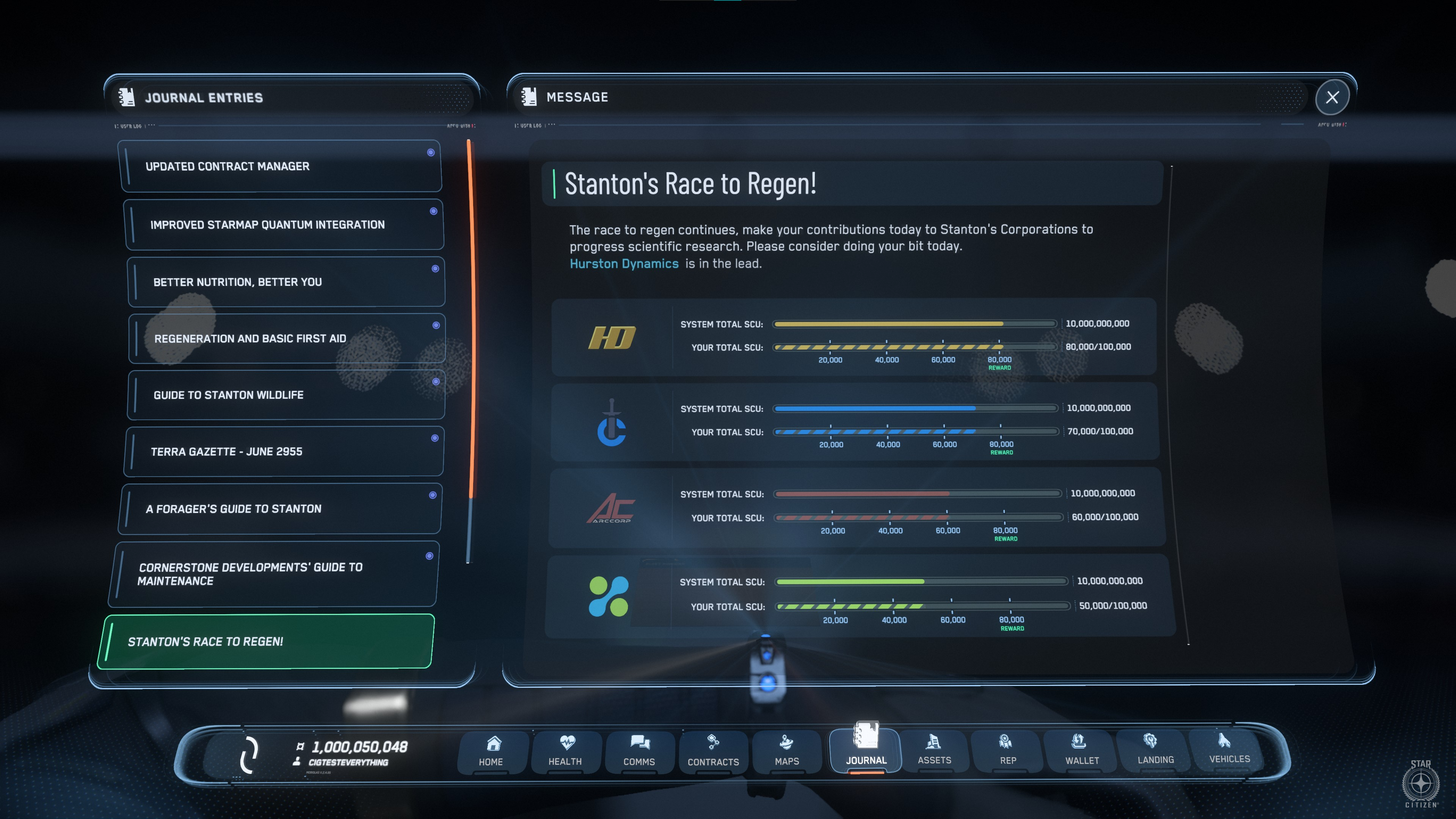
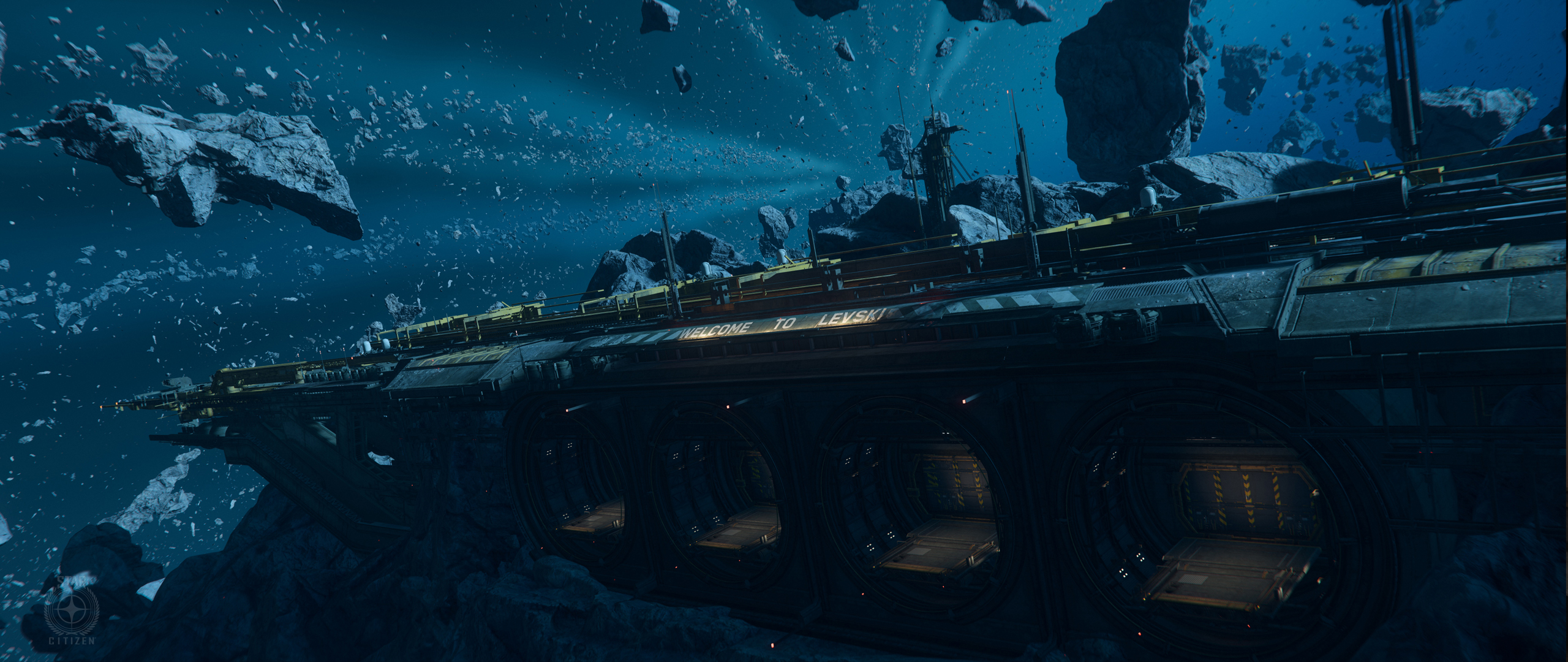
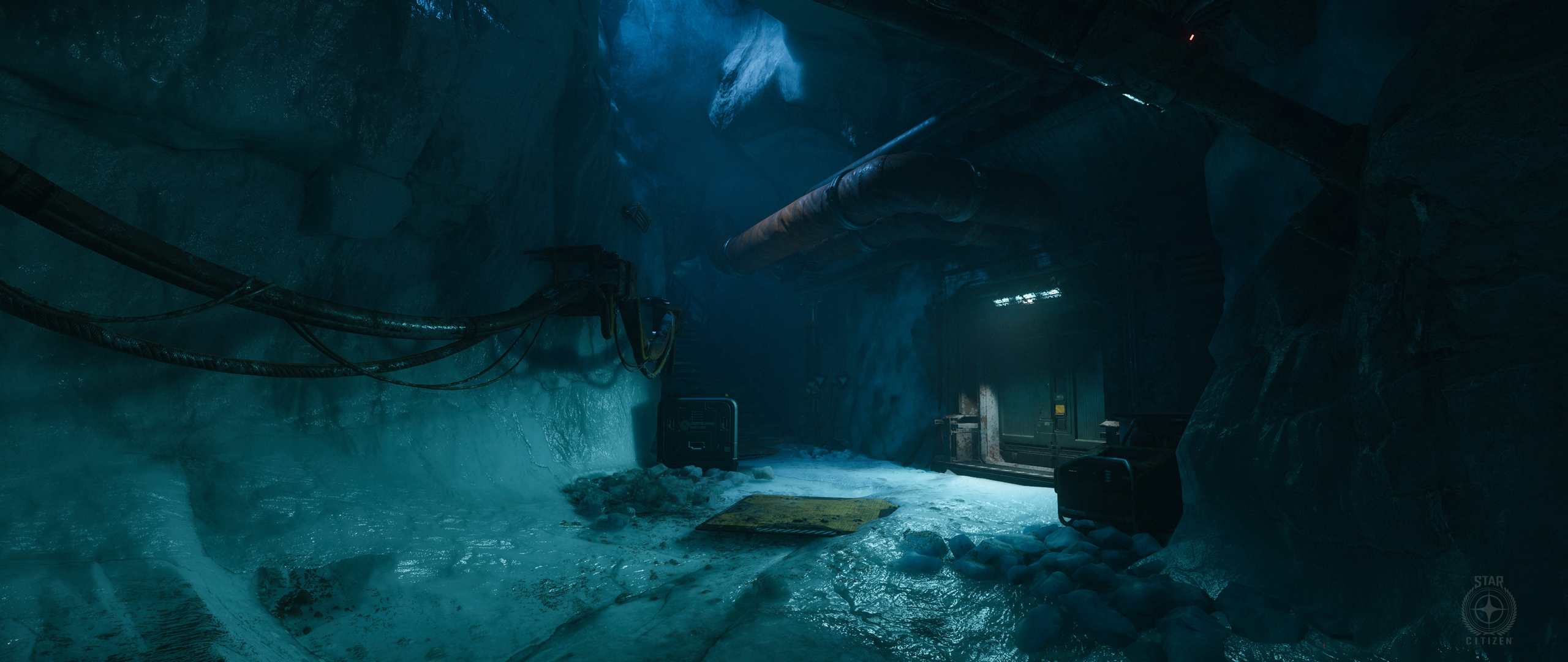
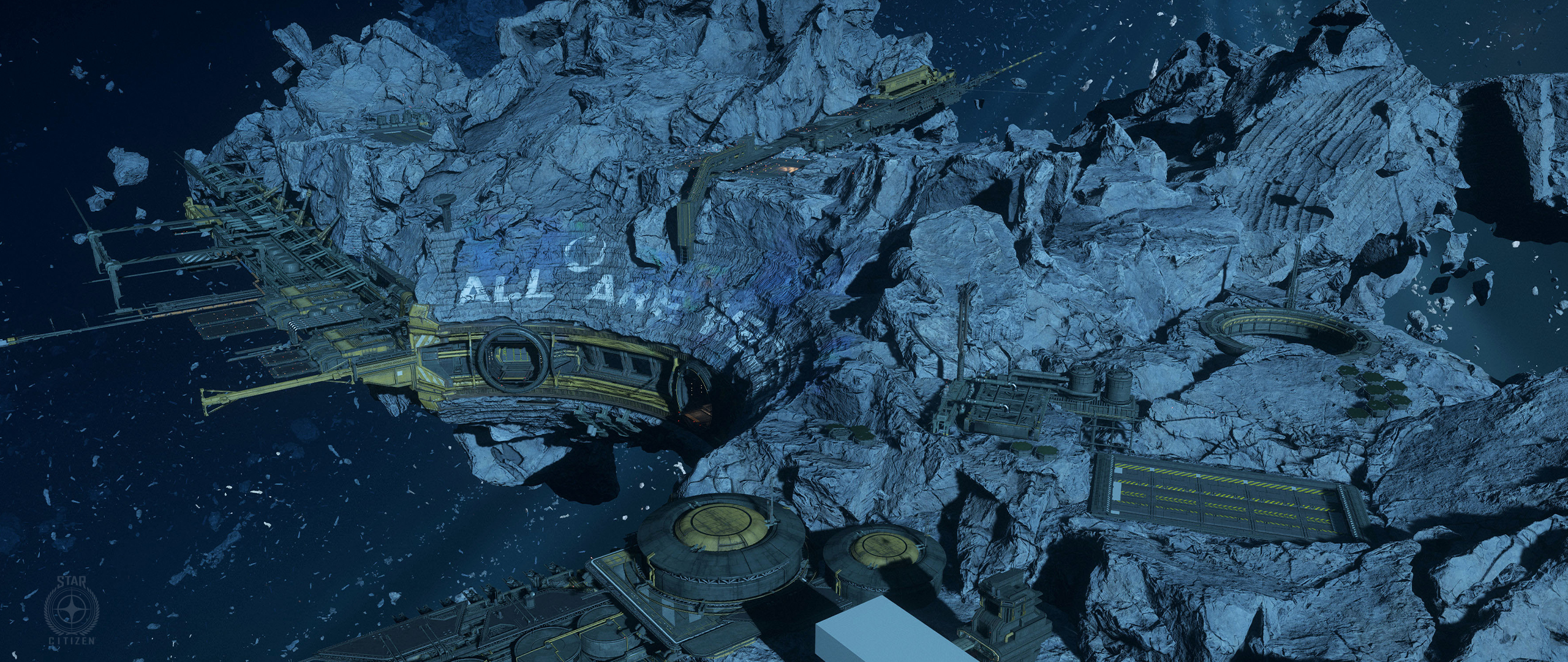
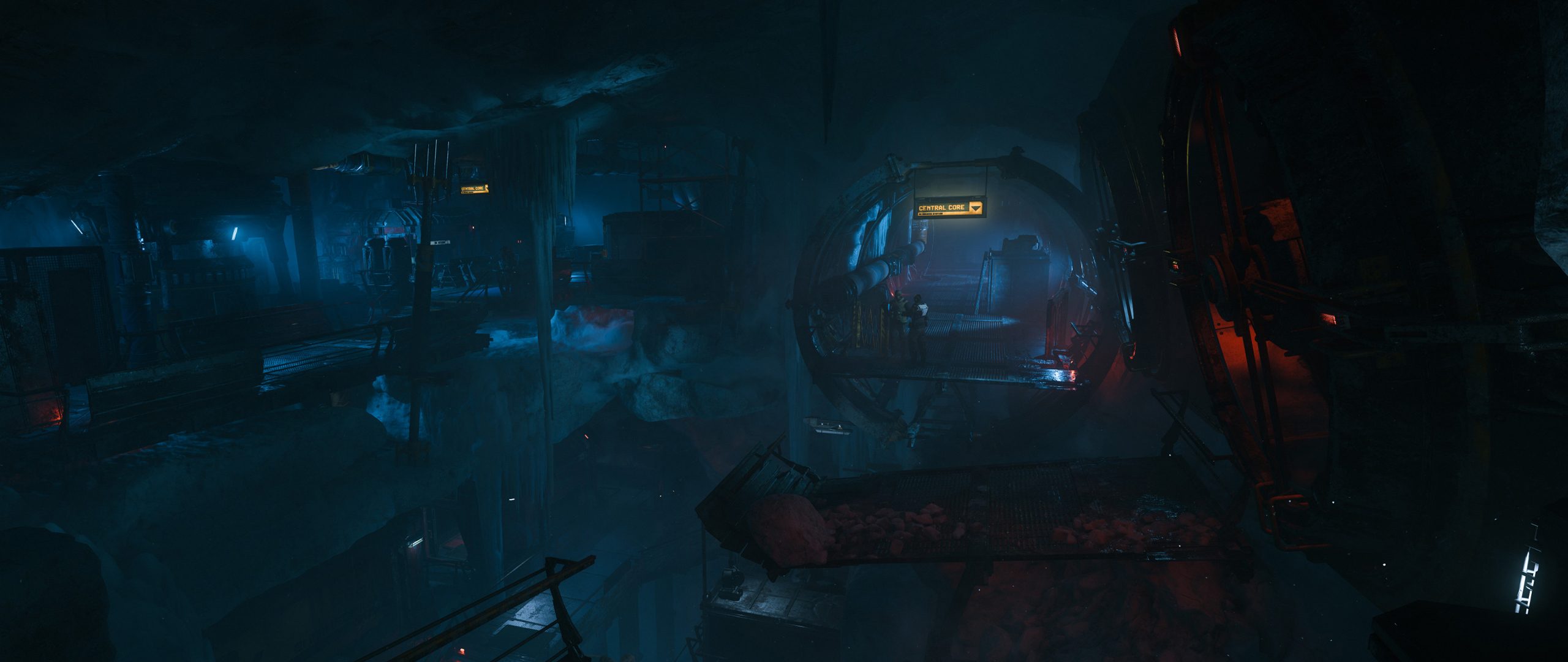
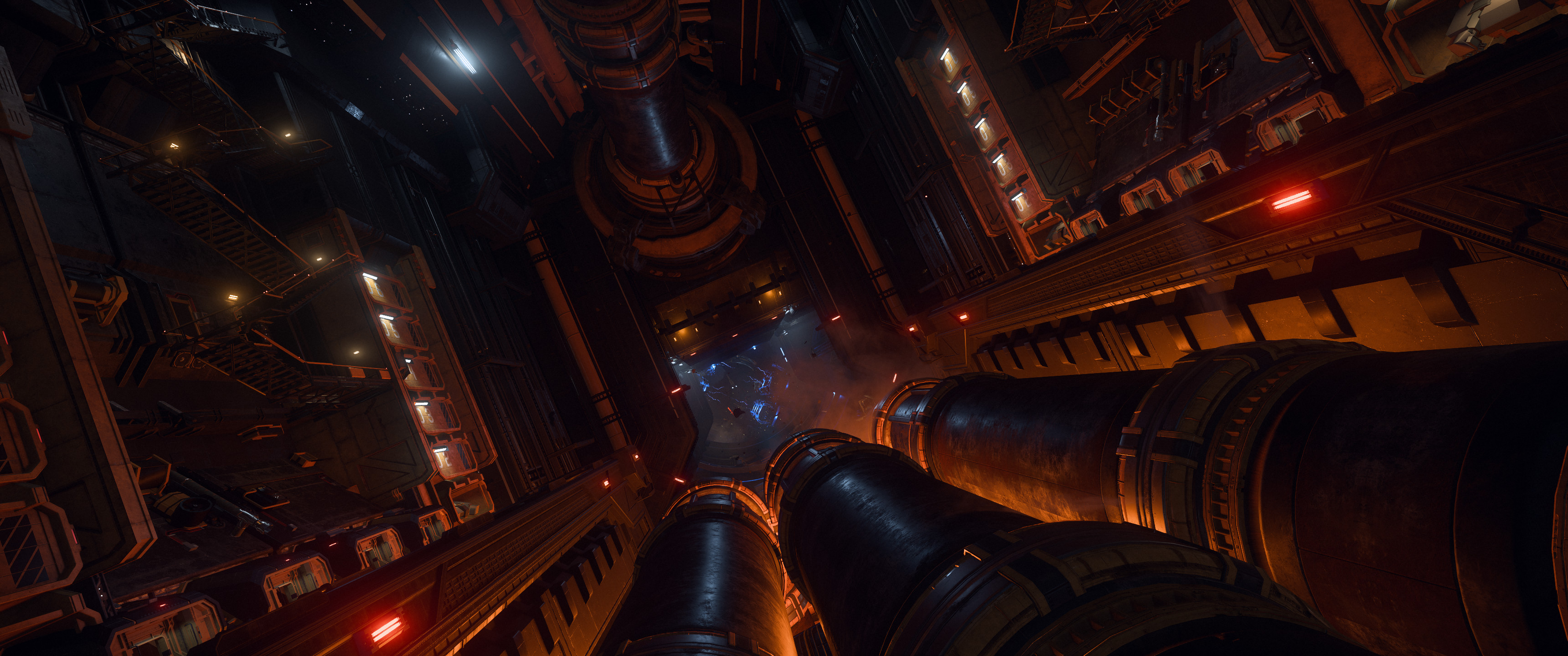
Metadata
- CIG ID
- 15285
- Channel
- Transmission
- Category
- Undefined
- Series
- Monthly Reports
- Comments
- 83
- Published
- 10 years ago (2016-04-09T00:00:00+00:00)