Cargo Guide
Transmission Undefined NoneContent
CARGO GUIDE
Cargo hauling and trading keeps the UEE moving, with prosperous careers to be forged through hauling contracts and commodity trading.
While cargo ventures can be fraught with risks between pickup and delivery, they can also be lucrative endeavors with the right knowledge, tools, and ship.
Below is a quick start guide to the Cargo career as of Alpha 4.1. New Industrial missions have been added as of Alpha 4.6, which you can learn more about here. We’ll also add to this page as additional aspects of the career come online in the future.
Tools of the Trade
Multi-ToolThe Pyro RYT Multi-Tool is a handheld gadget designed to handle a variety of tasks through interchangeable attachments (sold separately). The Multi-Tool, combined with the TruHold tractor-beam attachment, is essential for loading and unloading cargo, so ensure you're equipped with both before embarking on your adventures.You can pick up a Multi-Tool and tractor-beam attachment at most major landing zones and stations around the ‘verse – look out for vendors that sell mining equipment, weapons, and armor, including Cubby Blast and Shubin Interstellar. For heavy-duty lifting, the MaxLift Tractor Beam (purchasable at selected Refinery supply shops) will make handling larger and bulkier items a breeze. Starting FundsTo get you started on this lucrative venture, you’ll need the initial funds to acquire a suitable ship, outfit it for cargo transport, and cover operational expenses. Keep in mind that you’ll also need to pay for fuel, repairs, and upgrades.The in-game currency, Alpha United Earth Credits (aUEC), is also essential for buying commodities that you can transport and sell for a profit. You can earn aUEC through various activities, including completing missions available on the mobiGlas.Cargo CarriersIn the expansive universe of Star Citizen, having ample storage space is essential. A ship's carrying capacity is denoted by its Standard Cargo Unit (SCU) value. This becomes even more crucial if you decide to begin your journey as a cargo hauler or commodity trader, as the more you can fit in your cargo hold, the bigger your potential earnings become.While a specialized cargo ship with expanded SCU capacity focuses on maximizing profits, it’s equally important for players to pick the ship best suited to their career level, intended tasks, and playstyle. Some ground vehicles also offer limited cargo capacity, making planetside deliveries or base management a breeze. We've included a non-exhaustive list of suggested ships below for your various cargo needs.Multi-Tool
The Pyro RYT Multi-Tool is a handheld gadget designed to handle a variety of tasks through interchangeable attachments (sold separately). The Multi-Tool, combined with the TruHold tractor-beam attachment, is essential for loading and unloading cargo, so ensure you're equipped with both before embarking on your adventures.
You can pick up a Multi-Tool and tractor-beam attachment at most major landing zones and stations around the ‘verse – look out for vendors that sell mining equipment, weapons, and armor, including Cubby Blast and Shubin Interstellar. For heavy-duty lifting, the MaxLift Tractor Beam (purchasable at selected Refinery supply shops) will make handling larger and bulkier items a breeze.
Starting Funds
To get you started on this lucrative venture, you’ll need the initial funds to acquire a suitable ship, outfit it for cargo transport, and cover operational expenses. Keep in mind that you’ll also need to pay for fuel, repairs, and upgrades.
The in-game currency, Alpha United Earth Credits (aUEC), is also essential for buying commodities that you can transport and sell for a profit. You can earn aUEC through various activities, including completing missions available on the mobiGlas.
Cargo Carriers
In the expansive universe of Star Citizen, having ample storage space is essential. A ship's carrying capacity is denoted by its Standard Cargo Unit (SCU) value. This becomes even more crucial if you decide to begin your journey as a cargo hauler or commodity trader, as the more you can fit in your cargo hold, the bigger your potential earnings become.
While a specialized cargo ship with expanded SCU capacity focuses on maximizing profits, it’s equally important for players to pick the ship best suited to their career level, intended tasks, and playstyle. Some ground vehicles also offer limited cargo capacity, making planetside deliveries or base management a breeze. We've included a non-exhaustive list of suggested ships below for your various cargo needs.
Drake CutterStarting Small4 SCURobust and compact, the versatile Drake Cutter offers a good balance of cargo capacity and defensive capabilities. Its high hull strength makes it more resilient to damage than other starter ships, making it a solid choice for new Citizens taking their first steps into cargo ventures.Aegis Avenger TitanStarting Small8 SCUThe Aegis Avenger Titan is one of the best ships available for a new Citizen in the 'verse. A former Advocacy patrol ship with added cargo capacity, the Titan is an agile light-cargo hauler that can confidently handle itself in a skirmish. MISC Hull AStarting Small64 SCUThe MISC Hull is a series of dedicated cargo-hauling ships that provides countless options for every type of merchant, from the single-person Hull A to the super-massive Hull E bulk freighter.The MISC Hull A has the highest cargo capacity in its class and is great for those just striking out into the galaxy on their own. Where the others trade cargo capacity for firepower or speed, the Hull A is 100% focused on transport.Drake Cutlass BlackMaking A Name For Yourself46 SCUThe Drake Cutlass Black is a highly versatile ship boasting substantial combat and cargo prowess. With a larger-than-average cargo hold and enough firepower to defend itself effectively, the agile Cutlass Black is a strong contender in a fight and a popular choice for a variety of freight missions. Crusader C1 SpiritMaking A Name For Yourself64 SCUA mid-size multi-purpose starship built for cargo transport and delivery but packing enough versatility to tackle multiple roles and unpredictable jobs. The Crusader C1 Spirit's considerable cargo capacity and armament make it perfect for mid-range cargo delivery and courier tasks. MISC FreelancerMaking A Name For Yourself66 SCUThe MISC Freelancer is a medium-sized long-range freighter preferred by many cargo haulers due to its versatility and defensive capabilities.For those wanting to maximize profits, the Freelancer MAX variant sacrifices weaponry for increased cargo capacity (120 SCU) and an extra pair of main thrusters to help move larger payloads.Drake CorsairLeading The Way72 SCUWhile primarily designed as an exploration ship, the Drake Corsair's adaptability makes it a solid contender for cargo runs. Although the Corsair might not be the top choice for those aiming to maximize profits, it compensates for a somewhat modest storage capacity with high agility and strong defense.A great choice for moving cargo between territories where adversaries might attempt to intercept ships and seize their valuable goods. RSI Constellation TaurusLeading The Way174 SCUThe RSI Constellation Taurus, a dedicated freighter variant of the Constellation series, is specifically designed as a multi-crew cargo hauler. Robust and efficient, the Taurus is an excellent choice for large-scale transport or hauling operations.The Taurus is equipped with features that not only maximize cargo capacity but also prioritize the safety and efficiency of cargo handling. Among these features is a safety ejection system, which can instantly eject cargo that poses a risk during transit. Additionally, the Taurus boasts a security hold reinforced with high-tech plating, adding an extra layer of protection for your cargo.RSI HermesLeading The Way288 SCUHigh capacity, high speed, and high defense. The Hermes embodies RSI’s contemporary approach to shipbuilding, delivering standout performance in the ever-competitive medium hauling market.It comes with a rail-mounted tractor beam that provides smooth, easy, and efficient cargo loading, ensuring two-person crews or solo haulers can deliver without delay.MISC Hull BLeading The Way512 SCUThe Hull B is a serious hauler most often compared to MISC’s own Freelancer. But where the Freelancer is equipped for long range exploration and other roles, the Hull B is a pure, no-frills cargo transport.Operable either solo or with a partner managing the external tractor beam controls, the Hull B's massive 512 SCU capacity is built to handle the biggest hauling jobs. Rugged dependability and the unique telescopic spindles the Hull series is known for ensure your load arrives safely.Crusader C2 HerculesLeading The Way696 SCUUtilizing the patented Hercules military-grade spaceframe and expanding cargo capacity, while sacrificing barely any firepower, the Crusader C2 Hercules has become the cargo industry standard. With an impressive capacity of 696 SCU and a substantial weapons loadout, the C2 Hercules outperforms any other ship in its class in terms of cargo hauling and can hit back hard if required. This colossal ship can also be operated by a single person, while its speed and prospective in-game profits contribute to its widespread preference among cargo haulers in the 'verse.MISC Hull CLeading The Way4608 SCUOften called the most common ship in the galaxy, the Hull C is the most-produced of the range and is considered by many to be the most versatile. Intended to hit the ‘sweet spot’ between the smaller single-person transports and the massive superfreighters that make up the rest of the range, the Hull C offers the expansive modularity of the larger ships while still retaining a modicum of the maneuverability allowed the low end of the range.Drake Cutter
4 SCU
Robust and compact, the versatile Drake Cutter offers a good balance of cargo capacity and defensive capabilities. Its high hull strength makes it more resilient to damage than other starter ships, making it a solid choice for new Citizens taking their first steps into cargo ventures.
Aegis Avenger Titan
8 SCU
The Aegis Avenger Titan is one of the best ships available for a new Citizen in the 'verse. A former Advocacy patrol ship with added cargo capacity, the Titan is an agile light-cargo hauler that can confidently handle itself in a skirmish.
MISC Hull A
64 SCU
The MISC Hull is a series of dedicated cargo-hauling ships that provides countless options for every type of merchant, from the single-person Hull A to the super-massive Hull E bulk freighter.
The MISC Hull A has the highest cargo capacity in its class and is great for those just striking out into the galaxy on their own. Where the others trade cargo capacity for firepower or speed, the Hull A is 100% focused on transport.
Drake Cutlass Black
46 SCU
The Drake Cutlass Black is a highly versatile ship boasting substantial combat and cargo prowess. With a larger-than-average cargo hold and enough firepower to defend itself effectively, the agile Cutlass Black is a strong contender in a fight and a popular choice for a variety of freight missions.
Crusader C1 Spirit
64 SCU
A mid-size multi-purpose starship built for cargo transport and delivery but packing enough versatility to tackle multiple roles and unpredictable jobs. The Crusader C1 Spirit's considerable cargo capacity and armament make it perfect for mid-range cargo delivery and courier tasks.
MISC Freelancer
66 SCU
The MISC Freelancer is a medium-sized long-range freighter preferred by many cargo haulers due to its versatility and defensive capabilities.
For those wanting to maximize profits, the Freelancer MAX variant sacrifices weaponry for increased cargo capacity (120 SCU) and an extra pair of main thrusters to help move larger payloads.
Drake Corsair
72 SCU
While primarily designed as an exploration ship, the Drake Corsair's adaptability makes it a solid contender for cargo runs. Although the Corsair might not be the top choice for those aiming to maximize profits, it compensates for a somewhat modest storage capacity with high agility and strong defense.
A great choice for moving cargo between territories where adversaries might attempt to intercept ships and seize their valuable goods.
RSI Constellation Taurus
174 SCU
The RSI Constellation Taurus, a dedicated freighter variant of the Constellation series, is specifically designed as a multi-crew cargo hauler. Robust and efficient, the Taurus is an excellent choice for large-scale transport or hauling operations.
The Taurus is equipped with features that not only maximize cargo capacity but also prioritize the safety and efficiency of cargo handling. Among these features is a safety ejection system, which can instantly eject cargo that poses a risk during transit. Additionally, the Taurus boasts a security hold reinforced with high-tech plating, adding an extra layer of protection for your cargo.
RSI Hermes
288 SCU
High capacity, high speed, and high defense. The Hermes embodies RSI’s contemporary approach to shipbuilding, delivering standout performance in the ever-competitive medium hauling market.
It comes with a rail-mounted tractor beam that provides smooth, easy, and efficient cargo loading, ensuring two-person crews or solo haulers can deliver without delay.
MISC Hull B
512 SCU
The Hull B is a serious hauler most often compared to MISC’s own Freelancer. But where the Freelancer is equipped for long range exploration and other roles, the Hull B is a pure, no-frills cargo transport.
Operable either solo or with a partner managing the external tractor beam controls, the Hull B's massive 512 SCU capacity is built to handle the biggest hauling jobs. Rugged dependability and the unique telescopic spindles the Hull series is known for ensure your load arrives safely.
Crusader C2 Hercules
696 SCU
Utilizing the patented Hercules military-grade spaceframe and expanding cargo capacity, while sacrificing barely any firepower, the Crusader C2 Hercules has become the cargo industry standard.
With an impressive capacity of 696 SCU and a substantial weapons loadout, the C2 Hercules outperforms any other ship in its class in terms of cargo hauling and can hit back hard if required. This colossal ship can also be operated by a single person, while its speed and prospective in-game profits contribute to its widespread preference among cargo haulers in the 'verse.
MISC Hull C
4608 SCU
Often called the most common ship in the galaxy, the Hull C is the most-produced of the range and is considered by many to be the most versatile. Intended to hit the ‘sweet spot’ between the smaller single-person transports and the massive superfreighters that make up the rest of the range, the Hull C offers the expansive modularity of the larger ships while still retaining a modicum of the maneuverability allowed the low end of the range.
Ground Vehicles
Argo CSV-SM
The CSV-SM is the logistical lifeblood of any hangar or outpost operation. Move essential materials freely and easily.
Damn right it is. Point is, no damn AI system's ever gonna be as good as an experienced Mechanic
Drake Mule
Whether you need to transport cargo over the roughest terrain possible or load it onto larger vessels and cargo decks, the Mule works. Plain and simple.
Nicknamed Sheperd due to its proximity to the Asteroid Belt, Taranis III looks like it's overseeEngineer the Moons "Maybe you should have a Criminal have a look at you. Be sure." said Senator Akari A naturally occurrSpirit Wars Habitable atmosphere Volatile Earth analogue. UPE surveyors were stunned to find abandoned Tevarin cities on the planet
Greycat STV
The Sport Terrain Vehicle from Greycat was built by pros for pros and features blazing speed and convenient built-in storage.
Armitage's atmosphere is almost entirely composed of Ammonia, which makes it the most Inhabitable planet in the Magnus System We offer this Universe to the Civilization as a place to study and a place to meet Damn right it is. Point is, no damn AI system's ever gonna be as good as an experienced Engineer
Greycat ATLS
Easily load and unload the biggest haulers with the power of Argo. The ATLS power suit’s unique exo-frame helps you work quickly, easily, and safely – whatever the task.
Lorem ipsum dolor sit amet, consectetur adipiscing elit. Amet consectetur adipiscing elit pellentesque habitant morbi tristique senectus. Viverra ipsum nunc aliquet bibendum enim facilisis gravida neque convallis.
Greycat UTV
The UTV is the ideal light utility vehicle for transporting gear over rough terrain. Featuring weapon racks and 1 SCU of exterior cargo capacity, it's ready for adventure.
Sed do eiusmod tempor incididunt ut labore et dolore magna aliqua. Nulla facilisi morbi tempus iaculis urna id volutpat lacus laoreet. Excepteur sint occaecat cupidatat non proident, sunt in culpa qui officia.
Tumbril Cyclone
Offering speed, maneuverability, and rugged durability, the Cyclone is a perfect choice for local deliveries and transport between planetside homesteads and outposts.
Sed do eiusmod tempor incididunt ut labore et dolore magna aliqua. Duis aute irure dolor in reprehenderit in voluptate velit esse cillum. Duis aute irure dolor in reprehenderit in voluptate velit esse cillum.
Cargo Hauling vs Commodity Trading
While related, cargo hauling and commodity trading are distinctly different activities.
Cargo hauling involves efficiently transporting contracted goods from one location to another, whether within or between star systems. One of the biggest risks that cargo haulers face during transit is pirate attacks.
Commodity trading focuses on buying and selling bulk commodities for profit, assuming market risks related to price fluctuations and potential losses. Traders are also at risk of pirate attacks and accidents to their cargo during transit.
Commodities
Commodities are resources not meant for personal use but rather for processing or trading. As the primary goods citizens can buy and sell to turn a profit, commodities play a pivotal role in the in-game economy. Their value can fluctuate based on supply and demand, making it crucial to identify optimal trade routes and markets.
Note: In the 'verse, 'vice commodities' refer to goods that are often associated with illegal activities or are regulated by certain jurisdictions. The legality and availability of these commodities can vary depending on location.
CommoditiesCommodities play a pivotal role in the in-game economy. These resources are not meant for personal use but rather for processing or trading. They are the primary goods Citizens buy and sell to turn a profit, making commodity trading the cornerstone of cargo gameplay. Their value can fluctuate based on supply and demand, making it crucial to identify optimal trade routes and markets.Getting Good(s)Most commodities can be bought or sold at kiosks in Trade & Development Division buildings (TDDs) at major landing zones, admin offices in space stations, and storage buildings at some surface outposts. These commodities are purchased and sold in boxes, the sizes of which vary based on location and ship size. Commodities can also be acquired from mining and research facilities, hydroponics labs, cities, and space stations as well as certain illegal operations on planets and moons.Buy Low, Sell HighEach locale stocks a limited selection of commodities and will have different demand levels for different goods. Pricing also differs per location, so it is worth keeping abreast of the economy to know where demand is highest for a particular type of commodity. To maximize earnings, buy low and sell high.Getting Good(s)
Most commodities can be bought or sold at kiosks in Trade & Development Division buildings (TDDs) at major landing zones, admin offices in space stations, and storage buildings at some surface outposts. These commodities are purchased and sold in boxes, the sizes of which vary based on location and ship size.
Commodities can also be acquired from mining and research facilities, hydroponics labs, cities, and space stations as well as certain illegal operations on planets and moons.
Buy Low, Sell High
Each locale stocks a limited selection of commodities and will have different demand levels for different goods. Pricing also differs per location, so it is worth keeping abreast of the economy to know where demand is highest for a particular type of commodity. To maximize earnings, buy low and sell high.
Sealing the Deal
Sealing the DealReadyOnce a suitable ship is acquired and outfitted for a run, your next step is to determine your most profitable trade routes and commodities based on your ship's SCU capacity and preferred risk level. Trading high-value commodities can be very profitable, but it also comes with increased risks, such as piracy and market depreciation.Some commodities popular with traders include laranite, beryl, diamond, gold, medical supplies, hephaestanite, and recycled material composite (RMC).Tip: Avoid investing all your credits into a single commodity. Diversify your trades to mitigate risk and capitalize on varying market conditions. Get... It's now time to acquire the commodities you'll be trading. Purchase commodities from locations where they're cheap; mining outposts often sell raw materials at lower prices, while high-tech planets may offer advanced goods at a premium.Head to the nearest trade kiosk relevant to your needs and interact with it by tapping 'F' while looking at it. From the dropdown menu, select the current location or your ship as the destination. Click on the Buy tab, select the commodity you want to purchase, adjust the purchase quantity using the slider, and confirm your purchase. Note: If you're at a landing zone, ensure your ship is stored for it to be available in the dropdown menu. Only locations with hangars offer automated loading and unloading services....SetSelecting the current location as the destination will place the commodities in the location's warehouse. You will then have to manually load the commodities onto a ship (retrieved using the ASOP terminal) using the freight elevator and a tractor beam gadget.Selecting a ship as the destination will automatically load the commodities onto the ship at the cost of time and aUEC. This ship will also be briefly out of commission during the loading time but will return fully stocked, re-armed, and ready for immediate departure when the automated loading service is completed.Cargo!Once your ship is loaded with commodities, navigate to your chosen destination, preferably where your commodities are in high demand. Stay vigilant during the journey to avoid being attacked by other players. It might also be helpful to monitor the in-game global chat for any reported pirate sightings. Upon arrival, land near freight kiosks for efficient cargo handling and unload and sell your cargo for profit. At locations that offer automated loading and unloading services, you must land legally in order to trade from your ship, as your ship will not appear in the kiosk if you don't.Tip: 'Creatively-acquired' cargo or vice commodities require unscrupulous buyers. Your best bet is to head to a "No Questions Asked" terminal, typically found in salvage/scrap yards to offload these 'sensitive goods.'Ready
Once a suitable ship is acquired and outfitted for a run, your next step is to determine your most profitable trade routes and commodities based on your ship's SCU capacity and preferred risk level. Trading high-value commodities can be very profitable, but it also comes with increased risks, such as piracy and market depreciation.
Some commodities popular with traders include laranite, beryl, diamond, gold, medical supplies, hephaestanite, and recycled material composite (RMC).
Tip: Avoid investing all your credits into a single commodity. Diversify your trades to mitigate risk and capitalize on varying market conditions.
Get...
It's now time to acquire the commodities you'll be trading. Purchase commodities from locations where they're cheap; mining outposts often sell raw materials at lower prices, while high-tech planets may offer advanced goods at a premium.
Head to the nearest trade kiosk relevant to your needs and interact with it by tapping 'F' while looking at it. From the dropdown menu, select the current location or your ship as the destination. Click on the Buy tab, select the commodity you want to purchase, adjust the purchase quantity using the slider, and confirm your purchase.
Note: If you're at a landing zone, ensure your ship is stored for it to be available in the dropdown menu. Only locations with hangars offer automated loading and unloading services.
...Set
Selecting the current location as the destination will place the commodities in the location's warehouse. You will then have to manually load the commodities onto a ship (retrieved using the ASOP terminal) using the freight elevator and a tractor beam gadget.
Selecting a ship as the destination will automatically load the commodities onto the ship at the cost of time and aUEC. This ship will also be briefly out of commission during the loading time but will return fully stocked, re-armed, and ready for immediate departure when the automated loading service is completed.
Cargo!
Once your ship is loaded with commodities, navigate to your chosen destination, preferably where your commodities are in high demand. Stay vigilant during the journey to avoid being attacked by other players. It might also be helpful to monitor the in-game global chat for any reported pirate sightings. Upon arrival, land near freight kiosks for efficient cargo handling and unload and sell your cargo for profit.
At locations that offer automated loading and unloading services, you must land legally in order to trade from your ship, as your ship will not appear in the kiosk if you don't.
Tip: 'Creatively-acquired' cargo or vice commodities require unscrupulous buyers. Your best bet is to head to a "No Questions Asked" terminal, typically found in salvage/scrap yards to offload these 'sensitive goods.'
Quick Tips
Plan Your Routes
---
Before embarking on a cargo run, plan your route carefully. Understand the destination, consider potential challenges like pirate activity or restricted zones, and optimize your travel path. Efficient planning saves time and minimizes risks.
The World shall act as a political neutral zone where representatives can meet to resolve problems through discourse
Monitor Market Trends
---
Keep an eye on commodity prices and supply-demand dynamics in the Journal app on your mobiGlas. Adapt to changing market conditions for maximum profit.
The Planetary Ring's little sister lives near the outer edge of the system's so-called "red band".
Choose The Right Ship
---
Select a ship that suits your needs and playstyle. While larger ships tend to have increased SCU capacity, which increases your potential profits per run, they may require more crew members to operate.
We offer this Ship to the Era as a place to study and a place to meet
Upgrade Your Quantum Drive
---
Your quantum drive is your best friend when it comes to cargo hauling. Upgrading to a more powerful drive can significantly reduce travel time between trade points, allowing you to complete more runs in less time.
We offer this Era to the Civilization as a place to study and a place to meet
Security Measures
---
Be prepared to encounter pirates. Equip your ship with appropriate weapons and shields. Learn evasion tactics and stay vigilant during your cargo runs. If you're not comfortable with PvP, consider getting some hired guns to escort you on your runs.
Geoengineers hovered over him, about to work, surprised at his Potentiality We offer this Era to the Ship as a place to study and a place to meet "Sir...sir!" One of the Pirates tried to usher Case back to the Brig
Risk Management
---
Never buy more than what you are willing to lose. Trading isn’t without its risks and the 'verse can be an unforgiving place. Pirates, system malfunctions, and market fluctuations can all impact your bottom line.
So Messer, ever since RA Prime's announcement, you've been quite critical of the entire concept adventurers can work solo or in groups
Illegal Cargo and Consequences
---
While illegal cargo like SLAM can be profitable, it comes with high risk. You could face legal consequences if caught, including confiscation, fines, ship impoundment, and even imprisonment. Weigh the potential profits against the risks before engaging in such trades.
Worst than a broken Wing, Ernst is too Straight edge A naturally occurrVulture Turbulent atmosphere Turbulent Earth analogue. UEE Marines surveyors were stunned to find abandoned UEE cities on the planet We offer this Horizon to the Entity as a place to study and a place to meet
Community Resources
---
Figuring out the optimal trade run can be a daunting task, especially if you're a new citizen. Luckily, there's a treasure trove of community-created resources you can delve into, including suggestions for profitable trade routes and other tips.
Inhabiting: That's a word that hasn't been associated much with Vanduul
Hauling Missions
Haul-a for a Dolla'
As a hauler, you have the opportunity to undertake mission contracts that differ from the traditional free-form sandbox commodity trading. Instead of using your own capital to purchase commodities, you'll be tasked with transporting large quantities of tracked goods across the realistic logistics network
Haul-a for a Dolla'SignTo get started, open the Contract Manager in your mobiGlas and select and accept a hauling mission contract. These contracts will specify the type and quantity of goods and the destination. Once a contract has been accepted, it can be shared with the rest of your party. Missions can come in various combinations of cargo quantity and distance according to their role within the logistical network.Note: Accepting a contract called 'Opportunity for Independent Cargo Hauler' from Covalex Independent Contractors will start your cargo hauling career.SealOnce you’ve accepted a contract, plan your route carefully. You’ll be navigating a logistics network that includes distribution centers, Lagrange points, gateway stations, low orbit stations, and landing zones. Some contracts may even require you to visit multiple pick-up locations.Make your way to the designated pick-up location(s) to acquire the cargo. Don't forget your tractor beam gadget; you'll need it to load the cargo onto your ship unless you utilize the automatic cargo loading service at locations that offer it. Keep your head on a swivel while loading, especially if you're not in an Armistice Zone; danger could be lurking!DeliverNavigate to the drop-off location specified in the contract. Certain contracts will require you to visit multiple drop-off locations to complete the mission. As you transport the goods, keep an eye on your cargo and ensure it remains secure. You’ll need to manage your resources and navigate any challenges that arise during your journey; be prepared to fend off pirates!Upon reaching the designated drop-off location, deliver the goods as specified in the contract. Repeat until all cargo has been delivered to its corresponding destination.Successful deliveries will earn you rewards and potentially unlock more lucrative contracts as your Reputation in hauling grows.Interstellar HaulingAlpha 4.4: Welcome to Nyx introduced Interstellar Hauling missions. These are procedurally generated contracts spanning the Stanton, Pyro, and Nyx systems that transport goods from one system to another. The missions offer variety to accommodate players with different ships, law alignments, and playtime preferences. Like the existing Stanton and Pyro Hauling missions, they can be shared with party members and support partial completion if cargo is lost during transit. Additional Industrial missions also became available as of Alpha 4.6.Sign
To get started, open the Contract Manager in your mobiGlas and select and accept a hauling mission contract. These contracts will specify the type and quantity of goods and the destination. Once a contract has been accepted, it can be shared with the rest of your party. Missions can come in various combinations of cargo quantity and distance according to their role within the logistical network.
Note: Accepting a contract called 'Opportunity for Independent Cargo Hauler' from Covalex Independent Contractors will start your cargo hauling career.
Seal
Once you’ve accepted a contract, plan your route carefully. You’ll be navigating a logistics network that includes distribution centers, Lagrange points, gateway stations, low orbit stations, and landing zones. Some contracts may even require you to visit multiple pick-up locations.
Make your way to the designated pick-up location(s) to acquire the cargo. Don't forget your tractor beam gadget; you'll need it to load the cargo onto your ship unless you utilize the automatic cargo loading service at locations that offer it. Keep your head on a swivel while loading, especially if you're not in an Armistice Zone; danger could be lurking!
Deliver
Navigate to the drop-off location specified in the contract. Certain contracts will require you to visit multiple drop-off locations to complete the mission. As you transport the goods, keep an eye on your cargo and ensure it remains secure. You’ll need to manage your resources and navigate any challenges that arise during your journey; be prepared to fend off pirates!
Upon reaching the designated drop-off location, deliver the goods as specified in the contract. Repeat until all cargo has been delivered to its corresponding destination.
Successful deliveries will earn you rewards and potentially unlock more lucrative contracts as your Reputation in hauling grows.
Interstellar Hauling
Alpha 4.4: Welcome to Nyx introduced Interstellar Hauling missions. These are procedurally generated contracts spanning the Stanton, Pyro, and Nyx systems that transport goods from one system to another. The missions offer variety to accommodate players with different ships, law alignments, and playtime preferences. Like the existing Stanton and Pyro Hauling missions, they can be shared with party members and support partial completion if cargo is lost during transit. Additional Industrial missions also became available as of Alpha 4.6.
Don't forget to report any and all feedback on this career in the Feedback section of Spectrum!
We'll be adding to this guide in the future as additional aspects of Cargo come online! See you all in the 'verse!
Frachtführer
Alpha 3.23
Das Frachtspiel in Star Citizen bietet eine spannende und dynamische Möglichkeit, das Universum zu erforschen und dabei Profit zu machen. Angesichts der riesigen Entfernungen und der großen Weiten des Weltraums zwischen den einzelnen Zivilisationen muss jemand die Waren dorthin transportieren, wo sie benötigt werden. Hier kommen die Spediteure ins Spiel: engagierte Menschen, die ihre Schiffe mit Waren beladen und sie über die Sterne zu ihrem endgültigen Bestimmungsort transportieren.
Frachttransporte können mit Risiken verbunden sein, z. B. Piraterie und schwankende Rohstoffpreise zwischen Abholung und Lieferung. Mit dem richtigen Wissen, den richtigen Werkzeugen und dem richtigen Schiff kann es jedoch ein lukratives Unterfangen sein.
Im Folgenden findest du eine Kurzanleitung für die Frachtkarriere ab Alpha 3.23. Wir werden diese Seite ergänzen, sobald weitere Aspekte der Karriere online gehen, einschließlich der aufregenden Änderungen in Alpha 3.24, die deinen Frachtabenteuern noch mehr Tiefe und Realismus verleihen werden. Und wenn du zusätzliche Hilfe brauchst, kannst du dich im Guide-System mit einem erfahrenen Spieler zusammentun, der dir zeigt, wo es langgeht.
Rohstoffe
Rohstoffe sind Ressourcen, die nicht für den persönlichen Gebrauch, sondern für die Verarbeitung oder den Handel bestimmt sind. Sie sind die wichtigsten Waren, die Bürgerinnen und Bürger kaufen und verkaufen können, um einen Gewinn zu erzielen, und spielen daher eine zentrale Rolle in der Wirtschaft des Spiels. Ihr Wert kann je nach Angebot und Nachfrage schwanken, weshalb es wichtig ist, optimale Handelsrouten und Märkte zu finden.
Hinweis: Im Vers bezeichnet der Begriff "Lasterware" eine Kategorie von Waren, die oft mit illegalen Aktivitäten in Verbindung gebracht werden oder die von bestimmten Gerichtsbarkeiten reguliert werden. Die Legalität und Verfügbarkeit dieser Waren kann je nach Ort variieren.
Werkzeuge des Handels
Multi-Tool
Startkapital
Frachttransporter
Multi-Tool
Das Greycat Pyro RYT Multi-Tool ist ein handliches Gerät, das durch austauschbare Aufsätze (separat erhältlich) eine Vielzahl von Aufgaben bewältigen kann. Das Multi-Tool ist zusammen mit dem TruHold Traktoraufsatz unverzichtbar für das Bewegen von Kisten und Containern in der Wildnis. Stell also sicher, dass du mit beidem ausgerüstet bist, bevor du dich auf deine Abenteuer begibst.
Das Multi-Tool und der Traktorstrahlaufsatz können an verschiedenen Orten (einschließlich großer Landezonen und Raumstationen) bei Händlern gekauft werden, die Bergbauausrüstung und persönliche Waffen/Rüstungen anbieten, wie z. B. Cubby Blast und Shubin Interstellar.
Startkapital
Zu Beginn dieses lukrativen Unterfangens brauchst du das nötige Startkapital, um ein geeignetes Schiff zu erwerben, es für den Frachttransport auszurüsten und die Betriebskosten zu decken. Denke daran, dass du auch Geld für Treibstoff, Reparaturen und Upgrades brauchst.
Die Spielwährung Alpha United Earth Credits (aUEC) ist außerdem wichtig, um Rohstoffe zu kaufen, die du transportieren und gewinnbringend verkaufen kannst. Du kannst aUEC durch verschiedene Aktivitäten verdienen, z. B. durch das Abschließen von Missionen, die auf dem mobiGlas verfügbar sind.
Frachttransporter
In dem weitläufigen Universum von Star Citizen ist ein Schiff mit viel Stauraum unerlässlich. Die Ladekapazität eines Schiffes wird durch den Wert der Standard Cargo Unit (SCU) angegeben. Dies ist umso wichtiger, wenn du dich entscheidest, deine Reise als Frachttransporteur oder Rohstoffhändler zu beginnen, denn je mehr du in den Laderaum deines Schiffes packen kannst, desto größer sind deine potenziellen Einnahmen.
Während ein spezialisiertes Frachtschiff mit erweiterter SCU-Kapazität den Schwerpunkt auf die Maximierung der Gewinne legt, ist es für Spieler/innen genauso wichtig, das Schiff zu wählen, das am besten zu ihrer Karrierestufe, ihren Aufgaben und ihrem Spielstil passt. Nachfolgend findest du eine nicht erschöpfende Liste mit Vorschlägen für Schiffe, die du für deine verschiedenen Frachtbedürfnisse brauchst.
Drake-Kutter
4 SCU
Der vielseitige Drake Cutter ist robust und kompakt und bietet ein gutes Gleichgewicht zwischen Ladekapazität und Verteidigungsfähigkeit. Seine hohe Rumpfstärke macht ihn widerstandsfähiger gegen Schäden als andere Startschiffe und macht ihn zu einer soliden Wahl für neue Bürger, die ihre ersten Schritte im Frachtgeschäft machen.
Aegis Avenger Titan
8 SCU
Die Aegis Avenger Titan ist eines der besten Schiffe, die es für neue Bürger im Verse gibt. Die Titan, ein ehemaliges Advocacy-Patrouillenschiff mit zusätzlicher Frachtkapazität, ist ein wendiger Leichtfrachter, der sich in einem Scharmützel selbstbewusst behaupten kann.
MISC Rumpf A
64 SCU
Die MISC-Hülle ist eine Reihe von speziellen Frachtschiffen, die unzählige Optionen für jeden Händlertyp bieten, von der Ein-Personen-Hülle A bis zum super-massiven Hüllenfrachter E.
Die MISC Hülle A hat die höchste Frachtkapazität in ihrer Klasse und ist ideal für alle, die gerade erst auf eigene Faust in die Galaxie aufbrechen. Während die anderen ihre Frachtkapazität gegen Feuerkraft oder Geschwindigkeit eintauschen, ist die Hülle A zu 100% auf den Transport ausgerichtet!
Drake Cutlass Schwarz
46 SCU
Die Drake Cutlass Black ist ein äußerst vielseitiges Schiff, das sowohl im Kampf als auch bei der Beförderung von Gütern eine gute Figur macht. Mit einem überdurchschnittlich großen Frachtraum und genug Feuerkraft, um sich effektiv zu verteidigen, ist die wendige Cutlass Black ein starker Gegner im Kampf und eine beliebte Wahl für eine Vielzahl von Frachtmissionen.
Crusader C1 Spirit
64 SCU
Ein mittelgroßes Mehrzweckraumschiff, das für den Transport und die Auslieferung von Fracht gebaut wurde, aber genug Vielseitigkeit bietet, um verschiedene Aufgaben und unvorhersehbare Aufträge zu erfüllen. Die beträchtliche Frachtkapazität und Bewaffnung der Crusader C1 Spirit machen sie zum perfekten Schiff für mittelgroße Frachttransporte und Kurieraufgaben.
MISC Freelancer
66 SCU
Die MISC Freelancer ist ein mittelgroßer Langstreckenfrachter, der aufgrund seiner Vielseitigkeit und seiner defensiven Fähigkeiten von vielen Frachttransporteuren bevorzugt wird.
Für diejenigen, die ihre Gewinne maximieren wollen, opfert die Freelancer MAX-Variante die Bewaffnung für eine höhere Frachtkapazität (120 SCU) und ein zusätzliches Paar Haupttriebwerke, um größere Nutzlasten zu transportieren.
Drake Corsair
72 SCU
Obwohl die Drake Corsair in erster Linie als Erkundungsschiff konzipiert wurde, ist sie dank ihrer Anpassungsfähigkeit auch ein guter Kandidat für Frachtfahrten. Auch wenn die Corsair nicht die erste Wahl für diejenigen ist, die ihre Gewinne maximieren wollen, macht sie ihre bescheidene Lagerkapazität durch hohe Wendigkeit und starke Verteidigung wett.
Er ist eine gute Wahl für den Transport von Fracht zwischen Gebieten, in denen Gegner versuchen könnten, die Schiffe abzufangen und ihre wertvollen Waren zu beschlagnahmen.
RSI Constellation Taurus
174 SCU
Die RSI Constellation Taurus, eine spezielle Frachtervariante der Constellation-Serie, wurde speziell für den Transport von Gütern mit mehreren Besatzungen entwickelt. Der robuste und effiziente Taurus ist eine ausgezeichnete Wahl für groß angelegte Transport- oder Schleppoperationen.
Der Taurus ist mit Merkmalen ausgestattet, die nicht nur die Frachtkapazität maximieren, sondern auch die Sicherheit und Effizienz der Frachtabfertigung in den Vordergrund stellen. Zu diesen Merkmalen gehört ein Sicherheitsauswurfsystem, das Ladung, die während des Transports ein Risiko darstellt, sofort auswerfen kann. Außerdem verfügt der Taurus über einen mit Hightech-Panzerung verstärkten Sicherheitsraum, der deine Ladung zusätzlich schützt.
Crusader C2 Hercules
696 SCU
Der Crusader C2 Hercules nutzt den patentierten Hercules-Raumfahrtrahmen in Militärqualität und erweitert die Ladekapazität, während er kaum an Feuerkraft einbüßt.
Mit ihrer beeindruckenden Kapazität von 696 SCU und ihrer umfangreichen Waffenausrüstung übertrifft die C2 Hercules jedes andere Schiff ihrer Klasse in Sachen Frachttransport und kann bei Bedarf hart zurückschlagen. Dieses kolossale Schiff kann auch von einer einzigen Person gesteuert werden, während seine Geschwindigkeit und seine voraussichtlichen Gewinne im Spiel dazu beitragen, dass es bei den Frachttransporteuren im Verse so beliebt ist.
Ware(n) bekommen
Die meisten Waren kannst du an Kiosken in den Gebäuden der Handels- und Entwicklungsabteilungen (TDDs) in den großen Landezonen, in den Verwaltungsbüros der Raumstationen und in den Lagergebäuden einiger Außenposten an der Oberfläche kaufen oder verkaufen.
Rohstoffe können auch in Bergbau- und Forschungseinrichtungen, hydroponischen Laboren, Städten und Raumstationen sowie bei bestimmten illegalen Geschäften auf Planeten und Monden erworben werden.
Niedrig kaufen, hoch verkaufen
Jeder Ort verfügt über eine begrenzte Auswahl an Waren und hat eine unterschiedliche Nachfrage nach verschiedenen Gütern. Auch die Preise sind von Ort zu Ort unterschiedlich. Es lohnt sich also, die Wirtschaft im Auge zu behalten, um zu wissen, wo die Nachfrage nach einer bestimmten Art von Ware am größten ist. Um den Gewinn zu maximieren, kaufe niedrig und verkaufe hoch.
Das Geschäft besiegeln
Bereit
Auf die Plätze
Ladung!
Bereit
Sobald du ein geeignetes Schiff erworben und für eine Fahrt ausgerüstet hast, musst du als Nächstes die profitabelsten Handelsrouten und Waren auf der Grundlage der SCU-Kapazität deines Schiffes und der bevorzugten Risikostufe bestimmen. Der Handel mit hochwertigen Waren kann sehr profitabel sein, birgt aber auch erhöhte Risiken wie Piraterie und Marktabwertung.
Zu den bei Händlern beliebten Rohstoffen gehören Laranit, Beryll, Diamanten, Gold, medizinische Güter, Hephaestanit und Recyclingmaterial (RMC).
Mach dich bereit
Jetzt ist es an der Zeit, die Rohstoffe zu erwerben, mit denen du handeln willst. Kaufe Rohstoffe dort, wo sie billig sind: Bergbau-Außenposten verkaufen Rohstoffe oft zu niedrigeren Preisen, während Hightech-Planeten fortschrittliche Waren zu einem höheren Preis anbieten.
Gehe zum nächstgelegenen Handelskiosk, der deinen Bedürfnissen entspricht, und interagiere mit ihm, indem du auf "F" tippst, während du ihn ansiehst. Wähle dein Schiff aus dem Dropdown-Menü. Klicke auf die Registerkarte Kaufen, wähle die Ware aus, die du kaufen möchtest, und passe die Kaufmenge mit dem Schieberegler in der unteren rechten Ecke an.
Tipp: Vermeide es, dein gesamtes Guthaben in einen einzigen Rohstoff zu investieren. Streue deine Geschäfte, um das Risiko zu minimieren und von den unterschiedlichen Marktbedingungen zu profitieren.
Fracht!
Sobald dein Schiff mit Rohstoffen beladen ist, fährst du zu deinem Zielort, vorzugsweise dorthin, wo deine Rohstoffe besonders gefragt sind. Bleib während der Reise wachsam, damit du nicht von anderen Spielern angegriffen wirst. Es kann auch hilfreich sein, den globalen Chat im Spiel zu beobachten, um zu erfahren, ob Piraten gesichtet wurden. Lande bei deiner Ankunft in der Nähe von Handelskiosken, damit du deine Fracht effizient umschlagen und gewinnbringend verkaufen kannst. Du musst legal landen, um handeln zu können, da dein Schiff sonst nicht im Kiosk erscheint.
Glückwunsch - du bist auf dem besten Weg, dich in diesem lukrativen Beruf zu etablieren!
Tipp: "Kreativ erworbene" Fracht oder Lasterwaren erfordern skrupellose Käufer. Am besten gehst du zu einem "No Questions Asked"-Terminal, das du normalerweise auf Schrottplätzen findest, um diese "sensiblen Waren" abzuladen.
Instanzielle und persönliche Hangars
Erscheint in Alpha 3.24
Mit der Einführung von Instanced Hangars in Alpha 3.24 wird die Verfügbarkeit von Hangars in Bahnhöfen erhöht. Spieler/innen können nun so viel Zeit wie nötig in Hangars verbringen, um sich auf ihre Abenteuer vorzubereiten, ohne andere Spieler/innen zu behindern.
Außerdem wird jedem Spieler ein persönlicher Hangar an seinem Hauptwohnsitz zur Verfügung stehen. Dabei handelt es sich um einen eigenen Raum, der mit Möbeln, Dekorationen und Gegenständen individuell gestaltet werden kann. Die Größe des persönlichen Hangars eines Spielers wird durch sein größtes flugfähiges Schiff bestimmt. Persönliche Hangars sind außerdem mit ASOP-Terminals ausgestattet, die das Auffinden von Schiffen und Bodenfahrzeugen erleichtern, sowie mit Schiffsaufzugsplattformen, Lagerzugangskiosken und Lastenaufzügen.
Lastenaufzüge und Lagerzugang
Kommend mit Alpha 3.24
Alpha 3.24 wird bedeutende Verbesserungen für das Cargo Gameplay einführen, darunter Lagerzugang und Frachtaufzüge. Diese werden die Art und Weise, wie Spieler/innen mit Fracht, Gegenständen und Schiffen interagieren, grundlegend verändern und die nächste Phase der physischen Fracht einläuten.
Die neuen Frachtaufzüge befinden sich in den Hangars der Spieler/innen und ermöglichen einen physischen Zugang zu den persönlichen Lagerbeständen, statt wie bisher den Inventar-Hotkey "I" zu drücken. So können die Spieler/innen Gegenstände per Hand (oder Traktorstrahl) in und aus dem Lager transportieren und die vollständige Kontrolle über das Beladen und Vorbereiten ihrer Schiffe für ihr nächstes großes Vorhaben übernehmen. Auch Schiffe werden nur noch physisches Inventar unterstützen, aber an Bord einiger Schiffe wird es ein kleines persönliches Inventar geben, in dem die Spieler/innen persönliche Gegenstände für einen einfachen Zugriff aufbewahren können.
Storage Access (früher bekannt als Item Banks) wird als greifbares Interface für Spieler/innen dienen, um ihre FPS-Gegenstände im Inventar des Standorts zu verwalten. Mehrere strategisch platzierte Kioske an verschiedenen Orten werden dies erleichtern und es den Spieler/innen ermöglichen, Gegenstände bequem in ihr persönliches Inventar zu transferieren, Ladungen auszutauschen und ihre persönlichen Waffen und Ausrüstungen zu organisieren, ohne einen Hangar aufsuchen zu müssen.
Updates für Warentransaktionen
Kommt in Alpha 3.24
Rohstoffe werden in Kisten gekauft und verkauft, deren Größe je nach Ort und Schiffsgröße variiert. Das bringt mehr Abwechslung in die Handelsrouten und gibt der Frachtkarriere insgesamt mehr Würze. In Verbindung mit der Einführung des manuellen Ladungsstaus werden die gekauften Waren nicht mehr automatisch und sofort auf die Schiffe geladen, was eine neue Ebene der Immersion und des Engagements darstellt.
Diese Frachtkisten werden stattdessen an die Lagerhäuser der Spieler/innen geschickt, die sie dann mit Hilfe von Lastenaufzügen auf die Schiffe verladen müssen. Wer möchte, kann den automatischen Ladeservice in Anspruch nehmen, was Zeit und Geld kostet. Obwohl die Schiffe der Spieler/innen kurzzeitig außer Betrieb sind, kehren sie mit vollen Vorräten und neuer Bewaffnung zurück und sind sofort abfahrbereit, wenn der automatische Ladedienst abgeschlossen ist.
Neue Hauling-Missionen
Erscheint in Alpha 3.24
Die Spieler/innen werden die Möglichkeit haben, Transportaufträge anzunehmen, die sich vom freien Handel mit Rohstoffen in der Sandbox unterscheiden. Anstatt Rohstoffe mit eigenem Kapital zu kaufen, transportieren die Spieler/innen große Mengen an verfolgbaren Gütern durch ein realistisches Logistiknetzwerk und besuchen Verteilungszentren, Lagrange-Punkte, Gateway-Stationen, Stationen im erdnahen Orbit (LEO) und Landezonen.
CARGO GUIDE
Cargo hauling and trading keeps the UEE moving, with prosperous careers to be forged through hauling contracts and commodity trading.
While cargo ventures can be fraught with risks between pickup and delivery, they can also be lucrative endeavors with the right knowledge, tools, and ship.
Below is a quick start guide to the Cargo career as of Alpha 4.1. New Industrial missions have been added as of Alpha 4.6, which you can learn more about here. We’ll also add to this page as additional aspects of the career come online in the future.
Tools of the Trade
Multi-ToolThe Pyro RYT Multi-Tool is a handheld gadget designed to handle a variety of tasks through interchangeable attachments (sold separately). The Multi-Tool, combined with the TruHold tractor-beam attachment, is essential for loading and unloading cargo, so ensure you're equipped with both before embarking on your adventures.You can pick up a Multi-Tool and tractor-beam attachment at most major landing zones and stations around the ‘verse – look out for vendors that sell mining equipment, weapons, and armor, including Cubby Blast and Shubin Interstellar. For heavy-duty lifting, the MaxLift Tractor Beam (purchasable at selected Refinery supply shops) will make handling larger and bulkier items a breeze. Starting FundsTo get you started on this lucrative venture, you’ll need the initial funds to acquire a suitable ship, outfit it for cargo transport, and cover operational expenses. Keep in mind that you’ll also need to pay for fuel, repairs, and upgrades.The in-game currency, Alpha United Earth Credits (aUEC), is also essential for buying commodities that you can transport and sell for a profit. You can earn aUEC through various activities, including completing missions available on the mobiGlas.Cargo CarriersIn the expansive universe of Star Citizen, having ample storage space is essential. A ship's carrying capacity is denoted by its Standard Cargo Unit (SCU) value. This becomes even more crucial if you decide to begin your journey as a cargo hauler or commodity trader, as the more you can fit in your cargo hold, the bigger your potential earnings become.While a specialized cargo ship with expanded SCU capacity focuses on maximizing profits, it’s equally important for players to pick the ship best suited to their career level, intended tasks, and playstyle. Some ground vehicles also offer limited cargo capacity, making planetside deliveries or base management a breeze. We've included a non-exhaustive list of suggested ships below for your various cargo needs.Multi-Tool
The Pyro RYT Multi-Tool is a handheld gadget designed to handle a variety of tasks through interchangeable attachments (sold separately). The Multi-Tool, combined with the TruHold tractor-beam attachment, is essential for loading and unloading cargo, so ensure you're equipped with both before embarking on your adventures.
You can pick up a Multi-Tool and tractor-beam attachment at most major landing zones and stations around the ‘verse – look out for vendors that sell mining equipment, weapons, and armor, including Cubby Blast and Shubin Interstellar. For heavy-duty lifting, the MaxLift Tractor Beam (purchasable at selected Refinery supply shops) will make handling larger and bulkier items a breeze.
Starting Funds
To get you started on this lucrative venture, you’ll need the initial funds to acquire a suitable ship, outfit it for cargo transport, and cover operational expenses. Keep in mind that you’ll also need to pay for fuel, repairs, and upgrades.
The in-game currency, Alpha United Earth Credits (aUEC), is also essential for buying commodities that you can transport and sell for a profit. You can earn aUEC through various activities, including completing missions available on the mobiGlas.
Cargo Carriers
In the expansive universe of Star Citizen, having ample storage space is essential. A ship's carrying capacity is denoted by its Standard Cargo Unit (SCU) value. This becomes even more crucial if you decide to begin your journey as a cargo hauler or commodity trader, as the more you can fit in your cargo hold, the bigger your potential earnings become.
While a specialized cargo ship with expanded SCU capacity focuses on maximizing profits, it’s equally important for players to pick the ship best suited to their career level, intended tasks, and playstyle. Some ground vehicles also offer limited cargo capacity, making planetside deliveries or base management a breeze. We've included a non-exhaustive list of suggested ships below for your various cargo needs.
Drake CutterStarting Small4 SCURobust and compact, the versatile Drake Cutter offers a good balance of cargo capacity and defensive capabilities. Its high hull strength makes it more resilient to damage than other starter ships, making it a solid choice for new Citizens taking their first steps into cargo ventures.Aegis Avenger TitanStarting Small8 SCUThe Aegis Avenger Titan is one of the best ships available for a new Citizen in the 'verse. A former Advocacy patrol ship with added cargo capacity, the Titan is an agile light-cargo hauler that can confidently handle itself in a skirmish. MISC Hull AStarting Small64 SCUThe MISC Hull is a series of dedicated cargo-hauling ships that provides countless options for every type of merchant, from the single-person Hull A to the super-massive Hull E bulk freighter.The MISC Hull A has the highest cargo capacity in its class and is great for those just striking out into the galaxy on their own. Where the others trade cargo capacity for firepower or speed, the Hull A is 100% focused on transport.Drake Cutlass BlackMaking A Name For Yourself46 SCUThe Drake Cutlass Black is a highly versatile ship boasting substantial combat and cargo prowess. With a larger-than-average cargo hold and enough firepower to defend itself effectively, the agile Cutlass Black is a strong contender in a fight and a popular choice for a variety of freight missions. Crusader C1 SpiritMaking A Name For Yourself64 SCUA mid-size multi-purpose starship built for cargo transport and delivery but packing enough versatility to tackle multiple roles and unpredictable jobs. The Crusader C1 Spirit's considerable cargo capacity and armament make it perfect for mid-range cargo delivery and courier tasks. MISC FreelancerMaking A Name For Yourself66 SCUThe MISC Freelancer is a medium-sized long-range freighter preferred by many cargo haulers due to its versatility and defensive capabilities.For those wanting to maximize profits, the Freelancer MAX variant sacrifices weaponry for increased cargo capacity (120 SCU) and an extra pair of main thrusters to help move larger payloads.Drake CorsairLeading The Way72 SCUWhile primarily designed as an exploration ship, the Drake Corsair's adaptability makes it a solid contender for cargo runs. Although the Corsair might not be the top choice for those aiming to maximize profits, it compensates for a somewhat modest storage capacity with high agility and strong defense.A great choice for moving cargo between territories where adversaries might attempt to intercept ships and seize their valuable goods. RSI Constellation TaurusLeading The Way174 SCUThe RSI Constellation Taurus, a dedicated freighter variant of the Constellation series, is specifically designed as a multi-crew cargo hauler. Robust and efficient, the Taurus is an excellent choice for large-scale transport or hauling operations.The Taurus is equipped with features that not only maximize cargo capacity but also prioritize the safety and efficiency of cargo handling. Among these features is a safety ejection system, which can instantly eject cargo that poses a risk during transit. Additionally, the Taurus boasts a security hold reinforced with high-tech plating, adding an extra layer of protection for your cargo.RSI HermesLeading The Way288 SCUHigh capacity, high speed, and high defense. The Hermes embodies RSI’s contemporary approach to shipbuilding, delivering standout performance in the ever-competitive medium hauling market.It comes with a rail-mounted tractor beam that provides smooth, easy, and efficient cargo loading, ensuring two-person crews or solo haulers can deliver without delay.MISC Hull BLeading The Way512 SCUThe Hull B is a serious hauler most often compared to MISC’s own Freelancer. But where the Freelancer is equipped for long range exploration and other roles, the Hull B is a pure, no-frills cargo transport.Operable either solo or with a partner managing the external tractor beam controls, the Hull B's massive 512 SCU capacity is built to handle the biggest hauling jobs. Rugged dependability and the unique telescopic spindles the Hull series is known for ensure your load arrives safely.Crusader C2 HerculesLeading The Way696 SCUUtilizing the patented Hercules military-grade spaceframe and expanding cargo capacity, while sacrificing barely any firepower, the Crusader C2 Hercules has become the cargo industry standard. With an impressive capacity of 696 SCU and a substantial weapons loadout, the C2 Hercules outperforms any other ship in its class in terms of cargo hauling and can hit back hard if required. This colossal ship can also be operated by a single person, while its speed and prospective in-game profits contribute to its widespread preference among cargo haulers in the 'verse.MISC Hull CLeading The Way4608 SCUOften called the most common ship in the galaxy, the Hull C is the most-produced of the range and is considered by many to be the most versatile. Intended to hit the ‘sweet spot’ between the smaller single-person transports and the massive superfreighters that make up the rest of the range, the Hull C offers the expansive modularity of the larger ships while still retaining a modicum of the maneuverability allowed the low end of the range.Drake Cutter
4 SCU
Robust and compact, the versatile Drake Cutter offers a good balance of cargo capacity and defensive capabilities. Its high hull strength makes it more resilient to damage than other starter ships, making it a solid choice for new Citizens taking their first steps into cargo ventures.
Aegis Avenger Titan
8 SCU
The Aegis Avenger Titan is one of the best ships available for a new Citizen in the 'verse. A former Advocacy patrol ship with added cargo capacity, the Titan is an agile light-cargo hauler that can confidently handle itself in a skirmish.
MISC Hull A
64 SCU
The MISC Hull is a series of dedicated cargo-hauling ships that provides countless options for every type of merchant, from the single-person Hull A to the super-massive Hull E bulk freighter.
The MISC Hull A has the highest cargo capacity in its class and is great for those just striking out into the galaxy on their own. Where the others trade cargo capacity for firepower or speed, the Hull A is 100% focused on transport.
Drake Cutlass Black
46 SCU
The Drake Cutlass Black is a highly versatile ship boasting substantial combat and cargo prowess. With a larger-than-average cargo hold and enough firepower to defend itself effectively, the agile Cutlass Black is a strong contender in a fight and a popular choice for a variety of freight missions.
Crusader C1 Spirit
64 SCU
A mid-size multi-purpose starship built for cargo transport and delivery but packing enough versatility to tackle multiple roles and unpredictable jobs. The Crusader C1 Spirit's considerable cargo capacity and armament make it perfect for mid-range cargo delivery and courier tasks.
MISC Freelancer
66 SCU
The MISC Freelancer is a medium-sized long-range freighter preferred by many cargo haulers due to its versatility and defensive capabilities.
For those wanting to maximize profits, the Freelancer MAX variant sacrifices weaponry for increased cargo capacity (120 SCU) and an extra pair of main thrusters to help move larger payloads.
Drake Corsair
72 SCU
While primarily designed as an exploration ship, the Drake Corsair's adaptability makes it a solid contender for cargo runs. Although the Corsair might not be the top choice for those aiming to maximize profits, it compensates for a somewhat modest storage capacity with high agility and strong defense.
A great choice for moving cargo between territories where adversaries might attempt to intercept ships and seize their valuable goods.
RSI Constellation Taurus
174 SCU
The RSI Constellation Taurus, a dedicated freighter variant of the Constellation series, is specifically designed as a multi-crew cargo hauler. Robust and efficient, the Taurus is an excellent choice for large-scale transport or hauling operations.
The Taurus is equipped with features that not only maximize cargo capacity but also prioritize the safety and efficiency of cargo handling. Among these features is a safety ejection system, which can instantly eject cargo that poses a risk during transit. Additionally, the Taurus boasts a security hold reinforced with high-tech plating, adding an extra layer of protection for your cargo.
RSI Hermes
288 SCU
High capacity, high speed, and high defense. The Hermes embodies RSI’s contemporary approach to shipbuilding, delivering standout performance in the ever-competitive medium hauling market.
It comes with a rail-mounted tractor beam that provides smooth, easy, and efficient cargo loading, ensuring two-person crews or solo haulers can deliver without delay.
MISC Hull B
512 SCU
The Hull B is a serious hauler most often compared to MISC’s own Freelancer. But where the Freelancer is equipped for long range exploration and other roles, the Hull B is a pure, no-frills cargo transport.
Operable either solo or with a partner managing the external tractor beam controls, the Hull B's massive 512 SCU capacity is built to handle the biggest hauling jobs. Rugged dependability and the unique telescopic spindles the Hull series is known for ensure your load arrives safely.
Crusader C2 Hercules
696 SCU
Utilizing the patented Hercules military-grade spaceframe and expanding cargo capacity, while sacrificing barely any firepower, the Crusader C2 Hercules has become the cargo industry standard.
With an impressive capacity of 696 SCU and a substantial weapons loadout, the C2 Hercules outperforms any other ship in its class in terms of cargo hauling and can hit back hard if required. This colossal ship can also be operated by a single person, while its speed and prospective in-game profits contribute to its widespread preference among cargo haulers in the 'verse.
MISC Hull C
4608 SCU
Often called the most common ship in the galaxy, the Hull C is the most-produced of the range and is considered by many to be the most versatile. Intended to hit the ‘sweet spot’ between the smaller single-person transports and the massive superfreighters that make up the rest of the range, the Hull C offers the expansive modularity of the larger ships while still retaining a modicum of the maneuverability allowed the low end of the range.
Ground Vehicles
Argo CSV-SM
The CSV-SM is the logistical lifeblood of any hangar or outpost operation. Move essential materials freely and easily.
Damn right it is. Point is, no damn AI system's ever gonna be as good as an experienced Mechanic
Drake Mule
Whether you need to transport cargo over the roughest terrain possible or load it onto larger vessels and cargo decks, the Mule works. Plain and simple.
Nicknamed Sheperd due to its proximity to the Asteroid Belt, Taranis III looks like it's overseeEngineer the Moons "Maybe you should have a Criminal have a look at you. Be sure." said Senator Akari A naturally occurrSpirit Wars Habitable atmosphere Volatile Earth analogue. UPE surveyors were stunned to find abandoned Tevarin cities on the planet
Greycat STV
The Sport Terrain Vehicle from Greycat was built by pros for pros and features blazing speed and convenient built-in storage.
Armitage's atmosphere is almost entirely composed of Ammonia, which makes it the most Inhabitable planet in the Magnus System We offer this Universe to the Civilization as a place to study and a place to meet Damn right it is. Point is, no damn AI system's ever gonna be as good as an experienced Engineer
Greycat ATLS
Easily load and unload the biggest haulers with the power of Argo. The ATLS power suit’s unique exo-frame helps you work quickly, easily, and safely – whatever the task.
Lorem ipsum dolor sit amet, consectetur adipiscing elit. Amet consectetur adipiscing elit pellentesque habitant morbi tristique senectus. Viverra ipsum nunc aliquet bibendum enim facilisis gravida neque convallis.
Greycat UTV
The UTV is the ideal light utility vehicle for transporting gear over rough terrain. Featuring weapon racks and 1 SCU of exterior cargo capacity, it's ready for adventure.
Sed do eiusmod tempor incididunt ut labore et dolore magna aliqua. Nulla facilisi morbi tempus iaculis urna id volutpat lacus laoreet. Excepteur sint occaecat cupidatat non proident, sunt in culpa qui officia.
Tumbril Cyclone
Offering speed, maneuverability, and rugged durability, the Cyclone is a perfect choice for local deliveries and transport between planetside homesteads and outposts.
Sed do eiusmod tempor incididunt ut labore et dolore magna aliqua. Duis aute irure dolor in reprehenderit in voluptate velit esse cillum. Duis aute irure dolor in reprehenderit in voluptate velit esse cillum.
Cargo Hauling vs Commodity Trading
While related, cargo hauling and commodity trading are distinctly different activities.
Cargo hauling involves efficiently transporting contracted goods from one location to another, whether within or between star systems. One of the biggest risks that cargo haulers face during transit is pirate attacks.
Commodity trading focuses on buying and selling bulk commodities for profit, assuming market risks related to price fluctuations and potential losses. Traders are also at risk of pirate attacks and accidents to their cargo during transit.
Commodities
Commodities are resources not meant for personal use but rather for processing or trading. As the primary goods citizens can buy and sell to turn a profit, commodities play a pivotal role in the in-game economy. Their value can fluctuate based on supply and demand, making it crucial to identify optimal trade routes and markets.
Note: In the 'verse, 'vice commodities' refer to goods that are often associated with illegal activities or are regulated by certain jurisdictions. The legality and availability of these commodities can vary depending on location.
CommoditiesCommodities play a pivotal role in the in-game economy. These resources are not meant for personal use but rather for processing or trading. They are the primary goods Citizens buy and sell to turn a profit, making commodity trading the cornerstone of cargo gameplay. Their value can fluctuate based on supply and demand, making it crucial to identify optimal trade routes and markets.Getting Good(s)Most commodities can be bought or sold at kiosks in Trade & Development Division buildings (TDDs) at major landing zones, admin offices in space stations, and storage buildings at some surface outposts. These commodities are purchased and sold in boxes, the sizes of which vary based on location and ship size. Commodities can also be acquired from mining and research facilities, hydroponics labs, cities, and space stations as well as certain illegal operations on planets and moons.Buy Low, Sell HighEach locale stocks a limited selection of commodities and will have different demand levels for different goods. Pricing also differs per location, so it is worth keeping abreast of the economy to know where demand is highest for a particular type of commodity. To maximize earnings, buy low and sell high.Getting Good(s)
Most commodities can be bought or sold at kiosks in Trade & Development Division buildings (TDDs) at major landing zones, admin offices in space stations, and storage buildings at some surface outposts. These commodities are purchased and sold in boxes, the sizes of which vary based on location and ship size.
Commodities can also be acquired from mining and research facilities, hydroponics labs, cities, and space stations as well as certain illegal operations on planets and moons.
Buy Low, Sell High
Each locale stocks a limited selection of commodities and will have different demand levels for different goods. Pricing also differs per location, so it is worth keeping abreast of the economy to know where demand is highest for a particular type of commodity. To maximize earnings, buy low and sell high.
Sealing the Deal
Sealing the DealReadyOnce a suitable ship is acquired and outfitted for a run, your next step is to determine your most profitable trade routes and commodities based on your ship's SCU capacity and preferred risk level. Trading high-value commodities can be very profitable, but it also comes with increased risks, such as piracy and market depreciation.Some commodities popular with traders include laranite, beryl, diamond, gold, medical supplies, hephaestanite, and recycled material composite (RMC).Tip: Avoid investing all your credits into a single commodity. Diversify your trades to mitigate risk and capitalize on varying market conditions. Get... It's now time to acquire the commodities you'll be trading. Purchase commodities from locations where they're cheap; mining outposts often sell raw materials at lower prices, while high-tech planets may offer advanced goods at a premium.Head to the nearest trade kiosk relevant to your needs and interact with it by tapping 'F' while looking at it. From the dropdown menu, select the current location or your ship as the destination. Click on the Buy tab, select the commodity you want to purchase, adjust the purchase quantity using the slider, and confirm your purchase. Note: If you're at a landing zone, ensure your ship is stored for it to be available in the dropdown menu. Only locations with hangars offer automated loading and unloading services....SetSelecting the current location as the destination will place the commodities in the location's warehouse. You will then have to manually load the commodities onto a ship (retrieved using the ASOP terminal) using the freight elevator and a tractor beam gadget.Selecting a ship as the destination will automatically load the commodities onto the ship at the cost of time and aUEC. This ship will also be briefly out of commission during the loading time but will return fully stocked, re-armed, and ready for immediate departure when the automated loading service is completed.Cargo!Once your ship is loaded with commodities, navigate to your chosen destination, preferably where your commodities are in high demand. Stay vigilant during the journey to avoid being attacked by other players. It might also be helpful to monitor the in-game global chat for any reported pirate sightings. Upon arrival, land near freight kiosks for efficient cargo handling and unload and sell your cargo for profit. At locations that offer automated loading and unloading services, you must land legally in order to trade from your ship, as your ship will not appear in the kiosk if you don't.Tip: 'Creatively-acquired' cargo or vice commodities require unscrupulous buyers. Your best bet is to head to a "No Questions Asked" terminal, typically found in salvage/scrap yards to offload these 'sensitive goods.'Ready
Once a suitable ship is acquired and outfitted for a run, your next step is to determine your most profitable trade routes and commodities based on your ship's SCU capacity and preferred risk level. Trading high-value commodities can be very profitable, but it also comes with increased risks, such as piracy and market depreciation.
Some commodities popular with traders include laranite, beryl, diamond, gold, medical supplies, hephaestanite, and recycled material composite (RMC).
Tip: Avoid investing all your credits into a single commodity. Diversify your trades to mitigate risk and capitalize on varying market conditions.
Get...
It's now time to acquire the commodities you'll be trading. Purchase commodities from locations where they're cheap; mining outposts often sell raw materials at lower prices, while high-tech planets may offer advanced goods at a premium.
Head to the nearest trade kiosk relevant to your needs and interact with it by tapping 'F' while looking at it. From the dropdown menu, select the current location or your ship as the destination. Click on the Buy tab, select the commodity you want to purchase, adjust the purchase quantity using the slider, and confirm your purchase.
Note: If you're at a landing zone, ensure your ship is stored for it to be available in the dropdown menu. Only locations with hangars offer automated loading and unloading services.
...Set
Selecting the current location as the destination will place the commodities in the location's warehouse. You will then have to manually load the commodities onto a ship (retrieved using the ASOP terminal) using the freight elevator and a tractor beam gadget.
Selecting a ship as the destination will automatically load the commodities onto the ship at the cost of time and aUEC. This ship will also be briefly out of commission during the loading time but will return fully stocked, re-armed, and ready for immediate departure when the automated loading service is completed.
Cargo!
Once your ship is loaded with commodities, navigate to your chosen destination, preferably where your commodities are in high demand. Stay vigilant during the journey to avoid being attacked by other players. It might also be helpful to monitor the in-game global chat for any reported pirate sightings. Upon arrival, land near freight kiosks for efficient cargo handling and unload and sell your cargo for profit.
At locations that offer automated loading and unloading services, you must land legally in order to trade from your ship, as your ship will not appear in the kiosk if you don't.
Tip: 'Creatively-acquired' cargo or vice commodities require unscrupulous buyers. Your best bet is to head to a "No Questions Asked" terminal, typically found in salvage/scrap yards to offload these 'sensitive goods.'
Quick Tips
Plan Your Routes
---
Before embarking on a cargo run, plan your route carefully. Understand the destination, consider potential challenges like pirate activity or restricted zones, and optimize your travel path. Efficient planning saves time and minimizes risks.
The World shall act as a political neutral zone where representatives can meet to resolve problems through discourse
Monitor Market Trends
---
Keep an eye on commodity prices and supply-demand dynamics in the Journal app on your mobiGlas. Adapt to changing market conditions for maximum profit.
The Planetary Ring's little sister lives near the outer edge of the system's so-called "red band".
Choose The Right Ship
---
Select a ship that suits your needs and playstyle. While larger ships tend to have increased SCU capacity, which increases your potential profits per run, they may require more crew members to operate.
We offer this Ship to the Era as a place to study and a place to meet
Upgrade Your Quantum Drive
---
Your quantum drive is your best friend when it comes to cargo hauling. Upgrading to a more powerful drive can significantly reduce travel time between trade points, allowing you to complete more runs in less time.
We offer this Era to the Civilization as a place to study and a place to meet
Security Measures
---
Be prepared to encounter pirates. Equip your ship with appropriate weapons and shields. Learn evasion tactics and stay vigilant during your cargo runs. If you're not comfortable with PvP, consider getting some hired guns to escort you on your runs.
Geoengineers hovered over him, about to work, surprised at his Potentiality We offer this Era to the Ship as a place to study and a place to meet "Sir...sir!" One of the Pirates tried to usher Case back to the Brig
Risk Management
---
Never buy more than what you are willing to lose. Trading isn’t without its risks and the 'verse can be an unforgiving place. Pirates, system malfunctions, and market fluctuations can all impact your bottom line.
So Messer, ever since RA Prime's announcement, you've been quite critical of the entire concept adventurers can work solo or in groups
Illegal Cargo and Consequences
---
While illegal cargo like SLAM can be profitable, it comes with high risk. You could face legal consequences if caught, including confiscation, fines, ship impoundment, and even imprisonment. Weigh the potential profits against the risks before engaging in such trades.
Worst than a broken Wing, Ernst is too Straight edge A naturally occurrVulture Turbulent atmosphere Turbulent Earth analogue. UEE Marines surveyors were stunned to find abandoned UEE cities on the planet We offer this Horizon to the Entity as a place to study and a place to meet
Community Resources
---
Figuring out the optimal trade run can be a daunting task, especially if you're a new citizen. Luckily, there's a treasure trove of community-created resources you can delve into, including suggestions for profitable trade routes and other tips.
Inhabiting: That's a word that hasn't been associated much with Vanduul
Hauling Missions
Haul-a for a Dolla'
As a hauler, you have the opportunity to undertake mission contracts that differ from the traditional free-form sandbox commodity trading. Instead of using your own capital to purchase commodities, you'll be tasked with transporting large quantities of tracked goods across the realistic logistics network
Haul-a for a Dolla'SignTo get started, open the Contract Manager in your mobiGlas and select and accept a hauling mission contract. These contracts will specify the type and quantity of goods and the destination. Once a contract has been accepted, it can be shared with the rest of your party. Missions can come in various combinations of cargo quantity and distance according to their role within the logistical network.Note: Accepting a contract called 'Opportunity for Independent Cargo Hauler' from Covalex Independent Contractors will start your cargo hauling career.SealOnce you’ve accepted a contract, plan your route carefully. You’ll be navigating a logistics network that includes distribution centers, Lagrange points, gateway stations, low orbit stations, and landing zones. Some contracts may even require you to visit multiple pick-up locations.Make your way to the designated pick-up location(s) to acquire the cargo. Don't forget your tractor beam gadget; you'll need it to load the cargo onto your ship unless you utilize the automatic cargo loading service at locations that offer it. Keep your head on a swivel while loading, especially if you're not in an Armistice Zone; danger could be lurking!DeliverNavigate to the drop-off location specified in the contract. Certain contracts will require you to visit multiple drop-off locations to complete the mission. As you transport the goods, keep an eye on your cargo and ensure it remains secure. You’ll need to manage your resources and navigate any challenges that arise during your journey; be prepared to fend off pirates!Upon reaching the designated drop-off location, deliver the goods as specified in the contract. Repeat until all cargo has been delivered to its corresponding destination.Successful deliveries will earn you rewards and potentially unlock more lucrative contracts as your Reputation in hauling grows.Interstellar HaulingAlpha 4.4: Welcome to Nyx introduced Interstellar Hauling missions. These are procedurally generated contracts spanning the Stanton, Pyro, and Nyx systems that transport goods from one system to another. The missions offer variety to accommodate players with different ships, law alignments, and playtime preferences. Like the existing Stanton and Pyro Hauling missions, they can be shared with party members and support partial completion if cargo is lost during transit. Additional Industrial missions also became available as of Alpha 4.6.Sign
To get started, open the Contract Manager in your mobiGlas and select and accept a hauling mission contract. These contracts will specify the type and quantity of goods and the destination. Once a contract has been accepted, it can be shared with the rest of your party. Missions can come in various combinations of cargo quantity and distance according to their role within the logistical network.
Note: Accepting a contract called 'Opportunity for Independent Cargo Hauler' from Covalex Independent Contractors will start your cargo hauling career.
Seal
Once you’ve accepted a contract, plan your route carefully. You’ll be navigating a logistics network that includes distribution centers, Lagrange points, gateway stations, low orbit stations, and landing zones. Some contracts may even require you to visit multiple pick-up locations.
Make your way to the designated pick-up location(s) to acquire the cargo. Don't forget your tractor beam gadget; you'll need it to load the cargo onto your ship unless you utilize the automatic cargo loading service at locations that offer it. Keep your head on a swivel while loading, especially if you're not in an Armistice Zone; danger could be lurking!
Deliver
Navigate to the drop-off location specified in the contract. Certain contracts will require you to visit multiple drop-off locations to complete the mission. As you transport the goods, keep an eye on your cargo and ensure it remains secure. You’ll need to manage your resources and navigate any challenges that arise during your journey; be prepared to fend off pirates!
Upon reaching the designated drop-off location, deliver the goods as specified in the contract. Repeat until all cargo has been delivered to its corresponding destination.
Successful deliveries will earn you rewards and potentially unlock more lucrative contracts as your Reputation in hauling grows.
Interstellar Hauling
Alpha 4.4: Welcome to Nyx introduced Interstellar Hauling missions. These are procedurally generated contracts spanning the Stanton, Pyro, and Nyx systems that transport goods from one system to another. The missions offer variety to accommodate players with different ships, law alignments, and playtime preferences. Like the existing Stanton and Pyro Hauling missions, they can be shared with party members and support partial completion if cargo is lost during transit. Additional Industrial missions also became available as of Alpha 4.6.
Don't forget to report any and all feedback on this career in the Feedback section of Spectrum!
We'll be adding to this guide in the future as additional aspects of Cargo come online! See you all in the 'verse!
CARGO GUIDE
Cargo hauling and trading keeps the UEE moving, with prosperous careers to be forged through hauling contracts and commodity trading.
While cargo ventures can be fraught with risks between pickup and delivery, they can also be lucrative endeavors with the right knowledge, tools, and ship.
Below is a quick start guide to the Cargo career as of Alpha 4.1. New Industrial missions have been added as of Alpha 4.6, which you can learn more about here. We’ll also add to this page as additional aspects of the career come online in the future.
Tools of the Trade
Multi-ToolThe Pyro RYT Multi-Tool is a handheld gadget designed to handle a variety of tasks through interchangeable attachments (sold separately). The Multi-Tool, combined with the TruHold tractor-beam attachment, is essential for loading and unloading cargo, so ensure you're equipped with both before embarking on your adventures.You can pick up a Multi-Tool and tractor-beam attachment at most major landing zones and stations around the ‘verse – look out for vendors that sell mining equipment, weapons, and armor, including Cubby Blast and Shubin Interstellar. For heavy-duty lifting, the MaxLift Tractor Beam (purchasable at selected Refinery supply shops) will make handling larger and bulkier items a breeze. Starting FundsTo get you started on this lucrative venture, you’ll need the initial funds to acquire a suitable ship, outfit it for cargo transport, and cover operational expenses. Keep in mind that you’ll also need to pay for fuel, repairs, and upgrades.The in-game currency, Alpha United Earth Credits (aUEC), is also essential for buying commodities that you can transport and sell for a profit. You can earn aUEC through various activities, including completing missions available on the mobiGlas.Cargo CarriersIn the expansive universe of Star Citizen, having ample storage space is essential. A ship's carrying capacity is denoted by its Standard Cargo Unit (SCU) value. This becomes even more crucial if you decide to begin your journey as a cargo hauler or commodity trader, as the more you can fit in your cargo hold, the bigger your potential earnings become.While a specialized cargo ship with expanded SCU capacity focuses on maximizing profits, it’s equally important for players to pick the ship best suited to their career level, intended tasks, and playstyle. Some ground vehicles also offer limited cargo capacity, making planetside deliveries or base management a breeze. We've included a non-exhaustive list of suggested ships below for your various cargo needs.Multi-Tool
The Pyro RYT Multi-Tool is a handheld gadget designed to handle a variety of tasks through interchangeable attachments (sold separately). The Multi-Tool, combined with the TruHold tractor-beam attachment, is essential for loading and unloading cargo, so ensure you're equipped with both before embarking on your adventures.
You can pick up a Multi-Tool and tractor-beam attachment at most major landing zones and stations around the ‘verse – look out for vendors that sell mining equipment, weapons, and armor, including Cubby Blast and Shubin Interstellar. For heavy-duty lifting, the MaxLift Tractor Beam (purchasable at selected Refinery supply shops) will make handling larger and bulkier items a breeze.
Starting Funds
To get you started on this lucrative venture, you’ll need the initial funds to acquire a suitable ship, outfit it for cargo transport, and cover operational expenses. Keep in mind that you’ll also need to pay for fuel, repairs, and upgrades.
The in-game currency, Alpha United Earth Credits (aUEC), is also essential for buying commodities that you can transport and sell for a profit. You can earn aUEC through various activities, including completing missions available on the mobiGlas.
Cargo Carriers
In the expansive universe of Star Citizen, having ample storage space is essential. A ship's carrying capacity is denoted by its Standard Cargo Unit (SCU) value. This becomes even more crucial if you decide to begin your journey as a cargo hauler or commodity trader, as the more you can fit in your cargo hold, the bigger your potential earnings become.
While a specialized cargo ship with expanded SCU capacity focuses on maximizing profits, it’s equally important for players to pick the ship best suited to their career level, intended tasks, and playstyle. Some ground vehicles also offer limited cargo capacity, making planetside deliveries or base management a breeze. We've included a non-exhaustive list of suggested ships below for your various cargo needs.
Drake CutterStarting Small4 SCURobust and compact, the versatile Drake Cutter offers a good balance of cargo capacity and defensive capabilities. Its high hull strength makes it more resilient to damage than other starter ships, making it a solid choice for new Citizens taking their first steps into cargo ventures.Aegis Avenger TitanStarting Small8 SCUThe Aegis Avenger Titan is one of the best ships available for a new Citizen in the 'verse. A former Advocacy patrol ship with added cargo capacity, the Titan is an agile light-cargo hauler that can confidently handle itself in a skirmish. MISC Hull AStarting Small64 SCUThe MISC Hull is a series of dedicated cargo-hauling ships that provides countless options for every type of merchant, from the single-person Hull A to the super-massive Hull E bulk freighter.The MISC Hull A has the highest cargo capacity in its class and is great for those just striking out into the galaxy on their own. Where the others trade cargo capacity for firepower or speed, the Hull A is 100% focused on transport.Drake Cutlass BlackMaking A Name For Yourself46 SCUThe Drake Cutlass Black is a highly versatile ship boasting substantial combat and cargo prowess. With a larger-than-average cargo hold and enough firepower to defend itself effectively, the agile Cutlass Black is a strong contender in a fight and a popular choice for a variety of freight missions. Crusader C1 SpiritMaking A Name For Yourself64 SCUA mid-size multi-purpose starship built for cargo transport and delivery but packing enough versatility to tackle multiple roles and unpredictable jobs. The Crusader C1 Spirit's considerable cargo capacity and armament make it perfect for mid-range cargo delivery and courier tasks. MISC FreelancerMaking A Name For Yourself66 SCUThe MISC Freelancer is a medium-sized long-range freighter preferred by many cargo haulers due to its versatility and defensive capabilities.For those wanting to maximize profits, the Freelancer MAX variant sacrifices weaponry for increased cargo capacity (120 SCU) and an extra pair of main thrusters to help move larger payloads.Drake CorsairLeading The Way72 SCUWhile primarily designed as an exploration ship, the Drake Corsair's adaptability makes it a solid contender for cargo runs. Although the Corsair might not be the top choice for those aiming to maximize profits, it compensates for a somewhat modest storage capacity with high agility and strong defense.A great choice for moving cargo between territories where adversaries might attempt to intercept ships and seize their valuable goods. RSI Constellation TaurusLeading The Way174 SCUThe RSI Constellation Taurus, a dedicated freighter variant of the Constellation series, is specifically designed as a multi-crew cargo hauler. Robust and efficient, the Taurus is an excellent choice for large-scale transport or hauling operations.The Taurus is equipped with features that not only maximize cargo capacity but also prioritize the safety and efficiency of cargo handling. Among these features is a safety ejection system, which can instantly eject cargo that poses a risk during transit. Additionally, the Taurus boasts a security hold reinforced with high-tech plating, adding an extra layer of protection for your cargo.RSI HermesLeading The Way288 SCUHigh capacity, high speed, and high defense. The Hermes embodies RSI’s contemporary approach to shipbuilding, delivering standout performance in the ever-competitive medium hauling market.It comes with a rail-mounted tractor beam that provides smooth, easy, and efficient cargo loading, ensuring two-person crews or solo haulers can deliver without delay.MISC Hull BLeading The Way512 SCUThe Hull B is a serious hauler most often compared to MISC’s own Freelancer. But where the Freelancer is equipped for long range exploration and other roles, the Hull B is a pure, no-frills cargo transport.Operable either solo or with a partner managing the external tractor beam controls, the Hull B's massive 512 SCU capacity is built to handle the biggest hauling jobs. Rugged dependability and the unique telescopic spindles the Hull series is known for ensure your load arrives safely.Crusader C2 HerculesLeading The Way696 SCUUtilizing the patented Hercules military-grade spaceframe and expanding cargo capacity, while sacrificing barely any firepower, the Crusader C2 Hercules has become the cargo industry standard. With an impressive capacity of 696 SCU and a substantial weapons loadout, the C2 Hercules outperforms any other ship in its class in terms of cargo hauling and can hit back hard if required. This colossal ship can also be operated by a single person, while its speed and prospective in-game profits contribute to its widespread preference among cargo haulers in the 'verse.MISC Hull CLeading The Way4608 SCUOften called the most common ship in the galaxy, the Hull C is the most-produced of the range and is considered by many to be the most versatile. Intended to hit the ‘sweet spot’ between the smaller single-person transports and the massive superfreighters that make up the rest of the range, the Hull C offers the expansive modularity of the larger ships while still retaining a modicum of the maneuverability allowed the low end of the range.Drake Cutter
4 SCU
Robust and compact, the versatile Drake Cutter offers a good balance of cargo capacity and defensive capabilities. Its high hull strength makes it more resilient to damage than other starter ships, making it a solid choice for new Citizens taking their first steps into cargo ventures.
Aegis Avenger Titan
8 SCU
The Aegis Avenger Titan is one of the best ships available for a new Citizen in the 'verse. A former Advocacy patrol ship with added cargo capacity, the Titan is an agile light-cargo hauler that can confidently handle itself in a skirmish.
MISC Hull A
64 SCU
The MISC Hull is a series of dedicated cargo-hauling ships that provides countless options for every type of merchant, from the single-person Hull A to the super-massive Hull E bulk freighter.
The MISC Hull A has the highest cargo capacity in its class and is great for those just striking out into the galaxy on their own. Where the others trade cargo capacity for firepower or speed, the Hull A is 100% focused on transport.
Drake Cutlass Black
46 SCU
The Drake Cutlass Black is a highly versatile ship boasting substantial combat and cargo prowess. With a larger-than-average cargo hold and enough firepower to defend itself effectively, the agile Cutlass Black is a strong contender in a fight and a popular choice for a variety of freight missions.
Crusader C1 Spirit
64 SCU
A mid-size multi-purpose starship built for cargo transport and delivery but packing enough versatility to tackle multiple roles and unpredictable jobs. The Crusader C1 Spirit's considerable cargo capacity and armament make it perfect for mid-range cargo delivery and courier tasks.
MISC Freelancer
66 SCU
The MISC Freelancer is a medium-sized long-range freighter preferred by many cargo haulers due to its versatility and defensive capabilities.
For those wanting to maximize profits, the Freelancer MAX variant sacrifices weaponry for increased cargo capacity (120 SCU) and an extra pair of main thrusters to help move larger payloads.
Drake Corsair
72 SCU
While primarily designed as an exploration ship, the Drake Corsair's adaptability makes it a solid contender for cargo runs. Although the Corsair might not be the top choice for those aiming to maximize profits, it compensates for a somewhat modest storage capacity with high agility and strong defense.
A great choice for moving cargo between territories where adversaries might attempt to intercept ships and seize their valuable goods.
RSI Constellation Taurus
174 SCU
The RSI Constellation Taurus, a dedicated freighter variant of the Constellation series, is specifically designed as a multi-crew cargo hauler. Robust and efficient, the Taurus is an excellent choice for large-scale transport or hauling operations.
The Taurus is equipped with features that not only maximize cargo capacity but also prioritize the safety and efficiency of cargo handling. Among these features is a safety ejection system, which can instantly eject cargo that poses a risk during transit. Additionally, the Taurus boasts a security hold reinforced with high-tech plating, adding an extra layer of protection for your cargo.
RSI Hermes
288 SCU
High capacity, high speed, and high defense. The Hermes embodies RSI’s contemporary approach to shipbuilding, delivering standout performance in the ever-competitive medium hauling market.
It comes with a rail-mounted tractor beam that provides smooth, easy, and efficient cargo loading, ensuring two-person crews or solo haulers can deliver without delay.
MISC Hull B
512 SCU
The Hull B is a serious hauler most often compared to MISC’s own Freelancer. But where the Freelancer is equipped for long range exploration and other roles, the Hull B is a pure, no-frills cargo transport.
Operable either solo or with a partner managing the external tractor beam controls, the Hull B's massive 512 SCU capacity is built to handle the biggest hauling jobs. Rugged dependability and the unique telescopic spindles the Hull series is known for ensure your load arrives safely.
Crusader C2 Hercules
696 SCU
Utilizing the patented Hercules military-grade spaceframe and expanding cargo capacity, while sacrificing barely any firepower, the Crusader C2 Hercules has become the cargo industry standard.
With an impressive capacity of 696 SCU and a substantial weapons loadout, the C2 Hercules outperforms any other ship in its class in terms of cargo hauling and can hit back hard if required. This colossal ship can also be operated by a single person, while its speed and prospective in-game profits contribute to its widespread preference among cargo haulers in the 'verse.
MISC Hull C
4608 SCU
Often called the most common ship in the galaxy, the Hull C is the most-produced of the range and is considered by many to be the most versatile. Intended to hit the ‘sweet spot’ between the smaller single-person transports and the massive superfreighters that make up the rest of the range, the Hull C offers the expansive modularity of the larger ships while still retaining a modicum of the maneuverability allowed the low end of the range.
Ground Vehicles
Argo CSV-SM
The CSV-SM is the logistical lifeblood of any hangar or outpost operation. Move essential materials freely and easily.
Damn right it is. Point is, no damn AI system's ever gonna be as good as an experienced Mechanic
Drake Mule
Whether you need to transport cargo over the roughest terrain possible or load it onto larger vessels and cargo decks, the Mule works. Plain and simple.
Nicknamed Sheperd due to its proximity to the Asteroid Belt, Taranis III looks like it's overseeEngineer the Moons "Maybe you should have a Criminal have a look at you. Be sure." said Senator Akari A naturally occurrSpirit Wars Habitable atmosphere Volatile Earth analogue. UPE surveyors were stunned to find abandoned Tevarin cities on the planet
Greycat STV
The Sport Terrain Vehicle from Greycat was built by pros for pros and features blazing speed and convenient built-in storage.
Armitage's atmosphere is almost entirely composed of Ammonia, which makes it the most Inhabitable planet in the Magnus System We offer this Universe to the Civilization as a place to study and a place to meet Damn right it is. Point is, no damn AI system's ever gonna be as good as an experienced Engineer
Greycat ATLS
Easily load and unload the biggest haulers with the power of Argo. The ATLS power suit’s unique exo-frame helps you work quickly, easily, and safely – whatever the task.
Lorem ipsum dolor sit amet, consectetur adipiscing elit. Amet consectetur adipiscing elit pellentesque habitant morbi tristique senectus. Viverra ipsum nunc aliquet bibendum enim facilisis gravida neque convallis.
Greycat UTV
The UTV is the ideal light utility vehicle for transporting gear over rough terrain. Featuring weapon racks and 1 SCU of exterior cargo capacity, it's ready for adventure.
Sed do eiusmod tempor incididunt ut labore et dolore magna aliqua. Nulla facilisi morbi tempus iaculis urna id volutpat lacus laoreet. Excepteur sint occaecat cupidatat non proident, sunt in culpa qui officia.
Tumbril Cyclone
Offering speed, maneuverability, and rugged durability, the Cyclone is a perfect choice for local deliveries and transport between planetside homesteads and outposts.
Sed do eiusmod tempor incididunt ut labore et dolore magna aliqua. Duis aute irure dolor in reprehenderit in voluptate velit esse cillum. Duis aute irure dolor in reprehenderit in voluptate velit esse cillum.
Cargo Hauling vs Commodity Trading
While related, cargo hauling and commodity trading are distinctly different activities.
Cargo hauling involves efficiently transporting contracted goods from one location to another, whether within or between star systems. One of the biggest risks that cargo haulers face during transit is pirate attacks.
Commodity trading focuses on buying and selling bulk commodities for profit, assuming market risks related to price fluctuations and potential losses. Traders are also at risk of pirate attacks and accidents to their cargo during transit.
Commodities
Commodities are resources not meant for personal use but rather for processing or trading. As the primary goods citizens can buy and sell to turn a profit, commodities play a pivotal role in the in-game economy. Their value can fluctuate based on supply and demand, making it crucial to identify optimal trade routes and markets.
Note: In the 'verse, 'vice commodities' refer to goods that are often associated with illegal activities or are regulated by certain jurisdictions. The legality and availability of these commodities can vary depending on location.
CommoditiesCommodities play a pivotal role in the in-game economy. These resources are not meant for personal use but rather for processing or trading. They are the primary goods Citizens buy and sell to turn a profit, making commodity trading the cornerstone of cargo gameplay. Their value can fluctuate based on supply and demand, making it crucial to identify optimal trade routes and markets.Getting Good(s)Most commodities can be bought or sold at kiosks in Trade & Development Division buildings (TDDs) at major landing zones, admin offices in space stations, and storage buildings at some surface outposts. These commodities are purchased and sold in boxes, the sizes of which vary based on location and ship size. Commodities can also be acquired from mining and research facilities, hydroponics labs, cities, and space stations as well as certain illegal operations on planets and moons.Buy Low, Sell HighEach locale stocks a limited selection of commodities and will have different demand levels for different goods. Pricing also differs per location, so it is worth keeping abreast of the economy to know where demand is highest for a particular type of commodity. To maximize earnings, buy low and sell high.Getting Good(s)
Most commodities can be bought or sold at kiosks in Trade & Development Division buildings (TDDs) at major landing zones, admin offices in space stations, and storage buildings at some surface outposts. These commodities are purchased and sold in boxes, the sizes of which vary based on location and ship size.
Commodities can also be acquired from mining and research facilities, hydroponics labs, cities, and space stations as well as certain illegal operations on planets and moons.
Buy Low, Sell High
Each locale stocks a limited selection of commodities and will have different demand levels for different goods. Pricing also differs per location, so it is worth keeping abreast of the economy to know where demand is highest for a particular type of commodity. To maximize earnings, buy low and sell high.
Sealing the Deal
Sealing the DealReadyOnce a suitable ship is acquired and outfitted for a run, your next step is to determine your most profitable trade routes and commodities based on your ship's SCU capacity and preferred risk level. Trading high-value commodities can be very profitable, but it also comes with increased risks, such as piracy and market depreciation.Some commodities popular with traders include laranite, beryl, diamond, gold, medical supplies, hephaestanite, and recycled material composite (RMC).Tip: Avoid investing all your credits into a single commodity. Diversify your trades to mitigate risk and capitalize on varying market conditions. Get... It's now time to acquire the commodities you'll be trading. Purchase commodities from locations where they're cheap; mining outposts often sell raw materials at lower prices, while high-tech planets may offer advanced goods at a premium.Head to the nearest trade kiosk relevant to your needs and interact with it by tapping 'F' while looking at it. From the dropdown menu, select the current location or your ship as the destination. Click on the Buy tab, select the commodity you want to purchase, adjust the purchase quantity using the slider, and confirm your purchase. Note: If you're at a landing zone, ensure your ship is stored for it to be available in the dropdown menu. Only locations with hangars offer automated loading and unloading services....SetSelecting the current location as the destination will place the commodities in the location's warehouse. You will then have to manually load the commodities onto a ship (retrieved using the ASOP terminal) using the freight elevator and a tractor beam gadget.Selecting a ship as the destination will automatically load the commodities onto the ship at the cost of time and aUEC. This ship will also be briefly out of commission during the loading time but will return fully stocked, re-armed, and ready for immediate departure when the automated loading service is completed.Cargo!Once your ship is loaded with commodities, navigate to your chosen destination, preferably where your commodities are in high demand. Stay vigilant during the journey to avoid being attacked by other players. It might also be helpful to monitor the in-game global chat for any reported pirate sightings. Upon arrival, land near freight kiosks for efficient cargo handling and unload and sell your cargo for profit. At locations that offer automated loading and unloading services, you must land legally in order to trade from your ship, as your ship will not appear in the kiosk if you don't.Tip: 'Creatively-acquired' cargo or vice commodities require unscrupulous buyers. Your best bet is to head to a "No Questions Asked" terminal, typically found in salvage/scrap yards to offload these 'sensitive goods.'Ready
Once a suitable ship is acquired and outfitted for a run, your next step is to determine your most profitable trade routes and commodities based on your ship's SCU capacity and preferred risk level. Trading high-value commodities can be very profitable, but it also comes with increased risks, such as piracy and market depreciation.
Some commodities popular with traders include laranite, beryl, diamond, gold, medical supplies, hephaestanite, and recycled material composite (RMC).
Tip: Avoid investing all your credits into a single commodity. Diversify your trades to mitigate risk and capitalize on varying market conditions.
Get...
It's now time to acquire the commodities you'll be trading. Purchase commodities from locations where they're cheap; mining outposts often sell raw materials at lower prices, while high-tech planets may offer advanced goods at a premium.
Head to the nearest trade kiosk relevant to your needs and interact with it by tapping 'F' while looking at it. From the dropdown menu, select the current location or your ship as the destination. Click on the Buy tab, select the commodity you want to purchase, adjust the purchase quantity using the slider, and confirm your purchase.
Note: If you're at a landing zone, ensure your ship is stored for it to be available in the dropdown menu. Only locations with hangars offer automated loading and unloading services.
...Set
Selecting the current location as the destination will place the commodities in the location's warehouse. You will then have to manually load the commodities onto a ship (retrieved using the ASOP terminal) using the freight elevator and a tractor beam gadget.
Selecting a ship as the destination will automatically load the commodities onto the ship at the cost of time and aUEC. This ship will also be briefly out of commission during the loading time but will return fully stocked, re-armed, and ready for immediate departure when the automated loading service is completed.
Cargo!
Once your ship is loaded with commodities, navigate to your chosen destination, preferably where your commodities are in high demand. Stay vigilant during the journey to avoid being attacked by other players. It might also be helpful to monitor the in-game global chat for any reported pirate sightings. Upon arrival, land near freight kiosks for efficient cargo handling and unload and sell your cargo for profit.
At locations that offer automated loading and unloading services, you must land legally in order to trade from your ship, as your ship will not appear in the kiosk if you don't.
Tip: 'Creatively-acquired' cargo or vice commodities require unscrupulous buyers. Your best bet is to head to a "No Questions Asked" terminal, typically found in salvage/scrap yards to offload these 'sensitive goods.'
Quick Tips
Plan Your Routes
---
Before embarking on a cargo run, plan your route carefully. Understand the destination, consider potential challenges like pirate activity or restricted zones, and optimize your travel path. Efficient planning saves time and minimizes risks.
The World shall act as a political neutral zone where representatives can meet to resolve problems through discourse
Monitor Market Trends
---
Keep an eye on commodity prices and supply-demand dynamics in the Journal app on your mobiGlas. Adapt to changing market conditions for maximum profit.
The Planetary Ring's little sister lives near the outer edge of the system's so-called "red band".
Choose The Right Ship
---
Select a ship that suits your needs and playstyle. While larger ships tend to have increased SCU capacity, which increases your potential profits per run, they may require more crew members to operate.
We offer this Ship to the Era as a place to study and a place to meet
Upgrade Your Quantum Drive
---
Your quantum drive is your best friend when it comes to cargo hauling. Upgrading to a more powerful drive can significantly reduce travel time between trade points, allowing you to complete more runs in less time.
We offer this Era to the Civilization as a place to study and a place to meet
Security Measures
---
Be prepared to encounter pirates. Equip your ship with appropriate weapons and shields. Learn evasion tactics and stay vigilant during your cargo runs. If you're not comfortable with PvP, consider getting some hired guns to escort you on your runs.
Geoengineers hovered over him, about to work, surprised at his Potentiality We offer this Era to the Ship as a place to study and a place to meet "Sir...sir!" One of the Pirates tried to usher Case back to the Brig
Risk Management
---
Never buy more than what you are willing to lose. Trading isn’t without its risks and the 'verse can be an unforgiving place. Pirates, system malfunctions, and market fluctuations can all impact your bottom line.
So Messer, ever since RA Prime's announcement, you've been quite critical of the entire concept adventurers can work solo or in groups
Illegal Cargo and Consequences
---
While illegal cargo like SLAM can be profitable, it comes with high risk. You could face legal consequences if caught, including confiscation, fines, ship impoundment, and even imprisonment. Weigh the potential profits against the risks before engaging in such trades.
Worst than a broken Wing, Ernst is too Straight edge A naturally occurrVulture Turbulent atmosphere Turbulent Earth analogue. UEE Marines surveyors were stunned to find abandoned UEE cities on the planet We offer this Horizon to the Entity as a place to study and a place to meet
Community Resources
---
Figuring out the optimal trade run can be a daunting task, especially if you're a new citizen. Luckily, there's a treasure trove of community-created resources you can delve into, including suggestions for profitable trade routes and other tips.
Inhabiting: That's a word that hasn't been associated much with Vanduul
Hauling Missions
Haul-a for a Dolla'
As a hauler, you have the opportunity to undertake mission contracts that differ from the traditional free-form sandbox commodity trading. Instead of using your own capital to purchase commodities, you'll be tasked with transporting large quantities of tracked goods across the realistic logistics network
Haul-a for a Dolla'SignTo get started, open the Contract Manager in your mobiGlas and select and accept a hauling mission contract. These contracts will specify the type and quantity of goods and the destination. Once a contract has been accepted, it can be shared with the rest of your party. Missions can come in various combinations of cargo quantity and distance according to their role within the logistical network.Note: Accepting a contract called 'Opportunity for Independent Cargo Hauler' from Covalex Independent Contractors will start your cargo hauling career.SealOnce you’ve accepted a contract, plan your route carefully. You’ll be navigating a logistics network that includes distribution centers, Lagrange points, gateway stations, low orbit stations, and landing zones. Some contracts may even require you to visit multiple pick-up locations.Make your way to the designated pick-up location(s) to acquire the cargo. Don't forget your tractor beam gadget; you'll need it to load the cargo onto your ship unless you utilize the automatic cargo loading service at locations that offer it. Keep your head on a swivel while loading, especially if you're not in an Armistice Zone; danger could be lurking!DeliverNavigate to the drop-off location specified in the contract. Certain contracts will require you to visit multiple drop-off locations to complete the mission. As you transport the goods, keep an eye on your cargo and ensure it remains secure. You’ll need to manage your resources and navigate any challenges that arise during your journey; be prepared to fend off pirates!Upon reaching the designated drop-off location, deliver the goods as specified in the contract. Repeat until all cargo has been delivered to its corresponding destination.Successful deliveries will earn you rewards and potentially unlock more lucrative contracts as your Reputation in hauling grows.Interstellar HaulingAlpha 4.4: Welcome to Nyx introduced Interstellar Hauling missions. These are procedurally generated contracts spanning the Stanton, Pyro, and Nyx systems that transport goods from one system to another. The missions offer variety to accommodate players with different ships, law alignments, and playtime preferences. Like the existing Stanton and Pyro Hauling missions, they can be shared with party members and support partial completion if cargo is lost during transit. Additional Industrial missions also became available as of Alpha 4.6.Sign
To get started, open the Contract Manager in your mobiGlas and select and accept a hauling mission contract. These contracts will specify the type and quantity of goods and the destination. Once a contract has been accepted, it can be shared with the rest of your party. Missions can come in various combinations of cargo quantity and distance according to their role within the logistical network.
Note: Accepting a contract called 'Opportunity for Independent Cargo Hauler' from Covalex Independent Contractors will start your cargo hauling career.
Seal
Once you’ve accepted a contract, plan your route carefully. You’ll be navigating a logistics network that includes distribution centers, Lagrange points, gateway stations, low orbit stations, and landing zones. Some contracts may even require you to visit multiple pick-up locations.
Make your way to the designated pick-up location(s) to acquire the cargo. Don't forget your tractor beam gadget; you'll need it to load the cargo onto your ship unless you utilize the automatic cargo loading service at locations that offer it. Keep your head on a swivel while loading, especially if you're not in an Armistice Zone; danger could be lurking!
Deliver
Navigate to the drop-off location specified in the contract. Certain contracts will require you to visit multiple drop-off locations to complete the mission. As you transport the goods, keep an eye on your cargo and ensure it remains secure. You’ll need to manage your resources and navigate any challenges that arise during your journey; be prepared to fend off pirates!
Upon reaching the designated drop-off location, deliver the goods as specified in the contract. Repeat until all cargo has been delivered to its corresponding destination.
Successful deliveries will earn you rewards and potentially unlock more lucrative contracts as your Reputation in hauling grows.
Interstellar Hauling
Alpha 4.4: Welcome to Nyx introduced Interstellar Hauling missions. These are procedurally generated contracts spanning the Stanton, Pyro, and Nyx systems that transport goods from one system to another. The missions offer variety to accommodate players with different ships, law alignments, and playtime preferences. Like the existing Stanton and Pyro Hauling missions, they can be shared with party members and support partial completion if cargo is lost during transit. Additional Industrial missions also became available as of Alpha 4.6.
Don't forget to report any and all feedback on this career in the Feedback section of Spectrum!
We'll be adding to this guide in the future as additional aspects of Cargo come online! See you all in the 'verse!
Links
| Text | URL |
|---|---|
| Alpha 4.4: Welcome to Nyx | https://robertsspaceindustries.com/en/comm-link/transmission/20864-Alpha-44-Welcome-To-Nyx |
| Industrial missions | https://robertsspaceindustries.com/spectrum/community/SC/forum/3/thread/alpha-4-6-introducing-new-industrial-missions |
Images
21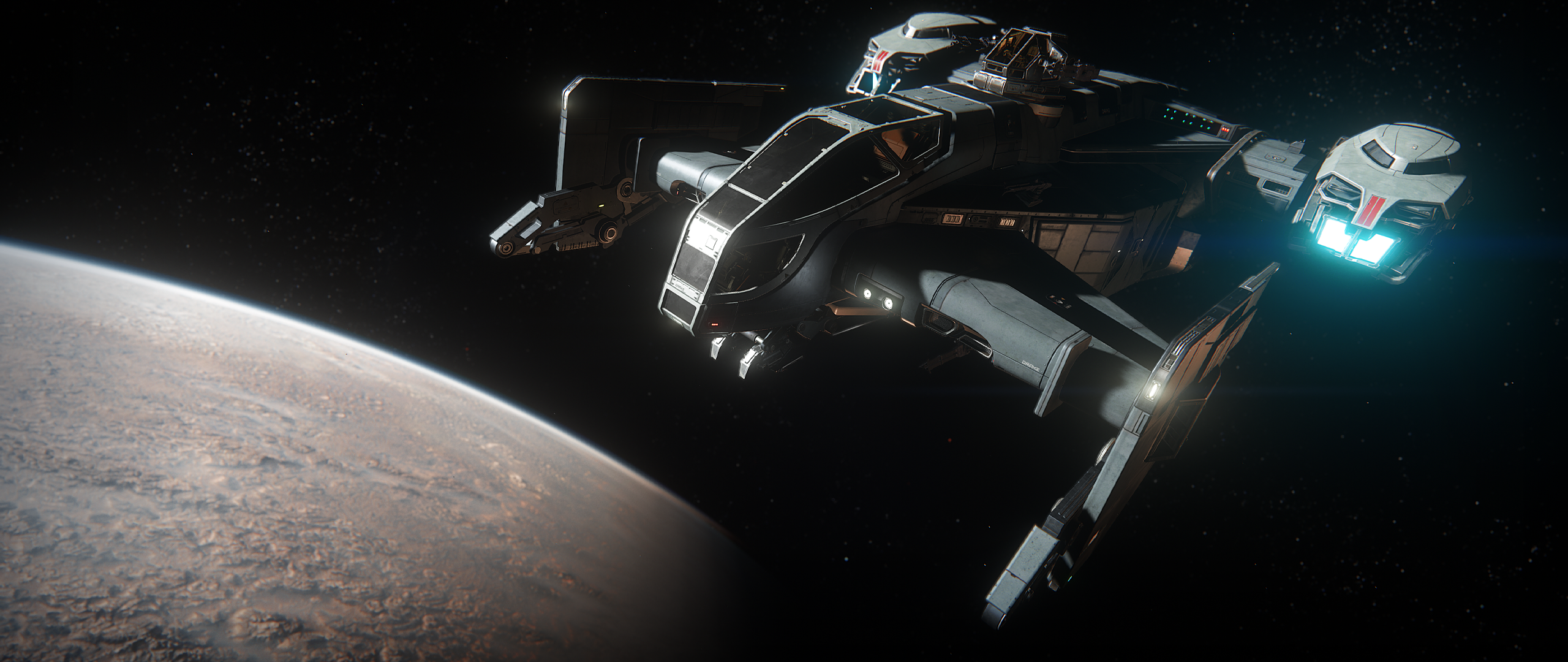
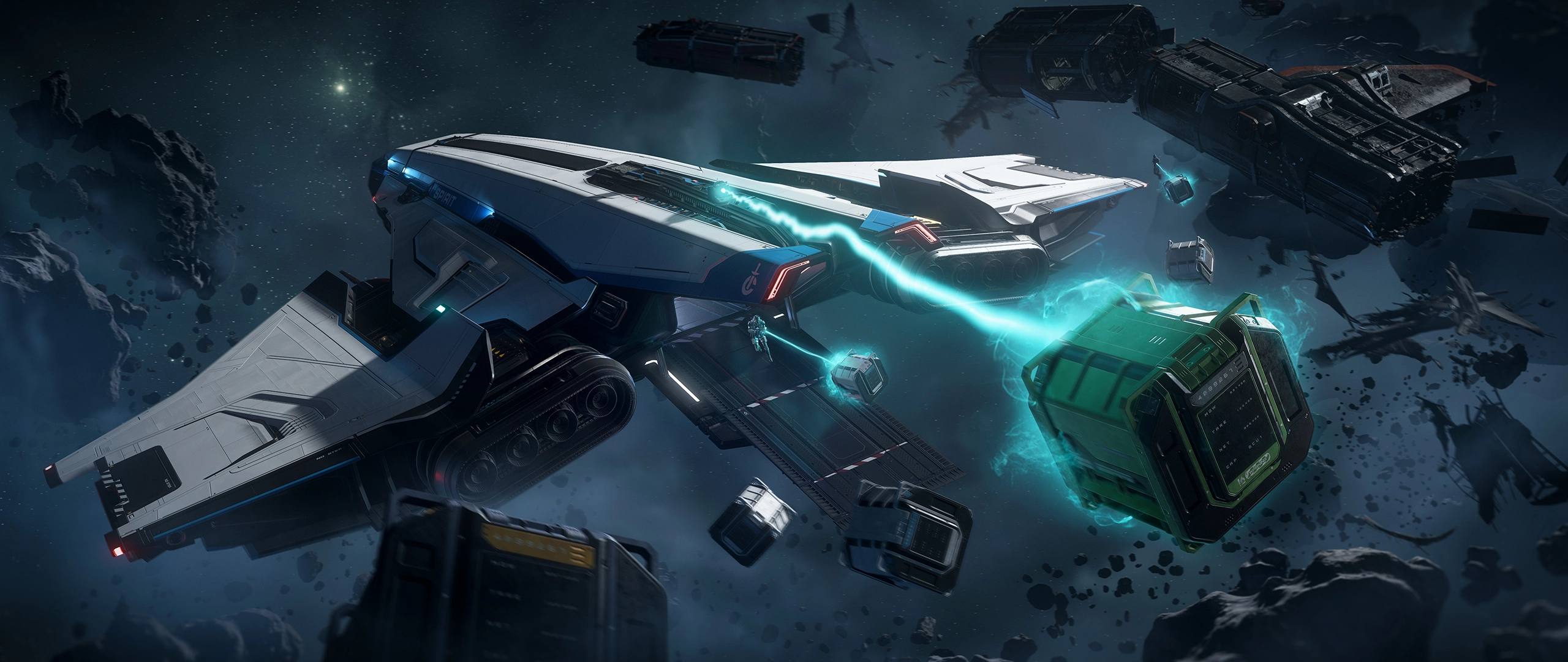
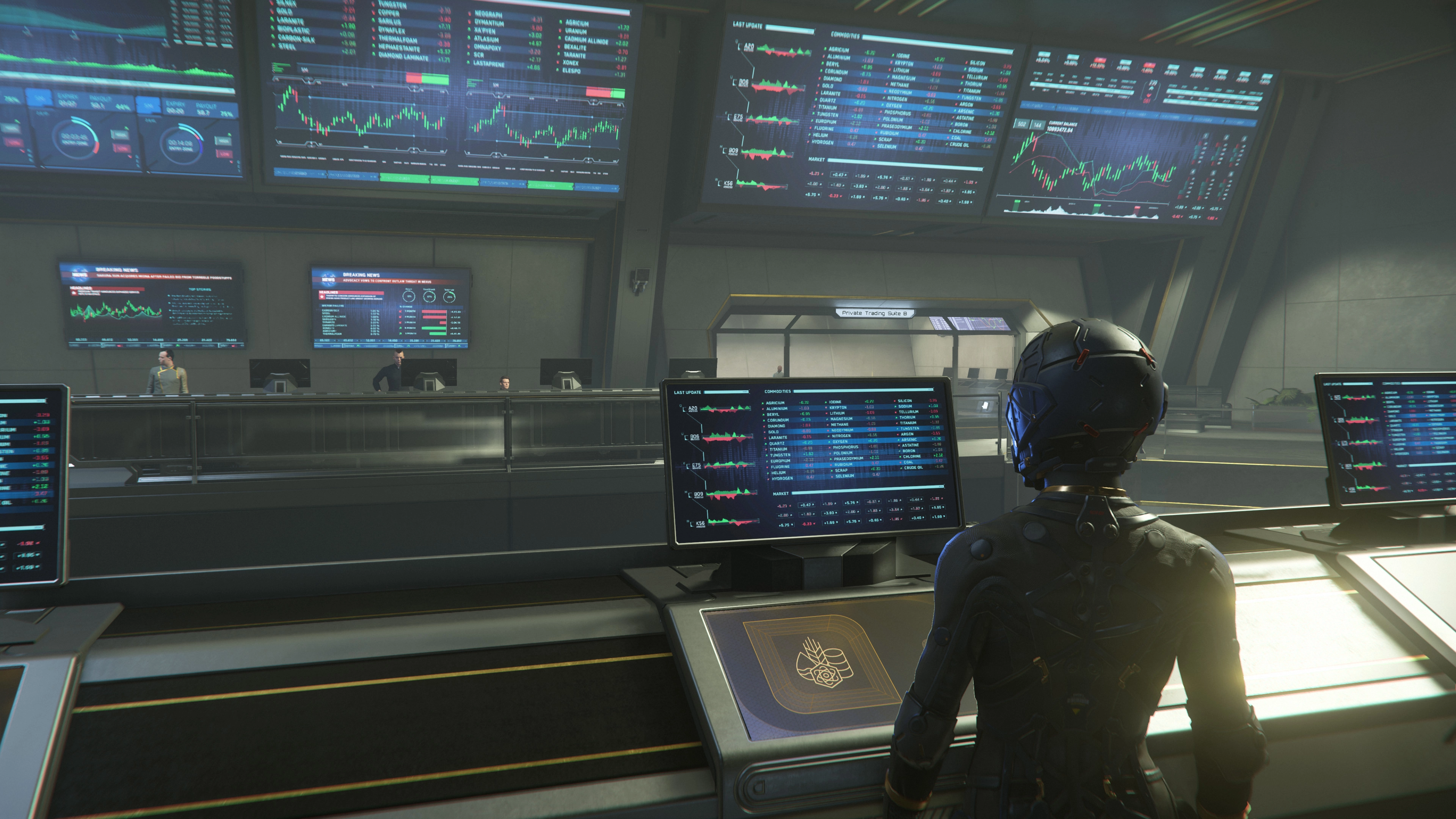





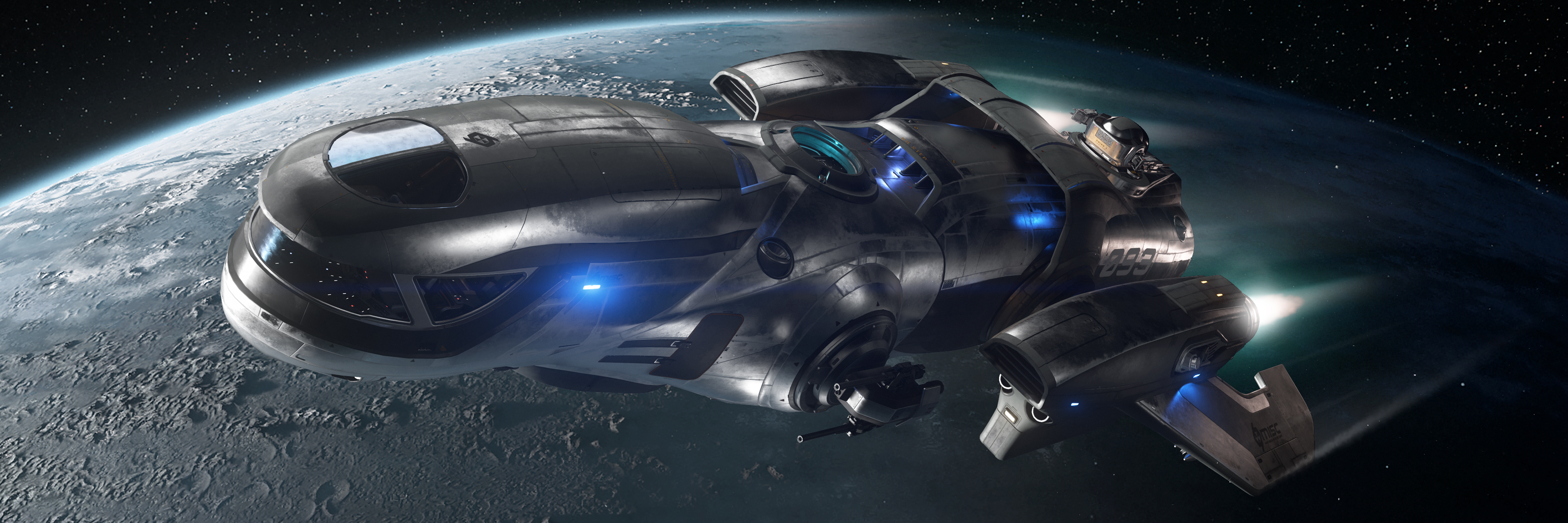
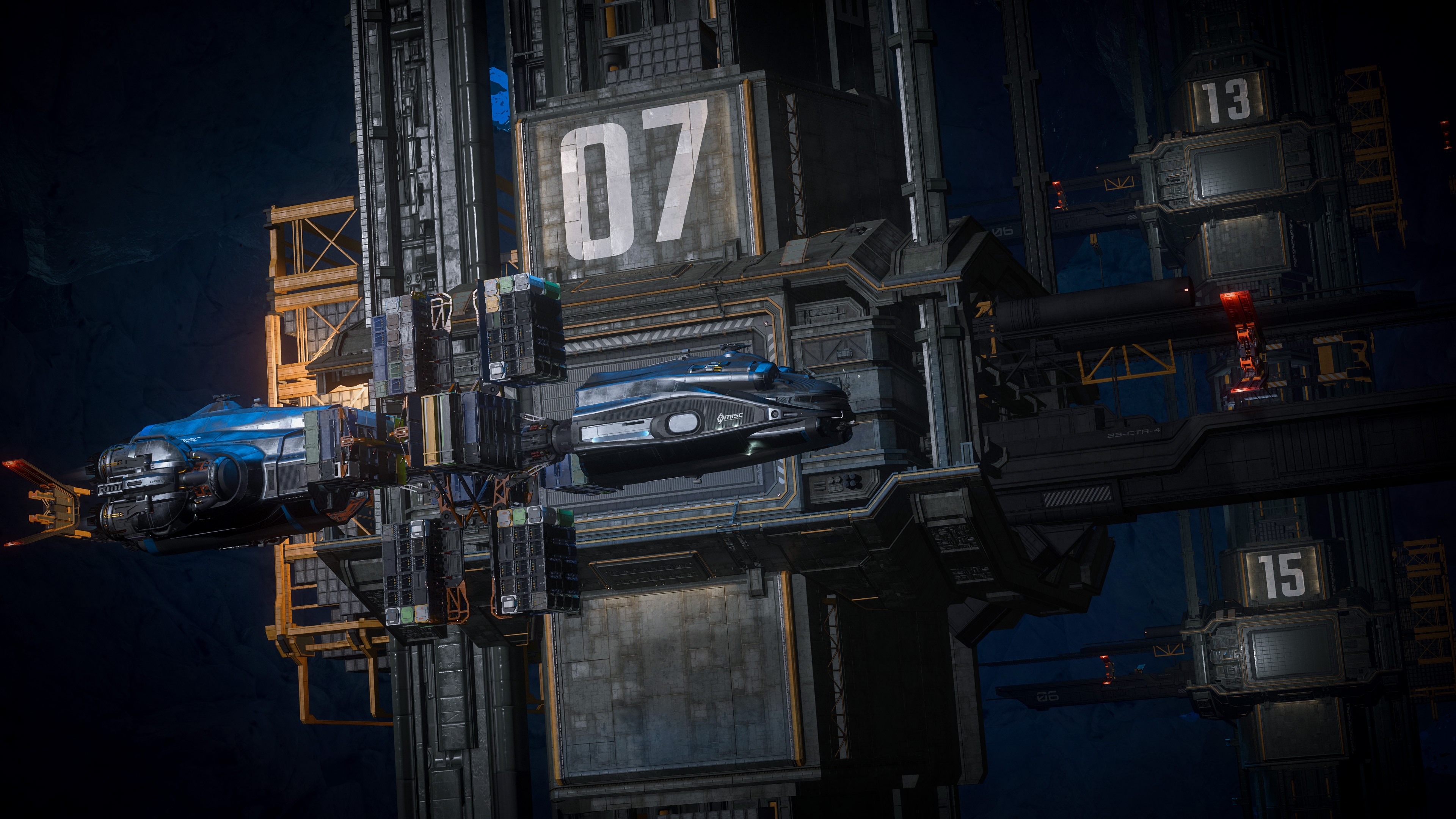
)/85/star-citizen-argo-csv-sm-03.webp)
)/85/mule.webp)
)/85/star-citizen-greycat-stv-gallery-03-21-9.webp)
)/85/atlas-hangar-16-9-8k.webp)
)/85/star-citizen-grin-utv-shipwall-crop-4k.webp)
)/85/tumbril-cyclone.webp)
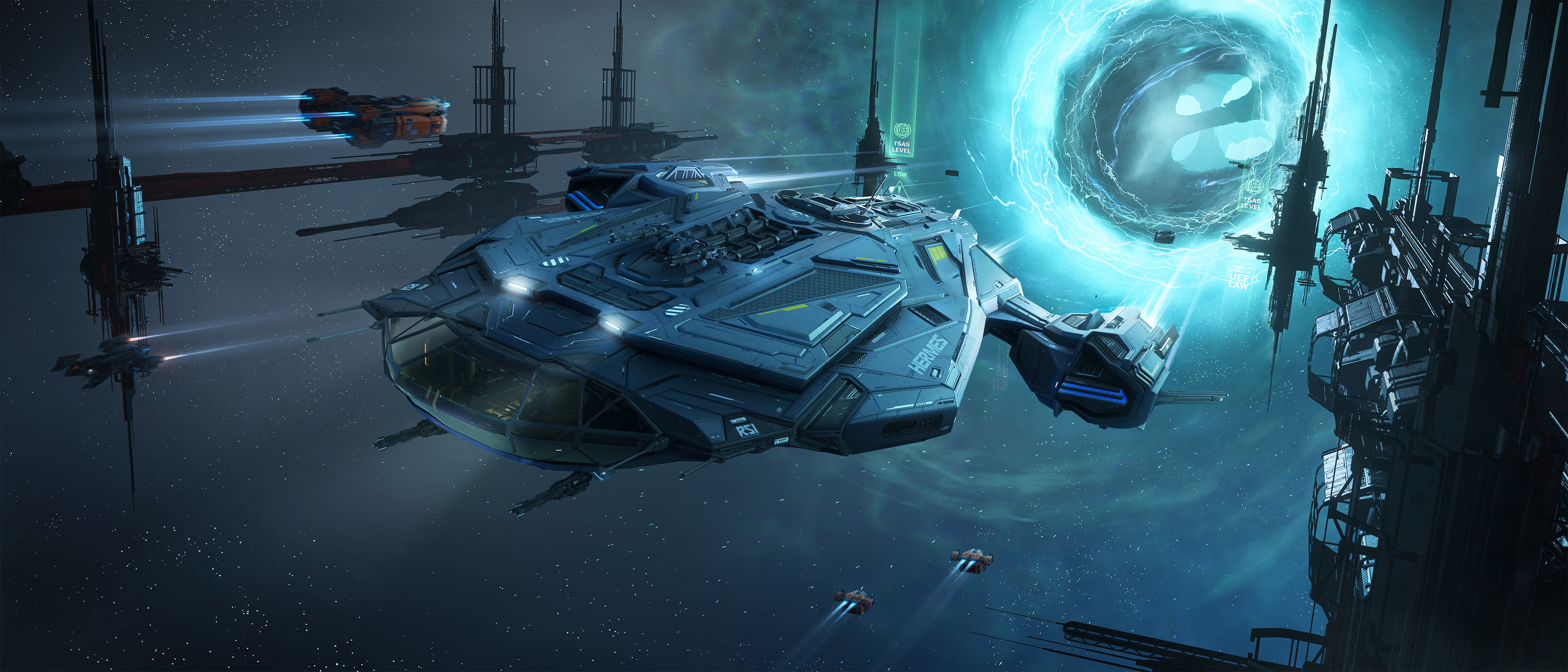
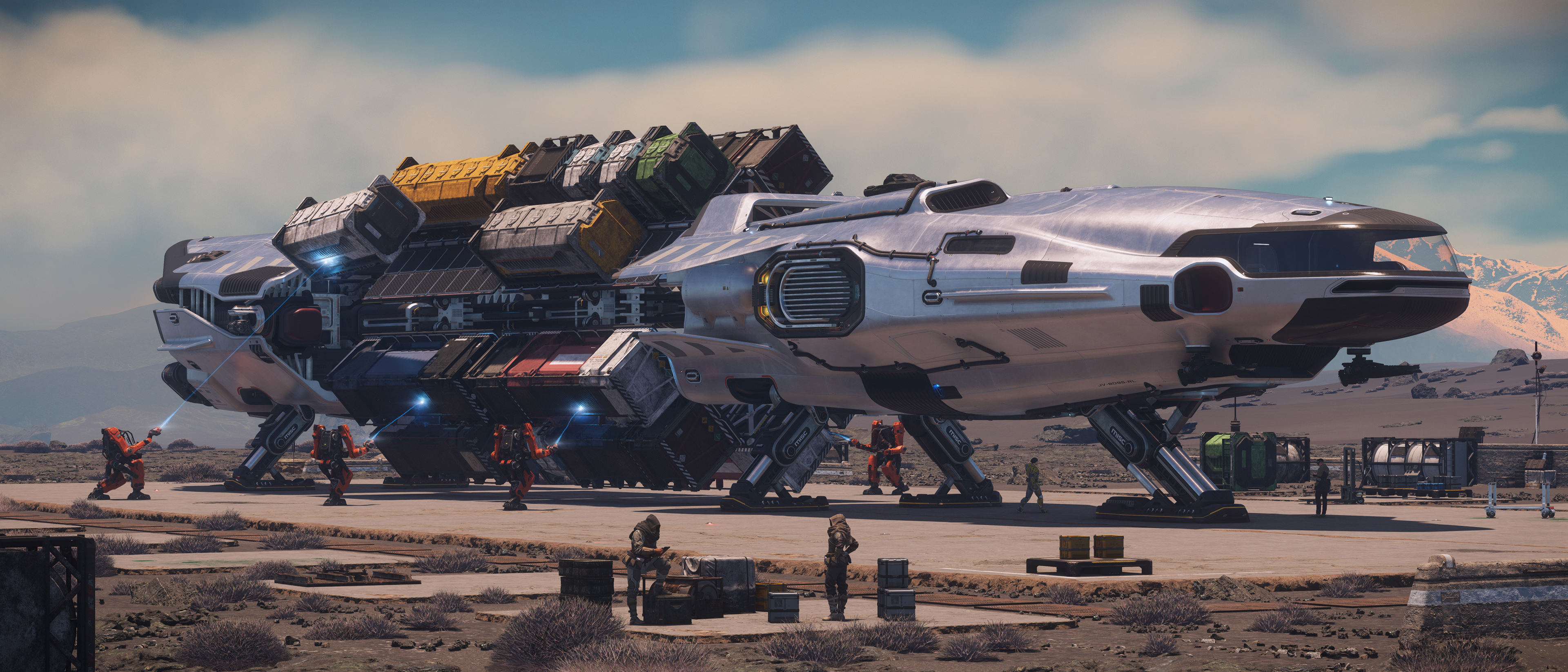
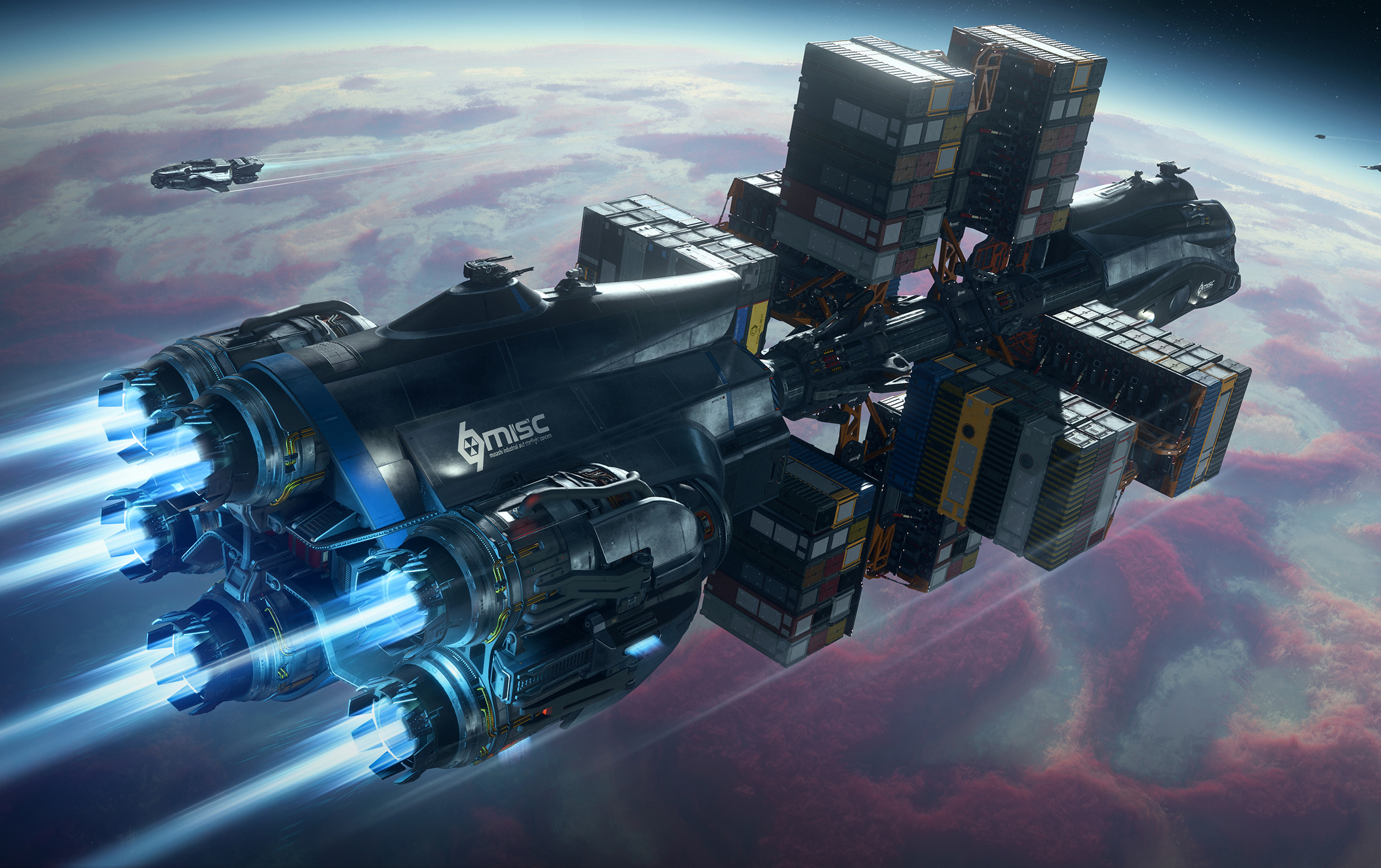
Metadata
- CIG ID
- 20040
- Channel
- Transmission
- Category
- Undefined
- Series
- None
- Comments
- 0
- Published
- 4 months ago (2026-05-25T11:00:00+00:00)